Blog

  • Lentiviral Vector Market Expected To Reach $30.66 Billion By 2030 As Growth Accelerates At 12.8% CAGR

    Lentiviral Vector Market Expected To Reach $30.66 Billion By 2030 As Growth Accelerates At 12.8% CAGR

    Delivering more actionable and strategically valuable research, The Business Research Company’s 2026 market reports feature market attractiveness analysis, total addressable market evaluation, company benchmarking matrices, interactive Excel dashboards, expanded supply chain intelligence, emerging startup coverage, and detailed product insights.

    Lentiviral Vector Market Growth Potential: How Will Market Size Change Through 2030?

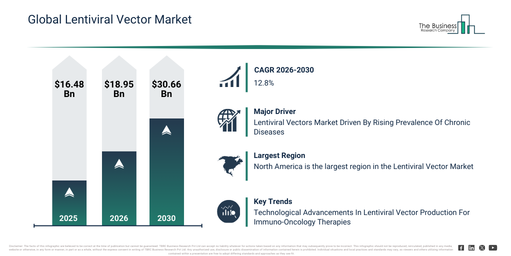
    The lentiviral vector market has experienced swift expansion in recent years, rising from $16.48 billion in 2025 to an estimated $18.95 billion in 2026, reflecting a compound annual growth rate (CAGR) of 15.0%. This historical growth has been driven by advancements in stable lentiviral production techniques, a rising incidence of genetic disorders, expanded academic and clinical research activities, increased funding for gene therapy research and development, and the widespread availability of transduction and packaging kits.

    Over the next several years, the market for lentiviral vectors is projected to experience substantial growth. By 2030, its value is forecast to reach $30.66 billion, reflecting a compound annual growth rate (CAGR) of 12.8%. This upward trajectory can be credited to a broader expansion of gene therapy pipelines, the growing use of automated systems for vector production, deeper collaborations between biotechnology and pharmaceutical companies, the rise of novel applications for lentiviral vectors, and increasing demand from emerging economies. Among the key trends shaping the forecast period are rising adoption of gene therapies, progress in viral vector engineering, faster regulatory approvals and compliance, expanded research funding for genetic diseases, and the scaling up of contract manufacturing services.

    Download A Free Sample Report For Comprehensive Market Insights:

    https://www.thebusinessresearchcompany.com/sample.aspx?id=14742&type=smp&utm_source=BlogsPR&utm_medium=Paid&utm_campaign=Jul_PR

    Lentiviral Vector Market Development Factors: Which Trends Are Supporting Demand?

    The rising incidence of chronic diseases is anticipated to drive forward the lentiviral vectors market. Chronic diseases are defined as long-lasting health conditions that generally advance gradually over time and frequently endure for years or a lifetime. Their growing prevalence is fueled by factors such as aging populations, unhealthy lifestyles, urbanization, and environmental influences. Lentiviral vectors provide versatile and effective means for creating vaccines and therapeutic approaches for chronic illnesses, helping to satisfy unmet medical needs and enhance patient outcomes. For example, in September 2024, data from the British Heart Foundation, a cardiovascular research charity based in the UK, indicated that around 7.6 million individuals in the United Kingdom are impacted by heart and circulatory conditions, with about 4 million men and 3.6 million women living with these issues. These ailments account for roughly 27% of all UK fatalities, which amounts to more than 170,000 deaths each year, approximately 480 daily, or one death every three minutes. Consequently, the increasing occurrence of chronic diseases is propelling the expansion of the lentiviral vectors market.

    Lentiviral Vector Market Segment Analysis: What Are The Major Market Categories?

    The lentiviral vector market covered in this report is segmented –

    1) By Product Type: Kits, Reagents And Consumables

    2) By Indication: Cancer, Genetic Disorder, Infectious Disease, Veterinary Disease, Other Indications

    3) By End User: Biotechnology Companies, Pharmaceutical Companies, Contract Research Organization (CRO), Academic And Research Institutes

    Subsegments:

    1) By Kits: Lentiviral Transduction Kits, Lentiviral Packaging Kits, Lentiviral Vector Production Kits

    2) By Reagents and Consumables: Lentiviral Packaging Reagents, Lentiviral Vector Concentration Reagents, Transfection Reagents for Lentiviral Vectors

    Lentiviral Vector Market Transformation Trends: Which Innovations Are Driving Change?

    Major players in the lentiviral vector industry are concentrating their efforts on creating LV vector production systems like LentiSure, which are intended to boost the effectiveness and reliability of manufacturing lentivirus vectors for cell-based immuno-oncology treatments. LentiSure functions as an LV vector production platform that generates lentiviral vectors utilized in cell-based immuno-oncology therapies. Its design aims to improve both the productivity and dependability of vector generation. For example, in May 2023, Yposkesi sk pharmteco, a French manufacturer specializing in viral vectors, introduced LentiSure, a state-of-the-art platform tailored to boost the production of lentiviral (LV) vectors with a focus on increasing the durability and effectiveness of lentivirus production. This system is meant to satisfy the rising need for dependable and cost-effective viral-vector manufacturing technologies within the cell and gene therapy sectors. It guarantees consistent product quality, achieving average titers at cell culture harvest of 10e7 IG/mL per bioreactor volume, thereby enhancing productivity and success rates for developers of cell therapies.

    Lentiviral Vector Market Leading Companies Driving Competitive Growth

    Major companies operating in the lentiviral vector market are Thermo Fisher Scientific Inc., Lonza Group AG, Cytiva, Takara Bio Inc., Promega Corporation, Bio-Rad Laboratories Inc., Merck KGaA, Agilent Technologies Inc., Oxford Biomedica, Sirion-Biotech GmbH, Yposkesi, Applied Biological Materials Inc., OriGene Technologies Inc., Sino Biological Inc., Charles River Laboratories, Vigene Biosciences, VectorBuilder, Cell Biolabs Inc., Addgene, GeneCopoeia Inc.

    Access The Complete Lentiviral Vector Market Report:

    https://www.thebusinessresearchcompany.com/report/lentiviral-vector-global-market-report?utm_source=BlogsPR&utm_medium=Paid&utm_campaign=Jul_PR

    Lentiviral Vector Market Regional Outlook: Where Are The Largest Opportunities Located?

    North America was the largest region in the lentiviral vector market in 2025. Asia-Pacific is expected to be the fastest-growing region in the forecast period. The regions covered in the lentiviral vector market report are Asia-Pacific, South East Asia, Western Europe, Eastern Europe, North America, South America, Middle East, Africa.

    Get in touch with us:

    The Business Research Company: https://www.thebusinessresearchcompany.com/?utm_source=BlogsPR&utm_medium=Paid&utm_campaign=home_page_test

    Americas: +1 310-496-7795

    Asia: +44 7882 955267 & +91 8897263534

    Europe: +44 7882 955267

    Email us at: marketing@tbrc.info

    Follow us on:

    LinkedIn: https://in.linkedin.com/company/the-business-research-company

    YouTube: https://www.youtube.com/channel/UC24_fI0rV8cR5DxlCpgmyFQ

    Global Market Model: https://www.thebusinessresearchcompany.com/global-market-model
  • Lennox Gastaut Syndrome Market Set To Grow From $0.79 Billion In 2026 To $1.03 Billion By 2030 At A CAGR Of 6.9%

    Lennox Gastaut Syndrome Market Set To Grow From $0.79 Billion In 2026 To $1.03 Billion By 2030 At A CAGR Of 6.9%

    Enhanced with market attractiveness analysis, total addressable market evaluation, company benchmarking matrices, interactive Excel dashboards, expanded supply chain intelligence, emerging startup coverage, and detailed product insights, The Business Research Company’s 2026 market reports deliver more actionable and strategically valuable research.

    Lennox Gastaut Syndrome Market Value Analysis: What Growth Is Expected Over The Forecast Period?

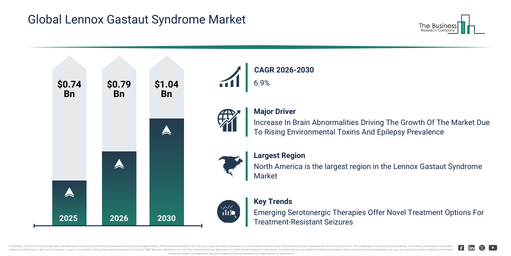
    The value of the lennox gastaut syndrome market has experienced robust expansion in recent years. Projections show it rising from $0.74 billion in 2025 to $0.79 billion in 2026, reflecting a compound annual growth rate (CAGR) of 7.2%. This historical growth has been driven by factors such as the scarcity of effective seizure control methods, the prevalence of pediatric epilepsy, reliance on neurology care within hospital settings, progress in antiepileptic drug development, and heightened awareness among caregivers.

    The market for Lennox-Gastaut syndrome is projected to experience robust expansion in the coming years. By 2030, its value is forecasted to reach $1.04 billion, driven by a compound annual growth rate (CAGR) of 6.9%. This anticipated growth during the forecast period is fueled by several factors, including the development of novel antiepileptic drug pipelines, the advancement of personalized seizure management strategies, broader approvals for cannabidiol-based treatments, funding initiatives dedicated to rare diseases, and enhanced diagnostic capabilities. Among the key trends shaping this period are the increasing adoption of CBD-based therapies, the broadening of treatment options in pediatric neurology, a greater reliance on multimodal approaches for seizure control, progress in dietary and device-oriented therapies, and a heightened emphasis on addressing rare neurological disorders.

    Download A Free Sample Report For Comprehensive Market Insights:

    https://www.thebusinessresearchcompany.com/sample.aspx?id=24588&type=smp&utm_source=BlogsPR&utm_medium=Paid&utm_campaign=Jul_PR

    Lennox Gastaut Syndrome Market Industry Drivers: What Is Driving Revenue Growth?

    The anticipated growth of the Lennox-Gastaut syndrome market is being driven by the rising frequency of brain abnormalities. These abnormalities involve structural or functional deviations from typical brain development or function. Their increase is linked to greater exposure to environmental toxins like air pollutants and industrial chemicals, which can disrupt brain development and neurological processes, especially in early childhood. Managing brain abnormalities often requires treatment for Lennox-Gastaut syndrome (LGS), as this condition triggers severe, medication-resistant seizures that can result in developmental delays, cognitive impairments, and lasting neurological harm if not properly addressed. For example, in November 2024, the Centers for Disease Control and Prevention (CDC), a U.S. federal health agency, reported that among babies born annually in the United States, anencephaly occurs in roughly 1 per 5,246 births (about 700 babies per year), encephalocele in approximately 1 per 10,365 births (around 354 babies per year), and spina bifida (excluding anencephaly) in about 1 per 2,875 births (approximately 1,278 babies per year). Consequently, the growing incidence of brain abnormalities is expected to fuel the expansion of the Lennox-Gastaut syndrome market.

    Lennox Gastaut Syndrome Market Segment Breakdown: Which Categories Generate The Most Revenue?

    The lennox gastaut syndrome market covered in this report is segmented –

    1) By Treatment: Antiepileptic Drugs, Vagus Nerve Stimulation, Ketogenic Diet, Cannabidiol, Cannabinoids

    2) By Epileptic Type: Atonic Seizures, Myoclonic Seizures, Tonic Seizures, Atypical Absence Seizures, Other Types

    3) By Age Group: Pediatric, Adult, Geriatric

    4) By Route of Administration: Oral, Parenteral

    5) By End-Users: Hospitals, Specialty Clinics, Other End Users

    Subsegments:

    1) By Antiepileptic Drugs: Valproate, Lamotrigine, Topiramate, Rufinamide, Clobazam, Felbamate, Levetiracetam, Other Antiepileptic Drugs

    2) By Ketogenic Diet: Classic Ketogenic Diet, Modified Atkins Diet, Medium Chain Triglyceride (MCT) Diet, Low Glycemic Index Treatment

    3) By Vagus Nerve Stimulation: Implantable Vagus Nerve Stimulation Devices, External Vagus Nerve Stimulation Devices

    4) By Cannabidiol: Epidiolex (FDA Approved), Other Prescription Cannabidiol Products

    5) By Cannabinoids: THC-based Products, Synthetic Cannabinoids, Combined THC or CBD Formulations

    Lennox Gastaut Syndrome Market Growth Trends: What Is Influencing The Future Outlook?

    Major industry participants within the lennox gastaut syndrome landscape are placing emphasis on advancing new treatment options, particularly fenfluramine oral solutions, to address the growing need for more effective supplementary therapies aimed at managing treatment-resistant seizures linked to LGS. This fenfluramine oral solution acts as a pharmaceutical intervention by modulating serotonin activity within the brain, thereby aiding in the reduction of both seizure occurrence and their intensity. A notable example is the February 2023 launch by UCB, a Belgian biopharmaceutical firm, which introduced the Fintepla oral solution across the European Union as an additional therapy for LGS-associated seizures. This Fintepla preparation is meticulously formulated to enable precise dosing tailored to a patient’s body weight, ensures convenient oral intake, and has achieved marked decreases in seizure frequency during clinical studies. Its distinguishing characteristics involve a novel mode of action that sets it apart from conventional antiepileptic medications, possible enhancements in patients’ overall well-being, and its appropriateness for extended use under proper medical supervision.

    Lennox Gastaut Syndrome Market Key Players And Strategic Industry Positioning

    Major companies operating in the lennox gastaut syndrome market are GW Pharmaceuticals plc, Pfizer Inc., Novartis AG, Sun Pharmaceutical Industries Ltd., Dr. Reddy’s Laboratories Ltd., Aurobindo Pharma Ltd., Zydus Lifesciences Ltd., Lupin Limited, Glenmark Pharmaceuticals Ltd., Abbott Laboratories, Medtronic plc, Boston Scientific Corporation, LivaNova PLC, SK Biopharmaceuticals Co. Ltd., Otsuka Pharmaceutical Co. Ltd., Bial – Portela & Cª S.A., Eisai Co. Ltd., UCB Pharma S.A., Teva Pharmaceutical Industries Ltd., Marinus Pharmaceuticals Inc., Supernus Pharmaceuticals Inc., Xenon Pharmaceuticals Inc., Ovid Therapeutics Inc., Aquestive Therapeutics Inc., Neurocrine Biosciences Inc., Sunovion Pharmaceuticals Inc., Alkem Laboratories Ltd., Cipla Ltd., Torrent Pharmaceuticals Ltd., Hikma Pharmaceuticals PLC.

    Access The Complete Lennox Gastaut Syndrome Market Report:

    https://www.thebusinessresearchcompany.com/report/lennox-gastaut-syndrome-global-market-report?utm_source=BlogsPR&utm_medium=Paid&utm_campaign=Jul_PR

    Lennox Gastaut Syndrome Market Geographic Landscape: Which Region Dominates Industry Growth?

    North America was the largest region in the lennox gastaut syndrome market in 2025. The regions covered in the lennox gastaut syndrome market report are Asia-Pacific, South East Asia, Western Europe, Eastern Europe, North America, South America, Middle East, Africa.

    Get in touch with us:

    The Business Research Company: https://www.thebusinessresearchcompany.com/?utm_source=BlogsPR&utm_medium=Paid&utm_campaign=home_page_test

    Americas: +1 310-496-7795

    Asia: +44 7882 955267 & +91 8897263534

    Europe: +44 7882 955267

    Email us at: marketing@tbrc.info

    Follow us on:

    LinkedIn: https://in.linkedin.com/company/the-business-research-company

    YouTube: https://www.youtube.com/channel/UC24_fI0rV8cR5DxlCpgmyFQ

    Global Market Model: https://www.thebusinessresearchcompany.com/global-market-model
  • Lenalidomide Market Opportunities Are Emerging Beyond Traditional Growth Areas

    Lenalidomide Market Opportunities Are Emerging Beyond Traditional Growth Areas

    Through market attractiveness analysis, total addressable market evaluation, company benchmarking matrices, interactive Excel dashboards, expanded supply chain intelligence, emerging startup coverage, and detailed product insights, The Business Research Company’s 2026 market reports provide more actionable and strategically valuable research.

    Lenalidomide Market Size Forecast: How Large Could The Market Become By 2030?

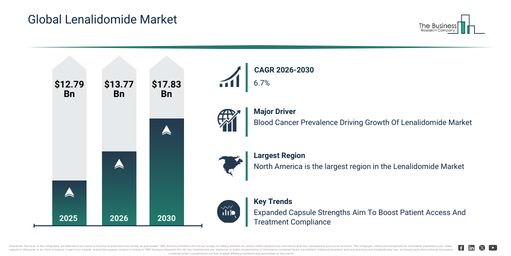
    Recent years have witnessed substantial expansion in the lenalidomide market value. This sector is projected to increase from $12.79 billion in 2025 to $13.77 billion in 2026, reflecting a compound annual growth rate (CAGR) of 7.7%. The historical growth can be explained by factors such as the proven clinical effectiveness of lenalidomide in managing multiple myeloma, its authorization for addressing myelodysplastic syndromes, enhanced patient survival rates relative to previous treatment options, broad integration into standard oncology protocols, and the provision of various dosage options enabling adaptable therapeutic regimens.

    The projected growth of the lenalidomide market is anticipated to be robust over the coming years. By 2030, it is forecast to reach $17.83 billion, expanding at a compound annual growth rate (CAGR) of 6.7%. This anticipated expansion during the forecast period is driven by key factors such as the rising global incidence of multiple myeloma, an increased adoption of maintenance therapy protocols, better access to oncology treatments in developing regions, the growing use of combination and sequential therapy approaches, and persistent demand for effective immunomodulatory cancer drugs. Among the prominent trends shaping this market are the continuous use of lenalidomide as a foundational therapy for multiple myeloma, its rising incorporation into combination treatment plans, the greater availability of generic lenalidomide options, the increased application of maintenance therapy for long-term myeloma care, and the broadening of lenalidomide’s use to other hematological conditions.

    Download A Free Sample Report For Comprehensive Market Insights:

    https://www.thebusinessresearchcompany.com/sample.aspx?id=15598&type=smp&utm_source=BlogsPR&utm_medium=Paid&utm_campaign=Jul_PR

    #Lenalidomide Market Growth Factors: Which Forces Are Supporting Market Expansion?

    The anticipated expansion of the lenalidomide market is being driven forward by the growing incidence of blood cancer cases. Blood cancer encompasses a range of malignancies affecting blood cells, bone marrow, or the lymphatic system, which disrupt normal blood formation and immune function. Its rising prevalence is attributed to factors such as aging populations, exposure to environmental toxins, genetic predispositions, and lifestyle choices. Lenalidomide plays a crucial role in blood cancer treatment by modulating immune responses, suppressing cancer cell growth, and facilitating the elimination of malignant cells. For example, based on the Cancer Facts & Figures 2023 report from the American Cancer Society—a U.S.-based nonprofit organization—an estimated 35,730 new myeloma cases were projected in the U.S. for 2023, comprising 19,860 men and 15,870 women. Additionally, approximately 184,720 individuals were expected to receive a leukemia, lymphoma, or myeloma diagnosis that same year. Hence, the climb in blood cancer prevalence is fueling the growth of the lenalidomide market.

    Lenalidomide Market Segmentation: How Is The Market Structured Across Key Categories?

    The lenalidomide market covered in this report is segmented –

    1) By Type: 5Mg Capsules, 10Mg Capsules, 15Mg Capsules, 25Mg Capsules

    2) By Application: Multiple Myeloma (MM), Myelodysplastic Syndromes (MDS), Lymphoma, Other Applications

    3) By End-User: Hospitals, Cancer Treatment Centers, Research Institutes

    Lenalidomide Market Industry Trends: What Changes Are Reshaping Demand?

    Key players in the lenalidomide market are prioritizing the creation of advanced solutions like complex generic capsule formulations to boost drug accessibility and foster better patient adherence. These formulations represent sophisticated iterations of existing medications, crafted to deliver efficacy and safety comparable to the original product while addressing hurdles in manufacturing or distribution. A notable example occurred in March 2023 when Teva Pharmaceutical Industries Ltd., a pharmaceutical firm based in Israel, joined forces with Natco Pharma Limited, a company headquartered in India, to introduce additional dosages—specifically 2.5 mg and 20 mg—of the generic version of Revlimid® (lenalidomide capsules) within the United States. This move broadens patient availability to a critical therapy for multiple myeloma and similar disorders. Through this partnership, the full range of lenalidomide capsule strengths is made accessible by prescription, supporting a diverse array of treatment possibilities.

    Lenalidomide Market Competitive Landscape And Leading Companies

    Major companies operating in the lenalidomide market are Bristol-Myers Squibb Company, Teva Pharmaceutical Industries Ltd., Sun Pharmaceutical Industries Ltd., Intas Pharmaceuticals Ltd, Aurobindo Pharma, Dr. Reddy’s Laboratories, Cipla Limited, Apotex Inc, Zydus Lifesciences Limited, Alvogen, Lotus Pharmaceutical, Natco Pharma Limited, Accord Healthcare, Avra Laboratories Pvt. Ltd., Camber Pharmaceuticals Inc., Rochem International Inc, Florencia Healthcare, Alleviare Life Sciences Pvt Ltd., Sarv Biolabs Pvt Ltd, Speciality Medicines Private Limited, Healthiza Lifescience Private Limited.

    Access The Complete Lenalidomide Market Report:

    https://www.thebusinessresearchcompany.com/report/lenalidomide-global-market-report?utm_source=BlogsPR&utm_medium=Paid&utm_campaign=Jul_PR

    Lenalidomide Market Largest Region: Which Geography Holds The Highest Market Share?

    North America was the largest region in the lenalidomide market in 2025. Asia-Pacific is expected to be the fastest-growing region in the forecast period. The regions covered in the lenalidomide market report are Asia-Pacific, South East Asia, Western Europe, Eastern Europe, North America, South America, Middle East, Africa.

    Get in touch with us:

    The Business Research Company: https://www.thebusinessresearchcompany.com/?utm_source=BlogsPR&utm_medium=Paid&utm_campaign=home_page_test

    Americas: +1 310-496-7795

    Asia: +44 7882 955267 & +91 8897263534

    Europe: +44 7882 955267

    Email us at: marketing@tbrc.info

    Follow us on:

    LinkedIn: https://in.linkedin.com/company/the-business-research-company

    YouTube: https://www.youtube.com/channel/UC24_fI0rV8cR5DxlCpgmyFQ

    Global Market Model: https://www.thebusinessresearchcompany.com/global-market-model
  • Leiomyosarcoma Drug Market Expansion Is Opening New Pathways For Strategic Investment

    Leiomyosarcoma Drug Market Expansion Is Opening New Pathways For Strategic Investment

    Delivering more actionable and strategically valuable research, The Business Research Company’s 2026 market reports feature market attractiveness analysis, total addressable market evaluation, company benchmarking matrices, interactive Excel dashboards, expanded supply chain intelligence, emerging startup coverage, and detailed product insights.

    Leiomyosarcoma Drug Market Revenue Outlook: What CAGR Is Expected Through 2030?

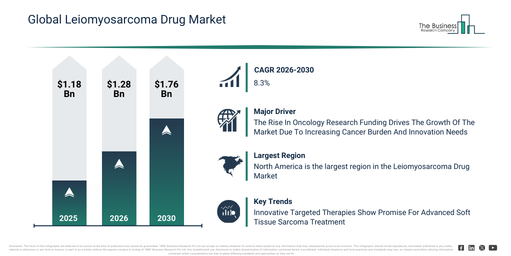
    The market for leiomyosarcoma medications has seen robust expansion in recent years. Projections indicate an increase from $1.18 billion in 2025 to $1.28 billion in 2026, reflecting a compound annual growth rate (CAGR) of 8.6%. This historical period’s growth can be traced to factors such as chemotherapy-based approaches to treating sarcomas, the limitations of surgical outcomes, the broadening of oncology drug pipelines, cancer care delivered within hospital settings, and incentives offered for orphan drug development.

    The leiomyosarcoma drug market is projected to experience robust expansion over the coming years. By 2030, its value is anticipated to reach $1.76 billion, reflecting a compound annual growth rate (CAGR) of 8.3%. This forecasted growth is driven by factors such as the increasing adoption of precision oncology, detailed molecular profiling of tumors, broader clinical trials focused on rare cancers, the development of combination immunotherapies, and regulatory incentives for orphan drugs. Key trends shaping this period include a growing reliance on targeted cancer therapies, the expansion of combination treatment approaches, heightened emphasis on developing drugs for rare cancers, the expanding role of immunotherapy, and ongoing progress in precision oncology.

    Download A Free Sample Report For Comprehensive Market Insights:

    https://www.thebusinessresearchcompany.com/sample.aspx?id=24587&type=smp&utm_source=BlogsPR&utm_medium=Paid&utm_campaign=Jul_PR

    Leiomyosarcoma Drug Market Demand Drivers: What Is Fueling Industry Growth?

    The ongoing expansion of funding for oncology research is anticipated to accelerate the leiomyosarcoma drug market’s growth. Oncology research encompasses the scientific examination of cancer’s origins, progression, detection, therapeutic approaches, and preventive measures. This increased financial commitment is largely spurred by the escalating prevalence of cancer cases, which necessitates more sophisticated treatments and enhanced patient outcomes. Progress in developing leiomyosarcoma medications propels oncology research investments by encouraging innovation in targeted therapies and securing funding for advancements in rare cancer treatments. By 2023, for example, the American Society for Radiation Oncology (ASTRO), a US-based entity focused on advancing radiation oncology, reported that the National Institutes of Health (NIH) secured $51 billion in funding, with $9.988 billion directed to the National Cancer Institute (NCI)—a $2.7 billion rise compared to 2022. Consequently, the surge in oncology research investments is fueling the expansion of the leiomyosarcoma drug market.

    Leiomyosarcoma Drug Market Segmentation Trends And Revenue Drivers

    The leiomyosarcoma drug market covered in this report is segmented –

    1) By Drug Type: Chemotherapy Agents, Targeted Therapy, Immunotherapy, Radiation Therapy, Combination Therapy

    2) By Drug Class: Anthracyclines, Alkylating Agents, Antimetabolites, Other Drug Class

    3) By Route of Administration: Oral, Intravenous, Subcutaneous, Topical, Intramuscular

    4) By Distribution Channel: Hospital Pharmacies, Retail Pharmacies, Online Pharmacies, Other Distribution Channels

    5) By End User: Hospitals, Specialized Clinics, Research Laboratories, Homecare Settings, Pharmaceutical Companies

    Subsegments:

    1) By Chemotherapy Agents: Anthracyclines, Alkylating Agents, Antimetabolites, Topoisomerase Inhibitors, Taxanes

    2) By Targeted Therapy: Deoxyribonucleic Acid Minor Groove Binders, Tyrosine Kinase Inhibitors, Mechanistic Target Of Rapamycin Inhibitors, Vascular Endothelial Growth Factor Inhibitors

    3) By Immunotherapy: Immune Checkpoint Inhibitors, Cancer Vaccines, Adoptive Cell Transfer

    4) By Radiation Therapy: External Beam Radiation Therapy, Stereotactic Body Radiation Therapy, Intensity-Modulated Radiation Therapy

    5) By Combination Therapy: Chemotherapy + Targeted Therapy, Chemotherapy + Radiation Therapy, Immunotherapy + Targeted Therapy

    Leiomyosarcoma Drug Market Innovation Trends: Which Developments Are Transforming The Industry?

    Key players in the leiomyosarcoma drug market are placing considerable emphasis on the development of innovative targeted therapies, including lurbinectedin-based treatment regimens, with the goal of enhancing clinical results for individuals suffering from advanced or therapy-resistant tumors. Such regimens employ lurbinectedin as a targeted cancer drug designed to directly assault leiomyosarcoma cells, thereby boosting therapeutic efficacy. As an illustration, in October 2023, Pharma Mar S.A., a pharmaceutical enterprise headquartered in Spain, launched a Phase IIb/III clinical study known as SaLuDo. This investigation seeks to assess the potential of combining Zepzelca (lurbinectedin) with doxorubicin for the management of patients diagnosed with metastatic leiomyosarcoma (LMS). The study’s objective is to determine whether this drug combination can yield superior results compared to existing therapeutic alternatives for this particularly difficult malignancy. It is primarily designed to monitor progression-free survival and overall survival rates, thereby evaluating the possible benefits of the regimen. Should it prove effective, the SaLuDo trial might pave the way for a novel standard of care, offering fresh optimism to patients battling metastatic leiomyosarcoma.

    Leiomyosarcoma Drug Market Industry Leaders: Which Organizations Are Driving Competition?

    Major companies operating in the leiomyosarcoma drug market are Pfizer Inc., Johnson And Johnson, Merck And Co. Inc., Bayer AG, Bristol-Myers Squibb Company, AstraZeneca Plc, Novartis AG, GlaxoSmithKline plc, Eli Lilly And Co, Philogen S.p.A, Eisai Co. Ltd, Incyte Corp, PharmaMar SA, Karyopharm Therapeutics Inc., Taiho Pharmaceutical Co. Ltd., Agenus Inc., Adaptimmune Therapeutics plc, BioInvent International AB, Advenchen Laboratories LLC, Radiopharm Theranostics Limited.

    Access The Complete Leiomyosarcoma Drug Market Report:

    https://www.thebusinessresearchcompany.com/report/leiomyosarcoma-drug-global-market-report?utm_source=BlogsPR&utm_medium=Paid&utm_campaign=Jul_PR

    Leiomyosarcoma Drug Market Regional Analysis: Which Region Leads By Revenue?

    North America was the largest region in the leiomyosarcoma drug market in 2025. Asia-Pacific is expected to be the fastest-growing region in the forecast period. The regions covered in the leiomyosarcoma drug market report are Asia-Pacific, South East Asia, Western Europe, Eastern Europe, North America, South America, Middle East, Africa.

    Get in touch with us:

    The Business Research Company: https://www.thebusinessresearchcompany.com/?utm_source=BlogsPR&utm_medium=Paid&utm_campaign=home_page_test

    Americas: +1 310-496-7795

    Asia: +44 7882 955267 & +91 8897263534

    Europe: +44 7882 955267

    Email us at: marketing@tbrc.info

    Follow us on:

    LinkedIn: https://in.linkedin.com/company/the-business-research-company

    YouTube: https://www.youtube.com/channel/UC24_fI0rV8cR5DxlCpgmyFQ

    Global Market Model: https://www.thebusinessresearchcompany.com/global-market-model
  • Lecithin Supplements Market Trends Are Creating New Opportunities For Industry Leaders

    Lecithin Supplements Market Trends Are Creating New Opportunities For Industry Leaders

    Enhanced with market attractiveness analysis, total addressable market evaluation, company benchmarking matrices, interactive Excel dashboards, expanded supply chain intelligence, emerging startup coverage, and detailed product insights, The Business Research Company’s 2026 market reports deliver more actionable and strategically valuable research.

    Lecithin Supplements Market Growth Analysis: How Will Revenue Expand During The Forecast Period?

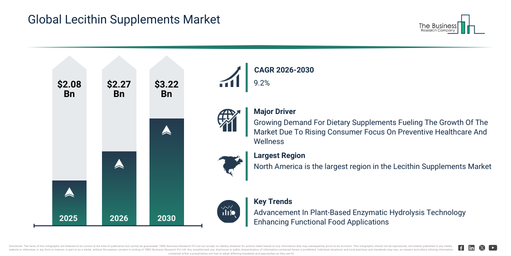
    The lecithin supplements market has experienced notable expansion in recent times. Projected to rise from $2.08 billion in 2025 to $2.27 billion in 2026, it is expected to achieve a compound annual growth rate (CAGR) of 9.3%. This historical growth is driven by factors such as increasing intake of dietary supplements, heightened awareness regarding advantages for lipid metabolism, expanded manufacturing of soy and sunflower lecithin, a growing number of health-focused consumers, and the widespread availability of various lecithin product formats.

    The lecithin supplements sector is projected to undergo significant expansion over the coming years. By 2030, its value is anticipated to climb to $3.22 billion, driven by a compound annual growth rate (CAGR) of 9.2%. This upward trajectory in the forecast timeframe can be linked to the growing popularity of plant-based eating habits, heightened demand for supplements that support cognitive function and liver wellness, the broadening of clean-label supplement categories, increased online retail penetration, and progress in lecithin extraction methods. Key developments shaping this period involve a higher preference for plant-derived lecithin sources, a growing uptake of non-GMO and clean-label supplement products, broader utilization in formulations aimed at heart and brain health, the proliferation of diverse supplement formats, and a stronger emphasis on lipid-based nutritional enhancements.

    Download A Free Sample Report For Comprehensive Market Insights:

    https://www.thebusinessresearchcompany.com/sample.aspx?id=30312&type=smp&utm_source=BlogsPR&utm_medium=Paid&utm_campaign=Jul_PR

    Lecithin Supplements Market Growth Drivers: What Factors Are Accelerating Expansion?

    The increasing popularity of dietary supplements is anticipated to boost the lecithin supplements market in the coming period. These supplements encompass a broad array of items, including vitamins, minerals, amino acids, and other nutrients, all intended to enhance a person’s diet and promote general wellness. The rising consumer focus on health and the growing emphasis on preventive care and well-being are driving this higher demand for supplements. Lecithin products, which may support brain function, liver health, and fat breakdown, are used by individuals in various ways. For example, a September 2025 report from the Australian Bureau of Statistics revealed that in 2023, roughly one-third of Australians (33.6%) reported consuming dietary supplements, with use being notably more prevalent among adult women (43.7%) than adult men (30.8%). As a result, the expansion of the lecithin supplements market is being propelled by the rising need for dietary supplements.

    Lecithin Supplements Market Segment Analysis Highlighting Growth Areas

    The lecithin supplements market covered in this report is segmented –

    1) By Product Form: Liquid Lecithin, Granulated Lecithin, Softgel Capsules, Powdered Lecithin

    2) By Type: Soy Lecithin, Sunflower Lecithin, Egg Lecithin, Other Types

    3) By Consumer Demographics: Age Groups, Gender, Health Conscious Consumers

    4) By Distribution Channel: Online Retail, Health Food Stores, Pharmacies, Supermarkets And Hypermarkets

    5) By End-User: Dietary Supplements, Food And Beverages, Pharmaceuticals, Cosmetics And Personal Care Products

    Subsegments:

    1) By Liquid Lecithin: Soy-Based Liquid Lecithin, Sunflower-Based Liquid Lecithin, Rapeseed-Based Liquid Lecithin, Egg-Based Liquid Lecithin, Non-GMO Liquid Lecithin

    2) By Granulated Lecithin: Soy Granulated Lecithin, Sunflower Granulated Lecithin, Rapeseed Granulated Lecithin, Egg Granulated Lecithin

    3) By Softgel Capsules: Soy Lecithin Softgels, Sunflower Lecithin Softgels, Non-GMO Lecithin Softgels, Phosphatidylcholine-Rich Softgels

    4) By Powdered Lecithin: Soy Powdered Lecithin, Sunflower Powdered Lecithin, Rapeseed Powdered Lecithin, Egg Powdered Lecithin, Non-GMO Powdered Lecithin

    Lecithin Supplements Market Trends: What Is Shaping Future Industry Growth?

    Major players in the lecithin supplements market are placing increased emphasis on creating novel plant-based products through enzymatic hydrolysis, a technique where enzymes, aided by water, break down intricate molecules into simpler components. This approach is designed to boost product performance, support environmental goals, and align with current needs in both nutrition and functional food applications. As an illustration, Austrade Inc., an American food and beverage firm, unveiled in June 2025 a non-GMO hydrolyzed sunflower lecithin powder intended for use in functional drinks. By applying enzymatic hydrolysis and concentration methods, this ingredient attains a Hydrophilic-Lipophilic Balance (HLB) value between 9 and 10, which enhances how well it stabilizes oil-in-water emulsions. The advanced lecithin powder delivers better effectiveness even when used in smaller amounts, while also preserving a neutral color and taste, making it well-suited for plant-based coffee whiteners, nutritional beverages, protein formulas, and frozen sweets. This product debut highlights Austrade’s dedication to sustainable and creative solutions that tackle formulation difficulties and cater to the rising need for clean-label, plant-derived components within the functional drink market.

    Lecithin Supplements Market Leading Companies: Who Holds Significant Market Presence?

    Major companies operating in the lecithin supplements market are Cargill Incorporated, Archer Daniels Midland Company (ADM), Louis Dreyfus Company, NOW Health Group Inc., Robinson Pharma Inc., Swanson Health Products Inc., Jarrow Formulas Inc., Life Extension Foundation Buyers Club Inc., Nature’s Way Products LLC, Swanson Health Products Inc., Natrol LLC, Integrative Therapeutics LLC, Pure Encapsulations LLC, Solgar Inc., Bulksupplements.com LLC, Jamieson Wellness Inc., Weihai Baihe Biology Technological Co. Ltd., Solaray Inc., Austrade Inc., NutraBlast Inc.

    Access The Complete Lecithin Supplements Market Report:

    https://www.thebusinessresearchcompany.com/report/global-lecithin-supplements-market-report?utm_source=BlogsPR&utm_medium=Paid&utm_campaign=Jul_PR

    Lecithin Supplements Market Geographic Distribution And Regional Opportunities

    North America was the largest region in the lecithin supplements market in 2025. Asia-Pacific is expected to be the fastest-growing region in the forecast period. The regions covered in the lecithin supplements market report are Asia-Pacific, South East Asia, Western Europe, Eastern Europe, North America, South America, Middle East, Africa.

    Get in touch with us:

    The Business Research Company: https://www.thebusinessresearchcompany.com/?utm_source=BlogsPR&utm_medium=Paid&utm_campaign=home_page_test

    Americas: +1 310-496-7795

    Asia: +44 7882 955267 & +91 8897263534

    Europe: +44 7882 955267

    Email us at: marketing@tbrc.info

    Follow us on:

    LinkedIn: https://in.linkedin.com/company/the-business-research-company

    YouTube: https://www.youtube.com/channel/UC24_fI0rV8cR5DxlCpgmyFQ

    Global Market Model: https://www.thebusinessresearchcompany.com/global-market-model
  • Laxatives Market Growth Is Reshaping Competitive Advantage Across The Industry

    Laxatives Market Growth Is Reshaping Competitive Advantage Across The Industry

    Through market attractiveness analysis, total addressable market evaluation, company benchmarking matrices, interactive Excel dashboards, expanded supply chain intelligence, emerging startup coverage, and detailed product insights, The Business Research Company’s 2026 market reports provide more actionable and strategically valuable research.

    Laxatives Market Forecast: What Market Value Is Expected By 2030?

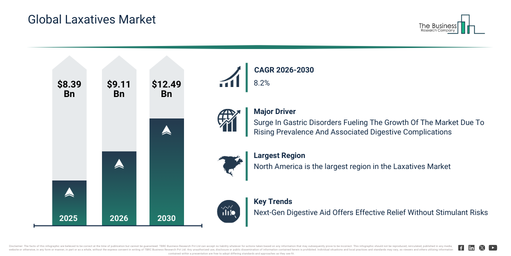
    The market for laxatives has experienced robust expansion over the past several years. Projections indicate it will increase from $8.39 billion in 2025 to $9.11 billion in 2026, reflecting a compound annual growth rate (CAGR) of 8.5%. This historical growth has been driven by factors such as insufficient dietary fiber intake, sedentary habits, an older demographic, constipation management within hospital settings, and the widespread availability of over-the-counter medications.

    The laxatives market is projected to experience robust growth in the coming years, reaching a value of $12.49 billion by 2030 with a compound annual growth rate (CAGR) of 8.2%. During the forecast period, expansion is driven by factors such as a heightened emphasis on preventive digestive health, rising consumer demand for clean-label laxative options, the expansion of e-commerce pharmacies, an increasing prevalence of irritable bowel syndrome (IBS), and innovations in formulations tailored for pediatric and geriatric populations. Key trends shaping this period include a growing preference for over-the-counter digestive remedies, increased uptake of fiber-based and natural laxative products, broader public awareness regarding gut health, the rapid growth of online pharmaceutical sales channels, and ongoing product development aimed at delivering innovative solutions in this category.

    Download A Free Sample Report For Comprehensive Market Insights:

    https://www.thebusinessresearchcompany.com/sample.aspx?id=24586&type=smp&utm_source=BlogsPR&utm_medium=Paid&utm_campaign=Jul_PR

    Laxatives Market Growth Factors Supporting Long-Term Expansion

    The growing incidence of stomach-related ailments is anticipated to boost the expansion of the laxatives market moving forward. Gastric disorders involve medical issues that impair the stomach’s operation and anatomy, leading to symptoms like pain, poor digestion, and swelling. This rise in gastric conditions is fueled by greater intake of processed and fast foods, which frequently harm gut health by triggering inflammation and acid irregularities. Laxatives assist in handling gastric disorders by encouraging bowel movements, easing constipation, and lessening unease from digestive obstructions. As an example, in February 2025, Cancer Australia—a government body based in Australia—reported that in 2023, an estimated 2,576 new cases of stomach cancer were identified, with a lifetime diagnosis risk by age 85 of 0.85% overall (1.1% for men and 0.61% for women). Consequently, the increasing prevalence of gastric disorders is fueling the growth of the laxatives market.

    Laxatives Market Segment Performance And Strategic Opportunities

    The laxatives market covered in this report is segmented –

    1) By Type: Hypertonic Laxative, Lubricating Laxative, Stimulant Laxative, Swelling Laxative, Other Types

    2) By Formulation: Tablets, Powder, Liquid, Suppositories, Gels

    3) By Applications: Chronic Constipation, Irritable Bowel Syndrome (IBS), Post-Surgery Recovery, Weight Loss And Detox

    4) By End User: Hospitals, Clinics, Retail Pharmacies, Other End-Users

    Subsegments:

    1) By Hypertonic Laxative: Saline Laxatives, Osmotic Laxatives, Fleet Phospho-soda, Lactulose

    2) By Lubricating Laxative: Mineral Oil, Glycerin Suppositories, Emollient Enemas

    3) By Stimulant Laxative: Bisacodyl, Senna (Sennosides), Castor Oil, Sodium Picosulfate

    4) By Swelling Laxative: Psyllium Husk, Methylcellulose, Calcium Polycarbophil, Bran

    5) By Other Types: Enemas, Suppositories, Herbal Laxatives, Probiotic-Based Laxatives

    Laxatives Market Industry Trends Shaping Future Revenue Growth

    Leading players in the laxatives sector are placing significant emphasis on creating next-generation products, particularly osmotic laxatives, aimed at enhancing digestive health outcomes while addressing consumer demand for safe and non-addictive alternatives. These osmotic laxatives work as non-stimulant agents by drawing water into the colon, which softens feces and encourages regular bowel activity. Typical ingredients in these formulations include polyethylene glycol (PEG) or lactulose. A case in point occurred in June 2024, when Glenmark Pharmaceuticals, an Indian pharmaceutical firm, introduced LaxaGo, an over-the-counter osmotic laxative. This product utilizes a PEG 3350 formulation combined with balanced electrolytes to deliver effective yet gentle relief, boasts improved palatability through a neutral flavor designed to boost patient adherence, and relies on a non-stimulant action that eliminates the risk of dependency from prolonged usage.

    Laxatives Market Key Players: Which Companies Shape Industry Competition?

    Major companies operating in the laxatives market are Pfizer Inc., The Procter & Gamble Company, Johnson & Johnson, Sanofi S.A., Abbott Laboratories, GlaxoSmithKline plc, Takeda Pharmaceutical Company Limited, Reckitt Benckiser Group plc, Bausch Health Companies Inc., Nestlé Health Science, Sun Pharmaceutical Industries Ltd., Aurobindo Pharma Limited, Dr. Reddy’s Laboratories Ltd., Zydus Lifesciences Limited, Glenmark Pharmaceuticals Ltd., Purdue Pharma L.P., Boiron S.A., Ironwood Pharmaceuticals Inc., Ferring Pharmaceuticals, C.B. Fleet Company Inc.

    Access The Complete Laxatives Market Report:

    https://www.thebusinessresearchcompany.com/report/laxatives-global-market-report?utm_source=BlogsPR&utm_medium=Paid&utm_campaign=Jul_PR

    Laxatives Market Largest Region By Revenue And Market Share

    North America was the largest region in the laxatives market in 2025. Asia-Pacific is expected to be the fastest-growing region in the forecast period. The regions covered in the laxatives market report are Asia-Pacific, South East Asia, Western Europe, Eastern Europe, North America, South America, Middle East, Africa.

    Get in touch with us:

    The Business Research Company: https://www.thebusinessresearchcompany.com/?utm_source=BlogsPR&utm_medium=Paid&utm_campaign=home_page_test

    Americas: +1 310-496-7795

    Asia: +44 7882 955267 & +91 8897263534

    Europe: +44 7882 955267

    Email us at: marketing@tbrc.info

    Follow us on:

    LinkedIn: https://in.linkedin.com/company/the-business-research-company

    YouTube: https://www.youtube.com/channel/UC24_fI0rV8cR5DxlCpgmyFQ

    Global Market Model: https://www.thebusinessresearchcompany.com/global-market-model
  • Lateral Epicondylitis Treatment Market Forecast Signals New Revenue Opportunities Through 2030

    Lateral Epicondylitis Treatment Market Forecast Signals New Revenue Opportunities Through 2030

    Delivering more actionable and strategically valuable research, The Business Research Company’s 2026 market reports feature market attractiveness analysis, total addressable market evaluation, company benchmarking matrices, interactive Excel dashboards, expanded supply chain intelligence, emerging startup coverage, and detailed product insights.

    Lateral Epicondylitis Treatment Market Size Outlook: How Fast Will Revenue Grow Through 2030?

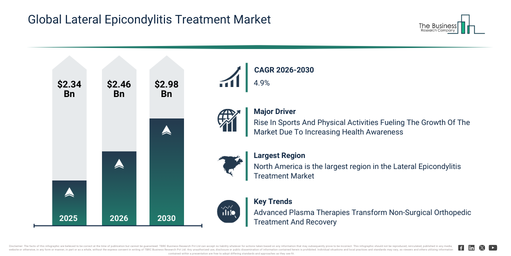
    The market for lateral epicondylitis treatments has experienced robust expansion in recent years. Projected to rise from $2.34 billion in 2025 to $2.46 billion in 2026, it reflects a compound annual growth rate (CAGR) of 5.2%. This historical growth has been driven by factors such as the high incidence of sports-related injuries, repetitive strain from occupational activities, the proliferation of orthopedic clinics, widespread use of conventional physiotherapy, and reliance on NSAID-based pain management approaches.

    The lateral epicondylitis treatment market is anticipated to experience consistent expansion over the coming years. By 2030, its value is projected to reach $2.98 billion, reflecting a compound annual growth rate (CAGR) of 4.9%. This upward trajectory during the forecast period is driven by factors such as the increasing acceptance of minimally invasive procedures, the growing number of older workers, the rise of digital physiotherapy platforms, a heightened need for quicker recovery options, and progress in outpatient surgical techniques. Key developments shaping this period include a stronger emphasis on non-surgical treatments, wider implementation of physical therapy regimens, greater utilization of injection methods guided by imaging, the broadening of outpatient orthopedic services, and the merging of rehabilitation efforts with pain management approaches.

    Download A Free Sample Report For Comprehensive Market Insights:

    https://www.thebusinessresearchcompany.com/sample.aspx?id=24585&type=smp&utm_source=BlogsPR&utm_medium=Paid&utm_campaign=Jul_PR

    Lateral Epicondylitis Treatment Market Demand Drivers Creating New Revenue Opportunities

    The expansion of sports and physical activities is projected to propel the lateral epicondylitis treatment market forward. These activities encompass structured or recreational bodily movements aimed at enhancing physical fitness, preserving health, or participating in competitive or leisure events. Their prevalence is climbing due to heightened health consciousness, with more individuals prioritizing exercise to ward off illnesses and boost both mental and physical health. Lateral epicondylitis treatment proves advantageous for such activities by facilitating pain-free arm function restoration, enabling individuals to perform actions like gripping and swinging without discomfort or limitations. For example, in February 2024, the Sports and Fitness Industry Association (SFIA), a US-based trade group, reported that 78.8% of Americans—equivalent to 242 million people—engaged in at least one physical activity in 2023, marking a 2.2% increase from 2022. Consequently, the rising engagement in sports and physical activities is fueling growth in the lateral epicondylitis treatment market.

    Lateral Epicondylitis Treatment Market Segment Landscape And Growth Potential

    The lateral epicondylitis treatment market covered in this report is segmented –

    1) By Treatment Type: Non-Surgical Treatment, Surgical Treatment

    2) By Age Group: Pediatric, Adult, Geriatric

    3) By Application: Athlete, Other Applications

    4) By End Use: Hospitals, Ambulatory Surgical Centers, Orthopedic Clinics, Homecare Settings, Other End Uses

    Subsegments:

    1) By Non-Surgical Treatment: Physical Therapy, Pharmacological Therapy, Orthotic Devices, Injections

    2) By Surgical Treatment: Open Surgery, Arthroscopic Surgery

    Lateral Epicondylitis Treatment Market Trends Driving Strategic Industry Expansion

    Leading market players in the lateral epicondylitis treatment space are concentrating on novel product development, particularly plasma-based therapies, to broaden therapeutic offerings and deliver sophisticated, non-invasive care for individuals suffering from orthopedic issues. These plasma therapies utilize blood plasma components—such as antibodies or growth factors—to manage various health conditions and promote the body’s innate healing mechanisms. A case in point is Tree Top Hospital (TTH), a cutting-edge healthcare facility in the Maldives, which introduced platelet-rich plasma (PRP) treatments in December 2023 as part of its advanced orthopedic services. This state-of-the-art approach harnesses the patient’s own regenerative capabilities to address certain musculoskeletal problems, including lateral epicondylitis (commonly known as tennis elbow), early-stage knee arthritis, and tendon injuries linked to sports activities. With the rollout of PRP therapy, TTH seeks to improve patient outcomes through evidence-based, minimally invasive regenerative techniques, thereby diminishing the reliance on conventional surgical interventions.

    Lateral Epicondylitis Treatment Market Competitive Landscape: Who Are The Leading Companies?

    Major companies operating in the lateral epicondylitis treatment market are Merck & Co. Inc., 3M Company, Mayo Foundation for Medical Education and Research (MFMER), Cleveland Clinic, Chugai Pharmaceutical, Johns Hopkins Medicine, MedStar Health, Cipla Inc., Enovis Corporation, OttoBock HealthCare, Ossur Corporate, Max Healthcare, Seikagaku Corporation, Texas Orthopedic Specialists, Johari Digital, Mediheal Group of Hospitals, Scandinavian Physiotherapy Center, Veritas Health LLC, Folsom Orthopaedics & Sports Medicine, ReLiva Physiotherapy & Rehab, Molecular Pharmacology Limited

    Access The Complete Lateral Epicondylitis Treatment Market Report:

    https://www.thebusinessresearchcompany.com/report/lateral-epicondylitis-treatment-global-market-report?utm_source=BlogsPR&utm_medium=Paid&utm_campaign=Jul_PR

    Lateral Epicondylitis Treatment Market Regional Analysis And Leading Geography

    North America was the largest region in the lateral epicondylitis treatment market in 2025. Asia-Pacific is expected to be the fastest-growing region in the forecast period. The regions covered in the lateral epicondylitis treatment market report are Asia-Pacific, South East Asia, Western Europe, Eastern Europe, North America, South America, Middle East, Africa.

    Get in touch with us:

    The Business Research Company: https://www.thebusinessresearchcompany.com/?utm_source=BlogsPR&utm_medium=Paid&utm_campaign=home_page_test

    Americas: +1 310-496-7795

    Asia: +44 7882 955267 & +91 8897263534

    Europe: +44 7882 955267

    Email us at: marketing@tbrc.info

    Follow us on:

    LinkedIn: https://in.linkedin.com/company/the-business-research-company

    YouTube: https://www.youtube.com/channel/UC24_fI0rV8cR5DxlCpgmyFQ

    Global Market Model: https://www.thebusinessresearchcompany.com/global-market-model
  • Late Stage Chronic Kidney Disease Drugs Market Growth Is Accelerating As Industry Transformation Continues

    Late Stage Chronic Kidney Disease Drugs Market Growth Is Accelerating As Industry Transformation Continues

    Enhanced with market attractiveness analysis, total addressable market evaluation, company benchmarking matrices, interactive Excel dashboards, expanded supply chain intelligence, emerging startup coverage, and detailed product insights, The Business Research Company’s 2026 market reports deliver more actionable and strategically valuable research.

    Late Stage Chronic Kidney Disease Drugs Market Size, Value And Growth Trends Through 2030

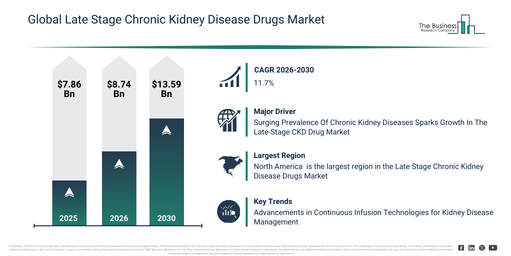
    The market for late-stage chronic kidney disease medications has seen significant expansion in recent times. Expected to rise from $7.86 billion in 2025 to $8.74 billion in 2026, it reflects a compound annual growth rate (CAGR) of 11.1%. This historical upward trend is driven by factors such as a higher incidence of chronic kidney disease, insufficient knowledge about late-stage therapies, greater reliance on dialysis, an expanding elderly demographic, and limited availability of specialized medical services.

    The market for late-stage chronic kidney disease pharmaceuticals is projected to experience swift expansion over the coming years. By 2030, this sector is anticipated to reach a valuation of $13.59 billion, driven by a compound annual growth rate (CAGR) of 11.7%. Several factors are fueling this upward trajectory during the forecast period, including progress in precision medicine, the widespread adoption of digital health platforms, an increased uptake of innovative drug therapies, expanded government initiatives in healthcare, and heightened investment in patient monitoring technologies. Key developments shaping the future of this market encompass personalized treatment approaches, advanced drug formulations tailored to late-stage CKD, strategies aimed at optimizing symptom management, solutions for improving patient adherence and monitoring, and decision-support tools for healthcare providers.

    Download A Free Sample Report For Comprehensive Market Insights:

    https://www.thebusinessresearchcompany.com/sample.aspx?id=12196&type=smp&utm_source=BlogsPR&utm_medium=Paid&utm_campaign=Jul_PR

    Late Stage Chronic Kidney Disease Drugs Market Expansion Supported By Key Demand Factors

    The growing number of individuals affected by chronic kidney conditions is set to drive expansion in the late-stage chronic kidney disease drug market moving forward. These conditions involve a wide array of disorders impacting the kidneys’ structure and function. Medications designed for late-stage chronic kidney disease aim to regulate patients’ blood pressure and minimize protein loss, thereby slowing the progression of kidney damage, addressing symptoms, and preventing complications. For example, in May 2024, data from the Centers for Disease Control and Prevention (CDC), a U.S. public health authority, indicated that roughly 14% of American adults—about 35.5 million people—live with chronic kidney disease. As a result, the widespread occurrence of this illness is fueling growth in the late-stage chronic kidney disease drug market.

    Late Stage Chronic Kidney Disease Drugs Market Categorization By Product Type And Application

    The late stage chronic kidney disease drugs market covered in this report is segmented –

    1) By Product Type: Calcimimetics, Vitamin D, Sterols, Potassium Binders, Calcium-Based Phosphate Binders

    2) By Indication Type: Late Stage Chronic Kidney Disease Induced Hyperparathyroidism, Late Stage Chronic Kidney Disease Induced Hyperphosphatemia, Late Stage Chronic Kidney Disease Induced Hyperkalemia

    3) By Distribution Channel: Hospital Pharmacies, Online Pharmacies, Retail Pharmacies

    Subsegments:

    1) By Calcimimetics: Cinacalcet, Etelcalcetide

    2) By Vitamin D: Calcitriol, Doxercalciferol, Paricalcitol

    3) By Sterols: Ergocalciferol, Cholecalciferol

    4) By Potassium Binders: Sodium Polystyrene Sulfonate, Patiromer, Sodium Zirconium Cyclosilicate

    5) By Calcium-Based Phosphate Binders: Calcium Acetate, Calcium Carbonate

    Late Stage Chronic Kidney Disease Drugs Market Growth Trends Influencing Competitive Dynamics

    Major players in the late-stage chronic kidney disease drugs sector are focusing on innovations like continuous subcutaneous infusion methods to boost treatment effectiveness, optimize patient experiences, and accelerate drug development cycles. This technology relies on a small implantable device that delivers medication at a constant rate, ensuring stable therapeutic concentrations and fostering better patient compliance. A notable example occurred in January 2024, when AbbVie Inc., a pharmaceutical firm based in the United States, introduced PRODUODOPA (comprising levodopa and foscarbidopa). By enabling a continuous subcutaneous infusion of levodopa, this approach maintains steady dopamine levels in the bloodstream, a key factor in symptom management, as it prolongs periods of well-controlled ‘on’ time while reducing episodes when symptoms recur.

    Late Stage Chronic Kidney Disease Drugs Market Company Landscape And Strategic Competition

    Major companies operating in the late stage chronic kidney disease drugs market are Pfizer Inc., Johnson & Johnson, AbbVie Inc., Bayer AG, Novartis AG, Sanofi SA, Bristol-Myers Squibb Company, AstraZeneca plc, Eli Lilly and Company, C.H. Boehringer Sohn AG & Co. KG, Amgen Inc., Novo Nordisk A/S, Teva Pharmaceutical Industries Ltd., Otsuka Pharmaceutical Co. Ltd., Takeda Pharmaceutical Company Limited, Kyowa Kirin Co Ltd., OPKO Health Inc., Akebia Therapeutics Inc., Ardelyx Inc., Pharmaxis Limited, Deltanoid Pharmaceuticals Inc., Liminal BioSciences Inc., Chinook Therapeutics Inc., Allena Pharmaceuticals Inc., Shield Therapeutics Plc

    Access The Complete Late Stage Chronic Kidney Disease Drugs Market Report:

    https://www.thebusinessresearchcompany.com/report/late-stage-chronic-kidney-disease-drugs-global-market-report?utm_source=BlogsPR&utm_medium=Paid&utm_campaign=Jul_PR

    Late Stage Chronic Kidney Disease Drugs Market Geographic Analysis: Where Is Demand Growing The Fastest?

    North America was the largest region in the late-stage chronic kidney disease drugs market in 2025. The regions covered in the late stage chronic kidney disease drugs market report are Asia-Pacific, South East Asia, Western Europe, Eastern Europe, North America, South America, Middle East, Africa.

    Get in touch with us:

    The Business Research Company: https://www.thebusinessresearchcompany.com/?utm_source=BlogsPR&utm_medium=Paid&utm_campaign=home_page_test

    Americas: +1 310-496-7795

    Asia: +44 7882 955267 & +91 8897263534

    Europe: +44 7882 955267

    Email us at: marketing@tbrc.info

    Follow us on:

    LinkedIn: https://in.linkedin.com/company/the-business-research-company

    YouTube: https://www.youtube.com/channel/UC24_fI0rV8cR5DxlCpgmyFQ

    Global Market Model: https://www.thebusinessresearchcompany.com/global-market-model
  • Lactose Intolerance Treatment Market Outlook Highlights The Next Major Growth Opportunities

    Lactose Intolerance Treatment Market Outlook Highlights The Next Major Growth Opportunities

    Through market attractiveness analysis, total addressable market evaluation, company benchmarking matrices, interactive Excel dashboards, expanded supply chain intelligence, emerging startup coverage, and detailed product insights, The Business Research Company’s 2026 market reports provide more actionable and strategically valuable research.

    Lactose Intolerance Treatment Market CAGR Analysis And Future Market Development

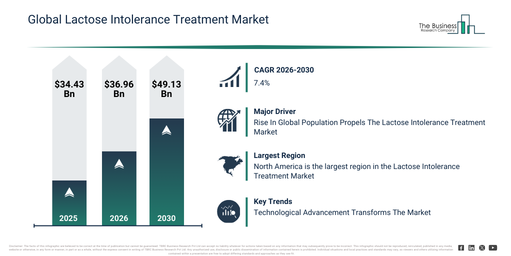
    The market for lactose intolerance treatments has experienced substantial expansion in recent years, climbing from $34.43 billion in 2025 to an anticipated $36.96 billion in 2026, representing a compound annual growth rate (CAGR) of 7.3%. This historical growth was primarily driven by a higher incidence of lactose intolerance, a scarcity of lactose-free options in the market, limited public understanding of the condition, dependence on conventional remedies, and a growing number of gastrointestinal disorders.

    The market for lactose intolerance treatments is projected to experience significant expansion over the coming years, reaching an estimated value of $49.13 billion by 2030, driven by a compound annual growth rate (CAGR) of 7.4%. This upward trajectory is fueled by factors such as a rising preference for personalized therapeutic approaches, breakthroughs in enzyme formulation technology, a broader range of functional dairy substitutes, higher levels of healthcare spending, and a growing shift toward home-based care. Key developments shaping this period include the emergence of tailored treatments for lactose intolerance, the proliferation of functional foods and dairy alternatives, an increased reliance on enzyme supplements, heightened public awareness and educational initiatives regarding digestive wellness, and the wider availability of solutions designed for at-home management.

    Download A Free Sample Report For Comprehensive Market Insights:

    https://www.thebusinessresearchcompany.com/sample.aspx?id=9478&type=smp&utm_source=BlogsPR&utm_medium=Paid&utm_campaign=Jul_PR

    Lactose Intolerance Treatment Market Growth Drivers And Industry Catalysts

    The rising number of people worldwide is anticipated to bolster the lactose intolerance treatment market over the projected period. As the global population continues to expand and eating habits evolve, a greater prevalence of lactose intolerance is observed, which in turn fuels the need for efficient treatments and management approaches. This demographic trend, along with growing public awareness of lactose intolerance, is poised to encourage innovation and financial backing for therapeutic solutions. For example, in January 2024, the United States Census Bureau, a U.S. federal agency, reported that the worldwide population is expected to hit 8,019,876,189—a rise of 75,162,541 individuals, or 0.95%, compared to 2023. Consequently, this population growth will boost demand within the lactose intolerance treatment market.

    Lactose Intolerance Treatment Market Segment Analysis And Revenue Opportunities

    The lactose intolerance treatment market covered in this report is segmented –

    1) By Treatment: Food Supplements, Enzyme Lactase Supplements, Probiotics, Other Treatments

    2) By Intolerance Type: Primary Lactose Intolerance, Secondary Lactose Intolerance, Congenital Lactose Intolerance, Developmental Lactose Intolerance

    3) By Route Of Administration: Oral, Injectable

    4) By End Users: Hospitals, Homecare, Specialty Clinics, Other End Users

    Subsegments:

    1) By Food Supplements: Lactose-Free Dairy Products, Fortified Foods

    2) By Enzyme Lactase Supplements: Capsules, Tablets, Chewable Tablets, Liquid Formulations

    3) By Probiotics: Probiotic Yogurts, Probiotic Capsules, Probiotic Powders

    4) By Other Treatments: Dietary Modifications, Prescription Medications

    Lactose Intolerance Treatment Market Trends Influencing Long-Term Demand

    Major players in the lactose intolerance treatment industry are placing a strong emphasis on the creation of novel solutions, including cutting-edge sugar-reduction and lactose-modification technologies, in order to address the growing need for dairy products that are low in lactose, low in sugar, and gentle on digestion. These technologies function through the enzymatic breakdown of lactose and the reduction of inherent sugar content, providing an effective substitute for conventional lactose-free processing methods while improving overall nutritional value. As an example, in July 2023, Nestlé, a food and beverage corporation based in Switzerland, launched a flexible and affordable sugar-reduction technology suitable for use across various product ranges. This innovation not only lowers total sugar levels but can also be employed to produce low-lactose and skimmed milk-based items, thus catering to both lactose intolerance and sugar reduction requirements among consumers.

    Lactose Intolerance Treatment Market Leading Players Shaping Industry Direction

    Major companies operating in the lactose intolerance treatment market are Abbott Laboratories Inc., Macleods Pharmaceuticals Limited, Ganeden Inc., Deerland Probiotics & Enzymes Inc., Novozymes A/S, Cargill Incorporated, Lupin Pharmaceuticals Inc., Nestlé S.A., Glenmark Pharmaceuticals Limited, Intas Pharmaceuticals Ltd., Wockhardt Ltd., Alkem Laboratories Limited, Teva Pharmaceutical Industries Ltd., Dr. Reddy’s Laboratories Ltd., Torrent Pharmaceuticals Ltd., DuPont Nutrition & Biosciences Inc., Kerry Group plc, Koninklijke DSM N.V., Solvay S.A., Chr. Hansen Holding A/S, Bio-Cat Inc.

    Access The Complete Lactose Intolerance Treatment Market Report:

    https://www.thebusinessresearchcompany.com/report/lactose-intolerance-treatment-global-market-report?utm_source=BlogsPR&utm_medium=Paid&utm_campaign=Jul_PR

    Lactose Intolerance Treatment Market Global Footprint: Which Region Holds Market Leadership?

    North America was the largest region in the lactose intolerance treatment market in 2025. The regions covered in the lactose intolerance treatment market report are Asia-Pacific, South East Asia, Western Europe, Eastern Europe, North America, South America, Middle East, Africa.

    Get in touch with us:

    The Business Research Company: https://www.thebusinessresearchcompany.com/?utm_source=BlogsPR&utm_medium=Paid&utm_campaign=home_page_test

    Americas: +1 310-496-7795

    Asia: +44 7882 955267 & +91 8897263534

    Europe: +44 7882 955267

    Email us at: marketing@tbrc.info

    Follow us on:

    LinkedIn: https://in.linkedin.com/company/the-business-research-company

    YouTube: https://www.youtube.com/channel/UC24_fI0rV8cR5DxlCpgmyFQ

    Global Market Model: https://www.thebusinessresearchcompany.com/global-market-model
  • Lactation Support Supplements Market Trends And Growth Drivers Point To Strong Future Potential

    Lactation Support Supplements Market Trends And Growth Drivers Point To Strong Future Potential

    Delivering more actionable and strategically valuable research, The Business Research Company’s 2026 market reports feature market attractiveness analysis, total addressable market evaluation, company benchmarking matrices, interactive Excel dashboards, expanded supply chain intelligence, emerging startup coverage, and detailed product insights.

    Lactation Support Supplements Market Expansion From $1.02 Billion In 2026 To $1.33 Billion In 2030

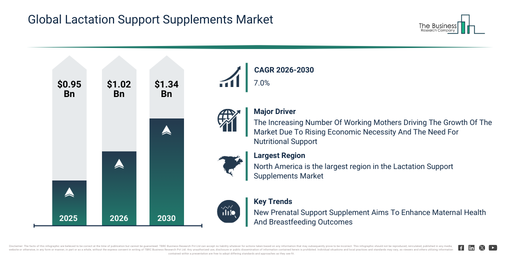
    Recent years have seen robust growth in the lactation support supplements market, with its size moving from $0.95 billion in 2025 to an anticipated $1.02 billion by 2026, corresponding to a compound annual growth rate (CAGR) of 7.3%. The expansion during the historic period is attributed to rising breastfeeding awareness, the embrace of traditional herbal medicine, a stronger emphasis on postpartum nutrition, the increased availability of supplements through pharmacies, and maternal healthcare initiatives.

    The lactation support supplements market is anticipated to experience robust growth over the coming years, with projections indicating an increase to $1.34 billion by 2030, reflecting a compound annual growth rate (CAGR) of 7.0%. This expansion during the forecast period is driven by the rise of online platforms dedicated to maternal wellness, a growing consumer preference for clean-label products, an increasing number of working mothers, a rising demand for personalized nutritional solutions tailored to maternal needs, and the broader growth of health-focused brands targeting women. Key trends shaping this period include a heightened demand for natural and herbal lactation aids, greater utilization of plant-based galactagogues, the expansion of direct-to-consumer sales channels for supplements, increased awareness regarding postpartum nutrition, and ongoing innovation in the development of convenient dosage forms for these products.

    Download A Free Sample Report For Comprehensive Market Insights:

    https://www.thebusinessresearchcompany.com/sample.aspx?id=24582&type=smp&utm_source=BlogsPR&utm_medium=Paid&utm_campaign=Jul_PR

    Lactation Support Supplements Market Opportunity Drivers: What Is Creating New Revenue Potential?

    The growth of the lactation support supplements market is anticipated to be driven by the rising number of working mothers. A working mother is defined as a woman who balances professional or career duties with caregiving and parenting, often juggling obligations at home and in the workplace. This increase is fueled by economic pressures, as many families depend on two incomes to afford rising living expenses, meet household needs, and ensure financial security. By supplying essential nutrients that boost milk production, lactation support supplements enable these mothers to fulfill both their breastfeeding and work commitments without sacrificing their own well-being or their baby’s nutritional intake. For example, in May 2025, data from the U.S. Bureau of Labor Statistics (BLS), a federal agency, revealed that in 2024, the labor force participation rate for mothers with a youngest child aged 6–17 reached 78.0%, up from 68.3% for those with children under 6. Consequently, the expanding population of working mothers is fueling the momentum of the lactation support supplements market.

    Lactation Support Supplements Market Segmentation And Category Breakdown

    The lactation support supplements market covered in this report is segmented –

    1) By Product Type: Capsules, Tablets, Powders, Teas

    2) By Ingredient Type: Fenugreek, Moringa, Milk Thistle, Fennel, Oatmeal, Other Ingredient Types

    3) By Sales Channel: Online Sales Channel, Direct Sales Channel, Pharmacies Or Drug Stores, Other Offline Channels

    Subsegments:

    1) By Capsules: Softgel Capsules, Hard Gel Capsules, Liquid Capsules

    2) By Tablets: Chewable Tablets, Regular Tablets, Effervescent Tablets

    3) By Powders: Single Serve Powders, Bulk Powders

    4) By Teas: Loose Leaf Teas, Tea Bags

    Lactation Support Supplements Market Innovation Trends Driving Future Development

    Key players in the lactation support supplements market are concentrating on the creation of novel products, like prenatal support supplements, aimed at improving maternal health and breastfeeding success. Prenatal support supplements are specially crafted items that supply crucial vitamins, minerals, and nutrients to aid the well-being of both the mother and the unborn child throughout pregnancy. As an example, in October 2024, Synevit, a nutraceutical company based in the US, introduced Prenelact, a dietary supplement intended to assist women during pregnancy and lactation. This formulation offers a precisely balanced mix of 19 essential vitamins and minerals, customized to address the distinct dietary needs of pregnant and breastfeeding mothers. Every component is incorporated at clinically suggested daily dosages to promote effective absorption and safety, thereby preventing the problems associated with insufficient or excessive intake.

    Lactation Support Supplements Market Competitive Analysis Of Major Industry Participants

    Major companies operating in the lactation support supplements market are Nestlé S.A., Nature’s Way Products LLC, Munchkin Inc., Traditional Medicinals Inc., Willow Innovations Inc, Pink Stork LLC, Boobie Superfoods, UpSpring Baby LLC, Motherlove Herbal Company, Earth Mama Organics LLC, Fairhaven Health LLC, Holistic Lactation LLC, Legendairy Milk LLC, Majka LLC, Maxi Health Research LLC, Milky Mama LLC, Nutrizoe Nutriifoods Private Limited, Oat Mama LLC, Rumina Naturals Inc, Vitalpax

    Access The Complete Lactation Support Supplements Market Report:

    https://www.thebusinessresearchcompany.com/report/lactation-support-supplements-global-market-report?utm_source=BlogsPR&utm_medium=Paid&utm_campaign=Jul_PR

    Lactation Support Supplements Market Regional Distribution: Which Areas Drive Market Expansion?

    North America was the largest region in the lactation support supplements market in 2025. Asia-Pacific is expected to be the fastest-growing region in the forecast period. The regions covered in the lactation support supplements market report are Asia-Pacific, South East Asia, Western Europe, Eastern Europe, North America, South America, Middle East, Africa.

    Get in touch with us:

    The Business Research Company: https://www.thebusinessresearchcompany.com/?utm_source=BlogsPR&utm_medium=Paid&utm_campaign=home_page_test

    Americas: +1 310-496-7795

    Asia: +44 7882 955267 & +91 8897263534

    Europe: +44 7882 955267

    Email us at: marketing@tbrc.info

    Follow us on:

    LinkedIn: https://in.linkedin.com/company/the-business-research-company

    YouTube: https://www.youtube.com/channel/UC24_fI0rV8cR5DxlCpgmyFQ

    Global Market Model: https://www.thebusinessresearchcompany.com/global-market-model