Blog

  • Lipid Regulators Market Forecast Signals New Revenue Opportunities Through 2030

    Lipid Regulators Market Forecast Signals New Revenue Opportunities Through 2030

    Through market attractiveness analysis, total addressable market evaluation, company benchmarking matrices, interactive Excel dashboards, expanded supply chain intelligence, emerging startup coverage, and detailed product insights, The Business Research Company’s 2026 market reports provide more actionable and strategically valuable research.

    Lipid Regulators Market Size, Value And Growth Trends Through 2030

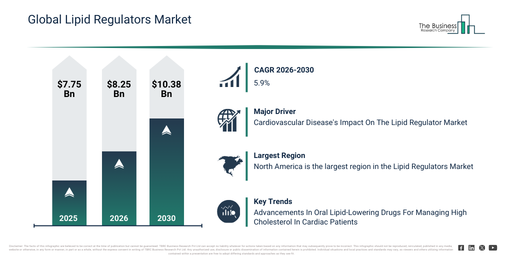
    The lipid regulators market has experienced substantial growth over recent years, with projections indicating a rise from $7.75 billion in 2025 to $8.25 billion in 2026, reflecting a compound annual growth rate (CAGR) of 6.5%. This historical expansion is driven by several factors, including a high global prevalence of hypercholesterolemia, robust clinical evidence supporting the effectiveness of statins, growing awareness about cardiovascular disease risks, enduring guideline endorsement for lipid-lowering treatments, and broad accessibility to oral lipid-regulating medications.

    The lipid regulators market is projected to experience robust expansion over the coming years, reaching a valuation of $10.38 billion by 2030 with a compound annual growth rate (CAGR) of 5.9%. This anticipated growth during the forecast period is driven by several factors, including the increasing prevalence of lifestyle-related cardiovascular diseases, a heightened focus on early cardiovascular risk management, greater utilization of combination and adjunct lipid therapies, the expanding global elderly population, and enhanced access to lipid-lowering medications in emerging markets. Key trends shaping this period encompass the continued dominance of statins in lipid management, the rising adoption of combination lipid-lowering treatments, increased use of omega-3 fatty acids for controlling triglyceride levels, a stronger emphasis on preventive cardiovascular care, and the broad availability of generic lipid regulator drugs.

    Download A Free Sample Report For Comprehensive Market Insights:

    https://www.thebusinessresearchcompany.com/sample.aspx?id=15848&type=smp&utm_source=BlogsPR&utm_medium=Paid&utm_campaign=Jul_PR

    #Lipid Regulators Market Growth Factors: Which Forces Are Supporting Market Expansion?

    The anticipated expansion of the angina pectoris drug market is being fueled by a rising incidence of cardiovascular conditions. Cardiovascular diseases (CVDs) cover a wide array of disorders that impact the heart and vascular system, such as coronary artery disease, high blood pressure, heart failure, and stroke. This upward trend in CVD prevalence is driven by factors like an aging population, poor dietary and lifestyle choices, obesity, and elevated cholesterol levels. By enhancing blood flow to the heart, alleviating chest discomfort, and averting complications from insufficient oxygen delivery, the angina pectoris drug market plays a critical role in cardiovascular treatment. As an example, data published in September 2024 by the British Heart Foundation—a UK cardiovascular research charity—revealed that approximately 7.6 million individuals in the UK were affected by heart and circulatory conditions, comprising 4 million men and 3.6 million women. These diseases contributed to 27% of all fatalities, which amounted to more than 170,000 deaths each year, or roughly 480 deaths per day. Consequently, the growing burden of cardiovascular diseases is accelerating the expansion of the angina pectoris drug market.

    Lipid Regulators Market Segmentation Trends And Revenue Drivers

    The lipid regulators market covered in this report is segmented –

    1) By Type: Statins, Fibrates, Cholesterol Absorption Inhibitors, PCSK9 Inhibitors, Omega-3 Fatty Acid Derivatives, Niacin (Nicotinic Acid) and Derivatives, Bile Acid Sequestrants, ATP-Citrate Lyase (ACL) Inhibitors, RNA-Based Lipid-Lowering Therapies

    2) By Indication: Hypercholesterolemia, Hypertriglyceridemia, Coronary Artery Disease, Other Indications

    3) By Administration: Oral, Injectable

    4) By Application: Pharmaceuticals, Vaccines And Drugs, Scientific Research, Nutrition And Supplements, Food And Beverages, Other Applications

    Subsegments:

    1) By Statins: Atorvastatin, Rosuvastatin, Simvastatin, Pravastatin, Lovastatin, Fluvastatin

    2) By Fibrates: Fenofibrate, Gemfibrozil, Bezafibrate

    3) By Cholesterol Absorption Inhibitors: Ezetimibe (Monotherapy), Ezetimibe + Simvastatin

    4) By PCSK9 Inhibitors: Alirocumab, Evolocumab

    5) By Omega-3 Fatty Acid Derivatives: Icosapent Ethyl, Omega-3 Acid Ethyl Esters

    6) By Niacin And Derivatives: Immediate-Release Niacin, Extended-Release Niacin

    7) By Bile Acid Sequestrants: Cholestyramine, Colestipol, Colesevelam

    8) By ATP-Citrate Lyase (ACL) Inhibitors: Bempedoic Acid + Ezetimibe, Bempedoic Acid + Statins

    9) By RNA-Based Lipid-Lowering Therapies: siRNA-Based Lipid Regulators, Antisense Oligonucleotide Therapies

    Lipid Regulators Market Industry Trends: What Changes Are Reshaping Demand?

    Key players in the lipid regulator market are prioritizing the advancement of cutting-edge solutions, particularly next-generation RNA-based lipid-lowering therapies, to broaden therapeutic options, improve lipid management outcomes, and facilitate wider patient accessibility. These RNA-based therapies, which include modalities like small interfering RNA (siRNA) and antisense oligonucleotides, work by targeting specific genes associated with lipid metabolism, such as PCSK9 and ANGPTL3, thereby achieving substantial reductions in LDL-cholesterol and triglycerides through a unique mechanism of action that allows for less frequent dosing schedules. A notable example occurred in July 2023, when Novartis AG, a pharmaceutical firm based in Switzerland, secured U.S. FDA clearance for an expanded indication of Leqvio® (inclisiran), an siRNA therapy directed at PCSK9. This approval now encompasses adults with elevated LDL-C who face an increased risk of heart disease, enabling earlier intervention in combination with diet and statin therapy, while maintaining its twice-yearly dosing regimen to promote better adherence and clinical results.

    Lipid Regulators Market Industry Leaders: Which Organizations Are Driving Competition?

    Major companies operating in the lipid regulators market are Pfizer Inc., Bayer AG, Sanofi SA, AstraZeneca plc, Bristol-Myers Squibb Company, Abbott Laboratories, Novartis AG, Amgen Inc., Merck KGaA, Regeneron Pharmaceuticals Inc., Daiichi Sankyo Company Limited, Hetero Drugs Limited, Dr. Reddy’s Laboratories Ltd., Biocon Ltd., Alnylam Pharmaceuticals Inc., Amarin Corporation plc, Arrowhead Pharmaceuticals Inc., Kowa Pharmaceuticals America Inc., Esperion Therapeutics Inc., Sun Pharmaceutical Industries Limited

    Access The Complete Lipid Regulators Market Report:

    https://www.thebusinessresearchcompany.com/report/lipid-regulators-global-market-report?utm_source=BlogsPR&utm_medium=Paid&utm_campaign=Jul_PR

    Lipid Regulators Market Geographic Landscape: Which Region Dominates Industry Growth?

    North America was the largest region in the lipid regulators market in 2025. Asia-Pacific is expected to be the fastest-growing region in the forecast period. The regions covered in the lipid regulators market report are Asia-Pacific, South East Asia, Western Europe, Eastern Europe, North America, South America, Middle East, Africa.

    Get in touch with us:

    The Business Research Company: https://www.thebusinessresearchcompany.com/?utm_source=BlogsPR&utm_medium=Paid&utm_campaign=home_page_test

    Americas: +1 310-496-7795

    Asia: +44 7882 955267 & +91 8897263534

    Europe: +44 7882 955267

    Email us at: marketing@tbrc.info

    Follow us on:

    LinkedIn: https://in.linkedin.com/company/the-business-research-company

    YouTube: https://www.youtube.com/channel/UC24_fI0rV8cR5DxlCpgmyFQ

    Global Market Model: https://www.thebusinessresearchcompany.com/global-market-model
  • Lifestyle-Related Disease Supplements Market Growth Is Accelerating As Industry Transformation Continues

    Lifestyle-Related Disease Supplements Market Growth Is Accelerating As Industry Transformation Continues

    Delivering more actionable and strategically valuable research, The Business Research Company’s 2026 market reports feature market attractiveness analysis, total addressable market evaluation, company benchmarking matrices, interactive Excel dashboards, expanded supply chain intelligence, emerging startup coverage, and detailed product insights.

    Lifestyle-Related Disease Supplements Market CAGR Analysis And Future Market Development

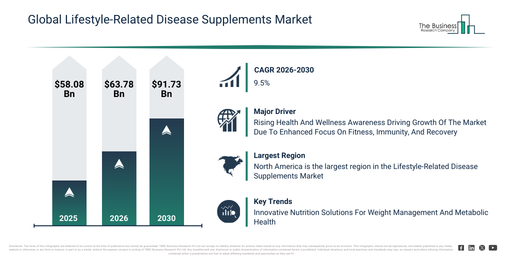
    The market for supplements targeting lifestyle-related diseases has experienced robust expansion in recent times. Valued at $58.08 billion in 2025, it is projected to reach $63.78 billion by 2026, reflecting a compound annual growth rate (CAGR) of 9.8%. This historical growth has been driven by several factors: an increasing incidence of chronic conditions linked to lifestyle choices, greater consumer investment in health and well-being, broader access to dietary supplements, the spread of urban living and inactive routines, and the widening reach of retail and pharmacy distribution channels.

    The market for supplements targeting lifestyle-related diseases is projected to experience robust expansion over the coming years, reaching a value of $91.73 billion by 2030 with a compound annual growth rate (CAGR) of 9.5%. This anticipated growth during the forecast period is driven by factors such as the increasing uptake of personalized nutrition plans, the growing integration of digital health tools with supplement tracking, rising consumer demand for clean-label and organic supplement options, the expansion of e-commerce health platforms, and a heightened emphasis on preventive healthcare strategies. Key trends shaping the period ahead include a rising demand for preventive health supplements, greater adoption of condition-specific nutritional products, the expansion of tailored nutrition solutions, a stronger focus on natural and plant-derived ingredients, and growing consumer awareness regarding the management of lifestyle-related diseases.

    Download A Free Sample Report For Comprehensive Market Insights:

    https://www.thebusinessresearchcompany.com/sample.aspx?id=30313&type=smp&utm_source=BlogsPR&utm_medium=Paid&utm_campaign=Jul_PR

    Lifestyle-Related Disease Supplements Market Demand Drivers: What Is Fueling Industry Growth?

    The growing emphasis on health and wellness is anticipated to boost the lifestyle-related disease supplements market in the coming years. Health and wellness involve a comprehensive approach to living that prioritizes physical fitness, mental sharpness, and emotional stability to enhance overall life quality. As individuals live longer and aim to preserve their well-being, the focus on health and wellness continues to intensify. Supplements designed for lifestyle-related diseases contribute to health and wellness by aiding in the prevention and management of conditions like metabolic and cardiovascular issues, thus enhancing overall physical health. For example, in 2024, the International Food Information Council, a US-based nonprofit, reported that the proportion of consumers aiming to boost their protein intake rose from 59% in 2022 to 67% in 2023 and 71% in 2024, indicating a stronger dedication to proactive health practices. Consequently, the increasing awareness of health and wellness is fueling the expansion of the lifestyle-related disease supplements market.

    Lifestyle-Related Disease Supplements Market Segment Analysis Highlighting Growth Areas

    The lifestyle-related disease supplements market covered in this report is segmented –

    1) By Product Type: Vitamins, Minerals, Herbal Supplements, Probiotics, Omega Fatty Acids

    2) By Formulation: Tablets, Capsules, Powders, Liquids, Softgels

    3) By Distribution Channel: Supermarkets, Health Stores, E-commerce, Pharmacies, Specialty Stores

    4) By Application: Cardiovascular Health, Diabetes Management, Obesity Control, Bone and Joint Health, Other Applications

    5) By End User: Adults, Geriatric Population, Pregnant Women, Children

    Subsegments:

    1) By Vitamins: Vitamin A, Vitamin B Complex, Vitamin C

    2) By Minerals: Calcium, Magnesium, Zinc

    3) By Herbal Supplements: Turmeric (Curcumin), Green Tea Extract, Ginseng

    4) By Probiotics: Lactobacillus, Bifidobacterium, Saccharomyces Boulardii

    5) By Omega Fatty Acids: Omega 3, Omega 6, Omega 9

    Lifestyle-Related Disease Supplements Market Innovation Trends: Which Developments Are Transforming The Industry?

    Key players in the lifestyle-related disease supplements market are increasingly focused on creating innovative products like meal-replacement optimization to boost nutrient intake, assist in weight management, and enhance overall metabolic health. Meal-replacement optimization involves the formulation and improvement of meal-replacement items to ensure balanced nutrition, increase nutrient bioavailability, and target specific health objectives such as weight control, blood sugar regulation, or metabolic wellness. For example, in February 2024, Herbalife Ltd., a health and wellness firm based in the United States, introduced the Herbalife GLP-1 nutrition companion. This is a new lineup of food and supplement product combinations crafted to meet the nutritional requirements of individuals using GLP-1 and other weight-loss medications. These combinations supply crucial protein to build and preserve lean muscle mass, along with fiber to support digestive health. The Classic variant provides essential vitamins and minerals, whereas the Vegan option offers organic blends of fruits and vegetables for complete nutrition. Essentially, these product combos are designed to encourage sustainable weight loss, muscle health, and digestive wellness, backed by Herbalife’s coaching network.

    Lifestyle-Related Disease Supplements Market Leading Companies: Who Holds Significant Market Presence?

    Major companies operating in the lifestyle-related disease supplements market are Nestlé SA, Bayer AG., Abbott Laboratories, Danone SA, Otsuka Holdings Co. Ltd., DSMFirmenich Group BV, Lonza Group Ltd., Amway Corp., Glanbia plc., Herbalife Nutrition Ltd., The Natures Bounty Co., GNC Holdings LLC, Pharmavite LLC, Jamieson Wellness Inc., NOW Health Group Inc., Blackmores Ltd., Nordic Naturals Inc., Mega Food, New Chapter Inc., Reckitt Benckiser Group plc.

    Access The Complete Lifestyle-Related Disease Supplements Market Report:

    https://www.thebusinessresearchcompany.com/report/global-lifestyle-related-disease-supplements-market-report?utm_source=BlogsPR&utm_medium=Paid&utm_campaign=Jul_PR

    Lifestyle-Related Disease Supplements Market Largest Region: Which Geography Holds The Highest Market Share?

    North America was the largest region in the lifestyle-related disease supplements market in 2025. Asia-Pacific is expected to be the fastest-growing region in the forecast period. The regions covered in the lifestyle-related disease supplements market report are Asia-Pacific, South East Asia, Western Europe, Eastern Europe, North America, South America, Middle East, Africa.

    Get in touch with us:

    The Business Research Company: https://www.thebusinessresearchcompany.com/?utm_source=BlogsPR&utm_medium=Paid&utm_campaign=home_page_test

    Americas: +1 310-496-7795

    Asia: +44 7882 955267 & +91 8897263534

    Europe: +44 7882 955267

    Email us at: marketing@tbrc.info

    Follow us on:

    LinkedIn: https://in.linkedin.com/company/the-business-research-company

    YouTube: https://www.youtube.com/channel/UC24_fI0rV8cR5DxlCpgmyFQ

    Global Market Model: https://www.thebusinessresearchcompany.com/global-market-model
  • Lichen Nitidus Treatment Market Outlook Highlights The Next Major Growth Opportunities

    Lichen Nitidus Treatment Market Outlook Highlights The Next Major Growth Opportunities

    Enhanced with market attractiveness analysis, total addressable market evaluation, company benchmarking matrices, interactive Excel dashboards, expanded supply chain intelligence, emerging startup coverage, and detailed product insights, The Business Research Company’s 2026 market reports deliver more actionable and strategically valuable research.

    Lichen Nitidus Treatment Market Expansion From $2.18 Billion In 2026 To $2.9 Billion In 2030

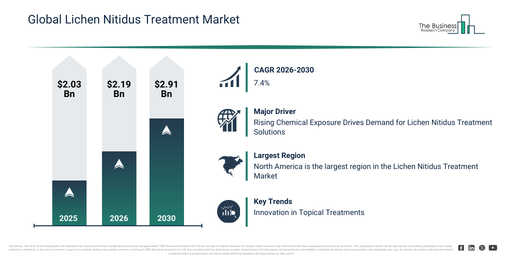
    The market for treating lichen nitidus has expanded considerably over recent years. In 2025, it reached a valuation of $2.03 billion, and by 2026, it is projected to rise to $2.19 billion, reflecting a compound annual growth rate (CAGR) of 7.7%. This historic growth has been driven by heightened awareness surrounding uncommon skin conditions, a proliferation of specialized dermatology clinics, the widespread use of corticosteroids and retinoids as treatment options, greater detection rates for skin diseases, and enhanced availability of dermatological services.

    The lichen nitidus treatment market is anticipated to experience robust expansion over the coming years, with projections indicating a rise to $2.91 billion by 2030, representing a compound annual growth rate (CAGR) of 7.4%. This forecasted growth is driven by a greater emphasis on non-invasive treatment methods, a surge in demand for specialized dermatological solutions, the proliferation of dedicated dermatology clinics, expanded investigation into inflammatory skin disorders, and heightened patient knowledge about available treatment options. Key developments during the forecast period include an increasing preference for topical applications, expanded utilization of corticosteroid-based therapies, broader adoption of phototherapy in dermatology, the evolution of patient-focused dermatology services, and an intensified focus on effective symptom management.

    Download A Free Sample Report For Comprehensive Market Insights:

    https://www.thebusinessresearchcompany.com/sample.aspx?id=20568&type=smp&utm_source=BlogsPR&utm_medium=Paid&utm_campaign=Jul_PR

    Lichen Nitidus Treatment Market Growth Drivers: What Factors Are Accelerating Expansion?

    The increasing level of chemical exposure is anticipated to drive expansion in the lichen nitidus treatment market. This type of exposure involves coming into contact with harmful substances through breathing, swallowing, or skin absorption, which can result in health complications like respiratory issues or skin conditions. These exposures occur when individuals interact with dangerous materials in settings such as the environment, workplace, or home, often via inhalation, ingestion, or dermal absorption, thereby creating potential health hazards. Chemical exposure can cause lichen nitidus by provoking an inflammatory response or irritating the skin, potentially disturbing the immune system and fostering the development of this skin disorder. As an example, Coming Clean Inc., a nonprofit based in the United States, reported in September 2025 that over 130 chemical incidents had occurred in the country during that year alone. Consequently, a substantial rise in chemical exposure is fueling growth in the lichen nitidus treatment market.

    The growing incidence of skin infections is expected to boost the lichen nitidus treatment market. These infections arise when microorganisms like bacteria, fungi, or viruses invade and multiply in the skin, causing symptoms and discomfort. They can be triggered by various pathogens, including bacteria, viruses, fungi, and parasites. A higher prevalence of skin infections increases the need for therapeutic options, antibiotics, and advanced treatments for lichen nitidus, aiming to provide patients with optimal care and outcomes. For instance, as reported by GOV.UK, a UK government agency, in October 2025, scabies diagnoses in the United Kingdom surged by 44%, rising from 3,393 cases in 2023 to 4,872 in 2024. Therefore, an uptick in skin infection prevalence will propel the lichen nitidus treatment market forward.

    Lichen Nitidus Treatment Market Segment Performance And Strategic Opportunities

    The lichen nitidus treatment market covered in this report is segmented –

    1) By Type: Oral, Topical

    2) By Treatment: Corticosteroids, Retinoid, Antihistamines, Phototherapy

    3) By End User: Hospitals, Dermatology Clinics, Other End Users

    Subsegments:

    1) By Oral: Oral Medications (Steroids), Oral Medications (Immunosuppressants), Oral Antihistamines, Oral Retinoids

    2) By Topical: Topical Steroids, Topical Calcineurin Inhibitors, Topical Retinoids, Topical Antihistamines, Topical Phototherapy

    Lichen Nitidus Treatment Market Trends: What Is Shaping Future Industry Growth?

    Major players in the lichen nitidus treatment sector are actively creating innovative topical solutions designed to provide focused symptom relief, minimize inflammation, and enhance the skin’s protective barrier. These next-generation topical formulations are intended to deliver more effective and user-friendly therapeutic options, boosting patient well-being while targeting the unique challenges faced by those with lichen nitidus. A case in point is August 2023, when Glenmark Pharmaceuticals, a firm based in India, secured sANDA clearance for Tacrolimus Ointment, 0.03%. This ointment serves as a potent topical remedy for lichen nitidus by utilizing its immunosuppressive capabilities to ease symptoms and refine skin texture. It represents a generic counterpart to Protopic Ointment, 0.03%, produced by Leo Pharma AS, and is approved for the management of moderate to severe atopic dermatitis.

    Lichen Nitidus Treatment Market Key Players: Which Companies Shape Industry Competition?

    Major companies operating in the lichen nitidus treatment market are Pfizer Inc., Johnson & Johnson Services Inc., Merck & Co Inc., AbbVie Inc., Novartis AG, Sanofi S.A., Bristol-Myers Squibb Co., AstraZeneca Plc, GlaxoSmithKline Plc, Roche Holding AG, Takeda Pharmaceutical Company Limited, Amgen Inc., Eli Lilly and Company, Regeneron Pharmaceuticals Inc., Biogen Inc., UCB Pharma Ltd., Sun Pharmaceutical Industries Ltd., Incyte Corporation, Kyowa Kirin Co. Ltd., Mallinckrodt Pharmaceuticals Plc, Glenmark Pharmaceuticals Ltd., Almirall S.A., Galderma Laboratories Lp, Leo Pharma A/S, Allergan Plc, Valeant Pharmaceuticals Australasia Pty Ltd

    Access The Complete Lichen Nitidus Treatment Market Report:

    https://www.thebusinessresearchcompany.com/report/lichen-nitidus-treatment-global-market-report?utm_source=BlogsPR&utm_medium=Paid&utm_campaign=Jul_PR

    Lichen Nitidus Treatment Market Regional Analysis: Which Region Leads By Revenue?

    North America was the largest region in the lichen nitidus treatment market in 2025. The regions covered in the lichen nitidus treatment market report are Asia-Pacific, South East Asia, Western Europe, Eastern Europe, North America, South America, Middle East, Africa.

    Get in touch with us:

    The Business Research Company: https://www.thebusinessresearchcompany.com/?utm_source=BlogsPR&utm_medium=Paid&utm_campaign=home_page_test

    Americas: +1 310-496-7795

    Asia: +44 7882 955267 & +91 8897263534

    Europe: +44 7882 955267

    Email us at: marketing@tbrc.info

    Follow us on:

    LinkedIn: https://in.linkedin.com/company/the-business-research-company

    YouTube: https://www.youtube.com/channel/UC24_fI0rV8cR5DxlCpgmyFQ

    Global Market Model: https://www.thebusinessresearchcompany.com/global-market-model
  • Levofloxacin Market Trends And Growth Drivers Point To Strong Future Potential

    Levofloxacin Market Trends And Growth Drivers Point To Strong Future Potential

    Through market attractiveness analysis, total addressable market evaluation, company benchmarking matrices, interactive Excel dashboards, expanded supply chain intelligence, emerging startup coverage, and detailed product insights, The Business Research Company’s 2026 market reports provide more actionable and strategically valuable research.

    Levofloxacin Market Forecast Highlighting Growth From $1.92 Billion To $2.41 Billion

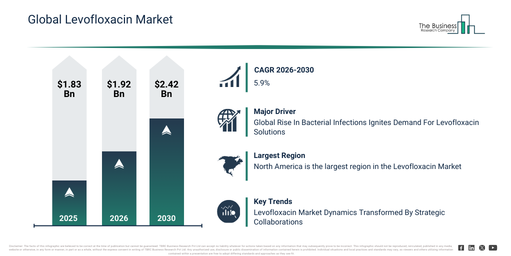
    The levofloxacin market has experienced notable expansion over the past few years. It is projected to increase from $1.83 billion in 2025 to $1.92 billion in 2026, reflecting a compound annual growth rate (CAGR) of 5.1%. This historical growth can be explained by the broad application of fluoroquinolones, a high prevalence of bacterial infections, a scarcity of other treatment options, robust demand from healthcare facilities, and heightened awareness regarding pneumonia and urinary tract infections.

    The levofloxacin market is projected to experience robust expansion over the coming years, reaching an estimated $2.42 billion by 2030, driven by a compound annual growth rate (CAGR) of 5.9%. Several factors are fueling this anticipated growth during the forecast period, including a growing incidence of infections caused by multi-drug resistant bacteria, the broadening reach of telemedicine and outpatient care models, the wider availability of generic levofloxacin versions, an uptick in the use of home healthcare services, and ongoing progress in the development of targeted antibiotic formulations. Key trends shaping the market outlook involve heightened awareness of antibiotic resistance, an increase in community-acquired infections, wider uptake of generic drugs, a growing range of outpatient treatment alternatives, and continuous improvements in drug delivery systems and formulation technologies.

    Download A Free Sample Report For Comprehensive Market Insights:

    https://www.thebusinessresearchcompany.com/sample.aspx?id=10856&type=smp&utm_source=BlogsPR&utm_medium=Paid&utm_campaign=Jul_PR

    Levofloxacin Market Growth Factors Supporting Long-Term Expansion

    The anticipated expansion of the levofloxacin market is being fueled by a growing incidence of bacterial infections. A bacterial infection is brought on by bacteria, which are tiny, single-celled organisms that invade the body. Levofloxacin works to treat bacterial conditions like strep throat, tuberculosis (TB), pertussis (whooping cough), and their related symptoms by blocking DNA topoisomerases, which disrupts DNA synthesis. As an example, a February 2024 report from the UK Health Security Agency, a government body in the United Kingdom, revealed that TB cases in England rose by 10.7% during 2023, reaching 4,850 reported cases versus 4,380 in the prior year. Consequently, this upsurge in bacterial infections is propelling the levofloxacin market forward.

    The levofloxacin market’s growth is being driven ahead by increasing healthcare expenditure. Healthcare expenditure denotes the overall financial resources allocated to health services, encompassing medical procedures, hospital stays, medications, and community health efforts, paid for by governments, corporations, and individuals. This spending is on the rise due to a higher prevalence of chronic diseases, which necessitate extended and expensive care. Elevated healthcare spending boosts levofloxacin usage by improving access to advanced diagnostic tools and prompt medical intervention. Greater financial investment allows healthcare systems to more effectively address bacterial infections, promoting wider adoption of levofloxacin as a dependable and efficient treatment option. For illustration, in May 2024, the UK-based Office for National Statistics reported that total healthcare expenditure increased by 5.6% in nominal terms in 2023, representing a 0.9% growth uptick over 2022. Thus, escalating healthcare costs are fueling the levofloxacin market’s expansion.

    Levofloxacin Market Segment Landscape And Growth Potential

    The levofloxacin market covered in this report is segmented –

    1) By Type: 250 Mg Tablets, 500 Mg Tablets, 750 Mg Tablets

    2) By Distribution Channel: Hospital Pharmacies, Retail Pharmacies, Online Pharmacies

    3) By Application: Pneumonia, Skin Infection, Kidney Infection, Bladder Infection, Other Applications

    Subsegments:

    1) By 250 Mg Tablets: Generic 250 Mg Tablets, Branded 250 Mg Tablets

    2) By 500 Mg Tablets: Generic 500 Mg Tablets, Branded 500 Mg Tablets

    3) By 750 Mg Tablets: Generic 750 Mg Tablets, Branded 750 Mg Tablets

    Levofloxacin Market Industry Trends Shaping Future Revenue Growth

    Key players in the levofloxacin market are actively pursuing collaborations with major manufacturing firms to reinforce their market presence. These strategic partnerships involve joint efforts between two or more organizations aimed at accomplishing specific business targets or goals. A notable example occurred in June 2023, when CEOLIA Pharma Company Ltd., a Japan-based specialty pharmaceutical firm developing treatments for otorhinolaryngology, introduced Comlex Otic Solution 1.5%, an antibacterial OTIC solution with levofloxacin hydrate as its generic component. This product was created in partnership with NanoCarrier Co., Ltd., another Japan-based pharmaceutical company specializing in the research and development of medical products. As a novel advancement in the ENT field, this medication is designed as an antibacterial OTIC solution for addressing otitis externa and otitis media in patients.

    Levofloxacin Market Competitive Landscape: Who Are The Leading Companies?

    Major companies operating in the levofloxacin market are Zydus Lifesciences Limited, Dr. Reddy’s Laboratories Limited, Lupin Limited, Pax Healthcare, Aden Healthcare, Allenge India Pharmaceuticals Private Limited, Alna Biotech Private Limited, Bestochem Formulations Limited, Divine Savior Healthcare Private Limited, Glenmark Pharmaceuticals Limited, Cipla Limited, Alkem Laboratories Ltd., Sanofi S.A., Pfizer Inc., Sun Pharmaceutical Industries Ltd., Unichem Laboratories, Macleods Pharmaceuticals Ltd., Aurobindo Pharma Ltd., Torrent Pharmaceuticals Ltd., Alembic Pharmaceuticals, Jubilant Pharmova Limited , Wockhardt, Hetero Drugs, Sandoz Group AG, Mankind Pharma, Intas Pharmaceuticals Ltd., Strides Pharma Science Ltd., Divis Laboratories Ltd., Ajanta Pharma Ltd., Panacea Biotec Limited

    Access The Complete Levofloxacin Market Report:

    https://www.thebusinessresearchcompany.com/report/levofloxacin-global-market-report?utm_source=BlogsPR&utm_medium=Paid&utm_campaign=Jul_PR

    Levofloxacin Market Geographic Distribution And Regional Opportunities

    North America was the largest region in the global levofloxacin market in 2025. Asia-Pacific is expected to be the fastest-growing region in the forecast period. The regions covered in the levofloxacin market report are Asia-Pacific, South East Asia, Western Europe, Eastern Europe, North America, South America, Middle East, Africa.

    Get in touch with us:

    The Business Research Company: https://www.thebusinessresearchcompany.com/?utm_source=BlogsPR&utm_medium=Paid&utm_campaign=home_page_test

    Americas: +1 310-496-7795

    Asia: +44 7882 955267 & +91 8897263534

    Europe: +44 7882 955267

    Email us at: marketing@tbrc.info

    Follow us on:

    LinkedIn: https://in.linkedin.com/company/the-business-research-company

    YouTube: https://www.youtube.com/channel/UC24_fI0rV8cR5DxlCpgmyFQ

    Global Market Model: https://www.thebusinessresearchcompany.com/global-market-model
  • Leuprorelin Drugs Market Expansion Is Reshaping Competitive Dynamics Across The Industry

    Leuprorelin Drugs Market Expansion Is Reshaping Competitive Dynamics Across The Industry

    Delivering more actionable and strategically valuable research, The Business Research Company’s 2026 market reports feature market attractiveness analysis, total addressable market evaluation, company benchmarking matrices, interactive Excel dashboards, expanded supply chain intelligence, emerging startup coverage, and detailed product insights.

    Leuprorelin Drugs Market Revenue Growth Supported By A CAGR Of 3.95% Through 2030

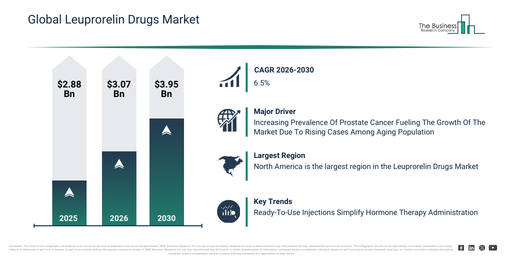
    The leuprorelin drugs market has experienced notable expansion in recent years. Its size is projected to rise from $2.88 billion in 2025 to $3.07 billion in 2026, reflecting a compound annual growth rate (CAGR) of 6.6%. This historical growth has been driven by factors such as the restricted supply of long-acting leuprorelin formulations, a dependency on hospital-based administration, an uptick in prostate cancer and endometriosis cases, heightened recognition of hormone regulation therapies, and the widespread use of monthly and short-term depot injections.

    The leuprorelin pharmaceutical market is anticipated to experience robust expansion in the coming years, projected to reach a valuation of $3.95 billion by 2030 with a compound annual growth rate (CAGR) of 6.5%. This forecasted growth is driven by factors such as the creation of extended-release implants and tablets, a rise in administration through home care and specialty clinics, broader use of pediatric hormonal therapies, greater implementation of combined hormone treatments, and the use of digital tools to ensure patient adherence to therapy. Key emerging trends in this period encompass a growing preference for depot injections and long-acting implants, heightened public understanding of hormone-based treatments for conditions like prostate cancer and endometriosis, increased availability of pediatric hormone therapy initiatives, the launch of subcutaneous and ready-to-administer formulations, and a stronger emphasis on delivering care via home health services and specialized clinic environments.

    Download A Free Sample Report For Comprehensive Market Insights:

    https://www.thebusinessresearchcompany.com/sample.aspx?id=27328&type=smp&utm_source=BlogsPR&utm_medium=Paid&utm_campaign=Jul_PR

    Leuprorelin Drugs Market Demand Drivers Creating New Revenue Opportunities

    The projected expansion of the leuprorelin drugs market is being driven forward by the growing incidence of prostate cancer. Prostate cancer is a malignancy that originates in the prostate gland, a small male reproductive organ situated beneath the bladder and in front of the rectum. This rising prevalence is largely attributed to an aging population, given that the likelihood of developing prostate cancer escalates considerably with advancing age. Leuprorelin medications aid in prostate cancer treatment by modulating hormone levels and decelerating tumor progression. They enhance patient outcomes through consistent administration, slowing disease advancement, and improving overall well-being. For example, as reported in January 2025 by Prostate Cancer UK, a UK-based charity focused on prostate cancer research, awareness, and support, the number of prostate cancer diagnoses in England rose from 50,751 cases in 2022 to 55,033 cases in 2023, demonstrating a distinct upward trend in annual incidence. Consequently, the increasing prevalence of prostate cancer is fueling the leuprorelin drugs market’s growth.

    The leuprorelin drugs market is being propelled by the rising demand for in vitro fertilization (IVF) treatments due to greater reliance on hormonal cycle-regulation therapies. IVF treatments are assisted reproductive techniques where an egg and sperm are combined outside the body in a laboratory setting to form an embryo, which is subsequently placed into the uterus to achieve pregnancy. The growing demand for IVF is driven by increasing delays in starting families, resulting in higher age-related infertility and a greater dependence on assisted reproductive technologies. This heightened demand for IVF treatments supports leuprorelin drugs by boosting the need for controlled ovarian stimulation and cycle-regulation protocols, where leuprorelin is frequently employed to prevent premature ovulation and optimize both the timing and success of IVF procedures. For instance, in April 2025, the American Society for Reproductive Medicine, a US-based non-profit organization, reported that IVF-related births in the U.S. rose from 91,771 in 2022 to 95,860 in 2023, comprising 2.6% of all births nationwide. Additionally, the number of IVF cycles performed at the 371 reporting SART clinics increased from 389,993 in 2022 to 432,641 in 2023. Thus, the growing demand for IVF treatments is driving the leuprorelin drugs market forward.

    Leuprorelin Drugs Market Categorization By Product Type And Application

    The leuprorelin drugs market covered in this report is segmented –

    1) By Type: Injections, Tablets, Implants

    2) By Dosage Formulation: Depot Injection, Ready-To-Use Injections

    3) By Route Of Administration: Intramuscular, Subcutaneous

    4) By Application: Advanced Prostate Cancer, Central Precocious Puberty, Uterine Fibroids, Endometriosis, Other Applications

    5) By End Users: Home Care Settings, Hospitals, Specialty Clinics

    Subsegments:

    1) By Injections: Monthly Depot Injections, 3-Month Depot Injections, 6-Month Depot Injections, Pediatric Doses, Subcutaneous Injections, Intramuscular Injections, Pre-Filled Syringes, Multi-Dose Vials

    2) By Tablets: Low-Dose Hormone Regulation Tablets, High-Dose Hormonal Suppression Tablets, Combination Hormone Therapy Tablets, Extended-Release Oral Tablets

    3) By Implants: Biodegradable Polymer Implants, Non-Biodegradable Subdermal Implants, Short-Term Release Implants, Long-Term Release Implants, Implant Kits For Fertility Suppression, Pediatric Hormonal Implants

    Leuprorelin Drugs Market Trends Driving Strategic Industry Expansion

    Within the leuprorelin drugs market, key players are prioritizing the creation of advanced formulations like ready-to-use injections to boost patient ease, support better treatment compliance, and minimize preparation mistakes. These ready-to-use injections are pre-filled, sterile preparations of leuprolide acetate designed to bypass the need for reconstitution, making administration easier for both healthcare professionals and patients. In June 2025, Avenacy Inc., a U.S.-based biopharmaceutical firm, introduced a leuprolide acetate injection, a synthetic hormone therapy primarily utilized for the palliative management of advanced prostate cancer. This ready-to-use formulation provides a convenient and dependable treatment option, removing the necessity for manual mixing and lowering the chances of dosing errors and contamination, all while ensuring consistent therapeutic effectiveness. It functions as a gonadotropin-releasing hormone (GnRH) agonist, initially raising testosterone levels and then substantially reducing them, which aids in slowing the proliferation of hormone-sensitive cancer cells.

    Leuprorelin Drugs Market Company Landscape And Strategic Competition

    Major companies operating in the leuprorelin drugs market are Takeda Pharmaceutical Company Limited, Astellas Pharma Inc., Sandoz Group AG, Sun Pharmaceutical Industries Limited, Aurobindo Pharma Limited, Cipla Limited, Ferring B.V., Hikma Pharmaceuticals PLC, Amneal Pharmaceuticals LLC, Zydus Lifesciences Limited, Lupin Limited, Livzon Pharmaceutical Group Inc., Alkem Laboratories Limited, Daewoong Pharmaceutical Co. Ltd., Emcure Pharmaceuticals Limited, Gland Pharma Limited, Tolmar Pharmaceuticals Inc., Beijing Biote Pharmaceutical Co. Ltd., Accord Healthcare Limited, Intas Pharmaceuticals Limited, Foresee Pharmaceuticals Co Ltd., Samarth Life Sciences Private Limited

    Access The Complete Leuprorelin Drugs Market Report:

    https://www.thebusinessresearchcompany.com/report/leuprorelin-drugs-global-market-report?utm_source=BlogsPR&utm_medium=Paid&utm_campaign=Jul_PR

    Leuprorelin Drugs Market Largest Region By Revenue And Market Share

    North America was the largest region in the leuprorelin drugs market in 2025. Asia-Pacific is expected to be the fastest-growing region in the forecast period. The regions covered in the leuprorelin drugs market report are Asia-Pacific, South East Asia, Western Europe, Eastern Europe, North America, South America, Middle East, Africa.

    Get in touch with us:

    The Business Research Company: https://www.thebusinessresearchcompany.com/?utm_source=BlogsPR&utm_medium=Paid&utm_campaign=home_page_test

    Americas: +1 310-496-7795

    Asia: +44 7882 955267 & +91 8897263534

    Europe: +44 7882 955267

    Email us at: marketing@tbrc.info

    Follow us on:

    LinkedIn: https://in.linkedin.com/company/the-business-research-company

    YouTube: https://www.youtube.com/channel/UC24_fI0rV8cR5DxlCpgmyFQ

    Global Market Model: https://www.thebusinessresearchcompany.com/global-market-model
  • Leuprolide Acetate Market Forecast Reveals Where Future Industry Value Will Be Created

    Leuprolide Acetate Market Forecast Reveals Where Future Industry Value Will Be Created

    Enhanced with market attractiveness analysis, total addressable market evaluation, company benchmarking matrices, interactive Excel dashboards, expanded supply chain intelligence, emerging startup coverage, and detailed product insights, The Business Research Company’s 2026 market reports deliver more actionable and strategically valuable research.

    Leuprolide Acetate Market Value Expansion And Long-Term Growth Outlook

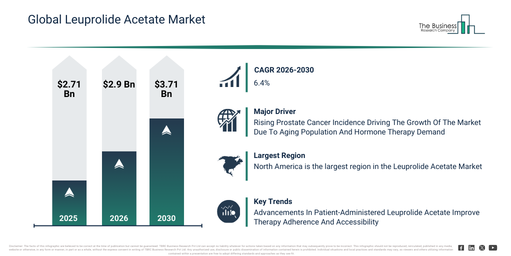
    The leuprolide acetate market has experienced robust expansion in recent times. Its value is projected to increase from $2.71 billion in 2025 to $2.9 billion in 2026, reflecting a compound annual growth rate (CAGR) of 6.7%. This historical growth has been driven by factors such as the incidence of prostate cancer, requirements for endometriosis treatment, the administration of hormone therapies in hospital settings, the uptake of injectable medications, and the well-documented effectiveness of GnRH agonists.

    The leuprolide acetate market is projected to experience significant expansion in the coming years, with its value anticipated to reach $3.71 billion by 2030, reflecting a compound annual growth rate (CAGR) of 6.4%. This upward trajectory during the forecast period is driven by factors like the growing number of older males, a rise in uterine fibroid diagnoses, heightened demand for long-acting formulations, expansion of outpatient hormone therapies, and the increasing scope of fertility treatments. Key developments shaping this period include a greater reliance on the drug for hormone-dependent conditions, the broadening of long-acting depot injection options, advancements in both oncology and gynecology applications, a stronger preference for injectable hormone treatments, and ongoing innovations in controlled-release drug delivery systems.

    Download A Free Sample Report For Comprehensive Market Insights:

    https://www.thebusinessresearchcompany.com/sample.aspx?id=24589&type=smp&utm_source=BlogsPR&utm_medium=Paid&utm_campaign=Jul_PR

    Leuprolide Acetate Market Expansion Supported By Key Demand Factors

    The rising occurrence of prostate cancer is anticipated to drive forward the expansion of the leuprolide acetate market in the coming period. This condition arises within the prostate’s glandular cells—a male-specific organ situated beneath the bladder—and ranks among the most prevalent cancers affecting men globally. A significant increase in its incidence can be attributed mainly to an aging population, given that the likelihood of developing the disease substantially grows with advancing age. Through its action in reducing testosterone levels, leuprolide acetate aids in treating prostate cancer by decelerating tumor growth and handling advanced stages of the disease, thereby enhancing patient results. As an example, data from January 2025 provided by the Centers for Disease Control and Prevention, a US governmental body, indicated that 255,395 new instances of prostate cancer were recorded in the United States during 2022, while 33,881 men lost their lives to the condition in 2023. Consequently, the heightened prevalence of this cancer type is fueling the progression of the leuprolide acetate market.

    Leuprolide Acetate Market Segment Analysis And Revenue Opportunities

    The leuprolide acetate market covered in this report is segmented –

    1) By Product: Vials, Prefilled Syringes, Lyophilized Powder

    2) By Route Of Administration: Intramuscular, Subcutaneous

    3) By Distribution Channel: Hospital Pharmacy, Retail Pharmacy, Online Pharmacy

    4) By Application: Prostate Cancer, Endometriosis, Uterine Fibroids, Central Precocious Puberty, Other Applications

    5) By End-User: Hospitals, Clinics, Homecare Settings, Research Laboratories

    Subsegments:

    1) By Vials: Single-Dose Vials, Multi-Dose Vials

    2) By Prefilled Syringes: Disposable Prefilled Syringes, Reusable Prefilled Syringes

    3) By Lyophilized Powder: Powder For Reconstitution, Ready-To-Mix Formulations

    Leuprolide Acetate Market Growth Trends Influencing Competitive Dynamics

    Key players within the leuprolide acetate market are concentrating their efforts on creating novel solutions, including generic injectable preparations, to improve affordability and lower treatment expenses. These generic injectable formulations represent unbranded versions of injectable medications that contain identical active substances and dosages as their branded counterparts, thereby facilitating greater accessibility and cost-effectiveness for patients. A concrete example occurred in June 2025, when Avenacy, a specialty pharmaceutical firm based in the United States, introduced a Leuprolide Acetate Injection presented as a generic alternative within a 14-day patient-administration package. This package contains a 14 mg per 2.8 mL multi-dose vial delivering 1 mg per 0.2 mL, along with 14 single-use syringes and 28 alcohol swabs, enabling individuals to safely administer their own doses over a fortnight. By minimizing the necessity for clinic-based treatment, this kit provides financial advantages, enhanced convenience, and optimized packaging to support precise medication selection, making it especially appropriate for distribution through retail outlets and mail-order pharmacy services.

    Leuprolide Acetate Market Leading Players Shaping Industry Direction

    Major companies operating in the leuprolide acetate market are Abbott Laboratories, Teva Pharmaceutical Industries Ltd., Viatris Inc., Sandoz International GmbH, Apotex Inc., Aurobindo Pharma Limited, Lupin Limited, Baxter International Inc., Accord Healthcare Ltd., Glenmark Pharmaceuticals Limited, Strides Pharma Science Limited, Amring Pharmaceuticals Inc., MSN Laboratories Pvt Ltd., Wockhardt Limited, Bharat Parenterals Limited, Reliance Life Sciences Pvt Ltd., Nanjing Chia Tai Tianqing Pharmaceutical Co. Ltd., Zhejiang Hisun Pharmaceutical Co. Ltd., Livzon Pharmaceutical Group Inc., Harbin Pharmaceutical Group Co. Ltd., Hengrui Medicine Co. Ltd., CSPC Pharmaceutical Group Limited, Qilu Pharmaceutical Co. Ltd., Kelun Pharmaceutical Co. Ltd., Chengdu Tiantaishan Pharmaceutical Co. Ltd., Beijing SL Pharmaceutical Co. Ltd.

    Access The Complete Leuprolide Acetate Market Report:

    https://www.thebusinessresearchcompany.com/report/leuprolide-acetate-global-market-report?utm_source=BlogsPR&utm_medium=Paid&utm_campaign=Jul_PR

    Leuprolide Acetate Market Regional Analysis And Leading Geography

    North America was the largest region in the leuprolide acetate market in 2025. Asia-Pacific is expected to be the fastest-growing region in the forecast period. The regions covered in the leuprolide acetate market report are Asia-Pacific, South East Asia, Western Europe, Eastern Europe, North America, South America, Middle East, Africa.

    Get in touch with us:

    The Business Research Company: https://www.thebusinessresearchcompany.com/?utm_source=BlogsPR&utm_medium=Paid&utm_campaign=home_page_test

    Americas: +1 310-496-7795

    Asia: +44 7882 955267 & +91 8897263534

    Europe: +44 7882 955267

    Email us at: marketing@tbrc.info

    Follow us on:

    LinkedIn: https://in.linkedin.com/company/the-business-research-company

    YouTube: https://www.youtube.com/channel/UC24_fI0rV8cR5DxlCpgmyFQ

    Global Market Model: https://www.thebusinessresearchcompany.com/global-market-model
  • Leukotriene Modifiers Market Growth Through 2030 Creates New Strategic Opportunities

    Leukotriene Modifiers Market Growth Through 2030 Creates New Strategic Opportunities

    Through market attractiveness analysis, total addressable market evaluation, company benchmarking matrices, interactive Excel dashboards, expanded supply chain intelligence, emerging startup coverage, and detailed product insights, The Business Research Company’s 2026 market reports provide more actionable and strategically valuable research.

    Leukotriene Modifiers Market Expected To Reach $30.62 Billion By 2030 At 5.3% CAGR

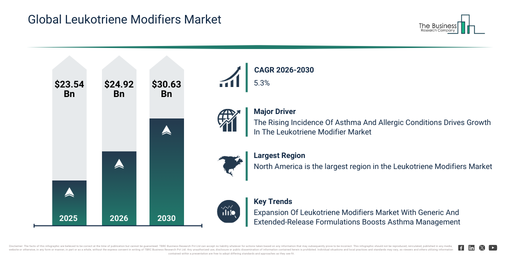
    The market for leukotriene modifiers has experienced robust expansion over recent years. Its value is projected to rise from $23.54 billion in 2025 to $24.92 billion in 2026, reflecting a compound annual growth rate (CAGR) of 5.9%. This historical growth can be linked to several factors: the widespread occurrence of asthma and allergic rhinitis, the proven clinical effectiveness of montelukast and similar medications, a growing preference for non-steroidal asthma treatments, significant use in managing pediatric asthma, and the availability of various oral dosage forms.

    The market for leukotriene modifiers is anticipated to experience robust expansion over the coming years. By 2030, it is projected to reach $30.63 billion, advancing at a compound annual growth rate (CAGR) of 5.3%. This forecasted growth is driven by the rising worldwide incidence of respiratory and allergic conditions, higher rates of asthma and rhinitis diagnoses, increased demand for convenient oral treatments, broader penetration of generic medications, and enhanced accessibility to respiratory care in developing markets. Key trends shaping this period include the continued reliance on leukotriene modifiers for managing chronic asthma, a shift toward oral and child-friendly drug formats, their expanding application in treating allergic rhinitis, the widespread presence of generic alternatives, and their use alongside inhaled corticosteroids as an additional therapeutic option.

    Download A Free Sample Report For Comprehensive Market Insights:

    https://www.thebusinessresearchcompany.com/sample.aspx?id=16109&type=smp&utm_source=BlogsPR&utm_medium=Paid&utm_campaign=Jul_PR

    Leukotriene Modifiers Market Growth Drivers And Industry Catalysts

    The rising prevalence of asthma and allergic disorders is anticipated to fuel the expansion of the leukotriene modifier market in the coming period. Asthma and allergic conditions are defined as diseases in which the immune system reacts excessively to allergens, resulting in inflammation, airway narrowing, and various respiratory issues. The growing occurrence of these conditions is driven by heightened exposure to pollutants, elevated temperatures, shifting climatic patterns, and more densely populated areas. The market for leukotriene modifiers plays a crucial role in supporting respiratory health by offering treatments that decrease inflammation, enhance airway function, and assist in controlling symptoms of asthma and allergic ailments. For example, in October 2024, the National Asthma Council, an Australian non-profit organization, reported that in 2023, there were 474 asthma-related fatalities in Australia, consisting of 325 women and 149 men. This number closely matches the 473 asthma deaths recorded in 2022, indicating a steady trend in asthma mortality over this two-year period. Consequently, the increasing frequency of asthma and allergic conditions is propelling growth within the leukotriene modifier market.

    Leukotriene Modifiers Market Segmentation And Category Breakdown

    The leukotriene modifiers market covered in this report is segmented –

    1) By Drug Type: Montelukast, Zafirlukast, Zileuton ER, Zileuton

    2) By Form: Tablets, Chewable Tablets, Oral Granules

    3) By Distribution Channel: Hospitals Pharmacies, Retail Pharmacies, Drug Stores, Online Pharmacies

    Leukotriene Modifiers Market Trends Influencing Long-Term Demand

    Major players in the leukotriene modifier market are prioritizing the development of generic extended-release (ER) formulations to broaden treatment possibilities, enhance dosing convenience, and address the rising demand for long-acting respiratory therapies. These generic extended-release tablets are pharmaceutical products engineered to release the active ingredient gradually over a prolonged duration, ensuring stable therapeutic levels, decreasing the frequency of administration, and improving patient compliance when compared to immediate-release versions. For example, in April 2023, Camber Pharmaceuticals Inc., a pharmaceutical company based in the United States, introduced Zileuton ER Tablets to its product line, featuring a 600 mg extended-release formulation designed for the prevention and ongoing management of asthma in adults and adolescents aged 12 years and older, delivering sustained therapeutic benefits and supporting uninterrupted use during acute asthma episodes.

    Leukotriene Modifiers Market Competitive Analysis Of Major Industry Participants

    Major companies operating in the leukotriene modifiers market are Merck And Co., AstraZeneca PLC, Novartis AG, GlaxoSmithKline plc, Boehringer Ingelheim International GmbH, Viatris Inc., Teva Pharmaceutical Industries Ltd., Hetero Drugs Limited, Sun Pharmaceutical Industries, Sumitomo Dainippon Pharma, Cipla Limited, Aurobindo Pharma Limited, Dr. Reddy’s Laboratories, Apotex Pharmaceutical Holdings Inc., Torrent Pharmaceuticals Ltd., DAVA Pharmaceuticals, Alembic Pharmaceuticals Ltd., Lannett Company, Accord Healthcare, Jubilant Life Sciences Ltd., Aytu BioScience

    Access The Complete Leukotriene Modifiers Market Report:

    https://www.thebusinessresearchcompany.com/report/leukotriene-modifiers-global-market-report?utm_source=BlogsPR&utm_medium=Paid&utm_campaign=Jul_PR

    Leukotriene Modifiers Market Geographic Analysis: Where Is Demand Growing The Fastest?

    North America was the largest region in the leukotriene modifiers market in 2025. The regions covered in the leukotriene modifiers market report are Asia-Pacific, South East Asia, Western Europe, Eastern Europe, North America, South America, Middle East, Africa.

    Get in touch with us:

    The Business Research Company: https://www.thebusinessresearchcompany.com/?utm_source=BlogsPR&utm_medium=Paid&utm_campaign=home_page_test

    Americas: +1 310-496-7795

    Asia: +44 7882 955267 & +91 8897263534

    Europe: +44 7882 955267

    Email us at: marketing@tbrc.info

    Follow us on:

    LinkedIn: https://in.linkedin.com/company/the-business-research-company

    YouTube: https://www.youtube.com/channel/UC24_fI0rV8cR5DxlCpgmyFQ

    Global Market Model: https://www.thebusinessresearchcompany.com/global-market-model
  • Leukemia Therapeutics Market Size Projected To Increase From $20.13 Billion To $27.4 Billion During The Forecast Period

    Leukemia Therapeutics Market Size Projected To Increase From $20.13 Billion To $27.4 Billion During The Forecast Period

    Delivering more actionable and strategically valuable research, The Business Research Company’s 2026 market reports feature market attractiveness analysis, total addressable market evaluation, company benchmarking matrices, interactive Excel dashboards, expanded supply chain intelligence, emerging startup coverage, and detailed product insights.

    Leukemia Therapeutics Market Size And Revenue Forecast Through 2030

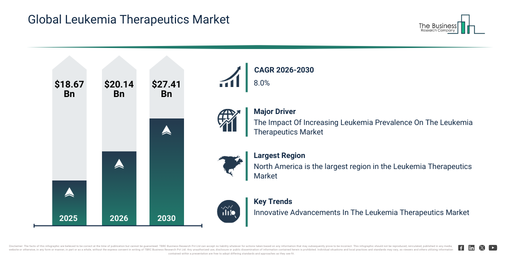
    Over recent years, the leukemia therapeutics market has experienced robust expansion. Projections indicate it will increase from $18.67 billion in 2025 to $20.14 billion in 2026, reflecting a compound annual growth rate (CAGR) of 7.9%. The historic period’s growth was driven by several key factors: rising incidence rates of leukemia, the creation of early-generation chemotherapy drugs, higher healthcare spending in developed nations, progress in bone marrow transplantation techniques, and expanding research into biologics.

    Strong upward momentum is anticipated for the leukemia therapeutics market over the coming years, with projections reaching $27.41 billion by 2030, reflecting a compound annual growth rate (CAGR) of 8.0%. This forecasted expansion is driven by factors such as the broadening application of CAR T-cell therapies, increased uptake of precision medicine strategies, the incorporation of artificial intelligence into treatment plans, a rise in homecare treatment options, and the creation of innovative targeted therapies. Key developments shaping this period involve a shift toward personalized leukemia care, the integration of advanced diagnostic tools, a greater emphasis on outpatient and home-based treatment models, progress in combination therapy approaches, and a dedicated focus on rare and treatment-resistant forms of leukemia.

    Download A Free Sample Report For Comprehensive Market Insights:

    https://www.thebusinessresearchcompany.com/sample.aspx?id=6358&type=smp&utm_source=BlogsPR&utm_medium=Paid&utm_campaign=Jul_PR

    Leukemia Therapeutics Market Opportunity Drivers: What Is Creating New Revenue Potential?

    The expansion of the leukemia therapeutics market is being propelled by the increasing incidence of this condition. Leukemia, a blood cancer originating in the bone marrow, is marked by the unchecked proliferation of blood cells. Worldwide, greater patient access to medical care alongside a broader array of therapeutic choices has fueled a higher demand for leukemia treatments. To illustrate, a January 2023 report from the American Cancer Society, a health organization based in the United States, projected around 59,610 new diagnoses of all leukemia types in the U.S. in 2023, along with roughly 23,710 deaths from the disease that same year. It further estimated about 20,380 new acute myeloid leukemia (AML) cases and around 11,310 fatalities linked to AML. Consequently, the growing prevalence of leukemia is a key factor driving market growth.

    Leukemia Therapeutics Market Segment Outlook: Which Categories Are Expanding The Fastest?

    The leukemia therapeutics market covered in this report is segmented –

    1) By Treatment Type: Chemotherapy, Immunotherapy, Targeted Therapy, Other Treatments

    2) By Type Of Leukemia: Acute Lymphocytic Leukemia, Acute Myeloid Leukemia, Chronic Lymphocytic Leukemia, Chronic Myeloid Leukemia, Other Type Of Leukemia

    3) By Molecule Type: Small Molecules, Biologics

    4) By End-Users: Hospitals, Homecare, Specialty Clinics, Other End-Users

    Subsegments:

    1) By Chemotherapy: Alkylating Agents, Antimetabolites, Plant Alkaloids, Corticosteroids

    2) By Immunotherapy: Monoclonal Antibodies, CAR T-Cell Therapy, Immune Checkpoint Inhibitors, Vaccines

    3) By Targeted Therapy: Tyrosine Kinase Inhibitors (TKIs), BCL-2 Inhibitors, IDH Inhibitors, Other Targeted Agents

    4) By Other Treatments: Radiation Therapy, Stem Cell Transplantation, Supportive Care Treatments

    Leukemia Therapeutics Market Innovation Trends Driving Future Development

    Key players in the leukemia therapeutics market are concentrating on developing advanced products, including CAR T therapies, to expand their customer reach, boost sales, and drive revenue growth. Chimeric Antigen Receptor T-cell (CAR-T) therapy represents a revolutionary immunotherapeutic approach aimed at treating specific cancer types. As an example, in March 2024, Bristol-Myers Squibb Company, a pharmaceutical firm based in the United States, received approval from the US Food and Drug Administration (FDA) for Breyanzi (lisocabtagene maraleucel; liso-cel). This therapy is a CD19-directed CAR T cell treatment intended for adult patients suffering from relapsed or refractory chronic lymphocytic leukemia (CLL) or small lymphocytic lymphoma (SLL), specifically those who have received at least two prior lines of therapy, including both a Bruton tyrosine kinase (BTK) inhibitor and a B-cell lymphoma 2 (BCL-2) inhibitor.

    Leukemia Therapeutics Market Key Companies And Competitive Benchmarking

    Major companies operating in the leukemia therapeutics market are Novartis International AG, AbbVie Inc., Bristol Myers Squibb Company, F. Hoffmann-La Roche AG, Sanofi S. A., Agios Pharmaceuticals, Amgen Inc., Argenx SE, Astellas Pharma Inc., BioLineRx Ltd., Cellerant Therapeutics Inc., Daiichi Sankyo Company Limited, Forma Therapeutics Inc., Gilead Sciences Inc., Incyte Corporation, Jazz Pharmaceuticals plc, Johnson & Johnson, Mirati Therapeutics Inc., Molecular Templates Inc., Ono Pharmaceutical Co. Ltd., Pfizer Inc., Seattle Genetics Inc., Stemline Therapeutics Inc., Sunesis Pharmaceuticals Inc., Takeda Pharmaceutical Company Limited, TG Therapeutics Inc., Allogene Therapeutics Inc., Blueprint Medicines Corporation, Karyopharm Therapeutics Inc., Verastem Oncology Inc.

    Access The Complete Leukemia Therapeutics Market Report:

    https://www.thebusinessresearchcompany.com/report/leukemia-therapeutics-global-market-report?utm_source=BlogsPR&utm_medium=Paid&utm_campaign=Jul_PR

    Leukemia Therapeutics Market Global Footprint: Which Region Holds Market Leadership?

    North America was the largest region in the leukemia therapeutics market in 2025. Asia-Pacific is expected to be the fastest-growing region in the forecast period. The regions covered in the leukemia therapeutics market report are Asia-Pacific, South East Asia, Western Europe, Eastern Europe, North America, South America, Middle East, Africa.

    Get in touch with us:

    The Business Research Company: https://www.thebusinessresearchcompany.com/?utm_source=BlogsPR&utm_medium=Paid&utm_campaign=home_page_test

    Americas: +1 310-496-7795

    Asia: +44 7882 955267 & +91 8897263534

    Europe: +44 7882 955267

    Email us at: marketing@tbrc.info

    Follow us on:

    LinkedIn: https://in.linkedin.com/company/the-business-research-company

    YouTube: https://www.youtube.com/channel/UC24_fI0rV8cR5DxlCpgmyFQ

    Global Market Model: https://www.thebusinessresearchcompany.com/global-market-model
  • Leukemia Inhibitory Factor (LIF) Market Growth Outlook Reveals A CAGR Of 8.2% And A Market Value Of $1.37 Billion By 2030

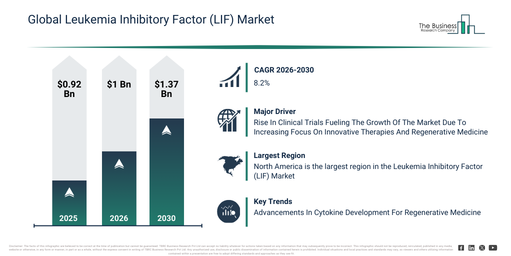
    Leukemia Inhibitory Factor (LIF) Market Growth Outlook Reveals A CAGR Of 8.2% And A Market Value Of $1.37 Billion By 2030

    Enhanced with market attractiveness analysis, total addressable market evaluation, company benchmarking matrices, interactive Excel dashboards, expanded supply chain intelligence, emerging startup coverage, and detailed product insights, The Business Research Company’s 2026 market reports deliver more actionable and strategically valuable research.

    Leukemia Inhibitory Factor (LIF) Market Growth From $1 Billion In 2026 To $1.37 Billion By 2030 At A CAGR Of 8.2%

    The market for leukemia inhibitory factor (LIF) has experienced significant expansion over recent years. Projections indicate it will increase from $0.92 billion in 2025 to $1 billion in 2026, reflecting a compound annual growth rate (CAGR) of 8.7%. This past growth has been driven by factors such as the restricted supply of recombinant LIF, dependence on cytokines sourced from animals, a rise in stem cell research programs, heightened applications in cancer studies, and growing recognition of fertility treatment options.

    The leukemia inhibitory factor (LIF) market is poised for substantial expansion in the coming years, with projections indicating it will reach a value of $1.37 billion by 2030. This growth, characterized by a compound annual growth rate (CAGR) of 8.2%, is being driven by several key developments in the forecast period, including the creation of human recombinant and animal-free LIF variants, a widening scope of applications for neurological disorders, a surge in biotechnology research funding, the growing utilization of monoclonal antibodies and antibody-drug conjugate therapies, and the incorporation of LIF into precision medicine frameworks. Concurrently, the market is witnessing significant trends such as an escalating need for recombinant LIF products, a broadening of its role in stem cell research, heightened adoption within fertility treatments, an uptick in investigations for cancer therapies leveraging LIF, and a greater emphasis on preclinical and diagnostic antibody development initiatives.

    Download A Free Sample Report For Comprehensive Market Insights:

    https://www.thebusinessresearchcompany.com/sample.aspx?id=25808&type=smp&utm_source=BlogsPR&utm_medium=Paid&utm_campaign=Jul_PR

    Leukemia Inhibitory Factor (LIF) Market Growth Momentum: Which Factors Are Influencing Demand?

    The growing number of clinical trials is set to drive the expansion of the leukemia inhibitory factor (LIF) market in the coming period. Clinical trials are defined as research studies conducted on human participants to assess the safety, efficacy, and potential side effects of new medical treatments, pharmaceuticals, therapies, or devices. This upward trend in clinical trials is largely fueled by heightened investment in pharmaceutical research and development, which speeds up the creation of novel therapies and necessitates more trials to verify their safety and effectiveness. By providing scientific evidence on LIF’s efficacy in addressing conditions such as cancer and neurodegenerative diseases, clinical trials bolster the demand for leukemia inhibitory factors, thereby enhancing their credibility and promoting broader application in medical research and therapeutic innovation. As an example, in December 2024, the Association of the British Pharmaceutical Industry, a trade association based in the UK, reported that the count of industry-led clinical trial initiatives climbed to 426 in 2023, compared to 411 in 2022. Consequently, the rising number of clinical trials is fueling the growth of the leukemia inhibitory factor (LIF) market.

    Growing healthcare expenditure is anticipated to drive the advancement of the leukemia inhibitory factor (LIF) market in the future. Healthcare expenditure denotes the total amount spent on medical services, healthcare goods, and public health initiatives within a nation or region. This rise in spending is linked to an increasing prevalence of chronic diseases, as the ongoing management of long-term conditions requires consistent treatment, diagnostics, and monitoring, thereby elevating overall healthcare costs. Higher healthcare expenditure supports leukemia inhibitory factors (LIF) by channeling more funds into cutting-edge research and clinical assessments, which facilitates the development and deployment of LIF-based therapies in regenerative medicine and disease treatment. For instance, in April 2025, the American Medical Association, a US-based professional organization, noted that health spending in the United States surged by 7.5% in 2023 to $4.9 trillion, equal to $14,570 per person, representing a significant uptick from the 4.6% growth rate seen in 2022. Thus, the escalation in healthcare expenditure is propelling the leukemia inhibitory factor (LIF) market forward.

    Leukemia Inhibitory Factor (LIF) Market Segment Landscape: Which Areas Lead Market Development?

    The leukemia inhibitory factor (lif) market covered in this report is segmented –

    1) By Product Type: Recombinant Leukemia Inhibitory Factor, Monoclonal Antibodies, Antibodies And Antibody-Drug Conjugates, Cytokine Mixes

    2) By Distribution Channel: Direct Sales, Online Sales, Third-Party Retailers

    3) By Application: Cancer Treatment, Stem Cell Research, Neurological Disorders, Fertility Treatment, Other Applications

    4) By End-User: Hospitals, Research Institutes, Biotechnology Companies, Other End Users

    Subsegments:

    1) By Recombinant Leukemia Inhibitory Factor: Human Recombinant Leukemia Inhibitory Factor, Mouse Recombinant Leukemia Inhibitory Factor, Rat Recombinant Leukemia Inhibitory Factor, GMP-Grade Leukemia Inhibitory Factor, Animal-Free Recombinant Leukemia Inhibitory Factor

    2) By Monoclonal Antibodies: Anti-Leukemia Inhibitory Factor Monoclonal Antibodies, Anti-Leukemia Inhibitory Factor Receptor Antibodies, Neutralizing Monoclonal Antibodies, Diagnostic Use Monoclonal Antibodies

    3) By Antibodies and Antibody-Drug Conjugates: Leukemia Inhibitory Factor Targeted Antibody-Drug Conjugates, Bispecific Antibodies Involving Leukemia Inhibitory Factor, Antibody Fragments Against Leukemia Inhibitory Factor, Preclinical Antibody-Drug Conjugate Candidates

    4) By Cytokine Mixes: Leukemia Inhibitory Factor With IL-6 Cytokine Mix, Leukemia Inhibitory Factor With BMP And FGF Mixes, Stem Cell Culture Cytokine Cocktails Containing Leukemia Inhibitory Factor, Tumor Microenvironment Cytokine Panels Including Leukemia Inhibitory Factor

    Leukemia Inhibitory Factor (LIF) Market Trends Reshaping Industry Growth

    Key players in the leukemia inhibitory factor (LIF) market are prioritizing the creation of cutting-edge solutions, including stem cell research, to advance regenerative therapies and broaden LIF’s clinical use in tissue repair and cell differentiation. Stem cell research focuses on examining stem cells to unlock their capacity for tissue regeneration and disease treatment. For example, in August 2023, Sino Biological Inc., a biotech firm based in China, introduced a series of GMP-grade recombinant cytokines aimed at supporting stem cell research by delivering high-purity, high-bioactivity reagents that adhere to rigorous clinical and manufacturing requirements. Produced under strict good manufacturing practice (GMP) guidelines, these cytokines are free from endotoxins, animal-derived components, and microbial contaminants. Each batch undergoes thorough testing to verify its safety, stability, and biological effectiveness. These attributes make them well-suited for advanced applications such as stem cell preservation, differentiation, and tissue repair, providing consistent research outcomes and aiding progress toward clinical uses in regenerative medicine and cell therapy.

    Leukemia Inhibitory Factor (LIF) Market Industry Leaders And Market Competition

    Major companies operating in the leukemia inhibitory factor (lif) market are Thermo Fisher Scientific Inc., Merck KGaA, Bio-Techne Corporation, STEMCELL Technologies Inc., GenScript Biotech Corporation, Abcam Plc, BioLegend Inc., Sino Biological Inc., Cell Signaling Technology Inc., RayBiotech Inc., Proteintech Group Inc., Santa Cruz Biotechnology Inc., Creative BioMart Inc., Aviva Systems Biology Corporation, ReproCELL Inc., G Biosciences, Abbiotec LLC, Boster Biological Technology Co. Ltd., ProSpec-Tany TechnoGene Ltd., and InVitria.

    Access The Complete Leukemia Inhibitory Factor (LIF) Market Report:

    https://www.thebusinessresearchcompany.com/report/leukemia-inhibitory-factor-lif-global-market-report?utm_source=BlogsPR&utm_medium=Paid&utm_campaign=Jul_PR

    Leukemia Inhibitory Factor (LIF) Market Regional Distribution: Which Areas Drive Market Expansion?

    North America was the largest region in the leukemia inhibitory factor (LIF) market in 2025. Asia-Pacific is expected to be the fastest-growing region in the forecast period. The regions covered in the leukemia inhibitory factor (lif) market report are Asia-Pacific, South East Asia, Western Europe, Eastern Europe, North America, South America, Middle East, Africa.

    Get in touch with us:

    The Business Research Company: https://www.thebusinessresearchcompany.com/?utm_source=BlogsPR&utm_medium=Paid&utm_campaign=home_page_test

    Americas: +1 310-496-7795

    Asia: +44 7882 955267 & +91 8897263534

    Europe: +44 7882 955267

    Email us at: marketing@tbrc.info

    Follow us on:

    LinkedIn: https://in.linkedin.com/company/the-business-research-company

    YouTube: https://www.youtube.com/channel/UC24_fI0rV8cR5DxlCpgmyFQ

    Global Market Model: https://www.thebusinessresearchcompany.com/global-market-model
  • Leukapheresis Market Forecast Highlights Expansion From $77.69 Billion To $104.27 Billion Through 2030

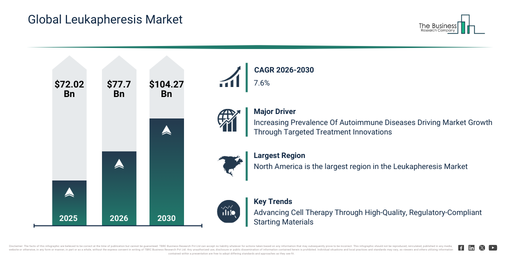
    Leukapheresis Market Forecast Highlights Expansion From $77.69 Billion To $104.27 Billion Through 2030

    Through market attractiveness analysis, total addressable market evaluation, company benchmarking matrices, interactive Excel dashboards, expanded supply chain intelligence, emerging startup coverage, and detailed product insights, The Business Research Company’s 2026 market reports provide more actionable and strategically valuable research.

    Leukapheresis Market Expansion Outlook: What Revenue Opportunities Lie Ahead?

    The size of the leukapheresis market has experienced notable growth in recent times. It is projected to increase from $72.02 billion in 2025 to $77.7 billion in 2026, achieving a compound annual growth rate (CAGR) of 7.9%. This expansion during the historical period can be linked to factors such as a rise in hematologic disorders, broader cancer research initiatives, greater adoption of apheresis within blood centers, improvements in centrifugation technologies, and enhanced funding for clinical research.

    The leukapheresis market is anticipated to experience robust expansion over the coming years, projected to reach $104.27 billion by 2030, reflecting a compound annual growth rate (CAGR) of 7.6%. This forecasted growth is driven by several key factors, including the expansion of CAR-T and cell-based therapies, heightened investment in immunology research, a growing need for personalized medicine, the scaling up of biopharmaceutical manufacturing, and progress in apheresis automation technologies. Emerging trends likely to shape this period include the growing application of leukapheresis in cell and gene therapies, heightened demand for immune cell collection in oncology, wider implementation of automated apheresis devices, its increasing use in clinical research, and a stronger emphasis on patient-safe, disposable apheresis kits.

    Download A Free Sample Report For Comprehensive Market Insights:

    https://www.thebusinessresearchcompany.com/sample.aspx?id=24277&type=smp&utm_source=BlogsPR&utm_medium=Paid&utm_campaign=Jul_PR

    Leukapheresis Market Expansion Drivers: What Is Shaping Future Growth?

    The anticipated increase in autoimmune diseases is set to drive expansion in the leukapheresis market. These disorders occur when the immune system erroneously attacks healthy tissues in the body. Factors such as diminished microbial exposure in early childhood and contemporary environmental influences are disrupting immune equilibrium, resulting in a greater prevalence of autoimmune conditions. Leukapheresis addresses this by selectively eliminating harmful white blood cells that trigger the immune system’s assault on the body’s own tissues. For example, in September 2025, GetValue.co, a digital platform based in the United States, reported that autoimmune diseases impact an estimated 3–10% of the global population, which translates to roughly 600–800 million individuals worldwide. Consequently, the rising incidence of autoimmune diseases is fueling the growth of the leukapheresis market.

    Leukapheresis Market Segments: Where Are The Largest Growth Opportunities?

    The leukapheresis market covered in this report is segmented –

    1) By Apheresis Type: Granulocyte Apheresis, Lymphocyte Apheresis, Monocyte Apheresis

    2) By Product: Leukapheresis Devices, Centrifugal Devices, Membrane Separators, Leukapheresis Disposables

    3) By Application: Research Application, Cancer Research, Immunology Research, Therapeutics Application, Hematologic Disorders, Autoimmune Diseases, Other Applications

    4) By End User: Blood Component Providers And Blood Centers, Academic And Research Institutes, Pharmaceutical And Biotechnology Companies, Hospitals And Transfusion Centers

    Subsegments:

    1) By Granulocyte Apheresis: Neutrophil Apheresis, Eosinophil Apheresis, Basophil Apheresis

    2) By Lymphocyte Apheresis: T-Cell Apheresis, B-Cell Apheresis, Natural Killer (NK) Cell Apheresis

    3) By Monocyte Apheresis: Classical Monocytes, Non-Classical Monocytes, Intermediate Monocytes

    Leukapheresis Market Strategic Trends: What Is Defining The Next Phase Of Growth?

    Leading players in the leukapheresis industry are prioritizing innovations like the creation of GMP-grade leukopaks to boost the quality and effectiveness of cell therapy production. These leukopaks are derived from leukapheresis and manufactured under rigorous good manufacturing practice (GMP) guidelines, guaranteeing that the collected cells retain high viability and functionality for therapeutic use. A case in point is Sanguine Biosciences, a US biotechnology firm, which introduced LeukoCer in November 2024—a GMP-grade leukopak aimed at simplifying processes and speeding up the development of cell therapies. Available as fresh whole or half packs, LeukoCer supplies top-tier starting materials produced in compliance with strict GMP protocols, thus enabling researchers to progress their work and accelerate the launch of new cell therapies.

    Leukapheresis Market Major Participants And Competitive Dynamics

    Major companies operating in the leukapheresis market are Fresenius Kabi, Grifols S.A., Terumo BCT Inc., Nikkiso Co., Haemonetics Corporation, Macopharma, MEDICA S.p.A, Caltag Medsystems Ltd., Miltenyi Biotec, Puriblood Medical, Cytopheron Technologies, STEMCELL Technologies Inc., Discovery Life Sciences, BioIVT LLC, StemExpress LLC, AllCells LLC, HemaCare Corporation, Key Biologics LLC, Immune Therapy Holdings AB, Cellsep Laboratories

    Access The Complete Leukapheresis Market Report:

    https://www.thebusinessresearchcompany.com/report/leukapheresis-global-market-report?utm_source=BlogsPR&utm_medium=Paid&utm_campaign=Jul_PR

    Leukapheresis Market Leading Geography: Which Region Generates The Most Revenue?

    North America was the largest region in the leukapheresis market in 2025. Asia-Pacific is expected to be the fastest-growing region in the forecast period. The regions covered in the leukapheresis market report are Asia-Pacific, South East Asia, Western Europe, Eastern Europe, North America, South America, Middle East, Africa.

    Get in touch with us:

    The Business Research Company: https://www.thebusinessresearchcompany.com/?utm_source=BlogsPR&utm_medium=Paid&utm_campaign=home_page_test

    Americas: +1 310-496-7795

    Asia: +44 7882 955267 & +91 8897263534

    Europe: +44 7882 955267

    Email us at: marketing@tbrc.info

    Follow us on:

    LinkedIn: https://in.linkedin.com/company/the-business-research-company

    YouTube: https://www.youtube.com/channel/UC24_fI0rV8cR5DxlCpgmyFQ

    Global Market Model: https://www.thebusinessresearchcompany.com/global-market-model