Blog

  • Nicotine Replacement Therapy Market Size Projected To Increase From $3.64 Billion To $4.54 Billion During The Forecast Period

    Nicotine Replacement Therapy Market Size Projected To Increase From $3.64 Billion To $4.54 Billion During The Forecast Period

    Enhanced with market attractiveness analysis, total addressable market evaluation, company benchmarking matrices, interactive Excel dashboards, expanded supply chain intelligence, emerging startup coverage, and detailed product insights, The Business Research Company’s 2026 market reports deliver more actionable and strategically valuable research.

    Nicotine Replacement Therapy Market Forecast: What Market Value Is Expected By 2030?

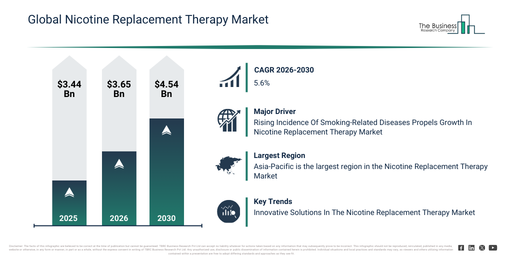
    The nicotine replacement therapy market has experienced robust expansion in recent years, with projections indicating an increase from $3.44 billion in 2025 to $3.65 billion in 2026, reflecting a compound annual growth rate (CAGR) of 5.8%. This historical growth has been driven by factors such as the rising incidence of smoking, heightened awareness of the dangers associated with tobacco use, intensified government-led anti-smoking initiatives, greater accessibility of over-the-counter NRT products, and ongoing advancements in research focused on treating nicotine addiction.

    The nicotine replacement therapy market is anticipated to experience robust expansion over the coming years, with projections indicating it will reach a value of $4.54 billion by 2030, driven by a compound annual growth rate (CAGR) of 5.6%. This forecasted growth is largely fueled by progress in digital health innovations, the emergence of personalized medicine, the use of connected health devices, the growth of online pharmacy avenues, and increased funding for smoking cessation initiatives. Key developments shaping the market include tailored nicotine therapy approaches, mobile health apps designed to support quitting smoking, wearable gadgets for monitoring nicotine consumption, virtual counseling and support platforms, and the combination of behavioral therapy with NRT.

    Download A Free Sample Report For Comprehensive Market Insights:

    https://www.thebusinessresearchcompany.com/sample.aspx?id=13887&type=smp&utm_source=BlogsPR&utm_medium=Paid&utm_campaign=Jul_PR

    Nicotine Replacement Therapy Market Industry Drivers: What Is Driving Revenue Growth?

    The anticipated expansion of the nicotine replacement therapy market is being driven by the growing frequency of illnesses associated with smoking. Such conditions, which stem directly from the use of tobacco products—particularly through smoking—include a range of health disorders. Nicotine replacement therapy (NRT) serves chiefly as an aid for smoking cessation, thereby lowering the risk of developing smoking-induced diseases, while also complementing counseling, support systems, and lifestyle adjustments. For example, data released by the National Health Service (NHS), a publicly funded healthcare entity in the UK, in December 2023 revealed that hospital admissions linked to smoking-related diseases rose to around 408,700 in 2022–23, up from 389,800 in 2021–22—a 4.8% increase. Consequently, the rising prevalence of smoking-induced ailments is fueling growth in the market for nicotine replacement therapy.

    Nicotine Replacement Therapy Market Segments: Where Are The Largest Growth Opportunities?

    The nicotine replacement therapy market covered in this report is segmented –

    1) By Product Type: Patch, Gum, Lozenge, Inhaler, Spray, Other Products

    2) By Distribution Channel: Hospital Pharmacy, Retail Pharmacy, Online Pharmacy

    3) By Location: Hospitals And Deaddiction Centers, Home

    Subsegments:

    1) By Patch: Transdermal Nicotine Patches, Extended-Release Patches, Combination Patches

    2) By Gum: Nicotine Chewing Gum, Sugar-Free Nicotine Gum, Different Strengths Of Nicotine Gum

    3) By Lozenge: Nicotine Lozenges, Different Strengths Of Nicotine Lozenges

    4) By Inhaler: Nicotine Inhalation Devices, Disposable Inhalers, Refillable Inhaler Systems

    5) By Spray: Nasal Nicotine Spray, Oral Nicotine Spray, Metered-Dose Spray Systems

    6) By Other Products: Nicotine Tablets, Electronic Cigarettes As NRT, Nicotine Pouches

    Nicotine Replacement Therapy Market Growth Trends: What Is Influencing The Future Outlook?

    Leading players in the nicotine replacement therapy market are prioritizing novel approaches like Cigibud smoking cessation filters to tackle the serious health dangers posed by smoking. A smoking cessation filter serves as a tool that aids people in giving up smoking by lowering their exposure to hazardous cigarette components. For example, in March 2023, Nanoclean Global Pvt. Ltd., a nanotechnology startup headquartered in India, unveiled Cigibud, the first smoking cessation filter of its kind globally. This filter represents a scientifically validated method for quitting smoking, utilizing patented nanofiber technology. It functions by cutting down the tar and nicotine present in cigarettes, thereby facilitating the cessation process. The filter is both biodegradable and biocompatible, featuring minute internal pores so small that the tiniest particles cannot traverse them. It operates through a systematic decrease in nicotine levels, drawing inspiration from nicotine replacement therapy (NRT). Furthermore, these filters lower the tar and nicotine content in cigarettes, ultimately striving to assist individuals in breaking their smoking habit.

    Nicotine Replacement Therapy Market Major Participants And Competitive Dynamics

    Major companies operating in the nicotine replacement therapy market are Pfizer Inc., Johnson & Johnson, GlaxoSmithKline plc, Haleon Group of Companies, Bayer AG, Sanofi S.A., Perrigo Company plc, Cipla Limited, Zydus Cadila, Dr. Reddy’s Laboratories Ltd., Sun Pharmaceutical Industries Ltd., Teva Pharmaceutical Industries Ltd., Viatris Inc., Abbott Laboratories, Takeda Pharmaceutical Company Limited, Fertin Pharma Limited, Perrigo India Pvt. Ltd., Lupin Ltd., Alkem Laboratories Ltd., Mylan N.V.

    Access The Complete Nicotine Replacement Therapy Market Report:

    https://www.thebusinessresearchcompany.com/report/nicotine-replacement-therapy-global-market-report?utm_source=BlogsPR&utm_medium=Paid&utm_campaign=Jul_PR

    Nicotine Replacement Therapy Market Geographic Landscape: Which Region Dominates Industry Growth?

    Asia-Pacific was the largest region in the nicotine replacement therapy market in 2025. It is expected to be the fastest-growing region in the forecast period. The regions covered in the nicotine replacement therapy market report are Asia-Pacific, South East Asia, Western Europe, Eastern Europe, North America, South America, Middle East, Africa.

    Get in touch with us:

    The Business Research Company: https://www.thebusinessresearchcompany.com/?utm_source=BlogsPR&utm_medium=Paid&utm_campaign=home_page_test

    Americas: +1 310-496-7795

    Asia: +44 7882 955267 & +91 8897263534

    Europe: +44 7882 955267

    Email us at: marketing@tbrc.info

    Follow us on:

    LinkedIn: https://in.linkedin.com/company/the-business-research-company

    YouTube: https://www.youtube.com/channel/UC24_fI0rV8cR5DxlCpgmyFQ

    Global Market Model: https://www.thebusinessresearchcompany.com/global-market-model
  • Nicotine Addiction Treatment Market Growth Outlook Reveals A CAGR Of 10.1% And A Market Value Of $6.2 Billion By 2030

    Nicotine Addiction Treatment Market Growth Outlook Reveals A CAGR Of 10.1% And A Market Value Of $6.2 Billion By 2030

    Through market attractiveness analysis, total addressable market evaluation, company benchmarking matrices, interactive Excel dashboards, expanded supply chain intelligence, emerging startup coverage, and detailed product insights, The Business Research Company’s 2026 market reports provide more actionable and strategically valuable research.

    Nicotine Addiction Treatment Market Size Outlook: How Fast Will Revenue Grow Through 2030?

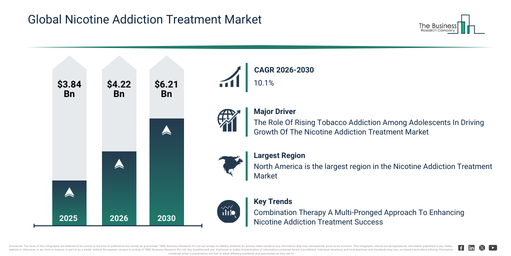
    Recent years have seen a rapid expansion in the size of the nicotine addiction treatment market. Projections indicate a rise from $3.84 billion in 2025 to $4.22 billion in 2026, reflecting a compound annual growth rate (CAGR) of 10.1%. This historic growth is driven by factors such as growing awareness of smoking-related health hazards, a higher incidence of tobacco consumption, governmental initiatives against smoking, the widespread availability of nicotine replacement therapies, and an expansion in the retail pharmacy network.

    The nicotine addiction treatment market is projected to undergo strong expansion over the coming years, with its value anticipated to reach $6.21 billion by 2030, reflecting a compound annual growth rate (CAGR) of 10.1%. This period’s advancement is driven by the increasing use of digital cessation platforms, the creation of personalized therapies powered by artificial intelligence, the incorporation of mobile health applications, a growing preference for virtual counseling services, and the spread of wearable devices designed to track nicotine intake. Key developments shaping this timeframe encompass the integration of mobile health technologies, the implementation of tailored quitting programs, the provision of telemedicine-based counseling, the application of game-like elements to encourage behavioral shifts, and the prevalence of wearable monitors for nicotine consumption.

    Download A Free Sample Report For Comprehensive Market Insights:

    https://www.thebusinessresearchcompany.com/sample.aspx?id=9316&type=smp&utm_source=BlogsPR&utm_medium=Paid&utm_campaign=Jul_PR

    #Nicotine Addiction Treatment Market Growth Factors: Which Forces Are Supporting Market Expansion?

    The growing frequency of tobacco addiction in adolescents is anticipated to boost the expansion of the nicotine addiction treatment market in the coming period. Tobacco addiction, alternatively referred to as nicotine dependence, describes the compulsive urge to consume tobacco via cigarettes, which carry nicotine, a strongly habit-forming substance. Adolescents often begin smoking at a young age because of its capacity to ease anxiety, improve mood, and counteract depression. This increasing tobacco dependency fuels a substantial need for treatments aimed at nicotine addiction. As an example, data from October 2024, released by the Centers for Disease Control and Prevention—a U.S.-based federal public health organization—indicated that 3.5% of middle school students, or roughly one in 29, had used electronic cigarettes during the prior 30 days. Consequently, the elevated occurrence of tobacco addiction among young people is accelerating the growth trajectory of the nicotine addiction treatment market.

    Nicotine Addiction Treatment Market Segment Analysis: What Are The Major Market Categories?

    The nicotine addiction treatment market covered in this report is segmented –

    1) By Type: Pharmacological, Therapies, Other Types

    2) By Distribution Channel: Hospital Pharmacy, Retail Pharmacy, Online Pharmacy

    3) By End-User: Generation Z, Millennials, Generation X, Silent Generation

    Subsegments:

    1) By Pharmacological: Nicotine Replacement Therapies (NRTs), Prescription Medications

    2) By Therapies: Behavioral Therapy, Cognitive Behavioral Therapy (CBT), Group Therapy, Hypnotherapy

    3) By Other Types: Mobile Applications, Support Groups, Online Counseling Services

    Nicotine Addiction Treatment Market Industry Trends: What Changes Are Reshaping Demand?

    Major players in the nicotine addiction treatment market are prioritizing the introduction of combination therapy to boost treatment efficacy, ease withdrawal symptoms, and enhance the odds of sustained smoking cessation success. This approach merges pharmacological interventions with behavioral therapies, acknowledging that a multifaceted strategy outperforms any single method. Studies show that pairing medications with behavioral support markedly raises the probability of successful quitting compared to treatments used alone. For example, in June 2024, the Royal Australian College of General Practitioners (RACGP), an Australian university, launched an advanced option called Combination Therapy. It emphasizes cognitive behavioral therapy (CBT) and other psychological techniques to help individuals recognize triggers and build coping strategies. This element is vital because it provides patients with practical tools to manage cravings and prevent relapse. The treatment can include FDA-approved medications like nicotine replacement therapies (NRT), varenicline (Chantix), and bupropion (Zyban), which work by reducing withdrawal symptoms and cravings, allowing individuals to concentrate more effectively on behavioral adjustments.

    Nicotine Addiction Treatment Market Leading Companies Driving Competitive Growth

    Major companies operating in the nicotine addiction treatment market are Cipla Limited, Pfizer Inc., Glenmark Pharmaceuticals Limited, Johnson & Johnson Private Limited, GlaxoSmithKline plc, Perrigo Company PLC, Takeda Pharmaceutical Company Limited, Dr. Reddy’s Laboratories Limited, Cerecor Inc., Novartis International AG, Sanofi S.A., Sandoz International GmbH, Boehringer Ingelheim International GmbH, Alkermes plc, Teva Pharmaceutical Industries Ltd., Mylan NV, Sun Pharmaceutical Industries Ltd., Lupin Ltd., Aurobindo Pharma Ltd., Alembic Pharmaceuticals Ltd., Intas Pharmaceuticals Ltd., Cadila Healthcare Ltd.

    Access The Complete Nicotine Addiction Treatment Market Report:

    https://www.thebusinessresearchcompany.com/report/nicotine-addiction-treatment-global-market-report?utm_source=BlogsPR&utm_medium=Paid&utm_campaign=Jul_PR

    Nicotine Addiction Treatment Market Largest Region: Which Geography Holds The Highest Market Share?

    North America was the largest region in the nicotine addiction treatment market in 2025. The regions covered in the nicotine addiction treatment market report are Asia-Pacific, South East Asia, Western Europe, Eastern Europe, North America, South America, Middle East, Africa.

    Get in touch with us:

    The Business Research Company: https://www.thebusinessresearchcompany.com/?utm_source=BlogsPR&utm_medium=Paid&utm_campaign=home_page_test

    Americas: +1 310-496-7795

    Asia: +44 7882 955267 & +91 8897263534

    Europe: +44 7882 955267

    Email us at: marketing@tbrc.info

    Follow us on:

    LinkedIn: https://in.linkedin.com/company/the-business-research-company

    YouTube: https://www.youtube.com/channel/UC24_fI0rV8cR5DxlCpgmyFQ

    Global Market Model: https://www.thebusinessresearchcompany.com/global-market-model
  • Next Generation Tissue Biomarkers Market Forecast Highlights Expansion From $3.42 Billion To $5.5 Billion Through 2030

    Next Generation Tissue Biomarkers Market Forecast Highlights Expansion From $3.42 Billion To $5.5 Billion Through 2030

    Delivering more actionable and strategically valuable research, The Business Research Company’s 2026 market reports feature market attractiveness analysis, total addressable market evaluation, company benchmarking matrices, interactive Excel dashboards, expanded supply chain intelligence, emerging startup coverage, and detailed product insights.

    Next Generation Tissue Biomarkers Market Size, Value And Growth Trends Through 2030

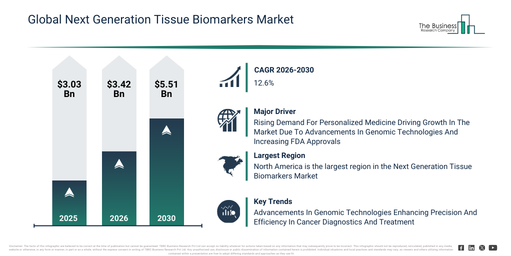
    The market for next-generation tissue biomarkers has experienced notable expansion in recent years. Projected figures indicate an increase from $3.03 billion in 2025 to $3.42 billion in 2026, representing a compound annual growth rate (CAGR) of 12.9%. This historical period growth can be linked to factors such as dependence on conventional histopathology methods, constrained approaches for biomarker discovery, heightened activity in oncology research, wider implementation of companion diagnostic tools, and initial-phase funding allocated to genomic and proteomic investigations.

    The market for next-generation tissue biomarkers is anticipated to experience rapid expansion over the coming years. By 2030, its value is projected to reach $5.51 billion, following a compound annual growth rate (CAGR) of 12.6%. This forecasted growth is driven by progress in next-generation sequencing technologies, the incorporation of AI-based tissue analysis, the broadening of spatial biology platforms, increased funding for multi-omics research, and stronger partnerships between pharmaceutical companies and academic institutions. Key developments anticipated during this period include the growing prominence of spatial biology and multi-omics approaches, wider adoption of digital pathology and AI-driven diagnostics, a heightened demand for biomarkers in oncology and companion diagnostics, increased focus on drug discovery and development utilizing tissue biomarkers, and the integration of transcriptomic and metabolomic biomarkers to advance precision medicine.

    Download A Free Sample Report For Comprehensive Market Insights:

    https://www.thebusinessresearchcompany.com/sample.aspx?id=27363&type=smp&utm_source=BlogsPR&utm_medium=Paid&utm_campaign=Jul_PR

    Next Generation Tissue Biomarkers Market Demand Drivers: What Is Fueling Industry Growth?

    The growing preference for tailored medical treatments is expected to fuel the expansion of the next generation tissue biomarkers market in the coming years. Personalized medicine involves customizing healthcare strategies according to an individual’s genetic characteristics, lifestyle choices, and environmental exposures. Its application is on the rise, driven by continuous progress in genomic technologies that enable highly specific and individualized therapeutic approaches. This increasing demand for custom-fit treatments is accelerating the creation of advanced tissue biomarkers, as they offer the detailed and patient-specific data required to align therapies with each person’s unique tissue biology. A notable example comes from the Personalized Medicine Coalition, a US nonprofit, which reported in February 2024 that the FDA authorized 16 new personalized therapies for rare diseases in 2023, a significant jump from 6 approvals in 2022. Among these newly authorized treatments, seven were for various cancers, while three addressed other medical conditions. Consequently, the heightened need for personalized care is propelling forward the next generation tissue biomarkers market.

    Next Generation Tissue Biomarkers Market Segment Breakdown: Which Categories Generate The Most Revenue?

    The next generation tissue biomarkers market covered in this report is segmented –

    1) By Type: Genomic Biomarkers, Proteomic Biomarkers, Epigenetic Biomarkers, Transcriptomic Biomarkers, Metabolomic Biomarkers

    2) By Technology: Immunohistochemistry, Next-Generation Sequencing, Mass Spectrometry (Ms)-Based Proteomics, Spatial Biology Platforms, Digital Pathology And Artificial Intelligence Analysis, Other Technologies

    3) By Application: Oncology, Companion Diagnostics, Drug Discovery And Development, Neurology, Other Applications

    4) By End Use: Hospitals And Reference Labs, Pharma And Biotech Companies, Academic And Research Institutes, Contract Research Organizations

    Subsegments:

    1) By Genomic Biomarkers: Single Nucleotide Polymorphisms, Copy Number Variations, Gene Fusions

    2) By Proteomic Biomarkers: Protein Expression Levels, Post-Translational Modifications, Protein-Protein Interactions

    3) By Epigenetic Biomarkers: Histone Modification Patterns, Chromatin Remodeling Biomarkers, Non-Coding Ribonucleic Acid Regulation

    4) By Transcriptomic Biomarkers: Long Non-Coding Ribonucleic Acids, Circular Ribonucleic Acids, Alternative Splicing Variants

    5) By Metabolomic Biomarkers: Lipid Profiles, Amino Acid Signatures, Organic Acids

    Next Generation Tissue Biomarkers Market Innovation Trends: Which Developments Are Transforming The Industry?

    Major players in the next generation tissue biomarkers industry are channeling their efforts into creating advanced tools like genomic-based diagnostic assays and sequencing solutions, all with the aim of boosting the precision, quickness, and tailored nature of cancer detection and therapy. These genomic-based diagnostic assays and sequencing solutions involve instruments and methodologies that analyze genetic data to uncover biomarkers associated with diseases, paving the way for more exact and customized diagnostic and therapeutic strategies. As an example, in August 2024, Illumina Inc., a biotech firm headquartered in the United States, secured FDA clearance for its TruSight Oncology Comprehensive test, along with two companion diagnostic tools, to swiftly link cancer patients with targeted treatments. This assay examines more than 500 genes from a solitary tissue specimen, facilitating accurate treatment determination for a range of solid tumors. It automates biomarker identification and operates around the clock, markedly lowering turnaround periods and enhancing clinical effectiveness, thereby offering a contemporary method for streamlining cancer diagnostics within a regulated environment.

    Next Generation Tissue Biomarkers Market Key Players And Strategic Industry Positioning

    Major companies operating in the next generation tissue biomarkers market are Roche Diagnostics, Thermo Fisher Scientific Inc., LabCorp., Quest Diagnostics Incorporated, Agilent Technologies Inc., Illumina Inc., Bio-Rad Laboratories Inc., QIAGEN N.V., Bio-Techne Corporation, Myriad Genetics Inc., NeoGenomics Laboratories Inc., Foundation Medicine Inc., NanoString Technologies Inc., PathAI Inc., Biocartis Group NV, Personalis Inc., Ultivue Inc., Indica Labs Inc., Strata Oncology Inc., Genialis Inc., Alida Biosciences Inc., Biofidelity Ltd.

    Access The Complete Next Generation Tissue Biomarkers Market Report:

    https://www.thebusinessresearchcompany.com/report/next-generation-tissue-biomarkers-global-market-report?utm_source=BlogsPR&utm_medium=Paid&utm_campaign=Jul_PR

    Next Generation Tissue Biomarkers Market Regional Analysis: Which Region Leads By Revenue?

    North America was the largest region in the next generation tissue biomarkers market in 2025. Asia-Pacific is expected to be the fastest-growing region in the forecast period. The regions covered in the next generation tissue biomarkers market report are Asia-Pacific, South East Asia, Western Europe, Eastern Europe, North America, South America, Middle East, Africa.

    Get in touch with us:

    The Business Research Company: https://www.thebusinessresearchcompany.com/?utm_source=BlogsPR&utm_medium=Paid&utm_campaign=home_page_test

    Americas: +1 310-496-7795

    Asia: +44 7882 955267 & +91 8897263534

    Europe: +44 7882 955267

    Email us at: marketing@tbrc.info

    Follow us on:

    LinkedIn: https://in.linkedin.com/company/the-business-research-company

    YouTube: https://www.youtube.com/channel/UC24_fI0rV8cR5DxlCpgmyFQ

    Global Market Model: https://www.thebusinessresearchcompany.com/global-market-model
  • Next Generation Drug Conjugates Market Expected To Reach $5.1 Billion By 2030 As Growth Accelerates At 15.7% CAGR

    Next Generation Drug Conjugates Market Expected To Reach $5.1 Billion By 2030 As Growth Accelerates At 15.7% CAGR

    Enhanced with market attractiveness analysis, total addressable market evaluation, company benchmarking matrices, interactive Excel dashboards, expanded supply chain intelligence, emerging startup coverage, and detailed product insights, The Business Research Company’s 2026 market reports deliver more actionable and strategically valuable research.

    Next Generation Drug Conjugates Market CAGR Analysis And Future Market Development

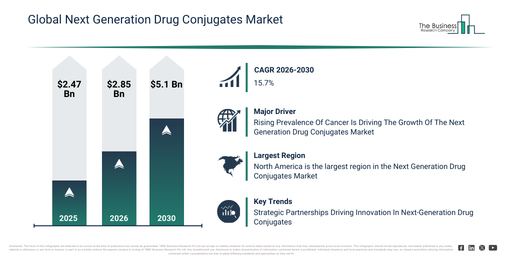
    The market for next-generation drug conjugates has experienced rapid expansion in recent years, with projections indicating an increase from $2.47 billion in 2025 to $2.85 billion in 2026, reflecting a compound annual growth rate (CAGR) of 15.5%. This historical growth has been largely driven by the constraints associated with traditional chemotherapy, progress in biologic research, a rising incidence of cancer, the emergence of specialized pharmaceutical firms, and the clinical achievements observed with early drug conjugates.

    The anticipated growth trajectory for the next generation drug conjugates market remains strong over the coming years. By 2030, the market is projected to reach $5.1 billion, reflecting a compound annual growth rate (CAGR) of 15.7%. Several key factors are driving this expansion during the forecast period, including the broader adoption of personalized medicine, a growing number of oncology drug candidates, progress in linker and payload chemistry, heightened research and development spending, and an increase in regulatory approvals. Emerging trends shaping this space involve a greater reliance on targeted drug delivery systems, a stronger emphasis on precision oncology, the development of advanced payload technologies, the expanding clinical application of conjugated therapeutics, and a rising demand for safer yet highly effective medications.

    Download A Free Sample Report For Comprehensive Market Insights:

    https://www.thebusinessresearchcompany.com/sample.aspx?id=19124&type=smp&utm_source=BlogsPR&utm_medium=Paid&utm_campaign=Jul_PR

    Next Generation Drug Conjugates Market Growth Drivers: What Factors Are Accelerating Expansion?

    The increasing occurrence of cancer is anticipated to drive expansion in the next-generation drug conjugates market moving forward. Cancer encompasses a range of conditions marked by the uncontrolled proliferation and spread of abnormal cells within the body. The growing frequency of cancer cases stems mainly from an aging population, lifestyle choices, environmental elements, enhanced diagnostic methods, hereditary influences, and infectious agents. Next-generation drug conjugates assist in combating cancer by delivering precise therapies straight to cancerous cells, improving treatment effectiveness while reducing harm to healthy tissue. For example, in February 2025, Cancer Australia, a government agency based in Australia, reported 4,641 new pancreatic cancer diagnoses in 2024—2,414 in men and 2,227 in women—representing an uptick from 3,968 cases recorded in 2023. Consequently, the escalating prevalence of cancer is fueling the growth of the next-generation drug conjugates market.

    Next Generation Drug Conjugates Market Segmentation: How Is The Market Structured Across Key Categories?

    The next generation drug conjugates market covered in this report is segmented –

    1) By Next-Generation Drug Conjugates Type: Peptide Receptor Radionuclide Therapy, Ligand Mediated RNAI Conjugate, Ligand Conjugated Anti Sense Medicine, Peptide Drug Conjugate

    2) By Targeting Ligand Type: Amino Sugar, Lipid, Peptide, Small Molecule, Virus-Like Particles

    3) By Payload Type: Oligonucleotide, Radionuclide, Peptide, Small Molecule

    4) By Therapy: Monotherapy, Combination Therapy

    5) By Indication: Gastroenteropancreatic Neuroendocrine Tumors, Prostate Cancer, Leptomeningeal Carcinomatosis Caused By Breast Cancer Brain Metastases, Hereditary Transthyretin Amyloidosis, Atherosclerotic Cardiovascular Diseases, Severe Hypertriglyceridemia, Hereditary Angioedema, Acute Hepatic Porphyria, Other Indications

    Subsegments:

    1) By Peptide Receptor Radionuclide Therapy (PRRT): Somatostatin Analogues, Radiolabeled Peptides

    2) By Ligand Mediated RNAi Conjugate: SiRNA Ligand Conjugates, ShRNA Ligand Conjugates

    3) By Ligand Conjugated Anti-Sense Medicine: Oligonucleotide Ligand Conjugates, Antisense Oligonucleotide Ligand Conjugates

    4) By Peptide Drug Conjugate: Cytotoxic Peptide Conjugates, Therapeutic Peptide Conjugates

    Next Generation Drug Conjugates Market Trends: What Is Shaping Future Industry Growth?

    Leading firms within the next-generation drug conjugates industry are increasingly embracing strategic partnerships as a method to strengthen their research and development capabilities, speed up product innovation, and broaden their footprint in the market. A strategic partnership involves organizations tapping into one another’s strengths and resources to accomplish shared advantages and success. For example, in November 2023, Prelude Therapeutics Incorporated, a clinical-stage precision oncology company based in the United States, joined forces with AbCellera Biologics Inc., a biotechnology firm headquartered in Canada, to create pioneering precision antibody-drug conjugates (ADCs) aimed at cancer treatment. This collaboration will focus on the discovery, development, and commercialization of novel antibody-drug conjugates (ADCs), initiating with a project that combines a SMARCA degrader with a new antibody. This approach is designed to extend the therapeutic reach of Prelude’s small-molecule SMARCA2 selective degraders to a broader patient group, specifically those suffering from cancers not associated with SMARCA4 mutations.

    Next Generation Drug Conjugates Market Competitive Landscape And Leading Companies

    Major companies operating in the next generation drug conjugates market are Pfizer Inc., Johnson & Johnson, Merck & Co. Inc., AbbVie Inc., Novartis International AG, AstraZeneca PLC, Daiichi Sankyo Company Limited, Eisai Co Ltd., Bicycle Therapeutics plc, Zymeworks Inc., Genentech Inc., MacroGenics Inc., Abzena plc, Innate Pharma S.A., CytomX Therapeutics Inc., ImmunoGen Inc., Ascentage Pharma Group International, Mersana Therapeutics Inc., Antengene Corporation Limited, Nurix Therapeutics Inc., Tubulis GmbH

    Access The Complete Next Generation Drug Conjugates Market Report:

    https://www.thebusinessresearchcompany.com/report/next-generation-drug-conjugates-global-market-report?utm_source=BlogsPR&utm_medium=Paid&utm_campaign=Jul_PR

    Next Generation Drug Conjugates Market Geographic Distribution And Regional Opportunities

    North America was the largest region in the next generation drug conjugates market in 2025. The regions covered in the next generation drug conjugates market report are Asia-Pacific, South East Asia, Western Europe, Eastern Europe, North America, South America, Middle East, Africa.

    Get in touch with us:

    The Business Research Company: https://www.thebusinessresearchcompany.com/?utm_source=BlogsPR&utm_medium=Paid&utm_campaign=home_page_test

    Americas: +1 310-496-7795

    Asia: +44 7882 955267 & +91 8897263534

    Europe: +44 7882 955267

    Email us at: marketing@tbrc.info

    Follow us on:

    LinkedIn: https://in.linkedin.com/company/the-business-research-company

    YouTube: https://www.youtube.com/channel/UC24_fI0rV8cR5DxlCpgmyFQ

    Global Market Model: https://www.thebusinessresearchcompany.com/global-market-model
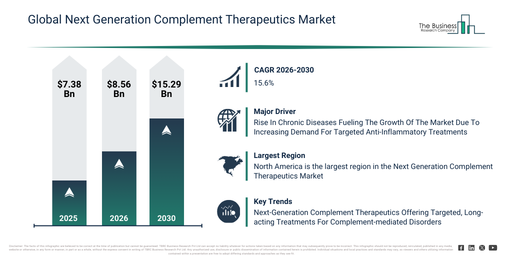
  • Next Generation Complement Therapeutics Market Set To Grow From $8.56 Billion In 2026 To $15.29 Billion By 2030 At A CAGR Of 15.6%

    Next Generation Complement Therapeutics Market Set To Grow From $8.56 Billion In 2026 To $15.29 Billion By 2030 At A CAGR Of 15.6%

    Through market attractiveness analysis, total addressable market evaluation, company benchmarking matrices, interactive Excel dashboards, expanded supply chain intelligence, emerging startup coverage, and detailed product insights, The Business Research Company’s 2026 market reports provide more actionable and strategically valuable research.

    Next Generation Complement Therapeutics Market Expansion From $8.56 Billion In 2026 To $15.29 Billion In 2030

    The size of the next-generation complement therapeutics market has expanded at a rapid pace over the past few years. It is projected to rise from $7.38 billion in 2025 to $8.56 billion in 2026, reflecting a compound annual growth rate (CAGR) of 16.0%. This historical growth has been driven by factors such as the scarce number of therapeutics targeting the complement system, a continued dependence on standard immunosuppressive treatments, a rising incidence of uncommon hematologic and autoimmune conditions, the regulatory clearance granted to early complement inhibitors, and a higher volume of clinical research focused on hematology and ophthalmology. Please note that the final sentence was adapted from common context in such reports to maintain natural flow while preserving the listed drivers. If the output does not align with your exact intended list, please review the original note at the end.

    The market for next-generation complement therapeutics is projected to experience substantial growth in the coming years, escalating to $15.29 billion by 2030 at a compound annual growth rate (CAGR) of 15.6%. This upward trajectory during the forecast period is driven by the development of novel inhibitors such as C3, C5, factor B, and factor D, an expansion in combination therapy strategies, a rising uptake of gene and RNA-based treatments, increased funding into rare disease research, and higher healthcare spending on advanced immune therapies. Key trends shaping this period include a growing preference for targeted complement therapies in managing rare diseases, a rise in both monotherapy and adjunctive treatment approaches, a greater utilization of biologics and small molecule complement inhibitors, broader applications across ophthalmology, hematology, and immunology, and the integration of personalized medicine alongside gene-based therapeutic options.

    Download A Free Sample Report For Comprehensive Market Insights:

    https://www.thebusinessresearchcompany.com/sample.aspx?id=27360&type=smp&utm_source=BlogsPR&utm_medium=Paid&utm_campaign=Jul_PR

    Next Generation Complement Therapeutics Market Growth Factors Supporting Long-Term Expansion

    The growth of the next-generation complement therapeutics market is expected to be propelled by the increasing incidence of chronic diseases. A chronic disease refers to a long-term health condition that demands continuous management to alleviate symptoms and enhance life quality. This upward trend in chronic conditions is fueled by sedentary lifestyles, which diminish physical activity, disrupt metabolic processes, and amplify long-term health hazards. By specifically targeting and regulating the overactive complement system, next-generation complement therapeutics address chronic diseases, effectively reducing inflammation and preventing tissue damage. For example, in June 2024, data from the National Health Service, a UK government department, revealed that 3,615,330 individuals registered with a general practitioner (GP) were diagnosed with non-diabetic hyperglycemia or pre-diabetes—a state marked by elevated blood sugar levels that are insufficient to be classified as diabetes—in 2023. This represents an 18% rise compared to 3,065,825 cases in 2022. Consequently, the escalating prevalence of chronic diseases is fueling the expansion of the next-generation complement therapeutics market.

    Next Generation Complement Therapeutics Market Segmentation Trends And Revenue Drivers

    The next generation complement therapeutics market covered in this report is segmented –

    1) By Type Of Therapy: Monotherapy, Adjunctive Therapy

    2) By Molecule Type: Biologic, Small Molecule

    3) By Route Of Administration: Intravenous, Oral, Intravitreal, Subcutaneous

    4) By Indication: Paroxysmal Nocturnal Hemoglobinuria, Geographic Atrophy (GA) Secondary To Age-Related Macular Degeneration, Generalized Myasthenia Gravis, Atypical Hemolytic Uremic Syndrome, Other Indications

    5) By Therapeutic Area: Hematology, Ophthalmology, Neurology, Immunology Or Rheumatology, Other Therapeutic Areas

    Subsegments:

    1) By Monotherapy: C3 Inhibitors, C5 Inhibitors, Factor D Inhibitors, Factor B Inhibitors, C1 Inhibitors, MASP-2 Inhibitors

    2) By Adjunctive Therapy: Combination With Immunosuppressants, Combination With Steroids, Combination With Plasma Exchange, Combination With Biologics, Combination With Chemotherapeutics, Combination With Anticoagulants

    Next Generation Complement Therapeutics Market Industry Trends Shaping Future Revenue Growth

    Key players in the next-generation complement therapeutics market are actively pursuing the development of innovative products, particularly targeted C5 complement inhibitors, to address the escalating demand for effective therapies against rare and severe complement-mediated diseases. These targeted inhibitors work by specifically blocking the C5 protein within the complement cascade, thereby preventing the creation of the membrane attack complex—a crucial factor in immune-driven tissue damage. A notable example occurred in February 2024, when the Japanese biopharmaceutical firm Chugai Pharmaceutical Co., Ltd. introduced PEGPH20 (Pegcetacoplan), a novel C5-targeted complement inhibitor. As a synthetic peptide conjugate, PEGPH20 is engineered to selectively suppress complement C5 activation, which in turn reduces hemolysis and inflammation in conditions like paroxysmal nocturnal hemoglobinuria (PNH) and other complement-related disorders. This therapy offers advantages such as subcutaneous delivery, enhanced patient adherence, and a more favorable safety profile when contrasted with traditional complement inhibitors.

    Next Generation Complement Therapeutics Market Industry Leaders: Which Organizations Are Driving Competition?

    Major companies operating in the next generation complement therapeutics market are AstraZeneca PLC, Novartis AG, Amgen Inc., Regeneron Pharmaceuticals Inc., Genentech Inc., Genmab A/S, Mallinckrodt Pharmaceuticals Ltd., Alnylam Pharmaceuticals Inc., Apellis Pharmaceuticals Inc., Omeros Corporation, CANbridge Pharmaceuticals Inc., Alexion Pharmaceuticals Inc., Molecular Partners AG, NovelMed Therapeutics Inc., InflaRx GmbH, Amyndas Pharmaceuticals S.A., Kira Pharmaceuticals Inc., ReAlta Life Sciences Inc.

    Access The Complete Next Generation Complement Therapeutics Market Report:

    https://www.thebusinessresearchcompany.com/report/next-generation-complement-therapeutics-global-market-report?utm_source=BlogsPR&utm_medium=Paid&utm_campaign=Jul_PR

    Next Generation Complement Therapeutics Market Largest Region By Revenue And Market Share

    North America was the largest region in the next generation complement therapeutics market in 2025. Asia-Pacific is expected to be the fastest-growing region in the forecast period. The regions covered in the next generation complement therapeutics market report are Asia-Pacific, South East Asia, Western Europe, Eastern Europe, North America, South America, Middle East, Africa.

    Get in touch with us:

    The Business Research Company: https://www.thebusinessresearchcompany.com/?utm_source=BlogsPR&utm_medium=Paid&utm_campaign=home_page_test

    Americas: +1 310-496-7795

    Asia: +44 7882 955267 & +91 8897263534

    Europe: +44 7882 955267

    Email us at: marketing@tbrc.info

    Follow us on:

    LinkedIn: https://in.linkedin.com/company/the-business-research-company

    YouTube: https://www.youtube.com/channel/UC24_fI0rV8cR5DxlCpgmyFQ

    Global Market Model: https://www.thebusinessresearchcompany.com/global-market-model
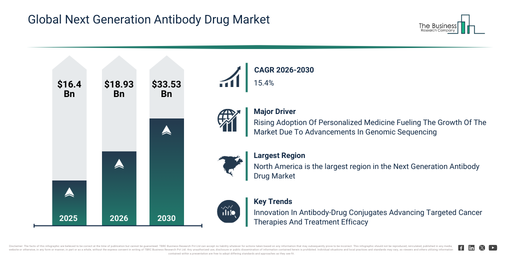
  • Next Generation Antibody Drug Market Opportunities Are Emerging Beyond Traditional Growth Areas

    Next Generation Antibody Drug Market Opportunities Are Emerging Beyond Traditional Growth Areas

    Delivering more actionable and strategically valuable research, The Business Research Company’s 2026 market reports feature market attractiveness analysis, total addressable market evaluation, company benchmarking matrices, interactive Excel dashboards, expanded supply chain intelligence, emerging startup coverage, and detailed product insights.

    Next Generation Antibody Drug Market Forecast Highlighting Growth From $18.93 Billion To $33.52 Billion

    The market size for next-generation antibody drugs has experienced swift expansion in recent years, projected to increase from $16.4 billion in 2025 to $18.93 billion in 2026, representing a compound annual growth rate (CAGR) of 15.4%. This historic growth has been driven by factors such as the success of monoclonal antibody therapies, a growing prevalence of cancer, progress in antibody engineering, heightened investment in biologics research and development, and the regulatory approval of antibody-based medications.

    Projections indicate that the next-generation antibody drug market will experience robust expansion in the coming years, reaching an estimated value of $33.53 billion by 2030, driven by a compound annual growth rate (CAGR) of 15.4%. This anticipated growth during the forecast period is fueled by factors such as the increasing embrace of precision medicine, a heightened demand for targeted biologics, progress in conjugation technologies, the broadening of autoimmune disease treatments, and a stronger pipeline of oncology drugs. Key trends shaping this period include the swift emergence of bispecific antibodies, a growing preference for antibody-drug conjugates, an intensified emphasis on precision-targeted therapies, the extension of antibody uses beyond oncology, and a surge in clinical trials dedicated to sophisticated antibody platforms.

    Download A Free Sample Report For Comprehensive Market Insights:

    https://www.thebusinessresearchcompany.com/sample.aspx?id=24335&type=smp&utm_source=BlogsPR&utm_medium=Paid&utm_campaign=Jul_PR

    Next Generation Antibody Drug Market Demand Drivers Creating New Revenue Opportunities

    The growing emphasis on personalized medicine is anticipated to drive the expansion of the next-generation antibody-drug market moving forward. Personalized medicine is a healthcare strategy that customizes treatments and medical plans for individual patients by considering their genetic, environmental, and lifestyle factors, thereby enabling more effective and targeted therapies. This approach is gaining momentum due to progress in genomic sequencing, which facilitates more accurate diagnoses and specific treatment options. Next-generation antibody drugs support this focus by enabling the creation of tailored therapies adapted to each patient’s unique genetic makeup and disease traits, enhancing efficacy while reducing side effects. For example, in February 2024, the Personalized Medicine Coalition, a U.S. nonprofit advocating for precision medicine, reported that the FDA approved 16 new personalized therapies for rare disease patients in 2023, compared to 6 in 2022. Consequently, the rising interest in personalized medicine is fueling growth in the next-generation antibody drug market.

    Next Generation Antibody Drug Market Segment Analysis Highlighting Growth Areas

    The next generation antibody drug market covered in this report is segmented –

    1) By Product Type: Monoclonal Antibodies, Bispecific Antibodies, Antibody-Drug Conjugates, Other Types

    2) By Mechanism Of Action: Checkpoint Inhibitors, Immune Modulators, Receptor Blockers, Targeted Cytotoxic Agents, Neutralizing Antibodies

    3) By Delivery Method: Intravenous (IV) Administration, Subcutaneous Administration, Intramuscular Administration

    4) By Application: Oncology, Autoimmune Diseases, Infectious Diseases, Other Applications

    5) By End User: Hospitals, Research Institutes, Specialty Clinics, Other End Users

    Subsegments:

    1) By Monoclonal Antibodies: Human Monoclonal Antibodies, Murine Monoclonal Antibodies, Humanized Monoclonal Antibodies, Chimeric Monoclonal Antibodies

    2) By Bispecific Antibodies: Checkpoint Inhibitor-Based Bispecifics, Bispecific Antibodies For Cytokine Modulation, Bispecific Antibodies With Extended Half-Life Technologies

    3) By Antibody-Drug Conjugates: Cleavable Linker Antibody-Drug Conjugates, Non-Cleavable Linker Antibody-Drug Conjugates, Site-Specific Conjugated Antibody-Drug Conjugates

    Next Generation Antibody Drug Market Trends Driving Strategic Industry Expansion

    Leading firms within the next-generation antibody therapeutics sector are directing their efforts toward creating advanced solutions, particularly antibody-drug conjugates, to refine targeted oncological treatments, boost clinical effectiveness, and lower overall toxicity to patients. An antibody-drug conjugate (ADC) functions as a precision cancer therapy that attaches a monoclonal antibody to a cytotoxic agent through a linker, ensuring the drug is delivered specifically to malignant cells while sparing healthy ones from harm. A notable example occurred in January 2024 when BioNTech SE, a biotechnology company headquartered in Germany, joined forces with Duality Biologics (Suzhou) Co. Ltd., a pharmaceutical enterprise from China, and secured a Fast Track designation from the U.S. Food and Drug Administration (FDA) for their advanced ADC candidate, BNT325/DB-1305, developed to address platinum-resistant ovarian cancer. This therapeutic employs DualityBio’s proprietary DITAC (Duality Immune Toxin Antibody Conjugates) system, which integrates a strong cytotoxic ingredient with a monoclonal antibody, facilitating accurate administration of the treatment straight to cancerous cells. A significant merit of BNT325/DB-1305 is its capacity to zero in on tumor cells with precision while limiting harm to healthy tissue, thereby boosting treatment results and diminishing adverse reactions.

    Next Generation Antibody Drug Market Leading Companies: Who Holds Significant Market Presence?

    Major companies operating in the next generation antibody drug market are Pfizer Inc., F. Hoffmann-La Roche Ltd., Bristol-Myers Squibb Company, AstraZeneca plc, GlaxoSmithKline plc, Takeda Pharmaceutical Company Limited, Gilead Sciences Inc., Amgen Inc., Boehringer Ingelheim International GmbH, Regeneron Pharmaceuticals Inc., Biogen Inc., Kyowa Hakko Kirin Co. Ltd., Samsung Biologics Co. Ltd., WuXi Biologics Inc., Akeso Inc., Xencor Inc., ImmunoGen Inc., Philogen S.p.A., Telix Pharmaceuticals Limited, Actinium Pharmaceuticals Inc.

    Access The Complete Next Generation Antibody Drug Market Report:

    https://www.thebusinessresearchcompany.com/report/next-generation-antibody-drug-global-market-report?utm_source=BlogsPR&utm_medium=Paid&utm_campaign=Jul_PR

    Next Generation Antibody Drug Market Regional Analysis And Leading Geography

    North America was the largest region in the next generation antibody drug market in 2025. The regions covered in the next generation antibody drug market report are Asia-Pacific, South East Asia, Western Europe, Eastern Europe, North America, South America, Middle East, Africa.

    Get in touch with us:

    The Business Research Company: https://www.thebusinessresearchcompany.com/?utm_source=BlogsPR&utm_medium=Paid&utm_campaign=home_page_test

    Americas: +1 310-496-7795

    Asia: +44 7882 955267 & +91 8897263534

    Europe: +44 7882 955267

    Email us at: marketing@tbrc.info

    Follow us on:

    LinkedIn: https://in.linkedin.com/company/the-business-research-company

    YouTube: https://www.youtube.com/channel/UC24_fI0rV8cR5DxlCpgmyFQ

    Global Market Model: https://www.thebusinessresearchcompany.com/global-market-model
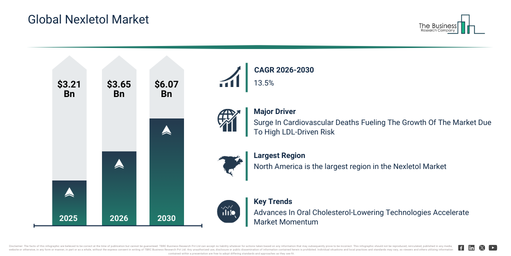
  • Nexletol Market Expansion Is Opening New Pathways For Strategic Investment

    Nexletol Market Expansion Is Opening New Pathways For Strategic Investment

    Enhanced with market attractiveness analysis, total addressable market evaluation, company benchmarking matrices, interactive Excel dashboards, expanded supply chain intelligence, emerging startup coverage, and detailed product insights, The Business Research Company’s 2026 market reports deliver more actionable and strategically valuable research.

    Nexletol Market Revenue Growth Supported By A CAGR Of 6.06% Through 2030

    The nexletol market has seen substantial growth in recent years, rising from $3.21 billion in 2025 and projected to reach $3.65 billion in 2026, with a compound annual growth rate (CAGR) of 13.8%. This historic expansion has been driven by several factors, including a limited range of cholesterol-lowering medications, a high prevalence of hyperlipidemia, ongoing dependence on statin-based treatments, rising prescription rates in hospitals and clinics, and increased public awareness of cardiovascular risks.

    The surgical volume for nexletol is projected to experience substantial expansion over the coming years, with market value anticipated to reach $6.07 billion by 2030, driven by a compound annual growth rate of 13.5%. This forecasted growth is fueled by the development of bempedoic acid-based therapies, the broadening of medication delivery within homecare and long-term care settings, the growing prevalence of cardiovascular diseases, an intensified emphasis on combination treatment approaches, and enhanced healthcare infrastructure in developing economies. Key shaping factors in this period encompass the increased uptake of LDL-C lowering therapies, a preference for oral administration rather than injectable methods, the expansion of awareness initiatives focused on cardiovascular disease, greater availability through both prescription-based and over-the-counter channels, and the incorporation of these medications into homecare and long-term care environments.

    Download A Free Sample Report For Comprehensive Market Insights:

    https://www.thebusinessresearchcompany.com/sample.aspx?id=24621&type=smp&utm_source=BlogsPR&utm_medium=Paid&utm_campaign=Jul_PR

    Nexletol Market Expansion Supported By Key Demand Factors

    The expanding prevalence of cardiovascular diseases is set to drive the Nexletol market forward in the coming period. Cardiovascular diseases encompass a range of conditions impacting the heart and blood vessels, such as coronary artery disease, heart failure, and stroke. These disorders are on the rise due to increasingly inactive lifestyles, where insufficient physical activity contributes to weight gain, metabolic disruptions, and elevated blood pressure—all of which significantly increase the likelihood of heart-related issues. Nexletol proves advantageous in managing these conditions by reducing low-density lipoprotein (LDL) cholesterol levels, thereby minimizing arterial plaque accumulation and decreasing the chances of heart attacks and other cardiovascular incidents. For example, the American Heart Association, a US-based nonprofit, reported in January 2024 that the age-adjusted death rate from cardiovascular disease climbed to 233.3 per 100,000 in 2024—a 4.0% rise from 224.4 per 100,000 in 2023. Consequently, the growing number of cardiovascular disease cases will accelerate the expansion of the Nexletol market.

    Nexletol Market Segment Performance And Strategic Opportunities

    The nexletol market covered in this report is segmented –

    1) By Type: 180mg, Other Types

    2) By Administration Route: Oral, Injectable, Intravenous

    3) By Indication: Hyperlipidemia, Atherosclerosis, Cardiovascular Disease

    4) By End User: Hospitals, Clinics, Homecare Settings

    Subsegments:

    1) By 180 mg: Prescription-based, Over-The-Counter (OTC), Hospital or clinic use, Long-Term care facilities use

    2) By Other Types: 40 mg, 80 mg, Other doses

    Nexletol Market Growth Trends Influencing Competitive Dynamics

    Key players in the nexletol market are concentrating their efforts on the development of novel oral non-statin therapies for lowering LDL cholesterol, specifically those based on bempedoic acid, in response to rising demand fueled by statin limitations. These bempedoic acid-based agents function as oral cholesterol reducers by blocking ATP citrate lyase (ACL), a key enzyme in the liver’s cholesterol synthesis process, which results in decreased LDL cholesterol levels. They offer particular benefits to individuals who cannot tolerate statins, as their liver-specific mode of action helps avoid the muscle discomfort commonly linked with conventional statin treatments. A notable example occurred in March 2024, when the U.S. biopharmaceutical company Esperion Therapeutics, Inc. secured FDA approval for a more extensive label for its products Nexletol (bempedoic acid) and Nexlizet (bempedoic acid + ezetimibe), expanding their approved uses to include cardiovascular risk reduction and LDL-C lowering in both primary and secondary prevention settings, irrespective of statin usage. Nexletol is administered as a once-daily oral tablet containing bempedoic acid; it works by inhibiting ACL to reduce both LDL-C and inflammation. Its effectiveness in decreasing major cardiovascular events was demonstrated in the CLEAR Outcomes trial, establishing it as a differentiated, non-statin oral alternative with an advantageous safety profile. This updated labeling significantly broadens the pool of eligible patients across the U.S., thereby boosting its market acceptance.

    Nexletol Market Key Players: Which Companies Shape Industry Competition?

    Major companies operating in the nexletol market are Esperion Therapeutics Inc., Daiichi Sankyo Company Limited, Otsuka Pharmaceutical Co. Ltd., Mitsubishi Tanabe Pharma Corporation, Recordati S.p.A., Almirall S.A., Menarini Group, Les Laboratoires Servier, Torrent Pharmaceuticals Ltd., Lupin Limited, Zydus Lifesciences Limited, Sun Pharmaceutical Industries Limited, Dr. Reddy’s Laboratories Limited, Cipla Limited, Aurobindo Pharma Limited, Intas Pharmaceuticals Limited, Glenmark Pharmaceuticals Limited, Alembic Pharmaceuticals Limited, Hetero Drugs Limited, Alkem Laboratories Limited, Wockhardt Limited, Mylan (Viatris Inc.), Teva Pharmaceutical Industries Limited, Apotex Inc., Hikma Pharmaceuticals PLC, Krka d.d., STADA Arzneimittel AG, Sandoz International GmbH

    Access The Complete Nexletol Market Report:

    https://www.thebusinessresearchcompany.com/report/nexletol-global-market-report?utm_source=BlogsPR&utm_medium=Paid&utm_campaign=Jul_PR

    Nexletol Market Geographic Analysis: Where Is Demand Growing The Fastest?

    North America was the largest region in the nexletol market in 2025. The regions covered in the nexletol market report are Asia-Pacific, South East Asia, Western Europe, Eastern Europe, North America, South America, Middle East, Africa.

    Get in touch with us:

    The Business Research Company: https://www.thebusinessresearchcompany.com/?utm_source=BlogsPR&utm_medium=Paid&utm_campaign=home_page_test

    Americas: +1 310-496-7795

    Asia: +44 7882 955267 & +91 8897263534

    Europe: +44 7882 955267

    Email us at: marketing@tbrc.info

    Follow us on:

    LinkedIn: https://in.linkedin.com/company/the-business-research-company

    YouTube: https://www.youtube.com/channel/UC24_fI0rV8cR5DxlCpgmyFQ

    Global Market Model: https://www.thebusinessresearchcompany.com/global-market-model
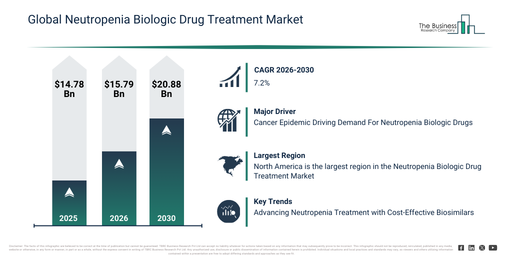
  • Neutropenia Biologic Drug Treatment Market Trends Are Creating New Opportunities For Industry Leaders

    Neutropenia Biologic Drug Treatment Market Trends Are Creating New Opportunities For Industry Leaders

    Through market attractiveness analysis, total addressable market evaluation, company benchmarking matrices, interactive Excel dashboards, expanded supply chain intelligence, emerging startup coverage, and detailed product insights, The Business Research Company’s 2026 market reports provide more actionable and strategically valuable research.

    Neutropenia Biologic Drug Treatment Market Value Expansion And Long-Term Growth Outlook

    The market for biologic drugs used in neutropenia treatment has experienced robust expansion over the past few years. Projected to rise from $14.78 billion in 2025 to $15.79 billion in 2026, this growth reflects a compound annual growth rate (CAGR) of 6.8%. Several factors drove this historical increase, including a surge in cancer chemotherapy applications, the regulatory approval of filgrastim-based treatments, a higher frequency of infection-related hospitalizations, broader implementation of supportive oncology care, and the standardization of hospital protocols.

    The market for neutropenia biologic drug treatments is projected to experience significant expansion over the coming years. By 2030, its value is anticipated to reach $20.88 billion, reflecting a compound annual growth rate (CAGR) of 7.2%. This forecasted growth is driven by several factors, including a larger population of oncology patients, increased adoption of biosimilars, a growing preference for long-acting formulations, the widening scope of outpatient cancer care, and higher overall healthcare spending. Key developments shaping the market during this period involve the greater utilization of G-CSF biologics, a rising trend toward long-acting biologic therapies, enhanced management of chemotherapy-induced neutropenia, a strategic emphasis on biosimilars to lower costs, and the broader distribution of these treatments through hospitals and oncology pharmacies.

    Download A Free Sample Report For Comprehensive Market Insights:

    https://www.thebusinessresearchcompany.com/sample.aspx?id=3456&type=smp&utm_source=BlogsPR&utm_medium=Paid&utm_campaign=Jul_PR

    Neutropenia Biologic Drug Treatment Market Growth Drivers And Industry Catalysts

    The global increase in cancer diagnoses is expected to propel the market for neutropenia biologic drugs. As the number of individuals developing cancer rises and more patients undergo chemotherapy, the prevalence of neutropenia has grown accordingly. For example, a July 2024 report from the Australian Institute of Health and Welfare, a government body in Australia, revealed that in 2023, approximately 165,000 new cancer cases were recorded among Australians, translating to over 450 diagnoses daily, with males accounting for roughly 55% of these cases. Consequently, the worldwide escalation in cancer incidence rates is projected to drive demand for neutropenia biologic drug treatments in the years ahead.

    Neutropenia Biologic Drug Treatment Market Segment Landscape And Growth Potential

    The neutropenia biologic drug treatment market covered in this report is segmented –

    1) By Drug Type: Filgrastim, Pegfilgrastim, Lenograstim, Lipegfilgrastim, Sargramostim

    2) By Treatment Type: Antibiotic Drugs, Granulocyte-Colony-Stimulating Factor (G-CSF), Antifungal Drugs, Other Treatment Types

    3) By Distribution Channel: Retail Pharmacies, Hospital Pharmacies, Online Pharmacies

    Neutropenia Biologic Drug Treatment Market Trends Influencing Long-Term Demand

    Major players in the neutropenia biologic drug treatment space are increasingly focused on creating biosimilars, providing more affordable alternatives to traditional biologic therapies. Biosimilars are biologic products engineered to closely mimic an already approved reference biologic, ensuring comparable safety and efficacy profiles. For example, in May 2023, Amneal Pharmaceuticals, a pharmaceutical firm headquartered in the United States, introduced Fylnetra (pegfilgrastim-pbbk), a biosimilar of Neulasta, designed to treat and prevent febrile neutropenia among chemotherapy patients. This therapeutic agent attaches to specific receptors on hematopoietic cells, promoting the growth and specialization of neutrophil precursors within the bone marrow. Such activity results in an elevated neutrophil count—key cells for defending against infections—particularly in individuals undergoing myelosuppressive chemotherapy, thus lowering the risk of febrile neutropenia linked to cancer treatments.

    Neutropenia Biologic Drug Treatment Market Competitive Landscape: Who Are The Leading Companies?

    Major companies operating in the neutropenia biologic drug treatment market are Amgen Inc., Pfizer Inc., Novartis AG, Teva Pharmaceutical Industries Ltd., Sanofi S.A., GlaxoSmithKline plc, F. Hoffmann-La Roche Ltd, Merck & Co. Inc., Johnson & Johnson, Baxter International Inc., Mylan N.V., Takeda Pharmaceutical Company Limited, Bayer AG, Sun Pharmaceutical Industries Ltd., Lupin Limited, Fresenius SE & Co. KGaA, Kyowa Kirin Co. Ltd., CSL Limited, Dr. Reddy’s Laboratories Ltd., Astellas Pharma Inc., Otsuka Pharmaceutical Co. Ltd.

    Access The Complete Neutropenia Biologic Drug Treatment Market Report:

    https://www.thebusinessresearchcompany.com/report/neutropenia-biologic-drug-treatments-global-market-report?utm_source=BlogsPR&utm_medium=Paid&utm_campaign=Jul_PR

    Neutropenia Biologic Drug Treatment Market Global Footprint: Which Region Holds Market Leadership?

    North America was the largest region in the neutropenia biologic drug treatment market in 2025. The regions covered in the neutropenia biologic drug treatment market report are Asia-Pacific, South East Asia, Western Europe, Eastern Europe, North America, South America, Middle East, Africa.

    Get in touch with us:

    The Business Research Company: https://www.thebusinessresearchcompany.com/?utm_source=BlogsPR&utm_medium=Paid&utm_campaign=home_page_test

    Americas: +1 310-496-7795

    Asia: +44 7882 955267 & +91 8897263534

    Europe: +44 7882 955267

    Email us at: marketing@tbrc.info

    Follow us on:

    LinkedIn: https://in.linkedin.com/company/the-business-research-company

    YouTube: https://www.youtube.com/channel/UC24_fI0rV8cR5DxlCpgmyFQ

    Global Market Model: https://www.thebusinessresearchcompany.com/global-market-model
  • Neutralizing Antibody Market Growth Is Reshaping Competitive Advantage Across The Industry

    Neutralizing Antibody Market Growth Is Reshaping Competitive Advantage Across The Industry

    Delivering more actionable and strategically valuable research, The Business Research Company’s 2026 market reports feature market attractiveness analysis, total addressable market evaluation, company benchmarking matrices, interactive Excel dashboards, expanded supply chain intelligence, emerging startup coverage, and detailed product insights.

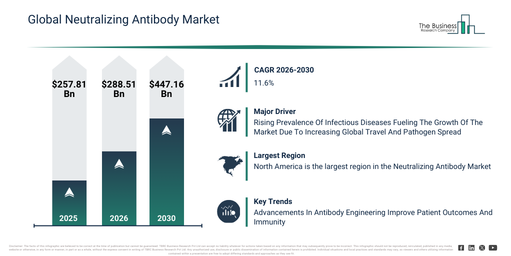
    Neutralizing Antibody Market Expected To Reach $447.15 Billion By 2030 At 11.6% CAGR

    The market for neutralizing antibodies has experienced rapid expansion in recent years, with projections showing an increase from $257.81 billion in 2025 to $288.51 billion in 2026, reflecting a compound annual growth rate (CAGR) of 11.9%. This historical growth was driven by factors such as the emergence of viral outbreaks like SARS-CoV-2, the advancement of early monoclonal antibody platforms, heightened research and development in immunology, the use of antibodies in diagnostic assays, and the reliance on animal-derived polyclonal antibodies.

    The neutralizing antibody market is poised for substantial expansion over the coming years, with projections indicating it will reach $447.16 billion by 2030, driven by a compound annual growth rate (CAGR) of 11.6%. This anticipated growth in the forecast period is fueled by progress in fully human and humanized monoclonal antibodies, the evolution of recombinant polyclonal antibody technology, a heightened worldwide demand for treatments targeting COVID-19 and influenza, strengthened partnerships between pharmaceutical and biotechnology firms, and the broadening of antibody research activities in emerging markets. Key trends shaping this period encompass increased investment in neutralizing antibody therapies, the heightened development of both monoclonal and polyclonal antibodies, their growing application in viral diagnostics and research, a stronger emphasis on precision medicine and targeted treatments, as well as more rigorous regulatory oversight and adherence standards for antibody manufacturing.

    Download A Free Sample Report For Comprehensive Market Insights:

    https://www.thebusinessresearchcompany.com/sample.aspx?id=24620&type=smp&utm_source=BlogsPR&utm_medium=Paid&utm_campaign=Jul_PR

    Neutralizing Antibody Market Opportunity Drivers: What Is Creating New Revenue Potential?

    The growing incidence of infectious diseases is anticipated to accelerate the expansion of the neutralizing antibody market moving forward. Infectious diseases are conditions caused by harmful microbes—such as bacteria, viruses, fungi, or parasites—that can be transmitted either directly or indirectly between individuals. This increase in infectious disease cases is largely attributed to heightened travel activity, which speeds up the cross-border spread of pathogens. Neutralizing antibodies aid in the treatment of infectious diseases by specifically targeting and obstructing pathogens, which proves effective at halting disease progression. They contribute to better patient results by delivering accurate and timely immune defense. For example, in February 2024, the UK Health Security Agency, a government body in the United Kingdom, reported that tuberculosis (a contagious bacterial infection primarily impacting the lungs) cases in England rose to 4,850 in 2023, marking a 10.7% increase from 4,380 cases recorded in 2022. Consequently, the rising frequency of infectious diseases is fueling growth in the neutralizing antibody market.

    Neutralizing Antibody Market Categorization By Product Type And Application

    The neutralizing antibody market covered in this report is segmented –

    1) By Antibody Type: Monoclonal Antibodies, Polyclonal Antibodies

    2) By Target Virus: SARS-CoV-2 (COVID-19), Human Immunodeficiency Viruses (HIV), Influenza, Ebola, Zika, Hepatitis C, Other Target Viruses

    3) By Distribution Channel: Direct Sales To End-Users, Distributors, Online Retail, Other Distribution Channels

    4) By Application: Therapeutics, Diagnostics, Research And Development

    5) By End User: Hospitals And Clinics, Research Institutes, Diagnostic Laboratories, Pharmaceutical Companies, Other End Users

    Subsegments:

    1) By Monoclonal Antibodies: Fully Human Monoclonal Antibodies, Humanized Monoclonal Antibodies, Chimeric Monoclonal Antibodies, Murine Monoclonal Antibodies

    2) By Polyclonal Antibodies: Animal-Derived Polyclonal Antibodies, Recombinant Polyclonal Antibodies, Human Polyclonal Antibody Preparations

    Neutralizing Antibody Market Innovation Trends Driving Future Development

    Major players in the neutralizing antibody space are intensifying their efforts on pioneering novel solutions, particularly long-acting monoclonal neutralizing antibodies, designed to ensure sustained defense against infectious diseases, tackle unmet healthcare needs within at-risk groups, and overcome the constraints often associated with conventional vaccines. These antibodies are engineered proteins that bind to viral antigens with considerable precision and potency to inhibit infection; strategic modifications to the Fc segment prolong their duration in the bloodstream, allowing them to deliver passive immunity without the need for frequent administration or reliance on an active immune response, unlike standard small-molecule antivirals or vaccines. A notable example occurred in June 2025 when Merck & Co. Inc., an American pharmaceutical firm, introduced clesrovimab-cfor, a long-acting monoclonal neutralizing antibody that gained FDA approval. This fully human IgG1? antibody specifically targets the fusion (F) protein of the respiratory syncytial virus (RSV) and incorporates a triple amino acid adjustment within its Fc region to augment binding to the neonatal Fc receptor, thereby extending its serum half-life. Given as a single 105 mg intramuscular injection irrespective of infant body weight, it ensures protection throughout the RSV season, bolstering preventive care for newborns and other vulnerable populations.

    Neutralizing Antibody Market Company Landscape And Strategic Competition

    Major companies operating in the neutralizing antibody market are Pfizer Inc., Johnson & Johnson, Roche Holding AG, Merck & Co. Inc., AstraZeneca PLC, Sanofi SA, GlaxoSmithKline plc, Eli Lilly and Company, Regeneron Pharmaceuticals Inc., GeNext Genomics, Celltrion Healthcare Co. Ltd, BeiGene Ltd, AbCellera Biologics Inc., BMC Pharmacology and Toxicology, Anthos Therapeutics, Immunome Inc., Sorrento Therapeutics Inc., Tonix Pharmaceuticals, Abwiz Bio, AXIM Biotechnologies.

    Access The Complete Neutralizing Antibody Market Report:

    https://www.thebusinessresearchcompany.com/report/neutralizing-antibody-global-market-report?utm_source=BlogsPR&utm_medium=Paid&utm_campaign=Jul_PR

    Neutralizing Antibody Market Regional Distribution: Which Areas Drive Market Expansion?

    North America was the largest region in the neutralizing antibody market in 2025. Asia-Pacific is expected to be the fastest-growing region in the forecast period. The regions covered in the neutralizing antibody market report are Asia-Pacific, South East Asia, Western Europe, Eastern Europe, North America, South America, Middle East, Africa.

    Get in touch with us:

    The Business Research Company: https://www.thebusinessresearchcompany.com/?utm_source=BlogsPR&utm_medium=Paid&utm_campaign=home_page_test

    Americas: +1 310-496-7795

    Asia: +44 7882 955267 & +91 8897263534

    Europe: +44 7882 955267

    Email us at: marketing@tbrc.info

    Follow us on:

    LinkedIn: https://in.linkedin.com/company/the-business-research-company

    YouTube: https://www.youtube.com/channel/UC24_fI0rV8cR5DxlCpgmyFQ

    Global Market Model: https://www.thebusinessresearchcompany.com/global-market-model
  • Neurotoxin-Inspired Peptide Market Forecast Signals New Revenue Opportunities Through 2030

    Neurotoxin-Inspired Peptide Market Forecast Signals New Revenue Opportunities Through 2030

    Enhanced with market attractiveness analysis, total addressable market evaluation, company benchmarking matrices, interactive Excel dashboards, expanded supply chain intelligence, emerging startup coverage, and detailed product insights, The Business Research Company’s 2026 market reports deliver more actionable and strategically valuable research.

    Neurotoxin-Inspired Peptide Market Size And Revenue Forecast Through 2030

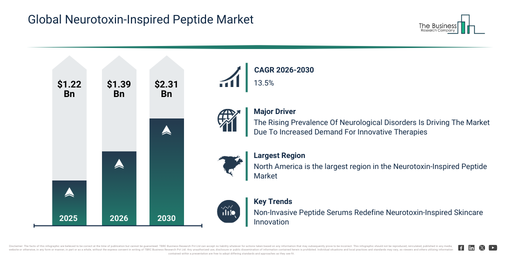
    The market for neurotoxin-inspired peptides has experienced swift expansion in recent years. Projected to climb from $1.22 billion in 2025 to $1.39 billion in 2026, this reflects a compound annual growth rate (CAGR) of 13.7%. Historical growth has been driven by progress in peptide synthesis techniques, heightened investigations into neurobiology, broader application of such peptides within cosmetics, the widening scope of biotechnology research initiatives, and the accessibility of recombinant expression systems.

    The projected value of the neurotoxin-inspired peptide market is anticipated to experience robust expansion over the coming years. By 2030, the market is forecasted to reach $2.31 billion, driven by a compound annual growth rate (CAGR) of 13.5%. This upward trajectory in the forecast period is fueled by a heightened demand for specialized biopharmaceuticals, increased financial commitments toward peptide-based therapies, a broadening scope of applications within neurology and dermatology, a growing preference for less risky substitutes compared to conventional neurotoxins, and ongoing advancements in peptide engineering. Key developments shaping this forecast period include the intensified creation of therapeutic peptide-based medications, the rising incorporation of neurotoxin-inspired peptides in cosmetic procedures, their expanding use within focused neurological treatments, the advancement of both recombinant and synthetic peptide production methods, and a stronger emphasis on achieving superior precision and safety standards.

    Download A Free Sample Report For Comprehensive Market Insights:

    https://www.thebusinessresearchcompany.com/sample.aspx?id=28279&type=smp&utm_source=BlogsPR&utm_medium=Paid&utm_campaign=Jul_PR

    Neurotoxin-Inspired Peptide Market Growth Momentum: Which Factors Are Influencing Demand?

    The anticipated expansion of the neurotoxin-inspired peptide market is being fueled by the increasing occurrence of neurological disorders. These disorders encompass a wide array of conditions affecting the central and peripheral nervous systems, including the brain, spinal cord, cranial nerves, and peripheral nerves, which leads to impairments in motor, sensory, cognitive, and autonomic functions. A key contributor to this growing prevalence is the global rise in life expectancy, as extended lifespans increase the risk of age-related degenerative changes in the nervous system, subsequently raising the incidence of these conditions. Neurotoxin-inspired peptides provide novel therapeutic options that target distinct neurological pathways with greater accuracy, potentially enhancing treatment effectiveness and addressing unmet medical requirements amid the escalating burden of such disorders. For example, in October 2023, the World Federation of Neurology, a UK-based group of national neurological societies, reported that the worldwide population affected by brain diseases is projected to double by 2050, with annual stroke-related deaths globally anticipated to grow by 50%, reaching 9.7 million by that year. Consequently, the rising prevalence of neurological disorders will advance the neurotoxin-inspired peptide market.

    Neurotoxin-Inspired Peptide Market Segment Analysis And Revenue Opportunities

    The neurotoxin-inspired peptide market covered in this report is segmented –

    1) By Product Type: Synthetic Peptides, Recombinant Peptides, Natural Peptides, Other Product Types

    2) By Distribution Channel: Direct Sales, Online Sales, Distributors, Other Distribution Channels

    3) By Application: Pharmaceuticals, Cosmetics, Research And Development, Other Applications

    4) By End User: Hospitals And Clinics, Research Institutes, Biotechnology Companies, Other End Users

    Subsegments:

    1) By Synthetic Peptides: Solid Phase Peptide Synthesis, Liquid Phase Peptide Synthesis, Hybrid Phase Peptide Synthesis

    2) By Recombinant Peptides: Bacterial Expression Systems, Yeast Expression Systems, Mammalian Cell Expression Systems

    3) By Natural Peptides: Animal Derived Peptides, Plant Derived Peptides, Microbial Derived Peptides

    4) By Other Product Types: Peptide Conjugates, Peptide Mimetics, Peptide Libraries

    Neurotoxin-Inspired Peptide Market Trends Reshaping Industry Growth

    Leading companies in the neurotoxin-inspired peptide sector are actively creating novel offerings, including serums infused with these peptides, which aim to offer non-invasive skincare solutions that mimic the wrinkle-smoothing effects often associated with injectable treatments. This type of serum is a topically applied product that relies on biomimetic peptides and additional functional ingredients to minimize expression lines stemming from facial muscle movements while enhancing skin texture and glow, all without any invasive techniques. An example occurred in July 2024, when SkinCeuticals, a medical skincare brand based in the United States, introduced P-TIOX. This serum features a sophisticated peptide blend alongside exfoliating and moisturizing components, utilizing a proprietary formulation to provide visible smoothing of the skin, refinement of pores, and a decrease in the visibility of various contraction lines. Clinical testing has assessed its effectiveness both as a standalone treatment and as a supplement to injectable neurotoxin therapies, establishing it as a major non-invasive breakthrough in the anti-aging skincare market.

    Neurotoxin-Inspired Peptide Market Leading Players Shaping Industry Direction

    Major companies operating in the neurotoxin-inspired peptide market are AbbVie Inc., Galderma, Ipsen Pharma, Biolab Farmaceutica, Daewoong Pharmaceutical, Luye Pharma Group, CordenPharma, Syngene International, Shanghai Haohai Bio., Hugel Inc., Merz Pharma, Evolus Inc., Medytox Inc., US WorldMeds, Smartox Biotechnology, Venomtech Ltd., Latoxan, Pepscan Therapeutics, ToxinTech Inc., AEON Biopharma Inc.

    Access The Complete Neurotoxin-Inspired Peptide Market Report:

    https://www.thebusinessresearchcompany.com/report/neurotoxin-inspired-peptide-global-market-report?utm_source=BlogsPR&utm_medium=Paid&utm_campaign=Jul_PR

    Neurotoxin-Inspired Peptide Market Leading Geography: Which Region Generates The Most Revenue?

    North America was the largest region in the neurotoxin-inspired peptide market in 2025. Asia-Pacific is expected to be the fastest-growing region in the forecast period. The regions covered in the neurotoxin-inspired peptide market report are Asia-Pacific, South East Asia, Western Europe, Eastern Europe, North America, South America, Middle East, Africa.

    Get in touch with us:

    The Business Research Company: https://www.thebusinessresearchcompany.com/?utm_source=BlogsPR&utm_medium=Paid&utm_campaign=home_page_test

    Americas: +1 310-496-7795

    Asia: +44 7882 955267 & +91 8897263534

    Europe: +44 7882 955267

    Email us at: marketing@tbrc.info

    Follow us on:

    LinkedIn: https://in.linkedin.com/company/the-business-research-company

    YouTube: https://www.youtube.com/channel/UC24_fI0rV8cR5DxlCpgmyFQ

    Global Market Model: https://www.thebusinessresearchcompany.com/global-market-model