Blog

  • Neurotoxin Market Growth Is Accelerating As Industry Transformation Continues

    Neurotoxin Market Growth Is Accelerating As Industry Transformation Continues

    Through market attractiveness analysis, total addressable market evaluation, company benchmarking matrices, interactive Excel dashboards, expanded supply chain intelligence, emerging startup coverage, and detailed product insights, The Business Research Company’s 2026 market reports provide more actionable and strategically valuable research.

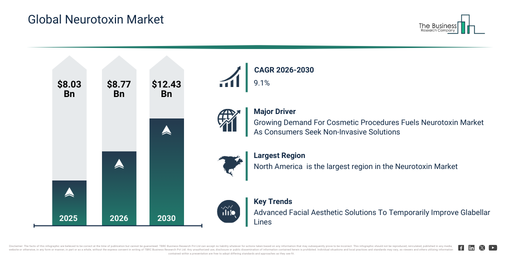
    Neurotoxin Market Growth From $8.77 Billion In 2026 To $12.43 Billion By 2030 At A CAGR Of 9.1%

    The neurotoxin market has experienced substantial expansion in recent years, with its valuation projected to increase from $8.03 billion in 2025 to $8.77 billion in 2026, reflecting a compound annual growth rate of 9.2%. This growth in the historical period has been driven by factors such as the rising awareness of aesthetic appearance, the heightened utilization of botulinum toxin for cosmetic treatments, the growing frequency of neurological conditions, the broadening of dermatology and dedicated medical facilities, and the timely clearance of regulations for products based on botulinum.

    The neurotoxin market is projected to experience robust growth over the coming years, reaching a valuation of $12.43 billion by 2030, with a compound annual growth rate of 9.1%. This expansion during the forecast period is driven by increased therapeutic applications beyond cosmetics, a growing preference for non-surgical medical treatments, advancements in next-generation neurotoxins, rising healthcare spending in emerging economies, and a globally expanding aging population. Key trends shaping this period include a broadening of therapeutic indications for neurotoxins, heightened demand for minimally invasive aesthetic procedures, the creation of more durable and precisely targeted neurotoxins, wider use in managing chronic migraine and spasticity, and an intensified focus on enhancing safety, purity, and reducing immunogenicity.

    Download A Free Sample Report For Comprehensive Market Insights:

    https://www.thebusinessresearchcompany.com/sample.aspx?id=11899&type=smp&utm_source=BlogsPR&utm_medium=Paid&utm_campaign=Jul_PR

    Neurotoxin Market Expansion Drivers: What Is Shaping Future Growth?

    The rising demand for aesthetic enhancements is expected to accelerate the neurotoxin market’s expansion in the coming years. Cosmetic procedures encompass a variety of medical interventions aimed primarily at improving or modifying an individual’s physical look, driven by evolving social norms, technological advancements, cultural shifts, and increased awareness of their benefits. Neurotoxins are employed in these treatments to temporarily paralyze targeted muscles, thereby smoothing out wrinkles and fine lines. In June 2024, data from the American Society of Plastic Surgeons, a nonprofit organization based in the United States, revealed that minimally invasive procedures saw a 7% increase in 2023, surpassing surgical procedure growth by 2%. Additionally, hand-related surgeries, including those for carpal tunnel syndrome, arthritis, and trigger finger, reached 207,887 procedures, marking a 2% rise from the previous year. Consequently, this upswing in cosmetic procedures aimed at refining appearance is fueling the growth of the neurotoxins market.

    Neurotoxin Market Segmentation And Category Breakdown

    The neurotoxin market covered in this report is segmented –

    1) By Product Type: Botox, Dysport, Xeomin, Other Products

    2) By Application: Therapeutic, Aesthetic

    3) By End User: Hospitals, Specialty Clinics, Dermatology Clinics, Other End Users

    Subsegments:

    1) By Botox: Cosmetic Uses, Therapeutic Uses

    2) By Dysport: Cosmetic Applications, Medical Indications

    3) By Xeomin: Cosmetic Treatments, Therapeutic Applications

    4) By Other Products: Jeuveau, Any Emerging Neurotoxins

    Neurotoxin Market Strategic Trends: What Is Defining The Next Phase Of Growth?

    Major players in the neurotoxins sector are concentrating on cutting-edge developments like next-generation aesthetic neurotoxins, aiming to refine cosmetic outcomes, broaden the range of treatment options, and elevate patient satisfaction. These next-generation aesthetic neurotoxins refer to novel botulinum-based formulations engineered to achieve more accurate muscle targeting, accelerate the onset of results, or extend the duration of effect when smoothing wrinkles for aesthetic purposes. As an example, in January 2023, Evolus Inc., a medical aesthetics firm based in the United States, obtained clearance from the Australian Therapeutic Goods Administration (TGA) for Nuceiva (prabotulinumtoxinA). Nuceiva (prabotulinumtoxinA) is a neurotoxin intended for cosmetic use, specifically to temporarily enhance the look of moderate glabellar lines in adult patients. It works by hindering nerve signals to facial muscles, causing them to relax, which softens wrinkles formed through expressions like squinting, frowning, and other facial movements.

    Neurotoxin Market Competitive Analysis Of Major Industry Participants

    Major companies operating in the neurotoxin market are AbbVie Inc., Galderma Inc., Ipsen SA, Daewoong Pharmaceutical Co. Ltd., Merz Pharma GmbH & Co KGaA, Hugel Inc., Evolus Inc., Medytox Inc., Croma-Pharma GmbH, Revance Therapeutics Inc., Gufic Biosciences Ltd., Hironic Co. Ltd., Allergan, Lanzhou Institute of Biological Products Co. Ltd., Sinclair Pharma, Vida Aesthetics, Evolife, Hugel Bio, Medytox USA, Revance Aesthetics

    Access The Complete Neurotoxin Market Report:

    https://www.thebusinessresearchcompany.com/report/neurotoxin-global-market-report?utm_source=BlogsPR&utm_medium=Paid&utm_campaign=Jul_PR

    Neurotoxin Market Regional Outlook: Where Are The Largest Opportunities Located?

    North America was the largest region in the neurotoxin market in 2025. Asia-Pacific is expected to be the fastest-growing region in the forecast period. The regions covered in the neurotoxin market report are Asia-Pacific, South East Asia, Western Europe, Eastern Europe, North America, South America, Middle East, Africa.

    Get in touch with us:

    The Business Research Company: https://www.thebusinessresearchcompany.com/?utm_source=BlogsPR&utm_medium=Paid&utm_campaign=home_page_test

    Americas: +1 310-496-7795

    Asia: +44 7882 955267 & +91 8897263534

    Europe: +44 7882 955267

    Email us at: marketing@tbrc.info

    Follow us on:

    LinkedIn: https://in.linkedin.com/company/the-business-research-company

    YouTube: https://www.youtube.com/channel/UC24_fI0rV8cR5DxlCpgmyFQ

    Global Market Model: https://www.thebusinessresearchcompany.com/global-market-model
  • Neuroregeneration Therapy Market Outlook Highlights The Next Major Growth Opportunities

    Neuroregeneration Therapy Market Outlook Highlights The Next Major Growth Opportunities

    Delivering more actionable and strategically valuable research, The Business Research Company’s 2026 market reports feature market attractiveness analysis, total addressable market evaluation, company benchmarking matrices, interactive Excel dashboards, expanded supply chain intelligence, emerging startup coverage, and detailed product insights.

    Neuroregeneration Therapy Market Expansion Outlook: What Revenue Opportunities Lie Ahead?

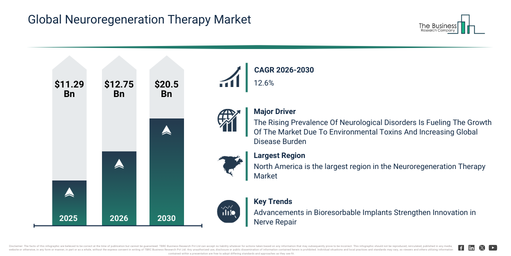
    The neuroregeneration therapy market has experienced rapid expansion in recent years, advancing from $11.29 billion in 2025 to an anticipated $12.75 billion in 2026, reflecting a compound annual growth rate (CAGR) of 12.9%. This historic growth was driven by factors such as the scarce availability of neuroregeneration treatments, a high incidence of neurodegenerative conditions, increasing clinical investigations focused on neural repair, heightened awareness regarding the management of neurological disorders, and a continued dependence on conventional pharmacological therapies.

    The neuroregeneration therapy market is projected to experience substantial growth over the coming years, reaching an estimated $20.5 billion by 2030 with a compound annual growth rate (CAGR) of 12.6%. This upward trajectory during the forecast period is driven by factors such as the advancement of stem cell and gene therapies, the broadening of neurostimulation device applications, the incorporation of artificial intelligence and digital monitoring solutions into therapeutic protocols, heightened government funding dedicated to neurological research, and an uptick in collaborative efforts between pharmaceutical and biotechnology firms. Among the key trends shaping this period are the widespread acceptance of stem cell and gene therapies for neural repair, the growing utilization of neurostimulation techniques within clinical settings, the emergence of pharmacological treatments focused on neuroprotection, the deployment of nanotechnology and biomaterials to enhance drug delivery systems, and the implementation of tailored treatment strategies for managing neurodegenerative conditions.

    Download A Free Sample Report For Comprehensive Market Insights:

    https://www.thebusinessresearchcompany.com/sample.aspx?id=27358&type=smp&utm_source=BlogsPR&utm_medium=Paid&utm_campaign=Jul_PR

    Neuroregeneration Therapy Market Development Factors: Which Trends Are Supporting Demand?

    An anticipated increase in the occurrence of neurological conditions is set to stimulate expansion within the neuroregeneration therapy market moving forward. Such disorders impact the brain, spinal cord, or peripheral nerves, disrupting standard nervous system functions. Their growing frequency stems from exposure to environmental toxins, as prolonged contact with contaminants like heavy metals, pesticides, and industrial chemicals can harm the nervous system, raising the likelihood of neurodegenerative diseases. Neuroregeneration therapy addresses these disorders by mending or substituting impaired neurons and tissues, reinstating lost functions while encouraging recovery in the brain, spinal cord, or nerves to enhance movement, sensation, and general well-being. In October 2023, the World Federation of Neurology, a UK-based coalition of national neurological associations, reported that over 40% of the global population currently suffers from some neurological condition, with this burden projected to almost double by 2050. Hence, the growing prevalence of neurological disorders is fueling progress in the neuroregeneration therapy market.

    The expansion of the neuroregeneration therapy market is largely driven by the rising aging population. An aging population describes a demographic shift where the share of elderly individuals within a society grows, creating potential social and economic difficulties. This trend is primarily caused by increased life expectancy, resulting from enhanced healthcare and living conditions, which leads to a higher number of older people. Through neuroregeneration therapy, elderly individuals benefit from the repair of damaged nerve cells, which boosts brain function and mobility while decelerating cognitive decline, ultimately improving their quality of life amid neurological issues. For example, in July 2024, the House of Commons Library, a UK-based information resource for the British Parliament’s lower house, noted that in 2022, those aged 65 and over made up roughly 19% of the UK’s population, totaling about 12.7 million people. This demographic is anticipated to expand considerably, reaching 22.1 million or 27% of the population by 2072. Consequently, the increase in the aging population is advancing the neuroregeneration therapy market.

    Neuroregeneration Therapy Market Segment Outlook: Which Categories Are Expanding The Fastest?

    The neuroregeneration therapy market covered in this report is segmented –

    1) By Type Of Neuroregeneration Therapy: Stem Cell Therapy, Gene Therapy, Pharmacological Therapy, Neurostimulation Therapy, Other Types Of Neuroregeneration Therapy

    2) By Technology: Tissue Engineering, Cranial And Spinal Stimulation, Nanotechnology In Drug Delivery, Biomaterials Development

    3) By Mode Of Administration: Oral, Injectable, Implantable, Other Modes Of Administration

    4) By Indication: Spinal Cord Injury, Traumatic Brain Injury, Stroke, Parkinson’s Disease, Multiple Sclerosis, Alzheimer’s Disease, Peripheral Nerve Injury, Other Indications

    5) By End-User: Hospitals, Clinical Research Institutes, Academic Institutions, Pharmaceutical And Biotechnology Companies

    Subsegments:

    1) By Stem Cell Therapy: Embryonic Stem Cell Therapy, Mesenchymal Stem Cell Therapy, Neural Stem Cell Therapy, Induced Pluripotent Stem Cell Therapy, Hematopoietic Stem Cell Therapy

    2) By Gene Therapy: In Vivo Gene Therapy, Ex Vivo Gene Therapy, Viral Vector Based Gene Therapy, Non Viral Vector Based Gene Therapy, Genome Editing Gene Therapy

    3) By Pharmacological Therapy: Neuroprotective Drugs, Neurotrophic Factor Based Drugs, Anti Inflammatory Drugs, Antioxidant Drugs

    4) By Neurostimulation Therapy: Deep Brain Stimulation, Transcranial Magnetic Stimulation, Vagus Nerve Stimulation, Spinal Cord Stimulation, Transcranial Direct Current Stimulation

    5) By Other Types Of Neuroregeneration Therapy: Nanotechnology Based Therapy, Exosome Based Therapy, Biomaterial Based Therapy

    Neuroregeneration Therapy Market Transformation Trends: Which Innovations Are Driving Change?

    Major enterprises within the neuroregeneration therapy market are concentrating on creating groundbreaking products, including 3D-printed regenerative medical implants that offer sophisticated therapeutic approaches for nerve repair and functional restoration after injury. These 3D-printed implants utilize patient-specific biomaterials and tissue-engineered scaffolds to foster nerve regeneration, delivering precise structural direction for axonal growth and achieving superior outcomes when compared to traditional autografts or synthetic conduits, which face limitations like donor tissue scarcity and less adaptable designs. As an example, in June 2025, 3D Systems Inc., a U.S.-based leader in 3D printing and medical technology, progressed its regenerative medical offerings with an unprecedented peripheral nerve implant geared toward enabling targeted neuroregeneration. Made from biocompatible, 3D-printed scaffold materials that are engineered to direct nerve regrowth, this implant operates by offering structural and biochemical signals that encourage axonal extension and reconnection; its distinct attributes include customization for individual patients, seamless integration with adjacent tissue, and suitability for peripheral nerve repair processes. Its uses include treating peripheral nerve damage, restoring function after trauma or surgery, and supporting research in neuroregenerative medicine, while its advantages encompass quicker healing, enhanced functional results, and less reliance on donor grafts.

    Neuroregeneration Therapy Market Key Companies And Competitive Benchmarking

    Major companies operating in the neuroregeneration therapy market are F. Hoffmann-La Roche Ltd., Merck & Co. Inc., AbbVie Inc., Sanofi S.A., Novartis International AG, Stryker Corporation, Biogen Inc., Synovis Life Technologies Inc., Integra LifeSciences Holdings Corporation, AxoGen Inc., Denali Therapeutics Inc., Aspen Neuroscience Inc., Neurona Therapeutics Inc., Lineage Cell Therapeutics Inc., Checkpoint Surgical Inc., Stemedica Cell Technologies Inc., Polyganics B.V., Epineuron Technologies Inc., NeuExcell Therapeutics Inc.

    Access The Complete Neuroregeneration Therapy Market Report:

    https://www.thebusinessresearchcompany.com/report/neuroregeneration-therapy-global-market-report?utm_source=BlogsPR&utm_medium=Paid&utm_campaign=Jul_PR

    Neuroregeneration Therapy Market Geographic Landscape: Which Region Dominates Industry Growth?

    North America was the largest region in the neuroregeneration therapy market in 2025. Asia-Pacific is expected to be the fastest-growing region in the forecast period. The regions covered in the neuroregeneration therapy market report are Asia-Pacific, South East Asia, Western Europe, Eastern Europe, North America, South America, Middle East, Africa.

    Get in touch with us:

    The Business Research Company: https://www.thebusinessresearchcompany.com/?utm_source=BlogsPR&utm_medium=Paid&utm_campaign=home_page_test

    Americas: +1 310-496-7795

    Asia: +44 7882 955267 & +91 8897263534

    Europe: +44 7882 955267

    Email us at: marketing@tbrc.info

    Follow us on:

    LinkedIn: https://in.linkedin.com/company/the-business-research-company

    YouTube: https://www.youtube.com/channel/UC24_fI0rV8cR5DxlCpgmyFQ

    Global Market Model: https://www.thebusinessresearchcompany.com/global-market-model
  • Neuromuscular Blocking Drug Market Trends And Growth Drivers Point To Strong Future Potential

    Neuromuscular Blocking Drug Market Trends And Growth Drivers Point To Strong Future Potential

    Enhanced with market attractiveness analysis, total addressable market evaluation, company benchmarking matrices, interactive Excel dashboards, expanded supply chain intelligence, emerging startup coverage, and detailed product insights, The Business Research Company’s 2026 market reports deliver more actionable and strategically valuable research.

    Neuromuscular Blocking Drug Market Growth Potential: How Will Market Size Change Through 2030?

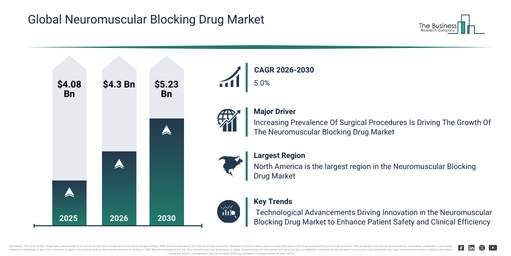
    The market for neuromuscular blocking drugs has experienced robust expansion in recent years, with its value projected to increase from $4.08 billion in 2025 to $4.3 billion in 2026, reflecting a compound annual growth rate (CAGR) of 5.3%. This historical growth has been driven by factors such as the limited supply of these medications, a higher volume of surgical interventions, dependence on traditional anesthesia practices, improvements in hospital facilities, and greater emphasis on patient care during perioperative periods.

    The market for neuromuscular blocking drugs is set to experience robust expansion over the coming years, with its value projected to reach $5.23 billion by 2030, reflecting a compound annual growth rate (CAGR) of 5.0%. This anticipated growth during the forecast period is driven by several key factors, including the development of rapid-onset and intermediate-acting agents, the incorporation of digital anesthesia monitoring systems, the growth of specialty clinics, a rising preference for short-acting agents in outpatient surgical settings, and intensified regulatory emphasis on drug safety and efficacy. Among the prominent trends shaping this period are the increasing demand for both non-polarizing and depolarizing neuromuscular blocking drugs, a surge in surgical procedures that necessitate muscle relaxation, higher utilization of rapid-onset and short-acting agents, the expansion of hospital and online pharmacy distribution networks, and a strong focus on enhancing patient safety while refining anesthesia protocols.

    Download A Free Sample Report For Comprehensive Market Insights:

    https://www.thebusinessresearchcompany.com/sample.aspx?id=19612&type=smp&utm_source=BlogsPR&utm_medium=Paid&utm_campaign=Jul_PR

    Neuromuscular Blocking Drug Market Industry Drivers: What Is Driving Revenue Growth?

    The anticipated expansion of the neuromuscular blocking drug market is being driven by a rising volume of surgical interventions. These medical procedures involve incisions, excisions, and other methods aimed at addressing injuries, diseases, or medical conditions. This uptick in surgeries can be linked to enhanced diagnostic technologies, expanded healthcare availability, an emphasis on improving quality of life, and heightened patient awareness and expectations. In these settings, neuromuscular blocking drugs are administered to achieve muscle relaxation and support various surgical steps. For example, data from the National Library of Medicine, a U.S. federal agency, reported in September 2023 that as of that year, 7,733 robotic surgical systems had been deployed globally, with over 10 million robotic surgeries performed. Consequently, the growing frequency of surgical procedures is fueling the advancement of the neuromuscular blocking drug market.

    Neuromuscular Blocking Drug Market Segment Landscape: Which Areas Lead Market Development?

    The neuromuscular blocking drug market covered in this report is segmented –

    1) By Type: Non-Polarizing Agents, Depolarizing Agents

    2) By Application: Hospital Pharmacy, Retail Pharmacy, Online Pharmacy, Other Applications

    3) By End-Users: Hospitals, Homecare, Specialty Clinics, Other End-Users

    Subsegments:

    1) By Non-Polarizing Agents: Benzylisoquinolines, Steroidal Agents, Long-Acting Agents, Intermediate-Acting Agents, Short-Acting Agents,

    2) By Depolarizing Agents: Succinylcholine, Analogues of Succinylcholine, Rapid-Onset Agents, Short-Acting Agents, Intermediate-Acting Agents

    Neuromuscular Blocking Drug Market Growth Trends: What Is Influencing The Future Outlook?

    Key players in the neuromuscular blocking drug market are prioritizing technological innovations, particularly RFID-enabled drug delivery, to address the increasing need for enhanced patient safety and effective hospital inventory management. This approach involves attaching radio-frequency identification (RFID) tags to pharmaceutical vials or packaging, enabling healthcare facilities to automatically monitor, authenticate, and manage medications through digital systems. In doing so, manual errors are minimized, proper dosing is verified, and recall management is supported—capabilities that surpass those of traditional barcode or manual inventory methods. In May 2023, Fresenius Kabi, a pharmaceutical manufacturer based in Germany, introduced its RFID-pre-tagged Rocuronium Bromide Injection, a non-depolarizing neuromuscular blocking agent designed to be fully compatible with major RFID kit and tray systems. While this product contains the same active ingredient, rocuronium bromide, it now includes a smart RAIN RFID label (GS1-compliant) that facilitates point-of-care tracking, strengthens traceability, and boosts patient safety through real-time verification and a reduced likelihood of dosing errors. Additionally, the RFID technology optimizes hospital inventory processes by enabling automated stock reconciliation and recall notifications.

    Neuromuscular Blocking Drug Market Industry Leaders And Market Competition

    Major companies operating in the neuromuscular blocking drug market are Pfizer Inc., Merck & Co Inc., AbbVie Inc., Fresenius Kabi AG, AstraZeneca PLC, Novartis AG, Teva Pharmaceutical Industries Limited, Baxter International Inc., Astellas Pharma Inc., Daiichi Sankyo Company Limited, Ipsen S.A., B. Braun Melsungen AG, Aurobindo Pharma Limited, Hikma Pharmaceuticals PLC, Mallinckrodt Pharmaceuticals plc, Mylan N.V., Sagent Pharmaceuticals Inc., Cadila Healthcare Limited

    Access The Complete Neuromuscular Blocking Drug Market Report:

    https://www.thebusinessresearchcompany.com/report/neuromuscular-blocking-drug-global-market-report?utm_source=BlogsPR&utm_medium=Paid&utm_campaign=Jul_PR

    Neuromuscular Blocking Drug Market Largest Region: Which Geography Holds The Highest Market Share?

    North America was the largest region in the neuromuscular blocking drug market in 2025. The regions covered in the neuromuscular blocking drug market report are Asia-Pacific, South East Asia, Western Europe, Eastern Europe, North America, South America, Middle East, Africa.

    Get in touch with us:

    The Business Research Company: https://www.thebusinessresearchcompany.com/?utm_source=BlogsPR&utm_medium=Paid&utm_campaign=home_page_test

    Americas: +1 310-496-7795

    Asia: +44 7882 955267 & +91 8897263534

    Europe: +44 7882 955267

    Email us at: marketing@tbrc.info

    Follow us on:

    LinkedIn: https://in.linkedin.com/company/the-business-research-company

    YouTube: https://www.youtube.com/channel/UC24_fI0rV8cR5DxlCpgmyFQ

    Global Market Model: https://www.thebusinessresearchcompany.com/global-market-model
  • Neurological Disorder Drugs Market Expansion Is Reshaping Competitive Dynamics Across The Industry

    Neurological Disorder Drugs Market Expansion Is Reshaping Competitive Dynamics Across The Industry

    Through market attractiveness analysis, total addressable market evaluation, company benchmarking matrices, interactive Excel dashboards, expanded supply chain intelligence, emerging startup coverage, and detailed product insights, The Business Research Company’s 2026 market reports provide more actionable and strategically valuable research.

    Neurological Disorder Drugs Market Value Analysis: What Growth Is Expected Over The Forecast Period?

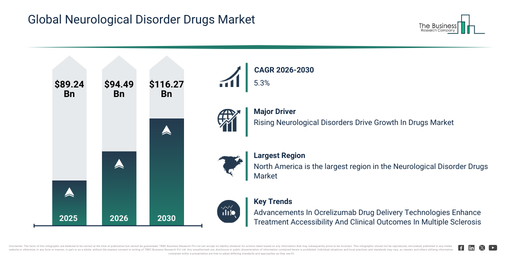
    The market for neurological disorder drugs has experienced robust expansion in recent years. Projections indicate it will increase from $89.24 billion in 2025 to $94.49 billion in 2026, reflecting a compound annual growth rate (CAGR) of 5.9%. This historical growth has been driven by several factors, including a growing incidence of epilepsy and neurodegenerative conditions, an aging worldwide population, the prolonged utilization of symptomatic neurological medications, the broadening of hospital-based neurological services, and higher rates of diagnosis for neurological disorders.

    The market for neurological disorder drugs is projected to experience robust expansion in the coming years, reaching an estimated value of $116.27 billion by 2030, with a compound annual growth rate (CAGR) of 5.3%. This growth during the forecast period is driven by several key factors, including progress in neurological drug development pipelines, a rising prevalence of Alzheimer’s and Parkinson’s diseases, improved access to neurological care in emerging markets, an increased need for personalized neurology treatments, and the expansion of homecare and outpatient neurological therapies. Among the prominent trends shaping the forecast period are the increasing uptake of disease-modifying neurological therapies, a heightened focus on early detection and long-term disease management, a growing demand for combination drug approaches, the development of oral and home-based neurological treatments, and a greater emphasis on symptom control and enhancing patients’ quality of life.

    Download A Free Sample Report For Comprehensive Market Insights:

    https://www.thebusinessresearchcompany.com/sample.aspx?id=17207&type=smp&utm_source=BlogsPR&utm_medium=Paid&utm_campaign=Jul_PR

    #Neurological Disorder Drugs Market Growth Factors: Which Forces Are Supporting Market Expansion?

    The rising incidence of neurological conditions is anticipated to drive expansion in the neurological disorder drugs market in the coming years. These disorders impact the brain, spinal cord, and nerves due to structural, biochemical, or electrical irregularities, resulting in a range of symptoms. This increase is fueled by an aging global population and heightened exposure to environmental, metabolic, and lifestyle risks. Neurological disorder drugs are vital for managing these complex illnesses, providing symptom relief, decelerating disease advancement, and enhancing long-term patient outcomes. For example, a September 2024 projection from the Australian Institute of Health and Welfare, a government agency in Australia, indicates that dementia cases in the country are expected to more than double from 2023 to 2058, climbing from roughly 411,100 to 849,300, with about 315,500 men and 533,800 women impacted. Consequently, the growing frequency of neurological diseases is propelling the neurological disorder drugs market forward.

    Neurological Disorder Drugs Market Segments: Where Are The Largest Growth Opportunities?

    The neurological disorder drugs market covered in this report is segmented –

    1) By Drug Class: Cholinesterase Inhibitors, N-Methyl-D-Aspartate (NMDA) Receptor Antagonists, Antiepileptic, Antipsychotic And Antidepressant, Other Drugs Classes

    2) By Indication: Epilepsy, Alzheimer’s Disease, Parkinson’s Disease, Multiple Sclerosis, Cerebrovascular Disease, Other Indications

    3) By Route Of Administration: Oral, Parenteral, Other Routes Of Administration

    4) By Distribution Channel: Hospital Pharmacy, Retail Pharmacy, Online Pharmacy, Other Distribution Channels

    5) By End-Users: Hospitals, Specialty Clinics, Homecare, Other End Users

    Subsegments:

    1) By Cholinesterase Inhibitors: Donepezil, Rivastigmine, Galantamine

    2) By N-Methyl-D-Aspartate (NMDA) Receptor Antagonists: Memantine, Other NMDA Receptor Antagonists

    3) By Antiepileptic: Sodium Channel Blockers, GABA Enhancers, Glutamate Modulators, Other Antiepileptics

    4) By Antipsychotic and Antidepressant: Risperidone, Olanzapine, SSRIs, SNRIs, Tricyclic

    5) By Other Drug Classes: Dopaminergic Drugs, Alpha-2 Agonists, Immunomodulators, Other Neurological Disorder Medications

    Neurological Disorder Drugs Market Industry Trends: What Changes Are Reshaping Demand?

    Key players in the neurological disorder drugs market are concentrating on creating advanced solutions, particularly those based on Ocrelizumab, to boost treatment effectiveness, improve patient results, and broaden therapeutic choices for people with multiple sclerosis. Ocrelizumab is a humanized monoclonal antibody that targets CD20-positive B cells, which helps decrease disease activity and slow progression in both relapsing and primary progressive forms of multiple sclerosis. For example, in September 2024, Roche Holding AG, a pharmaceutical company based in Switzerland, secured regulatory approval from the U.S. Food and Drug Administration (FDA) for OCREVUS ZUNOVO (ocrelizumab & hyaluronidase-ocsq), a twice-yearly subcutaneous injection that takes about 10 minutes, marking the first subcutaneous Ocrevus formulation approved for both relapsing (RMS) and primary progressive (PPMS) multiple sclerosis. This improved delivery method aims to enhance convenience, increase therapy accessibility, and support clinical workflow efficiency by providing a faster, non-intravenous administration option.

    Neurological Disorder Drugs Market Major Participants And Competitive Dynamics

    Major companies operating in the neurological disorder drugs market are F. Hoffmann-La Roche Ltd, Bayer AG, Sanofi S.A, AstraZeneca PLC, Abbott Laboratories, Novartis AG, GlaxoSmithKline plc, Takeda Pharmaceutical Company Limited, Eli Lilly and Company Pvt Ltd, Amgen Inc, Boehringer Ingelheim GmbH, Merck KGaA, Teva Pharmaceutical Industries Ltd, Otsuka America Pharmaceutical Inc, Biogen Inc, Bausch Health Companies Inc, Alexion Pharmaceuticals Inc., UCB S.A., Eisai Co Ltd, Cipla Inc, BioMarin Pharmaceutical Inc., Biocon Ltd, Acorda Therapeutics Inc.

    Access The Complete Neurological Disorder Drugs Market Report:

    https://www.thebusinessresearchcompany.com/report/neurological-disorder-drugs-global-market-report?utm_source=BlogsPR&utm_medium=Paid&utm_campaign=Jul_PR

    Neurological Disorder Drugs Market Regional Analysis: Which Region Leads By Revenue?

    North America was the largest region in the neurological disorder drugs market in 2025. Asia-Pacific is expected to be the fastest-growing region in the forecast period. The regions covered in the neurological disorder drugs market report are Asia-Pacific, South East Asia, Western Europe, Eastern Europe, North America, South America, Middle East, Africa.

    Get in touch with us:

    The Business Research Company: https://www.thebusinessresearchcompany.com/?utm_source=BlogsPR&utm_medium=Paid&utm_campaign=home_page_test

    Americas: +1 310-496-7795

    Asia: +44 7882 955267 & +91 8897263534

    Europe: +44 7882 955267

    Email us at: marketing@tbrc.info

    Follow us on:

    LinkedIn: https://in.linkedin.com/company/the-business-research-company

    YouTube: https://www.youtube.com/channel/UC24_fI0rV8cR5DxlCpgmyFQ

    Global Market Model: https://www.thebusinessresearchcompany.com/global-market-model
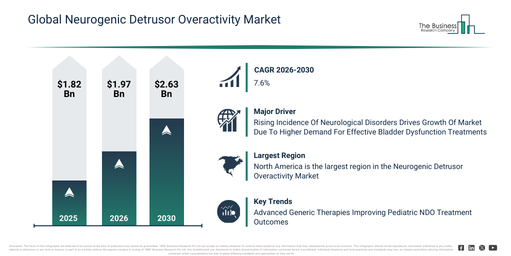
  • Neurogenic Detrusor Overactivity Market Forecast Reveals Where Future Industry Value Will Be Created

    Neurogenic Detrusor Overactivity Market Forecast Reveals Where Future Industry Value Will Be Created

    Delivering more actionable and strategically valuable research, The Business Research Company’s 2026 market reports feature market attractiveness analysis, total addressable market evaluation, company benchmarking matrices, interactive Excel dashboards, expanded supply chain intelligence, emerging startup coverage, and detailed product insights.

    Neurogenic Detrusor Overactivity Market Size Forecast: How Large Could The Market Become By 2030?

    The market for neurogenic detrusor overactivity has experienced robust growth in recent years. Its value is projected to rise from $1.82 billion in 2025 to $1.97 billion in 2026, achieving a compound annual growth rate (CAGR) of 7.9%. Historical expansion has been driven by factors such as the scarcity of effective NDO treatments, dependence on traditional surgical approaches, a higher incidence of neurogenic bladder conditions, improved hospital and urology clinic facilities, and insufficient awareness among patients and caregivers.

    Between now and 2030, the neurogenic detrusor overactivity market is projected to experience robust growth, reaching a value of $2.63 billion at a compound annual growth rate of 7.6%. This forecasted expansion is driven by several key factors, including the development of new pharmacological treatments, progress in minimally invasive surgical techniques, the integration of neuromodulation devices, the growing use of continuous patient monitoring technologies, and increased funding for long-term care and rehabilitation services. Major trends shaping this period comprise the rising preference for antimuscarinic and beta-3 adrenergic agonists, the greater application of neuromodulation and less invasive treatments, the broadening of behavioral therapy and patient education initiatives, heightened attention to urodynamic and ultrasound monitoring, and a rising awareness of quality-of-life evaluations and chronic care requirements.

    Download A Free Sample Report For Comprehensive Market Insights:

    https://www.thebusinessresearchcompany.com/sample.aspx?id=24619&type=smp&utm_source=BlogsPR&utm_medium=Paid&utm_campaign=Jul_PR

    Neurogenic Detrusor Overactivity Market Demand Drivers: What Is Fueling Industry Growth?

    The growth of the neurogenic detrusor overactivity market is expected to be driven by the increasing prevalence of neurological disorders. These disorders, which impair movement, sensation, cognition, or other bodily functions, result from damage to the brain, spinal cord, or nerves. As life expectancy rises, age-related brain degeneration becomes more common, fueling the increase in neurological conditions. A frequent bladder complication linked to such disorders—including spinal cord injury, multiple sclerosis, and Parkinson’s disease—is neurogenic detrusor overactivity (NDO), where disrupted nerve signaling between the brain and bladder causes involuntary contractions. According to a study published in April 2024 by the American Academy of Neurology (AAN), an organization based in the US, global brain disorder cases are projected to reach 4.9 billion by 2050—a 22 percent rise from the approximately 4 billion recorded in 2021. Consequently, the rising number of neurological disorders is accelerating expansion in the NDO market.

    Neurogenic Detrusor Overactivity Market Segment Analysis: What Are The Major Market Categories?

    The neurogenic detrusor overactivity market covered in this report is segmented –

    1) By Types: Non-Surgical Treatment, Surgical Treatment, Follow-Up Treatment

    2) By Application: Adult, Child

    3) By End-User: Hospitals, Urology Clinics, Rehabilitation Centers, Private Practices, Long-Term Care Facilities

    Subsegments:

    1) By Non-Surgical Treatment: Antimuscarinic Drugs, Beta-3 Adrenergic Agonists, Behavioral Therapy, Neuromodulation, Clean Intermittent Catheterization, Intravesical Therapies

    2) By Surgical Treatment: Botulinum Toxin Injection, Augmentation Cystoplasty, Urinary Diversion, External Sphincterotomy, Artificial Urinary Sphincter Implantation

    3) By Follow-Up Treatment: Urodynamic Evaluation, Ultrasound Monitoring, Laboratory Tests, Ongoing Catheterization, Repeat Botulinum Toxin Injections, Patient and Caregiver Training, Quality of Life Assessment

    Neurogenic Detrusor Overactivity Market Innovation Trends: Which Developments Are Transforming The Industry?

    Key players in the market for treating neurogenic detrusor overactivity (NDO) are concentrating on creating cutting-edge generic therapies, like beta-3 adrenergic receptor agonists, to provide cost-effective bladder control treatments. These agonists, including mirabegron, work by relaxing the bladder’s detrusor muscle, which boosts bladder capacity and lessens issues such as urgency and incontinence. As an example, in April 2024, Lupin Ltd., a pharmaceutical firm based in India, gained clearance from the U.S. Food and Drug Administration (USFDA) to bring Mirabegron, the generic counterpart of Myrbetriq, to the American market. This once-daily oral medication offers a convenient and efficacious choice for individuals dealing with overactive bladder (OAB) and neurogenic detrusor overactivity (NDO), particularly in pediatric cases. The approval highlights Lupin’s dedication to enhancing the availability of superior, reasonably priced generic drugs across vital therapeutic fields.

    Neurogenic Detrusor Overactivity Market Leading Companies Driving Competitive Growth

    Major companies operating in the neurogenic detrusor overactivity market are Astellas Pharma Inc., Medtronic plc, Ipsen, Coloplast A/S, Teva Pharmaceutical Industries Ltd., Sun Pharmaceutical Industries Ltd., Viatris Inc., Apotex Inc., Intas Pharmaceuticals Ltd., Macleods Pharmaceuticals Ltd., Aurobindo Pharma Limited, Hugel Inc., Abbott Laboratories, Boston Scientific Corporation, Cook Medical, Convatec Group plc, B. Braun Melsungen AG, Teleflex Incorporated, Olympus Corporation, Karl Storz SE & Co. KG, Laborie Medical Technologies, Wellspect HealthCare (DENTSPLY Sirona), Hollister Incorporated, Uroplasty Inc., Endo Pharmaceuticals Inc., Ferring Pharmaceuticals, Hikma Pharmaceuticals PLC, Dr. Reddy’s Laboratories Ltd., Lupin Limited, Zydus Lifesciences Ltd.

    Access The Complete Neurogenic Detrusor Overactivity Market Report:

    https://www.thebusinessresearchcompany.com/report/neurogenic-detrusor-overactivity-global-market-report?utm_source=BlogsPR&utm_medium=Paid&utm_campaign=Jul_PR

    Neurogenic Detrusor Overactivity Market Geographic Distribution And Regional Opportunities

    North America was the largest region in the neurogenic detrusor overactivity market in 2025. The regions covered in the neurogenic detrusor overactivity market report are Asia-Pacific, South East Asia, Western Europe, Eastern Europe, North America, South America, Middle East, Africa.

    Get in touch with us:

    The Business Research Company: https://www.thebusinessresearchcompany.com/?utm_source=BlogsPR&utm_medium=Paid&utm_campaign=home_page_test

    Americas: +1 310-496-7795

    Asia: +44 7882 955267 & +91 8897263534

    Europe: +44 7882 955267

    Email us at: marketing@tbrc.info

    Follow us on:

    LinkedIn: https://in.linkedin.com/company/the-business-research-company

    YouTube: https://www.youtube.com/channel/UC24_fI0rV8cR5DxlCpgmyFQ

    Global Market Model: https://www.thebusinessresearchcompany.com/global-market-model
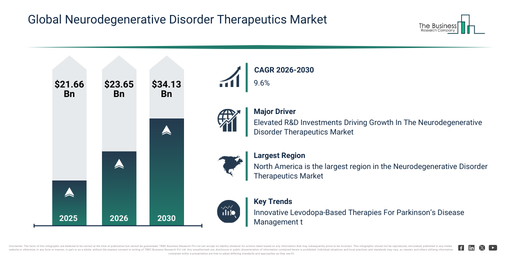
  • Neurodegenerative Disorder Therapeutics Market Growth Through 2030 Creates New Strategic Opportunities

    Neurodegenerative Disorder Therapeutics Market Growth Through 2030 Creates New Strategic Opportunities

    Enhanced with market attractiveness analysis, total addressable market evaluation, company benchmarking matrices, interactive Excel dashboards, expanded supply chain intelligence, emerging startup coverage, and detailed product insights, The Business Research Company’s 2026 market reports deliver more actionable and strategically valuable research.

    Neurodegenerative Disorder Therapeutics Market Revenue Outlook: What CAGR Is Expected Through 2030?

    The market for therapeutics targeting neurodegenerative disorders has experienced robust expansion over the past several years. It is projected to rise from $21.66 billion in 2025 to $23.65 billion in 2026, achieving a compound annual growth rate (CAGR) of 9.2%. This historical growth was driven by factors such as the increasing incidence of neurodegenerative conditions, a growing elderly demographic, insufficient therapeutic alternatives, heightened awareness surrounding early detection, and the ongoing development of hospital and neurology care facilities.

    The neurodegenerative disorder therapeutics market is projected to experience robust expansion over the coming years, with an anticipated rise to $34.13 billion by 2030, reflecting a compound annual growth rate (CAGR) of 9.6%. This forecast period growth is driven by several key developments, including the emergence of gene therapies, progress in monoclonal antibody-based treatments, the incorporation of artificial intelligence-powered diagnostic and monitoring tools, increased funding for clinical research and trials, and the broadening of personalized medicine and targeted therapeutics. Among the prominent trends shaping this period are a growing utilization of neuroprotective and neurorestorative therapies, a heightened emphasis on symptom management and patient-centric care, an expansion of clinical trial activities focused on novel neurodegenerative drugs, a further advancement of personalized and targeted therapeutic strategies, and the integration of home care solutions with remote monitoring technologies.

    Download A Free Sample Report For Comprehensive Market Insights:

    https://www.thebusinessresearchcompany.com/sample.aspx?id=2818&type=smp&utm_source=BlogsPR&utm_medium=Paid&utm_campaign=Jul_PR

    Neurodegenerative Disorder Therapeutics Market Growth Drivers: What Factors Are Accelerating Expansion?

    The anticipated rise in funding directed toward research and development (R&D) for treatments of neurodegenerative disorders is set to fuel expansion within the neurodegenerative disorder therapeutics market moving forward. Such investments are initiated by governments and organizations for several strong reasons, including the growing frequency of these conditions, substantial gaps in existing medical care, associated economic burdens, and worldwide health priorities. As an example, in March 2023, the Government of Canada, a federal entity based in Canada, disclosed a $38.3 million commitment to support research on neurodegenerative diseases. Consequently, this sustained increase in R&D investment for neurodegenerative disorder therapies will keep driving market growth throughout the forecast period.

    Neurodegenerative Disorder Therapeutics Market Segment Breakdown: Which Categories Generate The Most Revenue?

    The neurodegenerative disorder therapeutics market covered in this report is segmented –

    1) By Indication Type: Parkinson’s Disease, Alzheimer’s Disease, Multiple Sclerosis, Huntington Disease, Other Indication Types

    2) By Drug Type: N- methyl- D- aspartate Receptor, Selective Serotonin Reuptake Inhibitor, Dopamine Inhibitors, Other Drug Types

    3) By Distribution: Hospital Pharmacy, Retail Pharmacy, Online Pharmacy

    Subsegments:

    1) By Parkinson’s Disease: Dopamine Agonists, MAO-B Inhibitors, COMT Inhibitors, Anticholinergics

    2) By Alzheimer’s Disease: Cholinesterase Inhibitors, NMDA Receptor Antagonists, Anti-Amyloid Monoclonal Antibodies

    3) By Multiple Sclerosis: Immunomodulators, Immunosuppressants, Corticosteroids

    4) By Huntington’s Disease: Tetrabenazine, Antipsychotic Medications

    5) By Other Indication Types: Amyotrophic Lateral Sclerosis (ALS) Treatments, Frontotemporal Dementia Treatments, Prion Disease Treatments

    Neurodegenerative Disorder Therapeutics Market Trends: What Is Shaping Future Industry Growth?

    Key players in the neurodegenerative disorder therapeutics market are placing increased emphasis on creating novel treatment strategies, including prodrug formulations, designed to boost the bioavailability, effectiveness, and safety profile of therapies for Parkinson’s disease. Prodrugs, which are biologically inactive substances that undergo metabolic conversion into their active pharmacological forms within the body, enable a regulated and prolonged release of active pharmaceutical ingredients. A notable example occurred in January 2024, when AbbVie Inc., a biopharmaceutical firm based in the United States, introduced PRODUODOPA (foslevodopa or foscarbidopa) across the European Union for individuals suffering from advanced Parkinson’s disease. This approach uses a soluble prodrug combination to ensure continuous levodopa administration, with the goal of minimizing motor fluctuations and enhancing patients’ overall quality of life. By providing an alternative to conventional intermittent oral dosing and supporting better adherence to treatment, this product launch marks a crucial step forward in the management of advanced Parkinson’s disease.

    Neurodegenerative Disorder Therapeutics Market Key Players And Strategic Industry Positioning

    Major companies operating in the neurodegenerative disorder therapeutics market are Biogen Inc., Pfizer Inc., Novartis International AG, Sanofi S.A., Teva Pharmaceutical Industries Ltd., UCB S.A., F. Hoffmann-La Roche Ltd., ACADIA Pharmaceuticals Inc., H. Lundbeck A/S, Boehringer Ingelheim International GmbH, Merck Serono S.A., Orion Corporation, Mitsubishi Tanabe Pharma America, Allergan PLC, GlaxoSmithKline PLC, AbbVie Inc., Eli Lilly and Company, Celgene Corporation, Bayer Schering Pharma AG, AstraZeneca plc, Alector Inc., Yumanity Therapeutics Inc., Eisai Co. Ltd., Bristol Myers Squibb Company, Amylyx Pharmaceuticals Inc., Genentech Inc., AC Immune SA, Annexon Bioscience Inc., BioArctic Neuroscience AB, Cajal Neuroscience Inc., Cognito Therapeutics Inc., Grifols S.A., New Equilibrium Biosciences Inc., Prothena Corporation PLC, Tessera Therapeutics Inc., Vigil Neuroscience Inc.

    Access The Complete Neurodegenerative Disorder Therapeutics Market Report:

    https://www.thebusinessresearchcompany.com/report/neurodegenerative-disorder-therapeutic-global-market-report?utm_source=BlogsPR&utm_medium=Paid&utm_campaign=Jul_PR

    Neurodegenerative Disorder Therapeutics Market Largest Region By Revenue And Market Share

    North America was the largest region in the global neurodegenerative disorder therapeutics market in 2025. The Middle East is expected to be the fastest growing region in the forecast period. The regions covered in the neurodegenerative disorder therapeutics market report are Asia-Pacific, South East Asia, Western Europe, Eastern Europe, North America, South America, Middle East, Africa.

    Get in touch with us:

    The Business Research Company: https://www.thebusinessresearchcompany.com/?utm_source=BlogsPR&utm_medium=Paid&utm_campaign=home_page_test

    Americas: +1 310-496-7795

    Asia: +44 7882 955267 & +91 8897263534

    Europe: +44 7882 955267

    Email us at: marketing@tbrc.info

    Follow us on:

    LinkedIn: https://in.linkedin.com/company/the-business-research-company

    YouTube: https://www.youtube.com/channel/UC24_fI0rV8cR5DxlCpgmyFQ

    Global Market Model: https://www.thebusinessresearchcompany.com/global-market-model
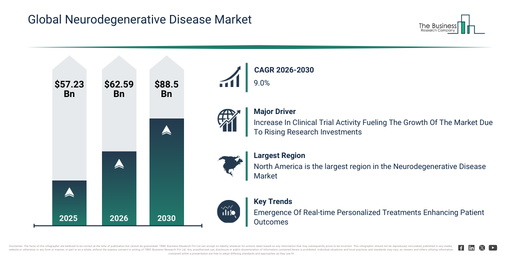
  • Neurodegenerative Disease Market Size Projected To Increase From $62.58 Billion To $88.5 Billion During The Forecast Period

    Neurodegenerative Disease Market Size Projected To Increase From $62.58 Billion To $88.5 Billion During The Forecast Period

    Through market attractiveness analysis, total addressable market evaluation, company benchmarking matrices, interactive Excel dashboards, expanded supply chain intelligence, emerging startup coverage, and detailed product insights, The Business Research Company’s 2026 market reports provide more actionable and strategically valuable research.

    Neurodegenerative Disease Market Growth Analysis: How Will Revenue Expand During The Forecast Period?

    The neurodegenerative disease market has experienced notable expansion in recent years, with projections indicating an increase from $57.23 billion in 2025 to $62.59 billion in 2026, reflecting a compound annual growth rate (CAGR) of 9.4%. Historically, this growth has been driven by a limited comprehension of disease mechanisms, dependence on traditional symptomatic therapies, an expanding elderly demographic, improved healthcare infrastructure focused on neurology, and restricted access to sophisticated diagnostic technologies.

    The neurodegenerative disease market is projected to experience robust growth over the coming years, reaching an estimated $88.5 billion by 2030, driven by a compound annual growth rate (CAGR) of 9.0%. This upward trajectory in the forecast period is fueled by progress in gene and cell therapies, heightened research and development efforts focused on innovative neuroprotective drugs, the broadening of clinical trial networks, the incorporation of artificial intelligence for early detection and ongoing patient monitoring, and a greater emphasis on customized treatment strategies. Key developments shaping this period include a higher incidence of neurodegenerative conditions, intensified financial backing for drug discovery and clinical investigations, the shift toward precise and individualized therapies, enhanced public knowledge and early screening initiatives, and an expansion of care models centered on home-based and outpatient services.

    Download A Free Sample Report For Comprehensive Market Insights:

    https://www.thebusinessresearchcompany.com/sample.aspx?id=24618&type=smp&utm_source=BlogsPR&utm_medium=Paid&utm_campaign=Jul_PR

    Neurodegenerative Disease Market Growth Factors Supporting Long-Term Expansion

    The expansion of research activities and clinical trials is anticipated to drive forward the neurodegenerative disease market in the coming period. Clinical trials are defined as investigations involving human volunteers that assess the safety, effectiveness, and possible adverse effects of novel therapies, pharmaceuticals, or medical devices. This growth in research and clinical trials is largely fueled by a growing need for innovative treatments designed to meet changing healthcare demands and enhance patient outcomes. By generating essential information regarding the safety and efficacy of emerging therapies, clinical trials significantly contribute to neurodegenerative disease research, thereby accelerating therapeutic innovation and improving patient well-being. As an example, a report released in December 2024 by the Association of the British Pharmaceutical Industry (ABPI), a UK-based organization, indicated that the number of industry-led clinical trials initiated in the UK increased by 3.7% in 2023 compared to 2022. Consequently, the rise in research and clinical trials is projected to boost the growth of the neurodegenerative disease market.

    Neurodegenerative Disease Market Segmentation: How Is The Market Structured Across Key Categories?

    The neurodegenerative disease market covered in this report is segmented –

    1) By Disease Type: Parkinson’s Disease, Alzheimer’s Disease, Multiple Sclerosis, Huntington Disease, Amyotrophic Lateral Sclerosis

    2) By Drug Type: N-methyl-D-aspartate Receptor antagonists, Cholinesterase Inhibitors, Dopamine Agonists, Immunomodulatory Drugs, Acetylcholinesterase (AChE) Inhibitors, Antagonist, Monoamine Oxidase B (MAO-B) Inhibitor, Catechol-O-Methyltransferase (COMT) Inhibitor, Selective Serotonin Reuptake Inhibitor (SSRIs), Other Drug Types

    3) By Route of Administration: Oral, Injectable, Transdermal, Other Routes Of Administration

    4) By Distribution Channel: Hospital Pharmacies, Retail Pharmacies, Online Pharmacies, Other Distribution Channels

    5) By End-User: Hospital, Retail, Online

    Subsegments:

    1) By Parkinson’s Disease: Idiopathic Parkinson’s Disease, Familial Parkinson’s Disease, Early-Onset Parkinson’s Disease, Parkinsonism

    2) By Alzheimer’s Disease: Early-Onset Alzheimer’s Disease, Late-Onset Alzheimer’s Disease, Familial Alzheimer’s Disease (FAD), Inflammatory Subtype, Non-Inflammatory Subtype, Cortical Subtype

    3) By Multiple Sclerosis (MS): Clinically Isolated Syndrome (CIS), Relapsing-Remitting MS (RRMS), Secondary Progressive MS (SPMS), Primary Progressive MS (PPMS), Progressive-Relapsing MS (PRMS)

    4) By Huntington’s Disease: Adult-Onset Huntington’s Disease, Juvenile Huntington’s Disease

    5) By Amyotrophic Lateral Sclerosis (ALS): Classical ALS, Limb-Onset ALS, Bulbar-Onset ALS, Respiratory-Onset ALS, Primary Lateral Sclerosis (PLS), Progressive Muscular Atrophy (PMA), Juvenile ALS, ALS-Parkinsonism-Dementia Complex (ALS-PDC)

    Neurodegenerative Disease Market Industry Trends Shaping Future Revenue Growth

    Leading firms within the neurodegenerative disease sector are concentrating on creating cutting-edge solutions, like next-generation adaptive Deep Brain Stimulation (aDBS) devices, designed to boost treatment accuracy, amplify disease-modifying potential, and elevate patient well-being. These modern adaptive deep brain stimulation (aDBS) systems represent sophisticated neurostimulation tools capable of delivering tailored, real-time therapy for Parkinson’s disease through continuous modification of stimulation settings according to neural signals, thereby maximizing therapeutic benefits and reducing adverse effects for enhanced patient health. As an example, in February 2025, Medtronic, a medical technology company from the US, secured clearance from the U.S. Food and Drug Administration (USFDA) for the inaugural adaptive deep brain stimulation (aDBS) system globally, specifically for managing Parkinson’s disease. This authorization covers the premarket approval (PMA) submission for the Percept RC neurostimulator featuring BrainSense technology, which autonomously adjusts treatment based on a patient’s brain activity. Clinically proven to deliver symptom alleviation for individuals with advanced Parkinson’s, this innovation marks a notable breakthrough in customized neuromodulation approaches.

    Neurodegenerative Disease Market Competitive Landscape And Leading Companies

    Major companies operating in the neurodegenerative disease market are Pfizer Inc., Johnson & Johnson, F. Hoffmann-La Roche Ltd, AbbVie Inc., Sanofi S.A., Novartis AG, Takeda Pharmaceutical Company Limited, Eli Lilly and Company, Merck & Co. Inc., Biogen Inc., Neurocrine Biosciences Inc., Alnylam Pharmaceuticals Inc., Ionis Pharmaceuticals Inc., Cassava Sciences Inc., Denali Therapeutics Inc., Voyager Therapeutics Inc., AC Immune SA, Amylyx Pharmaceuticals Inc., Sage Therapeutics Inc., Alzheon Inc.

    Access The Complete Neurodegenerative Disease Market Report:

    https://www.thebusinessresearchcompany.com/report/neurodegenerative-disease-global-market-report?utm_source=BlogsPR&utm_medium=Paid&utm_campaign=Jul_PR

    Neurodegenerative Disease Market Regional Analysis And Leading Geography

    North America was the largest region in the neurodegenerative disease market in 2025. Asia-Pacific is expected to be the fastest-growing region in the forecast period. The regions covered in the neurodegenerative disease market report are Asia-Pacific, South East Asia, Western Europe, Eastern Europe, North America, South America, Middle East, Africa.

    Get in touch with us:

    The Business Research Company: https://www.thebusinessresearchcompany.com/?utm_source=BlogsPR&utm_medium=Paid&utm_campaign=home_page_test

    Americas: +1 310-496-7795

    Asia: +44 7882 955267 & +91 8897263534

    Europe: +44 7882 955267

    Email us at: marketing@tbrc.info

    Follow us on:

    LinkedIn: https://in.linkedin.com/company/the-business-research-company

    YouTube: https://www.youtube.com/channel/UC24_fI0rV8cR5DxlCpgmyFQ

    Global Market Model: https://www.thebusinessresearchcompany.com/global-market-model
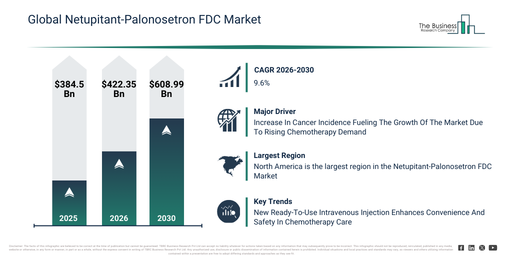
  • Netupitant-Palonosetron FDC Market Growth Outlook Reveals A CAGR Of 9.6% And A Market Value Of $608.99 Billion By 2030

    Netupitant-Palonosetron FDC Market Growth Outlook Reveals A CAGR Of 9.6% And A Market Value Of $608.99 Billion By 2030

    Delivering more actionable and strategically valuable research, The Business Research Company’s 2026 market reports feature market attractiveness analysis, total addressable market evaluation, company benchmarking matrices, interactive Excel dashboards, expanded supply chain intelligence, emerging startup coverage, and detailed product insights.

    Netupitant-Palonosetron FDC Market Forecast: What Market Value Is Expected By 2030?

    The market for the netupitant-palonosetron fixed-dose combination has experienced noteworthy expansion in recent times. In 2025, its valuation stood at $384.5 billion, and projections indicate it will climb to $422.35 billion by 2026, achieving a compound annual growth rate of 9.8%. The historical surge is largely driven by factors such as the restricted supply of separate netupitant and palonosetron formulations, a continued dependence on standard antiemetic approaches, an expanding number of individuals undergoing chemotherapy, the proliferation of hospitals and oncology facilities, and heightened consciousness surrounding the management of chemotherapy-induced nausea and vomiting.

    The netupitant-palonosetron fixed-dose combination market is projected to experience robust expansion in the coming years, reaching an estimated value of $608.99 billion by 2030. This growth trajectory, driven by a compound annual growth rate (CAGR) of 9.6%, is fueled by several key factors. These include the emergence of novel FDC formulations, the broadening of oral and sublingual drug delivery methods, increased funding for oncology treatments, the adoption of tailored antiemetic regimens, and greater accessibility through online and specialty pharmacies. Additionally, notable trends shaping this forecast period encompass the growing preference for fixed-dose combination therapies, the wider utilization of oral and sublingual anti-nausea medications, the expansion of chemotherapy and oncology care infrastructure, heightened awareness of managing postoperative nausea and vomiting, and a stronger emphasis on patient-focused drug delivery approaches.

    Download A Free Sample Report For Comprehensive Market Insights:

    https://www.thebusinessresearchcompany.com/sample.aspx?id=24617&type=smp&utm_source=BlogsPR&utm_medium=Paid&utm_campaign=Jul_PR

    Netupitant-Palonosetron FDC Market Demand Drivers Creating New Revenue Opportunities

    The rising incidence of cancer is anticipated to drive expansion in the netupitant-palonosetron fixed-dose combination (FDC) market moving forward. Cancer encompasses a range of diseases marked by the abnormal, uncontrolled proliferation and dissemination of cells within the body. This growing prevalence is attributed to lifestyle factors like poor dietary habits, smoking, lack of physical activity, and heavy alcohol intake. By merging two potent antiemetic agents, the netupitant-palonosetron fixed-dose combination (FDC) improves cancer care by effectively preventing both acute and delayed chemotherapy-induced nausea and vomiting. This enhances patient comfort and treatment adherence, contributing to superior overall care results. For example, in February 2025, Cancer Australia, a government agency based in Australia, reported 4,641 new pancreatic cancer cases in 2024—2,414 in males and 2,227 in females—representing an increase from 3,968 cases in 2023. Consequently, the escalating prevalence of cancer is fueling growth in the netupitant-palonosetron fixed-dose combination (FDC) market.

    Netupitant-Palonosetron FDC Market Segmentation Trends And Revenue Drivers

    The netupitant-palonosetron fdc market covered in this report is segmented –

    1) By Product Type: Netupitant, Palonosetron, Fixed Dose Combination (FDC)

    2) By Route Of Administration: Oral Administration, Intravenous (IV) Administration

    3) By Application: Chemotherapy Induced Nausea And Vomiting (CINV), Postoperative Nausea And Vomiting (PONV)

    4) By Distribution Channel: Hospitals, Retail Pharmacies, Online Pharmacies, Specialty Clinics

    Subsegments:

    1) By Netupitant: Oral Netupitant, Injectable Netupitant

    2) By Palonosetron: Oral Palonosetron, Injectable Palonosetron

    3) By Fixed Dose Combination: Oral Fixed Dose Combination, Intravenous Fixed Dose Combination

    Netupitant-Palonosetron FDC Market Trends Driving Strategic Industry Expansion

    Major pharmaceutical players involved in the netupitant-palonosetron fixed dose combination (FDC) sector are dedicating efforts to creating advanced formulation products, such as ready-to-use intravenous preparations, aimed at improving patient comfort and treatment outcomes. Ready-to-use intravenous formulations consist of pre-prepared, sterile drug solutions that do not require any dilution or mixing, thereby aiding the netupitant-palonosetron fixed dose combination (FDC) by streamlining its administration and minimizing the risk of preparation errors. A case in point is Helsinn Group, a pharmaceutical firm based in Switzerland, which launched AKYNZEO (fosnetupitant/palonosetron) injection in June 2024 as a ready-to-use vial introduced in the United States. This novel formulation is intended to make preparation and administration more straightforward for healthcare providers, thereby increasing ease of use in clinical environments. The injection does not need reconstitution or dilution and can be administered directly from the vial with an integrated hanging strap.

    Netupitant-Palonosetron FDC Market Industry Leaders: Which Organizations Are Driving Competition?

    Major companies operating in the netupitant-palonosetron fdc market are Taiho Pharmaceutical Co. Ltd., Aurobindo Pharma Limited, Chugai Pharmaceutical Co. Ltd., Eisai Co. Ltd, Dr. Reddy’s Laboratories Ltd., Zhejiang Tiantai Pharmaceutical Co. Ltd., Hikma Pharmaceuticals PLC, Glenmark Pharmaceuticals Limited, Helsinn Group, Heron Therapeutics Inc., Metrochem API Private Limited, Mundipharma Pty Ltd, Guangzhou Tosun Pharmaceutical Co. Ltd., Tesaro Inc., Accord Healthcare Ltd., Century Pharmaceuticals Ltd., Specialised Therapeutics Australia Pty Ltd., Aark Pharmaceuticals Ltd., Chemicea Pharmaceuticals Pvt. Ltd., Teva Pharmaceutical Industries Ltd.

    Access The Complete Netupitant-Palonosetron FDC Market Report:

    https://www.thebusinessresearchcompany.com/report/netupitant-palonosetron-fdc-global-market-report?utm_source=BlogsPR&utm_medium=Paid&utm_campaign=Jul_PR

    Netupitant-Palonosetron FDC Market Geographic Analysis: Where Is Demand Growing The Fastest?

    North America was the largest region in the netupitant-palonosetron fixed dose combination (FDC) market in 2025. Asia-Pacific is expected to be the fastest-growing region in the forecast period. The regions covered in the netupitant-palonosetron fdc market report are Asia-Pacific, South East Asia, Western Europe, Eastern Europe, North America, South America, Middle East, Africa.

    Get in touch with us:

    The Business Research Company: https://www.thebusinessresearchcompany.com/?utm_source=BlogsPR&utm_medium=Paid&utm_campaign=home_page_test

    Americas: +1 310-496-7795

    Asia: +44 7882 955267 & +91 8897263534

    Europe: +44 7882 955267

    Email us at: marketing@tbrc.info

    Follow us on:

    LinkedIn: https://in.linkedin.com/company/the-business-research-company

    YouTube: https://www.youtube.com/channel/UC24_fI0rV8cR5DxlCpgmyFQ

    Global Market Model: https://www.thebusinessresearchcompany.com/global-market-model
  • Nerve Growth Factor Market Forecast Highlights Expansion From $1.27 Billion To $1.71 Billion Through 2030

    Nerve Growth Factor Market Forecast Highlights Expansion From $1.27 Billion To $1.71 Billion Through 2030

    Enhanced with market attractiveness analysis, total addressable market evaluation, company benchmarking matrices, interactive Excel dashboards, expanded supply chain intelligence, emerging startup coverage, and detailed product insights, The Business Research Company’s 2026 market reports deliver more actionable and strategically valuable research.

    Nerve Growth Factor Market Size Outlook: How Fast Will Revenue Grow Through 2030?

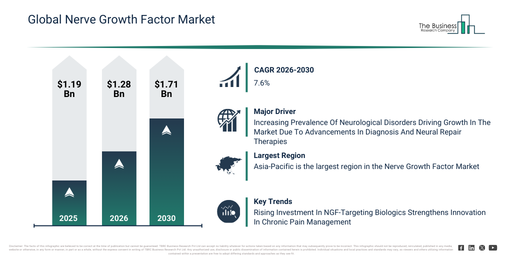
    The market for nerve growth factor has seen notable expansion in recent years. From $1.19 billion in 2025, it is projected to reach $1.28 billion in 2026, driven by a 7.6% compound annual growth rate. Historical growth can be explained by several factors, including breakthroughs in neurobiology studies, the clinical advancement of cenegermin, a rising incidence of neurological conditions, broader use of ophthalmology therapies, and expansion in biologics manufacturing.

    The market for nerve growth factor is anticipated to experience robust expansion over the coming years. By 2030, its value is projected to reach $1.71 billion, driven by a compound annual growth rate (CAGR) of 7.6%. This forecasted growth is fueled by several factors, including a higher prevalence of neurodegenerative conditions, the advancement of regenerative medicine initiatives, an uptick in clinical trials focused on nerve restoration, increased funding for biologics research and development, and breakthroughs in NGF delivery methods. Key trends shaping this period encompass heightened research into neuroregeneration therapies, a greater emphasis on treating neurodegenerative diseases, the growing application of recombinant protein therapeutics, expanded clinical usage in ophthalmic conditions, and rising investment in technologies for nerve repair.

    Download A Free Sample Report For Comprehensive Market Insights:

    https://www.thebusinessresearchcompany.com/sample.aspx?id=22070&type=smp&utm_source=BlogsPR&utm_medium=Paid&utm_campaign=Jul_PR

    Nerve Growth Factor Market Expansion Supported By Key Demand Factors

    The market for nerve growth factors is anticipated to expand due to the rising incidence of neurological disorders. These conditions, which impact the brain, spinal cord, and nerves, stem from structural, biochemical, or electrical irregularities. Their growing frequency is driven by aging populations and enhanced diagnostic technologies, which improve detection and reporting, thus boosting documented case numbers. Nerve growth factor (NGF) is vital for neuronal maintenance, survival, and regeneration, positioning it as a key element in managing these disorders by supporting neural repair and possibly decelerating disease progression. As an illustration, the Australian Institute of Health and Welfare, a government body in Australia, reported in September 2024 that dementia cases—a neurological disorder—are expected to climb from roughly 411,100 in 2023 to 849,300 by 2058. Consequently, the escalating frequency of neurological disorders is fueling the nerve growth factor market’s advancement.

    Nerve Growth Factor Market Segment Analysis Highlighting Growth Areas

    The nerve growth factor market covered in this report is segmented –

    1) By Type: Alpha-Nerve Growth Factor (NGF), Beta-Nerve Growth Factor (NGF), Gamma-Nerve Growth Factor (NGF), Other Types

    2) By Agents: Cenegermin, Other Agents

    3) By Indication: Neurodegenerative Disorders, Spinal Cord Injuries, Eye Disorders, Epithelial Diseases, Tissue Healing, Other Indications

    4) By Distribution Channel: Hospital Pharmacy, Online Pharmacy, Retail Pharmacy

    5) By End-User: Hospitals, Homecare, Specialty Clinics, Other End-Users

    Subsegments:

    1) By Alpha-Nerve Growth Factor (a-NGF): Natural Alpha-NGF, Recombinant Alpha-NGF, Synthetic Alpha-NGF, Alpha-NGF For Research Applications

    2) By Beta-Nerve Growth Factor (ß-NGF): Human Beta-NGF, Animal-Derived Beta-NGF, Recombinant Beta-NGF, Therapeutic Beta-NGF, Research-Grade Beta-NGF

    3) By Gamma-Nerve Growth Factor (?-NGF): Natural Gamma-NGF, Recombinant Gamma-NGF, Synthetic Gamma-NGF, Gamma-NGF for Neurodegenerative Research

    4) By Other Types: Hybrid NGF Molecules, NGF Mimetics, NGF Gene Therapy-Based Products, NGF-Infused Biomaterials

    Nerve Growth Factor Market Growth Trends Influencing Competitive Dynamics

    Major players in the nerve growth factor sector are concentrating their efforts on the creation of biologic treatments that target NGF, including anti-NGF monoclonal antibodies engineered to block NGF activity and alleviate persistent pain. By binding to nerve growth factor, an anti-NGF monoclonal antibody prevents the activation of its receptors, thereby diminishing pain signaling and inflammatory reactions in individuals suffering from degenerative or neuropathic disorders. For example, in May 2023, Jiangsu Hengrui Pharmaceuticals, a biopharmaceutical firm based in China, launched SHR-1314, an advanced anti-NGF monoclonal antibody now undergoing clinical trial registration for managing osteoarthritis-related pain. This therapy boasts a highly specific binding mechanism that curbs NGF-driven sensitization, along with an extended serum half-life enabling reduced dosing intervals, with a goal of providing lasting pain relief for those affected by chronic joint conditions.

    Nerve Growth Factor Market Leading Companies: Who Holds Significant Market Presence?

    Major companies operating in the nerve growth factor market are Dompé farmaceutici S.p.A., Regeneron Pharmaceuticals Inc., Mimetogen Pharmaceuticals, MimeTech Srl, Herantis Pharma, PainCeptor Pharma, Beike Biotechnology, Akeso Inc., Promega Corporation, Enzo Life Sciences Inc., Alomone Labs, Prospec-Tany Technogene Ltd., CUSABIO Technology LLC, Genexis Biotech Pvt. Ltd., Staidson Beijing BioPharmaceuticals, Biomol GmbH, Sino Biological Inc., PeproTech Inc., Abcam plc, Creative BioMart Inc.

    Access The Complete Nerve Growth Factor Market Report:

    https://www.thebusinessresearchcompany.com/report/nerve-growth-factor-global-market-report?utm_source=BlogsPR&utm_medium=Paid&utm_campaign=Jul_PR

    Nerve Growth Factor Market Global Footprint: Which Region Holds Market Leadership?

    Asia-Pacific was the largest region in the nerve growth factor market in 2025. The regions covered in the nerve growth factor market report are Asia-Pacific, South East Asia, Western Europe, Eastern Europe, North America, South America, Middle East, Africa.

    Get in touch with us:

    The Business Research Company: https://www.thebusinessresearchcompany.com/?utm_source=BlogsPR&utm_medium=Paid&utm_campaign=home_page_test

    Americas: +1 310-496-7795

    Asia: +44 7882 955267 & +91 8897263534

    Europe: +44 7882 955267

    Email us at: marketing@tbrc.info

    Follow us on:

    LinkedIn: https://in.linkedin.com/company/the-business-research-company

    YouTube: https://www.youtube.com/channel/UC24_fI0rV8cR5DxlCpgmyFQ

    Global Market Model: https://www.thebusinessresearchcompany.com/global-market-model
  • Nephrology Drugs Market Expected To Reach $24.31 Billion By 2030 As Growth Accelerates At 6.7% CAGR

    Nephrology Drugs Market Expected To Reach $24.31 Billion By 2030 As Growth Accelerates At 6.7% CAGR

    Through market attractiveness analysis, total addressable market evaluation, company benchmarking matrices, interactive Excel dashboards, expanded supply chain intelligence, emerging startup coverage, and detailed product insights, The Business Research Company’s 2026 market reports provide more actionable and strategically valuable research.

    Nephrology Drugs Market Size, Value And Growth Trends Through 2030

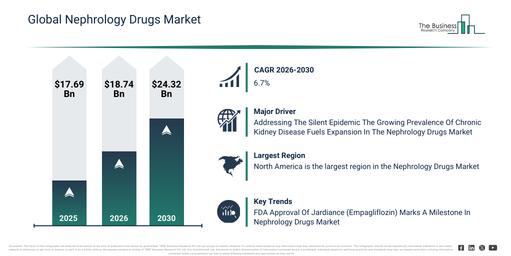
    The nephrology drugs market has experienced notable expansion over recent years, with projections indicating growth from $17.69 billion in 2025 to $18.74 billion in 2026, reflecting a compound annual growth rate (CAGR) of 5.9%. This upward trajectory in the historic period has been driven by factors such as the early uptake of antihypertensive medications, a rising prevalence of chronic kidney disease, enhanced hospital infrastructure dedicated to renal care, progress in dialysis and parenteral therapies, and increased public awareness about kidney-related conditions.

    The nephrology drugs market is projected to experience robust expansion in the coming years, reaching a valuation of $24.32 billion by 2030 with a compound annual growth rate (CAGR) of 6.7%. This anticipated growth during the forecast period is driven by several factors, including the advancement of precision medicine tailored for nephrology, the incorporation of artificial intelligence into renal drug development, the expansion of homecare treatment options, increased investment in biotechnology targeting kidney therapies, and the widespread use of digital health monitoring systems for kidney patients. Key trends shaping the forecast period encompass personalized kidney care strategies, a growing incidence of hypertension-related kidney disorders, innovations in renal drug formulations, enhanced awareness surrounding chronic kidney disease management, and a rising preference for home-based renal treatments.

    Download A Free Sample Report For Comprehensive Market Insights:

    https://www.thebusinessresearchcompany.com/sample.aspx?id=10076&type=smp&utm_source=BlogsPR&utm_medium=Paid&utm_campaign=Jul_PR

    Nephrology Drugs Market Growth Drivers And Industry Catalysts

    The increasing occurrence of chronic kidney disease is anticipated to drive forward the expansion of the nephrology drugs market. Chronic kidney disease (CKD) is characterized by impaired kidneys that cannot filter blood as efficiently as required, with damage developing slowly over an extended period, leading to potential waste buildup in the body. Medications for nephrology are mainly used to manage CKD by improving renal function and decelerating the disease’s progression, thereby preventing further harm to the body—this in turn fuels the market for nephrology drugs. As an example, in June 2023, according to the Oxford Academic, a research platform from the UK-based Oxford University Press, the prevalence of CKD in the UK is expected to increase by 4% from 8.27 million to 8.61 million individuals between 2022 and 2032, with stage distribution in 2032 projected at 30.36% for stage 1, 21.07% for stage 2, 29.78% for stage 3a, 11.86% for stage 3b, 4.15% for stage 4, and 2.78% for stage 5. Consequently, the growing prevalence of chronic kidney disease is propelling the growth of the nephrology drug market.

    Nephrology Drugs Market Segment Performance And Strategic Opportunities

    The nephrology drugs market covered in this report is segmented –

    1) By Drugs: Antihypertensive Agents, Erythropoiesis-Stimulating Agents, Diuretics, ACE Inhibitors, Antidiabetic Agents, Other Drugs

    2) By Route Of Administration: Oral, Parenteral, Other Route Of Administration

    3) By Distribution Channel: Hospital Pharmacy, Online Pharmacy, Retail Pharmacy

    4) By End User: Hospitals, Homecare, Specialty Clinics, Other End Users

    Subsegments:

    1) By Antihypertensive Agents: Calcium Channel Blockers, Beta-Blockers, Angiotensin II Receptor Blockers (ARBs)

    2) By Erythropoiesis-Stimulating Agents: Epoetin Alfa, Darbepoetin Alfa

    3) By Diuretics: Loop Diuretics, Thiazide Diuretics, Potassium-Sparing Diuretics

    4) By ACE Inhibitors: Lisinopril, Enalapril

    5) By Antidiabetic Agents: Metformin, Insulin

    6) By Other Drugs: Phosphate Binders, Vitamin D Analogues, Renin Inhibitors

    Nephrology Drugs Market Trends Influencing Long-Term Demand

    Leading players in the nephrology drugs market are prioritizing approvals for innovative therapies, such as the U.S. Food and Drug Administration’s endorsement of Jardiance (empagliflozin), in order to address the demands of their current customer base more effectively. Empagliflozin functions as a diabetes medication, specifically designed to manage and treat type 2 diabetes mellitus. This drug falls under the sodium-glucose co-transporter (SGLT-2) classification of diabetic treatments. By prompting the kidneys to eliminate a larger amount of glucose through urine, empagliflozin effectively lowers blood sugar levels. A notable example occurred in January 2023, when Eli Lilly and Company, a pharmaceutical firm based in the United States, together with Boehringer Ingelheim, a German pharmaceutical company, revealed that the FDA had granted approval for a supplemental New Drug Application (sNDA) concerning Jardiance (empagliflozin) tablets. These tablets are being assessed as a possible treatment to reduce the likelihood of kidney disease progression and cardiovascular death among adults suffering from chronic kidney disease (CKD).

    Nephrology Drugs Market Key Players: Which Companies Shape Industry Competition?

    Major companies operating in the nephrology drugs market are AstraZeneca plc, AbbVie Inc., Akebia Therapeutics Inc., Amgen Inc., FibroGen Inc., Johnson And Johnson, Pfizer Inc., GlaxoSmithKline plc, Teva Pharmaceutical Industries Limited, Boehringer Ingelheim International GmbH, Reata Pharmaceuticals Inc., Ardelyx Inc., Novo Nordisk A/S, Novartis AG, Baxter International Inc., Bristol Myers Squibb Company, Kissei Pharmaceutical Co. Ltd., Kyowa Kirin Co. Ltd., Mallinckrodt Pharmaceuticals, OPKO Health Inc., Sanofi S.A., Takeda Pharmaceutical Company Limited, Vifor Pharma Group, Bayer AG, Otsuka Pharmaceutical Co. Ltd., Mylan N.V.

    Access The Complete Nephrology Drugs Market Report:

    https://www.thebusinessresearchcompany.com/report/nephrology-drugs-global-market-report?utm_source=BlogsPR&utm_medium=Paid&utm_campaign=Jul_PR

    Nephrology Drugs Market Regional Distribution: Which Areas Drive Market Expansion?

    North America was the largest region in the nephrology drug market in 2025. Europe will be the second-largest growing region in the nephrology drug market in 2025. The regions covered in the nephrology drugs market report are Asia-Pacific, South East Asia, Western Europe, Eastern Europe, North America, South America, Middle East, Africa.

    Get in touch with us:

    The Business Research Company: https://www.thebusinessresearchcompany.com/?utm_source=BlogsPR&utm_medium=Paid&utm_campaign=home_page_test

    Americas: +1 310-496-7795

    Asia: +44 7882 955267 & +91 8897263534

    Europe: +44 7882 955267

    Email us at: marketing@tbrc.info

    Follow us on:

    LinkedIn: https://in.linkedin.com/company/the-business-research-company

    YouTube: https://www.youtube.com/channel/UC24_fI0rV8cR5DxlCpgmyFQ

    Global Market Model: https://www.thebusinessresearchcompany.com/global-market-model