Blog

  • Immunohematology Market Set To Grow From $2.69 Billion In 2026 To $3.27 Billion By 2030 At A CAGR Of 5%

    Immunohematology Market Set To Grow From $2.69 Billion In 2026 To $3.27 Billion By 2030 At A CAGR Of 5%

    Through market attractiveness analysis, total addressable market evaluation, company benchmarking matrices, interactive Excel dashboards, expanded supply chain intelligence, emerging startup coverage, and detailed product insights, The Business Research Company’s 2026 market reports provide more actionable and strategically valuable research.

    Immunohematology Market Size And Revenue Forecast Through 2030

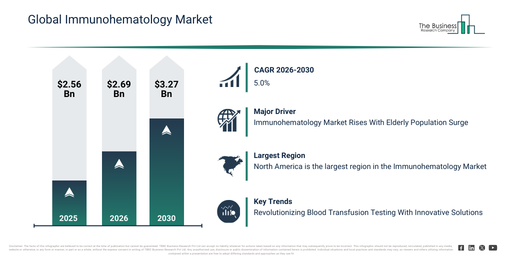
    The immunohematology market has experienced consistent growth over the past several years. From a valuation of $2.56 billion in 2025, it is projected to reach $2.69 billion by 2026, reflecting a compound annual growth rate (CAGR) of 4.9%. This historical expansion has been driven by factors such as the rising incidence of blood disorders, a growing need for secure blood transfusions, the establishment of more blood banks, an increase in the number of diagnostic laboratories, and ongoing improvements in hematology reagents.

    The immunohematology sector is anticipated to experience significant expansion over the coming years. By 2030, its market value is projected to reach $3.27 billion, reflecting a compound annual growth rate (CAGR) of 5.0%. This upward trajectory in the forecast period is driven by factors such as progress in analyzer technology, the application of artificial intelligence within lab diagnostics, a growing focus on precision medicine, the incorporation of digital health platforms, and the widening reach of blood screening initiatives. Key developments shaping this period involve cutting-edge blood typing methods, increased automation in immunohematology procedures, customized approaches to transfusion therapy, immunological diagnostics performed at the point of care, and the seamless connection of laboratory information systems.

    Download A Free Sample Report For Comprehensive Market Insights:

    https://www.thebusinessresearchcompany.com/sample.aspx?id=10295&type=smp&utm_source=BlogsPR&utm_medium=Paid&utm_campaign=Jul_PR

    Immunohematology Market Growth Factors Supporting Long-Term Expansion

    The growth of the immunohematology market is being significantly driven by the aging population in the coming years. This demographic trend, defined by a rising share of elderly individuals within a society, creates a high demand for blood-related medical care. Immunohematology plays a critical role in managing transfusion requirements specific to older adults, ensuring the safe administration of blood products and supporting various healthcare procedures for this group. To illustrate, data from January 2024 published by the Population Reference Bureau, a nonprofit organization based in the United States, indicates that the number of Americans aged 65 and older is projected to increase from 58 million in 2022 to 82 million by 2050, representing a 47% rise. Furthermore, this age cohort’s proportion of the total US population is forecasted to climb from 17% to 23% over that same interval. Consequently, the aging population is a key factor propelling the immunohematology market forward.

    Immunohematology Market Segment Analysis: What Are The Major Market Categories?

    The immunohematology market covered in this report is segmented –

    1) By Product: Analyzers And Systems, Reagents

    2) By Technology: Biochips, Erythrocyte-Magnetized Technology (Met), Gel Cards, Microplates, Polymerase Chain Reaction (PCR)

    3) By Disease: Blood-Related Diseases, HIV, Hepatitis

    4) By Application: Pretransfusion Testing, Investigation Of Immune Hemolysis, Perinatal Testing, Blood Group Phenotyping, Leucocyte And Platelet Serology

    5) By End User: Blood Banks, Diagnostic And Reference Laboratories, Hospitals, Academic And Research Institutes

    Subsegments:

    1) By Analyzers And Systems: Blood Typing Analyzers, Cross-Matching Analyzers, Gel Card Systems

    2) By Reagents: Blood Grouping Reagents, Antisera, Control Serum

    Immunohematology Market Industry Trends Shaping Future Revenue Growth

    Key players in the immunohematology field are directing their efforts toward creating advanced diagnostic tools, including soluble recombinant proteins engineered to counteract the disruptive effects of the cancer drug daratumumab on testing. Such proteins are generated via recombinant DNA methods, preserving their correct structure and biological activity when dissolved in a host system or solution, which supports their utility in both research and medical contexts. As an example, in November 2023, Grifols, S.A., a pharmaceutical firm based in Spain, introduced its Grifols sCD38 product, marking the debut of a soluble recombinant protein in the market. This innovation was crafted to mitigate the obstacles presented by daratumumab in critical blood compatibility assessments for transfusions. Tailored specifically for individuals with multiple myeloma, the solution prevents daratumumab from binding to CD38 sites on red blood cells, thereby enabling accurate results in pre-transfusion evaluations. By streamlining the steps involved in screening, identification, and crossmatching, the Grifols sCD38 solution improves transfusion procedures and reduces delays in delivering essential blood products to patients.

    Immunohematology Market Leading Companies Driving Competitive Growth

    Major companies operating in the immunohematology market are Ortho Clinical Diagnostics Inc., Immunocor Inc., Abbott Laboratories, Siemens Healthineers AG, Grifols S.A., Beckman Coulter Inc., Thermo Fisher Scientific Inc., Becton Dickinson and Company, Merck Co. & KGaA, Bio-Rad Laboratories, Sysmex Corporation, Danaher Corporation, Biosystems S.A., Roche Holdings AG, Mindray Medical International Limited, F.Hoffmann La-Roche Ltd., Biotest AG, Cardinal Health Inc., Quotient Limited, DiaSorin S.p.A., Lorne Laboratories Ltd., Biokit S.A., Avox Technologies, Diagnostic Automation/Cortez Diagnostics Inc., Inno-train Diagnostik GmbH, Drucker Diagnostics Inc., Immundia Diagnostics Pvt. Ltd.

    Access The Complete Immunohematology Market Report:

    https://www.thebusinessresearchcompany.com/report/immunohematology-global-market-report?utm_source=BlogsPR&utm_medium=Paid&utm_campaign=Jul_PR

    Immunohematology Market Leading Geography: Which Region Generates The Most Revenue?

    North America was the largest region in the immunohematology market in 2025. Asia-Pacific is expected to be the fastest-growing region in the global immunohematology market during the forecast period. The regions covered in the immunohematology market report are Asia-Pacific, South East Asia, Western Europe, Eastern Europe, North America, South America, Middle East, Africa.

    Get in touch with us:

    The Business Research Company: https://www.thebusinessresearchcompany.com/?utm_source=BlogsPR&utm_medium=Paid&utm_campaign=home_page_test

    Americas: +1 310-496-7795

    Asia: +44 7882 955267 & +91 8897263534

    Europe: +44 7882 955267

    Email us at: marketing@tbrc.info

    Follow us on:

    LinkedIn: https://in.linkedin.com/company/the-business-research-company

    YouTube: https://www.youtube.com/channel/UC24_fI0rV8cR5DxlCpgmyFQ

    Global Market Model: https://www.thebusinessresearchcompany.com/global-market-model
  • Immunoglobulins Market Opportunities Are Emerging Beyond Traditional Growth Areas

    Immunoglobulins Market Opportunities Are Emerging Beyond Traditional Growth Areas

    Delivering more actionable and strategically valuable research, The Business Research Company’s 2026 market reports feature market attractiveness analysis, total addressable market evaluation, company benchmarking matrices, interactive Excel dashboards, expanded supply chain intelligence, emerging startup coverage, and detailed product insights.

    Immunoglobulins Market Growth From $22.51 Billion In 2026 To $34.52 Billion By 2030 At A CAGR Of 11.3%

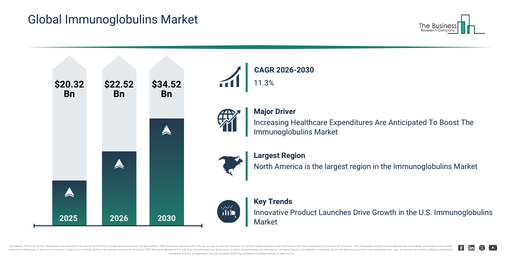
    The immunoglobulins market has seen swift expansion in recent times. Valued at $20.32 billion in 2025, it is projected to reach $22.52 billion by 2026, reflecting a compound annual growth rate (CAGR) of 10.8%. This past growth has been fueled by a rising incidence of immunodeficiency conditions, a growing number of autoimmune disease cases, improvements in hospital facilities, advances in plasma fractionation technology, and heightened awareness regarding antibody-based treatments.

    The market for immunoglobulins is projected to experience rapid expansion over the coming years, reaching a value of $34.52 billion by 2030, reflecting a compound annual growth rate (CAGR) of 11.3%. This anticipated growth during the forecast period is driven by progress in personalized medicine, the creation of innovative monoclonal antibodies, a rise in home-based subcutaneous treatments, the proliferation of biotechnology and research facilities, and enhanced government backing for immunotherapy programs. Key developments shaping the market outlook include the shift toward tailored immunoglobulin therapies, a greater preference for subcutaneous administration methods, heightened demand for intravenous immunoglobulin (IVIG) in autoimmune conditions, the broadening of treatment options for rare immunodeficiency disorders, and progress in monoclonal antibody research.

    Download A Free Sample Report For Comprehensive Market Insights:

    https://www.thebusinessresearchcompany.com/sample.aspx?id=5284&type=smp&utm_source=BlogsPR&utm_medium=Paid&utm_campaign=Jul_PR

    Immunoglobulins Market Demand Drivers Creating New Revenue Opportunities

    The continued rise in healthcare spending is anticipated to drive expansion within the hyperphosphatemia treatment market in the coming period. This condition, which involves managing therapies and medications designed to lower excessive phosphate levels in the bloodstream—often found in individuals with chronic kidney disease or similar disorders—benefits directly from greater financial resources allocated to medical care. Enhanced funding enables wider availability of these interventions, fuels progress in developing more sophisticated treatment options, and refines approaches to patient care. To illustrate, data from the Canadian Institute for Health Information, released in November 2023, shows that Canada’s total annual health expenditure is forecast to hit $344 billion, or roughly $8,740 per person, by the end of that year. That figure represents a 2.8% uptick from 2022, a year which recorded a notably slower growth rate of just 1.5%, signaling a clear resurgence in investment within the health sector. As a result, this upward trend in spending is fueling the momentum behind the hyperphosphatemia treatment market’s growth.

    Immunoglobulins Market Segment Breakdown: Which Categories Generate The Most Revenue?

    The immunoglobulins market covered in this report is segmented –

    1) By Product: IGG, IGA, IGM, IGE, IGD

    2) By Mode Of Delivery: Intravenous Mode Of Delivery, Subcutaneous Mode Of Delivery

    3) By Application: Hypogammaglobulinemia, Chronic Inflammatory demyelinating polyneuropathy (CIDP), Immunodeficiency Disease, Myasthenia Gravis, Idiopathic thrombocytopenic purpura (ITP), Other Applications

    Subsegments:

    1) By IGG (Immunoglobulin G): IVIG (Intravenous Immunoglobulin), SCIG (Subcutaneous Immunoglobulin)

    2) By IGA (Immunoglobulin A): Monoclonal IGA, Polyvalent IGA

    3) By IGM (Immunoglobulin M): Monoclonal IGM, Polyvalent IGM

    4) By IGE (Immunoglobulin E): Allergen-Specific IGE, Monoclonal IGE

    5) By IGD (Immunoglobulin D): Research-Use IGD, Monoclonal IGD

    Immunoglobulins Market Trends Driving Strategic Industry Expansion

    Key players within the immunoglobulins sector are concentrating on creating advanced products, including intravenous immunoglobulins, with the goal of reaching a broader customer base, driving higher sales volumes, and boosting overall revenue. A notable example occurred in September 2024 when GC Biopharma, a biotechnology firm headquartered in South Korea, introduced ALYGLO (Immune Globulin Intravenous, Human-stwk) 10% Liquid into the U.S. market. This product is intended for the management of primary humoral immunodeficiency (PI) in adults aged 17 years and older and is now accessible to patients via specialty pharmacy channels. This launch holds considerable importance because the United States represents the world’s largest marketplace for immunoglobulins, with an estimated value of around $11.6 billion. GC Biopharma has set a target to generate $50 million in sales from ALYGLO during its initial year, and it aspires to escalate this figure to $300 million by 2028. To realize this ambitious growth plan, the company is forging alliances with major U.S. pharmacy benefit managers and specialty pharmacies, entities that play a vital role in the efficient distribution of immunoglobulin therapies.

    Immunoglobulins Market Key Players And Strategic Industry Positioning

    Major companies operating in the immunoglobulins market are Baxter International Inc., CSL Behring LLC, Grifols S. A., Octapharma AG, China Biologic Products Holdings Inc., Kedrion SpA, LFB SA, Biotest AG, Sanquin Blood Supply Foundation, ADMA Biologics Inc., Option Care Health Inc., Shanghai RAAS Blood Products Co. Ltd., Antibody Solutions, Bio Products Laboratory Ltd., Immunovant Inc., Kamada Ltd., Emergent BioSolutions Inc., Fresenius Kabi AG, GlaxoSmithKline plc, Pfizer Inc., Roche Holding AG, Samsung Bioepis Co. Ltd., Takeda Pharmaceutical Company Limited, Teva Pharmaceutical Industries Ltd., Zydus Cadila Healthcare Limited

    Access The Complete Immunoglobulins Market Report:

    https://www.thebusinessresearchcompany.com/report/immunoglobulins-global-market-report?utm_source=BlogsPR&utm_medium=Paid&utm_campaign=Jul_PR

    Immunoglobulins Market Regional Outlook: Where Are The Largest Opportunities Located?

    North America was the largest region in the immunoglobulins market in 2025. Asia-Pacific is expected to be the fastest-growing region in the forecast period. The regions covered in the immunoglobulins market report are Asia-Pacific, South East Asia, Western Europe, Eastern Europe, North America, South America, Middle East, Africa.

    Get in touch with us:

    The Business Research Company: https://www.thebusinessresearchcompany.com/?utm_source=BlogsPR&utm_medium=Paid&utm_campaign=home_page_test

    Americas: +1 310-496-7795

    Asia: +44 7882 955267 & +91 8897263534

    Europe: +44 7882 955267

    Email us at: marketing@tbrc.info

    Follow us on:

    LinkedIn: https://in.linkedin.com/company/the-business-research-company

    YouTube: https://www.youtube.com/channel/UC24_fI0rV8cR5DxlCpgmyFQ

    Global Market Model: https://www.thebusinessresearchcompany.com/global-market-model
  • Immunoglobulin Fusion Protein Market Expansion Is Opening New Pathways For Strategic Investment

    Immunoglobulin Fusion Protein Market Expansion Is Opening New Pathways For Strategic Investment

    Enhanced with market attractiveness analysis, total addressable market evaluation, company benchmarking matrices, interactive Excel dashboards, expanded supply chain intelligence, emerging startup coverage, and detailed product insights, The Business Research Company’s 2026 market reports deliver more actionable and strategically valuable research.

    Immunoglobulin Fusion Protein Market Expansion Outlook: What Revenue Opportunities Lie Ahead?

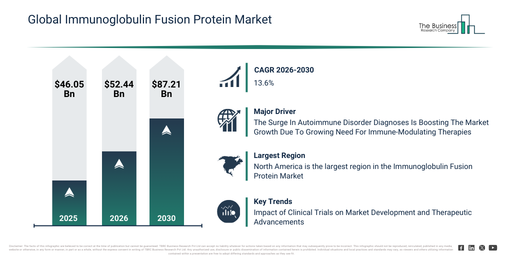
    The market for immunoglobulin fusion proteins has seen substantial expansion over the past few years. Valued at $46.05 billion in 2025, it is projected to reach $52.44 billion by 2026, reflecting a compound annual growth rate (CAGR) of 13.9%. Historical growth was driven by innovation in biologic drugs, the rising burden of autoimmune conditions, the success of monoclonal antibodies, increased adoption of biologics in hospitals, and the ongoing management of chronic diseases.

    The market for immunoglobulin fusion proteins is projected to experience significant expansion shortly, reaching a valuation of $87.21 billion by 2030, driven by a compound annual growth rate (CAGR) of 13.6%. This anticipated rise in the forecast period is fueled by factors such as progress in precision biologic development, a robust pipeline for rare disease therapies, competition from biosimilars, advancements in protein engineering, and a growing demand for long-acting treatments. Key developments expected over this period include an increasing focus on creating long-acting biologics, broader adoption of Fc fusion technologies, wider application in autoimmune and rare disease contexts, enhancements in drug stability and half-life through engineering, and heightened investment in protein engineering platforms.

    Download A Free Sample Report For Comprehensive Market Insights:

    https://www.thebusinessresearchcompany.com/sample.aspx?id=24568&type=smp&utm_source=BlogsPR&utm_medium=Paid&utm_campaign=Jul_PR

    Immunoglobulin Fusion Protein Market Expansion Supported By Key Demand Factors

    The anticipated growth of the immunoglobulin fusion protein market is being driven by the rising incidence of autoimmune disorders. These disorders occur when the immune system mistakenly targets and damages the body’s own healthy cells. This upward trend is largely attributed to a mix of hereditary susceptibility and external triggers like infections or lifestyle factors, which together facilitate the onset of such conditions. Immunoglobulin fusion proteins aid in managing these disorders by modulating immune responses, thereby curbing inflammation and preventing attacks on bodily tissues. For example, Arthritis Australia, a nonprofit based in the country, reported in February 2024 that an estimated 562,378 Australians will have rheumatoid arthritis (RA) in 2025, representing 14% of all arthritis cases. By 2040, this figure is projected to climb by 33% to 748,721 individuals, an increase of 186,343 compared to 2025. As a result, the expanding prevalence of autoimmune diseases is fueling market expansion for immunoglobulin fusion proteins.

    Immunoglobulin Fusion Protein Market Segmentation: How Is The Market Structured Across Key Categories?

    The immunoglobulin fusion protein market covered in this report is segmented –

    1) By Type: Monoclonal Antibodies, Polyclonal Antibodies, Bispecific Antibodies, Recombinant Antibodies

    2) By Drug Class: Immunosuppressive Drugs, Immunostimulatory Drugs

    3) By Mode of Administration: Intravenous, Subcutaneous, Intramuscular

    4) By Application: Autoimmune Disease, Eye Diseases, Diabetes, Hemophilia

    5) By End User: Hospitals, Clinics, Research Institutes

    Subsegments:

    1) By Monoclonal Antibodies: Human Monoclonal Antibodies, Humanized Monoclonal Antibodies, Chimeric Monoclonal Antibodies, Murine Monoclonal Antibodies

    2) By Polyclonal Antibodies: Animal-Derived Polyclonal Antibodies, Human-Derived Polyclonal Antibodies, Recombinant Polyclonal Antibodies

    3) By Bispecific Antibodies: Tandem Single-Chain Variable Fragment, Dual-Variable Domain Antibodies, Bispecific T-Cell Engagers (BiTEs), Dual-Affinity Re-Targeting Antibodies

    4) By Recombinant Antibodies: Fragment Antibodies, Full-Length Recombinant Antibodies, Antibody-Drug Conjugates (ADCs), Engineered Antibody Domains

    Immunoglobulin Fusion Protein Market Growth Trends Influencing Competitive Dynamics

    Key players within the immunoglobulin fusion protein market are actively conducting clinical trials aimed at creating novel products like bispecific antibody fusion proteins, with the goal of improving therapeutic effectiveness and addressing various disease mechanisms. A bispecific antibody fusion protein is a genetically engineered molecule capable of simultaneously targeting two distinct antigens, which advances precision medicine by drawing immune cells toward tumor cells or interrupting multiple signaling pathways. For example, in February 2025, Innovent Biologics, Inc., a biotechnology firm headquartered in China, obtained its second Fast Track Designation (FTD) from the U.S. Food and Drug Administration (FDA) for IBI343, a bispecific antibody fusion protein designed for advanced solid tumors. IBI343 is engineered to concurrently engage tumor-associated antigens and immune effector cells, thereby refining the accuracy and strength of anti-tumor immune reactions. This designation is projected to speed up IBI343’s clinical development and regulatory assessment, highlighting its promise in fulfilling critical unmet needs in cancer care.

    Immunoglobulin Fusion Protein Market Competitive Landscape And Leading Companies

    Major companies operating in the immunoglobulin fusion protein market are Amgen Inc., Pfizer Inc., Swedish Orphan Biovitrum AB (Sobi), Regeneron Pharmaceuticals Inc., Sanofi S.A., AbbVie Inc., Bristol-Myers Squibb Company, Roche Holding AG, Genentech Inc., UCB S.A., AstraZeneca PLC, CSL Behring, Takeda Pharmaceutical Company Limited, Novartis AG, Merck & Co. Inc., Biogen Inc., Horizon Therapeutics (Amgen subsidiary), Kyowa Kirin Co. Ltd., Ultragenyx Pharmaceutical Inc., Apellis Pharmaceuticals Inc., Alexion Pharmaceuticals (AstraZeneca subsidiary), Argenx SE, HanAll Biopharma Co. Ltd., Innovent Biologics Inc., 3SBio Inc.

    Access The Complete Immunoglobulin Fusion Protein Market Report:

    https://www.thebusinessresearchcompany.com/report/immunoglobulin-fusion-protein-global-market-report?utm_source=BlogsPR&utm_medium=Paid&utm_campaign=Jul_PR

    Immunoglobulin Fusion Protein Market Geographic Landscape: Which Region Dominates Industry Growth?

    North America was the largest region in the immunoglobulin fusion proteins market in 2025. Asia-Pacific is expected to be the fastest-growing region in the forecast period. The regions covered in the immunoglobulin fusion protein market report are Asia-Pacific, South East Asia, Western Europe, Eastern Europe, North America, South America, Middle East, Africa.

    Get in touch with us:

    The Business Research Company: https://www.thebusinessresearchcompany.com/?utm_source=BlogsPR&utm_medium=Paid&utm_campaign=home_page_test

    Americas: +1 310-496-7795

    Asia: +44 7882 955267 & +91 8897263534

    Europe: +44 7882 955267

    Email us at: marketing@tbrc.info

    Follow us on:

    LinkedIn: https://in.linkedin.com/company/the-business-research-company

    YouTube: https://www.youtube.com/channel/UC24_fI0rV8cR5DxlCpgmyFQ

    Global Market Model: https://www.thebusinessresearchcompany.com/global-market-model
  • Immunocytokines Market Trends Are Creating New Opportunities For Industry Leaders

    Immunocytokines Market Trends Are Creating New Opportunities For Industry Leaders

    Through market attractiveness analysis, total addressable market evaluation, company benchmarking matrices, interactive Excel dashboards, expanded supply chain intelligence, emerging startup coverage, and detailed product insights, The Business Research Company’s 2026 market reports provide more actionable and strategically valuable research.

    Immunocytokines Market Growth Potential: How Will Market Size Change Through 2030?

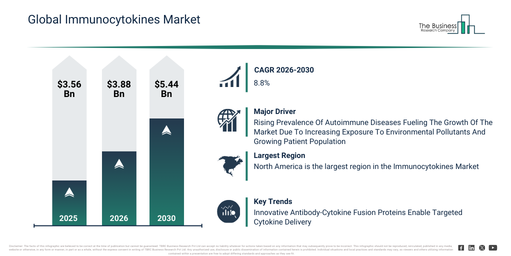
    The immunocytokines market has experienced robust expansion in recent years. From $3.56 billion in 2025, it is projected to reach $3.88 billion by 2026, growing at a compound annual growth rate (CAGR) of 9.0%. This historical growth is driven by the scarce supply of targeted immunocytokine therapies, a continued dependence on standard cytokine treatments, heightened activity in oncology and autoimmune research, a rising number of clinical trials focused on cytokine-based treatments, and the integration of fundamental immune-modulating treatment regimens.

    The immunocytokines market is anticipated to experience robust expansion over the coming years. By 2030, its value is projected to reach $5.44 billion, reflecting a compound annual growth rate (CAGR) of 8.8%. This forecasted growth is driven by the creation of recombinant and modified interleukins, the broadening of tumor necrosis factor-based immunocytokines, heightened investment in antibody-cytokine fusion proteins, greater utilization in personalized cancer and autoimmune therapies, and the combination of immune modulators with advanced delivery mechanisms. Key trends shaping this period include the growing application of immunocytokines in targeted cancer treatments, intensified research into cytokine-based immunotherapies for autoimmune conditions, a heightened emphasis on minimizing systemic toxicity via precise delivery, the proliferation of specialty clinics and research centers employing immunocytokines, and the advancement of fusion proteins that pair cytokines with innovative antibody formats.

    Download A Free Sample Report For Comprehensive Market Insights:

    https://www.thebusinessresearchcompany.com/sample.aspx?id=27315&type=smp&utm_source=BlogsPR&utm_medium=Paid&utm_campaign=Jul_PR

    Immunocytokines Market Growth Drivers And Industry Catalysts

    The anticipated expansion of the immunocytokines market is being driven by the increasing incidence of autoimmune diseases. These disorders arise when the immune system erroneously targets the body’s own healthy cells and tissues. This growing trend is largely attributed to heightened exposure to environmental contaminants, which can disturb immune regulation and provoke attacks on the body’s tissues. By combining precise immune modulation with targeted delivery, immunocytokines offer a compelling solution for managing autoimmune conditions while reducing systemic side effects. Their ability to direct cytokines specifically to inflamed tissues enhances therapeutic efficacy, leading to improved patient outcomes and safety profiles. For example, in February 2024, Arthritis Australia, a non-profit organization based in Australia, projected that 562,378 Australians would be living with rheumatoid arthritis (RA) in 2025, representing 14% of all arthritis cases that year. This figure is forecasted to climb by 33% to 748,721 by 2040, marking an increase of 186,343 individuals compared to 2025. Consequently, the rising prevalence of autoimmune diseases is fueling growth in the immunocytokines market.

    Immunocytokines Market Segmentation Trends And Revenue Drivers

    The immunocytokines market covered in this report is segmented –

    1) By Product Type: Interleukins, Interferons, Tumor Necrosis Factors, Other Product Types

    2) By Mechanism Of Action: Antagonists, Agonists, Immune Modulators

    3) By Application: Cancer, Autoimmune Diseases, Infectious Diseases, Other Applications

    4) By End-User: Hospitals, Research Institutes, Specialty Clinics, Other End-Users

    Subsegments:

    1) By Interleukins: Recombinant Interleukin, Modified Interleukin

    2) By Interferons: Interferon Alpha, Interferon Beta, Interferon Gamma

    3) By Tumor Necrosis Factors: Tumor Necrosis Factor Alpha, Tumor Necrosis Factor Beta, Tumor Necrosis Factor Receptor Fusion Proteins

    4) By Other Product Types: Colony Stimulating Factors, Immunocytokines

    Immunocytokines Market Trends Influencing Long-Term Demand

    Leading players in the immunocytokines sector are increasingly concentrating on the creation of advanced therapies, specifically antibody cytokine fusion proteins, designed to achieve precise cytokine delivery and improve treatment effectiveness while reducing systemic side effects. These fusion proteins represent engineered biologics that merge an antibody’s targeting specificity with a cytokine’s immunomodulatory properties, ensuring direct delivery to disease sites like tumors or inflamed tissues. For example, in July 2023, SunHo BioPharmaceutical Co. Ltd., a biopharmaceutical firm based in China, introduced IBB0979 (B7H3–IL-10 immunocytokine), an innovative antibody-cytokine fusion protein aimed at treating advanced or metastatic solid tumors, which is currently in Phase I/II clinical trials. This therapeutic candidate fuses the tumor-targeting attributes of the B7H3 antibody with the anti-inflammatory and immune-enhancing effects of interleukin-10 (IL-10). IBB0979 is intended to reshape the tumor microenvironment by delivering IL-10 specifically to cells expressing B7H3, thereby mitigating inflammation and amplifying anticancer immune responses, potentially opening up a novel treatment avenue for resistant solid tumors.

    Immunocytokines Market Industry Leaders: Which Organizations Are Driving Competition?

    Major companies operating in the immunocytokines market are Xencor Inc., Philogen S.p.A, Cytimmune Sciences Inc., Cytune Pharma S.A.S.

    Access The Complete Immunocytokines Market Report:

    https://www.thebusinessresearchcompany.com/report/immunocytokines-global-market-report?utm_source=BlogsPR&utm_medium=Paid&utm_campaign=Jul_PR

    Immunocytokines Market Largest Region: Which Geography Holds The Highest Market Share?

    North America was the largest region in the immunocytokines market in 2025. Asia-Pacific is expected to be the fastest-growing region in the forecast period. The regions covered in the immunocytokines market report are Asia-Pacific, South East Asia, Western Europe, Eastern Europe, North America, South America, Middle East, Africa.

    Get in touch with us:

    The Business Research Company: https://www.thebusinessresearchcompany.com/?utm_source=BlogsPR&utm_medium=Paid&utm_campaign=home_page_test

    Americas: +1 310-496-7795

    Asia: +44 7882 955267 & +91 8897263534

    Europe: +44 7882 955267

    Email us at: marketing@tbrc.info

    Follow us on:

    LinkedIn: https://in.linkedin.com/company/the-business-research-company

    YouTube: https://www.youtube.com/channel/UC24_fI0rV8cR5DxlCpgmyFQ

    Global Market Model: https://www.thebusinessresearchcompany.com/global-market-model
  • Ileostomy Products Market Growth Is Reshaping Competitive Advantage Across The Industry

    Ileostomy Products Market Growth Is Reshaping Competitive Advantage Across The Industry

    Delivering more actionable and strategically valuable research, The Business Research Company’s 2026 market reports feature market attractiveness analysis, total addressable market evaluation, company benchmarking matrices, interactive Excel dashboards, expanded supply chain intelligence, emerging startup coverage, and detailed product insights.

    Ileostomy Products Market Value Analysis: What Growth Is Expected Over The Forecast Period?

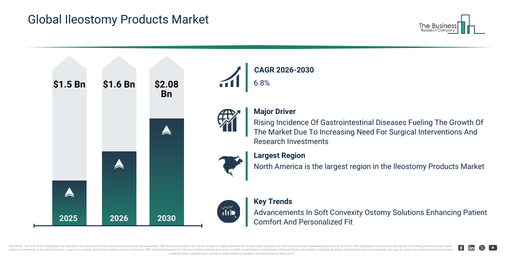
    In recent years, the ileostomy products market has experienced robust growth. Its value is projected to expand from $1.5 billion in 2025 to $1.6 billion in 2026, reflecting a compound annual growth rate (CAGR) of 6.8%. This historic increase has been driven by several factors, including a rise in colorectal and bowel surgeries, improved survival rates following gastrointestinal procedures, the early integration of fundamental ostomy systems, a focus on hospital-based post-surgical care, and a relatively narrow scope of product customization.

    The forecast for the ileostomy products market indicates substantial expansion over the coming years, with an anticipated value of $2.08 billion by 2030, representing a compound annual growth rate (CAGR) of 6.8%. This projected growth during the forecast period is driven by factors such as an expanding elderly demographic, a growing inclination toward home healthcare options, improvements in ostomy materials and adhesives, heightened patient awareness and education, and a rise in the number of outpatient surgical interventions. Key developments shaping the market include an increased demand for long-term ostomy care products, a greater emphasis on skin-friendly and leak-resistant designs, the growing prevalence of home-based ostomy management, the emergence of customizable and individualized solutions, and an intensified focus on comfort and quality-of-life enhancements.

    Download A Free Sample Report For Comprehensive Market Insights:

    https://www.thebusinessresearchcompany.com/sample.aspx?id=24247&type=smp&utm_source=BlogsPR&utm_medium=Paid&utm_campaign=Jul_PR

    Ileostomy Products Market Opportunity Drivers: What Is Creating New Revenue Potential?

    The growth of the ileostomy products market is expected to be driven by the rising prevalence of gastrointestinal diseases in the years ahead. These diseases impact the digestive organs, hindering proper digestion and nutrient uptake. Their increasing occurrence is often attributed to poor dietary habits, including high consumption of processed foods and low fiber intake, which disturb gut health and lead to conditions like IBS and inflammatory bowel disease. Ileostomy products become vital when surgery results in the creation of an ileostomy for managing certain gastrointestinal disorders. They are essential for enabling patients to maintain comfort and hygiene following the bypass or removal of parts of their digestive system. For example, as per the Turkish Journal of Gastroenterology, a Turkey-based publication, as of June 2025, there are currently 6.9 million people worldwide affected by inflammatory bowel disease (IBD). Consequently, this upward trend in gastrointestinal diseases will fuel the expansion of the ileostomy products market.

    Ileostomy Products Market Segment Analysis Highlighting Growth Areas

    The ileostomy products market covered in this report is segmented –

    1) By Type: Ileostomy Drainable Bags, Pouches, Flanges, Barriers, Accessories

    2) By Application: Permanent Ileostomy, Temporary Ileostomy

    3) By End User: Hospitals, Ambulatory Surgical Centers, Clinics, Other End Users

    Subsegments:

    1) By Ileostomy Drainable Bags: One-Piece Drainable Bags, Two-Piece Drainable Bags, Transparent Drainable Bags, Opaque Drainable Bags

    2) By Pouches: One-Piece Pouches, Two-Piece Pouches, Closed-End Pouches, High-Output Pouches, Urostomy Pouches

    3) By Flanges: Flat Flanges, Convex Flanges, Pre-Cut Flanges, Cut-To-Fit Flanges

    4) By Barriers: Skin Barrier Wafers, Extended Wear Barriers, Standard Wear Barriers, Moldable Barriers

    5) By Accessories: Barrier Rings, Barrier Strips, Ostomy Belt, Adhesive Removers, Deodorants, Skin Protectants, Seals And Pastes

    Ileostomy Products Market Innovation Trends Driving Future Development

    Major players in the ileostomy products market are concentrating on the creation of advanced technologies, including soft convexity ostomy solutions, aimed at improving patient comfort. A soft convexity ostomy solution refers to a device featuring a gently curved baseplate that exerts mild pressure around the stoma area. As an example, Convatec Group, a medical products and technology company based in the UK, introduced the Esteem Body with Leak Defense in April 2024. This product from Convatec offers eight different combinations, incorporating four distinct tension points and two levels of convex depth, enabling a personalized fit to achieve optimal stoma protrusion and skin flattening. Such adaptability ensures that every ostomate, considering their individual requirements, can attain the most suitable fit possible. The Leak Defense feature utilizes Convatec’s top-tier adhesives, Durahesive and Modified Stomahesive, integrated with a soft convexity range to establish a leak-proof seal, preventing leaks while guaranteeing consistent wear duration. Furthermore, the new ‘body’ pouch is shaped in a patented ‘8-shape’ design that reduces sagging during filling, thereby boosting both comfort and dependability.

    Ileostomy Products Market Leading Companies: Who Holds Significant Market Presence?

    Major companies operating in the ileostomy products market are 3M Healthcare, B. Braun Melsungen AG, Smith & Nephew Plc, Hollister Incorporated, Coloplast A/S, ConvaTec Group Plc, Salts Healthcare Ltd, Welland Medical Ltd, Alcare Co. Ltd., Torbot Group, Cymed Micro Skin, Perfect Choice Medical Technologies, Schena Ostomy Technologies Inc., Flexicare (Group) Limited, TG Eakin Limited, Merlen Manufacturing Ltd, Pelican Healthcare Ltd, Nu-Hope Labs Inc., PermaType Medical, Fortis Medical Products Inc.

    Access The Complete Ileostomy Products Market Report:

    https://www.thebusinessresearchcompany.com/report/ileostomy-products-global-market-report?utm_source=BlogsPR&utm_medium=Paid&utm_campaign=Jul_PR

    Ileostomy Products Market Regional Analysis: Which Region Leads By Revenue?

    North America was the largest region in the ileostomy products market in 2025. Asia-Pacific is expected to be the fastest-growing region in the forecast period. The regions covered in the ileostomy products market report are Asia-Pacific, South East Asia, Western Europe, Eastern Europe, North America, South America, Middle East, Africa.

    Get in touch with us:

    The Business Research Company: https://www.thebusinessresearchcompany.com/?utm_source=BlogsPR&utm_medium=Paid&utm_campaign=home_page_test

    Americas: +1 310-496-7795

    Asia: +44 7882 955267 & +91 8897263534

    Europe: +44 7882 955267

    Email us at: marketing@tbrc.info

    Follow us on:

    LinkedIn: https://in.linkedin.com/company/the-business-research-company

    YouTube: https://www.youtube.com/channel/UC24_fI0rV8cR5DxlCpgmyFQ

    Global Market Model: https://www.thebusinessresearchcompany.com/global-market-model
  • Ibrutinib Market Forecast Signals New Revenue Opportunities Through 2030

    Ibrutinib Market Forecast Signals New Revenue Opportunities Through 2030

    Enhanced with market attractiveness analysis, total addressable market evaluation, company benchmarking matrices, interactive Excel dashboards, expanded supply chain intelligence, emerging startup coverage, and detailed product insights, The Business Research Company’s 2026 market reports deliver more actionable and strategically valuable research.

    Ibrutinib Market Size Forecast: How Large Could The Market Become By 2030?

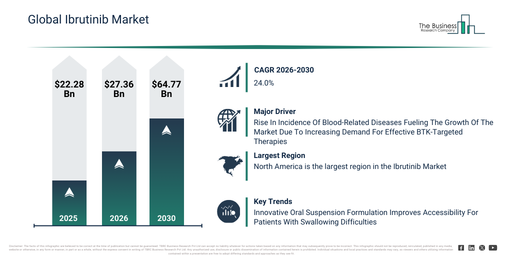
    Over the recent period, the market for ibrutinib has experienced exponential growth. From a valuation of $22.28 billion in 2025, it is projected to reach $27.36 billion by 2026, reflecting a compound annual growth rate (CAGR) of 22.8%. This historical expansion can be linked to a rise in the incidence of B-cell malignancies, regulatory approvals of ibrutinib for CLL and SLL, greater uptake of oral cancer treatments, progress in BTKi research, and heightened awareness surrounding targeted cancer therapies.

    The market for ibrutinib is anticipated to undergo rapid expansion over the coming years. By 2030, its value is projected to reach $64.77 billion, driven by a compound annual growth rate (CAGR) of 24.0%. This forecasted growth can be linked to several factors, including broadening applications in newly addressed hematologic cancers, the emergence of advanced BTK inhibitors, a rise in collaborative efforts between pharmaceutical firms and biotechnology companies, increased commitments to precision oncology, and the proliferation of dedicated oncology treatment facilities. Key developments during this period are likely to encompass targeted BTK inhibition strategies, customized cancer care, the creation of oral small-molecule drugs, the use of combination treatment protocols, and the continued expansion of specialized oncology centers.

    Download A Free Sample Report For Comprehensive Market Insights:

    https://www.thebusinessresearchcompany.com/sample.aspx?id=13250&type=smp&utm_source=BlogsPR&utm_medium=Paid&utm_campaign=Jul_PR

    Ibrutinib Market Growth Momentum: Which Factors Are Influencing Demand?

    The growing prevalence of blood-related disorders is anticipated to boost the expansion of the ibrutinib market in the coming years. Blood-related diseases, which encompass conditions affecting red blood cells, white blood cells, platelets, or plasma, are becoming more common due to aging populations. Older individuals face a heightened risk of disorders such as anemia, leukemia, and clotting issues because of weakened immune systems and accumulated health problems. Ibrutinib addresses these diseases by inhibiting BTK signaling, thereby reducing the proliferation and survival of malignant B-cells. For example, the American Cancer Society, a U.S.-based cancer organization, reported 62,770 new cases of leukemia in 2024, with this figure climbing to 66,890 in 2025. Consequently, the rising incidence of blood-related illnesses is fueling the ibrutinib market’s growth.

    The increasing proportion of elderly individuals is expected to propel the ibrutinib market forward. An aging population, characterized by a higher share of older adults due to longer lifespans and lower birth rates, is expanding as medical advancements enhance life expectancy. Ibrutinib is applied in treating age-related blood cancers more effectively, thereby improving survival rates and overall health outcomes. In January 2024, the Population Reference Bureau, a U.S.-based nonprofit, projected that the number of Americans aged 65 and older would increase from 58 million in 2022 to 82 million by 2050, a 47% rise. This demographic shift will see this age group’s share of the U.S. population grow from 17% to 23% over the same period. Thus, the rise in the aging population is driving the ibrutinib market’s growth.

    Ibrutinib Market Segment Performance And Strategic Opportunities

    The ibrutinib market covered in this report is segmented –

    1) By Type: Capsules, Tablets

    2) By Distribution Channel: Hospital Pharmacies, Retail Pharmacies, Online Pharmacies

    3) By Applications: Chronic Lymphocytic Leukemia (CLL), Small Lymphocytic Lymphoma (SLL), Other Applications

    4) By End-User: Hospitals, Clinics, Specialty Centers, Ambulatory Surgical Centers

    Subsegments:

    1) By Capsules: Hard Gelatin Capsules, Soft Gelatin Capsules

    2) By Tablets: Immediate Release Tablets, Extended Release Tablets

    Ibrutinib Market Trends Reshaping Industry Growth

    Key players in the ibrutinib market are advancing patient-friendly approaches, such as adaptable cancer treatment options that offer flexible formulations for individuals who struggle with swallowing tablets or capsules, thereby enhancing treatment accessibility and ease of use. This type of solution is designed around patient needs, improving convenience and access by providing alternatives like orally disintegrating tablets, chewable forms, granules, or liquid suspensions that are simpler to consume. As an example, in February 2024, Johnson & Johnson, a healthcare firm based in the US, together with its alliance partner Pharmacyclics LLC, a US-based biopharmaceutical company, secured FDA approval for an oral suspension version of IMBRUVICA (ibrutinib). This expanded labeling for IMBRUVICA now covers treatment for adult patients with chronic lymphocytic leukemia (CLL), small lymphocytic lymphoma (SLL), Waldenström’s macroglobulinemia (WM), and chronic graft versus host disease (cGVHD), providing a more convenient option for those who find it difficult to swallow tablets or capsules.

    Ibrutinib Market Key Players: Which Companies Shape Industry Competition?

    Major companies operating in the ibrutinib market are ABBVie Inc., Teva Pharmaceutical Industries Limited, Dr Reddy’s Laboratories Ltd., Apotex Inc., Cipla Limited, Zydus Lifesciences Limited, Sun Pharmaceutical Industries Ltd., Accord Healthcare Limited, Natco Pharma Ltd., Beacon Pharmaceuticals plc, MSN Laboratories Pvt Ltd., Hetero Drugs Ltd., Aurobindo Pharma Ltd., Glenmark Pharmaceuticals Ltd., Mylan N.V., Lupin Limited, Intas Pharmaceuticals Ltd., Cadila Healthcare Ltd., Torrent Pharmaceuticals Ltd., Alembic Pharmaceuticals Ltd.

    Access The Complete Ibrutinib Market Report:

    https://www.thebusinessresearchcompany.com/report/ibrutinib-global-market-report?utm_source=BlogsPR&utm_medium=Paid&utm_campaign=Jul_PR

    Ibrutinib Market Geographic Distribution And Regional Opportunities

    North America was the largest region in the ibrutinib market in 2025. The regions covered in the ibrutinib market report are Asia-Pacific, South East Asia, Western Europe, Eastern Europe, North America, South America, Middle East, Africa.

    Get in touch with us:

    The Business Research Company: https://www.thebusinessresearchcompany.com/?utm_source=BlogsPR&utm_medium=Paid&utm_campaign=home_page_test

    Americas: +1 310-496-7795

    Asia: +44 7882 955267 & +91 8897263534

    Europe: +44 7882 955267

    Email us at: marketing@tbrc.info

    Follow us on:

    LinkedIn: https://in.linkedin.com/company/the-business-research-company

    YouTube: https://www.youtube.com/channel/UC24_fI0rV8cR5DxlCpgmyFQ

    Global Market Model: https://www.thebusinessresearchcompany.com/global-market-model
  • Hypoprothrombinemia Treatment Market Growth Is Accelerating As Industry Transformation Continues

    Hypoprothrombinemia Treatment Market Growth Is Accelerating As Industry Transformation Continues

    Through market attractiveness analysis, total addressable market evaluation, company benchmarking matrices, interactive Excel dashboards, expanded supply chain intelligence, emerging startup coverage, and detailed product insights, The Business Research Company’s 2026 market reports provide more actionable and strategically valuable research.

    Hypoprothrombinemia Treatment Market Revenue Outlook: What CAGR Is Expected Through 2030?

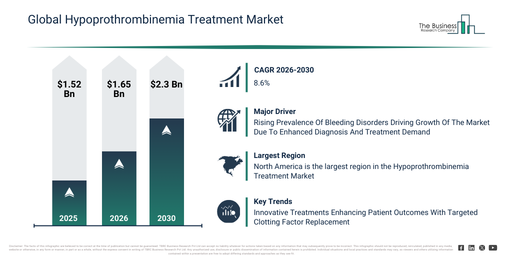
    The market for hypoprothrombinemia treatments has experienced robust expansion in recent years. Forecasts indicate an increase from $1.52 billion in 2025 to $1.65 billion in 2026, reflecting a compound annual growth rate (CAGR) of 8.9%. This past growth has been driven by factors such as the prevalence of vitamin K deficiencies, complications arising from liver disease, the overuse of anticoagulants, established hospital transfusion practices, and inherited clotting disorders.

    The market for hypoprothrombinemia treatments is anticipated to experience robust expansion over the coming years. By 2030, its value is projected to reach $2.3 billion, reflecting a compound annual growth rate (CAGR) of 8.6%. This forecasted growth is driven by several factors, including progress in recombinant clotting factor development, enhancements to emergency care infrastructure, heightened bleeding risks among aging populations, the integration of precision hematology, and the management of coagulation in outpatient settings. Key trends shaping the market during this period encompass a greater utilization of prothrombin complex concentrates, an increasing dependence on therapies that provide rapid coagulation correction, the broadening of vitamin K-based treatment approaches, improved standards for managing emergency bleeding, and a rising preference for recombinant coagulation factors.

    Download A Free Sample Report For Comprehensive Market Insights:

    https://www.thebusinessresearchcompany.com/sample.aspx?id=24566&type=smp&utm_source=BlogsPR&utm_medium=Paid&utm_campaign=Jul_PR

    Hypoprothrombinemia Treatment Market Expansion Drivers: What Is Shaping Future Growth?

    The market for hypoprothrombinemia treatments is anticipated to expand due to the growing frequency of bleeding disorders. These disorders involve impaired blood clotting, resulting in extended or excessive bleeding. This increase is predominantly linked to enhanced diagnostic methods and heightened awareness, which facilitate more precise identification and documentation of such conditions. Treatment for hypoprothrombinemia functions by restoring clotting capabilities in affected patients through the supplementation of deficient prothrombin levels. As an example, BMC Health Services Research—a UK-based journal focusing on healthcare service organization, delivery, and evaluation—reported in November 2024 that between April 2022 and March 2023 in the United Kingdom, 6,662 males were diagnosed with hemophilia A. Of these, 5,032 were adults aged 18 and over, with 2,421 receiving treatment via factor replacement therapy or emicizumab. In the same timeframe, 1,342 males were diagnosed with hemophilia B, including 1,022 adults, of whom 479 underwent factor replacement. Consequently, this rising prevalence of bleeding disorders is forecasted to propel the hypoprothrombinemia treatment market forward.

    The adoption of biosimilars is set to fuel the expansion of the hypoprothrombinemia treatment market. Biosimilars are biologic products that closely mimic an already authorized original biologic, exhibiting no clinically significant disparities in safety or efficacy. Their increasing utilization stems from their capacity to deliver more cost-effective and accessible therapeutic options while preserving comparable safety and effectiveness to original biologics. Within hypoprothrombinemia care, biosimilars serve as economical substitutes for standard clotting factor therapies, enhancing patient access to vital coagulation management. For illustration, Cardinal Health Inc., a US-based healthcare firm, noted in January 2023 that as of January 2022, the U.S. had 33 FDA-approved biosimilar products, with 21 available commercially. By 2023, the count rose to 40 FDA-approved biosimilars, of which 25 were on the market. Hence, the growing use of biosimilars is propelling the hypoprothrombinemia treatment market.

    Hypoprothrombinemia Treatment Market Segment Landscape And Growth Potential

    The hypoprothrombinemia treatment market covered in this report is segmented –

    1) By Type: Type I Deficiency Treatment, Type II Deficiency Treatment

    2) By Drug Type: Vitamin K, Fresh Frozen Plasma, Prothrombin Complex Concentrates, Recombinant Prothrombin

    3) By Indication Based: Vitamin K Deficiency, Liver Diseases, Cirrhosis, Hepatitis, Anticoagulant related Hypoprothrombinemia, Genetic Disorders, Malabsorption Syndromes

    4) By Drug Delivery Method: Oral Delivery, Injectable Delivery, Intravenous, Intramuscular, Transfusion Based Delivery

    5) By End User: Hospitals, Speciality Clinics, Homecare Settings

    Subsegments:

    1) By Type I Deficiency Treatment: Prothrombin Complex Concentrates (PCCs), Fresh Frozen Plasma (FFP), Recombinant Prothrombin, Plasma-derived Coagulation Factors

    2) By Type II Deficiency Treatment: Vitamin K Therapy, Warfarin Reversal Agents, Liver Function Supportive Therapy, Anticoagulant Adjustment Therapies

    Hypoprothrombinemia Treatment Market Strategic Trends: What Is Defining The Next Phase Of Growth?

    Major players in the hypoprothrombinemia treatment space are concentrating on advanced therapeutic approaches, particularly non-activated four-factor prothrombin complex concentrate, to quickly elevate clotting factor levels and lower hemorrhage risks for patients who need immediate anticoagulation reversal. This non-activated four-factor prothrombin complex concentrate (4F-PCC), derived from plasma, incorporates clotting factors II, VII, IX, and X, and is employed to rapidly counteract vitamin K antagonist effects and manage bleeding disorders such as hypoprothrombinemia. For example, in January 2024, Octapharma USA, a healthcare company based in the United States and a subsidiary of Octapharma AG, introduced Balfaxar—a non-activated four-factor prothrombin complex concentrate (4F-PCC) that recently secured FDA approval for the urgent reversal of coagulation deficiencies caused by vitamin K antagonists in adults undergoing emergency surgery or invasive procedures. Comprising essential vitamin K-dependent clotting factors along with antithrombotic proteins, this treatment effectively meets pressing requirements in the management of hypoprothrombinemia.

    Hypoprothrombinemia Treatment Market Competitive Landscape: Who Are The Leading Companies?

    Major companies operating in the hypoprothrombinemia treatment market are Biotest AG, Kedrion Biopharma, LFB S.A., Hualan Biological Engineering Inc., China Biologic Products Holdings Inc., Bio Products Laboratory (BPL), Kamada Ltd., Green Cross Corporation, Shanghai RAAS Blood Products Co. Ltd., SK Plasma Co. Ltd., Emergent BioSolutions Inc., Intas Pharmaceuticals Ltd., Bharat Serums and Vaccines Ltd., ZLB Behring (CSL Behring), Mitsubishi Tanabe Pharma Corporation

    Access The Complete Hypoprothrombinemia Treatment Market Report:

    https://www.thebusinessresearchcompany.com/report/hypoprothrombinemia-treatment-global-market-report?utm_source=BlogsPR&utm_medium=Paid&utm_campaign=Jul_PR

    Hypoprothrombinemia Treatment Market Largest Region By Revenue And Market Share

    North America was the largest region in the hypoprothrombinemia treatment market in 2025. Asia-Pacific is expected to be the fastest-growing region in the forecast period. The regions covered in the hypoprothrombinemia treatment market report are Asia-Pacific, South East Asia, Western Europe, Eastern Europe, North America, South America, Middle East, Africa.

    Get in touch with us:

    The Business Research Company: https://www.thebusinessresearchcompany.com/?utm_source=BlogsPR&utm_medium=Paid&utm_campaign=home_page_test

    Americas: +1 310-496-7795

    Asia: +44 7882 955267 & +91 8897263534

    Europe: +44 7882 955267

    Email us at: marketing@tbrc.info

    Follow us on:

    LinkedIn: https://in.linkedin.com/company/the-business-research-company

    YouTube: https://www.youtube.com/channel/UC24_fI0rV8cR5DxlCpgmyFQ

    Global Market Model: https://www.thebusinessresearchcompany.com/global-market-model
  • Hypoparathyroidism Market Outlook Highlights The Next Major Growth Opportunities

    Hypoparathyroidism Market Outlook Highlights The Next Major Growth Opportunities

    Delivering more actionable and strategically valuable research, The Business Research Company’s 2026 market reports feature market attractiveness analysis, total addressable market evaluation, company benchmarking matrices, interactive Excel dashboards, expanded supply chain intelligence, emerging startup coverage, and detailed product insights.

    Hypoparathyroidism Market Growth Analysis: How Will Revenue Expand During The Forecast Period?

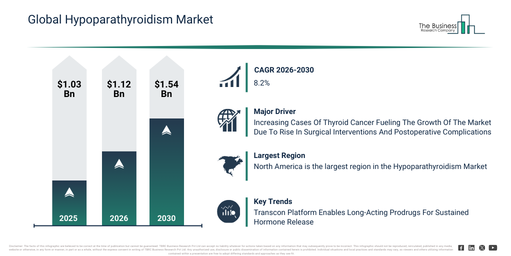
    The market for hypoparathyroidism has experienced robust expansion over the past few years. Valued at $1.03 billion in 2025, it is projected to reach $1.12 billion by 2026, reflecting a compound annual growth rate (CAGR) of 8.6%. This historical growth has been driven by complications arising from thyroid surgery, instances of calcium deficiency, heightened awareness of rare diseases, the availability of endocrine care in hospitals, and access to hormone replacement therapies.

    The hypoparathyroidism market is projected to experience significant expansion over the coming years. By 2030, its valuation is anticipated to reach $1.54 billion, reflecting a compound annual growth rate (CAGR) of 8.2%. This forecasted growth is driven by factors such as progress in recombinant therapy development, enhanced capabilities for diagnosing rare diseases, the implementation of patient adherence initiatives, the growth of specialized clinic networks, and the increasing adoption of precision endocrinology. Key trends shaping this period include a rising number of diagnosed rare endocrine disorders, greater utilization of recombinant parathyroid hormones, an expansion in long-term calcium management treatment options, heightened awareness regarding complications arising from surgical procedures, and the creation of supplementary supportive therapies.

    Download A Free Sample Report For Comprehensive Market Insights:

    https://www.thebusinessresearchcompany.com/sample.aspx?id=24565&type=smp&utm_source=BlogsPR&utm_medium=Paid&utm_campaign=Jul_PR

    Hypoparathyroidism Market Development Factors: Which Trends Are Supporting Demand?

    The anticipated growth of the hypoparathyroidism market is being driven by the rising incidence of thyroid cancer. Thyroid cancer is characterized by abnormal cell proliferation within the thyroid gland, frequently resulting in a neck lump. This uptick in cases is attributed to progress in diagnostic imaging technologies, which facilitate earlier and more frequent identification of small, asymptomatic thyroid nodules. Thyroid cancer exacerbates hypoparathyroidism by necessitating more thyroid surgeries, which may inadvertently harm the parathyroid glands. Such damage causes calcium dysregulation and chronic hormone insufficiency, thereby fueling demand for long-term disease management treatments. For example, the American Cancer Society, a US-based nonprofit, reported in May 2024 that new thyroid cancer cases are projected to increase from 43,720 in 2023 to 44,020 in 2025. Consequently, the surge in thyroid cancer instances is propelling the expansion of the hypoparathyroidism market.

    Hypoparathyroidism Market Categorization By Product Type And Application

    The hypoparathyroidism market covered in this report is segmented –

    1) By Treatment: Hormone Replacement Therapy, Adjunctive Therapies

    2) By Type: Hormone Replacement Therapy, Calcium And Vitamin D Supplements, Emerging Therapies

    3) By Route Of Administration: Oral, Parenteral

    4) By Distribution Channel: Hospital Pharmacy, Retail Pharmacy, Online Pharmacy

    5) By End User: Hospitals, Specialty Clinics, Homecare Settings

    Subsegments:

    1) By Hormone Replacement Therapy: Recombinant Parathyroid Hormone, Parathyroid Hormone Analogues, Calcimimetics, Calcium And Vitamin D Supplements

    2) By Adjunctive Therapies: Magnesium Supplements, Phosphate Binders, Other Supportive Therapies

    Hypoparathyroidism Market Transformation Trends: Which Innovations Are Driving Change?

    Key players in the hypoparathyroidism market are concentrating on advancing treatment options through innovative technologies, particularly those leveraging TransCon technology, to boost therapeutic effectiveness and enhance patient experiences. These TransCon-based therapeutics rely on the Transient Conjugation platform, a proprietary system that refines drug delivery mechanisms. As an example, Ascendis Pharma A/S, a biopharmaceutical firm headquartered in Denmark, unveiled YORVIPATH (palopegteriparatide) in Germany and Austria in January 2024. This marks their second product utilizing TransCon technology and targets adults living with chronic hypoparathyroidism. Designed as a once-daily prodrug of parathyroid hormone (PTH 1-34), YORVIPATH sustains physiological PTH levels throughout a 24-hour cycle, directly tackling the fundamental hormone deficiency inherent in chronic hypoparathyroidism.

    Hypoparathyroidism Market Company Landscape And Strategic Competition

    Major companies operating in the hypoparathyroidism market are Pfizer Inc., F. Hoffmann-La Roche Ltd., Merck & Co Inc., AbbVie Inc., Sanofi S.A., Novartis AG, GlaxoSmithKline plc , Takeda Pharmaceutical Company Limited, Eli Lilly and Company, Amgen Inc., Teva Pharmaceutical Industries Ltd., Dr. Reddy’s Laboratories Ltd., Cipla Limited , Lupin Limited, Torrent Pharmaceuticals Ltd., Eagle Pharmaceuticals Inc., BridgeBio Pharma Inc., Ascendis Pharma A/S, Extend Biosciences Inc., Entera Bio Ltd.

    Access The Complete Hypoparathyroidism Market Report:

    https://www.thebusinessresearchcompany.com/report/hypoparathyroidism-global-market-report?utm_source=BlogsPR&utm_medium=Paid&utm_campaign=Jul_PR

    Hypoparathyroidism Market Regional Analysis And Leading Geography

    North America was the largest region in the hypoparathyroidism market in 2025. Asia-Pacific is expected to be the fastest-growing region in the forecast period. The regions covered in the hypoparathyroidism market report are Asia-Pacific, South East Asia, Western Europe, Eastern Europe, North America, South America, Middle East, Africa.

    Get in touch with us:

    The Business Research Company: https://www.thebusinessresearchcompany.com/?utm_source=BlogsPR&utm_medium=Paid&utm_campaign=home_page_test

    Americas: +1 310-496-7795

    Asia: +44 7882 955267 & +91 8897263534

    Europe: +44 7882 955267

    Email us at: marketing@tbrc.info

    Follow us on:

    LinkedIn: https://in.linkedin.com/company/the-business-research-company

    YouTube: https://www.youtube.com/channel/UC24_fI0rV8cR5DxlCpgmyFQ

    Global Market Model: https://www.thebusinessresearchcompany.com/global-market-model
  • Hypolipidemics Market Trends And Growth Drivers Point To Strong Future Potential

    Hypolipidemics Market Trends And Growth Drivers Point To Strong Future Potential

    Enhanced with market attractiveness analysis, total addressable market evaluation, company benchmarking matrices, interactive Excel dashboards, expanded supply chain intelligence, emerging startup coverage, and detailed product insights, The Business Research Company’s 2026 market reports deliver more actionable and strategically valuable research.

    Hypolipidemics Market Forecast: What Market Value Is Expected By 2030?

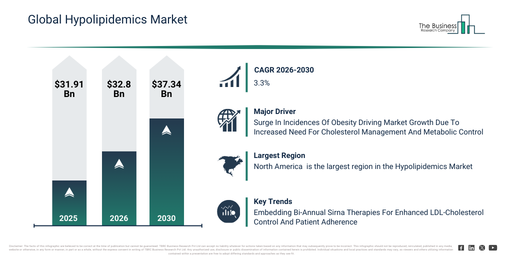
    Over recent years, the hypolipidemics market has experienced consistent expansion. Its valuation is projected to rise from $31.91 billion in 2025 to $32.8 billion in 2026, reflecting a compound annual growth rate (CAGR) of 2.8%. This historical growth has been driven by several factors, including the increasing incidence of cardiovascular diseases, the broad utilization of statins, a higher frequency of cholesterol screening, enhanced availability of vital cardiovascular medications, and the widening reach of hospital and pharmacy networks.

    The hypolipidemics market is projected to undergo stable expansion over the coming years, reaching $37.34 billion by 2030, with a compound annual growth rate (CAGR) of 3.3%. This forecasted growth is driven by an aging global population, a higher prevalence of dyslipidemia, a stronger emphasis on preventive cardiology, the emergence of combination lipid therapies, and better healthcare access in developing regions. Key developments anticipated during this period include longer-term use of lipid-lowering medications, greater uptake of combination hypolipidemic drugs, a heightened focus on preventive cardiovascular pharmacotherapy, wider adoption of generic statins, and more rigorous tracking of cholesterol management results.

    Download A Free Sample Report For Comprehensive Market Insights:

    https://www.thebusinessresearchcompany.com/sample.aspx?id=2435&type=smp&utm_source=BlogsPR&utm_medium=Paid&utm_campaign=Jul_PR

    Hypolipidemics Market Industry Drivers: What Is Driving Revenue Growth?

    The increasing prevalence of obesity is anticipated to drive forward the expansion of the hypolipidemic drugs market in the coming period. Obesity represents a persistent metabolic disorder marked by an abnormal buildup of body fat, which frequently contributes to heightened cholesterol levels, diminished insulin sensitivity, and a greater likelihood of cardiovascular issues. This rising trend in obesity cases is largely driven by a higher intake of heavily processed, energy-dense food products, along with reduced physical activity resulting from contemporary sedentary habits. Hypolipidemic medications are employed in the management of obesity to reduce elevated cholesterol levels, which can act as a contributing factor to heart-related problems in individuals with excess adipose tissue. For example, as reported in October 2025 by Forbes, a business media outlet based in the United States, the rate of adult obesity in the country stood at 40.3%, with rates among women at 41.3% and men at 39.2%, while globally, the prevalence of obesity in children and adolescents aged between 5 and 19 years reached 9.4%. Consequently, the growing frequency of obesity cases is fueling the progress of the hypolipidemic drug market.

    Hypolipidemics Market Segment Analysis And Revenue Opportunities

    The hypolipidemics market covered in this report is segmented –

    1) By Product Type: HMG-CoA Reductase Inhibitors, Nicotinic Acid Drugs

    2) By Drug Type: Statins, Bile Acid Sequestrants, Cholesterol Absorption Inhibitors, PCSK9 Inhibitors, Other Drug Types

    3) By Application: Hospital, Clinics, Pharmacy

    Subsegments:

    1) By HMG-CoA Reductase Inhibitors: Atorvastatin, Rosuvastatin, Simvastatin, Lovastatin, Pravastatin, Fluvastatin

    2) By Nicotinic Acid Drugs: Niacin (Vitamin B3), Extended-release Niacin

    Hypolipidemics Market Growth Trends: What Is Influencing The Future Outlook?

    Leading players in the hypolipidemics sector are prioritizing innovation and advanced formulation strategies, particularly through siRNA-based therapies that lower LDL cholesterol with just two administrations per year. These treatments are designed to enhance patient compliance, lessen the therapeutic burden, and provide sustained lipid regulation with fewer required injections. By pairing powerful lipid-reducing action with convenient dosing schedules, they aim to improve both clinical results and patients’ everyday well-being. A notable example is Novartis, a Swiss pharmaceutical firm, which secured FDA clearance in July 2025 for its product Leqvio (inclisiran) as a first-line option for individuals needing LDL cholesterol reduction, thereby expanding access to its twice-yearly regimen. Inclisiran operates by employing RNA interference to suppress the PCSK9 gene in the liver, delivering ongoing reductions in LDL levels through only two doses annually. This regulatory milestone highlights a broader movement within the hypolipidemics market toward long-lasting, highly effective medicines that promote sustained cardiovascular risk management while minimizing dosing frequency.

    Hypolipidemics Market Leading Players Shaping Industry Direction

    Major companies operating in the hypolipidemics market are Pfizer Inc., AstraZeneca Plc, Novartis AG, Sanofi-Aventis, Merck Sharp & Dohme B.V., Amgen Plc, Abbott Laboratories Limited, Daiichi Sankyo Company Limited, Kowa Company Ltd., Viatris Inc., Teva Pharmaceutical Industries Ltd., Sun Pharmaceutical Industries Limited, Dr. Reddy’s Laboratories Ltd., Lupin Limited, Zydus Lifesciences Limited, Torrent Pharmaceuticals Ltd., Cipla Limited, Wockhardt Limited, Alembic Pharmaceuticals Limited, Intas Pharmaceuticals Ltd.

    Access The Complete Hypolipidemics Market Report:

    https://www.thebusinessresearchcompany.com/report/hypolipidemics-global-market-report?utm_source=BlogsPR&utm_medium=Paid&utm_campaign=Jul_PR

    Hypolipidemics Market Geographic Analysis: Where Is Demand Growing The Fastest?

    North America was the largest region in the hypolipidemic drugs market in 2025. The Middle East is expected to be the fastest-growing region in the hypolipidemic drugs market during the forecast period. The regions covered in the hypolipidemics market report are Asia-Pacific, South East Asia, Western Europe, Eastern Europe, North America, South America, Middle East, Africa.

    Get in touch with us:

    The Business Research Company: https://www.thebusinessresearchcompany.com/?utm_source=BlogsPR&utm_medium=Paid&utm_campaign=home_page_test

    Americas: +1 310-496-7795

    Asia: +44 7882 955267 & +91 8897263534

    Europe: +44 7882 955267

    Email us at: marketing@tbrc.info

    Follow us on:

    LinkedIn: https://in.linkedin.com/company/the-business-research-company

    YouTube: https://www.youtube.com/channel/UC24_fI0rV8cR5DxlCpgmyFQ

    Global Market Model: https://www.thebusinessresearchcompany.com/global-market-model
  • Hyperuricemia Drugs Market Expansion Is Reshaping Competitive Dynamics Across The Industry

    Hyperuricemia Drugs Market Expansion Is Reshaping Competitive Dynamics Across The Industry

    Through market attractiveness analysis, total addressable market evaluation, company benchmarking matrices, interactive Excel dashboards, expanded supply chain intelligence, emerging startup coverage, and detailed product insights, The Business Research Company’s 2026 market reports provide more actionable and strategically valuable research.

    Hyperuricemia Drugs Market Size Outlook: How Fast Will Revenue Grow Through 2030?

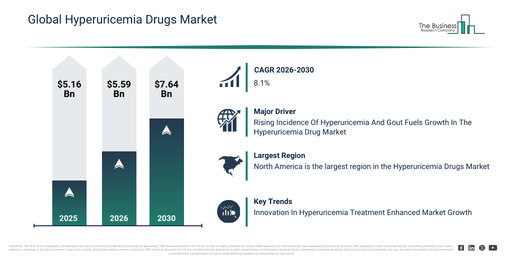
    The hyperuricemia drugs market experienced significant expansion in recent years. Its valuation is projected to rise from $5.16 billion in 2025 to $5.59 billion in 2026, achieving a compound annual growth rate (CAGR) of 8.4%. This historical growth was driven by factors such as the restricted supply of advanced therapies for hyperuricemia, a higher prevalence of gout and kidney stones, insufficient patient education regarding uric acid control, continued dependence on conventional anti-inflammatory treatments, and the development of hospital and clinic facilities.

    The hyperuricemia drugs market is projected to experience robust expansion over the coming years. By 2030, its value is anticipated to reach $7.64 billion, driven by a compound annual growth rate (CAGR) of 8.1%. This upward trajectory during the forecast period is fuelled by several factors: the creation of selective uric acid reabsorption inhibitors (SURI), a greater reliance on combination therapy, heightened public awareness around preventive care and lifestyle adjustments, the growth of homecare services, and expanding government initiatives targeting metabolic disorder management. Key developments shaping the forecast period involve a growing incidence of hyperuricemia and gout, a rising use of xanthine oxidase inhibitors and uricosuric agents, progress in combination therapy alongside supportive care drugs, the proliferation of homecare and specialty clinics for managing hyperuricemia, and an intensified focus on lifestyle changes and preventive care supplements.

    Download A Free Sample Report For Comprehensive Market Insights:

    https://www.thebusinessresearchcompany.com/sample.aspx?id=19517&type=smp&utm_source=BlogsPR&utm_medium=Paid&utm_campaign=Jul_PR

    #Hyperuricemia Drugs Market Growth Factors: Which Forces Are Supporting Market Expansion?

    The hyperuricemia drug market is set to expand due to the growing prevalence of hyperuricemia and gout. Hyperuricemia involves abnormally high uric acid levels in the blood, which may result in gout—a painful arthritic condition triggered by urate crystal deposits in joints. Several elements affect the occurrence of these conditions, including genetic factors, dietary patterns (especially high purine consumption), obesity, renal function, lifestyle behaviors (such as alcohol use and insufficient hydration), specific medications, and chronic illnesses like hypertension and diabetes. Medications for hyperuricemia are vital for managing uric acid levels, thereby hindering the onset or progression of hyperuricemia and gout by minimizing uric acid accumulation and easing associated discomfort. An illustration is provided by data from The Lancet, a UK-based medical journal, which in July 2024 indicated that globally in 2020, gout affected males at 3.26 times the rate of females, with its prevalence rising with age, and projected around 95.8 million cases by 2050. As a result, the increasing frequency of hyperuricemia and gout is fueling growth in the market for hyperuricemia drugs.

    Hyperuricemia Drugs Market Segmentation And Category Breakdown

    The hyperuricemia drugs market covered in this report is segmented –

    1) By Type: Asymptomatic Hyperuricemia, Symptomatic Hyperuricemia, Other Types

    2) By Drugs: Nonsteroidal Anti-Inflammatory Drugs, Xanthine Oxidase Inhibitors, Selective Uric Acid Reabsorption Inhibitor (SURI), Uricosuric Agents, Other Drugs

    3) By Diseases: Gout, Kidney Stone, Other Diseases

    4) By End-User: Hospitals, Homecare, Specialty Clinics, Other End-Users

    Subsegments:

    1) By Asymptomatic Hyperuricemia: Uric Acid Lowering Agents, Lifestyle Modification Supplements

    2) By Symptomatic Hyperuricemia: Anti-Inflammatory Drugs, Uric Acid Inhibitors

    3) By Other Types: Combination Therapy, Dietary Supplements

    Hyperuricemia Drugs Market Industry Trends: What Changes Are Reshaping Demand?

    Key players in the hyperuricemia drug market are concentrating on creating innovative products, including therapeutic equivalent generic versions, in order to deliver affordable options that improve patient access to gout therapies. These therapeutic equivalent generics contain the identical active ingredient as their branded counterparts, are delivered via the same dosage form, and are anticipated to offer comparable clinical effectiveness and safety profiles. As an example, in January 2024, Lupin, a pharmaceutical firm based in India, secured approval from U.S. health authorities for Febuxostat Tablets (in 40 mg and 80 mg strengths) and Varenicline Tablets (available in 0.5 mg and 1 mg dosages). These generic medications are designed to offer more economical choices for individuals needing hyperuricemia treatment (through Febuxostat) and smoking cessation support (via Varenicline). By bringing these generics to market, Lupin aims to boost accessibility to vital drugs, establish a presence in the U.S. pharmaceutical landscape, and assist patients by supplying cost-efficient treatment alternatives for their medical needs.

    Hyperuricemia Drugs Market Competitive Analysis Of Major Industry Participants

    Major companies operating in the hyperuricemia drugs market are Pfizer Inc., Merck & Co., Bayer AG, Sanofi SA, AstraZeneca plc, Novartis AG, Boehringer Ingelheim International GmbH, Teva Pharmaceuticals, Teijin Pharma Limited, Sun Pharmaceutical Industries Ltd., Dr. Reddy’s Laboratories Ltd., Hikma Pharmaceuticals PLC, Amneal Pharmaceuticals Inc., Glenmark Pharmaceuticals Ltd., Kissei Pharmaceutical Co. Ltd., Fuji Yakuhin Co. Ltd.

    Access The Complete Hyperuricemia Drugs Market Report:

    https://www.thebusinessresearchcompany.com/report/hyperuricemia-drugs-global-market-report?utm_source=BlogsPR&utm_medium=Paid&utm_campaign=Jul_PR

    Hyperuricemia Drugs Market Global Footprint: Which Region Holds Market Leadership?

    North America was the largest region in the hyperuricemia drugs market in 2025. The regions covered in the hyperuricemia drugs market report are Asia-Pacific, South East Asia, Western Europe, Eastern Europe, North America, South America, Middle East, Africa.

    Get in touch with us:

    The Business Research Company: https://www.thebusinessresearchcompany.com/?utm_source=BlogsPR&utm_medium=Paid&utm_campaign=home_page_test

    Americas: +1 310-496-7795

    Asia: +44 7882 955267 & +91 8897263534

    Europe: +44 7882 955267

    Email us at: marketing@tbrc.info

    Follow us on:

    LinkedIn: https://in.linkedin.com/company/the-business-research-company

    YouTube: https://www.youtube.com/channel/UC24_fI0rV8cR5DxlCpgmyFQ

    Global Market Model: https://www.thebusinessresearchcompany.com/global-market-model