Blog

  • Humira Drug Market Growth Is Reshaping Competitive Advantage Across The Industry

    Humira Drug Market Growth Is Reshaping Competitive Advantage Across The Industry

    Enhanced with market attractiveness analysis, total addressable market evaluation, company benchmarking matrices, interactive Excel dashboards, expanded supply chain intelligence, emerging startup coverage, and detailed product insights, The Business Research Company’s 2026 market reports deliver more actionable and strategically valuable research.

    Humira Drug Market Growth Potential: How Will Market Size Change Through 2030?

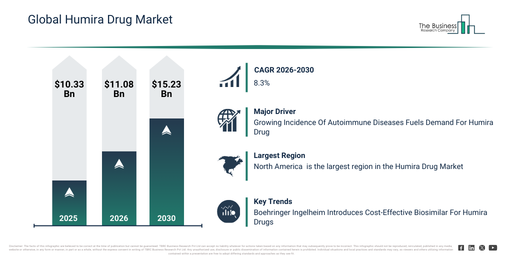
    The Humira drug market has experienced robust expansion in recent years, with projections indicating an increase from $10.33 billion in 2025 to $11.08 billion in 2026, reflecting a compound annual growth rate (CAGR) of 7.3%. This historical growth has been driven by several factors, including a higher prevalence of arthritis, greater awareness of biologic therapies, the patent exclusivity enjoyed by Humira, the proliferation of specialty clinics, regulatory approvals for rheumatoid arthritis treatment, rising healthcare expenditures, limited market penetration by biosimilars, improvements in injection technology, increased adoption within hospitals, and significant unmet medical needs.

    The Humira drug market is projected to experience robust expansion over the coming years, reaching a valuation of $15.23 billion by 2030, driven by a compound annual growth rate (CAGR) of 8.3%. This anticipated growth during the forecast period is fueled by several key factors, including the proliferation of biosimilars, a growing preference among patients for self-administration, increased adoption of telemedicine, an expanding elderly population, market development in emerging regions, innovations in pre-filled pen delivery systems, heightened governmental backing for biologics, integration with digital health platforms, trends toward personalized medicine, and enhanced insurance coverage. Notable trends shaping this period encompass personalized approaches to arthritis treatment, wider acceptance of biologic therapies, home-based injection solutions, combination therapy strategies, and the incorporation of telemedicine into care models.

    Download A Free Sample Report For Comprehensive Market Insights:

    https://www.thebusinessresearchcompany.com/sample.aspx?id=11934&type=smp&utm_source=BlogsPR&utm_medium=Paid&utm_campaign=Jul_PR

    Humira Drug Market Industry Drivers: What Is Driving Revenue Growth?

    Growing cases of autoimmune diseases are expected to boost the growth of the Humira drug market in the coming period. Autoimmune disease is a condition where the immune system mistakenly attacks the body’s own healthy cells and tissues. Since Humira is used to relieve pain and inflammation resulting from various autoimmune conditions, the increasing prevalence of these diseases directly raises the demand for the drug. In February 2024, according to Arthritis Australia, a charitable not-for-profit organization based in Australia that advocates for individuals with arthritis and musculoskeletal disorders, approximately 562,378 Australians are projected to be living with rheumatoid arthritis (RA) by 2025, representing 14% of the total arthritis population. As a result, the growing incidence of autoimmune diseases will continue to drive the Humira drug market forward.

    Humira Drug Market Categorization By Product Type And Application

    The humira drug market covered in this report is segmented –

    1) By Type: Humira Syringe, Humira Pen

    2) By Application: Ankylosing Spondylitis, Rheumatoid Arthritis, Crohn’s Disease, Other Applications

    3) By End-Users: Hospitals, Specialty Clinics, Other End-Users

    Subsegments:

    1) By Humira Syringe: Pre-Filled Syringe, Disposable Syringe

    2) By Humira Pen: Auto-Injector Pen, Pre-Filled Injection Pen

    Humira Drug Market Growth Trends: What Is Influencing The Future Outlook?

    Major players in the Humira drug market are concentrating their efforts on creating biosimilar alternatives. These companies aim to improve the cost-efficiency of Humira treatments by producing specialized biosimilars tailored to the drug. For example, in October 2023, Boehringer Ingelheim, a pharmaceutical firm headquartered in Germany, introduced a biosimilar version of Humira. The biosimilars manufactured by Boehringer are the sole close replicas of Humira authorized as interchangeable by the US Food and Drug Administration, allowing them to substitute the original product without requiring a new prescription.

    Humira Drug Market Company Landscape And Strategic Competition

    Major companies operating in the humira drug market are AbbVie Inc., Amgen Inc., Sandoz International GmbH, Viatris Inc., Samsung Bioepis Co Ltd., Coherus BioSciences Inc., Celltrion Healthcare Co Ltd., Alvotech Holdings S.A, Biocad Biopharmaceutical Company, Fujifilm Kyowa Kirin Biologics Co Ltd, Alteogen Inc, Bio-Thera Solutions Ltd, Momenta Pharmaceuticals Inc, Innovent Biologics Inc, CinnaGen Co, Hetero Healthcare Ltd, Glenmark Pharmaceuticals Ltd, Torrent Pharmaceuticals Ltd, Cadila Pharmaceuticals Ltd, Mochida Pharmaceutical Co Ltd

    Access The Complete Humira Drug Market Report:

    https://www.thebusinessresearchcompany.com/report/humira-drug-global-market-report?utm_source=BlogsPR&utm_medium=Paid&utm_campaign=Jul_PR

    Humira Drug Market Global Footprint: Which Region Holds Market Leadership?

    North America was the largest region in the humira drug market in 2025. Asia Pacific is expected to be the fastest-growing region in the forecast period. The regions covered in the humira drug market report are Asia-Pacific, South East Asia, Western Europe, Eastern Europe, North America, South America, Middle East, Africa.

    Get in touch with us:

    The Business Research Company: https://www.thebusinessresearchcompany.com/?utm_source=BlogsPR&utm_medium=Paid&utm_campaign=home_page_test

    Americas: +1 310-496-7795

    Asia: +44 7882 955267 & +91 8897263534

    Europe: +44 7882 955267

    Email us at: marketing@tbrc.info

    Follow us on:

    LinkedIn: https://in.linkedin.com/company/the-business-research-company

    YouTube: https://www.youtube.com/channel/UC24_fI0rV8cR5DxlCpgmyFQ

    Global Market Model: https://www.thebusinessresearchcompany.com/global-market-model
  • Humanoid Healthcare Assistive Robot Market Forecast Signals New Revenue Opportunities Through 2030

    Humanoid Healthcare Assistive Robot Market Forecast Signals New Revenue Opportunities Through 2030

    Through market attractiveness analysis, total addressable market evaluation, company benchmarking matrices, interactive Excel dashboards, expanded supply chain intelligence, emerging startup coverage, and detailed product insights, The Business Research Company’s 2026 market reports provide more actionable and strategically valuable research.

    Humanoid Healthcare Assistive Robot Market Value Analysis: What Growth Is Expected Over The Forecast Period?

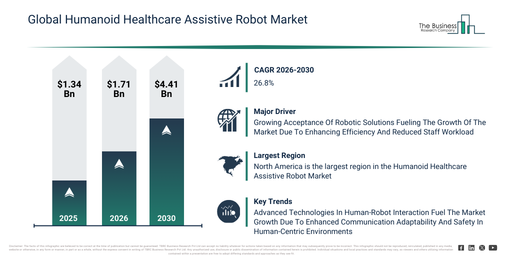
    The market for humanoid healthcare assistive robots has seen remarkable expansion in recent times. Projected to rise from $1.34 billion in 2025 to $1.71 billion in 2026, this growth corresponds to a compound annual growth rate (CAGR) of 27.1%. Factors driving this historical increase include a scarcity of healthcare workers, a growing elderly demographic, progress in robotics technologies, greater automation within medical facilities, and a heightened need for patient monitoring systems.

    The forecast anticipates exponential expansion for the market of humanoid healthcare assistive robots in the coming years. By 2030, its value is projected to reach $4.41 billion, reflecting a compound annual growth rate (CAGR) of 26.8%. This upward trajectory during the forecast period is driven by factors such as the proliferation of smart hospitals, increased capital flowing into healthcare robotics, a rising need for automation in home care, enhancements in how humans and robots interact, and the broadening scope of AI-driven clinical support. Key developments shaping the market landscape include a growing reliance on robots for elderly and assisted living services, wider acceptance of AI-equipped patient interaction robots, expanded robotic roles within hospital workflows, heightened demand for touch-free healthcare solutions, and the incorporation of sophisticated sensors coupled with computer vision technologies.

    Download A Free Sample Report For Comprehensive Market Insights:

    https://www.thebusinessresearchcompany.com/sample.aspx?id=24243&type=smp&utm_source=BlogsPR&utm_medium=Paid&utm_campaign=Jul_PR

    #Humanoid Healthcare Assistive Robot Market Growth Factors: Which Forces Are Supporting Market Expansion?

    The anticipated expansion of the humanoid healthcare assistive robot market is being driven forward by a rising embrace of robotic solutions. These solutions involve deploying robotic systems and technologies to automate tasks, boost efficiency, and address complex challenges across various sectors. Their growing popularity stems from an ability to ease the workload on healthcare personnel by managing repetitive duties effectively, thereby enabling professionals to concentrate on essential patient care. Humanoid assistive robots build on this by offering tailored support in areas like caregiving, rehabilitation, and patient engagement, leveraging human-like behavior and adaptable assistance. A case in point is September 2023 data from the International Federation of Robotics (IFR), a Germany-based non-profit focused on robotics research, which indicated 553,052 industrial robot installations worldwide in 2022, marking a 5% year-on-year increase. Consequently, this growing acceptance of robotic solutions is fueling the humanoid healthcare assistive robot market’s growth.

    Humanoid Healthcare Assistive Robot Market Segment Analysis And Revenue Opportunities

    The humanoid healthcare assistive robot market covered in this report is segmented –

    1) By Type: Surveillance Healthcare Assistive Robot, Security Healthcare Assistive Robot

    2) By Component: Hardware, Software, Services

    3) By Technology: Artificial Intelligence, Machine learning, Natural Language Processing, Robotic Process Automation, Computer Vision

    4) By Application: Elderly Care, Rehabilitation, Surgery Assistance, Patient Monitoring, Other Applications

    5) By End-User: Hospitals, Clinics, Home Care Settings, Rehabilitation Centers, Other End-Users

    Subsegments:

    1) By Surveillance Healthcare Assistive Robot: Remote Monitoring Robots, Diagnostic Assistance Robots, Patient Interaction Robots, Vital Signs Monitoring Robots, Surveillance And Security Monitoring Robots

    2) By Security Healthcare Assistive Robot: Patient Safety Robots, Emergency Response Robots, Intruder Detection Robots

    Humanoid Healthcare Assistive Robot Market Industry Trends: What Changes Are Reshaping Demand?

    Major players in the humanoid healthcare assistive robot industry are concentrating their efforts on creating advanced technology solutions, particularly in human-robot interaction, to facilitate more effective and empathetic engagement with people. Human-robot interaction (HRI) is defined as the field focused on developing and designing systems that allow robots to communicate, cooperate, and interface with humans in a natural and instinctive manner, encompassing an understanding of how humans perceive, manage, and operate alongside robots while aiming for smooth and productive exchanges. As an example, in March 2024, the Toyota Research Institute—a US firm dedicated to AI-driven research and robotic innovation—introduced Punyo robots. This robot features a distinctive legless design, prioritizing adaptability, gentleness, and safety when assisting with everyday human activities. It is equipped with tactile sensors that adjust to objects, airbags within its arms that regulate pressure to control stiffness and pliability, along with sophisticated learning algorithms. By blending soft materials with internal mechanical frameworks, Punyo is engineered to observe and replicate human movements, allowing it to carry out a range of household chores and boost its effectiveness in typical surroundings.

    Humanoid Healthcare Assistive Robot Market Leading Players Shaping Industry Direction

    Major companies operating in the humanoid healthcare assistive robot market are Ubtech Robotics Inc., SoftBank Robotics Corp, Fourier Intelligence Co. Ltd., Hanson Robotics Limited, PAL Robotics, F&P Robotics AG, Diligent Robotics Inc., Neura Robotics GmbH, Apptronik, 1X Technologies, Kinova Robotics Inc., Hocoma AG, Ekso Bionics, ReWalk Robotics, Agility Robotics, Rainbow Robotics, Engineered Arts, Focal Meditech, Toyota Motor Corporation, Honda Motor Co. Ltd.

    Access The Complete Humanoid Healthcare Assistive Robot Market Report:

    https://www.thebusinessresearchcompany.com/report/humanoid-healthcare-assistive-robot-global-market-report?utm_source=BlogsPR&utm_medium=Paid&utm_campaign=Jul_PR

    Humanoid Healthcare Assistive Robot Market Regional Distribution: Which Areas Drive Market Expansion?

    North America was the largest region in the humanoid healthcare assistive robot market in 2025. Asia-Pacific is expected to be the fastest-growing region in the forecast period. The regions covered in the humanoid healthcare assistive robot market report are Asia-Pacific, South East Asia, Western Europe, Eastern Europe, North America, South America, Middle East, Africa.

    Get in touch with us:

    The Business Research Company: https://www.thebusinessresearchcompany.com/?utm_source=BlogsPR&utm_medium=Paid&utm_campaign=home_page_test

    Americas: +1 310-496-7795

    Asia: +44 7882 955267 & +91 8897263534

    Europe: +44 7882 955267

    Email us at: marketing@tbrc.info

    Follow us on:

    LinkedIn: https://in.linkedin.com/company/the-business-research-company

    YouTube: https://www.youtube.com/channel/UC24_fI0rV8cR5DxlCpgmyFQ

    Global Market Model: https://www.thebusinessresearchcompany.com/global-market-model
  • Human Serum Albumin Market Growth Is Accelerating As Industry Transformation Continues

    Human Serum Albumin Market Growth Is Accelerating As Industry Transformation Continues

    Delivering more actionable and strategically valuable research, The Business Research Company’s 2026 market reports feature market attractiveness analysis, total addressable market evaluation, company benchmarking matrices, interactive Excel dashboards, expanded supply chain intelligence, emerging startup coverage, and detailed product insights.

    Human Serum Albumin Market Size Forecast: How Large Could The Market Become By 2030?

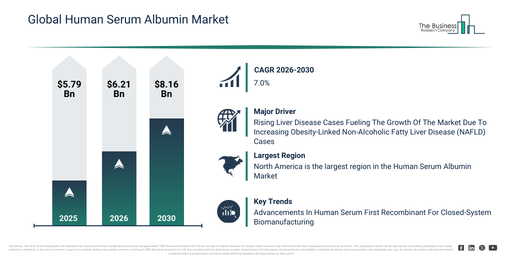
    The human serum albumin market has seen notable expansion over the past few years. Projections indicate it will increase from $5.79 billion in 2025 to $6.21 billion in 2026, driven by a compound annual growth rate of 7.3%. During the historic period, this growth was fueled by the restricted supply of recombinant HSA, a heavy dependence on plasma-derived HSA, rising demand from hospitals and clinical settings, broader utilization in diagnostic and therapeutic applications, and the uptake of standard injection solutions.

    The human serum albumin market is projected to experience robust expansion over the coming years, with its value anticipated to reach $8.16 billion by 2030, driven by a compound annual growth rate (CAGR) of 7.0%. This forecasted growth is fueled by several key factors, including the advancement of recombinant HSA derived from yeast, bacteria, and plants; a heightened demand for formulations free of fatty acids; the broadening of applications in drug delivery and nutritional enhancement; increased funding for research laboratories; and expanded procurement activities in hospitals and blood banks. Among the predominant trends shaping the market during this period are a growing preference for both plasma-derived and recombinant human serum albumin, an uptick in HSA utilization within volume expanders and drug delivery mechanisms, a greater reliance on lyophilized powders and injectable solutions, an expansion of its use across hospital and research laboratory settings, and a concentrated effort on developing specialty and fatty acid-free HSA preparations.

    Download A Free Sample Report For Comprehensive Market Insights:

    https://www.thebusinessresearchcompany.com/sample.aspx?id=27310&type=smp&utm_source=BlogsPR&utm_medium=Paid&utm_campaign=Jul_PR

    Human Serum Albumin Market Demand Drivers: What Is Fueling Industry Growth?

    The rising incidence of liver disorders is anticipated to drive expansion in the human serum albumin market in the coming period. Liver diseases encompass a range of conditions that compromise hepatic function, such as hepatitis, fatty liver disease, cirrhosis, and liver cancer. This uptick in liver ailments stems from the growing prevalence of obesity, where excess abdominal fat contributes to non-alcoholic fatty liver disease (NAFLD), resulting in fat buildup, inflammation, and the potential for liver failure. Human serum albumin aids in managing liver disease by restoring blood volume, alleviating fluid retention, protecting renal function, and enhancing outcomes in complications like ascites and hepatorenal syndrome. As an example, a report from December 2024 by the Office for Health Improvement and Disparities, a UK government agency, indicated that premature deaths due to alcoholic liver disease rose by 3.6% in 2023, totaling 5,984 cases compared to 5,776 in 2022. Consequently, the growing prevalence of liver diseases is fueling the growth of the human serum albumin market.

    Human Serum Albumin Market Segmentation And Category Breakdown

    The human serum albumin market covered in this report is segmented –

    1) By Type Of Preparation: Recombinant Human Serum Albumin, Plasma-Derived Human Serum Albumin

    2) By Formulation Type: Injection Solutions, Lyophilized Powder

    3) By Distribution Channel: Direct Sales, Online Pharmacies, Third-party Distributors, Hospital Pharmacies

    4) By Application: Volume Expanders, Drug Delivery Systems, Nutrition Enhancement, Diagnostic Agents

    5) By End-User: Hospitals, Research Laboratories, Pharmaceutical Companies, Blood Banks

    Subsegments:

    1) By Recombinant Human Serum Albumin: Yeast-Based Recombinant Human Serum Albumin, Bacterial-Based Recombinant Human Serum Albumin, Plant-Based Recombinant Human Serum Albumin, Mammalian Cell-Based Recombinant Human Serum Albumin, Insect Cell-Based Recombinant Human Serum Albumin

    2) By Plasma-Derived Human Serum Albumin: 5% Human Serum Albumin Solution, 20% Human Serum Albumin Solution, 25% Human Serum Albumin Solution, Lyophilized Human Serum Albumin, Fatty Acid-Free Human Serum Albumin

    Human Serum Albumin Market Innovation Trends: Which Developments Are Transforming The Industry?

    Leading companies in the human serum albumin market are concentrating on developing advanced solutions, including animal-free recombinant excipients, aimed at improving product safety, scalability, and adherence to regulatory standards in biomanufacturing. An animal-free recombinant excipient is a biologically engineered inactive substance produced using recombinant DNA technology that contains no components derived from animals or humans, providing high purity and safety in pharmaceutical and biomanufacturing settings. For example, in April 2025, InVitri Inc., a U.S.-based company specializing in animal-free, recombinant proteins and excipients, introduced Optibumin 25, the first recombinant 25% human serum albumin intended for closed-system biomanufacturing. This product is specifically engineered for closed-system processes, optimized for downstream processing, formulation, and cryopreservation workflows, and is offered in 100 mL single-use bags. Its animal-origin-free and chemically defined composition ensures high purity, consistency, and lower contamination risks. Being GMP-ready and scalable to commercial production levels, it delivers a stable, sterile solution that integrates smoothly into applications like viral vector production, stem cell preservation, vaccine formulation, and more.

    Human Serum Albumin Market Competitive Analysis Of Major Industry Participants

    Major companies operating in the human serum albumin market are Thermo Fisher Scientific Inc., Takeda Pharmaceutical Company Limited, Merck KGaA, CSL Behring (CSL), Baxter International Inc., Grifols SA, Sartorius AG, Octapharma AG, Kedrion Biopharma, Shanghai RAAS Blood Products Co Ltd., Biotest Aktiengesellschaft, LFB Group, Hualan Biological Engineering Inc., Taibang Biologic Group, Kamada Ltd., InVitria Inc., Reliance Life Sciences, Bio Products Laboratory, Mitsubishi Tanabe Pharma, Sichuan Yuanda Shuyang Pharmaceutical Co Ltd.

    Access The Complete Human Serum Albumin Market Report:

    https://www.thebusinessresearchcompany.com/report/human-serum-albumin-global-market-report?utm_source=BlogsPR&utm_medium=Paid&utm_campaign=Jul_PR

    Human Serum Albumin Market Leading Geography: Which Region Generates The Most Revenue?

    North America was the largest region in the human serum albumin market in 2025. Asia-Pacific is expected to be the fastest-growing region in the forecast period. The regions covered in the human serum albumin market report are Asia-Pacific, South East Asia, Western Europe, Eastern Europe, North America, South America, Middle East, Africa.

    Get in touch with us:

    The Business Research Company: https://www.thebusinessresearchcompany.com/?utm_source=BlogsPR&utm_medium=Paid&utm_campaign=home_page_test

    Americas: +1 310-496-7795

    Asia: +44 7882 955267 & +91 8897263534

    Europe: +44 7882 955267

    Email us at: marketing@tbrc.info

    Follow us on:

    LinkedIn: https://in.linkedin.com/company/the-business-research-company

    YouTube: https://www.youtube.com/channel/UC24_fI0rV8cR5DxlCpgmyFQ

    Global Market Model: https://www.thebusinessresearchcompany.com/global-market-model
  • Human Papillomavirus (HPV) Vaccine Market Outlook Highlights The Next Major Growth Opportunities

    Human Papillomavirus (HPV) Vaccine Market Outlook Highlights The Next Major Growth Opportunities

    Enhanced with market attractiveness analysis, total addressable market evaluation, company benchmarking matrices, interactive Excel dashboards, expanded supply chain intelligence, emerging startup coverage, and detailed product insights, The Business Research Company’s 2026 market reports deliver more actionable and strategically valuable research.

    Human Papillomavirus (HPV) Vaccine Market Revenue Outlook: What CAGR Is Expected Through 2030?

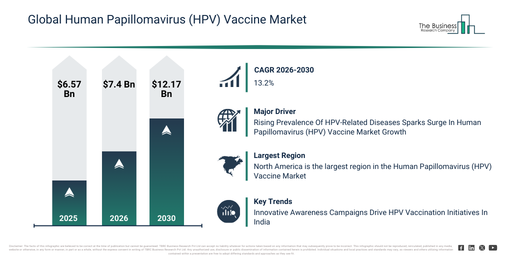
    The market for human papillomavirus (HPV) vaccines has seen a significant expansion over the past few years. Its value is projected to rise from $6.57 billion in 2025 to $7.4 billion in 2026, reflecting a compound annual growth rate (CAGR) of 12.7%. The historical growth was largely driven by a high incidence of cervical cancer, widespread lack of awareness regarding HPV immunization, financial backing from governments for vaccination programs, the accessibility of tetravalent and bivalent vaccine options, and the enhancement of healthcare infrastructure in developed areas.

    The market for the human papillomavirus (HPV) vaccine is projected to experience significant expansion in the coming years, reaching an estimated value of $12.17 billion by 2030. This forecast represents a compound annual growth rate (CAGR) of 13.2%. Several factors are driving this upward trajectory during the forecast period, including a broader uptake of nonavalent vaccines, strengthened collaborations between public and private healthcare entities, heightened public awareness efforts, innovations in vaccine administration methods, and increased funding dedicated to preventive healthcare measures. Additionally, key developments shaping this market involve rising HPV vaccination consciousness, implementation of government-led immunization initiatives, market penetration into developing regions, the creation of advanced HPV vaccine generations, and strategic alliances forged between pharmaceutical companies and healthcare service providers.

    Download A Free Sample Report For Comprehensive Market Insights:

    https://www.thebusinessresearchcompany.com/sample.aspx?id=12040&type=smp&utm_source=BlogsPR&utm_medium=Paid&utm_campaign=Jul_PR

    Human Papillomavirus (HPV) Vaccine Market Growth Drivers: What Factors Are Accelerating Expansion?

    The rising frequency of HPV-associated illnesses is set to fuel the expansion of the human papillomavirus (HPV) vaccine market in the coming period. These diseases are viral infections that often cause warts on the skin or mucous membranes. The HPV vaccine is designed to target specific HPV subtypes, thereby reducing the risk of infection and recurrent disease. For example, as reported by the National Cancer Institute, a US government agency under the Department of Health and Human Services, approximately 13,960 women in the United States are expected to receive a diagnosis of invasive cervical cancer in 2023, with around 4,310 deaths projected from this condition in the same year. Additionally, 7.7 new cases of cervical cancer per 100,000 women are diagnosed annually, accompanied by a yearly mortality rate of 2.2 per 100,000 females. Consequently, the growing incidence of HPV-related diseases is propelling the growth of the human papillomavirus (HPV) vaccine market.

    Human Papillomavirus (HPV) Vaccine Market Segment Outlook: Which Categories Are Expanding The Fastest?

    The human papillomavirus (hpv) vaccine market covered in this report is segmented –

    1) By Type: Tetravalent, Nonavalent, Bivalent

    2) By Disease Indication: Cervical Cancer, Anal Cancer, Vulvar And Vaginal Cancer, Penile Cancer, Oropharyngeal Cancer, Other Indications

    3) By Distribution Channel: Hospital And Retail Pharmacies, Government Suppliers, Other Channels

    4) By Industry Vertical: Public And Private Alliance, Government Entities, Physicians, Other Industries

    Human Papillomavirus (HPV) Vaccine Market Trends: What Is Shaping Future Industry Growth?

    Major players in the human papillomavirus (HPV) vaccine market are prioritizing the development of innovations like awareness campaigns to inform communities about vaccination benefits. These campaigns are strategic initiatives intended to educate and inform a targeted audience or the broader public about a specific issue, cause, product, or service. For example, in January 2023, the Family Planning Association of India, a charitable organization based in India, launched a cervical cancer vaccine drive aimed at girls aged 9 to 14. A nationwide HPV vaccination effort is currently being implemented to safeguard girls and women against cervical cancer. This campaign will utilize a quadrivalent vaccine that targets key virus strains. With the goal of vaccinating approximately 50 million girls, the initiative focuses on enhancing awareness and improving access across both urban and rural regions.

    Human Papillomavirus (HPV) Vaccine Market Key Companies And Competitive Benchmarking

    Major companies operating in the human papillomavirus (hpv) vaccine market are Merck & Co Inc, GlaxoSmithKline plc, Serum Institute of India Pvt Ltd, Walvax Biotechnology Co Ltd, Beijing Wantai Biological Pharmacy Enterprise Co Ltd, Xiamen Innovax Biotech Co Ltd, Bharat Biotech International Ltd, Shanghai Zerun Biotech Co Ltd, Recbio Biotech, Yuxi Zerun Biotechnology Co Ltd, Innovax, Biofarma Co, Incepta Pharmaceuticals, PT Bio Farma, Instituto Butantan, Sinergium Biotech, BioMed Vaccine Technologies, Vaxart Inc., GeoVax, Recbio

    Access The Complete Human Papillomavirus (HPV) Vaccine Market Report:

    https://www.thebusinessresearchcompany.com/report/human-papillomavirus-hpv-vaccine-global-market-report?utm_source=BlogsPR&utm_medium=Paid&utm_campaign=Jul_PR

    Human Papillomavirus (HPV) Vaccine Market Regional Outlook: Where Are The Largest Opportunities Located?

    North America was the largest region in the human papillomavirus (HPV) vaccine market in 2025. The regions covered in the human papillomavirus (hpv) vaccine market report are Asia-Pacific, South East Asia, Western Europe, Eastern Europe, North America, South America, Middle East, Africa.

    Get in touch with us:

    The Business Research Company: https://www.thebusinessresearchcompany.com/?utm_source=BlogsPR&utm_medium=Paid&utm_campaign=home_page_test

    Americas: +1 310-496-7795

    Asia: +44 7882 955267 & +91 8897263534

    Europe: +44 7882 955267

    Email us at: marketing@tbrc.info

    Follow us on:

    LinkedIn: https://in.linkedin.com/company/the-business-research-company

    YouTube: https://www.youtube.com/channel/UC24_fI0rV8cR5DxlCpgmyFQ

    Global Market Model: https://www.thebusinessresearchcompany.com/global-market-model
  • Human Epidermal Growth Factor Receptor 2 (HER2)-Positive Gastric Cancer Market Trends And Growth Drivers Point To Strong Future Potential

    Human Epidermal Growth Factor Receptor 2 (HER2)-Positive Gastric Cancer Market Trends And Growth Drivers Point To Strong Future Potential

    Through market attractiveness analysis, total addressable market evaluation, company benchmarking matrices, interactive Excel dashboards, expanded supply chain intelligence, emerging startup coverage, and detailed product insights, The Business Research Company’s 2026 market reports provide more actionable and strategically valuable research.

    Human Epidermal Growth Factor Receptor 2 (HER2)-Positive Gastric Cancer Market Growth Analysis: How Will Revenue Expand During The Forecast Period?

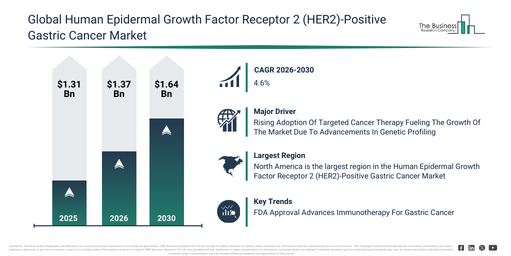
    The market for human epidermal growth factor receptor 2 (HER2)-positive gastric cancer has experienced consistent expansion in recent times. Forecasts indicate an increase from $1.31 billion in 2025 to $1.37 billion in 2026, reflecting a compound annual growth rate (CAGR) of 4.6%. Several factors contributed to this past growth, including a scarcity of targeted treatment options, dependence on standard chemotherapy and radiation approaches, limited understanding of HER2-positive gastric cancer, reduced availability of specialized medical facilities, and a sluggish uptake of immunotherapeutic strategies.

    The market for human epidermal growth factor receptor 2 (HER2)-positive gastric cancer is projected to undergo consistent expansion over the coming years. By 2030, it is anticipated to reach $1.64 billion, reflecting a compound annual growth rate (CAGR) of 4.6%. This forecasted growth is fueled by several factors, including the development of innovative antibody-drug conjugates, a rise in clinical trials for HER2-targeted therapies, improvements in healthcare infrastructure within emerging markets, the advancement of precision medicine alongside biomarker testing, and the growing number of ambulatory surgery centers and specialized oncology clinics. Key trends shaping this period involve the increased uptake of HER2-targeted treatments, heightened awareness of gastric cancer subtypes, broader application of immunotherapy and monoclonal antibodies, a shift toward personalized therapeutic strategies, and a stronger emphasis on early detection and diagnostic tests.

    Download A Free Sample Report For Comprehensive Market Insights:

    https://www.thebusinessresearchcompany.com/sample.aspx?id=25787&type=smp&utm_source=BlogsPR&utm_medium=Paid&utm_campaign=Jul_PR

    Human Epidermal Growth Factor Receptor 2 (HER2)-Positive Gastric Cancer Market Growth Factors Supporting Long-Term Expansion

    The increasing uptake of targeted cancer therapies is anticipated to drive expansion in the human epidermal growth factor receptor 2 (HER2)-positive gastric cancer market going forward. Targeted therapy, often referred to as precision medicine, involves the use of specific agents or substances designed to hinder cancer growth by zeroing in on key molecules involved in tumor progression. The growing reliance on targeted therapy stems largely from enhancements in genetic profiling, which enable more accurate treatments tailored to a patient’s distinct tumor characteristics, resulting in greater efficacy and reduced adverse effects. Within HER2-positive gastric cancer, this therapeutic method works by directly targeting the HER2 protein—overexpressed in these malignancies—thereby decelerating disease advancement and improving patient outcomes. For example, in February 2024, the Personalized Medicine Coalition, a US-based professional membership organization, reported that the Food and Drug Administration (FDA) approved 16 new personalized treatments in 2023, including seven for cancer and three for other diseases and conditions, marking an increase from six approvals in 2022. Thus, the growing adoption of targeted cancer therapies is fueling expansion in the human epidermal growth factor receptor 2 (HER2)-positive gastric cancer market.

    Human Epidermal Growth Factor Receptor 2 (HER2)-Positive Gastric Cancer Market Segment Landscape: Which Areas Lead Market Development?

    The human epidermal growth factor receptor 2 (her2)-positive gastric cancer market covered in this report is segmented –

    1) By Therapy: Chemotherapy, Immunotherapy, Radiation Therapy, Targeted Therapy

    2) By Stage: Stage I, Stage II, Stage III, Stage IV

    3) By End-User: Ambulatory Surgery Centers, Hospitals And Specialty Clinics, Other End-Users

    Subsegments:

    1) By Chemotherapy: Fluoropyrimidines, Platinum-Based Agents, Taxanes, Irinotecan, Anthracyclines

    2) By Immunotherapy: Immune Checkpoint Inhibitors, Monoclonal Antibodies, Cancer Vaccines, Cytokine-Based Therapies

    3) By Radiation Therapy: External Beam Radiation Therapy, Intensity-Modulated Radiation Therapy, Stereotactic Body Radiation Therapy, 3D Conformal Radiation Therapy

    4) By Targeted Therapy: HER2-Targeted Therapies, Tyrosine Kinase Inhibitors, Antibody-Drug Conjugates, mTOR Inhibitors, PI3K/AKT/mTOR Pathway Inhibitors

    Human Epidermal Growth Factor Receptor 2 (HER2)-Positive Gastric Cancer Market Industry Trends Shaping Future Revenue Growth

    Major pharmaceutical corporations dominating the human epidermal growth factor receptor 2 (HER2)-positive gastric cancer market are actively pursuing regulatory approvals for cutting-edge therapies, particularly advanced immunotherapy-enhanced combination strategies that incorporate immune checkpoint inhibitors alongside targeted agents and chemotherapy, aiming to substantially boost patient outcomes in first-line therapeutic contexts. This sophisticated approach for advanced immunotherapy-enhanced combination regimens functions by engaging the immune system through inhibition of programmed death (PD)-1 or its ligand PD-L1 interactions, while concurrently targeting HER2 receptors and applying chemotherapeutic drugs, thus intensifying anti-tumor effects and extending survival rates. A notable example occurred in March 2025 when Merck & Co., Inc., a biopharmaceutical firm headquartered in the United States, secured approval from the U.S. Food and Drug Administration (FDA) for its product pembrolizumab (Keytruda) administered jointly with trastuzumab and chemotherapy, designated as an initial treatment for adult patients diagnosed with HER2-positive unresectable or metastatic gastric or gastroesophageal junction (GEJ) adenocarcinoma exhibiting PD-L1 expression on tumor cells. Results from this newly authorized combination therapy revealed a notable enhancement in median progression-free survival and overall survival when compared against conventional treatment protocols, and with an overall response rate reaching 73% coupled with an extended median duration of response, this intervention marks a transformative shift in managing advanced HER2-positive gastric malignancies.

    Human Epidermal Growth Factor Receptor 2 (HER2)-Positive Gastric Cancer Market Industry Leaders And Market Competition

    Major companies operating in the human epidermal growth factor receptor 2 (her2)-positive gastric cancer market are Pfizer Inc., Roche Holding AG, Merck & Co Inc., Bayer Aktiengesellschaft, Eli Lilly and Company, Bristol-Myers Squibb Company, AstraZeneca PLC, Novartis AG, Amgen Inc., Astellas Pharma Inc., Daiichi Sankyo Company Limited, Genentech Inc., Ono Pharmaceutical Co Ltd., Shanghai Henlius Biotech Inc., MacroGenics Inc., Hutchison Medipharma Limited , ALX Oncology Holdings Inc., Taiho Pharmaceutical Co Ltd., Ambrx Biopharma Inc., LintonPharm Co Ltd.

    Access The Complete Human Epidermal Growth Factor Receptor 2 (HER2)-Positive Gastric Cancer Market Report:

    https://www.thebusinessresearchcompany.com/report/human-epidermal-growth-factor-receptor-2-her2-positive-gastric-cancer-global-market-report?utm_source=BlogsPR&utm_medium=Paid&utm_campaign=Jul_PR

    Human Epidermal Growth Factor Receptor 2 (HER2)-Positive Gastric Cancer Market Geographic Landscape: Which Region Dominates Industry Growth?

    North America was the largest region in the human epidermal growth factor receptor 2 (HER2)-positive gastric cancer market in 2025. Asia-Pacific is expected to be the fastest-growing region in the forecast period. The regions covered in the human epidermal growth factor receptor 2 (her2)-positive gastric cancer market report are Asia-Pacific, South East Asia, Western Europe, Eastern Europe, North America, South America, Middle East, Africa.

    Get in touch with us:

    The Business Research Company: https://www.thebusinessresearchcompany.com/?utm_source=BlogsPR&utm_medium=Paid&utm_campaign=home_page_test

    Americas: +1 310-496-7795

    Asia: +44 7882 955267 & +91 8897263534

    Europe: +44 7882 955267

    Email us at: marketing@tbrc.info

    Follow us on:

    LinkedIn: https://in.linkedin.com/company/the-business-research-company

    YouTube: https://www.youtube.com/channel/UC24_fI0rV8cR5DxlCpgmyFQ

    Global Market Model: https://www.thebusinessresearchcompany.com/global-market-model
  • HPV Associated Disorders Market Expansion Is Reshaping Competitive Dynamics Across The Industry

    HPV Associated Disorders Market Expansion Is Reshaping Competitive Dynamics Across The Industry

    Delivering more actionable and strategically valuable research, The Business Research Company’s 2026 market reports feature market attractiveness analysis, total addressable market evaluation, company benchmarking matrices, interactive Excel dashboards, expanded supply chain intelligence, emerging startup coverage, and detailed product insights.

    HPV Associated Disorders Market Forecast: What Market Value Is Expected By 2030?

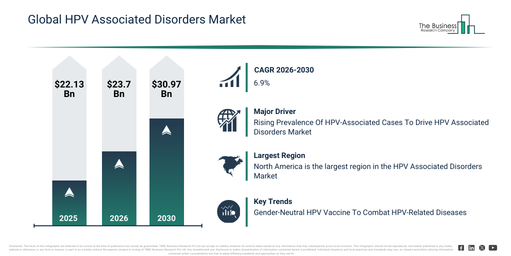
    The market for HPV-associated disorders has experienced substantial expansion in recent years, with projections indicating an increase from $22.13 billion in 2025 to $23.7 billion in 2026, reflecting a compound annual growth rate (CAGR) of 7.1%. Historically, this growth has been driven by a high prevalence of HPV infections, the launch of prophylactic HPV vaccines, the expansion of cervical cancer screening initiatives, higher healthcare spending on oncology, and a growing emphasis on public health awareness campaigns.

    The market for HPV-associated disorders is projected to experience robust expansion over the coming years. By 2030, it is anticipated to reach $30.97 billion, reflecting a compound annual growth rate (CAGR) of 6.9%. This forecasted growth is driven by the broadening of gender-neutral vaccination policies, progress in molecular diagnostic techniques, a rising prevalence of HPV-linked oropharyngeal cancers, enhanced healthcare accessibility in emerging economies, and the development of therapeutic HPV vaccines in the pipeline. Key trends shaping this period include the widening scope of HPV vaccination initiatives, a greater emphasis on early detection and screening, a heightened focus on non-invasive therapeutic approaches, increased public awareness of HPV-related malignancies, and a movement toward integrated prevention and treatment strategies.

    Download A Free Sample Report For Comprehensive Market Insights:

    https://www.thebusinessresearchcompany.com/sample.aspx?id=7777&type=smp&utm_source=BlogsPR&utm_medium=Paid&utm_campaign=Jul_PR

    HPV Associated Disorders Market Demand Drivers Creating New Revenue Opportunities

    The anticipated rise in HPV case numbers is set to fuel expansion within the market for HPV-associated disorders. These disorders encompass conditions such as benign verrucae vulgates, condylomas acuminata, and malignancies affecting the cervix, vulva, anus, and penis, in addition to anogenital warts, recurrent respiratory papillomatosis, and cancers of the anogenital and oropharyngeal regions. Worldwide, HPV infection demonstrates significant prevalence, especially among women. As an example, in June 2025, the Centers for Disease Control and Prevention—a government body in the United States—reported that roughly 13,000 women receive a cervical cancer diagnosis annually in the country, with approximately 4,000 losing their lives to the disease each year. Consequently, the growing number of HPV cases is accelerating market growth for HPV-associated disorders.

    HPV Associated Disorders Market Segments: Where Are The Largest Growth Opportunities?

    The hpv associated disorders market covered in this report is segmented –

    1) By Indication: Cervical Intraepithelial Neoplasia (CIN), Cervical Cancer, Anal Intraepithelial Neoplasia (AIN), Anal Cancer, Genital Warts, Other Indications

    2) By Therapy: Prevention, Treatment

    3) By Distribution Channel: Hospital Pharmacies, Retail Pharmacies, Online Pharmacies

    Subsegments:

    1) By Cervical Intraepithelial Neoplasia (CIN): CIN 1, CIN 2, CIN 3

    2) By Cervical Cancer: Squamous Cell Carcinoma, Adenocarcinoma

    3) By Anal Intraepithelial Neoplasia (AIN): AIN 1, AIN 2, AIN 3

    4) By Anal Cancer: Squamous Cell Carcinoma, Other Types

    5) By Genital Warts: Condylomata Acuminata

    6) By Other Indications: Oropharyngeal Cancer, Vulvar and Vaginal Cancers, Other HPV-Related Conditions

    HPV Associated Disorders Market Trends Driving Strategic Industry Expansion

    Leading players in the HPV associated disorders market are introducing HPV vaccines to address conditions linked to the virus. These vaccines are vital for public health, as they help lower the occurrence of HPV-related illnesses and support initiatives for cervical cancer screening and prevention. A notable example occurred in January 2023, when the Serum Institute of India, based in India, launched CERVAVAC—the country’s first domestically developed human papillomavirus (HPV) vaccine, designed to prevent cervical cancer in women. This vaccine relies on L1 virus-like particles (VLPs) to trigger an immune defense without causing an infection. By doing so, it effectively prepares the immune system to identify and fight HPV upon future exposure.

    HPV Associated Disorders Market Major Participants And Competitive Dynamics

    Major companies operating in the hpv associated disorders market are AstraZeneca plc, F. Hoffmann-La Roche Ltd, Biocon Ltd, GlaxoSmithKline plc, Merck & Co Inc., Pfizer Inc., Sanofi S. A., Novartis AG, Bristol-Myers Squibb Company, Johnson & Johnson Inc., Takeda Pharmaceutical Company Limited, Amgen Inc., Bayer AG, Eisai Co. Ltd., Genentech Inc., MSD Pharmaceuticals, Seqirus, Bavarian Nordic, Serum Institute of India, Moderna Inc

    Access The Complete HPV Associated Disorders Market Report:

    https://www.thebusinessresearchcompany.com/report/hpv-associated-disorders-global-market-report?utm_source=BlogsPR&utm_medium=Paid&utm_campaign=Jul_PR

    HPV Associated Disorders Market Largest Region: Which Geography Holds The Highest Market Share?

    North America was the largest region in the HPV associated disorders market in 2025. Asia-Pacific is expected to be the fastest-growing region in the forecast period. The regions covered in the hpv associated disorders market report are Asia-Pacific, South East Asia, Western Europe, Eastern Europe, North America, South America, Middle East, Africa.

    Get in touch with us:

    The Business Research Company: https://www.thebusinessresearchcompany.com/?utm_source=BlogsPR&utm_medium=Paid&utm_campaign=home_page_test

    Americas: +1 310-496-7795

    Asia: +44 7882 955267 & +91 8897263534

    Europe: +44 7882 955267

    Email us at: marketing@tbrc.info

    Follow us on:

    LinkedIn: https://in.linkedin.com/company/the-business-research-company

    YouTube: https://www.youtube.com/channel/UC24_fI0rV8cR5DxlCpgmyFQ

    Global Market Model: https://www.thebusinessresearchcompany.com/global-market-model
  • HP (High Potency) APIs Market Forecast Reveals Where Future Industry Value Will Be Created

    HP (High Potency) APIs Market Forecast Reveals Where Future Industry Value Will Be Created

    Enhanced with market attractiveness analysis, total addressable market evaluation, company benchmarking matrices, interactive Excel dashboards, expanded supply chain intelligence, emerging startup coverage, and detailed product insights, The Business Research Company’s 2026 market reports deliver more actionable and strategically valuable research.

    HP (High Potency) APIs Market Size Outlook: How Fast Will Revenue Grow Through 2030?

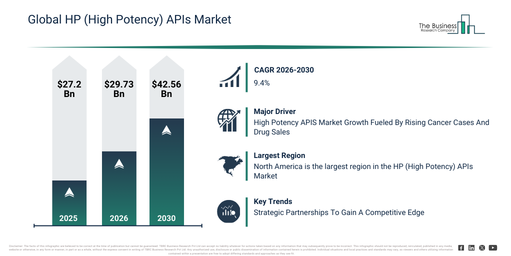
    The high potency active pharmaceutical ingredients market has experienced robust expansion over recent years, with projections indicating an increase from $27.2 billion in 2025 to $29.73 billion in 2026, reflecting a compound annual growth rate of 9.3%. This historical growth has been driven by factors such as the growing incidence of cancer and hormonal disorders, the expansion of the generic high potency APIs market, progress in synthetic manufacturing techniques, heightened emphasis on drug effectiveness at low dosages, and the initial uptake of biotech high potency APIs in developed areas.

    The high potency active pharmaceutical ingredients (HPAPIs) market is projected to experience substantial expansion over the coming years. By 2030, its value is anticipated to reach $42.56 billion, reflecting a strong compound annual growth rate (CAGR) of 9.4%. This upward trajectory during the forecast period is fueled by several factors, including the broader application of HPAPIs in oncology and hormonal treatments, heightened investment in precision medicine, a greater reliance on automated production methods, the expansion of contract manufacturing services, and breakthroughs in HPAPI delivery systems. Key developments shaping the market include the implementation of stricter safety measures for HPAPI handling, the emergence of advanced formulation techniques, a rising need for cancer and hormonal therapies, a surge in collaborative contract manufacturing agreements, and a focus on meeting regulatory standards and ensuring quality consistency.

    Download A Free Sample Report For Comprehensive Market Insights:

    https://www.thebusinessresearchcompany.com/sample.aspx?id=2814&type=smp&utm_source=BlogsPR&utm_medium=Paid&utm_campaign=Jul_PR

    HP (High Potency) APIs Market Expansion Supported By Key Demand Factors

    A growing number of cancer diagnoses, along with increased sales of oncology medications, has fueled the expansion of the high potency APIs market. Cancer involves the uncontrolled growth of abnormal cells that may spread to other areas of the body. As cancer incidence rises, research and development efforts for anticancer drugs intensify, which in turn drives demand within this market. High potency APIs contribute to cancer treatment by providing extremely potent active pharmaceutical ingredients at precise, low dosages, enabling effective targeting of malignant cells while reducing harm to healthy tissue. For example, according to the American Cancer Society, a U.S.-based professional organization, approximately 313,780 new prostate cancer cases are projected in the United States during 2025. The likelihood of developing prostate cancer rises sharply with age, climbing from 0.2% for men under 50 to 6.5% among those aged 70 to 79. Consequently, the rising number of cancer cases is anticipated to boost revenue generation for the high potency APIs market.

    HP (High Potency) APIs Market Segment Analysis: What Are The Major Market Categories?

    The hp (high potency) apis market covered in this report is segmented –

    1) By Type: Innovative HPAPI, Generic HPAPI

    2) By Synthesis Type: Synthetic HPAPI, Biotech HPAPI

    3) By Therapeutic Application: Oncology, Hormonal Disorder, Glaucoma, Other Therapeutic Applications

    Subsegments:

    1) By Innovative HPAPI: Branded High Potency APIs, Newly Developed, Patented APIs

    2) By Generic HPAPI: Off-Patent High Potency APIs, Generic Versions Of Innovative HPAPIs

    HP (High Potency) APIs Market Growth Trends Influencing Competitive Dynamics

    Key players in the high potency API (HP API) market are placing a strong emphasis on forging strategic alliances to boost their revenue streams. Such collaborations offer numerous benefits, like gaining access to cutting-edge technology, expanding customer options, delivering worldwide service capabilities, providing a joint global platform, and offering integrated services. A case in point is the partnership formed in March 2023 between CatSci Ltd., a UK firm specializing in innovative process research and development services, and AGC Pharma Chemicals Europe S.L.U. Thanks to this agreement, clients are now able to utilize an extensive array of manufacturing technologies, including fluorination and bromination, among others. Moreover, the collaboration allows AGC Pharma Chemicals’ clientele to leverage advanced expertise in chemical development and analytical techniques.

    HP (High Potency) APIs Market Leading Companies Driving Competitive Growth

    Major companies operating in the hp (high potency) apis market are Merck KGaA, Pfizer Inc, Thermo Fisher Scientific Inc, Teva Pharmaceuticals, Lonza Group AG, Sanofi (EUROAPI), Corden Pharma International, Dr. Reddy’s Laboratories Ltd., Siegfried Holding AG, Novartis, Roche India, Cstone Pharma (China), Beigene (China), Takeda Pharmaceuticals (Japan), Astellas Pharma Inc (Japan), Otsuka Pharmaceutical Co Ltd (Japan), Abbott Laboratories, Eli Lilly And Company, Bristol-Myers Squibb Company, Apotex, Gilead Sciences, Abbvie Inc, GlaxoSmithKline, Ferring Pharmaceuticals, Cipla, Bayer, Johnson & Johnson, AstraZeneca Pharmaceutical (Pty) Ltd

    Access The Complete HP (High Potency) APIs Market Report:

    https://www.thebusinessresearchcompany.com/report/hp-high-potency-api-global-market-report?utm_source=BlogsPR&utm_medium=Paid&utm_campaign=Jul_PR

    HP (High Potency) APIs Market Regional Analysis: Which Region Leads By Revenue?

    North America was the largest region in the global HP (high potency) APIS market in 2025. Middle East is expected to be the fastest growing region in the HP (high potency) APIS market report during the forecast period. The regions covered in the hp (high potency) apis market report are Asia-Pacific, South East Asia, Western Europe, Eastern Europe, North America, South America, Middle East, Africa.

    Get in touch with us:

    The Business Research Company: https://www.thebusinessresearchcompany.com/?utm_source=BlogsPR&utm_medium=Paid&utm_campaign=home_page_test

    Americas: +1 310-496-7795

    Asia: +44 7882 955267 & +91 8897263534

    Europe: +44 7882 955267

    Email us at: marketing@tbrc.info

    Follow us on:

    LinkedIn: https://in.linkedin.com/company/the-business-research-company

    YouTube: https://www.youtube.com/channel/UC24_fI0rV8cR5DxlCpgmyFQ

    Global Market Model: https://www.thebusinessresearchcompany.com/global-market-model
  • Hormone Therapy Market Growth Through 2030 Creates New Strategic Opportunities

    Hormone Therapy Market Growth Through 2030 Creates New Strategic Opportunities

    Through market attractiveness analysis, total addressable market evaluation, company benchmarking matrices, interactive Excel dashboards, expanded supply chain intelligence, emerging startup coverage, and detailed product insights, The Business Research Company’s 2026 market reports provide more actionable and strategically valuable research.

    Hormone Therapy Market Size, Value And Growth Trends Through 2030

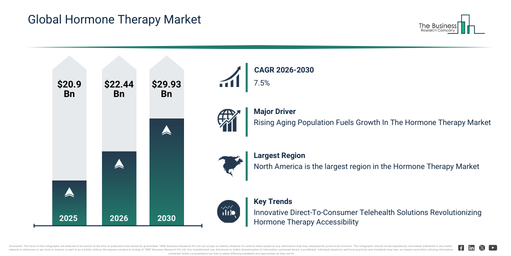
    The hormone therapy market has experienced notable expansion over the past few years, with projections indicating a rise from $20.9 billion in 2025 to $22.44 billion in 2026, reflecting a compound annual growth rate (CAGR) of 7.4%. This historical growth has been driven by factors such as the increasing incidence of hormonal disorders, heightened awareness surrounding hormone replacement therapy, higher diagnostic rates for hypothyroidism, broader hospital pharmacy networks, and the widespread availability of affordable generic hormones.

    The hormone therapy market is projected to experience robust expansion over the coming years. By 2030, it is anticipated to reach a valuation of $29.93 billion, driven by a compound annual growth rate (CAGR) of 7.5%. This forecasted growth is fueled by several key factors, including an increasingly aging global population, a rise in treatments for menopause, a heightened emphasis on therapies that improve quality of life, the growing presence of online pharmacies, and continuous advancements in hormone delivery systems. Among the prominent trends shaping the future are the growing preference for customized hormone regimens, an uptick in demand for bioidentical hormones, the broadening application of hormone therapy among older demographics, more frequent use of combination hormone treatments, and a notable shift toward convenient, long-lasting formulations.

    Download A Free Sample Report For Comprehensive Market Insights:

    https://www.thebusinessresearchcompany.com/sample.aspx?id=9246&type=smp&utm_source=BlogsPR&utm_medium=Paid&utm_campaign=Jul_PR

    Hormone Therapy Market Growth Drivers And Industry Catalysts

    The rising population of older adults is anticipated to boost the expansion of the hormone therapy market in the upcoming years. Elderly individuals, those in the later stages of life commonly linked to seniors or the aged demographic, are central to this trend. Hormonal treatment in this group, especially concerning health issues tied to aging, focuses on correcting hormone imbalances and addressing specific age-related diseases. As an example, in July 2024, the UK Parliament—a governmental entity based in the United Kingdom—reported that the nation’s population is projected to hit 70 million by 2026. Moreover, the population is undergoing aging, with 19% of people being 65 or older in 2022, a proportion forecasted to climb to 27% by 2072. Consequently, the growing count of elderly individuals is fueling the hormone therapy market’s growth.

    Hormone Therapy Market Segment Breakdown: Which Categories Generate The Most Revenue?

    The hormone therapy market covered in this report is segmented –

    1) By Therapy: Estrogen Hormone Replacement, Growth Hormone Replacement, Thyroid Hormone Replacement, Testosterone Replacement

    2) By Route Of Administration: Oral, Parenteral, Other Routes Of Administration

    3) By Indication: Menopause, Hypothyroidism, Growth Hormone Deficiency, Other Indications

    4) By Distribution Channel: Hospitals Pharmacies, Retail Pharmacies And Stores, Online Pharmacies

    Subsegments:

    1) By Estrogen Hormone Replacement: Systemic Estrogen Therapy, Local Estrogen Therapy, Combination Estrogen-Progestin Therapy

    2) By Growth Hormone Replacement: Recombinant Growth Hormones, Synthetic Growth Hormones

    3) By Thyroid Hormone Replacement: Levothyroxine, Liothyronine, Natural Desiccated Thyroid

    4) By Testosterone Replacement: Injectable Testosterone, Transdermal Testosterone, Oral Testosterone, Pellets

    Hormone Therapy Market Trends Influencing Long-Term Demand

    Major players within the hormone therapy market are increasingly concentrating on the creation of groundbreaking solutions, particularly direct-to-consumer telehealth platforms for hormone therapy, aimed at improving both patient accessibility and convenience. This direct-to-consumer telehealth model for hormone therapy describes a healthcare delivery framework that enables patients to receive hormone therapy services from a distance, bypassing the necessity of conventional in-person medical visits. For example, in September 2023, LifeMD, a US-based telehealth provider, joined forces with ASCEND Therapeutics, a US pharmaceutical firm, to introduce a comprehensive direct-to-consumer telehealth approach for hormone therapy, with an emphasis on EstroGel (estradiol gel) for managing menopausal symptoms. Through this collaboration, patients can directly access LifeMD’s telehealth offerings via the EstroGel website, enabling consultations with licensed healthcare professionals who can prescribe the appropriate medication and arrange for its delivery to their homes. By streamlining access and tackling obstacles like prolonged waiting periods, this effort strives to improve health outcomes for women seeking treatment for menopause.

    Hormone Therapy Market Key Players And Strategic Industry Positioning

    Major companies operating in the hormone therapy market are Abbott Laboratories, Bayer AG, Eli Lilly and Company, F. Hoffmann-La Roche, Merck KGaA, Mylan NV, Novartis AG, Novo Nordisk AS, Pfizer Inc., Abbvie Inc., Teva Pharmaceutical Industries Ltd., Perrigo Company Plc., Cipla Inc., Lupin Limited, Sun Pharmaceuticals Industries Ltd., Hikma Pharmaceuticals PLC., Johnsons & Johnsons Services Inc., Boehringer Ingelheim International GmbH, Sanofi S.A., AstraZeneca plc, TherapeuticsMD Inc., Amgen Inc., Genentech Inc., Dr. Reddy’s Laboratories Ltd, Allergan PLC, GlaxoSmithKline plc, Bristol-Myers Squibb Company, Takeda Pharmaceutical Company Limited, Astellas Pharma Inc., Daiichi Sankyo Company Limited

    Access The Complete Hormone Therapy Market Report:

    https://www.thebusinessresearchcompany.com/report/hormone-therapy-global-market-report?utm_source=BlogsPR&utm_medium=Paid&utm_campaign=Jul_PR

    Hormone Therapy Market Geographic Distribution And Regional Opportunities

    North America was the largest region in the hormone therapy market in 2025. The regions covered in the hormone therapy market report are Asia-Pacific, South East Asia, Western Europe, Eastern Europe, North America, South America, Middle East, Africa.

    Get in touch with us:

    The Business Research Company: https://www.thebusinessresearchcompany.com/?utm_source=BlogsPR&utm_medium=Paid&utm_campaign=home_page_test

    Americas: +1 310-496-7795

    Asia: +44 7882 955267 & +91 8897263534

    Europe: +44 7882 955267

    Email us at: marketing@tbrc.info

    Follow us on:

    LinkedIn: https://in.linkedin.com/company/the-business-research-company

    YouTube: https://www.youtube.com/channel/UC24_fI0rV8cR5DxlCpgmyFQ

    Global Market Model: https://www.thebusinessresearchcompany.com/global-market-model
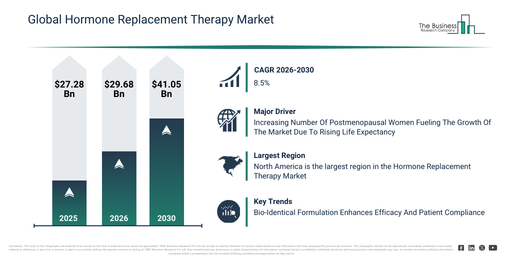
  • Hormone Replacement Therapy Market Size Projected To Increase From $29.67 Billion To $41.05 Billion During The Forecast Period

    Hormone Replacement Therapy Market Size Projected To Increase From $29.67 Billion To $41.05 Billion During The Forecast Period

    Delivering more actionable and strategically valuable research, The Business Research Company’s 2026 market reports feature market attractiveness analysis, total addressable market evaluation, company benchmarking matrices, interactive Excel dashboards, expanded supply chain intelligence, emerging startup coverage, and detailed product insights.

    Hormone Replacement Therapy Market CAGR Analysis And Future Market Development

    The hormone replacement therapy market has experienced robust expansion in recent years, with projections indicating an increase from $27.28 billion in 2025 to $29.68 billion in 2026, reflecting a compound annual growth rate (CAGR) of 8.8%. This historical growth has been driven by factors such as the management of menopause symptoms, a rising aging population, the prevalence of thyroid disorders, the diagnosis of endocrine conditions, and the utilization of hormone therapy in hospital settings.

    The market for hormone replacement therapy is anticipated to experience robust expansion over the coming years. By 2030, its value is projected to reach $41.05 billion, driven by a compound annual growth rate (CAGR) of 8.5%. This forecasted growth is supported by factors such as the increasing acceptance of personalized hormone treatments, a worldwide aging population, hormonal disruptions linked to lifestyle choices, the incorporation of telemedicine services, and a sustained need for long-term hormone management. Key developments shaping this period include a greater focus on therapies for managing menopause, a heightened demand for bioidentical hormones, broader application of transdermal hormone delivery systems, an uptick in treatments for male hormone deficiencies, and enhanced patient education leading to more accurate diagnoses.

    Download A Free Sample Report For Comprehensive Market Insights:

    https://www.thebusinessresearchcompany.com/sample.aspx?id=24563&type=smp&utm_source=BlogsPR&utm_medium=Paid&utm_campaign=Jul_PR

    Hormone Replacement Therapy Market Opportunity Drivers: What Is Creating New Revenue Potential?

    The anticipated growth of the hormone replacement therapy market is being fueled by a rising number of postmenopausal women. These women are characterized by the permanent cessation of menstruation caused by a natural decline in reproductive hormones, typically occurring twelve months after their final menstrual period. This demographic increase is largely attributed to longer life expectancies, as women are living longer, leading to a growing elderly female population navigating menopause. Hormone replacement therapy benefits postmenopausal women by easing frequent symptoms like hot flashes and night sweats, thereby enhancing their quality of life. By providing tailored treatments, it helps restore hormonal balance, lessens discomfort, and supports overall health. As an example, the National Menopause Foundation, a US-based nonprofit, reported in November 2023 that around 1.3 million women in the United States enter menopause annually, with the global count of postmenopausal women expected to hit 1.1 billion by 2025. Consequently, the expanding number of postmenopausal women is accelerating the expansion of the hormone replacement therapy market.

    Hormone Replacement Therapy Market Segmentation: How Is The Market Structured Across Key Categories?

    The hormone replacement therapy market covered in this report is segmented –

    1) By Therapy Type: Estrogen Replacement Therapy, Human Growth Hormone Replacement Therapy, Thyroid Hormone Replacement Therapy, Testosterone Replacement Therapy, Other Therapy Types

    2) By Indication: Menopause, Hypothyroidism, Male Hypogonadism, Growth Hormone Deficiency, Other Indications

    3) By Route Of Administration: Oral, Transdermal, Injectable, Other Routes Of Administration

    4) By Distribution Channel: Hospital Pharmacies, Retail Pharmacies, Online Pharmacies, Other Distribution Channels

    Subsegments:

    1) By Estrogen Replacement Therapy: Oral Estrogen, Transdermal Estrogen, Topical Estrogen, Vaginal Estrogen, Injectable Estrogen

    2) By Human Growth Hormone (hGH) Replacement Therap: Somatropin, Somatrem, Recombinant Human Growth Hormone (rhGH), Pegylated hGH, Other Human Growth Hormone (hGH) Replacement Therapies

    3) By Thyroid Hormone Replacement Therapy: Levothyroxine (T4), Liothyronine (T3), Natural Desiccated Thyroid (NDT), Combination T3 Or T4 Therapy

    4) By Testosterone Replacement Therapy: Gels And Creams, Injections, Patches, Oral Testosterone, Pellets

    5) By Other Therapy Types: Progesterone Replacement Therapy, Combined Estrogen-Progesterone Therapy, Dehydroepiandrosterone Therapy, Melatonin Replacement Therapy

    Hormone Replacement Therapy Market Innovation Trends Driving Future Development

    Key players in the hormone replacement therapy market are increasingly prioritizing the creation of cutting-edge products, specifically bio-identical hormone formulations, to boost treatment effectiveness and encourage better patient adherence. These bio-identical formulations utilize hormones that are chemically identical to those the human body naturally produces, offering a more natural approach to symptom relief while reducing undesirable side effects. A notable example occurred in May 2024, when Jagsonpal Pharmaceuticals Ltd., headquartered in India, introduced MemUp—a bio-identical hormone replacement therapy available as a single, once-daily oral pill that blends estradiol and progesterone. This treatment is specifically developed to alleviate typical menopausal symptoms, like hot flashes and night sweats, and its simplified dosing schedule aims to improve both convenience and patient compliance.

    Hormone Replacement Therapy Market Competitive Landscape And Leading Companies

    Major companies operating in the hormone replacement therapy market are Viatris Inc., Organon & Co., Endo International plc, Ferring Pharmaceuticals, Besins Healthcare, Ascendis Pharma A/S, Astellas Pharma Inc., Kyowa Kirin Co. Ltd., Sun Pharmaceutical Industries Ltd., Dr. Reddy’s Laboratories Ltd., Zydus Lifesciences Ltd., Torrent Pharmaceuticals Ltd., Alvogen Pharma, Perrigo Company plc, Hikma Pharmaceuticals PLC, Accord Healthcare Ltd., Glenmark Pharmaceuticals Ltd., Intas Pharmaceuticals Ltd., Alkem Laboratories Ltd., Piramal Pharma Ltd.

    Access The Complete Hormone Replacement Therapy Market Report:

    https://www.thebusinessresearchcompany.com/report/hormone-replacement-therapy-global-market-report?utm_source=BlogsPR&utm_medium=Paid&utm_campaign=Jul_PR

    Hormone Replacement Therapy Market Largest Region By Revenue And Market Share

    North America was the largest region in the hormone replacement therapy market in 2025. Asia-Pacific is expected to be the fastest-growing region in the forecast period. The regions covered in the hormone replacement therapy market report are Asia-Pacific, South East Asia, Western Europe, Eastern Europe, North America, South America, Middle East, Africa.

    Get in touch with us:

    The Business Research Company: https://www.thebusinessresearchcompany.com/?utm_source=BlogsPR&utm_medium=Paid&utm_campaign=home_page_test

    Americas: +1 310-496-7795

    Asia: +44 7882 955267 & +91 8897263534

    Europe: +44 7882 955267

    Email us at: marketing@tbrc.info

    Follow us on:

    LinkedIn: https://in.linkedin.com/company/the-business-research-company

    YouTube: https://www.youtube.com/channel/UC24_fI0rV8cR5DxlCpgmyFQ

    Global Market Model: https://www.thebusinessresearchcompany.com/global-market-model
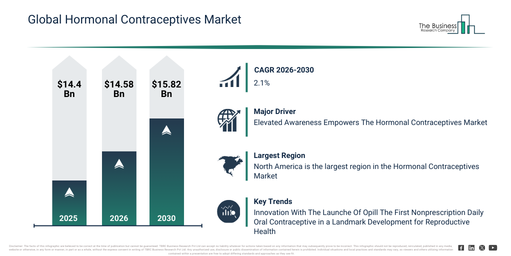
  • Hormonal Contraceptives Market Growth Outlook Reveals A CAGR Of 2.1% And A Market Value Of $15.82 Billion By 2030

    Hormonal Contraceptives Market Growth Outlook Reveals A CAGR Of 2.1% And A Market Value Of $15.82 Billion By 2030

    Enhanced with market attractiveness analysis, total addressable market evaluation, company benchmarking matrices, interactive Excel dashboards, expanded supply chain intelligence, emerging startup coverage, and detailed product insights, The Business Research Company’s 2026 market reports deliver more actionable and strategically valuable research.

    Hormonal Contraceptives Market Expansion From $14.57 Billion In 2026 To $15.82 Billion In 2030

    The market for hormonal contraceptives experienced slight expansion in recent times, with its valuation increasing from $14.4 billion in 2025 to $14.58 billion in 2026, reflecting a compound annual growth rate (CAGR) of 1.2%. This historical growth was fueled by greater awareness regarding family planning, the launch of combined oral contraceptives, government-led reproductive health programs, higher levels of urbanization, and a rising number of gynecology clinics.

    The size of the hormonal contraceptives market is anticipated to experience consistent expansion over the coming years, ultimately reaching $15.82 billion by 2030, reflecting a compound annual growth rate (CAGR) of 2.1%. This projected growth during the forecast period is driven by factors such as progress in tailoring hormone therapies to individuals, the emergence of contraceptive products for men, the growing reach of online sales channels for contraceptives, the incorporation of digital health tools, and a heightened emphasis on preventing sexually transmitted diseases. Key developments expected in this timeframe encompass the growing adoption of personalized, hormone-based birth control methods, heightened awareness among consumers regarding both reversible and permanent options, the expansion of telehealth services and online contraceptive access, the rollout of new male birth control alternatives, and a stronger emphasis on contraceptives that offer dual protection against STDs.

    Download A Free Sample Report For Comprehensive Market Insights:

    https://www.thebusinessresearchcompany.com/sample.aspx?id=2440&type=smp&utm_source=BlogsPR&utm_medium=Paid&utm_campaign=Jul_PR

    Hormonal Contraceptives Market Growth Momentum: Which Factors Are Influencing Demand?

    Growing knowledge about hormonal contraceptives has fostered a more informed and empowered population, enabling individuals to select options that fit their reproductive aspirations and way of life. With greater understanding of contraceptive choices, people are more capable of making improved decisions regarding their reproductive health, which subsequently boosts the uptake of hormonal contraceptives that suit their family planning needs and lifestyle preferences. For example, in July 2025, the World Health Organization (WHO), a Switzerland-based UN agency specializing in international public health, reported that 874 million women are currently using modern contraceptives, and access to family planning bolsters public health, advances gender equality, strengthens health systems, and fosters economic development. A further 70 million women are expected to gain access by 2030. Heightened awareness of contraceptive benefits and usage significantly drives the hormonal contraceptives market forward.

    Healthcare spending is on the rise, and this is anticipated to fuel expansion in the hormonal contraceptives market going forward. Healthcare expenditure encompasses the total financial resources allocated by individuals, organizations, or governments to prevent, treat, and manage health conditions. It is growing due to progress in medical technology, as new diagnostic instruments, treatments, and innovative therapies often come with higher costs, leading to increased overall spending in the sector. This increase promotes the use of hormonal contraceptives by enhancing access, affordability, awareness, and by supporting research and development along with family planning initiatives. As an illustration, in December 2024, the Centers for Medicare & Medicaid Services, a US agency that oversees Medicare and Medicaid programs, noted that in 2023, U.S. healthcare spending rose by 7.5%, reaching $4.9 trillion, roughly $14,570 per person. Consequently, the rising healthcare expenditure is propelling growth in the hormonal contraceptives market.

    Hormonal Contraceptives Market Segmentation Trends And Revenue Drivers

    The hormonal contraceptives market covered in this report is segmented –

    1) By Product: Pills, Injectable Birth Control, Vaginal Rings, Others

    2) By End User: Hospitals, Homecare Settings, Gynecology Centers, Clinics, Ambulatory Surgical Centers

    3) By Hormones: Progestin-Only, Combined Hormones

    4) By Distribution Channel: Drug Stores, Gynecology Or Fertility Clinics, E-Commerce, Other Distribution Channels

    Subsegments:

    1) By Pills: Combined Oral Contraceptives (COCs), Progestin-Only Pills (POPs), Emergency Contraceptive Pills

    2) By Injectable Birth Control: Depot Medroxyprogesterone Acetate (DMPA), Combination Injectable Contraceptives, Subdermal Implants

    3) By Vaginal Rings: NuvaRing, Annovera, Other Hormonal Vaginal Rings

    4) By Others: Transdermal Patches, Intrauterine Devices (IUDs) with Hormones, Hormonal Implants, Contraceptive Tablets For Men

    Hormonal Contraceptives Market Trends Reshaping Industry Growth

    Key players in the hormonal contraceptives sector are developing groundbreaking items, including over-the-counter daily oral birth control pills, aimed at improving user access and simplicity. An over-the-counter daily oral contraceptive refers to a birth control pill accessible for purchase without requiring a prescription from a medical professional. As an example, in July 2023, Perrigo Company PLC, a U.S.-based producer of private-label nonprescription pharmaceuticals, secured clearance from the Food and Drug Administration (FDA), a U.S. federal agency dedicated to safeguarding public health, for its product Opill. Opill represents the first daily oral contraceptive available without a prescription, becoming obtainable for consumers without needing a doctor’s order. The launch of Opill signifies a critical milestone in reproductive healthcare, enabling individuals to obtain reliable contraception free from the obstacles associated with securing a prescription or scheduling a medical visit.

    Hormonal Contraceptives Market Industry Leaders: Which Organizations Are Driving Competition?

    Major companies operating in the hormonal contraceptives market are Bayer AG, Merck & Co. Inc, Viatris, Gedeon Richter, AbbVie, Pfizer, Teva Pharmaceuticals, Mayne Pharma Group Limited, Lupin Limited, HLL Lifecare Limited, Amneal Pharmaceuticals, DKT International, Piramal Pharma Limited, Allergan, Afaxys Inc., Agile Therapeutic, Cipla Limited, Glenmark Pharmaceuticals, Novartis AG, Sun Pharmaceutical Industries Ltd., Apothecus Pharmaceutical Corporation, Famy Care, Mylan Laboratories

    Access The Complete Hormonal Contraceptives Market Report:

    https://www.thebusinessresearchcompany.com/report/hormonal-contraceptives-global-market-report?utm_source=BlogsPR&utm_medium=Paid&utm_campaign=Jul_PR

    Hormonal Contraceptives Market Regional Analysis And Leading Geography

    North America was the largest region in the hormonal contraceptives market share in 2025. Middle East is expected to be the fastest-growing region in the global hormonal contraceptives market analysis during the forecast period. The regions covered in the hormonal contraceptives market report are Asia-Pacific, South East Asia, Western Europe, Eastern Europe, North America, South America, Middle East, Africa.

    Get in touch with us:

    The Business Research Company: https://www.thebusinessresearchcompany.com/?utm_source=BlogsPR&utm_medium=Paid&utm_campaign=home_page_test

    Americas: +1 310-496-7795

    Asia: +44 7882 955267 & +91 8897263534

    Europe: +44 7882 955267

    Email us at: marketing@tbrc.info

    Follow us on:

    LinkedIn: https://in.linkedin.com/company/the-business-research-company

    YouTube: https://www.youtube.com/channel/UC24_fI0rV8cR5DxlCpgmyFQ

    Global Market Model: https://www.thebusinessresearchcompany.com/global-market-model