Blog

  • Artificial Intelligence (AI) In Predictive Toxicology Market Trends And Growth Drivers Point To Strong Future Potential

    Artificial Intelligence (AI) In Predictive Toxicology Market Trends And Growth Drivers Point To Strong Future Potential

    Delivering more actionable and strategically valuable research, The Business Research Company’s 2026 market reports feature market attractiveness analysis, total addressable market evaluation, company benchmarking matrices, interactive Excel dashboards, expanded supply chain intelligence, emerging startup coverage, and detailed product insights.

    Artificial Intelligence (AI) In Predictive Toxicology Market Forecast Highlighting Growth From $0.82 Billion To $2.29 Billion

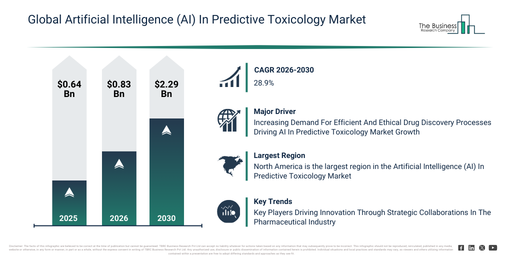
    The market for artificial intelligence in predictive toxicology has seen rapid expansion in recent years, with its value projected to rise from $0.64 billion in 2025 to $0.83 billion in 2026, reflecting a compound annual growth rate (CAGR) of 29.3%. Historical growth was driven by several factors, including a heightened demand for safer chemicals, intensified research and development efforts in pharmaceuticals, stricter regulatory requirements concerning chemical safety, early moves toward computational toxicology, and progress in bioinformatics tools.

    In the market for artificial intelligence within predictive toxicology, substantial growth is anticipated over the coming years, with projections indicating it will reach a value of $2.29 billion by 2030, reflecting a compound annual growth rate of 28.9%. This expansion in the forecast period is driven by factors such as the greater uptake of AI-powered predictive models, the proliferation of cloud-based toxicology platforms, the merging of genomic and chemical data sources, heightened partnerships among pharmaceutical and biotechnology entities, and an escalating need for swift chemical safety evaluations. Key developments shaping this period involve the incorporation of multi-omics datasets to enhance toxicity forecasts, the creation of in silico models for drug toxicity assessments, the use of high-throughput screening techniques for toxicological purposes, the improved prioritization of chemicals through artificial intelligence, and the deployment of cloud-based systems for managing toxicology data.

    Download A Free Sample Report For Comprehensive Market Insights:

    https://www.thebusinessresearchcompany.com/sample.aspx?id=14253&type=smp&utm_source=BlogsPR&utm_medium=Paid&utm_campaign=Jul_PR

    Artificial Intelligence (AI) In Predictive Toxicology Market Opportunity Drivers: What Is Creating New Revenue Potential?

    The growing need for faster and more ethical approaches to drug discovery is anticipated to boost the expansion of the artificial intelligence (AI) in predictive toxicology market moving forward. Drug discovery is a complex and dynamic process involving the methodical investigation, synthesis, and assessment of chemical compounds aimed at identifying promising therapeutic agents to treat diseases and improve human health, while efficient and ethical drug discovery processes integrate advanced technologies and prioritize responsible research practices in the creation of new treatments. This demand is fueled by the rise in chronic illnesses, the increasing shift toward personalized medicine, and a higher occurrence of age-related conditions. Artificial intelligence in predictive toxicology streamlines drug development by rapidly processing extensive datasets to forecast potential toxic effects, thus accelerating the timeline and upholding ethical considerations. For example, data from the Office for National Statistics, a UK government body, revealed that in 2023, the UK’s net research and development spending reached £17.4 billion ($22.1 billion), up from £16.1 billion ($20.45 billion) in 2022, representing an 8.2% increase. Consequently, the rising emphasis on efficient and ethical drug discovery is propelling the growth of the artificial intelligence in predictive toxicology market.

    Artificial Intelligence (AI) In Predictive Toxicology Market Segment Analysis Highlighting Growth Areas

    The artificial intelligence (ai) in predictive toxicology market covered in this report is segmented –

    1) By Component: Solution, Services

    2) By Technology: Machine Learning, Other Technologies

    3) By Toxicity Endpoints: Genotoxicity, Hepatotoxicity, Neurotoxicity, Cardiotoxicity, Other Toxicity Endpoints

    4) By End User: Pharmaceutical And Biotechnology Companies, Chemical And Cosmetics, Contract Research Organizations, Other End Users

    Subsegments:

    1) By Solution: Software Platforms, Data Analysis Tools, Predictive Modeling Solutions, Database And Information Systems

    2) By Services: Consulting Services, Training And Support Services, Data Management And Integration Services, Research And Development Services

    Artificial Intelligence (AI) In Predictive Toxicology Market Innovation Trends Driving Future Development

    Leading players in the artificial intelligence (AI)-driven predictive toxicology sector are increasingly turning to strategic partnerships as a means to strengthen their market position and drive innovation. By combining AI and machine learning techniques, these collaborations aim to refine the ways in which toxicity is predicted and assessed for chemical compounds and pharmaceuticals. A concrete example comes from January 2024, when SyntheticGestalt, a UK-based AI research company focused on drug discovery, joined forces with Enamine, a Ukrainian supplier of chemical building blocks, screening compounds, and integrated drug discovery services. The partnership’s goal was to develop a suite of AI models that support the generation of synthetically accessible, biologically active molecules while optimizing their physicochemical and ADME/Tox (Absorption, Distribution, Metabolism, Excretion, and Toxicity) characteristics. These models are slated for use in SyntheticGestalt’s compound discovery initiatives, serving both academic researchers and pharmaceutical firms through their service offerings. In a key move, Enamine granted access to its immense REAL database, which holds 38 billion molecules. SyntheticGestalt plans to incorporate this resource into its Drug Discovery Service, relying on proprietary AI models to forecast compounds’ physicochemical and ADME/Tox profiles. When problematic compounds are identified, the service will rapidly propose enhanced alternatives.

    Artificial Intelligence (AI) In Predictive Toxicology Market Leading Companies: Who Holds Significant Market Presence?

    Major companies operating in the artificial intelligence (ai) in predictive toxicology market are Certara Inc, Schrödinger Inc, Instem plc, Simulations Plus Inc, Lhasa Limited, Chemaxon Ltd, Algorithme Pharma, Benevolent AI, Berg Health, Biovista Inc, Recursion Pharmaceuticals Inc, Exscientia plc, Insilico Medicine Inc, Celsius Therapeutics Inc, ArisGlobal, Merative L.P., BioTeam Inc, Leadscope Inc, MultiCASE Inc, ACD Labs, Optibrium Ltd, Chemotargets SL, Toxys BV

    Access The Complete Artificial Intelligence (AI) In Predictive Toxicology Market Report:

    https://www.thebusinessresearchcompany.com/report/artificial-intelligence-ai-in-predictive-toxicology-global-market-report?utm_source=BlogsPR&utm_medium=Paid&utm_campaign=Jul_PR

    Artificial Intelligence (AI) In Predictive Toxicology Market Regional Distribution: Which Areas Drive Market Expansion?

    North America was the largest region in the artificial intelligence (AI) in predictive toxicology market in 2025. Asia-Pacific is expected to be the fastest-growing region in the forecast period. The regions covered in the artificial intelligence (ai) in predictive toxicology market report are Asia-Pacific, South East Asia, Western Europe, Eastern Europe, North America, South America, Middle East, Africa.

    Get in touch with us:

    The Business Research Company: https://www.thebusinessresearchcompany.com/?utm_source=BlogsPR&utm_medium=Paid&utm_campaign=home_page_test

    Americas: +1 310-496-7795

    Asia: +44 7882 955267 & +91 8897263534

    Europe: +44 7882 955267

    Email us at: marketing@tbrc.info

    Follow us on:

    LinkedIn: https://in.linkedin.com/company/the-business-research-company

    YouTube: https://www.youtube.com/channel/UC24_fI0rV8cR5DxlCpgmyFQ

    Global Market Model: https://www.thebusinessresearchcompany.com/global-market-model
  • Artificial Intelligence (AI) In Biopharmaceuticals Market Expansion Is Reshaping Competitive Dynamics Across The Industry

    Artificial Intelligence (AI) In Biopharmaceuticals Market Expansion Is Reshaping Competitive Dynamics Across The Industry

    Enhanced with market attractiveness analysis, total addressable market evaluation, company benchmarking matrices, interactive Excel dashboards, expanded supply chain intelligence, emerging startup coverage, and detailed product insights, The Business Research Company’s 2026 market reports deliver more actionable and strategically valuable research.

    Artificial Intelligence (AI) In Biopharmaceuticals Market Revenue Growth Supported By A CAGR Of 8.77% Through 2030

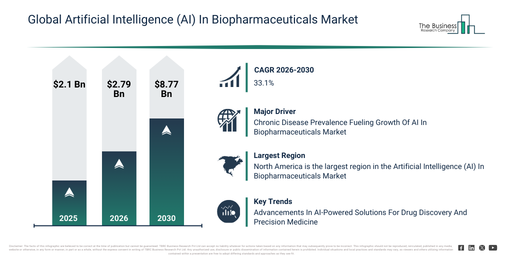
    The market for artificial intelligence (AI) in biopharmaceuticals has experienced exponential expansion in recent years. Projected to increase from $2.1 billion in 2025 to $2.79 billion in 2026, this growth represents a compound annual growth rate (CAGR) of 33.0%. Factors driving progress during the historical period include the early adoption of AI within pharmaceutical research, enhanced computational capabilities, heightened investment in biopharmaceutical research and development, the integration of omics data, and the proliferation of cloud-based data storage solutions.

    The artificial intelligence (AI) sector within biopharmaceuticals is poised for rapid expansion over the coming years. By 2030, it is projected to reach a valuation of $8.77 billion, reflecting a compound annual growth rate (CAGR) of 33.1%. This anticipated growth during the forecast period is fueled by several key factors, such as progress in machine learning algorithms, broader deployment of AI-powered laboratory tools, a greater reliance on predictive analytics, a surge in collaborative initiatives between AI firms and biopharma companies, and government support for AI-driven healthcare solutions. Notable developments shaping this period include AI-facilitated drug discovery, the application of predictive analytics to clinical trials, lab automation, the use of real-world data, and customized approaches to treatment optimization.

    Download A Free Sample Report For Comprehensive Market Insights:

    https://www.thebusinessresearchcompany.com/sample.aspx?id=14251&type=smp&utm_source=BlogsPR&utm_medium=Paid&utm_campaign=Jul_PR

    Artificial Intelligence (AI) In Biopharmaceuticals Market Growth Momentum: Which Factors Are Influencing Demand?

    The increasing occurrence of chronic illnesses is set to boost the expansion of artificial intelligence (AI) within the biopharmaceuticals sector in the coming years. Chronic diseases, which are persistent conditions that typically advance gradually and can last for years or a lifetime, stem from factors such as lifestyle choices, an aging demographic, genetic tendencies, and environmental influences. AI’s role in biopharmaceuticals has become crucial for managing these conditions because it processes extensive and varied data sets, uncovers trends, and tailors treatment strategies to individuals. For example, in April 2025, the Centers for Disease Control and Prevention (CDC), a U.S. federal agency, reported that about 194 million American adults—equivalent to 76.4%—had at least one chronic condition in 2023. This prevalence varied by age, affecting 59.5% of younger adults, 78.4% of those in midlife, and 93.0% of older individuals. Consequently, the rising prevalence of chronic diseases is fueling the growth of artificial intelligence (AI) in the biopharmaceuticals market.

    Artificial Intelligence (AI) In Biopharmaceuticals Market Segment Performance And Strategic Opportunities

    The artificial intelligence (ai) in biopharmaceuticals market covered in this report is segmented –

    1) By Offering: Hardware, Software, Services

    2) By Deployment: Cloud, On-Premises

    3) By Technology: Machine Learning, Natural Language Processing, Deep Learning, Other Technologies

    4) By Application: Drug Discovery, Precision Medicine

    5) By End-Users: Manufacturers, Contract Research Organizations, Academic And Government Research Institutes

    Subsegments:

    1) By Hardware: High-Performance Computing Systems, AI-Enabled Laboratory Equipment, Data Storage Solutions

    2) By Software: Drug Discovery Platforms, Predictive Analytics Tools, Natural Language Processing Solutions

    3) By Services: Consulting Services, Implementation And Integration Services, Data Management And Analytics Services, Training And Support Services

    Artificial Intelligence (AI) In Biopharmaceuticals Market Trends Reshaping Industry Growth

    Key industry players in the artificial intelligence (AI) sector for biopharmaceuticals are concentrating on creating cutting-edge innovations, including AI-driven solutions for target and lead identification, which accelerate drug discovery and enable precision medicine, thereby transforming life sciences organizations. These drug discovery and precision medicine solutions incorporate a range of novel methods for developing new medications and customizing treatments for individual patients. For example, in May 2023, Google LLC, a U.S.-based cloud computing provider, introduced two new AI-powered tools—the target and lead identification suites—designed to assist researchers in predicting and comprehending protein structures, a critical component of drug development. Furthermore, these tools facilitate the ingestion, storage, analysis, and sharing of extensive genomic data, which is essential for precision medicine, and they aim to expedite the drug discovery process, lower expenses, and accelerate the availability of new therapies. Through efficient data management, precise protein structure predictions, and advanced genomic analysis, these innovations are intended to transform drug development workflows and enhance patient outcomes.

    Artificial Intelligence (AI) In Biopharmaceuticals Market Key Players: Which Companies Shape Industry Competition?

    Major companies operating in the artificial intelligence (ai) in biopharmaceuticals market are Exscientia Limited, DeepMind Technologies Limited, Schrödinger Inc., XtalPi Inc., ConcertAI Inc., Insilico Medicine Inc., Recursion Pharmaceuticals, BenevolentAI, BioXcel Therapeutics, Atomwise Inc., BioAge Labs Inc., GNS Healthcare, Berg Health, Deep 6 AI Inc., Cloud Pharmaceuticals Inc., Numerate Inc., AI Therapeutics, Envisagenics, twoXAR Inc., Cyclica Inc.

    Access The Complete Artificial Intelligence (AI) In Biopharmaceuticals Market Report:

    https://www.thebusinessresearchcompany.com/report/artificial-intelligence-ai-in-biopharmaceuticals-global-market-report?utm_source=BlogsPR&utm_medium=Paid&utm_campaign=Jul_PR

    Artificial Intelligence (AI) In Biopharmaceuticals Market Leading Geography: Which Region Generates The Most Revenue?

    North America was the largest region in the artificial intelligence (AI) in biopharmaceuticals market in 2025. Asia-Pacific is expected to be the fastest-growing region in the forecast period. The regions covered in the artificial intelligence (ai) in biopharmaceuticals market report are Asia-Pacific, South East Asia, Western Europe, Eastern Europe, North America, South America, Middle East, Africa.

    Get in touch with us:

    The Business Research Company: https://www.thebusinessresearchcompany.com/?utm_source=BlogsPR&utm_medium=Paid&utm_campaign=home_page_test

    Americas: +1 310-496-7795

    Asia: +44 7882 955267 & +91 8897263534

    Europe: +44 7882 955267

    Email us at: marketing@tbrc.info

    Follow us on:

    LinkedIn: https://in.linkedin.com/company/the-business-research-company

    YouTube: https://www.youtube.com/channel/UC24_fI0rV8cR5DxlCpgmyFQ

    Global Market Model: https://www.thebusinessresearchcompany.com/global-market-model
  • Arthritis Monoclonal Antibodies Market Forecast Reveals Where Future Industry Value Will Be Created

    Arthritis Monoclonal Antibodies Market Forecast Reveals Where Future Industry Value Will Be Created

    Through market attractiveness analysis, total addressable market evaluation, company benchmarking matrices, interactive Excel dashboards, expanded supply chain intelligence, emerging startup coverage, and detailed product insights, The Business Research Company’s 2026 market reports provide more actionable and strategically valuable research.

    Arthritis Monoclonal Antibodies Market Value Expansion And Long-Term Growth Outlook

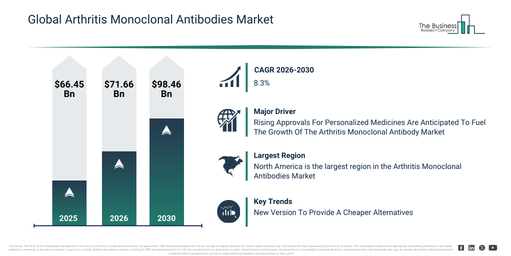
    The arthritis monoclonal antibodies sector has undergone significant expansion in the past few years. Projections indicate an increase from $66.45 billion in 2025 to $71.66 billion in 2026, reflecting a compound annual growth rate (CAGR) of 7.8%. Several factors have fueled this historic growth, including a rising incidence of rheumatoid arthritis, the limited efficacy of traditional disease-modifying antirheumatic drugs (DMARDs), heightened awareness of biologic treatment options, the broadening of rheumatology services within hospital settings, and greater overall healthcare investment.

    The arthritis monoclonal antibodies market is projected to experience significant expansion over the coming years, reaching a value of $98.46 billion by 2030 with a compound annual growth rate (CAGR) of 8.3%. This forecast period growth is driven by the advancement of next-generation monoclonal antibodies, the growing availability of biosimilars, the rise of personalized immunotherapy approaches, an expanding elderly demographic affected by arthritis conditions, and enhanced reimbursement frameworks for biologic therapies. Key trends shaping this period include a heightened uptake of biologic therapies for autoimmune arthritis, a growing inclination toward targeted monoclonal antibody treatments, the emergence of early and aggressive treatment strategies, the proliferation of biosimilars for arthritis-related monoclonal antibodies, and better patient access facilitated by hospitals and specialty clinics.

    Download A Free Sample Report For Comprehensive Market Insights:

    https://www.thebusinessresearchcompany.com/sample.aspx?id=3449&type=smp&utm_source=BlogsPR&utm_medium=Paid&utm_campaign=Jul_PR

    Arthritis Monoclonal Antibodies Market Expansion Drivers: What Is Shaping Future Growth?

    The increasing number of approvals for personalized medicines is anticipated to drive growth in the arthritis monoclonal antibody market moving forward. Personalized medicines are defined as therapeutic products or treatments specifically customized to meet individual patient needs. These therapies are developed based on a patient’s genetic, biomarker, phenotypic, or psychosocial characteristics, which help predict how they will respond to a particular treatment. Monoclonal antibodies (mABs) represent the latest generation of drugs that align with the personalized medicine framework, offering the potential to enhance patient outcomes and improve healthcare efficiency. For example, in February 2024, the Personalized Medicine Coalition, a US-based non-profit organization dedicated to advancing personalized medicine, released a report highlighting the significance of 26 newly approved personalized treatments, 19 expanded indications for existing personalized medicines, and 17 notable new or expanded indications for 12 diagnostic testing products. Consequently, the rising rate of approvals for personalized medicines is fueling the expansion of the arthritis monoclonal antibody market.

    Arthritis Monoclonal Antibodies Market Segment Landscape And Growth Potential

    The arthritis monoclonal antibodies market covered in this report is segmented –

    1) By Drug: Remicade, Humira, Enbrel, Rituxan, Orencia, Actemra, Simponi, Cimzia, Remsima

    2) By Application: Rheumatoid Arthritis, Osteoarthritis, Psoriatic Arthritis, Ankylosing Spondylitis, Fibromyalgia, Other Applications

    3) By End-Use: Hospitals, Research Institutes, Other End-Users

    Arthritis Monoclonal Antibodies Market Strategic Trends: What Is Defining The Next Phase Of Growth?

    Leading players in the arthritis monoclonal antibody space are increasingly introducing new biosimilar products like Hulio to offer more cost-effective treatment options. Designed as a biosimilar to AbbVie’s highly successful rheumatoid arthritis drug Humira, Hulio provides an alternative for patients. For example, in July 2023, Biocon Biologics—a biosimilar-focused subsidiary of Biocon Limited based in India—rolled out Hulio (adalimumab-fkjp), which mirrors Humira’s composition. This monoclonal antibody, prescribed for ailments such as rheumatoid arthritis and psoriatic arthritis, is available at a cost 5% less than Humira, currently priced at $6,922 per carton.

    Arthritis Monoclonal Antibodies Market Competitive Landscape: Who Are The Leading Companies?

    Major companies operating in the arthritis monoclonal antibodies market are Johnson & Johnson, Hoffmann-La Roche Ltd., Novartis AG, Pfizer Inc., AbbVie Inc., Amgen Inc., Genentech Inc., GlaxoSmithKline plc., AstraZeneca plc, Bristol Myers Squibb, Eli Lilly and Company, Thermo Fisher Scientific Inc., Sanofi SA, Daiichi Sankyo Company Ltd., Seattle Genetics, Teva Pharmaceutical Industries Ltd., Shanghai Junshi Biosciences Co. Ltd., GenScript Biotech Corporation, Sigma-Aldrich Co. LLC, AbGenomics Corp., ADC Therapeutics SA, Agensys Inc., Alexion Pharmaceuticals Inc., ALMAC Group Ltd., Ambrx Inc., Astellas Pharma Inc., Celgene Corporation, Celldex Therapeutics Inc., Boehringer Ingelheim International GmbH, Celltrion Inc., HanAll Biopharma Co. Ltd., Merck & Co. Inc., Mitsubishi Tanabe Pharma Corporation, Regeneron Pharmaceuticals Inc., Samsung Bioepis Co. Ltd.

    Access The Complete Arthritis Monoclonal Antibodies Market Report:

    https://www.thebusinessresearchcompany.com/report/arthritis-monoclonal-antibodie-global-market-report?utm_source=BlogsPR&utm_medium=Paid&utm_campaign=Jul_PR

    Arthritis Monoclonal Antibodies Market Regional Outlook: Where Are The Largest Opportunities Located?

    North America was the largest region in the arthritis monoclonal antibodies market in 2025. The regions covered in the arthritis monoclonal antibodies market report are Asia-Pacific, South East Asia, Western Europe, Eastern Europe, North America, South America, Middle East, Africa.

    Get in touch with us:

    The Business Research Company: https://www.thebusinessresearchcompany.com/?utm_source=BlogsPR&utm_medium=Paid&utm_campaign=home_page_test

    Americas: +1 310-496-7795

    Asia: +44 7882 955267 & +91 8897263534

    Europe: +44 7882 955267

    Email us at: marketing@tbrc.info

    Follow us on:

    LinkedIn: https://in.linkedin.com/company/the-business-research-company

    YouTube: https://www.youtube.com/channel/UC24_fI0rV8cR5DxlCpgmyFQ

    Global Market Model: https://www.thebusinessresearchcompany.com/global-market-model
  • Arthritic Therapeutic Market Growth Through 2030 Creates New Strategic Opportunities

    Arthritic Therapeutic Market Growth Through 2030 Creates New Strategic Opportunities

    Delivering more actionable and strategically valuable research, The Business Research Company’s 2026 market reports feature market attractiveness analysis, total addressable market evaluation, company benchmarking matrices, interactive Excel dashboards, expanded supply chain intelligence, emerging startup coverage, and detailed product insights.

    Arthritic Therapeutic Market Expected To Reach $97.09 Billion By 2030 At 6% CAGR

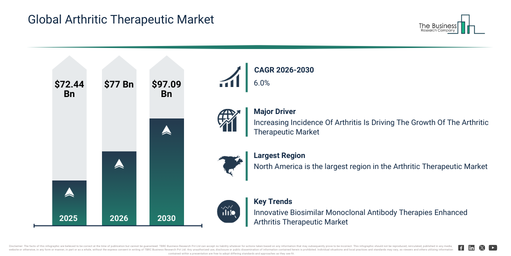
    The market for arthritis therapeutics has experienced solid expansion in recent years, with projections indicating an increase from $72.44 billion in 2025 to $77 billion in 2026, reflecting a compound annual growth rate (CAGR) of 6.3%. This growth is driven by several factors, including a rising global prevalence of arthritis, a growing elderly population, restricted availability of advanced treatment options, heightened awareness regarding arthritis management, and the expansion of hospital and clinic facilities.

    The size of the arthritic therapeutic market is anticipated to experience robust expansion over the coming years. By 2030, it is projected to reach $97.09 billion, reflecting a compound annual growth rate (CAGR) of 6.0%. This forecast period growth is driven by the development of novel biologics and targeted therapies, a growing reliance on telemedicine and remote patient monitoring, the incorporation of digital health platforms, heightened funding for arthritis research and clinical trials, and the advancement of personalized medicine strategies for arthritis treatment. Key trends shaping this period include the widespread use of biologic and targeted therapies for managing arthritis, a shift toward customized arthritis care plans, an uptick in home-based physical therapy and rehabilitation options, the growth of online pharmacies and digital distribution channels, and a heightened emphasis on early detection and preventive arthritis management.

    Download A Free Sample Report For Comprehensive Market Insights:

    https://www.thebusinessresearchcompany.com/sample.aspx?id=19297&type=smp&utm_source=BlogsPR&utm_medium=Paid&utm_campaign=Jul_PR

    Arthritic Therapeutic Market Development Factors: Which Trends Are Supporting Demand?

    The rising prevalence of arthritis is anticipated to drive expansion in the arthritic therapeutic market moving forward. Arthritis encompasses over 100 conditions primarily marked by joint pain and inflammation. Its incidence is climbing due to an aging population, higher obesity rates, and lifestyle factors that exacerbate joint stress and inflammation. Therapeutic approaches for arthritis work to ease symptoms, curb inflammation, and enhance joint function, thereby improving the quality of life for individuals affected. As an example, a report published in June 2024 by the Australian Institute of Health and Welfare, an Australian government entity, indicated that roughly 514,000 people (2.0% of the population) had rheumatoid arthritis in 2022. In 2023, rheumatoid arthritis accounted for 2.0% of the total disease burden and represented 16% of the overall burden from all musculoskeletal conditions. Consequently, the growing incidence of arthritis is fueling growth in the arthritic therapeutic market.

    Arthritic Therapeutic Market Categorization By Product Type And Application

    The arthritic therapeutic market covered in this report is segmented –

    1) By Drug Class: Tumor Necrosis Factor (TNF) Inhibitors, Interleukin Inhibitors, Nonsteroidal Anti-Inflammatory Drugs (NSAIDs), Corticosteroids, Xanthine Oxidase Inhibitors, Other Drug Classes

    2) By Route Of Administration: Oral, Parenteral, Topical

    3) By Type: Psoriatic Arthritis, Rheumatoid Arthritis, Osteoarthritis, Gout, Other Types

    4) By Distribution Channel: Hospital Pharmacies, Retail Pharmacies, Online Pharmacies

    Subsegments:

    1) By Tumor Necrosis Factor (TNF) Inhibitors: Adalimumab, Etanercept, Infliximab, Certolizumab Pegol, Golimumab

    2) By Interleukin Inhibitors: Interleukin-6 (IL-6) Inhibitors, Interleukin-1 (IL-1) Inhibitors, Interleukin-17 (IL-17) Inhibitors, Interleukin-23 (IL-23) Inhibitors

    3) By Nonsteroidal Anti-Inflammatory Drugs (NSAIDs): Ibuprofen, Naproxen, Diclofenac, Celecoxib, Meloxicam

    4) By Corticosteroids: Prednisone, Methylprednisolone, Hydrocortisone, Dexamethasone

    5) By Xanthine Oxidase Inhibitors: Allopurinol, Febuxostat

    6) By Other Drug Classes: Disease-Modifying Antirheumatic Drugs (DMARDs), Janus Kinase (JAK) Inhibitors, Biologic DMARDs, Topical Analgesics, Opioid Pain Medications

    Arthritic Therapeutic Market Transformation Trends: Which Innovations Are Driving Change?

    Key players in the arthritis therapeutic market are prioritizing the creation of cutting-edge approaches, including biosimilar monoclonal antibody-based therapies, aimed at improving treatment outcomes while lowering costs. These biosimilar therapies are engineered to closely resemble and replicate the action of original monoclonal antibodies, delivering comparable therapeutic advantages at a more affordable price point. A case in point is May 2024, when Bio-Thera Solutions Ltd., a Chinese biopharmaceutical firm, introduced TOFIDENCE, an intravenous biosimilar monoclonal antibody product based on ACTEMRA. Formulated as a biosimilar to the reference drug ACTEMRA, TOFIDENCE (tocilizumab-bavi) has received approval for managing moderately to severely active rheumatoid arthritis, polyarticular juvenile idiopathic arthritis, and polyarticular juvenile idiopathic arthritis.

    Arthritic Therapeutic Market Company Landscape And Strategic Competition

    Major companies operating in the arthritic therapeutic market are Pfizer Inc., Johnson & Johnson, Hoffmann-La Roche Ltd, Merck & Co Inc., AbbVie Inc., Sanofi S.A., Bristol-Myers Squibb Company, AstraZeneca Pharma AB, GlaxoSmithKline plc, Eli Lilly and Company, Amgen Inc., Gilead Sciences Inc., Regeneron Pharmaceuticals Inc., Astellas Pharma Inc., Biogen Inc., Vertex Pharmaceuticals Incorporated, Zimmer Biomet Holdings Inc., UCB Pharma S.A., Incyte Corporation, Celltrion Inc., Mallinckrodt Pharmaceuticals, Genentech Inc., Anika Therapeutics Inc., Medac GmbH

    Access The Complete Arthritic Therapeutic Market Report:

    https://www.thebusinessresearchcompany.com/report/arthritic-therapeutic-global-market-report?utm_source=BlogsPR&utm_medium=Paid&utm_campaign=Jul_PR

    Arthritic Therapeutic Market Geographic Landscape: Which Region Dominates Industry Growth?

    North America was the largest region in the arthritic therapeutic market in 2025. The regions covered in the arthritic therapeutic market report are Asia-Pacific, South East Asia, Western Europe, Eastern Europe, North America, South America, Middle East, Africa.

    Get in touch with us:

    The Business Research Company: https://www.thebusinessresearchcompany.com/?utm_source=BlogsPR&utm_medium=Paid&utm_campaign=home_page_test

    Americas: +1 310-496-7795

    Asia: +44 7882 955267 & +91 8897263534

    Europe: +44 7882 955267

    Email us at: marketing@tbrc.info

    Follow us on:

    LinkedIn: https://in.linkedin.com/company/the-business-research-company

    YouTube: https://www.youtube.com/channel/UC24_fI0rV8cR5DxlCpgmyFQ

    Global Market Model: https://www.thebusinessresearchcompany.com/global-market-model
  • Artery Stenosis Drug Market Size Projected To Increase From $2.75 Billion To $3.46 Billion During The Forecast Period

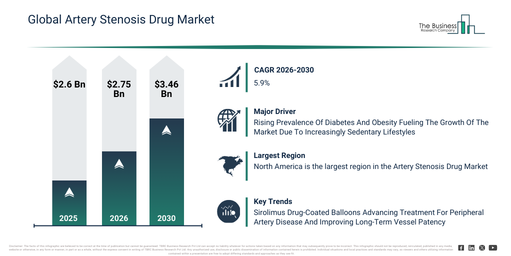
    Artery Stenosis Drug Market Size Projected To Increase From $2.75 Billion To $3.46 Billion During The Forecast Period

    Enhanced with market attractiveness analysis, total addressable market evaluation, company benchmarking matrices, interactive Excel dashboards, expanded supply chain intelligence, emerging startup coverage, and detailed product insights, The Business Research Company’s 2026 market reports deliver more actionable and strategically valuable research.

    Artery Stenosis Drug Market Size And Revenue Forecast Through 2030

    The market for drugs treating artery stenosis has seen robust expansion in recent times. Projected to rise from $2.6 billion in 2025 to $2.75 billion in 2026, this growth reflects a compound annual growth rate (CAGR) of 5.9%. Factors driving historical development include the widespread occurrence of cardiovascular diseases, an increasing elderly demographic, the growing use of statin therapies, higher rates of hypertension, and the widening scope of hospital cardiology services.

    The market for artery stenosis drugs is projected to experience robust expansion over the coming years. By 2030, its value is anticipated to reach $3.46 billion, driven by a compound annual growth rate (CAGR) of 5.9%. This forward-looking growth is fueled by an emphasis on preventive cardiology, initiatives for early disease detection, the increasing use of combination therapies, better management of chronic conditions, and a shift toward outpatient cardiovascular care. Emerging trends that are shaping the forecast period include a growing reliance on combination cardiovascular treatments, a higher prevalence of preventive medication protocols, the prolonged use of statin-based therapies, the expansion of vascular care tailored to the elderly, and a heightened focus on averting strokes and heart attacks.

    Download A Free Sample Report For Comprehensive Market Insights:

    https://www.thebusinessresearchcompany.com/sample.aspx?id=24151&type=smp&utm_source=BlogsPR&utm_medium=Paid&utm_campaign=Jul_PR

    Artery Stenosis Drug Market Industry Drivers: What Is Driving Revenue Growth?

    The anticipated expansion of the artery stenosis drug market is being driven forward by the increasing frequency of diabetes and obesity cases. Diabetes is defined as a chronic illness in which the body either does not generate enough insulin or fails to utilize it efficiently, leading to elevated blood glucose levels, while obesity represents a medical condition characterized by an accumulation of excess body fat, heightening the probability of various health complications. This uptick in diabetes and obesity cases stems from a lack of consistent physical activity linked to more sedentary work patterns and screen-focused leisure time, which foster weight gain and reduce insulin sensitivity. Medications for artery stenosis become essential in managing diabetes and obesity, since both disorders encourage the accumulation of plaque within arteries, thereby raising the likelihood of heart attacks and strokes. As an illustration, in September 2023, the World Health Organization, a Switzerland-headquartered specialized agency under the United Nations, reported that 2.0 million fatalities occurred due to diabetes. Consequently, the escalating prevalence of diabetes and obesity is fueling growth within the artery stenosis drug market.

    Artery Stenosis Drug Market Segment Analysis And Revenue Opportunities

    The artery stenosis drug market covered in this report is segmented –

    1) By Drug Type: Antiplatelet Agents, Anticoagulants, Statins, Beta Blockers

    2) By Mechanism Of Action: Platelet Aggregation Inhibitors, Thrombin Inhibitors, HMG-CoA Reductase Inhibitors, Beta-Adrenergic Antagonists

    3) By Route Of Administration: Oral, Injectable, Transdermal

    4) By Patient Type: Adults, Geriatric, Pediatric

    Subsegments:

    1) By Antiplatelet Agents: Aspirin, Clopidogrel, Ticagrelor, Prasugrel, Dipyridamole

    2) By Anticoagulants: Warfarin, Heparin, Low Molecular Weight Heparins, Direct Oral Anticoagulants (DOACs)

    3) By Statins: Atorvastatin, Simvastatin, Rosuvastatin, Pravastatin, Lovastatin

    4) By Beta Blockers: Metoprolol, Atenolol, Propranolol, Carvedilol, Bisoprolol

    Artery Stenosis Drug Market Growth Trends: What Is Influencing The Future Outlook?

    Key players in the artery stenosis drug market are intensifying their efforts to develop innovative therapies, including sirolimus-coated balloons, specifically designed to address untreated requirements in peripheral artery disease treatment. A sirolimus drug-coated balloon is a device that merges balloon angioplasty with targeted medication release, delivering sirolimus—an antiproliferative compound—straight into the vessel wall during inflation to prevent restenosis and enhance long-term arterial patency. In November 2024, Cordis Corporation, a cardiovascular medical device firm based in the United States, released encouraging 24-month data from the Selution SFA Japan study, which confirmed the effectiveness of its Selution SLR sirolimus-coated balloon for treating superficial femoral artery disease. The findings revealed an 86.8% primary patency rate at two years, paired with a low target lesion revascularization level of 6.6%, reflecting sustained vessel openness and a diminished requirement for further procedures. By providing a gradual and controlled sirolimus release to the arterial wall, the Selution SLR balloon curbs excessive tissue growth that causes recurrent narrowing, all while upholding strong safety profiles among patients dealing with peripheral artery stenosis.

    Artery Stenosis Drug Market Leading Players Shaping Industry Direction

    Major companies operating in the artery stenosis drug market are Pfizer Inc., Bayer AG, Bristol-Myers Squibb Company, AstraZeneca PLC, Novartis AG, Sanofi S.A., Merck & Co. Inc., Johnson & Johnson Services Inc., GSK plc, Boehringer Ingelheim, Daiichi Sankyo Company Limited, Eli Lilly and Company, Otsuka Pharmaceutical Co. Ltd., Teva Pharmaceutical Industries Ltd., Sun Pharmaceutical Industries Ltd., Dr. Reddy’s Laboratories Ltd., Cipla Limited, Lupin Limited, Aurobindo Pharma Limited, Zydus Lifesciences Limited

    Access The Complete Artery Stenosis Drug Market Report:

    https://www.thebusinessresearchcompany.com/report/artery-stenosis-drug-global-market-report?utm_source=BlogsPR&utm_medium=Paid&utm_campaign=Jul_PR

    Artery Stenosis Drug Market Largest Region: Which Geography Holds The Highest Market Share?

    North America was the largest region in the artery stenosis drug market in 2025. The regions covered in the artery stenosis drug market report are Asia-Pacific, South East Asia, Western Europe, Eastern Europe, North America, South America, Middle East, Africa.

    Get in touch with us:

    The Business Research Company: https://www.thebusinessresearchcompany.com/?utm_source=BlogsPR&utm_medium=Paid&utm_campaign=home_page_test

    Americas: +1 310-496-7795

    Asia: +44 7882 955267 & +91 8897263534

    Europe: +44 7882 955267

    Email us at: marketing@tbrc.info

    Follow us on:

    LinkedIn: https://in.linkedin.com/company/the-business-research-company

    YouTube: https://www.youtube.com/channel/UC24_fI0rV8cR5DxlCpgmyFQ

    Global Market Model: https://www.thebusinessresearchcompany.com/global-market-model
  • Aripiprazole Market Growth Outlook Reveals A CAGR Of 8% And A Market Value Of $11.12 Billion By 2030

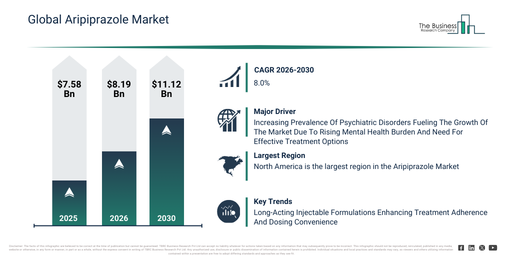
    Aripiprazole Market Growth Outlook Reveals A CAGR Of 8% And A Market Value Of $11.12 Billion By 2030

    Through market attractiveness analysis, total addressable market evaluation, company benchmarking matrices, interactive Excel dashboards, expanded supply chain intelligence, emerging startup coverage, and detailed product insights, The Business Research Company’s 2026 market reports provide more actionable and strategically valuable research.

    Aripiprazole Market Growth From $8.18 Billion In 2026 To $11.12 Billion By 2030 At A CAGR Of 8%

    The aripiprazole market has experienced robust expansion in recent years, with projections showing an increase from $7.58 billion in 2025 to $8.19 billion in 2026, reflecting a compound annual growth rate (CAGR) of 8.0%. This historic growth is largely influenced by factors such as the rising prevalence of schizophrenia, a growing number of bipolar disorder diagnoses, approvals for antipsychotic medications, heightened mental health awareness, and the expansion of hospital psychiatry services.

    The aripiprazole market is anticipated to experience significant expansion in the coming years, with projections indicating a rise to $11.12 billion by 2030, reflecting a compound annual growth rate (CAGR) of 8.0%. This forecasted growth is driven by several factors, including the increasing adoption of long-acting injectables, a rise in treatment-resistant depression cases, greater penetration of generic products, higher diagnoses of pediatric mental health conditions, and the expansion of outpatient psychiatric services. Notable trends shaping this period involve the growing use of aripiprazole as an adjunct therapy for depression, the advancement of long-acting injectable antipsychotics, its broader application in pediatric and adolescent psychiatry, rising demand for mood-stabilizing treatments, and the more extensive utilization of generic aripiprazole versions.

    Download A Free Sample Report For Comprehensive Market Insights:

    https://www.thebusinessresearchcompany.com/sample.aspx?id=24150&type=smp&utm_source=BlogsPR&utm_medium=Paid&utm_campaign=Jul_PR

    #Aripiprazole Market Growth Factors: Which Forces Are Supporting Market Expansion?

    The ongoing rise in psychiatric disorders is set to boost the aripiprazole market in the near future. These disorders encompass a variety of mental health conditions that impact how individuals think, feel, act, and function overall. Their increasing prevalence is driven by factors like chronic stress, social isolation, and the pressures of modern life that harm mental health. Aripiprazole works by balancing dopamine and serotonin activity in the brain, making it useful for treating schizophrenia, bipolar disorder, and major depressive disorder. With flexible dosing options, it enhances symptom control, improves treatment adherence, and uplifts patients’ quality of life. Data from the American Psychiatric Association, a US health organization, shows that in its annual mental health poll, 43% of US adults reported feeling more anxious in 2024 than the year before, a rise from 37% in 2023 and 32% in 2022. Consequently, the growing frequency of psychiatric disorders is fueling demand for aripiprazole.

    Aripiprazole Market Segmentation And Category Breakdown

    The aripiprazole market covered in this report is segmented –

    1) By Indication: Schizophrenia, Bipolar Disorder, Major Depressive Disorder, Autism Spectrum Disorder

    2) By Patient Demographics: Pediatric Patients, Adult Patients, Geriatric Patients

    3) By Dosage Form: Oral Tablets, Oral Solution, Injectable

    4) By Distribution Channel: Hospital Pharmacy, Retail Pharmacy, Online Pharmacy

    Subsegments:

    1) By Schizophrenia: Acute Schizophrenia, Maintenance Treatment for Schizophrenia

    2) By Bipolar Disorder: Bipolar I Disorder, Bipolar II Disorder, Bipolar Depression

    3) By Major Depressive Disorder: Treatment-Resistant Depression, Acute Major Depressive Disorder

    4) By Autism Spectrum Disorder: Irritability Associated with Autism, Aggressive Behavior in Autism

    Aripiprazole Market Industry Trends: What Changes Are Reshaping Demand?

    Major pharmaceutical players in the aripiprazole market are concentrating on creating innovative offerings and securing regulatory approvals—including product line extensions—to boost treatment compliance, broaden the range of therapeutic uses, and preserve their competitive standing after patents expire. A product line extension is a tactic where new variations of an existing product are launched under the same brand, often involving modifications in composition, strength, packaging, or delivery systems, with the goal of increasing the product’s market presence or meeting changing patient requirements without changing the main active ingredient. As an example, in March 2024, Otsuka Pharmaceutical Co. Ltd., headquartered in Japan, obtained clearance from Japan’s Ministry of Health, Labour and Welfare (MHLW) for Abilify Asimtufii, a long-acting injectable version of aripiprazole given every two months to treat schizophrenia. This medication functions by providing a steady release of aripiprazole via a ready-to-use aqueous suspension, enabling dosing every two months, which reduces how often injections are needed compared to monthly options, thus enhancing treatment adherence and patient convenience while still effectively controlling schizophrenia symptoms.

    Aripiprazole Market Competitive Analysis Of Major Industry Participants

    Major companies operating in the aripiprazole market are Novartis AG, Teva Pharmaceutical Industries Ltd., Hetero Drugs, Sun Pharmaceutical Industries Ltd., Cipla Limited, Zydus Lifesciences, Neuland Laboratories Ltd., Ipca Laboratories Limited, Jubilant Pharmova, MSN Laboratories Pvt. Ltd., Harman Finochem Ltd., SMS Pharmaceuticals, Erregierre S.p.A., Tiefenbacher API + Ingredients GmbH & Co. KG, Alkem Laboratories Ltd., Suraj Laboratories Pvt. Ltd, Octavius Pharma Pvt. Ltd., Tooba Pharmaceuticals Private Limited, Senores Pharmaceuticals Pvt. Ltd., Gonane Pharma.

    Access The Complete Aripiprazole Market Report:

    https://www.thebusinessresearchcompany.com/report/aripiprazole-global-market-report?utm_source=BlogsPR&utm_medium=Paid&utm_campaign=Jul_PR

    Aripiprazole Market Regional Analysis: Which Region Leads By Revenue?

    North America was the largest region in the aripiprazole market in 2025. Asia-Pacific is expected to be the fastest-growing region in the forecast period. The regions covered in the aripiprazole market report are Asia-Pacific, South East Asia, Western Europe, Eastern Europe, North America, South America, Middle East, Africa.

    Get in touch with us:

    The Business Research Company: https://www.thebusinessresearchcompany.com/?utm_source=BlogsPR&utm_medium=Paid&utm_campaign=home_page_test

    Americas: +1 310-496-7795

    Asia: +44 7882 955267 & +91 8897263534

    Europe: +44 7882 955267

    Email us at: marketing@tbrc.info

    Follow us on:

    LinkedIn: https://in.linkedin.com/company/the-business-research-company

    YouTube: https://www.youtube.com/channel/UC24_fI0rV8cR5DxlCpgmyFQ

    Global Market Model: https://www.thebusinessresearchcompany.com/global-market-model
  • Aptamers Market Forecast Highlights Expansion From $4.05 Billion To $9.83 Billion Through 2030

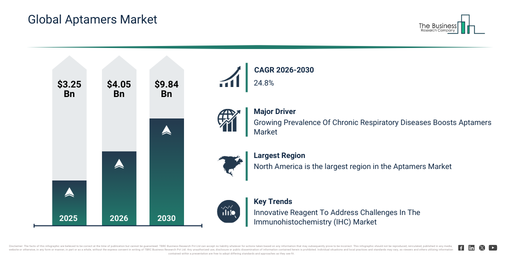
    Aptamers Market Forecast Highlights Expansion From $4.05 Billion To $9.83 Billion Through 2030

    Delivering more actionable and strategically valuable research, The Business Research Company’s 2026 market reports feature market attractiveness analysis, total addressable market evaluation, company benchmarking matrices, interactive Excel dashboards, expanded supply chain intelligence, emerging startup coverage, and detailed product insights.

    Aptamers Market Expansion Outlook: What Revenue Opportunities Lie Ahead?

    The aptamers market has experienced rapid expansion over recent years, with projections indicating an increase from $3.25 billion in 2025 to $4.05 billion in 2026, reflecting a compound annual growth rate (CAGR) of 24.6%. This historic growth is driven by factors such as the rising need for precision therapeutics, progress in molecular biology methods, heightened investment in aptamer technology research, a growing occurrence of chronic illnesses, and the broadening of biotechnology research facilities.

    The aptamers market is forecast to experience significant expansion over the coming years, reaching a valuation of $9.84 billion by 2030 with a compound annual growth rate (CAGR) of 24.8%. This upward trajectory during the projection period is driven by factors such as the rising utilization of aptamer-based diagnostic tools, the incorporation of artificial intelligence and biosensing technologies into their development, the growing emphasis on personalized medicine, heightened partnerships between pharmaceutical and biotechnology firms, and the growing presence in emerging research and healthcare markets. Key developments expected in this period include sophisticated targeting in drug creation, the use of mass screening methods for efficiency, flexibility in customizing aptamer structures, seamless connection with biosensors and diagnostic instruments, and an overall broadening of both therapeutic and diagnostic market opportunities.

    Download A Free Sample Report For Comprehensive Market Insights:

    https://www.thebusinessresearchcompany.com/sample.aspx?id=8156&type=smp&utm_source=BlogsPR&utm_medium=Paid&utm_campaign=Jul_PR

    Aptamers Market Demand Drivers: What Is Fueling Industry Growth?

    The growing incidence of chronic respiratory conditions is anticipated to fuel expansion in the aptamers market moving forward. A chronic respiratory disease involves narrowing and swelling of the airways, often accompanied by excess mucus production, which leads to breathing difficulties, coughing, shortness of breath, and wheezing during exhalation. Aptamers play a key role in detecting the respiratory syncytial virus (RSV), enabling early identification of the disease and supporting treatment efforts. As an example, data from the Australian Institute of Health and Welfare released in June 2024 revealed that in 2023, COPD represented 3.6% of the overall disease burden and accounted for 50% of the burden linked to respiratory conditions. Consequently, the escalating prevalence of chronic respiratory diseases is propelling growth within the aptamers market.

    Aptamers Market Segment Outlook: Which Categories Are Expanding The Fastest?

    The aptamers market covered in this report is segmented –

    1) By Type: DNA Aptamers, XNA Aptamers, RNA Aptamers

    2) By Technology: SELEX, X Aptamer, Maras Technique

    3) By Application: Therapeutics Development, Research and Development, Diagnostic, Other Applications

    Subsegments:

    1) By DNA Aptamers: Single-Stranded DNA (ssDNA) Aptamers, Double-Stranded DNA (dsDNA) Aptamers

    2) By XNA Aptamers: Peptide Nucleic Acid (PNA) Aptamers, Locked Nucleic Acid (LNA) Aptamers, Glycyl Nucleic Acid (GNA) Aptamers

    3) By RNA Aptamers: Small Interfering RNA (siRNA) Aptamers, Short Hairpin RNA (shRNA) Aptamers, Long Non-Coding RNA (lncRNA) Aptamers

    Aptamers Market Innovation Trends: Which Developments Are Transforming The Industry?

    Key players in the aptamers market are introducing cutting-edge reagents like Optimer-Fc to tackle obstacles within the immunohistochemistry (IHC) sector. Optimer-Fc serves as a novel tool designed to streamline automated IHC processes. For example, in March 2023, Aptamer Group PLC, a biotechnology firm based in the UK, unveiled Optimer-Fc, a fresh reagent intended for automated IHC workflows, thereby confronting market difficulties. This company partners with prominent IHC organizations, confirms the effectiveness of Optimer-Fc, and arranges testing phases with leading pharmaceutical entities. As an alternative to antibodies, Optimer-Fc incorporates Optimer binders into current systems, delivering enhanced precision and specificity for disease markers in IHC uses. Such a development is particularly significant given the expiration of patents on IHC antibodies, as it presents a protectable option.

    Aptamers Market Key Companies And Competitive Benchmarking

    Major companies operating in the aptamers market are Aptamer Group Limited, SomaLogic Inc., Aptamer Sciences Inc., Aptagen LLC, NeoVentures Biotechnology Inc., Aptus Biotech, Base Pair Biotechnologies Inc., AMS Biotechnology Ltd., Vivonics Inc., TriLink Biotechnologies LLC, Noxxon Pharma SE, AM Biotechnologies LLC, Raptamer Discovery Group, Kaneka Corporation, Novaptech Inc., Maravai Lifesciences Inc., Bio-Techne Corporation, Creative Biolabs Inc., IBA Lifesciences GmbH, Aptabharat Innovations Pvt. Ltd., Profacgen Biotech Inc., Medi GmbH & Co. KG, Pure Biologics Sp. z o.o., Oak BioSciences Inc., Ophthotech Corporation, Novartis AG, NeoNeuro SAS, CAGE Bio Inc., TAGCyx Biotechnologies Inc., AstraZeneca PLC, GlyTech Inc., GC Biopharma Corp., Achiko AG, Agilent Technologies Inc., IVERIC bio Inc.

    Access The Complete Aptamers Market Report:

    https://www.thebusinessresearchcompany.com/report/aptamers-global-market-report?utm_source=BlogsPR&utm_medium=Paid&utm_campaign=Jul_PR

    Aptamers Market Geographic Distribution And Regional Opportunities

    North America was the largest region in the aptamers market in 2025. The regions covered in the aptamers market report are Asia-Pacific, South East Asia, Western Europe, Eastern Europe, North America, South America, Middle East, Africa.

    Get in touch with us:

    The Business Research Company: https://www.thebusinessresearchcompany.com/?utm_source=BlogsPR&utm_medium=Paid&utm_campaign=home_page_test

    Americas: +1 310-496-7795

    Asia: +44 7882 955267 & +91 8897263534

    Europe: +44 7882 955267

    Email us at: marketing@tbrc.info

    Follow us on:

    LinkedIn: https://in.linkedin.com/company/the-business-research-company

    YouTube: https://www.youtube.com/channel/UC24_fI0rV8cR5DxlCpgmyFQ

    Global Market Model: https://www.thebusinessresearchcompany.com/global-market-model
  • Appetite Stimulant Market Expected To Reach $2.85 Billion By 2030 As Growth Accelerates At 8.5% CAGR

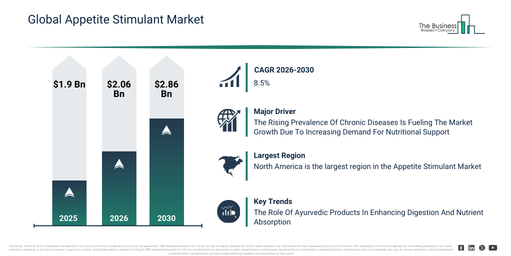
    Appetite Stimulant Market Expected To Reach $2.85 Billion By 2030 As Growth Accelerates At 8.5% CAGR

    Enhanced with market attractiveness analysis, total addressable market evaluation, company benchmarking matrices, interactive Excel dashboards, expanded supply chain intelligence, emerging startup coverage, and detailed product insights, The Business Research Company’s 2026 market reports deliver more actionable and strategically valuable research.

    Appetite Stimulant Market Growth Potential: How Will Market Size Change Through 2030?

    The appetite stimulant market size has grown strongly in recent years. It will grow from $1.9 billion in 2025 to $2.06 billion in 2026 at a compound annual growth rate (CAGR) of 8.5%. The growth in the historic period can be attributed to malnutrition prevalence, chronic illness burden, oncology supportive care usage, geriatric population growth, hospital nutrition programs.

    The appetite stimulant market size is expected to see strong growth in the next few years. It will grow to $2.86 billion in 2030 at a compound annual growth rate (CAGR) of 8.5%. The growth in the forecast period can be attributed to personalized nutrition demand, homecare treatment expansion, functional food innovation, appetite loss management, chronic disease survival rates. Major trends in the forecast period include growing use in chronic disease management, increased adoption in geriatric nutrition, rising preference for natural appetite stimulants, expansion of functional food-based formulations, growth of homecare nutritional support.

    Download A Free Sample Report For Comprehensive Market Insights:

    https://www.thebusinessresearchcompany.com/sample.aspx?id=24149&type=smp&utm_source=BlogsPR&utm_medium=Paid&utm_campaign=Jul_PR

    Appetite Stimulant Market Growth Drivers: What Factors Are Accelerating Expansion?

    The rising prevalence of chronic diseases is expected to propel the growth of the appetite stimulant market going forward. A chronic disease is a long-term medical ailment or illness that usually lasts three months or more and frequently worsens with time. The rising prevalence of chronic diseases is primarily attributed to poor diet, as unhealthy eating habits, such as high consumption of processed foods, sugars, and unhealthy fats, contribute to conditions such as obesity, diabetes, and cardiovascular diseases. Appetite stimulates help with chronic diseases by enhancing overall outcomes and nutritional status by boosting hunger and food consumption, which may help people acquire or maintain weight. For instance, in September 2023, according to the World Health Organization, a Switzerland-based specialized agency of the United Nations, there were 41 million deaths, which is 74% of those caused by non-communicable diseases (NCDs) or chronic diseases every year globally. There were 17.9 million deaths from cardiovascular diseases, 9.3 million deaths from cancer, 4.1 million deaths from chronic respiratory diseases, and 2.0 million deaths from diabetes. Therefore, the rising prevalence of chronic diseases is driving the growth of the appetite stimulant market.

    Appetite Stimulant Market Segment Landscape: Which Areas Lead Market Development?

    The appetite stimulant market covered in this report is segmented –

    1) By Type: Prescription, Over The Counter, Natural

    2) By Formulation Type: Liquid Formulations, Powder Formulations, Capsules And Tablets, Functional Foods

    3) By Distribution Channel: Hospital Pharmacy, Online Pharmacy, Retail Pharmacy

    4) By End-Users: Hospitals, Homecare, Speciality Centres

    Subsegments:

    1) By Prescription: Synthetic Appetite Stimulants, Cannabinoids, Corticosteroids, Antidepressants

    2) By Over The Counter (OTC): Herbal Supplements, Amino Acids, Vitamins And Minerals, Probiotics

    3) By Natural: Ginger, Fenugreek, Cannabis, Zinc Supplements

    Appetite Stimulant Market Trends: What Is Shaping Future Industry Growth?

    Major companies operating in the appetite stimulant market are focusing on promoting innovative products such as ayurvedic appetite stimulants to attract health-conscious consumers. An Ayurvedic appetite stimulant is a natural remedy made from traditional herbs that helps increase appetite by stimulating digestive fire, enhancing enzyme secretion, and improving nutrient absorption. For instance, in October 2024, Lupin Limited, an India-based pharmaceutical company, announced the flag-off of its Aptivate Achi Bhookh Fest to promote healthy eating habits and nutrition awareness among children through interactive activities and expert-led sessions, with plans to expand the campaign to reach 250,000 people across schools and residential areas. Aptivate is an ayurvedic appetite stimulant for children designed to help parents promote healthy eating habits. The product plays a key role in LupinLife’s initiatives, including the Aptivate Achi Bhookh Fest, which encourages optimal nutrition and strong immunity in children.

    Appetite Stimulant Market Industry Leaders And Market Competition

    Major companies operating in the appetite stimulant market are Bristol Myers Squibb, Novartis AG, Solvay Pharmaceuticals, Lupin Limited, TIL Healthcare Private Limited, Zeon Lifesciences Limited, Apex Laboratories Private Limited, Nuray Chemicals Private Limited, Arlak Biotech Private Limited, AdvaCare Pharma USA LLC, Dwarkesh Pharmaceuticals Private Limited, Par Pharmaceutical Companies Inc., Salvus Healthcare Private Limited, Epitome Pharmaceuticals Private Limited, Abiba Pharmacia Private Limited, Pharmika India Private Limited, Wellona Pharma, SiNi Pharma, Vibcare Pharma Private Limited, Mayons Pharmaceuticals Private Limited

    Access The Complete Appetite Stimulant Market Report:

    https://www.thebusinessresearchcompany.com/report/appetite-stimulant-global-market-report?utm_source=BlogsPR&utm_medium=Paid&utm_campaign=Jul_PR

    Appetite Stimulant Market Largest Region By Revenue And Market Share

    North America was the largest region in the appetite stimulant market in 2025. Asia-Pacific is expected to be the fastest-growing region in the forecast period. The regions covered in the appetite stimulant market report are Asia-Pacific, South East Asia, Western Europe, Eastern Europe, North America, South America, Middle East, Africa.

    Get in touch with us:

    The Business Research Company: https://www.thebusinessresearchcompany.com/?utm_source=BlogsPR&utm_medium=Paid&utm_campaign=home_page_test

    Americas: +1 310-496-7795

    Asia: +44 7882 955267 & +91 8897263534

    Europe: +44 7882 955267

    Email us at: marketing@tbrc.info

    Follow us on:

    LinkedIn: https://in.linkedin.com/company/the-business-research-company

    YouTube: https://www.youtube.com/channel/UC24_fI0rV8cR5DxlCpgmyFQ

    Global Market Model: https://www.thebusinessresearchcompany.com/global-market-model
  • Appetite Control And Suppressants Market Set To Grow From $4.11 Billion In 2026 To $5.34 Billion By 2030 At A CAGR Of 6.8%

    Appetite Control And Suppressants Market Set To Grow From $4.11 Billion In 2026 To $5.34 Billion By 2030 At A CAGR Of 6.8%

    Through market attractiveness analysis, total addressable market evaluation, company benchmarking matrices, interactive Excel dashboards, expanded supply chain intelligence, emerging startup coverage, and detailed product insights, The Business Research Company’s 2026 market reports provide more actionable and strategically valuable research.

    Appetite Control And Suppressants Market Value Analysis: What Growth Is Expected Over The Forecast Period?

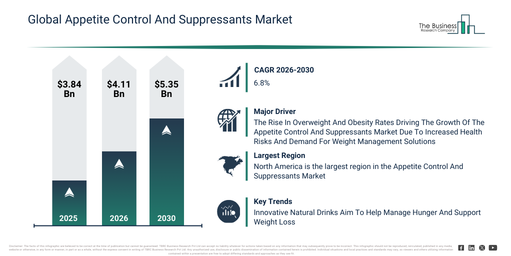
    The appetite control and suppressants market has experienced notable expansion in recent years, with projections indicating a rise from $3.84 billion in 2025 to $4.11 billion in 2026, reflecting a compound annual growth rate (CAGR) of 7.1%. This historical growth has been driven by factors such as the increasing prevalence of obesity, growing demand for dietary supplements, shifts in lifestyle patterns, heightened awareness of fitness, and the widespread availability of over-the-counter products.

    Projections indicate a robust expansion for the appetite control and suppressants market in the coming years. By 2030, its value is anticipated to reach $5.35 billion, representing a compound annual growth rate (CAGR) of 6.8%. This upward trajectory during the forecast period is driven by factors such as increasing awareness of weight management, a growing inclination toward natural supplement options, the rise of digital wellness platforms, an emphasis on preventive healthcare, and an expanding aging demographic. Key emerging trends include heightened demand for weight management solutions, the increasing availability of natural and herbal suppressants, a broader range of over-the-counter appetite control products, a stronger focus on lifestyle-driven weight loss methods, and the rapid growth of online and direct-to-consumer sales channels.

    Download A Free Sample Report For Comprehensive Market Insights:

    https://www.thebusinessresearchcompany.com/sample.aspx?id=24467&type=smp&utm_source=BlogsPR&utm_medium=Paid&utm_campaign=Jul_PR

    Appetite Control And Suppressants Market Growth Factors Supporting Long-Term Expansion

    The rising prevalence of overweight and obesity is anticipated to drive expansion in the appetite control and suppressants market in the coming years. Overweight and obesity are conditions characterized by excessive fat accumulation that can negatively impact health. These issues are increasingly common due to poor dietary habits, including high consumption of calories, sugars, and unhealthy fats, alongside inadequate nutrient intake. Appetite control and suppressants address these conditions by reducing hunger signals, lowering calorie consumption, and promoting effective weight management. For example, in September 2024, the Centers for Disease Control and Prevention (CDC), a U.S.-based public health agency, reported that 23 states had adult obesity rates of 35% or higher in 2023, while all 50 states recorded obesity levels of at least 20%. Consequently, the growing incidence of overweight and obesity is fueling market growth for appetite control and suppressants.

    Appetite Control And Suppressants Market Segments: Where Are The Largest Growth Opportunities?

    The appetite control and suppressants market covered in this report is segmented –

    1) By Product Type: Prescription Appetite Suppressants, Over-The-Counter (OTC) Appetite Suppressants, Natural Or Herbal Appetite Suppressants, Meal Replacements And Shakes, Dietary Fiber Supplements

    2) By Form: Tablets And Capsules, Powders, Gummies And Chews, Liquids, Bars

    3) By Distribution Channel: Pharmacies And Drug Stores, Supermarkets And Hypermarkets, Online Retailers, Specialty Stores, Healthcare Providers And Clinics

    4) By End-User: Adults, Geriatric, Adolescents

    Subsegments:

    1) By Prescription Appetite Suppressants: Phentermine, Lorcaserin (Belviq), Diethylpropion, Other Prescription Drugs

    2) By Over-The-Counter (OTC) Suppressants: Herbal Supplements, Fiber-Based Suppressants, Caffeine-Based Products, Meal Replacements

    3) By Natural or Herbal Appetite Suppressants: Green Tea Extract, Garcinia Cambogia, Glucomannan, Yerba Mate, Fenugreek, Conjugated Linoleic Acid

    4) By Meal Replacements And Shakes: Protein Shakes, Meal Replacement Bars, Low-Calorie Shakes, High-Protein Smoothies, Keto Meal Replacements

    5) By Dietary Fiber Supplements: Glucomannan, Psyllium Husk, Methylcellulose, Inulin, Beta-Glucan

    Appetite Control And Suppressants Market Industry Trends Shaping Future Revenue Growth

    Major companies operating in the appetite control and suppressants market are focusing on developing innovative products, such as natural appetite suppressant drinks, to offer safer and more effective weight management solutions. Natural appetite suppressant drinks are beverages made from herbs, fruits, or fibers that help reduce hunger and control cravings naturally. For instance, in December 2024, Nestlé S.A., a Switzerland-based food and beverage company, launched Boost Pre-Meal Hunger Support, a natural appetite suppressant drink. This product is designed to mimic the effects of weight-loss medications such as Ozempic and Wegovy. It is a 45-calorie, 10-gram whey protein shot intended to be consumed 10 to 30 minutes before meals. Stimulating the body’s natural GLP-1 hormone response helps reduce appetite and increase feelings of fullness. Its formula contains fast-digesting peptides and whey protein microgels to extend satiety, making it ideal for people on weight-loss plans or those using GLP-1-based treatments.

    Appetite Control And Suppressants Market Major Participants And Competitive Dynamics

    Major companies operating in the appetite control and suppressants market are Nestlé S.A, GlaxoSmithKline plc, Sanofi S.A, Takeda Pharmaceutical Company Limited, Eli Lilly and Company, Novo Nordisk A/S, Herbalife Nutrition Ltd, Amway Corporation, GNC Holdings Inc., Medifast Inc., Nature’s Sunshine Products Inc., The Boots Company PLC, BPI Sports LLC, Grenade (UK) Limited, Currax Pharmaceuticals LLC, VIVUS Inc, Orexigen Therapeutics Inc, NOW Health Group Inc, Nutrabay Retail Private Limited, GAT Sport

    Access The Complete Appetite Control And Suppressants Market Report:

    https://www.thebusinessresearchcompany.com/report/appetite-control-and-suppressants-global-market-report?utm_source=BlogsPR&utm_medium=Paid&utm_campaign=Jul_PR

    Appetite Control And Suppressants Market Regional Analysis And Leading Geography

    North America was the largest region in the appetite control and suppressants market in 2025. Asia-Pacific is expected to be the fastest-growing region in the forecast period. The regions covered in the appetite control and suppressants market report are Asia-Pacific, South East Asia, Western Europe, Eastern Europe, North America, South America, Middle East, Africa.

    Get in touch with us:

    The Business Research Company: https://www.thebusinessresearchcompany.com/?utm_source=BlogsPR&utm_medium=Paid&utm_campaign=home_page_test

    Americas: +1 310-496-7795

    Asia: +44 7882 955267 & +91 8897263534

    Europe: +44 7882 955267

    Email us at: marketing@tbrc.info

    Follow us on:

    LinkedIn: https://in.linkedin.com/company/the-business-research-company

    YouTube: https://www.youtube.com/channel/UC24_fI0rV8cR5DxlCpgmyFQ

    Global Market Model: https://www.thebusinessresearchcompany.com/global-market-model
  • Apixaban Market Opportunities Are Emerging Beyond Traditional Growth Areas

    Apixaban Market Opportunities Are Emerging Beyond Traditional Growth Areas

    Delivering more actionable and strategically valuable research, The Business Research Company’s 2026 market reports feature market attractiveness analysis, total addressable market evaluation, company benchmarking matrices, interactive Excel dashboards, expanded supply chain intelligence, emerging startup coverage, and detailed product insights.

    Apixaban Market Size Forecast: How Large Could The Market Become By 2030?

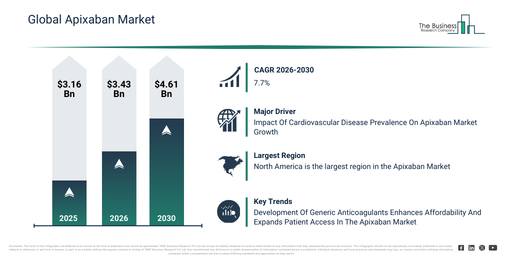
    The apixaban market has experienced robust expansion in recent times. Its value is projected to climb from $3.16 billion in 2025 to $3.43 billion in 2026, reflecting a compound annual growth rate (CAGR) of 8.5%. Historically, this upward trajectory has been driven by several factors, including a rising incidence of atrial fibrillation, heightened awareness surrounding stroke prevention, the availability of generic anticoagulants, improved hospital infrastructure, and progress in diagnostic technologies.

    The apixaban market is projected to experience robust expansion over the coming years, with its value anticipated to climb to $4.61 billion by 2030, driven by a compound annual growth rate of 7.7%. Several factors are expected to fuel this growth during the forecast period, including the increasing number of elderly individuals, a heightened preference for less invasive surgical procedures, the incorporation of digital health monitoring tools, novel developments in oral anticoagulant formulations, and the broadening scope of homecare services. Key trends shaping this period involve a greater uptake of direct oral anticoagulants (DOACs), a higher prevalence of cardiovascular conditions, the widening reach of thromboprophylaxis programs following surgery, the advancement of patient-focused anticoagulation therapies, and the expansion of outpatient and home-based anticoagulation management.

    Download A Free Sample Report For Comprehensive Market Insights:

    https://www.thebusinessresearchcompany.com/sample.aspx?id=15979&type=smp&utm_source=BlogsPR&utm_medium=Paid&utm_campaign=Jul_PR

    Apixaban Market Demand Drivers Creating New Revenue Opportunities

    The growing incidence of cardiovascular disease is anticipated to accelerate the expansion of the apixaban market in the coming period. Cardiovascular disease includes a broad spectrum of disorders impacting the heart and blood vessels, such as coronary artery disease, stroke, and heart failure. This increase in cardiovascular disease rates is driven by sedentary lifestyles, unhealthy eating habits, tobacco consumption, obesity, hypertension, diabetes, and aging demographics. Apixaban plays a key role in treating cardiovascular disease by lowering the risk of blood clots, thereby helping to avert conditions like stroke, deep vein thrombosis, and pulmonary embolism. For example, in January 2024, data from the American Heart Association, a US-based nonprofit organization, indicated that deaths from cardiovascular diseases totaled 931,578, reflecting a rise of nearly 3,000 fatalities from the 928,741 recorded in 2023. Consequently, the escalating prevalence of cardiovascular disease is fueling the growth of the apixaban market.

    Apixaban Market Segment Analysis: What Are The Major Market Categories?

    The apixaban market covered in this report is segmented –

    1) By Dosage Form: Capsule, Tablets

    2) By Application: Deep Vein Thrombosis (DVT), Pulmonary Embolism (PE)

    3) By End-Users: Hospitals, Homecare, Specialty Clinics, Other End-Users

    Apixaban Market Trends Driving Strategic Industry Expansion

    Leading firms in the apixaban market are concentrating on creating novel solutions, including generic anticoagulant medications, to enhance treatment affordability, expand patient access, and solidify their market presence. Generic anticoagulant drugs are therapeutically equivalent formulations that inhibit blood clot formation by blocking essential elements in the coagulation process, thus decreasing the likelihood of stroke and other serious heart-related conditions. For example, in February 2023, Zydus Lifesciences, a pharmaceutical company from India, secured final approval from the U.S. Food and Drug Administration (FDA) for its generic apixaban tablets in 2.5 mg and 5 mg dosages, matching the strengths of the reference drug Eliquis. This approval facilitates broader distribution of budget-friendly anticoagulant therapy throughout the U.S., thereby enhancing patient access to vital treatments for ailments like atrial fibrillation, deep vein thrombosis, and pulmonary embolism.

    Apixaban Market Leading Companies Driving Competitive Growth

    Major companies operating in the apixaban market are Bristol-Myers Squibb Company, Pfizer Inc., Viatris Inc., Teva Pharmaceutical Industries Ltd., Sandoz Group AG, Sun Pharmaceutical Industries Ltd., Aurobindo Pharma Limited, Dr. Reddy’s Laboratories Ltd., Cipla Limited, Lupin Limited, Glenmark Pharmaceuticals Ltd., Torrent Pharmaceuticals Ltd., Hetero Drugs Ltd., Medichem S.A., Simson Pharma Limited, Aspen Pharmacare Holdings Limited, Daiichi Sankyo Company Limited, Fresenius Kabi AG, Centaur Pharmaceuticals Pvt. Ltd., Pinnacle Life Sciences Private Limited

    Access The Complete Apixaban Market Report:

    https://www.thebusinessresearchcompany.com/report/apixaban-global-market-report?utm_source=BlogsPR&utm_medium=Paid&utm_campaign=Jul_PR

    Apixaban Market Geographic Analysis: Where Is Demand Growing The Fastest?

    North America was the largest region in the apixaban market in 2025. Asia-Pacific is expected to be the fastest-growing region in the forecast period. The regions covered in the apixaban market report are Asia-Pacific, South East Asia, Western Europe, Eastern Europe, North America, South America, Middle East, Africa.

    Get in touch with us:

    The Business Research Company: https://www.thebusinessresearchcompany.com/?utm_source=BlogsPR&utm_medium=Paid&utm_campaign=home_page_test

    Americas: +1 310-496-7795

    Asia: +44 7882 955267 & +91 8897263534

    Europe: +44 7882 955267

    Email us at: marketing@tbrc.info

    Follow us on:

    LinkedIn: https://in.linkedin.com/company/the-business-research-company

    YouTube: https://www.youtube.com/channel/UC24_fI0rV8cR5DxlCpgmyFQ

    Global Market Model: https://www.thebusinessresearchcompany.com/global-market-model