Tag: Revenue 2025

  • Connected Wearable Patches Market Expansion Is Reshaping Competitive Dynamics Across The Industry

    Connected Wearable Patches Market Expansion Is Reshaping Competitive Dynamics Across The Industry

    Enhanced with market attractiveness analysis, total addressable market evaluation, company benchmarking matrices, interactive Excel dashboards, expanded supply chain intelligence, emerging startup coverage, and detailed product insights, The Business Research Company’s 2026 market reports deliver more actionable and strategically valuable research.

    The connected wearable patches market is rapidly evolving, driven by technological advances and growing health awareness among consumers. As these devices become more integrated into daily life, especially for health monitoring and fitness tracking, the market is set for substantial growth. Let’s explore the current market size, key factors influencing its expansion, prominent players, emerging trends, and regional dynamics shaping this sector.

    Market Size and Anticipated Growth Trajectory of the Connected Wearable Patches Market

    The connected wearable patches market has seen significant growth recently, expanding from $6.42 billion in 2025 to an expected $7.32 billion in 2026, representing a compound annual growth rate (CAGR) of 14.1%. This rise during the historical period is mainly due to limited prior adoption of wearable tech, dependence on traditional monitoring tools, a growing number of chronic disease cases, early clinical trials involving wearable patches, and increasing awareness about patient-centered healthcare. Looking ahead, the market is predicted to surge further, reaching $12.26 billion by 2030 with a CAGR of 13.8%. Key drivers include miniaturization and improved connectivity of sensors, seamless integration with smartphones and cloud platforms, increasing demand for continuous glucose and cardiac monitoring, wider use in sports and wellness tracking, and enhanced regulatory support and reimbursement policies. Important trends shaping this future growth encompass expanded remote patient monitoring and telehealth, broader adoption of non-invasive glucose monitoring methods, rising usage in fitness and sports performance, growth in transdermal drug delivery applications, and heightened emphasis on data accuracy, sensor reliability, and patient safety.

    Download A Free Sample Report For Comprehensive Market Insights:

    https://www.thebusinessresearchcompany.com/sample.aspx?id=25725&type=smp

    Fitness and Wellness Awareness Driving Connected Wearable Patches Demand

    One of the foremost factors propelling the connected wearable patches market is the rising awareness around fitness and well-being. As more people recognize the value of regular exercise and healthy living to prevent chronic illnesses, the demand for devices that support these lifestyles has grown. Connected wearable patches facilitate this by continuously tracking vital health parameters, offering real-time feedback, and encouraging users to maintain active, healthier routines. For example, in June 2024, the International Food Information Council (IFIC), a US-based nonprofit, reported that 54% of Americans followed a specific diet or eating pattern in the past year. Notably, the interest in increasing protein intake rose steadily from 59% in 2022 to 67% in 2023, reaching 71% in 2024. Additionally, nearly half of consumers are aiming to increase consumption of fresh foods, widely regarded as the healthiest option. Such shifts in consumer behavior are contributing to the growth of the connected wearable patches market.

    Technological Enhancements and Healthcare Integration Supporting Market Growth

    Advancements in sensor technology and connectivity are playing a crucial role in expanding the capabilities and applications of wearable patches. These improvements allow for more accurate, continuous monitoring and seamless data sharing with healthcare providers and digital platforms. This connectivity is enhancing patient care by enabling earlier diagnosis, better disease management, and more personalized treatment plans. Furthermore, growing acceptance of telehealth and remote monitoring solutions is creating new opportunities for wearable patches to become essential tools in managing chronic conditions and supporting wellness initiatives.

    Access The Complete Connected Wearable Patches Market Report:

    https://www.thebusinessresearchcompany.com/report/connected-wearable-patches-global-market-report

    Detailed Segmentation Highlights Opportunities in Connected Wearable Patches Market

    The connected wearable patches market is categorized into several key segments:

    1) By Type: Glucose Monitoring Patches, Cardiac Monitoring Patches, Electromyography (EMG) Patches, Transdermal Drug Delivery Patches, Electroencephalography (EEG) Patches, and other types

    2) By Sensor Technology: Electrocardiography (ECG), Photoplethysmography (PPG), Accelerometry, Gyroscope, Temperature Sensing

    3) By Distribution Channel: Online Stores, Pharmacies, Specialty Stores, Other Channels

    4) By Application: Remote Patient Monitoring, Fitness and Wellness Monitoring, Drug Delivery, Sports and Performance Monitoring, Other Applications

    5) By End User: Hospitals, Home Care, Fitness Centers, Research Institutions, Other End Users

    Within these categories, subsegments provide further granularity. For example, glucose monitoring patches include continuous glucose monitoring (CGM), flash glucose monitoring (FGM), non-invasive patches, and adhesive enzyme-based types. Cardiac patches cover electrocardiography monitoring, arrhythmia detection, remote cardiac telemetry, and Holter monitoring. EMG patches comprise surface, wireless sensor, multi-channel, and rehabilitation monitoring types. Transdermal drug delivery patches involve nicotine, hormone replacement therapy, pain management (such as fentanyl), neurological drugs, and anti-hypertensive patches. EEG patches include sleep monitoring, seizure detection, brain-computer interface, and cognitive performance monitoring. Other patch types focus on hydration, temperature, sweat analysis, oxygen saturation, and respiratory rate monitoring.

    Innovations in Technology Transforming the Connected Wearable Patches Market

    Leading companies in the connected wearable patches space are embracing cutting-edge technologies, such as sweat-sensing biopatch platforms that offer real-time, personalized hydration data, particularly valuable for industrial workers exposed to heat stress. These biopatches integrate multiple biosensors to track fluid and electrolyte loss, body temperature, and movement patterns, providing proactive hydration management. A notable example is Epicore Biosystems, a US-based digital health innovator, which in April 2024 launched Connected Hydration alongside a companion mobile app. This next-generation wearable patch features a flexible, non-rechargeable biopatch with a 1,000-hour battery life, delivers dehydration alerts through haptic feedback, and allows users to monitor fluid intake and biometric trends via the app. The device’s rugged design is certified for hazardous environments and leverages machine learning trained on over 420,000 field data points to optimize performance.

    Who Are the Key Players in the Connected Wearable Patches Market?

    The connected wearable patches sector includes several prominent companies shaping its landscape. Some of the leading participants are Abbott Laboratories, Medtronic plc, Koninklijke Philips NV, GE HealthCare Technologies Inc, ZOLL Medical Corporation, Dexcom Inc, Insulet Corporation, MicroPort Scientific Corporation, iRhythm Technologies Inc, Linxens Holding SAS, Biotricity Inc, Blue Spark Technologies Inc, Epicore Biosystems Inc, Cardiac Insight Inc, Delsys Incorporated, G Tech Medical Inc, Leaf Healthcare Inc, VivaLNK Inc, BioIntelliSense Inc, MC10 Inc, LifeSignals Group Inc, and Preventice Solutions Inc. These companies are at the forefront of innovation and market expansion.

    Regional Market Landscape and Growth Prospects

    In 2025, North America accounted for the largest share of the connected wearable patches market. However, the Asia-Pacific region is expected to experience the fastest growth during the forecast period. The market analysis encompasses regions such as Asia-Pacific, South East Asia, Western Europe, Eastern Europe, North America, South America, the Middle East, and Africa, offering a comprehensive global perspective on this expanding industry.

    Get in touch with us:

    The Business Research Company: https://www.thebusinessresearchcompany.com/

    Americas: +1 310-496-7795

    Asia: +44 7882 955267 & +91 8897263534

    Europe: +44 7882 955267

    Email us at: marketing@tbrc.info

    Follow us on:

    LinkedIn: https://in.linkedin.com/company/the-business-research-company

    YouTube: https://www.youtube.com/channel/UC24_fI0rV8cR5DxlCpgmyFQ

    Global Market Model: https://www.thebusinessresearchcompany.com/global-market-model

  • Arthroscopic Orthopedic Surgery Instrument Market Expansion Is Opening New Pathways For Strategic Investment

    Arthroscopic Orthopedic Surgery Instrument Market Expansion Is Opening New Pathways For Strategic Investment

    Delivering more actionable and strategically valuable research, The Business Research Company’s 2026 market reports feature market attractiveness analysis, total addressable market evaluation, company benchmarking matrices, interactive Excel dashboards, expanded supply chain intelligence, emerging startup coverage, and detailed product insights.

    The field of arthroscopic orthopedic surgery instruments has seen significant progress in recent years, driven by advances in medical technology and a rising demand for minimally invasive procedures. As healthcare providers continue to adopt innovative tools, this sector is set to experience steady expansion. Below, we explore the market size, growth drivers, segmentations, key innovations, leading companies, and regional trends shaping the industry’s future.

    Arthroscopic Orthopedic Surgery Instrument Market Size and Growth Expectations

    The arthroscopic orthopedic surgery instrument market has recorded robust growth recently. It is projected to rise from $4.16 billion in 2025 to $4.37 billion in 2026, representing a compound annual growth rate (CAGR) of 5.1%. This upward trend during the historical period is attributed to factors such as the limited availability of specialized arthroscopic instruments, a heavy reliance on traditional open surgery methods, increasing prevalence of orthopedic disorders, early adoption of procedures involving the knee and shoulder, and expanding infrastructure within hospitals and orthopedic clinics.

    Download A Free Sample Report For Comprehensive Market Insights:

    https://www.thebusinessresearchcompany.com/sample.aspx?id=24468&type=smp

    Looking ahead, this market is expected to maintain steady progress, reaching $5.26 billion by 2030 with a CAGR of 4.7%. Several drivers underpin this forecast, including technological innovations in flexible and smart instruments, the growing use of single-use and disposable devices, expansion of ambulatory surgical centers (ASCs), rising demand for arthroscopic surgeries on multiple joints, and the integration of artificial intelligence (AI) and digital imaging into surgical workflows. Key trends anticipated over the coming years include wider adoption of minimally invasive surgeries, increasing preference for both reusable and disposable tools, broader application of arthroscopy across various joints, enhanced imaging and navigation technologies, and a growing focus on creating precision-engineered and ergonomically designed instruments.

    The Growing Prevalence of Musculoskeletal Disorders Fueling Market Expansion

    One of the central factors propelling the arthroscopic orthopedic surgery instrument market is the rising incidence of musculoskeletal disorders. These conditions affect muscles, bones, joints, tendons, and ligaments, often causing pain and limiting movement. The increasing prevalence results largely from an aging global population, as natural joint degeneration and decreased bone density become more common with age.

    https://www.thebusinessresearchcompany.com/report/arthroscopic-orthopedic-surgery-instrument-global-market-report

    Arthroscopic Orthopedic Surgery Instrument Market Geographic Analysis: Where Is Demand Growing The Fastest?

    Arthroscopic instruments play a crucial role in treating these disorders by enabling minimally invasive surgeries. Such procedures minimize tissue damage and support faster patient recovery while improving surgical accuracy. For example, in January 2024, the UK’s Office for Health Improvement and Disparities reported that 18.4% of people aged 16 and over self-reported having long-term musculoskeletal conditions in 2023, up from 17.6% in 2022. This growing patient population directly supports demand for arthroscopic surgical tools.

    Detailed Segmentation of the Arthroscopic Orthopedic Surgery Instrument Market

    This market can be categorized into several segments based on product type, design, application, and end-user:

    1) By Type: Arthroscopic shavers, scissors, probes, graspers, scalpels, and cannulas

    2) By Product Design: Rigid instruments, flexible instruments, reusable instruments, and single-use instruments

    3) By Application: Procedures involving the knee, shoulder, hip, ankle, and elbow

    4) By End-User: Hospitals, ambulatory surgical centers (ASCs), and orthopedic clinics

    Further subcategories include:

    – Arthroscopic shavers such as blade shavers, burr shavers, handpiece shavers, disposable shavers, and reusable shavers

    – Arthroscopic scissors including straight, curved, hook, and micro scissors

    – Arthroscopic probes like straight, angled, calibrated, and hook probes

    – Arthroscopic graspers including straight, curved, rotating, alligator, and punch graspers

    – Arthroscopic scalpels such as retractable, disposable, reusable, and mini scalpels

    – Arthroscopic cannulas including slotted, threaded, smooth, metal, and plastic cannulas

    Innovative Advancements Transforming the Arthroscopic Orthopedic Surgery Instrument Market

    Leading companies in this sector emphasize the development of improved innovations aimed at minimally invasive surgical procedures that help accelerate recovery times. These advances contribute to greater surgical precision, better patient results, and overall healthcare cost reductions. Minimally invasive techniques use small incisions and specialized tools to reduce tissue trauma, thereby minimizing pain, shortening hospital stays, and enabling faster resumption of daily activities.

    For instance, in January 2024, Arthrex, a US-based surgical technology firm, launched TheNanoExperience.com, a patient-focused online platform. This initiative supports minimally invasive surgeries designed to reduce discomfort and speed up recovery, providing educational resources including videos, testimonials, and detailed procedure explanations to empower patients in making informed healthcare decisions.

    Key Players Competing in the Arthroscopic Orthopedic Surgery Instrument Market

    The market features several prominent companies actively competing and innovating, including:

    Johnson and Johnson, Medtronic plc, Stryker Corporation, Zimmer Biomet Holdings Inc., Smith and Nephew plc, Arthrex Inc., Karl Storz SE and Co KG, Integra LifeSciences Holdings Corporation, CONMED Corporation, B Braun Melsungen AG, Gauthier Biomedical Inc., Sklar Surgical Instruments Inc., Medicon eG, Millennium Surgical Corp., Rudolf Medical GmbH and Co KG, Devesh Meditech Pvt Ltd, GPC Medical Ltd., Olympus Medical Systems, Surgical Holdings Ltd., and Smiths Medical.

    Geographic Market Analysis Reveals Regional Growth Patterns

    In 2025, North America accounted for the largest share in the arthroscopic orthopedic surgery instrument market. However, the Asia-Pacific region is expected to experience the fastest growth during the forecast period. The market report includes detailed analysis of regions such as Asia-Pacific, South East Asia, Western Europe, Eastern Europe, North America, South America, the Middle East, and Africa, providing a comprehensive view of global demand and regional opportunities.

    Get in touch with us:

    The Business Research Company: https://www.thebusinessresearchcompany.com/

    Americas: +1 310-496-7795

    Asia: +44 7882 955267 & +91 8897263534

    Europe: +44 7882 955267

    Email us at: marketing@tbrc.info

    Follow us on:

    LinkedIn: https://in.linkedin.com/company/the-business-research-company

    YouTube: https://www.youtube.com/channel/UC24_fI0rV8cR5DxlCpgmyFQ

    Global Market Model: https://www.thebusinessresearchcompany.com/global-market-model

  • At-Home Genetic Testing Market Industry Outlook 2026–2030 Highlighting Growth Momentum And Market Trends

    At-Home Genetic Testing Market Industry Outlook 2026–2030 Highlighting Growth Momentum And Market Trends

    The Business Research Company’s 2026 market reports feature enhanced tools like market attractiveness analysis, TAM assessment, and company scoring matrices, along with interactive dashboards, deeper supply chain insights, and startup coverage strengthening the depth, usability, and strategic value of insights.

    What Is The Forecasted Rise In Market Size Of The At-Home Genetic Testing Market During The Forecast Period?

    The at-home genetic testing market size has witnessed swift expansion in recent years. It is forecast to increase from $4.02 billion in 2025 to $4.66 billion in 2026, achieving a compound annual growth rate (CAGR) of 15.8%. The historical rise can be attributed to several factors including rising consumer demand for personalized health insights, decreasing expenses of genetic sequencing, the proliferation of online health platforms, greater understanding of hereditary disease risks, and the widespread availability of user-friendly home sampling kits.

    The at-home genetic testing market size is projected to experience substantial expansion in the coming years. Its value is anticipated to reach $8.29 billion by 2030, demonstrating a compound annual growth rate (CAGR) of 15.5%. This projected increase can be attributed to several factors, including the greater integration of genetic information with digital health systems, a surge in the need for preventative healthcare solutions, the expansion of customized nutrition and exercise programs, clearer regulations surrounding direct-to-consumer testing, and ongoing progress in genomic data analysis. Key trends expected during this period involve the wider acceptance of direct-to-consumer genetic health kits, an increasing interest in ancestry and ethnicity evaluations, the expanded application of pharmacogenomic testing, the development of more personalized wellness insights, and a heightened emphasis on protecting data privacy and ensuring consent.

    Download A Free Sample Report For Comprehensive Market Insights:

    https://www.thebusinessresearchcompany.com/sample.aspx?id=24473&type=smp

    Which Growth Factors Are Strengthening The At-Home Genetic Testing Market Landscape?

    The increasing uptake of telehealth is anticipated to boost the expansion of the at-home genetic testing market going forward. Telehealth involves employing digital communication tools, such as computers, smartphones, and video conferencing, to remotely deliver and manage healthcare services. Its rising embrace stems from its ease of use and enhanced healthcare accessibility, particularly for individuals in isolated, rural, or underserved regions. At-home genetic testing aids telehealth by supplying individualized genetic data that medical professionals can utilize during virtual consultations. This information allows doctors to customize treatment plans, manage chronic ailments, and provide accurate health advice from a distance. For example, in November 2025, according to the Australian Bureau of Statistics (ABS), an Australia-based government statistical agency, 22.5% of Australians availed telehealth services in 2024–25. Of those who had a telehealth consultation, 90.3% indicated they would use telehealth again if available, an increase from 89.2% in 2023–24, reflecting growing acceptance and ongoing integration. Consequently, the expanding adoption of telehealth fuels the growth of the at-home genetic testing market.

    Which Segment Groups Define The At-Home Genetic Testing Market Landscape?

    The at-home genetic testing market covered in this report is segmented –

    1) By Test Type: Ancestry Testing, Health And Wellness Testing, Disease Risk Assessment, Carrier Testing, Other Test Types

    2) By Sample Type: Saliva, Blood, Cheek Swab, Urine, Other Specimens

    3) By Technology: Next-Generation Sequencing, Polymerase Chain Reaction, Microarray, Other Technologies

    4) By Application: Personal Use, Clinical Use, Research Use, Pharmaceutical Use, Nutritional Use

    5) By Distribution Channel: Online Platforms, Retail Pharmacies, Other Distribution Channels

    Subsegments:

    1) By Ancestry Testing: Ethnicity Estimation, Genetic Heritage Mapping, Migration Pattern Analysis, Deep Ancestry Tracing

    2) By Health And Wellness Testing: Nutrigenomics, Fitness and Exercise Response, Sleep Pattern Analysis, Stress and Behavioral Traits, Skin and Aging Traits

    3) By Disease Risk Assessment: Cardiovascular Disease Risk, Cancer Risk Assessment, Neurological Disorder Risk, Autoimmune Disease Risk, Metabolic Disorder Risk

    4) By Carrier Testing: Cystic Fibrosis Carrier Screening, Tay-Sachs Disease Screening, Sickle Cell Anemia Carrier Testing, Thalassemia Carrier Testing, Fragile X Syndrome Screening

    5) By Other Test Types: Pharmacogenomics (Drug Response), Prenatal Genetic Testing, Pediatric Genetic Testing, Rare Disease Screening, Behavioral Trait Testing

    What Trends Are Affecting The At-Home Genetic Testing Market Dynamics?

    Leading companies in the at-home genetic testing market are increasingly adopting novel approaches, such as health membership models, to deliver ongoing, tailored preventive healthcare. These subscription-based health membership models offer continuous access to various services, including sophisticated genetic testing, consistent biomarker tracking, and online consultations with clinicians, thereby assisting individuals in continuously monitoring health risks and obtaining customized prevention strategies. As an illustration, in November 2023, 23andMe, a personal genomics firm based in the US, introduced 23andMe+ Total Health. This membership initiative provides clinical-grade exome sequencing for more than 100 medically significant genes associated with over 55 health conditions, biannual assessments for 55+ blood biomarkers, and remote consultations with genetics-trained medical professionals. The aim of this offering is to facilitate personalized prevention through the combination of advanced genetic information with continuous monitoring and telehealth services, thereby transforming at-home genetic testing from a singular product into an ongoing preventive health solution.

    Who Are The Businesses Driving Activity In The At-Home Genetic Testing Market?

    Major companies operating in the at-home genetic testing market are AncestryDNA, LetsGetChecked, Helix OpCo LLC, Everlywell Inc., Genos Inc., Vitagene Inc., Orig3n Inc., Mapmygenome India Limited, CircleDNA, EasyDNA Limited, African Ancestry Inc., Futura Genetics Ltd., Living DNA Ltd., Nebula Genomics Inc., TellmeGen S.L., Xcode Life Sciences Pvt Ltd., Color Health Inc., MyHeritage Ltd, FamilyTreeDNA (Gene By Gene Ltd), Color Genomics Inc, DNAfit, Pathway Genomics Inc.

    Access The Complete At-Home Genetic Testing Market Report:

    https://www.thebusinessresearchcompany.com/report/at-home-genetic-testing-global-market-report

    What Is The Largest Regional Market In The At-Home Genetic Testing Market?

    North America was the largest region in the at-home genetic testing market in 2025. Asia-Pacific is expected to be the fastest-growing region in the forecast period. The regions covered in the at-home genetic testing market report are Asia-Pacific, South East Asia, Western Europe, Eastern Europe, North America, South America, Middle East, Africa.

    Access At-Home Genetic Testing Market Report for Deeper Competitive Insights

    https://www.thebusinessresearchcompany.com/customise?id=24473&type=smp

    Browse Through More Reports Similar to the Global At-Home Genetic Testing Market 2026, By The Business Research Company

    Oryzanol Global Market Report 2026

    https://www.thebusinessresearchcompany.com/report/oryzanol-global-market-report

    Kaempferol Global Market Report 2026

    https://www.thebusinessresearchcompany.com/report/kaempferol-global-market-report

    N Butanol Global Market Report 2026

    https://www.thebusinessresearchcompany.com/report/n-butanol-global-market-report

    Get in touch with us:

    The Business Research Company: https://www.thebusinessresearchcompany.com/

    Americas: +1 310-496-7795

    Asia: +44 7882 955267 & +91 8897263534

    Europe: +44 7882 955267

    Email us at: marketing@tbrc.info

    Follow us on:

    LinkedIn: https://in.linkedin.com/company/the-business-research-company

    YouTube: https://www.youtube.com/channel/UC24_fI0rV8cR5DxlCpgmyFQ

    Global Market Model: https://www.thebusinessresearchcompany.com/global-market-model

  • Global Affinity Chromatography Market Forecast Highlighting Expansion And Competitive Dynamics

    Global Affinity Chromatography Market Forecast Highlighting Expansion And Competitive Dynamics

    The Business Research Company’s 2026 market reports feature enhanced tools like market attractiveness analysis, TAM assessment, and company scoring matrices, along with interactive dashboards, deeper supply chain insights, and startup coverage strengthening the depth, usability, and strategic value of insights.

    What Is The Forecasted Rise In Market Size Of The Affinity Chromatography Market During The Forecast Period?

    The affinity chromatography market has demonstrated strong expansion in recent years. This market is set to expand from $3.68 billion in 2025 to $3.93 billion in 2026, progressing at a compound annual growth rate (CAGR) of 6.8%. Over the past period, this growth can be ascribed to an increase in biopharmaceutical manufacturing endeavors, escalating research into recombinant proteins, the broader uptake of affinity-based separation methodologies, the development of academic and research institutions, and the accessibility of advanced chromatography materials.

    The affinity chromatography market is projected to experience substantial expansion over the coming years, with its valuation anticipated to reach $5.07 billion by 2030, demonstrating a compound annual growth rate (CAGR) of 6.5%. This growth throughout the forecast period can be primarily attributed to the escalating demand for monoclonal antibodies, increased investments in biologics development, the broadening scope of personalized medicine research, an amplified focus on optimizing downstream processes, and the rising integration of single-use chromatography systems. Furthermore, significant trends expected during this period include the increasing application of high-specificity purification techniques, the rising adoption of protein-based therapeutics, the expanding need for pre-packed chromatography columns, the proliferation of biopharmaceutical research activities, and a heightened emphasis on process scalability and reproducibility.

    Download A Free Sample Report For Comprehensive Market Insights:

    https://www.thebusinessresearchcompany.com/sample.aspx?id=24455&type=smp

    Which Major Factors Are Contributing To The Development Of The Affinity Chromatography Market?

    The increasing demand for biopharmaceuticals is poised to drive the growth of the affinity chromatography market in the future. Biopharmaceuticals are medical substances derived from biological sources, such as living organisms or cells, employed for treating, preventing, or diagnosing ailments. This surge in demand for biopharmaceuticals is largely due to their ability to provide highly targeted and effective treatments for complex conditions like cancer and autoimmune disorders, significantly enhancing patient outcomes where traditional medicines often prove insufficient. The affinity chromatography technique allows for the precise and efficient purification of intricate biomolecules, including antibodies and proteins, which is vital for creating high-quality biopharmaceutical products. For instance, in July 2025, Sartorius, a Germany-based international life science technology company, reported that global sales of biopharmaceutical drugs increased by approximately 9% to reach USD 458 billion in 2024, an uptick from the previous year, representing 41% of the total pharmaceutical market, a rise from 40% in 2023. Hence, the escalating need for biopharmaceuticals will invigorate the expansion of the affinity chromatography market.

    What Segment Categories Are Evaluated In The Affinity Chromatography Market Study?

    The affinity chromatography market covered in this report is segmented –

    1) By Product: Resins Or Gels, Columns, Magnetic Beads, Reagents And Consumables, Accessories

    2) By Technique: Immobilized Metal Affinity Chromatography, Protein A Or G Or L Affinity Chromatography, Bio-Specific Affinity Chromatography, Other Techniques

    3) By Application: Biomolecule Purification, Chromatographic Separation

    4) By End User: Pharmaceutical And Biotechnology Companies, Research Institutes, Academic Institutions

    Subsegments:

    1) By Resins Or Gels: Agarose-Based resins, Polystyrene-Based resins, Silica-Based resins, Sepharose-Based gels, Dextran-Based resins, Cellulose-Based resins

    2) By Columns: Pre-Packed Columns, Empty Columns, Mini-Spin Columns, Gravity Flow Columns, High-Performance Columns

    3) By Magnetic Beads: Streptavidin-Coated Beads, Protein A Or G Or L-Coated Beads, Ni-NTA Magnetic Beads, Glutathione Magnetic Beads, Custom Ligand-Conjugated Beads

    4) By Reagents And Consumables: Ligands, Elution Buffers, Binding Buffers, Wash Buffers, Coupling Reagents

    5) By Accessories: Tubing And Connectors, Frits And Filters, Column Holders, Sample Loops, Flow Restrictors

    What Trends Are Shaping The Affinity Chromatography Market Structure?

    Major companies in the affinity chromatography market are concentrating on developing sophisticated solutions, such as next-generation affinity chromatography units, to facilitate rapid, flexible, and efficient antibody purification within laboratory environments. These advanced units represent a considerable advancement in purification systems, offering enhanced specificity, scalability, and automation, often integrating novel ligands and improved resin materials to meet the changing demands of biopharmaceutical research and production. For instance, in October 2024, Sartorius, a pharmaceutical company headquartered in Germany, introduced the Sartobind Rapid A Lab, which is a protein A unit. This affinity chromatography unit features the fastest Protein A matrix available, delivering exceptional productivity and revolutionizing antibody purification. Designed specifically for research scientists, it provides a plug-and-play system suitable for benchtop purification and swift cycling, without requiring buffer degassing. Its membrane resists blocking and maintains consistent backpressure, allowing for reliable use with syringes, pumps, or chromatography systems for up to 100 purification cycles. Over its consumable lifetime, it achieves up to 17 times higher antibody yields than traditional resin columns.

    Who Are The Major Companies Operating In The Affinity Chromatography Market?

    Major companies operating in the affinity chromatography market are Thermo Fisher Scientific, Merck KGaA, GE Healthcare Life Sciences, MilliporeSigma, Lonza Group Ltd., Agilent Technologies, Cytiva, Sartorius AG, Tosoh Bioscience, Waters Corporation, Bio-Rad Laboratories, Pall Corporation, Promega Corporation, Biotage, KNAUER Wissenschaftliche Geräte GmbH, BioWorks Inc., BIA Separation, JNC Corporation

    Access The Complete Affinity Chromatography Market Report:

    https://www.thebusinessresearchcompany.com/report/affinity-chromatography-global-market-report

    Which Geographic Region Represents The Largest Affinity Chromatography Market Share?

    North America was the largest region in the affinity chromatography market in 2025. The regions covered in the affinity chromatography market report are Asia-Pacific, South East Asia, Western Europe, Eastern Europe, North America, South America, Middle East, Africa.

    Access Affinity Chromatography Market Report for Deeper Competitive Insights

    https://www.thebusinessresearchcompany.com/customise?id=24455&type=smp

    Browse Through More Reports Similar to the Global Affinity Chromatography Market 2026, By The Business Research Company

    High Performance Liquid Chromatography Global Market Report 2026

    https://www.thebusinessresearchcompany.com/report/high-performance-liquid-chromatography-global-market-report

    Nutraceutical Excipients Global Market Report 2026

    https://www.thebusinessresearchcompany.com/report/nutraceutical-excipients-global-market-report

    Liquid Chromatography Instruments Global Market Report 2026

    https://www.thebusinessresearchcompany.com/report/liquid-chromatography-instruments-global-market-report

    Get in touch with us:

    The Business Research Company: https://www.thebusinessresearchcompany.com/

    Americas: +1 310-496-7795

    Asia: +44 7882 955267 & +91 8897263534

    Europe: +44 7882 955267

    Email us at: marketing@tbrc.info

    Follow us on:

    LinkedIn: https://in.linkedin.com/company/the-business-research-company

    YouTube: https://www.youtube.com/channel/UC24_fI0rV8cR5DxlCpgmyFQ

    Global Market Model: https://www.thebusinessresearchcompany.com/global-market-model
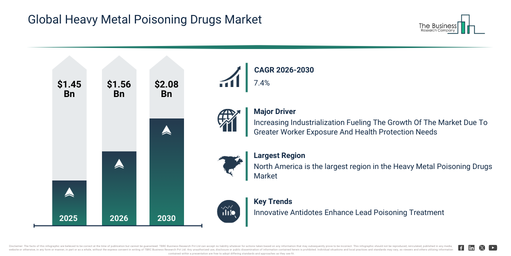
  • Increasing Industrialization Fueling The Growth Of The Market Due To Greater Worker Exposure And Health Protection Needs Is Supporting Development Across The Heavy Metal Poisoning Drugs Market

    Increasing Industrialization Fueling The Growth Of The Market Due To Greater Worker Exposure And Health Protection Needs Is Supporting Development Across The Heavy Metal Poisoning Drugs Market

    The Business Research Company’s 2026 market reports feature advanced enhancements such as market attractiveness analysis, total addressable market evaluation, company benchmarking matrices, interactive Excel dashboards, expanded supply chain intelligence, emerging startup coverage, and detailed product insights, delivering more actionable and strategically valuable research.

    What Market Size Is Forecasted For The Heavy Metal Poisoning Drugs Market By 2030 Based On Its 2026 Value?

    The heavy metal poisoning drugs market has experienced robust expansion over recent years. It is projected to expand from $1.45 billion in 2025 to $1.56 billion in 2026, registering a compound annual growth rate (CAGR) of 7.7%. Historically, this market’s growth can be attributed to factors such as industrial pollution exposure, instances of lead and mercury poisoning, advancements in emergency medicine development, the establishment of hospital toxicology units, and occupational health regulations.

    The heavy metal poisoning drugs market is projected to experience substantial expansion in the coming years. This sector is expected to reach $2.08 billion in 2030, driven by a compound annual growth rate (CAGR) of 7.4%. The anticipated growth during this forecast period stems from factors such as the expansion of environmental monitoring, the implementation of stricter safety regulations, enhancements in diagnostic testing, increased industrialization in developing regions, and improved public health surveillance. Significant trends identified for the forecast period include a sustained reliance on chelation therapy, a growing awareness of environmental toxic exposure, the broadening of emergency poison treatment protocols, an increased adoption of oral and injectable chelators, and a heightened focus on occupational and industrial safety.

    Download A Free Sample Report For Comprehensive Market Insights:

    https://www.thebusinessresearchcompany.com/sample.aspx?id=24557&type=smp

    What Primary Factors Are Fueling The Expansion Of The Heavy Metal Poisoning Drugs Market?

    Future expansion of the heavy metal poisoning drugs market is anticipated, driven by escalating industrialization. Industrialization is defined as the economic transition from an agricultural focus to one centered on the production of goods and services. This rise in industrialization stems from swift urban development and expanding infrastructure, which collectively foster an environment favorable for business expansion and economic advancement. Heavy metal poisoning drugs contribute to industrialization by safeguarding worker well-being, mitigating dangers from hazardous exposure, and maintaining adherence to safety protocols, thereby improving productivity and ensuring a safer work environment. For example, data released in September 2024 by the Office for National Statistics, a government department in the UK, indicated that the total sales value for UK manufacturers’ product sales reached $574.6 billion (£456.1 billion) in 2023. This represented an increase of approximately $21.7 billion (£17.2 billion), or 3.9%, from the $553.2 billion (£438.9 billion) recorded in 2022. Consequently, the expanding industrialization is a key factor propelling the growth of the heavy metal poisoning drugs market.

    What Key Segment Areas Are Included In The Heavy Metal Poisoning Drugs Market Assessment?

    The heavy metal poisoning drugs market covered in this report is segmented –

    1) By Product Type: Deferasirox, Deferoxamine Mesylate, Emeramide, Other Product Types

    2) By Application: Arsenic Toxicity, Chromium Toxicity, Copper Toxicity, Lead Toxicity, Other Applications

    3) By End-User: Hospitals, Clinics, Home Healthcare

    Subsegments:

    1) By Deferasirox: Oral Tablet Formulations, Dispersible Tablets (DT), Generic Deferasirox Products, Iron Overload From Blood Transfusions, Beta-Thalassemia Related Use

    2) By Deferoxamine Mesylate: Intramuscular Injections, Subcutaneous Infusion Pumps, Iron Poisoning Emergency Kits, Aluminum Toxicity In Dialysis Patients, Pediatric And Adult Formulations

    3) By Emeramide: Mercury-Specific Chelation, Oral Capsule Form, Lipophilic Chelators, Environmental Toxic Exposure Applications, Investigational Therapies

    4) By Other Product Types: Dimercaprol (BAL), Dimercaptosuccinic Acid (DMSA), 2,3-Dimercapto-1-Propanesulfonic Acid (DMPS), Penicillamine, Calcium Disodium Ethylenediaminetetraacetate (EDTA)

    Which Trends Are Supporting The Evolution Of The Heavy Metal Poisoning Drugs Market?

    Leading companies in the heavy metal poisoning drugs market are concentrating on developing novel solutions, such as antidotes for treating lead poisoning, to improve treatment efficacy, minimize side effects, and address the growing frequency of environmental and occupational exposure to toxic metals. Antidotes for lead poisoning treatment are chelating agents that bind to lead in the bloodstream and assist in its removal from the body via urine. For example, in August 2023, Rising Pharmaceuticals, a US-based pharmaceutical company, introduced edetate calcium disodium injection, an antidote designed for treating lead poisoning in both children and adults. This injectable chelating agent aids in reducing blood and tissue lead levels and is particularly vital for managing severe instances like lead encephalopathy.

    Who Are The Leading Firms Participating In The Heavy Metal Poisoning Drugs Market?

    Major companies operating in the heavy metal poisoning drugs market are Sun Pharmaceutical Industries Ltd., Aurobindo Pharma Ltd., Dr. Reddy’s Laboratories Ltd., Hikma Pharmaceuticals, Lupin Pharmaceuticals Inc., Zydus Cadila, Aristo Pharmaceuticals Pvt. Ltd., Medopharm Pvt. Ltd., Cayman Chemical, Recordati Rare Diseases Inc., Midas Pharma GmbH, EmeraMed Limited, Ambrosia Remedies Pvt. Ltd., SGPharma Pvt. Ltd., Nouryon, Actavis Pharma, Captura Biopharma, Hope Pharmaceuticals, HOPO Therapeutics Inc., Triveni Interchem Pvt. Ltd.

    Access The Complete Heavy Metal Poisoning Drugs Market Report:

    https://www.thebusinessresearchcompany.com/report/heavy-metal-poisoning-drugs-global-market-report

    Which Region Holds The Largest Share In The Heavy Metal Poisoning Drugs Market?

    North America was the largest region in the heavy metal poisoning drugs market in 2025. The regions covered in the heavy metal poisoning drugs market report are Asia-Pacific, South East Asia, Western Europe, Eastern Europe, North America, South America, Middle East, Africa.

    Access Heavy Metal Poisoning Drugs Market Report for Deeper Competitive Insights

    https://www.thebusinessresearchcompany.com/sample.aspx?id=24557&type=smp

    Browse Through More Reports Similar to the Global Heavy Metal Poisoning Drugs Market 2026, By The Business Research Company

    Heavy Metal Testing Market Report 2026

    https://www.thebusinessresearchcompany.com/report/heavy-metal-testing-global-market-report

    Metal Products Market Report 2026

    https://www.thebusinessresearchcompany.com/report/metal-products-global-market-report

    Pharmaceuticals Market Report 2026

    https://www.thebusinessresearchcompany.com/report/pharmaceuticals-global-market-report

    Get in touch with us:

    The Business Research Company: https://www.thebusinessresearchcompany.com/

    Americas: +1 310-496-7795

    Asia: +44 7882 955267 & +91 8897263534

    Europe: +44 7882 955267

    Email us at: marketing@tbrc.info

    Follow us on:

    LinkedIn: https://in.linkedin.com/company/the-business-research-company

    YouTube: https://www.youtube.com/channel/UC24_fI0rV8cR5DxlCpgmyFQ

    Global Market Model: https://www.thebusinessresearchcompany.com/global-market-model

  • Increasing Prevalence Of Stroke Fueling The Growth Of The Market Due To Rising Hypertension And Need For Timely Intervention Is Supporting Development Across The Cerebral Infarction Treatment Market

    Increasing Prevalence Of Stroke Fueling The Growth Of The Market Due To Rising Hypertension And Need For Timely Intervention Is Supporting Development Across The Cerebral Infarction Treatment Market

    The Business Research Company’s 2026 market reports feature advanced enhancements such as market attractiveness analysis, total addressable market evaluation, company benchmarking matrices, interactive Excel dashboards, expanded supply chain intelligence, emerging startup coverage, and detailed product insights, delivering more actionable and strategically valuable research.

    What Is The Estimated Growth In Market Size Of The Cerebral Infarction Treatment Market During 2026–2030?

    The cerebral infarction treatment market has shown significant growth over recent years. Its value is projected to climb from $11.84 billion in 2025 to $12.7 billion in 2026, achieving a compound annual growth rate (CAGR) of 7.2%. This historical expansion can be linked to factors like an aging global population, the increasing prevalence of hypertension, the establishment of more hospital stroke units, advancements in imaging diagnostics, and enhancements in emergency care infrastructure.

    The cerebral infarction treatment market is set to experience significant expansion in the coming years, projected to reach $16.61 billion by 2030, growing at a compound annual growth rate (CAGR) of 6.9%. This growth during the forecast period is fueled by advancements such as AI-assisted stroke diagnosis, the implementation of early screening programs, the development of advanced endovascular devices, rising demand for post-stroke rehabilitation, and various government stroke initiatives. Key trends anticipated include the increased adoption of mechanical thrombectomy, a growing utilization of thrombolytic therapies, the expansion of specialized stroke centers, a heightened focus on early intervention protocols, and the integration of rehabilitation services within acute care.

    Download A Free Sample Report For Comprehensive Market Insights:

    https://www.thebusinessresearchcompany.com/sample.aspx?id=24500&type=smp

    Which Significant Factors Are Encouraging Growth In The Cerebral Infarction Treatment Market?

    The increasing incidence of stroke is expected to stimulate the expansion of the cerebral infarction treatment market moving forward. A stroke is a medical event that occurs when blood flow to the brain is interrupted or blocked, resulting in a shortage of oxygen and nutrients for brain tissue. The rising prevalence of stroke is primarily attributed to the growing occurrence of hypertension, as high blood pressure adversely affects blood vessels. Treatments for cerebral infarction improve stroke care by restoring blood circulation to the brain, thereby reducing long-term damage and disability. These interventions enhance patient outcomes through timely actions, making recovery more effective and manageable. For example, in September 2024, according to the Stroke Foundation, an Australia-based not-for-profit organization, Australia recorded 45,785 stroke cases in 2023, and this figure is anticipated to increase significantly to 72,000 cases by 2050. Consequently, the escalating prevalence of stroke is driving the growth of the cerebral infarction treatment market.

    What Segment Types Are Included In The Cerebral Infarction Treatment Market Analysis?

    The cerebral infarction treatment market covered in this report is segmented –

    1) By Treatment Type: Medication, Surgical Interventions, Rehabilitation Therapies

    2) By Diagnostic Tools: Computed Tomography Scan, Magnetic Resonance Imaging, Angiography, Doppler Ultrasound

    3) By Application: Ischemic Stroke, Transient Ischemic Attack, Large Artery Stroke, Small Vessel Stroke

    4) By End-User: Hospitals, Specialized Stroke Centers, Ambulatory Surgical Centers, Home Care Providers

    Subsegments:

    1) By Medication: Antiplatelet Drugs, Anticoagulants, Thrombolytics, Statins, Antihypertensives

    2) By Surgical Interventions: Mechanical Thrombectomy, Carotid Endarterectomy, Decompressive Craniectomy, Stent Placement, Angioplasty

    3) By Rehabilitation: Physical Therapy, Occupational Therapy, Speech and Language Therapy, Cognitive Rehabilitation, Psychological Counseling

    Which Trends Are Influencing The Direction Of The Cerebral Infarction Treatment Market?

    Leading companies in the cerebral infarction treatment market are dedicated to developing technologically advanced solutions, such as dual aspiration technology, to expedite treatment times for patients affected by acute ischemic stroke. Dual aspiration technology is a method that employs two catheters concurrently to boost the efficiency of clot removal during stroke procedures. For example, in May 2025, Imperative Care, a US-based medical technology company, unveiled Zoom DuoPort, an advanced stroke treatment technology specifically designed for sophisticated interventions. This system supports dual aspiration, enabling two catheters to operate simultaneously from a single vacuum source. It improves physician control, offers real-time procedural feedback, and enhances the effectiveness of mechanical thrombectomy in the management of acute ischemic stroke.

    Who Are The Key Market Participants In The Cerebral Infarction Treatment Market?

    Major companies operating in the cerebral infarction treatment market are Pfizer Inc., Johnson & Johnson, F. Hoffmann-La Roche AG, Bayer AG, Sanofi S.A., AstraZeneca plc, Abbott Laboratories, Novartis AG, Medtronic plc, Amgen Inc., Siemens Healthineers, Becton Dickinson and Company, Stryker Corporation, Boston Scientific Corporation, Daiichi Sankyo Company Limited, Penumbra Inc., Terumo Corporation, phenox GmbH, Boehringer Ingelheim International GmbH, Imperative Care Inc., Acandis GmbH & Co. KG, Reflow Medical Inc., NeuroVasc Technologies Inc., Rapid Medical Ltd., Q’Apel Medical Inc.

    Access The Complete Cerebral Infarction Treatment Market Report:

    https://www.thebusinessresearchcompany.com/report/cerebral-infarction-treatment-global-market-report

    Which Region Is The Dominant Market In The Cerebral Infarction Treatment Market?

    North America was the largest region in the cerebral infarction treatment market in 2025. The regions covered in the cerebral infarction treatment market report are Asia-Pacific, South East Asia, Western Europe, Eastern Europe, North America, South America, Middle East, Africa.

    Access Cerebral Infarction Treatment Market Report for Deeper Competitive Insights

    https://www.thebusinessresearchcompany.com/sample.aspx?id=24500&type=smp

    Browse Through More Reports Similar to the Global Cerebral Infarction Treatment Market 2026, By The Business Research Company

    Acute Ischemic Stroke Drugs Market Report 2026

    https://www.thebusinessresearchcompany.com/report/acute-ischemic-stroke-drugs-global-market-report

    Stroke Management Market Report 2026

    https://www.thebusinessresearchcompany.com/report/stroke-management-global-market-report

    Brain Health Supplements Market Report 2026

    https://www.thebusinessresearchcompany.com/report/brain-health-supplements-global-market-report

    Get in touch with us:

    The Business Research Company: https://www.thebusinessresearchcompany.com/

    Americas: +1 310-496-7795

    Asia: +44 7882 955267 & +91 8897263534

    Europe: +44 7882 955267

    Email us at: marketing@tbrc.info

    Follow us on:

    LinkedIn: https://in.linkedin.com/company/the-business-research-company

    YouTube: https://www.youtube.com/channel/UC24_fI0rV8cR5DxlCpgmyFQ

    Global Market Model: https://www.thebusinessresearchcompany.com/global-market-model

  • Increasing Incidence Of Cardiovascular Diseases Fueling The Growth Of The Market Due To Rising Demand For Acute Cardiac Care Treatments Is Supporting Development Across The Catecholamines Market

    Increasing Incidence Of Cardiovascular Diseases Fueling The Growth Of The Market Due To Rising Demand For Acute Cardiac Care Treatments Is Supporting Development Across The Catecholamines Market

    The Business Research Company’s 2026 market reports feature advanced enhancements such as market attractiveness analysis, total addressable market evaluation, company benchmarking matrices, interactive Excel dashboards, expanded supply chain intelligence, emerging startup coverage, and detailed product insights, delivering more actionable and strategically valuable research.

    How Does The Forecasted Market Size Of The Catecholamines Market Compare Between 2026 And 2030?

    The catecholamines market has experienced robust expansion in recent years. Its valuation is anticipated to rise from $4.26 billion in 2025 to $4.52 billion in 2026, achieving a compound annual growth rate (CAGR) of 6.1%. The growth observed in prior periods can be attributed to factors such as the broadening of emergency care, advancements in cardiac arrest treatment, the expansion of hospital ICUs, the utilization of injectable drugs, and established trauma care protocols.

    The catecholamines market is set to experience substantial expansion over the next few years. It is projected to grow to $5.66 billion in 2030, exhibiting a compound annual growth rate (CAGR) of 5.8%. This anticipated growth can be linked to advancements in emergency response infrastructure, the broadening of critical care services, the introduction of ready-to-use formulations, the expansion of pre-hospital care, and significant investments in acute care. Prominent trends throughout this period include an increased application in emergency medicine, the proliferation of auto-injector formulations, a wider scope for critical care applications, an escalating need in cardiac emergencies, and a preference for injectables that are ready for immediate use.

    Download A Free Sample Report For Comprehensive Market Insights:

    https://www.thebusinessresearchcompany.com/sample.aspx?id=24496&type=smp

    What Primary Factors Are Fueling The Expansion Of The Catecholamines Market?

    The rising prevalence of cardiovascular diseases is projected to drive the growth of the catecholamines market. Cardiovascular diseases (CVDs) are a category of ailments that impact the heart and blood vessels, encompassing conditions such as coronary artery disease, heart failure, and stroke. The increasing occurrence of these diseases is primarily due to physical inactivity, as a sedentary lifestyle contributes to risk factors like obesity, hypertension, and poor cardiovascular health. Catecholamines assist in managing cardiovascular diseases by enhancing cardiac output, regulating vascular tone, and supporting blood pressure through their stimulatory effects on adrenergic receptors. This action consequently improves perfusion to vital organs, stabilizes hemodynamics in acute conditions such as heart failure or shock, and facilitates short-term compensation for impaired cardiac function. As an illustration, the Centers for Disease Control and Prevention (CDC), a US-based government public health agency, reported in October 2024 that 919,032 individuals in the United States died from cardiovascular disease in 2023, representing approximately one in every three deaths nationwide. Thus, the escalating incidence of cardiovascular diseases is propelling the growth of the catecholamines market.

    How Is The Catecholamines Market Distributed Across Key Segments?

    The catecholamines market covered in this report is segmented –

    1) By Type: Epinephrine, Norepinephrine, Dopamine

    2) By Indication: Anaphylaxis, Cardiac arrest, Shock, Acute Asthma, Hypertension, Other Indications

    3) By Formulation Type: Syrups, Injectables, Tablets, Inhalants

    4) By Distribution Channel: Hospital Pharmacy, Online Pharmacy, Retail Pharmacy

    5) By End-User: Hospitals And Clinics, Pharmaceutical Companies, Research Institutions, Emergency Medical Services

    Subsegments:

    1) By Epinephrine: Auto-Injectors, Prefilled Syringes, Vials And Ampoules

    2) By Norepinephrine: Concentrated Solution For Dilution, Ready-To-Use Formulations, Combination Therapies

    3) By Dopamine: Dopamine Hydrochloride Injection, Dopamine Infusion Concentrates, Pediatric And Adult-Specific Formulations

    Which Trends Are Guiding The Development Of The Catecholamines Market?

    Major companies operating in the catecholamines market are focusing on developing innovative formulations such as multi-dose vials to enhance dosing flexibility, improve patient compliance, reduce medication waste, and streamline administration in critical care settings. Multi-dose vials are containers designed to hold multiple doses of a medication, allowing repeated access without contamination. They help to reduce packaging waste, lower treatment costs, and provide convenient dosing options for healthcare providers and patients. For instance, in May 2025, Fresenius Kabi AG, a Germany-based pharmaceutical company, launched Epinephrine Injection, USP, in 30 mg per 30 mL multi-dose vials, marking a strategic expansion of their injectable portfolio in the U.S. healthcare market. This formulation is designed for the emergency treatment of allergic reactions, including anaphylaxis, in both adults and pediatric patients, as well as for increasing mean arterial blood pressure in adult patients with hypotension associated with septic shock.

    Who Are The Leading Firms Participating In The Catecholamines Market?

    Major companies operating in the catecholamines market are Pfizer Inc., Fresenius Kabi USA LLC, Teva Pharmaceutical Industries Limited, Baxter International Inc., Amneal Pharmaceuticals Inc., Glenmark Pharmaceuticals Limited, Amphastar Pharmaceuticals Inc., ARS Pharmaceuticals Inc., Breckenridge Pharmaceutical Inc., Long Grove Pharmaceuticals LLC, Midas Pharma GmbH, Otto Chemie Private Limited, Central Drug House (P) Ltd., Kanto Chemical Co. Inc., Bowmed Ibisqus Limited, Lexicare Pharma Private Limited, Alice Pharma Private Limited, Junsei Chemical Co. Ltd., Adamis Pharmaceuticals Corporation, Nevakar Injectables Inc.

    Access The Complete Catecholamines Market Report:

    https://www.thebusinessresearchcompany.com/report/catecholamines-global-market-report

    Which Region Is The Dominant Market In The Catecholamines Market?

    North America was the largest region in the catecholamines market in 2025. Asia-Pacific is expected to be the fastest-growing region in the forecast period. The regions covered in the catecholamines market report are Asia-Pacific, South East Asia, Western Europe, Eastern Europe, North America, South America, Middle East, Africa.

    Access Catecholamines Market Report for Deeper Competitive Insights

    https://www.thebusinessresearchcompany.com/sample.aspx?id=24496&type=smp

    Browse Through More Reports Similar to the Global Catecholamines Market 2026, By The Business Research Company

    Cholinergic Drugs Market Report 2026

    https://www.thebusinessresearchcompany.com/report/cholinergic-drugs-global-market-report

    Anticholinergic Drugs Market Report 2026

    https://www.thebusinessresearchcompany.com/report/anticholinergic-drugs-global-market-report

    Anti Parkinson Drugs Market Report 2026

    https://www.thebusinessresearchcompany.com/report/anti-parkinson-drugs-global-market-report

    Get in touch with us:

    The Business Research Company: https://www.thebusinessresearchcompany.com/

    Americas: +1 310-496-7795

    Asia: +44 7882 955267 & +91 8897263534

    Europe: +44 7882 955267

    Email us at: marketing@tbrc.info

    Follow us on:

    LinkedIn: https://in.linkedin.com/company/the-business-research-company

    YouTube: https://www.youtube.com/channel/UC24_fI0rV8cR5DxlCpgmyFQ

    Global Market Model: https://www.thebusinessresearchcompany.com/global-market-model
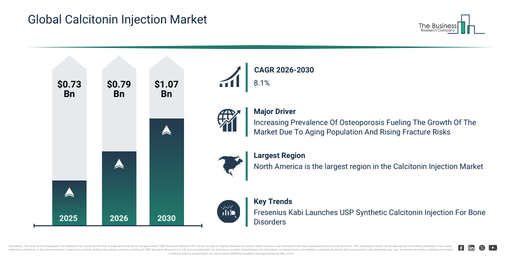
  • Increasing Prevalence Of Osteoporosis Fueling The Growth Of The Market Due To Aging Population And Rising Fracture Risks Is Supporting Development Across The Calcitonin Injection Market

    Increasing Prevalence Of Osteoporosis Fueling The Growth Of The Market Due To Aging Population And Rising Fracture Risks Is Supporting Development Across The Calcitonin Injection Market

    The Business Research Company’s 2026 market reports feature advanced enhancements such as market attractiveness analysis, total addressable market evaluation, company benchmarking matrices, interactive Excel dashboards, expanded supply chain intelligence, emerging startup coverage, and detailed product insights, delivering more actionable and strategically valuable research.

    What Is The Expected Market Value Outlook For The Calcitonin Injection Market Through 2030?

    The market size for calcitonin injections has shown strong growth in recent years. It is projected to expand from $0.73 billion in 2025 to $0.79 billion in 2026, advancing at a compound annual growth rate (CAGR) of 8.4%. Factors such as osteoporosis prevalence, hospital injectable therapies, fracture management protocols, calcium metabolism disorders, and an aging population are identified as contributors to its historical growth.

    The calcitonin injection market is projected to experience substantial expansion in the coming years. This market is set to reach $1.07 billion by 2030, exhibiting a compound annual growth rate (CAGR) of 8.1%. Factors contributing to this anticipated growth during the forecast period include an increasing elderly population, a rising demand for injectable treatments, heightened awareness of bone diseases, advancements in synthetic peptide development, and the expansion of specialty care services. Key developments expected during this period involve the sustained application in osteoporosis management, the proliferation of injectable therapies for bone conditions, the broadening of hypercalcemia treatment options, an increased focus on bone health in the elderly, and a shift towards synthetic calcitonin formulations.

    Download A Free Sample Report For Comprehensive Market Insights:

    https://www.thebusinessresearchcompany.com/sample.aspx?id=24490&type=smp

    What Influential Factors Are Boosting The Calcitonin Injection Market Demand?

    The rising incidence of osteoporosis is projected to boost the calcitonin injection market. Osteoporosis is a medical condition marked by reduced bone density and a greater likelihood of fractures, mainly impacting older individuals, particularly women after menopause. This rise in osteoporosis cases is linked to an aging global population, where increased longevity naturally results in bone density loss and a higher risk of developing the condition. Calcitonin injections support osteoporosis treatment by managing calcium levels and slowing bone deterioration, thereby effectively preserving bone density. These injections offer a focused treatment that is simple to administer, which enhances patient adherence and lowers the risk of fractures. For example, in August 2024, data from Healthy Bones Australia, an Australian non-profit dedicated to osteoporosis prevention and bone health, revealed that an estimated 6.2 million Australians aged 50 and above—approximately 67 percent of this demographic—experienced poor bone health in 2023, with around 23 percent of them suffering from osteoporosis. Consequently, the growing prevalence of osteoporosis is stimulating expansion in the calcitonin injection market.

    Calcitonin Injection Market Driver: Expansion Of Home Healthcare Services Fuelling The Growth Of The Market Amid The Accelerating Transition From Hospital To Home-Based Care

    How Is The Calcitonin Injection Market Distributed Across Key Segments?

    The calcitonin injection market covered in this report is segmented –

    1) By Type Of Calcitonin: Salmon Calcitonin, Human Calcitonin, Synthetic Calcitonin

    2) By Route Of Administration: Intravenous (IV) Injection, Subcutaneous Injection, Intramuscular Injection

    3) By Distribution Channel: Direct Sales, Online Pharmacy, Retail Pharmacy, Healthcare Institutions

    4) By Therapeutic Application: Osteoporosis Treatment, Pagets Disease Management, Hypercalcemia Control, Bone Metastases Therapy

    5) By End-User: Hospitals, Specialty Clinics, Geriatric Care Facilities, Home Healthcare

    Subsegments:

    1) By Salmon Calcitonin, Synthetic Salmon Calcitonin, Recombinant Salmon Calcitonin

    2) By Human Calcitonin, Recombinant Human Calcitonin, Synthetic Human Calcitonin

    3) By Synthetic Calcitonin, Peptide-Based Synthetic Calcitonin, Analog Synthetic Calcitonin

    Which Trends Are Influencing The Expansion Of The Calcitonin Injection Market?

    Leading companies in the calcitonin injection market are concentrating on developing innovative products, such as USP synthetic injections, to boost treatment effectiveness and improve patient outcomes. USP Synthetic Injections are injectable medications containing synthetically produced active ingredients that adhere to the stringent quality, purity, strength, and identity standards set by the United States Pharmacopeia (USP). These injections are manufactured under regulated conditions to ensure their safety and effectiveness for therapeutic use. For instance, in February 2025, Fresenius Kabi, a Germany-based pharmaceutical company, launched calcitonin salmon injection, a USP synthetic, for treating symptomatic Paget’s disease of the bone and hypercalcemia. It is a sterile solution designed for intramuscular or subcutaneous injection, available with a strength of 200 USP units per mL and packaged in a 2 mL multi-dose vial containing 400 USP units. It requires refrigerated storage between 2°C and 8°C. This injectable medication functions as a calcium regulator and is indicated for the treatment of symptomatic Paget’s disease of bone when alternative treatments are unsuitable, hypercalcemia, and postmenopausal osteoporosis when other options are not appropriate.

    Who Are The Firms Contributing To The Calcitonin Injection Market Ecosystem?

    Major companies operating in the calcitonin injection market are Pfizer Inc., AbbVie Inc., Teva Pharmaceutical Industries Ltd., Lupin Limited, Aurobindo Pharma Limited, Zydus Lifesciences Limited, Glenmark Pharmaceuticals Limited, Alembic Pharmaceuticals Limited, Alkem Laboratories Limited, Intas Pharmaceuticals Limited, Emcure Pharmaceuticals Limited, Wockhardt Limited, Accord Healthcare Ltd., Sandoz International GmbH, Amneal Pharmaceuticals LLC, Apotex Inc., Mylan N.V., Cadila Pharmaceuticals Limited, Macleods Pharmaceuticals Ltd., Bharat Parenterals Limited

    Access The Complete Calcitonin Injection Market Report:

    https://www.thebusinessresearchcompany.com/report/calcitonin-injection-global-market-report

    Which Region Commands The Largest Share Of The Calcitonin Injection Market?

    North America was the largest region in the calcitonin injection market in 2025. Asia-Pacific is expected to be the fastest-growing region in the forecast period. The regions covered in the calcitonin injection market report are Asia-Pacific, South East Asia, Western Europe, Eastern Europe, North America, South America, Middle East, Africa.

    Access Calcitonin Injection Market Report for Deeper Competitive Insights

    https://www.thebusinessresearchcompany.com/sample.aspx?id=24490&type=smp

    Browse Through More Reports Similar to the Global Calcitonin Injection Market 2026, By The Business Research Company

    Companion Animal Pharmaceuticals Market Report 2026

    https://www.thebusinessresearchcompany.com/report/companion-animal-pharmaceuticals-global-market-report

    Pharmaceutical Excipient Market Report 2026

    https://www.thebusinessresearchcompany.com/report/pharmaceutical-excipient-global-market-report

    Pharmaceutical Drug Delivery Market Report 2026

    https://www.thebusinessresearchcompany.com/report/pharmaceutical-drug-delivery-global-market-report

    Get in touch with us:

    The Business Research Company: https://www.thebusinessresearchcompany.com/

    Americas: +1 310-496-7795

    Asia: +44 7882 955267 & +91 8897263534

    Europe: +44 7882 955267

    Email us at: marketing@tbrc.info

    Follow us on:

    LinkedIn: https://in.linkedin.com/company/the-business-research-company

    YouTube: https://www.youtube.com/channel/UC24_fI0rV8cR5DxlCpgmyFQ

    Global Market Model: https://www.thebusinessresearchcompany.com/global-market-model

  • Increasing Eye Care Awareness Driving The Growth Of The Market Due To Early Symptom Recognition And Proactive Management Is Supporting Development Across The Blepharitis Market

    Increasing Eye Care Awareness Driving The Growth Of The Market Due To Early Symptom Recognition And Proactive Management Is Supporting Development Across The Blepharitis Market

    The Business Research Company’s 2026 market reports feature advanced enhancements such as market attractiveness analysis, total addressable market evaluation, company benchmarking matrices, interactive Excel dashboards, expanded supply chain intelligence, emerging startup coverage, and detailed product insights, delivering more actionable and strategically valuable research.

    What Is The Forecasted Rise In Market Size Of The Blepharitis Market During The Forecast Period?

    The blepharitis market has experienced significant expansion in recent years. It is forecast to grow from $0.97 billion in 2025 to $1.09 billion in 2026, at a compound annual growth rate (CAGR) of 12.5%. This historical growth can be attributed to elements such as poor eyelid hygiene, bacterial infections, increased ophthalmology clinic visits, an aging population, and chronic eye irritation.

    The blepharitis market is predicted to undergo significant expansion over the next few years. It is expected to achieve a value of $1.73 billion in 2030, exhibiting a compound annual growth rate (CAGR) of 12.2%. This anticipated growth during the forecast period is primarily driven by factors such as increased screen time, digital eye strain, a rise in preventive eye care awareness, better management of chronic conditions, and the expansion of outpatient ophthalmology services. Prominent trends for this period include a heightened understanding of chronic eye conditions, the proliferation of lid hygiene and eye cleanser products, an increase in the diagnosis of meibomian gland dysfunction, the broadening of long-term symptom management strategies, and a focus on non-invasive treatment alternatives.

    Download A Free Sample Report For Comprehensive Market Insights:

    https://www.thebusinessresearchcompany.com/sample.aspx?id=24484&type=smp

    Which Major Factors Are Contributing To The Development Of The Blepharitis Market?

    The expanding understanding of eye care is projected to stimulate the growth of the blepharitis market moving forward. Eye care refers to a spectrum of services, treatments, and practices designed to maintain and improve vision and eye health. Heightened awareness regarding eye care is critical, as good vision is fundamental to an individual’s autonomy, education, productivity, and general well-being, given that unaddressed vision problems impact daily activities, academic performance, and work output. Blepharitis contributes to effective eye care by facilitating early symptom detection, encouraging regular eyelid hygiene, and assisting in the prevention of complications such as dry eye and styes through timely and appropriate treatment. For instance, in October 2024, a report released by the Association of Optometrists (AOP), a UK-based association, indicated that the number of people in the UK living with sight loss is expected to reach an estimated 2.8 million by 2035, signifying a 27% increase compared to 2022. Therefore, the increasing awareness regarding eye care is propelling the growth of the blepharitis market.

    How Is The Blepharitis Market Structured Across Different Market Segments?

    The blepharitis market covered in this report is segmented –

    1) By Type: Anterior Blepharitis, Posterior Blepharitis, Mixed Blepharitis

    2) By Treatment: Eye Cleansers, Artificial Tears, Antibiotic Therapy

    3) By Diagnosis: Physical Examination, Comprehensive Eye Examination, Other Diagnosis

    4) By Application: Acute Blepharitis Management, Chronic Blepharitis Long-Term Care, Bacterial Blepharitis Treatment

    Subsegments:

    1) By Anterior Blepharitis: Staphylococcal Blepharitis, Seborrheic Blepharitis

    2) By Posterior Blepharitis: Meibomian Gland Dysfunction (MGD), Rosacea-Associated Blepharitis

    3) By Mixed Blepharitis: Combination Of Anterior And Posterior Features, Chronic Mixed Blepharitis

    What Trends Are Affecting The Growth Of The Blepharitis Market?

    Leading companies in the blepharitis market are prioritizing the creation of novel treatments, such as targeted anti-parasitic agents and innovative ophthalmic formulations, to secure a competitive advantage. Innovative ophthalmic formulations refer to advanced and new drug delivery systems and compositions designed to enhance the effectiveness, safety, and patient experience of therapies for eye conditions. For instance, in July 2023, Tarsus Pharmaceuticals Inc., a US-based biopharmaceutical company, gained approval for XDEMVY (lotilaner ophthalmic solution) 0.25% for addressing demodex blepharitis. XDEMVY, previously known as TP-03, stands as the first and only FDA-approved treatment specifically designed to target Demodex mites, the primary cause of Demodex blepharitis. Its approval was underpinned by robust clinical data from two pivotal trials, Saturn-1 and Saturn-2, which included 833 patients and demonstrated significant symptom improvement and a higher rate of complete collarette cure compared to placebo. The recommended regimen involves one drop in each eye twice daily for six weeks. XDEMVY is generally well tolerated, with the most commonly reported side effects being minor stinging or burning sensation during instillation.

    Who Are The Major Companies Operating In The Blepharitis Market?

    Major companies operating in the blepharitis market are OcuSept Ltd., Alcon Inc., Théa Pharmaceuticals Ltd., Bausch Health Companies Inc., Tarsus Pharmaceuticals Inc., URSAPHARM Arzneimittel GmbH, Scope Ophthalmic Ltd., Santen Pharmaceutical Co. Ltd., NovaBay Pharmaceuticals Inc., Harrow Inc., MiBo Medical Group, Nicox SA, Visufarma S.p.A., OCuSOFT Inc., Lumenis Ltd., Bruder Healthcare Company, I-MED Pharma Inc., KALA Pharmaceuticals Inc., Aerie Pharmaceuticals Inc., Oyster Point Pharma Inc., Dompé Farmaceutici S.p.A., Laboratoires Théa S.A., Ophtecs Corporation, Sentiss Pharma Pvt. Ltd., Ajanta Pharma Ltd.

    Access The Complete Blepharitis Market Report:

    https://www.thebusinessresearchcompany.com/report/blepharitis-global-market-report

    Which Area Represents The Largest Portion Of The Blepharitis Market?

    North America was the largest region in the blepharitis market in 2025. Asia-Pacific is expected to be the fastest-growing region in the forecast period. The regions covered in the blepharitis market report are Asia-Pacific, South East Asia, Western Europe, Eastern Europe, North America, South America, Middle East, Africa.

    Access Blepharitis Market Report for Deeper Competitive Insights

    https://www.thebusinessresearchcompany.com/sample.aspx?id=24484&type=smp

    Browse Through More Reports Similar to the Global Blepharitis Market 2026, By The Business Research Company

    Blepharoplasty Market Report 2026

    https://www.thebusinessresearchcompany.com/report/blepharoplasty-global-market-report

    Knee Bursitis Market Report 2026

    https://www.thebusinessresearchcompany.com/report/knee-bursitis-global-market-report

    Sickle Cell Disease Treatment Market Report 2026

    https://www.thebusinessresearchcompany.com/report/sickle-cell-disease-treatment-global-market-report

    Get in touch with us:

    The Business Research Company: https://www.thebusinessresearchcompany.com/

    Americas: +1 310-496-7795

    Asia: +44 7882 955267 & +91 8897263534

    Europe: +44 7882 955267

    Email us at: marketing@tbrc.info

    Follow us on:

    LinkedIn: https://in.linkedin.com/company/the-business-research-company

    YouTube: https://www.youtube.com/channel/UC24_fI0rV8cR5DxlCpgmyFQ

    Global Market Model: https://www.thebusinessresearchcompany.com/global-market-model