Month: June 2025

  • Major Drivers Propelling the Growth oh theNutrigenomics Market Forward: Impact Of Rising Health Awareness On The Growth Of The Market

    Major Drivers Propelling the Growth oh theNutrigenomics Market Forward: Impact Of Rising Health Awareness On The Growth Of The Market

    Stay ahead with our updated market reports featuring the latest on tariffs, trade flows, and supply chain transformations.

    How Has The Nutrigenomics Market Size Shifted, And What Is the Outlook Through 2034?

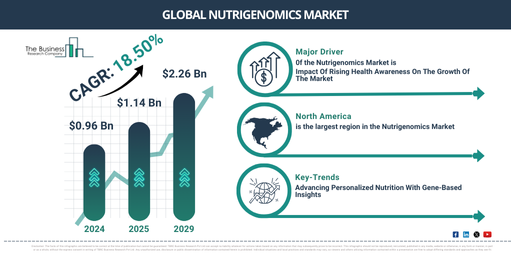
    Over the past few years, the nutrigenomics market has seen rapid expansion. The market is set to increase from a valuation of $0.96 billion in 2024 to $1.14 billion in 2025, indicating a compound annual growth rate (CAGR) of 18.9%. Factors that contributed to this growth during the historical period include an upsurge in online shopping, expansion of functional beverages sector, increase in pharmaceuticals industry, growth of e-commerce, and the development of companion diagnostics.

    The nutrigenomics industry anticipates a steep upward trajectory in its market size in the forthcoming years, projected to reach a whopping $2.26 billion by 2029 expanding at a Compound Annual Growth Rate (CAGR) of 18.5%. An array of reasons, such as growing apprehension about sugar intake, escalating demand for nutrigenomics, increased instances of chronic illnesses, a surge in the demand for proactive healthcare solutions, as well as rising cancer rates, contribute to this increase in the predicted period. Development trends for this period feature digital health integration, incorporation of artificial intelligence and big data, expansion into pharmacogenomics, utilization of digital health instruments, and advancements in product offerings.

    Download a free sample to assess the report’s scope and structure:

    https://www.thebusinessresearchcompany.com/sample.aspx?id=20906&type=smp

    Which Major Market Drivers Are Expected to Boost the Growth Potential of the Nutrigenomics Market?

    The rise in health consciousness is anticipated to push the expansion of the nutrigenomics market. Health consciousness encompasses the comprehension and awareness about diverse health-related aspects, including disease prevention, management, and treatment. This spike in health consciousness can be attributed to improved public health, decreased healthcare costs, and the betterment of life’s quality. Nutrigenomics, which investigates the link between genes and nutrients, equips health-oriented individuals to make genetically customized dietary choices, thereby maximizing their health, averting chronic diseases, and escalating personalized nutritional strategies for improved long-term health results. As an example, a study conducted by the International Food Information Council, a US-based non-profit, in May 2022, involving 1,005 American adults aged 18–80 and Gen Z adults aged 18-24, found that around 52% of respondents followed a particular diet or eating pattern, which is an increase from 39% in 2021. Top dietary preferences included clean eating (16%), mindful eating (14%), and calorie counting (13%). Thus, the rising health consciousness is fueling the development of the nutrigenomics market.

    Which Key Market Segments Comprise the Nutrigenomics Market and Drive Its Revenue Growth?

    The nutrigenomics market covered in this report is segmented –

    1) By Product: Reagents And Kits, Services

    2) By Technique: Saliva, Buccal Swab, Blood

    3) By Application: Diabetes, Obesity, Gastrointestinal, Woman’s Health, Neurological, Other Applications

    4) By End User: Hospitals And Clinics, Other End Users

    Subsegments:

    1) By Reagents And Kits: DNA Extraction Kits, Genotyping Kits, PCR Reagents, Metabolomics Kits

    2) By Services: Nutrigenomic Testing, Data Interpretation Services, Genetic Counseling

    Request customized data on this market:

    https://www.thebusinessresearchcompany.com/customise?id=20906&type=smp

    Which Areas Are Leading Regions in the Nutrigenomics Market Expansion Across the Globe?

    North America was the largest region in the nutrigenomics market in 2024. Asia-Pacific is expected to be the fastest-growing region in the forecast period. The regions covered in the nutrigenomics market report are Asia-Pacific, Western Europe, Eastern Europe, North America, South America, Middle East, Africa.

    What Key Trends Are Shaping the Future of the Nutrigenomics Market?

    The nutrigenomics sector has seen dominant corporations prioritizing technological innovation, for instance, implementing personalized nutrition insights to enhance consumer health, dietary guidance, and wellness solutions. Personalized nutrition insights deliver diet plans and approaches tailored to the distinctive biological, genetic, and lifestyle attributes of an individual. As an illustration, in June 2023, Xcode Life, a genomics enterprise from the US, launched its gene nutrition test in India to accentuate nutrigenomics offering personalized dietary insights thanks to genetic composition analysis. The test comprehensively covers about 50 nutrition-related aspects, examining how a person’s genes impact their nutritional requirements, metabolic processes, absorption of nutrients, food sensitivities, and responses to specific diets. This level of detail enables the creation of highly individualized dietary advice. The procedure utilizes the nutrigenomic model, studying the relationship between food and gene expression, thereby supplying insights on how certain foods can impact health due to genetic predispositions. A pre-requisite DNA test for the gene nutrition test simplifies the gathering of genetic data used for nutritional analysis. This integration leads to a more effective procedure for users looking for personal health insights.

    View the full report here:

    https://www.thebusinessresearchcompany.com/report/nutrigenomics-global-market-report

    How Is the Nutrigenomics Market Conceptually Defined?

    Nutrigenomics is the study of how genes and genetic variations influence an individual’s response to nutrients and diet. It aims to understand the interaction between nutrition and the genome to optimize health and prevent diseases. This field integrates genetics, molecular biology, and nutrition science to develop personalized dietary recommendations.

    Purchase the full report and get a swift delivery:

    https://www.thebusinessresearchcompany.com/purchaseoptions.aspx?id=20906

    About The Business Research Company:

    With over 15000+ reports from 27 industries covering 60+ geographies, The Business Research Company has built a reputation for offering comprehensive, data-rich research and insights. Armed with 1,500,000 datasets, the optimistic contribution of in-depth secondary research, and unique insights from industry leaders, you can get the information you need to stay ahead in the game.

    Get in touch with us:

    The Business Research Company: https://www.thebusinessresearchcompany.com/

    Americas +1 3156230293

    Asia +44 2071930708

    Europe +44 2071930708

    Email us at info@tbrc.info

    Follow us on:

    LinkedIn: https://in.linkedin.com/company/the-business-research-company

    YouTube: https://www.youtube.com/channel/UC24_fI0rV8cR5DxlCpgmyFQ

    Global Market Model: https://www.thebusinessresearchcompany.com/global-market-model
  • Critical Market Drivers Shaping the Outlook for Noonan Syndrome Market from 2025-2034: Impact Of Increasing Genetic Disorder Prevalence On The Growth Of The Market

    Critical Market Drivers Shaping the Outlook for Noonan Syndrome Market from 2025-2034: Impact Of Increasing Genetic Disorder Prevalence On The Growth Of The Market

    Stay ahead with our updated market reports featuring the latest on tariffs, trade flows, and supply chain transformations.

    How Has the Noonan Syndrome Market Growth Performance Trended Historically, And What Lies Ahead?

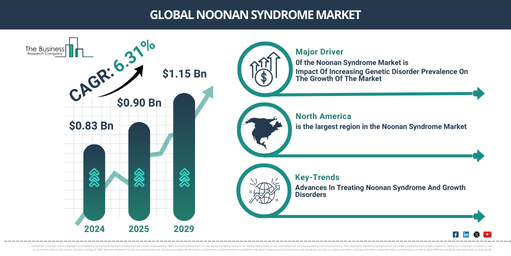
    The market size for noonan syndrome has seen significant growth in the past years. A rise from $0.83 billion in 2024 to $0.90 billion in 2025 is expected, reflecting a compound annual growth rate (CAGR) of 8.80%. This growth during the historic period is due to a surge in the demand for personalized treatments, an upswing in rare disease awareness campaigns, an increase in telemedicine use, the development of health-related mobile applications, and the proliferation of educational programs dedicated to healthcare professionals.

    The market size for Noonan syndrome is predicted to experience significant expansion in the coming years. Its value is projected to rise to $1.15 billion by 2029, with a compound annual growth rate (CAGR) of 6.31%. The anticipated growth within this forecasted timeframe can be linked to a rise in mutation instances, an expanding patient pool, increased spending on healthcare, the growth of genetic counseling services, and an uptick in genetic testing. Key trends projected for this period consist of technological advancements, growth hormone therapy, targeted therapies, telemedicine, and improvement in imaging technologies.

    Download a free sample to assess the report’s scope and structure:

    https://www.thebusinessresearchcompany.com/sample.aspx?id=20905&type=smp

    What Are the Core Growth Drivers Propelling the Noonan Syndrome Market Forward?

    The escalating incidence of genetic conditions is predicted to spur the expansion of the noonan syndrome market in the future. Genetic conditions are illnesses that arise from alterations or abnormalities in an individual’s DNA, which could either be passed down through generations or emerge randomly. The escalating incidence of these genetic conditions could be traced back to a number of elements, such as enhanced diagnosis, increased lifespan, and the impact of environmental factors. Noonan syndrome is instrumental in comprehending these genetic conditions by emphasizing the repercussions of distinctive gene mutations on physical growth, heart functionality, and overall health condition, thus promoting genetic study and enhancing diagnostic and therapeutic strategies for related illnesses. For example, in May 2024, as per the Centers for Disease Control and Prevention (CDC), a US-based public health institution, sickle cell disease (SCD) is prevalent among approximately 100,000 individuals in the United States. The majority, over 90%, of these individuals are non-Hispanic Black or African American, while between 3% and 9% are estimated to be Hispanic or Latino. Consequently, the escalating incidence of genetic conditions is propelling the expansion of the noonan syndrome market.

    What Segment Types Define the Noonan Syndrome Market Structure?

    The noonan syndrome market covered in this report is segmented –

    1) By Diagnosis: Ultrasound Test, Genetic Test, Blood Test, Other Diagnosis

    2) By Treatment: Heart Treatment, Learning Disabilities Treatment, Low Growth Treatment, Vision And Hearing Treatment, Bleeding And Bruising Treatment, Genital Problem Treatment, Lymphatic Problem Treatment, Other Treatments

    3) By Route of Administration: Oral, Parenteral, Other Route of Administrations

    4) By Distribution Channel: Direct Tenders, Retail Sales, Hospital Pharmacy, Retail Pharmacy, Online Pharmacy, Other Distribution Channels

    5) By End-Users: Clinics, Hospitals, Home Healthcare, Other End-Users

    Subsegments:

    1) By Ultrasound Test: Cardiac Ultrasound (Echocardiogram), Abdominal Ultrasound

    2) By Genetic Test: DNA Sequencing, Chromosomal Analysis

    3) By Blood Test: Biomarker Identification, Hormonal Imbalance Testing

    4) By Other Diagnosis: Physical Examination and Clinical Assessment, Imaging Tests (MRI, CT scans), Electrocardiogram (ECG)

    Request customized data on this market:

    https://www.thebusinessresearchcompany.com/customise?id=20905&type=smp

    Which Geographic Areas Hold the Strongest Growth Potential in the Noonan Syndrome Market?

    North America was the largest region in the noonan syndrome market in 2024. The regions covered in the noonan syndrome market report are Asia-Pacific, Western Europe, Eastern Europe, North America, South America, Middle East, Africa.

    What Are the Most Significant Market Trends in the Noonan Syndrome Market?

    Leading entities active in the noonan syndrome market are expanding their treatment options for multiple growth-related conditions, aiming to improve health and disease management in pediatric patients. These conditions, varying in type and cause, affect the regular physical development, generally caused by genetic, hormonal, or nutritional reasons. For example, BioMarin Pharmaceutical Inc., an American biopharmaceutical firm, shared encouraging preliminary results for VOXZOGO (vosoritide) in May 2024 during the Pediatric Endocrine Society Annual Meeting, highlighting its efficacy in treating several growth-related disorders in children such as idiopathic short stature (ISS), Noonan syndrome, and achondroplasia. The Phase 2 investigation revealed considerable improvements in growth velocity and height among children suffering from various genetic disorders, which include ACAN deficiency and NPR2 mutations. This encouraging data underscore the potential of VOXZOGO to benefit a wider swath of growth disorders beyond its current approved use for achondroplasia.

    View the full report here:

    https://www.thebusinessresearchcompany.com/report/noonan-syndrome-global-market-report

    What Is the Definition of the Noonan Syndrome Market?

    Noonan syndrome is a genetic condition marked by unique facial features, short stature, congenital heart defects, and other physical irregularities. It can affect multiple body systems with varying severity among individuals. Present from birth, this condition occurs in both males and females equally. Early diagnosis and intervention can significantly improve quality of life and manage associated complications.

    Purchase the full report and get a swift delivery:

    https://www.thebusinessresearchcompany.com/purchaseoptions.aspx?id=20905

    About The Business Research Company:

    With over 15000+ reports from 27 industries covering 60+ geographies, The Business Research Company has built a reputation for offering comprehensive, data-rich research and insights. Armed with 1,500,000 datasets, the optimistic contribution of in-depth secondary research, and unique insights from industry leaders, you can get the information you need to stay ahead in the game.

    Get in touch with us:

    The Business Research Company: https://www.thebusinessresearchcompany.com/

    Americas +1 3156230293

    Asia +44 2071930708

    Europe +44 2071930708

    Email us at info@tbrc.info

    Follow us on:

    LinkedIn: https://in.linkedin.com/company/the-business-research-company

    YouTube: https://www.youtube.com/channel/UC24_fI0rV8cR5DxlCpgmyFQ

    Global Market Model: https://www.thebusinessresearchcompany.com/global-market-model
  • Key Factors Fueling the Growth of the Non-Muscle Invasive Bladder Cancer Market in 2025: The Growing Demand for Minimally Invasive Procedures Driving The Market

    Key Factors Fueling the Growth of the Non-Muscle Invasive Bladder Cancer Market in 2025: The Growing Demand for Minimally Invasive Procedures Driving The Market

    Stay ahead with our updated market reports featuring the latest on tariffs, trade flows, and supply chain transformations.

    What Are the Projected Market Size and Growth Rates for the Non-Muscle Invasive Bladder Cancer Market From 2025 To 2029?

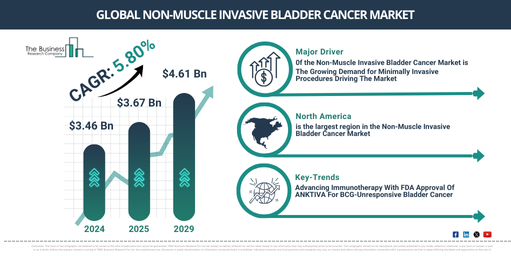
    The market size for non-muscle invasive bladder cancer has exhibited significant growth in the past few years. It is projected to increase from $3.46 billion in 2024 to $3.67 billion in 2025, with a compound annual growth rate (CAGR) of 6.1%. Factors such as an increase in the elderly population, enhanced healthcare spending, improvements in healthcare infrastructure, the emergence of telemedicine, and a surge in smoking rates have contributed to the growth experienced in the historic period.

    The market for non-muscle invasive bladder cancer is predicted to experience substantial expansion in the upcoming years, increasing to a worth of $4.61 billion by 2029, with a Compound Annual Growth Rate (CAGR) of 5.8%. The expected growth during the forecasted duration can be linked to the growing application of targeted therapies, a heightened emphasis on personalized medicine, larger investments in cancer research, a surge in the preference for minimally invasive procedures, and an escalation in chronic bladder incidences. Key trends emerging during the prediction period encompass technological breakthroughs, precision medicine, artificial intelligence adoption, telemedicine, and digitized healthcare tools.

    Download a free sample to assess the report’s scope and structure:

    https://www.thebusinessresearchcompany.com/sample.aspx?id=20904&type=smp

    What are the Fundamental Drivers and Innovations Shaping the Non-Muscle Invasive Bladder Cancer Market?

    The non-muscle invasive bladder cancer market is poised for growth, a trend fuelled by the increasing preference for minimally invasive procedures. These are surgical processes that involve small incisions and specialized equipment, resulting in less tissue damage and subsequent benefits like reduced discomfort, quicker recovery, and insignificant scarring compared to conventional open surgery. The shift towards minimally invasive surgeries is influenced by a range of factors, such as shorter recovery durations, enhanced patient outcomes, and an expanding elderly population. These factors collectively lead to improved patient safety, satisfaction, and operational efficiency in healthcare. Non-muscle invasive bladder cancer lends itself to these procedures by facilitating localized treatments like transurethral resection and intravesical therapy, which directly target the tumor without the requirement for wide-ranging surgical intervention. For example, The Aesthetic Society documents that in August 2023, Americans expended over $11.8 billion on aesthetic procedures, marking a 2% rise from the previous year. Consequently, this mounting preference for minimally invasive procedures is triggering growth in the non-muscle invasive bladder cancer market. The non-muscle invasive bladder cancer market is also witnessing growth due to the intensifying focus on personalized medicine. This approach tailors treatments according to the individual’s genetic makeup, lifestyle and environmental factors with a goal to achieve more efficacious outcomes. Personalized medicine is getting a push from several quarters, such as progress in genetic research, improvement in diagnostic tools, and an escalating demand for more targeted and effective therapies. Non-muscle invasive bladder cancer assists in this personalized approach by enabling individualized treatment programs that take into account the particular characteristics of the tumor, genetic markers and patient profiles. For example, the Personalized Medicine Coalition reports that in February 2024, the FDA green lighted 16 unique personalized therapies for patients with rare diseases last year, a significant increase from just six in 2022. This trend underscores the escalating growth of the non-muscle invasive bladder cancer market.

    How Is the Non-Muscle Invasive Bladder Cancer Market Segmented?

    The non-muscle invasive bladder cancer market covered in this report is segmented –

    1) By Stage: Carcinoma In Situ (CIS), T1 Stage, Ta Stage

    2) By Treatment: Immunotherapy, Chemotherapy, Surgery, Intravesical Therapy, Others Treatments

    3) By Tumor: Low-Grade Tumours, High-Grade Tumours

    4) By End-User: Hospital Pharmacy, Retail Pharmacy, Online Pharmacy

    Subsegments:

    1) By Carcinoma In Situ (CIS): High-Grade CIS, Low-Grade CIS

    2) By T1 Stage: T1a Stage (Superficial Tumors), T1b Stage (Invasive Into Lamina Propria)

    3) By Ta Stage: Low-Grade Ta Stage, High-Grade Ta Stage

    Request customized data on this market:

    https://www.thebusinessresearchcompany.com/customise?id=20904&type=smp

    Which Regions Are Driving the Next Phase of the Non-Muscle Invasive Bladder Cancer Market Growth?

    North America was the largest region in the non-muscle invasive bladder cancer market in 2024. Asia-Pacific is expected to be the fastest-growing region in the forecast period. The regions covered in the non-muscle invasive bladder cancer market report are Asia-Pacific, Western Europe, Eastern Europe, North America, South America, Middle East, Africa.

    What Are the Current Market Growth and Trends in the Non-Muscle Invasive Bladder Cancer Industry?

    Leading businesses within the non-muscle invasive bladder cancer market are concentrating their efforts on the creation of innovative treatments like immunotherapy to enhance patient care and results. This treatment methodology involves utilizing the body’s natural immune defenses to identify and neutralize cancer cells by stimulating effective immune responses. In March of 2024, US-based biotech company, ImmunityBio Inc., acquired approval from the FDA to use ANKTIVA (N-803) in treating patients with BCG-nonresponsive non-muscle invasive bladder cancer that exhibits carcinoma in situ, with or without papillary tumors. This endorsement stems from noteworthy clinical trial outcomes, suggesting that ANKTIVA, used in alliance with Bacillus Calmette-Guérin (BCG), presents a feasible therapeutic strategy for those patients who didn’t have a response to conventional BCG therapy. ANKTIVA is an innovative IL-15 agonist immunotherapy which bolsters the immune system, specifically catalyzing natural killer (NK) cells and CD8+ killer T cells to pinpoint and obliterate cancer cells.

    View the full report here:

    https://www.thebusinessresearchcompany.com/report/non-muscle-invasive-bladder-cancer-global-market-report

    How Is the Non-Muscle Invasive Bladder Cancer Market Defined and What Are Its Core Parameters?

    Non-muscle invasive bladder cancer (NMIBC) refers to a type of bladder cancer that is confined to the inner layers of the bladder wall and has not spread to the muscle layer. It is typically diagnosed at an early stage and can often be treated effectively with methods such as transurethral resection, intravesical therapy, or close surveillance.

    Purchase the full report and get a swift delivery:

    https://www.thebusinessresearchcompany.com/purchaseoptions.aspx?id=20904

    About The Business Research Company:

    With over 15000+ reports from 27 industries covering 60+ geographies, The Business Research Company has built a reputation for offering comprehensive, data-rich research and insights. Armed with 1,500,000 datasets, the optimistic contribution of in-depth secondary research, and unique insights from industry leaders, you can get the information you need to stay ahead in the game.

    Get in touch with us:

    The Business Research Company: https://www.thebusinessresearchcompany.com/

    Americas +1 3156230293

    Asia +44 2071930708

    Europe +44 2071930708

    Email us at info@tbrc.info

    Follow us on:

    LinkedIn: https://in.linkedin.com/company/the-business-research-company

    YouTube: https://www.youtube.com/channel/UC24_fI0rV8cR5DxlCpgmyFQ

    Global Market Model: https://www.thebusinessresearchcompany.com/global-market-model
  • Key Developments and Trends Steering the Neurodiagnostics Market Forward: Advancements In AI-Driven Software For Enhanced Diagnostic Accuracy

    Key Developments and Trends Steering the Neurodiagnostics Market Forward: Advancements In AI-Driven Software For Enhanced Diagnostic Accuracy

    Stay ahead with our updated market reports featuring the latest on tariffs, trade flows, and supply chain transformations.

    How Fast Is The Neurodiagnostics Market Expected to Grow Between 2025 And 2029?

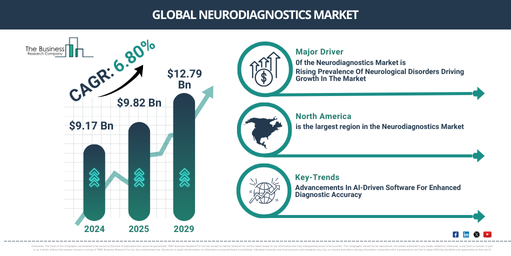
    The sector for neurodiagnostic has witnessed a robust expansion in the recent times. The market, which is anticipated to increase from $9.17 billion in 2024 to $9.82 billion in 2025, will experience a Compound Annual Growth Rate (CAGR) of 7.1%. The historic growth is attributed to factors such as the increasing incidence of neurological disorders, heightened usage of state-of-the-art imaging technologies, the growth in aged populace, increased awareness of early disease detection, the expansion of healthcare infrastructure, and the surge in investments within neuroscience research and development.

    Predictions for the neurodiagnostics market size anticipate a significant surge in the forthcoming years, reaching $12.79 billion by 2029 with an annual compound growth rate of 6.8%. This rise during the forecast period can be associated with the escalating need for non-invasive diagnosis methods, the growing occurrence of neurological conditions, heightened government funding in health infrastructure, increased awareness alongside early detection initiatives, and the widening of customized medical approaches. Key trends forecasted for this period range from the creation of portable EEG devices and assimilation of AI for elevated diagnostic precision, to improved MRI technology for brain scans, the usage of wearable devices for ongoing monitoring, breakthroughs in neurogenetics testing, and the implementation of real-time data analytics for personalized treatment strategies.

    Download a free sample to assess the report’s scope and structure:

    https://www.thebusinessresearchcompany.com/sample.aspx?id=20902&type=smp

    How Are Key Drivers in the Industry Acting as Catalysts for the Growth of the Neurodiagnostics Market?

    The anticipated growth of the neurodiagnostics market is linked to the escalating incidence of neurological conditions. Neurological disorders, which can cause a range of cognitive, motor, and sensory deficiencies, typically affect the brain, spinal cord, or nerves. The surge in such disorders is predominantly attributed to older populations, environmental influences, changes in lifestyle, genetic factors, and improved diagnostic techniques. Neurodiagnostic tools are crucial in correctly identifying, assessing, and managing these neurological conditions. They facilitate precise diagnosis, informed treatment choices, and effective disease management related to the brain, spinal cord, and nerves. For example, the National Library of Medicine, an American medical research information library, reported in April 2023 that in that year, 6.7 million Americans were diagnosed with Alzheimer’s. This figure is predicted to climb to 13.8 million by 2060. The growing incidence of such neurological disorders is hence propelling the expansion of the neurodiagnostics market.

    Which Segments in the Neurodiagnostics Offer the Most Growth?

    The neurodiagnostics market covered in this report is segmented –

    1) By Type: Diagnostic And Imaging Solutions, In-Vitro Diagnostics

    2) By Technology: Neuroimaging Technologies, Computed Tomography (CT), Magnetic Resonance Imaging (MRI), Nuclear Medicine Imaging (PET, SPECT), Near Infrared Spectroscopic Imaging (NIRS), Electro-Encephalography (EEG), Magneto-Encephalography (MEG), Voxel Based Morphometry (VBM), Neuroinformatics

    3) By Condition: Epilepsy, Alzheimer’s Disease, Parkinson’s Disease, Stroke, Joint Health, Other Conditions

    4) By End Use : Hospitals And Clinics, Diagnostic Laboratories, Imaging Centers, Other End Uses

    Subsegments:

    1) By Diagnostic And Imaging Solutions: MRI (Magnetic Resonance Imaging) Systems, CT (Computed Tomography) Scanners, EEG (Electroencephalogram) Systems, EMG (Electromyography) Systems, MEG (Magnetoencephalography) Systems, PET (Positron Emission Tomography) Scanners, SPECT (Single Photon Emission Computed Tomography) Scanners, Functional MRI (fMRI) Systems, Intracranial Pressure Monitors

    2) By In-Vitro Diagnostics: Blood-Based Diagnostics, Cerebrospinal Fluid (Csf) Analysis, Genetic Testing And Biomarkers, Neurochemical Diagnostics, Point-Of-Care Neurodiagnostics, Diagnostic Kits For Neurodegenerative Disorders

    Request customized data on this market:

    https://www.thebusinessresearchcompany.com/customise?id=20902&type=smp

    What Are the Fastest-Growing Geographies in the Neurodiagnostics Market?

    North America was the largest region in the neurodiagnostics market in 2024. Asia-Pacific is expected to be the fastest-growing region in the forecast period. The regions covered in the neurodiagnostics market report are Asia-Pacific, Western Europe, Eastern Europe, North America, South America, Middle East, Africa.

    What Long-Term Trends Are Transforming the Competitive Landscape of the Neurodiagnostics Market?

    Leading organizations in the neurodiagnostics sector are prioritizing technological innovations, such as advanced software algorithm development, to boost diagnostic precision and enhance patient recovery rates. The term advanced software algorithm is defined as a complex instruction set that processes and interprets data using methodologies like artificial intelligence (AI) or machine learning to augment judgment and diagnostics. For example, in October 2023, Ceribell Inc., an American medical device manufacturing firm, introduced the ClarityPro AI algorithm, constituting a crucial leap forward in the diagnosis of electrographic status epilepticus (ESE). This cutting-edge software, incorporated within the Ceribell EEG system, employs machine learning for EEG waveform analysis and delivers instantaneous alerts for suspected seizures. It’s worth noting that ClarityPro is the initial acute treatment device to obtain standalone diagnosis approval from the FDA. Its design aims to enhance clinical decisions by persistently tracking brain activity, providing practical insights, and facilitating swift and efficient treatment responses.

    View the full report here:

    https://www.thebusinessresearchcompany.com/report/neurodiagnostics-global-market-report

    What Are the Key Elements That Define the Neurodiagnostics Market?

    Neurodiagnostics refers to the medical field focused on diagnosing and monitoring disorders of the nervous system, including the brain, spinal cord, and peripheral nerves. It involves the use of advanced technologies and tests to assess neurological function, identify abnormalities, and aid in the diagnosis of conditions such as epilepsy, stroke, multiple sclerosis, neuropathies, and other neurological diseases.

    Purchase the full report and get a swift delivery:

    https://www.thebusinessresearchcompany.com/purchaseoptions.aspx?id=20902

    About The Business Research Company:

    With over 15000+ reports from 27 industries covering 60+ geographies, The Business Research Company has built a reputation for offering comprehensive, data-rich research and insights. Armed with 1,500,000 datasets, the optimistic contribution of in-depth secondary research, and unique insights from industry leaders, you can get the information you need to stay ahead in the game.

    Get in touch with us:

    The Business Research Company: https://www.thebusinessresearchcompany.com/

    Americas +1 3156230293

    Asia +44 2071930708

    Europe +44 2071930708

    Email us at info@tbrc.info

    Follow us on:

    LinkedIn: https://in.linkedin.com/company/the-business-research-company

    YouTube: https://www.youtube.com/channel/UC24_fI0rV8cR5DxlCpgmyFQ

    Global Market Model: https://www.thebusinessresearchcompany.com/global-market-model
  • Market Trends Influencing Strategic Decisions in the Neuroblastoma Industry: Advancements In Targeted Therapies For High-Risk Neuroblastoma Treatment

    Market Trends Influencing Strategic Decisions in the Neuroblastoma Industry: Advancements In Targeted Therapies For High-Risk Neuroblastoma Treatment

    Stay ahead with our updated market reports featuring the latest on tariffs, trade flows, and supply chain transformations.

    What Are the Key Projections for the CAGR of the Neuroblastoma Market Size From 2025 to 2034?

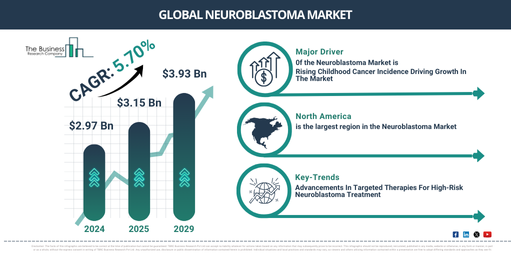
    In recent times, the neuroblastoma market has seen substantial development. The market, valued at $2.97 billion in 2024, is expected to surge to $3.15 billion in 2025, with a compound annual growth rate (CAGR) of 6.1%. The escalation in the past period can be accredited to the increased prevalence of neuroblastoma, augmented research and development in the domain of pediatric neuroblastoma therapies, escalating incidence of childhood cancer, and growing investment and support from the government.

    The neuroblastoma market is predicted to experience robust expansion in the coming years, soaring to a value of $3.93 billion by 2029, representing a compound annual growth rate (CAGR) of 5.7%. The surge during the forecast period can be credited to the escalated levels of government funding, rise in disease incidence, increased attention on early detection, the growing presence of genetic mutations, and enhanced comprehension and progress in research. The forecast period is likely to be characterized by trends such as the creation of drugs that target specific molecular pathways, breakthroughs in non-invasive imaging technologies, improvements in gene-editing technologies, a heightened focus on customized treatment, and the production of radiolabeled compounds.

    Download a free sample to assess the report’s scope and structure:

    https://www.thebusinessresearchcompany.com/sample.aspx?id=20901&type=smp

    What Are the Major Market Drivers Behind the Rising Adoption of Neuroblastoma Market?

    The escalating occurrence of pediatric cancer is anticipated to stimulate the expansion of the neuroblastoma market. Typically manifesting in main organs like the brain, bones, and blood, childhood cancer primarily impacts children and teenagers and necessitates unique therapeutic measures. The burgeoning rate of pediatric cancer is tied to several elements like enhancement in diagnostic methods, heightened awareness, environmental exposures, genetic susceptibilities, and progress in medical investigations. Neuroblastoma treatments offer targeted therapeutic strategies for children with cancer, allowing swift and potent interventions that reduce recurrence risks and ameliorate patient outcomes. It was projected by the American Cancer Society in May 2024 that around 9,620 American children below the age of 15 are anticipated to be diagnosed with cancer in 2024, climbing from 5,290 cases in 2023. Consequently, the ascending trend in pediatric cancer incidence is fueling the growth of the neuroblastoma market.

    Which Key Market Segments Comprise the Neuroblastoma Market and Drive Its Revenue Growth?

    The neuroblastoma market covered in this report is segmented –

    1) By Product Types: Tablets, Vaccines, Other Product Types

    2) By Treatment Type: Chemotherapy, Immunotherapy, Other Treatment Types

    3) By Distribution Channel: Online, Offline

    4) By End-User: Hospitals, Clinics

    Subsegments:

    1) By Tablets: Oral Chemotherapy Tablets, Targeted Therapy Tablets

    2) By Vaccines: Immunotherapy Vaccines, Therapeutic Vaccines

    3) By Other Product Types: Injectable Drugs, Monoclonal Antibodies, Cell Therapy Products

    Request customized data on this market:

    https://www.thebusinessresearchcompany.com/customise?id=20901&type=smp

    Which Areas Are Leading Regions in the Neuroblastoma Market Expansion Across the Globe?

    North America was the largest region in the neuroblastoma market in 2024. Asia-Pacific is expected to be the fastest-growing region in the forecast period. The regions covered in the neuroblastoma market report are Asia-Pacific, Western Europe, Eastern Europe, North America, South America, Middle East, Africa.

    What Key Market Trends and Innovations Are Shaping the Future of the Neuroblastoma Industry?

    Firms with significant presence in the neuroblastoma industry, like Renaissance Pharma Ltd., are increasingly investing in the advancement of specialized treatments such as humanized anti-GD2 monoclonal antibodies. These particular therapeutic interventions are designed to more safely and effectively target cancer cells, utilizing human components to limit immune rejection. For example, in August 2023, the UK-based, clinical-stage pharmaceutical entity, Renaissance Pharma Ltd., publicly announced its in-licensing of Hu14.18K322A, also known as Hu14.18, from the St. Jude Children’s Research Hospital. This specific antibody was developed to target high-risk neuroblastoma, a rare yet severe form of childhood cancer. As per their agreement, Renaissance now holds the exclusive rights for the development, production, and sale of Hu14.18 in major global markets, which include the United States, Canada, Europe, China, Japan, and Turkey.

    View the full report here:

    https://www.thebusinessresearchcompany.com/report/neuroblastoma–global-market-report

    How Is the Neuroblastoma Market Conceptually Defined?

    Neuroblastoma is a type of cancer that primarily affects children and arises from immature nerve cells called neuroblasts. It commonly develops in the adrenal glands, located on top of the kidneys, and occurs in other areas of the abdomen, chest, neck, or pelvis. The cancer can cause symptoms such as abdominal pain, swelling, fatigue, and sometimes bone pain or lumps.

    Purchase the full report and get a swift delivery:

    https://www.thebusinessresearchcompany.com/purchaseoptions.aspx?id=20901

    About The Business Research Company:

    With over 15000+ reports from 27 industries covering 60+ geographies, The Business Research Company has built a reputation for offering comprehensive, data-rich research and insights. Armed with 1,500,000 datasets, the optimistic contribution of in-depth secondary research, and unique insights from industry leaders, you can get the information you need to stay ahead in the game.

    Get in touch with us:

    The Business Research Company: https://www.thebusinessresearchcompany.com/

    Americas +1 3156230293

    Asia +44 2071930708

    Europe +44 2071930708

    Email us at info@tbrc.info

    Follow us on:

    LinkedIn: https://in.linkedin.com/company/the-business-research-company

    YouTube: https://www.youtube.com/channel/UC24_fI0rV8cR5DxlCpgmyFQ

    Global Market Model: https://www.thebusinessresearchcompany.com/global-market-model
  • Emerging Trends Redefining the Neonatal Phototherapy Market Landscape: Advancements In Non-Invasive Respiratory Treatments For Neonates With Hypoxic Respiratory Failure

    Emerging Trends Redefining the Neonatal Phototherapy Market Landscape: Advancements In Non-Invasive Respiratory Treatments For Neonates With Hypoxic Respiratory Failure

    Stay ahead with our updated market reports featuring the latest on tariffs, trade flows, and supply chain transformations.

    What is the Projected CAGR for the Neonatal Respiratory Distress Syndrome Treatment Market Size from 2025 to 2034?

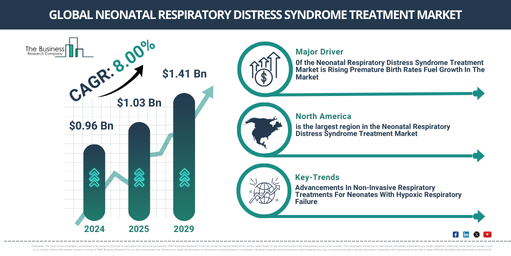
    In recent years, the market size for neonatal respiratory distress syndrome treatment has seen robust growth. The money generated by this market is forecasted to rise from $0.96 billion in 2024 to $1.03 billion in 2025, with a compound annual growth rate (CAGR) of 8.3%. Factors contributing to the growth in the historic period include an increase in permeability and fluid buildup within the alveoli, heightened alveolar-capillary permeability, a surge in the use of mechanical ventilation, more awareness amongst healthcare professionals and parents on neonatal care’s significance, as well as an uptick in healthcare investments.

    Growth in the neonatal respiratory distress syndrome treatment market is anticipated to be robust in the coming years, with estimations suggesting a value of $1.41 billion by 2029, representing a compound annual growth rate (CAGR) of 8.0%. This upward trajectory during the forecast period is largely due to factors such as the increasing inclination towards accessories and consumables, a surge in NICU admissions, a growing demand of personalized medicine, an increase in premature birth occurrences, and a rise in research and development initiatives. Some key trends expected during the forecast period include the automation of neonatal intensive care units (NICUs), the incorporation of artificial intelligence (AI), progresses in neonatal care technology, innovative surfactant therapies, and advanced ventilator technologies.

    Download a free sample to assess the report’s scope and structure:

    https://www.thebusinessresearchcompany.com/sample.aspx?id=20899&type=smp

    What Are the Core Market Drivers Propelling Growth in the Neonatal Respiratory Distress Syndrome Treatment Industry?

    The escalating rates of premature births is projected to boost the growth trajectory of the neonatal respiratory distress syndrome treatment market. A preterm birth, also known as premature birth, is when a baby arrives before the 37th week of pregnancy. Those born prior to the 32nd week face significant health threats – a typical pregnancy is approximately 40 weeks. Factors such as increasing maternal age, multiple pregnancies, health issues, lifestyle decisions, fertility treatment usage, infections, and environmental factors contribute to the upsurge in premature births. The need for Neonatal Respiratory Distress Syndrome (NRDS) treatment is frequent among premature newborns because their lungs are immature and there is inadequate surfactant production. This therapy aids in lung function improvement, breathing stabilization, and the reduction of premature infants’ risk of respiratory failure. For example, Tommy’s, a UK-based charity organization, reported in December 2022 that the percentage of live premature births in England and Wales spiked to 7.9% in 2022 from 7.5% in 2021, demonstrating a sequential rise in premature birth incidence. Over 53,000 babies were prematurely born in 2022, highlighting the reason behind the meandering trajectory of the neonatal respiratory distress syndrome treatment market.

    How Is the Neonatal Respiratory Distress Syndrome Treatment Market Segmented?

    The neonatal respiratory distress syndrome treatment market covered in this report is segmented –

    1) By Therapy: Oxygen Therapy, Surfactant Therapy

    2) By Route Of Administration: Parenteral, Inhalation, Other Routes Of Administration

    3) By End User: Hospitals, Sub-Acute Facilities, Home Care, Retail Pharmacies

    Subsegments:

    1) By Oxygen Therapy: Conventional Oxygen Therapy, High-Flow Nasal Cannula (HFNC) Oxygen Therapy, Continuous Positive Airway Pressure (CPAP) Oxygen Therapy, Invasive Mechanical Ventilation With Oxygen Therapy

    2) By Surfactant Therapy: Natural Surfactants, Synthetic Surfactants, Combined Surfactant Therapy (Natural + Synthetic), Prophylactic Surfactant Therapy, Rescue Surfactant Therapy

    Request customized data on this market:

    https://www.thebusinessresearchcompany.com/customise?id=20899&type=smp

    Which Regions Are Driving the Next Phase of the Neonatal Respiratory Distress Syndrome Treatment Market Growth?

    North America was the largest region in the neonatal respiratory distress syndrome treatment market in 2024. Asia-Pacific is expected to be the fastest-growing region in the forecast period. The regions covered in the neonatal respiratory distress syndrome treatment market report are Asia-Pacific, Western Europe, Eastern Europe, North America, South America, Middle East, Africa.

    Which Cutting-Edge Market Trends Are Expected to Drive the Neonatal Respiratory Distress Syndrome Treatment Market’s Growth?

    Leading firms in the neonatal respiratory distress syndrome treatment market are focusing on the advancement of technologies such as nitric oxide generators. These aim to improve oxygenation, reduce respiratory issues, and provide non-invasive treatment methods for neonates suffering from hypoxic respiratory failure. A nitric oxide generator is a medical apparatus that produces and dispenses nitric oxide gas, which is usually used to address respiratory problems by enhancing oxygen levels and reducing pulmonary hypertension chiefly in neonates and intensely sick patients. In a recent development, Beyond Air Inc., a US-based medical device and biopharmaceutical organization, secured FDA approval for LungFit PH in June 2022. This ground-breaking nitric oxide generator is intended to treat term and near-term neonates who have hypoxic respiratory failure, including persistent pulmonary hypertension of the newborn (PPHN). The device uses Beyond Air’s proprietary Ionizer technology to create nitric oxide from ambient air on demand, supplying an unrestricted source without any worries over dosage or flow. The technology empowers a low-power compressor to ionize nitrogen and oxygen, thereby reducing nitrogen dioxide (NO2) production which is then securely removed via a smart filter.

    View the full report here:

    https://www.thebusinessresearchcompany.com/report/neonatal-respiratory-distress-syndrome-treatment-global-market-report

    How Is the Neonatal Respiratory Distress Syndrome Treatment Market Defined and What Are Its Core Parameters?

    Neonatal respiratory distress syndrome treatment refers to the management of premature infants with insufficient surfactant production, leading to breathing difficulties. It involves administering exogenous surfactant therapy, providing respiratory support with mechanical ventilation or continuous positive airway pressure (CPAP), and oxygen supplementation.

    Purchase the full report and get a swift delivery:

    https://www.thebusinessresearchcompany.com/purchaseoptions.aspx?id=20899

    About The Business Research Company:

    With over 15000+ reports from 27 industries covering 60+ geographies, The Business Research Company has built a reputation for offering comprehensive, data-rich research and insights. Armed with 1,500,000 datasets, the optimistic contribution of in-depth secondary research, and unique insights from industry leaders, you can get the information you need to stay ahead in the game.

    Get in touch with us:

    The Business Research Company: https://www.thebusinessresearchcompany.com/

    Americas +1 3156230293

    Asia +44 2071930708

    Europe +44 2071930708

    Email us at info@tbrc.info

    Follow us on:

    LinkedIn: https://in.linkedin.com/company/the-business-research-company

    YouTube: https://www.youtube.com/channel/UC24_fI0rV8cR5DxlCpgmyFQ

    Global Market Model: https://www.thebusinessresearchcompany.com/global-market-model
  • Neonatal Phototherapy Market 2025-2034: Key Highlights, Growth Dynamics, and Emerging Trends

    Neonatal Phototherapy Market 2025-2034: Key Highlights, Growth Dynamics, and Emerging Trends

    Stay ahead with our updated market reports featuring the latest on tariffs, trade flows, and supply chain transformations.

    What Is the Current and Projected Market Size of the Neonatal Phototherapy Market Through 2034?

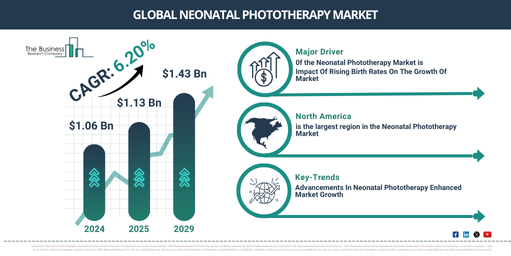
    In recent times, there has been substantial growth in the neonatal phototherapy market size. The market is projected to expand from $1.06 billion in 2024 to $1.13 billion in 2025, indicating a compound annual growth rate (CAGR) of 6.4%. Several factors have contributed to the past period’s growth, including enhancements in healthcare infrastructure, government health projects, programs on education and training, backing from non-profit entities, and clinical research and studies.

    The size of the neonatal phototherapy market is projected to experience robust growth in the coming years, expanding to $1.43 billion by 2029, with a CAGR of 6.2%. This growth during the forecast period can be linked to factors such as the broadening of healthcare accessibility, government-backed health policies, the economic development of developing countries, improved training schemes, and public health drives. Key trends for the forecast period include the advent of portable phototherapy gadgets, the use of LED-based phototherapy, the emergence of miniaturized devices, the application of AI in phototherapy, and the adoption of blue and green light technologies.

    Download a free sample to assess the report’s scope and structure:

    https://www.thebusinessresearchcompany.com/sample.aspx?id=20898&type=smp

    Which Primay Drivers Are Accelerating Growth in the Neonatal Phototherapy Market?

    The growth of the neonatal phototherapy market is predicted to be fueled by increasing birth rates. Higher birth rates are typically the result of factors such as better healthcare, increased fertility rates, cultural inclination towards larger families, and heightened immigration in some areas. Neonatal phototherapy plays a crucial role in treating jaundice in prematurely-born infants by using light therapy to eliminate excess bilirubin in their blood. This is important in minimizing the risk of serious complications like brain damage, which are more likely in premature babies due to their immature liver functionalities and higher chances of presenting jaundice. For instance, a report by a US-based national public health body, the Centers for Disease Control and Prevention, showed a 1% rise in recorded births in the United States in January 2023, totaling 3,664,292 in comparison to the previous year. Consequently, the surge in birth rates is propelling the neonatal phototherapy market’s expansion.

    Which Primary Segments of the Neonatal Phototherapy Market Are Driving Growth and Industry Transformations?

    The neonatal phototherapy market covered in this report is segmented –

    1) By Type: Convectional Phototherapy Equipment, LED Phototherapy Equipment, Fiber Optic Phototherapy Equipment

    2) By Product Type: Traditional Phototherapy Lamps, Phototherapy Beds, Flexible Phototherapy Lamps

    3) By Application: Skin Diseases Treatment, Neonatal Jaundice Management

    Subsegments:

    1) By Conventional Phototherapy Equipment: Fluorescent Tube Phototherapy Units, Incandescent Lamp Phototherapy Units

    2) By LED Phototherapy Equipment: Blue LED Phototherapy Units, White LED Phototherapy Units

    3) By Fiber Optic Phototherapy Equipment: Overhead Fiber Optic Phototherapy Units, Blanket Or Pad-Type Fiber Optic Phototherapy Units

    Request customized data on this market:

    https://www.thebusinessresearchcompany.com/customise?id=20898&type=smp

    Which Regions Are Key Players in the Growth of the Neonatal Phototherapy Market?

    North America was the largest region in the neonatal phototherapy market in 2024. The regions covered in the neonatal phototherapy market report are Asia-Pacific, Western Europe, Eastern Europe, North America, South America, Middle East, Africa.

    What Are the Key Market Trends in the Neonatal Phototherapy Market Over the Coming Years?

    Primary players in the neonatal phototherapy market are concentrating their efforts on creating innovative solutions, such as state-of-the-art open warmers, to improve postnatal care for infants. The term advanced open warmer (AOW) is used to describe a medical apparatus regularly employed in neonatal and pediatric environments to keep a consistent body temperature in newborns and infants, particularly those born prematurely or with low birth weights. For example, Draeger India Pvt. Ltd, a medical and safety technology firm based in India, unveiled the BabyRoo TN300 in October 2024. This novel device was crafted to provide flexibility in labor and delivery rooms, as well as neonatal intensive care units. Its purpose is to render the best possible care for newborns, especially those requiring intensive care after birth. The BabyRoo TN300 comes equipped with dual heat sources for consistent temperature control, skin temperature regulation for individualized warming, a prewarm function for prompt readiness, incorporated thermomonitoring to identify thermal stress, lung-protective respiratory support facilitated by an AutoBreath module, and a design centered around family care to encourage parents’ participation in infant care.

    View the full report here:

    https://www.thebusinessresearchcompany.com/report/neonatal-phototherapy-global-market-report

    What Parameters Are Used to Define the Neonatal Phototherapy Market?

    Neonatal phototherapy is a medical treatment used to manage jaundice in newborns by exposing them to specific light wavelengths. This process helps break down excess bilirubin in the baby’s blood, which is the cause of the yellowing of the skin and eyes. It is a non-invasive and effective method to reduce the risk of complications associated with high bilirubin levels, promoting safer recovery in newborns.

    Purchase the full report and get a swift delivery:

    https://www.thebusinessresearchcompany.com/purchaseoptions.aspx?id=20898

    About The Business Research Company:

    With over 15000+ reports from 27 industries covering 60+ geographies, The Business Research Company has built a reputation for offering comprehensive, data-rich research and insights. Armed with 1,500,000 datasets, the optimistic contribution of in-depth secondary research, and unique insights from industry leaders, you can get the information you need to stay ahead in the game.

    Get in touch with us:

    The Business Research Company: https://www.thebusinessresearchcompany.com/

    Americas +1 3156230293

    Asia +44 2071930708

    Europe +44 2071930708

    Email us at info@tbrc.info

    Follow us on:

    LinkedIn: https://in.linkedin.com/company/the-business-research-company

    YouTube: https://www.youtube.com/channel/UC24_fI0rV8cR5DxlCpgmyFQ

    Global Market Model: https://www.thebusinessresearchcompany.com/global-market-model
  • Next-Gen Natural Insect Repellents: Market Forecast, Transformation, and Long-Term Trajectories

    Next-Gen Natural Insect Repellents: Market Forecast, Transformation, and Long-Term Trajectories

    Stay ahead with our updated market reports featuring the latest on tariffs, trade flows, and supply chain transformations.

    What Are the Key Milestones in the Natural Insect Repellents Market’s Growth Trajectory From 2025 To 2034?

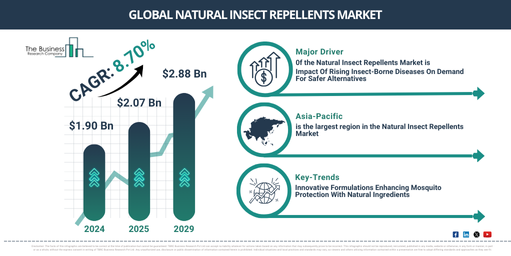
    There has been a significant expansion in the size of the natural insect repellents market in the past few years. The market, which is predicted to grow from $1.90 billion in 2024 to $2.07 billion in 2025, signifies a compound annual growth rate (CAGR) of 8.9%. Various factors contributed to this growth during the historic period including the upsurge in government initiatives against vector-borne diseases, eco-friendly policies encouraging environmentally safe products, augmented consumer inclination towards toxin-free products, increased necessity for repellents that are safe for children and pets, and the surge in popularity of sustainable and biodegradable products.

    Expectations are high for a robust growth in the market for natural insect repellents in the coming years, with estimates suggesting a rise to $2.88 billion by 2029, aided by a compound annual growth rate (CAGR) of 8.7%. This predicted growth during the projection period could be down to an increase in vector-borne diseases, higher levels of campaigns promoting global health and disease prevention, a surge in the use of aromatherapy-based repellents, a boost in disposable income levels, and a growing middle-class demographic. A number of key trends are anticipated during this forecasting period, including advances in botanical extraction technologies, the development of natural repellents with a longer shelf life, the launch of multifunctional products, innovative packaging designed for ease and convenience, and a leaning towards organic and plant-derived products.

    Download a free sample to assess the report’s scope and structure:

    https://www.thebusinessresearchcompany.com/sample.aspx?id=20896&type=smp

    Which Major Market Drivers Are Expected to Boost the Growth Potential of the Natural Insect Repellents Market?

    The growth of the natural insect repellents market is expected to accelerate due to the increasing prevalence of insect-related illnesses. These ailments are caused by infectious agents passed to people or animals from the bites of depleted insects, including mosquitoes, ticks, and flies. Because of factors like climate change, urban growth, deforestation, and expanded international travel, these sicknesses spread, expanding the living and dispersion spaces for insects that carry diseases. Natural insect repellents offer a secure, eco-friendly, and non-toxic substitute to synthetic repellents, efficiently reducing the likelihood of insect bites and the transfer of diseases. For example, the Sweden-based government institution, the European Centre for Disease Prevention and Control, reported in June 2024, a steep rise from 71 in 2022 to 130 locally contracted dengue cases in the EU/EEA in 2023. Imported dengue occurrences have similarly escalated dramatically, increasing from 1,572 in 2022 to more than 4,900 in 2023. As a result, the burgeoning prevalence of insect-borne diseases is propelling the expansion of the natural insect repellents market.

    Which Key Market Segments Comprise the Natural Insect Repellents Market and Drive Its Revenue Growth?

    The natural insect repellents market covered in this report is segmented –

    1) By Product Type: Spray Or Aerosols, Creams Or Lotions, Others Product Types

    2) By Distribution: Supermarkets Or Hypermarkets, Online, Other Distributions

    3) By Application: Special Population, General Population

    Subsegments:

    1) By Spray Or Aerosols: Pump Sprays, Aerosol Sprays, Natural Mist Sprays

    2) By Creams Or Lotions: Herbal Creams, Essential Oil-based Lotions, Organic Insect Repellent Creams, Gel-based Repellents

    3) By Other Product Types: Insect Repellent Patches, Insect Repellent Bracelets, Insect Repellent Candles, Insect Repellent Oils (Essential Oils), Insect Repellent Powders

    Request customized data on this market:

    https://www.thebusinessresearchcompany.com/customise?id=20896&type=smp

    Which Areas Are Leading Regions in the Natural Insect Repellents Market Expansion Across the Globe?

    Asia-Pacific was the largest region in the natural insect repellents market in 2024 and it is expected to be the fastest-growing region in the forecast period. The regions covered in the natural insect repellents market report are Asia-Pacific, Western Europe, Eastern Europe, North America, South America, Middle East, Africa.

    What Key Trends Are Shaping the Future of the Natural Insect Repellents Market?

    Leading businesses in the natural insect repellents market are concentrating on designing novel formulations such as mosquito-repellent sprays. These products provide immediate defense against mosquito bites, lowering the likelihood of contracting insect-borne diseases. These sprays, either in aerosol or liquid form, are designed to deter mosquitoes by creating a protective coating of active substances on the skin or surrounding area. For instance, Diptyque, a luxury fragrance brand based in France, in June 2023, revealed a body spray with mosquito-repellent properties. This limited-edition summer body perfume cleverly combines usefulness with delight, offering a unique blend of essential oils known for their insect-repellent properties like lemongrass, geranium, and lemon eucalyptus. These oils are skillfully matched with the invigorating, aromatic notes of neroli and orange blossom to create a dynamic, floral scent that also offers protection against mosquitoes.

    View the full report here:

    https://www.thebusinessresearchcompany.com/report/natural-insect-repellents-global-market-report

    How Is the Natural Insect Repellents Market Conceptually Defined?

    Natural insect repellents are substances derived from plant-based or mineral sources, formulated to deter insects without the use of synthetic chemicals. They typically use essential oils such as citronella, eucalyptus, lemongrass, lavender, or cedarwood, which are known for their insect-repelling properties. These repellents offer a safer and eco-friendly alternative to conventional products, making them suitable for individuals with sensitive skin, children, and environmentally conscious users.

    Purchase the full report and get a swift delivery:

    https://www.thebusinessresearchcompany.com/purchaseoptions.aspx?id=20896

    About The Business Research Company:

    With over 15000+ reports from 27 industries covering 60+ geographies, The Business Research Company has built a reputation for offering comprehensive, data-rich research and insights. Armed with 1,500,000 datasets, the optimistic contribution of in-depth secondary research, and unique insights from industry leaders, you can get the information you need to stay ahead in the game.

    Get in touch with us:

    The Business Research Company: https://www.thebusinessresearchcompany.com/

    Americas +1 3156230293

    Asia +44 2071930708

    Europe +44 2071930708

    Email us at info@tbrc.info

    Follow us on:

    LinkedIn: https://in.linkedin.com/company/the-business-research-company

    YouTube: https://www.youtube.com/channel/UC24_fI0rV8cR5DxlCpgmyFQ

    Global Market Model: https://www.thebusinessresearchcompany.com/global-market-model
  • Nasal Cannula Market Overview 2025: Competitive Shifts, Forecast Models, and Emerging Opportunities

    Nasal Cannula Market Overview 2025: Competitive Shifts, Forecast Models, and Emerging Opportunities

    Stay ahead with our updated market reports featuring the latest on tariffs, trade flows, and supply chain transformations.

    How Has The Nasal Cannula Market Size Shifted, And What Is the Outlook Through 2034?

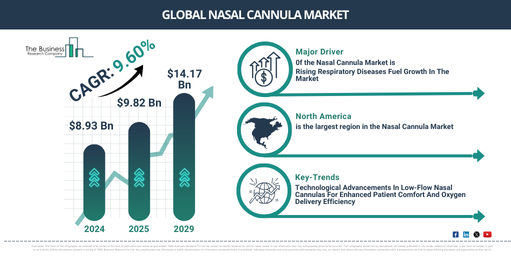
    Significant growth has been observed in the nasal cannula market in the past few years. The market, valued at $8.93 billion in 2024, is projected to increase to $9.82 billion in 2025, representing a compound annual growth rate (CAGR) of 9.9%. Factors contributing to this growth during the historical period include a heightened focus on personalized patient care, a higher incidence of obstructive sleep apnea, increased awareness of respiratory diseases, evolving lifestyle changes, and climbing population numbers.

    The market for nasal cannula is predicted to witness substantial growth in the coming years, escalating to a value of $14.17 billion by 2029 with a compound annual growth rate of 9.6%. The surge during the prediction period can be credited to various factors such as the rising occurrence of respiratory illnesses, enhanced healthcare spending, increasing ageing population, expansive government initiatives, and a rise in surgical procedures. Key trends marking this period are expected to be technologic progress, strategic partnerships, expansion of facilities, investments in research and development, and an emphasis on new product launches.

    Download a free sample to assess the report’s scope and structure:

    https://www.thebusinessresearchcompany.com/sample.aspx?id=20895&type=smp

    What Are the Core Growth Drivers Propelling the Nasal Cannula Market Forward?

    The surge in respiratory illnesses is a significant factor propelling the growth of the nasal cannula market. Respiratory illnesses are defined as health conditions that impact the airways and lungs, thereby hindering normal breathing and oxygen transport. The escalating rates of these diseases are often linked to elements such as increased allergen exposure, air pollution, viral infections, and smoking. Nasal cannulas are employed in the treatment of these illnesses to facilitate supplemental oxygen delivery directly to the nostrils, thereby enhancing oxygen concentrations in patients struggling with respiratory challenges. As a case in point, in June 2024, the American Lung Association, an established US-based non-profit entity, revealed that in 2022, about 44.2 million Americans, accounting for 13.5% of the population, were diagnosed with asthma by a qualified medical professional. Hence, the uptick in respiratory illnesses fuels the expansion of the nasal cannula market.

    What Segment Types Define the Nasal Cannula Market Structure?

    The nasal cannula market covered in this report is segmented –

    1) By Type: Low Flow Nasal Cannula, High Flow Nasal Cannula

    2) By Material: Plastic, Silicone

    3) By Size: Neonate, Infant, Child, Adult

    4) By Prongs: Straight, Curved, Flared, Other Prongs

    5) By End User: Hospitals, Ambulatory Healthcare Services, Long Term Care Centers, Others End Users

    Subsegments:

    1) By Low Flow Nasal Cannula: Adult Low Flow Nasal Cannula, Pediatric Low Flow Nasal Cannula, Disposable Low Flow Nasal Cannula, Reusable Low Flow Nasal Cannula

    2) By High Flow Nasal Cannula: Adult High Flow Nasal Cannula, Pediatric High Flow Nasal Cannula, Disposable High Flow Nasal Cannula, Reusable High Flow Nasal Cannula

    Request customized data on this market:

    https://www.thebusinessresearchcompany.com/customise?id=20895&type=smp

    Which Geographic Areas Hold the Strongest Growth Potential in the Nasal Cannula Market?

    North America was the largest region in the nasal cannula market in 2024. The regions covered in the nasal cannula market report are Asia-Pacific, Western Europe, Eastern Europe, North America, South America, Middle East, Africa.

    What Are the Most Significant Market Trends in the Nasal Cannula Market?

    Leading firms in the nasal cannula market are prioritizing technological advancements like low-flow nasal cannulas to increase patient comfort and the efficiency of oxygen delivery, while also addressing specific clinical needs. Low-flow nasal cannulas, devices that supply additional oxygen at lesser flow rates, typically between 1 to 6 liters per minute, are delivered through two prongs placed into the nostrils. For example, in May 2024, the Germany-based diagnostics and consumables firm CNSAC MedShop launched NasalOxy, a ground-breaking, patented low-flow nasal cannula engineered to overcome the constraints of conventional oxygen delivery techniques. This cutting-edge device ensures superior comfort and efficiency for patients needing extended oxygen therapy and also offers flexibility to accommodate both nasal and oral respiration. NasalOxy’s innovative design lessens contact with the mucous membrane, thus reducing irritation, discomfort and negating usual side effects linked to traditional nasal cannulas.

    View the full report here:

    https://www.thebusinessresearchcompany.com/report/nasal-cannula-global-market-report

    What Is the Definition of the Nasal Cannula Market?

    A nasal cannula is a medical device used to deliver supplemental oxygen to patients who require respiratory support. It consists of two small prongs that fit into the nostrils, connected by a thin tube to an oxygen source. This device allows for comfortable, continuous oxygen flow while enabling the patient to speak and eat.

    Purchase the full report and get a swift delivery:

    https://www.thebusinessresearchcompany.com/purchaseoptions.aspx?id=20895

    About The Business Research Company:

    With over 15000+ reports from 27 industries covering 60+ geographies, The Business Research Company has built a reputation for offering comprehensive, data-rich research and insights. Armed with 1,500,000 datasets, the optimistic contribution of in-depth secondary research, and unique insights from industry leaders, you can get the information you need to stay ahead in the game.

    Get in touch with us:

    The Business Research Company: https://www.thebusinessresearchcompany.com/

    Americas +1 3156230293

    Asia +44 2071930708

    Europe +44 2071930708

    Email us at info@tbrc.info

    Follow us on:

    LinkedIn: https://in.linkedin.com/company/the-business-research-company

    YouTube: https://www.youtube.com/channel/UC24_fI0rV8cR5DxlCpgmyFQ

    Global Market Model: https://www.thebusinessresearchcompany.com/global-market-model
  • Myopia Treatment DevicesMarket Overview 2025–2034: CAGR Trends, Long-Term Growth Paths, and Business Implications

    Myopia Treatment DevicesMarket Overview 2025–2034: CAGR Trends, Long-Term Growth Paths, and Business Implications

    Stay ahead with our updated market reports featuring the latest on tariffs, trade flows, and supply chain transformations.

    What Are the Projected Market Size and Growth Rates for the Myopia Treatment Devices Market From 2025 To 2029?

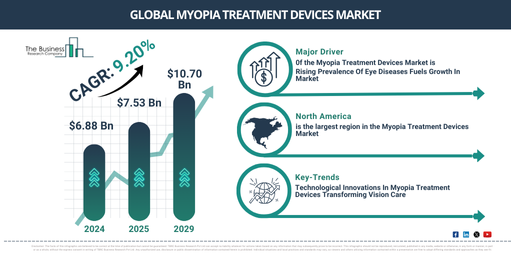
    The market for myopia treatment devices has seen remarkable expansion in the previous years. Projected to escalate from a value of $6.88 billion in 2024, it is expected to reach $7.53 billion in 2025, showcasing a compound annual growth rate (CAGR) of 9.5%. Factors such as government-led health schemes, amplified research and development activities, improved patient awareness, growth in disposable income, and an increased emphasis on children’s eye health have contributed to the growth witnessed during the historic period.

    In the coming years, the market for myopia treatment devices is anticipated to experience substantial growth. It is projected to increase to $10.70 billion by 2029, with a compound annual growth rate (CAGR) of 9.2%. This growth within the projected period can be linked to the surge in telemedicine services, developments in gene therapy, myopia control programs, enhanced surgical methods, and the inclusion of artificial intelligence (AI) in diagnostic procedures. The forecast period is expected to see major trends such as improvements in refractive surgery, solutions for digital eye strain, advanced contact lenses, laser refractive surgery, and the use of biosensors in eye health.

    Download a free sample to assess the report’s scope and structure:

    https://www.thebusinessresearchcompany.com/sample.aspx?id=20893&type=smp

    What Are the Primary Drivers Supporting the Market Growth of the Myopia Treatment Devices Market?

    The surge in instances of eye-related ailments is projected to spur the expansion of the myopia treatment devices market in the future. These ailments encompass a variety of conditions that can affect the eye’s structure or functionality, possibly leading to vision impairment. The increasing instances of these diseases can be attributed to factors such as an aging populace, increased screen viewing time, changes in lifestyle, and higher exposure to environmental pollutants. Devices for treating myopia play a crucial role in the management of these diseases by decelerating the advancement of myopia, enhancing visibility, and mitigating the risks of potential complications. This proactive method contributes significantly to preserving ocular health and improving the quality of life for those afflicted. For instance, research by the Centers for Disease Control and Prevention, a US-based government agency, in May 2024 shows that by 2024, 17.2% of Americans aged 40 and above, an estimated 20.5 million individuals, will have cataracts in minimum one eye. This number is predicted to increase to over 30 million by 2028. Hence, the rise in eye-related ailments is fuelling the expansion of the myopia treatment devices market.

    Which Primary Segments of the Myopia Treatment Devices Market Are Driving Growth and Industry Transformations?

    The myopia treatment devices market covered in this report is segmented –

    1) By Product Type: Eye Glasses, Contact Lenses, Ortho-K Lenses, Phakic Intraocular Lenses, Excimer Laser Refractive Surgery Devices

    2) By Treatment: Corrective Lenses, Laser Eye Surgery, Lens Implant Surgery

    3) By End-Use: Hospitals And Clinics, Ophthalmic Centers, Retail stores, Online Channels

    Subsegments:

    1) By Eye Glasses: Single Vision Glasses, Multifocal Glasses

    2) By Contact Lenses: Soft Contact Lenses, Rigid Gas Permeable (RGP) Contact Lenses, Hybrid Contact Lenses

    3) By Ortho-K Lenses: Overnight Ortho-K Lenses, Daytime Ortho-K Lenses

    4) By Phakic Intraocular Lenses: Anterior Chamber Phakic IOLs, Posterior Chamber Phakic IOLs

    5) By Excimer Laser Refractive Surgery Devices: LASIK (Laser-Assisted in Situ Keratomileusis) Devices, PRK (Photorefractive Keratectomy) Devices, SMILE (Small Incision Lenticule Extraction) Devices

    Request customized data on this market:

    https://www.thebusinessresearchcompany.com/customise?id=20893&type=smp

    Which Regions Are Key Players in the Growth of the Myopia Treatment Devices Market?

    North America was the largest region in the myopia treatment devices market in 2024. Asia-Pacific is expected to be the fastest-growing region in the forecast period. The regions covered in the myopia treatment devices market report are Asia-Pacific, Western Europe, Eastern Europe, North America, South America, Middle East, Africa.

    What Are the Strategic Trends Steering the Myopia Treatment Devices Market Direction?

    The dominant players in the myopia treatment devices industry are emphasizing on creating innovative and technologically pioneering devices, including overnight therapeutic lenses, to maintain their prominence and fulfill the escalating demand for convenient and efficient treatment options. Overnight therapeutic lenses are a special category of contact lenses worn during the night to temporarily correct vision, mostly for conditions like myopia, astigmatism or presbyopia. For example, in January 2022, the US-based pharmaceutical industry giant, Johnson & Johnson Vision, introduced ACUVUE Abiliti, a fresh range of myopia management solutions intended to deal with the rising incidence of myopia in children. ACUVUE Abiliti 1-Day Soft Therapeutic Lenses are crafted to control myopia progression in children from 7 to 12 years of age. These novel daily-use lenses represent a significant progress in managing myopia, showcasing an average decrease in axial length by 0.105 mm in six months. This decrement assists in mitigating the long-term hazards linked with high myopia that may result in serious vision issues in future.

    View the full report here:

    https://www.thebusinessresearchcompany.com/report/myopia-treatment-devices-global-market-report

    What Parameters Are Used to Define the Myopia Treatment Devices Market?

    Myopia treatment devices refer to various tools and technologies used to manage or correct myopia (nearsightedness). These devices utilize advanced technologies, such as reshaping the cornea with ortho-K lenses or using atropine drops, to slow the progression of myopia and improve vision without the need for constant corrective eyewear.

    Purchase the full report and get a swift delivery:

    https://www.thebusinessresearchcompany.com/purchaseoptions.aspx?id=20893

    About The Business Research Company:

    With over 15000+ reports from 27 industries covering 60+ geographies, The Business Research Company has built a reputation for offering comprehensive, data-rich research and insights. Armed with 1,500,000 datasets, the optimistic contribution of in-depth secondary research, and unique insights from industry leaders, you can get the information you need to stay ahead in the game.

    Get in touch with us:

    The Business Research Company: https://www.thebusinessresearchcompany.com/

    Americas +1 3156230293

    Asia +44 2071930708

    Europe +44 2071930708

    Email us at info@tbrc.info

    Follow us on:

    LinkedIn: https://in.linkedin.com/company/the-business-research-company

    YouTube: https://www.youtube.com/channel/UC24_fI0rV8cR5DxlCpgmyFQ

    Global Market Model: https://www.thebusinessresearchcompany.com/global-market-model