Month: June 2025

  • Insufflation Devices Market 2025-2034: Key Highlights, Growth Dynamics, and Emerging Trends

    Insufflation Devices Market 2025-2034: Key Highlights, Growth Dynamics, and Emerging Trends

    Stay ahead with our updated market reports featuring the latest on tariffs, trade flows, and supply chain transformations.

    What Are the Key Milestones in the Insufflation Devices Market’s Growth Trajectory From 2025 To 2034?

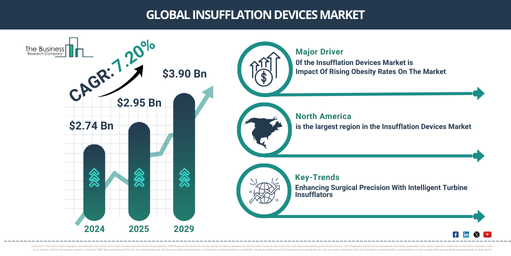
    The market for insufflation devices has experienced significant growth in recent years, with projections showing an increase from $2.74 billion in 2024 to $2.95 billion in 2025. This reflects a compound annual growth rate (CAGR) of 7.5%. This historical growth can be associated with the proliferation of laparoscopic surgeries, a heightened demand for less invasive medical procedures, the expansion of daycare surgery centers, an enhanced focus on decreasing surgical errors and complications, and an increasing requirement for precision surgical tools in the field of cancer treatment.

    Strong expansion is anticipated for the insufflation devices market in the forthcoming years, projected to reach a value of $3.90 billion by 2029 with a Compound Annual Growth Rate (CAGR) of 7.2%. The growth during this forecast period can be linked to factors such as the increasing demand for surgeries assisted by robotics, the rise in the aging population, an upsurge in cosmetic and aesthetic surgeries, an escalation in awareness and educational initiatives, and the increasing occurrence of chronic illnesses. Key trends throughout this period encompass the progression of endoscopic surgical methods, the rising adoption of telemedicine, technological breakthroughs in CO₂ recycling and conservation techniques, advancements within insufflation device technology, and the incorporation of artificial intelligence and machine learning.

    Download a free sample to assess the report’s scope and structure:

    https://www.thebusinessresearchcompany.com/sample.aspx?id=20852&type=smp

    How Are Key Drivers in the Industry Acting as Catalysts for the Growth of the Insufflation Devices Market?

    The upward trend in obesity rates is anticipated to boost the expansion of the insufflation devices market in the future. Obesity rates indicate the proportion of the population identified as obese, often characterized by a body mass index (BMI) of 30 or more. This increase in obesity rates is primarily induced by factors such as unhealthy eating practices, insufficient physical activity, heightened consumption of processed food, and a sedentary way of life. Insufflation devices find their application in treating obesity by facilitating procedures like bariatric surgery, through the enlargement of the abdominal cavity, enhancing visibility and accessibility. For example, as per the World Heart Foundation, a non-governmental international cardiovascular community based in Switzerland, around 2.3 billion adults and children globally are either obese or overweight as of March 2023, and with the continuous trend of obesity, this figure is predicted to hit 2.7 billion by 2025. Thus, the increasing rates of obesity are contributing to the growth of the insufflation devices market.

    Which Segments in the Insufflation Devices Offer the Most Growth?

    The insufflation devices market covered in this report is segmented –

    1) By Type: Disposable, Reusable

    2) By Application: Laparoscopic Surgery, Bariatric Surgery, Cardiac Surgery

    3) By End-Use: Hospitals, Clinics, Ambulatory Surgical Centers

    Subsegments:

    1) By Disposable: Single-Use Insufflation Devices, Disposable Insufflation Tubes

    2) By Reusable: Reusable Insufflation Devices (Manual Or Electronic), Reusable Insufflation Tubes

    Request customized data on this market:

    https://www.thebusinessresearchcompany.com/customise?id=20852&type=smp

    What Are the Fastest-Growing Geographies in the Insufflation Devices Market?

    North America is the largest region in the insufflation devices market in 2024. Asia-Pacific is expected to be the fastest-growing region in the forecast period. The regions covered in the insufflation devices market report are Asia-Pacific, Western Europe, Eastern Europe, North America, South America, Middle East, Africa.

    What Key Trends Are Shaping the Future of the Insufflation Devices Market?

    Prominent corporations in the insufflation devices market are focusing on the development of cutting-edge products, such as intelligent turbine insufflators, with an aim to increase accuracy, decrease surgical complications, and boost patient results in minimally invasive procedures. An intelligent turbine insufflator functions as a medical apparatus that offers regulated, high-pressure airflow specifically for insufflation during minimally invasive surgeries, equipped with enhanced features for precision and safety. To illustrate, Politecnico di Milano, a university based in Italy, collaborated with Erasmus Medical Center, a medical center located in the Netherlands, in October 2024 for the development of insufflators designed to improve surgical procedures by crafting a temporary cavity within the patient’s body by utilizing pressurized gas. This evolution surpasses the existing limitations of insufflators as it adjusts pressure continuously, taking into account the patient’s tissue and breathing characteristics. The patented technology of intelligent turbine insufflation not only improves surgical conditions but also enhances patient outcomes, thus minimizing the need for large incisions and providing finer control during the surgery.

    View the full report here:

    https://www.thebusinessresearchcompany.com/report/insufflation-devices-global-market-report

    What Are the Key Elements That Define the Insufflation Devices Market?

    Insufflation devices are medical instruments used to introduce gas, typically carbon dioxide, into a body cavity during minimally invasive surgeries. Their primary purpose is to create a working space for surgeons by inflating the cavity, improving visibility and access while minimizing patient trauma.

    Purchase the full report and get a swift delivery:

    https://www.thebusinessresearchcompany.com/purchaseoptions.aspx?id=20852

    About The Business Research Company:

    With over 15000+ reports from 27 industries covering 60+ geographies, The Business Research Company has built a reputation for offering comprehensive, data-rich research and insights. Armed with 1,500,000 datasets, the optimistic contribution of in-depth secondary research, and unique insights from industry leaders, you can get the information you need to stay ahead in the game.

    Get in touch with us:

    The Business Research Company: https://www.thebusinessresearchcompany.com/

    Americas +1 3156230293

    Asia +44 2071930708

    Europe +44 2071930708

    Email us at info@tbrc.info

    Follow us on:

    LinkedIn: https://in.linkedin.com/company/the-business-research-company

    YouTube: https://www.youtube.com/channel/UC24_fI0rV8cR5DxlCpgmyFQ

    Global Market Model: https://www.thebusinessresearchcompany.com/global-market-model
  • Inherited Retinal Disease Market Insights: In-Depth Look at Growth Trends, Market Size, and Opportunities for 2025-2034

    Inherited Retinal Disease Market Insights: In-Depth Look at Growth Trends, Market Size, and Opportunities for 2025-2034

    Stay ahead with our updated market reports featuring the latest on tariffs, trade flows, and supply chain transformations.

    How Has the Inherited Retinal Disease Market Growth Performance Trended Historically, And What Lies Ahead?

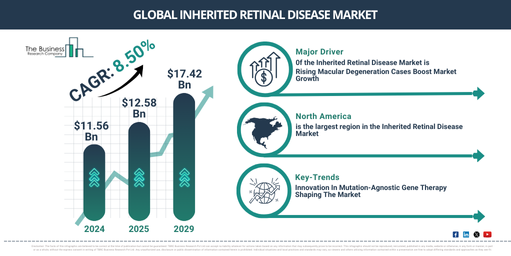
    The market size for inherited retinal diseases has seen significant growth over the past few years. The market is expected to expand from $11.56 billion in 2024 to $12.58 billion in 2025, with a compound annual growth rate (CAGR) of 8.8%. This substantial growth during the historical period is largely due to factors such as the implementation of gene therapy, regulatory incentives, expansion of patient registries, an increase in clinical trials, and the growth of solutions focused on patients.

    The market size for inherited retinal disease is forecasted to experience robust growth in the coming years, expanding to $17.42 billion in 2029 with a Compound Annual Growth Rate (CAGR) of 8.5%. The upswing during this projection period is due to factors such as the widespread adoption of CRISPR technology, the advent of personalized medicine, emphasis on regenerative healthcare, increased patient advocacy, and the drive to enhance patients’ quality of life. Noteworthy trends predicted for this period include the progress in optogenetics technology, the emergence of artificial retina implants, the growth of digital health platforms, the integration of artificial intelligence in disease modeling, and the application of artificial intelligence in treatment planning.

    Download a free sample to assess the report’s scope and structure:

    https://www.thebusinessresearchcompany.com/sample.aspx?id=20850&type=smp

    What External and Internal Drivers Are Contributing to the Growth of the Inherited Retinal Disease Market?

    The escalating incidences of macular degeneration are forecasted to boost the inherited retinal disease market’s expansion going forward. Macular degeneration is an eye condition related to aging that inflicts damage on the macula, causing loss of central vision and making tasks such as reading or distinguishing faces challenging. The surging incidences of macular degeneration are spurred by older populations, increased life expectancy, and lifestyle elements like smoking and poor nutrition that intensify the risk. Treatment of inherited retinal diseases aids individuals suffering from macular degeneration by focusing on the genetic factors leading to retinal degeneration, offering therapies that retard the disease’s progression, reestablish lost sight, or even halt further retinal harm, ultimately enhancing visual outcomes and the quality of life of individuals suffering from age-related or inherited types of macular degeneration. In February 2024, for example, the Canadian Ophthalmological Society, a nonprofit organization based in Canada, revealed that 2.5 million Canadians aged 55 and over lost their vision due to age-related macular degeneration (AMD). Consequently, the escalating incidences of macular degeneration are propelling the inherited retinal disease market’s growth.

    What Segment Types Define the Inherited Retinal Disease Market Structure?

    The inherited retinal disease market covered in this report is segmented –

    1) By Type: Diagnosis, Therapy

    2) By Disease Type: Retinitis Pigmentosa, Choroideremia, Stargardt Disease, Cone-rode Dystrophy, Leber Congenital Amaurosis, Other Diseases

    3) By Distribution Channel: Retail Sales, Direct Tender

    4) By End Users: Hospitals, Speciality Clinics, Ambulatory Surgical Centres, Home Healthcare, Other End Users

    Subsegments,

    1) By Diagnosis: Genetic Testing (Genetic Screening), Retinal Imaging (Fundus Photography, Optical Coherence Tomography (OCT)), Electrophysiological Testing (Electroretinography), Visual Field Testing, Fundus Autofluorescence Imaging

    2) By Therapy: Gene Therapy, Stem Cell Therapy, Retinal Prosthesis (Artificial Retina), Pharmacological Therapy (Gene Editing, Retinal Drugs), Photoreceptor Rescue Therapy

    Request customized data on this market:

    https://www.thebusinessresearchcompany.com/customise?id=20850&type=smp

    Which Geographic Areas Hold the Strongest Growth Potential in the Inherited Retinal Disease Market?

    North America was the largest region in the inherited retinal disease market in 2024. Asia-Pacific is expected to be the fastest-growing region in the forecast period. The regions covered in the inherited retinal disease market report are Asia-Pacific, Western Europe, Eastern Europe, North America, South America, Middle East, Africa.

    What Are the Current Market Growth and Trends in the Inherited Retinal Disease Industry?

    Leading corporations in the inherited retinal diseases market are concentrating on the development of novel treatments like mutation-agnostic gene therapy, which can offer comprehensive treatment alternatives and cater to a broader variety of genetic variances linked with such diseases. This form of therapy targets overall genetic processes or pathways, instead of individual mutations, making it suitable for a wide array of genetic disorders. For example, Nanoscope Therapeutics Inc, a biotechnology company based in the US, shared positive outcomes of a clinical trial for its main program, MCO-010, in March 2024. This program presented significant vision enhancement in patients suffering from advanced retinitis pigmentosa, which cause severe and permanent vision loss. The primary and key secondary endpoints of MCO-010 were successfully met, with no serious side effects reported.

    View the full report here:

    https://www.thebusinessresearchcompany.com/report/inherited-retinal-disease-global-market-report

    What Is the Definition of the Inherited Retinal Disease Market?

    Inherited retinal diseases are a group of rare, genetic eye disorders caused by mutations in specific genes. These diseases primarily affect the retina, the thin layer of light-sensitive tissue at the back of the eye. They often present challenges for treatment due to their genetic complexity, but advancements in gene therapy and other innovative technologies offer promising solutions.

    Purchase the full report and get a swift delivery:

    https://www.thebusinessresearchcompany.com/purchaseoptions.aspx?id=20850

    About The Business Research Company:

    With over 15000+ reports from 27 industries covering 60+ geographies, The Business Research Company has built a reputation for offering comprehensive, data-rich research and insights. Armed with 1,500,000 datasets, the optimistic contribution of in-depth secondary research, and unique insights from industry leaders, you can get the information you need to stay ahead in the game.

    Get in touch with us:

    The Business Research Company: https://www.thebusinessresearchcompany.com/

    Americas +1 3156230293

    Asia +44 2071930708

    Europe +44 2071930708

    Email us at info@tbrc.info

    Follow us on:

    LinkedIn: https://in.linkedin.com/company/the-business-research-company

    YouTube: https://www.youtube.com/channel/UC24_fI0rV8cR5DxlCpgmyFQ

    Global Market Model: https://www.thebusinessresearchcompany.com/global-market-model
  • Infusion Therapy Devices Market Outlook 2025–2034: Identifying Growth Drivers, Technology Trends, and Policy Impact

    Infusion Therapy Devices Market Outlook 2025–2034: Identifying Growth Drivers, Technology Trends, and Policy Impact

    Stay ahead with our updated market reports featuring the latest on tariffs, trade flows, and supply chain transformations.

    What Are the Projected Market Size and Growth Rates for the Infusion Therapy Devices Market From 2025 To 2029?

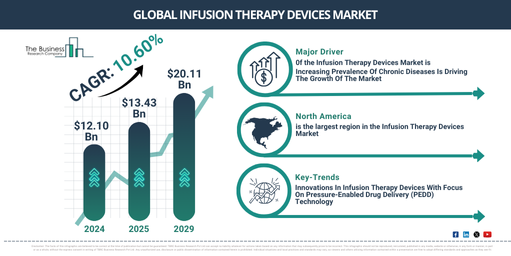
    The market size of infusion therapy devices has expanded significantly in the past few years. The market, which is anticipated to escalate from $12.10 billion in 2024 to $13.43 billion in 2025, will witness a compound annual growth rate (CAGR) of 11.0%. Factors such as rising hospital admissions, enhancements in healthcare infrastructure, governmental initiatives, the growth of medical tourism, and well-defined reimbursement policies contributed to the growth in the historic period.

    The market size of infusion therapy devices is predicted to experience exponential expansion in the approaching years. It’s projected to balloon to $20.11 billion by 2029, with a compound annual growth rate (CAGR) of 10.6%. The surge during the forecast period can be linked to the influence of personalized medicine, readiness and reaction to pandemics, adoption of wearable infusion devices, transition towards infusion therapy, and digitalization in healthcare. Noteworthy trends in the forecast period encompass 5g connectivity, quantum computing, integration of the internet of things (IoT), the rise of wearable health technology, and the utilization of voice assistants and natural language processing.

    Download a free sample to assess the report’s scope and structure:

    https://www.thebusinessresearchcompany.com/sample.aspx?id=20849&type=smp

    What Are the Core Market Drivers Propelling Growth in the Infusion Therapy Devices Industry?

    The rise in chronic diseases is set to fuel the expansion of the infusion therapy devices market. Chronic diseases are defined as enduring health issues that last for more than a year, demanding continuous medical supervision or inhibiting regular everyday functions. Unhealthy lifestyle choices, inactive routines, poor diets, and environmental factors can contribute to the growing prevalence of these chronic diseases, along with increased risk factors like obesity, smoking, and stress. Infusion therapy devices aid in the management of chronic diseases by consistently and precisely administering drugs and fluids directly into the bloodstream. This provides an effective treatment for conditions such as diabetes, autoimmune diseases, and cancer, and enhances patient results, convenience, and lessens the requirement for regular hospital visits. For example, in January 2023, the National Center for Biotechnology Information (NCBI), a National Library of Medicine based in the US, predicted that by 2050, there will be a 99.5% increase in people 50 years old and above with at least one chronic disease, from 71.522 million in 2020 to 142.66 million. Hence, the rising prevalence of chronic diseases is stimulating the expansion of the infusion therapy devices market.

    How Is the Infusion Therapy Devices Market Segmented?

    The infusion therapy devices market covered in this report is segmented –

    1) By Product: Infusion Pumps, Intravenous (Iv) Sets, Cannulas, Needleless Connectors

    2) By Mobility: Portable Infusion Pumps, Stationary Pumps

    3) By Application: Oncology, Diabetes, Pain Management, Other Applications

    4) By End-User: Hospitals And Clinics, Ambulatory Surgical Centers, Homecare, Other End-Users

    Subsegments:

    1) By Infusion Pumps: Volumetric Infusion Pumps, Syringe Infusion Pumps, Ambulatory Infusion Pumps, Insulin Infusion Pumps

    2) By Intravenous (IV) Sets: Standard IV Sets, Extension IV Sets, IV Administration Sets with Filters

    3) By Cannulas: Peripheral Intravenous (PIV) Cannulas, Central Venous Cannulas, Butterfly Cannulas

    4) By Needleless Connectors: Positive Pressure Needleless Connectors, Neutral Pressure Needleless Connectors, Negative Pressure Needleless Connectors

    Request customized data on this market:

    https://www.thebusinessresearchcompany.com/customise?id=20849&type=smp

    Which Regions Are Driving the Next Phase of the Infusion Therapy Devices Market Growth?

    North America was the largest region in the infusion therapy devices market in 2024. Asia-Pacific is expected to be the fastest-growing region in the forecast period. The regions covered in the infusion therapy devices market report are Asia-Pacific, Western Europe, Eastern Europe, North America, South America, Middle East, Africa.

    What Are the Strategic Trends Steering the Infusion Therapy Devices Market Direction?

    Leading corporations in the infusion therapy devices market are striving towards the creation of unique solutions, such as the technology of pressure-enabled drug delivery (PEDD), to improve treatments for liver and pancreatic tumors. PEDD is a revolutionary drug delivery strategy that utilizes pressure to augment the infusion of therapeutic agents into tissues or organs, especially where traditional techniques may encounter difficulties. For example, in November 2024, TriSalus Life Sciences, a medical technology firm based in the US, unveiled the TriNav LV Infusion System and TriGuide Guiding Catheters. These additions to its PEDD product line aim to enhance therapeutic delivery and expand treatment alternatives, potentially leading to better patient outcomes. The TriNav LV Infusion System boasts special features like enlarged blood vessels (3.5 to 5.0 mm), extending the implementation of TriSalus’ PEDD technology to a wider patient demographic. This launch broadens PEDD device adaptability to vessel sizes ranging from 1.5 mm to 5.0 mm, presenting interventional radiologists with more treatment alternatives. The TriGuide Guiding Catheters have an increased inner diameter, a frictionless lining, and a mirrored curve design for simpler femoral access and heightened procedural efficiency. Preliminary users have reported a 97% satisfaction rate, which underscores the system’s efficiency and user-friendly nature in oncology treatments.

    View the full report here:

    https://www.thebusinessresearchcompany.com/report/infusion-therapy-devices-global-market-report

    How Is the Infusion Therapy Devices Market Defined and What Are Its Core Parameters?

    Infusion therapy devices refer to medical devices used to deliver fluids, medications, nutrients, or blood products directly into a patient’s bloodstream. Infusion therapy devices are utilized in highly versatile ways, improving patient care by providing accurate, controlled delivery of fluids, medications, and nutrition.

    Purchase the full report and get a swift delivery:

    https://www.thebusinessresearchcompany.com/purchaseoptions.aspx?id=20849

    About The Business Research Company:

    With over 15000+ reports from 27 industries covering 60+ geographies, The Business Research Company has built a reputation for offering comprehensive, data-rich research and insights. Armed with 1,500,000 datasets, the optimistic contribution of in-depth secondary research, and unique insights from industry leaders, you can get the information you need to stay ahead in the game.

    Get in touch with us:

    The Business Research Company: https://www.thebusinessresearchcompany.com/

    Americas +1 3156230293

    Asia +44 2071930708

    Europe +44 2071930708

    Email us at info@tbrc.info

    Follow us on:

    LinkedIn: https://in.linkedin.com/company/the-business-research-company

    YouTube: https://www.youtube.com/channel/UC24_fI0rV8cR5DxlCpgmyFQ

    Global Market Model: https://www.thebusinessresearchcompany.com/global-market-model
  • Emerging Growth Drivers in the Infrared And Terahertz Spectroscopy Market Landscape: Impact Of Increasing Breast Cancer Cases On The Market

    Emerging Growth Drivers in the Infrared And Terahertz Spectroscopy Market Landscape: Impact Of Increasing Breast Cancer Cases On The Market

    Stay ahead with our updated market reports featuring the latest on tariffs, trade flows, and supply chain transformations.

    What Is the Estimated Market Size of the Infrared And Terahertz Spectroscopy Market In 2029?

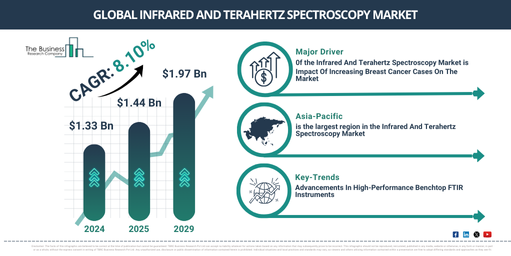
    In the recent times, there has been a robust growth in the size of the infrared and terahertz spectroscopy market. Its size is projected to grow from $1.33 billion in 2024 to $1.44 billion in 2025, experiencing a compound annual growth rate (CAGR) of 8.5%. The notable growth during the historical period can be credited to factors such as population growth, increased governmental investments, heightened demand for airport security and growing awareness for food safety.

    In the forthcoming years, a robust expansion is anticipated in the infrared & terahertz spectroscopy market. By 2029, the market is projected to soar to $1.97 billion, sporting a compound annual growth rate (CAGR) of 8.1%. This amplified growth during the outlook period can be traced back to numerous factors such as the surge in government support for scientific research, the increasing role of spectroscopy in heritage preservation, its escalating demand stimulated by the cosmetics industry, the amplified preference for handheld and portable spectrometers, and the soaring demand within the biotechnology sector. Key trends during the forecast period encapsulate technological evolution, AI integration, the incorporation of machine learning, alliance with IoT, and hybrid spectroscopy systems.

    Download a free sample to assess the report’s scope and structure:

    https://www.thebusinessresearchcompany.com/sample.aspx?id=20848&type=smp

    Which Primay Drivers Are Accelerating Growth in the Infrared And Terahertz Spectroscopy Market?

    The surge in the occurrence of breast cancer is anticipated to fuel the expansion of the infrared and terahertz spectroscopy market. Breast cancer is a form of cancer that originates in breast cells. Factors including an aging population, a genetic inclination, hormonal influences, poor lifestyle choices, environmental exposure, and enhanced detection techniques contribute to the rising incidence of breast cancer. Useful for breast cancer, infrared and terahertz spectroscopy facilitate early identification and tracking of tumors through tissue property analysis. For instance, the National Center for Biotechnology Information, a government agency based in the US, indicated that by 2040 the yearly count of newly diagnosed breast cancer instances could escalate by over 40%, bringing the number to nearly 3 million. Hence, the surging incidence of breast cancer bolsters the growth of the infrared and terahertz spectroscopy market.

    Which Primary Segments of the Infrared And Terahertz Spectroscopy Market Are Driving Growth and Industry Transformations?

    The infrared and terahertz spectroscopy market covered in this report is segmented –

    1) By Type: Near-Infrared Radiation, Mid-Infrared Radiation, Far-Infrared Radiation

    2) By Technology: Benchtop, Microscopy, Portable And Handheld, Hyphenated

    3) By Application: Semiconductors, Homeland Security, Non-Destructive Testing, Research And Development Biomedical

    4) By End User: Pharmaceuticals And Biotechnology, Industrial Chemistry, Food And Beverage Testing, Environmental Testing, Other End-Users

    Subsegments:

    1) By Near-Infrared Radiation: Fourier Transform Near-Infrared (FT-NIR) Spectroscopy, Dispersive Near-Infrared (DNIR) Spectroscopy

    2) By Mid-Infrared Radiation: Fourier Transform Mid-Infrared (FT-MIR) Spectroscopy, Tunable Diode Laser (TDL) Spectroscopy

    3) By Far-Infrared Radiation: Terahertz Spectroscopy, Time-Domain Terahertz Spectroscopy, Frequency-Domain Terahertz Spectroscopy

    Request customized data on this market:

    https://www.thebusinessresearchcompany.com/customise?id=20848&type=smp

    Which Regions Are Key Players in the Growth of the Infrared And Terahertz Spectroscopy Market?

    Asia-Pacific was the largest region in the infrared and terahertz spectroscopy market in 2024. The regions covered in the infrared and terahertz spectroscopy market report are Asia-Pacific, Western Europe, Eastern Europe, North America, South America, Middle East, Africa.

    What Long-Term Trends Are Transforming the Competitive Landscape of the Infrared And Terahertz Spectroscopy Market?

    Major corporations in the infrared and terahertz spectroscopy market are zeroing in on creating innovative high-performance benchtop FTIR tools to fulfill the escalating need for accurate, reliable, and economical analytical solutions in numerous sectors such as pharmaceuticals, environmental monitoring, materials science, and food quality control. High-performance benchtop FTIR (Fourier Transform Infrared) devices are advanced, small-scale spectrometers used for examining the infrared spectrum of materials. To illustrate, in March 2023, Edinburgh Instruments, a manufacture of molecular spectroscopy products based in Scotland, introduced the IR5 FTIR Spectrometer. This instrument, crafted for user-friendliness across different proficiency levels, from novices to seasoned researchers, includes a moisture control feature that doesn’t need maintenance. The IR5 comes with cutting-edge software explicitly built for its functioning. Miracle handles every step of the experimental journey, from initial setup to data scrutiny and summary.

    View the full report here:

    https://www.thebusinessresearchcompany.com/report/infrared-and-terahertz-spectroscopy-global-market-report

    What Parameters Are Used to Define the Infrared And Terahertz Spectroscopy Market?

    Infrared and terahertz spectroscopy refer to analytical techniques used to measure the interaction of matter with electromagnetic radiation in the infrared (IR) and terahertz (THz) regions of the electromagnetic spectrum. Infrared and terahertz spectroscopy are used to identify chemicals, study molecular structures, analyze materials, detect hidden objects, and conduct non-destructive testing.

    Purchase the full report and get a swift delivery:

    https://www.thebusinessresearchcompany.com/purchaseoptions.aspx?id=20848

    About The Business Research Company:

    With over 15000+ reports from 27 industries covering 60+ geographies, The Business Research Company has built a reputation for offering comprehensive, data-rich research and insights. Armed with 1,500,000 datasets, the optimistic contribution of in-depth secondary research, and unique insights from industry leaders, you can get the information you need to stay ahead in the game.

    Get in touch with us:

    The Business Research Company: https://www.thebusinessresearchcompany.com/

    Americas +1 3156230293

    Asia +44 2071930708

    Europe +44 2071930708

    Email us at info@tbrc.info

    Follow us on:

    LinkedIn: https://in.linkedin.com/company/the-business-research-company

    YouTube: https://www.youtube.com/channel/UC24_fI0rV8cR5DxlCpgmyFQ

    Global Market Model: https://www.thebusinessresearchcompany.com/global-market-model
  • Industry 5.0 Market Forecast 2025–2034: Trends Reshaping Demand, Investment, and Innovation

    Industry 5.0 Market Forecast 2025–2034: Trends Reshaping Demand, Investment, and Innovation

    Stay ahead with our updated market reports featuring the latest on tariffs, trade flows, and supply chain transformations.

    How Has The Indwelling Catheters Market Growth Evolved From 2024 To 2025, And What’s Ahead?

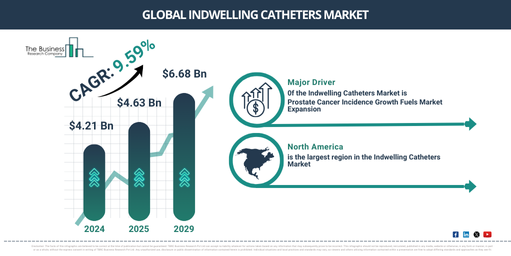
    In recent times, the indwelling catheters market has seen robust expansion. It is expected to escalate from a value of $4.21 billion in 2024 to $4.63 billion in 2025, maintaining a compound annual growth rate (CAGR) of 9.96%. The substantial growth observed in the past can be ascribed to a rise in the elderly population, enhancement in healthcare services, an uptick in pediatric patients number, an escalating trend of diabetes, and an increase in cases of spinal cord injuries.

    Expectations are high for robust expansion in the indwelling catheters market over the next few years. By 2029, projections indicate a growth to $6.68 billion, with a compound annual growth rate (CAGR) of 9.59%. The growth trajectory forecasted for this period is due to several factors. These include the push towards less invasive surgeries, an uptick in urology procedures, an increase in cancer diagnoses, growth in the number of dialysis patients, and a rising trend towards personalized medical care. Within this forecast period, key trends to watch include the integration of intelligent technologies, advancements in self-catheterization devices, progression in catheter design, the incorporation of telehealth, and the utilization of 3D-printing in catheter manufacturing.

    Download a free sample to assess the report’s scope and structure:

    https://www.thebusinessresearchcompany.com/sample.aspx?id=20845&type=smp

    What Are the Core Growth Drivers Propelling the Indwelling Catheters Market Forward?

    The surge in prostate cancer incidence is set to fuel the indwelling catheters market’s expansion. This condition, characterised by an unregulated expansion of cells in the prostate gland, often spreading beyond the gland. The cancer’s rising incidence is linked to an ageing population, enhanced diagnostic methods, environmental factors, the influence of diet, and genetic susceptibility in some ethnic communities. Indwelling catheters are essential in the treatment of prostate cancer, offering a reliable means of urinary drainage for patients suffering from urinary retention or obstruction due to the tumour’s influence on the prostate. For example, in January 2023, the American Cancer Society, a non-profit located in the US, reported an increase in new prostate cancer cases, from 268,490 in 2022 to 288,300 in 2023. The death rate from prostate cancer also saw a modest rise, from 34,500 in 2022 to 34,700 in 2023. Consequently, the increasing occurrence of prostate cancer is a significant driver for the indwelling catheters market growth. Boost for Market Growth with the Rising Incidence of Urinary Disorders

    What Segment Types Define the Indwelling Catheters Market Structure?

    The indwelling catheters market covered in this report is segmented –

    1) By Type: Transurethral Catheters, Suprapubic Catheters

    2) By Material: Latex, Silicone, Polyvinyl Chloride (Pvc)

    3) By Application: Urinary Retention, Urinary Incontenance, Post Surgery, Other Applications

    4) By End-use: Hospitals And Clinics, Ambulatory Surgical Centers (Ascs)

    Subsegments:

    1) By Transurethral Catheters: Foley Catheters, External Male Catheters, Internal Male Catheters, Pediatric Transurethral Catheters

    2) By Suprapubic Catheters: Disposable Suprapubic Catheters, Reusable Suprapubic Catheters, Pediatric Suprapubic Catheters

    Request customized data on this market:

    https://www.thebusinessresearchcompany.com/customise?id=20845&type=smp

    Which Geographic Areas Hold the Strongest Growth Potential in the Indwelling Catheters Market?

    North America was the largest region in the indwelling catheters market in 2024. The regions covered in the indwelling catheters market report are Asia-Pacific, Western Europe, Eastern Europe, North America, South America, Middle East, Africa.

    View the full report here:

    https://www.thebusinessresearchcompany.com/report/indwelling-catheters-global-market-report

    What Is the Definition of the Indwelling Catheters Market?

    Indwelling catheters refer to medical devices inserted into the bladder and left in place to facilitate continuous drainage of urine. It is used for managing urinary retention, incontinence, or other medical conditions requiring prolonged bladder emptying, particularly in patients with limited mobility or during surgical and post-operative care.

    Purchase the full report and get a swift delivery:

    https://www.thebusinessresearchcompany.com/purchaseoptions.aspx?id=20845

    About The Business Research Company:

    With over 15000+ reports from 27 industries covering 60+ geographies, The Business Research Company has built a reputation for offering comprehensive, data-rich research and insights. Armed with 1,500,000 datasets, the optimistic contribution of in-depth secondary research, and unique insights from industry leaders, you can get the information you need to stay ahead in the game.

    Get in touch with us:

    The Business Research Company: https://www.thebusinessresearchcompany.com/

    Americas +1 3156230293

    Asia +44 2071930708

    Europe +44 2071930708

    Email us at info@tbrc.info

    Follow us on:

    LinkedIn: https://in.linkedin.com/company/the-business-research-company

    YouTube: https://www.youtube.com/channel/UC24_fI0rV8cR5DxlCpgmyFQ

    Global Market Model: https://www.thebusinessresearchcompany.com/global-market-model
  • Top Trends Driving Innovation and Change in the Implantable Collamer Lens Market: New Approvals And Innovations Transforming The Vision Correction Landscape

    Top Trends Driving Innovation and Change in the Implantable Collamer Lens Market: New Approvals And Innovations Transforming The Vision Correction Landscape

    Stay ahead with our updated market reports featuring the latest on tariffs, trade flows, and supply chain transformations.

    How Has The Implantable Collamer Lens Market Size Shifted, And What Is the Outlook Through 2034?

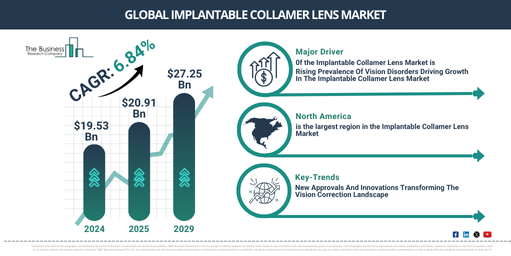
    The market for implantable collamer lenses has seen robust growth in the past few years. The market value, which stood at $19.53 billion in 2024, is projected to reach $20.91 billion in 2025, reflecting a compound annual growth rate (CAGR) of 7.10%. Factors contributing to this significant growth in the historical period include the amplified awareness of vision correction alternatives, the increase in acceptance of minimally invasive surgical procedures, the escalating prevalence of refractive errors, favorable reimbursement regulations in key areas, and greater investment in research within the field of ophthalmology.

    Anticipations for strong expansion are seen within the implantable collamer lens market in the upcoming years, with predictions of reaching $27.25 billion by 2029 with a CAGR of 6.84%. The predicted growth within this timeframe can be associated with the increased demand for long-lasting vision correction alternatives, a rise in conditions such as myopia and astigmatism, a greater emphasis on patient-centric and personalized implants, an elder population requiring more eye care, and development of ambulatory surgery centers. In the forecast period, major trends to watch out for include AI integration into pre-surgery planning, creation of foldable and biocompatible lens materials, collaborations between product manufacturers and health service providers, technological improvements in lens materials and designs, and progress in implantable lens technologies.

    Download a free sample to assess the report’s scope and structure:

    https://www.thebusinessresearchcompany.com/sample.aspx?id=20840&type=smp

    What External and Internal Drivers Are Contributing to the Growth of the Implantable Collamer Lens Market?

    The escalating incidences of vision impairments are anticipated to catalyze the implantable collamer lens market. Vision impairments, marked by a gradual depletion in visual acuity and ocular health, hinder clear sight. Factors such as an aging populace, prolonged screen exposure, and the increasing instances of conditions like myopia and age-related macular degeneration contribute to the spread of these disorders globally. Implantable Collamer Lenses (ICLs) provide a safe, reversible alternative to regular refractive surgeries like LASIK, effectively rectifying myopia, hyperopia, and astigmatism. For example, the World Health Organization revealed in a report from August 2023 that globally, more than 2.2 billion people are affected by near or distance vision impairment, from which 1 billion cases can either be prevented or are still not addressed. Furthermore, according to the UK Welsh Government in July 2023, about 1,563 new certificates of vision impairment (CVI) were released in 2021-22, an upsurge of 49.1% compared to the prior year. Consequently, the surge in vision impairments is propelling the implantable collamer lens market’s growth. Implications Of An Aging Populace On The Expansion Of The Implantable Collamer Lens Market

    What Segment Types Define the Implantable Collamer Lens Market Structure?

    The implantable collamer lens market covered in this report is segmented –

    1) By Type: Visian Implantable Collamer Lens (ICL), EVO Implantable Collamer Lens (ICL)

    2) By Technology Adoption: Laser-Assisted Techniques, Traditional Techniques

    3) By Application: Myopia, Hyperopia, Astigmatism

    4) By End User: Ophthalmic Clinics, Hospitals, Ambulatory Surgical Center, Other End User

    Subsegments:

    1) By Visian Implantable Collamer Lens (ICL): Visian ICL for Myopia, Visian ICL For Hyperopia, Visian ICL For Astigmatism, Visian ICL For Presbyopia

    2) By EVO Implantable Collamer Lens (ICL): EVO ICL For Myopia, EVO ICL For Hyperopia, EVO ICL For Astigmatism, EVO ICL For Presbyopia

    Request customized data on this market:

    https://www.thebusinessresearchcompany.com/customise?id=20840&type=smp

    Which Geographic Areas Hold the Strongest Growth Potential in the Implantable Collamer Lens Market?

    North America was the largest region in the implantable collamer lens market in 2024. Asia-Pacific is expected to be the fastest-growing region in the forecast period. The regions covered in the implantable collamer lens market report are Asia-Pacific, Western Europe, Eastern Europe, North America, South America, Middle East, Africa.

    What Are the Current Market Growth and Trends in the Implantable Collamer Lens Industry?

    Key players in the implantable collamer lens (ICL) market are aiming to edge out competition by innovating lens technology and securing necessary approvals. The Implantable Collamer Lens is specifically crafted to rectify refractive vision issues and offers a less invasive remedy for myopia and astigmatism. For instance, the U.S. Food and Drug Administration (FDA) approved the EVO/EVO+ Visian Implantable Collamer Lens (EVO) developed by STAAR Surgical Company, a U.S. firm specializing in manufacturing and marketing implantable lenses and associated delivery systems for the eye, in April 2022. The approval was for the correction of myopia and myopia coupled with astigmatism. The EVO Visian ICL lens is made to rectify or lessen nearsightedness within the range of -3.0 D to -20.0 D and treat astigmatism from 1.0 D to 4.0 D.

    View the full report here:

    https://www.thebusinessresearchcompany.com/report/implantable-collamer-lens-global-market-report

    What Is the Definition of the Implantable Collamer Lens Market?

    Implantable collamer lenses (ICLs), often referred to as implantable contact lenses, are refractive lens implants that are placed into the eye to treat various disorders. It works just like a contact lens, with the exception that it is surgically placed in front of your natural lens and behind the iris, the colored portion of the eye.

    Purchase the full report and get a swift delivery:

    https://www.thebusinessresearchcompany.com/purchaseoptions.aspx?id=20840

    About The Business Research Company:

    With over 15000+ reports from 27 industries covering 60+ geographies, The Business Research Company has built a reputation for offering comprehensive, data-rich research and insights. Armed with 1,500,000 datasets, the optimistic contribution of in-depth secondary research, and unique insights from industry leaders, you can get the information you need to stay ahead in the game.

    Get in touch with us:

    The Business Research Company: https://www.thebusinessresearchcompany.com/

    Americas +1 3156230293

    Asia +44 2071930708

    Europe +44 2071930708

    Email us at info@tbrc.info

    Follow us on:

    LinkedIn: https://in.linkedin.com/company/the-business-research-company

    YouTube: https://www.youtube.com/channel/UC24_fI0rV8cR5DxlCpgmyFQ

    Global Market Model: https://www.thebusinessresearchcompany.com/global-market-model
  • Emerging Trends Redefining the Immersive Simulator Market Landscape: Enhancing Device Efficiency and Patient Comfort with Low Current Consumption Defibrillators

    Emerging Trends Redefining the Immersive Simulator Market Landscape: Enhancing Device Efficiency and Patient Comfort with Low Current Consumption Defibrillators

    Stay ahead with our updated market reports featuring the latest on tariffs, trade flows, and supply chain transformations.

    How Has the Implantable Cardioverter Defibrillators (ICDs) Market Growth Performance Trended Historically, And What Lies Ahead?

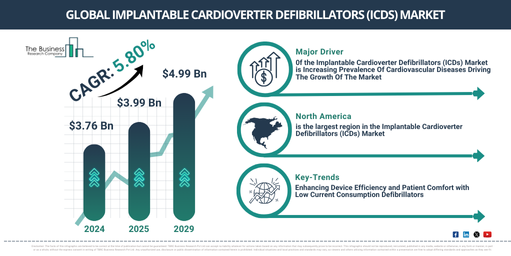
    The market for implantable cardioverter defibrillators (ICDs) has shown significant growth in the recent past. Predictions suggest an increase from $3.76 billion in 2024 to $3.99 billion in 2025, indicating a compound annual growth rate (CAGR) of 6.0%. Factors contributing to this rise during the historical period include a surge in cases of sudden cardiac arrest, the use of the implantable cardioverter defibrillator in preventing secondary sudden cardiac arrest instances, heightened public knowledge, an increase in the elderly population, encouraging policies from governing bodies and healthcare institutions, and improved accessibility to healthcare.

    The market for implantable cardioverter defibrillators (ICDs) is poised for substantial expansion in the forthcoming years, with projections indicating growth to $4.99 billion by 2029, reflecting a compound annual growth rate (CAGR) of 5.8%. This growth, predicted for the forecast period, is attributable to factors such as increased adoption of implantable defibrillators, demand surge for customized cardiac care, increasing incidents of cardiac rhythm issues, and growing demand in budding markets. The forecast period is also set to witness several trends including technological progression, launch of subcutaneous ICDs eliminating the need for transvenous leads, demand surge for combined ICD devices with pacemaker capabilities, improved sensing and detection algorithms, persistent advancements in wireless charging and battery technology, and the advent of artificial intelligence (AI) in healthcare and data analytics.

    Download a free sample to assess the report’s scope and structure:

    https://www.thebusinessresearchcompany.com/sample.aspx?id=20839&type=smp

    What Are the Core Market Drivers Propelling Growth in the Implantable Cardioverter Defibrillators (ICDs) Industry?

    The proliferating incidence of heart-related illnesses, collectively referred to as cardiovascular diseases (CVDs), is predicted to significantly contribute to the expansion of the implantable cardioverter defibrillators (ICDs) market. CVDs encompass a variety of afflictions impacting the heart and blood vessels like stroke, hypertension, and heart attacks, frequently resulting from genetics, inadequate physical activity, smoking, and poor dietary habits. The rising prevalence is predominantly attributed to aging populace, unhealthy lifestyle habits, and spiking frequency of risk factors such as hypertension, diabetes, and obesity. To combat such conditions, implantable cardioverter defibrillators (ICDs) are employed to deliver crucial electrical shocks to restore regular heart patterns for those facing the danger of unanticipated cardiac arrest. Drawing from a December 2023 report from the Australian Institute of Health and Welfare, a governmental body based in Australia, deaths validated by doctors due to coronary heart disease (CHD) accelerated to 14,100 in 2021 and further augmented to 14,900 in 2022. Therefore, the escalating prevalence of cardiovascular diseases (CVDs) is stimulating the expansion of the implantable cardioverter defibrillators (ICDs) market.

    How Is the Implantable Cardioverter Defibrillators (ICDs) Market Segmented?

    The implantable cardioverter defibrillators (ICDs) market covered in this report is segmented –

    1) By Type: Single Chamber Implantable Cardioverter Defibrillators (ICDs), Dual Chamber Implantable Cardioverter Defibrillators (ICDs), Biventricular Devices

    2) By Applications: Bradycardia, Tachycardia, Heart Failure, Other Applications

    3) By End User: Hospitals, Specialty Clinics, Ambulatory Surgical Centers, Other End Users

    Subsegments:

    1) By Single Chamber Implantable Cardioverter Defibrillators (ICDs): Standard Single Chamber ICDs, MRI-Compatible Single Chamber ICDs, Wireless Single Chamber ICDs

    2) By Dual Chamber Implantable Cardioverter Defibrillators (ICDs): Standard Dual Chamber ICDs, MRI-Compatible Dual Chamber ICDs, Wireless Dual Chamber ICDs

    3) By Biventricular Devices: CRT-D (Cardiac Resynchronization Therapy Defibrillator), CRT-P (Cardiac Resynchronization Therapy Pacemaker), Biventricular ICDs With Advanced Features (Remote Monitoring, Wireless Capabilities)

    Request customized data on this market:

    https://www.thebusinessresearchcompany.com/customise?id=20839&type=smp

    Which Regions Are Driving the Next Phase of the Implantable Cardioverter Defibrillators (ICDs) Market Growth?

    North America was the largest region in the implantable cardioverter defibrillators market in 2024. Asia-Pacific is expected to be the fastest-growing region in the forecast period. The regions covered in the implantable cardioverter defibrillators (ICDs) market report are Asia-Pacific, Western Europe, Eastern Europe, North America, South America, Middle East, Africa.

    What Are the Strategic Trends Steering the Implantable Cardioverter Defibrillators (ICDs) Market Direction?

    Significant players in the implantable cardioverter defibrillators (ICDs) market are striving to advance technology to increase device efficacy, extend battery life, and boost patient comfort. This includes development of low current consumption defibrillators that use less energy when delivering electric shocks to the heart, effectively extending battery life and treating arrhythmias. A case in point is the October 2023 release of the ULYS implantable cardioverter defibrillator (ICD) and INVICTA defibrillation lead in Japan by MicroPort CRM, a French medical device company. This marked significant progress in cardiac care technology. Their devices boast innovative features such as low current consumption for increased battery longevity and MRI compatibility, making them perfect for patients requiring imaging procedures. The ULYS ICD features the PARAD+ arrhythmia discrimination algorithm and AutoMRI capabilities, guaranteeing patient safety during MRI scans. In addition, the INVICTA lead had an outstanding record in clinical trials, achieving a 100% implantation success rate and a 97.4% complication-free rate, demonstrating its reliability and efficiency.

    View the full report here:

    https://www.thebusinessresearchcompany.com/report/implantable-cardioverter-defibrillators-icds-global-market-report

    How Is the Implantable Cardioverter Defibrillators (ICDs) Market Defined and What Are Its Core Parameters?

    Implantable cardioverter defibrillators (ICDs) are small devices implanted under the skin, typically near the chest, designed to monitor the heart’s rhythm and deliver electrical shocks if a life-threatening arrhythmia, such as ventricular fibrillation, is detected. Their purpose is to prevent sudden cardiac arrest by restoring a normal heart rhythm.

    Purchase the full report and get a swift delivery:

    https://www.thebusinessresearchcompany.com/purchaseoptions.aspx?id=20839

    About The Business Research Company:

    With over 15000+ reports from 27 industries covering 60+ geographies, The Business Research Company has built a reputation for offering comprehensive, data-rich research and insights. Armed with 1,500,000 datasets, the optimistic contribution of in-depth secondary research, and unique insights from industry leaders, you can get the information you need to stay ahead in the game.

    Get in touch with us:

    The Business Research Company: https://www.thebusinessresearchcompany.com/

    Americas +1 3156230293

    Asia +44 2071930708

    Europe +44 2071930708

    Email us at info@tbrc.info

    Follow us on:

    LinkedIn: https://in.linkedin.com/company/the-business-research-company

    YouTube: https://www.youtube.com/channel/UC24_fI0rV8cR5DxlCpgmyFQ

    Global Market Model: https://www.thebusinessresearchcompany.com/global-market-model

  • Next-Gen Pleural Diseases : Market Forecast, Transformation, and Long-Term Trajectories

    Next-Gen Pleural Diseases : Market Forecast, Transformation, and Long-Term Trajectories

    Discover trends, market shifts, and competitive outlooks for the pleural diseases industry through 2025-2034 with The Business Research Company’s reliable data and in-depth research

    What Are the Projected Market Size and Growth Rates for the Pleural Diseases Market From 2025 To 2029?

    There has been substantial growth in the market size of pleural diseases in the past few years. With an expected rise from $4.86 billion in 2024 to $5.23 billion in 2025, it is set to experience a compound annual growth rate (CAGR) of 7.6%. This growth during the prior period can be tied to factors such as the growing number of cases of pleural effusion, enhanced awareness of pleural diseases, an increased emphasis on early detection, amplification of healthcare facilities, and a surge in clinical trials related to pleural diseases.

    Expectations are high for robust expansion in the pleural diseases market size in the coming years, with a projection to reach $6.94 billion by 2029, having a compound annual growth rate (CAGR) of 7.3%. This anticipated increase within the forecast period is linked to several factors including an upsurge in pleural diseases prevalence, an aging population trend, growing instances of occupational hazards, an escalation in clinical trials, and the proliferation of diagnostic centers. Key trends projected for this period include enhancements in diagnostic procedures and tools, the embracing of less invasive procedures, boosts in drug development, and the implementation of telemedicine.

    Download a free sample to assess the report’s scope and structure:

    https://www.thebusinessresearchcompany.com/sample.aspx?id=22099&type=smp

    Which Major Market Drivers Are Expected to Boost the Growth Potential of the Pleural Diseases Market?

    The rise in the occurrence of infectious diseases is projected to instigate the expansion of the pleural diseases market in the future. Such diseases, triggered by harmful microorganisms including bacteria, viruses, fungi, or parasites, are influenced by shifts in human behavior and advancements in international travel. Certain infectious diseases, like bacterial pneumonia, tuberculosis, or viral infections, could lead to pleural disease by inciting inflammation, infection, or fluid buildup in the pleural cavity. For example, in January 2023, the National Library of Medicine, which is a US-based medical library for research and information, reported that infectious diseases are responsible for over 52 million deaths yearly, putting half of the world’s population in danger. Moreover, around 14 million children less than five years of age die each year, with 70% of these deaths linked to preventable diseases through vaccination. Thus, the escalating occurrence of infectious diseases fuels the advancements in the pleural diseases market.

    Which Key Market Segments Comprise the Pleural Diseases Market and Drive Its Revenue Growth?

    The pleural diseases market covered in this report is segmented –

    1) By Disease Type: Pleurisy, Pleural Effusion, Pneumothelioma, Mesothelioma, Other Disease Types

    2) By Treatment Modalities: Medications, Thoracentesis And Pleurodesis, Minimally Invasive Interventions, Surgical Interventions

    3) By Diagnostic Tools: Imaging Techniques, Molecular Diagnostics, Thoracoscopy, Pleuroscopy

    4) By End User: Hospitals And Clinics, Diagnostic Centers, Research And Academic Institutions

    Subsegments:

    1) By Pleurisy: Acute Pleurisy, Chronic Pleurisy, Infectious Pleurisy, Non-infectious Pleurisy

    2) By Pleural Effusion: Transudative Pleural Effusion, Exudative Pleural Effusion, Malignant Pleural Effusion, Parapneumonic Pleural Effusion, Hemothorax, Chylothorax

    3) By Pneumothelioma: Primary Pneumothelioma, Secondary Pneumothelioma (Metastatic), Localized Pneumothelioma, Diffuse Pneumothelioma

    4) By Mesothelioma: Pleural Mesothelioma, Peritoneal Mesothelioma, Pericardial Mesothelioma, Testicular Mesothelioma

    5) Other Disease Types: Pulmonary Embolism, Fibrothorax, Pneumothorax, Lung Cancer, Tuberculosis-Related Pleural Disease, Sarcoidosis

    Request customized data on this market:

    https://www.thebusinessresearchcompany.com/customise?id=22099&type=smp

    Which Areas Are Leading Regions in the Pleural Diseases Market Expansion Across the Globe?

    North America was the largest region in the pleural diseases market in 2024. Asia-Pacific is expected to be the fastest-growing region in the forecast period. The regions covered in the pleural diseases market report are Asia-Pacific, Western Europe, Eastern Europe, North America, South America, Middle East, Africa.

    What Are the Key Market Trends in thePleural Diseases Market Over the Coming Years?

    Top firms in the pleural diseases market are channeling their efforts into creating innovative treatments, including ready-to-use injectable medicines, with an aim to elevate convenience, cut down on preparation time, and limit dosage mistakes. These injectable solutions come pre-mixed and pre-diluted, making them ready for use without needing any additional reconstitution or mixing. This ensures precision, simplicity and a quicker preparation period. For instance, in April 2024, Amneal Pharmaceuticals, an American pharmaceutical firm, introduced PEMRYDI RTU, the first-of-its-kind ready-to-use version of pemetrexed for injection. This offers individuals suffering from pleural diseases a handy, ready-to-use treatment that eliminates the reconstitution or dilution process, abbreviates preparation time, curtails the possibility of dosage mistakes, and enhances availability to effective treatment for diseases like malignant pleural mesothelioma.

    View the full report here:

    https://www.thebusinessresearchcompany.com/report/pleural-diseases-global-market-report

    How Is the Pleural Diseases Market Conceptually Defined?

    Pleural diseases refer to a group of conditions that affect the pleura, which is the double-layered membrane surrounding the lungs. These diseases can involve inflammation, infection, or other pathological pleural changes. Pleural diseases cause chest pain, shortness of breath, coughing, and difficulty breathing and are often diagnosed with imaging tests such as chest X-rays or CT scans.

    Purchase the full report and get a swift delivery:

    https://www.thebusinessresearchcompany.com/purchaseoptions.aspx?id=22099

    About The Business Research Company:

    With over 15000+ reports from 27 industries covering 60+ geographies, The Business Research Company has built a reputation for offering comprehensive, data-rich research and insights. Armed with 1,500,000 datasets, the optimistic contribution of in-depth secondary research, and unique insights from industry leaders, you can get the information you need to stay ahead in the game.

    Get in touch with us:

    The Business Research Company: https://www.thebusinessresearchcompany.com/

    Americas +1 3156230293

    Asia +44 2071930708

    Europe +44 2071930708

    Email us at info@tbrc.info

    Follow us on:

    LinkedIn: https://in.linkedin.com/company/the-business-research-company

    YouTube: https://www.youtube.com/channel/UC24_fI0rV8cR5DxlCpgmyFQ

    Global Market Model: https://www.thebusinessresearchcompany.com/global-market-model

  • From Insight to Impact: Strategic Growth Mapping in the Physiotherapy Equipment Market

    Discover trends, market shifts, and competitive outlooks for the physiotherapy equipment industry through 2025-2034 with The Business Research Company’s reliable data and in-depth research

    How Fast Is The Physiotherapy Equipment Market Expected to Grow Between 2025 And 2029?

    The market size for physiotherapy equipment has seen vigorous growth in the past few years. It is projected that the market will escalate from $19.56 billion in 2024 to $21.05 billion in 2025, with a compound annual growth rate (CAGR) of 7.6%. Factors contributing to the growth during the historic period include an elevated demand for physical rehabilitation, intensified attention on personalized healthcare, a growth in the elderly population, an increase in sports-related injuries, and a surge in occurrence of chronic conditions.

    In the coming years, the market size of physiotherapy equipment is projected to witness substantial growth, escalating to $27.87 billion in 2029 at a robust compound annual growth rate (CAGR) of 7.3%. The upward trend during the forecast period is attributable to factors like increased expenditure on healthcare, elevated cases of musculoskeletal disorders, progression in digital physiotherapy solutions, burgeoning obesity rates, and heightened efforts to enhance patient outcomes. Key emerging trends during the prediction span include upgraded healthcare structures, state-of-the-art medical technologies, and sophisticated and ingenious physiotherapy equipment.

    Download a free sample to assess the report’s scope and structure:

    https://www.thebusinessresearchcompany.com/sample.aspx?id=22097&type=smp

    What are the Fundamental Drivers and Innovations Shaping the Physiotherapy Equipment Market?

    The escalating prevalence of osteoporosis is likely to spur the advancement of the physiotherapy equipment market in the future. Osteoporosis, identified by fragile bones that have a high chances of fractures due to diminished bone density and vigor, is becoming prevalent due to increasing aging populations, inactive lifestyles, and improper diet patterns. As more individuals attain old age due to rising life expectancy, they naturally experience a decrease in bone density, making them more vulnerable to osteoporosis. Physiotherapy equipment aids in handling osteoporosis by providing treatments that fortify bones, better balance, and boost muscle function, thus reducing the likelihood of falls and fractures. For example, as per the Australian Institute of Health and Welfare, a government agency from Australia, in June 2024, osteoporosis caused 2,659 deaths in 2022, translating to 10.2 deaths per 100,000 people, and made up 1.4% of all deaths. Consequently, the increasing rate of osteoporosis fuels the progression of the physiotherapy equipment market.

    How Is the Physiotherapy Equipment Market Segmented?

    The physiotherapy equipment market covered in this report is segmented –

    1) By Type: Cryotherapy, Hydrotherapy, Continuous Passive Motion (CPM), Ultrasound, Electric Stimulation, Heat Therapy, Therapeutic Exercise, Other Types

    2) By Application: Neurology, Musculoskeletal, Pediatric, Cardiovascular And Pulmonary, Other Applications

    3) By End-User: Hospitals And Clinics, Rehabilitation Centers, Other End-Users

    Subsegments:

    1) By Cryotherapy: Ice Packs, Cold Compression Therapy Units, Cryo Chambers, Vapocoolant Sprays

    2) By Hydrotherapy: Whirlpool Therapy Equipment, Underwater Treadmills, Aquatic Therapy Pools, Hydrotherapy Tanks

    3) By Continuous Passive Motion (CPM): Knee CPM Machines, Shoulder CPM Machines, Elbow CPM Machines, Ankle CPM Machines

    4) By Ultrasound: Therapeutic Ultrasound Devices, High-Intensity Focused Ultrasound (HIFU), Low-Intensity Pulsed Ultrasound (LIPUS)

    5) By Electric Stimulation: Transcutaneous Electrical Nerve Stimulation (TENS) Units, Neuromuscular Electrical Stimulation (NMES) Devices, Functional Electrical Stimulation (FES) Devices, Interferential Current Therapy (IFC) Units

    6) By Heat Therapy: Infrared Lamps, Heating Pads, Paraffin Wax Baths, Hot Packs

    7) By Therapeutic Exercise: Resistance Bands And Tubes, Balance And Stability Equipment, Exercise Balls, Strength Training Machines

    8) By Other Types: Laser Therapy Devices, Traction Therapy Equipment, Shockwave Therapy Machines, Magnetotherapy Devices

    Request customized data on this market:

    https://www.thebusinessresearchcompany.com/customise?id=22097&type=smp

    Which Regions Are Driving the Next Phase of the Physiotherapy Equipment Market Growth?

    North America was the largest region in the physiotherapy equipment market in 2024. The regions covered in the physiotherapy equipment market report are Asia-Pacific, Western Europe, Eastern Europe, North America, South America, Middle East, Africa.

    What Key Trends Are Shaping the Future of the Physiotherapy Equipment Market?

    Key participants in the physiotherapy equipment market, such as global corporations, are channeling their resources towards crafting innovative products like rehabilitation robots to supplement patient recovery processes and boost therapeutic results. Such state-of-the-art robots integrate groundbreaking features, including AI, brain-computer interfaces (BCI), and highly precise sensors, which collectively contribute to patient recovery, motor function restoration, and improved rehabilitation outcomes. Syrebo, a tech firm based in China, launched the Hand Rehabilitation Robot (BCI) SY-BR09 and the Upper Limb Rehabilitation Robot SY-UEA2 in November 2023 as an example. The BCI technology in the hand rehabilitation robot (BCI) SY-BR09 supports ‘top-down’ neural reshaping by stimulating the brain and heightening active movement consciousness, critically boosting the effectiveness of rehabilitation. Simultaneously, the upper limb rehabilitation robot SY-UEA2, equipped with a fully-functional mobile frame and high-precision optical positioning technology, offers specific upper limb exercises to support functional recovery.

    View the full report here:

    https://www.thebusinessresearchcompany.com/report/physiotherapy-equipment-global-market-report

    How Is the Physiotherapy Equipment Market Defined and What Are Its Core Parameters?

    Physiotherapy equipment refers to a range of specialized tools, devices, and machines used by physiotherapists to assist in rehabilitating, treating, and preventing physical impairments, injuries, and movement disorders. Physiotherapy equipment aims to improve mobility, reduce pain, enhance strength, and support overall physical function.

    Purchase the full report and get a swift delivery:

    https://www.thebusinessresearchcompany.com/purchaseoptions.aspx?id=22097

    About The Business Research Company:

    With over 15000+ reports from 27 industries covering 60+ geographies, The Business Research Company has built a reputation for offering comprehensive, data-rich research and insights. Armed with 1,500,000 datasets, the optimistic contribution of in-depth secondary research, and unique insights from industry leaders, you can get the information you need to stay ahead in the game.

    Get in touch with us:

    The Business Research Company: https://www.thebusinessresearchcompany.com/

    Americas +1 3156230293

    Asia +44 2071930708

    Europe +44 2071930708

    Email us at info@tbrc.info

    Follow us on:

    LinkedIn: https://in.linkedin.com/company/the-business-research-company

    YouTube: https://www.youtube.com/channel/UC24_fI0rV8cR5DxlCpgmyFQ

    Global Market Model: https://www.thebusinessresearchcompany.com/global-market-model

  • PhosphoramiditeMarket Overview 2025–2034: CAGR Trends, Long-Term Growth Paths, and Business Implications

    Discover trends, market shifts, and competitive outlooks for the phosphoramidite industry through 2025-2034 with The Business Research Company’s reliable data and in-depth research

    What Are the Key Projections for the CAGR of the Phosphoramidite Market Size From 2025 to 2034?

    The phosphoramidite market has seen robust growth in recent years. Its size is expected to increase from $1.01 billion in 2024 to $1.09 billion in 2025, marking a compound annual growth rate (CAGR) of 7.7%. The growth observed during the historical period is due to factors like the escalating need for DNA and RNA synthesis, increased acceptance of mRNA-based therapeutics, a surge in genetic disorders, high demand for synthetic biology, and increasing capital flow into genomic research.

    The phosphoramidite market is anticipated to experience robust growth in the coming years, expanding to $1.44 billion by 2029 with a 7.4% CAGR. This projected growth in future years can be credited to increasing use of phosphoramidites, surging demand for customized DNA and RNA synthesis, the escalating requirement for high-purity phosphoramidites, the rising emphasis on personalized medicine, and an increase in biopharmaceutical firms. Key trends during this forecast period encompass the expansion of synthetic biology, novel phosphoramidite chemistry innovations, progression in genomic technologies, development endeavors in biotechnology, and the evolution of personalized medicine.

    Download a free sample to assess the report’s scope and structure:

    https://www.thebusinessresearchcompany.com/sample.aspx?id=22096&type=smp

    What Are the Primary Drivers Supporting the Market Growth of the Phosphoramidite Market?

    Growth in the phosphoramidite market is projected to surge, driven by the expansion of the biopharmaceutical sector. Defined as the industry that conducts research, creates, produces, and markets biologically originated medicinal goods such as vaccines, gene therapies, recombinant proteins, and monoclonal antibodies, the biopharmaceutical sector is growing due to advances in biotechnology, the surge in chronic diseases and increased investment in research and development. Revolutionary biotechnological methods involving gene editing and monoclonal antibody therapies have led to more accurate and efficient treatment options. The biopharmaceutical sector expansion directly influences phosphoramidite demand since it’s instrumental in DNA and RNA synthesis for gene therapies, mRNA vaccines, and oligonucleotide-based medications. With more acceptance of these therapies, the requirement for phosphoramidites in the manufacturing of synthetic nucleic acids escalates, thereby enhancing their application in biopharmaceutical research and production. For example, data from the UK government shows that in 2022, £46.7 ($58.4 billion) billion in revenue was collected by the core biopharmaceutical sector, accounting for 43% of the life sciences industry’s total earnings. Additionally, the sector sustains over 126,000 positions and has seen significant growth in R&D investments. Hence, the biopharmaceutical sector’s expansion is a key driver for the phosphoramidite market growth.

    Which Primary Segments of the Phosphoramidite Market Are Driving Growth and Industry Transformations?

    The phosphoramidite market covered in this report is segmented –

    1) By Type: Deoxyribonucleic Acid (DNA) Phosphoramidites, Ribonucleic Acid (RNA) Phosphoramidites, Labeled Phosphoramidites, Modifier Phosphoramidites, Other Types

    2) By Synthesis Method: H-Phosphonate Method, Phosphoramidite Method, Trivalent Phosphorus Compounds Method

    3) By Application: Gene Synthesis, Deoxyribonucleic Acid (DNA) Sequencing, Deoxyribonucleic Acid (DNA) Amplification

    4) By End-User: Academic Research, Pharmaceutical Industry, Biotechnology Industry

    Subsegments:

    1) By Deoxyribonucleic Acid (DNA) Phosphoramidites: Standard DNA Phosphoramidites, Degenerate DNA Phosphoramidites, Methylated DNA Phosphoramidites, Backbone-Modified DNA Phosphoramidites

    2) By Ribonucleic Acid (RNA) Phosphoramidites: Standard RNA Phosphoramidites, 2′-O-Methyl RNA Phosphoramidites, 2′-Fluoro RNA Phosphoramidites, 2′-O-TBDMS Protected RNA Phosphoramidites

    3) By Labeled Phosphoramidites: Fluorescent-Labeled Phosphoramidites, Biotin-Labeled Phosphoramidites, Digoxigenin-Labeled Phosphoramidites, Radioisotope-Labeled Phosphoramidites

    4) By Modifier Phosphoramidites: Amine-Modified Phosphoramidites, Thiol-Modified Phosphoramidites, Spacer Phosphoramidites, Azide-Modified Phosphoramidites

    5) By Other Types: Chimeric Phosphoramidites, Phosphorothioate Phosphoramidites, PEGylated Phosphoramidites, Photo-Cleavable Phosphoramidites

    Request customized data on this market:

    https://www.thebusinessresearchcompany.com/customise?id=22096&type=smp

    Which Regions Are Key Players in the Growth of the #What Are the Primary Drivers Supporting the Market Growth of the Phosphoramidite Market?# Market?

    North America was the largest region in the phosphoramidite market in 2024. Europe is expected to be the fastest-growing region during the forecast period. The regions covered in the phosphoramidite market report are Asia-Pacific, Western Europe, Eastern Europe, North America, South America, Middle East, Africa.

    What Are the Most Significant Market Trends in the Phosphoramidite Market?

    The phosphoramidite market is witnessing a renewed emphasis on enhancing DNA synthesis technologies by the leading companies. Their primary aim is to boost the accuracy, speed, and environmental friendliness of DNA production while minimizing the generation of harmful waste. DNA synthesis, a practice that employs enzymes to form DNA sequences rather than chemical reagents, offers increased precision, speed, and sustainability. For example, Ansa Biotechnologies Inc., a biotech firm based in the United States, publicized the successful wrap-up of a $68 million Series A funding round in April 2022. Brought to a close by Northpond Ventures, it saw inputs from several new and existing investors. The objective of this fundraising effort was to speed up the evolution of Ansa’s up-and-coming enzymatic DNA synthesis technology or phosphoramidite synthesis and bolster the expansion of its research and development along with manufacturing capacities. Additionally, it aimed at commencing a modifiable DNA synthesis service. The firm, an offshoot of the University of California, Berkeley, employs a patented procedure that facilitates swift and precise long DNA sequences synthesis, thereby tackling the present challenges of the sector.

    View the full report here:

    https://www.thebusinessresearchcompany.com/report/phosphoramidite-global-market-report

    What Parameters Are Used to Define the Phosphoramidite Market?

    Phosphoramidite is a chemical compound commonly used in the synthesis of deoxyribonucleic acid (DNA) and ribonucleic acid (RNA) through solid-phase synthesis. It consists of a phosphate group linked to an amine (-NR2) and is highly reactive, allowing for the stepwise addition of nucleotide bases in oligonucleotide synthesis. Phosphoramidites are crucial in producing synthetic nucleic acids for research, diagnostics, and therapeutic applications.

    Purchase the full report and get a swift delivery:

    https://www.thebusinessresearchcompany.com/purchaseoptions.aspx?id=22096

    About The Business Research Company:

    With over 15000+ reports from 27 industries covering 60+ geographies, The Business Research Company has built a reputation for offering comprehensive, data-rich research and insights. Armed with 1,500,000 datasets, the optimistic contribution of in-depth secondary research, and unique insights from industry leaders, you can get the information you need to stay ahead in the game.

    Get in touch with us:

    The Business Research Company: https://www.thebusinessresearchcompany.com/

    Americas +1 3156230293

    Asia +44 2071930708

    Europe +44 2071930708

    Email us at info@tbrc.info

    Follow us on:

    LinkedIn: https://in.linkedin.com/company/the-business-research-company

    YouTube: https://www.youtube.com/channel/UC24_fI0rV8cR5DxlCpgmyFQ

    Global Market Model: https://www.thebusinessresearchcompany.com/global-market-model