Month: June 2025

  • Personal Emergency Response Systems (PERS) Outlook 2034: Key Drivers, Trends, and Market Frontiers

    Personal Emergency Response Systems (PERS) Outlook 2034: Key Drivers, Trends, and Market Frontiers

    Discover trends, market shifts, and competitive outlooks for the personal emergency response systems (pers) industry through 2025-2034 with The Business Research Company’s reliable data and in-depth research

    How Has The Personal Emergency Response Systems (PERS) Market Growth Evolved From 2024 To 2025, And What’s Ahead?

    The market size for personal emergency response systems (PERS) has seen significant growth in recent times. It’s projected to increase from a value of $7.58 billion in 2024 to $8.30 billion in 2025, indicating a compound annual growth rate (CAGR) of 9.5%. Factors contributing to this growth during the historical period include the increasing acceptance of smart home integration, heightened health consciousness, a rising necessity for emergency help, an escalating incidence of heart diseases, and amplified investment in healthcare technology.

    The size of the market for personal emergency response systems (PERS) is predicted to experience significant expansion in the coming few years, reaching $11.83 billion in 2029 with a compound annual growth rate (CAGR) of 9.3%. This projected growth throughout the forecasted period is due to factors such as increasing demand for elderly care solutions, the growing aging population, a surge in insurance policies, heightened reliance on IoT devices and integration of GPS technology. Key trends anticipated during this forecast period include progress in fall detection technology, evolution in remote monitoring services, the rising use of wearable medical devices, advancements in geofencing technology, and improvements in smartphone technologies.

    Download a free sample to assess the report’s scope and structure:

    https://www.thebusinessresearchcompany.com/sample.aspx?id=22095&type=smp

    How Are Key Drivers in the Industry Acting as Catalysts for the Growth of the Personal Emergency Response Systems (PERS) Market?

    Forecasted growth in the personal emergency response systems (PERS) market is largely due to the increasing incidence of chronic illnesses. These long-term health issues – such as diabetes, heart disease, and arthritis – evolve slowly over time and require ongoing care. Lifestyle factors like poor diet, lack of exercise, smoking, and heavy drinking contribute significantly to the rise of chronic diseases, including diabetes, hypertension, and heart diseases. These poor lifestyle habits contribute to obesity, insulin resistance, and inflammation which are central to the development of chronic conditions. As the prevalence of these chronic illnesses grows, so does the demand for personal emergency response systems (PERS) which provide continuous monitoring and timely medical assistance. PERS offer an essential solution, giving users the ability to call for emergency help or notify caregivers during health emergencies, enhancing patient safety and offering peace of mind. For example, the National Health Service reported in June 2024 that in 2023, an additional half a million individuals (549,000) in England were at risk of developing type 2 diabetes, bringing the total number of pre-diabetic individuals registered with a GP to 3,615,330. This figure is significantly higher than the 3,065,825 reported in 2022, representing an increase of nearly 20%. Hence, the growth in the incidence of chronic diseases is a key driver for the expansion of the PERS market.

    Which Segments in the Personal Emergency Response Systems (PERS) Offer the Most Growth?

    The personal emergency response systems (PERS) market covered in this report is segmented –

    1) By Type: Landline Personal Emergency Response System (PERS), Mobile Personal Emergency Response System (PERS)

    2) By Component: Smoke Detectors, Bed Sensors, Pull-Cord Residential, Fall Detection Sensors, Flood Detectors

    3) By End-User: Nursing Home, Home-Based User, Assisted Living Facilities, Hospices, Senior Living Facilities

    Subsegments:

    1) By Landline Personal Emergency Response System (PERS): Basic Landline PERS, Auto-Alert Landline PERS, Voice-Activated Landline PERS

    2) By Mobile Personal Emergency Response System (PERS): GPS-enabled Mobile PERS, Non-GPS Mobile PERS, Wearable Mobile PERS, Smartphone-based Mobile PERS

    Request customized data on this market:

    https://www.thebusinessresearchcompany.com/customise?id=22095&type=smp

    What Are the Fastest-Growing Geographies in the #How Are Key Drivers in the Industry Acting as Catalysts for the Growth of the Personal Emergency Response Systems (PERS) Market?# Market?

    North America was the largest region in the personal emergency response systems market in 2024. The regions covered in the personal emergency response systems (PERS) market report are Asia-Pacific, Western Europe, Eastern Europe, North America, South America, Middle East, Africa.

    What Are the Current Market Growth and Trends in the Personal Emergency Response Systems (PERS) Industry?

    Major players in the personal emergency response systems (PERS) industry are focusing on the creation of sophisticated products, including medical alert devices, to optimize real-time observation for superior emergency reaction and the proactive handling of healthcare. A medical alert device is a digital system that provides instant help during health emergencies and incorporates a wearable help button that connects users to emergency response services. For instance, in February 2025, LogicMark, Inc., a medical equipment manufacturer based in the US, introduced the cutting-edge Guardian Alert 911 Plus. This advance in the PERS device market includes fall detection, 4G LTE technology, and a modern yet unobtrusive design, ensuring crucial, hand-free fall detection and immediate connection to emergency services. This presents older individuals and those with health conditions improved safety and autonomy without the added stress of continuous costs.

    View the full report here:

    https://www.thebusinessresearchcompany.com/report/personal-emergency-response-systems-pers-global-market-report

    What Are the Key Elements That Define the Personal Emergency Response Systems (PERS) Market?

    Personal emergency response systems (PERS) refer to wearable or home-based devices that enable users, especially older people or individuals with medical conditions, to call for emergency assistance with a button. These systems typically use wireless communication and GPS technology to connect users with caregivers or emergency services for immediate support.

    Purchase the full report and get a swift delivery:

    https://www.thebusinessresearchcompany.com/purchaseoptions.aspx?id=22095

    About The Business Research Company:

    With over 15000+ reports from 27 industries covering 60+ geographies, The Business Research Company has built a reputation for offering comprehensive, data-rich research and insights. Armed with 1,500,000 datasets, the optimistic contribution of in-depth secondary research, and unique insights from industry leaders, you can get the information you need to stay ahead in the game.

    Get in touch with us:

    The Business Research Company: https://www.thebusinessresearchcompany.com/

    Americas +1 3156230293

    Asia +44 2071930708

    Europe +44 2071930708

    Email us at info@tbrc.info

    Follow us on:

    LinkedIn: https://in.linkedin.com/company/the-business-research-company

    YouTube: https://www.youtube.com/channel/UC24_fI0rV8cR5DxlCpgmyFQ

    Global Market Model: https://www.thebusinessresearchcompany.com/global-market-model

  • Global Pemphigus Vulgaris Market Trends: Regional Breakdowns and Strategic Insights

    Global Pemphigus Vulgaris Market Trends: Regional Breakdowns and Strategic Insights

    Discover trends, market shifts, and competitive outlooks for the pemphigus vulgaris industry through 2025-2034 with The Business Research Company’s reliable data and in-depth research

    What is the Projected CAGR for the Pemphigus Vulgaris Market Size from 2025 to 2034?

    The market for pemphigus vulgaris has seen robust expansion in the past few years. The market is expected to rise from $1.80 billion in 2024 to $1.95 billion in 2025, with a compound annual growth rate (CAGR) of 8.1%. Factors contributing to the past growth include a broader acceptance of biologic therapies, a surge in genetic predisposition instances, an increased prevalence of pemphigus vulgaris, the emerging importance of biosimilars, and improvements in healthcare infrastructure.

    The market for pemphigus vulgaris is expected to experience a significant increase over the next few years, reaching a value of $2.63 billion in 2029 with a compound annual growth rate (CAGR) of 7.8%. This projected surge over the forecast period is driven by an increase in clinical trials, precision medicine advancements, the rise of digital health solutions, a growing demand for biologics, and an expanded application of telemedicine. Key trends impacting the forecast period include breakthroughs in biologic therapies, regulatory authorizations, the uptake of combination therapies, progress in personalized medicine, and the introduction of innovative oral formulations for biologic therapies.

    Download a free sample to assess the report’s scope and structure:

    https://www.thebusinessresearchcompany.com/sample.aspx?id=22094&type=smp

    What Are the Major Market Drivers Behind the Rising Adoption of Pemphigus Vulgaris Market?

    The increasing rate of autoimmune diseases is predicted to advance the growth of the pemphigus vulgaris market. These types of diseases occur when the immune system mistakenly attacks the body’s cells, tissues, or organs. The rising trend of autoimmune diseases can be attributed to genetic disposition, environmental influences, and alterations in lifestyle. Genetic factors are integral as individuals with a familial history of autoimmune diseases have a heightened probability of developing them due to inherited immune system weaknesses. As instances of autoimmune diseases increase because of genetic factors, environmental causes, and lifestyle modifications, diagnoses of conditions like pemphigus vulgaris are increasing, necessitating the need for advanced treatments. For example, the Mayo Clinic Health System, a network of US-based community-based healthcare providers, reported in January 2025 that the global incidence and prevalence of autoimmune diseases are on the rise, with estimated annual increases of 19.1% and 12.5% respectively. Thus, the escalating number of autoimmune diseases is influencing the growth of the pemphigus vulgaris market.

    Which Key Market Segments Comprise the Pemphigus Vulgaris Market and Drive Its Revenue Growth?

    The pemphigus vulgaris market covered in this report is segmented –

    1) By Diagnosis And Treatment: Diagnosis, Treatment

    2) By Population Type: Pediatric, Adults, Geriatric

    3) By Distribution Channel: Hospitals Pharmacy, Retail Pharmacy, Online Pharmacy

    4) By End-User: Hospitals, Specialty Clinics, Research Institutes, Other End-Users

    Subsegments:

    1) By Diagnosis: Clinical Examination, Skin Biopsy, Direct Immunofluorescence, Serological Tests, Polymerase Chain Reaction (PCR)

    2) By Treatment: Pharmacological Therapy, Non-Pharmacological Therapy

    Request customized data on this market:

    https://www.thebusinessresearchcompany.com/customise?id=22094&type=smp

    Which Areas Are Leading Regions in the Pemphigus Vulgaris Market Expansion Across the Globe?

    North America was the largest region in the pemphigus vulgaris market in 2024. Asia-Pacific is expected to be the fastest-growing region in the forecast period. The regions covered in the pemphigus vulgaris market report are Asia-Pacific, Western Europe, Eastern Europe, North America, South America, Middle East, Africa.

    What Are the Strategic Trends Steering thePemphigus Vulgaris Market Direction?

    Key firms active in the pemphigus vulgaris industry are concentrating their efforts on developing innovative financing solutions to enhance treatment effectiveness and widen therapeutic choices. This involves allocating financial strategies and resources to treatment development, research, and market introduction. In January 2023, for example, the Patient Access Network Foundation (PAN), a not-for-profit organization based in the United States, started a financial aid program that offers up to $6,600 on an annual basis to eligible pemphigus vulgaris patients to assist them with deductibles, copays, and coinsurance expenses. In order to be considered eligible for this financial help, patients must be undergoing treatment for pemphigus vulgaris, be covered by Medicare health insurance for necessary medications, and possess an income that is at or beneath 400% of the federal poverty level. PAN Foundation also provides transport assistance and links patients to support organizations.

    View the full report here:

    https://www.thebusinessresearchcompany.com/report/pemphigus-vulgaris-global-market-report

    How Is the Pemphigus Vulgaris Market Conceptually Defined?

    Pemphigus vulgaris is a rare, autoimmune disorder that causes blistering and sores on the skin and mucous membranes, such as the mouth, throat, and genitals. It occurs when the immune system mistakenly attacks the proteins that hold skin cells together, forming painful blisters. These blisters can rupture easily, resulting in raw, open sores. Pemphigus vulgaris is a chronic condition and can be life-threatening if not treated effectively, typically with immunosuppressive medications to control the immune system’s abnormal response.

    Purchase the full report and get a swift delivery:

    https://www.thebusinessresearchcompany.com/purchaseoptions.aspx?id=22094

    About The Business Research Company:

    With over 15000+ reports from 27 industries covering 60+ geographies, The Business Research Company has built a reputation for offering comprehensive, data-rich research and insights. Armed with 1,500,000 datasets, the optimistic contribution of in-depth secondary research, and unique insights from industry leaders, you can get the information you need to stay ahead in the game.

    Get in touch with us:

    The Business Research Company: https://www.thebusinessresearchcompany.com/

    Americas +1 3156230293

    Asia +44 2071930708

    Europe +44 2071930708

    Email us at info@tbrc.info

    Follow us on:

    LinkedIn: https://in.linkedin.com/company/the-business-research-company

    YouTube: https://www.youtube.com/channel/UC24_fI0rV8cR5DxlCpgmyFQ

    Global Market Model: https://www.thebusinessresearchcompany.com/global-market-model
  • PD-1 Resistant Head And Neck Cancer Market in Focus: Forecasting Growth Drivers, Scaling Potential, and Global Opportunities

    Discover trends, market shifts, and competitive outlooks for the pd-1 resistant head and neck cancer industry through 2025-2034 with The Business Research Company’s reliable data and in-depth research

    What is the Anticipated CAGR of the PD-1 Resistant Head And Neck Cancer Market, and What Factors Will Drive It?

    The market size of the PD-1 resistant head and neck cancer has seen a swift expansion in recent times. Predictions show that it will increase from $1.28 billion in 2024 to reach $1.43 billion in 2025 with a compound annual growth rate (CAGR) of 11.7%. The historical growth could be linked to a higher occurrence rate, expanded use of immunotherapy, an upturn in clinical trial activities, a growing resistance to PD-1 inhibitors, and an escalated focus on combining therapies.

    Anticipations are high for the PD-1 resistant head and neck cancer market size, as it is predicted to experience fast-paced growth in the coming years. The market value is projected to reach $2.20 billion by 2029, with a compound annual growth rate of 11.4%. The growth expected in this period can be linked to the expansion of biomarker research, the advancement of innovative therapeutic techniques, an uplift in personalized medicine strategies, heightened investments in oncology research and development, and a surge in regulatory approval. Notable trend developments in the forecast period encompass superior mix treatment techniques, advancements in precision oncology, the onset of next-generation sequencing, high-end research in tumor microenvironment, and the prevalence of Artificial Intelligence-supported drug discovery processes.

    Download a free sample to assess the report’s scope and structure:

    https://www.thebusinessresearchcompany.com/sample.aspx?id=22092&type=smp

    What Are the Core Market Drivers Propelling Growth in the PD-1 Resistant Head And Neck Cancer Industry?

    The escalation in cognizance as well as initial detection of PD-1-resistant head and neck cancer is anticipated to stimulate the progression of its market in the future. This rise can be attributed to enhanced health screening programs, healthcare initiatives and developments in diagnostic technology, all of which make prompt detection and treatment possible. Prompt detection of PD-1-resistant head and neck cancer encourages timely action with alternative therapies, thereby boosting treatment results and patient survival rates. For example, in January 2025, The National Health Service (NHS) in the UK reported that out of 206,038 common cancers diagnosed from September 2023 to August 2024, 120,958 cases (or 58.7%) were identified at an early stage. This marks an increase of 2.7 percentage points compared to pre-pandemic levels, which approximates to an extra 7,000 patients diagnosed early. As such, the amplifying cognizance and early detection are propelling the progression of the PD-1-resistant head and neck cancer market.

    How Is the PD-1 Resistant Head And Neck Cancer Market Segmented?

    The PD-1 resistant head and neck cancer market covered in this report is segmented –

    1) By Treatment Type: Chemotherapy, Radiation Therapy, Surgery, Targeted Therapy

    2) By Stage Of Cancer: Early Stage, Locally Advanced Stage, Metastatic Stage

    3) By Application: Squamous Cell Carcinoma, Adenocarcinoma, Nasopharyngeal Carcinoma, Throat Cancer

    4) By End User: Hospitals, Cancer Research Centers, Clinics

    Subsegments:

    1) By Chemotherapy: Platinum-Based Chemotherapy, Taxanes, Antimetabolites, Topoisomerase Inhibitors

    2) By Radiation Therapy: Intensity-Modulated Radiation Therapy (IMRT), Stereotactic Body Radiation Therapy (SBRT), Proton Beam Therapy, Brachytherapy

    3) By Surgery: Tumor Resection, Neck Dissection, Reconstructive Surgery, Laser Surgery

    4) By Targeted Therapy: EGFR Inhibitors, Angiogenesis Inhibitors, Cyclin-Dependent Kinase Inhibitors, PI3K/AKT/mTOR Inhibitors

    Request customized data on this market:

    https://www.thebusinessresearchcompany.com/customise?id=22092&type=smp

    Which Regions Are Driving the Next Phase of the PD-1 Resistant Head And Neck Cancer Market Growth?

    North America was the largest region in the PD-1 resistant head and neck cancer market 2024. The regions covered in the PD-1 resistant head and neck cancer market report are Asia-Pacific, Western Europe, Eastern Europe, North America, South America, Middle East, Africa.

    What Key Market Trends and Innovations Are Shaping the Future of the PD-1 Resistant Head And Neck Cancer Industry?

    A priority for leading firms in the PD-1 resistant head and neck cancer market is to foster advanced innovations like personalized cancer treatments to boost effectiveness and counter resistance. Personalized treatment for cancer tailors therapies to a patient’s genetic makeup, tumor features, and immune responses, resulting in improved precision and effectiveness in treatment. For instance, in November 2024, the FDA granted approval to CEL-SCI Corporation, a biotechnology company based in the US, to use the PD-L1 biomarker for a head and neck cancer study. The trial, which is slated to start in early 2025, will target newly diagnosed patients with low PD-L1 expression and no lymph nodes involved, and will assess the safety and efficacy of the Multikine (Leukocyte Interleukin, Injection). In light of desirable outcomes from an earlier Phase 3 trial, this research represents a major progression in personalized cancer treatment, promising greater effectiveness in dealing with PD-1-resistant cancers.

    View the full report here:

    https://www.thebusinessresearchcompany.com/report/pd-1-resistant-head-and-neck-cancer-global-market-report

    How Is the PD-1 Resistant Head And Neck Cancer Market Defined and What Are Its Core Parameters?

    PD-1 resistant head and neck cancer refers to head and neck squamous cell carcinomas (HNSCCs) that do not respond to therapies targeting the programmed death-1 (PD-1) pathway. PD-1 is an immune checkpoint protein that, when inhibited, can enhance the body’s immune response against cancer cells. However, some HNSCCs develop resistance to these therapies, either from the start (de novo resistance) or after an initial response (acquired resistance).

    Purchase the full report and get a swift delivery:

    https://www.thebusinessresearchcompany.com/purchaseoptions.aspx?id=22092

    About The Business Research Company:

    With over 15000+ reports from 27 industries covering 60+ geographies, The Business Research Company has built a reputation for offering comprehensive, data-rich research and insights. Armed with 1,500,000 datasets, the optimistic contribution of in-depth secondary research, and unique insights from industry leaders, you can get the information you need to stay ahead in the game.

    Get in touch with us:

    The Business Research Company: https://www.thebusinessresearchcompany.com/

    Americas +1 3156230293

    Asia +44 2071930708

    Europe +44 2071930708

    Email us at info@tbrc.info

    Follow us on:

    LinkedIn: https://in.linkedin.com/company/the-business-research-company

    YouTube: https://www.youtube.com/channel/UC24_fI0rV8cR5DxlCpgmyFQ

    Global Market Model: https://www.thebusinessresearchcompany.com/global-market-model
  • Palmoplantar Pustulosis Market Valuation Expected To Reach $2.84 Billion By 2029, Growing At A Rate Of 7.9%

    Palmoplantar Pustulosis Market Valuation Expected To Reach $2.84 Billion By 2029, Growing At A Rate Of 7.9%

    Discover trends, market shifts, and competitive outlooks for the palmoplantar pustulosis industry through 2025-2034 with The Business Research Company’s reliable data and in-depth research

    How Has The Palmoplantar Pustulosis Market Size Shifted, And What Is the Outlook Through 2034?

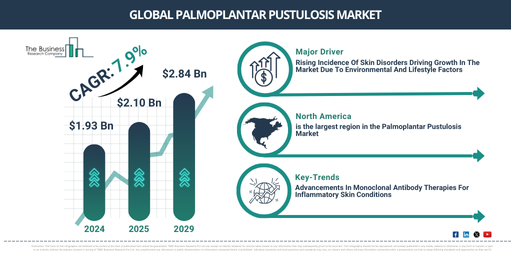
    In the previous years, the market size of palmoplantar pustulosis has experienced substantial growth. It is expected to rise from $1.93 billion in 2024 to $2.10 billion in 2025, demonstrating a compound annual growth rate (CAGR) of 8.3%. This growth during the historic period is linked to factors such as the increasing incidence of autoimmune diseases, growing education regarding uncommon skin conditions, a surge in healthcare spending, and the expanding adoption of telemedicine for dermatology.

    Expectations for the palmoplantar pustulosis market size indicate robust expansion in the coming years. The market estimates to reach $2.84 billion in 2029, growing at a compound annual growth rate (CAGR) of 7.9%. The anticipated growth during the forecast period is attributed to the increasing adoption of biologic therapies, expansion in dermatology research, an escalating pipeline of unique treatments, surging demand for personalized medicine, and a rise in chronic skin conditions. Major trends projected for the forecast period encompass advancements in dermatology research, a drift towards biologics and immunomodulators, the inclusion of artificial intelligence in dermatological diagnosis, progress in advanced topical formulations, and the implementation of machine learning in dermatological research.

    Download a free sample to assess the report’s scope and structure:

    https://www.thebusinessresearchcompany.com/sample.aspx?id=22090&type=smp

    Which Factors and External Forces Are Driving Demand in the Palmoplantar Pustulosis Market?

    The escalating occurrence of skin conditions is anticipated to drive the expansion of the palmoplantar pustulosis market. Skin conditions are those which alter the skin’s structure, function or looks, and they are on the rise due to environmental shifts, lifestyle practices and genetic susceptibility. Factors such as air pollution, severe weather, and exposure to hazardous substances can inflame the skin, causing issues like eczema or acne. Palmoplantar pustulosis is a persistent skin condition which majorly impacts the skin on the palms and foot soles, resulting in pustules, reddening, and scaling. These symptoms can be controlled with different therapies to enhance skin wellbeing and relieve discomfort. For instance, the International Eczema Council, a United States-based entity, reported in 2022 that about 223 million people suffered from atopic dermatitis, with around 43 million of them aged between 1 and 4. Therefore, the burgeoning occurrence of skin conditions bolsters the growth of the palmoplantar pustulosis market.

    Which Segments in the Palmoplantar Pustulosis Offer the Most Growth?

    The palmoplantar pustulosis market covered in this report is segmented –

    1) By Treatment Type: Topical Treatments, Systemic Treatments, Biologics, Phototherapy

    2) By Application: Hospitals, Dermatology Clinics, Homecare Settings

    3) By Distribution Channel: Online Pharmacies, Retail Pharmacies, Hospitals

    Subsegments:

    1) By Topical Treatments: Corticosteroids, Vitamin D Analogues, Calcineurin Inhibitors, Keratolytics

    2) By Systemic Treatments: Retinoids, Immunosuppressants, Phosphodiesterase-4 (PDE4) Inhibitors, Corticosteroids

    3) By Biologics: Tumor Necrosis Factor (TNF) Inhibitors, Interleukin-17 (IL-17) Inhibitors, Interleukin-23 (IL-23) Inhibitors, Interleukin-12/23 (IL-12/23) Inhibitors

    4) By Phototherapy: Narrowband UVB Therapy (NB-UVB), Psoralen plus Ultraviolet A (PUVA) Therapy, Excimer Laser Therapy, Targeted Phototherapy

    Request customized data on this market:

    https://www.thebusinessresearchcompany.com/customise?id=22090&type=smp

    What Are the Fastest-Growing Geographies in the Palmoplantar Pustulosis Market?

    North America was the largest region in the palmoplantar pustulosis market in 2024. The regions covered in the palmoplantar pustulosis market report are Asia-Pacific, Western Europe, Eastern Europe, North America, South America, Middle East, Africa.

    Which Cutting-Edge Market Trends Are Expected to Drive thePalmoplantar Pustulosis Market’s Growth?

    The palmoplantar pustulosis market is primarily dominated by significant firms who tend to focus their efforts on creating innovative treatments. A common method these companies employ involves monoclonal antibodies that target inflammatory pathways to provide improved results for patients. Monoclonal antibodies are identical antibodies which are created by a single clone of B cells that specifically target therapeutic or diagnostic antigens. For example, in August 2023, Kyowa Kirin Co., Ltd., a pharmaceutical company based in Japan, gained partial change approval for the utilization of LUMICEF for treating palmoplantar pustulosis in Japan. LUMICEF is a specialized therapy that inhibits IL-17, which effectively provides quick and long-lasting relief for inflammatory conditions such as psoriasis and palmoplantar pustulosis. Its main objective is to minimize inflammation and enhance the life quality for patients suffering from these chronic ailments.

    View the full report here:

    https://www.thebusinessresearchcompany.com/report/palmoplantar-pustulosis-global-market-report

    What Are the Key Elements That Define the Palmoplantar Pustulosis Market?

    Palmoplantar pustulosis is a chronic skin condition characterized by the formation of pustules (small, pus-filled blisters) on the palms of the hands and soles of the feet. It often leads to redness, scaling, and thickened skin in these areas. The condition can be painful and is usually associated with other skin diseases, like psoriasis.

    Purchase the full report and get a swift delivery:

    https://www.thebusinessresearchcompany.com/purchaseoptions.aspx?id=22090

    About The Business Research Company:

    With over 15000+ reports from 27 industries covering 60+ geographies, The Business Research Company has built a reputation for offering comprehensive, data-rich research and insights. Armed with 1,500,000 datasets, the optimistic contribution of in-depth secondary research, and unique insights from industry leaders, you can get the information you need to stay ahead in the game.

    Get in touch with us:

    The Business Research Company: https://www.thebusinessresearchcompany.com/

    Americas +1 3156230293

    Asia +44 2071930708

    Europe +44 2071930708

    Email us at info@tbrc.info

    Follow us on:

    LinkedIn: https://in.linkedin.com/company/the-business-research-company

    YouTube: https://www.youtube.com/channel/UC24_fI0rV8cR5DxlCpgmyFQ

    Global Market Model: https://www.thebusinessresearchcompany.com/global-market-model
  • $2.57 Billion Forecast for Paget Disease Treatment Market by 2029, Backed by Demand and Innovation

    $2.57 Billion Forecast for Paget Disease Treatment Market by 2029, Backed by Demand and Innovation

    Discover trends, market shifts, and competitive outlooks for the paget disease treatment industry through 2025-2034 with The Business Research Company’s reliable data and in-depth research

    What Are the Projected Market Size and Growth Rates for the Paget Disease Treatment Market From 2025 To 2029?

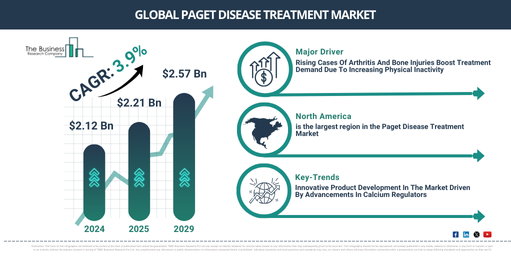
    In recent times, there has been a consistent growth in the market size for Paget’s disease treatment. The market is projected to escalate from $2.12 billion in 2024 to $2.21 billion in 2025, projecting a compound annual growth rate (CAGR) of 4.1%. Factors contributing to this growth throughout the past years include increased incidents of Paget’s disease, amplified awareness and diagnostic rates, a surge in the elderly population, the expansion of healthcare infrastructure, and a growing inclination towards the use of bisphosphonates.

    Expectations for the Paget disease market point towards a steady expansion in the coming years. By 2029, it is projected to reach $2.57 billion, propelled by a compound annual growth rate (CAGR) of 3.9%. The anticipated growth during this forecast period can be attributed to various factors like the surging demand for targeted therapies, an incline in healthcare spending, an ever-increasing elderly population, a rising number of clinical trials for new therapy options, and an enhanced emphasis on personalized medicine. Major trends that will define this forecast period include progress in treatment alternatives, a shift towards biologic treatments, the advent of combination therapies, adoption of digital health solutions, and advancements in technologies used in diagnostics.

    Download a free sample to assess the report’s scope and structure:

    https://www.thebusinessresearchcompany.com/sample.aspx?id=22088&type=smp

    What Are the Core Growth Drivers Propelling the Paget Disease Treatment Market Forward?

    The growth of the paget disease treatment market is projected to be fueled by the escalating number of arthritis and bone injury cases. Arthritis incites inflammation in joints, while bone injuries can pave the way for its onset. The surge in arthritis and bone injuries is largely due to insufficient physical activity, which results in weakened muscles and joints that lose their ability to facilitate movement and withstand impact. This can lead to increased joint degeneration, rigidity, and fractures over time. Paget disease treatment aims to control arthritis and bone injuries by alleviating bone pain, enhancing joint function, and preventing subsequent complications such as fractures and deformities due to irregular bone remodeling. For example, the Centers for Disease Control and Prevention (CDC) reported in February 2024 that in 2022, the age-adjusted prevalence of diagnosed arthritis in adults 18 years and older was 18.9%, with females (21.5%) showing a higher occurrence than males (16.1%). Arthritis prevalence ascended with age, varying from 3.6% in people aged 18–34 to 53.9% in those aged 75 and above. As a result, the increasing number of arthritis and bone injury cases are propelling the growth of the paget disease treatment market.

    What Segment Types Define the Paget Disease Treatment Market Structure?

    The paget disease treatment market covered in this report is segmented –

    1) By Treatment Type: Actonel, Reclast, Zoledronic Acid, Fosamax, Miacalcin, Aredia, Calcitonin, Zometa, Other Treatments

    2) By Route Of Administration: Oral, Intravenous, Topical

    3) By Distribution Channels: Hospital Pharmacies, Retail Pharmacies, Online Pharmacie, Drug stores

    4) By End User: Hospitals, Clinics, Other End-Users

    Subsegmentss:

    1) By Actonel: Risedronate Sodium Tablets, Delayed-Release Risedronate.

    2) By Reclast: Intravenous Reclast, Annual Reclast Infusion.

    3) By Zoledronic Acid: Zoledronic Acid 5 mg Injection, Zoledronic Acid 4 mg Injection.

    4) By Fosamax: Alendronate Sodium Tablets, Alendronate Oral Solution

    5) By Miacalcin: Miacalcin Nasal Spray, Miacalcin Injection

    6) By Aredia: Pamidronate Disodium 30 mg Injection, Pamidronate Disodium 90 mg Injection

    7) By Calcitonin: Synthetic Salmon Calcitonin, Human Calcitonin

    8) By Zometa: Zometa 4 mg/5 mL Concentrate, Zometa 4 mg Infusion

    9) By Other Treatments: Pain Management Medications, Physical Therapy, Surgical Interventions

    Request customized data on this market:

    https://www.thebusinessresearchcompany.com/customise?id=22088&type=smp

    Which Geographic Areas Hold the Strongest Growth Potential in the Paget Disease Treatment Market?

    North America was the largest region in the paget disease treatment market in 2024. Asia-Pacific is expected to be the fastest-growing region in the forecast period. The regions covered in the paget disease treatment market report are Asia-Pacific, Western Europe, Eastern Europe, North America, South America, Middle East, Africa.

    Which Emerging Trends that Are Influencing thePaget Disease Treatment Industry Evolution?

    Predominant enterprises in the paget disease treatment market are honing in on the creation of inventive products, including calcium regulators, to amplify the effectiveness of treatments, enhance patient results, and bolster their footprint in the market. A calcium regulator is a drug or substance that assists in managing levels of calcium in blood and bones, maintaining a balance necessary for various bodily functions. For example, in February 2025, Fresenius Kabi AG, a notable healthcare firm based in Germany, unveiled its Calcitonin Salmon Injection, USP Synthetic – a calcium regulator crafted to manage symptomatic Paget’s disease of the bone, hypercalcemia, and postmenopausal osteoporosis. The introduction of this treatment is set to provide a more budget-friendly therapy alternative, fortify their supply chain and broaden their array of generic injectables. Fresenius Kabi has heavily invested in its facilities, ensuring a constant availability of necessary medicines, with a goal to improve patient care and position itself as a premier healthcare provider.

    View the full report here:

    https://www.thebusinessresearchcompany.com/report/paget-disease-treatment-global-market-report

    What Is the Definition of the Paget Disease Treatment Market?

    Paget’s disease is a chronic bone disorder characterized by abnormal bone remodeling, leading to weakened and enlarged bones. Treatment typically involves medications to regulate bone metabolism and manage symptoms, along with pain relievers and in some cases, surgery for severe bone deformities.

    Purchase the full report and get a swift delivery:

    https://www.thebusinessresearchcompany.com/purchaseoptions.aspx?id=22088

    About The Business Research Company:

    With over 15000+ reports from 27 industries covering 60+ geographies, The Business Research Company has built a reputation for offering comprehensive, data-rich research and insights. Armed with 1,500,000 datasets, the optimistic contribution of in-depth secondary research, and unique insights from industry leaders, you can get the information you need to stay ahead in the game.

    Get in touch with us:

    The Business Research Company: https://www.thebusinessresearchcompany.com/

    Americas +1 3156230293

    Asia +44 2071930708

    Europe +44 2071930708

    Email us at info@tbrc.info

    Follow us on:

    LinkedIn: https://in.linkedin.com/company/the-business-research-company

    YouTube: https://www.youtube.com/channel/UC24_fI0rV8cR5DxlCpgmyFQ

    Global Market Model: https://www.thebusinessresearchcompany.com/global-market-model
  • Over The Counter Test Market 2025-2034: Key Highlights, Growth Dynamics, and Emerging Trends

    Discover trends, market shifts, and competitive outlooks for the over the counter test industry through 2025-2034 with The Business Research Company’s reliable data and in-depth research

    What Are the Key Projections for the CAGR of the Over The Counter Test Market Size From 2025 to 2034?

    The market size for over the counter tests has seen swift expansion in the preceding years. The projections are set to rise from a value of $23.79 billion noted in 2024, escalating to a worth of $27.20 billion in 2025. The Compound Annual Growth Rate (CAGR) for this period is anticipated to maintain a steady 14.3%. The substantial growth noted in the past can be associated with the emergence of intelligent home healthcare systems, the increment of remote patient monitoring, a surge in outpatient clinics, development of mHealth (mobile health) solutions, and the popularity of subscription-based services.

    The market size of over the counter tests is anticipated to surge in the coming years, predicted to reach $46.11 billion in 2029 with a compound annual growth rate of 14.1%. This growth projection during the forecast period can be linked to the rising occurrence of infectious diseases, growth in the number of HIV-positive individuals, the expansion of remote patient monitoring, enhanced usage of smartphones, and an increase in healthcare-associated infections (HAIs). Significant trends for the projected period include the incorporation of digital health, association with mobile applications, integrated care models, the application of AI and machine learning, and distant infection control monitoring.

    Download a free sample to assess the report’s scope and structure:

    https://www.thebusinessresearchcompany.com/sample.aspx?id=22085&type=smp

    How Are Key Drivers in the Industry Acting as Catalysts for the Growth of the Over The Counter Test Market?

    The over the counter test market is poised for growth, primarily driven by the increasing incidence of chronic diseases. Defined as conditions that endure for at least a year, necessitating continuous medical supervision or affecting daily routines, chronic diseases are rising. The surge in these diseases is due to factors such as unhealthy living habits, poor nutrition, lack of physical activity, and an aging population, all of which heighten the risks for diseases like heart disease, diabetes, and obesity. Over-the-counter tests play a pivotal role in chronic disease management by helping individuals regularly monitor their health, preempt possible problems, and modify their treatment strategies promptly. For example, the Australian Institute of Health and Welfare reported in June 2024 that the mortality rate connected to chronic conditions climbed to 459 per 100,000 population in 2021, and escalated to 490 per 100,000 population in 2022. Consequently, the escalating incidence of chronic diseases is fuelling the expansion of the over the counter test market.

    Which Segments in the Over The Counter Test Offer the Most Growth?

    The over the counter test market covered in this report is segmented –

    1) By Product Type: Glucose Monitoring Test, Pregnancy And Fertility Test, Coagulation Monitoring Test, Urinalysis Test, Cholesterol Test, Other Tests

    2) By Technology: Immunoassays, Lateral Flow Assays, Dipsticks

    3) By Application: Cardiology, Oncology, Glucose Monitoring, Pregnancy And Fertility, Infectious Disease, Toxicology

    4) By End-User: Hospital And Clinic, Home Care, Diagnostic Laboratory, Other End Users

    Subsegments:

    1) By Glucose Monitoring Test: Blood Glucose Meters, Glucose Test Strips, Continuous Glucose Monitors (CGMs), Lancets

    2) By Pregnancy And Fertility Test: Pregnancy Test Strips, Digital Pregnancy Tests, Ovulation Prediction Kits, Fertility Monitors

    3) By Coagulation Monitoring Test: Prothrombin Time (PT/INR) Test Kits, Activated Partial Thromboplastin Time (aPTT) Test Kits, D-Dimer Test Kits

    4) By Urinalysis Test: Dipstick Test Kits, Urine Test Strips, Digital Urinalysis Devices, Home Drug Test Kits

    5) By Cholesterol Test: Total Cholesterol Test Kits, HDL And LDL Cholesterol Test Kits, Triglyceride Test Kits, Lipid Panel Test Kits

    6) By Other Tests: Infectious Disease Test Kits, Allergy Test Kits, Vitamin And Mineral Deficiency Test Kits, Thyroid Function Test Kits, Cancer Screening Kits

    Request customized data on this market:

    https://www.thebusinessresearchcompany.com/customise?id=22085&type=smp

    What Are the Fastest-Growing Geographies in the #How Are Key Drivers in the Industry Acting as Catalysts for the Growth of the Over The Counter Test Market?# Market?

    North America was the largest region in the over-the-counter test market in 2024. Asia-Pacific is expected to be the fastest-growing region in the forecast period. The regions covered in the over the counter test market report are Asia-Pacific, Western Europe, Eastern Europe, North America, South America, Middle East, Africa.

    What Are the Current Market Growth and Trends in the Over The Counter Test Industry?

    Major firms engaged in the over the counter test market are prioritizing the creation of unique products like non-invasive at-home diagnostics in order to boost precision, flexibility, and early disease detection for self-monitoring. Such diagnostics are medical tests and equipment that facilitate a non-invasive evaluation of individual health conditions. These diagnostics utilize technology such as biosensors, saliva or urine testing, wearable devices, and imaging tools to check vital signs, diagnose diseases, or supervise chronic conditions from home. For instance, DiaCarta Inc, a United States-based molecular diagnostics firm offering molecular diagnostics solutions, debuted the iColon test, an over-the-counter (OTC) at-home Fecal Occult Blood Test (FOBT) that received US FDA 510(k) approval, in December 2023. This non-invasive test allows people to detect blood in their stool, a key sign of gastrointestinal disorders and colorectal cancer, in their own homes. The iColon test’s objective is to enhance early disease detection and promote active health monitoring, ultimately improving patient outcomes.

    View the full report here:

    https://www.thebusinessresearchcompany.com/report/over-the-counter-test-global-market-report

    What Are the Key Elements That Define the Over The Counter Test Market?

    An over-the-counter test is a self-diagnostic medical test that individuals can purchase without a prescription for personal use. It allows users to detect or monitor health conditions at home without professional supervision. These tests provide quick and accessible results, aiding in early detection and health management.

    Purchase the full report and get a swift delivery:

    https://www.thebusinessresearchcompany.com/purchaseoptions.aspx?id=22085

    About The Business Research Company:

    With over 15000+ reports from 27 industries covering 60+ geographies, The Business Research Company has built a reputation for offering comprehensive, data-rich research and insights. Armed with 1,500,000 datasets, the optimistic contribution of in-depth secondary research, and unique insights from industry leaders, you can get the information you need to stay ahead in the game.

    Get in touch with us:

    The Business Research Company: https://www.thebusinessresearchcompany.com/

    Americas +1 3156230293

    Asia +44 2071930708

    Europe +44 2071930708

    Email us at info@tbrc.info

    Follow us on:

    LinkedIn: https://in.linkedin.com/company/the-business-research-company

    YouTube: https://www.youtube.com/channel/UC24_fI0rV8cR5DxlCpgmyFQ

    Global Market Model: https://www.thebusinessresearchcompany.com/global-market-model
  • Ornithine Transcarbamylase Deficiency (OTC Deficiency) Market Trends 2025-2034: Growth, Strategic Insights, and Opportunities Ahead

    Ornithine Transcarbamylase Deficiency (OTC Deficiency) Market Trends 2025-2034: Growth, Strategic Insights, and Opportunities Ahead

    Discover trends, market shifts, and competitive outlooks for the ornithine transcarbamylase deficiency (otc deficiency) industry through 2025-2034 with The Business Research Company’s reliable data and in-depth research

    How Has The Ornithine Transcarbamylase Deficiency (OTC Deficiency) Market Growth Evolved From 2024 To 2025, And What’s Ahead?

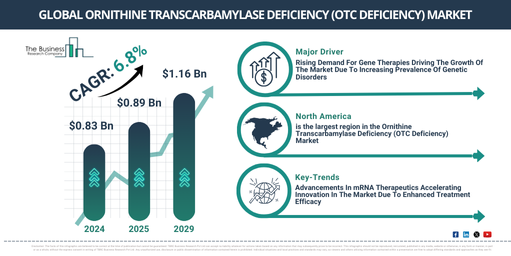
    The market for ornithine transcarbamylase deficiency (OTC deficiency) has seen robust growth in recent years, with expectations to rise from $0.83 billion in 2024 to $0.89 billion in 2025. This represents a compound annual growth rate (CAGR) of 7.1%. Key factors contributing to this growth during the historic timeframe include heightened understanding of uncommon metabolic disorders, advancements in genetic screening and diagnosis techniques, refined neonatal screening initiatives, a surge in genetic testing for rare diseases, and the enhancement of neonatal screening programs.

    It is anticipated that the market size for ornithine transcarbamylase deficiency (OTC deficiency) will witness significant growth in the coming years, reaching $1.16 billion in 2029, with a compound annual growth rate (CAGR) of 6.8%. The growth during the forecast period is due to increasing recognition and diagnosis, rising instances of urea cycle disorders, an escalated focus on treatments for rare diseases, rising research and clinical trials and enhanced patient access to treatments. The forecast period will also observe key trends like advancements in genetic therapies and gene editing technologies, the progression of enzyme replacement therapies, cooperative research initiatives and partnerships, advancements in diagnostic tools, and governmental funding and incentives for orphan drugs.

    Download a free sample to assess the report’s scope and structure:

    https://www.thebusinessresearchcompany.com/sample.aspx?id=22084&type=smp

    What Are the Major Market Drivers Behind the Rising Adoption of Ornithine Transcarbamylase Deficiency (OTC Deficiency) Market?

    The surge in the need for gene therapies is projected to bolster the growth of the ornithine transcarbamylase deficiency market. Gene therapy is a medical procedure or treatment that involves the modification or manipulation of an individual’s genetic material to combat or prevent diseases. The requirement for gene therapies is credited to the escalating prevalence of genetic disorders, as these ailments usually offer limited treatment alternatives. Moreover, gene therapy presents an optimistic strategy for tackling the root of the problem rather than just overseeing the symptoms. Ornithine transcarbamylase deficiency highlights the potential of gene therapies by rectifying the genetic mutation that disturbs the urea cycle. This allows for precise treatment to restore metabolic function and avert dangerous ammonia build-up. For instance, in January 2024, the American Society of Gene & Cell Therapy, a U.S based organization for gene and cell therapy, reported that in Q4 2023, there was a 10% rise from the previous quarter in the number of gene therapies in Phase III. This marked the first increase since Q3 2022. Hence, the escalating need for gene therapies is propelling the growth of the ornithine transcarbamylase deficiency market.

    Which Key Market Segments Comprise the Ornithine Transcarbamylase Deficiency (OTC Deficiency) Market and Drive Its Revenue Growth?

    The ornithine transcarbamylase deficiency (OTC deficiency) market covered in this report is segmented –

    1) By Product Type: DTX-301, SEL-313, SHP-641, PRX-OTC

    2) By Treatment Type: Gene Therapy, Liver Transplant, Dietary Management, Other Treatement Type

    3) By Diagnosis: Genetic Testing, Ammonia Level Testing

    4) By End-User: Hospitals, Specialty Clinics, Research Institutes, Other End Users

    Subsegmentss:

    1) By DTX-301: Adeno-Associated Virus (AAV)-Based Gene Therapy, Intravenous Dosing Formulation

    2) By SEL-313: Immune Tolerance-Inducing Therapy, Enzyme Replacement Therapy (ERT) Combination

    3) By SHP-641: Small Molecule Therapy, mRNA-Based Therapeutic Approach

    4) By PRX-OTC: Recombinant Enzyme Replacement Therapy, Protein Engineering-Based Therapy

    Request customized data on this market:

    https://www.thebusinessresearchcompany.com/customise?id=22084&type=smp

    Which Areas Are Leading Regions in the Ornithine Transcarbamylase Deficiency (OTC Deficiency) Market Expansion Across the Globe?

    North America was the largest region in the ornithine transcarbamylase deficiency (OTC Deficiency) market in 2024. Asia-Pacific is expected to be the fastest-growing region in the forecast period. The regions covered in the ornithine transcarbamylase deficiency (OTC deficiency) market report are Asia-Pacific, Western Europe, Eastern Europe, North America, South America, Middle East, Africa.

    What Are the Strategic Trends Steering theOrnithine Transcarbamylase Deficiency (OTC Deficiency) Market Direction?

    Prominent firms active in the ornithine transcarbamylase deficiency (OTC Deficiency) market are working on pioneering therapies such as mRNA therapeutics to boost treatment effectiveness and tackle the genetic root of OTC deficiency. mRNA therapeutics, a type of treatment that utilizes messenger RNA (mRNA) to guide cells in creating specific proteins for medicinal use, are being leveraged for their potential to handle diseases such as genetic disorders, infectious diseases, and cancers using the body’s innate protein synthesis mechanisms. For example, in June 2023, Arcturus Therapeutics Holdings Inc., an American biotech firm, was granted Fast Track Designation by the U.S. Food and Drug Administration (FDA) for its mRNA therapeutic contender for OTC deficiency, ARCT-810. This designation aims to expedite the developmental and assessment phases of the drug, with potential advantages such as increased FDA interactions and preferential review. ARCT-810 is formulated to assist patients dealing with OTC deficiency, a urea cycle disorder, to generate a functional OTC enzyme within their liver cells. This addresses the fundamental cause of the disease and could potentially enhance their standards of living.

    View the full report here:

    https://www.thebusinessresearchcompany.com/report/ornithine-transcarbamylase-deficiency-otc-deficiency-global-market-report

    How Is the Ornithine Transcarbamylase Deficiency (OTC Deficiency) Market Conceptually Defined?

    Ornithine transcarbamylase (OTC) deficiency refers to a rare genetic disorder caused by mutations in the OTC gene, leading to a deficiency of the ornithine transcarbamylase enzyme, which is essential for the urea cycle to remove ammonia from the body. The condition results in hyperammonemia, causing symptoms such as vomiting, lethargy, seizures, and coma in severe cases, particularly in newborns.

    Purchase the full report and get a swift delivery:

    https://www.thebusinessresearchcompany.com/purchaseoptions.aspx?id=22084

    About The Business Research Company:

    With over 15000+ reports from 27 industries covering 60+ geographies, The Business Research Company has built a reputation for offering comprehensive, data-rich research and insights. Armed with 1,500,000 datasets, the optimistic contribution of in-depth secondary research, and unique insights from industry leaders, you can get the information you need to stay ahead in the game.

    Get in touch with us:

    The Business Research Company: https://www.thebusinessresearchcompany.com/

    Americas +1 3156230293

    Asia +44 2071930708

    Europe +44 2071930708

    Email us at info@tbrc.info

    Follow us on:

    LinkedIn: https://in.linkedin.com/company/the-business-research-company

    YouTube: https://www.youtube.com/channel/UC24_fI0rV8cR5DxlCpgmyFQ

    Global Market Model: https://www.thebusinessresearchcompany.com/global-market-model
  • Emerging Growth Drivers in the Ophthalmoplegia Market Landscape: Increasing Incidence Of Neurological Disorders Driving The Growth Of The Market Due to Rising Diagnosis Rates And Advancements In Treatment Options

    Emerging Growth Drivers in the Ophthalmoplegia Market Landscape: Increasing Incidence Of Neurological Disorders Driving The Growth Of The Market Due to Rising Diagnosis Rates And Advancements In Treatment Options

    Discover trends, market shifts, and competitive outlooks for the ophthalmoplegia industry through 2025-2034 with The Business Research Company’s reliable data and in-depth research

    What is the Anticipated CAGR of the Ophthalmoplegia Market, and What Factors Will Drive It?

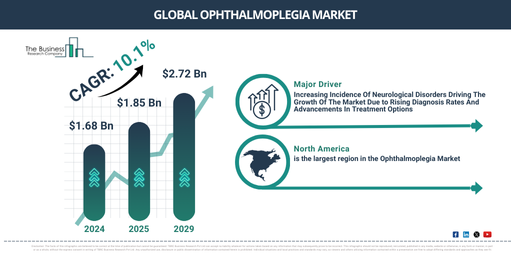
    The growth of the ophthalmoplegia market has been swift in the past few years, expanding from $1.68 billion in 2024 to $1.85 billion in 2025 with a compound annual growth rate (CAGR) of 10.3%. The significant growth in the market during this historical period can be attributed to several factors including the escalating incidences of neurological disorders, an increasingly aging population, the proliferation of specialty clinics and hospitals, the mounting demand for early detection and treatment, a burgeoning number of clinical trials, and an increase in healthcare insurance coverage.

    Over the next few years, the ophthalmoplegia market is projected to experience substantial growth, potentially reaching $2.72 billion by 2029 with a compound annual growth rate (CAGR) of 10.1%. This growth during the forecast period is likely driven by factors such as the increasing incidence of neurological disorders, an aging population, heightened awareness of eye movement disorders, rising healthcare spending, strategic investments in healthcare by industry leaders, and a higher prevalence of diabetes and hypertension among patients. Predicted trends for this period include improved diagnostic technologies, innovative therapeutic methods development, strategic alliances and partnerships, advancements in eye tracking devices technology, and the evolution of muscle-strengthening drugs.

    Download a free sample to assess the report’s scope and structure:

    https://www.thebusinessresearchcompany.com/sample.aspx?id=22081&type=smp

    Which Primay Drivers Are Accelerating Growth in the Ophthalmoplegia Market?

    The surge in neurological disorders is anticipated to fuel the ophthalmoplegia market’s expansion. Neurological disorders, impacting the nervous system like the brain, spinal cord, and nerves, lead to symptoms such as muscle weakness and cognitive impairments. The rise in this disorder, often caused by genetic predisposition and lifestyle changes, contributes to neurodegeneration. Using ophthalmoplegia to diagnose neurological conditions such as Alzheimer’s, multiple sclerosis, and stroke can indicate a disrupted nervous system through poor eye muscle control. For example, the Alzheimer’s Association forecasts that the number of Americans suffering from Alzheimer’s dementia will increase from 6.7 million in 2023 to 13.8 million in 2060, which leads to the growth of the ophthalmoplegia market. The acceleration of autoimmune disorders’ prevalence is foreseen to push the ophthalmoplegia market’s progression. These disorders cause the immune system to erroneously attack the body’s healthy cells, leading to damage. The rise of autoimmune diseases due to genetic variants and environmental stimuli contributes to an increase in these conditions. When ophthalmoplegia treatment is linked with autoimmune diseases, it unveils the dysfunction in the immune system and provides treatments addressing the underlying issue. For instance, in 2022, of 73,241,305 insured individuals in Germany, 6,304,340 were diagnosed with an autoimmune disease, according to Versorgungsatlas.de. Hence, this rising prevalence drives the ophthalmoplegia market’s growth.

    Which Primary Segments of the Ophthalmoplegia Market Are Driving Growth and Industry Transformations?

    The ophthalmoplegia market covered in this report is segmented –

    1) By Type: External Opthalmoplegia, Internuclear Opthalmoplegia

    2) By Treatment: Surgery, Drug Treatment

    3) By End-User: Hospitals, Clinics, Ambulatory Clinics

    Subsegmentss:

    1) By External Ophthalmoplegia: Chronic Progressive External Ophthalmoplegia (CPEO), Myasthenic External Ophthalmoplegia, Mitochondrial Myopathy-Associated External Ophthalmoplegia

    2) By Internuclear Ophthalmoplegia: Unilateral Internuclear Ophthalmoplegia, Bilateral Internuclear Ophthalmoplegia

    Request customized data on this market:

    https://www.thebusinessresearchcompany.com/customise?id=22081&type=smp

    Which Regions Are Key Players in the Growth of the Ophthalmoplegia Market?

    North America was the largest region in the ophthalmoplegia market in 2024. Asia-Pacific is expected to be the fastest-growing region in the forecast period. The regions covered in the ophthalmoplegia market report are Asia-Pacific, Western Europe, Eastern Europe, North America, South America, Middle East, Africa.

    View the full report here:

    https://www.thebusinessresearchcompany.com/report/ophthalmoplegia-global-market-report

    What Parameters Are Used to Define the Ophthalmoplegia Market?

    Ophthalmoplegia refers to the paralysis or weakness of one or more of the muscles that control eye movement. This condition can affect voluntary or involuntary eye movements and may be caused by neurological disorders, muscle diseases, or vascular conditions.

    Purchase the full report and get a swift delivery:

    https://www.thebusinessresearchcompany.com/purchaseoptions.aspx?id=22081

    About The Business Research Company:

    With over 15000+ reports from 27 industries covering 60+ geographies, The Business Research Company has built a reputation for offering comprehensive, data-rich research and insights. Armed with 1,500,000 datasets, the optimistic contribution of in-depth secondary research, and unique insights from industry leaders, you can get the information you need to stay ahead in the game.

    Get in touch with us:

    The Business Research Company: https://www.thebusinessresearchcompany.com/

    Americas +1 3156230293

    Asia +44 2071930708

    Europe +44 2071930708

    Email us at info@tbrc.info

    Follow us on:

    LinkedIn: https://in.linkedin.com/company/the-business-research-company

    YouTube: https://www.youtube.com/channel/UC24_fI0rV8cR5DxlCpgmyFQ

    Global Market Model: https://www.thebusinessresearchcompany.com/global-market-model

  • Major Drivers Propelling the Growth oh theObeticholic Acid Market Forward: Rising Prevalence Of Liver Diseases Fueling The Growth Of The Market Due To Increasing Cases Of NAFLD And Alcohol-Related Liver Conditions

    Major Drivers Propelling the Growth oh theObeticholic Acid Market Forward: Rising Prevalence Of Liver Diseases Fueling The Growth Of The Market Due To Increasing Cases Of NAFLD And Alcohol-Related Liver Conditions

    Discover trends, market shifts, and competitive outlooks for the obeticholic acid industry through 2025-2034 with The Business Research Company’s reliable data and in-depth research

    How Has The Obeticholic Acid Market Size Shifted, And What Is the Outlook Through 2034?

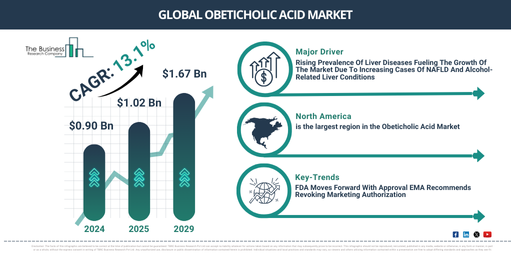
    The market for obeticholic acid has experienced rapid expansion in the past few years. Estimations show that its value is set to increase from $0.90 billion in 2024 to $1.02 billion in 2025, marking a compound annual growth rate (CAGR) of 13.4%. This significant progression during the historical period can be ascribed to various factors including an escalating prevalence of primary biliary cholangitis (PBC), a surging incidence of non-alcoholic steatohepatitis (NASH), advancement in healthcare structure in emerging markets, a rise in screening rates and diagnosis of liver disease, increasing expenditure on healthcare, and substantial investment in research related to liver disease.

    The market size for obeticholic acid is projected to experience swift expansion in the forthcoming years, with an estimated value of $1.67 billion by 2029 and a compound annual growth rate (CAGR) of 13.1%. This growth projection for the forecast period is largely the result of the escalating incidents of primary biliary cholangitis (PBC) and non-alcoholic steatohepatitis (NASH), augmented demand for novel treatments for liver diseases, increasing consciousness about liver diseases and their respective treatments, an expansion of worldwide healthcare services in developing markets, and growing knowledge about liver diseases and their potential treatments. Dominant trends for the forecast period comprise of acceptance for NASH treatment, alliances, and partnerships for further progress, incorporation of digital health instruments for monitoring and adherence, a move towards non-alcoholic fatty liver disease (NAFLD) treatment, progression in liver disease biomarkers, and diagnostic technologies.

    Download a free sample to assess the report’s scope and structure:

    https://www.thebusinessresearchcompany.com/sample.aspx?id=22079&type=smp

    Which Major Market Drivers Are Expected to Boost the Growth Potential of the Obeticholic Acid Market?

    The escalating incidence of liver afflictions is anticipated to fuel the expansion of the obeticholic acid market. Liver maladies are ailments that obstruct the normal functioning of the liver. The escalating incidence of these diseases is attributable to overconsumption of alcohol, which could induce liver inflammation, cirrhosis, and liver failure by damaging liver cells and hindering its normal functioning. Obeticholic acid benefits patients with liver disease by triggering the farnesoid X receptor (FXR), which lowers bile acid buildup, mitigating liver inflammation and decelerating the progression of fibrosis, thereby enhancing liver function. As an example, the Office for Health Improvement and Disparities, a UK government agency, reported in December 2024, that in 2023 there was a 3.6% increase in premature deaths from alcoholic liver disease, reaching 5,984, up from 5,776 in 2022. Hence, the escalating incidence of liver diseases is driving the expansion of the obeticholic acid market.

    Which Key Market Segments Comprise the Obeticholic Acid Market and Drive Its Revenue Growth?

    The obeticholic acid market covered in this report is segmented –

    1) By Product Type: Tablets, Capsules, Other Product Types

    2) By Distribution Channel: Hospital Pharmacies, Retail Pharmacies, Online Pharmacies

    3) By Application: Primary Biliary Cholangitis, Nonalcoholic Steatohepatitis, Other Applications

    Subsegmentss:

    1) By Tablets: Immediate-Release Tablets, Extended-Release Tablets

    2) By Capsules: Soft Gelatin Capsules, Hard Gelatin Capsules

    3) By Other Product Types: Oral Suspensions, Injectable Formulations

    Request customized data on this market:

    https://www.thebusinessresearchcompany.com/customise?id=22079&type=smp

    Which Areas Are Leading Regions in the Obeticholic Acid Market Expansion Across the Globe?

    North America was the largest region in the Obeticholic Acid market in 2024. Asia-Pacific is expected to be the fastest-growing region in the forecast period. The regions covered in the obeticholic acid market report are Asia-Pacific, Western Europe, Eastern Europe, North America, South America, Middle East, Africa.

    What Are the Key Market Trends in theObeticholic Acid Market Over the Coming Years?

    Leading companies in the obeticholic acid market are progressing by creating cutting-edge products like the farnesoid X receptor (FXR) agonist, which aims to elevate the treatment of liver disease and enhance patient results. An FXR agonist is a substance that activates the FXR, a nuclear receptor that plays a key role in the adjustment of bile acid metabolism, inflammation, and fibrosis in the liver. FXR agonists serve to better liver performance and are employed in managing illnesses like primary biliary cholangitis (PBC) and nonalcoholic steatohepatitis (NASH). For example, in February 2024, Intercept Pharmaceuticals Inc., a biopharmaceutical organization based in the US, proclaimed that the U.S. Food and Drug Administration (FDA) has recognized its additional New Drug Application (sNDA) for Ocaliva for treating people with PBC. The endorsement of the additional sNDA for obeticholic acid (Ocaliva) by the FDA represents regulatory advancement in approving its therapeutic advantages in treating PBC.

    View the full report here:

    https://www.thebusinessresearchcompany.com/report/obeticholic-acid-global-market-report

    How Is the Obeticholic Acid Market Conceptually Defined?

    Obeticholic acid is a medication primarily used in the treatment of liver diseases, especially for patients with primary biliary cholangitis (PBC), a chronic liver disease. It is a synthetic bile acid that works by activating a receptor called the farnesoid X receptor (FXR), which helps to regulate bile acid production, liver function, and inflammation.

    Purchase the full report and get a swift delivery:

    https://www.thebusinessresearchcompany.com/purchaseoptions.aspx?id=22079

    About The Business Research Company:

    With over 15000+ reports from 27 industries covering 60+ geographies, The Business Research Company has built a reputation for offering comprehensive, data-rich research and insights. Armed with 1,500,000 datasets, the optimistic contribution of in-depth secondary research, and unique insights from industry leaders, you can get the information you need to stay ahead in the game.

    Get in touch with us:

    The Business Research Company: https://www.thebusinessresearchcompany.com/

    Americas +1 3156230293

    Asia +44 2071930708

    Europe +44 2071930708

    Email us at info@tbrc.info

    Follow us on:

    LinkedIn: https://in.linkedin.com/company/the-business-research-company

    YouTube: https://www.youtube.com/channel/UC24_fI0rV8cR5DxlCpgmyFQ

    Global Market Model: https://www.thebusinessresearchcompany.com/global-market-model

  • Emerging Trends Redefining the Neuromyelitis Optica Spectrum Disorder Market Landscape: Advancements In Complement Inhibition Transform NMOSD Treatment Landscape

    Emerging Trends Redefining the Neuromyelitis Optica Spectrum Disorder Market Landscape: Advancements In Complement Inhibition Transform NMOSD Treatment Landscape

    Discover trends, market shifts, and competitive outlooks for the neuromyelitis optica spectrum disorder industry through 2025-2034 with The Business Research Company’s reliable data and in-depth research

    What is the Projected CAGR for the Neuromyelitis Optica Spectrum Disorder Market Size from 2025 to 2034?

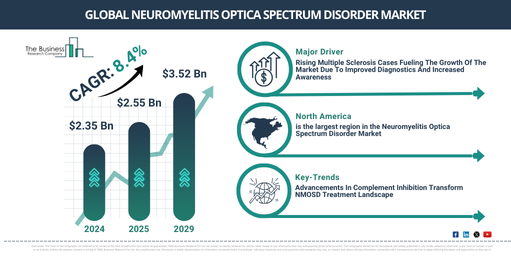
    In recent times, the neuromyelitis optica spectrum disorder market has shown remarkable growth. The market size, which was at $2.35 billion in 2024, is expected to expand to $2.55 billion in 2025, recording a compound annual growth rate (CAGR) of 8.7%. This growth during the historical period can be linked to several factors such as an increase in the number of Neuromyelitis Optica Spectrum Disorder (NMOSD) cases, further consciousness and early detection, a rise in treatment alternatives and FDA approvals, an escalation in research and development initiatives, and an increase in clinical trials for new therapies.

    Over the coming years, the neuromyelitis optica spectrum disorder market is projected to experience solid growth. The market is anticipated to swell to $3.52 billion by 2029, with a compound annual growth rate (CAGR) of 8.4%. Factors contributing to this growth during the forecast period include increasing understanding and early detection, enhanced healthcare spending, amplified investment in research and development, a surge in autoimmune disease prevalence, a rise in clinical trials for NMOSD therapies, and burgeoning demand for bespoke medicine. Key market trends expected during this period include advancements in precision medicine, collaborations and partnerships, technological innovation, the incorporation of AI and big data in research, and a move towards home-based treatments.

    Download a free sample to assess the report’s scope and structure:

    https://www.thebusinessresearchcompany.com/sample.aspx?id=22072&type=smp

    What Are the Core Market Drivers Propelling Growth in the Neuromyelitis Optica Spectrum Disorder Industry?

    The surge in multiple sclerosis cases is anticipated to fuel the expansion of the neuromyelitis optica spectrum disorder market. Multiple sclerosis, a longstanding autoimmune illness that causes inflammation, nerve damage, and neurological symptoms in the central nervous system, is increasingly prevalent due to enhanced diagnostic methods, environmental factors, and genetic susceptibility. Progress in medical imaging, such as MRI, has facilitated more early and precise diagnoses, resulting in a noticeable increase in reported cases. As more people are diagnosed with MS, there is increased awareness of neurological autoimmune diseases, leading to advancements in diagnostic techniques and better understanding of neuromyelitis optica spectrum disorder. For example, the Multiple Sclerosis Trust, a UK-based national charity, reported in May 2024 that the UK registers around 7,100 new multiple sclerosis cases each year, and each week, roughly 135 individuals are diagnosed with MS. Hence, the escalating rate of multiple sclerosis paves the way for the expansion of the neuromyelitis optica spectrum disorder market.

    How Is the Neuromyelitis Optica Spectrum Disorder Market Segmented?

    The neuromyelitis optica spectrum disorder market covered in this report is segmented –

    1) By Type: Neuromyelitis Optica Spectrum Disorder With Aquaporin-4 Antibodies, Neuromyelitis Optica Spectrum Disorder Without Aquaporin-4 Antibodies

    2) By Diagnosis: Imaging Tests, Magnetic Resonance Imaging (MRI), Blood Tests, Others Diagnosis

    3) By Treatment Type: C5 Protein Inhibitor, Monoclonal Antibodies, Plasma Exchange Therapy, Corticosteroids, Immunoglobulin Therapy, Medication, Other Treatment Types

    4) By Distribution Channel: Hospital Pharmacy, Retail Pharmacy, Online Pharmacy

    5) By End-User: Hospitals, Specialty Clinics, Homecare, Other End-Users

    Subsegments:

    1) By Neuromyelitis Optica Spectrum Disorder (NMOSD) With Aquaporin-4 (AQP4) Antibodies: Relapsing NMOSD with AQP4-IgG, Monophasic NMOSD with AQP4-IgG, Severe Optic Neuritis with AQP4-IgG, Longitudinally Extensive Transverse Myelitis (LETM) with AQP4-IgG

    2) By Neuromyelitis Optica Spectrum Disorder (NMOSD) Without Aquaporin-4 (AQP4) Antibodies: NMOSD with Myelin Oligodendrocyte Glycoprotein (MOG) Antibodies (MOG-IgG), Seronegative NMOSD, Idiopathic NMOSD Cases, NMOSD Associated With Other Autoimmune Disorders

    Request customized data on this market:

    https://www.thebusinessresearchcompany.com/customise?id=22072&type=smp

    Which Regions Are Driving the Next Phase of the Neuromyelitis Optica Spectrum Disorder Market Growth?

    North America was the largest region in the neuromyelitis optica spectrum disorder market in 2024. Asia-Pacific is expected to be the fastest-growing region in the forecast period. The regions covered in the neuromyelitis optica spectrum disorder market report are Asia-Pacific, Western Europe, Eastern Europe, North America, South America, Middle East, Africa.

    What Key Market Trends and Innovations Are Shaping the Future of the Neuromyelitis Optica Spectrum Disorder Industry?

    Leading corporations in the neuromyelitis optica spectrum disorder sector are honing in on crafting novel products, such as prolonged-release complement inhibitors, to amplify treatment effectiveness and upgrade patient results. Extended-release complement inhibitors are medications that inhibit the complement system for a prolonged duration, obstructing inflammation and nerve harm in neuromyelitis optica spectrum disorder (NMOSD). These inhibitors assist in reducing relapses and fostering long-lasting disease management. For example, Alexion Pharmaceuticals, an American biopharmaceutical firm, and AstraZeneca, a British pharmaceutical business, garnered approval for ULTOMIRIS (ravulizumab-cwvz) in March 2024 for treating adults with neuromyelitis optica spectrum disorder that test positive for anti-aquaporin-4 (AQP4) antibodies. This approval establishes Ultomiris as the premier and sole long-action C5 complement inhibitor available for NMOSD treatment. The approval decision was hinged on the results of the Phase III CHAMPION-NMOSD study, in which Ultomiris posted a 98.6% decrement in relapse risk over 73 weeks when compared to a placebo. Participants of the trial reported no relapses, and no fresh safety issues were spotted.

    View the full report here:

    https://www.thebusinessresearchcompany.com/report/neuromyelitis-optica-spectrum-disorder-global-market-report

    How Is the Neuromyelitis Optica Spectrum Disorder Market Defined and What Are Its Core Parameters?

    Neuromyelitis optica spectrum disorder (NMOSD) is a rare, autoimmune disease that affects the central nervous system, primarily targeting the spinal cord and optic nerves. It is characterized by severe inflammation and demyelination (damage to the protective covering of nerve fibers) in these areas, leading to symptoms such as vision loss, paralysis, and loss of sensory function.

    Purchase the full report and get a swift delivery:

    https://www.thebusinessresearchcompany.com/purchaseoptions.aspx?id=22072

    About The Business Research Company:

    With over 15000+ reports from 27 industries covering 60+ geographies, The Business Research Company has built a reputation for offering comprehensive, data-rich research and insights. Armed with 1,500,000 datasets, the optimistic contribution of in-depth secondary research, and unique insights from industry leaders, you can get the information you need to stay ahead in the game.

    Get in touch with us:

    The Business Research Company: https://www.thebusinessresearchcompany.com/

    Americas +1 3156230293

    Asia +44 2071930708

    Europe +44 2071930708

    Email us at info@tbrc.info

    Follow us on:

    LinkedIn: https://in.linkedin.com/company/the-business-research-company

    YouTube: https://www.youtube.com/channel/UC24_fI0rV8cR5DxlCpgmyFQ

    Global Market Model: https://www.thebusinessresearchcompany.com/global-market-model