Month: June 2025

  • Netherton Syndrome Market 2025-2034: Key Highlights, Growth Dynamics, and Emerging Trends

    Netherton Syndrome Market 2025-2034: Key Highlights, Growth Dynamics, and Emerging Trends

    Discover trends, market shifts, and competitive outlooks for the netherton syndrome industry through 2025-2034 with The Business Research Company’s reliable data and in-depth research

    What Is the Current and Projected Market Size of the Netherton Syndrome Market Through 2034?

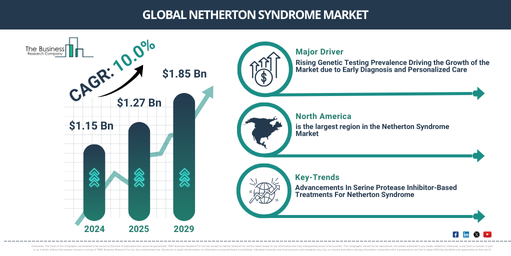
    In the past few years, the market size for Netherton syndrome has seen a swift escalation. It is anticipated to scale up from $1.15 billion in 2024 to $1.27 billion in 2025, expanding at a compound annual growth rate (CAGR) of 10.2%. The significant growth during the historic period can be linked to an increased understanding of rare genetic disorders, a surge in healthcare spending, rising knowledge about Netherton syndrome, supportive government initiatives, and the emergence of e-commerce and online health platforms.

    The market size for netherton syndrome is projected to experience a significant expansion in the coming years. It is anticipated to rise to $1.85 billion by 2029, with a compound annual growth rate (CAGR) of 10.0%. The growth anticipated in the forecast period is attributed to the escalating frequency of diabetes, a surge in internet usage, the burgeoning e-commerce and digital health platforms, the rising instances of lamellar ichthyosis, and increased awareness and support for rare conditions. Noteworthy trends for the forecast period encompass the development of specific therapies, extension of clinical trials, enhancement of diagnostic methods, adopting telemedicine, and the progression of personalized medicine.

    Download a free sample to assess the report’s scope and structure:

    https://www.thebusinessresearchcompany.com/sample.aspx?id=22071&type=smp

    Which Primay Drivers Are Accelerating Growth in the Netherton Syndrome Market?

    The escalation in genetic testing instances is anticipated to push the expansion of the Netherton syndrome market in the future. Genetic testing is the examination of DNA to identify changes, mutations, or variations related to inherited traits, diseases, or medical conditions. The growing incidence of genetic testing is influenced by heightened awareness of inherited diseases and an upswing in the demand for personalized medicine. The increase in genetic testing allows for the prompt and accurate diagnosis of Netherton Syndrome through the identification of SPINK5 mutations, leading to early intervention and individualized care. It also improves patient handling, genetic counseling, and overall results. For instance, the National Institutes of Health (NIH), a US government organization, reported in April 2023 that in 2022, there were a total of 76,326 genetic tests conducted globally. Of these, 76,083 (99.7%) were for clinical purposes, while 243 (0.3%) were for research. Therefore, the escalating incidence of genetic testing is propelling the Netherton syndrome market’s expansion.

    Which Primary Segments of the Netherton Syndrome Market Are Driving Growth and Industry Transformations?

    The netherton syndrome market covered in this report is segmented –

    1) By Diagnosis Type: Genetic Testing, Physical Examination, Biopsy Analysis

    2) By Treatment: Topical Treatments, Systemic Treatments, Phototherapy, Other Treatments

    3) By Distribution Channel: Hospital Pharmacies, Retail Pharmacies, Online Pharmacies, Other Distribution Channels

    4) By End-User: Hospitals, Dermatology Clinics, Research Institutes, Other End-Users

    Subsegments:

    1) By Genetic Testing: SPINK5 Gene Sequencing, Next-Generation Sequencing (NGS), Polymerase Chain Reaction (PCR) Testing, Microarray Analysis

    2) By Physical Examination: Clinical Assessment Of Ichthyosis-like Scaling, Hair Shaft Microscopy, Evaluation Of Atopic Dermatitis Symptoms, Growth and Developmental Assessment

    3) By Biopsy Analysis: Skin Histopathology, Immunohistochemical Staining, Electron Microscopy For Hair And Skin Structure, Epidermal Barrier Function Testing

    Request customized data on this market:

    https://www.thebusinessresearchcompany.com/customise?id=22071&type=smp

    Which Regions Are Key Players in the Growth of the Netherton Syndrome Market?

    North America was the largest region in the netherton syndrome market in 2024. The regions covered in the netherton syndrome market report are Asia-Pacific, Western Europe, Eastern Europe, North America, South America, Middle East, Africa.

    Which Technological Trends Are Reshaping the Netherton Syndrome Industry Dynamics?

    Leading firms in the Netherton syndrome market are concentrating on the creation of advanced products like serine protease inhibitor-based topical lotions to enhance the function of the skin barrier and minimize inflammation. These lotions are specifically designed to inhibit serine proteases, which are enzymes implicated in inflammation and immune reactions. Such lotions aim to alleviate irritation and inflammation hence easing skin conditions such as Netherton Syndrome where too much inflammation gives rise to skin distress. For example, Quoin Pharmaceuticals Ltd, an American pharmaceutical company, gained the approval of the Food and Drug Administration (FDA) to commence a fresh clinical trial for QRX003 for Netherton Syndrome treatment in December 2024. The trial is set to examine up to eight patients, with QRX003 applied to more than 80% of their body twice a day for 12 weeks, imitating its usage in real life situations. QRX003 consists of a broad-spectrum serine protease inhibitor targeting kallikreins, the enzymes causing excessive skin flaking and inflammation in Netherton Syndrome, with the goal of enhancing the function of the skin barrier and alleviating symptoms.

    View the full report here:

    https://www.thebusinessresearchcompany.com/report/netherton-syndrome-global-market-report

    What Parameters Are Used to Define the Netherton Syndrome Market?

    Netherton syndrome refers to a rare genetic disorder caused by mutations in the SPINK5 gene, leading to red, scaly skin, fragile hair, and an increased risk of infections. It affects the skin barrier and immune system, often resulting in chronic skin inflammation and allergic reactions.

    Purchase the full report and get a swift delivery:

    https://www.thebusinessresearchcompany.com/purchaseoptions.aspx?id=22071

    About The Business Research Company:

    With over 15000+ reports from 27 industries covering 60+ geographies, The Business Research Company has built a reputation for offering comprehensive, data-rich research and insights. Armed with 1,500,000 datasets, the optimistic contribution of in-depth secondary research, and unique insights from industry leaders, you can get the information you need to stay ahead in the game.

    Get in touch with us:

    The Business Research Company: https://www.thebusinessresearchcompany.com/

    Americas +1 3156230293

    Asia +44 2071930708

    Europe +44 2071930708

    Email us at info@tbrc.info

    Follow us on:

    LinkedIn: https://in.linkedin.com/company/the-business-research-company

    YouTube: https://www.youtube.com/channel/UC24_fI0rV8cR5DxlCpgmyFQ

    Global Market Model: https://www.thebusinessresearchcompany.com/global-market-model
  • Nerve Growth Factor Growth Trajectory: Key Forecasts and Strategic Insights

    Nerve Growth Factor Growth Trajectory: Key Forecasts and Strategic Insights

    Discover trends, market shifts, and competitive outlooks for the nerve growth factor industry through 2025-2034 with The Business Research Company’s reliable data and in-depth research

    What is the Anticipated CAGR of the Nerve Growth Factor Market, and What Factors Will Drive It?

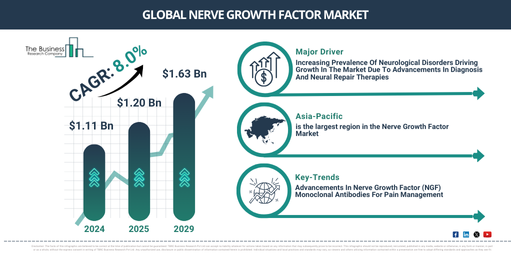
    In recent years, the market size of the nerve growth factor (NGF) has seen robust growth. Driving this surge, the market is set to expand from $1.11 billion in 2024 to $1.20 billion in 2025, with a compound annual growth rate (CAGR) of 8.4%. This growth during the historic period is attributed to factors such as the escalating number of traumatic brain injuries, the rising prevalence of neurodegenerative diseases, heightened investment in research and development initiatives, increased awareness regarding nerve regeneration treatments, and a surge in the incidence of peripheral neuropathy.

    In the coming years, the nerve growth factor (NGF) market size is forecasted to experience significant growth, expanding to a value of $1.63 billion in 2029 with a compound annual growth rate (CAGR) of 8.0%. The expected growth during this period is largely due to factors such as increased demand for biopharmaceuticals, a higher incidence of autoimmune neurological disorders, an escalated focus on research into neuroinflammation, more funding in AI-driven drug discovery, and heightened consumer interest in NGF-based treatments. The forecasted period will also witness notable trends such as breakthroughs in biotechnology, the use of personalized medicine, innovative drug delivery systems, regulatory approvals, and the development of nerve growth factor (NGF) antibodies.

    Download a free sample to assess the report’s scope and structure:

    https://www.thebusinessresearchcompany.com/sample.aspx?id=22070&type=smp

    Which Factors and External Forces Are Driving Demand in the Nerve Growth Factor Market?

    The escalating occurrence of neurological complications is anticipated to drive the nerve growth factor market’s expansion. Such disorders, which affect the brain, spinal cord, and nerves, are caused by structural, biochemical, or electrical abnormalities. The rise in these conditions can be attributed to an aging populace and advancements in diagnostic technologies. Such progress in the field of diagnostics enhances the identification and documentation of these disorders, resulting in increased recorded incidence rates. Nerve growth factor (NGF) is central to the survival, upkeep, and rejuvenation of neurons, thereby becoming a substantial component in addressing the growing occurrence of neurological complications by fostering neural repair and possibly slowing the progression of the disease. For example, the Australian Institute of Health and Welfare projected in September 2024 that dementia (a neurological condition) cases in Australia would increase from approximately 411,100 in 2023 to 849,300 by 2058. Therefore, the growing occurrence of neurological disorders is propelling the nerve growth factor market.

    Which Segments in the Nerve Growth Factor Offer the Most Growth?

    The nerve growth factor market covered in this report is segmented –

    1) By Type: Alpha-Nerve Growth Factor (NGF), Beta-Nerve Growth Factor (NGF), Gamma-Nerve Growth Factor (NGF), Other Types

    2) By Agents: Cenegermin, Other Agents

    3) By Indication: Neurodegenerative Disorders, Spinal Cord Injuries, Eye Disorders, Epithelial Diseases, Tissue Healing, Other Indications

    4) By Distribution Channel: Hospital Pharmacy, Online Pharmacy, Retail Pharmacy

    5) By End-User: Hospitals, Homecare, Specialty Clinics, Other End-Users

    Subsegments:

    1) By Alpha-Nerve Growth Factor (a-NGF): Natural Alpha-NGF, Recombinant Alpha-NGF, Synthetic Alpha-NGF, Alpha-NGF For Research Applications

    2) By Beta-Nerve Growth Factor (ß-NGF): Human Beta-NGF, Animal-Derived Beta-NGF, Recombinant Beta-NGF, Therapeutic Beta-NGF, Research-Grade Beta-NGF

    3) By Gamma-Nerve Growth Factor (?-NGF): Natural Gamma-NGF, Recombinant Gamma-NGF, Synthetic Gamma-NGF, Gamma-NGF for Neurodegenerative Research

    4) Other Types: Hybrid NGF Molecules, NGF Mimetics, NGF Gene Therapy-Based Products, NGF-Infused Biomaterials

    Request customized data on this market:

    https://www.thebusinessresearchcompany.com/customise?id=22070&type=smp

    What Are the Fastest-Growing Geographies in the Nerve Growth Factor Market?

    Asia-Pacific was the largest region in the nerve growth factor market in 2024. The regions covered in the nerve growth factor market report are Asia-Pacific, Western Europe, Eastern Europe, North America, South America, Middle East, Africa.

    Which Cutting-Edge Market Trends Are Expected to Drive theNerve Growth Factor Market’s Growth?

    Leading corporations in the nerve growth factor market are concentrating their efforts on innovation to create enhanced products like nerve growth factor (NGF) monoclonal antibodies capable of hindering NGF. The primary aim is to administer potent pain relief. An NGF monoclonal antibody is a biological pharmaceutical that targets and neutralizes nerve growth factor (NGF), thus minimizing nerve inflammation and pain by blocking receptor interactions. It plays a significant role in moderating pain signaling and the survival of nerve cells. To illustrate, in February 2022, Akeso, Inc., a biopharmaceutical firm based in China, announced the launch of AK115, a humanized IgG1 monoclonal antibody approved by the National Medical Products Administration in China to commence clinical tests for pain management, comprising cancer-induced pain. AK115 is specifically formulated to interfere with NGF receptor interactions, with the end goal of easing pain, offering enduring safety, and enhancing effectiveness for cancer patients resistant to opioids without the risk of addiction. This modern analgesic aims to offer persistent and non-addictive pain alleviation, particularly for the demographic of cancer patients who are resistant to opioids, thereby elevating their overall life quality.

    View the full report here:

    https://www.thebusinessresearchcompany.com/report/nerve-growth-factor-global-market-report

    What Are the Key Elements That Define the Nerve Growth Factor Market?

    Nerve growth factor (NGF) is a type of protein that is essential for the growth, maintenance, and survival of nerve cells, particularly sensory and sympathetic neurons. It plays a crucial role in the development of the nervous system and helps promote the regeneration of nerve cells after injury. Nerve growth factor binds to specific receptors on nerve cells, triggering pathways that support cell survival and differentiation

    Purchase the full report and get a swift delivery:

    https://www.thebusinessresearchcompany.com/purchaseoptions.aspx?id=22070

    About The Business Research Company:

    With over 15000+ reports from 27 industries covering 60+ geographies, The Business Research Company has built a reputation for offering comprehensive, data-rich research and insights. Armed with 1,500,000 datasets, the optimistic contribution of in-depth secondary research, and unique insights from industry leaders, you can get the information you need to stay ahead in the game.

    Get in touch with us:

    The Business Research Company: https://www.thebusinessresearchcompany.com/

    Americas +1 3156230293

    Asia +44 2071930708

    Europe +44 2071930708

    Email us at info@tbrc.info

    Follow us on:

    LinkedIn: https://in.linkedin.com/company/the-business-research-company

    YouTube: https://www.youtube.com/channel/UC24_fI0rV8cR5DxlCpgmyFQ

    Global Market Model: https://www.thebusinessresearchcompany.com/global-market-model
  • Next-Gen Nerve Entrapment Syndrome : Market Forecast, Transformation, and Long-Term Trajectories

    Next-Gen Nerve Entrapment Syndrome : Market Forecast, Transformation, and Long-Term Trajectories

    Discover trends, market shifts, and competitive outlooks for the nerve entrapment syndrome industry through 2025-2034 with The Business Research Company’s reliable data and in-depth research

    What Are the Key Milestones in the Nerve Entrapment Syndrome Market’s Growth Trajectory From 2025 To 2034?

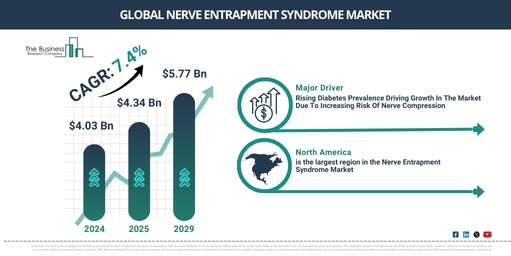
    The market of nerve entrapment syndrome has seen a vigorous expansion in the past few years. It is projected to increase from $4.03 billion in 2024 to $4.34 billion in 2025, boasting a compound annual growth rate (CAGR) of 7.8%. The growth during the historical period can be traced back to the escalating cases of peripheral neuropathy, the surge in diabetes instances, the rise in the elderly population, the increase in obesity rates, and the growing occurrence of chronic illnesses.

    The market for nerve entrapment syndrome is forecasted to witness robust growth in the coming years, reaching $5.77 billion by 2029, with a compound annual growth rate (CAGR) of 7.4%. The predicted expansion throughout the forecast period is due to factors such as a growing elderly population, an increase in global instances of peripheral nerve injuries (PNI), expanding government initiatives and reimbursement policies, a rising number of traumatic injuries, and an expanding population of diabetic patients. Key trends expected within the forecast period comprise advancements in research and development for product line expansion, progress in minimally invasive surgical procedures, enhancements in regenerative medicine, improved imaging technology, innovations in physical therapy and rehabilitation, and continuous genetic research and tailored medicine.

    Download a free sample to assess the report’s scope and structure:

    https://www.thebusinessresearchcompany.com/sample.aspx?id=22069&type=smp

    Which Major Market Drivers Are Expected to Boost the Growth Potential of the Nerve Entrapment Syndrome Market?

    A surge in diabetic patients is predicted to boost the growth of the nerve entrapment syndrome market. People suffering from diabetes have chronic conditions wherein the body cannot effectively maintain blood sugar levels due to lack of sufficient insulin production or inefficient usage of insulin. The surge in diabetic instances is mainly due to the escalating rate of obesity and sedentary lifestyles, which significantly contribute to type 2 diabetes. Consequently, the rising diabetic population increases the likelihood of nerve entrapment syndrome, since diabetes-induced peripheral neuropathy causes nerve and surrounding structure weakness, making them more vulnerable to compression. To illustrate, in June 2024, statistics from the National Health Service, a UK-based government department, reported that over half a million people (549,000) in England were at risk of developing type 2 diabetes in 2023. This pushed the overall population with non-diabetic hyperglycemia, or pre-diabetes, to 3,615,330, marking a near 20% increment compared to the 3,065,825 people in 2022. Hence, the escalating diabetic population serves as a catalyst for the nerve entrapment syndrome market’s growth. Expected to push the nerve entrapment syndrome market’s growth is the escalating rate of obesity. The term “obese population” refers to people having a body mass index (BMI) of 30 or above, indicating an unhealthy amount of body fat. Factors such as poor diet, insufficient physical activity, and environmental factors promoting unhealthy eating habits and sedentary lifestyles contribute to the rising rate of obesity. Nerve entrapment syndrome becomes more prevalent in the obese population since excess weight exerts pressure on nerves. Highlighting this in May 2024, the Office for Health Improvement and Disparities (OHID), a UK Department of Health and Social Care (DHSC) body, reported an increase in the percentage of adults living with obesity from 25.9% in 2021-2022 to 26.2% in 2022-2023. Hence, the rising obese population contributes to the expansion of the nerve entrapment syndrome market.

    Which Key Market Segments Comprise the Nerve Entrapment Syndrome Market and Drive Its Revenue Growth?

    The nerve entrapment syndrome market covered in this report is segmented –

    1) By Type: Carpal Tunnel Syndrome, Cubital Tunnel Syndrome, Tarsal Tunnel Syndrome, Meralgia Parasthetica, Other Types

    2) By Treatment Modality: Medications, Physical Therapy, Interventional Procedures, Alteative Therapies

    3) By Administration Route: Oral Administration, Injectable Administration, Topical Administration

    4) By Severity Of Condition: Mild, Moderate, Severe, Post-Surgical Complications

    Subsegments:

    1) By Carpal Tunnel Syndrome (CTS): Idiopathic Carpal Tunnel Syndrome, Work-Related/Repetitive Strain CTS, Diabetic Neuropathy-Associated CTS, Traumatic or Post-Surgical CTS, Pregnancy-Induced CTS

    2) By Cubital Tunnel Syndrome: Idiopathic Cubital Tunnel Syndrome, Repetitive Motion-Induced Cubital Tunnel Syndrome, Post-Traumatic/Ulnar Nerve Injury-Related Cubital Tunnel Syndrome, Osteoarthritis-Related Cubital Tunnel Syndrome, Post-Surgical Cubital Tunnel Syndrome

    3) By Tarsal Tunnel Syndrome (TTS): Idiopathic Tarsal Tunnel Syndrome, Trauma-Induced Tarsal Tunnel Syndrome, Diabetes-Associated Tarsal Tunnel Syndrome, Flatfoot-Related Tarsal Tunnel Syndrome, Post-Surgical Or Scar Tissue-Related TTS

    4) By Meralgia Paresthetica (MP): Idiopathic Meralgia Paresthetica, Obesity-Associated Meralgia Paresthetica, Pregnancy-Related Meralgia Paresthetica, Post-Surgical Or Scar-Induced Meralgia Paresthetica, Diabetic Neuropathy-Related Meralgia Paresthetica

    5) By Other Types: Radial Tunnel Syndrome, Thoracic Outlet Syndrome, Peroneal Nerve Entrapment, Sciatic Nerve Entrapment, Brachial Plexus Compression Syndromes

    Request customized data on this market:

    https://www.thebusinessresearchcompany.com/customise?id=22069&type=smp

    Which Areas Are Leading Regions in the Nerve Entrapment Syndrome Market Expansion Across the Globe?

    North America was the largest region in the nerve entrapment syndrome market in 2024. The regions covered in the nerve entrapment syndrome market report are Asia-Pacific, Western Europe, Eastern Europe, North America, South America, Middle East, Africa.

    View the full report here:

    https://www.thebusinessresearchcompany.com/report/nerve-entrapment-syndrome-global-market-report

    How Is the Nerve Entrapment Syndrome Market Conceptually Defined?

    Nerve entrapment syndrome refers to a condition in which a nerve is compressed or pinched, leading to pain, numbness, tingling, or weakness along the path of the affected nerve. This compression occurs at various points in the body where nerves pass through narrow spaces, such as joints, muscles, or ligaments.

    Purchase the full report and get a swift delivery:

    https://www.thebusinessresearchcompany.com/purchaseoptions.aspx?id=22069

    About The Business Research Company:

    With over 15000+ reports from 27 industries covering 60+ geographies, The Business Research Company has built a reputation for offering comprehensive, data-rich research and insights. Armed with 1,500,000 datasets, the optimistic contribution of in-depth secondary research, and unique insights from industry leaders, you can get the information you need to stay ahead in the game.

    Get in touch with us:

    The Business Research Company: https://www.thebusinessresearchcompany.com/

    Americas +1 3156230293

    Asia +44 2071930708

    Europe +44 2071930708

    Email us at info@tbrc.info

    Follow us on:

    LinkedIn: https://in.linkedin.com/company/the-business-research-company

    YouTube: https://www.youtube.com/channel/UC24_fI0rV8cR5DxlCpgmyFQ

    Global Market Model: https://www.thebusinessresearchcompany.com/global-market-model
  • Necrotizing Enterocolitis Market Overview 2025: Competitive Shifts, Forecast Models, and Emerging Opportunities

    Necrotizing Enterocolitis Market Overview 2025: Competitive Shifts, Forecast Models, and Emerging Opportunities

    Discover trends, market shifts, and competitive outlooks for the necrotizing enterocolitis industry through 2025-2034 with The Business Research Company’s reliable data and in-depth research

    How Has The Necrotizing Enterocolitis Market Size Shifted, And What Is the Outlook Through 2034?

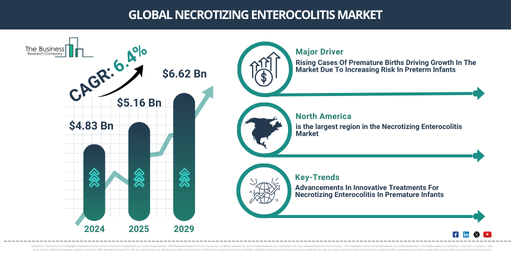
    The marketplace for necrotizing enterocolitis has seen robust growth in the past years. The market which stands at $4.83 billion in 2024 is projected to rise to $5.16 billion in 2025, recording a compound annual growth rate (CAGR) of 6.8%. Factors such as a surge in the incidences of necrotizing enterocolitis, population growth, an upturn in per capita income, more government funding, and a rise in premature births have fuelled growth during the historical period.

    In the coming years, the market for necrotizing enterocolitis is predicted to witness solid expansion, set to reach a valuation of $6.62 billion by 2029 with a compound annual growth rate (CAGR) of 6.4%. Several factors contribute to this anticipated growth, including escalating healthcare costs, the prevalence and occurrence of ulcerative colitis (UC), a surge in gastrointestinal diseases, an increase in the elderly and obese populations, and a swelling geriatric populace. The forecast period is expected to see significant trends such as breakthroughs in biomarker studies for early detection of NEC, advancements in non-invasive test procedures, incorporation of sophisticated monitoring systems, improvements in surgical methods, and the creation of specialized therapies.

    Download a free sample to assess the report’s scope and structure:

    https://www.thebusinessresearchcompany.com/sample.aspx?id=22068&type=smp

    What Are the Core Growth Drivers Propelling the Necrotizing Enterocolitis Market Forward?

    The necrotizing enterocolitis market is expected to experience significant growth due to the rising instances of premature births. Preterm births—defined as the birth of a baby prior to the 37th week of pregnancy as opposed to the standard 40-week term—are becoming increasingly common. The escalation in premature births can be attributed to maternal health issues such as hypertension, diabetes, and infections, which heighten the risk of premature labor. Moreover, lifestyle choices such as smoking, substance misuse, and inadequate nourishment also increase the likelihood of preterm births. As premature babies often possess underdeveloped gastrointestinal systems, they are more vulnerable to inflammation and infection, thereby increasing the incidence of necrotizing enterocolitis (NEC). For example, Centers for Disease Control and Prevention, a government agency based in the US, reported that premature births constituted 8.67% of all US births annually in January 2024. Consequently, the rising prevalence of premature births is fueling the expansion of the necrotizing enterocolitis market.

    What Segment Types Define the Necrotizing Enterocolitis Market Structure?

    The necrotizing enterocolitis market covered in this report is segmented –

    1) By Treatment: Total Parenteral Nutrition (TPN), Gastrointestinal Decompression, Antimicrobial Therapy, Antifungal Treatment, Paracentesis, Other Treatments

    2) By Diagnosis: Laboratory Tests, Imaging Techniques

    3) By Stage: Stage I (Suspected Necrotizing Enterocolitis), Stage II (Definite Necrotizing Enterocolitis), Stage III (Advanced Necrotizing Enterocolitis)

    4) By Distribution Channel: Direct Tender, Hospital Pharmacy, Retail Pharmacy, Online Pharmacy, Other Distribution Channels

    5) By End-User: Hospitals, Neonatal Intensive Care Units (NICUs), Specialty Clinics

    Subsegments:

    1) By Total Parenteral Nutrition (TPN): Standard TPN Formulations, Customized Or Individualized TPN Solutions, Lipid Emulsions for TPN, Protein And Amino Acid Supplements In TPN, Micronutrient And Electrolyte-Enhanced TPN

    2) By Gastrointestinal Decompression: Nasogastric Tube (NG Tube) Decompression, Orogastric Tube Decompression, Surgical Gastrostomy for Decompression, Non-Surgical Decompression Techniques

    3) By Antimicrobial Therapy: Broad-Spectrum Antibiotics, Gram-Positive Coverage Antibiotics, Gram-Negative Coverage Antibiotics, Combination Antibiotic Therapy, Prophylactic Antibiotic Strategies For High-Risk Neonates

    4) By Antifungal Treatment: Systemic Antifungal Therapy, Prophylactic Antifungal Therapy For Preterm Infants, Combination Antifungal And Antibiotic Therapy For Severe NEC

    5) By Paracentesis: Diagnostic Paracentesis, Therapeutic Paracentesis, Guided Paracentesis using Ultrasound Or Radiological Techniques

    6) By Other Treatments: Probiotics And Prebiotics for NEC Prevention, Surgical Interventions, Stem Cell Therapy And Regenerative Medicine Approaches, Immunomodulatory Therapies, Supportive Care

    Request customized data on this market:

    https://www.thebusinessresearchcompany.com/customise?id=22068&type=smp

    Which Geographic Areas Hold the Strongest Growth Potential in the Necrotizing Enterocolitis Market?

    North America was the largest region in the necrotizing enterocolitis market in 2024. Asia-Pacific is expected to be the fastest-growing region in the forecast period. The regions covered in the necrotizing enterocolitis market report are Asia-Pacific, Western Europe, Eastern Europe, North America, South America, Middle East, Africa.

    Which Emerging Trends that Are Influencing theNecrotizing Enterocolitis Industry Evolution?

    Several leading corporations in the necrotizing enterocolitis market have shifted their focus to the creation of innovative product solutions, such as cell-free sterile biologic solutions. This new inclination is meant to satisfy the pressing unfulfilled need for efficacious treatments and elevate outcomes for premature babies. A cell-free sterile biologic solution is a purified, aseptic liquid composed of bioactive molecules like proteins, growth factors, and cytokines culled from cultured cells but devoid of any intact cells; it’s purposed for fostering healing and reducing inflammation. For example, in December 2023, Noveome Biotherapeutics, Inc. – a U.S.-based biopharmaceutical enterprise – secured approval from the U.S. Food and Drug Administration to initiate its Phase 1-2 clinical trial for ST266, an innovative biologic geared towards treating necrotizing enterocolitis in premature infants. This development signifies a crucial landmark, as ST266 is expected to be the premier considerable therapeutic progress in the NEC field in over three decades. This aims to address a major healthcare requirement considering the disease’s elevated morbidity and lethality rates among high-risk groups.

    View the full report here:

    https://www.thebusinessresearchcompany.com/report/necrotizing-enterocolitis-global-market-report

    What Is the Definition of the Necrotizing Enterocolitis Market?

    Necrotizing enterocolitis (NEC) is a serious, potentially life-threatening gastrointestinal condition that primarily affects premature infants. It involves the inflammation and death (necrosis) of the tissue in the intestines, which can lead to perforation, infection, and other complications. The common symptoms of necrotizing enterocolitis include feeding intolerance, abdominal distension, vomiting, and changes in bowel movements.

    Purchase the full report and get a swift delivery:

    https://www.thebusinessresearchcompany.com/purchaseoptions.aspx?id=22068

    About The Business Research Company:

    With over 15000+ reports from 27 industries covering 60+ geographies, The Business Research Company has built a reputation for offering comprehensive, data-rich research and insights. Armed with 1,500,000 datasets, the optimistic contribution of in-depth secondary research, and unique insights from industry leaders, you can get the information you need to stay ahead in the game.

    Get in touch with us:

    The Business Research Company: https://www.thebusinessresearchcompany.com/

    Americas +1 3156230293

    Asia +44 2071930708

    Europe +44 2071930708

    Email us at info@tbrc.info

    Follow us on:

    LinkedIn: https://in.linkedin.com/company/the-business-research-company

    YouTube: https://www.youtube.com/channel/UC24_fI0rV8cR5DxlCpgmyFQ

    Global Market Model: https://www.thebusinessresearchcompany.com/global-market-model
  • From Insight to Impact: Strategic Growth Mapping in the Necrobiosis Lipoidica Diabeticorum (NLD) Market

    From Insight to Impact: Strategic Growth Mapping in the Necrobiosis Lipoidica Diabeticorum (NLD) Market

    Discover trends, market shifts, and competitive outlooks for the necrobiosis lipoidica diabeticorum (nld) industry through 2025-2034 with The Business Research Company’s reliable data and in-depth research

    How Has the Necrobiosis Lipoidica Diabeticorum (NLD) Market Growth Performance Trended Historically, And What Lies Ahead?

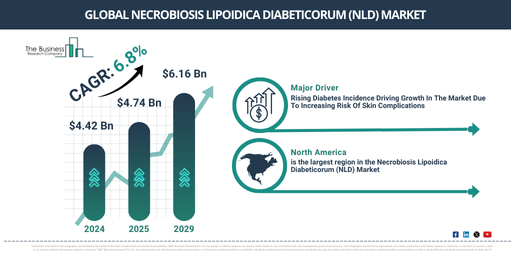
    In recent times, there has been a notable growth in the market size for necrobiosis lipoidica diabeticorum (NLD). It is expected to expand from $4.42 billion in 2024 to $4.74 billion in 2025, advancing at a compound annual growth rate (CAGR) of 7.2%. Numerous factors have contributed to this growth in the past, including heightened healthcare expenditure, urbanization, increased health and wellness awareness, government attention to the issue, and rising instances of necrobiosis lipoidica diabeticorum (NLD) disease.

    In the forthcoming years, the market size for necrobiosis lipoidica diabeticorum (NLD) is set to experience substantial growth, escalating to $6.16 billion in 2029 with a compound annual growth rate (CAGR) of 6.8%. Contributing factors to this forecasted expansion include favorable regulations, the mounting occurrence of diabetic and pressure ulcers, the surge in telemedicine and digital health, and an increasing incidence of diabetes. Key market trends anticipated during the projection period involve a movement towards individualized treatment, technological breakthroughs in treatment methods, progress in telemedicine and digital health, an emphasis on early diagnosis, along with advancements in non-invasive diagnostic methods.

    Download a free sample to assess the report’s scope and structure:

    https://www.thebusinessresearchcompany.com/sample.aspx?id=22067&type=smp

    What are the Fundamental Drivers and Innovations Shaping the Necrobiosis Lipoidica Diabeticorum (NLD) Market?

    The rise in cases of diabetes is likely to stimulate growth in the necrobiosis lipoidica diabeticorum (NLD) market. Diabetes, a metabolic disease marked by extended periods of high blood sugar levels, stems from inadequate insulin production (Type 1) or the body’s inefficiency to properly utilize insulin (Type 2), resulting in potential damage to multiple organs and systems. The escalation in diabetes occurrence can be attributed to the growing prevalence of obesity, associated with insulin resistance, thereby playing a significant role in increasing diabetes cases. Sedentary lifestyles with minimum physical activity also elevate the risk of diabetes development. All these factors contribute to a surge in the occurrence of necrobiosis lipoidica diabeticorum (NLD), as it is closely associated with diabetes-induced microvascular issues and immune system irregularities. In June 2024, the UK’s National Health Service reported that over 549,000 individuals in England were poised to develop type 2 diabetes in 2023, increasing the total number of people with non-diabetic hyperglycemia, or prediabetes, to 3,615,330. This demonstrates a nearly 20% surge compared to the 3,065,825 people in 2022. It is hence evident that the rising incidence of diabetes is fueling the growth of the necrobiosis lipoidica diabeticorum (NLD) market. Growing healthcare expenses are anticipated to further the growth of the necrobiosis lipoidica diabeticorum (NLD) market. This health-centric expenditure refers to the total financial resources utilized on healthcare services by governments, private entities, and people, dealing with the prevention, treatment, and management of diseases. Increasing health expenditure is resultant of the rising prevalence of chronic diseases like diabetes, cardiovascular ailments, and obesity, which necessitate regular treatment and management and thus elevate healthcare costs. Higher healthcare spending promotes research and innovation for necrobiosis lipoidica diabeticorum, thereby enhancing diagnostic abilities, revolutionizing treatment choices, broadening access to new forms of therapies, and inevitably improving patient outcomes. The Office for National Statistics in the UK recorded a 5.6% growth in total healthcare expenditure in nominal terms from 2022 to 2023, a substantial increase compared to the 0.9% escalation in 2022. Thus, growth in healthcare spending stimulates the expansion of the necrobiosis lipoidica diabeticorum (NLD) market.

    How Is the Necrobiosis Lipoidica Diabeticorum (NLD) Market Segmented?

    The necrobiosis lipoidica diabeticorum (NLD) market covered in this report is segmented –

    1) By Procedure: Treatment, Test Type

    2) By Application: Hospitals, Ambulatory Clinics

    3) By Distribution Channel: Hospital Pharmacies, Retail Pharmacies, E-Commerce

    Subsegments:

    1) By Treatment: Topical Therapies, Systemic Therapies, Laser And Light-Based Therapies, Surgical And Advanced Wound Care Management, Alternative And Supportive Therapies

    2) By Test Type: Histopathological Tests, Imaging Tests, Blood Tests And Laboratory Diagnostics

    Request customized data on this market:

    https://www.thebusinessresearchcompany.com/customise?id=22067&type=smp

    Which Regions Are Driving the Next Phase of the Necrobiosis Lipoidica Diabeticorum (NLD) Market Growth?

    North America was the largest region in the necrobiosis lipoidica diabeticorum (NLD) market in 2024. The regions covered in the necrobiosis lipoidica diabeticorum (NLD) market report are Asia-Pacific, Western Europe, Eastern Europe, North America, South America, Middle East, Africa.

    View the full report here:

    https://www.thebusinessresearchcompany.com/report/necrobiosis-lipoidica-diabeticorum-nld-global-market-report

    How Is the Necrobiosis Lipoidica Diabeticorum (NLD) Market Defined and What Are Its Core Parameters?

    Necrobiosis lipoidica diabeticorum (NLD) is a rare skin condition that primarily affects people with diabetes, particularly those with poorly controlled blood sugar levels. It is characterized by developing shiny, reddish-brown patches or plaques, typically on the lower legs, that may eventually become ulcerated.

    Purchase the full report and get a swift delivery:

    https://www.thebusinessresearchcompany.com/purchaseoptions.aspx?id=22067

    About The Business Research Company:

    With over 15000+ reports from 27 industries covering 60+ geographies, The Business Research Company has built a reputation for offering comprehensive, data-rich research and insights. Armed with 1,500,000 datasets, the optimistic contribution of in-depth secondary research, and unique insights from industry leaders, you can get the information you need to stay ahead in the game.

    Get in touch with us:

    The Business Research Company: https://www.thebusinessresearchcompany.com/

    Americas +1 3156230293

    Asia +44 2071930708

    Europe +44 2071930708

    Email us at info@tbrc.info

    Follow us on:

    LinkedIn: https://in.linkedin.com/company/the-business-research-company

    YouTube: https://www.youtube.com/channel/UC24_fI0rV8cR5DxlCpgmyFQ

    Global Market Model: https://www.thebusinessresearchcompany.com/global-market-model
  • Necrobiosis Lipodica (NL)Market Overview 2025–2034: CAGR Trends, Long-Term Growth Paths, and Business Implications

    Necrobiosis Lipodica (NL)Market Overview 2025–2034: CAGR Trends, Long-Term Growth Paths, and Business Implications

    Discover trends, market shifts, and competitive outlooks for the necrobiosis lipodica (nl) industry through 2025-2034 with The Business Research Company’s reliable data and in-depth research

    What Are the Projected Market Size and Growth Rates for the Necrobiosis Lipodica (NL) Market From 2025 To 2029?

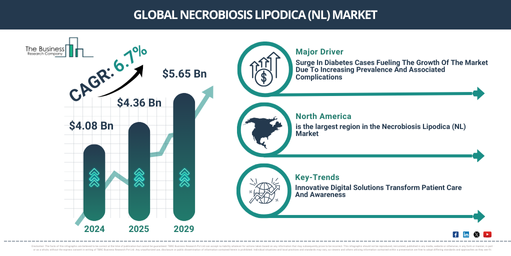
    There has been a significant expansion in the necrobiosis lipoidica market in the past few years. The market size is anticipated to rise from $4.08 billion in 2024 to $4.36 billion in 2025, representing a compound annual growth rate (CAGR) of 6.9%. This growth in the past period is linked to amplified instances of diabetes, a higher incidence of skin infections, escalating healthcare costs, an increased number of cancer cases, and enhanced disease awareness.

    Expectations are high for a robust expansion of the necrobiosis lipoidica market in the coming years. Predictions show a growth to $5.65 billion by 2029, propelled by a compound annual growth rate of 6.7%. Factors contributing to this anticipated growth in the projection period include an uptick in the aging demographic, enhanced understanding of skin health and aesthetics, increased disposable income, heightened public knowledge about skin health, and an uptick in government-led initiatives. Key trends throughout this forecast period will be the introduction of sophisticated treatment options, advancements in diagnostic methods, increased adoption of biologics, cutting-edge clinical trials, and the rise of regenerative therapies.

    Download a free sample to assess the report’s scope and structure:

    https://www.thebusinessresearchcompany.com/sample.aspx?id=22066&type=smp

    What Are the Primary Drivers Supporting the Market Growth of the Necrobiosis Lipodica (NL) Market?

    Surging cases of diabetes are projected to spur the expansion of the necrobiosis lipoidica (NL) market. Diabetes is a long-term condition causing difficulties in regulating blood sugar due to inadequate insulin production or resistance, which can trigger health issues. The rise in diabetes prevalence is attributed to sedentary behaviour, poor diet, and genetic vulnerability. Today’s sedentary lifestyle includes long hours of sitting, minimal physical exercise, and excessive screen usage, contributing to obesity and insulin resistance. Elevated blood sugar in diabetes can harm small blood vessels (microangiopathy), leading to poor blood circulation. This cuts off the supply of oxygen and nutrients to the skin, making it prone to injuries and slow healing. The skin tissue breaks down, leading to the creation of yellowish, atrophic plaques in NL. For example, a National Health Service report in October 2023 revealed that the prevalence of Type 1 diabetes in England rose from 261,710 cases in 2021 to 270,935 cases in 2022, marking a year-over-year growth of 3.5%. Hence, the burgeoning cases of diabetes are stimulating the expansion of the NL market. The Increasing Frequency Of Autoimmune Diseases Boosting The Market Growth Due To Chronic Inflammation And Dysfunction Of The Immune System

    Which Primary Segments of the Necrobiosis Lipodica (NL) Market Are Driving Growth and Industry Transformations?

    The necrobiosis lipodica (NL) market covered in this report is segmented –

    1) By Treatment: Therapy, Drugs, Other Treatments

    2) By Route Of Administration: Oral, Topical, Parenteral, Other Routes Of Administration

    3) By Diagnosis: Skin Biopsy, Histopathology, Other Diagnosis

    4) By Distribution Channel: Hospital Pharmacy, Online Pharmacy, Retail Pharmacy

    5) By End User: Hospitals, Homecare, Specialty Clinics, Other End-Users

    Subsegments:

    1) By Therapy: Phototherapy, Laser Therapy, Wound Care And Compression Therapy, Physical Therapy And Rehabilitation

    2) By Drugs: Topical Corticosteroids, Intralesional Corticosteroids, Systemic Corticosteroids, Immunomodulators, Biologics, Antiplatelet Agents, Antioxidants And Vasodilators, Antibiotics

    3) By Other Treatments: Surgical Excision And Skin Grafting, Hyperbaric Oxygen Therapy (HBOT), Platelet-Rich Plasma (PRP) Therapy, Stem Cell Therapy And Regenerative Medicine, Alternative And Herbal Treatments

    Request customized data on this market:

    https://www.thebusinessresearchcompany.com/customise?id=22066&type=smp

    Which Regions Are Key Players in the Growth of the #What Are the Primary Drivers Supporting the Market Growth of the Necrobiosis Lipodica (NL) Market?# Market?

    North America was the largest region in the necrobiosis lipoidica market in 2024. Asia-Pacific is expected to be the fastest-growing region in the forecast period. The regions covered in the necrobiosis lipodica (NL) market report are Asia-Pacific, Western Europe, Eastern Europe, North America, South America, Middle East, Africa.

    What Are the Most Significant Market Trends in the Necrobiosis Lipodica (NL) Market?

    Big players in the necrobiosis lipoidica market are narrowing down on unique advancements like creating educational sites for patients to improve diagnosis, accessibility of treatment, and better handling of the disease. These websites serve as online portals providing information, services, or user-friendly attributes via the internet. For example, Processa Pharmaceuticals, a clinical-stage biopharmaceutical entity based in the US, unveiled Necrobiosislipoidicastudy.com in August 2022. This dedicated website is designed to promote ulcerative necrobiosis lipoidica (uNL), a scarcely seen skin condition. The site shares details on the ongoing Second Phase clinical trial that explores PCS499 as a potential uNL treatment, reasserting the establishment’s pledge towards progressing innovative therapies for underrepresented patient groups.

    View the full report here:

    https://www.thebusinessresearchcompany.com/report/necrobiosis-lipodica-nl-global-market-report

    What Parameters Are Used to Define the Necrobiosis Lipodica (NL) Market?

    Necrobiosis lipoidica is a rare, chronic skin condition characterized by yellowish, atrophic plaques with prominent blood vessels, most commonly affecting the shins. It is associated with collagen degeneration, inflammation, and lipid accumulation in the skin.

    Purchase the full report and get a swift delivery:

    https://www.thebusinessresearchcompany.com/purchaseoptions.aspx?id=22066

    About The Business Research Company:

    With over 15000+ reports from 27 industries covering 60+ geographies, The Business Research Company has built a reputation for offering comprehensive, data-rich research and insights. Armed with 1,500,000 datasets, the optimistic contribution of in-depth secondary research, and unique insights from industry leaders, you can get the information you need to stay ahead in the game.

    Get in touch with us:

    The Business Research Company: https://www.thebusinessresearchcompany.com/

    Americas +1 3156230293

    Asia +44 2071930708

    Europe +44 2071930708

    Email us at info@tbrc.info

    Follow us on:

    LinkedIn: https://in.linkedin.com/company/the-business-research-company

    YouTube: https://www.youtube.com/channel/UC24_fI0rV8cR5DxlCpgmyFQ

    Global Market Model: https://www.thebusinessresearchcompany.com/global-market-model
  • Global Methylmalonic Acidemia (MMA) Market Projected to Reach $12.49 Billion by 2029 at a CAGR of 5.8%

    Global Methylmalonic Acidemia (MMA) Market Projected to Reach $12.49 Billion by 2029 at a CAGR of 5.8%

    Discover trends, market shifts, and competitive outlooks for the methylmalonic acidemia (mma) industry through 2025-2034 with The Business Research Company’s reliable data and in-depth research

    How Has The Methylmalonic Acidemia (MMA) Market Size Shifted, And What Is the Outlook Through 2034?

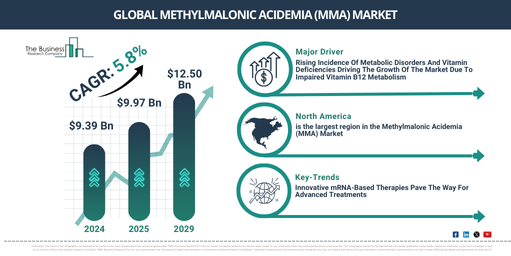
    In recent times, the market size for methylmalonic acidemia (MMA) has experienced robust growth. It is expected to increase from $9.39 billion in 2024 to $9.97 billion in 2025, with a compound annual growth rate (CAGR) of 6.2%. The notable growth during the historic period can be linked to factors such as increased rates of metabolic disorders and vitamin deficiencies, amplified spending in healthcare, a heightened awareness of health, a climbing prevalence of genetic disorders, and increasing demand across numerous end-user industries.

    The market size for methylmalonic acidemia (MMA) is predicted to experience significant expansion in the upcoming years, with projections expecting it to reach $12.50 billion by 2029, at a compound annual growth rate (CAGR) of 5.8%. The predicted growth in the forecast period can be credited to factors such as an upswing in newborn screening programs, heightened awareness amongst medical professionals, a surge in gene therapy developments, increased funding in research for rare diseases and growing accessibility of specialized treatments. Major trends predicted for the period include progress in gene editing technologies, cutting-edge diagnostic methods for early detection, advances in enzyme replacement therapies along with the adoption of precision medicine strategies, and an increase in newborn genetic screening programs.

    Download a free sample to assess the report’s scope and structure:

    https://www.thebusinessresearchcompany.com/sample.aspx?id=22057&type=smp

    What are the Fundamental Drivers and Innovations Shaping the Methylmalonic Acidemia (MMA) Market?

    The methylmalonic acidemia (MMA) market is expected to grow due to the rising prevalence of metabolic disorders and vitamin deficiencies. Metabolic disorders refer to a set of conditions where the body fails to process particular nutrients, generate energy, or control chemical reactions within cells. Vitamin deficiencies inch up when the body doesn’t have enough specific vitamins to perform ordinarily. This increase in metabolic disorders and vitamin deficiencies can be attributed to unhealthy eating habits, inactive lifestyles, and heightened stress levels. Contemporary diets are typically filled with processed foods, sugars, and unhealthy fats, while lacking in crucial nutrients, resulting in deficiencies of vitamins and minerals. Increasingly, with the rise in metabolic disorders and vitamin deficiencies — particularly vitamin B12 — the metabolism of methylmalonyl-CoA is adversely affected leading to the accumulation of methylmalonic acid, worsening methylmalonic acidemia (MMA). For example, in November 2024 according to the National Institutes of Health, a US-based government body, the occurrence of vitamin B12 deficiency went up from 4.6% to 5.2%, denoting an additional 507 cases between the third and fourth quarters of 2023. Consequently, the rise in metabolic disorders and vitamin deficiencies fuels the growth of the methylmalonic acidemia (MMA) market.

    How Is the Methylmalonic Acidemia (MMA) Market Segmented?

    The methylmalonic acidemia (MMA) market covered in this report is segmented –

    1) By Indication: Acidosis, Ketosis, Hyperammonemia, Hypoglycaemia, Hyperglycaemia, Neutropenia, Other Indications

    2) By Disorder Type: Homocystinuria, Isolated Methylmalonic Acidurias, Combined methylmalonic Aciduria

    3) By Distribution Channel: Hospitals, Pharmacies, Clinics, Other Distribution Channels

    Subsegments:

    1) By Acidosis: Metabolic Acidosis, Lactic Acidosis

    2) By Ketosis: Starvation-Induced Ketosis, Diabetic Ketoacidosis

    3) By Hyperammonemia: Acute Hyperammonemia, Chronic Hyperammonemia

    4) By Hypoglycemia: Fasting Hypoglycemia, Reactive Hypoglycemi

    5) By Hyperglycemia: Transient Hyperglycemia, Persistent Hyperglycemia

    6) By Neutropenia: Severe Neutropenia, Cyclic Neutropenia

    7) By Other Indications: Failure to Thrive, Developmental Delays, Neurological Symptoms, Renal Dysfunction

    Request customized data on this market:

    https://www.thebusinessresearchcompany.com/customise?id=22057&type=smp

    Which Regions Are Driving the Next Phase of the Methylmalonic Acidemia (MMA) Market Growth?

    North America was the largest region in the methylmalonic acidemia (MMA) market in 2024. Asia-Pacific is expected to be the fastest-growing region in the forecast period. The regions covered in the methylmalonic acidemia (MMA) market report are Asia-Pacific, Western Europe, Eastern Europe, North America, South America, Middle East, Africa.

    What Key Trends Are Shaping the Future of the Methylmalonic Acidemia (MMA) Market?

    Key players in the methylmalonic acidemia (MMA) market are prioritizing the creation of new solutions, including mRNA-based therapies, with the goal of enhancing treatment results. These therapies aim to address the root genetic factors causing MMA and promote enzymatic function to curb toxic metabolite buildup in those affected. mRNA-based therapies involve the use of mRNA to instruct cells on generating certain proteins that could avert or manage diseases such as genetic disorders or infections. Take for example, Moderna, Inc., a pharmaceutical and biotechnology firm based in the US. In June 2024, the company received approval from the U.S. Food and Drug Administration (FDA) to include mRNA-3705 in the START pilot program – a major leap in improving treatments for rare diseases. mRNA-3705 is an experimental treatment for MMA caused by a MUT deficiency, engineered to reintroduce the absent enzyme via mRNA technology. The treatment harnesses the proprietary lipid nanoparticle (LNP) mechanism of Moderna, also operational in the mRNA-3927 initiative for propionic acidemia. The FDA has accorded mRNA-3705 with orphan drug, fast track, and rare pediatric disease designations, therefore expediting its evolution and clinical progression.

    View the full report here:

    https://www.thebusinessresearchcompany.com/report/methylmalonic-acidemia-mma-global-market-report

    How Is the Methylmalonic Acidemia (MMA) Market Defined and What Are Its Core Parameters?

    Methylmalonic acidemia (MMA) is a rare, inherited metabolic disorder in which the body is unable to properly break down specific proteins and fats due to a deficiency in the enzyme methylmalonyl-CoA mutase or a related coenzyme, vitamin B12. The symptoms of MMA can vary in severity but often include vomiting, lethargy, poor feeding, developmental delay, seizures, and failure to thrive.

    Purchase the full report and get a swift delivery:

    https://www.thebusinessresearchcompany.com/purchaseoptions.aspx?id=22057

    About The Business Research Company:

    With over 15000+ reports from 27 industries covering 60+ geographies, The Business Research Company has built a reputation for offering comprehensive, data-rich research and insights. Armed with 1,500,000 datasets, the optimistic contribution of in-depth secondary research, and unique insights from industry leaders, you can get the information you need to stay ahead in the game.

    Get in touch with us:

    The Business Research Company: https://www.thebusinessresearchcompany.com/

    Americas +1 3156230293

    Asia +44 2071930708

    Europe +44 2071930708

    Email us at info@tbrc.info

    Follow us on:

    LinkedIn: https://in.linkedin.com/company/the-business-research-company

    YouTube: https://www.youtube.com/channel/UC24_fI0rV8cR5DxlCpgmyFQ

    Global Market Model: https://www.thebusinessresearchcompany.com/global-market-model
  • Menorrhalgia Market Outlook 2025–2034: Identifying Growth Drivers, Technology Trends, and Policy Impact

    Menorrhalgia Market Outlook 2025–2034: Identifying Growth Drivers, Technology Trends, and Policy Impact

    Discover trends, market shifts, and competitive outlooks for the menorrhalgia industry through 2025-2034 with The Business Research Company’s reliable data and in-depth research

    What Are the Key Projections for the CAGR of the Menorrhalgia Market Size From 2025 to 2034?

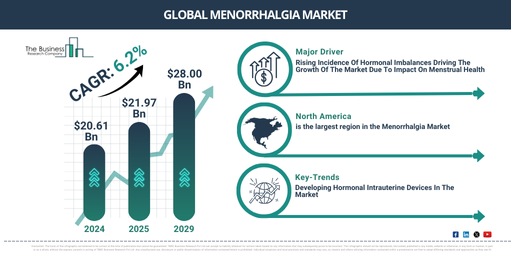
    Recent years have witnessed robust growth in the menorrhalgia market size. The market will expand from $20.61 billion in 2024 to $21.97 billion in 2025, with a compound annual growth rate (CAGR) of 6.6%. The market expansion in the previous period is due to increasing hormone imbalance cases, growing awareness of menorrhalgia, increased occurrences of gynecological problems, a rise in endometrial cancer cases, and the growing accessibility of over-the-counter drugs.

    Anticipations point to a robust expansion in the menorrhalgia market over the coming years, with a projection to hit the $28.00 billion mark by 2029, advancing at a compound annual growth rate (CAGR) of 6.2%. This growth within the forecast period is ascribed to several factors such as the swelling population of senior citizens, heightened occurrence of intrauterine devices, emerging technological progress, enhancing favorability towards minimally invasive procedures, and increased application in preventive healthcare. The major trends to observe during this forecast period consist of progression in treatment pathways, focus on sustainable and eco-friendly treatment practices, technology advances, enhancements in hormone delivery methodology, and the design of pioneering treatment approaches.

    Download a free sample to assess the report’s scope and structure:

    https://www.thebusinessresearchcompany.com/sample.aspx?id=22052&type=smp

    What Are the Core Market Drivers Propelling Growth in the Menorrhalgia Industry?

    The menorrhagia market is anticipated to expand due to the increasing instances of hormonal imbalances. Hormonal imbalances are described as disturbances in the body’s endocrine system, causing an overproduction or underproduction of hormones. This leads to a range of health complications like mood swings, weight fluctuations, fatigue, and reproductive issues. A rise in hormonal imbalances can be attributed to lifestyle factors, environmental impacts, and medical conditions. Modern ways of life, including poor nutrition, high stress levels, and physical inactivity, interrupt the production and control of hormones. Such imbalances can instigate menorrhagia (menstrual pain) by interrupting the standard control of the menstrual cycle and influencing the uterine environment. For example, the World Health Organization, a Switzerland-based global organization, stated in January 2025 that polycystic ovary syndrome is a major public health concern and one of the most prevalent hormonal disorders in women of reproductive age, with an estimated yearly impact on 6–13%. Consequently, the growing incidence of hormonal imbalances is propelling the growth of the menorrhagia market.

    How Is the Menorrhalgia Market Segmented?

    The menorrhalgia market covered in this report is segmented –

    1) By Therapeutics: Hormonal Agents, Non-Hormonal Agents

    2) By Route Of Administration: Oral, Vaginal, Transdermal, Intrauterine, Other Route Of Administrations

    3) By Distribution Channel: Retail Pharmacies, Hospital Pharmacies, Online Pharmacies

    Subsegments:

    1) By Hormonal Agents: Combined Oral Contraceptives (COCs), Progestins, Gonadotropin-Releasing Hormone (GnRH) Agonists, Levonorgestrel-Releasing Intrauterine Systems (LNG-IUS), Danazol, Selective Estrogen Receptor Modulators (SERMs)

    2) By Non-Hormonal Agents: Non-Steroidal Anti-Inflammatory Drugs (NSAIDs), Tranexamic Acid, Antifibrinolytics, Iron Supplements, Herbal And Natural Remedies

    Request customized data on this market:

    https://www.thebusinessresearchcompany.com/customise?id=22052&type=smp

    Which Regions Are Driving the Next Phase of the Menorrhalgia Market Growth?

    North America was the largest region in the menorrhalgia market in 2024. The regions covered in the menorrhalgia market report are Asia-Pacific, Western Europe, Eastern Europe, North America, South America, Middle East, Africa.

    What Key Market Trends and Innovations Are Shaping the Future of the Menorrhalgia Industry?

    Principal businesses within the menorrhagia market are concentrating on the creation of pioneering solutions such as hormonal intrauterine devices, in an effort to offer effective and enduring treatment options. A hormonal intrauterine device, also known as an IUD, is a compact, T-shaped contraception tool placed inside the uterus, it secretes progestin in order to prevent pregnancy via the thickening of cervical mucus, the thinning of the uterine lining and the inhibition of ovulation. For instance, in October 2022, Bayer AG, a pharmaceutical firm based in Germany, obtained regulatory endorsement in Europe for their product Mirena, a hormonal intrauterine device used for contraception and the alleviation of idiopathic menorrhagia. This device delivers a constant supply of levonorgestrel, assisting in the reduction of menstrual blood loss by thinning the uterine lining and decreasing menstrual flow. This provides a viable, long-term treatment for idiopathic menorrhagia, enabling women to control heavy menstrual bleeding without the need for daily medication or surgical procedures.

    View the full report here:

    https://www.thebusinessresearchcompany.com/report/menorrhalgia-global-market-report

    How Is the Menorrhalgia Market Defined and What Are Its Core Parameters?

    Menorrhalgia, also called menorrhagia, refers to abnormally heavy or prolonged menstrual bleeding. It is characterized by menstrual periods that last longer than seven days or involve excessive blood loss, typically more than 80 milliliters per cycle. This condition can lead to fatigue, anemia, and discomfort. Menorrhagia may be caused by various factors, including hormonal imbalances, uterine fibroids, polyps, or other underlying health conditions.

    Purchase the full report and get a swift delivery:

    https://www.thebusinessresearchcompany.com/purchaseoptions.aspx?id=22052

    About The Business Research Company:

    With over 15000+ reports from 27 industries covering 60+ geographies, The Business Research Company has built a reputation for offering comprehensive, data-rich research and insights. Armed with 1,500,000 datasets, the optimistic contribution of in-depth secondary research, and unique insights from industry leaders, you can get the information you need to stay ahead in the game.

    Get in touch with us:

    The Business Research Company: https://www.thebusinessresearchcompany.com/

    Americas +1 3156230293

    Asia +44 2071930708

    Europe +44 2071930708

    Email us at info@tbrc.info

    Follow us on:

    LinkedIn: https://in.linkedin.com/company/the-business-research-company

    YouTube: https://www.youtube.com/channel/UC24_fI0rV8cR5DxlCpgmyFQ

    Global Market Model: https://www.thebusinessresearchcompany.com/global-market-model

  • Key Factors Fueling the Growth of the Malignant Pleural Effusion Market in 2025: Rising Cases Of Lung Cancer Driving The Growth Of The Market Due To Increasing Treatment Demand

    Discover trends, market shifts, and competitive outlooks for the malignant pleural effusion industry through 2025-2034 with The Business Research Company’s reliable data and in-depth research

    What Are the Key Milestones in the Malignant Pleural Effusion Market’s Growth Trajectory From 2025 To 2034?

    Recently, the market size for malignant pleural effusion has been significantly increasing. It is projected to expand from $4.42 billion in 2024 to $4.74 billion in 2025, with a compound annual growth rate (CAGR) of 7.1%. The growth noted during the historical period can be tied to the increased utilization of indwelling pleural catheters, enhanced emphasis on palliative care, a surge in clinical trials, an improvement in reimbursement programs, and an increase in metastatic malignancies.

    In the coming years, the market size for malignant pleural effusion is predicted to experience robust growth. The forecast hints at a potential rise of up to $6.17 billion in 2029, with a compound annual growth rate (CAGR) of 6.8%. Factors contributing to this growth during the forecast period include enhanced healthcare infrastructure, increased government intervention, a growing number of cancer survivors, the rise in demand for home care, and advancements in liquid biopsy. The forecast period is also expected to witness significant trends such as the incorporation of AI in imaging technologies, innovations in cancer-specific therapies, advances in pleurodesis, the development of biomarkers, and the surge in clinical trials for innovative therapeutic agents.

    Download a free sample to assess the report’s scope and structure:

    https://www.thebusinessresearchcompany.com/sample.aspx?id=22047&type=smp

    What are the Fundamental Drivers and Innovations Shaping the Malignant Pleural Effusion Market?

    The escalation in lung cancer cases is set to fuel the expansion of the malignant pleural effusion market. Lung cancer, a malady distinguished by rampant cell proliferation in the lungs leading to tumor development, hinders standard lung functionality. The elevation in lung cancer instances is primarily a result of smoking and tobacco consumption, as prolonged exposure to the detrimental chemicals found in cigarettes wreaks havoc on lung tissues, instigates genetic anomalies, and incites the rampant proliferation of cancerous cells; thereby, significantly amplifying the possibility of contracting the disease. Malignant pleural effusion denotates late-stage lung cancer progression by speeding up tumorous dispersion within the pleural cavity, which leads to deteriorated respiratory function and a bleak prognosis. For instance, as per the American Cancer Society Facts and Figures —a professional US-based company— in January 2023, it was projected that the lung and bronchus cancer cases rose to 236,740 in 2022 and 238,340 in 2023 while estimated deaths were 130,180 in 2022 and 127,070 in 2023. Hence, the escalating lung cancer cases are steering the expansion of the malignant pleural effusion market. Owing to the enhanced diagnosis and treatment accessibility, the ameliorated healthcare infrastructure will further push the growth of the malignant pleural effusion market. The term healthcare infrastructure is used to describe the requisite physical, technological, and organizational structures for delivering healthcare facilities, encompassing hospitals, clinics, medical equipment, IT systems, and manpower. The need for improved disease management has led to the enhancement in healthcare infrastructure, culminating in boosted healthcare accessibility, efficacy, and quality of care. The upgraded healthcare infrastructure boosts the diagnosis, treatment, and management of malignant pleural effusion by facilitating access to state-of-the-art medical technologies, better furnished healthcare facilities, and specialized care; thereby, greatly improving patient outcomes. For instance, per the American Health Care Association —a non-profit organization based in the US— the quantity of hospitals in the United States rose by 0.591% from the previous year, ascending from 6,093 to 6,129 in May 2023. Therefore, the ameliorated healthcare infrastructure is steering the expansion of the malignant pleural effusion market.

    How Is the Malignant Pleural Effusion Market Segmented?

    The malignant pleural effusion market covered in this report is segmented –

    1) By Treatment: Systemic Therapy, Therapeutic Thoracentesis, Thoracic Drainage And Pleurodesis, Indwelling Pleural Catheter

    2) By Diagnosis: Pleural Fluid Cytology, Immunohistochemical Tests, Imaging Tests, Pleural Thoracentosis, Pleuroscopy, Pleural Biopsy

    3) By End Users: Hospitals, Ambulatory Clinics, Other End Users

    Subsegmentss:

    1) By Systemic Therapy: Chemotherapy, Targeted Therapy, Immunotherapy

    2) By Therapeutic Thoracentesis: Single-Time Thoracentesis, Repeated Thoracentesis

    3) By Thoracic Drainage And Pleurodesis:Chemical Pleurodesis, Mechanical Pleurodesis, Biological Pleurodesis

    4) By Indwelling Pleural Catheter:Tunneled Pleural Catheter, Non-Tunneled Pleural Catheter

    Request customized data on this market:

    https://www.thebusinessresearchcompany.com/customise?id=22047&type=smp

    Which Regions Are Driving the Next Phase of the Malignant Pleural Effusion Market Growth?

    North America was the largest region in the malignant pleural effusion market in 2024. Asia-Pacific is expected to be the fastest-growing region in the forecast period. The regions covered in the malignant pleural effusion market report are Asia-Pacific, Western Europe, Eastern Europe, North America, South America, Middle East, Africa.

    What Key Trends Are Shaping the Future of the Malignant Pleural Effusion Market?

    Leading companies in the malignant pleural effusion market are prioritising the development of trailblazing treatments like the enzyme-targeting therapy in order to enhance treatment results. This modality operates by pinpointing specific enzymes accountable for fluid accumulation. The prominence of enzyme-targeting therapy is observed in conditions such as cancer and infectious diseases where unusual enzyme activity escalates the disorder. Case in point, RS Oncology, LLC, a biotechnology firm based in the US, launched the MITOPE clinical trial in September 2022. Conducted in the UK, this pioneering Phase 1/2 trial examines RSO-021, an innovative PRX3 inhibitor that aims to tackle malignant pleural effusion and mesothelioma. It operates by targeting oxidative stress to eradicate cancer cells whilst conserving healthy tissue.

    View the full report here:

    https://www.thebusinessresearchcompany.com/report/malignant-pleural-effusion-global-market-report

    How Is the Malignant Pleural Effusion Market Defined and What Are Its Core Parameters?

    Malignant pleural effusion (MPE) refers to the accumulation of fluid in the pleural space due to the presence of cancer cells, typically resulting from metastatic disease. This condition occurs when cancer spreads to the pleura, the thin membrane surrounding the lungs, leading to increased vascular permeability and impaired lymphatic drainage.

    Purchase the full report and get a swift delivery:

    https://www.thebusinessresearchcompany.com/purchaseoptions.aspx?id=22047

    About The Business Research Company:

    With over 15000+ reports from 27 industries covering 60+ geographies, The Business Research Company has built a reputation for offering comprehensive, data-rich research and insights. Armed with 1,500,000 datasets, the optimistic contribution of in-depth secondary research, and unique insights from industry leaders, you can get the information you need to stay ahead in the game.

    Get in touch with us:

    The Business Research Company: https://www.thebusinessresearchcompany.com/

    Americas +1 3156230293

    Asia +44 2071930708

    Europe +44 2071930708

    Email us at info@tbrc.info

    Follow us on:

    LinkedIn: https://in.linkedin.com/company/the-business-research-company

    YouTube: https://www.youtube.com/channel/UC24_fI0rV8cR5DxlCpgmyFQ

    Global Market Model: https://www.thebusinessresearchcompany.com/global-market-model

  • Major Trends and Emerging Patterns in the Malignant Mesothelioma Market: Monoclonal Antibodies Drive Innovation In Malignant Mesothelioma Treatment

    Discover trends, market shifts, and competitive outlooks for the malignant mesothelioma industry through 2025-2034 with The Business Research Company’s reliable data and in-depth research

    How Has The Malignant Mesothelioma Market Size Shifted, And What Is the Outlook Through 2034?

    In recent years, the market size for malignant mesothelioma has seen significant growth. It is projected to expand from $2.46 billion in 2024 to $2.63 billion in 2025 with a compound annual growth rate (CAGR) of 6.8%. The historically robust growth can be tied to factors such as increased funding in oncology research, a surge in legal cases related to asbestos, a rise in investments in hospitals, an increase in the elderly population, and the expansion of ai-driven platforms for drug discovery.

    The market size for malignant mesothelioma is projected to experience significant expansion in thecoming years. The expectation is that it will reach $3.41 billion by 2029, increasing at a compound annual growth rate (CAGR) of 6.7%. This growth during the forecasted period can be traced back to the rising acceptance of immunotherapy treatments, an amplified focus on personalized medicine, an upward trend in the use of minimally invasive surgical procedures, escalated healthcare spending, and an increase in clinical trials. Key trends during this period include progress in the areas of immunotherapy and personalized medicine, initiatives for early detection, advancements in minimally invasive surgical methods, and regulatory endorsements.

    Download a free sample to assess the report’s scope and structure:

    https://www.thebusinessresearchcompany.com/sample.aspx?id=22046&type=smp

    What Are the Primary Drivers Supporting the Market Growth of the Malignant Mesothelioma Market?

    Escalating efforts in clinical research and development are forecasted to drive the growth of the malignant mesothelioma market. This encompasses activities such as conducting scientific studies and running trials with the objective of formulating new medicinal drugs, treatments, and medical apparatus. The components of these activities involve assessing the safety, efficacy, and possible side effects of new products through painstakingly controlled clinical trials. These intensified efforts in clinical research and development are due to the escalating demand for novel and enhanced treatments, particularly in the face of an increase in chronic diseases and intricate conditions. The malignant mesothelioma market is propelled by these research and development efforts as they pace up progress in diagnostics, treatments, and targeted therapies while promoting groundbreaking approaches to improve early diagnosis, upgrade survival rates, and devise more effective, less invasive treatment alternatives. For example, Anadolu Agency, a Turkey-based state-run news entity, reported in January 2025 that clinical trials form almost 40% of the U.S. pharmaceutical research budget, which adds up to roughly $7 billion each year. Hence, the increasing research and development efforts are fuelling the growth of the malignant mesothelioma market.

    Which Primary Segments of the Malignant Mesothelioma Market Are Driving Growth and Industry Transformations?

    The malignant mesothelioma market covered in this report is segmented –

    1) By Treatment Type: Chemotherapy, Radiation Therapy, Surgery, Immunotherapy, Targeted Therapy

    2) By Route Of Administration: Oral, Intravenous, Injectable, Topical

    3) By Distribution Channel: Hospital Pharmacies, Retail Pharmacies, Online Pharmacies, Specialty Pharmacies

    4) By End-User: Hospitals, Oncology Clinics, Rehabilitation Centres, Research Laboratories

    Subsegments:

    1) By Chemotherapy: Alkylating Agents, Antimetabolites, Combination Therapy

    2) By Radiation Therapy: External Beam Radiation Therapy (EBRT), Intensity-Modulated Radiation Therapy (IMRT), Stereotactic Body Radiation Therapy (SBRT), Proton Therapy

    3) By Surgery: Pleurectomy Or Decortication (P/D), Extrapleural Pneumonectomy (EPP), Cytoreductive Surgery, Palliative Surgery

    4) By Immunotherapy: Immune Checkpoint Inhibitors, Monoclonal Antibodies, Tumor Vaccines, Adoptive Cell Therapy

    5) By Targeted Therapy: Tyrosine Kinase Inhibitors (TKIs), Angiogenesis Inhibitors, Mesothelin-Targeted Agents, Gene Therapy-Based Approaches

    Request customized data on this market:

    https://www.thebusinessresearchcompany.com/customise?id=22046&type=smp

    Which Regions Are Key Players in the Growth of the #What Are the Primary Drivers Supporting the Market Growth of the Malignant Mesothelioma Market?# Market?

    North America was the largest region in the malignant mesothelioma market in 2024. Asia-Pacific is expected to be the fastest-growing region in the forecast period. The regions covered in the malignant mesothelioma market report are Asia-Pacific, Western Europe, Eastern Europe, North America, South America, Middle East, Africa.

    What Are the Most Significant Market Trends in the Malignant Mesothelioma Market?

    Leading businesses in the malignant mesothelioma market are working on the creation of progressive treatment plans, such as the application of monoclonal antibody therapies, with the intention to suppress tumor progression and enhance the exactness of the treatment. To elaborate, monoclonal antibodies are fabricated proteins created in laboratories that can replicate the immune system’s detection and targeting capacities for specific antigens, like those on cancer cells. Take for example, Ono Pharmaceutical Co. Ltd, a prominent pharmaceutical firm from Japan, which in November 2023, won additional approval in Japan for the broadened use of Opdivo (nivolumab). Opdivo is a human anti-human PD-1 monoclonal antibody used for treating malignant mesothelioma, excluding malignant pleural mesothelioma. This fresh approval positions Opdivo as a novel treatment possibility for malignant mesothelioma in the absence of any established standard treatments. Furthermore, Opdivo was granted the status of an orphan drug for this specification, underlining its capacity to address major unmet medical needs.

    View the full report here:

    https://www.thebusinessresearchcompany.com/report/malignant-mesothelioma-global-market-report

    What Parameters Are Used to Define the Malignant Mesothelioma Market?

    Malignant mesothelioma is a rare and aggressive type of cancer that primarily affects the mesothelium, a thin layer of tissue that covers most of the internal organs. It most commonly develops in the lining of the lungs (pleura) but can also occur in the lining of the abdomen (peritoneum), heart (pericardium), or testicles. The main risk factor for developing malignant mesothelioma is exposure to asbestos, a mineral once widely used in construction and manufacturing.

    Purchase the full report and get a swift delivery:

    https://www.thebusinessresearchcompany.com/purchaseoptions.aspx?id=22046

    About The Business Research Company:

    With over 15000+ reports from 27 industries covering 60+ geographies, The Business Research Company has built a reputation for offering comprehensive, data-rich research and insights. Armed with 1,500,000 datasets, the optimistic contribution of in-depth secondary research, and unique insights from industry leaders, you can get the information you need to stay ahead in the game.

    Get in touch with us:

    The Business Research Company: https://www.thebusinessresearchcompany.com/

    Americas +1 3156230293

    Asia +44 2071930708

    Europe +44 2071930708

    Email us at info@tbrc.info

    Follow us on:

    LinkedIn: https://in.linkedin.com/company/the-business-research-company

    YouTube: https://www.youtube.com/channel/UC24_fI0rV8cR5DxlCpgmyFQ

    Global Market Model: https://www.thebusinessresearchcompany.com/global-market-model