Month: March 2026

  • Antimicrobial Regenerative Wound Matrix Market Outlook 2026–2030 Exploring New Business Opportunities

    Antimicrobial Regenerative Wound Matrix Market Outlook 2026–2030 Exploring New Business Opportunities

    The Business Research Company’s 2026 market reports include new capabilities such as market attractiveness scoring and analysis, total addressable market analysis, company scoring matrix, interactive excel data dashboard, improved supply chain analysis, upcoming startups in the market, and overview of key products, aimed at improving the depth, usability, and strategic value of the insights delivered.

    How Is The Market Size Of The Antimicrobial Regenerative Wound Matrix Market Expected To Change Between 2026 And 2030?

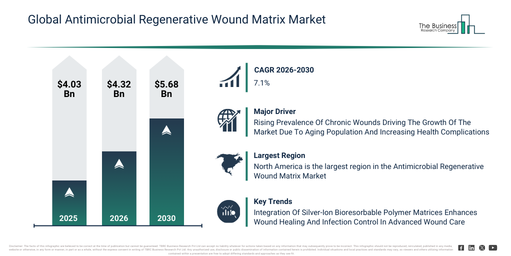
    The antimicrobial regenerative wound matrix market has experienced robust growth in recent years. It is projected to expand from $4.03 billion in 2025 to $4.32 billion in 2026, achieving a compound annual growth rate (CAGR) of 7.4%. This historical growth can be attributed to several factors, including the increasing prevalence of chronic wounds, a rising incidence of diabetes-related ulcers, the expansion of surgical procedures, growing awareness of advanced wound care solutions, and the availability of antimicrobial biomaterials.

    The antimicrobial regenerative wound matrix market is projected to experience substantial expansion over the upcoming years. Its valuation is anticipated to reach $5.68 billion by 2030, demonstrating a compound annual growth rate (CAGR) of 7.1%. This expansion during the forecast period is propelled by factors such as a growing elderly demographic, an escalating need for sophisticated wound care, the proliferation of home healthcare provisions, a heightened emphasis on curbing hospital-acquired infections, and advancements in regenerative biomaterials. Key developments expected during this period involve the increasing embrace of advanced wound care biomaterials, a heightened demand for healing solutions resistant to infection, the wider application of bioactive regenerative matrices, the broadening scope of chronic wound treatment uses, and an intensified focus on rapid tissue regeneration.

    Download the Free Sample Report to Explore Key Market Insights:

    https://www.thebusinessresearchcompany.com/sample.aspx?id=30195&type=smp

    What Underlying Factors Are Accelerating The Growth Of The Antimicrobial Regenerative Wound Matrix Market?

    A rise in the occurrence of chronic wounds is projected to fuel the expansion of the antimicrobial regenerative wound matrix market. These wounds are defined as injuries that do not heal within the typical 4 to 6 week period, failing to advance through the usual healing phases, frequently stemming from underlying issues like diabetes, infections, or inadequate circulation. The growing number of chronic wounds is attributed to an uptick in diabetes, obesity, and vascular conditions, coupled with an older demographic. These factors collectively hinder natural recovery mechanisms, resulting in more wounds that heal poorly or not at all, thus necessitating sophisticated wound care. Antimicrobial regenerative wound matrices function by encouraging new tissue growth and fending off infection, thereby speeding up recovery for chronic, non-healing injuries. As an illustration, United Behavioral Health, a US-based managed healthcare firm, indicated in June 2024 that approximately 7 million Americans were affected by chronic wounds. Furthermore, with increases in diabetes, obesity, and the elderly population, the demand for wound care is anticipated to expand by about 2% annually over the next decade. Consequently, the expanding occurrence of chronic wounds is a key impetus behind the growth of the antimicrobial regenerative wound matrix market.

    How Is The Antimicrobial Regenerative Wound Matrix Market Structured Across Different Segments?

    The antimicrobial regenerative wound matrix market covered in this report is segmented –

    1) By Product Type: Antimicrobial Matrix, Regenerative Matrix

    2) By Wound Type: Acute, Chronic

    3) By Material: Collagen-Based Matrix, Chitosan-Based Matrix, Hyaluronic Acid-Based Matrix

    4) By Application: Diabetic Foot Ulcers, Pressure Ulcers, Venous Leg Ulcers, Burns

    5) By End User: Hospitals, Clinics, Ambulatory Surgical Centers, Home Healthcare

    Subsegments:

    1) By Antimicrobial Matrix: Silver-Ion Impregnated Matrices, Iodine-Based Matrices, PHMB (Polyhexamethylene Biguanide)-Based Matrices, Honey-Infused Matrices, Chitosan-Based Matrices, Antibiotic-Loaded Polymer Matrices, Enzyme Or Peptide-Based Antimicrobial Matrices

    2) By Regenerative Matrix: Collagen-Based Matrices, Hydrogel Matrices, Hyaluronic Acid-Based Matrices, Human Or Animal-Derived Dermal Substitutes, Synthetic Polymer (Bioresorbable) Matrices, Amniotic Membrane-Derived Matrices, Composite (Hybrid) Regenerative Matrices

    What Key Trends Are Influencing The Development Of The Antimicrobial Regenerative Wound Matrix Market?

    Companies operating within the antimicrobial regenerative wound matrix market are increasingly incorporating antimicrobial agents, such as silver-ion–impregnated bioresorbable polymer matrices, to address the growing demand for quicker healing, reduced infection risks, and lower hospitalization costs in both chronic and surgical wound care settings. A silver-ion–impregnated bioresorbable polymer matrix functions as a wound-healing scaffold, constructed from biodegradable polymers infused with silver ions, designed to foster tissue regeneration while delivering continuous antimicrobial protection as it gradually dissolves into the body. For example, in August 2025, Imbed Biosciences Inc., a US-based medical device company specializing in advanced wound care, launched SAM PainGuard with Lidocaine. This product is a dual-action wound matrix that features a bioresorbable polymer scaffold infused with ionic silver for antimicrobial protection and lidocaine HCl for immediate pain relief. This matrix adapts to wound microtextures, guarantees sustained =99.99% microbial reduction for up to 72 hours, and offers immediate analgesia. Being FDA 510(k)-cleared for application in surgical, burn, donor-site, and trauma wounds, the product marks a significant improvement over conventional antimicrobial dressings and standard collagen matrices.

    Which Major Players Dominate The Antimicrobial Regenerative Wound Matrix Market?

    Major companies operating in the antimicrobial regenerative wound matrix market are Cardinal Health Inc., Medline Industries Inc., 3M Company, Essity AB, DSM Biomedical, Baxter International Inc., B. Braun Melsungen AG, Mölnlycke Health Care AB, ConvaTec Group plc, MTF Biologics, Organogenesis Inc., DeRoyal Industries Inc., MiMedx Group Inc., AdMedSol, Avita Medical, Aroa Biosurgery Ltd., Harbor Medtech Inc., Omeza LLC, ProgenaCare Global, RenovoDerm.

    Read the full antimicrobial regenerative wound matrix market report here:

    https://www.thebusinessresearchcompany.com/report/global-antimicrobial-regenerative-wound-matrix-market-report

    Which Region Is Projected To Dominate The Antimicrobial Regenerative Wound Matrix Market During The Forecast Period?

    North America was the largest region in the antimicrobial regenerative wound matrix market in 2025. Asia-Pacific is expected to be the fastest-growing region in the forecast period. The regions covered in the antimicrobial regenerative wound matrix market report are Asia-Pacific, South East Asia, Western Europe, Eastern Europe, North America, South America, Middle East, Africa.

    Request A Tailored Antimicrobial Regenerative Wound Matrix Market Research Report For Competitive Advantage:

    https://www.thebusinessresearchcompany.com/customise?id=30195&type=smp

    Browse Through More Reports Similar to the Global Antimicrobial Regenerative Wound Matrix Market 2026, By The Business Research Company

    Antidiabetics Global Market Report

    https://www.thebusinessresearchcompany.com/report/antidiabetics-global-market-report

    Antidiabetics Global Market Report

    https://www.thebusinessresearchcompany.com/report/antidiabetics-global-market-report

    Biobetters Global Market Report

    https://www.thebusinessresearchcompany.com/report/biobetters-global-market-report

    Get in touch with us:

    The Business Research Company: https://www.thebusinessresearchcompany.com/

    Americas +1 310-496-7795

    Asia +44 7882 955267 & +91 8897263534

    Europe +44 7882 955267

    Email us at info@tbrc.info

    Follow us on:

    LinkedIn: https://in.linkedin.com/company/the-business-research-company

    YouTube: https://www.youtube.com/channel/UC24_fI0rV8cR5DxlCpgmyFQ

    Global Market Model: https://www.thebusinessresearchcompany.com/global-market-model
  • Biopreservation Market Revenue Expected to Reach $12.43 Billion by 2030 with 13.2% CAGR

    Biopreservation Market Revenue Expected to Reach $12.43 Billion by 2030 with 13.2% CAGR

    The Business Research Company’s 2026 market reports include new capabilities such as market attractiveness scoring and analysis, total addressable market analysis, company scoring matrix, interactive excel data dashboard, improved supply chain analysis, upcoming startups in the market, and overview of key products, aimed at improving the depth, usability, and strategic value of the insights delivered.

    What Market Size Expansion Is Predicted For The Biopreservation Market Between 2026 And 2030?

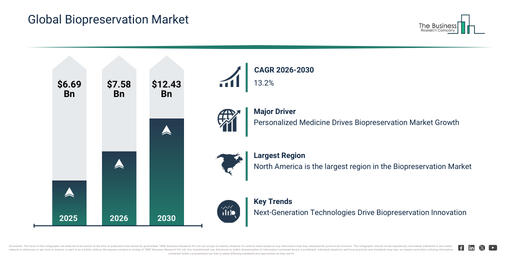
    The biopreservation market has experienced significant expansion in recent years. It is projected to increase from $6.69 billion in 2025 to $7.58 billion in 2026, achieving a compound annual growth rate (CAGR) of 13.3%. This historical growth can be attributed to several factors such as the expansion of biobanking activities, an increase in clinical research studies, the rising utilization of biospecimens in diagnostics, enhanced availability of preservation equipment, and the implementation of standardized storage protocols.

    The biopreservation market is anticipated to experience substantial growth in the upcoming years, with its valuation predicted to reach $12.43 billion by 2030, exhibiting a compound annual growth rate (CAGR) of 13.2%.

    This projected growth throughout the forecast period stems from factors such as increasing demand for regenerative medicine samples, the expansion of precision medicine research, a rise in investments toward biorepository infrastructure, a heightened emphasis on sample quality assurance, and an increase in global clinical trial activities.

    Prominent trends expected during this forecast period include the increasing adoption of advanced cryopreservation techniques, a rising demand for solutions for long-term biospecimen storage, the growing use of specialized biopreservation media, the expansion of centralized biorepository facilities, and an enhanced focus on maintaining sample integrity and traceability.

    Download the Free Sample Report to Explore Key Market Insights:

    https://www.thebusinessresearchcompany.com/sample.aspx?id=8263&type=smp

    What Major Drivers Are Influencing Demand In The Biopreservation Market?

    The growing need for personalized medicine is a significant factor contributing to the expansion of the biopreservation market. This medical approach treats patients for diseases specific to their individual conditions. Personalized medicines are developed with the assistance of biobanks, which preserve human tissues and cells through biopreservation techniques. For example, in February 2024, the Personalized Medicine Coalition, a US-based non-profit organization, stated that the FDA authorized 16 novel personalized therapies for patients with rare diseases in 2023, a notable rise from six such approvals in 2022. Therefore, the increasing demand for personalized medicine is projected to drive the biopreservation market’s growth in the foreseeable future.

    Which Market Segments Are Examined In The Biopreservation Market Study?

    The biopreservation market covered in this report is segmented –

    1) By Type: Biopreservation Equipment, Biopreservation Media

    2) By Biospecimen: Human Tissue Samples, Organs, Stem Cells, Other Biospecimens

    3) By Application: Therapeutic Applications, Research Applications, Clinical Trials, Other Applications

    4) By End User: Biobanks, Gene Banks, Hospitals, Other End Users

    Subsegments:

    1) By Biopreservation Equipment: Freezers, Liquid Nitrogen Tanks, Refrigerators, Incubators

    2) By Biopreservation Media: Cryoprotectants, Growth Media, Supplementary Media

    Which Upcoming Trends Are Expected To Influence The Biopreservation Market?

    Major companies operating in the biopreservation market are prioritizing the development of innovative solutions, such as cryopreservation solutions, to address the growing need for preserving complex tissues and organs over time. Cryopreservation is a technique for safeguarding biological material at extremely low temperatures (-196°C), either rapidly (as seen in seed storage) or gradually through controlled dehydration, providing superior benefits over traditional storage methods by maintaining viability and functionality for longer periods. For instance, in April 2024, Pluristyx, Inc., a US-based biotechnology company, unveiled PluriFreeze Cryopreservation Media, engineered to improve the viability and functionality of human-derived pluripotent stem cells (iPSCs) and other delicate cell types during freezing and thawing. PluriFreeze consists entirely of synthetic and animal-origin-free (AOF) materials. Its low viscosity supports automation and large-scale cell production, while the complementary DMSO-free wash solution, PluriPrep, allows for extended processing times, thereby optimizing cell handling and recovery for research and clinical applications.

    Who Are The Primary Competitors In The Biopreservation Market?

    Major companies operating in the biopreservation market are Thermo Fisher Scientific Inc., BioLife Solutions Inc., VWR International LLC, BioCision LLC, Lifeline Scientific Inc., Biomatrica Inc., Custom Biogenic System Inc., QIAGEN NV, ThermoGenesis Holdings Inc., MVE Biological Solutions LLC, Taylor-Wharton America Inc., X-Therma Inc., Cesca Therapeutics Inc., Core Dynamics Ltd., The Merck Group, Azenta US Inc., Avantor Inc., Bio-Techne Corporation, Worthington Industries Inc., Chart Industries Inc., Cryoport Inc., LabVantage Solutions Inc., Brooks Automation Inc., BioVault Technical Ltd., Biomatik Corporation, Biostorage Technologies Inc., Arctiko A/S, Eppendorf AG, Panasonic Healthcare Co. Ltd., BioSpherix Ltd.

    Read the full biopreservation market report here:

    https://www.thebusinessresearchcompany.com/report/biopreservation-global-market-report

    Which Region Shows The Strongest Potential For Future Growth In The Biopreservation Market?

    North America was the largest region in the biopreservation market share in 2025. The regions covered in the biopreservation market report are Asia-Pacific, South East Asia, Western Europe, Eastern Europe, North America, South America, Middle East, Africa.

    Request A Tailored Biopreservation Market Research Report For Competitive Advantage:

    https://www.thebusinessresearchcompany.com/customise?id=8263&type=smp

    Browse Through More Reports Similar to the Global Biopreservation Market 2026, By The Business Research Company

    Biophotonics Global Market Report

    https://www.thebusinessresearchcompany.com/report/biophotonics-global-market-report

    Biosimulation Global Market Report

    https://www.thebusinessresearchcompany.com/report/biosimulation-global-market-report

    Biochemical Global Market Report

    https://www.thebusinessresearchcompany.com/report/biochemical-global-market-report

    Get in touch with us:

    The Business Research Company: https://www.thebusinessresearchcompany.com/

    Americas +1 310-496-7795

    Asia +44 7882 955267 & +91 8897263534

    Europe +44 7882 955267

    Email us at info@tbrc.info

    Follow us on:

    LinkedIn: https://in.linkedin.com/company/the-business-research-company

    YouTube: https://www.youtube.com/channel/UC24_fI0rV8cR5DxlCpgmyFQ

    Global Market Model: https://www.thebusinessresearchcompany.com/global-market-model
  • Artificial Intelligence (AI)-Enhanced Intensive Care Unit (ICU) Ventilation Weaning Market Size Outlook and Demand Growth Across 2026–2030

    Artificial Intelligence (AI)-Enhanced Intensive Care Unit (ICU) Ventilation Weaning Market Size Outlook and Demand Growth Across 2026–2030

    The Business Research Company’s 2026 market reports include new capabilities such as market attractiveness scoring and analysis, total addressable market analysis, company scoring matrix, interactive excel data dashboard, improved supply chain analysis, upcoming startups in the market, and overview of key products, aimed at improving the depth, usability, and strategic value of the insights delivered.

    What Market Size Growth Is Projected For The Artificial Intelligence (AI)-Enhanced Intensive Care Unit (ICU) Ventilation Weaning Market During The Forecast Period 2026–2030?

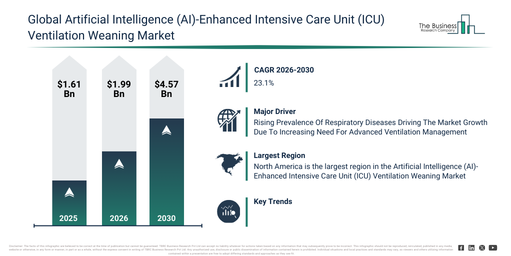
    The artificial intelligence (AI)-enhanced intensive care unit (icu) ventilation weaning market has experienced significant expansion in recent years. This market is expected to increase from $1.61 billion in 2025 to $1.99 billion in 2026, exhibiting a compound annual growth rate (CAGR) of 23.3%. The growth observed in the past can be attributed to several factors, including the increasing application of mechanical ventilation in critical care, a rise in icu patient numbers, the growing clinical complexity associated with respiratory management, the expansion of critical care monitoring technologies, and the heightened adoption of data-driven icu protocols.

    The artificial intelligence (AI)-enhanced intensive care unit (icu) ventilation weaning market is anticipated to show significant expansion over the next few years, projected to reach $4.57 billion by 2030 with a compound annual growth rate (CAGR) of 23.1%. This growth during the forecast period can be attributed to the increasing uptake of AI-driven critical care solutions, a rising demand for outcome-based ICU management, the expansion of smart ventilator ecosystems, the growing integration of predictive analytics in intensive care, and a heightened focus on reducing ICU length of stay. Prominent trends expected in this period include the increased utilization of predictive weaning algorithms, the rising incorporation of real-time ventilator analytics, the growing adoption of AI-assisted ICU decision support, the expansion of automated ventilation management, and an enhanced focus on decreasing ventilation duration.

    Download the Free Sample Report to Explore Key Market Insights:

    https://www.thebusinessresearchcompany.com/sample.aspx?id=28916&type=smp

    What Drivers Are Expected To Influence The Artificial Intelligence (AI)-Enhanced Intensive Care Unit (ICU) Ventilation Weaning Market During The Forecast Period?

    The anticipated expansion of the artificial intelligence (AI)-enhanced intensive care unit (ICU) ventilation weaning market is linked to the increasing occurrence of respiratory illnesses. These conditions impact the lungs and airways, hindering normal breathing and oxygen exchange. The rise in respiratory diseases is largely attributed to aging populations in developed nations, as older individuals are more prone to chronic respiratory issues due to weaker immune systems and environmental exposures. AI-enhanced ICU ventilation weaning aids in managing these diseases by continuously analyzing patient data, predicting ideal weaning times, shortening mechanical ventilation duration, reducing complications, and enabling customized, efficient, and timely clinical interventions that improve patient outcomes. For example, the Australian Institute of Health and Welfare, an Australia-based government agency, reported in June 2024 that chronic obstructive pulmonary disease (COPD) constituted 3.6% of Australia’s total disease burden in 2023, representing 50% of the overall burden from respiratory conditions. Consequently, the increasing prevalence of respiratory diseases is fueling the growth of the artificial intelligence (AI)-enhanced intensive care unit (ICU) ventilation weaning market. The artificial intelligence (AI)-enhanced intensive care unit (ICU) ventilation weaning market is projected to grow due to a rising emphasis on personalized medicine. This medical approach customizes treatment and healthcare decisions for individual patients based on their genetic makeup, lifestyle, and environmental factors. The increasing focus on personalized medicine stems from advancements in genomic technologies and data analytics, which allow for more precise and individualized patient care in critical healthcare settings. AI-enhanced ventilation weaning systems support personalized medicine by analyzing specific patient data to determine the optimal timing for mechanical ventilation removal, thereby improving patient outcomes through tailored treatment protocols. For instance, according to the US-based non-profit organization Personalized Medicine Coalition, in February 2024, the FDA approved 16 new personalized treatments for rare disease patients in 2023, an increase from 6 approvals in 2022. Thus, the growing importance of personalized medicine is a key driver for the artificial intelligence (AI)-enhanced intensive care unit (ICU) ventilation weaning market.

    What Market Segments Are Evaluated Within The Artificial Intelligence (AI)-Enhanced Intensive Care Unit (ICU) Ventilation Weaning Market?

    The artificial intelligence (AI)-enhanced intensive care unit (icu) ventilation weaning market covered in this report is segmented –

    1) By Component: Software, Hardware, Services

    2) By Deployment Mode: On-Premises, Cloud-Based

    3) By Application: Adult Intensive Care Unit (ICU), Pediatric Intensive Care Unit (ICU), Neonatal Intensive Care Unit (ICU)

    4) By End-User: Hospitals, Specialty Clinics, Other End-Users

    Subsegments:

    1) By Software: Ventilation Management Software, Predictive Weaning Algorithms, Patient Monitoring Software, Data Analytics And Visualization Software

    2) By Hardware: Ventilators, Sensors And Monitors, Computing Systems, Connectivity Devices

    3) By Services: Implementation And Integration Services, Training And Education Services, Maintenance And Support Services, Remote Monitoring Services

    Who Are The Top Market Participants Influencing The Artificial Intelligence (AI)-Enhanced Intensive Care Unit (ICU) Ventilation Weaning Market?

    Major companies operating in the artificial intelligence (AI)-enhanced intensive care unit (icu) ventilation weaning market are Medtronic plc, Koninklijke Philips N.V., GE HealthCare Technologies Inc., Drägerwerk AG & Co. KGaA, Getinge AB, Hamilton Medical AG, Hicuity Health Inc., Etiometry Inc., Clew Medical Ltd., Ambient Clinical Analytics Inc., ResMed Inc., Vyaire Medical, Inc., Mindray Medical International Limited, Zoll Medical Corporation, Baxter International Inc., Siemens Healthineers AG, Smiths Medical (ICU Medical, Inc.), Masimo Corporation, Aeonmed, Timpel S.A

    Read the full artificial intelligence (ai)-enhanced intensive care unit (icu) ventilation weaning market report here:

    https://www.thebusinessresearchcompany.com/report/artificial-intelligence-ai-enhanced-intensive-care-unit-icu-ventilation-weaning-global-market-report

    Which Region Is Forecast To Lead The Artificial Intelligence (AI)-Enhanced Intensive Care Unit (ICU) Ventilation Weaning Market In Terms Of Market Size?

    North America was the largest region in the artificial intelligence (AI)-enhanced intensive care unit (ICU) ventilation weaning market in 2025. Asia-Pacific is expected to be the fastest-growing region in the forecast period. The regions covered in the artificial intelligence (AI)-enhanced intensive care unit (icu) ventilation weaning market report are Asia-Pacific, South East Asia, Western Europe, Eastern Europe, North America, South America, Middle East, Africa.

    Request A Tailored Artificial Intelligence (AI)-Enhanced Intensive Care Unit (ICU) Ventilation Weaning Market Research Report For Competitive Advantage:

    https://www.thebusinessresearchcompany.com/customise?id=28916&type=smp

    Browse Through More Reports Similar to the Global Artificial Intelligence (AI)-Enhanced Intensive Care Unit (ICU) Ventilation Weaning Market 2026, By The Business Research Company

    Artificial Intelligence Ai In Operating Room Global Market Report

    https://www.thebusinessresearchcompany.com/report/artificial-intelligence-ai-in-operating-room-global-market-report

    Ai In Medical Devices Global Market Report

    https://www.thebusinessresearchcompany.com/report/ai-in-medical-devices-global-market-report

    Artificial Intelligence In Healthcare Global Market Report

    https://www.thebusinessresearchcompany.com/report/artificial-intelligence-in-healthcare-global-market-report

    Get in touch with us:

    The Business Research Company: https://www.thebusinessresearchcompany.com/

    Americas +1 310-496-7795

    Asia +44 7882 955267 & +91 8897263534

    Europe +44 7882 955267

    Email us at info@tbrc.info

    Follow us on:

    LinkedIn: https://in.linkedin.com/company/the-business-research-company

    YouTube: https://www.youtube.com/channel/UC24_fI0rV8cR5DxlCpgmyFQ

    Global Market Model: https://www.thebusinessresearchcompany.com/global-market-model
  • Global Antidiabetics Market Report 2026–2035 Highlighting Expansion Outlook and Forecast Opportunities

    Global Antidiabetics Market Report 2026–2035 Highlighting Expansion Outlook and Forecast Opportunities

    The Business Research Company’s 2026 market reports include new capabilities such as market attractiveness scoring and analysis, total addressable market analysis, company scoring matrix, interactive excel data dashboard, improved supply chain analysis, upcoming startups in the market, and overview of key products, aimed at improving the depth, usability, and strategic value of the insights delivered.

    What Is The Market Size Of The Antidiabetics Market In 2026 And What Value Is Projected For 2030?

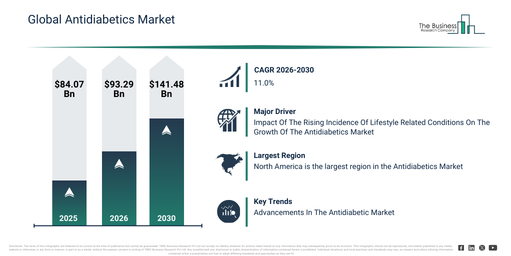
    The antidiabetics market has experienced substantial growth in its size over recent years. This market is projected to expand from $84.07 billion in 2025 to $93.29 billion by 2026, demonstrating a compound annual growth rate (CAGR) of 11.0%. Historically, this market’s expansion stems from factors such as increasing global diabetes prevalence, greater access to insulin therapies, the spread of oral antidiabetic medications, enhanced disease awareness and diagnostic capabilities, and improved healthcare access.

    The antidiabetics market is projected to experience substantial expansion in the coming years. Its value is anticipated to reach $141.48 billion by 2030, demonstrating a compound annual growth rate (CAGR) of 11.0%. This projected growth during the forecast period can be attributed to several factors, including the increasing uptake of advanced diabetes medications, a greater emphasis on long-lasting and once-weekly treatment regimens, wider integration of digital tools for diabetes management, heightened investment in research pertaining to metabolic disorders, and a growing call for patient-focused treatment approaches. Key trends anticipated during this period encompass the increased use of GLP-1 and SGLT2 therapies, an intensified focus on combination drug treatments, a rising requirement for individualized diabetes care, the expanded application of oral antidiabetic medications, and a greater emphasis on the associated cardiovascular and weight management advantages.

    Download the Free Sample Report to Explore Key Market Insights:

    https://www.thebusinessresearchcompany.com/sample.aspx?id=18225&type=smp

    Which Growth Drivers Are Contributing To The Progress Of The Antidiabetics Market?

    The anticipated expansion of the antidiabetics market is driven by the increasing occurrence of lifestyle-related health issues. These conditions refer to health problems that arise from or are worsened by behaviors such as inadequate nutrition, physical inactivity, tobacco use, and excessive alcohol consumption. The prevalence of such conditions is on the rise, attributed to factors including unhealthy eating habits, sedentary lifestyles, and elevated stress. Antidiabetic drugs offer assistance in addressing lifestyle-associated ailments like obesity and metabolic syndrome by enhancing insulin sensitivity and regulating blood sugar. As an illustration, in August 2024, according to Statistics Canada, a Canada-based government agency, in July 2024, Canadian manufacturers produced 1.2 billion cigarettes, marking a 4.3% increase from June 2024 and a 2.3% rise compared to July 2023. This demonstrates how a rising incidence of lifestyle-related conditions is propelling the antidiabetic market.

    What Are The Key Segments Of The Antidiabetics Market?

    The antidiabetics market covered in this report is segmented –

    1) By Drug Class: Insulin, GLP-1 Receptor Agonists, DPP- 4 Inhibitors, SGLT2 Inhibitors, Other Drug Classes

    2) By Diabetes Type: Type 1, Type 2

    3) By Patient Population: Antidiabetics For Pediatrics, Antidiabetics For Adults, Antidiabetics For Geriatrics

    4) By Route Of Administration: Antidiabetics Administration Through Insulin Syringes Or Insulin Pens, Antidiabetics Administration Through Insulin Pumps, Intravenous Antidiabetics Infusion, Oral Antidiabetics Administration, Other Routes Of Antidiabetics Administration

    5) By Distribution Channel: Online Pharmacies, Hospital Pharmacies, Retail Pharmacies

    Subsegments:

    1) By Insulin: Rapid-Acting Insulin, Short-Acting Insulin, Intermediate-Acting Insulin, Long-Acting Insulin, Premixed Insulin

    2) By GLP-1 Receptor Agonists: Exenatide, Liraglutide, Dulaglutide, Semaglutide, Lixisenatide

    3) By DPP-4 Inhibitors: Sitagliptin, Saxagliptin, Linagliptin, Alogliptin

    4) By SGLT2 Inhibitors: Canagliflozin, Dapagliflozin, Empagliflozin, Ertugliflozin

    5) By Other Drug Classes: Sulfonylureas, Thiazolidinediones (TZDs), Alpha-Glucosidase Inhibitors, Meglitinides, GLP-1/Insulin Combination Therapy

    What Key Trends Are Influencing The Development Of The Antidiabetics Market?

    Major companies within the antidiabetics market are actively developing sophisticated products, such as anti-diabetic biosimilars, to enhance glycemic management, reduce the likelihood of cardiovascular events, and present more effective therapeutic choices for individuals with diabetes. An anti-diabetic biosimilar is a medication that shares biological similarity with an already approved reference drug for treating diabetes, offering comparable levels of safety, effectiveness, and quality. For instance, in January 2024, Glenmark Pharmaceuticals Limited, an India-based pharmaceutical company, launched the first biosimilar version of Liraglutide, an anti-diabetic medication. This biosimilar of the Liraglutide anti-diabetic drug, introduced as Lirafit, improves glycemic control in adults afflicted with type 2 diabetes mellitus. Clinical research has indicated its ability to lower glycemic parameters, assist in weight loss, and bolster cardiovascular safety. As a GLP-1 receptor agonist, it stimulates glucose-dependent insulin secretion and reduces inappropriate glucagon secretion. It is globally approved for the management of type 2 diabetes in adults.

    Who Are The Leading Companies Operating In The Antidiabetics Market?

    Major companies operating in the antidiabetics market are Pfizer Inc., Johnson & Johnson, Merck & Co. Inc., Sanofi S.A., Bristol-Myers Squibb Company, AstraZeneca plc, Abbott Laboratories, Novartis AG, Takeda Pharmaceutical Company Limited, GSK plc, Eli Lilly and Company, Boehringer Ingelheim International GmbH, Novo Nordisk A/S, Teva Pharmaceutical Industries Ltd., Astellas Pharma Inc., Sun Pharmaceutical Industries Limited, Cipla Limited, Dr. Reddy’s Laboratories, Lupin Limited, Torrent Pharmaceuticals Ltd, Biocon Limited, Glenmark Pharmaceuticals Ltd.

    Read the full antidiabetics market report here:

    https://www.thebusinessresearchcompany.com/report/antidiabetics-global-market-report

    What Are The Leading Geographic Regions In The Antidiabetics Market?

    North America was the largest region in the antidiabetics market in 2025. The regions covered in the antidiabetics market report are Asia-Pacific, South East Asia, Western Europe, Eastern Europe, North America, South America, Middle East, Africa.

    Request A Tailored Antidiabetics Market Research Report For Competitive Advantage:

    https://www.thebusinessresearchcompany.com/customise?id=18225&type=smp

    Browse Through More Reports Similar to the Global Antidiabetics Market 2026, By The Business Research Company

    Diagnostic Specialty Antibodies Global Market Report

    https://www.thebusinessresearchcompany.com/report/diagnostic-specialty-antibodies-global-market-report

    Research Antibodie And Reagent Global Market Report

    https://www.thebusinessresearchcompany.com/report/research-antibodie-and-reagent-global-market-report

    Neuroscience Antibodies And Assays Global Market Report

    https://www.thebusinessresearchcompany.com/report/neuroscience-antibodies-and-assays-global-market-report

    Get in touch with us:

    The Business Research Company: https://www.thebusinessresearchcompany.com/

    Americas +1 310-496-7795

    Asia +44 7882 955267 & +91 8897263534

    Europe +44 7882 955267

    Email us at info@tbrc.info

    Follow us on:

    LinkedIn: https://in.linkedin.com/company/the-business-research-company

    YouTube: https://www.youtube.com/channel/UC24_fI0rV8cR5DxlCpgmyFQ

    Global Market Model: https://www.thebusinessresearchcompany.com/global-market-model
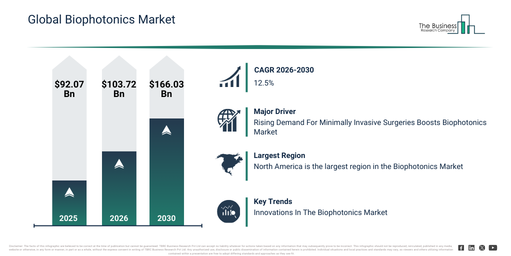
  • Global Biophotonics Market Set for Strong Expansion Reaching $166.03 Billion by 2030 at 12.5% CAGR

    Global Biophotonics Market Set for Strong Expansion Reaching $166.03 Billion by 2030 at 12.5% CAGR

    The Business Research Company’s 2026 market reports include new capabilities such as market attractiveness scoring and analysis, total addressable market analysis, company scoring matrix, interactive excel data dashboard, improved supply chain analysis, upcoming startups in the market, and overview of key products, aimed at improving the depth, usability, and strategic value of the insights delivered.

    How Large Is The Biophotonics Market Projected To Become By 2030 Based On Its 2026 Valuation?

    The biophotonics market has experienced significant expansion in recent years. Its value is anticipated to rise from $92.07 billion in 2025 to $103.72 billion in 2026, exhibiting a compound annual growth rate (CAGR) of 12.7%. This growth witnessed in past periods can be primarily attributed to enhancements in optical sensor technologies, increased financial support for life sciences research, the broadening reach of biomedical imaging applications, a growing uptake of photonic tools in diagnostic procedures, and the overall expansion of academic and clinical research.

    The biophotonics market is projected to experience substantial expansion over the upcoming years. This market is set to reach $166.03 billion by 2030, demonstrating a compound annual growth rate (CAGR) of 12.5%. This anticipated growth during the forecast period is driven by several factors, including the escalating demand for accurate diagnostics, the broadening scope of personalized medicine applications, the increasing incorporation of AI into optical imaging, the expanding application of biophotonics in less invasive therapeutic procedures, and the greater uptake of diagnostic devices for point-of-care use. Key trends identified for the forecast period encompass the augmented application of optical imaging in diagnostic processes, the increasing preference for non-invasive light-based treatments, the deeper embedding of biophotonics within medical devices, the advancement of high-resolution microscopy methods, and a sharpened emphasis on real-time biological surveillance.

    Download the Free Sample Report to Explore Key Market Insights:

    https://www.thebusinessresearchcompany.com/sample.aspx?id=3270&type=smp

    Which Market Drivers Are Supporting The Expansion Of The Biophotonics Market?

    The anticipated expansion of the biophotonics market going forward is propelled by the growing demand for minimally invasive surgeries. Within minimally invasive procedures, optical engineering and imaging technologies have become crucial, allowing for real-time visualization of tissue manipulation at distant internal sites. For instance, in June 2024, the International Society of Aesthetic Plastic Surgery, a US-based non profit professional society, reported that total surgical and non-surgical procedures saw an increase of 3.4% in 2023, totaling 34.9 million. Therefore, the increasing number of minimally invasive surgeries performed globally each year is leading to enhanced revenues in the biophotonics market.

    What Segment Groups Are Identified Within The Biophotonics Market?

    The biophotonics market covered in this report is segmented –

    1) By Product Technology: In-Vitro, In-Vivo

    2) By Application: See-Through Imaging, Inside Imaging, Spectromolecular, Surface Imaging, Microscopy, Light Therapy, Biosensors, Other Applications

    3) By End Use: Diagnostics, Therapeutic, Tests, Other End Uses

    Subsegments:

    1) By In-Vitro: Diagnostic Imaging, Fluorescence Microscopy, Spectroscopy-Based Detection, Biochemical Sensors, Point-Of-Care Devices

    2) By In-Vivo: Endoscopy, Optical Coherence Tomography (OCT), Photodynamic Therapy (PDT), Bioluminescence Imaging, Near-Infrared Spectroscopy (NIRS)

    How Are Trends Shaping The Direction Of The Biophotonics Market?

    Major companies operating in the biophotonics market are concentrating on creating innovative products, such as bronchoscopes, to facilitate advanced medical procedures; these instruments are essential for examining the internal respiratory system. For instance, in September 2025, Olympus Corporation, a Japan-based precision optics and medical device manufacturer, unveiled the BF-UCP190F. This new endobronchial ultrasound (EBUS) bronchoscope is optimized for lung lesion biopsy and advanced diagnostic procedures, boasting a slim 5.9 mm outer diameter and 170° upward angulation. These features allow physicians to navigate deeply into the peribronchial region and improve access to segmental and subsegmental airways. This launch serves to enhance Olympus’ biophotonics portfolio by integrating optical imaging with real-time ultrasound guidance, thereby meeting the increasing demand for minimally invasive lung sampling and boosting diagnostic accuracy in thoracic oncology.

    Which Companies Hold Significant Positions In The Biophotonics Market?

    Major companies operating in the biophotonics market are Thermo Fisher Scientific Inc., OpGen Inc., IPG Photonics Corporation, Idex Corporation, Toshiba Corporation, Horiba Ltd., Precision Photonics Corp, Roche Group, General Electric Company, Koninklijke Philips NV, Affymetrix Inc., Andor Technology Ltd., Becton Dickinson & Co., Carl Zeiss AG, FEI Company, Hamamatsu Photonics KK, Lumenis Ltd., Olympus Corporation, PerkinElmer Inc., Zecotek Photonics Inc., Zenalux Biomedical Inc., Glenbrook Technologies Inc., Oxford Instruments Plc, Lumicks BV, Creoptix AG, ThinkCyte Inc., PhotoPharmics Inc., Bioptics Inc.

    Read the full biophotonics market report here:

    https://www.thebusinessresearchcompany.com/report/biophotonics-global-market-report

    How Is The Biophotonics Market Distributed Across Key Geographic Regions?

    North America was the largest region in the biophotonics market in 2025. Western Europe was the second largest region in the biophotonics market. The regions covered in the biophotonics market report are Asia-Pacific, South East Asia, Western Europe, Eastern Europe, North America, South America, Middle East, Africa.

    Request A Tailored Biophotonics Market Research Report For Competitive Advantage:

    https://www.thebusinessresearchcompany.com/customise?id=3270&type=smp

    Browse Through More Reports Similar to the Global Biophotonics Market 2026, By The Business Research Company

    Nanophotonics Global Market Report

    https://www.thebusinessresearchcompany.com/report/nanophotonics-global-market-report

    Medical Biomimetics Global Market Report

    https://www.thebusinessresearchcompany.com/report/medical-biomimetics-global-market-report

    Biostimulants Global Market Report

    https://www.thebusinessresearchcompany.com/report/biostimulants-global-market-report

    Get in touch with us:

    The Business Research Company: https://www.thebusinessresearchcompany.com/

    Americas +1 310-496-7795

    Asia +44 7882 955267 & +91 8897263534

    Europe +44 7882 955267

    Email us at info@tbrc.info

    Follow us on:

    LinkedIn: https://in.linkedin.com/company/the-business-research-company

    YouTube: https://www.youtube.com/channel/UC24_fI0rV8cR5DxlCpgmyFQ

    Global Market Model: https://www.thebusinessresearchcompany.com/global-market-model
  • Artificial Intelligence (AI)-Enhanced Diabetes Foot Ulcer Monitor Market Insights Highlighting Opportunities and Drivers Supporting Growth to 2030

    Artificial Intelligence (AI)-Enhanced Diabetes Foot Ulcer Monitor Market Insights Highlighting Opportunities and Drivers Supporting Growth to 2030

    The Business Research Company’s 2026 market reports include new capabilities such as market attractiveness scoring and analysis, total addressable market analysis, company scoring matrix, interactive excel data dashboard, improved supply chain analysis, upcoming startups in the market, and overview of key products, aimed at improving the depth, usability, and strategic value of the insights delivered.

    How Will The Market Size Of The Artificial Intelligence (AI)-Enhanced Diabetes Foot Ulcer Monitor Market Evolve From 2026 To 2030?

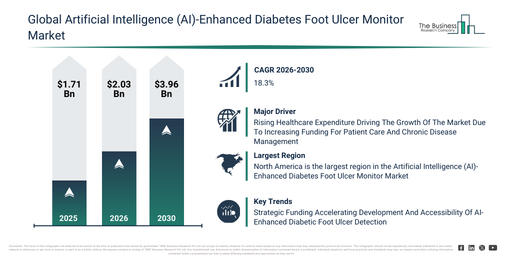
    The artificial intelligence (AI)-enhanced diabetes foot ulcer monitor market has seen rapid expansion in recent years. This market is expected to expand from $1.71 billion in 2025 to $2.03 billion by 2026, registering a compound annual growth rate (CAGR) of 18.5%. Historically, this growth can be ascribed to a worldwide increase in diabetes prevalence, a higher incidence of diabetic foot complications, the spread of telehealth monitoring solutions, a rising clinical focus on preventative wound care, and advancements in medical imaging technologies.

    The artificial intelligence (AI)-enhanced diabetes foot ulcer monitor market size is projected to experience substantial growth in the upcoming years. It is expected to reach $3.96 billion by 2030, demonstrating a compound annual growth rate (CAGR) of 18.3%. The expansion during this forecast period can be attributed to factors such as the increasing adoption of AI-powered diagnostic tools, the rising demand for homecare monitoring solutions, the broadening application of predictive healthcare analytics, the growing integration of imaging and sensor technologies, and a heightened emphasis on preventive diabetic care. Key trends anticipated in the forecast period encompass the greater embrace of AI-based foot ulcer risk assessment, the surging use of computer vision for wound analysis, the expanded deployment of smart wearable foot sensors, the proliferation of home-based diabetic foot monitoring, and an intensified focus on early ulcer detection.

    Download the Free Sample Report to Explore Key Market Insights:

    https://www.thebusinessresearchcompany.com/sample.aspx?id=28915&type=smp

    What Drivers Are Influencing The Artificial Intelligence (AI)-Enhanced Diabetes Foot Ulcer Monitor Market?

    The market for artificial intelligence (AI)-enhanced diabetes foot ulcer monitors is anticipated to expand due to increasing healthcare expenditure. This expenditure encompasses total spending by individuals, organizations, and governmental bodies on services and initiatives designed to preserve or improve health. The upward trend in healthcare spending stems from the rising occurrence of chronic illnesses, which necessitates ongoing medical attention, prolonged treatment, and extensive management resources. Such increased funding enables healthcare facilities, including hospitals and clinics, to acquire AI-enhanced diabetes foot ulcer monitors. These devices facilitate more efficient patient management and contribute to reducing long-term treatment costs. As an illustration, data from April 2025 by the UK’s Office for National Statistics indicates that government-funded healthcare comprises the majority of healthcare spending in the UK. This reached $344 billion (£258 billion) in 2024, marking a 2.5% increase in real terms compared to 2023. Consequently, the expansion of healthcare expenditure is a key factor propelling the growth of the artificial intelligence (AI)-enhanced diabetes foot ulcer monitor market.

    Which Segment Areas Are Covered In The Artificial Intelligence (AI)-Enhanced Diabetes Foot Ulcer Monitor Market Analysis?

    The artificial intelligence (AI)-enhanced diabetes foot ulcer monitor market covered in this report is segmented –

    1) By Product Type: Wearable Devices, Non-Wearable Devices, Smart Sensors, Imaging Systems

    2) By Technology: Machine Learning, Deep Learning, Computer Vision, Other Technologies

    3) By Application: Hospitals And Clinics, Homecare, Ambulatory Surgical Centers, Research Institutes, Other Applications

    4) By End-User: Healthcare Providers, Patients, Research Organizations, Other End-Users

    Subsegments:

    1) By Wearable Devices: Smart Watches, Smart Boots, Smart Insoles, Smart Socks

    2) By Non-Wearable Devices: Digital Cameras, Mobile Scanners, Handheld Imaging Devices, Pressure Mapping Platforms

    3) By Smart Sensors: Temperature Sensors, Pressure Sensors, Moisture Sensors, Motion Sensors

    4) By Imaging Systems: Thermal Imaging Systems, Hyperspectral Imaging Systems, Optical Imaging Systems, Ultrasonic Imaging Systems

    How Are Trends Shaping The Direction Of The Artificial Intelligence (AI)-Enhanced Diabetes Foot Ulcer Monitor Market?

    Leading companies within the artificial intelligence (AI)-enhanced diabetes foot ulcer monitor market are prioritizing the establishment of funds to allow for expanded production, broader market reach, and enhanced patient accessibility. Funds are defined as a sum of money specifically allocated or pooled for a particular objective, investment, or expenditure. As an illustration, in July 2024, IR-MED Inc., an Israel-based medical device developer, announced it had received a grant of $500,000 to back the development of its device for the early detection of diabetic foot ulcers. This funding will enable IR-MED to accelerate the development and commercialization of its AI-enhanced DiaSafe device for diabetes foot ulcer monitoring in the second half of 2025, through a 13-month program. The DiaSafe device, built upon the PressureSafe platform scheduled for a late 2024 launch, integrates AI data analysis with infra-red sensing to facilitate the early identification of diabetic foot ulcers. This technology is capable of recognizing conditions that are otherwise concealed or invisible to the naked eye, particularly in individuals with darker skin tones. Moreover, the platform features an AI-powered decision support system that analyzes bioinformation against condition-specific biomarker profiles to determine if tissue is healthy or at risk.

    Which Global Companies Are Actively Competing In The Artificial Intelligence (AI)-Enhanced Diabetes Foot Ulcer Monitor Market?

    Major companies operating in the artificial intelligence (AI)-enhanced diabetes foot ulcer monitor market are Net Health Systems Inc., Podimetrics Inc., Orpyx Medical Technologies Inc., Spectral AI Inc., Siren Care Inc., Calceus Health Pty Ltd., WoundVision LLC., Bluedrop Medical Inc., Moticon GmbH., eKare Inc., Sensoria Health Inc., Baliston Limited., Empo Health Inc., MolecuLight Inc., MIMOSA Diagnostics Inc., Thermology Health Ltd., IR-MED Inc., DiabSense Private Limited, HeloCare Inc., SmartDiabetes Tech Ltd.

    Read the full artificial intelligence (ai)-enhanced diabetes foot ulcer monitor market report here:

    https://www.thebusinessresearchcompany.com/report/artificial-intelligence-ai-enhanced-diabetes-foot-ulcer-monitor-global-market-report

    Which Regions Are Expected To Experience Rapid Expansion In The Artificial Intelligence (AI)-Enhanced Diabetes Foot Ulcer Monitor Market?

    North America was the largest region in the artificial intelligence (AI)-enhanced diabetes foot ulcer monitor market in 2025. Asia-Pacific is expected to be the fastest-growing region in the forecast period. The regions covered in the artificial intelligence (AI)-enhanced diabetes foot ulcer monitor market report are Asia-Pacific, South East Asia, Western Europe, Eastern Europe, North America, South America, Middle East, Africa.

    Request A Tailored Artificial Intelligence (AI)-Enhanced Diabetes Foot Ulcer Monitor Market Research Report For Competitive Advantage:

    https://www.thebusinessresearchcompany.com/customise?id=28915&type=smp

    Browse Through More Reports Similar to the Global Artificial Intelligence (AI)-Enhanced Diabetes Foot Ulcer Monitor Market 2026, By The Business Research Company

    Artificial Intelligence In Healthcare Diagnosis Global Market Report

    https://www.thebusinessresearchcompany.com/report/artificial-intelligence-in-healthcare-diagnosis-global-market-report

    Ai In Medical Devices Global Market Report

    https://www.thebusinessresearchcompany.com/report/ai-in-medical-devices-global-market-report

    Artificial Intelligence Or Machine Learning Ai Or Ml Medical Device Global Market Report

    https://www.thebusinessresearchcompany.com/report/artificial-intelligence-or-machine-learning-ai-or-ml-medical-device-global-market-report

    Get in touch with us:

    The Business Research Company: https://www.thebusinessresearchcompany.com/

    Americas +1 310-496-7795

    Asia +44 7882 955267 & +91 8897263534

    Europe +44 7882 955267

    Email us at info@tbrc.info

    Follow us on:

    LinkedIn: https://in.linkedin.com/company/the-business-research-company

    YouTube: https://www.youtube.com/channel/UC24_fI0rV8cR5DxlCpgmyFQ

    Global Market Model: https://www.thebusinessresearchcompany.com/global-market-model
  • Antibody Validation Market Growth Prospects 2026–2030 with Innovation Trends and Competitive Landscape

    Antibody Validation Market Growth Prospects 2026–2030 with Innovation Trends and Competitive Landscape

    The Business Research Company’s 2026 market reports include new capabilities such as market attractiveness scoring and analysis, total addressable market analysis, company scoring matrix, interactive excel data dashboard, improved supply chain analysis, upcoming startups in the market, and overview of key products, aimed at improving the depth, usability, and strategic value of the insights delivered.

    What Will Be The Estimated Market Valuation Of The Antibody Validation Market By The End Of 2030?

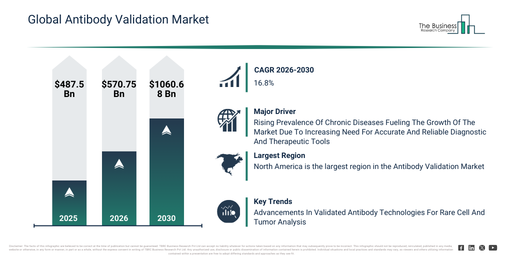
    The antibody validation market has experienced rapid expansion in recent years. It is anticipated to increase from $487.5 billion in 2025 to $570.75 billion in 2026, achieving a compound annual growth rate (CAGR) of 17.1%. This historical growth can be linked to factors including increasing variability concerns in research antibodies, the expansion of proteomics and genomics research, rising regulatory scrutiny on research reproducibility, the growth in antibody-based assays, and increasing funding for life sciences research.

    The antibody validation market is projected to experience substantial expansion in the coming years. This market is set to reach a valuation of $1060.68 billion by 2030, exhibiting a compound annual growth rate (CAGR) of 16.8%. This anticipated growth during the forecast period is fueled by several factors, including the escalating need for rigor and reproducibility, the increasing application of antibodies in clinical research, the broadening scope of precision diagnostics, the expanding uptake of validated antibodies in drug discovery, and the enhanced integration of digital platforms for validation data. Key trends characterizing this period involve the rising implementation of standardized antibody validation protocols, a heightened demand for validation services tailored to specific applications, the expanding utilization of multiplex validation techniques, the development of testing frameworks centered on reproducibility, and a greater focus on data transparency.

    Download the Free Sample Report to Explore Key Market Insights:

    https://www.thebusinessresearchcompany.com/sample.aspx?id=30194&type=smp

    What Primary Drivers Are Shaping The Development Of The Antibody Validation Market?

    The increasing incidence of chronic diseases is anticipated to propel the growth of the antibody validation market in the future. Chronic diseases are enduring health conditions that manifest gradually and persist over a prolonged duration, frequently necessitating ongoing medical attention. The growing occurrence of these conditions is partly attributable to inactive lifestyles, as extended periods of sitting and insufficient physical activity heighten the risk of developing ailments such as heart conditions and diabetes. Antibody validation assists in managing chronic diseases by guaranteeing the precision, distinctness, and dependability of antibodies utilized in diagnostic tests and therapeutic treatments. This process improves the identification of disease biomarkers, facilitates accurate patient tracking, and refines the creation of specific therapies, thereby progressing individualized and impactful chronic disease management. As an illustration, in June 2024, data from the National Health Service, a UK-based government department, indicated that 3,615,330 individuals registered with a general practitioner (GP) were found to have non-diabetic hyperglycemia or pre-diabetes (a condition with elevated blood sugar levels, not high enough to be classified as diabetes) in 2023, marking an 18% increase from 3,065,825 cases recorded in 2022. Consequently, the rising prevalence of chronic diseases is fueling the expansion of the antibody validation market.

    Which Segment Classifications Shape The Antibody Validation Market?

    The antibody validation market covered in this report is segmented –

    1) By Product Type: Monoclonal Antibodies, Polyclonal Antibodies, Anti-Body Drug Complexes

    2) By Disease Indication: Cardiovascular Diseases, Central Nervous System (CNS) Disorders, Cancer, Autoimmune Disorders

    3) By End User: Pharmaceutical And Biotechnological Firms, Contract Research Organizations, Research Institutes

    Subsegments:

    1) By Monoclonal Antibodies: Recombinant Monoclonal Antibodies, Humanized Monoclonal Antibodies, Chimeric Monoclonal Antibodies, Murine Monoclonal Antibodies

    2) By Polyclonal Antibodies: Rabbit Polyclonal Antibodies, Goat Polyclonal Antibodies, Sheep Polyclonal Antibodies, Donkey Polyclonal Antibodies

    3) By Antibody Drug Complexes: Immunoconjugates, Radioimmunoconjugates, Immunotoxins, Bispecific Antibody Drug Complexes

    How Are Trends Impacting The Antibody Validation Market?

    Leading companies within the antibody validation market are concentrating on sophisticated innovations, such as Celselect slides enumeration stain kits, to boost the precision and sensitivity of identifying rare cells and circulating tumor cells, enhance validation efficiency, and support high-precision cancer research and diagnostic applications. Celselect slides enumeration stain kits are specialized reagent kits designed for the detection, staining, and counting of rare cells and circulating tumor cells (CTCs). For instance, in March 2024, Bio-Rad Laboratories Inc., a US-based life science research firm, introduced celselect slides validated antibodies for rare cell and circulating tumor cell (CTC) enumeration. This introduction aims to facilitate sensitive and specific identification of CTC surface markers, improve tumor heterogeneity studies, and back high-precision cancer research through better rare cell capture, enrichment, and analysis. This launch further expanded the company’s single-cell oncology portfolio, providing researchers with verified reagents for precise immunostaining and enumeration of CTCs.

    Which Companies Are Expanding Their Footprint In The Antibody Validation Market?

    Major companies operating in the antibody validation market are F. Hoffmann-La Roche Ltd., Merck & Co. Inc., Thermo Fisher Scientific Inc., Danaher Corporation, Becton Dickinson and Company, Agilent Technologies Inc., PerkinElmer Inc., Bio-Rad Laboratories Inc., Azenta Inc., GenScript Biotech Corporation, Promega Corporation, Sino Biological Inc., Cell Signaling Technology Inc., Fortis Life Sciences, Proteintech Group Inc., Santa Cruz Biotechnology Inc., Novus Biologicals LLC, Creative Diagnostics, Rockland Immunochemicals Inc., Biorbyt Ltd.

    Read the full antibody validation market report here:

    https://www.thebusinessresearchcompany.com/report/global-antibody-validation-market-report

    How Does The Antibody Validation Market Perform Across Major Global Regions?

    North America was the largest region in the antibody validation market in 2025. The regions covered in the antibody validation market report are Asia-Pacific, South East Asia, Western Europe, Eastern Europe, North America, South America, Middle East, Africa.

    Request A Tailored Antibody Validation Market Research Report For Competitive Advantage:

    https://www.thebusinessresearchcompany.com/customise?id=30194&type=smp

    Browse Through More Reports Similar to the Global Antibody Validation Market 2026, By The Business Research Company

    Research Antibodie And Reagent Global Market Report

    https://www.thebusinessresearchcompany.com/report/research-antibodie-and-reagent-global-market-report

    Antibody Discovery Global Market Report

    https://www.thebusinessresearchcompany.com/report/antibody-discovery-global-market-report

    Next Generation Antibody Therapeutics Global Market Report

    https://www.thebusinessresearchcompany.com/report/next-generation-antibody-therapeutics-global-market-report

    Get in touch with us:

    The Business Research Company: https://www.thebusinessresearchcompany.com/

    Americas +1 310-496-7795

    Asia +44 7882 955267 & +91 8897263534

    Europe +44 7882 955267

    Email us at info@tbrc.info

    Follow us on:

    LinkedIn: https://in.linkedin.com/company/the-business-research-company

    YouTube: https://www.youtube.com/channel/UC24_fI0rV8cR5DxlCpgmyFQ

    Global Market Model: https://www.thebusinessresearchcompany.com/global-market-model
  • Biopharmaceutical Third-Party Logistics Market Growth Expected to Reach $221.14 Billion by 2030 with 8.1% CAGR

    Biopharmaceutical Third-Party Logistics Market Growth Expected to Reach $221.14 Billion by 2030 with 8.1% CAGR

    The Business Research Company’s 2026 market reports include new capabilities such as market attractiveness scoring and analysis, total addressable market analysis, company scoring matrix, interactive excel data dashboard, improved supply chain analysis, upcoming startups in the market, and overview of key products, aimed at improving the depth, usability, and strategic value of the insights delivered.

    What Market Value Is Anticipated For The Biopharmaceutical Third-Party Logistics Market Over The Period 2026–2030?

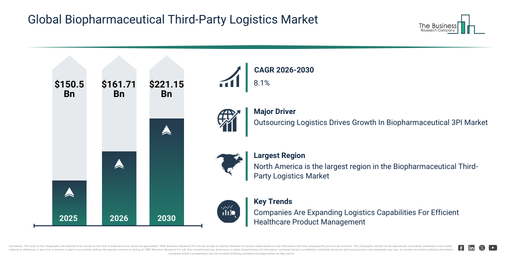
    The biopharmaceutical third-party logistics market size has demonstrated substantial growth recently. It is projected to expand from $150.5 billion in 2025 to $161.71 billion in 2026, achieving a compound annual growth rate (CAGR) of 7.4%. This historical growth can be linked to factors such as increased production of biologics and vaccines, the growing trend of pharmaceutical companies outsourcing their logistics services, the expansion of global biopharmaceutical supply chains, stricter regulatory demands for drug transportation, and the constrained in-house logistics capabilities among biopharma firms.

    The biopharmaceutical third-party logistics market is projected to experience substantial expansion in the coming years, reaching $221.15 billion in 2030 with a compound annual growth rate (CAGR) of 8.1%. This anticipated growth is driven by factors such as a rise in demand for personalized medicines, the broadening distribution of cell and gene therapies, increased investments in smart logistics platforms, a heightened emphasis on comprehensive supply chain visibility, and the growing volume of international biopharmaceutical trade. Key trends emerging during this period encompass the greater adoption of sophisticated cold chain logistics solutions, an uptick in the need for temperature-controlled transportation services, the expanding utilization of real-time shipment tracking platforms, the development of specialized biopharma warehousing infrastructure, and a reinforced commitment to regulatory-compliant logistics practices.

    Download the Free Sample Report to Explore Key Market Insights:

    https://www.thebusinessresearchcompany.com/sample.aspx?id=12616&type=smp

    What Underlying Factors Are Accelerating The Growth Of The Biopharmaceutical Third-Party Logistics Market?

    The increasing practice of logistics outsourcing is anticipated to fuel expansion within the biopharmaceutical third-party logistics market. This process entails entrusting an external entity with managing either the entirety or specific segments of a firm’s logistical operations. Specifically, within biopharmaceutical third-party logistics, outsourcing logistics is utilized for delegating cryogenic supply chain management responsibilities to specialized logistics collaborators. As an illustration, data from February 2024, sourced from the Bureau of Transportation Statistics, a US Department of Transportation (DOT) agency, revealed that for-hire freight shipments experienced a 1.8% rise in December 2023 relative to December 2022. Concurrently, the Freight Transportation Services Index climbed from 136.6 in December 2022 to 139.1 in December 2023. Consequently, the expanding trend of outsourcing logistics is projected to significantly boost the development of the biopharmaceutical third-party logistics market.

    How Is The Biopharmaceutical Third-Party Logistics Market Divided Into Its Major Segments?

    The biopharmaceutical third-party logistics market covered in this report is segmented –

    1) By Supply Chain: Cold Chain, Non-Cold Chain

    2) By Service: Transportation, Warehousing And Storage, Other Services

    3) By End-User: Pharmaceutical And Biopharmaceutical Companies, Medical Device Companies, Hospitals And Clinics, Other End-Users

    Subsegments:

    1) By Cold Chain: Refrigerated Transport, Temperature-Controlled Storage, Specialized Packaging

    2) By Non-Cold Chain: Ambient Transport, Standard Storage Solutions, General Packaging Methods

    Which Market Trends Are Creating New Opportunities In The Biopharmaceutical Third-Party Logistics Market?

    Key companies within the biopharmaceutical third-party logistics market are concentrating on innovative strategies, including business expansion in life sciences and healthcare logistics, to strengthen their logistical capacity for pharmaceutical and healthcare products, thereby ensuring effective storage and distribution. This expansion in life sciences and healthcare logistics signifies the deliberate growth of logistics firms to enhance their abilities in transporting and managing medical items, a critical factor for guaranteeing timely delivery and preserving the integrity of temperature-sensitive products vital for patient care. As an illustration, in May 2025, DHL Group, a logistics company from Germany, unveiled the grand opening of its modernized Life Sciences & Healthcare (LSH) campus in Florstadt, Germany. The new facility incorporates ultra cold storage zones, capable of reaching –70°C, along with real-time visibility systems and GDP certified infrastructure, facilitating the secure handling of sensitive biopharmaceuticals such as mRNA vaccines, clinical trial materials, and advanced therapies.

    Who Are The Prominent Organizations Shaping The Biopharmaceutical Third-Party Logistics Market?

    Major companies operating in the biopharmaceutical third-party logistics market are McKesson Corporation, AmerisourceBergen Corporation, United Parcel Service of America Inc., FedEx Corporation, DHL International GmbH, Kuehne + Nagel International AG, SF Express Co Ltd., DB Schenker, CH Robinson Worldwide Inc., Nippon Express Group, Expeditors International of Washington Inc., Sinotrans Limited, XPO Logistics Inc., Kerry Logistics Network Limited, Bollore Logistics, VersaCold Logistics Services, Cryoport Inc., Agility Logistics Corp, Fisher Clinical Services, CEVA Logistics Inc., LifeScience Logistics, Cold Chain Technologies LLC, Langham Logistics, Airpharm Logistics, Express Courier International, Bio Pharma Logistics

    Read the full biopharmaceutical third-party logistics market report here:

    https://www.thebusinessresearchcompany.com/report/biopharmaceutical-third-party-logistics-global-market-report

    Which Region Is Projected To Dominate The Biopharmaceutical Third-Party Logistics Market During The Forecast Period?

    North America was the largest region in the biopharmaceutical third party logistics market in 2025. Asia Pacific is expected to be the fastest-growing region in the forecast period. The regions covered in the biopharmaceutical third-party logistics market report are Asia-Pacific, South East Asia, Western Europe, Eastern Europe, North America, South America, Middle East, Africa.

    Request A Tailored Biopharmaceutical Third-Party Logistics Market Research Report For Competitive Advantage:

    https://www.thebusinessresearchcompany.com/customise?id=12616&type=smp

    Browse Through More Reports Similar to the Global Biopharmaceutical Third-Party Logistics Market 2026, By The Business Research Company

    Biopharmaceutical Third Party Logistics Global Market Report

    https://www.thebusinessresearchcompany.com/report/biopharmaceutical-third-party-logistics-global-market-report

    Pharmaceutical Logistics Global Market Report

    https://www.thebusinessresearchcompany.com/report/pharmaceutical-logistics-global-market-report

    Third Party Logistics 3Pl Market

    https://www.thebusinessresearchcompany.com/report/third-party-logistics-3pl-market

    Get in touch with us:

    The Business Research Company: https://www.thebusinessresearchcompany.com/

    Americas +1 310-496-7795

    Asia +44 7882 955267 & +91 8897263534

    Europe +44 7882 955267

    Email us at info@tbrc.info

    Follow us on:

    LinkedIn: https://in.linkedin.com/company/the-business-research-company

    YouTube: https://www.youtube.com/channel/UC24_fI0rV8cR5DxlCpgmyFQ

    Global Market Model: https://www.thebusinessresearchcompany.com/global-market-model
  • Global Artificial Intelligence (AI)-Enhanced Chronic Obstructive Sleep Apnea Coach Market Expected to Reach $3.87 Billion by 2030 with 19.2% CAGR

    Global Artificial Intelligence (AI)-Enhanced Chronic Obstructive Sleep Apnea Coach Market Expected to Reach $3.87 Billion by 2030 with 19.2% CAGR

    The Business Research Company’s 2026 market reports include new capabilities such as market attractiveness scoring and analysis, total addressable market analysis, company scoring matrix, interactive excel data dashboard, improved supply chain analysis, upcoming startups in the market, and overview of key products, aimed at improving the depth, usability, and strategic value of the insights delivered.

    What Is The Forecasted Market Value Of The Artificial Intelligence (AI)-Enhanced Chronic Obstructive Sleep Apnea Coach Market Across 2026–2030?

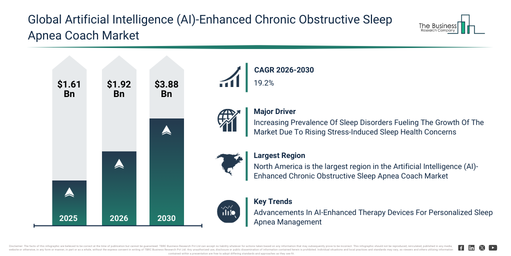
    The artificial intelligence (AI)-enhanced chronic obstructive sleep apnea coach market has seen rapid expansion in recent years. It is projected to increase from $1.61 billion in 2025 to $1.92 billion in 2026, at a compound annual growth rate (CAGR) of 19.5%. This past growth can be attributed to the rising prevalence of sleep apnea and respiratory disorders, enhanced awareness of sleep health management, the development of home-based sleep monitoring solutions, the proliferation of digital health platforms, and a greater clinical emphasis on therapy compliance.

    The market for artificial intelligence (AI)-enhanced chronic obstructive sleep apnea coaches is projected to experience substantial growth in the upcoming years. It is forecast to reach $3.88 billion by 2030, advancing at a compound annual growth rate (CAGR) of 19.2%. This projected expansion can be attributed to several factors during the forecast period, including the increasing integration of AI-enabled tools for chronic disease management, a rising need for remote patient monitoring solutions, the broader availability of personalized digital therapeutics, greater synergy with connected medical devices, and the healthcare system’s evolving emphasis on preventive care models. Significant trends anticipated over this period encompass the wider acceptance of continuous sleep and respiratory monitoring, an increased reliance on AI-driven coaching for therapy adherence, the growing incorporation of wearable sleep diagnostics, the development of personalized sleep health platforms, and a heightened focus on proactive disease management strategies.

    Download the Free Sample Report to Explore Key Market Insights:

    https://www.thebusinessresearchcompany.com/sample.aspx?id=28914&type=smp

    What Drivers Are Shaping The Future Growth Of The Artificial Intelligence (AI)-Enhanced Chronic Obstructive Sleep Apnea Coach Market?

    The growing incidence of sleep disorders is anticipated to stimulate the expansion of the artificial intelligence (AI)-enhanced chronic obstructive sleep apnea coach market in the future. Sleep disorders are health conditions that disrupt normal sleep, adversely affecting sleep quality, general well-being, and daily functioning. The primary cause for the increase in sleep disorders is elevated stress, as contemporary work demands, educational pressures, and extensive screen usage contribute to heightened worry and disturbed sleep cycles. An artificial intelligence (AI)-enhanced chronic obstructive sleep apnea coach addresses these conditions by monitoring breathing and sleep patterns, providing tailored advice and therapeutic assistance, which aids in the early identification of issues and fosters improved sleep quality and overall health. For example, in November 2023, the National Health Service, a UK-based government health statistics body, reported a slight increase in the percentage of young individuals aged 17 to 23 years experiencing sleep problems three or more times weekly, reaching 64.9% from 64.0% in 2022. Consequently, the rising occurrence of sleep disorders is fueling the growth of the artificial intelligence (AI)-enhanced chronic obstructive sleep apnea coach market.

    What Segmentation Levels Are Considered In The Artificial Intelligence (AI)-Enhanced Chronic Obstructive Sleep Apnea Coach Market?

    The artificial intelligence (AI)-enhanced chronic obstructive sleep apnea coach market covered in this report is segmented –

    1) By Component: Software, Hardware, Services

    2) By Deployment Mode: Cloud-Based, On-Premises

    3) By Application: Home Care, Sleep Clinics, Hospitals, Research Institutes, Other Applications

    4) By End-User: Patients, Healthcare Providers, Sleep Specialists, Other End-Users

    Subsegments:

    1) By Software: Cloud-Based Platforms, Mobile Applications, Patient Monitoring Dashboards, Sleep Data Analytics Tools, Therapeutic Guidance Systems, Compliance Management Software

    2) By Hardware: Wearable Sleep Trackers, Respiratory Monitoring Devices, Pulse Oximeters, Smart Sleep Masks, Connected Airflow Sensors, Portable Sleep Diagnostic Units

    3) By Services: Remote Patient Monitoring Services, Sleep Coaching Programs, Data Integration And Management Services, Technical Support And Maintenance, Clinical Consultation Services, Training And Education Services

    Which Market Trends Are Creating New Opportunities In The Artificial Intelligence (AI)-Enhanced Chronic Obstructive Sleep Apnea Coach Market?

    Companies operating within the artificial intelligence (AI)-enhanced chronic obstructive sleep apnea coach market are concentrating on developing advanced products, including positive airway pressure (PAP) devices, to provide personalized therapy and facilitate remote monitoring through AI-driven insights. Positive airway pressure (PAP) devices function by delivering a consistent or adjustable flow of air via a mask, maintaining open airways during sleep and preventing their collapse in patients with obstructive sleep apnea, thereby improving breathing and sleep quality. For instance, in February 2024, ResMed Inc., a US-based medical device and digital health company, launched its AirCurve 11 series bilevel devices. These devices offer two levels of support, featuring higher pressure during inhalation and lower pressure during exhalation, which simplifies the treatment of sleep apnea for healthcare providers and helps patients remain compliant with their therapy. The AirCurve 11 devices, built on the AirSense 11 platform, incorporate digital features such as secure data transfer through cellular communication, automatic software updates, and tools designed to engage patients, like the myAir app. This series includes models specifically designed for both obstructive and central sleep apnea, with the objective of enhancing comfort and adherence through customized therapy support. These devices are currently available in the U.S., with a global rollout planned.

    Which Leading Firms Are Contributing To The Growth Of The Artificial Intelligence (AI)-Enhanced Chronic Obstructive Sleep Apnea Coach Market?

    Major companies operating in the artificial intelligence (AI)-enhanced chronic obstructive sleep apnea coach market are Koninklijke Philips N.V., ResMed Inc., Sleep Number Corporation, Nihon Kohden Corporation, Fisher & Paykel Healthcare Corporation Limited, Verily Life Sciences LLC, Natus Medical Incorporated, SomnoMed Limited, BMC Medical Co.,Ltd., Eight Sleep,Inc., Sleepiz AG, Sleep.ai B.V. (SleepScore Labs), EnsoData,Inc., SovaSage,Inc., Somnics Inc., Sleep Doctor,LLC, Sommetrics,Inc., Nyxoah S.A., Neru Health Inc., Apnea-Tech Limited.

    Read the full artificial intelligence (ai)-enhanced chronic obstructive sleep apnea coach market report here:

    https://www.thebusinessresearchcompany.com/report/artificial-intelligence-ai-enhanced-chronic-obstructive-sleep-apnea-coach-global-market-report

    Which Geographic Regions Are Influencing Demand In The Artificial Intelligence (AI)-Enhanced Chronic Obstructive Sleep Apnea Coach Market?

    North America was the largest region in the artificial intelligence (AI)-enhanced chronic obstructive sleep apnea coach market in 2025. Asia-Pacific is expected to be the fastest-growing region in the forecast period. The regions covered in the artificial intelligence (AI)-enhanced chronic obstructive sleep apnea coach market report are Asia-Pacific, South East Asia, Western Europe, Eastern Europe, North America, South America, Middle East, Africa.

    Request A Tailored Artificial Intelligence (AI)-Enhanced Chronic Obstructive Sleep Apnea Coach Market Research Report For Competitive Advantage:

    https://www.thebusinessresearchcompany.com/customise?id=28914&type=smp

    Browse Through More Reports Similar to the Global Artificial Intelligence (AI)-Enhanced Chronic Obstructive Sleep Apnea Coach Market 2026, By The Business Research Company

    Sleep Apnea Devices Global Market Report

    https://www.thebusinessresearchcompany.com/report/sleep-apnea-devices-global-market-report

    Artificial Intelligence In Diabetes Management Global Market Report

    https://www.thebusinessresearchcompany.com/report/artificial-intelligence-in-diabetes-management-global-market-report

    Wearable Ai Global Market Report

    https://www.thebusinessresearchcompany.com/report/wearable-ai-global-market-report

    Get in touch with us:

    The Business Research Company: https://www.thebusinessresearchcompany.com/

    Americas +1 310-496-7795

    Asia +44 7882 955267 & +91 8897263534

    Europe +44 7882 955267

    Email us at info@tbrc.info

    Follow us on:

    LinkedIn: https://in.linkedin.com/company/the-business-research-company

    YouTube: https://www.youtube.com/channel/UC24_fI0rV8cR5DxlCpgmyFQ

    Global Market Model: https://www.thebusinessresearchcompany.com/global-market-model
  • Antibody Production Services Market Forecast 2026–2035 Highlighting Market Data Patterns and Industry Insights

    Antibody Production Services Market Forecast 2026–2035 Highlighting Market Data Patterns and Industry Insights

    The Business Research Company’s 2026 market reports include new capabilities such as market attractiveness scoring and analysis, total addressable market analysis, company scoring matrix, interactive excel data dashboard, improved supply chain analysis, upcoming startups in the market, and overview of key products, aimed at improving the depth, usability, and strategic value of the insights delivered.

    What Market Size Growth Is Projected For The Antibody Production Services Market During The Forecast Period 2026–2030?

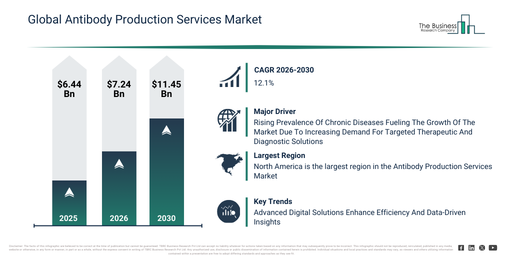
    The antibody production services market has experienced substantial expansion in its size over recent years. Forecasts indicate it will expand from $6.44 billion in 2025 to reach $7.24 billion in 2026, demonstrating a compound annual growth rate (CAGR) of 12.4%. This historical expansion can be attributed to several factors, including the increasing scope of biomedical research activities, the rise in monoclonal antibody therapeutics, the expanded application of antibodies in diagnostics, growing investments within life science research, and the emergence of advanced antibody engineering techniques.

    The antibody production services market is projected to undergo substantial expansion in the coming years, with expectations to reach $11.45 billion by 2030, demonstrating a compound annual growth rate (CAGR) of 12.1%. This growth during the forecast period is primarily driven by factors such as the increasing demand for personalized medicine, the expanding pipelines for biologics drug development, a rise in outsourcing activities by pharmaceutical companies, the broadening of advanced antibody formats, and a greater focus on reproducibility and quality control. Significant trends for this period include an escalating demand for custom antibody generation, the increasing adoption of recombinant antibody technologies, a growing emphasis on high-affinity and high-specificity antibodies, the expansion of outsourced antibody production services, and a heightened focus on quality validation standards.

    Download the Free Sample Report to Explore Key Market Insights:

    https://www.thebusinessresearchcompany.com/sample.aspx?id=30193&type=smp

    Which Major Factors Are Driving The Expansion Of The Antibody Production Services Market?

    The increasing prevalence of chronic diseases is anticipated to fuel the expansion of the antibody production services market. These persistent health conditions develop gradually and endure for extended periods, frequently requiring continuous medical attention. A contributing factor to the growing incidence of chronic diseases is inactive lifestyles, as prolonged sitting and minimal physical activity elevate the risk of ailments such as heart conditions and diabetes. Antibody production services play a vital role in managing chronic diseases by delivering targeted therapeutic and diagnostic solutions, making them indispensable for conditions like cancer, autoimmune disorders, and diabetes. They enhance treatment precision through early detection, continuous monitoring, and personalized therapies, leading to improved patient outcomes and greater efficiency in overall disease management. For instance, in June 2024, according to the National Health Service, a UK-based government department, 3,615,330 individuals registered with a general practitioner (GP) were diagnosed with non-diabetic hyperglycemia or pre-diabetes (a condition with elevated blood sugar levels, not high enough to be classified as diabetes) in 2023, which was an 18% increase from 3,065,825 cases in 2022. This demonstrates how the rising prevalence of chronic diseases is driving the growth of the antibody production services market.

    What Market Segments Are Evaluated Within The Antibody Production Services Market?

    The antibody production services market covered in this report is segmented –

    1) By Type: Monoclonal Antibodies, Chimeric Antibodies, Humanized Antibodies, Recombinant Antibodies, Polyclonal Antibodies

    2) By Technology: Hybridoma Technology, Phage Display Technology, Yeast Display Technology, Cell-Based Technology

    3) By Application: Therapeutic, Research, Diagnostic

    4) By End User: Pharmaceutical and Biotechnology Companies, Academic and Research Institutes, Hospitals and Clinics, Contract Research Organizations

    Subsegments:

    1) By Monoclonal Antibodies: Human Monoclonal Antibodies, Mouse Monoclonal Antibodies, Rabbit Monoclonal Antibodies, Rat Monoclonal Antibodies

    2) By Chimeric Antibodies: Mouse-Human Chimeric Antibodies, Rat-Human Chimeric Antibodies, Rabbit-Human Chimeric Antibodies, Primate-Human Chimeric Antibodies

    3) By Humanized Antibodies: Complementarity Determining Region Grafted Antibodies, Framework Shuffling Antibodies, Resurfaced Humanized Antibodies, Germline Humanized Antibodies

    4) By Recombinant Antibodies: Single Chain Variable Fragment Antibodies, Fragment Antigen Binding Antibodies, Bispecific Recombinant Antibodies, Nanobodies

    5) By Polyclonal Antibodies: Rabbit Polyclonal Antibodies, Goat Polyclonal Antibodies, Sheep Polyclonal Antibodies, Donkey Polyclonal Antibodies

    What Industry Trends Are Redefining The Antibody Production Services Market?

    Leading firms within the antibody production services market are prioritizing the creation of sophisticated digital solutions, including AI-powered analytics, to elevate operational efficiency, deepen data-driven understanding, and expedite discovery processes. AI-powered analytics involve intricate computational models designed to analyze complex biological and chemical data, enabling the prediction of results, recognition of patterns, and creation of new designs, such as for therapeutic antibodies. As an illustration, in August 2025, Zifo, an India-based company offering scientific informatics services, introduced its Zifo AI Engine for Antibody Engineering application via the Snowflake Marketplace. This cloud-native application utilizes generative AI and machine learning models to swiftly design and optimize antibody-based therapeutics. It incorporates capabilities like predictive affinity maturation and humanization, facilitating seamless data analysis and the generation of potential candidates within a secure, scalable data platform, thereby eliminating the need for extensive in-house AI infrastructure.

    Who Are The Top Market Participants Influencing The Antibody Production Services Market?

    Major companies operating in the antibody production services market are Pfizer Inc., AbbVie Inc., Novartis AG, Thermo Fisher Scientific Inc., Merck KGaA, Danaher Corporation, Agilent Technologies Inc., PerkinElmer Inc., Sartorius AG, Bio-Rad Laboratories Inc., Bio-Techne Corporation, Azenta Inc., GenScript Biotech Corporation, Invenra Inc., Sino Biological Inc., Proteintech Group Inc., Rapid Novor, Rockland Immunochemicals Inc., Biorbyt Ltd., [New Company: Creative Biolabs

    Read the full antibody production services market report here:

    https://www.thebusinessresearchcompany.com/report/global-antibody-production-services-market-report

    Which Region Currently Holds The Largest Share Of The Antibody Production Services Market?

    North America was the largest region in the antibody production services market in 2025. Asia-Pacific is expected to be the fastest-growing region in the forecast period. The regions covered in the antibody production services market report are Asia-Pacific, South East Asia, Western Europe, Eastern Europe, North America, South America, Middle East, Africa.

    Request A Tailored Antibody Production Services Market Research Report For Competitive Advantage:

    https://www.thebusinessresearchcompany.com/customise?id=30193&type=smp

    Browse Through More Reports Similar to the Global Antibody Production Services Market 2026, By The Business Research Company

    Antibody Discovery Global Market Report

    https://www.thebusinessresearchcompany.com/report/antibody-discovery-global-market-report

    Research Antibodie And Reagent Global Market Report

    https://www.thebusinessresearchcompany.com/report/research-antibodie-and-reagent-global-market-report

    Next Generation Antibody Therapeutics Global Market Report

    https://www.thebusinessresearchcompany.com/report/next-generation-antibody-therapeutics-global-market-report

    Get in touch with us:

    The Business Research Company: https://www.thebusinessresearchcompany.com/

    Americas +1 310-496-7795

    Asia +44 7882 955267 & +91 8897263534

    Europe +44 7882 955267

    Email us at info@tbrc.info

    Follow us on:

    LinkedIn: https://in.linkedin.com/company/the-business-research-company

    YouTube: https://www.youtube.com/channel/UC24_fI0rV8cR5DxlCpgmyFQ

    Global Market Model: https://www.thebusinessresearchcompany.com/global-market-model