Month: March 2026

  • Vitreoretinal Disorder Market Trends and Insights: Global Forecast to 2030

    Vitreoretinal Disorder Market Trends and Insights: Global Forecast to 2030

    Uncover key drivers, emerging technologies, and competitive movements shaping the vitreoretinal disorder market from 2026–2035 with trusted insights from The Business Research Company

    What long-term size projections exist for the Vitreoretinal Disorder Market covering 2026–2035?

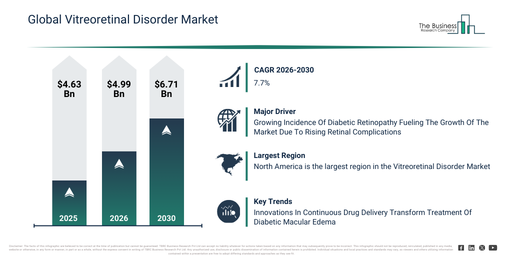
    The vitreoretinal disorder market size has demonstrated strong growth in recent years. It is anticipated to expand from $4.63 billion in 2025 to $4.99 billion in 2026, achieving a compound annual growth rate (CAGR) of 7.9%. This historical growth can be attributed to the rising prevalence of diabetic eye diseases, increased availability of optical coherence tomography, an uptick in ophthalmic surgical procedures, the expansion of specialty eye clinics, and enhanced diagnostic accuracy.

    The vitreoretinal disorder market size is anticipated to undergo significant expansion in the next few years, set to grow to $6.71 billion in 2030, exhibiting a compound annual growth rate (CAGR) of 7.7%. This projected growth throughout the forecast period stems from factors such as increasing demand for personalized retinal treatments, rising investments in ophthalmic innovation, the wider adoption of minimally invasive surgical techniques, the expanding utilization of AI-driven diagnostics, and a heightened focus on vision preservation therapies. Prominent trends for the forecast period include the increasing adoption of advanced retinal imaging techniques, a rise in minimally invasive vitreoretinal surgery, the growing integration of AI-based diagnostic tools, the expansion of targeted retinal therapies, and an enhanced emphasis on early disease detection.

    Access Your Free Sample Report for In-Depth Market Insights:

    https://www.thebusinessresearchcompany.com/sample.aspx?id=23574&type=smp

    Which Drivers Are Impacting The Competitive Landscape Of The Vitreoretinal Disorder Market?

    An increasing occurrence of diabetic retinopathy is anticipated to drive expansion in the vitreoretinal disorder market. This eye condition develops when elevated blood sugar levels in individuals with diabetes cause harm to the blood vessels of the retina. The incidence of diabetic retinopathy is on the rise, primarily due to the growing prevalence of diabetes itself, which is often linked to sedentary lifestyles and inadequate blood sugar control, ultimately leading to damage in the retinal blood vessels. Managing vitreoretinal disorders is crucial for treating diabetic retinopathy, as it addresses complications such as vitreous hemorrhage and tractional retinal detachment, thereby preserving vision and preventing further retinal damage. For instance, in October 2024, the Australian Institute of Health and Welfare, an Australia-based government agency, reported that during 2022–23, 1.8% of screened First Nations people in Australia received treatment for diabetic retinopathy, reflecting a lower age-standardized treatment rate (1.3%) than non-Indigenous Australians (1.5%). Therefore, the growing incidence of diabetic retinopathy is consequently fueling the growth of the vitreoretinal disorder market.

    What Segments Are Identified Within The Structure Of The Vitreoretinal Disorder Market?

    The vitreoretinal disorder market covered in this report is segmented –

    1) By Type: Retinal Tear, Retinal Detachment, Diabetic Retinopathy, Macular Degeneration, Macular Hole, Other Types

    2) By Diagnosis: Digital Fluorescein Angiography, Optical Coherence Tomography, Heidelberg Retinal Tomography, Indocyanine Green Angiography, Other Diagnosis

    3) By Treatment: Surgery, Medication, Other Treatments

    4) By Distribution Channel: Hospital Pharmacy, Online Pharmacy, Retail Pharmacy

    5) By End User: Hospitals, Homecare, Specialty Clinics, Other End Users

    Subsegments:

    1) By Retinal Tear: Atrophic Retinal Tear, Operculated Retinal Tear, Horseshoe Retinal Tear, Giant Retinal Tear

    2) By Retinal Detachment: Rhegmatogenous Retinal Detachment, Tractional Retinal Detachment, Exudative Retinal Detachment

    3) By Diabetic Retinopathy: Non-Proliferative Diabetic Retinopathy, Proliferative Diabetic Retinopathy, Diabetic Macular Edema

    4) By Macular Degeneration: Dry Macular Degeneration, Wet Macular Degeneration

    5) By Macular Hole: Full-Thickness Macular Hole, Lamellar Macular Hole, Tractional Macular Hole

    6) By Other Types: Epiretinal Membrane, Retinal Vein Occlusion, Retinal Artery Occlusion, Retinitis Pigmentosa, Uveitis, Vitreous Hemorrhage, Macular Edema, Central Serous Retinopathy, Proliferative Vitreoretinopathy

    What Trends Are Expected To Impact The Competitive Landscape Of The Vitreoretinal Disorder Market?

    Major companies within the vitreoretinal disorder market are prioritizing inventive offerings such as continuous delivery drug solutions to lessen injection frequency and improve patient outcomes. These continuous delivery drug solutions represent medical systems designed to provide a sustained, controlled release of medication directly to the eye, thereby diminishing the need for frequent injections, maintaining consistent therapeutic levels, and enhancing patient adherence and visual results. For example, in February 2025, Roche, a global pharmaceutical entity based in Switzerland, secured U.S. Food and Drug Administration (FDA) approval for its Susvimo (ranibizumab injection) 100 mg/mL, which is a Port Delivery System intended for diabetic macular edema (DME). Susvimo facilitates the continuous delivery of ranibizumab through a refillable implant, enabling patients to sustain their vision with merely two treatments per year, a considerable reduction compared to monthly eye injections. The system was put to the test in the Phase III Pagoda study, where it demonstrated persistent improvements in visual acuity and a safety profile consistent with previous approvals for neovascular age-related macular degeneration (nAMD). Susvimo’s innovative platform aims to reduce the burden of treatment, elevate patient convenience, and address the escalating global prevalence of DME.

    Which Major Firms Are Strengthening Their Position In The Vitreoretinal Disorder Market?

    Major companies operating in the vitreoretinal disorder market are F. Hoffmann-La Roche AG, Bayer AG, Novartis AG, Regeneron Pharmaceuticals Inc., Alcon Inc., Bausch Health Companies Inc., Santen Pharmaceutical Co. Ltd., Topcon Corporation, Carl Zeiss Meditec AG, Ocular Therapeutix Inc., EyePoint Pharmaceuticals Inc., Kodiak Sciences Inc., Clearside Biomedical, Apellis Pharmaceuticals Inc., Genentech Inc., Oxurion NV, Adverum Biotechnologies Inc., Opthea Limited, Graybug Vision Inc., Kiora Pharmaceuticals Inc., Allegro Ophthalmics Inc., Lineage Cell Therapeutics Inc., Ocugen Inc.

    Access The Complete Report For Deeper Market Insights:

    https://www.thebusinessresearchcompany.com/report/vitreoretinal-disorder-global-market-report

    Which Region Is Anticipated To See The Fastest Growth In The Vitreoretinal Disorder Market?

    North America was the largest region in the vitreoretinal disorder market in 2025. The regions covered in the vitreoretinal disorder market report are Asia-Pacific, South East Asia, Western Europe, Eastern Europe, North America, South America, Middle East, Africa.

    Request Your Customized Vitreoretinal Disorder Market Research Report for Competitive Advantage:

    https://www.thebusinessresearchcompany.com/customise?id=23574&type=smp

    Browse Through More Reports Similar to the Global Vitreoretinal Disorder Market 2026, By The Business Research Company

    Optic Nerve Disorders Treatment Market Report 2026

    https://www.thebusinessresearchcompany.com/report/optic-nerve-disorders-treatment-global-market-report

    Retinal Disorder Treatment Market Report 2026

    https://www.thebusinessresearchcompany.com/report/retinal-disorder-treatment-global-market-report

    Vitrectomy Devices Market Report 2026

    https://www.thebusinessresearchcompany.com/report/vitrectomy-devices-global-market-report

    Get in touch with us:

    The Business Research Company: https://www.thebusinessresearchcompany.com/

    Americas +1 310-496-7795

    Asia +44 7882 955267 & +91 8897263534

    Europe +44 7882 955267

    Email us at info@tbrc.info

    Follow us on:

    LinkedIn: https://in.linkedin.com/company/the-business-research-company

    YouTube: https://www.youtube.com/channel/UC24_fI0rV8cR5DxlCpgmyFQ

    Global Market Model: https://www.thebusinessresearchcompany.com/global-market-model
  • Global Dynamic Retractor Systems Market Forecast 2026–2035: Long-Term Growth Insights

    Global Dynamic Retractor Systems Market Forecast 2026–2035: Long-Term Growth Insights

    Uncover key drivers, emerging technologies, and competitive movements shaping the dynamic retractor systems market from 2026–2035 with trusted insights from The Business Research Company

    What size range is anticipated for the Dynamic Retractor Systems Market from 2026 to 2030?

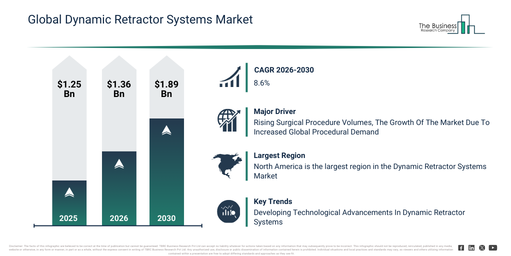
    The market for dynamic retractor systems has experienced strong expansion in recent years. It is projected to expand from $1.25 billion in 2025 to $1.36 billion in 2026, exhibiting a compound annual growth rate (CAGR) of 8.3%. The expansion witnessed in the historical period can be ascribed to a rising volume of complex surgical procedures, the broadening of minimally invasive surgeries, an escalating demand for improved operative site access, advancements in surgical instrument engineering, and increased hospital investment in advanced surgical tools.

    The dynamic retractor systems market is poised for substantial growth in the upcoming years, with its size projected to reach $1.89 billion by 2030, exhibiting a compound annual growth rate (CAGR) of 8.6%. This expansion during the forecast period is primarily driven by the increasing integration of robotic-assisted surgeries, a heightened emphasis on infection prevention through the use of disposable instruments, the proliferation of outpatient surgical centers, a growing need for procedure-specific retractor solutions, and increased investments in advanced surgical infrastructure. Furthermore, significant trends anticipated include the wider adoption of modular dynamic retractor systems, rising demand for ergonomic surgical instrument designs, greater utilization of lightweight and hybrid material retractors, the expansion of disposable and single-use retraction systems, and an enhanced focus on surgical precision and visibility.

    Access Your Free Sample Report for In-Depth Market Insights:

    https://www.thebusinessresearchcompany.com/sample.aspx?id=33096&type=smp

    What Drivers Are Affecting Demand In The Dynamic Retractor Systems Market?

    The expansion of the dynamic retractor systems market is anticipated to be driven by an increase in surgical procedure volumes. These volumes denote the growing count of operations conducted worldwide, encompassing diverse fields like orthopedics, general surgery, and minimally invasive techniques. This upward trend in surgical procedures stems from an aging global demographic, the rising incidence of chronic illnesses, and improved healthcare accessibility, resulting in a greater number of individuals needing surgery annually. The dynamic retractor systems directly profit from this surge by offering sophisticated instruments that enhance surgical visibility, minimize tissue damage, and boost surgeon effectiveness across various operations. As an illustration, data from the Agency for Healthcare Research and Quality (AHRQ), a US government body, indicated a 9% rise in ambulatory surgery encounters within its scope, climbing from 12.4 million in 2022 to 13.5 million. Consequently, the expanding surgical procedure volumes are a key impetus for the growth of the dynamic retractor systems market.

    Which Segments Are Gaining Traction In The Dynamic Retractor Systems Market?

    The dynamic retractor systems market covered in this report is segmented –

    1) By Product Type: Self-Retaining Retractors; Hand-Held Retractors; Table-Mounted Retractors; Other Product Types

    2) By Material Type: Stainless Steel; Titanium; Polymer Based; Other Material Types

    3) By Usage: Reusable Retractor Systems; Disposable Or Single-Use Retractor Systems

    4) By Application: Neurosurgery; Orthopedic Surgery; Cardiothoracic Surgery; Abdominal Surgery; Other Applications

    5) By End User: Hospitals; Ambulatory Surgical Centers; Specialty Clinics; Other End Users

    Subsegments:

    1) By Self-Retaining Retractors: Ratchet Mechanism; Spring Mechanism; Screw Mechanism; Lever Lock Mechanism; Lightweight Self-Retaining Retractors

    2) By Hand-Held Retractors: Single Hand Retractors; Double Hand Retractors; Palm Grip Retractors; Disposable Hand-Held Retractors; Ergonomic Grip Hand-Held Retractors

    3) By Table-Mounted Retractors: Fixed Arm Table Retractors; Adjustable Arm Table Retractors; Quick-Release Table Retractors; Modular Table Retractor Systems; Heavy-Duty Table-Mounted Retractors

    4) By Other Product Types: Custom Surgical Retractors; Specialty Procedure Retractors; Disposable Specialty Retractors; Novel Design Retractors

    Which Innovation Trends Are Advancing Developments Within The Dynamic Retractor Systems Market?

    Leading companies operating in the dynamic retractor systems market are prioritizing technological advancements, such as improved exposure through multi-blade control, to gain a competitive advantage, enhance surgical efficiency, and meet the growing demand for minimally invasive procedures. These systems are specifically engineered to refine surgical access precision, boost visualization, and streamline workflows in minimally invasive spine surgery, thereby driving overall efficiency and improving clinical outcomes within the competitive surgical tools landscape. For instance, in April 2023, Orthofix Medical Inc., a US-based medical device company, introduced its Lattus Lateral Access System and the Fathom Pedicle-Based Retractor System. The Lattus Lateral Access System provides a comprehensive solution for lateral minimally invasive spine (MIS) surgery, designed to enhance access and procedural workflow for surgeons performing lateral lumbar interbody fusion and related lateral spine procedures. Both the Lattus Lateral Access System and the Fathom Pedicle-Based Retractor System are advanced dynamic (self-retaining) retractor systems developed by Orthofix Medical Inc. for minimally invasive spine surgery. These systems offer hands-free, adjustable, and stable surgical exposure through small incisions, utilizing independently controlled or telescoping blades that can be dynamically adjusted during an operation to precisely match patient anatomy.

    Who Are The Major Companies Operating In The Dynamic Retractor Systems Market?

    Major companies operating in the dynamic retractor systems market are Johnson And Johnson, Medtronic plc, Stryker Corporation, B. Braun Melsungen SE, STERIS plc, Getinge AB, Teleflex Incorporated, Cook Medical LLC, Integra LifeSciences Holdings Corporation, CONMED Corporation, CooperSurgical Inc., Tecomet Inc., KLS Martin Group, Innomed Inc., Mediflex Surgical Products Inc., Advin Health Care Private Limited, Auxein Medical Pvt. Ltd., Thompson Surgical Instruments Inc., Chamfond Biotech Co. Ltd., Advanced Surgical Retractor Systems Inc.

    Access The Complete Report For Deeper Market Insights:

    https://www.thebusinessresearchcompany.com/report/dynamic-retractor-systems-market-report

    Which Region Is Anticipated To See The Fastest Growth In The Dynamic Retractor Systems Market?

    North America was the largest region in the dynamic retractor system market in 2025. Asia-Pacific is expected to be the fastest-growing region in the forecast period. The regions covered in the dynamic retractor systems market report are Asia-Pacific, South East Asia, Western Europe, Eastern Europe, North America, South America, Middle East, Africa.

    Request Your Customized Dynamic Retractor Systems Market Research Report for Competitive Advantage:

    https://www.thebusinessresearchcompany.com/customise?id=33096&type=smp

    Browse Through More Reports Similar to the Global Dynamic Retractor Systems Market 2026, By The Business Research Company

    Automobile Remanufacturing Market Report 2026

    https://www.thebusinessresearchcompany.com/report/automobile-remanufacturing-global-market-report

    Automotive Performance Tuning And Engine Remapping Services Market Report 2026

    https://www.thebusinessresearchcompany.com/report/automotive-performance-tuning-and-engine-remapping-services-global-market-report

    Demand Response Management Systems Market Report 2026

    https://www.thebusinessresearchcompany.com/report/demand-response-management-systems-global-market-report

    Get in touch with us:

    The Business Research Company: https://www.thebusinessresearchcompany.com/

    Americas +1 310-496-7795

    Asia +44 7882 955267 & +91 8897263534

    Europe +44 7882 955267

    Email us at info@tbrc.info

    Follow us on:

    LinkedIn: https://in.linkedin.com/company/the-business-research-company

    YouTube: https://www.youtube.com/channel/UC24_fI0rV8cR5DxlCpgmyFQ

    Global Market Model: https://www.thebusinessresearchcompany.com/global-market-model
  • Global Vitiligo Treatment Market Report 2026–2030: Data-Driven Growth Insights

    Global Vitiligo Treatment Market Report 2026–2030: Data-Driven Growth Insights

    Uncover key drivers, emerging technologies, and competitive movements shaping the vitiligo treatment market from 2026–2035 with trusted insights from The Business Research Company

    What total market size is anticipated for the Vitiligo Treatment Market in 2030?

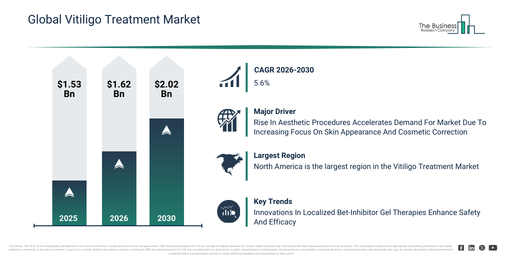
    The vitiligo treatment market size has experienced significant expansion in recent years. It is anticipated to increase from $1.53 billion in 2025 to $1.62 billion in 2026, demonstrating a compound annual growth rate (CAGR) of 5.7%. Key factors contributing to this historical growth include the escalating diagnosis of autoimmune skin disorders, broader access to corticosteroids and immunotherapies, the proliferation of dermatology clinic networks, heightened patient awareness, and wider adoption of phototherapy.

    The vitiligo treatment market is anticipated to experience substantial expansion in the coming years. By 2030, this market is projected to reach $2.02 billion, demonstrating a compound annual growth rate (CAGR) of 5.6%. This projected growth is driven by several factors, including the increasing advancement of biologic therapies, the growing acceptance of precision dermatology treatments, the wider availability of home-based treatment solutions, expanding investments in autoimmune research, and a heightened emphasis on achieving lasting repigmentation results. Key trends during this period are expected to encompass the growing uptake of immunomodulatory therapies, an increased application of targeted topical treatments, a stronger focus on strategies for early intervention, the broader implementation of combination therapy approaches, and an intensified emphasis on managing the disease over the long term.

    Access Your Free Sample Report for In-Depth Market Insights:

    https://www.thebusinessresearchcompany.com/sample.aspx?id=10843&type=smp

    What Drivers Are Influencing Production Trends In The Vitiligo Treatment Market?

    The expanding requirement for cosmetic and aesthetic procedures is anticipated to fuel the growth of the vitiligo treatment market moving forward. These medical treatments are designed to enhance, restore, or correct one’s physical appearance through surgical methods or less invasive techniques such as injectables, laser therapies, and skin resurfacing. The increasing desire for cosmetic and aesthetic procedures stems from greater societal acceptance and a diminishing stigma surrounding appearance enhancements, as the impact of social media and public figures openly discussing their procedures has made aesthetic treatments commonplace, prompting individuals to pursue cosmetic improvements without reservation. This surge in cosmetic procedure demand directly fosters a heightened interest in vitiligo treatment options, as those with this skin depigmentation condition seek aesthetic remedies to achieve a more consistent skin tone and boost their self-assurance. For instance, in June 2024, the International Society of Aesthetic Plastic Surgery (ISAPS), a US-based nonprofit organization, reported that total surgical and non-surgical cosmetic procedures climbed by 3.4% in 2023, reaching approximately 34.9 million procedures globally. Consequently, the escalating demand for cosmetic and aesthetic procedures is a primary driver for the vitiligo treatment market.

    Which Segments Are Gaining Traction In The Vitiligo Treatment Market?

    The vitiligo treatment market covered in this report is segmented –

    1) By Drugs: Antihistamines, H2 Antagonists, Tricyclic Antidepressants, Other Drugs

    2) By Types: Acute Urticaria, Chronic Urticaria

    3) By Mode Of Administration: Injectable, Oral, Other Modes Of Administration

    4) By Distribution Channel: Hospital Pharmacies, Retail Pharmacies, Online Pharmacies

    5) By End-User: Hospitals, Homecare, Specialty Clinics, Other End-Users

    Subsegments:

    1) By Antihistamines: Cetirizine, Loratadine, Diphenhydramine

    2) By H2 Antagonists: Ranitidine, Famotidine, Cimetidine

    3) By Tricyclic Antidepressants: Amitriptyline, Nortriptyline, Doxepin

    4) By Other Drugs: Corticosteroids, Immunomodulators, Phototherapy Agents

    Which Trends Are Guiding The Evolution Of The Vitiligo Treatment Market?

    Major companies in the vitiligo treatment market are actively pursuing clinical trials to develop advanced products, such as localized bromodomain and extra-terminal (BET) inhibitors gel therapies, with the goal of safely reducing inflammation and promoting skin repigmentation. Localized BET inhibitors gel therapies are topical treatments that specifically target BET proteins involved in inflammatory gene activation, and by applying the gel directly to depigmented skin, they effectively decrease local inflammation and support melanocyte recovery, thereby encouraging repigmentation while minimizing systemic side effects. For example, in June 2024, VYNE Therapeutics, a US-based clinical-stage biopharmaceutical company, began dosing the first subject in its Phase 2b trial of VYN201 (repibresib) gel, a novel once-daily pan-BET inhibitor developed specifically for nonsegmental vitiligo. The gel is being evaluated across three concentrations (1%, 2%, 3%) to locally suppress inflammation and aid melanocyte recovery, offering a precise approach with reduced systemic risk.

    Who Are The Primary Competitors In The Global Vitiligo Treatment Market?

    Major companies operating in the vitiligo treatment market are Clinuvel Pharmaceuticals Ltd., Incyte Corporation, STRATA Skin Sciences, Clarify Medical Inc., LEO Pharma A/S, Dermavant Sciences Inc., Arcutis Biotherapeutics, Galderma S.A., Sun Pharmaceutical Industries Ltd., Pfizer Inc., Novartis AG, Dr. Reddy’s Laboratories Ltd., Glenmark Pharmaceuticals Ltd., Astellas Pharma Inc., Bausch Health Companies Inc., Amgen, Bristol-Myers Squibb, Merck KGaA, Boston Pharmaceuticals, Dermfix Ltd., Vitiligo Research Foundation, Vitiligo Clinic and Research Center, Vitiligo Bond Inc., Vitiligo Support International

    Access The Complete Report For Deeper Market Insights:

    https://www.thebusinessresearchcompany.com/report/vitiligo-treatment-global-market-report

    Which Global Regions Are Shaping The Competitive Landscape Of The Vitiligo Treatment Market?

    North America was the largest region in the global vitiligo treatment market in 2025.Asia-Pacific is expected to be the fastest-growing region in the forecast period. The regions covered in the vitiligo treatment market report are Asia-Pacific, South East Asia, Western Europe, Eastern Europe, North America, South America, Middle East, Africa.

    Request Your Customized Vitiligo Treatment Market Research Report for Competitive Advantage:

    https://www.thebusinessresearchcompany.com/customise?id=10843&type=smp

    Browse Through More Reports Similar to the Global Vitiligo Treatment Market 2026, By The Business Research Company

    Vaginitis Therapeutics Market Report 2026

    https://www.thebusinessresearchcompany.com/report/vaginitis-therapeutics-global-market-report

    Mycosis Fungoides Treatment Market Report 2026

    https://www.thebusinessresearchcompany.com/report/mycosis-fungoides-treatment-global-market-report

    Vitrectomy Devices Market Report 2026

    https://www.thebusinessresearchcompany.com/report/vitrectomy-devices-global-market-report

    Get in touch with us:

    The Business Research Company: https://www.thebusinessresearchcompany.com/

    Americas +1 310-496-7795

    Asia +44 7882 955267 & +91 8897263534

    Europe +44 7882 955267

    Email us at info@tbrc.info

    Follow us on:

    LinkedIn: https://in.linkedin.com/company/the-business-research-company

    YouTube: https://www.youtube.com/channel/UC24_fI0rV8cR5DxlCpgmyFQ

    Global Market Model: https://www.thebusinessresearchcompany.com/global-market-model
  • Dual-chamber Serum Bottle Market 2026–2030: Forecasting Business Opportunities Ahead

    Dual-chamber Serum Bottle Market 2026–2030: Forecasting Business Opportunities Ahead

    Uncover key drivers, emerging technologies, and competitive movements shaping the dual-chamber serum bottle market from 2026–2035 with trusted insights from The Business Research Company

    How is the Dual-chamber Serum Bottle Market size predicted to change over the forecast window of 2026–2035?

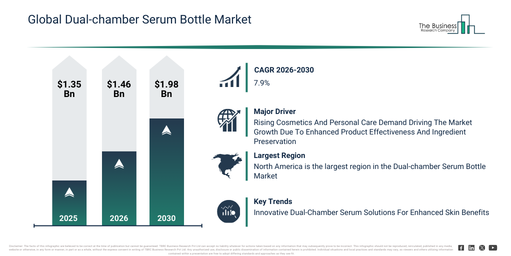
    The dual-chamber serum bottle market has experienced robust growth in recent years. Projections indicate it will expand from $1.35 billion in 2025 to $1.46 billion in 2026, achieving a compound annual growth rate (CAGR) of 7.7%. This historical expansion is attributable to several factors: an increase in injectable drug formulations, a rising adoption of lyophilized pharmaceuticals, a growing demand for error-reducing drug delivery systems, the expansion of hospital-based drug preparation, and advancements in pharmaceutical packaging materials.

    The dual-chamber serum bottle market is projected for substantial expansion over the coming years. This market is anticipated to reach $1.98 billion by 2030, exhibiting a compound annual growth rate (CAGR) of 7.9%. This expansion during the forecast period is propelled by factors such as the increasing development of biologics pipelines, a heightened emphasis on patient safety and precise dosing, the broadening of self-administered injectable treatments, the rising integration of advanced drug packaging formats, and an intensified regulatory focus on drug stability and sterility. Throughout this period, significant trends are expected to involve the growing embrace of dual-chamber reconstitution packaging, an escalating need for sterile multi-component drug containers, the increasing utilization of polymer-based dual-chamber bottles, the wider availability of ready-to-mix injectable packaging solutions, and a stronger emphasis on extending drug stability and shelf life.

    Access Your Free Sample Report for In-Depth Market Insights:

    https://www.thebusinessresearchcompany.com/sample.aspx?id=33095&type=smp

    Which Drivers Are Contributing To The Expansion Of The Dual-chamber Serum Bottle Market?

    The increasing demand for cosmetics and personal care products is anticipated to drive the future expansion of the dual-chamber serum bottle market. Cosmetics and personal care encompass items designed to cleanse, protect, and beautify the body, thereby enhancing personal appearance. The rise in cosmetics and personal care consumption stems from a growing consumer emphasis on self-care and aesthetics, fueled by social media influence and greater disposable incomes. A dual-chamber serum bottle benefits the cosmetics and personal care sector by facilitating the precise blending of two formulas at the point of use, which boosts product effectiveness while preserving shelf life and ingredient potency. For instance, in February 2025, data from the Centre for the Promotion of Imports from Developing Countries, a Netherlands-based government organization, revealed that in 2023, Europe’s cosmetics manufacturing contributed €11 billion ($11.9 billion), and cosmetic product exports to other parts of the world totaled €28.2 billion ($30.5 billion). Furthermore, in September 2024, the Bureau of Labor Statistics, a US-based government agency, reported that expenditure on personal care products and services reached $950 in 2023, marking a 9.7% increase from $866 in 2022. Consequently, the escalating demand in cosmetics and personal care is propelling the growth of the dual-chamber serum bottle market.

    What Segment Categories Are Covered In The Dual-chamber Serum Bottle Market?

    The dual-chamber serum bottle market covered in this report is segmented –

    1) By Material Type: Glass; Plastic; Other Material Types

    2) By Capacity: Below 10 ml; 10-30 ml; Above 30 ml

    3) By Application: Pharmaceuticals; Biotechnology; Cosmetics; Other Applications

    4) By Distribution Channel: Direct Sales; Distributors; Online Sales; Other Distribution Channels

    5) By End-User: Hospitals; Clinics; Research Laboratories; Other End-Users

    Subsegments:

    1) By Glass: Borosilicate Glass; Soda Lime Glass; Amber Glass

    2) By Plastic: Polypropylene; Polyethylene; Cyclic Olefin Polymer; Cyclic Olefin Copolymer

    3) By Other Material Types: Silicone; Elastomeric Materials; Composite Materials

    Which Competitive Trends Are Impacting The Structure Of The Dual-chamber Serum Bottle Market?

    Leading firms within the dual-chamber serum bottle market are concentrating on creating novel solutions, such as bi-phase serum, to sustain ingredient stability, boost effectiveness, and refine the consumer experience. A bi-phase serum is defined as a cosmetic item featuring two immiscible components, typically oil and water, which blend when shaken to deliver specific skin advantages, including moisturization, nutrient supply, and improved absorption of active compounds. For example, during November 2023, L’Oréal S.A., a personal care corporation headquartered in France, introduced Age Perfect Serum Le Duo, an anti-aging serum with a dual-chamber design intended to provide intense hydration and diminish apparent aging indicators. This product addresses 10 signs, including wrinkles, lack of firmness, dull complexion, and inconsistent tone, utilizing a dual-chamber container that combines collagen peptides and vitamins B3/C as needed. Its advantages encompass achieving smoother, firmer, and more radiant skin within weeks, evidenced by 91% user satisfaction and clinical enhancements in wrinkles and skin tone observed after 8 weeks. Notable benefits consist of maintaining ingredient potency, accurate one-pump dispensing, a quickly absorbed, non-greasy formulation, and premium yet affordable packaging offered exclusively at Walmart.

    Which Major Firms Are Strengthening Their Position In The Dual-chamber Serum Bottle Market?

    Major companies operating in the dual-chamber serum bottle market are Albea Group, AptarGroup Inc., TekniPlex Healthcare, Gerresheimer AG, Stevanato Group, Shandong Pharmaceutical Glass Co. Ltd., Pfizer CentreOne, Quadpack Industries SA, Matsa Group Ltd., Unica Packaging, Shijiazhuang Xinfuda Medical Packaging Co. Ltd., APackaging Group, Credence MedSystems Inc., Cospack America Corp., LF of America Crop., ShanghAI Hopeck Packaging Co. Ltd., Gidea Packaging Enterprise Limited, TopFeelPack Co. Ltd., Zhejiang UKPACK Packaging Co. Ltd., Guangzhou Xingyuan Plastic Manufacturing Co. Ltd.

    Access The Complete Report For Deeper Market Insights:

    https://www.thebusinessresearchcompany.com/report/dual-chamber-serum-bottle-market-report

    Which Region Shows The Strongest Potential For Future Expansion In The Dual-chamber Serum Bottle Market?

    North America was the largest region in the dual-chamber serum bottle market in 2025. Asia-Pacific is expected to be the fastest-growing region in the forecast period. The regions covered in the dual-chamber serum bottle market report are Asia-Pacific, South East Asia, Western Europe, Eastern Europe, North America, South America, Middle East, Africa.

    Request Your Customized Dual-chamber Serum Bottle Market Research Report for Competitive Advantage:

    https://www.thebusinessresearchcompany.com/customise?id=33095&type=smp

    Browse Through More Reports Similar to the Global Dual-chamber Serum Bottle Market 2026, By The Business Research Company

    Serum Market Report 2026

    https://www.thebusinessresearchcompany.com/report/serum-global-market-report

    Sports Bottle Market Report 2026

    https://www.thebusinessresearchcompany.com/report/sports-bottle-global-market-report

    Serum Separation Gel Market Report 2026

    https://www.thebusinessresearchcompany.com/report/serum-separation-gel-global-market-report

    Get in touch with us:

    The Business Research Company: https://www.thebusinessresearchcompany.com/

    Americas +1 310-496-7795

    Asia +44 7882 955267 & +91 8897263534

    Europe +44 7882 955267

    Email us at info@tbrc.info

    Follow us on:

    LinkedIn: https://in.linkedin.com/company/the-business-research-company

    YouTube: https://www.youtube.com/channel/UC24_fI0rV8cR5DxlCpgmyFQ

    Global Market Model: https://www.thebusinessresearchcompany.com/global-market-model
  • Vitamin D Testing Market Dynamics 2026: Future Outlook and Key Insights

    Vitamin D Testing Market Dynamics 2026: Future Outlook and Key Insights

    Uncover key drivers, emerging technologies, and competitive movements shaping the vitamin d testing market from 2026–2035 with trusted insights from The Business Research Company

    What is the expected shift in the Vitamin D Testing Market’s size between 2026 and 2030?

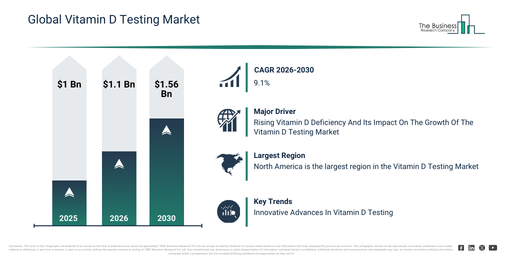
    The vitamin d testing market size has demonstrated robust expansion over recent years. It is forecast to increase from $1 billion in 2025 to $1.1 billion in 2026, achieving a compound annual growth rate (CAGR) of 9.4%. In prior periods, this growth was primarily influenced by the escalating prevalence of vitamin d deficiency, the broadening of diagnostic laboratory networks, greater public awareness of bone health, the adoption of standardized testing protocols, and an increase in clinical testing volumes.

    The vitamin d testing market is anticipated to experience substantial expansion over the upcoming years. This market is projected to reach $1.56 billion by 2030, exhibiting a compound annual growth rate (CAGR) of 9.1%. The factors driving this expansion during the forecast period include a heightened need for preventative healthcare diagnostics, the proliferation of home-based testing options, the escalating application of sophisticated analytical methods, an intensified emphasis on individualized nutritional evaluation, and a surge in testing among older demographics. Key developments anticipated within this timeframe involve the wider uptake of automated vitamin d assays, the growing utilization of high-precision LC-MS techniques, the broadening scope of preventative health screening initiatives, the increasing incorporation of laboratory information systems, and a sharpened focus on the precision of diagnostics.

    Access Your Free Sample Report for In-Depth Market Insights:

    https://www.thebusinessresearchcompany.com/sample.aspx?id=20695&type=smp

    Which Drivers Are Shaping Strategic Decisions In The Vitamin D Testing Market?

    Growing recognition of vitamin D deficiency disorders is projected to drive expansion in the vitamin D testing market in the future. This disorder stems from inadequate vitamin D levels, which hinders calcium absorption and contributes to problems like brittle bones, muscle discomfort, and a heightened susceptibility to fractures. Factors contributing to vitamin D deficiency include less sun exposure, greater sunscreen application, poor dietary intake, and inactive routines. Testing for vitamin D is essential to precisely evaluate and identify insufficient vitamin D levels in these disorders, thereby facilitating proper treatment and preventing associated health complications. For example, in July 2024, a study involving 1,400 customers conducted by Forth, a UK-based health and wellness company, revealed that 57% of individuals possessed vitamin D levels below the suggested threshold (75-100 nmol/L). The mean level registered at 78.7 nmol/L. Consequently, heightened awareness regarding vitamin D deficiency disorders is a significant impetus for the vitamin D testing market.

    What Segment Categories Are Covered In The Vitamin D Testing Market?

    The vitamin d testing market covered in this report is segmented –

    1) By Product: 25 -Hydroxy Vitamin D Testing, 1,25-Dihydroxy Vitamin D Testing, 24,25-Dihydroxy Vitamin D Testing

    2) By Technique: Radioimmunoassay (RIA), Enzyme-Linked Immunosorbent Assay (ELISA), High-Performance Liquid Chromatography (HPLC), Liquid Chromatography–Mass Spectrometry (LC–MS), Other Techniques

    3) By Indication: Osteoporosis, Rickets, Malabsorption, Vitamin D Deficiency, Other Indications

    4) By Application: Clinical Testing, Research Testing

    5) By End-User: Hospitals, Diagnostic Laboratories, Home Care, Point-of-Care, Other End-Users

    Subsegments:

    1) By 25-Hydroxy Vitamin D Testing: Immunoassays, Liquid Chromatography-Mass Spectrometry (LC-MS), Enzyme-Linked Immunosorbent Assay (ELISA)

    2) By 1,25-Dihydroxy Vitamin D Testing: Radioimmunoassays (RIA), High-Performance Liquid Chromatography (HPLC), LC-MS Techniques

    3) By 24,25-Dihydroxy Vitamin D Testing: Mass Spectrometry, Immunoassays, HPLC Methods

    What Trends Are Projected To Support The Growth Of The Vitamin D Testing Market?

    Major companies operating in the vitamin D testing market are actively developing innovative products, including vitamin D test kits, for the purpose of monitoring vitamin D levels at home or in clinical settings. These kits serve as diagnostic instruments employed to quantify the vitamin D level in a person’s blood, thereby assisting in the assessment and ongoing observation of their vitamin D status. For instance, in August 2023, Biohit Oyj, a diagnostics company based in Finland, launched its Total 25OH Vitamin D ELISA kit. This product is a quantitative immuno-enzymatic assay that detects both 25-hydroxyvitamin D2 and D3 and has been validated against the ID-LC/MS-MS reference measurement procedure. The kit is designed for clinical-laboratory use, offers a simplified 6-step protocol, can be automated on standard ELISA platforms, and delivers reliable assessment of vitamin D status for deficiency, insufficiency, or intoxication.

    Which Key Market Players Are Investing In Expansion And Innovation Within The Vitamin D Testing Market?

    Major companies operating in the vitamin d testing market are Siemens AG, Thermo Fisher Scientific Inc., Abbott Laboratories Inc., F. Hoffmann-La Roche AG, Laboratory Corporation of America Holdings, Quest Diagnostics Incorporated, bioMérieux SA, Tosoh Bioscience LLC, Revvity Inc., Quidel Corporation, Beckman Coulter Inc., Bio-Rad Laboratories Inc., DiaSorin S.p.A., Tecan Group Ltd., Randox Laboratories Ltd., Boditech Med Inc., Everlywell Inc., BioVendor Laboratorni medicina AS, Diazyme Laboratories Inc., DiaSys Diagnostic Systems GmbH, Qualigen Therapeutics Inc.

    Access The Complete Report For Deeper Market Insights:

    https://www.thebusinessresearchcompany.com/report/vitamin-d-testing-global-market-report

    Which Regions Are Poised For Strategic Growth In The Vitamin D Testing Market?

    North America was the largest region in the vitamin D testing market in 2025. Asia-Pacific is expected to be the fastest-growing region in the forecast period. The regions covered in the vitamin d testing market report are Asia-Pacific, South East Asia, Western Europe, Eastern Europe, North America, South America, Middle East, Africa.

    Request Your Customized Vitamin D Testing Market Research Report for Competitive Advantage:

    https://www.thebusinessresearchcompany.com/customise?id=20695&type=smp

    Browse Through More Reports Similar to the Global Vitamin D Testing Market 2026, By The Business Research Company

    Water Soluble Vitamin And Mineral Feed Supplements Market Report 2026

    https://www.thebusinessresearchcompany.com/report/water-soluble-vitamin-and-mineral-feed-supplements-global-market-report

    Vitamin Ingredients Market Report 2026

    https://www.thebusinessresearchcompany.com/report/vitamin-ingredients-global-market-report

    Vitamin D Therapy Market Report 2026

    https://www.thebusinessresearchcompany.com/report/vitamin-d-therapy-global-market-report

    Get in touch with us:

    The Business Research Company: https://www.thebusinessresearchcompany.com/

    Americas +1 310-496-7795

    Asia +44 7882 955267 & +91 8897263534

    Europe +44 7882 955267

    Email us at info@tbrc.info

    Follow us on:

    LinkedIn: https://in.linkedin.com/company/the-business-research-company

    YouTube: https://www.youtube.com/channel/UC24_fI0rV8cR5DxlCpgmyFQ

    Global Market Model: https://www.thebusinessresearchcompany.com/global-market-model
  • Global Deoxyribonucleic Acid (DNA) Sequencing In Drug Discovery Market Report 2026–2035: Key Forecasts and Growth Areas

    Global Deoxyribonucleic Acid (DNA) Sequencing In Drug Discovery Market Report 2026–2035: Key Forecasts and Growth Areas

    Uncover key drivers, emerging technologies, and competitive movements shaping the deoxyribonucleic acid (dna) sequencing in drug discovery market from 2026–2035 with trusted insights from The Business Research Company

    What market expansion outlook does the Deoxyribonucleic Acid (DNA) Sequencing In Drug Discovery Market show for the 2026–2030 period?

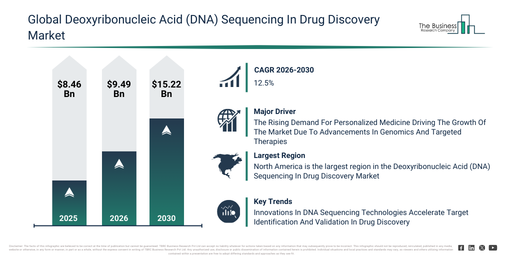
    The deoxyribonucleic acid (dna) sequencing in drug discovery market has seen substantial expansion in its size over recent years. Its valuation is anticipated to climb from $8.46 billion in 2025 to $9.49 billion in 2026, exhibiting a compound annual growth rate (CAGR) of 12.3%. The historical increase in this market can be linked to several factors, including heightened investment in genomic research, the widening of pharmaceutical research and development (R&D) pipelines, the widespread availability of high-throughput sequencing platforms, an increasing focus on personalized medicine, and advancements in sequencing accuracy and speed.

    The deoxyribonucleic acid (dna) sequencing in drug discovery market is anticipated to experience substantial growth in the coming years. It is projected to reach $15.22 billion by 2030, with a compound annual growth rate (CAGR) of 12.5%. This growth during the forecast period is attributed to the increasing adoption of AI-driven genomic analysis, a rising demand for targeted therapeutics, the expansion of pharmacogenomics applications, the growing utilization of sequencing in early-stage drug screening, and increasing collaboration between pharmaceutical and biotechnology firms. Major trends expected in the forecast period include the increasing use of next-generation sequencing in target identification, the rising adoption of single-cell sequencing approaches, the growing integration of bioinformatics in drug discovery, the expansion of precision medicine research programs, and an enhanced focus on biomarker-driven drug development.

    Access Your Free Sample Report for In-Depth Market Insights:

    https://www.thebusinessresearchcompany.com/sample.aspx?id=33087&type=smp

    What Drivers Are Shaping The Development Of The Deoxyribonucleic Acid (DNA) Sequencing In Drug Discovery Market?

    The expanding need for personalized medicine is anticipated to drive the advancement of deoxyribonucleic acid (DNA) sequencing within the drug discovery market. Personalized medicine describes a medical strategy that adapts disease prevention, diagnosis, and treatment to a person’s genetic profile, way of life, and environmental elements. The increased interest in personalized medicine primarily stems from breakthroughs in genomics and molecular diagnostics, which allow for the accurate detection of genetic and molecular distinctions among individuals, leading to customized treatments for greater efficacy and fewer adverse reactions. Deoxyribonucleic acid (DNA) sequencing aids personalized medicine by pinpointing patient-specific genetic variations, which facilitates the creation of targeted therapies, refined drug selection, and enhanced treatment effectiveness with fewer undesirable effects. For example, in February 2024, data from the Personalized Medicine Coalition, a US-based non-profit organization, indicated that in 2023, the Food and Drug Administration (FDA) sanctioned 16 novel personalized treatments for rare disease patients, an increase from six in 2022. The new personalized treatments approved in 2023 also encompassed seven cancer drugs and three for other diseases and conditions. Consequently, the increasing demand for personalized medicine is propelling the growth of deoxyribonucleic acid (DNA) sequencing in the drug discovery market.

    Which Segments Are Contributing To The Growth Of The Deoxyribonucleic Acid (DNA) Sequencing In Drug Discovery Market?

    The deoxyribonucleic acid (dna) sequencing in drug discovery market covered in this report is segmented –

    1) By Product Type: Instruments; Consumables

    2) By Workflow: Sample Preparation; Sequencing

    3) By Technology Type: Sanger Sequencing; Next-Generation Sequencing (NGS)

    4) By Application: Drug Discovery; Pharmacogenomics

    5) By End-User: Pharmaceutical Companies; Biotechnology Firms

    Subsegments:

    1) By Instruments: Sequencing Systems; Sample Preparation Systems; Detection And Imaging Systems; Automation And Robotics Systems; Data Analysis Hardware

    2) By Consumables: Sequencing Reagents; Library Preparation Kits; Sample Collection Kits; Flow Cells; Quality Control Reagents

    What Industry Trends Are Transforming The Deoxyribonucleic Acid (DNA) Sequencing In Drug Discovery Market?

    Companies prominent in the deoxyribonucleic acid (DNA) sequencing in the drug discovery market are concentrating on creating sophisticated solutions, such as high-resolution DNA methylation sequencing assays, to advance biomarker discovery and accelerate precision drug development. These high-resolution DNA methylation sequencing assays represent advanced genomic techniques capable of accurately detailing DNA methylation at single-base or near single-base resolution throughout the genome. This capability allows for thorough examination of epigenetic modifications influencing gene activity, thereby contributing to a precise comprehension of disease biology and the identification of potential targets for drugs. As an illustration, in April 2025, the US-based epigenetics firm, EpiCypher Inc., launched CUTANA mCUT&RUN and Multiomic CUT&RUN, two novel DNA methylation sequencing assays designed to deliver high-resolution methylation profiling while significantly reducing sequencing expenses and required sample inputs. These assays empower researchers to concurrently analyze both DNA methylation and chromatin characteristics, providing more profound multiomic perspectives on gene regulation mechanisms. Ultimately, these advancements in assays support faster and more economical identification and validation of targets, thus speeding up the entire drug discovery and development process.

    Who Are The Primary Competitors In The Global Deoxyribonucleic Acid (DNA) Sequencing In Drug Discovery Market?

    Major companies operating in the deoxyribonucleic acid (dna) sequencing in drug discovery market are Thermo Fisher Scientific Inc., Eurofins Genomics GmbH, Agilent Technologies Inc., Illumina Inc., Revvity Inc., Bio-Rad Laboratories Inc., QIAGEN N.V., 10x Genomics Inc., BGI Genomics, Azenta Life Sciences, Oxford Nanopore Technologies plc, Pacific Biosciences of California Inc., Element Biosciences Inc., Macrogen Inc., Ultima Genomics Inc., SOPHiA GENETICS SA, ProPhase Labs Inc., Singular Genomics Systems Inc., Psomagen Inc., and QitanTech Co Ltd.

    Access The Complete Report For Deeper Market Insights:

    https://www.thebusinessresearchcompany.com/report/deoxyribonucleic-acid-dna-sequencing-in-drug-discovery-market-report

    Which Global Regions Are Shaping The Competitive Landscape Of The Deoxyribonucleic Acid (DNA) Sequencing In Drug Discovery Market?

    North America was the largest region in the deoxyribonucleic acid (DNA) sequencing in drug discovery market in 2025. Asia-Pacific is expected to be the fastest-growing region in the forecast period. The regions covered in the deoxyribonucleic acid (dna) sequencing in drug discovery market report are Asia-Pacific, South East Asia, Western Europe, Eastern Europe, North America, South America, Middle East, Africa.

    Request Your Customized Deoxyribonucleic Acid (DNA) Sequencing In Drug Discovery Market Research Report for Competitive Advantage:

    https://www.thebusinessresearchcompany.com/customise?id=33087&type=smp

    Browse Through More Reports Similar to the Global Deoxyribonucleic Acid (DNA) Sequencing In Drug Discovery Market 2026, By The Business Research Company

    Dna Sequencing Market Report 2026

    https://www.thebusinessresearchcompany.com/report/dna-sequencing-global-market-report

    Ribonucleic Acid Rna Sequencing Market Report 2026

    https://www.thebusinessresearchcompany.com/report/ribonucleic-acid-rna-sequencing-global-market-report

    Clinical Oncology Next Generation Sequencing Market Report 2026

    https://www.thebusinessresearchcompany.com/report/clinical-oncology-next-generation-sequencing-global-market-report

    Get in touch with us:

    The Business Research Company: https://www.thebusinessresearchcompany.com/

    Americas +1 310-496-7795

    Asia +44 7882 955267 & +91 8897263534

    Europe +44 7882 955267

    Email us at info@tbrc.info

    Follow us on:

    LinkedIn: https://in.linkedin.com/company/the-business-research-company

    YouTube: https://www.youtube.com/channel/UC24_fI0rV8cR5DxlCpgmyFQ

    Global Market Model: https://www.thebusinessresearchcompany.com/global-market-model
  • Visual Impairment Market Research: Growth Projections and Trends 2030

    Visual Impairment Market Research: Growth Projections and Trends 2030

    Uncover key drivers, emerging technologies, and competitive movements shaping the visual impairment market from 2026–2035 with trusted insights from The Business Research Company

    What growth pattern is forecast for the Visual Impairment Market size between 2026 and 2035?

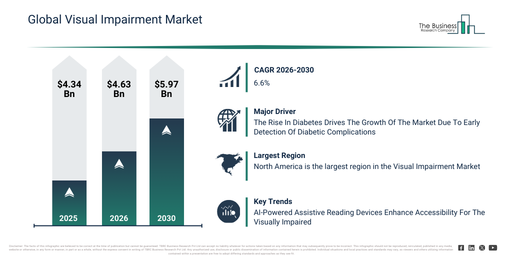
    The visual impairment market has shown significant expansion over recent years. It is anticipated to increase from $4.34 billion in 2025 to $4.63 billion in 2026, exhibiting a compound annual growth rate (CAGR) of 6.7%. Historically, this market’s expansion was driven by the rising occurrence of age-related eye conditions, enhanced understanding of assistive technologies, the growth of special education programs, an expanding visually impaired population, and better access to optical aids.

    The visual impairment market is projected to experience substantial expansion over the coming years, reaching $5.97 billion by 2030, driven by a compound annual growth rate (CAGR) of 6.6%. This anticipated growth is largely due to escalating investments in intelligent assistive technologies, a growing desire for independent living options, the broader availability of AI-driven navigation tools, a heightened emphasis on universally accessible digital design, and the greater uptake of wearable support devices. Key trends anticipated during this period include the increased embrace of AI-powered assistive vision technologies, a surge in the utilization of wearable devices for low vision, the widespread development of digital accessibility features, the increasing incorporation of smart mobility assistance, and a stronger emphasis on customized tools for vision support.

    Access Your Free Sample Report for In-Depth Market Insights:

    https://www.thebusinessresearchcompany.com/sample.aspx?id=25932&type=smp

    Which Drivers Are Impacting Market Performance In The Visual Impairment Market?

    The increasing incidence of diabetes is projected to drive the expansion of the visual impairment market in the future. Diabetes is defined as a long-term metabolic condition marked by elevated blood sugar levels, stemming from deficiencies in either insulin secretion, insulin action, or a combination of both. This growing prevalence of diabetes largely results from unhealthy living habits, including inadequate nutrition, lack of physical activity, and heightened stress, all of which foster obesity and insulin resistance. The presence of visual impairment can signal early complications linked to diabetes, facilitating prompt diagnosis and therapeutic intervention to avert additional health problems, particularly since conditions such as diabetic retinopathy frequently manifest prior to other observable symptoms, enabling earlier medical response and improved disease management. As an illustration, figures from April 2023, reported by Diabetes UK, a British Diabetic Association based in the UK, reveal that 4.3 million individuals in the UK are currently diagnosed with diabetes, marking an increase of almost 149,000 from the preceding year. Furthermore, over 2.4 million individuals across the nation are presently recognized as having a high probability of developing type 2 diabetes. Consequently, the increasing incidence of diabetes is fueling the expansion of the visual impairment market.

    Which Segments Are Contributing To The Growth Of The Visual Impairment Market?

    The visual impairment market covered in this report is segmented –

    1) By Solution Category: Educational Devices And Software, Mobility Devices, Low Vision Devices, Other Types

    2) By Product Type: Assistive Technologies, Optical Devices, Non-Optical Devices, Other Product Types

    3) By Application: Blind Schools, Enterprises And Social Organizations, Personal Use, Hospitals, Other Applications

    4) By Distribution Channel: Online Stores, Specialty Stores, Retail Pharmacies, Other Distribution Channel

    Subsegments:

    1) By Educational Devices And Software: Screen Readers, Braille Displays, Braille Notetakers, Accessible Learning Platforms, Tactile Graphics Tools

    2) By Mobility Devices: White Canes, Smart Canes, Guide Robots, Wearable Mobility Assistants, Electronic Travel Aids

    3) By Low Vision Devices: Optical Magnifiers, Video Magnifiers, Screen Magnification Software, Telescopic Glasses, Wearable Low Vision Glasses

    4) By Other Types: Smart Home Assistive Devices, Voice-Activated Assistants, Vision Therapy Tools, Accessibility Apps, Braille Printers And Embossers

    Which Trends Are Influencing The Performance And Direction Of The Visual Impairment Market?

    Major companies engaged in the visual impairment market are concentrating on developing innovative solutions, such as artificial intelligence-driven assistive reading devices, to enhance reading accessibility and autonomy for visually impaired users. Artificial intelligence-powered assistive reading devices are intelligent tools that utilize AI technologies like text recognition and speech synthesis to aid individuals with visual impairments in reading printed or digital text aloud. For instance, in August 2023, OrCam Technologies Ltd., an Israel-based assistive technology company, launched the OrCam Read 3, an all-in-one device crafted to support individuals experiencing vision loss or reading fatigue. This innovative tool immediately reads aloud printed, handwritten, and digital text, recognizes faces, and scans barcodes, thereby empowering users with increased independence. It also serves as a smart magnifier and a stationary reader, offering sophisticated features like text summarization, intelligent navigation, and hands-free operation for a seamless and comprehensive reading experience.

    Who Are The Core Companies Influencing Trends In The Visual Impairment Market?

    Major companies operating in the visual impairment market are Eschenbach Optik GmbH, OrCam Technologies Ltd., NV Access Limited, Vispero Holdings Inc., HumanWare Group Inc., Freedom Scientific Inc., Aira Tech Corp., Enhanced Vision Systems Inc., Dolphin Computer Access Ltd., IrisVision Global Inc., Zoomax Technology Co. Limited, Ablenet Inc., HIMS Inc., Sight and Sound Technology, Optelec U.S. Inc., Low Vision International AB, Envision Technologies B.V., Perkins Solutions, Tactile Vision Inc., Reinecker Vision GmbH, LVI Low Vision International, Access Ingenuity

    Access The Complete Report For Deeper Market Insights:

    https://www.thebusinessresearchcompany.com/report/visual-impairment-global-market-report

    Which Regions Are Projected To Dominate The Visual Impairment Market In The Coming Years?

    North America was the largest region in the visual impairment market in 2025. Asia-Pacific is expected to be the fastest-growing region in the forecast period. The regions covered in the visual impairment market report are Asia-Pacific, South East Asia, Western Europe, Eastern Europe, North America, South America, Middle East, Africa.

    Request Your Customized Visual Impairment Market Research Report for Competitive Advantage:

    https://www.thebusinessresearchcompany.com/customise?id=25932&type=smp

    Browse Through More Reports Similar to the Global Visual Impairment Market 2026, By The Business Research Company

    Blind Spot Monitor Market Report 2026

    https://www.thebusinessresearchcompany.com/report/blind-spot-monitor-global-market-report

    Assistive Technologies For Visually Impaired Market Report 2026

    https://www.thebusinessresearchcompany.com/report/assistive-technologies-for-visually-impaired-global-market-report

    Night Blindness Treatment Market Report 2026

    https://www.thebusinessresearchcompany.com/report/night-blindness-treatment-global-market-report

    Get in touch with us:

    The Business Research Company: https://www.thebusinessresearchcompany.com/

    Americas +1 310-496-7795

    Asia +44 7882 955267 & +91 8897263534

    Europe +44 7882 955267

    Email us at info@tbrc.info

    Follow us on:

    LinkedIn: https://in.linkedin.com/company/the-business-research-company

    YouTube: https://www.youtube.com/channel/UC24_fI0rV8cR5DxlCpgmyFQ

    Global Market Model: https://www.thebusinessresearchcompany.com/global-market-model
  • Dental Service Organization Market 2026–2030: Forecast, Innovation, and Competitive Trends

    Dental Service Organization Market 2026–2030: Forecast, Innovation, and Competitive Trends

    Uncover key drivers, emerging technologies, and competitive movements shaping the dental service organization market from 2026–2035 with trusted insights from The Business Research Company

    What level of growth is expected in the Dental Service Organization Market between 2026 and 2030?

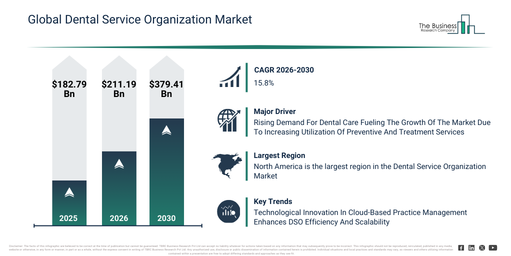
    The dental service organization market has witnessed rapid growth in recent years. It is projected to increase from $182.79 billion in 2025 to $211.19 billion in 2026, reflecting a compound annual growth rate (CAGR) of 15.5%. This historical expansion can be attributed to several factors including the rising administrative burden on dental practices, escalating operating costs in independent clinics, the expansion of private dental practices, a growing demand for professional management services, and the adoption of electronic health records.

    The dental service organization market size is anticipated to experience substantial growth over the next few years. It is projected to expand to $379.41 billion in 2030, demonstrating a compound annual growth rate (CAGR) of 15.8%. This projected increase during the forecast period can be attributed to several factors, including the increasing consolidation of dental practices, a rising demand for scalable dental service platforms, the growing adoption of tele-dentistry services, the expansion of data-driven patient acquisition strategies, and the increasing use of AI-based diagnostics support. Furthermore, significant trends expected in this period involve the increasing adoption of centralized practice management models, the rising use of AI-driven scheduling and billing systems, the growing integration of digital patient records, the expansion of multi-specialty dental networks, and an enhanced focus on operational efficiency and standardization.

    Access Your Free Sample Report for In-Depth Market Insights:

    https://www.thebusinessresearchcompany.com/sample.aspx?id=33086&type=smp

    Which Drivers Are Expected To Impact The Dental Service Organization Market During The Forecast Period?

    The future expansion of the dental service organization market is expected to be propelled by the increasing demand for dental care. Dental care itself involves the prevention, diagnosis, treatment, and management of conditions affecting the teeth, gums, and oral cavity, encompassing routine checkups, cleanings, restorative procedures, and specialized treatments to maintain overall oral health and well-being. This surge in dental care utilization stems from a growing awareness of oral health and preventive dentistry, leading to a higher uptake of regular checkups and treatments. Dental service organizations facilitate dental care by offering centralized management, technology investments, and operational support, thereby enabling dental practices to provide more accessible, efficient, and high-quality patient services. For instance, data released in August 2024 by the NHS Business Services Authority, a UK-based government agency, showed that in 2023/24, approximately 34 million courses of dental treatment were delivered, marking a 4.3% year-over-year increase. Additionally, around 18 million adult patients were treated in the 24 months ending March 2024, and total units of dental activity grew by 3.4% compared to 2022/23, reaching 73 million, which signifies a steady rise in overall dental service utilization. Ultimately, the escalating demand for dental care is a primary driver for the growth of the dental service organization market.

    How Is The Dental Service Organization Market Divided Into Segments?

    The dental service organization market covered in this report is segmented –

    1) By Type of Services: General Dentistry; Pediatric Dentistry; Orthodontics; Oral Maxillofacial Surgery; Periodontics; Cosmetic Dentistry; Endodontics; Prosthodontics

    2) By Practice Model: Single Specialty; Multi-Specialty; Corporate Owned; Independent Practitioner Networks; Franchise Models

    3) By Patient Demographics: Pediatric Patients; Adult Patients; Geriatric Patients; Special Needs Patients; Preventive Care Patients

    4) By Technology Utilization: Traditional Practices; Digital Records Management; Treatment Planning Software; Tele-dentistry Services; 3D Imaging And Printing Technologies; Artificial Intelligence (AI)-Driven Diagnostics

    5) By End-User: General Dentists; Dental Surgeons And Specialists

    Subsegments:

    1) By General Dentistry: Preventive Dental Care; Routine Oral Examinations; Dental Fillings And Restorations; Oral Health Education; Basic Tooth Extractions

    2) By Pediatric Dentistry: Infant Oral Health Care; Child Preventive Dental Services; Pediatric Restorative Dentistry; Behavior Management Dentistry; Special Needs Pediatric Dentistry

    3) By Orthodontics: Metal Braces Treatment; Ceramic Braces Treatment; Clear Aligner Therapy; Lingual Orthodontics; Early Interceptive Orthodontics

    4) By Oral Maxillofacial Surgery: Tooth Extraction Surgery; Dental Implant Surgery; Corrective Jaw Surgery; Facial Trauma Surgery; Oral Pathology Treatment

    5) By Periodontics: Gum Disease Treatment; Scaling And Root Planning; Periodontal Surgery; Gum Grafting Procedures; Dental Implant Maintenance

    6) By Cosmetic Dentistry: Teeth Whitening Services; Dental Veneers Treatment; Cosmetic Bonding; Smile Makeover Services; Aesthetic Dental Contouring

    7) By Endodontics: Root Canal Treatment; Endodontic Retreatment; Apical Surgery; Traumatic Dental Injury Management; Pulp Therapy

    8) By Prosthodontics: Dental Crowns And Bridges; Complete Dentures; Partial Dentures; Implant Supported Prosthetics

    What Trends Are Reshaping The Dynamics Of The Dental Service Organization Market?

    Leading companies operating in the dental service organization market are concentrating on technological breakthroughs, such as integrated cloud-based practice management platforms, to enhance operational effectiveness, facilitate multi-location expansion, and reinforce centralized supervision. These integrated cloud-based practice management platforms are defined as enterprise software systems that enable dental service organizations to oversee administrative, financial, clinical, and patient engagement activities across various affiliated practices via a singular digital infrastructure. For instance, in February 2024, Planet DDS, a US-based dental technology company, unveiled Denticon Reimagined, an upgraded cloud-based dental practice management platform developed for extensive dental groups and DSOs. This platform provides sophisticated analytics for real-time performance tracking, embedded patient communication and engagement functionalities, and a scalable cloud architecture that supports centralized billing, scheduling, and reporting across numerous locations.

    Which Key Market Players Are Investing In Expansion And Innovation Within The Dental Service Organization Market?

    Major companies operating in the dental service organization market are Heartland Dental LLC, Aspen Dental Management Inc., Smile Brands Inc., Western Dental Services Inc., Dental Care Alliance LLC, Great Expressions Dental Centers LLC, Dykema Gossett PLLC, Affordable Dentures & Implants LLC, MB2 Dental Solutions LLC, InterDent Service Corporation, Guardian Dentistry Partners LLC, Benevis LLC, Specialty1 Partners LLC, Pacific Dental Services LLC, Bluetree Dental LLC, iDental Group LLC, Affordable Care LLC, Lollipop Dental LLC, Straine Dental Management LLC, Family Dental Care LLC.

    Access The Complete Report For Deeper Market Insights:

    https://www.thebusinessresearchcompany.com/report/dental-service-organization-market-report

    Which Regions Are Poised For Strategic Growth In The Dental Service Organization Market?

    North America was the largest region in the dental service organization market in 2025. Asia-Pacific is expected to be the fastest-growing region in the forecast period. The regions covered in the dental service organization market report are Asia-Pacific, South East Asia, Western Europe, Eastern Europe, North America, South America, Middle East, Africa.

    Request Your Customized Dental Service Organization Market Research Report for Competitive Advantage:

    https://www.thebusinessresearchcompany.com/customise?id=33086&type=smp

    Browse Through More Reports Similar to the Global Dental Service Organization Market 2026, By The Business Research Company

    Dental Services Market 2026

    https://www.thebusinessresearchcompany.com/report/dental-services-market

    Dental Services Market 2026

    https://www.thebusinessresearchcompany.com/report/dental-services-market

    Dental Practice Management Market Report 2026

    https://www.thebusinessresearchcompany.com/report/dental-practice-management-global-market-report

    Get in touch with us:

    The Business Research Company: https://www.thebusinessresearchcompany.com/

    Americas +1 310-496-7795

    Asia +44 7882 955267 & +91 8897263534

    Europe +44 7882 955267

    Email us at info@tbrc.info

    Follow us on:

    LinkedIn: https://in.linkedin.com/company/the-business-research-company

    YouTube: https://www.youtube.com/channel/UC24_fI0rV8cR5DxlCpgmyFQ

    Global Market Model: https://www.thebusinessresearchcompany.com/global-market-model
  • Dental Implant Fixtures Market Forecast 2026–2035: Data Trends and Industry Insights

    Dental Implant Fixtures Market Forecast 2026–2035: Data Trends and Industry Insights

    Uncover key drivers, emerging technologies, and competitive movements shaping the dental implant fixtures market from 2026–2035 with trusted insights from The Business Research Company

    How much is the Dental Implant Fixtures Market valued at in 2026, and what valuation is forecast for 2030?

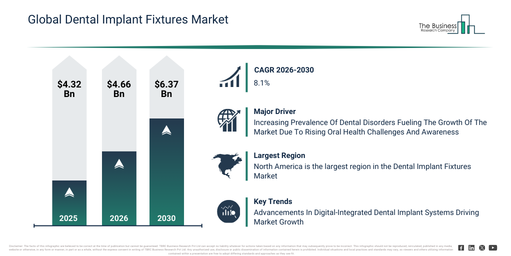
    The dental implant fixtures market has shown robust expansion in recent years. It is projected to grow from $4.32 billion in 2025 to $4.66 billion in 2026, demonstrating a compound annual growth rate (CAGR) of 7.9%. This historical growth can be attributed to the rising occurrence of dental disorders, increasing acceptance of implant dentistry, growing public awareness of oral health, the expansion of dental clinic infrastructure, and improved availability of advanced implant materials.

    The dental implant fixtures market size is anticipated to experience robust expansion over the coming years. By 2030, this market is projected to reach $6.37 billion, exhibiting a compound annual growth rate (CAGR) of 8.1%. This projected growth during the forecast period is primarily fueled by a rising demand for cosmetic dental solutions, an expanding elderly demographic experiencing tooth loss, the increasing embrace of digital dentistry practices, the proliferation of minimally invasive implant techniques, and heightened investments in cutting-edge biomaterials. Key developments expected in this period encompass the wider acceptance of surface-treated implant fixtures, the growing utilization of zirconia-based implant systems, an increased preference for short and narrow implants, the development of customized implant designs, and an intensified focus on prolonged osseointegration performance.

    Access Your Free Sample Report for In-Depth Market Insights:

    https://www.thebusinessresearchcompany.com/sample.aspx?id=33085&type=smp

    What Drivers Are Influencing The Growth Of The Dental Implant Fixtures Market?

    The escalating occurrence of dental issues is anticipated to fuel the expansion of the dental implant fixtures market. These disorders encompass conditions impacting teeth, gums, and the oral cavity, such as cavities, gum disease, and tooth loss, all of which compromise oral health and general wellness. Their increase stems from poor dietary choices, inadequate oral hygiene practices, and an aging demographic, resulting in a greater need for restorative dental interventions. Dental implant fixtures address these problems by offering a stable, lasting foundation that replaces absent tooth roots, re-establishes normal chewing, prevents bone degradation, and upholds overall oral health and structural soundness. For example, in March 2025, data from the UK’s Office for Health Improvement and Disparities revealed that during the 2023 to 2024 timeframe, 5-year-old schoolchildren living in the most underprivileged fifth of the nation exhibited more than double the likelihood of suffering from dentinal decay (32.2%) compared to their counterparts in the least underprivileged fifth (13.6%). Consequently, the rising incidence of dental disorders is a significant impetus behind the growth of the dental implant fixtures market.

    What Segments Are Included Within The Dental Implant Fixtures Market?

    The dental implant fixtures market covered in this report is segmented –

    1) By Product Type: Endosteal Implants; Subperiosteal Implants; Transosteal Implants

    2) By Material: Titanium Implants; Zirconia Implants

    3) By Implant Length: Short Implants; Standard Implants; Long Implants

    4) By Surgery Type: Single-Tooth Implant; Multiple-Tooth Implant; Full-Mouth Implant

    5) By End-User: Dental Clinics; Hospitals; Dental Laboratories

    Subsegments:

    1) By Endosteal Implants: Root Form Implants; Blade Form Implants; Cylinder Implants; Screw Type Implants

    2) By Subperiosteal Implants: Custom Framework Implants; Cobalt Chromium Implants; Titanium Mesh Implants; Plate Form Implants

    3) By Transosteal Implants: Mandibular Staple Implants; Transmandibular Implants; Hollow Cylinder Implants; Plate and Pin Implants

    How Are New Market Trends Shaping The Landscape Of The Dental Implant Fixtures Market?

    Leading companies within the dental implant fixtures market are prioritizing the development of innovative products, such as advanced digital-integrated implant systems, to boost surgical precision, shorten treatment durations, and better patient outcomes. These advanced digital-integrated implant systems represent implant solutions that merge traditional implant fixtures with digital instruments, including CAD/CAM planning, intraoral scanning, and guided surgery. This integration assists clinicians in achieving superior placement precision, quicker procedures, and more consistent clinical results compared to conventional manual approaches. An illustrative example occurred in September 2025, when Dentalkart, an India-based dental products e-commerce firm, introduced the ApexKonnect dental implant system. This patented implant technology features an innovative macro fixture and bioactive nanotechnology surface treatment, engineered to improve primary stability, facilitate immediate placement with fewer drilling steps, and ensure smooth compatibility with prominent CAD software platforms. The ApexKonnect system is designed to shorten surgical durations, lessen post-operative discomfort, and support digital workflows across diverse clinical environments, all while enhancing bone-to-implant contact and osseointegration. The introduction of the ApexKonnect system underscores the industry’s movement towards digitally compatible, clinician-focused implant solutions that deliver both operational efficiency and improved clinical results, especially beneficial in difficult bone situations and immediate loading procedures.

    Who Are The Core Companies Influencing Trends In The Dental Implant Fixtures Market?

    Major companies operating in the dental implant fixtures market are Zimmer Biomet Holdings Inc., DENTSPLY International Inc., Institut Straumann AG, Nobel Biocare Holding AG, Osstem Implant Co. Ltd., Invibio Ltd., Dentium Co. Ltd., MIS Implants Technologies Ltd., BioHorizons Inc., Keystone Dental Inc., Bicon LLC, Zest Dental Solutions Inc., Neoss Limited, Thommen Medical AG, Southern Implants (Pty) Ltd., MegaGen Implant Co. Ltd., CAMLOG Biotechnologies AG, Anthogyr SAS, Adin Dental Implant Systems Ltd., Sweden & Martina S.p.A., Medentis Medical GmbH, Alpha-Bio Tec Ltd., NTA Implant GmbH.

    Access The Complete Report For Deeper Market Insights:

    https://www.thebusinessresearchcompany.com/report/dental-implant-fixtures-market-report

    Which Regions Are Projected To Dominate The Dental Implant Fixtures Market In The Coming Years?

    North America was the largest region in the dental implant fixtures market in 2025. Asia-Pacific is expected to be the fastest-growing region in the forecast period. The regions covered in the dental implant fixtures market report are Asia-Pacific, South East Asia, Western Europe, Eastern Europe, North America, South America, Middle East, Africa.

    Request Your Customized Dental Implant Fixtures Market Research Report for Competitive Advantage:

    https://www.thebusinessresearchcompany.com/customise?id=33085&type=smp

    Browse Through More Reports Similar to the Global Dental Implant Fixtures Market 2026, By The Business Research Company

    Dental Implants Market Report 2026

    https://www.thebusinessresearchcompany.com/report/dental-implants-global-market-report

    Dental Implants And Prosthetics Contract Manufacturing Market Report 2026

    https://www.thebusinessresearchcompany.com/report/dental-implants-and-prosthetics-contract-manufacturing-global-market-report

    Cosmetic Implants Market Report 2026

    https://www.thebusinessresearchcompany.com/report/cosmetic-implants-global-market-report

    Get in touch with us:

    The Business Research Company: https://www.thebusinessresearchcompany.com/

    Americas +1 310-496-7795

    Asia +44 7882 955267 & +91 8897263534

    Europe +44 7882 955267

    Email us at info@tbrc.info

    Follow us on:

    LinkedIn: https://in.linkedin.com/company/the-business-research-company

    YouTube: https://www.youtube.com/channel/UC24_fI0rV8cR5DxlCpgmyFQ

    Global Market Model: https://www.thebusinessresearchcompany.com/global-market-model
  • Global Visual Arts Therapy Industry Insights: Key Trends and Growth Estimates

    Global Visual Arts Therapy Industry Insights: Key Trends and Growth Estimates

    Uncover key drivers, emerging technologies, and competitive movements shaping the visual arts therapy market from 2026–2035 with trusted insights from The Business Research Company

    How much larger will the Visual Arts Therapy Market be in 2030 compared with 2026?

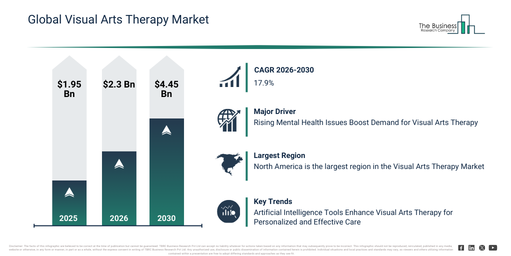
    The visual arts therapy market size has experienced rapid expansion in recent years. It is projected to grow from $1.95 billion in 2025 to $2.3 billion in 2026, demonstrating a compound annual growth rate (CAGR) of 18.2%. The growth witnessed in the historic period can be attributed to increasing awareness of mental health therapies, the expansion of community mental health programs, the integration of arts in rehabilitation settings, the growth of non-pharmacological treatments, and the rising acceptance of expressive therapies.

    The visual arts therapy market size is anticipated to expand significantly over the coming years, with projections indicating it will reach $4.45 billion by 2030, growing at a compound annual growth rate (CAGR) of 17.9%. This expansion throughout the forecast period stems from factors such as a rising preference for holistic mental health strategies, the proliferation of teletherapy platforms, a greater emphasis on preventive mental healthcare, the increasing integration of art therapy in clinical settings, and more extensive research on therapy outcomes. Noteworthy trends during this period include the increased incorporation of digital art tools into therapy, a surge in the utilization of online art therapy sessions, the broader adoption of structured creative therapy programs, the widening application of trauma-informed art therapy practices, and a sharpened focus on evidence-based creative interventions.

    Access Your Free Sample Report for In-Depth Market Insights:

    https://www.thebusinessresearchcompany.com/sample.aspx?id=20694&type=smp

    What Drivers Are Guiding Growth Patterns In The Visual Arts Therapy Market?

    The rising occurrence of mental health issues is anticipated to fuel the expansion of the visual arts therapy market in the future. These conditions encompass various states impacting an individual’s emotional, psychological, and social health, and their increase stems from escalating stressors like financial strains, social disconnection, and the rapid rhythm of contemporary existence. Visual arts therapy aids mental well-being by offering a creative channel for self-expression, mitigating stress, and assisting individuals in therapeutically addressing feelings and past events. As an illustration, data from May 2024, provided by the American Psychiatric Association (APA), a US-based medical specialty society for psychiatrists across the nation, indicates an increasing proportion of U.S. adults experiencing heightened anxiety, with 43% in 2024 reporting greater anxiety levels compared to 37% in 2023 and 32% in 2022. Consequently, the increasing prevalence of mental health problems is a key factor boosting the growth of the visual arts therapy market.

    How Is The Visual Arts Therapy Market Divided Into Segments?

    The visual arts therapy market covered in this report is segmented –

    1) By Type: Painting, Music, Dance, Drama, Photography, Other Types

    2) By Application: Cancer Patients, Dementia Patients, Post-Traumatic Stress Disorder (PTSD) Patients, Physical Disabilities, Mental Health Issues, Substance Abuse Issues, Other Applications

    3) By End User: Hospital, Rehab Centers, Nursing Homes, Community Centers, Psychiatric Facilities, Counseling Practices, Other End Users

    Subsegments:

    1) By Painting: Acrylic Painting, Watercolor Painting, Oil Painting, Mixed Media Painting

    2) By Music: Music Composition, Music Listening Therapy, Songwriting, Instrumental Therapy

    3) By Dance: Expressive Dance, Movement Therapy, Ballet Therapy, Improvisational Dance

    4) By Drama: Theater Therapy, Role-Playing, Improvisational Drama, Storytelling

    5) By Photography: Creative Photography, Documentary Photography, Photo Journaling, Therapeutic Photography Workshops

    6) By Other Types: Sculpture, Crafts And Handicrafts, Digital Art, Collage And Mixed Media

    What Long-Term Trends Are Expected To Shape The Future Of The Visual Arts Therapy Market?

    Major companies operating in the visual arts therapy market are focusing on developing innovative solutions, such as artificial intelligence (AI)-generated art therapy, to make art therapy more accessible and frequent for hospice patients. AI-generated art therapy is a therapeutic approach that leverages artificial intelligence to create and analyze personalized art, providing a unique way to explore emotions, enhance self-expression, and support mental well-being through interactive and adaptive creative processes. For instance, in November 2023, CareYaya Health Technologies, a US-based health-tech startup, launched Pocket Picasso, an AI-driven tool that utilizes AI-generated images for personalized art therapy in hospice care. By integrating OpenAI’s DALL-E 3 software to create images from patient prompts, this tool improves accessibility to art therapy, enabling more frequent sessions and fostering meaningful conversations that help alleviate anxiety and pain.

    Which Major Industry Participants Are Leading The Visual Arts Therapy Market Growth?

    Major companies operating in the visual arts therapy market are University of Florida Health, Baton Rouge General Medical Center, NeurAbilities Healthcare, Laura Baker Services Association, River Valley Behavioral Health And Wellness Center, The Art Station, Reconnect Integrative Trauma Treatment Center, Beck Center for the Arts, Mindful Art Studio, Integrative Art Therapy LLC, Art For Life Foundation, Allied Health 2U, American Art Therapy Association, Art Therapy International Centre, Art Therapy Without Borders, Creative Kinections, Inspire Recovery Center, SafeArt Inc., The Art Therapy Project, The Fine Arts Association, Vlinder Expressive Arts Therapy

    Access The Complete Report For Deeper Market Insights:

    https://www.thebusinessresearchcompany.com/report/visual-arts-therapy-global-market-report

    Which Region Is Expected To Experience The Fastest Growth In The Visual Arts Therapy Market?

    North America was the largest region in the visual arts therapy market in 2025. Asia-Pacific is expected to be the fastest-growing region in the forecast period. The regions covered in the visual arts therapy market report are Asia-Pacific, South East Asia, Western Europe, Eastern Europe, North America, South America, Middle East, Africa.

    Request Your Customized Visual Arts Therapy Market Research Report for Competitive Advantage:

    https://www.thebusinessresearchcompany.com/customise?id=20694&type=smp

    Browse Through More Reports Similar to the Global Visual Arts Therapy Market 2026, By The Business Research Company

    Visual Effects Market Report 2026

    https://www.thebusinessresearchcompany.com/report/visual-effects-global-market-report

    Independent Artists And Performing Art Companies Market Report 2026

    https://www.thebusinessresearchcompany.com/report/independent-artists-and-performing-art-companies-global-market-report

    Sports And Arts Promoters Market Report 2026

    https://www.thebusinessresearchcompany.com/report/sports-and-arts-promoters-global-market-report

    Get in touch with us:

    The Business Research Company: https://www.thebusinessresearchcompany.com/

    Americas +1 310-496-7795

    Asia +44 7882 955267 & +91 8897263534

    Europe +44 7882 955267

    Email us at info@tbrc.info

    Follow us on:

    LinkedIn: https://in.linkedin.com/company/the-business-research-company

    YouTube: https://www.youtube.com/channel/UC24_fI0rV8cR5DxlCpgmyFQ

    Global Market Model: https://www.thebusinessresearchcompany.com/global-market-model