Month: March 2026

  • Epitranscriptomic Therapies Market Performance Outlook 2026–2030: Revenue to Hit $4.2 Billion at 21.9% CAGR

    Epitranscriptomic Therapies Market Performance Outlook 2026–2030: Revenue to Hit $4.2 Billion at 21.9% CAGR

    Uncover key drivers, emerging technologies, and competitive movements shaping the epitranscriptomic therapies market from 2026–2035 with trusted insights from The Business Research Company

    What long-term size projections exist for the Epitranscriptomic Therapies Market covering 2026–2035?

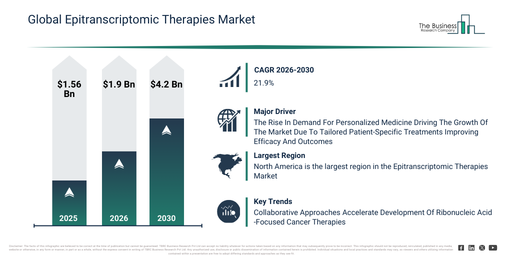
    The epitranscriptomic therapies market has seen substantial growth in recent years. It is forecast to expand from $1.56 billion in 2025 to $1.9 billion in 2026, exhibiting a compound annual growth rate (CAGR) of 21.6%. This historical development can be ascribed to advancements in RNA biology research, a deeper understanding of gene regulation mechanisms, the expansion of oncology research programs, the widespread availability of advanced sequencing technologies, and a rise in translational medicine initiatives.

    The epitranscriptomic therapies market is projected to experience rapid expansion in the coming years, reaching $4.2 billion by 2030, demonstrating a compound annual growth rate (CAGR) of 21.9%. This anticipated growth is driven by several factors, including escalating investments in rna-based therapeutics, a growing need for targeted cancer treatments, the broader adoption of personalized medicine strategies, heightened clinical trial activity within epitranscriptomics, and increased regulatory involvement concerning new rna therapies. Key trends identified for this period encompass the accelerated development of epitranscriptomic drug pipelines, the increased utilization of rna modification profiling tools, the expansion of combined epitranscriptomic therapies, the growing incorporation of bioinformatics into therapy design, and a stronger emphasis on precision medicine applications.

    Access Your Free Sample Report for In-Depth Market Insights:

    https://www.thebusinessresearchcompany.com/sample.aspx?id=33108&type=smp

    Which Drivers Are Impacting The Competitive Landscape Of The Epitranscriptomic Therapies Market?

    The epitranscriptomic therapies market is anticipated to expand going forward, driven by the increasing demand for personalized medicine. Personalized medicine represents a medical approach that customizes healthcare decisions, treatments, and interventions to align with each patient’s unique characteristics, including their genetic profile, lifestyle, and environment. The rising prevalence of chronic and complex diseases primarily fuels this demand, as tailored treatments can more effectively address individual patient needs and improve outcomes. Personalized medicine further supports epitranscriptomic therapies by customizing treatments to an individual’s specific RNA modification patterns, thereby enhancing therapeutic effectiveness and reducing the risk of adverse effects. For example, in February 2024, according to the Personalized Medicine Coalition, a US-based non-profit organization, the U.S. Food and Drug Administration (FDA) approved 16 new personalized treatments for rare disease patients in 2023, an increase from six approvals in 2022. The newly approved personalized treatments for 2023 also included seven cancer drugs and three for other diseases and conditions. Consequently, the increasing demand for personalized medicine is propelling the growth of the epitranscriptomic therapies market.

    What Leading Segments Are Studied In The Epitranscriptomic Therapies Market?

    The epitranscriptomic therapies market covered in this report is segmented –

    1) By Therapy Type: Small Molecule Inhibitors; Ribonucleic Acid Modifying Enzymes; Antisense Oligonucleotides; Other Therapy Types

    2) By Route of Administration: Injectable; Oral; Other Routes Of Administration

    3) By Application: Cancer; Neurological Disorders; Metabolic Diseases; Infectious Diseases; Other Applications

    4) By End-User: Hospitals; Research Institutes; Pharmaceutical And Biotechnology Companies; Other End-Users

    Subsegments:

    1) By Small Molecule Inhibitors: Methyltransferase Inhibitors; Demethylase Inhibitors; Reader Protein Inhibitors; Writer Enzyme Inhibitors; Eraser Enzyme Inhibitors

    2) By Ribonucleic Acid Modifying Enzymes: Methyltransferase Enzymes; Demethylase Enzymes; Pseudouridine Synthase Enzymes; Adenosine Deaminase Enzymes; Cytidine Deaminase Enzymes

    3) By Antisense Oligonucleotides: Gapmer Oligonucleotides; Splice Modulating Oligonucleotides; Translation Blocking Oligonucleotides; Exon Skipping Oligonucleotides; Gene Expression Silencing Oligonucleotides

    4) By Other Therapy Types: Ribonucleic Acid Interference Based Therapies; Messenger Ribonucleic Acid Editing Therapies; Epitranscriptomic Vaccine Platforms; Gene Regulation Modulation Therapies; Combination Epitranscriptomic Therapies

    What Trends Are Expected To Impact The Competitive Landscape Of The Epitranscriptomic Therapies Market?

    Leading entities within the epitranscriptomic therapies market are increasingly concentrating on forming strategic alliances to create novel RNA-modifying treatments for cancer. Such partnerships represent collaborative structures where organizations pool their resources, expertise, or capabilities to achieve common goals, thereby fostering quicker expansion, reducing operational hazards, and boosting market standing. A notable example occurred in January 2026, when STORM Therapeutics Ltd., a biotechnology firm located in the UK, collaborated with Alida Biosciences Inc., a technology company from the US, with the aim of progressing cancer treatments focused on epitranscriptomic pathways. This cooperative effort centers on incorporating AlidaBio’s EpiPlex and EpiScout platforms into STORM’s ongoing clinical trials for STC-15, which is recognized as a pioneering METTL3 inhibitor. The primary objective of this alliance is to pinpoint and authenticate m6A RNA modification biomarkers capable of foretelling patient reactions and refining therapeutic approaches. This joint venture unites drug discovery initiatives with sophisticated RNA profiling techniques, signifying a considerable advancement in the field of epitranscriptomic cancer treatments.

    Which Key Market Players Are Investing In Expansion And Innovation Within The Epitranscriptomic Therapies Market?

    Major companies operating in the epitranscriptomic therapies market are AstraZeneca PLC, GSK plc, Moderna Inc., Alnylam Pharmaceuticals Inc., Ionis Pharmaceuticals Inc., Arcturus Therapeutics Holdings Inc., Arrakis Therapeutics Inc., AIRNA Corporation, CD Genomics, ProQR Therapeutics N.V., Nimbus Therapeutics LLC, Envisagenics Inc., Skyhawk Therapeutics Inc., Avidity Biosciences Inc., STORM Therapeutics Ltd., Omega Therapeutics Inc., Korro Bio Inc., Accent Therapeutics Inc., Alida Biosciences Inc., and O2nix Bio.

    Access The Complete Report For Deeper Market Insights:

    https://www.thebusinessresearchcompany.com/report/epitranscriptomic-therapies-market-report

    Which Regions Are Poised For Strategic Growth In The Epitranscriptomic Therapies Market?

    North America was the largest region in the epitranscriptomic therapies market in 2025. Asia-Pacific is expected to be the fastest-growing region in the forecast period. The regions covered in the epitranscriptomic therapies market report are Asia-Pacific, South East Asia, Western Europe, Eastern Europe, North America, South America, Middle East, Africa.

    Request Your Customized Epitranscriptomic Therapies Market Research Report for Competitive Advantage:

    https://www.thebusinessresearchcompany.com/customise?id=33108&type=smp

    Browse Through More Reports Similar to the Global Epitranscriptomic Therapies Market 2026, By The Business Research Company

    Ecoa Esource And Clinical Trials Market Report 2026

    https://www.thebusinessresearchcompany.com/report/ecoa-esource-and-clinical-trials-global-market-report

    Epilepsy Drugs Market Report 2026

    https://www.thebusinessresearchcompany.com/report/epilepsy-drugs-global-market-report

    Genes Therapy Market Report 2026

    https://www.thebusinessresearchcompany.com/report/genes-therapy-global-market-report

    Get in touch with us:

    The Business Research Company: https://www.thebusinessresearchcompany.com/

    Americas +1 310-496-7795

    Asia +44 7882 955267 & +91 8897263534

    Europe +44 7882 955267

    Email us at info@tbrc.info

    Follow us on:

    LinkedIn: https://in.linkedin.com/company/the-business-research-company

    YouTube: https://www.youtube.com/channel/UC24_fI0rV8cR5DxlCpgmyFQ

    Global Market Model: https://www.thebusinessresearchcompany.com/global-market-model
  • Von Willebrand Disease Industry Growth Insights: Revenue Forecast to 2030

    Von Willebrand Disease Industry Growth Insights: Revenue Forecast to 2030

    Uncover key drivers, emerging technologies, and competitive movements shaping the von willebrand disease market from 2026–2035 with trusted insights from The Business Research Company

    What are the forecasted starting (2026) and ending (2030) market sizes for the Von Willebrand Disease Market?

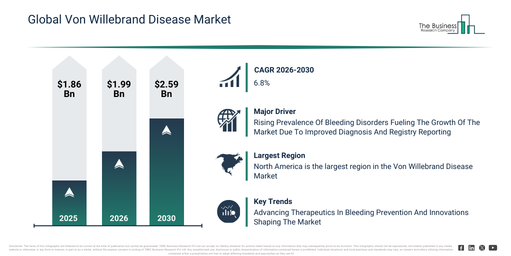
    The von willebrand disease market size has seen substantial growth over recent years. It is projected to expand from $1.86 billion in 2025 to $1.99 billion in 2026, achieving a compound annual growth rate (CAGR) of 6.9%. The increase observed in the past can be attributed to improved awareness of inherited bleeding disorders, availability of plasma-derived vwf therapies, expansion of diagnostic testing capabilities, increased hospital-based hematology care, and early clinical research in coagulation disorders.

    The von willebrand disease market is projected to experience substantial expansion over the coming years. By 2030, its valuation is anticipated to reach $2.59 billion, demonstrating a compound annual growth rate (CAGR) of 6.8%. This projected increase during the forecast period is driven by several factors, including heightened investments in gene-based therapies, the expanding use of precision medicine strategies, broader patient registries and screening initiatives, a growing need for long-acting treatments, and innovations in recombinant drug development. Key developments expected within this period involve the greater integration of recombinant von willebrand factor therapies, an increase in personalized treatment plans, a stronger emphasis on early genetic diagnosis, the availability of more home-based treatment solutions, and improved monitoring of bleeding disorders.

    Access Your Free Sample Report for In-Depth Market Insights:

    https://www.thebusinessresearchcompany.com/sample.aspx?id=22168&type=smp

    What Drivers Are Supporting Technological Adoption In The Von Willebrand Disease Market?

    An anticipated increase in the occurrence of bleeding disorders is projected to boost the expansion of the von Willebrand disease market moving forward. These disorders are medical conditions that impair the body’s capacity to form blood clots, leading to prolonged or profuse bleeding. The growing number of diagnosed bleeding disorders primarily stems from advancements in medical understanding and diagnostic instruments, enabling healthcare providers and hospitals to precisely identify previously undetected cases. Treatment for von Willebrand disease aids patients with bleeding disorders by enhancing blood clotting, mitigating excessive bleeding, and improving their general quality of life. For example, in April 2024, according to the World Federation of Hemophilia, a Canada-based government organization, data collection for individuals suffering from von Willebrand disease (VWD) commenced in February 2023. By December 31, 2023, a total of 999 people with VWD from 45 hemophilia treatment centers (HTCs) spanning 22 countries had been enrolled in the WBDR. In the same year, consolidated data were gathered for 13,343 people with hemophilia (PWH) from 119 HTCs situated in 44 countries. Consequently, the increased prevalence of bleeding disorders is fueling the expansion of the von Willebrand disease market.

    What Segment Types Are Examined In The Von Willebrand Disease Market?

    The von willebrand disease market covered in this report is segmented –

    1) By Type: Type 1, Type 2, Type 3

    2) By Drugs: Antihemophilic Factor, Coagulation Factor VIII Complex, Von Willebrand Factor, Desmopressin Acetate, Other Drugs

    3) By Severity: Mild, Moderate, Severe

    4) By Distribution Channel: Hospital Pharmacy, Retail Pharmacy, Online Pharmacy, Other Distribution Channels

    5) By End Users: Hospitals, Speciality Clinics, Homecare, Other End Users

    Subsegments:

    1) By Type 1: Mild Von Willebrand Disease, Moderate Von Willebrand Disease, Severe Von Willebrand Disease

    2) By Type 2: Type 2A, Type 2B, Type 2M, Type 2N

    3) By Type 3: Congenital Type 3, Acquired Type 3

    What Upcoming Trends Are Likely To Define The Future Path Of The Von Willebrand Disease Market?

    Leading firms within the von willebrand disease market are directing their efforts towards pioneering therapies, specifically von willebrand factor concentrate, aiming to boost treatment effectiveness, lessen occurrences of bleeding, and elevate patient well-being. Von willebrand factor (VWF) concentrate serves as a pharmaceutical agent employed to manage and avert hemorrhage in individuals afflicted with von willebrand disease (VWD), which is a hereditary bleeding condition stemming from insufficient or impaired von willebrand factor. As an illustration, in April 2024, Octapharma USA Inc., a pharmaceutical company based in the US, disclosed that Wilate received approval from the Food and Drug Administration, a US government body. This product, Wilate, is a von willebrand factor concentrate supplied as a lyophilized powder solution intended for intravenous injection, designed for regular prophylactic use to decrease the occurrence of bleeding episodes in adults and children aged 6 years and above. The Food and Drug Administration’s orphan drug designation grants Wilate a period of market exclusivity lasting up to seven years, a measure aimed at stimulating the creation of therapies for infrequent conditions.

    Who Are The Top-Performing Companies In The Von Willebrand Disease Market In Recent Years?

    Major companies operating in the von willebrand disease market are Pfizer Inc., Bayer AG, Sanofi S A, Takeda Pharmaceutical Company Limited, Novo Nordisk A S, CSL Behring, Grifols S A, Kedrion Biopharma Inc., Shanghai RAAS Blood Products Co Ltd, Biotest AG, LFB S A, Bio Products Laboratory Ltd BPL, Octapharma AG, Baxter International Inc, Biogen Inc, Swedish Orphan Biovitrum AB, Roche Holding AG, BioMarin Pharmaceutical Inc, Ferring Pharmaceuticals, Alnylam Pharmaceuticals, Star Therapeutics Inc, Hemab Therapeutics, HEMA Biologics

    Access The Complete Report For Deeper Market Insights:

    https://www.thebusinessresearchcompany.com/report/von-willebrand-disease-global-market-report

    Which Region Currently Holds The Largest Share Of The Von Willebrand Disease Market?

    North America was the largest region in the von willebrand disease market in 2025. Asia-Pacific is expected to be the fastest-growing region in the forecast period. The regions covered in the von willebrand disease market report are Asia-Pacific, South East Asia, Western Europe, Eastern Europe, North America, South America, Middle East, Africa.

    Request Your Customized Von Willebrand Disease Market Research Report for Competitive Advantage:

    https://www.thebusinessresearchcompany.com/customise?id=22168&type=smp

    Browse Through More Reports Similar to the Global Von Willebrand Disease Market 2026, By The Business Research Company

    Rare Disease Diagnostics Market Report 2026

    https://www.thebusinessresearchcompany.com/report/rare-disease-diagnostics-global-market-report

    Rare Neurological Disease Treatment Market Report 2026

    https://www.thebusinessresearchcompany.com/report/rare-neurological-disease-treatment-global-market-report

    Thrombophilia Market Report 2026

    https://www.thebusinessresearchcompany.com/report/thrombophilia-global-market-report

    Get in touch with us:

    The Business Research Company: https://www.thebusinessresearchcompany.com/

    Americas +1 310-496-7795

    Asia +44 7882 955267 & +91 8897263534

    Europe +44 7882 955267

    Email us at info@tbrc.info

    Follow us on:

    LinkedIn: https://in.linkedin.com/company/the-business-research-company

    YouTube: https://www.youtube.com/channel/UC24_fI0rV8cR5DxlCpgmyFQ

    Global Market Model: https://www.thebusinessresearchcompany.com/global-market-model
  • Global Enzymatic Deoxyribonucleic Acid (DNA) Synthesis Technology Market Set for Strong Expansion, Reaching $8.77 Billion With 23.5% CAGR by 2030

    Global Enzymatic Deoxyribonucleic Acid (DNA) Synthesis Technology Market Set for Strong Expansion, Reaching $8.77 Billion With 23.5% CAGR by 2030

    Uncover key drivers, emerging technologies, and competitive movements shaping the enzymatic deoxyribonucleic acid (dna) synthesis technology market from 2026–2035 with trusted insights from The Business Research Company

    What total market size is anticipated for the Enzymatic Deoxyribonucleic Acid (DNA) Synthesis Technology Market in 2030?

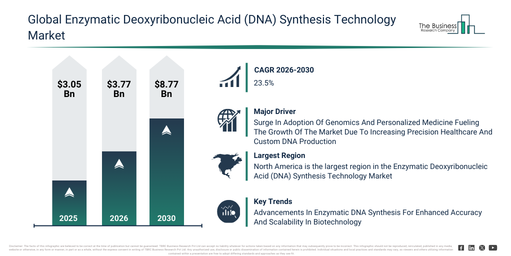
    The market size for enzymatic deoxyribonucleic acid (dna) synthesis technology has experienced substantial expansion in recent years. This market is projected to grow from $3.05 billion in 2025 to $3.77 billion in 2026, achieving a compound annual growth rate (CAGR) of 23.3%. The growth observed in prior periods can be attributed to the increasing deployment of synthetic biology in research, the constraints inherent in chemical DNA synthesis methods, the advancement of genomics and gene editing research, the expansion of funding for biotech research, and the availability of enzyme engineering technologies.

    The market size for enzymatic deoxyribonucleic acid (dna) synthesis technology is anticipated to experience substantial growth over the next few years. It is projected to expand to $8.77 billion by 2030, achieving a compound annual growth rate (CAGR) of 23.5%. This growth during the forecast period is fueled by factors such as the increasing demand for scalable dna manufacturing, the rising adoption of dna-based data storage concepts, the expansion of biopharmaceutical development pipelines, growing investments in sustainable biotech processes, and the increasing use of automated and microfluidic synthesis systems. Significant trends expected during this period include the increasing adoption of enzymatic dna synthesis platforms, a growing demand for long and high-fidelity dna constructs, the expansion of benchtop and cloud-based synthesis models, a rising focus on environmentally sustainable dna manufacturing, and enhanced integration with synthetic biology workflows.

    Access Your Free Sample Report for In-Depth Market Insights:

    https://www.thebusinessresearchcompany.com/sample.aspx?id=33107&type=smp

    What Drivers Are Influencing Production Trends In The Enzymatic Deoxyribonucleic Acid (DNA) Synthesis Technology Market?

    The increasing embrace of genomics and personalized medicine is expected to propel the growth of the enzymatic DNA synthesis technology market going forward. Genomics and personalized medicine refer to the application of genetic information and precision healthcare approaches to tailor diagnostics, treatments, and preventive strategies to individual genetic profiles. The adoption of genomics and personalized medicine is rising due to continuous advancements in sequencing technologies that have lowered costs and shortened analysis timelines, leading to better clinical outcomes and optimized care efficiency. Enzymatic DNA synthesis technology supports genomics and personalized medicine by enabling scalable, high-precision DNA production essential for creating custom genetic sequences and developing targeted therapies. For instance, in February 2024, according to the Personalized Medicine Coalition, a US-based nonprofit organization, the Food and Drug Administration approved 16 new personalized treatments for rare diseases in 2023, a sharp increase from 6 approvals in 2022. Therefore, the rising adoption of genomics and personalized medicine is driving the growth of the enzymatic DNA synthesis technology market.

    Which Segment Groups Are Influencing The Enzymatic Deoxyribonucleic Acid (DNA) Synthesis Technology Market?

    The enzymatic deoxyribonucleic acid (dna) synthesis technology market covered in this report is segmented –

    1) By Technology: Polymerase Mediated Synthesis; Terminal Deoxynucleotidyl Transferase (TdT); Template Free Ligase Based Synthesis; Hybrid Chemical Enzymatic Workflows; Xeno Nucleic Acid (XNA) Synthesis Platforms

    2) By Fragment: Short Oligos; Gene Fragments; Long Constructs

    3) By Delivery Model: Benchtop Instrument; Outsourced Service; Cloud Based As A Service

    4) By Application: Synthetic Biology; Genomics And Gene Editing; Biopharmaceutical Development; Diagnostics And Research Tools; Biotechnology Research And Development

    5) By End-User Or Application: Academic And Government Research Institutes; Pharmaceutical And Biotechnology Companies; Diagnostic Companies; Agricultural Biotech Companies; Industrial Biotech And Chemical Companies

    Subsegments:

    1) By Polymerase Mediated Synthesis: Polymerase Chain Reaction Based Synthesis; Isothermal Amplification Based Synthesis; Rolling Circle Amplification Based Synthesis; Strand Displacement Amplification Based Synthesis; Primer Extension Based Synthesis

    2) By Terminal Deoxynucleotidyl Transferase (TdT): Single Nucleotide Addition Synthesis; Homopolymer Tail Synthesis; Random Oligonucleotide Tail Synthesis; Labeling And Tagging Synthesis; Enzyme Mediated Extension Synthesis

    3) By Template Free Ligase Based Synthesis: Enzymatic Ligation Synthesis; Oligonucleotide Assembly Synthesis; Fragment Ligation Synthesis; Cyclic Ligation Synthesis; Automated Ligase Synthesis

    4) By Hybrid Chemical Enzymatic Workflows: Phosphoramidite Enzymatic Integration Synthesis; Chemical Precursor Enzymatic Extension Synthesis; Stepwise Hybrid Synthesis; Enzyme Assisted Chemical Assembly Synthesis; Automated Hybrid Workflow Synthesis

    5) By Xeno Nucleic Acid (XNA) Synthesis Platforms: Peptide Nucleic Acid Synthesis; Locked Nucleic Acid Synthesis; Glycol Nucleic Acid Synthesis; Threose Nucleic Acid Synthesis; Cyclohexenyl Nucleic Acid Synthesis

    Which Trends Are Guiding The Evolution Of The Enzymatic Deoxyribonucleic Acid (DNA) Synthesis Technology Market?

    Major companies engaged in the enzymatic deoxyribonucleic acid (DNA) synthesis technology market are prioritizing the development of advanced solutions, including algorithm-driven enzymatic DNA synthesis platforms, to facilitate the creation of extended, more intricate, and highly accurate synthetic DNA sequences. Algorithm-driven enzymatic DNA synthesis platforms employ sophisticated computational models to guide enzyme-based, incremental DNA synthesis in vitro. These systems enhance sequence fidelity, scalability, and output by continuously adapting synthesis parameters using real-time error prediction and rectification mechanisms. For instance, in May 2025, Ribbon Bio, an Austria-based synthetic biology company, unveiled its MiroSynth DNA molecules, engineered to enable a new generation of complex and long synthetic DNA constructs. This algorithm-driven approach allows for the assembly of DNA sequences that are significantly longer and more precise than those attainable with conventional techniques, supporting advanced applications in gene therapy, synthetic biology, and industrial biotechnology. The solution utilizes proprietary enzymatic processes to minimize error rates, enhance scalability, and maintain high sequence accuracy, rendering it highly suitable for demanding downstream biological applications. It is designed to address the growing demand for complex DNA architectures while offering improved reliability, sustainability, and design flexibility in comparison to traditional DNA synthesis technologies.

    Who Are The Core Companies Influencing Trends In The Enzymatic Deoxyribonucleic Acid (DNA) Synthesis Technology Market?

    Major companies operating in the enzymatic deoxyribonucleic acid (dna) synthesis technology market are Thermo Fisher Scientific Inc, Almac Group Limited, Twist Bioscience Corporation, DNA Script SAS, Synbio Technologies, Telesis Bio Inc., Touchlight Genetics Limited, Yeasen Biotechnology, CD Genomics, Bioneer Corporation, Ansa Biotechnologies Inc., Elegen Corporation, Molecular Assemblies Inc., Moligo Technologies AB, Evonetix Ltd, Camena Bioscience Limited, Baseclick GmbH, Kern Systems, Ribbon Bio, and Helixworks.

    Access The Complete Report For Deeper Market Insights:

    https://www.thebusinessresearchcompany.com/report/enzymatic-deoxyribonucleic-acid-dna-synthesis-technology-market-report

    Which Regions Are Projected To Dominate The Enzymatic Deoxyribonucleic Acid (DNA) Synthesis Technology Market In The Coming Years?

    North America was the largest region in the enzymatic deoxyribonucleic acid (DNA) synthesis technology market in 2025. Asia-Pacific is expected to be the fastest-growing region in the forecast period. The regions covered in the enzymatic deoxyribonucleic acid (dna) synthesis technology market report are Asia-Pacific, South East Asia, Western Europe, Eastern Europe, North America, South America, Middle East, Africa.

    Request Your Customized Enzymatic Deoxyribonucleic Acid (DNA) Synthesis Technology Market Research Report for Competitive Advantage:

    https://www.thebusinessresearchcompany.com/customise?id=33107&type=smp

    Browse Through More Reports Similar to the Global Enzymatic Deoxyribonucleic Acid (DNA) Synthesis Technology Market 2026, By The Business Research Company

    Oligonucleotide Synthesis Market Report 2026

    https://www.thebusinessresearchcompany.com/report/oligonucleotide-synthesis-global-market-report

    Recombinant Dna Technology Market Report 2026

    https://www.thebusinessresearchcompany.com/report/recombinant-dna-technology-global-market-report

    Nucleic Acid Based Gene Therapy Market Report 2026

    https://www.thebusinessresearchcompany.com/report/nucleic-acid-based-gene-therapy-global-market-report

    Get in touch with us:

    The Business Research Company: https://www.thebusinessresearchcompany.com/

    Americas +1 310-496-7795

    Asia +44 7882 955267 & +91 8897263534

    Europe +44 7882 955267

    Email us at info@tbrc.info

    Follow us on:

    LinkedIn: https://in.linkedin.com/company/the-business-research-company

    YouTube: https://www.youtube.com/channel/UC24_fI0rV8cR5DxlCpgmyFQ

    Global Market Model: https://www.thebusinessresearchcompany.com/global-market-model
  • Endothelial Dysfunction Market Growth Projection: Expected to Surpass $3.88 Billion by 2030 at 6% CAGR

    Endothelial Dysfunction Market Growth Projection: Expected to Surpass $3.88 Billion by 2030 at 6% CAGR

    Uncover key drivers, emerging technologies, and competitive movements shaping the endothelial dysfunction market from 2026–2035 with trusted insights from The Business Research Company

    What is the expected shift in the Endothelial Dysfunction Market’s size between 2026 and 2030?

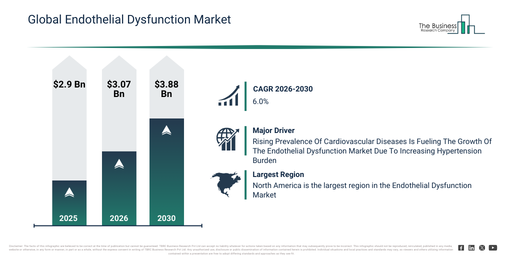
    The market size for endothelial dysfunction has experienced robust growth recently. Projections indicate it will expand from $2.9 billion in 2025 to $3.07 billion by 2026, demonstrating a compound annual growth rate (CAGR) of 5.8%. This historical expansion is linked to factors such as the increasing prevalence of cardiovascular diseases, the rising incidence of metabolic disorders, the broader implementation of preventive healthcare screening, the availability of endothelial biomarkers, and a heightened clinical emphasis on vascular health.

    The endothelial dysfunction market size is projected to demonstrate strong expansion in the upcoming years. It is predicted to reach $3.88 billion by 2030, growing at a compound annual growth rate (CAGR) of 6.0%. This growth during the forecast period can be attributed to the rising implementation of precision medicine strategies, an increasing demand for remote patient monitoring, the development of AI-driven cardiovascular diagnostics, heightened investments in preventive cardiology, and a greater emphasis on personalized treatment pathways. Significant trends expected during the forecast period include the increased application of advanced endothelial function diagnostics, the growing adoption of biomarker-based screening, the expanding integration of digital health monitoring tools, the progression of personalized vascular treatment approaches, and an enhanced focus on early cardiovascular risk detection.

    Access Your Free Sample Report for In-Depth Market Insights:

    https://www.thebusinessresearchcompany.com/sample.aspx?id=33102&type=smp

    Which Drivers Are Shaping Strategic Decisions In The Endothelial Dysfunction Market?

    The escalating occurrence of cardiovascular diseases is anticipated to drive growth in the endothelial dysfunction market in the coming years. These disorders, affecting the heart and blood vessels, are becoming more common globally due to changing demographics and lifestyle-related health hazards. The increasing impact of cardiovascular diseases primarily stems from an aging population, urban living, poor diets, lack of physical activity, and sustained exposure to metabolic and vascular stress, all of which contribute to endothelial damage over time. Endothelial dysfunction is crucial in the onset and progression of cardiovascular diseases, as compromised endothelial regulation leads to inflammation in blood vessels, reduced availability of nitric oxide, irregular vasodilation, and the formation of atherosclerotic plaques. For example, data from January 2024 by the American Heart Association, a US-based non-profit, indicated that the age-adjusted death rate for cardiovascular disease climbed to 233.3 per 100,000 in 2024, representing a 4.0% increase from 224.4 per 100,000 in 2023. Consequently, the rising incidence and burden of cardiovascular diseases are propelling the expansion of the endothelial dysfunction market.

    What Segment Classifications Make Up The Endothelial Dysfunction Market?

    The endothelial dysfunction market covered in this report is segmented –

    1) By Product Type: Diagnostics; Therapeutics; Digital Health Solutions; Pharmacological Agents; Non-Pharmacological Interventions; Biological Therapies

    2) By Technology: Biotechnology; Nanotechnology; Genomics; Proteomics

    3) By Application: Cardiovascular Risk; Metabolic Syndrome; Chronic Kidney Disease; Other Application

    4) By End User: Hospitals; Diagnostic Laboratories; Specialty Clinics; Primary Care Providers

    Subsegments:

    1) By Diagnostics: Endothelial Function Assays; Vascular Imaging Tests; Biomarker Panels; Nitric Oxide Measurement Kits; Flow-Mediated Dilation Tests

    2) By Therapeutics: Pharmacological Treatments; Lifestyle Modification Programs; Physiotherapy Interventions; Surgical Procedures; Nutritional Interventions

    3) By Digital Health Solutions: Remote Patient Monitoring Platforms; Telehealth Consultation Systems; Mobile Health Applications; Wearable Health Devices; Cloud-Based Analytics Solutions

    4) By Pharmacological Agents: Statins; Angiotensin Converting Enzyme Inhibitors; Beta Blockers; Calcium Channel Blockers; Anti-Inflammatory Agents

    5) By Non-Pharmacological Interventions: Dietary Programs; Exercise Regimens; Stress Management Programs; Smoking Cessation Programs; Behavioral Therapy

    6) By Biological Therapies: Gene Therapy Treatments; Stem Cell Therapies; Monoclonal Antibody Treatments; Endothelial Progenitor Cell Therapy; Protein-Based Therapeutics

    Which Major Industry Participants Are Leading The Endothelial Dysfunction Market Growth?

    Major companies operating in the endothelial dysfunction market are F. Hoffmann-La Roche AG, Merck & Co. Inc., Pfizer Inc., Bayer Aktiengesellschaft, Sanofi S.A., Novartis Aktiengesellschaft, Bristol-Myers Squibb Company, Abbott Laboratories, GlaxoSmithKline plc, Eli Lilly and Company, Takeda Pharmaceutical Company Limited, Amgen Inc., Gilead Sciences Inc., Siemens Healthineers AG, Boehringer Ingelheim International GmbH, Teva Pharmaceutical Industries Limited, Boston Scientific Corporation, Astellas Pharma Inc., Daiichi Sankyo Company Limited, Biogen Inc., ChugAI Pharmaceutical Co. Ltd., ZOLL Medical Corporation, OrbusNeich Medical Group Holdings Limited, Stealth Peptides Inc., Perimed AB, and Glucox Biotech AB.

    Access The Complete Report For Deeper Market Insights:

    https://www.thebusinessresearchcompany.com/report/endothelial-dysfunction-market-report

    Which Region Is Expected To Experience The Fastest Growth In The Endothelial Dysfunction Market?

    North America was the largest region in the endothelial dysfunction market in 2025. Asia-Pacific is expected to be the fastest-growing region in the forecast period. The regions covered in the endothelial dysfunction market report are Asia-Pacific, South East Asia, Western Europe, Eastern Europe, North America, South America, Middle East, Africa.

    Request Your Customized Endothelial Dysfunction Market Research Report for Competitive Advantage:

    https://www.thebusinessresearchcompany.com/customise?id=33102&type=smp

    Browse Through More Reports Similar to the Global Endothelial Dysfunction Market 2026, By The Business Research Company

    Anti Vascular Endothelial Growth Factor Therapeutics Market Report 2026

    https://www.thebusinessresearchcompany.com/report/anti-vascular-endothelial-growth-factor-therapeutics-global-market-report

    Biopreservation Market Report 2026

    https://www.thebusinessresearchcompany.com/report/biopreservation-global-market-report

    Aortic Endograft Market Report 2026

    https://www.thebusinessresearchcompany.com/report/aortic-endograft-global-market-report

    Get in touch with us:

    The Business Research Company: https://www.thebusinessresearchcompany.com/

    Americas +1 310-496-7795

    Asia +44 7882 955267 & +91 8897263534

    Europe +44 7882 955267

    Email us at info@tbrc.info

    Follow us on:

    LinkedIn: https://in.linkedin.com/company/the-business-research-company

    YouTube: https://www.youtube.com/channel/UC24_fI0rV8cR5DxlCpgmyFQ

    Global Market Model: https://www.thebusinessresearchcompany.com/global-market-model
  • Global Vocal Cord Paralysis Market Performance Report: Global Trends 2026–2030

    Global Vocal Cord Paralysis Market Performance Report: Global Trends 2026–2030

    Uncover key drivers, emerging technologies, and competitive movements shaping the vocal cord paralysis market from 2026–2035 with trusted insights from The Business Research Company

    What upper market value could the Vocal Cord Paralysis Market reach by 2030 starting from 2026 levels?

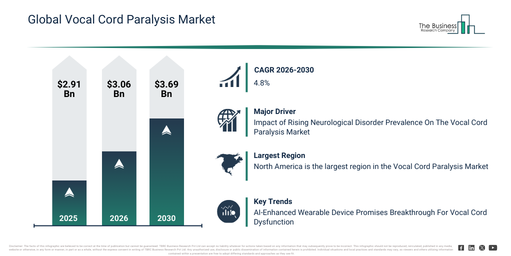
    The vocal cord paralysis market has demonstrated consistent expansion in recent years. It is projected to expand from $2.91 billion in 2025 to $3.06 billion in 2026, registering a compound annual growth rate (CAGR) of 5.0%. The historical growth in this market can be attributed to a rising occurrence of neurological and surgical complications, coupled with broader availability of otolaryngology services, the emergence of specialty voice clinics, enhancements in diagnostic imaging, and the expansion of speech therapy practices.

    The vocal cord paralysis market size is projected to experience consistent expansion over the upcoming years. Its valuation is anticipated to reach $3.69 billion by 2030, demonstrating a compound annual growth rate (CAGR) of 4.8%. This projected growth is driven by several factors, including the increasing uptake of minimally invasive surgical procedures, a heightened demand for customized voice rehabilitation, the expansion of specialized care facilities, an intensified focus on improving quality-of-life outcomes, and the greater incorporation of digital therapeutic instruments. Key trends observed during this period involve the increasing embrace of sophisticated surgical methods, a rise in the utilization of specialized voice therapy programs, a stronger emphasis on prompt diagnosis and early intervention, the broadening of multidisciplinary treatment strategies, and an increased focus on rehabilitation following treatment.

    Access Your Free Sample Report for In-Depth Market Insights:

    https://www.thebusinessresearchcompany.com/sample.aspx?id=18771&type=smp

    Which Drivers Are Influencing Long-Term Growth In The Vocal Cord Paralysis Market?

    The increasing prevalence of neurological disorders is anticipated to stimulate the expansion of the vocal cord paralysis market moving forward. These disorders are medical conditions that impact the nervous system, including the brain, spinal cord, and nerves. The rising occurrence of neurological disorders stems from various elements such as genetic predispositions, infections, trauma, toxins, autoimmune responses, and degeneration. Neurological conditions like stroke, multiple sclerosis, Parkinson’s disease, and other neuromuscular disorders frequently result in complications such as vocal cord paralysis due to their effect on nerve function and muscle control. As these disorders become more common globally, the number of individuals experiencing vocal cord paralysis is also likely to increase. For instance, in March 2023, according to the Alzheimer’s Association, a US-based nonprofit voluntary health organization, in 2023, approximately 6.7 million Americans aged 65 and older are living with Alzheimer’s dementia, and this figure is projected to rise to 13.8 million by 2060. Consequently, the widespread presence of neurological disorders acts as a significant driver for the growth of the vocal cord paralysis market.

    Which Segments Are Driving Activity In The Vocal Cord Paralysis Market?

    The vocal cord paralysis market covered in this report is segmented –

    1) By Type: Bilateral, Unilateral

    2) By Treatment: Surgery, Voice Therapy

    3) By End User: Hospital, Ambulatory Surgical Centers, Specialty Clinic, Other End Users

    Subsegments:

    1) By Bilateral: Acute Bilateral Vocal Cord Paralysis, Chronic Bilateral Vocal Cord Paralysis

    2) By Unilateral: Left-Sided Unilateral Vocal Cord Paralysis, Right-Sided Unilateral Vocal Cord Paralysis

    Which Trends Are Shaping Activity Within The Vocal Cord Paralysis Market?

    Key companies operating within the vocal cord paralysis market are focused on creating advanced technologies, like AI-assisted wearable devices, to improve the diagnosis, treatment, and management of the condition, ultimately enhancing patient outcomes and overall quality of life. An AI-assisted wearable device denotes a form of wearable technology that integrates artificial intelligence to boost its functionality. For instance, in March 2024, UCLA (University of California, Los Angeles), a US-based public research university, developed an adhesive neck patch, a soft, thin, stretchy device just over 1 square inch in size that can be attached to the skin on the outside of the throat to help individuals with dysfunctional vocal cords restore their voice function. This compact new patch-like device consists of two main parts. One, a self-powered sensing component, identifies and transforms signals generated by muscle movements into high-fidelity, analyzable electrical signals, and the other is an actuation component that converts these electrical signals into speech signals through the application of a machine-learning algorithm.

    Which Leading Companies Dominate The Vocal Cord Paralysis Market Share?

    Major companies operating in the vocal cord paralysis market are Medtronic plc, Siemens Healthineers AG, Stryker Corporation, Boston Scientific Corporation, Olympus Corporation, Intuitive Surgical Inc., Smith & Nephew plc, Shenzhen Mindray Bio-Medical Electronics Co. Ltd., Smiths Medical, Teleflex Incorporated, Karl Storz SE & Co. KG, Cook Medical, PENTAX Medical, Merz Therapeutics, Atos Medical AB, Coloplast A/S, InnoMed Technologies Inc., VocaLab Inc., APrevent Medical Inc., InHealth Technologies, Luminaud Inc., Servona GmbH, HEIMOMED Heinze GmbH & Co. KG, Orbisana Healthcare GmbH, William Demant Holding A/S, Acclarent Inc., ICU Medical Inc., Integra LifeSciences Holdings Corporation

    Access The Complete Report For Deeper Market Insights:

    https://www.thebusinessresearchcompany.com/report/vocal-cord-paralysis-global-market-report

    How Does The Vocal Cord Paralysis Market Perform Across Major Global Regions?

    North America was the largest region in the vocal cord paralysis market in 2025. Asia-Pacific is expected to be the fastest-growing region in the forecast period. The regions covered in the vocal cord paralysis market report are Asia-Pacific, South East Asia, Western Europe, Eastern Europe, North America, South America, Middle East, Africa.

    Request Your Customized Vocal Cord Paralysis Market Research Report for Competitive Advantage:

    https://www.thebusinessresearchcompany.com/customise?id=18771&type=smp

    Browse Through More Reports Similar to the Global Vocal Cord Paralysis Market 2026, By The Business Research Company

    Muscle Tension Dysphonia Treatment Market Report 2026

    https://www.thebusinessresearchcompany.com/report/muscle-tension-dysphonia-treatment-global-market-report

    Facial Paralysis Market Report 2026

    https://www.thebusinessresearchcompany.com/report/facial-paralysis-global-market-report

    Speech And Language Disorder Market Report 2026

    https://www.thebusinessresearchcompany.com/report/speech-and-language-disorder-global-market-report

    Get in touch with us:

    The Business Research Company: https://www.thebusinessresearchcompany.com/

    Americas +1 310-496-7795

    Asia +44 7882 955267 & +91 8897263534

    Europe +44 7882 955267

    Email us at info@tbrc.info

    Follow us on:

    LinkedIn: https://in.linkedin.com/company/the-business-research-company

    YouTube: https://www.youtube.com/channel/UC24_fI0rV8cR5DxlCpgmyFQ

    Global Market Model: https://www.thebusinessresearchcompany.com/global-market-model
  • Electroencephalography (EEG) Cap Market Forecast 2026–2035: How to Leverage Market Growth

    Electroencephalography (EEG) Cap Market Forecast 2026–2035: How to Leverage Market Growth

    Uncover key drivers, emerging technologies, and competitive movements shaping the electroencephalography (eeg) cap market from 2026–2035 with trusted insights from The Business Research Company

    What growth pattern is forecast for the Electroencephalography (EEG) Cap Market size between 2026 and 2035?

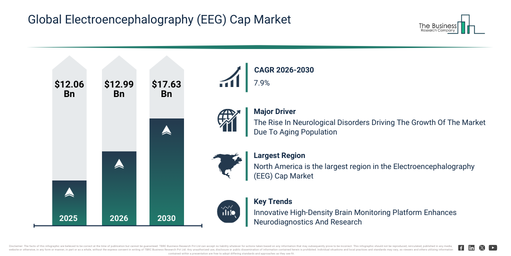
    The electroencephalography (eeg) cap market has experienced robust expansion in recent years. Projections indicate it will expand from $12.06 billion in 2025 to $12.99 billion in 2026, demonstrating a compound annual growth rate (CAGR) of 7.7%. This historical growth is largely due to factors such as the broader adoption of clinical neurology diagnostics, an increasing occurrence of neurological conditions, greater application of eeg in sleep investigations, heightened academic neuroscience research endeavors, and the accessibility of standardized electrode positioning systems.

    The market for electroencephalography (eeg) caps is projected to experience robust expansion over the coming years. This market is anticipated to reach a valuation of $17.63 billion by 2030, driven by a compound annual growth rate (CAGR) of 7.9%. Factors contributing to this growth during the projected timeframe include the increasing integration of brain–computer interface research, a heightened need for remote neurological oversight, the broadening of digital health applications in diagnostic procedures, expanding financial commitments to neuroscience studies, and the increased application of eeg in individualized medical treatments. Significant developments expected in this period encompass a greater acceptance of wireless eeg caps, an escalating requirement for high-density electrode setups, the wider application of dry and semi-dry electrode innovations, an increase in portable and home-based eeg surveillance options, and a heightened emphasis on ensuring patient comfort alongside precise signal acquisition.

    Access Your Free Sample Report for In-Depth Market Insights:

    https://www.thebusinessresearchcompany.com/sample.aspx?id=33100&type=smp

    Which Drivers Are Impacting Market Performance In The Electroencephalography (EEG) Cap Market?

    The increasing incidence of neurological disorders is anticipated to fuel the expansion of the electroencephalography (EEG) cap market moving forward. A neurological disorder refers to any illness or condition that impacts the normal structure or function of your central nervous system (which includes the brain and spinal cord) or peripheral nervous system. This surge in neurological disorder cases is primarily due to aging populations, as the risk of conditions such as Alzheimer’s, Parkinson’s, and stroke elevates with age, leading to a higher overall occurrence in older demographics. Electroencephalography (EEG) caps are instrumental in managing neurological disorders by enabling real-time monitoring of brain activity, thereby assisting in accurate diagnosis, treatment planning, and tracking of therapeutic outcomes. For instance, in March 2023, according to the Alzheimer’s Association, a US-based nonprofit voluntary health organization, approximately 6.7 million Americans aged 65 and older were living with Alzheimer’s dementia in 2023, and this figure is projected to climb to 13.8 million by 2060. Consequently, the growing prevalence of neurological disorders is a significant driver for the electroencephalography (EEG) cap market’s growth.

    What Segment Types Are Examined In The Electroencephalography (EEG) Cap Market?

    The electroencephalography (eeg) cap market covered in this report is segmented –

    1) By Type: Electroencephalography (EEG) Caps for Adults; Electroencephalography (EEG) Caps for Babies

    2) By Technology: Wireless Electroencephalography (EEG) Caps; High-Density Electroencephalography (EEG) Caps

    3) By Application: Clinical Diagnostics; Neurology; Epilepsy Monitoring; Sleep Studies; Brain–Computer Interface Research; Neuroscience Research

    4) By End-User: Hospitals; Diagnostic Centers; Clinics And Ambulatory Surgical Centers; Academic And Research Institutes; Home-Care Settings

    Subsegments:

    1) By Electroencephalography (EEG) Caps for Adults: Wet Electrode Caps; Dry Electrode Caps; Semi-Dry Electrode Caps; Wireless Electroencephalography Caps; High-Density Electrode Caps

    2) By Electroencephalography (EEG) Caps for Babies: Soft Fabric Caps; Stretchable Silicone Caps; Wireless Baby Electroencephalography Caps; High-Density Electrode Caps For Babies; Infant Sleep Monitoring Caps

    Which Trends Are Influencing The Performance And Direction Of The Electroencephalography (EEG) Cap Market?

    Leading companies in the electroencephalography (EEG) cap market are prioritizing the development of innovative solutions, such as high-density electroencephalography platforms, to enhance capabilities in brain monitoring, neurodiagnostics, and research. A high-density electroencephalography platform is an advanced system for monitoring the brain that utilizes hundreds of closely spaced electrodes to capture highly detailed electrical activity from the brain for both research and clinical applications. For instance, in September 2025, Electrical Geodesics Inc., a US-based technology company, launched the Geodesic EEG System 500 (GES 500) to advance high-resolution brain monitoring and neuroscience research. This platform supports the capture of up to 256 channels of high-density EEG data, enabling precise mapping of brain activity. It integrates hardware and software into a unified ecosystem that is compatible with both proprietary analytics and popular open-source neuroscience tools. Additionally, the GES 500 allows for combined recording and stimulation workflows, including interoperability with transcranial magnetic stimulation (TMS) systems, thus facilitating cutting-edge studies in brain function, neurological disorders, and cognitive research.

    Who Are The Prominent Global Companies Shaping The Electroencephalography (EEG) Cap Market Landscape?

    Major companies operating in the electroencephalography (eeg) cap market are NeuroSky Inc., ADInstruments Pty Ltd, Inomed Medizintechnik GmbH, Brain Products GmbH, Emotiv Inc., ANT Neuro B.V., BioSemi B.V., Electrical Geodesics Inc., BIOPAC Systems Inc., Medical Computer Systems GmbH, Compumedics Neuroscan, Neuroelectrics SL, Electro-Cap International Inc., MAG & More GmbH, Mind Media B.V., NIRx Medizintechnik GmbH, NR Sign Ltd, TELEMEDX Inc., Tenocom Medical GmbH, Wearable Sensing LLC.

    Access The Complete Report For Deeper Market Insights:

    https://www.thebusinessresearchcompany.com/report/electroencephalography-eeg-cap-market-report

    Which Geographic Areas Are Emerging As Strong Markets For The Electroencephalography (EEG) Cap Market?

    North America was the largest region in the EEG cap market in 2025. Asia-Pacific is expected to be the fastest-growing region in the forecast period. The regions covered in the electroencephalography (eeg) cap market report are Asia-Pacific, South East Asia, Western Europe, Eastern Europe, North America, South America, Middle East, Africa.

    Request Your Customized Electroencephalography (EEG) Cap Market Research Report for Competitive Advantage:

    https://www.thebusinessresearchcompany.com/customise?id=33100&type=smp

    Browse Through More Reports Similar to the Global Electroencephalography (EEG) Cap Market 2026, By The Business Research Company

    Electroencephalography Devices Market Report 2026

    https://www.thebusinessresearchcompany.com/report/electroencephalography-devices-global-market-report

    Wearable Electroencephalogram Eeg Headsets Market Report 2026

    https://www.thebusinessresearchcompany.com/report/wearable-electroencephalogram-eeg-headsets-global-market-report

    Electroencephalography Eeg And Electromyography Emg Equipment Market Report 2026

    https://www.thebusinessresearchcompany.com/report/electroencephalography-eeg-and-electromyography-emg-equipment-global-market-report

    Get in touch with us:

    The Business Research Company: https://www.thebusinessresearchcompany.com/

    Americas +1 310-496-7795

    Asia +44 7882 955267 & +91 8897263534

    Europe +44 7882 955267

    Email us at info@tbrc.info

    Follow us on:

    LinkedIn: https://in.linkedin.com/company/the-business-research-company

    YouTube: https://www.youtube.com/channel/UC24_fI0rV8cR5DxlCpgmyFQ

    Global Market Model: https://www.thebusinessresearchcompany.com/global-market-model
  • Vocal Biomarkers Market Future Outlook 2026: Key Drivers and Growth Potential

    Vocal Biomarkers Market Future Outlook 2026: Key Drivers and Growth Potential

    Uncover key drivers, emerging technologies, and competitive movements shaping the vocal biomarkers market from 2026–2035 with trusted insights from The Business Research Company

    What level of CAGR-driven expansion is anticipated in the Vocal Biomarkers Market between 2026 and 2030?

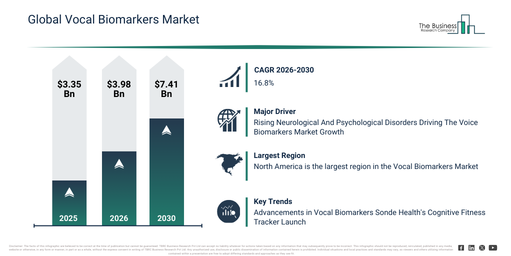
    The vocal biomarkers market size has seen rapid expansion in recent years. It is anticipated to grow from $3.35 billion in 2025 to $3.98 billion in 2026, achieving a compound annual growth rate (CAGR) of 18.8%. This historical growth can be linked to intensified research into digital health biomarkers, increased adoption of telemedicine, the availability of advanced speech analytics software, a heightened focus on mental health screening, and the broadening of academic research programs.

    The vocal biomarkers market size is projected for swift expansion over the coming years, with expectations to reach $7.41 billion in 2030, displaying a compound annual growth rate (CAGR) of 16.8%. The observed growth within this forecast period stems from factors such as increasing clinical validation of vocal biomarkers, their rising integration with wearable health platforms, the expansion of AI-powered diagnostics, a growing demand for non-invasive monitoring solutions, and increasing regulatory acceptance of digital biomarkers. Noteworthy trends anticipated during this period encompass the increasing use of AI-driven voice analysis platforms, the rising adoption of remote health monitoring tools, the growing integration of vocal biomarkers in mental health assessment, the expansion of voice-based diagnostic applications, and an enhanced focus on continuous patient monitoring.

    Access Your Free Sample Report for In-Depth Market Insights:

    https://www.thebusinessresearchcompany.com/sample.aspx?id=17294&type=smp

    What Drivers Are Affecting Demand-Supply Dynamics In The Vocal Biomarkers Market?

    The increasing incidence of neurological and psychological disorders is anticipated to drive the future expansion of the voice biomarkers market. Neurological disorders are defined as medical conditions impacting the nervous system, whereas psychological disorders represent conditions that influence an individual’s mood, thought processes, and behavior. The rise in cases of both neurological and psychological disorders can be attributed to factors such as elevated stress levels, an aging global population, shifts in lifestyle, and improved capabilities in awareness and diagnosis. Voice biomarkers are utilized in these conditions for the non-invasive detection and monitoring of disease-specific changes in speech patterns, pitch, and rhythm, thereby offering valuable insights into the presence and progression of these ailments. For instance, in April 2024, according to the data published by alzheimers.gov, a US-based Department of Health and Human Services (HHS), more than 6 million Americans aged 65 and older are living with Alzheimer’s disease in 2024, and it is predicted that this number will increase to more than 13 million people by 2060. This consistent growth in neurological and psychological disorders is thus propelling the expansion of the voice biomarkers market.

    How Is The Vocal Biomarkers Market Organized Into Various Segments?

    The vocal biomarkers market covered in this report is segmented –

    1) By Type: Frequency, Amplitude, Error Rate, Vocal Rise Or Fall Time, Phonation Time, Voice Tremor, Pitch, Other Types

    2) By Indications: Psychiatric Disorders, Neurological Disorders, Respiratory Disorders, Cardiovascular Disorders, Traumatic Brain Injury (TBI), Other Indications

    3) By Consumer: Children And Newborns, Adults

    4) By End Users: Hospitals And Clinics, Academic, Research, Other End-Users

    Subsegments:

    1) By Frequency: Fundamental Frequency (Pitch), Formant Frequencies

    2) By Amplitude: Intensity Levels, Amplitude Variation

    3) By Error Rate: Phonemic Errors, Prosodic Errors

    4) By Vocal Rise Or Fall Time: Rise Time Slope, Fall Time Slope

    5) By Phonation Time: Sustained Phonation Duration, Phonation Intervals

    6) By Voice Tremor: Frequency Modulation Tremor, Amplitude Modulation Tremor

    7) By Pitch: Mean Pitch, Pitch Variability

    8) By Other Types: Speech Rate, Jitter, Shimmer

    Which Trends Are Influencing The Development Of The Vocal Biomarkers Market?

    Leading companies in the vocal biomarkers market are prioritizing the creation of advanced technology, such as Monitor Vocal Biomarkers, to elevate the precision of disease detection, improve patient surveillance, and allow for early intervention across various health issues. Monitor Vocal Biomarkers signifies the application of voice analysis to pinpoint physiological and psychological health markers. For example, in November 2024, Sonde Health, a US-based digital health company, unveiled Sonde Cognitive Fitness, a voice-activated cognitive fitness tracker engineered to observe cognitive effort continuously. This tracker processes voice samples acquired through most smart devices, evaluating vocal biomarkers to determine cognitive effort.

    Who Are The Major Companies Operating In The Vocal Biomarkers Market?

    Major companies operating in the vocal biomarkers market are Beyond Verbal, AudEERING, Sonde Health Inc., Kintsugi Health, Ellipsis Health, Canary Speech, Vocalis Health, EVOCAL Health, Cogito Corporation, ConversationHealth, Veritone Inc., Cambridge Cognition Ltd., Neurotrack Technologies Inc., Winterlight Labs, Aural Analytics, PeakProfiling, Mindstrong Health, Sonic Cloud Health, NeuraMetrix, Aiva Health, Modality AI, VoiceSense, VoxMetrix

    Access The Complete Report For Deeper Market Insights:

    https://www.thebusinessresearchcompany.com/report/vocal-biomarkers-global-market-report

    Which Region Is Anticipated To See The Fastest Growth In The Vocal Biomarkers Market?

    North America was the largest region in the vocal biomarkers market in 2025. The regions covered in the vocal biomarkers market report are Asia-Pacific, South East Asia, Western Europe, Eastern Europe, North America, South America, Middle East, Africa.

    Request Your Customized Vocal Biomarkers Market Research Report for Competitive Advantage:

    https://www.thebusinessresearchcompany.com/customise?id=17294&type=smp

    Browse Through More Reports Similar to the Global Vocal Biomarkers Market 2026, By The Business Research Company

    Clinical Biomarkers Market Report 2026

    https://www.thebusinessresearchcompany.com/report/clinical-biomarkers-global-market-report

    Voice Biometrics Market Report 2026

    https://www.thebusinessresearchcompany.com/report/voice-biometrics-global-market-report

    Biomarkers Market Report 2026

    https://www.thebusinessresearchcompany.com/report/biomarkers-global-market-report

    Get in touch with us:

    The Business Research Company: https://www.thebusinessresearchcompany.com/

    Americas +1 310-496-7795

    Asia +44 7882 955267 & +91 8897263534

    Europe +44 7882 955267

    Email us at info@tbrc.info

    Follow us on:

    LinkedIn: https://in.linkedin.com/company/the-business-research-company

    YouTube: https://www.youtube.com/channel/UC24_fI0rV8cR5DxlCpgmyFQ

    Global Market Model: https://www.thebusinessresearchcompany.com/global-market-model
  • Global Electric Mobile X-Ray Van Market 2026–2030: Forecast Insights for Business Planning

    Global Electric Mobile X-Ray Van Market 2026–2030: Forecast Insights for Business Planning

    Uncover key drivers, emerging technologies, and competitive movements shaping the electric mobile x-ray van market from 2026–2035 with trusted insights from The Business Research Company

    How much larger will the Electric Mobile X-Ray Van Market be in 2030 compared with 2026?

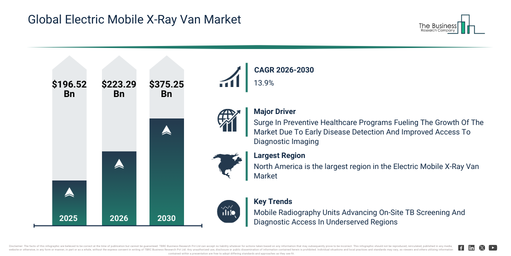
    The electric mobile x-ray van market has experienced swift expansion over recent years. This market is projected to increase from $196.52 billion in 2025 to $223.29 billion in 2026, achieving a compound annual growth rate (CAGR) of 13.6%. The growth observed in the historic period can be attributed to the widespread expansion of mobile healthcare programs, an increasing demand for diagnostic access in rural areas, significant advancements in digital imaging technologies, a rising focus on broad population health screening, and the increased availability of electric vehicle platforms suitable for medical use.

    The electric mobile x-ray van market is projected to experience substantial expansion over the upcoming years. By 2030, this market is anticipated to reach a valuation of $375.25 billion, demonstrating a compound annual growth rate (CAGR) of 13.9%. Factors driving this growth during the forecast period include greater investments in electric healthcare mobility, the increasing uptake of telemedicine-backed diagnostics, the expansion of public health outreach initiatives, a heightened emphasis on sustainable medical transport options, and the growing incorporation of AI-assisted image analysis. Key trends expected over the forecast horizon encompass the expanded deployment of electric mobile diagnostic units, the rising integration of digital radiography systems within mobile vans, an escalating demand for healthcare vehicles with low emissions, the broadening of community-based diagnostic offerings, and an intensified focus on remote and preventive healthcare.

    Access Your Free Sample Report for In-Depth Market Insights:

    https://www.thebusinessresearchcompany.com/sample.aspx?id=33099&type=smp

    What Drivers Are Guiding Growth Patterns In The Electric Mobile X-Ray Van Market?

    The increasing prevalence of preventive healthcare programs is anticipated to fuel the expansion of the electric mobile X-ray van market moving forward. These healthcare programs are structured initiatives or services designed to advance, maintain, or restore health, frequently focusing on specific populations, conditions, or preventive care objectives. The rise in preventive healthcare programs is attributed to a heightened emphasis from governments and payers on early disease identification and cost reduction strategies through preventive care initiatives. The electric mobile X-ray van aids healthcare programs by delivering high-quality diagnostic imaging directly to patients in remote, underserved, or point-of-care environments, thereby enhancing access, promoting early detection, and facilitating timely medical intervention. For instance, in May 2024, according to the Office for National Statistics, a UK-based government department, between 2022 and 2023, healthcare spending in the UK increased by 5.6% compared with growth of 0.9% in 2022. The UK healthcare expenditure in 2023 amounted to approximately $317.63 billion (£292 billion). Thus, the growth in preventive healthcare programs is acting as a catalyst for the electric mobile X-ray van market’s expansion.

    Which Segments Are Driving Activity In The Electric Mobile X-Ray Van Market?

    The electric mobile x-ray van market covered in this report is segmented –

    1) By Vehicle Type: Light Duty; Medium Duty; Heavy Duty

    2) By Power Source: Battery Electric; Hybrid Electric

    3) By Technology: Digital Radiography Systems; Computed Radiography Systems; Battery-Electric Propulsion

    4) By Application: Hospitals; Diagnostic Centers; Emergency Services; Military And Defense; Other Applications

    5) By End-User: Public Sector; Private Sector

    Subsegments:

    1) By Light Duty: Passenger Van; Compact Utility Van; Small Box Van

    2) By Medium Duty: Step Van; Medium Box Truck; Chassis Cab Truck

    3) By Heavy Duty: Large Box Truck; Rigid Truck; Specialty Medical Truck

    What Long-Term Trends Are Expected To Shape The Future Of The Electric Mobile X-Ray Van Market?

    Major companies in the electric mobile X-ray van market are concentrating on developing advanced technologies, such as mobile radiography units for TB screening, to facilitate rapid, on-site chest imaging, enhance early disease identification, and broaden diagnostic reach in distant and neglected regions. Mobile Radiography Units for TB Screening are defined as autonomous, vehicle-integrated diagnostic systems featuring digital chest X-ray technology, allowing for immediate tuberculosis screening and prompt diagnosis in isolated, rural, or inadequately served locations. As an illustration, in February 2024, the Philippine Business for Social Progress (PBSP), a Philippines-based non-profit organization, collaborated with the Philippines-based government agency Department of Health to introduce a mobile TB X-ray van aimed at improving availability of tuberculosis (TB) care. This van incorporates integrated TB screening and diagnostic capabilities, facilitating prompt detection and quicker commencement of treatment directly within local communities. Furthermore, the van promotes decentralized service provision by bringing testing, consultations, and follow-up services nearer to patients, thereby lessening travel duration and overcoming access obstacles. Moreover, its design allows for the support of awareness campaigns, patient tracking, and coordination with local health systems, which contributes to bolstering TB care outreach, ensuring treatment continuity, and enhancing the comprehensive public health response.

    Which Key Players Are Driving Competition In The Electric Mobile X-Ray Van Market?

    Major companies operating in the electric mobile x-ray van market are Siemens Healthineers AG, Royal Philips N.V., GE HealthCare Technologies Inc., Hologic Inc., Agfa HealthCare, Hubei Ruitu Technology Co. Ltd., Chengli Special Automobile Co. Ltd., Summit Bodyworks Inc., Shimadzu Medical Systems, Canon Medical Systems Corporation, Hubei Hengsheng Special Vehicle Co. Ltd., Fujifilm Medical Systems, MinXray Inc., Craftsmen Industries Inc.

    Access The Complete Report For Deeper Market Insights:

    https://www.thebusinessresearchcompany.com/report/electric-mobile-x-ray-van-market-report

    Which Region Is Projected To Lead The Electric Mobile X-Ray Van Market During The Forecast Period?

    North America was the largest region in the electric mobile X-ray van market in 2025. Asia-Pacific is expected to be the fastest-growing region in the forecast period. The regions covered in the electric mobile x-ray van market report are Asia-Pacific, South East Asia, Western Europe, Eastern Europe, North America, South America, Middle East, Africa.

    Request Your Customized Electric Mobile X-Ray Van Market Research Report for Competitive Advantage:

    https://www.thebusinessresearchcompany.com/customise?id=33099&type=smp

    Browse Through More Reports Similar to the Global Electric Mobile X-Ray Van Market 2026, By The Business Research Company

    X Ray Systems Devices And Equipment Market Report 2026

    https://www.thebusinessresearchcompany.com/report/x-ray-systems-devices-and-equipment-global-market-report

    Electric Van Market Report 2026

    https://www.thebusinessresearchcompany.com/report/electric-van-global-market-report

    Digital Xray Devices Market Report 2026

    https://www.thebusinessresearchcompany.com/report/digital-xray-devices-global-market-report

    Get in touch with us:

    The Business Research Company: https://www.thebusinessresearchcompany.com/

    Americas +1 310-496-7795

    Asia +44 7882 955267 & +91 8897263534

    Europe +44 7882 955267

    Email us at info@tbrc.info

    Follow us on:

    LinkedIn: https://in.linkedin.com/company/the-business-research-company

    YouTube: https://www.youtube.com/channel/UC24_fI0rV8cR5DxlCpgmyFQ

    Global Market Model: https://www.thebusinessresearchcompany.com/global-market-model
  • EGFR Non-Small Cell Lung Cancer Market Outlook 2026–2035: Growth Drivers and Industry Forecast

    EGFR Non-Small Cell Lung Cancer Market Outlook 2026–2035: Growth Drivers and Industry Forecast

    Uncover key drivers, emerging technologies, and competitive movements shaping the egfr non-small cell lung cancer market from 2026–2035 with trusted insights from The Business Research Company

    Starting from its 2026 valuation, what market size is the EGFR Non-Small Cell Lung Cancer Market expected to reach by 2030?

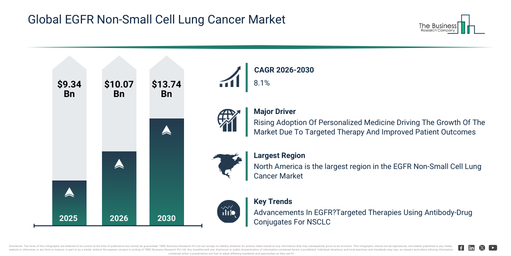
    The egfr non-small cell lung cancer market has demonstrated strong growth in recent years. It is anticipated to increase from $9.34 billion in 2025 to $10.07 billion in 2026, at a compound annual growth rate (CAGR) of 7.8%. This historical expansion can be attributed to factors such as the increasing prevalence of non-small cell lung cancer, advancements in molecular diagnostics, rising awareness of egfr mutation testing, the expansion of oncology specialty centers, and increased availability of targeted therapies.

    The egfr non-small cell lung cancer market is projected to experience robust expansion over the coming years, set to reach $13.74 billion by 2030 with a compound annual growth rate (CAGR) of 8.1%. This anticipated growth during the forecast period is attributable to several factors, including an expanding pipeline of next-generation egfr inhibitors, the increasing uptake of precision oncology methods, the broadening of biomarker-driven treatment paradigms, the growing incorporation of real-world evidence into oncology care, and a heightened emphasis on patient-centric cancer management. Key trends anticipated in this period encompass a rising adoption of targeted egfr therapies, increased utilization of companion diagnostic testing, an evolving focus on personalized treatment pathways, the expansion of combination therapy strategies, and improved integration of multidisciplinary cancer care.

    Access Your Free Sample Report for In-Depth Market Insights:

    https://www.thebusinessresearchcompany.com/sample.aspx?id=33098&type=smp

    What Drivers Are Driving Adoption Within The EGFR Non-Small Cell Lung Cancer Market?

    The anticipated expansion of the epidermal growth factor receptor (EGFR) non-small cell lung cancer market is largely attributed to the heightened emphasis on personalized medicine strategies. Personalized medicine represents a healthcare methodology that customizes prevention, diagnostic, and therapeutic plans based on an individual’s unique genetic makeup, environmental exposures, and lifestyle choices. The uptake of personalized medicine is accelerating, driven by the increasing availability of genetic and molecular profiling technologies, which facilitate the accurate identification of disease-specific targets and enable the customization of treatments to achieve better patient results. In the context of EGFR non-small cell lung cancer, personalized medicine aids by identifying particular EGFR mutations in patients, thus empowering physicians to prescribe targeted therapies that optimize efficacy and reduce adverse reactions. A notable example is provided by the Personalized Medicine Coalition, a US-based non-profit organization, which reported in February 2024 that the FDA approved 16 new personalized therapies for rare diseases patients in 2023. This marks a substantial rise from the six approvals observed in 2022. Consequently, the intensified attention on personalized medicine approaches is a key factor propelling the expansion of the epidermal growth factor receptor (EGFR) non-small cell lung cancer market.

    How Is The EGFR Non-Small Cell Lung Cancer Market Organized Into Various Segments?

    The egfr non-small cell lung cancer market covered in this report is segmented –

    1) By Drug Type: Tyrosine Kinase Inhibitors (TKIs); Monoclonal Antibodies; Late Phase

    2) By Mutation Type: Exon 19 Deletions; Exon 21 L858R Substitution Mutations; Exon 20 Insertion Mutations; Other Mutation Types

    3) By Treatment Type: Monotherapy; Combination Therapy

    4) By Route of Administration: Oral; Intravenous

    5) By End User: Hospitals; Specialty Oncology Centers; Cancer Research Institutes; Academic Institutes; Other End Users

    Subsegments:

    1) By Tyrosine Kinase Inhibitors: First Generation Tyrosine Kinase Inhibitors; Second Generation Tyrosine Kinase Inhibitors; Third Generation Tyrosine Kinase Inhibitors

    2) By Monoclonal Antibodies: Anti Epidermal Growth Factor Receptor Monoclonal Antibodies; Dual Target Monoclonal Antibodies; Antibody Drug Conjugates

    3) By Late Phase: Patritumab Deruxtecan; Other Late Phase Pipeline Therapies

    Which Market Trends Are Opening Growth Opportunities In The EGFR Non-Small Cell Lung Cancer Market?

    Leading companies active in the epidermal growth factor receptor (EGFR) non-small cell lung cancer market are concentrating on developing innovative products, such as antibody-drug conjugates, to enhance treatment efficacy while minimizing systemic side effects compared to conventional chemotherapy. An antibody-drug conjugate (ADC) is a therapeutic approach that links a cancer-targeting antibody to a potent drug, allowing the medication to be delivered precisely to tumor cells while safeguarding normal cells. For instance, in June 2025, AstraZeneca Plc, a UK-based biopharmaceutical company, announced that Datroway (datopotamab deruxtecan or Dato-DXd) secured approval in the U.S. for the treatment of adult patients with locally advanced or metastatic EGFR-mutated non-small cell lung cancer (NSCLC) who have previously undergone EGFR-targeted therapy and platinum-based chemotherapy. This indication received accelerated approval based on the observed objective response rate (ORR) and duration of response (DoR), with continued approval conditional on the confirmation of clinical benefit in a subsequent trial. The U.S. FDA granted the approval following a Priority Review and Breakthrough Therapy Designation. The decision was substantiated by a subgroup analysis from the TROPION-Lung05 Phase II trial and additional evidence obtained from the TROPION-Lung01 Phase III trial.

    Who Are The Top-Performing Companies In The EGFR Non-Small Cell Lung Cancer Market In Recent Years?

    Major companies operating in the egfr non-small cell lung cancer market are Johnson & Johnson Services Inc., F. Hoffmann-La Roche Ltd, Pfizer Inc., AstraZeneca Plc, Bayer AG, Eli Lilly and Company, Takeda Pharmaceuticals Company Ltd., Boehringer Ingelheim Pharmaceuticals Inc., Teva Pharmaceutical Industries Ltd., Daiichi Sankyo Co. Ltd., Taiho Pharmaceutical Co. Ltd., Jiangsu Hansoh Pharmaceutical Co. Ltd., Betta Pharmaceuticals Co. Ltd., ShanghAI Allist Pharmaceuticals Co. Ltd., Oric Pharmaceuticals Inc., Black Diamond Therapeutics Inc., G1 Therapeutics Inc., Dizal Pharmaceutical, ArriVent BioPharma Inc., and Cullinan Therapeutics Inc.

    Access The Complete Report For Deeper Market Insights:

    https://www.thebusinessresearchcompany.com/report/egfr-non-small-cell-lung-cancer-market-report

    Which Region Currently Holds The Largest Share Of The EGFR Non-Small Cell Lung Cancer Market?

    North America was the largest region in the epidermal growth factor receptor (EGFR) non-small cell lung cancer market in 2025. Asia-Pacific is expected to be the fastest-growing region in the forecast period. The regions covered in the egfr non-small cell lung cancer market report are Asia-Pacific, South East Asia, Western Europe, Eastern Europe, North America, South America, Middle East, Africa.

    Request Your Customized EGFR Non-Small Cell Lung Cancer Market Research Report for Competitive Advantage:

    https://www.thebusinessresearchcompany.com/customise?id=33098&type=smp

    Browse Through More Reports Similar to the Global EGFR Non-Small Cell Lung Cancer Market 2026, By The Business Research Company

    Small Cell Lung Cancer Therapeutics Market Report 2026

    https://www.thebusinessresearchcompany.com/report/small-cell-lung-cancer-therapeutics-global-market-report

    Non Small Cell Lung Cancer Nsclc Market Report 2026

    https://www.thebusinessresearchcompany.com/report/non-small-cell-lung-cancer-nsclc-global-market-report

    Non Small Cell Lung Cancer Nsclc Market Report 2026

    https://www.thebusinessresearchcompany.com/report/non-small-cell-lung-cancer-nsclc-global-market-report

    Get in touch with us:

    The Business Research Company: https://www.thebusinessresearchcompany.com/

    Americas +1 310-496-7795

    Asia +44 7882 955267 & +91 8897263534

    Europe +44 7882 955267

    Email us at info@tbrc.info

    Follow us on:

    LinkedIn: https://in.linkedin.com/company/the-business-research-company

    YouTube: https://www.youtube.com/channel/UC24_fI0rV8cR5DxlCpgmyFQ

    Global Market Model: https://www.thebusinessresearchcompany.com/global-market-model
  • Early Phase Clinical Trial Outsourcing Market 2026–2030: Emerging Trends and Forecast Opportunities

    Early Phase Clinical Trial Outsourcing Market 2026–2030: Emerging Trends and Forecast Opportunities

    Uncover key drivers, emerging technologies, and competitive movements shaping the early phase clinical trial outsourcing market from 2026–2035 with trusted insights from The Business Research Company

    Across 2026–2030, what is the expected market valuation path of the Early Phase Clinical Trial Outsourcing Market?

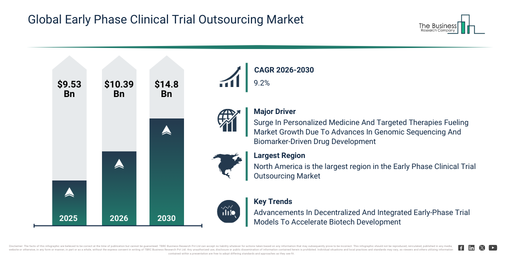
    The early phase clinical trial outsourcing market has experienced robust growth in recent years. It is anticipated to increase from $9.53 billion in 2025 to $10.39 billion in 2026, at a compound annual growth rate (CAGR) of 9.0%. The expansion observed historically can be ascribed to the increasing complexity of drug development pipelines, rising cost pressures on pharmaceutical sponsors, the proliferation of biotech startup activity, an increasing need for regulatory expertise, and a greater reliance on specialized clinical research organizations.

    The early phase clinical trial outsourcing market size is anticipated to undergo significant expansion in the coming years. It is projected to climb to $14.8 billion by 2030, exhibiting a compound annual growth rate (CAGR) of 9.2%. This projected growth can be attributed to the increasing adoption of decentralized trial elements, a rising focus on precision medicine studies, the expansion of rare disease clinical research, the growing utilization of AI-enabled trial analytics, and increasing global harmonization of early-phase regulations. Prominent trends within the forecast period include the increasing outsourcing of phase I clinical studies, a rising demand for integrated early-phase contract research organization (CRO) services, the growing application of data-driven trial design approaches, the expansion of adaptive and first-in-human trials, and an enhanced focus on accelerated study timelines.

    Access Your Free Sample Report for In-Depth Market Insights:

    https://www.thebusinessresearchcompany.com/sample.aspx?id=33097&type=smp

    Which Drivers Are Supporting The Rise Of The Early Phase Clinical Trial Outsourcing Market?

    The early-phase clinical trial outsourcing market is anticipated to expand moving forward, driven by the escalating attention to personalized medicine. Personalized medicine denotes the heightened focus within healthcare and life sciences on developing and delivering treatments precisely tailored to individual patients or clearly defined patient subgroups based on their genetic and molecular characteristics. This increasing emphasis on personalized medicine primarily stems from advancements in genomic sequencing and molecular diagnostics, which enable the accurate identification of genetic and biomarker profiles specific to diseases. Early-phase clinical trial outsourcing supports personalized medicine and targeted therapies by offering specialized expertise, flexible trial designs, and biomarker-driven study capabilities, facilitating precise patient stratification and rapid proof-of-concept validation. For instance, in February 2024, according to the Personalized Medicine Coalition (PMC), a US-based nonprofit organization, the count of personalized therapies for rare diseases more than doubled, climbing from 6 in 2022 to 16 in 2023. Hence, the increasing focus on personalized medicine is a key factor propelling the growth of the early-phase clinical trial outsourcing market.

    What Segments Are Identified Within The Structure Of The Early Phase Clinical Trial Outsourcing Market?

    The early phase clinical trial outsourcing market covered in this report is segmented –

    1) By Type: Regulatory Services; Clinical Data Management (CDM); Medical Writing; Site Management; Pharmacovigilance (PV); Risk-Based Monitoring; Bio Statistical Services; Protocol Development; Other Types

    2) By Therapeutic Area: Oncology; Central Nervous System (CNS) And Neurology; Cardiovascular And Metabolic Diseases; Infectious Diseases; Immunology And Inflammatory Diseases; Rare Diseases And Genetic Disorders

    3) By Trial Phase: Phase 0; Phase 1; Phase 2

    4) By Applications: Pharmaceutical Companies; Biopharmaceutical Companies; Drug Discovery Companies; Medical Devices Companies; Other Applications

    Subsegments:

    1) By Regulatory Services: Regulatory Strategy Planning; Regulatory Submission Preparation; Health Authority Liaison; Ethics Committee Submission Management; Regulatory Compliance Auditing; Trial Registration Support

    2) By Clinical Data Management (CDM): Case Report Form Design; Data Entry And Validation; Database Development And Maintenance; Data Cleaning And Query Management; Clinical Data Integration; Data Lock And Archival

    3) By Medical Writing: Clinical Study Protocol Writing; Investigator Brochure Development; Clinical Study Report Writing; Informed Consent Document Preparation; Regulatory Dossier Writing; Scientific Publication Support

    4) By Site Management: Site Feasibility Assessment; Site Selection And Initiation; Investigator Training And Support; Site Performance Management; Site Close Out Services; Vendor Coordination At Site Level

    5) By Pharmacovigilance (PV): Safety Data Collection; Adverse Event Processing; Serious Adverse Event Reporting; Safety Database Management; Signal Detection And Evaluation; Periodic Safety Report Preparation

    6) By Risk-Based Monitoring: Risk Assessment And Categorization; Centralized Monitoring Activities; Key Risk Indicator Development; Remote Monitoring Services; On Site Monitoring Optimization; Monitoring Plan Design

    7) By Bio Statistical Services: Statistical Analysis Plan Development; Sample Size Determination; Randomization Design; Interim Analysis; Final Statistical Analysis; Data Interpretation And Reporting

    8) By Protocol Development: Study Design Consulting; Endpoint Definition; Eligibility Criteria Development; Schedule Of Assessments Design; Protocol Amendment Management; Feasibility Driven Protocol Optimization

    9) By Other Types: Clinical Trial Supply Management; Patient Recruitment Support; Quality Assurance Services; Trial Master File Management; Vendor And Project Management

    How Are Emerging Trends Affecting The Progression Of The Early Phase Clinical Trial Outsourcing Market?

    Companies operating within the early-phase clinical trial outsourcing market are emphasizing technological innovations across decentralized and hybrid early-phase clinical trial models, such as integrated early development trial ecosystems. This focus aims to satisfy the growing demand among biotechnology sponsors for more rapid execution, elevated scientific rigor, and reduced risk in early-stage clinical development. Integrated early development trial ecosystems represent specialized clinical research environments that combine dedicated infrastructure, experienced early-phase investigators, real-time safety surveillance, and streamlined regulatory and operational processes, leading to enhanced efficiency and consistency in early-phase trials. As an illustration, in October 2025, Avance Clinical, an Australia-based contract research organization (CRO), announced the opening of a Dedicated Center of Excellence. This center is intended to accelerate early-phase biotech trials, boosting operational efficiency, scientific integrity, and the speed-to-market for emerging biotechnology companies. The Dedicated Center of Excellence provides a centralized early-phase trial setting, integrating specialized clinical units, expert early-phase investigators, and coordinated operational oversight to expedite study start-up and execution.

    Which Leading Companies Dominate The Early Phase Clinical Trial Outsourcing Market Share?

    Major companies operating in the early phase clinical trial outsourcing market are IQVIA Holdings Inc., ICON plc, Syneos Health Inc., Parexel International Corporation, Medpace Holdings Inc., Pharmaron Beijing Co. Ltd., Premier Research Group Limited, ProPharma Group Holdings Inc., Precision for Medicine Group LLC, Worldwide Clinical Trials LLC, Catalyst Clinical Research LLC, Avance Clinical Pty Ltd, Quanticate International Ltd, Clinilabs Drug Development Corporation, Optimapharm d.o.o., RICe – Richmond Pharmacology Ltd, Novotech Health Holdings Pty Ltd, CMIC Holdings Co. Ltd., Medpace Reference Laboratories Inc., iNGENu CRO Pty Ltd

    Access The Complete Report For Deeper Market Insights:

    https://www.thebusinessresearchcompany.com/report/early-phase-clinical-trial-outsourcing-market-report

    How Does The Early Phase Clinical Trial Outsourcing Market Perform Across Major Global Regions?

    North America was the largest region in the early phase clinical trial outsourcing market in 2025. Asia-Pacific is expected to be the fastest-growing region in the forecast period. The regions covered in the early phase clinical trial outsourcing market report are Asia-Pacific, South East Asia, Western Europe, Eastern Europe, North America, South America, Middle East, Africa.

    Request Your Customized Early Phase Clinical Trial Outsourcing Market Research Report for Competitive Advantage:

    https://www.thebusinessresearchcompany.com/customise?id=33097&type=smp

    Browse Through More Reports Similar to the Global Early Phase Clinical Trial Outsourcing Market 2026, By The Business Research Company

    Biomarker Clinical Phase Outsourcing Services Market Report 2026

    https://www.thebusinessresearchcompany.com/report/biomarker-clinical-phase-outsourcing-services-global-market-report

    Advanced Therapeutics Pharmaceutical Outsourcing Market Report 2026

    https://www.thebusinessresearchcompany.com/report/advanced-therapeutics-pharmaceutical-outsourcing-global-market-report

    Clinical Trial Supply And Logistics Market Report 2026

    https://www.thebusinessresearchcompany.com/report/clinical-trial-supply-and-logistics-global-market-report

    Get in touch with us:

    The Business Research Company: https://www.thebusinessresearchcompany.com/

    Americas +1 310-496-7795

    Asia +44 7882 955267 & +91 8897263534

    Europe +44 7882 955267

    Email us at info@tbrc.info

    Follow us on:

    LinkedIn: https://in.linkedin.com/company/the-business-research-company

    YouTube: https://www.youtube.com/channel/UC24_fI0rV8cR5DxlCpgmyFQ

    Global Market Model: https://www.thebusinessresearchcompany.com/global-market-model