Month: March 2026

  • Sickle Cell Disease Treatment Market Future Outlook 2026: Key Drivers and Growth Potential

    Sickle Cell Disease Treatment Market Future Outlook 2026: Key Drivers and Growth Potential

    Uncover key drivers, emerging technologies, and competitive movements shaping the sickle cell disease treatment market from 2026–2035 with trusted insights from The Business Research Company

    What level of CAGR-driven expansion is anticipated in the Sickle Cell Disease Treatment Market between 2026 and 2030?

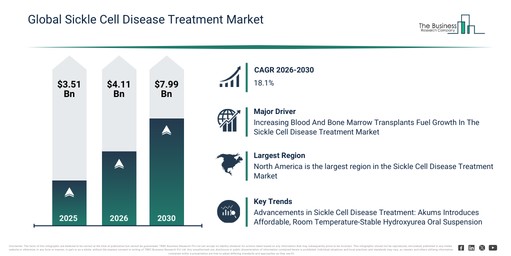
    The sickle cell disease treatment market size has observed rapid expansion in recent years. Its value is forecast to climb from $3.51 billion in 2025 to $4.11 billion in 2026, exhibiting a compound annual growth rate (CAGR) of 17.3%. The growth witnessed in prior periods can be linked to factors such as the high prevalence of the disease in Africa and Americas, restricted access to treatment options, reliance on blood transfusions, developments in hematology research, and a deficiency in early diagnostic awareness.

    The sickle cell disease treatment market size is projected to experience swift expansion in the coming years. This market is anticipated to reach $7.99 billion by 2030, demonstrating a compound annual growth rate (CAGR) of 18.1%. Key drivers for this growth during the projection period include the introduction of gene therapy solutions, a rise in biologics and targeted medications, the incorporation of predictive diagnostic tools, a surge in worldwide healthcare programs, and tailored treatment approaches for individuals. Significant trends expected over this timeframe encompass the advancement of gene-editing treatments, greater access to hydroxyurea, broadened blood transfusion management, the implementation of sophisticated diagnostics for prompt identification, and an increase in patient support and illness management initiatives.

    Access Your Free Sample Report for In-Depth Market Insights:

    https://www.thebusinessresearchcompany.com/sample.aspx?id=13048&type=smp

    What Drivers Are Affecting Demand-Supply Dynamics In The Sickle Cell Disease Treatment Market?

    The increasing number of blood and bone marrow transplants is anticipated to drive the expansion of the sickle cell disease treatment market in the future. This medical intervention involves replacing unhealthy blood-producing cells with healthy counterparts. The goal of a bone marrow transplant is to provide a cure for sickle cell diseases and various cancers by introducing healthy bone marrow cells into a patient subsequent to their own compromised bone marrow being treated to eliminate abnormal cells. These replacement cells can originate either from the patient’s own body (an autologous transplant) or from a donor (an allogeneic transplant). For example, in June 2024, data from the National Transplant Organization (ONT), an independent coordinating body situated in Spain, revealed that in 2023, Spain augmented its Spanish Bone Marrow Donor Registry with 23,686 new donors, marking an 8% rise from 2022, and performed an unprecedented 3,717 hematopoietic stem cell transplants, which translates to 77.4 transplants per million people. Consequently, the growing trend in blood and bone marrow transplants is set to stimulate the sickle cell disease treatment market.

    How Is The Sickle Cell Disease Treatment Market Organized Into Various Segments?

    The sickle cell disease treatment market covered in this report is segmented –

    1) By Treatment Modality: Blood Transfusion, Pharmacotherapy, Bone Marrow Transplant

    2) By Disease Type: Sickle Cell Anemia, Hemoglobin Sickle C Disease (HbSC), Other Disease Types

    3) By Route Of Administration: Oral, Parenteral

    4) By End-User: Hospitals, Specialty Clinics, Other End-Users

    Subsegments:

    1) By Blood Transfusion: Regular Blood Transfusion, Exchange Transfusion

    2) By Pharmacotherapy: Hydroxyurea, L-Glutamine, Voxelotor, Crizanlizumab

    3) By Bone Marrow Transplant: Allogeneic Transplant, Autologous Transplant

    How Are Emerging Trends Affecting The Progression Of The Sickle Cell Disease Treatment Market?

    Leading companies in the sickle cell disease treatment market are concentrating on creating novel oral suspension drugs. This effort aims to enhance patient adherence, boost drug effectiveness, and provide more accessible treatment options, particularly for younger and older patients. Oral suspension drugs are liquid formulations containing suspended solid particles, designed to facilitate swallowing, especially for children or individuals who find pills difficult. For instance, in March 2024, Akums Drugs and Pharmaceuticals Ltd., a pharmaceutical preparation manufacturing company based in India, introduced a Hydroxyurea oral suspension that is stable at room temperature. This specific medication for SCD is an economical, room-temperature-stable treatment intended to broaden access in India. It is priced at less than 1% of the cost of imported alternatives, offering accurate dosing with oral syringes, thereby assisting patients of all age groups without requiring refrigeration.

    Who Are The Major Companies Operating In The Sickle Cell Disease Treatment Market?

    Major companies operating in the sickle cell disease treatment market are Sun Pharmaceutical Industries Ltd., Pfizer Inc., Johnson & Johnson Private Limited, Merck & Co Inc., Novartis AG, Sanofi S.A., Bristol-Myers Squibb Company, AstraZeneca plc, Eli Lilly and Company, Gilead Sciences Inc., Amgen Inc., Baxter International Inc., Teva Pharmaceutical Industries Ltd., Vertex Pharmaceuticals Incorporated, Global Blood Therapeutics Inc., Acceleron Pharma Inc., Sangamo Therapeutics Inc., Medunik USA Inc., Zydus Cadila Healthcare Ltd., Graphite Bio Inc., Addmedica, Emmaus Medical Inc., Bluebird bio Inc., CRISPR Therapeutics AG, GlycoMimetics Inc., Mast Therapeutics Inc.

    Access The Complete Report For Deeper Market Insights:

    https://www.thebusinessresearchcompany.com/report/sickle-cell-disease-treatment-global-market-report

    Which Region Is Anticipated To See The Fastest Growth In The Sickle Cell Disease Treatment Market?

    North America was the largest region in the sickle cell disease treatment market in 2025. The regions covered in the sickle cell disease treatment market report are Asia-Pacific, South East Asia, Western Europe, Eastern Europe, North America, South America, Middle East, Africa.

    Request Your Customized Sickle Cell Disease Treatment Market Research Report for Competitive Advantage:

    https://www.thebusinessresearchcompany.com/customise?id=13048&type=smp

    Browse Through More Reports Similar to the Global Sickle Cell Disease Treatment Market 2026, By The Business Research Company

    Cell Therapy Technologies Market Report 2026

    https://www.thebusinessresearchcompany.com/report/cell-therapy-technologies-global-market-report

    Cells Therapy Market Report 2026

    https://www.thebusinessresearchcompany.com/report/cells-therapy-global-market-report

    Rare Diseases Treatment Market Report 2026

    https://www.thebusinessresearchcompany.com/report/rare-diseases-treatment-global-market-report

    Get in touch with us:

    The Business Research Company: https://www.thebusinessresearchcompany.com/

    Americas +1 310-496-7795

    Asia +44 7882 955267 & +91 8897263534

    Europe +44 7882 955267

    Email us at info@tbrc.info

    Follow us on:

    LinkedIn: https://in.linkedin.com/company/the-business-research-company

    YouTube: https://www.youtube.com/channel/UC24_fI0rV8cR5DxlCpgmyFQ

    Global Market Model: https://www.thebusinessresearchcompany.com/global-market-model
  • Short Bowel Syndrome Market Trends and Insights: Global Forecast to 2030

    Short Bowel Syndrome Market Trends and Insights: Global Forecast to 2030

    Uncover key drivers, emerging technologies, and competitive movements shaping the short bowel syndrome market from 2026–2035 with trusted insights from The Business Research Company

    What long-term size projections exist for the Short Bowel Syndrome Market covering 2026–2035?

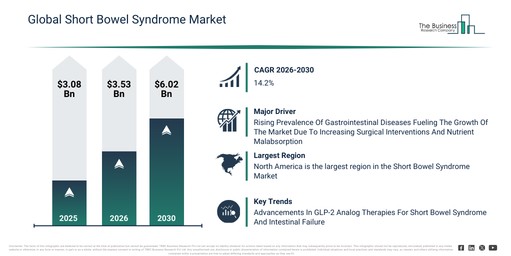
    The market size for short bowel syndrome has experienced rapid growth in recent years. It is projected to expand from $3.08 billion in 2025 to $3.53 billion in 2026, reflecting a compound annual growth rate (CAGR) of 14.6%. The market’s historic growth can be attributed to factors such as the increasing prevalence of short bowel syndrome, the historically limited treatment options available, a reliance on parenteral nutrition, a rise in gastrointestinal surgeries, and growing hospital awareness.

    The market size for short bowel syndrome is projected to experience rapid expansion in the next few years, reaching $6.02 billion by 2030 at a compound annual growth rate (CAGR) of 14.2%. This growth over the forecast period is attributable to the development of novel therapeutics, increasing availability of home infusion services, personalized treatment approaches, the integration of microbiome therapies, and a rise in clinical trials for SBS interventions. Major trends expected during this period include an increase in parenteral nutrition solutions, the advancing development of intestinal rehabilitation therapies, the adoption of novel surgical interventions, a growing emphasis on gut microbiome modulation, and the expansion of patient support programs.

    Access Your Free Sample Report for In-Depth Market Insights:

    https://www.thebusinessresearchcompany.com/sample.aspx?id=23515&type=smp

    Which Drivers Are Impacting The Competitive Landscape Of The Short Bowel Syndrome Market?

    The rising occurrence of gastrointestinal diseases is anticipated to drive the expansion of the short bowel syndrome market in the coming years. Gastrointestinal diseases refer to a broad category of conditions that affect the digestive tract, encompassing disorders of the stomach, intestines, liver, and pancreas, often leading to compromised digestion and nutrient absorption. The increasing incidence of these diseases is primarily fueled by unhealthy dietary habits that negatively impact gut health and promote inflammation. Such gastrointestinal conditions can contribute to the development of short bowel syndrome by necessitating the surgical removal of damaged intestinal segments, which results in a diminished absorptive capacity. For instance, in September 2023, data from the Inflammatory Bowel Disease (IBD) Clinical and Research Centre, a Canada-based organization dedicated to improving the lives of patients with Crohn’s disease and ulcerative colitis, revealed that in 2023, over 320,000 people in Canada suffered from inflammatory bowel disease (IBD), with a prevalence of 825 per 100,000. Given that the prevalence is projected to increase by 2.44% annually, it is estimated that 1.1% of the population, or 470,000 Canadians, will be living with IBD by 2035. Consequently, the increasing prevalence of gastrointestinal diseases is propelling the growth of the short bowel syndrome market.

    What Segments Are Identified Within The Structure Of The Short Bowel Syndrome Market?

    The short bowel syndrome market covered in this report is segmented –

    1) By Type: Glucagon-Like Peptide (GLP-2), Growth Hormone, Glutamine

    2) By Diagnosis: Physical Exam, Blood Tests, Fecal Fat Tests, Imaging Procedures, Other Diagnosis

    3) By Treatment: Nutritional Therapy, Medications, Surgery, Transplant

    4) By Distribution Channel: Hospital Pharmacies, Specialty Pharmacies, Other Distribution Channels

    Subsegments:

    1) By Glucagon-Like Peptide (GLP-2): Teduglutide, Other GLP-2 Analogues

    2) By Growth Hormone: Somatropin, Other Growth Hormone Therapies

    3) By Glutamine: Oral Glutamine, Intravenous Glutamine

    Which Innovation Trends Are Advancing Developments Within The Short Bowel Syndrome Market?

    Leading companies in the short bowel syndrome market are prioritizing the creation of innovative medical advancements, such as therapies for intestinal failure, to offer an advanced treatment option that improves patient outcomes for those with gastrointestinal disorders. Intestinal failure is a severe condition where the small intestine is unable to absorb sufficient nutrients, fluids, and electrolytes to maintain adequate hydration and nutrition. For instance, in May 2024, Ironwood Pharmaceuticals, Inc., a US-based healthcare company, released new data from studies evaluating apraglutide in adults with short bowel syndrome and intestinal failure (SBS-IF). As a next-generation GLP-2 analog, apraglutide exhibited potential to improve intestinal absorption and lessen the dependence on parenteral support. These findings emphasize the drug’s efficacy, safety, and long-term advantages, reflecting Ironwood’s dedication to developing novel treatments for gastrointestinal disorders.

    Which Major Firms Are Strengthening Their Position In The Short Bowel Syndrome Market?

    Major companies operating in the short bowel syndrome market are Nestlé SA, Pfizer Inc, Johnson & Johnson, Sanofi SA, Nutrinia, GlaxoSmithKline plc, Takeda Pharmaceutical Company Limited, Zealand Pharma, Baxter International Inc., OPKO Health Inc, Ironwood Pharmaceuticals Inc., Hanmi Pharm Co Ltd, Emmaus Life Sciences Inc, Jaguar Health, 9 Meters Biopharma Inc, OxThera Inc, EnteraBio Ltd, GLyPharma Therapeutic Inc, Fresenius Kabi AG, Danone S A, B Braun Melsungen AG, Medtronic plc

    Access The Complete Report For Deeper Market Insights:

    https://www.thebusinessresearchcompany.com/report/short-bowel-syndrome-global-market-report

    Which Region Is Anticipated To See The Fastest Growth In The Short Bowel Syndrome Market?

    North America was the largest region in the short bowel syndrome market in 2025. Asia-Pacific is expected to be the fastest-growing region in the forecast period. The regions covered in the short bowel syndrome market report are Asia-Pacific, South East Asia, Western Europe, Eastern Europe, North America, South America, Middle East, Africa.

    Request Your Customized Short Bowel Syndrome Market Research Report for Competitive Advantage:

    https://www.thebusinessresearchcompany.com/customise?id=23515&type=smp

    Browse Through More Reports Similar to the Global Short Bowel Syndrome Market 2026, By The Business Research Company

    Ulcerative Colitis Market Report 2026

    https://www.thebusinessresearchcompany.com/report/ulcerative-colitis-global-market-report

    Bowel Management Systems Market Report 2026

    https://www.thebusinessresearchcompany.com/report/bowel-management-systems-global-market-report

    Inflammatory Bowel Disease Treatment Market Report 2026

    https://www.thebusinessresearchcompany.com/report/inflammatory-bowel-disease-treatment-global-market-report

    Get in touch with us:

    The Business Research Company: https://www.thebusinessresearchcompany.com/

    Americas +1 310-496-7795

    Asia +44 7882 955267 & +91 8897263534

    Europe +44 7882 955267

    Email us at info@tbrc.info

    Follow us on:

    LinkedIn: https://in.linkedin.com/company/the-business-research-company

    YouTube: https://www.youtube.com/channel/UC24_fI0rV8cR5DxlCpgmyFQ

    Global Market Model: https://www.thebusinessresearchcompany.com/global-market-model
  • Global Sexually Transmitted Infections (STIs) Market Report 2026–2030: Data-Driven Growth Insights

    Global Sexually Transmitted Infections (STIs) Market Report 2026–2030: Data-Driven Growth Insights

    Uncover key drivers, emerging technologies, and competitive movements shaping the sexually transmitted infections (stis) market from 2026–2035 with trusted insights from The Business Research Company

    What total market size is anticipated for the Sexually Transmitted Infections (STIs) Market in 2030?

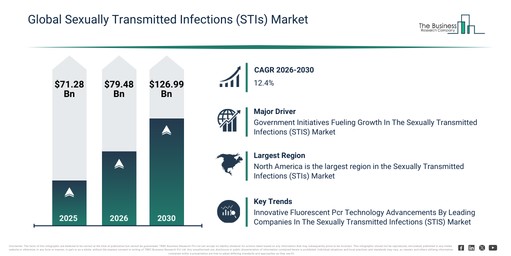
    The market size for sexually transmitted infections (stis) has experienced rapid expansion in recent years. It is projected to grow from $71.28 billion in 2025 to $79.48 billion in 2026, achieving a compound annual growth rate (CAGR) of 11.5%. The expansion observed historically can be attributed to a higher prevalence of STIs, constrained availability of early diagnostic instruments, increasing government campaigns for awareness, changes stemming from urbanization and lifestyle, and a rise in patient consultations at sexual health clinics.

    The sexually transmitted infections (STIs) market is set to experience considerable growth in the coming years, with its value expected to reach $126.99 billion by 2030, demonstrating a compound annual growth rate (CAGR) of 12.4%. This anticipated growth throughout the forecast period can be attributed to factors such as the increasing adoption of advanced molecular diagnostics, the expansion of at-home STI testing, greater integration with telemedicine platforms, enhanced funding for STI prevention programs, and the rise of AI-assisted diagnostic tools. Key trends during this period include the development of rapid point-of-care STI testing, a growing reliance on home-based STI test kits, an increase in vaccine development for STIs, the expanding adoption of combination diagnostic platforms, and escalating public awareness campaigns for STI prevention.

    Access Your Free Sample Report for In-Depth Market Insights:

    https://www.thebusinessresearchcompany.com/sample.aspx?id=13047&type=smp

    What Drivers Are Influencing Production Trends In The Sexually Transmitted Infections (STIs) Market?

    Increased government efforts to raise awareness about sexually transmitted infections are projected to boost the sexually transmitted infections (STIs) market’s expansion. A government initiative is a policy or program put in place to achieve a particular objective and resolve specific issues. Governments provide various programs aimed at preventing, controlling, and treating STIs. These include funding public awareness campaigns, offering vaccines for specific STIs, and providing affordable or free screening and testing services. For instance, in April 2023, Springfield-Greene County Health, a public health department in the US, unveiled its Disease Intervention Specialist (DIS) program. This new initiative, a collaboration with the Missouri Department of Health and Senior Services (Missouri DHSS), aims to address the growing prevalence of sexually transmitted infections (STIs) within Greene County. The DIS program employs two specialists, primarily focusing on syphilis and HIV. Their role involves reaching out to individuals who test positive for these conditions, linking them to appropriate treatment options, and assisting in identifying and informing others who might be affected. Consequently, the rise in governmental initiatives is expected to propel the sexually transmitted infections (STIs) market.

    Which Segments Are Gaining Traction In The Sexually Transmitted Infections (STIs) Market?

    The sexually transmitted infections (stis) market covered in this report is segmented –

    1) By Type: Human Immunodeficiency Virus (HIV), Human Papilloma Virus (HPV), Gonorrhea, Syphilis, Other Types

    2) By Treatment: Antibiotics, Antiviral

    3) By Location Of Testing: Laboratory Testing, Point-Of-Care (POC) Testing

    4) By Route Of Administration: Oral, Parenteral, Other Route Of Administration

    5) By End-Users: Hospitals, Specialty Clinics, Homecare, Other End-Users

    Subsegments:

    1) By Human Immunodeficiency Virus (HIV): HIV Type 1, HIV Type 2

    2) By Human Papilloma Virus (HPV): Low-Risk HPV, High-Risk HPV

    3) By Gonorrhea: Uncomplicated Gonorrhea, Complicated Gonorrhea

    4) By Syphilis: Primary Syphilis, Secondary Syphilis, Tertiary Syphilis

    5) By Other Types: Chlamydia, Herpes Simplex Virus (HSV), Hepatitis B, Hepatitis C, Trichomoniasis

    Which Competitive Trends Are Impacting The Structure Of The Sexually Transmitted Infections (STIs) Market?

    Leading firms within the sexually transmitted infections (STIs) market are creating advanced products utilizing fluorescent PCR technology, aiming for a competitive edge. Fluorescent PCR (Polymerase Chain Reaction) technology, a molecular biology method, enables the identification and measurement of particular DNA sequences found in biological samples. An example of this is when, in March 2023, Jiangsu Bioperfectus Technologies Co. Ltd., a China-based company specializing in molecular diagnostic solutions, launched two novel polymer chain reaction (PCR) kits: the Mycoplasma Hominis Real-Time PCR Kit and the Treponema Pallidum Real-Time PCR Kit. These Kits offer a comprehensive PCR solution designed for the early detection of sexually transmitted illnesses, which affect a significant number of people. Specifically, the BioPerfectus Mycoplasma Hominis Real-Time PCR Kit is a reagent employing fluorescent PCR technology for the detection of Mycoplasma hominis in human male urethral swabs, female cervical or vaginal swabs, and urine samples. Meanwhile, the BioPerfectus Treponema Pallidum Real-Time PCR Kit is formulated to identify treponema pallidum nucleic acid in human serum and plasma.

    Who Are The Primary Competitors In The Global Sexually Transmitted Infections (STIs) Market?

    Major companies operating in the sexually transmitted infections (stis) market are Pfizer Inc., Johnson & Johnson, Roche Holdings AG, Merck & Co Inc., AbbVie Inc., Novartis AG, Sanofi SA, Bristol-Myers Squibb, Astra Zeneca Pharmaceuticals LP, GlaxoSmithKline plc, Takeda Pharmaceutical Company Limited, Gilead Sciences Inc., Viatris Inc., Teva Pharmaceutical Industries Ltd., Astellas Pharma Inc., Daiichi Sankyo Co. Ltd., Hetero Drugs Ltd., Eisai Co. Ltd., Boehringer Ingelheim Group, Sun Pharmaceutical Industries Ltd., Lupin Limited, Dr. Reddy’s Laboratories, Wockhardt Ltd., Zydus Lifescience Ltd., Glenmark Pharmaceuticals Ltd., Cipla Ltd., Torrent Pharmaceuticals Ltd., Otsuka Pharmaceutical Co. Ltd.

    Access The Complete Report For Deeper Market Insights:

    https://www.thebusinessresearchcompany.com/report/sexually-transmitted-infections-stis-global-market-report

    Which Global Regions Are Shaping The Competitive Landscape Of The Sexually Transmitted Infections (STIs) Market?

    North America was the largest region in the sexually transmitted infection (STIs) market in 2025. Asia-Pacific is expected to be the fastest-growing region in the forecast period. The regions covered in the sexually transmitted infections (stis) market report are Asia-Pacific, South East Asia, Western Europe, Eastern Europe, North America, South America, Middle East, Africa.

    Request Your Customized Sexually Transmitted Infections (STIs) Market Research Report for Competitive Advantage:

    https://www.thebusinessresearchcompany.com/customise?id=13047&type=smp

    Browse Through More Reports Similar to the Global Sexually Transmitted Infections (STIs) Market 2026, By The Business Research Company

    Genital Herpes Market Report 2026

    https://www.thebusinessresearchcompany.com/report/genital-herpes-global-market-report

    Std Diagnostics Market Report 2026

    https://www.thebusinessresearchcompany.com/report/std-diagnostics-global-market-report

    Chlamydia Infection Diagnostics Market Report 2026

    https://www.thebusinessresearchcompany.com/report/chlamydia-infection-diagnostics-global-market-report

    Get in touch with us:

    The Business Research Company: https://www.thebusinessresearchcompany.com/

    Americas +1 310-496-7795

    Asia +44 7882 955267 & +91 8897263534

    Europe +44 7882 955267

    Email us at info@tbrc.info

    Follow us on:

    LinkedIn: https://in.linkedin.com/company/the-business-research-company

    YouTube: https://www.youtube.com/channel/UC24_fI0rV8cR5DxlCpgmyFQ

    Global Market Model: https://www.thebusinessresearchcompany.com/global-market-model
  • Sexually Transmitted Diseases (STD) Testing Market Dynamics 2026: Future Outlook and Key Insights

    Sexually Transmitted Diseases (STD) Testing Market Dynamics 2026: Future Outlook and Key Insights

    Uncover key drivers, emerging technologies, and competitive movements shaping the sexually transmitted diseases (std) testing market from 2026–2035 with trusted insights from The Business Research Company

    What is the expected shift in the Sexually Transmitted Diseases (STD) Testing Market’s size between 2026 and 2030?

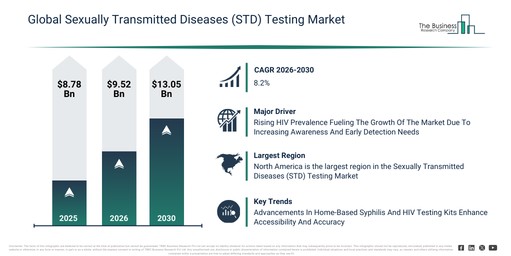
    The sexually transmitted diseases (std) testing market size has demonstrated significant growth in recent years. This market is anticipated to expand from $8.78 billion in 2025 to $9.52 billion in 2026, achieving a compound annual growth rate (CAGR) of 8.5%. The historical growth of this market can be ascribed to heightened awareness of sexual health, the broadening of public health screening programs, advancements in laboratory diagnostic capabilities, an increase in the prevalence of sexually transmitted infections, and greater accessibility to testing services.

    The sexually transmitted diseases (std) testing market is projected to experience substantial expansion over the upcoming years. This market is anticipated to reach $13.05 billion by 2030, demonstrating a compound annual growth rate (CAGR) of 8.2%. The expansion during the projected period can be ascribed to several factors, including the rising need for discrete testing options, greater investments in molecular diagnostics, the broadening of telehealth-supported testing, an increased emphasis on preventive healthcare, and more government programs aimed at disease management. Key trends anticipated for the forecast period encompass a surge in the acceptance of at-home std testing kits, an increase in the application of molecular diagnostic technologies, deeper integration of digital health platforms, broader availability of rapid point-of-care testing, and a heightened emphasis on detecting diseases early.

    Access Your Free Sample Report for In-Depth Market Insights:

    https://www.thebusinessresearchcompany.com/sample.aspx?id=24695&type=smp

    Which Drivers Are Shaping Strategic Decisions In The Sexually Transmitted Diseases (STD) Testing Market?

    The increasing prevalence of HIV is expected to drive expansion in the sexually transmitted diseases (STD) testing market in the coming years. HIV is a virus that compromises the immune system by targeting and destroying vital white blood cells, leaving the body more susceptible to infections and illnesses. The rise in HIV cases is attributed to declining awareness and prevention efforts, which have led to more individuals engaging in risky behaviors, such as unprotected sex, and fewer people undergoing testing, particularly among the youth. This surge in HIV cases supports the demand for sexually transmitted disease (STD) testing by enhancing public and healthcare awareness, encouraging more individuals to seek comprehensive testing for early detection and to prevent further spread. For example, in July 2024, data from the Joint United Nations Programme on HIV/AIDS (UNAIDS), a Switzerland-based government body, indicated that approximately 1.3 million people were newly infected with HIV in 2023, a figure nearly three times higher than the 2025 target of under 370,000 cases. Consequently, the growing occurrence of HIV will stimulate the growth of the sexually transmitted diseases (STD) testing market.

    What Segment Categories Are Covered In The Sexually Transmitted Diseases (STD) Testing Market?

    The sexually transmitted diseases (std) testing market covered in this report is segmented –

    1) By Product: Instruments And Services, Consumables, Software

    2) By Technology: Immunoassay, Molecular Diagnostics

    3) By Sample Type: Blood Samples, Urine Samples, Swabs, Semen Samples, Other Sample Types

    4) By Disease Type: Chlamydia, Gonorrhea, Syphilis, HIV Or AIDS, Herpes Simplex Virus (HSV)

    5) By End User: Individuals, Healthcare Providers, Diagnostic Laboratories, Govement Health Agencies, NGOs And Community Health Organizations

    Subsegments:

    1) By Instruments And Services: Diagnostic Instruments, Testing Services

    2) By Consumables: Reagents And Kits, Specimen Collection Devices, Slides, Tubes

    3) By Software: Laboratory Information Management Systems (LIMS), Electronic Health Records (EHR) Integration Tools, Data Analysis And Reporting Tools, Patient Management Software

    What Industry Trends Are Transforming The Sexually Transmitted Diseases (STD) Testing Market?

    Leading companies within the sexually transmitted diseases (STD) testing market are concentrating on creating advanced solutions, such as syphilis testing kits, to broaden access to testing for a wider population. Syphilis testing kits serve as diagnostic instruments designed to identify the Treponema pallidum bacteria, the cause of syphilis, through blood samples or other bodily fluids, thereby enabling timely diagnosis and treatment. For instance, in August 2023, iHealth Labs Inc., a US-based medical device company, introduced the CheckMeSafe home collection kit for HIV and syphilis testing. This FDA-approved iHealth CheckMeSafe Home Collection kit allows individuals aged 18 and older to collect blood samples for HIV (I, II, P24 antigen) and syphilis screening conveniently and privately at home. Users can mail their samples to the lab using a prepaid overnight label and receive confidential, reliable results in as little as two days. The kit offers highly accurate results, demonstrating sensitivity rates of up to 99.9% for HIV and 99.5% for syphilis. All samples undergo analysis in a CLIA-certified and CAP-accredited laboratory, ensuring compliance with stringent federal and state quality standards through regular inspections.

    Which Key Market Players Are Investing In Expansion And Innovation Within The Sexually Transmitted Diseases (STD) Testing Market?

    Major companies operating in the sexually transmitted diseases (std) testing market are F Hoffmann La Roche Ltd., Thermo Fisher Scientific Inc., Abbott Laboratories Inc., Siemens Healthineers AG, Becton Dickinson And Co., Hologic Inc., QuidelOrtho Corp., Bio-Rad Laboratories Inc., Cepheid, OraSure Technologies Inc., Meridian Bioscience Inc., Sekisui Diagnostics Ltd., Trinity Biotech Plc, Chembio Diagnostics Inc., Operon SA, Jal Medical Pte. Ltd., Anatolia Geneworks, CLIAwaived Inc., Avecon Healthcare Pvt. Ltd., AEHEALTH LIMITED.

    Access The Complete Report For Deeper Market Insights:

    https://www.thebusinessresearchcompany.com/report/sexually-transmitted-diseases-std-testing-global-market-report

    Which Regions Are Poised For Strategic Growth In The Sexually Transmitted Diseases (STD) Testing Market?

    North America was the largest region in the sexually transmitted diseases (STD) testing market in 2025. Europe is expected to be the fastest-growing region in the forecast period. The regions covered in the sexually transmitted diseases (std) testing market report are Asia-Pacific, South East Asia, Western Europe, Eastern Europe, North America, South America, Middle East, Africa.

    Request Your Customized Sexually Transmitted Diseases (STD) Testing Market Research Report for Competitive Advantage:

    https://www.thebusinessresearchcompany.com/customise?id=24695&type=smp

    Browse Through More Reports Similar to the Global Sexually Transmitted Diseases (STD) Testing Market 2026, By The Business Research Company

    Rare Kidney Diseases Market Report 2026

    https://www.thebusinessresearchcompany.com/report/rare-kidney-diseases-global-market-report

    Liver Diseases Therapeutics Market Report 2026

    https://www.thebusinessresearchcompany.com/report/liver-diseases-therapeutics-global-market-report

    Rare Diseases Treatment Market Report 2026

    https://www.thebusinessresearchcompany.com/report/rare-diseases-treatment-global-market-report

    Get in touch with us:

    The Business Research Company: https://www.thebusinessresearchcompany.com/

    Americas +1 310-496-7795

    Asia +44 7882 955267 & +91 8897263534

    Europe +44 7882 955267

    Email us at info@tbrc.info

    Follow us on:

    LinkedIn: https://in.linkedin.com/company/the-business-research-company

    YouTube: https://www.youtube.com/channel/UC24_fI0rV8cR5DxlCpgmyFQ

    Global Market Model: https://www.thebusinessresearchcompany.com/global-market-model
  • Sexual Wellness Market Research: Growth Projections and Trends 2030

    Sexual Wellness Market Research: Growth Projections and Trends 2030

    Uncover key drivers, emerging technologies, and competitive movements shaping the sexual wellness market from 2026–2035 with trusted insights from The Business Research Company

    What growth pattern is forecast for the Sexual Wellness Market size between 2026 and 2035?

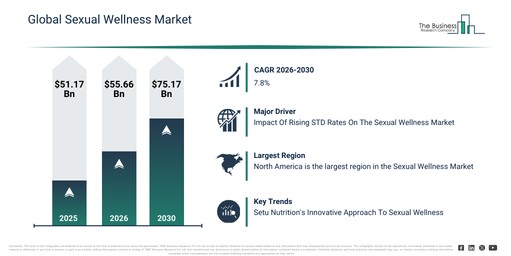
    The sexual wellness market has experienced robust expansion in recent years. It is projected to increase from $51.17 billion in 2025 to $55.66 billion in 2026, achieving a compound annual growth rate (CAGR) of 8.8%. Historically, this growth stems from heightened consumer awareness regarding sexual health, a greater occurrence of sexual dysfunction, a burgeoning urban population possessing disposable income, the broadening of retail and online distribution channels, and the swift acceptance of sexual wellness supplements.

    The sexual wellness market is projected to experience substantial expansion in the coming years. By 2030, this market is anticipated to reach $75.17 billion, demonstrating a compound annual growth rate (CAGR) of 7.8%. This projected growth is driven by factors such as the integration of digital health and telemedicine, an increasing preference for natural and organic sexual wellness items, the development of personalized sexual wellness options, market expansion into new regions, and enhanced partnerships between sexual wellness companies and medical professionals. Key trends anticipated during this period involve the greater adoption of wearable sexual wellness devices, a surge in organic and natural sexual wellness offerings, a heightened demand for sexual wellness supplements, the broadening scope of male sexual wellness products, and a stronger emphasis on solutions designed to improve intimacy.

    Access Your Free Sample Report for In-Depth Market Insights:

    https://www.thebusinessresearchcompany.com/sample.aspx?id=16788&type=smp

    Which Drivers Are Impacting Market Performance In The Sexual Wellness Market?

    The rising incidence of sexually transmitted diseases is anticipated to drive the expansion of the sexual wellness market in the future. These diseases are infections spread via sexual contact, stemming from bacteria, viruses, or parasites. The escalating prevalence of sexually transmitted diseases (STDs) can be attributed to elements like risky sexual practices and insufficient knowledge concerning their transmission and preventive measures. Sexual wellness encourages a forward-thinking approach to sexual health, enabling individuals to make educated choices and adopt habits that reduce STD risks while enhancing general well-being. As an illustration, in June 2024, data from GOV.UK, a UK government website, indicated 401,800 new diagnoses of sexually transmitted infections (STIs) in 2023, representing a 4.7% rise from the 383,789 cases documented in 2022. Consequently, the growing prevalence of STDs is fueling the expansion of the sexual wellness market.

    Which Segments Are Contributing To The Growth Of The Sexual Wellness Market?

    The sexual wellness market covered in this report is segmented –

    1) By Product: Antifungal Agents, Sex Toys Or Vibrators, Condoms And Female Contraceptives, Personal Lubricants, Erotic Lingerie, Pregnancy Testing Products, Other Sexual Wellness Products

    2) By Packaging Type: Blister Packs, Bottles And Dispensers, Clamshell Packaging, Tubes, Cardboard Boxes, Jars, Sachets, Pump Bottles

    3) By Consumer Orientation: Men, Women

    4) By Distribution Channel: Modern Trade, Convenience Stores, Departmental Stores, Specialty Stores, Mono Brand Stores, Online Retailers, Drug Stores

    Subsegments:

    1) By Antifungal Agents: Topical Antifungal Creams, Oral Antifungal Medications

    2) By Sex Toys Or Vibrators: Vibrators, Dildos, Couples’ Toys, Wearable Sex Toys

    3) By Condoms And Female Contraceptives: Male Condoms, Female Condoms, Contraceptive Sponges, Contraceptive Films

    4) By Personal Lubricants: Water-Based Lubricants, Silicone-Based Lubricants, Oil-Based Lubricants

    5) By Erotic Lingerie: Bodysuits, Teddies, Babydolls And Chemises, Corsets And Bustiers

    6) By Pregnancy Testing Products: Home Pregnancy Test Kits, Digital Pregnancy Tests, Ovulation Test Kits

    7) By Other Sexual Wellness Products: Intimate Wash Products, Libido Enhancers, Delay Sprays Or Gels, Fertility Supplements

    What Trends Are Reshaping The Dynamics Of The Sexual Wellness Market?

    Major companies operating within the sexual wellness market are concentrating on developing novel sexual wellness products, such as desire-boost gummies, to satisfy the escalating consumer demand for enhanced pleasure and intimacy. Desire boost gummies are dietary supplements specifically marketed to boost libido or sexual desire, containing components like vitamins, minerals, herbal extracts, and amino acids recognized for supporting sexual health and vitality. For instance, in November 2023, Setu Nutrition Private Limited, an India-based provider of modern nutritional supplements, introduced a new line of sexual wellness gummies named Desire Boost gummies. This launch, in collaboration with MyMuse, an India-based personal wellness brand, aimed to address the growing demand for natural solutions promoting sexual health and vitality. The gummies are formulated with a blend of clinically-backed, plant-derived ingredients such as Ashwagandha, Gokshura, Korean Ginseng, Shatavari, L-Arginine, and L-Citrulline. These convenient and palatable gummies are caffeine-free, GMO-free, and devoid of side effects, rendering them appropriate for daily use.

    Who Are The Core Companies Influencing Trends In The Sexual Wellness Market?

    Major companies operating in the sexual wellness market are Reckitt Benckiser Group plc, Okamoto Industries Inc., LELO, Mankind Pharma, Doc Johnson Enterprises, Karex Berhad, Tenga Co. Ltd., California Exotic Novelties LLC, Veru Inc., Blush Novelties Inc., OhMiBod LLC, LifeStyles Healthcare Pte. Ltd., AdvaCare Pharma, BioFilm Inc., Pjur Group Luxembourg S.A., Wicked Sensual Care, HLL Lifecare Limited (HLL), Church & Dwight, Bijoux Indiscrets SL, CC Wellness, Hot Octopuss, Satisfyer (EIS GmbH), Womanizer Group Management GmbH, Humanwell Group

    Access The Complete Report For Deeper Market Insights:

    https://www.thebusinessresearchcompany.com/report/sexual-wellness-global-market-report

    Which Regions Are Projected To Dominate The Sexual Wellness Market In The Coming Years?

    North America was the largest region in the sexual wellness market in 2025. Asia-Pacific is expected to be the fastest-growing region in the forecast period. The regions covered in the sexual wellness market report are Asia-Pacific, South East Asia, Western Europe, Eastern Europe, North America, South America, Middle East, Africa.

    Request Your Customized Sexual Wellness Market Research Report for Competitive Advantage:

    https://www.thebusinessresearchcompany.com/customise?id=16788&type=smp

    Browse Through More Reports Similar to the Global Sexual Wellness Market 2026, By The Business Research Company

    Mental Wellness Market Report 2026

    https://www.thebusinessresearchcompany.com/report/mental-wellness-global-market-report

    Sexual Health Supplement Market Report 2026

    https://www.thebusinessresearchcompany.com/report/sexual-health-supplement-global-market-report

    Health And Wellness Market Report 2026

    https://www.thebusinessresearchcompany.com/report/health-and-wellness-global-market-report

    Get in touch with us:

    The Business Research Company: https://www.thebusinessresearchcompany.com/

    Americas +1 310-496-7795

    Asia +44 7882 955267 & +91 8897263534

    Europe +44 7882 955267

    Email us at info@tbrc.info

    Follow us on:

    LinkedIn: https://in.linkedin.com/company/the-business-research-company

    YouTube: https://www.youtube.com/channel/UC24_fI0rV8cR5DxlCpgmyFQ

    Global Market Model: https://www.thebusinessresearchcompany.com/global-market-model
  • Global Severe Acute Respiratory-Syndrome Treatment Industry Insights: Key Trends and Growth Estimates

    Global Severe Acute Respiratory-Syndrome Treatment Industry Insights: Key Trends and Growth Estimates

    Uncover key drivers, emerging technologies, and competitive movements shaping the severe acute respiratory-syndrome treatment market from 2026–2035 with trusted insights from The Business Research Company

    How much larger will the Severe Acute Respiratory-Syndrome Treatment Market be in 2030 compared with 2026?

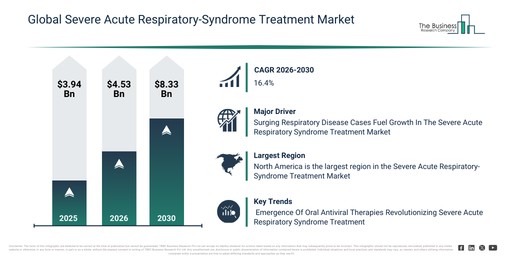
    The severe acute respiratory-syndrome treatment market size has experienced rapid expansion in recent years. Projections indicate it will expand from $3.94 billion in 2025 to reach $4.53 billion in 2026, demonstrating a compound annual growth rate (CAGR) of 15.2%. Historically, this expansion can be linked to factors such as outbreaks of SARS-CoV and MERS-CoV, the broadening of hospital-based treatment options, the regulatory endorsement of antiviral drugs, an increase in ICU capacity, and various awareness initiatives.

    The severe acute respiratory-syndrome treatment market is projected for substantial expansion over the upcoming years, reaching a valuation of $8.33 billion by 2030, driven by a compound annual growth rate (CAGR) of 16.4%. This anticipated growth during the forecast period stems from factors such as AI-assisted treatment protocols, the emergence of new antiviral drugs, critical care facilitated by telemedicine, worldwide pandemic readiness initiatives, and increased funding for rapid diagnostics and treatment oversight. Key developments expected within this period encompass antiviral drug therapies, monoclonal antibodies, convalescent plasma therapy, the incorporation of tele-ICU systems, and AI-driven treatment monitoring.

    Access Your Free Sample Report for In-Depth Market Insights:

    https://www.thebusinessresearchcompany.com/sample.aspx?id=13027&type=smp

    What Drivers Are Guiding Growth Patterns In The Severe Acute Respiratory-Syndrome Treatment Market?

    An increase in respiratory ailments is anticipated to drive the expansion of the severe acute respiratory syndrome treatment market in the future. These conditions encompass various medical issues impacting the respiratory system, which handles respiration and gas exchange between the body and its surroundings. Severe acute respiratory syndrome treatment is administered for respiratory diseases to ease symptoms, avert respiratory failure, diminish inflammation, and sustain oxygen levels. As an illustration, data from December 2023, sourced from the National Library of Medicine, a US-based medical library, indicates that the worldwide prevalence of chronic obstructive pulmonary disease (COPD) among individuals 25 and older is forecast to increase by 23% by 2050, totaling almost 600 million cases. Consequently, the rising occurrence of respiratory conditions is fueling the expansion of the severe acute respiratory syndrome treatment market.

    How Is The Severe Acute Respiratory-Syndrome Treatment Market Divided Into Segments?

    The severe acute respiratory-syndrome treatment market covered in this report is segmented –

    1) By Drug Class: Antibiotics, Antiviral, Corticosteroids, Monoclonal Antibodies, Other Drug Classes

    2) By Route Of Administration: Oral, Intravenous

    3) By Indication: Severe Acute Respiratory Syndrome COVID-19 (SARS-CoV), Severe Acute Respiratory Syndrome COVID-19 2 (SARS-CoV-2)

    4) By Distribution Channel: Hospital Pharmacies, Retail Pharmacies, Other Distribution Channels

    Subsegments:

    1) By Antibiotics: Broad-Spectrum Antibiotics, Narrow-Spectrum Antibiotics

    2) By Antiviral: Nucleoside Analogs, Protease Inhibitors

    3) By Corticosteroids: Systemic Corticosteroids, Inhaled Corticosteroids

    4) By Monoclonal Antibodies: Neutralizing Antibodies, Non-Neutralizing Antibodies

    5) By Other Drug Classes: Immunomodulators, Supportive Medications

    How Are New Market Trends Shaping The Landscape Of The Severe Acute Respiratory-Syndrome Treatment Market?

    Leading companies in the severe acute respiratory syndrome treatment market are concentrating on technological breakthroughs, such as oral antiviral therapies developed to impede viral replication and lessen disease severity. This focus aims to meet the escalating demand driven by recurrent coronavirus outbreaks and the pressing need for effective outpatient options. For example, in September 2025, Shionogi & Co., Ltd., a Japan-based pharmaceutical firm, launched Ensitrelvir, marking it as the first oral antiviral therapy approved for both prevention and treatment of SARS-CoV infections. Ensitrelvir functions by selectively inhibiting the 3C-like protease, an enzyme vital for viral reproduction, thereby offering a targeted mechanism that lowers viral load and eases symptoms more effectively than standard supportive care. The medicine is formulated for simple oral administration, which allows for broader community access and prompt intervention to avert severe disease progression. This innovation signifies a vital advancement in managing SARS amidst changing viral strains and healthcare needs.

    Which Major Industry Participants Are Leading The Severe Acute Respiratory-Syndrome Treatment Market Growth?

    Major companies operating in the severe acute respiratory-syndrome treatment market are Pfizer Inc., F. Hoffmann-La Roche Ltd., AbbVie Inc., Merck And Co Inc., Novartis AG, Bristol Myers Squibb Company, GlaxoSmithKline plc, AstraZeneca plc, Sanofi SA, Eli Lilly And Company, Gilead Sciences Inc., Amgen Inc., Johnson And Johnson Private Limited, Moderna Inc., Regeneron Pharmaceuticals Inc., Hetero Labs Ltd., Alexion Pharmaceuticals Inc., Cadila Healthcare Ltd., Genentech Inc., Cipla Ltd., Biogen Inc., Vir Biotechnology Inc., Swedish Orphan Biovitrum AB, Dynavax Technologies Corporation, Panacea Biotec Limited, CureVac N.V., Inovio Pharmaceuticals Inc., Chimerix Inc.

    Access The Complete Report For Deeper Market Insights:

    https://www.thebusinessresearchcompany.com/report/severe-acute-respiratory-syndrome-treatment-global-market-report

    Which Region Is Expected To Experience The Fastest Growth In The Severe Acute Respiratory-Syndrome Treatment Market?

    North America was the largest region in the severe acute respiratory syndrome treatment market in 2025. Western Europe is expected to be the fastest-growing region in the forecast period. The regions covered in the severe acute respiratory-syndrome treatment market report are Asia-Pacific, South East Asia, Western Europe, Eastern Europe, North America, South America, Middle East, Africa.

    Request Your Customized Severe Acute Respiratory-Syndrome Treatment Market Research Report for Competitive Advantage:

    https://www.thebusinessresearchcompany.com/customise?id=13027&type=smp

    Browse Through More Reports Similar to the Global Severe Acute Respiratory-Syndrome Treatment Market 2026, By The Business Research Company

    Hospice Care Market Report 2026

    https://www.thebusinessresearchcompany.com/report/hospice-care-global-market-report

    Acute Respiratory Distress Syndrome Ards Market Report 2026

    https://www.thebusinessresearchcompany.com/report/acute-respiratory-distress-syndrome-ards-global-market-report

    Respiratory Disease Drugs Market Report 2026

    https://www.thebusinessresearchcompany.com/report/respiratory-disease-drugs-global-market-report

    Get in touch with us:

    The Business Research Company: https://www.thebusinessresearchcompany.com/

    Americas +1 310-496-7795

    Asia +44 7882 955267 & +91 8897263534

    Europe +44 7882 955267

    Email us at info@tbrc.info

    Follow us on:

    LinkedIn: https://in.linkedin.com/company/the-business-research-company

    YouTube: https://www.youtube.com/channel/UC24_fI0rV8cR5DxlCpgmyFQ

    Global Market Model: https://www.thebusinessresearchcompany.com/global-market-model
  • Serum Free Media Market Forecast: How Big Will It Be by 2030?

    Serum Free Media Market Forecast: How Big Will It Be by 2030?

    Uncover key drivers, emerging technologies, and competitive movements shaping the serum free media market from 2026–2035 with trusted insights from The Business Research Company

    Starting from its 2026 valuation, what market size is the Serum Free Media Market expected to reach by 2030?

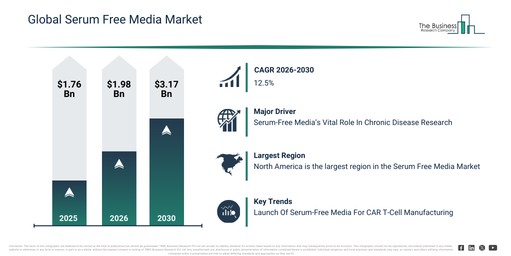
    The serum free media market size has experienced rapid expansion in recent years. It is projected to grow from $1.76 billion in 2025 to $1.98 billion in 2026, exhibiting a compound annual growth rate (CAGR) of 12.3%. This historic period’s growth can be linked to factors such as its widespread adoption in biopharma production, regulatory encouragement for animal-free components, enhancements in cell growth formulations, the escalating manufacturing of biologics, and technological breakthroughs in media development.

    The serum free media market is anticipated to undergo significant expansion over the next few years. It is projected to reach a value of $3.17 billion by 2030, demonstrating a compound annual growth rate (CAGR) of 12.5%. This growth during the forecast period is primarily driven by the increasing applications in cell and gene therapy, the rising demand for scalable serum-free media, advancements in optimized formulations, its integration with automated bioprocessing, and the emergence of sustainability-focused media solutions. Key trends expected in the forecast period encompass animal component-free media, customizable media formulations, specialized growth media for stem cells, seamless integration with bioreactors, and single-use bioprocessing media.

    Access Your Free Sample Report for In-Depth Market Insights:

    https://www.thebusinessresearchcompany.com/sample.aspx?id=12588&type=smp

    What Drivers Are Driving Adoption Within The Serum Free Media Market?

    The expanding occurrence of chronic illnesses is projected to fuel the expansion of the serum-free media market in the future. These conditions persist for at least a year and require ongoing medical attention, limiting daily activities, or both. Serum-free media enables scientists to customize the culture for the particular cell type being utilized, guaranteeing cell growth in ideal environments. Additionally, investigators employ serum-free media for generating cell types or carrying out specialized applications without serum, aiding in the creation of novel therapies and cures for chronic conditions. For example, in June 2023, the Institute for Health Metrics and Evaluation, a US-based public health research organization, stated that globally, more than half a billion individuals suffered from diabetes. This figure is anticipated to more than double, reaching 1.3 billion people by 2050. Consequently, the rising incidence of chronic ailments is stimulating the expansion of the serum-free media market.

    What Segments Are Included Within The Serum Free Media Market?

    The serum free media market covered in this report is segmented –

    1) By Media Type: Chinese Hamster Ovary (CHO) Cell Media, Protein Expression Media, Immunology Media, Insect Cell Media, Hybridoma Media, Stem Cell Media, Chemically Defined Media

    2) By Application: Biopharmaceutical Production, Tissue Engineering And Regenerative Medicine

    3) By End-User: Biopharmaceutical Companies, Clinical Research Organizations, Academic Research Centers, Other End-Users

    Subsegments:

    1) By Chinese Hamster Ovary (CHO) Cell Media: CHO-S Media, CHO-DG44 Media

    2) By Protein Expression Media: E. coli Expression Media, Yeast Expression Media

    3) By Immunology Media: T Cell Media, B Cell Media

    4) By Insect Cell Media: Sf9 Media, Sf21 Media

    5) By Hybridoma Media: Hybridoma Growth Media, Selection Media

    6) By Stem Cell Media: Embryonic Stem Cell Media, Adult Stem Cell Media

    7) By Chemically Defined Media: Custom Formulations, Pre-Defined Formulations

    Which Trends Are Expected To Influence The Serum Free Media Market In The Upcoming Years?

    Major companies in the serum-free media market are prioritizing the creation of innovative products, such as advanced solutions for CAR T-cell manufacturing, to bolster advancements in cell therapy and cancer treatment. CAR T-cell manufacturing involves genetically engineering a patient’s T-cells, which are a form of immune cell, to express a chimeric antigen receptor (CAR) that specifically targets cancer cells. For example, in May 2023, Lonza, a pharmaceutical company based in Switzerland, released TheraPEAK T-VIVO Cell Culture Medium. This TheraPEAK T-VIVO Cell Culture Medium is a specialized serum-free medium crafted for the proliferation and sustainment of various immune cell types, particularly for CAR T-cell manufacturing. The medium’s distinct features include its chemically defined, serum-free, and non-animal origin (NAO) formulation, which considerably lowers variability and boosts consistency in T-cell culture processes.

    Who Are The Prominent Global Companies Shaping The Serum Free Media Market Landscape?

    Major companies operating in the serum free media market are Thermo Fisher Scientific Inc., Merck KGaA, FUJIFILM Irvine Scientific Inc., GE HealthCare Technologies Inc., Corning Inc., Lonza Group AG, Cytiva, Sigma-Aldrich, Bio-Techne Corporation, Serumwerk Bernburg AG, STEMCELL Technologies Inc., MP Biomedicals LLC, InVitria Inc., Takara Bio Inc., HiMedia Laboratories Pvt. Ltd., PAA Laboratories GmbH, PromoCell GmbH, CellGenix GmbH, Biochrom AG, Biological Industries, Pan Biotech GmbH, Biowest SAS, Bovogen Biologicals Pty Ltd

    Access The Complete Report For Deeper Market Insights:

    https://www.thebusinessresearchcompany.com/report/serum-free-media-global-market-report

    Which Geographic Areas Are Emerging As Strong Markets For The Serum Free Media Market?

    North America was the largest region in the serum-free media market in 2025. Asia-Pacific is expected to be the fastest-growing region in the forecast period. The regions covered in the serum free media market report are Asia-Pacific, South East Asia, Western Europe, Eastern Europe, North America, South America, Middle East, Africa.

    Request Your Customized Serum Free Media Market Research Report for Competitive Advantage:

    https://www.thebusinessresearchcompany.com/customise?id=12588&type=smp

    Browse Through More Reports Similar to the Global Serum Free Media Market 2026, By The Business Research Company

    Serum Separation Gel Market Report 2026

    https://www.thebusinessresearchcompany.com/report/serum-separation-gel-global-market-report

    Serum Market Report 2026

    https://www.thebusinessresearchcompany.com/report/serum-global-market-report

    Nutritional Serum Market Report 2026

    https://www.thebusinessresearchcompany.com/report/nutritional-serum-global-market-report

    Get in touch with us:

    The Business Research Company: https://www.thebusinessresearchcompany.com/

    Americas +1 310-496-7795

    Asia +44 7882 955267 & +91 8897263534

    Europe +44 7882 955267

    Email us at info@tbrc.info

    Follow us on:

    LinkedIn: https://in.linkedin.com/company/the-business-research-company

    YouTube: https://www.youtube.com/channel/UC24_fI0rV8cR5DxlCpgmyFQ

    Global Market Model: https://www.thebusinessresearchcompany.com/global-market-model
  • Sequencing Reagents Market Report 2026: Strategic Insights and Revenue Outlook

    Sequencing Reagents Market Report 2026: Strategic Insights and Revenue Outlook

    Uncover key drivers, emerging technologies, and competitive movements shaping the sequencing reagents market from 2026–2035 with trusted insights from The Business Research Company

    Across 2026–2030, what is the expected market valuation path of the Sequencing Reagents Market?

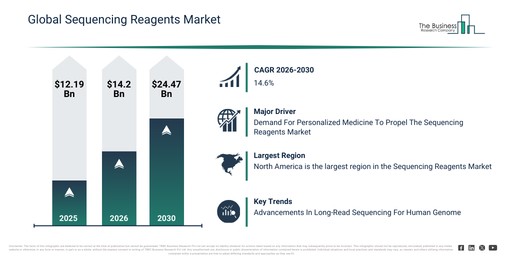
    The sequencing reagents market has experienced substantial expansion in recent times. Its valuation is projected to increase from $12.19 billion in 2025 to $14.2 billion in 2026, demonstrating a compound annual growth rate (CAGR) of 16.5%. This historical growth is linked to factors such as expanding genomics research, the uptake of next-generation sequencing technologies, government investments in genomics, progress in biotechnology, and a rise in academic research initiatives.

    The sequencing reagents market is projected to experience substantial expansion in the coming years. Its valuation is set to reach $24.47 billion in 2030, growing at a compound annual growth rate (CAGR) of 14.6%. This anticipated growth during the forecast period can be attributed to the integration of AI in sequencing, the broadening scope of personalized medicine, an increase in biopharma R&D, the development of cost-effective reagents, and the adoption of high-throughput sequencing platforms. Major trends expected in this period include high-throughput sequencing reagents, NGS library preparation kits, CRISPR-based reagents, cloud-connected sequencing platforms, and multiplexing solutions.

    Access Your Free Sample Report for In-Depth Market Insights:

    https://www.thebusinessresearchcompany.com/sample.aspx?id=16184&type=smp

    Which Drivers Are Supporting The Rise Of The Sequencing Reagents Market?

    The sequencing reagents market is anticipated to experience growth, propelled by the increasing demand for and development of personalized medicine. This medical strategy, also known as precision medicine, is an innovative approach that tailors healthcare decisions and interventions to the unique characteristics of each patient. The heightened demand for personalized medicine is driven by advancements in genomics and molecular diagnostics, which enable customized treatments based on individual genetic profiles and disease features. Sequencing reagents play a critical role in personalized medicine by allowing the precise analysis of individual genetic information for bespoke diagnostic and therapeutic interventions. For instance, in April 2024, according to the American Society of Gene & Cell Therapy, a US-based non-profit medical and scientific organization, it was reported that in Q4 2023, the number of phase III gene therapy clinical trials increased by 10%, representing the first quarterly rise since Q3 2022. Consequently, the escalating demand and progression of personalized medicine will drive the sequencing reagents market.

    What Leading Segments Are Studied In The Sequencing Reagents Market?

    The sequencing reagents market covered in this report is segmented –

    1) By Type: Library Kits, Template Kits, Control Kits, Sequencing Kits, Other Types

    2) By Technology: Sanger Sequencing, Next Generation Sequencing, Third Generation Sequencing

    3) By Application: Oncology, Reproductive Health, Clinical Investigation, Agrigenomics And Forensics, Other Applications

    4) By Industry Verticals: Research Institutes, Hospitals And Clinics, Pharmaceutical And Biotechnology Companies, Other Industry Verticals

    Subsegments:

    1) By Library Kits: Dna Library Kits, Rna Library Kits, Whole Genome Library Kits, Targeted Sequencing Library Kits, Amplicon Library Kits

    2) By Template Kits: Dna Template Kits, Rna Template Kits, Cdna Template Kits, Single-Cell Rna Template Kits

    3) By Control Kits: Positive Control Kits, Negative Control Kits, Internal Control Kits, Quality Control Kits

    4) By Sequencing Kits: Next-Generation Sequencing (Ngs) Kits, Whole Genome Sequencing Kits, Targeted Sequencing Kits, Exome Sequencing Kits, Rna Sequencing Kits

    5) By Other Types: Pcr Reagents And Kits, Cloning Kits, Multiplexing Kits, Sanger Sequencing Reagents

    What Trends Are Driving The Growth Trajectory Of The Sequencing Reagents Market?

    Major companies operating in the sequencing reagents market are focusing on developing innovative technology, such as the Illumina Complete Long Read technology, to gain a competitive edge. This advanced Illumina complete long-read technology blends the accuracy and throughput of short-read sequencing with the extensive coverage and capacity to span complex genomic regions offered by long-read sequencing. For instance, in March 2023, Illumina Inc., a US-based biotechnology company, introduced Illumina Complete Long Read Prep, Human. This high-performance, long-read, human whole-genome sequencing (WGS) assay is compatible with Illumina NovaSeq X Plus, NovaSeq X, and NovaSeq 6000 Sequencing Systems. Illumina’s Complete Long Read Prep for Humans provides a comprehensive workflow, enabling Long Read sequencing of the human genome on Illumina platforms by facilitating sample processing, library construction, and sequencing. It empowers researchers to produce long sequencing reads for in-depth genomic analysis, including the identification of structural variations and complex genomic regions.

    Which Key Players Are Driving Competition In The Sequencing Reagents Market?

    Major companies operating in the sequencing reagents market are F. Hoffmann-La Roche AG, Thermo Fisher Scientific Inc., Agilent Technologies Inc., Illumina Inc., Bio-Rad Laboratories Inc., QIAGEN N.V., BGI Group, Beckman Coulter Inc., GenScript Biotech Corporation, Promega Corporation, Integrated DNA Technologies IDT, Twist Bioscience, Diagenode, Covaris Inc., Oxford Nanopore Technologies plc, Takara Bio Inc., New England Biolabs NEB, Pacific Biosciences of California Inc., Zymo Research, Lucigen Corporation, Norgen Biotek Corp., Lexogen GmbH, Daicel Arbor Biosciences, Swift Biosciences Inc.

    Access The Complete Report For Deeper Market Insights:

    https://www.thebusinessresearchcompany.com/report/sequencing-reagents-global-market-report

    Which Region Is Projected To Lead The Sequencing Reagents Market During The Forecast Period?

    North America was the largest region in the sequencing reagents market in 2025. Asia-Pacific is expected to be the fastest-growing region in the forecast period. The regions covered in the sequencing reagents market report are Asia-Pacific, South East Asia, Western Europe, Eastern Europe, North America, South America, Middle East, Africa.

    Request Your Customized Sequencing Reagents Market Research Report for Competitive Advantage:

    https://www.thebusinessresearchcompany.com/customise?id=16184&type=smp

    Browse Through More Reports Similar to the Global Sequencing Reagents Market 2026, By The Business Research Company

    Protein Sequencing Market Report 2026

    https://www.thebusinessresearchcompany.com/report/protein-sequencing-global-market-report

    Biotechnology Reagents Market Report 2026

    https://www.thebusinessresearchcompany.com/report/biotechnology-reagents-global-market-report

    Next Generation Sequencing Market 2026

    https://www.thebusinessresearchcompany.com/report/next-generation-sequencing-market

    Get in touch with us:

    The Business Research Company: https://www.thebusinessresearchcompany.com/

    Americas +1 310-496-7795

    Asia +44 7882 955267 & +91 8897263534

    Europe +44 7882 955267

    Email us at info@tbrc.info

    Follow us on:

    LinkedIn: https://in.linkedin.com/company/the-business-research-company

    YouTube: https://www.youtube.com/channel/UC24_fI0rV8cR5DxlCpgmyFQ

    Global Market Model: https://www.thebusinessresearchcompany.com/global-market-model
  • Global Sepsis Diagnostics Industry Trends and Market Forecast 2026–2030

    Global Sepsis Diagnostics Industry Trends and Market Forecast 2026–2030

    Uncover key drivers, emerging technologies, and competitive movements shaping the sepsis diagnostics market from 2026–2035 with trusted insights from The Business Research Company

    What size range is anticipated for the Sepsis Diagnostics Market from 2026 to 2030?

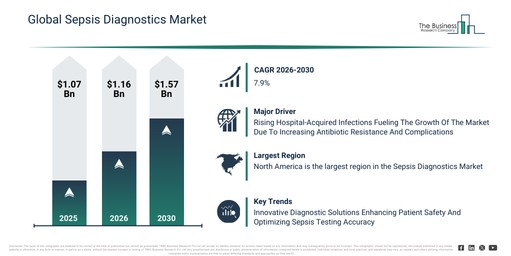
    The sepsis diagnostics market has experienced significant expansion in recent years. It is anticipated to expand from $1.07 billion in 2025 to $1.16 billion in 2026, demonstrating a compound annual growth rate (CAGR) of 8.3%. This historical market growth can be attributed to an increase in hospital-acquired infections, the integration of rapid diagnostic tests, various regulatory approvals, improvements in advanced lab infrastructure, and heightened clinical awareness.

    The sepsis diagnostics market is anticipated to experience substantial expansion over the coming years. By 2030, this market is projected to reach $1.57 billion, exhibiting a compound annual growth rate (CAGR) of 7.9%. Drivers for this growth during the forecast period include AI-powered diagnostic platforms, the broadening of biomarker-based testing, the incorporation of tele-diagnostics, innovative assays for sepsis detection, and the rise of point-of-care diagnostics. Key trends for the upcoming period encompass point-of-care diagnostic devices, biomarker-based tests, rapid blood culture kits, AI-assisted diagnostic platforms, and their integration with hospital IT systems.

    Access Your Free Sample Report for In-Depth Market Insights:

    https://www.thebusinessresearchcompany.com/sample.aspx?id=23514&type=smp

    What Drivers Are Affecting Demand In The Sepsis Diagnostics Market?

    The increasing occurrence of hospital-acquired infections is anticipated to boost the growth of the sepsis diagnostics market moving forward. Hospital-acquired infections (HAIs) are characterized as infections that manifest during or after a patient’s stay in a healthcare facility, typically 48 hours or more following admission, and were not present at the time of entry. This escalating incidence of hospital-acquired infections is linked to a rise in antibiotic resistance. The excessive and improper use of antibiotics in healthcare environments has fostered the development of resistant bacteria, rendering infections more difficult to treat. Sepsis diagnostics aids in the early detection of hospital-acquired infections by pinpointing pathogens and biomarkers, thereby enabling prompt treatment and mitigating complications. For instance, in November 2024, as per the Australian Institute of Health and Welfare, an Australia-based government agency, during 2022–23, HACs were noted in 2% of public hospital admissions and 0.8% of private hospital admissions, with healthcare-associated infections emerging as the most frequent complication. Consequently, the rising incidence of hospital-acquired infections acts as a key driver for expansion in the sepsis diagnostics market.

    Which Segment Groups Are Influencing The Sepsis Diagnostics Market?

    The sepsis diagnostics market covered in this report is segmented –

    1) By Product: Instruments, Blood Culture Media, Assay Kits And Reagents, Software

    2) By Technology: Microbiology, Molecular Diagnostics, Immunoassays, Flow Cytometry, Other Technologies

    3) By Pathogen: Bacterial Sepsis, Fungal Sepsis, Viral Sepsis, Other Pathogens

    4) By Method: Automated Diagnostics, Conventional Diagnostics

    5) By End-Users: Hospitals And Clinics, Pathology And Reference Laboratories, Research Institutes

    Subsegments:

    1) By Instruments: Automated Analyzers, Point-Of-Care (PoC) Testing Devices, Microfluidic-Based Devices, Polymerase Chain Reaction (PCR) Instruments, Flow Cytometers

    2) By Blood Culture Media: Aerobic Blood Culture Media, Anaerobic Blood Culture Media, Mycobacteria Blood Culture Media, Pediatric Blood Culture Media, Fungal Blood Culture Media

    3) By Assay Kits And Reagents: Enzyme-Linked Immunosorbent Assay (ELISA) Kits, Polymerase Chain Reaction (PCR) Assay Kits, Immunoassay Reagents, Molecular Diagnostic Reagents, Biosensor-Based Assay Kits

    4) By Software: Data Management Software, Laboratory Information Systems (LIS), Artificial Intelligence (AI)-Based Diagnostic Tools, Predictive Analytics Software, Cloud-Based Diagnostic Platforms

    What Upcoming Trends Are Likely To Define The Future Path Of The Sepsis Diagnostics Market?

    Leading companies in the sepsis diagnostics market are concentrating on developing innovative approaches, such as culture-free diagnostic solutions, to enable quick and accurate detection of sepsis without relying on traditional blood cultures. A culture-free diagnostic solution is a method designed to identify pathogens or infections without requiring conventional microbial culture techniques. These solutions utilize advanced technologies like polymerase chain reaction (PCR), next-generation sequencing (NGS), or immunoassays to rapidly pinpoint pathogens directly from patient samples such as blood, saliva, or tissue. For instance, in April 2024, Deepull Diagnostics S.L., a Spain-based manufacturing company, launched the UllCORE diagnostic system for early sepsis detection. The UllCORE system is a benchtop, culture-free multiplex PCR platform developed by Deepull for rapid pathogen identification in sepsis and other acute infections. It extracts microbial DNA from 8 mL of whole blood and provides 50 reportable results within one hour. The system detects 95% of sepsis-causing pathogens, including bacteria, fungi, and antibiotic resistance genes. Designed to improve early diagnosis and reduce antibiotic misuse, UllCORE supports hospitals combating antimicrobial resistance.

    Who Are The Top-Performing Companies In The Sepsis Diagnostics Market In Recent Years?

    Major companies operating in the sepsis diagnostics market are Siemens Healthcare GmbH, F. Hoffmann-La Roche AG, Thermo Fisher Scientific Inc., Abbott Laboratories, Danaher Corporation, Becton Dickinson and Company, Koninklijke Philips N.V., GE Healthcare, Wolters Kluwer N.V., bioMérieux S.A., Bruker Corporation, DiaSorin S.p.A., Cepheid Inc., Seegene Inc., Luminex Corporation, T2 Biosystems Inc., Cytovale Inc., Accelerate Diagnostics Inc., Immunexpress Inc., EKF Diagnostics Holdings plc, Boditech Med Inc., Alifax S.r.l., Abionic SA

    Access The Complete Report For Deeper Market Insights:

    https://www.thebusinessresearchcompany.com/report/sepsis-diagnostics-global-market-report

    Which Region Currently Holds The Largest Share Of The Sepsis Diagnostics Market?

    North America was the largest region in the sepsis diagnostics market in 2025. Asia-Pacific is expected to be the fastest-growing region in the forecast period. The regions covered in the sepsis diagnostics market report are Asia-Pacific, South East Asia, Western Europe, Eastern Europe, North America, South America, Middle East, Africa.

    Request Your Customized Sepsis Diagnostics Market Research Report for Competitive Advantage:

    https://www.thebusinessresearchcompany.com/customise?id=23514&type=smp

    Browse Through More Reports Similar to the Global Sepsis Diagnostics Market 2026, By The Business Research Company

    Gastrointestinal Pathogen Testing Market Report 2026

    https://www.thebusinessresearchcompany.com/report/gastrointestinal-pathogen-testing-global-market-report

    Infectious Disease Diagnostics Testing Market Report 2026

    https://www.thebusinessresearchcompany.com/report/infectious-disease-diagnostics-testing-global-market-report

    Hemostasis Diagnostic Devices And Equipment Market Report 2026

    https://www.thebusinessresearchcompany.com/report/hemostasis-diagnostic-devices-and-equipment-global-market-report

    Get in touch with us:

    The Business Research Company: https://www.thebusinessresearchcompany.com/

    Americas +1 310-496-7795

    Asia +44 7882 955267 & +91 8897263534

    Europe +44 7882 955267

    Email us at info@tbrc.info

    Follow us on:

    LinkedIn: https://in.linkedin.com/company/the-business-research-company

    YouTube: https://www.youtube.com/channel/UC24_fI0rV8cR5DxlCpgmyFQ

    Global Market Model: https://www.thebusinessresearchcompany.com/global-market-model
  • Sepsis Market Size and Demand Forecast 2026–2030

    Sepsis Market Size and Demand Forecast 2026–2030

    Uncover key drivers, emerging technologies, and competitive movements shaping the sepsis market from 2026–2035 with trusted insights from The Business Research Company

    How is the Sepsis Market size predicted to change over the forecast window of 2026–2035?

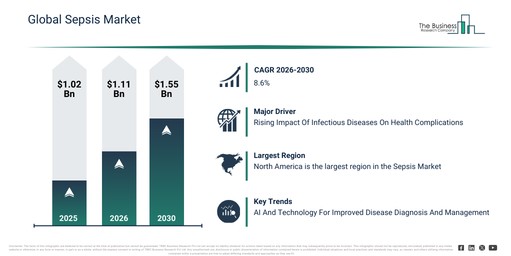
    The sepsis market size has shown significant expansion in recent years. It is anticipated to increase from $1.02 billion in 2025 to $1.11 billion in 2026, achieving a compound annual growth rate (CAGR) of 9.0%. The past growth in this market can be ascribed to several factors, including a high incidence of sepsis, elevated hospital care standards, the implementation of clinical protocols, the establishment of sepsis awareness programs, and modern ICU setups.

    The sepsis market is projected to experience robust expansion over the coming years, with its valuation anticipated to reach $1.55 billion by 2030, demonstrating a compound annual growth rate (CAGR) of 8.6%. This projected growth is driven by factors such as AI-assisted early detection, the broader adoption of point-of-care monitoring, seamless integration with EHR systems, the development of advanced therapeutics for sepsis, and the widespread adoption of global sepsis management guidelines. Key developments expected during this period encompass early sepsis detection tools, AI-powered risk scoring methodologies, point-of-care sepsis monitors, the integration of tele-ICU services, and the implementation of protocol-driven treatment solutions.

    Access Your Free Sample Report for In-Depth Market Insights:

    https://www.thebusinessresearchcompany.com/sample.aspx?id=21286&type=smp

    Which Drivers Are Contributing To The Expansion Of The Sepsis Market?

    The anticipated expansion of the sepsis market is significantly influenced by the increasing prevalence of infectious diseases. These illnesses stem from the invasion of the body by microorganisms such as bacteria, viruses, fungi, or parasites. Common examples include tuberculosis, flu, ringworm, and malaria, which transmit through contact, contaminated sources, or insect vectors. The rise in infectious disease incidence is attributable to population growth, globalization, environmental changes, the emergence of drug-resistant pathogens, and existing gaps in healthcare systems. Sepsis represents a serious complication of infectious diseases, arising from the body’s overwhelming reaction to an infection, which results in widespread inflammation and potential organ failure. For instance, in November 2024, the Centers for Disease Control and Prevention, a US-based government agency for public health, reported that the United States recorded 9,633 cases of tuberculosis (TB) in 2023, marking a 15.6% rise from 8,332 cases documented in 2022. Consequently, the escalating burden of infectious diseases is a primary driver for the growth of the sepsis market.

    What Segment Classifications Make Up The Sepsis Market?

    The sepsis market covered in this report is segmented –

    1) By Type: Diagnosis, Therapeutics

    2) By Pathogen: Bacterial, Viral, Fungal

    3) By Application: Severe Sepsis, Septic Shock

    4) By End User: Hospitals, Pathology, Reference Laboratories

    Subsegments:

    1) By Diagnosis: Blood Tests, Imaging Techniques, Microbiological Culture Tests, Biomarker Tests, Other Diagnostic Methods

    2) By Therapeutics: Antibiotics, Antifungal Agents, Vasopressors, Immunoglobulins, Corticosteroids, Other Therapeutic Options

    Which Trends Are Shaping Activity Within The Sepsis Market?

    Key companies operating within the sepsis sector are directing their efforts towards creating technologically sophisticated platforms, such as those driven by artificial intelligence (AI), to improve early detection, enhance treatment accuracy, and forecast patient prognoses. This strategy ultimately aims to decrease mortality rates and boost healthcare efficiency in managing sepsis. For instance, in June 2024, Predicate Healthcare Performance Group (HPG), a US-based healthcare firm, launched its AI software platform, OpenDX. This pioneering platform combines AI-powered diagnostics with wearable biosensors, empowering healthcare providers to identify the initial indicators of sepsis. This innovation assists in sepsis diagnosis and possesses the capability to extend to other health conditions, thereby highlighting technology’s critical function in diagnostics. Predicate’s chest sensor specifically aids healthcare personnel in detecting early signs of sepsis, a condition that is both challenging to diagnose and frequently overlooked.

    Which Leading Companies Dominate The Sepsis Market Share?

    Major companies operating in the sepsis market are Pfizer Inc., F. Hoffmann-La Roche AG, Merck KGaA, Bayer AG, Thermo Fisher Scientific Inc., Abbott Laboratories, Novartis AG, Asahi Kasei Corporation, Becton Dickinson and Company, bioMérieux SA, QuidelOrtho Corporation, DiaSorin S.p.A., Seegene Inc., EKF Diagnostics, Boditech Med Inc., Cytovale Inc., Alifax S.r.l., Hansa Biopharma, Amomed Pharma GmbH, Inotrem S.A., Abionic SA, Biosystems Inc., Immunexpress Inc.

    Access The Complete Report For Deeper Market Insights:

    https://www.thebusinessresearchcompany.com/report/sepsis-global-market-report

    How Does The Sepsis Market Perform Across Major Global Regions?

    North America was the largest region in the sepsis market in 2025. Asia-Pacific is expected to be the fastest-growing region in the forecast period. The regions covered in the sepsis market report are Asia-Pacific, South East Asia, Western Europe, Eastern Europe, North America, South America, Middle East, Africa.

    Request Your Customized Sepsis Market Research Report for Competitive Advantage:

    https://www.thebusinessresearchcompany.com/customise?id=21286&type=smp

    Browse Through More Reports Similar to the Global Sepsis Market 2026, By The Business Research Company

    Clinical Microbiology Market Report 2026

    https://www.thebusinessresearchcompany.com/report/clinical-microbiology-global-market-report

    Hospital Acquired Infection Control Market Report 2026

    https://www.thebusinessresearchcompany.com/report/hospital-acquired-infection-control-global-market-report

    Hemophilia Market Report 2026

    https://www.thebusinessresearchcompany.com/report/hemophilia-global-market-report

    Get in touch with us:

    The Business Research Company: https://www.thebusinessresearchcompany.com/

    Americas +1 310-496-7795

    Asia +44 7882 955267 & +91 8897263534

    Europe +44 7882 955267

    Email us at info@tbrc.info

    Follow us on:

    LinkedIn: https://in.linkedin.com/company/the-business-research-company

    YouTube: https://www.youtube.com/channel/UC24_fI0rV8cR5DxlCpgmyFQ

    Global Market Model: https://www.thebusinessresearchcompany.com/global-market-model