Month: March 2026

  • Second Opinion Tele-Radiology App Market Growth Projection: Expected to Surpass $3.32 Billion by 2030 at 17% CAGR

    Second Opinion Tele-Radiology App Market Growth Projection: Expected to Surpass $3.32 Billion by 2030 at 17% CAGR

    Uncover key drivers, emerging technologies, and competitive movements shaping the second opinion tele-radiology app market from 2026–2035 with trusted insights from The Business Research Company

    What total market size is anticipated for the Second Opinion Tele-Radiology App Market in 2030?

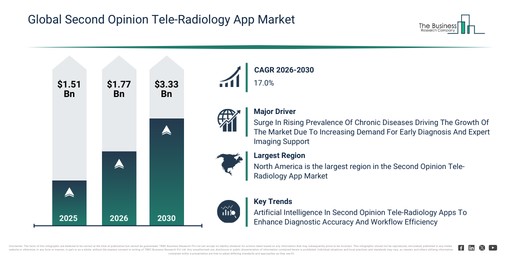
    The second opinion tele-radiology app market size has experienced rapid expansion in recent years. Projections indicate it will expand from $1.51 billion in 2025 to $1.77 billion in 2026, demonstrating a compound annual growth rate (CAGR) of 17.3%. This historical growth can be linked to factors such as an increasing shortage of radiologists, the rising complexity of diagnostic imaging, the expansion of digital health infrastructure, a growing reliance on teleradiology services, and the increased adoption of cloud-based medical systems.

    The second opinion tele-radiology app market is projected for significant expansion in the coming years, anticipated to reach $3.33 billion by 2030, exhibiting a compound annual growth rate (CAGR) of 17.0%. Factors contributing to this growth over the forecast period include the escalating demand for second-opinion diagnostics, the increasing incorporation of AI into clinical workflows, the broadening of telehealth reimbursement structures, growing investments in digital healthcare platforms, and a heightened emphasis on remote patient care. Key trends emerging during the forecast period involve the rising adoption of AI-assisted image interpretation, an increased demand for cloud-based radiology platforms, the expanding utilization of secure cross-border image sharing, the development of remote specialist collaboration models, and an intensified focus on improving diagnostic accuracy and turnaround times.

    Access Your Free Sample Report for In-Depth Market Insights:

    https://www.thebusinessresearchcompany.com/sample.aspx?id=29185&type=smp

    What Drivers Are Influencing Production Trends In The Second Opinion Tele-Radiology App Market?

    The increasing incidence of diabetes is anticipated to fuel the expansion of the second opinion tele-radiology app market in the future. Diabetes is a chronic ailment where the body either fails to produce sufficient insulin or utilize it effectively, resulting in high blood glucose levels. This rise in diabetes largely stems from unhealthy lifestyle choices, with greater intake of high-calorie meals and a lack of physical activity contributing to obesity, thereby substantially elevating the likelihood of developing the condition. A second opinion tele-radiology app assists individuals with diabetes by enabling specialists located remotely to examine medical imaging, facilitating prompt detection and precise tracking of complications linked to diabetes, such as harm to nerves or kidneys. For instance, according to a March 2025 report from the Office for Health Improvement & Disparities, a UK-based government department, the prevalence of type 2 diabetes among adults aged 17 and over in England was 7.0% in March 2024, an increase from 6.8% in March 2023. Consequently, the escalating incidence of diabetes is propelling the growth of the second opinion tele-radiology app market.

    Which Segment Groups Are Influencing The Second Opinion Tele-Radiology App Market?

    The second opinion tele-radiology app market covered in this report is segmented –

    1) By Component: Software, Services

    2) By Deployment Mode: Cloud-Based, On-Premises

    3) By Application: Orthopedics, Neurology, Oncology, Cardiology, Other Applications

    4) By End-User: Hospitals, Diagnostic Centers, Specialty Clinics, Other End-Users

    Subsegments:

    1) By Software: Cloud-Based, On-Premise, Mobile Application, Web-Based

    2) By Services: Remote Consultation, Image Interpretation, Reporting And Analytics, Workflow Management, Technical Support

    What Industry Trends Are Transforming The Second Opinion Tele-Radiology App Market?

    Leading companies in the second opinion teleradiology app market are prioritizing the creation of technologically advanced solutions, including AI-powered teleradiology platforms for supplemental consultations, to improve diagnostic precision and streamline remote radiology operations. These AI-driven teleradiology platforms for second opinions are digital systems that leverage artificial intelligence to remotely analyze medical images and provide additional expert interpretations, thereby supporting accurate clinical decisions. For example, in June 2024, Nanox Ltd., an Israel-based medical imaging technology company, unveiled artificial intelligence capabilities integrated into its Second Opinions platform, a teleradiology service managed by its subsidiary, USARAD Holdings. This launch features three FDA-cleared AI algorithms specifically engineered to analyze chest and abdominal CT scans for the early identification of chronic conditions. The insights generated by AI are subsequently reviewed and validated by physicians on the platform, then incorporated into the diagnostic reports issued to patients seeking second opinions. This integration is designed to enhance early diagnosis, improve patient outcomes, and equip healthcare providers with advanced AI-powered diagnostic tools, aligning with Nanox’s mission to increase the accessibility and affordability of medical imaging and diagnosis.

    Who Are The Major Companies Operating In The Second Opinion Tele-Radiology App Market?

    Major companies operating in the second opinion tele-radiology app market are Radiologycheck.com GmbH, Ambra Health, Docorbit Inc., Medicusunion GmbH, Teleradiology Solutions Private Limited, Everlight Radiology Limited, Vesta Teleradiology Services LLC, Rad365 Technology Private Limited, Docpanel, National Diagnostic Imaging, Radblox Health Inc., Telediagnosys Services Private Limited, Vital Radiology Services Limited, Teladoc Health Inc., Nano-X Imaging Ltd., Bigohealth Private Limited, Total Medical Imaging LLC, Vamed Global Technologies Private Limited, Mdview Management LLC, Aster Medical Imaging

    Access The Complete Report For Deeper Market Insights:

    https://www.thebusinessresearchcompany.com/report/second-opinion-tele-radiology-app-global-market-report

    Which Region Is Anticipated To See The Fastest Growth In The Second Opinion Tele-Radiology App Market?

    North America was the largest region in the second opinion teleradiology app market in 2025. Asia-Pacific is expected to be the fastest-growing region in the forecast period. The regions covered in the second opinion tele-radiology app market report are Asia-Pacific, South East Asia, Western Europe, Eastern Europe, North America, South America, Middle East, Africa.

    Request Your Customized Second Opinion Tele-Radiology App Market Research Report for Competitive Advantage:

    https://www.thebusinessresearchcompany.com/customise?id=29185&type=smp

    Browse Through More Reports Similar to the Global Second Opinion Tele-Radiology App Market 2026, By The Business Research Company

    Radiology Information Systems Market Report 2026

    https://www.thebusinessresearchcompany.com/report/radiology-information-systems-global-market-report

    Interventional Radiology Market Report 2026

    https://www.thebusinessresearchcompany.com/report/interventional-radiology-global-market-report

    Radiology Services Market Report 2026

    https://www.thebusinessresearchcompany.com/report/radiology-services-global-market-report

    Get in touch with us:

    The Business Research Company: https://www.thebusinessresearchcompany.com/

    Americas +1 310-496-7795

    Asia +44 7882 955267 & +91 8897263534

    Europe +44 7882 955267

    Email us at info@tbrc.info

    Follow us on:

    LinkedIn: https://in.linkedin.com/company/the-business-research-company

    YouTube: https://www.youtube.com/channel/UC24_fI0rV8cR5DxlCpgmyFQ

    Global Market Model: https://www.thebusinessresearchcompany.com/global-market-model
  • Seasonal Influenza Market Forecast 2026–2035: How to Leverage Market Growth

    Seasonal Influenza Market Forecast 2026–2035: How to Leverage Market Growth

    Uncover key drivers, emerging technologies, and competitive movements shaping the seasonal influenza market from 2026–2035 with trusted insights from The Business Research Company

    What is the expected shift in the Seasonal Influenza Market’s size between 2026 and 2030?

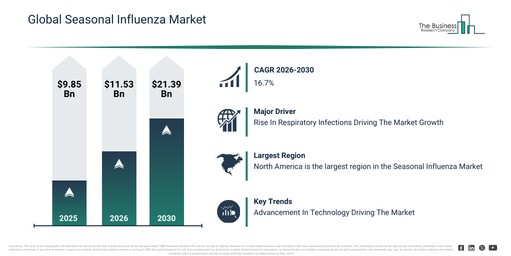
    The seasonal influenza market’s valuation has shown rapid expansion over recent years. It is anticipated to grow from $9.85 billion in 2025 to $11.53 billion in 2026, progressing at a compound annual growth rate (CAGR) of 17.1%. The growth observed in prior periods can be attributed to seasonal flu outbreaks, limited vaccine coverage, conventional diagnostics, low public awareness, and regional distribution challenges.

    The seasonal influenza market is anticipated to experience significant expansion in the coming years. By 2030, this market is projected to reach $21.39 billion, exhibiting a compound annual growth rate (CAGR) of 16.7%. This projected expansion stems from factors such as the advancement of universal vaccines, the widespread adoption of rapid point-of-care diagnostics, enhanced digital immunization tracking, collaborative public-private vaccination campaigns, and improvements in supply chain optimization. Key developments shaping the market during this period encompass universal flu vaccines, efficient rapid diagnostic tests, the emergence of home-based vaccination services, a rise in government-led immunization initiatives, and the modernization of the pharmaceutical supply chain.

    Access Your Free Sample Report for In-Depth Market Insights:

    https://www.thebusinessresearchcompany.com/sample.aspx?id=21285&type=smp

    Which Drivers Are Shaping Strategic Decisions In The Seasonal Influenza Market?

    The seasonal influenza market is expected to expand due to the rising prevalence of respiratory infections. These infections are conditions caused by viruses or bacteria that affect the respiratory system, including the sinuses, throat, airways, or lungs. The increasing occurrence of respiratory infections is driven by factors such as air pollution, changing climates, weakened immune responses, and the ease of viral transmission in crowded or poorly ventilated environments. Seasonal influenza treatment aids in preventing or reducing the severity of respiratory infections in multiple ways, primarily by targeting the influenza virus and managing symptoms that could lead to secondary infections. For instance, in October 2024, according to the UK Health Security Agency, a UK-based government agency, the number of tuberculosis (TB) (a respiratory infection caused by the bacterium Mycobacterium tuberculosis) cases in England experienced a 10.7% year-over-year increase in 2023, rising from 4,380 cases in 2022 to 4,850 cases. Therefore, the increase in respiratory infections will stimulate the growth of the seasonal influenza market.

    What Segment Classifications Make Up The Seasonal Influenza Market?

    The seasonal influenza market covered in this report is segmented –

    1) By Type: Influenza A Virus, Influenza B Virus, Influenza C Virus, Influenza D Virus

    2) By Route Of Administration: Parenteral, Oral, Other Route Of Administrations

    3) By Distribution Channel: Hospital, Government And institutional supply, Pharmacy, Online

    4) By Treatment: Antiviral, Neuraminidase Inhibitors, Vaccination, Other Treatments

    Subsegments:

    1) By Influenza A Virus: Subtype H1N1, Subtype H3N2, Other Subtypes

    2) By Influenza B Virus: Lineage Victoria, Lineage Yamagata

    3) By Influenza C Virus: Seasonal C Virus, Non-seasonal C Virus

    4) By Influenza D Virus: Animal-associated Influenza D, Zoonotic Surveillance And Research Applications

    What Trends Are Reshaping The Dynamics Of The Seasonal Influenza Market?

    Leading companies within the seasonal influenza market are prioritizing progress in treatments, specifically combination vaccines, to boost immunity by addressing multiple viral strains, thereby increasing efficacy and lessening the requirement for repeated immunizations. These combination vaccines offer protection against several diseases or strains through one injection, which consequently decreases the total number of vaccinations necessary. An example of this is seen in October 2023, when Moderna, Inc., a biotechnology firm based in the US, reported favorable interim Phase 1/2 trial outcomes for mRNA-1083, its experimental combination vaccine designed to target both influenza and COVID-19. Intended to improve adherence, simplify administration, and offer greater convenience for patients and healthcare providers, mRNA-1083 is currently undergoing assessment for its safety and immunogenicity, measured against standard flu vaccines Fluarix (ages 50-64) and Fluzone HD (ages 65-79), in addition to a comparison with the Spikevax booster.

    Which Major Firms Are Strengthening Their Position In The Seasonal Influenza Market?

    Major companies operating in the seasonal influenza market are Pfizer Inc., Johnson & Johnson, F. Hoffmann-La Roche Ltd., Sanofi S.A., AstraZeneca PLC, Novartis International AG, GlaxoSmithKline plc, Merck KGaA, Moderna Inc., Boehringer Ingelheim International GmbH, Sinovac Biotech Ltd., Daiichi Sankyo Company Limited, CSL Limited, Genentech Inc., Shionogi & Co. Ltd., Emergent BioSolutions Inc., Novavax Inc., BioCryst Pharmaceuticals Inc., Bharat Biotech International Limited, Vaxart Inc., Inovio Pharmaceuticals Inc., SK bioscience Co. Ltd., Mitsubishi Tanabe Pharma Corporation, FluGen Inc., Altimmune Inc.

    Access The Complete Report For Deeper Market Insights:

    https://www.thebusinessresearchcompany.com/report/seasonal-influenza-global-market-report

    Which Region Is Anticipated To See The Fastest Growth In The Seasonal Influenza Market?

    North America was the largest region in the seasonal influenza market in 2025. Asia-Pacific is expected to be the fastest-growing region in the forecast period. The regions covered in the seasonal influenza market report are Asia-Pacific, South East Asia, Western Europe, Eastern Europe, North America, South America, Middle East, Africa.

    Request Your Customized Seasonal Influenza Market Research Report for Competitive Advantage:

    https://www.thebusinessresearchcompany.com/customise?id=21285&type=smp

    Browse Through More Reports Similar to the Global Seasonal Influenza Market 2026, By The Business Research Company

    Swine Flu Vaccination Market Report 2026

    https://www.thebusinessresearchcompany.com/report/swine-flu-vaccination-global-market-report

    Influenza Vaccines Market Report 2026

    https://www.thebusinessresearchcompany.com/report/influenza-vaccines-global-market-report

    Influenza Treatment Market Report 2026

    https://www.thebusinessresearchcompany.com/report/influenza-treatment-global-market-report

    Get in touch with us:

    The Business Research Company: https://www.thebusinessresearchcompany.com/

    Americas +1 310-496-7795

    Asia +44 7882 955267 & +91 8897263534

    Europe +44 7882 955267

    Email us at info@tbrc.info

    Follow us on:

    LinkedIn: https://in.linkedin.com/company/the-business-research-company

    YouTube: https://www.youtube.com/channel/UC24_fI0rV8cR5DxlCpgmyFQ

    Global Market Model: https://www.thebusinessresearchcompany.com/global-market-model
  • Global Scoliosis Market 2026–2030: Forecast Insights for Business Planning

    Global Scoliosis Market 2026–2030: Forecast Insights for Business Planning

    Uncover key drivers, emerging technologies, and competitive movements shaping the scoliosis market from 2026–2035 with trusted insights from The Business Research Company

    What growth pattern is forecast for the Scoliosis Market size between 2026 and 2035?

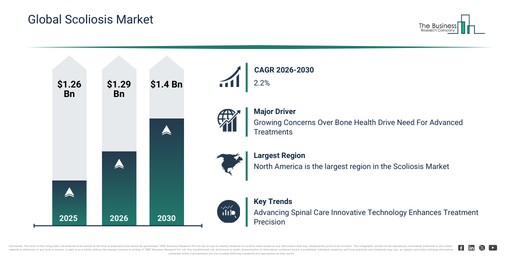
    The scoliosis market size has shown consistent expansion in recent years. It is anticipated to expand from $1.26 billion in 2025 to $1.29 billion in 2026, achieving a compound annual growth rate (CAGR) of 2.4%. This historical growth can be linked to factors such as limited screening programs, traditional surgical approaches, delayed diagnosis, insufficient awareness, and inadequate rehabilitation protocols.

    The scoliosis market is projected to observe consistent expansion in the forthcoming years. Its size is expected to attain $1.4 billion by 2030, growing at a compound annual growth rate (CAGR) of 2.2%. This projected growth is driven by factors such as robotic-assisted surgeries, advancements in early detection technologies, the availability of wearable monitoring devices, tailored personalized bracing solutions, and the implementation of telehealth rehabilitation. Significant developments anticipated during this period include widespread early screening programs, increased adoption of non-surgical bracing, the prevalence of minimally invasive spinal surgeries, enhancements in robotic-assisted correction, and the integration of tele-rehabilitation solutions.

    Access Your Free Sample Report for In-Depth Market Insights:

    https://www.thebusinessresearchcompany.com/sample.aspx?id=21284&type=smp

    Which Drivers Are Impacting Market Performance In The Scoliosis Market?

    The anticipated expansion of the scoliosis market is linked to the rising occurrence of bone mineral deficiencies. These deficiencies involve an inadequate supply of vital minerals in bones, leading to bone weakness and a higher susceptibility to fractures. Several factors contribute to the escalating prevalence of bone mineral deficiencies, including advancing age, inadequate nutrition, insufficient vitamin D, inactive lifestyles, and various medical ailments. Scoliosis itself plays a role in bone mineral deficiencies by impacting bone density and overall structural soundness, thereby elevating the likelihood of developing osteoporosis and fractures. For example, data from March 2024, provided by the US-based National Institutes of Health (NIH) (.gov), indicated that among 5380 Romanian adults aged 25–64 years, a 24.8% vitamin D deficiency rate was observed. Additionally, the Department of Health and Social Care, a UK-based government department, reported that roughly one in six adults across the UK suffers from low vitamin D levels. Consequently, the growing occurrence of bone mineral deficiencies is acting as a catalyst for the expansion of the scoliosis market.

    What Segment Types Are Examined In The Scoliosis Market?

    The scoliosis market covered in this report is segmented –

    1) By Product Type: Bracing, Physiotherapy, Surgical Devices, Other Product Types

    2) By Age Group: Children, Teenagers, Adult

    3) By End-user: Hospitals, Clinics, Homecare Settings, Other End Users

    Subsegments:

    1) By Bracing: Rigid Braces, Soft Braces, Dynamic Braces, Nighttime Braces, Other Bracing Types

    2) By Physiotherapy: Schroth Method, Scientific Exercise Approach To Scoliosis, Yoga And Pilates, Manual Therapy, Other Physiotherapy Approaches

    3) By Surgical Devices: Spinal Implants, Rods And Screws, Fusion Devices, Growth Modulation Devices, Other Surgical Devices

    4) By Other Product Types: Orthotic Supports, Electrical Stimulation Devices, Alternative Therapies

    How Are New Market Trends Shaping The Landscape Of The Scoliosis Market?

    Major companies operating in the scoliosis market are primarily focused on developing innovative products, such as growing rod systems, to elevate treatment outcomes, refine spinal deformity correction, and lessen the need for multiple surgeries in pediatric scoliosis patients. The growing rod system itself is an adjustable spinal implant employed to manage early-onset scoliosis, facilitating controlled spinal growth while minimizing the necessity for repeated operations. For instance, in July 2023, Globus Medical, a US-based medical device company, launched its MARVEL growing rod system. This cutting-edge device is specifically engineered to treat early-onset scoliosis by allowing for controlled spinal growth. It incorporates a non-invasive adjustment mechanism, thereby reducing the requirement for repeated surgeries. The system aims to enhance patient outcomes by offering a customizable and less intrusive treatment alternative.

    Who Are The Primary Competitors In The Global Scoliosis Market?

    Major companies operating in the scoliosis market are Medtronic plc, Zimmer Biomet Holdings Inc., Stryker Corporation, Ottobock SE & Co. KGaA, Enovis Corporation, Globus Medical Inc., Össur Corporate, Alphatec Spine Inc., Trulife Group, OrthoPediatrics Corp., Aspen Medical Products LLC, Bauerfeind AG, Boston Orthotics & Prosthetics, Spinal Technology Inc., Horton’s Orthotics & Prosthetics, Chaneco Limited, Optec USA Inc., LA Brace Center, Beacon Prosthetics and Orthotics Inc., Spinologics Inc., UNYQ Inc.

    Access The Complete Report For Deeper Market Insights:

    https://www.thebusinessresearchcompany.com/report/scoliosis-global-market-report

    Which Global Regions Are Shaping The Competitive Landscape Of The Scoliosis Market?

    North America was the largest region in the scoliosis market in 2025. Europe is expected to be the fastest-growing region in the forecast period. The regions covered in the scoliosis market report are Asia-Pacific, South East Asia, Western Europe, Eastern Europe, North America, South America, Middle East, Africa.

    Request Your Customized Scoliosis Market Research Report for Competitive Advantage:

    https://www.thebusinessresearchcompany.com/customise?id=21284&type=smp

    Browse Through More Reports Similar to the Global Scoliosis Market 2026, By The Business Research Company

    Sciatica Market Report 2026

    https://www.thebusinessresearchcompany.com/report/sciatica-global-market-report

    Spine Implants Market Report 2026

    https://www.thebusinessresearchcompany.com/report/spine-implants-global-market-report

    Spine Biologics Market Report 2026

    https://www.thebusinessresearchcompany.com/report/spine-biologics-global-market-report

    Get in touch with us:

    The Business Research Company: https://www.thebusinessresearchcompany.com/

    Americas +1 310-496-7795

    Asia +44 7882 955267 & +91 8897263534

    Europe +44 7882 955267

    Email us at info@tbrc.info

    Follow us on:

    LinkedIn: https://in.linkedin.com/company/the-business-research-company

    YouTube: https://www.youtube.com/channel/UC24_fI0rV8cR5DxlCpgmyFQ

    Global Market Model: https://www.thebusinessresearchcompany.com/global-market-model
  • Sclerotherapy Market Outlook 2026–2035: Growth Drivers and Industry Forecast

    Sclerotherapy Market Outlook 2026–2035: Growth Drivers and Industry Forecast

    Uncover key drivers, emerging technologies, and competitive movements shaping the sclerotherapy market from 2026–2035 with trusted insights from The Business Research Company

    How much larger will the Sclerotherapy Market be in 2030 compared with 2026?

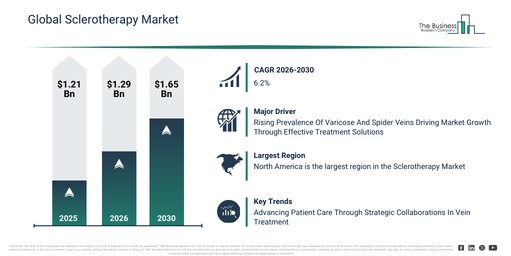
    The sclerotherapy market size has seen significant growth in recent years. It is anticipated to expand from $1.21 billion in 2025 to $1.29 billion in 2026, achieving a compound annual growth rate (CAGR) of 6.4%. Several factors contributed to this historic growth, including limited awareness of treatments, the prevalence of conventional sclerosing agents, a low adoption rate of cosmetic procedures, existing regulatory limitations, and high treatment costs.

    The sclerotherapy market size is projected to experience substantial expansion over the next few years. It is forecast to reach $1.65 billion by 2030, demonstrating a compound annual growth rate (CAGR) of 6.2%. This growth during the forecast period is primarily driven by the introduction of safer sclerosants, advancements in delivery techniques, the proliferation of aesthetic clinics, the expansion of medical tourism, and improvements in insurance coverage. Noteworthy trends for the forecast period include the increasing adoption of minimally invasive procedures, the development of advanced foam sclerosants, the application of combination therapies, an upsurge in outpatient treatments, and the continued rise in medical tourism.

    Access Your Free Sample Report for In-Depth Market Insights:

    https://www.thebusinessresearchcompany.com/sample.aspx?id=24394&type=smp

    What Drivers Are Guiding Growth Patterns In The Sclerotherapy Market?

    The increasing occurrence of varicose and spider veins is anticipated to fuel the expansion of the sclerotherapy market in the coming years. These conditions involve veins that become enlarged, twisted, or damaged, commonly seen under the skin and resulting from inadequate blood flow, particularly in the legs. The increase in these vein issues is largely attributed to individuals spending extended periods in sedentary or upright positions, often associated with contemporary professional practices. Sclerotherapy provides a solution for these prevalent vein problems through the precise injection of a specialized solution that effectively seals off the compromised veins, thereby enhancing blood circulation and visual appearance. For instance, in January 2024, data from the National Center for Biotechnology Information, a US-Based health information organization, indicated that in Brazil, 47.6% of the population suffered from varicose veins (VVs), with non-pregnant women exhibiting a higher incidence at 50.9% compared to 37.9% in men. Consequently, the growing incidence of varicose and spider veins is set to propel the growth of the sclerotherapy market.

    Sclerotherapy Market Driver: Increasing Healthcare Expenditure Driving Market Growth Through Enhanced Access To Advanced Treatments

    The upward trend in healthcare spending is projected to stimulate the expansion of the sclerotherapy market in the foreseeable future. Healthcare expenditure encompasses all financial outlay on medical services, therapies, and health-related assets within a national system. The primary impetus behind rising healthcare costs is the escalating expense of sophisticated medical technologies, which, despite advancing diagnostic and treatment capabilities, demand substantial investment in their creation, equipment, and specialized personnel. This expenditure supports sclerotherapy by ensuring funding for access to specialized treatments, medical professionals, and advanced machinery. For instance, in May 2024, the Office for National Statistics, a UK-based government department, reported that in 2024, the UK’s healthcare expenditure reached approximately $421.32 billion (£317 billion), marking a 6.5% increase compared to 2023. Therefore, the increase in healthcare expenditure is poised to drive the growth of the sclerotherapy market.

    Which Segments Are Driving Activity In The Sclerotherapy Market?

    The sclerotherapy market covered in this report is segmented –

    1) By Type: Liquid Sclerotherapy, Foam Sclerotherapy, Ultrasound-Guided Sclerotherapy

    2) By Agents: Detergents, Chemical Irritants, Osmotic Agents

    3) By Application: Varicose Veins, Spider Veins, Hemorrhoids

    4) By End-User: Hospitals, Ambulatory Surgical Centers, Specialty Clinics, Other End-Users

    Subsegments:

    1) By Liquid Sclerotherapy: Polidocanol-based, Sodium Tetradecyl Sulfate (STS)-based, Hypertonic Saline-based

    2) By Foam Sclerotherapy: Polidocanol Foam, STS Foam, Air-based Foam

    3) By Ultrasound-Guided Sclerotherapy: Foam-guided, Liquid-guided, Combination Therapies

    Which Trends Are Expected To Influence The Sclerotherapy Market In The Upcoming Years?

    Leading companies within the sclerotherapy market are concentrating on strategic alliances to boost their research capabilities, broaden their product offerings, and strengthen their market presence through shared expertise and global distribution networks. Modern, minimally invasive therapies for varicose veins encompass contemporary procedures like sclerotherapy, laser therapy, and radiofrequency ablation, which effectively close or remove damaged veins with minimal discomfort, swift recovery, and a reduced risk of complications. For instance, in February 2025, Aakash Healthcare, an India-Based specialty hospital, partnered with Medtronic plc, a US-based healthcare company, to launch a specialized vein clinic. This clinic provides advanced, minimally invasive treatments for varicose veins and other vein-related conditions, ensuring faster recovery and long-term health benefits for patients. Additionally, it offers enhanced personalized treatment plans and post-treatment care, ensuring a comprehensive approach to vein health and overall well-being.

    Which Key Market Players Are Investing In Expansion And Innovation Within The Sclerotherapy Market?

    Major companies operating in the sclerotherapy market are Bayer AG, Sanofi S.A., Abbott Laboratories, Novartis AG, Medtronic plc, Boston Scientific Corporation, Olympus Corporation, Smith And Nephew plc, Teleflex Incorporated, Cook Medical, Merz Pharma GmbH And Co KGaA, AngioDynamics Inc, Bioniche Pharma Group Ltd, Omega Pharmaceuticals Pvt Ltd, Endo Flex, Kreussler, Vascular Solutions Inc, BTG International Ltd, Boston Biomedical Inc, Cardinal Health Inc, Terumo Corporation, B Braun Melsungen AG, BD Bard, MedAlliance SA

    Access The Complete Report For Deeper Market Insights:

    https://www.thebusinessresearchcompany.com/report/sclerotherapy-global-market-report

    Which Regions Are Poised For Strategic Growth In The Sclerotherapy Market?

    North America was the largest region in the sclerotherapy market in 2025. Asia-Pacific is expected to be the fastest-growing region in the forecast period. The regions covered in the sclerotherapy market report are Asia-Pacific, South East Asia, Western Europe, Eastern Europe, North America, South America, Middle East, Africa.

    Request Your Customized Sclerotherapy Market Research Report for Competitive Advantage:

    https://www.thebusinessresearchcompany.com/customise?id=24394&type=smp

    Browse Through More Reports Similar to the Global Sclerotherapy Market 2026, By The Business Research Company

    Pressotherapy Systems Market Report 2026

    https://www.thebusinessresearchcompany.com/report/pressotherapy-systems-global-market-report

    Cryotherapy Market Report 2026

    https://www.thebusinessresearchcompany.com/report/cryotherapy-global-market-report

    Sphygmomanometer Market Report 2026

    https://www.thebusinessresearchcompany.com/report/sphygmomanometer-global-market-report

    Get in touch with us:

    The Business Research Company: https://www.thebusinessresearchcompany.com/

    Americas +1 310-496-7795

    Asia +44 7882 955267 & +91 8897263534

    Europe +44 7882 955267

    Email us at info@tbrc.info

    Follow us on:

    LinkedIn: https://in.linkedin.com/company/the-business-research-company

    YouTube: https://www.youtube.com/channel/UC24_fI0rV8cR5DxlCpgmyFQ

    Global Market Model: https://www.thebusinessresearchcompany.com/global-market-model
  • Scleroderma Diagnostics And Therapeutics Market 2026–2030: Emerging Trends and Forecast Opportunities

    Scleroderma Diagnostics And Therapeutics Market 2026–2030: Emerging Trends and Forecast Opportunities

    Uncover key drivers, emerging technologies, and competitive movements shaping the scleroderma diagnostics and therapeutics market from 2026–2035 with trusted insights from The Business Research Company

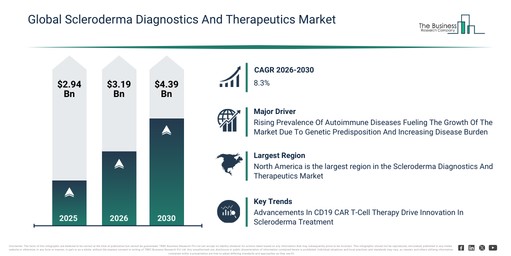
    Starting from its 2026 valuation, what market size is the Scleroderma Diagnostics And Therapeutics Market expected to reach by 2030?

    A significant increase in the size of the scleroderma diagnostics and therapeutics market has been observed over the past few years. This market is projected to expand from $2.94 billion in 2025 to reach $3.19 billion by 2026, demonstrating a compound annual growth rate (CAGR) of 8.6%. Several factors contributed to the market’s historical growth, including limited awareness of scleroderma, a scarcity of targeted therapies, the use of conventional diagnostic methods, low rates of early diagnosis, and regional healthcare disparities.

    The scleroderma diagnostics and therapeutics market is projected to experience substantial expansion over the upcoming years. This market is set to reach a valuation of $4.39 billion by 2030, exhibiting a compound annual growth rate (CAGR) of 8.3%. The anticipated growth during the forecast period can be primarily linked to the emergence of targeted biologics, AI-driven diagnostic tools, the increasing number of rare disease centers, wider acceptance of telemedicine, and enhanced patient advocacy and public awareness. Key trends anticipated within this period encompass the uptake of early diagnosis, the introduction of novel biologic therapies, a preference for minimally invasive treatments, the incorporation of AI into diagnostics, and the use of telehealth services for rare diseases.

    Access Your Free Sample Report for In-Depth Market Insights:

    https://www.thebusinessresearchcompany.com/sample.aspx?id=23509&type=smp

    What Drivers Are Driving Adoption Within The Scleroderma Diagnostics And Therapeutics Market?

    The increasing occurrence of autoimmune conditions is anticipated to drive the expansion of the scleroderma diagnostics and therapeutics market in the future. These conditions involve the immune system erroneously targeting the body’s own healthy cellular structures. The frequency of autoimmune diseases is growing, attributed to genetic susceptibility, where particular gene variations impact immune system function and lead to connective tissue irregularities. Scleroderma diagnostics and therapeutics enhance the management of autoimmune diseases through facilitating prompt diagnosis and tailored treatment plans, which simplify clinical decisions and ultimately lead to better patient results and an improved quality of life. For example, data from June 2024, provided by the Australian Institute of Health and Welfare, an Australia-based government agency, indicated that 514,000 (2.0%) individuals had rheumatoid arthritis in 2022. This contributed to 2.0% of the total disease burden and 16% of the burden of the musculoskeletal condition in 2023. Additionally, 1,322 deaths (5.1 deaths per 100,000 population) were recorded in 2022 due to the condition, representing 0.7% of all deaths. Consequently, the increasing incidence of autoimmune diseases is fueling the expansion of the scleroderma diagnostics and therapeutics market.

    How Is The Scleroderma Diagnostics And Therapeutics Market Organized Into Various Segments?

    The scleroderma diagnostics and therapeutics market covered in this report is segmented –

    1) By Drug Type: Corticosteroids, Immunosuppressive Agents, Endothelin Receptor Antagonists, Calcium Channel Blockers, Phosphodiesterase Type 5 (PDE-5) Inhibitors, Chelating Agents, Prostacyclin Analogues, Other Drug Types

    2) By Diagnostic Test Type: Blood Tests, Imaging Techniques, Skin Biopsy, Pulmonary Function Tests, Electrocardiogram And Echocardiogram

    3) By Indication: Systemic Scleroderma, Localized Scleroderma

    4) By Route Of Administration: Oral, Injectable, Topical

    5) By End-User: Hospitals, Diagnostic Centers, Private Laboratories, Government Laboratories, Other End-Users

    Subsegments:

    1) By Corticosteroids: Prednisone, Methylprednisolone, Dexamethasone

    2) By Immunosuppressive Agents: Methotrexate, Mycophenolate Mofetil, Azathioprine, Cyclophosphamide

    3) By Endothelin Receptor Antagonists: Bosentan, Ambrisentan, Macitentan

    4) By Calcium Channel Blockers: Nifedipine, Amlodipine, Diltiazem

    5) By Phosphodiesterase Type 5 Inhibitors (Pde-5) Inhibitors: Sildenafil, Tadalafil, Vardenafil

    6) By Chelating Agents: D-Penicillamine, Deferoxamine

    7) By Prostacyclin Analogues: Epoprostenol, Iloprost, Treprostinil

    8) By Other Drug Types: Rituximab (Monoclonal Antibody), Abatacept (T-Cell Modulator), Tocilizumab (Il-6 Inhibitor)

    What Trends Are Driving The Growth Trajectory Of The Scleroderma Diagnostics And Therapeutics Market?

    Leading companies operating in the scleroderma diagnostics and therapeutics market are prioritizing advancements in diagnostic techniques, such as fully human CD19 CAR T-cell therapy, to improve disease management and patient outcomes. This therapy represents a form of immunotherapy where a patient’s T cells, a type of immune cell, are genetically altered to express a chimeric antigen receptor (CAR) that specifically targets CD19, a protein found on B cell surfaces. For instance, in October 2023, Kyverna Therapeutics Inc., a US-based biopharmaceutical company, obtained FDA clearance for its Investigational New Drug (IND) application for KYV-101, a fully human CD19 CAR T-cell therapy, enabling the initiation of a Phase 1/2 clinical trial for treating diffuse cutaneous systemic sclerosis (scleroderma). The forthcoming KYSA-5 trial will assess the safety and efficacy of KYV-101, which precisely targets B cells involved in the progression of autoimmune diseases. This therapeutic approach aims to reset the immune system and enhance results for patients with scleroderma.

    Who Are The Core Companies Influencing Trends In The Scleroderma Diagnostics And Therapeutics Market?

    Major companies operating in the scleroderma diagnostics and therapeutics market are Johnson and Johnson, F. Hoffmann-La Roche Ltd., Merck And Co. Inc., Bayer AG, Sanofi S.A., GSK plc, Boehringer Ingelheim International GmbH, Galapagos NV, Inventiva S.A., Redx Pharma plc, Kadmon Holdings Inc., Certa Therapeutics Pty Ltd, Corbus Pharmaceuticals Holdings Inc., aTyr Pharma Inc., MediciNova Inc., Pfizer Inc., Novartis AG, Abbvie Inc., Bristol Myers Squibb Company, AstraZeneca plc, Takeda Pharmaceutical Company Limited, Eli Lilly And Company, Amgen Inc., UCB Pharma, CSL Behring, Mitsubishi Tanabe Pharma, Chugai Pharmaceutical Co. Ltd., Kyowa Kirin

    Access The Complete Report For Deeper Market Insights:

    https://www.thebusinessresearchcompany.com/report/scleroderma-diagnostics-and-therapeutics-global-market-report

    Which Regions Are Projected To Dominate The Scleroderma Diagnostics And Therapeutics Market In The Coming Years?

    North America was the largest region in the scleroderma diagnostics and therapeutics market in 2025. Asia-Pacific is expected to be the fastest-growing region in the forecast period. The regions covered in the scleroderma diagnostics and therapeutics market report are Asia-Pacific, South East Asia, Western Europe, Eastern Europe, North America, South America, Middle East, Africa.

    Request Your Customized Scleroderma Diagnostics And Therapeutics Market Research Report for Competitive Advantage:

    https://www.thebusinessresearchcompany.com/customise?id=23509&type=smp

    Browse Through More Reports Similar to the Global Scleroderma Diagnostics And Therapeutics Market 2026, By The Business Research Company

    Tissue Diagnostic Market Report 2026

    https://www.thebusinessresearchcompany.com/report/tissue-diagnostic-global-market-report

    Clinical Diagnostics Market Report 2026

    https://www.thebusinessresearchcompany.com/report/clinical-diagnostics-global-market-report

    Skin Cancer Diagnostics Market Report 2026

    https://www.thebusinessresearchcompany.com/report/skin-cancer-diagnostics-global-market-report

    Get in touch with us:

    The Business Research Company: https://www.thebusinessresearchcompany.com/

    Americas +1 310-496-7795

    Asia +44 7882 955267 & +91 8897263534

    Europe +44 7882 955267

    Email us at info@tbrc.info

    Follow us on:

    LinkedIn: https://in.linkedin.com/company/the-business-research-company

    YouTube: https://www.youtube.com/channel/UC24_fI0rV8cR5DxlCpgmyFQ

    Global Market Model: https://www.thebusinessresearchcompany.com/global-market-model
  • Global Scleroderma Market Forecast 2026–2035: Long-Term Growth Insights

    Global Scleroderma Market Forecast 2026–2035: Long-Term Growth Insights

    Uncover key drivers, emerging technologies, and competitive movements shaping the scleroderma market from 2026–2035 with trusted insights from The Business Research Company

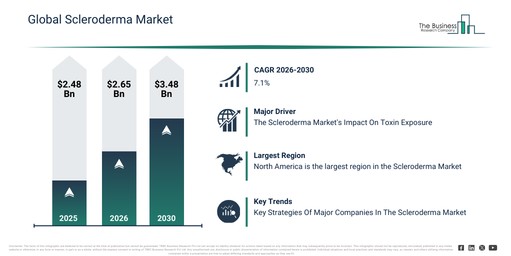
    Across 2026–2030, what is the expected market valuation path of the Scleroderma Market?

    The scleroderma market has experienced robust expansion recently. Projections indicate a rise from $2.48 billion in 2025 to $2.65 billion by 2026, demonstrating a compound annual growth rate (CAGR) of 6.7%. Historically, this growth stemmed from factors such as an increasing incidence of systemic sclerosis, the application of immunosuppressive treatments, the introduction of antifibrotic compounds, the expansion of specialized rheumatology centers, and enhanced understanding of connective tissue ailments.

    The scleroderma market is projected to experience substantial expansion in the coming years, reaching a valuation of $3.48 billion by 2030, driven by a compound annual growth rate (CAGR) of 7.1%. This anticipated growth during the forecast period is due to factors such as a robust pipeline of new disease-modifying medications, the wider adoption of telehealth for managing chronic conditions, the rise of multidisciplinary care approaches, enhanced government investment in rare disease research, and the broadening of patient education and support initiatives. Key trends expected over the forecast horizon encompass the creation and approval of innovative disease-modifying treatments, a rise in the application of immunosuppressive and antifibrotic agents, the expansion of patient support and early intervention schemes, an increase in systemic scleroderma clinical trials, and the integration of multidisciplinary care strategies for ongoing management.

    Access Your Free Sample Report for In-Depth Market Insights:

    https://www.thebusinessresearchcompany.com/sample.aspx?id=12615&type=smp

    Which Drivers Are Supporting The Rise Of The Scleroderma Market?

    The scleroderma market is being propelled forward by the exposure to toxins, which signifies the contact with or ingestion of detrimental substances that can adversely affect biological systems. This market plays a pivotal role in addressing toxin exposure by advancing research, developing targeted therapies, and enhancing patient care for those affected by scleroderma, a condition potentially linked to environmental and genetic triggers. For instance, in April 2024, according to data released by the Department for Environment, Food, and Rural Affairs, a UK-based ministerial department, urban background concentrations rose by 3 percent from 2022, reaching 66.8 µg/m³ in 2023, marking the highest value recorded in the time series. Therefore, the exposure to toxins is driving the scleroderma market.

    What Segments Are Identified Within The Structure Of The Scleroderma Market?

    The scleroderma market covered in this report is segmented –

    1) By Treatment: Medication, Surgery, Other Treatments

    2) By Indication: Systemic Scleroderma, Localized Scleroderma

    3) By End User: Hospital, Pharmaceutical Stores, Other End Users

    Subsegments:

    1) By Medication: Immunosuppressants, Antifibrotic Agents, Vasodilators, Corticosteroids, Pain Relievers

    2) By Surgery: Lung Transplantation, Other Surgical Interventions

    3) By Other Treatments: Physical Therapy, Occupational Therapy, Lifestyle Modifications, Alternative Therapies

    What Upcoming Trends Are Likely To Define The Future Path Of The Scleroderma Market?

    Key entities within the scleroderma market are prioritizing new product introductions, such as clinical trial platforms, to advance treatments for scleroderma and identify agents ready to progress from Phase IIb to Phase III. A clinical trial platform serves as a comprehensive infrastructure and framework, enabling the simultaneous evaluation of multiple therapies or interventions in a standardized fashion across various clinical trials. For instance, in August 2023, The Scleroderma Research Foundation (SRF), a US-based non-profit organization that funds research into scleroderma, unveiled CONQUEST, an innovative clinical trial platform. This initiative features a global presence with enrolment across 130 centers in 22 countries, utilizing a master protocol for evaluating numerous therapies. This pioneering endeavor is set to considerably influence the scleroderma market by expediting the development and approval of effective therapies through its collaborative and efficient approach to clinical assessment.

    Which Major Industry Participants Are Leading The Scleroderma Market Growth?

    Major companies operating in the scleroderma market are Pfizer Inc., Johnson And Johnson Inc., F. Hoffmann-La Roche AG, Abbvie Inc., Bayer AG, Novartis AG, Merck And Co. Inc., Sanofi S.A., Bristol-Myers Squibb Company, AstraZeneca plc, Takeda Pharmaceutical Company Limited, Eli Lilly and Company, Gilead Sciences Inc., Amgen Inc., GSK plc, Teva Pharmaceutical Industries Ltd., Astellas Pharma Inc., Boehringer Ingelheim International GmbH, Principia Biopharma Corp, aTyr Pharma Inc., Kadmon Holdings Inc., FibroGen Inc., Corbus Pharmaceuticals Holdings Inc., CSL Behring, UCB Pharma, Kyowa Kirin, Mitsubishi Tanabe Pharma, Chugai Pharmaceutical Co. Ltd.

    Access The Complete Report For Deeper Market Insights:

    https://www.thebusinessresearchcompany.com/report/scleroderma-global-market-report

    Which Region Is Expected To Experience The Fastest Growth In The Scleroderma Market?

    North America was the largest region in the scleroderma market in 2025. Asia-Pacific is expected to be the fastest-growing region in the forecast period. The regions covered in the scleroderma market report are Asia-Pacific, South East Asia, Western Europe, Eastern Europe, North America, South America, Middle East, Africa.

    Request Your Customized Scleroderma Market Research Report for Competitive Advantage:

    https://www.thebusinessresearchcompany.com/customise?id=12615&type=smp

    Browse Through More Reports Similar to the Global Scleroderma Market 2026, By The Business Research Company

    Seborrheic Dermatitis Market Report 2026

    https://www.thebusinessresearchcompany.com/report/seborrheic-dermatitis-global-market-report

    Psoriasis Drugs Market Report 2026

    https://www.thebusinessresearchcompany.com/report/psoriasis-drugs-global-market-report

    Dermatitis Drugs Market Report 2026

    https://www.thebusinessresearchcompany.com/report/dermatitis-drugs-global-market-report

    Get in touch with us:

    The Business Research Company: https://www.thebusinessresearchcompany.com/

    Americas +1 310-496-7795

    Asia +44 7882 955267 & +91 8897263534

    Europe +44 7882 955267

    Email us at info@tbrc.info

    Follow us on:

    LinkedIn: https://in.linkedin.com/company/the-business-research-company

    YouTube: https://www.youtube.com/channel/UC24_fI0rV8cR5DxlCpgmyFQ

    Global Market Model: https://www.thebusinessresearchcompany.com/global-market-model
  • Scleritis Market 2026–2030: Forecasting Business Opportunities Ahead

    Scleritis Market 2026–2030: Forecasting Business Opportunities Ahead

    Uncover key drivers, emerging technologies, and competitive movements shaping the scleritis market from 2026–2035 with trusted insights from The Business Research Company

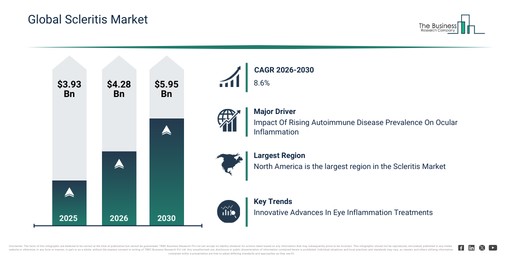
    What size range is anticipated for the Scleritis Market from 2026 to 2030?

    The scleritis market has demonstrated robust expansion in recent years. It is anticipated to grow from $3.93 billion in 2025 to $4.28 billion in 2026, achieving a compound annual growth rate (CAGR) of 8.9%. The market’s historical growth can be attributed to the rising prevalence of autoimmune disorders, the utilization of corticosteroids in ocular therapy, the availability of immunosuppressive agents, an increasing number of ophthalmology clinics, and heightened awareness of ocular inflammatory diseases.

    The scleritis market is anticipated to show significant expansion in the coming years, with projections indicating a rise to $5.95 billion by 2030, exhibiting a compound annual growth rate (CAGR) of 8.6%. This expected growth during the forecast period stems from factors such as the development pipeline of biologic drugs targeting ocular inflammation, the uptake of teleophthalmology platforms, the emergence of focused anti-inflammatory treatments, greater access to advanced imaging technologies, and the expansion of programs raising awareness for rare eye diseases. Dominant trends during this forecast timeframe include the broadened use of biologic therapies for ocular inflammation, an increasing reliance on corticosteroids and immunosuppressive agents, the growing preference for combination therapy methods, a heightened emphasis on early detection and diagnostic imaging, and the creation of innovative anti-inflammatory ophthalmic drugs.

    Access Your Free Sample Report for In-Depth Market Insights:

    https://www.thebusinessresearchcompany.com/sample.aspx?id=21283&type=smp

    What Drivers Are Affecting Demand In The Scleritis Market?

    An increase in autoimmune diseases is projected to fuel the expansion of the scleritis market moving ahead. These conditions involve the body’s immune system erroneously targeting its own healthy cells and tissues, perceiving them as foreign threats. The surge in autoimmune diseases is associated with inherited susceptibilities, environmental influences, shifts in lifestyle, and enhanced awareness resulting in improved diagnosis. Scleritis is caused by autoimmune diseases due to an inflammatory immune response that incorrectly targets the scleral tissue, resulting in discomfort and erythema. As an illustration, in August 2024, Public Health Scotland, a national body in Scotland, disclosed data showing that the Scottish Multiple Sclerosis Register (SMSR) documented 455 newly identified MS patients in 2023. Consequently, the growing occurrence of autoimmune diseases is propelling the expansion of the scleritis market.

    Which Segments Are Gaining Traction In The Scleritis Market?

    The scleritis market covered in this report is segmented –

    1) By Type: Anterior Scleritis, Posterior Scleritis, Other Types

    2) By Treatment: Medication, Surgery, Other Treatment

    3) By Distribution Channel: Direct Tender, Hospital Pharmacy, Retail Pharmacy, Online Pharmacy, Other Distribution Channel

    4) By End-Users: Hospitals, Specialty Clinics, Home Healthcare, Other End-Users

    Subsegments:

    1) By Anterior Scleritis: Non-Necrotizing Anterior Scleritis, Necrotizing Anterior Scleritis

    2) By Posterior Scleritis: Diffuse Posterior Scleritis, Nodular Posterior Scleritis, Scleritis With Choroidal Involvement

    3) By Other Types: Chronic Scleritis, Recurrent Scleritis, Infectious Scleritis

    Which Trends Are Shaping Activity Within The Scleritis Market?

    Leading companies operating within the scleritis market are concentrating on the creation of advanced products, such as eye drops, aiming to alleviate underlying inflammation and provide practical, non-invasive treatment options for patients. Eye drops are liquid formulations intended for direct use in the eyes to manage various conditions including irritation, dryness, inflammation, or infections. For instance, in May 2023, Entod Pharmaceuticals, an India-based pharmaceutical company, launched CYCLOTEARS eye drops both in India and globally. This novel therapeutic solution for inflammatory eye disease incorporated proprietary SEDDS technology. The product enhances drug delivery and efficacy, presenting a pioneering method to address inflammation in DED. This innovation represents a significant advancement in eye inflammatory treatment, ocular myositis, and scleritis.

    Who Are The Prominent Global Companies Shaping The Scleritis Market Landscape?

    Major companies operating in the scleritis market are Pfizer Inc, Johnson And Johnson, F Hoffmann La Roche Ltd, Bayer AG, Novartis AG, Teva Pharmaceuticals USA Inc, Baxter International Inc, Boehringer Ingelheim, Regeneron Pharmaceuticals Inc, Fresenius Kabi USA LLC, Sun Pharmaceutical Industries Ltd, Perrigo Company, Horizon Therapeutics plc, Aurobindo Pharma Ltd, Hikma Pharmaceuticals PLC, Amneal Pharmaceuticals LLC, Mallinckrodt Pharmaceuticals, Alvogen, Accord Healthcare, West Ward Pharmaceuticals, Jubilant Cadista Pharmaceuticals Inc, Mylan Pharmaceuticals Inc, Zydus Pharmaceuticals Inc

    Access The Complete Report For Deeper Market Insights:

    https://www.thebusinessresearchcompany.com/report/scleritis-global-market-report

    Which Geographic Areas Are Emerging As Strong Markets For The Scleritis Market?

    North America was the largest region in the scleritis market in 2025. Asia-Pacific is expected to be the fastest-growing region in the forecast period. The regions covered in the scleritis market report are Asia-Pacific, South East Asia, Western Europe, Eastern Europe, North America, South America, Middle East, Africa.

    Request Your Customized Scleritis Market Research Report for Competitive Advantage:

    https://www.thebusinessresearchcompany.com/customise?id=21283&type=smp

    Browse Through More Reports Similar to the Global Scleritis Market 2026, By The Business Research Company

    Bacterial Conjunctivitis Market Report 2026

    https://www.thebusinessresearchcompany.com/report/bacterial-conjunctivitis-global-market-report

    Dermatitis Drugs Market Report 2026

    https://www.thebusinessresearchcompany.com/report/dermatitis-drugs-global-market-report

    Knee Bursitis Market Report 2026

    https://www.thebusinessresearchcompany.com/report/knee-bursitis-global-market-report

    Get in touch with us:

    The Business Research Company: https://www.thebusinessresearchcompany.com/

    Americas +1 310-496-7795

    Asia +44 7882 955267 & +91 8897263534

    Europe +44 7882 955267

    Email us at info@tbrc.info

    Follow us on:

    LinkedIn: https://in.linkedin.com/company/the-business-research-company

    YouTube: https://www.youtube.com/channel/UC24_fI0rV8cR5DxlCpgmyFQ

    Global Market Model: https://www.thebusinessresearchcompany.com/global-market-model
  • Global Sciatica Treatment Market Report 2026–2035: Key Forecasts and Growth Areas

    Global Sciatica Treatment Market Report 2026–2035: Key Forecasts and Growth Areas

    Uncover key drivers, emerging technologies, and competitive movements shaping the sciatica treatment market from 2026–2035 with trusted insights from The Business Research Company

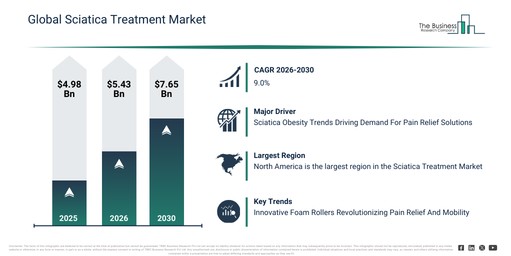
    How is the Sciatica Treatment Market size predicted to change over the forecast window of 2026–2035?

    The sciatica treatment market size has experienced strong growth in recent years. It is projected to expand from $4.98 billion in 2025 to $5.43 billion in 2026, achieving a compound annual growth rate (CAGR) of 9.1%. This historical growth can be attributed to factors such as the increasing prevalence of sciatica, the advancement of conventional pain management therapies, the expansion of orthopedic and rehabilitation centers, the availability of spinal surgery and injection procedures, and rising healthcare expenditure in developed regions.

    The sciatica treatment market is projected to experience substantial expansion over the upcoming years. This market is anticipated to reach $7.65 billion by 2030, exhibiting a compound annual growth rate (CAGR) of 9.0%. Factors driving this expansion during the forecast period include the development of minimally invasive spinal devices, the increasing use of tele-rehabilitation and digital therapy platforms, improved access to sophisticated imaging and diagnostic tools, the proliferation of non-opioid pain management options, and the broader implementation of sciatica treatment awareness initiatives in developing regions. Key trends observed during this period encompass a rising inclination towards non-opioid pain management treatments, the wider acceptance of physical therapy and rehabilitation programs, an increase in minimally invasive spinal surgery procedures, the expanding application of epidural injections and nerve block interventions, and the ongoing creation of advanced pain relief devices and orthopedic implants.

    Access Your Free Sample Report for In-Depth Market Insights:

    https://www.thebusinessresearchcompany.com/sample.aspx?id=19179&type=smp

    Which Drivers Are Contributing To The Expansion Of The Sciatica Treatment Market?

    The future expansion of the sciatica treatment market is projected to be driven by the increasing prevalence of obesity. Obesity is identified as a health condition marked by an accumulation of excessive body fat, which contributes to various health concerns such as heart disease, diabetes, and hypertension. The escalation in obesity rates is primarily fueled by the widespread availability of processed foods high in calories, coupled with increasingly inactive lifestyles driven by technological advancements and urbanization. Sciatica treatment offers benefits to individuals with obesity by alleviating nerve pain and enhancing mobility through methods like physical therapy and weight management, simultaneously reducing the strain that excess body weight places on the spine. For instance, in May 2025, data from the Office for Health Improvement and Disparities (OHID), a government organization in the UK, indicated that in 2023–2024, an estimated 64.5% of adults (18+) in England were either overweight or living with obesity, which represents a slight increase from 64.0% in the preceding period (2022–2023). Consequently, the rising obesity rates are stimulating growth within the sciatica treatment market.

    What Segment Categories Are Covered In The Sciatica Treatment Market?

    The sciatica treatment market covered in this report is segmented –

    1) By Type: Acute Sciatica, Chronic Sciatica, Other Types

    2) By Treatment Type: Prescription Drugs, Steroids, Non-Steroidal Anti-Inflammatory Drugs, Antidepressants, Physical Therapy, Spinal Injections, Surgery, Alternative Therapies, Other Treatment Types

    3) By Distribution Channel: Hospitals And Associated Pharmacies, Retail Pharmacies, Online Pharmacies

    Subsegments:

    1) By Acute Sciatica: Physical Therapy, Medications, Chiropractic Care, Epidural Steroid Injections, Heat Or Ice Therapy, Lifestyle Modifications

    2) By Chronic Sciatica: Long-term Physical Therapy, Prescription Medications, Surgery, Nerve Block Injections, Alternative Therapies, Pain Management Programs

    3) By Other Types: Sciatica Due To Pregnancy, Sciatica Due To Herniated Discs, Sacroiliac Joint Dysfunction, Spondylolisthesis-Related Sciatica, Post-surgical Sciatica Treatment

    Which Trends Are Influencing The Development Of The Sciatica Treatment Market?

    Leading companies in the sciatica treatment sector are concentrating on developing advanced offerings, such as sophisticated foam rollers, to improve pain relief and patient mobility. These advanced foam rollers, designed to alleviate sciatica discomfort, are specialized foam implements for self-myofascial release, aiming to address tight muscles and enhance blood circulation around the lower back, hips, and legs. For example, in July 2024, Rolex Recovery, a US-based provider of innovative recovery tools, launched a novel foam rolling solution specifically engineered to ease sciatica pain. This product boasts a unique configuration that directly targets the sciatic nerve and its adjacent muscles, encouraging self-myofascial release to lessen inflammation and boost blood flow. The design enables users to apply accurate pressure to problematic areas, thereby reducing inflammation, improving circulation, and ultimately diminishing pain. Furthermore, the roller’s ergonomic construction ensures effortless integration into daily routines, whether at home, at the gym, or during travel.

    Which Key Players Are Driving Competition In The Sciatica Treatment Market?

    Major companies operating in the sciatica treatment market are HCA Healthcare, Merck And Co Inc, Bayer AG, Abbott Laboratories, Novartis AG, Medtronic plc, Stryker Corporation, Mayo Clinic, Boston Scientific, Johns Hopkins Medicine, DJO Global Inc, Rothman Orthopaedic Institute, Axogen Inc, SCILEX Pharmaceuticals Inc, Aurobindo Pharma, Sinfonia Biotherapeutics, QI Spine Clinic, OrthoVirginia Inc, ReLiva Physiotherapy And Rehab, SpineThera Inc, Pfizer Inc, GlaxoSmithKline plc, Eli Lilly And Company, Teva Pharmaceutical Industries Ltd, Sun Pharmaceutical Industries Ltd, Dr Reddys Laboratories Ltd

    Access The Complete Report For Deeper Market Insights:

    https://www.thebusinessresearchcompany.com/report/sciatica-treatment-global-market-report

    Which Region Is Projected To Lead The Sciatica Treatment Market During The Forecast Period?

    North America was the largest region in the sciatica treatment market in 2025. Asia-Pacific is expected to be the fastest-growing region in the forecast period. The regions covered in the sciatica treatment market report are Asia-Pacific, South East Asia, Western Europe, Eastern Europe, North America, South America, Middle East, Africa.

    Request Your Customized Sciatica Treatment Market Research Report for Competitive Advantage:

    https://www.thebusinessresearchcompany.com/customise?id=19179&type=smp

    Browse Through More Reports Similar to the Global Sciatica Treatment Market 2026, By The Business Research Company

    Neuralgia Treatment Market Report 2026

    https://www.thebusinessresearchcompany.com/report/neuralgia-treatment-global-market-report

    Muscle Pain Treatment Market Report 2026

    https://www.thebusinessresearchcompany.com/report/muscle-pain-treatment-global-market-report

    Spine Biologics Market Report 2026

    https://www.thebusinessresearchcompany.com/report/spine-biologics-global-market-report

    Get in touch with us:

    The Business Research Company: https://www.thebusinessresearchcompany.com/

    Americas +1 310-496-7795

    Asia +44 7882 955267 & +91 8897263534

    Europe +44 7882 955267

    Email us at info@tbrc.info

    Follow us on:

    LinkedIn: https://in.linkedin.com/company/the-business-research-company

    YouTube: https://www.youtube.com/channel/UC24_fI0rV8cR5DxlCpgmyFQ

    Global Market Model: https://www.thebusinessresearchcompany.com/global-market-model
  • Sciatica Market 2026–2030: Forecast, Innovation, and Competitive Trends

    Sciatica Market 2026–2030: Forecast, Innovation, and Competitive Trends

    Uncover key drivers, emerging technologies, and competitive movements shaping the sciatica market from 2026–2035 with trusted insights from The Business Research Company

    What market expansion outlook does the Sciatica Market show for the 2026–2030 period?

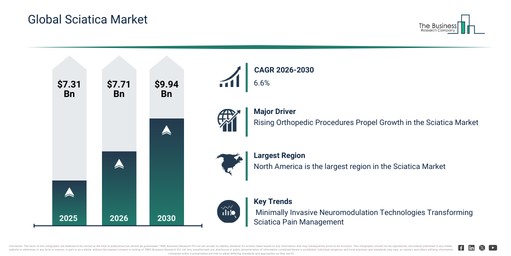
    The sciatica market has experienced significant expansion in recent years. It is anticipated to grow from $7.31 billion in 2025 to $7.71 billion in 2026, progressing at a compound annual growth rate (CAGR) of 5.5%. The expansion observed in the historical period can be attributed to an increased prevalence of sciatica and lumbar disorders, the widespread adoption of conventional pain management therapies, the establishment of more orthopedic and rehabilitation clinics, the accessibility of spinal surgery and injection procedures, and rising healthcare expenditure in developed regions.

    The sciatica market is projected for robust expansion over the coming years, reaching $9.94 billion by 2030, exhibiting a compound annual growth rate (CAGR) of 6.6%. This anticipated growth is driven by several factors, including the development of minimally invasive spinal devices, the increasing uptake of tele-rehabilitation and digital therapy, enhanced availability of advanced imaging and diagnostic tools, the emergence of non-opioid pain management options, and the spread of sciatica treatment awareness initiatives in developing economies. Key trends expected during this period involve a heightened demand for non-opioid pain relief methods, the wider acceptance of physical therapy and rehabilitation programs, an increase in minimally invasive spinal surgery procedures, greater application of epidural injections and nerve blocks, and advancements in pain relief devices and orthopedic implants.

    Access Your Free Sample Report for In-Depth Market Insights:

    https://www.thebusinessresearchcompany.com/sample.aspx?id=13000&type=smp

    What Drivers Are Shaping The Development Of The Sciatica Market?

    A growing number of orthopedic procedures is anticipated to drive the future expansion of the sciatica market. Orthopedic procedures involve operations designed to address conditions affecting the spine and joints, as well as to correct skeletal deformities. The increase in orthopedic procedures stems from an aging population, a higher incidence of musculoskeletal disorders, and greater participation in physical activities and sports. Sciatica treatment offers better pain relief, restores mobility and function, thereby enhancing the quality of life for those afflicted with sciatica. Orthopedic doctors and surgeons frequently play a role in diagnosing and treating sciatica. As an illustration, in February 2023, data published by the National Library of Medicine, a US-based biomedical library, projected that total hip arthroplasty (THA) and total knee arthroplasty (TKA) procedures would increase by 719,364 and 1,222,988, respectively, by the year 2040. Additionally, TKAs are expected to reach a total of 2,917,959 by 2060, while THAs are also forecast to total 1,982,099 by that time. Therefore, the rising count of orthopedic procedures is stimulating the growth of the sciatica market.

    Which Segments Are Contributing To The Growth Of The Sciatica Market?

    The sciatica market covered in this report is segmented –

    1) By Type: Acute Sciatica, Chronic Sciatica, Other Types

    2) By Drugs: Oxycodone, Tramadol, Opioid Analgesics, Amitriptyline, Tricyclic Antidepressants, Other Drugs

    3) By Treatment: Medication, Surgery

    4) By End Users: Hospitals, Homecare, Specialty Clinics, Other End Users

    Subsegments:

    1) By Acute Sciatica: Short-Term Pain Management, Physical Therapy, Nonsteroidal Anti-Inflammatory Drugs (NSAIDs)

    2) By Chronic Sciatica: Long-Term Pain Management, Epidural Steroid Injections, Surgical Options

    3) By Other Types: Sciatica Due To Herniated Disc, Sciatica From Spinal Stenosis, Sciatica From Spondylolisthesis

    What Trends Are Expected To Impact The Competitive Landscape Of The Sciatica Market?

    Leading companies in the sciatica market are concentrating on technological breakthroughs, such as minimally invasive neuromodulation devices. This focus aims to satisfy increasing demand, which is fueled by the rising occurrence of chronic lower back pain, patients’ preference for non-opioid pain management, and the necessity for safer, long-lasting treatment options. Minimally invasive neuromodulation devices, including closed-loop spinal cord stimulators, administer targeted electrical stimulation to interrupt pain signaling pathways and provide greater relief compared to traditional surgical or pharmacological interventions. For instance, in January 2025, Medtronic plc, a US-based medical technology company, reported positive 12-month clinical trial data for its Inceptiv closed-loop spinal cord stimulator (CL-SCS). This data demonstrated significant improvements in pain and quality of life for individuals with chronic neuropathic pain and sciatica. The device autonomously adjusts stimulation based on spinal cord signals, thereby optimizing its effectiveness and patient comfort. This development highlights an expanding trend towards personalized, technology-driven methods that enhance patient outcomes and decrease reliance on opioids.

    Who Are The Top-Performing Companies In The Sciatica Market In Recent Years?

    Major companies operating in the sciatica market are Pfizer Inc., Merck and Co. Inc., AbbVie Inc., Bayer AG, Novartis AG, Sanofi-Aventis LLC., AstraZeneca PLC, GlaxoSmithKline plc., Eli Lilly and Co Ltd., Boehringer Ingelheim International GmbH, Teva Pharmaceutical Industries Ltd., Macleods Pharmaceuticals Limited, Sun Pharmaceutical Industries Limited, Dr. Reddy’s Laboratories Ltd., Aurobindo Pharma Ltd., Intas Pharmaceuticals Ltd., Hikma Pharmaceuticals PLC, Cipla Inc., Endo International plc, Amneal Pharmaceuticals Inc., Aspen Pharmacare Holdings Limited, Zydus Lifesciences Ltd., Lupin Limited, Alkem Laboratories Limited, Torrent Pharmaceuticals Ltd.

    Access The Complete Report For Deeper Market Insights:

    https://www.thebusinessresearchcompany.com/report/sciatica-global-market-report

    Which Region Currently Holds The Largest Share Of The Sciatica Market?

    North America was the largest region in the sciatica market in 2025. Asia-Pacific is expected to be the fastest-growing region in the forecast period. The regions covered in the sciatica market report are Asia-Pacific, South East Asia, Western Europe, Eastern Europe, North America, South America, Middle East, Africa.

    Request Your Customized Sciatica Market Research Report for Competitive Advantage:

    https://www.thebusinessresearchcompany.com/customise?id=13000&type=smp

    Browse Through More Reports Similar to the Global Sciatica Market 2026, By The Business Research Company

    Anaplastic Astrocytoma Market Report 2026

    https://www.thebusinessresearchcompany.com/report/anaplastic-astrocytoma-global-market-report

    Spine Biologics Market Report 2026

    https://www.thebusinessresearchcompany.com/report/spine-biologics-global-market-report

    Peripheral Nerve Injuries Market Report 2026

    https://www.thebusinessresearchcompany.com/report/peripheral-nerve-injuries-global-market-report

    Get in touch with us:

    The Business Research Company: https://www.thebusinessresearchcompany.com/

    Americas +1 310-496-7795

    Asia +44 7882 955267 & +91 8897263534

    Europe +44 7882 955267

    Email us at info@tbrc.info

    Follow us on:

    LinkedIn: https://in.linkedin.com/company/the-business-research-company

    YouTube: https://www.youtube.com/channel/UC24_fI0rV8cR5DxlCpgmyFQ

    Global Market Model: https://www.thebusinessresearchcompany.com/global-market-model
  • Schizophrenia Market Forecast 2026–2035: Data Trends and Industry Insights

    Schizophrenia Market Forecast 2026–2035: Data Trends and Industry Insights

    Uncover key drivers, emerging technologies, and competitive movements shaping the schizophrenia market from 2026–2035 with trusted insights from The Business Research Company

    What level of growth is expected in the Schizophrenia Market between 2026 and 2030?

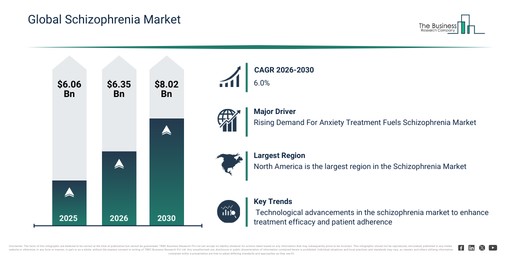
    The schizophrenia market has experienced consistent expansion in recent years. It is projected to grow from $6.06 billion in 2025 to $6.35 billion in 2026, achieving a compound annual growth rate (CAGR) of 4.9%. The historical growth can be attributed to factors such as the increasing prevalence of schizophrenia, the expansion of psychiatric hospitals and clinics, the availability of first- and second-generation antipsychotics, growing healthcare expenditure in developed markets, and improved diagnostic criteria and clinical guidelines.

    The schizophrenia market size is projected to experience substantial expansion over the upcoming years, reaching $8.02 billion by 2030, driven by a compound annual growth rate (CAGR) of 6.0%. This anticipated growth is fueled by several factors, including a robust pipeline of novel antipsychotic molecules, an increase in long-acting injectable formulations, escalating government initiatives for mental health, improved access to treatment within emerging markets, and the incorporation of digital monitoring and adherence tools. Key trends expected within this period encompass the rising utilization of long-acting injectable antipsychotics, a notable shift towards second- and third-generation antipsychotic drugs, an amplified emphasis on early diagnosis and intervention programs, the broadening of community-based and outpatient treatment models, and a growing embrace of combination therapy and adjunct treatments.

    Access Your Free Sample Report for In-Depth Market Insights:

    https://www.thebusinessresearchcompany.com/sample.aspx?id=12869&type=smp

    Which Drivers Are Expected To Impact The Schizophrenia Market During The Forecast Period?

    The increasing need for anxiety treatment is anticipated to drive the expansion of the schizophrenia market moving ahead. Anxiety treatment encompasses diverse therapeutic methods and interventions designed to assist individuals grappling with excessive and debilitating anxiety in managing and reducing their symptoms. This treatment proves beneficial for those with schizophrenia through multiple avenues, primarily by addressing the anxiety symptoms that frequently accompany the condition. Furthermore, it can contribute to lessening the severity of psychotic manifestations like hallucinations and delusions. For example, data from May 2024, compiled by the American Psychiatric Association, a US-based professional organization of psychologists, showed that in 2024, 43% of adults reported elevated anxiety levels, a rise from 37% in 2023 and 32% in 2022, signifying a continuous upward trend in anxiety. Consequently, the escalating need for anxiety treatment is fueling the expansion of the schizophrenia market.

    How Is The Schizophrenia Market Divided Into Segments?

    The schizophrenia market covered in this report is segmented –

    1) By Type: Catatonic Schizophrenia, Paranoid Schizophrenia, Undifferentiated Schizophrenia, Hebephrenic Schizophrenia, Residual Schizophrenia, Other Types

    2) By Treatment: First-Generation Antipsychotics, Second-Generation Antipsychotics, Third-Generation Antipsychotics, Psychotherapies, Other Treatments

    3) By Route of Administration: Oral, Injectables

    Subsegments:

    1) By Catatonic Schizophrenia: Waxy Flexibility, Stupor, Agitation, Catatonic Excitement

    2) By Paranoid Schizophrenia: Delusions Of Persecution, Auditory Hallucinations, Paranoid Ideation

    3) By Undifferentiated Schizophrenia: Symptoms Not Specific To Other Types, Mixed Symptoms Of Schizophrenia

    4) By Hebephrenic Schizophrenia (Disorganized Schizophrenia): Disorganized Behavior, Disorganized Speech, Emotional Flatness

    5) By Residual Schizophrenia: History Of Schizophrenia With Low-Level Symptoms, Social Withdrawal, Mild Hallucinations Or Delusions

    6) By Other Types: Schizoaffective Disorder, Brief Psychotic Disorder, Delusional Disorder

    Which Trends Are Guiding The Evolution Of The Schizophrenia Market?

    Leading companies in the schizophrenia market are concentrating on technological advancements, such as atypical oral antipsychotics offering enhanced safety and efficacy profiles. This focus aims to address the increasing need for superior symptom control, a wider range of treatment options for adolescents, and improved tolerability. For example, in March 2025, Otsuka Pharmaceutical Europe Ltd., a Japan-based healthcare company, collaborated with H. Lundbeck A/S, a Denmark-based biopharmaceutical company, to launch Rxulti (brexpiprazole) for treating schizophrenia in adolescents aged 13 years and older. Rxulti is an atypical oral antipsychotic administered once daily, which modulates serotonin and dopamine systems by functioning as a partial agonist at serotonergic 5-HT1A and dopaminergic D2 receptors, along with exhibiting antagonist activity at serotonergic 5-HT2A and noradrenergic a1B/2C receptors. This extensive receptor profile provides a balanced strategy for managing both positive and negative symptoms with a beneficial safety profile, thereby improving treatment adherence and patient outcomes when compared to traditional antipsychotics. The European Commission’s approval for this treatment was granted based on a stringent 6-week randomized clinical trial that demonstrated significant symptom reduction and good tolerability in adolescent patients.

    Which Leading Companies Dominate The Schizophrenia Market Share?

    Major companies operating in the schizophrenia market are Pfizer Inc, Johnson And Johnson Services Inc, AbbVie Inc, Novartis AG, Bristol Myers Squibb Company, AstraZeneca PLC, GlaxoSmithKline PLC, Takeda Pharmaceutical Company, Eli Lilly And Company, Boehringer Ingelheim International GmbH, Otsuka Holdings Co Ltd, Daiichi Sankyo Co Ltd, Astellas Pharma Inc, Sumitomo Dainippon Pharma Co Ltd, Mitsubishi Tanabe Pharma Corporation, Recordati SpA, Lundbeck AS, Neurocrine Biosciences Inc, Torrent Pharmaceutical Ltd, Alkermes PLC, Indivior PLC, Vanda Pharmaceuticals Inc, Intra Cellular Therapies Inc, Axsome Therapeutics Inc, Karuna Therapeutics Inc, Minerva Neurosciences Inc

    Access The Complete Report For Deeper Market Insights:

    https://www.thebusinessresearchcompany.com/report/schizophrenia-global-market-report

    How Does The Schizophrenia Market Perform Across Major Global Regions?

    North America was the largest region in the schizophrenia market in 2025. The regions covered in the schizophrenia market report are Asia-Pacific, South East Asia, Western Europe, Eastern Europe, North America, South America, Middle East, Africa.

    Request Your Customized Schizophrenia Market Research Report for Competitive Advantage:

    https://www.thebusinessresearchcompany.com/customise?id=12869&type=smp

    Browse Through More Reports Similar to the Global Schizophrenia Market 2026, By The Business Research Company

    Psychedelic Drugs Market Report 2026

    https://www.thebusinessresearchcompany.com/report/psychedelic-drugs-global-market-report

    Antipsychotic Drugs Market Report 2026

    https://www.thebusinessresearchcompany.com/report/antipsychotic-drugs-global-market-report

    Mental Health Market Report 2026

    https://www.thebusinessresearchcompany.com/report/mental-health-global-market-report

    Get in touch with us:

    The Business Research Company: https://www.thebusinessresearchcompany.com/

    Americas +1 310-496-7795

    Asia +44 7882 955267 & +91 8897263534

    Europe +44 7882 955267

    Email us at info@tbrc.info

    Follow us on:

    LinkedIn: https://in.linkedin.com/company/the-business-research-company

    YouTube: https://www.youtube.com/channel/UC24_fI0rV8cR5DxlCpgmyFQ

    Global Market Model: https://www.thebusinessresearchcompany.com/global-market-model