Month: May 2026

  • Autoimmune Treatment Market Forecast Analysis Through 2030 With Insights On Industry Expansion

    Autoimmune Treatment Market Forecast Analysis Through 2030 With Insights On Industry Expansion

    The Business Research Company’s 2026 market reports feature enhanced tools like market attractiveness analysis, TAM assessment, and company scoring matrices, along with interactive dashboards, deeper supply chain insights, and startup coverage strengthening the depth, usability, and strategic value of insights.

    How Does The Forecasted Market Size Of The Autoimmune Treatment Market Compare Between 2026 And 2030?

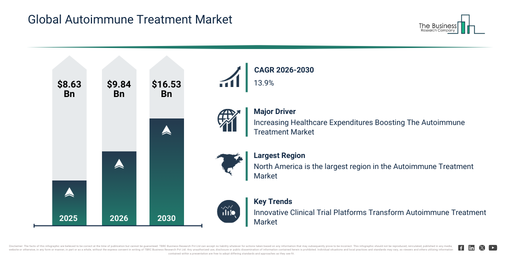
    The autoimmune treatment market has witnessed considerable expansion in recent years. This market is expected to grow from $8.63 billion in 2025 to $9.84 billion in 2026, exhibiting a compound annual growth rate (CAGR) of 14.0%. Historically, this growth was primarily driven by improved availability of immunosuppressive drugs, the expansion of rheumatology and immunology services, an increase in clinical experience concerning autoimmune care, higher patient diagnosis rates, and broader access to specialty medications.

    The autoimmune treatment market is projected to experience substantial expansion in the coming years, with its size reaching $16.53 billion by 2030, driven by a compound annual growth rate (CAGR) of 13.9%. This anticipated growth is primarily attributable to factors such as increasing investment in novel biologics development, an escalating demand for personalized autoimmune therapies, the expansion of digital monitoring and follow-up care, a heightened emphasis on reducing long-term disease complications, and increased research into immune system modulation. Key developments expected during this period include the increasing adoption of biologic therapies, a surge in the use of targeted immunomodulators, the broader integration of long-term disease management programs, the proliferation of personalized treatment regimens, and an enhanced focus on combination drug therapies.

    Download A Free Sample Report For Comprehensive Market Insights:

    https://www.thebusinessresearchcompany.com/sample.aspx?id=7863&type=smp

    Which Growth Factors Are Strengthening The Autoimmune Treatment Market Landscape?

    The expansion of the autoimmune treatment market is expected to be driven by the escalating healthcare expenditures. These expenditures cover all expenses linked to delivering health services, initiatives for family planning, nutritional programs, and urgent medical aid, all focused on health. A surge in healthcare spending would pave the way for the development of more effective treatments and advanced medical technologies for autoimmune conditions. For instance, projections from the Office for Budget Responsibility (OBR) and Treasury show that the UK’s anticipated health expenditure is set to climb to £192 billion ($244.43 billion) in 2024/25, an increase from £182 billion ($231.70 billion) in 2022/23. Similarly, the National Health Expenditures Accounts (NHEA) from KFF, a US-based independent health policy research organization, indicates that health spending in the United States is projected to grow by 5% from 2023 to 2024, reaching $4.9 trillion. Therefore, the upward trend in healthcare expenditures is a key factor propelling the growth of the autoimmune treatment market.

    How Is The Autoimmune Treatment Market Examined Through Segment Analysis?

    The autoimmune treatment market covered in this report is segmented –

    1) By Service Type: Consultation And Diagnosis, Therapy And Monitoring, Drug development

    2) By Disease: Rheumatoid Arthritis, Systemic Lupus Erythematosus, Sjögren’s Syndrome, Thyroiditis, Scleroderma, Other Diseases

    3) By Application: Disease Management and Symptom Control, Disease Diagnosis and Monitoring, Immune Modulation and Targeted Therapy, Long-Term Care and Relapse Prevention

    Subsegments:

    1) By Consultation and Diagnosis: Clinical Evaluation and Medical Consultation, Autoimmune Biomarker Testing and Serological Assays, Imaging and Functional Diagnostic Services, Disease Severity Assessment and Risk Stratification

    2) By Therapy and Monitoring: Pharmacological Treatment Management, Biologic and Immunotherapy Administration, Disease Activity Monitoring and Follow-Up Services, Adverse Event and Safety Monitoring, Patient Support and Adherence Programs

    3) By Drug Development: Preclinical Research and Target Identification, Clinical Trial Services (Phase I–IV), Regulatory Affairs and Compliance Services, Pharmacovigilance and Post-Marketing Surveillance

    Which Trends Are Influencing The Expansion Of The Autoimmune Treatment Market?

    Leading companies in the autoimmune treatment market are increasingly concentrating on implementing advanced clinical trial platforms to secure a competitive edge. These pioneering clinical trial platforms in autoimmune treatment employ sophisticated technologies and individualized strategies to boost effectiveness, safety, and patient results. For example, in August 2023, the Scleroderma Research Foundation, a US-based non-profit organization, unveiled the CONQUEST trial platform. The CONQUEST program is dedicated to advancing research and developing treatments for scleroderma, a rare autoimmune disease affecting connective tissues. It addresses significant challenges in clinical development and supports progress in scleroderma therapeutics. The CONQUEST platform clinical trial marks a first in rare autoimmune diseases, specifically engineered to swiftly assess potential treatments for interstitial lung disease associated with systemic sclerosis (SSc-ILD) and overall SSc outcomes, encompassing those related to skin and other facets of the illness.

    Who Are The Businesses Driving Activity In The Autoimmune Treatment Market?

    Major companies operating in the autoimmune treatment market are Abbott Laboratories, Amgen Inc., Eli Lilly and Company, Pfizer Inc., F Hoffmann-La Roche AG, AstraZeneca PLC, Bristol-Myers Squibb Company, Thermo Fisher Scientific Inc., Biogen Idec Inc., GSK PLC, Genentech Inc., AbbVie Inc., Celgene Corporation, Gilead Sciences Inc., Merck & Co. Inc., Novartis International AG, Sanofi SA, Takeda Pharmaceutical Company Limited, Teva Pharmaceutical Industries Ltd., UCB SA, Alexion Pharmaceuticals Inc., AnaptysBio Inc., Apellis Pharmaceuticals Inc., Arena Pharmaceuticals Inc., Aurinia Pharmaceuticals Inc., BioCryst Pharmaceuticals Inc., Cabaletta Bio Inc., ChemoCentryx Inc., Corbus Pharmaceuticals Holdings Inc., CSL Limited

    Access The Complete Autoimmune Treatment Market Report:

    https://www.thebusinessresearchcompany.com/report/autoimmune-treatment-global-market-report

    Which Region Has The Strongest Presence In The Autoimmune Treatment Market?

    North America was the largest region in the autoimmune treatment market in 2025. The regions covered in the autoimmune treatment market report are Asia-Pacific, South East Asia, Western Europe, Eastern Europe, North America, South America, Middle East, Africa.

    Access Autoimmune Treatment Market Report for Deeper Competitive Insights

    https://www.thebusinessresearchcompany.com/customise?id=7863&type=smp

    Browse Through More Reports Similar to the Global Autoimmune Treatment Market 2026, By The Business Research Company

    Autoimmune Disease Diagnosis Global Market Report 2026

    https://www.thebusinessresearchcompany.com/report/autoimmune-disease-diagnosis-global-market-report

    Veterinary Autoimmune Disease Therapeutics Global Market Report 2026

    https://www.thebusinessresearchcompany.com/report/veterinary-autoimmune-disease-therapeutics-global-market-report

    Systemic Lupus Erythematosus Treatment Global Market Report 2026

    https://www.thebusinessresearchcompany.com/report/systemic-lupus-erythematosus-treatment-global-market-report

    Get in touch with us:

    The Business Research Company: https://www.thebusinessresearchcompany.com/

    Americas: +1 310-496-7795

    Asia: +44 7882 955267 & +91 8897263534

    Europe: +44 7882 955267

    Email us at: marketing@tbrc.info

    Follow us on:

    LinkedIn: https://in.linkedin.com/company/the-business-research-company

    YouTube: https://www.youtube.com/channel/UC24_fI0rV8cR5DxlCpgmyFQ

    Global Market Model: https://www.thebusinessresearchcompany.com/global-market-model
  • Autoimmune Disease Diagnosis Market Growth Outlook Indicating Expansion To $9.37 Billion By 2030

    Autoimmune Disease Diagnosis Market Growth Outlook Indicating Expansion To $9.37 Billion By 2030

    The Business Research Company’s 2026 market reports feature enhanced tools like market attractiveness analysis, TAM assessment, and company scoring matrices, along with interactive dashboards, deeper supply chain insights, and startup coverage strengthening the depth, usability, and strategic value of insights.

    What Increase In Market Value Is Predicted For The Autoimmune Disease Diagnosis Market During The 2026–2030 Period?

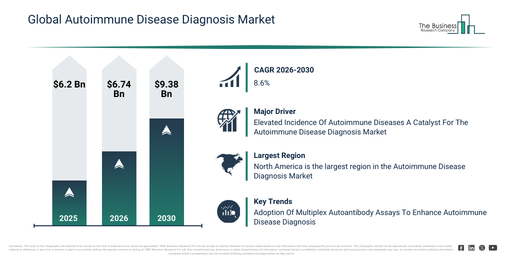
    The autoimmune disease diagnosis market has experienced robust expansion in recent years. It is projected to grow from $6.2 billion in 2025 to $6.74 billion in 2026, achieving a compound annual growth rate (CAGR) of 8.8%. This historical development can be attributed to the increasing prevalence of autoimmune diseases, enhanced availability of immunoassay technologies, the expansion of clinical laboratory networks, growing physician awareness of autoimmune conditions, and wider adoption of routine screening tests.

    The autoimmune disease diagnosis market size is anticipated to undergo substantial growth in the upcoming years. It is projected to reach $9.38 billion by 2030, exhibiting a compound annual growth rate (CAGR) of 8.6%. The expansion during this forecast period can be attributed to an increasing demand for early and accurate diagnosis, the rising adoption of AI-assisted diagnostic analytics, the broadening of personalized diagnostic approaches, growing investments in autoimmune research, and the enhanced integration of point-of-care testing. Key trends expected in the forecast period encompass the increasing uptake of advanced immunological testing, a rising utilization of autoantibody panels, the growing incorporation of multiplex diagnostic platforms, the expansion of laboratory automation, and an enhanced focus on early disease detection.

    Download A Free Sample Report For Comprehensive Market Insights:

    https://www.thebusinessresearchcompany.com/sample.aspx?id=3231&type=smp

    What Important Drivers Are Powering The Autoimmune Disease Diagnosis Market Growth?

    The high occurrence of autoimmune diseases has fueled the expansion of the autoimmune disease diagnosis market. Autoimmune diseases are conditions where the body’s immune system mistakenly attacks its own healthy cells, tissues, or organs. These diseases are increasing due to rising exposure to environmental elements such as pollution, infections, and lifestyle changes that can disrupt immune regulation. Autoimmune disease diagnosis serves to accurately identify the specific immune disorder, allowing for timely treatment initiation and improved management of disease progression. For instance, in March 2023, the Society for Women’s Health Research, a U.S-based non-profit organisation, reported that an estimated 23.5 million to 50 million people are affected by autoimmune diseases. Furthermore, global autoimmune disease rates are climbing by 3-9 percent annually. Thus, the escalating worldwide incidence of autoimmune diseases is a key driver for the growth of the autoimmune disease diagnosis market.

    Which Segment Groups Define The Autoimmune Disease Diagnosis Market Landscape?

    The autoimmune disease diagnosis market covered in this report is segmented –

    1) By Product: Consumables And Assay Kits, Instruments

    2) By Test Type: Routine Laboratory Tests, Autoantibodies Tests, Immunologic Tests, Other Tests

    3) By End User: Clinical Laboratories, Hospitals, Other End Users

    Subsegments:

    1) By Consumables And Assay Kits: ELISA Kits, Reagents And Test Kits, Sample Collection And Preservation Devices, Control And Calibration Materials

    2) By Instruments: Immunoassay Analyzers, Flow Cytometers, Luminometers, Microscopes

    Which Trends Are Expected To Shape The Autoimmune Disease Diagnosis Market?

    Leading companies in the autoimmune disease diagnosis market are concentrating on developing technological advancements, specifically multiplex autoantibody assay platforms, to achieve comprehensive, early, and precise detection of autoimmune disorders, ultimately improving diagnostic accuracy and patient management. Such platforms facilitate the simultaneous identification of multiple disease-specific autoantibodies from a single patient sample, significantly enhancing sensitivity and specificity compared to traditional single-analyte ELISA or immunofluorescence tests, while also reducing required sample volume and processing time. An instance of this is Exagen Inc., a U.S.-based diagnostics company, which launched its AVISE CTD platform in January 2025, featuring new systemic lupus erythematosus (SLE) and rheumatoid arthritis (RA) biomarker assays. This platform detects novel biomarkers such as TIgG, TIgM, and TC4d, enabling clinicians to more accurately distinguish overlapping autoimmune conditions and streamline patient diagnosis, all while integrating seamlessly with existing testing workflows.

    Which Firms Are Competing In The Autoimmune Disease Diagnosis Market?

    Major companies operating in the autoimmune disease diagnosis market are Siemens Healthineers AG, Abbott Laboratories, Thermo Fisher Scientific Inc, Bio-Rad Laboratories Inc, F. Hoffmann-La Roche Ltd, Danaher Corporation, AESKU Diagnostics GmbH & Co. KG, Trinity Biotech plc, bioMérieux SA, SQI Diagnostics, Philips Healthcare India, Agappe Diagnostics Ltd, Lepu Medical Technology Company (Beijing) Co., Ltd, Shanghai Runda Medical Technology Co., Ltd, GE Healthcare China Co., Ltd, Roche Holding AG, Koninklijke Philips, Theradiag, Becton Dickinson and Company, Ortho Clinical Diagnostics

    Access The Complete Autoimmune Disease Diagnosis Market Report:

    https://www.thebusinessresearchcompany.com/report/autoimmune-disease-diagnosis-global-market-report

    Which Region Stands As The Largest Contributor To The Autoimmune Disease Diagnosis Market?

    North America was the largest region in the autoimmune disease diagnosis market in 2025. Western Europe was the second largest region in the autoimmune disease diagnosis market share. The regions covered in the autoimmune disease diagnosis market report are Asia-Pacific, South East Asia, Western Europe, Eastern Europe, North America, South America, Middle East, Africa.

    Access Autoimmune Disease Diagnosis Market Report for Deeper Competitive Insights

    https://www.thebusinessresearchcompany.com/customise?id=3231&type=smp

    Browse Through More Reports Similar to the Global Autoimmune Disease Diagnosis Market 2026, By The Business Research Company

    Autoimmune Treatment Global Market Report 2026

    https://www.thebusinessresearchcompany.com/report/autoimmune-treatment-global-market-report

    Immunodiagnostics Global Market Report 2026

    https://www.thebusinessresearchcompany.com/report/immunodiagnostics-global-market-report

    Veterinary Autoimmune Disease Therapeutics Global Market Report 2026

    https://www.thebusinessresearchcompany.com/report/veterinary-autoimmune-disease-therapeutics-global-market-report

    Get in touch with us:

    The Business Research Company: https://www.thebusinessresearchcompany.com/

    Americas: +1 310-496-7795

    Asia: +44 7882 955267 & +91 8897263534

    Europe: +44 7882 955267

    Email us at: marketing@tbrc.info

    Follow us on:

    LinkedIn: https://in.linkedin.com/company/the-business-research-company

    YouTube: https://www.youtube.com/channel/UC24_fI0rV8cR5DxlCpgmyFQ

    Global Market Model: https://www.thebusinessresearchcompany.com/global-market-model
  • Global Autism Spectrum Disorders Treatment Market Anticipated To Grow To $4.42 Billion By 2030 At 7.6% CAGR

    Global Autism Spectrum Disorders Treatment Market Anticipated To Grow To $4.42 Billion By 2030 At 7.6% CAGR

    The Business Research Company’s 2026 market reports feature enhanced tools like market attractiveness analysis, TAM assessment, and company scoring matrices, along with interactive dashboards, deeper supply chain insights, and startup coverage strengthening the depth, usability, and strategic value of insights.

    How Will The Market Size Of The Autism Spectrum Disorders Treatment Market Progress Through 2030?

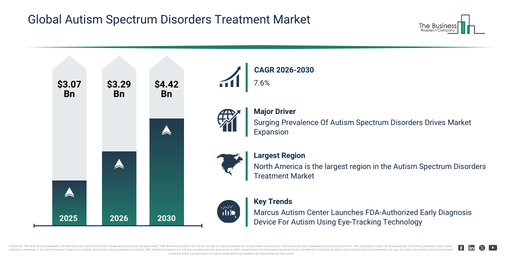
    The autism spectrum disorders treatment market size has experienced robust growth in recent years. It is projected to expand from $3.07 billion in 2025 to $3.29 billion in 2026, exhibiting a compound annual growth rate (CAGR) of 7.1%. The expansion observed historically can be attributed to a better understanding of autism treatment pathways, the proliferation of behavioral therapy services, the availability of approved pharmacological options, heightened caregiver engagement, and the establishment of more specialized treatment centers.

    The autism spectrum disorders treatment market size is expected to experience strong growth in the next few years, projected to reach $4.42 billion in 2030 with a compound annual growth rate (CAGR) of 7.6%. This growth during the forecast period is attributable to an increasing demand for personalized autism therapies, the rising use of digital and remote therapy tools, the expansion of integrated care models, a growing focus on lifelong autism management, and increased investment in therapy innovation. Major trends anticipated in this period include an increasing use of multimodal therapy approaches, a rising adoption of early intervention programs, the growing integration of behavioral and pharmacological treatments, the expansion of personalized therapy plans, and an enhanced focus on long-term outcome management.

    Download A Free Sample Report For Comprehensive Market Insights:

    https://www.thebusinessresearchcompany.com/sample.aspx?id=11925&type=smp

    Which Major Factors Are Contributing To The Development Of The Autism Spectrum Disorders Treatment Market?

    The rising occurrence of autism spectrum disorders (ASD) is projected to drive the expansion of the autism spectrum disorders market moving ahead. These disorders involve a range of medical conditions characterized by varying levels of difficulty in social interaction and communication abilities. An increase in the identification of children with ASDs is vital for advancing diverse treatment approaches for them. For example, the National Health Service, a government department based in the UK, reported in August 2025 that in June 2024, 193,203 patients had an open referral for suspected autism. Among these individuals, 168,399, or 87.2%, possessed a referral that had remained open for a minimum of 13 weeks. During this same timeframe, only 5.1% (8,519) of patients with an open referral that had been open for over 13 weeks had received their first appointment within the recommended 13-week guideline. Consequently, the rising prevalence of ASDs is expected to fuel the growth of the autism spectrum disorders treatment market.

    What Key Segment Areas Are Included In The Autism Spectrum Disorders Treatment Market Assessment?

    The autism spectrum disorders treatment market covered in this report is segmented –

    1) By Drug Therapy: Antipsychotic Drugs, SSRIs Or Antidepressants, Stimulants, Sleep Medications

    2) By Treatment Approach: Behavioral Approaches, Early Intervention, Medication

    3) By Application: Autistic Disorder, Asperger Syndrome, Pervasive Developmental Disorder, Other Applications

    4) By Distribution Channel: Hospital Pharmacies, Drug Stores And Retail Pharmacies, Online Pharmacies

    Subsegments:

    1) By Antipsychotic Drugs: Atypical Antipsychotics, Typical Antipsychotics

    2) By SSRIs Or Antidepressants: Selective Serotonin Reuptake Inhibitors, Serotonin–Norepinephrine Reuptake Inhibitors, Atypical Antidepressants

    3) By Stimulants: Methylphenidate, Amphetamines

    4) By Sleep Medications: Melatonin, Benzodiazepines

    Which Trends Are Affecting The Autism Spectrum Disorders Treatment Market Framework?

    Leading companies in the autism spectrum disorder treatment market are concentrating on developing innovative solutions, such as early diagnosis devices for autism spectrum disorder, designed to identify initial indicators of autism in children. An early diagnosis device for Autism Spectrum Disorder (ASD) is defined as a tool or technology created to detect the nascent signs of autism in children, typically before they reach three years of age. For example, in September 2023, the Marcus Autism Center, a US-based organization, introduced the EarliPoint Evaluation, an FDA-authorized device utilizing advanced eye-tracking technology for the early, objective diagnosis of autism spectrum disorder in children ranging from 16 to 30 months old. This groundbreaking tool assesses children’s social engagement through objective biomarkers, facilitating a swift evaluation that takes approximately 12 minutes. By enhancing the speed and precision of autism diagnoses, the EarliPoint Evaluation aims to enable earlier interventions, ultimately improving developmental prospects for children with ASD.

    Who Are The Major Companies Operating In The Autism Spectrum Disorders Treatment Market?

    Major companies operating in the autism spectrum disorders treatment market are PaxMedica, Otsuka Pharmaceutical Co. Ltd., Curemark LLC, Zynerba Pharmaceuticals Inc., Axial Therapeutics, Novartis AG, STALICLA, H. Lundbeck A/S, Janssen Pharmaceuticals Inc., Yamo Pharmaceuticals, F. Hoffmann-La Roche Ltd, Q BioMed Inc., Bristol-Myers Squibb Company, Merck & Co. Inc., Eli Lilly and Company, Pfizer Inc., Johnson & Johnson Services Inc., AbbVie Inc., NeuroRx Inc., Intra-Cellular Therapies Inc., MedinCell, Sorrento Therapeutics Inc., Aytu BioPharma Inc., Harmony Biosciences, Acadia Pharmaceuticals, Aeglea BioTherapeutics

    Access The Complete Autism Spectrum Disorders Treatment Market Report:

    https://www.thebusinessresearchcompany.com/report/autism-spectrum-disorders-treatment-global-market-report

    What Is The Largest Regional Market In The Autism Spectrum Disorders Treatment Market?

    North America was the largest region in the autism spectrum disorders treatment market in 2025. The regions covered in the autism spectrum disorders treatment market report are Asia-Pacific, South East Asia, Western Europe, Eastern Europe, North America, South America, Middle East, Africa.

    Access Autism Spectrum Disorders Treatment Market Report for Deeper Competitive Insights

    https://www.thebusinessresearchcompany.com/customise?id=11925&type=smp

    Browse Through More Reports Similar to the Global Autism Spectrum Disorders Treatment Market 2026, By The Business Research Company

    Autism Spectrum Disorder Diagnostics Global Market Report 2026

    https://www.thebusinessresearchcompany.com/report/autism-spectrum-disorder-diagnostics-global-market-report

    Tourette Syndrome Treatment Global Market Report 2026

    https://www.thebusinessresearchcompany.com/report/tourette-syndrome-treatment-global-market-report

    Behavioral Therapy Global Market Report 2026

    https://www.thebusinessresearchcompany.com/report/behavioral-therapy-global-market-report

    Get in touch with us:

    The Business Research Company: https://www.thebusinessresearchcompany.com/

    Americas: +1 310-496-7795

    Asia: +44 7882 955267 & +91 8897263534

    Europe: +44 7882 955267

    Email us at: marketing@tbrc.info

    Follow us on:

    LinkedIn: https://in.linkedin.com/company/the-business-research-company

    YouTube: https://www.youtube.com/channel/UC24_fI0rV8cR5DxlCpgmyFQ

    Global Market Model: https://www.thebusinessresearchcompany.com/global-market-model
  • Autism Spectrum Disorder Diagnostics Market Future Analysis Covering Industry Shifts And Growth Potential

    Autism Spectrum Disorder Diagnostics Market Future Analysis Covering Industry Shifts And Growth Potential

    The Business Research Company’s 2026 market reports feature enhanced tools like market attractiveness analysis, TAM assessment, and company scoring matrices, along with interactive dashboards, deeper supply chain insights, and startup coverage strengthening the depth, usability, and strategic value of insights.

    What Is The Expected Market Size Of The Autism Spectrum Disorder Diagnostics Market In 2026 And How Much Will It Reach By 2030?

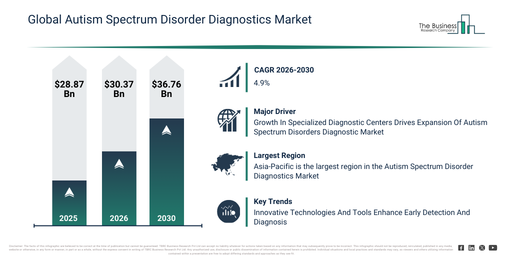
    The autism spectrum disorder diagnostics market has demonstrated significant growth in recent years. It is projected to increase from $28.87 billion in 2025 to $30.37 billion in 2026, exhibiting a compound annual growth rate (CAGR) of 5.2%. This past expansion can be attributed to factors such as enhanced awareness of autism spectrum disorders, the broadening of pediatric developmental screening programs, the availability of qualified diagnostic professionals, the increasing application of behavioral assessment frameworks, and better access to diagnostic services.

    The autism spectrum disorder diagnostics market size is projected to experience consistent expansion over the upcoming years. This market is anticipated to reach $36.76 billion by 2030, demonstrating a compound annual growth rate (CAGR) of 4.9%. Factors contributing to this growth during the forecast period include an escalating demand for early intervention services, the growing adoption of AI-assisted diagnostic tools, the broadening of tele-diagnostics platforms, increased investment in neurodevelopmental research, and enhanced standardization of diagnostic criteria. Key trends anticipated for the forecast period comprise a greater uptake of digital screening instruments, wider utilization of standardized behavioral assessment scales, an increase in early childhood diagnostic programs, the growing incorporation of multidisciplinary diagnostic approaches, and a heightened emphasis on timely and precise detection.

    Download A Free Sample Report For Comprehensive Market Insights:

    https://www.thebusinessresearchcompany.com/sample.aspx?id=16593&type=smp

    What Key Growth Drivers Are Influencing The Autism Spectrum Disorder Diagnostics Market?

    The expansion of specialized diagnostic centers is anticipated to fuel the future development of the autism spectrum disorders diagnostic market. An autism-focused diagnostic center refers to a facility comprising healthcare professionals, psychologists, and specialists who carry out thorough evaluations and assessments for diagnosing autism spectrum disorder. This increase in specialized diagnostic centers stems from advancements in diagnosis, a need for extensive care, professional development, ongoing research, and the recognition of autism as a significant public health concern. These centers are crucial for boosting diagnostic precision, promoting early intervention, and improving results for individuals with ASD, achieved through their provision of specialized knowledge, sophisticated diagnostic instruments, extensive evaluations, customized treatment strategies, family assistance, and avenues for research partnerships. For example, in July 2025, NHS England, the U.K.-based government agency responsible for health services, reported that its national Community Diagnostic Centre (CDC) Programme had sanctioned 170 CDC sites throughout England. By August 2024, 165 of these sites were functioning in diverse environments; 135 of them were operating from their permanent CDC building, with the remainder utilizing temporary facilities until their permanent CDC buildings are finalized. Consequently, the expansion of specialized diagnostic centers is propelling the growth within the autism spectrum disorders diagnostic market.

    How Is Segment Classification Applied In The Autism Spectrum Disorder Diagnostics Market?

    The autism spectrum disorder diagnostics market covered in this report is segmented –

    1) By Diagnostic Method: Behavioral And Developmental Screening Tools, Standardized Diagnostic Assessments, Genetic And Molecular Testing, Digital And AI-Based Diagnostic Tools

    2) By Test Type: Observational And Questionnaire-Based Tests, Cognitive And Neurodevelopmental Assessments, Biomarker And Genetic Tests, Eye-Tracking And Sensor-Based Tests

    3) By Age Group: Infants And Toddlers (0–3 years), Children (4–12 years), Adolescents And Adults

    4) By End User: Hospitals And Specialty Clinics, Diagnostic And Reference Laboratories, Academic And Research Institutes

    Subsegments:

    1) By Behavioral And Developmental Screening Tools: Parent-Reported Screening Questionnaires, Clinician-Administered Developmental Checklists

    2) By Standardized Diagnostic Assessments: Structured Behavioral Observation Assessments, Standardized Diagnostic Interviews

    3) By Genetic And Molecular Testing: Chromosomal Microarray Analysis (CMA), Next-Generation Sequencing (NGS) Panels

    4) By Digital And AI-Based Diagnostic Tools: AI-Driven Behavioral Analysis Platforms, Digital Biomarker & Eye-Tracking Systems

    What Trends Are Influencing The Autism Spectrum Disorder Diagnostics Market?

    Leading firms operating in the autism spectrum disorder diagnostics market are developing advanced solutions, such as devices that utilize Dynamic Quantification of Social-Visual Engagement (DQSVE), to gain a competitive edge. This technology captures and analyzes a child’s continuous gaze behavior at a rate of 120 times per second. For instance, in September 2023, Marcus Autism Center, a US-based nonprofit healthcare and research organization, launched the EarliPoint™ Evaluation, a pioneering FDA-authorized device designed for the early diagnosis of autism spectrum disorder (ASD) in children aged 16 to 30 months. This innovative tool leverages eye-tracking technology to assess children’s social interactions, significantly reducing the time required for diagnosis from hours to approximately 12 minutes.

    Which Companies Are Influencing The Autism Spectrum Disorder Diagnostics Market?

    Major companies operating in the autism spectrum disorder diagnostics market are Quest Diagnostics, Laboratory Corporation of America LabCorp, ARUP Laboratories, Invitae, Natera, Fulgent Genetics, Myriad Genetics, Sema4, PreventionGenetics, Color Genomics, Cognoa, EarliTec Diagnostics, Eurofins Scientific, Sonic Healthcare, Cerba HealthCare, Baylor Genetics, Mayo Clinic Laboratories, Bionano Genomics, Genomind, Blueprint Genetics

    Access The Complete Autism Spectrum Disorder Diagnostics Market Report:

    https://www.thebusinessresearchcompany.com/report/autism-spectrum-disorder-diagnostics-global-market-report

    Which Region Contributes The Most To The Autism Spectrum Disorder Diagnostics Market?

    Asia-Pacific was the largest region in the autism spectrum disorder diagnostics market in 2025. The regions covered in the autism spectrum disorder diagnostics market report are Asia-Pacific, South East Asia, Western Europe, Eastern Europe, North America, South America, Middle East, Africa.

    Access Autism Spectrum Disorder Diagnostics Market Report for Deeper Competitive Insights

    https://www.thebusinessresearchcompany.com/customise?id=16593&type=smp

    Browse Through More Reports Similar to the Global Autism Spectrum Disorder Diagnostics Market 2026, By The Business Research Company

    Autism Spectrum Disorders Treatment Global Market Report 2026

    https://www.thebusinessresearchcompany.com/report/autism-spectrum-disorders-treatment-global-market-report

    Clinical Diagnostics Global Market Report 2026

    https://www.thebusinessresearchcompany.com/report/clinical-diagnostics-global-market-report

    Rare Disease Diagnostics Global Market Report 2026

    https://www.thebusinessresearchcompany.com/report/rare-disease-diagnostics-global-market-report

    Get in touch with us:

    The Business Research Company: https://www.thebusinessresearchcompany.com/

    Americas: +1 310-496-7795

    Asia: +44 7882 955267 & +91 8897263534

    Europe: +44 7882 955267

    Email us at: marketing@tbrc.info

    Follow us on:

    LinkedIn: https://in.linkedin.com/company/the-business-research-company

    YouTube: https://www.youtube.com/channel/UC24_fI0rV8cR5DxlCpgmyFQ

    Global Market Model: https://www.thebusinessresearchcompany.com/global-market-model
  • Atypical Mycobacteriosis Treatment Market Analysis Reflecting Expansion Trends And Industry Performance

    Atypical Mycobacteriosis Treatment Market Analysis Reflecting Expansion Trends And Industry Performance

    The Business Research Company’s 2026 market reports feature enhanced tools like market attractiveness analysis, TAM assessment, and company scoring matrices, along with interactive dashboards, deeper supply chain insights, and startup coverage strengthening the depth, usability, and strategic value of insights.

    What Market Size Is Forecasted For The Atypical Mycobacteriosis Treatment Market By 2030 Based On Its 2026 Value?

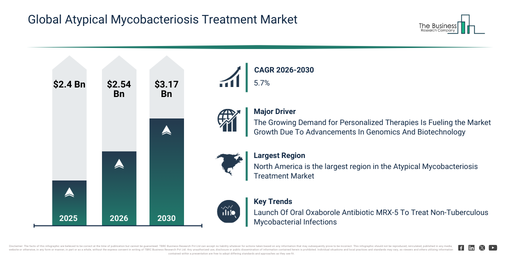
    The atypical mycobacteriosis treatment market size has shown significant expansion in recent years. This market is set to increase from $2.4 billion in 2025 to $2.54 billion in 2026, demonstrating a compound annual growth rate (CAGR) of 5.9%. The notable growth observed historically can be attributed to factors such as improved clinical recognition of NTM infections, increased access to macrolide-based therapies, the expansion of specialized infectious disease care services, a rise in the adoption of hospital-based treatment protocols, and enhanced diagnostic differentiation from tuberculosis.

    The atypical mycobacteriosis treatment market is projected to experience robust expansion in the coming years. This market is anticipated to reach $3.17 billion by 2030, demonstrating a compound annual growth rate (CAGR) of 5.7%. Several factors are expected to fuel this growth during the forecast period, including the increasing incidence of immunocompromised individuals, heightened research efforts into new antimycobacterial agents, a surge in personalized treatment strategies, the expansion of outpatient and home-based care options, and enhanced clinical guidelines for ntm management. Key trends anticipated during this period encompass a rise in the application of combination antibiotic regimens, an intensified focus on managing drug-resistant ntm, the increasing implementation of extended-duration treatment protocols, a broadening of targeted surgical interventions, and a greater emphasis on supportive and complementary care.

    Download A Free Sample Report For Comprehensive Market Insights:

    https://www.thebusinessresearchcompany.com/sample.aspx?id=24157&type=smp

    Which Core Factors Are Supporting The Expansion Of The Atypical Mycobacteriosis Treatment Market?

    The atypical mycobacteriosis treatment market is anticipated to expand due to the increasing need for personalized therapies. These therapies involve medical interventions specifically designed for an individual’s unique genetic, biological, and environmental makeup to enhance their efficacy. The rise in demand for personalized treatments stems largely from progress in genomics and biotechnology, which facilitate the creation of therapies customized to individual genetic profiles, thereby boosting effectiveness and reducing adverse reactions. Atypical mycobacteriosis treatment plays a crucial role within personalized medicine, enabling tailored approaches that address each patient’s distinct genetic and clinical features, resulting in more accurate and effective care. As an illustration, in February 2024, the US-based non-profit organization, Personalized Medicine Coalition, reported that the FDA granted approval to 16 novel personalized treatments for rare disease patients in 2023, a notable rise from the six approved in 2022. Consequently, the escalating demand for personalized therapies is propelling the growth of the atypical mycobacteriosis treatment market. The atypical mycobacteriosis treatment market is expected to grow, propelled by the increasing prevalence of chronic obstructive pulmonary disease. Chronic obstructive pulmonary disease (COPD) describes a set of progressive lung conditions, such as emphysema and chronic bronchitis, which obstruct airflow and lead to respiratory difficulties. The growing occurrence of chronic obstructive pulmonary disease (COPD) is largely attributed to tobacco smoke, as continuous exposure to its damaging chemicals harms the lungs and airways, resulting in persistent inflammation and obstructed airflow. Atypical mycobacteriosis treatment assists in managing chronic obstructive pulmonary disease (COPD) by diminishing the bacterial load and inflammation caused by nontuberculous mycobacteria, which can worsen breathing issues and speed up disease progression. For example, in June 2024, the Australian Institute of Health and Welfare, an Australia-based government agency, reported that chronic obstructive pulmonary disease (COPD) constituted 3.6% of Australia’s total disease burden and 50% of the overall respiratory condition burden in 2023. This marked an increase from 2.5% of the population with COPD in 2022, representing a 44% rise in disease burden share year over year. Hence, the rising incidence of chronic obstructive pulmonary disease is stimulating growth in the atypical mycobacteriosis treatment market.

    What Are The Core Segment Classifications In The Atypical Mycobacteriosis Treatment Market?

    The atypical mycobacteriosis treatment market covered in this report is segmented –

    1) By Treatment Type: Antibiotic Therapy, Surgical Interventions, Combination Therapy, Supportive Care

    2) By Type Of Disease: Atypical Mycobacterial Lung Infections, Disseminated Infections, Skin And Soft Tissue Infections

    3) By Route Of Administration: Oral, Intravenous

    4) By Patient Type: Immuncompromised Patients, Non-Immunocompromised Patients, Pediatric Patients

    5) By End Users: Hospitals, Clinics, Home Healthcare Settings

    Subsegments:

    1) By Antibiotic Therapy: Macrolides, Rifamycins, Ethambutol, Aminoglycosides, Fluoroquinolones

    2) By Surgical Interventions: Pulmonary Resection, Lymph Node Excision, Skin And Soft Tissue Debridement, Abscess Drainage, Bronchoscopic Interventions

    3) By Combination Therapy: Macrolide-Based Triple Drug Regimen, Macrolide Plus Injectable Aminoglycoside, Macrolide Plus Fluoroquinolone And Ethambutol

    4) By Supportive Care: Nutritional Support, Respiratory Therapy, Pain Management, Psychological Support

    Which Trends Are Guiding The Development Of The Atypical Mycobacteriosis Treatment Market?

    Leading pharmaceutical firms are active in the atypical mycobacteriosis treatment market, concentrating on creating advanced remedies, including oral oxaborole antibiotics, to address the increasing need for safer, more potent, and enduring therapies for non-tuberculous mycobacterial (NTM) infections. Oxaboroles represent a new category of small-molecule medications that impede bacterial protein synthesis through a boron-centric mechanism, offering a unique approach compared to conventional antimycobacterial treatments, resulting in lower toxicity, decreased resistance, and fewer drug-drug interactions. An example is MicuRx Pharmaceuticals, a biopharmaceutical company based in China, which introduced MRX-5, an orally bioavailable oxaborole antibiotic designed for NTM infections, in January 2025. This drug exhibited dose-dependent decreases in lung bacterial load during preclinical studies involving Mycobacterium abscessus, also displaying advantageous pharmacokinetics, negligible drug-drug interactions, and excellent oral bioavailability, being formulated for ongoing use in patients needing extended treatment.

    Who Are The Companies Shaping The Atypical Mycobacteriosis Treatment Market Landscape?

    Major companies operating in the atypical mycobacteriosis treatment market are Pfizer Inc., Johnson & Johnson, F. Hoffmann-La Roche Ltd., Merck & Co. Inc., AbbVie Inc., Bayer AG, Sanofi S.A., Bristol-Myers Squibb, AstraZeneca PLC, Novartis AG, GlaxoSmithKline plc, Eli Lilly and Company, Teva Pharmaceutical Industries Ltd., Astellas Pharma Inc., Zydus Pharmaceuticals, Lupin Limited, Gland Pharma Limited, Saphnix Lifesciences Pvt. Ltd., Gentec Pharmaceutical Group, Octavius Pharma Pvt. Ltd.

    Access The Complete Atypical Mycobacteriosis Treatment Market Report:

    https://www.thebusinessresearchcompany.com/report/atypical-mycobacteriosis-treatment-global-market-report

    Which Regional Market Leads The Atypical Mycobacteriosis Treatment Market?

    North America was the largest region in the atypical mycobacteriosis treatment market in 2025. The regions covered in the atypical mycobacteriosis treatment market report are Asia-Pacific, South East Asia, Western Europe, Eastern Europe, North America, South America, Middle East, Africa.

    Access Atypical Mycobacteriosis Treatment Market Report for Deeper Competitive Insights

    https://www.thebusinessresearchcompany.com/customise?id=24157&type=smp

    Browse Through More Reports Similar to the Global Atypical Mycobacteriosis Treatment Market 2026, By The Business Research Company

    Clinical Microbiology Global Market Report 2026

    https://www.thebusinessresearchcompany.com/report/clinical-microbiology-global-market-report

    Pseudomonas Aeruginosa Infection Treatment Global Market Report 2026

    https://www.thebusinessresearchcompany.com/report/pseudomonas-aeruginosa-infection-treatment-global-market-report

    Mycosis Fungoides Treatment Global Market Report 2026

    https://www.thebusinessresearchcompany.com/report/mycosis-fungoides-treatment-global-market-report

    Get in touch with us:

    The Business Research Company: https://www.thebusinessresearchcompany.com/

    Americas: +1 310-496-7795

    Asia: +44 7882 955267 & +91 8897263534

    Europe: +44 7882 955267

    Email us at: marketing@tbrc.info

    Follow us on:

    LinkedIn: https://in.linkedin.com/company/the-business-research-company

    YouTube: https://www.youtube.com/channel/UC24_fI0rV8cR5DxlCpgmyFQ

    Global Market Model: https://www.thebusinessresearchcompany.com/global-market-model
  • Global Attention Deficit Hyperactivity Disorder (ADHD) Apps Market Revenue Expected To Reach $4.7 Billion By 2030

    Global Attention Deficit Hyperactivity Disorder (ADHD) Apps Market Revenue Expected To Reach $4.7 Billion By 2030

    The Business Research Company’s 2026 market reports feature enhanced tools like market attractiveness analysis, TAM assessment, and company scoring matrices, along with interactive dashboards, deeper supply chain insights, and startup coverage strengthening the depth, usability, and strategic value of insights.

    How Is The Market Value Of The Attention Deficit Hyperactivity Disorder (ADHD) Apps Market Projected To Expand During 2026–2030?

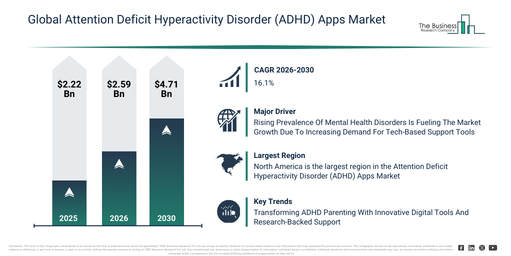
    The attention deficit hyperactivity disorder (adhd) apps market has seen rapid expansion in recent years. It is anticipated to grow from $2.22 billion in 2025 to $2.59 billion in 2026, exhibiting a compound annual growth rate (CAGR) of 16.4%. This historic growth is largely attributable to factors such as increasing diagnosis rates of ADHD, a surge in smartphone penetration, greater acceptance of digital mental health tools, the expansion of telehealth services, and enhanced awareness regarding adult ADHD management.

    The attention deficit hyperactivity disorder (adhd) apps market is anticipated to undergo significant growth in the coming years. It is projected to expand to $4.71 billion by 2030, exhibiting a compound annual growth rate (CAGR) of 16.1%. The expansion during the forecast period can be attributed to an increasing demand for personalized digital therapeutics, a rise in integration with clinical care pathways, the proliferation of subscription-based mental health applications, a growing emphasis on pediatric digital interventions, and advancements in adaptive learning algorithms. Prominent trends expected in the forecast period include a surge in the use of AI-based focus and productivity tools, increasing adoption of gamified cognitive training apps, the broadening of personalized symptom tracking features, greater integration with wearables and digital calendars, and an enhanced focus on data-driven behavioral insights.

    Download A Free Sample Report For Comprehensive Market Insights:

    https://www.thebusinessresearchcompany.com/sample.aspx?id=24474&type=smp

    What Are The Main Drivers Accelerating The Growth Of The Attention Deficit Hyperactivity Disorder (ADHD) Apps Market?

    The growing incidence of mental health conditions is projected to boost the expansion of the attention deficit hyperactivity disorder (ADHD) apps market moving forward. Mental health disorders encompass a broad spectrum of conditions that impact an individual’s thoughts, feelings, conduct, or mood, including depression, anxiety disorders, schizophrenia, and bipolar disorder. The increasing occurrence of these disorders is primarily linked to greater exposure to chronic stress, which disrupts emotional regulation, weakens coping mechanisms, and contributes to issues such as anxiety, depression, and burnout. Attention deficit hyperactivity disorder (ADHD) apps offer assistance for mental health disorders by providing personalized tools that enhance focus, emotional regulation, and behavioral management through accessible, tech-based interventions. For instance, according to the National Institute of Mental Health, a US-based federal agency dedicated to research on mental disorders, in 2023, approximately 58.7 million U.S. adults, or 22.8% of the adult population, had a mental illness. Additionally, among adolescents, over 5.3 million (20.3%) had a diagnosed mental or behavioral condition, with anxiety being the most common (16.1%). As a result, the rising prevalence of mental health disorders is propelling the growth of the attention deficit hyperactivity disorder (ADHD) apps market.

    How Is The Attention Deficit Hyperactivity Disorder (ADHD) Apps Market Structured Across Different Market Segments?

    The attention deficit hyperactivity disorder (adhd) apps market covered in this report is segmented –

    1) By Type: iPhone Operating System(iOS), Android

    2) By Application: Children, Adults

    3) By End-Use: Personal Use, Clinical Or Therapist Guided Use, School Or Educational Settings

    Subsegments:

    1) By iPhone Operating System (iOS): Attention Deficit Hyperactivity Disorder Tracking And Monitoring Apps, Attention Deficit Hyperactivity Disorder Learning And Educational Apps, Attention Deficit Hyperactivity Disorder Medication Reminder Apps, Attention Deficit Hyperactivity Disorder Therapy And Behavioral Support Apps, Attention Deficit Hyperactivity Disorder Gamified Cognitive Training Apps

    2) By Android: Attention Deficit Hyperactivity Disorder Symptom Management Apps, Attention Deficit Hyperactivity Disorder Focus And Productivity Apps, Attention Deficit Hyperactivity Disorder Parent And Caregiver Support Apps, Attention Deficit Hyperactivity Disorder Mindfulness And Relaxation Apps, Attention Deficit Hyperactivity Disorder Scheduling And Time Management Apps

    What Trends Are Influencing The Future Of The Attention Deficit Hyperactivity Disorder (ADHD) Apps Market?

    Leading companies active in the attention deficit hyperactivity disorder (ADHD) apps market are concentrating on developing innovative solutions, such as digital health offerings, to enhance symptom management and increase patient engagement. Digital health solutions comprise technology-driven tools and platforms including applications, wearable devices, and telehealth services that support healthcare delivery by providing customized symptom tracking, behavior monitoring, and therapeutic exercises to improve treatment adherence and daily functioning for individuals with ADHD. For instance, in October 2024, Bonding Health Corporation, a US-based digital health company, introduced an innovative ADHD parenting app to equip parents with personalized, research-backed digital interventions. This app provides symptom-specific management tools, step-by-step audio guides, and a community platform, aiming to transform ADHD parenting by making effective support both accessible and affordable.

    Which Industry Players Are Present In The Attention Deficit Hyperactivity Disorder (ADHD) Apps Market?

    Major companies operating in the attention deficit hyperactivity disorder (adhd) apps market are Asana Inc, LearningRx Inc, Cogmed Systems AB, Focus@Will Labs, Focus Bear Pty Ltd, iFocus Health Inc, Auto Train Brain Inc, Akili Interactive Labs Inc, Mightier Inc, Inflow Inc, Tiimo ApS, Brili Inc, CogniFit Ltd, RescueTime Ltd, Habitica Ltd, Taskade Inc, Ready Labs Inc, Forest Inc, BrainFM Inc, Freedom Labs Inc, Lunatask Inc, Focus Friend LLC.

    Access The Complete Attention Deficit Hyperactivity Disorder (ADHD) Apps Market Report:

    https://www.thebusinessresearchcompany.com/report/attention-deficit-hyperactivity-disorder-adhd-apps-global-market-report

    Which Region Holds The Largest Share In The Attention Deficit Hyperactivity Disorder (ADHD) Apps Market?

    North America was the largest region in the attention deficit hyperactivity disorder (ADHD) apps market in 2025. Asia-Pacific is expected to be the fastest-growing region in the forecast period. The regions covered in the attention deficit hyperactivity disorder (adhd) apps market report are Asia-Pacific, South East Asia, Western Europe, Eastern Europe, North America, South America, Middle East, Africa.

    Access Attention Deficit Hyperactivity Disorder (ADHD) Apps Market Report for Deeper Competitive Insights

    https://www.thebusinessresearchcompany.com/customise?id=24474&type=smp

    Browse Through More Reports Similar to the Global Attention Deficit Hyperactivity Disorder (ADHD) Apps Market 2026, By The Business Research Company

    Speech And Language Disorder Global Market Report 2026

    https://www.thebusinessresearchcompany.com/report/speech-and-language-disorder-global-market-report

    Hyperpigmentation Disorder Treatment Global Market Report 2026

    https://www.thebusinessresearchcompany.com/report/hyperpigmentation-disorder-treatment-global-market-report

    Behavioral Therapy Global Market Report 2026

    https://www.thebusinessresearchcompany.com/report/behavioral-therapy-global-market-report

    Get in touch with us:

    The Business Research Company: https://www.thebusinessresearchcompany.com/

    Americas: +1 310-496-7795

    Asia: +44 7882 955267 & +91 8897263534

    Europe: +44 7882 955267

    Email us at: marketing@tbrc.info

    Follow us on:

    LinkedIn: https://in.linkedin.com/company/the-business-research-company

    YouTube: https://www.youtube.com/channel/UC24_fI0rV8cR5DxlCpgmyFQ

    Global Market Model: https://www.thebusinessresearchcompany.com/global-market-model
  • Attention Deficit Hyperactivity Disorder Market Insights Exploring Expansion Opportunities Through 2030

    Attention Deficit Hyperactivity Disorder Market Insights Exploring Expansion Opportunities Through 2030

    The Business Research Company’s 2026 market reports feature enhanced tools like market attractiveness analysis, TAM assessment, and company scoring matrices, along with interactive dashboards, deeper supply chain insights, and startup coverage strengthening the depth, usability, and strategic value of insights.

    What Are The Forecasted Market Size Figures For The Attention Deficit Hyperactivity Disorder Market In 2026 And 2030?

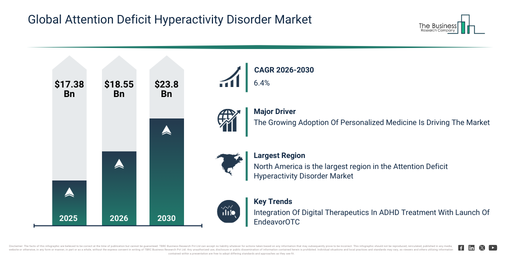
    The attention deficit hyperactivity disorder market size has experienced robust expansion in recent years. It is projected to grow from $17.38 billion in 2025 to $18.55 billion in 2026, demonstrating a compound annual growth rate (CAGR) of 6.7%. The growth observed in the past period can be attributed to factors such as improved awareness of neurodevelopmental disorders, expanded diagnostic criteria across age groups, the availability of stimulant medications, the proliferation of behavioral therapy programs, and increased recognition of ADHD’s persistence into adulthood.

    The attention deficit hyperactivity disorder market size is projected to experience robust expansion over the coming years. By 2030, this market is anticipated to reach $23.8 billion, demonstrating a compound annual growth rate (CAGR) of 6.4%. Several factors are driving this anticipated growth, including a heightened demand for long-acting medication formulations, an increased emphasis on comprehensive mental health management, the broadening of telepsychiatry services, increasing investments in digital mental health platforms, and expanded research into non-stimulant treatment alternatives. Key developments expected during this period involve the growing acceptance of non-stimulant medications, increased utilization of digital therapeutics and monitoring instruments, a stronger focus on diagnosing adult ADHD, the proliferation of personalized treatment strategies, and improved integration of behavioral and pharmacological interventions.

    Download A Free Sample Report For Comprehensive Market Insights:

    https://www.thebusinessresearchcompany.com/sample.aspx?id=21108&type=smp

    Which Growth Drivers Are Expected To Support The Attention Deficit Hyperactivity Disorder Market Forward?

    The increasing embrace of personalized medicine is set to propel the expansion of the attention deficit hyperactivity disorder (ADHD) market. Personalized medicine is a medical strategy that customizes treatments based on an individual’s genetic, environmental, and lifestyle factors, offering more precise and effective healthcare. Its growing adoption stems from advancements in genomic technologies, which facilitate tailoring treatments according to a person’s genetic profile, leading to more effective and targeted therapies. Attention deficit hyperactivity disorder (ADHD) significantly benefits from personalized medicine by enabling customized treatment approaches that consider an individual’s unique genetic, environmental, and behavioral characteristics, resulting in more effective and targeted interventions. For example, in February 2024, a report by the US-based non-profit organization Personalized Medicine Coalition (PMC) indicated that personalized medicines accounted for over a third of new FDA drug approvals in 2023 for the fourth consecutive year. The FDA approved 16 new personalized treatments for rare diseases (up from 6 in 2022), 7 cancer drugs, and 3 for other conditions. Therefore, the expanding adoption of personalized medicine is a primary driver for the growth of the attention deficit hyperactivity disorder market.

    Which Segment-Based Categories Are Covered In The Attention Deficit Hyperactivity Disorder Market?

    The attention deficit hyperactivity disorder market covered in this report is segmented –

    1) By Type: Stimulants, Non-Stimulants

    2) By Age Group: Children, Adults

    3) By Gender: Male, Female

    4) By Dosage Form: Tablets, Capsules, Other Dosage Forms

    5) By Distribution Channel: Retail Pharmacy, Hospital Pharmacy, Online Pharmacy

    Subsegments:

    1) By Stimulants: Methylphenidate-based Medications, Amphetamine-based Medications, Mixed Amphetamine Salts, Dexmethylphenidate

    2) By Non-Stimulants: Atomoxetine (Strattera), Guanfacine (Intuniv), Clonidine (Kapvay)

    Which Trends Are Contributing To Changes In The Attention Deficit Hyperactivity Disorder Market?

    Leading companies in the ADHD market are concentrating on developing advanced technologies, such as video game–based digital therapeutics, to deliver non-pharmacological interventions, enhance attention management, and boost patient engagement. A video game–based digital therapeutic offers interactive, adaptive cognitive training via mobile devices, utilizing real-time performance tracking and closed-loop algorithms to improve focus, attention control, and executive functioning more effectively than traditional stimulant or non-stimulant medications. For example, in June 2024, Akili Interactive, a US-based digital health company, unveiled EndeavorOTC, the first FDA-cleared over-the-counter digital therapeutic designed for adult ADHD. This product leverages Akili’s patented “Selective Stimulus Management Engine” to present multitasking and attention-challenging game tasks, which automatically adjust in difficulty based on user performance. A six-week pivotal study indicated that 83% of participants exhibited improved attentional control, and users additionally reported enhanced productivity and quality of life.

    Which Organizations Are Involved In The Attention Deficit Hyperactivity Disorder Market?

    Major companies operating in the attention deficit hyperactivity disorder market are Takeda Pharmaceutical Company Limited, Pfizer Inc., Novartis International AG, Eli Lilly and Company, Johnson & Johnson, AstraZeneca PLC, Teva Pharmaceutical Industries Ltd., Otsuka Pharmaceutical Co. Ltd., Supernus Pharmaceuticals Inc., Tris Pharma Inc., Mallinckrodt Pharmaceuticals plc, Arbor Pharmaceuticals LLC, KemPharm Inc., Cingulate Therapeutics LLC, Adlon Therapeutics L.P., Ironshore Pharmaceuticals Inc., Rhodes Pharmaceuticals L.P., Sun Pharmaceutical Industries Ltd., Hikma Pharmaceuticals PLC, Amneal Pharmaceuticals Inc., Alkem Laboratories Ltd.

    Access The Complete Attention Deficit Hyperactivity Disorder Market Report:

    https://www.thebusinessresearchcompany.com/report/attention-deficit-hyperactivity-disorder-global-market-report

    Which Region Is The Dominant Market In The Attention Deficit Hyperactivity Disorder Market?

    North America was the largest region in the attention deficit hyperactivity disorder market in 2025. Asia-Pacific is expected to be the fastest-growing region in the forecast period. The regions covered in the attention deficit hyperactivity disorder market report are Asia-Pacific, South East Asia, Western Europe, Eastern Europe, North America, South America, Middle East, Africa.

    Access Attention Deficit Hyperactivity Disorder Market Report for Deeper Competitive Insights

    https://www.thebusinessresearchcompany.com/customise?id=21108&type=smp

    Browse Through More Reports Similar to the Global Attention Deficit Hyperactivity Disorder Market 2026, By The Business Research Company

    Mental Health Apps Global Market Report 2026

    https://www.thebusinessresearchcompany.com/report/mental-health-apps-global-market-report

    Behavioral Health Software Global Market Report 2026

    https://www.thebusinessresearchcompany.com/report/behavioral-health-software-global-market-report

    Behavioral And Mental Health Software Global Market Report 2026

    https://www.thebusinessresearchcompany.com/report/behavioral-and-mental-health-software-global-market-report

    Get in touch with us:

    The Business Research Company: https://www.thebusinessresearchcompany.com/

    Americas: +1 310-496-7795

    Asia: +44 7882 955267 & +91 8897263534

    Europe: +44 7882 955267

    Email us at: marketing@tbrc.info

    Follow us on:

    LinkedIn: https://in.linkedin.com/company/the-business-research-company

    YouTube: https://www.youtube.com/channel/UC24_fI0rV8cR5DxlCpgmyFQ

    Global Market Model: https://www.thebusinessresearchcompany.com/global-market-model
  • Atrophic Glossitis Treatment Market Developments Influencing Industry Expansion Through 2030

    Atrophic Glossitis Treatment Market Developments Influencing Industry Expansion Through 2030

    The Business Research Company’s 2026 market reports feature enhanced tools like market attractiveness analysis, TAM assessment, and company scoring matrices, along with interactive dashboards, deeper supply chain insights, and startup coverage strengthening the depth, usability, and strategic value of insights.

    How Much Larger Will The Atrophic Glossitis Treatment Market Become By 2030 Compared To 2026?

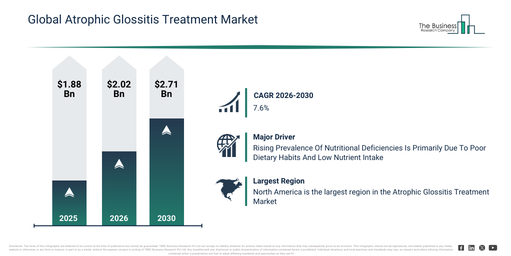
    The atrophic glossitis treatment market size has demonstrated significant expansion over recent years. Its valuation is set to climb from $1.88 billion in 2025 to $2.02 billion in 2026, achieving a compound annual growth rate (CAGR) of 7.8%. This historical growth can be attributed to factors including increased awareness of nutritional deficiency disorders, improved diagnosis of systemic causes, widespread availability of oral supplements, the expansion of primary care treatment pathways, and the growing prevalence of anemia-related conditions.

    The atrophic glossitis treatment market size is anticipated to undergo robust expansion in the coming years. It is forecast to reach $2.71 billion by 2030, exhibiting a compound annual growth rate (CAGR) of 7.6%. This growth during the forecast period can be attributed to an increasing emphasis on personalized treatment protocols, the rising adoption of preventive oral healthcare measures, the expansion of digital health consultations, a growing demand for non-invasive symptom management, and the increasing integration of nutritional therapy into standard care. Significant trends expected in the forecast period include a greater use of targeted nutritional supplementation, the rising adoption of combination therapy approaches, an increased focus on diagnosing underlying diseases, the broadening availability of over-the-counter oral care solutions, and an enhanced emphasis on patient-centric treatment plans.

    Download A Free Sample Report For Comprehensive Market Insights:

    https://www.thebusinessresearchcompany.com/sample.aspx?id=24155&type=smp

    What Influential Factors Are Boosting The Atrophic Glossitis Treatment Market Demand?

    The increasing occurrence of nutritional deficiencies is anticipated to drive the expansion of the Atrophic Glossitis Treatment Market moving forward. These deficiencies denote an absence of crucial nutrients like vitamins, minerals, and proteins in an individual’s diet, potentially resulting in numerous health issues. This rise in nutritional deficiencies is mainly due to unhealthy eating patterns, where people increasingly consume processed foods lacking in nutrient density, thereby not getting enough vital vitamins and minerals for good health. Treatment for atrophic glossitis aids in resolving nutritional deficiencies by restoring critical vitamins and minerals, including iron, folate, and vitamin B12, which are essential for regenerating tongue tissue and preventing further deterioration of the mucous membrane. As an illustration, the World Health Organization, a Switzerland-based intergovernmental body, reported in May 2025 that in 2023, anemia impacted 30.7% of women aged 15–49 years and 35.5% of pregnant women in the identical age bracket. Consequently, the growing incidence of nutritional deficiencies is propelling the expansion of the Atrophic Glossitis Treatment Market. The growing occurrence of autoimmune diseases is projected to boost the expansion of the Atrophic Glossitis Treatment Market in the future. Autoimmune diseases describe conditions where the body’s immune system erroneously targets its own healthy tissues, perceiving them as threats. The escalating incidence of autoimmune diseases is primarily linked to a blend of genetic predisposition and environmental factors that disturb immune system balance. Atrophic glossitis treatment assists in managing autoimmune diseases by tackling concurrent nutritional shortages and inflammation often present with immune system imbalance, consequently supporting overall immune health and alleviating symptoms. For example, the Society for Women’s Health Research, a U.S.-based non-profit organization, stated in March 2023 that autoimmune diseases are thought to impact 23.5 million to 50 million individuals. Worldwide, the rates of these diseases are increasing by between 3 and 9 percent annually. Thus, the increasing occurrence of autoimmune diseases is fueling the expansion of the Atrophic Glossitis Treatment Market.

    What Are The Major Segment Categories Within The Atrophic Glossitis Treatment Market?

    The atrophic glossitis treatment market covered in this report is segmented –

    1) By Treatment Type: Medications, Topical Treatments, Nutritional Supplements, Oral Care Products

    2) By Symptoms: Inflammation, Discoloration, Itching, Burning Tongue

    3) By Distribution Channel: Direct Tender, Hospital Pharmacy, Retail Pharmacy, Online Pharmacy, Other Distribution Channels

    4) By End User: Hospitals, Home Care

    Subsegments:

    1) By Medications: Antibiotics, Antifungals, Corticosteroids

    2) By Topical Treatments: Mouthwashes, Oral Gels, Ointments, Lozenges

    3) By Nutritional Supplements: Vitamin B12, Iron Supplements, Folic Acid, Zinc Supplements, Multivitamins

    4) By Oral Care Products: Toothpaste for Sensitive Mouths, Alcohol-Free Mouth Rinses, Soft-Bristled Toothbrushes, Oral Moisturizers

    Who Are The Firms Contributing To The Atrophic Glossitis Treatment Market Ecosystem?

    Major companies operating in the atrophic glossitis treatment market are Pfizer Inc., Merck & Co. Inc., Bayer AG, Abbott Laboratories, Novartis AG, Sanofi S.A., GSK plc, Johnson & Johnson, Takeda Pharmaceutical Company Limited, AstraZeneca Plc, Bristol Myers Squibb, Eli Lilly and Company, Teva Pharmaceutical Industries Ltd., Sun Pharmaceutical Industries Ltd., Cipla Limited, Dr. Reddy’s Laboratories Limited, Lupin Limited, Aurobindo Pharma Limited, Hikma Pharmaceuticals PLC, Perrigo Company plc

    Access The Complete Atrophic Glossitis Treatment Market Report:

    https://www.thebusinessresearchcompany.com/report/atrophic-glossitis-treatment-global-market-report

    Which Area Represents The Largest Portion Of The Atrophic Glossitis Treatment Market?

    North America was the largest region in the atrophic glossitis treatment market in 2025. Asia-Pacific is expected to be the fastest-growing region in the forecast period. The regions covered in the atrophic glossitis treatment market report are Asia-Pacific, South East Asia, Western Europe, Eastern Europe, North America, South America, Middle East, Africa.

    Access Atrophic Glossitis Treatment Market Report for Deeper Competitive Insights

    https://www.thebusinessresearchcompany.com/customise?id=24155&type=smp

    Browse Through More Reports Similar to the Global Atrophic Glossitis Treatment Market 2026, By The Business Research Company

    Lip Gloss Global Market Report 2026

    https://www.thebusinessresearchcompany.com/report/lip-gloss-global-market-report

    Allergy Treatment Global Market Report 2026

    https://www.thebusinessresearchcompany.com/report/allergy-treatment-global-market-report

    Ankylosing Spondylitis Global Market Report 2026

    https://www.thebusinessresearchcompany.com/report/ankylosing-spondylitis-global-market-report

    Get in touch with us:

    The Business Research Company: https://www.thebusinessresearchcompany.com/

    Americas: +1 310-496-7795

    Asia: +44 7882 955267 & +91 8897263534

    Europe: +44 7882 955267

    Email us at: marketing@tbrc.info

    Follow us on:

    LinkedIn: https://in.linkedin.com/company/the-business-research-company

    YouTube: https://www.youtube.com/channel/UC24_fI0rV8cR5DxlCpgmyFQ

    Global Market Model: https://www.thebusinessresearchcompany.com/global-market-model
  • Atrial Septal Defect Market Size Forecast To Achieve $6.26 Billion By 2030 With 6.8% CAGR

    Atrial Septal Defect Market Size Forecast To Achieve $6.26 Billion By 2030 With 6.8% CAGR

    The Business Research Company’s 2026 market reports feature enhanced tools like market attractiveness analysis, TAM assessment, and company scoring matrices, along with interactive dashboards, deeper supply chain insights, and startup coverage strengthening the depth, usability, and strategic value of insights.

    What Growth In Market Value Is Anticipated For The Atrial Septal Defect Market Between 2026 And 2030?

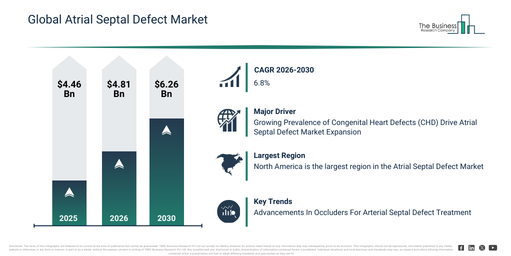
    The atrial septal defect market has seen substantial growth in recent years. It is anticipated to increase from $4.46 billion in 2025 to $4.81 billion in 2026, reflecting a compound annual growth rate (CAGR) of 7.8%. The expansion observed in prior periods can be attributed to enhanced detection of congenital heart defects, greater access to surgical correction techniques, the broadening of pediatric cardiology services, accumulating clinical experience with device-based closures, and more extensive access to diagnostic imaging technologies.

    The atrial septal defect market is anticipated to witness robust expansion in the coming years, with its size projected to reach $6.26 billion by 2030, exhibiting a compound annual growth rate (CAGR) of 6.8%. This growth during the forecast period is attributed to several factors, including the increasing adoption of hybrid closure techniques, a heightened focus on early intervention in adults, the expansion of minimally invasive cardiac surgery capabilities, ongoing innovation in occluder device design, and a rising demand for long-term follow-up care solutions. Key trends expected over the forecast period include the increasing use of transcatheter closure devices, a growing preference for minimally invasive repair procedures, the expanding application of advanced cardiac imaging techniques, the proliferation of pediatric and adult asd screening programs, and an enhanced emphasis on long-term patient outcomes.

    Download A Free Sample Report For Comprehensive Market Insights:

    https://www.thebusinessresearchcompany.com/sample.aspx?id=16345&type=smp

    Which Drivers Are Advancing The Atrial Septal Defect Market Growth?

    The rising occurrence of congenital heart defects (CHD) is projected to fuel the expansion of the atrial septal defect market in the future. These defects are defined as structural anomalies within the heart that are evident from birth, with the increasing prevalence referring to the growing number of individuals identified with these birth-present structural heart abnormalities. Treatment for atrial septal defects addresses congenital heart defects by rectifying irregular blood circulation between the heart’s compartments, thereby enhancing overall heart performance and mitigating related issues. For example, in September 2025, the British Heart Foundation, a UK non-profit, reported that 2.3 million people in the UK are affected by congenital heart disease. Moreover, congenital heart disease defects are detected in a minimum of 1 in 150 births, averaging 13 babies daily in the UK, with additional diagnoses occurring later in life. Projections indicate that up to 1-2 percent of the populace could be impacted. Consequently, the widespread occurrence of congenital heart defects is anticipated to propel the atrial septal defect market.

    How Is The Atrial Septal Defect Market Distributed Across Key Segments?

    The atrial septal defect market covered in this report is segmented –

    1) By Treatment Procedure: Surgical Closure, Transcatheter Closure, Hybrid Procedures, Medication Therapy

    2) By Diagnosis: Chest X-Ray, Electrocardiogram, Cardiac Catheterization, Transesophageal Echocardiography, Pulse Oximetry

    3) By Product Type: Medical Devices, Pharmaceutical Products

    4) By Age Group: Pediatric, Adult

    5) By End-User: Hospitals, Ambulatory Surgical Centers, Cardiac Clinics, Other End-Users

    Subsegments:

    1) By Surgical Closure: Open Heart Surgery (Traditional Surgical Closure), Minimally Invasive Surgical Closure, Patches (Pericardial, Synthetic) For Asd Closure

    2) By Transcatheter Closure: Device-Based Closure (Amplatzer Septal Occluder), Transcatheter Plug Closure Techniques, Catheter-Based Asd Repair For Adult And Pediatric Patients

    3) By Hybrid Procedures: Combination Of Surgical And Transcatheter Techniques, Minimally Invasive Hybrid Procedures, Hybrid Closure For Complex Or Large Asds

    4) By Medication Therapy: Anticoagulant Therapy (To Prevent Stroke), Diuretics (For Managing Symptoms), Antihypertensive Drugs (For Managing Associated Conditions), Off-Label Use Of Other Medications

    Which Trends Are Supporting The Evolution Of The Atrial Septal Defect Market?

    Leading companies in the arterial septal defect market are developing advanced devices and seeking regulatory approval to expand their availability and utility. Device approval entails obtaining official authorization or certification for a device, typically from a regulatory body or relevant authority, before it can be legally manufactured, sold, or employed in a specific market or for a particular purpose. For instance, in March 2024, Occlutech GmbH, a Sweden-based specialist provider of minimally invasive cardiac devices, announced that the United States Food and Drug Administration (FDA) had approved the Occlutech ASD Occluder and Occlutech Pistol Pusher for treating atrial septal defects (ASD). This approval signifies a major achievement for the company, which has been committed to advancing healthcare globally. The Occlutech ASD Occluder is designed to serve as a lifelong solution for patients with echocardiography-confirmed defects. It is a self-expanding nitinol device that incorporates two flexible discs attached to both sides of the patient’s atrial septum using the Occlutech Pistol Pusher. With this authorization, Occlutech will initiate commercialization in the US through an exclusive partnership with B. Braun Interventional Systems.

    Which Key Players Are Active In The Atrial Septal Defect Market?

    Major companies operating in the atrial septal defect market are Abbott Laboratories, Medtronic plc, Boston Scientific Corporation, Edwards Lifesciences Corporation, W. L. Gore & Associates Inc., Cook Medical, Lepu Medical Technology Co. Ltd., MicroPort Scientific Corporation, Lifetech Scientific Corporation, Venus Medtech Hangzhou Inc, Occlutech Holding AG, Osypka AG, Cardia Inc, Gore Medical, Pfm Medical AG, Balton Sp. z o.o., Meril Life Sciences, TTK Healthcare, Braile Biomedica, Shanghai Shape Memory Alloy

    Access The Complete Atrial Septal Defect Market Report:

    https://www.thebusinessresearchcompany.com/report/atrial-septal-defect-global-market-report

    Which Region Commands The Largest Share Of The Atrial Septal Defect Market?

    North America was the largest region in the atrial septal defect market in 2025. Asia-Pacific is expected to be the fastest-growing region in the forecast period. The regions covered in the atrial septal defect market report are Asia-Pacific, South East Asia, Western Europe, Eastern Europe, North America, South America, Middle East, Africa.

    Access Atrial Septal Defect Market Report for Deeper Competitive Insights

    https://www.thebusinessresearchcompany.com/customise?id=16345&type=smp

    Browse Through More Reports Similar to the Global Atrial Septal Defect Market 2026, By The Business Research Company

    Left Atrial Appendage Closure Device Global Market Report 2026

    https://www.thebusinessresearchcompany.com/report/left-atrial-appendage-closure-device-global-market-report

    Atrial Fibrillation Global Market Report 2026

    https://www.thebusinessresearchcompany.com/report/atrial-fibrillation-global-market-report

    Congenital Heart Defect Devices Global Market Report 2026

    https://www.thebusinessresearchcompany.com/report/congenital-heart-defect-devices-global-market-report

    Get in touch with us:

    The Business Research Company: https://www.thebusinessresearchcompany.com/

    Americas: +1 310-496-7795

    Asia: +44 7882 955267 & +91 8897263534

    Europe: +44 7882 955267

    Email us at: marketing@tbrc.info

    Follow us on:

    LinkedIn: https://in.linkedin.com/company/the-business-research-company

    YouTube: https://www.youtube.com/channel/UC24_fI0rV8cR5DxlCpgmyFQ

    Global Market Model: https://www.thebusinessresearchcompany.com/global-market-model
  • Atrial Flutter Market Forecast Covering Industry Demand And Market Evolution

    Atrial Flutter Market Forecast Covering Industry Demand And Market Evolution

    The Business Research Company’s 2026 market reports feature enhanced tools like market attractiveness analysis, TAM assessment, and company scoring matrices, along with interactive dashboards, deeper supply chain insights, and startup coverage strengthening the depth, usability, and strategic value of insights.

    What Is The Expected Market Value Outlook For The Atrial Flutter Market Through 2030?

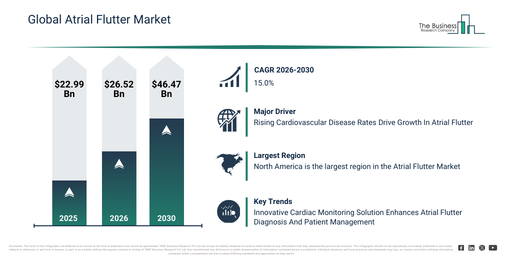
    The atrial flutter market size has seen rapid expansion in recent years. It is anticipated to increase from $22.99 billion in 2025 to $26.52 billion in 2026, exhibiting a compound annual growth rate (CAGR) of 15.4%. Historically, this market’s growth was driven by factors including the rising prevalence of cardiac arrhythmias, an expanding aging population, the proliferation of cardiology specialty clinics, the widespread adoption of ECG-based diagnostic tools, and the accessibility of pharmacological rhythm control therapies.

    The atrial flutter market size is anticipated to experience rapid growth in the coming years. It is projected to reach $46.47 billion by 2030, exhibiting a compound annual growth rate (CAGR) of 15.0%. This growth during the forecast period can be attributed to increasing demand for minimally invasive cardiac procedures, rising adoption of digital cardiac monitoring, expansion of personalized arrhythmia treatment approaches, growing investments in electrophysiology technologies, and an increasing focus on stroke prevention strategies. Major trends during the forecast period encompass increasing adoption of advanced cardiac mapping technologies, rising use of catheter ablation procedures, growing integration of wearable cardiac monitoring devices, expansion of early diagnosis and screening programs, and an enhanced focus on minimally invasive treatments.

    Download A Free Sample Report For Comprehensive Market Insights:

    https://www.thebusinessresearchcompany.com/sample.aspx?id=20495&type=smp

    What Primary Factors Are Fueling The Expansion Of The Atrial Flutter Market?

    The atrial flutter market is anticipated to expand due to the increasing occurrence of cardiovascular diseases. Cardiovascular diseases (CVDs) encompass a wide range of health issues affecting the heart and its associated blood vessels. This surge in CVDs can be primarily attributed to factors such as an aging population, inactive lifestyles, unhealthy eating patterns, escalating obesity rates, and stress. As cardiovascular diseases become more widespread, the population vulnerable to atrial flutter expands, consequently boosting the need for diagnostic tools and treatment solutions. For example, data from September 2024, provided by the British Heart Foundation, a UK-based cardiovascular research charity, indicates that around 7.6 million people in the UK are currently living with heart and circulatory conditions, split between 4 million men and 3.6 million women. Projections show that by 2030, this figure could climb by 1 million, and by 2040, it might reach an additional 2 million compared to present numbers. Consequently, the escalating incidence of cardiovascular diseases is fueling the expansion of the atrial flutter market.

    How Does Segment Analysis Break Down The Atrial Flutter Market Structure?

    The atrial flutter market covered in this report is segmented –

    1) By Type: Typical Atrial Flutter, Atypical Atrial Flutter, Left Atrial Flutter, Reverse Typical Atrial Flutter, Incisional Atrial Re-Entry

    2) By Treatment: Antiarrhythmics, Beta-Blockers, Anticoagulants, Cardioversion, Catheter Ablation, Surgery, Other Treatments

    3) By Diagnosis: Holter Monitoring, Blood Tests, Electrocardiography (ECG), Event Monitoring, Other Diagnosis

    4) By Route Of Administration: Oral, Intravenous, Other Routes Of Administration

    5) By End Users: Clinic, Hospital, Other End Users

    Subsegments:

    1) By Typical Atrial Flutter: Type I Atrial Flutter (Caval Tricuspid Isthmus Dependent), Type II Atrial Flutter (Right Atrial Macro-Reentry), Focal Typical Atrial Flutter, Post-Surgical Typical Atrial Flutter

    2) By Atypical Atrial Flutter: Left Atrial Atypical Flutter, Right Atrial Atypical Flutter, Focal Atypical Flutter, Multifocal Atypical Flutter

    3) By Left Atrial Flutter: Left Atrial Macro-Reentry Flutter, Left Atrial Focal Flutter, Left Atrial Flutter Post-Surgery

    4) By Reverse Typical Atrial Flutter: Reverse Typical Flutter With Counterclockwise Rotation, Reverse Typical Flutter With Clockwise Rotation, Post-Cardiac Surgery Reverse Typical Flutter

    5) By Incisional Atrial Re-Entry: Post-Surgical Atrial Flutter (Incisional Flutter), Incisional Re-Entry Flutter After Cardiac Procedures, Incisional Flutter Due To Atrial Scar Tissue

    What Trends Are Affecting The Growth Of The Atrial Flutter Market?

    Leading firms within the atrial flutter market are prioritizing the incorporation of monitoring technologies, including arrhythmia detection algorithms, with the aim of boosting diagnostic precision, bettering treatment results, and streamlining patient care. These algorithms are specialized software tools designed to scrutinize data sourced from electrocardiograms (ECGs) or wearable heart monitors, enabling the identification of heart rhythm irregularities and the detection of abnormal patterns signaling arrhythmias, like atrial flutter. As an illustration, in May 2024, Vivalink, Inc., a connected health technology company based in the US, introduced a complete ambulatory cardiac monitoring solution for mobile cardiac telemetry (MCT) and Holter monitoring, aiming to improve remote patient care. This particular solution utilizes advanced software for the continuous analysis of data from electrocardiograms (ECGs) and wearable heart monitors, facilitating the real-time recognition of irregular heart rhythms, including atrial flutter. Key components of this solution include a reusable electrocardiogram (ECG) patch equipped with a 14-day rechargeable battery and capabilities for up to 30 days of data storage. Additionally, it incorporates a mobile gateway linked with a patient application for effortless data transmission, an sophisticated algorithm capable of detecting over 15 arrhythmias, and a clinician portal for comprehensive analysis and customized report generation.

    Who Are The Leading Firms Participating In The Atrial Flutter Market?

    Major companies operating in the atrial flutter market are Pfizer Inc., Johnson & Johnson, Siemens AG, Bristol-Myers Squibb Company, Abbott Laboratories, Novartis AG, Medtronic PLC, Boehringer Ingelheim GmbH, Stryker Corporation, GE HealthCare Technologies Inc., Boston Scientific Corporation, Astellas Pharma Inc., Zoll Medical Corporation, St. Jude Medical Inc., Biotronik SE & Co., iRhythm Technologies Inc., AtriCure Inc., Adagio Medical Inc., Acutus Medical Inc., Abbott Vascular

    Access The Complete Atrial Flutter Market Report:

    https://www.thebusinessresearchcompany.com/report/atrial-flutter-global-market-report

    Which Region Accounts For The Highest Share Of The Atrial Flutter Market?

    North America was the largest region in the atrial flutter market in 2025. Asia-Pacific is expected to be the fastest-growing region in the forecast period. The regions covered in the atrial flutter market report are Asia-Pacific, South East Asia, Western Europe, Eastern Europe, North America, South America, Middle East, Africa.

    Access Atrial Flutter Market Report for Deeper Competitive Insights

    https://www.thebusinessresearchcompany.com/customise?id=20495&type=smp

    Browse Through More Reports Similar to the Global Atrial Flutter Market 2026, By The Business Research Company

    Implantable Heart Pacemaker Global Market Report 2026

    https://www.thebusinessresearchcompany.com/report/implantable-heart-pacemaker-global-market-report

    Heart Pump Devices Global Market Report 2026

    https://www.thebusinessresearchcompany.com/report/heart-pump-devices-global-market-report

    Wearable Heart Monitoring Devices Global Market Report 2026

    https://www.thebusinessresearchcompany.com/report/wearable-heart-monitoring-devices-global-market-report

    Get in touch with us:

    The Business Research Company: https://www.thebusinessresearchcompany.com/

    Americas: +1 310-496-7795

    Asia: +44 7882 955267 & +91 8897263534

    Europe: +44 7882 955267

    Email us at: marketing@tbrc.info

    Follow us on:

    LinkedIn: https://in.linkedin.com/company/the-business-research-company

    YouTube: https://www.youtube.com/channel/UC24_fI0rV8cR5DxlCpgmyFQ

    Global Market Model: https://www.thebusinessresearchcompany.com/global-market-model