Month: June 2026

  • Longevity And Anti-senescence Therapy Market Forecast Reveals Where Future Industry Value Will Be Created

    Longevity And Anti-senescence Therapy Market Forecast Reveals Where Future Industry Value Will Be Created

    Through market attractiveness analysis, total addressable market evaluation, company benchmarking matrices, interactive Excel dashboards, expanded supply chain intelligence, emerging startup coverage, and detailed product insights, The Business Research Company’s 2026 market reports provide more actionable and strategically valuable research.

    Longevity And Anti-senescence Therapy Market Value Analysis: What Growth Is Expected Over The Forecast Period?

    The market for longevity and anti-senescence therapies has experienced robust expansion recently, projected to advance from $29.9 billion in 2025 to $31.8 billion in 2026, reflecting a compound annual growth rate of 6.3%. This growth during the preceding period was propelled by a confluence of factors including the escalating elderly demographic worldwide, initial investigations into the biological processes of aging, the increasing incidence of diseases linked to old age, a historical emphasis on managing the symptoms of aging, and heightened public consciousness regarding well-being and preventative medical care.

    The longevity and anti-senescence therapy sector is poised for significant expansion in the coming years, projecting a market value of $40.48 billion by 2030, driven by a compound annual growth rate (CAGR) of 6.2%. This anticipated expansion is fueled by several key factors, including breakthroughs in senolytic and gene-based treatment approaches, a burgeoning demand for strategies aimed at extending human lifespan, escalating investment in longevity-focused scientific inquiry, a growing embrace of regenerative medicine practices, and increased healthcare expenditures dedicated to mitigating age-related illnesses. During this forecast period, prominent trends are expected to shape the market, characterized by a heightened interest in solutions promoting healthy aging and extended vitality, a concentrated effort on therapies targeting cellular senescence, a wider adoption of both preventive and regenerative medical interventions, an broadening of anti-aging treatments beyond purely cosmetic applications, and a growing consumer readiness to allocate financial resources towards longevity therapies.

    Download A Free Sample Report For Comprehensive Market Insights:

    https://www.thebusinessresearchcompany.com/sample.aspx?id=19108&type=smp

    Longevity And Anti-senescence Therapy Market Demand Drivers: What Is Fueling Industry Growth?

    The escalating incidence of cardiovascular ailments is poised to be a significant catalyst for the expansion of the longevity and anti-senescence therapy sector in the future. This surge in cardiovascular conditions is attributed to a confluence of factors, including rising rates of obesity, diabetes, physically inactive habits, and inadequate nutritional choices, alongside a progressively aging demographic and persistent chronic inflammation. Longevity and anti-senescence interventions are specifically designed to counteract cardiovascular disease by addressing cellular deterioration associated with aging and enhancing cardiac well-being. Illustratively, data from the Centers for Disease Control and Prevention, a governmental body in the United States, revealed that in 2023, cardiovascular illnesses were responsible for 919,032 fatalities, representing a concerning one-third of all deaths; coronary heart disease was identified as the most common type, with a striking statistic indicating that approximately one in six cardiovascular disease deaths occurred in individuals under the age of 65. Consequently, the burgeoning rate of cardiovascular diseases is fundamentally fueling the market’s progression in longevity and anti-senescence therapies.

    Longevity And Anti-senescence Therapy Market Segment Performance And Strategic Opportunities

    The longevity and anti-senescence therapy market covered in this report is segmented –

    1) By Therapy: Senolytic Drug Therapy, Gene Therapy, Cell Therapy, Mitochondrial Therapy, Immunotherapy

    2) By Application: Longevity, Senescence Inhibition, Cardiovascular Diseases, Neural Degenerative Diseases, Ophthalmology Disorders, Cancer

    3) By End User: Hospital, Medical Service Institution

    Subsegments:

    1) By Senolytic Drug Therapy: Small Molecule Senolytics, Natural Senolytics, Combination Senolytic Treatments

    2) By Gene Therapy: CRISPR-Based Gene Therapy, Viral Vector Gene Therapy, RNA Interference Therapy

    3) By Cell Therapy: Stem Cell Therapy, Immune Cell Therapy, Regenerative Cell Therapy

    4) By Mitochondrial Therapy: Mitochondrial Replacement Therapy, Mitochondrial Enhancement Compounds, Mitochondrial Gene Therapy

    5) By Immunotherapy: Monoclonal Antibodies, Immune Checkpoint Inhibitors, Vaccines For Aging

    Longevity And Anti-senescence Therapy Market Innovation Trends: Which Developments Are Transforming The Industry?

    In the dynamic fields of longevity and antisenescence treatments, key industry players are actively engaging in strategic alliances to propel the development of anti-senescence offerings. These collaborations, essentially cooperative arrangements between entities, are designed to harness complementary capabilities and assets for shared success and a stronger market position. As an illustration, during July 2024, MDB Capital Holdings LLC, an investment firm based in the United States, entered into a partnership with Mayo Clinic, a renowned non-profit medical and surgical institution also in the US, with the objective of fortifying its anti-senescence capabilities. The established goal of this alliance is to pioneer treatments that address cellular senescence, a process intrinsically linked to aging and a spectrum of health ailments. This venture is set to capitalize on Mayo Clinic’s extensive experience in clinical investigation alongside MDB Capital’s pioneering methods in pharmaceutical creation, all with the ultimate aim of enhancing the health results for individuals afflicted with age-related disorders. Such endeavors underscore the escalating commitment to confronting the fundamental biological processes of aging through cutting-edge therapeutic methodologies.

    Longevity And Anti-senescence Therapy Market Key Players: Which Companies Shape Industry Competition?

    Major companies operating in the longevity and anti-senescence therapy market are AbbVie Inc., BioAge Labs, Unity Biotechnology, Insilico Medicine, Human Longevity Inc., Calico Life Sciences LLC, Recursion Pharmaceuticals, AgeX Therapeutics Inc., Alkahest Inc., CohBar Inc., Stealth BioTherapeutics, Altos Labs, Navitor Pharmaceuticals Inc., Sierra Sciences LLC, T A Sciences Inc., Juvenescence AI Limited, Senex Biotechnology, Spotlight Bioscience, Prana Biotechnology Ltd., Rejuvenate Bio Inc., Turn Biotechnologies Inc., Life Biosciences Inc.

    Access The Complete Longevity And Anti-senescence Therapy Market Report:

    https://www.thebusinessresearchcompany.com/report/longevity-and-anti-senescence-therapy-global-market-report

    Longevity And Anti-senescence Therapy Market Geographic Distribution And Regional Opportunities

    North Americawas the largest region in the longevity and anti-senescence therapy market in 2025. The regions covered in the longevity and anti-senescence therapy market report are Asia-Pacific, South East Asia, Western Europe, Eastern Europe, North America, South America, Middle East, Africa.

    Get in touch with us:

    The Business Research Company: https://www.thebusinessresearchcompany.com/

    Americas: +1 310-496-7795

    Asia: +44 7882 955267 & +91 8897263534

    Europe: +44 7882 955267

    Email us at: marketing@tbrc.info

    Follow us on:

    LinkedIn: https://in.linkedin.com/company/the-business-research-company

    YouTube: https://www.youtube.com/channel/UC24_fI0rV8cR5DxlCpgmyFQ

    Global Market Model: https://www.thebusinessresearchcompany.com/global-market-model
  • Long QT Syndrome Treatment Market Growth Through 2030 Creates New Strategic Opportunities

    Long QT Syndrome Treatment Market Growth Through 2030 Creates New Strategic Opportunities

    Delivering more actionable and strategically valuable research, The Business Research Company’s 2026 market reports feature market attractiveness analysis, total addressable market evaluation, company benchmarking matrices, interactive Excel dashboards, expanded supply chain intelligence, emerging startup coverage, and detailed product insights.

    Long QT Syndrome Treatment Market Size Forecast: How Large Could The Market Become By 2030?

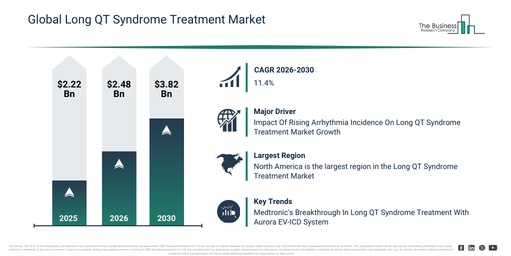
    The market for long QT syndrome treatments has seen considerable expansion lately, projected to increase from 2.22 billion USD in 2025 to 2.48 billion USD in 2026, reflecting a compound annual growth rate of 11.7%. This past growth trajectory has been fueled by several key factors, including advancements in identifying cardiac conditions, heightened public understanding of genetic heart ailments, the broader use of beta-blocker medications, the development of electrophysiology services, and the accessibility of implantable defibrillator technology.

    The market for long QT syndrome treatments is poised for substantial expansion over the upcoming years, projected to reach $3.82 billion by 2030, reflecting a compound annual growth rate of 11.4%. This growth during the forecast period is anticipated to be driven by advancements in gene therapy development, the increasing implementation of precision cardiology, the broader use of wearable cardiac monitoring devices, the growing incorporation of digital health technologies, and heightened investment in research for treating rare diseases. Key trends during this period will likely include a greater reliance on genetic testing for assessing risk, expanded use of implantable cardiac devices, a stronger emphasis on individualized treatment plans, the proliferation of remote patient monitoring systems, and more sophisticated integration of clinical decision support tools.

    Download A Free Sample Report For Comprehensive Market Insights:

    https://www.thebusinessresearchcompany.com/sample.aspx?id=20569&type=smp

    Long QT Syndrome Treatment Market Growth Drivers: What Factors Are Accelerating Expansion?

    Advancements in genetic testing infrastructure worldwide are anticipated to significantly boost the long QT syndrome treatment market as the detection of genetic abnormalities rises. These abnormalities, essentially detrimental variations in genes or chromosomes, are the root cause of inherited conditions or susceptibility to certain diseases. Factors contributing to their increased observation include breakthroughs in genomic medicine, broader availability of molecular diagnostic tools, and enhancements in clinical genetics facilities. The long QT syndrome treatment sector gains momentum by improving the identification, diagnosis, and management of these genetic issues through genetic screenings, tailored therapeutic approaches, proactive health measures, and ongoing research into gene-based interventions. As an illustration, reports from the National Health Service in May 2024 indicated that England registers around 250 new diagnoses annually for sickle cell disease, an inherited blood disorder, with an estimated 17,000 individuals currently living with the condition. Consequently, the heightened detection of genetic abnormalities serves as a key driver for the expanding long QT syndrome treatment market.

    Long QT Syndrome Treatment Market Segment Landscape And Growth Potential

    The long qt syndrome treatment market covered in this report is segmented –

    1) By Type: Long QT Syndrome Type 1, Long QT Syndrome Type 2, Long QT Syndrome Type 3, Other Types

    2) By Treatment: Medication, Surgical Procedures

    3) By Diagnosis: Tests, Electrocardiogram, Genetic Testing, Other Diagnosis

    Subsegments:

    1) By Long QT Syndrome Type 1: Pharmacological Treatment for Type 1 (Beta-Blockers, Etc.), Implantable Cardioverter-Defibrillators (ICD) for Type 1, Gene Therapy for Long QT Type 1, Surgical Interventions for Type 1

    2) By Long QT Syndrome Type 2: Beta-Blockers for Type 2 Treatment, Implantable Cardioverter-Defibrillators (ICD) for Type 2, Gene Therapy for Type 2, Potassium Channel Blockers for Type 2, Lifestyle Modifications and Monitoring for Type 2

    3) By Long QT Syndrome Type 3: Sodium Channel Blockers for Type 3, Beta-Blockers for Type 3 Treatment, Implantable Cardioverter-Defibrillators (ICD) for Type 3, Gene Therapy and Cell Therapy for Type 3, Pharmacological Interventions for Type 3

    4) By Other Types: Congenital Long QT Syndrome Treatment, Acquired Long QT Syndrome Treatment, Combination Treatments for Long QT Syndrome, Novel and Experimental Treatments for Long QT Syndrome

    Long QT Syndrome Treatment Market Trends: What Is Shaping Future Industry Growth?

    Leading players within the long QT syndrome therapeutic market are prioritizing the creation of cutting-edge medical equipment, specifically cardiac devices, which facilitate effortless, immediate oversight of cardiac activity. Cardiac devices, serving to regulate heart rhythm disorders, bolster cardiac performance, or aid circulation, are medical instruments either implanted or utilized externally on patients. Conditions like arrhythmias (erratic heartbeats), heart failure, and other cardiovascular ailments are commonly addressed with these devices. A prime example is the U.S. Food and Drug Administration’s (FDA) endorsement in October 2023 of Medtronic Plc’s (an Irish med-tech firm) Aurora EV-ICD MRI SureScan system. This Extravascular Implantable Cardioverter-Defibrillator (EV-ICD) technology is engineered to counteract dangerously rapid heart rhythms that could precipitate sudden cardiac arrest, representing a substantial leap forward in implantable defibrillator innovation by mitigating long-term risks and improving the overall safety and effectiveness of ICDs, a move anticipated to broaden the company’s portfolio.

    Long QT Syndrome Treatment Market Competitive Landscape: Who Are The Leading Companies?

    Major companies operating in the long qt syndrome treatment market are Pfizer Inc., Novartis AG, Sanofi S.A., Bristol Myers Squibb, AstraZeneca Plc, Bayer AG, Eli Lilly and Company, Johnson & Johnson, Roche Holding AG, Takeda Pharmaceutical Company Limited, Medtronic Plc, Boston Scientific Corporation, Abbott Laboratories, Biotronik SE & Co. KG, LivaNova PLC, MicroPort Scientific Corporation, GE Healthcare, Philips Healthcare, Nihon Kohden Corporation, AliveCor Inc.

    Access The Complete Long QT Syndrome Treatment Market Report:

    https://www.thebusinessresearchcompany.com/report/long-qt-syndrome-treatment-global-market-report

    Long QT Syndrome Treatment Market Largest Region By Revenue And Market Share

    North Americawas the largest region in the long QT syndrome treatment market in 2025. Asia-Pacificis expected to be the fastest-growing region in the forecast period. The regions covered in the long qt syndrome treatment market report are Asia-Pacific, South East Asia, Western Europe, Eastern Europe, North America, South America, Middle East, Africa.

    Get in touch with us:

    The Business Research Company: https://www.thebusinessresearchcompany.com/

    Americas: +1 310-496-7795

    Asia: +44 7882 955267 & +91 8897263534

    Europe: +44 7882 955267

    Email us at: marketing@tbrc.info

    Follow us on:

    LinkedIn: https://in.linkedin.com/company/the-business-research-company

    YouTube: https://www.youtube.com/channel/UC24_fI0rV8cR5DxlCpgmyFQ

    Global Market Model: https://www.thebusinessresearchcompany.com/global-market-model

  • Locum Tenens Staffing Market Size Projected To Increase From $13.5 Billion To $20.84 Billion During The Forecast Period

    Locum Tenens Staffing Market Size Projected To Increase From $13.5 Billion To $20.84 Billion During The Forecast Period

    Enhanced with market attractiveness analysis, total addressable market evaluation, company benchmarking matrices, interactive Excel dashboards, expanded supply chain intelligence, emerging startup coverage, and detailed product insights, The Business Research Company’s 2026 market reports deliver more actionable and strategically valuable research.

    Locum Tenens Staffing Market Revenue Outlook: What CAGR Is Expected Through 2030?

    Witnessing substantial expansion lately, the locum tenens staffing market is projected to ascend from $12.08 billion in 2025 to $13.5 billion in 2026, reflecting a compound annual growth rate of 11.8%. This surge historically stems from escalating shortages of healthcare professionals, the proliferation of hospital systems, elevated demand for physicians in specialized fields, a greater dependence on staffing firms, and increased utilization of healthcare services.

    The locum tenens staffing sector is poised for swift expansion over the coming years, projecting a market value of $20.84 billion by 2030, fueled by a compound annual growth rate of 11.5%. This anticipated surge is largely predicted to stem from a confluence of factors, including a greater embrace of AI-powered recruitment, escalating demand for staffing solutions driven by telemedicine’s rise, the broadening prevalence of adaptable employment arrangements, more widespread utilization of digital credentials, and a growing need for healthcare professionals across international borders. Key developments anticipated within this timeframe encompass the increased deployment of digital staffing platforms, a heightened requirement for readily available clinical staffing, improved adoption of technologies for verifying credentials, the further development of remote and telehealth staffing frameworks, and a more pronounced emphasis on workforce adaptability.

    Download A Free Sample Report For Comprehensive Market Insights:

    https://www.thebusinessresearchcompany.com/sample.aspx?id=25810&type=smp

    Locum Tenens Staffing Market Growth Factors Supporting Long-Term Expansion

    Anticipated increases in patient numbers are set to drive the expansion of the locum tenens staffing sector in the future. This surge in individuals seeking healthcare services within hospitals, clinics, and diverse medical establishments stems largely from an expanding elderly demographic; as individuals age, their healthcare requirements, including frequent check-ups, ongoing care, and the management of chronic ailments like diabetes, cardiovascular conditions, and arthritis, tend to escalate. The growing demand for healthcare necessitates adaptable and readily available staffing options, thereby highlighting the crucial role of locum tenens practitioners in ensuring uninterrupted patient treatment, alleviating staffing deficits, and mitigating the risk of professional exhaustion in demanding medical environments. To illustrate, a report issued by the National Health Service in the UK in December 2024 indicated that during the 2022/23 period, 5,099 hospital admissions were primarily attributed to obesity, with a recorded bariatric procedure being either primary or secondary. These admissions represented 4% of the total hospital admissions for that year, a figure comparable to preceding years, and constituted 16% of admissions linked to health issues potentially exacerbated by smoking. Consequently, the escalating number of patients is a significant factor fueling the growth within the locum tenens staffing industry.

    Locum Tenens Staffing Market Categorization By Product Type And Application

    The locum tenens staffing market covered in this report is segmented –

    1) By Type: Temporary Staffing, Per Diem Staffing, Locum Tenens Recruitment

    2) By Specialty: Primary Care, Anesthesiology, Radiology, Emergency Medicine, Surgery, Nurse Practitioners, Behavioral Health, Other Specialties

    3) By End-Use: Hospitals, Ambulatory Facilities, Other End-Users

    Subsegments:

    1) By Temporary Staffing: Short-Term Assignments, Long-Term Assignments, Travel Healthcare Staffing

    2) By Per Diem Staffing: Daily Shift Coverage, On-Call Coverage, Last-Minute Scheduling

    3) By Locum Tenens Recruitment: Direct Recruitment, Agency-Based Recruitment, Online Platform-Based Recruitment

    Locum Tenens Staffing Market Industry Trends Shaping Future Revenue Growth

    The leading entities within the locum tenens staffing sector are concentrating their efforts on pioneering advancements in pharmacy workforce management, exemplified by their implementation of dynamic shift coverage strategies. This approach is designed both to rapidly address immediate staffing shortages and to offer adaptable employment options for individuals in pharmacy roles. Dynamic shift coverage entails the real-time alignment of available pharmacy practitioners with unscheduled shifts, thereby guaranteeing the continuous operation of pharmacy services. As an illustration, in February 2025, the American Pharmacists Association (APhA), a professional body based in the United States, partnered with the California Pharmacists Association (CPHA) and Locumate to introduce HealthShifts, a digital solution for locum tenens staffing needs. HealthShifts consolidates provider information, shift planning capabilities, the verification of qualifications, and communication functionalities; its operational mechanism allows healthcare facilities to post available shifts and simultaneously connect them with suitably qualified temporary personnel in real-time, while empowering clinicians to digitally manage their personal schedules and professional credentials. The distinctive attributes of this platform encompass automated matching algorithms, convenient mobile access, and built-in compliance verification procedures; its utility extends across diverse healthcare settings including hospitals, retail pharmacies, and outpatient clinics, yielding advantages such as accelerated staffing processes, diminished administrative burdens, greater workforce adaptability, and an improved standard of patient care continuity.

    Locum Tenens Staffing Market Company Landscape And Strategic Competition

    Major companies operating in the locum tenens staffing market are AMN Healthcare Services Inc., Cross Country Healthcare Inc., Aya Healthcare Inc., CHG Healthcare Services Inc., Barton & Associates Inc., Medicus Healthcare Solutions LLC, All Medical Personnel Inc., Hayes Locums Inc., OneStaff Locums LLC, Caliber Healthcare Solutions LLC, Nomad Health Inc., Wapiti Medical Staffing LLC, Locums Inc., Austin Major Group LLC, TinkBird Healthcare Staffing LLC, Wilderness Medical Staffing LLC, FreeUpMD Inc., ProLocums Inc., MBS Locum Tenens LLC, Rosata Recruitment Ltd.

    Access The Complete Locum Tenens Staffing Market Report:

    https://www.thebusinessresearchcompany.com/report/locum-tenens-staffing-global-market-report

    Locum Tenens Staffing Market Regional Analysis And Leading Geography

    North Americawas the largest region in the locum tenens staffing market in 2025. Asia-Pacificis expected to be the fastest-growing region in the forecast period. The regions covered in the locum tenens staffing market report are Asia-Pacific, South East Asia, Western Europe, Eastern Europe, North America, South America, Middle East, Africa.

    Get in touch with us:

    The Business Research Company: https://www.thebusinessresearchcompany.com/

    Americas: +1 310-496-7795

    Asia: +44 7882 955267 & +91 8897263534

    Europe: +44 7882 955267

    Email us at: marketing@tbrc.info

    Follow us on:

    LinkedIn: https://in.linkedin.com/company/the-business-research-company

    YouTube: https://www.youtube.com/channel/UC24_fI0rV8cR5DxlCpgmyFQ

    Global Market Model: https://www.thebusinessresearchcompany.com/global-market-model

  • Locally Advanced Pancreatic Cancer Market Growth Outlook Reveals A CAGR Of 10.2% And A Market Value Of $1.71 Billion By 2030

    Locally Advanced Pancreatic Cancer Market Growth Outlook Reveals A CAGR Of 10.2% And A Market Value Of $1.71 Billion By 2030

    Through market attractiveness analysis, total addressable market evaluation, company benchmarking matrices, interactive Excel dashboards, expanded supply chain intelligence, emerging startup coverage, and detailed product insights, The Business Research Company’s 2026 market reports provide more actionable and strategically valuable research.

    Locally Advanced Pancreatic Cancer Market Growth Analysis: How Will Revenue Expand During The Forecast Period?

    The market for locally advanced pancreatic cancer experienced a significant upswing recently, projecting an expansion from $1.05 billion in 2025 to $1.16 billion by 2026, driven by a compound annual growth rate of 10.5%. This historical expansion was fueled by factors such as late detection of pancreatic cancer, a restricted number of patients eligible for surgery when the disease is locally advanced, the long-standing prevalence of gemcitabine chemotherapy, unsatisfactory overall survival statistics, and an increase in hospital-based cancer treatment services.

    The market for locally advanced pancreatic cancer is poised for significant expansion in the coming years, projected to reach an impressive $1.71 billion by 2030, fueled by a compound annual growth rate of 10.2%. This anticipated surge is underpinned by several key drivers, including the broader implementation of combination therapy strategies, a rise in the utilization of Stereotactic Body Radiation Therapy (SBRT), increased financial backing for pancreatic cancer investigations, a heightened emphasis on tailored cancer treatments, and the expanding accessibility of state-of-the-art medical facilities. During this forecast period, prominent market developments are expected to involve a greater incorporation of combined chemotherapy treatments, a growing trend towards the use of neoadjuvant therapies, a more concentrated effort on reducing tumor size to improve surgical candidacy, an amplified role for radiation therapy in managing localized disease, and a stronger commitment to integrated treatment strategy development involving various medical specialties.

    Download A Free Sample Report For Comprehensive Market Insights:

    https://www.thebusinessresearchcompany.com/sample.aspx?id=21214&type=smp

    Locally Advanced Pancreatic Cancer Market Demand Drivers Creating New Revenue Opportunities

    Heightened tobacco usage is anticipated to be a primary catalyst for the expansion of markets focused on locally advanced pancreatic cancer. Tobacco, derived from a plant whose leaves are processed into items like cigarettes and cigars, contains nicotine, a substance recognized for its addictive properties and strong association with severe health conditions, including cancer and cardiac ailments. Several elements contribute to the escalating prevalence of tobacco consumption, such as readily available access, economic feasibility, aggressive marketing strategies employed by tobacco companies, the societal acceptance observed in certain regions, and smoking as a coping mechanism for stress. Given that tobacco consumption significantly elevates the risk of developing locally advanced pancreatic cancer by contributing to a higher occurrence of pancreatic tumors, its role in market growth is pronounced. As an illustration, a study released in October 2024 by the European Respiratory Society (ERS), a non-profit entity based in Switzerland, highlighted a substantial upswing in smoking tendencies among younger demographics, demonstrating an increase from 22.5% of participants who were smokers in 2022 to 40.1% in 2024. Consequently, the escalating consumption of tobacco is directly fueling the progression of the locally advanced pancreatic cancer market.

    Locally Advanced Pancreatic Cancer Market Segment Analysis And Revenue Opportunities

    The locally advanced pancreatic cancer market covered in this report is segmented –

    1) By Therapy: Chemotherapy, Radiation Therapy

    2) By Route Of Administration: Oral, Injectables, Other Routes Of Administrations

    3) By End-User: Hospital, Specialty Clinics, Research Institutions, Other End-Users

    Subsegments:

    1) By Chemotherapy: Gemcitabine-based Chemotherapy, FOLFIRINOX Chemotherapy

    2) By Radiation Therapy: External Beam Radiation Therapy, Stereotactic Body Radiation Therapy (SBRT)

    Locally Advanced Pancreatic Cancer Market Trends Driving Strategic Industry Expansion

    In the market for locally advanced pancreatic cancer, key players are concentrating on creating novel therapeutic agents, including orphan drugs. These efforts aim to expand treatment availability, improve patient results, and tackle the significant unmet medical requirements presented by this challenging illness. Orphan drugs, intended for rare conditions affecting limited populations, receive encouragement through governmental incentives like tax breaks and periods of market exclusivity to foster their creation. As an illustration, in January 2025, Actuate Therapeutics Inc., a pharmaceutical entity based in the United States, revealed that their investigational compound, Elraglusib, identified as a GSK-3ß inhibitor, had been granted Orphan Drug Designation by both the European Medicines Agency (EMA) and the US Food and Drug Administration (FDA) for the management of pancreatic ductal adenocarcinoma (PDAC), a form of locally advanced pancreatic cancer. This designation underscores its promise in addressing a crucial therapeutic void for this severe cancer, particularly following encouraging outcomes from Phase 2 clinical trials that demonstrated notable clinical benefits and anti-cancer activity in patients with metastatic PDAC.

    Locally Advanced Pancreatic Cancer Market Leading Players Shaping Industry Direction

    Major companies operating in the locally advanced pancreatic cancer market are Pfizer Inc, F Hoffmann La Roche Ltd, Merck and Co Inc, Bristol Myers Squibb Company, AstraZeneca plc, AbbVie Inc, Novartis AG, GSK plc, Bayer AG, Eli Lilly and Company, Ipsen, Takeda Pharmaceutical Company Limited, Amgen Inc, Sanofi, Servier, NovoCure Limited, Halozyme Therapeutics, Clovis Oncology, Astellas Pharma, BeiGene

    Access The Complete Locally Advanced Pancreatic Cancer Market Report:

    https://www.thebusinessresearchcompany.com/report/locally-advanced-pancreatic-cancer-global-market-report

    Locally Advanced Pancreatic Cancer Market Geographic Analysis: Where Is Demand Growing The Fastest?

    North Americawas the largest region in the locally advanced pancreatic cancer market in 2025. Asia-Pacificis expected to be the fastest-growing region in the forecast period. The regions covered in the locally advanced pancreatic cancer market report are Asia-Pacific, South East Asia, Western Europe, Eastern Europe, North America, South America, Middle East, Africa.

    Get in touch with us:

    The Business Research Company: https://www.thebusinessresearchcompany.com/

    Americas: +1 310-496-7795

    Asia: +44 7882 955267 & +91 8897263534

    Europe: +44 7882 955267

    Email us at: marketing@tbrc.info

    Follow us on:

    LinkedIn: https://in.linkedin.com/company/the-business-research-company

    YouTube: https://www.youtube.com/channel/UC24_fI0rV8cR5DxlCpgmyFQ

    Global Market Model: https://www.thebusinessresearchcompany.com/global-market-model
  • Liver Metastases Treatment Market Forecast Highlights Expansion From $1.82 Billion To $2.41 Billion Through 2030

    Liver Metastases Treatment Market Forecast Highlights Expansion From $1.82 Billion To $2.41 Billion Through 2030

    Delivering more actionable and strategically valuable research, The Business Research Company’s 2026 market reports feature market attractiveness analysis, total addressable market evaluation, company benchmarking matrices, interactive Excel dashboards, expanded supply chain intelligence, emerging startup coverage, and detailed product insights.

    Liver Metastases Treatment Market Forecast: What Market Value Is Expected By 2030?

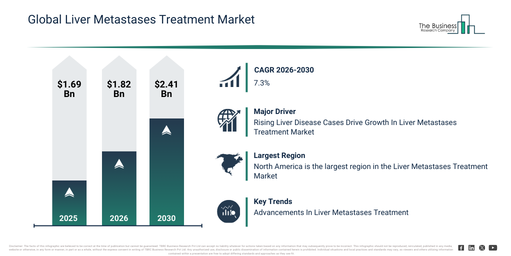
    The market for treating liver metastases has experienced substantial expansion lately, with projections indicating a rise from $1.69 billion in 2025 to $1.82 billion in 2026, reflecting a compound annual growth rate of 8.0%. This historical expansion is largely due to the rising incidence of colorectal and breast cancers, the established practice of using chemotherapy for metastatic conditions, constraints in surgical interventions for advanced liver metastases, the increasing provision of hospital-based cancer care, and the early integration of targeted cancer therapies.

    The market for treating liver metastases is poised for substantial expansion over the upcoming years, projected to reach $2.41 billion by 2030, reflecting a compound annual growth rate of 7.3%. This anticipated surge is fueled by several key factors, including the broadening scope of immunotherapy research and development, an intensified emphasis on tailoring cancer treatments to individual patients, an increase in the longevity of individuals diagnosed with primary cancers, a greater need for sophisticated care for advanced metastatic disease, and heightened financial commitments to the creation of new oncology medications. During this forecast period, prevailing trends will encompass a higher prevalence of cancers spreading to the liver, a greater incorporation of targeted treatment strategies, augmented utilization of immunotherapy for metastatic liver cancer, a wider application of combined therapeutic approaches, and a stronger orientation towards enhancing patients’ overall quality of life.

    Download A Free Sample Report For Comprehensive Market Insights:

    https://www.thebusinessresearchcompany.com/sample.aspx?id=15849&type=smp

    Liver Metastases Treatment Market Expansion Supported By Key Demand Factors

    The increasing prevalence of liver illnesses is anticipated to drive the expansion of the liver metastases treatment sector in the future. Liver disease encompasses any condition impairing liver function, essential for metabolic processes, waste elimination, and other vital bodily operations. Treatments for metastases contribute to overall health by safeguarding the liver’s capabilities. Furthermore, achieving sustained remission sometimes necessitates aggressive interventions such as surgery, ablation, or specialized therapies, often in conjunction with systemic treatments like chemotherapy or immunotherapy. Illustratively, the Office for Health Improvement and Disparities in the UK noted that in 2023, premature fatalities due to alcoholic liver disease rose by 3.6 percent to 5,984, an increase from 5,776 recorded in 2022, underscoring the growth stimulus for the liver metastases treatment market stemming from the escalation in liver disease instances.

    Liver Metastases Treatment Market Segmentation And Category Breakdown

    The liver metastases treatment market covered in this report is segmented –

    1) By Treatment Type: Chemotherapy, Targeted Therapy, Immunotherapy

    2) By Primary Cancer: Colorectal Cancer, Breast Cancer

    3) By Distribution Channel: Hospital Pharmacies, Specialty Pharmacies

    Subsegments:

    1) By Chemotherapy: Cytotoxic Chemotherapy, Neoadjuvant Chemotherapy, Adjuvant Chemotherapy

    2) By Targeted Therapy: Tyrosine Kinase Inhibitors (TKIs), Monoclonal Antibodies

    3) By Immunotherapy: Immune Checkpoint Inhibitors, Cancer Vaccines, Adoptive Cell Transfer Therapy

    Liver Metastases Treatment Market Growth Trends Influencing Competitive Dynamics

    Within the competitive landscape of the liver metastases treatment market, key industry players are prioritizing the development and rollout of liver-directed therapies, aiming to provide patients with both efficacy and ease of treatment. These therapies are characterized by their direct action on liver-specific diseases, including metastases, by selectively targeting cancer cells within the liver through mechanisms that either eradicate them or disrupt their nutrient supply. Such treatment modalities encompass a range of procedures like surgical removal, radiofrequency ablation, transarterial chemoembolization, radioembolization, and stereotactic body radiation therapy. As an illustration, Delcath Systems Incorporated, a US-based entity specializing in interventional oncology, introduced the Hepzato kit in August 2023. This liver-directed therapeutic is designed for adult patients diagnosed with metastatic uveal melanoma (mUM) who exhibit unresectable hepatic metastases involving less than half of the liver and without any disease spread beyond the liver, or with minimal extrahepatic spread that can be managed through resection or radiation. The Hepzato kit is a multifaceted product that delivers melphalan, a chemotherapy drug, specifically to the liver via Delcath’s proprietary Hepatic Delivery System (HDS), thereby enhancing drug concentration in the targeted liver tissues while simultaneously minimizing adverse effects throughout the body.

    Liver Metastases Treatment Market Competitive Analysis Of Major Industry Participants

    Major companies operating in the liver metastases treatment market are Pfizer Inc., Johnson & Johnson, F. Hoffmann-La Roche AG, Merck & Co., AbbVie Inc., Bayer AG, Sanofi S.A., Novartis AG, Bristol Myers Squibb, AstraZeneca plc, Eli Lilly and Company, Amgen Inc., Boehringer Ingelheim, Gilead Sciences Inc., Takeda Pharmaceutical Company, Astellas Pharma Inc., Daiichi Sankyo Company Ltd., Eisai Co. Ltd., Incyte Corporation, Ipsen, Exelixis Inc., Taiho Pharmaceutical Co. Ltd.

    Access The Complete Liver Metastases Treatment Market Report:

    https://www.thebusinessresearchcompany.com/report/liver-metastases-treatment-global-market-report

    Liver Metastases Treatment Market Global Footprint: Which Region Holds Market Leadership?

    North Americawas the largest region in the liver metastases treatment market in 2025. Asia-Pacificis expected to be the fastest-growing region in the forecast period. The regions covered in the liver metastases treatment market report are Asia-Pacific, South East Asia, Western Europe, Eastern Europe, North America, South America, Middle East, Africa.

    Get in touch with us:

    The Business Research Company: https://www.thebusinessresearchcompany.com/

    Americas: +1 310-496-7795

    Asia: +44 7882 955267 & +91 8897263534

    Europe: +44 7882 955267

    Email us at: marketing@tbrc.info

    Follow us on:

    LinkedIn: https://in.linkedin.com/company/the-business-research-company

    YouTube: https://www.youtube.com/channel/UC24_fI0rV8cR5DxlCpgmyFQ

    Global Market Model: https://www.thebusinessresearchcompany.com/global-market-model

  • Liver Diseases Therapeutics Market Expected To Reach $24.27 Billion By 2030 As Growth Accelerates At 9.9% CAGR

    Liver Diseases Therapeutics Market Expected To Reach $24.27 Billion By 2030 As Growth Accelerates At 9.9% CAGR

    Enhanced with market attractiveness analysis, total addressable market evaluation, company benchmarking matrices, interactive Excel dashboards, expanded supply chain intelligence, emerging startup coverage, and detailed product insights, The Business Research Company’s 2026 market reports deliver more actionable and strategically valuable research.

    Liver Diseases Therapeutics Market Size Outlook: How Fast Will Revenue Grow Through 2030?

    The realm of liver disease treatments has witnessed substantial expansion, anticipating a fiscal expansion from $15.18 billion in 2025 to $16.66 billion in 2026, driven by a compound annual growth rate (CAGR) of 9.8%. This upward trajectory historically owes its momentum to the widespread incidence of viral hepatitis, a rise in alcohol-related liver ailments, the early adoption of antiviral and palliative remedies, a scarcity of effective interventions for enduring liver issues, and an increasing emphasis on hospital-centric liver management.

    The therapeutics market for liver diseases is poised for significant expansion over the coming years, projected to reach a valuation of $24.27 billion by 2030, reflecting a compound annual growth rate (CAGR) of 9.9%. This anticipated growth trajectory is largely propelled by an escalating prevalence of metabolic liver conditions, a greater utilization of immunosuppressive and targeted treatment modalities, the development of an expanding array of liver cancer therapies in the pipeline, heightened public and professional understanding of the advantages of early disease intervention, and increased healthcare expenditure dedicated to managing chronic liver ailments. Key developments expected to shape this market during the forecast period encompass a heightened demand for antiviral treatments for hepatitis, a burgeoning emphasis on addressing non-alcoholic fatty liver disease (NAFLD) and non-alcoholic steatohepatitis (NASH), a continuous rise in the application of immunotherapy for liver cancer, the broader implementation of combination drug treatment regimens, and an increasing focus on comprehensive, long-term management strategies for liver diseases.

    Download A Free Sample Report For Comprehensive Market Insights:

    https://www.thebusinessresearchcompany.com/sample.aspx?id=7969&type=smp

    Liver Diseases Therapeutics Market Growth Drivers And Industry Catalysts

    The increasing incidence of liver conditions is anticipated to be a significant driver for the expansion of the liver disease therapeutics market. Liver disease encompasses a broad spectrum of ailments that impact the liver’s function, and therapeutic interventions for these conditions aim to manage or cure them through diverse treatment modalities. Highlighting this trend, data from the UK’s Office for Health Improvement and Disparities revealed a concerning upward trajectory in mortality, with premature deaths attributed to alcoholic liver disease escalating by 3.6% in 2023 to reach 5,984, an increase from the 5,776 recorded the previous year. This escalating burden of liver-related ailments directly fuels the demand and subsequent growth within the liver disease therapeutics sector.

    Liver Diseases Therapeutics Market Segment Outlook: Which Categories Are Expanding The Fastest?

    The liver diseases therapeutics market covered in this report is segmented –

    1) By Disease Type: Hepatitis, Non-Alcoholic Fatty Liver Disease, Alcohol-Induced, Liver Cancer

    2) By Treatment: Antiviral, Chemotherapy, Immunosuppressive Agents, Corticosteroids

    3) By End User: Hospitals, Ambulatory Surgery Centers

    Subsegments:

    1) By Hepatitis: Hepatitis A, Hepatitis B, Hepatitis C, Hepatitis D

    2) By Non-Alcoholic Fatty Liver Disease (NAFLD): Non-Alcoholic Steatohepatitis (NASH), Simple Fatty Liver

    3) By Alcohol-Induced: Alcoholic Hepatitis, Alcoholic Cirrhosis

    4) By Liver Cancer: Hepatocellular Carcinoma (HCC), Cholangiocarcinoma

    #Liver Diseases Therapeutics Market Trends Influencing Long-Term Demand

    Within the liver disease therapeutics market, leading pharmaceutical and biotechnology firms are keenly investing in cutting-edge advancements, notably artificial intelligence, to empower medical professionals in the early detection of liver fibrosis. The integration of artificial intelligence into liver disease therapeutics involves leveraging sophisticated computational models and machine learning methodologies to scrutinize diverse medical datasets. This enables more prompt identification, accurate diagnosis, and tailored therapeutic approaches for individuals afflicted with liver conditions. As a practical illustration, in February 2023, Predictive Health Intelligence, a UK entity specializing in healthcare data management, unveiled hepatoSIGHT. This novel AI-driven instrument, hepatoSIGHT, possesses the capability to forecast the presence of liver fibrosis in patients diagnosed with chronic liver disease, serving as a valuable tool for case identification and patient cohort mapping to pinpoint those susceptible to chronic liver disease (CLD). Its design prioritizes security, user-friendliness, and efficiency, capable of processing vast quantities of data swiftly to isolate patients meeting predefined parameters. Furthermore, the system boasts robust data analytics, sophisticated machine learning algorithms, immediate risk assessment capabilities, and an accessible user interface.

    Liver Diseases Therapeutics Market Key Companies And Competitive Benchmarking

    Major companies operating in the liver diseases therapeutics market are Astellas Pharma Inc., Bristol-Myers Squibb Company, F. Hoffmann-La Roche AG, Merck & Co. Inc., Novartis AG, GlaxoSmithKline PLC, Abbott Laboratories Inc., Pfizer Inc., Sanofi SA, Johnson & Johnson Services Inc., Bayer AG, AbbVie Inc., Takeda Pharmaceutical Company Limited, AstraZeneca PLC, Gilead Sciences Inc., Alnylam Pharmaceuticals Inc., Intercept Pharmaceuticals Inc., Conatus Pharmaceuticals Inc., CymaBay Therapeutics Inc., Viking Therapeutics Inc., Madrigal Pharmaceuticals Inc., NGM Biopharmaceuticals Inc., Arrowhead Pharmaceuticals Inc., Dicerna Pharmaceuticals Inc., Ionis Pharmaceuticals Inc., Enanta Pharmaceuticals Inc.

    Access The Complete Liver Diseases Therapeutics Market Report:

    https://www.thebusinessresearchcompany.com/report/liver-diseases-therapeutics-global-market-report

    Liver Diseases Therapeutics Market Regional Distribution: Which Areas Drive Market Expansion?

    North Americawas the largest region in the liver diseases therapeutics market in 2025. Asia-Pacificis expected to be the fastest-growing region in the liver diseases therapeutics market report during the forecast period. The regions covered in the liver diseases therapeutics market report are Asia-Pacific, South East Asia, Western Europe, Eastern Europe, North America, South America, Middle East, Africa.

    Get in touch with us:

    The Business Research Company: https://www.thebusinessresearchcompany.com/

    Americas: +1 310-496-7795

    Asia: +44 7882 955267 & +91 8897263534

    Europe: +44 7882 955267

    Email us at: marketing@tbrc.info

    Follow us on:

    LinkedIn: https://in.linkedin.com/company/the-business-research-company

    YouTube: https://www.youtube.com/channel/UC24_fI0rV8cR5DxlCpgmyFQ

    Global Market Model: https://www.thebusinessresearchcompany.com/global-market-model

  • Liver Disease Diagnostics Market Set To Grow From $41.84 Billion In 2026 To $55.17 Billion By 2030 At A CAGR Of 7.2%

    Liver Disease Diagnostics Market Set To Grow From $41.84 Billion In 2026 To $55.17 Billion By 2030 At A CAGR Of 7.2%

    Through market attractiveness analysis, total addressable market evaluation, company benchmarking matrices, interactive Excel dashboards, expanded supply chain intelligence, emerging startup coverage, and detailed product insights, The Business Research Company’s 2026 market reports provide more actionable and strategically valuable research.

    Liver Disease Diagnostics Market Size, Value And Growth Trends Through 2030

    The market for liver disease diagnostics has experienced robust expansion recently, projecting a rise from $38.95 billion in 2025 to $41.84 billion in 2026, reflecting a compound annual growth rate of 7.4%. This historical growth trajectory is largely fueled by a greater incidence of hepatitis infections, escalating alcohol consumption, the early adoption of blood-based liver assessments, a growing number of liver cirrhosis cases, and the enhancement of diagnostic facilities within hospitals.

    The market for diagnosing liver ailments is projected for substantial expansion in the ensuing years, anticipating a reach of $55.17 billion by 2030, propelled by a compound annual growth rate (CAGR) of 7.2%. This anticipated upswing is largely fueled by an increasing prevalence of Non-Alcoholic Fatty Liver Disease (NAFLD) and Non-Alcoholic Steatohepatitis (NASH), heightened consciousness surrounding proactive liver health management, greater incorporation of sophisticated imaging modalities, the broadening scope of public health assessment initiatives, and amplified healthcare expenditures dedicated to diagnostic procedures. Key developments shaping this period include a burgeoning need for detecting liver conditions at their nascent stages, a surge in the utilization of non-invasive diagnostic methods, intensified screening efforts for fatty liver and fibrotic changes, a broader implementation of regular liver function assessments, and an elevated clinical emphasis on tracking disease advancement.

    Download A Free Sample Report For Comprehensive Market Insights:

    https://www.thebusinessresearchcompany.com/sample.aspx?id=20862&type=smp

    Liver Disease Diagnostics Market Opportunity Drivers: What Is Creating New Revenue Potential?

    The escalating patterns of alcohol consumption are poised to be a significant catalyst for the expansion of the liver disease diagnostics sector in the foreseeable future, influenced by evolving societal attitudes, enhanced accessibility, broader availability, and escalating stress levels or mental health concerns. These diagnostic tools play a vital role in assessing how alcohol intake affects liver well-being, enabling the identification of nascent indicators of hepatic injury, including conditions like fatty liver, hepatitis, or cirrhosis. Illustrating this trend, data from December 2024, courtesy of the Bureau of Labor Statistics, reveals that in 2023, average household expenditures in the U.S. reached $294 for in-home alcohol purchases and $343 for alcohol consumed away from home, underscoring the heightened consumption that, in turn, fuels the market for liver disease diagnostic solutions.

    Liver Disease Diagnostics Market Segment Landscape: Which Areas Lead Market Development?

    The liver disease diagnostics market covered in this report is segmented –

    1) By Diagnosis Technique: Laboratory Tests, Imaging, Biopsy, Other Diagnosis Techniques

    2) By Disease: Non-Alcoholic Fatty Liver Disease, Non-Alcoholic Steatohepatitis, Fibrosis, Cirrhosis, Hepatocellular Carcinoma, Other Diseases

    3) By End Users: Hospitals, Laboratories, Other End Users

    Subsegments:

    1) By Laboratory Tests: Blood Tests (Liver Function Tests, Hepatitis Panel), Enzyme Tests (ALT, AST, ALP), Serological Tests

    2) By Imaging: Ultrasound Imaging, CT Scans, MRI, Elastography (FibroScan)

    3) By Biopsy: Liver Biopsy (Needle Biopsy), Fine Needle Aspiration Biopsy, Laparoscopic Biopsy

    4) By Other Diagnosis Techniques: Biomarker Testing, Fibrosis Scoring Systems

    Liver Disease Diagnostics Market Innovation Trends Driving Future Development

    Leading corporations within the liver disease diagnostics sector are prioritizing the creation of novel approaches, encompassing non-surgical instruments for liver evaluation, to advance diagnostic precision and effectiveness. A non-invasive liver assessment tool signifies diagnostic techniques that gauge liver health through methods such as elastography or analyses of blood samples, thereby circumventing the necessity for intrusive interventions like biopsies. As an illustration, in September 2024, City Imaging & Clinical, a diagnostic facility situated in India, introduced FibroScan, a non-surgical diagnostic instrument designed for liver assessment, with the objective of facilitating the early identification of hepatic conditions including non-alcoholic fatty liver disease (NAFLD) and alcoholic liver disease (ALD). This sophisticated technology enables swift and precise quantification of liver tissue elasticity and fat accumulation without resorting to invasive procedures akin to biopsies. The examination itself is brief, generally spanning between five and fifteen minutes, and involves positioning a transducer against the skin overlying the liver. This transducer generates sound waves that are utilized to ascertain the rigidity of the liver tissue, aiding in the evaluation of fibrosis or the presence of scar tissue.

    Liver Disease Diagnostics Market Industry Leaders And Market Competition

    Major companies operating in the liver disease diagnostics market are F. Hoffmann-La Roche Ltd., Abbott Laboratories, Thermo Fisher Scientific Inc., Siemens Healthineers AG, Fujifilm Holdings Corporation, Boston Scientific Corporation, Laboratory Corporation of America Holdings, Quest Diagnostics Incorporated, bioMérieux SA, Echosens SA, Hologic Inc., Canon Medical Systems Corporation, GE HealthCare Technologies Inc., Mindray Bio-Medical Electronics Co. Ltd., Samsung Medison Co. Ltd., Bruker Corporation, Sysmex Corporation, DiaSorin S.p.A., Perspectum Diagnostics Ltd., Owlstone Medical Ltd., HEPQuant LLC, Aiforia Technologies Plc

    Access The Complete Liver Disease Diagnostics Market Report:

    https://www.thebusinessresearchcompany.com/report/liver-disease-diagnostics-global-market-report

    Liver Disease Diagnostics Market Leading Geography: Which Region Generates The Most Revenue?

    North Americawas the largest region in the liver disease diagnostics market in 2025. Asia-Pacificis expected to be the fastest-growing region in the forecast period. The regions covered in the liver disease diagnostics market report are Asia-Pacific, South East Asia, Western Europe, Eastern Europe, North America, South America, Middle East, Africa.

    Get in touch with us:

    The Business Research Company: https://www.thebusinessresearchcompany.com/

    Americas: +1 310-496-7795

    Asia: +44 7882 955267 & +91 8897263534

    Europe: +44 7882 955267

    Email us at: marketing@tbrc.info

    Follow us on:

    LinkedIn: https://in.linkedin.com/company/the-business-research-company

    YouTube: https://www.youtube.com/channel/UC24_fI0rV8cR5DxlCpgmyFQ

    Global Market Model: https://www.thebusinessresearchcompany.com/global-market-model
  • Liver Cirrhosis Market Opportunities Are Emerging Beyond Traditional Growth Areas

    Liver Cirrhosis Market Opportunities Are Emerging Beyond Traditional Growth Areas

    Delivering more actionable and strategically valuable research, The Business Research Company’s 2026 market reports feature market attractiveness analysis, total addressable market evaluation, company benchmarking matrices, interactive Excel dashboards, expanded supply chain intelligence, emerging startup coverage, and detailed product insights.

    Liver Cirrhosis Market CAGR Analysis And Future Market Development

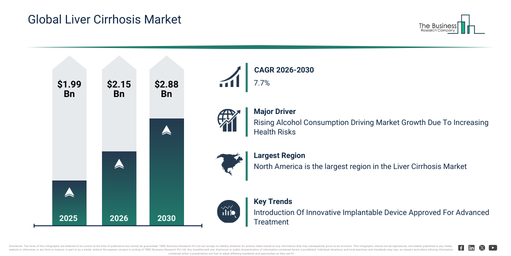
    The market for liver cirrhosis treatments has experienced robust expansion recently, projected to advance from $1.99 billion in 2025 to $2.15 billion in 2026, exhibiting a compound annual growth rate of 7.8%. Factors contributing to this historical growth include persistent patterns of excessive alcohol intake, the extensive prevalence of hepatitis B and C infections, challenges in identifying liver damage during its early stages, an increasing occurrence of fatty liver disease, and historically, a deficiency in effective curative therapies.

    The global market for liver cirrhosis is projected for substantial expansion in the upcoming years, anticipating a valuation of $2.88 billion by 2030, driven by a compound annual growth rate of 7.7%. This projected expansion is underpinned by several key factors, including the escalating prevalence of non-alcoholic steatohepatitis (NASH) and metabolic syndrome, heightened public consciousness regarding liver health, broader availability of diagnostic screening, a surge in the need for sophisticated liver treatment solutions, and augmented healthcare expenditures dedicated to managing chronic ailments. Dominant market dynamics anticipated during this forecast interval involve a rising incidence of persistent liver conditions, a concentrated emphasis on prompt detection and continuous patient observation, an increasing requirement for enduring strategies to manage the disease, the broader implementation of therapies aimed at providing relief and managing symptoms, and a growing necessity for specialized medical attention within the field of hepatology.

    Download A Free Sample Report For Comprehensive Market Insights:

    https://www.thebusinessresearchcompany.com/sample.aspx?id=22040&type=smp

    Liver Cirrhosis Market Growth Momentum: Which Factors Are Influencing Demand?

    Elevated alcohol intake is anticipated to be a key driver for the expansion of the liver cirrhosis market in the future. This rise in consumption stems from individuals turning to alcoholic beverages for stress relief after daily routines, to strengthen social bonds during events, and to augment periods of leisure, further fueled by extensive media promotion and widespread availability. Treatment approaches for individuals suffering from liver cirrhosis due to heavy alcohol use predominantly involve stopping alcohol consumption, utilizing prescribed medications, and providing supplementary care, alongside addressing alcohol dependency through specialized guidance and recovery programs. As an illustration, data released in December 2024 by the Bureau of Labor Statistics, a governmental body in the United States, indicated that in 2023, the average expenditure by American households on alcoholic drinks consumed at home amounted to $294, with an additional $343 spent on beverages consumed outside the household. Consequently, the escalating trend in alcohol consumption directly fuels the liver cirrhosis market.

    Liver Cirrhosis Market Segments: Where Are The Largest Growth Opportunities?

    The liver cirrhosis market covered in this report is segmented –

    1) By Type: Alcoholic Cirrhosis, Biliary Cirrhosis, Cardiac Cirrhosis, Cryptogenic Cirrhosis

    2) By Treatment: Antibiotics, Immunosuppressants, Other Treatments

    3) By End Users: Hospitals, Specialty Clinics, Ambulatory Surgical Centers, Academic And Research Institutes, Other End Users

    Subsegments:

    1) By Alcoholic Cirrhosis: Compensated Alcoholic Cirrhosis, Decompensated Alcoholic Cirrhosis, Alcoholic Steatohepatitis (ASH)-Associated Cirrhosis

    2) By Biliary Cirrhosis: Primary Biliary Cirrhosis (PBC), Secondary Biliary Cirrhosis, Autoimmune Biliary Cirrhosis

    3) By Cardiac Cirrhosis: Right Heart Failure-Induced Cirrhosis, Chronic Passive Congestion Cirrhosis, Ischemic Hepatitis Cirrhosis

    4) By Cryptogenic Cirrhosis: Non-Alcoholic Steatohepatitis (NASH)-Associated Cirrhosis, Idiopathic Cirrhosis, Metabolic Syndrome-Associated Cirrhosis

    Liver Cirrhosis Market Trends Reshaping Industry Growth

    Leading players within the liver cirrhosis marketplace are concentrating their efforts on enhancing available therapeutic interventions, specifically through the innovation of active implantable medical devices, aiming to optimize patient results and broaden the scope of treatment. These active implantable medical devices are essentially electronic implants engineered to oversee, aid, or enhance the functionality of internal organs. A notable development occurred in December 2024 when Sequana Medical NV, a medical technology firm headquartered in Belgium, secured U.S. FDA clearance for its alfapump system, marking the first active implantable medical device authorized in the United States for addressing ascites that repeatedly returns or fails to respond to other treatments in liver cirrhosis patients. This pioneering technology provides an uninterrupted, automated approach to fluid regulation by diverting surplus abdominal fluid into the bladder, thereby substantially diminishing the need for invasive therapeutic paracentesis procedures. The alfapump signifies considerable progress in elevating patient prognoses and improving their standard of living, with an estimated eligible patient population in the United States numbering around 70,000.

    Liver Cirrhosis Market Major Participants And Competitive Dynamics

    Major companies operating in the liver cirrhosis market are F Hoffmann-La Roche Ltd., Abbott Laboratories, Thermo Fisher Scientific Inc., Siemens Healthineers AG, GE HealthCare Technologies Inc., Fujifilm Holdings Corporation, Canon Medical Systems Corporation, Koninklijke Philips N.V., Samsung Medison Co. Ltd., Mindray Medical International Limited, Boston Scientific Corporation, Olympus Corporation, Echosens SA, Hologic Inc., Beckman Coulter Inc., Sysmex Corporation, Bio-Rad Laboratories Inc., bioMérieux SA, Laboratory Corporation of America Holdings, Quest Diagnostics Incorporated, Perspectum Diagnostics Ltd., Owlstone Medical Ltd.

    Access The Complete Liver Cirrhosis Market Report:

    https://www.thebusinessresearchcompany.com/report/liver-cirrhosis-global-market-report

    Liver Cirrhosis Market Regional Outlook: Where Are The Largest Opportunities Located?

    North Americawas the largest region in the liver cirrhosis market in 2025. Asia-Pacificis expected to be the fastest-growing region in the forecast period. The regions covered in the liver cirrhosis market report are Asia-Pacific, South East Asia, Western Europe, Eastern Europe, North America, South America, Middle East, Africa.

    Get in touch with us:

    The Business Research Company: https://www.thebusinessresearchcompany.com/

    Americas: +1 310-496-7795

    Asia: +44 7882 955267 & +91 8897263534

    Europe: +44 7882 955267

    Email us at: marketing@tbrc.info

    Follow us on:

    LinkedIn: https://in.linkedin.com/company/the-business-research-company

    YouTube: https://www.youtube.com/channel/UC24_fI0rV8cR5DxlCpgmyFQ

    Global Market Model: https://www.thebusinessresearchcompany.com/global-market-model
  • Liver Cancer Market Expansion Is Opening New Pathways For Strategic Investment

    Liver Cancer Market Expansion Is Opening New Pathways For Strategic Investment

    Enhanced with market attractiveness analysis, total addressable market evaluation, company benchmarking matrices, interactive Excel dashboards, expanded supply chain intelligence, emerging startup coverage, and detailed product insights, The Business Research Company’s 2026 market reports deliver more actionable and strategically valuable research.

    Liver Cancer Market Expansion From $3.8 Billion In 2026 To $6.39 Billion In 2030

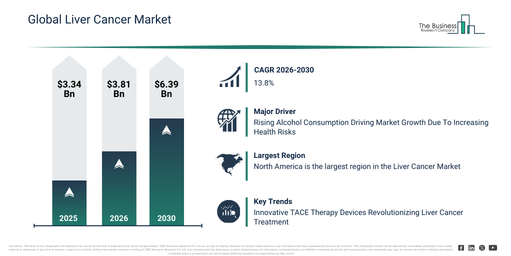
    The market for liver cancer treatments has experienced a significant expansion lately, projected to increase from $3.34 billion in 2025 to $3.81 billion in 2026, reflecting a compound annual growth rate of 14.0%. This surge in the past was fueled by a confluence of factors, including the widespread occurrence of hepatitis B and C infections, a rise in liver cirrhosis cases, persistent alcohol consumption habits, insufficient early detection capabilities, and a historical dependence on surgical interventions and chemotherapy.

    The global market for liver cancer treatments is projected for substantial expansion, anticipated to reach an estimated $6.39 billion by the year 2030. This significant growth trajectory is underpinned by a compound annual growth rate (CAGR) of 13.8% during the forecast period. Key drivers fueling this expansion include the escalating prevalence of non-alcoholic fatty liver disease (NAFLD) and other metabolic disorders, the increasing acceptance and application of immunotherapy, augmented investments in oncology research endeavors, broader accessibility to sophisticated diagnostic technologies, and a heightened general awareness concerning the risk factors associated with liver cancer. Furthermore, prevailing trends expected to shape this market prominently encompass a rise in hepatocellular carcinoma (HCC) cases, a pronounced focus on early detection and screening initiatives, a greater incorporation of targeted therapies and immunotherapies, the development of more comprehensive multimodal treatment strategies, and a growing need for dedicated centers specializing in liver cancer care.

    Download A Free Sample Report For Comprehensive Market Insights:

    https://www.thebusinessresearchcompany.com/sample.aspx?id=22039&type=smp

    Liver Cancer Market Expansion Drivers: What Is Shaping Future Growth?

    The anticipated rise in alcohol intake is poised to fuel the expansion of the liver cancer market. Alcohol consumption, defined as the ingestion of beverages containing alcohol, is commonly quantified by volume and regularity. A growing number of individuals are turning to alcohol as a means to alleviate everyday stress, facilitate social interactions at events, and amplify moments of leisure, further supported by extensive media promotion and widespread availability across diverse environments. The detrimental effects of excessive alcohol use, such as liver cirrhosis, inflammation, and genetic damage, elevate the likelihood of developing liver cancer by stimulating aberrant cellular proliferation. By way of illustration, data from the National Drugs Library, an Irish entity focused on data compilation, indicated that in April 2024, the average yearly consumption of pure alcohol per capita for individuals aged 15 and above reached 9.9 liters in 2023. Moreover, it was observed that 30% of the population aged 15 and over opted for abstinence from alcohol in 2022. Consequently, this escalating trend in alcohol consumption serves as a significant impetus for the growth of the liver cancer market.

    Liver Cancer Market Segment Analysis: What Are The Major Market Categories?

    The liver cancer market covered in this report is segmented –

    1) By Type: Hepatoblastoma, Intrahepatic Cholangiocarcinoma, Hepatocellular Carcinoma, Fibrolamellar Carcinoma

    2) By Stage Of Liver Cancer: Early Stage, Intermediate Stage, Advanced Stage

    3) By Treatment: Targeted Therapy, Radiation Therapy, Surgery, Chemotherapy, Immunotherapy

    4) By End User: Hospitals, Specialty Clinics, Ambulatory Surgical Centers, Cancer Research Institutes

    Subsegments:

    1) By Hepatoblastoma: Epithelial Hepatoblastoma, Mixed Epithelial and Mesenchymal Hepatoblastoma

    2) By Intrahepatic Cholangiocarcinoma: Mass-forming Cholangiocarcinoma, Periductal Infiltrating Cholangiocarcinoma, Intraductal Growing Cholangiocarcinoma

    3) By Hepatocellular Carcinoma: Fibrolamellar Hepatocellular Carcinoma, Conventional Hepatocellular Carcinoma, Scirrhous Hepatocellular Carcinoma, Clear Cell Hepatocellular Carcinoma, Lymphoepithelioma-like Hepatocellular Carcinoma

    4) By Fibrolamellar Carcinoma: Classic Fibrolamellar Carcinoma, Mixed Fibrolamellar and Conventional Hepatocellular Carcinoma

    Liver Cancer Market Strategic Trends: What Is Defining The Next Phase Of Growth?

    The prominent players within the liver cancer market are dedicating their efforts towards pioneering novel therapeutic devices, specifically transcatheter arterial chemoembolization (TACE) technologies, aiming to refine treatment accuracy, elevate patient recovery, and mitigate adverse reactions. This TACE procedure represents a minimally invasive intervention that channels chemotherapy directly into a liver malignancy while simultaneously impeding its vascular supply, thereby amplifying therapeutic efficacy. As an illustrative example, Terumo Corporation, a medical technology firm headquartered in Japan, introduced Occlusafe and LifePearl in November 2023, marking the launch of innovative devices geared towards the comprehensive management of liver cancer. These particular technologies are engineered to bolster the handling of liver cancer, with a specific emphasis on hepatocellular carcinoma (HCC), recognized as the predominant subtype of primary liver cancer in India, where in excess of 20,000 new diagnoses are recorded each year. Occlusafe is integrated into an sophisticated treatment modality known as Balloon-TACE (B-TACE), which elevates the exactitude and potency of TACE through the utilization of a balloon to obstruct blood circulation during the intervention. LifePearl, on the other hand, consists of polyethylene glycol (PEG) embolization microspheres capable of being infused with chemotherapeutic compounds.

    Liver Cancer Market Leading Companies Driving Competitive Growth

    Major companies operating in the liver cancer market are Pfizer Inc., Johnson & Johnson, F. Hoffmann-La Roche Ltd., Merck & Co. Inc., Bayer AG, Sanofi S.A., Bristol-Myers Squibb Company, Thermo Fisher Scientific Inc., AstraZeneca PLC, Abbott Laboratories, Novartis AG, Eli Lilly and Company, Siemens Healthineers AG, Terumo Corporation, Eisai Co. Ltd., Qiagen N.V., Exelixis Inc., BeiGene Ltd., RayzeBio Inc., Innovent Biologics Inc., Celsion Corporation

    Access The Complete Liver Cancer Market Report:

    https://www.thebusinessresearchcompany.com/report/liver-cancer-global-market-report

    Liver Cancer Market Geographic Landscape: Which Region Dominates Industry Growth?

    North Americawas the largest region in the liver cancer market in 2025. Asia-Pacificis expected to be the fastest-growing region in the forecast period. The regions covered in the liver cancer market report are Asia-Pacific, South East Asia, Western Europe, Eastern Europe, North America, South America, Middle East, Africa.

    Get in touch with us:

    The Business Research Company: https://www.thebusinessresearchcompany.com/

    Americas: +1 310-496-7795

    Asia: +44 7882 955267 & +91 8897263534

    Europe: +44 7882 955267

    Email us at: marketing@tbrc.info

    Follow us on:

    LinkedIn: https://in.linkedin.com/company/the-business-research-company

    YouTube: https://www.youtube.com/channel/UC24_fI0rV8cR5DxlCpgmyFQ

    Global Market Model: https://www.thebusinessresearchcompany.com/global-market-model
  • Live Attenuated Polio Vaccine Market Trends Are Creating New Opportunities For Industry Leaders

    Live Attenuated Polio Vaccine Market Trends Are Creating New Opportunities For Industry Leaders

    Through market attractiveness analysis, total addressable market evaluation, company benchmarking matrices, interactive Excel dashboards, expanded supply chain intelligence, emerging startup coverage, and detailed product insights, The Business Research Company’s 2026 market reports provide more actionable and strategically valuable research.

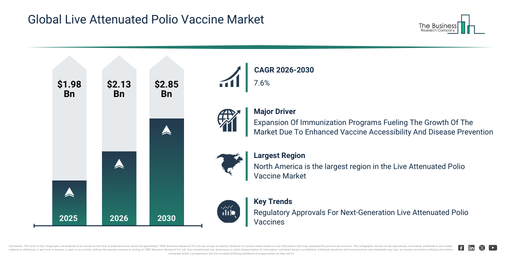
    Live Attenuated Polio Vaccine Market Forecast Highlighting Growth From $2.13 Billion To $2.85 Billion

    The market for live attenuated polio vaccines has experienced robust expansion, projected to increase from $1.98 billion in 2025 to $2.13 billion in 2026, reflecting a compound annual growth rate of 7.6%. This past growth trajectory was fueled by worldwide endeavors to eliminate polio, extensive utilization of oral polio vaccines, impactful government-sponsored vaccination campaigns, early achievements in curbing polio transmission, and the backing of international health bodies.

    Projected advancements in the live attenuated polio vaccine sector indicate substantial expansion over the upcoming years, with an anticipated market valuation of $2.85 billion by 2030, reflecting a compound annual growth rate (CAGR) of 7.6%. This forecast trajectory is chiefly propelled by ongoing initiatives aimed at eradicating polio in areas where it persists, a heightened concentration on preempting outbreaks, extending immunization reach to less-served communities, increased financial investment in immunization initiatives by public health bodies, and a growing emphasis on ensuring vaccines are both accessible and reasonably priced. Key developments anticipated within this timeframe include the sustained utilization of oral polio vaccines for widespread immunization campaigns, a significant focus on achieving herd immunity at the community level and thereby controlling transmission, persistent demand emanating from regions where polio is endemic or poses a high risk, the incorporation of live attenuated polio vaccines into national immunization schedules, and a commitment to fostering enduring immunity in pediatric populations through vaccination.

    Download A Free Sample Report For Comprehensive Market Insights:

    https://www.thebusinessresearchcompany.com/sample.aspx?id=24280&type=smp

    Live Attenuated Polio Vaccine Market Development Factors: Which Trends Are Supporting Demand?

    The advancement of vaccination initiatives is anticipated to be a key driver in the expansion of the market for live attenuated polio vaccines. These initiatives, which entail coordinated efforts by governmental bodies, health institutions, and other entities to administer vaccines and prevent disease dissemination, are gaining momentum due to heightened global consciousness regarding preventive healthcare and robust backing from national governments, international health consortia, and financial contributors. Such public health campaigns actively bolster the use of live attenuated polio vaccines by facilitating broad accessibility, ensuring secure inoculation practices, and achieving high participation rates necessary for establishing community immunity, curtailing virus transmission, and advancing worldwide polio eradication efforts. As an illustration, data from May 2025, provided by the UK Health Security Agency, indicated that during the 2023–2024 period, England’s school-based vaccination drive, which targeted all students from Reception to Year 11, achieved a 52.2% uptake among eligible children in Reception to Year 9 cohorts, representing 3,498,576 out of 6,708,016 individuals. This figure represents a marginal increase over the 51.9% coverage observed in the preceding 2022–2023 season, where 3,502,566 out of 6,747,523 children were vaccinated. Consequently, the broadening scope of immunization programs is significantly contributing to the growth trajectory of the live attenuated polio vaccine market.

    Live Attenuated Polio Vaccine Market Segment Breakdown: Which Categories Generate The Most Revenue?

    The live attenuated polio vaccine market covered in this report is segmented –

    1) By Vaccine Type: Monovalent, Bivalent, Trivalent

    2) By Age Group: Infants (0-1 years), Children (1-5 years)

    3) By End-User: Clinics, Public Health Agencies, Other End-Users

    Subsegments:

    1) By Monovalent: mOPV1 For Serotype 1

    2) By Bivalent: Type 1, Type 3

    3) By Trivalent: Poliovirus Type 1, Poliovirus Type 2, Poliovirus Type 3

    Live Attenuated Polio Vaccine Market Transformation Trends: Which Innovations Are Driving Change?

    Leading entities within the live attenuated polio vaccine sector are prioritizing the acquisition of regulatory endorsements, a crucial step to confirm their vaccine offerings align with the stringent safety and effectiveness criteria mandated by international health organizations. These regulatory endorsements signify official sanction from governmental health departments or oversight committees, permitting a product, like a vaccine, to be distributed, commercially offered, and utilized within defined geographical areas or nations. As an illustration, during July 2024, Biological E, a pharmaceutical and biologics firm headquartered in India, secured sanction from the World Health Organization (WHO) for its innovative oral polio vaccine type 2 (nOPV2). This advanced live, attenuated oral vaccine was conceived to surmount the difficulties inherent in existing oral polio vaccines. This cutting-edge vaccine is specifically developed to more efficiently confront outbreaks of circulating vaccine-derived poliovirus type 2 (cVDPV2) compared to prior formulations. The nOPV2 vaccine is deliberately constructed with improved genetic resilience, thereby diminishing the potential for the vaccine virus to devolve into a pathogenic state, a risk that had previously been a source of apprehension with earlier vaccine generations.

    Live Attenuated Polio Vaccine Market Key Players And Strategic Industry Positioning

    Major companies operating in the live attenuated polio vaccine market are Sanofi Pasteur, Serum Institute of India Pvt. Ltd., Biological E Limited, Indian Immunologicals Limited, Bharat Biotech International Limited, Panacea Biotec, Haffkine Biopharmaceutical, Bio Farma, Bilthoven Bio, Vabiotech, Sinovac Biotech Ltd., Shenzhen Kangtai Biological Products Co. Ltd., Liaoning Cheng Da Biotechnology Co. Ltd., LG Chem Ltd., Chumakov Federal Scientific Center, Institute of Poliomyelitis and Viral Encephalitides, Statens Serum Institut, Federal State Unitary Enterprise Microgen, Pasteur Institute of Iran, Institut Pasteur de Dakar

    Access The Complete Live Attenuated Polio Vaccine Market Report:

    https://www.thebusinessresearchcompany.com/report/live-attenuated-polio-vaccine-global-market-report

    Live Attenuated Polio Vaccine Market Largest Region: Which Geography Holds The Highest Market Share?

    North Americawas the largest region in the live attenuated polio vaccine market in 2025. Asia-Pacificis expected to be the fastest-growing region in the forecast period. The regions covered in the live attenuated polio vaccine market report are Asia-Pacific, South East Asia, Western Europe, Eastern Europe, North America, South America, Middle East, Africa.

    Get in touch with us:

    The Business Research Company: https://www.thebusinessresearchcompany.com/

    Americas: +1 310-496-7795

    Asia: +44 7882 955267 & +91 8897263534

    Europe: +44 7882 955267

    Email us at: marketing@tbrc.info

    Follow us on:

    LinkedIn: https://in.linkedin.com/company/the-business-research-company

    YouTube: https://www.youtube.com/channel/UC24_fI0rV8cR5DxlCpgmyFQ

    Global Market Model: https://www.thebusinessresearchcompany.com/global-market-model