Month: June 2026

  • LifeScience Data Mining And Visualization Market Forecast Highlights Expansion From $4.76 Billion To $7.72 Billion Through 2030

    LifeScience Data Mining And Visualization Market Forecast Highlights Expansion From $4.76 Billion To $7.72 Billion Through 2030

    Enhanced with market attractiveness analysis, total addressable market evaluation, company benchmarking matrices, interactive Excel dashboards, expanded supply chain intelligence, emerging startup coverage, and detailed product insights, The Business Research Company’s 2026 market reports deliver more actionable and strategically valuable research.

    LifeScience Data Mining And Visualization Market Growth Analysis: How Will Revenue Expand During The Forecast Period?

    The market for data mining and visualization within the life sciences sector has experienced substantial expansion. Projections indicate a significant increase from an estimated $4.21 billion in 2025 to $4.76 billion by 2026, reflecting a compound annual growth rate of 13.2%. This upward trajectory during the historical period is largely a consequence of the escalating volume of both biological and clinical data, the wider incorporation of bioinformatics solutions, a surge in pharmaceutical research and development efforts, the increasing intricacy of disease investigation, and the enhanced availability of powerful computing resources.

    The market for data mining and visualization within the life sciences sector is poised for substantial expansion over the forthcoming years, projected to reach $7.72 billion by 2030. This growth trajectory, representing a compound annual growth rate (CAGR) of 12.9%, is fueled by several key drivers. These include escalating investments directed towards precision medicine research, a heightened embrace of artificial intelligence-powered analytics platforms, a growing need for immediate clinical decision support, the broader availability of cloud-based life science software solutions, and an intensified emphasis on obtaining personalized healthcare insights. Furthermore, significant trends shaping this forecast period are the increasing integration of sophisticated data visualization tools, a more prevalent application of predictive analytics in life sciences, the seamless incorporation of diverse multi-omics data sources, the proliferation of cloud-accessible data mining services, and a greater concentration on deriving actionable intelligence from real-time clinical data.

    Download A Free Sample Report For Comprehensive Market Insights:

    https://www.thebusinessresearchcompany.com/sample.aspx?id=28258&type=smp

    LifeScience Data Mining And Visualization Market Expansion Drivers: What Is Shaping Future Growth?

    The increasing need for tailored healthcare solutions, known as personalized medicine, is anticipated to be a significant catalyst for the expansion of the life science data mining and visualization sector. This approach to healthcare focuses on customizing treatments based on an individual’s unique genetic profile, habits, and surroundings to achieve greater accuracy and efficacy. The rising preference for personalized medicine stems from its capability to deliver treatments specifically designed for individuals, thereby enhancing therapeutic results while simultaneously reducing adverse reactions. Data mining and visualization in the life sciences play a crucial role in this field by converting intricate patient information into actionable intelligence, which in turn facilitates the development of customized and precise therapeutic strategies. A notable illustration of this trend occurred in February 2024 when the Personalized Medicine Coalition, a US-based organization, revealed that the US Food and Drug Administration (FDA) had approved 16 novel personalized treatments for individuals with rare diseases in 2023, a marked improvement over the 6 approvals recorded in 2022. Consequently, the escalating demand for personalized medicine is directly fueling the growth trajectory of the life science data mining and visualization market.

    LifeScience Data Mining And Visualization Market Segments: Where Are The Largest Growth Opportunities?

    The lifescience data mining and visualization market covered in this report is segmented –

    1) By Component: Software, Services

    2) By Technology: Machine Learning Algorithms, Artificial Intelligence Tools, Natural Language Processing, Data Visualization Tools, Statistical Analysis Software

    3) By Deployment Mode: On-Premises Solutions, Cloud-Based Solutions, Hybrid Deployment Models, Software As A Service (SaaS), Platform As A Service (PaaS)

    4) By Application: Drug Discovery, Genomics And Genetic Research, Clinical Data Analysis, Patient Health Monitoring, Epidemiology Studies

    5) By End-User: Pharmaceutical Companies, Biotechnology Firms, Clinical Research Organizations (CROs), Healthcare Providers, Research Institutions And Academic Entities

    Subsegments:

    1) By Software: Data Integration Software, Data Analysis And Statistical Software, Data Visualization Tools, Predictive Analytics Software, Machine Learning And Artificial Intelligence (AI) Platforms

    2) By Services: Data Management Services, Consulting And Advisory Services, Implementation And Integration Services, Training And Support Services

    LifeScience Data Mining And Visualization Market Strategic Trends: What Is Defining The Next Phase Of Growth?

    Key players within the life science data mining and visualization sector are prioritizing the creation of novel offerings, particularly Platform-as-a-Service (PaaS) solutions. These advancements are designed to unify a variety of real-world data streams, facilitate sophisticated analytical capabilities, and deliver interactive visual tools. The ultimate goal is to empower quicker, evidence-based decision-making throughout clinical trials, research initiatives, and commercial strategies. PaaS, in essence, signifies a cloud-based ecosystem furnishing developers and businesses with the necessary tools, infrastructure, and services for application development, deployment, and oversight, thereby eliminating the need to manage the intricacies of underlying hardware or software. As an illustration, CitiusTech, a healthcare IT firm based in the United States, introduced CitiusTech HealthSPARX in February 2025. This integrated real-world data (RWD) platform was specifically engineered for life sciences entities, aiming to simplify data handling and expedite the generation of insights through cutting-edge, AI-powered analytics. HealthSPARX facilitates the fluid incorporation of varied data sets, thereby supporting analytics that meet regulatory standards and promoting swift, cooperative decision-making across the clinical, research, and commercial domains.

    LifeScience Data Mining And Visualization Market Major Participants And Competitive Dynamics

    Major companies operating in the lifescience data mining and visualization market are Microsoft Corporation, F. Hoffmann-La Roche Ltd., Oracle Corporation, Thermo Fisher Scientific Inc., GlaxoSmithKline plc, SAP SE, Amgen Inc., GE Healthcare, IQVIA Holdings Inc., ICON plc, Agilent Technologies Inc., Dassault Systèmes SE, OpenText Corporation, Illumina Inc., Veeva Systems Inc., Palantir Technologies Inc., QIAGEN N.V., Flatiron Health Inc., LabWare Inc., Medable Inc.

    Access The Complete LifeScience Data Mining And Visualization Market Report:

    https://www.thebusinessresearchcompany.com/report/lifescience-data-mining-and-visualization-global-market-report

    LifeScience Data Mining And Visualization Market Largest Region: Which Geography Holds The Highest Market Share?

    North Americawas the largest region in the lifescience data mining and visualization market in 2025. Asia-Pacific is expected to be the fastest-growing region in the forecast period. The regions covered in the lifescience data mining and visualization market report are Asia-Pacific, South East Asia, Western Europe, Eastern Europe, North America, South America, Middle East, Africa.

    Get in touch with us:

    The Business Research Company: https://www.thebusinessresearchcompany.com/

    Americas: +1 310-496-7795

    Asia: +44 7882 955267 & +91 8897263534

    Europe: +44 7882 955267

    Email us at: marketing@tbrc.info

    Follow us on:

    LinkedIn: https://in.linkedin.com/company/the-business-research-company

    YouTube: https://www.youtube.com/channel/UC24_fI0rV8cR5DxlCpgmyFQ

    Global Market Model: https://www.thebusinessresearchcompany.com/global-market-model
  • Life Sciences Information Technology (IT) Market Expected To Reach $56.16 Billion By 2030 As Growth Accelerates At 14% CAGR

    Life Sciences Information Technology (IT) Market Expected To Reach $56.16 Billion By 2030 As Growth Accelerates At 14% CAGR

    Through market attractiveness analysis, total addressable market evaluation, company benchmarking matrices, interactive Excel dashboards, expanded supply chain intelligence, emerging startup coverage, and detailed product insights, The Business Research Company’s 2026 market reports provide more actionable and strategically valuable research.

    Life Sciences Information Technology (IT) Market Forecast: What Market Value Is Expected By 2030?

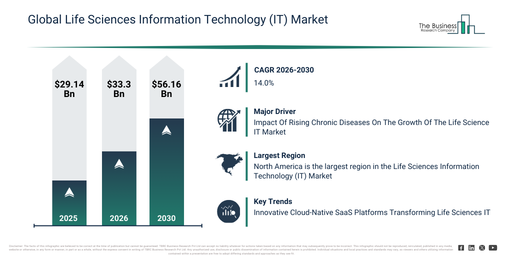
    The biotechnology and pharmaceutical sectors’ information technology landscape has experienced substantial expansion recently and is projected to continue this upward trajectory. Specifically, the market is anticipated to expand from $29.14 billion in 2025 to $33.3 billion in 2026, demonstrating a robust compound annual growth rate of 14.3%. This significant advancement is underpinned by several key factors emerging from the preceding period, including the surge in digital data production within the life sciences, the escalating intricacy of managing clinical trials, the widespread integration of electronic laboratory systems, the burgeoning field of bioinformatics research, and the increasing demands related to regulatory data.

    The IT market within the life sciences sector is poised for considerable expansion over the coming years and is projected to reach $56.16 billion by 2030, exhibiting a compound annual growth rate of 14.0%. This anticipated growth is driven by several key factors, including augmented financial commitments towards cloud-native life science IT solutions, a surge in the utilization of artificial intelligence-powered bioinformatics, the broader implementation of healthcare data platforms that enable seamless interoperability, a heightened need for tools facilitating real-time research collaboration, and a growing emphasis on robust cybersecurity measures within the life sciences industry. Significant trends shaping the forecast period involve a greater integration of life science IT platforms, increased reliance on cloud-based laboratory systems, expanded deployment of bioinformatics solutions, wider adoption of digital tools for managing clinical trials, and a more pronounced dedication to data security and regulatory compliance.

    Download A Free Sample Report For Comprehensive Market Insights:

    https://www.thebusinessresearchcompany.com/sample.aspx?id=19547&type=smp

    Life Sciences Information Technology (IT) Market Development Factors: Which Trends Are Supporting Demand?

    The increasing incidence of long-term health conditions is anticipated to be a primary driver for the expansion of the life science information technology (IT) market. These chronic ailments, characterized by their enduring nature and gradual progression, encompass conditions like diabetes, cardiac issues, and persistent respiratory problems, often impacting individuals throughout their lives due to factors such as an aging global population, increasingly inactive lifestyles, suboptimal dietary habits, escalating obesity rates, and environmental influences. Life science IT plays a crucial role in managing these chronic diseases by enabling robust data handling, supporting tailored therapeutic strategies, and enhancing patient observation and results through sophisticated analytical tools and unified health record systems. For example, projections from the National Center for Biotechnology Information (NCBI) in January 2023 indicated that the segment of the population aged fifty and older experiencing at least one chronic illness is slated to nearly double, rising from 71.52 million individuals in 2020 to an estimated 142.66 million by the year 2050, thereby underscoring how the escalating prevalence of chronic diseases is fueling the advancement of the life science IT sector.

    Life Sciences Information Technology (IT) Market Segment Analysis: What Are The Major Market Categories?

    The life sciences information technology (it) market covered in this report is segmented –

    1) By Type: Software, Service

    2) By Solution: Drug Discovery Informatics, Clinical Trial Management, Bioinformatics, Laboratory Information Management, Other Solutions

    3) By End User: Pharmaceutical And Biotechnology Companies, Contract Research And Development Organizations, Other End Users

    Subsegments:

    1) By Software: Laboratory Information Management Systems (LIMS), Electronic Lab Notebooks (ELN), Clinical Trial Management Systems (CTMS), Regulatory Compliance Software, Bioinformatics Software, Data Analytics And Visualization Tools, Pharmaceutical Manufacturing Software

    2) By Service: Implementation And Integration Services, Consulting Services, Training And Education Services, Managed IT Services, Support And Maintenance Services, Data Management Services, Outsourcing Services, Validation Services, Cloud Computing Services

    Life Sciences Information Technology (IT) Market Transformation Trends: Which Innovations Are Driving Change?

    Within the life sciences IT sector, leading enterprises are concentrating on creating cutting-edge technological offerings, utilizing cloud-native SaaS platforms to deliver solutions that are not only scalable and economical but also adhere to regulatory standards, thereby fostering enhanced teamwork, unified data management, and accelerated innovation. Cloud-native SaaS applications are specifically architected to operate within cloud settings, exploiting the inherent capabilities of cloud infrastructure for superior scalability, adaptability, and dependability. A prime illustration of this trend is Revvity Inc.’s introduction in June 2023 of the Signals Research Suite, a US-based biotechnology firm’s cloud-native SaaS solution engineered to boost scientific cooperation in the realms of drug discovery and specialized chemical creation. This integrated suite consolidates tools like Signals Notebook, VitroVivo, and Inventa, offering end-to-end assistance across the entire drug development continuum, from foundational research stages through in vitro evaluations and safety evaluations. The Signals Research Suite stands out due to its scientifically astute, unified software applications that comprehensively address the entire Make-Test-Decide workflow. Notable functionalities encompass sophisticated analytical capabilities and visual representations driven by TIBCO Spotfire, effortless interoperability with the widely adopted ChemDraw standard, and a contemporary, streamlined user interface that fully adapts workflows for diverse methodologies, therapeutic approaches, and data types. Through secure single sign-on access, access to consolidated data repositories, built-in tutorials, and automated software updates, researchers can dedicate their efforts to experimental pursuits without the complexity of switching between disconnected systems.

    Life Sciences Information Technology (IT) Market Leading Companies Driving Competitive Growth

    Major companies operating in the life sciences information technology (it) market are Veeva Systems Inc., Medidata Solutions Inc., Oracle Corporation, SAP SE, International Business Machines Corporation, Microsoft Corporation, Accenture plc, Cognizant Technology Solutions Corporation, Dassault Systèmes SE, SAS Institute Inc., PTC Inc., Infor Inc., LabWare Inc., Thermo Fisher Scientific Inc., PerkinElmer Inc., Certara Inc., IQVIA Holdings Inc., ArisGlobal LLC, Dotmatics Limited, Benchling Inc.

    Access The Complete Life Sciences Information Technology (IT) Market Report:

    https://www.thebusinessresearchcompany.com/report/life-sciences-information-technology-it-global-market-report

    Life Sciences Information Technology (IT) Market Regional Analysis: Which Region Leads By Revenue?

    North Americawas the largest region in the life sciences information technology (IT) market in 2025. Asia-Pacificis expected to be the fastest-growing region in the forecast period. The regions covered in the life sciences information technology (it) market report are Asia-Pacific, South East Asia, Western Europe, Eastern Europe, North America, South America, Middle East, Africa.

    Get in touch with us:

    The Business Research Company: https://www.thebusinessresearchcompany.com/

    Americas: +1 310-496-7795

    Asia: +44 7882 955267 & +91 8897263534

    Europe: +44 7882 955267

    Email us at: marketing@tbrc.info

    Follow us on:

    LinkedIn: https://in.linkedin.com/company/the-business-research-company

    YouTube: https://www.youtube.com/channel/UC24_fI0rV8cR5DxlCpgmyFQ

    Global Market Model: https://www.thebusinessresearchcompany.com/global-market-model

  • Life Sciences BPO Market Set To Grow From $323.13 Billion In 2026 To $481.84 Billion By 2030 At A CAGR Of 10.5%

    Life Sciences BPO Market Set To Grow From $323.13 Billion In 2026 To $481.84 Billion By 2030 At A CAGR Of 10.5%

    Delivering more actionable and strategically valuable research, The Business Research Company’s 2026 market reports feature market attractiveness analysis, total addressable market evaluation, company benchmarking matrices, interactive Excel dashboards, expanded supply chain intelligence, emerging startup coverage, and detailed product insights.

    Life Sciences BPO Market Size Outlook: How Fast Will Revenue Grow Through 2030?

    Fueled by escalating operational expenditures within life sciences organizations, the increasing intricacies of regulatory mandates, the proactive embrace of outsourcing for clinical studies, and the expansion of the pharmaceutical and medical device sectors, the life sciences BPO market experienced robust expansion. This market, valued at $294.54 billion in 2025, is projected to ascend to $323.14 billion by 2026, reflecting a compound annual growth rate of 9.7%. The demand for specialized knowledge also significantly contributed to this upward trend during the historical period.

    The business process outsourcing sector for life sciences is poised for substantial expansion in the impending years, projected to reach a market valuation of $481.84 billion by 2030, driven by a compound annual growth rate of 10.5%. This anticipated surge in the forecast period stems from heightened attention to cost-effectiveness, an upswing in global clinical trial activity, escalating needs for adaptable support services, the growing presence of life sciences entities in developing economies, and a stronger imperative for expedited product launch. Key developments anticipated within this timeframe involve a greater tendency to outsource non-essential life sciences functions, increased requirement for assistance with regulatory adherence and compliance, wider embrace of comprehensive business process outsourcing packages, the proliferation of pharmacovigilance and data management offerings, and a growing inclination towards cost-effective worldwide service delivery frameworks.

    Download A Free Sample Report For Comprehensive Market Insights:

    https://www.thebusinessresearchcompany.com/sample.aspx?id=13293&type=smp

    Life Sciences BPO Market Industry Drivers: What Is Driving Revenue Growth?

    The expansion of the life sciences BPO sector is anticipated to be significantly boosted by the provision of support for clinical trials. This support encompasses the array of services and tasks undertaken to streamline and oversee clinical trial processes, which are essentially research investigations involving human subjects aimed at assessing the safety and efficacy of novel medical interventions, pharmaceuticals, treatments, devices, or other approaches. Professionals engaged in clinical trial support are instrumental in upholding the caliber and trustworthiness of the data collected during these trials, ensuring strict adherence to all requisite regulatory compliances. This dedication to maintaining data integrity is a paramount consideration for Business Process Outsourcing (BPO) firms responsible for managing clinical trial information, a key offering typically extended to organizations within the life sciences domain. Illustrating this trend, the Association of the British Pharmaceutical Industry (ABPI), a UK entity, reported in December 2024 that the volume of pharmaceutical industry-initiated trials in the United Kingdom experienced an upward trajectory for the second year running, climbing from 411 trials in 2022 to 426 in 2023. Consequently, the continuous provision of clinical trials support is a primary impetus behind the burgeoning growth of the life sciences BPO market.

    Life Sciences BPO Market Segment Breakdown: Which Categories Generate The Most Revenue?

    The life sciences bpo market covered in this report is segmented –

    1) By Services: Pharmaceutical Outsourcing, Medical Devices Outsourcing, Contract Sales And Marketing Outsourcing, Other Services

    2) By Application Area: Clinical Operations, Regulatory And Compliance Operations, Commercial And Market Access Operations, Safety And Pharmacovigilance Operations, Data And Digital Operations

    3) By End User: Pharmaceutical Companies, Biotechnology Companies, Medical Device Companies, Contract Research Organizations (CROs), Contract Development And Manufacturing Organizations (CDMOs)

    Subsegments:

    1) By Pharmaceutical Outsourcing: Drug Development Services, Clinical Trials Management, Regulatory Affairs Services, Pharmacovigilance

    2) By Medical Devices Outsourcing: Product Development Services, Regulatory Compliance, Quality Assurance And Testing, Supply Chain Management

    3) By Contract Sales And Marketing Outsourcing: Sales Force Outsourcing, Marketing Strategy Development, Market Access And Pricing Strategies, Promotional Activities

    4) By Other Services: Data Management And Analytics, IT Services, Training And Education, Consulting Services

    #Life Sciences BPO Market Growth Trends: What Is Influencing The Future Outlook?

    In the realm of the life sciences BPO sector, key players are increasingly embracing collaborative ventures as a means to foster groundbreaking advancements, with these alliances offering multifaceted benefits such as the pooling of resources and specialized knowledge, an amplification of research and development capacities, broadened market penetration, and expedited product launches, all contributing to the cultivation of innovation and expansion within the industry; a prime illustration of this trend is the alliance formed in March 2024 between Cognizant Technology Solutions Corp, an American entity, and NVIDIA, another US-based software firm, which is designed to speed up the process of drug discovery through the application of NVIDIA’s BioNeMo generative AI technology, thereby facilitating more rapid and effective examination of intricate data sets and ultimately aiming to bolster research proficiencies and hasten the creation of life-saving therapies.

    Life Sciences BPO Market Key Players And Strategic Industry Positioning

    Major companies operating in the life sciences bpo market are Accenture plc, Atos SE, Covance Inc., Genpact Ltd., ICON plc, Infosys Ltd., PAREXEL International Corp., IQVIA Holdings Inc., International Business Machines Corp., Cognizant Technology Solutions, Syneos Health Inc., Charles River Laboratories International Inc., WuXi AppTec Co. Ltd., Medpace Holdings Inc., Pharmaceutical Product Development LLC, Medidata Solutions, Health Decisions Inc., Bioclinica Inc., Navitas Life Sciences Private Limited, SGS SA, PRA Health Sciences Inc., Clinipace Worldwide, ClinTec International Ltd., Cromsource Ltd.

    Access The Complete Life Sciences BPO Market Report:

    https://www.thebusinessresearchcompany.com/report/life-sciences-bpo-global-market-report

    Life Sciences BPO Market Geographic Distribution And Regional Opportunities

    Asia-Pacificwas the largest region in the life sciences BPO market in 2025. The regions covered in the life sciences bpo market report are Asia-Pacific, South East Asia, Western Europe, Eastern Europe, North America, South America, Middle East, Africa.

    Get in touch with us:

    The Business Research Company: https://www.thebusinessresearchcompany.com/

    Americas: +1 310-496-7795

    Asia: +44 7882 955267 & +91 8897263534

    Europe: +44 7882 955267

    Email us at: marketing@tbrc.info

    Follow us on:

    LinkedIn: https://in.linkedin.com/company/the-business-research-company

    YouTube: https://www.youtube.com/channel/UC24_fI0rV8cR5DxlCpgmyFQ

    Global Market Model: https://www.thebusinessresearchcompany.com/global-market-model

  • Life Science Software Market Opportunities Are Emerging Beyond Traditional Growth Areas

    Life Science Software Market Opportunities Are Emerging Beyond Traditional Growth Areas

    Enhanced with market attractiveness analysis, total addressable market evaluation, company benchmarking matrices, interactive Excel dashboards, expanded supply chain intelligence, emerging startup coverage, and detailed product insights, The Business Research Company’s 2026 market reports deliver more actionable and strategically valuable research.

    Life Science Software Market Size, Value And Growth Trends Through 2030

    The software sector serving life sciences has experienced substantial expansion lately, with projections indicating a rise from $20.07 billion in 2025 to $22.29 billion in 2026, reflecting a compound annual growth rate (CAGR) of 11.1%. Factors

    The life science software sector is poised for substantial expansion in the forthcoming years, projecting an increase to $34.45 billion by 2030, driven by a compound annual growth rate of 11.5%. This projected surge is underpinned by several key factors, including a heightened need for adaptable software solutions, a greater emphasis on streamlining operational effectiveness, an upswing in worldwide clinical trial activity, the broadened application of software in the realm of pharmacovigilance, and augmented investments in the digital infrastructure of the life sciences. Over the same forecast interval, significant market shifts are anticipated, encompassing a greater embrace of unified life science platforms, a heightened demand for automated workflows within research endeavors, a more pronounced focus on software dedicated to regulatory adherence and compliance, the extended utilization of software across both clinical and preclinical stages, and a growing imperative for standardized and interconnected data management.

    Download A Free Sample Report For Comprehensive Market Insights:

    https://www.thebusinessresearchcompany.com/sample.aspx?id=13690&type=smp

    Life Science Software Market Growth Factors: Which Forces Are Supporting Market Expansion?

    The increasing need for individualized medical care is anticipated to be a significant catalyst for the expansion of the life science software market. Personalized medicine, which involves customizing healthcare choices and therapeutic interventions based on unique patient attributes like genetic makeup, habits, and environmental influences, necessitates sophisticated software tools. These advanced systems are crucial for consolidating and unifying data derived from various origins, such as data from wearable devices, genetic analyses, and electronic patient records. Life science software is indispensable for processing and understanding intricate biological datasets, thereby empowering scientists and medical practitioners to develop customized treatment strategies aligned with individual patient profiles. Illustratively, the Personalized Medicine Coalition reported that in 2023, the U.S. Food and Drug Administration (FDA) authorized 16 novel personalized therapies for rare conditions, a notable increase from the 6 approvals seen in 2022, as per their February 2024 statement. Consequently, the burgeoning requirement for personalized medicine is directly fueling the growth trajectory of the life science software industry.

    Life Science Software Market Segmentation: How Is The Market Structured Across Key Categories?

    The life science software market covered in this report is segmented –

    1) By Type: Predictive, Descriptive, Prescriptive

    2) By Deployment: On-Premise, Hosted

    3) By Application: Compliance, R&D, Pharmacovigilance

    4) By End User: Healthcare Institutes, Biopharmaceutical Industry, Medical Devices Industry, Medical Research Centers

    Subsegments:

    1) By Predictive: Predictive Analytics Tools, Risk Assessment Software, Patient Outcome Prediction

    2) By Descriptive: Data Visualization Tools, Reporting Software, Statistical Analysis Software

    3) By Prescriptive: Decision Support Systems, Optimization Tools

    Life Science Software Market Industry Trends: What Changes Are Reshaping Demand?

    Key players within the life science software sector are actively incorporating cutting-edge technologies like generative artificial intelligence, machine learning, and computer-aided drug design to refine drug discovery, boost operational effectiveness, and expedite scientific advancements. Generative AI is being utilized for the creation of new molecular architectures, whereas machine learning algorithms are employed to scrutinize extensive data repositories for pinpointing viable drug prospects and forecasting their effectiveness. When combined with computer-aided drug design instruments, these innovations empower scientists to perform computational simulations and refine drug interactions, thereby substantially accelerating the detection and refinement of promising molecular compounds. As an illustration, in December of 2023, the German enterprise Merck introduced AIDDISON, a software solution designed for drug discovery, aiming to expedite the identification of new therapeutics and augment the efficiency of the drug development pipeline. This platform harnesses artificial intelligence and machine learning, enabling it to process immense datasets and identify potential drug candidates with enhanced speed and precision compared to conventional methods.

    Life Science Software Market Competitive Landscape And Leading Companies

    Major companies operating in the life science software market are International Business Machines Corp, Oracle, SAP, Dassault Systèmes, SAS Institute Inc, Veeva Systems Inc, Medidata Solutions Inc, ArisGlobal LLC, Perceptive Informatics Inc, Cegedim SA, Model N Inc, TIBCO Software Inc, Epic Systems Corporation, MEDITECH, Allscripts Healthcare LLC, CPSI, Thermo Fisher Scientific Inc, PAREXEL International Corporation, Optum Inc, Cognizant, DXC Technology Co, HCL Technologies Ltd

    Access The Complete Life Science Software Market Report:

    https://www.thebusinessresearchcompany.com/report/life-science-software-global-market-report

    Life Science Software Market Largest Region By Revenue And Market Share

    North Americawas the largest region in the life science software market in 2025. Asia-Pacificis expected to be the fastest-growing region in the forecast period. The regions covered in the life science software market report are Asia-Pacific, South East Asia, Western Europe, Eastern Europe, North America, South America, Middle East, Africa.

    Get in touch with us:

    The Business Research Company: https://www.thebusinessresearchcompany.com/

    Americas: +1 310-496-7795

    Asia: +44 7882 955267 & +91 8897263534

    Europe: +44 7882 955267

    Email us at: marketing@tbrc.info

    Follow us on:

    LinkedIn: https://in.linkedin.com/company/the-business-research-company

    YouTube: https://www.youtube.com/channel/UC24_fI0rV8cR5DxlCpgmyFQ

    Global Market Model: https://www.thebusinessresearchcompany.com/global-market-model

  • Life Science Reagents Market Expansion Is Opening New Pathways For Strategic Investment

    Life Science Reagents Market Expansion Is Opening New Pathways For Strategic Investment

    Through market attractiveness analysis, total addressable market evaluation, company benchmarking matrices, interactive Excel dashboards, expanded supply chain intelligence, emerging startup coverage, and detailed product insights, The Business Research Company’s 2026 market reports provide more actionable and strategically valuable research.

    Life Science Reagents Market CAGR Analysis And Future Market Development

    The life science reagents market has experienced robust expansion lately, with projections indicating continued growth from $56.16 billion in 2025 to $60.26 billion in 2026, reflecting a compound annual growth rate of 7.3%. This upward trajectory during the preceding period was fueled by several key factors, including the proliferation of academic and clinical research endeavors, an increase in pharmaceutical drug discovery initiatives, the growing acceptance of molecular diagnostic tools, a rise in the volume of clinical tests performed, and the availability of standardized reagent formulations.

    The life science reagents sector is poised for considerable expansion in the coming years, with projections indicating a market valuation of $78.93 billion by 2030, driven by a compound annual growth rate of 7.0%. This upward trajectory during the forecast period is fueled by several key factors, including a surge in reagent requirements for genomics and proteomics, heightened integration of next-generation sequencing reagents, broader application of personalized medicine, increased investment in diagnostic testing capabilities, and a greater emphasis on environmentally conscious reagent production methods. Prominent trends shaping this market include a growing need for research reagents of exceptional purity, increased utilization of specialized molecular biology reagents, a rise in the adoption of convenient ready-to-use reagent kits, the expanding use of reagents for sophisticated diagnostic procedures, and a strengthened commitment to ensuring quality and reproducible outcomes.

    Download A Free Sample Report For Comprehensive Market Insights:

    https://www.thebusinessresearchcompany.com/sample.aspx?id=19546&type=smp

    Life Science Reagents Market Demand Drivers: What Is Fueling Industry Growth?

    The increasing incidence of infectious diseases is anticipated to be a primary catalyst for the expansion of the life science reagents market. These diseases, originating from infectious agents like bacteria, viruses, fungi, or parasites, have the capacity to transmit between individuals and through environmental exposure. Factors contributing to the heightened occurrence of infectious diseases often include expanded international travel, urban development, alterations in climate patterns, and the growing issue of antibiotic resistance. Life science reagents play a vital role in addressing infectious diseases through diagnostic applications, research initiatives, and the creation of therapeutic interventions, facilitating the identification and examination of disease-causing agents. As an illustration, data from the Centers for Disease Control and Prevention, a United States federal agency, indicated that in November 2024, the reported instances of tuberculosis (TB) within the United States reached 9,633 cases in 2023, marking a 15.6 percent surge compared to the figures from 2022. Consequently, the escalating rate of infectious diseases is directly contributing to the market’s upward trajectory for life science reagents.

    Life Science Reagents Market Segmentation Trends And Revenue Drivers

    The life science reagents market covered in this report is segmented –

    1) By Product: Chromatography Reagents, Molecular Diagnostic Reagents, Clinical Chemistry Reagents, Flow Cytometry Reagents, Cell And Tissue Culture Reagents, Hematology And Hemostasis Reagents, Microbiology Reagents, Other Products

    2) By Application: Protein Synthesis And Purification, Gene Expression, Deoxyribonucleic Acid (DNA) And Ribonucleic Acid (RNA) Analysis, Drug Testing, Other Applications

    3) By End Use: Hospitals And Diagnostics Laboratories, Commercial And Contract Research Manufacturers, Academic And Research Institutes, Manufacturers, Other End Uses

    Subsegments:

    1) By Chromatography Reagents: Mobile Phases, Stationary Phases, Buffer Solutions, Detection Reagents, Column Reagents

    2) By Molecular Diagnostic Reagents: PCR Reagents, Enzymes And Primers, Hybridization Probes, Reagents For Next-Generation Sequencing (NGS), CRISPR/Cas9 Reagents

    3) By Clinical Chemistry Reagents: Blood Glucose Reagents, Electrolyte Testing Reagents, Liver Function Reagents, Kidney Function Reagents, Enzyme And Hormone Reagents

    4) By Flow Cytometry Reagents: Fluorescent Antibodies, Flow Cytometry Buffers, Cytokine Detection Reagents, DNA Stains, Viability Stains

    5) By Cell And Tissue Culture Reagents: Growth Media, Serum Supplements, Cell Culture Reagents, Growth Factors, Trypsin and Enzymes

    6) By Hematology and Hemostasis Reagents: Blood Coagulation Reagents, Hemoglobin Test Reagents, Complete Blood Count (CBC) Reagents, Platelet Count Reagents, Clotting Factor Reagents

    7) By Microbiology Reagents: Culture Media and Agar Plates, Staining Reagents, Microbial Identification Reagents, Antibiotic Sensitivity Testing Reagents, Biochemical Test Reagents, Microbial Growth Supplements

    8) By Other Products: Buffers and Salts, Assay Reagents and Kits, Labeling and Detection Reagents, Protein and Peptide Reagents, Enzyme Substrates and Cofactors, Sample Preparation Reagents, Specialty and Custom Research Reagents

    Life Science Reagents Market Innovation Trends: Which Developments Are Transforming The Industry?

    Leading enterprises within the life science reagents sector are prioritizing the creation of novel advancements, like adjustable lighting functionalities, aimed at refining experimental parameters, boosting research precision, and advancing the examination of organisms reliant on light. These adjustable lighting functions empower users to modify the intensity, hue, and duration of light to precisely match particular experimental or ambient requirements. As an illustration, in the month of June 2023, Beckman Coulter Life Sciences, Inc., a prominent US-based manufacturer specializing in life sciences and laboratory apparatus, introduced its microbioreactor light array module to aid in the cultivation of microalgae and microorganisms capable of photosynthesis. The Light Array Module (LAM), integrated with the BioLector XT Microbioreactor, has been meticulously engineered for light-dependent organisms, providing adaptable lighting conditions across the 400-700 nm spectral range. Managed by sixteen distinct LED varieties, it is capable of delivering intense illumination reaching up to 3500 µmol/m2/s. Furthermore, the BioLector XT is equipped to foster the growth of microbial, fungal, and algal species, incorporating continuous oversight of biomass, pH, dissolved oxygen, and fluorescence.

    Life Science Reagents Market Industry Leaders: Which Organizations Are Driving Competition?

    Major companies operating in the life science reagents market are Thermo Fisher Scientific Inc., Danaher Corporation, Merck Group, Becton Dickinson and Company, Agilent Technologies Inc., PerkinElmer Health Sciences Inc, Bio-Rad Laboratories Inc., Bio-Techne Corp, Promega Corporation, Genscript Biotech Corporation, Sino Biological Inc., New England Biolabs Inc., Kaneka Corporation, OriGene Technologies Inc., SeraCare Life Sciences Inc., Cayman Chemical Company, Takara Bio USA Inc., Cell Signaling Technology, Rockland Immunochemicals Inc., Santa Cruz Biotechnology Inc., Creative Diagnostics, HyTest Ltd, Geno Technology Inc., MyBiosource Inc., Fritz Hoffmann-La Roche, Enzo Life Sciences Inc.

    Access The Complete Life Science Reagents Market Report:

    https://www.thebusinessresearchcompany.com/report/life-science-reagents-global-market-report

    Life Science Reagents Market Regional Analysis And Leading Geography

    North Americawas the largest region in the life science reagents market in 2025. Asia-Pacificis expected to be the fastest-growing region in the forecast period. The regions covered in the life science reagents market report are Asia-Pacific, South East Asia, Western Europe, Eastern Europe, North America, South America, Middle East, Africa.

    Get in touch with us:

    The Business Research Company: https://www.thebusinessresearchcompany.com/

    Americas: +1 310-496-7795

    Asia: +44 7882 955267 & +91 8897263534

    Europe: +44 7882 955267

    Email us at: marketing@tbrc.info

    Follow us on:

    LinkedIn: https://in.linkedin.com/company/the-business-research-company

    YouTube: https://www.youtube.com/channel/UC24_fI0rV8cR5DxlCpgmyFQ

    Global Market Model: https://www.thebusinessresearchcompany.com/global-market-model

  • Life Science Instrumentation Market Trends Are Creating New Opportunities For Industry Leaders

    Life Science Instrumentation Market Trends Are Creating New Opportunities For Industry Leaders

    Delivering more actionable and strategically valuable research, The Business Research Company’s 2026 market reports feature market attractiveness analysis, total addressable market evaluation, company benchmarking matrices, interactive Excel dashboards, expanded supply chain intelligence, emerging startup coverage, and detailed product insights.

    Life Science Instrumentation Market Expansion From $75.77 Billion In 2026 To $97.88 Billion In 2030

    Recent years have witnessed a robust expansion within the life science instrumentation market. Projections indicate a trajectory from $70.86 billion in 2025 to $75.77 billion in 2026, reflecting a compound annual growth rate of 6.9%. This historical growth momentum is largely fueled by the escalating research endeavors in the pharmaceutical and biotechnology sectors, a surge in capital allocated to laboratory infrastructure development, advancements in genomics and proteomics research, the widespread implementation of sophisticated diagnostic tools, and a persistent demand for precise analytical outcomes.

    The life sciences instrumentation sector anticipates substantial expansion over the coming years, projecting a market value of $97.89 billion by 2030, driven by a compound annual growth rate of 6.6%. This projected increase is fundamentally supported by the escalating deployment of automated and interconnected devices, a heightened need for research tools catering to personalized medicine, the broader scope of clinical diagnostic testing, the increasing integration of artificial intelligence into instrumentation, and augmented investments directed towards advanced laboratory technologies. Key developments anticipated during this forecast period encompass a greater embrace of high-throughput analytical instruments, a more profound integration of automation within laboratory processes, a growing appetite for precision measurement technologies, the broadening landscape of multi-omics research instrumentation, and a sharpened emphasis on laboratory systems that seamlessly incorporate data.

    Download A Free Sample Report For Comprehensive Market Insights:

    https://www.thebusinessresearchcompany.com/sample.aspx?id=19545&type=smp

    Life Science Instrumentation Market Growth Drivers: What Factors Are Accelerating Expansion?

    The rising prevalence of inherited conditions is poised to be a significant catalyst for the expansion of the life science instrumentation sector. Inherited conditions encompass illnesses and ailments stemming from deviations in an individual’s genetic makeup or chromosomal structure. Contributing factors to the escalating occurrence of these genetic disorders include sophisticated diagnostic tools, heightened public consciousness, and shifts in procreation trends. Life science instruments play a crucial role for individuals affected by genetic disorders, aiding in their diagnosis, ongoing management, and the creation of precise therapeutic interventions through the examination of genetic material and specific biological indicators. As a concrete illustration, in May 2023, the Alzheimer Society, an organization dedicated to dementia research and care in the UK, reported that roughly 982,000 individuals in the United Kingdom were living with dementia, a figure projected to climb to 1.4 million by the year 2040, underscoring the growing impact of genetic predispositions on health outcomes and, consequently, the demand for advanced life science instrumentation.

    Life Science Instrumentation Market Segment Analysis Highlighting Growth Areas

    The life science instrumentation market covered in this report is segmented –

    1) By Technology: Spectroscopy, Chromatography, Polymerase Chain Reaction, Liquid Handling

    2) By Application: Research Applications, Clinical And Diagnostic Applications, Other Applications

    3) By End User: Hospitals And Diagnostic Laboratories, Pharmaceutical And Biotechnology Companies, Academic And Research Institutes, Agriculture And Food Industries, Environmental Testing Labs, Clinical Research Organizations, Other End-Users

    Subsegments:

    1) By Spectroscopy: UV-Vis Spectroscopy, Infrared Spectroscopy (IR), Mass Spectrometry, Nuclear Magnetic Resonance (NMR) Spectroscopy, Raman Spectroscopy

    2) By Chromatography: Gas Chromatography (GC), High-Performance Liquid Chromatography (HPLC), Thin Layer Chromatography (TLC), Ion Chromatography (IC), Supercritical Fluid Chromatography (SFC)

    3) By Polymerase Chain Reaction (PCR): Quantitative PCR (qPCR), Reverse Transcription PCR (RT-PCR), Digital PCR, Multiplex PCR

    4) By Liquid Handling: Automated Liquid Handling Systems, Manual Pipetting Systems, Liquid Handling Robotics

    Life Science Instrumentation Market Trends: What Is Shaping Future Industry Growth?

    Leading participants in the life science instrumentation sector are concentrating their efforts on creating cutting-edge technologies; notably, the advent of ultra-sensitive, high-performance mass spectrometers is significantly advancing fields like proteomics, metabolomics, translational research, and precision medicine. These sophisticated analytical devices ascertain and measure the quantities of various biomolecules, including proteins, metabolites, and lipids, through a process involving ionization and the subsequent evaluation of their mass-to-charge ratios. Offering substantial improvements over older methodologies, these contemporary instruments boast heightened sensitivity, accelerated analytical speeds, and increased throughput, thereby facilitating more precise and in-depth investigations into complex biological and clinical phenomena. A prime example of this innovation is the introduction in June 2023 by Thermo Fisher Scientific Inc., a prominent American life science instrumentation firm, of the Thermo Scientific Orbitrap Astral mass spectrometer, a state-of-the-art instrument engineered for extensive proteome coverage, superior resolution, and rapid throughput, thereby enhancing biomarker discovery and proteomics investigations. This particular mass spectrometer facilitates the identification of proteins present in minuscule quantities, expedites the analysis of extensive sample collections, and provides enhanced support for both translational and foundational research, representing a considerable leap in performance compared to existing mass spectrometry platforms, particularly in sensitivity, operational efficiency, and the caliber of resulting data.

    Life Science Instrumentation Market Leading Companies: Who Holds Significant Market Presence?

    Major companies operating in the life science instrumentation market are Thermo Fisher Scientific Inc, Agilent Technologies Inc, Danaher Corporation, Bruker Corporation, Shimadzu Corporation, Waters Corporation, PerkinElmer Inc, Bio-Rad Laboratories Inc, JEOL Ltd, Horiba Ltd, Eppendorf AG, Tecan Group AG, Leica Microsystems AG, Sartorius AG, Illumina Inc, Oxford Instruments plc, Becton Dickinson and Company, Beckman Coulter Inc, Carl Zeiss AG, Nikon Corporation, Hitachi High Technologies Corporation

    Access The Complete Life Science Instrumentation Market Report:

    https://www.thebusinessresearchcompany.com/report/life-science-instrumentation-global-market-report

    Life Science Instrumentation Market Geographic Analysis: Where Is Demand Growing The Fastest?

    North Americawas the largest region in the life science instrumentation market in 2025. The regions covered in the life science instrumentation market report are Asia-Pacific, South East Asia, Western Europe, Eastern Europe, North America, South America, Middle East, Africa.

    Get in touch with us:

    The Business Research Company: https://www.thebusinessresearchcompany.com/

    Americas: +1 310-496-7795

    Asia: +44 7882 955267 & +91 8897263534

    Europe: +44 7882 955267

    Email us at: marketing@tbrc.info

    Follow us on:

    LinkedIn: https://in.linkedin.com/company/the-business-research-company

    YouTube: https://www.youtube.com/channel/UC24_fI0rV8cR5DxlCpgmyFQ

    Global Market Model: https://www.thebusinessresearchcompany.com/global-market-model

  • Life Science Analytics Software Market Growth Is Reshaping Competitive Advantage Across The Industry

    Life Science Analytics Software Market Growth Is Reshaping Competitive Advantage Across The Industry

    Enhanced with market attractiveness analysis, total addressable market evaluation, company benchmarking matrices, interactive Excel dashboards, expanded supply chain intelligence, emerging startup coverage, and detailed product insights, The Business Research Company’s 2026 market reports deliver more actionable and strategically valuable research.

    Life Science Analytics Software Market Forecast Highlighting Growth From $13.04 Billion To $22.99 Billion

    The life science analytics software industry has seen impressive expansion, projecting a rise from $11.29 billion in 2025 to $13.05 billion in 2026, reflecting a compound annual growth rate of 15.6%. Factors contributing to this historical growth trajectory include the escalating volume of clinical trial data, a greater reliance on data-informed strategies within pharmaceutical companies, the proliferation of digital health records, the growing intricacy of regulatory compliance reporting, and the integration of analytical tools into sales and marketing operations.

    The life sciences analytics software sector is poised for substantial expansion in the upcoming years, with projections indicating a market valuation of $23 billion by 2030, driven by a compound annual growth rate of 15.2%. This projected increase over the forecast period is largely fueled by the escalating implementation of artificial intelligence and machine learning in analytics, a growing need for insights into personalized medicine, the proliferation of cloud-based analytics solutions, the increasing amalgamation of genomic and clinical data, and a surge in investments dedicated to the digital transformation within the life sciences industry. Key developments anticipated during this timeframe involve a greater uptake of sophisticated predictive analytics instruments, enhanced integration of real-world evidence analysis, broadened utilization of cloud platforms for life sciences, expanded application of AI for clinical trial analytics, and a heightened emphasis on generating data insights that adhere to regulatory standards.

    Download A Free Sample Report For Comprehensive Market Insights:

    https://www.thebusinessresearchcompany.com/sample.aspx?id=19544&type=smp

    Life Science Analytics Software Market Growth Factors Supporting Long-Term Expansion

    Expect continued expansion in the life science analytics software sector, largely influenced by the escalating volume of clinical trials. These trials, which are essentially research initiatives involving human participants to assess the safety and effectiveness of new medical approaches like pharmaceuticals, therapeutic methods, equipment, or preventative strategies, are becoming more prevalent due to a heightened need for novel therapies and the global increase in disease prevalence. Life science analytics software plays a crucial role in these trials by facilitating the examination and interpretation of data, streamlining operational workflows, and ensuring adherence to regulatory standards, all of which contribute to improved strategic choices and enhanced patient results. For illustration, the Association of the British Pharmaceutical Industry (ABPI) reported that in December 2024, the United Kingdom witnessed an increase in the initiation of industry-sponsored clinical trials, rising from 411 in 2022 to 426 in 2023. Consequently, this upward trend in clinical trial activity serves as a key catalyst for the growth of the life science analytics software market.

    Life Science Analytics Software Market Segment Performance And Strategic Opportunities

    The life science analytics software market covered in this report is segmented –

    1) By Product: Prescriptive Analytics, Descriptive Analytics, Predictive Analytics

    2) By Delivery Model: On-Premise, Cloud

    3) By Application: Research And Development, Sales And Marketing Support, Regulatory Compliance, Supply Chain Analytics, Pharmacovigilance

    4) By End User: Pharmaceutical And Biotechnology Companies, Medical Device Companies, Research Centers, Third Party Administrators

    Subsegments:

    1) By Prescriptive Analytics: Decision Optimization Software, Simulation and Scenario Modeling Tools, Workflow Automation Solutions

    2) By Descriptive Analytics: Data Visualization Tools, Reporting and Dashboard Solutions, Real-Time Monitoring Tools

    3) By Predictive Analytics: Predictive Modeling Software, Machine Learning and AI Tools, Risk Assessment and Forecasting Solutions

    Life Science Analytics Software Market Industry Trends Shaping Future Revenue Growth

    In the realm of life science analytics software, leading enterprises are prioritizing innovation through technologies like AI-driven analytics to secure a superior market position. These sophisticated platforms leverage artificial intelligence and machine learning to process vast amounts of data, detect trends, and derive actionable intelligence. As an illustration, Trinity Life Sciences, a consultancy firm in the US life sciences sector, introduced Brand Insights AI in February 2024, a state-of-the-art chat-based AI interface designed to improve the examination and utilization of biopharmaceutical brand research, enabling insights and analytics professionals to quickly retrieve and consolidate extensive historical data from various origins, thereby revealing concealed correlations and accelerating strategic choices, ultimately serving as a pivotal tool for life sciences leaders aiming to refine research methodologies and elevate organizational performance.

    Life Science Analytics Software Market Key Players: Which Companies Shape Industry Competition?

    Major companies operating in the life science analytics software market are McKesson Corporation, Accenture Plc, International Business Machines Corporation (IBM), Oracle Corporation, Cognizant Technology Solutions Corporation, Koninklijke Philips N.V., IQVIA, Wipro Limited, Genpact, EPIC Systems Corporation, PerkinElmer Inc., SAS Institute Inc., Veeva Systems Inc, M3 (EU) Ltd, ExlService Holdings Inc., eClinicalWorks, TIBCO Software Inc., Allscripts Healthcare LLC, Computer Programs and Systems Inc., Elinext, Analytics8, MaxisIT Incorporated, Neuroimaging And Monitoring Equipment

    Access The Complete Life Science Analytics Software Market Report:

    https://www.thebusinessresearchcompany.com/report/life-science-analytics-software-global-market-report

    Life Science Analytics Software Market Global Footprint: Which Region Holds Market Leadership?

    North Americawas the largest region in the life science analytics software market in 2025. The regions covered in the life science analytics software market report are Asia-Pacific, South East Asia, Western Europe, Eastern Europe, North America, South America, Middle East, Africa.

    Get in touch with us:

    The Business Research Company: https://www.thebusinessresearchcompany.com/

    Americas: +1 310-496-7795

    Asia: +44 7882 955267 & +91 8897263534

    Europe: +44 7882 955267

    Email us at: marketing@tbrc.info

    Follow us on:

    LinkedIn: https://in.linkedin.com/company/the-business-research-company

    YouTube: https://www.youtube.com/channel/UC24_fI0rV8cR5DxlCpgmyFQ

    Global Market Model: https://www.thebusinessresearchcompany.com/global-market-model

  • Life Science Analytics Market Forecast Signals New Revenue Opportunities Through 2030

    Life Science Analytics Market Forecast Signals New Revenue Opportunities Through 2030

    Through market attractiveness analysis, total addressable market evaluation, company benchmarking matrices, interactive Excel dashboards, expanded supply chain intelligence, emerging startup coverage, and detailed product insights, The Business Research Company’s 2026 market reports provide more actionable and strategically valuable research.

    Life Science Analytics Market Revenue Growth Supported By A CAGR Of 64.5% Through 2030

    Experiencing a significant expansion, the life science analytics market is projected to surge from $31.24 billion in 2025 to $36.07 billion by 2026, reflecting a compound annual growth rate of 15.5%. This robust growth trajectory builds upon its rapid expansion in preceding years, propelled by factors such as the escalating intricacy of clinical trials, a burgeoning volume of healthcare data, a heightened demand for treatments grounded in empirical evidence, the widening scope of pharmaceutical research and development initiatives, and the early integration of analytical tools within the life sciences sector.

    Anticipating a swift expansion, the life science analytics sector is projected to reach a valuation of $64.51 billion by the year 2030, demonstrating a compound annual growth rate of 15.6%. This projected surge is propelled by several key factors, including the escalating requirement for predicting patient results, augmented investments in digital health solutions, a heightened focus on analytics for regulatory adherence, the proliferation of personalized medicine efforts, and a greater imperative for enhanced operational efficiency within the life sciences industry. Critical trends shaping this future landscape encompass the increasing integration of data-informed approaches to clinical decision-making, the expanding application of analytical tools in the drug development lifecycle, a more pronounced emphasis on gathering real-world evidence, the broader implementation of analytics in managing clinical trials, and a growing need for unified data management systems.

    Download A Free Sample Report For Comprehensive Market Insights:

    https://www.thebusinessresearchcompany.com/sample.aspx?id=6581&type=smp

    Life Science Analytics Market Demand Drivers Creating New Revenue Opportunities

    The expanding incidence of long-term health conditions is anticipated to be a primary catalyst for the expansion of the life science analytics sector. These enduring ailments, often referred to as chronic diseases, necessitate proactive management and intervention strategies. Life science analytics, encompassing predictive modeling, plays a pivotal role in the proactive management of such conditions, enabling healthcare providers to identify nascent signs of illness and implement timely interventions. For illustration, data from June 2024, as reported by the UK’s National Health Service, revealed that in 2023, a total of 3,615,330 patients registered with a General Practitioner were diagnosed with non-diabetic hyperglycemia, or pre-diabetes. This figure represents a significant 18% escalation from the 3,065,825 cases recorded in the preceding year, 2022. Consequently, the rising prevalence of chronic diseases is a key driver fueling the growth trajectory of the life science analytics market.

    Life Science Analytics Market Segment Landscape And Growth Potential

    The life science analytics market covered in this report is segmented –

    1) By Type: Descriptive Analytics, Predictive Analytics, Prescriptive Analytics

    2) By Component: Software, Services

    3) By Deployment: On-Demand, On-Premises

    4) By Application: Research and Development, Preclinical Trials, Clinical Trials, Sales and Marketing, Regulatory Compliance, Supply Chain Optimization, Pharmacovigilance

    5) By End User: Medical Device, Pharmaceutical, Biotechnology, Other End Users

    Subsegments:

    1) By Descriptive Analytics: Data Visualization, Reporting Tools, Statistical Analysis

    2) By Predictive Analytics: Risk Assessment Models, Forecasting Tools, Machine Learning Algorithms

    3) By Prescriptive Analytics: Optimization Tools, Simulation Models, Decision Support Systems

    Life Science Analytics Market Trends Driving Strategic Industry Expansion

    The leading players within the life science analytics sector are prioritizing the creation of novel solutions incorporating sophisticated analytical tools, notably artificial intelligence, to secure a market advantage. Artificial intelligence is deployed in life sciences analytics for the purpose of refining data examination, streamlining the procedures involved in discovering new medications, enhancing the efficiency of clinical trials, and facilitating individualized medical treatments by extracting valuable information from intricate biological datasets. As a concrete example, in September 2023, SAS Health, an Indian enterprise specializing in healthcare technology, introduced a revolutionary healthcare platform designed to simplify the management of health data, bolster data governance frameworks, and expedite the generation of patient insights. This comprehensive, end-to-end solution for data analysis and automation is poised to equip healthcare providers, insurance companies, and public health organizations with the necessary flexibility to foster advancements that elevate patient care and results. With its foundation on a unified health data model that aligns with established industry standards, SAS Health will permit the early detection of deficiencies in clinical staffing and the mapping of screening locations in relation to patient demographics. Leveraging the SAS Viya AI platform, it affords rapid access to practical insights while simultaneously ensuring adherence to regulatory requirements.

    Life Science Analytics Market Competitive Landscape: Who Are The Leading Companies?

    Major companies operating in the life science analytics market are Oracle Corporation, Accenture plc, SAS Institute Inc., International Business Machines Corporation, IQVIA Holdings Inc., Wipro Limited, Cognizant Technology Solutions Corporation, SCIOInspire Corp., Cerner Corporation, Optum Inc., Microsoft Corporation, MaxisIT Inc., Cotiviti Holdings Inc., Allscripts Healthcare Solutions Inc., ExlService Holdings Inc., Inovalon Holdings Inc., CitiusTech Inc., Saama Technologies LLC., Axtria Inc., Clarivate Plc, ThoughtSphere Ltd., ThoughtSpot Inc., Alteryx Inc., TAKE Solutions Ltd., BioSymetrics Inc., PerkinElmer Inc., Medidata Solutions Inc., PAREXEL International Corporation

    Access The Complete Life Science Analytics Market Report:

    https://www.thebusinessresearchcompany.com/report/life-science-analytics-global-market-report

    Life Science Analytics Market Regional Distribution: Which Areas Drive Market Expansion?

    North Americawas the largest region in the life science analytics market in 2025. Asia-Pacificis expected to be the fastest-growing region in the forecast period. The regions covered in the life science analytics market report are Asia-Pacific, South East Asia, Western Europe, Eastern Europe, North America, South America, Middle East, Africa.

    Get in touch with us:

    The Business Research Company: https://www.thebusinessresearchcompany.com/

    Americas: +1 310-496-7795

    Asia: +44 7882 955267 & +91 8897263534

    Europe: +44 7882 955267

    Email us at: marketing@tbrc.info

    Follow us on:

    LinkedIn: https://in.linkedin.com/company/the-business-research-company

    YouTube: https://www.youtube.com/channel/UC24_fI0rV8cR5DxlCpgmyFQ

    Global Market Model: https://www.thebusinessresearchcompany.com/global-market-model
  • Lewy Body Dementia Treatment Market Growth Is Accelerating As Industry Transformation Continues

    Lewy Body Dementia Treatment Market Growth Is Accelerating As Industry Transformation Continues

    Delivering more actionable and strategically valuable research, The Business Research Company’s 2026 market reports feature market attractiveness analysis, total addressable market evaluation, company benchmarking matrices, interactive Excel dashboards, expanded supply chain intelligence, emerging startup coverage, and detailed product insights.

    Lewy Body Dementia Treatment Market Value Expansion And Long-Term Growth Outlook

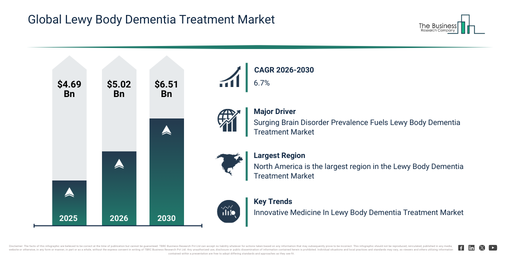
    The lewy body dementia treatment market has experienced robust expansion lately, projected to ascend from $4.69 billion in 2025 to $5.02 billion in 2026, reflecting a compound annual growth rate of 7.0%. Significant factors contributing to this historical growth trajectory include the escalating incidence of dementia-related illnesses, a scarcity of definitive cures, the sustained application of symptomatic medications in clinical practice, an expanding elderly demographic, and an increasing trend in hospital admissions for neurological conditions.

    The lewy body dementia treatment sector is poised for substantial expansion over the upcoming years, projecting a market value of $6.51 billion by 2030, driven by a compound annual growth rate of 6.7%. This projected growth is underpinned by several key factors, including an escalating need for individualized care strategies, broadened availability of neurological healthcare services, a heightened emphasis on enhancing patients’ quality of life, a greater supply of sophisticated drug options, and increased financial backing for dementia treatment research. During this forecast period, notable trends expected to shape the market landscape include a greater integration of combined pharmaceutical treatments, an increasing reliance on therapeutic interventions tailored to specific symptoms, a rise in the adoption of non-medicinal treatment modalities, expanded utilization of cholinesterase inhibitors, and a more concentrated effort on managing sleep disturbances and behavioral manifestations.

    Download A Free Sample Report For Comprehensive Market Insights:

    https://www.thebusinessresearchcompany.com/sample.aspx?id=9387&type=smp

    Lewy Body Dementia Treatment Market Expansion Supported By Key Demand Factors

    An increasing incidence of neurological conditions is anticipated to be a significant driver for the lewy body dementia treatment market’s expansion. These neurological conditions encompass any ailment that negatively affects cerebral functioning, with the degree of impairment varying from minor to critical based on the extent of neurological damage. Treatments for lewy body dementia are administered to address symptoms such as perceptual disturbances, disorientation, and somnolence, by enhancing neurotransmitter levels to boost wakefulness and cognitive abilities. Illustratively, as of July 2024, the National Health Service, a public body in the United Kingdom, reported that by June 30, 2024, a total of 487,432 individuals had received a diagnosis of dementia, a degenerative brain condition that impacts memory recall, thought processes, and the capacity for everyday tasks. Consequently, the escalating occurrence of brain-related ailments is fueling the market for lewy body dementia therapeutics.

    Lewy Body Dementia Treatment Market Categorization By Product Type And Application

    The lewy body dementia treatment market covered in this report is segmented –

    1) By Drug Type: Antidepressants, Carbidopa-Levodopa, Cholinesterase Inhibitors

    2) By Distribution Channel: Hospitals Pharmacies, Retail Pharmacies, Online Pharmacies, Other Distribution Channels

    3) By Application: Cognitive Symptom Management, Neuropsychiatric and Behavioral Symptom Management, Motor Symptom Management, Sleep and Wakefulness Disorder Management

    Subsegments:

    1) By Antidepressants: Selective Serotonin Reuptake Inhibitors (SSRIs), Tricyclic Antidepressants

    2) By Carbidopa-Levodopa: Immediate-Release Formulations, Extended-Release Formulations

    3) By Cholinesterase Inhibitors: Donepezil, Rivastigmine, Galantamine

    Lewy Body Dementia Treatment Market Growth Trends Influencing Competitive Dynamics

    In the Lewy body dementia treatment arena, key players are directing their efforts toward novel therapeutic approaches, including monoclonal antibody treatments designed to counteract the fundamental neurodegenerative processes driving the illness, aiming for enhanced cognitive function and a deceleration of disease advancement, in contrast to conventional palliative measures that exert negligible influence on the disease’s core pathology. These monoclonal antibodies function by mitigating the buildup of detrimental proteins within the brain, thereby confronting the primary instigators of cognitive deterioration in conditions characterized by dementia. As an illustration, in the early part of 2023, Biogen Inc., a prominent American biotechnology firm, introduced lecanemab, a novel pharmaceutical agent classified as a humanized monoclonal antibody. This therapeutic agent is employed in the management of Alzheimer’s disease, a condition that shares pathological features with Lewy body dementia. The singular advantage offered by lecanemab lies in its capacity to lower amyloid concentrations in the brain, targeting and clearing the amyloid plaques widely believed to be responsible for the cognitive deficits and dementia associated with Alzheimer’s disease.

    Lewy Body Dementia Treatment Market Company Landscape And Strategic Competition

    Major companies operating in the lewy body dementia treatment market are Mallinckrodt Pharmaceuticals Co., BioArctic AB, Sumitomo Pharma Co. Ltd., Jazz Pharmaceuticals Inc., Allergan plc, Novartis International AG, Pfizer Inc., Bayer AG, Boehringer Ingelheim International GmbH., Merck & Co. Inc., Biogen Inc., Biohaven Pharmaceutical Holding Company Ltd., Bristol Myers Squibb Company, Calliditas Therapeutics AB, Chiesi USA Inc., GlaxoSmithKline plc, Eisai Co. Ltd., Bausch Health Companies Inc., Hisamitsu Pharmaceutical Co. Inc., Lundbeck Inc.

    Access The Complete Lewy Body Dementia Treatment Market Report:

    https://www.thebusinessresearchcompany.com/report/lewy-body-dementia-treatment-global-market-report

    Lewy Body Dementia Treatment Market Leading Geography: Which Region Generates The Most Revenue?

    North Americawas the largest region in the Lewy body dementia treatment market in 2025. The regions covered in the lewy body dementia treatment market report are Asia-Pacific, South East Asia, Western Europe, Eastern Europe, North America, South America, Middle East, Africa.

    Get in touch with us:

    The Business Research Company: https://www.thebusinessresearchcompany.com/

    Americas: +1 310-496-7795

    Asia: +44 7882 955267 & +91 8897263534

    Europe: +44 7882 955267

    Email us at: marketing@tbrc.info

    Follow us on:

    LinkedIn: https://in.linkedin.com/company/the-business-research-company

    YouTube: https://www.youtube.com/channel/UC24_fI0rV8cR5DxlCpgmyFQ

    Global Market Model: https://www.thebusinessresearchcompany.com/global-market-model

  • Lewy Body Dementia Market Outlook Highlights The Next Major Growth Opportunities

    Lewy Body Dementia Market Outlook Highlights The Next Major Growth Opportunities

    Enhanced with market attractiveness analysis, total addressable market evaluation, company benchmarking matrices, interactive Excel dashboards, expanded supply chain intelligence, emerging startup coverage, and detailed product insights, The Business Research Company’s 2026 market reports deliver more actionable and strategically valuable research.

    Lewy Body Dementia Market Expected To Reach $1.68 Billion By 2030 At 6.9% CAGR

    The market for lewy body dementia has demonstrated robust expansion, projecting an increase from $1.2 billion in 2025 to $1.29 billion in 2026, fueled by a compound annual growth rate of 7.2%. This notable growth trajectory is underpinned by several key factors that were influential during the preceding period, including the demographic shift towards an older populace, heightened awareness surrounding various forms of dementia, the escalating adoption of neurological assessment tools, a widening scope of hospital-based diagnostic capabilities, and an intensified clinical emphasis on addressing cognitive deterioration.

    The global lewy body dementia market is poised for significant expansion, projected to reach $1.69 billion by 2030, exhibiting a compound annual growth rate of 6.9% during the forecast period. This anticipated growth is fueled by several key factors including enhanced diagnostic precision, an increasing incidence of neurological ailments, the proliferation of specialized treatment centers, robust support systems for patients and their caregivers, and a greater allocation of healthcare resources towards dementia management. Within this timeframe, notable market trends are expected to emerge, such as a higher occurrence of neurodegenerative conditions, heightened public and professional awareness leading to earlier identification of lewy body dementia, a growing demand for precise diagnostic tools to differentiate it from other conditions, greater adoption of medications targeting specific symptoms, and an escalating requirement for comprehensive long-term care and ongoing disease management strategies.

    Download A Free Sample Report For Comprehensive Market Insights:

    https://www.thebusinessresearchcompany.com/sample.aspx?id=21213&type=smp

    Lewy Body Dementia Market Growth Drivers And Industry Catalysts

    The escalating incidence of neurological conditions is poised to fuel the expansion of the lewy body dementia market, as these disorders encompass a spectrum of ailments impacting the brain’s integrity and operational capacity, resulting in diminished cognitive abilities, impaired memory, and altered conduct. Factors such as an aging populace, inherent genetic sensitivities, and external environmental elements contribute to the growing prevalence of these brain afflictions. This heightened occurrence of neurological issues consequently elevates the need for more effective therapeutic interventions and timely identification of lewy body dementia, thereby stimulating scientific inquiry, financial investment, and innovative developments, ultimately accelerating progress in both the diagnostic and treatment paradigms for LBD. Illustratively, as reported by the World Federation of Neurology in October 2023, over 40% of the worldwide population currently experiences neurological ailments, a figure projected to nearly double by the year 2050. Consequently, the increasing burden of brain-related disorders will serve as a significant catalyst for the lewy body dementia market’s growth.

    Lewy Body Dementia Market Segment Analysis And Revenue Opportunities

    The lewy body dementia market covered in this report is segmented –

    1) By Diagnosis: Clinical Diagnosis, Biomarker-Based Diagnosis

    2) By Medication: Cholinesterase Inhibitors, Antipsychotics, Antidepressants, Other Medications

    3) By End-User: Hospitals, Specialty Clinics, Long-Term Care Facilities, Other End-Users

    Subsegments:

    1) By Clinical Diagnosis: Neuropsychological Testing, Neurological Examination, Medical History Review, Cognitive Function Assessment

    2) By Biomarker-Based Diagnosis: Cerebrospinal Fluid (CSF) Biomarkers, Imaging Biomarkers (PET, MRI)

    #Lewy Body Dementia Market Trends Influencing Long-Term Demand

    Within the lewy body dementia sector, prominent players are prioritizing augmented investment in R&D to pioneer superior treatments for neurodegenerative conditions. This commitment to research entails allocating substantial capital, time, and human ingenuity toward scientific endeavors designed to unearth novel understandings, formulate groundbreaking therapies, or refine existing therapeutic approaches, all in service of advancing patient care. As an illustration of this commitment, the National Institute on Aging, a U.S. federal entity, allocated $21 million in March 2023 to bolster drug discovery research specifically targeting Lewy Body Dementia (LBD). Furthermore, clinical investigations are underway, with scientists at the University of Miami Miller School of Medicine commencing a Phase 2b trial for neflamapimod, building upon promising preliminary findings.

    Lewy Body Dementia Market Leading Players Shaping Industry Direction

    Major companies operating in the lewy body dementia market are Eli Lilly and Company, Mayo Foundation for Medical Education and Research, Eisai Co. Ltd., Sumitomo Dainippon Pharma Co. Ltd., Georgetown University Medical Center, Alzheimer’s Society, BioArctic AB, Annovis Bio Inc., Sun Pharma Advanced Research Company Limited, Voyager Therapeutics Inc., Cognition Therapeutics, Athira Pharma, Allergan plc, Inhibikase Therapeutics, CuraSen Therapeutics Inc., CervoMed Inc., AC Immune SA, ProMIS Neurosciences Inc., Aptinyx Inc., EIP Pharma Inc.

    Access The Complete Lewy Body Dementia Market Report:

    https://www.thebusinessresearchcompany.com/report/lewy-body-dementia-global-market-report

    Lewy Body Dementia Market Regional Outlook: Where Are The Largest Opportunities Located?

    North Americawas the largest region in the lewy body dementia market in 2025. Asia-Pacificis expected to be the fastest-growing region in the forecast period. The regions covered in the lewy body dementia market report are Asia-Pacific, South East Asia, Western Europe, Eastern Europe, North America, South America, Middle East, Africa.

    Get in touch with us:

    The Business Research Company: https://www.thebusinessresearchcompany.com/

    Americas: +1 310-496-7795

    Asia: +44 7882 955267 & +91 8897263534

    Europe: +44 7882 955267

    Email us at: marketing@tbrc.info

    Follow us on:

    LinkedIn: https://in.linkedin.com/company/the-business-research-company

    YouTube: https://www.youtube.com/channel/UC24_fI0rV8cR5DxlCpgmyFQ

    Global Market Model: https://www.thebusinessresearchcompany.com/global-market-model