Month: June 2026

  • Laboratory Balances And Scales Market Size Projected To Increase From $2.05 Billion To $2.55 Billion During The Forecast Period

    Laboratory Balances And Scales Market Size Projected To Increase From $2.05 Billion To $2.55 Billion During The Forecast Period

    Enhanced with market attractiveness analysis, total addressable market evaluation, company benchmarking matrices, interactive Excel dashboards, expanded supply chain intelligence, emerging startup coverage, and detailed product insights, The Business Research Company’s 2026 market reports deliver more actionable and strategically valuable research.

    Laboratory Balances And Scales Market Growth Potential: How Will Market Size Change Through 2030?

    In recent times, the market for laboratory balances and scales has experienced robust expansion, with projections indicating a rise from $1.94 billion in 2025 to $2.06 billion in 2026, demonstrating a compound annual growth rate of 5.8%. This historical growth trajectory is underpinned by several key factors, including an escalating need for precise laboratory measurements, the proliferation of pharmaceutical and chemical research facilities, the widespread adoption of analytical and precision weighing instruments, increasingly stringent quality control mandates, and a growing emphasis on laboratory standardization.

    The market for laboratory balances and scales is projected for substantial expansion in the coming years, anticipating a rise to $2.55 billion by 2030, driven by a compound annual growth rate of 5.5%. This anticipated growth stems from several key factors, including the escalating pace of research within the biotechnology and life sciences sectors, a trend toward greater automation in laboratory settings, a heightened embrace of intelligent and networked laboratory instruments, the broadening scope of testing in the food and beverage industry, and an intensified regulatory emphasis on the precision of measurements. Emerging trends shaping this market during the forecast period are the increasing preference for highly accurate electronic balances, a surge in demand for automated and self-calibrating units, the growing utilization of compact and easily transportable laboratory scales, the expanded application of moisture balances within quality control processes, and a continuous drive toward ensuring compliance and maintaining measurement accuracy.

    Download A Free Sample Report For Comprehensive Market Insights:

    https://www.thebusinessresearchcompany.com/sample.aspx?id=24272&type=smp

    Laboratory Balances And Scales Market Growth Factors Supporting Long-Term Expansion

    The laboratory balances and scales market is poised for expansion, largely fueled by escalating needs within the pharmaceutical and biotechnology industries. These sectors, dedicated to creating, manufacturing, and marketing drugs and treatments, encompass companies focused on chemically derived medicines (pharmaceuticals) and those utilizing biological processes and organisms for medical and scientific breakthroughs (biotechnology). A key factor driving these industries’ increased requirements is the rising incidence of chronic illnesses, which necessitates ongoing treatment regimens, sophisticated therapies, and perpetual drug innovation to enhance patient well-being and alleviate healthcare system stress. Within these critical sectors, laboratory balances and scales play an indispensable role by guaranteeing the exact quantification of substances, a fundamental prerequisite for precise drug compounding, rigorous quality assurance, and adherence to established regulatory frameworks. Illustrating this robust activity, in January 2025, the BioIndustry Association (BIA) reported that the UK’s biotech industry achieved significant financial backing in 2024, attracting £3.5 billion (roughly $4.4 billion) in investment, reflecting a remarkable 94% surge compared to the preceding year. Additionally, highlighting geographic market strength, the European Federation of Pharmaceutical Industries and Associations indicated in June 2023 that for the year 2022, North America commanded 52.3% of worldwide pharmaceutical sales, with Europe contributing 22.4%. Consequently, the escalating demands originating from the pharmaceutical and biotechnology fields are directly stimulating the growth trajectory of the laboratory balances and scales market.

    Laboratory Balances And Scales Market Segmentation Trends And Revenue Drivers

    The laboratory balances and scales market covered in this report is segmented –

    1) By Product Type: Micro Balance, Analytical Balances, Compact Scale, Precision Balances, Moisture Balances

    2) By Technology: Mechanical Balances, Electronic Balances

    3) By End User: Pharmaceutical, Cosmeceutical, Biotechnology Product Testing Laboratories, Chemical And Material Testing Laboratories, Food And Beverage Testing Laboratories, Other End Users

    Subsegments:

    1) By Micro Balance: Single Pan Micro Balance, Dual Pan Micro Balance

    2) By Analytical Balances: Internal Calibration Analytical Balances, External Calibration Analytical Balances

    3) By Compact Scale: Portable Compact Scale, Bench Compact Scale

    4) By Precision Balances: High-Capacity Precision Balances, Standard Precision Balances

    5) By Moisture Balances: Halogen Moisture Balances, Infrared Moisture Balances

    Laboratory Balances And Scales Market Industry Trends Shaping Future Revenue Growth

    Leading entities within the laboratory balances and scales sector are prioritizing the creation of novel instruments equipped with intelligent capabilities, notably advanced routine testing functions, aimed at bolstering precision, operational effectiveness, and adherence to regulatory mandates. These sophisticated routine testing functionalities integrated into laboratory balances and scales autonomously execute accuracy verifications, internal adjustments, and system health assessments, thereby facilitating exact measurements, minimizing human error, and upholding compliance with established quality benchmarks. As an illustration, during February 2024, Mettler-Toledo LLC, a prominent US-based manufacturer of analytical laboratory instrumentation, unveiled its latest generation of laboratory balances, featuring the MX, MR, MA, and LA product lines. This extensive selection provides measurement resolutions spanning from 1 gram down to 0.01 milligrams and load capacities fluctuating between 220 grams and 32 kilograms, encompassing both substantial platform designs and compact, portable options. Meticulously designed for an improved user experience and environmental consideration, these balances are distinguished by user-friendly interfaces, durable builds, and intelligent features including Ergo Doors, Smart Pan, Status Light, Level Control, and advanced routine testing capabilities. Conceived to address a broad spectrum of weighing needs across multiple industrial domains, the newly launched balances are engineered to deliver accurate, dependable, and efficient weighing solutions tailored for laboratories globally.

    Laboratory Balances And Scales Market Industry Leaders: Which Organizations Are Driving Competition?

    Major companies operating in the laboratory balances and scales market are Sartorius AG, Mettler Toledo International Inc, Shimadzu Corporation, Bizerba SE & Co KG, Seca GmbH & Co KG, Radwag Balances and Scales, LABindia Instruments Pvt Ltd, Tanita Corporation, Bonso Electronics International Inc., A&D Holon Holdings Co Ltd, Citizen Scales Pvt Ltd, PCE Holding GmbH, Adam Equipment Co. Ltd., Gram Precision, Phoenix Instrument GmbH, Contech Instruments Ltd, Intelligent Weighing Technology Inc, CAS Corporation, Torbal Scales, Tree Scales

    Access The Complete Laboratory Balances And Scales Market Report:

    https://www.thebusinessresearchcompany.com/report/laboratory-balances-and-scales-global-market-report

    Laboratory Balances And Scales Market Leading Geography: Which Region Generates The Most Revenue?

    North Americawas the largest region in the laboratory balances and scales market in 2025. Asia-Pacificis expected to be the fastest-growing region in the forecast period. The regions covered in the laboratory balances and scales market report are Asia-Pacific, South East Asia, Western Europe, Eastern Europe, North America, South America, Middle East, Africa.

    Get in touch with us:

    The Business Research Company: https://www.thebusinessresearchcompany.com/

    Americas: +1 310-496-7795

    Asia: +44 7882 955267 & +91 8897263534

    Europe: +44 7882 955267

    Email us at: marketing@tbrc.info

    Follow us on:

    LinkedIn: https://in.linkedin.com/company/the-business-research-company

    YouTube: https://www.youtube.com/channel/UC24_fI0rV8cR5DxlCpgmyFQ

    Global Market Model: https://www.thebusinessresearchcompany.com/global-market-model

  • Lab Inventory Management Software Market Growth Outlook Reveals A CAGR Of 11.9% And A Market Value Of $4.92 Billion By 2030

    Lab Inventory Management Software Market Growth Outlook Reveals A CAGR Of 11.9% And A Market Value Of $4.92 Billion By 2030

    Through market attractiveness analysis, total addressable market evaluation, company benchmarking matrices, interactive Excel dashboards, expanded supply chain intelligence, emerging startup coverage, and detailed product insights, The Business Research Company’s 2026 market reports provide more actionable and strategically valuable research.

    Lab Inventory Management Software Market Value Analysis: What Growth Is Expected Over The Forecast Period?

    The global market for lab inventory management software has experienced substantial expansion lately, with projections indicating continued robust growth. From an estimated $2.79 billion in 2025, the market is anticipated to reach $3.14 billion by 2026, reflecting a formidable compound annual growth rate of 12.2%. Factors contributing to this upward trajectory during the historical period include a greater embrace of laboratory automation, the proliferation of research facilities within the pharmaceutical and biotechnology sectors, the escalating intricacy of managing laboratory supplies, an increased demand for regulatory compliance documentation, and the growing accessibility of digital solutions for inventory tracking.

    The laboratory inventory management software sector is poised for substantial expansion, projecting a market valuation of $4.92 billion by the year 2030, driven by an anticipated compound annual growth rate of 11.9%. This upward trajectory in the upcoming years is fueled by several key factors, including escalating investments in sophisticated laboratory infrastructure, a growing embrace of artificial intelligence for inventory analysis, the proliferation of remote management capabilities, a heightened emphasis on minimizing waste, and an increasing need for inventory software that can scale effectively. Emerging trends expected to shape this market during the forecast period encompass a greater reliance on cloud-based inventory solutions, a surging demand for immediate inventory tracking, deeper integration with existing laboratory information systems, the broadening availability of automated reordering and notification functionalities, and a stronger emphasis on adhering to regulatory requirements.

    Download A Free Sample Report For Comprehensive Market Insights:

    https://www.thebusinessresearchcompany.com/sample.aspx?id=19541&type=smp

    Lab Inventory Management Software Market Demand Drivers Creating New Revenue Opportunities

    The expansion of the lab inventory management software market is anticipated to be fueled by an increase in research and production endeavors within pharmaceutical firms, as these activities encompass the exploration and creation of knowledge or products essential for generating goods and services. The pharmaceutical sector’s research and development efforts are stimulated by novel drug and therapy developments, progress in biotechnology, augmented investments in R&D, and the imperative to satisfy unfulfilled medical requirements, making lab inventory management software indispensable for these operations by enabling precise monitoring of vital materials, reagents, and instruments. This software also bolsters adherence to regulations through comprehensive audit trails, manages expiry dates, and facilitates the oversight of intricate inventories to uphold operational efficiency. Illustratively, as reported by the Office for National Statistics in December 2024, UK businesses allocated $64.0 billion USD (£50.0 billion) to research and development in 2023, a $1.79 billion USD (£1.4 billion) rise from 2022, indicating a 2.9% annual escalation, thus underscoring how intensified pharmaceutical research and production directly correlates with the market’s growth for lab inventory management solutions.

    Lab Inventory Management Software Market Segment Analysis Highlighting Growth Areas

    The lab inventory management software market covered in this report is segmented –

    1) By Type: Cloud-Based, Web-Based, On-Premise

    2) By Pricing Model: Subscription, One-Time

    3) By Application: Biotech, Drug, Testing, Research

    4) By Industry: Pharmaceutical, Biotechnology, Chemicals, Manufacturing, Academia And Research, Other Industries

    Subsegments:

    1) By Cloud-Based: SaaS (Software as a Service) Solutions, Cloud-Based Data Storage, Remote Access Features

    2) By Web-Based: Browser-Based Access, Real-Time Inventory Tracking, Online Data Integration

    3) By On-Premise: Locally Installed Software, Customizable On-Premise Solutions, Offline Access Features

    Lab Inventory Management Software Market Trends Driving Strategic Industry Expansion

    Leading entities within the lab inventory management software arena are actively engaged in pioneering technological advancements, exemplified by the emergence of digital lab platforms aimed at amplifying operational effectiveness and optimizing workflows. A digital lab platform represents a holistic software solution that consolidates diverse laboratory operations, encompassing data handling, automated processes, and analytical functions, within a cohesive digital ecosystem to foster heightened efficiency and precision. To illustrate, in April of 2024, eLabNext, a firm specializing in laboratory digitization based in the Netherlands, introduced the eLabNext Developer. This groundbreaking platform is engineered to broaden access to the creation of digital laboratory tools, thereby revolutionizing the sphere of life sciences research and development. Possessing remarkable flexibility and forward-thinking attributes, it facilitates the incorporation of artificial intelligence (AI) and machine learning (ML) to elevate the user experience with eLabNext. Standing as the inaugural all-encompassing and open development framework in the Life Science R&D domain, it empowers individuals to tailor and expand eLabNext’s capabilities to precisely address their distinct requirements. Furthermore, it provides life sciences organizations with the means to connect their offerings with digital laboratories through the creation and market deployment of supplementary modules accessible via the eLabNext Marketplace.

    Lab Inventory Management Software Market Leading Companies: Who Holds Significant Market Presence?

    Major companies operating in the lab inventory management software market are Thermo Fisher Scientific Inc., Agilent Technologies Inc., Dassault Systèmes SE, Odoo SA, Benchling Inc., LabWare Inc., LabVantage Solutions Inc., Eppendorf SE, Dotmatics Ltd., Lablynx Inc., Titian Software Ltd., Quartzy Inc., Clustermarket Ltd., Labguru Healthcare Private Limited, LabCollector, CloudLIMS Lab Solutions Pvt. Ltd., SciNote Electronic Lab Notebook, Arxspan, LIMSABC, LabSuit Project Ltd., CrelioHealth Pvt. Ltd., eLabNext, Genemod

    Access The Complete Lab Inventory Management Software Market Report:

    https://www.thebusinessresearchcompany.com/report/lab-inventory-management-software-global-market-report

    Lab Inventory Management Software Market Regional Outlook: Where Are The Largest Opportunities Located?

    North Americawas the largest region in the lab inventory management software market in 2025. Asia-Pacificis expected to be the fastest-growing region in the forecast period. The regions covered in the lab inventory management software market report are Asia-Pacific, South East Asia, Western Europe, Eastern Europe, North America, South America, Middle East, Africa.

    Get in touch with us:

    The Business Research Company: https://www.thebusinessresearchcompany.com/

    Americas: +1 310-496-7795

    Asia: +44 7882 955267 & +91 8897263534

    Europe: +44 7882 955267

    Email us at: marketing@tbrc.info

    Follow us on:

    LinkedIn: https://in.linkedin.com/company/the-business-research-company

    YouTube: https://www.youtube.com/channel/UC24_fI0rV8cR5DxlCpgmyFQ

    Global Market Model: https://www.thebusinessresearchcompany.com/global-market-model

  • Lab Automation In Genomics Market Forecast Highlights Expansion From $3.09 Billion To $5.04 Billion Through 2030

    Lab Automation In Genomics Market Forecast Highlights Expansion From $3.09 Billion To $5.04 Billion Through 2030

    Delivering more actionable and strategically valuable research, The Business Research Company’s 2026 market reports feature market attractiveness analysis, total addressable market evaluation, company benchmarking matrices, interactive Excel dashboards, expanded supply chain intelligence, emerging startup coverage, and detailed product insights.

    Lab Automation In Genomics Market Size Forecast: How Large Could The Market Become By 2030?

    Witnessing significant expansion, the lab automation in genomics market is projected to surge from $2.68 billion in 2025 to $3.09 billion by 2026, reflecting a robust compound annual growth rate of 15.5%. This upward trajectory is fueled by an escalating volume of genomic research, the inherent complexity of genomic processes, a critical need to minimize human error in laboratory settings, the widespread adoption of next-generation sequencing technologies, and the burgeoning expansion of both biotechnology and pharmaceutical research endeavors.

    The genomics sector is poised for substantial expansion in its lab automation segment, projecting a market value of $5.05 billion by 2030, driven by a compound annual growth rate of 13.0%. This projected surge is fueled by a confluence of factors including heightened demand for personalized medical treatments, augmented investments in genomic infrastructure, the increasing integration of AI-powered automation solutions within laboratories, a broader application of genomics in clinical diagnostics, and a persistent emphasis on enhancing laboratory efficiency while simultaneously curbing operational expenses. Key developments anticipated within this timeframe involve the widespread implementation of completely automated genomic processes, a growing need for high-volume sample analysis capabilities, the escalating incorporation of robotics into genomic research facilities, the proliferation of adaptable and scalable automation systems, and advancements leading to greater consistency and established standards in genomic analysis.

    Download A Free Sample Report For Comprehensive Market Insights:

    https://www.thebusinessresearchcompany.com/sample.aspx?id=15206&type=smp

    Lab Automation In Genomics Market Expansion Supported By Key Demand Factors

    The increasing integration of precision medicine is anticipated to serve as a significant catalyst for the expansion of lab automation within the genomics sector. Precision medicine, characterized by its individualized healthcare strategy that accounts for unique genetic makeup, environmental influences, and lifestyle choices to tailor medical treatments, is experiencing heightened demand. This surge in demand is attributable to advancements in genomic research, the development of targeted treatments, a growing emphasis on patient-centric care, and progress in pharmaceutical development. The substantial volume of genetic testing required by precision medicine to identify disease-associated genes necessitates rapid and precise sample processing by laboratories, thereby encouraging the adoption of automated systems. An illustrative example of this trend is the report by the Personalized Medicine Coalition, a US-based non-profit entity, which indicated that in 2023, the FDA granted approval for 16 new personalized therapies aimed at patients with rare diseases, a notable increase from the six approvals observed in 2022. Consequently, the expanding embrace of precision medicine is directly fueling the growth of laboratory automation in the genomics market.

    Lab Automation In Genomics Market Segment Performance And Strategic Opportunities

    The lab automation in genomics market covered in this report is segmented –

    1) By Type: Automated Liquid Handlers, Automated Plate Handlers, Robotic Arms, Automated Storage And Retrieval Systems, Other Types

    2) By Process: Continuous Automation System, Modular Automation System

    3) By Application: Hospitals And Private Labs, Biotech And Pharma, Academics And Research Institutes, Other Applications

    Subsegments:

    1) By Automated Liquid Handlers: Liquid Transfer Systems, Pipetting Robots

    2) By Automated Plate Handlers: Plate Stacker Systems, Microplate Transport Systems

    3) By Robotic Arms: Single-Axis Robotic Arms, Multi-Axis Robotic Arms

    4) By Automated Storage And Retrieval Systems: Sample Storage Systems, Automated Retrieval Systems

    5) By Other Types: Nucleic Acid Extraction Systems, Custom Automation Solutions

    Lab Automation In Genomics Market Growth Trends Influencing Competitive Dynamics

    Leading entities within the lab automation sphere of the genomics sector are concentrating on pioneering sophisticated tools, exemplified by automated whole genome sequencing (WGS), aiming to propel genomics research, clinical diagnostics, and personalized medicine forward. Automated whole genome sequencing (WGS) entails the process of determining an individual’s complete DNA sequence through the utilization of high-throughput, automated sequencing methodologies. As an illustration, in May of 2023, Clear Labs, Inc., a genomics testing firm headquartered in the United States, introduced Clear Dx. This innovative offering delivers entirely automated sample handling, ensuring accuracy and uniformity in both the preparation and management of genomic libraries. The automation provided by Clear Dx mitigates variations introduced by human intervention and assures steadfastness throughout the sequencing process, thereby yielding dependable and repeatable results. It simplifies the entire genome sequencing workflow, reducing manual intervention to a mere 30 minutes with a single point of interaction, thereby facilitating straightforward whole genome sequencing even for individuals lacking prior specialized training.

    Lab Automation In Genomics Market Key Players: Which Companies Shape Industry Competition?

    Major companies operating in the lab automation in genomics market are Thermo Fisher Scientific Inc., Tecan Group Ltd., Hamilton Company, Agilent Technologies Inc., PerkinElmer Inc., Danaher Corporation, Becton Dickinson and Company, Bio-Rad Laboratories Inc., QIAGEN N.V., Illumina Inc., Gilson Incorporated, Fluidigm Corporation, Beckman Coulter Life Sciences, Analytik Jena AG, LGC Biosearch Technologies, Eppendorf AG, Roche Diagnostics, Hudson Robotics, Andrew Alliance, Automata Technologies

    Access The Complete Lab Automation In Genomics Market Report:

    https://www.thebusinessresearchcompany.com/report/lab-automation-in-genomics-global-market-report

    Lab Automation In Genomics Market Geographic Landscape: Which Region Dominates Industry Growth?

    North Americawas the largest region in the lab automation in genomics market in 2025. Asia-Pacificis expected to be the fastest-growing region in the forecast period. The regions covered in the lab automation in genomics market report are Asia-Pacific, South East Asia, Western Europe, Eastern Europe, North America, South America, Middle East, Africa.

    Get in touch with us:

    The Business Research Company: https://www.thebusinessresearchcompany.com/

    Americas: +1 310-496-7795

    Asia: +44 7882 955267 & +91 8897263534

    Europe: +44 7882 955267

    Email us at: marketing@tbrc.info

    Follow us on:

    LinkedIn: https://in.linkedin.com/company/the-business-research-company

    YouTube: https://www.youtube.com/channel/UC24_fI0rV8cR5DxlCpgmyFQ

    Global Market Model: https://www.thebusinessresearchcompany.com/global-market-model
  • Kyphoscoliosis Treatment Market Expected To Reach $4.34 Billion By 2030 As Growth Accelerates At 6.2% CAGR

    Kyphoscoliosis Treatment Market Expected To Reach $4.34 Billion By 2030 As Growth Accelerates At 6.2% CAGR

    Enhanced with market attractiveness analysis, total addressable market evaluation, company benchmarking matrices, interactive Excel dashboards, expanded supply chain intelligence, emerging startup coverage, and detailed product insights, The Business Research Company’s 2026 market reports deliver more actionable and strategically valuable research.

    Kyphoscoliosis Treatment Market Revenue Outlook: What CAGR Is Expected Through 2030?

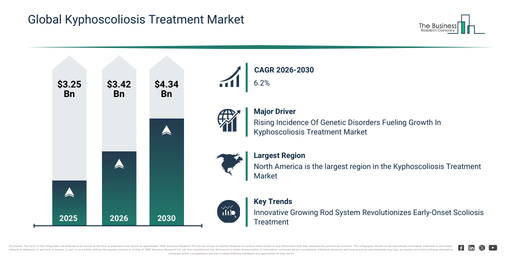
    The market for kyphoscoliosis treatments has experienced robust expansion over recent years, transitioning from an estimated $3.25 billion in 2025 to a projected $3.42 billion in 2026, reflecting a compound annual growth rate of 5.2%. This historical growth trajectory is underpinned by several key factors, including the escalating incidence of spinal deformities, the well-established efficacy of bracing methods for adolescent patients, the proliferation of specialized orthopedic and spinal surgery facilities, heightened public and medical awareness concerning posture-related ailments, and the increasing accessibility of surgical interventions for spinal correction.

    The kyphoscoliosis treatment market is projected for significant expansion, reaching an estimated $4.34 billion by 2030, fueled by a compound annual growth rate (CAGR) of 6.2%. This anticipated growth trajectory is underpinned by several key drivers, including the increasing prevalence of degenerative spinal conditions in an aging demographic, the wider implementation of proactive screening initiatives, continuous innovations in the design of spinal implants and braces, a rising demand for effective pain management strategies, and the proliferation of dedicated spine care centers. Furthermore, the market will be shaped by notable trends such as the increasing embrace of conservative, non-surgical approaches to manage kyphoscoliosis, the growing utilization of sophisticated spinal bracing methodologies, a stronger emphasis on early detection and intervention, the expanded availability of minimally invasive surgical procedures, and enhanced comprehensive care models aimed at improving both posture and respiratory function.

    Download A Free Sample Report For Comprehensive Market Insights:

    https://www.thebusinessresearchcompany.com/sample.aspx?id=13292&type=smp

    Kyphoscoliosis Treatment Market Growth Drivers And Industry Catalysts

    An upward trend in genetic disorders is anticipated to fuel the kyphoscoliosis treatment market’s expansion. These genetic conditions, stemming from alterations or mutations in a person’s DNA, often necessitate specific interventions for spinal curvature abnormalities, with kyphoscoliosis treatment playing a vital role. Management typically involves a comprehensive approach including beta-blocker therapy, physical rehabilitation, bracing, blood pressure regulation, and ongoing orthopedic surgical oversight. Illustrating the scale of this issue, a UK charity, Gene People, reported in June 2023 that approximately 1 in 25 children have a genetic condition, translating to over 2.4 million individuals across the UK impacted by such disorders, with an additional 30,000 new diagnoses occurring annually among newborns and children. Consequently, the rising incidence of genetic disorders directly contributes to the growth observed in the kyphoscoliosis treatment market.

    Kyphoscoliosis Treatment Market Segment Landscape And Growth Potential

    The kyphoscoliosis treatment market covered in this report is segmented –

    1) By Type: Postural Kyphosis, Scheuermann’s Kyphosis, Congenital Kyphosis

    2) By Treatment: Medications, Surgery And Bracing

    3) By End-User: Hospital, Clinics, Ambulatory Surgical Centers

    Subsegments:

    1) By Postural Kyphosis: Adolescent Postural Kyphosis, Adult Postural Kyphosis

    2) By Scheuermann’s Kyphosis: Adolescent Scheuermann’s Kyphosis, Adult Scheuermann’s Kyphosis

    3) By Congenital Kyphosis: Type I Congenital Kyphosis, Type II Congenital Kyphosis, Other Congenital Forms

    #Kyphoscoliosis Treatment Market Trends Influencing Long-Term Demand

    Within the kyphoscoliosis treatment market, key players are actively introducing novel solutions, exemplified by the MARVEL growing rod system, which has been engineered for cases of early-onset scoliosis. This posterior stabilizing rod, surgically implanted, allows for routine lengthening through manual mechanical adjustments. To illustrate, Globus Medical Inc., a medical device firm based in the United States, made the MARVEL Growing Rod System available in July 2023. This system aims to assist children younger than 10 diagnosed with early-onset scoliosis in achieving and maintaining spinal correction while accommodating continued growth through a less invasive distraction process. It facilitates significant correction, provides immediate sensory feedback, and features automatic locking mechanisms for reliable skeletal advancement, positioning the Growing Rod System as a pioneering product expected to contribute to the sector’s future growth.

    Kyphoscoliosis Treatment Market Competitive Landscape: Who Are The Leading Companies?

    Major companies operating in the kyphoscoliosis treatment market are Johnson & Johnson Services Inc, Aspen Medical Products LLC, Medtronic plc, Stryker Corporation, Milwaukee Brace Company, Zimmer Biomet Holdings Inc, Perrigo Company plc, Teva Pharmaceuticals Inc, B Braun Melsungen Aktiengesellschaft, Aurobindo Pharma Limited, Integra LifeSciences Ltd, NuVasive Inc, DJO Global Inc, Globus Medical Inc, Boston Orthotics & Prosthetics, Ossur hf, DeRoyal Industries Inc, MicroPort Scientific Corp, Alphatec Holdings Inc, Trulife Ltd, Ottobock SE & Co KGaA, Orthofix Holdings Inc, OrthoPediatrics Corp, Proteor S A, Orthomerica Products Inc, Breg Inc, Spinal Elements Inc

    Access The Complete Kyphoscoliosis Treatment Market Report:

    https://www.thebusinessresearchcompany.com/report/kyphoscoliosis-treatment-global-market-report

    Kyphoscoliosis Treatment Market Largest Region: Which Geography Holds The Highest Market Share?

    North Americawas the largest region in the kyphoscoliosis treatment market in 2025. Asia-Pacificis expected to be the fastest-growing region in the forecast period. The regions covered in the kyphoscoliosis treatment market report are Asia-Pacific, South East Asia, Western Europe, Eastern Europe, North America, South America, Middle East, Africa.

    Get in touch with us:

    The Business Research Company: https://www.thebusinessresearchcompany.com/

    Americas: +1 310-496-7795

    Asia: +44 7882 955267 & +91 8897263534

    Europe: +44 7882 955267

    Email us at: marketing@tbrc.info

    Follow us on:

    LinkedIn: https://in.linkedin.com/company/the-business-research-company

    YouTube: https://www.youtube.com/channel/UC24_fI0rV8cR5DxlCpgmyFQ

    Global Market Model: https://www.thebusinessresearchcompany.com/global-market-model

  • Krabbe Disease Treatment Market Set To Grow From $2.63 Billion In 2026 To $3.35 Billion By 2030 At A CAGR Of 6.3%

    Krabbe Disease Treatment Market Set To Grow From $2.63 Billion In 2026 To $3.35 Billion By 2030 At A CAGR Of 6.3%

    Through market attractiveness analysis, total addressable market evaluation, company benchmarking matrices, interactive Excel dashboards, expanded supply chain intelligence, emerging startup coverage, and detailed product insights, The Business Research Company’s 2026 market reports provide more actionable and strategically valuable research.

    Krabbe Disease Treatment Market Growth Analysis: How Will Revenue Expand During The Forecast Period?

    Recent years have witnessed substantial expansion within the krabbe disease treatment market. Projections indicate a continued upward trajectory, with market value anticipated to ascend from $2.47 billion in 2025 to $2.63 billion in 2026, reflecting a compound annual growth rate of 6.6%. The significant advancements observed during the preceding period can be ascribed to several key factors, including heightened understanding of rare neurodegenerative conditions, broader implementation of newborn screening programs, the initial adoption of hematopoietic stem cell transplantation (HSCT) therapies, increased investment in rare disease research, and the availability of palliative care options.

    The market for Krabbe disease treatments is poised for considerable expansion in the forthcoming years, projected to reach a value of $3.36 billion by 2030, expanding at a compound annual growth rate of 6.3%. This anticipated growth trajectory is fueled by a confluence of factors including an uptick in gene therapy clinical trials, escalating investments in precision medicine tailored for rare conditions, advancements in early diagnostic capabilities, a heightened emphasis on treatments designed to modify the disease’s course, and augmented regulatory backing for orphan drugs. Key developments anticipated during this forecast period involve a greater embrace of gene therapy methodologies, increased utilization of newborn screening programs for early detection, a stronger focus on early hematopoietic stem cell transplantation (HSCT) interventions, the broadening of supportive and symptomatic care strategies, and intensified research efforts directed towards enzyme replacement therapies.

    Download A Free Sample Report For Comprehensive Market Insights:

    https://www.thebusinessresearchcompany.com/sample.aspx?id=24579&type=smp

    Krabbe Disease Treatment Market Opportunity Drivers: What Is Creating New Revenue Potential?

    The expanding reach of newborn screening initiatives is anticipated to significantly boost the krabbe disease treatment market. These critical health programs are designed to identify infants shortly after birth for potentially severe yet manageable genetic, metabolic, and developmental disorders. Innovations in healthcare technology are fueling the expansion of newborn screening, facilitating earlier and more precise identification and prompt management of serious health concerns. Newborn screening programs make it possible to detect krabbe disease at an early stage, thus enabling swift interventions before any symptoms manifest. This precocious diagnosis supports therapeutic approaches like stem cell transplantation, which can enhance patient outcomes and retard the advancement of the disease. As an illustration, in November 2023, the Michigan Department of Health and Human Services reported that by 2022, more than 7.7 million newborns had undergone screening, leading to over 8,000 diagnoses of conditions identified through the NBS blood spot panel. In a related statistic for 2022, out of 100,176 infants screened, the majority were residents of Michigan, with 322 (0.3%) receiving a diagnosis of a disease. Consequently, the growing adoption of newborn screening programs is a key driver for the krabbe disease treatment market.

    Krabbe Disease Treatment Market Categorization By Product Type And Application

    The krabbe disease treatment market covered in this report is segmented –

    1) By Treatment Type: Medication, Enzyme Replacement Therapy, Gene Therapy, Stem Cell Therapy

    2) By Diagnostic Type: Newborn Screening, Genetic Testing

    3) By Distribution Channel: Retail Pharmacies, E-Commerce, Hospital Pharmacies

    4) By End-User: Hospitals And Clinics, Research Centers, Laboratories, Other End-Users

    Subsegments:

    1) By Medication: Anticonvulsants, Muscle Relaxants, Anti-Inflammatory Drugs, Pain Management Medications, Psychotropic Agents

    2) By Enzyme Replacement Therapy (ERT): Intravenous Enzyme Infusion, Intrathecal Enzyme Administration, PEGylated Enzyme Formulations, Recombinant Galactocerebrosidase (GALC)

    3) By Gene Therapy: Adeno-Associated Virus (AAV)-Based Gene Therapy, Lentiviral Vector-Based Gene Therapy, In Vivo Gene Therapy, Ex Vivo Gene-Modified Stem Cell Therapy

    4) By Stem Cell Therapy: Hematopoietic Stem Cell Transplantation (HSCT), Umbilical Cord Blood Stem Cell Therapy, Bone Marrow Transplant, Allogeneic Stem Cell Therapy

    Krabbe Disease Treatment Market Innovation Trends Driving Future Development

    Companies at the forefront of the krabbe disease treatment sector are concentrating their efforts on pioneering gene therapy initiatives designed to elevate therapeutic outcomes and expand international availability. Such gene therapy approaches entail the alteration or substitution of genes within an individual’s cellular structure for the purpose of treating or averting specific ailments. The underlying principle is to rectify genetic defects, offering the possibility of definitive cures for inherited conditions through the introduction, elimination, or modification of particular genes. An illustrative example occurred in March 2024 when Forge Biologics, an American entity specializing in gene therapy, unveiled FBX-101, a novel gene therapy utilizing adeno-associated virus (AAV) technology. This treatment was granted Innovation Passport status by the UK’s MHRA, facilitating its progress through the Innovative Licensing and Access Pathway (ILAP), a framework established to expedite regulatory approval and market entry for therapies addressing severe or life-threatening disorders. FBX-101 has exhibited promising safety and effectiveness in preliminary clinical assessments and functions by supplying a functional GALC gene to patients, with the objective of improving the prognosis for pediatric individuals afflicted by this uncommon and fatal neurodegenerative condition.

    Krabbe Disease Treatment Market Company Landscape And Strategic Competition

    Major companies operating in the krabbe disease treatment market are Ajinomoto Co Inc, Passage Bio Inc, Magenta Therapeutics Inc, Gain Therapeutics Inc, M6P Therapeutics, Neurogene Inc, Greenwood Genetic Center, PreventionGenetics, MediciNova Inc, Polaryx Therapeutics Inc, Orchard Therapeutics Ltd, AVROBIO Inc, Bluebird Bio Inc, Regenxbio Inc, Homology Medicines Inc, Sangamo Therapeutics Inc, Editas Medicine Inc, CRISPR Therapeutics AG, Pfizer Inc, Sanofi SA, Takeda Pharmaceutical Company Limited, Amgen Inc, Biogen Inc, JCR Pharmaceuticals Co Ltd, Ultragenyx Pharmaceutical Inc

    Access The Complete Krabbe Disease Treatment Market Report:

    https://www.thebusinessresearchcompany.com/report/krabbe-disease-treatment-global-market-report

    Krabbe Disease Treatment Market Regional Analysis: Which Region Leads By Revenue?

    North Americawas the largest region in the krabbe disease treatment market in 2025. Asia-Pacificis expected to be the fastest-growing region in the forecast period. The regions covered in the krabbe disease treatment market report are Asia-Pacific, South East Asia, Western Europe, Eastern Europe, North America, South America, Middle East, Africa.

    Get in touch with us:

    The Business Research Company: https://www.thebusinessresearchcompany.com/

    Americas: +1 310-496-7795

    Asia: +44 7882 955267 & +91 8897263534

    Europe: +44 7882 955267

    Email us at: marketing@tbrc.info

    Follow us on:

    LinkedIn: https://in.linkedin.com/company/the-business-research-company

    YouTube: https://www.youtube.com/channel/UC24_fI0rV8cR5DxlCpgmyFQ

    Global Market Model: https://www.thebusinessresearchcompany.com/global-market-model
  • Knee Cartilage Repair Market Opportunities Are Emerging Beyond Traditional Growth Areas

    Knee Cartilage Repair Market Opportunities Are Emerging Beyond Traditional Growth Areas

    Delivering more actionable and strategically valuable research, The Business Research Company’s 2026 market reports feature market attractiveness analysis, total addressable market evaluation, company benchmarking matrices, interactive Excel dashboards, expanded supply chain intelligence, emerging startup coverage, and detailed product insights.

    Knee Cartilage Repair Market Forecast: What Market Value Is Expected By 2030?

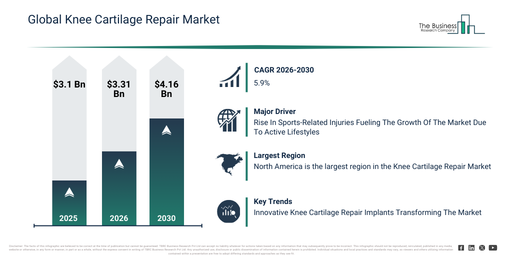
    The market dedicated to knee cartilage repair has experienced robust expansion recently, projecting a notable increase from $3.1 billion in 2025 to $3.31 billion in 2026, reflecting a compound annual growth rate of 6.7%. This historical growth surge is largely attributable to several key factors, including the escalating prevalence of osteoarthritis, a growing number of knee injuries sustained by athletes, the well-established utility of arthroscopic surgical procedures, an increasing desire for techniques focused on joint preservation, and the continuous development of orthopedic surgical infrastructure.

    The market for knee cartilage repair is projected for substantial expansion in the upcoming years, reaching an estimated $4.16 billion by 2030, driven by a compound annual growth rate (CAGR) of 5.9%. This anticipated growth stems from several key factors, including an aging demographic experiencing cartilage degeneration, the increasing utilization of regenerative medicine techniques, a heightened demand for treatments that preserve knee function, innovations in biomaterials and implants, and a greater understanding of the benefits of early intervention for cartilage issues. During this forecast period, significant trends will shape the market, such as a greater preference for minimally invasive repair procedures, expanding use of cell-based and regenerative therapies, a surge in arthroscopic treatments for knee cartilage, an increase in surgeries for cartilage repair associated with sports injuries, and improved patient outcomes due to the development of advanced implant materials.

    Download A Free Sample Report For Comprehensive Market Insights:

    https://www.thebusinessresearchcompany.com/sample.aspx?id=15842&type=smp

    Knee Cartilage Repair Market Growth Momentum: Which Factors Are Influencing Demand?

    The increasing occurrence of injuries linked to athletic pursuits is anticipated to be a significant catalyst for the expansion of the knee cartilage repair market. These sports-induced injuries, which involve harm acquired during physical activities or recreation, frequently stem from repetitive strain, excessive use, or sudden trauma, leading to joint discomfort, damage to the cartilage, and restricted movement. This surge in injuries can be linked to greater engagement in sports, more rigorous training schedules, and inadequate preventative strategies. Knee cartilage repair plays a crucial role in recovering from such injuries by mending compromised cartilage, alleviating pain, and facilitating a quicker return to an active lifestyle, all while mitigating the potential for long-term joint deterioration. Illustrating this trend, data from the Australian Institute of Health and Welfare, a governmental body responsible for health statistics in Australia, indicated that in July 2025, over 62,100 hospitalizations due to sports-related injuries were documented across Australia during the 2023–24 period. Males constituted approximately 70% of these cases, amounting to about 43,800, while females comprised nearly 30%, or around 18,300. Consequently, the escalating rate of sports-related injuries is directly fueling the growth of the knee cartilage repair market.

    Knee Cartilage Repair Market Segment Analysis And Revenue Opportunities

    The knee cartilage repair market covered in this report is segmented –

    1) By Device Type: Implants, Osteotomy, Bone Grafts, Arthroscopy, Resurfacing, Arthrodesis, Other Devices

    2) By Application: Arthroscopic Chondroplasty, Autologous Chondrocyte Implantation, Cell-Based Cartilage Resurfacing, Osteochondral Grafts Transplantation, Other Applications

    3) By End User: Hospitals, Ambulatory Surgical Centers, Orthopedic Clinics

    Subsegments:

    1) By Implants: Metallic Implants, Polymeric Implants, Ceramic Implants

    2) By Osteotomy: High Tibial Osteotomy, Distal Femoral Osteotomy

    3) By Bone Grafts: Autografts, Allografts, Synthetic Bone Grafts

    4) By Arthroscopy: Diagnostic Arthroscopy, Surgical Arthroscopy

    5) By Resurfacing: Partial Knee Resurfacing, Total Knee Resurfacing

    6) By Arthrodesis: Patella Arthrodesis, Femoral Arthrodesis, Tibial Arthrodesis

    7) By Other Devices: Cartilage Scaffolds, Growth Factors, Stem Cell-Based Devices

    Knee Cartilage Repair Market Trends Reshaping Industry Growth

    Leading participants within the knee cartilage repair sector are prioritizing the creation of novel offerings, including knee cartilage repair implants, to enhance their market standing. These medical devices are specifically designed for orthopedic procedures, aiming to promote the restoration and regrowth of injured knee cartilage. A notable development occurred in March 2024 when UC Davis Health, a medical institution located in the United States, introduced the MISHA Knee System, a type of knee cartilage repair implant intended to assist in the regeneration of knee cartilage. The MISHA Knee System is engineered to be absorbed by the body, thereby supporting cartilage regrowth within the knee. This implant actively encourages the body’s intrinsic healing mechanisms, paving the way for the formation of new cartilage and bone tissue that gradually merges with the implanted device.

    Knee Cartilage Repair Market Leading Players Shaping Industry Direction

    Major companies operating in the knee cartilage repair market are Stryker Corporation, B. Braun Melsungen AG, DePuy Synthes, Zimmer Biomet Holdings Inc., Smith & Nephew plc, Arthrex Inc., Integra LifeSciences, Bioventus LLC, MTF Biologics, MiMedx Group Inc., Moximed Inc., Vericel Corporation, Anika Therapeutics Inc., SeaSpine Holdings Corporation, LifeNet Health, ConforMIS Inc., Geistlich Pharma AG, BioPoly LLC, Regen Lab SA, Octane Medical Group Inc., Orthocell Limited, Episurf Medical AB

    Access The Complete Knee Cartilage Repair Market Report:

    https://www.thebusinessresearchcompany.com/report/knee-cartilage-repair-global-market-report

    Knee Cartilage Repair Market Geographic Distribution And Regional Opportunities

    North Americawas the largest region in the knee cartilage repair market in 2025. Asia-Pacificis expected to be the fastest-growing region in the forecast period. The regions covered in the knee cartilage repair market report are Asia-Pacific, South East Asia, Western Europe, Eastern Europe, North America, South America, Middle East, Africa.

    Get in touch with us:

    The Business Research Company: https://www.thebusinessresearchcompany.com/

    Americas: +1 310-496-7795

    Asia: +44 7882 955267 & +91 8897263534

    Europe: +44 7882 955267

    Email us at: marketing@tbrc.info

    Follow us on:

    LinkedIn: https://in.linkedin.com/company/the-business-research-company

    YouTube: https://www.youtube.com/channel/UC24_fI0rV8cR5DxlCpgmyFQ

    Global Market Model: https://www.thebusinessresearchcompany.com/global-market-model
  • Knee Bursitis Market Expansion Is Opening New Pathways For Strategic Investment

    Knee Bursitis Market Expansion Is Opening New Pathways For Strategic Investment

    Enhanced with market attractiveness analysis, total addressable market evaluation, company benchmarking matrices, interactive Excel dashboards, expanded supply chain intelligence, emerging startup coverage, and detailed product insights, The Business Research Company’s 2026 market reports deliver more actionable and strategically valuable research.

    Knee Bursitis Market Size Outlook: How Fast Will Revenue Grow Through 2030?

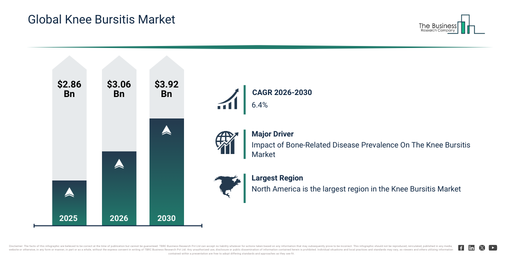
    The market for knee bursitis treatments experienced robust expansion recently, projecting a rise from $2.86 billion in 2025 to $3.06 billion in 2026, reflecting a compound annual growth rate of 7.3%. This historical growth trajectory is underpinned by several key factors: a surge in the occurrence of knee injuries and conditions resulting from repetitive strain, heightened engagement in athletic pursuits and physical fitness activities, the consistent utilization of diagnostic imaging for musculoskeletal issues, an increasing segment of the population entering older age groups with accompanying joint ailments, and the widespread accessibility of anti-inflammatory pharmaceuticals.

    The market for knee bursitis treatments is poised for significant expansion over the coming years, projected to reach a value of $3.92 billion by 2030, with a compound annual growth rate of 6.4%. This anticipated growth is fueled by several key factors, including a heightened demand for less invasive medical procedures, a greater emphasis on identifying and preventing the condition early, a rise in the utilization of physiotherapy services, the expansion of facilities dedicated to orthopedic care, and enhanced accessibility to diagnostic imaging in developing economies. Dominating trends expected during this period are a growing inclination towards managing knee bursitis without surgery, the increased reliance on imaging technologies for precise diagnoses, a greater uptake of physical therapy and rehabilitation programs, the proliferation of outpatient and conservative treatment strategies, and heightened patient awareness concerning prompt management of knee injuries.

    Download A Free Sample Report For Comprehensive Market Insights:

    https://www.thebusinessresearchcompany.com/sample.aspx?id=16460&type=smp

    Knee Bursitis Market Expansion Drivers: What Is Shaping Future Growth?

    The escalating incidence of skeletal ailments is anticipated to stimulate the expansion of the knee bursitis market in the foreseeable future. These bone-related conditions, including but not limited to osteoporosis, arthritis, and bone cancer, negatively impact the skeletal system’s structure, resilience, and functionality. A confluence of factors, such as an aging global population, predominantly sedentary lifestyles, suboptimal nutritional intake, and environmental shifts, contributes to the growing prevalence of these diseases. Conditions like osteoarthritis and rheumatoid arthritis can precipitate knee bursitis by inducing inflammation and excessive stress on the knee’s bursa. This inflammatory response subsequently leads to discomfort, swelling, and diminished joint mobility. To illustrate, data from Healthy Bones Australia, a non-profit entity dedicated to osteoporosis prevention and bone health awareness, indicated in October 2024 that approximately 6.2 million Australians aged 50 and above, representing about 67% of that demographic, suffered from compromised bone health. Projections suggest a substantial increase, with an estimated 7.7 million individuals expected to face osteopenia or osteoporosis by 2033. Consequently, the heightened prevalence of bone-related issues is a significant catalyst for the knee bursitis market’s growth.

    The expanding demographic of individuals with diabetes is poised to invigorate the knee bursitis market’s progression

    Knee Bursitis Market Segmentation And Category Breakdown

    The knee bursitis market covered in this report is segmented –

    1) By Diagnosis: Clinical Evaluation, Imaging Techniques, Laboratory And Procedural Tests, Differential Diagnosis Support

    2) By Treatment: Medication, Therapy, Surgery, Other Treatments

    3) By End User: Hospitals And Clinics, Diagnostic Centers, Research Centers, Academic Institutes, Other End Users

    Subsegments:

    1) By Clinical Evaluation: Medical History Assessment, Physical Examination

    2) By Imaging Techniques: X-Ray, Ultrasound, Magnetic Resonance Imaging

    3) By Laboratory And Procedural Tests: Bursa Fluid Aspiration, Blood Tests

    4) By Differential Diagnosis Support: Infection Exclusion Tests, Inflammatory Marker Assessment, Trauma-Related Assessment

    Knee Bursitis Market Competitive Analysis Of Major Industry Participants

    Major companies operating in the knee bursitis market are Pfizer Inc., Merck & Co. Inc., Bayer AG, Novartis AG, Eli Lilly and Company, AbbVie Inc., Johnson & Johnson, Sanofi SA, GlaxoSmithKline plc, Takeda Pharmaceutical Company Limited, Stryker Corporation, Zimmer Biomet Holdings Inc., Arthrex Inc., Smith & Nephew plc, Medtronic plc, Exactech Inc., Conformis Inc., Bioventus LLC, Horizon Therapeutics plc, Amneal Pharmaceuticals Inc.

    Access The Complete Knee Bursitis Market Report:

    https://www.thebusinessresearchcompany.com/report/knee-bursitis-global-market-report

    Knee Bursitis Market Largest Region By Revenue And Market Share

    North Americawas the largest region in the knee bursitis market in 2025. Asia-Pacificis expected to be the fastest-growing region in the forecast period. The regions covered in the knee bursitis market report are Asia-Pacific, South East Asia, Western Europe, Eastern Europe, North America, South America, Middle East, Africa.

    Get in touch with us:

    The Business Research Company: https://www.thebusinessresearchcompany.com/

    Americas: +1 310-496-7795

    Asia: +44 7882 955267 & +91 8897263534

    Europe: +44 7882 955267

    Email us at: marketing@tbrc.info

    Follow us on:

    LinkedIn: https://in.linkedin.com/company/the-business-research-company

    YouTube: https://www.youtube.com/channel/UC24_fI0rV8cR5DxlCpgmyFQ

    Global Market Model: https://www.thebusinessresearchcompany.com/global-market-model
  • Knee Braces Market Trends Are Creating New Opportunities For Industry Leaders

    Knee Braces Market Trends Are Creating New Opportunities For Industry Leaders

    Through market attractiveness analysis, total addressable market evaluation, company benchmarking matrices, interactive Excel dashboards, expanded supply chain intelligence, emerging startup coverage, and detailed product insights, The Business Research Company’s 2026 market reports provide more actionable and strategically valuable research.

    Knee Braces Market Size, Value And Growth Trends Through 2030

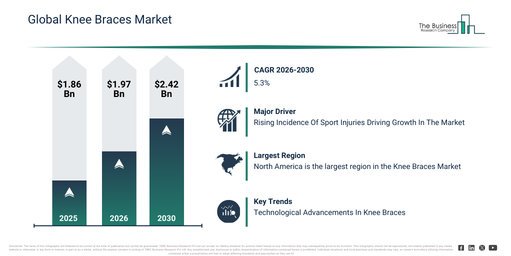
    The market for knee braces has experienced robust expansion historically and is projected to continue this upward trajectory, escalating from $1.86 billion in 2025 to $1.97 billion in 2026, reflecting a compound annual growth rate of 5.5%. This past growth surge has been fueled by a confluence of factors, including a heightened prevalence of knee injuries and ligament ruptures, augmented engagement in athletic and recreational pursuits, the well-recognized application of knee braces within orthopedic treatment regimens, an increasing volume of knee replacement surgeries, and the broader accessibility of over-the-counter orthopedic support devices.

    The knee braces market is poised for substantial expansion, projecting a valuation of $2.42 billion by 2030, fueled by a compound annual growth rate (CAGR) of 5.3%. This anticipated surge is underpinned by several key factors including a growing elderly demographic susceptible to joint ailments, a heightened consciousness around proactive orthopedic health, the proliferation of sports medicine facilities, a greater need for at-home recovery tools, and the widening reach of online retail platforms. During this projection timeframe, significant market dynamics will include an escalating demand for products that aid in sports injury prevention, increased utilization of knee braces for post-operative recovery, a growing consumer inclination towards braces that are both light and comfortable, a broader availability of non-prescription knee braces, and a rise in the adoption of personalized and adaptable brace options.

    Download A Free Sample Report For Comprehensive Market Insights:

    https://www.thebusinessresearchcompany.com/sample.aspx?id=20859&type=smp

    Knee Braces Market Development Factors: Which Trends Are Supporting Demand?

    The increasing frequency of sports-related injuries is poised to invigorate the expansion of the knee braces market. Sports injuries encompass a spectrum of physical harm sustained during athletic pursuits, impacting various bodily structures like muscles, bones, tendons, ligaments, and joints. This surge in sports injuries is attributable to the escalating popularity of athletic and fitness endeavors, prompting greater numbers of individuals to engage in strenuous training regimens and subject their bodies to heightened physical demands. Knee braces serve a crucial role in managing sports injuries by offering enhanced support, stability, and safeguarding for the knee joint, thereby mitigating the likelihood of ailments such as ligament tears or strains through controlled motion and therapeutic compression. Illustratively, data released in September 2024 by the National Safety Council indicated that in the United States during 2023, emergency department visits for injuries associated with sports and recreational activities saw a 2% escalation, with 3.7 million individuals requiring medical intervention. Consequently, the growing prevalence of sports injuries is a significant catalyst for the advancement of the knee braces market.

    Knee Braces Market Segment Outlook: Which Categories Are Expanding The Fastest?

    The knee braces market covered in this report is segmented –

    1) By Type: Prophylactic Knee Braces, Rehabilitative Knee Braces, Patellofemoral Knee Braces, Functional Knee Braces

    2) By Application: Medical Use, Sports Use

    3) By End Use: Orthopedic Clinics, Over-the-Counter (OTC), Hospital, Durable Medical Equipment (DME) Dealers, Other End Users

    Subsegments:

    1) By Prophylactic Knee Braces: Hinged Prophylactic Braces, Sleeve-Style Prophylactic Braces, Wraparound Prophylactic Braces

    2) By Rehabilitative Knee Braces: Post-Operative Braces, Recovery Knee Braces, Adjustable Braces For Rehabilitation

    3) By Patellofemoral Knee Braces: Patella Stabilizing Braces, Patella Tracking Braces, Open Patella Braces

    4) By Functional Knee Braces: Ligament Knee Braces, ACL Support Braces, Hinged Knee Braces For Support, Custom-Made Functional Knee Braces

    Knee Braces Market Transformation Trends: Which Innovations Are Driving Change?

    In the competitive landscape of the knee brace sector, leading entities are prioritizing innovation through advanced designs like unloader braces, aiming to boost user comfort, refine pressure redistribution, embed smart technology, and deliver superior, tailored therapeutic interventions for knee osteoarthritis sufferers. These unloader braces function by shifting the load from the damaged knee section, thereby easing discomfort and augmenting functionality, proving particularly beneficial for patients experiencing unicompartmental knee osteoarthritis. A pertinent illustration of this trend occurred in January 2024 when Enovis Corporation, a prominent medical technology firm based in the United States, introduced the DonJoy ROAM OA Knee Brace; this device offers adaptive unloading capabilities to mitigate pain and promote greater freedom of movement for those afflicted with unicompartmental osteoarthritis, distinguished by its intuitive interface, adaptable fitting, and light build, making it a compelling option for non-surgical management and everyday support.

    Knee Braces Market Key Companies And Competitive Benchmarking

    Major companies operating in the knee braces market are Össur hf., Breg Inc., Bauerfeind AG, Otto Bock Healthcare GmbH, Enovis Corporation, McDavid Inc., Mueller Sports Medicine Inc., Tynor Orthotics Pvt. Ltd., Aspen Medical Products Inc., Medi GmbH & Co. KG, BioSkin LLC., Rehband AB., Weber Orthopedic Inc., Thuasne Group, DonJoy Performance, DJO Global, Alcare Co. Ltd., United Ortho, Push Sports, Neo G

    Access The Complete Knee Braces Market Report:

    https://www.thebusinessresearchcompany.com/report/knee-braces-global-market-report

    Knee Braces Market Regional Analysis And Leading Geography

    North Americawas the largest region in the knee braces market in 2025. Asia-Pacificis expected to be the fastest-growing region in the forecast period. The regions covered in the knee braces market report are Asia-Pacific, South East Asia, Western Europe, Eastern Europe, North America, South America, Middle East, Africa.

    Get in touch with us:

    The Business Research Company: https://www.thebusinessresearchcompany.com/

    Americas: +1 310-496-7795

    Asia: +44 7882 955267 & +91 8897263534

    Europe: +44 7882 955267

    Email us at: marketing@tbrc.info

    Follow us on:

    LinkedIn: https://in.linkedin.com/company/the-business-research-company

    YouTube: https://www.youtube.com/channel/UC24_fI0rV8cR5DxlCpgmyFQ

    Global Market Model: https://www.thebusinessresearchcompany.com/global-market-model

  • Kids Sports Injury Treatment Market Growth Is Reshaping Competitive Advantage Across The Industry

    Kids Sports Injury Treatment Market Growth Is Reshaping Competitive Advantage Across The Industry

    Delivering more actionable and strategically valuable research, The Business Research Company’s 2026 market reports feature market attractiveness analysis, total addressable market evaluation, company benchmarking matrices, interactive Excel dashboards, expanded supply chain intelligence, emerging startup coverage, and detailed product insights.

    Kids Sports Injury Treatment Market CAGR Analysis And Future Market Development

    The market for treating sports injuries in children has experienced robust expansion lately, projecting a rise from $6.34 billion in 2025 to $6.78 billion in 2026, fueled by a compound annual growth rate (CAGR) of 7.0%. This upward trajectory historically is linked to several factors, including a greater number of youngsters engaging in organized athletic activities, the broadening scope of pediatric healthcare offerings, heightened public understanding of injuries stemming from sports, the accessibility of targeted treatment modalities, and an increase in the number of physiotherapy facilities.

    Anticipating a robust expansion, the market for treating sports injuries in children is projected to reach $8.77 billion by 2030, expanding at a compound annual growth rate of 6.6%. This anticipated surge is fueled by several key factors, including a heightened commitment to proactive care for young athletes, amplified funding for facilities dedicated to childhood rehabilitation, the increasing utilization of tailored treatment strategies, a broadening scope within pediatric sports medicine, and a greater concentration on preventing injuries from occurring in the first place and ensuring their long-term resolution. Key developments shaping this market over the forecast period encompass a growing prioritization of swift injury detection in pediatric populations, a greater embrace of treatment approaches that avoid surgical intervention, the expanding integration of physical therapy regimens designed for children, the development of recovery programs specific to various sports, and more sophisticated methods for tracking patient rehabilitation progress.

    Download A Free Sample Report For Comprehensive Market Insights:

    https://www.thebusinessresearchcompany.com/sample.aspx?id=19540&type=smp

    Kids Sports Injury Treatment Market Industry Drivers: What Is Driving Revenue Growth?

    An upward trend in children’s athletic involvement is poised to fuel the expansion of the market for pediatric sports injury interventions. This heightened participation stems from a growing understanding of sports’ multifaceted advantages—physical, emotional, and social—coupled with parental backing, enhanced accessibility to venues and programs, and the escalating popularity of youth athletic organizations and endeavors. The provision of suitable care and rehabilitation for young athletes’ sports injuries is vital for their secure return to competition, mitigating subsequent harm, and preserving their holistic health during sport. For illustration, a September 2023 report from the National Federation of State High School Associations indicated that high school sports in the U.S. saw an unprecedented 7,857,969 student participants in 2022-23, a 3% rise from the preceding year. Consequently, augmented youth sports engagement is a key catalyst for the children’s sports injury treatment sector.

    The escalating occurrence of sport-related concussions in young athletes is anticipated to spearhead advancements in the children’s sports injury treatment market. These concussions, defined as traumatic brain injuries sustained by minors during physical activities due to head impacts or sudden movements that temporarily impair brain function, are becoming more frequent. This rise is largely attributable to enhanced vigilance and more sophisticated diagnostic procedures, empowering educators, guardians, and healthcare providers to more readily identify concussion symptoms and pursue necessary medical attention, thereby increasing reported instances that might have previously gone unnoticed. Such an increase in youth sports concussions directly translates to a greater demand for specialized medical treatments, diagnostic evaluations, physical therapy, and protective gear essential for young athletes’ recovery and the prevention of lasting neurological issues. As an example, data from Insideworldfootball, a UK-based online news service, revealed 4,123 sports injuries during the 2023-24 season as of October 2024, representing a 4% uptick from the 2022-23 period. Therefore, the growing prevalence of sport-induced concussions among youth is a significant driver for the children’s sports injury treatment market.

    Kids Sports Injury Treatment Market Segment Landscape: Which Areas Lead Market Development?

    The kids sports injury treatment market covered in this report is segmented –

    1) By Type: Soft Tissue Injuries, Contusions, Lacerations, Sprains, Strains, Overuse injuries, Other Types

    2) By Injury Type: Knee Injuries, Shoulder Injuries, Foot, Ankle Injuries, Back, Spine Injuries, Hip, Groin Injuries, Other Injury Types

    3) By End-user: Hospitals, Ambulatory Surgery Centers, Physiotherapy Centers, Clinics

    Subsegments:

    1) By Soft Tissue Injuries: Muscle Tears, Ligament Injuries, Tendon Injuries

    2) By Contusions: Bruises, Muscle Contusions, Bone Contusions

    3) By Lacerations: Skin Lacerations, Deep Tissue Lacerations

    4) By Sprains: Ankle Sprains, Knee Sprains, Wrist Sprains

    5) By Strains: Hamstring Strains, Groin Strains, Back Strains

    6) By Overuse Injuries: Stress Fractures, Tendinitis, Bursitis

    7) By Other Types: Dislocations, Fractures

    Kids Sports Injury Treatment Market Industry Leaders And Market Competition

    Major companies operating in the kids sports injury treatment market are Medtronic plc, Stryker Corporation, Zimmer Biomet Holdings Inc, Ottobock SE & Co. KGaA, DJO Global, Cramer Products Inc., Össur hf, Performance Health Supply Inc., medi USA, Tynor Orthotics, VQ OrthoCare, McDavid, Bauerfeind AG, Orthomerica Products Inc., Breg Inc., Mueller Sports Medicine, Allard USA Inc., Pega Medical Inc., Bioskin GmbH, Rehband, Thermoskin, Active Ankle Systems Inc., Arthrex Inc.

    Access The Complete Kids Sports Injury Treatment Market Report:

    https://www.thebusinessresearchcompany.com/report/kids-sports-injury-treatment-global-market-report

    Kids Sports Injury Treatment Market Geographic Analysis: Where Is Demand Growing The Fastest?

    North Americawas the largest region in the kids sports injury treatment market in 2025. The regions covered in the kids sports injury treatment market report are Asia-Pacific, South East Asia, Western Europe, Eastern Europe, North America, South America, Middle East, Africa.

    Get in touch with us:

    The Business Research Company: https://www.thebusinessresearchcompany.com/

    Americas: +1 310-496-7795

    Asia: +44 7882 955267 & +91 8897263534

    Europe: +44 7882 955267

    Email us at: marketing@tbrc.info

    Follow us on:

    LinkedIn: https://in.linkedin.com/company/the-business-research-company

    YouTube: https://www.youtube.com/channel/UC24_fI0rV8cR5DxlCpgmyFQ

    Global Market Model: https://www.thebusinessresearchcompany.com/global-market-model
  • Kidney Transplant Market Forecast Signals New Revenue Opportunities Through 2030

    Kidney Transplant Market Forecast Signals New Revenue Opportunities Through 2030

    Enhanced with market attractiveness analysis, total addressable market evaluation, company benchmarking matrices, interactive Excel dashboards, expanded supply chain intelligence, emerging startup coverage, and detailed product insights, The Business Research Company’s 2026 market reports deliver more actionable and strategically valuable research.

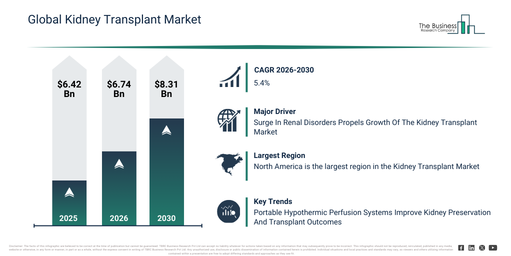
    Kidney Transplant Market Expansion From $6.74 Billion In 2026 To $8.3 Billion In 2030

    The market for kidney transplants has experienced robust expansion. Projections indicate a rise from $6.42 billion in 2025 to $6.74 billion by 2026, reflecting a compound annual growth rate of 5.0%. Factors fueling this expansion during the preceding period include the increasing prevalence of end-stage renal disease, the inherent limitations of dialysis over extended durations, the demonstrable success of transplant procedures, enhancements in transplant facility capabilities, and a greater understanding of the advantages offered by transplantation.

    The kidney transplant sector is poised for significant expansion in the coming years, with projections indicating a market valuation reaching $8.31 billion by 2030, driven by a compound annual growth rate (CAGR) of 5.4%. This anticipated expansion over the forecast period stems from a confluence of factors including escalating demand for organ transplantation, pioneering advancements in immunosuppressive drug treatments, a greater acceptance of organs from expanded criteria donors, augmented investments in transplant-related research, and subsequent enhancements in post-transplant survival rates. Key developments anticipated during this timeframe involve a discernible shift favoring kidney transplantation as a preferred treatment over sustained dialysis, a broader implementation of living-donor and paired kidney exchange initiatives, heightened attention on meticulous post-transplant patient surveillance and care, an increase in kidney transplant procedures for pediatric patients, and the attainment of superior outcomes through sophisticated immunosuppressive regimens.

    Download A Free Sample Report For Comprehensive Market Insights:

    https://www.thebusinessresearchcompany.com/sample.aspx?id=10707&type=smp

    Kidney Transplant Market Growth Factors: Which Forces Are Supporting Market Expansion?

    The increasing prevalence of kidney-related ailments and the occurrence of kidney failure are anticipated to stimulate advancements within the kidney transplant sector. Kidney disorders and failure signify conditions where the kidneys cease to operate effectively, thereby losing their capacity to regulate bodily chemical balances and eliminate waste products and excess fluid from the bloodstream. Consequently, kidney failure often creates a demand for transplants to reinstate renal functionality and tackle the root causes of these conditions. Illustrating this trend, the American Kidney Fund, a US charitable entity, reported in 2023 that approximately 37 million individuals in the United States were affected by kidney disease, underscoring how the escalation of kidney problems and failure is a key factor fueling the expansion of the kidney transplant market.

    Kidney Transplant Market Segments: Where Are The Largest Growth Opportunities?

    The kidney transplant market covered in this report is segmented –

    1) By Transplant Type: Deceased-Donor Kidney Transplant, Living-Donor Kidney Transplant, Expanded Criteria Donor

    2) By Age Group: Adult, Pediatrics

    3) By End-User: Transplant Centers, Hospitals

    Subsegments:

    1) By Deceased-Donor Kidney Transplant: Standard Criteria Donor, Extended Criteria Donor

    2) By Living-Donor Kidney Transplant: Related Living Donor, Unrelated Living Donor, Paired Kidney Exchange

    3) By Expanded Criteria Donor: Older Donors, Donors With Hypertension

    Kidney Transplant Market Industry Trends: What Changes Are Reshaping Demand?

    Leading players within the kidney transplant sector are actively pursuing innovative advancements, specifically portable hypothermic perfusion systems, with the primary goals of extending the lifespan of donor kidneys, ensuring superior organ preservation throughout transit, and minimizing the number of organs that go unused. Portable hypothermic perfusion systems function as specialized medical equipment that circulates a chilled, oxygen-rich preservation fluid consistently through a donated kidney. This active circulation sustains the organ’s metabolic activity and tissue health, offering a distinct advantage over conventional static cold storage methods where organs are simply kept on ice without any active fluid movement. Illustrating this trend, Paragonix Technologies, a firm based in the United States that manufactures medical devices, obtained clearance from the U.S. Food and Drug Administration (FDA) in January 2025 for its KidneyVault Portable Renal Perfusion System. This particular device marks a substantial leap forward in kidney preservation technology, providing a completely mobile solution for continuous hypothermic perfusion from the initial organ retrieval all the way to the transplantation procedure. It facilitates ongoing, immediate oversight of crucial perfusion indicators like flow rate, pressure levels, and temperature, empowering medical professionals to preserve peak organ quality from the moment of procurement until implantation. This pioneering development contributes to more reliable preservation outcomes, mitigates potential complications linked to older static cold storage techniques, and underscores the increasing drive towards creating cutting-edge technologies designed to broaden the availability of transplantable organs and enhance patient results.

    Kidney Transplant Market Major Participants And Competitive Dynamics

    Major companies operating in the kidney transplant market are Pfizer Inc, Novartis AG, Astellas Pharma Inc, Veloxis Pharmaceuticals A/S, Bristol-Myers Squibb Company, Sanofi S.A., AbbVie Inc, Roche Holding AG, Merck & Co. Inc, Otsuka Pharmaceutical Co. Ltd, Hansa Biopharma AB, CareDx Inc, TransMedics Group Inc, Immucor Inc, Glycorex Transplantation AB, Alexion Pharmaceuticals Inc, CSL Behring Ltd, Grifols S.A., Kedrion Biopharma S.p.A., BioLife Solutions Inc

    Access The Complete Kidney Transplant Market Report:

    https://www.thebusinessresearchcompany.com/report/kidney-transplant-global-market-report

    Kidney Transplant Market Global Footprint: Which Region Holds Market Leadership?

    North Americawas the largest region in the kidney transplant market in 2025.Europeis expected to be the fastest-growing region in the global kidney transplant market report during the forecast period. The regions covered in the kidney transplant market report are Asia-Pacific, South East Asia, Western Europe, Eastern Europe, North America, South America, Middle East, Africa.

    Get in touch with us:

    The Business Research Company: https://www.thebusinessresearchcompany.com/

    Americas: +1 310-496-7795

    Asia: +44 7882 955267 & +91 8897263534

    Europe: +44 7882 955267

    Email us at: marketing@tbrc.info

    Follow us on:

    LinkedIn: https://in.linkedin.com/company/the-business-research-company

    YouTube: https://www.youtube.com/channel/UC24_fI0rV8cR5DxlCpgmyFQ

    Global Market Model: https://www.thebusinessresearchcompany.com/global-market-model