Month: June 2026

  • Kidney Stone Management Market Growth Is Accelerating As Industry Transformation Continues

    Kidney Stone Management Market Growth Is Accelerating As Industry Transformation Continues

    Through market attractiveness analysis, total addressable market evaluation, company benchmarking matrices, interactive Excel dashboards, expanded supply chain intelligence, emerging startup coverage, and detailed product insights, The Business Research Company’s 2026 market reports provide more actionable and strategically valuable research.

    Kidney Stone Management Market Forecast Highlighting Growth From $2.62 Billion To $3.37 Billion

    The market dedicated to managing kidney stones has experienced robust expansion lately. Projections indicate a rise from $2.46 billion in 2025 to $2.62 billion in 2026, reflecting a compound annual growth rate of 6.8%. Key factors driving this growth historically include a surge in the incidence of kidney stone afflictions, advancements in diagnostic technologies utilizing imaging, the broader accessibility of lithotripsy equipment, the proliferation of specialized urology services, and an increased public understanding of available treatment methods.

    The market for kidney stone management is poised for substantial expansion in the coming years. Projections indicate a rise to $3.37 billion by 2030, driven by a compound annual growth rate (CAGR) of 6.5%. This anticipated growth stems from several key factors, including the wider implementation of micro and mini PCNL techniques, a growing preference for outpatient urology interventions, advancements in precision diagnostics for stone analysis, a heightened emphasis on proactive stone management strategies, and increased investment in sophisticated urology equipment. Several prominent trends are expected to shape this market during the forecast period, such as the increasing preference for less invasive stone removal methods, a greater utilization of single-use ureteroscopes, the deeper incorporation of advanced imaging technologies in diagnostic processes, the broader availability of outpatient stone treatment options, and a heightened focus on preventing the recurrence of kidney stones.

    Download A Free Sample Report For Comprehensive Market Insights:

    https://www.thebusinessresearchcompany.com/sample.aspx?id=27322&type=smp

    Kidney Stone Management Market Demand Drivers: What Is Fueling Industry Growth?

    The increasing incidence of chronic kidney disease (CKD) is poised to significantly contribute to the expansion of the kidney stone management market in the future. CKD, characterized by a progressive deterioration of kidney function over time, is often linked to conditions such as diabetes, hypertension, and hereditary predispositions. This escalating prevalence of CKD is largely attributable to the growing rates of diabetes, a primary factor contributing to long-term renal impairment. Kidney stone management plays a crucial role in supporting individuals with CKD by averting obstructions and infections, thus safeguarding the kidneys from further damage and aiding in the preservation of their functionality. As an illustration, data from June 2024, provided by the Australian Institute of Health and Welfare, a governmental body in Australia, indicated that in 2024, CKD represented 1.1% of the overall disease burden within Australia. Consequently, the surge in CKD’s prevalence is a key driver for the kidney stone management market’s growth.

    The increasing utilization of robotic-assisted surgical procedures is anticipated to be a substantial catalyst for the expansion of the kidney stone management sector moving forward. Robotic surgery represents a sophisticated, minimally invasive approach where surgeons leverage computer-controlled robotic instruments for highly precise and meticulously controlled interventions. This trend toward robotic surgery is fueled by the inherent advantages of enhanced surgical accuracy, as robotic platforms empower surgeons to execute intricate operations with superior dexterity and exactitude. Within the realm of kidney stone management, this technology facilitates the treatment of complex stone formations with greater precision and control, ultimately leading to improved patient recovery and outcomes. For example, according to Intuitive Surgical, Inc., a prominent US-based biotechnology firm, their customer base performed close to 2.7 million procedures utilizing their products in 2024, reflecting a 17% increase from the previous year and bringing the total accumulated experience with da Vinci systems to approximately 17 million procedures by January 2025. During that year, the company distributed 1,430 da Vinci multiport systems, 271 Ion systems, and 96 da Vinci SP systems. Therefore, the growing acceptance and implementation of robotic-assisted surgeries are directly contributing to the upward trajectory of the kidney stone management market.

    Kidney Stone Management Market Segment Analysis: What Are The Major Market Categories?

    The kidney stone management market covered in this report is segmented –

    1) By Treatment: Extracorporeal Shock Wave Lithotripsy (ESWL), Ureteroscopy, Percutaneous Nephrolithotomy (PCNL), Other Treatments

    2) By Product Type: Lithotripter, Stone Removal Baskets, Ureteral Stents, Ureterorenoscopes

    3) By Diagnostics Method: Abdominal X-Ray, Computed Tomography, Ultrasound, Abdominal MRI, Intravenous Pyelography, Other Diagnostics Method

    4) By Distribution Channel: Retail Pharmacies, Online Pharmacies, Other Distribution Channels

    5) By End User: Hospitals, Specialty Clinics, Ambulatory Surgical Centres, Other End-Users

    Subsegments:

    1) By Extracorporeal Shock Wave Lithotripsy (ESWL): Fixed-Site ESWL systems, Mobile ESWL systems, Integrated imaging ESWL systems

    2) By Ureteroscopy: Flexible Ureteroscopes, Semi-Rigid Ureteroscopes, Disposable Ureteroscopes, Reusable Ureteroscopes

    3) By Percutaneous Nephrolithotomy (PCNL): Standard PCNL, Mini-PCNL, Ultra-Mini PCNL, Micro-PCNL

    4) By Other Treatments: Open Surgery, Laparoscopic Stone Removal, Medical Expulsive Therapy (MET), Pharmacological Stone Dissolution Therapy

    Kidney Stone Management Market Innovation Trends: Which Developments Are Transforming The Industry?

    Leading players in the kidney stone management sector are concentrating on creating innovative technologies, including the Ascend ureteroscope, to furnish urology providers with thorough stone treatment options. This ureteroscope facilitates flexible endoscopic entry into the urinary system, encompassing the ureter and kidney, enabling the clear identification, diagnosis, and therapeutic intervention for conditions like kidney stones. As an illustration, in May 2024, Cook Medical Inc., an American medical device manufacturer, introduced the Ascend single-use ureteroscope, a disposable endoscopic instrument designed for urological procedures, specifically addressing kidney stone management. Its 275-degree upward and downward articulation, along with a deflection lock ensuring the maintained angle, enhance precision during challenging interventions. Furthermore, the Ascend ureteroscope’s eligibility for Medicare’s Transitional Pass-through (TPT) payment program contributes to its increased adoption in clinical settings.

    Kidney Stone Management Market Leading Companies Driving Competitive Growth

    Major companies operating in the kidney stone management market are Medtronic plc, Siemens Healthineers AG, C.R. Bard Inc., Stryker Corporation, Boston Scientific Corporation, Olympus Corporation, Coloplast A/S, Karl Storz GmbH & Co. KG, Cook Medical Inc., Richard Wolf GmbH, Lumenis Ltd., Dornier MedTech, EDAP TMS S.A., E.M.S. Electro Medical Systems S.A., STORZ MEDICAL AG, Medispec Ltd., DirexGroup SA, Elmed Medical Systems Ltd., Pnn Medical A.S., Allengers Medical Systems Limited, Potent Medical, ROCAMED SAM

    Access The Complete Kidney Stone Management Market Report:

    https://www.thebusinessresearchcompany.com/report/kidney-stone-management-global-market-report

    Kidney Stone Management Market Regional Distribution: Which Areas Drive Market Expansion?

    North Americawas the largest region in the kidney stone management market in 2025. Asia-Pacificis expected to be the fastest-growing region in the forecast period. The regions covered in the kidney stone management market report are Asia-Pacific, South East Asia, Western Europe, Eastern Europe, North America, South America, Middle East, Africa.

    Get in touch with us:

    The Business Research Company: https://www.thebusinessresearchcompany.com/

    Americas: +1 310-496-7795

    Asia: +44 7882 955267 & +91 8897263534

    Europe: +44 7882 955267

    Email us at: marketing@tbrc.info

    Follow us on:

    LinkedIn: https://in.linkedin.com/company/the-business-research-company

    YouTube: https://www.youtube.com/channel/UC24_fI0rV8cR5DxlCpgmyFQ

    Global Market Model: https://www.thebusinessresearchcompany.com/global-market-model
  • Kidney Disease Market Outlook Highlights The Next Major Growth Opportunities

    Kidney Disease Market Outlook Highlights The Next Major Growth Opportunities

    Delivering more actionable and strategically valuable research, The Business Research Company’s 2026 market reports feature market attractiveness analysis, total addressable market evaluation, company benchmarking matrices, interactive Excel dashboards, expanded supply chain intelligence, emerging startup coverage, and detailed product insights.

    Kidney Disease Market Revenue Growth Supported By A CAGR Of 159.57% Through 2030

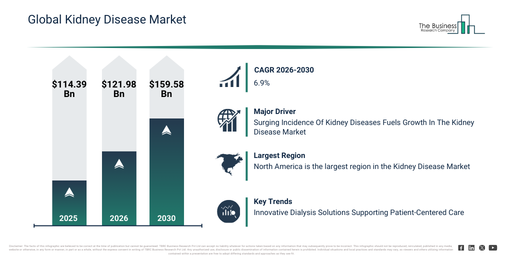
    The global kidney disease market experienced significant expansion recently and is projected to continue this upward trajectory, expanding from $114.39 billion in 2025 to $121.98 billion by 2026, reflecting a compound annual growth rate of 6.6%. This historical growth was propelled by factors including the mounting number of individuals suffering from chronic kidney disease, a higher occurrence of diabetes and hypertension, the widespread adoption of dialysis and pharmaceutical treatments, an increase in inpatient renal services, and broader accessibility to diagnostic evaluations.

    The market for kidney disease is poised for significant expansion, projected to reach a value of $159.58 billion by the year 2030, reflecting a compound annual growth rate of 6.9%. This anticipated growth is propelled by several key factors: an increasing elderly demographic with a heightened susceptibility to kidney issues, a growing preference for at-home dialysis solutions, augmented investments in research dedicated to kidney ailments, a heightened emphasis on proactive screening initiatives, and broadened accessibility to kidney care services in developing economies. During this forecast period, dominant trends are expected to include a greater emphasis on identifying diseases early and managing them effectively, a wider embrace of dialysis and other renal replacement treatments, a surging demand for tailored treatment plans for individuals with kidney disease, the proliferation of integrated care approaches for patients with renal conditions, and enhanced public understanding coupled with preventative health efforts.

    Download A Free Sample Report For Comprehensive Market Insights:

    https://www.thebusinessresearchcompany.com/sample.aspx?id=11938&type=smp

    Kidney Disease Market Growth Drivers: What Factors Are Accelerating Expansion?

    The expanding prevalence of kidney ailments is anticipated to be a primary catalyst for the advancement of the kidney disease market. Kidney disorders encompass a range of conditions that impair the functionality and integrity of the renal organs. Pharmaceutical interventions for kidney disorders are designed to decrease blood pressure and mitigate protein effusion, thereby decelerating the deterioration of kidney damage, alleviating associated symptoms, and circumventing further complications. Illustratively, within the United Kingdom, Kidney Research UK reported in June 2023 that an estimated 7.19 million individuals suffered from chronic kidney disease in 2023, a figure constituting over 10% of the nation’s populace, with projections indicating a rise to 7.61 million by 2033. Consequently, the escalating rate of kidney disease diagnoses is fueling market expansion.

    Kidney Disease Market Segment Breakdown: Which Categories Generate The Most Revenue?

    The kidney disease market covered in this report is segmented –

    1) By Treatment: Medication, Dialysis, Surgery, Other Treatments

    2) By Indication: Acute Kidney Injury, Chronic Kidney Disease, End-Stage Renal Disease, Other Indications

    3) By Route Of Administration: Oral, Parenteral

    4) By End-User: Hospitals, Diagnostic Laboratories, Other End-Users

    Subsegments:

    1) By Medication: Antihypertensives, Erythropoiesis-Stimulating Agents (ESAs), Phosphate Binders, Vitamin D Analogs, Immunosuppressants

    2) By Dialysis: Hemodialysis, Peritoneal Dialysis

    3) By Surgery: Kidney Transplant, Nephrectomy, Renal Artery Bypass, Ureteral Surgery

    4) By Other Treatments: Lifestyle And Dietary Modifications, Renal Replacement Therapy, Palliative Care

    Kidney Disease Market Trends: What Is Shaping Future Industry Growth?

    Leading players within the kidney disease sector are prioritizing the integration of technologically advanced solutions, specifically highlighting compact hemodialysis units employing cartridges. These systems are designed to elevate treatment adaptability, user convenience, and operational effectiveness. Such cartridge-based hemodialysis machinery represents portable dialysis apparatuses that substitute conventional fluid bags with disposable dialysate cartridges. This substitution unlocks functionalities like automatic dialysate formulation, streamlined setup procedures, and enhanced suitability for at-home treatment regimens. As an illustrative example, Quanta Dialysis Technologies, a firm situated in the UK specializing in dialysis innovation, secured FDA approval in November 2024 for its Quanta Dialysis System. This system, a cartridge-driven hemodialysis device engineered for both home use and adaptable deployment in various care environments, boasts a small physical profile, generates dialysate as needed, and features an easy-to-use touchscreen. Ultimately, the Quanta Dialysis System contributes to greater patient independence, simplifies the administration of treatments, and boosts overall efficiency in dialysis operations across different care scenarios, with the market value associated with this driver standing at USD 3.7 billion for 2024.

    Kidney Disease Market Key Players And Strategic Industry Positioning

    Major companies operating in the kidney disease market are Pfizer Inc., F. Hoffmann-La Roche Ltd., Merck & Co. Inc., Novartis AG, AstraZeneca plc, Sanofi S.A., Bristol-Myers Squibb Company, AbbVie Inc., Bayer AG, GlaxoSmithKline plc, Takeda Pharmaceutical Company Limited, Eli Lilly and Company, Amgen Inc., Boehringer Ingelheim International GmbH, Astellas Pharma Inc., Otsuka Pharmaceutical Co. Ltd., Mitsubishi Tanabe Pharma Corporation, Kyowa Kirin Co. Ltd., Vertex Pharmaceuticals Inc., Gilead Sciences Inc., Teva Pharmaceutical Industries Ltd., Dr. Reddy’s Laboratories Ltd., Cipla Limited, Lupin Limited, Aurobindo Pharma Limited

    Access The Complete Kidney Disease Market Report:

    https://www.thebusinessresearchcompany.com/report/kidney-disease-global-market-report

    Kidney Disease Market Leading Geography: Which Region Generates The Most Revenue?

    North America was the largest region in the kidney disease market in 2025. Europe is expected to be the fastest-growing region in the forecast period. The regions covered in the kidney disease market report are Asia-Pacific, South East Asia, Western Europe, Eastern Europe, North America, South America, Middle East, Africa.

    Get in touch with us:

    The Business Research Company: https://www.thebusinessresearchcompany.com/

    Americas: +1 310-496-7795

    Asia: +44 7882 955267 & +91 8897263534

    Europe: +44 7882 955267

    Email us at: marketing@tbrc.info

    Follow us on:

    LinkedIn: https://in.linkedin.com/company/the-business-research-company

    YouTube: https://www.youtube.com/channel/UC24_fI0rV8cR5DxlCpgmyFQ

    Global Market Model: https://www.thebusinessresearchcompany.com/global-market-model
  • Kidney Dialysis Market Trends And Growth Drivers Point To Strong Future Potential

    Kidney Dialysis Market Trends And Growth Drivers Point To Strong Future Potential

    Enhanced with market attractiveness analysis, total addressable market evaluation, company benchmarking matrices, interactive Excel dashboards, expanded supply chain intelligence, emerging startup coverage, and detailed product insights, The Business Research Company’s 2026 market reports deliver more actionable and strategically valuable research.

    Kidney Dialysis Market Value Expansion And Long-Term Growth Outlook

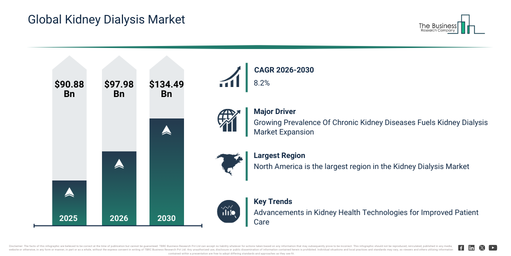
    The kidney dialysis sector has experienced robust expansion lately, projecting a rise from $90.88 billion in 2025 to $97.98 billion in 2026, reflecting a compound annual growth rate of 7.8%. Key drivers behind this historic growth include the escalating occurrence of chronic kidney disease, a surge in diabetes and hypertension cases, increased adoption of dialysis as a primary treatment for kidney failure, the broader establishment of dialysis facilities and healthcare institutions, and the supportive framework provided by government funding initiatives.

    The global kidney dialysis market is poised for substantial expansion, projecting a reach of $134.49 billion by 2030, fueled by a compound annual growth rate of 8.2%. This anticipated surge is underpinned by a confluence of factors including the increasing prevalence of kidney ailments among an aging demographic, the growing embrace of home dialysis alternatives, escalating healthcare investments in kidney disease management, ongoing innovations in dialysis apparatus, and the widening availability of dialysis treatments in developing economies. Key developments anticipated during this forecast period encompass a greater uptake of at-home dialysis treatments, a heightened inclination towards peritoneal dialysis methods, a growing need for personalized patient care in dialysis services, the augmentation of dialysis facilities in nascent markets, and advancements leading to enhanced safety and effectiveness of dialysis machinery.

    Download A Free Sample Report For Comprehensive Market Insights:

    https://www.thebusinessresearchcompany.com/sample.aspx?id=11936&type=smp

    Kidney Dialysis Market Growth Factors Supporting Long-Term Expansion

    The increasing incidence of chronic kidney ailments is anticipated to fuel the expansion of the kidney dialysis sector. Chronic kidney disease, a persistent and worsening condition, signifies a gradual decline in renal functionality. It manifests as a slow degradation of kidney performance over an extended duration. Kidney dialysis serves as a crucial treatment for individuals experiencing chronic kidney disease when their kidneys are insufficient to effectively filter waste materials and surplus fluids from the body. For example, Kidney Research UK reported in June 2023 that approximately 7.19 million individuals in the UK were impacted by chronic kidney disease in 2023, which translates to over 10% of the UK populace, with projections indicating this number could reach 7.61 million by 2033. Consequently, the escalating prevalence of chronic kidney conditions is a key driver for the growth in the kidney dialysis market.

    Kidney Dialysis Market Segmentation: How Is The Market Structured Across Key Categories?

    The kidney dialysis market covered in this report is segmented –

    1) By Type: Hemodialysis, Peritoneal Dialysis

    2) By Product And Service: Equipment, Consumables, Dialysis Drugs, Services

    3) By End-User: Home Care, Dialysis Centers And Hospitals, Other End-Users

    Subsegments:

    1) By Hemodialysis: In-center Hemodialysis, Home Hemodialysis, Nocturnal Hemodialysis

    2) By Peritoneal Dialysis: Continuous Ambulatory Peritoneal Dialysis (CAPD), Automated Peritoneal Dialysis (APD)

    Kidney Dialysis Market Industry Trends Shaping Future Revenue Growth

    Leading entities within the kidney dialysis sector are actively engaged in the creation of advanced kidney health technologies, with the primary objectives of elevating patient results, boosting therapeutic effectiveness, and enabling remote oversight and stewardship of renal well-being. These kidney health technologies represent novel instruments and methodologies focused on the surveillance, identification, and management of renal function and associated ailments. As a specific illustration, in April of 2023, Medtronic plc, a prominent medical device enterprise headquartered in the United States, introduced Mozarc Medical. This new entity, Mozarc Medical, is committed to pioneering technologies that are centered around the patient experience, thereby confronting the dynamically changing requirements of individuals contending with kidney ailments. The overarching goal for Mozarc Medical is to conceptualize and deliver solutions that significantly improve the life quality for patients undergoing treatment for kidney failure, with a particular emphasis on facilitating dialysis practices within the comfort of their homes.

    Kidney Dialysis Market Competitive Landscape And Leading Companies

    Major companies operating in the kidney dialysis market are Fresenius SE & Co. KGaA, Baxter International Inc., DaVita Inc., B. Braun Melsungen AG, Nipro Corporation, Asahi Kasei Corporation, Nikkiso Co. Ltd., Toray Medical Co. Ltd., JMS Co. Ltd., Kawasumi Laboratories Inc., Outset Medical Inc., Quanta Dialysis Technologies Ltd., Rockwell Medical Inc., CytoSorbents Corporation, Diaverum AB, Satellite Healthcare Inc., Allmed Medical Care Holdings Ltd., Dialife SA, SWS Hemodialysis Care Co. Ltd., Medtronic plc, NxStage Medical Inc.

    Access The Complete Kidney Dialysis Market Report:

    https://www.thebusinessresearchcompany.com/report/kidney-dialysis-global-market-report

    Kidney Dialysis Market Regional Outlook: Where Are The Largest Opportunities Located?

    North America was the largest region in the kidney dialysis market in 2025. Europe is expected to be the fastest-growing region in the forecast period. The regions covered in the kidney dialysis market report are Asia-Pacific, South East Asia, Western Europe, Eastern Europe, North America, South America, Middle East, Africa.

    Get in touch with us:

    The Business Research Company: https://www.thebusinessresearchcompany.com/

    Americas: +1 310-496-7795

    Asia: +44 7882 955267 & +91 8897263534

    Europe: +44 7882 955267

    Email us at: marketing@tbrc.info

    Follow us on:

    LinkedIn: https://in.linkedin.com/company/the-business-research-company

    YouTube: https://www.youtube.com/channel/UC24_fI0rV8cR5DxlCpgmyFQ

    Global Market Model: https://www.thebusinessresearchcompany.com/global-market-model

  • Kidney Cancer Diagnostics And Therapeutics Market Expansion Is Reshaping Competitive Dynamics Across The Industry

    Kidney Cancer Diagnostics And Therapeutics Market Expansion Is Reshaping Competitive Dynamics Across The Industry

    Through market attractiveness analysis, total addressable market evaluation, company benchmarking matrices, interactive Excel dashboards, expanded supply chain intelligence, emerging startup coverage, and detailed product insights, The Business Research Company’s 2026 market reports provide more actionable and strategically valuable research.

    Kidney Cancer Diagnostics And Therapeutics Market Expected To Reach $6.08 Billion By 2030 At 7.2% CAGR

    The market for kidney cancer diagnostics and therapeutics has experienced robust expansion of late, projected to advance from 4.31 billion dollars in 2025 to 4.6 billion dollars in 2026, reflecting a compound annual growth rate of 6.8%. Factors contributing to this growth in the past include a rise in the occurrence of renal cell carcinoma, improvements in both imaging and biopsy methodologies, the established efficacy of targeted therapeutic approaches, heightened public awareness regarding the importance of early cancer detection, and the proliferation of specialized oncology treatment facilities.

    The market for kidney cancer diagnostics and therapeutics is poised for considerable expansion, projected to reach $6.08 billion by 2030, driven by a compound annual growth rate of 7.2%. This anticipated growth trajectory is largely fueled by several key factors: a surge in the utilization of immunotherapy treatments, amplified financial commitments to cancer research, broader incorporation of genomic testing within cancer management strategies, the progressive implementation of precision medicine, and enhanced accessibility to sophisticated diagnostic tools for cancer detection. Within this forecasted timeframe, notable trends include a greater prevalence of targeted therapies and immunotherapies, increased reliance on advanced imaging techniques for early detection, escalating demand for tailored kidney cancer treatment plans, a wider adoption of diagnostic methods based on biomarkers, and a more seamless integration of diagnostic and therapeutic interventions.

    Download A Free Sample Report For Comprehensive Market Insights:

    https://www.thebusinessresearchcompany.com/sample.aspx?id=11937&type=smp

    Kidney Cancer Diagnostics And Therapeutics Market Demand Drivers Creating New Revenue Opportunities

    A surge in kidney cancer cases is anticipated to be a significant catalyst for the expansion of the kidney cancer diagnostics and therapeutics market. Kidney cancer itself is characterized by the aberrant transformation and unrestrained proliferation of typical kidney cells, culminating in the development of a renal cortical tumor. The diagnostic and therapeutic interventions for this condition are instrumental in the effective management and treatment of patients, providing numerous advantages. These advantages encompass facilitating early identification, ensuring precise diagnosis, guiding treatment choices, enabling personalized medical approaches, and overseeing treatment progress. Specifically, data from May 2024, as reported by the American Cancer Society, a non-profit organization dedicated to cancer research and advocacy in the U.S., indicated that an estimated 81,610 individuals were projected to receive a kidney cancer diagnosis in 2024, with an anticipated 14,390 fatalities. Consequently, the rising incidence of kidney cancer is poised to stimulate growth within the market for its associated diagnostics and treatments.

    Kidney Cancer Diagnostics And Therapeutics Market Segmentation Trends And Revenue Drivers

    The kidney cancer diagnostics and therapeutics market covered in this report is segmented –

    1) By Cancer Type: Clear Cell RCC, Papillary RCC, Chromophobe RCC, Urothelial Carcinoma And Transitional Cell Carcinoma

    2) By Component: Drugs, Diagnostics

    3) By Therapy: Targeted Therapy, Immunotherapy

    4) By End-Users: Hospitals, Genomics Laboratories

    Subsegments:

    1) By Clear Cell RCC: Stage I, Stage II, Stage III, Stage IV

    2) By Papillary RCC: Type 1, Type 2

    3) By Chromophobe RCC: Localized, Advanced

    4) By Urothelial Carcinoma And Transitional Cell Carcinoma: Non-Muscle Invasive, Muscle Invasive, Metastatic

    Kidney Cancer Diagnostics And Therapeutics Market Trends Driving Strategic Industry Expansion

    In the realm of kidney cancer diagnostics and therapeutics, leading enterprises are concentrating their efforts on pioneering sophisticated renal cell carcinoma (RCC) solutions, aiming to enhance patient prognoses and deliver pioneering treatment modalities precisely suited for individuals confronting this formidable illness. The investigation into renal cell carcinoma (RCC) plays a pivotal role in advancing kidney cancer diagnostics and therapeutics, fostering the development of novel diagnostic approaches and precision treatments that improve the timeliness of diagnosis and personalize patient care. Illustratively, in December of 2023, Merck, a prominent pharmaceutical entity based in the United States, introduced welireg (belzutifan), the inaugural inhibitor targeting hypoxia-inducible factor-2 alpha (HIF-2a) to receive regulatory approval for adult individuals grappling with advanced renal cell carcinoma (RCC) who had previously undergone treatment with PD-1 or PD-L1 inhibitors and VEGF-TKIs. This groundbreaking therapeutic category demonstrates considerable advantages, such as extended progression-free survival and elevated response rates when juxtaposed with everolimus. The sanctioning of WELIREG marks a substantial stride forward within the kidney cancer diagnostics and therapeutics market, introducing a fresh avenue of optimism for patients whose conditions continue to progress.

    Kidney Cancer Diagnostics And Therapeutics Market Industry Leaders: Which Organizations Are Driving Competition?

    Major companies operating in the kidney cancer diagnostics and therapeutics market are Pfizer Inc., F. Hoffmann-La Roche Ltd., Merck & Co., Inc., Bayer AG, Novartis AG, Bristol-Myers Squibb Company, AstraZeneca PLC, Takeda Pharmaceutical Company Limited, Eli Lilly and Company, Amgen Inc., Regeneron Pharmaceuticals Inc., Astellas Pharma Inc., Eisai Co., Ltd., Ipsen S.A., Exelixis Inc., Illumina Inc., QIAGEN N.V., Myriad Genetics Inc., Guardant Health Inc., Invitae Corporation, Bio-Rad Laboratories, Inc., Laboratory Corporation of America Holdings

    Access The Complete Kidney Cancer Diagnostics And Therapeutics Market Report:

    https://www.thebusinessresearchcompany.com/report/kidney-cancer-diagnostics-and-therapeutics-global-market-report

    Kidney Cancer Diagnostics And Therapeutics Market Geographic Landscape: Which Region Dominates Industry Growth?

    North America was the largest region in the kidney cancer diagnostics and therapeutics market in 2025. Asia-Pacific is expected to be the fastest-growing region in the forecast period. The regions covered in the kidney cancer diagnostics and therapeutics market report are Asia-Pacific, South East Asia, Western Europe, Eastern Europe, North America, South America, Middle East, Africa.

    Get in touch with us:

    The Business Research Company: https://www.thebusinessresearchcompany.com/

    Americas: +1 310-496-7795

    Asia: +44 7882 955267 & +91 8897263534

    Europe: +44 7882 955267

    Email us at: marketing@tbrc.info

    Follow us on:

    LinkedIn: https://in.linkedin.com/company/the-business-research-company

    YouTube: https://www.youtube.com/channel/UC24_fI0rV8cR5DxlCpgmyFQ

    Global Market Model: https://www.thebusinessresearchcompany.com/global-market-model
  • Kidney Biopsy Market Forecast Reveals Where Future Industry Value Will Be Created

    Kidney Biopsy Market Forecast Reveals Where Future Industry Value Will Be Created

    Delivering more actionable and strategically valuable research, The Business Research Company’s 2026 market reports feature market attractiveness analysis, total addressable market evaluation, company benchmarking matrices, interactive Excel dashboards, expanded supply chain intelligence, emerging startup coverage, and detailed product insights.

    Kidney Biopsy Market Size And Revenue Forecast Through 2030

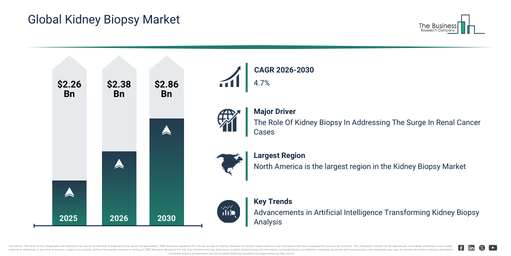
    The kidney biopsy sector has witnessed robust expansion lately, projecting an increase from $2.26 billion in 2025 to $2.38 billion in 2026, fueled by a compound annual growth rate of 5.4%. This historical upswing is attributable to a confluence of factors, including the escalating prevalence of chronic kidney disease, a rise in the incidence of glomerulonephritis and nephrotic syndrome, the continued diagnostic importance of renal biopsies in clinical practice, a growing number of kidney transplantations, and the proliferation of tertiary care facilities.

    The market for kidney biopsies is projected for consistent expansion over the upcoming years, reaching an estimated $2.86 billion by 2030, fueled by a compound annual growth rate of 4.7%. This anticipated expansion during the forecast period is largely attributable to the escalating prevalence of kidney issues linked to diabetes, the increasing acceptance of biopsy procedures guided by ultrasound and CT scans, a heightened need for prompt identification of kidney ailments, ongoing progress in imaging technologies, and broader availability of expert nephrology services. Key developments expected within this timeframe include a stronger inclination towards less invasive kidney biopsy methods, a greater utilization of percutaneous biopsies performed under image guidance, a growing requirement for precise diagnosis of kidney conditions, the wider application of biopsy procedures for monitoring transplanted kidneys, and enhancements in the safety and accuracy of renal tissue acquisition.

    Download A Free Sample Report For Comprehensive Market Insights:

    https://www.thebusinessresearchcompany.com/sample.aspx?id=16458&type=smp

    Kidney Biopsy Market Expansion Supported By Key Demand Factors

    The increasing occurrence of kidney cancer is anticipated to be a primary driver for the kidney biopsy market’s expansion. This type of cancer, marked by the aberrant proliferation of kidney cells, is becoming more prevalent due to elements like altered lifestyles, exposure to environmental contaminants, and enhanced diagnostic capabilities leading to a greater number of identified cases. Kidney biopsies are instrumental in the diagnosis and management of renal cancer, serving to verify malignant cells, establish a cancer’s stage, inform treatment strategies, track therapeutic efficacy, and offer insights into potential outcomes. For example, Cancer Research UK projects that new diagnoses of kidney cancer in the UK will climb from roughly 16,300 in 2023 to an estimated 21,900 by 2025, underscoring how the escalating rates of renal cancer are fueling the growth trajectory of the kidney biopsy market.

    Kidney Biopsy Market Segment Analysis Highlighting Growth Areas

    The kidney biopsy market covered in this report is segmented –

    1) By Type: Percutaneous Biopsy, Surgical Biopsy

    2) By Indication: Kidney Failure, Kidney Transplant, Hematuria, Proteinuria

    3) By End-User: Hospitals And Clinics, Tertiary Care Centers, Other End-Users

    Subsegments:

    1) By Percutaneous Biopsy: Ultrasound-Guided Biopsy, CT-Guided Biopsy

    2) By Surgical Biopsy: Open Kidney Biopsy, Laparoscopic Kidney Biopsy

    Kidney Biopsy Market Growth Trends Influencing Competitive Dynamics

    Leading entities within the kidney biopsy sector are actively engaged in creating cutting-edge systems by incorporating artificial intelligence (AI) to elevate diagnostic precision, optimize clinical workflows, and ultimately improve patient prognoses. The integration of AI offers a significant advantage to kidney biopsy procedures by refining image interpretation, furnishing diagnostic assistance, facilitating therapy design, delivering prognostic insights, and propelling kidney disease research forward. As a recent illustration, during March of 2024, Aiosyn, a software firm headquartered in the Netherlands, introduced its NephroPath platform. This NephroPath platform leverages advanced computational pathology algorithms designed to scrutinize histological markers present in kidney tissue samples, encompassing functions such as identifying distinct tissue classifications, quantifying interstitial fibrosis, and meticulously enumerating and evaluating glomeruli. Such AI-powered examination guarantees a uniform, thorough, and reliably repeatable evaluation of renal pathology indicators, thereby circumventing the limitations inherent in conventional scoring techniques and the variability introduced by individual observer interpretation.

    Kidney Biopsy Market Leading Companies: Who Holds Significant Market Presence?

    Major companies operating in the kidney biopsy market are Cardinal Health, Medtronic plc, Siemens Healthineers AG, GE HealthCare Technologies Inc., Koninklijke Philips N.V., Becton Dickinson and Company, Boston Scientific Corporation, Olympus Corporation, Hitachi Ltd., Canon Medical Systems Corporation, Cook Medical, B. Braun Melsungen AG, Merit Medical Systems Inc., Argon Medical Devices Inc., Stryker Corporation, Integra LifeSciences Corporation, Leica Biosystems, Hologic Inc., Samsung Medison Co. Ltd., Mindray Medical International Limited, Terumo Corporation, Fujifilm Holdings Corporation

    Access The Complete Kidney Biopsy Market Report:

    https://www.thebusinessresearchcompany.com/report/kidney-biopsy-global-market-report

    Kidney Biopsy Market Largest Region: Which Geography Holds The Highest Market Share?

    North Americawas the largest region in the kidney biopsy market in 2025. Asia-Pacificis expected to be the fastest-growing region in the forecast period. The regions covered in the kidney biopsy market report are Asia-Pacific, South East Asia, Western Europe, Eastern Europe, North America, South America, Middle East, Africa.

    Get in touch with us:

    The Business Research Company: https://www.thebusinessresearchcompany.com/

    Americas: +1 310-496-7795

    Asia: +44 7882 955267 & +91 8897263534

    Europe: +44 7882 955267

    Email us at: marketing@tbrc.info

    Follow us on:

    LinkedIn: https://in.linkedin.com/company/the-business-research-company

    YouTube: https://www.youtube.com/channel/UC24_fI0rV8cR5DxlCpgmyFQ

    Global Market Model: https://www.thebusinessresearchcompany.com/global-market-model
  • Keytruda Market Growth Through 2030 Creates New Strategic Opportunities

    Keytruda Market Growth Through 2030 Creates New Strategic Opportunities

    Enhanced with market attractiveness analysis, total addressable market evaluation, company benchmarking matrices, interactive Excel dashboards, expanded supply chain intelligence, emerging startup coverage, and detailed product insights, The Business Research Company’s 2026 market reports deliver more actionable and strategically valuable research.

    Keytruda Market Growth From $26.04 Billion In 2026 To $36.32 Billion By 2030 At A CAGR Of 8.7%

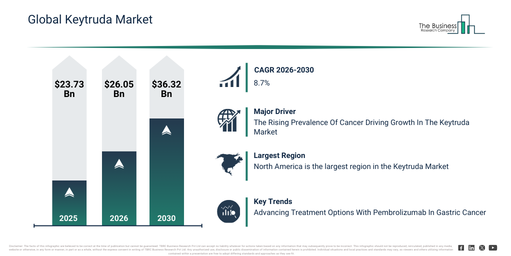
    The Keytruda market experienced robust expansion recently, projecting a rise from $23.73 billion in 2025 to $26.05 billion in 2026, reflecting a compound annual growth rate of 9.8%. This growth trajectory in the past can be linked to several factors, including positive clinical trial results in various cancer types, the acquisition of regulatory clearances for new cancer treatment areas, an escalating worldwide prevalence of cancer, a growing preference for immunotherapy compared to traditional chemotherapy, and substantial financial backing through reimbursement policies in developed economies.

    The Keytruda market is poised for considerable expansion over the coming years, projected to reach a value of $36.32 billion by 2030, with an anticipated compound annual growth rate of 8.7%. This anticipated growth trajectory is fueled by several key factors including the drug’s approval for new cancer types, a greater emphasis on precision oncology diagnostics, escalating expenditure on cancer treatments, heightened understanding of immunotherapy’s advantages, and broader availability in developing economies. Furthermore, significant trends shaping the market’s future encompass the broadening of indications for immune checkpoint inhibitors, the increasing adoption of combination immunotherapy approaches, a growing reliance on biomarker-driven patient selection, the expanded use of Keytruda in earlier stages of cancer treatment, and an overall oncologist preference driven by enhanced clinical results.

    Download A Free Sample Report For Comprehensive Market Insights:

    https://www.thebusinessresearchcompany.com/sample.aspx?id=16457&type=smp

    Keytruda Market Growth Drivers And Industry Catalysts

    The rising incidence of cancer is anticipated to be a primary catalyst for the expansion of the Keytruda market. Cancer, a multifaceted condition defined by the uncontrolled proliferation and dissemination of cells, stems from a confluence of genetic predispositions, lifestyle choices, environmental exposures, and hormonal influences. Keytruda, known scientifically as pembrolizumab, contributes to cancer therapy by primarily leveraging the patient’s own immune defenses to combat cancerous cells with enhanced efficacy. This drug signifies a pivotal development in oncology, channeling the immune system’s capabilities to identify and assault cancer cells, thereby offering renewed optimism for individuals with advanced or metastatic forms of the disease. An illustrative example of this trend emerged in January 2024, when the American Cancer Society, a prominent US non-profit dedicated to cancer advocacy, reported an increase in cancer diagnoses to 2,001,140, a rise from the 1,958,310 cases recorded in 2023, indicating a 2.19% upswing. Consequently, the escalating burden of cancer directly fuels the growth trajectory of the Keytruda market.

    Keytruda Market Segment Performance And Strategic Opportunities

    The keytruda market covered in this report is segmented –

    1) By Cancer Type: Melanoma, Lung Cancer, Head And Neck Cancer, Hodgkin Lymphoma, Stomach Cancer, Urothelial Carcinoma

    2) By Payer Type: Commercial, Medicare, Medicaid

    3) By Distribution Channel: Hospital Pharmacies, Specialty Pharmacies

    Subsegments:

    1) By Melanoma: Advanced Or Unresectable Melanoma, Adjuvant Treatment For Melanoma

    2) By Lung Cancer: Non-Small Cell Lung Cancer (NSCLC), Small Cell Lung Cancer (SCLC)

    3) By Head And Neck Cancer: Squamous Cell Carcinoma Of The Head And Neck (SCCHN), Recurrent Or Metastatic Head And Neck Cancer

    4) By Hodgkin Lymphoma: Classical Hodgkin Lymphoma, Relapsed Or Refractory Hodgkin Lymphoma

    5) By Stomach Cancer: Advanced Or Metastatic Gastric Cancer, Esophagogastric Junction Cancer

    6) By Urothelial Carcinoma: Advanced Or Metastatic Urothelial Carcinoma, Muscle-Invasive Bladder Cancer

    #Keytruda Market Trends Influencing Long-Term Demand

    Leading entities within the Keytruda market are actively pursuing the creation of novel therapeutic agents, exemplified by pembrolizumab, with the aim of broadening their treatment portfolios. Pembrolizumab, functioning as a monoclonal antibody, falls under the category of immune checkpoint inhibitors and is commercially recognized as Keytruda. This drug functions by targeting and inhibiting the PD-1 protein, also known as programmed cell death protein 1, found on T cells, a crucial component of the immune system. As an illustration, in November of 2023, Merck, a prominent American pharmaceutical firm, secured FDA approval for KEYTRUDA (pembrolizumab) when administered alongside chemotherapy regimens that incorporate fluoropyrimidine and platinum agents. This combined therapeutic approach has exhibited marked enhancements in both overall survival and progression-free survival metrics when contrasted with chemotherapy administered independently, thereby representing a substantial step forward in the management of gastric cancer. Evidence from clinical investigations indicates that this combination therapy has yielded superior outcomes in terms of overall survival (OS), progression-free survival (PFS), and the overall response rate (ORR) compared to chemotherapy used as a singular treatment modality.

    Keytruda Market Key Players: Which Companies Shape Industry Competition?

    Major companies operating in the keytruda market are Merck & Co. Inc., Eisai Co. Ltd., Pfizer Inc., AstraZeneca plc, Roche Holding AG, Novartis AG, Sanofi S.A., Amgen Inc., Gilead Sciences Inc., AbbVie Inc., Bristol Myers Squibb, Eli Lilly and Company, Regeneron Pharmaceuticals Inc., BeiGene Ltd., Incyte Corporation, Takeda Pharmaceutical Company Limited, Chugai Pharmaceutical Co. Ltd., Bayer AG, Boehringer Ingelheim, Seagen Inc.

    Access The Complete Keytruda Market Report:

    https://www.thebusinessresearchcompany.com/report/keytruda-global-market-report

    Keytruda Market Regional Analysis: Which Region Leads By Revenue?

    North Americawas the largest region in the keytruda market in 2025. The regions covered in the keytruda market report are Asia-Pacific, South East Asia, Western Europe, Eastern Europe, North America, South America, Middle East, Africa.

    Get in touch with us:

    The Business Research Company: https://www.thebusinessresearchcompany.com/

    Americas: +1 310-496-7795

    Asia: +44 7882 955267 & +91 8897263534

    Europe: +44 7882 955267

    Email us at: marketing@tbrc.info

    Follow us on:

    LinkedIn: https://in.linkedin.com/company/the-business-research-company

    YouTube: https://www.youtube.com/channel/UC24_fI0rV8cR5DxlCpgmyFQ

    Global Market Model: https://www.thebusinessresearchcompany.com/global-market-model
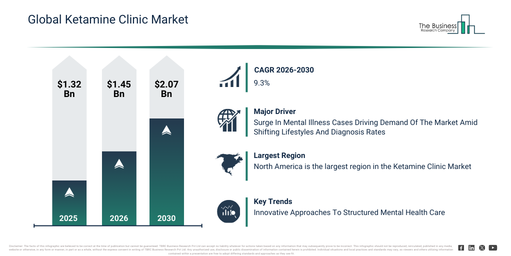
  • Ketamine Clinic Market Size Projected To Increase From $1.45 Billion To $2.07 Billion During The Forecast Period

    Ketamine Clinic Market Size Projected To Increase From $1.45 Billion To $2.07 Billion During The Forecast Period

    Through market attractiveness analysis, total addressable market evaluation, company benchmarking matrices, interactive Excel dashboards, expanded supply chain intelligence, emerging startup coverage, and detailed product insights, The Business Research Company’s 2026 market reports provide more actionable and strategically valuable research.

    Ketamine Clinic Market Expansion Outlook: What Revenue Opportunities Lie Ahead?

    The ketamine clinic market has experienced robust expansion lately, with a projected increase from its $1.32 billion valuation in 2025 to $1.45 billion in 2026, reflecting a compound annual growth rate of 9.8%. This notable growth during the preceding period is traceable to several key factors including the escalating occurrence of treatment-resistant depression, a heightened general understanding of the advantages offered by ketamine therapy, the broadening scope of accessible outpatient mental health provisions, a sufficient pool of qualified healthcare practitioners, and a continuously increasing patient interest in seeking novel therapeutic avenues.

    The market for ketamine clinics is poised for substantial expansion in the coming years, projected to reach $2.07 billion by 2030 with a compound annual growth rate of 9.3%. This upward trajectory is fueled by several key factors, including improved regulatory guidelines for ketamine therapies, increased funding for mental health services, the proliferation of digital mental health solutions, ongoing research into psychedelic-assisted therapies, and a greater openness to innovative psychiatric treatments. During this forecast period, significant developments are anticipated, such as the establishment of more dedicated ketamine treatment facilities, a broader embrace of ketamine for various mental health conditions, the synergistic combination of psychotherapy with pharmaceutical interventions, the wider availability of remote ketamine services through telehealth, and a heightened emphasis on ensuring patient safety and rigorous monitoring within clinical settings.

    Download A Free Sample Report For Comprehensive Market Insights:

    https://www.thebusinessresearchcompany.com/sample.aspx?id=25804&type=smp

    Ketamine Clinic Market Opportunity Drivers: What Is Creating New Revenue Potential?

    Anticipated expansion in the ketamine clinic market is directly linked to the escalating rates of mental health challenges. These conditions manifest as irregularities in an individual’s mood, cognitive processes, or conduct, potentially interfering with their daily activities and interpersonal relationships. A significant contributor to the surge in mental health issues is the pervasive feeling of social isolation, where diminished social engagement and diminished support networks exacerbate emotional and psychological strain. Ketamine clinics provide a vital service by offering rapid therapeutic interventions that alleviate symptoms associated with anxiety and depression, thereby averting the escalation of these conditions into more severe psychological afflictions. Illustratively, data from the Centers for Disease Control and Prevention, a federal body in the United States, indicated in June 2025 that between 2022 and 2023, 11% of children aged 3 to 17 years were diagnosed with anxiety, with boys experiencing a 9% rate and girls a 12% rate, while 8% were diagnosed with a behavioral disorder, impacting 10% of boys and 5% of girls. Consequently, the broadening incidence of mental health conditions is a key driver for the ketamine clinic market’s growth.

    Ketamine Clinic Market Segment Landscape And Growth Potential

    The ketamine clinic market covered in this report is segmented –

    1) By Therapy: Online Therapy, On-Site Therapy

    2) By Treatment: Anxiety, Depression, Post-Traumatic Stress Disorder (PTSD), Other Treatments

    3) By Referral Source: Primary Care Physicians, Online Advertising, Mental Health Professionals

    4) By Mode Of Administration: Injectables, Nasally Administered, Oral Tablets

    5) By End User: Individuals, Hospitals And Clinics, Specialized Ketamine Centers, Research Institutions

    Subsegments:

    1) By Online Therapy: Video Consultation, Phone-Based Therapy, Mobile App-Based Sessions, Virtual Reality-Assisted Therapy, Asynchronous Messaging Therapy

    2) By On-Site Therapy: Intravenous (IV) Infusion Therapy, Intramuscular (IM) Injection, Sublingual Or Buccal Administration, Nasal Spray Therapy, Oral Tablet Therapy, Group Therapy Sessions, One-On-One Psychotherapy Integration Sessions

    Ketamine Clinic Market Innovation Trends Driving Future Development

    Within the ketamine clinic landscape, key players are prioritizing the creation of sophisticated offerings, such as evidence-based therapeutic interventions, to implement methodical and validated strategies ensuring reproducible results. These evidence-based therapies represent treatment modalities that have demonstrated efficacy through rigorous investigation and clinical trials for tackling particular mental or behavioral health challenges. Illustratively, in the month of June for the year 2025, Rooted Rhythm Therapy, a firm providing mental health services within the United States, collaborated with Noma Therapy, another US-based entity specializing in ketamine-assisted psychotherapy, to initiate an insurance-reimbursed ketamine therapy initiative. This initiative artfully combines specialized somatic support with expert psychotherapy services, specifically designed for parents grappling with depression, anxiety, exhaustion, or trauma. It seamlessly integrates Noma’s ketamine-assisted treatment, underpinned by clinical oversight, with Rooted Rhythm’s methodology focused on parental guidance and emotional reinforcement. The offerings encompass ketamine interventions that are covered by insurance, complemented by professional support concerning dosage and the management of medication. Furthermore, parents gain access to personalized and group therapy sessions crafted to enhance emotional control, promote somatic awareness, and accommodate varied family schedules.

    Ketamine Clinic Market Competitive Landscape: Who Are The Leading Companies?

    Major companies operating in the ketamine clinic market are Mindbloom Inc., Mindful Health Solutions, Neuro Wellness Spa, The Ketamine Clinic, Clarity Clinic, Revitalist Lifestyle and Wellness Ltd., Nushama, Innerwell, Klarisana Health, NY Ketamine Infusions, Axon Therapies Inc., Alleviant Health Centers, Lone Peak Psychiatry, MindPeace Clinics, NeuroRelief Ketamine & Infusion Therapy, Choose Your Horizon Inc., Innerbloom Ketamine Therapy, Viking Psychiatry, Norcal Ketamine Infusion Centers, Pacific KLN Infusions.

    Access The Complete Ketamine Clinic Market Report:

    https://www.thebusinessresearchcompany.com/report/ketamine-clinic-global-market-report

    Ketamine Clinic Market Geographic Distribution And Regional Opportunities

    North Americawas the largest region in the ketamine clinic market in 2025. Asia-Pacificis expected to be the fastest-growing region in the forecast period. The regions covered in the ketamine clinic market report are Asia-Pacific, South East Asia, Western Europe, Eastern Europe, North America, South America, Middle East, Africa.

    Get in touch with us:

    The Business Research Company: https://www.thebusinessresearchcompany.com/

    Americas: +1 310-496-7795

    Asia: +44 7882 955267 & +91 8897263534

    Europe: +44 7882 955267

    Email us at: marketing@tbrc.info

    Follow us on:

    LinkedIn: https://in.linkedin.com/company/the-business-research-company

    YouTube: https://www.youtube.com/channel/UC24_fI0rV8cR5DxlCpgmyFQ

    Global Market Model: https://www.thebusinessresearchcompany.com/global-market-model
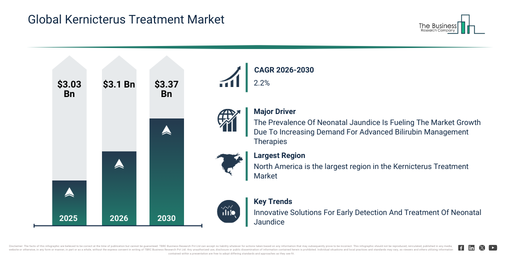
  • Kernicterus Treatment Market Growth Outlook Reveals A CAGR Of 2.2% And A Market Value Of $3.37 Billion By 2030

    Kernicterus Treatment Market Growth Outlook Reveals A CAGR Of 2.2% And A Market Value Of $3.37 Billion By 2030

    Delivering more actionable and strategically valuable research, The Business Research Company’s 2026 market reports feature market attractiveness analysis, total addressable market evaluation, company benchmarking matrices, interactive Excel dashboards, expanded supply chain intelligence, emerging startup coverage, and detailed product insights.

    Kernicterus Treatment Market Growth Potential: How Will Market Size Change Through 2030?

    The market for kernicterus treatment has experienced consistent expansion. Projections indicate a progression from $3.03 billion in 2025 to $3.1 billion in 2026, reflecting a compound annual growth rate of 2.1%. The growth observed during the historical period can be linked to a rise in surgical interventions and skin trauma, a greater incidence of keloid development within particular demographics, the widespread adoption of steroid injections in clinical practice, an escalating demand for cosmetic dermatology procedures, and the presence of diverse therapeutic options.

    The market for kernicterus treatment is poised for consistent expansion in the forthcoming years, projected to reach $3.37 billion by the year 2030, reflecting a compound annual growth rate of 2.2%. This anticipated growth during the forecast period is bolstered by several key factors, including significant progress in laser and phototherapy techniques, heightened public awareness concerning scar management strategies, a growing inclination towards non-invasive therapeutic options, the proliferation of dermatology practices in developing nations, and an increasing embrace of at-home scar treatment solutions. Key developments shaping the market landscape over the forecast period encompass a surging demand for minimally invasive keloid treatments, a greater utilization of combined therapeutic methodologies, augmented adoption of laser and phototherapy solutions, an expansion of homecare services and topical scar management products, and a dedicated focus on diminishing the recurrence rates of keloids.

    Download A Free Sample Report For Comprehensive Market Insights:

    https://www.thebusinessresearchcompany.com/sample.aspx?id=13470&type=smp

    Kernicterus Treatment Market Growth Momentum: Which Factors Are Influencing Demand?

    The increasing incidence of neonatal jaundice is a primary catalyst for the expansion of the kernicterus treatment market. Neonatal jaundice, a prevalent condition in newborns marked by yellowing of the skin and eyes, is on the rise, largely attributable to an uptick in premature births. Preterm infants often have immature liver functions, which impedes their ability to efficiently process and clear bilirubin. Kernicterus treatment, which encompasses interventions like exchange transfusions to replace the infant’s blood with blood containing lower bilirubin levels, plays a crucial role in managing symptoms and enhancing the child’s well-being. Data from the National Library of Medicine in October 2023 indicates that approximately 60% of full-term infants and 80% of premature infants develop jaundice within their first week, with about 10% of breastfed infants still exhibiting jaundice at one month. Consequently, the widespread occurrence of neonatal jaundice is projected to significantly boost the kernicterus treatment market.

    Augmented healthcare expenditures are propelling the expansion of the market for kernicterus treatment. This increased spending reflects a greater allocation of resources towards medical services, advanced equipment, and innovative technologies aimed at enhancing patient care and health results. The demand for sophisticated medical technologies, driving investments by healthcare facilities in state-of-the-art equipment and digital solutions, underpins this rise in healthcare spending. Furthermore, heightened healthcare expenditure facilitates improved early detection of neonatal jaundice and ensures prompt, effective medical interventions, thereby preventing serious neurological harm. Evidence from the Centers for Medicare & Medicaid Services in December 2024 reveals that national health expenditures in the US climbed by 7.5% in 2023, reaching $4.9 trillion, or $14,570 per capita, constituting 17.6% of the GDP. Medicare spending alone rose by 8.1% to $1,029.8 billion, accounting for 21% of total national health expenditures. Therefore, escalating healthcare spending is a key driver for the growth observed in the kernicterus treatment market.

    Kernicterus Treatment Market Categorization By Product Type And Application

    The kernicterus treatment market covered in this report is segmented –

    1) By Treatment Type: Phototherapy, Exchange Transfusion, Pharmacological Supportive Therapy, Supportive Neurological Care

    2) By Route of Administration: Non-Invasive, Phototherapy (light-based), Injectable, Blood Products, IVIG, Albumin

    3) By End User: Hospitals, Neonatal Intensive Care Units (NICUs), Specialty Neonatal Centers, Academic And Research Institutes

    Subsegments:

    1) By Phototherapy: Conventional Phototherapy, Intensive Phototherapy, LED-Based Phototherapy, Fiberoptic Phototherapy

    2) By Exchange Transfusion: Partial Exchange Transfusion, Double Volume Exchange Transfusion

    3) By Pharmacological Supportive Therapy: Intravenous Immunoglobulin (IVIG), Albumin Therapy

    4) By Supportive Neurological Care: Seizure Management, Respiratory Support, Nutritional and Fluid Management

    Kernicterus Treatment Market Trends Reshaping Industry Growth

    The kernicterus treatment sector sees leading entities concentrating their efforts on pioneering advancements like combined newborn jaundice screening and sophisticated phototherapy setups. These innovations aim to facilitate prompt identification, guarantee prompt interventions, and mitigate the neurological harm associated with kernicterus in infants. Such integrated systems serve as dual-purpose diagnostic and therapeutic tools, precisely gauging bilirubin concentrations and administering effective light-based treatment to preemptively address jaundice and avert lasting cerebral impairment in newborns. As an illustration, Project Oscar – Light For Life, initiated in December 2024 by the Nigerian non-profit Wellbeing Foundation Africa in partnership with the British firm Reckitt, represents a nationwide campaign dedicated to screening, treating, and preventing kernicterus in newborns. This initiative equips medical centers with cutting-edge phototherapy apparatus and bilirubinometers for precise and early jaundice detection and treatment, alongside training medical personnel and enlightening mothers to counteract detrimental misconceptions. Diverging from traditional piecemeal care, Project Oscar champions a comprehensive, prevention-oriented strategy that intertwines technological deployment, skill enhancement, and public sensitization to diminish infant fatalities and the permanent disabilities stemming from kernicterus.

    Kernicterus Treatment Market Company Landscape And Strategic Competition

    Major companies operating in the kernicterus treatment market are GE HealthCare, Philips Healthcare, Drägerwerk AG, Natus Medical Incorporated, Atom Medical Corporation, Phoenix Medical Systems, Fanem Ltda, Medela AG, Olympic Medical, Nice Neotech Medical Systems, Baxter International Inc., Fresenius Kabi, Grifols S.A, CSL Limited, Octapharma AG, Kedrion S.p.A, Biotest AG, Terumo Corporation, Haemonetics Corporation, Macopharma

    Access The Complete Kernicterus Treatment Market Report:

    https://www.thebusinessresearchcompany.com/report/kernicterus-treatment-global-market-report

    Kernicterus Treatment Market Largest Region By Revenue And Market Share

    North Americawas the largest region in the kernicterus treatment market in 2025. Asia-Pacificis expected to be the fastest-growing region in the forecast period. The regions covered in the kernicterus treatment market report are Asia-Pacific, South East Asia, Western Europe, Eastern Europe, North America, South America, Middle East, Africa.

    Get in touch with us:

    The Business Research Company: https://www.thebusinessresearchcompany.com/

    Americas: +1 310-496-7795

    Asia: +44 7882 955267 & +91 8897263534

    Europe: +44 7882 955267

    Email us at: marketing@tbrc.info

    Follow us on:

    LinkedIn: https://in.linkedin.com/company/the-business-research-company

    YouTube: https://www.youtube.com/channel/UC24_fI0rV8cR5DxlCpgmyFQ

    Global Market Model: https://www.thebusinessresearchcompany.com/global-market-model
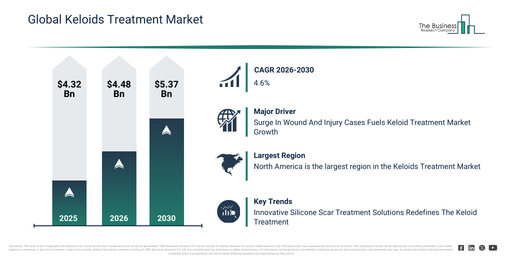
  • Keloids Treatment Market Forecast Highlights Expansion From $4.48 Billion To $5.36 Billion Through 2030

    Keloids Treatment Market Forecast Highlights Expansion From $4.48 Billion To $5.36 Billion Through 2030

    Enhanced with market attractiveness analysis, total addressable market evaluation, company benchmarking matrices, interactive Excel dashboards, expanded supply chain intelligence, emerging startup coverage, and detailed product insights, The Business Research Company’s 2026 market reports deliver more actionable and strategically valuable research.

    Keloids Treatment Market Value Analysis: What Growth Is Expected Over The Forecast Period?

    The market dedicated to keloid treatments has demonstrated consistent expansion. Projections indicate a progression from $4.32 billion in 2025 to $4.48 billion in 2026, reflecting a compound annual growth rate of 3.7%. Factors contributing to this expansion historically include the rising frequency of skin trauma and surgical procedures, an increasing number of individuals susceptible to keloids, the sustained effectiveness of steroid injections, a heightened demand for aesthetic dermatological interventions, and the availability of a diverse array of therapeutic options.

    The global market for keloid treatments is poised for consistent expansion over the coming years, with projections indicating a rise to $5.37 billion by 2030, reflecting a compound annual growth rate of 4.6%. This projected growth trajectory is supported by several key factors, including improvements in laser and cryotherapy techniques, heightened public awareness regarding scar management, a greater inclination towards less invasive treatment modalities, the proliferation of dermatology centers in developing economies, and an increasing uptake of at-home scar care products. During this forecast period, significant market currents are expected to include a surge in demand for non-invasive keloid remedies, a growing embrace of combined therapeutic strategies, expanded utilization of laser technology for scar management, a broader availability of at-home and topical treatments, and an intensified focus on individualized therapies aimed at preventing recurrence.

    Download A Free Sample Report For Comprehensive Market Insights:

    https://www.thebusinessresearchcompany.com/sample.aspx?id=12908&type=smp

    Keloids Treatment Market Expansion Drivers: What Is Shaping Future Growth?

    The escalation in occurrences of wounds and injuries presents a significant catalyst for the expansion of the keloid treatment market. A wound, defined as damage to bodily tissues often characterized by a skin breach stemming from incidents like accidents, surgeries, burns, or other traumas, can consequently lead to keloid development. This heightened prevalence of keloids, in turn, stimulates a greater need for successful treatment methodologies, fosters increased comprehension of keloid-related issues, encourages scientific progress, and cultivates partnerships within the medical community. Illustratively, the U.S. Bureau of Labor Statistics, a U.S. federal agency dedicated to generating crucial data on labor markets and workplace safety, reported in November 2024 that private industry employers documented approximately 2.6 million nonfatal workplace injuries and illnesses during 2023. Consequently, the increasing frequency of wound and injury cases is projected to be a key driver for the keloid treatment market’s growth.

    Keloids Treatment Market Driver: Growth Of Keloid Treatment Market Fueled By Increasing Demand For Non-Surgical Aesthetic Procedures

    Accelerating enthusiasm for non-surgical aesthetic interventions is poised to invigorate the keloid treatment market’s trajectory. These non-surgical aesthetic treatments, designed to refine appearance without resorting to surgical methods, target particular concerns to achieve a more youthful aesthetic. Medical practitioners employ techniques like laser therapy, cryotherapy, and dermal fillers in non-surgical aesthetic procedures to mitigate the visual impact and symptoms associated with keloid scars, effectively diminishing inflammation, redness, and vascularity. As an illustration, the International Society of Aesthetic Plastic Surgery (ISAPS), a US-based non-profit organization representing board-certified plastic surgeons, announced in June 2024 that the cumulative number of both surgical and non-surgical aesthetic procedures saw a 3.4% increase in 2023, reaching an approximate total of 34.9 million, with non-surgical treatments accounting for roughly 19.1 million. Therefore, the growing demand for non-surgical aesthetic procedures is set to fuel the expansion of the keloid treatment market.

    Keloids Treatment Market Segment Analysis And Revenue Opportunities

    The keloids treatment market covered in this report is segmented –

    1) By Product Type: Topical Products, Injectable Products, Medical Devices

    2) By Treatment: Radiation Therapy, Cryo Therapy, Surgical Treatment, Laser Treatment, Steroid Injections, Other Treatments

    3) By Route Of Administration: Topical Administration, Intralesional Administration

    4) By End User: Hospitals, Homecare, Dermatology Clinics, Other End Users

    Subsegments:

    1) By Topical Products: Silicone-Based Products, Steroid-Based Topical Products

    2) By Injectable Products: Corticosteroid Injections, Antimetabolite Injections

    3) By Medical Devices: Compression Therapy Devices, Silicone-Based Scar Management Devices

    Keloids Treatment Market Strategic Trends: What Is Defining The Next Phase Of Growth?

    In the competitive landscape of keloid treatment, leading entities are prioritizing the creation of novel scar management solutions, exemplified by silicone strips like Scar Erase, aiming to secure a stronger market position. Specifically, Scar Erase, a UK-based specialist in scar therapy, introduced its silicone strips in April of 2023, offering a new approach to scar management. These strips, composed of 3 mm medical-grade silicone, have undergone clinical validation confirming their efficacy in enhancing scar appearance and supporting the healing process. Designed for repeated use, and adhering to vegan and cruelty-free principles, this technology provides an accessible and user-friendly method for addressing various scar conditions at home, encompassing hypertrophic scars, keloids, post-operative scars, and stretch marks. The mechanism involves creating a hydrating silicone barrier around the scar, fostering an ideal environment for recovery. This process works to diminish collagen synthesis and refine the scar’s texture, color, and elevation, ensuring both therapeutic benefit and user ease.

    Keloids Treatment Market Leading Players Shaping Industry Direction

    Major companies operating in the keloids treatment market are Galderma S.A., Sun Pharmaceutical Industries Ltd., Stratpharma AG, Revance Therapeutics Inc., Sensus Healthcare Inc., Cynosure Inc., Cutera Inc., Lumenis Ltd., Candela Medical, Merz Pharma GmbH & Co. KGaA, AbbVie Inc., Teva Pharmaceutical Industries Ltd., Alliance Pharma plc, Sonoma Pharmaceuticals Inc., Strata Skin Sciences Inc., Avita Medical Limited, Biofrontera AG, Sinclair Pharma plc, Fotona d.o.o., Lutronic Corporation

    Access The Complete Keloids Treatment Market Report:

    https://www.thebusinessresearchcompany.com/report/keloids-treatment-global-market-report

    Keloids Treatment Market Regional Analysis And Leading Geography

    North Americawas the largest region in the keloids treatment market in 2025. Asia-Pacificis expected to be the fastest-growing region in the forecast period. The regions covered in the keloids treatment market report are Asia-Pacific, South East Asia, Western Europe, Eastern Europe, North America, South America, Middle East, Africa.

    Get in touch with us:

    The Business Research Company: https://www.thebusinessresearchcompany.com/

    Americas: +1 310-496-7795

    Asia: +44 7882 955267 & +91 8897263534

    Europe: +44 7882 955267

    Email us at: marketing@tbrc.info

    Follow us on:

    LinkedIn: https://in.linkedin.com/company/the-business-research-company

    YouTube: https://www.youtube.com/channel/UC24_fI0rV8cR5DxlCpgmyFQ

    Global Market Model: https://www.thebusinessresearchcompany.com/global-market-model

  • Juvenile Macular Degeneration Treatment Market Expected To Reach $2.01 Billion By 2030 As Growth Accelerates At 7.7% CAGR

    Juvenile Macular Degeneration Treatment Market Expected To Reach $2.01 Billion By 2030 As Growth Accelerates At 7.7% CAGR

    Through market attractiveness analysis, total addressable market evaluation, company benchmarking matrices, interactive Excel dashboards, expanded supply chain intelligence, emerging startup coverage, and detailed product insights, The Business Research Company’s 2026 market reports provide more actionable and strategically valuable research.

    Juvenile Macular Degeneration Treatment Market Size Forecast: How Large Could The Market Become By 2030?

    The market dedicated to treating juvenile macular degeneration has experienced robust expansion recently. Projections indicate a rise from $1.39 billion in 2025 to $1.5 billion in 2026, reflecting a compound annual growth rate of 7.9%. This historical growth trajectory has been influenced by factors such as a scarcity of therapeutic alternatives for this condition, heightened public understanding of hereditary retinal issues, significant progress in retinal imaging techniques, an upswing in specialized ophthalmic care, and an increasing frequency in the diagnosis of Stargardt disease.

    The market for treatments targeting juvenile macular degeneration is projected for substantial expansion in the upcoming years, reaching an estimated $2.01 billion by 2030 with a compound annual growth rate of 7.7%. This anticipated growth is primarily fueled by breakthroughs in gene and stem cell research, augmented investments in therapies for rare diseases, a heightened emphasis on early detection and management of pediatric eye conditions, the broadening scope of clinical research, and enhanced accessibility to specialized eye care. Key developments expected during this period include a more concentrated effort on managing genetic eye disorders, increased uptake of gene and stem cell-based treatments, wider utilization of devices aimed at preserving vision and providing assistance, an expansion of clinical trials for rare retinal conditions, and the enhancement of patient support networks alongside rehabilitation programs for those with low vision.

    Download A Free Sample Report For Comprehensive Market Insights:

    https://www.thebusinessresearchcompany.com/sample.aspx?id=23433&type=smp

    Juvenile Macular Degeneration Treatment Market Development Factors: Which Trends Are Supporting Demand?

    The rising incidence of various retinal conditions is poised to stimulate the expansion of the market for juvenile macular degeneration treatments. These retinal disorders, which encompass a range of ailments impacting the light-sensing retina at the back of the eye and potentially causing vision compromise or blindness, are becoming more common. This increase is largely attributed to the growing rates of diabetes, a condition that can result in diabetic retinopathy and progressive retinal damage. Treatments for juvenile macular degeneration are pivotal in managing these retinal disorders by safeguarding vision through prompt intervention, which is especially vital for younger individuals. For example, data from Retina Australia, a non-profit organization, indicated in November 2024 that an estimated 19,000 Australians, representing roughly 1 in every 1,380 individuals, currently experience inherited retinal diseases (IRDs). Concurrently, the National Eye Institute in the US projects that the number of Americans suffering from advanced age-related macular degeneration (AMD) will climb from 2.1 million to an estimated 3.7 million by the year 2030. Consequently, the escalating occurrence of retinal disorders is a key factor fueling the growth trajectory of the juvenile macular degeneration treatment market.

    Juvenile Macular Degeneration Treatment Market Segmentation And Category Breakdown

    The juvenile macular degeneration treatment market covered in this report is segmented –

    1) By Type: Stargardt Disease (ABCA4-Associated), X-Linked Juvenile Retinoschisis, Best Vitelliform Macular Dystrophy, Cone or Cone-Rod Dystrophy, Other Types

    2) By Treatment: Devices, Drugs, Surgery

    3) By Application: Vision Preservation, Disease Management, Symptom Relief, Preventive Care, Clinical Trials

    4) By Sales Channel: Hospitals, Ambulatory Surgical Centres, Other Sales Channels

    Subsegments:

    1) By Stargardt Disease (ABCA4-Associated): Juvenile Macular Degeneration, ABCA4 Gene Mutations, Visual Cycle Modulators, Stem Cell–Based Therapies

    2) By X-Linked Juvenile Retinoschisis: RS1 Gene Mutations, Pediatric-Onset Cases, Central Vision Impairment, Gene Therapy Programs

    3) By Best Vitelliform Macular Dystrophy: BEST1 Gene Mutations, Early-Onset BVMD, Late-Onset BVMD, Gene Therapy Approaches

    4) By Cone Or Cone-Rod Dystrophy: Cone-Dominant Disorders, Cone-Rod Progressive Disorders, Syndromic Forms, Non-Syndromic Forms

    5) By Other Types: Pattern Dystrophies, North Carolina Macular Dystrophy, Unclassified Juvenile Macular Dystrophies

    Juvenile Macular Degeneration Treatment Market Transformation Trends: Which Innovations Are Driving Change?

    Within the juvenile macular degeneration treatment arena, key players are actively pursuing pioneering approaches, notably employing dual adeno-associated viral (AAV) vectors, with the objective of refining gene therapy administration and boosting treatment outcomes for individuals afflicted with this condition. The concept behind a dual AAV vector involves a gene therapy strategy where two distinct AAV vectors are utilized to transport therapeutic genes that are too extensive to fit within a single AAV’s packaging limits. Illustrating this progress, in March 2025, SpliceBio, a biotechnology firm originating from Spain, reported the administration of the initial dose to a participant in their Phase 1/2 ASTRA trial for SB-007. This candidate is a gene therapy employing a dual AAV vector system engineered to re-establish the expression of the complete ABCA4 protein. The therapeutic intervention is intended to offer a prospective remedy for juvenile macular degeneration, also known as stargardt disease, a hereditary condition affecting the retina for which no treatments are currently approved, by targeting individuals irrespective of their specific genetic mutations, thereby representing a crucial advancement in the quest for effective gene therapies for uncommon retinal disorders.

    Juvenile Macular Degeneration Treatment Market Competitive Analysis Of Major Industry Participants

    Major companies operating in the juvenile macular degeneration treatment market are Alkeus Pharmaceuticals Inc., MeiraGTx Holdings plc, Ocugen Inc., ProQR Therapeutics N.V., Applied Genetic Technologies Corporation, Lineage Cell Therapeutics Inc., jCyte Inc., Nanoscope Therapeutics Inc., Editas Medicine Inc., Beam Therapeutics Inc., ReNeuron Group plc, Astellas Institute for Regenerative Medicine, Kubota Vision Inc., Ionis Pharmaceuticals Inc., Atsena Therapeutics Inc., Vedere Bio Inc., GenSight Biologics S.A., ViGeneron GmbH, Sanofi Gene Therapy, Neurotech Pharmaceuticals Inc.

    Access The Complete Juvenile Macular Degeneration Treatment Market Report:

    https://www.thebusinessresearchcompany.com/report/juvenile-macular-degeneration-treatment-global-market-report

    Juvenile Macular Degeneration Treatment Market Geographic Analysis: Where Is Demand Growing The Fastest?

    North Americawas the largest region in the juvenile macular degeneration treatment market in 2025. The regions covered in the juvenile macular degeneration treatment market report are Asia-Pacific, South East Asia, Western Europe, Eastern Europe, North America, South America, Middle East, Africa.

    Get in touch with us:

    The Business Research Company: https://www.thebusinessresearchcompany.com/

    Americas: +1 310-496-7795

    Asia: +44 7882 955267 & +91 8897263534

    Europe: +44 7882 955267

    Email us at: marketing@tbrc.info

    Follow us on:

    LinkedIn: https://in.linkedin.com/company/the-business-research-company

    YouTube: https://www.youtube.com/channel/UC24_fI0rV8cR5DxlCpgmyFQ

    Global Market Model: https://www.thebusinessresearchcompany.com/global-market-model