Month: June 2026

  • Levothyroxine Sodium Market Trends And Growth Drivers Point To Strong Future Potential

    Levothyroxine Sodium Market Trends And Growth Drivers Point To Strong Future Potential

    Through market attractiveness analysis, total addressable market evaluation, company benchmarking matrices, interactive Excel dashboards, expanded supply chain intelligence, emerging startup coverage, and detailed product insights, The Business Research Company’s 2026 market reports provide more actionable and strategically valuable research.

    Levothyroxine Sodium Market Size And Revenue Forecast Through 2030

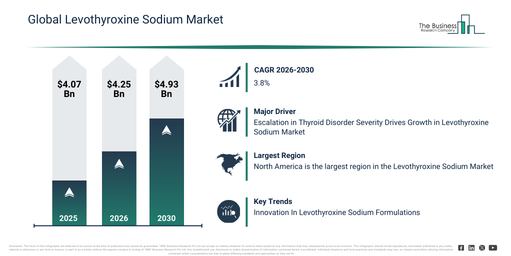
    Levothyroxine sodium’s market value experienced a substantial increase recently, expanding from $4.07 billion in 2025 to an projected $4.25 billion by 2026, reflecting a compound annual growth rate (CAGR) of 4.3%. This upward trajectory in the historical timeframe is a consequence of several key factors, including a rise in hypothyroidism diagnoses, the extensive utilization of thyroid function testing, the established efficacy and acceptance of levothyroxine treatments by medical professionals, an expanding elderly demographic susceptible to hormonal imbalances, and the accessibility of affordable generic medication options.

    The levothyroxine sodium market is poised for a period of sustained expansion, projected to reach a value of $4.93 billion by 2030, reflecting a compound annual growth rate of 3.8%. This anticipated growth trajectory is largely fueled by several key factors: enhanced healthcare accessibility in developing economies, a surge in proactive health examinations, a growing population of individuals requiring post-thyroidectomy care, the increasing adoption of online pharmacies, and a heightened emphasis on managing chronic health conditions. Throughout the forecast horizon, significant market trends will emerge, including a greater incidence of thyroid-related ailments, a growing reliance on extended hormone replacement treatments, a heightened concern for precise dosages and bioequivalent alternatives, the proliferation of more affordable generic levothyroxine options, and improved public awareness coupled with earlier detection of thyroid conditions.

    Download A Free Sample Report For Comprehensive Market Insights:

    https://www.thebusinessresearchcompany.com/sample.aspx?id=16461&type=smp

    Levothyroxine Sodium Market Opportunity Drivers: What Is Creating New Revenue Potential?

    The increasing seriousness of thyroid-related conditions is anticipated to fuel the expansion of the levothyroxine sodium market in the future. These thyroid issues, which impact the thyroid gland situated at the front of the neck, can become more severe due to reasons such as delayed identification, insufficient treatment, the body’s own immune responses, or complications arising from other health problems. Levothyroxine sodium functions to manage these disorders, like hypothyroidism, by introducing synthetic thyroxine (T4) to normalize hormone levels and relieve associated symptoms. As an illustration, the American Cancer Society indicated in January 2025 that the United States anticipates approximately 44,020 new thyroid cancer diagnoses (12,670 among males and 31,350 among females), with an estimated 2,290 fatalities (1,090 males and 1,200 females) attributed to this disease, thereby underscoring how the heightened severity of thyroid ailments is a contributing factor to the levothyroxine sodium market’s growth.

    A greater incidence of bipolar disorders is projected to stimulate the expansion of the levothyroxine sodium market moving ahead. Bipolar disorders encompass a range of mood irregularities marked by substantial swings in mood, energy, and overall activity, spanning from periods of intense elation to profound despair. The development of bipolar disorders is thought to stem from a complex interplay of genetic, biological, and environmental influences, encompassing hereditary predisposition, imbalances in brain chemistry, and significant life stressors. Levothyroxine sodium (L-T4) serves as a supplementary therapy for bipolar depression, effectively mitigating depressive symptoms and enhancing mood stability by re-establishing balanced thyroid hormone levels and modulating brain metabolism. For example, the World Health Organization (WHO), a United Nations agency, reported in September 2025 that an estimated 37 million individuals globally, or one in every 200 people, are affected by bipolar disorder, consequently indicating that the elevated prevalence of bipolar disorders is a key driver for the levothyroxine sodium market.

    Levothyroxine Sodium Market Segmentation And Category Breakdown

    The levothyroxine sodium market covered in this report is segmented –

    1) By Product: Oral, Injection

    2) By Indication: Hypothyroidism, Goiter, Thyroid Cancer, Myxedema Coma

    3) By Application: Hospitals, Clinic, Other Applications

    4) By Distribution Channel: Drug Stores, Online Stores, Specialty Stores

    Subsegments:

    1) By Oral: Tablets, Oral Solution

    2) By Injection: Intravenous (IV) Injection, Intramuscular (IM) Injection

    Levothyroxine Sodium Market Innovation Trends Driving Future Development

    In the levothyroxine sodium market, leading firms are innovating with levothyroxine gel capsules, presenting patients who struggle with swallowing or need exact dosages with new options. These gel capsules serve as a straightforward yet potent method for administering levothyroxine, guaranteeing predictable absorption and bioavailability. A prime example is IBSA Pharma, a pharmaceutical entity based in Switzerland, which introduced Tirosint, a formulation available as both gel capsules and an oral liquid solution, in April 2023. Tirosint, composed of levothyroxine sodium, functions by substituting a hormone normally produced by the thyroid gland to regulate bodily energy and metabolism, and it is utilized in treating hypothyroidism, a condition characterized by insufficient thyroid hormone levels. Tirosint marks a significant advancement in managing hypothyroidism, featuring FDA-approved strengths such as 37.5, 44, and 62.5 micrograms, which allow for exceptional tailoring to individual patient requirements and diminish the need for frequent dosage adjustments, thereby enabling healthcare providers to refine treatment plans with greater effectiveness.

    Levothyroxine Sodium Market Competitive Analysis Of Major Industry Participants

    Major companies operating in the levothyroxine sodium market are Pfizer Inc., AbbVie Inc., Sanofi S.A., Abbott Laboratories, Viatris Inc., Teva Pharmaceutical Industries Ltd., Sandoz International GmbH, Fresenius Kabi, Macleods Pharmaceuticals Ltd., Sun Pharmaceutical Industries Ltd., Dr. Reddy’s Laboratories Ltd., Apotex Inc., Hikma Pharmaceuticals PLC, Lupin, Amneal Pharmaceuticals Inc., Glenmark Pharmaceuticals Ltd., Alvogen, IBSA Institut Biochimique SA, Lannett, Taj Pharmaceuticals Ltd., Zydus Cadila, Farmak

    Access The Complete Levothyroxine Sodium Market Report:

    https://www.thebusinessresearchcompany.com/report/levothyroxine-sodium-global-market-report

    Levothyroxine Sodium Market Geographic Landscape: Which Region Dominates Industry Growth?

    North Americawas the largest region in the levothyroxine sodium market in 2025. Asia-Pacificis expected to be the fastest-growing region in the forecast period. The regions covered in the levothyroxine sodium market report are Asia-Pacific, South East Asia, Western Europe, Eastern Europe, North America, South America, Middle East, Africa.

    Get in touch with us:

    The Business Research Company: https://www.thebusinessresearchcompany.com/

    Americas: +1 310-496-7795

    Asia: +44 7882 955267 & +91 8897263534

    Europe: +44 7882 955267

    Email us at: marketing@tbrc.info

    Follow us on:

    LinkedIn: https://in.linkedin.com/company/the-business-research-company

    YouTube: https://www.youtube.com/channel/UC24_fI0rV8cR5DxlCpgmyFQ

    Global Market Model: https://www.thebusinessresearchcompany.com/global-market-model
  • Leukocytosis Market Expansion Is Reshaping Competitive Dynamics Across The Industry

    Leukocytosis Market Expansion Is Reshaping Competitive Dynamics Across The Industry

    Delivering more actionable and strategically valuable research, The Business Research Company’s 2026 market reports feature market attractiveness analysis, total addressable market evaluation, company benchmarking matrices, interactive Excel dashboards, expanded supply chain intelligence, emerging startup coverage, and detailed product insights.

    Leukocytosis Market Growth From $5.4 Billion In 2026 To $6.63 Billion By 2030 At A CAGR Of 5.2%

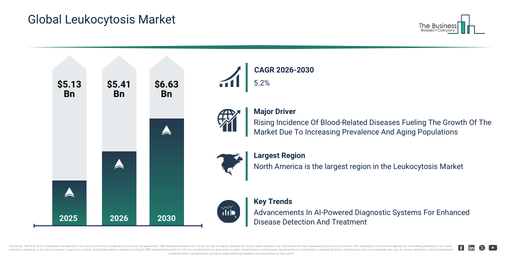
    The market for leukocytosis is experiencing robust expansion, projected to increase from $5.13 billion in 2025 to $5.41 billion in 2026, reflecting a compound annual growth rate of 5.4%. This upward trajectory in the historical period has been fueled by several key factors, including the widespread occurrence of infectious diseases, a rising number of inflammatory conditions, an increase in leukemia diagnoses, the continued dependence on traditional blood analyses, and the broadening availability of diagnostic services within hospital settings.

    The market for leukocytosis is projected for substantial expansion over the forthcoming years, anticipating a growth to $6.63 billion by 2030, fueled by a compound annual growth rate (CAGR) of 5.2%. This predicted expansion is underpinned by several key drivers, including enhancements in hematology diagnostics, a progressive embrace of individualized treatment strategies, heightened consciousness regarding the importance of early disease identification, increased public spending on health services, and a broader implementation of automated laboratory processes. Notable developments shaping this market during the projected timeframe involve the increasing utilization of sophisticated blood diagnostic tools, a stronger emphasis on treatments tailored to specific underlying conditions, the growing application of precision medicine within hematology, the expansion of automated and high-volume testing capabilities, and a more integrated approach incorporating clinical decision support systems.

    Download A Free Sample Report For Comprehensive Market Insights:

    https://www.thebusinessresearchcompany.com/sample.aspx?id=24278&type=smp

    Leukocytosis Market Growth Momentum: Which Factors Are Influencing Demand?

    The increasing prevalence of blood disorders is anticipated to be a significant driver for the leukocytosis market’s expansion. These hematic conditions, impacting components like erythrocytes, leukocytes, thrombocytes, or plasma, are on the rise, partly attributed to an aging global population where elderly individuals face greater vulnerability to ailments such as anemia, leukemia, and coagulation issues, stemming from diminished immunologic capacity and accumulated health problems. Given that blood disorders often manifest with heightened white blood cell counts, a key indicator of leukocytosis, there is a growing imperative for advanced diagnostic capabilities, refined monitoring technologies, and superior therapeutic interventions. As an illustration, the American Cancer Society reported an estimated 62,770 new leukemia diagnoses in the United States for 2024, a notable uptick from the 59,610 cases identified in 2023, underscoring the direct correlation between the escalating occurrence of hematological diseases and the market’s momentum in the leukocytosis sector.

    Leukocytosis Market Segment Outlook: Which Categories Are Expanding The Fastest?

    The leukocytosis market covered in this report is segmented –

    1) By Disease Type: Infection, Leukemia

    2) By Diagnosis Type: Blood Tests, Bone Marrow Biopsy

    3) By End User: Hospitals, Diagnostic Laboratories

    Subsegments:

    1) By Infection: Bacterial Infections, Viral Infections, Parasitic Infections, Fungal Infections

    2) By Leukemia: Chronic Myeloid Leukemia, Chronic Lymphocytic Leukemia, Acute Lymphoblastic Leukemia (ALL) with Hyperleukocytosis

    Leukocytosis Market Trends Reshaping Industry Growth

    Key players in the leukocytosis market are prioritizing the incorporation of artificial intelligence into diagnostic tools to achieve improvements in the prompt identification of the condition, the precision of diagnoses, and the customization of treatment strategies. The application of artificial intelligence in diagnostic systems involves leveraging AI techniques like machine learning, deep learning, and natural language processing for the examination of medical information, thereby assisting in or automating the diagnostic process for various ailments. As an illustration, in December 2024, Koninklijke Philips NV, a healthcare entity headquartered in the Netherlands, introduced its CT 5300 system, which embeds proprietary artificial intelligence capabilities to optimize computed tomography imaging processes. This system includes an intelligent computed tomography workflow that utilizes AI-powered functionalities, such as precise positioning, cardiac assessment, and brain imaging, to simplify scan preparation, elevate diagnostic precision, and minimize patient exposure to radiation.

    Leukocytosis Market Key Companies And Competitive Benchmarking

    Major companies operating in the leukocytosis market are Pfizer Inc., Johnson & Johnson, Siemens Healthineers AG, Roche Diagnostics AG, Bristol Myers Squibb, Thermo Fisher Scientific Inc., Abbott Laboratories, Novartis International AG, Danaher Corporation, Merck KGaA, Becton Dickinson and Company (BD), Laboratory Corporation of America Holdings (LabCorp), Quest Diagnostics, Agilent Technologies Inc., Grifols SA, Hologic Inc., Illumina Inc., PerkinElmer Inc., Sysmex Corporation, Beckman Coulter Diagnostics Inc., Bio-Rad Laboratories, Bio-Techne Corporation, NeoGenomics Laboratories Inc., DiaSorin S.p.A.

    Access The Complete Leukocytosis Market Report:

    https://www.thebusinessresearchcompany.com/report/leukocytosis-global-market-report

    Leukocytosis Market Largest Region: Which Geography Holds The Highest Market Share?

    North Americawas the largest region in the leukocytosis market in 2025. Asia-Pacificis expected to be the fastest growing region in the forecast period. The regions covered in the leukocytosis market report are Asia-Pacific, South East Asia, Western Europe, Eastern Europe, North America, South America, Middle East, Africa.

    Get in touch with us:

    The Business Research Company: https://www.thebusinessresearchcompany.com/

    Americas: +1 310-496-7795

    Asia: +44 7882 955267 & +91 8897263534

    Europe: +44 7882 955267

    Email us at: marketing@tbrc.info

    Follow us on:

    LinkedIn: https://in.linkedin.com/company/the-business-research-company

    YouTube: https://www.youtube.com/channel/UC24_fI0rV8cR5DxlCpgmyFQ

    Global Market Model: https://www.thebusinessresearchcompany.com/global-market-model

  • Leukocyte Adhesion Deficiency Management Market Forecast Reveals Where Future Industry Value Will Be Created

    Leukocyte Adhesion Deficiency Management Market Forecast Reveals Where Future Industry Value Will Be Created

    Enhanced with market attractiveness analysis, total addressable market evaluation, company benchmarking matrices, interactive Excel dashboards, expanded supply chain intelligence, emerging startup coverage, and detailed product insights, The Business Research Company’s 2026 market reports deliver more actionable and strategically valuable research.

    Leukocyte Adhesion Deficiency Management Market Expansion Outlook: What Revenue Opportunities Lie Ahead?

    In the realm of leukocyte adhesion deficiency management, a significant expansion has been observed in the market’s valuation recently, projecting a rise from $8.59 billion in 2025 to $9.16 billion in 2026, reflecting a compound annual growth rate of 6.6%. This historical upward trend is largely attributable to factors such as the scarce availability of therapeutic interventions for uncommon immunodeficiency ailments, elevated mortality rates linked to infections, a predominant dependence on antibiotic treatments, insufficient public and professional cognizance concerning leukocyte adhesion deficiency itself, and the constrained accessibility to sophisticated transplantation resources.

    Experiencing robust expansion, the market for managing leukocyte adhesion deficiency is projected for significant advancement over the coming years, anticipating a valuation of $12.2 billion by 2030, fueled by a compound annual growth rate of 7.4%. This upward trajectory during the forecast period is largely propelled by progress in stem cell transplantation methodologies, heightened accessibility to genetic diagnostic services, escalating investments dedicated to the research of rare diseases, a broadening embrace of customized immunotherapy approaches, and the proliferation of specialized centers focused on immunological care. Key developments shaping this market in the near future encompass the wider implementation of hematopoietic stem cell transplantation, increasing utilization of gene-based diagnostic assessments, greater application of proactive immunoglobulin treatments, an intensified emphasis on preemptive infection control strategies, and improvements in therapies designed to modulate the immune system through targeted mechanisms.

    Download A Free Sample Report For Comprehensive Market Insights:

    https://www.thebusinessresearchcompany.com/sample.aspx?id=13172&type=smp

    Leukocyte Adhesion Deficiency Management Market Expansion Drivers: What Is Shaping Future Growth?

    The increasing occurrence of primary immunodeficiency disorders is anticipated to be a significant catalyst for the expansion of the market dedicated to managing leukocyte adhesion deficiency. Primary immunodeficiency, a collection of inheritable conditions that compromise the immune system’s ability to defend the body, renders individuals vulnerable to infections and diseases due to inherent flaws in their immune responses. The management efforts for leukocyte adhesion deficiency contribute positively to the field of primary immunodeficiency by enhancing comprehension of immune system dysfunctions and potentially fostering the development of superior diagnostic methods and treatment strategies applicable to both conditions. Evidence from April 2023, as reported by Peace Hospital in India, highlighted during World Primary Immunodeficiency Awareness Week 2023, indicates that primary immunodeficiency impacts approximately 6 million people worldwide, with a substantial majority, between 70% and 90%, remaining undiagnosed. Consequently, the growing incidence of primary immunodeficiency is poised to stimulate the market for leukocyte adhesion deficiency management.

    Leukocyte Adhesion Deficiency Management Market Segment Landscape: Which Areas Lead Market Development?

    The leukocyte adhesion deficiency management market covered in this report is segmented –

    1) By Treatment: Hematopoietic Stem Cell Transplantation, Recombinant Human Interferon-Gamma Treatment, Prophylactic Immunoglobulin Therapy, Antimicrobial Therapy, Prophylactic Therapy, Fucose Supplementation

    2) By Diagnosis: Blood Test, Genetic Testing

    3) By End-Users: Hospitals, Specialty Clinics, Other End-Users

    Subsegments:

    1) By Hematopoietic Stem Cell Transplantation: Related Donor Transplant, Unrelated Donor Transplant

    2) By Recombinant Human Interferon-Gamma Treatment: Standard Dosing, Customized Dosing

    3) By Prophylactic Immunoglobulin Therapy: Intravenous Immunoglobulin (IVIG), Subcutaneous Immunoglobulin (SCIG)

    4) By Antimicrobial Therapy: Antibiotics, Antifungal Treatments

    5) By Prophylactic Therapy: Vaccination Strategies, Infection Prevention Protocols

    6) By Fucose Supplementation: Oral Supplements, Intravenous Supplements

    Leukocyte Adhesion Deficiency Management Market Strategic Trends: What Is Defining The Next Phase Of Growth?

    In the realm of managing leukocyte adhesion deficiency, leading corporations are actively advancing lentiviral vector gene therapy, aiming to refine therapeutic precision and elevate patient recovery. This innovative gene therapy method addresses LAD by precisely introducing corrective genetic material into cells, thereby facilitating the restoration of immune system capabilities. A prime illustration of this progress is the introduction of kresladi (marnetegragene autotemcel) in February 2024 by Rocket Pharmaceuticals, a US biotechnology firm, intended for the treatment of severe forms of leukocyte adhesion deficiency-I (LAD-I). Clinical trials, specifically a Phase 1/2 study, demonstrated remarkable efficacy, with a 100% survival rate observed at the 12-month mark, coupled with a notable decrease in infection rates and marked symptom improvement. Consequently, kresladi represents a pivotal advancement within the LAD management sector, effectively addressing significant unfulfilled medical requirements.

    Leukocyte Adhesion Deficiency Management Market Industry Leaders And Market Competition

    Major companies operating in the leukocyte adhesion deficiency management market are F. Hoffmann-La Roche Ltd., Novartis AG, GlaxoSmithKline Plc, Gilead Sciences Inc, Teva Pharmaceuticals Industries Limited, CSL Behring LLC, Vertex Pharmaceuticals Inc., Grifols International S.A., Aurobindo Pharma Ltd., BioMarin Pharmaceutical Inc., Cadila Healthcare Ltd., Ipca Laboratories Ltd, Sana Biotechnology Inc., Rocket Pharmaceuticals Inc., PT Sanbe Farma, Magenta Therapeutics Inc, Avalo Therapeutics Inc., Aspen Neuroscience Inc., Sandoz International GmbH, Orpha Labs Inc., Swiss Pharm Holding AG, Rubius Therapeutics Inc., Enochian Biosciences Inc., Sigma-Aldrich LLC, Bluebird Bio Inc.

    Access The Complete Leukocyte Adhesion Deficiency Management Market Report:

    https://www.thebusinessresearchcompany.com/report/leukocyte-adhesion-deficiency-management-global-market-report

    Leukocyte Adhesion Deficiency Management Market Regional Analysis: Which Region Leads By Revenue?

    North Americawas the largest region in the leukocyte adhesion deficiency management market in 2025. Asia-Pacificis expected to be the fastest-growing region in the forecast period. The regions covered in the leukocyte adhesion deficiency management market report are Asia-Pacific, South East Asia, Western Europe, Eastern Europe, North America, South America, Middle East, Africa.

    Get in touch with us:

    The Business Research Company: https://www.thebusinessresearchcompany.com/

    Americas: +1 310-496-7795

    Asia: +44 7882 955267 & +91 8897263534

    Europe: +44 7882 955267

    Email us at: marketing@tbrc.info

    Follow us on:

    LinkedIn: https://in.linkedin.com/company/the-business-research-company

    YouTube: https://www.youtube.com/channel/UC24_fI0rV8cR5DxlCpgmyFQ

    Global Market Model: https://www.thebusinessresearchcompany.com/global-market-model

  • Lennox-Gastaut Syndrome Drug Market Growth Through 2030 Creates New Strategic Opportunities

    Lennox-Gastaut Syndrome Drug Market Growth Through 2030 Creates New Strategic Opportunities

    Through market attractiveness analysis, total addressable market evaluation, company benchmarking matrices, interactive Excel dashboards, expanded supply chain intelligence, emerging startup coverage, and detailed product insights, The Business Research Company’s 2026 market reports provide more actionable and strategically valuable research.

    Lennox-Gastaut Syndrome Drug Market Growth Potential: How Will Market Size Change Through 2030?

    The market for Lennox-Gastaut syndrome drugs has experienced robust expansion recently, projected to increase from $1.4 billion in 2025 to $1.5 billion in 2026, reflecting a compound annual growth rate (CAGR) of 7.6%. This historical growth trajectory has been shaped by factors such as the scarcity of therapeutic choices for severe epilepsy conditions, a rise in the identification of pediatric epilepsy disorders, continued dependence on established anticonvulsant treatments, heightened awareness among neurological professionals, and the proliferation of hospital-based epilepsy care services.

    The market for Lennox-Gastaut syndrome treatments is poised for substantial expansion over the coming years, projected to reach $2.01 billion by the year 2030, with a compound annual growth rate (CAGR) of 7.6%. This anticipated growth stems from several key factors, including significant progress in developing drugs for rare epilepsies, an increase in the approval of orphan drugs designated for rare diseases, a greater embrace of individualized treatment approaches for epilepsy, heightened investment in neurological research, and broader access to specialized epilepsy care facilities. During this forecast period, notable trends are expected to shape the market, such as the wider use of therapies derived from cannabidiol, an increase in the utilization of supplementary and combined medication strategies, a growing emphasis on addressing epilepsy that is resistant to conventional treatments, enhancements in the formulations of antiepileptic drugs for pediatric patients, and a rise in clinical investigations for innovative antiepileptic medications.

    Download A Free Sample Report For Comprehensive Market Insights:

    https://www.thebusinessresearchcompany.com/sample.aspx?id=24276&type=smp

    Lennox-Gastaut Syndrome Drug Market Development Factors: Which Trends Are Supporting Demand?

    The escalating attention toward pediatric epilepsy is poised to be a significant catalyst for the expansion of the lennox-gastaut syndrome drug market in the foreseeable future. Pediatric epilepsy, a condition involving repeated seizures in children, is experiencing a surge in incidence attributed to increasing instances of brain injuries in newborns and infants, which subsequently can precipitate the onset of epilepsy during early childhood. The emphasis on pediatric epilepsy, particularly as it pertains to lennox-gastaut syndrome drugs, underscores the critical necessity of prompt treatment initiation, recognizing that specialized pharmaceuticals are indispensable for effectively controlling intractable seizures and mitigating potential developmental setbacks in affected children, thereby underscoring the demand for tailored therapeutic approaches to confront their distinct neurological complexities. For example, data from November 2023, provided by the American Academy of Pediatrics, a professional body in the United States, indicates that epilepsy stands as the foremost neurological condition among children in the U.S., impacting an estimated 470,000 individuals from birth through adolescence. Consequently, the heightened focus on pediatric epilepsy is directly contributing to the growth trajectory of the lennox-gastaut syndrome drug market.

    Lennox-Gastaut Syndrome Drug Market Segments: Where Are The Largest Growth Opportunities?

    The lennox-gastaut syndrome drug market covered in this report is segmented –

    1) By Drug Type: Central Nervous System Depressants, Anticonvulsants, Perampanel, Cannabidiol, Neural Regeneration Peptide 2945, Other Drug Types

    2) By Route of Administration: Oral, Injection, Intranasal, Topical

    3) By Therapeutic Use: Long-Term Management, Acute Seizure Treatment, Adjunctive Therapy, Rescue Medications

    4) By Distribution Channel: Hospital Pharmacy, Retail Pharmacy, Online Pharmacy

    5) By End-User: Hospitals And Clinics, Home Care Settings, Specialized Epilepsy Centers, Pharmaceutical Retail Pharmacies

    Subsegments:

    1) By Central Nervous System Depressants: Benzodiazepines, Barbiturates, Sleep-Inducing Agents

    2) By Anticonvulsants: Valproate, Lamotrigine, Topiramate, Felbamate, Rufinamide

    3) By Perampanel: Branded Formulations, Generic Formulations

    4) By Cannabidiol: Plant-Derived Cannabidiol, Synthetic Cannabidiol

    5) By Neural Regeneration Peptide 2945: Peptide-Based Monotherapy, Combination Therapies

    6) By Other Drug Types: Corticosteroids, Immunoglobulins, Ketogenic Agents

    Lennox-Gastaut Syndrome Drug Market Transformation Trends: Which Innovations Are Driving Change?

    In the lennox-gastaut syndrome drug sector, principal corporations are prioritizing progress in obtaining orphan drug status as a strategy to bolster regulatory assistance, guarantee market exclusivity, and expedite the rollout of therapies for this uncommon and serious ailment. Orphan drug status, a special classification conferred by regulatory bodies like the FDA, is intended for pharmaceuticals aimed at rare diseases or conditions impacting fewer than 200,000 individuals within a given territory. As an illustration, in March 2023, Marinus Pharmaceuticals Inc., a pharmaceutical firm operating out of the United States, revealed that the U.S. Food and Drug Administration (FDA) had conferred Orphan Drug Designation (ODD) upon ganaxolone for its therapeutic application in lennox-gastaut syndrome (LGS). This designation is significant because LGS represents a serious epilepsy form commencing in childhood, marked by difficult-to-manage seizures and impaired neurodevelopment, and the ODD offers advantages including a period of market exclusivity following regulatory approval, waiver of FDA user fees, and tax credits applicable to eligible clinical studies.

    Lennox-Gastaut Syndrome Drug Market Major Participants And Competitive Dynamics

    Major companies operating in the lennox-gastaut syndrome drug market are Pfizer Inc., Johnson & Johnson, F. Hoffmann-La Roche AG, AbbVie Inc., Sanofi SA, Abbott Laboratories, Novartis AG, GlaxoSmithKline plc, Takeda Pharmaceutical Company, UCB SA, Eisai Co Ltd., Amneal Pharmaceuticals Inc., Supernus Pharmaceuticals Inc., Lundbeck A/S, GW Pharmaceuticals Plc, Ultragenyx Pharmaceutical Inc., Marinus Pharmaceuticals Inc., Stoke Therapeutics Inc., Zynerba Pharmaceuticals Inc., Ovid Therapeutics Inc.

    Access The Complete Lennox-Gastaut Syndrome Drug Market Report:

    https://www.thebusinessresearchcompany.com/report/lennox-gastaut-syndrome-drug-global-market-report

    Lennox-Gastaut Syndrome Drug Market Geographic Distribution And Regional Opportunities

    North Americawas the largest region in the lennox-gastaut syndrome drug market in 2025. Asia-Pacificis expected to be the fastest-growing region in the forecast period. The regions covered in the lennox-gastaut syndrome drug market report are Asia-Pacific, South East Asia, Western Europe, Eastern Europe, North America, South America, Middle East, Africa.

    Get in touch with us:

    The Business Research Company: https://www.thebusinessresearchcompany.com/

    Americas: +1 310-496-7795

    Asia: +44 7882 955267 & +91 8897263534

    Europe: +44 7882 955267

    Email us at: marketing@tbrc.info

    Follow us on:

    LinkedIn: https://in.linkedin.com/company/the-business-research-company

    YouTube: https://www.youtube.com/channel/UC24_fI0rV8cR5DxlCpgmyFQ

    Global Market Model: https://www.thebusinessresearchcompany.com/global-market-model
  • Lenegre’s Disease Market Size Projected To Increase From $0.81 Billion To $1.06 Billion During The Forecast Period

    Lenegre’s Disease Market Size Projected To Increase From $0.81 Billion To $1.06 Billion During The Forecast Period

    Delivering more actionable and strategically valuable research, The Business Research Company’s 2026 market reports feature market attractiveness analysis, total addressable market evaluation, company benchmarking matrices, interactive Excel dashboards, expanded supply chain intelligence, emerging startup coverage, and detailed product insights.

    Lenegre’s Disease Market Value Analysis: What Growth Is Expected Over The Forecast Period?

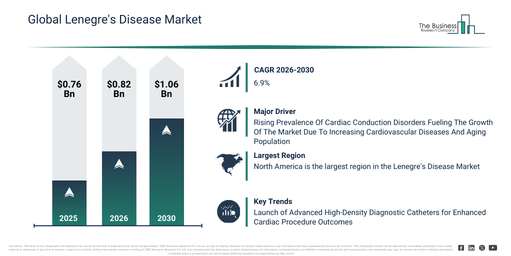
    The global market for Lenegre’s disease is projected to experience significant expansion, escalating from an estimated $0.76 billion in 2025 to $0.82 billion by 2026, reflecting a compound annual growth rate of 6.9%. Historical growth drivers for this market include insufficient recognition of uncommon cardiac conduction ailments, a prevailing dependence on managing arrhythmias through symptom alleviation, a growing demographic of elderly individuals prone to conduction issues, the early integration of pacemaker treatments, and an overall increase in specialized cardiac care services.

    Anticipate a significant expansion within the lenegre’s disease market, projected to reach $1.06 billion by 2030, fueled by a compound annual growth rate of 6.9%. This upward trajectory is underpinned by several key drivers, including accelerated progress in cardiac electrophysiology investigations, heightened demand for prompt arrhythmia identification, a growing emphasis on tailored cardiac treatment strategies, the broadened accessibility of remote cardiac supervision, and escalating investments dedicated to rare cardiac ailment research. Furthermore, the coming years will witness prominent shifts such as enhanced electrophysiological diagnostic methodologies, increased integration of cardiac implantable electronic devices, a greater concentration on hereditary and familial cardiac conditions, expanded utilization of uninterrupted cardiac monitoring, and further breakthroughs in the study of conduction system impairments.

    Download A Free Sample Report For Comprehensive Market Insights:

    https://www.thebusinessresearchcompany.com/sample.aspx?id=22034&type=smp

    Lenegre’s Disease Market Industry Drivers: What Is Driving Revenue Growth?

    The escalating incidence of cardiac conduction abnormalities is projected to be a significant factor in the future expansion of the Lenegre’s disease market. These disorders, which interfere with the heart’s electrical impulse transmission, result in irregular heart rhythms or a lack of synchronized heart contractions. Factors contributing to the growing number of cardiac conduction disorders include the increasing rates of cardiovascular afflictions and a progressively older demographic. As conditions such as hypertension, coronary artery disease, and heart failure become more widespread, they exert a direct impact on the cardiac electrical system, leading to complications like arrhythmias and heart block. These conduction issues contribute to Lenegre’s disease by causing gradual deterioration of the heart’s conducting pathways, culminating in blockages and irregular rhythms. To illustrate, data from the Centers for Disease Control and Prevention indicated that in 2023, cardiovascular diseases were responsible for 919,032 fatalities in the US, representing one in every three deaths. Coronary heart disease continued to be the most common form, with approximately one in six cardiovascular disease-related deaths occurring in individuals under 65. Consequently, the rising prevalence of cardiac conduction disorders propels the Lenegre’s disease market.

    Lenegre’s Disease Market Driver: Surge In Healthcare Spending Fueling The Growth Due To Increased Need For Long-Term Cardiac Care

    The upward trend in healthcare expenditures is anticipated to propel the lenegre’s disease market forward. Healthcare spending encompasses the financial investments made in medical services and infrastructure, covering the necessary expenses to safeguard and enhance public health within a specific geographic area. This increase in financial allocation towards healthcare is primarily driven by the growing burden of chronic illnesses, which necessitate sustained medical attention and prolonged therapies, thereby escalating the demand for medical services and consequently inflating overall healthcare costs. Lenegre’s disease contributes to these heightened healthcare expenditures through the requirement for ongoing diagnostic assessments, continuous cardiac surveillance, and sophisticated therapeutic interventions like pacemaker implantation, all of which incur substantial long-term medical expenses. Illustratively, as reported by the American Medical Association in April 2025, total health spending in the United States experienced a 7.5% increase in 2023, reaching $4.9 trillion, which equates to $14,570 per individual, a marked acceleration from the 4.6% growth observed in 2022. Thus, surging healthcare spending is a key driver for the lenegre’s disease market.

    Lenegre’s Disease Market Segment Analysis: What Are The Major Market Categories?

    The lenegre’s disease market covered in this report is segmented –

    1) By Disease Classification: Idiopathic Lenègre’s Disease, Familial And Genetic Lenègre’s Disease, Age-Related Degenerative Lenègre’s Disease

    2) By Treatment Type: Pacemaker Therapy, Implantable Cardiac Rhythm Management Devices, Pharmacological Management, Supportive And Symptomatic, Monitoring And Diagnostic Follow-up

    3) By Route of Treatment Delivery: Implantable Device-Based Therapy, Non-Implantable Drug And Monitoring-Based Management

    4) By End User: Hospitals, Cardiology Clinics, Ambulatory Surgical Centers, Specialty Cardiac Care Centers

    Subsegments:

    1) By Idiopathic Lenègre’s Disease: Isolated Progressive Cardiac Conduction Disease, Sporadic Lenègre’s Disease, Non-Syndromic Conduction System Degeneration

    2) By Familial and Genetic Lenègre’s Disease: SCN5A-Mutation–Associated Lenègre’s Disease, Other Ion-Channel Gene–Associated Lenègre’s Disease, Autosomal Dominant Progressive Cardiac Conduction Disease

    3) By Age-Related Degenerative Lenègre’s Disease: Senile Fibrosis-Related Conduction Disease, Degenerative His–Purkinje System Disease, Age-Associated Progressive Atrioventricular Block

    #Lenegre’s Disease Market Growth Trends: What Is Influencing The Future Outlook?

    In the realm of lenegre disease management, key industry players are prioritizing the rollout of sophisticated offerings, exemplified by high-density diagnostic catheters designed to elevate the precision and efficacy of cardiac interventions. These catheters, essentially advanced tools in cardiology, are engineered to painstakingly chart the heart’s electrical rhythms, thereby facilitating a more thorough identification and management of heart rhythm disturbances. As an illustration, July 2023 saw Biosense Webster Inc., an American manufacturer of medical apparatus, introduce its OPTRELL mapping catheter equipped with TRUEref technology. This innovative catheter, integrated with the CARTO 3 System, provides superior electrophysiological mapping through its array of 48 diminutive electrodes, empowering medical professionals to meticulously map intricate cardiac arrhythmias and devise more impactful ablation plans.

    Lenegre’s Disease Market Leading Companies Driving Competitive Growth

    Major companies operating in the lenegre’s disease market are Medtronic plc, Boston Scientific Corporation, Abbott Laboratories, Biotronik SE & Co. KG, LivaNova PLC, MicroPort Scientific Corporation, Lepu Medical Technology Co. Ltd., Osypka AG, Medico S.R.L., Shree Pacetronix Ltd., Pacetronix Medical Equipment Pvt. Ltd., Cardiac Science Corporation, Japan Lifeline Co. Ltd., Cook Medical, Integer Holdings Corporation, Merit Medical Systems Inc., Nipro Corporation, Teleflex Incorporated, Edwards Lifesciences Corporation, Getinge AB

    Access The Complete Lenegre’s Disease Market Report:

    https://www.thebusinessresearchcompany.com/report/lenegres-disease-global-market-report

    Lenegre’s Disease Market Largest Region By Revenue And Market Share

    North Americawas the largest region in the lenegre’s disease market in 2025. The regions covered in the lenegre’s disease market report are Asia-Pacific, South East Asia, Western Europe, Eastern Europe, North America, South America, Middle East, Africa.

    Get in touch with us:

    The Business Research Company: https://www.thebusinessresearchcompany.com/

    Americas: +1 310-496-7795

    Asia: +44 7882 955267 & +91 8897263534

    Europe: +44 7882 955267

    Email us at: marketing@tbrc.info

    Follow us on:

    LinkedIn: https://in.linkedin.com/company/the-business-research-company

    YouTube: https://www.youtube.com/channel/UC24_fI0rV8cR5DxlCpgmyFQ

    Global Market Model: https://www.thebusinessresearchcompany.com/global-market-model

  • Leber Hereditary Optic Neuropathy Treatment Market Growth Outlook Reveals A CAGR Of 7.6% And A Market Value Of $0.56 Billion By 2030

    Leber Hereditary Optic Neuropathy Treatment Market Growth Outlook Reveals A CAGR Of 7.6% And A Market Value Of $0.56 Billion By 2030

    Enhanced with market attractiveness analysis, total addressable market evaluation, company benchmarking matrices, interactive Excel dashboards, expanded supply chain intelligence, emerging startup coverage, and detailed product insights, The Business Research Company’s 2026 market reports deliver more actionable and strategically valuable research.

    Leber Hereditary Optic Neuropathy Treatment Market Size Forecast: How Large Could The Market Become By 2030?

    The global leber hereditary optic neuropathy treatment market experienced robust expansion, projecting a rise from $0.39 billion in 2025 to $0.42 billion in 2026, fueled by a compound annual growth rate of 7.9%. This historical growth trajectory has been significantly influenced by factors such as the scarcity of effective treatments for mitochondrial conditions, a rise in the identification of inherited optic neuropathies, the preemptive implementation of idebenone therapies, amplified public awareness regarding genetic ocular diseases, and ongoing progress in neuro-ophthalmological studies.

    The market for treating Leber hereditary optic neuropathy is poised for significant expansion over the upcoming years, projected to reach $0.56 billion by 2030, driven by a compound annual growth rate of 7.6%. This anticipated expansion is underpinned by several key factors, including augmented investments in the field of mitochondrial medicine research, a surge in ongoing clinical trials for both gene and stem cell therapies, the broader implementation of precision medicine strategies, enhanced accessibility to genetic testing, and an increasing emphasis on proactive intervention approaches. Furthermore, the forecast period is expected to witness notable trends such as a ramp-up in research concerning mitochondrial gene therapy, a greater utilization of antioxidant-based pharmaceutical interventions, increased engagement in genetic counseling and family risk evaluations, a heightened focus on molecular diagnosis at an early stage, and significant advancements in stem cell technology for optic nerve regeneration.

    Download A Free Sample Report For Comprehensive Market Insights:

    https://www.thebusinessresearchcompany.com/sample.aspx?id=23438&type=smp

    Leber Hereditary Optic Neuropathy Treatment Market Growth Factors: Which Forces Are Supporting Market Expansion?

    The increasing prevalence of conditions like glaucoma and optic neuritis is anticipated to fuel the expansion of the Leber hereditary optic neuropathy (LHON) treatment market. Both glaucoma and optic neuritis significantly affect the optic nerve, with glaucoma often stemming from elevated intraocular pressure and optic neuritis typically arising from inflammatory processes, frequently associated with autoimmune disorders, ultimately leading to diminished vision. The rise in these conditions can be attributed to an aging global populace and advancements in diagnostic capabilities. Specifically, as the world’s population ages, the likelihood of developing glaucoma, a condition where heightened intraocular pressure damages the optic nerve, escalates considerably. Given that both glaucoma and optic neuritis involve damage to the optic nerve and subsequent vision loss, they share commonalities with LHON. Consequently, the increasing occurrence of these conditions is drawing greater attention and stimulating research into therapeutic strategies targeting optic nerve degeneration, which can directly benefit LHON treatment as the underlying mechanisms of optic nerve damage are fundamental to all three ailments. For example, data from the Centers for Disease Control and Prevention in October 2024 indicated that over 3 million individuals in the United States currently live with glaucoma, a figure expected to climb to 6.3 million by 2050, largely due to the aging demographic within the U.S., thereby underscoring how the expanding incidence of glaucoma and optic neuritis is contributing to the growth trajectory of the LHON treatment market.

    Leber Hereditary Optic Neuropathy Treatment Market Segment Breakdown: Which Categories Generate The Most Revenue?

    The leber hereditary optic neuropathy treatment market covered in this report is segmented –

    1) By Treatment: Medication, Stem Cell Therapy, Gene Therapy, Genetic Counseling

    2) By Route Of Administration: Intramuscular, Oral, Other Routes Of Administration

    3) By Diagnosis: Molecular Genetic Testing, Magnetic Resonance Imaging (MRI), Blood tests, Other Diagnosis

    4) By Distribution Channel: Hospital Pharmacy, Retail Pharmacy, Online Pharmacy

    5) By End-Users: Clinic, Hospital, Other End-Users

    Subsegments:

    1) By Medication: Idebenone, Antioxidants, Mitochondrial-Targeted Therapies, Neuroprotective Agents

    2) By Stem Cell Therapy: Autologous Stem Cell Therapy, Allogeneic Stem Cell Therapy, Induced Pluripotent Stem Cell (iPSC) Therapy

    3) By Gene Therapy: Adeno-Associated Virus (AAV)-Mediated Therapy, Mitochondrial Gene Editing, RNA-Based Therapies

    4) By Genetic Counseling: Carrier Screening, Predictive Testing, Family Risk Assessment, Pre-Symptomatic Genetic Counseling

    Leber Hereditary Optic Neuropathy Treatment Market Industry Trends: What Changes Are Reshaping Demand?

    In the landscape of treatments for Leber hereditary optic neuropathy (LHON), key industry players are directing their efforts towards pioneering advancements, notably through gene therapy clinical trials, with the overarching goals of enhancing therapeutic effectiveness, reinstating mitochondrial functionality, and tackling the fundamental genetic origins of the condition. These gene therapy investigations are designed to reinstate visual capacity by delivering functional versions of compromised mitochondrial genes, including ND4, with rigorous testing phases – encompassing preclinical work, Phase 1, Phase 2, and Phase 3 trials – preceding any bid for regulatory authorization. Illustratively, in August of 2023, Neurophth Therapeutics, a gene therapy firm headquartered in China, commenced a Phase I/II clinical investigation in both China and the United States aimed at addressing leber hereditary optic neuropathy by targeting the ND1-LHON gene. This particular study is intended to assess the safety, tolerance profile, and overall effectiveness of their therapeutic agent, NFS-02, subsequent to obtaining the green light from regulatory bodies such as the U.S. FDA and China’s NMPA, and with the administration of the first dose to a patient representing a significant step in Neurophth’s international endeavors toward expedited drug approval and market introduction, the company is also actively broadening patient recruitment and investigating further potential uses for gene therapy in other areas lacking adequate medical solutions.

    Leber Hereditary Optic Neuropathy Treatment Market Key Players And Strategic Industry Positioning

    Major companies operating in the leber hereditary optic neuropathy treatment market are GenSight Biologics S.A., Chiesi Farmaceutici S.p.A., Stealth BioTherapeutics Corp., Astellas Pharma Inc., BridgeBio Pharma Inc., Reneo Pharmaceuticals Inc., Abliva AB, Khondrion B.V., Mitotech S.A.P., Neurophth Therapeutics Co. Ltd., Genethon, F. Hoffmann-La Roche Ltd, Novartis AG, Pfizer Inc., Sanofi S.A., Bayer AG, Takeda Pharmaceutical Company Limited, AbbVie Inc., Johnson & Johnson, Biogen Inc.

    Access The Complete Leber Hereditary Optic Neuropathy Treatment Market Report:

    https://www.thebusinessresearchcompany.com/report/leber-hereditary-optic-neuropathy-treatment-global-market-report

    Leber Hereditary Optic Neuropathy Treatment Market Regional Analysis And Leading Geography

    North Americawas the largest region in the leber hereditary optic neuropathy treatment market in 2025. Asia-Pacificis expected to be the fastest-growing region in the forecast period. The regions covered in the leber hereditary optic neuropathy treatment market report are Asia-Pacific, South East Asia, Western Europe, Eastern Europe, North America, South America, Middle East, Africa.

    Get in touch with us:

    The Business Research Company: https://www.thebusinessresearchcompany.com/

    Americas: +1 310-496-7795

    Asia: +44 7882 955267 & +91 8897263534

    Europe: +44 7882 955267

    Email us at: marketing@tbrc.info

    Follow us on:

    LinkedIn: https://in.linkedin.com/company/the-business-research-company

    YouTube: https://www.youtube.com/channel/UC24_fI0rV8cR5DxlCpgmyFQ

    Global Market Model: https://www.thebusinessresearchcompany.com/global-market-model
  • Leber Congenital Amaurosis Market Forecast Highlights Expansion From $1.11 Billion To $1.38 Billion Through 2030

    Leber Congenital Amaurosis Market Forecast Highlights Expansion From $1.11 Billion To $1.38 Billion Through 2030

    Through market attractiveness analysis, total addressable market evaluation, company benchmarking matrices, interactive Excel dashboards, expanded supply chain intelligence, emerging startup coverage, and detailed product insights, The Business Research Company’s 2026 market reports provide more actionable and strategically valuable research.

    Leber Congenital Amaurosis Market Revenue Outlook: What CAGR Is Expected Through 2030?

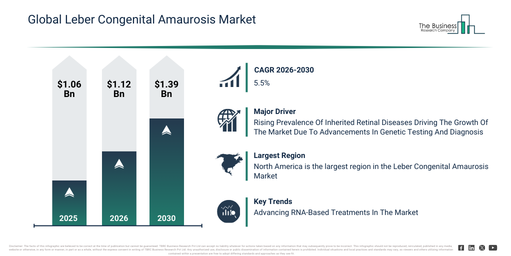
    The market for Leber congenital amaurosis has experienced robust expansion recently, projecting a rise from $1.06 billion in 2025 to $1.12 billion in 2026, reflecting a compound annual growth rate of 5.5%. This growth during the historical period is largely due to a scarcity of therapeutic interventions for inherited retinal conditions, a heightened understanding of rare genetic ocular ailments, progress in retinal imaging techniques, an increase in pediatric ophthalmology services, and early successful investigations into gene replacement therapies.

    The Leber congenital amaurosis market is poised for significant expansion over the coming years, projected to reach $1.39 billion by 2030 with a compound annual growth rate of 5.5%. This anticipated growth is fueled by several key factors, including increased investment in ophthalmic gene therapy research, the broadening scope of precision medicine, a greater number of regulatory green lights for rare disease treatments, wider utilization of sophisticated genetic testing, and improved healthcare accessibility for individuals with rare genetic disorders. Key developments anticipated during this forecast period involve an increase in gene therapy approvals for inherited retinal conditions, a heightened emphasis on early genetic screening and diagnosis, an upswing in clinical trials for innovative retinal regeneration therapies, deeper penetration of assistive vision technologies, and significant progress in retinal prosthesis and bionic eye solutions.

    Download A Free Sample Report For Comprehensive Market Insights:

    https://www.thebusinessresearchcompany.com/sample.aspx?id=22033&type=smp

    Leber Congenital Amaurosis Market Demand Drivers: What Is Fueling Industry Growth?

    The leber congenital amaurosis (LCA) market is poised for expansion, largely driven by the rising incidence of hereditary retinal disorders that affect vision by targeting the light-sensitive tissue at the rear of the eye. This upsurge in genetic eye conditions is linked to enhanced capabilities in genetic diagnostics, increased public and medical awareness, and extended lifespans, which facilitate earlier and more accurate identification of these conditions. Progress in genetic testing methodologies has significantly improved the diagnosis of inherited retinal diseases, uncovering a greater number of affected individuals. LCA plays a crucial role in advancing knowledge regarding these disorders by illuminating the specific genetic alterations and pathological processes involved, thereby paving the way for the development of specialized interventions and therapies. For example, as reported by the UK Parliament’s House of Commons Library in January 2025, the United Kingdom saw an estimated 25,000 individuals impacted by inherited retinal diseases in 2024, reflecting a consistent annual growth rate of 2%. Consequently, the growing number of people affected by inherited retinal diseases is a key factor fueling the leber congenital amaurosis market.

    Leber Congenital Amaurosis Market Segmentation: How Is The Market Structured Across Key Categories?

    The leber congenital amaurosis market covered in this report is segmented –

    1) By Treatment Type: Gene Therapy, Pharmaceutical Drugs, Retinal Prosthesis, Assistive Devices, Other Treatments

    2) By Age Of Onset: Congenital Leber Congenital Amaurosis (LCA) (From Birth), Early Childhood Leber Congenital Amaurosis (LCA) (1-5 Years), Late-Onset Leber Congenital Amaurosis (LCA) (6 Years And Above)

    3) By Distribution Channel: Direct Tender, Retail Sales

    4) By End User: Hospitals, Specialized Eye Clinics, Ophthalmology Research Centers, Home Care Settings, Other End Users

    Subsegments:

    1) By Gene Therapy: RPE65 Gene Replacement Therapy, CRISPR-Based Gene Editing, AAV (Adeno-Associated Virus) Vector Therapy, Emerging Experimental Gene Therapies

    2) By Pharmaceutical Drugs: Retinoid-Based Therapies, Neuroprotective Agents, Anti-Inflammatory Drugs, Antioxidant Therapies

    3) By Retinal Prosthesis: Implantable Retinal Chips, Artificial Retinal Stimulation Devices, Bionic Eye Technology

    4) By Assistive Devices: Low Vision Aids, Screen Readers and Braille Devices, Mobility Aids for Vision Impairment

    5) By Other Treatments: Stem Cell Therapy, Optogenetics-Based Treatments, Visual Rehabilitation Programs, Nutritional and Dietary Interventions

    Leber Congenital Amaurosis Market Innovation Trends: Which Developments Are Transforming The Industry?

    The leber congenital amaurosis market sees key players concentrating on pioneering treatments, with a particular emphasis on RNA-based modalities for enhancing vision recovery and managing the condition. These advanced RNA treatments, which involve employing RNA molecules to influence genetic pathways for therapeutic purposes, encompass a range of approaches like mRNA vaccines, siRNA therapies, antisense oligonucleotides, and RNA aptamers. Illustrating this trend, Laboratoires Théa S.A.S., a French pharmaceutical entity, established Sepul Bio in January 2025; this specialized division is dedicated to propelling RNA-based therapies forward for inherited retinal diseases, specifically zeroing in on sepofarsen for leber congenital amaurosis 10 (LCA10) and ultevursen for USH2A-linked retinitis pigmentosa. The commencement of patient dosing in the LUNA Phase 2b clinical trial for ultevursen positions Sepul Bio to make substantial progress in tackling these uncommon genetic ailments.

    Leber Congenital Amaurosis Market Competitive Landscape And Leading Companies

    Major companies operating in the leber congenital amaurosis market are Sanofi S.A., Novartis AG, Astellas Pharma Inc., Invitae Corporation, Novelion Therapeutics Inc., Andelyn Biosciences Inc., CD Genomics Inc., Editas Medicine Inc., MeiraGTx Holdings plc, Sangamo Therapeutics Inc., LKC Technologies Inc., Aldeyra Therapeutics Inc., Asper Biogene OÜ, Allergan Inc., ProQR Therapeutics N.V., GenSight Biologics S.A., Ocugen Inc., Ophthotech Corporation, Atsena Therapeutics Inc., HuidaGene Therapeutics Co. Ltd.

    Access The Complete Leber Congenital Amaurosis Market Report:

    https://www.thebusinessresearchcompany.com/report/leber-congenital-amaurosis-global-market-report

    Leber Congenital Amaurosis Market Geographic Analysis: Where Is Demand Growing The Fastest?

    North Americawas the largest region in the leber congenital amaurosis market in 2025. Asia-Pacificis expected to be the fastest-growing region in the forecast period. The regions covered in the leber congenital amaurosis market report are Asia-Pacific, South East Asia, Western Europe, Eastern Europe, North America, South America, Middle East, Africa.

    Get in touch with us:

    The Business Research Company: https://www.thebusinessresearchcompany.com/

    Americas: +1 310-496-7795

    Asia: +44 7882 955267 & +91 8897263534

    Europe: +44 7882 955267

    Email us at: marketing@tbrc.info

    Follow us on:

    LinkedIn: https://in.linkedin.com/company/the-business-research-company

    YouTube: https://www.youtube.com/channel/UC24_fI0rV8cR5DxlCpgmyFQ

    Global Market Model: https://www.thebusinessresearchcompany.com/global-market-model
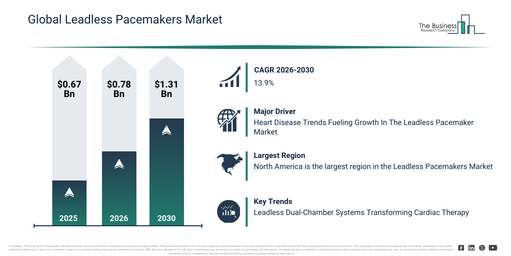
  • Leadless Pacemakers Market Expected To Reach $1.3 Billion By 2030 As Growth Accelerates At 13.9% CAGR

    Leadless Pacemakers Market Expected To Reach $1.3 Billion By 2030 As Growth Accelerates At 13.9% CAGR

    Delivering more actionable and strategically valuable research, The Business Research Company’s 2026 market reports feature market attractiveness analysis, total addressable market evaluation, company benchmarking matrices, interactive Excel dashboards, expanded supply chain intelligence, emerging startup coverage, and detailed product insights.

    Leadless Pacemakers Market Growth Analysis: How Will Revenue Expand During The Forecast Period?

    The market for leadless pacemakers has experienced significant expansion recently, with projections indicating a substantial increase from $0.67 billion in 2025 to $0.78 billion in 2026, reflecting a compound annual growth rate (CAGR) of 15.6%. This upward trajectory during the historical period is largely attributable to factors such as the inherent drawbacks of conventional lead-based pacemakers, an escalating prevalence of cardiac arrhythmias, a burgeoning elderly demographic, heightened awareness concerning complications associated with pacemaker leads, and ongoing innovations in the miniaturization of cardiac devices.

    The leadless pacemakers sector is poised for substantial expansion in the coming years, projected to reach $1.31 billion by 2030 with a compound annual growth rate of 13.9%. This predicted surge is fueled by several key drivers: the escalating demand for less invasive heart treatments, significant technological progress in enhancing battery life and device durability, increasing utilization of remote patient monitoring solutions, the proliferation of electrophysiology centers, and augmented investments directed towards pioneering cardiac devices. During this forecast period, prominent trends will involve a greater acceptance of leadless cardiac pacing systems, a movement towards cardiac implantation procedures that are less invasive, a higher inclination towards devices that present a diminished risk of infection, advancements in the development of dual-chamber leadless pacemakers, and closer integration of remote cardiac monitoring capabilities.

    Download A Free Sample Report For Comprehensive Market Insights:

    https://www.thebusinessresearchcompany.com/sample.aspx?id=15846&type=smp

    Leadless Pacemakers Market Growth Drivers: What Factors Are Accelerating Expansion?

    The escalating prevalence of heart conditions is anticipated to stimulate the expansion of the leadless pacemaker market. Heart diseases encompass a spectrum of maladies impacting the heart’s architecture or functionality, resulting in compromised circulation, irregular heartbeats, or other cardiac issues. Factors contributing to the rise in cardiovascular diseases include demographic shifts and an aging population, lifestyle choices, elevated stress levels coupled with physical inactivity, complexities within healthcare systems, and both inherited and environmental influences. Leadless pacemakers present notable benefits in managing specific cardiac ailments by delivering efficient pacing while simultaneously mitigating the risks associated with lead complications and offering a less intrusive implantation method. For example, the World Health Organization (WHO), an international body headquartered in Switzerland, projected in February 2024 that cancer cases would exceed 35 million by 2050, marking a 77% increase from the estimated 20 million cases in 2022. Consequently, the increasing incidence of heart disease is a key driver for the leadless pacemaker market.

    The increasing inclination towards minimally invasive interventions is poised to accelerate the expansion of the leadless pacemaker market. Such procedures involve medical actions executed through minute incisions or natural bodily orifices, employing specialized tools and imaging for guidance to minimize tissue trauma, alleviate pain, and shorten recovery periods while achieving desired diagnostic or therapeutic results. This heightened preference for less invasive methods stems largely from their capacity to lessen recuperation durations and diminish post-operative discomfort, prompting more individuals and medical professionals to opt for these techniques over conventional open surgeries. Leadless pacemakers facilitate these minimally invasive approaches by negating the necessity for surgical pockets and leads inserted through veins, enabling implantation via a slender, catheter-based technique that causes less tissue disturbance and hastens recovery. Illustratively, the American Society of Plastic Surgeons (ASPS), a professional medical association in the United States, reported in March 2024 that total minimally invasive cosmetic procedures climbed from 23,672,269 in 2022 to 25,442,640 in 2023, signifying a 7% annual increase. Therefore, the growing adoption of minimally invasive procedures is propelling the leadless pacemaker market forward.

    Leadless Pacemakers Market Segmentation Trends And Revenue Drivers

    The leadless pacemakers market covered in this report is segmented –

    1) By Product Type: Ventricular Leadless Pacemakers, Atrioventricular (AV) Synchronous Leadless Pacemakers, Dual-Chamber Leadless Pacemaker Systems

    2) By Fixation Mechanism: Passive Fixation, Active Fixation

    3) By Indication: Bradycardia, Atrioventricular Block, Atrial Fibrillation with Slow Ventricular Response, Other Indications

    4) By End User: Hospitals, Cardiac Specialty Clinics, Ambulatory Surgical Centers

    Subsegments:

    1) By Ventricular Leadless Pacemakers: VVI-Mode Leadless Pacemakers, Rate-Responsive Ventricular Leadless Pacemakers (VVIR), Single-Module Ventricular Leadless Pacemakers

    2) By Atrioventricular (AV) Synchronous Leadless Pacemakers: Accelerometer-Based AV Synchronous Leadless Pacemakers, Algorithm-Driven AV Synchrony Leadless Pacemakers, Single-Module AV Synchronous Leadless Pacemakers

    3) By Dual-Chamber Leadless Pacemaker Systems: Modular Dual-Chamber Leadless Pacemaker Systems, Communicating Leadless Atrial and Ventricular Pacemaker Systems, Wireless Synchronized Dual-Chamber Leadless Pacemakers

    Leadless Pacemakers Market Trends: What Is Shaping Future Industry Growth?

    Leading firms within the leadless pacemaker sector are preoccupied with crafting advanced solutions, such as dual-chamber devices, aiming to elevate both the effectiveness of cardiac pacing and the recovery of patients. A dual-chamber system functions by concurrently observing and activating both the upper (atrial) and lower (ventricular) chambers of the heart. This synchronized action is crucial for preserving the correct sequence between these chambers, thereby enhancing blood circulation, averting abnormal heart rhythms, and ultimately boosting the heart’s overall performance and the patient’s well-being. Illustratively, in July 2023, Abbott Laboratories, a prominent American medical technology firm, secured approval from the US Food and Drug Administration (FDA) for its AVEIR DR dual-chamber leadless pacemaker system. This breakthrough system allows two diminutive devices, one positioned in the atrium and the other in the ventricle, to synchronize their pacing through an implant-to-implant (i2i) communication system. The elimination of traditional transvenous leads substantially curtails the likelihood of infections and the issues associated with mechanical components, all while delivering pacing that more closely mimics natural heart function. With an increasing acceptance of dual-chamber leadless pacemakers, these groundbreaking advancements are anticipated to broaden the scope of patients suitable for less invasive cardiac pacing procedures and contribute to better long-term health results.

    Leadless Pacemakers Market Industry Leaders: Which Organizations Are Driving Competition?

    Major companies operating in the leadless pacemakers market are Medtronic Plc, Abbott Laboratories, Boston Scientific Corporation, BIOTRONIK SE & Co. KG, MicroPort Scientific Corporation, LivaNova PLC, EBR Systems Inc., Cairdac, Imricor Medical Systems Inc., Osypka Medical GmbH, Shree Pacetronix Ltd., Lepu Medical Technology Co. Ltd., Terumo Corporation, MEDICO S.p.A., Vitatron Holding B.V., Oscor Inc., CathRx Ltd., Japan Lifeline Co. Ltd., Cardiac Pacemakers Inc., NVT AG

    Access The Complete Leadless Pacemakers Market Report:

    https://www.thebusinessresearchcompany.com/report/leadless-pacemakers-global-market-report

    Leadless Pacemakers Market Global Footprint: Which Region Holds Market Leadership?

    North Americawas the largest region in the leadless pacemakers market in 2025. Asia-Pacificis expected to be the fastest-growing region in the forecast period. The regions covered in the leadless pacemakers market report are Asia-Pacific, South East Asia, Western Europe, Eastern Europe, North America, South America, Middle East, Africa.

    Get in touch with us:

    The Business Research Company: https://www.thebusinessresearchcompany.com/

    Americas: +1 310-496-7795

    Asia: +44 7882 955267 & +91 8897263534

    Europe: +44 7882 955267

    Email us at: marketing@tbrc.info

    Follow us on:

    LinkedIn: https://in.linkedin.com/company/the-business-research-company

    YouTube: https://www.youtube.com/channel/UC24_fI0rV8cR5DxlCpgmyFQ

    Global Market Model: https://www.thebusinessresearchcompany.com/global-market-model
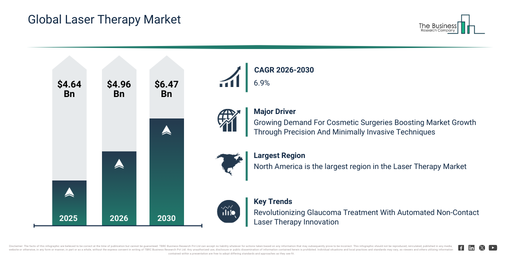
  • Laser Therapy Market Set To Grow From $4.96 Billion In 2026 To $6.47 Billion By 2030 At A CAGR Of 6.9%

    Laser Therapy Market Set To Grow From $4.96 Billion In 2026 To $6.47 Billion By 2030 At A CAGR Of 6.9%

    Enhanced with market attractiveness analysis, total addressable market evaluation, company benchmarking matrices, interactive Excel dashboards, expanded supply chain intelligence, emerging startup coverage, and detailed product insights, The Business Research Company’s 2026 market reports deliver more actionable and strategically valuable research.

    Laser Therapy Market Forecast: What Market Value Is Expected By 2030?

    The laser therapy sector has witnessed substantial expansion recently, with its market value projected to climb from $4.64 billion in 2025 to $4.96 billion in 2026, indicating a compound annual growth rate (CAGR) of 7.0%. Key factors driving this historical growth include a rise in chronic pain conditions, greater acceptance of minimally invasive surgical techniques, an increasing demand for dermatological treatments, broadened applications in dentistry and ophthalmology, and significant progress in laser device technology.

    The laser therapy sector is poised for substantial expansion in the upcoming years, projecting a market valuation of $6.47 billion by 2030, driven by a compound annual growth rate (CAGR) of 6.9%. This anticipated surge is fueled by several key factors, including a heightened preference for non-invasive treatment modalities, ongoing innovations in laser technology enhancing precision and control, amplified investments directed towards healthcare infrastructure development, growing public consciousness regarding the benefits of laser-based medical interventions, and the proliferation of outpatient surgical facilities. During this forecast period, significant trends are expected to shape the market, such as the increasing preference for minimally invasive laser procedures, the broadening application scope of lasers across diverse medical fields, a surge in demand for laser treatments in aesthetic and cosmetic applications, a greater reliance on laser therapy for pain management solutions, and continuous improvements in the precision and safety profiles of laser systems.

    Download A Free Sample Report For Comprehensive Market Insights:

    https://www.thebusinessresearchcompany.com/sample.aspx?id=24273&type=smp

    Laser Therapy Market Growth Factors Supporting Long-Term Expansion

    An increasing preference for aesthetic modifications is anticipated to significantly boost the laser therapy market’s trajectory. These elective surgical interventions, designed to refine or change an individual’s looks through facial sculpting, body shaping, or skin renewal for aesthetic betterment, are experiencing heightened interest. The societal emphasis, amplified by media representation, on appearance, coupled with technological progress in less invasive methods and increased accessibility, is contributing to the popularity of cosmetic procedures. Laser therapy plays a crucial role in these procedures by enabling accuracy, minimizing invasiveness, facilitating quicker recovery, lessening scar formation, and improving skin revitalization results. To illustrate, in June 2024, data released by the American Society of Plastic Surgeons (ASPS) indicated that liposuction was the leading plastic surgery in 2023, with approximately 350,000 procedures completed, marking a 7% increase from 2022; hand surgeries numbered 207,887, showing a 2% increase, and maxillofacial surgeries reached 52,868, a 1% rise year-over-year. Consequently, the escalating demand for cosmetic surgeries is acting as a primary catalyst for the expansion of the laser therapy market.

    Laser Therapy Market Segment Analysis Highlighting Growth Areas

    The laser therapy market covered in this report is segmented –

    1) By Type: Diode Lasers, Solid State Lasers, Liquid Lasers, Semiconductor Lasers, Gas Lasers, Dye Lasers, Other Types

    2) By Mode Of Delivery: Contact Mode, Non-Contact Mode

    3) By Application: Dermatology And Aesthetics, Dental, Ophthalmology, Urology, Cardiovascular, Oncology

    4) By End User: Hospitals, Specialized Clinics, Ambulatory Surgical Centers, Other End Users

    Subsegments:

    1) By Diode Lasers: Low-Level Diode Lasers, High-Intensity Diode Lasers, Aesthetic Diode Lasers, Dental Diode Lasers

    2) By Solid State Lasers: Neodymium-Doped Yttrium Aluminum Garnet Lasers, Erbium-Doped Yttrium Aluminum Garnet Lasers, Holmium-Doped Yttrium Aluminum Garnet Lasers, Alexandrite Lasers

    3) By Liquid Lasers: Dye-Based Liquid Lasers, Tunable Liquid Lasers

    4) By Semiconductor Lasers: Vertical-Cavity Surface-Emitting Lasers, Distributed Feedback Lasers, Quantum Cascade Lasers

    5) By Gas Lasers: Carbon Dioxide Lasers, Helium-Neon Lasers, Argon Lasers, Excimer Lasers

    6) By Dye Lasers: Rhodamine Dye Lasers, Coumarin Dye Lasers

    7) By Other Types: Fiber Lasers, Ultrafast Lasers, Hybrid Laser Systems

    Laser Therapy Market Industry Trends Shaping Future Revenue Growth

    Leading players in the laser therapy sector are prioritizing the creation of novel offerings, including automated, non-contact laser treatment apparatuses, with the aim of broadening the availability of effective and user-friendly laser-centered therapeutic interventions. These advanced non-contact laser treatment setups represent sophisticated medical apparatuses engineered to apply laser energy to specific bodily regions without direct epidermal contact; they utilize pre-programmed functionalities and automated or robotic systems to guarantee uniform, autonomous administration for healing objectives like alleviating discomfort, mitigating inflammation, and fostering tissue repair. As an illustration, in February 2025, Alcon, a prominent Swiss enterprise specializing in ophthalmic surgical goods, introduced its Voyager Direct Selective Laser Trabeculoplasty (DSLT) system to the American market for addressing glaucoma and elevated intraocular pressure. This technology employs proprietary eye-tracking capabilities to precisely administer laser impulses, thereby obviating the necessity for a goniolens and manual aiming. Such advancements significantly optimize treatment protocols, improve therapeutic reach, and elevate laser therapy’s standing as a more practical initial choice for a wider patient demographic.

    Laser Therapy Market Leading Companies: Who Holds Significant Market Presence?

    Major companies operating in the laser therapy market are Coherent Corp., IPG Photonics Corporation, El.En. S.p.A., Lumenis Ltd., Candela Medical, Cynosure, Alma Lasers, Fotona, Biolase Inc., Iridex Corporation, AngioDynamics Inc., Erchonia, Convergent Dental, biolitec Group, BTL Industries, Asclepion Laser Technologies, Quanta System, Dornier MedTech, LightScalpel, Ziemer Ophthalmic Systems

    Access The Complete Laser Therapy Market Report:

    https://www.thebusinessresearchcompany.com/report/laser-therapy-global-market-report

    Laser Therapy Market Regional Distribution: Which Areas Drive Market Expansion?

    North Americawas the largest region in the laser therapy market in 2025. Asia-Pacificis expected to be the fastest-growing region in the forecast period. The regions covered in the laser therapy market report are Asia-Pacific, South East Asia, Western Europe, Eastern Europe, North America, South America, Middle East, Africa.

    Get in touch with us:

    The Business Research Company: https://www.thebusinessresearchcompany.com/

    Americas: +1 310-496-7795

    Asia: +44 7882 955267 & +91 8897263534

    Europe: +44 7882 955267

    Email us at: marketing@tbrc.info

    Follow us on:

    LinkedIn: https://in.linkedin.com/company/the-business-research-company

    YouTube: https://www.youtube.com/channel/UC24_fI0rV8cR5DxlCpgmyFQ

    Global Market Model: https://www.thebusinessresearchcompany.com/global-market-model

  • Laryngeal Cancer Therapeutics Market Opportunities Are Emerging Beyond Traditional Growth Areas

    Laryngeal Cancer Therapeutics Market Opportunities Are Emerging Beyond Traditional Growth Areas

    Through market attractiveness analysis, total addressable market evaluation, company benchmarking matrices, interactive Excel dashboards, expanded supply chain intelligence, emerging startup coverage, and detailed product insights, The Business Research Company’s 2026 market reports provide more actionable and strategically valuable research.

    Laryngeal Cancer Therapeutics Market Size Outlook: How Fast Will Revenue Grow Through 2030?

    Demonstrating robust expansion lately, the market for laryngeal cancer therapeutics is projected to ascend from $3.24 billion in 2025 to $3.42 billion in 2026, signifying a compound annual growth rate of 5.5%. Factors fueling this historical growth trajectory include the significant prevalence of tobacco and alcohol use, an escalating occurrence of head and neck cancers, a broader application of chemotherapy and radiation treatments, the proliferation of specialized oncology care facilities, and enhancements in cancer detection capabilities.

    The market for laryngeal cancer therapeutics is poised for substantial expansion in the upcoming years, projecting a reach of $4.42 billion by 2030, driven by a compound annual growth rate of 6.6%. This anticipated growth stems from several key factors including the escalating use of immunotherapy, continued progress in the development of targeted therapies, increased healthcare investment in oncology, heightened public awareness regarding early cancer detection, and the proliferation of specialized cancer treatment facilities. Over the forecast period, significant trends will shape the market, including a greater reliance on immunotherapy for laryngeal cancer treatment, a move towards therapeutic strategies that preserve organ function, the increasing application of combination therapy protocols, an intensified emphasis on managing cancer in its early stages, and the growing sophistication of personalized treatment planning.

    Download A Free Sample Report For Comprehensive Market Insights:

    https://www.thebusinessresearchcompany.com/sample.aspx?id=13238&type=smp

    Laryngeal Cancer Therapeutics Market Demand Drivers Creating New Revenue Opportunities

    The escalating consumption of tobacco is anticipated to serve as a primary catalyst for the expansion of the market focused on laryngeal cancer treatments. Tobacco, derived from the leaves of Nicotiana plants, undergoes preparation for diverse applications such as smoking, chewing, and inhalation as snuff. This habit is recognized as a substantial contributor to the risk of developing laryngeal cancer and profoundly influences its progression and the efficacy of available treatments. Consequently, the therapeutic landscape for laryngeal cancer must contend with the ramifications of tobacco usage on the disease and its subsequent management. Illustrating this point, data from the 2024 National Youth Tobacco Survey, released in October 2024 by the U.S. Food and Drug Administration (USFDA), indicated that 1.1% of all surveyed students, translating to an estimated 2.25 million individuals, currently use tobacco products. Specifically, 10.1% of high school students (approximately 1.58 million) and 5.4% of middle school students (around 640,000) reported such use. Furthermore, the survey revealed that 2.8% of students (an estimated 760,000) currently use any form of combustible tobacco, and 3.0% (approximately 840,000) engage with multiple tobacco product types. This pervasive tobacco use, therefore, directly fuels the growth observed within the laryngeal cancer therapeutics sector.

    Laryngeal Cancer Therapeutics Market Segment Performance And Strategic Opportunities

    The laryngeal cancer therapeutics market covered in this report is segmented –

    1) By Treatment Type: Chemotherapy, Immunotherapy, Other Treatments

    2) By Route Of Administration: Oral, Parenteral

    3) By Distribution Channel: Hospital Pharmacy, Online Pharmacy, Retail Pharmacy

    4) By End-User: Hospitals, Homecare, Specialty Centers, Other End-Users

    Subsegments:

    1) By Chemotherapy: Neoadjuvant Chemotherapy, Adjuvant Chemotherapy, Palliative Chemotherapy

    2) By Immunotherapy: Checkpoint Inhibitors, Monoclonal Antibodies, Cancer Vaccines

    3) By Other Treatments: Radiation Therapy, Targeted Therapy, Surgery

    Laryngeal Cancer Therapeutics Market Trends Driving Strategic Industry Expansion

    Within the competitive landscape of the laryngeal cancer therapeutics market, key industry players are prioritizing the creation of novel treatments, specifically perioperative checkpoint inhibitor therapies, with the central aim of enhancing patient longevity and mitigating disease relapse. These advanced therapeutic approaches, administered in the perioperative period, harness the power of immune checkpoint inhibitors to amplify the body’s natural defenses against malignant cells, thereby facilitating tumor reduction, preventing recurrence, and ultimately improving survival rates. A prime illustration of this trend emerged in June 2025 when the US pharmaceutical giant Merck & Co. Inc. secured FDA approval for its groundbreaking drug Keytruda (pembrolizumab). This approval designates Keytruda for use as both a neoadjuvant and adjuvant treatment in cases of resectable locally advanced head and neck squamous cell carcinoma (HNSCC) that exhibit PD-L1 expression with a CPS score of 1 or higher. The regimen involves administering Keytruda prior to surgical intervention (neoadjuvant) and continuing its application post-surgery (adjuvant), in conjunction with radiotherapy, optionally incorporating cisplatin, all designed to diminish the likelihood of recurrence and improve progression-free survival. This significant advancement, which capitalizes on the patient’s own immune system to combat residual cancer cells while seamlessly integrating with established surgical and radiation methodologies, heralds a new era of personalized healthcare, promises superior treatment efficacy, and signifies a strategic pivot towards integrated immunotherapy strategies for the effective management of laryngeal and other cancers affecting the head and neck region.

    Laryngeal Cancer Therapeutics Market Key Players: Which Companies Shape Industry Competition?

    Major companies operating in the laryngeal cancer therapeutics market are Pfizer Inc., F. Hoffmann La Roche Ltd., Merck & Co., AbbVie Inc., Novartis AG , Bayer AG, Sanofi-Aventis LLC , Bristol Myers Squibb, AstraZeneca plc, GlaxoSmithKline plc, Eli Lilly and Company, Amgen Inc., C.H. Boehringer Sohn AG & Co. KG., Regeneron Pharmaceuticals Inc., Incyte Corporation, Aurobindo Pharma Ltd., Cipla Inc., Hikma Pharmaceuticals plc, Amneal Pharmaceuticals LLC, Lupin Limited , Seagen Inc., Exelixis Pharmaceuticals Inc., BeiGene Ltd., Taiho Pharmaceutical Co. Ltd., Genentech Inc., Mirati Therapeutics Inc.

    Access The Complete Laryngeal Cancer Therapeutics Market Report:

    https://www.thebusinessresearchcompany.com/report/laryngeal-cancer-therapeutics-global-market-report

    Laryngeal Cancer Therapeutics Market Leading Geography: Which Region Generates The Most Revenue?

    North Americawas the largest region in the laryngeal cancer therapeutics market in 2025. Asia-Pacificis expected to be the fastest-growing region in the forecast period. The regions covered in the laryngeal cancer therapeutics market report are Asia-Pacific, South East Asia, Western Europe, Eastern Europe, North America, South America, Middle East, Africa.

    Get in touch with us:

    The Business Research Company: https://www.thebusinessresearchcompany.com/

    Americas: +1 310-496-7795

    Asia: +44 7882 955267 & +91 8897263534

    Europe: +44 7882 955267

    Email us at: marketing@tbrc.info

    Follow us on:

    LinkedIn: https://in.linkedin.com/company/the-business-research-company

    YouTube: https://www.youtube.com/channel/UC24_fI0rV8cR5DxlCpgmyFQ

    Global Market Model: https://www.thebusinessresearchcompany.com/global-market-model