Month: June 2026

  • Viral And Non-Viral Vector Manufacturing Market Size Projected To Increase From $12.4 Billion To $26.82 Billion During The Forecast Period

    Viral And Non-Viral Vector Manufacturing Market Size Projected To Increase From $12.4 Billion To $26.82 Billion During The Forecast Period

    Through market attractiveness analysis, total addressable market evaluation, company benchmarking matrices, interactive Excel dashboards, expanded supply chain intelligence, emerging startup coverage, and detailed product insights, The Business Research Company’s 2026 market reports provide more actionable and strategically valuable research.

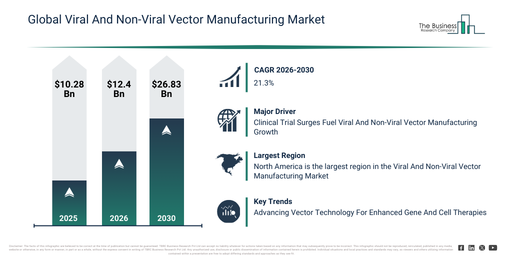
    Viral And Non-Viral Vector Manufacturing Market Growth From $12.4 Billion In 2026 To $26.82 Billion By 2030 At A CAGR Of 21.3%

    The market for both viral and non-viral vector manufacturing has experienced substantial expansion lately. Projections indicate a rise from $10.28 billion in 2025 to $12.4 billion in 2026, demonstrating a compound annual growth rate of 20.7%. Factors contributing to this growth during the preceding period include progress in gene therapy investigations, an uptick in clinical trial engagements, the scaling up of biopharmaceutical production capabilities, escalating demand for viral vectors in cancer treatments, and the presence of specialized manufacturing proficiency.

    The market for manufacturing both viral and non-viral vectors is poised for substantial expansion over the coming years, projected to reach $26.83 billion by 2030, with a compound annual growth rate of 21.3%. This upward trajectory is fueled by several key factors, including the increasing commercial viability of gene and cell therapies, a surge in investment directed towards vaccine research and development, the broadening of collaborations with Contract Development and Manufacturing Organizations (CDMOs), an intensified emphasis on developing manufacturing processes that are both scalable and adaptable, and a greater number of regulatory approvals for sophisticated therapeutic approaches. Key developments anticipated during this period encompass the scaling up of viral vector production capabilities, a growing need for non-viral delivery mechanisms, the wider acceptance of modular manufacturing systems, the expansion of outsourced vector production services, and a strengthened commitment to standardizing processes and ensuring rigorous quality control.

    Download A Free Sample Report For Comprehensive Market Insights:

    https://www.thebusinessresearchcompany.com/sample.aspx?id=12570&type=smp

    Viral And Non-Viral Vector Manufacturing Market Growth Factors Supporting Long-Term Expansion

    The increase in the volume of clinical trials is anticipated to be a significant catalyst for the expansion of the viral and non-viral vector manufacturing sectors. Clinical trials, which are crucial research endeavors involving human subjects to assess the safety, effectiveness, and potential adverse reactions of medical interventions, treatments, or pharmaceuticals, rely heavily on the production of these vectors. The manufacturing of viral and non-viral vectors plays a vital role in facilitating gene therapy clinical trials by supplying the essential components for delivering therapeutic genes to participants, while concurrently ensuring the integrity, quality, and manufacturability of these delivery systems across all stages of research. Illustratively, data from ClinicalTrials.gov, a digital repository managed by the US National Library of Medicine and dedicated to tracking clinical studies, revealed that by the close of 2022, there were 437,515 registered clinical trials, of which 56,561 had reached completion. This upward trend continued into 2023, with figures reaching 476,626 registered trials and 61,504 completed trials as of December 20th, highlighting a consistent rise in both new registrations and completed studies. Consequently, the burgeoning number of clinical trials directly fuels the demand and growth within the viral and non-viral vector manufacturing industries.

    Viral And Non-Viral Vector Manufacturing Market Segment Analysis: What Are The Major Market Categories?

    The viral and non-viral vector manufacturing market covered in this report is segmented –

    1) By Vector Type: Viral Vector, Non-Viral Vector

    2) By Disease: Cancer, Genetic Disease, Infectious Disease, Cardiovascular Disease, Other Diseases

    3) By Application: Gene Therapy, Vaccinology, Cell Therapy, Other Applications

    Subsegments:

    1) By Viral Vector: Adenoviral Vectors, Lentiviral Vectors, AAV (Adeno-Associated Virus) Vectors, Retroviral Vectors, Other Viral Vectors

    2) By Non-Viral Vector: Plasmid DNA, Lipid-Based Vectors, Nanoparticles, Electroporation-Based Vectors, Other Non-Viral Vectors

    Viral And Non-Viral Vector Manufacturing Market Industry Trends Shaping Future Revenue Growth

    In the realm of viral and non-viral vector production, leading enterprises are prioritizing strategic alliances to augment their market returns. These collaborative efforts in the viral and non-viral vector manufacturing sector unite biopharmaceutical firms, Contract Development and Manufacturing Organizations (CDMOs), academic centers, and technological innovators, all aiming to refine the effectiveness, security, and scalability of non-viral vector creation and manufacturing processes. A notable illustration occurred in September 2023 when NecstGen, a CDMO based in the Netherlands offering extensive services to all cell and gene therapy developers, joined forces with ProteoNic BioSciences, a Dutch technology firm specializing in the creation of intricate therapeutic proteins, introducing ProteoNic’s 2G UNic advanced vector technology. The effective implementation of this innovation has significantly advanced the development of lentiviral (LV) vectors, elevating functional viral particle titers and directly improving operational efficiency, which in turn makes therapies more economical and accessible. This adaptable technology finds utility in a variety of uses, encompassing the production of viral vectors for gene therapy, the development of mRNA therapeutics, and the generation of transient proteins. By pushing forward the manufacturing technology for both AAV and LV viral vectors, catering to transient systems and robust producer cell lines alike, this advancement holds promise for improving viral vector manufacturing in gene therapies and non-vector related procedures, presenting prospective advantages across a wide spectrum of applications.

    Viral And Non-Viral Vector Manufacturing Market Leading Companies Driving Competitive Growth

    Major companies operating in the viral and non-viral vector manufacturing market are Novartis AG, Thermo Fisher Scientific Inc., Merck KGaA, FUJIFILM Holdings Corporation, Regeneron Pharmaceuticals Inc., Astellas Pharma Inc., Lonza Group AG, WuXi AppTec Co Ltd., Catalent Inc., Sartorius AG, Charles River Laboratories Inc., Sarepta Therapeutics Inc., GenScript ProBio Co. Ltd., TAKARA BIO Inc., Oxford BioMedica plc, Beam Therapeutics Inc., Intellia Therapeutics Inc., MaxCyte Inc., Voyager Therapeutics Inc., Genethon, MeiraGTx Holdings plc, Evox Therapeutics Ltd., Entos Pharmaceuticals Inc., LogicBio Therapeutics Inc., bluebird bio Inc., 4D Molecular Therapeutics Inc., Precision NanoSystems Inc., GenSight Biologics S.A., Abeona Therapeutics Inc., Generation Bio Co.

    Access The Complete Viral And Non-Viral Vector Manufacturing Market Report:

    https://www.thebusinessresearchcompany.com/report/viral-and-non-viral-vector-manufacturing-global-market-report

    Viral And Non-Viral Vector Manufacturing Market Leading Geography: Which Region Generates The Most Revenue?

    North Americawas the largest region in the viral and non-viral vector manufacturing market in 2025. The regions covered in the viral and non-viral vector manufacturing market report are Asia-Pacific, South East Asia, Western Europe, Eastern Europe, North America, South America, Middle East, Africa.

    Get in touch with us:

    The Business Research Company: https://www.thebusinessresearchcompany.com/

    Americas: +1 310-496-7795

    Asia: +44 7882 955267 & +91 8897263534

    Europe: +44 7882 955267

    Email us at: marketing@tbrc.info

    Follow us on:

    LinkedIn: https://in.linkedin.com/company/the-business-research-company

    YouTube: https://www.youtube.com/channel/UC24_fI0rV8cR5DxlCpgmyFQ

    Global Market Model: https://www.thebusinessresearchcompany.com/global-market-model
  • Video Telemedicine Market Growth Outlook Reveals A CAGR Of 18.8% And A Market Value Of $8.2 Billion By 2030

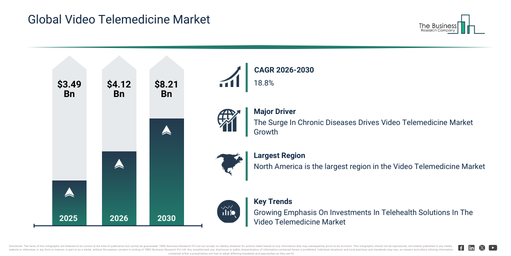
    Video Telemedicine Market Growth Outlook Reveals A CAGR Of 18.8% And A Market Value Of $8.2 Billion By 2030

    Delivering more actionable and strategically valuable research, The Business Research Company’s 2026 market reports feature market attractiveness analysis, total addressable market evaluation, company benchmarking matrices, interactive Excel dashboards, expanded supply chain intelligence, emerging startup coverage, and detailed product insights.

    Video Telemedicine Market Expansion Outlook: What Revenue Opportunities Lie Ahead?

    Between 2025 and 2026, the video telemedicine market is projected to experience a significant expansion, escalating from $3.49 billion to $4.12 billion with a compound annual growth rate of 18.1%. This past period of market advancement was fueled by several key factors; notably, the increasing embrace of digital healthcare solutions, a growing patient desire for convenient remote medical attention, the wider availability of robust broadband internet, the escalating acceptance of virtual appointments, and the development of secure video conferencing technologies all played a crucial role in this upward trajectory.

    The domain of video telemedicine is poised for significant expansion over the coming years, projected to reach a market valuation of $8.21 billion by 2030, driven by a compound annual growth rate of 18.8%. This anticipated upswing is fueled by a confluence of factors, including the escalating integration of AI-powered clinical decision support tools, considerable investments directed towards bolstering digital health infrastructure, the broadening accessibility of telehealth services across diverse medical specializations, a heightened emphasis on managing chronic conditions remotely, and a growing imperative for robust data security and regulatory adherence. Key developments shaping this landscape during the forecast period encompass the increasing prevalence of virtual appointments, the seamless merging of telemedicine platforms with electronic health record systems, a surge in demand for specialized virtual care, the proliferation of remote patient monitoring capabilities, and a strengthened commitment to secure and compliant telehealth solutions.

    Download A Free Sample Report For Comprehensive Market Insights:

    https://www.thebusinessresearchcompany.com/sample.aspx?id=12730&type=smp

    Video Telemedicine Market Demand Drivers Creating New Revenue Opportunities

    The increasing incidence of long-term health conditions is anticipated to be a significant driver for the expansion of the video telemedicine sector. These chronic illnesses, characterized by their persistent nature and focus on management rather than complete eradication, find a powerful ally in telemedicine. This technology facilitates improved access to healthcare services, allows for consistent remote patient observation and empowers individuals in managing their own health. Furthermore, it fosters better dialogue between patients and their medical teams, ultimately leading to more effective chronic disease management. For example, data from the Centers for Disease Control and Prevention indicated that in 2023, a substantial 76.4% of American adults, amounting to approximately 194 million individuals, lived with at least one chronic condition. This prevalence was observed across different age demographics, with 59.5% of young adults, 78.4% of middle-aged adults, and a striking 93.0% of older adults affected. Consequently, the escalating rates of chronic conditions are poised to stimulate growth within the video telemedicine market.

    Video Telemedicine Market Segment Breakdown: Which Categories Generate The Most Revenue?

    The video telemedicine market covered in this report is segmented –

    1) By Component: Services, Hardware, Software

    2) By Application: Neurology And Psychiatry, Cardiology, Orthopedics, Dermatology, Radiology, Gynecology, Oncology, Dentistry, Pathology

    3) By End User: Home Care Services, Hospitals, Clinics, Other End Users

    Subsegments:

    1) By Services: Real-Time Video Consultation, Remote Patient Monitoring, Telepsychiatry, Teledermatology, Teleradiology

    2) By Hardware: Cameras, Microphones, Monitors, Video Conferencing Equipment, Telepresence Robots

    3) By Software: Video Conferencing Software, Electronic Health Record (EHR) Integration Software, Patient Management Systems, Remote Monitoring Applications, Security And Compliance Solutions

    Video Telemedicine Market Trends Driving Strategic Industry Expansion

    Leading entities within the video telemedicine sector are directing substantial investment towards AI-powered portable eye screening equipment, a strategic move designed to boost patient care accessibility, refine remote diagnostic capabilities, and achieve reductions in overall healthcare expenditure. These intelligent, portable ophthalmic screening tools represent compact, mobile solutions that leverage artificial intelligence for immediate identification and diagnosis of ocular conditions. A notable development occurred in June 2024 when C3 Med-Tech, a healthcare technology firm headquartered in India, secured its inaugural equity funding from Industrial Metal Powders. This capital infusion is earmarked for the introduction of telemedicine services alongside their AI-enhanced portable eye screening devices. The overarching objective of these technological advancements is to enable rapid eye examinations and prompt disease identification, thereby tackling the prevalent issue of preventable blindness in India, which stems in part from a scarcity of ophthalmologists. Leveraging this financial backing, C3 Med-Tech intends to broaden its market footprint and further innovate by developing supplementary offerings, such as a specialized system for documenting eye surgeries.

    Video Telemedicine Market Key Players And Strategic Industry Positioning

    Major companies operating in the video telemedicine market are Teladoc Health Inc., American Well Corporation, MDLIVE Inc., GlobalMed Inc., PlushCare Inc., MeMD LLC, AMD Global Telemedicine Inc., Sesame Inc., 98point6 Technologies Inc., HealthTap Inc., CirrusMD Inc., Vidyo Inc., VSee Lab Inc., eVisit Inc., Visionflex Pty Limited, Techmedic International B.V., Talkspace Inc, Doximity Inc., Cisco Systems Inc., Poly Inc., Logitech International S.A.

    Access The Complete Video Telemedicine Market Report:

    https://www.thebusinessresearchcompany.com/report/video-telemedicine-global-market-report

    Video Telemedicine Market Regional Outlook: Where Are The Largest Opportunities Located?

    North Americawas the largest region in the video telemedicine market in 2025. Asia Pacific is expected to be the fastest-growing region in the forecast period. The regions covered in the video telemedicine market report are Asia-Pacific, South East Asia, Western Europe, Eastern Europe, North America, South America, Middle East, Africa.

    Get in touch with us:

    The Business Research Company: https://www.thebusinessresearchcompany.com/

    Americas: +1 310-496-7795

    Asia: +44 7882 955267 & +91 8897263534

    Europe: +44 7882 955267

    Email us at: marketing@tbrc.info

    Follow us on:

    LinkedIn: https://in.linkedin.com/company/the-business-research-company

    YouTube: https://www.youtube.com/channel/UC24_fI0rV8cR5DxlCpgmyFQ

    Global Market Model: https://www.thebusinessresearchcompany.com/global-market-model

  • Veterinary Diagnostic Imaging Market Forecast Highlights Expansion From $2.54 Billion To $3.39 Billion Through 2030

    Veterinary Diagnostic Imaging Market Forecast Highlights Expansion From $2.54 Billion To $3.39 Billion Through 2030

    Enhanced with market attractiveness analysis, total addressable market evaluation, company benchmarking matrices, interactive Excel dashboards, expanded supply chain intelligence, emerging startup coverage, and detailed product insights, The Business Research Company’s 2026 market reports deliver more actionable and strategically valuable research.

    Veterinary Diagnostic Imaging Market Growth Potential: How Will Market Size Change Through 2030?

    The market for veterinary diagnostic imaging has experienced robust expansion over the past few years, and this upward trend is projected to continue. Forecasts indicate a rise from $2.37 billion in 2025 to $2.55 billion in 2026, reflecting a compound annual growth rate of 7.7%. Key factors that have fueled this expansion in the past include a rise in pet ownership, a greater need for sophisticated veterinary medical services, the development of veterinary hospital facilities, increased consciousness regarding animal health diagnostics, and the accessibility of specialized imaging technology for animals.

    The veterinary diagnostic imaging sector is poised for substantial expansion over the upcoming years, projecting a market valuation of $3.39 billion by 2030, driven by a compound annual growth rate (CAGR) of 7.4%. This projected increase stems from several key factors, including the heightened utilization of AI in interpreting diagnostic images, increased funding allocated to veterinary healthcare facilities, a greater demand for less invasive diagnostic methods, the proliferation of cloud-accessible image management solutions, and a growing emphasis on precise veterinary care. Within this forecast period, significant trends are expected to shape the market, such as the wider implementation of sophisticated imaging technologies, a rise in the deployment of digital and portable imaging equipment, deeper integration of Picture Archiving and Communication Systems (PACS) tailored for veterinary use, the broadening scope of diagnostic applications across multiple specialties, and a strengthened commitment to achieving early and precise diagnoses for animals.

    Download A Free Sample Report For Comprehensive Market Insights:

    https://www.thebusinessresearchcompany.com/sample.aspx?id=20999&type=smp

    Veterinary Diagnostic Imaging Market Expansion Supported By Key Demand Factors

    The expansion of veterinary diagnostic imaging markets is anticipated to be driven by an escalating animal population. This population surge is attributable to various factors, including a rise in pet ownership, advancements in animal healthcare, and an increased demand for livestock products, which contribute to food security, sustainable farming practices, and more robust human-animal relationships. Veterinary diagnostic imaging plays a crucial role in this context by facilitating accurate diagnoses, optimizing treatment effectiveness, and facilitating health monitoring for animal populations, thereby improving their care and overall welfare. As an illustration, data from the American Veterinary Medical Association, a US non-profit, indicated that the dog population in the United States climbed from 53.4 million in 2023 to 59.8 million in 2024, as reported in November 2024. Consequently, the growing number of animals directly fuels the progression of the veterinary diagnostic imaging sector.

    Veterinary Diagnostic Imaging Market Segmentation: How Is The Market Structured Across Key Categories?

    The veterinary diagnostic imaging market covered in this report is segmented –

    1) By Product: Instrument, Reagent, Services, Veterinary PACS

    2) By Animal Type: Small Animals, Large Animals

    3) By Equipment: Radiography (X-ray) Systems, Ultrasound Imaging Systems, Computed Tomography Imaging Systems, Magnetic Resonance Imaging Systems, Video Endoscopy Imaging Systems, Other Equipments

    4) By Application: Orthopaedics And Traumatology, Oncology, Cardiology

    5) By End-User: Veterinary Hospitals, Academic And Research Institutes, Other End Users

    Subsegments:

    1) By Instrument: X-ray Imaging Systems, Ultrasound Imaging Systems, MRI Systems, CT Scanners, Endoscopy Equipment

    2) By Reagent: Contrast Agents (Ultrasound, MRI, CT), Blood Test Reagents, Biochemical Reagents

    3) By Services: Diagnostic Imaging Services, Image Interpretation Services, Veterinary Imaging Consulting Services

    4) By Veterinary PACS (Picture Archiving And Communication System): On-Premise PACS, Cloud-Based PACS

    Veterinary Diagnostic Imaging Market Growth Trends Influencing Competitive Dynamics

    Leading entities within the veterinary diagnostic imaging sector are concentrating their efforts on creating sophisticated offerings, exemplified by AI-driven veterinary X-ray analysis, with the aim of elevating diagnostic precision, accelerating report generation, and optimizing patient outcomes in animal healthcare settings. The concept of AI-Powered Veterinary X-ray Interpretation involves leveraging artificial intelligence and machine learning methodologies to aid veterinarians in the examination of animal radiographic imagery. This technological advancement contributes to superior diagnostic reliability, hastens the process of reaching clinical judgments, and alleviates the workload for veterinary practitioners through the automation of anomaly identification and the provision of in-depth evaluations. As a practical illustration, in January 2024, SignalPET LLC, a firm based in the United States specializing in AI-driven tools for managing veterinary clinics, introduced SignalSTAT, an AI-enhanced solution for interpreting veterinary X-rays. This system delivers prompt and precise evaluations, augmented by expert supervision, promising a consistent 45-minute turnaround period around the clock. It harmoniously blends state-of-the-art artificial intelligence with human proficiency, facilitating the swift and accurate interpretation of veterinary radiographs. This synergistic approach guarantees that urgent cases receive efficient scrutiny, thereby substantially shortening diagnostic timelines. The underlying technology is founded upon continually advancing machine-learning algorithms that refine their performance through ongoing utilization by veterinarians worldwide.

    Veterinary Diagnostic Imaging Market Competitive Landscape And Leading Companies

    Major companies operating in the veterinary diagnostic imaging market are Siemens Healthineers AG, General Electric Company, Fujifilm Holdings Corporation, Konica Minolta Inc, VCA Inc, Covetrus Inc., IDEXX Laboratories Inc., Shenzhen Mindray Bio-Medl Elctrnc Co Ltd, Agfa-Gevaert NV, Carestream Health Inc, CVS Limited, Esaote SPA, Canon Medical Systems Corporation, MXR Imaging Inc, Sound Technologies Inc, Heska Corporation, Universal Medical Systems, Inc., Clarius Mobile Health Corp., IMV Imaging, Epica Animal Health, Hallmarq Veterinary Imaging Ltd.

    Access The Complete Veterinary Diagnostic Imaging Market Report:

    https://www.thebusinessresearchcompany.com/report/veterinary-diagnostic-imaging-global-market-report

    Veterinary Diagnostic Imaging Market Geographic Landscape: Which Region Dominates Industry Growth?

    North Americawas the largest region in the veterinary diagnostic imaging market in 2025. Asia-Pacificis expected to be the fastest-growing region in the forecast period. The regions covered in the veterinary diagnostic imaging market report are Asia-Pacific, South East Asia, Western Europe, Eastern Europe, North America, South America, Middle East, Africa.

    Get in touch with us:

    The Business Research Company: https://www.thebusinessresearchcompany.com/

    Americas: +1 310-496-7795

    Asia: +44 7882 955267 & +91 8897263534

    Europe: +44 7882 955267

    Email us at: marketing@tbrc.info

    Follow us on:

    LinkedIn: https://in.linkedin.com/company/the-business-research-company

    YouTube: https://www.youtube.com/channel/UC24_fI0rV8cR5DxlCpgmyFQ

    Global Market Model: https://www.thebusinessresearchcompany.com/global-market-model

  • Veterinary Clinical Trials Market Expected To Reach $7.61 Billion By 2030 As Growth Accelerates At 9.4% CAGR

    Veterinary Clinical Trials Market Expected To Reach $7.61 Billion By 2030 As Growth Accelerates At 9.4% CAGR

    Through market attractiveness analysis, total addressable market evaluation, company benchmarking matrices, interactive Excel dashboards, expanded supply chain intelligence, emerging startup coverage, and detailed product insights, The Business Research Company’s 2026 market reports provide more actionable and strategically valuable research.

    Veterinary Clinical Trials Market Value Analysis: What Growth Is Expected Over The Forecast Period?

    The veterinary clinical trials market has experienced robust expansion lately, projected to increase from $4.85 billion in 2025 to $5.32 billion in 2026, reflecting a compound annual growth rate (CAGR) of 9.7%. This recent surge in growth is underpinned by several key factors, including advancements in veterinary pharmaceutical research, a notable rise in pet ownership, escalating demand for scientifically validated veterinary therapies, the broadening scope of academic zoological research initiatives, and the enhancement of regulatory structures governing animal studies.

    The domain of veterinary clinical trials is poised for considerable expansion in the coming years, with projections indicating a market valuation of $7.61 billion by 2030, driven by a compound annual growth rate of 9.4%. This anticipated surge is fueled by several key factors: augmented financial commitment towards the creation of veterinary pharmaceuticals, a burgeoning embrace of personalized medicinal approaches for animal healthcare, a widening scope of Contract Research Organization (CRO) participation in veterinary studies, heightened attention on long-term health conditions and cancer treatments in animals, and a greater utilization of real-world data within the animal health sector. Furthermore, prevailing trends expected to shape the forecast period include a greater uptake of digital systems for managing trials, an increased prevalence of studies leveraging genomics and biomarkers, a growing emphasis on research concerning companion animals, an expansion in the number of veterinary trials conducted across multiple centers, and a more pronounced focus on ensuring data reliability and adherence to regulatory standards.

    Download A Free Sample Report For Comprehensive Market Insights:

    https://www.thebusinessresearchcompany.com/sample.aspx?id=20683&type=smp

    Veterinary Clinical Trials Market Growth Drivers And Industry Catalysts

    The increasing prevalence of pet ownership is poised to be a significant driver for the veterinary clinical trials market’s expansion. This trend, wherein individuals choose to have and care for animals as domestic companions, is influenced by a multitude of factors such as the fundamental human need for companionship, the recognized advantages of pet-assisted therapy, and a broader understanding of how animals positively affect both mental and physical health. Veterinary clinical trials, in turn, benefit immensely from this heightened pet ownership by facilitating wider access to advanced therapeutic options for animal companions and by pushing the frontiers of veterinary medicine, ultimately leading to improved health prognoses for these animals. Furthermore, these trials are instrumental in the creation of more secure and efficacious treatment modalities. As an illustration, data from a US-based pet food producer, as reported by Petfood Industry in June 2025, indicated that around 68 million dogs resided in American homes during the most recent survey period, a notable increase from the 65.1 million recorded in the 2023–2024 study, thereby underscoring how the growing ranks of pet owners are fueling the momentum within the veterinary clinical trials sector.

    Veterinary Clinical Trials Market Segmentation Trends And Revenue Drivers

    The veterinary clinical trials market covered in this report is segmented –

    1) By Animal: Livestock Animal, Companion Animal, Other Animals

    2) By Indications: Oncology, Internal Medicine, Orthopedics, Cardiology, Neurology, Ophthalmology, Dermatology, Other Indications

    3) By Intervention: Medicines, Medical Devices, Other Interventions

    4) By End-Users: Academics And Research Centers, Pharmaceutical And Biopharmaceutical Companies, Other End-Users

    Subsegments:

    1) By Livestock Animal: Cattle, Sheep, Goats, Swine, Poultry

    2) By Companion Animal: Dogs, Cats, Horses, Rabbits, Ferrets

    3) By Other Animals: Wildlife, Exotic Pets, Laboratory Animals, Aquatic Animals

    #Veterinary Clinical Trials Market Trends Influencing Long-Term Demand

    In the competitive veterinary clinical trials landscape, leading entities are dedicating their efforts toward pioneering new anti-aging pharmaceuticals aimed at prolonging the lives of companion animals and elevating their general well-being. These cutting-edge anti-aging medications are formulated to decelerate or even reverse the effects of aging, thereby fostering improved health and vigor in older pets. As an illustration, Loyal, a veterinary innovator based in the United States, initiated a clinical investigation in February 2024 for a groundbreaking anti-aging compound, LOY-002, with the express purpose of extending the healthy years of senior canines. This new formulation is engineered to optimize canine metabolic function, addressing the physiological changes associated with aging that often precipitate a cascade of health complications. The palatable chewable, intended for senior dogs of various sizes, excluding the very smallest breeds, is presently undergoing evaluation within the STAY study, a comprehensive trial projected to involve upwards of a thousand dogs aged ten and above, conducted across more than fifty veterinary practices nationwide. The central goal of LOY-002 is to bolster metabolic efficiency, potentially mitigating the onset of age-related ailments and augmenting the overall quality of life for aging dogs.

    Veterinary Clinical Trials Market Industry Leaders: Which Organizations Are Driving Competition?

    Major companies operating in the veterinary clinical trials market are Merck & Co. Inc., Boehringer Ingelheim International GmbH, Zoetis Inc., Elanco Animal Health Incorporated, Charles River Laboratories International Inc., IDEXX Laboratories Inc., Ceva Santé Animale, Hill’s Pet Nutrition Inc., Ethos Veterinary Health LLC, Orion Corporation, Dechra Pharmaceuticals plc, Morris Animal Foundation, Vaxine Pty Ltd, Bioagile Therapeutics Pvt. Ltd., VetStem Inc., VetDC, Vivesto AB, OCRvet, Vetbiolix, Clinvet International, Ondax Scientific S.l., Veterinary Research Management

    Access The Complete Veterinary Clinical Trials Market Report:

    https://www.thebusinessresearchcompany.com/report/veterinary-clinical-trials-global-market-report

    Veterinary Clinical Trials Market Largest Region: Which Geography Holds The Highest Market Share?

    North Americawas the largest region in the veterinary clinical trials market in 2025. The regions covered in the veterinary clinical trials market report are Asia-Pacific, South East Asia, Western Europe, Eastern Europe, North America, South America, Middle East, Africa.

    Get in touch with us:

    The Business Research Company: https://www.thebusinessresearchcompany.com/

    Americas: +1 310-496-7795

    Asia: +44 7882 955267 & +91 8897263534

    Europe: +44 7882 955267

    Email us at: marketing@tbrc.info

    Follow us on:

    LinkedIn: https://in.linkedin.com/company/the-business-research-company

    YouTube: https://www.youtube.com/channel/UC24_fI0rV8cR5DxlCpgmyFQ

    Global Market Model: https://www.thebusinessresearchcompany.com/global-market-model

  • Vestibular Neuronitis Treatment Market Set To Grow From $2.33 Billion In 2026 To $2.92 Billion By 2030 At A CAGR Of 5.7%

    Vestibular Neuronitis Treatment Market Set To Grow From $2.33 Billion In 2026 To $2.92 Billion By 2030 At A CAGR Of 5.7%

    Delivering more actionable and strategically valuable research, The Business Research Company’s 2026 market reports feature market attractiveness analysis, total addressable market evaluation, company benchmarking matrices, interactive Excel dashboards, expanded supply chain intelligence, emerging startup coverage, and detailed product insights.

    Vestibular Neuronitis Treatment Market Size Forecast: How Large Could The Market Become By 2030?

    The market for vestibular neuronitis treatments experienced robust expansion recently, projecting a rise from $2.2 billion in 2025 to $2.34 billion in 2026, a trajectory marked by a compound annual growth rate (CAGR) of 6.1%. This historical expansion was fueled by a confluence of factors, including a greater prevalence of viral infections affecting the inner ear, advancements in the diagnostic capabilities for vestibular neuronitis, heightened public understanding of balance-related conditions, the broader availability of physical therapy services, and enhanced access to specialized neurological healthcare.

    The vestibular neuronitis treatment sector is projected for considerable expansion over the coming years, with an anticipated valuation of $2.92 billion by 2030, experiencing a compound annual growth rate (CAGR) of 5.7%. This projected increase is fueled by several key factors, including the rising incorporation of tailored rehabilitation plans, a heightened preference for treatments that avoid surgery, the broader availability of remote rehabilitation services, increased funding for neurological research, and an intensified emphasis on expediting neurological recovery. Dominating the landscape during this forecast period are trends such as the greater integration of vestibular rehabilitation exercises, a more prevalent use of corticosteroid treatments, a growing attention to managing symptoms promptly, the expansion of treatments provided in outpatient facilities, and the enhancement of comprehensive, team-based care strategies.

    Download A Free Sample Report For Comprehensive Market Insights:

    https://www.thebusinessresearchcompany.com/sample.aspx?id=23567&type=smp

    Vestibular Neuronitis Treatment Market Opportunity Drivers: What Is Creating New Revenue Potential?

    An upswing in viral infection occurrences is anticipated to stimulate the expansion of the market for treating vestibular neuronitis in the future. Viral infections, characterized by viruses invading and multiplying within host cells causing diverse symptoms and potential tissue damage, are spreading more readily due to global travel and urbanization. These factors increase population density and social interactions, facilitating virus transmission via airborne particles, direct contact, and contaminated surfaces. Treatments for vestibular neuronitis aid in managing these viral infections by mitigating inflammation of the vestibular nerve, alleviating symptoms such as dizziness and balance disturbances, and promoting recovery through pharmacological interventions, rehabilitative therapies, and supportive measures. To illustrate, the UK Health Security Agency reported 6,008 human immunodeficiency virus (HIV) diagnoses in England in 2023, representing a significant 51% increase from the 3,975 cases recorded in 2022, underscoring the growing prevalence of viral infections and their impact on the vestibular neuronitis treatment market.

    Vestibular Neuronitis Treatment Market Driver: Rising Healthcare Expenditures Fueling The Growth Of The Market Due To Increasing Demand For Specialized Care And Research

    Increased spending on healthcare is poised to accelerate the development of the vestibular neuronitis treatment market moving forward. This healthcare spending encompasses the total financial outlay for medical services, treatments, medical facilities, scientific research, and public health efforts aimed at enhancing or preserving health. The growing need for healthcare funding is largely attributed to an aging global population, as elderly individuals are more susceptible to balance issues stemming from age-related degeneration in the inner ear, compromised blood flow, and diminished nerve function. Elevated healthcare expenditures actively support the vestibular neuronitis treatment sector by financing crucial research, fostering advancements in medical technology, and improving access to specialized medical attention, ultimately leading to enhanced treatment modalities and expedited recovery for affected patients. As an example, preliminary data from the Centers for Medicare & Medicaid Services (CMS) indicates that U.S. national health expenditures experienced a 7.5% growth in 2023, surpassing the overall economic growth (GDP) of 6.1%. Projections suggest that from 2023 to 2032, national health expenditures are expected to rise annually by an average of 5.6%, consequently increasing the proportion of GDP allocated to health spending from 17.3% in 2022 to an estimated 19.7% by 2032, thereby reinforcing the role of rising healthcare expenditures in driving the vestibular neuronitis treatment market.

    Vestibular Neuronitis Treatment Market Segment Analysis Highlighting Growth Areas

    The vestibular neuronitis treatment market covered in this report is segmented –

    1) By Treatment Type: Medication, Physical Therapy, Surgery, Alternative Therapy

    2) By Route Of Administration: Oral, Intravenous, Intramuscular

    3) By Age Group: Children, Adults, Elderly

    4) By Symptoms: Sudden Vertigo, Balance Issues, Nausea And Vomiting, Dizziness, Trouble Concentrating

    5) By End Users: Hospitals, Clinics, Other End Users

    Subsegments:

    1) By Medication: Corticosteroids, Antihistamines, Benzodiazepines, Antiemetics, Antiviral Drugs, Antibiotics

    2) By Physical Therapy: Vestibular Rehabilitation Therapy (VRT), Balance Training Exercises, Canalith Repositioning Maneuvers

    3) By Surgery: Labyrinthectomy, Vestibular Nerve Section, Endolymphatic Sac Decompression

    4) By Alternative Therapy: Acupuncture, Herbal Medicine, Chiropractic Therapy, Homeopathic Treatment, Dietary Supplements

    Vestibular Neuronitis Treatment Market Innovation Trends Driving Future Development

    Companies that are leading the way in the vestibular neuronitis treatment sector are concentrating their efforts on creating cutting-edge therapies, including vestibular modulators, with the aim of boosting the body’s ability to compensate for vestibular disturbances, speeding up the recovery process for individuals experiencing vertigo, and ultimately making treatments more effective for those afflicted with equilibrium problems. These vestibular modulators serve as medicinal agents that fine-tune the activity within the vestibular system, thereby enhancing balance, alleviating the sensation of vertigo, and strengthening vestibular compensation mechanisms. As an illustration, during June of 2023, Altamira Therapeutics Ltd., a biopharmaceutical firm headquartered in Switzerland, successfully obtained approval from the U.S. Food and Drug Administration to proceed with an investigational new drug application for AM-125, which is a betahistine nasal spray, for use in cases of acute vestibular syndrome (AVS). AM-125 functions as a vestibular modulator designed to combat vestibular neuronitis by increasing histamine release, thereby fostering better vestibular compensation and augmenting blood flow within the inner ear, which collectively serves to diminish vertigo and related balance disturbances. The intranasal method of administration guarantees expedited absorption and superior bioavailability, leading to more rapid alleviation of symptoms.

    Vestibular Neuronitis Treatment Market Leading Companies: Who Holds Significant Market Presence?

    Major companies operating in the vestibular neuronitis treatment market are Kaiser Permanente, Pfizer Inc., Johnson & Johnson, F. Hoffmann-La Roche AG, Merck & Co. Inc., AbbVie Inc., Abbott Laboratories, Novartis AG, GSK plc, Bupa, Teva Pharmaceutical Industries Ltd., Cipla Limited, Dr. Reddy’s Laboratories Ltd., Zydus Lifesciences Limited, Prestige Consumer Healthcare Inc., Sun Pharmaceutical Industries Ltd., ANI Pharmaceuticals Inc., Sanofi S.A., H Lundbeck A/S, Otonomy Inc., Auris Medical Holding Ltd., Bayer AG

    Access The Complete Vestibular Neuronitis Treatment Market Report:

    https://www.thebusinessresearchcompany.com/report/vestibular-neuronitis-treatment-global-market-report

    Vestibular Neuronitis Treatment Market Regional Analysis: Which Region Leads By Revenue?

    North Americawas the largest region in the vestibular neuronitis treatment market in 2025. Asia-Pacificis expected to be the fastest-growing region in the forecast period. The regions covered in the vestibular neuronitis treatment market report are Asia-Pacific, South East Asia, Western Europe, Eastern Europe, North America, South America, Middle East, Africa.

    Get in touch with us:

    The Business Research Company: https://www.thebusinessresearchcompany.com/

    Americas: +1 310-496-7795

    Asia: +44 7882 955267 & +91 8897263534

    Europe: +44 7882 955267

    Email us at: marketing@tbrc.info

    Follow us on:

    LinkedIn: https://in.linkedin.com/company/the-business-research-company

    YouTube: https://www.youtube.com/channel/UC24_fI0rV8cR5DxlCpgmyFQ

    Global Market Model: https://www.thebusinessresearchcompany.com/global-market-model

  • Vertigo Treatment Market Opportunities Are Emerging Beyond Traditional Growth Areas

    Vertigo Treatment Market Opportunities Are Emerging Beyond Traditional Growth Areas

    Enhanced with market attractiveness analysis, total addressable market evaluation, company benchmarking matrices, interactive Excel dashboards, expanded supply chain intelligence, emerging startup coverage, and detailed product insights, The Business Research Company’s 2026 market reports deliver more actionable and strategically valuable research.

    Vertigo Treatment Market Revenue Outlook: What CAGR Is Expected Through 2030?

    The vertical treatment market has experienced robust expansion recently. Projections indicate a continued upward trend, forecasting a growth from $1.67 billion in 2025 to $1.77 billion in 2026, which represents a compound annual growth rate of 5.7%. Factors driving this historical growth encompass a greater incidence of vestibular disorders, an expanding elderly demographic, heightened public consciousness regarding vertigo symptoms, the proliferation of neurology clinics, and augmented utilization of diagnostic imaging technologies.

    The market for vertigo treatments is poised for substantial expansion in the coming years, projecting a rise to $2.19 billion by 2030, fueled by a compound annual growth rate of 5.5%. This anticipated growth trajectory during the forecast period is underpinned by several key factors, including the wider implementation of tailored treatment strategies for vertigo, a burgeoning preference for therapeutic approaches that do not require surgical intervention, the increased availability of remote medical consultations, a heightened emphasis on providing enduring relief from symptoms, and a growing allocation of resources towards research into vestibular disorders. Within this same forecast horizon, significant trends emerge, such as the greater utilization of vestibular rehabilitation therapies, a more frequent application of combined pharmaceutical treatments, an intensified focus on the prompt identification of benign paroxysmal positional vertigo (BPPV), the broadening scope of outpatient care for vertigo management, and the enhancement of educational initiatives and self-management resources for patients.

    Download A Free Sample Report For Comprehensive Market Insights:

    https://www.thebusinessresearchcompany.com/sample.aspx?id=21316&type=smp

    Vertigo Treatment Market Growth Momentum: Which Factors Are Influencing Demand?

    The increasing incidence of sports-related injuries is expected to drive growth in the vertigo treatment market in the coming years. Sports-related injuries refer to physical harm sustained during participation in sports or other recreational physical activities. Their prevalence is rising due to higher participation in high-impact sports, more intensive training routines, and insufficient use of injury prevention practices. Vertigo treatment plays a supportive role in managing sports-related injury cases by reducing dizziness, enhancing balance, and restoring vestibular function through medications, vestibular rehabilitation therapy, and lifestyle adjustments. This helps athletes recover more quickly, regain coordination, and safely resume their sporting activities. For example, in July 2025, according to the Australian Institute of Health and Welfare, an Australia-based national government health statistics agency, over 62,100 sports-related injury hospitalisations were recorded in Australia in 2023–24, with males accounting for around 70% (approximately 43,800 cases) and females representing nearly 30% (around 18,300 cases). As a result, the rising prevalence of sports-related injuries is contributing to the growth of the vertigo treatment market.

    Vertigo Treatment Market Segment Performance And Strategic Opportunities

    The vertigo treatment market covered in this report is segmented –

    1) By Type: Peripheral Vertigo, Central Vertigo

    2) By Treatment: Medication, Surgery, Therapy

    3) By Route Of Administration: Oral, Topical, Parenteral, Other Routes Of Administration

    4) By End User: Hospitals, Clinics, Other End Users

    Subsegments:

    1) By Peripheral Vertigo: Benign Paroxysmal Positional Vertigo (BPPV), Meniere’s Disease, Vestibular Neuritis, Labyrinthitis

    2) By Central Vertigo: Vestibular Migraine, Stroke-Related Vertigo, Multiple Sclerosis-Associated Vertigo, Brain Tumor-Related Vertigo

    Vertigo Treatment Market Trends Reshaping Industry Growth

    In the vertigo treatment market, leading companies are focusing on technological advancements such as digital health solutions to improve patient care and enhance treatment adherence. Digital health solutions refer to technology-enabled platforms and tools designed to support disease management, diagnosis, treatment, and overall patient care. For instance, in August 2023, Abbott Laboratories, a US-based healthcare company, launched the Vertigo Coach app in India, a digital health solution aimed at helping individuals manage vertigo by providing accessible information and resources. The app offers guidance on lifestyle modifications, exercises, and common vertigo triggers, serving as a comprehensive support tool for users. It also facilitates better communication between patients and physicians and helps track medication schedules. Additionally, features such as automated push notifications and pill reminders support improved medication adherence.

    Vertigo Treatment Market Key Players: Which Companies Shape Industry Competition?

    Major companies operating in the vertigo treatment market are Pfizer Inc., Abbott Laboratories, Medtronic Plc, Boston Scientific Corp., Eisai Co. Ltd., Lupin Ltd., Vertigenius, Kracie Holdings Ltd. , Biologische Heilmittel Heel GmbH, Interacoustics A/S., AdvaCare Pharma, AuroPharma Inc., Biofield Pharma Pvt Ltd., Sound Pharmaceuticals Inc., Otolith Labs Inc., Ear Technology Corporation, NeuroEquilibrium Diagnostic Systems Pvt Ltd., Vestibular First, Natus Medical Incorporated, Ronish Bioceuticals

    Access The Complete Vertigo Treatment Market Report:

    https://www.thebusinessresearchcompany.com/report/vertigo-treatment-global-market-report

    Vertigo Treatment Market Geographic Distribution And Regional Opportunities

    North Americawas the largest region in the vertigo treatment market in 2025. Asia-Pacificis expected to be the fastest-growing region in the forecast period. The regions covered in the vertigo treatment market report are Asia-Pacific, South East Asia, Western Europe, Eastern Europe, North America, South America, Middle East, Africa.

    Get in touch with us:

    The Business Research Company: https://www.thebusinessresearchcompany.com/

    Americas: +1 310-496-7795

    Asia: +44 7882 955267 & +91 8897263534

    Europe: +44 7882 955267

    Email us at: marketing@tbrc.info

    Follow us on:

    LinkedIn: https://in.linkedin.com/company/the-business-research-company

    YouTube: https://www.youtube.com/channel/UC24_fI0rV8cR5DxlCpgmyFQ

    Global Market Model: https://www.thebusinessresearchcompany.com/global-market-model

  • Vertebroplasty And Kyphoplasty Market Expansion Is Opening New Pathways For Strategic Investment

    Vertebroplasty And Kyphoplasty Market Expansion Is Opening New Pathways For Strategic Investment

    Through market attractiveness analysis, total addressable market evaluation, company benchmarking matrices, interactive Excel dashboards, expanded supply chain intelligence, emerging startup coverage, and detailed product insights, The Business Research Company’s 2026 market reports provide more actionable and strategically valuable research.

    Vertebroplasty And Kyphoplasty Market Growth Analysis: How Will Revenue Expand During The Forecast Period?

    The market for vertebroplasty and kyphoplasty procedures has experienced robust expansion lately. Projections indicate a rise from $1.04 billion in 2025 to $1.1 billion by 2026, demonstrating a compound annual growth rate of 5.8%. Key factors driving this expansion during the preceding years include a greater prevalence of osteoporotic fractures, an increasing elderly demographic, heightened identification of vertebral compression fractures, advancements in spinal intervention techniques, and enhanced accessibility to sophisticated imaging solutions.

    The market for vertebroplasty and kyphoplasty procedures is poised for substantial expansion over the coming years, projected to reach a valuation of $1.35 billion by 2030, reflecting a compound annual growth rate of 5.3%. This anticipated surge is fueled by several key factors, including a greater inclination towards outpatient spinal interventions, an escalating demand for swift pain alleviation solutions, advancements in spinal biomaterials, increased investment in less invasive surgical equipment, and a heightened emphasis on expediting patient recovery processes. Furthermore, prevailing market trends that will shape this period involve a rising preference for minimally invasive spinal surgeries, a more widespread application of balloon kyphoplasty devices, a growing need for image-guided procedures, the proliferation of outpatient spine care facilities, and continuous improvements in the technologies used for delivering bone cement.

    Download A Free Sample Report For Comprehensive Market Insights:

    https://www.thebusinessresearchcompany.com/sample.aspx?id=13556&type=smp

    Vertebroplasty And Kyphoplasty Market Expansion Drivers: What Is Shaping Future Growth?

    The increasing frequency of sports-related spinal trauma is anticipated to be a key driver for the expansion of the vertebroplasty and kyphoplasty sectors. These spinal injuries, stemming from athletic pursuits and physical exertion, encompass conditions like vertebral compression fractures, spondylolisthesis, and herniated discs, which often necessitate less invasive interventions such as vertebroplasty and kyphoplasty. These procedures involve the precise injection of bone cement into compromised vertebrae. Illustrating the scale of this issue, in 2024, the National Spinal Cord Injury Statistical Center (NSCISC) reported that an estimated 305,000 individuals (with a confidence interval of 257,000 to 388,000) in the United States are currently living with traumatic spinal cord injuries (tSCI), and approximately 18,000 new cases of tSCI occur annually. Consequently, the growing prevalence of sports-induced spinal injuries is poised to fuel the advancement of the vertebroplasty and kyphoplasty markets.

    Vertebroplasty And Kyphoplasty Market Segment Landscape And Growth Potential

    The vertebroplasty and kyphoplasty market covered in this report is segmented –

    1) By Product Type: Kyphoplasty Devices, Vertebroplasty Devices

    2) By Surgery Type: Vertebroplastic Surgery, Kyphoplastic Surgery

    3) By End User: Hospitals, Ambulatory Surgical Centers

    Subsegments:

    1) By Kyphoplasty Devices: Balloon Kyphoplasty Devices, Inflation Devices, Vertebral Restoration Devices

    2) By Vertebroplasty Devices: Bone Cement Delivery Systems, Cannulas and Needles

    Vertebroplasty And Kyphoplasty Market Strategic Trends: What Is Defining The Next Phase Of Growth?

    Major companies in the vertebroplasty and kyphoplasty market are increasingly adopting strategic partnership approaches to develop advanced solutions such as unipedicular balloon catheters for treating vertebral compression fractures. Strategic partnerships involve collaboration between organizations that combine their respective strengths and resources to achieve shared objectives and mutual benefits. For example, in June 2024, Medtronic Plc, an Ireland-based medical technology company, partnered with Merit Medical Systems Inc., a US-based medical device company, to develop a unipedicular, steerable balloon catheter for the treatment of vertebral compression fractures (VCF) in the United States. This initiative builds on their existing collaboration, where Merit already supplies Medtronic with Kyphon Xpander Inflation Syringes used in balloon kyphoplasty procedures. The Kyphon KyphoFlex system is designed to enable controlled, precise, and targeted cavity creation during vertebral augmentation. The new unipedicular solution is expected to complement Medtronic’s existing bipedicular balloon kyphoplasty offerings, providing clinicians with greater flexibility and treatment options.

    Vertebroplasty And Kyphoplasty Market Competitive Landscape: Who Are The Leading Companies?

    Major companies operating in the vertebroplasty and kyphoplasty market are Cardinal Health, Johnson and Johnson (DePuy Synthes), Medtronic Plc., Stryker Corporation, GS Solutions Inc., Lepu Medical Technology (Beijing)Co.Ltd., Merit Medical Systems Inc., Globus Medical Inc., Alphatec Spine Inc., Rontis Corporation, Spectrum Plastics Group., SOMATEX Medical Technologies GmbH, Zavation LLC, MJ Surgical, Benvenue Medical, Joimax GmbH, Laurane Medical LLC, Spine Wave Inc., G21 S.r.l., BM Korea Co. LTD, Teknimed, Joline GmbH And Co. KG, SCW Medicath Ltd., Stöckli Medical AG, Jiangsu ChangMei Medtech Co.Ltd., IZI Medical Products

    Access The Complete Vertebroplasty And Kyphoplasty Market Report:

    https://www.thebusinessresearchcompany.com/report/vertebroplasty-and-kyphoplasty-global-market-report

    Vertebroplasty And Kyphoplasty Market Largest Region By Revenue And Market Share

    North Americawas the largest region in the vertebroplasty and kyphoplasty market in 2025. Asia-Pacificis expected to be the fastest-growing region in the forecast period. The regions covered in the vertebroplasty and kyphoplasty market report are Asia-Pacific, South East Asia, Western Europe, Eastern Europe, North America, South America, Middle East, Africa.

    Get in touch with us:

    The Business Research Company: https://www.thebusinessresearchcompany.com/

    Americas: +1 310-496-7795

    Asia: +44 7882 955267 & +91 8897263534

    Europe: +44 7882 955267

    Email us at: marketing@tbrc.info

    Follow us on:

    LinkedIn: https://in.linkedin.com/company/the-business-research-company

    YouTube: https://www.youtube.com/channel/UC24_fI0rV8cR5DxlCpgmyFQ

    Global Market Model: https://www.thebusinessresearchcompany.com/global-market-model

  • Ventral Hernia Treatment Market Trends Are Creating New Opportunities For Industry Leaders

    Ventral Hernia Treatment Market Trends Are Creating New Opportunities For Industry Leaders

    Delivering more actionable and strategically valuable research, The Business Research Company’s 2026 market reports feature market attractiveness analysis, total addressable market evaluation, company benchmarking matrices, interactive Excel dashboards, expanded supply chain intelligence, emerging startup coverage, and detailed product insights.

    Ventral Hernia Treatment Market Forecast: What Market Value Is Expected By 2030?

    The market for ventral hernia treatments has experienced robust expansion recently, projecting a rise from $5.22 billion in 2025 to $5.59 billion in 2026, fueled by a compound annual growth rate of 7.2%. This historical growth trend is largely attributable to the increased occurrence of abdominal hernias, a greater propensity for surgical interventions, the expanding use of laparoscopic surgical techniques, a wider availability of surgical mesh solutions, and enhanced utilization of diagnostic imaging technologies.

    The market dedicated to the treatment of ventral hernias is poised for considerable expansion in the upcoming years, projecting a valuation of $7.3 billion by 2030, spurred by a compound annual growth rate of 6.9%. This anticipated growth over the forecast period is largely fueled by several key factors: a heightened embrace of robotic surgery systems, a mounting demand for repair methods that eliminate surgical tension, the proliferation of outpatient surgical facilities, a heightened emphasis on minimizing the recurrence of hernias, and escalating investments directed towards cutting-edge surgical innovations. Prominent trends shaping this market during the forecast period encompass the increasing integration of robotic assistance in hernia repairs, a greater utilization of sophisticated hernia mesh materials, a rising inclination towards less invasive surgical interventions, the expansion of same-day surgical care options, and refined protocols for recovery following surgery.

    Download A Free Sample Report For Comprehensive Market Insights:

    https://www.thebusinessresearchcompany.com/sample.aspx?id=21315&type=smp

    Ventral Hernia Treatment Market Development Factors: Which Trends Are Supporting Demand?

    The escalating rates of obesity are anticipated to be a significant driver for the expansion of the ventral hernia treatment market. Obesity, recognized as a condition of excessive body fat accumulation with pronounced health implications, is increasingly attributable to factors such as unhealthy dietary habits, inactive lifestyles, genetic predispositions, insufficient physical activity, environmental pressures, and emotional distress. Ventral hernia treatments offer crucial support to individuals managing obesity by mitigating complications associated with excess weight; these treatments contribute to lessening pressure on the abdominal wall, diminishing the likelihood of hernia recurrence, and bolstering overall abdominal integrity, which are vital for improving mobility and fostering healthier lifestyle choices among those grappling with obesity. Significantly, in March 2024, the World Health Organization, an international body headquartered in Switzerland, highlighted that roughly one out of every eight individuals globally faces obesity, with 2.5 billion adults (18 years and older) being overweight, of whom 890 million are categorized as obese. Furthermore, within the adult population, 43% are overweight, and 16% fall into the obese category, while concurrently, the number of children under five years old who are overweight stands at 37 million, underscoring the substantial and growing population affected by obesity, thereby fueling the demand for ventral hernia treatments.

    Ventral Hernia Treatment Market Categorization By Product Type And Application

    The ventral hernia treatment market covered in this report is segmented –

    1) By Type: Epigastric (Stomach Area) Hernia, Umbilical (Belly Button) Hernia, Incisional Hernia

    2) By Diagnosis: Ultrasound, Computed Tomography (CT) Scan, Magnetic Resonance Imaging (MRI)

    3) By Surgery: Open Hernia Surgery, Laparoscopic Surgery, Robotic Hernia Surgery

    4) By End Users: Hospitals, Ambulatory Surgical Centres, Clinics

    Subsegments:

    1) By Epigastric (Stomach Area) Hernia: Small Epigastric Hernia, Large Epigastric Hernia

    2) By Umbilical (Belly Button) Hernia: Congenital Umbilical Hernia, Acquired Umbilical Hernia

    3) By Incisional Hernia: Primary Incisional Hernia, Recurrent Incisional Hernia

    Ventral Hernia Treatment Market Transformation Trends: Which Innovations Are Driving Change?

    Key players within the ventral hernia treatment sector are prioritizing innovations in surgical apparatus, specifically in mesh fixation technologies for both laparoscopic and open procedures. The objective behind these advancements is to elevate the success rates of surgeries, mitigate associated risks, and accelerate patient recuperation. Hernia mesh fixation devices, whether employed in laparoscopic (minimally invasive) or open surgery, are instrumental in stabilizing the mesh implant during the repair process. Illustrating this trend, TELA Bio Inc., a medical device firm based in the United States, introduced its LIQUIFIX FIX8 for laparoscopic use and LIQUIFIX precision for open hernia repairs in the U.S. market in March of 2024. The LIQUIFIX FIX8 is designed for minimally invasive procedures, while the LIQUIFIX precision targets open femoral and inguinal hernia repairs. These devices, having received FDA approval, employ a novel liquid anchoring system that secures the mesh without requiring penetration into bodily tissues, thereby minimizing trauma and potential complications. Considering that the U.S. witnesses more than 1.2 million hernia operations each year, the LIQUIFIX system is poised to offer enhanced accuracy and security, particularly in delicate anatomical regions, while simultaneously reducing the likelihood of damage to blood vessels or nerves.

    Ventral Hernia Treatment Market Company Landscape And Strategic Competition

    Major companies operating in the ventral hernia treatment market are Johnson & Johnson Services Inc., Medtronic Plc, Becton, Dickinson and Company (BD), Braun Melsungen AG, Olympus Corporation, W.L. Gore and Associates Inc, STERIS Plc, Cook Medical Inc, KARL STORZ, Cooper University Health Care, Mölnlycke Health Care, Integra LifeSciences Holdings, ConMed Corporation, Aesculap Inc, Richard Wolf GmbH, Ethicon Inc, Microline Surgical, Hernia Mesh S.R.L., Insightra Medical Inc, Advanced MedTech Solutions Pvt Ltd

    Access The Complete Ventral Hernia Treatment Market Report:

    https://www.thebusinessresearchcompany.com/report/ventral-hernia-treatment-global-market-report

    Ventral Hernia Treatment Market Regional Analysis And Leading Geography

    North Americawas the largest region in the ventral hernia treatment market in 2025. Europeis expected to be the fastest-growing region in the forecast period. The regions covered in the ventral hernia treatment market report are Asia-Pacific, South East Asia, Western Europe, Eastern Europe, North America, South America, Middle East, Africa.

    Get in touch with us:

    The Business Research Company: https://www.thebusinessresearchcompany.com/

    Americas: +1 310-496-7795

    Asia: +44 7882 955267 & +91 8897263534

    Europe: +44 7882 955267

    Email us at: marketing@tbrc.info

    Follow us on:

    LinkedIn: https://in.linkedin.com/company/the-business-research-company

    YouTube: https://www.youtube.com/channel/UC24_fI0rV8cR5DxlCpgmyFQ

    Global Market Model: https://www.thebusinessresearchcompany.com/global-market-model

  • Venous Ulcer Treatment Market Growth Is Reshaping Competitive Advantage Across The Industry

    Venous Ulcer Treatment Market Growth Is Reshaping Competitive Advantage Across The Industry

    Enhanced with market attractiveness analysis, total addressable market evaluation, company benchmarking matrices, interactive Excel dashboards, expanded supply chain intelligence, emerging startup coverage, and detailed product insights, The Business Research Company’s 2026 market reports deliver more actionable and strategically valuable research.

    Venous Ulcer Treatment Market Size Outlook: How Fast Will Revenue Grow Through 2030?

    The global market for treating venous ulcers has experienced robust expansion, with its value set to increase from $3.32 billion in 2025 to $3.56 billion in 2026, reflecting a compound annual growth rate of 7.4%. Factors contributing to this historical growth trajectory include the escalating occurrence of chronic venous insufficiency, a continually expanding elderly demographic, a rise in vascular conditions linked to modern lifestyles, enhanced access to wound care solutions, and heightened professional understanding regarding the effective management of venous ulcers.

    The market for treating venous ulcers is poised for significant expansion, projecting a rise to $4.69 billion by 2030, fueled by a compound annual growth rate of 7.1%. This anticipated growth throughout the forecast period is largely driven by a surge in demand for at-home wound care services, the increasing embrace of cutting-edge wound healing technologies, the proliferation of outpatient care settings, escalating investments in digital health monitoring solutions, and a heightened emphasis on economical approaches to managing chronic wounds. Key developments shaping this market include the broader implementation of sophisticated compression therapy options, a greater utilization of wound dressings incorporating bioactive and antimicrobial properties, the escalating integration of digital tools for wound assessment, the diversification of individualized treatment plans for venous ulcers, and a more intensive focus on methods designed to prevent ulcer recurrence.

    Download A Free Sample Report For Comprehensive Market Insights:

    https://www.thebusinessresearchcompany.com/sample.aspx?id=19749&type=smp

    Venous Ulcer Treatment Market Industry Drivers: What Is Driving Revenue Growth?

    The venous ulcer treatment market is poised for expansion, largely driven by the increasing prevalence of chronic conditions. These long-term health issues, characterized by their gradual onset and persistent nature, necessitate continuous medical care. Factors contributing to this trend include an aging demographic, a lack of physical activity, unhealthy eating patterns, escalating obesity levels, and increased exposure to risk factors like smoking and heavy drinking. Treatments for venous ulcers play a crucial role in managing these chronic diseases by targeting and addressing the sores that develop due to compromised circulation and persistent venous insufficiency, conditions frequently associated with diabetes and chronic venous disorders. Illustrating this trend, data from the National Center for Biotechnology Information (NCBI) in January 2023 projected that the population aged 50 and over with at least one chronic illness is anticipated to nearly double, climbing from 71.52 million in 2020 to 142.66 million by 2050. Consequently, the escalating rate of chronic diseases is a significant catalyst for the growth observed in the venous ulcer treatment sector.

    Venous Ulcer Treatment Market Segment Analysis And Revenue Opportunities

    The venous ulcer treatment market covered in this report is segmented –

    1) By Diseases Type: Arterial Ulcers, Neurotropic Ulcer, Venous Ulcers, Diabetic Ulcers

    2) By Treatment Type: Compression Therapy, Surgical Therapy, Skin Grafting, Advanced Wound Dressing

    3) By End-Use: Hospitals, Clinics, Home Care Settings

    Subsegments:

    1) By Arterial Ulcers: Ischemic Ulcers, Atherosclerotic Ulcers, Mixed Arterial-Venous Ulcers

    2) By Neurotropic Ulcer: Pressure Ulcers, Neuropathic Foot Ulcers, Spinal Cord Injury Ulcers

    3) By Venous Ulcers: Superficial Venous Ulcers, Deep Vein Insufficiency Ulcers, Mixed Etiology Ulcers

    4) By Diabetic Ulcers: Diabetic Foot Ulcers, Neuropathic Diabetic Ulcers, Ischemic Diabetic Ulcers

    #Venous Ulcer Treatment Market Growth Trends: What Is Influencing The Future Outlook?

    In the realm of venous ulcer treatment, leading enterprises are channeling their efforts into pioneering advancements like dual-syringe systems to enhance both the efficacy and user-friendliness of wound management solutions. These dual-syringe systems represent sophisticated medical apparatus designed for the concurrent or step-by-step administration of two distinct agents, commonly employed in wound care, injections, or pharmaceutical delivery. To illustrate, a significant development occurred in March 2024 when Integra LifeSciences Holdings Corporation, a company situated in the United States specializing in medical devices, unveiled MicroMatrix Flex, a dual-syringe system engineered for effortless mixing and accurate application. This groundbreaking product features a sophisticated delivery mechanism that facilitates ease of access to challenging anatomical locations, thereby ensuring thorough management of intricate venous ulcers. Furthermore, its adaptable structure conforms to diverse wound contours and dimensions, leading to augmented coverage and superior performance. The system also integrates a novel material intended to foster efficient tissue repair and alleviate patient discomfort.

    Venous Ulcer Treatment Market Leading Players Shaping Industry Direction

    Major companies operating in the venous ulcer treatment market are Johnson & Johnson, Bayer AG, Sanofi SA, Bristol-Myers Squibb Company, AstraZeneca plc, Medtronic plc, Becton Dickinson and Company, Cardinal Health Inc., Essity Aktiebolag, Medline Industries Inc., Smith & Nephew plc, Coloplast A/S, 3M Company, ConvaTec Group plc, Integra LifeSciences Holdings Corporation, Organogenesis Holdings Inc., Mölnlycke Health Care AB, Mimedx Group Inc., Tissue Regenix Group plc, Derma Sciences Inc.

    Access The Complete Venous Ulcer Treatment Market Report:

    https://www.thebusinessresearchcompany.com/report/venous-ulcer-treatment-global-market-report

    Venous Ulcer Treatment Market Geographic Analysis: Where Is Demand Growing The Fastest?

    North Americawas the largest region in the venous ulcer treatment market in 2025. Asia-Pacificis expected to be the fastest-growing region in the forecast period. The regions covered in the venous ulcer treatment market report are Asia-Pacific, South East Asia, Western Europe, Eastern Europe, North America, South America, Middle East, Africa.

    Get in touch with us:

    The Business Research Company: https://www.thebusinessresearchcompany.com/

    Americas: +1 310-496-7795

    Asia: +44 7882 955267 & +91 8897263534

    Europe: +44 7882 955267

    Email us at: marketing@tbrc.info

    Follow us on:

    LinkedIn: https://in.linkedin.com/company/the-business-research-company

    YouTube: https://www.youtube.com/channel/UC24_fI0rV8cR5DxlCpgmyFQ

    Global Market Model: https://www.thebusinessresearchcompany.com/global-market-model

  • Venous Thromboembolism Market Forecast Signals New Revenue Opportunities Through 2030

    Venous Thromboembolism Market Forecast Signals New Revenue Opportunities Through 2030

    Through market attractiveness analysis, total addressable market evaluation, company benchmarking matrices, interactive Excel dashboards, expanded supply chain intelligence, emerging startup coverage, and detailed product insights, The Business Research Company’s 2026 market reports provide more actionable and strategically valuable research.

    Venous Thromboembolism Market Size, Value And Growth Trends Through 2030

    The market for venous thromboembolism treatments has experienced consistent expansion, projecting a rise from $2.53 billion in 2025 to $2.63 billion in 2026, signifying a compound annual growth rate of 3.9%. This historical growth trajectory is underpinned by several key factors, including a greater incidence of venous thromboembolism cases, an expanding elderly demographic, the increasing prevalence of sedentary habits among the population, enhanced clinical recognition of VTE-related risks, and a broader availability of hospital-based care for thrombotic conditions.

    The market for venous thromboembolism is projected to experience consistent expansion, reaching an estimated $3.2 billion by the year 2030 with a compound annual growth rate of 5.0%. This anticipated growth throughout the forecast period is bolstered by several key factors, including a greater embrace of individualized anticoagulant therapies, a heightened demand for less invasive treatment approaches, the proliferation of outpatient VTE care frameworks, increased financial input into sophisticated diagnostic technologies, and a heightened emphasis on proactive thrombosis management. Furthermore, prevailing trends shaping this market during the forecast period encompass the growing utilization of newer oral anticoagulants, a rise in the application of mechanical thrombectomy devices, an intensifying focus on prompt diagnosis and accurate risk assessment, the broad adoption of home-based VTE management initiatives, and enhancements in the oversight of anticoagulant treatments.

    Download A Free Sample Report For Comprehensive Market Insights:

    https://www.thebusinessresearchcompany.com/sample.aspx?id=13001&type=smp

    Venous Thromboembolism Market Growth Factors: Which Forces Are Supporting Market Expansion?

    An expanding healthcare infrastructure is anticipated to be a key factor driving the venous thromboembolism market’s advancement. The healthcare sector encompasses the integration and consolidation of various economic segments that supply goods and services aimed at patient treatment, prevention of illness, rehabilitation, and end-of-life care. This burgeoning healthcare industry fosters the development of institutional frameworks, policies, practices, and educational initiatives essential for putting VTE prevention strategies into action. For example, data from May 2023, courtesy of the American Health Care Association, a non-profit entity in the US, revealed a rise in the nation’s hospital count to 6,129, up from 6,093 in the preceding year, thereby underscoring the trajectory of healthcare industry expansion as a catalyst for the venous thromboembolism market’s growth.

    A surge in orthopedic surgical interventions is projected to fuel the expansion of the venous thromboembolism market. Orthopedic surgeries encompass procedures designed to address spinal and joint ailments, as well as correct skeletal deformities. Interventions like total knee arthroplasty (TKA), total hip arthroplasty (THA), and hip fracture surgery (HFS) carry a significant risk of VTE, leading to a greater utilization of compression devices for deep vein thrombosis (DVT) prevention. These compression devices are employed to impede the formation of blood clots within the deep leg veins, a primary cause of venous thromboembolism (VTE). Specifically, research published in February 2023 by the National Library of Medicine, a US-based biomedical resource, projected that THA and TKA procedures would see an increase to 719,364 and 1,222,988 respectively by 2040, with TKAs expected to reach 2,917,959 and THAs 1,982,099 by 2060, illustrating how the growing volume of orthopedic surgeries is stimulating the venous thromboembolism market.

    Venous Thromboembolism Market Segmentation And Category Breakdown

    The venous thromboembolism market covered in this report is segmented –

    1) By Type: Deep Vein Thrombosis, Pulmonary Embolism, Other Types

    2) By Treatment: Anti-Clotting Medications, Mechanical Devices, Thrombolytic Therapy, Other Treatment

    3) By End Users: Hospitals, Homecare, Specialty Centers, Other End Users

    Subsegments:

    1) By Deep Vein Thrombosis (DVT): Proximal DVT, Distal DVT, Asymptomatic DVT

    2) By Pulmonary Embolism (PE): Acute PE, Chronic PE, Submassive PE

    3) By Other Types: Thrombophlebitis, Superficial Vein Thrombosis, Post-Thrombotic Syndrome

    Venous Thromboembolism Market Industry Trends: What Changes Are Reshaping Demand?

    Within the venous thromboembolism (VTE) market, leading entities are prioritizing the integration of cutting-edge vascular-access sheath innovations, notably laser-cut hypotube sheaths, aiming to elevate operational efficiency, bolster patient safety, and refine procedural discretion. This advanced technology involves a slender, metallic tubing that undergoes precise laser cutting to form a sheath offering a blend of flexibility and robust structural integrity, thereby facilitating effortless navigation within vascular pathways, providing steady reinforcement during catheter insertion, and ensuring superior control over bleeding during medical procedures. Illustratively, Penumbra Inc., a prominent US medical device firm, unveiled the Element Vascular Access System in January 2025; this system, engineered for VTE interventions, incorporates a laser-cut hypotube sheath equipped with the HemoLock dual-valve mechanism for meticulous hemostasis management, alongside an atraumatic tip and substantial 17 F MaxID dimensions to ensure seamless insertion and accommodate large-bore thrombectomy apparatus. The Element system is poised to augment procedural speed, improve device maneuverability, and grant clinicians greater command, ultimately contributing to enhanced safety and more favorable results in VTE treatments.

    Venous Thromboembolism Market Competitive Analysis Of Major Industry Participants

    Major companies operating in the venous thromboembolism market are Pfizer Inc., Johnson and Johnson Limited, Merck and Co Inc, AbbVie Inc, Bayer AG, Novartis AG, Sanofi-Aventis LLC, Bristol-Myers Squibb Company, GlaxoSmithKline plc, Eli Lilly and Co Ltd, Boehringer Ingelheim International GmbH, Teva Pharmaceutical Industries Ltd, Daiichi Sankyo Company Limited, Portola Pharmaceuticals Inc, Viatris Inc, AstraZeneca PLC, Medtronic plc, Boston Scientific Corporation, Stryker Corporation, Abbott Laboratories, AngioDynamics Inc, Terumo Corporation

    Access The Complete Venous Thromboembolism Market Report:

    https://www.thebusinessresearchcompany.com/report/venous-thromboembolism-global-market-report

    Venous Thromboembolism Market Global Footprint: Which Region Holds Market Leadership?

    North Americawas the largest region in the venous thromboembolism market in 2025. The regions covered in the venous thromboembolism market report are Asia-Pacific, South East Asia, Western Europe, Eastern Europe, North America, South America, Middle East, Africa.

    Get in touch with us:

    The Business Research Company: https://www.thebusinessresearchcompany.com/

    Americas: +1 310-496-7795

    Asia: +44 7882 955267 & +91 8897263534

    Europe: +44 7882 955267

    Email us at: marketing@tbrc.info

    Follow us on:

    LinkedIn: https://in.linkedin.com/company/the-business-research-company

    YouTube: https://www.youtube.com/channel/UC24_fI0rV8cR5DxlCpgmyFQ

    Global Market Model: https://www.thebusinessresearchcompany.com/global-market-model