Month: June 2026

  • Variable Refrigerant Flow (VRF) systems Market Set To Grow From $30.17 Billion In 2026 To $49.21 Billion By 2030 At A CAGR Of 13%

    Variable Refrigerant Flow (VRF) systems Market Set To Grow From $30.17 Billion In 2026 To $49.21 Billion By 2030 At A CAGR Of 13%

    Enhanced with market attractiveness analysis, total addressable market evaluation, company benchmarking matrices, interactive Excel dashboards, expanded supply chain intelligence, emerging startup coverage, and detailed product insights, The Business Research Company’s 2026 market reports deliver more actionable and strategically valuable research.

    Variable Refrigerant Flow (VRF) systems Market Value Analysis: What Growth Is Expected Over The Forecast Period?

    The market for variable refrigerant flow (VRF) systems has experienced significant expansion, with projections indicating continued robust growth from an estimated $26.68 billion in 2025 to $30.17 billion in 2026, reflecting a compound annual growth rate (CAGR) of 13.1%. This upward trend in the preceding period was fueled by several key factors, including an increase in commercial construction projects, a heightened demand for HVAC solutions that prioritize energy efficiency, escalating urbanization trends, the proliferation of mixed-use developments, and the ongoing replacement of older, less efficient HVAC systems.

    The market for variable refrigerant flow (VRF) systems is poised for substantial expansion over the upcoming years, projected to reach a valuation of $49.21 billion by 2030, driven by a compound annual growth rate (CAGR) of 13.0%. This anticipated surge in growth is underpinned by several key factors, including escalating investments in smart building infrastructure, a heightened emphasis on mitigating carbon emissions, the escalating adoption of sophisticated climate control technologies, the proliferation of green building certifications, and the increasing tendency to update existing commercial HVAC installations. Within this projected timeframe, prominent trends are expected to shape the market further, such as the wider embrace of energy-efficient VRF solutions, their increased deployment in substantial commercial structures, the growing integration of cutting-edge control and monitoring mechanisms, the expansion of multi-zone temperature regulation offerings, and a more pronounced focus on adaptable HVAC configurations.

    Download A Free Sample Report For Comprehensive Market Insights:

    https://www.thebusinessresearchcompany.com/sample.aspx?id=20995&type=smp

    Variable Refrigerant Flow (VRF) systems Market Industry Drivers: What Is Driving Revenue Growth?

    The expansion of industrial activities is anticipated to be a key driver for the variable refrigerant flow (VRF) systems market in the foreseeable future. Industrialization, characterized by a shift from agrarian and artisanal economies to ones centered on mechanized manufacturing and industry, is spurred by economic development, technological progress, and the need for mass-produced items, all of which contribute to urban expansion and international commerce and VRF systems play a crucial role in this progression by offering climate control solutions that are energy-conscious, adaptable, and scalable, leading to improved operational performance, lower energy expenditures, and the ability to meet changing industrial facility requirements, ultimately promoting sustainable development and boosting overall output, as evidenced by a July 2023 report from the U.S. Federal Reserve Board of Governors indicating a 1.0% year-over-year increase in United States industrial production for 2023, alongside a 1.2% rise in manufacturing output, underscoring the direct correlation between advancing industrialization and the burgeoning VRF market.

    Variable Refrigerant Flow (VRF) systems Market Categorization By Product Type And Application

    The variable refrigerant flow (vrf) systems market covered in this report is segmented –

    1) By System Type: Heat Pump Systems, Heat Recovery Systems

    2) By Component: Outdoor Units, Indoor Units, Control Systems And Accessories

    3) By Capacity: Up To 10 Tons, 11 To 18 Tons, 19 To 26 Tons, Above 26 Tons

    4) By End-User: Commercial, Residential, Other End-Users

    Subsegments:

    1) By Heat Pump Systems: Single-Zone Heat Pump Systems, Multi-Zone Heat Pump Systems, Residential Heat Pump Systems, Commercial Heat Pump Systems

    2) By Heat Recovery Systems: Single-Zone Heat Recovery Systems, Multi-Zone Heat Recovery Systems, Commercial Heat Recovery Systems, Industrial Heat Recovery Systems

    #Variable Refrigerant Flow (VRF) systems Market Growth Trends: What Is Influencing The Future Outlook?

    Leading entities within the variable refrigerant flow (VRF) market are concentrating their efforts on pioneering sophisticated technologies, specifically VRF systems, aimed at elevating energy conservation and the well-being of occupants across diverse commercial settings. VRF systems represent a cutting-edge approach to heating, ventilation, and air conditioning (HVAC) that delivers tailored, adaptable, and effective climate management for structures. As an illustration, in August 2024, Trane Technologies plc, a prominent American climate solutions firm, introduced its innovative GEN Elite C Series VRF system to the Asia-Pacific region, prioritizing enhanced efficiency and comfort. This new system distinguishes itself with a coefficient of performance (COP) of 4.87 W/W, indicating exceptional energy savings, and employs sophisticated DC inverter technology for adaptive output control, operating effectively within a broad temperature spectrum from -5°C to 52°C. Further contributing to its advanced design are a 6-stage oil return mechanism ensuring superior durability, dual backup systems for uninterrupted functionality, and exceptionally low operational noise, with indoor units achieving sound levels as low as 24 dB(A).

    Variable Refrigerant Flow (VRF) systems Market Company Landscape And Strategic Competition

    Major companies operating in the variable refrigerant flow (vrf) systems market are Samsung Electronics Co. Ltd., Hitachi Ltd., LG Electronics Inc., Panasonic Corporation, Midea Group Co. Ltd., Mitsubishi Electric Corporation, Daikin Industries Ltd., Gree Electric Appliances Inc., Toshiba Corporation, Johnson Controls International plc, Carrier Global Corporation, Trane Technologies plc, Fujitsu General Limited, Lennox International Inc., Rheem Manufacturing Company, Voltas Limited, Blue Star Limited, Swegon AB, Nortek Global HVAC LLC, Airwell Group

    Access The Complete Variable Refrigerant Flow (VRF) systems Market Report:

    https://www.thebusinessresearchcompany.com/report/variable-refrigerant-flow-vrf-systems-global-market-report

    Variable Refrigerant Flow (VRF) systems Market Global Footprint: Which Region Holds Market Leadership?

    Europewas the largest region in the variable refrigerant flow (VRF) systems market in 2025. Asia-Pacificis expected to be the fastest-growing region in the forecast period. The regions covered in the variable refrigerant flow (vrf) systems market report are Asia-Pacific, South East Asia, Western Europe, Eastern Europe, North America, South America, Middle East, Africa.

    Get in touch with us:

    The Business Research Company: https://www.thebusinessresearchcompany.com/

    Americas: +1 310-496-7795

    Asia: +44 7882 955267 & +91 8897263534

    Europe: +44 7882 955267

    Email us at: marketing@tbrc.info

    Follow us on:

    LinkedIn: https://in.linkedin.com/company/the-business-research-company

    YouTube: https://www.youtube.com/channel/UC24_fI0rV8cR5DxlCpgmyFQ

    Global Market Model: https://www.thebusinessresearchcompany.com/global-market-model
  • Varenicline Market Opportunities Are Emerging Beyond Traditional Growth Areas

    Varenicline Market Opportunities Are Emerging Beyond Traditional Growth Areas

    Through market attractiveness analysis, total addressable market evaluation, company benchmarking matrices, interactive Excel dashboards, expanded supply chain intelligence, emerging startup coverage, and detailed product insights, The Business Research Company’s 2026 market reports provide more actionable and strategically valuable research.

    Varenicline Market Size Forecast: How Large Could The Market Become By 2030?

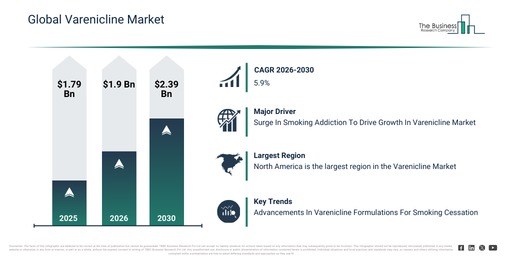
    The market for varenicline has experienced robust expansion lately; it’s projected to expand from $1.79 billion in 2025 to $1.9 billion in 2026, demonstrating a compound annual growth rate of 5.9%. This preceding growth was fueled by heightened awareness concerning the health hazards tied to smoking, initial clinical evidence confirming varenicline’s effectiveness, the broadening of smoking cessation initiatives, an increase in doctors’ recommendations for its use, and augmented public health initiatives aimed at curbing tobacco consumption.

    Leading the charge in the varenicline sector, anticipate significant expansion over the coming years. Projections indicate a market valuation reaching $2.39 billion by 2030, fueled by a compound annual growth rate (CAGR) of 5.9%. This upward trajectory is underpinned by a confluence of factors, including heightened governmental backing for programs aimed at quitting smoking, a greater embrace of multifaceted cessation approaches, the proliferation of online platforms offering cessation assistance, a surge in demand for economical generic versions, and a heightened emphasis on proactive health management. Key developments anticipated during this timeframe encompass a more widespread use of pharmacological interventions for smoking cessation, an escalating need for physician-prescribed remedies to quit, broader accessibility to generic varenicline products, a more robust integration of psychological support alongside pharmaceutical treatments, and a more concentrated effort on achieving enduring sobriety.

    Download A Free Sample Report For Comprehensive Market Insights:

    https://www.thebusinessresearchcompany.com/sample.aspx?id=18493&type=smp

    Varenicline Market Growth Factors: Which Forces Are Supporting Market Expansion?

    The increasing incidence of tobacco dependence is anticipated to be a significant catalyst for the varenicline market’s expansion. Factors such as the widespread availability of tobacco items and societal pressures, particularly evident in younger demographics, contribute to a rise in smoking habits. Varenicline, a pharmaceutical intervention requiring a doctor’s prescription, aids individuals in their endeavor to cease smoking by mitigating cravings and alleviating withdrawal discomfort, concurrently diminishing the rewarding sensations associated with nicotine consumption. Illustratively, data from the Office for National Statistics, a UK governmental body, indicated that in October 2024, approximately 6.0 million adults in the United Kingdom, constituting 11.9% of the adult populace, were cigarette smokers in 2023, with the predominant age group affected being 25 to 34 year olds at a rate of 14.0%. Consequently, the escalating rate of smoking dependency is poised to fuel the expansion of the varenicline market.

    Varenicline Market Segment Analysis And Revenue Opportunities

    The varenicline market covered in this report is segmented –

    1) By Type: 0.5 Mg Tablets, 1 Mg Tablets

    2) By Route Of Administration: Oral, Sublingual, Transdermal

    3) By Patient Type: Smokers, Ex Smokers, Pre Quitters

    4) By Application: Hospital, Drug Store

    Subsegments:

    1) By 0.5 mg Tablets: Branded 0.5 mg Varenicline Tablets, Generic 0.5 mg Varenicline Tablets

    2) By 1 mg Tablets: Branded 1 mg Varenicline Tablets, Generic 1 mg Varenicline Tablets

    Varenicline Market Industry Trends: What Changes Are Reshaping Demand?

    Leading entities within the varenicline sector are prioritizing innovation in drug formulation and administration routes, including the introduction of generic versions in tablet form, as a strategy to enhance their market dominance globally and secure a stronger competitive standing. These generic varenicline tablets represent unbranded alternatives that feature varenicline tartrate, demonstrating bioequivalence to the originator medication and serving the purpose of aiding smoking cessation. Illustratively, in January of 2024, pharmaceutical firm Lupin Limited, headquartered in India, introduced its own varenicline tablets to the United States market, offering them in both 0.5 mg and 1 mg dosages. These offerings are the generic equivalents of Chantix tablets (also in 0.5 mg and 1 mg strengths), originally developed by P.F. Prism C.V., and are intended to support individuals undergoing smoking cessation therapy.

    Varenicline Market Leading Players Shaping Industry Direction

    Major companies operating in the varenicline market are Pfizer Inc, Biocon Limited, Viatris Inc, Teva Pharmaceutical Industries Ltd, Sandoz International GmbH, Hetero Drugs Limited, Sun Pharmaceutical Industries Ltd, Aurobindo Pharma Limited, Dr Reddy’s Laboratories Ltd, Cipla Limited, Apotex Inc, Amneal Pharmaceuticals LLC, Lupin Limited, Alkem Laboratories Ltd, Glenmark Pharmaceuticals Limited, Intas Pharmaceuticals Ltd, Hikma Pharmaceuticals PLC, Boehringer Ingelheim, Zydus Cadila, Endo International plc, Hansoh Pharma, Shandong Loncom Pharmaceutical

    Access The Complete Varenicline Market Report:

    https://www.thebusinessresearchcompany.com/report/varenicline-global-market-report

    Varenicline Market Regional Distribution: Which Areas Drive Market Expansion?

    North Americawas the largest region in the varenicline market in 2025. The regions covered in the varenicline market report are Asia-Pacific, South East Asia, Western Europe, Eastern Europe, North America, South America, Middle East, Africa.

    Get in touch with us:

    The Business Research Company: https://www.thebusinessresearchcompany.com/

    Americas: +1 310-496-7795

    Asia: +44 7882 955267 & +91 8897263534

    Europe: +44 7882 955267

    Email us at: marketing@tbrc.info

    Follow us on:

    LinkedIn: https://in.linkedin.com/company/the-business-research-company

    YouTube: https://www.youtube.com/channel/UC24_fI0rV8cR5DxlCpgmyFQ

    Global Market Model: https://www.thebusinessresearchcompany.com/global-market-model
  • Vancomycin Market Expansion Is Opening New Pathways For Strategic Investment

    Vancomycin Market Expansion Is Opening New Pathways For Strategic Investment

    Delivering more actionable and strategically valuable research, The Business Research Company’s 2026 market reports feature market attractiveness analysis, total addressable market evaluation, company benchmarking matrices, interactive Excel dashboards, expanded supply chain intelligence, emerging startup coverage, and detailed product insights.

    Vancomycin Market Revenue Outlook: What CAGR Is Expected Through 2030?

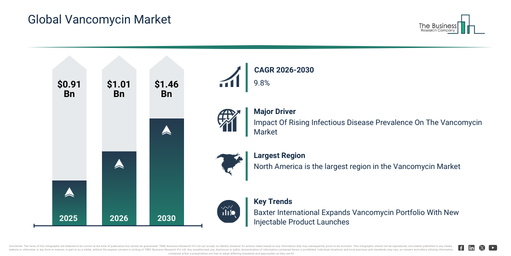
    The vancomycin market experienced substantial expansion recently, projected to advance from a valuation of $0.91 billion in 2025 to $1.01 billion in 2026, reflecting a compound annual growth rate of 10.8%. Key factors fueling this growth during the historical period include the escalating incidence of gram-positive bacterial infections, a rise in hospital admissions, the early utilization of vancomycin as a final treatment option, the augmentation of intensive care unit facilities, and the increasing occurrence of antibiotic resistance.

    The global vancomycin market is poised for significant expansion, projected to reach $1.46 billion by 2030 with a compound annual growth rate (CAGR) of 9.8%. This anticipated surge is fueled by several key factors: a heightened need for sophisticated injectable antibiotic treatments, a heightened emphasis on strategies to prevent infections, the broader adoption of automated systems within hospital pharmacies, increased financial backing for research into antimicrobial agents, and more stringent regulations governing the use of antibiotics. During the forecast period, prominent market trends are expected to include a greater demand for glycopeptide antibiotics, an elevated focus on managing infections acquired in healthcare settings, the proliferation of ready-to-administer injectable drug forms, a growing commitment to programs aimed at the responsible use of antimicrobials, and improved surveillance of antibiotic resistance trends.

    Download A Free Sample Report For Comprehensive Market Insights:

    https://www.thebusinessresearchcompany.com/sample.aspx?id=16563&type=smp

    Vancomycin Market Demand Drivers: What Is Fueling Industry Growth?

    A surge in infectious disease cases is anticipated to be a key driver for the vancomycin market’s expansion. Infectious diseases, originating from harmful agents like bacteria, viruses, fungi, or parasites, include a range of illnesses such as the flu, TB, malaria, AIDS, and COVID-19. Several elements contribute to the escalating rates of these infections, including the development of antibiotic resistance, shifts in climate patterns, and an expanding global population. Vancomycin plays a critical role in managing serious gram-positive bacterial infections, particularly those that have become resistant to other treatments, with its use guided by established clinical protocols and responsible antibiotic management to ensure the best results for patients. Illustrating this trend, the World Health Organization, a global health authority based in Switzerland, reported in October 2024 that an estimated 8.2 million individuals received a new tuberculosis diagnosis in 2023, a rise from roughly 7.5 million in 2022, solidifying tuberculosis’s position as the deadliest infectious disease. Consequently, the increasing incidence of infectious diseases is fueling the vancomycin market’s growth.

    Vancomycin Market Segmentation And Category Breakdown

    The vancomycin market covered in this report is segmented –

    1) By Type: Injectable Solution, Powder For Injection

    2) By Route Of Administration: Intravenous, Oral

    3) By Application: Sepsis, Lung Infection, Skin Soft Tissue Infection, Colitis And Intestinal Inflammation, To Prevent Infection

    Subsegments:

    1) By Injectable Solution: Pre-Mixed Injectable Solution, Ready-To-Use Injectable Solution, Concentrated Injectable Solution

    2) By Powder For Injection: Vancomycin Powder For Intravenous Use, Vancomycin Powder For Reconstitution

    Vancomycin Market Innovation Trends: Which Developments Are Transforming The Industry?

    Key players within the vancomycin market are actively pursuing the creation of novel offerings, specifically anti-infective and anti-hypotensive remedies, as a strategy to solidify their market standing. Anti-infective drugs serve the purpose of combating illnesses stemming from bacterial, viral, fungal, parasitic, or other microbial origins, while anti-hypotensive drugs are administered to elevate blood pressure in patients suffering from hypotension. To illustrate this strategic direction, consider Baxter International Inc., a United States-based healthcare enterprise, which in April 2024 revealed the release of five injectable pharmaceutical items in the U.S. market, a move underscoring their continuous expansion of their drug product line. These newly introduced injectable formulations are engineered to cater to distinct healthcare requirements, encompassing progress in anesthesia, therapeutic pain alleviation, and specialized treatment modalities, thereby demonstrating Baxter’s dedication to equipping medical practitioners with efficacious instruments aimed at enhancing patient well-being and recovery.

    Vancomycin Market Competitive Analysis Of Major Industry Participants

    Major companies operating in the vancomycin market are ANI Pharmaceuticals Inc., Alvogen Inc., Xellia Pharmaceuticals ApS, Sagent Pharmaceuticals, Fresenius Kabi AG, Lupin Limited, Eugia Pharma Specialities, Hikma Pharmaceuticals PLC, Amneal Pharmaceuticals, Slate Run Pharmaceuticals, Alkem Laboratories Ltd., Azurity Pharmaceuticals, Pfizer Inc., Teva Pharmaceutical Industries Ltd., Novartis AG, Sanofi SA, Bayer AG, GlaxoSmithKline plc, Merck & Co Inc., Aurobindo Pharma Limited, Cipla Inc., Johnson & Johnson, Bristol-Myers Squibb Company, AbbVie Inc., Janssen Global, Shenwei Pharmaceutical Hainan Co Ltd, Zhejiang Hisun Pharmaceutical Co Ltd, Sun Pharmaceutical Industries Ltd., Viatris Inc., North China Pharmaceutical Group, Taiwan Zhengde Pharmaceutical, LegoChem Biosciences, Nabriva Therapeutics, MicuRx Pharmaceuticals, MGB Biopharma Limited, VIANEX

    Access The Complete Vancomycin Market Report:

    https://www.thebusinessresearchcompany.com/report/vancomycin-global-market-report

    Vancomycin Market Leading Geography: Which Region Generates The Most Revenue?

    North Americawas the largest region in the vancomycin market in 2025. The regions covered in the vancomycin market report are Asia-Pacific, South East Asia, Western Europe, Eastern Europe, North America, South America, Middle East, Africa.

    Get in touch with us:

    The Business Research Company: https://www.thebusinessresearchcompany.com/

    Americas: +1 310-496-7795

    Asia: +44 7882 955267 & +91 8897263534

    Europe: +44 7882 955267

    Email us at: marketing@tbrc.info

    Follow us on:

    LinkedIn: https://in.linkedin.com/company/the-business-research-company

    YouTube: https://www.youtube.com/channel/UC24_fI0rV8cR5DxlCpgmyFQ

    Global Market Model: https://www.thebusinessresearchcompany.com/global-market-model

  • Value-Based Healthcare Services Market Trends Are Creating New Opportunities For Industry Leaders

    Value-Based Healthcare Services Market Trends Are Creating New Opportunities For Industry Leaders

    Enhanced with market attractiveness analysis, total addressable market evaluation, company benchmarking matrices, interactive Excel dashboards, expanded supply chain intelligence, emerging startup coverage, and detailed product insights, The Business Research Company’s 2026 market reports deliver more actionable and strategically valuable research.

    Value-Based Healthcare Services Market Growth Analysis: How Will Revenue Expand During The Forecast Period?

    The market for value-based healthcare services has experienced substantial expansion lately. Projections indicate a notable increase, moving from $2020.27 billion in 2025 to $2390.41 billion in 2026, demonstrating a compound annual growth rate (CAGR) of 18.3%. Key factors driving this historical growth include mounting inefficiencies within healthcare systems, the initial adoption of frameworks for quality reporting, heightened accountability in public healthcare expenditure, the broader implementation of managed care initiatives, and an increasing preference for patient-centric service delivery.

    The global value-based healthcare services market is poised for substantial expansion, projected to reach an impressive $4621.68 billion by the year 2030, charting a compound annual growth rate of 17.9%. This upward trajectory is underpinned by several key drivers, including the escalating integration of digital health solutions, a growing acceptance of value-based contractual arrangements, increased financial backing for healthcare analytics infrastructure, a heightened commitment to delivering healthcare services affordably, and a supportive policy environment fostering value-based approaches. During this forecast period, prominent trends are anticipated to emerge, such as a greater emphasis on healthcare provision prioritized by quality outcomes, wider implementation of treatment protocols grounded in scientific evidence, the broadening of collaborative healthcare networks, a more frequent utilization of tools designed to measure patient outcomes, and an amplified dedication to generating enduring value for patients.

    Download A Free Sample Report For Comprehensive Market Insights:

    https://www.thebusinessresearchcompany.com/sample.aspx?id=23559&type=smp

    Value-Based Healthcare Services Market Growth Drivers: What Factors Are Accelerating Expansion?

    The expanding embrace of patient-centric healthcare paradigms is anticipated to be a significant catalyst for the value-based healthcare services market’s upward trajectory. This patient-focused model, which places a premium on the unique requirements, choices, and principles of individuals while fostering their active engagement in treatment strategy and decision-making, is gaining traction because of a heightened awareness that patients ought to be central figures in managing their own health. By synchronizing patient desires and necessities with the enhancement of health results, the elevation of service caliber, and the minimization of expenditures, patient-centered care can substantially contribute to the advancement of value-based healthcare. A concrete illustration from August 2024, derived from Lakeside Healthcare At Yaxley, a GP facility in the UK, surveyed 1,200 patients and noted a 3% improvement in patient accessibility to the practice, a decrease in phone hold durations with three-quarters of calls being attended within ten minutes, and an increased proportion of in-person consultations at 58%, substantiating the positive impact. Consequently, the burgeoning implementation of patient-centered care serves as a primary driver for the expansion of the value-based healthcare services sector.

    Value-Based Healthcare Services Market Segment Outlook: Which Categories Are Expanding The Fastest?

    The value-based healthcare services market covered in this report is segmented –

    1) By Product Type: Accountable Care Organization (ACO), Patient-Centered Medical Home (PCMH), Pay for Performance, Bundled Payments

    2) By Deployment Type: Online, Offline

    3) By End-User: Hospitals, Clinics, Insurance Companies, Government, Others End-User

    Subsegments:

    1) By Accountable Care Organization (ACO): Medicare ACOs, Commercial ACOs, Pioneer ACOs, Provider-Sponsored ACOs, Government-Funded ACOs

    2) By Patient-Centered Medical Home (PCMH): Independent PCMHs, Hospital-Based PCMHs, Payer-Led PCMHs, Specialty-Specific PCMHs, Multi-Payer PCMHs

    3) By Pay for Performance: Hospital-Based P4P, Physician-Based P4P, Pharmacy-Based P4P, Nursing and Post-Acute Care P4P, Population Health-Based P4P

    4) By Bundled Payments: Retrospective Bundled Payments, Prospective Bundled Payments, Condition-Specific Bundled Payments, Procedure-Based Bundled Payments, Multi-Payer Bundled Payments

    Value-Based Healthcare Services Market Trends: What Is Shaping Future Industry Growth?

    Kaiser Permanente, a prominent US nonprofit, has introduced Risant Health, a new initiative designed to foster the widespread adoption of value-based healthcare services by collaborating with local health networks. This forward-thinking approach in the value-based healthcare sector involves creating cutting-edge solutions, particularly value-based care, which utilizes technological advancements and specialized knowledge to achieve superior and fair health results. The core principle of value-based care lies in its objective to enhance patient well-being and decrease expenditures by emphasizing top-tier care, proactive health management, and streamlined care coordination. This strategic move by Risant Health, exemplified by its partnership with systems like Geisinger Health, aims to revolutionize patient care, making it more affordable and effective through the integration of modern value-based models, data analytics, digital patient interaction tools, and novel treatment methodologies, ultimately improving both healthcare access and overall quality.

    Value-Based Healthcare Services Market Key Companies And Competitive Benchmarking

    Major companies operating in the value-based healthcare services market are UnitedHealth Group Incorporated, OptumHealth, Cigna Healthcare, Anthem Insurance Companies Inc. (Elevance Health), Kaiser Permanente, Humana Inc., Aetna Inc., Blue Cross and Blue Shield of Minnesota, VillageMD, MVP Health Care, Oak Street Health, Athena Healthcare, Evolent Health, ChenMed LLC, Somatus Inc., Cityblock Health, Navvis Healthcare, Tandigm Health, NextStep Solutions, CareMore Health

    Access The Complete Value-Based Healthcare Services Market Report:

    https://www.thebusinessresearchcompany.com/report/value-based-healthcare-services-global-market-report

    Value-Based Healthcare Services Market Regional Outlook: Where Are The Largest Opportunities Located?

    North Americawas the largest region in the value-based healthcare services market in 2025. Asia-Pacificis expected to be the fastest-growing region in the forecast period. The regions covered in the value-based healthcare services market report are Asia-Pacific, South East Asia, Western Europe, Eastern Europe, North America, South America, Middle East, Africa.

    Get in touch with us:

    The Business Research Company: https://www.thebusinessresearchcompany.com/

    Americas: +1 310-496-7795

    Asia: +44 7882 955267 & +91 8897263534

    Europe: +44 7882 955267

    Email us at: marketing@tbrc.info

    Follow us on:

    LinkedIn: https://in.linkedin.com/company/the-business-research-company

    YouTube: https://www.youtube.com/channel/UC24_fI0rV8cR5DxlCpgmyFQ

    Global Market Model: https://www.thebusinessresearchcompany.com/global-market-model
  • Value-Based Care Service Market Growth Is Reshaping Competitive Advantage Across The Industry

    Value-Based Care Service Market Growth Is Reshaping Competitive Advantage Across The Industry

    Through market attractiveness analysis, total addressable market evaluation, company benchmarking matrices, interactive Excel dashboards, expanded supply chain intelligence, emerging startup coverage, and detailed product insights, The Business Research Company’s 2026 market reports provide more actionable and strategically valuable research.

    Value-Based Care Service Market Forecast: What Market Value Is Expected By 2030?

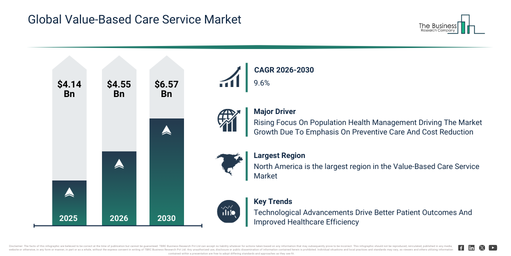
    The market for value-based care services has witnessed robust expansion lately, projected to increase from $4.14 billion in 2025 to $4.55 billion in 2026, reflecting a compound annual growth rate of 9.9%. This preceding growth was propelled by factors such as the escalating prevalence of chronic illnesses, mounting pressures on healthcare spending, the early embrace of integrated care models, a broader offering of managed care services, and a heightened emphasis on patient satisfaction indicators.

    The market for value-based care services is poised for substantial expansion over the coming years, projecting a reach of $6.57 billion by 2030, driven by a compound annual growth rate of 9.6%. This anticipated growth trajectory is underpinned by several key factors, including the proliferation of population health management strategies, a greater reliance on digital platforms for care coordination, the increasing acceptance of risk-sharing arrangements, heightened investment in preventative health measures, and a more cohesive alignment between the incentives offered by payers and providers. During this forecast period, prominent trends likely to shape the market include a broader embrace of coordinated care delivery systems, a heightened concentration on services for chronic conditions and preventative care, the expansion of programs that tie reimbursement to performance metrics, a more thorough integration of diverse medical teams, and an amplified focus on designing patient-centered services.

    Download A Free Sample Report For Comprehensive Market Insights:

    https://www.thebusinessresearchcompany.com/sample.aspx?id=23558&type=smp

    Value-Based Care Service Market Growth Factors Supporting Long-Term Expansion

    The expanding emphasis on managing the health of entire populations is anticipated to be a significant catalyst for the advancement of the value-based care services market. Population health management, an approach to healthcare characterized by its forward-thinking strategies, aims to elevate the health results for specific groups by utilizing data analysis, preventative medical practices, coordinated care strategies, and interventions grounded in scientific evidence to effectively handle persistent illnesses, diminish health inequities, and boost general wellness. This heightened attention on population health management stems from the imperative to enhance broad health achievements concurrently with the necessity to regulate expenses within the healthcare sector. By addressing health concerns at a collective level, healthcare organizations are better equipped to pinpoint and mitigate widespread health hazards, encourage proactive health measures, and more capably oversee long-term health conditions. Value-based care services are instrumental in facilitating this paradigm shift, as they synchronize monetary incentives with achieved health improvements, cultivate teamwork across various medical disciplines, and prioritize proactive interventions and sustained patient involvement to bolster population health management initiatives. Illustratively, data from the U.S. Bureau of Labor Statistics indicated in April 2023 that employment for professionals overseeing medical and health services is projected to experience a robust 29% expansion from 2023 to 2033, considerably exceeding the typical growth trajectory for all job categories. Consequently, the intensified concentration on population health management serves as a primary driver for the expansion of the value-based care service market.

    Value-Based Care Service Market Segment Landscape: Which Areas Lead Market Development?

    The value-based care service market covered in this report is segmented –

    1) By Model: Pay For Performance, Patient-Centered Medical Home, Shared Savings, Shared Risk, Bundled Payment, Capitation Models

    2) By Payers: Medicare, Medicaid, Commercial Insurance, Other Payers

    3) By Providers: Home Health Care, Institutional Care, Hospital Therapy, Other Providers

    4) By End-Users: Hospitals And Clinics, Insurance Companies, Government, Other End-Users

    Subsegments:

    1) By Pay For Performance: Hospital-Based Pay for Performance, Physician-Based Pay for Performance, Pharmacy-Based Pay for Performance, Nursing and Post-Acute Care Pay for Performance, Population Health-Based Pay for Performance

    2) By Patient-Centered Medical Home: Independent Patient-Centered Medical Homes, Hospital-Based Patient-Centered Medical Homes, Payer-Led Patient-Centered Medical Homes, Specialty-Specific Patient-Centered Medical Homes, Multi-Payer Patient-Centered Medical Homes

    3) By Shared Savings: One-Sided Shared Savings, Two-Sided Shared Savings, Medicare Shared Savings Programs, Commercial Shared Savings Programs, Medicaid Shared Savings Programs

    4) By Shared Risk: Partial Risk Sharing, Full Risk Sharing, Upside-Only Risk Models, Downside Risk Models, Provider-Sponsored Risk Arrangements

    5) By Bundled Payment: Retrospective Bundled Payments, Prospective Bundled Payments, Condition-Specific Bundled Payments, Procedure-Based Bundled Payments, Multi-Payer Bundled Payments

    6) By Capitation Models: Full Capitation, Partial Capitation, Primary Care Capitation, Specialty Care Capitation, Global Capitation

    Value-Based Care Service Market Industry Trends Shaping Future Revenue Growth

    In the realm of value-based care services, leading entities are actively engaged in pioneering advancements, notably through the implementation of healthcare analytics, with the dual aims of enhancing patient outcomes and optimizing operational efficiency. This analytical approach leverages extensive patient and treatment data to empower clinicians and healthcare facilities in making more informed decisions, ultimately leading to superior care delivery. Its contribution to value-based care lies in its capacity to utilize patient information for the selection of the most appropriate care pathways, thereby elevating health results and curtailing superfluous expenses. A pertinent illustration of this trend occurred in October 2023, when Milliman MedInsight, a prominent American provider of healthcare analytics and data solutions, introduced a refined Value-Based Care Platform, engineered to assist healthcare organizations in achieving superior performance within value-based care frameworks. The enhanced platform furnished sophisticated functionalities for dissecting patient information, monitoring health trajectories, overseeing expenditures, and fostering improved care coordination, thereby equipping physicians, hospitals, and health insurers with the means to optimize their decision-making processes through the identification of efficacious therapeutic strategies, the judicious utilization of resources, and the provision of elevated quality care.

    Value-Based Care Service Market Industry Leaders And Market Competition

    Major companies operating in the value-based care service market are UnitedHealth Group Incorporated, Cigna Healthcare, Anthem Insurance Companies Inc. (Elevance Health), Kaiser Permanente, Humana Inc., Blue Cross and Blue Shield of Minnesota, VillageMD, MVP Health Care, Agilon Health Inc., Oak Street Health, Privia Health Group Inc., Evolent Health, ChenMed LLC, Aledade Inc., Somatus Inc., Equality Health LLC, Wellvana Health LLC, Tandigm Health, Aetna Inc.

    Access The Complete Value-Based Care Service Market Report:

    https://www.thebusinessresearchcompany.com/report/value-based-care-service-global-market-report

    Value-Based Care Service Market Geographic Landscape: Which Region Dominates Industry Growth?

    North Americawas the largest region in the value-based care service market in 2025. Asia-Pacificis expected to be the fastest-growing region in the forecast period. The regions covered in the value-based care service market report are Asia-Pacific, South East Asia, Western Europe, Eastern Europe, North America, South America, Middle East, Africa.

    Get in touch with us:

    The Business Research Company: https://www.thebusinessresearchcompany.com/

    Americas: +1 310-496-7795

    Asia: +44 7882 955267 & +91 8897263534

    Europe: +44 7882 955267

    Email us at: marketing@tbrc.info

    Follow us on:

    LinkedIn: https://in.linkedin.com/company/the-business-research-company

    YouTube: https://www.youtube.com/channel/UC24_fI0rV8cR5DxlCpgmyFQ

    Global Market Model: https://www.thebusinessresearchcompany.com/global-market-model

  • Value Based Care Payment Market Forecast Signals New Revenue Opportunities Through 2030

    Value Based Care Payment Market Forecast Signals New Revenue Opportunities Through 2030

    Delivering more actionable and strategically valuable research, The Business Research Company’s 2026 market reports feature market attractiveness analysis, total addressable market evaluation, company benchmarking matrices, interactive Excel dashboards, expanded supply chain intelligence, emerging startup coverage, and detailed product insights.

    Value Based Care Payment Market Size Outlook: How Fast Will Revenue Grow Through 2030?

    The market for value-based care payments has experienced substantial expansion lately, and this upward trajectory is projected to continue, expanding from $3.17 billion in 2025 to $3.49 billion in 2026, reflecting a compounded annual growth rate of 10.0%. This growth during the preceding period was driven by several key factors, including a discernible move away from traditional fee-for-service reimbursement structures, intensifying pressure to control escalating healthcare expenditures, the initial adoption of accountable care organizations, enhanced cooperation between payers and providers, and a growing focus on evaluating the quality of care delivered.

    The market for value-based care payments is poised for substantial expansion in the coming years, projecting a reach of $5.02 billion by 2030, driven by a compound annual growth rate (CAGR) of 9.5%. This anticipated upswing is fueled by several key factors, including the broader implementation of value-based reimbursement requirements, a heightened reliance on real-world data for payment determinations, the increasing integration of cloud-based payment systems, intensified efforts in population health management, and bolstered governmental backing for value-based frameworks. During this forecast period, prominent trends are expected to emerge, such as a greater embrace of payment models tied to patient outcomes, expanded utilization of data to assess performance, a wider deployment of bundled and episode-specific payments, a heightened emphasis on patient satisfaction indicators, and the seamless merging of quality and cost accountability structures.

    Download A Free Sample Report For Comprehensive Market Insights:

    https://www.thebusinessresearchcompany.com/sample.aspx?id=3378&type=smp

    Value Based Care Payment Market Demand Drivers Creating New Revenue Opportunities

    Anticipated increases in healthcare expenditures are poised to fuel the expansion of the value-based care payment sector. This health spending signifies the aggregate financial resources dedicated to healthcare provisions and goods within a defined geographical area, nation, or healthcare framework. Within the realm of value-based care, this spending is directly linked to demonstrable health results, where financial incentives are awarded for achieving favorable patient prognoses, including enhanced well-being, fewer hospital readmissions, or more effective management of ongoing ailments. As a concrete illustration, a report from the Office for National Statistics, a UK governmental body, indicated that from 2022 to 2023, the United Kingdom witnessed a 5.6% rise in healthcare expenditure, contrasting with a mere 0.9% increase in 2022, with total UK healthcare outlay approximating $317.63 billion (£292 billion) in 2023. Consequently, elevated health expenditure is serving as a primary catalyst for the value-based care payment market.

    Value Based Care Payment Market Segments: Where Are The Largest Growth Opportunities?

    The value based care payment market covered in this report is segmented –

    1) By Model: Accountable Care Organization (ACO), Bundled Payments, Patient-Centered Medical Home (PCMH), Pay For Performance (P4P)

    2) By Deployment Type: Cloud-Based, On-Premise

    3) By End User: Providers, Payer

    Subsegments:

    1) By Accountable Care Organization (Aco): Medicare Acos, Commercial Acos, Medicaid ACOs

    2) By Bundled Payments: Single Episode Of Care, Multi-Episode Care, Condition-Specific Bundles

    3) By Patient-Centered Medical Home (Pcmh): Level 1 Pcmh, Level 2 Pcmh, Level 3 Pcmh

    4) By Pay For Performance (P4p): Hospital-Based P4p Programs, Physician-Based P4p Programs, Specialty-Based P4p Programs

    Value Based Care Payment Market Trends Driving Strategic Industry Expansion

    The leading organizations participating in the value-based care payment sector are prioritizing the deployment of cutting-edge solutions like Artificial Intelligence to enhance their market standing. Artificial intelligence pertains to the creation of computer systems capable of executing functions that normally demand human cognitive abilities, including learning, logical deduction, and finding solutions to problems. As an illustration, in March of 2024, MedeAnalytics, a healthcare analytics firm headquartered in the United States, introduced Value-Based Care Administration, a comprehensive platform that combines analytics with AI capabilities for managing contracts, payments, and billing on a large scale. MedeAnalytics proudly presents the inaugural, all-encompassing analytics and AI-powered system designed for value-based care contract management, payment, and billing, catering to payers, providers, and integrated entities seeking to elevate quality metrics, optimize cost management, foster health equity, and boost patient or member contentment, among other advantages.

    Value Based Care Payment Market Major Participants And Competitive Dynamics

    Major companies operating in the value based care payment market are McKesson Corporation, Change Healthcare, Premier Inc, NextGen Healthcare Inc., FinThrive Inc., UnitedHealth Group Inc., Edifecs, Nuna Inc., OM1, Relias, Athena Health, Cigna, Lumeon, Huma, Helios Gesundheit, Doctorlink

    Access The Complete Value Based Care Payment Market Report:

    https://www.thebusinessresearchcompany.com/report/value-based-care-payment-global-market-report

    Value Based Care Payment Market Largest Region: Which Geography Holds The Highest Market Share?

    North Americawas the largest region in the value-based care payment market in 2025. Western Europewas the second largest region in value-based care payment market share. The regions covered in the value based care payment market report are Asia-Pacific, South East Asia, Western Europe, Eastern Europe, North America, South America, Middle East, Africa.

    Get in touch with us:

    The Business Research Company: https://www.thebusinessresearchcompany.com/

    Americas: +1 310-496-7795

    Asia: +44 7882 955267 & +91 8897263534

    Europe: +44 7882 955267

    Email us at: marketing@tbrc.info

    Follow us on:

    LinkedIn: https://in.linkedin.com/company/the-business-research-company

    YouTube: https://www.youtube.com/channel/UC24_fI0rV8cR5DxlCpgmyFQ

    Global Market Model: https://www.thebusinessresearchcompany.com/global-market-model
  • Valley Fever Market Growth Is Accelerating As Industry Transformation Continues

    Valley Fever Market Growth Is Accelerating As Industry Transformation Continues

    Enhanced with market attractiveness analysis, total addressable market evaluation, company benchmarking matrices, interactive Excel dashboards, expanded supply chain intelligence, emerging startup coverage, and detailed product insights, The Business Research Company’s 2026 market reports deliver more actionable and strategically valuable research.

    Valley Fever Market Size, Value And Growth Trends Through 2030

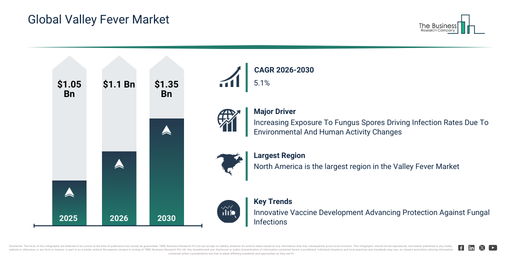
    In recent times, the valley fever market has seen substantial expansion. Projections indicate a progression from $1.05 billion in 2025 to $1.1 billion in 2026, reflecting a compound annual growth rate of 5.4%. This growth during the preceding period is linked to several factors, including enhanced awareness among clinicians regarding fungal infections, the accessibility of established antifungal treatments, an increase in documented cases within regions where the disease is prevalent, a rise in diagnostic testing endeavors, and the proliferation of centers dedicated to treating infectious diseases.

    The market for valley fever is projected for substantial expansion over the coming years, anticipated to reach $1.35 billion by 2030, reflecting a compound annual growth rate of 5.1%. This anticipated growth stems from several key drivers: an intensified emphasis on swift diagnostic methods, augmented investments in pioneering antifungal treatments, the broadening scope of disease monitoring initiatives, heightened recognition of how climate change influences disease transmission, and a greater need for enduring and effective treatment strategies. Key shifts expected within this timeframe involve a greater concentration on identifying and addressing the illness in its early stages, increased utilization of antifungal medications, a rise in understanding within areas where the disease is common, the adoption of multifaceted treatment strategies, and expanded efforts in researching how to manage fungal infections.

    Download A Free Sample Report For Comprehensive Market Insights:

    https://www.thebusinessresearchcompany.com/sample.aspx?id=22166&type=smp

    Valley Fever Market Expansion Supported By Key Demand Factors

    Increased encounters with fungal spores are anticipated to fuel the advance of the valley fever market. These microscopic reproductive bodies, disseminated by air, water, or contact, facilitate fungal propagation in new locales. Habitat destruction and shifting climate conditions are contributing to a surge in exposure, as they disturb the soil and encourage spore release, consequently heightening the likelihood of infections like valley fever, particularly in dry areas conducive to coccidioides fungus proliferation. Therapies for valley fever aid individuals exposed to these spores by alleviating symptoms, averting adverse developments, and managing fungal proliferation, thereby enhancing recuperation and life standards. As an illustration, in September 2024, the International Society for Infectious Diseases noted that annually, invasive fungal infections affect roughly 6.5 million people, leading to close to 3.8 million deaths, with an estimated 2.5 million directly linked to these infections. Consequently, the escalating exposure to fungal spores is a key factor stimulating the valley fever market’s expansion.

    The expansion of medical infrastructure is poised to be a significant catalyst for the valley fever market. Such facilities encompass the crucial physical structures, integrated systems, and necessary resources that underpin the delivery of competent medical care. Growth in these facilities is largely attributable to progress in medical technology, where innovations like remote consultations, surgical robotics, and artificial intelligence in diagnostics necessitate upgraded infrastructure, specialized tools, and more sophisticated healthcare delivery frameworks to boost patient results and operational effectiveness. These medical centers play a vital role in managing valley fever by facilitating prompt detection, administering antifungal medications, educating patients, and providing continuous support to manage symptoms and forestall complications. For example, in July 2025, Eurostat reported that the European Union had 511 hospital beds per 100,000 inhabitants in 2023, with Bulgaria showing the highest availability at 864 beds per 100,000 people. This growth in healthcare capacity is thus a driving force behind the expanding valley fever market.

    Valley Fever Market Segment Analysis: What Are The Major Market Categories?

    The valley fever market covered in this report is segmented –

    1) By Types Of Treatment: Fluconazole, Itraconazole, Voriconazole, Posaconazole, Others Types Of Treatment

    2) By Site Of Infection: Skin, Lungs, Liver, Bones, Heart, Brain, Membranes That Surround The Brain And Spinal Cord, Other Sites Of Infection

    3) By End-Users: Human, Cattle, Sheep And Goats, Camel, Other End-Users

    Subsegments:

    1) By Fluconazole Type: Oral Fluconazole, Intravenous Fluconazole

    2) By Itraconazole Type: Capsule Itraconazole, Oral Solution Itraconazole

    3) By Voriconazole Type: Oral Voriconazole, Intravenous Voriconazole

    4) By Posaconazole Type: Oral Suspension Posaconazole, Delayed-Release Tablets Posaconazole, Intravenous Posaconazole

    5) By Other Treatment Types: Combination Therapy, Adjunctive Therapy

    Valley Fever Market Growth Trends Influencing Competitive Dynamics

    Within the domain of valley fever therapeutics, leading corporations are dedicating efforts toward the creation of novel immunizations designed to combat the escalating danger posed by fungal ailments. These valley fever vaccines are intended to offer protection by employing sophisticated scientific methodologies and production processes, thereby bolstering community health and security. As an illustration, in August of 2024, Anivive Lifesciences Inc., a pharmaceutical enterprise based in the United States specializing in animal health products, was awarded an agreement valued at as much as $33 million by the National Institute of Allergy and Infectious Diseases (NIAID), a governmental body also situated in the US, for the advancement of a human vaccine against valley fever. This financial backing is earmarked to facilitate expanded manufacturing capabilities, refined formulation, thorough safety evaluations, and a foundational Phase 1 clinical study, with the ultimate goal of introducing the initial vaccination to ward off a significant fungal infection affecting the entire body.

    Valley Fever Market Leading Companies Driving Competitive Growth

    Major companies operating in the valley fever market are Merck & Co Inc, Fresenius Kabi, Dr Reddys Laboratories, Mankind Pharma, Atom Pharma, Cerata Pharmaceuticals, Pfizer Inc, Novartis AG, Sanofi S A, GlaxoSmithKline plc, Bayer AG, Astellas Pharma Inc, Abbott Laboratories Inc, SCYNEXIS Inc, Leadiant Biosciences Inc, Amplyx Pharmaceuticals Inc, Johnson & Johnson, Bristol Myers Squibb, Gilead Sciences Inc, Viatris Inc, Teva Pharmaceuticals USA Inc

    Access The Complete Valley Fever Market Report:

    https://www.thebusinessresearchcompany.com/report/valley-fever-global-market-report

    Valley Fever Market Regional Analysis: Which Region Leads By Revenue?

    North Americawas the largest region in the valley fever market in 2025. The regions covered in the valley fever market report are Asia-Pacific, South East Asia, Western Europe, Eastern Europe, North America, South America, Middle East, Africa.

    Get in touch with us:

    The Business Research Company: https://www.thebusinessresearchcompany.com/

    Americas: +1 310-496-7795

    Asia: +44 7882 955267 & +91 8897263534

    Europe: +44 7882 955267

    Email us at: marketing@tbrc.info

    Follow us on:

    LinkedIn: https://in.linkedin.com/company/the-business-research-company

    YouTube: https://www.youtube.com/channel/UC24_fI0rV8cR5DxlCpgmyFQ

    Global Market Model: https://www.thebusinessresearchcompany.com/global-market-model
  • Vagus Nerve Stimulation Market Outlook Highlights The Next Major Growth Opportunities

    Vagus Nerve Stimulation Market Outlook Highlights The Next Major Growth Opportunities

    Through market attractiveness analysis, total addressable market evaluation, company benchmarking matrices, interactive Excel dashboards, expanded supply chain intelligence, emerging startup coverage, and detailed product insights, The Business Research Company’s 2026 market reports provide more actionable and strategically valuable research.

    Vagus Nerve Stimulation Market CAGR Analysis And Future Market Development

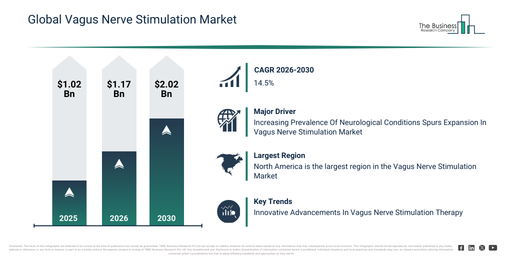
    Experiencing significant expansion, the vagus nerve stimulation market is projected to reach $1.17 billion by 2026, climbing from an estimated $1.02 billion in 2025. This impressive trajectory represents a compound annual growth rate of 14.9%. Key factors fueling this advancement during the preceding years include a mounting incidence of conditions like epilepsy and depression, augmented investment in neuromodulation research, the increasing accessibility of implantable stimulation devices, heightened public understanding of non-traditional neurological treatment options, and a proliferation of specialized neurology practices.

    The market for vagus nerve stimulation is projected for substantial expansion in the upcoming years, reaching an estimated $2.02 billion by 2030, fueled by a compound annual growth rate (CAGR) of 14.5%. This projected increase stems from a confluence of factors including heightened demand for tailored neuromodulation treatments, greater incorporation of wearable medical devices, broadened therapeutic avenues for neurological conditions, a strategic shift towards non-drug-based interventions, and continuous advancements in stimulation technology. Key developments expected during this period encompass a rise in the use of non-invasive VNS devices and VNS for managing depression, the increasing integration of wearable neuromodulation technology, the proliferation of at-home neuromodulation therapies, and a more concentrated effort on developing stimulation protocols that are specifically designed for individual patients.

    Download A Free Sample Report For Comprehensive Market Insights:

    https://www.thebusinessresearchcompany.com/sample.aspx?id=20677&type=smp

    Vagus Nerve Stimulation Market Growth Drivers And Industry Catalysts

    The escalating incidence of neurological conditions is anticipated to be a primary catalyst for the expansion of the vagus nerve stimulation market in the future. Neurological disorders encompass a range of ailments affecting the brain, spinal cord, or peripheral nerves, resulting in impairments in motor function, sensory perception, cognitive abilities, or general bodily operations. These disorders stem from a multitude of origins, often a complex interplay of genetic predispositions, environmental influences, and lifestyle choices. Furthermore, traumatic injuries, including those to the head or spine, can precipitate neurological complications. Vagus nerve stimulation serves as a therapeutic modality for managing neurological disorders by influencing brain activity and the balance of neurotransmitters, thereby offering symptomatic relief for conditions like epilepsy, depression, and specific forms of migraines. A striking illustration of this trend is the projection from the Australian Institute of Health and Welfare, a governmental body in Australia, which indicated that in 2023, an estimated 411,100 individuals in Australia were affected by dementia, a figure expected to more than double by 2058. Consequently, the growing prevalence of neurological disorders directly fuels the demand and growth trajectory of the vagus nerve stimulation market.

    Vagus Nerve Stimulation Market Segment Breakdown: Which Categories Generate The Most Revenue?

    The vagus nerve stimulation market covered in this report is segmented –

    1) By Product: Implantable Vagus Nerve Stimulation Device, External Vagus Nerve Stimulation Device

    2) By Biomaterial: Metallic, Ceramics, Polymeric

    3) By Application: Epilepsy, Depression, Migraine

    4) By End-Use: Hospitals, Neurology Clinics, Ambulatory Surgical Centers, Research Centers

    Subsegments:

    1) By Implantable Vagus Nerve Stimulation Device: Pulse Generators, Leads and Electrodes, Rechargeable Implantable Devices, Non-Rechargeable Implantable Devices

    2) By External Vagus Nerve Stimulation Device: Transcutaneous Vagus Nerve Stimulation Devices, Wearable VNS Devices, Portable External Stimulators, Home-use VNS Devices

    #Vagus Nerve Stimulation Market Trends Influencing Long-Term Demand

    Key players within the vagus nerve stimulation market are concentrating their efforts on innovating sophisticated solutions, particularly implantable pulse generators (IPGs), designed to provide enduring, adaptable, and precise therapeutic interventions for persistent ailments. An implantable pulse generator (IPG) functions as a surgically implanted medical apparatus beneath the skin, capable of transmitting electrical impulses to designated bodily regions for addressing conditions such as persistent pain or neurological disruptions. Illustratively, in February 2023, the United Kingdom’s LivaNova Plc, a prominent entity in the medical device sector, unveiled the SenTiva DUO. This unique implantable pulse generator (IPG) is specifically engineered for vagus nerve stimulation (VNS) therapy, with a particular design to cater to individuals suffering from epilepsy that is unresponsive to medication. The SenTiva DUO represents a noteworthy progression, enabling patients utilizing older dual-pin systems to transition to a superior therapy without the necessity of altering their existing leads, thereby facilitating advanced VNS therapy characterized by personalized, automated delivery, ultimately improving seizure management and promoting optimal treatment compliance, signifying a substantial stride forward for individuals seeking proficient control over their health challenges.

    Vagus Nerve Stimulation Market Key Players And Strategic Industry Positioning

    Major companies operating in the vagus nerve stimulation market are Medtronic PLC, Boston Scientific Corporation, LivaNova LLC, electroCore Inc., Soterix Medical Inc., Cleveland Medical Devices Inc., MicroTransponder Inc., Parasym Ltd., Neuvana LLC, NeuroSigma Inc., Evren Technologies Inc., Aucta Technologies Inc., SetPoint Medical Corporation, NEMOS GmbH, tVNS Technologies GmbH, Innervate Inc., Neuroelectrics Barcelona S.L., Brainstem Biometrics Inc., BioControl Medical Ltd., Cala Health Inc.

    Access The Complete Vagus Nerve Stimulation Market Report:

    https://www.thebusinessresearchcompany.com/report/vagus-nerve-stimulation-global-market-report

    Vagus Nerve Stimulation Market Geographic Distribution And Regional Opportunities

    North Americawas the largest region in the vagus nerve stimulation market in 2025. The regions covered in the vagus nerve stimulation market report are Asia-Pacific, South East Asia, Western Europe, Eastern Europe, North America, South America, Middle East, Africa.

    Get in touch with us:

    The Business Research Company: https://www.thebusinessresearchcompany.com/

    Americas: +1 310-496-7795

    Asia: +44 7882 955267 & +91 8897263534

    Europe: +44 7882 955267

    Email us at: marketing@tbrc.info

    Follow us on:

    LinkedIn: https://in.linkedin.com/company/the-business-research-company

    YouTube: https://www.youtube.com/channel/UC24_fI0rV8cR5DxlCpgmyFQ

    Global Market Model: https://www.thebusinessresearchcompany.com/global-market-model
  • Vaginal Rejuvenation Market Trends And Growth Drivers Point To Strong Future Potential

    Vaginal Rejuvenation Market Trends And Growth Drivers Point To Strong Future Potential

    Delivering more actionable and strategically valuable research, The Business Research Company’s 2026 market reports feature market attractiveness analysis, total addressable market evaluation, company benchmarking matrices, interactive Excel dashboards, expanded supply chain intelligence, emerging startup coverage, and detailed product insights.

    Vaginal Rejuvenation Market Expansion From $2.94 Billion In 2026 To $5.31 Billion In 2030

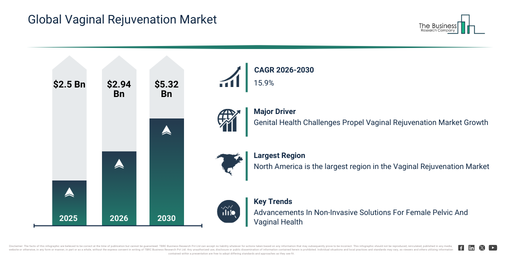
    The market for vaginal rejuvenation experienced substantial expansion recently. Projections indicate a rise from $2.5 billion in 2025 to $2.94 billion in 2026, reflecting an impressive compound annual growth rate of 18.0%. This upward trajectory during the preceding period is attributed to heightened aesthetic consciousness among women, a broader availability of cosmetic gynecology options, the proliferation of private healthcare infrastructure, increased receptiveness to elective medical interventions, and enhancements in the safety of device-administered treatments.

    The market for vaginal rejuvenation is poised for accelerated expansion in the coming years, projected to reach a value of $5.32 billion by 2030, driven by a compound annual growth rate of 15.9%. This anticipated growth is fueled by several key factors: the escalating utilization of laser and radiofrequency technologies, a heightened emphasis on both functional and aesthetic improvements, the proliferation of treatments performed in outpatient settings, augmented investments in the innovation of cosmetic gynecology, and a growing desire for tailored treatment approaches. Emerging trends expected to shape this market during the forecast period encompass a heightened demand for non-surgical rejuvenation methods, increased integration of energy-based devices, a greater focus on addressing concerns related to postpartum and aging, a broader adoption of minimally invasive procedures, and a continuous rise in patient awareness and acceptance of these treatments.

    Download A Free Sample Report For Comprehensive Market Insights:

    https://www.thebusinessresearchcompany.com/sample.aspx?id=15953&type=smp

    Vaginal Rejuvenation Market Opportunity Drivers: What Is Creating New Revenue Potential?

    The expanding prevalence of genital health concerns is poised to stimulate advancements within the vaginal rejuvenation sector. These genital issues encompass a spectrum of medical, physiological, and emotional conditions impacting both the outer and inner reproductive anatomy. Contributing factors to this rise include evolving lifestyle patterns, heightened sexual activity, and persistent societal prejudices. Treatments associated with vaginal rejuvenation offer solutions for a multitude of genital afflictions, addressing both their practical and cosmetic aspects by improving or reinstating the form, function, and visual appeal of the vaginal and vulvar regions. As an illustration, data from the Centers for Disease Control and Prevention (CDC) indicated that in 2023, the United States recorded over 2.4 million instances of chlamydia, gonorrhea, and syphilis, underscoring the persistent high incidence of genital infections. Consequently, the escalating rate of genital problems is acting as a significant catalyst for the expansion of the vaginal rejuvenation market.

    Vaginal Rejuvenation Market Segmentation: How Is The Market Structured Across Key Categories?

    The vaginal rejuvenation market covered in this report is segmented –

    1) By Type: Surgical, Non-Surgical

    2) By Treatment Type: Reconstructive Vaginal Rejuvenation, Cosmetic Vaginal Rejuvenation

    3) By Application: Incontinence, Aesthetic Purposes, Aging And Childbirth, Other Applications

    4) By End-User: Hospitals, Plastic Surgery Centers, Other End-Users

    Subsegments:

    1) By Surgical: Vaginal Tightening Surgery, Labiaplasty, Vaginal Reconstruction

    2) By Non-Surgical: Laser Treatments, Radiofrequency Treatments, Injection Treatments

    Vaginal Rejuvenation Market Innovation Trends Driving Future Development

    Leading players within the vaginal rejuvenation sector are prioritizing the deployment of cutting-edge, non-surgical methods aimed at enhancing female intimate well-being through the resolution of issues like vaginal looseness, bladder control problems, and vaginal dryness. These non-invasive techniques employ precisely directed radiofrequency (RF) energy alongside intravaginal muscle activation to bolster tissue firmness, encourage the regeneration of collagen, and reinforce pelvic floor capabilities, presenting safer options compared to conventional surgical interventions. Illustrating this trend, InMode Ltd., an Israeli medical device firm, unveiled its EmpowerRF platform in April 2023, a sophisticated system combining radiofrequency power with internal electrical muscle stimulation to tackle conditions such as weakened pelvic muscles, incontinence, and vaginal atrophy. This system, conceived with a primary focus on women’s health, endeavors to elevate vulvo-vaginal conditions by simultaneously addressing collagen and muscle tissues, thereby offering a less invasive approach to fostering enduring intimate health.

    Vaginal Rejuvenation Market Competitive Landscape And Leading Companies

    Major companies operating in the vaginal rejuvenation market are Hologic Inc., Cynosure Inc., InMode Ltd., BTL Industries, Lumenis Ltd., Cutera Inc., Lutronic, Jeisys Medical Inc., Alma Lasers, Venus Concept, Fotona LLC, Sciton inc., MedArt Inc., ThermiGen LLC, Syneron Candela, Energist Medical Group, Lasering Srl, Eunsung Global Corp., DEKA Medical Inc., Pollogen Ltd., viveve, Asclepion Laser Technologies, Quanta System Inc., Wontech, Zimmer MedizinSystems Corp.

    Access The Complete Vaginal Rejuvenation Market Report:

    https://www.thebusinessresearchcompany.com/report/vaginal-rejuvenation-global-market-report

    Vaginal Rejuvenation Market Largest Region By Revenue And Market Share

    North Americawas the largest region in the vaginal rejuvenation market in 2025. Asia-Pacificis expected to be the fastest-growing region in the forecast period. The regions covered in the vaginal rejuvenation market report are Asia-Pacific, South East Asia, Western Europe, Eastern Europe, North America, South America, Middle East, Africa.

    Get in touch with us:

    The Business Research Company: https://www.thebusinessresearchcompany.com/

    Americas: +1 310-496-7795

    Asia: +44 7882 955267 & +91 8897263534

    Europe: +44 7882 955267

    Email us at: marketing@tbrc.info

    Follow us on:

    LinkedIn: https://in.linkedin.com/company/the-business-research-company

    YouTube: https://www.youtube.com/channel/UC24_fI0rV8cR5DxlCpgmyFQ

    Global Market Model: https://www.thebusinessresearchcompany.com/global-market-model

  • Vaginal And Vulval Inflammatory Disease Treatment Market Expansion Is Reshaping Competitive Dynamics Across The Industry

    Vaginal And Vulval Inflammatory Disease Treatment Market Expansion Is Reshaping Competitive Dynamics Across The Industry

    Enhanced with market attractiveness analysis, total addressable market evaluation, company benchmarking matrices, interactive Excel dashboards, expanded supply chain intelligence, emerging startup coverage, and detailed product insights, The Business Research Company’s 2026 market reports deliver more actionable and strategically valuable research.

    Vaginal And Vulval Inflammatory Disease Treatment Market Forecast Highlighting Growth From $3.24 Billion To $4.11 Billion

    The market for treating inflammatory conditions of the vagina and vulva has experienced robust expansion. Projections indicate a compound annual growth rate (CAGR) of 6.4%, forecasting an increase from $3.05 billion in 2025 to $3.24 billion in 2026. This upward trajectory in the past was fueled by advancements in identifying these gynecological issues, enhanced accessibility to treatments targeting fungal and bacterial infections, greater healthcare engagement among women, a rise in the application of topical therapies, and an increasing incidence of health concerns linked to lifestyle choices.

    The market for treating vaginal and vulval inflammatory conditions is poised for substantial expansion, projected to reach $4.12 billion by 2030, exhibiting a compound annual growth rate of 6.1%. This anticipated growth is fueled by several key factors including the burgeoning development of tailored treatment plans, intensified interest in therapies centered on the body’s microbiome, wider adoption of remote consultations for gynecological health, increased financial backing for the creation of medications specifically for women, and a heightened emphasis on managing symptoms over extended periods. Prominent trends expected during this forecast period encompass a rising demand for anti-inflammatory treatments designed for specific targets, a greater utilization of topical and localized therapeutic approaches, a significant focus on the management of long-term health issues, the broadening availability of non-hormonal treatment alternatives, and an elevated general awareness regarding women’s intimate health concerns.

    Download A Free Sample Report For Comprehensive Market Insights:

    https://www.thebusinessresearchcompany.com/sample.aspx?id=20994&type=smp

    Vaginal And Vulval Inflammatory Disease Treatment Market Growth Momentum: Which Factors Are Influencing Demand?

    The escalating prevalence of diabetes is anticipated to be a key driver for the expansion of the market dedicated to treating vaginal and vulval inflammatory conditions. Diabetes, a persistent health issue marked by abnormally high blood glucose, stems from the body’s insufficient insulin production or impaired insulin utilization. Contributing factors to this rise include sedentary lifestyles, poor eating habits, increasing obesity, genetic factors, and an aging global demographic. Treatments for vaginal and vulval inflammation offer benefits to individuals with diabetes by reducing the frequency of infections, which are more common due to elevated blood sugar and compromised immunity, and by enhancing insulin responsiveness and overall blood sugar management. Illustrating this trend, the UK’s National Health Service reported in June 2024 that in the preceding year, England identified more than half a million (549,000) new individuals at risk for type 2 diabetes, bringing the total count of those with pre-diabetes (non-diabetic hyperglycemia) on GP records to 3,615,330, a notable increase of almost 20% from the 3,065,825 recorded in 2022, underscoring the significant growth in diabetes incidence and its subsequent impact on the market for treatments addressing vaginal and vulval inflammatory diseases.

    Vaginal And Vulval Inflammatory Disease Treatment Market Segmentation Trends And Revenue Drivers

    The vaginal and vulval inflammatory disease treatment market covered in this report is segmented –

    1) By Indication: Vaginal Dryness, Vaginal Burning, Vaginal Discharge, Genital Itching, Recurrent Urinary Tract Infections, Urinary Incontinence, Other Indications

    2) By Treatment: Anti-Itch Medications, Corticosteroid Ointments, Anti-Itch Emollients

    3) By End User: Hospital Pharmacies, Specialty Clinics, Other End-Users

    Subsegments:

    1) By Vaginal Dryness: Hormonal Therapy, Non-Hormonal Moisturizers, Lubricants and Topical Agents

    2) By Vaginal Burning: Anti-inflammatory Creams and Gels, Topical Steroids, Pain Relief Medications

    3) By Vaginal Discharge: Antifungal Treatments, Antibacterial Treatments, Probiotics and Prebiotics

    4) By Genital Itching: Antihistamines, Topical Corticosteroids, Antifungal Treatments

    5) By Recurrent Urinary Tract Infections (UTIs): Antibiotics, Probiotics, Cranberry-based Supplements

    6) By Urinary Incontinence: Behavioral Therapy, Medications (Anticholinergics, Beta-3 Agonists), Surgical Interventions

    7) By Other Indications: Lichen Sclerosus, Vaginal Atrophy, Pelvic Floor Dysfunction, Vulvar Vestibulitis

    Vaginal And Vulval Inflammatory Disease Treatment Market Trends Reshaping Industry Growth

    In the market for treating vaginal and vulval inflammatory conditions, key players are prioritizing the creation of novel therapies, including vaginal synbiotics, to bolster treatment effectiveness and elevate patient well-being. A vaginal synbiotic is understood as a synergistic blend of probiotics and prebiotics engineered to bolster the health of the vaginal microbial community, thereby fostering equilibrium and warding off infections. Illustrating this trend, in May of 2024, Seed Health Inc., a biotechnology entity situated in the United States, launched VS-01, a pioneering advancement in vaginal microbiome science intended to transform the landscape of vaginal care. This inaugural product is dedicated to promoting vaginal wellness through a scientifically substantiated composition aimed at supporting microbial equilibrium. The VS-01 formulation incorporates a unique combination of probiotics specifically chosen to nurture the intricate environment of the vaginal microbiome, assisting in the preservation of its inherent protective mechanisms. Harnessing sophisticated microbiome research, this product tackles challenges such as disequilibrium and discomfort, presenting a comprehensive approach for individuals seeking to optimize their vaginal health.

    Vaginal And Vulval Inflammatory Disease Treatment Market Industry Leaders: Which Organizations Are Driving Competition?

    Major companies operating in the vaginal and vulval inflammatory disease treatment market are Pfizer Incorporated, Bayer AG, Sanofi S.A., Novartis AG, GlaxoSmithKline plc, Teva Pharmaceutical Industries Limited, Sandoz International GmbH, Hologic Inc., Ferring Pharmaceuticals, Duchesnay Inc., Evofem Biosciences Inc., Replens, MC2 Therapeutics ApS, FemiClear, Bristol-Myers Squibb Company, Eli Lilly and Company, SEID Lab, Curive Healthcare Inc., Venus Concept Inc.

    Access The Complete Vaginal And Vulval Inflammatory Disease Treatment Market Report:

    https://www.thebusinessresearchcompany.com/report/vaginal-and-vulval-inflammatory-disease-treatment-global-market-report

    Vaginal And Vulval Inflammatory Disease Treatment Market Regional Analysis And Leading Geography

    North Americawas the largest region in the vaginal and vulval inflammatory disease treatment market in 2025. The regions covered in the vaginal and vulval inflammatory disease treatment market report are Asia-Pacific, South East Asia, Western Europe, Eastern Europe, North America, South America, Middle East, Africa.

    Get in touch with us:

    The Business Research Company: https://www.thebusinessresearchcompany.com/

    Americas: +1 310-496-7795

    Asia: +44 7882 955267 & +91 8897263534

    Europe: +44 7882 955267

    Email us at: marketing@tbrc.info

    Follow us on:

    LinkedIn: https://in.linkedin.com/company/the-business-research-company

    YouTube: https://www.youtube.com/channel/UC24_fI0rV8cR5DxlCpgmyFQ

    Global Market Model: https://www.thebusinessresearchcompany.com/global-market-model