Month: June 2026

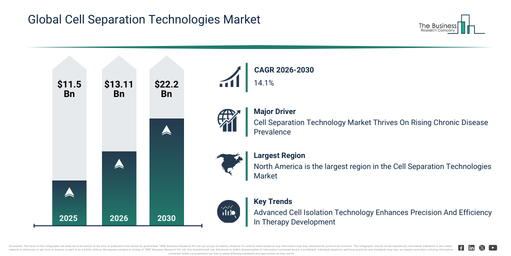
  • Cell Separation Technologies Market Size Projected To Increase From $13.11 Billion To $22.19 Billion During The Forecast Period

    Cell Separation Technologies Market Size Projected To Increase From $13.11 Billion To $22.19 Billion During The Forecast Period

    Through market attractiveness analysis, total addressable market evaluation, company benchmarking matrices, interactive Excel dashboards, expanded supply chain intelligence, emerging startup coverage, and detailed product insights, The Business Research Company’s 2026 market reports provide more actionable and strategically valuable research.

    Cell Separation Technologies Market Growth Potential: How Will Market Size Change Through 2030?

    Experiencing a swift expansion, the market for cell separation technologies registered a valuation of $11.5 billion in 2025, with projections indicating a rise to $13.11 billion by 2026, reflecting a compound annual growth rate of 14.0%. This dynamic growth trajectory observed in the past can be linked to several key factors, including burgeoning stem cell research initiatives, a greater reliance on cell-based assays, the proliferation of academic and biomedical research facilities, the escalating adoption of flow cytometry methods, and the widespread availability of sophisticated consumables for cell separation.

    The market for cell separation technologies is poised for substantial expansion over the upcoming years, projected to reach a value of $22.2 billion by 2030, driven by a compound annual growth rate of 14.1%. This anticipated growth throughout the forecast period is fueled by several key factors: a burgeoning need for personalized medicine research, escalating investments in cell-based therapies, the proliferation of automated laboratory processes, a heightened emphasis on consistency in cell analysis, and the increasing incorporation of AI-powered cell sorting instruments. Prominent trends anticipated within this timeframe include the wider embrace of high-purity cell isolation methods, a greater utilization of magnetic and fluorescence-based sorting systems, a sustained rise in demand for automated cell separation devices, the development and availability of separation kits tailored for specific applications, and an intensified focus on processing cells at high throughput.

    Download A Free Sample Report For Comprehensive Market Insights:

    https://www.thebusinessresearchcompany.com/sample.aspx?id=16013&type=smp

    Cell Separation Technologies Market Growth Factors Supporting Long-Term Expansion

    The increasing incidence of long-term health conditions is projected to be a significant factor driving the expansion of the cell separation technology sector. These chronic conditions, characterized by their duration of a year or more and requiring ongoing medical management or limiting daily life, encompass a range of ailments such as cancer, cardiovascular disease, stroke, diabetes, and arthritis. Contributing factors to the heightened occurrence of these conditions include evolving lifestyle habits, societal disparities, infectious agents, genetic predispositions, autoimmune responses, and mental health challenges. Cell separation technologies offer crucial support for developing enhanced treatments for chronic diseases by enabling the isolation of specific cell populations, including cancerous cells, immune cells, and other cell types critical for therapeutic research. To illustrate, data from the Centers for Disease Control and Prevention (CDC) indicated that in 2023, an estimated 194 million adults in the United States, representing 76.4% of the adult population, managed at least one chronic health issue, with prevalence rates at 59.5% for young adults, 78.4% for middle-aged adults, and 93.0% for older adults. Consequently, the widespread presence of chronic diseases is a key catalyst for the advancement of the cell separation technology market.

    Cell Separation Technologies Market Segment Analysis: What Are The Major Market Categories?

    The cell separation technologies market covered in this report is segmented –

    1) By Product: Instruments, Consumables And Reagents

    2) By Technology: Gradient Centrifugation, Surface Markers Separation, Fluorescence Activated Cell Sorting, Magnetic Cell Sorting, Filtration Based Separation

    3) By Application: Stem Cell Research, Immunology, Neuroscience, Cancer Research, Other Applications

    4) By End-User: Biotechnology And Pharmaceutical Companies, Hospitals And Diagnostic Laboratories, Academic And Research Institutes, Other End-Users

    Subsegments:

    1) By Instruments: Centrifuges, Magnetic Cell Sorters, Flow Cytometers, Laser Capture Microdissection Systems, Cell Sorters

    2) By Consumables And Reagents: Separation Columns, Cell Separation Kits, Filters, Microbeads

    Cell Separation Technologies Market Industry Trends Shaping Future Revenue Growth

    Within the cell separation technologies landscape, key players are prioritizing the creation of novel solutions, exemplified by automated systems for tissue dissociation under temperature control. These advancements aim to streamline and expedite the process of transforming solid tissues into usable single-cell suspensions, crucial for subsequent analyses. Instruments designed for automated, temperature-regulated tissue dissociation integrate controlled movement, thermal regulation, and enzymatic digestion techniques to achieve safe and consistent separation of tissues into individual cells. To illustrate, STEMCELL Technologies, a firm recognized for its contributions to cell culture media, separation reagents, and cell biology research instruments, introduced its STEMprep Tissue Dissociator System in June 2025. This system distinguishes itself through its accurate temperature management capabilities, spanning from 4 °C to 37 °C, which optimizes enzyme effectiveness while safeguarding cell integrity. Furthermore, its entirely automated processes minimize manual intervention and enhance reproducibility. The system’s adaptable architecture accommodates the processing of 4, 8, or 12 samples concurrently, and offers adaptable protocols, permitting the use of proprietary STEMCELL enzymes or custom user-defined procedures tailored to diverse tissue types. Consequently, this technology empowers researchers by reducing processing times, mitigating experimental variability, and ensuring elevated viability of primary cells, ultimately bolstering the dependability of downstream single-cell analysis, flow cytometry applications, and the progression of cell therapy initiatives.

    Cell Separation Technologies Market Leading Companies Driving Competitive Growth

    Major companies operating in the cell separation technologies market are Merck KGaA, Thermo Fisher Scientific Inc., Danaher Corporation, Becton Dickinson and Company, GE HealthCare Technologies, Corning Incorporated, Lonza Group, Sartorius AG, Bio-Rad Laboratories Inc., Pall Corporation, Eppendorf AG, Miltenyi Biotec B.V. & Co. KG, Stemcell Technologies Inc., 10X Genomics Inc., Cytena GmbH, Pluriselect GmbH, Akadeum Life Sciences Inc., Cellenion, NanoCellect Biomedical Inc., Agilent Technologies Inc, Cytek Biosciences Inc, Cell Microsystems Inc, Nexcelom Bioscience, ChemoMetec

    Access The Complete Cell Separation Technologies Market Report:

    https://www.thebusinessresearchcompany.com/report/cell-separation-technologies-global-market-report

    Cell Separation Technologies Market Geographic Landscape: Which Region Dominates Industry Growth?

    North Americawas the largest region in the cell separation technologies market in 2025. Asia-Pacificis expected to be the fastest-growing region in the forecast period. The regions covered in the cell separation technologies market report are Asia-Pacific, South East Asia, Western Europe, Eastern Europe, North America, South America, Middle East, Africa.

    Get in touch with us:

    The Business Research Company: https://www.thebusinessresearchcompany.com/

    Americas: +1 310-496-7795

    Asia: +44 7882 955267 & +91 8897263534

    Europe: +44 7882 955267

    Email us at: marketing@tbrc.info

    Follow us on:

    LinkedIn: https://in.linkedin.com/company/the-business-research-company

    YouTube: https://www.youtube.com/channel/UC24_fI0rV8cR5DxlCpgmyFQ

    Global Market Model: https://www.thebusinessresearchcompany.com/global-market-model
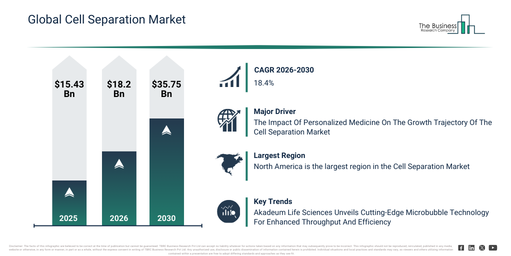
  • Cell Separation Market Growth Outlook Reveals A CAGR Of 18.4% And A Market Value Of $35.75 Billion By 2030

    Cell Separation Market Growth Outlook Reveals A CAGR Of 18.4% And A Market Value Of $35.75 Billion By 2030

    Delivering more actionable and strategically valuable research, The Business Research Company’s 2026 market reports feature market attractiveness analysis, total addressable market evaluation, company benchmarking matrices, interactive Excel dashboards, expanded supply chain intelligence, emerging startup coverage, and detailed product insights.

    Cell Separation Market Value Analysis: What Growth Is Expected Over The Forecast Period?

    The cell separation market experienced significant expansion recently, projecting a surge from $15.43 billion in 2025 to $18.2 billion in 2026, reflecting a compound annual growth rate (CAGR) of 18.0%. Historical growth drivers for this sector include the broadening scope of cancer research initiatives, advancements in stem cell investigations, a greater embrace of flow cytometry techniques, heightened demand for diagnostic cell isolation, and the increasing accessibility of consumables essential for cell separation processes.

    The global market for cell separation is projected for substantial expansion over the coming years, anticipating a reach of $35.75 billion by 2030, fueled by a compound annual growth rate of 18.4%. This anticipated surge is underpinned by a confluence of factors, including heightened investments in cell-based therapies, a burgeoning demand for precise diagnostic tools, the broadening scope of immunotherapy research, the increasing integration of automated systems within clinical laboratories, and the accelerating adoption of personalized medicine strategies. Key developments shaping this market during the forecast period involve a greater embrace of magnetic and fluorescence-based cell sorting methods, a rising need for cells of exceptional purity, the expanding utilization of automated cell separation equipment, the broadening applications of single-cell isolation technologies, and a sharpened emphasis on processing cells intended for clinical use.

    Download A Free Sample Report For Comprehensive Market Insights:

    https://www.thebusinessresearchcompany.com/sample.aspx?id=9928&type=smp

    #Cell Separation Market Demand Drivers Creating New Revenue Opportunities

    The cell separation market is poised for expansion, largely driven by the growing trend toward personalized medicine. This innovative healthcare strategy, often referred to as precision medicine, tailors treatments by accounting for individual genetic makeup, environmental factors, and lifestyle choices. By facilitating more precise and tailored methods in both biomedical research and therapy, personalized medicine significantly enhances cell separation processes. A notable demonstration of this trend occurred in February 2024 when the Personalized Medicine Coalition reported that the U.S. Food and Drug Administration (FDA) sanctioned seven new personalized cancer therapies in 2023. This figure, part of a larger group of twenty-six approvals for personalized treatments overall, represents a substantial leap from the twelve such treatments authorized in 2022, underscoring the burgeoning influence of personalized medicine on the advancement of the cell separation sector.

    Cell Separation Market Segment Breakdown: Which Categories Generate The Most Revenue?

    The cell separation market covered in this report is segmented –

    1) By Cell Type: Human Cells, Animal Cells

    2) By Method: Gradient Centrifugation, Surface Markers Separation, Fluorescence Activated Cell Sorting, Magnetic Cell Sorting

    3) By Product: Consumables, Instruments

    4) By Application: Biomolecule Isolation, Cancer Research, Stem Cell Research, Tissue Regeneration, In Vitro Diagnostics, Therapeutics

    Subsegments:

    1) By Human Cells: Blood Cells, Stem Cells, Tumor Cells

    2) By Animal Cells: Mammalian Cells, Avian Cells, Insect Cells

    Cell Separation Market Trends Driving Strategic Industry Expansion

    Leading entities within the cell separation sector are dedicating resources to pioneering technological innovations, including microfluidic rare cell enrichment techniques, with the aim of enhancing the processes of isolating, examining, and utilizing rare circulating tumor cells in cancer research and diagnostic endeavors. This approach of microfluidic rare cell enrichment involves the application of micro-scale fluidic systems designed to effectively isolate and concentrate scarce cells from intricate biological samples, thereby facilitating highly accurate analysis and diagnostic outcomes. As a pertinent illustration, in June of 2024, Bio-Rad Laboratories, a prominent life sciences firm headquartered in the United States, introduced its Celselect Slides 2.0 product, engineered to elevate the efficiency of capturing and isolating rare cells. These advanced slides are designed to facilitate a more effective enrichment of circulating tumor cells, consequently bolstering high-precision cancer research methodologies and expediting the creation of targeted therapeutic interventions. The introduction of Celselect Slides 2.0 underscores Bio-Rad’s steadfast dedication to pushing the boundaries of cell separation technology and providing robust support for pioneering cancer research initiatives.

    Cell Separation Market Key Players And Strategic Industry Positioning

    Major companies operating in the cell separation market are Becton Dickinson and Company, Merck KGaA, Thermo Fisher Scientific Inc., Bio-Rad Laboratories Inc., Terumo Corporation, Miltenyi Biotec GmbH, Beckman Coulter Inc., STEMCELL Technologies Inc., PluriSelect Life Science UG and Co. KG, GE HealthCare Technologies Inc., Life Technologies Inc., Danaher Corporation, Corning Incorporated, Sartorius AG, Bio-Techne Corp., Takara Bio Inc., Lonza Group Ltd., MagBio Genomics, Akadeum Life Sciences Inc., Invent Biotechnologies Inc.

    Access The Complete Cell Separation Market Report:

    https://www.thebusinessresearchcompany.com/report/cell-separation-global-market-report

    #Cell Separation Market Largest Region: Which Geography Holds The Highest Market Share?

    North Americawas the largest region in the cell separation market in 2025. Asia-Pacificis expected to be the fastest-growing region in the cell separation market report during the forecast period. The regions covered in the cell separation market report are Asia-Pacific, South East Asia, Western Europe, Eastern Europe, North America, South America, Middle East, Africa.

    Get in touch with us:

    The Business Research Company: https://www.thebusinessresearchcompany.com/

    Americas: +1 310-496-7795

    Asia: +44 7882 955267 & +91 8897263534

    Europe: +44 7882 955267

    Email us at: marketing@tbrc.info

    Follow us on:

    LinkedIn: https://in.linkedin.com/company/the-business-research-company

    YouTube: https://www.youtube.com/channel/UC24_fI0rV8cR5DxlCpgmyFQ

    Global Market Model: https://www.thebusinessresearchcompany.com/global-market-model
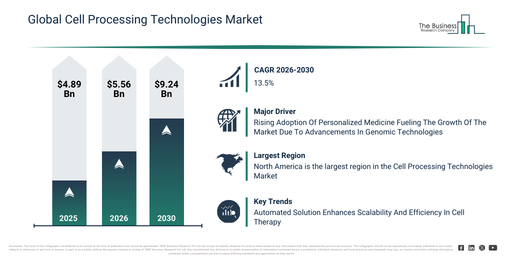
  • Cell Processing Technologies Market Forecast Highlights Expansion From $5.56 Billion To $9.24 Billion Through 2030

    Cell Processing Technologies Market Forecast Highlights Expansion From $5.56 Billion To $9.24 Billion Through 2030

    Enhanced with market attractiveness analysis, total addressable market evaluation, company benchmarking matrices, interactive Excel dashboards, expanded supply chain intelligence, emerging startup coverage, and detailed product insights, The Business Research Company’s 2026 market reports deliver more actionable and strategically valuable research.

    Cell Processing Technologies Market Size Forecast: How Large Could The Market Become By 2030?

    The cell processing technologies market has experienced significant expansion lately, with projections indicating a rise from $4.89 billion in 2025 to $5.56 billion by 2026, reflecting a compound annual growth rate of 13.7%. This historical growth trajectory has been fueled by several key factors, including the broadening scope of cell-based research, greater adoption of cell culture methodologies, advancements in regenerative medicine investigations, the accessibility of sophisticated laboratory instrumentation, and augmented financial support for both academic and clinical studies.

    The market for cell processing technologies is poised for significant expansion in the upcoming years, anticipated to reach $9.24 billion by 2030 with a compound annual growth rate (CAGR) of 13.5%. This projected growth is fueled by several key factors including the escalating commercial adoption of cell therapies, a heightened need for efficient and scalable cell manufacturing solutions, the expanding utility of personalized medicine approaches, increased capital investment in bioprocess automation technologies, and a growing emphasis from regulatory bodies on establishing robust cell processing standards. Key developments expected to shape this market during the forecast period involve a greater uptake of automated cell processing systems, a surge in demand for closed-system cell handling solutions, more prevalent integration of digital tools for process oversight, the wider use of disposable consumables, and a strengthened concentration on maintaining cell viability and ensuring stringent quality control measures.

    Download A Free Sample Report For Comprehensive Market Insights:

    https://www.thebusinessresearchcompany.com/sample.aspx?id=27243&type=smp

    Cell Processing Technologies Market Expansion Supported By Key Demand Factors

    The increasing embrace of individualized medical treatments is poised to significantly boost the cell processing technologies sector. This personalized medicine strategy focuses on customizing therapies for each patient, taking into account their unique genetic makeup, surrounding environment, and daily habits, thereby enhancing treatment effectiveness and overall patient well-being. Escalating interest in personalized medicine stems from progress in genetic sequencing tools, which have made it possible to pinpoint specific genetic differences and design treatments accordingly. Cell processing technologies play a crucial role in advancing personalized medicine by facilitating the accurate handling and preparation of cells sourced from individual patients, rendering them indispensable for bespoke therapeutic solutions. These technologies contribute to better treatment results by guaranteeing the quality and vitality of cells, fostering the creation of precise and impactful medical advancements. Illustrating this trend, the Personalized Medicine Coalition (PMC) reported that in 2023, the U.S. Food and Drug Administration (FDA) granted approval for 26 novel personalized medicines, a notable jump from the 12 approvals seen in 2022. Consequently, the expanding application of personalized medical interventions is a key factor fueling the expansion of the cell processing technologies market.

    Cell Processing Technologies Market Segmentation: How Is The Market Structured Across Key Categories?

    The cell processing technologies market covered in this report is segmented –

    1) By Product Type: Equipment, Consumables, Software

    2) By Application: Oncology, Cardiovascular Disease, Bone Repair, Neurological Disorders, Skeletal Muscle Repair, Immune Diseases, Other Applications

    3) By End-User: Pharmaceutical and Biotechnology Companies, Academic Research Institutes, Other End-Users

    Subsegments:

    1) By Equipment: Bioreactors, Centrifuges, Cell Counters, Incubators, Cryopreservation Systems, Cell Washers, Cell Sorters, Microscopes

    2) By Consumables: Cell Culture Media, Reagents, Pipettes and Tips, Flasks and Plates, Cryovials, Filters, Disposable Bags, Tubes and Containers

    3) By Software: Process Monitoring Software, Data Management Software, Automation Control Software, Quality Control Software, Imaging and Analysis Software, Inventory Management Software

    Cell Processing Technologies Market Growth Trends Influencing Competitive Dynamics

    Leading entities within the cell processing technologies sector are prioritizing innovation, particularly in the creation of sophisticated automated platforms for cell therapy production. These advancements aim to significantly boost scalability, optimize operational workflows, ensure superior cell quality, and ultimately lower manufacturing expenditures. An automated cell therapy manufacturing platform is essentially a comprehensive, integrated system employing cutting-edge robotics, sensor technology, and intelligent software to execute the complete cell therapy production lifecycle, requiring very little manual input. As an illustration, in March 2025, Limula SA, a Swiss life sciences firm, unveiled LimONE, a fully automated cell therapy manufacturing platform developed to revolutionize the production of sophisticated therapies like CAR-T and gene-edited stem cells. This system simplifies intricate manufacturing steps by incorporating a bioreactor and centrifuge into a solitary, contained unit that utilizes a single set of consumables across all developmental phases. Through LimONE, healthcare institutions, biotechnology companies, and manufacturers can expedite the progression from initial research to clinical studies and large-scale commercial output, thereby increasing patient access to crucial, individualized cell and gene therapies.

    Cell Processing Technologies Market Competitive Landscape And Leading Companies

    Major companies operating in the cell processing technologies market are Thermo Fisher Scientific Inc., Danaher Corporation, Cryo-Cell International Inc., Merck KGaA, Becton Dickinson and Company, Lonza Group AG, Terumo Corporation, WuXi AppTec Co. Ltd., Charles River Laboratories International Inc., Bio-Rad Laboratories Inc., PHC Holdings Corporation, Bio-Techne Corporation, StemCell Technologies Inc., Shibuya Corporation, Repligen Corporation, Beckman Coulter Inc., ThermoGenesis Holdings Inc., Ori Biotech Ltd., Biospherix Ltd., Miltenyi Biotec B.V. & Co. KG, Sartorius Stedim Biotech, Cytiva

    Access The Complete Cell Processing Technologies Market Report:

    https://www.thebusinessresearchcompany.com/report/cell-processing-technologies-global-market-report

    Cell Processing Technologies Market Regional Analysis: Which Region Leads By Revenue?

    North Americawas the largest region in the cell processing technologies market in 2025. The regions covered in the cell processing technologies market report are Asia-Pacific, South East Asia, Western Europe, Eastern Europe, North America, South America, Middle East, Africa.

    Get in touch with us:

    The Business Research Company: https://www.thebusinessresearchcompany.com/

    Americas: +1 310-496-7795

    Asia: +44 7882 955267 & +91 8897263534

    Europe: +44 7882 955267

    Email us at: marketing@tbrc.info

    Follow us on:

    LinkedIn: https://in.linkedin.com/company/the-business-research-company

    YouTube: https://www.youtube.com/channel/UC24_fI0rV8cR5DxlCpgmyFQ

    Global Market Model: https://www.thebusinessresearchcompany.com/global-market-model
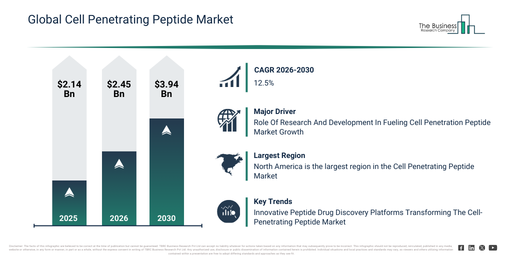
  • Cell Penetrating Peptide Market Expected To Reach $3.93 Billion By 2030 As Growth Accelerates At 12.5% CAGR

    Cell Penetrating Peptide Market Expected To Reach $3.93 Billion By 2030 As Growth Accelerates At 12.5% CAGR

    Through market attractiveness analysis, total addressable market evaluation, company benchmarking matrices, interactive Excel dashboards, expanded supply chain intelligence, emerging startup coverage, and detailed product insights, The Business Research Company’s 2026 market reports provide more actionable and strategically valuable research.

    Cell Penetrating Peptide Market Revenue Outlook: What CAGR Is Expected Through 2030?

    The market for cell-penetrating peptides has experienced substantial expansion recently, with projections indicating a continued upward trajectory. This market is anticipated to expand from $2.14 billion in 2025 to reach $2.45 billion by 2026, reflecting a compound annual growth rate of 14.8%. Factors contributing to this growth during the preceding period include heightened pharmaceutical investigation into drug delivery methodologies, advancements in peptide synthesis technologies, expanded utilization of molecular imaging techniques, a greater focus on peptide research within academic institutions, and the early incorporation of CPP (cell-penetrating peptide) technologies.

    The cell penetrating peptide market is poised for substantial expansion, projected to reach $3.94 billion by 2030 with a compound annual growth rate of 12.5%. This upward trajectory is fueled by several key factors, including heightened investment in precise therapeutic approaches, a surge in demand for gene delivery methods that avoid viral vectors, the accelerating development of personalized medicine, a greater emphasis on improving drug delivery efficacy inside cells, and the increasing clinical assessment of systems employing cell penetrating peptides. During this projected period, significant trends will emerge, such as the advancement of sophisticated drug delivery vehicles based on these peptides, their escalating application in gene delivery, the growing popularity of hybrid peptide designs, the broadening of platforms for targeted intracellular delivery, and a concentrated effort toward engineering peptides with reduced toxicity.

    Download A Free Sample Report For Comprehensive Market Insights:

    https://www.thebusinessresearchcompany.com/sample.aspx?id=15537&type=smp

    #Cell Penetrating Peptide Market Growth Drivers And Industry Catalysts

    Momentum for the cell penetration peptide market is anticipated to intensify due to amplified investment in health research and development, a process encompassing systematic investigation for scientific advancement and improved healthcare solutions. This uptick in R&D is fueled by escalating healthcare demands, technological evolution, global health imperatives, attractive investment incentives, and emerging economic prospects. Cell penetration peptides, by facilitating the effective delivery of biomolecules and therapeutics into cells, significantly contribute to progress across numerous R&D domains, such as drug delivery, gene therapy, vaccine creation, molecular imaging, and cellular studies. Illustratively, the UK government’s R&D expenditures saw an 8.2% increase in 2023, reaching £17.4 billion ($22.1 billion) from £16.1 billion ($20.45 billion) in 2022, as reported by the Office for National Statistics. Consequently, this heightened focus on research and development is a key driver for the expansion of the cell penetration peptide market.

    Cell Penetrating Peptide Market Segmentation Trends And Revenue Drivers

    The cell penetrating peptide market covered in this report is segmented –

    1) By Type: Synthetic Cell Penetrating Peptides, Protein-Derived Cell Penetrating Peptides, Chimeric Cell Penetrating Peptides

    2) By Application: Drug Delivery, Gene Delivery, Diagnostics, Molecular Imaging, Other Applications

    3) By End Use: Pharmaceutical And Biotechnology Companies, Contract Research Organization (CROs), Hospitals And Clinics, Other End Users

    Subsegments:

    1) By Synthetic Cell Penetrating Peptides: Linear Synthetic CPPs, Branched Synthetic CPPs, Peptide Conjugates, Lipid-Modified Synthetic CPPs

    2) By Protein-Derived Cell Penetrating Peptides: Tat Peptides (From HIV-1 TAT), Antennapedia Peptides, Homeodomain Peptides

    3) By Chimeric Cell Penetrating Peptides: Fusion Peptides, Hybrid Peptides

    #Cell Penetrating Peptide Market Trends Influencing Long-Term Demand

    Companies leading the charge in the cell-penetrating peptide sector are concentrating their efforts on pioneering new solutions, like peptide drug discovery platforms, as a means to enhance their market standing. Such a platform serves as an integrated suite of tools and methodologies designed to streamline the entire spectrum of peptide therapeutic development, from initial discovery through to optimization and assessment. Illustrating this trend, Fujitsu Limited, a technology firm headquartered in Japan, announced in May 2023 the introduction of its Biodrug Design Accelerator. This advanced platform is engineered to organize and accelerate the research workflow for discovering peptide-based drugs, specifically designed to support scientists in pharmaceutical companies by boosting the speed and effectiveness of the peptide drug development process, especially within the iterative ‘design, make, test, analyze’ (DMTA) framework. Furthermore, it promotes more efficient collaboration among researchers involved in synthesis and testing, while also maintaining compatibility with HELM, a recognized standard for representing intricate biomolecular structures.

    #Cell Penetrating Peptide Market Industry Leaders: Which Organizations Are Driving Competition?

    Major companies operating in the cell penetrating peptide market are Thermo Fisher Scientific Inc., Novo Nordisk A/S, Merck KGaA, Corden Pharma GmbH, Sarepta Therapeutics Inc., GenScript Biotech Corporation, Bachem Holding AG, R&D Systems Inc., PolyPeptide Laboratories AB, PeptiDream Inc., Revance Therapeutics Inc., CPC Scientific Inc., Tocris Bioscience, Bio-Synthesis Inc., AnaSpec Inc., Avidity Biosciences Inc., Iris Biotech GmbH, PEPperPRINT GmbH, Chemos GmbH & Co. KG, Creative Peptides GmbH, ProImmune Ltd., Pepscan Inc., The Cupid Peptide Company, AltaBioscience Ltd., Peptomyc

    Access The Complete Cell Penetrating Peptide Market Report:

    https://www.thebusinessresearchcompany.com/report/cell-penetrating-peptide-global-market-report

    Cell Penetrating Peptide Market Geographic Distribution And Regional Opportunities

    North Americawas the largest region in the cell penetrating peptide market in 2025. Asia-Pacificis expected to be the fastest-growing region in the forecast period. The regions covered in the cell penetrating peptide market report are Asia-Pacific, South East Asia, Western Europe, Eastern Europe, North America, South America, Middle East, Africa.

    Get in touch with us:

    The Business Research Company: https://www.thebusinessresearchcompany.com/

    Americas: +1 310-496-7795

    Asia: +44 7882 955267 & +91 8897263534

    Europe: +44 7882 955267

    Email us at: marketing@tbrc.info

    Follow us on:

    LinkedIn: https://in.linkedin.com/company/the-business-research-company

    YouTube: https://www.youtube.com/channel/UC24_fI0rV8cR5DxlCpgmyFQ

    Global Market Model: https://www.thebusinessresearchcompany.com/global-market-model
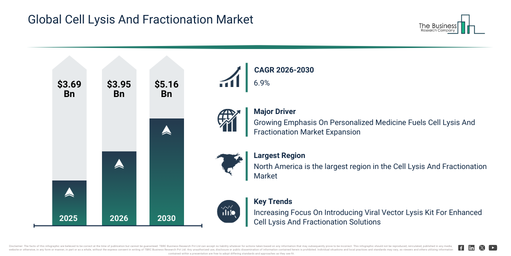
  • Cell Lysis And Fractionation Market Set To Grow From $3.95 Billion In 2026 To $5.16 Billion By 2030 At A CAGR Of 6.9%

    Cell Lysis And Fractionation Market Set To Grow From $3.95 Billion In 2026 To $5.16 Billion By 2030 At A CAGR Of 6.9%

    Delivering more actionable and strategically valuable research, The Business Research Company’s 2026 market reports feature market attractiveness analysis, total addressable market evaluation, company benchmarking matrices, interactive Excel dashboards, expanded supply chain intelligence, emerging startup coverage, and detailed product insights.

    Cell Lysis And Fractionation Market Growth Analysis: How Will Revenue Expand During The Forecast Period?

    The market for cell lysis and fractionation technologies experienced robust expansion recently, projected to climb from $3.69 billion in 2025 to $3.95 billion in 2026, reflecting a compound annual growth rate of 7.0%. This upward trend over the past period is linked to heightened engagement in molecular biology investigations, an increase in proteomics research, broader adoption of nucleic acid purification methods, the proliferation of life science research facilities, and a greater need for consistent sample preparation processes.

    The market for cell lysis and fractionation is poised for significant expansion, projected to reach $5.16 billion by 2030, reflecting a compound annual growth rate of 6.9%. This anticipated growth stems from several key drivers, including escalating investments in proteomics and genomics research, a greater embrace of automated sample preparation techniques, a heightened emphasis on high-throughput analysis, the broadening scope of biopharmaceutical research endeavors, and the increasing integration of laboratory systems. Furthermore, prominent trends shaping this market during the forecast period involve a rising preference for automated cell lysis systems, a burgeoning demand for highly effective protein extraction methods, the expanding utilization of both chemical and mechanical lysis approaches, an increase in fractionation-based sample preparation strategies, and a reinforced commitment to preserving sample integrity.

    Download A Free Sample Report For Comprehensive Market Insights:

    https://www.thebusinessresearchcompany.com/sample.aspx?id=14064&type=smp

    Cell Lysis And Fractionation Market Opportunity Drivers: What Is Creating New Revenue Potential?

    The increasing emphasis on personalized medicine is anticipated to significantly boost the cell lysis and fractionation sectors. This innovative medical approach leverages an individual’s genetic blueprint for disease diagnosis and therapeutic management, essentially customizing medical plans and interventions based on each patient’s distinct characteristics, particularly their genetic makeup. Cell lysis and fractionation are instrumental in this precision medicine paradigm, enabling the isolation and examination of specific subcellular components from patient specimens like proteins, organelles, and nucleic acids. Consequently, researchers and healthcare providers can delve into the molecular mechanisms underlying ailments and devise tailored treatments aligned with each patient’s unique molecular profile. A notable indicator of this trend, as reported in February 2024 by the Personalized Medicine Coalition, a US non-profit, is the FDA’s approval of 7 new personalized cancer treatments in 2023, contributing to a total of 26 personalized therapies, a substantial rise from the 12 approvals seen in 2022. Thus, the heightened focus on personalized medicine directly fuels the expansion of the cell lysis and fractionation markets.

    An escalating need within the biopharmaceutical sector is poised to stimulate expansion in the cell lysis and fractionation market. This industry, dedicated to the creation, manufacture, and marketing of medications and treatments derived from biological sources through biotechnology, is experiencing robust growth. This expansion is largely attributed to the increasing incidence of chronic and intricate diseases, which in turn fuels the demand for sophisticated, targeted therapeutics. Cell lysis and fractionation are vital to the biopharmaceutical industry’s operations, facilitating the disruption of cells to liberate and isolate crucial intracellular biomolecules, including proteins, enzymes, and nucleic acids, which are indispensable for the development of drugs, the production of biologics, and ongoing research endeavors. For illustration, IQVIA, a US-based entity offering biopharmaceutical development services, projected in January 2024 that global spending on biotechnology is slated to surpass $892 billion by the year 2028. Consequently, the amplified requirements from the biopharmaceutical industry are serving as a key driver for the growth of the cell lysis and fractionation market.

    Cell Lysis And Fractionation Market Segment Analysis Highlighting Growth Areas

    The cell lysis and fractionation market covered in this report is segmented –

    1) By Type: Mammalian Cells, Microbial Cells

    2) By Application: Nucleic Acid Purification And Isolation, Protein Purification And Isolation

    3) By End-User: Research Laboratories And Institutes, Biopharmaceutical, Biotechnology Companies

    Subsegments:

    1) By Mammalian Cells: Adherent Mammalian Cells, Suspension Mammalian Cells, Primary Cells, Cell Lines

    2) By Microbial Cells: Bacterial Cells, Yeast Cells, Fungal Cells, Algal Cells

    Cell Lysis And Fractionation Market Innovation Trends Driving Future Development

    Key players within the cell lysis and fractionation sector are concentrating their efforts on the development and dissemination of innovative offerings, including specialized lysis kits for cell and gene therapies (CGT) that leverage viral vectors, as a strategic maneuver to bolster their market standing. This advanced lysis kit technology streamlines the process of lysing Adeno-associated virus (AAV), thereby enhancing standard operating procedures, fortifying quality assurance measures, and elevating safety standards, all while promoting uniformity in bioprocessing operations. To illustrate this point, QIAGEN, a prominent German entity specializing in sample and assay technologies, introduced its new CGT Viral Vector Lysis Kit in July 2023. This product facilitates the precise and consistent determination of viral titers across various serotypes, commencing with the cellular lysate. This newly released CGT viral vector lysis kit serves as a valuable addition to QIAGEN’s continuously growing suite of digital PCR solutions tailored for the biopharmaceutical industry, which already encompasses three QIAcuity Residual DNA Quantification Kits designed to detect residual host cell DNA contamination and ten QIAcuity Cell and Gene Therapy (CGT) dPCR Assays aimed at quantifying Adeno-associated virus (AAV) titers.

    Cell Lysis And Fractionation Market Leading Companies: Who Holds Significant Market Presence?

    Major companies operating in the cell lysis and fractionation market are Hoffmann-La Roche Ltd, Merck & Co. Inc., Thermo Fisher Scientific Inc., Danaher Corporation, Becton, Dickinson and Company, Lonza Group AG, Illumina Inc., Beckman Coulter Inc., PerkinElmer Inc., IDEX Corporation, Bio-Rad Laboratories Inc., QIAGEN NV, Eppendorf AG, Miltenyi Biotec B.V. & Co. KG, Promega Corporation, Takara Bio Inc., Abcam plc, Cell Signaling Technology Inc., BioVision Inc., Diagenode LLC, Claremont BioSolutions LLC, Norgen Biotek Corp., Qsonica LLC, Labfreez Instruments Group Co. Ltd.

    Access The Complete Cell Lysis And Fractionation Market Report:

    https://www.thebusinessresearchcompany.com/report/cell-lysis-and-fractionation-global-market-report

    Cell Lysis And Fractionation Market Largest Region By Revenue And Market Share

    North Americawas the largest region in the cell lysis and fractionation market in 2025. The regions covered in the cell lysis and fractionation market report are Asia-Pacific, South East Asia, Western Europe, Eastern Europe, North America, South America, Middle East, Africa.

    Get in touch with us:

    The Business Research Company: https://www.thebusinessresearchcompany.com/

    Americas: +1 310-496-7795

    Asia: +44 7882 955267 & +91 8897263534

    Europe: +44 7882 955267

    Email us at: marketing@tbrc.info

    Follow us on:

    LinkedIn: https://in.linkedin.com/company/the-business-research-company

    YouTube: https://www.youtube.com/channel/UC24_fI0rV8cR5DxlCpgmyFQ

    Global Market Model: https://www.thebusinessresearchcompany.com/global-market-model
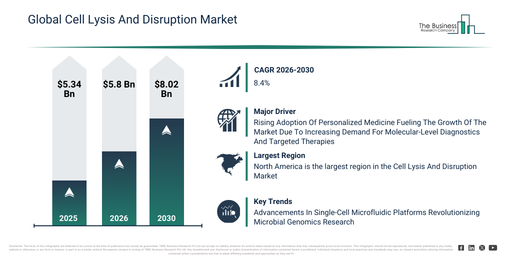
  • Cell Lysis And Disruption Market Opportunities Are Emerging Beyond Traditional Growth Areas

    Cell Lysis And Disruption Market Opportunities Are Emerging Beyond Traditional Growth Areas

    Enhanced with market attractiveness analysis, total addressable market evaluation, company benchmarking matrices, interactive Excel dashboards, expanded supply chain intelligence, emerging startup coverage, and detailed product insights, The Business Research Company’s 2026 market reports deliver more actionable and strategically valuable research.

    Cell Lysis And Disruption Market Forecast: What Market Value Is Expected By 2030?

    The market for cell lysis and disruption technologies has experienced significant expansion lately, with projections indicating continued robust growth. It is estimated to increase from $5.34 billion in 2025 to $5.8 billion in 2026, reflecting a compound annual growth rate of 8.7%. This upward trajectory during the historical period has been fueled by several key factors, including the scaling up of molecular biology research initiatives, a greater reliance on recombinant protein production methods, the flourishing of life sciences research within academic settings, the increasing implementation of microbial fermentation techniques, and the widespread availability of sophisticated laboratory equipment.

    The cell breakup and release sector is projected for substantial expansion over the upcoming years, reaching an estimated $8.02 billion by 2030, driven by a compound annual growth rate of 8.4%. This anticipated expansion during the forecast period is largely fueled by a heightened need for biologics production, escalating investments in cell and gene therapy research initiatives, broader application of proteomics and genomics investigations, a greater emphasis on laboratory automation, and the increased utilization of high-throughput screening technologies. Key developments anticipated in this timeframe involve a greater embrace of mechanical cell disruption apparatus, a rise in the deployment of high-purity lysis compounds, elevated demand for cell processing solutions that can be scaled effectively, the continued development of automated sample preparation processes, and an intensified focus on achieving superior yields and consistent, repeatable outcomes.

    Download A Free Sample Report For Comprehensive Market Insights:

    https://www.thebusinessresearchcompany.com/sample.aspx?id=24498&type=smp

    Cell Lysis And Disruption Market Growth Momentum: Which Factors Are Influencing Demand?

    The expansion of the cell lysis and disruption sector is poised for acceleration due to the heightened emphasis on personalized medicine. This innovative healthcare strategy customizes patient treatment and care based on unique individual factors, including genetic makeup and lifestyle choices. Such a surge in personalized medicine is fueled by advancements in genomic technologies, which facilitate a more accurate pinpointing of genetic variations linked to diseases, thereby paving the way for treatments that are both specific and highly effective. The escalating need for personalized medicine, in turn, bolsters the cell lysis and disruption market, as these techniques are indispensable for isolating Deoxyribonucleic Acid (DNA), Ribonucleic Acid (RNA), and proteins from patient specimens, which are crucial for the molecular profiling needed to formulate bespoke therapies. Illustrating this trend, February 2024 data from the Personalized Medicine Coalition, a U.S.-based non-profit, and the U.S. Food and Drug Administration (USFDA) revealed that the approval of personalized treatments for individuals with rare diseases climbed to 16 in 2023, a substantial leap from the 6 approved in 2022. Consequently, the intensifying concentration on personalized medicine is set to propel the growth trajectory of the cell lysis and disruption market.

    Cell Lysis And Disruption Market Segment Performance And Strategic Opportunities

    The cell lysis and disruption market covered in this report is segmented –

    1) By Product: Reagents And Consumables, Instruments

    2) By Cell Type: Bacteria Cells, Mammalian Cells, Plant Cells, Yeast Or Fungi Or Algae

    3) By Application: Cell Organelle Isolation, Protein Isolation, Downstream Processing, Nucleic Acid Isolation

    4) By End-Use: Pharmaceutical And Biotechnology Companies, Academic And Research Institutes, Other End-Users

    Subsegments:

    1) By Reagents And Consumables: Enzymes, Detergent Solutions, Kits And Reagents

    2) By Instruments: Homogenizers, Sonicator, Microfluidizer, Other Instruments

    Cell Lysis And Disruption Market Trends Reshaping Industry Growth

    In the realm of cell lysis and disruption, prominent market players are actively engaged in creating sophisticated technologies, specifically single-cell microfluidic platforms, aimed at augmenting the efficacy and performance of single-cell investigations for scientists delving into microbial genomics. These microfluidic platforms represent sophisticated, small-scale instruments that meticulously separate, handle, and examine individual cells through the precise management of minuscule liquid quantities within microscopic channels, thereby facilitating automated, high-volume single-cell research. As an illustration, Atrandi Biosciences Inc., a biotechnology firm situated in Lithuania, introduced its Flux platform in conjunction with the Single-Microbe DNA Barcoding Kit in January 2024. Employing semi-permeable capsule (SPC) technology, these offerings facilitate the effective isolation and disruption of distinct microbial cells while safeguarding the integrity of subsequent analytical processes. This cutting-edge platform provides the capacity for high output, supporting accurate microbial genome measurement and DNA sequencing, which are indispensable for progress in microbial genomics and individual cell scrutiny. Ultimately, these advancements are engineered to optimize and refine research pipelines, rendering detailed, single-cell analysis more readily available and potent for professionals across diverse scientific fields.

    Cell Lysis And Disruption Market Key Players: Which Companies Shape Industry Competition?

    Major companies operating in the cell lysis and disruption market are F. Hoffmann-La Roche Ltd., Thermo Fisher Scientific Inc., Merck KGaA, Becton Dickinson and Company (BD), Agilent Technologies Inc., Bio-Rad Laboratories Inc., Qiagen N.V., Eppendorf AG, Miltenyi Biotec GmbH, Takara Bio Inc., Promega Corporation, New England Biolabs Inc., Covaris LLC, Microfluidics International Corp., Claremont BioSolutions LLC, Qsonica LLC, Zymo Research Corp., BioVision Inc., Beckman Coulter Inc., Sartorius AG, PerkinElmer Inc.

    Access The Complete Cell Lysis And Disruption Market Report:

    https://www.thebusinessresearchcompany.com/report/cell-lysis-and-disruption-global-market-report

    Cell Lysis And Disruption Market Regional Analysis And Leading Geography

    North Americawas the largest region in the cell lysis and disruption market in 2025. Asia-Pacificis expected to be the fastest-growing region in the forecast period. The regions covered in the cell lysis and disruption market report are Asia-Pacific, South East Asia, Western Europe, Eastern Europe, North America, South America, Middle East, Africa.

    Get in touch with us:

    The Business Research Company: https://www.thebusinessresearchcompany.com/

    Americas: +1 310-496-7795

    Asia: +44 7882 955267 & +91 8897263534

    Europe: +44 7882 955267

    Email us at: marketing@tbrc.info

    Follow us on:

    LinkedIn: https://in.linkedin.com/company/the-business-research-company

    YouTube: https://www.youtube.com/channel/UC24_fI0rV8cR5DxlCpgmyFQ

    Global Market Model: https://www.thebusinessresearchcompany.com/global-market-model
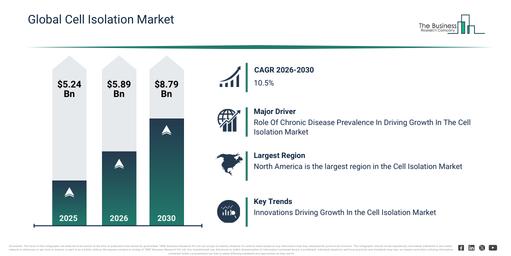
  • Cell Isolation Market Expansion Is Opening New Pathways For Strategic Investment

    Cell Isolation Market Expansion Is Opening New Pathways For Strategic Investment

    Through market attractiveness analysis, total addressable market evaluation, company benchmarking matrices, interactive Excel dashboards, expanded supply chain intelligence, emerging startup coverage, and detailed product insights, The Business Research Company’s 2026 market reports provide more actionable and strategically valuable research.

    Cell Isolation Market Size Outlook: How Fast Will Revenue Grow Through 2030?

    The cell isolation market has experienced significant expansion lately, with projections indicating a rise from $5.24 billion in 2025 to $5.89 billion in 2026, demonstrating a compound annual growth rate of 12.5%. This past growth trajectory is largely attributable to the increasing scope of stem cell research endeavors, the advancement of oncology research initiatives, a greater reliance on flow cytometry techniques, escalating demand for biomolecule isolation, and the broader accessibility of isolation consumables.

    The cell isolation market is poised for significant expansion, projected to reach $8.79 billion by 2030, reflecting a compound annual growth rate of 10.5% during this period. This upward trajectory is driven by several key factors, including heightened investment in regenerative medicine, the increasing integration of precision diagnostics, a surge in the demand for single-cell analysis, the broadening scope of cell-based research, and the growing implementation of automated laboratory procedures. Within this forecast timeframe, prominent trends are expected to shape the market, such as a greater embrace of automated cell isolation instruments, heightened utilization of magnetic and microbead-based methodologies, a persistent demand for highly purified cell samples, the further development of microfluidic cell isolation technologies, and an intensified emphasis on ensuring both reproducibility and accuracy in research outcomes.

    Download A Free Sample Report For Comprehensive Market Insights:

    https://www.thebusinessresearchcompany.com/sample.aspx?id=14872&type=smp

    Cell Isolation Market Expansion Drivers: What Is Shaping Future Growth?

    The escalating burden of chronic illnesses is poised to stimulate the expansion of the cell isolation sector in the foreseeable future. Chronic ailments, characterized as enduring health issues that persist for prolonged durations, often spanning years or even an entire lifetime, necessitate comprehensive strategies involving public health initiatives, policies encouraging healthy living, enhancements to healthcare facilities, and heightened public understanding and education. This growing incidence of chronic conditions fuels progress in cell isolation techniques and scientific inquiry, opening avenues to leverage the capabilities of stem cells for regenerative therapies and the management of diverse medical challenges. Illustratively, as reported by the Centers for Disease Control and Prevention (CDC) in April 2025, about 76.4% of U.S. adults, equivalent to 194 million individuals, had at least one chronic condition in 2023, with prevalence rates of 59.5% among younger adults, 78.4% among middle-aged adults, and a significant 93.0% among older adults, underscoring how the increasing spread of these conditions is a key driver for the cell isolation market’s growth.

    #Cell Isolation Market Segment Landscape And Growth Potential

    The cell isolation market covered in this report is segmented –

    1) By Product: Consumables, Instruments

    2) By Cell Type: Human Cells, Animal Cells

    3) By Cell Source: Bone Marrow, Adipose Tissues, Cord Blood Or Embryonic Stem Cells, Other Cell Sources

    4) By Application: Biomolecule Isolation, Cancer Research, Stem Cell Research, Tissue Regeneration Or Regenerative Medicines, In-vitro Diagnostics, Other Applications

    5) By End-User: Pharmaceutical And Biotechnology Companies, Research And Academic Institutes, Hospitals And Diagnostic Laboratories, Other End-Users

    Subsegments:

    1) By Consumables: Reagents And Kits, Magnetic Beads And Microbeads, Cell Culture Media And Supplements, Antibodies And Enzymes

    2) By Instruments: Cell Separators, Flow Cytometers, Centrifuges, Microfluidic Devices, Automated Cell Isolation Systems

    Cell Isolation Market Strategic Trends: What Is Defining The Next Phase Of Growth?

    Within the cell isolation market, leading entities are prioritizing the creation of automated, high-volume systems to boost effectiveness, accuracy, and adaptability in both single-cell research and therapeutic uses. To illustrate, Sphere Fluidics, a life sciences firm situated in the UK, introduced Cyto-Mine Chroma in January 2025, a fully automated system designed for isolating and examining single cells. This technology facilitates the swift identification and isolation of cells with superior performance, benefiting drug discovery, the advancement of cell-based therapies, and the refinement of bioprocessing methods. Complementing this product release, Sphere Fluidics established an Early Access Program, offering researchers and biopharmaceutical organizations the opportunity to trial the instrument and expedite its integration into their workflows.

    Cell Isolation Market Competitive Landscape: Who Are The Leading Companies?

    Major companies operating in the cell isolation market are F. Hoffmann-La Roche Ltd., Thermo Fisher Scientific Inc., Danaher Corporation, Merk Co. & KGaA, GE Healthcare Company, Becton Dickinson & Company, Corning Inc., Lonza Inc., Agilent Technologies Inc., Alfa Laval AB, PerkinElmer Inc., Sartorius AG, Terumo Corporation, Beckman Coulter Inc., Bio-Rad Laboratories Inc., Qiagen NV, Bio-Techne Corporation, STEMCELL Technologies Inc., Cytek Biosciences Inc., Miltenyi Biotec Inc., Neogenomics Laboratories Inc., Promega Corporation, Takara Bio Inc., Molecular Devices LLC, NanoString Technologies Inc., Proteintech Group Inc., Sony Biotechnology Inc., PluriSelect Life Science UG & Co. KG, Invent Biotechnologies Inc., Akadeum Life Sciences Inc.

    Access The Complete Cell Isolation Market Report:

    https://www.thebusinessresearchcompany.com/report/cell-isolation-global-market-report

    Cell Isolation Market Geographic Analysis: Where Is Demand Growing The Fastest?

    North Americawas the largest region in the cell isolation market in 2025. Asia-Pacificis expected to be the fastest-growing region in the forecast period. The regions covered in the cell isolation market report are Asia-Pacific, South East Asia, Western Europe, Eastern Europe, North America, South America, Middle East, Africa.

    Get in touch with us:

    The Business Research Company: https://www.thebusinessresearchcompany.com/

    Americas: +1 310-496-7795

    Asia: +44 7882 955267 & +91 8897263534

    Europe: +44 7882 955267

    Email us at: marketing@tbrc.info

    Follow us on:

    LinkedIn: https://in.linkedin.com/company/the-business-research-company

    YouTube: https://www.youtube.com/channel/UC24_fI0rV8cR5DxlCpgmyFQ

    Global Market Model: https://www.thebusinessresearchcompany.com/global-market-model
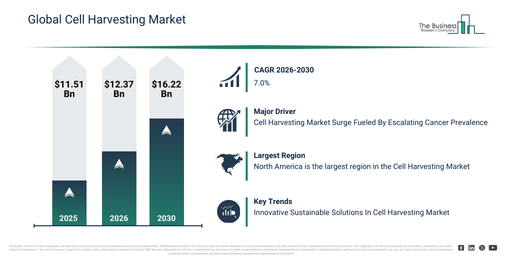
  • Cell Harvesting Market Trends Are Creating New Opportunities For Industry Leaders

    Cell Harvesting Market Trends Are Creating New Opportunities For Industry Leaders

    Delivering more actionable and strategically valuable research, The Business Research Company’s 2026 market reports feature market attractiveness analysis, total addressable market evaluation, company benchmarking matrices, interactive Excel dashboards, expanded supply chain intelligence, emerging startup coverage, and detailed product insights.

    Cell Harvesting Market Size, Value And Growth Trends Through 2030

    In recent past, the cell harvesting market demonstrated robust expansion, projecting a growth from $11.51 billion in 2025 to $12.37 billion in 2026, reflecting a compound annual growth rate of 7.4%. This historical growth trajectory was fueled by several key factors, including a surge in monoclonal antibody production, the broadening of biopharmaceutical manufacturing infrastructure, an escalating embrace of cell-based therapeutic treatments, a heightened emphasis on optimizing downstream processing efficiency, and the increasing utilization of centrifugation methods for harvesting.

    The cell harvesting sector is projected for substantial expansion in the upcoming years, reaching an estimated $16.22 billion by 2030, driven by a compound annual growth rate of 7.0%. This anticipated surge is fueled by augmented investments in biologic production, a heightened need for adaptable cell processing methods, the increasing integration of continuous bioprocessing, wider utilization of disposable technologies, and the advancement of sophisticated cell therapy development. Key developments anticipated during this period involve a greater uptake of automated cell harvesting equipment, a growing requirement for rapid cell processing capabilities, increased deployment of closed-system harvesting techniques, the proliferation of microfluidic harvesting innovations, and a strengthened emphasis on achieving consistent processes and maximizing product yield.

    Download A Free Sample Report For Comprehensive Market Insights:

    https://www.thebusinessresearchcompany.com/sample.aspx?id=8761&type=smp

    Cell Harvesting Market Development Factors: Which Trends Are Supporting Demand?

    The escalating incidence of cancer is anticipated to be a significant catalyst for the expansion of the cell harvesting market in the foreseeable future. Cancer, a complex set of conditions defined by the unregulated proliferation and aberrant development of cells, frequently manifests as a tumorous growth. The amplified occurrence of cancer consequently fuels the need for cell harvesting, which is instrumental in research efforts, diagnostic procedures, the creation of treatments, and deepening our comprehension of cancer’s biological mechanisms, thus fostering the growth of the cell harvesting market as an indispensable element in various cancer-related research and clinical applications. As an illustration, the Australian Institute of Health and Welfare reported in July 2024 that approximately 165,000 Australians received new cancer diagnoses in 2023, averaging over 450 new cases daily, with males accounting for roughly 55% of these diagnoses. Consequently, the increasing burden of cancer is directly stimulating the market for cell harvesting technologies.

    Cell Harvesting Market Categorization By Product Type And Application

    The cell harvesting market covered in this report is segmented –

    1) By Type: Manual Cell Harvesters, Automated Cell Harvesters

    2) By Distribution Channel: Retail, Direct Tenders

    3) By End-Users: Biotechnology And Biopharmaceutical Companies, Research Institute, Other End-Users

    Subsegments:

    1) By Manual Cell Harvesters: Syringe-Based Harvesters, Centrifuge-Based Harvesters, Filtration Devices

    2) By Automated Cell Harvesters: Robotic Cell Harvesting Systems, Automated Centrifuges, Microfluidic Harvesting Devices

    Cell Harvesting Market Transformation Trends: Which Innovations Are Driving Change?

    Leading enterprises within the cell harvesting sector are prioritizing the creation of sophisticated automated systems designed to boost efficiency, increase output, and ensure consistent outcomes in the processes of isolating and examining individual cells. These automated cell processing solutions combine microfluidic technology, robotic mechanisms, and imaging capabilities to optimize the entire workflow, commencing with cell sorting and concluding with cell retrieval. Illustrating this trend, in March of 2025, Sphere Fluidics, a biotechnology firm based in the United Kingdom, introduced its Cyto-Mine Chroma platform, simultaneously initiating an Early Access Program. This newly released platform facilitates rapid, large-scale screening and harvesting of single cells with heightened precision and velocity, thereby underpinning critical research and biomanufacturing endeavors across fields such as drug discovery, the development of cell lines, and personalized medicine.

    Cell Harvesting Market Company Landscape And Strategic Competition

    Major companies operating in the cell harvesting market are Sartorius AG, Danaher Corporation, Merck & Co. Inc., Pall Corporation, Thermo Fisher Scientific Inc., GE Healthcare, Esco Lifesciences Group, CESCO Bioengineering Co. Ltd., Alfa Laval Corporate AB, GEA Group Aktiengesellschaft, SPX Flow Inc., Parker Hannifin Corporation, PBS Biotech Inc., Lonza Group AG, Becton Dickinson and Company, Bio-Rad Laboratories Inc., STEMCELL Technologies Inc., Corning Incorporated, Nikon Corporation (Healthcare Business Unit), PromoCell GmbH, Flottweg SE, Repligen Corporation

    Access The Complete Cell Harvesting Market Report:

    https://www.thebusinessresearchcompany.com/report/cell-harvesting-global-market-report

    Cell Harvesting Market Global Footprint: Which Region Holds Market Leadership?

    North Americawas the largest region in the cell harvesting market share in 2025. The regions covered in the cell harvesting market report are Asia-Pacific, South East Asia, Western Europe, Eastern Europe, North America, South America, Middle East, Africa.

    Get in touch with us:

    The Business Research Company: https://www.thebusinessresearchcompany.com/

    Americas: +1 310-496-7795

    Asia: +44 7882 955267 & +91 8897263534

    Europe: +44 7882 955267

    Email us at: marketing@tbrc.info

    Follow us on:

    LinkedIn: https://in.linkedin.com/company/the-business-research-company

    YouTube: https://www.youtube.com/channel/UC24_fI0rV8cR5DxlCpgmyFQ

    Global Market Model: https://www.thebusinessresearchcompany.com/global-market-model
  • Cell Freezing Media Market Growth Is Reshaping Competitive Advantage Across The Industry

    Cell Freezing Media Market Growth Is Reshaping Competitive Advantage Across The Industry

    Enhanced with market attractiveness analysis, total addressable market evaluation, company benchmarking matrices, interactive Excel dashboards, expanded supply chain intelligence, emerging startup coverage, and detailed product insights, The Business Research Company’s 2026 market reports deliver more actionable and strategically valuable research.

    Cell Freezing Media Market CAGR Analysis And Future Market Development

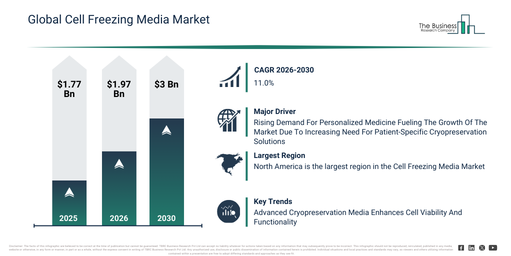
    The market for cell freezing media has experienced substantial expansion lately. Projections indicate a rise from $1.77 billion in 2025 to $1.97 billion in 2026, reflecting a compound annual growth rate (CAGR) of 11.3%. Key factors driving this forward momentum during the historical period included the broader proliferation of biobanking operations, a greater reliance on cryopreservation techniques within the research sphere, advancements in stem cell research initiatives, the increasing implementation of controlled-rate freezing methodologies, and enhanced access to liquid nitrogen storage infrastructure.

    The cell freezing media market is poised for substantial expansion, projecting a valuation of $3 billion by 2030, fueled by an 11.0% compound annual growth rate over the upcoming years. This anticipated surge is primarily driven by advancements in cell and gene therapies, a growing need for extensive cell cryopreservation facilities, the proliferation of personalized medicine initiatives, increasingly stringent regulations concerning cell storage quality, and the wider implementation of automated cryopreservation technologies. Key developments anticipated within this timeframe include a greater acceptance of pre-prepared cryopreservation solutions, augmented demand for serum-free freezing formulations, increased utilization of GMP-grade cryoprotective agents, broader adoption of long-term cell banking strategies, and a heightened emphasis on improving cell viability following thawing processes.

    Download A Free Sample Report For Comprehensive Market Insights:

    https://www.thebusinessresearchcompany.com/sample.aspx?id=30227&type=smp

    Cell Freezing Media Market Industry Drivers: What Is Driving Revenue Growth?

    The expansion of the cell freezing media market is anticipated to be significantly boosted by the increasing preference for personalized medicine. This approach to healthcare focuses on customizing treatments for each patient, considering their unique genetic makeup, environmental influences, and lifestyle choices to achieve better results and enhance overall care. The surge in personalized medicine is largely attributed to breakthroughs in genomic technologies, which facilitate the accurate detection of genetic differences and the subsequent development of customized interventions. Cell freezing media plays a crucial role in this field by offering dependable methods for cryopreserving patient-derived cells, tissues, and biological materials, thereby maintaining their viability and functional integrity after thawing. This capability is vital for advancing individualized therapies and improving patient treatment effectiveness. Notably, the Personalized Medicine Coalition reported that in February 2024, the U.S. Food and Drug Administration (FDA) authorized 26 novel personalized medicines in 2023, a substantial leap from the 12 authorizations granted in 2022, underscoring the accelerating adoption of personalized treatments and consequently fueling the demand for cell freezing media.

    Cell Freezing Media Market Segment Analysis And Revenue Opportunities

    The cell freezing media market covered in this report is segmented –

    1) By Type: Dimethyl Sulfoxide (DMSO), Glycerol, Sucrose, Ficoll, Serum-Based Media

    2) By Cell Culture Type: Suspension Cell Culture, 2D Cell Culture, 3D Cell Culture, Other Cell Culture Types

    3) By Distribution Channel: Direct Sales, Distributors, E-Commerce Platforms, Retail Outlets, Specialized Scientific Instrumentation Suppliers

    4) By Application: Stem Cell Research, Embryonic Cell Preservation, Hematopoietic Cell Preservation, Tissue Sample Storage, Gene Therapy Applications

    5) By End-User: Academic Research Institutions, Biotechnology Companies, Pharmaceutical Companies, Clinical Laboratories, Contract Research Organizations (CROs)

    Subsegments:

    1) By Dimethyl Sulfoxide (DMSO): Pharmaceutical Grade Dimethyl Sulfoxide, Laboratory Grade Dimethyl Sulfoxide, Industrial Grade Dimethyl Sulfoxide, High Purity Dimethyl Sulfoxide

    2) By Glycerol: Pharmaceutical Grade Glycerol, Analytical Grade Glycerol, Biological Grade Glycerol, Synthetic Grade Glycerol

    3) By Sucrose: Pharmaceutical Grade Sucrose, Analytical Grade Sucrose, Biological Grade Sucrose, Crystalline Sucrose

    4) By Ficoll: Ficoll 400, Ficoll 70, Ficoll PM 400 Solution, Low Viscosity Ficoll

    5) By Serum-Based Media: Fetal Bovine Serum Based Media, Human Serum Based Media, Horse Serum Based Media, Newborn Calf Serum Based Media

    #Cell Freezing Media Market Growth Trends: What Is Influencing The Future Outlook?

    The leading entities within the cell freezing media sector are directing their efforts toward pioneering sophisticated offerings, like bespoke cryopreservation solutions, with the objective of elevating operational effectiveness, safeguarding cellular integrity, and expediting the advancement of therapeutic interventions. These specialized cryopreservation media are essentially meticulously crafted formulations intended for the preservation of cells, tissues, or other biological specimens at exceedingly low temperatures, all while diligently preserving their vitality, intended purpose, and inherent structure. A pertinent illustration of this trend occurred in April 2024 when Pluristyx Inc., a biotechnology firm situated in the United States, introduced PluriFreeze. This particular product is a xeno-free and serum-free medium, manufactured under cGMP (current Good Manufacturing Practice) guidelines, and is specifically formulated to enhance both the recovery and functional capabilities of a broad spectrum of cell types post-thawing, encompassing crucial categories such as stem cells and immune cells. Its design is centered on delivering a resilient, immediately usable composition that guarantees superior cell viability and sustained functionality, thereby facilitating the crucial progression of therapies from early-stage research environments into practical clinical applications. Ultimately, PluriFreeze contributes to a significant improvement in post-thaw cell survival rates, streamlines manufacturing processes, and bolsters the consistency and reliability of stem cell and broader cell therapy development pipelines.

    Cell Freezing Media Market Leading Players Shaping Industry Direction

    Major companies operating in the cell freezing media market are Merck KGaA, Thermo Fisher Scientific Inc., Danaher Corporation, FUJIFILM Corporation, Lonza Group Ltd., Avantor Inc., Sartorius AG, BioRad Laboratories Inc., BioTechne Corporation, Miltenyi Biotec GmbH, Stemcell Technologies Inc., Vitrolife AB, American Type Culture Collection (ATCC), Bio-Life Solutions Inc., Nacalai Tesque Inc., PromoCell GmbH, Nippon Genetics Co. Ltd., Nippon Zenyaku Kogyo Co. Ltd., Quality Biological Inc., Corning Incorporated

    Access The Complete Cell Freezing Media Market Report:

    https://www.thebusinessresearchcompany.com/report/global-cell-freezing-media-market-report

    Cell Freezing Media Market Regional Distribution: Which Areas Drive Market Expansion?

    North Americawas the largest region in the cell freezing media market in 2025. Asia-Pacificis expected to be the fastest-growing region in the forecast period. The regions covered in the cell freezing media market report are Asia-Pacific, South East Asia, Western Europe, Eastern Europe, North America, South America, Middle East, Africa.

    Get in touch with us:

    The Business Research Company: https://www.thebusinessresearchcompany.com/

    Americas: +1 310-496-7795

    Asia: +44 7882 955267 & +91 8897263534

    Europe: +44 7882 955267

    Email us at: marketing@tbrc.info

    Follow us on:

    LinkedIn: https://in.linkedin.com/company/the-business-research-company

    YouTube: https://www.youtube.com/channel/UC24_fI0rV8cR5DxlCpgmyFQ

    Global Market Model: https://www.thebusinessresearchcompany.com/global-market-model
  • Cell Free DNA (cfDNA) Testing Market Forecast Signals New Revenue Opportunities Through 2030

    Cell Free DNA (cfDNA) Testing Market Forecast Signals New Revenue Opportunities Through 2030

    Through market attractiveness analysis, total addressable market evaluation, company benchmarking matrices, interactive Excel dashboards, expanded supply chain intelligence, emerging startup coverage, and detailed product insights, The Business Research Company’s 2026 market reports provide more actionable and strategically valuable research.

    Cell Free DNA (cfDNA) Testing Market Expansion From $13.42 Billion In 2026 To $28.8 Billion In 2030

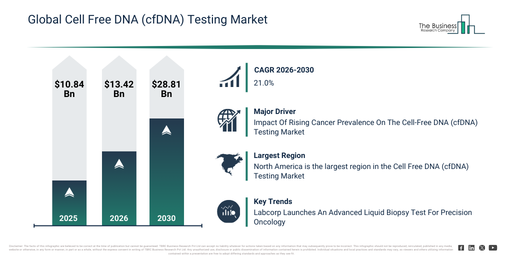
    The market for cell-free DNA (cfDNA) testing has experienced significant expansion recently, projected to increase from $10.84 billion in 2025 to $13.42 billion in 2026, reflecting a compound annual growth rate of 23.8%. This upward trend in the historical period is closely linked to several key factors, including the rising incidence of cancer diagnoses, the increasing embrace of less invasive diagnostic techniques, the broader implementation of prenatal screening initiatives, advancements in DNA sequencing technologies, and a growing acceptance within the clinical community for liquid biopsy procedures.

    The market for cell free DNA (cfDNA) testing is projected for substantial expansion over the upcoming years, anticipating a valuation of $28.81 billion by 2030, spurred by a compound annual growth rate (CAGR) of 21.0%. This projected trajectory is propelled by several key factors: escalating investments in precision oncology initiatives, a heightened demand for the early identification of cancer, the broadening use of cfDNA in monitoring transplant patients, a greater embrace of individualized medical approaches, and the increasing incorporation of artificial intelligence for genomic data analysis. Furthermore, the coming years are expected to witness significant trends such as the wider acceptance of liquid biopsy techniques, a surge in the application of next-generation sequencing (NGS) for cfDNA analysis, a growing need for non-invasive prenatal diagnostic tests, the expanded utility of cfDNA in cancer monitoring, and a more robust integration of bioinformatics tools.

    Download A Free Sample Report For Comprehensive Market Insights:

    https://www.thebusinessresearchcompany.com/sample.aspx?id=15757&type=smp

    #Cell Free DNA (cfDNA) Testing Market Growth Factors: Which Forces Are Supporting Market Expansion?

    The increasing incidence of cancer is anticipated to be a key catalyst for the expansion of the cell-free DNA (cfDNA) testing market. Cancer, a multifaceted illness defined by the uncontrolled proliferation and dissemination of aberrant cells, poses a significant threat as these cells can infiltrate and damage healthy tissues, leading to severe bodily harm if left unchecked. Contributing factors to the heightened prevalence of cancer include an aging global population, evolving lifestyle patterns, environmental exposures, and improvements in the methods used for early detection and diagnosis. cfDNA testing offers a method for identifying cancer-associated genetic alterations at an early juncture, frequently preceding the onset of recognizable symptoms. This early detection capability facilitates timely therapeutic interventions, thereby enhancing patient prognosis and survival rates by pinpointing the disease in its nascent phases. Illustratively, the World Health Organization (WHO), an international governmental body headquartered in Switzerland, projected in February 2024 that approximately 35 million new cancer diagnoses will occur in 2050, marking a substantial 77% surge compared to the estimated 20 million cases recorded in 2022. Consequently, the escalating frequency of cancer cases is directly fueling the growth trajectory of the cfDNA testing market.

    Cell Free DNA (cfDNA) Testing Market Segmentation And Category Breakdown

    The cell free dna (cfdna) testing market covered in this report is segmented –

    1) By Product: Donor-Derived Cell-Free DNA, Circulating Cell-Free Tumor DNA, Cell-Free Fetal DNA

    2) By Platforms: Next Generation Sequencing (NGS), rPCR And Multiplexed PCR, qPCR And dPCR, Other platforms

    3) By Application: Oncology, Non-Invasive Prenatal Test (NIPT), Gynecology, Transplantation, Other Applications

    Subsegments:

    1) By Donor-Derived Cell-Free DNA: Organ Transplant Monitoring, Graft Rejection Detection

    2) By Circulating Cell-Free Tumor DNA: Cancer Detection, Minimal Residual Disease Monitoring, Liquid Biopsy

    3) By Cell-Free Fetal DNA: Non-Invasive Prenatal Testing (NIPT), Fetal Genetic Disorder Screening

    Cell Free DNA (cfDNA) Testing Market Industry Trends: What Changes Are Reshaping Demand?

    Companies at the forefront of the cell-free DNA (cfDNA) testing sector are dedicated to advancing pioneering techniques, exemplified by the creation of liquid biopsy diagnostics engineered for superior sensitivity, specificity, and effectiveness in identifying cancer-associated mutations and other genetic anomalies. These liquid biopsy procedures enable medical professionals to analyze the cell-free DNA circulating in the bloodstream, originating from tumor cells, thereby paving the way for customized and precise therapeutic strategies. As an illustration, in May of 2023, Laboratory Corporation of America Holdings (Labcorp), a prominent American life sciences firm, introduced Labcorp Plasma Focus, a novel liquid biopsy assay intended for individuals diagnosed with advanced or metastatic solid tumors. This particular assay scrutinizes the cell-free DNA shed by cancerous cells obtained through a routine blood sample, ensuring a minimally invasive process and delivering swift outcomes. Its innovation lies in broadening the scope of precision oncology by pinpointing diagnostically relevant biomarkers for a range of prevalent cancers, including non-small cell lung, colorectal, breast, esophageal, gastric, gastroesophageal junction cancers, and melanoma.

    Cell Free DNA (cfDNA) Testing Market Competitive Analysis Of Major Industry Participants

    Major companies operating in the cell free dna (cfdna) testing market are F. Hoffmann-La Roche Ltd., Thermo Fisher Scientific Inc., Laboratory Corporation of America Holdings, Quest Diagnostics Incorporated, Agilent Technologies Inc., Illumina Inc., Qiagen N.V., Exact Sciences Corporation, Bio-Techne Corporation, Natera Inc., Myriad Genetics Inc., NeoGenomics Laboratories Inc., Invitae Corporation, Foundation Medicine Inc., Guardant Health Inc., Integrated DNA Technologies Inc., Caris Life Sciences Inc., Twist Bioscience Corporation, Adaptive Biotechnologies Corporation, Biodesix Inc., Biocept Inc., Personal Genome Diagnostics Inc., Agena Bioscience Inc., Menarini Silicon Biosystems Inc., Circulogene Theranostics LLC

    Access The Complete Cell Free DNA (cfDNA) Testing Market Report:

    https://www.thebusinessresearchcompany.com/report/cell-free-dna-cfdna-testing-global-market-report

    Cell Free DNA (cfDNA) Testing Market Leading Geography: Which Region Generates The Most Revenue?

    North Americawas the largest region in the cell-free DNA (cfDNA) testing market in 2025. Asia-Pacificis expected to be the fastest-growing region in the forecast period. The regions covered in the cell free dna (cfdna) testing market report are Asia-Pacific, South East Asia, Western Europe, Eastern Europe, North America, South America, Middle East, Africa.

    Get in touch with us:

    The Business Research Company: https://www.thebusinessresearchcompany.com/

    Americas: +1 310-496-7795

    Asia: +44 7882 955267 & +91 8897263534

    Europe: +44 7882 955267

    Email us at: marketing@tbrc.info

    Follow us on:

    LinkedIn: https://in.linkedin.com/company/the-business-research-company

    YouTube: https://www.youtube.com/channel/UC24_fI0rV8cR5DxlCpgmyFQ

    Global Market Model: https://www.thebusinessresearchcompany.com/global-market-model