Month: June 2026

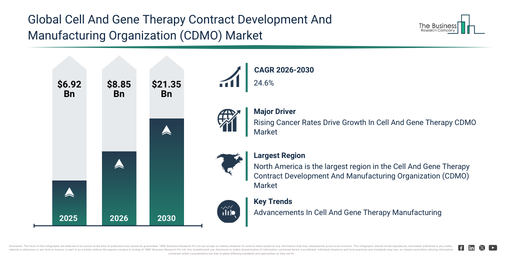
  • Cell And Gene Therapy Contract Development And Manufacturing Organization (CDMO) Market Set To Grow From $8.85 Billion In 2026 To $21.34 Billion By 2030 At A CAGR Of 24.6%

    Cell And Gene Therapy Contract Development And Manufacturing Organization (CDMO) Market Set To Grow From $8.85 Billion In 2026 To $21.34 Billion By 2030 At A CAGR Of 24.6%

    Enhanced with market attractiveness analysis, total addressable market evaluation, company benchmarking matrices, interactive Excel dashboards, expanded supply chain intelligence, emerging startup coverage, and detailed product insights, The Business Research Company’s 2026 market reports deliver more actionable and strategically valuable research.

    Cell And Gene Therapy Contract Development And Manufacturing Organization (CDMO) Market Revenue Outlook: What CAGR Is Expected Through 2030?

    The contract development and manufacturing organization (CDMO) sector focused on cell and gene therapies has experienced remarkable expansion lately, projecting a leap from a valuation of $6.92 billion in 2025 to $8.85 billion in 2026, spurred by a compound annual growth rate (CAGR) of 27.8%. This surge during the past period has been fueled by several factors, including a greater reliance on external partners for manufacturing advanced therapies, the constrained internal manufacturing capacities of many organizations, the proliferation of emerging biotechnology firms, a heightened focus on developing treatments for rare diseases, and an escalating demand for highly specialized skills within the industry.

    The cell and gene therapy contract development and manufacturing organization (CDMO) market is poised for substantial expansion, anticipating a surge to $21.35 billion by 2030, propelled by a 24.6% compound annual growth rate (CAGR). This projected expansion over the forthcoming years is fueled by several key factors: the increasing commercial viability of gene-modified therapeutic approaches, a heightened need for adaptable manufacturing capabilities, the broadening scope of international CDMO collaborations, escalating investments poured into cell therapy development pipelines, and a growing number of regulatory endorsements for cutting-edge therapies. Within this forecast period, discernible trends include CDMOs broadening their service portfolios to encompass the entire development lifecycle, a greater requirement for manufacturing support at a commercial scale, the increasing utilization of sophisticated gene editing technologies, a pronounced emphasis on expediting development schedules, and a more robust incorporation of regulatory support services.

    Download A Free Sample Report For Comprehensive Market Insights:

    https://www.thebusinessresearchcompany.com/sample.aspx?id=15753&type=smp

    Cell And Gene Therapy Contract Development And Manufacturing Organization (CDMO) Market Industry Drivers: What Is Driving Revenue Growth?

    The increasing incidence of cancer is anticipated to be a significant catalyst for the expansion of the cell and gene therapy contract development and manufacturing organization (CDMO) market. Cancer, a collective term for diseases involving the aberrant proliferation and dissemination of cells within the organism, is on the rise due to demographic shifts towards older age groups, alterations in daily habits, environmental factors, and advancements in diagnostic capabilities. Cell and gene therapy CDMOs play a crucial role in addressing the growing burden of cancer by pioneering the development and production of cutting-edge, individualized therapies that yield superior effectiveness and improved patient prognoses. Illustrating this trend, data from the Australian Institute of Health and Welfare, a governmental body in Australia, indicated that in 2023, an estimated 165,000 individuals in Australia received a new cancer diagnosis, a figure translating to more than 450 daily occurrences, with males accounting for approximately 55% of these diagnoses. Consequently, the escalating rate of cancer diagnoses is a primary driver for the cell and gene therapy CDMO market’s growth.

    Cell And Gene Therapy Contract Development And Manufacturing Organization (CDMO) Market Categorization By Product Type And Application

    The cell and gene therapy contract development and manufacturing organization (cdmo) market covered in this report is segmented –

    1) By Product Type: Gene Therapy, Gene-Modified Cell Therapy, Cell Therapy

    2) By Phase: Phase 1, Phase 2, Phase 3

    3) By Indication: Oncology, Infectious Diseases, Neurological Disorders, Rare Diseases, Other Indications

    Subsegments:

    1) By Gene Therapy: Viral Vector-Based Gene Therapy, Non-Viral Gene Therapy, Plasmid DNA-Based Gene Therapy

    2) By Gene-Modified Cell Therapy: CAR-T Cell Therapy, TCR-T Cell Therapy, NK Cell Therapy

    3) By Cell Therapy: Stem Cell Therapy, Progenitor Cell Therapy, Immune Cell Therapy

    #Cell And Gene Therapy Contract Development And Manufacturing Organization (CDMO) Market Growth Trends: What Is Influencing The Future Outlook?

    Leading entities within the cell and gene therapy contract development and manufacturing organization (CDMO) sector are concentrating on broadening their service offerings by incorporating sophisticated technologies like PluriMatrix, aiming to elevate the manufacturability, operational effectiveness, and product integrity of cell-derived goods. PluriMatrix represents a proprietary platform engineered for the high-volume generation of cell-based therapeutics. This pioneering technology enables the three-dimensional expansion of cells at an industrial scale, thereby ensuring substantial output and uniform quality via a process that is automated, entirely regulated, and thoroughly verified. Illustrating this strategic move, Pluri, a biotechnology firm headquartered in Israel, announced in January 2024 the establishment of PluriCDMO, a new operational segment dedicated to providing contract manufacturing services for cell therapies. This newly formed business unit comprises a significant 47,000-square-foot facility operating under good manufacturing practice (GMP) standards for cell therapy production. Pluri’s recently launched division is equipped to deliver comprehensive support spanning from initial preclinical investigations through advanced clinical phases and eventual market entry, encompassing the entire spectrum of process and analytical development, scaling up manufacturing, validation procedures, logistical management, automation integration, and the execution of regulatory-compliant comparability studies, as outlined in a company press release. The division capitalizes on Pluri’s state-of-the-art PluriMatrix technology to deliver advanced manufacturing capabilities for cell therapies.

    Cell And Gene Therapy Contract Development And Manufacturing Organization (CDMO) Market Company Landscape And Strategic Competition

    Major companies operating in the cell and gene therapy contract development and manufacturing organization (cdmo) market are Lonza Group, Catalent Inc, Thermo Fisher Scientific Inc, Samsung Biologics Co Ltd, WuXi Biologics, AGC Biologics, FUJIFILM Diosynth Biotechnologies, Oxford BioMedica Plc, Recipharm AB, Almac Group Ltd, KBI Biopharma, Rentschler Biopharma, Avid Bioservices Inc, Charles River Laboratories International Inc, VGXI Inc, Genezen Laboratories Inc, OmniaBio Inc, Pluri Inc, Cell and Gene Therapy Catapult, BioVectra Inc, Porton Advanced Solutions Ltd

    Access The Complete Cell And Gene Therapy Contract Development And Manufacturing Organization (CDMO) Market Report:

    https://www.thebusinessresearchcompany.com/report/cell-and-gene-therapy-contract-development-and-manufacturing-organization-cdmo-global-market-report

    Cell And Gene Therapy Contract Development And Manufacturing Organization (CDMO) Market Leading Geography: Which Region Generates The Most Revenue?

    North Americawas the largest region in the cell and gene therapy contract development and manufacturing organization (CDMO) market in 2025. Asia-Pacificis expected to be the fastest-growing region in the forecast period. The regions covered in the cell and gene therapy contract development and manufacturing organization (cdmo) market report are Asia-Pacific, South East Asia, Western Europe, Eastern Europe, North America, South America, Middle East, Africa.

    Get in touch with us:

    The Business Research Company: https://www.thebusinessresearchcompany.com/

    Americas: +1 310-496-7795

    Asia: +44 7882 955267 & +91 8897263534

    Europe: +44 7882 955267

    Email us at: marketing@tbrc.info

    Follow us on:

    LinkedIn: https://in.linkedin.com/company/the-business-research-company

    YouTube: https://www.youtube.com/channel/UC24_fI0rV8cR5DxlCpgmyFQ

    Global Market Model: https://www.thebusinessresearchcompany.com/global-market-model
  • Cell And Gene Therapy Clinical Trial Services Market Opportunities Are Emerging Beyond Traditional Growth Areas

    Cell And Gene Therapy Clinical Trial Services Market Opportunities Are Emerging Beyond Traditional Growth Areas

    Through market attractiveness analysis, total addressable market evaluation, company benchmarking matrices, interactive Excel dashboards, expanded supply chain intelligence, emerging startup coverage, and detailed product insights, The Business Research Company’s 2026 market reports provide more actionable and strategically valuable research.

    Cell And Gene Therapy Clinical Trial Services Market Growth Analysis: How Will Revenue Expand During The Forecast Period?

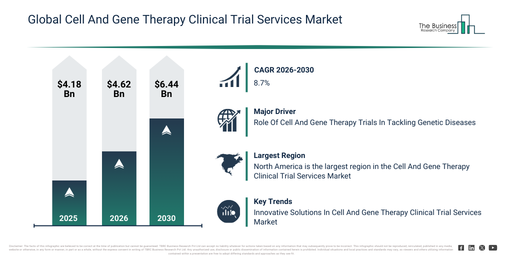
    The market for clinical trial services in cell and gene therapies has experienced substantial expansion recently, projecting a rise from $4.18 billion in 2025 to $4.62 billion in 2026, reflecting a compound annual growth rate of 10.3%. This upswing during the historical period is underpinned by a surge in cell and gene therapy clinical trials, a greater reliance on specialized contract research organizations (CROs), the increasing intricacy of trial protocols, an amplified focus on rare disease studies, and heightened regulatory scrutiny of cutting-edge therapeutic approaches.

    The market for cell and gene therapy clinical trial services is projected for substantial expansion, anticipated to reach $6.44 billion by 2030, reflecting an 8.7% compound annual growth rate (CAGR). This upward trajectory over the forecast period stems from several key factors, including a heightened demand for late-stage clinical trial support, the escalating use of digital technologies in trials, broadened efforts in global patient recruitment, a greater emphasis on incorporating real-world evidence, and increased financial commitments towards precision clinical research. Dominant trends shaping this market include a growing embrace of decentralized clinical trial methodologies, the increasing utilization of digital platforms for patient recruitment, the seamless integration of sophisticated data management systems, the expansion of international trial site networks, and a more pronounced attention to regulatory adherence and trial precision.

    Download A Free Sample Report For Comprehensive Market Insights:

    https://www.thebusinessresearchcompany.com/sample.aspx?id=15535&type=smp

    #Cell And Gene Therapy Clinical Trial Services Market Growth Factors: Which Forces Are Supporting Market Expansion?

    The increasing prevalence of genetic disorders is anticipated to be a significant catalyst for the expansion of the cell and gene therapy clinical trial services sector. These genetic conditions, stemming from alterations in an individual’s deoxyribonucleic acid or genetic makeup, are becoming more common due to several contributing elements such as enhanced accessibility to genetic screening, the natural occurrence of genetic mutations, and the continued practice of marriages between closely related individuals. Services within cell and gene therapy clinical trials are designed to combat this surge in genetic diseases by fostering the creation of innovative therapeutic strategies, enabling personalized treatment plans, expediting the transition of scientific discoveries into clinical applications, and broadening the therapeutic avenues for individuals affected by genetic conditions. As an illustration, the National Health Service in the United Kingdom reported in 2023 that sickle cell disorder holds the distinction of being the most prevalent inherited condition in England, affecting approximately 17,000 individuals (NHSE, 2023). Consequently, the escalating occurrence of genetic diseases is directly fueling the growth trajectory of the market for cell and gene therapy clinical trial services.

    Cell And Gene Therapy Clinical Trial Services Market Segment Analysis And Revenue Opportunities

    The cell and gene therapy clinical trial services market covered in this report is segmented –

    1) By Service: Clinical Trial Design And Planning, Supply And Logistic Services, Regulatory Affairs And Compliance, Data Management And Biostatics, Site Management And Monitoring, Other Services

    2) By Therapy Type: Gene Therapy, Cell Therapy, Gene Modified Cell Therapy

    3) By Indication: Oncology, Hematology, Metabolic Disorders, Infectious Diseases, Neurology, Cardiovascular Diseases, Musculoskeletal Disorders, Other Indications

    4) By End-Use: Pharmaceutical And Biotechnology Companies, Contract Research Organizations, Academic And Research Institutes, Other End-Users

    Subsegments:

    1) By Clinical Trial Design And Planning: Protocol Development, Trial Feasibility Studies, Trial Design Consultation, Patient Recruitment And Enrollment Strategy, Risk-Based Monitoring Plans

    2) By Supply And Logistic Services: Clinical Trial Supply Chain Management, Cold Chain Logistics, Packaging And Labeling Services, Transportation And Distribution Of Biological Samples, Customs And Import/Export Services

    3) By Regulatory Affairs And Compliance: Regulatory Strategy And Consulting, Regulatory Submission And Documentation, Compliance With GMP (Good Manufacturing Practices), Regulatory Pathway Consultation, Clinical Trial Applications (CTAs)

    4) By Data Management And Biostatistics: Clinical Data Management (CDM), Statistical Analysis And Reporting, Clinical Data Monitoring, Data Integration And Validation, Electronic Data Capture (EDC) Solutions

    5) By Site Management And Monitoring: Site Selection And Initiation, Clinical Monitoring And Site Visits, Patient Recruitment And Retention, Site Training And Support, Site Performance Monitoring

    6) By Other Services: Patient Advocacy And Engagement, Real-World Evidence (RWE) Studies, Post-Trial Services, Medical Writing And Documentation, Clinical Trial Auditing And Inspection

    Cell And Gene Therapy Clinical Trial Services Market Industry Trends: What Changes Are Reshaping Demand?

    In the cell and gene therapy clinical trial services arena, leading entities are prioritizing the integration of cutting-edge technology, specifically customer relationship management (CRM) systems, to enhance operational effectiveness and secure market superiority. The CRM systems employed within cell and gene therapy clinical trial services are designed to optimize and synchronize all communications with trial participants, medical professionals, and other involved parties across the lifecycle of a clinical trial. Demonstrating this trend, AmerisourceBergen Corporation, a prominent healthcare firm based in the United States, introduced its Cell and Gene Therapy (CGT) Integration Hub in April 2023. This newly launched platform is engineered to foster greater interconnectedness and simplify workflows within the entire cell and gene therapy treatment continuum. Leveraging AmerisourceBergen’s established CRM infrastructure, the CGT Integration Hub endeavors to expedite the journey to care, partly by furnishing physicians and patient support teams with improved transparency concerning the development and administration phases of these advanced therapies. With functionalities encompassing accelerated benefits verification, live progress monitoring, and preemptive notifications, the CGT Integration Hub is geared towards simplifying the coordination of care, reducing obstacles, and ultimately elevating the overall experience for both patients and providers involved in the delivery of cell and gene therapies.

    Cell And Gene Therapy Clinical Trial Services Market Leading Players Shaping Industry Direction

    Major companies operating in the cell and gene therapy clinical trial services market are Thermo Fisher Scientific Inc., Sharp Services LLC, IQVIA, Laboratory Corporation of America Holdings, ICON plc, Syneos Health Inc., Catalent Pharma Solutions Inc., Charles River Laboratories International Inc., Parexel International Corporation, PRA Health Sciences Inc., Covance Inc., Medpace Holdings Inc., BioClinica Inc., Precision Medicine Group LLC, Worldwide Clinical Trials LLC, Clinigen Group plc, Evidera Inc., Advarra LLC, Veristat LLC, Clinipace Inc., Celonic AG, Cromsource Inc., Novotech Pty Ltd., MedSource Holdings Inc., Frontage Laboratories Inc.

    Access The Complete Cell And Gene Therapy Clinical Trial Services Market Report:

    https://www.thebusinessresearchcompany.com/report/cell-and-gene-therapy-clinical-trial-services-global-market-report

    Cell And Gene Therapy Clinical Trial Services Market Regional Outlook: Where Are The Largest Opportunities Located?

    North Americawas the largest region in the cell and gene therapy clinical trial services market in 2025. It is expected to be the fastest-growing region in the forecast period. The regions covered in the cell and gene therapy clinical trial services market report are Asia-Pacific, South East Asia, Western Europe, Eastern Europe, North America, South America, Middle East, Africa.

    Get in touch with us:

    The Business Research Company: https://www.thebusinessresearchcompany.com/

    Americas: +1 310-496-7795

    Asia: +44 7882 955267 & +91 8897263534

    Europe: +44 7882 955267

    Email us at: marketing@tbrc.info

    Follow us on:

    LinkedIn: https://in.linkedin.com/company/the-business-research-company

    YouTube: https://www.youtube.com/channel/UC24_fI0rV8cR5DxlCpgmyFQ

    Global Market Model: https://www.thebusinessresearchcompany.com/global-market-model
  • Cell & Gene Therapy Manufacturing Services Market Expansion Is Opening New Pathways For Strategic Investment

    Cell & Gene Therapy Manufacturing Services Market Expansion Is Opening New Pathways For Strategic Investment

    Delivering more actionable and strategically valuable research, The Business Research Company’s 2026 market reports feature market attractiveness analysis, total addressable market evaluation, company benchmarking matrices, interactive Excel dashboards, expanded supply chain intelligence, emerging startup coverage, and detailed product insights.

    Cell & Gene Therapy Manufacturing Services Market Forecast: What Market Value Is Expected By 2030?

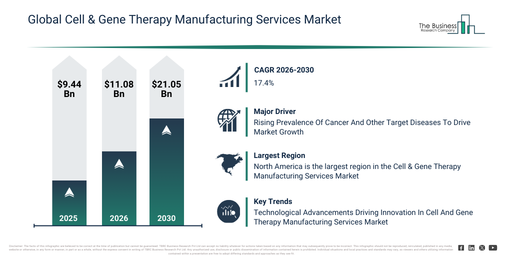
    The market for cell and gene therapy manufacturing services is experiencing robust expansion. Projections indicate a rise from $9.44 billion in 2025 to $11.08 billion by 2026, reflecting a compound annual growth rate of 17.4%. Factors fueling this growth during the previous period include a rising tide of cell and gene therapy clinical candidates, the early adoption of manufacturing service outsourcing, advancements in academic translational research, constraints in in-house production capacities, and an escalating need for specialized bioprocessing solutions.

    The cell and gene therapy manufacturing services market is poised for substantial expansion, projecting a reach of $21.05 billion by 2030, fueled by a robust compound annual growth rate (CAGR) of 17.4%. This anticipated surge in the upcoming forecast period is largely driven by the escalating commercialization of these advanced therapies, a heightened need for expansive manufacturing capabilities, the proliferation of individualized treatment options, greater regulatory certainty surrounding novel therapeutic approaches, and amplified financial commitments towards sophisticated therapy infrastructure. Key developments shaping this market moving forward include the broadening of Good Manufacturing Practice (GMP) compliant production facilities, increased utilization of automated cell processing equipment, growing demand for adaptable viral vector manufacturing solutions, the more widespread implementation of cutting-edge quality assurance technologies, and a heightened emphasis on harmonizing manufacturing processes.

    Download A Free Sample Report For Comprehensive Market Insights:

    https://www.thebusinessresearchcompany.com/sample.aspx?id=10035&type=smp

    Cell & Gene Therapy Manufacturing Services Market Demand Drivers: What Is Fueling Industry Growth?

    Anticipate a surge in the cell and gene therapy manufacturing services sector, largely fueled by the elevated prevalence of cancer and other significant illnesses. Cancer, characterized by the rapid and uncontrolled proliferation of body cells leading to aberrant growth, presents a formidable health challenge. Emerging cell and gene therapies are offering considerable hope as innovative approaches to address the increasing rates of cancer, thereby spurring a greater need for advanced and effective therapeutic solutions. As an illustration, the American Cancer Society, a prominent US non-profit dedicated to cancer advocacy, projected in February 2025 that the United States would witness approximately 316,950 new diagnoses of invasive breast cancer among women and 2,800 among men in 2025. Consequently, the substantial burden of cancer and related diseases is set to be a primary driver for the expansion of the cell and gene therapy manufacturing services market.

    Cell & Gene Therapy Manufacturing Services Market Segmentation And Category Breakdown

    The cell & gene therapy manufacturing services market covered in this report is segmented –

    1) By Type: Gene Therapy, Cell Therapy

    2) By Indication: Central Nervous System Disorders, Ophthalmology Diseases, Cardiovascular Diseases, Infectious Diseases, Orthopedic Diseases, Oncology Diseases

    3) By Application: Commercial Manufacturing, Clinical Manufacturing

    4) By End-user: Academic And Research Institutes, Pharmaceutical And Biotechnology Companies, Other End-Users

    Subsegments:

    1) By Gene Therapy: Viral Vector Manufacturing, Plasmid DNA Production, Gene Editing Services, Formulation And Fill-Finish Services

    2) By Cell Therapy: Cell Sourcing And Banking, Cell Processing And Expansion, Quality Control And Testing Services, Cryopreservation And Storage Services

    Cell & Gene Therapy Manufacturing Services Market Innovation Trends: Which Developments Are Transforming The Industry?

    Companies at the forefront of the cell and gene therapy manufacturing services sector are investing in novel biomanufacturing methods to boost the scalability, efficiency, and quality of cell and gene therapies. As an illustration, in September 2025, the U.S. government health entity ARPA-H initiated a project designed to spark groundbreaking biomanufacturing for cell and gene therapies, with the objective of speeding up the creation of sophisticated manufacturing platforms, increasing production outputs, and facilitating the cost-effective and scalable production of intricate cell and gene therapy products, and through its backing of technologies with high potential for significant breakthroughs, this endeavor is anticipated to foster advancements in biomanufacturing, reinforce the overall manufacturing infrastructure, and expedite patient access to life-changing treatments.

    Cell & Gene Therapy Manufacturing Services Market Competitive Analysis Of Major Industry Participants

    Major companies operating in the cell & gene therapy manufacturing services market are Thermo Fisher Scientific Inc., Merck KGaA, Charles River Laboratories International Inc., Lonza Group AG, Catalent Inc., WuXi AppTec, Takara Bio Inc., Fujifilm Holdings Corporation, Oxford Biomedica plc, Cell and Gene Therapy Catapult, Samsung Biologics Co. Ltd., BioNTech SE, Novartis International AG, Pfizer Inc., Boehringer Ingelheim International GmbH, Sarepta Therapeutics Inc., bluebird bio Inc., Precision BioSciences Inc., GSK plc, AstraZeneca plc, Bayer AG

    Access The Complete Cell & Gene Therapy Manufacturing Services Market Report:

    https://www.thebusinessresearchcompany.com/report/cell-and-gene-therapy-manufacturing-services-global-market-report

    Cell & Gene Therapy Manufacturing Services Market Geographic Landscape: Which Region Dominates Industry Growth?

    North Americawas the largest region in the cell and gene therapy manufacturing services market in 2025.Asia-Pacificis expected to be the fastest-growing region in the global cell & gene therapy manufacturing services market report forecast period. The regions covered in the cell & gene therapy manufacturing services market report are Asia-Pacific, South East Asia, Western Europe, Eastern Europe, North America, South America, Middle East, Africa.

    Get in touch with us:

    The Business Research Company: https://www.thebusinessresearchcompany.com/

    Americas: +1 310-496-7795

    Asia: +44 7882 955267 & +91 8897263534

    Europe: +44 7882 955267

    Email us at: marketing@tbrc.info

    Follow us on:

    LinkedIn: https://in.linkedin.com/company/the-business-research-company

    YouTube: https://www.youtube.com/channel/UC24_fI0rV8cR5DxlCpgmyFQ

    Global Market Model: https://www.thebusinessresearchcompany.com/global-market-model
  • CD20 Antibody Market Trends Are Creating New Opportunities For Industry Leaders

    CD20 Antibody Market Trends Are Creating New Opportunities For Industry Leaders

    Enhanced with market attractiveness analysis, total addressable market evaluation, company benchmarking matrices, interactive Excel dashboards, expanded supply chain intelligence, emerging startup coverage, and detailed product insights, The Business Research Company’s 2026 market reports deliver more actionable and strategically valuable research.

    CD20 Antibody Market Size Outlook: How Fast Will Revenue Grow Through 2030?

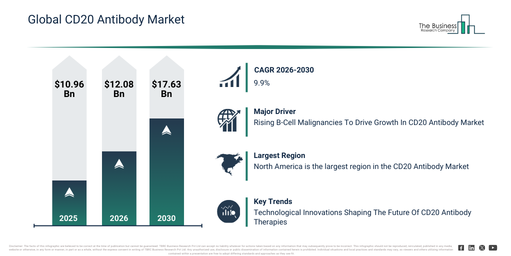
    The market for CD20 antibodies has experienced substantial expansion recently, projected to increase from $10.96 billion in 2025 to $12.08 billion in 2026, reflecting a compound annual growth rate of 10.2%. Factors contributing to this historical growth include a rise in the incidence of B-cell related cancers, the increasing acceptance of monoclonal antibody treatments, growing evidence supporting the efficacy of CD20 targeting, the broader integration of these therapies into oncology treatment plans, and the availability of sophisticated biopharmaceutical manufacturing capabilities.

    The market for CD20 antibodies is poised for substantial expansion in the upcoming years, projected to reach a value of $17.63 billion by 2030, propelled by a compound annual growth rate of 9.9%. This anticipated expansion during the forecast period is fueled by several key factors, including intensified research into advanced CD20 antibody generations, a heightened demand for precision-based immunotherapies, a broadening spectrum of treatment avenues for autoimmune conditions, a greater number of biosimilar antibody approvals entering the market, and escalating investments in the development of biologic medications. Prominent trends expected to shape this market over the forecast period involve the broader adoption of next-generation CD20 monoclonal antibodies, accelerating development of biosimilar CD20 treatments, an intensified commitment to refining antibody engineering techniques, expanding clinical applications within autoimmune disease management, and continuous improvements in optimizing antibody binding effectiveness.

    Download A Free Sample Report For Comprehensive Market Insights:

    https://www.thebusinessresearchcompany.com/sample.aspx?id=21131&type=smp

    CD20 Antibody Market Growth Drivers: What Factors Are Accelerating Expansion?

    The global market for CD20 antibodies is poised for expansion, largely fueled by the escalating rates of B-cell malignancies. This surge in blood cancers impacting B cells, critical components of our immune system, stems from a confluence of factors including an aging demographic, genetic predispositions, environmental influences, lifestyle choices, enhanced diagnostic capabilities, and alterations in immune function. Therapies employing CD20 antibodies, exemplified by rituximab, play a pivotal role in eradicating cancerous B cells in conditions like non-Hodgkin lymphoma and chronic lymphocytic leukemia, thereby improving patient prognoses. To illustrate, projections for 2025 indicate that approximately 80,350 individuals in the U.S., comprising 45,140 males and 35,210 females across all age groups, will receive a diagnosis of non-Hodgkin lymphoma, as estimated by the American College of Cardiology in 2024. Furthermore, the same year is anticipated to see roughly 19,390 fatalities from this specific cancer, with 11,060 being male and 8,330 female. Consequently, the growing incidence of B-cell related cancers is directly stimulating demand and advancement within the CD20 antibody sector.

    CD20 Antibody Market Segment Outlook: Which Categories Are Expanding The Fastest?

    The cd20 antibody market covered in this report is segmented –

    1) By Antibody Type: Monoclonal Antibodies, Biosimilar CD20 Antibodies

    2) By Drug Class Or Generation: Chimeric CD20 Antibodies, Humanized CD20 Antibodies, Fully Human CD20 Antibodies

    3) By Indication: Oncology, Non-Hodgkin Lymphoma, Chronic Lymphocytic Leukemia, Other B-cell Malignancies, Autoimmune Disorders, Rheumatoid Arthritis, Multiple Sclerosis, Other Indications

    4) By Route Of Administration: Intravenous (IV), Subcutaneous (SC)

    5) By End User: Hospitals, Specialty Oncology And Immunology Clinics, Infusion Centers

    6) By Distribution Channel: Hospital Pharmacies, Specialty Pharmacies

    Subsegments:

    1) By Monoclonal Antibodies: Rituximab, Obinutuzumab, Ofatumumab, Ocrelizumab, Ublituximab

    2) By Biosimilar CD20 Antibodies: Rituximab Biosimilars, Truxima, Rixathon Or Riximyo, Ruxience, Blitzima

    CD20 Antibody Market Trends: What Is Shaping Future Industry Growth?

    Firms significantly involved in the CD20 antibody sector are prioritizing advancements in technology, specifically the creation of biosimilars, with the aim of improving patient access to treatments, lowering medical expenditures, and meeting the increasing need for cost-effective and potent remedies for B-cell cancers and autoimmune conditions. Biosimilars represent biological pharmaceuticals that closely resemble an existing approved product, exhibiting no significant clinical distinctions in terms of safety, purity, or effectiveness. A case in point occurred in July 2024 when Dr. Reddy’s Laboratories, a pharmaceutical entity based in India, disclosed its receipt of a complete response letter (CRL) from the United States Food and Drug Administration (USFDA) concerning its proposed rituximab biosimilar. The company indicated its intention to collaborate closely with the USFDA to resolve all identified issues within the designated timeframes, thereby facilitating access to rituximab biosimilar for patients across the United States. This rituximab biosimilar operates by identifying the CD20 protein found on the exterior of B-cells, thereby triggering a reaction that results in the elimination of these aberrant or hyperactive B-cells.

    CD20 Antibody Market Key Companies And Competitive Benchmarking

    Major companies operating in the cd20 antibody market are F Hoffmann-La Roche AG, Novartis AG, Biogen Inc, Amgen Inc, Teva Pharmaceutical Industries Ltd, Genmab A/S, TG Therapeutics Inc, IGM Biosciences Inc, Celltrion Inc, Sandoz Group AG, Viatris Inc, Pfizer Inc, Biocon Ltd, Dr Reddy’s Laboratories Ltd, Zydus Lifesciences Ltd, Intas Pharmaceuticals Ltd, Lupin Ltd, Torrent Pharmaceuticals Ltd, Merck KGaA, Fresenius SE

    Access The Complete CD20 Antibody Market Report:

    https://www.thebusinessresearchcompany.com/report/cd20-antibody-global-market-report

    #CD20 Antibody Market Largest Region: Which Geography Holds The Highest Market Share?

    North Americawas the largest region in the CD20 antibody market in 2025. The regions covered in the cd20 antibody market report are Asia-Pacific, South East Asia, Western Europe, Eastern Europe, North America, South America, Middle East, Africa.

    Get in touch with us:

    The Business Research Company: https://www.thebusinessresearchcompany.com/

    Americas: +1 310-496-7795

    Asia: +44 7882 955267 & +91 8897263534

    Europe: +44 7882 955267

    Email us at: marketing@tbrc.info

    Follow us on:

    LinkedIn: https://in.linkedin.com/company/the-business-research-company

    YouTube: https://www.youtube.com/channel/UC24_fI0rV8cR5DxlCpgmyFQ

    Global Market Model: https://www.thebusinessresearchcompany.com/global-market-model
  • CC Chemokine Receptor Type 5 Market Growth Is Reshaping Competitive Advantage Across The Industry

    CC Chemokine Receptor Type 5 Market Growth Is Reshaping Competitive Advantage Across The Industry

    Through market attractiveness analysis, total addressable market evaluation, company benchmarking matrices, interactive Excel dashboards, expanded supply chain intelligence, emerging startup coverage, and detailed product insights, The Business Research Company’s 2026 market reports provide more actionable and strategically valuable research.

    CC Chemokine Receptor Type 5 Market Size, Value And Growth Trends Through 2030

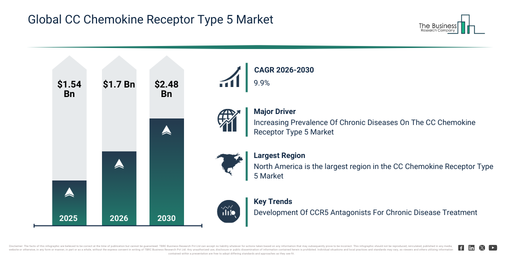
    The market for cc chemokine receptor type 5 has experienced significant expansion over the past few years, with projections indicating continued robust growth. It is anticipated to increase from $1.54 billion in 2025 to $1.7 billion in 2026, demonstrating a compound annual growth rate of 10.1%. This surge in market value during the historical period is attributable to a confluence of factors, including the identification of CCR5’s involvement in HIV infection, the initial stages of developing CCR5 inhibitors, a broader expansion of immunological research initiatives, the progression of clinical trials focused on inflammatory conditions, and the increasing prevalence of therapies specifically targeting receptors.

    The market for the cc chemokine receptor type 5 is projected to experience substantial expansion over the upcoming years, reaching an estimated $2.48 billion by 2030 with a compound annual growth rate of 9.9%. This anticipated growth throughout the forecast period is underpinned by several key drivers, including the proliferation of personalized immunotherapies, continuous innovation in HIV treatment strategies, a robust pipeline for oncology drug development, increased investment in research focused on immune modulation, and significant advancements in the design of drugs targeting specific receptors. During this same period, several significant trends are expected to shape the market, such as the growing development of CCR5 antagonist therapies, a heightened focus on research within the fields of HIV and immunology, the broadening of CCR5 applications within oncology, a greater embrace of targeted immune modulation approaches, and an intensified dedication to the development of precision medicines.

    Download A Free Sample Report For Comprehensive Market Insights:

    https://www.thebusinessresearchcompany.com/sample.aspx?id=18290&type=smp

    CC Chemokine Receptor Type 5 Market Growth Factors Supporting Long-Term Expansion

    The growing incidence of chronic illnesses is anticipated to spur the expansion of the market for the CC chemokine receptor type 5. Chronic diseases, defined as long-lasting health conditions like cardiovascular ailments, diabetes, and joint inflammation, characteristically develop gradually and necessitate continuous medical attention. Factors such as an aging global population and a rise in lifestyle-related risk factors, including suboptimal diets, sedentary habits, and obesity, are contributing to the increasing burden of these conditions. The CC Chemokine Receptor Type 5 (CCR5) plays a vital role in the pathogenesis of certain chronic diseases, notably Human Immunodeficiency Virus (HIV), by functioning as a crucial co-receptor that facilitates the virus’s entry into and infection of immune cells, thereby significantly impacting disease progression. Illustrating this trend, data from the Centers for Disease Control and Prevention (CDC) indicated that in 2023, approximately 194 million adults in the U.S., representing 76.4% of this demographic, reported having at least one chronic condition, with prevalence rates of 59.5% among younger adults, 78.4% among middle-aged adults, and a striking 93.0% among older adults. Consequently, the escalating prevalence of chronic diseases serves as a primary catalyst for the growth observed in the CC chemokine receptor type 5 market.

    The escalating global prevalence of HIV is poised to be a significant driver for the CC chemokine receptor type 5 market’s advancement. Human Immunodeficiency Virus (HIV) targets and compromises the immune system, diminishing the body’s capacity to fend off infections and diseases. Unsafe sexual behaviors are a primary factor contributing to the increased transmission of HIV between individuals. The CC Chemokine Receptor Type 5 (CCR5) is instrumental in the HIV life cycle, serving as a co-receptor that, in conjunction with CD4 receptors, assists the virus in penetrating and infecting immune cells, thus enabling its replication. For perspective, the Minority HIV/AIDS Fund (MHAF) reported in October 2025 that an estimated 39.9 million people globally were living with HIV in 2023, comprising 38.6 million adults and 1.4 million children, a figure that reflects an increase over prior years. This upward trend in HIV prevalence directly fuels the expansion of the CC chemokine receptor type 5 market.

    CC Chemokine Receptor Type 5 Market Segment Landscape: Which Areas Lead Market Development?

    The cc chemokine receptor type 5 market covered in this report is segmented –

    1) By Type: BMS-813160, AG-1105, DS-001, Other Types

    2) By Distribution Channel: Hospitals, Clinics

    3) By Application: Infectious Disease, Immunology, Oncology, Other Applications

    4) By End User: Research Institutes, Pharmaceutical Companies, Healthcare Facilities

    Subsegments:

    1) By BMS-813160: CCR5 Antagonist For HIV Treatment, CCR5 Antagonist For Inflammatory Diseases

    2) By AG-1105: CCR5 Antagonist For Autoimmune Disorders, CCR5 Antagonist For Cancer Therapy

    3) By DS-001: CCR5 Inhibitor For Cancer Treatment, DS-001 For Inflammatory Disease Management

    4) By Other Types: Novel CCR5 Antagonists, Dual-Target CCR5 Antagonists

    CC Chemokine Receptor Type 5 Market Industry Trends Shaping Future Revenue Growth

    Key players within the CC chemokine receptor type 5 market are prioritizing the creation of novel therapeutics, specifically CCR5 antagonists, as a strategy for market differentiation. These antagonists function by obstructing the CC chemokine receptor type 5 (CCR5) on cells of the immune system, thereby impeding the attachment and entry of certain infectious agents, including HIV, and consequently blocking infection while also influencing immune system functions. An illustrative development occurred in February 2024 when CytoDyn Inc., a biotechnology firm headquartered in the United States, revealed that the U.S. Food and Drug Administration (FDA) had removed its clinical hold on leronlimab, granting permission to proceed with a planned HIV clinical trial examining leronlimab’s effects on persistent inflammation. Leronlimab, recognized as a CCR5 antagonist (and formerly designated PRO 140), exhibits considerable therapeutic potential across a spectrum of conditions, with ongoing research exploring its efficacy in treating ailments such as HIV and various cancers.

    CC Chemokine Receptor Type 5 Market Industry Leaders And Market Competition

    Major companies operating in the cc chemokine receptor type 5 market are Cytodyn Inc., Gilead Sciences Inc., ViiV Healthcare Limited, Pfizer Inc., Bristol Myers Squibb Company, GlaxoSmithKline plc, Takeda Pharmaceutical Company Limited, AbbVie Inc., AstraZeneca plc, Novartis AG, Sanofi SA, Johnson & Johnson, Amgen Inc., Boehringer Ingelheim International GmbH, F Hoffmann-La Roche Ltd, Ono Pharmaceutical Co Ltd, Avexa Limited, Incyte Corporation, Humanigen Inc., Biogen Inc.

    Access The Complete CC Chemokine Receptor Type 5 Market Report:

    https://www.thebusinessresearchcompany.com/report/cc-chemokine-receptor-type-5-global-market-report

    CC Chemokine Receptor Type 5 Market Regional Analysis: Which Region Leads By Revenue?

    North Americawas the largest region in the CC chemokine receptor type 5 market in 2025. The regions covered in the cc chemokine receptor type 5 market report are Asia-Pacific, South East Asia, Western Europe, Eastern Europe, North America, South America, Middle East, Africa.

    Get in touch with us:

    The Business Research Company: https://www.thebusinessresearchcompany.com/

    Americas: +1 310-496-7795

    Asia: +44 7882 955267 & +91 8897263534

    Europe: +44 7882 955267

    Email us at: marketing@tbrc.info

    Follow us on:

    LinkedIn: https://in.linkedin.com/company/the-business-research-company

    YouTube: https://www.youtube.com/channel/UC24_fI0rV8cR5DxlCpgmyFQ

    Global Market Model: https://www.thebusinessresearchcompany.com/global-market-model
  • CBD Oil And CBD Consumer Health Market Forecast Signals New Revenue Opportunities Through 2030

    CBD Oil And CBD Consumer Health Market Forecast Signals New Revenue Opportunities Through 2030

    Delivering more actionable and strategically valuable research, The Business Research Company’s 2026 market reports feature market attractiveness analysis, total addressable market evaluation, company benchmarking matrices, interactive Excel dashboards, expanded supply chain intelligence, emerging startup coverage, and detailed product insights.

    CBD Oil And CBD Consumer Health Market CAGR Analysis And Future Market Development

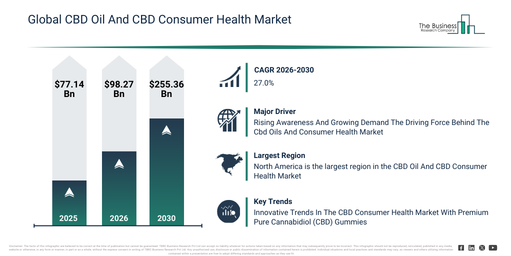
    The market for CBD oil and CBD-infused consumer health products has experienced remarkable expansion. Projections indicate a rise from $77.14 billion in 2025 to $98.27 billion in 2026, reflecting a compound annual growth rate of 27.4%. Key factors contributing to this past growth include the legalization of hemp farming, the initial embrace of CBD oil as a supplement, the broader development of the wellness and nutraceutical sectors, the increasing popularity of alternative health solutions, and a heightened consumer understanding of CBD’s advantages.

    The market for CBD oil and CBD consumer health products is poised for significant expansion over the coming years, projecting a valuation of $255.36 billion by 2030, driven by a compound annual growth rate (CAGR) of 27.0%. This anticipated growth is fueled by several key factors, including the broadening availability within regulated CBD markets, escalating scientific inquiry into CBD’s effectiveness, a greater preference for natural wellness alternatives, the innovation of new methods for CBD consumption, and increased financial backing for distinct CBD consumer brands. Key developments expected during this projection period involve a heightened interest in wellness products derived from plants, the increasing integration of CBD into everyday health solutions, an expansion of functional products incorporating CBD, a stronger emphasis on the traceability and caliber of products, and a more pronounced focus on CBD formulas that meet regulatory standards.

    Download A Free Sample Report For Comprehensive Market Insights:

    https://www.thebusinessresearchcompany.com/sample.aspx?id=8220&type=smp

    #CBD Oil And CBD Consumer Health Market Demand Drivers Creating New Revenue Opportunities

    A growing understanding of the positive health outcomes associated with products containing CBD is fueling the expansion of the CBD oils and CBD consumer health sector. This increased knowledge about well-being advantages prompts greater utilization of cannabidiol products, which encompass ingestible items and personal care goods enhanced with CBD. Individuals are turning to CBD oil for its potential to alleviate issues such as sleeplessness, anxiety, pain, stress, and general discomfort. Illustratively, projections suggest that sales of these products, which hit $2 billion in 2022 according to the US-based healthcare entity Magnet ABA in May 2025, could see online revenues approach $4 billion by 2026, with the overall global market potentially reaching an impressive $108 billion by 2032; consequently, this heightened awareness is a primary catalyst for the CBD oils and CBD consumer health market.

    Enhanced public consciousness regarding the wellness advantages of CBD-infused items is anticipated to be a significant factor stimulating the CBD oil and CBD consumer health market. This heightened consciousness involves a deeper comprehension and recognition of the beneficial impacts that specific products, services, or lifestyle choices can impart on an individual’s physical and mental state. Such enhanced awareness often inspires people to embrace healthier habits, ultimately contributing to an improvement in their overall quality of life. CBD oil and related consumer health products play a role in fostering this awareness by informing customers about their potential therapeutic applications, including their capacity to mitigate anxiety, enhance sleep quality, and provide pain relief, thereby supporting more informed decisions related to personal wellness and self-care. As an example of the trend toward health-conscious choices, a 2024 report from the International Food Information Council, a US-based non-profit, indicated a consistent rise in consumers aiming to boost their protein intake, increasing from 59% in 2022 to 67% in 2023 and reaching 71% in 2024. Therefore, this growing consumer understanding of health benefits is a key driver for the CBD oil and CBD consumer health market.

    CBD Oil And CBD Consumer Health Market Segments: Where Are The Largest Growth Opportunities?

    The cbd oil and cbd consumer health market covered in this report is segmented –

    1) By Product: CBD Oil, CBD Consumer Health

    2) By Application: Anxiety Or Stress, Sleep Or Insomnia, Chronic Pain, Migraines, Skin Care, Seizures, Joint Pain And Inflammation, Other Applications

    3) By Distribution Channel: CBD Oil (B2B And B2C), CBD Consumer Health (Online, Retail Stores, And Retail Pharmacies)

    Subsegments:

    1) By CBD Oil: Full-Spectrum CBD Oil, Broad-Spectrum CBD Oil, CBD Isolate

    2) By CBD Consumer Health: CBD-Infused Edibles, CBD Beverages, CBD Topicals, CBD Capsules And Softgels

    CBD Oil And CBD Consumer Health Market Trends Driving Strategic Industry Expansion

    Leading businesses within the CBD oils and CBD consumer health sectors are concentrating their efforts on creating novel offerings, exemplified by high-end pure cannabidiol (CBD) gummies, as a strategy for market entrenchment. These premium pure CBD gummies are essentially confectionery items infused with superior CBD oil, a compound derived from the cannabis plant. To illustrate, during June 2025, Terra Pro, a wellness supplement company based in the United States specializing in plant-based products, introduced its Terra Pro CBD Gummies. These were manufactured utilizing cold-pressing methods, a proprietary Triple Filtration Technology, and sophisticated CO2 extraction. The product distinguishes itself through its full-spectrum hemp extract, which retains a broad array of cannabinoids and terpenes while remaining entirely free of THC. Its production involves a low-temperature cold-press procedure designed to safeguard the plant’s natural properties and prevent deterioration from heat, complemented by a proprietary triple-filtration mechanism that purges undesirable elements like chlorophyll, heavy metals, and lingering solvents. The product is presented in a convenient gummy form, offering a sublingual or readily consumable delivery method that seamlessly integrates into contemporary well-being practices.

    CBD Oil And CBD Consumer Health Market Major Participants And Competitive Dynamics

    Major companies operating in the cbd oil and cbd consumer health market are Tilray Inc., Canopy Growth Corporation, Extract Labs, Aurora Cannabis Inc., Charlotte’s Web Holdings Inc., Medical Marijuana Inc., PlusCBD Oil by CV Sciences, Green Roads, CBD American Shaman, Medterra CBD, Endoca BV, Bluebird Botanicals, CVSciences Inc., NuLeaf Naturals LLC, Lazarus Naturals, Isodiol International Inc, Lord Jones, HempMeds, JOY Organics, HempFusion Wellness Inc., Diamond CBD, Mary’s Nutritionals, Elixinol LLC, HempLucid, Veritas Farms, Cibdol B.V., Ananda Hemp, Hemp Bombs, Highland Pharms, PharmaHemp

    Access The Complete CBD Oil And CBD Consumer Health Market Report:

    https://www.thebusinessresearchcompany.com/report/cbd-oil-and-cbd-consumer-health-global-market-report

    CBD Oil And CBD Consumer Health Market Geographic Distribution And Regional Opportunities

    North Americawas the largest region in the CBD oil and CBD consumer health market share in 2025. The regions covered in the cbd oil and cbd consumer health market report are Asia-Pacific, South East Asia, Western Europe, Eastern Europe, North America, South America, Middle East, Africa.

    Get in touch with us:

    The Business Research Company: https://www.thebusinessresearchcompany.com/

    Americas: +1 310-496-7795

    Asia: +44 7882 955267 & +91 8897263534

    Europe: +44 7882 955267

    Email us at: marketing@tbrc.info

    Follow us on:

    LinkedIn: https://in.linkedin.com/company/the-business-research-company

    YouTube: https://www.youtube.com/channel/UC24_fI0rV8cR5DxlCpgmyFQ

    Global Market Model: https://www.thebusinessresearchcompany.com/global-market-model
  • Catheter-Related Bloodstream Infection Market Growth Is Accelerating As Industry Transformation Continues

    Catheter-Related Bloodstream Infection Market Growth Is Accelerating As Industry Transformation Continues

    Enhanced with market attractiveness analysis, total addressable market evaluation, company benchmarking matrices, interactive Excel dashboards, expanded supply chain intelligence, emerging startup coverage, and detailed product insights, The Business Research Company’s 2026 market reports deliver more actionable and strategically valuable research.

    Catheter-Related Bloodstream Infection Market Expansion From $1.71 Billion In 2026 To $2.1 Billion In 2030

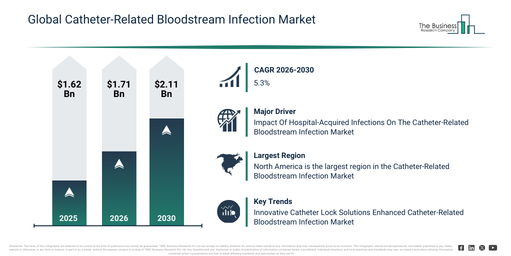
    The market for catheter-related bloodstream infection solutions experienced robust expansion recently, projecting a rise from $1.62 billion in 2025 to $1.71 billion in 2026, reflecting a compound annual growth rate of 6.0%. Key factors driving this historical growth trajectory include a greater reliance on central venous catheters, an escalating prevalence of infections acquired within healthcare settings, the implementation of antibiotic lock therapy, the proliferation of intensive care units, and heightened clinical consciousness regarding catheter-related bloodstream infections.

    The market for catheter-related bloodstream infections is poised for significant expansion in the upcoming years, projected to reach a value of $2.11 billion by 2030, driven by a compound annual growth rate of 5.3%. This anticipated growth throughout the forecast period stems from several key factors, including heightened investments in infection prevention strategies, an escalating need for effective antimicrobial resistance management, the broadening of hospital infection control initiatives, a greater uptake of combined therapeutic approaches, and advancements in diagnostic tool development. During this same period, prominent market trends are expected to include a more widespread utilization of sophisticated antimicrobial lock solutions, increased implementation of infection surveillance programs, a stronger emphasis on preventing hospital-acquired infections, the expanded application of combination antimicrobial treatments, and a more concentrated effort on early detection and timely intervention.

    Download A Free Sample Report For Comprehensive Market Insights:

    https://www.thebusinessresearchcompany.com/sample.aspx?id=16646&type=smp

    Catheter-Related Bloodstream Infection Market Expansion Supported By Key Demand Factors

    The increasing incidence of infections acquired in hospital settings is anticipated to fuel the expansion of the market for catheter-related bloodstream infections. Infections contracted within healthcare facilities, often appearing 48 hours or more post-admission, stem from factors including the rise of resistant microbes, insufficient infection control practices, and patient vulnerabilities. Given their invasive nature and propensity for microbial growth, catheter-related bloodstream infections represent a substantial portion of these hospital-acquired infections, especially for individuals with inserted catheters. Illustrating this point, data from September 2025, sourced from the National Library of Medicine, indicates that in 2024, antimicrobial-resistant organisms constituted 6.6% of infections, with approximately one-third of healthcare-associated infections being linked to medical devices, and the occurrence of central line-associated bloodstream infections doubling to 0.4%. Consequently, the escalating rate of hospital-acquired infections is poised to stimulate market growth in the catheter-related bloodstream infection sector.

    An upswing in spending on healthcare services is foreseen to be a significant catalyst for the expansion of the catheter-related bloodstream infection market. This refers to the aggregate financial investment in safeguarding, curing, and overseeing health issues by various entities. Such increased spending is largely a consequence of medical advancements, as novel diagnostic equipment, therapeutic interventions, and cutting-edge treatments frequently incur substantial costs, leading to a broader financial outlay in healthcare. Enhanced healthcare spending contributes to mitigating catheter-related bloodstream infections by allocating resources towards preventative strategies, professional development, surveillance mechanisms, and prompt medical care, thereby ultimately enhancing patient results and reducing long-term expenses. To illustrate, information released in December 2024 by the Centers for Medicare & Medicaid Services highlights that in 2023, healthcare spending in the United States rose by 7.5%, reaching $4.9 trillion, equating to approximately $14,570 per person. Therefore, the augmenting levels of healthcare expenditure are actively propelling the growth trajectory of the catheter-related bloodstream infection market.

    Catheter-Related Bloodstream Infection Market Segment Analysis: What Are The Major Market Categories?

    The catheter-related bloodstream infection market covered in this report is segmented –

    1) By Treatment: Antibiotic Lock Therapy, Anti-Microbial Agents

    2) By Source Of Infection Or Causative Agents: Staphylococcus Aureus, Acinetobacter Baumannii, Escherichia Coli (E. Coli), Klebsiella Pneumoniae (K. Pneumonia), Candida Species (Candida Sp.), Pseudomonas Aeruginosa (P. Aeruginosa), Other Source Of Infection Or Causative Agents

    3) By Distribution Channel: Hospital Pharmacies, Retail Pharmacies

    Subsegments:

    1) By Antibiotic Lock Therapy: Catheter Lock Solutions (Antibiotic-based), Combination Antibiotic Lock Therapy

    2) By Anti-Microbial Agents: Antibiotics, Antifungal Agents, Antiseptic Agents

    Catheter-Related Bloodstream Infection Market Growth Trends Influencing Competitive Dynamics

    Pioneering firms within the catheter-related bloodstream infection sector are actively creating novel catheter lock mechanisms aimed at bolstering infection control and elevating patient well-being; these lock solutions are liquids introduced into a catheter to safeguard against infections and preserve its unobstructed state between administrations. A prime illustration of this innovation is CorMedix Inc., a US-based biopharmaceutical entity dedicated to therapeutic product development and marketing, which secured crucial US Food and Drug Administration endorsement in November 2023 for DefenCath. This particular catheter lock solution, a synergistic blend of taurolidine and heparin, is now accessible for adult patients experiencing kidney failure and undergoing ongoing hemodialysis through a central venous catheter (CVC). The antimicrobial and antifungal formulation is engineered specifically to mitigate catheter-related bloodstream infections (CRBSIs), effectively integrating heparin’s anticoagulant benefits with taurolidine’s extensive antibacterial and antifungal efficacy.

    Catheter-Related Bloodstream Infection Market Leading Companies Driving Competitive Growth

    Major companies operating in the catheter-related bloodstream infection market are Pfizer Inc., Johnson & Johnson Services Inc., Novartis AG, 3M Company, Eli Lilly and Company, Fresenius Medical Care AG & Co. KGaA, Becton Dickinson and Company, Viatris Inc., B. Braun Medical Inc., Aurobindo Pharma Limited, Lupin Ltd., Xellia Pharmaceuticals Ltd., SteriMax Inc., Bactiguard AB, Hetero Healthcare Ltd., TauroPharm GmbH, Advacare Pharma, Citus Pharmaceuticals Inc., CorMedix Inc., JoinHub Pharma LLP, IntegraDose Compounding Services LLC

    Access The Complete Catheter-Related Bloodstream Infection Market Report:

    https://www.thebusinessresearchcompany.com/report/catheter-related-bloodstream-infection-global-market-report

    Catheter-Related Bloodstream Infection Market Largest Region By Revenue And Market Share

    North Americawas the largest region in the catheter-related bloodstream infection market in 2025. The regions covered in the catheter-related bloodstream infection market report are Asia-Pacific, South East Asia, Western Europe, Eastern Europe, North America, South America, Middle East, Africa.

    Get in touch with us:

    The Business Research Company: https://www.thebusinessresearchcompany.com/

    Americas: +1 310-496-7795

    Asia: +44 7882 955267 & +91 8897263534

    Europe: +44 7882 955267

    Email us at: marketing@tbrc.info

    Follow us on:

    LinkedIn: https://in.linkedin.com/company/the-business-research-company

    YouTube: https://www.youtube.com/channel/UC24_fI0rV8cR5DxlCpgmyFQ

    Global Market Model: https://www.thebusinessresearchcompany.com/global-market-model
  • Catastrophic Antiphospholipid Syndrome Market Outlook Highlights The Next Major Growth Opportunities

    Catastrophic Antiphospholipid Syndrome Market Outlook Highlights The Next Major Growth Opportunities

    Through market attractiveness analysis, total addressable market evaluation, company benchmarking matrices, interactive Excel dashboards, expanded supply chain intelligence, emerging startup coverage, and detailed product insights, The Business Research Company’s 2026 market reports provide more actionable and strategically valuable research.

    Catastrophic Antiphospholipid Syndrome Market Forecast Highlighting Growth From $4.6 Billion To $6.8 Billion

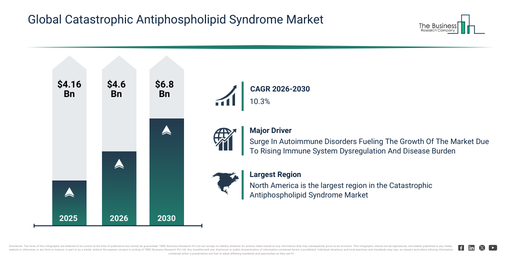
    The market for catastrophic antiphospholipid syndrome has experienced considerable expansion lately, projecting a rise from $4.16 billion in 2025 to $4.6 billion in 2026, demonstrating a compound annual growth rate of 10.6%. This historical growth trajectory has been fueled by a confluence of factors, including enhanced diagnostic capabilities for antiphospholipid antibodies, a broader acceptance of anticoagulant treatments, a greater prevalence of reporting on uncommon autoimmune disorders, the augmentation of intensive care facilities within hospitals, and an increased application of plasmapheresis in critical care scenarios.

    The global market for catastrophic antiphospholipid syndrome is poised for substantial expansion over the upcoming years, projecting a reach of $6.8 billion by the year 2030 with a compound annual growth rate of 10.3%. This anticipated growth trajectory is fueled by several key factors including intensified research efforts focused on complement inhibitors, a heightened demand for sophisticated biologic treatments tailored to specific patient needs, an increasing number of clinical trials dedicated to rare diseases, the expanding application of precision diagnostic tools, and a rise in collaborative initiatives among specialized healthcare facilities. Furthermore, the forecast period is characterized by significant market trends such as the broadening application of precision immunotherapy strategies, a greater adoption of combined therapeutic regimens, an intensified emphasis on achieving early and swift diagnoses, growing clinical understanding and recognition of uncommon autoimmune conditions, and the ongoing development of novel, biologically targeted therapies.

    Download A Free Sample Report For Comprehensive Market Insights:

    https://www.thebusinessresearchcompany.com/sample.aspx?id=25718&type=smp

    #Catastrophic Antiphospholipid Syndrome Market Growth Drivers And Industry Catalysts

    The escalating occurrence of autoimmune diseases is anticipated to fuel the expansion of the catastrophic antiphospholipid syndrome market in the future. Autoimmune diseases arise when the immune system mistakenly attacks the body’s own healthy cells and tissues, leading to conditions characterized by such self-targeting responses. A contributing factor to the rise in autoimmune disorders is increased exposure to environmental toxins, which can disrupt the immune system’s normal functioning and trigger aberrant immune reactions. These autoimmune disorders can precipitate catastrophic antiphospholipid syndrome by stimulating the production of antiphospholipid antibodies, ultimately resulting in widespread blood clotting and failure of multiple organs. For example, by June 2023, Crohn’s and Colitis Foundation of Canada reported that Canada had 322,600 individuals living with inflammatory bowel disease, with projections indicating this number could reach 470,000 by 2035, alongside an increase in annual new cases from 11,000 to 14,000. Consequently, the growing prevalence of autoimmune diseases serves as a significant driver for the catastrophic antiphospholipid syndrome market.

    Catastrophic Antiphospholipid Syndrome Market Driver: Impact Of Rising Healthcare Expenditure On The Growth Of The Market Due To Enhanced Access To Advanced Treatments And Diagnostics

    Heightened spending on healthcare is poised to stimulate growth within the catastrophic antiphospholipid syndrome market moving forward. Healthcare expenditure encompasses the complete financial outlays for medical services, products, and public health initiatives by individuals, governments, and organizations. This spending is on the rise, driven by an aging global population which typically requires more frequent and comprehensive medical care. Increased healthcare budgets facilitate improved patient outcomes for those with catastrophic antiphospholipid syndrome by ensuring access to sophisticated diagnostic tools, intensive medical support, and life-saving interventions such as anticoagulation treatments, immunosuppressive therapies, and plasmapheresis procedures. For instance, as of June 2025, data from the Centers for Medicare & Medicaid Services indicated that in 2023, national health expenditures in the United States climbed by 7.5%, reaching $4.9 trillion, equating to an average of $14,570 per capita and representing 17.6% of the Gross Domestic Product. Medicare spending, specifically, saw an increase of 8.1%, totaling $1,029.8 billion, which constituted 21% of the aggregate national health expenditures. Therefore, augmented healthcare spending is a key factor propelling the catastrophic antiphospholipid syndrome market forward.

    Catastrophic Antiphospholipid Syndrome Market Driver: Impact Of Rising Clinical Trials On The Growth Of The Market Due To Advancements In Treatment Development And Evidence- Based Practice

    An increase in the number of clinical trials is expected to drive the expansion of the catastrophic antiphospholipid syndrome market in the coming period. Clinical trials are essential research endeavors involving human participants to rigorously assess the safety, efficacy, and potential adverse effects of new medical treatments or interventions. The rise in these trials is largely attributed to a growing demand for personalized and innovative therapies that necessitate thorough evaluation for both safety and effectiveness. Through the examination of novel treatment strategies, the refinement of existing therapeutic approaches, and the establishment of evidence-based clinical guidelines, clinical trials contribute to a better understanding, diagnosis, and management of catastrophic antiphospholipid syndrome. Illustratively, by December 2024, the Association of the British Pharmaceutical Industry (ABPI) in the UK reported that pharmaceutical industry-initiated trials in the United Kingdom had increased for a second consecutive year, growing from 411 in 2022 to 426 in 2023. Consequently, the increasing volume of clinical trials is a significant impetus behind the growth of the catastrophic antiphospholipid syndrome market.

    Catastrophic Antiphospholipid Syndrome Market Segment Breakdown: Which Categories Generate The Most Revenue?

    The catastrophic antiphospholipid syndrome market covered in this report is segmented –

    1) By Treatment: Anticoagulants, Immunosuppressive Therapy, Plasma Exchange Therapy (Plasmapheresis), Intravenous Immunoglobulin (IVIG), Other Treatments

    2) By Route Of Administration: Oral, Parenteral

    3) By Diagnostic Tools: Blood Testing, Imaging Techniques, Autoantibody Profiling And Coagulation Assays

    4) By End-User: Hospitals, Specialty Clinics, Tertiary Care And Critical Care Centers, Other End-Users

    Subsegments:

    1) By Anticoagulants: Heparin, Low Molecular Weight Heparin (LMWH), Warfarin, Direct Oral Anticoagulants (DOACs), Fondaparinux

    2) By Immunosuppressive Therapy: Corticosteroids, Cyclophosphamide, Azathioprine, Mycophenolate Mofetil, Methotrexate

    3) By Plasma Exchange Therapy (Plasmapheresis): Therapeutic Plasma Exchange (TPE), Double Filtration Plasmapheresis (Dfpp), Centrifugal Plasmapheresis, Membrane-Based Plasmapheresis

    4) By Intravenous Immunoglobulin (IVIG): Standard Intravenous Immunoglobulin (Ivig), High-Dose Intravenous Immunoglobulin (IVIG), Liquid Intravenous Immunoglobulin (IVIG), Lyophilized Intravenous Immunoglobulin (IVIG)

    5) By Other Treatments: Monoclonal Antibodies, Complement Inhibitors, Antiplatelet Agents, Anti-Tumor Necrosis Factor (Tnf) Agents, Organ Support Therapies

    Catastrophic Antiphospholipid Syndrome Market Key Players And Strategic Industry Positioning

    Major companies operating in the catastrophic antiphospholipid syndrome market are Pfizer Inc, F Hoffmann La Roche Ltd, Merck KGaA, Bayer AG, Sanofi SA, Bristol Myers Squibb Company, AstraZeneca PLC, Novartis AG, Fresenius Kabi AG, Eli Lilly And Company, Boehringer Ingelheim International GmbH, Apotex Inc, Dr Reddys Laboratories Ltd, Hikma Pharmaceuticals PLC, Aspen Pharmacare Holdings Limited, Zydus Lifesciences Limited, LEO Pharma AS, Kedrion Biopharma Inc, Amphastar Pharmaceuticals Inc, CSL Behring, Grifols SA, Octapharma AG, Baxter International Inc

    Access The Complete Catastrophic Antiphospholipid Syndrome Market Report:

    https://www.thebusinessresearchcompany.com/report/catastrophic-antiphospholipid-syndrome-global-market-report

    Catastrophic Antiphospholipid Syndrome Market Regional Analysis And Leading Geography

    North Americawas the largest region in the catastrophic antiphospholipid syndrome market in 2025. Asia-Pacificis expected to be the fastest-growing region in the forecast period. The regions covered in the catastrophic antiphospholipid syndrome market report are Asia-Pacific, South East Asia, Western Europe, Eastern Europe, North America, South America, Middle East, Africa.

    Get in touch with us:

    The Business Research Company: https://www.thebusinessresearchcompany.com/

    Americas: +1 310-496-7795

    Asia: +44 7882 955267 & +91 8897263534

    Europe: +44 7882 955267

    Email us at: marketing@tbrc.info

    Follow us on:

    LinkedIn: https://in.linkedin.com/company/the-business-research-company

    YouTube: https://www.youtube.com/channel/UC24_fI0rV8cR5DxlCpgmyFQ

    Global Market Model: https://www.thebusinessresearchcompany.com/global-market-model
  • Catalepsy Treatment Market Trends And Growth Drivers Point To Strong Future Potential

    Catalepsy Treatment Market Trends And Growth Drivers Point To Strong Future Potential

    Delivering more actionable and strategically valuable research, The Business Research Company’s 2026 market reports feature market attractiveness analysis, total addressable market evaluation, company benchmarking matrices, interactive Excel dashboards, expanded supply chain intelligence, emerging startup coverage, and detailed product insights.

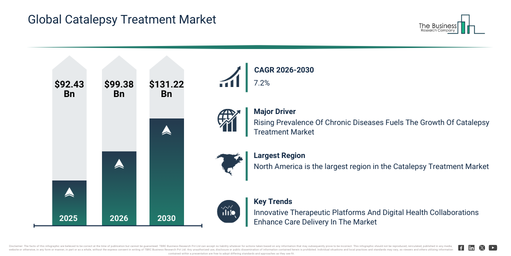
    Catalepsy Treatment Market Revenue Growth Supported By A CAGR Of 131.21% Through 2030

    The market for catalepsy treatments has experienced robust expansion lately, projected to increase from $92.43 billion in 2025 to $99.38 billion in 2026, reflecting a compound annual growth rate of 7.5%. This historical growth trajectory can be attributed to several key factors: a growing clinical understanding of catalepsy as a symptom stemming from neurological conditions, the widespread prescription of antipsychotic drugs, the incorporation of psychotherapy into patient care strategies, a rise in diagnoses associated with other psychiatric disorders, and the accessibility of muscle relaxant treatments.

    The market for catalepsy treatments is poised for substantial expansion over the coming years, with projections indicating a rise to $131.22 billion by 2030, reflecting a compound annual growth rate of 7.2%. This projected increase is fueled by advancements in understanding neurological conditions, the creation of specific neuropharmacological interventions, elevated public consciousness regarding mental health, the proliferation of specialized neurology centers, and a greater embrace of individualized medical strategies. Key developments anticipated during this timeframe encompass the increased use of combined pharmacological treatments, a heightened concentration on raising awareness about neurological disorders, a growing preference for tailored therapeutic methods, the wider implementation of integrated care frameworks, and a stronger focus on protocols designed for effective symptom management.

    Download A Free Sample Report For Comprehensive Market Insights:

    https://www.thebusinessresearchcompany.com/sample.aspx?id=9431&type=smp

    Catalepsy Treatment Market Opportunity Drivers: What Is Creating New Revenue Potential?

    Advancements in catalepsy treatment are anticipated to surge due to the increasing incidence of chronic diseases, which are defined as long-lasting illnesses, typically persisting for over a quarter of a year and potentially worsening over time, often managed rather than cured and disproportionately impacting the elderly population, with catalepsy’s rise mirroring that of other chronic conditions, thereby necessitating more effective treatments; data from the Centers for Disease Control and Prevention (CDC) in April 2025 indicated that in 2023, a significant 76.4% of U.S. adults, equating to roughly 194 million individuals, lived with at least one chronic condition, a figure broken down by age as 59.5% for young adults, 78.4% for middle-aged adults, and a striking 93.0% for older adults, underscoring the direct correlation between the escalating burden of chronic illnesses and the expanding market for catalepsy treatments.

    Catalepsy Treatment Market Segmentation: How Is The Market Structured Across Key Categories?

    The catalepsy treatment market covered in this report is segmented –

    1) By Type: Drugs, Psychotherapy, Other Types

    2) By Route Of Administration: Oral, Parenteral, Other Routes

    3) By End User: Hospitals, Specialty Clinics, Other Users

    Subsegments:

    1) By Drugs: Antipsychotics, Antidepressants, Mood Stabilizers

    2) By Psychotherapy: Cognitive Behavioral Therapy (CBT), Supportive Therapy, Psychodynamic Therapy

    3) By Other Types: Lifestyle Modifications, Alternative Therapies, Neuromodulation Techniques

    Catalepsy Treatment Market Innovation Trends Driving Future Development

    The leading entities within the catalepsy treatment sector are dedicating their resources to crafting sophisticated modalities. These advancements include therapeutically driven digital health platforms, intended to optimize how patients are managed, enhance the effectiveness of clinical results, and make the provision of care more efficient. The incorporation of digital health into the management of catalepsy pertains to methods powered by technology, designed to facilitate ongoing patient oversight, improve the dialogue between healthcare providers and those they treat, and hasten new developments through interconnected networks. An illustrative example occurred in March 2024, when Luigi Pavia, a firm known for its work in fostering collaborative environments from Italy, joined forces with Frontiers Health, a Swiss entity with expertise in digital health and remote care solutions. This collaboration is geared towards encouraging novel approaches by tackling therapeutic hurdles and refining treatment strategies via programs like tailored events, competitive idea showcases, and innovation challenges. A significant portion of these undertakings have transitioned to online platforms, ensuring continued accessibility and operational effectiveness while simultaneously promoting technological evolution and collective advancement across the catalepsy treatment market.

    Catalepsy Treatment Market Competitive Landscape And Leading Companies

    Major companies operating in the catalepsy treatment market are Pfizer Inc., Johnson & Johnson Services Inc., Eli Lilly and Company, Bristol-Myers Squibb Company, AbbVie Inc., Merck & Co. Inc., Sanofi S.A., Takeda Pharmaceutical Company Limited, Roche Holding AG, Novartis AG, Teva Pharmaceutical Industries Ltd., Dr. Reddy’s Laboratories Ltd., Eisai Co. Ltd., Glenmark Pharmaceuticals Limited, Hikma Pharmaceuticals plc, Mylan N.V., GlaxoSmithKline plc, Bayer AG, AstraZeneca plc, Abbott Laboratories, Amgen Inc., Biogen Inc., Boehringer Ingelheim International GmbH, Novo Nordisk A/S, Piramal Enterprises Ltd.

    Access The Complete Catalepsy Treatment Market Report:

    https://www.thebusinessresearchcompany.com/report/catalepsy-treatment-global-market-report

    Catalepsy Treatment Market Geographic Analysis: Where Is Demand Growing The Fastest?

    North Americawas the largest region in the catalepsy treatment market in 2025. The regions covered in the catalepsy treatment market report are Asia-Pacific, South East Asia, Western Europe, Eastern Europe, North America, South America, Middle East, Africa.

    Get in touch with us:

    The Business Research Company: https://www.thebusinessresearchcompany.com/

    Americas: +1 310-496-7795

    Asia: +44 7882 955267 & +91 8897263534

    Europe: +44 7882 955267

    Email us at: marketing@tbrc.info

    Follow us on:

    LinkedIn: https://in.linkedin.com/company/the-business-research-company

    YouTube: https://www.youtube.com/channel/UC24_fI0rV8cR5DxlCpgmyFQ

    Global Market Model: https://www.thebusinessresearchcompany.com/global-market-model
  • Cas Nuclease Market Expansion Is Reshaping Competitive Dynamics Across The Industry

    Cas Nuclease Market Expansion Is Reshaping Competitive Dynamics Across The Industry

    Enhanced with market attractiveness analysis, total addressable market evaluation, company benchmarking matrices, interactive Excel dashboards, expanded supply chain intelligence, emerging startup coverage, and detailed product insights, The Business Research Company’s 2026 market reports deliver more actionable and strategically valuable research.

    Cas Nuclease Market Value Expansion And Long-Term Growth Outlook

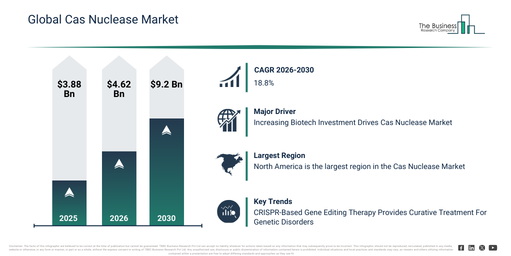
    The Cas nuclease sector has experienced significant expansion lately, with projections indicating a rise from $3.88 billion in 2025 to $4.62 billion in 2026, demonstrating a compound annual growth rate of 19.0%. Several factors fueled this historical growth, including breakthroughs in CRISPR-Cas innovation, increased investment in genomic research, broader application of gene editing techniques in experimental organisms, the initiation of early-stage gene therapy clinical studies, and the escalating acceptance of Cas9-based technologies.

    The cas nuclease sector is poised for substantial expansion over the coming years, projected to reach a market valuation of $9.2 billion by 2030, driven by an impressive compound annual growth rate of 18.8%. This anticipated upswing is fueled by several key factors, including escalating investments in precision medicine initiatives, the broadening of gene therapy research programs, a robust and increasing need for engineered crop genomes, progressively clearer regulatory frameworks governing gene editing technologies, and ongoing advancements in methods for delivering these editing tools. Furthermore, the forecast period is expected to witness significant trends such as the wider implementation of highly accurate CRISPR editing systems, accelerated development of advanced CAS variants, heightened demand for precise gene therapy solutions, a greater presence of genome editing within the agricultural domain, and a more pronounced emphasis on techniques designed to minimize unintended genetic alterations.

    Download A Free Sample Report For Comprehensive Market Insights:

    https://www.thebusinessresearchcompany.com/sample.aspx?id=18987&type=smp

    Cas Nuclease Market Growth Momentum: Which Factors Are Influencing Demand?

    Forward momentum for the Cas nuclease market is anticipated due to amplified financial commitment in the biotechnology sector. This escalated biotechnology investment stems from significant scientific research discoveries, a growing need for sophisticated healthcare solutions, the broadening scope of biotech applications across various fields, and the substantial commercial prospects inherent in new inventions and technological advancements. Such bolstered investment in biotechnology specifically expedites the progress of gene-editing tools within medical, agricultural, and scientific research domains. Illustratively, the UK’s life sciences and biotechnology industry secured £2.61 billion in funding during the initial six months of 2024, as reported in August 2024 by the UK Bioindustry Association (BIA), an organization representing the UK’s innovative life sciences and biotech enterprises, which exceeded the total £2.38 billion raised throughout the entirety of 2023. Consequently, this heightened investment in biotechnology is acting as a catalyst for the expansion of the Cas nuclease market.

    Cas Nuclease Market Segmentation Trends And Revenue Drivers

    The cas nuclease market covered in this report is segmented –

    1) By Type: Cas9, Cas12, Cas13, Other Cas Nucleases

    2) By Delivery Method: Viral Vectors, Lipid Nanoparticles, Electroporation, Microinjection, Transposons

    3) By Distribution Channel: Direct Sales, Distributor

    4) By Application: Gene Editing Cell Line Construction, Animal Models, Bioagriculture, Gene Therapy, Other Applications

    5) By End-User: Academic And Government Research Institutions, Biotechnology And Pharmaceutical Companies, Contract Research Organizations (CROS), Agricultural Biotechnology Companies, Other End-Users

    Subsegments:

    1) By Cas9: Streptococcus Pyogenes Cas9 (SpCas9), Staphylococcus Aureus Cas9 (SaCas9)

    2) By Cas12: Cas12a (Cpf1), Cas12b

    3) By Cas13: Cas13a, Cas13b

    4) By Other Cas Nucleases: Cas14, CasX, CasY

    Cas Nuclease Market Trends Reshaping Industry Growth

    To maintain their competitive edge within the Cas nuclease sector, leading enterprises are prioritizing the innovation of cutting-edge technological advancements, specifically CRISPR-directed gene editing therapies. This therapeutic modality involves leveraging the CRISPR-Cas9 system as a medical strategy to accurately alter DNA sequences in living beings, thereby addressing hereditary conditions through the correction of genetic defects at a molecular scale.\

    A notable development occurred in November 2023 when Vertex Pharmaceuticals Incorporated, a United States-based biopharmaceutical firm, in collaboration with CRISPR Therapeutics, a Swiss gene editing enterprise, revealed the approval of CASGEVY (exagamglogene autotemcel) by the UK’s Medicines and Healthcare Products Regulatory Agency (MHRA). This event represents a landmark achievement, signifying the inaugural gene therapy employing CRISPR/Cas9 technology to receive regulatory clearance for the treatment of sickle cell disease (SCD) and transfusion-dependent beta thalassemia (TDT) in individuals aged twelve and above.

    #Cas Nuclease Market Industry Leaders: Which Organizations Are Driving Competition?

    Major companies operating in the cas nuclease market are Thermo Fisher Scientific Inc., AstraZeneca PLC, Merck KGaA, Vertex Pharmaceuticals, Agilent Technologies Inc., Bio-Rad Laboratories Inc., Promega Corporation, GenScript Biotech Corporation, CRISPR Therapeutics AG, Integrated DNA Technologies Inc., Takara Bio Inc., New England Biolabs Inc., Horizon Discovery Group plc, OriGene Technologies Inc., Applied Biological Materials Inc. (ABM), Synthego Corporation, Novoprotein Scientific Inc., genOway, Precision BioSciences, Editas Medicine, Creative Biolabs, Cellectis, Caribou Biosciences, Addgene

    Access The Complete Cas Nuclease Market Report:

    https://www.thebusinessresearchcompany.com/report/cas-nuclease-global-market-report

    Cas Nuclease Market Global Footprint: Which Region Holds Market Leadership?

    North Americawas the largest region in the Cas nuclease market in 2025. Asia-Pacificis expected to be the fastest-growing region in the forecast period. The regions covered in the cas nuclease market report are Asia-Pacific, South East Asia, Western Europe, Eastern Europe, North America, South America, Middle East, Africa.

    Get in touch with us:

    The Business Research Company: https://www.thebusinessresearchcompany.com/

    Americas: +1 310-496-7795

    Asia: +44 7882 955267 & +91 8897263534

    Europe: +44 7882 955267

    Email us at: marketing@tbrc.info

    Follow us on:

    LinkedIn: https://in.linkedin.com/company/the-business-research-company

    YouTube: https://www.youtube.com/channel/UC24_fI0rV8cR5DxlCpgmyFQ

    Global Market Model: https://www.thebusinessresearchcompany.com/global-market-model