Month: June 2026

  • Autologous Cell Therapy Market Forecast Reveals Where Future Industry Value Will Be Created

    Autologous Cell Therapy Market Forecast Reveals Where Future Industry Value Will Be Created

    Delivering more actionable and strategically valuable research, The Business Research Company’s 2026 market reports feature market attractiveness analysis, total addressable market evaluation, company benchmarking matrices, interactive Excel dashboards, expanded supply chain intelligence, emerging startup coverage, and detailed product insights.

    Autologous Cell Therapy Market Revenue Outlook: What CAGR Is Expected Through 2030?

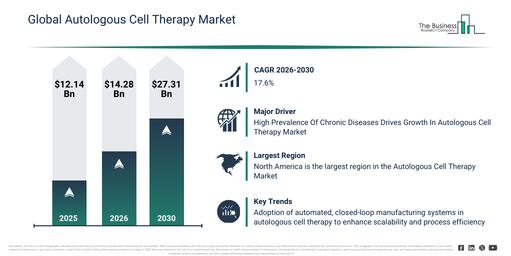
    The market for autologous cell therapy has experienced substantial expansion lately; projected figures indicate a rise from $12.14 billion in 2025 to $14.28 billion by 2026, reflecting a compound annual growth rate of 17.6%. This growth trajectory during the past period stems from breakthroughs in stem cell investigations, initial positive outcomes from autologous treatments, a growing incidence of long-term illnesses, broader therapeutic choices for cancer, and escalating funding for regenerative medicine initiatives.

    The market for autologous cell therapy is projected to experience substantial expansion imminently, reaching an estimated $27.31 billion by the year 2030, driven by a compound annual growth rate of 17.6%. This upward trajectory through the projected period is anticipated due to a confluence of factors, including a rise in the number of approved cell-based treatments, a heightened demand for customized medical approaches, the widening implementation of automated manufacturing processes within cell therapy, an increase in clinical research endeavors, and escalating healthcare expenditures dedicated to sophisticated therapeutic interventions. Key developments shaping this market in the coming years will likely involve a greater embrace of CAR T-cell therapies, a more widespread application of personalized regenerative treatments, the increasing incorporation of automated cell processing technologies, a broadening scope for autologous stem cell uses, and a intensified concentration on outcomes tailored to individual patients.

    Download A Free Sample Report For Comprehensive Market Insights:

    https://www.thebusinessresearchcompany.com/sample.aspx?id=10771&type=smp

    Autologous Cell Therapy Market Demand Drivers: What Is Fueling Industry Growth?

    The escalating incidence of long-term health conditions is anticipated to fuel the expansion of autologous cell therapy as a market. These chronic conditions, defined as illnesses persisting for over a year and necessitating continuous medical attention, find a potential solution in autologous cell therapy, a method that utilizes a patient’s own cells. These cells are nurtured and multiplied ex vivo before being returned to the individual. A compelling projection from the National Library of Medicine in January 2023 indicated that by the year 2050, the United States will see a rise to 142.66 million individuals aged 50 and above experiencing at least one chronic ailment. Consequently, the widespread nature of chronic diseases is acting as a significant catalyst for the development of the autologous cell therapy sector.

    Autologous Cell Therapy Market Segment Analysis And Revenue Opportunities

    The autologous cell therapy market covered in this report is segmented –

    1) By Therapy: Autologous Stem Cell Therapy, Autologous Cellular Immunotherapies

    2) By Source: Bone Marrow, Epidermis, Mesenchymal Stem Cells, Hematopoietic Stem Cells, Chondrocytes, Other Sources

    3) By Application: Cancer, Neurodegenerative Disorders, Cardiovascular Disorders, Autoimmune Disorders, Orthopedics, Wound Healing, Other Applications

    4) By End User: Hospitals And Clinics, Ambulatory Centers, Academics And Research, Other End-Users

    Subsegments:

    1) By Autologous Stem Cell Therapy: Hematopoietic Stem Cell Transplantation, Mesenchymal Stem Cell Therapy, Adipose-Derived Stem Cell Therapy

    2) By Autologous Cellular Immunotherapies: Chimeric Antigen Receptor (CAR) T-Cell Therapy, Tumor-Infiltrating Lymphocyte (TIL) Therapy, Dendritic Cell Therapy

    Autologous Cell Therapy Market Innovation Trends: Which Developments Are Transforming The Industry?

    Within the autologous cell therapy sector, key industry players are actively pursuing innovation, particularly through the creation of automated, complete manufacturing systems intended for customized patient treatments. These advanced platforms aim to standardize processes, minimize the likelihood of contamination, and shorten the period required to deliver therapies to patients. Such integrated manufacturing solutions encompass a series of cell processing stages, from isolation and activation to transduction, expansion, formulation, and harvest, all within a single, contained environment. This contrasts with conventional open-system approaches using flasks or bags, thereby decreasing the need for manual handling. Illustratively, Cellares, an American organization specializing in integrated development and manufacturing, introduced its Cell Shuttle system in April 2025. This system is engineered to automate the entire process within a closed modular unit, thereby boosting consistency, significantly lowering contamination risks, and facilitating scalable, individualized manufacturing to expedite the development and accessibility of personalized treatments.

    Autologous Cell Therapy Market Leading Players Shaping Industry Direction

    Major companies operating in the autologous cell therapy market are Novartis AG, Bristol-Myers Squibb Company, Gilead Sciences Inc., Johnson & Johnson, F. Hoffmann-La Roche Ltd., Vericel Corporation, Dendreon Pharmaceuticals LLC, Brainstorm Cell Therapeutics Inc., Caladrius Biosciences Inc., Castle Creek Biosciences Inc., Pharmicell Co. Ltd., Medipost Co. Ltd., Tego Science AB, Holostem Terapie Avanzate S.r.l., Opexa Therapeutics Inc., CORESTEM Inc., Takeda Pharmaceutical Company Limited, CSL Limited, AstraZeneca plc, Iovance Biotherapeutics Inc., Adaptimmune Therapeutics plc, Autolus Therapeutics plc

    Access The Complete Autologous Cell Therapy Market Report:

    https://www.thebusinessresearchcompany.com/report/autologous-cell-therapy-global-market-report

    Autologous Cell Therapy Market Geographic Distribution And Regional Opportunities

    North Americawas the largest region in the autologous cell therapy market in 2025.Asia-pacificis expected to be the fastest-growing region in the forecast period. The regions covered in the autologous cell therapy market report are Asia-Pacific, South East Asia, Western Europe, Eastern Europe, North America, South America, Middle East, Africa.

    Get in touch with us:

    The Business Research Company: https://www.thebusinessresearchcompany.com/

    Americas: +1 310-496-7795

    Asia: +44 7882 955267 & +91 8897263534

    Europe: +44 7882 955267

    Email us at: marketing@tbrc.info

    Follow us on:

    LinkedIn: https://in.linkedin.com/company/the-business-research-company

    YouTube: https://www.youtube.com/channel/UC24_fI0rV8cR5DxlCpgmyFQ

    Global Market Model: https://www.thebusinessresearchcompany.com/global-market-model
  • Autoimmune Treatment Market Growth Through 2030 Creates New Strategic Opportunities

    Autoimmune Treatment Market Growth Through 2030 Creates New Strategic Opportunities

    Enhanced with market attractiveness analysis, total addressable market evaluation, company benchmarking matrices, interactive Excel dashboards, expanded supply chain intelligence, emerging startup coverage, and detailed product insights, The Business Research Company’s 2026 market reports deliver more actionable and strategically valuable research.

    Autoimmune Treatment Market Growth Analysis: How Will Revenue Expand During The Forecast Period?

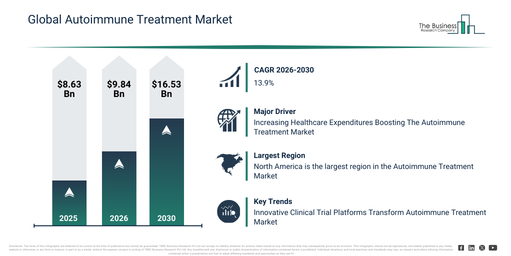
    The market for autoimmune disorder treatments has experienced significant expansion lately, with projections indicating a rise from $8.63 billion in 2025 to $9.84 billion in 2026, reflecting a compound annual growth rate of 14.0%. Key factors contributing to this upward trajectory during the past period include greater accessibility to immunosuppressive therapies, the broadening scope of rheumatology and immunology care, accumulating clinical expertise in managing autoimmune conditions, a higher incidence of patient diagnoses, and more comprehensive access to specialized pharmaceutical interventions.

    The market for autoimmune treatments is poised for significant expansion. Projections indicate a market valuation of $16.53 billion by the year 2030, reflecting a compound annual growth rate of 13.9%. This upward trajectory is fueled by several key factors: heightened investment in innovative biologic treatments, a surge in the demand for individualized autoimmune therapy approaches, the broader implementation of digital tools for patient monitoring and ongoing care, a greater emphasis on mitigating the prolonged complications associated with these diseases, and intensified research efforts focused on regulating the immune system. During this projected period, several prominent trends are anticipated to shape the market landscape, including a greater embrace of biologic therapies, increased utilization of targeted immunomodulatory agents, deeper integration of chronic disease management initiatives, the wider adoption of customized treatment plans, and a stronger emphasis on the use of combination drug regimens.

    Download A Free Sample Report For Comprehensive Market Insights:

    https://www.thebusinessresearchcompany.com/sample.aspx?id=7863&type=smp

    Autoimmune Treatment Market Growth Drivers: What Factors Are Accelerating Expansion?

    An upswing in spending on healthcare is anticipated to fuel the expansion of the autoimmune treatment sector. Healthcare spending encompasses all outlays related to health services, reproductive health initiatives, nutritional support, and urgent medical aid. Elevated levels of healthcare investment are likely to foster advancements in more potent treatments and medical innovations for autoimmune conditions. By way of illustration, projections from the UK’s Office for Budget Responsibility and Treasury suggest a rise in the nation’s health spending to £192 billion ($244.43 billion) for 2024/25, an increase from the £182 billion ($231.70 billion) recorded in 2022/23. Concurrently, data from the US-based National Health Expenditures Accounts via KFF reveals an expected 5% growth in American health expenditures between 2023 and 2024, reaching a total of $4.9 trillion. Consequently, augmented healthcare spending is a key factor propelling the autoimmune treatment market forward.

    Autoimmune Treatment Market Segmentation And Category Breakdown

    The autoimmune treatment market covered in this report is segmented –

    1) By Service Type: Consultation And Diagnosis, Therapy And Monitoring, Drug development

    2) By Disease: Rheumatoid Arthritis, Systemic Lupus Erythematosus, Sjögren’s Syndrome, Thyroiditis, Scleroderma, Other Diseases

    3) By Application: Disease Management and Symptom Control, Disease Diagnosis and Monitoring, Immune Modulation and Targeted Therapy, Long-Term Care and Relapse Prevention

    Subsegments:

    1) By Consultation and Diagnosis: Clinical Evaluation and Medical Consultation, Autoimmune Biomarker Testing and Serological Assays, Imaging and Functional Diagnostic Services, Disease Severity Assessment and Risk Stratification

    2) By Therapy and Monitoring: Pharmacological Treatment Management, Biologic and Immunotherapy Administration, Disease Activity Monitoring and Follow-Up Services, Adverse Event and Safety Monitoring, Patient Support and Adherence Programs

    3) By Drug Development: Preclinical Research and Target Identification, Clinical Trial Services (Phase I–IV), Regulatory Affairs and Compliance Services, Pharmacovigilance and Post-Marketing Surveillance

    Autoimmune Treatment Market Trends: What Is Shaping Future Industry Growth?

    In the realm of autoimmune disease therapies, leading corporations are prioritizing the development of pioneering clinical trial frameworks to solidify their market standing. These cutting-edge platforms utilize sophisticated technological advancements and tailored methodologies to boost treatment effectiveness, bolster safety profiles, and improve patient results. A notable example occurred in August 2023 when the Scleroderma Research Foundation, a charitable organization based in the United States, unveiled the CONQUEST trial platform. This initiative is dedicated to accelerating research and therapeutic development for scleroderma, a rare autoimmune condition impacting connective tissues, while also tackling significant challenges in the clinical development process and facilitating progress in scleroderma treatments. The CONQUEST platform’s clinical trial represents a groundbreaking approach within the field of rare autoimmune diseases, engineered for the rapid assessment of prospective interventions for interstitial lung disease linked to systemic sclerosis (SSc-ILD), alongside comprehensive global SSc outcomes, encompassing aspects like skin involvement and other disease manifestations.

    Autoimmune Treatment Market Competitive Analysis Of Major Industry Participants

    Major companies operating in the autoimmune treatment market are Abbott Laboratories, Amgen Inc., Eli Lilly and Company, Pfizer Inc., F Hoffmann-La Roche AG, AstraZeneca PLC, Bristol-Myers Squibb Company, Thermo Fisher Scientific Inc., Biogen Idec Inc., GSK PLC, Genentech Inc., AbbVie Inc., Celgene Corporation, Gilead Sciences Inc., Merck & Co. Inc., Novartis International AG, Sanofi SA, Takeda Pharmaceutical Company Limited, Teva Pharmaceutical Industries Ltd., UCB SA, Alexion Pharmaceuticals Inc., AnaptysBio Inc., Apellis Pharmaceuticals Inc., Arena Pharmaceuticals Inc., Aurinia Pharmaceuticals Inc., BioCryst Pharmaceuticals Inc., Cabaletta Bio Inc., ChemoCentryx Inc., Corbus Pharmaceuticals Holdings Inc., CSL Limited

    Access The Complete Autoimmune Treatment Market Report:

    https://www.thebusinessresearchcompany.com/report/autoimmune-treatment-global-market-report

    Autoimmune Treatment Market Largest Region By Revenue And Market Share

    North Americawas the largest region in the autoimmune treatment market in 2025. The regions covered in the autoimmune treatment market report are Asia-Pacific, South East Asia, Western Europe, Eastern Europe, North America, South America, Middle East, Africa.

    Get in touch with us:

    The Business Research Company: https://www.thebusinessresearchcompany.com/

    Americas: +1 310-496-7795

    Asia: +44 7882 955267 & +91 8897263534

    Europe: +44 7882 955267

    Email us at: marketing@tbrc.info

    Follow us on:

    LinkedIn: https://in.linkedin.com/company/the-business-research-company

    YouTube: https://www.youtube.com/channel/UC24_fI0rV8cR5DxlCpgmyFQ

    Global Market Model: https://www.thebusinessresearchcompany.com/global-market-model
  • Autoimmune Disease Diagnosis Market Size Projected To Increase From $6.74 Billion To $9.37 Billion During The Forecast Period

    Autoimmune Disease Diagnosis Market Size Projected To Increase From $6.74 Billion To $9.37 Billion During The Forecast Period

    Through market attractiveness analysis, total addressable market evaluation, company benchmarking matrices, interactive Excel dashboards, expanded supply chain intelligence, emerging startup coverage, and detailed product insights, The Business Research Company’s 2026 market reports provide more actionable and strategically valuable research.

    Autoimmune Disease Diagnosis Market Forecast: What Market Value Is Expected By 2030?

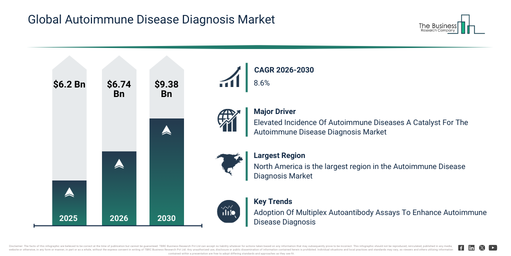
    In the realm of autoimmune disease diagnostics, a robust expansion has been observed recently, with the market projected to ascend from $6.2 billion in 2025 to $6.74 billion by 2026, reflecting a compound annual growth rate of 8.8%. This notable growth trajectory in the preceding period is largely attributable to several key factors, including the escalating incidence of autoimmune disorders, enhanced accessibility of immunoassay technologies, the broadening of clinical laboratory infrastructures, heightened physician understanding of these complex conditions, and a more widespread implementation of routine screening protocols.

    The market for diagnosing autoimmune conditions is poised for substantial expansion in the upcoming years, projected to reach $9.38 billion by 2030 with a compound annual growth rate of 8.6%. This anticipated growth stems from several key drivers: a heightened need for prompt and precise diagnostic tools, the escalating application of artificial intelligence in diagnostic analytics, the broader implementation of tailored diagnostic strategies, increased financial backing for autoimmune disease research, and the greater incorporation of point-of-care testing methodologies. Furthermore, significant trends expected to shape this period include a greater uptake of sophisticated immunological tests, a rise in the utilization of autoantibody test panels, enhanced integration of multi-analyte diagnostic platforms, advancements in laboratory automation, and a stronger emphasis on identifying diseases at their earliest stages.

    Download A Free Sample Report For Comprehensive Market Insights:

    https://www.thebusinessresearchcompany.com/sample.aspx?id=3231&type=smp

    Autoimmune Disease Diagnosis Market Growth Factors Supporting Long-Term Expansion

    The rising prevalence of autoimmune disorders significantly propelled the expansion of the market focused on diagnosing these conditions, which are characterized by the immune system erroneously targeting the body’s own healthy components. This upward trend in autoimmune conditions is attributed to heightened exposure to environmental factors like pollution and infections, coupled with lifestyle adjustments that can interfere with immune system regulation. The accurate identification of specific immune disorders through diagnostic methods is crucial for initiating effective treatments and managing disease progression. For example, data from the Society for Women’s Health Research in March 2023 indicated that autoimmune diseases affect an estimated 23.5 million to 50 million individuals in the U.S., with global incidence rates climbing by 3-9% annually, thereby fueling market growth for diagnostic tools.

    Increased spending on healthcare is anticipated to be a major catalyst for the autoimmune disease diagnosis market. Healthcare expenditure, representing the aggregate financial investment in health products and services, serves as a vital indicator of public health status and healthcare system efficacy. Greater financial investment in healthcare facilitates more timely interventions, leading to improved detection, management, and outcomes for individuals suffering from autoimmune conditions. Illustrating this, the Office for National Statistics in the UK reported in May 2024 that overall healthcare expenditure experienced a substantial 5.6% nominal increase between 2022 and 2023, a marked acceleration from the 0.9% rise observed in 2022, underscoring the influence of escalating healthcare spending on the autoimmune disease diagnosis market.

    Autoimmune Disease Diagnosis Market Segment Outlook: Which Categories Are Expanding The Fastest?

    The autoimmune disease diagnosis market covered in this report is segmented –

    1) By Product: Consumables And Assay Kits, Instruments

    2) By Test Type: Routine Laboratory Tests, Autoantibodies Tests, Immunologic Tests, Other Tests

    3) By End User: Clinical Laboratories, Hospitals, Other End Users

    Subsegments:

    1) By Consumables And Assay Kits: ELISA Kits, Reagents And Test Kits, Sample Collection And Preservation Devices, Control And Calibration Materials

    2) By Instruments: Immunoassay Analyzers, Flow Cytometers, Luminometers, Microscopes

    Autoimmune Disease Diagnosis Market Industry Trends Shaping Future Revenue Growth

    Numerous corporations are actively participating in the autoimmune disease diagnostics sector, dedicating their efforts to pioneering technological innovations, specifically multiplex autoantibody assay platforms, which aim to facilitate thorough, prompt, and exact identification of autoimmune conditions, thereby enhancing diagnostic precision and refining patient care strategies. Such a multiplex autoantibody assay platform offers the capability to concurrently identify a variety of disease-specific autoantibodies within a single patient specimen, consequently boosting both sensitivity and specificity when contrasted with conventional single-analyte ELISA or immunofluorescence methodologies, all while necessitating less sample material and diminishing the time required for results. Illustratively, in January 2025, Exagen Inc., a diagnostic entity headquartered in the United States, introduced its AVISE CTD platform, incorporating novel biomarker assays for systemic lupus erythematosus (SLE) and rheumatoid arthritis (RA). This platform is designed to detect emerging biomarkers including TIgG, TIgM, and TC4d, empowering healthcare providers to more accurately differentiate between various overlapping autoimmune conditions and expedite patient diagnosis, all while integrating effortlessly into established laboratory testing processes.

    Autoimmune Disease Diagnosis Market Key Companies And Competitive Benchmarking

    Major companies operating in the autoimmune disease diagnosis market are Siemens Healthineers AG, Abbott Laboratories, Thermo Fisher Scientific Inc, Bio-Rad Laboratories Inc, F. Hoffmann-La Roche Ltd, Danaher Corporation, AESKU Diagnostics GmbH & Co. KG, Trinity Biotech plc, bioMérieux SA, SQI Diagnostics, Philips Healthcare India, Agappe Diagnostics Ltd, Lepu Medical Technology Company (Beijing) Co., Ltd, Shanghai Runda Medical Technology Co., Ltd, GE Healthcare China Co., Ltd, Roche Holding AG, Koninklijke Philips, Theradiag, Becton Dickinson and Company, Ortho Clinical Diagnostics

    Access The Complete Autoimmune Disease Diagnosis Market Report:

    https://www.thebusinessresearchcompany.com/report/autoimmune-disease-diagnosis-global-market-report

    Autoimmune Disease Diagnosis Market Regional Analysis And Leading Geography

    North Americawas the largest region in the autoimmune disease diagnosis market in 2025. Western Europewas the second largest region in the autoimmune disease diagnosis market share. The regions covered in the autoimmune disease diagnosis market report are Asia-Pacific, South East Asia, Western Europe, Eastern Europe, North America, South America, Middle East, Africa.

    Get in touch with us:

    The Business Research Company: https://www.thebusinessresearchcompany.com/

    Americas: +1 310-496-7795

    Asia: +44 7882 955267 & +91 8897263534

    Europe: +44 7882 955267

    Email us at: marketing@tbrc.info

    Follow us on:

    LinkedIn: https://in.linkedin.com/company/the-business-research-company

    YouTube: https://www.youtube.com/channel/UC24_fI0rV8cR5DxlCpgmyFQ

    Global Market Model: https://www.thebusinessresearchcompany.com/global-market-model
  • Autism Spectrum Disorders Treatment Market Growth Outlook Reveals A CAGR Of 7.6% And A Market Value Of $4.42 Billion By 2030

    Autism Spectrum Disorders Treatment Market Growth Outlook Reveals A CAGR Of 7.6% And A Market Value Of $4.42 Billion By 2030

    Delivering more actionable and strategically valuable research, The Business Research Company’s 2026 market reports feature market attractiveness analysis, total addressable market evaluation, company benchmarking matrices, interactive Excel dashboards, expanded supply chain intelligence, emerging startup coverage, and detailed product insights.

    Autism Spectrum Disorders Treatment Market Size Outlook: How Fast Will Revenue Grow Through 2030?

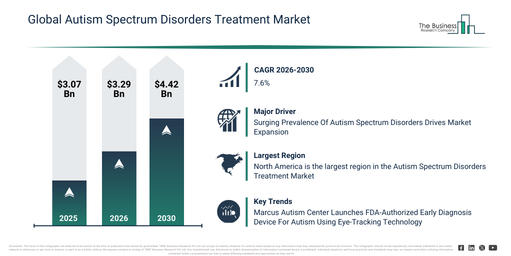
    The market for autism spectrum disorder treatments has experienced substantial expansion recently, projecting a growth from $3.07 billion in 2025 to $3.29 billion by 2026, indicating a compound annual growth rate (CAGR) of 7.1%. This upward trend during the past period is largely due to a deeper comprehension of autism treatment approaches, the proliferation of behavioral therapy services, the accessibility of validated pharmaceutical interventions, heightened involvement from caregivers, and the proliferation of dedicated treatment facilities.

    The treatment market for autism spectrum disorders is poised for substantial expansion over the coming years, projected to reach $4.42 billion by 2030, sustaining a compound annual growth rate (CAGR) of 7.6%. This anticipated growth is fueled by several key factors, including a heightened demand for individualized autism therapies, the escalating utilization of digital and remote therapeutic tools, a broader adoption of integrated care models, an increasing emphasis on comprehensive, lifelong management of autism, and augmented investment in therapeutic innovation. During the forecast period, prominent trends will include the growing application of multimodal therapeutic strategies, a greater embrace of early intervention initiatives, the increasing convergence of behavioral and pharmacological treatment approaches, the wider implementation of personalized therapy plans, and an elevated focus on achieving positive long-term outcomes.

    Download A Free Sample Report For Comprehensive Market Insights:

    https://www.thebusinessresearchcompany.com/sample.aspx?id=11925&type=smp

    #Autism Spectrum Disorders Treatment Market Demand Drivers Creating New Revenue Opportunities

    The expanding incidence of autism spectrum disorders (ASD) is anticipated to be a significant catalyst for the advancement of the autism spectrum disorders market in the future. Autism spectrum disorders represent a collection of medical conditions characterized by varying degrees of difficulty in social interactions and communication abilities. The growing number of youngsters diagnosed with ASDs significantly contributes to the development of diverse therapeutic approaches for these children. For example, as of June 2024, the UK’s National Health Service reported that 193,203 individuals had an open referral for a suspected autism diagnosis. Among these, a substantial 168,399 individuals, comprising 87.2%, had referrals open for a minimum of 13 weeks. Furthermore, during this same timeframe, only 5.1%, or 8,519 patients with referrals open for over 13 weeks, received their initial appointment within the stipulated 13-week timeframe. Consequently, the escalating prevalence of ASDs is poised to drive the expansion of the market for autism spectrum disorder treatments.

    Autism Spectrum Disorders Treatment Market Segment Landscape: Which Areas Lead Market Development?

    The autism spectrum disorders treatment market covered in this report is segmented –

    1) By Drug Therapy: Antipsychotic Drugs, SSRIs Or Antidepressants, Stimulants, Sleep Medications

    2) By Treatment Approach: Behavioral Approaches, Early Intervention, Medication

    3) By Application: Autistic Disorder, Asperger Syndrome, Pervasive Developmental Disorder, Other Applications

    4) By Distribution Channel: Hospital Pharmacies, Drug Stores And Retail Pharmacies, Online Pharmacies

    Subsegments:

    1) By Antipsychotic Drugs: Atypical Antipsychotics, Typical Antipsychotics

    2) By SSRIs Or Antidepressants: Selective Serotonin Reuptake Inhibitors, Serotonin–Norepinephrine Reuptake Inhibitors, Atypical Antidepressants

    3) By Stimulants: Methylphenidate, Amphetamines

    4) By Sleep Medications: Melatonin, Benzodiazepines

    Autism Spectrum Disorders Treatment Market Trends Driving Strategic Industry Expansion

    Driving innovation within the autism spectrum disorder treatment sector, prominent industry players are concentrating their efforts on pioneering solutions that enable the early identification of ASD in children, with a specific emphasis on diagnostic devices. These early diagnosis tools are engineered to detect the initial indicators of autism, generally before a child reaches three years of age. Illustrating this trend, the Marcus Autism Center, a US entity, introduced EarliPoint Evaluation in September 2023. This FDA-approved device leverages sophisticated eye-tracking technology to facilitate the prompt and objective diagnosis of autism spectrum disorder in infants and toddlers between 16 and 30 months old. The EarliPoint Evaluation assesses a child’s social engagement by quantifying objective biomarkers, thereby enabling a swift evaluation lasting approximately 12 minutes. The overarching objective of this cutting-edge device is to expedite and refine the diagnostic process for autism, thereby paving the way for earlier therapeutic interventions and ultimately improving developmental trajectories for children affected by ASD.

    Autism Spectrum Disorders Treatment Market Industry Leaders And Market Competition

    Major companies operating in the autism spectrum disorders treatment market are PaxMedica, Otsuka Pharmaceutical Co. Ltd., Curemark LLC, Zynerba Pharmaceuticals Inc., Axial Therapeutics, Novartis AG, STALICLA, H. Lundbeck A/S, Janssen Pharmaceuticals Inc., Yamo Pharmaceuticals, F. Hoffmann-La Roche Ltd, Q BioMed Inc., Bristol-Myers Squibb Company, Merck & Co. Inc., Eli Lilly and Company, Pfizer Inc., Johnson & Johnson Services Inc., AbbVie Inc., NeuroRx Inc., Intra-Cellular Therapies Inc., MedinCell, Sorrento Therapeutics Inc., Aytu BioPharma Inc., Harmony Biosciences, Acadia Pharmaceuticals, Aeglea BioTherapeutics

    Access The Complete Autism Spectrum Disorders Treatment Market Report:

    https://www.thebusinessresearchcompany.com/report/autism-spectrum-disorders-treatment-global-market-report

    Autism Spectrum Disorders Treatment Market Geographic Analysis: Where Is Demand Growing The Fastest?

    North America was the largest region in the autism spectrum disorders treatment market in 2025. The regions covered in the autism spectrum disorders treatment market report are Asia-Pacific, South East Asia, Western Europe, Eastern Europe, North America, South America, Middle East, Africa.

    Get in touch with us:

    The Business Research Company: https://www.thebusinessresearchcompany.com/

    Americas: +1 310-496-7795

    Asia: +44 7882 955267 & +91 8897263534

    Europe: +44 7882 955267

    Email us at: marketing@tbrc.info

    Follow us on:

    LinkedIn: https://in.linkedin.com/company/the-business-research-company

    YouTube: https://www.youtube.com/channel/UC24_fI0rV8cR5DxlCpgmyFQ

    Global Market Model: https://www.thebusinessresearchcompany.com/global-market-model
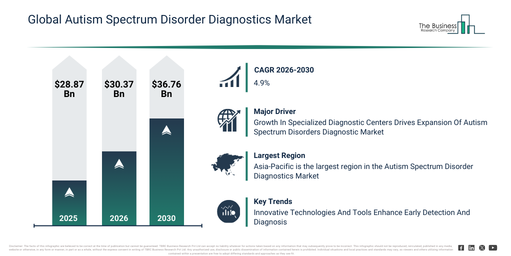
  • Autism Spectrum Disorder Diagnostics Market Forecast Highlights Expansion From $30.37 Billion To $36.75 Billion Through 2030

    Autism Spectrum Disorder Diagnostics Market Forecast Highlights Expansion From $30.37 Billion To $36.75 Billion Through 2030

    Enhanced with market attractiveness analysis, total addressable market evaluation, company benchmarking matrices, interactive Excel dashboards, expanded supply chain intelligence, emerging startup coverage, and detailed product insights, The Business Research Company’s 2026 market reports deliver more actionable and strategically valuable research.

    Autism Spectrum Disorder Diagnostics Market Size, Value And Growth Trends Through 2030

    The market for autism spectrum disorder diagnostics has experienced robust expansion lately, projected to increase from $28.87 billion in 2025 to $30.37 billion in 2026, reflecting a compound annual growth rate of 5.2%. This preceding growth phase has been fueled by heightened public awareness of ASD, the broadening scope of early childhood developmental screening initiatives, a rise in the number of qualified professionals capable of performing diagnoses, the increasing adoption of behavioral assessment methodologies, and enhanced accessibility to diagnostic services.

    The market for autism spectrum disorder diagnostics is poised for consistent expansion over the coming years, projecting to reach a value of $36.76 billion by 2030, driven by a compound annual growth rate of 4.9%. This anticipated growth throughout the forecast period is underpinned by several key factors, including a surge in the demand for early intervention services, the increasing deployment of artificial intelligence-powered diagnostic instruments, the broadening reach of tele-diagnostics platforms, augmented investments in neurodevelopmental research, and advancements in the standardization of diagnostic criteria. Reflecting the prevailing trends within this domain, the forecast period is characterized by a greater embrace of digital screening tools, heightened utilization of recognized behavioral assessment scales, an expansion of diagnostic programs aimed at very young children, a more integrated approach to multidisciplinary diagnostics, and a stronger emphasis on achieving early and precise detection.

    Download A Free Sample Report For Comprehensive Market Insights:

    https://www.thebusinessresearchcompany.com/sample.aspx?id=16593&type=smp

    Autism Spectrum Disorder Diagnostics Market Expansion Supported By Key Demand Factors

    The expansion of dedicated diagnostic facilities is poised to be a significant driver for the autism spectrum disorders diagnostic market’s advancement. These centers, equipped with a multidisciplinary team of healthcare providers, psychologists, and experts, are instrumental in performing thorough evaluations and assessments essential for identifying autism spectrum disorder. Factors contributing to the increase in these specialized centers include leaps in diagnostic techniques, a growing need for integrated care approaches, enhanced professional development, ongoing research initiatives, and the increasing acknowledgment of autism as a crucial public health concern. By offering specialized knowledge, sophisticated diagnostic instruments, in-depth assessments, customized intervention strategies, support systems for families, and avenues for collaborative research, these centers significantly contribute to refining diagnostic precision, enabling prompt interventions, and ultimately improving the prognosis for individuals affected by ASD. Illustratively, in the United Kingdom, NHS England reported in July 2025 that its national Community Diagnostic Centre (CDC) Programme had greenlit 170 CDC locations throughout England. By August 2024, 165 of these sites were actively functioning across diverse environments, with 135 established within their permanent CDC structures and the remaining operating from temporary setups while their permanent facilities are finalized. Consequently, the proliferation of these specialized diagnostic centers is directly fueling the growth trajectory of the autism spectrum disorders diagnostic market.

    Autism Spectrum Disorder Diagnostics Market Segments: Where Are The Largest Growth Opportunities?

    The autism spectrum disorder diagnostics market covered in this report is segmented –

    1) By Diagnostic Method: Behavioral And Developmental Screening Tools, Standardized Diagnostic Assessments, Genetic And Molecular Testing, Digital And AI-Based Diagnostic Tools

    2) By Test Type: Observational And Questionnaire-Based Tests, Cognitive And Neurodevelopmental Assessments, Biomarker And Genetic Tests, Eye-Tracking And Sensor-Based Tests

    3) By Age Group: Infants And Toddlers (0–3 years), Children (4–12 years), Adolescents And Adults

    4) By End User: Hospitals And Specialty Clinics, Diagnostic And Reference Laboratories, Academic And Research Institutes

    Subsegments:

    1) By Behavioral And Developmental Screening Tools: Parent-Reported Screening Questionnaires, Clinician-Administered Developmental Checklists

    2) By Standardized Diagnostic Assessments: Structured Behavioral Observation Assessments, Standardized Diagnostic Interviews

    3) By Genetic And Molecular Testing: Chromosomal Microarray Analysis (CMA), Next-Generation Sequencing (NGS) Panels

    4) By Digital And AI-Based Diagnostic Tools: AI-Driven Behavioral Analysis Platforms, Digital Biomarker & Eye-Tracking Systems

    Autism Spectrum Disorder Diagnostics Market Growth Trends Influencing Competitive Dynamics

    Leading entities within the autism spectrum disorder diagnostics sector are engineering sophisticated technologies, including apparatuses employing Dynamic Quantification of Social-Visual Engagement (DQSVE), to enhance their market standing and offer superior diagnostic capabilities; this system meticulously records and scrutinizes a child’s visual engagement patterns at an impressive frequency of 120 observations each second, and as a notable illustration, the Marcus Autism Center, a US-based non-profit health and research institution, introduced the EarliPoint™ Evaluation in September 2023, a groundbreaking device that has received FDA authorization for the early detection of ASD in toddlers between 16 and 30 months of age, employing advanced eye-tracking to evaluate social interactions and drastically condensing the diagnostic process from multiple hours down to a mere 12 minutes.

    Autism Spectrum Disorder Diagnostics Market Major Participants And Competitive Dynamics

    Major companies operating in the autism spectrum disorder diagnostics market are Quest Diagnostics, Laboratory Corporation of America LabCorp, ARUP Laboratories, Invitae, Natera, Fulgent Genetics, Myriad Genetics, Sema4, PreventionGenetics, Color Genomics, Cognoa, EarliTec Diagnostics, Eurofins Scientific, Sonic Healthcare, Cerba HealthCare, Baylor Genetics, Mayo Clinic Laboratories, Bionano Genomics, Genomind, Blueprint Genetics

    Access The Complete Autism Spectrum Disorder Diagnostics Market Report:

    https://www.thebusinessresearchcompany.com/report/autism-spectrum-disorder-diagnostics-global-market-report

    Autism Spectrum Disorder Diagnostics Market Global Footprint: Which Region Holds Market Leadership?

    Asia-Pacificwas the largest region in the autism spectrum disorder diagnostics market in 2025. The regions covered in the autism spectrum disorder diagnostics market report are Asia-Pacific, South East Asia, Western Europe, Eastern Europe, North America, South America, Middle East, Africa.

    Get in touch with us:

    The Business Research Company: https://www.thebusinessresearchcompany.com/

    Americas: +1 310-496-7795

    Asia: +44 7882 955267 & +91 8897263534

    Europe: +44 7882 955267

    Email us at: marketing@tbrc.info

    Follow us on:

    LinkedIn: https://in.linkedin.com/company/the-business-research-company

    YouTube: https://www.youtube.com/channel/UC24_fI0rV8cR5DxlCpgmyFQ

    Global Market Model: https://www.thebusinessresearchcompany.com/global-market-model
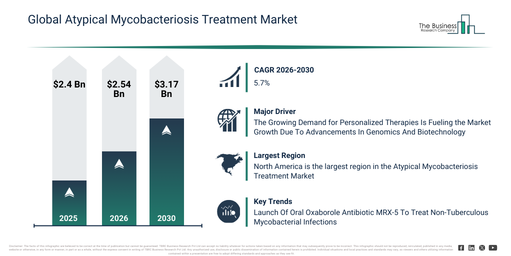
  • Atypical Mycobacteriosis Treatment Market Expected To Reach $3.16 Billion By 2030 As Growth Accelerates At 5.7% CAGR

    Atypical Mycobacteriosis Treatment Market Expected To Reach $3.16 Billion By 2030 As Growth Accelerates At 5.7% CAGR

    Through market attractiveness analysis, total addressable market evaluation, company benchmarking matrices, interactive Excel dashboards, expanded supply chain intelligence, emerging startup coverage, and detailed product insights, The Business Research Company’s 2026 market reports provide more actionable and strategically valuable research.

    Atypical Mycobacteriosis Treatment Market CAGR Analysis And Future Market Development

    The market for treating atypical mycobacterial infections has experienced significant expansion lately, projected to climb from $2.4 billion in 2025 to $2.54 billion by 2026, reflecting a consolidated annual expansion rate of 5.9%. This historical upswing in market value is largely credited to enhanced identification of NTM infections by the medical community, a broader access to therapies centered around macrolides, the proliferation of dedicated infectious disease services, a greater inclination towards inpatient management strategies, and more precise diagnostic methods that distinguish these infections from tuberculosis.

    The market for treating atypical mycobacterial infections is poised for significant expansion, projected to reach $3.17 billion by 2030, exhibiting a compound annual growth rate of 5.7%. This anticipated growth is bolstered by several key factors, including a rising number of individuals with weakened immune systems, ongoing investigations into new drugs to combat mycobacteria, a greater embrace of individualized treatment strategies, the increasing prevalence of care delivered outside traditional hospital settings, and advancements in treatment protocols for NTM (non-tuberculous mycobacteria) management. During this forecast period, prominent trends are expected to emerge, such as a greater reliance on combined antibiotic therapies, a heightened focus on addressing drug-resistant NTM strains, the wider implementation of extended treatment durations, an increase in specialized surgical options, and a stronger emphasis on supportive and complementary care.

    Download A Free Sample Report For Comprehensive Market Insights:

    https://www.thebusinessresearchcompany.com/sample.aspx?id=24157&type=smp

    #Atypical Mycobacteriosis Treatment Market Growth Drivers And Industry Catalysts

    The increasing need for customized medical interventions is anticipated to spur the expansion of the atypical mycobacteriosis treatment market. These individualized treatments are designed to suit a person’s unique genetic, biological, and environmental makeup, thereby maximizing their effectiveness. Such a trend in personalized therapies is predominantly fueled by breakthroughs in genomics and biotechnology, which facilitate the creation of treatments specifically aligned with an individual’s genetic blueprint, enhancing therapeutic outcomes while minimizing adverse effects. In the context of atypical mycobacteriosis, treatment is crucial for personalized medicine, enabling the development of bespoke therapeutic strategies that address the distinct genetic and clinical features of each patient, resulting in more accurate and beneficial care. To illustrate, by February 2024, the Personalized Medicine Coalition reported that the FDA sanctioned 16 novel personalized treatments for individuals with rare conditions in 2023, a notable uptick from the six approvals seen in 2022. Consequently, this heightened demand for personalized therapies directly contributes to the growth observed in the atypical mycobacteriosis treatment market.

    The escalating prevalence of chronic obstructive pulmonary disease is projected to drive the expansion of the market for treating atypical mycobacteriosis. Chronic obstructive pulmonary disease, a progressive lung ailment encompassing conditions like emphysema and chronic bronchitis, is characterized by obstructed airflow and breathing difficulties. This rise in COPD predominantly stems from exposure to tobacco smoke, where persistent inhalation of noxious chemicals inflicts damage upon the lungs and respiratory passages, culminating in chronic inflammation and restricted airflow. Addressing atypical mycobacteriosis plays a vital role in managing COPD by mitigating the bacterial load and inflammation instigated by nontuberculous mycobacteria, which have the potential to worsen respiratory symptoms and hasten disease deterioration. For example, data from the Australian Institute of Health and Welfare in June 2024 indicated that in 2023, COPD constituted 3.6% of Australia’s overall disease burden and accounted for half of the total burden attributed to respiratory illnesses, an increase from the 2.5% of the population living with COPD in 2022, signifying a 44% year-over-year increase in its share of disease burden. Therefore, the increasing incidence of chronic obstructive pulmonary disease is a key factor propelling the growth of the atypical mycobacteriosis treatment market.

    Atypical Mycobacteriosis Treatment Market Segment Analysis: What Are The Major Market Categories?

    The atypical mycobacteriosis treatment market covered in this report is segmented –

    1) By Treatment Type: Antibiotic Therapy, Surgical Interventions, Combination Therapy, Supportive Care

    2) By Type Of Disease: Atypical Mycobacterial Lung Infections, Disseminated Infections, Skin And Soft Tissue Infections

    3) By Route Of Administration: Oral, Intravenous

    4) By Patient Type: Immuncompromised Patients, Non-Immunocompromised Patients, Pediatric Patients

    5) By End Users: Hospitals, Clinics, Home Healthcare Settings

    Subsegments:

    1) By Antibiotic Therapy: Macrolides, Rifamycins, Ethambutol, Aminoglycosides, Fluoroquinolones

    2) By Surgical Interventions: Pulmonary Resection, Lymph Node Excision, Skin And Soft Tissue Debridement, Abscess Drainage, Bronchoscopic Interventions

    3) By Combination Therapy: Macrolide-Based Triple Drug Regimen, Macrolide Plus Injectable Aminoglycoside, Macrolide Plus Fluoroquinolone And Ethambutol

    4) By Supportive Care: Nutritional Support, Respiratory Therapy, Pain Management, Psychological Support

    #Atypical Mycobacteriosis Treatment Market Trends Influencing Long-Term Demand

    Within the landscape of the atypical mycobacteriosis treatment sector, prominent entities are actively engaged in pioneering novel therapeutic avenues, exemplified by the advancement of oral oxaborole antimicrobials, a strategic response to the escalating need for therapeutic interventions that are not only safer and more efficacious but also suitable for extended management of non-tuberculous mycobacterial (NTM) ailments. These oxaboroles represent a vanguard of diminutive biologically active compounds engineered to impede bacterial protein fabrication through a boron-mediated pathway, thereby presenting a unique operational strategy distinct from established antimycobacterial modalities, promising diminished adverse effects, curtailed resistance development, and fewer contraindications with concomitant medicinal treatments. Illuminating this progression, MicuRx Pharmaceuticals, a biopharmaceutical firm originating from China, introduced MRX-5 in January of 2025, an orally absorbable oxaborole antibiotic specifically formulated for the challenges posed by NTM infections. Investigations in pre-clinical settings involving pulmonary Mycobacterium abscessus contagion revealed that this agent induced a reduction in microbial burden within the lungs contingent on dosage, exhibited advantageous pharmacokinetic properties, displayed negligible interactions with other pharmaceuticals, and possessed a high degree of oral assimilation, positioning it as a candidate for chronic administration in individuals necessitating protracted therapeutic regimens.

    Atypical Mycobacteriosis Treatment Market Leading Companies Driving Competitive Growth

    Major companies operating in the atypical mycobacteriosis treatment market are Pfizer Inc., Johnson & Johnson, F. Hoffmann-La Roche Ltd., Merck & Co. Inc., AbbVie Inc., Bayer AG, Sanofi S.A., Bristol-Myers Squibb, AstraZeneca PLC, Novartis AG, GlaxoSmithKline plc, Eli Lilly and Company, Teva Pharmaceutical Industries Ltd., Astellas Pharma Inc., Zydus Pharmaceuticals, Lupin Limited, Gland Pharma Limited, Saphnix Lifesciences Pvt. Ltd., Gentec Pharmaceutical Group, Octavius Pharma Pvt. Ltd.

    Access The Complete Atypical Mycobacteriosis Treatment Market Report:

    https://www.thebusinessresearchcompany.com/report/atypical-mycobacteriosis-treatment-global-market-report

    Atypical Mycobacteriosis Treatment Market Regional Distribution: Which Areas Drive Market Expansion?

    North Americawas the largest region in the atypical mycobacteriosis treatment market in 2025. The regions covered in the atypical mycobacteriosis treatment market report are Asia-Pacific, South East Asia, Western Europe, Eastern Europe, North America, South America, Middle East, Africa.

    Get in touch with us:

    The Business Research Company: https://www.thebusinessresearchcompany.com/

    Americas: +1 310-496-7795

    Asia: +44 7882 955267 & +91 8897263534

    Europe: +44 7882 955267

    Email us at: marketing@tbrc.info

    Follow us on:

    LinkedIn: https://in.linkedin.com/company/the-business-research-company

    YouTube: https://www.youtube.com/channel/UC24_fI0rV8cR5DxlCpgmyFQ

    Global Market Model: https://www.thebusinessresearchcompany.com/global-market-model
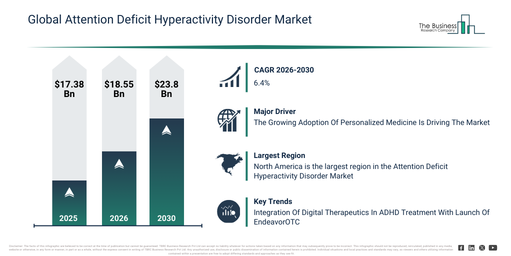
  • Attention Deficit Hyperactivity Disorder (ADHD) Apps Market Set To Grow From $2.58 Billion In 2026 To $4.7 Billion By 2030 At A CAGR Of 16.1%

    Attention Deficit Hyperactivity Disorder (ADHD) Apps Market Set To Grow From $2.58 Billion In 2026 To $4.7 Billion By 2030 At A CAGR Of 16.1%

    Delivering more actionable and strategically valuable research, The Business Research Company’s 2026 market reports feature market attractiveness analysis, total addressable market evaluation, company benchmarking matrices, interactive Excel dashboards, expanded supply chain intelligence, emerging startup coverage, and detailed product insights.

    Attention Deficit Hyperactivity Disorder (ADHD) Apps Market Expansion From $2.58 Billion In 2026 To $4.7 Billion In 2030

    The market for attention deficit hyperactivity disorder (ADHD) applications has experienced substantial expansion lately, with projections indicating continued robust growth. Specifically, the market is anticipated to increase from $2.22 billion in 2025 to $2.59 billion in 2026, signifying a compound annual growth rate (CAGR) of 16.4%. Factors underpinning this upward trend in recent times encompass a surge in ADHD diagnoses, escalating smartphone adoption, greater public embrace of digital solutions for mental well-being, the broader availability of telehealth, and heightened consciousness surrounding the management of ADHD in adults.

    The market for applications designed to manage attention deficit hyperactivity disorder (ADHD) is poised for substantial expansion in the upcoming years, projecting a market valuation of $4.71 billion by 2030, fueled by a compound annual growth rate (CAGR) of 16.1%. This projected surge is anticipated to be driven by several key factors, including a heightened consumer interest in digital treatments tailored to individual needs, a greater incorporation of these applications into established medical treatment plans, the increasing prevalence of subscription models for mental wellness applications, a concentrated effort on digital interventions for children, and ongoing improvements in adaptive learning technologies. During this same forecast period, significant trends are expected to shape the market, such as the increasing utilization of artificial intelligence for enhancing focus and productivity, wider acceptance of game-based cognitive training applications, the expansion of customized symptom monitoring capabilities, a growing synergy between these apps and wearable devices as well as digital calendars, and a more pronounced emphasis on deriving actionable behavioral insights from collected data.

    Download A Free Sample Report For Comprehensive Market Insights:

    https://www.thebusinessresearchcompany.com/sample.aspx?id=24474&type=smp

    Attention Deficit Hyperactivity Disorder (ADHD) Apps Market Opportunity Drivers: What Is Creating New Revenue Potential?

    The increasing incidence of mental health conditions is anticipated to significantly boost the market for attention deficit hyperactivity disorder (ADHD) applications. Mental health issues encompass a broad spectrum of ailments affecting an individual’s cognition, emotions, actions, or mood, including but not limited to depression, anxiety, schizophrenia, and bipolar disorder. This escalating rate of mental health challenges is largely linked to heightened exposure to persistent stress, which can impair emotional control, diminish resilience, and foster conditions like anxiety, depression, and burnout. ADHD applications contribute to managing mental health disorders by offering tailored resources that enhance concentration, emotional regulation, and behavioral control through convenient, technology-driven solutions. For example, data from the National Institute of Mental Health revealed that in 2023, approximately 58.7 million adults in the United States, representing 22.8% of the adult populace, experienced a mental illness. Additionally, more than 5.3 million adolescents, or 20.3%, had a diagnosed mental or behavioral disorder, with anxiety being the most prevalent at 16.1%. Consequently, the growing prevalence of mental health disorders is serving as a key driver for the expansion of the ADHD apps market.

    Attention Deficit Hyperactivity Disorder (ADHD) Apps Market Segment Breakdown: Which Categories Generate The Most Revenue?

    The attention deficit hyperactivity disorder (adhd) apps market covered in this report is segmented –

    1) By Type: iPhone Operating System(iOS), Android

    2) By Application: Children, Adults

    3) By End-Use: Personal Use, Clinical Or Therapist Guided Use, School Or Educational Settings

    Subsegments:

    1) By iPhone Operating System (iOS): Attention Deficit Hyperactivity Disorder Tracking And Monitoring Apps, Attention Deficit Hyperactivity Disorder Learning And Educational Apps, Attention Deficit Hyperactivity Disorder Medication Reminder Apps, Attention Deficit Hyperactivity Disorder Therapy And Behavioral Support Apps, Attention Deficit Hyperactivity Disorder Gamified Cognitive Training Apps

    2) By Android: Attention Deficit Hyperactivity Disorder Symptom Management Apps, Attention Deficit Hyperactivity Disorder Focus And Productivity Apps, Attention Deficit Hyperactivity Disorder Parent And Caregiver Support Apps, Attention Deficit Hyperactivity Disorder Mindfulness And Relaxation Apps, Attention Deficit Hyperactivity Disorder Scheduling And Time Management Apps

    Attention Deficit Hyperactivity Disorder (ADHD) Apps Market Innovation Trends Driving Future Development

    Leading entities within the attention deficit hyperactivity disorder (ADHD) apps sector are prioritizing the creation of novel approaches, specifically digital health solutions, aimed at enhancing the management of symptoms and increasing patient involvement. These digital health solutions encompass a range of technology-driven resources, including mobile applications, wearable gadgets, and remote healthcare services, all designed to bolster healthcare provision through tailored symptom tracking, behavioral observation, and therapeutic activities intended to boost treatment compliance and daily functionality for those diagnosed with ADHD. As an illustration, in October 2024, Bonding Health Corporation, a digital health firm situated in the United States, introduced a groundbreaking parenting application for ADHD, furnishing parents with individualized, evidence-based digital interventions. This application features tools for managing symptoms on a detailed, case-by-case basis, sequential audio instructions, and a collaborative online space, striving to revolutionize ADHD parenting by ensuring that effective support is both readily available and economically feasible.

    Attention Deficit Hyperactivity Disorder (ADHD) Apps Market Key Players And Strategic Industry Positioning

    Major companies operating in the attention deficit hyperactivity disorder (adhd) apps market are Asana Inc, LearningRx Inc, Cogmed Systems AB, Focus@Will Labs, Focus Bear Pty Ltd, iFocus Health Inc, Auto Train Brain Inc, Akili Interactive Labs Inc, Mightier Inc, Inflow Inc, Tiimo ApS, Brili Inc, CogniFit Ltd, RescueTime Ltd, Habitica Ltd, Taskade Inc, Ready Labs Inc, Forest Inc, BrainFM Inc, Freedom Labs Inc, Lunatask Inc, Focus Friend LLC.

    Access The Complete Attention Deficit Hyperactivity Disorder (ADHD) Apps Market Report:

    https://www.thebusinessresearchcompany.com/report/attention-deficit-hyperactivity-disorder-adhd-apps-global-market-report

    Attention Deficit Hyperactivity Disorder (ADHD) Apps Market Leading Geography: Which Region Generates The Most Revenue?

    North Americawas the largest region in the attention deficit hyperactivity disorder (ADHD) apps market in 2025. Asia-Pacificis expected to be the fastest-growing region in the forecast period. The regions covered in the attention deficit hyperactivity disorder (adhd) apps market report are Asia-Pacific, South East Asia, Western Europe, Eastern Europe, North America, South America, Middle East, Africa.

    Get in touch with us:

    The Business Research Company: https://www.thebusinessresearchcompany.com/

    Americas: +1 310-496-7795

    Asia: +44 7882 955267 & +91 8897263534

    Europe: +44 7882 955267

    Email us at: marketing@tbrc.info

    Follow us on:

    LinkedIn: https://in.linkedin.com/company/the-business-research-company

    YouTube: https://www.youtube.com/channel/UC24_fI0rV8cR5DxlCpgmyFQ

    Global Market Model: https://www.thebusinessresearchcompany.com/global-market-model
  • Attention Deficit Hyperactivity Disorder Market Opportunities Are Emerging Beyond Traditional Growth Areas

    Attention Deficit Hyperactivity Disorder Market Opportunities Are Emerging Beyond Traditional Growth Areas

    Enhanced with market attractiveness analysis, total addressable market evaluation, company benchmarking matrices, interactive Excel dashboards, expanded supply chain intelligence, emerging startup coverage, and detailed product insights, The Business Research Company’s 2026 market reports deliver more actionable and strategically valuable research.

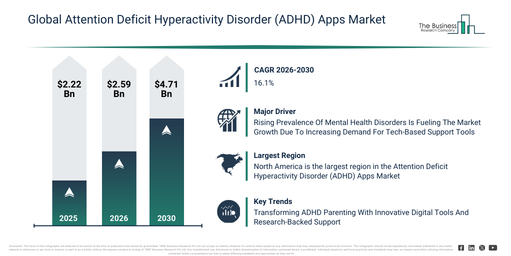
    Attention Deficit Hyperactivity Disorder Market Forecast Highlighting Growth From $18.54 Billion To $23.8 Billion

    The market for attention deficit hyperactivity disorder treatments has experienced robust expansion. Projections indicate a rise from $17.38 billion in 2025 to $18.55 billion in 2026, reflecting a compound annual growth rate of 6.7%. Factors contributing to this upward trend during the past period include heightened understanding of neurodevelopmental conditions, broader diagnostic standards applicable to various age demographics, the presence of stimulant-based pharmaceutical options, the proliferation of behavioral intervention strategies, and a greater acknowledgment of ADHD’s continued impact into adulthood.

    The global market for attention deficit hyperactivity disorder (ADHD) treatments is poised for substantial expansion over the coming years, with projections indicating a surge to $23.8 billion by 2030, driven by a compound annual growth rate of 6.4%. This projected increase is fueled by several key factors, including a heightened need for extended-release medication options, a greater emphasis on comprehensive mental well-being strategies, the proliferation of remote psychiatric care, increased channeling of funds into digital mental health solutions, and ongoing investigations into alternative treatment avenues beyond stimulants. During this forecast period, significant shifts are anticipated, such as a broader acceptance of non-stimulant medications, a rise in the utilization of digital tools for therapy and patient tracking, more attention directed towards the diagnosis of ADHD in adults, the advancement of tailored treatment plans, and a more cohesive blend of therapeutic and pharmaceutical interventions.

    Download A Free Sample Report For Comprehensive Market Insights:

    https://www.thebusinessresearchcompany.com/sample.aspx?id=21108&type=smp

    Attention Deficit Hyperactivity Disorder Market Growth Momentum: Which Factors Are Influencing Demand?

    The increasing integration of personalized medicine is poised to significantly boost the attention deficit hyperactivity disorder (ADHD) market. This approach to healthcare customizes interventions by considering an individual’s genetic makeup, environmental influences, and lifestyle choices, thereby enhancing precision and efficacy. Such advancements are largely driven by progress in genomic technologies, which facilitate the design of treatments aligned with a person’s specific genetic blueprint, leading to more impactful and directed therapies. Within this context, ADHD treatment benefits from personalized medicine through the development of tailored strategies that account for an individual’s distinct genetic, environmental, and behavioral traits, ultimately yielding more effective and focused interventions. Illustrating this trend, a February 2024 publication by the Personalized Medicine Coalition revealed that personalized medicines constituted more than one-third of new FDA drug approvals in 2023 for the fourth year running, with the FDA authorizing 16 novel personalized treatments for rare conditions (an increase from six in 2022), alongside seven cancer drugs and three for other ailments. Consequently, the expanding embrace of personalized medicine is a key factor fueling the growth within the ADHD market.

    Attention Deficit Hyperactivity Disorder Market Segmentation: How Is The Market Structured Across Key Categories?

    The attention deficit hyperactivity disorder market covered in this report is segmented –

    1) By Type: Stimulants, Non-Stimulants

    2) By Age Group: Children, Adults

    3) By Gender: Male, Female

    4) By Dosage Form: Tablets, Capsules, Other Dosage Forms

    5) By Distribution Channel: Retail Pharmacy, Hospital Pharmacy, Online Pharmacy

    Subsegments:

    1) By Stimulants: Methylphenidate-based Medications, Amphetamine-based Medications, Mixed Amphetamine Salts, Dexmethylphenidate

    2) By Non-Stimulants: Atomoxetine (Strattera), Guanfacine (Intuniv), Clonidine (Kapvay)

    Attention Deficit Hyperactivity Disorder Market Trends Reshaping Industry Growth

    The ADHD market is characterized by significant players dedicated to pioneering technological innovations, particularly in the realm of video game-based digital therapeutics, which aim to offer alternatives to medication, bolster attention regulation, and boost patient involvement. These game-driven therapeutic solutions provide personalized, responsive cognitive exercises through mobile platforms, utilizing live performance monitoring and adaptive algorithms to refine concentration, attention span, and executive functions more effectively than conventional stimulant or non-stimulant drugs. As an illustration, Akili Interactive, a US-based digital health firm, released EndeavorOTC in June 2024, marking the debut of the first FDA-approved over-the-counter digital therapeutic specifically for adult ADHD. This application employs Akili’s proprietary “Selective Stimulus Management Engine” to introduce complex, attention-demanding gameplay scenarios, dynamically modifying the challenge level in response to the player’s abilities. A pivotal six-week trial revealed that 83% of participants experienced improvements in their attentional control, with users also reporting gains in productivity and overall life satisfaction.

    Attention Deficit Hyperactivity Disorder Market Competitive Landscape And Leading Companies

    Major companies operating in the attention deficit hyperactivity disorder market are Takeda Pharmaceutical Company Limited, Pfizer Inc., Novartis International AG, Eli Lilly and Company, Johnson & Johnson, AstraZeneca PLC, Teva Pharmaceutical Industries Ltd., Otsuka Pharmaceutical Co. Ltd., Supernus Pharmaceuticals Inc., Tris Pharma Inc., Mallinckrodt Pharmaceuticals plc, Arbor Pharmaceuticals LLC, KemPharm Inc., Cingulate Therapeutics LLC, Adlon Therapeutics L.P., Ironshore Pharmaceuticals Inc., Rhodes Pharmaceuticals L.P., Sun Pharmaceutical Industries Ltd., Hikma Pharmaceuticals PLC, Amneal Pharmaceuticals Inc., Alkem Laboratories Ltd.

    Access The Complete Attention Deficit Hyperactivity Disorder Market Report:

    https://www.thebusinessresearchcompany.com/report/attention-deficit-hyperactivity-disorder-global-market-report

    Attention Deficit Hyperactivity Disorder Market Regional Outlook: Where Are The Largest Opportunities Located?

    North Americawas the largest region in the attention deficit hyperactivity disorder market in 2025. Asia-Pacificis expected to be the fastest-growing region in the forecast period. The regions covered in the attention deficit hyperactivity disorder market report are Asia-Pacific, South East Asia, Western Europe, Eastern Europe, North America, South America, Middle East, Africa.

    Get in touch with us:

    The Business Research Company: https://www.thebusinessresearchcompany.com/

    Americas: +1 310-496-7795

    Asia: +44 7882 955267 & +91 8897263534

    Europe: +44 7882 955267

    Email us at: marketing@tbrc.info

    Follow us on:

    LinkedIn: https://in.linkedin.com/company/the-business-research-company

    YouTube: https://www.youtube.com/channel/UC24_fI0rV8cR5DxlCpgmyFQ

    Global Market Model: https://www.thebusinessresearchcompany.com/global-market-model
  • Atrophic Glossitis Treatment Market Expansion Is Opening New Pathways For Strategic Investment

    Atrophic Glossitis Treatment Market Expansion Is Opening New Pathways For Strategic Investment

    Through market attractiveness analysis, total addressable market evaluation, company benchmarking matrices, interactive Excel dashboards, expanded supply chain intelligence, emerging startup coverage, and detailed product insights, The Business Research Company’s 2026 market reports provide more actionable and strategically valuable research.

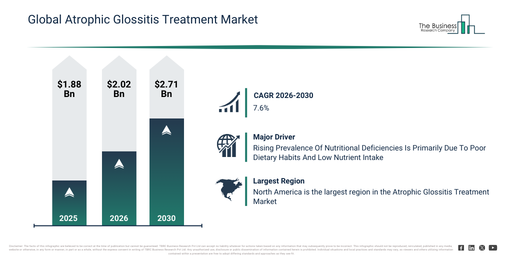
    Atrophic Glossitis Treatment Market Revenue Growth Supported By A CAGR Of 2.71% Through 2030

    The market for atrophic glossitis treatments has experienced robust expansion recently, projected to increase from $1.88 billion in 2025 to $2.02 billion in 2026, reflecting a compound annual growth rate of 7.8%. Factors contributing to this historical growth include heightened awareness surrounding nutritional deficiency disorders, advancements in diagnosing underlying systemic conditions, the broader accessibility of oral supplements, the extension of primary care treatment avenues, and a rising incidence of anemia-related ailments.

    Significant expansion is anticipated for the atrophic glossitis treatment market over the coming years, projected to reach $2.71 billion by 2030, driven by a compound annual growth rate of 7.6%. This upward trajectory is fueled by several key factors, including a heightened emphasis on tailoring treatment plans to individual patients, a greater acceptance of proactive oral hygiene practices, the expanding reach of telehealth appointments, a growing desire for less invasive methods to manage symptoms, and the increasing incorporation of dietary interventions into conventional medical approaches. Key developments shaping this market during the forecast period encompass a greater reliance on specific dietary supplements, a rise in the use of combined therapeutic strategies, an intensified effort to identify and address the root causes of related conditions, a broader availability of self-care oral hygiene products, and a more pronounced commitment to developing care strategies that prioritize the patient’s experience.

    Download A Free Sample Report For Comprehensive Market Insights:

    https://www.thebusinessresearchcompany.com/sample.aspx?id=24155&type=smp

    Atrophic Glossitis Treatment Market Expansion Drivers: What Is Shaping Future Growth?

    The escalating occurrence of nutritional deficiencies is anticipated to be a significant catalyst for the expansion of the atrophic glossitis treatment market. Nutritional deficiencies signify a shortage of vital dietary components like vitamins, minerals, and proteins, which can precipitate a spectrum of health complications. This rise in deficiencies is largely attributed to suboptimal dietary patterns, as individuals increasingly opt for processed foods lacking in nutrient density, resulting in an insufficient intake of the essential vitamins and minerals crucial for maintaining overall well-being. Treatments for atrophic glossitis effectively address these nutritional shortcomings by providing necessary vitamins and minerals, including iron, folate, and vitamin B12, thereby aiding in the restoration of tongue tissue integrity and preventing further mucosal degradation. For example, data from the World Health Organization, a global intergovernmental body based in Switzerland, indicated that in 2023, anemia affected 30.7% of women aged 15–49 and 35.5% of pregnant women within the same age bracket. Consequently, the growing prevalence of nutritional deficiencies is a key driver for the atrophic glossitis treatment market.

    The burgeoning incidence of autoimmune diseases is poised to stimulate growth within the atrophic glossitis treatment market. Autoimmune diseases are characterized by the immune system’s erroneous targeting of the body’s own healthy tissues, misidentifying them as foreign invaders. This increasing trend in autoimmune conditions is primarily linked to a confluence of genetic predispositions and environmental factors that disrupt the immune system’s regulatory mechanisms. Interventions for atrophic glossitis offer support for individuals with autoimmune diseases by managing associated nutritional deficits and inflammation, common companions to immune dysregulation, thereby contributing to improved immune function and symptom alleviation. To illustrate, the Society for Women’s Health Research, a non-profit organization in the U.S., estimated in March 2023 that between 23.5 million and 50 million individuals are affected by autoimmune diseases, with global rates escalating annually by 3% to 9%. Therefore, the rising prevalence of autoimmune diseases is a significant driver for the atrophic glossitis treatment market.

    The upward trajectory of healthcare spending is projected to foster the expansion of the atrophic glossitis treatment market. Healthcare expenditure encompasses the total financial outlay for health services and products, covering aspects such as hospital care, physician services, nursing assistance, pharmaceuticals, and public health initiatives. This expenditure is escalating due to rapid advancements in medical technology, which inherently increase the costs associated with diagnosis and treatment, as cutting-edge tools, procedures, and equipment necessitate substantial financial investment and specialized training. Elevated healthcare spending plays a crucial role in atrophic glossitis treatment by ensuring the financing of essential diagnostic procedures and specialized therapies, including nutritional support and the management of underlying health issues. Furthermore, increased investment facilitates access to healthcare professionals capable of developing personalized and effective care strategies for patients. As an example, the UK’s Office for National Statistics reported that in 2023, healthcare expenditure reached approximately $362.08 billion (£292 billion), marking a nominal rise of 5.6%. Consequently, escalating healthcare expenditure is a primary driver for the atrophic glossitis treatment market.

    Atrophic Glossitis Treatment Market Segmentation Trends And Revenue Drivers

    The atrophic glossitis treatment market covered in this report is segmented –

    1) By Treatment Type: Medications, Topical Treatments, Nutritional Supplements, Oral Care Products

    2) By Symptoms: Inflammation, Discoloration, Itching, Burning Tongue

    3) By Distribution Channel: Direct Tender, Hospital Pharmacy, Retail Pharmacy, Online Pharmacy, Other Distribution Channels

    4) By End User: Hospitals, Home Care

    Subsegments:

    1) By Medications: Antibiotics, Antifungals, Corticosteroids

    2) By Topical Treatments: Mouthwashes, Oral Gels, Ointments, Lozenges

    3) By Nutritional Supplements: Vitamin B12, Iron Supplements, Folic Acid, Zinc Supplements, Multivitamins

    4) By Oral Care Products: Toothpaste for Sensitive Mouths, Alcohol-Free Mouth Rinses, Soft-Bristled Toothbrushes, Oral Moisturizers

    #Atrophic Glossitis Treatment Market Industry Leaders: Which Organizations Are Driving Competition?

    Major companies operating in the atrophic glossitis treatment market are Pfizer Inc., Merck & Co. Inc., Bayer AG, Abbott Laboratories, Novartis AG, Sanofi S.A., GSK plc, Johnson & Johnson, Takeda Pharmaceutical Company Limited, AstraZeneca Plc, Bristol Myers Squibb, Eli Lilly and Company, Teva Pharmaceutical Industries Ltd., Sun Pharmaceutical Industries Ltd., Cipla Limited, Dr. Reddy’s Laboratories Limited, Lupin Limited, Aurobindo Pharma Limited, Hikma Pharmaceuticals PLC, Perrigo Company plc

    Access The Complete Atrophic Glossitis Treatment Market Report:

    https://www.thebusinessresearchcompany.com/report/atrophic-glossitis-treatment-global-market-report

    Atrophic Glossitis Treatment Market Geographic Landscape: Which Region Dominates Industry Growth?

    North Americawas the largest region in the atrophic glossitis treatment market in 2025. Asia-Pacificis expected to be the fastest-growing region in the forecast period. The regions covered in the atrophic glossitis treatment market report are Asia-Pacific, South East Asia, Western Europe, Eastern Europe, North America, South America, Middle East, Africa.

    Get in touch with us:

    The Business Research Company: https://www.thebusinessresearchcompany.com/

    Americas: +1 310-496-7795

    Asia: +44 7882 955267 & +91 8897263534

    Europe: +44 7882 955267

    Email us at: marketing@tbrc.info

    Follow us on:

    LinkedIn: https://in.linkedin.com/company/the-business-research-company

    YouTube: https://www.youtube.com/channel/UC24_fI0rV8cR5DxlCpgmyFQ

    Global Market Model: https://www.thebusinessresearchcompany.com/global-market-model
  • Atrial Septal Defect Market Trends Are Creating New Opportunities For Industry Leaders

    Atrial Septal Defect Market Trends Are Creating New Opportunities For Industry Leaders

    Delivering more actionable and strategically valuable research, The Business Research Company’s 2026 market reports feature market attractiveness analysis, total addressable market evaluation, company benchmarking matrices, interactive Excel dashboards, expanded supply chain intelligence, emerging startup coverage, and detailed product insights.

    Atrial Septal Defect Market Value Expansion And Long-Term Growth Outlook

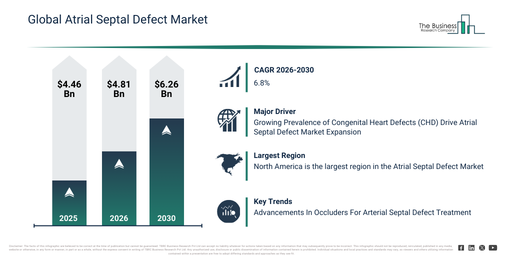
    The market encompassing atrial septal defect treatments experienced robust expansion recently. Projections indicate a rise from $4.46 billion in 2025 to $4.81 billion in 2026, fueled by a compound annual growth rate of 7.8%. This historical growth trend was propelled by enhanced identification of congenital heart anomalies, greater accessibility to surgical remediation methods, an increase in pediatric cardiology services, accumulating expertise in device-based closure procedures, and broader availability of advanced diagnostic imaging.

    The market for atrial septal defect interventions is projected for substantial expansion, reaching an estimated $6.26 billion by 2030, reflecting a compound annual growth rate of 6.8%. This anticipated growth over the coming years stems from a confluence of factors including the greater utilization of hybrid closure methodologies, a heightened emphasis on intervening early in adult patients, the broadening scope of minimally invasive cardiac surgery, continuous innovation in the design of occluder devices, and a mounting need for solutions that support extended patient follow-up care. Key developments shaping this market during the forecast period are the increasing embrace of transcatheter closure devices, a discernible shift towards less invasive repair procedures, the wider application of sophisticated cardiac imaging technologies, the extension of screening programs for ASDs in both pediatric and adult populations, and a more concentrated effort on achieving favorable long-term patient results.

    Download A Free Sample Report For Comprehensive Market Insights:

    https://www.thebusinessresearchcompany.com/sample.aspx?id=16345&type=smp

    Atrial Septal Defect Market Development Factors: Which Trends Are Supporting Demand?

    The escalating incidence of congenital heart defects (CHD), which are structural anomalies of the heart present from birth, is anticipated to be a significant catalyst for the expansion of the atrial septal defect market. These defects, characterized by abnormal formations in the heart’s structure at birth, are being identified with increasing frequency. Interventions for atrial septal defects play a crucial role in managing these congenital conditions by rectifying aberrant blood flow between the heart’s chambers, thereby enhancing cardiac performance and mitigating related health issues. Illustrating this trend, data from the British Heart Foundation, a UK charitable organization, indicated in September 2025 that 2.3 million individuals in the United Kingdom are currently living with congenital heart disease. Furthermore, approximately 1 in every 150 births in the UK results in the diagnosis of a congenital heart defect, equating to an average of 13 babies daily, with many diagnoses occurring later in life. It is estimated that the condition might affect between 1% and 2% of the general population. Consequently, the widespread occurrence of congenital heart defects is poised to stimulate growth within the atrial septal defect market.

    Atrial Septal Defect Market Segment Analysis Highlighting Growth Areas

    The atrial septal defect market covered in this report is segmented –

    1) By Treatment Procedure: Surgical Closure, Transcatheter Closure, Hybrid Procedures, Medication Therapy

    2) By Diagnosis: Chest X-Ray, Electrocardiogram, Cardiac Catheterization, Transesophageal Echocardiography, Pulse Oximetry

    3) By Product Type: Medical Devices, Pharmaceutical Products

    4) By Age Group: Pediatric, Adult

    5) By End-User: Hospitals, Ambulatory Surgical Centers, Cardiac Clinics, Other End-Users

    Subsegments:

    1) By Surgical Closure: Open Heart Surgery (Traditional Surgical Closure), Minimally Invasive Surgical Closure, Patches (Pericardial, Synthetic) For Asd Closure

    2) By Transcatheter Closure: Device-Based Closure (Amplatzer Septal Occluder), Transcatheter Plug Closure Techniques, Catheter-Based Asd Repair For Adult And Pediatric Patients

    3) By Hybrid Procedures: Combination Of Surgical And Transcatheter Techniques, Minimally Invasive Hybrid Procedures, Hybrid Closure For Complex Or Large Asds

    4) By Medication Therapy: Anticoagulant Therapy (To Prevent Stroke), Diuretics (For Managing Symptoms), Antihypertensive Drugs (For Managing Associated Conditions), Off-Label Use Of Other Medications

    Atrial Septal Defect Market Transformation Trends: Which Innovations Are Driving Change?

    Leading entities within the atrial septal defect market are actively engaged in creating sophisticated devices and pursuing regulatory clearances to broaden their accessibility and applications. Gaining device approval signifies the attainment of official endorsement or validation for a medical device, generally from a governing agency or pertinent authority, preceding its lawful production, distribution, or deployment within a designated market or for a specific function. Illustrating this, in the month of March in the year 2024, Occlutech GmbH, a firm based in Sweden with expertise in minimally invasive cardiac devices, shared that the U.S. Food and Drug Administration (FDA) had granted its approval for the Occlutech ASD Occluder and the Occlutech Pistol Pusher, intended for the management of atrial septal defects (ASD). This regulatory endorsement represents a pivotal achievement for the company, which has been dedicated to enhancing healthcare worldwide. The Occlutech ASD Occluder is engineered to offer a permanent remedy for individuals diagnosed with defects confirmed through echocardiography. It is a self-expanding construct made of nitinol, comprising two pliable discs secured to each side of the patient’s atrial septum using the Occlutech Pistol Pusher delivery system. Following this approval, Occlutech is set to commence its sales efforts in the United States via a sole distribution agreement with B. Braun Interventional Systems.

    Atrial Septal Defect Market Leading Companies: Who Holds Significant Market Presence?

    Major companies operating in the atrial septal defect market are Abbott Laboratories, Medtronic plc, Boston Scientific Corporation, Edwards Lifesciences Corporation, W. L. Gore & Associates Inc., Cook Medical, Lepu Medical Technology Co. Ltd., MicroPort Scientific Corporation, Lifetech Scientific Corporation, Venus Medtech Hangzhou Inc, Occlutech Holding AG, Osypka AG, Cardia Inc, Gore Medical, Pfm Medical AG, Balton Sp. z o.o., Meril Life Sciences, TTK Healthcare, Braile Biomedica, Shanghai Shape Memory Alloy

    Access The Complete Atrial Septal Defect Market Report:

    https://www.thebusinessresearchcompany.com/report/atrial-septal-defect-global-market-report

    #Atrial Septal Defect Market Largest Region: Which Geography Holds The Highest Market Share?

    North Americawas the largest region in the atrial septal defect market in 2025. Asia-Pacificis expected to be the fastest-growing region in the forecast period. The regions covered in the atrial septal defect market report are Asia-Pacific, South East Asia, Western Europe, Eastern Europe, North America, South America, Middle East, Africa.

    Get in touch with us:

    The Business Research Company: https://www.thebusinessresearchcompany.com/

    Americas: +1 310-496-7795

    Asia: +44 7882 955267 & +91 8897263534

    Europe: +44 7882 955267

    Email us at: marketing@tbrc.info

    Follow us on:

    LinkedIn: https://in.linkedin.com/company/the-business-research-company

    YouTube: https://www.youtube.com/channel/UC24_fI0rV8cR5DxlCpgmyFQ

    Global Market Model: https://www.thebusinessresearchcompany.com/global-market-model