Month: June 2026

  • Hematopoietic Stem Cell Transplantation Market Expansion Is Reshaping Competitive Dynamics Across The Industry

    Hematopoietic Stem Cell Transplantation Market Expansion Is Reshaping Competitive Dynamics Across The Industry

    Enhanced with market attractiveness analysis, total addressable market evaluation, company benchmarking matrices, interactive Excel dashboards, expanded supply chain intelligence, emerging startup coverage, and detailed product insights, The Business Research Company’s 2026 market reports deliver more actionable and strategically valuable research.

    Hematopoietic Stem Cell Transplantation Market Size Forecast: How Large Could The Market Become By 2030?

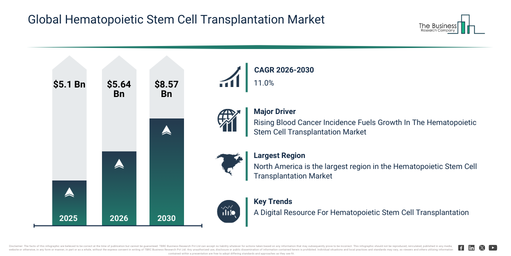
    The market for hematopoietic stem cell transplantation has experienced significant expansion lately, projected to advance from $5.1 billion in 2025 to $5.64 billion in 2026, exhibiting a compound annual growth rate of 10.6%. Historically, this upward trajectory has been fueled by a rise in hematologic disorders, the proliferation of transplant facilities, enhanced methods for donor selection, a greater frequency of autologous transplantations, and progress in patient support strategies.

    The market for hematopoietic stem cell transplantation is poised for substantial expansion over the coming years, projected to reach $8.57 billion by 2030, fueled by a compound annual growth rate of 11.0%. This upward trajectory is anticipated to be driven by several key factors, including a greater embrace of gene-modified stem cell therapies, augmented investments in transplant infrastructure, an increase in allogeneic transplant procedures, a growing emphasis on individualized transplant strategies, and improvements in post-transplant survival rates. Furthermore, prevailing trends shaping this market during the forecast period involve a heightened reliance on peripheral blood stem cell transplants, expanded utilization of cord blood transplantation, deeper integration of precision conditioning regimens, broader networks for donor registries, and a more concentrated effort on monitoring patients after transplantation.

    Download A Free Sample Report For Comprehensive Market Insights:

    https://www.thebusinessresearchcompany.com/sample.aspx?id=10445&type=smp

    Hematopoietic Stem Cell Transplantation Market Growth Factors: Which Forces Are Supporting Market Expansion?

    The escalating incidence of blood cancers is poised to fuel the expansion of the market for hematopoietic stem cell transplantation. Blood cancers encompass a category of diseases detrimental to the formation and function of blood cells, with leukemia, lymphoma, and myeloma being the principal forms. Hematopoietic stem cell transplantation serves as a primary therapeutic approach for these conditions, functioning by supplanting cancerous stem and bone marrow cells with healthy ones, which subsequently migrate to the bone marrow to initiate the production of new blood cells, thereby stimulating market growth. For illustration, projections from Cancer Research UK in September 2025 indicate that the UK will experience an annual leukemia incidence rate of roughly 17.9 per 100,000 individuals between 2024 and 2026, with an anticipated decline to approximately 17.4 per 100,000 by 2038-2040, a 3% decrease. Consequently, the rise in blood cancer occurrences directly contributes to the advancement of the hematopoietic stem cell transplantation market.

    Hematopoietic Stem Cell Transplantation Market Segment Outlook: Which Categories Are Expanding The Fastest?

    The hematopoietic stem cell transplantation market covered in this report is segmented –

    1) By Type: Allogeneic, Autologous

    2) By Indication: Leukemia, Lymphatic Disorder, Myeloma, Other Non-Malignant Disorders

    3) By Application: Bone Marrow Transplant, Peripheral Blood Stem Cell Transplant, Cord Blood Transplant

    4) By End User: Hospital Pharmacy, Specialty Clinics

    Subsegments:

    1) By Allogeneic: Matched Related Donor Transplantation, Matched Unrelated Donor Transplantation, Cord Blood Transplantation

    2) By Autologous: Peripheral Blood Stem Cell Transplantation, Bone Marrow Stem Cell Transplantation

    Hematopoietic Stem Cell Transplantation Market Industry Trends: What Changes Are Reshaping Demand?

    Companies at the forefront of the hematopoietic stem cell transplantation market are dedicating efforts to pioneering advancements, including the integration of digital tools to refine patient care pathways, improve the precision of donor selection, and enable immediate data insights for enhanced strategic choices these digital resources encompassing a spectrum of online instruments, systems, or content delivering information, assistance, or capabilities digitally The specifics of September 2024 saw BioLineRx Ltd. an Israeli biopharmaceutical firm, introduce Mobilization Matters a digital educational tool This interactive platform aims to inform medical practitioners and individuals undergoing transplantation about the process of mobilizing stem cells for the procedure It furnishes detailed protocols optimal methods and live monitoring capabilities intended to maximize stem cell retrieval efficiency consequently leading to superior patient results and the judicious allocation of resources within transplantation protocols.

    Hematopoietic Stem Cell Transplantation Market Key Companies And Competitive Benchmarking

    Major companies operating in the hematopoietic stem cell transplantation market are Pluristem Therapeutics Inc., Lonza Group AG, Escape Therapeutics Inc., Regen Biopharma Inc., Bluebird Bio Inc., CellGenix GmbH, CBR Systems Inc., Merck KGaA, Cord Blood Corporation, Kiadis Pharma NV, Marker Therapeutics Inc., Taiga Biotechnologies Inc., Takeda Pharmaceutical Company Limited, Talaris Therapeutics Inc., ViaCord LLC, ScienCell Research Laboratories Inc., BiolineRx, Stemcell Technologies Inc., ThermoGenesis Holdings Inc., MEDIPOST Co. Ltd., Anterogen. Co. Ltd., Pharmicell Inc., JCR Pharmaceuticals Co. Ltd., Holostem Terapie Avanzate Srl, Regrow Biosciences Pvt Ltd., Stempeutics Research Pvt Ltd.

    Access The Complete Hematopoietic Stem Cell Transplantation Market Report:

    https://www.thebusinessresearchcompany.com/report/hematopoietic-stem-cell-transplantation-global-market-report

    Hematopoietic Stem Cell Transplantation Market Geographic Landscape: Which Region Dominates Industry Growth?

    North Americawas the largest region in the hematopoietic stem cell transplantation market in 2025. Asia-Pacific is expected to be the fastest-growing region in the global hematopoietic stem cell transplantation market during the forecast period. The regions covered in the hematopoietic stem cell transplantation market report are Asia-Pacific, South East Asia, Western Europe, Eastern Europe, North America, South America, Middle East, Africa.

    Get in touch with us:

    The Business Research Company: https://www.thebusinessresearchcompany.com/

    Americas: +1 310-496-7795

    Asia: +44 7882 955267 & +91 8897263534

    Europe: +44 7882 955267

    Email us at: marketing@tbrc.info

    Follow us on:

    LinkedIn: https://in.linkedin.com/company/the-business-research-company

    YouTube: https://www.youtube.com/channel/UC24_fI0rV8cR5DxlCpgmyFQ

    Global Market Model: https://www.thebusinessresearchcompany.com/global-market-model
  • Hematology Analyzers Market Forecast Reveals Where Future Industry Value Will Be Created

    Hematology Analyzers Market Forecast Reveals Where Future Industry Value Will Be Created

    Through market attractiveness analysis, total addressable market evaluation, company benchmarking matrices, interactive Excel dashboards, expanded supply chain intelligence, emerging startup coverage, and detailed product insights, The Business Research Company’s 2026 market reports provide more actionable and strategically valuable research.

    Hematology Analyzers Market Revenue Outlook: What CAGR Is Expected Through 2030?

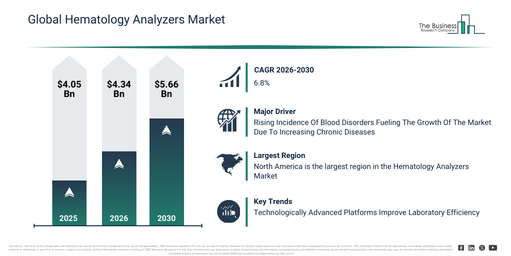
    In recent times, the hematology analyzers market has experienced robust expansion, projecting an upward trajectory from $4.05 billion in 2025 to $4.34 billion in 2026, reflecting a compound annual growth rate (CAGR) of 7.2%. This notable growth during the preceding period was primarily fueled by an increase in the volume of clinical laboratory testing, a rise in the incidence of blood-related conditions, enhanced diagnostic capacities within hospitals, the wider adoption of automated laboratory instrumentation, and improved accessibility to standard blood tests.

    The market for hematology analyzers is poised for substantial expansion in the upcoming years, projecting a valuation of $5.66 billion by 2030, driven by a compound annual growth rate (CAGR) of 6.8%. This projected growth throughout the forecast period is fueled by several key factors, including an escalating need for swift diagnostic solutions, the increasing trend of decentralizing laboratory testing processes, the broadening scope of oncology and hematology diagnostics, a greater embrace of digital pathology integration, and a heightened emphasis on automating laboratory workflows. Significant trends anticipated during this same timeframe encompass the wider implementation of fully automated analyzer systems, a growing integration of artificial intelligence in cell analysis, increased demand for point-of-care hematology testing, the expansion of high-throughput laboratory systems, and a more pronounced focus on achieving superior diagnostic accuracy and expedited testing speeds.

    Download A Free Sample Report For Comprehensive Market Insights:

    https://www.thebusinessresearchcompany.com/sample.aspx?id=24558&type=smp

    Hematology Analyzers Market Demand Drivers: What Is Fueling Industry Growth?

    An increasing number of blood disorder diagnoses is anticipated to fuel the expansion of the hematology analyzers market. These blood disorders encompass conditions affecting any blood element, such as erythrocytes, leukocytes, thrombocytes, or plasma. The heightened occurrence of these disorders is largely attributed to the growing prevalence of chronic illnesses, which significantly influence blood status and necessitate continuous oversight. Hematology analyzers are instrumental in identifying these blood conditions through precise and swift evaluation of blood constituents, facilitating prompt diagnosis and intervention. They contribute to more informed clinical judgments, ultimately elevating the quality of patient care and treatment results. To illustrate, data from March 2024, released by the National Institute for Health and Care Excellence in the UK, indicated that during the 2022/2023 period, 2,069 individuals in the United Kingdom were diagnosed with hemophilia B, with 374 experiencing a severe form of the condition and 351 having a moderate form. Consequently, the escalating rates of blood disorders are a key factor propelling the hematology analyzers market forward.

    Hematology Analyzers Market Segment Landscape: Which Areas Lead Market Development?

    The hematology analyzers market covered in this report is segmented –

    1) By Type: Fully-Automated Hematology Analyzers, Semi-Automated Hematology Analyzers

    2) By Component: Instruments, Consumables

    3) By Modality: Standalone, Point Of Care

    4) By Technology: Flow Cytometry, Electrical Impedance, Optical Technology

    5) By End User: Hospitals, Clinical Laboratories, Research Institutes, Other End Users

    Subsegments:

    1) By Fully-Automated Hematology Analyzers: 3-Part Differential Analyzers, 5-Part Differential Analyzers, 6-Part And Above Differential Analyzers, Integrated Hematology Systems

    2) By Semi-Automated Hematology Analyzers: Hemoglobin Analyzers, Coagulation Analyzers, Erythrocyte Sedimentation Rate (ESR) Analyzers, Platelet Function Analyzers

    Hematology Analyzers Market Innovation Trends: Which Developments Are Transforming The Industry?

    Leading participants in the hematology analyzers sector are concentrating their efforts on creating cutting-edge solutions, including automated hematology systems, which aim to elevate the precision of diagnoses, boost operational productivity, and yield swift analytical outcomes with reduced human involvement. These automated systems are sophisticated diagnostic instruments employed within clinical settings for conducting a spectrum of blood cell analyses with minimal manual input. As an illustration, in January 2024, Horiba Medical, a Japanese firm specializing in medical diagnostics, introduced the HELO 2.0, a high-capacity automated hematology platform that has secured Conformité Européenne In Vitro Diagnostic Regulation (CE-IVDR) certification and awaits approval from the United States Food and Drug Administration (FDA). The HELO 2.0 provides an adaptable, scalable, and effective modular system engineered to cater to the requirements of laboratories of moderate to large size. Furthermore, it incorporates sophisticated functionalities derived from the Yumizen H2500 and H1500 analyzers, guaranteeing superior performance through comprehensive sample agitation, optimized processing durations, efficient spatial arrangement, and effective reagent management. The system also offers support for ISO-15189 accreditation, addressing all exigencies before, after, and during the testing phases.

    Hematology Analyzers Market Industry Leaders And Market Competition

    Major companies operating in the hematology analyzers market are F. Hoffmann-La Roche AG, Abbott Laboratories, Danaher Corporation, Siemens Healthineers AG, Shenzhen Mindray Bio-Medical Electronics Co. Ltd., Sysmex Corporation, Horiba Medical Ltd., Nihon Kohden Corporation, Trivitron Healthcare Pvt. Ltd., Transasia Bio-Medicals Ltd., Erba Mannheim GmbH, Boule Diagnostics AB, Diatron MI PLC, Rayto Life and Analytical Sciences Co. Ltd., Perlong Medical, PZ Cormay S.A., Bio-Rad Laboratories Inc., BioSystems, EKF Diagnostics, Ortho Clinical Diagnostics, URIT Medical Electronic Group, Agappe Diagnostics

    Access The Complete Hematology Analyzers Market Report:

    https://www.thebusinessresearchcompany.com/report/hematology-analyzers-global-market-report

    Hematology Analyzers Market Largest Region: Which Geography Holds The Highest Market Share?

    North Americawas the largest region in the hematology analyzers market in 2025. Asia-Pacificis expected to be the fastest-growing region in the forecast period. The regions covered in the hematology analyzers market report are Asia-Pacific, South East Asia, Western Europe, Eastern Europe, North America, South America, Middle East, Africa.

    Get in touch with us:

    The Business Research Company: https://www.thebusinessresearchcompany.com/

    Americas: +1 310-496-7795

    Asia: +44 7882 955267 & +91 8897263534

    Europe: +44 7882 955267

    Email us at: marketing@tbrc.info

    Follow us on:

    LinkedIn: https://in.linkedin.com/company/the-business-research-company

    YouTube: https://www.youtube.com/channel/UC24_fI0rV8cR5DxlCpgmyFQ

    Global Market Model: https://www.thebusinessresearchcompany.com/global-market-model

  • Hematologic Malignancies Testing Market Growth Through 2030 Creates New Strategic Opportunities

    Hematologic Malignancies Testing Market Growth Through 2030 Creates New Strategic Opportunities

    Delivering more actionable and strategically valuable research, The Business Research Company’s 2026 market reports feature market attractiveness analysis, total addressable market evaluation, company benchmarking matrices, interactive Excel dashboards, expanded supply chain intelligence, emerging startup coverage, and detailed product insights.

    Hematologic Malignancies Testing Market Growth Analysis: How Will Revenue Expand During The Forecast Period?

    The market for hematologic malignancy testing has experienced considerable expansion recently. Projections indicate a rise from $3.58 billion in 2025 to $4.06 billion by 2026, reflecting a compound annual growth rate of 13.4%. Factors fueling this past growth include a greater prevalence of blood cancers, the broader integration of molecular diagnostic techniques, the geographical spread of diagnostic testing facilities, increased utilization of complete blood count (CBC) and flow cytometry methods, and enhanced accessibility to cancer diagnostic services.

    The hematologic malignancies testing market is poised for substantial acceleration in its expansion over the forthcoming years, projecting a market valuation of $6.68 billion by 2030, fueled by a compound annual growth rate of 13.2%. This projected ascent during the forecast period is largely propelled by a confluence of factors, including the escalating requirement for precision oncology diagnostics, the increasing incorporation of AI for data interpretation, the proliferation of companion diagnostics, a heightened reliance on MRD monitoring, and augmented investments in cutting-edge diagnostic technologies. Key developments anticipated within this timeframe encompass a greater embrace of NGS-based diagnostic testing, a surge in the utilization of flow cytometry for MRD detection, expanded integration of molecular and genetic assays, the broadening scope of personalized diagnostic profiling, and a more pronounced emphasis on achieving early and precise subtyping of these conditions.

    Download A Free Sample Report For Comprehensive Market Insights:

    https://www.thebusinessresearchcompany.com/sample.aspx?id=24234&type=smp

    Hematologic Malignancies Testing Market Growth Drivers: What Factors Are Accelerating Expansion?

    The hematologic malignancies testing market is poised for expansion, driven by an increasing incidence of cancer diagnoses. Cancer diagnosis, which involves identifying the existence, nature, and extent of cancer through diverse medical assessments like scans, lab work, and biopsies, is seeing an uptick. This surge in diagnoses can be attributed to enhanced accessibility of screening initiatives and greater public consciousness, facilitating earlier identification. Hematologic malignancies testing plays a crucial role in this diagnostic process by allowing for the prompt detection, precise categorization, and tracking of blood cancers, which in turn informs tailored treatment strategies and enhances patient prognoses. For illustration, the American Cancer Society, a U.S. nonprofit, projects that in 2024, more than 2 million new cancer cases will be identified in the United States, representing a 4% rise compared to prior years. Consequently, the escalating count of cancer diagnoses serves as a key catalyst for the development of the hematologic malignancies testing sector.

    Hematologic Malignancies Testing Market Segments: Where Are The Largest Growth Opportunities?

    The hematologic malignancies testing market covered in this report is segmented –

    1) By Test Type: Complete Blood Count (CBC), Flow Cytometry, Molecular Testing, Genetic Testing, Others Test Type

    2) By Product: Kits, Services

    3) By Technology: Polymerase Chain Reaction (PCR), Next-Generation Sequencing (NGS), Immunohisto Chemistry (IHC), Cytogenetics, Others Technology

    4) By Therapeutic Indication: Leukemia, Lymphoma, Multiple Myeloma, Myeloproliferative Neoplasms, Others Therapeutic Indication

    5) By End User: Hospitals, Diagnostic Labs, Academic and Research Institutions, Others End Users

    Subsegments:

    1) By Complete Blood Count (CBC): Hemoglobin Testing, Hematocrit Measurement, White Blood Cell Count, Red Blood Cell Count, Platelet Count, Mean Corpuscular Volume (MCV), Mean Corpuscular Hemoglobin (MCH)

    2) By Flow Cytometry: Immunophenotyping, Cell Cycle Analysis, Apoptosis Detection, Minimal Residual Disease (MRD) Testing, DNA Content Analysis

    3) By Molecular Testing: Polymerase Chain Reaction (PCR), Next-Generation Sequencing (NGS), Reverse Transcriptase-PCR (RT-PCR), Fluorescence In Situ Hybridization (FISH), Microarray Analysis

    4) By Genetic Testing: Germline Mutation Testing, Somatic Mutation Testing, Cytogenetic Testing, Chromosomal Aberration Detection, Single Nucleotide Polymorphism (SNP) Analysis

    5) By Others Test Type: Bone Marrow Biopsy, Immunohistochemistry (IHC), Enzyme Assays, Serum Protein Electrophoresis (SPEP), Imaging Tests

    Hematologic Malignancies Testing Market Trends: What Is Shaping Future Industry Growth?

    The leading entities within the hematologic malignancies testing sector are concentrating their efforts on pioneering novel diagnostic methodologies, including swift molecular profiling. This strategic focus aims to equip healthcare practitioners with accurate and prompt diagnostic instruments, thereby facilitating earlier identification, refining treatment strategizing, and enabling more effective tracking of blood-related malignancies. Rapid molecular profiling represents a diagnostic strategy that scrutinizes an individual’s genetic constitution to pinpoint specific alterations and variations, paving the way for accelerated and highly tailored therapeutic choices. Illustratively, in November 2023, the Roswell Park Comprehensive Cancer Center, a prominent US-based institution, introduced PanHeme, an advanced gene sequencing instrument engineered to diagnose hematologic cancers like leukemia, lymphoma, and multiple myeloma with enhanced speed and accuracy. This particular testing method discerns mutations across numerous genes in less than three days, substantially boosting diagnostic efficiency and precision, ultimately informing more individualized treatment pathways for patients.

    Hematologic Malignancies Testing Market Major Participants And Competitive Dynamics

    Major companies operating in the hematologic malignancies testing market are Abbott Laboratories, F. Hoffmann-La Roche Ltd, Siemens Healthineers AG, Becton Dickinson and Company, Bio-Rad Laboratories Inc., Agilent Technologies Inc., Illumina Inc., Thermo Fisher Scientific Inc., Danaher Corporation, Sysmex Corporation, QIAGEN N.V., PerkinElmer Inc., Adaptive Biotechnologies Corporation, Invivoscribe Inc., ArcherDx Inc., Guardant Health Inc., Sophia Genetics SA, Natera Inc., Roche Diagnostics International AG, Laboratory Corporation of America Holdings

    Access The Complete Hematologic Malignancies Testing Market Report:

    https://www.thebusinessresearchcompany.com/report/hematologic-malignancies-testing-global-market-report

    Hematologic Malignancies Testing Market Regional Analysis: Which Region Leads By Revenue?

    North Americawas the largest region in the hematologic malignancies testing market in 2025. Asia-Pacificis expected to be the fastest-growing region in the forecast period. The regions covered in the hematologic malignancies testing market report are Asia-Pacific, South East Asia, Western Europe, Eastern Europe, North America, South America, Middle East, Africa.

    Get in touch with us:

    The Business Research Company: https://www.thebusinessresearchcompany.com/

    Americas: +1 310-496-7795

    Asia: +44 7882 955267 & +91 8897263534

    Europe: +44 7882 955267

    Email us at: marketing@tbrc.info

    Follow us on:

    LinkedIn: https://in.linkedin.com/company/the-business-research-company

    YouTube: https://www.youtube.com/channel/UC24_fI0rV8cR5DxlCpgmyFQ

    Global Market Model: https://www.thebusinessresearchcompany.com/global-market-model
  • Hematologic Malignancies Detection Market Size Projected To Increase From $3.57 Billion To $6.28 Billion During The Forecast Period

    Hematologic Malignancies Detection Market Size Projected To Increase From $3.57 Billion To $6.28 Billion During The Forecast Period

    Enhanced with market attractiveness analysis, total addressable market evaluation, company benchmarking matrices, interactive Excel dashboards, expanded supply chain intelligence, emerging startup coverage, and detailed product insights, The Business Research Company’s 2026 market reports deliver more actionable and strategically valuable research.

    Hematologic Malignancies Detection Market Forecast: What Market Value Is Expected By 2030?

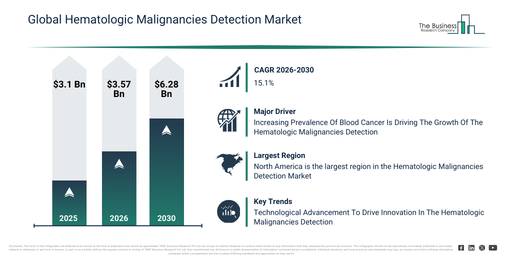
    The market dedicated to identifying hematologic malignancies has experienced substantial expansion lately, projecting a rise from $3.1 billion in 2025 to $3.57 billion by 2026, driven by a compound annual growth rate of 15.5%. This impressive growth trajectory during the preceding period is largely attributable to a confluence of factors, including the escalating incidence of blood cancers, the widespread integration of PCR and immunochemistry methodologies, the enhancement of clinical laboratory facilities, heightened public and medical consciousness regarding the importance of early cancer detection, and the increasing availability of sophisticated diagnostic kits.

    The market for detecting hematologic malignancies is poised for substantial expansion, projected to reach $6.28 billion by 2030, demonstrating a robust compound annual growth rate of 15.1%. This anticipated surge is fueled by several key drivers: the escalating use of liquid biopsy for diagnostic purposes, increased financial backing for precision oncology initiatives, the broadening scope of genomic testing, greater utilization of artificial intelligence in diagnostic platforms, and a heightened emphasis on diagnosing cancers early and with greater precision. Significant developments shaping this market over the forecast period include the growing preference for molecular diagnostic methods, the expanding application of next-generation sequencing in cancer care, the deeper integration of AI into diagnostic analysis, the wider implementation of early cancer detection programs, and a more pronounced focus on personalized diagnostic approaches within oncology.

    Download A Free Sample Report For Comprehensive Market Insights:

    https://www.thebusinessresearchcompany.com/sample.aspx?id=19504&type=smp

    Hematologic Malignancies Detection Market Growth Factors Supporting Long-Term Expansion

    The heightened incidence of blood cancers is anticipated to be a significant catalyst for the expansion of the market focused on detecting hematologic malignancies. Blood cancer, characterized by its impact on the blood, bone marrow, or lymphatic system, leads to disruptions in the normal production and functioning of blood cells. Factors contributing to the rising prevalence of blood cancer include an aging global population and advancements in diagnostic methods, which facilitate earlier and more precise identification. The accurate and timely diagnosis offered by hematologic malignancy detection is fundamental to effective blood cancer management, paving the way for tailored and successful therapeutic approaches. Illustrating this, a report from March 2024 by the Leukemia & Lymphoma Society, a US-based professional organization, indicated that approximately 437,337 individuals in the United States are currently living with or in remission from leukemia, with an estimated 59,610 new diagnoses expected in 2024. Consequently, the growing number of blood cancer cases is directly fueling the growth trajectory of the hematologic malignancy detection market.

    Hematologic Malignancies Detection Market Segment Analysis: What Are The Major Market Categories?

    The hematologic malignancies detection market covered in this report is segmented –

    1) By Type: Polymerase Chain Reaction, Immunochemistry, Next Generation Sequencing, Fluorescence In Situ Hybridization

    2) By Application: Multiple Myeloma, Myelodysplastic Syndrome, Leukemia, Myeloproliferative Neoplasms, Lymphoma, Other Applications

    3) By End-Users: Hospitals, Specialty Clinics, Other End-Users

    Subsegments:

    1) By Polymerase Chain Reaction (PCR): Real-Time PCR (qPCR), Digital PCR, Reverse Transcription PCR (RT-PCR), Nested PCR, Multiplex PCR, PCR-Based Detection Kits

    2) By Immunochemistry: Enzyme-Linked Immunosorbent Assay (ELISA), Immunohistochemistry (IHC), Flow Cytometry, Immunofluorescence, Immunohistochemical Staining Kits

    3) By Next Generation Sequencing (NGS): Whole Genome Sequencing (WGS), Whole Exome Sequencing (WES), Targeted Sequencing, RNA Sequencing (RNA-Seq), Liquid Biopsy NGS, Next-Generation Sequencing Kits For Hematologic Malignancies

    4) By Fluorescence In Situ Hybridization (FISH): Chromosome-Specific FISH Probes, DNA FISH, RNA FISH, Multicolor FISH, FISH-Based Detection Kits For Leukemia And Lymphoma

    Hematologic Malignancies Detection Market Industry Trends Shaping Future Revenue Growth

    Key players within the hematologic malignancy detection sector are dedicating resources to pioneering advancements, exemplified by blood cancer diagnostic tests, aiming to elevate diagnostic precision and foster better patient prognoses. These diagnostic tests are indispensable for confirming and pinpointing hematologic malignancies, encompassing conditions like leukemia, lymphoma, and multiple myeloma. Illustrating this trend, in November 2023, the Roswell Park Comprehensive Cancer Center, an American institution for research and patient care, introduced PanHeme, a sophisticated blood cancer diagnostic test employing cutting-edge gene sequencing technology for the identification of hematologic malignancies. By leveraging next-generation sequencing capabilities, PanHeme ascertains genetic anomalies in blood cancers such as leukemia, lymphoma, and multiple myeloma in under 72 hours, offering a substantial improvement in speed compared to conventional methodologies, thereby facilitating the swift establishment of tailored treatment strategies through the application of targeted, FDA-approved therapies informed by identified mutations.

    Hematologic Malignancies Detection Market Leading Companies Driving Competitive Growth

    Major companies operating in the hematologic malignancies detection market are Thermo Fisher Scientific Inc., Abbott Laboratories Inc., Roche Diagnostics International Ltd., Illumina Inc., Agilent Technologies Inc., Bio-Rad Laboratories Inc., QIAGEN N.V., Becton Dickinson and Company, Beckman Coulter Inc., Sysmex Corporation, Adaptive Biotechnologies Corporation, NeoGenomics Laboratories Inc., Invivoscribe Technologies Inc., ArcherDx Inc., Invitae Corporation, Natera Inc., Genetron Health, SOPHiA GENETICS, Guardant Health Inc., Genetica Diagnostics

    Access The Complete Hematologic Malignancies Detection Market Report:

    https://www.thebusinessresearchcompany.com/report/hematologic-malignancies-detection-global-market-report

    Hematologic Malignancies Detection Market Geographic Distribution And Regional Opportunities

    North Americawas the largest region in the hematologic malignancies’ detection market in 2025. Asia-Pacificis expected to be the fastest-growing region in the forecast period. The regions covered in the hematologic malignancies detection market report are Asia-Pacific, South East Asia, Western Europe, Eastern Europe, North America, South America, Middle East, Africa.

    Get in touch with us:

    The Business Research Company: https://www.thebusinessresearchcompany.com/

    Americas: +1 310-496-7795

    Asia: +44 7882 955267 & +91 8897263534

    Europe: +44 7882 955267

    Email us at: marketing@tbrc.info

    Follow us on:

    LinkedIn: https://in.linkedin.com/company/the-business-research-company

    YouTube: https://www.youtube.com/channel/UC24_fI0rV8cR5DxlCpgmyFQ

    Global Market Model: https://www.thebusinessresearchcompany.com/global-market-model
  • Heart Transplant Market Growth Outlook Reveals A CAGR Of 9.9% And A Market Value Of $20.08 Billion By 2030

    Heart Transplant Market Growth Outlook Reveals A CAGR Of 9.9% And A Market Value Of $20.08 Billion By 2030

    Through market attractiveness analysis, total addressable market evaluation, company benchmarking matrices, interactive Excel dashboards, expanded supply chain intelligence, emerging startup coverage, and detailed product insights, The Business Research Company’s 2026 market reports provide more actionable and strategically valuable research.

    Heart Transplant Market Size Outlook: How Fast Will Revenue Grow Through 2030?

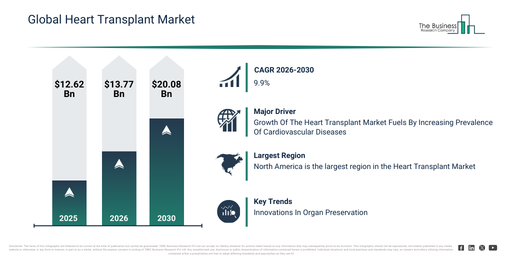
    The global heart transplant market, valued at $13.77 billion in 2026, is projected to expand from its 2025 figure of $12.62 billion, exhibiting a compound annual growth rate of 9.1%. This upward trajectory in the historical period is underpinned by several key factors, including a greater incidence of end-stage heart failure, the proliferation of specialized cardiac care facilities, advancements in surgical methodologies, the broader accessibility of transplant services, and an increased reliance on mechanical circulatory support systems.

    The realm of heart transplantation is poised for significant expansion, projected to reach a market valuation of $20.08 billion by the year 2030, reflecting a compound annual growth rate of 9.9%. This upward trajectory is anticipated to be fueled by escalating investments in artificial heart scientific inquiry, escalating patient needs for sustained cardiac support, advancements in organ recipient supervision technologies, heightened attention towards meticulous post-transplant medical attention, and a surge in the utilization of digital health oversight mechanisms. Key developments expected to shape this market during the projected timeframe include a greater embrace of ventricular assist devices, increased deployment of sophisticated transplant supervision frameworks, deeper incorporation of digital patient administration platforms, further development of artificial heart innovations, and an intensified emphasis on achieving positive patient outcomes following transplantation.

    Download A Free Sample Report For Comprehensive Market Insights:

    https://www.thebusinessresearchcompany.com/sample.aspx?id=12967&type=smp

    Heart Transplant Market Demand Drivers Creating New Revenue Opportunities

    The increasing incidence of cardiovascular conditions is anticipated to be a key driver for the expansion of the heart transplant market. These conditions encompass a variety of ailments impacting the heart and the vascular system. A heart transplant represents a final treatment option for individuals suffering from severe heart failure who have exhausted other medical interventions, offering enhanced quality of life and extended lifespan. For example, data from the British Heart Foundation, a UK-based organization dedicated to cardiovascular research, indicated in September 2024 that around 7.6 million people in the UK were living with heart and circulatory diseases, with 4 million being men and 3.6 million being women. Projections suggest a potential increase of one million additional cases by 2030 and a further rise of two million beyond current levels by 2040. Consequently, the growing burden of cardiovascular diseases is expected to fuel the demand within the heart transplant market.

    Heart Transplant Market Segment Breakdown: Which Categories Generate The Most Revenue?

    The heart transplant market covered in this report is segmented –

    1) By Transplant Procedure Type: Orthotopic Heart Transplant, Heterotopic Heart Transplant

    2) By Donor Type: Allograft, Extended-Criteria Donor Hearts

    3) By Indication: End-Stage Heart Failure, Ischemic Cardiomyopathy, Dilated Cardiomyopathy, Congenital Heart Disease, Valvular Heart Disease, Other Severe Cardiac Disorders

    4) By Recipient Age Group: Pediatric Patients, Adult Patients, Geriatric Patients

    5) By End User: Hospitals, Specialized Cardiac Transplant Centers, Academic & Research Institutes

    Subsegments:

    1) By Orthotopic Heart Transplant: Standard Orthotopic Heart Transplant, Donation After Brain Death (DBD) Orthotopic Transplant, Donation After Circulatory Death (DCD) Orthotopic Transplant, ABO-Compatible Orthotopic Transplant

    2) By Heterotopic Heart Transplant (HHT): Left Heterotopic Heart Transplant, Right Heterotopic Heart Transplant, Biventricular Heterotopic Heart Transplant, Bridge-to-Recovery Heterotopic Transplant

    Heart Transplant Market Trends Driving Strategic Industry Expansion

    In the competitive heart transplant sector, leading organizations are prioritizing the creation of groundbreaking advancements, including sophisticated heart preservation methods, to enhance patient recovery and the effectiveness of transplants. This approach substantially lengthens the viability period of a heart once removed from the body, offering superior results and fewer issues after the procedure compared to conventional methods using ice. As an illustration, in May 2023, Xvivo Perfusion AB, a Swedish med-tech firm, secured approval from the U.S. Food and Drug Administration (FDA) for its Investigational Device Exemption (IDE) to move forward with its heart preservation technology, thereby enabling the commencement of the ‘PRESERVE Clinical Trial.’ This research endeavor is structured as a prospective, multicenter, single-arm, open-label investigation designed to assess the efficacy of hearts preserved using non-ischemic preservation from donors with extended criteria, notably including those from Donation after Circulatory Death (DCD) programs. The defining characteristic of XVIVO’s preservation system is its capacity for non-ischemic hypothermic perfusion, employing cold, oxygen-rich fluid to safeguard donor hearts during transit.

    Heart Transplant Market Key Players And Strategic Industry Positioning

    Major companies operating in the heart transplant market are Mayo Clinic, Cleveland Clinic, Massachusetts General Hospital, Johns Hopkins Hospital, NewYork-Presbyterian Hospital, Cedars-Sinai Medical Center, Stanford Health Care, Baylor St Lukes Medical Center, The Texas Heart Institute, Duke University Hospital, UCLA Medical Center, Mount Sinai Hospital, Brigham and Womens Hospital, University of Pittsburgh Medical Center, Houston Methodist Hospital, Northwestern Memorial Hospital, NYU Langone Health, Toronto General Hospital, Royal Papworth Hospital, Harefield Hospital

    Access The Complete Heart Transplant Market Report:

    https://www.thebusinessresearchcompany.com/report/heart-transplant-global-market-report

    Heart Transplant Market Largest Region By Revenue And Market Share

    North Americawas the largest region in the heart transplant market in 2025. Asia-Pacificis expected to be the fastest-growing region in the forecast period. The regions covered in the heart transplant market report are Asia-Pacific, South East Asia, Western Europe, Eastern Europe, North America, South America, Middle East, Africa.

    Get in touch with us:

    The Business Research Company: https://www.thebusinessresearchcompany.com/

    Americas: +1 310-496-7795

    Asia: +44 7882 955267 & +91 8897263534

    Europe: +44 7882 955267

    Email us at: marketing@tbrc.info

    Follow us on:

    LinkedIn: https://in.linkedin.com/company/the-business-research-company

    YouTube: https://www.youtube.com/channel/UC24_fI0rV8cR5DxlCpgmyFQ

    Global Market Model: https://www.thebusinessresearchcompany.com/global-market-model
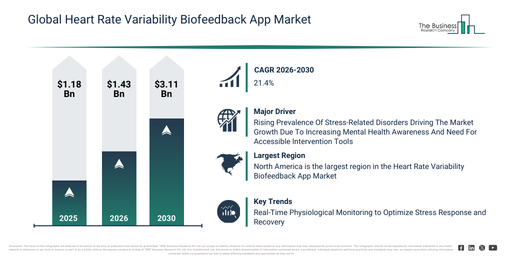
  • Heart Rate Variability Biofeedback App Market Forecast Highlights Expansion From $1.43 Billion To $3.11 Billion Through 2030

    Heart Rate Variability Biofeedback App Market Forecast Highlights Expansion From $1.43 Billion To $3.11 Billion Through 2030

    Delivering more actionable and strategically valuable research, The Business Research Company’s 2026 market reports feature market attractiveness analysis, total addressable market evaluation, company benchmarking matrices, interactive Excel dashboards, expanded supply chain intelligence, emerging startup coverage, and detailed product insights.

    Heart Rate Variability Biofeedback App Market Size, Value And Growth Trends Through 2030

    The market for heart rate variability biofeedback applications has witnessed substantial expansion lately, projected to climb from \$1.18 billion in 2025 to \$1.43 billion in 2026, signifying a compound annual growth rate of 21.7%. This upward trajectory during the past period was fueled by heightened consciousness regarding health concerns linked to stress, a proliferation in the utilization of mobile health solutions, a greater prevalence of wearable devices for heart rate tracking, increased adoption of proactive wellness instruments, and enhancements in the precision of smartphone sensors.

    The market for heart rate variability biofeedback applications is poised for substantial expansion, projected to reach $3.11 billion by 2030 with a compound annual growth rate of 21.4%. This significant upward trajectory is anticipated to be fueled by a confluence of factors, including a heightened consumer desire for mental wellness solutions, the expanding incorporation of these applications into workplace wellness initiatives, advancements in AI-powered physiological analysis, their increasing utility in clinical settings for stress management, and the growing preference for subscription models in digital health services. Key developments expected to shape this market include a greater embrace of guided breathing biofeedback programs, augmented integration with wearable heart rate monitoring devices, the proliferation of personalized stress analysis tools, the growth of cloud-based HRV tracking solutions, and a sharpened emphasis on techniques to elevate user involvement and data visualization.

    Download A Free Sample Report For Comprehensive Market Insights:

    https://www.thebusinessresearchcompany.com/sample.aspx?id=29077&type=smp

    Heart Rate Variability Biofeedback App Market Expansion Supported By Key Demand Factors

    The increasing incidence of stress-induced ailments is anticipated to be a significant driver for the market expansion of heart rate variability biofeedback applications. These stress-related conditions, marked by continuous feelings of apprehension, low mood, or emotional turmoil, profoundly affect an individual’s daily life and general health. The surge in such disorders can be attributed to escalating professional demands, extended work schedules, stringent deadlines, and elevated expectations, all contributing to prolonged stress that adversely affects both mental and physical states. Heart rate variability biofeedback applications play a crucial role in mitigating these stress-related issues by offering continuous tracking, guided relaxation techniques, tailored health plans, and practical feedback. These features empower users to control their autonomous nervous systems, diminish bodily stress reactions, bolster emotional fortitude, and improve overall mental and physical health. For example, as reported in May 2024 by the American Psychological Association, a U.S. professional body, 43% of adults experienced heightened anxiety compared to the prior year, an increase from 37% in 2023 and 32% in 2022, with a substantial majority (70%) pinpointing current events, particularly economic concerns (77%), the upcoming U.S. election in 2024 (73%), and incidents of gun violence (69%), as primary sources of their stress. Consequently, the escalating rates of stress-related health issues are fostering the growth trajectory of the heart rate variability biofeedback app market.

    Heart Rate Variability Biofeedback App Market Segmentation: How Is The Market Structured Across Key Categories?

    The heart rate variability biofeedback app market covered in this report is segmented –

    1) By Platform: iPhone Operating System (iOS), Android, Windows, Other Platforms

    2) By Distribution Channel: App Stores, Direct Sales, Third-Party Platforms

    3) By Application: Healthcare, Sports And Fitness, Stress Management, Research, Other Applications

    4) By End User: Individuals, Hospitals And Clinics, Research Institutes, Corporate Wellness Programs, Other End Users

    Subsegments:

    1) By iPhone Operating System (iOS): Standard iPhone Operating System (iOS) Biofeedback Apps, Premium iPhone Operating System (iOS) Biofeedback Apps, Subscription-Based iPhone Operating System (iOS) Biofeedback Apps, Personalized iPhone Operating System (iOS) Biofeedback Apps

    2) By Android: Standard Android Biofeedback Apps, Premium Android Biofeedback Apps, Subscription-Based Android Biofeedback Apps, Personalized Android Biofeedback Apps

    3) By Windows: Standard Windows Biofeedback Apps, Premium Windows Biofeedback Apps, Subscription-Based Windows Biofeedback Apps, Personalized Windows Biofeedback Apps

    4) By Other Platforms: Web-Based Biofeedback Apps, Cross-Platform Biofeedback Apps, Wearable-Integrated Biofeedback Apps, Cloud-Supported Biofeedback Apps

    Heart Rate Variability Biofeedback App Market Growth Trends Influencing Competitive Dynamics

    Leading players within the heart rate variability biofeedback application sector are concentrating on pioneering advancements, specifically the implementation of real-time stress assessment, with the aim of enhancing mental wellness and bolstering physiological robustness. This real-time stress evaluation involves the ongoing observation of bodily indicators, like heart rate variability, to identify stress as it manifests, thereby empowering individuals to promptly employ calming methods for superior stress control and overall health. As an illustration, in May of 2025, the Norwegian technology firm Cenli AS introduced Cenli, a biofeedback apparatus intended for domestic use that continuously tracks heart rate variability, finger temperature, and muscle tension. Through an updated application, the system delivers immediate input to users, facilitating the practice of guided respiration and relaxation exercises to more effectively mitigate stress and foster equilibrium within the nervous system. The integration of an intuitive interface and heightened sensor precision empowers users to monitor their bodily reactions over extended periods, recognize stress-related tendencies, and implement tailored approaches for recuperation. Developed for everyday application without the need for medical oversight, this offering democratizes access to sophisticated biofeedback technology, fostering improved resilience, mental health, and general physical condition.

    Heart Rate Variability Biofeedback App Market Competitive Landscape And Leading Companies

    Major companies operating in the heart rate variability biofeedback app market are Garmin Ltd., Polar Electro Oy, Oura Health Oy, Whoop Inc., HeartMath Inc., Welltory Inc., Empatica S.r.l., Azumio Inc., Visible Health Inc., Elite HRV Inc., Biostrap Inc., Hexoskin Inc., Lief Therapeutics Inc., cardiacSense Ltd., MySASY Inc., CardioMood Inc., Vagus Health Ltd., HRV4Training B.V., SweetWater HRV Inc., Spire Health

    Access The Complete Heart Rate Variability Biofeedback App Market Report:

    https://www.thebusinessresearchcompany.com/report/heart-rate-variability-biofeedback-app-global-market-report

    Heart Rate Variability Biofeedback App Market Regional Analysis And Leading Geography

    North Americawas the largest region in the heart rate variability biofeedback app market in 2025. Asia-Pacificis expected to be the fastest-growing region in the forecast period. The regions covered in the heart rate variability biofeedback app market report are Asia-Pacific, South East Asia, Western Europe, Eastern Europe, North America, South America, Middle East, Africa.

    Get in touch with us:

    The Business Research Company: https://www.thebusinessresearchcompany.com/

    Americas: +1 310-496-7795

    Asia: +44 7882 955267 & +91 8897263534

    Europe: +44 7882 955267

    Email us at: marketing@tbrc.info

    Follow us on:

    LinkedIn: https://in.linkedin.com/company/the-business-research-company

    YouTube: https://www.youtube.com/channel/UC24_fI0rV8cR5DxlCpgmyFQ

    Global Market Model: https://www.thebusinessresearchcompany.com/global-market-model
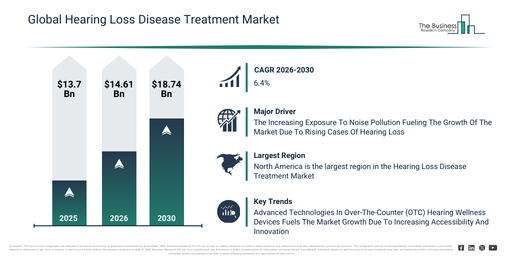
  • Hearing Loss Disease Treatment Market Expected To Reach $18.73 Billion By 2030 As Growth Accelerates At 6.4% CAGR

    Hearing Loss Disease Treatment Market Expected To Reach $18.73 Billion By 2030 As Growth Accelerates At 6.4% CAGR

    Enhanced with market attractiveness analysis, total addressable market evaluation, company benchmarking matrices, interactive Excel dashboards, expanded supply chain intelligence, emerging startup coverage, and detailed product insights, The Business Research Company’s 2026 market reports deliver more actionable and strategically valuable research.

    Hearing Loss Disease Treatment Market CAGR Analysis And Future Market Development

    The market for hearing loss disease treatments has experienced robust expansion lately. Projections indicate a significant increase from $13.7 billion in 2025 to $14.61 billion in 2026, reflecting a compounded annual growth rate of 6.6%. Factors contributing to this expansion during the past period include the escalating incidence of hearing loss associated with aging, heightened public consciousness regarding therapeutic options for hearing impairments, the proliferation of audiology centers, advancements in the design of hearing aid devices, and the increasing utilization of cochlear implant surgeries.

    The global market dedicated to treating hearing loss is poised for substantial expansion over the coming years, projected to reach a value of $18.74 billion by 2030, propelled by a compound annual growth rate of 6.4%. This anticipated growth trajectory is fueled by several key factors including heightened investment in regenerative therapies for hearing restoration, a surge in consumer preference for customized hearing solutions, the broader implementation of early hearing detection programs for children, the increasing incorporation of digital diagnostic tools into healthcare practices, and a greater uptake of intelligent hearing devices. During this forecast interval, significant market currents are expected to manifest as the adoption of cutting-edge hearing aid technologies escalates, the application of artificial intelligence in sound processing becomes more prevalent, the demand for surgical procedures that involve minimal invasiveness grows, implantable hearing solutions see wider availability, and there is a heightened emphasis on identifying and addressing hearing impairments at their earliest stages.

    Download A Free Sample Report For Comprehensive Market Insights:

    https://www.thebusinessresearchcompany.com/sample.aspx?id=24233&type=smp

    Hearing Loss Disease Treatment Market Growth Drivers And Industry Catalysts

    The escalating issue of noise pollution is poised to fuel the expansion of the hearing loss disease treatment market. This environmental concern, characterized by harmful and disruptive sound levels, impacts human well-being, ecosystems, and general living conditions. Factors such as increased vehicular traffic in urban centers contribute to this rise, as the constant hum of engines and frequent horn usage significantly elevate ambient noise levels. Consequently, sustained exposure to these elevated sound environments can lead to auditory damage and a greater incidence of hearing impairment, thereby stimulating the need for therapeutic interventions like hearing aids and medical treatments. Notably, data from the Office of the New York State Comptroller in the US revealed that noise complaints exceeded 610,000 in 2024, a substantial 19% increase from the previous year, underscoring the growing prevalence and impact of noise pollution on the hearing loss disease treatment market.

    Hearing Loss Disease Treatment Market Segmentation Trends And Revenue Drivers

    The hearing loss disease treatment market covered in this report is segmented –

    1) By Treatment: Hearing Aids, Cochlear Implants, Medication, Surgery, Other Treatments

    2) By Patient Type: Pediatric, Adult, Geriatric

    3) By Disease Type: Sensorineural Hearing Loss, Conductive Hearing Loss, Mixed Hearing Loss

    4) By Level of Severity: Mild Hearing Loss, Moderate Hearing Loss, Severe Hearing Loss, Profound Hearing Loss

    5) By End-use: Hospitals, Otology Clinics, Ambulatory Surgical Centers

    Subsegments:

    1) By Hearing Aids: Behind-The-Ear (BTE) Hearing Aids, In-The-Ear (ITE) Hearing Aids, Receiver-In-Canal (RIC) Hearing Aids, Completely-In-Canal (CIC) Hearing Aids, Invisible-In-Canal (IIC) Hearing Aids

    2) By Cochlear Implants: Unilateral Cochlear Implants, Bilateral Cochlear Implants, Pediatric Cochlear Implants, Adult Cochlear Implants

    3) By Medication: Corticosteroids, Antibiotics, Antiviral Drugs, Otoprotective Agents

    4) By Surgery: Stapedectomy, Tympanoplasty, Bone-Anchored Hearing Systems (BAHS), Middle Ear Implants, Cochlear Implant Surgery

    5) By Other Treatments: Tinnitus Management Therapies, Auditory Training And Rehabilitation, Assistive Listening Devices (ALDs), Gene Therapy For Hearing Loss, Stem Cell Therapy

    #Hearing Loss Disease Treatment Market Trends Influencing Long-Term Demand

    Key players in the hearing impairment treatment sector are actively innovating with cutting-edge solutions, exemplified by over-the-counter (OTC) hearing wellness devices, to broaden access, improve cost-effectiveness, and boost user ease. These OTC hearing wellness devices represent a category of hearing aids available without a prescription, intended for those experiencing mild to moderate hearing deficits. Consumers can acquire these devices directly, bypassing the requirement for medical evaluations, prescriptions, or professional adjustments. A notable recent development occurred in January 2024 when Eargo Inc., an American medical technology firm, introduced its Eargo SE and LINK, two novel over-the-counter hearing aids. The Eargo SE boasts a discreet, in-ear construction along with features for self-adjustment, rechargeable power, an updated ear tip for superior comfort, an intuitive mobile application, and a streamlined charging case. Concurrently, the LINK model presents an innovative earbud form factor, marking it as the pioneering hearing aid of its type to incorporate Bluetooth 5.3 audio streaming capabilities. Through these latest product introductions, Eargo underscores its dedication to providing readily available, premium hearing solutions that cater to the changing requirements and desires of today’s consumers.

    Hearing Loss Disease Treatment Market Industry Leaders: Which Organizations Are Driving Competition?

    Major companies operating in the hearing loss disease treatment market are Sonova Holding AG, Demant A/S, GN Store Nord A/S, Amplifon SpA, Cochlear Limited, Starkey Hearing Technologies, Widex A/S, Oticon Inc, MED-EL Medical Electronics, Beltone, IntriCon Corporation, Phonak AG, RION Co Ltd, Eargo Inc, Arphi Electronics Pvt Ltd, Zounds Hearing Inc, Sivantos Group, Audina Hearing Instruments, WS Audiology, ReSound Group, Natus Medical Incorporated, Astellas Pharma Inc., Sensorion SA, Otonomy Inc, Pipeline Therapeutics, Acousia Therapeutics GmbH

    Access The Complete Hearing Loss Disease Treatment Market Report:

    https://www.thebusinessresearchcompany.com/report/hearing-loss-disease-treatment-global-market-report

    Hearing Loss Disease Treatment Market Geographic Analysis: Where Is Demand Growing The Fastest?

    North Americawas the largest region in the hearing loss disease treatment market in 2025. Asia-Pacificis expected to be the fastest-growing region in the forecast period. The regions covered in the hearing loss disease treatment market report are Asia-Pacific, South East Asia, Western Europe, Eastern Europe, North America, South America, Middle East, Africa.

    Get in touch with us:

    The Business Research Company: https://www.thebusinessresearchcompany.com/

    Americas: +1 310-496-7795

    Asia: +44 7882 955267 & +91 8897263534

    Europe: +44 7882 955267

    Email us at: marketing@tbrc.info

    Follow us on:

    LinkedIn: https://in.linkedin.com/company/the-business-research-company

    YouTube: https://www.youtube.com/channel/UC24_fI0rV8cR5DxlCpgmyFQ

    Global Market Model: https://www.thebusinessresearchcompany.com/global-market-model
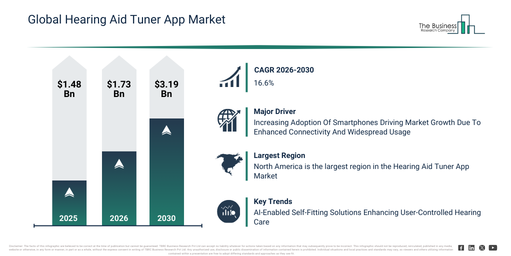
  • Hearing Aid Tuner App Market Set To Grow From $1.72 Billion In 2026 To $3.19 Billion By 2030 At A CAGR Of 16.6%

    Hearing Aid Tuner App Market Set To Grow From $1.72 Billion In 2026 To $3.19 Billion By 2030 At A CAGR Of 16.6%

    Through market attractiveness analysis, total addressable market evaluation, company benchmarking matrices, interactive Excel dashboards, expanded supply chain intelligence, emerging startup coverage, and detailed product insights, The Business Research Company’s 2026 market reports provide more actionable and strategically valuable research.

    Hearing Aid Tuner App Market Expansion From $1.72 Billion In 2026 To $3.19 Billion In 2030

    The market for hearing aid tuner applications has witnessed substantial expansion lately; projections indicate a rise from $1.48 billion in 2025 to $1.73 billion in 2026, reflecting a compound annual growth rate of 16.9%. This growth trajectory in the past is fueled by several key factors, including the escalating incidence of hearing impairments, a greater uptake of advanced digital hearing aids, a wider availability of smartphones among older demographics, enhancements in Bluetooth technology, and increased acceptance of remote audiology solutions.

    The market for hearing aid tuning applications is poised for substantial expansion over the coming years, with projections indicating a surge to $3.19 billion by the year 2030, driven by a compound annual growth rate (CAGR) of 16.6%. This anticipated growth is fueled by several key factors, including a heightened consumer desire for customized auditory experiences, an increasing acceptance of remote audiology services, the broader implementation of artificial intelligence for sound enhancement, a greater emphasis on digital health solutions designed for accessibility, and the seamless integration of these apps into the expanding world of wearable technology. Key developments shaping this market during the forecast period are the growing trend towards personalizing hearing aids through app interfaces, the enhanced incorporation of technology that detects ambient sound conditions in real-time, a greater reliance on cloud-based storage for user hearing profiles, the extended capabilities for making fine adjustments remotely, and a more pronounced emphasis on creating user-friendly and intuitive interface designs.

    Download A Free Sample Report For Comprehensive Market Insights:

    https://www.thebusinessresearchcompany.com/sample.aspx?id=29076&type=smp

    Hearing Aid Tuner App Market Opportunity Drivers: What Is Creating New Revenue Potential?

    The proliferation of smartphones is anticipated to be a significant catalyst for the expansion of the hearing aid tuner app market. Smartphones, essentially versatile mobile computers, integrate traditional telephony with sophisticated processing power, granting users internet access, application functionality, and a broad spectrum of digital operations. This surge in smartphone usage is predominantly fueled by superior connectivity options, which facilitate effortless access to a wealth of applications, services, and information that streamline and enrich daily routines. Consequently, the broader embrace of smartphones creates a more favorable environment for hearing aid tuner applications, empowering users with the ability to precisely adjust and customize their hearing aid configurations via intuitive mobile interfaces, thereby enhancing user convenience and the quality of their auditory perception. Exemplifying this trend, GSMA, a United Kingdom-headquartered trade organization, reported in October 2024 that approximately 4.3 billion individuals globally were utilizing their smartphones for internet access in 2023, a notable increase from the roughly 3.95 billion users in 2022, signifying a growth of around 350 million users within a single year. This pervasive adoption of smartphones is, therefore, a key driver propelling the hearing aid tuner app market forward.

    Hearing Aid Tuner App Market Segment Analysis Highlighting Growth Areas

    The hearing aid tuner app market covered in this report is segmented –

    1) By App Type: Standalone Apps, Companion Apps

    2) By Operating System: Android, iOS, Windows, Other Operating Systems

    3) By Application: Personal Use, Clinical Use

    4) By Distribution Channel: App Stores, Hearing Clinics, Online Platforms, Other Distribution Channels

    5) By End-User: Adults, Pediatrics, Elderly

    Subsegments:

    1) By Standalone Apps: Basic Hearing Amplification, Prescription Hearing Aid Companion, Tinnitus Masking And Management, Hearing Test And Diagnostics, Sound Enhancement And Personalization

    2) By Companion Apps: Remote Control And Adjustment, Hearing Health And Data Analytics, Accessibility And Connectivity, Professional Support And Telehealth, Battery And Device Management

    Hearing Aid Tuner App Market Innovation Trends Driving Future Development

    Leading entities within the hearing aid tuner application sector are prioritizing the creation of sophisticated tools, including self-fitting applications, designed to empower users with augmented autonomy and ease by enabling adjustments to their devices at their own convenience, circumventing the necessity for expert intervention. These self-fitting applications are essentially software programs that permit individuals to independently configure and personalize their assistive or therapeutic instruments, like hearing aids, ensuring they align perfectly with their unique preferences and comfort. Demonstrating this trend, in September of 2023, Tuned, an Israeli firm specializing in hearing aid technology, secured FDA Class II 510(k) approval for its innovative, AI-powered self-fitting hearing aid software. This platform sets itself apart through its utilization of artificial intelligence to conduct individualized hearing evaluations and automatically refine the hearing aid configurations for every user. Its core includes an AI hearing companion, engineered by audiologists, which delivers ongoing advice, learning materials, and assistance with resolving issues.

    Hearing Aid Tuner App Market Leading Companies: Who Holds Significant Market Presence?

    Major companies operating in the hearing aid tuner app market are Apple Inc., Sonova Holding AG, Demant A/S, ReSound, WS Audiology AS, Starkey Hearing Technologies, Oticon, Phonak, HearUSA Inc., Bose Corporation, Unitron BV, Tuned, Signia, MDHearingAid Inc., Sound World Solutions, Widex AS, GN Group, Audicus Inc., Nuheara Limited, Eargo Inc.

    Access The Complete Hearing Aid Tuner App Market Report:

    https://www.thebusinessresearchcompany.com/report/hearing-aid-tuner-app-global-market-report

    Hearing Aid Tuner App Market Global Footprint: Which Region Holds Market Leadership?

    North Americawas the largest region in the hearing aid tuner app market in 2025. Asia-Pacificis expected to be the fastest-growing region in the forecast period. The regions covered in the hearing aid tuner app market report are Asia-Pacific, South East Asia, Western Europe, Eastern Europe, North America, South America, Middle East, Africa.

    Get in touch with us:

    The Business Research Company: https://www.thebusinessresearchcompany.com/

    Americas: +1 310-496-7795

    Asia: +44 7882 955267 & +91 8897263534

    Europe: +44 7882 955267

    Email us at: marketing@tbrc.info

    Follow us on:

    LinkedIn: https://in.linkedin.com/company/the-business-research-company

    YouTube: https://www.youtube.com/channel/UC24_fI0rV8cR5DxlCpgmyFQ

    Global Market Model: https://www.thebusinessresearchcompany.com/global-market-model
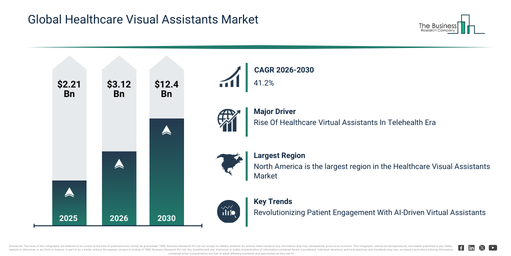
  • Healthcare Visual Assistants Market Opportunities Are Emerging Beyond Traditional Growth Areas

    Healthcare Visual Assistants Market Opportunities Are Emerging Beyond Traditional Growth Areas

    Delivering more actionable and strategically valuable research, The Business Research Company’s 2026 market reports feature market attractiveness analysis, total addressable market evaluation, company benchmarking matrices, interactive Excel dashboards, expanded supply chain intelligence, emerging startup coverage, and detailed product insights.

    Healthcare Visual Assistants Market Forecast Highlighting Growth From $3.11 Billion To $12.39 Billion

    Fueled by escalating patient desires for digital interaction instruments, the proliferation of remote healthcare offerings, an intensifying administrative burden within medical establishments, the integration of rudimentary conversational agents, and advancements in voice recognition precision, the healthcare visual assistants market is projected to experience a substantial surge, moving from $2.21 billion in 2025 to $3.12 billion by 2026, marking a significant compound annual growth rate of 41.2%.

    The healthcare visual assistants market is poised for significant expansion, projected to reach $12.4 billion by 2030, reflecting a robust compound annual growth rate of 41.2%. This anticipated surge is fueled by several key factors, including the growing incorporation of virtual assistants into Electronic Health Record (EHR) systems, a heightened need for individualized patient interactions, the expanding application of artificial intelligence (AI) within clinical processes, the proliferation of platforms designed for remote patient involvement, and substantial investments in conversational AI technology. During this projected period, notable trends are expected to emerge, such as a greater embrace of AI-powered tools for patient engagement, increased utilization of voice-activated healthcare assistants, broader implementation of virtual front-desk solutions, the enhancement of virtual assistants’ capabilities in multiple languages, and a stronger emphasis placed on engaging patients effectively.

    Download A Free Sample Report For Comprehensive Market Insights:

    https://www.thebusinessresearchcompany.com/sample.aspx?id=13854&type=smp

    Healthcare Visual Assistants Market Growth Momentum: Which Factors Are Influencing Demand?

    The expansion of telehealth services is anticipated to be a significant catalyst for the advancement of the healthcare virtual assistant market. These telehealth services encompass the provision of health-related support and information through digital communication tools, aiming to deliver care, guidance, prompts, education, interventions, monitoring, and remote admissions. Healthcare virtual assistants serve to augment telehealth capabilities by offering round-the-clock automated patient assistance via digital channels, streamlining tasks such as booking appointments, assessing symptoms, reminding users about medications, and delivering tailored health recommendations, consequently boosting the accessibility and effectiveness of healthcare provision. Illustrating this trend, data from the Australian Bureau of Statistics (ABS) indicated that in the 2023–2024 period, telehealth utilization was reported by 83.5% of males, marking an upward shift from the 78.6% recorded in 2022–2023. Consequently, the escalating adoption of telehealth services is directly fueling the growth trajectory of the healthcare virtual assistant market.

    Healthcare Visual Assistants Market Segment Performance And Strategic Opportunities

    The healthcare visual assistants market covered in this report is segmented –

    1) By Product: Chatbots, Smart Speakers

    2) By Technology: Automatic Speech Recognition (ASR) And Speech Recognition, Text Based, Text-To-Speech

    3) By End User: Providers, Payers, Other End Users

    Subsegments:

    1) By Chatbots: Rule-Based Chatbots, AI-Driven Chatbots, Voice-Enabled Chatbots, Patient Engagement Chatbots

    2) By Smart Speakers: Voice-Activated Smart Speakers, Health-Focused Smart Speakers, Smart Speakers With Display Screens, Multi-Functional Smart Speakers

    Healthcare Visual Assistants Market Trends Reshaping Industry Growth

    Leading entities within the healthcare visual assistants sector are prioritizing the creation of cutting-edge solutions incorporating sophisticated technologies, such as AI-powered virtual assistants capable of multi-channel dialogue, with the objective of enhancing their market profitability. These sophisticated AI-driven, multi-channel conversational virtual assistants in healthcare represent digital instruments designed to deliver customized, automated patient assistance through various communication channels, powered by artificial intelligence. As an illustration, in April of 2023, TeleVox, a technology firm based in the United States specializing in healthcare, introduced Iris. Iris is an advanced virtual agent engineered with artificial intelligence that can conduct conversations with patients using natural language. Diverging from rudimentary chatbots that depend on restricted information bases and pre-set answers, Iris leverages sophisticated AI functionalities, drawing upon extensive generative models from Microsoft Azure OpenAI Service. Consequently, Iris possesses the capacity to comprehend diverse patient inquiries and furnish prompt, pertinent replies.

    Healthcare Visual Assistants Market Key Players: Which Companies Shape Industry Competition?

    Major companies operating in the healthcare visual assistants market are Amazon.com Inc., Alphabet Inc., Microsoft Corporation, Epic Systems Corporation, Babylon Holdings Limited, Amelia LLC, Medical Information Technology Inc., Lyra Health Inc., Omada Health Inc., Ada Health GmbH, Talkspace, Headspace Inc., eGain Corporation, TytoCare Ltd., Viz.ai Inc., K Health Inc., Haptik Technologies Limited, Woebot Health, Your.MD Ltd., NOHOLD Inc., Sanvello Health, Oxygen Group of Companies, ScribeEMR Systems Private Limited, Tucuvi Care S.L.

    Access The Complete Healthcare Visual Assistants Market Report:

    https://www.thebusinessresearchcompany.com/report/healthcare-visual-assistants-global-market-report

    Healthcare Visual Assistants Market Regional Distribution: Which Areas Drive Market Expansion?

    North Americawas the largest region in the healthcare virtual assistant market in 2025. Asia-Pacificis expected to be the fastest-growing region in the forecast period. The regions covered in the healthcare visual assistants market report are Asia-Pacific, South East Asia, Western Europe, Eastern Europe, North America, South America, Middle East, Africa.

    Get in touch with us:

    The Business Research Company: https://www.thebusinessresearchcompany.com/

    Americas: +1 310-496-7795

    Asia: +44 7882 955267 & +91 8897263534

    Europe: +44 7882 955267

    Email us at: marketing@tbrc.info

    Follow us on:

    LinkedIn: https://in.linkedin.com/company/the-business-research-company

    YouTube: https://www.youtube.com/channel/UC24_fI0rV8cR5DxlCpgmyFQ

    Global Market Model: https://www.thebusinessresearchcompany.com/global-market-model
  • Healthcare Third-Party Logistics Market Expansion Is Opening New Pathways For Strategic Investment

    Healthcare Third-Party Logistics Market Expansion Is Opening New Pathways For Strategic Investment

    Enhanced with market attractiveness analysis, total addressable market evaluation, company benchmarking matrices, interactive Excel dashboards, expanded supply chain intelligence, emerging startup coverage, and detailed product insights, The Business Research Company’s 2026 market reports deliver more actionable and strategically valuable research.

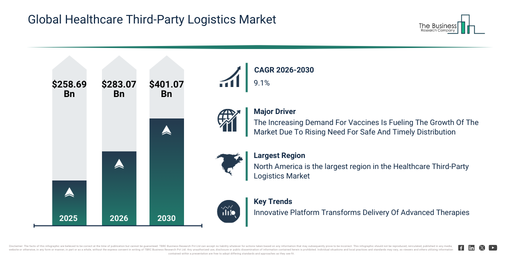
    Healthcare Third-Party Logistics Market Revenue Growth Supported By A CAGR Of 401.07% Through 2030

    The healthcare third-party logistics sector experienced significant expansion recently, projecting a rise from $258.69 billion in 2025 to $283.07 billion in 2026, driven by a compound annual growth rate of 9.4%, according to the provided data. This upward trajectory during the past period is largely credited to the widening of pharmaceutical distribution channels, the escalating demand for transporting biologics and vaccines, an increased trend of outsourcing healthcare logistics functions, the proliferation of international clinical trials, and heightened regulatory oversight concerning drug distribution.

    The healthcare third-party logistics sector is poised for substantial expansion in the coming years, with projections indicating a market value of $401.07 billion by 2030, driven by a compound annual growth rate of 9.1%. This anticipated growth during the forecast period stems from several key factors, including escalating investments in intelligent healthcare logistics platforms, a mounting demand for both cryogenic and ultra-cold storage solutions, the proliferation of AI-powered logistics optimization, a greater embrace of environmentally friendly transportation methods, and a heightened emphasis on robust and resilient healthcare supply chains. Key trends expected to shape this period encompass the growing implementation of cold chain monitoring technologies, an increased desire for comprehensive supply chain visibility, the expanding integration of real-time tracking systems, the development of automated healthcare warehousing facilities, and a more concentrated effort on logistics that adhere to regulatory standards.

    Download A Free Sample Report For Comprehensive Market Insights:

    https://www.thebusinessresearchcompany.com/sample.aspx?id=25779&type=smp

    Healthcare Third-Party Logistics Market Expansion Drivers: What Is Shaping Future Growth?

    A surge in vaccine demand is anticipated to fuel the expansion of the healthcare third-party logistics sector in the future. Vaccines, defined as biological preparations designed to bolster the body’s defenses against particular illnesses by simulating an infection without actual sickness, are seeing higher demand due to the growing incidence of contagious diseases and a greater need for protection against prevalent health dangers. The logistics industry plays a crucial role in vaccine distribution by guaranteeing their secure, prompt, and temperature-monitored transit and warehousing across the entire supply network. Illustrating this trend, the World Health Organization, an international body headquartered in Switzerland, noted in July 2024 that global uptake of the initial HPV vaccine dose among young women rose from 20% in 2022 to 27% in 2023, with an ambitious goal set for 90% coverage by 2030. Consequently, this escalating demand for vaccines is directly contributing to the growth trajectory of the healthcare third-party logistics market.

    Healthcare Third-Party Logistics Market Segment Landscape And Growth Potential

    The healthcare third-party logistics market covered in this report is segmented –

    1) By Type: Cold Chain Logistics, Non-Cold Chain Logistics

    2) By Mode Of Transport: Ground Transportation, Air Cargo, Ocean Freight

    3) By Technology: Automated Storage And Retrieval Systems, Warehouse Management Systems, Transportation Management Systems, Blockchain, Internet Of Things, Artificial Intelligence And Machine Learning, Robotics

    4) By Temperature Control: Ambient, Controlled, Refrigerated, Frozen, Cryogenic

    5) By End User: Pharmaceutical And Biopharmaceutical Companies, Hospitals And Clinics, Medical Device Manufacturers, Research Laboratories, Healthcare Providers, Other End Users

    Subsegments:

    1) By Cold Chain Logistics: Refrigerated Storage, Refrigerated Transportation, Packaging Solutions For Temperature-Sensitive Products, Cold Chain Monitoring Systems, Specialized Cold Chain Warehousing

    2) By Non-Cold Chain Logistics: Warehousing And Storage, Transportation Management, Inventory Management, Order Fulfillment Services, Packaging And Labeling

    Healthcare Third-Party Logistics Market Strategic Trends: What Is Defining The Next Phase Of Growth?

    Key players within the healthcare third-party logistics sector are concentrating their efforts on creating novel approaches, exemplified by the establishment of dedicated cell and gene therapy logistics platforms. These platforms are engineered to guarantee the secure and timely, temperature-monitored transit of cutting-edge medical treatments. Essentially, these specialized platforms represent sophisticated systems meticulously designed for the highly accurate, time-critical, and temperature-sensitive transportation and warehousing of delicate biological treatments integral to personalized medicine. A concrete illustration of this trend is McKesson Corporation’s introduction of Inspirogene in October 2024; this U.S.-based healthcare entity established this distinct business division to propel the commercial success of cell and gene therapies through superior third-party logistics and specialized distribution capabilities. This groundbreaking initiative unifies advanced supply chain oversight, climate-controlled storage facilities, and continuous monitoring to uphold product viability, ensure prompt delivery, and facilitate the effective distribution of essential vaccines and therapies. Inspirogene provides an adaptable framework precisely suited to the distinct logistical requirements of cell and gene therapies, thereby optimizing their distribution channels and aiding their market introduction with accuracy and dependability.

    Healthcare Third-Party Logistics Market Competitive Landscape: Who Are The Leading Companies?

    Major companies operating in the healthcare third-party logistics market are McKesson Corporation, Cencora Inc, Cardinal Health Inc, Federal Express Corporation, AP Moller Maersk AS, Kuhne And Nagel International AG, Schenker AG, CEVA Logistics India Private Limited, GEODIS SA, Rhenus SE And Co KG, XPO Inc, Agility Logistics Private Limited, Allcargo Logistics Limited, Noatum Logistics India Private Limited, Barrett Distribution Centers Inc, UPS Supply Chain Solutions Inc, Buske Logistics Inc, DHL Supply Chain India Private Limited, Coldman Logistics Private Limited, AmerisourceBergen Logistics Services, DB Schenker Healthcare, Nippon Express Co Ltd

    Access The Complete Healthcare Third-Party Logistics Market Report:

    https://www.thebusinessresearchcompany.com/report/healthcare-third-party-logistics-global-market-report

    Healthcare Third-Party Logistics Market Leading Geography: Which Region Generates The Most Revenue?

    North Americawas the largest region in the healthcare third-party logistics market in 2025. Asia-Pacificis expected to be the fastest-growing region in the forecast period. The regions covered in the healthcare third-party logistics market report are Asia-Pacific, South East Asia, Western Europe, Eastern Europe, North America, South America, Middle East, Africa.

    Get in touch with us:

    The Business Research Company: https://www.thebusinessresearchcompany.com/

    Americas: +1 310-496-7795

    Asia: +44 7882 955267 & +91 8897263534

    Europe: +44 7882 955267

    Email us at: marketing@tbrc.info

    Follow us on:

    LinkedIn: https://in.linkedin.com/company/the-business-research-company

    YouTube: https://www.youtube.com/channel/UC24_fI0rV8cR5DxlCpgmyFQ

    Global Market Model: https://www.thebusinessresearchcompany.com/global-market-model