Month: June 2026

  • Hepatic Encephalopathy Market Expected To Reach $2.38 Billion By 2030 As Growth Accelerates At 6% CAGR

    Hepatic Encephalopathy Market Expected To Reach $2.38 Billion By 2030 As Growth Accelerates At 6% CAGR

    Delivering more actionable and strategically valuable research, The Business Research Company’s 2026 market reports feature market attractiveness analysis, total addressable market evaluation, company benchmarking matrices, interactive Excel dashboards, expanded supply chain intelligence, emerging startup coverage, and detailed product insights.

    Hepatic Encephalopathy Market Expansion From $1.88 Billion In 2026 To $2.38 Billion In 2030

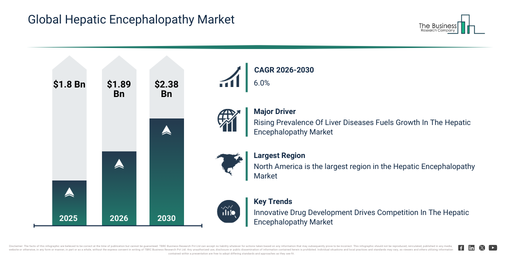
    Experiencing robust expansion, the hepatic encephalopathy market experienced significant growth in its valuation. This sector is projected to advance from $1.8 billion in 2025 to $1.89 billion by 2026, reflecting a compound annual growth rate of 5.0%. Key factors contributing to the expansion observed in the preceding period include a greater number of individuals suffering from chronic liver ailments, escalating alcohol consumption levels, a heightened occurrence of cirrhosis, enhanced capabilities in diagnosis, and a proliferation of specialized liver treatment facilities.

    The global market for hepatic encephalopathy treatments is projected for substantial expansion in the coming years, anticipated to reach a valuation of $2.38 billion by 2030, expanding at a compound annual growth rate of 6.0%. This projected growth trajectory during the forecast period is underpinned by several key drivers: an escalating demand for sophisticated therapeutic interventions, a rise in liver transplant surgeries, a heightened emphasis on mitigating hospital readmissions, the proliferation of digital health monitoring technologies, and augmented investments directed towards hepatology research. Furthermore, prominent trends expected to shape the market landscape in this period include a greater embrace of precision medicine and targeted drug therapies, the increasing implementation of multi-drug combination treatment strategies, a strengthened focus on prompt diagnosis and continuous patient monitoring, the broadening of inpatient treatment frameworks, and the development of more patient-centered care methodologies.

    Download A Free Sample Report For Comprehensive Market Insights:

    https://www.thebusinessresearchcompany.com/sample.aspx?id=12906&type=smp

    Hepatic Encephalopathy Market Growth Drivers: What Factors Are Accelerating Expansion?

    The increasing incidence of liver conditions is anticipated to be a primary catalyst for the expansion of the hepatic encephalopathy market. Liver disease, characterized by impairments to the liver’s functionality, can see its associated conditions, such as hepatic encephalopathy, managed through various treatments. These interventions aim to mitigate symptoms, decelerate disease progression, enhance liver function, and decrease the recurrence of hepatic encephalopathy, thereby improving patients’ quality of life through better management of underlying ailments and a reduction in the frequency and intensity of episodes. Evidence from the UK’s Office for Health Improvement and Disparities in April 2024 indicates a persistent rise in liver disease hospital admissions, escalating to 155.2 per 100,000 individuals (with a confidence interval spanning 152.9 to 157.5) for the fiscal year ending 2023, a notable increase from the preceding year’s figure of 150.6 (ranging from 148.2 to 152.9). Consequently, the escalating prevalence of liver diseases is a significant driver for the hepatic encephalopathy market.

    The anticipated surge in healthcare spending is poised to fuel the expansion of the hepatic encephalopathy market. Broadly defined, healthcare expenditures encompass the comprehensive financial outlays for health-related goods, services, and initiatives within a defined timeframe, whether measured individually, communally, nationally, or globally. Heightened investments in healthcare are likely to foster improvements in the diagnosis, treatment, public awareness, and overall patient care for hepatic encephalopathy, thereby positively influencing available therapeutic avenues. For illustration, a report from the UK’s Office for National Statistics in April 2025 highlighted a nominal growth of 6.5% in total healthcare expenditure from 2023 to 2024, succeeding a 6.3% growth in 2023. Therefore, escalating healthcare expenditures will serve as a driving force for the growth of the hepatic encephalopathy market.

    Hepatic Encephalopathy Market Segment Analysis: What Are The Major Market Categories?

    The hepatic encephalopathy market covered in this report is segmented –

    1) By Drug Class: Antibiotics, Laxatives

    2) By Route Of Administration: Oral, Intravenous, Rectal

    3) By Distribution Channel: Hospital Pharmacies, Retail Pharmacies

    Subsegments:

    1) By Antibiotics: Rifaximin, Neomycin

    2) By Laxatives: Lactulose, Polyethylene Glycol

    Hepatic Encephalopathy Market Trends: What Is Shaping Future Industry Growth?

    Within the hepatic encephalopathy market, dominant firms are actively pursuing groundbreaking pharmaceutical advancements to combat the condition, thereby securing a stronger market presence and a competitive edge. As an illustration, in June of 2023, Karolinska Development AB, a pharmaceutical entity headquartered in Sweden, brought forth the development of GR3027, also known as golexanolone, specifically for addressing hepatic encephalopathy. This innovative treatment takes the form of an orally administered small molecule and functions as a GABAA-receptor-modulating steroid antagonist (GAMSA), engineered to counteract the enhancing effects of endogenous neuroactive steroids on GABAA receptors. Furthermore, this drug is presently undergoing scrutiny for its efficacy in treating hepatic encephalopathy, with ongoing clinical trials in Phases I/IIa focusing on chronic hepatic encephalopathy (CHE).

    Hepatic Encephalopathy Market Leading Companies Driving Competitive Growth

    Major companies operating in the hepatic encephalopathy market are Salix Pharmaceuticals, Bausch Health Companies, Norgine, Lupin, Sun Pharmaceutical Industries, Dr Reddys Laboratories, Cipla, Teva Pharmaceutical Industries, Mylan, Torrent Pharmaceuticals, Amneal Pharmaceuticals, Zydus Lifesciences, Aurobindo Pharma, Intas Pharmaceuticals, Alkem Laboratories, Alembic Pharmaceuticals, Wockhardt, Hetero Drugs, Cadila Pharmaceuticals, Abbott India

    Access The Complete Hepatic Encephalopathy Market Report:

    https://www.thebusinessresearchcompany.com/report/hepatic-encephalopathy-global-market-report

    Hepatic Encephalopathy Market Largest Region: Which Geography Holds The Highest Market Share?

    North Americawas the largest region in the hepatic encephalopathy market in 2025. The regions covered in the hepatic encephalopathy market report are Asia-Pacific, South East Asia, Western Europe, Eastern Europe, North America, South America, Middle East, Africa.

    Get in touch with us:

    The Business Research Company: https://www.thebusinessresearchcompany.com/

    Americas: +1 310-496-7795

    Asia: +44 7882 955267 & +91 8897263534

    Europe: +44 7882 955267

    Email us at: marketing@tbrc.info

    Follow us on:

    LinkedIn: https://in.linkedin.com/company/the-business-research-company

    YouTube: https://www.youtube.com/channel/UC24_fI0rV8cR5DxlCpgmyFQ

    Global Market Model: https://www.thebusinessresearchcompany.com/global-market-model
  • Hemorrhoids Market Set To Grow From $3.11 Billion In 2026 To $3.96 Billion By 2030 At A CAGR Of 6.2%

    Hemorrhoids Market Set To Grow From $3.11 Billion In 2026 To $3.96 Billion By 2030 At A CAGR Of 6.2%

    Enhanced with market attractiveness analysis, total addressable market evaluation, company benchmarking matrices, interactive Excel dashboards, expanded supply chain intelligence, emerging startup coverage, and detailed product insights, The Business Research Company’s 2026 market reports deliver more actionable and strategically valuable research.

    Hemorrhoids Market Forecast Highlighting Growth From $3.11 Billion To $3.96 Billion

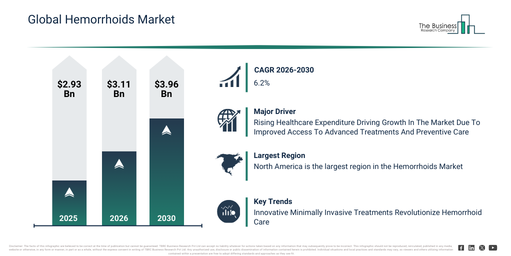
    The market for hemorrhoid treatments has experienced robust expansion lately, moving from $2.93 billion in 2025 to $3.11 billion in 2026 with a compound annual growth rate of 6.4%. Factors contributing to this expansion throughout the past period include the growing popularity of inactive lifestyles, a rise in chronic constipation cases, heightened consciousness about conditions affecting the anus and rectum, the proliferation of outpatient care options, and the availability of diverse therapeutic interventions.

    The global hemorrhoid treatment market is projected for significant expansion, anticipating a surge to $3.96 billion by 2030, fueled by a compound annual growth rate (CAGR) of 6.2%. This upward trajectory is underpinned by several key factors, including a steadily increasing elderly demographic, heightened emphasis on prompt diagnosis and intervention, burgeoning demand for less invasive surgical options, the expanding reach of telehealth for proctological consultations, and the wider availability of sophisticated therapeutic approaches. Within this period, prominent market shifts are expected to encompass a greater embrace of minimally invasive hemorrhoid therapies, a rise in the uptake of over-the-counter remedies, increased utilization of non-surgical interventions, the proliferation of home-based management strategies, and a heightened focus on patient comfort and recuperation.

    Download A Free Sample Report For Comprehensive Market Insights:

    https://www.thebusinessresearchcompany.com/sample.aspx?id=22000&type=smp

    Hemorrhoids Market Growth Factors Supporting Long-Term Expansion

    The hemorrhoids market is poised for expansion, primarily fueled by escalating healthcare spending. This increased financial investment in health, encompassing outlays by individuals, institutions, and governments towards health upkeep, prevention, and management, is a significant market driver. The upward trend in health expenditures can be attributed to the continuous evolution of medical technology; novel diagnostic methods, therapeutic interventions, and groundbreaking treatments inherently carry substantial costs, thereby elevating overall healthcare spending. Furthermore, augmented healthcare budgets facilitate broader access to medical treatments, prophylactic measures, pharmaceuticals, and sophisticated procedures, ultimately benefiting the management and prognosis of hemorrhoidal conditions. To illustrate, data from the Centers for Medicare & Medicaid Services, a U.S. entity overseeing Medicare and Medicaid, revealed that in 2023, American healthcare expenditures saw a 7.5% surge, reaching $4.9 trillion, which translates to approximately $14,570 per capita. Consequently, this upward trajectory in healthcare expenditure is instrumental in advancing the hemorrhoids market.

    Hemorrhoids Market Segment Breakdown: Which Categories Generate The Most Revenue?

    The hemorrhoids market covered in this report is segmented –

    1) By Type: Internal Hemorrhoids, External Hemorrhoids, Mixed Hemorrhoids

    2) By Treatment Type: Medications, Procedures And Surgical Treatments

    3) By End User: Hospitals, Clinics, Ambulatory Surgery Centers (ASCs), Homecare

    4) By Distribution Channel: Hospital Pharmacies, Retail Pharmacies, Online Pharmacies

    Subsegments:

    1) By Internal Hemorrhoids: Grade I, Grade II, Grade III, Grade IV

    2) By External Hemorrhoids: Thrombosed External Hemorrhoids, Non-Thrombosed External Hemorrhoids

    3) By Mixed Hemorrhoids: Combined Internal And External Hemorrhoids, Prolapsed Hemorrhoids

    Hemorrhoids Market Industry Trends Shaping Future Revenue Growth

    Companies at the forefront of the hemorrhoid sector are actively pursuing the creation of novel surgical interventions, specifically focusing on minimally invasive approaches to alleviate patient discomfort, expedite recovery periods, and elevate clinical results. Such minimally invasive techniques employ sophisticated medical procedures aimed at minimizing tissue trauma, diminishing post-operative pain, and shortening recuperation phases when contrasted with conventional hemorrhoid removal surgeries. Illustrating this trend, in December of 2023, Medical Fintech Innovations B.V., a Dutch entity specializing in technological advancements, unveiled the HemWell GEN 2. This latest iteration of their device incorporates the pioneering Hemwellectomy approach, a minimally invasive electrosurgical method for addressing hemorrhoid conditions. This cutting-edge methodology is engineered to provide individuals undergoing treatment with a less painful option compared to standard hemorrhoidectomy procedures, thereby fostering accelerated healing and facilitating a prompt resumption of everyday routines.

    Hemorrhoids Market Key Players And Strategic Industry Positioning

    Major companies operating in the hemorrhoids market are Johnson & Johnson, Bayer AG, Abbott Laboratories, Medtronic Plc, Takeda Pharmaceutical Company, Boston Scientific Corporation, Church & Dwight Co. Inc., Dr. Reddy’s Laboratories Ltd, Glenmark Pharmaceuticals, B. Braun Melsungen AG, Sebela Pharmaceuticals, Citius Pharmaceuticals, AMATO PHARMACEUTICAL PRODUCTS LTD, Surkon Medical Co. Ltd., Privi Medical, CONMED Corporation, Integra LifeSciences Corporation, Takeda Consumer Healthcare, Fresenius Kabi, Sanofi

    Access The Complete Hemorrhoids Market Report:

    https://www.thebusinessresearchcompany.com/report/hemorrhoids-global-market-report

    Hemorrhoids Market Regional Analysis: Which Region Leads By Revenue?

    North Americawas the largest region in the hemorrhoids market in 2025. The regions covered in the hemorrhoids market report are Asia-Pacific, South East Asia, Western Europe, Eastern Europe, North America, South America, Middle East, Africa.

    Get in touch with us:

    The Business Research Company: https://www.thebusinessresearchcompany.com/

    Americas: +1 310-496-7795

    Asia: +44 7882 955267 & +91 8897263534

    Europe: +44 7882 955267

    Email us at: marketing@tbrc.info

    Follow us on:

    LinkedIn: https://in.linkedin.com/company/the-business-research-company

    YouTube: https://www.youtube.com/channel/UC24_fI0rV8cR5DxlCpgmyFQ

    Global Market Model: https://www.thebusinessresearchcompany.com/global-market-model
  • Hemorrhage Control System Market Opportunities Are Emerging Beyond Traditional Growth Areas

    Hemorrhage Control System Market Opportunities Are Emerging Beyond Traditional Growth Areas

    Through market attractiveness analysis, total addressable market evaluation, company benchmarking matrices, interactive Excel dashboards, expanded supply chain intelligence, emerging startup coverage, and detailed product insights, The Business Research Company’s 2026 market reports provide more actionable and strategically valuable research.

    Hemorrhage Control System Market Revenue Growth Supported By A CAGR Of 4.67% Through 2030

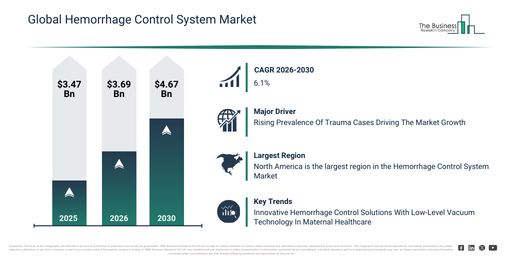
    The global market for hemorrhage control systems has experienced robust expansion recently and is projected to continue this upward trajectory, transitioning from $3.47 billion in 2025 to an estimated $3.69 billion in 2026, reflecting a compound annual growth rate of 6.4%. This historical growth was propelled by several key factors, including a rise in trauma and accident occurrences, the broadening scope of emergency medical services, the implementation of standardized protocols for managing bleeding, an increase in the number of surgical interventions, and the wider availability of sophisticated hemostatic products.

    The market for hemorrhage control systems is projected for substantial expansion over the coming years, reaching an estimated $4.67 billion by 2030 with a compound annual growth rate of 6.1%. This anticipated growth is fueled by several key factors including heightened investments in trauma care infrastructure, a surge in demand for medical solutions suitable for battlefield conditions, the broadening scope of emergency preparedness initiatives, a greater emphasis on swift-response medical devices, and continuous advancements in hemostatic materials. Key developments anticipated during this forecast period encompass the escalating adoption of sophisticated hemostatic dressings, a greater utilization of rapid systems for controlling traumatic bleeding, an increased need for portable and field-ready solutions, the expansion of prehospital emergency hemorrhage control measures, and an intensified focus on applications within military and trauma care settings.

    Download A Free Sample Report For Comprehensive Market Insights:

    https://www.thebusinessresearchcompany.com/sample.aspx?id=21201&type=smp

    Hemorrhage Control System Market Demand Drivers Creating New Revenue Opportunities

    The expansion of the hemorrhage control systems market is anticipated to be significantly boosted by the increasing occurrence of trauma incidents. These incidents encompass urgent medical situations stemming from physical harm due to external factors like accidents, falls, or acts of aggression. A multitude of reasons contribute to this upward trend in trauma cases, such as collisions on roadways, mishaps at work, injuries sustained during athletic activities, and the impact of natural calamities. Hemorrhage control systems play a crucial role in managing these trauma situations by efficiently addressing substantial blood loss, thereby enhancing patient prognoses and mitigating adverse outcomes during critical care. As an illustration, in October 2023, the World Federation of Neurology, a UK entity dedicated to furthering neurological practices and scientific inquiry internationally, reported that over 40% of the world’s population experiences a neurological disorder, a statistic projected to almost double by the year 2050. Consequently, the escalating incidence of trauma cases is serving as a key driver for the hemorrhage control systems market’s growth.

    Hemorrhage Control System Market Segmentation: How Is The Market Structured Across Key Categories?

    The hemorrhage control system market covered in this report is segmented –

    1) By Product Type: Dressings, Hemostatic Agents, Clamps And Tourniquets, Surgical Sealants

    2) By Application: Cardiovascular Surgery, General Surgery, Plastic Surgery, Orthopedic Surgery, Neurosurgery, Other Applications

    3) By Distribution Channel: Direct Sales, Distributors

    4) By End-User: Hospital And Ambulatory Surgery Centers (ASCs), Specialty Clinics, Other End-Users

    Subsegments:

    1) By Dressings: Gauze Dressings, Hydrogel Dressings, Alginate Dressings, Foam Dressings

    2) By Hemostatic Agents: Thrombin-Based Hemostats, Fibrin Sealants, Gelatin-Based Hemostats, Oxidized Regenerated Cellulose (ORC) Hemostats

    3) By Clamps And Tourniquets: Surgical Clamps, Pneumatic Tourniquets, Non-Pneumatic Tourniquets

    4) By Surgical Sealants: Synthetic Sealants, Collagen-Based Sealants, Cyanoacrylate-Based Sealants

    Hemorrhage Control System Market Trends Driving Strategic Industry Expansion

    Leading global players within the hemorrhage control systems sector are concentrating their efforts on pioneering sophisticated solutions, notably postpartum hemorrhage control devices, with the objective of improving the efficacy of managing excessive bleeding in dire medical emergencies. These specialized postpartum hemorrhage control devices are engineered to address and cease significant blood loss following childbirth, thereby mitigating severe, life-threatening complications through mechanisms that either promote blood clotting or restrict blood vessels to regulate blood flow during postpartum hemorrhage events. As an illustration, in September of 2024, Organon Canada, a notable healthcare enterprise headquartered in Canada, introduced the JADA System, a medical apparatus specifically developed for the management and treatment of postpartum hemorrhage. This system employs low-level vacuum technology to stimulate natural uterine contractions, facilitating the control and resolution of abnormal uterine bleeding or hemorrhage occurring post-delivery. Such a forward-thinking methodology presents a non-surgical and potent option when conventional approaches to managing postpartum hemorrhage are deemed appropriate, fulfilling a crucial demand within the realm of maternal health services.

    Hemorrhage Control System Market Competitive Landscape And Leading Companies

    Major companies operating in the hemorrhage control system market are Medtronic plc, Stryker Corporation, Becton, Dickinson and Company (BD), Baxter International Inc., Teleflex Incorporated, Integra LifeSciences Holdings Corporation, Ethicon, CryoLife Inc., B. Braun Melsungen AG, Z-Medica LLC, Medicom, Axio Biosolutions, Aero Healthcare Pty Ltd., Penn Care Inc., Tricol Biomedical Inc., Hemostasis LLC, RevMedx Inc., Turtle Engineering Ltd., OMNI-STAT Medical Inc., Unicare Biomedical Inc.

    Access The Complete Hemorrhage Control System Market Report:

    https://www.thebusinessresearchcompany.com/report/hemorrhage-control-system-global-market-report

    Hemorrhage Control System Market Geographic Distribution And Regional Opportunities

    North Americawas the largest region in the hemorrhage control system market in 2025. Asia-Pacificis expected to be the fastest-growing region in the forecast period. The regions covered in the hemorrhage control system market report are Asia-Pacific, South East Asia, Western Europe, Eastern Europe, North America, South America, Middle East, Africa.

    Get in touch with us:

    The Business Research Company: https://www.thebusinessresearchcompany.com/

    Americas: +1 310-496-7795

    Asia: +44 7882 955267 & +91 8897263534

    Europe: +44 7882 955267

    Email us at: marketing@tbrc.info

    Follow us on:

    LinkedIn: https://in.linkedin.com/company/the-business-research-company

    YouTube: https://www.youtube.com/channel/UC24_fI0rV8cR5DxlCpgmyFQ

    Global Market Model: https://www.thebusinessresearchcompany.com/global-market-model
  • Hemophilia Market Expansion Is Opening New Pathways For Strategic Investment

    Hemophilia Market Expansion Is Opening New Pathways For Strategic Investment

    Delivering more actionable and strategically valuable research, The Business Research Company’s 2026 market reports feature market attractiveness analysis, total addressable market evaluation, company benchmarking matrices, interactive Excel dashboards, expanded supply chain intelligence, emerging startup coverage, and detailed product insights.

    Hemophilia Market Value Expansion And Long-Term Growth Outlook

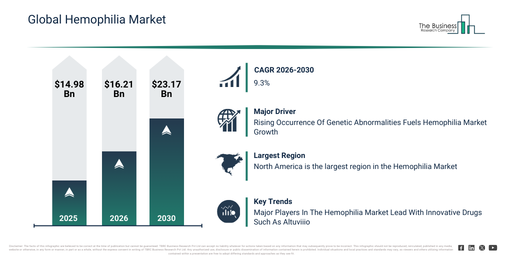
    The global hemophilia market experienced robust expansion recently and is projected to continue this upward trajectory. Anticipated to climb from $14.98 billion in 2025 to $16.21 billion in 2026, this growth represents a compound annual growth rate (CAGR) of 8.2%. Key drivers behind the historical expansion primarily included enhanced accessibility to clotting factor concentrates, a widening embrace of prophylactic treatment strategies, increased effectiveness of hemophilia awareness initiatives, progress in the manufacturing of recombinant factors, and greater availability of specialized treatment facilities.

    The global hemophilia market is poised for substantial expansion over the coming years, projecting a reach of $23.17 billion by 2030, fueled by a compound annual growth rate (CAGR) of 9.3%. This anticipated surge is underpinned by several key factors, including the burgeoning approval rates of innovative gene therapies, a growing preference for tailored medical interventions, the proliferation of at-home infusion services, increased funding dedicated to rare disease studies, and a heightened emphasis on improving patients’ overall well-being. Throughout this projected period, several significant trends are expected to shape the market landscape, such as a greater uptake of extended-release clotting factor treatments, mounting interest in gene therapy as a curative option for hemophilia, a broader utilization of treatment plans administered in the home environment, the wider implementation of individualized preventive care strategies, and a more robust incorporation of digital tools for patient health oversight.

    Download A Free Sample Report For Comprehensive Market Insights:

    https://www.thebusinessresearchcompany.com/sample.aspx?id=12905&type=smp

    Hemophilia Market Expansion Supported By Key Demand Factors

    An increase in the prevalence of genetic disorders is anticipated to be a key driver for the expansion of the hemophilia market. These genetic disorders, characterized by alterations in an individual’s DNA sequence, can lead to a spectrum of health issues and physical characteristics, with hemophilia being one such condition. The objective of hemophilia management is to avert or manage bleeding incidents, mitigate associated complications, and enhance the overall well-being of individuals affected by these genetic conditions. Illustratively, data from the Cystic Fibrosis Trust, a UK organization supporting those with cystic fibrosis, indicated that in 2022, there were approximately 11,148 registered patients with this genetic disorder, a figure that rose to 11,318 in 2023, signifying a year-over-year patient registration increase of 1.5%. Consequently, the growing incidence of genetic abnormalities is fueling the progression of the hemophilia market.

    Hemophilia Market Segmentation Trends And Revenue Drivers

    The hemophilia market covered in this report is segmented –

    1) By Type: Hemophilia A, Hemophilia B, Hemophilia C, Other Types

    2) By Treatment: Replacement Therapy, Hemostatic Agents, Desmopressin, Gene Therapy, Other Treatments

    3) By End-User: Hospitals, Clinics, Home Care Settings, Other End-Users

    Subsegments:

    1) By Hemophilia A: Severe Hemophilia A, Moderate Hemophilia A, Mild Hemophilia A

    2) By Hemophilia B: Severe Hemophilia B, Moderate Hemophilia B, Mild Hemophilia B

    3) By Hemophilia C: Severe Hemophilia C, Mild Hemophilia C

    4) By Other Types: Acquired Hemophilia, Von Willebrand Disease

    Hemophilia Market Growth Trends Influencing Competitive Dynamics

    Sanofi S.A., a prominent French biopharmaceutical firm, has strategically introduced novel therapeutics like ALTUVIIIO to fortify its presence within the hemophilia sector. This groundbreaking hemophilia A treatment, sanctioned by the United States Food and Drug Administration (FDA) in February 2023, distinguishes itself by providing once-weekly administration. ALTUVIIIO stands as a unique advancement, enabling patients to achieve and maintain factor activity levels that approach normal (exceeding 40%) for the majority of the week, thereby significantly reducing bleeding events compared to traditional factor VIII prophylactic regimens.

    Hemophilia Market Industry Leaders: Which Organizations Are Driving Competition?

    Major companies operating in the hemophilia market are Kedrion S.p.A., Chugai Pharmaceutical Co. Ltd., Pfizer Inc., F. Hoffmann-La Roche AG, Bayer AG, Sanofi S.A., Bristol-Myers Squibb Company, Takeda Pharmaceutical Company Limited, Novo Nordisk A/S, Baxter International Inc., CSL Limited, Biogen Inc., Grifols S.A., Octapharma AG, BioMarin Pharmaceutical Inc., GC Pharma, Alnylam Pharmaceuticals Inc., Bio Products Laboratory Ltd., Sangamo Therapeutics Inc., UniQure, Intellia tx, ProMetic BioSciences Ltd., Dimension Therapeutics, Amarna therapeutics, HEMA Biologics LLC, Aptevo Therapeutics, Arcturus Therapeutics Inc., Ferring Lakemedel AB, Chiesi Farmaceutici S.p.A.

    Access The Complete Hemophilia Market Report:

    https://www.thebusinessresearchcompany.com/report/hemophilia-global-market-report

    Hemophilia Market Largest Region By Revenue And Market Share

    North Americawas the largest region in the hemophilia market in 2025. Asia-Pacificis expected to be the fastest-growing region in the forecast period. The regions covered in the hemophilia market report are Asia-Pacific, South East Asia, Western Europe, Eastern Europe, North America, South America, Middle East, Africa.

    Get in touch with us:

    The Business Research Company: https://www.thebusinessresearchcompany.com/

    Americas: +1 310-496-7795

    Asia: +44 7882 955267 & +91 8897263534

    Europe: +44 7882 955267

    Email us at: marketing@tbrc.info

    Follow us on:

    LinkedIn: https://in.linkedin.com/company/the-business-research-company

    YouTube: https://www.youtube.com/channel/UC24_fI0rV8cR5DxlCpgmyFQ

    Global Market Model: https://www.thebusinessresearchcompany.com/global-market-model
  • Hemophagocytic Lymphohistiocytosis Market Trends Are Creating New Opportunities For Industry Leaders

    Hemophagocytic Lymphohistiocytosis Market Trends Are Creating New Opportunities For Industry Leaders

    Enhanced with market attractiveness analysis, total addressable market evaluation, company benchmarking matrices, interactive Excel dashboards, expanded supply chain intelligence, emerging startup coverage, and detailed product insights, The Business Research Company’s 2026 market reports deliver more actionable and strategically valuable research.

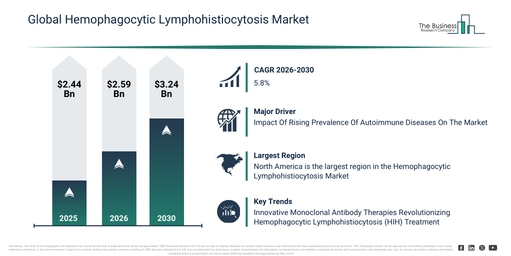
    Hemophagocytic Lymphohistiocytosis Market Expected To Reach $3.23 Billion By 2030 At 5.8% CAGR

    The market for hemophagocytic lymphohistiocytosis has experienced substantial expansion recently, with projections indicating a move from $2.44 billion in 2025 to $2.59 billion in 2026, reflecting a compound annual growth rate of 6.0%. This past growth trajectory has been bolstered by advancements in intensive care, a heightened recognition of uncommon immune system conditions, enhanced diagnostic testing infrastructure, the deployment of chemotherapy treatments, and the development of dedicated hospital departments.

    The hemophagocytic lymphohistiocytosis (HLH) market is poised for significant expansion, with projections indicating a substantial increase to $3.24 billion by 2030, reflecting a compound annual growth rate (CAGR) of 5.8%. This anticipated surge is underpinned by a confluence of factors including intensified research into bespoke immunotherapies, a growing embrace of precise diagnostic methodologies, the implementation of proactive early intervention approaches, a heightened emphasis on managing rare diseases, and the continuous development of innovative treatment regimens. Key developments expected to shape this market during the forecast horizon encompass a greater utilization of genetic testing for prompt identification, increased deployment of targeted immunosuppressive treatments, a stronger emphasis on swift diagnostic protocols, the proliferation of dedicated HLH treatment facilities, and a more comprehensive integration of collaborative, multidisciplinary care frameworks.

    Download A Free Sample Report For Comprehensive Market Insights:

    https://www.thebusinessresearchcompany.com/sample.aspx?id=21200&type=smp

    Hemophagocytic Lymphohistiocytosis Market Growth Drivers And Industry Catalysts

    The increasing incidence of autoimmune conditions is anticipated to fuel the expansion of the hemophagocytic lymphohistiocytosis market. Autoimmune disorders occur when the body’s immune system mistakenly attacks its own healthy cells and tissues. Contributing factors to the growing number of autoimmune diseases include genetic susceptibility, environmental stimuli, infections, hormonal shifts, and enhanced early detection coupled with greater public awareness. Treatments for hemophagocytic lymphohistiocytosis offer significant benefits to individuals with autoimmune diseases by mitigating overactive immune responses, reducing inflammation, and rebalancing the immune system, thereby alleviating severe immune-related complications and improving overall disease management. For illustration, as of February 2024, Arthritis Australia, a non-profit organization based in Australia, reported that in 2025, an estimated 212,136 males and 362,137 females are predicted to have rheumatoid arthritis (RA), with these figures projected to increase by 2040 to roughly 280,040 males and 479,828 females. Consequently, the escalating prevalence of autoimmune diseases is a key factor driving the growth of the hemophagocytic lymphohistiocytosis market.

    Increased spending on healthcare is projected to be a significant catalyst for the growth of the hemophagocytic lymphohistiocytosis market. Healthcare expenditure represents the aggregate financial outlay on medical products, services, and public health initiatives within a specific geographic area. Several factors contribute to this rise, including an aging demographic, the proliferation of chronic illnesses, technological advancements in medicine, escalating service costs, and a heightened demand for superior quality care. Greater investment in healthcare directly benefits HLH treatments by providing financial support for cutting-edge diagnostic tools, therapeutic interventions, and research endeavors. This ultimately leads to enhanced access to specialized medical services, better patient recovery rates, and the advancement of novel treatment strategies and early identification methods. As an example, a report from the Office for National Statistics, a UK governmental body, indicated in April 2025 that total healthcare expenditure saw a nominal increase of 6.5% from 2023 to 2024, following a 6.3% growth in 2023. Therefore, the upward trend in healthcare spending is a crucial driver for the expansion of the hemophagocytic lymphohistiocytosis market.

    Hemophagocytic Lymphohistiocytosis Market Segment Analysis Highlighting Growth Areas

    The hemophagocytic lymphohistiocytosis market covered in this report is segmented –

    1) By Type: Familial, Acquired

    2) By Diagnosis: Blood Tests, Bone Marrow Biopsy, Genetic Testing

    3) By Treatment: Steroids, Chemotherapy, Other Treatments

    4) By End-Users: Hospitals, Specialty Clinics

    Subsegments:

    1) By Familial Hemophagocytic Lymphohistiocytosis (FHL): FHL Type 1, FHL Type 2, FHL Type 3, FHL Type 4, FHL Type 5

    2) By Acquired Hemophagocytic Lymphohistiocytosis (HLH): Infection-Associated HLH, Malignancy-Associated HLH, Autoimmune-Associated HLH

    #Hemophagocytic Lymphohistiocytosis Market Trends Influencing Long-Term Demand

    Leading entities within the hemophagocytic lymphohistiocytosis sector are concentrating their efforts on crafting sophisticated therapeutic approaches, notably monoclonal antibody treatments, aimed at precisely identifying and eliminating disease-causing immune cells. This therapeutic modality involves the administration of lab-produced antibodies tailored to bind with particular cell surface markers, thereby either adjusting the body’s immune reactions or addressing specific ailments. As an illustration, during October 2024, the American biotechnology firm Electra Therapeutics, Inc. introduced ELA026, a development that subsequently received Orphan Drug Designation from the Food and Drug Administration for its potential in managing hemophagocytic lymphohistiocytosis (HLH). ELA026, representing a groundbreaking antibody treatment that targets signal regulatory proteins (SIRP), introduces an innovative strategy for secondary HLH (sHLH), an uncommon yet critical disorder for which no existing treatments are currently approved.

    Hemophagocytic Lymphohistiocytosis Market Leading Companies: Who Holds Significant Market Presence?

    Major companies operating in the hemophagocytic lymphohistiocytosis market are Labcorp, Quest Diagnostics Incorporated, Electra Therapeutics Inc., Swedish Orphan Biovitrum AB, ARUP Laboratories, Invitae Corp., Mayo Clinic Laboratories, Metropolis Healthcare, Centogene NV, Fulgent Genetics, Atara Biotherapeutics Inc., Innate Pharma S.A., Blueprint Genetics, Novimmune SA, Machaon Diagnostics Inc., SeaStar Medical Inc., AB2 Bio Ltd., Elixiron Immunotherapeutics Inc., Bellicum Pharmaceuticals Inc., Eurofins Biomnis

    Access The Complete Hemophagocytic Lymphohistiocytosis Market Report:

    https://www.thebusinessresearchcompany.com/report/hemophagocytic-lymphohistiocytosis-global-market-report

    Hemophagocytic Lymphohistiocytosis Market Regional Analysis And Leading Geography

    North Americawas the largest region in the hemophagocytic lymphohistiocytosis market in 2025. The regions covered in the hemophagocytic lymphohistiocytosis market report are Asia-Pacific, South East Asia, Western Europe, Eastern Europe, North America, South America, Middle East, Africa.

    Get in touch with us:

    The Business Research Company: https://www.thebusinessresearchcompany.com/

    Americas: +1 310-496-7795

    Asia: +44 7882 955267 & +91 8897263534

    Europe: +44 7882 955267

    Email us at: marketing@tbrc.info

    Follow us on:

    LinkedIn: https://in.linkedin.com/company/the-business-research-company

    YouTube: https://www.youtube.com/channel/UC24_fI0rV8cR5DxlCpgmyFQ

    Global Market Model: https://www.thebusinessresearchcompany.com/global-market-model
  • Hemoglobinopathies Treatment Market Growth Is Reshaping Competitive Advantage Across The Industry

    Hemoglobinopathies Treatment Market Growth Is Reshaping Competitive Advantage Across The Industry

    Through market attractiveness analysis, total addressable market evaluation, company benchmarking matrices, interactive Excel dashboards, expanded supply chain intelligence, emerging startup coverage, and detailed product insights, The Business Research Company’s 2026 market reports provide more actionable and strategically valuable research.

    Hemoglobinopathies Treatment Market Size And Revenue Forecast Through 2030

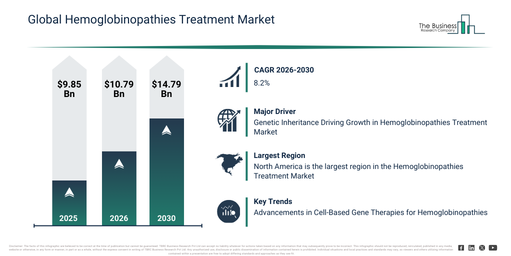
    The market for treating hemoglobinopathies has experienced robust expansion recently, projected to increase from its 2025 valuation of $9.85 billion to $10.79 billion by 2026, reflecting a compound annual growth rate of 9.6%. This expansion during the historical period is linked to factors such as enhanced survival rates for individuals with thalassemia, greater accessibility to blood transfusion services, the proliferation of specialized treatment facilities, increased adoption of iron chelation therapies, and a rise in awareness concerning genetic disorders.

    The market for treating hemoglobinopathies is poised for significant expansion over the coming years, projecting a rise to $14.79 billion by 2030, fueled by a compound annual growth rate of 8.2%. This anticipated growth is largely driven by an increase in the approval of gene editing therapies, burgeoning investments dedicated to researching curative treatments, a wider embrace of personalized medicine, improved accessibility to sophisticated transplantation methods, and a heightened emphasis on comprehensive, long-term management of the condition. Key developments anticipated within this forecast period include a greater uptake of gene therapy-based interventions, an increased reliance on stem cell transplantation techniques, a stronger focus on tailored treatment plans, the wider availability of advanced iron chelation therapies, and a more integrated approach to digital patient monitoring.

    Download A Free Sample Report For Comprehensive Market Insights:

    https://www.thebusinessresearchcompany.com/sample.aspx?id=15583&type=smp

    Hemoglobinopathies Treatment Market Opportunity Drivers: What Is Creating New Revenue Potential?

    The increasing prevalence of genetic inheritance is anticipated to be a significant driver for the expansion of the hemoglobinopathies treatment sector in the future. Genetic inheritance, the process by which traits are passed from parents to their children via DNA during reproduction, has gained prominence due to advancements in genetic research and technology. These advancements have deepened our knowledge of how genetic factors influence various health conditions, including hemoglobinopathies. Consequently, enhanced understanding of genetic inheritance facilitates progress in targeted therapies, personalized medicine, pharmaceutical development, and diagnostic capabilities within the realm of hemoglobinopathies treatment. For example, data from the UK’s Cystic Fibrosis Trust indicated that the number of registered cystic fibrosis patients, a genetic condition, rose from approximately 11,148 in 2022 to 11,318 in 2023, representing a 1.5% year-over-year rise in patient registrations, underscoring the impact of genetic factors on patient populations and thereby fueling the growth of the hemoglobinopathies treatment market.

    Hemoglobinopathies Treatment Market Segment Performance And Strategic Opportunities

    The hemoglobinopathies treatment market covered in this report is segmented –

    1) By Treatment: Stem Cell Therapy, Blood Transfusion

    2) By Application: Thalassemia, Sickle Cell Anemia

    3) By Distribution Channel: Hospital Pharmacy, Online Providers, Drug Stores And Retail Pharmacy

    Subsegments:

    1) By Stem Cell Therapy: Hematopoietic Stem Cell Transplantation (Hsct), Gene Therapy For Hemoglobinopathies, Autologous Stem Cell Therapy, Allogeneic Stem Cell Transplantation, Gene Editing Techniques ( Crispr-cas9), Umbilical Cord Blood Stem Cell Therapy, Bone Marrow Transplantation

    2) By Blood Transfusion: Regular Blood Transfusion (For Anemia), Exchange Blood Transfusion, Iron Chelation Therapy Post-Transfusion, Red Blood Cell Transfusions, Leukoreduced Blood Transfusion, Emergency Blood Transfusion In Severe Cases

    Hemoglobinopathies Treatment Market Innovation Trends Driving Future Development

    The hemoglobinopathies treatment sector is seeing significant players focus on developing cell-based gene therapies, offering the prospect of definitive cures for individuals battling these inherited blood disorders. These advanced therapies aim to rectify the root genetic causes, potentially delivering lasting or curative outcomes, alleviating symptoms and associated health issues, and substantially improving therapeutic avenues for those affected. A notable advancement occurred in December 2023 when US-based biotechnology firm Vertex Pharmaceuticals Incorporated introduced Casgevy, a treatment for sickle cell disease (SCD) and transfusion-dependent beta-thalassemia. This innovative cell-based gene therapy employs CRISPR/Cas9 technology to modify a patient’s own hematopoietic stem cells, thereby boosting the production of fetal hemoglobin to mitigate red blood cell sickling. The treatment regimen consists of a single intervention, encompassing the extraction, genetic modification, and subsequent reintroduction of the patient’s stem cells.

    Hemoglobinopathies Treatment Market Key Players: Which Companies Shape Industry Competition?

    Major companies operating in the hemoglobinopathies treatment market are Pfizer Inc., Sanofi S.A., Novartis AG, Bristol Myers Squibb, Vertex Pharmaceuticals Incorporated, Pharmacosmos A/S, Global Blood Therapeutics Inc., Acceleron Pharma Inc., Sangamo Therapeutics Inc., Gamida Cell Ltd., Beam Therapeutics, Intellia Therapeutics, Orchard Therapeutics plc, Editas Medicine, Agios Pharmaceuticals Inc., Emmaus Life Sciences Inc., Bluebird Bio Inc., CRISPR Therapeutics AG, Bioverativ Inc., Celgene Corporation

    Access The Complete Hemoglobinopathies Treatment Market Report:

    https://www.thebusinessresearchcompany.com/report/hemoglobinopathies-treatment-global-market-report

    Hemoglobinopathies Treatment Market Geographic Analysis: Where Is Demand Growing The Fastest?

    North Americawas the largest region in the hemoglobinopathies treatment market in 2025. Asia-Pacificis expected to be the fastest-growing region in the forecast period. The regions covered in the hemoglobinopathies treatment market report are Asia-Pacific, South East Asia, Western Europe, Eastern Europe, North America, South America, Middle East, Africa.

    Get in touch with us:

    The Business Research Company: https://www.thebusinessresearchcompany.com/

    Americas: +1 310-496-7795

    Asia: +44 7882 955267 & +91 8897263534

    Europe: +44 7882 955267

    Email us at: marketing@tbrc.info

    Follow us on:

    LinkedIn: https://in.linkedin.com/company/the-business-research-company

    YouTube: https://www.youtube.com/channel/UC24_fI0rV8cR5DxlCpgmyFQ

    Global Market Model: https://www.thebusinessresearchcompany.com/global-market-model
  • Hemoglobin A1c (HbA1c) Testing Market Forecast Signals New Revenue Opportunities Through 2030

    Hemoglobin A1c (HbA1c) Testing Market Forecast Signals New Revenue Opportunities Through 2030

    Delivering more actionable and strategically valuable research, The Business Research Company’s 2026 market reports feature market attractiveness analysis, total addressable market evaluation, company benchmarking matrices, interactive Excel dashboards, expanded supply chain intelligence, emerging startup coverage, and detailed product insights.

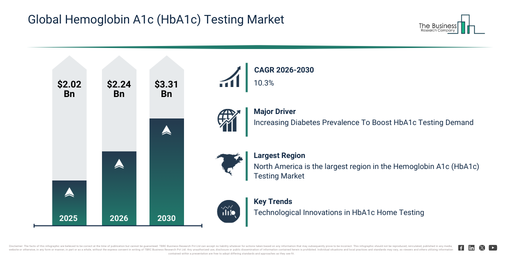
    Hemoglobin A1c (HbA1c) Testing Market Growth From $2.23 Billion In 2026 To $3.31 Billion By 2030 At A CAGR Of 10.3%

    Demand for hemoglobin A1c (HbA1c) testing has seen considerable expansion lately. Projections show this market will advance from $2.02 billion in 2025 to $2.24 billion by 2026, demonstrating a compound annual growth rate (CAGR) of 10.5%. Factors contributing to this expansion during the past period include a worldwide increase in diabetes cases, greater engagement with continuous glucose monitoring approaches, the broadening of diagnostic laboratory capabilities, elevated consciousness regarding diabetes screening practices, and the broader acceptance of HbA1c as the benchmark for diagnosis.

    The market for hemoglobin A1c (HbA1c) testing is poised for substantial expansion in the coming years, with projections indicating a rise to $3.31 billion by 2030, driven by a compound annual growth rate of 10.3%. This anticipated growth is fueled by several key factors, including the increasing use of at-home diabetes management tools, greater investment in networked diagnostic technologies, the proliferation of proactive health programs, a heightened emphasis on early identification of diabetes, and a growing need for swift diagnostic capabilities. Prominent trends expected to shape this period involve a greater acceptance of point-of-care HbA1c testing equipment, a surge in demand for mobile and domestically used HbA1c analysis devices, the expanding integration of wireless and connected testing platforms, advancements in highly precise laboratory-based HbA1c methods, and an intensified focus on achieving standardization and diagnostic precision.

    Download A Free Sample Report For Comprehensive Market Insights:

    https://www.thebusinessresearchcompany.com/sample.aspx?id=18632&type=smp

    Hemoglobin A1c (HbA1c) Testing Market Growth Momentum: Which Factors Are Influencing Demand?

    The projected expansion of the hemoglobin A1c (HbA1c) testing market is largely attributed to the escalating incidence of diabetes, a chronic condition marked by the body’s inability to manage blood sugar effectively due to inadequate insulin or resistance. This rise in diabetes cases is fueled by dietary habits, particularly the excessive intake of processed foods and sweetened beverages, alongside inactive lifestyles with limited exercise. Furthermore, an aging demographic and a familial predisposition to diabetes heighten the likelihood of developing the disease. HbA1c tests are instrumental in tracking sustained blood glucose control for diabetic individuals, by assessing average sugar levels over a two to three-month period. To illustrate, data released in June 2023 by The Lancet, a prominent publishing entity in the UK, forecasts a surge in global diabetes cases from 529 million in 2021 to an estimated 1.3 billion by the year 2050, underscoring the direct correlation between increased diabetes prevalence and the anticipated growth within the HbA1c testing sector.

    Hemoglobin A1c (HbA1c) Testing Market Segment Landscape And Growth Potential

    The hemoglobin a1c (hba1c) testing market covered in this report is segmented –

    1) By Testing Method: Laboratory-Based Testing, Point Of Care (PoC) Testing

    2) By Product Type: Instruments, Reagents, Kits

    3) By Technology: Immunoassays, Chromatography, Enzymatic Assays, Boronate Affinity Chromatography, High Performance Liquid Chromatography

    4) By End User: Hospitals And Clinics, Diagnostic Laboratories, Homecare Settings

    Subsegments:

    1) By Laboratory-Based Testing: High-Performance Liquid Chromatography (HPLC) Testing, Ion-Exchange Chromatography, Capillary Electrophoresis

    2) By Point Of Care (PoC) Testing: Fingerstick Testing Devices, Portable Hba1c Analyzers, Handheld Hba1c Test Kits

    Hemoglobin A1c (HbA1c) Testing Market Trends Reshaping Industry Growth

    In the market for hemoglobin A1c (HbA1c) testing, leading enterprises are prioritizing innovations in diagnostic technology, particularly the development of at-home HbA1c testing kits. These advancements aim to provide individuals with more convenient, precise, and readily available methods for the early identification and ongoing management of diabetes. The concept of HbA1c home tests involves diagnostic kits designed for personal use, enabling users to ascertain their average blood glucose levels over a preceding 2-3 month period, which is crucial for effective diabetes monitoring and control. Illustrating this trend, Hurdle Health, a company based in the United States committed to delivering cutting-edge healthcare solutions and diagnostic instruments for managing long-term illnesses, introduced its Hemoglobin A1c (HbA1c) Test in February 2023. This newly released at-home blood testing kit empowers adults to screen for and monitor their diabetes status, thereby supporting Chronomics’ overarching goal of increasing access to diagnostic testing and improving overall health results via direct-to-consumer platforms.

    Hemoglobin A1c (HbA1c) Testing Market Competitive Landscape: Who Are The Leading Companies?

    Major companies operating in the hemoglobin a1c (hba1c) testing market are Roche Holding AG, Thermo Fisher Scientific Inc., Abbott Laboratories, Danaher Corporation, Siemens Healthineers, Tosoh Corporation, Hitachi High-Technologies Corporation, Beckman Coulter Inc, Sysmex Corporation, Bio Rad Laboratories Inc, ARKRAY Inc, Randox Laboratories Ltd, Ortho Clinical Diagnostics, Agappe Diagnostics Ltd, SEKISUI Diagnostics LLC, Helena Laboratories, Transasia Bio Medicals Ltd, EKF Diagnostics, Trinity Biotech plc, HemoCue AB, CPC Diagnostics Pvt Ltd, PTS Diagnostics, Menarini Diagnostics srl, Diazyme Laboratories Inc, Osang HealthCare Co Ltd, Eurolyser Diagnostica GmbH, DiaSys Diagnostic Systems GmbH

    Access The Complete Hemoglobin A1c (HbA1c) Testing Market Report:

    https://www.thebusinessresearchcompany.com/report/hemoglobin-a1c-hba1c-testing-global-market-report

    Hemoglobin A1c (HbA1c) Testing Market Global Footprint: Which Region Holds Market Leadership?

    North Americawas the largest region in the hemoglobin A1c (HbA1c) testing market in 2025. Asia-Pacificis expected to be the fastest-growing region in the forecast period. The regions covered in the hemoglobin a1c (hba1c) testing market report are Asia-Pacific, South East Asia, Western Europe, Eastern Europe, North America, South America, Middle East, Africa.

    Get in touch with us:

    The Business Research Company: https://www.thebusinessresearchcompany.com/

    Americas: +1 310-496-7795

    Asia: +44 7882 955267 & +91 8897263534

    Europe: +44 7882 955267

    Email us at: marketing@tbrc.info

    Follow us on:

    LinkedIn: https://in.linkedin.com/company/the-business-research-company

    YouTube: https://www.youtube.com/channel/UC24_fI0rV8cR5DxlCpgmyFQ

    Global Market Model: https://www.thebusinessresearchcompany.com/global-market-model
  • Hemodynamic Monitoring Systems Market Growth Is Accelerating As Industry Transformation Continues

    Hemodynamic Monitoring Systems Market Growth Is Accelerating As Industry Transformation Continues

    Enhanced with market attractiveness analysis, total addressable market evaluation, company benchmarking matrices, interactive Excel dashboards, expanded supply chain intelligence, emerging startup coverage, and detailed product insights, The Business Research Company’s 2026 market reports deliver more actionable and strategically valuable research.

    Hemodynamic Monitoring Systems Market Expansion Outlook: What Revenue Opportunities Lie Ahead?

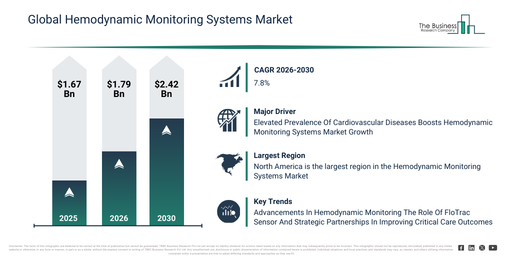
    In the domain of hemodynamic monitoring systems, a robust expansion has been observed recently, with the market projected to ascend from \$1.67 billion in 2025 to \$1.79 billion in 2026, reflecting a compound annual growth rate of 7.1%. This historical growth trajectory is largely attributable to a confluence of factors, including a surge in critical care admissions, the proliferation of intensive care units, heightened utilization of invasive monitoring methodologies, significant advancements in sensor precision, and growing awareness among healthcare professionals.

    The market for hemodynamic monitoring systems is poised for substantial expansion in the coming years, projected to reach $2.42 billion by 2030 with a compound annual growth rate of 7.8%. This anticipated growth is fueled by a confluence of factors, including heightened demand for remote patient care solutions, the increasing integration of artificial intelligence in clinical decision-making, the proliferation of minimally invasive monitoring technologies, a greater emphasis on the early identification of shock, and augmented investments in sophisticated monitoring apparatus. Key developments anticipated within this forecast period encompass a broader acceptance of non-invasive monitoring methods, more pervasive integration of real-time data analysis, a surge in the utilization of portable hemodynamic devices, an expanded scope for critical care monitoring applications, and a heightened commitment to proactive hemodynamic intervention.

    Download A Free Sample Report For Comprehensive Market Insights:

    https://www.thebusinessresearchcompany.com/sample.aspx?id=13152&type=smp

    Hemodynamic Monitoring Systems Market Expansion Drivers: What Is Shaping Future Growth?

    The increasing incidence of heart and blood vessel conditions is anticipated to be a significant catalyst for the expansion of the hemodynamic monitoring systems market. These systems are designed to deliver continuous, actionable information regarding a patient’s circulatory system, thereby empowering medical practitioners to implement prompt and accurate therapeutic measures, refine treatment plans, and ultimately enhance patient recovery. As an illustration, data from the United Kingdom published in March 2024 indicates that during the fiscal year concluding in 2023, approximately 1,862,500 individuals in England, comprising 3% of the populace, received a general practitioner diagnosis for coronary heart disease (CHD). Consequently, the escalating rate of cardiovascular ailments is poised to fuel the development and adoption of hemodynamic monitoring technologies.

    Hemodynamic Monitoring Systems Market Categorization By Product Type And Application

    The hemodynamic monitoring systems market covered in this report is segmented –

    1) By Product: Monitors, Consumables

    2) By Technique Type: Invasive, Non-Invasive

    3) By End-User: Hospitals, Cath Labs, Other End-Users

    Subsegments:

    1) By Monitors: Bedside Monitors, Handheld Monitors, Portable Monitors

    2) By Consumables: Catheters, Sensors, Tubing and Accessories

    Hemodynamic Monitoring Systems Market Strategic Trends: What Is Defining The Next Phase Of Growth?

    Key players in the hemodynamic monitoring systems industry are prioritizing the creation of sophisticated hemodynamic monitoring tools to achieve better patient results, more precise cardiovascular evaluations, and immediate data insights for enhanced clinical judgment in intensive care units, with the FloTrac Sensor representing a minimally invasive technology for continuous hemodynamic assessment in severely ill individuals, delivering real-time metrics of cardiac output and other vital hemodynamic indicators through the analysis of arterial waveform data via a regular arterial catheter; a notable development in June 2023 saw a collaboration between Mindray Medical International Ltd. of China and Edwards Lifesciences of the US, culminating in the introduction of a hemodynamic monitoring system that integrates the FloTrac sensor, linked to an arterial line, which autonomously computes essential hemodynamic values including Cardiac Output (CO), Stroke Volume (SV), Stroke Volume Variation (SVV), Systemic Vascular Resistance (SVR), and Mean Arterial Pressure (MAP) at 20-second intervals, all facilitated by Mindray’s BeneVision N series patient monitors.

    Hemodynamic Monitoring Systems Market Company Landscape And Strategic Competition

    Major companies operating in the hemodynamic monitoring systems market are Abbott Laboratories, Medtronic Plc., Siemens Healthineers AG, Koninklijke Philips N.V., GE HealthCare Technologies Inc., Baxter International Inc., CNSystems Medizintechnik GmbH, Edwards Lifesciences Corporation, Drägerwerk AG & Co. KGaA, Getinge AB, ICU Medical Inc., Masimo Corporation, N.I. Medical Ltd., Nihon Kohden Corporation, Deltex Medical Group plc, CareTaker Medical, Osypka Medical GmbH, Cnoga Digital Care, Tensys Medical Inc., Uscom Limited, Shenzhen Keman Medical Equipment Co. Ltd., Schwarzer Cardiotek GmbH, EMTEL Sliwa sp. k.

    Access The Complete Hemodynamic Monitoring Systems Market Report:

    https://www.thebusinessresearchcompany.com/report/hemodynamic-monitoring-systems-global-market-report

    Hemodynamic Monitoring Systems Market Regional Distribution: Which Areas Drive Market Expansion?

    North Americawas the largest region in the hemodynamic monitoring systems market in 2025. The regions covered in the hemodynamic monitoring systems market report are Asia-Pacific, South East Asia, Western Europe, Eastern Europe, North America, South America, Middle East, Africa.

    Get in touch with us:

    The Business Research Company: https://www.thebusinessresearchcompany.com/

    Americas: +1 310-496-7795

    Asia: +44 7882 955267 & +91 8897263534

    Europe: +44 7882 955267

    Email us at: marketing@tbrc.info

    Follow us on:

    LinkedIn: https://in.linkedin.com/company/the-business-research-company

    YouTube: https://www.youtube.com/channel/UC24_fI0rV8cR5DxlCpgmyFQ

    Global Market Model: https://www.thebusinessresearchcompany.com/global-market-model
  • Hemodialysis Catheter Market Outlook Highlights The Next Major Growth Opportunities

    Hemodialysis Catheter Market Outlook Highlights The Next Major Growth Opportunities

    Through market attractiveness analysis, total addressable market evaluation, company benchmarking matrices, interactive Excel dashboards, expanded supply chain intelligence, emerging startup coverage, and detailed product insights, The Business Research Company’s 2026 market reports provide more actionable and strategically valuable research.

    Hemodialysis Catheter Market Growth Potential: How Will Market Size Change Through 2030?

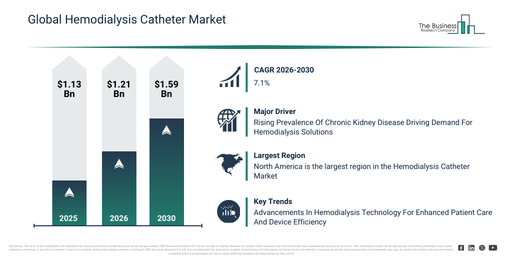
    The market for hemodialysis catheters has experienced robust expansion, and this positive trajectory is projected to continue. Estimates indicate a rise from $1.13 billion in 2025 to $1.21 billion in 2026, reflecting a compound annual growth rate of 7.4%. Factors contributing to this growth during the preceding period include a higher incidence of chronic kidney disease, the proliferation of dialysis facilities, increased utilization of central venous access devices, advancements in catheter material technology, and a greater need for enduring dialysis treatment options.

    The market for hemodialysis catheters is poised for substantial expansion, projected to reach $1.59 billion by 2030 with a compound annual growth rate of 7.1%. This upward trajectory is fueled by several key factors, including the increasing utilization of sophisticated biocompatible materials, a heightened emphasis on minimizing catheter-associated infections, the burgeoning development of dialysis programs conducted at home, escalating investments in pioneering vascular access technologies, and a growing demand for designs tailored to individual patient needs. During the anticipated future period, prominent trends will include a greater embrace of antimicrobial-coated catheters, a rise in the deployment of tunneled cuffed catheters, amplified attention on designs that prioritize infection prevention, the broader availability of access solutions for home dialysis, and a more pronounced focus on enhancing patient comfort and overall safety.

    Download A Free Sample Report For Comprehensive Market Insights:

    https://www.thebusinessresearchcompany.com/sample.aspx?id=20830&type=smp

    Hemodialysis Catheter Market Development Factors: Which Trends Are Supporting Demand?

    An increasing incidence of chronic kidney disease (CKD) is anticipated to fuel the expansion of the hemodialysis catheters market. CKD signifies a progressive deterioration of kidney function over time, often stemming from conditions like diabetes, elevated blood pressure, and inherited predispositions. This growing burden of CKD is attributable to demographic shifts such as an aging populace, detrimental lifestyle habits, and escalating occurrences of diabetes and hypertension. Hemodialysis catheters play a crucial role in securing vascular access for CKD patients necessitating extended renal replacement therapy. Illustratively, data from Kidney Research UK, a UK governmental body, revealed in February 2024 that the United Kingdom currently has around 3.25 million individuals diagnosed with stages 3-5 CKD, with projections indicating this figure could climb to 3.9 million by 2033. Consequently, the escalating prevalence of chronic kidney disease is directly stimulating growth within the hemodialysis catheters market.

    Hemodialysis Catheter Market Segment Analysis And Revenue Opportunities

    The hemodialysis catheter market covered in this report is segmented –

    1) By Product: Cuffed Tunneled Catheter, Non-Cuffed Tunneled Catheters, Non-tunneled Catheters

    2) By Tip Configuration: Step-Tip Catheters, Split-Tip Catheters, Symmetric Catheters

    3) By Material: Silicone, Carbothane, Polyurethane

    4) By End-User: Dialysis Centers, Hospitals, Other End Users

    Subsegments:

    1) By Cuffed Tunneled Catheter: Single Lumen Cuffed Tunneled Catheter, Double Lumen Cuffed Tunneled Catheter

    2) By Non-Cuffed Tunneled Catheters: Single Lumen Non-Cuffed Tunneled Catheter, Double Lumen Non-Cuffed Tunneled Catheter

    3) By Non-Tunneled Catheters: Single Lumen Non-Tunneled Catheter, Double Lumen Non-Tunneled Catheter

    Hemodialysis Catheter Market Transformation Trends: Which Innovations Are Driving Change?

    Leading participants within the hemodialysis catheter sector are actively pursuing technological advancements, exemplified by the introduction of multi-mechanism hemodialysis solutions, with the primary objectives of elevating patient results, boosting catheter performance, minimizing adverse events like infections and clotting, and prolonging device longevity. The integrated functionalities found in multi-mechanism hemodialysis catheters, such as enhanced flow dynamics, clot deterrence, and resistance to infection, contribute to more effective and secure treatment delivery. A notable development occurred in April 2023 when Becton, Dickinson and Company, a prominent US medical device enterprise, secured FDA 510(k) clearance for its Aspirex mechanical aspiration thrombectomy system, offering 6- and 8-French catheter options designed for the treatment of acute emboli and thrombi affecting hemodialysis access points, including arteriovenous grafts and fistulas. This Aspirex system employs a distinct three-part operational approach: it aspirates clots, continuously breaks them down to prevent blockages, and mechanically moves them away, thereby facilitating efficient clot clearance. The ultimate goal of this innovative system is to re-establish blood flow in blocked AVGs or AVFs, thereby ensuring that patients suffering from end-stage kidney disease can reliably receive their essential hemodialysis treatments.

    Hemodialysis Catheter Market Leading Players Shaping Industry Direction

    Major companies operating in the hemodialysis catheter market are Medtronic plc, Fresenius Medical Care AG & Co. KGaA, Toray Industries Inc., Becton Dickinson and Company, Baxter International Inc., Nipro Corporation, Teleflex Incorporated, Cook Medical Incorporated, Asahi Kasei Medical Co. Ltd., Nikkiso Co. Ltd., Merit Medical System Inc., JMS Co. Ltd., AngioDynamics Inc., B. Braun Melsungen AG, Medikit Co. Ltd., Kawasumi Laboratories Inc., Amecath, Mais India Medical Devices Pvt. Ltd., Browndove Healthcare Private Limited, Duomed Ltd.

    Access The Complete Hemodialysis Catheter Market Report:

    https://www.thebusinessresearchcompany.com/report/hemodialysis-catheter-global-market-report

    Hemodialysis Catheter Market Leading Geography: Which Region Generates The Most Revenue?

    North Americawas the largest region in the hemodialysis catheter market in 2025. Asia-Pacificis expected to be the fastest-growing region in the forecast period. The regions covered in the hemodialysis catheter market report are Asia-Pacific, South East Asia, Western Europe, Eastern Europe, North America, South America, Middle East, Africa.

    Get in touch with us:

    The Business Research Company: https://www.thebusinessresearchcompany.com/

    Americas: +1 310-496-7795

    Asia: +44 7882 955267 & +91 8897263534

    Europe: +44 7882 955267

    Email us at: marketing@tbrc.info

    Follow us on:

    LinkedIn: https://in.linkedin.com/company/the-business-research-company

    YouTube: https://www.youtube.com/channel/UC24_fI0rV8cR5DxlCpgmyFQ

    Global Market Model: https://www.thebusinessresearchcompany.com/global-market-model
  • Hemochromatosis (Iron Overload) Disease Treatment Market Trends And Growth Drivers Point To Strong Future Potential

    Hemochromatosis (Iron Overload) Disease Treatment Market Trends And Growth Drivers Point To Strong Future Potential

    Delivering more actionable and strategically valuable research, The Business Research Company’s 2026 market reports feature market attractiveness analysis, total addressable market evaluation, company benchmarking matrices, interactive Excel dashboards, expanded supply chain intelligence, emerging startup coverage, and detailed product insights.

    Hemochromatosis (Iron Overload) Disease Treatment Market Value Analysis: What Growth Is Expected Over The Forecast Period?

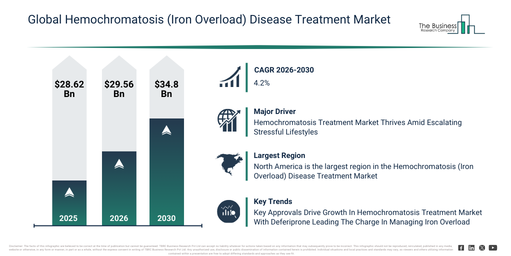
    The market dedicated to treating hemochromatosis, also known as iron overload disease, has experienced consistent expansion lately and is projected to increase from a valuation of $28.62 billion in 2025 to $29.56 billion in 2026, reflecting a compound annual growth rate of 3.3 percent. Factors contributing to the growth observed in past periods include a better understanding of inherited iron overload conditions, broader access to diagnostic tools, the prevalent application of phlebotomy as a primary treatment, mounting clinical understanding of the disease, and the presence of chelation therapies.

    The market dedicated to treating hemochromatosis, also known as iron overload disorder, is projected to experience consistent expansion over the upcoming years, reaching an estimated $34.8 billion by 2030 with a compound annual growth rate of 4.2%. This anticipated growth through the forecast period is fueled by several key factors, including a greater acceptance of individualized treatment approaches, a heightened demand for methods of monitoring the condition without surgical intervention, the broadening availability of genetic counseling, an escalating emphasis on addressing the disease in its initial stages, and ongoing investigations into innovative therapeutic options. Significant trends expected to shape this market during the same timeframe involve a stronger push for early genetic testing, increased utilization of bloodletting procedures for therapeutic purposes, a more widespread application of iron chelation treatments, the expansion of initiatives aimed at raising public awareness about the disease, and a reinforced focus on managing hemochromatosis in the long term.

    Download A Free Sample Report For Comprehensive Market Insights:

    https://www.thebusinessresearchcompany.com/sample.aspx?id=13151&type=smp

    Hemochromatosis (Iron Overload) Disease Treatment Market Industry Drivers: What Is Driving Revenue Growth?

    The escalating demands of modern living are anticipated to be a significant catalyst for the hemochromatosis (iron overload) disease treatment market’s expansion. A high-stress way of life exerts considerable pressure on both the body and mind, and sustained high stress levels can precipitate various health complications, including hemochromatosis (iron overload) disease. Addressing hemochromatosis, a disorder defined by excessive iron accumulation within the body, involves not only treating the physical symptoms but also actively mitigating the emotional and psychological strain frequently associated with navigating a long-term health challenge. Illustratively, the American Psychiatric Association reported in November 2025 that 41% of adults in the United States foresaw greater holiday-related stress compared to the previous year, a marked rise from the figures of 28% in 2024 and 29% in 2023. Consequently, this surge in stressful lifestyles is a key driver for the hemochromatosis (iron overload) disease treatment market.

    Hemochromatosis (Iron Overload) Disease Treatment Market Segmentation And Category Breakdown

    The hemochromatosis (iron overload) disease treatment market covered in this report is segmented –

    1) By Type: Hereditary Hemochromatosis, Acquired Hemochromatosis

    2) By Treatment: Therapeutic Phlebotomy, Iron Chelation Therapy, Other Treatments

    3) By End-Users: Hospitals, Surgical Centers, Other End-Users

    Subsegments:

    1) By Hereditary Hemochromatosis: Genetic Counseling, Phlebotomy, Chelation Therapy

    2) By Acquired Hemochromatosis: Treatment Of Underlying Conditions, Phlebotomy, Chelation Therapy

    #Hemochromatosis (Iron Overload) Disease Treatment Market Growth Trends: What Is Influencing The Future Outlook?

    Within the hemochromatosis (iron overload) disease treatment market, key players are securing drug approvals like deferiprone, specifically for individuals with transfusional iron overload, aiming to mitigate elevated iron levels and avert health issues stemming from iron buildup, including organ impairment. Deferiprone functions as a therapeutic agent designed to manage iron overload in patients requiring frequent blood transfusions, conditions often linked to thalassemia, sickle cell anemia, or other chronic anemias. A notable development occurred in March 2023 when Chiesi Global Rare Diseases Inc., a US-based entity, reported the Canadian approval of FERRIPROX MR, an extended-release formulation of deferiprone, for the therapeutic management of transfusional iron overload in patients suffering from thalassemia syndromes when existing chelation treatments prove insufficient, as well as for patients with sickle cell disease (SCD) or other anemia types. This orally administered iron-chelating compound actively lowers the body’s iron concentration by permeating cell membranes and forming bonds with excess iron, thereby aiding its excretion from organs and tissues.

    Hemochromatosis (Iron Overload) Disease Treatment Market Competitive Analysis Of Major Industry Participants

    Major companies operating in the hemochromatosis (iron overload) disease treatment market are Pfizer Inc., AbbVie Inc., Novartis AG, Merck KGaA, Sanofi SA, Takeda Pharmaceutical Company Limited, Bayer AG, GlaxoSmithKline plc, Roche Holding AG, Abbott Laboratories, Fresenius Kabi AG, Apotex Inc., Teva Pharmaceutical Industries Ltd., Recordati S.p.A., Chiesi Farmaceutici S.p.A., Ionis Pharmaceuticals Inc., Silence Therapeutics, DisperSol Technologies LLC., Hinoman Ltd., Pharmacosmos A/S

    Access The Complete Hemochromatosis (Iron Overload) Disease Treatment Market Report:

    https://www.thebusinessresearchcompany.com/report/hemochromatosis-iron-overload-disease-treatment-global-market-report

    Hemochromatosis (Iron Overload) Disease Treatment Market Regional Outlook: Where Are The Largest Opportunities Located?

    North Americawas the largest region in the hemochromatosis (Iron Overload) disease treatment market in 2025. The regions covered in the hemochromatosis (iron overload) disease treatment market report are Asia-Pacific, South East Asia, Western Europe, Eastern Europe, North America, South America, Middle East, Africa.

    Get in touch with us:

    The Business Research Company: https://www.thebusinessresearchcompany.com/

    Americas: +1 310-496-7795

    Asia: +44 7882 955267 & +91 8897263534

    Europe: +44 7882 955267

    Email us at: marketing@tbrc.info

    Follow us on:

    LinkedIn: https://in.linkedin.com/company/the-business-research-company

    YouTube: https://www.youtube.com/channel/UC24_fI0rV8cR5DxlCpgmyFQ

    Global Market Model: https://www.thebusinessresearchcompany.com/global-market-model