Month: June 2026

  • Hereditary Angioedema Market Forecast Signals New Revenue Opportunities Through 2030

    Hereditary Angioedema Market Forecast Signals New Revenue Opportunities Through 2030

    Through market attractiveness analysis, total addressable market evaluation, company benchmarking matrices, interactive Excel dashboards, expanded supply chain intelligence, emerging startup coverage, and detailed product insights, The Business Research Company’s 2026 market reports provide more actionable and strategically valuable research.

    Hereditary Angioedema Market Expansion Outlook: What Revenue Opportunities Lie Ahead?

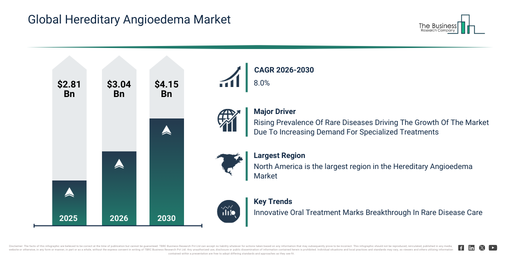
    The hereditary angioedema market experienced robust expansion recently, projected to ascend from $2.81 billion in 2025 to $3.04 billion in 2026, reflecting an 8.2% compound annual growth rate. This historical growth trajectory is underpinned by heightened awareness of infrequent genetic conditions, the accessibility of plasma-derived C1 esterase inhibitors, the proliferation of specialized treatment facilities, enhanced diagnostic precision for HAE, and the vigorous efforts of patient advocacy groups.

    The market for hereditary angioedema is projected for significant expansion in the upcoming years, anticipating a rise to $4.15 billion by 2030 with a cumulative annual growth rate of 8.0%. This forecasted expansion is underpinned by advancements in novel oral and subcutaneous treatment options, increased financial backing for the development of rare disease medications, a greater embrace of individualized medical treatments, the proliferation of genetic screening initiatives, and more effective long-term strategies for managing the condition. Key developments anticipated during this period involve a greater utilization of targeted bradykinin therapies, a rise in the application of preventative treatment plans, a heightened emphasis on identifying the condition through genetic testing at an earlier stage, the wider availability of therapies that patients can administer themselves at home, and the implementation of patient-focused treatment methodologies.

    The hereditary angioedema market is poised for robust expansion, anticipated to reach $4.15 billion by 2030, driven by a compound annual growth rate of 8.0%. This growth trajectory is fueled by the introduction of new oral and subcutaneous therapies, increased investment in the development of drugs for rare diseases, a growing trend towards personalized medicine, expanding genetic screening programs, and refined long-term disease management techniques. During the forecast period, significant trends include the increasing adoption of targeted bradykinin therapies, a greater prevalence of prophylactic treatment regimens, a concentrated effort on early genetic diagnosis, the expansion of home-based self-administration of therapies, and the development of more patient-centered treatment approaches.

    Download A Free Sample Report For Comprehensive Market Insights:

    https://www.thebusinessresearchcompany.com/sample.aspx?id=22002&type=smp

    Hereditary Angioedema Market Demand Drivers Creating New Revenue Opportunities

    The increasing incidence of rare diseases is anticipated to be a key driver for the expansion of the hereditary angioedema market. Rare diseases, often termed orphan diseases, are characterized by their low prevalence within the general population. This rise in rare conditions can be attributed to several contributing factors, including advancements in medical science, shifts in demographic patterns, and environmental influences. Hereditary angioedema (HAE), a notable example of a rare disease, underscores the critical need for specialized interventions and heightened awareness due to its potentially fatal swelling attacks. The inherent rarity and genetic basis of HAE necessitate prompt diagnosis and tailored treatment strategies to ensure effective patient management and better prognoses. For elucidation, consider the projection from The American Cancer Society in January 2025, which estimates that by 2025, approximately 59,660 new diagnoses of oral cavity and oropharyngeal cancer will occur in the U.S., with an estimated 12,770 fatalities from these specific cancers. Consequently, the escalating occurrence of rare diseases directly fuels the growth trajectory of the hereditary angioedema market.

    Hereditary Angioedema Market Segmentation Trends And Revenue Drivers

    The hereditary angioedema market covered in this report is segmented –

    1) By Type: Hereditary Angioedema Type I, Hereditary Angioedema Type II

    2) By Treatment Type: Prophylaxis, On-demand

    3) By Drug Class: C-1 Esterase Inhibitors, Bradykynin Receptor Antagonist, Kallikrein Inhibitors, Other Drug Classes

    4) By Route Of Administration: Subcutaneous, Intravenous, Oral

    5) By Distribution channel: Hospital Pharmacies, Retail Pharmacies, Online Pharmacies

    Subsegments:

    1) By Hereditary Angioedema Type I: C1-Inhibitor Deficiency, Low C1-Inhibitor Levels

    2) By Hereditary Angioedema Type II: Normal C1-Inhibitor Levels, Dysfunctional C1-Inhibitor, Genetic Mutations In SERPING1 Gene

    Hereditary Angioedema Market Trends Driving Strategic Industry Expansion

    The hereditary angioedema market is witnessing significant advancements driven by key players introducing novel therapeutic approaches, notably oral plasma kallikrein inhibitors, aimed at delivering enhanced convenience and efficacy for patients requiring on-demand treatment. These inhibitors function by impeding plasma kallikrein, thereby curbing excessive bradykinin generation, and are specifically utilized in the management of hereditary angioedema. A notable development occurred in September 2024 when KalVista Pharmaceuticals, Inc., an American pharmaceutical firm, revealed that its new drug application for sebetralstat had been accepted by the FDA. This experimental oral plasma kallikrein inhibitor is being developed as a treatment option for acute hereditary angioedema attacks in individuals aged 12 and above, encompassing both adults and younger patients, and offers a fresh therapeutic strategy by directly targeting plasma kallikrein activity. The acceptance of this application marks a crucial step towards the potential regulatory approval and subsequent market introduction of sebetralstat.

    Hereditary Angioedema Market Industry Leaders: Which Organizations Are Driving Competition?

    Major companies operating in the hereditary angioedema market are Takeda Pharmaceutical Company Limited, CSL Limited, Sanofi S.A., Pharming Group N.V., BioCryst Pharmaceuticals Inc., KalVista Pharmaceuticals Inc., Ionis Pharmaceuticals Inc., Intellia Therapeutics Inc., Arrowhead Pharmaceuticals Inc., Astria Therapeutics Inc., Pharvaris N.V., Adverum Biotechnologies Inc., ADARx Pharmaceuticals Inc., Attune Pharmaceuticals Inc., Lev Pharmaceuticals Inc., BioMarin Pharmaceutical Inc., Spark Therapeutics Inc., Otsuka Pharmaceutical Co. Ltd., Pfizer Inc., Regeneron Pharmaceuticals Inc., Vertex Pharmaceuticals Incorporated, Alnylam Pharmaceuticals Inc.

    Access The Complete Hereditary Angioedema Market Report:

    https://www.thebusinessresearchcompany.com/report/hereditary-angioedema-global-market-report

    Hereditary Angioedema Market Regional Analysis: Which Region Leads By Revenue?

    North Americawas the largest region in the hereditary angioedema market in 2025. Asia-Pacificis expected to be the fastest-growing region in the forecast period. The regions covered in the hereditary angioedema market report are Asia-Pacific, South East Asia, Western Europe, Eastern Europe, North America, South America, Middle East, Africa.

    Get in touch with us:

    The Business Research Company: https://www.thebusinessresearchcompany.com/

    Americas: +1 310-496-7795

    Asia: +44 7882 955267 & +91 8897263534

    Europe: +44 7882 955267

    Email us at: marketing@tbrc.info

    Follow us on:

    LinkedIn: https://in.linkedin.com/company/the-business-research-company

    YouTube: https://www.youtube.com/channel/UC24_fI0rV8cR5DxlCpgmyFQ

    Global Market Model: https://www.thebusinessresearchcompany.com/global-market-model
  • Herceptin Market Growth Is Accelerating As Industry Transformation Continues

    Herceptin Market Growth Is Accelerating As Industry Transformation Continues

    Delivering more actionable and strategically valuable research, The Business Research Company’s 2026 market reports feature market attractiveness analysis, total addressable market evaluation, company benchmarking matrices, interactive Excel dashboards, expanded supply chain intelligence, emerging startup coverage, and detailed product insights.

    Herceptin Market Growth Potential: How Will Market Size Change Through 2030?

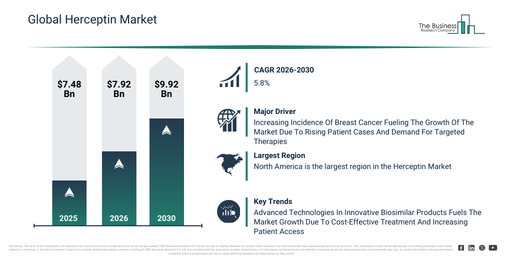
    The herceptin market has experienced robust expansion lately, projected to increase from $7.48 billion in 2025 to $7.92 billion in 2026, reflecting a compound annual growth rate of 5.8%. This historical growth trajectory is largely influenced by increased diagnoses of her2-positive cancers, broad adoption of trastuzumab in clinical practice, enhancements in oncology infusion capabilities, the presence of robust biologic manufacturing facilities, and the integration of herceptin into established treatment protocols.

    Anticipating substantial expansion, the Herceptin market is projected to reach a value of $9.92 billion by 2030, driven by a compound annual growth rate of 5.8%. This upward trajectory throughout the forecast period is fueled by several key factors: heightened competition from biosimilars, escalating demand for more accessible biologic treatments, the broadening scope of targeted oncology drug development, increased implementation of personalized cancer care strategies, and amplified investment in pioneering biologic therapies. Key developments anticipated during this timeframe involve a greater uptake of trastuzumab biosimilar options, expanded utilization of subcutaneous drug delivery methods, a rise in combination therapeutic approaches, a greater emphasis on economical biologic treatment solutions, and more rigorous assessment of how patients respond to therapy.

    Download A Free Sample Report For Comprehensive Market Insights:

    https://www.thebusinessresearchcompany.com/sample.aspx?id=24236&type=smp

    Herceptin Market Expansion Supported By Key Demand Factors

    The escalating prevalence of breast cancer is anticipated to be the primary catalyst for the expansion of the herceptin market in the foreseeable future. Breast cancer, characterized by its origin in breast tissue, typically commencing within the milk ducts or lobules, encompasses conditions such as invasive ductal carcinoma (IDC), invasive lobular carcinoma (ILC), and notably, HER2-positive breast cancer. This surge in breast cancer diagnoses is partly attributed to evolving lifestyles, including heightened alcohol intake, less nutritious dietary habits, and reduced physical activity, all of which elevate the risk factor. Consequently, as the number of individuals diagnosed with breast cancer, especially HER2-positive subtypes, continues to climb, there is a corresponding increase in the demand for potent, targeted treatments like herceptin. Illustrating this trend, the American Cancer Society, a prominent cancer research organization in the United States, projected in January 2025 that approximately 319,750 new breast cancer cases would be identified in 2025, with an estimated 42,680 fatalities expected as a result of the disease. Therefore, the growing incidence of breast cancer is directly fueling the growth trajectory of the herceptin market.

    Herceptin Market Segment Analysis Highlighting Growth Areas

    The herceptin market covered in this report is segmented –

    1) By Product: Biologic, Biosimilar

    2) By Application: Breast Cancer, Gastric Cancer

    3) By Payer: Commercial And Private, Public

    4) By Distribution Channel: Hospital Pharmacy, Specialty Pharmacy

    Subsegments:

    1) By Biologic: Intravenous (IV) Biologics, Subcutaneous (SC) Biologic

    2) By Biosimilar: Intravenous (IV) Biosimilars, Subcutaneous (SC) Biosimilars

    Herceptin Market Growth Trends Influencing Competitive Dynamics

    Leading players within the herceptin market are actively pursuing the creation of new therapeutic avenues, specifically through the introduction of advanced biosimilar offerings, with the dual aims of broadening patient accessibility and elevating treatment results for HER2-positive malignancies. These sophisticated biosimilar products represent highly comparable iterations of established biologic medications, engineered with cutting-edge biotechnology to guarantee equivalent safety profiles, effectiveness, and overall quality. A notable illustration of this trend occurred in April 2024 when Accord BioPharma Inc., a pharmaceutical entity based in the United States, secured authorization from the U.S. Food and Drug Administration for its biosimilar product, HERCESSI (trastuzumab-strf), which is designed to be a biosimilar to herceptin (trastuzumab) and is indicated for the management of HER2-overexpressing breast and gastric cancers. The advent of biosimilars like HERCESSI underscores their potential to deliver comparable clinical performance and safety when measured against their originator biologic counterparts, while simultaneously presenting the possibility of more economically viable treatment pathways.

    Herceptin Market Leading Companies: Who Holds Significant Market Presence?

    Major companies operating in the herceptin market are Roche Holding AG, Pfizer Inc., Amgen Inc., Viatris Inc., Teva Pharmaceutical Industries Ltd, Biocon Limited, Dr. Reddy’s Laboratories, Celltrion Inc., Samsung Biologics, Fresenius Kabi, Intas Pharmaceuticals Ltd, Zydus Lifesciences Ltd, AryoGen Pharmed, Shanghai Henlius Biotech Inc., Prestige Biopharma Pte Ltd, Alvotech, Coherus BioSciences, BioXpress Therapeutics, Amneal Pharmaceuticals, Novartis AG

    Access The Complete Herceptin Market Report:

    https://www.thebusinessresearchcompany.com/report/herceptin-global-market-report

    Herceptin Market Geographic Distribution And Regional Opportunities

    North Americawas the largest region in the herceptin market in 2025. Asia-Pacificis expected to be the fastest-growing region in the forecast period. The regions covered in the herceptin market report are Asia-Pacific, South East Asia, Western Europe, Eastern Europe, North America, South America, Middle East, Africa.

    Get in touch with us:

    The Business Research Company: https://www.thebusinessresearchcompany.com/

    Americas: +1 310-496-7795

    Asia: +44 7882 955267 & +91 8897263534

    Europe: +44 7882 955267

    Email us at: marketing@tbrc.info

    Follow us on:

    LinkedIn: https://in.linkedin.com/company/the-business-research-company

    YouTube: https://www.youtube.com/channel/UC24_fI0rV8cR5DxlCpgmyFQ

    Global Market Model: https://www.thebusinessresearchcompany.com/global-market-model
  • Herbal Shampoo Market Outlook Highlights The Next Major Growth Opportunities

    Herbal Shampoo Market Outlook Highlights The Next Major Growth Opportunities

    Enhanced with market attractiveness analysis, total addressable market evaluation, company benchmarking matrices, interactive Excel dashboards, expanded supply chain intelligence, emerging startup coverage, and detailed product insights, The Business Research Company’s 2026 market reports deliver more actionable and strategically valuable research.

    Herbal Shampoo Market Value Analysis: What Growth Is Expected Over The Forecast Period?

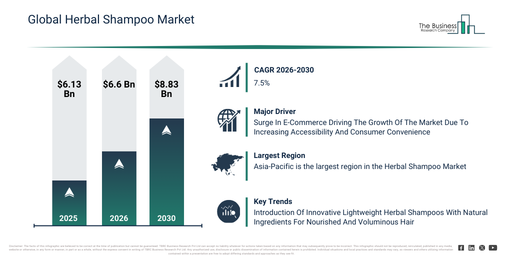
    The market for herbal shampoos has experienced substantial expansion lately, projecting an increase from $6.13 billion in 2025 to $6.6 billion in 2026, reflecting a compound annual growth rate of 7.8%. This past growth trajectory has been fueled by heightened consumer consciousness regarding natural personal care products, a surge in reported scalp sensitivity problems, the increasing popularity of Ayurvedic and herbal wellness practices, the broadening reach of retail distribution channels, and a greater accessibility to herbal ingredients.

    The herbal shampoo sector is poised for substantial expansion over the coming years, projecting a market valuation of $8.83 billion by 2030, driven by a compound annual growth rate of 7.5%. This forecasted expansion is largely fueled by a heightened consumer inclination towards environmentally conscious personal care items, a broader embrace of “clean beauty” principles, the increasing reach of e-commerce beauty channels, a greater emphasis on ethically sourced ingredients, and continuous advancements in herbal product development. Key developments anticipated during this period include a surge in demand for hair care options free from synthetic chemicals, a greater utilization of botanical active components, a wider availability of herbal products verified by dermatologists, a rising preference for solutions catering to sensitive scalps, and an intensified consideration of sustainable packaging solutions.

    Download A Free Sample Report For Comprehensive Market Insights:

    https://www.thebusinessresearchcompany.com/sample.aspx?id=24235&type=smp

    Herbal Shampoo Market Growth Drivers And Industry Catalysts

    The expansion of online retail is projected to be a significant catalyst for the herbal shampoo sector’s advancement in the foreseeable future. Online shopping, characterized by the exchange of goods and services over the internet, provides consumers with unparalleled ease, facilitates straightforward product comparisons, ensures swift delivery, and opens doors to international marketplaces. This trend is expected to benefit the herbal shampoo market by extending its consumer base, enabling manufacturers to engage directly with a worldwide clientele, and enhancing the overall ease and convenience with which individuals can acquire their desired items online. Illustrating this growth, a report from the Census Bureau in February 2025 indicated that e-commerce sales experienced a notable 9.4% (±1.1) increase in the fourth quarter of 2024 compared to the corresponding period in 2023, a figure that significantly outpaced the 3.8% (±0.5) rise in overall retail sales. Consequently, the escalating prevalence of e-commerce is poised to fuel the expansion of the herbal shampoo market.

    Herbal Shampoo Market Segment Performance And Strategic Opportunities

    The herbal shampoo market covered in this report is segmented –

    1) By Product Type: Anti-Dandruff, Anti-Hair Fall, Nourishing, Volumizing, Other Product Types

    2) By Hair Type: Damaged, Normal, Dry, Oily, Colored, Curly

    3) By Ingredient: Aloe Vera, Neem, Tea Tree, Amla, Shikakai, Other Ingredients

    4) By Distribution Channel: Online Stores, Supermarkets Or Hypermarkets, Specialty Stores, Other Distribution Channels

    5) By End-User: Men, Women, Unisex

    Subsegments:

    1) By Anti-Dandruff: Neem-Based Shampoo, Tea Tree Oil Shampoo, Aloe Vera And Turmeric Shampoo, Zinc And Herbal Extract Shampoo, Ayurvedic Anti-Dandruff Shampoo

    2) By Anti-Hair Fall: Amla And Bhringraj Shampoo, Onion Extract Shampoo, Caffeine-Infused Herbal Shampoo, Ginseng And Ginkgo Biloba Shampoo, Keratin-Enriched Herbal Shampoo

    3) By Nourishing: Coconut Milk Shampoo, Argan Oil And Shea Butter Shampoo, Hibiscus And Aloe Vera Shampoo, Rice Water And Protein-Rich Herbal Shampoo, Vitamin E-Infused Herbal Shampoo

    4) By Volumizing: Biotin And Collagen Herbal Shampoo, Green Tea Extract Shampoo, Bamboo And Ginseng Shampoo, Honey And Lemon Shampoo, Fenugreek And Flaxseed Shampoo

    5) By Other Product Types: Herbal Dry Shampoo, Color-Protect Herbal Shampoo, PH-Balancing Herbal Shampoo, Herbal Baby Shampoo

    #Herbal Shampoo Market Trends Influencing Long-Term Demand

    Manufacturers in the herbal shampoo sector are unveiling novel offerings, like feather-light herbal shampoos, designed to cleanse and enrich hair while preventing any burdening or oily sensation, thus encouraging a naturally vibrant and buoyant feel. These specially developed lightweight herbal shampoos, crafted with botanical components, effectively purify and condition the hair without imparting heaviness, resulting in hair that feels tender, revitalized, and full of body. As an illustration, during February of 2024, Herbal Essences, a prominent hair care brand hailing from the United States, introduced a collection of 11 revitalized herbal shampoo and conditioner formulations. Every one of these updated recipes incorporates a combination of unadulterated aloe and camellia oil, with the camellia oil, sourced from the seeds of the camellia flower, mirroring the inherent oils found in robust hair. This particular oil is readily absorbed by the hair strands, amplifying the hydrating and shielding advantages provided by the pure aloe. The aloe employed is of certified purity, hand-selected, and processed to maintain its antioxidant qualities, thereby constituting a central characteristic of the shampoo.

    Herbal Shampoo Market Key Players: Which Companies Shape Industry Competition?

    Major companies operating in the herbal shampoo market are Shiseido Company Limited, Amway Corp., Hain Celestial Group, Avalon Organics, Dabur India Limited, Patanjali Ayurved, Himalaya Wellness Company, Lotus Herbals Pvt. Ltd., Burt’s Bees, Mamaearth, CavinKare Pvt. Ltd., Desert Essence, Biotique, Dr. Organic, Giovanni Cosmetics, Kama Ayurveda, MAC Biosciences Private Limited, Vaadi Herbals Private Limited, Khadi Natural, Forest Essentials

    Access The Complete Herbal Shampoo Market Report:

    https://www.thebusinessresearchcompany.com/report/herbal-shampoo-global-market-report

    Herbal Shampoo Market Largest Region By Revenue And Market Share

    Asia-Pacificwas the largest region in the herbal shampoo market in 2025. North Americais expected to be the fastest-growing region in the forecast period. The regions covered in the herbal shampoo market report are Asia-Pacific, South East Asia, Western Europe, Eastern Europe, North America, South America, Middle East, Africa.

    Get in touch with us:

    The Business Research Company: https://www.thebusinessresearchcompany.com/

    Americas: +1 310-496-7795

    Asia: +44 7882 955267 & +91 8897263534

    Europe: +44 7882 955267

    Email us at: marketing@tbrc.info

    Follow us on:

    LinkedIn: https://in.linkedin.com/company/the-business-research-company

    YouTube: https://www.youtube.com/channel/UC24_fI0rV8cR5DxlCpgmyFQ

    Global Market Model: https://www.thebusinessresearchcompany.com/global-market-model
  • HER2-Positive Breast Cancer Market Trends And Growth Drivers Point To Strong Future Potential

    HER2-Positive Breast Cancer Market Trends And Growth Drivers Point To Strong Future Potential

    Through market attractiveness analysis, total addressable market evaluation, company benchmarking matrices, interactive Excel dashboards, expanded supply chain intelligence, emerging startup coverage, and detailed product insights, The Business Research Company’s 2026 market reports provide more actionable and strategically valuable research.

    HER2-Positive Breast Cancer Market Size Forecast: How Large Could The Market Become By 2030?

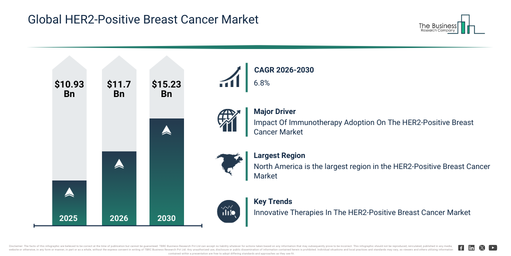
    The market for her2-positive breast cancer experienced significant expansion recently, with projections indicating continued robust growth. Anticipated to rise from $10.93 billion in 2025 to $11.7 billion in 2026, this segment is poised for a compound annual growth rate of 7.1%. Factors contributing to this upward trajectory during the preceding period include a greater number of diagnosed her2-positive instances, a broader range of approved targeted cancer medications, enhanced hospital capabilities for cancer treatment, the availability of antibody-based therapies, and an escalation in clinical research endeavors.

    The her2-positive breast cancer market is projected for substantial expansion, anticipated to reach $15.23 billion by 2030, exhibiting a compound annual growth rate of 6.8% throughout the forecast period. This upward trajectory is fueled by several key factors, including the broader acceptance of advanced her2 inhibitors, an increase in the availability and utilization of biosimilar alternatives, a heightened demand for personalized cancer therapies, increased financial backing for research into targeted cancer treatments, and a persistent emphasis on enhancing patient survival rates. Furthermore, the coming years will likely witness significant trends such as a greater uptake of her2-directed antibody treatments, expanded use of antibody-drug conjugates, a wider availability of companion diagnostic tests, a stronger focus on initiating targeted therapies at earlier stages of the disease, and a more comprehensive integration of combination treatment strategies.

    Download A Free Sample Report For Comprehensive Market Insights:

    https://www.thebusinessresearchcompany.com/sample.aspx?id=20832&type=smp

    HER2-Positive Breast Cancer Market Opportunity Drivers: What Is Creating New Revenue Potential?

    The HER2-positive breast cancer market is poised for expansion, largely driven by the increasing integration of immunotherapy, a therapeutic approach that bolsters or adjusts the body’s own defenses against ailments like cancer, infections, and autoimmune conditions. This therapeutic strategy is favored for its capacity to improve the immune system’s proficiency in detecting and eradicating malignant cells, thereby offering superior results and a milder side effect profile compared to traditional therapies. Specifically within HER2-positive breast cancer treatment, immunotherapy empowers the immune system to better identify and combat cancer cells that overexpress HER2, leading to enhanced treatment success and a diminished likelihood of the cancer returning. Illustrating this trend, by July 2023, the US-based American Association for Cancer Research reported that the FDA had greenlit 11 immune checkpoint inhibitors that year, with at least one such inhibitor approved for treating 20 distinct cancer varieties and any solid tumor displaying particular molecular traits, underscoring the significant impact of immunotherapy on the HER2-positive breast cancer market’s growth trajectory.

    HER2-Positive Breast Cancer Market Segment Landscape And Growth Potential

    The her2-positive breast cancer market covered in this report is segmented –

    1) By Treatment Type: Targeted Therapy, Chemotherapy, Endocrine Therapy, Immunotherapy, Other Treatment Types

    2) By Route Of Administration: Parenteral, Oral, Other Routes Of Administrations

    3) By Distribution Channel: Hospital Pharmacy, Retail Pharmacy, Online Pharmacy

    4) By End User: Hospitals, Homecare, Specialty Clinics, Other End User

    Subsegments:

    1) By Targeted Therapy: HER2 Inhibitors (Trastuzumab, Pertuzumab), Tyrosine Kinase Inhibitors (TKIs), Antibody-Drug Conjugates (ADC), Small Molecule Inhibitors

    2) By Chemotherapy: Anthracycline-based Chemotherapy, Taxane-based Chemotherapy, Platinum-based Chemotherapy, Combination Chemotherapy Regimens

    3) By Endocrine Therapy: Selective Estrogen Receptor Modulators (SERMs), Aromatase Inhibitors, Estrogen Receptor Antagonists, Estrogen Deprivation Therapy

    4) By Immunotherapy: Immune Checkpoint Inhibitors (PD-1/PD-L1 Inhibitors), Monoclonal Antibodies for Immune Modulation

    5) By Other Treatment Types: Radiation Therapy, Surgical Interventions (Mastectomy, Breast Conserving Surgery)

    HER2-Positive Breast Cancer Market Innovation Trends Driving Future Development

    Key players within the HER2-positive breast cancer sector are concentrating their efforts on pioneering novel treatments, specifically her2-directed antibody-drug conjugates (ADCs), with the aim of refining and improving patient care pathways. These her2-directed antibody-drug conjugates (ADCs) represent a class of precision oncology treatments that combine an antibody, designed to target HER2, with a potent cell-killing medication, thereby channeling the drug straight to cancer cells overexpressing HER2 for enhanced therapeutic impact. A pertinent illustration of this advancement occurred in January of 2024 when AstraZeneca India Pharma Ltd., a prominent Indian biopharmaceutical entity, introduced Trastuzumab deruxtecan to the market. This groundbreaking treatment emerged from a strategic partnership between AstraZeneca and Daiichi Sankyo, and it functions as a her2-directed antibody-drug conjugate (ADC), enabling the direct delivery of a cytotoxic agent to HER2-positive malignant cells, thus providing a more focused and superior treatment option for individuals affected by this condition.

    HER2-Positive Breast Cancer Market Competitive Landscape: Who Are The Leading Companies?

    Major companies operating in the her2-positive breast cancer market are F. Hoffmann-La Roche AG, AstraZeneca plc, Novartis International AG, Pfizer Inc., Eli Lilly and Company, Merck & Co. Inc., Amgen Inc., Daiichi Sankyo Co. Ltd., Takeda Pharmaceutical Company Limited, Bristol Myers Squibb, Sanofi S.A., GlaxoSmithKline plc, Bayer AG, Seagen Inc., MacroGenics Inc., BioNTech SE, Incyte Corporation, Zymeworks Inc., Ambrx Biopharma Inc., Mersana Therapeutics Inc.

    Access The Complete HER2-Positive Breast Cancer Market Report:

    https://www.thebusinessresearchcompany.com/report/her2-positive-breast-cancer-global-market-report

    HER2-Positive Breast Cancer Market Regional Analysis And Leading Geography

    North Americawas the largest region in the HER2- positive breast cancer market in 2025. Asia-Pacificis expected to be the fastest-growing region in the forecast period. The regions covered in the her2-positive breast cancer market report are Asia-Pacific, South East Asia, Western Europe, Eastern Europe, North America, South America, Middle East, Africa.

    Get in touch with us:

    The Business Research Company: https://www.thebusinessresearchcompany.com/

    Americas: +1 310-496-7795

    Asia: +44 7882 955267 & +91 8897263534

    Europe: +44 7882 955267

    Email us at: marketing@tbrc.info

    Follow us on:

    LinkedIn: https://in.linkedin.com/company/the-business-research-company

    YouTube: https://www.youtube.com/channel/UC24_fI0rV8cR5DxlCpgmyFQ

    Global Market Model: https://www.thebusinessresearchcompany.com/global-market-model
  • HER2-Negative Breast Cancer Market Expansion Is Reshaping Competitive Dynamics Across The Industry

    HER2-Negative Breast Cancer Market Expansion Is Reshaping Competitive Dynamics Across The Industry

    Delivering more actionable and strategically valuable research, The Business Research Company’s 2026 market reports feature market attractiveness analysis, total addressable market evaluation, company benchmarking matrices, interactive Excel dashboards, expanded supply chain intelligence, emerging startup coverage, and detailed product insights.

    HER2-Negative Breast Cancer Market Revenue Outlook: What CAGR Is Expected Through 2030?

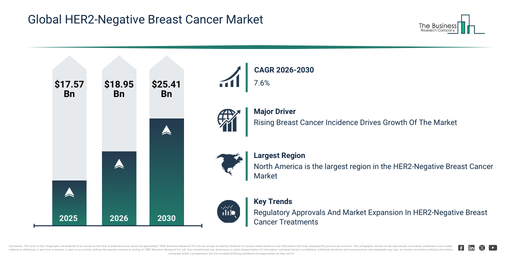
    The market for her2-negative breast cancer has experienced significant expansion lately. Projections indicate a rise from $17.57 billion in 2025 to $18.95 billion in 2026, reflecting a compound annual growth rate of 7.9%. This previous growth trajectory has been fueled by several factors, including enhanced breast cancer detection efforts, greater public understanding of hormone receptor-positive malignancies, the proliferation of cancer treatment facilities, the widespread adoption of existing chemotherapy regimens, and advances in cancer research.

    The her2-negative breast cancer sector is poised for significant expansion over the upcoming years, projecting a market value of $25.41 billion by 2030, driven by a compound annual growth rate (CAGR) of 7.6%. This projected growth is fueled by several key factors, including a heightened demand for customized cancer therapies, a greater embrace of treatments guided by genetic insights, the continued development of innovative immunotherapies, an intensified focus on enhancing progression-free survival rates, and augmented financial investment in the research and development of oncology drugs. Furthermore, prominent trends expected to shape this market during the forecast period involve the increased implementation of individualized hormone therapy plans, a wider utilization of cdk4/6 inhibitor drugs, the expanded application of genomic testing to guide therapeutic choices, a growing incorporation of immunotherapy in later stages of the disease, and a stronger emphasis on developing comprehensive combination treatment approaches.

    Download A Free Sample Report For Comprehensive Market Insights:

    https://www.thebusinessresearchcompany.com/sample.aspx?id=21203&type=smp

    HER2-Negative Breast Cancer Market Growth Momentum: Which Factors Are Influencing Demand?

    The increasing prevalence of breast cancer cases is anticipated to be a significant driver for the expansion of the HER2-negative breast cancer market. This form of cancer involves the abnormal proliferation of cells within breast tissue, typically starting in the milk ducts or lobules. Factors contributing to the higher occurrence of breast cancer include heightened public awareness and more sophisticated screening techniques, which facilitate earlier and more consistent identification of the disease. HER2-Negative Breast Cancer research is instrumental in furthering our understanding of specific tumor characteristics and effective treatment approaches, thereby fostering the creation of more personalized therapies for individuals affected by this condition. For example, projections for 2025 from the American Cancer Society, a professional organization based in the United States, indicate that the U.S. may witness around 316,950 new instances of invasive breast cancer among women and 2,800 among men, alongside an estimated 59,080 diagnoses of ductal carcinoma in situ (DCIS) in women. Consequently, the escalating number of breast cancer diagnoses directly fuels the growth within the HER2-negative breast cancer market.

    HER2-Negative Breast Cancer Market Categorization By Product Type And Application

    The her2-negative breast cancer market covered in this report is segmented –

    1) By Treatment Type: Chemotherapy, Hormone Therapy, Targeted Therapy, Immunotherapy

    2) By Cancer Stage: Early Stage, Locally Advanced Stage, Metastatic Stage

    3) By Distribution Channel: Hospital Pharmacy, Retail Pharmacy, Online Pharmacy

    Subsegments:

    1) By Chemotherapy: Anthracyclines, Taxanes, Platinum-Based Chemotherapy, Alkylating Agents, Antimetabolites

    2) By Hormone Therapy: Selective Estrogen Receptor Modulators (SERMs), Aromatase Inhibitors, Selective Estrogen Receptor Degraders (SERDs)

    3) By Targeted Therapy: CDK4/6 Inhibitors, PI3K Inhibitors, PARP Inhibitors

    4) By Immunotherapy: Immune Checkpoint Inhibitors, Tumor-Infiltrating Lymphocyte (TIL) Therapy

    HER2-Negative Breast Cancer Market Trends Reshaping Industry Growth

    In the HER2-negative breast cancer sector, key players are prioritizing the achievement of regulatory authorizations to launch novel therapies, broaden their offerings, and solidify their standing in the marketplace. Regulatory authorizations signify formal endorsement from governmental bodies, permitting firms to commercialize and dispense medications or therapies once they’ve satisfied rigorous criteria for safety, effectiveness, and quality. A notable example occurred in October 2024 when Genentech Inc., a biotechnology firm based in the United States, obtained FDA clearance for Itovebi (inavolisib). This targeted treatment is intended for individuals with advanced hormone receptor-positive (HR+), HER2-negative breast cancer that carries a PIK3CA mutation. This clearance permits the application of Itovebi in conjunction with palbociclib and fulvestrant, leading to a substantial enhancement in progression-free survival for patients when contrasted with conventional therapies. This innovative treatment approach presents a critical avenue for individuals with restricted therapeutic alternatives, highlighting the crucial role of biomarker assessment in identifying suitable candidates for this specific treatment.

    HER2-Negative Breast Cancer Market Company Landscape And Strategic Competition

    Major companies operating in the her2-negative breast cancer market are Pfizer Inc., Merck & Co. Inc., AbbVie Inc., Bayer AG, Bristol-Myers Squibb Company, Sanofi S.A., AstraZeneca PLC, Novartis International AG, Eli Lilly and Company, Amgen Inc., Daiichi Sankyo Company Limited, Jiangsu Hansoh Pharmaceutical Co. Ltd., BeiGene Ltd., Chipscreen Biosciences Ltd., F. Hoffmann-La Roche Ltd, PharmAbcine Inc., Adagene Inc., H3 Biomedicine Inc., Radius Health Inc., Zenith Epigenetics Ltd.

    Access The Complete HER2-Negative Breast Cancer Market Report:

    https://www.thebusinessresearchcompany.com/report/her2-negative-breast-cancer-global-market-report

    HER2-Negative Breast Cancer Market Geographic Analysis: Where Is Demand Growing The Fastest?

    North Americawas the largest region in the HER2-negative breast cancer market in 2025. Asia-Pacificis expected to be the fastest-growing region in the forecast period. The regions covered in the her2-negative breast cancer market report are Asia-Pacific, South East Asia, Western Europe, Eastern Europe, North America, South America, Middle East, Africa.

    Get in touch with us:

    The Business Research Company: https://www.thebusinessresearchcompany.com/

    Americas: +1 310-496-7795

    Asia: +44 7882 955267 & +91 8897263534

    Europe: +44 7882 955267

    Email us at: marketing@tbrc.info

    Follow us on:

    LinkedIn: https://in.linkedin.com/company/the-business-research-company

    YouTube: https://www.youtube.com/channel/UC24_fI0rV8cR5DxlCpgmyFQ

    Global Market Model: https://www.thebusinessresearchcompany.com/global-market-model
  • Hepatorenal Syndrome Market Forecast Reveals Where Future Industry Value Will Be Created

    Hepatorenal Syndrome Market Forecast Reveals Where Future Industry Value Will Be Created

    Enhanced with market attractiveness analysis, total addressable market evaluation, company benchmarking matrices, interactive Excel dashboards, expanded supply chain intelligence, emerging startup coverage, and detailed product insights, The Business Research Company’s 2026 market reports deliver more actionable and strategically valuable research.

    Hepatorenal Syndrome Market Growth Analysis: How Will Revenue Expand During The Forecast Period?

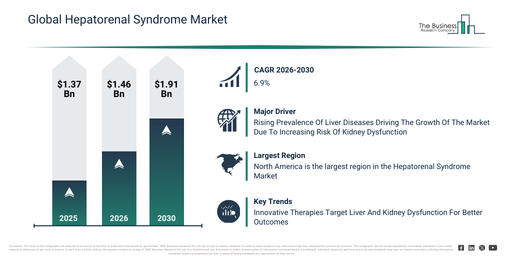
    The global market for hepatorenal syndrome therapeutics experienced robust expansion recently. Projections indicate a rise from $1.37 billion in 2025 to $1.46 billion in 2026, reflecting a compound annual growth rate of 7.1%. Key factors contributing to this growth during the preceding period included a greater number of individuals suffering from chronic liver conditions, a higher frequency of complications associated with cirrhosis, enhanced infrastructure within intensive care units, increased medical understanding and recognition of hepatorenal syndrome, and the accessibility of treatment options centered on vasoconstrictors.

    The market for hepatorenal syndrome is projected for considerable expansion over the approaching years, reaching an estimated value of $1.91 billion by 2030, fueled by a compound annual growth rate of 6.9%. This anticipated growth trajectory is underpinned by several key factors, including a rise in liver transplant procedures, a heightened emphasis on the early identification of hepatorenal syndrome, the broader availability of advanced renal support interventions, the increasing implementation of personalized medicine strategies, and substantial investments directed towards clinical research in hepatology. During this forecast period, significant market trends are expected to emerge, such as the wider utilization of targeted vasoconstrictor treatments, the increasing deployment of early diagnostic biomarkers, a greater focus on comprehensive critical care management involving multiple disciplines, the expanded application of combination therapies featuring albumin, and improved methods for monitoring kidney function in individuals suffering from liver ailments.

    Download A Free Sample Report For Comprehensive Market Insights:

    https://www.thebusinessresearchcompany.com/sample.aspx?id=22001&type=smp

    Hepatorenal Syndrome Market Expansion Drivers: What Is Shaping Future Growth?

    The expanding incidence of liver afflictions is anticipated to stimulate the hepatorenal syndrome market’s expansion. Liver diseases encompass a spectrum of conditions that compromise liver functionality, including but not limited to hepatitis, cirrhosis, fatty liver disease, hepatic malignancies, inherited conditions, and autoimmune disorders. Factors contributing to the escalation of liver diseases include elevated rates of obesity, prevalent diabetes, excessive alcohol consumption, viral infections, inadequate dietary habits, and exposure to harmful substances. As liver conditions like cirrhosis and acute liver failure become more common, the likelihood of developing hepatorenal syndrome (HRS) escalates, leading to significant hemodynamic instability and renal impairment as a consequence of progressive liver damage. For example, the Office for Health Improvement & Disparities (OHID) in the UK indicated that hospital admissions for liver disease in the UK climbed to 155.2 per 100,000 individuals in 2023, an increase from 150.6 per 100,000 in the preceding year. Consequently, the heightened prevalence of liver diseases acts as a primary catalyst for the hepatorenal syndrome market’s growth.

    Hepatorenal Syndrome Market Driver: Increase In Research And Development Investments Driving The Growth Of The Market Due To Advancements In Therapies And Diagnostics

    Escalating investments in research and development initiatives are poised to significantly fuel the expansion of the hepatorenal syndrome market. Such investments represent capital allocated towards fostering innovation, refining existing products, and pioneering novel technologies. This surge in R&D funding is largely propelled by technological progress, competitive pressures within the industry, evolving healthcare requirements, and a persistent demand for innovative solutions. In the context of hepatorenal syndrome, these research and development expenditures are instrumental in spurring advancements in groundbreaking therapeutic strategies, sophisticated diagnostic modalities, and refined treatment paradigms, ultimately leading to enhanced patient prognoses and increased survival rates. Illustrating this trend, the Office for National Statistics, a UK governmental body, reported that the UK’s net expenditure on research and development (R&D) saw an 8.2% increase, rising from £16.1 billion in 2022 to £17.4 billion in 2023. Therefore, this augmentation in research and development investments serves as a key driver for the hepatorenal syndrome market’s forward momentum.

    Hepatorenal Syndrome Market Segment Analysis And Revenue Opportunities

    The hepatorenal syndrome market covered in this report is segmented –

    1) By Type: Type 1 Hepatorenal Syndrome, Type 2 Hepatorenal Syndrome, Other Types

    2) By Treatment: Liver Transplantation, Terlipressin Infusion, Albumin Infusion, Hemodialysis, Vasoconstrictors

    3) By Diagnosis: Liver Function Tests, Urinalysis And Urine Electrolytes, Other Diagnoses

    4) By End Users: Hospitals, Specialty Clinics

    Subsegments:

    1) By Type 1 Hepatorenal Syndrome: Acute Kidney Injury-Associated HRS, Rapidly Progressive Renal Failure

    2) By Type 2 Hepatorenal Syndrome: Chronic Kidney Dysfunction-Associated HRS, Slowly Progressive Renal Failure

    3) By Other Types: HRS With Cirrhosis, HRS With Acute Liver Failure, HRS With Alcoholic Hepatitis

    Hepatorenal Syndrome Market Strategic Trends: What Is Defining The Next Phase Of Growth?

    Key players within the hepatorenal syndrome market are strategically investing in the creation of novel medical instruments, exemplified by cytopheretic devices, with the overarching aim of elevating patient prognoses through the mitigation of inflammation, stabilization of renal function, and bolstering of therapeutic efficacy for Hepatorenal Syndrome (HRS). The cytopheretic device, identified as Cytosorb, represents an extracorporeal blood purification modality engineered to diminish widespread inflammatory responses and immune system overactivity among critically ill individuals, notably those afflicted with Hepatorenal Syndrome (HRS). Illustrating this advancement, in October 2023, SeaStar Medical Holding Corporation, a prominent medical device enterprise headquartered in the United States, secured United States Food and Drug Administration (FDA) clearance for its Selective Cytopheretic Device (SCD), specifically intended for the therapeutic management of hepatorenal syndrome (HRS). This sophisticated, cell-centric therapeutic approach directly addresses hyperinflammation, a significant contributor to impaired kidney function observed in patients experiencing acute exacerbations of chronic liver failure. Through the strategic application of immunomodulatory principles, the SCD facilitates the regulation of aberrant immune reactions, thereby offering potential support for renal recuperation and improving the candidacy of patients for essential liver transplantation procedures. The capacity of SCD to enhance the functionality of solid organs has been substantiated through both preclinical investigations and clinical trials conducted across a spectrum of conditions including sepsis, acute kidney injury (AKI), and cardiorenal syndrome.

    Hepatorenal Syndrome Market Leading Players Shaping Industry Direction

    Major companies operating in the hepatorenal syndrome market are Eli Lilly and Company, Baxter International Inc., Mallinckrodt Pharmaceuticals, Ferring Pharmaceuticals Ltd, La Jolla Pharmaceutical Company, Teva Pharmaceutical Industries Ltd, Cumberland Pharmaceuticals Inc., Innoviva Specialty Therapeutics Inc, BioVie Inc., SeaStar Medical, Otsuka Pharmaceutical Co. Ltd, Pfizer Inc., AbbVie Inc., Bristol Myers Squibb, Novartis AG, Sanofi, Astellas Pharma Inc., Takeda Pharmaceutical Company Limited, Bayer AG, AstraZeneca

    Access The Complete Hepatorenal Syndrome Market Report:

    https://www.thebusinessresearchcompany.com/report/hepatorenal-syndrome-global-market-report

    Hepatorenal Syndrome Market Global Footprint: Which Region Holds Market Leadership?

    North Americawas the largest region in the hepatorenal syndrome market in 2025. Asia-Pacificis expected to be the fastest-growing region in the forecast period. The regions covered in the hepatorenal syndrome market report are Asia-Pacific, South East Asia, Western Europe, Eastern Europe, North America, South America, Middle East, Africa.

    Get in touch with us:

    The Business Research Company: https://www.thebusinessresearchcompany.com/

    Americas: +1 310-496-7795

    Asia: +44 7882 955267 & +91 8897263534

    Europe: +44 7882 955267

    Email us at: marketing@tbrc.info

    Follow us on:

    LinkedIn: https://in.linkedin.com/company/the-business-research-company

    YouTube: https://www.youtube.com/channel/UC24_fI0rV8cR5DxlCpgmyFQ

    Global Market Model: https://www.thebusinessresearchcompany.com/global-market-model
  • Hepatitis Diagnostic Tests Market Growth Through 2030 Creates New Strategic Opportunities

    Hepatitis Diagnostic Tests Market Growth Through 2030 Creates New Strategic Opportunities

    Through market attractiveness analysis, total addressable market evaluation, company benchmarking matrices, interactive Excel dashboards, expanded supply chain intelligence, emerging startup coverage, and detailed product insights, The Business Research Company’s 2026 market reports provide more actionable and strategically valuable research.

    Hepatitis Diagnostic Tests Market Forecast: What Market Value Is Expected By 2030?

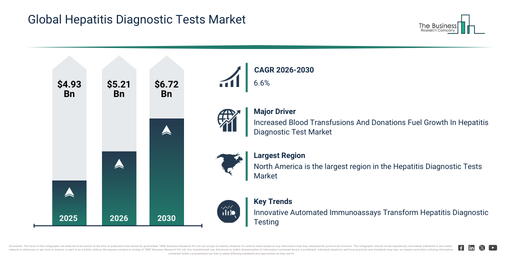
    The market for hepatitis diagnostic tests has experienced robust expansion lately, projecting a rise from $4.93 billion in 2025 to $5.21 billion in 2026, demonstrating a compound annual growth rate of 5.7%. Factors contributing to this historical growth include the proliferation of hepatitis screening initiatives, an uptick in laboratory testing quantities, heightened awareness surrounding viral hepatitis, enhanced accessibility to diagnostic facilities, and the establishment of consistent testing methodologies.

    Anticipate robust expansion within the hepatitis diagnostic tests sector over the forthcoming years, with projections indicating a market valuation of $6.72 billion by 2030, fueled by a compound annual growth rate (CAGR) of 6.6%. This projected surge is largely attributable to a confluence of factors, including a heightened demand for decentralized diagnostic capabilities, escalating investments in sophisticated molecular testing methodologies, the proliferation of home-testing options, an intensified emphasis on preemptive disease identification, and a growing application of these tests in settings with limited resources. Key developments shaping this period are anticipated to encompass a greater uptake of rapid diagnostic kits, increased utilization of molecular diagnostic technologies, deeper integration of automated laboratory systems, the broadening scope of point-of-care testing solutions, and a more pronounced focus on achieving diagnosis that is both early and precise.

    Download A Free Sample Report For Comprehensive Market Insights:

    https://www.thebusinessresearchcompany.com/sample.aspx?id=13153&type=smp

    Hepatitis Diagnostic Tests Market Development Factors: Which Trends Are Supporting Demand?

    Augmenting volumes of blood transfusions and donations are anticipated to serve as a significant catalyst for the expansion of the hepatitis diagnostic test market. The symbiotic relationship between blood transfusions and donations involves individuals voluntarily contributing blood, which undergoes rigorous collection and testing before being administered to patients needing supplementary blood components for various medical circumstances, including surgical recovery, emergency situations, or disease management. Essential for safeguarding recipients, hepatitis diagnostic tests are employed to meticulously screen donated blood, thereby ensuring its safety prior to transfusion. Illustratively, data from August 2023, as reported by the Royal College of Pathologists in the UK, highlights blood transfusion as the most prevalent procedure among inpatients, with an annual issuance and transfusion of almost two million blood components across England, incurring expenses exceeding £300 million (equivalent to approximately $390.69 million). Consequently, the escalating frequency of both blood transfusions and donations directly fuels the demand within the hepatitis diagnostic test market.

    Hepatitis Diagnostic Tests Market Segmentation And Category Breakdown

    The hepatitis diagnostic tests market covered in this report is segmented –

    1) By Test Type: Blood Tests, Imaging Tests, Liver Biopsy

    2) By Technology: Enzyme-Linked Immunosorbent Assay (ELISA), Rapid Diagnostic Tests (RDTs), Polymerase Chain Reaction (PCR), Isothermal Nucleic Acid Amplification Test (INAAT), Other Technologies

    3) By End User: Hospitals, Diagnostic Laboratories, Blood Bank, Other End Users

    Subsegments:

    1) By Blood Tests: Serological Tests, Polymerase Chain Reaction (PCR) Tests, Enzyme-Linked Immunosorbent Assays (ELISA)

    2) By Imaging Tests: Ultrasound, Computed Tomography (CT), Magnetic Resonance Imaging (MRI)

    3) By Liver Biopsy: Percutaneous Biopsy, Transjugular Biopsy, Laparoscopic Biopsy

    Hepatitis Diagnostic Tests Market Transformation Trends: Which Innovations Are Driving Change?

    Leading entities within the hepatitis diagnostic test sector are concentrating on the creation of advanced automated immunoassay solutions, exemplified by the Elecsys HCV Duo, with the objective of delivering dependable client support. These automated immunoassays represent laboratory methodologies that leverage automated platforms and specific equipment to manage every stage of the immunoassay process, encompassing sample preparation, reagent blending, incubation periods, signal detection, and the computation of outcomes. A pertinent illustration occurred in July 2023 when Roche Diagnostics India, a prominent biotechnology research firm based in India, introduced the Elecsys HCV Duo. This groundbreaking product stands as India’s inaugural commercially accessible, fully automated immunoassay, facilitating the simultaneous and distinct measurement of both hepatitis C virus (HCV) antigen and antibody concentrations from an identical human plasma or serum specimen. Furthermore, this approach supports single-specimen analysis, thereby simplifying the diagnostic pathway and diminishing the need for additional testing appointments, consequently alleviating the strain on healthcare infrastructure.

    Hepatitis Diagnostic Tests Market Competitive Analysis Of Major Industry Participants

    Major companies operating in the hepatitis diagnostic tests market are Thermo Fisher Scientific Inc., Abbott Laboratories, Danaher Corporation, Siemens Healthineers AG, Roche Diagnostics, Quest Diagnostics Incorporated, Grifols S.A, Hologic Inc., BioMérieux SA, Beckman Coulter Inc., Bio-Rad Laboratories Inc., SD Biosensor Co. Ltd., QIAGEN N.V., DiaSorin S.p.A., Randox Laboratories Ltd., Luminex Corporation, Fujirebio Diagnostics Inc., Trivitron Healthcare Private Limited, Trinity Biotech plc, MP Biomedicals LLC, R-Biopharm AG, Creative Diagnostics, InBios International Inc., Dia.Pro Diagnostic Bioprobes srl, DIALAB GmbH

    Access The Complete Hepatitis Diagnostic Tests Market Report:

    https://www.thebusinessresearchcompany.com/report/hepatitis-diagnostic-tests-global-market-report

    Hepatitis Diagnostic Tests Market Regional Distribution: Which Areas Drive Market Expansion?

    North Americawas the largest region in the hepatitis diagnostic tests market in 2025. Asia-Pacificis expected to be the fastest-growing region in the forecast period. The regions covered in the hepatitis diagnostic tests market report are Asia-Pacific, South East Asia, Western Europe, Eastern Europe, North America, South America, Middle East, Africa.

    Get in touch with us:

    The Business Research Company: https://www.thebusinessresearchcompany.com/

    Americas: +1 310-496-7795

    Asia: +44 7882 955267 & +91 8897263534

    Europe: +44 7882 955267

    Email us at: marketing@tbrc.info

    Follow us on:

    LinkedIn: https://in.linkedin.com/company/the-business-research-company

    YouTube: https://www.youtube.com/channel/UC24_fI0rV8cR5DxlCpgmyFQ

    Global Market Model: https://www.thebusinessresearchcompany.com/global-market-model
  • Hepatitis D Market Size Projected To Increase From $0.78 Billion To $0.92 Billion During The Forecast Period

    Hepatitis D Market Size Projected To Increase From $0.78 Billion To $0.92 Billion During The Forecast Period

    Delivering more actionable and strategically valuable research, The Business Research Company’s 2026 market reports feature market attractiveness analysis, total addressable market evaluation, company benchmarking matrices, interactive Excel dashboards, expanded supply chain intelligence, emerging startup coverage, and detailed product insights.

    Hepatitis D Market Size Outlook: How Fast Will Revenue Grow Through 2030?

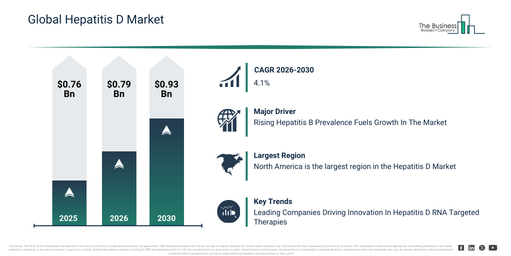
    The global hepatitis D market experienced consistent expansion historically and is projected to continue this upward trend. Anticipated to increase from $0.76 billion in 2025 to $0.79 billion in 2026, this growth represents a compound annual growth rate (CAGR) of 4.4%. Key factors driving the market’s historical growth include enhanced hepatitis B screening rates, greater acknowledgment of the severity associated with HDV infection, advancements in diagnostic technologies, a rise in patient referrals to specialized care facilities, and the introduction of specific treatment options.

    The market for Hepatitis D is projected for consistent expansion over the approaching years, reaching an estimated $0.93 billion by 2030, driven by a compound annual growth rate of 4.1%. This anticipated growth throughout the forecast period is fueled by several key factors, including intensified research endeavors focused on innovative treatments for HDV, a heightened emphasis on employing combination antiviral therapies, the broader implementation of prevention strategies tied to vaccination, elevated awareness among populations at higher risk for the disease, and a substantial increase in investment allocated to research concerning rare liver diseases. Significant trends anticipated during this forecast period encompass a growing emphasis on the early identification of co-infections, the escalating adoption of sophisticated serologic testing methods, a greater demand for treatment protocols tailored to specific patient needs, the expansion of disease management programs within hospital settings, and a reinforced focus on raising public awareness about the condition.

    Download A Free Sample Report For Comprehensive Market Insights:

    https://www.thebusinessresearchcompany.com/sample.aspx?id=21202&type=smp

    Hepatitis D Market Industry Drivers: What Is Driving Revenue Growth?

    The expanding incidence of hepatitis B is anticipated to be a significant catalyst for the upward trajectory of the hepatitis D market. Hepatitis B, a viral ailment impacting the liver, manifests with symptoms like jaundice, weariness, and discomfort in the abdominal region, and its untreated progression can result in chronic liver conditions or hepatic malignancy. Several elements contribute to the escalating numbers of hepatitis B infections, including unshielded intimate encounters, the communal use of injection paraphernalia, transmission from mother to infant during birth, and inadequate immunization rates in specific geographic areas. Essential for its own multiplication, hepatitis D is dependent on the hepatitis B virus, utilizing the latter’s surface antigen to infiltrate liver cells, thus rendering the concurrent infection by both viruses a crucial determinant in the advancement of liver ailments. Illustratively, as of April 2025, data from the Department of Health and Human Services, a governmental entity within the United States, revealed that 17,650 new instances of chronic hepatitis B were documented throughout 2023, accompanied by 1,769 fatalities linked to hepatitis B during the same year. Consequently, the growing ubiquity of hepatitis B infections is directly fueling the expansion observed in the hepatitis D market.

    Hepatitis D Market Segment Outlook: Which Categories Are Expanding The Fastest?

    The hepatitis d market covered in this report is segmented –

    1) By Type: Acute, Chronic

    2) By Diagnosis: Blood Tests, Elastography, Liver Biopsy, Serologic Testing, Other Diagnosis

    3) By Distribution Channel: Hospital pharmacies, Retail pharmacies

    4) By End-Users: Clinic, Hospital, Other End Users

    Subsegments:

    1) By Acute: Self-limiting Acute Hepatitis D, Severe Acute Hepatitis D

    2) By Chronic: Compensated Chronic Hepatitis D, Decompensated Chronic Hepatitis D

    #Hepatitis D Market Growth Trends: What Is Influencing The Future Outlook?

    Key players within the hepatitis D market are prioritizing the creation of novel approaches, including RNA-targeted antiviral therapies, to enhance treatment effectiveness and fulfill the existing gaps in managing chronic hepatitis D. This therapeutic strategy involves directly interfering with a virus’s RNA to impede its reproduction, disrupt the synthesis of viral components, or deactivate viral genetic material, leading to a decrease in virus quantity and better disease control. Illustrating this progress, Vir Biotechnology Inc., a biotechnology firm situated in the United States, secured significant regulatory endorsements in December 2024: the U.S. Food and Drug Administration (FDA) granted it Breakthrough Therapy status, and the European Medicines Agency (EMA) awarded it PRIME (Priority Medicines) designation for its dual-action treatment comprising tobevibart and elebsiran aimed at chronic hepatitis delta (CHD).

    Hepatitis D Market Key Companies And Competitive Benchmarking

    Major companies operating in the hepatitis d market are F. Hoffmann-La Roche Ltd., Merck & Co. Inc., Bristol-Myers Squibb Company, Abbott Laboratories, GSK plc, Gilead Sciences Inc., Viatris Inc., VBI Vaccines Inc., Alnylam Pharmaceuticals Inc., Arrowhead Pharmaceuticals Inc., Dynavax Technologies Corporation, Echosens S.A., Arbutus Biopharma Corporation, PROBIOMED SA de CV, Assembly Biosciences Inc., Replicor Inc., Eiger BioPharmaceuticals Inc., Bluejay Therapeutics Inc., Janssen Pharmaceuticals Inc., Transgene SA, Vir Biotechnology Inc., Biorex Diagnostics Ltd.

    Access The Complete Hepatitis D Market Report:

    https://www.thebusinessresearchcompany.com/report/hepatitis-d-global-market-report

    Hepatitis D Market Leading Geography: Which Region Generates The Most Revenue?

    North Americawas the largest region in the hepatitis D market in 2025. Asia-Pacificis expected to be the fastest-growing region in the forecast period. The regions covered in the hepatitis d market report are Asia-Pacific, South East Asia, Western Europe, Eastern Europe, North America, South America, Middle East, Africa.

    Get in touch with us:

    The Business Research Company: https://www.thebusinessresearchcompany.com/

    Americas: +1 310-496-7795

    Asia: +44 7882 955267 & +91 8897263534

    Europe: +44 7882 955267

    Email us at: marketing@tbrc.info

    Follow us on:

    LinkedIn: https://in.linkedin.com/company/the-business-research-company

    YouTube: https://www.youtube.com/channel/UC24_fI0rV8cR5DxlCpgmyFQ

    Global Market Model: https://www.thebusinessresearchcompany.com/global-market-model
  • Hepatitis C Testing Market Growth Outlook Reveals A CAGR Of 6.1% And A Market Value Of $1.77 Billion By 2030

    Hepatitis C Testing Market Growth Outlook Reveals A CAGR Of 6.1% And A Market Value Of $1.77 Billion By 2030

    Enhanced with market attractiveness analysis, total addressable market evaluation, company benchmarking matrices, interactive Excel dashboards, expanded supply chain intelligence, emerging startup coverage, and detailed product insights, The Business Research Company’s 2026 market reports deliver more actionable and strategically valuable research.

    Hepatitis C Testing Market Size, Value And Growth Trends Through 2030

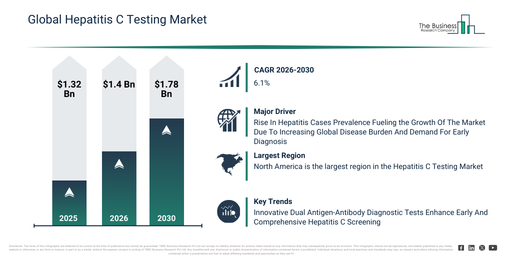
    The market for hepatitis C testing experienced robust expansion recently, projected to increase from $1.32 billion in 2025 to $1.4 billion in 2026, reflecting a compound annual growth rate of 6.4%. This historical growth trajectory was bolstered by factors such as the broadening of blood screening initiatives, an increasing incidence of hepatitis C infections, heightened awareness regarding diagnostics, the accessibility of sophisticated testing kits, and the proliferation of public health monitoring efforts.

    Anticipated to experience considerable expansion over the coming years, the hepatitis C testing market’s valuation is projected to reach $1.78 billion by 2030, fueled by a compound annual growth rate of 6.1%. This upward trajectory throughout the forecast period is demonstrably linked to escalating worldwide efforts for hepatitis C elimination, a surge in the requirement for diagnostics administered at the point of care, broader accessibility to molecular testing methodologies, augmented financial commitments towards infectious disease diagnostics, and a heightened emphasis on initiating treatment promptly. Key developments anticipated within this timeframe encompass the increased integration of rapid diagnostic tools, a greater reliance on molecular testing technologies, a more pronounced concentration on early disease detection through screening, the proliferation of high-volume laboratory testing capabilities, and more sophisticated methods for tracking the efficacy of therapeutic interventions.

    Download A Free Sample Report For Comprehensive Market Insights:

    https://www.thebusinessresearchcompany.com/sample.aspx?id=24559&type=smp

    Hepatitis C Testing Market Growth Factors: Which Forces Are Supporting Market Expansion?

    Anticipated growth in the hepatitis C testing market is being spurred by an increasing incidence of hepatitis cases. This viral infection, hepatitis C, targets the liver, causing inflammation and potentially severe harm if untreated. A significant factor contributing to the rise in hepatitis infections is the inadequacy of vaccination coverage, leaving substantial portions of the population vulnerable and enabling wider transmission of the virus. Early identification through hepatitis C testing is crucial for initiating timely treatment, thereby preventing liver damage and mitigating severe health consequences. Furthermore, it aids in identifying infected persons, which is instrumental in curbing the onward transmission and improving overall disease management strategies. Specifically, as of April 2024, the World Health Organization, a global health authority headquartered in Switzerland, reported that more than 50 million individuals worldwide are affected by chronic hepatitis C, with an estimated 1 million new cases emerging annually. Consequently, the escalating number of hepatitis cases is a key driver for the expansion of the hepatitis C testing market.

    Hepatitis C Testing Market Segment Landscape: Which Areas Lead Market Development?

    The hepatitis c testing market covered in this report is segmented –

    1) By Test Type: Antibody Tests, Nucleic Acid Tests, Genotyping Tests

    2) By Technology: Enzyme-Linked Immunosorbent Assay (ELISA), Rapid Diagnostic Tests, Polymerase Chain Reaction, Next-Generation Sequencing

    3) By Application: Blood Screening, Viral Load Monitoring, Disease Diagnosis

    4) By End-User: Hospital-Based Laboratories, Stand-Alone Laboratories, Other End-Users

    Subsegments:

    1) By Antibody Tests: Enzyme Immunoassay (EIA), Recombinant Immunoblot Assay (RIBA), Rapid Diagnostic Tests (RDTs)

    2) By Nucleic Acid Tests (NATs): Quantitative Ribonucleic Acid (RNA) Tests, Qualitative Ribonucleic Acid (RNA) Tests, Transcription-Mediated Amplification (TMA), Reverse Transcription Polymerase Chain Reaction (RT-PCR)

    3) By Genotyping Tests: Line Probe Assay (LiPA), Sequencing-Based Assay, Real-Time Polymerase Chain Reaction (PCR)-Based Genotyping

    Hepatitis C Testing Market Industry Trends: What Changes Are Reshaping Demand?

    In the hepatitis C testing arena, leading enterprises are prioritizing the creation of sophisticated diagnostic tools, exemplified by dual antigen-antibody assays, to enhance the efficacy of both infection detection and ongoing patient management. These advanced tests are designed to identify viral proteins alongside the body’s defensive proteins, thus providing a comprehensive assessment of current and prior hepatitis C exposure. A prime illustration of this technological progression came in July 2023 when Roche Diagnostics India Pvt. Ltd., a prominent Indian entity in the diagnostics sector, introduced Elecsys HCV Duo. This automated immunoassay system possesses the unique capability to concurrently and distinctly identify both hepatitis C antigens and antibodies from a single patient sample, whether plasma or serum. Such a development facilitates earlier disease identification, aids in the effective management of individuals affected by the virus, and directly supports India’s national objective of eradicating hepatitis C by ensuring prompt and exhaustive screening protocols.

    Hepatitis C Testing Market Industry Leaders And Market Competition

    Major companies operating in the hepatitis c testing market are F. Hoffmann-La Roche Ltd., Bayer AG, Thermo Fisher Scientific Inc., Abbott Laboratories, Siemens Healthineers AG, Quest Diagnostics Incorporated, Hologic Inc., QuidelOrtho Corporation, Sysmex Corporation, Bio-Rad Laboratories Inc., SD Biosensor INC., QIAGEN N.V., DiaSorin S.p.A., Cepheid, OraSure Technologies Inc., Meridian Bioscience Inc., Trivitron Healthcare Private Limited, General Biologicals Corporation, Biogate Laboratories Ltd., Cosara Diagnostics Private Limited, BioGenex Life Sciences Private Limited

    Access The Complete Hepatitis C Testing Market Report:

    https://www.thebusinessresearchcompany.com/report/hepatitis-c-testing-global-market-report

    Hepatitis C Testing Market Regional Outlook: Where Are The Largest Opportunities Located?

    North Americawas the largest region in the hepatitis C testing market in 2025. Asia-Pacificis expected to be the fastest-growing region in the forecast period. The regions covered in the hepatitis c testing market report are Asia-Pacific, South East Asia, Western Europe, Eastern Europe, North America, South America, Middle East, Africa.

    Get in touch with us:

    The Business Research Company: https://www.thebusinessresearchcompany.com/

    Americas: +1 310-496-7795

    Asia: +44 7882 955267 & +91 8897263534

    Europe: +44 7882 955267

    Email us at: marketing@tbrc.info

    Follow us on:

    LinkedIn: https://in.linkedin.com/company/the-business-research-company

    YouTube: https://www.youtube.com/channel/UC24_fI0rV8cR5DxlCpgmyFQ

    Global Market Model: https://www.thebusinessresearchcompany.com/global-market-model
  • Hepatitis C Market Forecast Highlights Expansion From $86.71 Billion To $153.66 Billion Through 2030

    Hepatitis C Market Forecast Highlights Expansion From $86.71 Billion To $153.66 Billion Through 2030

    Through market attractiveness analysis, total addressable market evaluation, company benchmarking matrices, interactive Excel dashboards, expanded supply chain intelligence, emerging startup coverage, and detailed product insights, The Business Research Company’s 2026 market reports provide more actionable and strategically valuable research.

    Hepatitis C Market CAGR Analysis And Future Market Development

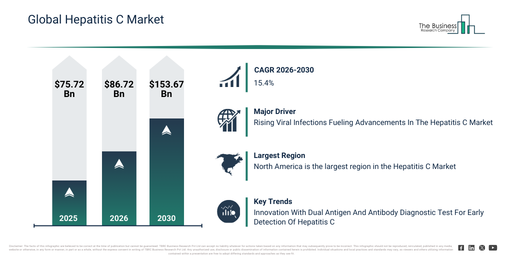
    The market for hepatitis C treatments has experienced substantial expansion lately, forecast to advance from a valuation of $75.72 billion in 2025 to $86.72 billion by 2026, reflecting a compound annual growth rate of 14.5%. This upward trajectory in the historical period has been propelled by factors such as enhanced blood screening methods, broader access to antiviral medications, a rise in diagnosed cases, greater public consciousness regarding viral hepatitis, and the influence of public health campaigns.

    The global market for hepatitis C is poised for significant expansion in the coming years, projecting a substantial increase to $153.67 billion by 2030, driven by a compound annual growth rate (CAGR) of 15.4%. This projected upward trajectory is fueled by several key factors, including a heightened emphasis on elimination goals set by health authorities, increased financial commitment to hepatitis testing initiatives, the widespread embrace of streamlined treatment approaches, the growing utilization of remote healthcare services, and improved accessibility within developing economies. Key developments shaping this market during the forecast period encompass the increasing use of direct-acting antiviral medications, a greater emphasis on proactive screening efforts, broader availability of effective treatment options, amplified public health education campaigns, and a stronger focus on ensuring patients adhere to their prescribed treatments.

    Download A Free Sample Report For Comprehensive Market Insights:

    https://www.thebusinessresearchcompany.com/sample.aspx?id=12582&type=smp

    Hepatitis C Market Demand Drivers: What Is Fueling Industry Growth?

    The hepatitis C market is poised for expansion, largely attributed to an anticipated rise in viral infections. These infections, caused by viruses within the body, create a demand for hepatitis C treatments that work to eliminate the virus and help patients’ immune systems recover post-viral clearance. Evidence for this trend includes data from the Centers for Disease Control and Prevention, which noted a substantial increase in Parvovirus B19 infections across all age demographics in the United States by June 2024, up from 3% in the 2022–2024 period to 10%. This surge was particularly pronounced in children aged 5–9, where prevalence escalated from 15% during 2022–2024 to 40% by June 2024. Furthermore, laboratory analysis revealed a significant climb in the detection of parvovirus B19 DNA in pooled samples, escalating from 1.5% in December 2023 to 19.9% in June 2024, thus underscoring how the growing prevalence of viral infections is a key catalyst for the hepatitis C market.

    Hepatitis C Market Segments: Where Are The Largest Growth Opportunities?

    The hepatitis c market covered in this report is segmented –

    1) By Type: Chronic Hepatitis C, Acute Hepatitis C

    2) By Diagnosis: Liver Biopsy, Blood Tests, Imaging Tests, Other Diagnosis

    3) By Distribution Channel: Hospital And Retail Pharmacies, Online Pharmacies

    4) By End-User: Hospitals, Clinics, Ambulatory Surgical Centers, Diagnostic Laboratories, Research Institutes, Home Care Settings

    Subsegments:

    1) By Chronic Hepatitis C: Genotype 1, Genotype 2, Genotype 3, Genotype 4, Genotype 5, Genotype 6

    2) By Acute Hepatitis C: Symptomatic, Asymptomatic

    Hepatitis C Market Innovation Trends: Which Developments Are Transforming The Industry?

    In the hepatitis C sector, leading entities are concentrating their efforts on the creation of sophisticated diagnostic tools, specifically dual antigen and antibody tests, aimed at enhancing the precision and promptness of initial diagnosis and commencement of therapy. These advanced tests are designed to identify both hepatitis C virus (HCV) antigens and antibodies within an individual’s bloodstream. Illustrating this trend, Roche Diagnostics, a Swiss firm specializing in diagnostic assays, equipment, and digital solutions, introduced its Elecsys HCV Duo product in India during July of 2023. This innovative diagnostic solution, Elecsys HCV Duo, is engineered to simultaneously detect both hepatitis C virus (HCV) antigen and antibodies using a solitary plasma or serum specimen. The test’s capacity for dual detection is particularly significant as it tackles the issue of early-stage, asymptomatic infections that frequently remain undetected because antibodies are not yet present in the initial phases of the illness. Consequently, by enabling the earlier identification of active infections, the Elecsys HCV Duo empowers healthcare professionals to implement suitable treatment strategies more rapidly, thereby potentially mitigating the advancement of the disease and curbing its spread.

    Hepatitis C Market Major Participants And Competitive Dynamics

    Major companies operating in the hepatitis c market are Pfizer Inc., F. Hoffmann-La Roche Ltd., Merck & Co. Inc., AbbVie Inc., Novartis AG, Bristol-Myers Squibb Company, GlaxoSmithKline plc, Takeda Pharmaceutical Company Limited, Eli Lilly and Company, Boehringer Ingelheim International GmbH, Amgen Inc., Mylan N.V., Teva Pharmaceutical Industries Ltd., Daiichi Sankyo Company Limited, Eisai Co. Ltd., Otsuka Pharmaceutical Co. Ltd., Aurobindo Pharma Ltd., Cipla Ltd., Lupin Limited, Cadila Healthcare Ltd., Biocon Limited

    Access The Complete Hepatitis C Market Report:

    https://www.thebusinessresearchcompany.com/report/hepatitis-c-global-market-report

    Hepatitis C Market Geographic Landscape: Which Region Dominates Industry Growth?

    North Americawas the largest region in the hepatitis C market in 2025. Asia-Pacificis expected to be the fastest-growing region in the forecast period. The regions covered in the hepatitis c market report are Asia-Pacific, South East Asia, Western Europe, Eastern Europe, North America, South America, Middle East, Africa.

    Get in touch with us:

    The Business Research Company: https://www.thebusinessresearchcompany.com/

    Americas: +1 310-496-7795

    Asia: +44 7882 955267 & +91 8897263534

    Europe: +44 7882 955267

    Email us at: marketing@tbrc.info

    Follow us on:

    LinkedIn: https://in.linkedin.com/company/the-business-research-company

    YouTube: https://www.youtube.com/channel/UC24_fI0rV8cR5DxlCpgmyFQ

    Global Market Model: https://www.thebusinessresearchcompany.com/global-market-model