Month: June 2026

  • Sarcoidosis Market Expansion Is Opening New Pathways For Strategic Investment

    Sarcoidosis Market Expansion Is Opening New Pathways For Strategic Investment

    Delivering more actionable and strategically valuable research, The Business Research Company’s 2026 market reports feature market attractiveness analysis, total addressable market evaluation, company benchmarking matrices, interactive Excel dashboards, expanded supply chain intelligence, emerging startup coverage, and detailed product insights.

    Sarcoidosis Market Revenue Outlook: What CAGR Is Expected Through 2030?

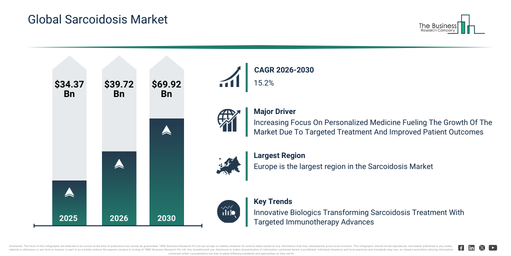
    The market for sarcoidosis treatments experienced significant expansion recently, with projections indicating a continued upward trajectory from its 2025 valuation of $34.37 billion to $39.72 billion in 2026, demonstrating a compound annual growth rate of 15.6%. This historical growth phase was influenced by factors such as the enduring prevalence of corticosteroids as initial treatment options, a rise in pulmonary sarcoidosis diagnoses, enhanced recognition of the condition among specialists in pulmonology and rheumatology, steady advancements in diagnostic imaging, and the restricted availability of targeted therapeutic interventions.

    The sarcoidosis market is poised for significant expansion, projecting a valuation of $69.92 billion by 2030, driven by a compound annual growth rate of 15.2%. This projected growth throughout the forecast period is largely fueled by advancements in the creation of new biologic and immunomodulatory treatments, a heightened emphasis on therapeutic approaches that reduce reliance on steroids, an increasing incidence of both chronic and multi-organ sarcoidosis, a bolstered commitment to clinical investigations for rare inflammatory conditions, and enhanced patient access to specialized healthcare facilities. Key developments anticipated during this timeframe include a greater tendency towards the off-label application of biologic drugs for sarcoidosis cases that are resistant to conventional treatments, a more focused approach on managing pulmonary sarcoidosis, a wider embrace of treatment plans that minimize corticosteroid use, a more extensive utilization of imaging techniques and biomarkers for tracking disease progression, and an acceleration in clinical trials exploring innovative anti-inflammatory interventions.

    Download A Free Sample Report For Comprehensive Market Insights:

    https://www.thebusinessresearchcompany.com/sample.aspx?id=23508&type=smp

    Sarcoidosis Market Expansion Drivers: What Is Shaping Future Growth?

    The sarcoidosis market’s expansion is anticipated to be propelled by the heightened emphasis on personalized medicine, a sophisticated treatment methodology that customizes therapeutic plans to each patient, considering their unique genetic makeup, biomarkers, environmental influences, and lifestyle choices to deliver more accurate, potent, and focused interventions. This growing preference for personalized medicine stems from its capacity to align treatments with an individual’s genetic predispositions and biological characteristics, thereby boosting treatment success rates while simultaneously minimizing adverse reactions. Within the context of sarcoidosis, personalized medicine refines therapeutic strategies by integrating genetic, biomarker, and clinical data to amplify effectiveness and mitigate side effects, thereby improving targeted therapy and accommodating variations in disease presentation and individual patient reactions. A relevant development occurred in February 2024, when the Personalized Medicine Coalition reported that the U.S. Food and Drug Administration (FDA) authorized 16 novel personalized therapies for individuals with rare diseases in 2023, a notable surge from the 6 such treatments approved in 2022, underscoring the escalating integration of personalized approaches in healthcare and, consequently, bolstering the sarcoidosis market.

    Sarcoidosis Market Segment Analysis And Revenue Opportunities

    The sarcoidosis market covered in this report is segmented –

    1) By Type: Pulmonary Sarcoidosis, Ocular Sarcoidosis, Neurosarcoidosis, Cardiac Sarcoidosis, Musculoskeletal Sarcoidosis, Cutaneous Sarcoidosis, Renal Sarcoidosis, Hepatic Sarcoidosis, Sarcoidosis Of The Spleen And Bone Marrow

    2) By Diagnostic Method: Imaging Technique, Biopsy, Blood Tests

    3) By Treatment Type: Corticosteroids, Immunosuppressive Agents, Biologics, Anti-Malarial Drugs

    4) By Route Of Administration: Oral, Parenteral, Other Routes Of Administration

    5) By End Uses: Hospitals And Clinics, Surgical Centers, Diagnostic Centers, Other End Uses

    Subsegments:

    1) By Pulmonary Sarcoidosis: Acute Pulmonary Sarcoidosis, Chronic Pulmonary Sarcoidosis, Fibrotic Pulmonary Sarcoidosis

    2) By Ocular Sarcoidosis: Anterior Uveitis, Posterior Uveitis, Intermediate Uveitis, Panuveitis, Optic Neuropathy

    3) By Neurosarcoidosis: Meningeal Neurosarcoidosis, Cranial Nerve Neurosarcoidosis, Peripheral Neuropathy, Spinal Cord Involvement, Hypothalamic-Pituitary Involvement

    4) By Cardiac Sarcoidosis: Atrioventricular Block, Ventricular Arrhythmias, Heart Failure, Myocarditis, Sudden Cardiac Arrest

    5) By Musculoskeletal Sarcoidosis: Arthritis, Myopathy, Bone Lesions

    6) By Cutaneous Sarcoidosis: Lupus Pernio, Erythema Nodosum, Papular Sarcoidosis, Plaque Sarcoidosis, Subcutaneous Sarcoidosis

    7) By Renal Sarcoidosis: Granulomatous Interstitial Nephritis, Nephrocalcinosis, Hypercalciuria-Induced Kidney Disease

    8) By Hepatic Sarcoidosis: Granulomatous Hepatitis, Portal Hypertension, Hepatic Fibrosis

    9) By Sarcoidosis Of The Spleen And Bone Marrow: Splenomegaly, Pancytopenia, Bone Marrow Granulomas

    Sarcoidosis Market Strategic Trends: What Is Defining The Next Phase Of Growth?

    Leading entities within the sarcoidosis sector are concentrating their efforts on creating cutting-edge therapeutic solutions, including anti-TNFα monoclonal antibody treatments, aiming to provide a new biological option for the critical, unaddressed needs in handling inflammatory conditions. This specialized immunotherapy works by employing monoclonal antibodies to block TNFα, a key inflammatory cytokine, thus mitigating inflammation and offering control over autoimmune disorders. A notable development occurred in November 2023 when Xentria, Inc., a clinical-stage biotherapeutics firm based in the U.S., secured Orphan Drug Designation for its primary candidate, XTMAB-16, from the European Medicines Agency (EMA). Concurrently, this company commenced its worldwide clinical trial for pulmonary sarcoidosis, successfully enrolling its inaugural participant. XTMAB-16, which functions as a monoclonal antibody targeting tumor necrosis factor-alpha (TNFα), is under examination for its capacity to regulate inflammatory responses in pulmonary sarcoidosis, presenting a focused approach that contrasts with existing corticosteroid treatments. This acknowledgment from regulatory bodies and progress in clinical trials underscore the increasing international emphasis on novel biological agents for rare ailments, reaffirming Xentria’s dedication to meeting significant medical requirements with groundbreaking therapeutic interventions.

    Sarcoidosis Market Leading Players Shaping Industry Direction

    Major companies operating in the sarcoidosis market are Pfizer Inc, F Hoffmann La Roche AG, Merck And Co Inc, AbbVie Inc, Novartis AG, Bristol Myers Squibb Company, AstraZeneca plc, GlaxoSmithKline plc, Eli Lilly And Company, Boehringer Ingelheim GmbH, Regeneron Pharmaceuticals Inc, UCB Pharma, Sun Pharmaceutical Industries Ltd, Cipla Ltd, Lupin Limited, Mallinckrodt Pharmaceuticals, Xentria Inc, Molecure SA, Relief Therapeutics Holding AG, Sanofi SA, Amgen Inc, Takeda Pharmaceutical Company Limited, Janssen Pharmaceuticals Inc, Otsuka Pharmaceutical Co Ltd

    Access The Complete Sarcoidosis Market Report:

    https://www.thebusinessresearchcompany.com/report/sarcoidosis-global-market-report

    Sarcoidosis Market Geographic Analysis: Where Is Demand Growing The Fastest?

    Europewas the largest region in the sarcoidosis market in 2025. The regions covered in the sarcoidosis market report are Asia-Pacific, South East Asia, Western Europe, Eastern Europe, North America, South America, Middle East, Africa.

    Get in touch with us:

    The Business Research Company: https://www.thebusinessresearchcompany.com/

    Americas: +1 310-496-7795

    Asia: +44 7882 955267 & +91 8897263534

    Europe: +44 7882 955267

    Email us at: marketing@tbrc.info

    Follow us on:

    LinkedIn: https://in.linkedin.com/company/the-business-research-company

    YouTube: https://www.youtube.com/channel/UC24_fI0rV8cR5DxlCpgmyFQ

    Global Market Model: https://www.thebusinessresearchcompany.com/global-market-model
  • Sanger Sequencing Market Trends Are Creating New Opportunities For Industry Leaders

    Sanger Sequencing Market Trends Are Creating New Opportunities For Industry Leaders

    Enhanced with market attractiveness analysis, total addressable market evaluation, company benchmarking matrices, interactive Excel dashboards, expanded supply chain intelligence, emerging startup coverage, and detailed product insights, The Business Research Company’s 2026 market reports deliver more actionable and strategically valuable research.

    Sanger Sequencing Market Growth Analysis: How Will Revenue Expand During The Forecast Period?

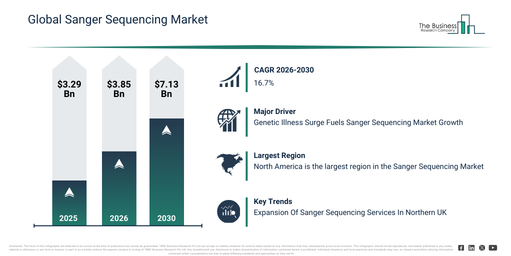
    The market for Sanger sequencing has experienced swift expansion lately, projecting a rise from $3.29 billion in 2025 to $3.85 billion in 2026, driven by a compound annual growth rate (CAGR) of 17.1%. Factors contributing to this historical growth trajectory include the initial recognition of Sanger sequencing as the definitive method, augmented investment in academic and governmental genomics research, a surge in genetic disorder diagnostic applications, broadened utilization within forensic science, and escalating research and development initiatives in the pharmaceutical sector.

    The sanger sequencing market is projected for significant expansion in the upcoming years, reaching an estimated $7.13 billion by 2030. This impressive growth trajectory, with a compound annual growth rate (CAGR) of 16.7%, is fueled by several key factors. These include the persistent requirement for confirmation alongside next-generation sequencing (NGS) technologies, the burgeoning field of personalized medicine, an escalating demand for affordable targeted sequencing solutions, the broadening scope of clinical diagnostics within developing economies, and a heightened level of cooperation between biotechnology companies and academic institutions. During this projected timeframe, several prominent trends are anticipated: sanger sequencing will continue its role in validating NGS outcomes, a consistent need for targeted gene sequencing in diagnostic settings will persist, its application in biomarker discovery and cancer research will expand, specialized laboratories will see increased outsourcing of sequencing services, and its established use in forensic and reproductive health testing will be maintained.

    Download A Free Sample Report For Comprehensive Market Insights:

    https://www.thebusinessresearchcompany.com/sample.aspx?id=13925&type=smp

    Sanger Sequencing Market Development Factors: Which Trends Are Supporting Demand?

    The escalating prevalence of genetic disorders is anticipated to fuel the expansion of the Sanger sequencing market. These inherited conditions, characterized by alterations or defects in an individual’s DNA, which comprises the genetic blueprint, necessitate diagnostic tools like Sanger sequencing. This method meticulously deciphers the precise sequence of nucleotide bases within a particular DNA segment, thereby aiding in the identification of genetic abnormalities. Illustratively, as reported by the National Health Service in August 2024, the United Kingdom had an estimated 2,300 individuals diagnosed with thalassaemia in the current year, with approximately 800 of these cases involving the severe manifestation requiring ongoing blood transfusions. Consequently, the increasing incidence of genetic illnesses directly correlates with the projected growth trajectory of the Sanger sequencing market.

    Sanger Sequencing Market Segmentation And Category Breakdown

    The sanger sequencing market covered in this report is segmented –

    1) By Sequencing: Shotgun Sequencing, Targeted Gene Sequencing, Other Sequencing

    2) By Laboratory: Wet Labs, Dry Labs

    3) By Research: In-House, Outsourced

    4) By Application: Diagnostics, Biomarkers And Cancer, Reproductive Health, Personalized Medicine, Forensics, Other Applications

    5) By End User: Academic, Government Research Institutes, Pharmaceutical Companies, Biotechnology Companies, Hospitals, Clinics

    Subsegments:

    1) By Shotgun Sequencing: Whole Genome Shotgun Sequencing, Metagenomic Shotgun Sequencing

    2) By Targeted Gene Sequencing: Amplicon Sequencing, Exome Sequencing

    3) By Other Sequencing: Nested PCR Sequencing, Capillary Electrophoresis Based Sanger Sequencing

    Sanger Sequencing Market Transformation Trends: Which Innovations Are Driving Change?

    To enhance service provision across the northern regions of the United Kingdom, key players within the sanger sequencing market are actively broadening their genomic laboratory infrastructures, thereby enabling accelerated sanger sequencing delivery. These advanced genomic laboratories serve as pivotal centers for genetic diagnostics and analytical pursuits, delving into gene and genome characteristics like structure, behavior, and hereditary patterns, frequently in service of diagnostic, investigative, and individualized healthcare objectives. As a case in point, in June 2023, Source Genomics, a prominent UK entity specializing in genomic solutions, announced the enlargement of its genomic laboratory capabilities into Northern England, a move poised to amplify its sanger sequencing service capacity and significantly shorten data processing durations. This strategic extension of laboratory operations towards the northern territories represents a substantial stride towards ensuring uniform availability of genomic services for research bodies throughout the nation, ultimately allowing a wider customer base to access superior sanger sequencing with improved response times.

    Sanger Sequencing Market Competitive Analysis Of Major Industry Participants

    Major companies operating in the sanger sequencing market are Hoffmann La Roche, Thermo Fisher Scientific Inc, Merck KGaA, Eurofins Scientific, Beckman Coulter, PerkinElmer Inc, LGC Limited, GenScript, Macrogen Inc, GENEWIZ Inc, Quintara Biosciences, CeMIA SA, Source BioScience, Microsynth AG, Fasteris SA, GenHunter Corporation, Nucleics Pty Ltd, SciGenom Labs Pvt Ltd, StarSEQ GmbH, GATC Biotech AG, Agilent Technologies, Azenta Life Sciences, CD Genomics, Novogene Sanger Services

    Access The Complete Sanger Sequencing Market Report:

    https://www.thebusinessresearchcompany.com/report/sanger-sequencing-global-market-report

    Sanger Sequencing Market Global Footprint: Which Region Holds Market Leadership?

    North Americawas the largest region in the sanger sequencing market in 2025. The regions covered in the sanger sequencing market report are Asia-Pacific, South East Asia, Western Europe, Eastern Europe, North America, South America, Middle East, Africa.

    Get in touch with us:

    The Business Research Company: https://www.thebusinessresearchcompany.com/

    Americas: +1 310-496-7795

    Asia: +44 7882 955267 & +91 8897263534

    Europe: +44 7882 955267

    Email us at: marketing@tbrc.info

    Follow us on:

    LinkedIn: https://in.linkedin.com/company/the-business-research-company

    YouTube: https://www.youtube.com/channel/UC24_fI0rV8cR5DxlCpgmyFQ

    Global Market Model: https://www.thebusinessresearchcompany.com/global-market-model
  • Sanfilippo Syndrome Market Growth Is Reshaping Competitive Advantage Across The Industry

    Sanfilippo Syndrome Market Growth Is Reshaping Competitive Advantage Across The Industry

    Through market attractiveness analysis, total addressable market evaluation, company benchmarking matrices, interactive Excel dashboards, expanded supply chain intelligence, emerging startup coverage, and detailed product insights, The Business Research Company’s 2026 market reports provide more actionable and strategically valuable research.

    Sanfilippo Syndrome Market Forecast: What Market Value Is Expected By 2030?

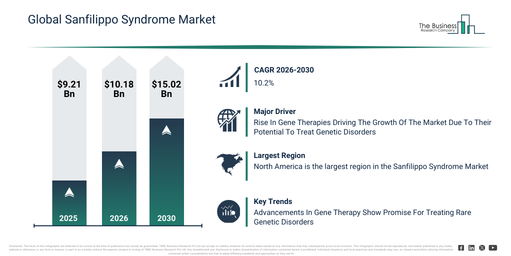
    The market for sanfilippo syndrome has experienced substantial expansion lately. Projections indicate a rise from $9.21 billion in 2025 to $10.18 billion by 2026, reflecting a compound annual growth rate of 10.5%. Factors contributing to this ascent during the historical period include a scarcity of therapeutic interventions for sanfilippo syndrome, heightened awareness surrounding lysosomal storage disorders, the burgeoning influence of rare disease advocacy organizations, incremental advancements in diagnostic technologies, and initial investment in research pertaining to orphan diseases.

    The market for Sanfilippo Syndrome is poised for substantial expansion over the upcoming years, projected to reach a value of $15.02 billion by 2030, driven by a compound annual growth rate of 10.2%. This anticipated growth is fueled by several key factors, including the progress in adeno-associated virus (AAV)-based gene therapies, a rise in orphan drug designations and accompanying incentives, increased healthcare spending on rare diseases, the expansion of newborn screening programs, and growing investments from biotechnology and pharmaceutical firms. Significant trends shaping this market during the forecast period encompass intensified clinical trial activity for Sanfilippo Syndrome treatments, a broader acceptance of gene therapy methodologies for pediatric neurodegenerative conditions, increased utilization of sophisticated diagnostic tools for early identification, the expansion of compassionate use and early access programs for rare diseases, and enhanced collaborative efforts between biotechnology companies and research institutions.

    Download A Free Sample Report For Comprehensive Market Insights:

    https://www.thebusinessresearchcompany.com/sample.aspx?id=23507&type=smp

    Sanfilippo Syndrome Market Industry Drivers: What Is Driving Revenue Growth?

    The Sanfilippo syndrome market is poised for expansion, largely driven by a burgeoning interest in gene therapies. These innovative medical interventions aim to correct or substitute defective genes, thereby treating or preventing various illnesses. The heightened attention on gene therapy stems from its capacity to address genetic disorders, uncommon diseases, and persistent ailments by tackling their fundamental molecular origins. Specifically for Sanfilippo syndrome, gene therapy works by introducing functional versions of the flawed gene, facilitating the restoration of necessary enzyme activity and mitigating the buildup of detrimental substances within cells. A notable indicator of this trend is the report from the American Society of Gene & Cell Therapy in April 2024, which highlighted a 10% surge in phase III gene therapy clinical trials during the fourth quarter of 2023, representing the first such rise since the third quarter of 2022. Consequently, this amplified emphasis on gene therapy is a significant catalyst for the growth observed in the Sanfilippo syndrome market.

    Sanfilippo Syndrome Market Segment Outlook: Which Categories Are Expanding The Fastest?

    The sanfilippo syndrome market covered in this report is segmented –

    1) By Treatment: Enzyme Replacement Therapy, Gene Therapy, Genistein, Other Treatments

    2) By Diagnosis: Glycosaminoglycan Analysis (GAG Analysis), Genomic Deoxyribonucleic Acid Sequencing (Genomic DNA Sequencing), Activity Assay, Other Diagnosis

    3) By End-User: Hospitals, Research Institutions

    Subsegments:

    1) By Enzyme Replacement Therapy: Intravenous Enzyme Replacement Therapy, Intrathecal Enzyme Replacement Therapy, Intracerebroventricular (ICV) Enzyme Replacement Therapy

    2) By Gene Therapy: Adeno-Associated Virus (AAV)-Based In Vivo Gene Therapy, Lentiviral Vector–Based Ex Vivo Gene Therapy, Non-Viral Vector Gene Delivery

    3) By Genistein: Oral Genistein Supplementation, High-Dose Genistein Regimens, Low-Dose Genistein Regimens

    4) By Other Treatments: Substrate Reduction Therapy (SRT), Stem Cell Therapy, Anti-Inflammatory Agents, Symptomatic Management Drugs

    #Sanfilippo Syndrome Market Growth Trends: What Is Influencing The Future Outlook?

    In the landscape of sanfilippo syndrome treatments, leading entities are prioritizing the creation of novel therapeutic strategies, including gene therapies, aiming to enhance patient prognoses and mitigate disease advancement. Gene therapy, a method within medicine, involves employing genes to avert, manage, or rectify illnesses by rectifying or substituting defective genes within the organism. To illustrate, during February 2025, Ultragenyx Pharmaceutical Inc., a biopharmaceutical firm headquartered in the United States, unveiled fresh data concerning UX111 (ABO-102), an adeno-associated virus gene therapy developed for sanfilippo syndrome Type A (MPS IIIA). This therapeutic intervention showcased statistically meaningful enhancements in Bayley-III raw scores across cognitive function, receptive communication, and expressive communication. Moreover, it yielded a considerable and enduring decrease in heparan sulfate (HS) levels within the cerebrospinal fluid (CSF), a reduction that was found to be associated with better clinical results.

    Sanfilippo Syndrome Market Key Companies And Competitive Benchmarking

    Major companies operating in the sanfilippo syndrome market are Takeda Pharmaceutical Company Limited, BioMarin Pharmaceutical Inc, Ultragenyx Pharmaceutical Inc, JCR Pharmaceuticals Co Ltd, Denali Therapeutics Inc, REGENXBIO Inc, Greenwood Genetic Center, ArmaGen Inc, Abeona Therapeutics Inc, Orchard Therapeutics plc, Allievex Corporation, Lysogene SA, Sio Gene Therapies Inc, Abeona Therapeutics Europe, Spark Therapeutics Inc, PTC Therapeutics Inc, Neurogene Inc, Taysha Gene Therapies Inc, MeiraGTx Holdings plc, Sangamo Therapeutics Inc, Freeline Therapeutics Holdings plc, LogicBio Therapeutics Inc

    Access The Complete Sanfilippo Syndrome Market Report:

    https://www.thebusinessresearchcompany.com/report/sanfilippo-syndrome-global-market-report

    Sanfilippo Syndrome Market Regional Distribution: Which Areas Drive Market Expansion?

    North Americawas the largest region in the sanfilippo syndrome market in 2025. The regions covered in the sanfilippo syndrome market report are Asia-Pacific, South East Asia, Western Europe, Eastern Europe, North America, South America, Middle East, Africa.

    Get in touch with us:

    The Business Research Company: https://www.thebusinessresearchcompany.com/

    Americas: +1 310-496-7795

    Asia: +44 7882 955267 & +91 8897263534

    Europe: +44 7882 955267

    Email us at: marketing@tbrc.info

    Follow us on:

    LinkedIn: https://in.linkedin.com/company/the-business-research-company

    YouTube: https://www.youtube.com/channel/UC24_fI0rV8cR5DxlCpgmyFQ

    Global Market Model: https://www.thebusinessresearchcompany.com/global-market-model

  • Sample Processing System Market Forecast Signals New Revenue Opportunities Through 2030

    Sample Processing System Market Forecast Signals New Revenue Opportunities Through 2030

    Delivering more actionable and strategically valuable research, The Business Research Company’s 2026 market reports feature market attractiveness analysis, total addressable market evaluation, company benchmarking matrices, interactive Excel dashboards, expanded supply chain intelligence, emerging startup coverage, and detailed product insights.

    Sample Processing System Market Size Outlook: How Fast Will Revenue Grow Through 2030?

    In recent times, the market for sample processing systems has experienced robust expansion. Projections indicate a rise from $8.49 billion in 2025 to $9.15 billion in 2026, reflecting a compound annual growth rate of 7.9%. Key factors driving this growth during the preceding period included the scaling up of pharmaceutical research initiatives, an increase in clinical diagnostics testing, broader integration of laboratory automation, a persistent need for dependable analytical outcomes, and the availability of adaptable laboratory system designs.

    The market for sample processing systems is poised for substantial expansion over the approaching years, projected to reach $12.55 billion by 2030, reflecting a compound annual growth rate of 8.2%. This anticipated growth trajectory is fueled by several key factors: burgeoning investments in precision medicine research, a heightened need for adaptable laboratory automation solutions, the expanding scope of genomics and proteomics investigations, the increasing incorporation of AI into laboratory processes, and a heightened emphasis on laboratory operational efficiency. During this forecast period, significant market trends are expected to emerge, including a greater adoption of automated sample processing platforms, an elevated demand for high-throughput laboratory systems, the growing integration of robotics in sample handling procedures, the development of data-integrated processing workflows, and a strengthened commitment to accuracy and reproducibility in laboratory operations.

    Download A Free Sample Report For Comprehensive Market Insights:

    https://www.thebusinessresearchcompany.com/sample.aspx?id=29184&type=smp

    Sample Processing System Market Growth Factors: Which Forces Are Supporting Market Expansion?

    The expansion of the sample processing system market is anticipated to receive a significant boost from escalating pharmaceutical research and drug development initiatives. These initiatives encompass the comprehensive stages of discovering, formulating, validating, and introducing novel medications or treatments aimed at disease prevention, management, or eradication. The increasing emphasis on pharmaceutical R&D stems from a heightened prevalence of chronic conditions, which in turn fuels the demand for innovative and effective therapies. Consequently, organizations are channeling substantial investments into cutting-edge technologies, clinical evaluations, and tailored medical approaches to enhance patient well-being and address burgeoning global health requirements. Sample processing systems play a crucial role in this domain by facilitating precise, streamlined, and high-volume management of biological and chemical specimens, thereby expediting the drug discovery and evaluation timelines. As an illustration, the UK’s Department for Science, Innovation & Technology announced in June 2025 a substantial four-year investment totaling $114.38 billion (£86 billion) dedicated to fostering advancements in scientific and technological research and development, inclusive of drug discovery, with an annual allocation of $29.93 billion (£22.5 billion). Therefore, a surge in pharmaceutical research and development endeavors directly correlates with the upward trajectory of the sample processing system market.

    Sample Processing System Market Segment Landscape: Which Areas Lead Market Development?

    The sample processing system market covered in this report is segmented –

    1) By Product Type: Automated Sample Processing Systems, Semi-Automated Sample Processing Systems, Manual Sample Processing Systems

    2) By Application: Genomics, Proteomics, Cell Culture, Diagnostics, Other Applications

    3) By End-User: Pharmaceutical and Biotechnology Companies, Hospitals And Diagnostic Laboratories, Academic And Research Institutes, Contract Research Organizations (CROs), Food And Beverage Industry, Forensic Laboratories

    Subsegments:

    1) By Automated Sample Processing Systems: High Throughput Processing, Laboratory Information Integrated Processing, Continuous Flow Processing

    2) By Semi-Automated Sample Processing Systems: Robotic Assisted Processing, Modular Bench Top Processing, Hybrid Manual Automated Processing

    3) By Manual Sample Processing Systems: Standalone Bench Processing, Multi Step Manual Processing, Basic Laboratory Processing

    Sample Processing System Market Industry Trends: What Changes Are Reshaping Demand?

    Companies at the forefront of the sample processing system sector are prioritizing advancements in automation and increased efficiency, exemplified by Qiagen’s innovative sample preparation instruments. These advanced instruments represent a leap forward in fully automated, high-volume purification of DNA, RNA, and proteins from a wide array of sample sources, employing sophisticated robotic processes and pre-packaged reagent kits to ensure molecular biology procedures are both effective, consistent, and meticulously documented. A notable development occurred in July 2025 when QIAGEN, a Dutch biotechnology firm, unveiled QIAsymphony Connect, a sophisticated automated solution designed for in vitro diagnostic sample preparation. This system is capable of processing up to 96 samples concurrently, boosting assay performance through superior nucleic acid recovery, facilitating enhanced sample traceability via digital integration, and significantly diminishing manual intervention. Such a release underscores the prevailing industry movement toward incorporating high-capacity, automated sample processing technologies to address the escalating requirements of laboratories, ultimately driving operational speed and precision while bolstering market standing within the sample processing system industry.

    Sample Processing System Market Industry Leaders And Market Competition

    Major companies operating in the sample processing system market are Thermo Fisher Scientific Inc., Danaher Corporation, Agilent Technologies Inc., Illumina Inc., F. Hoffmann-La Roche AG, PerkinElmer Inc., QIAGEN N.V., Merck KGaA, Becton, Dickinson and Company (BD), Shimadzu Corporation, bioMérieux SA, HORIBA Ltd., Eppendorf AG, Bruker Corporation, Miltenyi Biotec, Abbott Laboratories, Tecan Group Ltd., Sartorius AG, Promega Corporation, Analytik Jena GmbH+Co. KG, Biotage, CEM Corporation, Markes International, AusDiagnostics, Hitachi High-Tech Corporation, PromoChrom Technologies Ltd., MGI Tech Co. Ltd., Copan Italia SpA, A & T Corporation, Hamilton Bonaduz AG, P S Analytical Ltd.

    Access The Complete Sample Processing System Market Report:

    https://www.thebusinessresearchcompany.com/report/sample-processing-system-global-market-report

    Sample Processing System Market Leading Geography: Which Region Generates The Most Revenue?

    North Americawas the largest region in the sample processing system market in 2025. Asia-Pacificis expected to be the fastest-growing region in the forecast period. The regions covered in the sample processing system market report are Asia-Pacific, South East Asia, Western Europe, Eastern Europe, North America, South America, Middle East, Africa.

    Get in touch with us:

    The Business Research Company: https://www.thebusinessresearchcompany.com/

    Americas: +1 310-496-7795

    Asia: +44 7882 955267 & +91 8897263534

    Europe: +44 7882 955267

    Email us at: marketing@tbrc.info

    Follow us on:

    LinkedIn: https://in.linkedin.com/company/the-business-research-company

    YouTube: https://www.youtube.com/channel/UC24_fI0rV8cR5DxlCpgmyFQ

    Global Market Model: https://www.thebusinessresearchcompany.com/global-market-model
  • Sample Preparation Products For Next Generation Sequencing Market Growth Is Accelerating As Industry Transformation Continues

    Sample Preparation Products For Next Generation Sequencing Market Growth Is Accelerating As Industry Transformation Continues

    Enhanced with market attractiveness analysis, total addressable market evaluation, company benchmarking matrices, interactive Excel dashboards, expanded supply chain intelligence, emerging startup coverage, and detailed product insights, The Business Research Company’s 2026 market reports deliver more actionable and strategically valuable research.

    Sample Preparation Products For Next Generation Sequencing Market Size, Value And Growth Trends Through 2030

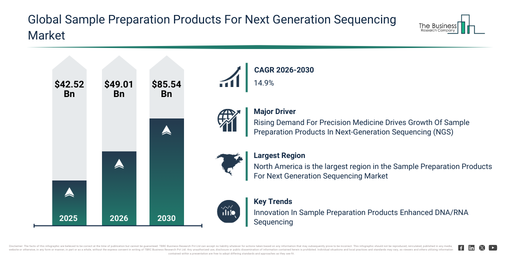
    The market for next-generation sequencing sample preparation products has experienced substantial expansion, projected to escalate from $42.52 billion in 2025 to $49.01 billion in 2026, reflecting a compound annual growth rate of 15.3%. This significant growth during the preceding period can be attributed to a confluence of factors including the broadening scope of genomics research, augmented utilization of NGS within clinical investigations, the proliferation of sophisticated extraction and library preparation kits, increased research endeavors in oncology, and the escalating adoption of sequencing technologies.

    The market for sample preparation products designed for next-generation sequencing is poised for substantial expansion in the forthcoming years, projected to reach $85.54 billion by 2030, reflecting a compound annual growth rate of 14.9%. This anticipated surge is fueled by several key factors, including a heightened need for precision medicine, a broader utilization of clinical NGS diagnostics, increased funding for genomics research infrastructure, greater integration of automated processes in laboratories, and continuous advancements in the technologies used for preparing sequencing samples. Furthermore, during this forecast period, significant trends are expected to shape the market, such as a wider embrace of automated sample preparation procedures, a greater requirement for high-throughput NGS sample processing, the proliferation of targeted sequencing panels, a stronger emphasis on standardizing workflows, and improved synergy with existing NGS platforms.

    Download A Free Sample Report For Comprehensive Market Insights:

    https://www.thebusinessresearchcompany.com/sample.aspx?id=20622&type=smp

    Sample Preparation Products For Next Generation Sequencing Market Demand Drivers: What Is Fueling Industry Growth?

    The surging interest in precision medicine is anticipated to be a significant catalyst for the expansion of the market for sample preparation products utilized in next-generation sequencing. This approach to healthcare, frequently referred to as personalized medicine, involves tailoring medical interventions and wellness plans to each individual by considering their distinct genetic makeup, environmental exposures, and lifestyle choices. The heightened requirement for precision medicine stems from the increasing prevalence of long-term illnesses like cancer, diabetes, and heart conditions. Products designed for sample preparation in NGS are crucial for the progression of precision medicine, facilitating the precise and effective examination of genetic data. This genetic analysis is fundamental to devising tailored treatments and enhancing patient results within the framework of personalized healthcare. For illustration, data from the Personalized Medicine Coalition, a US non-profit group, indicates that in February 2024, the FDA authorized sixteen new personalized treatments for individuals with rare conditions during 2023, marking an increase from the six treatments approved in 2022. Consequently, the expanding need for precision medicine directly fuels the market for sample preparation products for next-generation sequencing.

    Sample Preparation Products For Next Generation Sequencing Market Segments: Where Are The Largest Growth Opportunities?

    The sample preparation products for next generation sequencing market covered in this report is segmented –

    1) By Type: Deoxyribonucleic Acid (DNA) Extraction Purification And Isolation Products, Ribonucleic Acid (RNA) Extraction Purification And Isolation Products, Panels, Exome Kits And Target Enrichment Products, Deoxyribonucleic Acid (DNA) Library Construction Or Preparation Products, Ribonucleic Acid (RNA)-sequencing (Seq) Transcriptome And Gene Expression Products, Small Ribonucleic Acid (RNA) Next Generation Sequencing Sample Preparation Products

    2) By Therapeutic Area: Oncology, Infectious Diseases, Human Genetics Or Population Genetics

    3) By Application: Biotechnology, Medical, Pharmaceutical, Other Applications

    Subsegments:

    1) By Deoxyribonucleic Acid (DNA) Extraction Purification And Isolation Products: DNA Extraction Kits, DNA Purification Reagents, Isolation Columns And Magnetic Beads

    2) By Ribonucleic Acid (RNA) Extraction Purification And Isolation Products: RNA Extraction Kits, RNA Purification Reagents, Isolation Columns And Magnetic Beads

    3) By Panels, Exome Kits, And Target Enrichment Products: Exome Enrichment Kits, Targeted Panels For Specific Genes, Custom Enrichment Solutions

    4) By Deoxyribonucleic Acid (DNA) Library Construction Or Preparation Products: DNA Library Preparation Kits, Fragmentation And End Repair Kits, Adapter Ligation Kits

    5) By Ribonucleic Acid (RNA)-Sequencing (Seq) Transcriptome And Gene Expression Products: RNA-Seq Library Preparation Kits, Quantification Reagents For RNA-Seq, Transcriptome Analysis Tools

    6) By Small Ribonucleic Acid (RNA) Next Generation Sequencing Sample Preparation Products: Small RNA Library Preparation Kits, Mirna Extraction And Quantification Products, Small RNA Enrichment Kits

    Sample Preparation Products For Next Generation Sequencing Market Innovation Trends: Which Developments Are Transforming The Industry?

    Within the landscape of sample preparation products for next-generation sequencing, key industry players are actively pursuing advancements, prominently featuring next-generation sequencing itself, to solidify their market standing. This groundbreaking next-generation sequencing (NGS) technology facilitates the determination of DNA or RNA sequences, thereby allowing for the examination of genetic differences and the exploration of biological processes. As an illustration, in July of 2023, QIAGEN N.V., a German entity specializing in sample and assay technologies, unveiled its QIAseq Normalizer Kits. These kits present a swift, user-friendly, and economical method for researchers to combine DNA libraries, thereby ensuring superior outcomes in NGS experiments. These solutions integrate seamlessly with QIAGEN’s existing QIAseq library preparation offerings and other DNA/RNA preparation methodologies designed for Illumina systems.

    Sample Preparation Products For Next Generation Sequencing Market Major Participants And Competitive Dynamics

    Major companies operating in the sample preparation products for next generation sequencing market are Merck & Co. Inc., Thermo Fisher Scientific Inc., F. Hoffmann-La Roche AG, Eurofins Scientific SE, Agilent Technologies Inc., PerkinElmer Inc., Illumina Inc., Beckman Coulter Inc., Bio-Rad Laboratories Inc., QIAGEN N.V., Eppendorf AG, Promega Corporation, Oxford Nanopore Technologies Ltd, Takara Bio Inc, New England Biolabs, Fluidigm Corporation, Pacific Biosciences of California Inc., Analytik Jena AG, SeraCare Life Sciences, Diagenode Inc., Zymo Research Corporation, Nugen Technologies Inc., Swift Biosciences Inc., Tecan Group Ltd.

    Access The Complete Sample Preparation Products For Next Generation Sequencing Market Report:

    https://www.thebusinessresearchcompany.com/report/sample-preparation-products-for-next-generation-sequencing-global-market-report

    Sample Preparation Products For Next Generation Sequencing Market Regional Outlook: Where Are The Largest Opportunities Located?

    North Americawas the largest region in the sample preparation products for next generation sequencing (NGS) market in 2025. The regions covered in the sample preparation products for next generation sequencing market report are Asia-Pacific, South East Asia, Western Europe, Eastern Europe, North America, South America, Middle East, Africa.

    Get in touch with us:

    The Business Research Company: https://www.thebusinessresearchcompany.com/

    Americas: +1 310-496-7795

    Asia: +44 7882 955267 & +91 8897263534

    Europe: +44 7882 955267

    Email us at: marketing@tbrc.info

    Follow us on:

    LinkedIn: https://in.linkedin.com/company/the-business-research-company

    YouTube: https://www.youtube.com/channel/UC24_fI0rV8cR5DxlCpgmyFQ

    Global Market Model: https://www.thebusinessresearchcompany.com/global-market-model
  • Salt Therapy Market Outlook Highlights The Next Major Growth Opportunities

    Salt Therapy Market Outlook Highlights The Next Major Growth Opportunities

    Through market attractiveness analysis, total addressable market evaluation, company benchmarking matrices, interactive Excel dashboards, expanded supply chain intelligence, emerging startup coverage, and detailed product insights, The Business Research Company’s 2026 market reports provide more actionable and strategically valuable research.

    Salt Therapy Market CAGR Analysis And Future Market Development

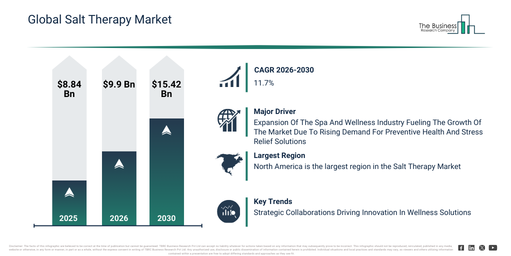
    Experiencing substantial expansion, the salt therapy market is projected to increase from $8.84 billion in 2025 to $9.9 billion in 2026, demonstrating a compound annual growth rate of 12.0%. Factors contributing to its historical ascent include heightened public consciousness regarding respiratory health, a greater incidence of asthma and allergic conditions, the burgeoning wellness and spa sectors, a growing inclination among consumers towards natural healing methods, and the proliferation of dedicated salt therapy facilities.

    The salt therapy sector is poised for significant expansion, projecting a market valuation of $15.42 billion by 2030 with a commendable compound annual growth rate of 11.7%. This upward trajectory is propelled by several key factors, including a heightened emphasis on comprehensive wellness strategies, a surge in the popularity of at-home health equipment, augmented investments in preventative healthcare, a growing curiosity surrounding non-traditional methods for respiratory ailments, and the amplified digital promotion of well-being services. Dominating market trends expected to shape this period encompass a greater need for respiratory treatments that do not rely on pharmaceuticals, a broader acceptance of halotherapy facilities for wellness purposes, increased utilization of compact salt therapy apparatus, a more extensive development of salt therapy options for domestic use, and a stronger commitment to alleviating stress and promoting proactive health management.

    Download A Free Sample Report For Comprehensive Market Insights:

    https://www.thebusinessresearchcompany.com/sample.aspx?id=25898&type=smp

    Salt Therapy Market Growth Drivers: What Factors Are Accelerating Expansion?

    The expansion of the spa and wellness sector is poised to be a significant catalyst for the salt therapy market’s advancement. This expansive industry, dedicated to improving one’s physical, mental, and emotional state through restorative treatments, holistic health approaches, and relaxation services, is experiencing a surge largely driven by a heightened public consciousness and a desire for proactive health measures and effective stress mitigation. With increasingly demanding daily routines and a rise in stress-induced health concerns, individuals are increasingly seeking out wellness-focused experiences as avenues for relaxation and holistic health. Salt therapy plays a role within this industry by offering its benefits for respiratory conditions, skin renewal, and inducing tranquility, presenting a natural, medication-free approach that amplifies general well-being. Illustratively, data from the Global Wellness Institute, a non-profit entity based in the U.S., revealed that in November 2024, the worldwide wellness market achieved a landmark $6.3 trillion by the close of 2023, building upon its $5.8 trillion valuation in 2022, signifying an impressive annual growth rate of 9%. Consequently, the burgeoning spa and wellness industry is directly contributing to the upward trajectory of the salt therapy market.

    Salt Therapy Market Segment Analysis: What Are The Major Market Categories?

    The salt therapy market covered in this report is segmented –

    1) By Type Of Salt Therapy: Dry Salt Therapy, Wet Salt Therapy

    2) By Product Type: Halotherapy Equipment, Salt Inhalers, Bath Salts

    3) By Distribution Channel: Online Sales, Offline Sales, Direct Sales

    4) By Application Area: Respiratory Disorders, Skin Conditions, Stress Relief And Relaxation, General Wellness

    5) By End User: Individual Consumers, Commercial Facilities

    Subsegments:

    1) By Dry Salt Therapy: Halotherapy Rooms And Cabins, Salt Booths And Pods, Halogenerators, Dry Salt Inhalers, Salt Walls And Panels

    2) By Wet Salt Therapy: Saline Nebulization Therapy, Salt Baths And Soaking Treatments, Neti Pots And Nasal Irrigation, Salt Steam Inhalation, Saltwater Gargles And Rinses

    Salt Therapy Market Trends: What Is Shaping Future Industry Growth?

    Within the salt therapy sector, leading firms are increasingly embracing strategic alliances as a means to foster technological advancement and broaden their market presence, a strategy that involves joining forces with other entities to pool resources and knowledge for shared objectives. An illustrative example of this collaborative trend occurred in June 2025, when Salt Cave Inc., a US firm renowned for its custom salt therapy room and cave design, construction, and installation services, united with Oceanair Himalayan Salt Cave, a US wellness enterprise. Together, they initiated a new business focused on creating and distributing both Himalayan salt products and pre-built salt caves. This joint effort allows them to provide comprehensive solutions for those seeking to establish salt therapy wellness spaces, whether for personal or commercial use, thereby increasing the availability of premium salt therapy environments and consistently designed, prefabricated salt cave installations to meet the escalating demand for therapeutic salt-based facilities and products within the wellness industry.

    Salt Therapy Market Leading Companies Driving Competitive Growth

    Major companies operating in the salt therapy market are Infinity Salt Air, IIRIS Technologies, Aerosal GmbH, Salt of the Earth Ltd., Halotherapy Solutions LLC, Salina Plus Ltd., Prizma Halotherapy, SALT Chamber LLC, Salt Cave Paradise, SaltMed Corporation, Himalayan Wellness Company, Kangyan Medical Instrument Co. Ltd., HALOMED UAB, VIVA SALT Halogenerators, HALOGENERATOR LTD., Inhalo DSI Ltd., Salt Therapy Home, Salt Cocoon, Breathe Better Salt Rooms, Serene Salt Systems LLC.

    Access The Complete Salt Therapy Market Report:

    https://www.thebusinessresearchcompany.com/report/salt-therapy-global-market-report

    Salt Therapy Market Geographic Landscape: Which Region Dominates Industry Growth?

    North Americawas the largest region in the salt therapy market in 2025. Asia-Pacificis expected to be the fastest-growing region in the forecast period. The regions covered in the salt therapy market report are Asia-Pacific, South East Asia, Western Europe, Eastern Europe, North America, South America, Middle East, Africa.

    Get in touch with us:

    The Business Research Company: https://www.thebusinessresearchcompany.com/

    Americas: +1 310-496-7795

    Asia: +44 7882 955267 & +91 8897263534

    Europe: +44 7882 955267

    Email us at: marketing@tbrc.info

    Follow us on:

    LinkedIn: https://in.linkedin.com/company/the-business-research-company

    YouTube: https://www.youtube.com/channel/UC24_fI0rV8cR5DxlCpgmyFQ

    Global Market Model: https://www.thebusinessresearchcompany.com/global-market-model
  • Salivary Gland Infection Market Trends And Growth Drivers Point To Strong Future Potential

    Salivary Gland Infection Market Trends And Growth Drivers Point To Strong Future Potential

    Delivering more actionable and strategically valuable research, The Business Research Company’s 2026 market reports feature market attractiveness analysis, total addressable market evaluation, company benchmarking matrices, interactive Excel dashboards, expanded supply chain intelligence, emerging startup coverage, and detailed product insights.

    Salivary Gland Infection Market Expansion From $4.8 Billion In 2026 To $6.49 Billion In 2030

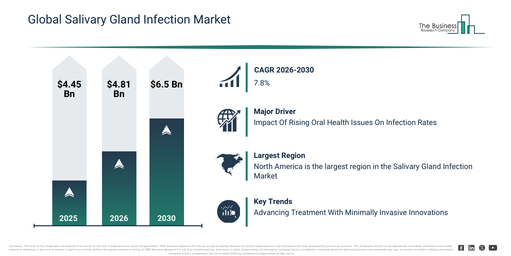
    The market for salivary gland infections has experienced robust expansion lately. Projections indicate a rise from $4.45 billion in 2025 to $4.81 billion in 2026, reflecting a compound annual growth rate of 8.1%. This upward trend during the historical period is a result of several contributing factors, including a higher prevalence of bacterial and viral infections affecting salivary glands, enhanced accessibility to diagnostic imaging techniques, the widespread availability of broad-spectrum antibiotic treatments, the growth of ear, nose, and throat (ENT) services within hospital settings, and a growing recognition among clinicians regarding disorders of these glands.

    Concerning Driver 1, the market for salivary gland infection treatment is poised for considerable expansion, projecting a value of $6.5 billion by the year 2030, underpinned by a compound annual growth rate of 7.8%. This projected surge is anticipated to be fueled by a confluence of factors including a heightened requirement for precise diagnostic capabilities, augmented investments directed towards otorhinolaryngology diagnostic instrumentation, the proliferation of ambulatory diagnostic facilities, an escalating emphasis on patient-focused therapeutic strategies, and the greater incorporation of both imaging and laboratory-based diagnostics. Key developments expected to shape this period involve the increased utilization of sophisticated imaging diagnostics, the growing acceptance of specific antibiotic treatments, a heightened focus on the prompt identification of infections, the broader implementation of less invasive therapeutic interventions, and a more pronounced dedication to thorough diagnostic methodologies.

    Download A Free Sample Report For Comprehensive Market Insights:

    https://www.thebusinessresearchcompany.com/sample.aspx?id=21281&type=smp

    Salivary Gland Infection Market Growth Factors Supporting Long-Term Expansion

    The escalating prevalence of oral health concerns is poised to propel the expansion of the salivary gland infections market. Conditions such as cavities, periodontal disease, and other oral ailments fall under the umbrella of oral health issues, which are exacerbated by suboptimal dental hygiene, detrimental dietary patterns, and limited access to professional dental services. An increase in these oral health problems heightens the susceptibility to salivary gland infections, as they foster bacterial proliferation and obstruct salivary ducts. For illustration, data from the National Health Service (NHS) in the UK indicates that during the 2022-23 period, 32.5 million dental treatments were administered, representing a 23.2% uptick from the preceding year. Consequently, the advancement of oral health difficulties serves as a significant catalyst for the growth of the salivary gland infections market.

    The increasing adoption of minimally invasive surgical techniques is anticipated to be a key driver for the salivary gland infections market. This surgical approach involves making small incisions and employing specialized instruments to conduct procedures, resulting in reduced discomfort, quicker recuperation, and less noticeable scarring compared to traditional open surgery. The appeal of minimally invasive surgery stems from its inherent benefits, including diminished pain, accelerated recovery times, and a lower incidence of complications, further bolstered by technological innovations like robotics and laparoscopic devices that enhance procedural accuracy and patient outcomes. These less invasive methods are applied to treat salivary gland infections by creating tiny openings to drain abscesses or remove obstructions, thereby minimizing recovery periods and potential adverse events. As an example, the American Society of Plastic Surgeons, a US-based nonprofit, noted in June 2024 that minimally invasive procedures experienced a 7% rise in 2023 compared to the previous year. Therefore, the escalating demand for minimally invasive surgery is positively influencing the trajectory of the salivary gland infections market.

    Salivary Gland Infection Market Segment Breakdown: Which Categories Generate The Most Revenue?

    The salivary gland infection market covered in this report is segmented –

    1) By Diagnosis: Plain Radiography, Sialography, Computed Tomography (CT), Magnetic Resonance Imaging (MRI), Radionuclide Scintigraphy, High-resolution Ultrasonography, Other Diagnoses

    2) By Treatment: Medications, Surgery, Aspiration, Home Care, Other Treatments

    3) By End User: Hospitals And Clinics, Medical Research Centers, Academic Institutes, Other End User

    Subsegments:

    1) By Plain Radiography: X-ray Of Salivary Glands, Sialography With X-ray

    2) By Sialography: Conventional Sialography, Digital Subtraction Sialography (DSS)

    3) By Computed Tomography (CT): Non-contrast CT, Contrast-enhanced CT

    4) By Magnetic Resonance Imaging (MRI): MRI without contrast, MRI With contrast (Dynamic MRI)

    5) By Radionuclide Scintigraphy: Planar Scintigraphy, SPECT (Single Photon Emission Computed Tomography)

    6) By High-resolution Ultrasonography: Standard Ultrasonography, Doppler Ultrasonography

    7) By Other Diagnoses: Fine Needle Aspiration (FNA) Biopsy, Endoscopy, Salivary Flow Test

    Salivary Gland Infection Market Industry Trends Shaping Future Revenue Growth

    Within the salivary gland infections sector, key players are focusing on embracing technological progress, especially concerning less invasive treatment methods, aiming to elevate patient recovery, hasten healing periods, and boost the effectiveness of medical care. These less invasive approaches utilize reduced incisions and specialized instruments, resulting in minimized tissue trauma and facilitating swifter recuperation. As an illustration, a prominent healthcare facility in India, Amrita Hospital, unveiled the Amrita Centre for minimally invasive salivary gland surgery in March 2024, introducing an innovative therapeutic option for salivary gland ailments via endoscopy. This advancement substantially decreases the necessity for surgical intervention while safeguarding the gland’s functionality. The inauguration was further spotlighted by a two-day instructional event featuring demonstrations by seasoned professionals.

    Salivary Gland Infection Market Key Players And Strategic Industry Positioning

    Major companies operating in the salivary gland infection market are Pfizer Inc., Johnson And Johnson, Roche Holding AG, Merck And Co Inc, AbbVie Inc, AstraZeneca plc, Novartis AG, GSK plc, Eli Lilly And Company, FUJIFILM Holdings Corporation, Teva Pharmaceutical Industries Ltd, Boehringer Ingelheim GmbH, Astellas Pharma Inc, Sandoz International GmbH, Hikma Pharmaceuticals PLC, Lupin Pharmaceuticals Inc, Mylan NV, Zydus Cadila Healthcare Ltd, Sun Pharmaceutical Industries Ltd, Dr Reddys Laboratories Ltd, Cipla Limited, Sanofi SA, Bayer AG, Perrigo Company plc

    Access The Complete Salivary Gland Infection Market Report:

    https://www.thebusinessresearchcompany.com/report/salivary-gland-infection-global-market-report

    Salivary Gland Infection Market Largest Region: Which Geography Holds The Highest Market Share?

    North Americawas the largest region in the salivary gland infection market in 2025. The regions covered in the salivary gland infection market report are Asia-Pacific, South East Asia, Western Europe, Eastern Europe, North America, South America, Middle East, Africa.

    Get in touch with us:

    The Business Research Company: https://www.thebusinessresearchcompany.com/

    Americas: +1 310-496-7795

    Asia: +44 7882 955267 & +91 8897263534

    Europe: +44 7882 955267

    Email us at: marketing@tbrc.info

    Follow us on:

    LinkedIn: https://in.linkedin.com/company/the-business-research-company

    YouTube: https://www.youtube.com/channel/UC24_fI0rV8cR5DxlCpgmyFQ

    Global Market Model: https://www.thebusinessresearchcompany.com/global-market-model
  • Sacroiliitis Treatment Market Expansion Is Reshaping Competitive Dynamics Across The Industry

    Sacroiliitis Treatment Market Expansion Is Reshaping Competitive Dynamics Across The Industry

    Enhanced with market attractiveness analysis, total addressable market evaluation, company benchmarking matrices, interactive Excel dashboards, expanded supply chain intelligence, emerging startup coverage, and detailed product insights, The Business Research Company’s 2026 market reports deliver more actionable and strategically valuable research.

    Sacroiliitis Treatment Market Forecast Highlighting Growth From $1.89 Billion To $2.49 Billion

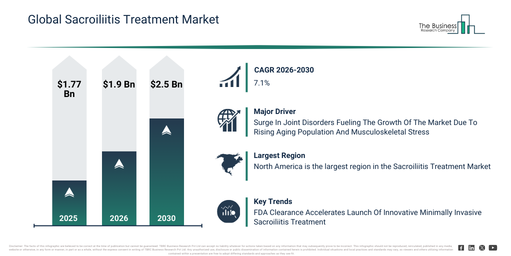
    The market for sacroiliitis treatments has experienced robust expansion recently, with projections indicating continued growth from 1.77 billion dollars in 2025 to 1.9 billion dollars in 2026, marking a compound annual growth rate of 7.4%. This historical upward trend is largely attributable to a rising incidence of inflammatory spinal conditions, the broader application of diagnostic imaging techniques, a deeper comprehension of sacroiliac joint pathologies, the proliferation of pain management facilities, and the accessibility of sophisticated pharmaceutical treatments.

    The market dedicated to sacroiliitis treatments is poised for significant expansion over the upcoming years, projecting a value of $2.5 billion by 2030, driven by a compound annual growth rate of 7.1%. This anticipated growth is fueled by several key factors, including a greater uptake of biologic medications, an escalating need for less invasive pain relief alternatives, the proliferation of outpatient orthopedic surgeries, heightened integration of digital diagnostic tools, and an intensified emphasis on restoring long-term mobility. During this forecast period, prominent trends shaping the market include a more frequent application of imaging techniques for diagnosis, increased acceptance of minimally invasive sacroiliac joint fusion procedures, a growing inclination towards biologic and specialized therapies, the expanding use of radiofrequency-based pain management strategies, and a refined focus on tailoring treatment plans to individual patient needs.

    Download A Free Sample Report For Comprehensive Market Insights:

    https://www.thebusinessresearchcompany.com/sample.aspx?id=24688&type=smp

    Sacroiliitis Treatment Market Demand Drivers Creating New Revenue Opportunities

    The escalating occurrence of joint conditions is anticipated to be a significant driver for the expansion of the sacroiliitis treatment market. Joint disorders, characterized by pain, inflammation, stiffness, and restricted movement, can stem from injuries, the aging process, autoimmune conditions, or infections. This rise in joint disorders is largely attributed to an aging global population, where natural joint degeneration leads to a greater prevalence of ailments such as osteoarthritis and other degenerative joint diseases. Sacroiliitis treatment offers a beneficial approach to managing these joint disorders by diminishing inflammation and pain within the sacroiliac joints, thereby enhancing mobility and overall joint functionality. This improvement can effectively alleviate symptoms and deter further joint deterioration. Illustrating this trend, as reported by Arthritis Australia in February 2024, osteoarthritis (OA) is forecast to impact 2.35 million Australians in 2025, constituting 57% of all arthritis cases and emerging as the predominant form of arthritis nationwide. Projections indicate a further increase, with the number of Australians affected by OA expected to reach 3.11 million by 2040, marking a 32% surge from the 2025 figures and adding an estimated 762,515 individuals with OA in Australia between 2025 and 2040. Consequently, the growing prevalence of joint disorders is fueling the advancement of the sacroiliitis treatment market.

    Sacroiliitis Treatment Market Segmentation: How Is The Market Structured Across Key Categories?

    The sacroiliitis treatment market covered in this report is segmented –

    1) By Type: Medications, Joint Injections, Joint Fusion, Radiofrequency Denervation, Electrical Stimulation

    2) By Diagnosis: Imaging Tests, Physical Examination, Laboratory Tests, Other Diagnosis

    3) By Route Of Administration: Oral, Injectable, Topical

    4) By End-User: Hospitals, Specialty Clinics, Ambulatory Surgical Centers, Home Care Settings

    Subsegments:

    1) By Medications: NSAIDs (Nonsteroidal Anti-Inflammatory Drugs), Corticosteroids, Disease-Modifying Antirheumatic Drugs (DMARDs), Biologic Agents, Analgesics

    2) By Joint Injections: Corticosteroid Injections, Platelet-Rich Plasma (PRP) Injections, Hyaluronic Acid Injections, Prolotherapy

    3) By Joint Fusion: Minimally Invasive SI Joint Fusion, Open SI Joint Fusion, Robotic-Assisted Fusion Techniques, Posterior Approach Fusion, Lateral Approach Fusion

    4) By Radiofrequency Denervation: Conventional Radiofrequency Ablation, Cooled Radiofrequency Ablation, Pulsed Radiofrequency Ablation

    5) By Electrical Stimulation: Transcutaneous Electrical Nerve Stimulation (TENS), Spinal Cord Stimulation (SCS), Peripheral Nerve Stimulation (PNS)

    Sacroiliitis Treatment Market Trends Driving Strategic Industry Expansion

    To gain a competitive edge in the sacroiliitis treatment sector, leading corporations prioritize securing official endorsements from regulatory bodies, a crucial step for expediting the introduction of novel treatments, facilitating market penetration, and solidifying their standing. These regulatory authorizations signify formal validation by governmental health authorities, confirming a medical intervention’s safety and efficacy for public application. As an illustration, in December 2023, the US-based medical device firm Spinal Simplicity was granted 510(k) clearance by the FDA for its Liberty-SI Lateral Implant System, a specialized, minimally invasive instrument engineered for sacroiliac joint fusion in individuals experiencing issues like sacroiliac disruptions and degenerative sacroiliitis. This innovative system employs a lateral technique, involving the insertion of one or two titanium implants via the ilium, spanning the SI joint into the sacrum to achieve robust stabilization and fusion. The implants, characterized by a central threaded core equipped with expandable wings and compression features, are offered in various dimensions and are treated with a hydroxyapatite coating to promote better biological integration, aiming for a procedure that is both safer and less intrusive, potentially leading to reduced anesthesia duration and enhanced patient results.

    Sacroiliitis Treatment Market Competitive Landscape And Leading Companies

    Major companies operating in the sacroiliitis treatment market are Pfizer Inc, Johnson And Johnson, AbbVie Inc, Novartis AG, Eli Lilly And Company, Boehringer Ingelheim International GmbH, Amgen Inc, Biogen Inc, Sandoz Group AG, UCB SA, Hikma Pharmaceuticals PLC, Samsung Bioepis Co Ltd, Lupin Limited, Zydus Lifesciences Limited, Celltrion Healthcare Co Ltd, Torrent Pharmaceuticals Limited, Globus Medical, Orthofix Medical Inc, Coherus BioSciences Inc, SI BONE Inc, Medtronic plc

    Access The Complete Sacroiliitis Treatment Market Report:

    https://www.thebusinessresearchcompany.com/report/sacroiliitis-treatment-global-market-report

    Sacroiliitis Treatment Market Regional Analysis: Which Region Leads By Revenue?

    North Americawas the largest region in the sacroiliitis treatment market in2025. Asia-Pacificis expected to be the fastest-growing region in the forecast period. The regions covered in the sacroiliitis treatment market report are Asia-Pacific, South East Asia, Western Europe, Eastern Europe, North America, South America, Middle East, Africa.

    Get in touch with us:

    The Business Research Company: https://www.thebusinessresearchcompany.com/

    Americas: +1 310-496-7795

    Asia: +44 7882 955267 & +91 8897263534

    Europe: +44 7882 955267

    Email us at: marketing@tbrc.info

    Follow us on:

    LinkedIn: https://in.linkedin.com/company/the-business-research-company

    YouTube: https://www.youtube.com/channel/UC24_fI0rV8cR5DxlCpgmyFQ

    Global Market Model: https://www.thebusinessresearchcompany.com/global-market-model
  • Sacroiliac Joint Fusion Market Forecast Reveals Where Future Industry Value Will Be Created

    Sacroiliac Joint Fusion Market Forecast Reveals Where Future Industry Value Will Be Created

    Through market attractiveness analysis, total addressable market evaluation, company benchmarking matrices, interactive Excel dashboards, expanded supply chain intelligence, emerging startup coverage, and detailed product insights, The Business Research Company’s 2026 market reports provide more actionable and strategically valuable research.

    Sacroiliac Joint Fusion Market Revenue Growth Supported By A CAGR Of 1.7% Through 2030

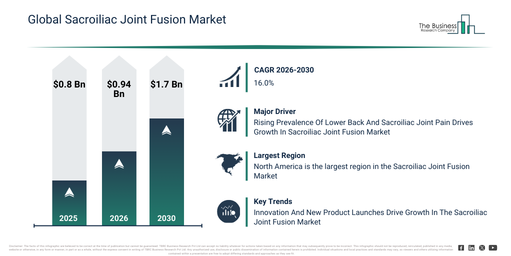
    The market for sacroiliac joint fusion procedures has experienced substantial expansion lately, anticipating a rise from $0.8 billion in 2025 to $0.94 billion in 2026, indicating a robust compound annual growth rate of 18.0%. Factors contributing to this historical growth trajectory include the increasing incidence of lower back pain conditions, enhanced identification of sacroiliac joint dysfunction, the wider availability of specialized fusion implant systems, a broadening base of expertise in spinal surgery, and the growing acceptance of less invasive surgical techniques.

    The market for sacroiliac joint fusion procedures is poised for substantial expansion, projected to reach $1.7 billion by the year 2030, reflecting a robust compound annual growth rate of 16.0%. This anticipated growth through the forecast period is fueled by several key factors, including a surge in demand for orthopedic interventions performed on an outpatient basis, a concomitant increase in the utilization of sophisticated spinal implants, a heightened emphasis on accelerating patient recuperation, the wider deployment of image-guided surgical apparatus, and amplified investments directed towards pioneering advancements within orthopedics. Key discernible trends shaping this market during the forecast period encompass the escalating adoption of less invasive fusion techniques, a growing prevalence in the application of state-of-the-art implant technologies, an increasing desire for surgical methodologies guided by imaging, the proliferation of ambulatory surgery centers specializing in spinal interventions, and a more pronounced concentration on managing chronic pain over extended durations.

    Download A Free Sample Report For Comprehensive Market Insights:

    https://www.thebusinessresearchcompany.com/sample.aspx?id=15921&type=smp

    Sacroiliac Joint Fusion Market Expansion Supported By Key Demand Factors

    The expanding incidence of discomfort in the lower back region is anticipated to be a significant catalyst for the expansion of the sacroiliac joint fusion sector in the future. This type of pain, localized to the lumbar spine situated between the lower ribs and the upper thighs, manifests as a widespread ailment that can range from a persistent, low-grade ache to an acute, sharp sensation. Contributing factors to the high occurrence of low back discomfort include occupational pressures, a lack of physical activity, excess body weight, and nutritional habits. Sacroiliac joint fusion offers a therapeutic solution by stabilizing the joint and mitigating aberrant motion, thereby reducing lower back pain and enhancing physical capabilities and life satisfaction. Illustratively, data from May 2023, as reported by the National Center For Biotechnology Information, a US governmental entity, indicated that in 2020, low back pain affected 619 million individuals globally, with projections suggesting this number will climb to 843 million by 2050. Consequently, the escalating frequency of lower back pain is a primary driver behind the growth trajectory of the sacroiliac joint fusion market.

    Sacroiliac Joint Fusion Market Segmentation Trends And Revenue Drivers

    The sacroiliac joint fusion market covered in this report is segmented –

    1) By Product: Implants, Accessories, Injections, Diagnosis, Treatment, RF Ablation

    2) By Indication Type: Degenerative Sacroiliitis, Sacral Disruption, Trauma

    3) By Approach: Dorsal, Anterior

    4) By End-user: Hospitals, Ambulatory Surgical Centers, Other End Users

    Subsegments:

    1) By Implants: Screws, Plates, Cages

    2) By Accessories: Instrumentation Kits, Spacers, Guides

    3) By Injections: Steroid Injections, Local Anesthetic Injections, Diagnostic Joint Injections

    4) By Diagnosis: X-Ray, CT Scan, MRI

    5) By Treatment: Minimally Invasive Surgery, Open Surgery, RF Ablation

    6) By RF Ablation: Radiofrequency (RF) Ablation Systems, RF Ablation Probes

    Sacroiliac Joint Fusion Market Growth Trends Influencing Competitive Dynamics

    Key players within the sacroiliac joint fusion sector are actively engaged in the creation of novel implants, exemplified by granite implant systems, with the objective of enhancing patient results, abbreviating surgical duration, and elevating the overall efficacy of the intervention. The granite implant system, specifically engineered for SI joint fusion, functions as a medical apparatus intended for the management of ailments impacting the sacroiliac joint, including sacroiliac joint dysfunction and sacroiliitis, thereby facilitating a pathway towards an improved quality of life via robust joint stabilization and fusion. Illustratively, in May of 2024, SI-BONE Inc., a United Kingdom-based enterprise focused on the surgical resolution of musculoskeletal ailments, introduced the iFuse Bedrock Granite Implant System. This novel implant features a reduced diameter, specifically tailored for sacroiliac fusion and spinopelvic fixation, a crucial element in comprehensive spinal fusion surgeries involving multiple segments. The aforementioned new implant has been distinguished with both a Breakthrough Device Designation by the Food and Drug Administration (FDA) and a new technology add-on payment from the Centers for Medicare & Medicaid Services (CMS). Consequently, the iFuse Bedrock Granite Implant System signifies a substantial progression in addressing SI joint dysfunction, presenting a dependable and efficacious alternative for individuals experiencing persistent lower back discomfort stemming from sacroiliac joint complications.

    Sacroiliac Joint Fusion Market Industry Leaders: Which Organizations Are Driving Competition?

    Major companies operating in the sacroiliac joint fusion market are Medtronic Plc, Zimmer Biomet Holdings Inc., Integra LifeSciences, NuVasive Inc., Globus Medical, Orthofix Inc., Medacta International SA, Alphatec Holdings Inc., RTI Surgical Holdings Inc., SeaSpine, SI-BONE Inc., Surgalign Holdings Inc., Xtant Medical, CoreLink, Life Spine Inc., Genesys Spine, Camber Spine Technologies LLC, Captiva Spine Inc., VGI Medical LLC, PainTEQ, CornerLoc, SIGNUS Medizintechnik GmbH, Tenon Medical Inc.

    Access The Complete Sacroiliac Joint Fusion Market Report:

    https://www.thebusinessresearchcompany.com/report/sacroiliac-joint-fusion-global-market-report

    Sacroiliac Joint Fusion Market Geographic Distribution And Regional Opportunities

    North Americawas the largest region in the sacroiliac joint fusion market in 2025. Asia-Pacificis expected to be the fastest-growing region in the forecast period. The regions covered in the sacroiliac joint fusion market report are Asia-Pacific, South East Asia, Western Europe, Eastern Europe, North America, South America, Middle East, Africa.

    Get in touch with us:

    The Business Research Company: https://www.thebusinessresearchcompany.com/

    Americas: +1 310-496-7795

    Asia: +44 7882 955267 & +91 8897263534

    Europe: +44 7882 955267

    Email us at: marketing@tbrc.info

    Follow us on:

    LinkedIn: https://in.linkedin.com/company/the-business-research-company

    YouTube: https://www.youtube.com/channel/UC24_fI0rV8cR5DxlCpgmyFQ

    Global Market Model: https://www.thebusinessresearchcompany.com/global-market-model
  • Rubella Diagnostic Testing Market Growth Through 2030 Creates New Strategic Opportunities

    Rubella Diagnostic Testing Market Growth Through 2030 Creates New Strategic Opportunities

    Delivering more actionable and strategically valuable research, The Business Research Company’s 2026 market reports feature market attractiveness analysis, total addressable market evaluation, company benchmarking matrices, interactive Excel dashboards, expanded supply chain intelligence, emerging startup coverage, and detailed product insights.

    Rubella Diagnostic Testing Market Value Expansion And Long-Term Growth Outlook

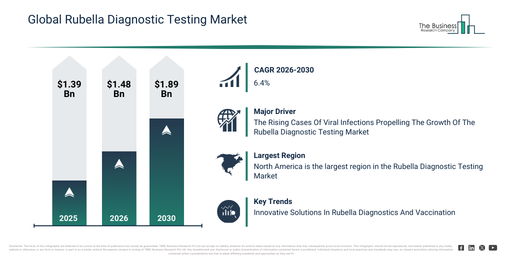
    The market for rubella diagnostic tests has experienced robust expansion lately, with projections indicating continued growth from $1.39 billion in 2025 to $1.48 billion in 2026, reflecting a compound annual growth rate of 6.5%. This upward trend in the historical period was fueled by several key factors, including the proliferation of regular viral screening initiatives, heightened public and medical awareness concerning congenital rubella syndrome, enhanced accessibility of serological testing kits, the broadening of diagnostic laboratory infrastructure, and the increasing integration of immunoassay technologies.

    The market for rubella diagnostic tests is projected to experience robust expansion, reaching an estimated value of $1.89 billion by the year 2030, driven by a compound annual growth rate of 6.4%. This anticipated growth during the forecast period is fueled by several key factors, including heightened investments in cutting-edge diagnostic technologies, a greater emphasis on screening maternal health, the broader implementation of automated laboratory testing processes, increased utilization of point-of-care diagnostic solutions, and the enhancement of infectious disease monitoring networks. Furthermore, significant trends anticipated within this timeframe involve the escalating adoption of molecular diagnostic methodologies, a rise in the application of PCR-based rubella testing, growing requirements for prenatal screening, the advancement of highly sensitive immunoassay methods, and a dedicated focus on earlier detection of the disease.

    Download A Free Sample Report For Comprehensive Market Insights:

    https://www.thebusinessresearchcompany.com/sample.aspx?id=19177&type=smp

    Rubella Diagnostic Testing Market Growth Drivers And Industry Catalysts

    The anticipated increase in viral infection occurrences is poised to stimulate the expansion of the rubella diagnostic testing market in the foreseeable future. Viral infections, characterized as ailments stemming from viruses, which are minute pathogenic agents capable of reproduction exclusively within the living cells of a host, are on the rise. Contributing factors to this surge include heightened international travel, thereby facilitating cross-border virus dissemination, and environmental shifts driven by climate change, which consequently modify the environments inhabited by disease vectors and broaden the geographical reach of organisms that carry diseases. Consequently, rubella diagnostic tests play a crucial role in the timely detection and effective management of rubella, thereby mitigating potential complications, especially among expectant mothers, and assisting in curtailing outbreaks to curb the proliferation of the virus. Illustrating this trend, data from the National Health Service in the UK, as of December 2023, indicated an average of 234 daily hospital admissions for influenza, representing a 53% escalation compared to the preceding week, alongside a 15% increase in norovirus hospital cases, reaching an average of 406 daily, which denotes a 28% rise from the equivalent week in the prior year. Thus, the escalating prevalence of viral infections is serving as a significant catalyst for the growth within the rubella diagnostic testing market.

    Rubella Diagnostic Testing Market Segment Analysis Highlighting Growth Areas

    The rubella diagnostic testing market covered in this report is segmented –

    1) By Diagnostic Technique: Latex Agglutination, Enzyme Immunoassay (EIA), Radioimmunoassay (Ria), Fluorescent Immunoassay (FIA), Other Diagnostic Techniques

    2) By Age Group: Neonates, Teenagers, Adults

    3) By End User: Hospitals And Clinics, Diagnostic Laboratories, Public Health Laboratories, Other End Users

    Subsegments:

    1) By Latex Agglutination: Qualitative Latex Agglutination Tests, Quantitative Latex Agglutination Tests, Rapid Latex Agglutination Kits

    2) By Enzyme Immunoassay (EIA): Direct EIA, Indirect EIA, Sandwich EIA, Competitive EIA

    3) By Radioimmunoassay (RIA): Standard RIA, Modified RIA, Single-Antibody RIA

    4) By Fluorescent Immunoassay (FIA): Direct FIA, Indirect FIA, Sandwich FIA

    5) By Other Diagnostic Techniques: Polymerase Chain Reaction (PCR), Nucleic Acid Amplification Tests (NAAT), Microplate-Based Assays, Western Blotting

    #Rubella Diagnostic Testing Market Trends Influencing Long-Term Demand

    Companies at the forefront of the rubella diagnostic testing sector are concentrating on pioneering new approaches, notably the creation of a rubella virus vaccine, aiming to elevate diagnostic precision and bolster preventative strategies. This rubella virus vaccine functions by imparting immunity to the rubella virus, commonly integrated into combined vaccinations like the MMR or MMRV to preempt the illness and its related health issues. Illustrating this, in March of 2023, Merck & Co., Inc., a pharmaceutical enterprise based in the United States, secured approval from the FDA for the intramuscular (IM) delivery of its M-M-R II vaccine, a vital shield against rubella, in addition to measles and mumps. This regulatory clearance permits healthcare practitioners to administer the rubella vaccine via the intramuscular pathway, aligning its administration with that of other standard pediatric immunizations. The importance of rubella vaccination cannot be overstated in curbing disease outbreaks and safeguarding individuals from the serious health consequences the virus can trigger, especially for expectant mothers.

    Rubella Diagnostic Testing Market Leading Companies: Who Holds Significant Market Presence?

    Major companies operating in the rubella diagnostic testing market are Cardinal Health Inc., Siemens Healthineers AG, Thermo Fisher Scientific Inc., Abbott Laboratories, F. Hoffmann-La Roche Ltd, bioMérieux S.A., Bio-Rad Laboratories Inc., Ortho-Clinical Diagnostics Inc., DiaSorin S.p.A., Meridian Bioscience Inc., Fortress Diagnostics Ltd., Mylab Discovery Solutions Pvt. Ltd., MP Biomedicals LLC, CTK Biotech Inc., ZEUS Scientific Inc., Creative Diagnostics, Arlington Scientific Inc., AccuBioTech Co. Ltd., Intec Products Inc., Vitrosens Biotechnology Ltd., Sprint Diagnostics Pvt. Ltd., InDevR Inc., Atlas Medical GmbH

    Access The Complete Rubella Diagnostic Testing Market Report:

    https://www.thebusinessresearchcompany.com/report/rubella-diagnostic-testing-global-market-report

    Rubella Diagnostic Testing Market Largest Region By Revenue And Market Share

    North Americawas the largest region in the rubella diagnostic testing market in 2025. Asia-Pacificis expected to be the fastest-growing region in the forecast period. The regions covered in the rubella diagnostic testing market report are Asia-Pacific, South East Asia, Western Europe, Eastern Europe, North America, South America, Middle East, Africa.

    Get in touch with us:

    The Business Research Company: https://www.thebusinessresearchcompany.com/

    Americas: +1 310-496-7795

    Asia: +44 7882 955267 & +91 8897263534

    Europe: +44 7882 955267

    Email us at: marketing@tbrc.info

    Follow us on:

    LinkedIn: https://in.linkedin.com/company/the-business-research-company

    YouTube: https://www.youtube.com/channel/UC24_fI0rV8cR5DxlCpgmyFQ

    Global Market Model: https://www.thebusinessresearchcompany.com/global-market-model