Month: June 2026

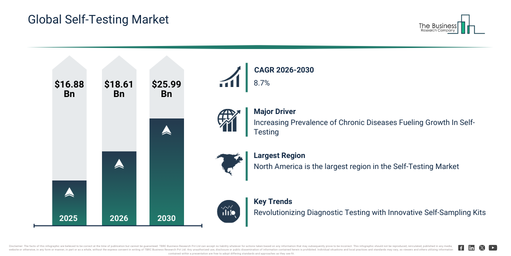
  • Self-Testing Market Forecast Highlights Expansion From $18.61 Billion To $25.98 Billion Through 2030

    Self-Testing Market Forecast Highlights Expansion From $18.61 Billion To $25.98 Billion Through 2030

    Enhanced with market attractiveness analysis, total addressable market evaluation, company benchmarking matrices, interactive Excel dashboards, expanded supply chain intelligence, emerging startup coverage, and detailed product insights, The Business Research Company’s 2026 market reports deliver more actionable and strategically valuable research.

    Self-Testing Market Growth Potential: How Will Market Size Change Through 2030?

    The self-testing sector has experienced substantial expansion lately, with its market value projected to increase from $16.88 billion in 2025 to $18.61 billion in 2026, reflecting a compound annual growth rate (CAGR) of 10.3%. This upward trajectory observed during the historical period is largely fueled by enhanced public consciousness regarding the importance of detecting illnesses early, significant progress in diagnostic technologies, increased acceptance of at-home testing solutions, the growing need for managing chronic conditions, and the availability of over-the-counter (OTC) testing options approved by regulatory bodies.

    The self-testing sector is poised for substantial expansion in the forthcoming years; its valuation is anticipated to reach $25.99 billion by the year 2030, driven by a compound annual growth rate (CAGR) of 8.7%. This projected advancement during the forecast period is largely propelled by advancements such as AI-infused test interpretation, diagnostic tools compatible with smartphones, a broader availability of infectious disease self-testing options, testing integrated with telemedicine services, and the development of tailored testing solutions. Key developments shaping this market in the coming years encompass the rise of rapid diagnostic kits, AI-driven analysis of test results, the increasing prevalence of at-home laboratory testing, mobile-integrated health assessments, and the availability of specialized test kits for particular diseases.

    Download A Free Sample Report For Comprehensive Market Insights:

    https://www.thebusinessresearchcompany.com/sample.aspx?id=14792&type=smp

    Self-Testing Market Demand Drivers: What Is Fueling Industry Growth?

    The expanding occurrence of long-term illnesses is anticipated to spur the expansion of the self-testing market in the future. These chronic conditions, characterized by their prolonged duration and gradual onset, are often attributed to shifts in population demographics, prevalent lifestyle choices, environmental influences, and progress in medical science. Self-testing plays a crucial role in the management of chronic diseases by empowering individuals to proactively monitor their health, enhance compliance with prescribed treatments, and enable the swift identification of any emergent complications or alterations in their health status. Illustratively, data from the Centers for Disease Control and Prevention, a federal agency in the United States, indicated that in 2023, approximately 76.4% of American adults contended with at least one of twelve specified chronic ailments, with 51.4% managing multiple such conditions, underscoring the significant impact of chronic diseases on public health and their resulting influence on the self-testing market’s upward trajectory.

    Self-Testing Market Segment Breakdown: Which Categories Generate The Most Revenue?

    The self-testing market covered in this report is segmented –

    1) By Product: Kits, Devices, Strips

    2) By Sample Type: Blood, Urine, Stool, Other Sample Types

    3) By Distribution Channel: Online, Offline

    4) By Application: Blood Glucose Testing, Pregnancy And Fertility Testing, Cancer Testing, Drug Abuse Testing, Sexually Transmitted Disease Or Sexually Transmitted Infection Testing, Cholesterol Testing, HIV Testing, Thyroid Testing, Other Applications

    Subsegments:

    1) By Kits: Blood Glucose Testing Kits, Pregnancy Test Kits, Ovulation Test Kits, HIV Test Kits, COVID-19 Test Kits, Allergy Test Kits, Cholesterol Test Kits

    2) By Devices: Blood Glucose Meters, Thermometers (Digital, Infrared), Blood Pressure Monitors, Pulse Oximeters, ECG Or EKG Monitors, Pregnancy Test Devices (Electronic), Home Hearing Test Devices

    3) By Strips: Blood Glucose Test Strips, Urine Test Strips, Pregnancy Test Strips, Ovulation Test Strips, Cholesterol Test Strips, Urinary Tract Infection (UTI) Test Strips, Ketone Test Strips

    Self-Testing Market Innovation Trends: Which Developments Are Transforming The Industry?

    In the self-testing sector, prominent businesses are actively engaged in creating novel approaches, exemplified by offerings like the Cervicheck self-sampling kits, which aim to enhance user convenience, accessibility, and precision. This type of medical instrument enables individuals to gather biological specimens, including blood, saliva, urine, or tissue, for diagnostic purposes or subsequent examination. To illustrate, in April of 2023, Pragmatech Healthcare Solutions, a biotechnology firm situated in India, introduced Cervicheck, a kit designed for self-administered testing to screen women for the human papillomavirus (HPV), a primary contributor to cervical cancer diagnoses. The utilization of this kit permits women to collect samples within the comfort and privacy of their residences, thereby mitigating challenges associated with delayed diagnoses stemming from an unwillingness to have samples taken at medical facilities. Furthermore, its design incorporates both self-sampling capabilities and point-of-care detection. Ultimately, this kit represents a crucial advancement in empowering women with the means for early detection of cervical cancer, with the overarching goal of decreasing mortality figures and alleviating the difficulties that accompany the diagnosis of cancer in its advanced stages.

    Self-Testing Market Key Players And Strategic Industry Positioning

    Major companies operating in the self-testing market are Roche Diagnostics, Abbott Laboratories, Quidel Corporation, OraSure Technologies, Meridian Bioscience, iHealth Labs, Everly Health, Helix OpCo, BioIQ, 23andMe, Pathway Genomics, Vitagene, Orig3n, LetsGetChecked, Cue Health, Ellume Health, OraQuick, Atomo Diagnostics, ACON Laboratories, SD Biosensor, OraSure Diagnostics

    Access The Complete Self-Testing Market Report:

    https://www.thebusinessresearchcompany.com/report/self-testing-global-market-report

    Self-Testing Market Regional Distribution: Which Areas Drive Market Expansion?

    North Americawas the largest region in the self-testing market in 2025. Asia-Pacificis expected to be the fastest-growing region in the forecast period. The regions covered in the self-testing market report are Asia-Pacific, South East Asia, Western Europe, Eastern Europe, North America, South America, Middle East, Africa.

    Get in touch with us:

    The Business Research Company: https://www.thebusinessresearchcompany.com/

    Americas: +1 310-496-7795

    Asia: +44 7882 955267 & +91 8897263534

    Europe: +44 7882 955267

    Email us at: marketing@tbrc.info

    Follow us on:

    LinkedIn: https://in.linkedin.com/company/the-business-research-company

    YouTube: https://www.youtube.com/channel/UC24_fI0rV8cR5DxlCpgmyFQ

    Global Market Model: https://www.thebusinessresearchcompany.com/global-market-model

  • Self-Improvement Products And Services Market Expected To Reach $93.74 Billion By 2030 As Growth Accelerates At 7.5% CAGR

    Self-Improvement Products And Services Market Expected To Reach $93.74 Billion By 2030 As Growth Accelerates At 7.5% CAGR

    Through market attractiveness analysis, total addressable market evaluation, company benchmarking matrices, interactive Excel dashboards, expanded supply chain intelligence, emerging startup coverage, and detailed product insights, The Business Research Company’s 2026 market reports provide more actionable and strategically valuable research.

    Self-Improvement Products And Services Market Value Analysis: What Growth Is Expected Over The Forecast Period?

    The self-improvement sector has witnessed substantial expansion lately, with projections indicating a rise from $64.48 billion in 2025 to $70.22 billion by 2026, reflecting an annual growth rate of 8.9%. This upward trajectory during the past period is linked to increased focus on mental well-being, greater purchasing power among consumers, the proliferation of wellness applications, the advent of digital educational resources, and a prevailing inclination towards personal care.

    Anticipate a robust expansion within the self-improvement products and services sector over the coming years, projecting a market valuation reaching $93.75 billion by 2030, underpinned by a compound annual growth rate (CAGR) of 7.5%. This projected upswing is largely fueled by advancements such as AI-powered individualized coaching, the incorporation of game-like elements, the worldwide proliferation of online education, the utilization of wearable technology for personal progress monitoring, and an increasing appetite for comprehensive well-being solutions. Key developments shaping this market during the forecast period are poised to include the rise of virtual coaching services, a surge in popularity for mindfulness and meditation applications, an expansion of online courses focused on skill enhancement, tailor-made fitness regimens, and the increasing adoption of subscription models for self-improvement resources.

    Download A Free Sample Report For Comprehensive Market Insights:

    https://www.thebusinessresearchcompany.com/sample.aspx?id=15266&type=smp

    Self-Improvement Products And Services Market Growth Drivers: What Factors Are Accelerating Expansion?

    An increase in the self-improvement sector is anticipated due to escalating stress quotients within the population. This ‘stress level’ quantifies the psychological and physiological strain felt by individuals facing internal or external demands, measured on a scale from low to high intensity. Factors contributing to this amplification of stress include mounting professional obligations, a greater incidence of racial prejudice, financial anxieties, feelings of isolation, and uncertainty about future circumstances. In response, self-improvement offerings provide resources for cultivating mental calm, strengthening personal fortitude, and advancing individual growth, thereby enhancing feelings of agency and self-efficacy. Illustratively, a survey released in November 2023 by the American Psychological Association revealed that in 2022, a substantial 81% of older Black adults perceived the racial environment in the United States as a source of stress. Furthermore, discrimination emerged as a significant stressor for 43% of Black adults and 40% of Latino/a/e adults by 2023, impacting them more profoundly than Asian (31%) and White adults (19%). Complementing these issues, inflationary pressures affected 83% of American adults, with a majority also identifying economic conditions (69%) and financial matters (66%) as principal causes of tension. Consequently, the escalating prevalence of stress is a key impetus for the expansion of the market for self-enhancement products and services.

    Self-Improvement Products And Services Market Segmentation: How Is The Market Structured Across Key Categories?

    The self-improvement products and services market covered in this report is segmented –

    1) By Type: Products, Services

    2) By Focus Area: Physical Health, Mental Health, Motivation And Inspiration, Self-Awareness, Skillset Enhancement

    3) By Application: Individuals, Enterprises, Other Applications

    Subsegments:

    1) By Products: Books And E-books, Audio And Video Learning Materials, Journals And Planners, Fitness And Wellness Products (Supplements, Equipment), Meditation And Relaxation Tools

    2) By Services: Coaching And Mentoring, Online Courses And Workshops, Counseling And Therapy, Fitness And Wellness Programs, Life Coaching And Personal Development Programs

    Self-Improvement Products And Services Market Trends: What Is Shaping Future Industry Growth?

    Leading entities within the self-improvement sector are concentrating their efforts on pioneering sophisticated offerings, notably incorporating the capability to stream educational content from psychologists and mental health experts, thereby furnishing consumers with immediate access to professional counsel and assistance. This functionality empowers individuals to interact directly with mental health practitioners, guaranteeing that they receive customized support adapted to their distinct requirements, available at their convenience. A prime example of this is the introduction by Minds.et in June 2024 of a dedicated application for mental health and personal growth, aiming to democratize access to mental well-being resources and self-enhancement opportunities for all, irrespective of geographical constraints or financial limitations. The application features an intuitive design, customized learning materials, and straightforward entry to instructional sessions led by qualified psychologists and mental health coaches.

    Self-Improvement Products And Services Market Competitive Landscape And Leading Companies

    Major companies operating in the self-improvement products and services market are BetterHelp, Weight Watchers, Dale Carnegie & Associates Inc., NutriSystem Inc., Udemy Inc., Coursera Inc., Duolingo, Calm, Noom Inc., Franklin Covey Co., Headspace Inc., Codecademy, Hay House Publishing, Mindvalley Inc., Landmark Worldwide, Gaia, Sandler Training, Insight Timer, Khan Academy Inc., The Chopra Center, Fred Pryor/Career-Track, Toastmasters International, SkillPath, Esalen Institute, Elevate Labs, Happify, Lumos Labs Inc.

    Access The Complete Self-Improvement Products And Services Market Report:

    https://www.thebusinessresearchcompany.com/report/self-improvement-products-and-services-global-market-report

    Self-Improvement Products And Services Market Leading Geography: Which Region Generates The Most Revenue?

    North Americawas the largest region in the self-improvement products and services market in 2025. Asia-Pacificis expected to be the fastest-growing region in the forecast period. The regions covered in the self-improvement products and services market report are Asia-Pacific, South East Asia, Western Europe, Eastern Europe, North America, South America, Middle East, Africa.

    Get in touch with us:

    The Business Research Company: https://www.thebusinessresearchcompany.com/

    Americas: +1 310-496-7795

    Asia: +44 7882 955267 & +91 8897263534

    Europe: +44 7882 955267

    Email us at: marketing@tbrc.info

    Follow us on:

    LinkedIn: https://in.linkedin.com/company/the-business-research-company

    YouTube: https://www.youtube.com/channel/UC24_fI0rV8cR5DxlCpgmyFQ

    Global Market Model: https://www.thebusinessresearchcompany.com/global-market-model
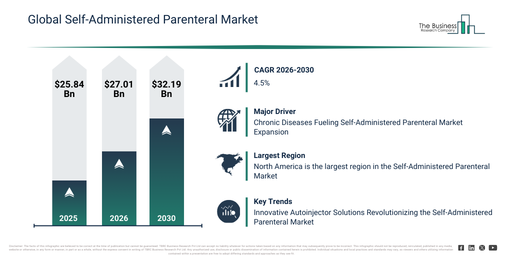
  • Self-Administered Parenteral Market Set To Grow From $27.01 Billion In 2026 To $32.19 Billion By 2030 At A CAGR Of 4.5%

    Self-Administered Parenteral Market Set To Grow From $27.01 Billion In 2026 To $32.19 Billion By 2030 At A CAGR Of 4.5%

    Delivering more actionable and strategically valuable research, The Business Research Company’s 2026 market reports feature market attractiveness analysis, total addressable market evaluation, company benchmarking matrices, interactive Excel dashboards, expanded supply chain intelligence, emerging startup coverage, and detailed product insights.

    Self-Administered Parenteral Market Size Forecast: How Large Could The Market Become By 2030?

    The market for self-administered parenteral products has experienced consistent expansion, projected to increase from $25.84 billion in 2025 to $27.01 billion in 2026, indicating a compound annual growth rate of 4.5%. Factors contributing to this growth historically include a rising incidence of chronic conditions, a greater preference for home-based medical treatments, improvements in prefilled syringe technology, heightened patient understanding of self-injection therapies, and the overall expansion of the biopharmaceutical industry.

    The self-administered parenteral sector is projected for consistent expansion in the coming years, with an anticipated valuation of $32.19 billion by 2030, reflecting a compound annual growth rate (CAGR) of 4.5%. This advancement during the projected timeframe is underpinned by several key factors, including the evolving landscape of smart injector technologies, their seamless integration with mobile health applications, the development of personalized dosage solutions, a widening scope in autoimmune and oncology treatments, and supportive regulatory frameworks endorsing self-administration. Furthermore, significant trends anticipated to shape this market include the increasing prevalence of smart auto-injectors, broader adoption of prefilled syringes, the advent of on-demand therapy delivery systems, the rise of telemedicine-integrated devices, and the continuous innovation in personalized drug dosage solutions.

    Download A Free Sample Report For Comprehensive Market Insights:

    https://www.thebusinessresearchcompany.com/sample.aspx?id=13927&type=smp

    Self-Administered Parenteral Market Growth Factors Supporting Long-Term Expansion

    The increasing prevalence of long-term health conditions is anticipated to be a primary catalyst for the expansion of the self-administered parenteral market. These chronic ailments, characterized by their prolonged duration and gradual progression, necessitate continuous care and therapeutic interventions. Self-administered parenteral solutions play a crucial role in managing such conditions, enabling individuals to oversee their treatment independently, which often results in superior adherence rates when contrasted with oral therapies. A compelling illustration of this trend emerged in June 2023, when the Institute for Health Metrics and Evaluation, a prominent public health research organization based in the United States, revealed that the global population affected by diabetes surpassed 500 million. Projections indicate this figure is poised for substantial growth, potentially exceeding 1.3 billion individuals by the year 2050. Consequently, the rising tide of chronic diseases is directly fueling the growth trajectory of the self-administered parenteral market.

    Self-Administered Parenteral Market Segmentation Trends And Revenue Drivers

    The self-administered parenteral market covered in this report is segmented –

    1) By Product: Pre-Filled Syringes, Autoinjectors, Pen Injectors, Other Products

    2) By Usage: Disposable, Reusable

    3) By Distribution Channel: Hospital Pharmacies, Online Pharmacies, Home Healthcare Providers, Specialty Clinics, Other Distribution Channels

    4) By Application: Cardiovascular Diseases, Diabetes, Osteoporosis, Pain Management, Hormone Replacement, Other Applications

    Subsegments:

    1) By Pre-Filled Syringes: Glass Pre-Filled Syringes, Plastic Pre-Filled Syringes

    2) By Autoinjectors: Disposable Autoinjectors, Reusable Autoinjectors

    3) By Pen Injectors: Insulin Pen Injectors, Growth Hormone Pen Injectors, Other Pen Injectors

    4) By Other Products: Infusion Pumps, Needle-Free Injectors, Combination Devices

    Self-Administered Parenteral Market Industry Trends Shaping Future Revenue Growth

    Within the self-administered parenteral sector, prominent firms are innovating with products like the UDENYCA autoinjector to enhance patient accessibility by offering greater autonomy and selection in their treatment. This autoinjector is a specialized medical apparatus engineered for the precise delivery of a predetermined medication dose. Its design prioritizes ease of use, initiating administration swiftly and dependably through simple skin contact activation. Specifically, Coherus BioSciences Inc., a biotechnology entity based in the United States, introduced the UDENYCA autoinjector in May 2023, marking its availability as a self-administered parenteral option within the US market. The UDENYCA Autoinjector functions as a prefilled, single-dose device, presenting individuals with an alternative method for administering pegfilgrastim. Its user-centric construction ensures that activation occurs upon skin contact, facilitating a prompt and consistent delivery of the complete pegfilgrastim dosage. Furthermore, it incorporates several advantageous characteristics conducive to effective administration, such as rapid dosing, an uncomplicated design, comprehensive coverage, suitability for both home and clinical settings, and a decreased likelihood of febrile neutropenia.

    Self-Administered Parenteral Market Industry Leaders: Which Organizations Are Driving Competition?

    Major companies operating in the self-administered parenteral market are Pfizer Inc., Johnson & Johnson, Merck & Co. Inc., Sanofi S.A., AstraZeneca PLC, Roche Holding AG, Eli Lilly and Company, Novo Nordisk A S, Becton Dickinson and Company, Teva Pharmaceutical Industries Ltd., Mylan N V, Terumo Corporation, Catalent Inc., West Pharmaceutical Services Inc., Gerresheimer AG, Biocon Limited, Insulet Corporation, Halozyme Therapeutics Inc., Ypsomed AG, Antares Pharma Inc., SHL Medical AG, Owen Mumford Ltd., Novartis AG, Kaleo Inc., Haselmeier AG, ScPharmaceuticals Inc., Fresenius Kabi AG

    Access The Complete Self-Administered Parenteral Market Report:

    https://www.thebusinessresearchcompany.com/report/self-administered-parenteral-global-market-report

    Self-Administered Parenteral Market Regional Outlook: Where Are The Largest Opportunities Located?

    North Americawas the largest region in the self-administered parenteral market in 2025. The regions covered in the self-administered parenteral market report are Asia-Pacific, South East Asia, Western Europe, Eastern Europe, North America, South America, Middle East, Africa.

    Get in touch with us:

    The Business Research Company: https://www.thebusinessresearchcompany.com/

    Americas: +1 310-496-7795

    Asia: +44 7882 955267 & +91 8897263534

    Europe: +44 7882 955267

    Email us at: marketing@tbrc.info

    Follow us on:

    LinkedIn: https://in.linkedin.com/company/the-business-research-company

    YouTube: https://www.youtube.com/channel/UC24_fI0rV8cR5DxlCpgmyFQ

    Global Market Model: https://www.thebusinessresearchcompany.com/global-market-model
  • Seizures Market Opportunities Are Emerging Beyond Traditional Growth Areas

    Seizures Market Opportunities Are Emerging Beyond Traditional Growth Areas

    Enhanced with market attractiveness analysis, total addressable market evaluation, company benchmarking matrices, interactive Excel dashboards, expanded supply chain intelligence, emerging startup coverage, and detailed product insights, The Business Research Company’s 2026 market reports deliver more actionable and strategically valuable research.

    Seizures Market Revenue Outlook: What CAGR Is Expected Through 2030?

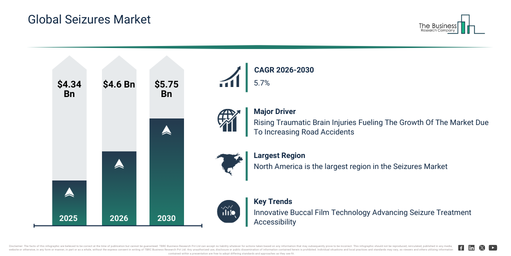
    The market for seizure treatments has experienced significant expansion recently, projecting a rise from $4.34 billion in 2025 to $4.6 billion in 2026, demonstrating a compound annual growth rate of 6.0%. This growth trend, observed over the past period, has been fueled by factors such as the increasing incidence of epilepsy, enhanced diagnostic capabilities and awareness, wider access to anti-epileptic medications, escalating healthcare expenditures, and advancements in electroencephalogram (EEG) technology.

    The epilepsy market is poised for significant expansion over the forthcoming years, projecting a valuation of $5.75 billion by 2030, driven by a compound annual growth rate of 5.7%. This anticipated surge is largely fueled by advancements such as artificial intelligence-powered seizure prediction technologies, the increasing implementation of remote patient monitoring systems, the development of tailored therapeutic approaches, the broadening reach of neurology-specific telehealth services, and the introduction of innovative neurostimulation devices. Key developments shaping the market during this forecast period encompass the rise of wearable seizure monitoring gadgets, the prevalence of at-home electroencephalogram (EEG) solutions, AI-driven seizure forecasting, tele-neurology consultations, and the seamless integration with health-focused mobile applications.

    Download A Free Sample Report For Comprehensive Market Insights:

    https://www.thebusinessresearchcompany.com/sample.aspx?id=23511&type=smp

    Seizures Market Demand Drivers Creating New Revenue Opportunities

    The expanding incidence of traumatic brain injuries is anticipated to stimulate an upward trend in the seizures market in the future. Traumatic brain injuries, defined as harm to the brain resulting from abrupt external impacts like blows, jolts, or penetrating head trauma, are on the rise, largely attributed to an escalating number of traffic accidents where high-speed impacts and inattentive driving contribute to more serious head trauma. Seizures can act as an initial sign of traumatic brain injuries, thereby enabling medical professionals to diagnose and address the underlying brain damage more proficiently. Illustratively, as reported in October 2023 by the World Federation of Neurology, a global authority on neurological advancement based in the UK, over 40% of the world’s population currently experiences a neurological disorder, a statistic projected to approach doubling by the year 2050. Consequently, these growing numbers of traumatic brain injuries are a key driver for the expansion of the seizures market.

    Seizures Market Segment Analysis Highlighting Growth Areas

    The seizures market covered in this report is segmented –

    1) By Drug Type: First Generation Anti-Epileptics, Second Generation Anti-Epileptics, Third Generation Anti-Epileptics

    2) By Route Of Administration: Oral, Parenteral, Rectal Administration

    3) By Distribution Channel: Hospitals Pharmacies, Independent Pharmacies, Online Pharmacies

    4) By End-User: Hospitals And Clinics, Ambulatory Surgical Centers, Homecare Settings, Other End-Users

    Subsegments:

    1) By First Generation Anti-Epileptics: Phenytoin, Carbamazepine, Valproate, Phenobarbital, Primidone, Ethosuximide

    2) By Second Generation Anti-Epileptics: Lamotrigine, Levetiracetam, Topiramate, Oxcarbazepine, Zonisamide, Gabapentin, Pregabalin

    3) By Third Generation Anti-Epileptics: Lacosamide, Perampanel, Brivaracetam, Eslicarbazepine, Cenobamate

    Seizures Market Trends Driving Strategic Industry Expansion

    Within the seizures market, leading corporations are introducing novel products, like buccal films, designed to improve how easily treatments can be accessed and how well patients adhere to them. A buccal film is a wafer-thin, dissolvable strip placed against the inside of the cheek, allowing medication to enter the bloodstream directly. Illustrating this, Aquestive Therapeutics Inc., a pharmaceutical firm based in the United States, secured U.S. FDA orphan drug exclusivity in December 2024 for Libervant (diazepam) buccal film, a treatment aimed at young children aged two to five experiencing seizure clusters. This cutting-edge formulation presents a user-friendly, non-invasive option compared to conventional diazepam administration, facilitating swift absorption via the buccal mucosa for quicker therapeutic effects. As the sole oral diazepam film authorized for this demographic, Libervant seeks to simplify administration for caregivers and boost patient adherence, while its granted exclusivity reinforces Aquestive’s standing in the development of buccal film treatments for epilepsy.

    Seizures Market Leading Companies: Who Holds Significant Market Presence?

    Major companies operating in the seizures market are Johnson & Johnson Service Inc., Sanofi S.A., Novartis AG, GlaxoSmithKline plc, Viatris Inc., Teva Pharmaceutical Industries Ltd., Bausch Health Companies Inc., UCB S.A., Eisai Co. Ltd., H. Lundbeck A S, Zydus Lifesciences Limited, SK Biopharmaceuticals Co. Ltd., Supernus Pharmaceuticals Inc., Taro Pharmaceutical Industries Ltd., Marinus Pharmaceuticals Inc., Eton Pharmaceuticals Inc., Sunovion Pharmaceuticals Inc., Pfizer Inc., Abbott Laboratories, Cipla Limited, Dr Reddy’s Laboratories Ltd., Aurobindo Pharma Limited

    Access The Complete Seizures Market Report:

    https://www.thebusinessresearchcompany.com/report/seizures-global-market-report

    Seizures Market Geographic Landscape: Which Region Dominates Industry Growth?

    North Americawas the largest region in the seizures market in 2025. Asia-Pacificis expected to be the fastest-growing region in the forecast period. The regions covered in the seizures market report are Asia-Pacific, South East Asia, Western Europe, Eastern Europe, North America, South America, Middle East, Africa.

    Get in touch with us:

    The Business Research Company: https://www.thebusinessresearchcompany.com/

    Americas: +1 310-496-7795

    Asia: +44 7882 955267 & +91 8897263534

    Europe: +44 7882 955267

    Email us at: marketing@tbrc.info

    Follow us on:

    LinkedIn: https://in.linkedin.com/company/the-business-research-company

    YouTube: https://www.youtube.com/channel/UC24_fI0rV8cR5DxlCpgmyFQ

    Global Market Model: https://www.thebusinessresearchcompany.com/global-market-model
  • Secure Messaging In Healthcare Market Expansion Is Opening New Pathways For Strategic Investment

    Secure Messaging In Healthcare Market Expansion Is Opening New Pathways For Strategic Investment

    Through market attractiveness analysis, total addressable market evaluation, company benchmarking matrices, interactive Excel dashboards, expanded supply chain intelligence, emerging startup coverage, and detailed product insights, The Business Research Company’s 2026 market reports provide more actionable and strategically valuable research.

    Secure Messaging In Healthcare Market Growth Analysis: How Will Revenue Expand During The Forecast Period?

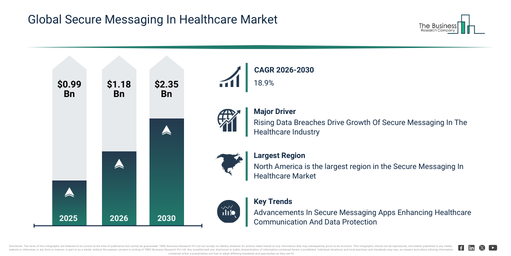
    The market for secure messaging within the healthcare sector has experienced substantial expansion recently, projecting a rise from $0.99 billion in 2025 to $1.18 billion in 2026, driven by a compound annual growth rate (CAGR) of 19.0%. Key factors contributing to this surge during the historical period include the escalating integration of electronic health records, a heightened demand for protecting patient communications, regulatory imperatives such as HIPAA compliance, the expansion of telemedicine services, and the growing prevalence of smartphones in healthcare applications.

    The secure messaging within the healthcare sector is projected for substantial expansion over the upcoming years, estimating a valuation of $2.35 billion by 2030, propelled by a compound annual growth rate (CAGR) of 18.9%. This accelerated growth is anticipated to be fueled by several key factors, including the incorporation of artificial intelligence and machine learning into messaging functionalities, the proliferation of cloud-based secure messaging solutions, an increased reliance on telehealth services, the growing adoption of Internet of Things (IoT) devices in healthcare, and a rise in international healthcare partnerships. Prominent trends anticipated to shape this market during the forecast period encompass the integration of real-time communication capabilities, the deployment of AI for clinical messaging, enhanced interoperability with electronic health record (EHR) systems, the development of mobile healthcare applications, and the automation of regulatory compliance processes.

    Download A Free Sample Report For Comprehensive Market Insights:

    https://www.thebusinessresearchcompany.com/sample.aspx?id=19181&type=smp

    Secure Messaging In Healthcare Market Expansion Supported By Key Demand Factors

    The increasing occurrence of data breaches within the healthcare sector is poised to fuel the expansion of the secure messaging market moving forward. These breaches, characterized by the unauthorized access, exposure, or pilfering of confidential patient data such as medical histories, personal identifiers, and financial particulars, pose a significant threat to patient confidentiality and safety. Key factors contributing to this surge in healthcare data breaches include the broader adoption of digital health records, insufficient cybersecurity defenses, the substantial monetary value of medical information on illicit markets, and the escalating sophistication of cyber threats targeting vulnerable healthcare infrastructures. Secure messaging solutions play a crucial role in curtailing these breaches by guaranteeing that sensitive patient information is exchanged via encrypted and protected pathways, thereby diminishing the likelihood of unauthorized access. Illustrating this trend, the Identity Theft Resource Center (ITRC) reported that in January 2025, theUnited States witnessed 3,205 data compromises in 2023, an increase of 78 percent from the 1,801 incidents recorded in 2022. Consequently, the escalating incidence of data breaches in healthcare is a primary catalyst for the growth of secure messaging within the industry.

    Secure Messaging In Healthcare Market Segment Performance And Strategic Opportunities

    The secure messaging in healthcare market covered in this report is segmented –

    1) By Type: Medical Compliance, Direct Secure Messaging, Secure File Transfer, Secure Forms Processing, Secure Patient Information

    2) By Component: Software, Services

    3) By Application: Hospitals, Clinics, Nursing Homes, Long Term Care, Ambulatory Surgery Centers (ASCs) And Trauma Centers, Rehabilitation Centers, Home Healthcare

    Subsegments:

    1) By Medical Compliance: Regulatory Compliance Messaging, Patient Consent Management, Compliance Monitoring Notifications

    2) By Direct Secure Messaging: Secure Messaging for Physicians, Patient-To-Provider Messaging, Inter-Provider Messaging, Secure Messaging Platforms

    3) By Secure File Transfer: Patient Records Transfer, Laboratory Results Transfer, Referral And Consultation Documents Transfer

    4) By Secure Forms Processing: Patient Intake Forms, Insurance Verification Forms, Authorization Forms, Survey And Feedback Forms

    5) By Secure Patient Information: Health Information Exchange, Secure Communication With Patients, Electronic Health Record (EHR) Messaging

    Secure Messaging In Healthcare Market Growth Trends Influencing Competitive Dynamics

    Within the secure messaging in healthcare sector, leading enterprises are actively engaged in the creation of sophisticated offerings, including specialized secure messaging applications, with the aim of transforming how healthcare providers communicate. These secure messaging applications function as communication platforms employing encryption technologies to safeguard transmitted messages, thereby guaranteeing that message content remains accessible solely to authorized recipients, upholding patient confidentiality and averting unauthorized disclosures. As an illustration, during May of 2024, Lumeca Health Inc., a software firm situated in Canada, introduced Lumeca Messages, a secure messaging application specifically engineered for medical practitioners, which incorporates end-to-end encryption to secure patient dialogues. This application is equipped with capabilities for instant messaging, protected document exchange, and effortless incorporation with electronic health records (EHRs), ensuring that all patient-related exchanges adhere strictly to healthcare privacy mandates. Furthermore, the application provides an intuitive user interface, complete with functionalities like message categorization and confirmation of delivery, designed to boost the effectiveness of inter-team communication in healthcare settings.

    Secure Messaging In Healthcare Market Key Players: Which Companies Shape Industry Competition?

    Major companies operating in the secure messaging in healthcare market are Doximity, Imprivata Inc., Spok Holdings Inc., symplr Software LLC, PerfectServe Inc., Relatient LLC, Artera, TigerConnect Inc., QliqSOFT Inc., Virtru Corp, CipherHealth Inc., Luma Health Inc., OhMD Inc., Updox LLC, Medchat LLC, Paubox Inc., Kno2 LLC, Telmediq Inc., CareWire Inc., Medigram Inc., Spruce Health Inc., DrFirst Inc.

    Access The Complete Secure Messaging In Healthcare Market Report:

    https://www.thebusinessresearchcompany.com/report/secure-messaging-in-healthcare-global-market-report

    Secure Messaging In Healthcare Market Largest Region: Which Geography Holds The Highest Market Share?

    North Americawas the largest region in the secure messaging in healthcare market in 2025. Asia-Pacificis expected to be the fastest-growing region in the forecast period. The regions covered in the secure messaging in healthcare market report are Asia-Pacific, South East Asia, Western Europe, Eastern Europe, North America, South America, Middle East, Africa.

    Get in touch with us:

    The Business Research Company: https://www.thebusinessresearchcompany.com/

    Americas: +1 310-496-7795

    Asia: +44 7882 955267 & +91 8897263534

    Europe: +44 7882 955267

    Email us at: marketing@tbrc.info

    Follow us on:

    LinkedIn: https://in.linkedin.com/company/the-business-research-company

    YouTube: https://www.youtube.com/channel/UC24_fI0rV8cR5DxlCpgmyFQ

    Global Market Model: https://www.thebusinessresearchcompany.com/global-market-model
  • Secondary Antibodies Market Trends Are Creating New Opportunities For Industry Leaders

    Secondary Antibodies Market Trends Are Creating New Opportunities For Industry Leaders

    Delivering more actionable and strategically valuable research, The Business Research Company’s 2026 market reports feature market attractiveness analysis, total addressable market evaluation, company benchmarking matrices, interactive Excel dashboards, expanded supply chain intelligence, emerging startup coverage, and detailed product insights.

    Secondary Antibodies Market Forecast: What Market Value Is Expected By 2030?

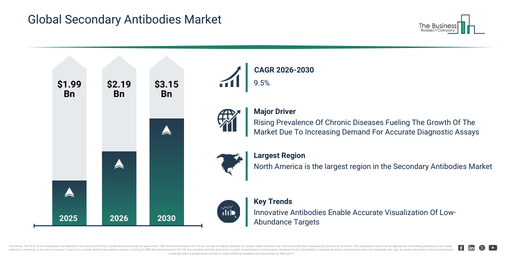
    The market for secondary antibodies has experienced robust expansion lately, projected to climb from $1.99 billion in 2025 to $2.19 billion in 2026, demonstrating a compound annual growth rate of 9.8%. This historical growth trajectory is underpinned by burgeoning immunoassay-based research, the proliferation of life science laboratories, intensified utilization of techniques like western blotting and ELISA, ongoing enhancements in antibody purification methodologies, and a surge in funding for biomedical research.

    The market for secondary antibodies is poised for substantial expansion over the upcoming years, projecting a valuation of $3.15 billion by 2030, driven by a compound annual growth rate of 9.5%. This anticipated growth stems from a confluence of factors including escalating needs in high-throughput diagnostic applications, a broader embrace of precision medicine research, augmented investments in the fields of proteomics and genomics, a greater integration of automated assay platforms, and ongoing advancements in antibody engineering. Key developments expected to shape this market during the forecast period involve a heightened demand for secondary antibodies with high cross-adsorption capabilities, increased utilization of antibodies tagged with fluorophores, wider adoption in multiplex assay formats, an expansion in the manufacturing of recombinant secondary antibodies, and a more pronounced emphasis on improving signal sensitivity and specificity.

    Download A Free Sample Report For Comprehensive Market Insights:

    https://www.thebusinessresearchcompany.com/sample.aspx?id=30383&type=smp

    Secondary Antibodies Market Growth Drivers And Industry Catalysts

    The increasing incidence of long-term health conditions is anticipated to be a primary driver for the expansion of the secondary antibodies market. These chronic ailments, characterized by their gradual onset and enduring nature, necessitate ongoing medical intervention. A contributing factor to the escalating numbers of individuals with chronic diseases is the trend towards sedentary lifestyles, where extended periods of sitting and insufficient exercise heighten the susceptibility to conditions like cardiovascular issues and diabetes. Secondary antibodies play a crucial role in managing these persistent diseases by facilitating the accurate identification of specific biological markers, thereby becoming indispensable tools for diagnostic testing and tracking the advancement of illness. Their use enhances the precision and reliability of tests, contributing to timely and effective therapeutic choices. Illustrating this trend, in June 2024, data from the National Health Service, a UK governmental body, revealed that 3,615,330 individuals registered with a general practitioner (GP) received a diagnosis of non-diabetic hyperglycemia or pre-diabetes in 2023, representing a significant jump of 18% from the 3,065,825 cases reported in 2022. Consequently, the growing burden of chronic diseases is effectively fueling the growth trajectory of the secondary antibodies market.

    Secondary Antibodies Market Segment Landscape And Growth Potential

    The secondary antibodies market covered in this report is segmented –

    1) By Product Type: Monoclonal, Polyclonal, Other Product Types

    2) By Host Species: Goat, Rabbit, Donkey, Mouse, Other Host Species

    3) By Conjugate Type: Enzyme-Conjugated, Fluorophore-Conjugated, Unconjugated, Other Conjugate Types

    4) By Application: Western Blotting, Immunohistochemistry, Enzyme-Linked Immunosorbent Assay (ELISA), Flow Cytometry, Other Applications

    5) By End-User: Pharmaceutical And Biotechnology Companies, Academic And Research Institutes, Hospitals And Diagnostic Centers, Contract Research Organizations (CROs)

    Subsegments:

    1) By Monoclonal: Recombinant Monoclonal Secondary Antibody, Hybridoma Derived Monoclonal Secondary Antibody, Species Specific Monoclonal Secondary Antibody, Isotype Specific Monoclonal Secondary Antibody, Light Chain Specific Monoclonal Secondary Antibody

    2) By Polyclonal: Affinity Purified Polyclonal Secondary Antibody, Cross Adsorbed Polyclonal Secondary Antibody, Highly Cross Adsorbed Polyclonal Secondary Antibody, Species Specific Polyclonal Secondary Antibody, Isotype Specific Polyclonal Secondary Antibody

    3) By Other Product Types: Fragment Antigen Binding Secondary Antibody, Fc Fragment Specific Secondary Antibody, Single Domain Antibody Secondary Reagent, Nanobody Based Secondary Reagent, Pre Adsorbed Secondary Antibody

    #Secondary Antibodies Market Trends Influencing Long-Term Demand

    In the secondary antibodies sector, leading enterprises are prioritizing the creation of cutting-edge offerings like recombinant monoclonal antibodies. This strategic move aims to elevate experimental consistency, sharpen specificity, and diminish variations between production batches. Recombinant monoclonal antibodies are generated within a meticulously controlled cellular system, employing precisely defined genetic sequences to guarantee exceptional uniformity and an uninterrupted supply. As a concrete example, Proteintech Group Inc., a United States firm renowned for producing and distributing premium antibodies, proteins, and ELISA kits, introduced its Multi-rAb Recombinant Secondary Antibodies in October 2023. These antibodies deliver enhanced reliability and consistency in performance, stemming from their production via controlled recombinant methods, thereby sidestepping the inherent variability associated with animal-derived products. They facilitate superior signal detection with greater clarity in immunoassays, empowering researchers to discern targets present in low quantities with improved resolution. Ultimately, this advancement contributes to more dependable experimental outcomes in techniques like immunofluorescence and western blotting, bolstering the validity of scientific findings.

    Secondary Antibodies Market Competitive Landscape: Who Are The Leading Companies?

    Major companies operating in the secondary antibodies market are Thermo Fisher Scientific Inc., Merck KGaA, Agilent Technologies Inc., Bio-Techne Corporation, Miltenyi Biotec GmbH, GenScript Biotech Corporation, Promega Corporation, Sino Biological Inc., Cell Signaling Technology Inc., Fortis Life Sciences, OriGene Technologies Inc., Becton Dickinson and Company, GeneTex Inc., Proteintech Group Inc., Santa Cruz Biotechnology Inc., Creative Diagnostics Inc., Jackson ImmunoResearch Laboratories Inc., SouthernBiotech LLC, MyBioSource Inc., Biotium Inc.

    Access The Complete Secondary Antibodies Market Report:

    https://www.thebusinessresearchcompany.com/report/global-secondary-antibodies-market-report

    Secondary Antibodies Market Regional Analysis: Which Region Leads By Revenue?

    North Americawas the largest region in the secondary antibodies market in 2025. Asia-Pacificis expected to be the fastest-growing region in the forecast period. The regions covered in the secondary antibodies market report are Asia-Pacific, South East Asia, Western Europe, Eastern Europe, North America, South America, Middle East, Africa.

    Get in touch with us:

    The Business Research Company: https://www.thebusinessresearchcompany.com/

    Americas: +1 310-496-7795

    Asia: +44 7882 955267 & +91 8897263534

    Europe: +44 7882 955267

    Email us at: marketing@tbrc.info

    Follow us on:

    LinkedIn: https://in.linkedin.com/company/the-business-research-company

    YouTube: https://www.youtube.com/channel/UC24_fI0rV8cR5DxlCpgmyFQ

    Global Market Model: https://www.thebusinessresearchcompany.com/global-market-model
  • Second Opinion Tele-Radiology App Market Growth Is Reshaping Competitive Advantage Across The Industry

    Second Opinion Tele-Radiology App Market Growth Is Reshaping Competitive Advantage Across The Industry

    Enhanced with market attractiveness analysis, total addressable market evaluation, company benchmarking matrices, interactive Excel dashboards, expanded supply chain intelligence, emerging startup coverage, and detailed product insights, The Business Research Company’s 2026 market reports deliver more actionable and strategically valuable research.

    Second Opinion Tele-Radiology App Market Size Outlook: How Fast Will Revenue Grow Through 2030?

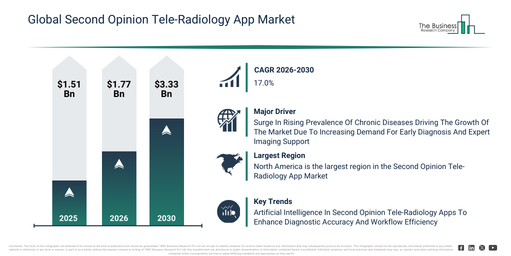
    In the realm of tele-radiology second opinion applications, a significant expansion has been observed during previous years, with projections indicating continued robust growth. This market, valued at an estimated $1.51 billion in 2025, is anticipated to escalate to $1.77 billion by 2026, reflecting a substantial compound annual growth rate of 17.3%. Factors contributing to this upward trajectory in the past include a notable deficit in the availability of radiologists, the escalating intricacy of diagnostic imaging procedures, the broadening reach of digital health frameworks, an increasing dependence on remote radiology services, and a greater embrace of cloud-based solutions within the healthcare sector.

    The market for second-opinion tele-radiology applications is poised for substantial expansion over the coming years, projected to reach $3.33 billion by 2030, driven by a compound annual growth rate of 17.0%. This anticipated growth trajectory is fueled by several key factors: escalating demand for supplementary diagnostic opinions, the increasing incorporation of artificial intelligence within clinical processes, the broadening scope of telehealth reimbursement policies, heightened investment in digital health solutions, and a greater emphasis on delivering patient care remotely. Key developments expected during this forecast period encompass the wider adoption of AI tools for interpreting medical images, a growing preference for radiology platforms accessible via the cloud, expanded utilization of secure methods for sharing images across international borders, the proliferation of collaborative models for remote specialist engagement, and a strengthened commitment to both diagnostic precision and prompt reporting times.

    Download A Free Sample Report For Comprehensive Market Insights:

    https://www.thebusinessresearchcompany.com/sample.aspx?id=29185&type=smp

    Second Opinion Tele-Radiology App Market Opportunity Drivers: What Is Creating New Revenue Potential?

    The increasing incidence of diabetes is anticipated to significantly expand the market for second opinion teleradiology applications. Diabetes, characterized by the body’s insufficient insulin production or utilization, results in hyperglycemia. Predominantly, sedentary lifestyles and excessive intake of calorie-dense foods contribute to obesity, a major risk factor for diabetes, thereby fueling its rise. These teleradiology solutions empower individuals with diabetes by facilitating remote consultations with specialists for the interpretation of radiological images, which is crucial for the prompt detection and diligent tracking of diabetes-induced complications such as renal or neurological damage. Illustratively, data from the UK’s Office for Health Improvement & Disparities indicated that in England, the proportion of adults aged 17 and above diagnosed with type 2 diabetes climbed to 7.0% in March 2024, an increase from 6.8% in March 2023. Consequently, the escalating global diabetes rates are a primary catalyst for the expansion of the second opinion teleradiology app sector.

    Second Opinion Tele-Radiology App Market Categorization By Product Type And Application

    The second opinion tele-radiology app market covered in this report is segmented –

    1) By Component: Software, Services

    2) By Deployment Mode: Cloud-Based, On-Premises

    3) By Application: Orthopedics, Neurology, Oncology, Cardiology, Other Applications

    4) By End-User: Hospitals, Diagnostic Centers, Specialty Clinics, Other End-Users

    Subsegments:

    1) By Software: Cloud-Based, On-Premise, Mobile Application, Web-Based

    2) By Services: Remote Consultation, Image Interpretation, Reporting And Analytics, Workflow Management, Technical Support

    Second Opinion Tele-Radiology App Market Innovation Trends Driving Future Development

    In the domain of second opinion teleradiology applications, leading entities are focusing on innovating sophisticated technologies, specifically AI-powered platforms designed for remote diagnostic interpretation, thereby boosting the precision of diagnoses and optimizing the delivery of teleradiology services. These AI-enhanced platforms for obtaining second opinions represent digital frameworks that leverage artificial intelligence for remote examination of medical imagery, offering supplementary expert insights to bolster reliable clinical judgments. Illustratively, in June of 2024, Nanox Ltd., an Israeli firm specializing in medical imaging technology, introduced an artificial intelligence feature integrated into its Second Opinions service, a teleradiology offering managed by its affiliate, USARAD Holdings. This introduction features three AI algorithms that have received FDA clearance, meticulously crafted for the analysis of thoracic and abdominal CT scans to facilitate the early identification of long-term health issues. Human radiologists on the platform then review and confirm the AI-derived results before incorporating them into the final diagnostic reports furnished to patients requesting a second opinion. The objective of this fusion is to advance early detection capabilities, elevate patient well-being, and equip medical professionals with cutting-edge AI diagnostic instruments, thereby supporting Nanox’s broader goal of expanding access to and reducing the cost of medical imaging and diagnostic procedures.

    Second Opinion Tele-Radiology App Market Company Landscape And Strategic Competition

    Major companies operating in the second opinion tele-radiology app market are Radiologycheck.com GmbH, Ambra Health, Docorbit Inc., Medicusunion GmbH, Teleradiology Solutions Private Limited, Everlight Radiology Limited, Vesta Teleradiology Services LLC, Rad365 Technology Private Limited, Docpanel, National Diagnostic Imaging, Radblox Health Inc., Telediagnosys Services Private Limited, Vital Radiology Services Limited, Teladoc Health Inc., Nano-X Imaging Ltd., Bigohealth Private Limited, Total Medical Imaging LLC, Vamed Global Technologies Private Limited, Mdview Management LLC, Aster Medical Imaging

    Access The Complete Second Opinion Tele-Radiology App Market Report:

    https://www.thebusinessresearchcompany.com/report/second-opinion-tele-radiology-app-global-market-report

    Second Opinion Tele-Radiology App Market Geographic Distribution And Regional Opportunities

    North Americawas the largest region in the second opinion teleradiology app market in 2025. Asia-Pacificis expected to be the fastest-growing region in the forecast period. The regions covered in the second opinion tele-radiology app market report are Asia-Pacific, South East Asia, Western Europe, Eastern Europe, North America, South America, Middle East, Africa.

    Get in touch with us:

    The Business Research Company: https://www.thebusinessresearchcompany.com/

    Americas: +1 310-496-7795

    Asia: +44 7882 955267 & +91 8897263534

    Europe: +44 7882 955267

    Email us at: marketing@tbrc.info

    Follow us on:

    LinkedIn: https://in.linkedin.com/company/the-business-research-company

    YouTube: https://www.youtube.com/channel/UC24_fI0rV8cR5DxlCpgmyFQ

    Global Market Model: https://www.thebusinessresearchcompany.com/global-market-model
  • Seasonal Influenza Market Forecast Signals New Revenue Opportunities Through 2030

    Seasonal Influenza Market Forecast Signals New Revenue Opportunities Through 2030

    Through market attractiveness analysis, total addressable market evaluation, company benchmarking matrices, interactive Excel dashboards, expanded supply chain intelligence, emerging startup coverage, and detailed product insights, The Business Research Company’s 2026 market reports provide more actionable and strategically valuable research.

    Seasonal Influenza Market Size, Value And Growth Trends Through 2030

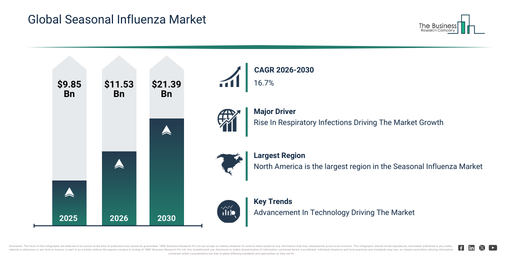
    The market for seasonal influenza treatments has experienced accelerated expansion recently, with projections indicating a rise from $9.85 billion in 2025 to $11.53 billion in 2026, reflecting a compound annual growth rate of 17.1%. Factors contributing to this growth trajectory in the past include the recurring nature of flu epidemics, insufficient vaccine accessibility, the use of traditional diagnostic methods, a general lack of public understanding regarding the illness, and difficulties in distributing resources across different regions.

    The market for seasonal influenza is projected to experience significant expansion over the upcoming years, reaching an estimated value of $21.39 billion by 2030, driven by a compound annual growth rate (CAGR) of 16.7%. This anticipated surge is underpinned by advancements in universal vaccine development, the proliferation of rapid point-of-care diagnostic tools, the implementation of digital systems for tracking immunizations, collaborative public-private initiatives aimed at boosting vaccination rates, and enhancements in supply chain efficiency. Key developments shaping the market outlook encompass the introduction of broad-spectrum flu vaccines, an increase in the availability of swift diagnostic testing, the adoption of home-based vaccination strategies, a rise in government-sponsored immunization programs, and the modernization of pharmaceutical supply chains.

    Download A Free Sample Report For Comprehensive Market Insights:

    https://www.thebusinessresearchcompany.com/sample.aspx?id=21285&type=smp

    Seasonal Influenza Market Growth Momentum: Which Factors Are Influencing Demand?

    The expanding occurrence of respiratory ailments is anticipated to spur the advancement of the seasonal influenza market in the future. These respiratory infections, encompassing conditions affecting the sinuses, throat, airways, or lungs, stem from viral or bacterial origins. Factors contributing to the heightened incidence of these infections include deteriorating air quality, climatic shifts, compromised immune systems, and the facile spread of viruses in densely populated or inadequately ventilated environments. Therapeutic interventions for seasonal influenza play a crucial role in averting or mitigating the intensity of respiratory infections, predominantly by targeting the influenza virus itself and managing symptoms that might predispose individuals to secondary complications. Illustrating this trend, data from the UK Health Security Agency in October 2024 revealed that England observed a 10.7% escalation in tuberculosis cases during 2023 compared to the previous year, with the count ascending from 4,380 in 2022 to 4,850 in 2023. Consequently, the escalating rate of respiratory infections is poised to fuel the expansion of the seasonal influenza market.

    Seasonal Influenza Market Segment Analysis And Revenue Opportunities

    The seasonal influenza market covered in this report is segmented –

    1) By Type: Influenza A Virus, Influenza B Virus, Influenza C Virus, Influenza D Virus

    2) By Route Of Administration: Parenteral, Oral, Other Route Of Administrations

    3) By Distribution Channel: Hospital, Government And institutional supply, Pharmacy, Online

    4) By Treatment: Antiviral, Neuraminidase Inhibitors, Vaccination, Other Treatments

    Subsegments:

    1) By Influenza A Virus: Subtype H1N1, Subtype H3N2, Other Subtypes

    2) By Influenza B Virus: Lineage Victoria, Lineage Yamagata

    3) By Influenza C Virus: Seasonal C Virus, Non-seasonal C Virus

    4) By Influenza D Virus: Animal-associated Influenza D, Zoonotic Surveillance And Research Applications

    Seasonal Influenza Market Trends Reshaping Industry Growth

    Key players within the seasonal influenza sector are prioritizing the development of enhanced treatments, specifically combination vaccines, with the aim of bolstering immune defenses by addressing several viral strains simultaneously, thereby boosting efficacy and potentially decreasing the frequency of immunizations. These multi-component vaccines offer protection against various pathogens or strains through a single administration, lessening the total number of injections required for comprehensive immunization. Demonstrating this trend, Moderna, Inc., a prominent US biotechnology firm, disclosed favorable interim findings from its Phase 1/2 trial in October 2023 for mRNA-1083, a novel combination vaccine candidate designed to counter both influenza and COVID-19. This innovative vaccine, intended to improve patient adherence, simplify the vaccination process, and offer greater convenience to both patients and healthcare providers, is currently undergoing assessment for its safety profile and immune response capabilities when contrasted with the established Fluarix vaccine (for individuals aged 50-64), the Fluzone HD vaccine (for those aged 65-79), and the existing Spikevax booster.

    Seasonal Influenza Market Leading Players Shaping Industry Direction

    Major companies operating in the seasonal influenza market are Pfizer Inc., Johnson & Johnson, F. Hoffmann-La Roche Ltd., Sanofi S.A., AstraZeneca PLC, Novartis International AG, GlaxoSmithKline plc, Merck KGaA, Moderna Inc., Boehringer Ingelheim International GmbH, Sinovac Biotech Ltd., Daiichi Sankyo Company Limited, CSL Limited, Genentech Inc., Shionogi & Co. Ltd., Emergent BioSolutions Inc., Novavax Inc., BioCryst Pharmaceuticals Inc., Bharat Biotech International Limited, Vaxart Inc., Inovio Pharmaceuticals Inc., SK bioscience Co. Ltd., Mitsubishi Tanabe Pharma Corporation, FluGen Inc., Altimmune Inc.

    Access The Complete Seasonal Influenza Market Report:

    https://www.thebusinessresearchcompany.com/report/seasonal-influenza-global-market-report

    Seasonal Influenza Market Largest Region By Revenue And Market Share

    North Americawas the largest region in the seasonal influenza market in 2025. Asia-Pacificis expected to be the fastest-growing region in the forecast period. The regions covered in the seasonal influenza market report are Asia-Pacific, South East Asia, Western Europe, Eastern Europe, North America, South America, Middle East, Africa.

    Get in touch with us:

    The Business Research Company: https://www.thebusinessresearchcompany.com/

    Americas: +1 310-496-7795

    Asia: +44 7882 955267 & +91 8897263534

    Europe: +44 7882 955267

    Email us at: marketing@tbrc.info

    Follow us on:

    LinkedIn: https://in.linkedin.com/company/the-business-research-company

    YouTube: https://www.youtube.com/channel/UC24_fI0rV8cR5DxlCpgmyFQ

    Global Market Model: https://www.thebusinessresearchcompany.com/global-market-model
  • Scoliosis Market Growth Is Accelerating As Industry Transformation Continues

    Scoliosis Market Growth Is Accelerating As Industry Transformation Continues

    Delivering more actionable and strategically valuable research, The Business Research Company’s 2026 market reports feature market attractiveness analysis, total addressable market evaluation, company benchmarking matrices, interactive Excel dashboards, expanded supply chain intelligence, emerging startup coverage, and detailed product insights.

    Scoliosis Market CAGR Analysis And Future Market Development

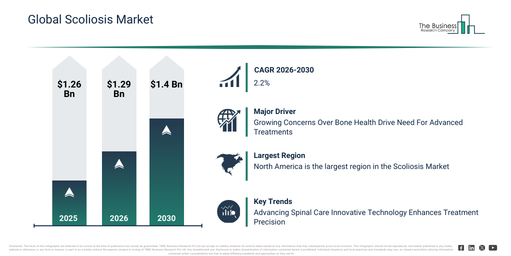
    The global scoliosis market demonstrated consistent expansion over recent years, projected to climb from $1.26 billion in 2025 to $1.29 billion by 2026, indicating a compound annual growth rate (CAGR) of 2.4%. Factors contributing to this historical growth trajectory include insufficient screening initiatives, conventional surgical methods, delayed identification of the condition, deficient public awareness, and suboptimal rehabilitation strategies.

    The scoliosis market is poised for consistent expansion over the coming years, projected to reach $1.4 billion by 2030 with a compound annual growth rate (CAGR) of 2.2%. This anticipated growth during the forecast period is largely fueled by advancements such as robotic-assisted surgeries, enhanced early detection technologies, the emergence of wearable monitoring devices, customized bracing options, and the increasing utilization of telehealth for rehabilitation. Key developments expected to shape the market during this timeframe include the implementation of early screening initiatives, a rise in the adoption of non-surgical bracing methods, a shift towards minimally invasive spinal surgical procedures, the integration of robotic assistance in corrective surgeries, and the ongoing development of tele-rehabilitation services.

    Download A Free Sample Report For Comprehensive Market Insights:

    https://www.thebusinessresearchcompany.com/sample.aspx?id=21284&type=smp

    Scoliosis Market Expansion Drivers: What Is Shaping Future Growth?

    The expanding prevalence of bone mineral deficiencies is anticipated to be a significant driver for the scoliosis market’s advancement. These deficiencies, characterized by a deficit of vital minerals within the bone structure leading to weakened bones and a heightened susceptibility to fractures, are on the rise. Factors contributing to this increase include an aging global population, inadequate dietary intake, insufficient vitamin D levels, physically inactive lifestyles, and the presence of certain medical conditions. Scoliosis plays a role in exacerbating bone mineral deficiencies by impacting bone density and its structural soundness, thereby elevating the risk of developing osteoporosis and sustaining fractures. A notable illustration of this issue comes from data released in March 2024 by the National Institutes of Health (NIH), a US governmental body, which indicated that a substantial 24.8% of 5380 Romanian adults aged 25–64 exhibited vitamin D deficiency. Complementing this, the UK’s Department of Health and Social Care reports that roughly one in every six adults in the United Kingdom struggles with low vitamin D levels. Consequently, the growing occurrence of bone mineral deficiencies is directly fueling the expansion of the scoliosis market.

    Scoliosis Market Segmentation And Category Breakdown

    The scoliosis market covered in this report is segmented –

    1) By Product Type: Bracing, Physiotherapy, Surgical Devices, Other Product Types

    2) By Age Group: Children, Teenagers, Adult

    3) By End-user: Hospitals, Clinics, Homecare Settings, Other End Users

    Subsegments:

    1) By Bracing: Rigid Braces, Soft Braces, Dynamic Braces, Nighttime Braces, Other Bracing Types

    2) By Physiotherapy: Schroth Method, Scientific Exercise Approach To Scoliosis, Yoga And Pilates, Manual Therapy, Other Physiotherapy Approaches

    3) By Surgical Devices: Spinal Implants, Rods And Screws, Fusion Devices, Growth Modulation Devices, Other Surgical Devices

    4) By Other Product Types: Orthotic Supports, Electrical Stimulation Devices, Alternative Therapies

    Scoliosis Market Strategic Trends: What Is Defining The Next Phase Of Growth?

    Leading entities within the scoliosis sector are prioritizing the creation of novel solutions, exemplified by growing rod systems, with the overarching goals of elevating treatment efficacy, refining spinal deformity correction, and decreasing the frequency of surgical interventions for youngsters afflicted with scoliosis. These growing rod systems represent adjustable spinal implants designed for the management of early-onset scoliosis, facilitating regulated spinal elongation while concurrently mitigating the necessity for multiple operative procedures. As an illustration, Globus Medical, a prominent medical device manufacturer based in the United States, introduced its MARVEL growing rod system in July 2023. This pioneering implant is engineered to address early-onset scoliosis through its capacity for controlled spinal growth, incorporating a non-surgical adjustment capability that serves to lessen the demand for repeat surgeries, ultimately aiming to improve patient results by providing a tailored and less invasive therapeutic approach.

    Scoliosis Market Competitive Analysis Of Major Industry Participants

    Major companies operating in the scoliosis market are Medtronic plc, Zimmer Biomet Holdings Inc., Stryker Corporation, Ottobock SE & Co. KGaA, Enovis Corporation, Globus Medical Inc., Össur Corporate, Alphatec Spine Inc., Trulife Group, OrthoPediatrics Corp., Aspen Medical Products LLC, Bauerfeind AG, Boston Orthotics & Prosthetics, Spinal Technology Inc., Horton’s Orthotics & Prosthetics, Chaneco Limited, Optec USA Inc., LA Brace Center, Beacon Prosthetics and Orthotics Inc., Spinologics Inc., UNYQ Inc.

    Access The Complete Scoliosis Market Report:

    https://www.thebusinessresearchcompany.com/report/scoliosis-global-market-report

    Scoliosis Market Regional Analysis And Leading Geography

    North Americawas the largest region in the scoliosis market in 2025. Europeis expected to be the fastest-growing region in the forecast period. The regions covered in the scoliosis market report are Asia-Pacific, South East Asia, Western Europe, Eastern Europe, North America, South America, Middle East, Africa.

    Get in touch with us:

    The Business Research Company: https://www.thebusinessresearchcompany.com/

    Americas: +1 310-496-7795

    Asia: +44 7882 955267 & +91 8897263534

    Europe: +44 7882 955267

    Email us at: marketing@tbrc.info

    Follow us on:

    LinkedIn: https://in.linkedin.com/company/the-business-research-company

    YouTube: https://www.youtube.com/channel/UC24_fI0rV8cR5DxlCpgmyFQ

    Global Market Model: https://www.thebusinessresearchcompany.com/global-market-model
  • Sclerotherapy Market Outlook Highlights The Next Major Growth Opportunities

    Sclerotherapy Market Outlook Highlights The Next Major Growth Opportunities

    Enhanced with market attractiveness analysis, total addressable market evaluation, company benchmarking matrices, interactive Excel dashboards, expanded supply chain intelligence, emerging startup coverage, and detailed product insights, The Business Research Company’s 2026 market reports deliver more actionable and strategically valuable research.

    Sclerotherapy Market Expansion From $1.29 Billion In 2026 To $1.64 Billion In 2030

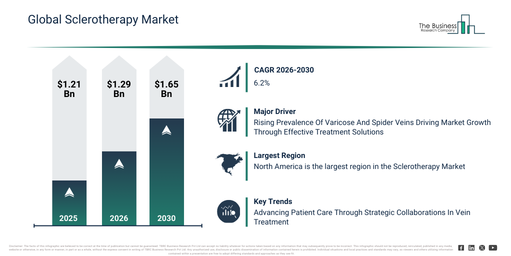
    The sclerotherapy market experienced robust expansion recently, projecting an increase from $1.21 billion in 2025 to $1.29 billion in 2026, driven by a compound annual growth rate (CAGR) of 6.4%. Factors contributing to its historical growth trajectory included a nascent understanding of treatment options, the use of traditional sclerosing agents, a slower uptake of cosmetic procedures, prevailing regulatory constraints, and the considerable expense associated with treatments.

    The sclerotherapy market is poised for substantial expansion over the coming years, projected to reach $1.65 billion by 2030 with a compound annual growth rate of 6.2%. This anticipated growth stems from advancements in safer sclerosant agents, sophisticated administration methods, an increase in aesthetic clinic availability, the burgeoning trend of medical tourism, and enhanced insurance provisions. Key developments shaping the market during this forecast period encompass a shift towards minimally invasive interventions, the emergence of advanced foam sclerosants, the utilization of combination therapies, a rise in outpatient procedures, and the continued expansion of medical tourism.

    Download A Free Sample Report For Comprehensive Market Insights:

    https://www.thebusinessresearchcompany.com/sample.aspx?id=24394&type=smp

    Sclerotherapy Market Development Factors: Which Trends Are Supporting Demand?

    The escalating occurrence of varicose and spider veins is anticipated to fuel the expansion of the sclerotherapy market in the foreseeable future. These conditions, characterized by enlarged, contorted, or compromised veins frequently visible beneath the skin due to impaired circulation in the legs, are increasingly seen as a consequence of prolonged periods spent sitting or standing, a common aspect of contemporary professional lifestyles. Sclerotherapy addresses the issue of prevalent varicose and spider veins by administering targeted injections of a solution designed to close off affected veins, thereby enhancing both circulatory function and cosmetic appearance. Illustrating this trend, data from January 2024, as reported by the National Center for Biotechnology Information, indicated that varicose veins affected 47.6% of Brazil’s population, with non-pregnant women exhibiting a higher incidence at 50.9% compared to 37.9% among men. Consequently, the growing prevalence of these venous conditions is poised to be a significant catalyst for the sclerotherapy market’s advancement.

    Sclerotherapy Market Driver: Increasing Healthcare Expenditure Driving Market Growth Through Enhanced Access To Advanced Treatments

    Elevated healthcare spending is projected to spur the expansion of the sclerotherapy market moving ahead. Healthcare expenditure encompasses the total financial outlay for medical services, therapeutic interventions, and health-related assets within a given national or systemic framework. This upward trend in healthcare spending is predominantly influenced by the escalating costs associated with sophisticated medical technologies; while these innovations enhance diagnostic precision and treatment efficacy, they necessitate substantial capital for research, development, equipment acquisition, and the training of specialized professionals. Such increased financial commitment within the healthcare sector facilitates sclerotherapy by ensuring availability of specialized treatment protocols, skilled medical personnel, and cutting-edge equipment. As an example, in May 2024, the UK’s Office for National Statistics documented that the nation’s healthcare expenditure approximated $421.32 billion (£317 billion) for the year, signifying a 6.5% rise from the previous year. Therefore, the augmentation of healthcare expenditure is set to drive the growth trajectory of the sclerotherapy market.

    Sclerotherapy Market Segment Outlook: Which Categories Are Expanding The Fastest?

    The sclerotherapy market covered in this report is segmented –

    1) By Type: Liquid Sclerotherapy, Foam Sclerotherapy, Ultrasound-Guided Sclerotherapy

    2) By Agents: Detergents, Chemical Irritants, Osmotic Agents

    3) By Application: Varicose Veins, Spider Veins, Hemorrhoids

    4) By End-User: Hospitals, Ambulatory Surgical Centers, Specialty Clinics, Other End-Users

    Subsegments:

    1) By Liquid Sclerotherapy: Polidocanol-based, Sodium Tetradecyl Sulfate (STS)-based, Hypertonic Saline-based

    2) By Foam Sclerotherapy: Polidocanol Foam, STS Foam, Air-based Foam

    3) By Ultrasound-Guided Sclerotherapy: Foam-guided, Liquid-guided, Combination Therapies

    Sclerotherapy Market Transformation Trends: Which Innovations Are Driving Change?

    In the sclerotherapy arena, leading entities are prioritizing collaborative alliances to bolster their investigative capacities, broaden their product portfolios, and reinforce their standing in the marketplace by pooling knowledge and leveraging international distribution channels. Cutting-edge, less invasive methods for addressing varicose veins encompass contemporary techniques like sclerotherapy, laser treatments, and radiofrequency ablation, which adeptly seal or eliminate compromised vessels while minimizing discomfort, facilitating swift recuperation, and diminishing the likelihood of adverse outcomes. Illustratively, by way of example, February of 2025 saw Aakash Healthcare, a medical institution in India specializing in certain treatments, join forces with Medtronic plc, a prominent healthcare firm hailing from the United States, to inaugurate a dedicated vein center. This facility is equipped to provide sophisticated, minimally invasive interventions for conditions such as varicose veins and other circulatory issues in the limbs, thereby promising accelerated healing and enduring health advantages for individuals seeking care. Furthermore, the center distinguishes itself by providing refined, individualized treatment strategies coupled with attentive aftercare, ensuring a holistic methodology focused on vascular health and general welfare.

    Sclerotherapy Market Key Companies And Competitive Benchmarking

    Major companies operating in the sclerotherapy market are Bayer AG, Sanofi S.A., Abbott Laboratories, Novartis AG, Medtronic plc, Boston Scientific Corporation, Olympus Corporation, Smith And Nephew plc, Teleflex Incorporated, Cook Medical, Merz Pharma GmbH And Co KGaA, AngioDynamics Inc, Bioniche Pharma Group Ltd, Omega Pharmaceuticals Pvt Ltd, Endo Flex, Kreussler, Vascular Solutions Inc, BTG International Ltd, Boston Biomedical Inc, Cardinal Health Inc, Terumo Corporation, B Braun Melsungen AG, BD Bard, MedAlliance SA

    Access The Complete Sclerotherapy Market Report:

    https://www.thebusinessresearchcompany.com/report/sclerotherapy-global-market-report

    Sclerotherapy Market Geographic Analysis: Where Is Demand Growing The Fastest?

    North Americawas the largest region in the sclerotherapy market in 2025. Asia-Pacificis expected to be the fastest-growing region in the forecast period. The regions covered in the sclerotherapy market report are Asia-Pacific, South East Asia, Western Europe, Eastern Europe, North America, South America, Middle East, Africa.

    Get in touch with us:

    The Business Research Company: https://www.thebusinessresearchcompany.com/

    Americas: +1 310-496-7795

    Asia: +44 7882 955267 & +91 8897263534

    Europe: +44 7882 955267

    Email us at: marketing@tbrc.info

    Follow us on:

    LinkedIn: https://in.linkedin.com/company/the-business-research-company

    YouTube: https://www.youtube.com/channel/UC24_fI0rV8cR5DxlCpgmyFQ

    Global Market Model: https://www.thebusinessresearchcompany.com/global-market-model