Month: June 2026

  • Scleroderma Diagnostics And Therapeutics Market Trends And Growth Drivers Point To Strong Future Potential

    Scleroderma Diagnostics And Therapeutics Market Trends And Growth Drivers Point To Strong Future Potential

    Through market attractiveness analysis, total addressable market evaluation, company benchmarking matrices, interactive Excel dashboards, expanded supply chain intelligence, emerging startup coverage, and detailed product insights, The Business Research Company’s 2026 market reports provide more actionable and strategically valuable research.

    Scleroderma Diagnostics And Therapeutics Market Forecast Highlighting Growth From $3.19 Billion To $4.38 Billion

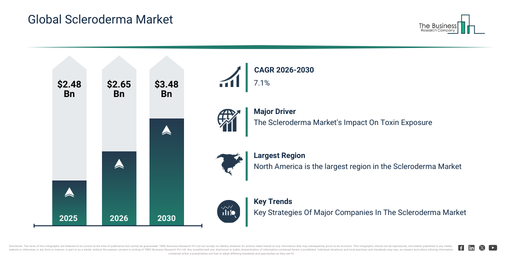
    The market for scleroderma diagnostics and therapeutics has demonstrated robust expansion recently, with projections indicating continued growth. It is anticipated to increase from $2.94 billion in 2025 to $3.19 billion in 2026, representing a compound annual growth rate of 8.6%. Factors that fueled this growth during the historical period included a general lack of public awareness regarding scleroderma, a scarcity of specialized treatments, reliance on traditional diagnostic approaches, infrequent early detection, and regional variations in healthcare access.

    The market for scleroderma diagnostics and therapeutics is poised for significant expansion in the upcoming years, projected to reach $4.39 billion by 2030 with a compound annual growth rate (CAGR) of 8.3%. This anticipated growth trajectory is fueled by advancements such as targeted biologic treatments, the integration of artificial intelligence in diagnostic processes, the proliferation of specialized rare disease centers, increased utilization of telemedicine, and heightened patient advocacy and awareness campaigns. Key developmental currents expected to shape this market during the forecast period encompass the increasing adoption of early diagnostic methodologies, the introduction of innovative biologic therapies, a preference for minimally invasive treatment options, the deeper integration of AI into diagnostic tools, and the expanded role of telehealth in managing rare diseases.

    Download A Free Sample Report For Comprehensive Market Insights:

    https://www.thebusinessresearchcompany.com/sample.aspx?id=23509&type=smp

    Scleroderma Diagnostics And Therapeutics Market Industry Drivers: What Is Driving Revenue Growth?

    The increasing incidence of autoimmune conditions is anticipated to be a significant driver for the expansion of the scleroderma diagnostics and therapeutics market. These autoimmune disorders occur when an individual’s immune system erroneously targets their own healthy tissues. Factors such as genetic predispositions, including specific gene variants that influence immune system functionality and abnormalities in connective tissue, are contributing to the rise in autoimmune diseases. Through enabling prompt identification and tailored therapeutic approaches, scleroderma diagnostics and therapeutics enhance the management of autoimmune diseases, thereby facilitating more efficient clinical decision-making and ultimately leading to better patient prognoses and an improved standard of living. For illustrative purposes, consider the data from June 2024, provided by the Australian Institute of Health and Welfare, a governmental body in Australia, which indicated that in 2022, 514,000 individuals, representing 2.0% of the population, were managing rheumatoid arthritis. This condition accounted for 2.0% of the overall disease burden and 16% of the burden associated with musculoskeletal ailments in 2023, with 1,322 fatalities recorded in 2022, signifying 5.1 deaths per 100,000 individuals and comprising 0.7% of all recorded deaths. Consequently, the escalating prevalence of autoimmune diseases is directly fueling the growth trajectory of the scleroderma diagnostics and therapeutics market.

    Scleroderma Diagnostics And Therapeutics Market Segment Landscape: Which Areas Lead Market Development?

    The scleroderma diagnostics and therapeutics market covered in this report is segmented –

    1) By Drug Type: Corticosteroids, Immunosuppressive Agents, Endothelin Receptor Antagonists, Calcium Channel Blockers, Phosphodiesterase Type 5 (PDE-5) Inhibitors, Chelating Agents, Prostacyclin Analogues, Other Drug Types

    2) By Diagnostic Test Type: Blood Tests, Imaging Techniques, Skin Biopsy, Pulmonary Function Tests, Electrocardiogram And Echocardiogram

    3) By Indication: Systemic Scleroderma, Localized Scleroderma

    4) By Route Of Administration: Oral, Injectable, Topical

    5) By End-User: Hospitals, Diagnostic Centers, Private Laboratories, Government Laboratories, Other End-Users

    Subsegments:

    1) By Corticosteroids: Prednisone, Methylprednisolone, Dexamethasone

    2) By Immunosuppressive Agents: Methotrexate, Mycophenolate Mofetil, Azathioprine, Cyclophosphamide

    3) By Endothelin Receptor Antagonists: Bosentan, Ambrisentan, Macitentan

    4) By Calcium Channel Blockers: Nifedipine, Amlodipine, Diltiazem

    5) By Phosphodiesterase Type 5 Inhibitors (Pde-5) Inhibitors: Sildenafil, Tadalafil, Vardenafil

    6) By Chelating Agents: D-Penicillamine, Deferoxamine

    7) By Prostacyclin Analogues: Epoprostenol, Iloprost, Treprostinil

    8) By Other Drug Types: Rituximab (Monoclonal Antibody), Abatacept (T-Cell Modulator), Tocilizumab (Il-6 Inhibitor)

    #Scleroderma Diagnostics And Therapeutics Market Growth Trends: What Is Influencing The Future Outlook?

    Within the scleroderma diagnostics and therapeutics market, key players are actively pursuing innovations in diagnostic methods, including the development of fully human CD19 CAR T-cell therapy, with the aim of enhancing disease control and improving patient prognoses. This form of immunotherapy involves genetically altering a patient’s T cells to produce a chimeric antigen receptor (CAR) that selectively binds to CD19, a protein present on B cells. A notable development occurred in October 2023 when Kyverna Therapeutics Inc., a biopharmaceutical firm based in the United States, secured FDA approval for its Investigational New Drug (IND) application for KYV-101, a fully human CD19 CAR T-cell therapy, paving the way for a Phase 1/2 clinical trial targeting diffuse cutaneous systemic sclerosis (scleroderma). The forthcoming KYSA-5 trial is set to evaluate the safety and effectiveness of KYV-101, an agent specifically designed to target the B cells implicated in the advancement of autoimmune conditions, with the overall goal of recalibrating the immune system and achieving better results for individuals suffering from scleroderma.

    Scleroderma Diagnostics And Therapeutics Market Industry Leaders And Market Competition

    Major companies operating in the scleroderma diagnostics and therapeutics market are Johnson and Johnson, F. Hoffmann-La Roche Ltd., Merck And Co. Inc., Bayer AG, Sanofi S.A., GSK plc, Boehringer Ingelheim International GmbH, Galapagos NV, Inventiva S.A., Redx Pharma plc, Kadmon Holdings Inc., Certa Therapeutics Pty Ltd, Corbus Pharmaceuticals Holdings Inc., aTyr Pharma Inc., MediciNova Inc., Pfizer Inc., Novartis AG, Abbvie Inc., Bristol Myers Squibb Company, AstraZeneca plc, Takeda Pharmaceutical Company Limited, Eli Lilly And Company, Amgen Inc., UCB Pharma, CSL Behring, Mitsubishi Tanabe Pharma, Chugai Pharmaceutical Co. Ltd., Kyowa Kirin

    Access The Complete Scleroderma Diagnostics And Therapeutics Market Report:

    https://www.thebusinessresearchcompany.com/report/scleroderma-diagnostics-and-therapeutics-global-market-report

    Scleroderma Diagnostics And Therapeutics Market Global Footprint: Which Region Holds Market Leadership?

    North Americawas the largest region in the scleroderma diagnostics and therapeutics market in 2025. Asia-Pacificis expected to be the fastest-growing region in the forecast period. The regions covered in the scleroderma diagnostics and therapeutics market report are Asia-Pacific, South East Asia, Western Europe, Eastern Europe, North America, South America, Middle East, Africa.

    Get in touch with us:

    The Business Research Company: https://www.thebusinessresearchcompany.com/

    Americas: +1 310-496-7795

    Asia: +44 7882 955267 & +91 8897263534

    Europe: +44 7882 955267

    Email us at: marketing@tbrc.info

    Follow us on:

    LinkedIn: https://in.linkedin.com/company/the-business-research-company

    YouTube: https://www.youtube.com/channel/UC24_fI0rV8cR5DxlCpgmyFQ

    Global Market Model: https://www.thebusinessresearchcompany.com/global-market-model
  • Scleroderma Market Expansion Is Reshaping Competitive Dynamics Across The Industry

    Scleroderma Market Expansion Is Reshaping Competitive Dynamics Across The Industry

    Delivering more actionable and strategically valuable research, The Business Research Company’s 2026 market reports feature market attractiveness analysis, total addressable market evaluation, company benchmarking matrices, interactive Excel dashboards, expanded supply chain intelligence, emerging startup coverage, and detailed product insights.

    Scleroderma Market Revenue Growth Supported By A CAGR Of 3.47% Through 2030

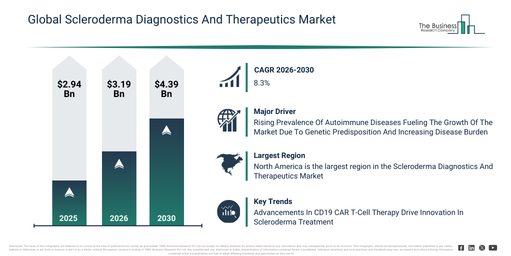
    In recent years, the scleroderma market has experienced robust expansion, projected to increase from $2.48 billion in 2025 to $2.65 billion in 2026, reflecting a compound annual growth rate of 6.7%. This historical growth trajectory has been fueled by several key factors, including an increasing incidence of systemic sclerosis, the adoption of immunosuppressive treatments, the availability of antifibrotic medications, the proliferation of specialized rheumatology centers, and heightened awareness surrounding connective tissue diseases.

    Anticipate substantial expansion within the scleroderma market, projected to reach $3.48 billion by 2030, reflecting a Compound Annual Growth Rate (CAGR) of 7.1%. This upward trajectory is fueled by a combination of factors including the development of innovative disease-modifying drugs in the pipeline, the increasing utilization of telehealth for managing chronic conditions, the proliferation of multidisciplinary care models, elevated governmental investment in research concerning rare diseases, and the broadening reach of patient education and support initiatives. Key developments shaping the market during this forecast period encompass the creation and regulatory approval of novel disease-modifying treatments, a greater reliance on immunosuppressive and antifibrotic medications, the growth of programs aimed at supporting patients and facilitating early intervention, an increase in clinical trials for systemic scleroderma, and the adoption of coordinated, multidisciplinary strategies for long-term management of the condition.

    Download A Free Sample Report For Comprehensive Market Insights:

    https://www.thebusinessresearchcompany.com/sample.aspx?id=12615&type=smp

    Scleroderma Market Growth Factors: Which Forces Are Supporting Market Expansion?

    The increasing prevalence of toxin exposure is a significant catalyst for the scleroderma market’s expansion. This exposure encompasses interaction with or consumption of detrimental agents capable of negatively impacting bodily functions. The scleroderma market actively combats toxin exposure through dedicated research initiatives, the creation of specific treatments, and improved support systems for individuals diagnosed with scleroderma, a disease that may stem from environmental factors and genetic predisposition. Illustrating this trend, data released in April 2024 by the UK’s Department for Environment, Food, and Rural Affairs revealed a 3 percent increase in urban background concentrations from 2022, reaching a peak of 66.8 µg/m³ in 2023, the highest recorded value in the observed period. Consequently, the pervasive issue of toxin exposure is propelling the scleroderma market’s growth.

    Scleroderma Market Segments: Where Are The Largest Growth Opportunities?

    The scleroderma market covered in this report is segmented –

    1) By Treatment: Medication, Surgery, Other Treatments

    2) By Indication: Systemic Scleroderma, Localized Scleroderma

    3) By End User: Hospital, Pharmaceutical Stores, Other End Users

    Subsegments:

    1) By Medication: Immunosuppressants, Antifibrotic Agents, Vasodilators, Corticosteroids, Pain Relievers

    2) By Surgery: Lung Transplantation, Other Surgical Interventions

    3) By Other Treatments: Physical Therapy, Occupational Therapy, Lifestyle Modifications, Alternative Therapies

    Scleroderma Market Industry Trends: What Changes Are Reshaping Demand?

    Key players within the scleroderma market are strategically prioritizing the introduction of novel solutions, exemplified by the development of a clinical trial platform, with the ultimate objective of propelling therapeutic advancements and pinpointing promising drug candidates for advancement from Phase IIb to Phase III trials. Such a clinical trial platform represents a robust framework and integrated system designed to enable the concurrent assessment of diverse treatments or interventions in a uniform fashion across a spectrum of research studies. Illustrating this trend, in August 2023, The Scleroderma Research Foundation (SRF), a United States-based charitable organization dedicated to financing scleroderma research, unveiled CONQUEST, an innovative clinical trial platform. This initiative boasts an extensive international presence, encompassing patient enrollment from 130 facilities situated in 22 nations, and utilizes a unified protocol to assess a multitude of therapeutic agents. This pioneering effort is well-positioned to profoundly influence the scleroderma landscape by accelerating the progression and subsequent regulatory approval of efficacious treatments, thanks to its cooperative and streamlined methodology for clinical assessment.

    Scleroderma Market Major Participants And Competitive Dynamics

    Major companies operating in the scleroderma market are Pfizer Inc., Johnson And Johnson Inc., F. Hoffmann-La Roche AG, Abbvie Inc., Bayer AG, Novartis AG, Merck And Co. Inc., Sanofi S.A., Bristol-Myers Squibb Company, AstraZeneca plc, Takeda Pharmaceutical Company Limited, Eli Lilly and Company, Gilead Sciences Inc., Amgen Inc., GSK plc, Teva Pharmaceutical Industries Ltd., Astellas Pharma Inc., Boehringer Ingelheim International GmbH, Principia Biopharma Corp, aTyr Pharma Inc., Kadmon Holdings Inc., FibroGen Inc., Corbus Pharmaceuticals Holdings Inc., CSL Behring, UCB Pharma, Kyowa Kirin, Mitsubishi Tanabe Pharma, Chugai Pharmaceutical Co. Ltd.

    Access The Complete Scleroderma Market Report:

    https://www.thebusinessresearchcompany.com/report/scleroderma-global-market-report

    Scleroderma Market Regional Distribution: Which Areas Drive Market Expansion?

    North Americawas the largest region in the scleroderma market in 2025. Asia-Pacificis expected to be the fastest-growing region in the forecast period. The regions covered in the scleroderma market report are Asia-Pacific, South East Asia, Western Europe, Eastern Europe, North America, South America, Middle East, Africa.

    Get in touch with us:

    The Business Research Company: https://www.thebusinessresearchcompany.com/

    Americas: +1 310-496-7795

    Asia: +44 7882 955267 & +91 8897263534

    Europe: +44 7882 955267

    Email us at: marketing@tbrc.info

    Follow us on:

    LinkedIn: https://in.linkedin.com/company/the-business-research-company

    YouTube: https://www.youtube.com/channel/UC24_fI0rV8cR5DxlCpgmyFQ

    Global Market Model: https://www.thebusinessresearchcompany.com/global-market-model
  • Scleritis Market Forecast Reveals Where Future Industry Value Will Be Created

    Scleritis Market Forecast Reveals Where Future Industry Value Will Be Created

    Enhanced with market attractiveness analysis, total addressable market evaluation, company benchmarking matrices, interactive Excel dashboards, expanded supply chain intelligence, emerging startup coverage, and detailed product insights, The Business Research Company’s 2026 market reports deliver more actionable and strategically valuable research.

    Scleritis Market Value Expansion And Long-Term Growth Outlook

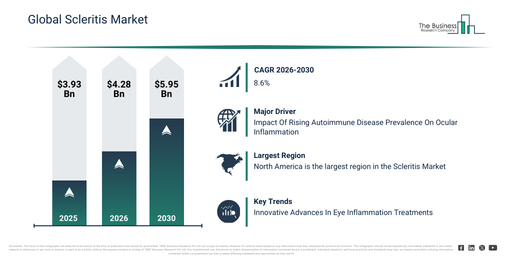
    The scleritis market experienced robust expansion recently, projecting a leap from $3.93 billion in 2025 to $4.28 billion by 2026, reflecting a compound annual growth rate of 8.9%. This upward trajectory during the historical period is largely attributable to an increased incidence of autoimmune conditions, the application of corticosteroids in treating eye ailments, the accessibility of immunosuppressive medications, a rise in the establishment of ophthalmology facilities, and heightened public understanding of inflammatory eye diseases.

    The scleritis market is poised for significant expansion in the coming years, projected to reach $5.95 billion by 2030, exhibiting a compound annual growth rate of 8.6%. This anticipated growth is propelled by a combination of factors including the burgeoning pipeline of biologic drugs aimed at ocular inflammation, the increasing integration of teleophthalmology platforms, advancements in targeted anti-inflammatory therapeutic strategies, broader accessibility to sophisticated imaging technologies, and the widened reach of rare eye disease awareness initiatives. Key developments shaping the market during this forecast period encompass the proliferation of biologic therapies for inflammatory eye conditions, a heightened reliance on corticosteroids and immunosuppressive medications, a growing trend towards employing combined therapeutic approaches, a stronger emphasis on early identification and diagnostic imaging, and the ongoing development of innovative anti-inflammatory ophthalmic pharmaceuticals.

    Download A Free Sample Report For Comprehensive Market Insights:

    https://www.thebusinessresearchcompany.com/sample.aspx?id=21283&type=smp

    Scleritis Market Demand Drivers: What Is Fueling Industry Growth?

    The increasing incidence of autoimmune disorders is anticipated to fuel the expansion of the scleritis market in the future.

    Autoimmune disorders represent a category of illnesses where the body’s own immunological defenses erroneously target its healthy cellular structures and tissues, perceiving them as external threats. A confluence of genetic predispositions, environmental influences, shifts in lifestyle, and heightened awareness contributing to improved diagnostic capabilities are all factors contributing to the upward trend in autoimmune diseases. These diseases precipitate scleritis through the initiation of an inflammatory immune reaction that mistakenly assaults the scleral tissue, manifesting as discomfort and discoloration. Illustratively, as of August 2024, data disseminated by Public Health Scotland, a prominent national entity within Scotland, indicated that the Scottish Multiple Sclerosis Register (SMSR) documented 455 individuals newly diagnosed with MS during the year 2023. Consequently, the escalating occurrence of autoimmune diseases serves as a principal catalyst for the burgeoning scleritis market.

    Scleritis Market Segment Analysis: What Are The Major Market Categories?

    The scleritis market covered in this report is segmented –

    1) By Type: Anterior Scleritis, Posterior Scleritis, Other Types

    2) By Treatment: Medication, Surgery, Other Treatment

    3) By Distribution Channel: Direct Tender, Hospital Pharmacy, Retail Pharmacy, Online Pharmacy, Other Distribution Channel

    4) By End-Users: Hospitals, Specialty Clinics, Home Healthcare, Other End-Users

    Subsegments:

    1) By Anterior Scleritis: Non-Necrotizing Anterior Scleritis, Necrotizing Anterior Scleritis

    2) By Posterior Scleritis: Diffuse Posterior Scleritis, Nodular Posterior Scleritis, Scleritis With Choroidal Involvement

    3) By Other Types: Chronic Scleritis, Recurrent Scleritis, Infectious Scleritis

    Scleritis Market Innovation Trends: Which Developments Are Transforming The Industry?

    In the competitive scleritis market, leading pharmaceutical firms are prioritizing the creation of innovative therapeutic solutions, including specialized eye drops, aimed at tackling the root causes of ocular inflammation and offering patients convenient, non-surgical treatment avenues. These eye drops are formulated as liquid preparations intended for direct ocular application to alleviate symptoms associated with irritation, dryness, inflammation, or infections. Illustrating this trend, Entod Pharmaceuticals, an Indian pharmaceutical entity, introduced its CYCLOTEARS eye drops in both Indian and international markets in May 2023. This groundbreaking treatment for inflammatory ocular conditions features proprietary SEDDS technology, designed to optimize drug absorption and therapeutic effectiveness, thereby introducing a novel strategy for managing dry eye disease (DED) related inflammation. Such advancements signify a pivotal step forward in managing inflammatory eye conditions, including ocular myositis and scleritis.

    Scleritis Market Leading Companies Driving Competitive Growth

    Major companies operating in the scleritis market are Pfizer Inc, Johnson And Johnson, F Hoffmann La Roche Ltd, Bayer AG, Novartis AG, Teva Pharmaceuticals USA Inc, Baxter International Inc, Boehringer Ingelheim, Regeneron Pharmaceuticals Inc, Fresenius Kabi USA LLC, Sun Pharmaceutical Industries Ltd, Perrigo Company, Horizon Therapeutics plc, Aurobindo Pharma Ltd, Hikma Pharmaceuticals PLC, Amneal Pharmaceuticals LLC, Mallinckrodt Pharmaceuticals, Alvogen, Accord Healthcare, West Ward Pharmaceuticals, Jubilant Cadista Pharmaceuticals Inc, Mylan Pharmaceuticals Inc, Zydus Pharmaceuticals Inc

    Access The Complete Scleritis Market Report:

    https://www.thebusinessresearchcompany.com/report/scleritis-global-market-report

    Scleritis Market Leading Geography: Which Region Generates The Most Revenue?

    North Americawas the largest region in the scleritis market in 2025. Asia-Pacificis expected to be the fastest-growing region in the forecast period. The regions covered in the scleritis market report are Asia-Pacific, South East Asia, Western Europe, Eastern Europe, North America, South America, Middle East, Africa.

    Get in touch with us:

    The Business Research Company: https://www.thebusinessresearchcompany.com/

    Americas: +1 310-496-7795

    Asia: +44 7882 955267 & +91 8897263534

    Europe: +44 7882 955267

    Email us at: marketing@tbrc.info

    Follow us on:

    LinkedIn: https://in.linkedin.com/company/the-business-research-company

    YouTube: https://www.youtube.com/channel/UC24_fI0rV8cR5DxlCpgmyFQ

    Global Market Model: https://www.thebusinessresearchcompany.com/global-market-model
  • Sciatica Treatment Market Growth Through 2030 Creates New Strategic Opportunities

    Sciatica Treatment Market Growth Through 2030 Creates New Strategic Opportunities

    Through market attractiveness analysis, total addressable market evaluation, company benchmarking matrices, interactive Excel dashboards, expanded supply chain intelligence, emerging startup coverage, and detailed product insights, The Business Research Company’s 2026 market reports provide more actionable and strategically valuable research.

    Sciatica Treatment Market Expected To Reach $7.64 Billion By 2030 At 9% CAGR

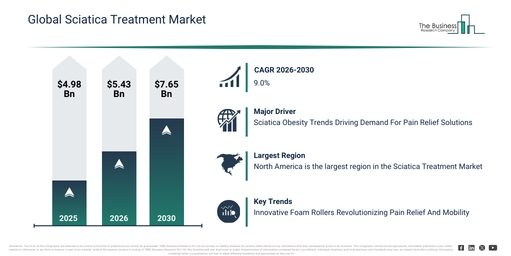
    The global market for sciatica treatments experienced robust expansion recently, projecting a rise from $4.98 billion in 2025 to $5.43 billion in 2026, demonstrating a compound annual growth rate of 9.1%. This historical growth trajectory is associated with factors such as the escalating incidence of sciatica, the proliferation of established pain relief methods, the development of orthopedic and rehabilitation facilities, the accessibility of surgical and injection-based interventions for spinal conditions, and increasing healthcare spending particularly in economically advanced nations.

    The global market for sciatica treatments is poised for substantial expansion, projecting a valuation of $7.65 billion by 2030, driven by a commendable compound annual growth rate of 9.0%. This anticipated growth trajectory through the forecast period is fueled by several key factors, including a robust pipeline of minimally invasive spinal devices, the increasing integration of tele-rehabilitation and digital therapy platforms, enhanced accessibility to sophisticated imaging and diagnostic tools, a burgeoning market for non-opioid pain management alternatives, and the proactive expansion of awareness initiatives concerning sciatica treatment within emerging economies. Prominent trends anticipated during this same forecast period encompass a growing inclination towards pain management strategies that eschew opioids, widespread adoption of physical therapy and rehabilitation methodologies, a rise in the utilization of minimally invasive spinal surgical techniques, increased application of epidural injections and nerve block procedures, and ongoing advancements in the development of sophisticated pain relief devices and orthopedic implants.

    Download A Free Sample Report For Comprehensive Market Insights:

    https://www.thebusinessresearchcompany.com/sample.aspx?id=19179&type=smp

    Sciatica Treatment Market Growth Drivers: What Factors Are Accelerating Expansion?

    Anticipated advancements in the sciatica treatment sector are largely attributed to the escalating prevalence of obesity. This condition, signified by an overabundance of bodily fat, introduces substantial health complications including cardiovascular ailments, diabetes, and elevated blood pressure. The surge in obesity is predominantly fueled by the easy access to energy-dense processed food options and a reduction in physical activity stemming from technological advancements and urban development. Interventions for sciatica can offer considerable advantages to individuals struggling with obesity, by alleviating nerve discomfort and enhancing physical function through therapeutic exercises and strategies for weight reduction, concurrently lessening the vertebral column’s burden from surplus body mass. As an illustration, data released in May 2025 by the Office for Health Improvement and Disparities (OHID) in the UK indicated that approximately 64.5% of adults aged 18 and above in England were classified as overweight or obese during the 2023-2024 period, a slight increase from the 64.0% recorded in the preceding year (2022-2023). Consequently, the expanding rates of obesity are a significant factor contributing to the expansion of the market for sciatica therapies.

    Sciatica Treatment Market Segment Breakdown: Which Categories Generate The Most Revenue?

    The sciatica treatment market covered in this report is segmented –

    1) By Type: Acute Sciatica, Chronic Sciatica, Other Types

    2) By Treatment Type: Prescription Drugs, Steroids, Non-Steroidal Anti-Inflammatory Drugs, Antidepressants, Physical Therapy, Spinal Injections, Surgery, Alternative Therapies, Other Treatment Types

    3) By Distribution Channel: Hospitals And Associated Pharmacies, Retail Pharmacies, Online Pharmacies

    Subsegments:

    1) By Acute Sciatica: Physical Therapy, Medications, Chiropractic Care, Epidural Steroid Injections, Heat Or Ice Therapy, Lifestyle Modifications

    2) By Chronic Sciatica: Long-term Physical Therapy, Prescription Medications, Surgery, Nerve Block Injections, Alternative Therapies, Pain Management Programs

    3) By Other Types: Sciatica Due To Pregnancy, Sciatica Due To Herniated Discs, Sacroiliac Joint Dysfunction, Spondylolisthesis-Related Sciatica, Post-surgical Sciatica Treatment

    Sciatica Treatment Market Trends: What Is Shaping Future Industry Growth?

    Leading entities within the sciatica treatment arena are prioritizing the creation of groundbreaking solutions, exemplified by sophisticated foam rollers, aimed at amplifying pain alleviation and bolstering patient ambulation, with these advanced foam rollers being specifically engineered instruments for self-myofascial release that address muscular tension and boost circulatory function in the lumbar, hip, and leg regions. Illustrating this trend, Rolex Recovery, a US-based entity specializing in cutting-edge recovery apparatus, introduced a novel foam rolling product in July 2024, meticulously crafted to offer relief from sciatica discomfort through a distinctive configuration that zeroes in on the sciatic nerve and its adjacent musculature, thereby facilitating self-myofascial release to mitigate inflammation and augment vascularization, allowing individuals to administer targeted pressure to afflicted zones for reduced inflammation, improved circulation, and subsequent pain reduction, all while its user-friendly construction ensures seamless integration into everyday regimens regardless of location.

    Sciatica Treatment Market Key Players And Strategic Industry Positioning

    Major companies operating in the sciatica treatment market are HCA Healthcare, Merck And Co Inc, Bayer AG, Abbott Laboratories, Novartis AG, Medtronic plc, Stryker Corporation, Mayo Clinic, Boston Scientific, Johns Hopkins Medicine, DJO Global Inc, Rothman Orthopaedic Institute, Axogen Inc, SCILEX Pharmaceuticals Inc, Aurobindo Pharma, Sinfonia Biotherapeutics, QI Spine Clinic, OrthoVirginia Inc, ReLiva Physiotherapy And Rehab, SpineThera Inc, Pfizer Inc, GlaxoSmithKline plc, Eli Lilly And Company, Teva Pharmaceutical Industries Ltd, Sun Pharmaceutical Industries Ltd, Dr Reddys Laboratories Ltd

    Access The Complete Sciatica Treatment Market Report:

    https://www.thebusinessresearchcompany.com/report/sciatica-treatment-global-market-report

    Sciatica Treatment Market Regional Outlook: Where Are The Largest Opportunities Located?

    North Americawas the largest region in the sciatica treatment market in 2025. Asia-Pacificis expected to be the fastest-growing region in the forecast period. The regions covered in the sciatica treatment market report are Asia-Pacific, South East Asia, Western Europe, Eastern Europe, North America, South America, Middle East, Africa.

    Get in touch with us:

    The Business Research Company: https://www.thebusinessresearchcompany.com/

    Americas: +1 310-496-7795

    Asia: +44 7882 955267 & +91 8897263534

    Europe: +44 7882 955267

    Email us at: marketing@tbrc.info

    Follow us on:

    LinkedIn: https://in.linkedin.com/company/the-business-research-company

    YouTube: https://www.youtube.com/channel/UC24_fI0rV8cR5DxlCpgmyFQ

    Global Market Model: https://www.thebusinessresearchcompany.com/global-market-model
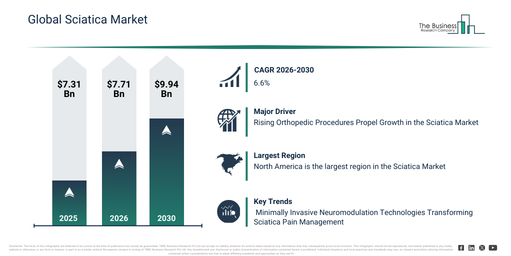
  • Sciatica Market Size Projected To Increase From $7.7 Billion To $9.94 Billion During The Forecast Period

    Sciatica Market Size Projected To Increase From $7.7 Billion To $9.94 Billion During The Forecast Period

    Delivering more actionable and strategically valuable research, The Business Research Company’s 2026 market reports feature market attractiveness analysis, total addressable market evaluation, company benchmarking matrices, interactive Excel dashboards, expanded supply chain intelligence, emerging startup coverage, and detailed product insights.

    Sciatica Market Size And Revenue Forecast Through 2030

    The sciatica market experienced robust expansion recently, projecting a rise from $7.31 billion in 2025 to $7.71 billion in 2026, reflecting a compound annual growth rate of 5.5%. Factors fueling this historical growth include a higher incidence of sciatica and lower back conditions, the widespread use of established pain relief treatments, the proliferation of orthopedic and rehabilitation centers, the availability of surgical and injection-based spinal interventions, and increased healthcare spending in developed nations.

    The sciatica market is poised for substantial expansion over the upcoming years, projecting a reach of $9.94 billion by 2030 with a compound annual growth rate of 6.6%. This anticipated surge is fueled by several key factors, including the availability of minimally invasive spinal devices in development, the increasing utilization of tele-rehabilitation and digital therapeutic solutions, enhanced accessibility to sophisticated imaging and diagnostic tools, a growing market for non-opioid pain management alternatives, and the broadening reach of sciatica treatment awareness initiatives within emerging economies. Throughout this forecast period, prevailing trends indicate a heightened inclination towards non-opioid pain relief methods, a greater acceptance of physical therapy and rehabilitation programs, an augmentation in minimally invasive spinal surgery techniques, a rise in the application of epidural injections and nerve blocks, and sustained innovation in the creation of advanced pain management devices and orthopedic implants.

    Download A Free Sample Report For Comprehensive Market Insights:

    https://www.thebusinessresearchcompany.com/sample.aspx?id=13000&type=smp

    Sciatica Market Growth Factors Supporting Long-Term Expansion

    The sciatica market’s expansion is anticipated to be fueled by a rise in orthopedic surgeries. These surgical interventions focus on addressing spinal and joint issues, as well as correcting skeletal deformities. Factors contributing to the uptick in orthopedic procedures include an aging demographic, a higher incidence of musculoskeletal ailments, and increased engagement in sports and active lifestyles. By alleviating pain, restoring movement, and enhancing functionality, sciatica treatments significantly improve the quality of life for individuals afflicted with this condition, making orthopedic specialists frequently integral to its diagnosis and management. Illuminating this trend, data from the National Library of Medicine in February 2023 projects that by 2040, total hip arthroplasty (THA) and total knee arthroplasty (TKA) procedures will reach 719,364 and 1,222,988, respectively, with TKA numbers projected to reach 2,917,959 and THA numbers 1,982,099 by 2060, consequently bolstering the growth trajectory of the sciatica market.

    Sciatica Market Segmentation: How Is The Market Structured Across Key Categories?

    The sciatica market covered in this report is segmented –

    1) By Type: Acute Sciatica, Chronic Sciatica, Other Types

    2) By Drugs: Oxycodone, Tramadol, Opioid Analgesics, Amitriptyline, Tricyclic Antidepressants, Other Drugs

    3) By Treatment: Medication, Surgery

    4) By End Users: Hospitals, Homecare, Specialty Clinics, Other End Users

    Subsegments:

    1) By Acute Sciatica: Short-Term Pain Management, Physical Therapy, Nonsteroidal Anti-Inflammatory Drugs (NSAIDs)

    2) By Chronic Sciatica: Long-Term Pain Management, Epidural Steroid Injections, Surgical Options

    3) By Other Types: Sciatica Due To Herniated Disc, Sciatica From Spinal Stenosis, Sciatica From Spondylolisthesis

    Sciatica Market Industry Trends Shaping Future Revenue Growth

    Within the sciatica market, leading organizations are prioritizing innovations, particularly in the realm of minimally invasive neuromodulation devices, to address escalating demand stemming from the growing incidence of chronic lower back discomfort, a patient leaning towards pain relief without opioids, and the crucial requirement for therapeutic solutions that are both secure and enduring. These advanced neuromodulation tools, exemplified by spinal cord stimulators featuring closed-loop systems, deliver precise electrical impulses designed to intercept pain signals and offer superior alleviation when contrasted with conventional surgical interventions or drug-based therapies. A noteworthy development occurred in January 2025 when Medtronic plc, a prominent American medical technology firm, shared encouraging 12-month findings from its clinical trials concerning the Inceptiv closed-loop spinal cord stimulator (CL-SCS), revealing substantial enhancements in pain reduction and overall quality of life for individuals suffering from chronic neuropathic pain and sciatica, with the device intelligently adapting its stimulation based on real-time spinal cord feedback to maximize effectiveness and patient ease, thereby highlighting a significant shift towards individualized, technologically advanced strategies aimed at better results and diminished dependence on opioid analgesics.

    Sciatica Market Competitive Landscape And Leading Companies

    Major companies operating in the sciatica market are Pfizer Inc., Merck and Co. Inc., AbbVie Inc., Bayer AG, Novartis AG, Sanofi-Aventis LLC., AstraZeneca PLC, GlaxoSmithKline plc., Eli Lilly and Co Ltd., Boehringer Ingelheim International GmbH, Teva Pharmaceutical Industries Ltd., Macleods Pharmaceuticals Limited, Sun Pharmaceutical Industries Limited, Dr. Reddy’s Laboratories Ltd., Aurobindo Pharma Ltd., Intas Pharmaceuticals Ltd., Hikma Pharmaceuticals PLC, Cipla Inc., Endo International plc, Amneal Pharmaceuticals Inc., Aspen Pharmacare Holdings Limited, Zydus Lifesciences Ltd., Lupin Limited, Alkem Laboratories Limited, Torrent Pharmaceuticals Ltd.

    Access The Complete Sciatica Market Report:

    https://www.thebusinessresearchcompany.com/report/sciatica-global-market-report

    Sciatica Market Geographic Landscape: Which Region Dominates Industry Growth?

    North Americawas the largest region in the sciatica market in 2025. Asia-Pacificis expected to be the fastest-growing region in the forecast period. The regions covered in the sciatica market report are Asia-Pacific, South East Asia, Western Europe, Eastern Europe, North America, South America, Middle East, Africa.

    Get in touch with us:

    The Business Research Company: https://www.thebusinessresearchcompany.com/

    Americas: +1 310-496-7795

    Asia: +44 7882 955267 & +91 8897263534

    Europe: +44 7882 955267

    Email us at: marketing@tbrc.info

    Follow us on:

    LinkedIn: https://in.linkedin.com/company/the-business-research-company

    YouTube: https://www.youtube.com/channel/UC24_fI0rV8cR5DxlCpgmyFQ

    Global Market Model: https://www.thebusinessresearchcompany.com/global-market-model
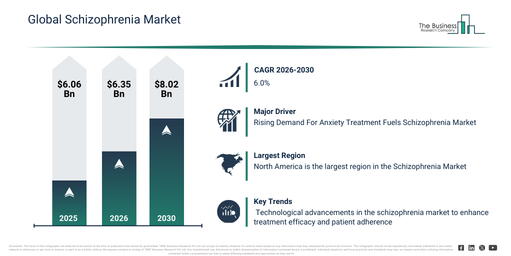
  • Schizophrenia Market Growth Outlook Reveals A CAGR Of 6% And A Market Value Of $8.01 Billion By 2030

    Schizophrenia Market Growth Outlook Reveals A CAGR Of 6% And A Market Value Of $8.01 Billion By 2030

    Enhanced with market attractiveness analysis, total addressable market evaluation, company benchmarking matrices, interactive Excel dashboards, expanded supply chain intelligence, emerging startup coverage, and detailed product insights, The Business Research Company’s 2026 market reports deliver more actionable and strategically valuable research.

    Schizophrenia Market Growth From $6.35 Billion In 2026 To $8.01 Billion By 2030 At A CAGR Of 6%

    In the schizophrenia sector, a consistent upward trend in market value has been observed. Projections indicate a rise from $6.06 billion in 2025 to $6.35 billion in 2026, reflecting a compound annual growth rate of 4.9%. The expansion witnessed during the preceding period was fueled by several factors, including the escalating incidence of schizophrenia, the proliferation of mental health facilities, the accessibility of both early and more recent antipsychotic medications, augmented healthcare spending within developed economies, and advancements in diagnostic methods and therapeutic protocols.

    The schizophrenia market is projected for considerable expansion in the approaching years, anticipated to reach a value of $8.02 billion by 2030, reflecting a compound annual growth rate of 6.0%. This surge is propelled by factors such as a robust pipeline of innovative antipsychotic compounds, the increasing prevalence of long-acting injectable formulations, escalating government support for mental health programs, improved access to care in developing economies, and the incorporation of digital tools for patient monitoring and medication adherence. Key developments shaping the market during this forecast period will involve a greater utilization of long-acting injectable antipsychotics, a transition towards second- and third-generation antipsychotic medications, an intensified focus on early detection and intervention strategies, the broader implementation of community-based and outpatient care models, and a rise in the application of combination and adjunctive therapeutic approaches.

    Download A Free Sample Report For Comprehensive Market Insights:

    https://www.thebusinessresearchcompany.com/sample.aspx?id=12869&type=smp

    Schizophrenia Market Demand Drivers Creating New Revenue Opportunities

    An increasing need for anxiety interventions is anticipated to fuel the expansion of the schizophrenia market in the future. Anxiety treatment encompasses a range of therapeutic strategies and support methods designed to assist individuals struggling with overwhelming and impairing anxiety symptoms in gaining control and finding relief. Such treatment can significantly benefit those diagnosed with schizophrenia by addressing co-occurring anxiety, a common complication, and potentially mitigating the severity of psychotic manifestations like hallucinations and delusions. To illustrate, a report from the American Psychiatric Association in May 2024 highlighted that 43% of adults in the US reported elevated anxiety in 2024, a rise from 37% in 2023 and 32% in 2022, underscoring a continuous upward trend in anxiety prevalence. Consequently, the escalating demand for anxiety treatment is acting as a catalyst for the schizophrenia market’s development.

    Schizophrenia Market Segmentation Trends And Revenue Drivers

    The schizophrenia market covered in this report is segmented –

    1) By Type: Catatonic Schizophrenia, Paranoid Schizophrenia, Undifferentiated Schizophrenia, Hebephrenic Schizophrenia, Residual Schizophrenia, Other Types

    2) By Treatment: First-Generation Antipsychotics, Second-Generation Antipsychotics, Third-Generation Antipsychotics, Psychotherapies, Other Treatments

    3) By Route of Administration: Oral, Injectables

    Subsegments:

    1) By Catatonic Schizophrenia: Waxy Flexibility, Stupor, Agitation, Catatonic Excitement

    2) By Paranoid Schizophrenia: Delusions Of Persecution, Auditory Hallucinations, Paranoid Ideation

    3) By Undifferentiated Schizophrenia: Symptoms Not Specific To Other Types, Mixed Symptoms Of Schizophrenia

    4) By Hebephrenic Schizophrenia (Disorganized Schizophrenia): Disorganized Behavior, Disorganized Speech, Emotional Flatness

    5) By Residual Schizophrenia: History Of Schizophrenia With Low-Level Symptoms, Social Withdrawal, Mild Hallucinations Or Delusions

    6) By Other Types: Schizoaffective Disorder, Brief Psychotic Disorder, Delusional Disorder

    Schizophrenia Market Trends Driving Strategic Industry Expansion

    The schizophrenia market is witnessing significant activity from key players who are prioritizing innovation, particularly in the realm of advanced oral antipsychotics offering enhanced safety and effectiveness. This strategic focus is fueled by an increasing need for superior symptom management, a growing requirement for treatments suitable for adolescent populations, and a demand for medications with better patient tolerance. Illustrating this trend, Otsuka Pharmaceutical Europe Ltd., a prominent Japanese life sciences firm, partnered with Denmark’s biopharmaceutical specialist H. Lundbeck A/S in March 2025 to introduce Rxulti (brexpiprazole). This medication is now available for adolescents aged 13 and above diagnosed with schizophrenia. Rxulti, a daily oral atypical antipsychotic, functions by influencing the brain’s serotonin and dopamine pathways; it acts as a partial agonist on specific serotonin (5-HT1A) and dopamine (D2) receptors while simultaneously antagonizing other serotonin (5-HT2A) and adrenergic (α1B/2C) receptors. This multifaceted receptor interaction allows for a balanced mitigation of both positive and negative symptoms of schizophrenia, coupled with a favorable safety profile that can lead to improved treatment adherence and better patient results when contrasted with older antipsychotic medications. The endorsement from the European Commission followed a thorough 6-week randomized clinical investigation that successfully documented marked symptom alleviation and commendable tolerability among the adolescent participants.

    Schizophrenia Market Industry Leaders: Which Organizations Are Driving Competition?

    Major companies operating in the schizophrenia market are Pfizer Inc, Johnson And Johnson Services Inc, AbbVie Inc, Novartis AG, Bristol Myers Squibb Company, AstraZeneca PLC, GlaxoSmithKline PLC, Takeda Pharmaceutical Company, Eli Lilly And Company, Boehringer Ingelheim International GmbH, Otsuka Holdings Co Ltd, Daiichi Sankyo Co Ltd, Astellas Pharma Inc, Sumitomo Dainippon Pharma Co Ltd, Mitsubishi Tanabe Pharma Corporation, Recordati SpA, Lundbeck AS, Neurocrine Biosciences Inc, Torrent Pharmaceutical Ltd, Alkermes PLC, Indivior PLC, Vanda Pharmaceuticals Inc, Intra Cellular Therapies Inc, Axsome Therapeutics Inc, Karuna Therapeutics Inc, Minerva Neurosciences Inc

    Access The Complete Schizophrenia Market Report:

    https://www.thebusinessresearchcompany.com/report/schizophrenia-global-market-report

    Schizophrenia Market Largest Region: Which Geography Holds The Highest Market Share?

    North Americawas the largest region in the schizophrenia market in 2025. The regions covered in the schizophrenia market report are Asia-Pacific, South East Asia, Western Europe, Eastern Europe, North America, South America, Middle East, Africa.

    Get in touch with us:

    The Business Research Company: https://www.thebusinessresearchcompany.com/

    Americas: +1 310-496-7795

    Asia: +44 7882 955267 & +91 8897263534

    Europe: +44 7882 955267

    Email us at: marketing@tbrc.info

    Follow us on:

    LinkedIn: https://in.linkedin.com/company/the-business-research-company

    YouTube: https://www.youtube.com/channel/UC24_fI0rV8cR5DxlCpgmyFQ

    Global Market Model: https://www.thebusinessresearchcompany.com/global-market-model

  • Schizoaffective Disorder Market Forecast Highlights Expansion From $8.13 Billion To $9.82 Billion Through 2030

    Schizoaffective Disorder Market Forecast Highlights Expansion From $8.13 Billion To $9.82 Billion Through 2030

    Through market attractiveness analysis, total addressable market evaluation, company benchmarking matrices, interactive Excel dashboards, expanded supply chain intelligence, emerging startup coverage, and detailed product insights, The Business Research Company’s 2026 market reports provide more actionable and strategically valuable research.

    Schizoaffective Disorder Market Expansion Outlook: What Revenue Opportunities Lie Ahead?

    The market for schizoaffective disorder treatments experienced robust expansion historically, and this upward trend is projected to continue. Projections indicate a rise from $7.74 billion in 2025 to $8.14 billion in 2026, reflecting a compound annual growth rate of 5.1%. Factors contributing to the past growth include the persistent use of antipsychotic drugs, a rise in diagnosed cases of schizophrenia spectrum disorders, heightened public and professional awareness concerning severe mental health conditions, the proliferation of mental healthcare infrastructure, and incremental refinements in diagnostic methodologies and classification systems.

    The schizoaffective disorder market is poised for consistent expansion throughout the upcoming years, reaching an estimated $9.83 billion by 2030 with a compound annual growth rate of 4.8%. This projected increase is fueled by advancements in new atypical antipsychotic medications, a heightened demand for extended-release drug formulations, escalating healthcare expenditures dedicated to mental well-being, the proliferation of community-focused mental health initiatives, and a greater emphasis on tailored treatment strategies. Key developments anticipated during this forecast period involve a rise in the utilization of combination therapies that pair antipsychotics with mood stabilizers, a broader acceptance of long-acting injectable antipsychotic treatments, a stronger focus on identifying and addressing the condition early, the growing integration of psychotherapy alongside medication, and the wider application of digital tools for mental health support.

    Download A Free Sample Report For Comprehensive Market Insights:

    https://www.thebusinessresearchcompany.com/sample.aspx?id=21282&type=smp

    Schizoaffective Disorder Market Expansion Supported By Key Demand Factors

    An increasing incidence of neurological conditions is anticipated to fuel the expansion of the schizoaffective disorder market; these conditions, which impact the brain, spinal cord, and nerves, encompass a range of cognitive, motor, and sensory impairments. Factors contributing to the surge in neurological disorders include genetic anomalies, infections, physical trauma, exposure to environmental poisons, autoimmune reactions, or degenerative changes within the nervous system. The heightened prevalence of these neurological ailments indirectly boosts the schizoaffective disorder market by highlighting shared underlying biological processes, enhancing diagnostic accuracy, and raising general awareness, thereby leading to greater identification of the disorder. As an illustration, by April 2023, the National Library of Medicine indicated that approximately 6.7 million individuals in the United States were living with Alzheimer’s disease, a figure projected to climb to 13.8 million by the year 2060, underscoring the escalating burden of neurological diseases and their downstream effect on the schizoaffective disorder market.

    Schizoaffective Disorder Market Segment Analysis Highlighting Growth Areas

    The schizoaffective disorder market covered in this report is segmented –

    1) By Drugs: Antipsychotic Medication, Mood Stabilizers, Antidepressant Medication, Anticonvulsants

    2) By Causes: Genetic Factors, Environmental Factors, Chemical Factors

    3) By End User: Hospitals, Clinics, Other End User

    Subsegments:

    1) By Antipsychotic Medication: Atypical Antipsychotics, Typical Antipsychotics

    2) By Mood Stabilizers: Lithium, Valproate, Lamotrigine, Carbamazepine

    3) By Antidepressant Medication: Selective Serotonin Reuptake Inhibitors (SSRIs), Serotonin-Norepinephrine Reuptake Inhibitors (SNRIs), Tricyclic Antidepressants (TCAs), Monoamine Oxidase Inhibitors (MAOIs)

    4) By Anticonvulsants: Lamotrigine, Valproate, Topiramate, Levetiracetam

    Schizoaffective Disorder Market Growth Trends Influencing Competitive Dynamics

    Key players within the schizoaffective disorder market are prioritizing the creation of novel therapeutic agents, specifically extended-release injectable suspensions, with the aim of boosting treatment effectiveness, fostering greater patient adherence, and necessitating fewer administrations. Such an injectable suspension formulation is engineered to gradually liberate its pharmacological components over a prolonged duration, thereby permitting less frequent administration compared to conventional immediate-release versions, leading to enhanced patient convenience and improved treatment compliance. As an illustration, in July of 2024, Luye Pharma Group Ltd., a pharmaceutical entity headquartered in China, disclosed that the US Food and Drug Administration (FDA) granted approval for ERZOFRI (paliperidone palmitate) extended-release injectable suspension as a treatment modality for both schizophrenia and schizoaffective disorder. This cutting-edge therapy presents a long-acting injectable format intended to sustain therapeutic benefits over an extended timescale, consequently diminishing the need for frequent dosing. The advanced release mechanism is instrumental in maintaining stable medication concentrations within the body, which in turn bolsters patient compliance and mitigates the likelihood of symptom recurrence. The marked advantage of requiring fewer injections than oral alternatives can substantially elevate the well-being of individuals managing persistent mental health challenges.

    Schizoaffective Disorder Market Leading Companies: Who Holds Significant Market Presence?

    Major companies operating in the schizoaffective disorder market are Pfizer Inc., Johnson & Johnson, Bristol Myers Squibb Company, AstraZeneca PLC, Abbott Laboratories, Takeda Pharmaceutical Company Limited, Eli Lilly and Company, Boehringer Ingelheim International GmbH, Zydus Lifesciences Limited, Neurocrine Biosciences Inc., Alkermes Inc., Luye Pharma Group Ltd., Merz Pharma GmbH & Co. KGaA, Acadia Pharmaceuticals Inc., Intra-Cellular Therapies Inc., Cerevel Therapeutics Inc., Avanir Pharmaceuticals Inc., Otsuka Pharmaceutical Co. Ltd., Reviva Pharmaceuticals Inc., Zogenix Inc., Sunovion Pharmaceuticals Inc., Newron Pharmaceuticals S.p.A., Sage Therapeutics Inc., Lyndra Therapeutics Inc., BioXcel Therapeutics Inc.

    Access The Complete Schizoaffective Disorder Market Report:

    https://www.thebusinessresearchcompany.com/report/schizoaffective-disorder-global-market-report

    Schizoaffective Disorder Market Regional Analysis: Which Region Leads By Revenue?

    North Americawas the largest region in the schizoaffective disorder market in 2025. Asia-Pacificis expected to be the fastest-growing region in the forecast period. The regions covered in the schizoaffective disorder market report are Asia-Pacific, South East Asia, Western Europe, Eastern Europe, North America, South America, Middle East, Africa.

    Get in touch with us:

    The Business Research Company: https://www.thebusinessresearchcompany.com/

    Americas: +1 310-496-7795

    Asia: +44 7882 955267 & +91 8897263534

    Europe: +44 7882 955267

    Email us at: marketing@tbrc.info

    Follow us on:

    LinkedIn: https://in.linkedin.com/company/the-business-research-company

    YouTube: https://www.youtube.com/channel/UC24_fI0rV8cR5DxlCpgmyFQ

    Global Market Model: https://www.thebusinessresearchcompany.com/global-market-model

  • Scaffold Free 3D Cell Culture Market Expected To Reach $1.49 Billion By 2030 As Growth Accelerates At 11.9% CAGR

    Scaffold Free 3D Cell Culture Market Expected To Reach $1.49 Billion By 2030 As Growth Accelerates At 11.9% CAGR

    Delivering more actionable and strategically valuable research, The Business Research Company’s 2026 market reports feature market attractiveness analysis, total addressable market evaluation, company benchmarking matrices, interactive Excel dashboards, expanded supply chain intelligence, emerging startup coverage, and detailed product insights.

    Scaffold Free 3D Cell Culture Market Growth Potential: How Will Market Size Change Through 2030?

    The market for scaffold-free 3D cell culture is experiencing a significant upward trajectory, projected to expand from $0.85 billion in 2025 to $0.95 billion in 2026, demonstrating a robust compound annual growth rate of 12.2%. This expansion during the historical period is underpinned by key factors including innovations in cellular biology studies, the recognized shortcomings of traditional 2D cell culture methodologies, a surge in pharmaceutical research and development initiatives, the increasing integration of 3D culturing approaches, and a notable increase in stem cell investigations.

    The market for scaffold-free 3D cell culture is poised for considerable expansion, projected to reach $1.49 billion by 2030, exhibiting a compound annual growth rate of 11.9%. This anticipated growth trajectory is fueled by several key factors, including a heightened need for drug screening models that offer greater predictive accuracy, escalating financial commitments to regenerative medicine research, the wider implementation of organ-on-chip technologies, a sustained emphasis on minimizing animal experimentation, and the increasing incorporation of artificial intelligence in analyzing cellular data. During this forecast period, prominent developments are expected to include a greater uptake of organoid and spheroid culture methodologies, a more widespread utilization of scaffold-free platforms within the drug discovery process, the expanding integration of microfluidic systems for cell cultivation, advancements in personalized medicine research, and an intensified focus on developing in vitro models that more closely mimic physiological conditions.

    Download A Free Sample Report For Comprehensive Market Insights:

    https://www.thebusinessresearchcompany.com/sample.aspx?id=30382&type=smp

    Scaffold Free 3D Cell Culture Market Growth Drivers And Industry Catalysts

    The advancement of personalized medicine is anticipated to be a key catalyst for the expansion of the scaffold-free 3D cell culture market. This approach to healthcare customizes medical interventions and decisions by considering a patient’s unique genetic makeup, environmental exposures, and lifestyle choices. Progress in fields such as genomics, biotechnology, and advanced data analysis fuels the expansion of personalized medicine, paving the way for more accurate, impactful, and individualized patient care. Scaffold-free 3D cell culture techniques play a crucial role in this domain by facilitating the development of patient-specific tissue models that are instrumental in precise drug screening and the formulation of bespoke therapeutic plans. A notable illustration of this trend is the February 2024 report from the Personalized Medicine Coalition, a non-profit entity in the United States, which highlighted the Food and Drug Administration’s approval of 16 novel personalized treatments for individuals with rare diseases in 2023, a considerable surge compared to the six approvals recorded in 2022. Consequently, the expansion of personalized medicine directly influences and stimulates the growth trajectory of the scaffold-free 3D cell culture market.

    Scaffold Free 3D Cell Culture Market Segment Performance And Strategic Opportunities

    The scaffold free 3d cell culture market covered in this report is segmented –

    1) By Product Type: 3D Cell Culture Platforms, 3D Bioprinting Products, 3D Cell Culture Kits, Microfluidic Devices

    2) By Cellular Components: Stem Cells, Adherent Cell Cultures, Suspension Cell Cultures, Immune Cells

    3) By Technique: Hanging Drop Method, Magnetic Levitation, Microfluidics

    4) By Application: Drug Discovery, Regenerative Medicine, Tissue Engineering, Oncology Research, Stem Cell Research

    5) By End-User: Academic Research Institutions, Pharmaceutical And Biotechnology Companies, Contract Research Organizations (CROs), Clinics And Hospitals

    Subsegments:

    1) By 3D Cell Culture Platforms: Hanging Drop Plates, Low-Adhesion Microplates, Ultra-Low Attachment (ULA) Plates And Flasks, Spheroid Culture Dishes, Spinner Flasks And Bioreactors, Suspension Culture Systems

    2) By 3D Bioprinting Products: Bioprinters, Bioinks, Printheads And Nozzles, Printing Software, Consumables And Accessories

    3) By 3D Cell Culture Kits: Spheroid Formation Kits, Organoid Culture Kits, Co-Culture Kits, Tumor Model Kits, Stem Cell Differentiation Kits, Assay-Ready 3D Cell Culture Kits

    4) By Microfluidic Devices: Organ-On-A-Chip Systems, Lab-On-A-Chip Platforms, Microchamber Arrays, Perfusion-Based Microfluidic Devices, Droplet-Based Microfluidic Systems, Gradient Generating Microfluidic Devices

    #Scaffold Free 3D Cell Culture Market Trends Influencing Long-Term Demand

    Advancements in scaffold-free 3D cell culture technology are a primary area of strategic development for key players in the market, with a particular emphasis on features like transparent flask bases for straightforward spheroid observation and assessment, precisely engineered microcavities to guarantee uniform spheroid development, and high-volume formats designed to accelerate drug discovery and cancer investigations. A transparent flask bottom facilitates uncomplicated observation and imaging of cellular structures or spheroids. As an illustration, in February of 2024, Corning Incorporated, an American enterprise renowned for its expertise in specialty glass, ceramics, and life science products, unveiled the Corning Elplasia 12K flask, an addition to its collection of 3D cell culture solutions; this novel flask is engineered to facilitate extensive spheroid generation, empowering scientists to cultivate approximately 12,000 consistent spheroids within a single flask, thereby offering enhanced uniformity in spheroid dimensions, superior experimental repeatability, and substantially increased output compared to conventional 96-well spheroid plates, and it is adaptable for use with the diverse array of tumor, healthy, and primary cell populations frequently employed in 3D cell culture research, proving especially valuable for tasks such as drug testing, cancer research, and the creation of cutting-edge treatments, thereby meeting the escalating need for dependable and scalable 3D cell models.

    Scaffold Free 3D Cell Culture Market Key Players: Which Companies Shape Industry Competition?

    Major companies operating in the scaffold free 3d cell culture market are Thermo Fisher Scientific Inc., Merck KGaA, Corning Incorporated, Lonza Group AG, Sartorius AG, Hamilton Company, CELLINK AB, Creative Bioarray Inc., InSphero AG, Creative Biolabs Inc., Mimetas B.V., REPROCELL Inc., Synthecon Incorporated, Advanced Solutions Life Sciences LLC, Cherry Biotech SAS, celVivo ApS, Elveflow, Guangzhou Jet Bio-Filtration Co. Ltd., Organovo Holdings Inc., Alfa Cytology Co. Ltd.

    Access The Complete Scaffold Free 3D Cell Culture Market Report:

    https://www.thebusinessresearchcompany.com/report/global-scaffold-free-3d-cell-culture-market-report

    Scaffold Free 3D Cell Culture Market Geographic Distribution And Regional Opportunities

    North Americawas the largest region in the scaffold free 3D cell culture market in 2025. Asia-Pacificis expected to be the fastest-growing region in the forecast period. The regions covered in the scaffold free 3d cell culture market report are Asia-Pacific, South East Asia, Western Europe, Eastern Europe, North America, South America, Middle East, Africa.

    Get in touch with us:

    The Business Research Company: https://www.thebusinessresearchcompany.com/

    Americas: +1 310-496-7795

    Asia: +44 7882 955267 & +91 8897263534

    Europe: +44 7882 955267

    Email us at: marketing@tbrc.info

    Follow us on:

    LinkedIn: https://in.linkedin.com/company/the-business-research-company

    YouTube: https://www.youtube.com/channel/UC24_fI0rV8cR5DxlCpgmyFQ

    Global Market Model: https://www.thebusinessresearchcompany.com/global-market-model
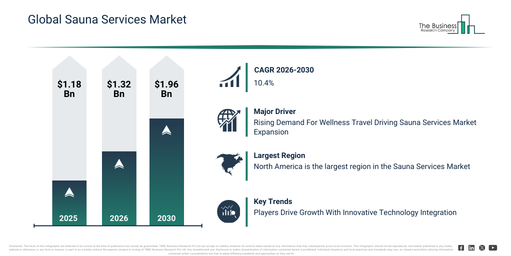
  • Sauna Services Market Set To Grow From $1.31 Billion In 2026 To $1.95 Billion By 2030 At A CAGR Of 10.4%

    Sauna Services Market Set To Grow From $1.31 Billion In 2026 To $1.95 Billion By 2030 At A CAGR Of 10.4%

    Enhanced with market attractiveness analysis, total addressable market evaluation, company benchmarking matrices, interactive Excel dashboards, expanded supply chain intelligence, emerging startup coverage, and detailed product insights, The Business Research Company’s 2026 market reports deliver more actionable and strategically valuable research.

    Sauna Services Market Value Analysis: What Growth Is Expected Over The Forecast Period?

    The market for sauna services has experienced significant expansion lately, transitioning from $1.18 billion in 2025 to an projected $1.32 billion in 2026, reflecting a robust compound annual growth rate of 11.4%. Factors contributing to this expansion over the past period include the longstanding cultural integration of saunas in Nordic traditions, the proliferation of spa and wellness establishments, a rise in discretionary spending by urban populations, heightened recognition of the advantages for relaxation and stress reduction, and the development of hospitality and resort facilities.

    The sauna services sector is poised for substantial expansion, with projections indicating a market valuation of $1.96 billion by 2030, driven by a compelling compound annual growth rate of 10.4%. This anticipated surge is fueled by several key factors: an increasing preference for proactive health and mental well-being strategies, the burgeoning wellness tourism industry coupled with upscale accommodation trends, a rising inclination towards advanced and intelligent sauna designs, a broader uptake of fitness and health club memberships, and the growing disposable income among the middle class in developing nations. During this forecast period, several notable trends are expected to shape the market landscape, including a heightened interest in infrared and combined sauna types, a greater utilization of sauna services within fitness facilities and spas, a growing adoption of portable and adaptable sauna units, an expansion of travel packages focused on wellness that feature sauna experiences, and a pronounced emphasis on personalized and exclusive sauna sessions.

    Download A Free Sample Report For Comprehensive Market Insights:

    https://www.thebusinessresearchcompany.com/sample.aspx?id=15464&type=smp

    Sauna Services Market Opportunity Drivers: What Is Creating New Revenue Potential?

    The surge in interest for wellness tourism is anticipated to be a significant catalyst for the expansion of the sauna services sector in the coming period. Wellness tourism, characterized by journeys undertaken with the aim of improving or sustaining personal health, is fueled by several key drivers including heightened awareness of stress-related issues, escalating levels of discretionary spending, and a greater focus on proactive health management. Saunas play an integral role within the wellness tourism framework due to their recognized benefits in managing stress, facilitating detoxification processes, and contributing to a general sense of well-being. As an illustration of this trend, data from the Global Wellness Institute, a non-profit entity based in the US, revealed that the worldwide number of wellness trips hit 819.4 million in March 2024, with projections indicating an annual growth rate of 8.3% through to 2027. Consequently, the increasing prominence of wellness tourism is directly contributing to the upward trajectory of the sauna services market.

    Sauna Services Market Segment Landscape And Growth Potential

    The sauna services market covered in this report is segmented –

    1) By Type: Massage Service, Food Service, Luxury Locker Rooms Service, Equipment Installation Service, Other Type

    2) By Sauna: Traditional Or Regular Sauna, Dry Sauna, Infrared Therapy Sauna

    3) By Application: Outdoor Saunas, Indoor Saunas

    4) By End User: Adults, Children

    Subsegments:

    1) By Massage Service: Swedish Massage, Deep Tissue Massage, Aromatherapy Massage

    2) By Food Service: Healthy Snacks And Beverages, Full-Service Dining Options

    3) By Luxury Locker Rooms Service: Premium Locker Rooms, Towel And Robe Services, Personal Care Amenities

    4) By Equipment Installation Service: Sauna Equipment Setup, Sauna Room Design And Installation

    5) By Other Type: Wellness And Spa Packages, Skin Care Services (Facials, Body Wraps)

    Sauna Services Market Innovation Trends Driving Future Development

    Leading entities within the sauna services sector are leveraging sophisticated technological advancements to deliver tailored sauna experiences, incorporating features like virtual sauna guides and real-time fitness metrics to elevate user engagement and satisfaction. These innovative aids, such as sauna guides and fitness indicators, fundamentally transform how individuals interact with saunas, offering bespoke recommendations and foresight regarding health outcomes, thereby maximizing the wellness advantages for each patron. As an illustration, in April 2024, High Tech Health International, Inc., a corporation headquartered in the United States renowned for its far infrared sauna solutions, introduced its Sauna Guide system. This pioneering technology is poised to redefine the sauna experience by furnishing exceptional visibility into the specific health advantages experienced by individuals at the cellular level. It incorporates a novel component designated as the ‘Sauna Fitness’ indicator, which synthesizes fundamental user information including stature, mass, and past sauna engagement patterns to generate a comprehensive understanding of an individual’s physiological adaptation to heat exposure.

    Sauna Services Market Competitive Landscape: Who Are The Leading Companies?

    Major companies operating in the sauna services market are Amerec Ltd, Sunlighten Day Spa, Perspire Sauna Studio, Wi Spa LLC, Island Spa And Sauna, Green Lotus Yoga & Healing Center, Am-Finn Sauna and Steam, SaunaWorks Inc., Artesian Spas, The Spa And Sauna Co, SweatHouz, Sky Spa Sauna, King Spa And Sauna, Restore Hyper Wellness, Therme Erding Familienbad GmbH, Alpine Sauna And Steam, The Sweat Shack, Spa World Corporation, Steam Sauna Inc., City Sweats, Finnmark Sauna Ltd., The Wellness Spa LLC, Sauna House, Glow Sauna Studios

    Access The Complete Sauna Services Market Report:

    https://www.thebusinessresearchcompany.com/report/sauna-services-global-market-report

    Sauna Services Market Largest Region By Revenue And Market Share

    North Americawas the largest region in the sauna services market in 2025. Europeis expected to be the fastest-growing region in the forecast period. The regions covered in the sauna services market report are Asia-Pacific, South East Asia, Western Europe, Eastern Europe, North America, South America, Middle East, Africa.

    Get in touch with us:

    The Business Research Company: https://www.thebusinessresearchcompany.com/

    Americas: +1 310-496-7795

    Asia: +44 7882 955267 & +91 8897263534

    Europe: +44 7882 955267

    Email us at: marketing@tbrc.info

    Follow us on:

    LinkedIn: https://in.linkedin.com/company/the-business-research-company

    YouTube: https://www.youtube.com/channel/UC24_fI0rV8cR5DxlCpgmyFQ

    Global Market Model: https://www.thebusinessresearchcompany.com/global-market-model
  • Sarcopenia Treatment Market Opportunities Are Emerging Beyond Traditional Growth Areas

    Sarcopenia Treatment Market Opportunities Are Emerging Beyond Traditional Growth Areas

    Through market attractiveness analysis, total addressable market evaluation, company benchmarking matrices, interactive Excel dashboards, expanded supply chain intelligence, emerging startup coverage, and detailed product insights, The Business Research Company’s 2026 market reports provide more actionable and strategically valuable research.

    Sarcopenia Treatment Market Size Forecast: How Large Could The Market Become By 2030?

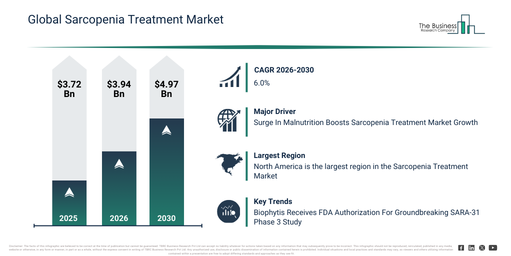
    The market for sarcopenia treatments has experienced robust expansion lately, projected to increase from approximately $3.72 billion in 2025 to $3.94 billion in 2026, representing a compound annual growth rate (CAGR) of 5.9 percent. This surge during the past period is a result of several factors, including a burgeoning demographic of older individuals, heightened consciousness regarding muscle deterioration associated with aging, a reliance on established strategies like physical therapy and dietary supplementation, the scarcity of sanctioned pharmacological interventions, and an uptick in disorders affecting mobility.

    The market for sarcopenia treatments is projected to experience robust expansion, reaching an estimated $4.97 billion by 2030 and exhibiting a compound annual growth rate of 6.0% over the coming years. This anticipated growth trajectory is propelled by several key factors, including the ongoing development of innovative pharmacological therapies, a heightened emphasis on early detection and proactive management strategies, increased healthcare investments in the care of the elderly, the escalating incidence of chronic conditions that impact muscle vitality, and a growing number of clinical investigations focused on muscle regeneration. During this forecast period, significant trends are expected to shape the market, such as a greater integration of combined pharmaceutical and exercise-based therapeutic approaches, a noticeable rise in the utilization of nutritional supplements for sarcopenia control, intensified clinical research into myostatin inhibitors and anabolic agents, a growing recognition and diagnosis of sarcopenia among older demographic segments, and a more widespread incorporation of physical therapy within established treatment protocols.

    Download A Free Sample Report For Comprehensive Market Insights:

    https://www.thebusinessresearchcompany.com/sample.aspx?id=13926&type=smp

    Sarcopenia Treatment Market Growth Momentum: Which Factors Are Influencing Demand?

    A surge in malnutrition is anticipated to be a key driver for the expansion of the sarcopenia treatment market in the future. Malnutrition is characterized by insufficient, excessive, or imbalanced consumption of energy and nutrients, encompassing conditions ranging from undernutrition to being overweight, obese, or developing noncommunicable diseases linked to diet. Treatments for sarcopenia are designed to tackle the concurrent issues of malnutrition and sarcopenia prevalent in elderly individuals, employing strategies like dietary interventions and physical activity to enhance muscle mass, strength, and general nutritional well-being. A compelling example of this trend is the data from January 2025, where the United States Department of Agriculture indicated that 17.9% of households with children experienced food insecurity in 2023, affecting approximately 6.5 million families. Consequently, the increasing prevalence of malnutrition is directly contributing to the growth trajectory of the sarcopenia treatment market.

    Sarcopenia Treatment Market Categorization By Product Type And Application

    The sarcopenia treatment market covered in this report is segmented –

    1) By Treatment Type: Protein Supplements, Vitamin B12 Supplements, Vitamin D And Calcium Supplements, Other Treatment Types

    2) By Type: Primary Sarcopenia, Secondary Sarcopenia

    3) By Route Of Administration: Oral, Parenteral, Enteral

    4) By Distribution Channel: Hospital Pharmacies, Retail Pharmacies, Online Pharmacies, Other Distribution Channels

    Subsegments:

    1) By Protein Supplements: Whey Protein, Casein Protein, Soy Protein, Plant-Based Protein

    2) By Vitamin B12 Supplements: Cyanocobalamin, Methylcobalamin

    3) By Vitamin D And Calcium Supplements: Vitamin D2, Vitamin D3, Calcium Carbonate, Calcium Citrate

    4) By Other Treatment Types: Exercise Programs, Hormone Replacement Therapy, Other Nutritional Interventions

    Sarcopenia Treatment Market Trends Reshaping Industry Growth

    Leading pharmaceutical and biotechnology firms in the sarcopenia treatment sector are intensifying their efforts to develop and investigate a range of innovative therapeutic approaches to enhance patient care. The underlying purpose of a clinical study involves a disciplined inquiry using human participants to rigorously assess the safety, effectiveness, and ultimate results of a medical intervention. A compelling example of this commitment is the September 2023 announcement from Biophytis, a French life sciences enterprise, regarding its receipt of Food and Drug Administration (FDA) approval to commence the SARA-31 Phase 3 investigation for sarcopenia. This particular trial is designed to scrutinize the therapeutic value and safety profile of Sarconeos (BIO101) when administered to individuals diagnosed with sarcopenia who exhibit a heightened susceptibility to motor function impairment. This initiative represents a substantial leap forward in both technological innovation and pharmaceutical treatment strategies, presenting potential advantages in efficacy and safety for those afflicted with severe forms of sarcopenia, and notably, stands as the inaugural phase 3 trial in this specific disease area to gain FDA clearance. The investigation is projected to enroll approximately 900 participants, all exceeding 65 years of age and exhibiting characteristics of sarcopenia, such as diminished walking velocity and reduced handgrip strength. Key metrics for measuring success, serving as primary endpoints, will encompass the evaluation of major mobility disability (MMD) risk, walking speed, handgrip strength, and the subjective experience of patient-reported quality of life.

    Sarcopenia Treatment Market Company Landscape And Strategic Competition

    Major companies operating in the sarcopenia treatment market are Pfizer Inc, F Hoffmann La Roche, Merck Sharp And Dohme Corp, AbbVie Inc, Bayer AG, Novartis AG, Sanofi SA, Abbott Laboratories Inc, GlaxoSmithKline plc, Eli Lilly And Company, BASF SE, Nestle Health Science, Haleon Group Of Companies, DSM, Amway Corporation, Perrigo Company PLC, Intas Pharmaceuticals Ltd, Zydus Lifesciences, Fermenta Biotech Limited, Metagenics LLC, Makers Nutrition LLC, NutraScience Labs, AstaReal AB, NutraPak USA, BioThrive Sciences, Wellona Pharma, Healing Pharma India Pvt Ltd, Nutrafill

    Access The Complete Sarcopenia Treatment Market Report:

    https://www.thebusinessresearchcompany.com/report/sarcopenia-treatment-global-market-report

    Sarcopenia Treatment Market Regional Analysis And Leading Geography

    North Americawas the largest region in the sarcopenia treatment market in 2025. Asia-Pacificis expected to be the fastest-growing region in the forecast period. The regions covered in the sarcopenia treatment market report are Asia-Pacific, South East Asia, Western Europe, Eastern Europe, North America, South America, Middle East, Africa.

    Get in touch with us:

    The Business Research Company: https://www.thebusinessresearchcompany.com/

    Americas: +1 310-496-7795

    Asia: +44 7882 955267 & +91 8897263534

    Europe: +44 7882 955267

    Email us at: marketing@tbrc.info

    Follow us on:

    LinkedIn: https://in.linkedin.com/company/the-business-research-company

    YouTube: https://www.youtube.com/channel/UC24_fI0rV8cR5DxlCpgmyFQ

    Global Market Model: https://www.thebusinessresearchcompany.com/global-market-model