Month: June 2026

  • Chronic Care Management Software Market Size Projected To Increase From $17.43 Billion To $27.48 Billion During The Forecast Period

    Chronic Care Management Software Market Size Projected To Increase From $17.43 Billion To $27.48 Billion During The Forecast Period

    Through market attractiveness analysis, total addressable market evaluation, company benchmarking matrices, interactive Excel dashboards, expanded supply chain intelligence, emerging startup coverage, and detailed product insights, The Business Research Company’s 2026 market reports provide more actionable and strategically valuable research.

    Chronic Care Management Software Market Revenue Outlook: What CAGR Is Expected Through 2030?

    The market for chronic care management software has experienced swift expansion, projected to ascend from $15.26 billion in 2025 to $17.43 billion in 2026, reflecting a compound annual growth rate of 14.3%. This upward trajectory, observed during the preceding period, has been propelled by several key factors: the escalating incidence of chronic illnesses, a broader adoption of electronic health records, a heightened need for integrated patient care, the proliferation of value-based healthcare frameworks, and the increasing availability of digital health infrastructure.

    The realm of chronic care management software is poised for substantial expansion in the coming years, projected to reach a market valuation of $27.48 billion by 2030, fueled by a compound annual growth rate (CAGR) of 12.0%. This upward trajectory is anticipated to be propelled by several key factors, including the escalating integration of artificial intelligence in care management strategies, a heightened emphasis on optimizing population health, the broadening scope of telehealth services, a growing need for economically viable chronic care options, and supportive governmental policies promoting digital health solutions. Furthermore, significant trends expected to shape this market include a greater embrace of cloud-hosted chronic care platforms, increased incorporation of remote patient monitoring technologies, a more pervasive utilization of data-centric approaches for care coordination, the development of more interconnected healthcare software ecosystems, and a stronger concentration on improving patient involvement and overall health outcomes.

    Download A Free Sample Report For Comprehensive Market Insights:

    https://www.thebusinessresearchcompany.com/sample.aspx?id=14668&type=smp

    Chronic Care Management Software Market Growth Factors Supporting Long-Term Expansion

    The increasing utilization of health information technology (IT) is projected to significantly boost the market for chronic care management software. Health IT refers to the digital tools and frameworks that enhance healthcare operations, improve patient treatment, and lead to better health results. The drive towards adopting these health IT solutions is fueled by the need to increase operational effectiveness, provide superior patient care, simplify workflows, and meet compliance requirements in an increasingly digital healthcare landscape. Chronic care management software, supported by various IT advancements, refines the care provided to individuals with long-term health issues by fostering improved interactions, coordinated efforts, and diligent oversight of their medical requirements. Evidence from Deloitte Touche Tohmatsu Limited in January 2025 highlights this trend, indicating that approximately 70% of surveyed individuals consider investments in digital resources and platforms essential, 60% are focused on foundational technologies like Electronic Medical Records (EMRs) and Enterprise Resource Planning (ERP), and close to 90% of top executives anticipate accelerated digital technology implementation in 2025, thus underpinning the expansion of the chronic care management software market through the widespread adoption of health IT solutions.

    Chronic Care Management Software Market Segment Analysis Highlighting Growth Areas

    The chronic care management software market covered in this report is segmented –

    1) By Type: Standalone Software, Integrated Software

    2) By Deployment: Cloud-Based, Web-Based, On-Premise

    3) By Application: Chronic Disease Management, Case Management, Communication And Collaboration, Other Applications

    4) By End User: Hospitals, Clinics, Specialty Centers, Other End Users

    Subsegments:

    1) By Standalone Software: Remote Patient Monitoring Software, Chronic Disease Tracking Software, Appointment Scheduling Software, Medication Management Software, Patient Engagement Software, Electronic Health Records (EHR) Software, Data Analytics and Reporting Tools

    2) By Integrated Software: Integrated Chronic Care Management Platforms, Telehealth and Telemedicine Integration, Health Information Exchange (HIE) Systems, Care Coordination and Communication Tools, Population Health Management Solutions, Billing and Revenue Cycle Management Integration, Patient Portal and Mobile App Integration

    Chronic Care Management Software Market Industry Trends Shaping Future Revenue Growth

    Leading entities within the chronic care management software sector are intensifying their efforts to innovate sophisticated platforms. Their strategic objective involves leveraging solutions like EHR-integrated software to secure a stronger market position by fostering superior patient results, refining care coordination processes, and simplifying operational procedures for healthcare practitioners. Software that integrates with EHRs for chronic care management enhances patient oversight by fluidly linking up-to-the-minute health information, therapeutic strategies, and communication utilities inside a consolidated electronic health record infrastructure. To illustrate, a significant development occurred in March 2024 when Rimidi, a digital health enterprise headquartered in the United States, introduced The Rimidi Care Network. This is a collaborative venture designed for remote monitoring clinical service providers, with the purpose of expanding the availability of remote patient monitoring (RPM) capabilities. This program seeks to bridge connections among healthcare providers, insurance providers, and technology developers, thereby enabling them to deploy Rimidi’s offerings more proficiently across a diverse spectrum of healthcare environments. Through its integration with electronic health records (EHR) and the provision of intuitive RPM instruments, Rimidi aims to empower healthcare organizations to boost patient involvement, particularly in the effective management of ongoing health conditions. The overarching goal of this initiative is to optimize remote care services, elevate patient prognoses, and broaden the reach of remote health monitoring to those populations who stand to gain the most from such services.

    Chronic Care Management Software Market Leading Companies: Who Holds Significant Market Presence?

    Major companies operating in the chronic care management software market are McKesson Corporation, International Business Machines Corporation, Siemens Healthineers, Cognizant Technology Solutions, Koninklijke Philips N.V, Infosys Limited, Cerner Corporation, Epic Systems Corporation, EXL Service Holdings Inc, Allscripts Healthcare Solutions Inc, eClinicalWorks LLC, Waystar Revenue Cycle Technology, NextGen Healthcare Inc, MEDITECH, Medecision Inc, Greenway Health LLC, Vivify Health Inc, Casenet LLC, AdvancedMD Inc, Practice Fusion, ZeOmega Inc, Kareo Billing, ScienceSoft USA Corporation, Azalea Health, Care Sync (Vatica Health), InSync Healthcare Solutions, RxNT, ClinicTracker EHR, zHealth EHR, Chronic Care Management Inc.

    Access The Complete Chronic Care Management Software Market Report:

    https://www.thebusinessresearchcompany.com/report/chronic-care-management-software-global-market-report

    Chronic Care Management Software Market Global Footprint: Which Region Holds Market Leadership?

    North Americawas the largest region in the chronic care management software market in 2025. Asia-Pacificis expected to be the fastest-growing region in the forecast period. The regions covered in the chronic care management software market report are Asia-Pacific, South East Asia, Western Europe, Eastern Europe, North America, South America, Middle East, Africa.

    Get in touch with us:

    The Business Research Company: https://www.thebusinessresearchcompany.com/

    Americas: +1 310-496-7795

    Asia: +44 7882 955267 & +91 8897263534

    Europe: +44 7882 955267

    Email us at: marketing@tbrc.info

    Follow us on:

    LinkedIn: https://in.linkedin.com/company/the-business-research-company

    YouTube: https://www.youtube.com/channel/UC24_fI0rV8cR5DxlCpgmyFQ

    Global Market Model: https://www.thebusinessresearchcompany.com/global-market-model

  • Chromatin immunoprecipitation (ChIP) Sequencing Market Growth Outlook Reveals A CAGR Of 13.6% And A Market Value Of $29.01 Billion By 2030

    Chromatin immunoprecipitation (ChIP) Sequencing Market Growth Outlook Reveals A CAGR Of 13.6% And A Market Value Of $29.01 Billion By 2030

    Delivering more actionable and strategically valuable research, The Business Research Company’s 2026 market reports feature market attractiveness analysis, total addressable market evaluation, company benchmarking matrices, interactive Excel dashboards, expanded supply chain intelligence, emerging startup coverage, and detailed product insights.

    Chromatin immunoprecipitation (ChIP) Sequencing Market Growth Analysis: How Will Revenue Expand During The Forecast Period?

    The global market for chromatin immunoprecipitation sequencing technology has experienced substantial expansion recently. Projections indicate a rise from $15.48 billion in 2025 to $17.42 billion by 2026, reflecting a projected compound annual growth rate (CAGR) of 12.5%. This projected growth trajectory is underpinned by several key factors that fueled its development during the preceding period, including the broadening scope of fundamental genomics studies, an increase in financial support for academic research endeavors, the widespread accessibility of advanced next-generation sequencing platforms, heightened scientific curiosity in the field of chromatin biology, and the proliferation of molecular biology laboratories.

    The market for chromatin immunoprecipitation sequencing is poised for significant expansion, with projections indicating a rise to $29.02 billion by 2030, driven by a compound annual growth rate of 13.6%. This upward trajectory is fueled by a confluence of factors including heightened investment in epigenomics research, the escalating utilization of artificial intelligence in genomic analysis, the broadening scope of precision medicine, a greater need for multi-omics data integration, and the increasing reliance on cloud-based bioinformatics solutions. Key developments anticipated during this growth phase encompass a more widespread application of genome-wide protein-DNA interaction mapping, a surge in the adoption of high-throughput sequencing technologies, growing demand for tools that facilitate epigenetics research, the development of more comprehensive bioinformatics analysis pipelines, and an intensified focus on the study of regulatory genomics.

    Download A Free Sample Report For Comprehensive Market Insights:

    https://www.thebusinessresearchcompany.com/sample.aspx?id=13265&type=smp

    #Chromatin immunoprecipitation (ChIP) Sequencing Market Demand Drivers Creating New Revenue Opportunities

    The escalating incidence of prostate cancer is poised to stimulate expansion within the chromatin immunoprecipitation (ChIP) sequencing market. Prostate cancer, a malignancy originating in the prostate gland—a male reproductive organ responsible for seminal fluid production—is being increasingly studied using ChIP-seq. This advanced technique provides an exhaustive depiction of the molecular mechanisms underlying the disease’s progression. Such detailed insights are invaluable for advancing our comprehension of prostate cancer’s biological intricacies and for formulating more precise and impactful treatment strategies. As an illustration, data from the American Cancer Society, a prominent US cancer advocacy group, indicated that in 2023, the United States anticipated approximately 288,300 new diagnoses of prostate cancer and an estimated 34,700 fatalities attributed to the condition. Consequently, the heightened occurrence of prostate cancer is serving as a significant catalyst for the expansion of the ChIP sequencing market.

    Chromatin immunoprecipitation (ChIP) Sequencing Market Segment Performance And Strategic Opportunities

    The chromatin immunoprecipitation (chip) sequencing market covered in this report is segmented –

    1) By Type: DNase-Sequencing, FAIRE-Sequencing

    2) By Technology: Targeted Sequencing And Re-Sequencing, Whole Genome Sequencing And Whole Exome Sequencing

    3) By Workflow: Pre-Sequencing, Sequencing, Data Analysis

    4) By Application: Consumables And Reagents, Service, Other Applications

    5) By End-User: Academic Research Institutes, Clinical Research Institutes, Hospitals And Clinics, Pharmaceuticals And Biotechnology Companies, Other End Users

    Subsegments:

    1) By DNase-Sequencing: DNase I Hypersensitivity Mapping, DNase-Seq For Open Chromatin Regions

    2) By FAIRE-Sequencing: Formaldehyde-Assisted Isolation Of Regulatory Elements (FAIRE), FAIRE-Seq For Active Regulatory Regions

    Chromatin immunoprecipitation (ChIP) Sequencing Market Trends Driving Strategic Industry Expansion

    Key players within the chromatin immunoprecipitation (ChIP) sequencing market are directing their efforts toward pioneering technologies like hmqChIP-seq, which stands for high-throughput multiplex quantitative Chromatin Immunoprecipitation sequencing, with the aim of improving the precision and efficacy of epigenomic investigations, thereby propelling progress in areas such as drug development and tailored medical treatments. This sophisticated hmqChIP-seq technology is specifically engineered to elevate the examination of epigenetic changes across the entire genome. To illustrate, in June 2024, Epigenica, a Swedish entity specializing in life sciences technology, introduced its EpiFinder Platform, incorporating proprietary hmqChIP-seq capabilities. This platform facilitates quantitative epigenomic research on a large scale and in a multiplexed manner. The groundbreaking EpiFinder Platform empowers scientists to produce as many as 192 genome-wide profiles concurrently from a maximum of 24 distinct samples, consequently accelerating extensive research endeavors with remarkable speed and economic advantages.

    Chromatin immunoprecipitation (ChIP) Sequencing Market Key Players: Which Companies Shape Industry Competition?

    Major companies operating in the chromatin immunoprecipitation (chip) sequencing market are F. Hoffmann La Roche Ltd., Merck KGaA, Thermo Fisher Scientific Inc. , Becton Dickinson and Co., Eurofins Scientific SE, Agilent Technologies Inc., Illumina Inc. , PerkinElmer Inc., Bio-Rad Laboratories Inc., Qiagen N.V., Bio-Techne Corp., BGI Genomics Co. Ltd., Promega Corporation, GenScript Biotech Corporation, Abcam plc, BioLegend Inc., Hamilton Co., Takara Bio Inc., Novogene Co. Ltd., Oxford Nanopore Technologies plc, Porvair Sciences Ltd. , Creative Biolabs Inc., Cell Signaling Technology Inc., GENEWIZ Inc., Zymo Research Corporation, CD Genomics, Active Motif Inc., Psomagen Inc., EpiCypher Inc.

    Access The Complete Chromatin immunoprecipitation (ChIP) Sequencing Market Report:

    https://www.thebusinessresearchcompany.com/report/chromatin-immunoprecipitation-chip-sequencing-global-market-report

    Chromatin immunoprecipitation (ChIP) Sequencing Market Regional Distribution: Which Areas Drive Market Expansion?

    North Americawas the largest region in the chromatin immunoprecipitation (ChIP) sequencing market in 2025. Asia-Pacificis expected to be the fastest-growing region in the forecast period. The regions covered in the chromatin immunoprecipitation (chip) sequencing market report are Asia-Pacific, South East Asia, Western Europe, Eastern Europe, North America, South America, Middle East, Africa.

    Get in touch with us:

    The Business Research Company: https://www.thebusinessresearchcompany.com/

    Americas: +1 310-496-7795

    Asia: +44 7882 955267 & +91 8897263534

    Europe: +44 7882 955267

    Email us at: marketing@tbrc.info

    Follow us on:

    LinkedIn: https://in.linkedin.com/company/the-business-research-company

    YouTube: https://www.youtube.com/channel/UC24_fI0rV8cR5DxlCpgmyFQ

    Global Market Model: https://www.thebusinessresearchcompany.com/global-market-model

  • Choroidal Neovascularization Market Forecast Highlights Expansion From $4.5 Billion To $5.98 Billion Through 2030

    Choroidal Neovascularization Market Forecast Highlights Expansion From $4.5 Billion To $5.98 Billion Through 2030

    Enhanced with market attractiveness analysis, total addressable market evaluation, company benchmarking matrices, interactive Excel dashboards, expanded supply chain intelligence, emerging startup coverage, and detailed product insights, The Business Research Company’s 2026 market reports deliver more actionable and strategically valuable research.

    Choroidal Neovascularization Market Forecast: What Market Value Is Expected By 2030?

    The market for choroidal neovascularization has experienced robust expansion recently, projected to advance from $4.18 billion in 2025 to $4.5 billion in 2026, demonstrating a compound annual growth rate of 7.7%. This expansion during the preceding period was driven by several key factors, including a heightened incidence of age-related macular degeneration, an increase in cases of diabetic eye disease, the proliferation of ophthalmology clinics, the accessibility of anti-angiogenic therapies, and advancements in the ability to diagnose retinal conditions.

    The market for treating choroidal neovascularization is poised for significant expansion in the coming years, projected to reach $5.99 billion by 2030 with a compound annual growth rate of 7.4%. This upward trajectory during the forecast period is underpinned by several key factors, including a growing elderly demographic, a heightened emphasis on timely ophthalmic interventions, the proliferation of combined treatment strategies, increased funding for researching retinal diseases, and a greater uptake of customized treatment plans. Emerging trends within this timeframe are expected to include a wider application of anti-VEGF therapies, more frequent utilization of treat-and-extend regimens, a surge in demand for early diagnosis of CNV, advancements in retinal imaging technologies, and a concentrated effort on therapies aimed at preserving vision.

    Download A Free Sample Report For Comprehensive Market Insights:

    https://www.thebusinessresearchcompany.com/sample.aspx?id=21142&type=smp

    Choroidal Neovascularization Market Expansion Supported By Key Demand Factors

    The expanding incidence of age-related macular degeneration (AMD) is anticipated to be a significant catalyst for the expansion of the choroidal neovascularization (CNV) market. AMD, a condition impacting vision primarily in older demographics, involves the progressive deterioration of the macula and results in a loss of central sight. This escalating prevalence is linked to an aging global populace, extended lifespans, shifts in lifestyle habits, genetic predispositions, and heightened susceptibility to environmental hazards. Choroidal neovascularization plays a crucial role in supporting AMD patients by facilitating the progression of the “wet” form of the disease, characterized by the formation of aberrant blood vessels under the retina, which leads to worsening vision. Effective management of CNV and mitigation of AMD progression, essential for preserving central vision, frequently necessitates sophisticated interventions like anti-VEGF treatments. Illustratively, the UHN Foundation, Canada’s official fundraising entity, identified AMD as the leading contributor to severe, permanent vision impairment in individuals exceeding 50 years of age as of 2025. With more than 200 million individuals currently affected worldwide, this figure is forecasted to reach 288 million by 2040, thereby underscoring how the growing burden of age-related macular degeneration directly fuels the expansion of the choroidal neovascularization market.

    #Choroidal Neovascularization Market Segment Landscape And Growth Potential

    The choroidal neovascularization market covered in this report is segmented –

    1) By Treatment Type: Anti-Angiogenic Therapy, Laser Photocoagulation, Photodynamic Therapy, Verteporfin Sodium, Ranibizumab, Bevacizumab, Aflibercept, Pegaptanib Sodium

    2) By Indication: Age-Related Macular Degeneration (AMD), Diabetic Macular Edema (DME), Central Serous Chorioretinopathy (CSC), Polypoidal Choroidal Vasculopathy (PCV), Myopic Macular Degeneration (MMD), Other Indications

    3) By Route Of Administration: Intravitreal, Subconjunctival, Periocular, Oral

    4) By End User: Hospitals, Ophthalmology Clinics, Ambulatory Surgical Centers, Research Centers

    Subsegments:

    1) By Anti-Angiogenic Therapy (Anti-VEGF Therapy): Ranibizumab, Bevacizumab, Aflibercept, Pegaptanib Sodium

    2) By Laser Photocoagulation: Thermal Laser Photocoagulation, MicroPulse Laser Therapy

    3) By Photodynamic Therapy (PDT): Standard PDT, Low-Fluence PDT, Half-Dose PDT

    4) By Verteporfin Sodium: Intravenous Administration, Combination Therapy With Anti-VEGF

    5) By Ranibizumab: Monthly Dosing, As-Needed Dosing, Treat-and-Extend Regimen

    6) By Bevacizumab: Off-Label Use, Compounded Intravitreal Injections

    7) By Aflibercept: Fixed-Dosing Regimen, Treat-and-Extend Regimen

    8) By Pegaptanib Sodium: Monotherapy, Combination Therapy

    Choroidal Neovascularization Market Growth Trends Influencing Competitive Dynamics

    Within the choroidal neovascularization sector, leading enterprises are dedicated to pioneering advanced treatments, including photodynamic therapy, aiming to equip eye care practitioners with accurate and effective interventions that enhance patient results and the administration of care. Photodynamic therapy (PDT) involves a medical procedure employing a light-activated photosensitizing substance to selectively eliminate aberrant or malignant cells. To illustrate, in February of 2023, Bausch & Lomb, a healthcare entity based in Canada, in conjunction with Modulight, a Finnish biomedical firm, revealed the FDA clearance of their ML6710i photodynamic laser system. This therapeutic approach has received approval for utilization alongside Bausch + Lomb’s established VISUDYNE therapy, specifically formulated for combating choroidal neovascularization associated with age-related macular degeneration (AMD). The cutting-edge, portable ophthalmic laser provides a focused method for addressing the proliferation of abnormal blood vessels within the eye, thereby contributing to the prevention of disease advancement and the safeguarding of visual acuity.

    Choroidal Neovascularization Market Competitive Landscape: Who Are The Leading Companies?

    Major companies operating in the choroidal neovascularization market are Roche Holding AG, Regeneron Pharmaceuticals Incorporated, Bayer Aktiengesellschaft, Novartis AG, Apellis Pharmaceuticals Incorporated, Kodiak Sciences Incorporated, Adverum Biotechnologies Incorporated, Clearside Biomedical Incorporated, Graybug Vision Incorporated, Outlook Therapeutics Incorporated, Oxurion NV, 4D Molecular Therapeutics Incorporated, Opthea Limited, Eyepoint Pharmaceuticals Incorporated, Ocular Therapeutix Incorporated, OcuTerra Therapeutics Incorporated, Ocuphire Pharma Incorporated, Kubota Vision Incorporated, Amgen Incorporated, Coherus BioSciences Incorporated, Formycon AG, Alimera Sciences Incorporated, Neurotech Pharmaceuticals Incorporated, Alkeus Pharmaceuticals Incorporated, Aerie Pharmaceuticals Incorporated, Acucela Incorporated

    Access The Complete Choroidal Neovascularization Market Report:

    https://www.thebusinessresearchcompany.com/report/choroidal-neovascularization-global-market-report

    Choroidal Neovascularization Market Leading Geography: Which Region Generates The Most Revenue?

    North Americawas the largest region in the choroidal neovascularization market in 2025. Asia-Pacificis expected to be the fastest-growing region in the forecast period. The regions covered in the choroidal neovascularization market report are Asia-Pacific, South East Asia, Western Europe, Eastern Europe, North America, South America, Middle East, Africa.

    Get in touch with us:

    The Business Research Company: https://www.thebusinessresearchcompany.com/

    Americas: +1 310-496-7795

    Asia: +44 7882 955267 & +91 8897263534

    Europe: +44 7882 955267

    Email us at: marketing@tbrc.info

    Follow us on:

    LinkedIn: https://in.linkedin.com/company/the-business-research-company

    YouTube: https://www.youtube.com/channel/UC24_fI0rV8cR5DxlCpgmyFQ

    Global Market Model: https://www.thebusinessresearchcompany.com/global-market-model
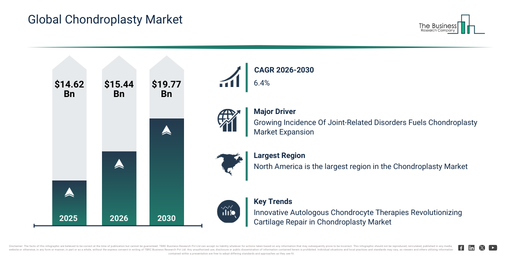
  • Chondroplasty Market Expected To Reach $19.76 Billion By 2030 As Growth Accelerates At 6.4% CAGR

    Chondroplasty Market Expected To Reach $19.76 Billion By 2030 As Growth Accelerates At 6.4% CAGR

    Through market attractiveness analysis, total addressable market evaluation, company benchmarking matrices, interactive Excel dashboards, expanded supply chain intelligence, emerging startup coverage, and detailed product insights, The Business Research Company’s 2026 market reports provide more actionable and strategically valuable research.

    Chondroplasty Market Size Outlook: How Fast Will Revenue Grow Through 2030?

    The chondroplasty market experienced robust expansion historically and is projected to continue this trend, expanding from $14.62 billion in 2025 to $15.44 billion in 2026, reflecting a compound annual growth rate of 5.6%. This upward trajectory over the past years can be linked to a greater prevalence of osteoarthritis, an uptick in sports-induced joint damage, the widening of orthopedic surgical facilities, increasing preference for arthroscopic interventions, and the accessibility of sophisticated surgical instruments.

    The chondroplasty market is poised for substantial expansion, projecting a valuation of $19.77 billion by 2030, fueled by a compound annual growth rate of 6.4%. This projected advancement is underpinned by several key drivers, including the escalating prevalence of joint disorders among an aging demographic, a growing inclination towards less invasive orthopedic interventions, the broadening scope of sports medicine, the increasing utilization of cutting-edge cartilage repair solutions, and augmented investments in groundbreaking orthopedic surgical innovations. Within this forecast horizon, prominent trends are expected to shape the market, such as a greater embrace of minimally invasive cartilage repair methods, a more frequent application of radiofrequency ablation, heightened demand for arthroscopic chondroplasty equipment, an increase in outpatient orthopedic surgeries, and a more dedicated emphasis on treatments aimed at joint preservation.

    Download A Free Sample Report For Comprehensive Market Insights:

    https://www.thebusinessresearchcompany.com/sample.aspx?id=13185&type=smp

    #Chondroplasty Market Growth Drivers And Industry Catalysts

    The increasing prevalence of joint afflictions is poised to fuel the expansion of the chondroplasty market as time progresses. Joint disorders, characterized by conditions impacting the well-being and functionality of a joint, can stem from repetitive strain or abrupt trauma, such as accidents or athletic injuries. Chondroplasty serves as a therapeutic intervention for these joint-related ailments through the restoration of compromised cartilage within a joint. Evidence from a February 2025 projection by Arthritis Australia, a non-profit entity in Australia, indicates that an estimated 5.39 million individuals in Australia will be diagnosed with arthritis, signifying a substantial 31% surge compared to the figures from 2025. Consequently, this escalating occurrence of joint-related disorders is a primary catalyst for the ongoing advancement of the chondroplasty market.

    Chondroplasty Market Categorization By Product Type And Application

    The chondroplasty market covered in this report is segmented –

    1) By Type: Radiofrequency Ablation Chondroplasty, Abrasion Chondroplasty, Patellar Chondroplasty, Tissue Removal, Other Types

    2) By Anatomy: Knee, Shoulder, Hip, Other Anatomies

    3) By Equipment: Shavers, Radiofrequency Devices, Arthroscope, Other Equipments

    4) By End Use: Hospitals, Orthopedic Clinics, Academic Research, Other End Uses

    Subsegments:

    1) By Radiofrequency Ablation Chondroplasty: High-Frequency Ablation, Low-Frequency Ablation

    2) By Abrasion Chondroplasty: Mechanical Abrasion, Arthroscopic Abrasion

    3) By Patellar Chondroplasty: Open Patellar Chondroplasty, Arthroscopic Patellar Chondroplasty

    4) By Tissue Removal: Arthroscopic Debridement, Open Debridement

    5) By Other Types: Microfracture Techniques, Osteochondral Autograft Transplantation

    #Chondroplasty Market Trends Influencing Long-Term Demand

    Within the chondroplasty market, key players are focusing on the creation of autologous chondrocytes as a means to improve cartilage regeneration, leveraging the patient’s own cellular material to minimize immune responses and foster intrinsic healing capabilities. These autologous chondrocytes are distinguished as cartilage cells sourced directly from an individual’s body, commonly extracted from a less load-bearing section of the joint. A notable development occurred in August 2024 when Vericel Corporation, a biopharmaceutical firm headquartered in the United States, secured FDA approval and initiated the market availability of MACI Arthro (Matrix Autologous Chondrocyte Implantation), signifying substantial progress in addressing cartilage defects within the knee. The MACI Arthro procedure facilitates orthopedic specialists in executing the treatment via minimal incisions with specialized instruments, presenting a less invasive alternative to conventional techniques and anticipating improved patient recuperation alongside diminished post-surgical issues.

    Chondroplasty Market Company Landscape And Strategic Competition

    Major companies operating in the chondroplasty market are Johnson & Johnson, Osiris Therapeutics Inc., Medtronic Public Limited Company, Stryker Corporation, B. Braun Melsungen AG, Zimmer Biomet Holdings Inc., Smith & Nephew plc, Arthrex Inc., CONMED Corporation, Organogenesis Holdings Inc., Bioventus LLC, RTI Surgical Holdings Inc., Vericel Corporation, Geistlich Pharma AG, MEDIPOST Co. Ltd., GPC Medical Ltd., Sklar Surgical Instruments, Isto Biologics, NuOrtho Surgical Inc., Medical Devices Business Services Inc.

    Access The Complete Chondroplasty Market Report:

    https://www.thebusinessresearchcompany.com/report/chondroplasty-global-market-report

    Chondroplasty Market Regional Outlook: Where Are The Largest Opportunities Located?

    North Americawas the largest region in the chondroplasty market in 2025. The regions covered in the chondroplasty market report are Asia-Pacific, South East Asia, Western Europe, Eastern Europe, North America, South America, Middle East, Africa.

    Get in touch with us:

    The Business Research Company: https://www.thebusinessresearchcompany.com/

    Americas: +1 310-496-7795

    Asia: +44 7882 955267 & +91 8897263534

    Europe: +44 7882 955267

    Email us at: marketing@tbrc.info

    Follow us on:

    LinkedIn: https://in.linkedin.com/company/the-business-research-company

    YouTube: https://www.youtube.com/channel/UC24_fI0rV8cR5DxlCpgmyFQ

    Global Market Model: https://www.thebusinessresearchcompany.com/global-market-model

  • Cholesterol Tracker App Market Set To Grow From $1.65 Billion In 2026 To $3.01 Billion By 2030 At A CAGR Of 16.1%

    Cholesterol Tracker App Market Set To Grow From $1.65 Billion In 2026 To $3.01 Billion By 2030 At A CAGR Of 16.1%

    Delivering more actionable and strategically valuable research, The Business Research Company’s 2026 market reports feature market attractiveness analysis, total addressable market evaluation, company benchmarking matrices, interactive Excel dashboards, expanded supply chain intelligence, emerging startup coverage, and detailed product insights.

    Cholesterol Tracker App Market Size, Value And Growth Trends Through 2030

    The market for cholesterol tracking applications has seen considerable expansion recently, projected to increase from $1.42 billion in 2025 to $1.66 billion in 2026, reflecting a compound annual growth rate of 16.4%. This expansion during the past period is linked to several factors, including a rise in lifestyle-induced health issues, greater public consciousness regarding cholesterol control, the extensive use of smartphones, advancements in digital health services, and a growing embrace of proactive health monitoring tools.

    The market for cholesterol tracking applications is poised for substantial expansion, projected to reach $3.01 billion by 2030, driven by a compound annual growth rate of 16.1%. This anticipated growth is fueled by several key factors, including a heightened demand for managing heart health through data-driven insights, the increasing prevalence of subscription models for health applications, the broadening scope of remote health monitoring, deeper collaborations with healthcare providers, and a greater emphasis on proactive cardiac care. Furthermore, significant trends shaping this period involve a surge in personalized health tracking app usage, increased connectivity with wearable devices and other health-related gadgets, the growing application of data analytics to understand cholesterol patterns, the development of platforms focused on preventing cardiac issues, and a strengthened commitment to user involvement and adherence to health regimens.

    Download A Free Sample Report For Comprehensive Market Insights:

    https://www.thebusinessresearchcompany.com/sample.aspx?id=28977&type=smp

    Cholesterol Tracker App Market Opportunity Drivers: What Is Creating New Revenue Potential?

    The escalating incidence of heart and blood vessel conditions, such as heart attacks, strokes, and high blood pressure, which are frequently attributed to constricted arteries or elevated blood pressure, is anticipated to stimulate the expansion of the cholesterol tracker app market in the future. This surge in cardiovascular ailments is largely fueled by sedentary lifestyles, with factors like inadequate nutrition, insufficient physical activity, and tobacco use significantly heightening the vulnerability to heart-related issues. Consequently, the increasing rate of cardiovascular diseases is amplifying the need for cholesterol tracking applications, as individuals increasingly seek instruments to oversee and control their cholesterol levels, thereby mitigating risks associated with heart conditions. Illustrating this trend, data from the Centers for Disease Control and Prevention, a public health organization in the U.S., revealed that in October 2024, cardiovascular disease claimed 919,032 lives in the United States during 2023, accounting for one in every three fatalities and establishing it as the primary cause of death across genders and most demographic groups. Thus, the burgeoning prevalence of cardiovascular diseases is identified as a key driver for the growth observed in the cholesterol tracker app market.

    Increased smartphone adoption is poised to fuel the expansion of the cholesterol tracker app sector going forward. These portable electronic devices, which combine communication, internet connectivity, and computational capabilities, are seeing a surge in usage largely due to wider internet access, enabling a greater number of individuals to seamlessly engage with online services, social media platforms, and digital entertainment. This broader availability of smartphones significantly enhances the utility of cholesterol tracking apps by providing more users with easy access to digital solutions for overseeing and managing their cholesterol metrics. For example, a survey by Uswitch Limited, a comparison and switching service provider in the UK, indicated that as of February 2023, there were 71.8 million active mobile connections in 2022, with projections suggesting that by 2025, an estimated 95% of the UK’s 68.3 million population will possess smartphones. Consequently, the expanding reach of smartphones is expected to be a catalyst for the growth within the cholesterol tracker app market.

    Cholesterol Tracker App Market Segment Analysis And Revenue Opportunities

    The cholesterol tracker app market covered in this report is segmented –

    1) By Platform: iOS, Android, Web-Based

    2) By Subscription Model: Free, Paid, Freemium

    3) By Functionality: Diet Tracking, Medication Management, Activity Monitoring, Data Analytics, Other Functionalities

    4) By End User: Individuals, Healthcare Professionals, Clinics And Hospitals, Other End Users

    Subsegments:

    1) By iOS: iPhone Native App, iPad Optimized App, iOS Wearable Integrated App, iOS Enterprise Version, iOS Freemium Version

    2) By Android: Android Smartphone Native App, Android Tablet Version, Android Wearable Integrated App, Android Regional Version, Android Hybrid App

    3) By Web-Based: Web Browser App, Responsive Web App, Web Portal For Healthcare Professionals, Web Portal For Patients, Web Subscription-Based App

    Cholesterol Tracker App Market Leading Players Shaping Industry Direction

    Major companies operating in the cholesterol tracker app market are Apple Inc., American Heart Association, MyFitnessPal Inc., Hello Heart Inc., Heart & Stroke Foundation, Health2Sync Inc., HealthifyMe Pvt. Ltd., Medisafe Inc., Validic Inc., Lark Health Inc., Azumio Inc., FatSecret Pty Ltd., Carb Manager LLC, CareClinic Software Inc., Cronometer Software Inc., GB HealthWatch Inc., MyNetDiary Inc., Samsung Health, LDL Technologies Inc., My Heartlet Inc.

    Access The Complete Cholesterol Tracker App Market Report:

    https://www.thebusinessresearchcompany.com/report/cholesterol-tracker-app-global-market-report

    Cholesterol Tracker App Market Geographic Landscape: Which Region Dominates Industry Growth?

    North Americawas the largest region in the cholesterol tracker app market in 2025. Asia-Pacificis expected to be the fastest-growing region in the forecast period. The regions covered in the cholesterol tracker app market report are Asia-Pacific, South East Asia, Western Europe, Eastern Europe, North America, South America, Middle East, Africa.

    Get in touch with us:

    The Business Research Company: https://www.thebusinessresearchcompany.com/

    Americas: +1 310-496-7795

    Asia: +44 7882 955267 & +91 8897263534

    Europe: +44 7882 955267

    Email us at: marketing@tbrc.info

    Follow us on:

    LinkedIn: https://in.linkedin.com/company/the-business-research-company

    YouTube: https://www.youtube.com/channel/UC24_fI0rV8cR5DxlCpgmyFQ

    Global Market Model: https://www.thebusinessresearchcompany.com/global-market-model
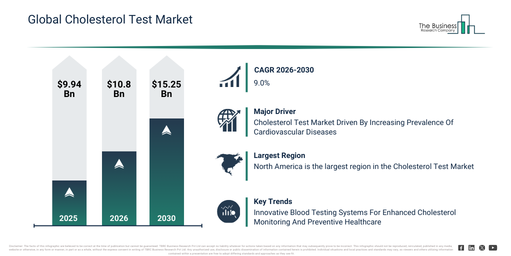
  • Cholesterol Test Market Opportunities Are Emerging Beyond Traditional Growth Areas

    Cholesterol Test Market Opportunities Are Emerging Beyond Traditional Growth Areas

    Enhanced with market attractiveness analysis, total addressable market evaluation, company benchmarking matrices, interactive Excel dashboards, expanded supply chain intelligence, emerging startup coverage, and detailed product insights, The Business Research Company’s 2026 market reports deliver more actionable and strategically valuable research.

    Cholesterol Test Market CAGR Analysis And Future Market Development

    The market for cholesterol testing has experienced robust expansion lately, projected to advance from its 2025 valuation of $9.94 billion to $10.8 billion by 2026, reflecting a compound annual growth rate of 8.7%. This historical trajectory of market growth has been fueled by several key factors, including the escalating incidence of cardiovascular ailments, a heightened public understanding regarding the importance of cholesterol monitoring, the proliferation of diagnostic laboratory infrastructure, an upswing in the adoption of preventive health screenings, and the accessibility of cost-effective testing kits.

    The market for cholesterol testing is projected for substantial expansion over the coming years, anticipating a valuation of $15.25 billion by 2030, fueled by a compound annual growth rate of 9.0%. This projected expansion is largely driven by a heightened need for at-home diagnostic devices, an increased emphasis on identifying diseases in their nascent stages, the proliferation of remote patient monitoring options, the growing incorporation of digital health ecosystems, and a greater embrace of customized health diagnostics. Key developments anticipated during this period involve a rise in the utilization of cholesterol testing kits designed for home use, a surge in the demand for point-of-care devices to analyze lipid levels, a more widespread application of lipid panels capable of measuring multiple indicators, the broadening scope of preventative cardiac screening initiatives, and a heightened concentration on achieving swift and precise testing outcomes.

    Download A Free Sample Report For Comprehensive Market Insights:

    https://www.thebusinessresearchcompany.com/sample.aspx?id=11968&type=smp

    Cholesterol Test Market Growth Momentum: Which Factors Are Influencing Demand?

    An increasing incidence of heart and blood vessel conditions, commonly known as cardiovascular diseases (CVDs), is anticipated to be a primary catalyst for the expansion of the cholesterol testing sector. These conditions encompass a spectrum of ailments such as coronary heart disease, stroke, peripheral arterial issues, and aortic afflictions, among others. A cholesterol examination serves as a critical tool, equipping both individuals and healthcare professionals with essential insights into an individual’s risk of developing heart-related ailments. Illustratively, projections from the National Institutes of Health (NIH), a United States governmental body, forecast a significant surge between 2025 and 2050, with cardiovascular disease prevalence expected to climb by 90%, mortality rates by 73%, and Disability-Adjusted Life Years (DALYs) by 55%, translating to an increase in annual deaths from 20.5 million to 35.6 million. Consequently, the escalating mortality and widespread occurrence of cardiovascular diseases are poised to significantly stimulate demand within the cholesterol test market.

    Cholesterol Test Market Segmentation And Category Breakdown

    The cholesterol test market covered in this report is segmented –

    1) By Product Type: Test Kits, Test Strips, Other Product Types

    2) By Test Type: Total Cholesterol Test, High-Density Lipoprotein (HDL) Cholesterol, Low-Density Lipoprotein (LDL) Cholesterol, Triglycerides Or Very Low-Density Lipoprotein (VLDL) Cholesterol Test

    3) By Distribution Channel: Over The Counter, Prescription Based

    4) By End User: Hospitals, Diagnostic Centers, Other End-Users

    Subsegments:

    1) By Test Kits: Home Testing Kits, Laboratory Testing Kits

    2) By Test Strips: Disposable Test Strips, Multi-Use Test Strips

    3) By Other Product Types: Point-Of-Care Testing Devices, Cholesterol Monitors, Reagents And Calibration Solutions

    Cholesterol Test Market Trends Reshaping Industry Growth

    Leading entities within the cholesterol testing arena are actively pursuing novel advancements, exemplified by the creation of blood testing systems, aimed at bolstering early identification and oversight of cholesterol metrics, thereby improving patient prognoses, facilitating tailored therapeutic approaches, and championing proactive health measures. A blood testing system represents an integrated apparatus or framework designed for the examination of blood specimens to ascertain diverse constituents, indicators, or health states. Illustratively, in the month of March in 2024, Babson Diagnostics, Inc., a health technology innovator hailing from Australia, unveiled its BetterWay system, a groundbreaking blood analysis offering incorporating the MiniDraw apparatus for gathering blood from the fingertip. This system is engineered to warm the patient’s hand, procure a minuscule blood sample using a lancet-equipped instrument, and then automatically prepare the sample, encompassing mixing and thermal adjustments, prior to dispatch to Babson’s laboratory for comprehensive examination. The BetterWay system is capable of quantifying cholesterol, analyzing blood cell differentials, and assessing liver, kidney, and thyroid functionality from an extremely small blood volume, yielding diagnostic reports within a one-to-two-day timeframe, all while amplifying patient ease and satisfaction. This methodology effectively reconciles the distinction between conventional laboratory-based diagnostic procedures and the accessibility offered at the point of care, thereby elevating the standard for routine cholesterol surveillance.

    Cholesterol Test Market Competitive Analysis Of Major Industry Participants

    Major companies operating in the cholesterol test market are F. Hoffmann-La Roche AG, Thermo Fisher Scientific Inc., Abbott Laboratories, Siemens Healthineers GmbH, Fujifilm Holdings Corporation, CVS Health Corporation, Laboratory Corporation of America Holdings, Quest Diagnostics Incorporated, Eurofins Scientific SE, Mindray Medical International Limited, SYNLAB International GmbH, Beckman Coulter Inc., PerkinElmer Inc., Horiba Ltd., Sigma-Aldrich Corp, Randox Laboratories Ltd., Nova Biomedical Corp, Abcam plc, Sinocare Inc., ACM Global Laboratories, Clinical Reference Laboratory Inc., Sekisui Diagnostics LLC, Everlywell Inc., SpectraCell Laboratories Inc., LetsGetChecked USA, Ulta Lab Tests LLC, Cell Biolabs Inc., BioReference Health LLC, Diazyme Laboratories Inc.

    Access The Complete Cholesterol Test Market Report:

    https://www.thebusinessresearchcompany.com/report/cholesterol-test-global-market-report

    #Cholesterol Test Market Largest Region: Which Geography Holds The Highest Market Share?

    North America was the largest region in the cholesterol test market in 2025. The regions covered in the cholesterol test market report are Asia-Pacific, South East Asia, Western Europe, Eastern Europe, North America, South America, Middle East, Africa.

    Get in touch with us:

    The Business Research Company: https://www.thebusinessresearchcompany.com/

    Americas: +1 310-496-7795

    Asia: +44 7882 955267 & +91 8897263534

    Europe: +44 7882 955267

    Email us at: marketing@tbrc.info

    Follow us on:

    LinkedIn: https://in.linkedin.com/company/the-business-research-company

    YouTube: https://www.youtube.com/channel/UC24_fI0rV8cR5DxlCpgmyFQ

    Global Market Model: https://www.thebusinessresearchcompany.com/global-market-model
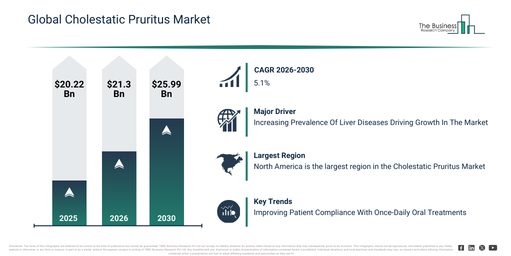
  • Cholestatic Pruritus Market Expansion Is Opening New Pathways For Strategic Investment

    Cholestatic Pruritus Market Expansion Is Opening New Pathways For Strategic Investment

    Through market attractiveness analysis, total addressable market evaluation, company benchmarking matrices, interactive Excel dashboards, expanded supply chain intelligence, emerging startup coverage, and detailed product insights, The Business Research Company’s 2026 market reports provide more actionable and strategically valuable research.

    Cholestatic Pruritus Market Expansion From $21.29 Billion In 2026 To $25.98 Billion In 2030

    The market for cholestatic pruritus experienced robust expansion recently. Projections indicate a progression from $20.22 billion in 2025 to $21.3 billion in 2026, reflecting a compound annual growth rate of 5.3%. Key factors driving this expansion during the preceding period included a rise in the incidence of chronic liver conditions, the limited efficacy of conventional antihistamine treatments, advancements in hepatology specialty services, an increased rate of cholestatic disorder diagnoses, and the broader availability of supportive care interventions.

    The market for cholestatic pruritus is projected for significant expansion over the upcoming years, reaching an estimated $25.99 billion by 2030 with a compound annual growth rate of 5.1%. This anticipated growth trajectory is primarily fueled by an increase in the approval of new treatments, a heightened emphasis on enhancing patient quality of life, the broader availability of medications addressing specific liver conditions, increased funding for research into rare diseases, and the growing trend towards individualized treatment strategies. Key developments expected during this forecast period include the advancement of precision therapies specifically designed to combat pruritus, a greater concentration on treatment methods that target specific symptoms, a rise in the utilization of oral medications that modify bile acids, expanded research efforts in managing liver diseases, and more refined approaches to care that prioritize the patient’s experience.

    Download A Free Sample Report For Comprehensive Market Insights:

    https://www.thebusinessresearchcompany.com/sample.aspx?id=21140&type=smp

    Cholestatic Pruritus Market Expansion Drivers: What Is Shaping Future Growth?

    The expanding incidence of liver ailments is anticipated to be a significant catalyst for the ascendance of the cholestatic pruritus market in the foreseeable future. Liver diseases encompass a diverse spectrum of conditions that compromise hepatic functionality, such as infectious agents, autoimmune responses, inherited predispositions, and toxic insults, ultimately resulting in inflammation, fibrosis, or hepatic incapacitation. This escalating burden of liver disease is exacerbated by rising rates of obesity, diabetes mellitus, alcohol consumption, viral hepatitis outbreaks, and exposure to noxious substances and environmental stressors. Cholestatic pruritus plays a crucial role in pinpointing and addressing liver conditions by acting as a salient manifestation of disrupted bile circulation, thereby frequently initiating more in-depth diagnostic procedures and therapeutic interventions for the root hepatic pathologies. For illustrative purposes, the Office for Health Improvement and Disparities (OHID), a UK governmental body, reported that England recorded 85,665 hospitalizations attributed to liver disease in the fiscal year concluding in 2023. Consequently, the heightened prevalence of liver pathologies will serve as a principal driver for the expansion of the cholestatic pruritus market.

    Cholestatic Pruritus Market Segment Outlook: Which Categories Are Expanding The Fastest?

    The cholestatic pruritus market covered in this report is segmented –

    1) By Disease Type: Primary Biliary Cholangitis (PBC), Primary Sclerosing Cholangitis (PSC), Intrahepatic Cholestasis Of Pregnancy (ICP), Other Disease Types

    2) By Treatment Type: Medications, Phototherapy, Other Treatment Types

    3) By Route Of Administration: Oral, Topical, Injectable

    4) By End-User: Hospitals, Clinics, Ambulatory Care Centers, Homecare

    Subsegments:

    1) By Primary Biliary Cholangitis (PBC): Early-Stage PBC, Advanced PBC, PBC With Cirrhosis, PBC With Liver Failure

    2) By Primary Sclerosing Cholangitis (PSC): Classic PSC, PSC With Ulcerative Colitis, PSC With Bile Duct Strictures

    3) By Intrahepatic Cholestasis Of Pregnancy (ICP): Mild ICP, Severe ICP, ICP With Preterm Birth Risk

    4) By Other Disease Types: Alcoholic Cholestasis, Drug-Induced Cholestasis, Viral Hepatitis-Induced Cholestasis, Genetic Cholestasis Disorders

    Cholestatic Pruritus Market Strategic Trends: What Is Defining The Next Phase Of Growth?

    Key players within the cholestatic pruritus market are dedicating efforts toward innovative therapeutic approaches, specifically exploring oral formulations as a means to enhance symptom management, boost patient adherence, and deliver precise relief by targeting the root causes of bile salt accumulation and inflammatory responses. An oral solution intended for cholestatic pruritus treatment signifies a liquid-based medication formulation engineered to reduce the buildup of bile acids and ease intense itching experienced by individuals suffering from cholestasis. As an illustration, in March 2024, Mirum Pharmaceuticals Inc., a biopharmaceutical entity based in the United States, secured authorization from the U.S. Food and Drug Administration (FDA) for its LIVMARLI (maralixibat) oral solution, indicated for the management of cholestatic pruritus in patients aged five years and older who have progressive familial intrahepatic cholestasis (PFIC). This medication, administered orally once each day, functions as an ileal bile acid transporter inhibitor and has been granted breakthrough therapy designation for PFIC type 2. LIVMARLI is anticipated to substantially benefit patients experiencing cholestatic pruritus associated with PFIC, presenting a vital therapeutic avenue for individuals affected by the more uncommon subtypes of this condition.

    Cholestatic Pruritus Market Key Companies And Competitive Benchmarking

    Major companies operating in the cholestatic pruritus market are GlaxoSmithKline plc, Takeda Pharmaceutical Company Limited, Merck KGaA, Incyte Corporation, Ipsen Pharma, CANbridge Pharmaceuticals Inc., Escient Pharmaceuticals Inc., Mirum Pharmaceuticals Inc., Albireo Pharma Inc., Cara Therapeutics Inc., CymaBay Therapeutics Inc., Gilead Sciences Inc., Zydus Lifesciences, Genfit SA, NGM Biopharmaceuticals Inc., Calliditas Therapeutics AB, Avior Inc, Travere Therapeutics Inc., 89bio, Hepion Pharmaceuticals, Liminal BioSciences, ProQR Therapeutics NV.

    Access The Complete Cholestatic Pruritus Market Report:

    https://www.thebusinessresearchcompany.com/report/cholestatic-pruritus-global-market-report

    Cholestatic Pruritus Market Regional Analysis: Which Region Leads By Revenue?

    North Americawas the largest region in the cholestatic pruritus market in 2025. Asia-Pacificis expected to be the fastest-growing region in the forecast period. The regions covered in the cholestatic pruritus market report are Asia-Pacific, South East Asia, Western Europe, Eastern Europe, North America, South America, Middle East, Africa.

    Get in touch with us:

    The Business Research Company: https://www.thebusinessresearchcompany.com/

    Americas: +1 310-496-7795

    Asia: +44 7882 955267 & +91 8897263534

    Europe: +44 7882 955267

    Email us at: marketing@tbrc.info

    Follow us on:

    LinkedIn: https://in.linkedin.com/company/the-business-research-company

    YouTube: https://www.youtube.com/channel/UC24_fI0rV8cR5DxlCpgmyFQ

    Global Market Model: https://www.thebusinessresearchcompany.com/global-market-model
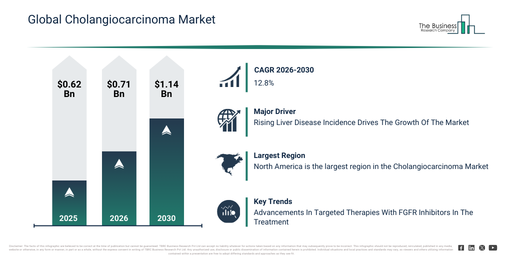
  • Cholangiocarcinoma Market Trends Are Creating New Opportunities For Industry Leaders

    Cholangiocarcinoma Market Trends Are Creating New Opportunities For Industry Leaders

    Delivering more actionable and strategically valuable research, The Business Research Company’s 2026 market reports feature market attractiveness analysis, total addressable market evaluation, company benchmarking matrices, interactive Excel dashboards, expanded supply chain intelligence, emerging startup coverage, and detailed product insights.

    Cholangiocarcinoma Market Forecast Highlighting Growth From $0.7 Billion To $1.14 Billion

    The market for cholangiocarcinoma experienced substantial expansion lately, projected to increase from $0.62 billion in 2025 to $0.71 billion in 2026, signifying a compound annual growth rate of 13.1%. This upward trajectory during the past period is linked to a rise in bile duct cancer occurrences, a lack of fully curative therapeutic options, the widespread use of chemotherapy protocols, the proliferation of cancer treatment facilities, and a widening array of drugs in development for oncology.

    The global market for cholangiocarcinoma is poised for substantial expansion over the upcoming years, projected to reach $1.14 billion by the year 2030 with a consistent annual growth rate of 12.8%. This anticipated surge in market value during the forecast period is primarily fueled by advancements in targeted cancer treatments, a greater embrace of individualized medical strategies, the broadening scope of clinical investigations for less common malignancies, heightened financial commitments to cancer research, and a magnified concentration on identifying the disease in its nascent stages. Key developments expected to shape this market moving forward include a greater acceptance of specific drug therapies, increased utilization of combined chemotherapy treatments, a stronger emphasis on precision-based cancer care, expanded research into immunotherapies, and a reinforced dedication to early detection.

    Download A Free Sample Report For Comprehensive Market Insights:

    https://www.thebusinessresearchcompany.com/sample.aspx?id=21139&type=smp

    Cholangiocarcinoma Market Development Factors: Which Trends Are Supporting Demand?

    The escalating prevalence of liver diseases is anticipated to be a significant driver for the expansion of the cholangiocarcinoma market in the future. Liver disease encompasses a wide range of ailments that compromise the liver’s proper functioning or structural integrity, such as hepatitis, cirrhosis, fatty liver disease, and liver cancer itself. This upward trend in liver disease occurrence is attributed to a rise in associated risk factors including obesity, diabetes, excessive alcohol intake, and infections from viral hepatitis. Specifically, chronic liver inflammation and conditions like cirrhosis are known to elevate the likelihood of developing cholangiocarcinoma by fostering damage to the bile ducts and initiating the development of cancerous cells. Illustrating this point, data released in December 2024 by the Office for Health Improvement and Disparities, a UK government body, indicated that in 2023, the number of premature fatalities attributed to alcoholic liver disease climbed by 3.6% to reach 5,984, an increase from the 5,776 recorded deaths in 2022. Consequently, the heightened incidence of liver disease is acting as a catalyst for the growth observed within the cholangiocarcinoma market.

    Cholangiocarcinoma Market Segment Landscape: Which Areas Lead Market Development?

    The cholangiocarcinoma market covered in this report is segmented –

    1) By Cancer: Intrahepatic Cholangiocarcinoma, Extrahepatic Cholangiocarcinoma

    2) By Product: Capecitabine, 5-Fluorouracil, Oxaliplatin, Gemcitabine, Cisplatin

    3) By Therapy: Targeted Drug Therapy, Chemotherapy, Immunotherapy

    4) By Route Of Administration: Oral, Subcutaneous, Intravenous

    5) By Distribution Channel: Hospital Pharmacies, Retail Pharmacies, E-Commerce

    Subsegments:

    1) By Intrahepatic Cholangiocarcinoma: Peripheral Intrahepatic Cholangiocarcinoma, Mass-Forming Intrahepatic Cholangiocarcinoma

    2) By Extrahepatic Cholangiocarcinoma: Perihilar Cholangiocarcinoma, Distal Cholangiocarcinoma

    Cholangiocarcinoma Market Transformation Trends: Which Innovations Are Driving Change?

    Within the cholangiocarcinoma arena, key players are prioritizing the creation of innovative therapeutic approaches, specifically targeted therapies, with the objective of enhancing patient prognoses. These targeted therapies are specifically formulated to zero in on particular genetic elements, protein structures, or molecular pathways instrumental in the proliferation of cancerous cells. The mechanism involves obstructing the cellular processes that fuel cancer’s expansion, thereby endeavoring to halt tumor enlargement, mitigate adverse reactions, and ultimately elevate treatment efficacy. An illustrative example occurred in August of 2023 when Taiho Pharmaceutical Co. Ltd., a Japanese pharmaceutical entity, introduced LYTGOBI (futibatinib), an FGFR inhibitor, to address unresectable biliary tract cancer characterized by FGFR2 gene fusions. This agent is engineered for the selective and irreversible impediment of FGFR signaling, contributing to the deceleration of tumor progression and the improvement of clinical results for individuals battling cholangiocarcinoma (iCCA) that has become resistant to prior chemotherapy regimens.

    Cholangiocarcinoma Market Industry Leaders And Market Competition

    Major companies operating in the cholangiocarcinoma market are F. Hoffmann-La Roche Ltd, Merck & Co. Inc., AbbVie Inc., Bristol-Myers Squibb Company, AstraZeneca PLC, Novartis AG, Takeda Pharmaceutical Company Limited, Eli Lilly and Company, Boston Scientific Corporation, Servier Laboratories, Incyte Corporation, Exelixis Inc., Hutchison China MediTech Limited, Zymeworks Inc., Agios Pharmaceuticals Inc., RenovoRx Inc., Specialised Therapeutics Pty Ltd, Ascletis Pharma Inc., Tiziana Life Sciences Ltd., Taiho Pharmaceutical Co. Ltd.

    Access The Complete Cholangiocarcinoma Market Report:

    https://www.thebusinessresearchcompany.com/report/cholangiocarcinoma-global-market-report

    Cholangiocarcinoma Market Geographic Distribution And Regional Opportunities

    North Americawas the largest region in the cholangiocarcinoma market in 2025. The regions covered in the cholangiocarcinoma market report are Asia-Pacific, South East Asia, Western Europe, Eastern Europe, North America, South America, Middle East, Africa.

    Get in touch with us:

    The Business Research Company: https://www.thebusinessresearchcompany.com/

    Americas: +1 310-496-7795

    Asia: +44 7882 955267 & +91 8897263534

    Europe: +44 7882 955267

    Email us at: marketing@tbrc.info

    Follow us on:

    LinkedIn: https://in.linkedin.com/company/the-business-research-company

    YouTube: https://www.youtube.com/channel/UC24_fI0rV8cR5DxlCpgmyFQ

    Global Market Model: https://www.thebusinessresearchcompany.com/global-market-model

  • Chlamydia Trachomatis (CT) And Neisseria Gonorrhoeae (NG) Testing Market Growth Is Reshaping Competitive Advantage Across The Industry

    Chlamydia Trachomatis (CT) And Neisseria Gonorrhoeae (NG) Testing Market Growth Is Reshaping Competitive Advantage Across The Industry

    Enhanced with market attractiveness analysis, total addressable market evaluation, company benchmarking matrices, interactive Excel dashboards, expanded supply chain intelligence, emerging startup coverage, and detailed product insights, The Business Research Company’s 2026 market reports deliver more actionable and strategically valuable research.

    Chlamydia Trachomatis (CT) And Neisseria Gonorrhoeae (NG) Testing Market Revenue Growth Supported By A CAGR Of 3.46% Through 2030

    Market expansion for chlamydia trachomatis (ct) and neisseria gonorrhoeae (ng) testing has been substantial, with projections indicating continued strong performance. This sector, valued at $2.19 billion in 2025, is expected to reach $2.43 billion by 2026, reflecting a compound annual growth rate (CAGR) of 10.9%. Factors fueling this upward trend during the past period include broader screening initiatives targeting sexually active individuals, enhancements in laboratory testing capabilities, the increasing utilization of nucleic acid amplification tests (NAAT) and polymerase chain reaction (PCR) methodologies, heightened recognition of the risks associated with co-infections, and the overall expansion of diagnostic laboratory services.

    The market for chlamydia trachomatis (CT) and neisseria gonorrhoeae (NG) diagnostic tests is poised for substantial expansion in the coming years, projected to reach $3.47 billion by 2030, driven by a compound annual growth rate (CAGR) of 9.3%. This anticipated surge in growth over the forecast period is fueled by several key factors, including heightened investments in decentralized testing approaches, a greater uptake of home-based diagnostic solutions, the proliferation of automated laboratory systems, an elevated emphasis on the early identification of sexually transmitted infections (STIs), and a growing requirement for combined CT/NG testing methodologies. Furthermore, prevailing trends shaping this market landscape involve the increasing adoption of multiplex STI testing panels, a rising demand for rapid point-of-care diagnostic tools, a greater utilization of self-testing kits, the expansion of highly sensitive molecular assay technologies, and improved integration of laboratory automation processes.

    Download A Free Sample Report For Comprehensive Market Insights:

    https://www.thebusinessresearchcompany.com/sample.aspx?id=14667&type=smp

    Chlamydia Trachomatis (CT) And Neisseria Gonorrhoeae (NG) Testing Market Industry Drivers: What Is Driving Revenue Growth?

    The escalating prevalence of infections transmitted through sexual contact is poised to be a significant driver for the chlamydia trachomatis (CT) and neisseria gonorrhoeae (NG) diagnostic market. These sexually transmitted infections, or STIs, encompass a range of illnesses stemming from bacterial, viral, or parasitic agents transmitted during intimate encounters. A confluence of factors, including insufficient sexual health education, heightened levels of sexual activity, societal stigma surrounding reproductive health, and accessibility issues, are contributing to the observed surge in STI incidence. Diagnostic tests for CT and NG play a crucial role in the identification and management of these infections, facilitating prompt diagnosis, effective treatment, and the interruption of onward transmission. As an illustration, data from the Minority HIV/AIDS Fund (MHAF), a governmental organization in the United States, indicated that as of October 2025, an estimated 39.9 million people globally were living with HIV in 2023, a figure that includes 38.6 million adults and 1.4 million children, reflecting a continued trend. Consequently, the expanding population affected by sexually transmitted infections is fueling the expansion of the market for CT and NG testing solutions.

    Chlamydia Trachomatis (CT) And Neisseria Gonorrhoeae (NG) Testing Market Segments: Where Are The Largest Growth Opportunities?

    The chlamydia trachomatis (ct) and neisseria gonorrhoeae (ng) testing market covered in this report is segmented –

    1) By Test Type: Laboratory, Point Of Care Testing

    2) By Product: Assays And Kits, Instruments Or Analyzers

    3) By Technology: Isothermal Nucleic Acid Amplification Technology, Polymerase Chain Reaction, Immunodiagnostics, Other Technologies

    4) By End User: Diagnostic Laboratories, Hospitals And Clinics, Other End Users

    Subsegments:

    1) By Laboratory: Nucleic Acid Amplification Tests (NAAT), Polymerase Chain Reaction (PCR) Tests, Enzyme-Linked Immunosorbent Assay (ELISA), Immunofluorescence Assay (IFA), Culture Tests, Direct Fluorescent Antibody (DFA) Tests

    2) By Point Of Care Testing: Rapid Diagnostic Tests (RDT), Lateral Flow Assays, Immunochromatographic Tests, Self-Testing Kits, Loop-Mediated Isothermal Amplification (LAMP), Microfluidics-Based Tests

    #Chlamydia Trachomatis (CT) And Neisseria Gonorrhoeae (NG) Testing Market Growth Trends: What Is Influencing The Future Outlook?

    Within the chlamydia market, key players are actively pursuing the advancement of novel approaches, specifically concentrated on the expansion of Point-of-Care Molecular Diagnostics. This strategy aims to facilitate swifter and more precise on-site identification of the infection, ultimately contributing to improved and timely therapeutic interventions. The concept of point-of-care molecular diagnostics expansion signifies a growing embrace of swift, immediate molecular testing capabilities that permit the instant identification of ailments like chlamydia, circumventing the need for conventional, centralized laboratory analysis. As a relevant illustration, in January 2025, F. Hoffmann-La Roche AG, a prominent healthcare firm headquartered in Switzerland, successfully obtained FDA 510(k) clearance coupled with a CLIA waiver for its cobas® liat molecular testing system. This system is engineered for the diagnosis of sexually transmitted infections (STIs) directly at the point of patient care. These sophisticated tests feature multiplex assay panels, which possess the remarkable ability to detect and distinguish between several STIs, including chlamydia, gonorrhea, and Mycoplasma genitalium, utilizing a single patient specimen and yielding results within a 20-minute timeframe or even sooner.

    Chlamydia Trachomatis (CT) And Neisseria Gonorrhoeae (NG) Testing Market Major Participants And Competitive Dynamics

    Major companies operating in the chlamydia trachomatis (ct) and neisseria gonorrhoeae (ng) testing market are F. Hoffmann-La Roche AG, Thermo Fisher Scientific, Abbott Laboratories, Danaher Corporation, Merck KGaA, Siemens Healthineers, Becton Dickinson and Company, Grifols SA, Hologic Inc, PerkinElmer, bioMérieux, Sysmex Corporation, Bio-Rad Laboratories, QIAGEN, Quidel Corporation, DiaSorin, Cepheid, Seegene Inc, Meridian Bioscience Inc, Sekisui Diagnostics, J. Mitra & Co. Pvt. Ltd, Atlas Medical, Hardy Diagnostics, Molbio Diagnostics Pvt. Ltd, NG Biotech

    Access The Complete Chlamydia Trachomatis (CT) And Neisseria Gonorrhoeae (NG) Testing Market Report:

    https://www.thebusinessresearchcompany.com/report/chlamydia-trachomatis-ct-and-neisseria-gonorrhoeae-ng-testing-global-market-report

    Chlamydia Trachomatis (CT) And Neisseria Gonorrhoeae (NG) Testing Market Largest Region By Revenue And Market Share

    North Americawas the largest region in the chlamydia trachomatis (CT) and neisseria gonorrhoeae (NG) testing market in 2025. The regions covered in the chlamydia trachomatis (ct) and neisseria gonorrhoeae (ng) testing market report are Asia-Pacific, South East Asia, Western Europe, Eastern Europe, North America, South America, Middle East, Africa.

    Get in touch with us:

    The Business Research Company: https://www.thebusinessresearchcompany.com/

    Americas: +1 310-496-7795

    Asia: +44 7882 955267 & +91 8897263534

    Europe: +44 7882 955267

    Email us at: marketing@tbrc.info

    Follow us on:

    LinkedIn: https://in.linkedin.com/company/the-business-research-company

    YouTube: https://www.youtube.com/channel/UC24_fI0rV8cR5DxlCpgmyFQ

    Global Market Model: https://www.thebusinessresearchcompany.com/global-market-model

  • Chlamydia Infection Treatment Market Forecast Signals New Revenue Opportunities Through 2030

    Chlamydia Infection Treatment Market Forecast Signals New Revenue Opportunities Through 2030

    Through market attractiveness analysis, total addressable market evaluation, company benchmarking matrices, interactive Excel dashboards, expanded supply chain intelligence, emerging startup coverage, and detailed product insights, The Business Research Company’s 2026 market reports provide more actionable and strategically valuable research.

    Chlamydia Infection Treatment Market Value Expansion And Long-Term Growth Outlook

    The market for chlamydia infection treatments has experienced robust expansion, projecting a rise from $3.26 billion in 2025 to $3.52 billion in 2026, reflecting a compound annual growth rate of 8.0%. This historical surge is linked to several key factors, including heightened identification of chlamydia cases, the broad accessibility of efficacious antibiotic therapies, an increase in the number of sexual health clinics, the implementation of public health treatment recommendations, and a general shift towards outpatient care settings.

    The market for treating chlamydia infections is poised for robust expansion over the coming years, projected to reach $4.75 billion by 2030 with a compound annual growth rate (CAGR) of 7.8%. This anticipated growth stems from several key factors, including advancements in novel antibiotic development, a heightened demand for therapeutic strategies that address antibiotic resistance, the growing adoption of digital platforms for prescriptions, a stronger emphasis on patient adherence to treatment protocols, and the increasing convergence of diagnostic and therapeutic approaches. Within this forecast period, significant trends are emerging, such as the expanded utilization of antibiotic regimens recommended by clinical guidelines, a greater focus on single-dose treatment modalities, continuous surveillance of drug resistance trends, the proliferation of programs designed to improve patient adherence, and a more sophisticated integration of diagnostic tools with treatment plans.

    Download A Free Sample Report For Comprehensive Market Insights:

    https://www.thebusinessresearchcompany.com/sample.aspx?id=18297&type=smp

    #Chlamydia Infection Treatment Market Growth Factors: Which Forces Are Supporting Market Expansion?

    Worldwide, an increasing prevalence of sexually transmitted infections is anticipated to be a primary catalyst for the expansion of the market focused on chlamydia treatment. These infections, transmissible through various forms of sexual contact like vaginal, anal, or oral intercourse, are on the rise due to factors such as inconsistent condom usage, insufficient education on safe sexual practices, and potential reductions in public health initiatives aimed at prevention. The detection and management of chlamydia are integral to addressing the broader issue of sexually transmitted diseases, facilitating early identification and treatment to avert further complications and spread. Illustratively, as indicated by the Minority HIV/AIDS Fund (MHAF) in October 2025, an estimated 39.9 million people globally were living with HIV in 2023, a figure comprising 38.6 million adults and 1.4 million children, reflecting trends from prior years. Consequently, the escalation in sexually transmitted diseases serves as a significant driver for the chlamydia infection treatment market.

    The upward trend in spending on healthcare is projected to fuel the expansion of the chlamydia infection treatment market. This broad category encompasses all financial outlays related to health maintenance, encompassing prevention, treatment, and overall management of health conditions. This increase in healthcare spending is largely attributed to medical technological advancements; innovative diagnostic methods, novel therapies, and cutting-edge treatments frequently incur higher costs, thereby elevating total expenditure within the healthcare sector. Enhanced healthcare spending contributes to chlamydia management by providing financial backing for diagnostic services, pharmaceutical interventions, and public awareness campaigns, thereby promoting swift detection, effective treatment, and curtailing transmission. As an example, the Centers for Medicare & Medicaid Services reported in December 2024 that in 2023, US healthcare expenditures saw a 7.5% rise, reaching $4.9 trillion, which equates to approximately $14,570 per capita. Therefore, heightened healthcare expenditure is a key driver propelling the chlamydia infection treatment market forward.

    Chlamydia Infection Treatment Market Segment Analysis: What Are The Major Market Categories?

    The chlamydia infection treatment market covered in this report is segmented –

    1) By Treatment: Chlamydia Culture, Urine Culture, Enzyme Immunoassays, Nucleic Acid Amplification Test

    2) By Causative Organisms: Chlamydia Trachomatis, Chlamydophila Pneumoniae, Other Causative Organisms

    3) By Route Of Administration: Oral, Injectables, Other Routes Of Administrations

    4) By End-Users: Hospitals, Homecare, Specialty Clinics , Other End-Users

    Subsegments:

    1) By Chlamydia Culture: Cell Culture, Egg Culture

    2) By Urine Culture: First-Catch Urine Test, Midstream Urine Test

    3) By Enzyme Immunoassays: Direct Enzyme Immunoassay (EIA), Indirect Enzyme Immunoassay (EIA)

    4) By Nucleic Acid Amplification Test: Polymerase Chain Reaction (PCR), Loop-Mediated Isothermal Amplification (LAMP)

    Chlamydia Infection Treatment Market Industry Trends: What Changes Are Reshaping Demand?

    Within the chlamydia market, leading entities are prioritizing the advancement of novel approaches, particularly the expansion of Point-of-Care Molecular Diagnostics, to facilitate swifter, more precise on-site identification and thereby enhance prompt therapeutic results. This expansion signifies an increased utilization of expedited, in-situ molecular testing capabilities that permit the immediate identification of infections like chlamydia, bypassing the need for remote laboratory analysis. As a concrete example, in January 2025, F. Hoffmann-La Roche AG, a prominent Swiss healthcare firm, secured FDA 510(k) approval and a CLIA waiver for its cobas liat molecular testing system, engineered for the diagnosis of sexually transmitted infections (STIs) at the point of care. The technology incorporates multiplex assay panels adept at identifying and distinguishing several STIs, including chlamydia, gonorrhea, and Mycoplasma genitalium, from a solitary patient specimen, delivering results within a 20-minute timeframe or sooner.

    Chlamydia Infection Treatment Market Leading Companies Driving Competitive Growth

    Major companies operating in the chlamydia infection treatment market are Pfizer Inc., F. Hoffmann La-Roche Ltd, Merck & Co. Inc., AbbVie Inc, Sanofi S.A., Bristol-Myers Squibb, AstraZeneca, Novartis AG, GlaxoSmithKline plc, Takeda Pharmaceutical, Gilead Sciences, Mylan N.V., Teva Pharmaceuticals Industries Ltd., Sandoz International GmbH, Sun Pharmaceutical Industries Ltd, Cipla Ltd, Dr. Reddy’s Laboratories Ltd, Lupin Limited, Zydus Cadila, Hetero Healthcare Limited

    Access The Complete Chlamydia Infection Treatment Market Report:

    https://www.thebusinessresearchcompany.com/report/chlamydia-infection-treatment-global-market-report

    Chlamydia Infection Treatment Market Regional Analysis And Leading Geography

    North Americawas the largest region in the chlamydia infection treatment market in 2025. Asia-Pacificis expected to be the fastest-growing region in the forecast period. The regions covered in the chlamydia infection treatment market report are Asia-Pacific, South East Asia, Western Europe, Eastern Europe, North America, South America, Middle East, Africa.

    Get in touch with us:

    The Business Research Company: https://www.thebusinessresearchcompany.com/

    Americas: +1 310-496-7795

    Asia: +44 7882 955267 & +91 8897263534

    Europe: +44 7882 955267

    Email us at: marketing@tbrc.info

    Follow us on:

    LinkedIn: https://in.linkedin.com/company/the-business-research-company

    YouTube: https://www.youtube.com/channel/UC24_fI0rV8cR5DxlCpgmyFQ

    Global Market Model: https://www.thebusinessresearchcompany.com/global-market-model