Month: June 2026

  • Chlamydia Infection Diagnostics And Therapeutics Market Growth Is Accelerating As Industry Transformation Continues

    Chlamydia Infection Diagnostics And Therapeutics Market Growth Is Accelerating As Industry Transformation Continues

    Delivering more actionable and strategically valuable research, The Business Research Company’s 2026 market reports feature market attractiveness analysis, total addressable market evaluation, company benchmarking matrices, interactive Excel dashboards, expanded supply chain intelligence, emerging startup coverage, and detailed product insights.

    Chlamydia Infection Diagnostics And Therapeutics Market Expected To Reach $1.98 Billion By 2030 At 5.6% CAGR

    The market for chlamydia diagnostics and therapeutics has experienced robust expansion lately, with projections indicating continued growth. It is expected to ascend from $1.51 billion in 2025 to $1.59 billion in 2026, reflecting a compound annual growth rate of 5.8%. Factors contributing to this historical growth trajectory include the increasing incidence of sexually transmitted infections, broader implementation of public health screening programs, the accessibility of successful antibiotic treatments, heightened awareness surrounding reproductive health concerns, and the development of diagnostic laboratory capabilities.

    The market for chlamydia diagnostics and therapeutics is poised for considerable expansion over the upcoming years, projected to reach a valuation of $1.98 billion by the year 2030. This growth trajectory, representing a compound annual growth rate of 5.6%, is propelled by several key factors. These include the increasing embrace of sophisticated Nucleic Acid Amplification Test (NAAT) technologies, heightened investments directed towards sexual health initiatives, the broadening availability of at-home diagnostic options, a greater emphasis on antimicrobial stewardship practices, and a rising demand for comprehensive platforms that integrate both diagnostic and therapeutic capabilities. Significant trends expected to shape this market during the forecast period encompass a greater adoption of molecular diagnostic testing methods, increased utilization of rapid point-of-care diagnostic tools, a growing inclination towards combined diagnostic and therapeutic strategies, the expansion of antibiotic resistance monitoring efforts, and a strengthened focus on early detection and widespread screening programs.

    Download A Free Sample Report For Comprehensive Market Insights:

    https://www.thebusinessresearchcompany.com/sample.aspx?id=18295&type=smp

    Chlamydia Infection Diagnostics And Therapeutics Market Demand Drivers: What Is Fueling Industry Growth?

    The escalating prevalence of sexually transmitted infections is poised to be a significant catalyst for the expansion of the chlamydia infection diagnostics and therapeutics market. These infections, commonly spread through various forms of sexual contact like vaginal, anal, or oral sex, are on the rise due to factors such as inconsistent or incorrect utilization of protective measures, insufficient knowledge and education regarding safe sexual behaviors, increased global mobility through travel and migration, and potentially diminished public health investments in preventive initiatives. Diagnosing and treating chlamydia infections are crucial steps in addressing sexually transmitted infections, facilitating prompt identification and successful treatment to avert further health issues and onward transmission. For example, illustrating the broader context of infectious diseases, the Minority HIV/AIDS Fund (MHAF), a U.S. governmental entity, reported in October 2025 that an estimated 39.9 million people globally were living with HIV in 2023, a figure comprising 38.6 million adults and 1.4 million children, indicating a trend compared to prior periods. Consequently, the increasing global rates of sexually transmitted infections are directly contributing to the growth trajectory of the market for chlamydia infection diagnostics and therapeutics.

    Chlamydia Infection Diagnostics And Therapeutics Market Segment Breakdown: Which Categories Generate The Most Revenue?

    The chlamydia infection diagnostics and therapeutics market covered in this report is segmented –

    1) By Type: Nucleic Acid Amplification Tests (NAATS), Direct Fluorescent Tests, Macrolides, Quinolones, Sulfonamides, Tetracycline, Aminopenicillins

    2) By Type Of Infections: Genital Chlamydia Infection, Rectal Chlamydia Infection, Ocular Chlamydia Infection

    3) By Application: Hospitals, Specialty Clinics, Diagnostic Centers Therapeutics, Hospital Pharmacies, Drugstores, Retail Pharmacies, Online Pharmacies

    Subsegments:

    1) By Nucleic Acid Amplification Tests (NAATS): PCR-Based Tests, LAMP-Based Tests

    2) By Direct Fluorescent Tests: Direct Fluorescent Antibody Staining, Direct Fluorescent In-Situ Hybridization

    3) By Macrolides: Azithromycin, Erythromycin

    4) By Quinolones: Ciprofloxacin, Ofloxacin

    5) By Sulfonamides: Sulfamethoxazole, Trimethoprim-Sulfamethoxazole

    6) By Tetracycline: Doxycycline, Tetracycline

    7) By Aminopenicillins: Amoxicillin, Ampicillin

    Chlamydia Infection Diagnostics And Therapeutics Market Innovation Trends: Which Developments Are Transforming The Industry?

    F. Hoffmann-La Roche AG, a leading Swiss healthcare entity, has positioned itself at the forefront of the chlamydia market by prioritizing the advancement of cutting-edge technologies, prominently featuring the expansion of Point-of-Care Molecular Diagnostics. This strategic push aims to facilitate swift and precise on-site identification of the infection, thereby enhancing the efficacy and timeliness of treatment. The concept of point-of-care molecular diagnostics expansion encompasses the widespread integration of rapid, in-situ molecular testing capabilities, removing the dependency on traditional, centralized laboratory analysis for immediate infection detection, including chlamydia. A significant development occurred in January 2025 when F. Hoffmann-La Roche AG secured FDA 510(k) clearance coupled with a CLIA waiver for its innovative cobas liat molecular tests. These tests are specifically engineered for the diagnosis of sexually transmitted infections (STIs) directly at the point of care, offering multiplex assay panels. These advanced panels possess the unique ability to identify and distinguish between several STIs, such as chlamydia, gonorrhea, and Mycoplasma genitalium, from a single patient specimen, delivering results remarkably quickly, often within a 20-minute timeframe.

    Chlamydia Infection Diagnostics And Therapeutics Market Key Players And Strategic Industry Positioning

    Major companies operating in the chlamydia infection diagnostics and therapeutics market are F. Hoffman La-Roche Ltd, Merck & Co. Inc., AbbVie Inc, Sanofi S.A., Bristol-Myers Squibb, AstraZeneca, Abbott Laboratory, Novartis AG, GlaxoSmithKline plc, Takeda Pharmaceutical, Danaher Corporation, Gilead Sciences, Siemens Healthineers, Becton Dickinson and Company, Accelerate Diagnostics, Hologic Inc., Biomerieux, QuidelOrtho Corporation, Bio-Rad Laboratories Inc., DiaSorin SpA, Luminex Corporation, Meridian Bioscience, Trinity Biotech Plc, Copan Diagnostics, Hain Lifescience GmbH

    Access The Complete Chlamydia Infection Diagnostics And Therapeutics Market Report:

    https://www.thebusinessresearchcompany.com/report/chlamydia-infection-diagnostics-and-therapeutics-global-market-report

    Chlamydia Infection Diagnostics And Therapeutics Market Geographic Analysis: Where Is Demand Growing The Fastest?

    North Americawas the largest region in the chlamydia infection diagnostics and therapeutics market in 2025. Asia-Pacificis expected to be the fastest-growing region in the forecast period. The regions covered in the chlamydia infection diagnostics and therapeutics market report are Asia-Pacific, South East Asia, Western Europe, Eastern Europe, North America, South America, Middle East, Africa.

    Get in touch with us:

    The Business Research Company: https://www.thebusinessresearchcompany.com/

    Americas: +1 310-496-7795

    Asia: +44 7882 955267 & +91 8897263534

    Europe: +44 7882 955267

    Email us at: marketing@tbrc.info

    Follow us on:

    LinkedIn: https://in.linkedin.com/company/the-business-research-company

    YouTube: https://www.youtube.com/channel/UC24_fI0rV8cR5DxlCpgmyFQ

    Global Market Model: https://www.thebusinessresearchcompany.com/global-market-model

  • Chlamydia Infection Diagnostics Market Outlook Highlights The Next Major Growth Opportunities

    Chlamydia Infection Diagnostics Market Outlook Highlights The Next Major Growth Opportunities

    Enhanced with market attractiveness analysis, total addressable market evaluation, company benchmarking matrices, interactive Excel dashboards, expanded supply chain intelligence, emerging startup coverage, and detailed product insights, The Business Research Company’s 2026 market reports deliver more actionable and strategically valuable research.

    #Chlamydia Infection Diagnostics Market Size And Revenue Forecast Through 2030

    The market for chlamydia infection diagnostics has experienced substantial expansion lately. Projections indicate a rise from $1.4 billion in 2025 to $1.56 billion in 2026, reflecting a compound annual growth rate of 11.5%. Factors contributing to this growth during the past period include improvements in laboratory infrastructure, an increase in chlamydia infection rates, greater adoption of molecular diagnostic techniques, a rise in the overall volume of clinical testing, and the implementation of standardized diagnostic procedures.

    The diagnostics market for chlamydia is poised for substantial expansion, projected to reach an impressive $2.39 billion by 2030, fueled by a compound annual growth rate (CAGR) of 11.3%. This anticipated surge in the upcoming years is largely a consequence of escalating needs for swift and automated diagnostic solutions, increased capital for laboratory mechanization, broader accessibility of decentralized testing, a heightened emphasis on identifying infections early, and ongoing advancements in molecular testing methodologies. Key developments anticipated during this forecast period encompass the wider implementation of sophisticated molecular diagnostic systems, a greater acceptance of PCR and LAMP-based examinations, deeper integration of automated processes within diagnostic facilities, enhanced capacity for high-volume screening, and a more pronounced commitment to precision and promptness in diagnostic outcomes.

    Download A Free Sample Report For Comprehensive Market Insights:

    https://www.thebusinessresearchcompany.com/sample.aspx?id=18296&type=smp

    Chlamydia Infection Diagnostics Market Growth Drivers: What Factors Are Accelerating Expansion?

    A heightened emphasis on proactive health management is anticipated to be a significant catalyst for the chlamydia infection diagnostics market’s expansion. Preventive healthcare strategies, which involve taking steps to avert illnesses before they manifest through regular examinations, immunizations, and lifestyle adjustments, are central to this trend. The overarching goal of emphasizing preventive care is to lower medical expenses, enhance overall well-being, and preclude the development of long-term health issues by facilitating early identification and taking a proactive approach to health. Within the realm of chlamydia diagnostics, preventive healthcare is instrumental, promoting early detection, increasing awareness, and encouraging regular screening, all of which contribute to curbing the transmission and mitigating the adverse effects of chlamydia infections. As an illustration, data from the UK’s National Health Service (NHS) indicated that in March 2023, approximately 23.02 million diagnostic tests were performed, representing a rise of 223,100 tests when compared to March 2022. Additionally, the number of individuals awaiting essential diagnostic tests stood at 16.28 million in March 2023, a figure that edged up by 59,400 from March 2022. Consequently, the increasing dedication to preventive healthcare directly fuels the growth momentum within the chlamydia infection diagnostics market.

    Chlamydia Infection Diagnostics Market Segmentation: How Is The Market Structured Across Key Categories?

    The chlamydia infection diagnostics market covered in this report is segmented –

    1) By Test Type: Culture Test, Nucleic Acid Amplification Test (NAAT), Direct Fluorescent Antibody Test, Serology Test, Other Test Types

    2) By Type Of Infections: Genital Chlamydia Infection, Rectal Chlamydia Infection, Ocular Chlamydia Infection

    3) By Application: Hospitals, Specialty Clinics, Diagnostic Centers

    4) By End User: Diagnostics, Therapeutics

    Subsegments:

    1) By Culture Test: Cell Culture, Egg Culture

    2) By Nucleic Acid Amplification Test (NAAT): PCR-Based Test, LAMP-Based Test

    3) By Direct Fluorescent Antibody Test: Direct Fluorescent Antibody Staining, Direct Fluorescent In-Situ Hybridization

    4) By Serology Test: Immunoassays, Enzyme Immunoassay (EIA)

    5) By Other Test Types: Enzyme-Linked Immunosorbent Assay (ELISA), Hybrid Capture Test

    Chlamydia Infection Diagnostics Market Trends: What Is Shaping Future Industry Growth?

    In the competitive landscape of the chlamydia infection diagnostics sector, leading corporations are prioritizing the creation of cutting-edge solutions, specifically molecular point-of-care testing systems, to secure a significant market advantage. These molecular point-of-care (POC) testing platforms serve as diagnostic instruments that facilitate the identification and examination of pathogen-specific nucleic acids, namely DNA or RNA, directly within the vicinity of patient care. Illustrating this trend, in May 2024, Sherlock Biosciences, a biotechnology firm headquartered in the United States, revealed the advancement of its Sherlock test, distinguished as one of the inaugural molecular disposable tests engineered for the detection of Chlamydia Trachomatis (CT) and Neisseria Gonorrhoeae (NG). This diagnostic test delivers results in less than 30 minutes by performing an analysis of DNA and RNA derived from self-collected penile meatal or vaginal swabs.

    Chlamydia Infection Diagnostics Market Competitive Landscape And Leading Companies

    Major companies operating in the chlamydia infection diagnostics market are Roche Diagnostics, Thermo Fisher Scientific Inc., Abbott Laboratories, Danaher Corporation, Siemens Healthineers, Becton, Dickinson and Company, Laboratory Corporation of America Holdings, Quest Diagnostics Incorporated, Hologic Inc., Illumina Inc., bioMérieux SA, QuidelOrtho Corporation, Bio-Rad Laboratories, Inc., Qiagen N.V., DiaSorin S.p.A., Randox Laboratories Ltd., Cepheid, Meridian Bioscience Inc., Sekisui Diagnostics, Copan Diagnostics

    Access The Complete Chlamydia Infection Diagnostics Market Report:

    https://www.thebusinessresearchcompany.com/report/chlamydia-infection-diagnostics-global-market-report

    Chlamydia Infection Diagnostics Market Global Footprint: Which Region Holds Market Leadership?

    North Americawas the largest region in the chlamydia infection diagnostics market in 2025. Asia-Pacificis expected to be the fastest-growing region in the forecast period. The regions covered in the chlamydia infection diagnostics market report are Asia-Pacific, South East Asia, Western Europe, Eastern Europe, North America, South America, Middle East, Africa.

    Get in touch with us:

    The Business Research Company: https://www.thebusinessresearchcompany.com/

    Americas: +1 310-496-7795

    Asia: +44 7882 955267 & +91 8897263534

    Europe: +44 7882 955267

    Email us at: marketing@tbrc.info

    Follow us on:

    LinkedIn: https://in.linkedin.com/company/the-business-research-company

    YouTube: https://www.youtube.com/channel/UC24_fI0rV8cR5DxlCpgmyFQ

    Global Market Model: https://www.thebusinessresearchcompany.com/global-market-model

  • Chlamydia Market Trends And Growth Drivers Point To Strong Future Potential

    Chlamydia Market Trends And Growth Drivers Point To Strong Future Potential

    Through market attractiveness analysis, total addressable market evaluation, company benchmarking matrices, interactive Excel dashboards, expanded supply chain intelligence, emerging startup coverage, and detailed product insights, The Business Research Company’s 2026 market reports provide more actionable and strategically valuable research.

    Chlamydia Market Growth From $3.5 Billion In 2026 To $4.85 Billion By 2030 At A CAGR Of 8.5%

    The chlamydia market experienced robust expansion over the preceding years and is projected to increase from $3.23 billion in 2025 to $3.51 billion the following year, reflecting a compound annual growth rate of 8.8%. This historical growth trajectory was fueled by several key factors, including a rise in the incidence of sexually transmitted infections, the broader implementation of public health screening programs, enhanced accessibility to diagnostic facilities, heightened consciousness regarding reproductive health matters, and the availability of effective antibiotic treatments.

    The chlamydia market is projected for substantial expansion in the upcoming years, anticipating a rise to $4.86 billion by 2030, fueled by a compound annual growth rate of 8.5%. This projected increase within the forecast period is anticipated to be driven by several key factors, including heightened demand for point-of-care diagnostic solutions, a greater emphasis on proactive sexual healthcare, the proliferation of digital health screening services, augmented investments in the development of diagnostic technologies, and the expansion of government-sponsored initiatives aimed at controlling sexually transmitted infections. Key developments anticipated during this forecast period encompass the increased integration of rapid chlamydia testing methodologies, a growing reliance on nucleic acid amplification test (NAAT)-based diagnostic approaches, an elevated focus on early-stage screening for STIs, the broader availability of at-home testing options, and a heightened recognition of the prevalence of asymptomatic infections.

    Download A Free Sample Report For Comprehensive Market Insights:

    https://www.thebusinessresearchcompany.com/sample.aspx?id=21138&type=smp

    Chlamydia Market Growth Factors Supporting Long-Term Expansion

    The swelling incidence of sexually transmitted infections is poised to be a significant catalyst for the expansion of the chlamydia market. Sexually transmitted diseases, encompassing infections passed through intimate contact such as chlamydia, gonorrhea, and HIV, are on the rise. This upward trend is linked to a confluence of contributing elements, including diminished condom usage, a deficit in public health awareness, restricted healthcare accessibility, and the proliferation of dating applications that can encourage a greater number of sexual encounters. Treating chlamydia plays a crucial role in curbing the wider transmission of STDs by eradicating the infection itself, averting potential health complications, and mitigating the likelihood of passing it on to sexual partners. To illustrate, data from the Minority HIV/AIDS Fund (MHAF), a U.S. governmental entity, indicated in October 2025 that an estimated 39.9 million people globally were living with HIV in 2023, a figure comprised of 38.6 million adults and 1.4 million children, representing trends observed in preceding years. Consequently, the escalating rate of sexually transmitted diseases is directly fueling the growth trajectory of the chlamydia market.

    Chlamydia Market Segmentation Trends And Revenue Drivers

    The chlamydia market covered in this report is segmented –

    1) By Test Type: Culture Tests, Nucleic Acid Amplification Test (NAAT), Direct Fluorescent Antibody Test, Serology Tests, Other Test Types

    2) By Route Of Administration: Oral, Injectable, Other Routes Of Administration

    3) By End User: Hospitals, Diagnostic Centers, Ambulatory Surgical Centers, Other End Users

    Subsegments:

    1) By Culture Tests: Urethral Swab Culture, Endocervical Swab Culture, Urine Culture Test, Conjunctival Swab Culture

    2) By Nucleic Acid Amplification Test (NAAT): PCR (Polymerase Chain Reaction), Transcription-Mediated Amplification (TMA), Strand Displacement Amplification (SDA), Loop-Mediated Isothermal Amplification (LAMP)

    3) By Direct Fluorescent Antibody Test: DFA Test For Urogenital Chlamydia, DFA Test For Ocular Chlamydia, DFA For Respiratory Chlamydia Detection

    4) By Serology Tests: Enzyme-Linked Immunosorbent Assay (ELISA), Immunofluorescence Assay (IFA), Western Blot

    5) By Other Test Types: Immunochromatographic Rapid Test, Lateral Flow Immunoassay, Hybrid Capture Test (HCT)

    Chlamydia Market Industry Trends Shaping Future Revenue Growth

    Key players within the chlamydia market are actively pursuing the advancement of pioneering approaches, notably the expansion of point-of-care molecular diagnostics, aiming for accelerated and precise on-site detection consequently enhancing prompt therapeutic interventions. This strategic push towards point-of-care molecular diagnostics signifies the widespread implementation of swift, immediate molecular testing capabilities that facilitate the instant identification of infections like chlamydia, bypassing the need for conventional laboratory infrastructure. Illustrating this trend, in January 2025, the Swiss healthcare giant F. Hoffmann-La Roche AG secured FDA 510(k) clearance coupled with a CLIA waiver for its cobas liat molecular testing system, engineered for the diagnosis of sexually transmitted infections (STIs) at the patient’s location. These sophisticated tests incorporate multiplex assay panels adept at identifying and distinguishing between various STIs, including chlamydia, gonorrhea, and Mycoplasma genitalium, from a single specimen, delivering results within a 20-minute timeframe.

    #Chlamydia Market Industry Leaders: Which Organizations Are Driving Competition?

    Major companies operating in the chlamydia market are Siemens Healthineers, F. Hoffmann-La Roche Ltd, Thermo Fisher Scientific Inc, Abbott Laboratories, Danaher Corporation, Becton Dickinson and Company, Hologic Inc, Quidel Corporation, Bio-Rad Laboratories Inc, Ortho Clinical Diagnostics, DiaSorin SpA, Eiken Chemical Co Ltd, MedMira Inc, GenMark Diagnostics Inc, ACON Laboratories Inc, Biocartis Group NV, Inova Diagnostics Inc, Trinity Biotech Plc, Seegene Inc, Qiagen NV, Binx Health Inc, Chembio Diagnostics Inc, Visby Medical Inc.

    Access The Complete Chlamydia Market Report:

    https://www.thebusinessresearchcompany.com/report/chlamydia-global-market-report

    Chlamydia Market Regional Distribution: Which Areas Drive Market Expansion?

    North Americawas the largest region in the chlamydia market in 2025. Asia-Pacificis expected to be the fastest-growing region in the forecast period. The regions covered in the chlamydia market report are Asia-Pacific, South East Asia, Western Europe, Eastern Europe, North America, South America, Middle East, Africa.

    Get in touch with us:

    The Business Research Company: https://www.thebusinessresearchcompany.com/

    Americas: +1 310-496-7795

    Asia: +44 7882 955267 & +91 8897263534

    Europe: +44 7882 955267

    Email us at: marketing@tbrc.info

    Follow us on:

    LinkedIn: https://in.linkedin.com/company/the-business-research-company

    YouTube: https://www.youtube.com/channel/UC24_fI0rV8cR5DxlCpgmyFQ

    Global Market Model: https://www.thebusinessresearchcompany.com/global-market-model

  • Chiropractic Market Expansion Is Reshaping Competitive Dynamics Across The Industry

    Chiropractic Market Expansion Is Reshaping Competitive Dynamics Across The Industry

    Delivering more actionable and strategically valuable research, The Business Research Company’s 2026 market reports feature market attractiveness analysis, total addressable market evaluation, company benchmarking matrices, interactive Excel dashboards, expanded supply chain intelligence, emerging startup coverage, and detailed product insights.

    Chiropractic Market Expansion Outlook: What Revenue Opportunities Lie Ahead?

    The chiropractic sector experienced significant expansion recently, with an anticipated surge from $3.9 billion in 2025 to $5.19 billion by 2026, reflecting a robust compound annual growth rate of 33.0%. Factors contributing to this historical growth trajectory include a heightened incidence of musculoskeletal ailments, greater public awareness of treatment options beyond medication, the proliferation of accessible outpatient services, a broader acceptance of complementary and alternative medicine, and a stronger emphasis on proactive health management.

    The chiropractic sector is projected to experience a period of substantial expansion in the upcoming years, reaching an estimated value of $15.94 billion by the year 2030. This remarkable growth is underpinned by a compound annual growth rate (CAGR) of 32.4%. Several key factors are fueling this upward trajectory, including a greater embrace of digital patient monitoring technologies, a heightened preference for integrated healthcare approaches, the broadening availability of chiropractic services for both elderly and young populations, a pronounced focus on health and wellness-oriented offerings, and expanded insurance provisions for chiropractic interventions. Distinctive trends anticipated within this forecast timeframe involve the increasing incorporation of digital health instruments into chiropractic practices, a surge in the adoption of comprehensive and preventative care strategies, a growing need for non-surgical pain management alternatives, the development and implementation of individualized treatment regimens, and a reinforced commitment to the enduring well-being of the musculoskeletal system.

    Download A Free Sample Report For Comprehensive Market Insights:

    https://www.thebusinessresearchcompany.com/sample.aspx?id=23338&type=smp

    #Chiropractic Market Demand Drivers Creating New Revenue Opportunities

    The chiropractic sector’s expansion is anticipated due to the escalating incidence of musculoskeletal ailments, conditions encompassing muscles, bones, joints, tendons, and ligaments that result in discomfort, rigidity, or restricted movement. This surge in musculoskeletal issues stems from more sedentary habits, where extended periods of sitting and insufficient exercise lead to muscle weakening, diminished flexibility, and compromised posture, culminating in persistent pain and joint problems. Chiropractic interventions are beneficial for these conditions by aiding in spinal and joint alignment, relieving nerve pressure, enhancing movement, and managing pain without resorting to surgery or pharmaceuticals. Illustrating this trend, data from the UK’s Office for Health Improvement and Disparities indicated that in 2023, 18.4% of adults aged 16 and above reported suffering from a long-term musculoskeletal condition, a slight increase from 17.6% in the preceding year, with this upward trajectory in musculoskeletal disorders directly fueling the chiropractic market’s upward trend.

    Chiropractic Market Segment Analysis Highlighting Growth Areas

    The chiropractic market covered in this report is segmented –

    1) By Type: Pain Management Care, Functional Corrective Care, Maintenance And Preventative Care

    2) By Treatment Method: Chiropractic Adjustments, Soft-Tissue Therapy, Chiropractic Exercises And Stretches, Kinesio Taping, Other Treatment Methods

    3) By Age Group: Below 21 Years, 21-44 Years, 45-64 Years, Above 64

    4) By Application: Hospital, Clinic, Other Applications

    Subsegments:

    1) By Pain Management Care: Acute Pain Treatment, Chronic Pain Management, Post-Surgical Rehabilitation, Injury Recovery, Neuromuscular Disorders Management

    2) By Functional Corrective Care: Spinal Alignment Correction, Postural Correction Therapy, Scoliosis Management, Disc Decompression Therapy, Neurological Chiropractic Care

    3) By Maintenance And Preventative Care: Routine Spinal Adjustments, Wellness And Lifestyle Chiropractic Care, Ergonomic And Postural Counseling, Geriatric Chiropractic Care, Pediatric Chiropractic Care

    Chiropractic Market Trends Driving Strategic Industry Expansion

    Leading entities within the chiropractic sector are committed to pioneering new tools, exemplified by AI assistants, aimed at boosting clinic effectiveness, enriching patient involvement, optimizing back-office operations, and empowering chiropractors to offer tailored treatments by leveraging immediate insights and data-informed suggestions. An AI assistant constitutes a software application built with artificial intelligence capabilities, including natural language processing, machine learning, and data interpretation, designed to execute tasks, furnish information, and aid users in accomplishing their objectives. As an illustration, in August of 2025, ChiroTouch LLC, a company based in the United States that supplies chiropractic practice management software, introduced Rheo, recognized as the inaugural AI assistant specifically engineered for chiropractors. Rheo is designed for smooth integration with current practice management setups, facilitating instantaneous patient communication, automated record-keeping, and shrewd suggestions for operational flow. By employing machine learning models to scrutinize patient information, it delivers practical insights, consequently lessening administrative demands and enhancing the efficiency of patient care. Furthermore, Rheo’s capacity for natural language processing enables it to comprehend and address chiropractor inquiries, establishing it as a functional and flexible asset for contemporary chiropractic establishments.

    Chiropractic Market Leading Companies: Who Holds Significant Market Presence?

    Major companies operating in the chiropractic market are HealthSource America’s Chiropractor, The Joint Corp, ChiroTouch, Sikka Software Corporation, Emergency Chiropractic, Prompt Therapy Solutions Inc., Integrity Doctors, PayDC Chiropractic Software, ACOM Health, zHealth Inc., ChiroHealthUSA, ChiroUp, Silverman Chiropractic Health Center, Advanced Corrective Chiropractic, Chiropractic Co., Clear Chiropractic, MaxLiving, ChiroFusion LLC, MPN Software Systems Inc., AlignLife

    Access The Complete Chiropractic Market Report:

    https://www.thebusinessresearchcompany.com/report/chiropractic-global-market-report

    Chiropractic Market Leading Geography: Which Region Generates The Most Revenue?

    North Americawas the largest region in the chiropractic market in 2025. Asia-Pacificis expected to be the fastest-growing region in the forecast period. The regions covered in the chiropractic market report are Asia-Pacific, South East Asia, Western Europe, Eastern Europe, North America, South America, Middle East, Africa.

    Get in touch with us:

    The Business Research Company: https://www.thebusinessresearchcompany.com/

    Americas: +1 310-496-7795

    Asia: +44 7882 955267 & +91 8897263534

    Europe: +44 7882 955267

    Email us at: marketing@tbrc.info

    Follow us on:

    LinkedIn: https://in.linkedin.com/company/the-business-research-company

    YouTube: https://www.youtube.com/channel/UC24_fI0rV8cR5DxlCpgmyFQ

    Global Market Model: https://www.thebusinessresearchcompany.com/global-market-model
  • Chin Augmentation Market Forecast Reveals Where Future Industry Value Will Be Created

    Chin Augmentation Market Forecast Reveals Where Future Industry Value Will Be Created

    Enhanced with market attractiveness analysis, total addressable market evaluation, company benchmarking matrices, interactive Excel dashboards, expanded supply chain intelligence, emerging startup coverage, and detailed product insights, The Business Research Company’s 2026 market reports deliver more actionable and strategically valuable research.

    Chin Augmentation Market Growth Potential: How Will Market Size Change Through 2030?

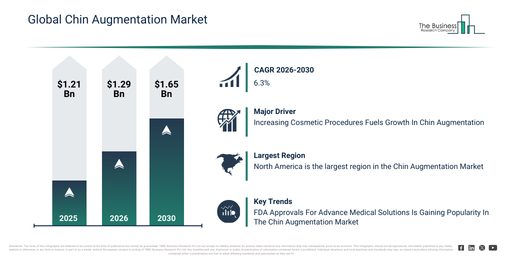
    The market for chin augmentation procedures has demonstrated robust expansion lately, projected to escalate from $1.21 billion in 2025 to $1.29 billion in 2026, reflecting a compound annual growth rate of 6.5%. This historical growth trajectory is underpinned by a confluence of factors, including a greater societal embrace of cosmetic surgery, rising levels of discretionary income, significant improvements in biomaterials used for implants, the proliferation of specialized cosmetic surgery facilities, and a heightened public consciousness regarding aesthetic considerations.

    The landscape of chin augmentation procedures is poised for substantial expansion, with projections indicating a market valuation to reach $1.65 billion by the year 2030. This impressive trajectory is underpinned by a compound annual growth rate (CAGR) of 6.3%, fueled by several key drivers. The escalating desire for cosmetic interventions that are less invasive, the increasing utilization of artificial intelligence for detailed facial assessments, the growing appeal of medical tourism as a cost-effective option, a heightened emphasis on achieving individually tailored aesthetic results, and ongoing advancements in the development of materials that are compatible with the human body all contribute significantly to this anticipated growth. Furthermore, within this forecast period, several notable trends are expected to shape the market, including a greater preference for chin augmentation techniques that require minimal invasion, a rise in the use of implants designed specifically for individual patients, an expanded application of dermal fillers for non-surgical facial refinement, the proliferation of digital tools for analyzing and planning facial aesthetics, and a continuously sharpening focus on the personalization of aesthetic treatments to meet unique patient desires.

    Download A Free Sample Report For Comprehensive Market Insights:

    https://www.thebusinessresearchcompany.com/sample.aspx?id=18294&type=smp

    Chin Augmentation Market Expansion Supported By Key Demand Factors

    The expansion of the chin augmentation market is anticipated to be fueled by the increasing prevalence of cosmetic interventions. Cosmetic interventions encompass medical interventions designed to enhance one’s look, utilized to refine aesthetic attributes or rectify physical flaws. The rise in cosmetic procedures can be attributed to heightened societal focus on appearance and progress in medical technology, which has rendered these treatments more attainable and secure. Chin augmentation serves to improve facial symmetry and profile aesthetics, thus gaining favor within cosmetic procedures for its ability to augment overall facial harmony. As an illustration, a report from the International Society of Aesthetic Plastic Surgery (ISAPS), a US-based professional non-governmental organization, indicated that in 2023, a total of 34.9 million surgical and non-surgical aesthetic procedures were performed, representing a 3.4% increase from the previous year. Specifically, surgical procedures saw a more substantial rise of 5.5%, with plastic surgeons performing over 15.8 million procedures, alongside 19.1 million non-surgical interventions. Consequently, the escalating volume of cosmetic procedures is a significant driver for the chin augmentation market’s growth.

    Chin Augmentation Market Segment Performance And Strategic Opportunities

    The chin augmentation market covered in this report is segmented –

    1) By Procedure: Surgical, Non-Surgical

    2) By Material Type: Implants, Dermal Fillers, Fat Grafting, Other Materials

    3) By Gender: Female, Male

    4) By End-Use: Hospitals, Cosmetic Clinics, Ambulatory Surgical Centers, Other End-Users

    Subsegments:

    1) By Surgical: Chin Implant Surgery, Genioplasty (Bone Surgery)

    2) By Non-Surgical: Dermal Filler Injections, Botox Injections, Thread Lifts

    Chin Augmentation Market Growth Trends Influencing Competitive Dynamics

    Leading entities within the chin augmentation sector are prioritizing the creation of sophisticated medical innovations, like hyaluronic acid (HA) dermal fillers. This strategic focus is driven by an increasing consumer preference for non-invasive cosmetic procedures and the objective of delivering more secure and impactful methods for facial contour refinement. Hyaluronic acid (HA) dermal filler functions as a gel-like compound that is administered beneath the skin to enhance fullness, diminish fine lines and wrinkles, and sculpt facial features. As a significant development in March 2024, AbbVie, a biotechnology firm headquartered in the United States, revealed the U.S. Food and Drug Administration’s (FDA) approval of its JUVÉDERM VOLUMA. This injectable gel is intended for deep tissue injection to address age-related volume depletion in the mid-face and to augment the chin area, thereby improving the chin’s profile for individuals aged 21 and above.

    Chin Augmentation Market Key Players: Which Companies Shape Industry Competition?

    Major companies operating in the chin augmentation market are AbbVie Inc., Stryker Corporation, Galderma Filler, Merz Pharma Gmbh and Co. Kgaa, InMode Ltd., KLS Martin Group, OsteoMed, Sientra Inc, GC Aesthetics Limited, Hans Biomed, POLYTECH Health and Aesthetics, Implantech Associates Inc, Sebbin Sas, Teoxane, Solta Medical Inc, Silimed, Lucid Implants, Surgiform Technologies, Facial Plastic Surgery Inc, Eurosurgical Ltd, Cadogan Clinic Ltd

    Access The Complete Chin Augmentation Market Report:

    https://www.thebusinessresearchcompany.com/report/chin-augmentation-global-market-report

    Chin Augmentation Market Regional Outlook: Where Are The Largest Opportunities Located?

    North Americawas the largest region in the chin augmentation market in 2025. Asia-Pacificis expected to be the fastest-growing region in the forecast period. The regions covered in the chin augmentation market report are Asia-Pacific, South East Asia, Western Europe, Eastern Europe, North America, South America, Middle East, Africa.

    Get in touch with us:

    The Business Research Company: https://www.thebusinessresearchcompany.com/

    Americas: +1 310-496-7795

    Asia: +44 7882 955267 & +91 8897263534

    Europe: +44 7882 955267

    Email us at: marketing@tbrc.info

    Follow us on:

    LinkedIn: https://in.linkedin.com/company/the-business-research-company

    YouTube: https://www.youtube.com/channel/UC24_fI0rV8cR5DxlCpgmyFQ

    Global Market Model: https://www.thebusinessresearchcompany.com/global-market-model
  • Chikungunya Market Growth Through 2030 Creates New Strategic Opportunities

    Chikungunya Market Growth Through 2030 Creates New Strategic Opportunities

    Through market attractiveness analysis, total addressable market evaluation, company benchmarking matrices, interactive Excel dashboards, expanded supply chain intelligence, emerging startup coverage, and detailed product insights, The Business Research Company’s 2026 market reports provide more actionable and strategically valuable research.

    Chikungunya Market Value Analysis: What Growth Is Expected Over The Forecast Period?

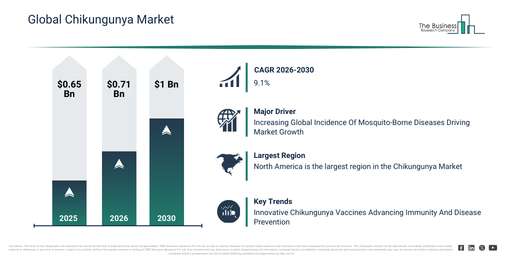
    The chikungunya market has experienced significant expansion over the past few years, with projections indicating continued robust growth. It is anticipated that the market will increase from $0.65 billion in 2025 to $0.71 billion in 2026, reflecting a compound annual growth rate of 9.4%. This expansion during the historical period can be linked to several key factors, including a rise in the occurrence of viral infections transmitted by mosquitoes, the widening geographical spread of endemic areas influenced by fluctuating climate patterns, a scarcity of readily available approved vaccines, a prevalent dependence on treatments that target symptoms, and the implementation of public health surveillance programs.

    The chikungunya market is poised for considerable expansion in the upcoming years, projecting a value of $1 billion by 2030 with a compound annual growth rate of 9.1%. This anticipated growth trajectory is fueled by escalating investment in vaccine research endeavors, a heightened emphasis on proactive health measures, the broadening scope of vector control initiatives, a surge in the demand for swift diagnostic tools, and augmented global financial support for addressing novel diseases. Key developments expected during this forecast period encompass the accelerated creation of chikungunya vaccines, a growing inclination towards utilizing antiviral treatment strategies, an intensified focus on identifying the disease in its early stages, a wider availability of supportive care options, and improved monitoring systems for diseases transmitted by mosquitoes.

    Download A Free Sample Report For Comprehensive Market Insights:

    https://www.thebusinessresearchcompany.com/sample.aspx?id=21137&type=smp

    #Chikungunya Market Growth Drivers And Industry Catalysts

    An escalating number of diseases transmitted by mosquitoes is anticipated to fuel the expansion of the chikungunya market. These mosquito-borne illnesses, including chikungunya, dengue, and the zika virus, are spread to people via infected Aedes mosquitoes, presenting considerable global public health concerns. Factors contributing to the increased worldwide occurrence of these diseases encompass shifts in climate, urban development, forest destruction, collection of stagnant water, insufficient strategies for vector management, greater international travel, and resistance to insecticides. Therapy for chikungunya aids individuals suffering from mosquito-borne ailments by easing discomforts like fever, joint aches, and swelling, thereby boosting general well-being and ease of movement, diminishing the likelihood of adverse health outcomes, and promoting recovery through adequate fluid intake, pain relief, and supportive medical attention. To illustrate, data from the UK Health Security Agency, a governmental body in the United Kingdom, revealed that from January to June of 2024, the count of dengue cases detected in individuals returning to England, Wales, and Northern Ireland reached 473, a substantial 201% surge compared to the 157 instances noted in the corresponding timeframe of 2023. Consequently, the growing worldwide presence of mosquito-borne diseases is a primary driver for the chikungunya market’s advancement.

    #Chikungunya Market Segment Landscape And Growth Potential

    The chikungunya market covered in this report is segmented –

    1) By Type: Antiviral Drugs, Herbal And Complementary Treatments, Supportive Care, Vaccines

    2) By Product Form: Liquid Form, Powder, Solid Form

    3) By Disease Stage: Acute, Chronic, Post-Infection

    4) By Sales Channel: Hospital Pharmacies, Online Pharmacies, Retail Pharmacies, Supermarkets

    5) By End User: Caregivers, Healthcare Professionals, Patients

    Subsegments:

    1) By Antiviral Drugs: Nucleoside Analogues, Protease Inhibitors

    2) By Herbal And Complementary Treatments: Ayurvedic Remedies, Homeopathic Treatments, Traditional Chinese Medicine

    3) By Supportive Care: Pain Relievers (NSAIDs, Acetaminophen), Fluid Therapy, Physiotherapy

    4) By Vaccines: Live-Attenuated Vaccines, Inactivated Vaccines, mRNA-Based Vaccines

    #Chikungunya Market Trends Influencing Long-Term Demand

    In the chikungunya market, leading corporations are actively engaged in creating novel vaccines aimed at bolstering immune defenses, curbing disease dissemination, and mitigating the escalating worldwide impact of chikungunya virus infections. A prime example of such innovation is a live attenuated chikungunya vaccine, which employs a subdued version of the virus to elicit an immune response, thereby conferring durable protection without inducing illness. Illustrating this point, Valneva SE, a biopharmaceutical firm headquartered in France, disclosed in November 2023 that IXCHIQ, their live attenuated chikungunya vaccine, received approval from the U.S. Food and Drug Administration (FDA). This regulatory clearance was granted via an expedited pathway, predicated on the measurement of anti-CHIKV neutralizing antibody levels, with final approval dependent on the demonstration of clinical efficacy in subsequent investigations. Valneva was awarded a Priority Review Voucher (PRV) by the FDA, a valuable asset they plan to leverage financially to support their ongoing research and development initiatives. Ixchiq is administered as a single intramuscular injection and comprises a live, attenuated strain of the chikungunya virus, potentially leading to symptoms in individuals that mirror those of chikungunya sickness.

    Chikungunya Market Competitive Landscape: Who Are The Leading Companies?

    Major companies operating in the chikungunya market are F Hoffmann‑La Roche Ltd, Merck & Co Inc, Takeda Pharmaceutical Company Limited, Evotec SE, Valneva SE, Vaxart Inc, Inovio Pharmaceuticals Inc, Bharat Biotech International Limited, Moderna Inc, Emergent BioSolutions Inc, GlaxoSmithKline plc, Sanofi Pasteur, Instituto Butantan, Indian Immunologicals Limited, Zydus Lifesciences, BioNTech SE, Novavax Inc, Bavarian Nordic A S, Auro Vaccines LLC, Najit Technologies Inc, Clayton Biotechnologies Inc, Medigen Vaccine Biologics Corp

    Access The Complete Chikungunya Market Report:

    https://www.thebusinessresearchcompany.com/report/chikungunya-global-market-report

    Chikungunya Market Geographic Landscape: Which Region Dominates Industry Growth?

    North Americawas the largest region in the chikungunya market in 2025. Asia-Pacificis expected to be the fastest-growing region in the forecast period. The regions covered in the chikungunya market report are Asia-Pacific, South East Asia, Western Europe, Eastern Europe, North America, South America, Middle East, Africa.

    Get in touch with us:

    The Business Research Company: https://www.thebusinessresearchcompany.com/

    Americas: +1 310-496-7795

    Asia: +44 7882 955267 & +91 8897263534

    Europe: +44 7882 955267

    Email us at: marketing@tbrc.info

    Follow us on:

    LinkedIn: https://in.linkedin.com/company/the-business-research-company

    YouTube: https://www.youtube.com/channel/UC24_fI0rV8cR5DxlCpgmyFQ

    Global Market Model: https://www.thebusinessresearchcompany.com/global-market-model

  • Chemotherapy-Induced Neutropenia Treatment Market Size Projected To Increase From $0.64 Billion To $0.79 Billion During The Forecast Period

    Chemotherapy-Induced Neutropenia Treatment Market Size Projected To Increase From $0.64 Billion To $0.79 Billion During The Forecast Period

    Delivering more actionable and strategically valuable research, The Business Research Company’s 2026 market reports feature market attractiveness analysis, total addressable market evaluation, company benchmarking matrices, interactive Excel dashboards, expanded supply chain intelligence, emerging startup coverage, and detailed product insights.

    Chemotherapy-Induced Neutropenia Treatment Market Size Forecast: How Large Could The Market Become By 2030?

    The global market for treating chemotherapy-induced neutropenia has experienced significant expansion recently, projecting an increase from 0.62 billion in 2025 to 0.65 billion in 2026, reflecting a compound annual growth rate of 5.3%. This historical growth trajectory is underpinned by a confluence of factors, including the rising occurrence of chemotherapy-induced neutropenia, a greater adoption of intensive cancer treatment regimens, the widespread availability of colony-stimulating factors, enhanced methods for clinical observation, and the proliferation of specialized cancer treatment centers.

    The market for treating chemotherapy-induced neutropenia is poised for substantial expansion, projected to reach $0.79 billion by the year 2030, reflecting a compound annual growth rate of 5.1%. This anticipated surge in growth throughout the forecast period is primarily fueled by several key factors, including the escalating utilization of extended-release growth factors, a heightened emphasis on managing neutropenia in outpatient settings, the broader application of biosimilar granulocyte colony-stimulating factors (G-CSFs), increased investment in methodologies aimed at preventing infections, and ongoing developments in immunomodulatory treatments. Significant trends anticipated within this timeframe encompass a greater uptake of G-CSF therapy as a preventative measure, a rise in treatment models focused on early intervention, a growing concentration on minimizing infection risks, the expansion of customized approaches to neutropenia management, and more sophisticated methods for tracking white blood cell counts.

    Download A Free Sample Report For Comprehensive Market Insights:

    https://www.thebusinessresearchcompany.com/sample.aspx?id=24190&type=smp

    Chemotherapy-Induced Neutropenia Treatment Market Opportunity Drivers: What Is Creating New Revenue Potential?

    The escalating prevalence of cancer is anticipated to be a significant driver for the expansion of the market focused on treating chemotherapy-induced neutropenia. Cancer encompasses a spectrum of conditions defined by the aberrant proliferation and dissemination of cellular anomalies within the organism. This surge in cancer diagnoses can be largely attributed to demographic shifts towards an older population, as advanced age correlates with a heightened susceptibility to cancer due to the cumulative effects of DNA damage and a gradual decline in immunological defenses. Therapies designed to combat neutropenia induced by chemotherapy play a crucial role in oncological management by mitigating the threat of infections through bolstering the immune system, thereby enabling patients to sustain their chemotherapy regimens with reduced disruptions. By minimizing treatment-related complications, these interventions improve therapeutic efficacy, ultimately leading to enhanced patient well-being and a better quality of life. Illustrative data from July 2024, provided by the Australian Institute of Health and Welfare, indicated that in 2023, Australia saw approximately 165,000 new cancer diagnoses, averaging more than 450 daily cases, with males accounting for roughly 55% of these new diagnoses. Consequently, the growing burden of cancer worldwide is fueling the market for chemotherapy-induced neutropenia treatments.

    Chemotherapy-Induced Neutropenia Treatment Market Categorization By Product Type And Application

    The chemotherapy-induced neutropenia treatment market covered in this report is segmented –

    1) By Type: Antibiotic Therapy, Granulocyte Colony-Stimulating Factor Therapy (G-CSF), Granulocyte Transfusion, Other Types

    2) By Route of Administration: Subcutaneous, Intravenous

    3) By Indication: Solid Tumors, Hematological Malignancies, Other Indications

    4) By Distribution Channel: Hospital Pharmacies, Retail Pharmacies, Online Pharmacies

    5) By End-User: Hospitals, Specialty Clinics, Homecare Settings

    Subsegments:

    1) By Antibiotic Therapy: Broad-Spectrum Antibiotics, Narrow-Spectrum Antibiotics, Prophylactic Antibiotics

    2) By Granulocyte Colony-Stimulating Factor Therapy (G-CSF): Filgrastim, Pegfilgrastim, Lenograstim

    3) By Granulocyte Transfusion: Allogeneic Granulocyte Transfusion, Autologous Granulocyte Transfusion

    4) By Other Types: Antifungal Therapy, Stem Cell Therapy, Immunomodulatory Therapy

    Chemotherapy-Induced Neutropenia Treatment Market Innovation Trends Driving Future Development

    Within the landscape of the chemotherapy-induced neutropenia treatment market, key players are prioritizing the creation of advanced products and securing regulatory endorsements, with a particular emphasis on long-acting drug forms. These advancements aim to bolster patient convenience, decrease the necessity for frequent dosing, and consequently elevate treatment compliance. Long-acting formulations are pharmaceutical creations engineered for the gradual release of their therapeutic components over extended durations, thereby minimizing the frequency of administration required. Illustrating this trend, Coherus BioSciences Inc., a biopharmaceutical entity based in the United States, obtained U.S. Food and Drug Administration (FDA) approval in December 2023 for Udenyca Onbody. This innovative, pre-filled on-body injector delivers pegfilgrastim automatically, approximately 27 hours following chemotherapy, thereby negating the need for a subsequent day’s injection. Udenyca Onbody not only improves the patient’s journey by guaranteeing prompt, preventative care for neutropenia triggered by chemotherapy but also curtails the frequency of clinical appointments and fosters greater adherence to treatment protocols.

    Chemotherapy-Induced Neutropenia Treatment Market Company Landscape And Strategic Competition

    Major companies operating in the chemotherapy-induced neutropenia treatment market are Pfizer Inc., Johnson & Johnson, Merck & Co. Inc., GSK plc, Bristol-Myers Squibb Company, Novartis AG, Takeda Pharmaceutical Company Limited, Amgen Inc., Teva Pharmaceutical Industries Ltd., Astellas Pharma Inc., Biogen Inc., Baxter Inteational, Fresenius Kabi, Eisai Co. Ltd., Dr. Reddy’s Laboratories Ltd., Exelixis Inc., Biocon Biologics Limited, Coherus BioSciences Inc., G1 Therapeutics, Enzychem Lifesciences Corporation

    Access The Complete Chemotherapy-Induced Neutropenia Treatment Market Report:

    https://www.thebusinessresearchcompany.com/report/chemotherapy-induced-neutropenia-treatment-global-market-report

    #Chemotherapy-Induced Neutropenia Treatment Market Largest Region: Which Geography Holds The Highest Market Share?

    North Americawas the largest region in the chemotherapy-induced neutropenia treatment market in 2025. Asia-Pacificis expected to be the fastest-growing region in the forecast period. The regions covered in the chemotherapy-induced neutropenia treatment market report are Asia-Pacific, South East Asia, Western Europe, Eastern Europe, North America, South America, Middle East, Africa.

    Get in touch with us:

    The Business Research Company: https://www.thebusinessresearchcompany.com/

    Americas: +1 310-496-7795

    Asia: +44 7882 955267 & +91 8897263534

    Europe: +44 7882 955267

    Email us at: marketing@tbrc.info

    Follow us on:

    LinkedIn: https://in.linkedin.com/company/the-business-research-company

    YouTube: https://www.youtube.com/channel/UC24_fI0rV8cR5DxlCpgmyFQ

    Global Market Model: https://www.thebusinessresearchcompany.com/global-market-model

  • Chemotherapy-Induced Nausea and Vomiting (CINV) Market Growth Outlook Reveals A CAGR Of 8% And A Market Value Of $4.56 Billion By 2030

    Chemotherapy-Induced Nausea and Vomiting (CINV) Market Growth Outlook Reveals A CAGR Of 8% And A Market Value Of $4.56 Billion By 2030

    Enhanced with market attractiveness analysis, total addressable market evaluation, company benchmarking matrices, interactive Excel dashboards, expanded supply chain intelligence, emerging startup coverage, and detailed product insights, The Business Research Company’s 2026 market reports deliver more actionable and strategically valuable research.

    Chemotherapy-Induced Nausea and Vomiting (CINV) Market Revenue Outlook: What CAGR Is Expected Through 2030?

    The global market for managing chemotherapy-induced nausea and vomiting (CINV) has experienced substantial expansion. Projections indicate a progression from a valuation of $3.13 billion in 2025 to $3.35 billion in 2026, reflecting a compound annual growth rate (CAGR) of 7.0%. This upward trajectory during the historical period is underpinned by several key factors, including the heightened deployment of potent emetogenic chemotherapy regimens, a growing understanding of treatment-related adverse effects, enhanced accessibility to sophisticated antiemetic pharmaceuticals, the broadening scope of cancer treatment initiatives, and the refinement of clinical protocols for CINV control.

    The market for chemotherapy-induced nausea and vomiting (cinv) treatments is poised for significant expansion in the coming years, projected to reach $4.57 billion by 2030 with a compound annual growth rate (CAGR) of 8.0%. This anticipated growth is fueled by several key factors: escalating demand for advanced antiemetic medications, a greater integration of tailored antiemetic strategies into patient care, the augmentation of ambulatory chemotherapy administration, an intensified commitment to ensuring patients adhere to prescribed treatment plans, and continuous innovations in drug delivery systems designed for prolonged efficacy. Furthermore, prevailing trends shaping this market during the forecast period encompass a greater embrace of multi-drug antiemetic approaches, increased utilization of cinv medications with extended duration of action, a heightened concentration on treatment methodologies that prioritize the patient’s experience, broader implementation of proactive cinv management strategies, and a more pronounced focus on improving overall patient quality of life.

    Download A Free Sample Report For Comprehensive Market Insights:

    https://www.thebusinessresearchcompany.com/sample.aspx?id=13031&type=smp

    Chemotherapy-Induced Nausea and Vomiting (CINV) Market Growth Momentum: Which Factors Are Influencing Demand?

    With cancer becoming more common, significant expansion is foreseen for the chemotherapy-induced nausea and vomiting (CINV) market. Cancer signifies aberrant cell proliferation and dissemination within the body. The escalating incidence of cancer globally is spurring greater investment in the creation of superior, specifically targeted anti-emetic interventions to mitigate CINV, an adverse and challenging consequence of cancer treatment. This intensified attention on managing CINV has facilitated progress in deciphering its fundamental processes and pioneering innovative treatments. For example, as reported by the American Cancer Society (ACS) in January 2023, the United States was projected to record 1.9 million new cancer diagnoses (averaging around 5,370 daily) and 609,820 cancer-related fatalities (approximately 1,670 daily) in 2023. Consequently, the rising tide of cancer cases will serve as a key impetus for the growth of the chemotherapy-induced nausea and vomiting (CINV) market.

    Chemotherapy-Induced Nausea and Vomiting (CINV) Market Segment Analysis And Revenue Opportunities

    The chemotherapy-induced nausea and vomiting (cinv) market covered in this report is segmented –

    1) By Form: Injectables, Oral, Transdermal Patches

    2) By Drug Class: 5-HT3 Receptor Antagonists, Neurokinin-1 Receptor Antagonists, Corticosteroids, Cannabinoids, Other Drug Classes

    3) By Emetogenic Risk: Highly Emetogenic Chemotherapy (HEC), Moderately Emetogenic Chemotherapy (MEC), Low Emetogenic Chemotherapy (LEC)

    4) By Distribution Channel: CINV Hospitals, Cancer Research Institute, Retail Pharmacies, Online Pharmacies, Drug Stores

    5) By Application: Gynecology, Urology, Gastrointestinal Surgery, Other Applications

    Subsegments:

    1) By Injectables: Intravenous (IV) Solutions, Intramuscular (IM) Injections

    2) By Oral: Tablets, Capsules, Liquid Formulations

    3) By Transdermal Patches: Fentanyl Patches, Scopolamine Patches

    Chemotherapy-Induced Nausea and Vomiting (CINV) Market Trends Reshaping Industry Growth

    Leading participants within the chemotherapy-induced nausea and vomiting (CINV) sector are actively pursuing novel product developments, including the introduction of fixed intravenous antiemetics, as a strategy to enhance their market standing. A fixed intravenous antiemetic signifies a pre-established dosage of medication delivered via an intravenous route intended to counteract or manage nausea and vomiting, frequently encountered in contexts such as chemotherapy treatment or following surgical procedures. Illustratively, in the month of January 2023, Glenmark Pharmaceuticals Limited, a pharmaceutical entity based in India involved in the production of pharmaceuticals, generic drugs, and over-the-counter items, launched AKYNZEO I.V. within India; this product marked the inaugural fixed intravenous antiemetic formulation specifically engineered for the prevention of chemotherapy-induced nausea and vomiting (CINV). This particular medicinal preparation integrates netupitant alongside palonosetron, addressing the occurrence of both immediate and prolonged periods of nausea and vomiting. It provides the advantage of a single administration, contributes to superior rates of complete symptom resolution, and ultimately elevates the well-being of individuals undergoing cancer therapy. Evidence from clinical investigations indicates its significant utility, especially for patients undergoing chemotherapy regimens characterized by a high emetogenic potential.

    Chemotherapy-Induced Nausea and Vomiting (CINV) Market Leading Players Shaping Industry Direction

    Major companies operating in the chemotherapy-induced nausea and vomiting (cinv) market are Pfizer Inc., Roche Holding AG, Merck & Co. Inc., AbbVie Inc., Novartis AG, AstraZeneca plc, GlaxoSmithKline plc, Baxter International Inc., Teva Pharmaceuticals Industries Ltd., Bausch Health Companies Inc., Eisai Co. Ltd., Jazz Pharmaceuticals plc, Ono Pharmaceutical Co. Ltd., Dr. Reddy’s Laboratories Ltd., Kyowa Kirin Inc., Amneal Pharmaceuticals Inc., Mundipharma International Limited, Insys Therapeutics Inc., Lupin Limited, Helsinn Holding S.A., Heron Therapeutics Inc., Camurus AB, Cadila Pharmaceuticals Limited, Acacia Pharma Ltd., Soligenix Inc.

    Access The Complete Chemotherapy-Induced Nausea and Vomiting (CINV) Market Report:

    https://www.thebusinessresearchcompany.com/report/chemotherapy-induced-nausea-and-vomiting-cinv-global-market-report

    Chemotherapy-Induced Nausea and Vomiting (CINV) Market Regional Analysis: Which Region Leads By Revenue?

    North Americawas the largest region in the chemotherapy-induced nausea and vomiting (CINV) market in 2025. The regions covered in the chemotherapy-induced nausea and vomiting (cinv) market report are Asia-Pacific, South East Asia, Western Europe, Eastern Europe, North America, South America, Middle East, Africa.

    Get in touch with us:

    The Business Research Company: https://www.thebusinessresearchcompany.com/

    Americas: +1 310-496-7795

    Asia: +44 7882 955267 & +91 8897263534

    Europe: +44 7882 955267

    Email us at: marketing@tbrc.info

    Follow us on:

    LinkedIn: https://in.linkedin.com/company/the-business-research-company

    YouTube: https://www.youtube.com/channel/UC24_fI0rV8cR5DxlCpgmyFQ

    Global Market Model: https://www.thebusinessresearchcompany.com/global-market-model
  • Chemotherapy-Induced Myelosuppression Treatment Market Forecast Highlights Expansion From $8.73 Billion To $10.23 Billion Through 2030

    Chemotherapy-Induced Myelosuppression Treatment Market Forecast Highlights Expansion From $8.73 Billion To $10.23 Billion Through 2030

    Through market attractiveness analysis, total addressable market evaluation, company benchmarking matrices, interactive Excel dashboards, expanded supply chain intelligence, emerging startup coverage, and detailed product insights, The Business Research Company’s 2026 market reports provide more actionable and strategically valuable research.

    Chemotherapy-Induced Myelosuppression Treatment Market Growth Analysis: How Will Revenue Expand During The Forecast Period?

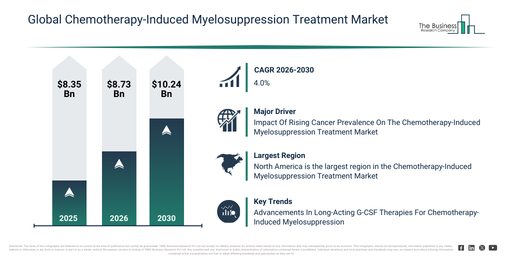
    The market for treatments addressing chemotherapy-induced myelosuppression has experienced consistent expansion lately, projected to increase from $8.35 billion in 2025 to $8.73 billion in 2026, reflecting a compound annual growth rate of 4.6%. This historical growth trajectory is underpinned by several key factors, including the more aggressive nature of contemporary chemotherapy protocols, the escalating prevalence of cytopenias stemming from these treatments, the broader reach of hospital-administered cancer care, the accessibility of supportive treatments for blood disorders, and advancements in diagnostic tools.

    The market for treating chemotherapy-induced myelosuppression is projected for consistent expansion, anticipating a valuation of $10.24 billion by 2030, driven by a compound annual growth rate of 4.0%. This anticipated growth throughout the forecast period is underpinned by several key factors, including a heightened emphasis on long-acting hematopoietic agents, the increasing integration of patient-specific dosing regimens, the broader availability of outpatient supportive care services, augmented investments in the development of biologic drugs, and significant progress in bone marrow support therapies. Furthermore, prominent trends shaping this market include a greater uptake of growth factor therapies, a rise in the utilization of prophylactic treatment approaches, intensified efforts towards infection prevention protocols, the growing personalization of myelosuppression management, and more sophisticated monitoring of blood cell counts.

    Download A Free Sample Report For Comprehensive Market Insights:

    https://www.thebusinessresearchcompany.com/sample.aspx?id=16372&type=smp

    Chemotherapy-Induced Myelosuppression Treatment Market Expansion Drivers: What Is Shaping Future Growth?

    Anticipated advancements in the oncology treatment sector are poised to stimulate the expansion of the market catering to therapies for chemotherapy-induced myelosuppression. Cancer, characterized by the uncontrolled proliferation and dissemination of aberrant cells that can infiltrate and impair surrounding tissues and organs, poses a significant threat to individual health. Contributing factors to the increasing incidence of cancer include exposure to environmental pollutants, radiation, specific chemical agents, and known carcinogens. Treatments designed to combat myelosuppression induced by chemotherapy play a crucial role in the comprehensive management of cancer, specifically addressing the blood-related adverse effects stemming from this common therapeutic approach for diverse malignancies. Illustrating this trend, data from the Australian Institute of Health and Welfare, a governmental body in Australia, indicated in July 2024 that approximately 165,000 new cancer diagnoses were recorded in Australia during 2023, translating to more than 450 daily occurrences, with males accounting for roughly 55% of these new cases. Consequently, the escalating rate of cancer diagnoses serves as a primary catalyst for the growth within the chemotherapy-induced myelosuppression treatment market.

    Chemotherapy-Induced Myelosuppression Treatment Market Segmentation And Category Breakdown

    The chemotherapy-induced myelosuppression treatment market covered in this report is segmented –

    1) By Indication: Anemia, Neutropenia, Thrombocytopenia

    2) By Drug Class: Growth Factors, Erythropoietin Stimulating Agents, Thrombopoietic Agents, Iron Supplements, Other Drug Classes

    3) By Route Of Administration: Oral, Injectable

    4) By Distribution Channel: Hospital Pharmacies, Retail Pharmacies, Online Pharmacies

    Subsegments:

    1) By Anemia: Erythropoiesis-Stimulating Agents (Esas), Iron Supplements, Blood Transfusion

    2) By Neutropenia: Granulocyte Colony-Stimulating Factors (G-Csfs), Granulocyte-Macrophage Colony-Stimulating Factors (Gm-Csfs), Antibiotic Prophylaxis

    3) By Thrombocytopenia: Thrombopoietin Receptor Agonists (Tpo-Ras), Platelet Transfusion, Growth Factors For Platelet Production

    Chemotherapy-Induced Myelosuppression Treatment Market Strategic Trends: What Is Defining The Next Phase Of Growth?

    Key players within the chemotherapy-induced myelosuppression treatment sector are prioritizing the creation of novel therapies, exemplified by extended-release G-CSF formulations, with the aims of elevating patient comfort, bolstering treatment compliance, decreasing injection frequency, and ultimately refining the broader clinical results for individuals undergoing chemotherapy as part of their cancer treatment. This advanced form of G-CSF, or Granulocyte Colony-Stimulating Factor, represents a class of biological drugs engineered to promote bone marrow activity, thereby increasing the count of neutrophils, a vital component of the white blood cell system, for a prolonged duration. Illustrating this trend, May of 2025 saw the National Medical Products Administration of China grant marketing authorization for Albipagrastim Alfa for Injection, marketed as Mailisheng, developed by the Chinese biopharmaceutical firm Mabwell; this preparation, a G-CSF protein linked with albumin, is engineered for a longer circulating half-life and accelerated neutrophil recovery. Its formulation incorporates recombinant human serum albumin (HSA), which imparts a sustained-release characteristic, enabling reduced dosing frequency while still effectively stimulating neutrophil generation—a marked advancement compared to conventional G-CSF treatments necessitating daily administration.

    Chemotherapy-Induced Myelosuppression Treatment Market Competitive Analysis Of Major Industry Participants

    Major companies operating in the chemotherapy-induced myelosuppression treatment market are Merck & Co. Inc., Bayer AG, Sanofi SA, Abbott Laboratories, Novartis AG, Glaxo Smith Kline plc, Amgen Inc., Viatris Inc., Biogen SA, Bausch Health Companies Inc., Cipla Inc., Hikma Pharmaceuticals PLC,Lupin Ltd, Seagen Inc, Mission Pharmacal Company, G1 Therapeutics Inc., Spectrum Pharmaceuticals Inc., Partner Therapeutics Inc., Myelo Therapeutics GmbH, Evive Biotech Inc.

    Access The Complete Chemotherapy-Induced Myelosuppression Treatment Market Report:

    https://www.thebusinessresearchcompany.com/report/chemotherapy-induced-myelosuppression-treatment-global-market-report

    Chemotherapy-Induced Myelosuppression Treatment Market Geographic Distribution And Regional Opportunities

    North Americawas the largest region in the chemotherapy-induced myelosuppression treatment market in 2025. Asia Pacificis expected to be the fastest-growing region in the forecast period. The regions covered in the chemotherapy-induced myelosuppression treatment market report are Asia-Pacific, South East Asia, Western Europe, Eastern Europe, North America, South America, Middle East, Africa.

    Get in touch with us:

    The Business Research Company: https://www.thebusinessresearchcompany.com/

    Americas: +1 310-496-7795

    Asia: +44 7882 955267 & +91 8897263534

    Europe: +44 7882 955267

    Email us at: marketing@tbrc.info

    Follow us on:

    LinkedIn: https://in.linkedin.com/company/the-business-research-company

    YouTube: https://www.youtube.com/channel/UC24_fI0rV8cR5DxlCpgmyFQ

    Global Market Model: https://www.thebusinessresearchcompany.com/global-market-model
  • Chemotherapy-Induced Anemia Market Expected To Reach $4.12 Billion By 2030 As Growth Accelerates At 8.1% CAGR

    Chemotherapy-Induced Anemia Market Expected To Reach $4.12 Billion By 2030 As Growth Accelerates At 8.1% CAGR

    Delivering more actionable and strategically valuable research, The Business Research Company’s 2026 market reports feature market attractiveness analysis, total addressable market evaluation, company benchmarking matrices, interactive Excel dashboards, expanded supply chain intelligence, emerging startup coverage, and detailed product insights.

    Chemotherapy-Induced Anemia Market Forecast: What Market Value Is Expected By 2030?

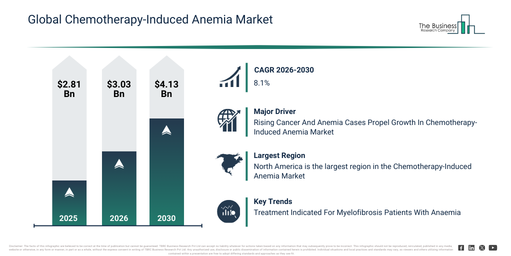
    The market for chemotherapy-induced anemia is projected to experience robust expansion, escalating from an estimated $2.81 billion in 2025 to $3.03 billion by 2026, reflecting a compound annual growth rate of 7.7%. This upward trajectory in the recent past can be linked to several key factors, including the heightened utilization of aggressive chemotherapy protocols, a growing incidence of anemia associated with cancer treatments, the proliferation of cancer treatment facilities, enhanced accessibility to blood transfusions, and the wider availability of palliative therapies for cancer patients.

    The market for chemotherapy-induced anemia treatments is poised for significant expansion, projected to reach $4.13 billion by 2030, reflecting a compound annual growth rate of 8.1%. This upward trajectory is fueled by several key factors: a heightened demand for anemia therapies offering extended efficacy, a growing imperative to reduce reliance on blood transfusions, the burgeoning field of personalized cancer treatment, the increasing prevalence of at-home care models, and ongoing innovations in anemia management pharmaceuticals. During the projected period, we anticipate a notable rise in the utilization of erythropoiesis-stimulating agents, a greater emphasis on tailored anemia management strategies, a preference for proactive therapeutic interventions, the broader availability of outpatient anemia care, and an intensified focus on improving patients’ overall quality of life.

    Download A Free Sample Report For Comprehensive Market Insights:

    https://www.thebusinessresearchcompany.com/sample.aspx?id=12513&type=smp

    Chemotherapy-Induced Anemia Market Development Factors: Which Trends Are Supporting Demand?

    The increasing incidence of cancer, characterized by uncontrolled cell growth and potential metastasis to other body parts, alongside a significant occurrence of anemia in cancer patients undergoing intensive chemotherapy, with or without radiation, is anticipated to fuel the expansion of the chemotherapy-induced anemia market. This market’s growth is further supported by therapeutic agents designed to stimulate red blood cell production within the bone marrow, thereby addressing chemotherapy-induced anemia. Illustratively, Cancer Research UK projected a 3% rise in head and neck cancer cases in the UK from 2023 to 2025, coupled with an anticipated 12% increase in fatalities from these cancers over the same period, underscoring the substantial impact of cancer and its associated anemia on market dynamics.

    Chemotherapy-Induced Anemia Market Segment Outlook: Which Categories Are Expanding The Fastest?

    The chemotherapy-induced anemia market covered in this report is segmented –

    1) By Anemia: Mild Anemia, Moderate Anemia, Severe Anemia, Life-Threatening Anemia

    2) By Treatment Type: RBC (Red Blood Cells) Transfusion, Erythropoiesis-Stimulating Agents (ESAs), Iron Supplementation

    3) By End-User: Hospitals, Ambulatory Surgical Centers, Multispecialty Clinics, Cancer Research Centers, Cancer Rehabilitation Centers

    Subsegments:

    1) By Mild Anemia: Hemoglobin Levels 10-12 Grams Per Deciliter (g/dL), Symptomatic Treatments

    2) By Moderate Anemia: Hemoglobin Levels 8-10 Grams Per Deciliter (g/dL), Erythropoiesis-stimulating Agents (ESAs), Blood Transfusion Management

    3) By Severe Anemia: Hemoglobin Levels 6.5-8 Grams Per Deciliter (g/dL), Intensive ESA Treatments, Frequent Blood Transfusions

    4) By Life-Threatening Anemia: Hemoglobin Levels Below 6.5 Grams Per Deciliter (g/dL), Emergency interventions, Critical Care And Monitoring

    Chemotherapy-Induced Anemia Market Transformation Trends: Which Innovations Are Driving Change?

    In the realm of drugs treating anemia brought on by chemotherapy, prominent corporations are concentrating on pushing technological frontiers, exemplified by Ojjaara (momelotinib). This drug aims to better treatment strategies and elevate the well-being of individuals experiencing anemia associated with cancer therapies, with its name, Ojjaara, originating from ‘Ojaara,’ signifying a dedication to healing or health. Specifically, September 2023 saw the advancement of Ojjaara (momelotinib) by GSK, a company headquartered in England, underscoring its role in addressing myelofibrosis, especially in anemic patients. Ojjaara (momelotinib) stands as a revolutionary intervention for individuals suffering from myelofibrosis and anemia, functioning by blocking crucial biological routes to boost blood cell levels, improve life quality, and lessen the necessity for blood transfusions, thus positioning it as the premier and sole therapeutic agent officially approved for this specific ailment.

    Chemotherapy-Induced Anemia Market Key Companies And Competitive Benchmarking

    Major companies operating in the chemotherapy-induced anemia market are Pfizer Inc., Johnson & Johnson, F. Hoffmann‑La Roche Ltd., Merck & Co. Inc., Novartis AG, Sanofi S.A., Bristol‑Myers Squibb Company, AstraZeneca plc, Takeda Pharmaceutical Company Limited, Eli Lilly and Company, Amgen Inc., Baxter International Inc., Fresenius Kabi AG, Biocon Ltd., Vifor Pharma Group, Pharmacosmos A/S, Daiichi Sankyo Company Limited, Bayer AG, Akebia Therapeutics Inc, Otsuka Pharmaceutical Co Ltd, Zydus Lifesciences Ltd, Viatris Inc, Shield Therapeutics plc, Keros Therapeutics Inc

    Access The Complete Chemotherapy-Induced Anemia Market Report:

    https://www.thebusinessresearchcompany.com/report/chemotherapy-induced-anemia-global-market-report

    Chemotherapy-Induced Anemia Market Largest Region By Revenue And Market Share

    North Americawas the largest region in the chemotherapy-induced anemia market in 2025. Asia-Pacificis expected to be the fastest-growing region in the forecast period. The regions covered in the chemotherapy-induced anemia market report are Asia-Pacific, South East Asia, Western Europe, Eastern Europe, North America, South America, Middle East, Africa.

    Get in touch with us:

    The Business Research Company: https://www.thebusinessresearchcompany.com/

    Americas: +1 310-496-7795

    Asia: +44 7882 955267 & +91 8897263534

    Europe: +44 7882 955267

    Email us at: marketing@tbrc.info

    Follow us on:

    LinkedIn: https://in.linkedin.com/company/the-business-research-company

    YouTube: https://www.youtube.com/channel/UC24_fI0rV8cR5DxlCpgmyFQ

    Global Market Model: https://www.thebusinessresearchcompany.com/global-market-model