Month: June 2026

  • Smart Prosthetics Market Size Projected To Increase From $2.23 Billion To $3.18 Billion During The Forecast Period

    Smart Prosthetics Market Size Projected To Increase From $2.23 Billion To $3.18 Billion During The Forecast Period

    Delivering more actionable and strategically valuable research, The Business Research Company’s 2026 market reports feature market attractiveness analysis, total addressable market evaluation, company benchmarking matrices, interactive Excel dashboards, expanded supply chain intelligence, emerging startup coverage, and detailed product insights.

    The smart prosthetics sector has been witnessing significant growth, driven by technological advancements and increasing demand for enhanced mobility solutions. This evolving market is set to expand further as innovations continue to improve prosthetic functionality and user comfort, meeting the needs of a growing population affected by limb loss.

    Market Size and Expected Growth Trajectory of the Smart Prosthetics Market

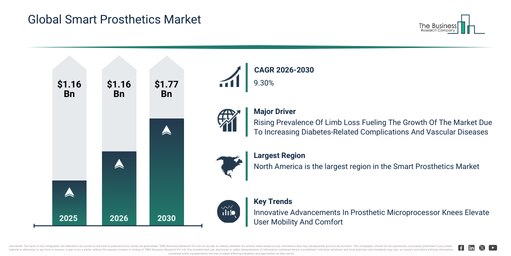
    The smart prosthetics market has experienced a strong upward trend in recent years. It is projected to increase from $2.03 billion in 2025 to $2.23 billion in 2026, representing a compound annual growth rate (CAGR) of 9.9%. This historical growth is largely due to the limited capabilities of traditional prosthetics, heavy dependence on mechanical limbs, expansion of orthopedic clinics, rising awareness about mobility aids, and early adoption by rehabilitation centers. Looking ahead, the market is forecasted to reach $3.18 billion by 2030, growing at a CAGR of 9.3%. This anticipated rise is attributed to breakthroughs in bionic and hybrid prosthetic technologies, the integration of AI and sensor systems, increased use in pediatric care, a growing elderly population requiring prosthetics, and the widening availability of direct and online sales channels. Key trends during this period include greater adoption of microprocessor-controlled prosthetics, sensor-based movement recognition, demand for myoelectric and hybrid models, and a focus on customized solutions for both pediatric and adult users.

    Download A Free Sample Report For Comprehensive Market Insights:

    https://www.thebusinessresearchcompany.com/sample.aspx?id=27417&type=smp

    Key Factors Contributing to Growth in the Smart Prosthetics Market

    A primary driver behind the market’s expansion is the rising prevalence of limb loss worldwide. Limb loss can occur due to injuries, diseases, or congenital conditions, and the numbers are increasing, especially linked to diabetes-related complications such as peripheral artery disease and neuropathic ulcers—common causes of non-traumatic lower limb amputations. Smart prosthetics play a vital role in restoring natural movement for individuals affected by limb loss by interpreting muscle signals and adapting in real time to various activities. This enhances mobility, independence, dexterity, control, and comfort, ultimately improving the quality of daily life. For example, a December 2024 report from the Archives of Rehabilitation Research and Clinical Translation estimated that about 2,309,000 people in the United States live with limb loss. Of this group, approximately 91% have undergone lower extremity amputations, while 9.2% have upper extremity amputations. This figure is projected to rise by 145% by 2060, signaling a growing demand for smart prosthetic solutions.

    Segment Breakdown of the Smart Prosthetics Market

    The smart prosthetics market is divided into several core segments:

    1) Product Type: Bionic Limbs, Myoelectric Prosthetics, Hybrid Prosthetics

    2) Technology: Microprocessor-Controlled, Bluetooth-Enabled, Sensor-Integrated, and Other Technologies

    3) Distribution Channel: Direct Sales, Distributors, Online Sales, and Other Distribution Methods

    4) Application: Orthopedic Clinics, Hospitals, Rehabilitation Centers, and Other Uses

    5) End User: Adults and Pediatrics

    Further subdivisions include, for instance, upper-limb and lower-limb bionic prosthetics, modular and lightweight bionic limbs; single-joint, multi-joint, sensor-integrated, and adaptive myoelectric prosthetics; as well as mechanical-electrical combinations, sensor-assisted, custom-fit, and multifunctional hybrid prosthetics.

    Access The Complete Smart Prosthetics Market Report:

    https://www.thebusinessresearchcompany.com/report/smart-prosthetics-global-market-report

    Innovation Trends Shaping the Future of the Smart Prosthetics Market

    Leading companies in this market are concentrating on developing cutting-edge products such as prosthetic microprocessor knees designed to enhance user mobility, improve stability, and reduce energy use during movement. These knees incorporate built-in computers to automatically adjust motions, delivering a smoother and more natural walking experience. For example, in July 2024, Ottobock UK introduced the Genium X4, an advanced prosthetic microprocessor knee that features Optimized Physiological Gait (OPG) 3.0 technology. This innovation offers users improved abilities such as better slope climbing, start-to-walk functionality, enhanced stance phase stability, dynamic backward movement, and an intuitive cycling mode. The knee is waterproof, corrosion-resistant, provides up to five days of battery life, and includes customizable MyMode presets.

    Top Companies Leading the Smart Prosthetics Industry

    The smart prosthetics landscape is shaped by several prominent companies, including Hanger Inc., Ottobock SE & Co. KGaA, Össur hf., Blatchford Group Limited, Trulife Limited, RSLSteeper, PROTEOR SAS, Fillauer LLC, WillowWood LLC, CURE International Inc., Advanced Arm Dynamics Inc., Open Bionics Ltd., Syntouch LLC, Coapt LLC, COVVI Ltd., Endolite India Private Limited, Medical Center Orthotics & Prosthetics Inc., Infinite Biomedical Technologies, Taska Prosthetics, and LimbLogic Prosthetics.

    Regional Overview and Market Leadership in Smart Prosthetics

    In 2025, North America held the largest share of the smart prosthetics market. However, the Asia-Pacific region is expected to become the fastest-growing market throughout the forecast period. The analysis covers several key regions including Asia-Pacific, South East Asia, Western Europe, Eastern Europe, North America, South America, the Middle East, and Africa, providing a broad perspective on global market trends.

    Get in touch with us:

    The Business Research Company: https://www.thebusinessresearchcompany.com/

    Americas: +1 310-496-7795

    Asia: +44 7882 955267 & +91 8897263534

    Europe: +44 7882 955267

    Email us at: marketing@tbrc.info

    Follow us on:

    LinkedIn: https://in.linkedin.com/company/the-business-research-company

    YouTube: https://www.youtube.com/channel/UC24_fI0rV8cR5DxlCpgmyFQ

    Global Market Model: https://www.thebusinessresearchcompany.com/global-market-model
  • Smart Posture Correction Market Growth Outlook Reveals A CAGR Of 18% And A Market Value Of $3.47 Billion By 2030

    Smart Posture Correction Market Growth Outlook Reveals A CAGR Of 18% And A Market Value Of $3.47 Billion By 2030

    Enhanced with market attractiveness analysis, total addressable market evaluation, company benchmarking matrices, interactive Excel dashboards, expanded supply chain intelligence, emerging startup coverage, and detailed product insights, The Business Research Company’s 2026 market reports deliver more actionable and strategically valuable research.

    The smart posture correction market is rapidly gaining traction as more people seek effective solutions to improve their posture and overall musculoskeletal health. With changing work habits and increasing awareness about ergonomic wellness, this market is expanding quickly and shows promising growth prospects. Let’s explore the current market size, growth drivers, segmentation, emerging trends, key players, and regional insights shaping the future of smart posture correction technologies.

    Steady Growth in Smart Posture Correction Market Size

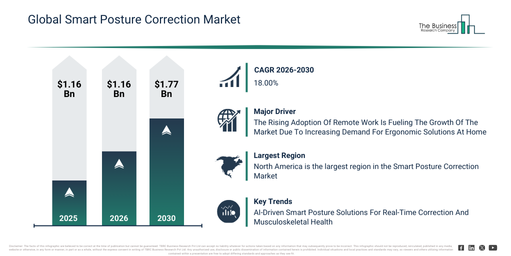
    The smart posture correction market has witnessed swift expansion in recent years, growing from $1.52 billion in 2025 to $1.79 billion in 2026, representing a compound annual growth rate (CAGR) of 18.3%. This past growth has been largely fueled by the rise in sedentary lifestyles, greater awareness of workplace ergonomics, increased occurrence of musculoskeletal disorders, the popularity of wearable technology, and trends in fitness tracking. Looking ahead, the market is projected to accelerate further, reaching $3.47 billion by 2030 with a CAGR of 18.0%. The anticipated growth is driven by factors such as expanded remote work arrangements, corporate wellness initiatives, preventive care for musculoskeletal health, AI-enabled posture analytics, and an emphasis on home ergonomics solutions. Key trends expected to influence the market include real-time posture monitoring wearables, haptic feedback devices, app-based coaching, workplace ergonomic assessments, and continuous spinal alignment tracking.

    Download A Free Sample Report For Comprehensive Market Insights:

    https://www.thebusinessresearchcompany.com/sample.aspx?id=29205&type=smp

    Work From Home Trends Encouraging Market Expansion

    The increase in remote working is a significant contributor to the expanding smart posture correction market. Remote work allows employees to perform their duties outside traditional office settings, often from home. Organizations are adopting this model to cut costs related to office spaces while maintaining productivity through digital tools. However, working from home for extended periods often results in less optimal ergonomic setups, prompting users to seek smart posture correction devices to monitor and improve their sitting and standing postures during the workday. For example, the US Bureau of Labor Statistics reported that the percentage of employees working from home on workdays rose from 34% in 2022 to 35% in 2023, highlighting the growing reliance on home-based work environments and the corresponding demand for posture support technologies.

    Musculoskeletal Disorders Increasing Need for Posture Solutions

    The rising incidence of musculoskeletal disorders (MSDs) is another critical factor propelling the smart posture correction market. MSDs affect muscles, bones, joints, tendons, ligaments, and nerves, causing pain, stiffness, and limited mobility. The surge in these conditions is primarily linked to sedentary work habits and prolonged screen time, which often lead to poor posture and strain on the spine, neck, and shoulders. Smart posture correction devices address this problem by offering real-time feedback and personalized guidance to help users maintain proper alignment and reduce physical stress during daily activities. For instance, data from the UK’s Office for Health Improvement & Disparities revealed that in 2023, 18.4% of people aged 16 and older reported having a long-term musculoskeletal condition, up from 17.6% the previous year, underscoring the growing need for effective posture management solutions.

    Access The Complete Smart Posture Correction Market Report:

    https://www.thebusinessresearchcompany.com/report/smart-posture-correction-global-market-report

    Smart Posture Correction Market Segmentation Overview

    This market is divided into several key segments to better understand demand patterns:

    1) Product Type: Wearable Devices and Smart Chairs

    2) Sensor Type: Accelerometers, Gyroscopes, Magnetometers, and other sensor technologies

    3) Distribution Channel: Online Stores, Specialty Stores, Retail Pharmacies, and others

    4) Application: Personal Use, Healthcare, Fitness and Wellness, Corporate sectors, and more

    Within wearable devices, subcategories include clip-on posture trackers, sensor-embedded posture shirts, haptic feedback braces, smart neckbands that provide coaching, and vibration cue adhesive patches. Smart chairs segment includes gaming chairs with posture coaching features, executive chairs that offer posture alerts, and educational chairs integrated with sensors.

    AI and Technology Trends Transforming Smart Posture Correction

    Leading companies in the smart posture correction market are focusing heavily on AI-powered posture technologies to provide personalized corrective feedback and encourage improved posture habits for long-term musculoskeletal health. AI-driven solutions continually assess body posture in real time, delivering actionable feedback to help users correct alignment issues and prevent musculoskeletal problems. A notable example is Neurabody, a South Korean startup that in July 2024 launched Posture AI, an advanced system that combines embedded sensors with analytics to help address global back pain. Their product range includes smart posture sensors and ergonomic correction shirts, with plans to introduce smart posture seats and lumbar support devices in 2025 and 2026. This platform targets office workers, insurance companies, and esports players, using machine learning to predict back pain risks and recommend tailored exercises, enabling millions to self-manage posture effectively.

    Key Players Driving Innovation and Market Leadership

    Several prominent companies are shaping the smart posture correction market, including Upright Technologies Ltd, Wearable X Inc, dorsaVi Limited, Lumo Bodytech Inc, IntelliSkin Inc, AlignMed Corp, Kinetisense Inc, Soter Analytics Pty Ltd, Modjoul Inc, Ergo Impact LLC, TuMeke Ergonomics Ltd, YogiFi Inc, Kaia Health Inc, Ottobock SE & Co KGaA, Xiaomi Corporation, TruPosture Inc, Posture360 Ltd, PostureNOW Inc, PostureMedic LLC, BackJoy Orthotics LLC, and Oska Wellness Inc. These organizations are investing in research and development to continuously improve product offerings and expand market reach.

    Regional Insights Highlight Growth Opportunities

    In 2025, North America held the largest share of the smart posture correction market, benefiting from high awareness and advanced healthcare infrastructure. However, Asia-Pacific is poised to be the region with the fastest growth during the forecast period, driven by increasing adoption of wearable technologies, rising corporate wellness programs, and growing interest in preventive healthcare. The market report covers major regions including Asia-Pacific, South East Asia, Western Europe, Eastern Europe, North America, South America, the Middle East, and Africa, providing a comprehensive overview of global market dynamics.

    Get in touch with us:

    The Business Research Company: https://www.thebusinessresearchcompany.com/

    Americas: +1 310-496-7795

    Asia: +44 7882 955267 & +91 8897263534

    Europe: +44 7882 955267

    Email us at: marketing@tbrc.info

    Follow us on:

    LinkedIn: https://in.linkedin.com/company/the-business-research-company

    YouTube: https://www.youtube.com/channel/UC24_fI0rV8cR5DxlCpgmyFQ

    Global Market Model: https://www.thebusinessresearchcompany.com/global-market-model
  • Smart Portable Ultrasound Market Forecast Highlights Expansion From $4.34 Billion To $7.43 Billion Through 2030

    Smart Portable Ultrasound Market Forecast Highlights Expansion From $4.34 Billion To $7.43 Billion Through 2030

    Through market attractiveness analysis, total addressable market evaluation, company benchmarking matrices, interactive Excel dashboards, expanded supply chain intelligence, emerging startup coverage, and detailed product insights, The Business Research Company’s 2026 market reports provide more actionable and strategically valuable research.

    The smart portable ultrasound market is rapidly evolving, driven by technological progress and growing healthcare demands worldwide. As healthcare providers seek faster, more accessible diagnostic tools, this market is set to experience significant growth. Let’s explore the current market size, key growth factors, segmentation, leading players, and regional trends shaping its future.

    Projected Market Size and Expansion of the Smart Portable Ultrasound Market

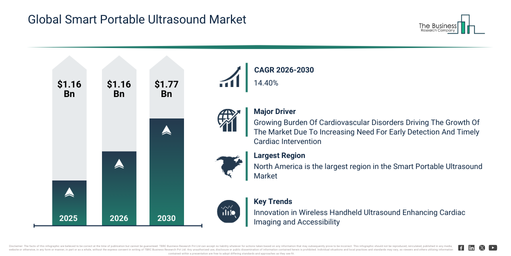
    The smart portable ultrasound market has witnessed impressive growth recently and is poised to expand further. It is anticipated to increase from $3.78 billion in 2025 to $4.34 billion in 2026, representing a compound annual growth rate (CAGR) of 14.7%. This upward trend during the historical period is largely due to the rising need for quick diagnostic solutions, optimization of hospital workflows, widespread adoption of portable imaging devices, growth in emergency medicine, and continuous advancements in imaging technology. Looking ahead, the market is expected to reach $7.44 billion by 2030, growing at a CAGR of 14.4%. Factors propelling this future growth include the adoption of tele-ultrasound services, integration of AI-based diagnostics, expansion of healthcare access in rural areas, demand for cost-effective imaging, and increasing use of homecare diagnostics. Emerging trends shaping this period involve handheld point-of-care ultrasound devices, AI-assisted image interpretation, wireless ultrasound connectivity, cloud-based image storage, and enhanced emergency diagnostic imaging solutions.

    Download A Free Sample Report For Comprehensive Market Insights:

    https://www.thebusinessresearchcompany.com/sample.aspx?id=29204&type=smp

    Key Factors Supporting Smart Portable Ultrasound Market Growth

    One significant driver behind the expanding smart portable ultrasound market is the rising prevalence of cardiovascular disorders. These conditions, which include heart attacks, strokes, hypertension, and heart failure, pose a growing healthcare challenge globally. Lifestyle factors such as unhealthy diets, lack of physical activity, and smoking contribute to increasing cardiovascular disease rates. Portable ultrasound devices play a vital role in managing this burden by enabling early and accurate detection of heart and vascular abnormalities. This timely diagnosis allows for prompt intervention and better patient outcomes. For instance, data released in January 2024 by the American Heart Association, a US-based nonprofit organization, indicated a slight increase in cardiovascular-related deaths in 2024, with the total reaching 931,578—up by fewer than 3,000 from the 928,741 reported in 2023. This growing cardiovascular disease prevalence is a key element driving demand for smart portable ultrasound technologies.

    Smart Portable Ultrasound Market Growth Influenced by Healthcare Trends

    Beyond cardiovascular disease, the market is being driven forward by a broader push toward improving diagnostic efficiency and access. Portable ultrasound devices help streamline workflows in hospitals and clinics, offering rapid and reliable imaging without the need for bulky equipment. Furthermore, growing interest in telehealth and remote patient monitoring is encouraging adoption of portable and wireless ultrasound systems that can be used outside traditional healthcare facilities, including in rural and underserved areas.

    Access The Complete Smart Portable Ultrasound Market Report:

    https://www.thebusinessresearchcompany.com/report/smart-portable-ultrasound-global-market-report

    Comprehensive Segmentation of the Smart Portable Ultrasound Market

    The smart portable ultrasound market is segmented into various categories to better understand its structure. These include:

    1) Product Type: Handheld Ultrasound Devices, Laptop-based Ultrasound Devices, and Tablet-based Ultrasound Devices.

    2) Technology: 2D, 3D or 4D imaging, Doppler technology, and other imaging technologies.

    3) Application: Cardiology, Obstetrics, Gynecology, Urology, Musculoskeletal, Emergency Medicine, and other medical uses.

    4) End-User: Hospitals, Diagnostic Centers, Ambulatory Surgical Centers, Clinics, and other healthcare providers.

    Further subcategories break down product types such as handheld devices into point-of-care, pocket, and compact diagnostic ultrasound devices; laptop-based devices into portable cardiology, obstetrics, and abdominal ultrasound systems; and tablet-based devices into mobile emergency, musculoskeletal, and vascular ultrasound solutions.

    Innovations Steering the Next Phase of Smart Portable Ultrasound Development

    Leading companies in the market are pushing boundaries by introducing innovative wireless handheld ultrasound devices. These portable, cordless tools connect to smartphones or tablets, enabling real-time imaging at the point of care and enhancing clinical decision-making. One example is GE HealthCare’s April 2024 launch of Caption AI integrated with the Vscan Air SL wireless handheld ultrasound system. This advanced platform uses artificial intelligence to provide step-by-step guidance to users, including those with limited ultrasound experience, helping capture high-quality cardiac images efficiently. This automation simplifies imaging processes, reduces dependence on expert operators, and accelerates cardiac evaluations through real-time visual prompts for optimal probe positioning.

    Top Competitors Leading the Smart Portable Ultrasound Market

    The competitive landscape of the smart portable ultrasound market includes several major global players, such as GE HealthCare Technologies Inc., Koninklijke Philips N.V., Siemens Healthineers AG, Fujifilm Holdings Corporation (Fujifilm SonoSite), Mindray Medical International Limited, Canon Medical Systems Corporation, Samsung Medison Co. Ltd., Butterfly Network Inc., Clarius Mobile Health Corp., Healcerion Co. Ltd., Esaote S.p.A., Chison Medical Technologies Co. Ltd., Sonoscanner SARL, Telemed Medical Systems S.r.l., Vinno Technology (Suzhou) Co. Ltd., Terason (Teratech Corporation), SonoScape Medical Corp., BenQ Medical Technology Corp., ALPINION Medical Systems Co. Ltd., Bionet Co. Ltd., EDAN Instruments Inc., Exo Imaging Inc., Vave Health Inc., Pulsenmore Ltd., and Biim Ultrasound AS.

    Global Market Presence and Regional Growth Patterns

    In 2025, North America held the largest share of the smart portable ultrasound market, reflecting strong healthcare infrastructure and adoption rates. Meanwhile, the Asia-Pacific region is projected to be the fastest-growing market over the forecast period, driven by expanding healthcare access, increased investments in medical technologies, and growing demand for portable diagnostic tools. The market analysis encompasses regions including Asia-Pacific, South East Asia, Western Europe, Eastern Europe, North America, South America, the Middle East, and Africa, offering a comprehensive global perspective on market trends and growth opportunities.

    Get in touch with us:

    The Business Research Company: https://www.thebusinessresearchcompany.com/

    Americas: +1 310-496-7795

    Asia: +44 7882 955267 & +91 8897263534

    Europe: +44 7882 955267

    Email us at: marketing@tbrc.info

    Follow us on:

    LinkedIn: https://in.linkedin.com/company/the-business-research-company

    YouTube: https://www.youtube.com/channel/UC24_fI0rV8cR5DxlCpgmyFQ

    Global Market Model: https://www.thebusinessresearchcompany.com/global-market-model
  • Smart Portable Oxygen Generator Market Expected To Reach $3.52 Billion By 2030 As Growth Accelerates At 9.9% CAGR

    Smart Portable Oxygen Generator Market Expected To Reach $3.52 Billion By 2030 As Growth Accelerates At 9.9% CAGR

    Delivering more actionable and strategically valuable research, The Business Research Company’s 2026 market reports feature market attractiveness analysis, total addressable market evaluation, company benchmarking matrices, interactive Excel dashboards, expanded supply chain intelligence, emerging startup coverage, and detailed product insights.

    The smart portable oxygen generator market has gained significant attention as advances in healthcare and the rising incidence of respiratory conditions increase demand for convenient oxygen therapy solutions. With innovations making devices more user-friendly and portable, the market is set for continued growth in the coming years. Let’s explore the current market size, growth drivers, industry innovations, and key players shaping this expanding sector.

    Market Size and Projected Growth Trajectory of the Smart Portable Oxygen Generator Market

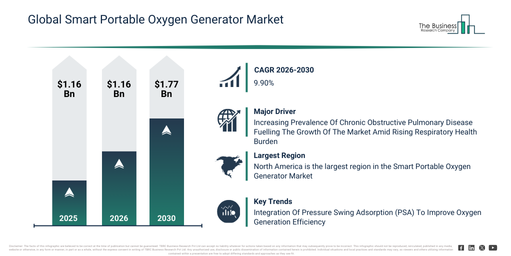
    The market for smart portable oxygen generators has grown swiftly in recent years. It is projected to rise from $2.2 billion in 2025 to $2.42 billion in 2026, reflecting a compound annual growth rate (CAGR) of 10.1%. This past growth was largely fueled by increasing respiratory diseases, an aging population, heightened oxygen demand during the COVID-19 pandemic, hospital capacity challenges, and a growing preference for homecare oxygen solutions. Looking ahead, the market is expected to reach $3.53 billion by 2030, maintaining a strong CAGR of 9.9%. Factors driving this growth include the rising prevalence of chronic respiratory illnesses, expansion of home oxygen therapy, demand for travel-friendly oxygen devices, advancements in smart respiratory monitoring, and a focus on emergency readiness. Emerging trends shaping the market’s future involve portable oxygen therapy systems, intelligent flow adjustment technologies, lightweight travel oxygen generators, home-based respiratory support devices, and battery-operated oxygen units.

    Download A Free Sample Report For Comprehensive Market Insights:

    https://www.thebusinessresearchcompany.com/sample.aspx?id=29203&type=smp

    Key Factors Fueling Demand in the Smart Portable Oxygen Generator Market

    The growing incidence of chronic obstructive pulmonary disease (COPD) stands out as a major catalyst for market expansion. COPD describes a group of progressive lung diseases, including emphysema and chronic bronchitis, which cause airflow obstruction and breathing difficulties. The condition is becoming more prevalent due to an aging population, prolonged exposure to environmental pollutants, lifestyle factors, and natural declines in lung function with age. Smart portable oxygen generators play a crucial role by automatically adjusting oxygen delivery to maintain optimal blood oxygen levels. This helps reduce breathlessness and enhances patient mobility and independence during daily activities. For instance, data from the Centers for Disease Control and Prevention (CDC) revealed that in 2023, the age-adjusted prevalence of diagnosed COPD among U.S. adults aged 18 and over was 3.8%, resulting in 141,733 deaths. This rising disease burden continues to drive demand for smart portable oxygen generators.

    Market Drivers Related to Usage and Technology Adoption

    In addition to COPD prevalence, the expansion of home oxygen therapy programs is propelling the market forward. Patients increasingly prefer receiving oxygen treatment at home, supported by devices that are compact and easy to use. The growing need for travel-friendly oxygen generators also boosts demand, as patients seek mobility without compromising oxygen therapy. Furthermore, technological improvements such as intelligent respiratory monitoring and adaptive oxygen delivery systems are enhancing device effectiveness and user convenience. Emergency preparedness initiatives emphasizing portable oxygen solutions further strengthen market growth prospects.

    Access The Complete Smart Portable Oxygen Generator Market Report:

    https://www.thebusinessresearchcompany.com/report/smart-portable-oxygen-generator-global-market-report

    Segmentation Patterns in the Smart Portable Oxygen Generator Market

    This market is categorized by product type into continuous flow, pulse flow, and dual flow oxygen generators. It also segments by technology, including pressure swing adsorption (PSA), membrane oxygen concentrators, and other technologies. Distribution channels encompass both online and offline sales. Applications cover homecare, travel, and other uses. Within continuous flow products, subtypes include single mode, variable flow, high and low capacity, compact design, and stationary support. Pulse flow devices break down into automatic adjustment, fixed pulse, breath-responsive, multi-setting, portable compact, and lightweight travel models. Dual flow generators feature manual and automatic switching, combined modes, adaptive flow, hybrid output, and multi-user support options.

    Innovations Driving Transformation in the Smart Portable Oxygen Generator Market

    Leading companies in this sector are focusing on enhancing technology to improve oxygen purity, device efficiency, and reliability. Pressure swing adsorption (PSA) technology is a key advancement, using molecular sieves to separate nitrogen from ambient air under pressure, delivering high-purity oxygen with stable performance and minimal maintenance. For example, in July 2025, VARON, a U.S.-based manufacturer specializing in portable respiratory and home oxygen products, launched the VP-8G Portable Oxygen Concentrator. This PSA-powered smart device offers an intelligent pulse flow system synchronized with the user’s breathing, eight adjustable flow settings, and a lightweight, travel-friendly design featuring replaceable filters and batteries. The VP-8G enhances user convenience, mobility, and oxygen delivery efficiency.

    Prominent Competitors Shaping the Smart Portable Oxygen Generator Market

    Key players driving competition in this market include Koninklijke Philips N.V., Omron Corporation, Inogen Inc., Precision Medical Inc., OxyGo LLC, O2 Concepts LLC, Nidek Medical Products Inc., Healthgenie India Private Limited, Rhythm Healthcare LLC, Besco Medical Limited, Longfian Scitech Co. Ltd., Belluscura Plc, Canta Medical Tech Co. Ltd., AngelBiss Medical Technology Co. Ltd., Zhengzhou Olive Electronic Technology Co. Ltd., Foshan Keyhub Electronic Industries Co. Ltd., Teijin Pharma Limited, Devilbiss Healthcare LLC, CAIRE Inc., and Sante International Pvt. Ltd.

    Regional Market Outlook and Growth Hotspots

    In 2025, North America accounted for the largest share of the smart portable oxygen generator market. However, the Asia-Pacific region is anticipated to be the fastest-growing market in the forecast period. The comprehensive market analysis considers regions including Asia-Pacific, South East Asia, Western Europe, Eastern Europe, North America, South America, the Middle East, and Africa, providing a global perspective on market expansion.

    Get in touch with us:

    The Business Research Company: https://www.thebusinessresearchcompany.com/

    Americas: +1 310-496-7795

    Asia: +44 7882 955267 & +91 8897263534

    Europe: +44 7882 955267

    Email us at: marketing@tbrc.info

    Follow us on:

    LinkedIn: https://in.linkedin.com/company/the-business-research-company

    YouTube: https://www.youtube.com/channel/UC24_fI0rV8cR5DxlCpgmyFQ

    Global Market Model: https://www.thebusinessresearchcompany.com/global-market-model
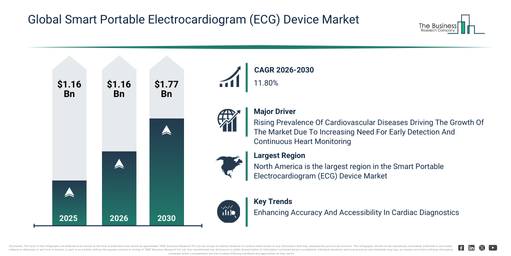
  • Smart Portable Electrocardiogram (ECG) Device Market Set To Grow From $2.28 Billion In 2026 To $3.57 Billion By 2030 At A CAGR Of 11.8%

    Smart Portable Electrocardiogram (ECG) Device Market Set To Grow From $2.28 Billion In 2026 To $3.57 Billion By 2030 At A CAGR Of 11.8%

    Enhanced with market attractiveness analysis, total addressable market evaluation, company benchmarking matrices, interactive Excel dashboards, expanded supply chain intelligence, emerging startup coverage, and detailed product insights, The Business Research Company’s 2026 market reports deliver more actionable and strategically valuable research.

    The smart portable electrocardiogram (ECG) device market is witnessing significant advancement as healthcare technology evolves to meet the increasing demand for convenient and accurate cardiac monitoring solutions. This sector is gaining traction due to factors such as rising cardiovascular health concerns and the adoption of wearable devices, setting the stage for robust growth in the coming years. Let’s explore the current market landscape, the key drivers behind its expansion, notable segments, emerging trends, and leading companies making an impact.

    Current and Projected Market Size for Smart Portable ECG Devices

    The market for smart portable electrocardiogram devices has experienced rapid growth recently and is expected to continue this trajectory. It is projected to increase from $2.04 billion in 2025 to $2.29 billion in 2026, reflecting a compound annual growth rate (CAGR) of 12.1%. Over the longer term, the market is anticipated to reach $3.58 billion by 2030, growing at a CAGR of 11.8%. This expansion is driven by the rise in remote cardiac monitoring programs, advancements in AI-based arrhythmia detection, an aging global population, increased homecare diagnostics, and a stronger focus on preventive cardiology. Additionally, trends such as real-time portable cardiac monitoring, smartphone-compatible ECG devices, continuous ambulatory tracking, compact consumer-friendly models, and early cardiac abnormality detection technologies are shaping the industry’s future.

    Download A Free Sample Report For Comprehensive Market Insights:

    https://www.thebusinessresearchcompany.com/sample.aspx?id=29202&type=smp

    Increasing Cardiovascular Disease Prevalence as a Market Catalyst

    One of the primary factors fueling growth in the smart portable ECG device market is the escalating prevalence of cardiovascular diseases worldwide. These conditions, which affect the heart and blood vessels, are closely linked to rising rates of hypertension and obesity. The growing burden of cardiovascular illness underscores the need for early diagnosis and ongoing monitoring, roles that smart portable ECG devices fulfill effectively by facilitating timely medical intervention and improved disease management.

    Impact of Cardiovascular Disease Statistics on Market Growth

    For instance, data from September 2025 by a UK government agency highlights that over 7.6 million people in the UK live with cardiovascular disease, including more than 4 million men and 3.6 million women. This number is expected to increase by 1 million by 2030 and by 2 million compared to current levels by 2040. This projected rise in affected individuals emphasizes the expanding demand for smart portable ECG devices to monitor heart health continuously and efficiently.

    Access The Complete Smart Portable Electrocardiogram (ECG) Device Market Report:

    https://www.thebusinessresearchcompany.com/report/smart-portable-electrocardiogram-ecg-device-global-market-report

    Detailed Segmentation of the Smart Portable ECG Device Market

    This market can be analyzed through several key segments:

    1) Product Type: Handheld ECG Devices, Wearable ECG Devices, Patch-Based ECG Devices

    2) Technology: Bluetooth, Wireless Fidelity (Wi-Fi), Universal Serial Bus (USB), and other technologies

    3) Distribution Channel: Online and Offline sales

    4) Application Areas: Home Care, Hospitals and Clinics, Ambulatory Surgical Centers, and others

    5) End Users: Personal users, healthcare professionals, and other categories

    Each product type further breaks down into subcategories. Handheld devices include single-channel, multi-channel, portable diagnostic, and compact screening devices. Wearable devices cover smartwatch-based and chest strap devices. Patch-based ECG devices include disposable, reusable, wireless patches, and adhesive sensor patches, offering users a wide range of monitoring options.

    Innovations and Future Trends Shaping the Smart Portable ECG Device Market

    Leading companies in this space are investing heavily in advanced technologies, such as AI-powered ECG systems, to improve the accuracy and convenience of cardiac monitoring. These AI-enabled devices can automatically analyze cardiac signals, allowing for quicker and more precise identification of abnormalities.

    A prime example is the launch of AliveCor’s Kardia 12L handheld ECG system in India in September 2025, following regulatory approval from the Central Drugs Standard Control Organization (CDSCO). This device offers 12-lead ECG testing capabilities in a compact, single-cable design that healthcare professionals can use anywhere. Integrated with AliveCor’s digital health platform, the system supports remote consultations and streamlines the management of cardiac data, enhancing patient care while making advanced diagnostics more accessible.

    Top Players in the Smart Portable ECG Device Market

    The smart portable ECG device market features several prominent companies, including Koninklijke Philips N.V., OMRON Healthcare Co. Ltd., Mindray Bio-Medical Electronics Co. Ltd., Nihon Kohden Corporation, Contec Medical Systems Co. Ltd., iRhythm Technologies Inc., Beurer GmbH, Schiller AG, Edan Instruments Inc., Withings S.A., Bittium Corporation, BPL Medical Technologies Pvt. Ltd., Eko Health Inc., SHL Telemedicine Ltd., Qardio Inc., Sunfox Technologies Pvt. Ltd., Biotricity Inc., Peerbridge Health Inc., QT Medical Inc., Wellue Health Inc., and AliveCor Inc. These companies are driving innovation and expanding the availability of portable ECG solutions worldwide.

    Regional Overview Highlighting Market Leadership and Growth

    In 2025, North America led the smart portable ECG device market in terms of revenue. However, Asia-Pacific is forecasted to be the fastest-growing region during the coming years. The comprehensive market report also examines other regions such as South East Asia, Western Europe, Eastern Europe, South America, the Middle East, and Africa, providing a broad perspective on global market trends and opportunities.

    Get in touch with us:

    The Business Research Company: https://www.thebusinessresearchcompany.com/

    Americas: +1 310-496-7795

    Asia: +44 7882 955267 & +91 8897263534

    Europe: +44 7882 955267

    Email us at: marketing@tbrc.info

    Follow us on:

    LinkedIn: https://in.linkedin.com/company/the-business-research-company

    YouTube: https://www.youtube.com/channel/UC24_fI0rV8cR5DxlCpgmyFQ

    Global Market Model: https://www.thebusinessresearchcompany.com/global-market-model
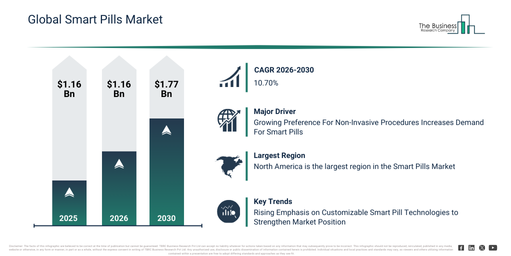
  • Smart Pills Market Opportunities Are Emerging Beyond Traditional Growth Areas

    Smart Pills Market Opportunities Are Emerging Beyond Traditional Growth Areas

    Through market attractiveness analysis, total addressable market evaluation, company benchmarking matrices, interactive Excel dashboards, expanded supply chain intelligence, emerging startup coverage, and detailed product insights, The Business Research Company’s 2026 market reports provide more actionable and strategically valuable research.

    The smart pills market is quickly gaining traction thanks to advances in medical technology and a growing focus on patient-centered healthcare. This sector is expected to experience significant expansion in the coming years as more healthcare providers and patients adopt ingestible devices for diagnostics, monitoring, and drug delivery. Let’s explore the market’s current size, the factors driving its growth, key industry players, and emerging trends shaping its future.

    Smart Pills Market Size and Growth Forecast to 2030

    The smart pills market has seen rapid expansion recently, with its value projected to rise from $6.11 billion in 2025 to $6.75 billion in 2026, reflecting a strong compound annual growth rate (CAGR) of 10.5%. This historical growth has been fueled by factors such as the increasing prevalence of chronic illnesses, a stronger focus on patient compliance monitoring, the rise of digital health initiatives, availability of sophisticated ingestible sensors, and growing adoption in clinical research. Looking ahead, the market is predicted to grow even more swiftly, reaching $10.13 billion by 2030 with a CAGR of 10.7%. This expected increase is driven by rising demand for personalized medicine, greater investment in digital therapeutics, expanded remote patient monitoring, and widespread acceptance of smart drug delivery platforms. Regulatory support for connected health technologies and advances in miniaturized electronics further contribute to this optimistic outlook.

    Download A Free Sample Report For Comprehensive Market Insights:

    https://www.thebusinessresearchcompany.com/sample.aspx?id=2846&type=smp

    Factors Influencing Growth in the Smart Pills Market Part One

    One important factor supporting the smart pills market expansion is the increasing preference for non-invasive medical procedures. These methods avoid surgical incisions or tissue removal, thereby reducing patient risk and shortening recovery time. The appeal of minimally invasive diagnostics and treatments comes from their ability to deliver effective outcomes without imposing significant physical stress on patients. Smart pills fit this trend perfectly by enabling internal imaging and physiological monitoring through swallowable devices, offering clinicians valuable diagnostic insights with minimal discomfort.

    Factors Influencing Growth in the Smart Pills Market Part Two

    For example, in March 2024, NHS England reported that over 5,400 patients across 53 sites benefited from colon capsule endoscopy pill-cam pilots. This illustrates how non-invasive smart pill technologies are being successfully integrated into healthcare systems, driving demand for these innovative solutions. The growing recognition of these advantages is a key driver propelling the smart pills market forward.

    Access The Complete Smart Pills Market Report:

    https://www.thebusinessresearchcompany.com/report/smart-pills-global-market-report

    How Rising Healthcare Expenditure Supports Smart Pills Market

    Another significant driver behind the smart pills market growth is rising healthcare spending, especially investments targeting long-term mental health treatments. Healthcare expenditure encompasses all funds allocated toward medical services, treatments, facilities, research, and public health efforts aimed at improving patient outcomes. The increased prevalence of chronic mental health conditions necessitating ongoing care and medication has led to increased funding in this area. This financial support facilitates the development of advanced smart pill technologies focused on improved drug delivery, patient monitoring, and adherence. For instance, data from December 2024 shows that the Centers for Medicare and Medicaid Services (CMS) in the US reported a 7.5% rise in national health expenditures, reaching $4.9 trillion in 2023 and representing 17.6% of the country’s GDP. Projections indicate that between 2023 and 2032, healthcare spending will continue to grow at an average rate of 5.6% annually, driving the health share of GDP to nearly 20% by 2032. This upward trend in healthcare investment strongly supports the smart pills market growth.

    Market Segmentation and Strategic Opportunities in Smart Pills

    This report segments the smart pills market into various categories to clarify its scope and opportunities:

    1) By Target Area: Esophagus, Stomach, Small Intestine, Large Intestine

    2) By Disease Indication: Esophageal Diseases, Colon Diseases, Small Bowel Diseases, Other Indications

    3) By Application: Capsule Endoscopy, Patient Monitoring, Drug Delivery

    4) By End User: Hospitals, Diagnostic Centers, Research Institutes

    Further subcategories include diagnostic pills for esophageal disorders and monitoring esophageal motility; pills for gastric emptying and stomach disorder diagnosis; pills designed for absorption studies and small bowel disease diagnostics; and colonoscopy alternatives alongside pills detecting colorectal conditions.

    Industry Innovations Shaping the Smart Pills Market

    Leading companies in the smart pills sector are investing heavily in creating customizable ingestible devices featuring multi-sensor technology for tailored drug delivery and in-vivo monitoring. These smart pills enable clinicians to configure sensing, data collection, and triggerable actions specific to individual patients’ needs. For example, in 2025, Belgium’s Interuniversity Microelectronics Centre introduced a prototype ingestible sensor for gut health. This device integrates multiple sensing modalities—including chemical, mechanical, and electrical—along with on-board signal processing, power management, and real-time data transmission for remote patient monitoring. Its design highlights miniaturization and full system integration, allowing customizable clinical applications.

    Key Players Driving Competition in the Smart Pills Market

    Several major companies are shaping the competitive landscape of the smart pills market, including Medtronic plc, Olympus Corporation, CapsoVision Inc., Novartis AG, Proteus Digital Health Inc., Koninklijke Philips N.V., MicroCHIPS Inc., Bio-Images Drug Delivery Ltd., Given Imaging Ltd., Vitality Inc., Boston Scientific Corporation, HQ Inc., Fujifilm Holdings Corporation, General Electric Company, Check-Cap Ltd., IntroMedic Co. Ltd., Jinshan Science & Technology Co. Ltd., PENTAX Medical, etectRx Inc., Pixie Scientific HQ Inc., ANX Robotica Corp., RF Co. Ltd., Shenzhen Jifu Medical Technology Co. Ltd., Otsuka America Pharmaceutical Inc., Medimetrics Personalized Drug Delivery B.V., Smart Pill Inc., Medisafe Inc., AdhereTech LLC, and TabSafe Medical Services Inc. These organizations are at the forefront of advancing smart pill technologies and expanding their applications.

    Geographical Insights: Where Smart Pills Are Most Prominent

    In 2025, North America held the largest share of the smart pills market, reflecting strong adoption and investment in health tech innovation. Western Europe ranked second in market size. The overall market analysis includes other regions such as Asia-Pacific, Southeast Asia, Eastern Europe, South America, the Middle East, and Africa, offering a global perspective on where growth opportunities lie.

    Get in touch with us:

    The Business Research Company: https://www.thebusinessresearchcompany.com/

    Americas: +1 310-496-7795

    Asia: +44 7882 955267 & +91 8897263534

    Europe: +44 7882 955267

    Email us at: marketing@tbrc.info

    Follow us on:

    LinkedIn: https://in.linkedin.com/company/the-business-research-company

    YouTube: https://www.youtube.com/channel/UC24_fI0rV8cR5DxlCpgmyFQ

    Global Market Model: https://www.thebusinessresearchcompany.com/global-market-model
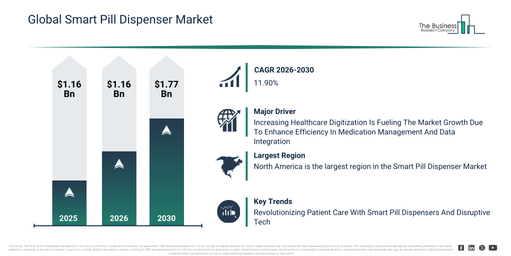
  • Smart Pill Dispenser Market Expansion Is Opening New Pathways For Strategic Investment

    Smart Pill Dispenser Market Expansion Is Opening New Pathways For Strategic Investment

    Delivering more actionable and strategically valuable research, The Business Research Company’s 2026 market reports feature market attractiveness analysis, total addressable market evaluation, company benchmarking matrices, interactive Excel dashboards, expanded supply chain intelligence, emerging startup coverage, and detailed product insights.

    The smart pill dispenser market has been experiencing significant growth, driven by advancements in healthcare technology and changing patient needs. With the increasing focus on medication management efficiency and patient adherence, this market is set to expand further in the coming years. Let’s explore the current market size, key growth factors, prominent players, and emerging trends in this evolving sector.

    Smart Pill Dispenser Market Size and Expected Growth During 2025-2030

    The market for smart pill dispensers has seen rapid expansion recently. It is projected to grow from $3.15 billion in 2025 to $3.54 billion in 2026, achieving a compound annual growth rate (CAGR) of 12.2%. This growth during the historical period is mainly due to the limited availability of automated dispensers, the continued reliance on manual medication routines, a growing elderly population, rising chronic disease cases, and early adoption of home healthcare devices.

    Looking ahead, the market is expected to reach $5.55 billion by 2030, with a CAGR of 11.9%. This anticipated growth is driven by advancements in Bluetooth and Wi-Fi-enabled dispensers, a rise in telehealth and remote patient monitoring, increased use of these devices in nursing homes and assisted living facilities, integration with AI-powered reminders, and growing investment in connected healthcare technologies. Key trends include greater adoption of home healthcare solutions, expanding automated medication adherence tools, growth in elderly care facilities, integration with mobile apps for remote monitoring, and a focus on user-friendly, voice-assisted interfaces.

    Download A Free Sample Report For Comprehensive Market Insights:

    https://www.thebusinessresearchcompany.com/sample.aspx?id=24706&type=smp

    Healthcare Digitization as a Key Driver for the Smart Pill Dispenser Market

    A major factor fueling the smart pill dispenser market is the ongoing digitization of healthcare. This transformation involves incorporating digital tools into healthcare systems to enhance service delivery, management, and efficiency. The digitization push is largely motivated by the need for better patient data management, enabling healthcare providers to streamline data storage, access, and sharing for improved coordination and reduced errors.

    Smart pill dispensers contribute significantly to this trend by automating medication management, boosting adherence, and facilitating real-time data exchange between patients and healthcare providers. For instance, in April 2023, FAIR Health Inc., a US-based non-profit organization, reported a 7.3% national rise in telehealth usage, increasing from 5.5% of medical claim lines in December 2022 to 5.9% in January 2023. This growth in healthcare digitization is a crucial factor driving the increased adoption of smart pill dispensers.

    Breakdown of Segments and Opportunities Within the Smart Pill Dispenser Market

    This report categorizes the smart pill dispenser market into several main segments:

    1) By Type: Portable, Desktop, and Smart Pill Dispensers

    2) By Technology: Bluetooth Enabled, Wi-Fi Connectivity, Internet of Things (IoT)-Based Solutions, and Radio Frequency Identification (RFID) Technology

    3) By Application: Home Healthcare, Hospitals, Assisted Living Facilities, and Other Applications

    4) By End User: Home Care Settings, Nursing Homes and Assisted Living Facilities, Pharmacies, and Hospitals

    Further subsegments include, for portable dispensers: wearable, pocket-sized, travel-friendly, and battery-operated types; for desktop dispensers: countertop, wall-mounted, multi-compartment, and AC-powered units; and for smart dispensers: Bluetooth-enabled, Wi-Fi-connected, app-integrated, voice-assisted, and automatic dispensing with alerts.

    Access The Complete Smart Pill Dispenser Market Report:

    https://www.thebusinessresearchcompany.com/report/smart-pill-dispenser-global-market-report

    Innovations Transforming the Smart Pill Dispenser Industry

    Leading companies in the smart pill dispenser market are leveraging disruptive technologies to improve medication adherence and patient outcomes. Disruptive technology refers to innovations that fundamentally change existing systems by automating medication management, allowing remote monitoring, and enhancing adherence through smart alerts and AI-driven personalization.

    For example, in January 2024, PillSafe, a US health tech company, introduced a patented “smart” pill bottle. This device uses a unique pill distribution control system that only dispenses medication according to physician-prescribed intervals. Pharmacists load the medication, lock the lid, and program the device as per doctor instructions, ensuring accurate dosing and timing.

    Prominent Companies Competing in the Smart Pill Dispenser Market

    The smart pill dispenser market features several notable players, including Koninklijke Philips N V, Omnicell Inc, Lepu Medical Technology Beijing Co Ltd, Swisslog Healthcare, Tunstall Healthcare Group Ltd, MedMinder Systems Inc, Capsa Healthcare LLC, Hero Health Inc, Yuyama Co Ltd, AdhereTech, MOBI Technologies Inc, TabTimer Pty Ltd, Medipense Inc, PillDrill Inc, E pill LLC, Dose Health LLC, PharmaCell Medication Systems Ltd, PharmRight Corporation, Pivotell Ltd, MedReady Inc, and ScriptDrop Inc.

    Geographical Market Overview Indicating Regional Leadership

    In 2025, North America held the largest share of the smart pill dispenser market. However, the Asia-Pacific region is expected to record the fastest growth during the forecast period. The report covers regions including Asia-Pacific, South East Asia, Western Europe, Eastern Europe, North America, South America, the Middle East, and Africa, providing a comprehensive view of market dynamics across the globe.

    Get in touch with us:

    The Business Research Company: https://www.thebusinessresearchcompany.com/

    Americas: +1 310-496-7795

    Asia: +44 7882 955267 & +91 8897263534

    Europe: +44 7882 955267

    Email us at: marketing@tbrc.info

    Follow us on:

    LinkedIn: https://in.linkedin.com/company/the-business-research-company

    YouTube: https://www.youtube.com/channel/UC24_fI0rV8cR5DxlCpgmyFQ

    Global Market Model: https://www.thebusinessresearchcompany.com/global-market-model
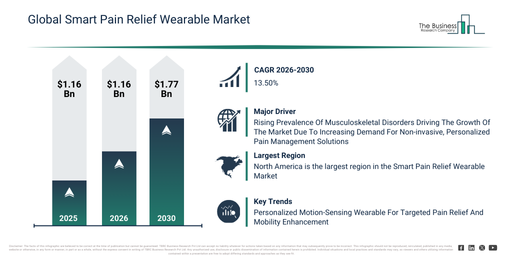
  • Smart Pain Relief Wearable Market Trends Are Creating New Opportunities For Industry Leaders

    Smart Pain Relief Wearable Market Trends Are Creating New Opportunities For Industry Leaders

    Enhanced with market attractiveness analysis, total addressable market evaluation, company benchmarking matrices, interactive Excel dashboards, expanded supply chain intelligence, emerging startup coverage, and detailed product insights, The Business Research Company’s 2026 market reports deliver more actionable and strategically valuable research.

    The smart pain relief wearable sector has experienced significant growth recently, driven by advancements in technology and evolving healthcare needs. As more individuals seek effective, non-invasive pain management solutions, this market is set to expand rapidly in the coming years. Let’s explore the current market size, growth factors, key players, and emerging trends shaping this promising industry.

    Market Size and Projected Growth in the Smart Pain Relief Wearable Market

    The market for smart pain relief wearables has surged notably in recent times. It is forecasted to increase from $1.79 billion in 2025 to $2.04 billion in 2026, representing a compound annual growth rate (CAGR) of 13.8%. This historic growth is largely fueled by the rise in chronic pain cases, limitations associated with traditional pharmaceutical pain treatments, increased adoption of wearable devices, growing demand for non-invasive therapy options, and the rise of homecare pain management solutions.

    Looking ahead, the market is expected to continue this upward trajectory, reaching $3.38 billion by 2030 with a CAGR of 13.5%. Key drivers for this expansion include advancements in AI-driven pain analytics, the widening scope of home healthcare, increased demand for sports injury rehabilitation, innovations in smart wearable technology, and the growing acceptance of digital therapeutic approaches. Important trends in the forecast period involve personalized pain management devices, integration of multi-modal therapies, app-controlled pain relief systems, continuous monitoring through wearables, and non-drug, non-invasive treatment options.

    Download A Free Sample Report For Comprehensive Market Insights:

    https://www.thebusinessresearchcompany.com/sample.aspx?id=29201&type=smp

    Prevalence of Musculoskeletal Disorders Boosting Market Demand

    One of the primary factors fueling the smart pain relief wearable market is the increasing incidence of musculoskeletal disorders. These conditions affect muscles, bones, joints, tendons, ligaments, and nerves, often causing pain, stiffness, and restricted movement due to overuse, strain, or injury.

    The rise in sedentary lifestyles contributes significantly to this trend, as poor posture and weakening muscles become more common. Smart pain relief wearables provide valuable support by offering targeted, non-invasive pain relief and promoting faster muscle recovery through continuous monitoring and personalized therapy programs. For example, in July 2025, the Institute for Health Transformation (IHT) in Australia reported that fracture rates had increased to one every 2.7 minutes in 2023, with predictions showing a dramatic rise to one fracture every 30 seconds by 2033. This growing burden of musculoskeletal conditions is a major factor stimulating demand for smart pain relief technologies.

    Smart Pain Relief Wearable Market Breakdown by Product Type and Application

    This market is categorized by product type, distribution channel, application, and end-user to provide a detailed picture:

    1) Product Types include Transcutaneous Electrical Nerve Stimulation (TENS) Devices, Electrical Muscle Stimulation (EMS) Devices, Heat Therapy Wearables, Vibration Therapy Wearables, and Other Products.

    2) Distribution Channels encompass Online Stores, Pharmacies, Specialty Stores, and other outlets.

    3) Applications cover Chronic Pain, Acute Pain, Postoperative Pain, Sports Injuries, and other uses.

    4) End-Users include Hospitals and Clinics, Home Care settings, Sports and Fitness Centers, among others.

    Further product subcategories offer specific device types such as portable and wireless TENS and EMS devices, various forms of heat therapy wearables like infrared and microwave, different vibration therapy devices including full-body and localized options, and other therapy wearables such as cold therapy, ultrasound, compression, and combination devices.

    Access The Complete Smart Pain Relief Wearable Market Report:

    https://www.thebusinessresearchcompany.com/report/smart-pain-relief-wearable-global-market-report

    Innovations and Technology Trends Driving Market Advancements

    Leading companies in this space are focused on pioneering sensor technologies like patented motion-sensing systems designed to enhance personalized pain relief. These advanced sensors analyze individual movement patterns in real time, enabling precisely timed therapeutic treatments and improving outcomes.

    For instance, in July 2025, US-based SomaTX Design Inc. introduced KneeMo, a smart wearable intended to revolutionize knee pain management by reducing discomfort and improving muscle function during activity. Developed through decades of research by experts including Dr. Tom Andriacchi and Dr. Jenny Hledik, this device reflects how technology is aligning with the needs of an aging yet active population.

    Competitive Environment in the Smart Pain Relief Wearable Market

    The market features several major players, including OMRON Healthcare Inc., Beurer GmbH, Electrostim Medical Services Inc., Therabody Inc., Electronic Waveform Lab Inc., Nooro Inc., TensCare Limited, Soterix Medical Inc., ExcelHealth Inc., JOGO Inc., Theranica Bio-Electronics Ltd., BioElectronics Corporation, Oska Wellness Inc., Healables Digital Health Inc., NeuroMetrix Inc., OrthoCor Medical Inc., Livia Health Inc., Quell (NeuroMetrix’s product line), ActiPatch (under BioElectronics), Cefaly Technology (CEFALY International), and PainShield Technologies. These companies are actively competing through innovation, product development, and strategic collaborations to capture a larger share of the growing market.

    Regional Market Leadership and Growth Prospects

    In 2025, North America held the largest share of the smart pain relief wearable market. However, the Asia-Pacific region is predicted to be the fastest-growing market during the forecast period due to rising healthcare awareness and increasing adoption of wearable technologies. Other key regions covered in market analyses include South East Asia, Western Europe, Eastern Europe, South America, the Middle East, and Africa, providing a broad understanding of global growth opportunities.

    Get in touch with us:

    The Business Research Company: https://www.thebusinessresearchcompany.com/

    Americas: +1 310-496-7795

    Asia: +44 7882 955267 & +91 8897263534

    Europe: +44 7882 955267

    Email us at: marketing@tbrc.info

    Follow us on:

    LinkedIn: https://in.linkedin.com/company/the-business-research-company

    YouTube: https://www.youtube.com/channel/UC24_fI0rV8cR5DxlCpgmyFQ

    Global Market Model: https://www.thebusinessresearchcompany.com/global-market-model
  • Smart Orthopedic Implants Market Growth Is Reshaping Competitive Advantage Across The Industry

    Smart Orthopedic Implants Market Growth Is Reshaping Competitive Advantage Across The Industry

    Through market attractiveness analysis, total addressable market evaluation, company benchmarking matrices, interactive Excel dashboards, expanded supply chain intelligence, emerging startup coverage, and detailed product insights, The Business Research Company’s 2026 market reports provide more actionable and strategically valuable research.

    The smart orthopedic implants market has witnessed significant expansion in recent years, driven by advancements in technology and growing healthcare needs. As the global population ages and the prevalence of musculoskeletal conditions rises, this sector is set to experience further robust growth. Here, we explore the current market size, key growth factors, leading players, and emerging trends shaping the future of smart orthopedic implants.

    Market Size and Growth Projections for the Smart Orthopedic Implants Market

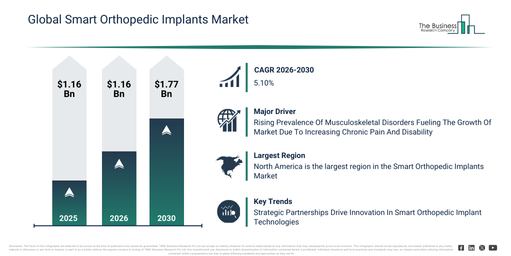
    The smart orthopedic implants market has shown strong growth, with its value expected to increase from $25.92 billion in 2025 to $27.33 billion in 2026, representing a compound annual growth rate (CAGR) of 5.4%. Looking ahead, the market is forecast to reach $33.36 billion by 2030, growing at a CAGR of 5.1%. This expansion is fueled by factors such as the rising incidence of orthopedic disorders, challenges in early diagnosis, conventional implant monitoring practices, high rates of post-operative complications, and heightened awareness around joint replacement procedures. Innovations in implantable technology and enhanced patient monitoring are also contributing to this upward trend.

    Download A Free Sample Report For Comprehensive Market Insights:

    https://www.thebusinessresearchcompany.com/sample.aspx?id=25906&type=smp

    Key Factors Supporting Growth in the Smart Orthopedic Implants Market

    A major driver behind the market’s expansion is the increasing prevalence of musculoskeletal disorders, which affect bones, muscles, joints, tendons, and ligaments. These conditions often lead to chronic pain, restricted mobility, and long-term disability. Their rise is linked to aging populations, sedentary lifestyles, and the growing burden of chronic diseases. Smart orthopedic implants offer real-time biomechanical feedback and early-warning systems, which enhance post-operative care and lower the risk of revision surgeries, thus improving patient outcomes.

    The growing awareness and demand for advanced orthopedic solutions are further propelling market growth. For example, data from January 2024 by the UK’s Office for Health Improvement and Disparities showed that in 2023, 18.4% of individuals aged 16 and above reported living with a long-term musculoskeletal condition, a slight increase from 17.6% in 2022. Women reported higher rates (20.9%) than men (15.8%), underscoring the widespread nature of these disorders and their impact on market demand.

    Access The Complete Smart Orthopedic Implants Market Report:

    https://www.thebusinessresearchcompany.com/report/smart-orthopedic-implants-global-market-report

    Comprehensive Segmentation Analysis and Revenue Opportunities in the Smart Orthopedic Implants Market

    This market is divided into multiple segments to capture the diverse product types, materials, technological integrations, applications, and end-use sectors. Key implant types include smart knee, hip, spine, shoulder, and ankle implants. Materials cover ceramic, metallic, and polymeric implants. Technology integration involves data analytics and artificial intelligence, microelectronic sensors, and telemedicine capabilities. Applications span fracture fixation, joint replacement, osteotomy, and spinal fusion, while end-users comprise ambulatory surgical centers, hospitals, specialty clinics, and other healthcare facilities.

    Further subcategories provide detailed breakdowns such as types of smart knee implants (total, partial, unicompartmental, revision), smart hip implants (total, partial, resurfacing, revision), smart spine implants (cervical, thoracolumbar, interbody fusion, pedicle screw systems), smart shoulder implants (total, reverse, partial, revision), and smart ankle implants (total replacement, fusion implants, revision, fracture fixation devices). This detailed segmentation helps identify lucrative revenue streams and targeted growth areas.

    Innovative Industry Collaborations and Trends in the Smart Orthopedic Implants Market

    Leading companies in the smart orthopedic implants space are increasingly forming strategic partnerships to enhance innovation and global market presence. These collaborations allow firms to combine expertise, share resources, and accelerate development while operating independently. For instance, in June 2025, NanoHive Medical LLC, specializing in 3D-printed spinal implants, partnered with DirectSync Surgical, a manufacturer of human-powered smart implants. Together, they are developing the Hive Soft Titanium spinal interbody fusion device, integrating bone-stimulating and remote monitoring sensor technologies. This device leverages a unique 3D lattice design to efficiently transfer energy from piezoelectric sensors, aiming to improve patient outcomes through enhanced data collection and AI-enabled surgical integration.

    Prominent Market Players Leading the Smart Orthopedic Implants Sector

    The smart orthopedic implants industry is shaped by several influential companies, including Johnson and Johnson, Medtronic plc, Stryker Corporation, Zimmer Biomet Holdings Inc, Enovis Corporation, Orthofix Medical Inc, Exactech Inc, Xenco Medical LLC, Heraeus Medical GmbH, Intelligent Implants GmbH, Statera Medical Inc, SpineGuard SA, BoneTag Technologies, DirectSync Surgical Inc, AK Medical Holdings Limited, Mathys Ltd, Smith and Nephew plc, Globus Medical Inc, NuVasive Inc, Alphatec Spine Inc, Life Spine Inc, and restor3d Inc. These organizations play a crucial role in advancing implant technologies, expanding product portfolios, and driving market growth.

    Regional Dynamics and Market Leadership in the Smart Orthopedic Implants Industry

    North America held the largest market share for smart orthopedic implants in 2025, reflecting the region’s advanced healthcare infrastructure and high adoption rates of innovative medical technologies. Meanwhile, the Asia-Pacific region is projected to be the fastest-growing market during the forecast period, driven by increasing healthcare investments, rising geriatric populations, and improving access to advanced orthopedic care. The market report also covers other key regions including South East Asia, Western Europe, Eastern Europe, South America, the Middle East, and Africa, offering a thorough global perspective on market developments.

    Get in touch with us:

    The Business Research Company: https://www.thebusinessresearchcompany.com/

    Americas: +1 310-496-7795

    Asia: +44 7882 955267 & +91 8897263534

    Europe: +44 7882 955267

    Email us at: marketing@tbrc.info

    Follow us on:

    LinkedIn: https://in.linkedin.com/company/the-business-research-company

    YouTube: https://www.youtube.com/channel/UC24_fI0rV8cR5DxlCpgmyFQ

    Global Market Model: https://www.thebusinessresearchcompany.com/global-market-model
  • Smart Medical Devices Market Forecast Signals New Revenue Opportunities Through 2030

    Smart Medical Devices Market Forecast Signals New Revenue Opportunities Through 2030

    Delivering more actionable and strategically valuable research, The Business Research Company’s 2026 market reports feature market attractiveness analysis, total addressable market evaluation, company benchmarking matrices, interactive Excel dashboards, expanded supply chain intelligence, emerging startup coverage, and detailed product insights.

    The smart medical devices market is witnessing impressive growth as innovations and healthcare needs converge to transform patient care. With rising demand for connected, real-time health monitoring and personalized treatments, this sector is set to expand significantly in the coming years. Let’s explore the market’s current size, growth drivers, key players, and emerging trends shaping its future trajectory.

    Steady Expansion of the Smart Medical Devices Market Size

    The market for smart medical devices has grown rapidly in recent times, reaching $46.89 billion in 2025. It is projected to increase further to $53.2 billion by 2026, reflecting a strong compound annual growth rate (CAGR) of 13.5%. This historic growth has been driven by factors such as the increasing prevalence of chronic diseases, widespread hospital digitalization, advancements in sensor miniaturization, the aging global population, and higher healthcare spending.

    Download A Free Sample Report For Comprehensive Market Insights:

    https://www.thebusinessresearchcompany.com/sample.aspx?id=20639&type=smp

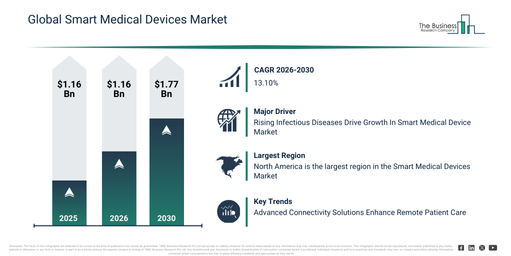
    Looking ahead, the smart medical devices market is expected to continue its upward trajectory, reaching an estimated $87.14 billion by 2030 at a CAGR of 13.1%. Key growth factors in this forecast period include greater adoption of homecare technologies, increased demand for real-time health data, a shift towards personalized treatment approaches, expansion of remote clinical workflows, and the rise of value-based healthcare models. Notable trends influencing this growth include the broadening use of remote patient monitoring, integration of smart wearables in homecare, development of interoperable device ecosystems, and a growing focus on preventive and personalized healthcare solutions.

    Infectious Disease Trends Boosting Demand for Smart Medical Devices

    An important driver of market growth is the rising incidence of infectious diseases, which continue to pose significant global health challenges. These diseases, caused by bacteria, viruses, fungi, or parasites, spread more easily due to increased global travel, accelerating the transmission of pathogens across borders. Smart medical devices play a vital role in managing infectious diseases by enabling continuous real-time monitoring, early symptom detection, and timely medical interventions.

    Access The Complete Smart Medical Devices Market Report:

    https://www.thebusinessresearchcompany.com/report/smart-medical-devices-global-market-report

    For example, data from February 2024 by the UK Health Security Agency shows tuberculosis cases in England increased by 10.7% in 2023 compared to the previous year, rising from 4,380 to 4,850 cases. This surge highlights the crucial role of smart devices in infection control, reducing in-person hospital visits through remote monitoring, and enhancing patient care with accurate, timely health information.

    Segments Defining the Smart Medical Devices Market

    The smart medical devices market is categorized by product, distribution channel, modality, and end-user to provide a detailed understanding of its structure. Product segmentation includes Diagnostics and Monitoring devices as well as Therapeutic devices. Distribution channels cover pharmacies and online platforms. Devices are further classified by modality into portable and wearable types. End-user segments comprise homecare settings, hospitals, and other healthcare environments.

    Within diagnostics and monitoring, subcategories include wearable health monitors, remote patient monitoring devices, smart glucose monitors, continuous blood pressure monitors, smart stethoscopes, and mobile health applications. Therapeutic devices encompass smart insulin delivery systems, drug delivery devices, smart inhalers, neuromodulation devices, smart rehabilitation equipment, and implantable devices.

    Advancements and Trends Shaping Smart Medical Devices

    Leading companies in the market are increasingly focusing on enhancing connectivity features, particularly telehealth integration, to improve clinical workflow efficiency, patient safety, and enable remote care. Telehealth integration allows medical devices to securely transmit patient data directly to centralized monitoring platforms, facilitating real-time condition tracking by healthcare providers regardless of their location.

    For instance, in August 2024, Masimo Corporation, a US-based medical tech firm, received FDA 510(k) clearance for its Masimo SafetyNet telemonitoring system. This approval enables the Masimo W1 watch to automatically and securely send vital sign data, including pulse, respiration, and hemoglobin levels, to a cloud-based platform. This innovation supports remote patient assessment without requiring manual data entry, streamlining healthcare delivery.

    Competitive Landscape of the Smart Medical Devices Market

    The smart medical devices market features several prominent industry players driving innovation and market penetration. Key companies include Johnson & Johnson, Abbott Laboratories, Medtronic plc, Becton Dickinson and Company, Stryker Corporation, GE Healthcare, Boston Scientific Corporation, Edwards Lifesciences Corporation, ResMed Inc, Dexcom Inc, Insulet Corporation, LivaNova plc, iRhythm Technologies Inc, Proteus Digital Health Inc, AliveCor Inc, Masimo Corporation, Koninklijke Philips N V, Omron Healthcare Inc, Apple Inc, CAIRE Inc, Qardio Inc, BioIntelliSense Inc, Senseonics Holdings Inc, Withings SA, and Current Health Ltd.

    Regional Market Distribution and Growth Prospects

    In 2025, North America accounted for the largest share of the smart medical devices market, driven by advanced healthcare infrastructure and high adoption rates of new technologies. Meanwhile, the Asia-Pacific region is projected to be the fastest-growing market during the forecast period, supported by expanding healthcare access, increasing chronic disease prevalence, and rising government investments. The report also examines other significant regions including South East Asia, Western Europe, Eastern Europe, South America, the Middle East, and Africa, providing a comprehensive global outlook.

    Get in touch with us:

    The Business Research Company: https://www.thebusinessresearchcompany.com/

    Americas: +1 310-496-7795

    Asia: +44 7882 955267 & +91 8897263534

    Europe: +44 7882 955267

    Email us at: marketing@tbrc.info

    Follow us on:

    LinkedIn: https://in.linkedin.com/company/the-business-research-company

    YouTube: https://www.youtube.com/channel/UC24_fI0rV8cR5DxlCpgmyFQ

    Global Market Model: https://www.thebusinessresearchcompany.com/global-market-model