Month: June 2026

  • Arthralgia Market Set To Grow From $6.08 Billion In 2026 To $8.25 Billion By 2030 At A CAGR Of 7.9%

    Arthralgia Market Set To Grow From $6.08 Billion In 2026 To $8.25 Billion By 2030 At A CAGR Of 7.9%

    Through market attractiveness analysis, total addressable market evaluation, company benchmarking matrices, interactive Excel dashboards, expanded supply chain intelligence, emerging startup coverage, and detailed product insights, The Business Research Company’s 2026 market reports provide more actionable and strategically valuable research.

    Arthralgia Market Growth Analysis: How Will Revenue Expand During The Forecast Period?

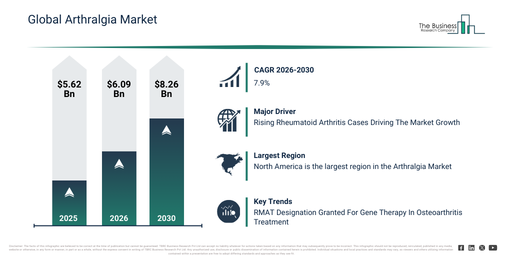
    The arthralgia market has experienced robust expansion, projected to increase from $5.62 billion in 2025 to $6.09 billion in 2026, reflecting a compound annual growth rate of 8.2%. Key drivers behind this growth during the historical period include the escalating incidence of joint conditions, an aging global population, heightened consciousness surrounding musculoskeletal well-being, the broadening availability of pharmaceutical treatments for pain, and the expansion of ambulatory orthopedic services.

    The arthralgia market is projected for substantial expansion over the upcoming years, anticipating a reach of $8.26 billion by 2030. This growth trajectory reflects a compound annual growth rate (CAGR) of 7.9%, fueled by several key factors including a rising preference for individually tailored treatment plans, greater utilization of biologic and targeted therapeutic options, the proliferation of at-home pain management services, a heightened emphasis on sustaining symptom control over extended periods, and augmented financial backing for research into joint health. During this forecast period, prominent developments are anticipated to include a wider acceptance of personalized pain relief strategies, increased application of multi-modal treatment approaches, a stronger focus on diagnosing joint ailments at an earlier stage, the advancement of non-invasive methods for pain alleviation, and the refinement of patient-focused care frameworks.

    Download A Free Sample Report For Comprehensive Market Insights:

    https://www.thebusinessresearchcompany.com/sample.aspx?id=21104&type=smp

    Arthralgia Market Growth Factors Supporting Long-Term Expansion

    A surge in rheumatoid arthritis diagnoses is anticipated to be a significant catalyst for the expansion of the arthralgia market in the future. Rheumatoid arthritis, characterized as a persistent autoimmune condition that targets joints, results in inflammation, discomfort, and ultimately, potential joint deterioration. Factors contributing to the escalating prevalence of rheumatoid arthritis include demographic shifts towards older populations, inherent genetic vulnerabilities, evolving lifestyle choices, and exposure to environmental triggers such as tobacco use and air pollution. The mechanism by which rheumatoid arthritis inflicts arthralgia involves sustained inflammation within the joints, culminating in pain, rigidity, and gradual structural impairment. Illustratively, data from Arthritis Australia, a non-profit entity based in Australia, projected in February 2024 that by the year 2040, the total number of arthritis cases in Australia will climb to 5.39 million, an increase from 4.11 million anticipated in 2025. Within this projection, osteoarthritis is expected to rise to 3.11 million from 2.35 million, while rheumatoid arthritis cases are forecast to reach 748,721. Consequently, the growing incidence of rheumatoid arthritis is directly stimulating the expansion of the arthralgia market.

    Arthralgia Market Segmentation Trends And Revenue Drivers

    The arthralgia market covered in this report is segmented –

    1) By Cause: Osteoarthritis, Rheumatoid Arthritis, Gout, Psoriatic Arthritis, Lupus, Injuries, Infections, Other Causes

    2) By Treatment Type: Medications, Therapies, Surgical Interventions, Lifestyle And Home Remedies

    3) By Route Of Administration: Oral, Injectable, Topical, Transdermal

    4) By Distribution Channel: Hospital Pharmacies, Retail Pharmacies, Online Pharmacies

    5) By End User: Hospital, Clinics, Homecare Settings, Rehabilitation Centers

    Subsegments:

    1) By Osteoarthritis: Knee Osteoarthritis, Hip Osteoarthritis, Hand Osteoarthritis, Spine Osteoarthritis, Shoulder Osteoarthritis

    2) By Rheumatoid Arthritis: Seropositive Rheumatoid Arthritis, Seronegative Rheumatoid Arthritis, Juvenile Rheumatoid Arthritis, Early-Onset Rheumatoid Arthritis

    3) By Gout: Primary Gout, Secondary Gout, Gouty Arthritis

    4) By Psoriatic Arthritis: Symmetric Psoriatic Arthritis, Asymmetric Psoriatic Arthritis, Psoriatic Spondylitis, Distal Interphalangeal Predominant Psoriatic Arthritis

    5) By Lupus: Systemic Lupus Erythematosus (SLE), Discoid Lupus Erythematosus, Drug-induced Lupus, Neonatal Lupus

    6) By Injuries: Sports-related Injuries, Trauma and Fractures, Sprains and Strains, Tendon or Ligament Damage

    7) By Infections: Septic Arthritis, Viral Arthritis, Bacterial Infections, Fungal Infections

    8) By Other Causes: Fibromyalgia, Overuse Injuries, Sarcoidosis, Ankylosing Spondylitis, Crystal-induced Arthritis

    Arthralgia Market Industry Trends Shaping Future Revenue Growth

    Major players within the arthralgia market are actively engaged in pioneering novel therapeutic solutions, notably gene therapies that have secured RMAT designation, aiming to deliver enhanced, enduring pain alleviation and better joint mobility to individuals suffering from joint pain. Such RMAT-designated gene therapies are those recognized by the FDA as Regenerative Medicine Advanced Therapies, a status that accelerates their progression and evaluation for serious or potentially fatal ailments. As an illustration, in March of 2024, the U.S. Food and Drug Administration (FDA) bestowed Regenerative Medicine Advanced Therapy (RMAT) designation upon PCRX-201 (enekinragene inzadenovec), a product developed by Pacira BioSciences Inc., a pharmaceutical entity headquartered in the United States. This advanced intra-articular gene therapy employs a helper-dependent adenovirus (HDAd) vector for the treatment of knee osteoarthritis and is engineered to generate interleukin-1 receptor antagonists (IL-1Ra). Pacira conveyed its satisfaction with being the recipient of the FDA’s inaugural RMAT designation for a gene therapy aimed at osteoarthritis, highlighting promising preliminary clinical findings that indicate PCRX-201 could represent a groundbreaking, disease-modifying intervention.

    #Arthralgia Market Industry Leaders: Which Organizations Are Driving Competition?

    Major companies operating in the arthralgia market are Pfizer Inc., Johnson & Johnson Services Inc., AbbVie Inc., Sanofi S.A., Bristol-Myers Squibb Company, AstraZeneca PLC, Novartis AG, GlaxoSmithKline PLC, Eli Lilly and Company, Amgen Inc., Teva Pharmaceutical Industries Ltd., Regeneron Pharmaceuticals Inc., Astellas Pharma Inc., Biogen Inc., UCB S.A., Hikma Pharmaceuticals PLC, Ferring Pharmaceuticals, KD Pharma Group S.A., SI-BONE Inc., Xalud Therapeutics Inc., Incannex Healthcare Limited, Cytonics Corporation

    Access The Complete Arthralgia Market Report:

    https://www.thebusinessresearchcompany.com/report/arthralgia-global-market-report

    #Arthralgia Market Largest Region: Which Geography Holds The Highest Market Share?

    North Americawas the largest region in the arthralgia market in 2025. The regions covered in the arthralgia market report are Asia-Pacific, South East Asia, Western Europe, Eastern Europe, North America, South America, Middle East, Africa.

    Get in touch with us:

    The Business Research Company: https://www.thebusinessresearchcompany.com/

    Americas: +1 310-496-7795

    Asia: +44 7882 955267 & +91 8897263534

    Europe: +44 7882 955267

    Email us at: marketing@tbrc.info

    Follow us on:

    LinkedIn: https://in.linkedin.com/company/the-business-research-company

    YouTube: https://www.youtube.com/channel/UC24_fI0rV8cR5DxlCpgmyFQ

    Global Market Model: https://www.thebusinessresearchcompany.com/global-market-model
  • Arteriovenous Malformations Market Opportunities Are Emerging Beyond Traditional Growth Areas

    Arteriovenous Malformations Market Opportunities Are Emerging Beyond Traditional Growth Areas

    Delivering more actionable and strategically valuable research, The Business Research Company’s 2026 market reports feature market attractiveness analysis, total addressable market evaluation, company benchmarking matrices, interactive Excel dashboards, expanded supply chain intelligence, emerging startup coverage, and detailed product insights.

    Arteriovenous Malformations Market Forecast: What Market Value Is Expected By 2030?

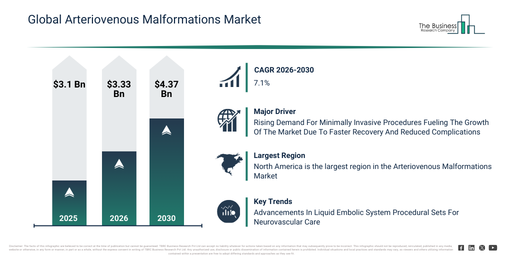
    The market for arteriovenous malformations (AVMs) has demonstrated robust expansion lately, projected to increase from $3.1 billion in 2025 to $3.33 billion by 2026, reflecting a compound annual growth rate of 7.3%. Historically, this growth has been propelled by advancements in neuroimaging, heightened clinical recognition of AVM conditions, the proliferation of dedicated neurosurgical facilities, the integration of endovascular embolization procedures, and the overall expansion of neurological care services within hospitals.

    The market for arteriovenous malformations is projected to experience substantial expansion over the coming years, reaching an estimated $4.37 billion by 2030 with a compound annual growth rate of 7.1%. This anticipated growth trajectory is underpinned by several key factors, including a heightened demand for precise diagnostic tools, increased financial commitments to neurovascular research, a broader acceptance of less invasive treatment modalities, a greater emphasis on tailoring treatment strategies to individual patients, and the growing availability of sophisticated interventional equipment. During this forecast period, significant trends are expected to shape the market landscape, such as the wider integration of cutting-edge neuroimaging diagnostics, a rise in the utilization of endovascular treatments that require minimal invasion, a stronger push towards early and precise diagnosis, the increasing implementation of collaborative, multidisciplinary treatment plans, and more robust methods for monitoring patient recovery after interventions.

    Download A Free Sample Report For Comprehensive Market Insights:

    https://www.thebusinessresearchcompany.com/sample.aspx?id=21888&type=smp

    #Arteriovenous Malformations Market Demand Drivers Creating New Revenue Opportunities

    The expanding preference for less invasive interventions is poised to accelerate the expansion of the arteriovenous malformations market. These less invasive approaches involve surgical or therapeutic actions carried out through subtle incisions or catheter-based methods, aiming to minimize physical trauma, expedite recovery periods, and reduce the likelihood of complications. The heightened demand for such surgeries stems from their capacity to facilitate quicker recuperation, as they require smaller cuts, inflict less damage to the body’s tissues, and shorten the overall healing duration. Consequently, patients can resume their regular routines sooner when contrasted with conventional open surgeries, making this approach a more attractive option for both individuals seeking treatment and medical professionals providing care in the arteriovenous malformations market. Techniques like endovascular embolization, which leverage catheters and image guidance to control aberrant blood flow without resorting to open procedures, exemplify how arteriovenous malformations are amenable to less invasive strategies, leading to diminished risks, shorter recovery times, and improved patient outcomes, as evidenced by a 7% rise in minimally invasive cosmetic procedures in the US during 2023, totaling 25,442,640.

    Heightened financial commitments within the biotechnology sector are anticipated to be a significant catalyst for the expansion of the arteriovenous malformations market. Biotechnology, in essence, involves the utilization of biological systems, organisms, or processes to create novel healthcare products and technologies. This surge in biotechnology investment is largely attributable to groundbreaking advancements, particularly in gene editing technologies like CRISPR, which facilitate highly accurate genetic alterations that translate into medical innovations. The field of arteriovenous malformations is intrinsically linked to biotechnology through enhancements in medical imaging capabilities, progress in gene therapy applications, and the development of more delicate, minimally invasive treatment modalities, all contributing to sophisticated solutions such as precisely delivered pharmaceuticals, biocompatible materials for repairing blood vessels, and diagnostic tools augmented by artificial intelligence. Illustrating this trend, the UK’s vibrant life sciences and biotechnology industry attracted substantial investment, securing $2.55 billion in the initial half of 2024, thereby exceeding the $2.32 billion total for the entirety of 2023, underscoring the robust growth driven by escalating biotechnology investments within the arteriovenous malformations market.

    Arteriovenous Malformations Market Segment Analysis Highlighting Growth Areas

    The arteriovenous malformations market covered in this report is segmented –

    1) By Type: True Arteriovenous Malformation, Occult Or Cryptic, Cavernous Malformations, Venous Malformation, Hemangioma, Dural Fistula, Other Types

    2) By Diagnosis: Physical examination, Brain Scans, Other Diagnosis

    3) By Treatment: Endovascular Embolization, Neurosurgery

    4) By Age Group: Adult Patients, Pediatric Patients

    5) By End-User: Hospitals And Clinics, Research laboratories, Other End-Users

    Subsegments:

    1) By True Arteriovenous Malformation: Pial AVMs, Spinal AVMs, Brain AVMs, Extremity AVMs, Visceral AVMs

    2) By Occult or Cryptic: Micro-AVMs, Hidden AVMs, Asymptomatic AVMs, Deep-Seated AVMs, Small-Scale AVMs

    3) By Cavernous Malformations: Cerebral Cavernous Malformations (CCMs), Spinal Cavernous Malformations, Familial Cavernous Malformations, Solitary Cavernous Malformations, Multiple Cavernous Malformations

    4) By Venous Malformation: Superficial Venous Malformations, Deep Venous Malformations, Mixed Venous Malformations, Syndromic Venous Malformations, Blue Rubber Bleb Nevus Syndrome

    5) By Hemangioma: Infantile Hemangiomas, Capillary Hemangiomas, Lobular Capillary Hemangiomas, Cavernous Hemangiomas, Compound Hemangiomas

    6) By Dural Fistula: Cranial Dural Arteriovenous Fistula (dAVF), Spinal Dural Arteriovenous Fistula, Direct Dural AV Fistula, Indirect Dural AV Fistula, High-Flow Dural Fistula

    7) By Other Types: Lymphatic Malformations, Mixed Vascular Malformations, Arteriovenous Aneurysms, Hereditary Hemorrhagic Telangiectasia (HHT)-Associated AVMs, Rare Congenital AVMs

    Arteriovenous Malformations Market Trends Driving Strategic Industry Expansion

    In the arteriovenous malformations market, leading corporations are prioritizing innovation, particularly in the development of liquid embolic system procedural sets, with the aim of simplifying treatment processes and enhancing patient results. Such a procedural set is essentially a fully assembled, sterile package containing all the vital items needed for administering liquid embolic agents to address conditions like arteriovenous malformations (AVMs). A prime illustration of this trend is the introduction in March 2024 by CERENOVUS Inc., a US entity specializing in neurovascular care and part of Johnson and Johnson MedTech, of its TRUFILL n-BCA liquid embolic system procedural set. This recently released set offers two distinct configurations alongside all required accessories, conveniently packaged together in a sterile unit to facilitate the preparation and deployment of the n-BCA liquid embolic system for the treatment of cerebral arteriovenous malformations (AVMs), thereby streamlining the pre-procedural workflow.

    Arteriovenous Malformations Market Leading Companies: Who Holds Significant Market Presence?

    Major companies operating in the arteriovenous malformations market are Johnson And Johnson Services Inc, Medtronic Plc, Stryker Corporation, Terumo Corporation, Penumbra Inc, Cook Medical LLC, Elekta AB, Merit Medical Systems Inc, Balt LLC, Shape Memory Medical Inc, MicroVention Inc, Cerenovus, Brainlab AG, Boston Scientific Corporation, Abbott Laboratories, B Braun Melsungen AG, Siemens Healthineers AG, GE Healthcare Technologies Inc, Koninklijke Philips NV, Canon Medical Systems Corporation, Toshiba Medical Systems Corporation

    Access The Complete Arteriovenous Malformations Market Report:

    https://www.thebusinessresearchcompany.com/report/arteriovenous-malformations-global-market-report

    Arteriovenous Malformations Market Regional Analysis: Which Region Leads By Revenue?

    North Americawas the largest region in the arteriovenous malformations market in 2025. Asia-Pacificis expected to be the fastest-growing region in the forecast period. The regions covered in the arteriovenous malformations market report are Asia-Pacific, South East Asia, Western Europe, Eastern Europe, North America, South America, Middle East, Africa.

    Get in touch with us:

    The Business Research Company: https://www.thebusinessresearchcompany.com/

    Americas: +1 310-496-7795

    Asia: +44 7882 955267 & +91 8897263534

    Europe: +44 7882 955267

    Email us at: marketing@tbrc.info

    Follow us on:

    LinkedIn: https://in.linkedin.com/company/the-business-research-company

    YouTube: https://www.youtube.com/channel/UC24_fI0rV8cR5DxlCpgmyFQ

    Global Market Model: https://www.thebusinessresearchcompany.com/global-market-model
  • AR/VR Medical Simulation Market Expansion Is Opening New Pathways For Strategic Investment

    AR/VR Medical Simulation Market Expansion Is Opening New Pathways For Strategic Investment

    Enhanced with market attractiveness analysis, total addressable market evaluation, company benchmarking matrices, interactive Excel dashboards, expanded supply chain intelligence, emerging startup coverage, and detailed product insights, The Business Research Company’s 2026 market reports deliver more actionable and strategically valuable research.

    AR/VR Medical Simulation Market Size Outlook: How Fast Will Revenue Grow Through 2030?

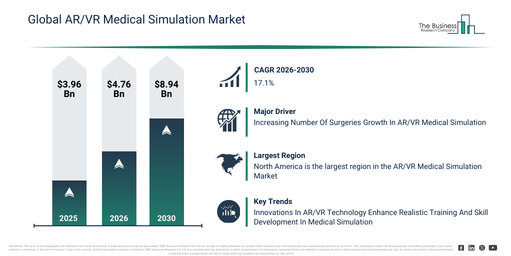
    The augmented and virtual reality medical simulation sector has experienced remarkable expansion, with projections indicating a significant increase from $3.96 billion in 2025 to $4.76 billion by 2026, reflecting a compound annual growth rate of 20.3%. This robust growth trajectory is underpinned by several key factors that have driven its development during the preceding period. These include the broadening scope of medical education initiatives, a heightened demand for consistent and uniform clinical training methodologies, the escalating integration of digital learning instruments within the healthcare domain, the proliferation of educational frameworks centered on simulation, and the increasing accessibility of sophisticated visualization technologies.

    Augmented and virtual reality in medical simulation is poised for significant expansion, projected to reach a market value of $8.94 billion by 2030, reflecting a compound annual growth rate (CAGR) of 17.1%. This projected growth is fueled by several key factors: escalating investments in virtual methods for medical instruction, a heightened need for training solutions that are both accessible remotely and capable of scaling, the proliferation of AI-enhanced simulation software, a strengthened emphasis on improving patient safety results, and a greater embrace of virtual reality for preparing surgical procedures. Dominating the landscape during this forecast period are the increasing uptake of deeply engaging clinical training platforms, a surge in the utilization of virtual tools for simulating surgeries, a growing preference for remote medical training options, the broadening scope of educational programs centered on medical scenarios, and a more concentrated effort on evaluating and providing feedback on acquired skills.

    Download A Free Sample Report For Comprehensive Market Insights:

    https://www.thebusinessresearchcompany.com/sample.aspx?id=15117&type=smp

    AR/VR Medical Simulation Market Expansion Supported By Key Demand Factors

    The expansion of the AR/VR medical simulation market is anticipated to be driven by a growing volume of surgical procedures. These medical interventions, essential for addressing various ailments and conditions, are experiencing an upward trend attributed to demographics like an aging global population, innovations in medical science, and the escalating prevalence of long-term health issues. AR and VR technologies in surgical contexts offer significant advantages, facilitating enhanced training, better surgical results, and improved patient management through their capacity to provide a secure and productive environment for education, skill refinement, and planning before operations. Illustrating this trend, data from June 2024, shared by the American Society of Plastic Surgeons, an American professional body, indicated that liposuction remained the most popular cosmetic surgery in 2023, with approximately 350,000 procedures performed, representing a 7% rise from the previous year. Consequently, the escalating frequency of surgeries directly fuels the growth trajectory of the AR/VR medical simulation sector.

    AR/VR Medical Simulation Market Segment Performance And Strategic Opportunities

    The ar/vr medical simulation market covered in this report is segmented –

    1) By Product And Service: Medical Simulation Anatomical Models, Web Based Simulation, Medical Simulation Software, Simulation Training Services

    2) By Application: Medical Education, Patient Care Management, Other Applications

    3) By End-Users: Hospitals And Healthcare Institutions, Medical Schools And Universities

    Subsegments:

    1) By Medical Simulation Anatomical Models: Physical Models, AR Or VR Models

    2) By Web-Based Simulation: Online Training Platforms, Virtual Learning Modules

    3) By Medical Simulation Software: Patient Simulation Software, Surgical Simulation Software, Scenario-Based Training Software

    4) By Simulation Training Services: Instructor-Led Training, Remote Simulation Training, Technical Support And Maintenance

    AR/VR Medical Simulation Market Growth Trends Influencing Competitive Dynamics

    The prominent players within the AR/VR medical simulation sector are concentrating their efforts on pioneering sophisticated offerings, including AI-infused virtual training environments designed to elevate surgical accuracy, refine competency evaluations, and bolster readiness in clinical settings. These AI-enhanced immersive training systems merge virtual reality with immediate performance feedback and smart analytical tools, thereby accurately mirroring intricate surgical situations and fostering more impactful learning experiences. A case in point is FundamentalVR, a US entity specializing in immersive surgical education, which in May 2024 unveiled its Fundamental Surgery platform. This platform is now fortified with sophisticated AI functionalities, allowing surgeons to hone their skills through precise tactile response, continuous performance analysis, and dynamic modification of training modules tailored to each user’s skill level. The system furnishes comprehensive performance data encompassing choices made, pace, and precision; incorporates lifelike 3D anatomical models for authentic practice; and features an AI-driven review mechanism that pinpoints areas of excellence and opportunities for growth. Furthermore, it facilitates team-based training sessions, thereby improving teamwork and synchronized action within demanding surgical contexts.

    AR/VR Medical Simulation Market Key Players: Which Companies Shape Industry Competition?

    Major companies operating in the ar/vr medical simulation market are Siemens AG, Koninklijke Philips N.V., GE HealthCare Technologies Inc., Intuitive Surgical Operations Inc., CAE Inc., 3D Systems Healthcare Inc., Surgical Science Sweden AB, Eon Reality Inc., Gaumard Scientific Co., Osso VR Inc., FundamentalVR, Mentice AB, Limbs & Things Ltd., Kyoto Kagaku Co. Ltd., VirtaMed AG, BioDigital Inc., Vuzix Corporation, Oxford Medical Simulation, Laerdal Medical AS, AppliedVR Inc., SimforHealth, Precision OS, Medical Realities, UbiSim Inc., GigXR, Virtual Education Systems (VRpatients), MedVR Education, PeriopSim, InfiVR.com

    Access The Complete AR/VR Medical Simulation Market Report:

    https://www.thebusinessresearchcompany.com/report/ar-or-vr-medical-simulation-global-market-report

    AR/VR Medical Simulation Market Geographic Distribution And Regional Opportunities

    North Americawas the largest region in the AR/VR medical simulation market in 2025. Asia-Pacificis expected to be the fastest growing region in the forecast period. The regions covered in the ar/vr medical simulation market report are Asia-Pacific, South East Asia, Western Europe, Eastern Europe, North America, South America, Middle East, Africa.

    Get in touch with us:

    The Business Research Company: https://www.thebusinessresearchcompany.com/

    Americas: +1 310-496-7795

    Asia: +44 7882 955267 & +91 8897263534

    Europe: +44 7882 955267

    Email us at: marketing@tbrc.info

    Follow us on:

    LinkedIn: https://in.linkedin.com/company/the-business-research-company

    YouTube: https://www.youtube.com/channel/UC24_fI0rV8cR5DxlCpgmyFQ

    Global Market Model: https://www.thebusinessresearchcompany.com/global-market-model
  • Aquatic Veterinary Market Trends Are Creating New Opportunities For Industry Leaders

    Aquatic Veterinary Market Trends Are Creating New Opportunities For Industry Leaders

    Through market attractiveness analysis, total addressable market evaluation, company benchmarking matrices, interactive Excel dashboards, expanded supply chain intelligence, emerging startup coverage, and detailed product insights, The Business Research Company’s 2026 market reports provide more actionable and strategically valuable research.

    Aquatic Veterinary Market Size, Value And Growth Trends Through 2030

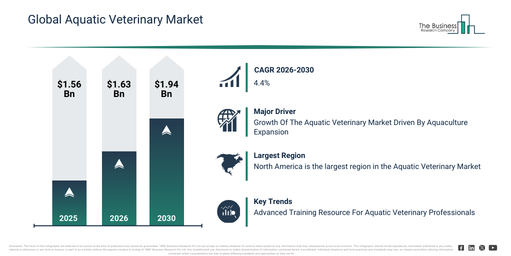
    The market for veterinary services in aquatic settings has experienced consistent expansion, projected to increase from $1.56 billion in 2025 to $1.63 billion in 2026, reflecting a compound annual growth rate of 4.7%. This upward trend in the past is linked to several factors, including the broadening scope of commercial aquaculture enterprises, a surge in infectious diseases affecting water-dwelling creatures, the proliferation of fish and shrimp cultivation, a heightened consciousness regarding the well-being of aquatic fauna, and the accessibility of fundamental veterinary care for these animals.

    The market for aquatic veterinary services is projected for consistent expansion in the upcoming years, reaching an estimated $1.94 billion by 2030, with a compound annual growth rate of 4.4%. This anticipated growth is fueled by several key factors, including a heightened demand for environmentally friendly aquaculture methods, increased funding allocated to disease mitigation in aquatic populations, broader implementation of sophisticated diagnostic technologies, a growing emphasis on alternatives to antibiotics, and intensified regulatory scrutiny concerning the health of aquatic creatures. Key developments expected during this forecast period involve a greater incorporation of molecular diagnostic instruments, a rise in the utilization of probiotics and nutritional supplements, a stronger emphasis on proactive management of aquatic health, an expansion in the use of vaccines for disease management, and improved oversight of the environmental conditions affecting aquatic life.

    Download A Free Sample Report For Comprehensive Market Insights:

    https://www.thebusinessresearchcompany.com/sample.aspx?id=20469&type=smp

    #Aquatic Veterinary Market Growth Drivers And Industry Catalysts

    The escalating aquaculture sector is poised to be a primary catalyst for the future expansion of the aquatic veterinary market. This agricultural domain, focusing on the breeding and raising of aquatic life including fish, crustaceans, mollusks, and aquatic plants, is experiencing a significant upswing. This growth is attributed to a confluence of factors: a surging worldwide appetite for seafood, the imperative to reduce the strain on natural fish populations, and strategic efforts to bolster global food security. Within this context, aquatic veterinary care plays a crucial role in safeguarding the well-being of cultivated aquatic populations, implementing disease management strategies, and refining cultivation techniques. Illustrating this trend, data from the Sea Fish Industry Authority, a UK public body dedicated to supporting the seafood sector, indicated in September 2023 that aquaculture production is projected to reach 106 million tons by the year 2030, marking an overall increase of 22%, or approximately 19 million tons. Consequently, the sustained growth and development within the aquaculture industry are directly fueling the advancement of the aquatic veterinary market.

    #Aquatic Veterinary Market Segment Landscape And Growth Potential

    The aquatic veterinary market covered in this report is segmented –

    1) By Type: Diagnostics, Treatments

    2) By Species: Fish, Crustaceans, Mollusca, Other Species

    3) By Disease Source: Bacteria, Viruses, Parasites, Other Disease Sources

    4) By Route Of Administration: Water Medication, Medicated Feed, Other Routes Of Administration

    5) By Distribution Channel: Distributor, Online Stores, Retail, Others Distribution Channels

    Subsegments:

    1) By Diagnostics: Diagnostic Imaging, PCR Testing, Blood and Tissue Analysis, Microbial Testing, Rapid Diagnostic Tests (RDTs), Histopathology, Genetic Testing

    2) By Treatments: Vaccines For Aquatic Animals, Antimicrobial and Antifungal Treatments, Parasitic Treatments, Pain Management Medications, Antibiotics For Aquatic Animals, Anti-Inflammatory Treatments, Probiotics And Nutraceuticals, Surgical Interventions

    #Aquatic Veterinary Market Trends Influencing Long-Term Demand

    Leading entities within the aquatic veterinary sector are innovating by creating web-based learning systems, including instructional modules, to elevate care standards and streamline veterinary operations. These instructional modules serve as distinct educational segments or units, purpose-built to deliver systematic guidance and learning resources pertinent to particular subjects or competencies. They are frequently employed across both digital and physical learning environments to foster robust training and professional advancement. Illustrating this trend, in November of 2023, Merck Animal Health, a pharmaceutical firm headquartered in the United States, introduced AQUA CARE365, a digital educational initiative and training resource that grants veterinary practitioners access to a broad spectrum of interactive modules, expert perspectives, and practical instruments to augment their expertise and proficiencies in aquatic animal husbandry, with the ultimate objective of refining veterinary practice quality and patient results.

    Aquatic Veterinary Market Competitive Landscape: Who Are The Leading Companies?

    Major companies operating in the aquatic veterinary market are Thermo Fisher Scientific Inc., Merck KGaA, Zoetis Inc., IDEXX BioAnalytics, Alltech Inc., Phibro Animal Health Corporation, AquaGen, AquaBioTech Group, Aquasol Corporation, Aquatic Animal Health Laboratory AAHL, Aquatic Diagnostic Services International ADSI, Aquatic Veterinary Services, Benchmark Genetics, BioMar Group, Cargill Aqua Nutrition, Skretting Group, Novus International, Pentair Aquatic Eco-Systems, Lallemand Animal Nutrition, Groupe Grimaud

    Access The Complete Aquatic Veterinary Market Report:

    https://www.thebusinessresearchcompany.com/report/aquatic-veterinary-global-market-report

    Aquatic Veterinary Market Largest Region By Revenue And Market Share

    North Americawas the largest region in the aquatic veterinary market in 2025. The regions covered in the aquatic veterinary market report are Asia-Pacific, South East Asia, Western Europe, Eastern Europe, North America, South America, Middle East, Africa.

    Get in touch with us:

    The Business Research Company: https://www.thebusinessresearchcompany.com/

    Americas: +1 310-496-7795

    Asia: +44 7882 955267 & +91 8897263534

    Europe: +44 7882 955267

    Email us at: marketing@tbrc.info

    Follow us on:

    LinkedIn: https://in.linkedin.com/company/the-business-research-company

    YouTube: https://www.youtube.com/channel/UC24_fI0rV8cR5DxlCpgmyFQ

    Global Market Model: https://www.thebusinessresearchcompany.com/global-market-model
  • Apraxia Market Growth Is Reshaping Competitive Advantage Across The Industry

    Apraxia Market Growth Is Reshaping Competitive Advantage Across The Industry

    Delivering more actionable and strategically valuable research, The Business Research Company’s 2026 market reports feature market attractiveness analysis, total addressable market evaluation, company benchmarking matrices, interactive Excel dashboards, expanded supply chain intelligence, emerging startup coverage, and detailed product insights.

    Apraxia Market CAGR Analysis And Future Market Development

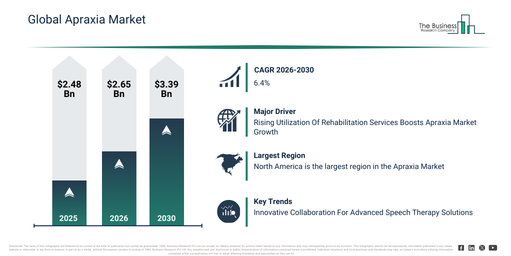
    The apraxia market has seen robust expansion lately. Projections indicate a rise from $2.48 billion in 2025 to $2.65 billion in 2026, reflecting a compound annual growth rate (CAGR) of 6.7%. This prior growth was influenced by a deeper comprehension of motor planning impairments, the accessibility of targeted rehabilitation interventions, advancements in neurological diagnostic tools, the proliferation of speech and occupational therapy services, and heightened awareness surrounding neurodevelopmental conditions.

    The apraxia market is poised for significant expansion over the coming years, with projections indicating a rise to $3.39 billion by 2030, driven by a compound annual growth rate (CAGR) of 6.4%. This upward trajectory is underpinned by several key factors, including progress in neurorehabilitation technologies, increased utilization of digital therapy platforms, greater investment in neurological research, the broadening scope of personalized rehabilitation programs, and a heightened demand for early diagnosis and intervention. During this forecast period, prominent trends expected to shape the market include a greater embrace of speech and occupational therapy programs, the escalating use of neuroimaging for precise diagnosis, a more pervasive integration of digital rehabilitation tools, the development of multidisciplinary treatment models, and a stronger emphasis on early intervention strategies.

    Download A Free Sample Report For Comprehensive Market Insights:

    https://www.thebusinessresearchcompany.com/sample.aspx?id=21103&type=smp

    Apraxia Market Opportunity Drivers: What Is Creating New Revenue Potential?

    The increasing utilization of rehabilitation services is anticipated to boost the expansion of the apraxia market as time progresses. Rehabilitation services encompass a wide array of therapeutic approaches, including physical, occupational, cognitive, and speech therapy, all designed to reinstate functional capacities in patients following neurological damage or illness. Within the domain of apraxia, characterized by difficulties in motor planning for speech or limb actions, enhanced availability and uptake of these services assist a greater number of individuals in obtaining prompt, specialized treatment to regain motor control and communication proficiencies. As an illustration, the World Health Organization, an intergovernmental body based in Switzerland, projected in February 2025 that by the year 2025, an estimated 2.5 billion individuals would encounter some degree of hearing impairment, with upwards of 700 million people requiring hearing rehabilitation, and if unaddressed, this could incur a yearly global economic cost close to US$1 trillion, thus underscoring how the elevated use of rehabilitation services is fueling the apraxia market’s growth.

    The escalating incidence of neurological disorders is projected to be a significant catalyst for the apraxia market’s expansion in the coming period. Neurological disorders represent a category of medical conditions impacting the brain, spinal cord, and nerves, resulting in diverse symptoms that can manifest as impairments in cognition, motor function, sensation, or behavior. Contributing factors to the rise in neurological disorders include an aging demographic, heightened public awareness, and shifts in lifestyle patterns. Apraxia plays a crucial role in comprehending neurological disorders by acting as a vital marker of impaired brain function, particularly in regions governing movement planning and coordination, which is fundamental for the diagnosis and management of various neurological ailments. For example, in October 2023, the World Federation of Neurology, an association of national neurological societies headquartered in the UK, reported that over 40% of the global population currently contends with some form of neurological condition, a burden expected to almost double by 2050, thereby highlighting how the growing prevalence of neurological disorders is propelling the apraxia market forward.

    Apraxia Market Categorization By Product Type And Application

    The apraxia market covered in this report is segmented –

    1) By Type: Ideomotor Apraxia, Ideational Or Conceptual Apraxia, Buccofacial Or Orofacial Apraxia, Constructional Apraxia, Gait Apraxia, Limb-Kinetic Apraxia, Oculomotor Apraxia, Apraxia Of Speech

    2) By Treatment: Speech Therapy, Occupational Therapy, Physical Therapy, Other Treatments

    3) By Diagnosis: Test To Measure Upper Limb Apraxia, Magnetic Resonance Imaging (MRI), Other Diagnosis

    Subsegments:

    1) By Ideomotor Apraxia: Limb Apraxia, Facial Apraxia, Non-dominant Hand Apraxia

    2) By Ideational Or Conceptual Apraxia: Complex Task Apraxia, Sequential Action Disorder, Apraxia Of Tool Use

    3) By Buccofacial Or Orofacial Apraxia: Lip Movements Apraxia, Tongue And Cheek Apraxia, Swallowing And Mastication Apraxia

    4) By Constructional Apraxia: Drawing Apraxia, Building And Construction Apraxia

    5) By Gait Apraxia: Frontal Gait Apraxia, Parkinsonian Gait Apraxia

    6) By Limb-Kinetic Apraxia: Upper Limb Kinetic Apraxia, Lower Limb Kinetic Apraxia

    7) By Oculomotor Apraxia: Saccadic Eye Movement Apraxia, Smooth Pursuit Apraxia

    8) By Apraxia Of Speech: Verbal Apraxia, Phonemic Apraxia, Apraxia Of Speech With Dysarthria

    Apraxia Market Innovation Trends Driving Future Development

    The apraxia market is experiencing a drive by key players towards strategic collaborations aimed at bolstering research endeavors, broadening the scope of available therapies, and ultimately elevating patient results. An illustration of this trend is the July 2024 alliance formed between Trios Health, a healthcare entity based in the United States, and the Department of Speech and Hearing Sciences at Washington State University, an American academic institution. This partnership culminated in the inauguration of a novel initiative named “Camp I Can Say It!”, a specialized program specifically developed to assist children between the ages of five and seven who face challenges with childhood apraxia of speech (CAS) and other significant speech impediments. The camp distinguishes itself by offering speech therapy in a bilingual format, thus accommodating children who speak either English or Spanish, and also integrates foundational early literacy development, presenting a holistic methodology for enhancing both communication abilities and academic proficiency.

    Apraxia Market Company Landscape And Strategic Competition

    Major companies operating in the apraxia market are Creative Expression Therapy (CET), North Shore Pediatric Therapy, Meredith Brand Therapy LLC, Chicago Speech Therapy, Expressable, Lingraphica, Instrumental Speech Language Pathology (Instrumental SLP), Voz Speech Therapy, Kaufman Children’s Center, Chatterboxes Speech-Language & Occupational Therapy, TalkTools, Speech Therapy Centres of Canada, Speak Live Play, Northeast Hearing & Speech, The Center for Speech, Language, Occupational Therapy and Applied Behavior Analysis, Speech Bee, Dynamic Speech Therapy, A Mile High Speech Therapy, Tactus Therapy Solutions, Con Moto Speech Services.

    Access The Complete Apraxia Market Report:

    https://www.thebusinessresearchcompany.com/report/apraxia-global-market-report

    Apraxia Market Regional Analysis And Leading Geography

    North Americawas the largest region in the apraxia market in 2025. Asia-Pacificis expected to be the fastest-growing region in the forecast period. The regions covered in the apraxia market report are Asia-Pacific, South East Asia, Western Europe, Eastern Europe, North America, South America, Middle East, Africa.

    Get in touch with us:

    The Business Research Company: https://www.thebusinessresearchcompany.com/

    Americas: +1 310-496-7795

    Asia: +44 7882 955267 & +91 8897263534

    Europe: +44 7882 955267

    Email us at: marketing@tbrc.info

    Follow us on:

    LinkedIn: https://in.linkedin.com/company/the-business-research-company

    YouTube: https://www.youtube.com/channel/UC24_fI0rV8cR5DxlCpgmyFQ

    Global Market Model: https://www.thebusinessresearchcompany.com/global-market-model
  • Appendicitis Treatment Market Forecast Signals New Revenue Opportunities Through 2030

    Appendicitis Treatment Market Forecast Signals New Revenue Opportunities Through 2030

    Enhanced with market attractiveness analysis, total addressable market evaluation, company benchmarking matrices, interactive Excel dashboards, expanded supply chain intelligence, emerging startup coverage, and detailed product insights, The Business Research Company’s 2026 market reports deliver more actionable and strategically valuable research.

    Appendicitis Treatment Market Expansion From $4.63 Billion In 2026 To $5.96 Billion In 2030

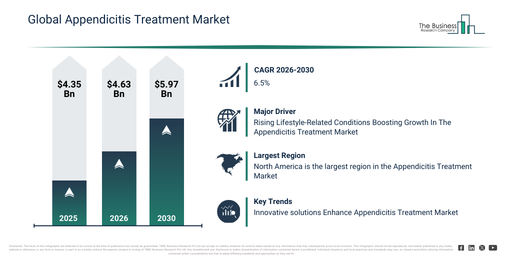
    The appendicitis treatment sector has experienced substantial expansion lately, projected to increase from $4.35 billion in 2025 to $4.63 billion in 2026, reflecting a compound annual growth rate of 6.5%. This historical growth trajectory has been propelled by several key factors, including the broadening of emergency surgical care infrastructure, a rise in acute appendicitis occurrences, the widespread adoption of standardized surgical protocols, the proliferation of hospital emergency departments, and enhanced accessibility to advanced diagnostic imaging tools.

    Experiencing a robust expansion, the appendicitis treatment market is projected to reach a valuation of $5.97 billion by the year 2030, advancing at a compound annual growth rate of 6.5% over the ensuing period. This upward trajectory is fueled by several key factors, including a greater embrace of minimally invasive surgical instruments, a notable increase in the utilization of outpatient surgical facilities, a concerted effort to shorten hospital stays, the broader implementation of antibiotic treatment regimens, and enhancements in diagnostic capabilities for emergency situations. Key developments anticipated during this forecast horizon encompass a growing inclination towards less invasive appendectomy procedures, the increasing application of laparoscopic surgical methods, a heightened adoption rate of initial antibiotic treatments, improved precision in emergency diagnostics, and more refined protocols for recovery after surgery.

    Download A Free Sample Report For Comprehensive Market Insights:

    https://www.thebusinessresearchcompany.com/sample.aspx?id=18227&type=smp

    Appendicitis Treatment Market Growth Momentum: Which Factors Are Influencing Demand?

    The increasing incidence of ailments linked to lifestyle choices is anticipated to fuel the expansion of the appendicitis treatment market. This surge in lifestyle-induced diseases stems primarily from widespread sedentary habits, inadvisable dietary patterns, and elevated stress levels. Factors such as diet and physical inactivity can potentially elevate the risk of appendicitis by adversely affecting gut health and promoting inflammation. Diets deficient in fiber and rich in processed foods may disrupt the digestive system and heighten vulnerability. For example, by 2030, it’s projected that approximately half of the global adult population, nearing 3 billion individuals, will be classified as overweight or obese, underscoring the significance of this trend. Consequently, the escalating prevalence of conditions associated with lifestyle is a key driver for the appendicitis treatment market.

    The growing adoption of minimally invasive surgical techniques is a significant factor expected to advance the appendicitis treatment market. These procedures involve smaller incisions and specialized instruments, resulting in less bodily trauma compared to traditional open surgery. Driven by technological and equipment advancements in surgery, such as improvements in laparoscopic tools, robotic systems, and imaging, these methods are becoming safer, more accurate, and more readily available in healthcare settings. The heightened utilization of such approaches boosts the demand for appendicitis treatments because patients and medical professionals favor laparoscopic appendectomies over open surgery, due to advantages like diminished post-operative discomfort, reduced hospital stays, quicker recovery of normal activities, and lower rates of complications. Illustrating a broader trend in surgical preference, a UK-based professional body reported a 5% increase in cosmetic surgical procedures from 2023 to 2024, totaling 27,462 completed in the latter year. Therefore, the increasing frequency of minimally invasive interventions is propelling the development of the appendicitis treatment market.

    Appendicitis Treatment Market Segment Analysis And Revenue Opportunities

    The appendicitis treatment market covered in this report is segmented –

    1) By Type: Acute Appendicitis, Chronic Appendicitis

    2) By Treatment: Surgery, Laparoscopic Surgery, Open Laparotomy, Medication, Other Treatments

    3) By Route Of Administration: Oral, Parenteral

    4) By End Users: Hospitals, Ambulatory Surgical Centers, Specialty Clinics, Other End Users

    Subsegments:

    1) By Acute Appendicitis: Surgical Treatment (Appendectomy), Non-Surgical Treatment (Antibiotics and Observation)

    2) By Chronic Appendicitis: Surgical Treatment (Appendectomy), Medical Management (Antibiotics, Pain Management)

    Appendicitis Treatment Market Trends Reshaping Industry Growth

    Within the appendicitis treatment sector, leading enterprises are prioritizing the creation of sophisticated technologies, including AI-enhanced live-stream surgical systems, aiming to transform surgical accuracy and patient recovery following appendicitis procedures. This advanced AI-integrated live-stream surgical technology represents a breakthrough in medical advancement, employing artificial intelligence to refine surgical interventions through the incorporation of live video transmission. As an illustration, Medtronic plc, an Irish medical device manufacturer, unveiled novel AI-powered algorithms and live streaming capabilities in April 2024. These new AI algorithms and live streaming functionalities augment the touch surgery performance insights platform by delivering in-depth surgical data and facilitating secure, real-time transmission of operations. Such advancements contribute to improved appendicitis treatments by refining surgical methodologies, expediting the education of surgical trainees, and expanding the availability of expert mentorship, consequently leading to superior results and more widespread access to exceptional medical services.

    Appendicitis Treatment Market Leading Players Shaping Industry Direction

    Major companies operating in the appendicitis treatment market are Pfizer Inc., Johnson & Johnson, Merck & Co Inc., Sanofi, Bayer AG, Novartis AG, GlaxoSmithKline plc, AbbVie Inc., AstraZeneca plc, Medtronic plc, Stryker Corporation, Olympus Corporation, B. Braun Melsungen AG, Boston Scientific Corporation, Smith & Nephew plc, Cook Medical, Baxter International Inc., Fresenius SE & Co. KGaA, Cipla Limited, Hikma Pharmaceuticals

    Access The Complete Appendicitis Treatment Market Report:

    https://www.thebusinessresearchcompany.com/report/appendicitis-treatment-global-market-report

    Appendicitis Treatment Market Geographic Analysis: Where Is Demand Growing The Fastest?

    North Americawas the largest region in the appendicitis treatment market in 2025. The regions covered in the appendicitis treatment market report are Asia-Pacific, South East Asia, Western Europe, Eastern Europe, North America, South America, Middle East, Africa.

    Get in touch with us:

    The Business Research Company: https://www.thebusinessresearchcompany.com/

    Americas: +1 310-496-7795

    Asia: +44 7882 955267 & +91 8897263534

    Europe: +44 7882 955267

    Email us at: marketing@tbrc.info

    Follow us on:

    LinkedIn: https://in.linkedin.com/company/the-business-research-company

    YouTube: https://www.youtube.com/channel/UC24_fI0rV8cR5DxlCpgmyFQ

    Global Market Model: https://www.thebusinessresearchcompany.com/global-market-model
  • Appendiceal Cancer Treatment Market Growth Is Accelerating As Industry Transformation Continues

    Appendiceal Cancer Treatment Market Growth Is Accelerating As Industry Transformation Continues

    Through market attractiveness analysis, total addressable market evaluation, company benchmarking matrices, interactive Excel dashboards, expanded supply chain intelligence, emerging startup coverage, and detailed product insights, The Business Research Company’s 2026 market reports provide more actionable and strategically valuable research.

    Appendiceal Cancer Treatment Market Forecast Highlighting Growth From $4.36 Billion To $5.46 Billion

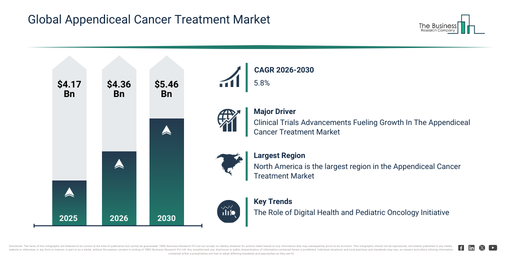
    The market for appendiceal cancer treatments has experienced consistent expansion, projected to advance from $4.17 billion in 2025 to $4.36 billion by 2026, reflecting a compound annual growth rate of 4.7%. This upward trend historically has been bolstered by several factors, including heightened awareness of uncommon gastrointestinal malignancies, the development and application of sophisticated surgical oncology methods, the proliferation of dedicated cancer care facilities, advancements in cancer drug development, and enhancements in diagnostic imaging capabilities.

    The appendiceal cancer treatment sector is poised for substantial expansion, projecting a market value of $5.46 billion by 2030, driven by a compound annual growth rate (CAGR) of 5.8%. This anticipated surge is underpinned by several key factors, including the progress in precision oncology, augmented investment in rare cancer studies, a greater uptake of individualized chemotherapy plans, the proliferation of clinical trials specific to appendiceal cancers, and the emergence of innovative targeted therapies. Furthermore, prevailing trends expected to shape this market during the forecast period encompass a heightened embrace of cytoreductive surgical methods, increased utilization of targeted chemotherapy regimens, a more pronounced emphasis on diagnosing the condition in its early stages, the broadening application of multidisciplinary treatment strategies, and enhancements in post-operative care protocols.

    Download A Free Sample Report For Comprehensive Market Insights:

    https://www.thebusinessresearchcompany.com/sample.aspx?id=13204&type=smp

    Appendiceal Cancer Treatment Market Expansion Drivers: What Is Shaping Future Growth?

    The ongoing expansion of clinical trials is projected to fuel the appendiceal cancer treatment market’s upward trajectory. These upcoming human-based biomedical or behavioral research studies are designed to answer specific questions about medical interventions, encompassing both innovative treatments and existing ones that require further scrutiny and comparative analysis. By deepening our comprehension of appendiceal cancer and refining therapeutic strategies, clinical trials are instrumental in offering patients more successful and precisely targeted methods for disease management. As an illustration, the Association of the British Pharmaceutical Industry reported that in December 2024, the number of pharmaceutical industry trials initiated in the United Kingdom saw its second consecutive annual rise, increasing from 411 trials in 2022 to 426 in 2023. Consequently, this surge in clinical trial activity is a significant contributor to the appendiceal cancer market’s growth.

    Appendiceal Cancer Treatment Market Driver: Rising Healthcare Expenditure Is Anticipated To Drive The Expansion Of The Appendiceal Cancer Treatment Market

    Anticipated increases in healthcare spending are expected to stimulate the growth of the appendiceal cancer treatment market. Healthcare expenditure encompasses the total financial outlay on health-related goods and services within a specific healthcare system or economy. For appendiceal cancer treatment, this includes all costs related to patient diagnosis, ongoing management, and therapeutic interventions, as well as the provision of medical services, therapies, and support networks funded by these allocated resources. To provide an example, the Office for National Statistics, a UK government body, indicated in a May 2023 publication that UK healthcare spending escalated by 5.6% between 2022 and 2023, a notable acceleration from the 0.9% growth observed in 2022. UK healthcare expenditure reached approximately $317.63 billion (£292 billion) in 2023. Therefore, escalating healthcare expenditure is a key factor driving the expansion of the appendiceal cancer treatment market.

    Appendiceal Cancer Treatment Market Segmentation And Category Breakdown

    The appendiceal cancer treatment market covered in this report is segmented –

    1) By Type: Colonic-Type Adenocarcinoma, Mucinous Adenocarcinoma Of Appendix, Goblet Cell Adenocarcinoma, Neuroendocrine Carcinoma, Other Types

    2) By Treatment: Surgery, Chemotherapy, Radiation Therapy, Other Treatments

    3) By Route Of Administration: Oral, Intravenous, Other Routes Of Administration

    4) By End User: Hospitals, Cancer Research Institutes, Other End Users

    Subsegments:

    1) By Colonic-Type Adenocarcinoma: Stage I, Stage II, Stage III, Stage IV

    2) By Mucinous Adenocarcinoma Of Appendix: Low-Grade Mucinous Adenocarcinoma, High-Grade Mucinous Adenocarcinoma

    3) By Goblet Cell Adenocarcinoma: Mixed Type, Pure Goblet Cell Carcinoma

    4) By Neuroendocrine Carcinoma: Well-Differentiated Neuroendocrine Tumors, Poorly Differentiated Neuroendocrine Carcinomas

    5) By Other Types: Sarcomas, Lymphomas, Appendix Carcinoid Tumors

    Appendiceal Cancer Treatment Market Strategic Trends: What Is Defining The Next Phase Of Growth?

    Within the market for appendiceal cancer therapies, leading entities are actively pursuing novel technological advancements. These encompass digital health solutions, artificial intelligence-powered diagnostic instruments, tailored treatment methodologies, and telehealth services, all designed to elevate patient involvement and optimize the efficiency of healthcare provision. Digital health encompasses a spectrum of technologies utilizing digital instruments to improve healthcare, such as remote consultations, mobile health applications, and systems for tracking patient health from a distance.illustrating this trend, October 2024 saw CancerX, a notable US biotechnology or healthcare firm, unveil its 2025 Accelerator Program. The upcoming cohort is scheduled to place a particular focus on pediatric oncology, reserving two of the fifteen slots for emerging companies pioneering innovations in this specific field. Collaborating with KidsX, this initiative aims to harness the collective expertise of more than thirty children’s hospitals with the ultimate goal of enhancing treatment results for young individuals battling cancer.

    Appendiceal Cancer Treatment Market Competitive Analysis Of Major Industry Participants

    Major companies operating in the appendiceal cancer treatment market are Pfizer Inc., Roche Holding AG, F. Hoffmann-La Roche Ltd., Merck & Co. Inc., AbbVie Inc., Bayer AG, Novartis AG, Sanofi S.A., Bristol-Myers Squibb Company, Eli Lilly & Company, Boehringer Ingelheim International GmbH, Gilead Sciences Inc., Amgen Inc., AstraZeneca plc, ImmunoGen Inc., Fresenius Kabi USA, Teva Pharmaceutical Industries Ltd., Sun Pharmaceutical Industries Ltd., Aurobindo Pharma Ltd., Cipla Inc., Lupin Limited, Gland Pharma Limited, Accord Healthcare Limited

    Access The Complete Appendiceal Cancer Treatment Market Report:

    https://www.thebusinessresearchcompany.com/report/appendiceal-cancer-treatment-global-market-report

    Appendiceal Cancer Treatment Market Global Footprint: Which Region Holds Market Leadership?

    North Americawas the largest region in the appendiceal cancer treatment market in 2025. Asia-Pacificis expected to be the fastest-growing region in the forecast period. The regions covered in the appendiceal cancer treatment market report are Asia-Pacific, South East Asia, Western Europe, Eastern Europe, North America, South America, Middle East, Africa.

    Get in touch with us:

    The Business Research Company: https://www.thebusinessresearchcompany.com/

    Americas: +1 310-496-7795

    Asia: +44 7882 955267 & +91 8897263534

    Europe: +44 7882 955267

    Email us at: marketing@tbrc.info

    Follow us on:

    LinkedIn: https://in.linkedin.com/company/the-business-research-company

    YouTube: https://www.youtube.com/channel/UC24_fI0rV8cR5DxlCpgmyFQ

    Global Market Model: https://www.thebusinessresearchcompany.com/global-market-model
  • Apoptosis Assay Kit Market Outlook Highlights The Next Major Growth Opportunities

    Apoptosis Assay Kit Market Outlook Highlights The Next Major Growth Opportunities

    Delivering more actionable and strategically valuable research, The Business Research Company’s 2026 market reports feature market attractiveness analysis, total addressable market evaluation, company benchmarking matrices, interactive Excel dashboards, expanded supply chain intelligence, emerging startup coverage, and detailed product insights.

    Apoptosis Assay Kit Market Revenue Growth Supported By A CAGR Of 12.02% Through 2030

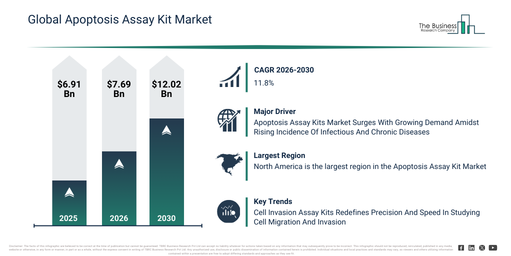
    The market for apoptosis assay kits has experienced substantial expansion recently. Projections indicate a rise from $6.91 billion in 2025 to $7.69 billion by 2026, reflecting a compound annual growth rate of 11.3%. Key factors driving this historical growth include the broadening scope of cell biology research, heightened utilization of apoptosis assays within drug discovery pipelines, augmented financial support for academic investigations, a greater preference for in vitro testing methodologies, and the consistent availability of well-defined assay reagents.

    The market for apoptosis assay kits is poised for substantial expansion in the upcoming years, projecting a surge to $12.02 billion by 2030, driven by a compound annual growth rate (CAGR) of 11.8%. This projected growth trajectory is underpinned by several key factors: escalating investments in the realm of oncology drug discovery, a growing inclination towards employing high-throughput screening platforms, advancements in stem cell research and regenerative medicine endeavors, the broadening scope of precision medicine investigations, and a heightened demand for sophisticated cell analysis instrumentation. Within this forecast period, significant market trends are anticipated to emerge, including a greater need for apoptosis detection kits offering superior sensitivity, the increasing embrace of multiplex assay technologies, a wider utilization of flow cytometry for apoptosis assessments, the enhanced integration of automated tools for data analysis, and a strengthened emphasis on ensuring both reproducibility and precision in experimental outcomes.

    Download A Free Sample Report For Comprehensive Market Insights:

    https://www.thebusinessresearchcompany.com/sample.aspx?id=12625&type=smp

    Apoptosis Assay Kit Market Development Factors: Which Trends Are Supporting Demand?

    A surge in both infectious and chronic illnesses is anticipated to be a primary catalyst for the expansion of the apoptosis assay kit market. Infectious diseases are defined by their origin from disease-causing microbes like bacteria, viruses, fungi, or parasites, while chronic diseases encompass long-term health conditions, such as diabetes, that typically manifest over extended durations, persisting for months or even years. Researchers utilize apoptosis assays to delve into the fundamental processes driving infectious and chronic diseases, as well as to examine pathogen impacts. A concrete illustration of this trend is the reported increase in tuberculosis cases in the United States, which climbed from 8,320 in 2022 to 9,615 in 2023, an escalation of 1,295 cases, as noted by the Centers for Disease Control and Prevention in March 2024. Consequently, the escalating prevalence of these ailments is fueling demand within the apoptosis assay kit market.

    Apoptosis Assay Kit Market Segment Outlook: Which Categories Are Expanding The Fastest?

    The apoptosis assay kit market covered in this report is segmented –

    1) By Product: Kits, Reagents, Instruments, Other Products

    2) By Assay Type: Caspase Assay, DNA Fragmentation Assay, Cell Permeability Assay, Mitochondrial Assay

    3) By Detection Technique: Flow Cytometry, Cell Imaging And Analysis System, Spectrophotometry, Other Detection Techniques

    4) By Application: Drug Discovery And Development, Clinical Research, Stem Cell Research, Basic Research

    5) By End-Use: Pharmaceutical And Biotechnology Companies, Hospital And Diagnostic Laboratories, Academic And Research Institutes

    Subsegments:

    1) By Kits: Caspase Activity Kits, Annexin V Kits, TUNEL Assay Kits

    2) By Reagents: Staining Reagents, Detection Reagents, Buffer Solutions

    3) By Instruments: Flow Cytometers, Microscopes, Imaging Systems

    4) By Other Products: Software For Data Analysis, Sample Preparation Tools, Control And Calibration Products

    Apoptosis Assay Kit Market Transformation Trends: Which Innovations Are Driving Change?

    Key players within the apoptosis assay kit sector are actively directing their efforts towards the development and release of advanced products, specifically cell invasion assay kits, aiming to secure a stronger position in the competitive landscape. These cell invasion assay kits serve a critical role in cell biology investigations, particularly in understanding cancer development, the mechanisms of wound repair, and other biological events characterized by cellular movement across extracellular matrices (ECM). As an illustration, in the month of December 2023, TheWell Bioscience, a biotechnology firm headquartered in the United States, introduced its VitroGel-Based Cell Invasion Assay Kits. These particular kits are designed to offer unparalleled precision, enhanced efficiency, and dependable results for cell migration studies, and remarkably, can be concluded in as little as 30 minutes, a significant improvement over conventional assay kits that rely on animal-derived extracellular matrices and often require hours to complete. The overarching benefit of these kits is their capacity to assist researchers in thoroughly examining cellular migration and invasion processes.

    Apoptosis Assay Kit Market Key Companies And Competitive Benchmarking

    Major companies operating in the apoptosis assay kit market are Thermo Fisher Scientific Inc., Danaher Corporation, Merck Group, Becton Dickinson and Company, Agilent Technologies Inc., Lonza Group Ltd., Sartorius AG, Bio-Rad Laboratories Inc., Bio-Techne Corporation, Promega Corporation, GenScript Biotech Corporation, Abcam plc, BioLegend Inc., Enzo Life Sciences AG, Cayman Chemical Company, BioVision Inc., Cell Signaling Technology Inc., Santa Cruz Biotechnology Inc., GeneTex Inc., Creative Bioarray, GE Healthcare Bio Sciences AB, Active Motif Inc., Novus Biologicals LLC, BPS Bioscience Inc., RayBiotech Life Inc., Geno Technology Inc., Biotium Inc., GeneCopoeia Inc., Trevigen Inc., AAT Bioquest Inc.

    Access The Complete Apoptosis Assay Kit Market Report:

    https://www.thebusinessresearchcompany.com/report/apoptosis-assay-kit-global-market-report

    Apoptosis Assay Kit Market Regional Distribution: Which Areas Drive Market Expansion?

    North Americawas the largest region in the apoptosis assay kit market in 2025. The regions covered in the apoptosis assay kit market report are Asia-Pacific, South East Asia, Western Europe, Eastern Europe, North America, South America, Middle East, Africa.

    Get in touch with us:

    The Business Research Company: https://www.thebusinessresearchcompany.com/

    Americas: +1 310-496-7795

    Asia: +44 7882 955267 & +91 8897263534

    Europe: +44 7882 955267

    Email us at: marketing@tbrc.info

    Follow us on:

    LinkedIn: https://in.linkedin.com/company/the-business-research-company

    YouTube: https://www.youtube.com/channel/UC24_fI0rV8cR5DxlCpgmyFQ

    Global Market Model: https://www.thebusinessresearchcompany.com/global-market-model
  • Apolipoprotein Testing Market Trends And Growth Drivers Point To Strong Future Potential

    Apolipoprotein Testing Market Trends And Growth Drivers Point To Strong Future Potential

    Enhanced with market attractiveness analysis, total addressable market evaluation, company benchmarking matrices, interactive Excel dashboards, expanded supply chain intelligence, emerging startup coverage, and detailed product insights, The Business Research Company’s 2026 market reports deliver more actionable and strategically valuable research.

    Apolipoprotein Testing Market Value Expansion And Long-Term Growth Outlook

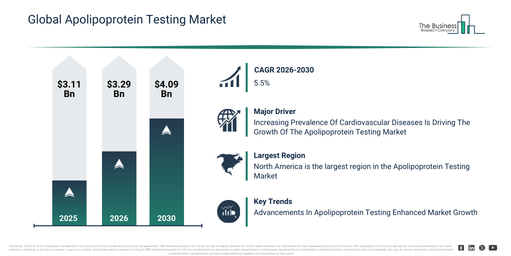
    The apolipoprotein testing market experienced robust expansion recently. Projections indicate continued growth, anticipating a rise from $3.11 billion in 2025 to $3.29 billion in 2026, reflecting a compound annual growth rate of 5.9%. Factors contributing to this historical expansion include the escalating incidence of cardiovascular ailments, broader integration of lipid testing procedures, the proliferation of diagnostic laboratory infrastructure, heightened consciousness regarding preventative health measures, and the accessibility of validated apolipoprotein testing kits.

    The apolipoprotein testing market is poised for significant expansion, projected to reach $4.09 billion by 2030 with a compound annual growth rate of 5.5%. This anticipated surge is driven by several key factors, including a heightened need for precise cardiovascular diagnostic tools, the growing incorporation of molecular diagnostics into everyday medical practices, the advancement of personalized medicine strategies, increased investment in automated diagnostic systems, and a greater emphasis on identifying disease risks at an early stage. Furthermore, emerging trends such as the wider acceptance of sophisticated lipid risk assessment tests, a greater demand for diagnostic services focused on cardiovascular disease prevention, the burgeoning integration of genetic and protein analysis, the proliferation of automated immunoassay platforms, and a more dedicated approach to individual cardiac risk assessment will shape the market’s trajectory during this forecast period.

    Download A Free Sample Report For Comprehensive Market Insights:

    https://www.thebusinessresearchcompany.com/sample.aspx?id=19293&type=smp

    Apolipoprotein Testing Market Industry Drivers: What Is Driving Revenue Growth?

    The burgeoning incidence of heart and blood vessel conditions, encompassing ailments like heart attacks, strokes, and peripheral vascular disease, is poised to stimulate expansion within the apolipoprotein testing market. This escalating occurrence of cardiovascular disorders can be attributed to a confluence of factors, including suboptimal dietary patterns, a rise in obesity levels, and an aging global demographic. Apolipoproteins, specifically ApoA-I and ApoB, play an indispensable role in the transportation of lipids throughout the bloodstream. The measurement of their concentrations serves as a vital indicator for evaluating an individual’s risk of developing cardiovascular disease and for customizing lipid-lowering therapies to achieve superior patient outcomes. Illustrating this trend, data from January 2024, as reported by the American Heart Association, an American non-profit entity, indicated that the cardiovascular disease death rate, adjusted for age, climbed to 233.3 per 100,000 people, signifying a 4.0% uptick from the preceding year’s figure of 224.4 per 100,000. This follows a 4.6% increase observed in 2023, marking the initial upward trend in these mortality rates witnessed in numerous years. Consequently, the heightened prevalence of cardiovascular diseases acts as a significant catalyst for the apolipoprotein testing market’s advancement.

    Apolipoprotein Testing Market Segment Landscape: Which Areas Lead Market Development?

    The apolipoprotein testing market covered in this report is segmented –

    1) By Type Of Apolipoprotein: Apolipoprotein A-I, Apolipoprotein B, Apolipoprotein E

    2) By Technology: Immunoassays, Polymerase Chain Reaction (PCR)

    3) By Application: Cardiovascular Disease Risk Assessment, Genetic Testing, Other Applications

    4) By End-User: Hospitals And Clinics, Diagnostic Laboratories, Research And Academic Institutes

    Subsegments:

    1) By Apolipoprotein A-I: Quantitative Testing, Qualitative Testing, Functional Testing

    2) By Apolipoprotein B: Total Apolipoprotein B Testing, Apolipoprotein B100 Testing, Apolipoprotein B48 Testing

    3) By Apolipoprotein E: Genotyping Tests, Protein Level Testing, Functional Assays

    #Apolipoprotein Testing Market Growth Trends: What Is Influencing The Future Outlook?

    Leading entities within the apolipoprotein sector are rolling out advanced cardiovascular health initiatives, aiming to deliver more thorough screenings and customized guidance for effective cholesterol management and the mitigation of heart-related ailments. These refined wellness packages are designed to offer in-depth assessments and bespoke advice to foster superior cardiac health. A prime illustration is the January 2023 launch of InsideTracker’s Ultimate Plan, a US-based firm specializing in personal health analytics, which now incorporates the measurement of Apolipoprotein B (ApoB), a critical marker for cardiac risk. This inclusion empowers individuals with a deeper comprehension of their cardiovascular condition, given the established link between high ApoB concentrations and increased risks of conditions like atherosclerosis and heart disease. The plan provides users with a comparative analysis of their ApoB levels against established norms, alongside personalized lifestyle suggestions formulated by InsideTracker’s scientific experts based on robust research.

    Apolipoprotein Testing Market Industry Leaders And Market Competition

    Major companies operating in the apolipoprotein testing market are F. Hoffmann-La Roche Ltd., Thermo Fisher Scientific Inc., Mayo Clinic Laboratories, Laboratory Corporation of America Holdings, Quest Diagnostics Incorporated, Bio-Rad Laboratories Inc., Randox Laboratories Ltd., R&D Systems Inc., Elabscience Bionovation Inc., Sekisui Diagnostics LLC, RayBiotech Inc., Mabtech AB, Bioss Inc., Aviva Systems Biology Corporation, Abnova Corporation, DiaSys Diagnostic Systems GmbH, Enzo Life Sciences Inc., Eagle Biosciences Inc., CLOUD-CLONE CORP., ELK Biotechnology CO. Ltd., LifeSpan BioSciences Inc.,

    Access The Complete Apolipoprotein Testing Market Report:

    https://www.thebusinessresearchcompany.com/report/apolipoprotein-testing-global-market-report

    Apolipoprotein Testing Market Leading Geography: Which Region Generates The Most Revenue?

    North Americawas the largest region in the apolipoprotein testing market in 2025. The regions covered in the apolipoprotein testing market report are Asia-Pacific, South East Asia, Western Europe, Eastern Europe, North America, South America, Middle East, Africa.

    Get in touch with us:

    The Business Research Company: https://www.thebusinessresearchcompany.com/

    Americas: +1 310-496-7795

    Asia: +44 7882 955267 & +91 8897263534

    Europe: +44 7882 955267

    Email us at: marketing@tbrc.info

    Follow us on:

    LinkedIn: https://in.linkedin.com/company/the-business-research-company

    YouTube: https://www.youtube.com/channel/UC24_fI0rV8cR5DxlCpgmyFQ

    Global Market Model: https://www.thebusinessresearchcompany.com/global-market-model
  • Aplastic Anemia Market Expansion Is Reshaping Competitive Dynamics Across The Industry

    Aplastic Anemia Market Expansion Is Reshaping Competitive Dynamics Across The Industry

    Through market attractiveness analysis, total addressable market evaluation, company benchmarking matrices, interactive Excel dashboards, expanded supply chain intelligence, emerging startup coverage, and detailed product insights, The Business Research Company’s 2026 market reports provide more actionable and strategically valuable research.

    Aplastic Anemia Market Expected To Reach $9.07 Billion By 2030 At 5.1% CAGR

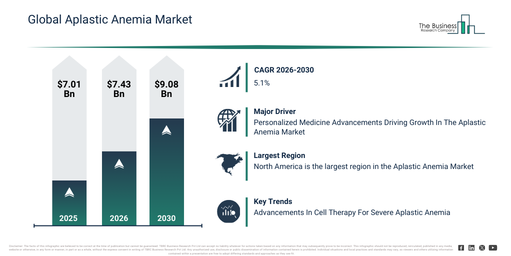
    The market for aplastic anemia has experienced substantial expansion lately, projected to increase from $7.01 billion in 2025 to $7.43 billion in 2026, reflecting a compound annual growth rate (CAGR) of 5.9%. This historical growth trajectory is linked to heightened clinical recognition of uncommon blood disorders, the accessibility of immunosuppressive medications, the proliferation of bone marrow transplant facilities, advancements in diagnostic tools, and the development of hospital treatment infrastructure.

    The market for aplastic anemia is poised for significant expansion, projected to reach $9.08 billion by 2030, reflecting a compound annual growth rate of 5.1% over the coming years. This anticipated growth is fueled by several key drivers, including innovations in regenerative medicine, a greater embrace of tailored approaches to hematological conditions, increased financial backing for rare disease studies, the widening reach of stem cell donor databases, and the emergence of new immunomodulatory medications. Throughout this forecast period, several prominent trends are expected to shape the market, such as the escalating use of targeted immunosuppressive treatments, a broader application of stem cell and bone marrow transplants, a heightened emphasis on prompt and precise diagnosis, further development of individualized treatment plans, and enhanced management of supportive care.

    Download A Free Sample Report For Comprehensive Market Insights:

    https://www.thebusinessresearchcompany.com/sample.aspx?id=17063&type=smp

    #Aplastic Anemia Market Growth Factors: Which Forces Are Supporting Market Expansion?

    The expansion of the aplastic anemia market is anticipated to be fueled by the increasing interest in personalized medical approaches. This trend involves customizing treatments specifically for each patient, frequently utilizing genetic or molecular data. Developments in genetic examination and molecular diagnostic tools are contributing to this heightened demand for individualized care. In the context of aplastic anemia, personalized medicine signifies the development of treatments adapted to a patient’s genetic makeup and molecular profile, aiming to enhance their specific health results. Demonstrating this progress, data from February 2024, compiled by the Personalized Medicine Coalition, indicates that the FDA authorized 16 new personalized therapies for individuals with rare conditions in 2023, a significant increase from the six such approvals in 2022. Consequently, the escalating need for personalized treatments is a key factor propelling the growth within the aplastic anemia market.

    Aplastic Anemia Market Segments: Where Are The Largest Growth Opportunities?

    The aplastic anemia market covered in this report is segmented –

    1) By Disease Type: Acquired Aplastic Anemia, Inherited Bone Marrow Failure Syndromes

    2) By Treatment Type: Bone Marrow Transfusion Or Stem Cell Therapy, Blood Transfusion, Drug Therapy

    3) By Route Of Administration: Oral, Parentals, Other Routes Of Administration

    4) By Distribution Channel: Hospital Pharmacies, Retail Pharmacies, Online Pharmacies

    5) By End User: Hospitals, Homecare, Specialty Clinics, Other End-Users

    Subsegments:

    1) By Acquired Aplastic Anemia: Idiopathic Acquired Aplastic Anemia, Drug-Induced Aplastic Anemia, Radiation-Induced Aplastic Anemia, Viral-Infection Induced Aplastic Anemia

    2) By Inherited Bone Marrow Failure Syndromes: Fanconi Anemia, Shwachman-Diamond Syndrome, Dyskeratosis Congenita, Diamond-Blackfan Anemia

    Aplastic Anemia Market Industry Trends: What Changes Are Reshaping Demand?

    Leading participants in the aplastic anemia market are prioritizing the innovation of cutting-edge cell therapies, exemplified by nicotinamide-modified allogeneic hematopoietic progenitor cell therapy, with the ultimate goal of elevating both therapeutic effectiveness and patient prognoses. This advanced cell therapy approach capitalizes on nicotinamide’s inherent characteristics to amplify and augment cellular components, resulting in allogeneic cell therapy products that hold the promise of being curative for individuals afflicted with blood disorders. A significant development occurred in August 2025 when Ayrmid Ltd., a cell therapy firm based in the United Kingdom, received FDA acceptance and initiated priority review for omidubicel, a treatment intended for severe aplastic anemia, with a targeted PDUFA date. Omidubicel, which originates from umbilical cord blood, incorporates nicotinamide-modified cells engineered to boost the functionality of hematopoietic progenitor cells, offering a potentially curative avenue for patients lacking a compatible sibling donor while aiming to hasten blood cell engraftment and recovery. This therapeutic innovation complements Ayrmid’s existing commercial hematology offerings, such as Omisirge for hematologic cancers and APHEXDA for autologous transplant procedures. Evidence from clinical trials substantiating omidubicel’s efficacy highlights its capacity to enlarge cell populations, improve transplant success rates, and directly address the significant unmet medical needs experienced by patients diagnosed with severe aplastic anemia.

    Aplastic Anemia Market Major Participants And Competitive Dynamics

    Major companies operating in the aplastic anemia market are Pfizer Inc., Johnson & Johnson Inc., F. Hoffmann-La Roche Ltd., Merck & Co. Inc., Sanofi SA, Bristol-Myers Squibb Company, Novartis AG, GlaxoSmithKline plc, Takeda Pharmaceutical Company Limited, Amgen Inc., Teva Pharmaceutical Industries Ltd., Otsuka Pharmaceuticals Co. Ltd., UCB SA, Kyowa Kirin Co. Ltd., Dr. Reddy’s Laboratories Ltd., Cipla Limited, Cadila Healthcare Limited, Cellenkos Inc., Amyndas Pharmaceuticals S.A., Hemogenyx Pharmaceuticals plc, Gamida Cell Ltd.

    Access The Complete Aplastic Anemia Market Report:

    https://www.thebusinessresearchcompany.com/report/aplastic-anemia-global-market-report

    Aplastic Anemia Market Regional Outlook: Where Are The Largest Opportunities Located?

    North Americawas the largest region in the aplastic anemia market in 2025. Asia-Pacificis expected to be the fastest-growing region in the forecast period. The regions covered in the aplastic anemia market report are Asia-Pacific, South East Asia, Western Europe, Eastern Europe, North America, South America, Middle East, Africa.

    Get in touch with us:

    The Business Research Company: https://www.thebusinessresearchcompany.com/

    Americas: +1 310-496-7795

    Asia: +44 7882 955267 & +91 8897263534

    Europe: +44 7882 955267

    Email us at: marketing@tbrc.info

    Follow us on:

    LinkedIn: https://in.linkedin.com/company/the-business-research-company

    YouTube: https://www.youtube.com/channel/UC24_fI0rV8cR5DxlCpgmyFQ

    Global Market Model: https://www.thebusinessresearchcompany.com/global-market-model