Month: June 2026

  • Artificial Intelligence (AI)‑Driven Virtual Nursing Assistants Market Size Projected To Increase From $2.19 Billion To $5.19 Billion During The Forecast Period

    Artificial Intelligence (AI)‑Driven Virtual Nursing Assistants Market Size Projected To Increase From $2.19 Billion To $5.19 Billion During The Forecast Period

    Delivering more actionable and strategically valuable research, The Business Research Company’s 2026 market reports feature market attractiveness analysis, total addressable market evaluation, company benchmarking matrices, interactive Excel dashboards, expanded supply chain intelligence, emerging startup coverage, and detailed product insights.

    Artificial Intelligence (AI)‑Driven Virtual Nursing Assistants Market Value Analysis: What Growth Is Expected Over The Forecast Period?

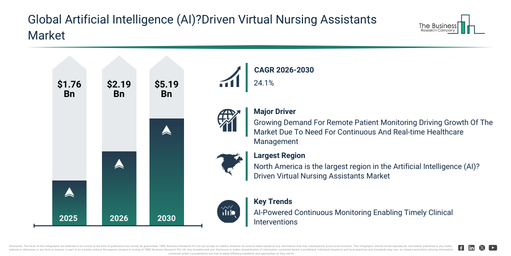
    The market for virtual nursing assistants powered by artificial intelligence has seen remarkable expansion, projected to increase from $1.76 billion in 2025 to $2.19 billion in 2026, demonstrating a compound annual growth rate of 24.4%. This growth trajectory during the past period has been fueled by several key factors, including a worsening shortage of healthcare personnel, the earlier embrace of telehealth, a rising need for tools that enable patients to manage their own health, the broader integration of digital health solutions, and the increasing accessibility of AI technologies capable of engaging in natural conversation.

    The market for AI-powered virtual nursing assistants is poised for substantial expansion, projected to reach $5.19 billion by 2030 with a compound annual growth rate of 24.1%. This anticipated surge is fueled by several key factors, including heightened investment in virtual care infrastructure, a growing need for uninterrupted patient support, the broader integration of AI into clinical processes, a greater emphasis on economical healthcare solutions, and the increasing prevalence of remote patient monitoring. During this forecast period, significant trends will shape the market, such as the wider adoption of virtual nursing tools, increased utilization of AI-driven platforms for patient engagement, deeper integration of remote monitoring technologies, the proliferation of round-the-clock digital care services, and a stronger focus on automating care coordination efforts.

    Download A Free Sample Report For Comprehensive Market Insights:

    https://www.thebusinessresearchcompany.com/sample.aspx?id=28131&type=smp

    Artificial Intelligence (AI)‑Driven Virtual Nursing Assistants Market Opportunity Drivers: What Is Creating New Revenue Potential?

    The expansion of the market for AI-powered virtual nursing assistants is anticipated due to the increasing adoption of remote patient monitoring solutions. Remote patient monitoring, which involves utilizing digital tools to gather patient health information outside conventional healthcare environments and relay it to medical professionals for evaluation and ongoing care, is experiencing escalating demand. This surge is attributed to the heightened need for consistent, immediate healthcare oversight beyond the confines of a clinic or hospital. AI-driven virtual nursing assistants contribute significantly to remote patient monitoring by enabling real-time health data tracking, issuing prompt notifications, and facilitating tailored patient care, all while alleviating the workload of healthcare personnel. As an illustration, data from the US Department of Health and Human Services indicated that in August 2025, approximately one million individuals were enrolled in remote patient monitoring programs in 2024, marking a substantial 27% rise compared to the previous year. Consequently, the escalating requirement for remote patient monitoring is acting as a key catalyst for the growth of the AI-driven virtual nursing assistants sector.

    Artificial Intelligence (AI)‑Driven Virtual Nursing Assistants Market Segmentation And Category Breakdown

    The artificial intelligence (AI)‑driven virtual nursing assistants market covered in this report is segmented –

    1) By Component: Software, Services

    2) By Technology: Automatic Speech Recognition(ASR), Text-To-Speech(TTS), Text-Based Interface, Natural Language Processing (NLP), Other Technologies

    3) By Deployment: Cloud Based, On-Premise, Hybrid

    4) By Application: Symptom Checking And Virtual Triage, Appointment Scheduling And Reminders, Medication Management, Medical Information Retrieval, Patient Engagement And Education, Clinical Decision Support, Administrative Support, Remote Monitoring

    5) By End User: Hospitals And Clinics, Patients, Healthcare Payers Pharmaceutical And Life Sciences Companies, Other End Users

    Subsegments:

    1) By Software: Clinical Decision Support, Patient Monitoring And Engagement, Workflow And Care Coordination, Medication Management, Predictive Analytics And Risk Assessment, Communication And Chat Interfaces

    2) By Services: Training And Education, Consulting And Advisory, Support And Maintenance, Managed Services, Data Management And Security, Implementation And Integration

    Artificial Intelligence (AI)‑Driven Virtual Nursing Assistants Market Innovation Trends Driving Future Development

    Within the artificial intelligence powered virtual nursing assistant sector, prominent organizations are innovating with advanced features, including LIDAR-based spatial awareness systems, to facilitate continuous patient oversight, improve safety by identifying potential hazards like falls or abrupt health declines, and bolster virtual nursing frameworks. LIDAR, a sophisticated remote detection method, employs laser light pulses to gauge distances with exceptional precision. As an illustration, Emory Healthcare, a healthcare provider in the United States, initiated an AI-integrated virtual nursing program in March 2025 aimed at elevating patient care standards. This initiative deploys LIDAR technology within patient quarters to track movements and anticipate falls as much as 30 seconds in advance, triggering automated verbal reminders for patients to remain in bed. This technology empowers nurses stationed in a remote command center to manage administrative tasks such as patient admissions, medication administration, patient education sessions, and discharge procedures, thereby allowing on-site nurses to dedicate more attention to direct patient interaction. The system consistently scrutinizes patient information to detect prescient indicators of clinical decline or urgent situations, facilitating prompt notifications to the on-site care staff.

    Artificial Intelligence (AI)‑Driven Virtual Nursing Assistants Market Competitive Analysis Of Major Industry Participants

    Major companies operating in the artificial intelligence (AI)‑driven virtual nursing assistants market are Microsoft Corporation, HealthTap Inc., Artera Inc., Caregility LLC, Luma Health Inc., Infermedica Sp. z o.o., Memora Health Inc., Buoy Health Inc., Hyro AI Ltd., Care Angel Inc., Sensely Inc., Artisight Inc., K Health Inc., Mediktor International S.L., Corti ApS, AvaSure LLC, Care.AI Inc., Tap Health Inc., GetWellNetwork Inc., Biofourmis Inc.

    Access The Complete Artificial Intelligence (AI)‑Driven Virtual Nursing Assistants Market Report:

    https://www.thebusinessresearchcompany.com/report/artificial-intelligence-ai-driven-virtual-nursing-assistants-global-market-report

    Artificial Intelligence (AI)‑Driven Virtual Nursing Assistants Market Geographic Distribution And Regional Opportunities

    North Americawas the largest region in the artificial intelligence (AI)‑driven virtual nursing assistants market in 2025. Asia-Pacific is expected to be the fastest-growing region in the forecast period. The regions covered in the artificial intelligence (AI)‑driven virtual nursing assistants market report are Asia-Pacific, South East Asia, Western Europe, Eastern Europe, North America, South America, Middle East, Africa.

    Get in touch with us:

    The Business Research Company: https://www.thebusinessresearchcompany.com/

    Americas: +1 310-496-7795

    Asia: +44 7882 955267 & +91 8897263534

    Europe: +44 7882 955267

    Email us at: marketing@tbrc.info

    Follow us on:

    LinkedIn: https://in.linkedin.com/company/the-business-research-company

    YouTube: https://www.youtube.com/channel/UC24_fI0rV8cR5DxlCpgmyFQ

    Global Market Model: https://www.thebusinessresearchcompany.com/global-market-model
  • Artificial Intelligence (AI)-Driven Remote Cardiac Rehab Market Growth Outlook Reveals A CAGR Of 21.1% And A Market Value Of $3.66 Billion By 2030

    Artificial Intelligence (AI)-Driven Remote Cardiac Rehab Market Growth Outlook Reveals A CAGR Of 21.1% And A Market Value Of $3.66 Billion By 2030

    Enhanced with market attractiveness analysis, total addressable market evaluation, company benchmarking matrices, interactive Excel dashboards, expanded supply chain intelligence, emerging startup coverage, and detailed product insights, The Business Research Company’s 2026 market reports deliver more actionable and strategically valuable research.

    Artificial Intelligence (AI)-Driven Remote Cardiac Rehab Market Size Forecast: How Large Could The Market Become By 2030?

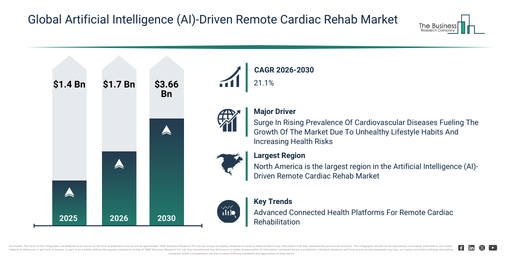
    The market for AI-powered remote cardiac rehabilitation has experienced remarkable expansion. Projections indicate a rise from a valuation of $1.4 billion in 2025 to an estimated $1.7 billion by 2026, reflecting a compound annual growth rate of 21.4%. This upward trajectory in the past is linked to several key factors. These include the increasing availability of cardiac rehabilitation initiatives, a greater incidence of heart-related health issues, a heightened acceptance of telemedicine solutions, the proliferation of wearable devices for heart monitoring, and advancements in the capacity for remote patient oversight.

    The global market for AI-powered remote cardiac rehabilitation is projected to experience remarkable expansion in the approaching years, reaching an estimated $3.66 billion by 2030 with a compound annual growth rate of 21.1%. This anticipated surge is fueled by several key factors, including escalating investments in artificial intelligence for cardiac care, a growing preference for rehabilitation services delivered at home, the broader accessibility of cloud-based platforms for cardiac data analysis, an increased emphasis on proactive cardiac health management, and the seamless integration of these solutions with existing digital health records. During this forecast period, several significant trends are expected to shape the market, such as the increased deployment of AI algorithms for cardiac monitoring, a rising trend in the adoption of wearable devices for heart health tracking, a heightened demand for customized rehabilitation plans tailored to individual patient needs, the further development and utilization of tools designed for remote patient engagement, and a more pronounced focus on persistently monitoring patient outcomes.

    Download A Free Sample Report For Comprehensive Market Insights:

    https://www.thebusinessresearchcompany.com/sample.aspx?id=28913&type=smp

    Artificial Intelligence (AI)-Driven Remote Cardiac Rehab Market Growth Momentum: Which Factors Are Influencing Demand?

    The escalating incidence of heart and blood vessel conditions, such as strokes, hypertension, and heart attacks, is anticipated to be a significant catalyst for the expansion of the remote cardiac rehabilitation sector powered by artificial intelligence. These conditions are predominantly exacerbated by lifestyle choices that contribute to elevated cholesterol levels, obesity, and high blood pressure, which in turn place considerable strain on the cardiovascular system. AI-powered remote cardiac rehabilitation offers a valuable solution for individuals managing these conditions by enabling continuous remote monitoring of cardiac health, facilitating customized exercise and medication regimens, and delivering immediate, remote feedback, thereby enhancing patient recovery, promoting greater adherence to treatment protocols, and decreasing the frequency of hospital readmissions. Illustrating this trend, projections released by the National Institutes of Health in August 2025 indicated that from 2025 to 2050, a dramatic 90% surge in cardiovascular disease prevalence is expected, accompanied by a 73% increase in mortality rates and a 55% rise in disability-adjusted life years, signifying a jump in fatalities from 20.5 million to 35.6 million. Consequently, the growing global burden of cardiovascular ailments is directly fueling the market’s advancement in AI-supported remote cardiac rehabilitation services.

    Artificial Intelligence (AI)-Driven Remote Cardiac Rehab Market Segment Outlook: Which Categories Are Expanding The Fastest?

    The artificial intelligence (AI)-driven remote cardiac rehab market covered in this report is segmented –

    1) By Component: Software, Hardware, Services

    2) By Delivery Mode: Web-Based, App-Based, Telehealth Platforms

    3) By Deployment Mode: Cloud-Based, On-Premises

    4) By Application: Chronic Heart Failure, Post-Myocardial Infarction, Post-Cardiac Surgery, Hypertension Management, Other Applications

    5) By End-User: Hospitals And Clinics, Homecare Settings, Rehabilitation Centers, Other End-Users

    Subsegments:

    1) By Software: Remote Monitoring Software, Patient Engagement Software, Data Analytics Software

    2) By Hardware: Wearable Devices, Sensors And Monitors, Mobile Devices

    3) By Services: Telehealth Services, Consultation Services, Training And Support Services

    Artificial Intelligence (AI)-Driven Remote Cardiac Rehab Market Trends Reshaping Industry Growth

    Top players in the artificial intelligence-powered remote cardiac rehabilitation sector are concentrating their efforts on creating groundbreaking offerings, including sophisticated connected health platforms. These platforms are designed to facilitate ongoing remote patient oversight, tailor rehabilitation plans to individual needs, and boost patient involvement, ultimately leading to enhanced cardiovascular health results. An advanced connected health platform represents a digital infrastructure that consolidates wearable technology, sensors, smartphone applications, and cloud-based analytical tools. This integration allows for the remote tracking of patient well-being, the provision of customized care, and seamless, real-time interaction between individuals undergoing rehabilitation and their medical professionals. As an illustration of this trend, in July 2025, OMRON Healthcare, a Japanese firm, joined forces with Tricog Health Services Pvt Limited, an Indian medical technology enterprise, to unveil KeeboHealth. This initiative aims to address the critical cardiac challenges present in India and advance OMRON’s “Going for Zero” ambition, which seeks to eradicate cardiovascular events like heart attacks and strokes. By integrating OMRON’s home-use ECG and blood pressure monitoring devices with Tricog’s artificial intelligence for cardiac analysis, the platform offers real-time tracking capabilities, paving the way for the early identification of cardiac anomalies and prompt medical intervention. Consequently, this system contributes to a reduction in hospital admissions, an increase in patient adherence to therapeutic regimens, and the promotion of individualized heart health strategies.

    Artificial Intelligence (AI)-Driven Remote Cardiac Rehab Market Key Companies And Competitive Benchmarking

    Major companies operating in the artificial intelligence (AI)-driven remote cardiac rehab market are Medtronic PLC, Philips Healthcare, Biofourmis Inc., Neurosoft Ltd., Cadence Health Solutions, Wellframe Inc., Amwell, Datos Health Ltd., VivaLNK Inc., Carda Health Inc., Heartbeat Health Inc., Cardihab Pty Ltd., Chanl Health Inc., HealthSnap Inc., Kento Health Inc., Lyfe by Lupin Digital Health, Movn Health Inc., RecoveryPlus Health, Wellinks Inc., CardioCare Fit.

    Access The Complete Artificial Intelligence (AI)-Driven Remote Cardiac Rehab Market Report:

    https://www.thebusinessresearchcompany.com/report/artificial-intelligence-ai-driven-remote-cardiac-rehab-global-market-report

    Artificial Intelligence (AI)-Driven Remote Cardiac Rehab Market Largest Region By Revenue And Market Share

    North Americawas the largest region in the artificial intelligence (AI)-driven remote cardiac rehab market in 2025. Asia-Pacificis expected to be the fastest-growing region in the forecast period. The regions covered in the artificial intelligence (AI)-driven remote cardiac rehab market report are Asia-Pacific, South East Asia, Western Europe, Eastern Europe, North America, South America, Middle East, Africa.

    Get in touch with us:

    The Business Research Company: https://www.thebusinessresearchcompany.com/

    Americas: +1 310-496-7795

    Asia: +44 7882 955267 & +91 8897263534

    Europe: +44 7882 955267

    Email us at: marketing@tbrc.info

    Follow us on:

    LinkedIn: https://in.linkedin.com/company/the-business-research-company

    YouTube: https://www.youtube.com/channel/UC24_fI0rV8cR5DxlCpgmyFQ

    Global Market Model: https://www.thebusinessresearchcompany.com/global-market-model
  • Artificial Intelligence (AI)-Driven Rare Disease Patient Finder Market Forecast Highlights Expansion From $2.1 Billion To $5.95 Billion Through 2030

    Artificial Intelligence (AI)-Driven Rare Disease Patient Finder Market Forecast Highlights Expansion From $2.1 Billion To $5.95 Billion Through 2030

    Through market attractiveness analysis, total addressable market evaluation, company benchmarking matrices, interactive Excel dashboards, expanded supply chain intelligence, emerging startup coverage, and detailed product insights, The Business Research Company’s 2026 market reports provide more actionable and strategically valuable research.

    Artificial Intelligence (AI)-Driven Rare Disease Patient Finder Market Revenue Outlook: What CAGR Is Expected Through 2030?

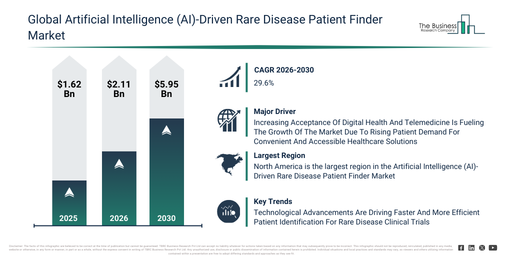
    The market for AI-powered platforms designed to identify patients with rare diseases has experienced significant expansion. Projections indicate a substantial increase from $1.62 billion in 2025 to $2.11 billion in 2026, reflecting a compound annual growth rate of 29.9%. This upward trajectory in the historical period stems from several key factors, including the greater accessibility of electronic health records, the early integration of data analytics into clinical research endeavors, the broadening scope of genomic databases, a heightened emphasis on orphan diseases, and the nascent application of artificial intelligence in facilitating clinical trial recruitment.

    The market for AI-powered rare disease patient identification is projected for significant expansion soon, reaching an estimated $5.95 billion by 2030 with a compound annual growth rate (CAGR) of 29.6%. Factors propelling this growth include heightened investment in precision medicine initiatives, a greater need for accelerated clinical trial participant recruitment, the broadened application of real-world evidence analysis, augmented partnerships between healthcare and life sciences organizations, and increased governmental backing for rare disease advancements. Key developments anticipated during this period involve greater adoption of AI algorithms for pinpointing patients, more comprehensive integration of diverse health data sources, enhanced automation in clinical trial recruitment processes, the proliferation of precision patient matching services, and a strengthened commitment to facilitating rare disease research.

    Download A Free Sample Report For Comprehensive Market Insights:

    https://www.thebusinessresearchcompany.com/sample.aspx?id=28129&type=smp

    Artificial Intelligence (AI)-Driven Rare Disease Patient Finder Market Expansion Drivers: What Is Shaping Future Growth?

    The expansion of artificial intelligence (AI) powered tools for identifying patients with rare diseases is anticipated to be significantly boosted by the growing adoption of digital health and telemedicine. These technologies, encompassing a range of electronic tools, software, and devices for health monitoring and management, along with remote healthcare delivery through telecommunication means like video conferencing and mobile applications, are becoming increasingly favored. This heightened interest stems from both patients and healthcare professionals looking for more accessible, efficient, and time-conscious healthcare options. AI systems designed to find rare disease patients play a crucial role in supporting these digital and remote healthcare approaches by precisely pinpointing individuals, facilitating remote patient observation, enabling prompt virtual medical appointments, and offering tailored treatment plans. Supporting these advancements, a report from the Organisation for Economic Co operation and Development in November 2025 indicated that member nations have advanced their efforts in broadening access to electronic health records (EHRs). Furthermore, in 2024, the average availability of online digital health services across countries with comparable data stood at 82%, a rise from 79% observed in 2023. Consequently, the escalating embrace of digital health and telemedicine is a key factor fueling the market growth for AI-driven rare disease patient finder solutions.

    Artificial Intelligence (AI)-Driven Rare Disease Patient Finder Market Segment Landscape: Which Areas Lead Market Development?

    The artificial intelligence (AI)-driven rare disease patient finder market covered in this report is segmented –

    1) By Component: Software, Services

    2) By Deployment Mode: Cloud-Based, On-Premises

    3) By Application: Hospitals, Clinics, Research Institutes, Pharmaceutical Companies, Other Applications

    4) By End-User: Healthcare Providers, Life Sciences Companies, Payers, Other End-Users

    Subsegments:

    1) By Software: Electronic Data Capture, Data Management Platform, Analytics And Reporting Tools, Patient Engagement Tools, Clinical Trial Management System

    2) By Services: Implementation And Integration, Training And Support, Data Hosting And Security, Consulting Services, Maintenance And Upgrades

    Artificial Intelligence (AI)-Driven Rare Disease Patient Finder Market Strategic Trends: What Is Defining The Next Phase Of Growth?

    In the landscape of the AI-driven rare disease patient finder market, leading entities are prioritizing the creation of innovative technological solutions, such as precision patient recruitment platforms. These advancements aim to bolster the precision, rapidity, and effectiveness of pinpointing suitable candidates for rare disease clinical studies. The ultimate goal is to shorten enrollment periods and elevate the likelihood of trial success. A precision patient recruitment solution represents a sophisticated, technology-enabled strategy that leverages sophisticated algorithms alongside real-world data to precisely locate and connect with individuals who align with the precise inclusion and exclusion criteria of a given clinical trial. As a case in point, in April 2024, Citeline, an American enterprise renowned for its business intelligence and data analytics capabilities, introduced its Citeline PatientMatch platform. This innovative tool integrates cutting-edge algorithms with an extensive repository of real-world data, encompassing laboratory results, biomarker information, and electronic health records sourced from more than 400 healthcare institutions. Its purpose is to empower both trial sponsors and researchers by facilitating the prompt and effective identification of eligible participants, thereby optimizing the enrollment process and accommodating intricate and varied study designs across a spectrum of medical disciplines.

    Artificial Intelligence (AI)-Driven Rare Disease Patient Finder Market Industry Leaders And Market Competition

    Major companies operating in the artificial intelligence (AI)-driven rare disease patient finder market are UnitedHealth Group Incorporated, Dassault Systèmes SE, GeneDx Holdings Corp., HealthVerity Inc., ConcertAI Inc., Komodo Health Inc., Unlearn.AI Inc., Antidote Technologies Inc., Healx Ltd., FDNA Inc., Saventic Health Sp. z o.o., Digital Pharma Lab SAS, AnnieGuard Ltd., Rapid Innovation Labs Inc., Sqilline EOOD, TrialX Inc., enGenome Srl, EveryCure Inc., ThinkGenetic Inc., RareSum Inc.

    Access The Complete Artificial Intelligence (AI)-Driven Rare Disease Patient Finder Market Report:

    https://www.thebusinessresearchcompany.com/report/artificial-intelligence-ai-driven-rare-disease-patient-finder-global-market-report

    Artificial Intelligence (AI)-Driven Rare Disease Patient Finder Market Regional Analysis And Leading Geography

    North Americawas the largest region in the artificial intelligence (AI)-driven rare disease patient finder market in 2025. Asia-Pacific is expected to be the fastest-growing region in the forecast period. The regions covered in the artificial intelligence (AI)-driven rare disease patient finder market report are Asia-Pacific, South East Asia, Western Europe, Eastern Europe, North America, South America, Middle East, Africa.

    Get in touch with us:

    The Business Research Company: https://www.thebusinessresearchcompany.com/

    Americas: +1 310-496-7795

    Asia: +44 7882 955267 & +91 8897263534

    Europe: +44 7882 955267

    Email us at: marketing@tbrc.info

    Follow us on:

    LinkedIn: https://in.linkedin.com/company/the-business-research-company

    YouTube: https://www.youtube.com/channel/UC24_fI0rV8cR5DxlCpgmyFQ

    Global Market Model: https://www.thebusinessresearchcompany.com/global-market-model
  • Artificial Intelligence (AI)-Driven Medical Device Vigilance Platform Market Expected To Reach $5.61 Billion By 2030 As Growth Accelerates At 22.6% CAGR

    Artificial Intelligence (AI)-Driven Medical Device Vigilance Platform Market Expected To Reach $5.61 Billion By 2030 As Growth Accelerates At 22.6% CAGR

    Delivering more actionable and strategically valuable research, The Business Research Company’s 2026 market reports feature market attractiveness analysis, total addressable market evaluation, company benchmarking matrices, interactive Excel dashboards, expanded supply chain intelligence, emerging startup coverage, and detailed product insights.

    Artificial Intelligence (AI)-Driven Medical Device Vigilance Platform Market Growth Analysis: How Will Revenue Expand During The Forecast Period?

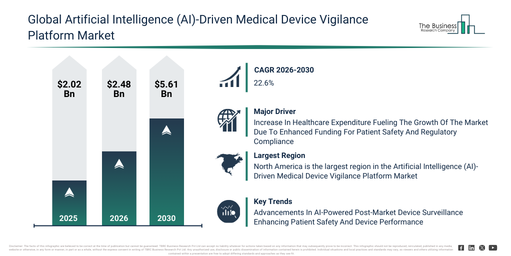
    The market for AI-powered vigilance platforms within the medical device sector has experienced remarkable expansion, projecting a rise from \$2.02 billion in 2025 to \$2.48 billion in 2026, demonstrating a compound annual growth rate of 22.9%. This significant upward trend in the historical period has been fueled by several key factors, including a greater uptake of medical devices, the broadening scope of post-market surveillance mandates, a continuous increase in the intricacy of device offerings, the burgeoning volume of adverse event reporting databases, and the initial integration of data analytics into vigilance processes.

    The market for artificial intelligence-powered vigilance platforms in the medical device sector is poised for significant expansion, projected to reach $5.61 billion by 2030 with a compound annual growth rate of 22.6%. This predicted surge is fueled by several key factors, including heightened regulatory oversight regarding device safety, a greater need for continuous risk assessment, the increasing prevalence of cloud-based vigilance solutions, deeper integration with hospital device data streams, and a broader adoption of AI for compliance. During this forecast period, prominent trends will include a greater embrace of AI for identifying potential device issues, increased utilization of predictive analytics to ensure device safety, tighter integration of real-time vigilance systems, the expansion of automated processes for regulatory reporting, and a stronger emphasis on managing risks before they escalate.

    Download A Free Sample Report For Comprehensive Market Insights:

    https://www.thebusinessresearchcompany.com/sample.aspx?id=28912&type=smp

    Artificial Intelligence (AI)-Driven Medical Device Vigilance Platform Market Development Factors: Which Trends Are Supporting Demand?

    Anticipated increases in healthcare spending are poised to significantly boost the market for artificial intelligence (AI) powered medical device vigilance platforms. This elevated healthcare expenditure, encompassing outlays by individuals, organizations, and governments for health maintenance and enhancement, is escalating due to the rising incidence of chronic conditions necessitating ongoing medical attention, lengthy treatment plans, and extensive management resources. Such increased financial commitment from the healthcare sector empowers hospitals and providers to deploy robust safety and oversight systems, facilitating adherence to regulatory mandates and bolstering patient protection. As an illustration, the UK’s Office for National Statistics indicated in April 2025 that government contributions to healthcare spending in the UK represented the majority, reaching $344 billion (£258 billion) in 2024, a real-term increase of 2.5% compared to the previous year. Consequently, the upward trend in healthcare expenditure is a key factor driving the expansion of the AI-driven medical device vigilance platform market.

    The burgeoning field of clinical research is identified as a significant catalyst for the advancement of the artificial intelligence (AI)-driven medical device vigilance platform market. This growth in clinical research encompasses an increasing number of studies, research facilities, and resources dedicated to expanding medical understanding and enhancing patient well-being. Such expansion is fueled by escalating investments from both public and private sectors, which in turn amplifies the capability to undertake more trials, optimize research methodologies, and broaden access to novel therapeutic options. The expansion of clinical research validates the adoption of AI-driven medical device vigilance platforms by equipping healthcare entities and research organizations with the requisite infrastructure and financial backing to implement thorough monitoring protocols, guarantee adherence to regulatory frameworks, and elevate patient safety standards. A pertinent example is the UK government’s December 2024 pledge of $134 million (£100 million) to establish 20 new commercial research delivery centers throughout the United Kingdom, a strategic initiative designed to improve patient access to clinical trials and expedite research approvals. Therefore, the expanding landscape of clinical research is unequivocally driving the growth trajectory of the artificial intelligence (AI)-driven medical device vigilance platform market.

    Artificial Intelligence (AI)-Driven Medical Device Vigilance Platform Market Segments: Where Are The Largest Growth Opportunities?

    The artificial intelligence (AI)-driven medical device vigilance platform market covered in this report is segmented –

    1) By Component: Software, Hardware, Services

    2) By Deployment Mode: On-Premises, Cloud-Based

    3) By Application: Adverse Event Detection, Regulatory Compliance, Risk Management, Data Analytics, Other Applications

    4) By End-User: Hospitals, Medical Device Manufacturers, Regulatory Agencies, Contract Research Organizations, Other End-Users

    Subsegments:

    1) By Software: Predictive Analytics, Signal Detection, Data Integration, Reporting And Visualization

    2) By Hardware: Servers, Storage Devices, Networking Equipment, Sensors, Monitoring Devices

    3) By Services: Implementation Services, Maintenance And Support, Consulting Services, Training Services, Data Management Services

    Artificial Intelligence (AI)-Driven Medical Device Vigilance Platform Market Transformation Trends: Which Innovations Are Driving Change?

    Leading enterprises within the AI-powered medical device vigilance platform sector are concentrating their efforts on creating sophisticated offerings, including post-market device monitoring systems, designed to equip healthcare practitioners and device creators with practical intelligence for enhancing patient well-being and refining device application. These post-market device surveillance platforms serve as mechanisms for monitoring and evaluating the safety and efficacy of medical instruments once they are deployed in clinical environments. As an illustration, in October 2025, Basil Systems, a United States entity specializing in AI-driven platforms, introduced its MedTech Safety Signaling platform. This innovative solution leverages artificial intelligence to facilitate the early identification of potential hazards, thereby redefining post-market device surveillance as a preemptive safety strategy. It adeptly processes a wide array of documentation, encompassing regulatory filings, inspection findings, and narratives detailing adverse incidents, utilizing large language models that have undergone training on an extensive industry-wide dataset to discern subtle patterns often missed through manual analysis. The platform meticulously organizes and interprets this information, establishing connections between related occurrences and their original data sources, accompanied by associated confidence metrics. Consequently, manufacturers gain the capacity to detect emerging safety trends, bolster their preventative strategies, anticipate scrutiny from regulatory bodies, and inform crucial decisions pertaining to product evolution.

    Artificial Intelligence (AI)-Driven Medical Device Vigilance Platform Market Major Participants And Competitive Dynamics

    Major companies operating in the artificial intelligence (AI)-driven medical device vigilance platform market are Amazon Web Services Inc., Johnson & Johnson Services Inc., International Business Machines Corporation, Oracle Corporation, Abbott Laboratories, Medtronic Plc, Siemens Healthineers AG, Stryker Corporation, Koninklijke Philips N.V., GE HealthCare Technologies Inc., Cognizant Technology Solutions Corporation, Boston Scientific Corporation, DXC TECHNOLOGY COMPANY, Baxter International Inc., Wipro Limited, Zimmer Biomet Holdings Inc., Veeva Systems Inc., Medidata Solutions Inc., Tata Consultancy Services Limited, AssurX Inc.

    Access The Complete Artificial Intelligence (AI)-Driven Medical Device Vigilance Platform Market Report:

    https://www.thebusinessresearchcompany.com/report/artificial-intelligence-ai-driven-medical-device-vigilance-platform-global-market-report

    Artificial Intelligence (AI)-Driven Medical Device Vigilance Platform Market Geographic Analysis: Where Is Demand Growing The Fastest?

    North Americawas the largest region in the artificial intelligence (AI)-driven medical device vigilance platform market in 2025. Asia-Pacificis expected to be the fastest-growing region in the forecast period. The regions covered in the artificial intelligence (AI)-driven medical device vigilance platform market report are Asia-Pacific, South East Asia, Western Europe, Eastern Europe, North America, South America, Middle East, Africa.

    Get in touch with us:

    The Business Research Company: https://www.thebusinessresearchcompany.com/

    Americas: +1 310-496-7795

    Asia: +44 7882 955267 & +91 8897263534

    Europe: +44 7882 955267

    Email us at: marketing@tbrc.info

    Follow us on:

    LinkedIn: https://in.linkedin.com/company/the-business-research-company

    YouTube: https://www.youtube.com/channel/UC24_fI0rV8cR5DxlCpgmyFQ

    Global Market Model: https://www.thebusinessresearchcompany.com/global-market-model
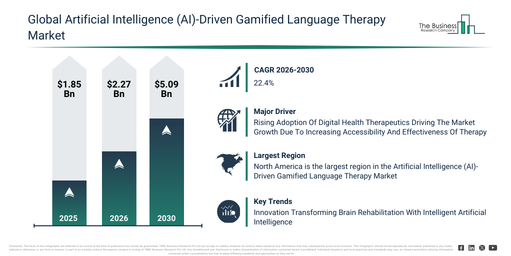
  • Artificial Intelligence (AI)-Driven Gamified Language Therapy Market Set To Grow From $2.27 Billion In 2026 To $5.09 Billion By 2030 At A CAGR Of 22.4%

    Artificial Intelligence (AI)-Driven Gamified Language Therapy Market Set To Grow From $2.27 Billion In 2026 To $5.09 Billion By 2030 At A CAGR Of 22.4%

    Enhanced with market attractiveness analysis, total addressable market evaluation, company benchmarking matrices, interactive Excel dashboards, expanded supply chain intelligence, emerging startup coverage, and detailed product insights, The Business Research Company’s 2026 market reports deliver more actionable and strategically valuable research.

    Artificial Intelligence (AI)-Driven Gamified Language Therapy Market Forecast: What Market Value Is Expected By 2030?

    The market for AI-powered, gamified language therapy has experienced substantial expansion recently, with projections indicating a rise from $1.85 billion in 2025 to $2.27 billion in 2026, reflecting a compound annual growth rate of 22.6%. This robust growth in the past can be linked to several key factors, including heightened public understanding of speech and language impairments, the early integration of digital therapeutic solutions, a significant increase in the utilization of mobile health applications, the broadening scope of pediatric therapy initiatives, and the increased accessibility provided by remote therapy services.

    Anticipating a significant surge, the artificial intelligence-powered, gamified language therapy sector is poised for remarkable expansion in the upcoming years, with projections indicating a market valuation of $5.09 billion by 2030, fueled by a compound annual growth rate of 22.4%. This anticipated upward trajectory is largely propelled by a growing preference for at-home rehabilitation methods, the increasing embrace of AI-driven personalized therapeutic approaches, the broader availability of virtual and immersive therapy technologies, a heightened emphasis on sustained patient commitment, and escalating investments in digital health solutions. Key developments anticipated during this forecast period involve a greater uptake of gamified therapy platforms, expanded utilization of tailored language rehabilitation instruments, heightened integration of adaptive real-time progress monitoring, the proliferation of interactive therapeutic settings, and a more pronounced concentration on maintaining patient involvement and motivation.

    Download A Free Sample Report For Comprehensive Market Insights:

    https://www.thebusinessresearchcompany.com/sample.aspx?id=28128&type=smp

    Artificial Intelligence (AI)-Driven Gamified Language Therapy Market Industry Drivers: What Is Driving Revenue Growth?

    Advancements in digital health therapeutics are anticipated to be a primary catalyst for the expansion of the market for AI powered gamified language therapy. Digital health therapeutics are defined as scientifically validated remedial actions administered through digital channels, aimed at preventing, managing, or treating health issues. The increasing uptake of these digital interventions stems from patient demand for more convenient healthcare solutions, enabling them to manage long term illnesses, receive tailored treatments, and oversee their wellbeing from the comfort of their homes. AI driven gamified language therapy complements digital health therapeutics by offering individualized and engaging exercises that enhance patient involvement, provide continuous progress monitoring, and expedite recovery of language skills. Evidence from the Organisation for Economic Co operation and Development, a Paris based international body, indicated in November 2025 that member states have improved access to electronic health records. Furthermore, the average availability of online digital health services across OECD countries reached 82% in 2024, marking an increase from 79% in 2023 for nations with comparable data, underscoring the growing integration and reliance on digital health solutions which in turn fuels the AI driven gamified language therapy sector.

    Artificial Intelligence (AI)-Driven Gamified Language Therapy Market Segment Analysis: What Are The Major Market Categories?

    The artificial intelligence (AI)-driven gamified language therapy market covered in this report is segmented –

    1) By Component: Software, Hardware, Services

    2) By Deployment Mode: Cloud-Based, On-Premises

    3) By Therapy: Speech Therapy, Language Therapy, Cognitive Therapy, Other Therapies

    4) By Application: Children, Adults, Geriatric

    5) By End-User: Hospitals And Clinics, Rehabilitation Centers, Educational Institutions, Homecare, Other End Users

    Subsegments:

    1) By Software: Mobile Applications, Web-Based Platforms, Gamification Engines, Analytics And Reporting Tools

    2) By Hardware: Virtual Reality Headsets, Augmented Reality Devices, Wearables And Sensors, Interactive Consoles

    3) By Services: Implementation And Integration, Training And Education, Support And Maintenance, Consulting Services

    #Artificial Intelligence (AI)-Driven Gamified Language Therapy Market Growth Trends: What Is Influencing The Future Outlook?

    In the domain of AI-powered gamified language therapy, leading enterprises are prioritizing the creation of advanced offerings like adaptive learning systems designed for personalization. These platforms aim to boost user involvement, expedite the recuperation process, and ultimately lead to superior therapeutic results. Such personalized adaptive learning systems are essentially digital frameworks that dynamically adjust exercises, material, and difficulty levels based on an individual’s ongoing performance and specific requirements, thereby facilitating more efficient learning or recovery, sustaining motivation, enabling real-time progress monitoring, and fostering improved long-term results. An illustrative example occurred in April 2025 when Constant Therapy Health, a health technology firm based in the United States, revealed its AI-powered speech, language, and cognitive therapy platform’s expansion to encompass Spanish and Indian English versions. This notable enhancement now permits non-native speakers undergoing recovery from conditions such as stroke, traumatic brain injury (TBI), aphasia, dementia, or other neurological impairments to utilize more than a million exercises grounded in scientific evidence and adapted for cultural and linguistic relevance. The inherent AI within the platform continuously assesses user advancement, refines therapy protocols in real-time, and empowers both caregivers and healthcare professionals to observe outcomes, thus rendering therapy more captivating, potent, and conveniently available within the home environment.

    Artificial Intelligence (AI)-Driven Gamified Language Therapy Market Leading Companies Driving Competitive Growth

    Major companies operating in the artificial intelligence (AI)-driven gamified language therapy market are Babbel GmbH, Rosetta Stone LLC, SAY IT Labs BV, SPRY Ally, MINDMAZE SA, Busuu Ltd., Memrise Ltd., Lingvist Technologies OÜ, Constant Therapy Inc., Lingraphica LLC, Gemiini Systems LLC, Speechace LLC, Otsimo Inc., Blub Blub Inc., Melospeech Inc., LiriCare BV, Gabify Ltd., FunWattle Inc., TikTalk Inc., Hevolve AI

    Access The Complete Artificial Intelligence (AI)-Driven Gamified Language Therapy Market Report:

    https://www.thebusinessresearchcompany.com/report/artificial-intelligence-ai-driven-gamified-language-therapy-global-market-report

    Artificial Intelligence (AI)-Driven Gamified Language Therapy Market Global Footprint: Which Region Holds Market Leadership?

    North Americawas the largest region in the artificial intelligence (AI)-driven gamified language therapy market in 2025. Asia-Pacific is expected to be the fastest-growing region in the forecast period. The regions covered in the artificial intelligence (AI)-driven gamified language therapy market report are Asia-Pacific, South East Asia, Western Europe, Eastern Europe, North America, South America, Middle East, Africa.

    Get in touch with us:

    The Business Research Company: https://www.thebusinessresearchcompany.com/

    Americas: +1 310-496-7795

    Asia: +44 7882 955267 & +91 8897263534

    Europe: +44 7882 955267

    Email us at: marketing@tbrc.info

    Follow us on:

    LinkedIn: https://in.linkedin.com/company/the-business-research-company

    YouTube: https://www.youtube.com/channel/UC24_fI0rV8cR5DxlCpgmyFQ

    Global Market Model: https://www.thebusinessresearchcompany.com/global-market-model
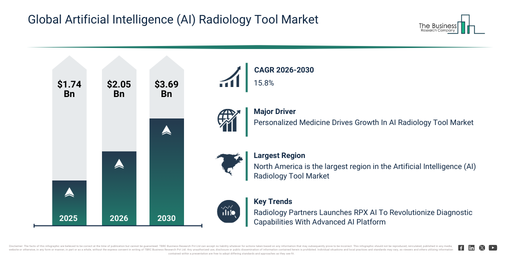
  • Artificial Intelligence (AI) Radiology Tool Market Opportunities Are Emerging Beyond Traditional Growth Areas

    Artificial Intelligence (AI) Radiology Tool Market Opportunities Are Emerging Beyond Traditional Growth Areas

    Through market attractiveness analysis, total addressable market evaluation, company benchmarking matrices, interactive Excel dashboards, expanded supply chain intelligence, emerging startup coverage, and detailed product insights, The Business Research Company’s 2026 market reports provide more actionable and strategically valuable research.

    Artificial Intelligence (AI) Radiology Tool Market Size Outlook: How Fast Will Revenue Grow Through 2030?

    The market for artificial intelligence (AI) in radiology has experienced substantial expansion lately. Projections indicate a significant upward trend, with the market expected to increase from $1.74 billion in 2025 to $2.05 billion in 2026, reflecting a compound annual growth rate (CAGR) of 17.8%. This historical growth trajectory has been fueled by several key factors, including a surge in medical imaging procedures, an escalating scarcity of qualified radiologists, the early integration of computer-aided detection technologies, the widespread development of digital radiology capabilities, and a continuously increasing demand for healthcare imaging services.

    The market for artificial intelligence in radiology is poised for significant expansion, projected to reach $3.69 billion by 2030, demonstrating a compound annual growth rate of 15.8%. This upward trajectory is fueled by several key factors, including the wider implementation of cloud-based AI radiology platforms, a greater emphasis on highly accurate diagnostic methods, the increasing application of AI in interventional radiology procedures, a surge in investments aimed at developing automated reporting systems, and a growing number of regulatory approvals for AI-powered imaging technologies. Key developments anticipated during this period involve a rise in the utilization of AI tools for interpreting medical images, enhanced integration of automated workflows within radiology departments, expanded use of AI for the early identification of abnormalities, the proliferation of AI solutions designed to boost diagnostic precision, and a concerted effort to alleviate the strain on radiologists’ workloads.

    Download A Free Sample Report For Comprehensive Market Insights:

    https://www.thebusinessresearchcompany.com/sample.aspx?id=16341&type=smp

    #Artificial Intelligence (AI) Radiology Tool Market Growth Factors: Which Forces Are Supporting Market Expansion?

    The market for artificial intelligence (AI) radiology tools is poised for expansion, largely influenced by the growing adoption of personalized medicine. This tailored approach to healthcare, also referred to as precision medicine, customizes treatment plans and medical strategies based on an individual’s unique biological makeup. Advances in fields like genomics and molecular biology are key factors fueling this trend. AI radiology tools play a vital role in advancing personalized medicine through their ability to offer accurate diagnoses, predictive insights, continuous monitoring of treatment effectiveness, seamless integration with genetic information, and refined patient categorization, all of which contribute to more individualized and successful healthcare outcomes. As an illustration, the Personalized Medicine Coalition reported that in 2023, the FDA authorized 16 new personalized therapies for individuals with rare conditions, a significant increase from the six approvals seen in 2022, according to their February 2024 statement. Consequently, the expanding embrace of personalized medicine is a primary catalyst for the growth of the AI radiology tool market.

    Artificial Intelligence (AI) Radiology Tool Market Segment Breakdown: Which Categories Generate The Most Revenue?

    The artificial intelligence (AI) radiology tool market covered in this report is segmented –

    1) By Type: Diagnostic Radiology, Interventional Radiology

    2) By Application: Eye Care, Oncology, Radiology, Cardiovascular, Pathology, Other Applications

    3) By End-User: Clinics, Hospitals, Diagnostic Centers, Other End-Users

    Subsegments:

    1) By Diagnostic Radiology: AI For Image Interpretation (Detecting Fractures, Tumors, Or Abnormalities), Ai In Ct (Computed Tomography) Scanning, Ai In Mri (Magnetic Resonance Imaging) Scanning, Ai For X-Ray Imaging And Analysis, Ai In Ultrasound Imaging, Ai-Based Computer-Aided Detection (Cad) Systems, Ai For Radiology Workflow Automation (Prioritizing Cases, Report Generation)

    2) By Interventional Radiology: AI For Image-Guided Procedures (Guiding Catheter Placement), Ai In Minimally Invasive Surgery (Tumor Ablation, Biopsies), Ai For Real-Time Decision Support In Interventional Procedures, Ai In Radiation Dose Optimization For Interventional Radiology, Ai-Assisted Navigation Systems For Procedures Like Angioplasty, Ai In Post-Procedure Monitoring And Outcome Prediction

    Artificial Intelligence (AI) Radiology Tool Market Industry Trends: What Changes Are Reshaping Demand?

    Within the artificial intelligence (AI) radiology tools sector, prominent corporations are actively creating sophisticated offerings, including AI platforms, designed to bolster radiologist diagnostic prowess. These advanced AI platforms employ AI algorithms to scrutinize medical imaging data, furnishing radiologists with enhanced perception and assisting in the precise identification and determination of diverse ailments. Illustratively, as of November 2023, Radiology Partners (RP), a radiology practice entity headquartered in the United States, introduced RPX AI. This cloud-based, cutting-edge AI platform facilitates the swift, large-scale deployment of AI-powered medical imaging tools, leveraging Amazon Web Services (AWS) HealthImaging for its infrastructure. The overarching objective of this initiative is to streamline the incorporation and application of medical imaging AI models, thereby increasing their availability and operational effectiveness for healthcare facilities and networks.

    Artificial Intelligence (AI) Radiology Tool Market Key Players And Strategic Industry Positioning

    Major companies operating in the artificial intelligence (AI) radiology tool market are Google LLC, Microsoft Corporation, NVIDIA Corporation, Siemens Healthcare Private Limited, Koninklijke Philips N.V., GE HealthCare, Nuance Communications Inc., Aidoc Medical, Subtle Medical Inc., Enlitic Inc., Arterys Inc., Aidence.com, Oxipit.ai, Zebra Medical Vision

    Access The Complete Artificial Intelligence (AI) Radiology Tool Market Report:

    https://www.thebusinessresearchcompany.com/report/artificial-intelligence-ai-radiology-tool-global-market-report

    Artificial Intelligence (AI) Radiology Tool Market Regional Distribution: Which Areas Drive Market Expansion?

    North Americawas the largest region in the artificial intelligence (AI) radiology tool market in 2025. The regions covered in the artificial intelligence (AI) radiology tool market report are Asia-Pacific, South East Asia, Western Europe, Eastern Europe, North America, South America, Middle East, Africa.

    Get in touch with us:

    The Business Research Company: https://www.thebusinessresearchcompany.com/

    Americas: +1 310-496-7795

    Asia: +44 7882 955267 & +91 8897263534

    Europe: +44 7882 955267

    Email us at: marketing@tbrc.info

    Follow us on:

    LinkedIn: https://in.linkedin.com/company/the-business-research-company

    YouTube: https://www.youtube.com/channel/UC24_fI0rV8cR5DxlCpgmyFQ

    Global Market Model: https://www.thebusinessresearchcompany.com/global-market-model
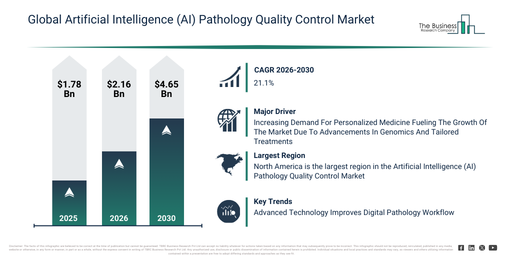
  • Artificial Intelligence (AI) Pathology Quality Control Market Expansion Is Opening New Pathways For Strategic Investment

    Artificial Intelligence (AI) Pathology Quality Control Market Expansion Is Opening New Pathways For Strategic Investment

    Delivering more actionable and strategically valuable research, The Business Research Company’s 2026 market reports feature market attractiveness analysis, total addressable market evaluation, company benchmarking matrices, interactive Excel dashboards, expanded supply chain intelligence, emerging startup coverage, and detailed product insights.

    Artificial Intelligence (AI) Pathology Quality Control Market Size, Value And Growth Trends Through 2030

    The artificial intelligence (AI) pathology quality control market has experienced remarkable expansion, projected to increase from $1.78 billion in 2025 to $2.16 billion in 2026, demonstrating a compound annual growth rate (CAGR) of 21.4%. Factors contributing to this upward trajectory during the preceding period included a rising volume of pathology tests, the progressive digitization of pathology slides, the escalating intricacy of cancer diagnoses, a need for uniform reporting standards, and the nascent integration of AI-powered pathology solutions.

    The artificial intelligence (AI) pathology quality control sector is projected to experience substantial expansion in the upcoming years, reaching an estimated value of $4.65 billion by 2030, driven by a compound annual growth rate of 21.1%. This projected increase is fueled by several key factors, including heightened investment in digital pathology systems, escalating demand for precise diagnostic solutions, the broader incorporation of AI validation into clinical processes, and the increasing utilization of pathology data analytics, alongside a growing regulatory focus on ensuring high-quality diagnostics. During this forecast period, significant trends are expected to emerge, such as the increased implementation of AI for assessing slide quality, a greater uptake of tools designed for automated error detection, a push towards standardizing pathology workflows, the further integration of digital pathology, and a more pronounced emphasis on guaranteeing the accuracy of diagnoses.

    Download A Free Sample Report For Comprehensive Market Insights:

    https://www.thebusinessresearchcompany.com/sample.aspx?id=28124&type=smp

    Artificial Intelligence (AI) Pathology Quality Control Market Demand Drivers: What Is Fueling Industry Growth?

    A surge in the need for individualized medical care is anticipated to fuel the expansion of the artificial intelligence (AI) pathology quality control sector. Personalized medicine, which involves customizing medical interventions and preventative measures based on an individual’s distinct genetic profile, daily habits, and surroundings, is seeing greater use due to breakthroughs in genomics. These advancements allow for the exact pinpointing of genetic differences and the development of treatments specifically suited to each person. AI pathology quality control contributes significantly by offering accurate and dependable diagnostic information, thereby facilitating the creation of customized therapeutic plans. It helps to minimize mistakes in diagnosis through automated quality assessments, boosting both precision and trustworthiness, and ultimately improving patient-tailored healthcare. As an illustration, in February 2024, the Personalized Medicine Coalition (PMC) reported that the U.S. Food and Drug Administration (FDA) authorized 26 novel personalized medications in 2023, a notable rise compared to the 12 approvals granted in 2022. Consequently, the growing requirement for personalized medicine is expected to be a key factor in the advancement of the artificial intelligence (AI) pathology quality control market.

    Artificial Intelligence (AI) Pathology Quality Control Market Segmentation: How Is The Market Structured Across Key Categories?

    The artificial intelligence (AI) pathology quality control market covered in this report is segmented –

    1) By Component: Software, Hardware, Services

    2) By Deployment Mode: On-Premises, Cloud-Based

    3) By Application: Cancer Diagnostics, Infectious Disease Diagnostics, Digital Pathology, Research, Other Applications

    4) By End-User: Hospitals, Diagnostic Laboratories, Research Institutes, Pharmaceutical And Biotechnology Companies, Other End Users

    Subsegments:

    1) By Software: Image Analysis Software, Diagnostic Decision Support Software, Workflow Management Software, Reporting And Visualization Software

    2) By Hardware: Digital Pathology Scanners, Imaging Devices, Servers And Storage Systems, Laboratory Equipment

    3) By Services: Implementation Services, Training And Support Services, Maintenance And Upgrade Services, Consulting Services

    Artificial Intelligence (AI) Pathology Quality Control Market Innovation Trends: Which Developments Are Transforming The Industry?

    Within the realm of artificial intelligence in pathology quality control, key industry players are concentrating their efforts on forging sophisticated technological offerings. These innovations aim to elevate diagnostic precision, optimize laboratory operational flows, and uphold the trustworthiness of pathological information. Such cutting-edge AI-driven tools represent the forefront of technological advancement, leveraging artificial intelligence to accomplish intricate assignments with superior levels of precision, rapidity, and operational effectiveness. Illustratively, a significant development occurred in November 2023 when PathAI, a biotechnology firm headquartered in the United States, unveiled Artifact Detect 1 integrated into its AISight digital pathology system. This specific functionality automates the identification and measurement of artifacts found in whole slide images (WSIs). Artifacts are essentially irrelevant morphological characteristics that have the potential to undermine the accuracy of diagnoses. By automatically performing an initial quality assessment of slides for potential issues, ArtifactDetect serves to reduce instances of incorrect diagnoses and the necessity for repeat scans, thereby bolstering accuracy, improving laboratory operational efficiency, and increasing overall output. This technological advancement facilitates prompt remedial measures, such as re-staining or re-scanning processes, which ultimately refine the digital workflow and preserve valuable resources for both laboratory technicians and pathologists.

    Artificial Intelligence (AI) Pathology Quality Control Market Competitive Landscape And Leading Companies

    Major companies operating in the artificial intelligence (AI) pathology quality control market are Roche Diagnostics GmbH, Danaher Corporation, Philips Healthcare, Agilent Technologies Inc., Hologic Inc., Clinisys Group Ltd., Sectra AB, PathAI Inc., OptraSCAN Inc., Paige.AI Inc., Proscia Inc., Quibim S.L., 3DHISTECH Ltd., Visiopharm A/S, Indica Labs Inc., Ibex Medical Analytics Ltd., Aiosyn B.V., DeepBio Inc., Nucleai Ltd., Gestalt Diagnostics LLC

    Access The Complete Artificial Intelligence (AI) Pathology Quality Control Market Report:

    https://www.thebusinessresearchcompany.com/report/artificial-intelligence-ai-pathology-quality-control-global-market-report

    Artificial Intelligence (AI) Pathology Quality Control Market Leading Geography: Which Region Generates The Most Revenue?

    North Americawas the largest region in the artificial intelligence (AI) pathology quality control market in 2025. Asia-Pacific is expected to be the fastest-growing region in the forecast period. The regions covered in the artificial intelligence (AI) pathology quality control market report are Asia-Pacific, South East Asia, Western Europe, Eastern Europe, North America, South America, Middle East, Africa.

    Get in touch with us:

    The Business Research Company: https://www.thebusinessresearchcompany.com/

    Americas: +1 310-496-7795

    Asia: +44 7882 955267 & +91 8897263534

    Europe: +44 7882 955267

    Email us at: marketing@tbrc.info

    Follow us on:

    LinkedIn: https://in.linkedin.com/company/the-business-research-company

    YouTube: https://www.youtube.com/channel/UC24_fI0rV8cR5DxlCpgmyFQ

    Global Market Model: https://www.thebusinessresearchcompany.com/global-market-model
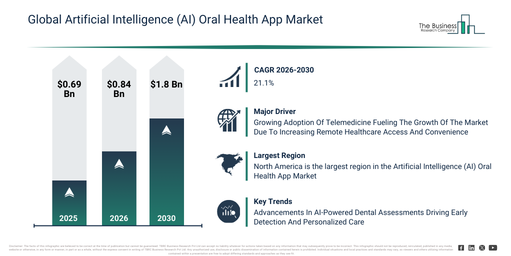
  • Artificial Intelligence (AI) Oral Health App Market Trends Are Creating New Opportunities For Industry Leaders

    Artificial Intelligence (AI) Oral Health App Market Trends Are Creating New Opportunities For Industry Leaders

    Enhanced with market attractiveness analysis, total addressable market evaluation, company benchmarking matrices, interactive Excel dashboards, expanded supply chain intelligence, emerging startup coverage, and detailed product insights, The Business Research Company’s 2026 market reports deliver more actionable and strategically valuable research.

    Artificial Intelligence (AI) Oral Health App Market CAGR Analysis And Future Market Development

    The panorama of artificial intelligence (AI) powered oral health applications has witnessed substantial expansion, projecting a leap from $0.69 billion in 2025 to $0.84 billion by 2026, driven by a robust compound annual growth rate (CAGR) of 21.4%. Factors contributing to this historical upward trajectory include the burgeoning use of smartphones in medical contexts, a heightened public consciousness regarding oral care, the early embrace of digital tools for dental diagnostics, the proliferation of telehealth services, and the increasing accessibility of dental imagery datasets.

    The market for artificial intelligence in oral health applications is poised for remarkable expansion over the coming years, projected to reach a valuation of $1.8 billion by 2030. This substantial increase will be driven by a compound annual growth rate (CAGR) of 21.1%, fueled by several key factors including a heightened need for accessible remote dental services, a greater embrace of AI technologies for proactive health management, the proliferation of cloud-based health platforms, a stronger emphasis on tailoring patient interactions, and increased financial backing for digital health initiatives. Within this growth trajectory, significant developments are anticipated, such as the broader application of AI for analyzing dental imagery, the increased utilization of individualized tools for monitoring oral hygiene, the growing incorporation of remote diagnostic capabilities in dentistry, the wider availability of applications focused on preventative dental care, and a more concentrated effort on identifying oral health issues at their earliest stages.

    Download A Free Sample Report For Comprehensive Market Insights:

    https://www.thebusinessresearchcompany.com/sample.aspx?id=28122&type=smp

    Artificial Intelligence (AI) Oral Health App Market Growth Drivers: What Factors Are Accelerating Expansion?

    The expanding utilization of telemedicine is poised to significantly boost the artificial intelligence (AI) powered oral health application market. Telemedicine, fundamentally, involves the remote delivery of healthcare services through digital communication platforms, enabling individuals to consult with medical professionals, obtain diagnoses, and oversee treatment plans without requiring a physical visit to a clinic or hospital. This telemedicine surge is attributable to its elevated convenience, which permits remote access to healthcare, thereby saving time and negating the necessity for travel, ultimately improving both the reach and effectiveness of services. AI oral health applications further enrich these telemedicine frameworks by facilitating remote monitoring of dental health, proving particularly beneficial for individuals facing obstacles in accessing in-person dental care. By offering immediate analysis of oral imagery, these applications streamline the diagnostic process, contributing to enhanced healthcare convenience and enabling the prompt identification of dental concerns. A notable indication of telemedicine’s impact comes from a PubMed Central report in February 2025, which highlighted that as of March 2023, tele-delivered services accounted for 29% of all mental health consultations and 21% of substance use disorder treatments. Furthermore, legislative requirements for payment parity are linked to a 2.5 percentage point rise in telemedicine adoption during the first quarter of 2023, when contrasted with states lacking such mandates. Consequently, the increasing embrace of telemedicine is a primary catalyst for the expansion of the AI oral health app sector.

    Artificial Intelligence (AI) Oral Health App Market Segmentation Trends And Revenue Drivers

    The artificial intelligence (AI) oral health app market covered in this report is segmented –

    1) By Component: Software, Services

    2) By Deployment Mode: Cloud-Based, On-Premises

    3) By Application: Dental Diagnostics, Oral Health Monitoring, Patient Education, Other Applications

    4) By End User: Dental Clinics, Hospitals, Individual Users, Other End-Users

    Subsegments:

    1) By Software: Diagnostic Software, Monitoring Software, Treatment Planning Software, Imaging Software

    2) By Services: Consultation Services, Data Analytics Services, Maintenance And Support Services, Integration Services

    Artificial Intelligence (AI) Oral Health App Market Trends: What Is Shaping Future Industry Growth?

    Leading entities within the artificial intelligence (AI) sector for oral health applications are concentrating their efforts on creating sophisticated offerings, including AI-driven dental evaluations. These advancements aim to bolster the early identification of issues, refine individualized treatment plans, elevate user involvement, and make oral healthcare more readily available. AI-powered dental assessments involve deploying artificial intelligence algorithms to scrutinize dental imagery, pinpoint prospective oral health concerns, and promptly furnish users with practical advice. As an illustration, in May of 2025, the US-based multinational corporation Mars Inc., widely recognized for its pet nutrition and healthcare products, introduced GREENIES Canine Dental Check. This AI-equipped dental assessment instrument processes images of canines’ teeth and gums to swiftly identify tartar accumulation and gingival inflammation, delivering immediate feedback and subsequent guidance. Furthermore, this service facilitates a connection to certified veterinary technicians via PETconnect by GREENIES, signifying a contemporary strategy for utilizing AI to ensure ongoing, home-based surveillance and assistance for oral well-being. Such pioneering efforts empower pet guardians to detect dental ailments in their nascent stages, thereby mitigating the potential for serious oral pathologies and the subsequent expense of veterinary interventions.

    #Artificial Intelligence (AI) Oral Health App Market Industry Leaders: Which Organizations Are Driving Competition?

    Major companies operating in the artificial intelligence (AI) oral health app market are Dentsply Sirona Inc., Align Technology Inc., Straumann Group, Planmeca Oy, 3Shape A/S, Dexis Corp., Dandy Inc., Carestream Health Inc., Dental Monitoring SAS, Pearl Inc., Overjet Inc., VideaHealth Inc., Zenyum Pte. Ltd., Candid Care Co., MouthWatch LLC, Dentem Inc., Denti.AI Technology Inc., OraQ AI Inc., Oryx Dental Software LLC, SOTA Imaging, Denota Ltd.

    Access The Complete Artificial Intelligence (AI) Oral Health App Market Report:

    https://www.thebusinessresearchcompany.com/report/artificial-intelligence-ai-oral-health-app-global-market-report

    Artificial Intelligence (AI) Oral Health App Market Regional Outlook: Where Are The Largest Opportunities Located?

    North Americawas the largest region in the artificial intelligence (AI) oral health app market in 2025. Asia-Pacific is expected to be the fastest-growing region in the forecast period. The regions covered in the artificial intelligence (AI) oral health app market report are Asia-Pacific, South East Asia, Western Europe, Eastern Europe, North America, South America, Middle East, Africa.

    Get in touch with us:

    The Business Research Company: https://www.thebusinessresearchcompany.com/

    Americas: +1 310-496-7795

    Asia: +44 7882 955267 & +91 8897263534

    Europe: +44 7882 955267

    Email us at: marketing@tbrc.info

    Follow us on:

    LinkedIn: https://in.linkedin.com/company/the-business-research-company

    YouTube: https://www.youtube.com/channel/UC24_fI0rV8cR5DxlCpgmyFQ

    Global Market Model: https://www.thebusinessresearchcompany.com/global-market-model
  • Artificial Intelligence (AI) In Wound Care Market Growth Is Reshaping Competitive Advantage Across The Industry

    Artificial Intelligence (AI) In Wound Care Market Growth Is Reshaping Competitive Advantage Across The Industry

    Through market attractiveness analysis, total addressable market evaluation, company benchmarking matrices, interactive Excel dashboards, expanded supply chain intelligence, emerging startup coverage, and detailed product insights, The Business Research Company’s 2026 market reports provide more actionable and strategically valuable research.

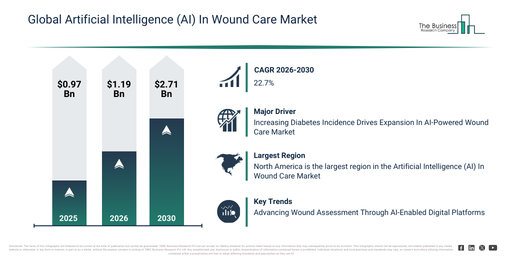
    Artificial Intelligence (AI) In Wound Care Market Expansion From $1.19 Billion In 2026 To $2.7 Billion In 2030

    The market for artificial intelligence in wound care has experienced substantial expansion. Projections indicate a rise from $0.97 billion in 2025 to $1.19 billion by 2026, driven by a compound annual growth rate of 23.0%. Key factors underpinning this growth during the preceding period include the escalating occurrence of chronic wounds, a surge in diabetes-associated ulcers, the increasing utilization of digital systems for wound record-keeping, the development of wound care initiatives within hospital settings, and the wider accessibility of assessment tools that employ imaging technology.

    Anticipate a period of rapid expansion for the artificial intelligence (AI) within the wound care sector, with projections indicating a market valuation of $2.71 billion by the year 2030, driven by a compelling compound annual growth rate of 22.7%. This upward trajectory is fueled by several key factors, including a heightened need for individualized wound management strategies, the escalating integration of remote patient monitoring technologies, the broader implementation of AI-driven clinical guidance systems, a concentrated effort towards economical approaches to wound care, and the increasing synergy between AI and telehealth services. Key developments anticipated during this forecast timeframe encompass the greater utilization of AI tools for wound evaluation, a surge in the adoption of analytical methods for predicting healing outcomes, the expanding deployment of remote wound observation systems, the advancement of AI algorithms tailored for personalized treatment, and a significant increase in the automation of medical record-keeping.

    Download A Free Sample Report For Comprehensive Market Insights:

    https://www.thebusinessresearchcompany.com/sample.aspx?id=19316&type=smp

    Artificial Intelligence (AI) In Wound Care Market Growth Factors Supporting Long-Term Expansion

    The increasing prevalence of diabetes is anticipated to be a key catalyst for the expansion of the artificial intelligence (AI) in wound care sector. Diabetes, a long-term health issue defined by elevated blood sugar levels, can result in serious health problems including cardiovascular disease, renal insufficiency, nerve damage, and impaired eyesight. Factors contributing to the surge in diabetes cases include escalating rates of obesity, which elevates the likelihood of developing type 2 diabetes, as well as demographic shifts towards older populations, since the susceptibility to diabetes increases with age. Within the realm of wound care, AI plays a crucial role in managing diabetes by facilitating precise wound evaluations and customized therapeutic strategies, thereby improving the efficacy and outcomes of treating diabetic foot ulcers. Illustratively, data from May 2024, reported by the Centers for Disease Control and Prevention, a U.S. federal agency, indicated that 38.4 million individuals in the United States, representing 11.6% of the total population, were living with diabetes, with the figure rising to a notable 29.2% among adults aged 65 and above. Consequently, the escalating incidence of diabetes is directly fueling the advancement and adoption of AI technologies in the wound care market.

    Artificial Intelligence (AI) In Wound Care Market Segment Analysis Highlighting Growth Areas

    The artificial intelligence (AI) in wound care market covered in this report is segmented –

    1) By Type Of Wound: Acute Wounds, Chronic Wounds

    2) By Technology: Deep Learning, Machine Learning, Other Technologies

    3) By End User: Clinical Trials And Research Centers, Home Health Agencies, Hospitals, Nursing Facilities, Other End Users

    Subsegments:

    1) By Acute Wounds: Surgical Wounds, Traumatic Wounds, Burns

    2) By Chronic Wounds: Diabetic Foot Ulcers, Pressure Ulcers (Bedsores), Venous Leg Ulcers, Arterial Ulcers

    Artificial Intelligence (AI) In Wound Care Market Industry Trends Shaping Future Revenue Growth

    Leading players within the artificial intelligence (AI) sector for wound care are concentrating their efforts on the integration of novel technologies, specifically AI-powered digital wound management systems, thereby aiming to boost operational effectiveness in clinical settings, refine wound observation methods, elevate the precision of record-keeping, and improve the ability to forecast healing results. These advanced AI-driven digital wound management systems function as software platforms that leverage computer vision and machine learning algorithms to meticulously examine wound imagery alongside patient clinical information, thus facilitating immediate wound dimension assessment, the automatic generation of documentation, and the continuous monitoring of healing advancements. As a pertinent example, in October 2024, Swift Medical, a firm specializing in digital wound care technology based in Canada, introduced Skin & Wound 2, their AI-enhanced digital platform created to assist healthcare professionals in diverse care environments; this platform boasts imaging capabilities with sub-millimetre precision, seamless integration with electronic medical records (EMR) via fast healthcare interoperability resources (FHIR), and automated tracking of healing progression over time. The Skin & Wound 2 solution contributes to greater uniformity in wound evaluations, alleviates the workload associated with documentation, and fosters a more informed approach to patient care based on empirical data.

    Artificial Intelligence (AI) In Wound Care Market Leading Companies: Who Holds Significant Market Presence?

    Major companies operating in the artificial intelligence (AI) in wound care market are Medtronic plc, Stryker Corporation, Smith & Nephew plc, Convatec Group plc, Mölnlycke Health Care AB, Derma Sciences Inc., Implicity Inc., Cecelia Health, Swift Medical Inc., Spectral MD Inc., PolarityTE Inc., eKare Inc., KroniKare Pte Ltd, Perceptive Solutions Inc., Tissue Analytics Inc., WoundZoom Inc., Intellicure Inc., WoundMatrix Inc., WoundVision LLC, The Wound Pros LLC

    Access The Complete Artificial Intelligence (AI) In Wound Care Market Report:

    https://www.thebusinessresearchcompany.com/report/artificial-intelligence-ai-in-wound-care-global-market-report

    Artificial Intelligence (AI) In Wound Care Market Geographic Landscape: Which Region Dominates Industry Growth?

    North Americawas the largest region in the artificial intelligence (AI) in wound care market in 2025. The regions covered in the artificial intelligence (AI) in wound care market report are Asia-Pacific, South East Asia, Western Europe, Eastern Europe, North America, South America, Middle East, Africa.

    Get in touch with us:

    The Business Research Company: https://www.thebusinessresearchcompany.com/

    Americas: +1 310-496-7795

    Asia: +44 7882 955267 & +91 8897263534

    Europe: +44 7882 955267

    Email us at: marketing@tbrc.info

    Follow us on:

    LinkedIn: https://in.linkedin.com/company/the-business-research-company

    YouTube: https://www.youtube.com/channel/UC24_fI0rV8cR5DxlCpgmyFQ

    Global Market Model: https://www.thebusinessresearchcompany.com/global-market-model
  • Artificial Intelligence (AI) In Respiratory Diseases Market Forecast Signals New Revenue Opportunities Through 2030

    Artificial Intelligence (AI) In Respiratory Diseases Market Forecast Signals New Revenue Opportunities Through 2030

    Delivering more actionable and strategically valuable research, The Business Research Company’s 2026 market reports feature market attractiveness analysis, total addressable market evaluation, company benchmarking matrices, interactive Excel dashboards, expanded supply chain intelligence, emerging startup coverage, and detailed product insights.

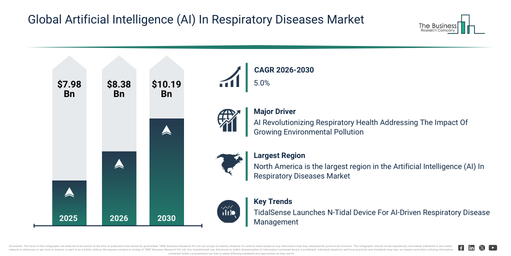
    Artificial Intelligence (AI) In Respiratory Diseases Market Forecast Highlighting Growth From $8.37 Billion To $10.19 Billion

    The market for artificial intelligence in respiratory diseases has experienced consistent expansion, projecting an increase from $7.98 billion in 2025 to $8.38 billion in 2026, reflecting a compound annual growth rate of 4.9%. Key factors driving this historical growth include the escalating prevalence of respiratory conditions, broader utilization of CT and MRI scans, the increasing digitization of patient health records, the early integration of AI in diagnostic support, and the enhancement of diagnostic capacities within healthcare facilities.

    The market for artificial intelligence (AI) applied to respiratory ailments is poised for substantial expansion over the upcoming years, projected to reach a valuation of $10.19 billion by 2030, experiencing a compound annual growth rate (CAGR) of 5.0%. This anticipated growth is primarily fueled by several key factors: a heightened need for customized respiratory care approaches, the growing incorporation of AI into clinical decision-making frameworks, the broader implementation of remote patient monitoring for individuals with chronic respiratory conditions, an intensified emphasis on proactive pulmonology, and significant strides in AI-powered medical imaging. Several prominent trends are expected to shape this market during the forecast period, including a greater utilization of AI-driven image analysis techniques, an increased acceptance of models that predict disease progression, augmented integration of AI within the realm of pulmonary diagnostics, the proliferation of remote monitoring solutions for respiratory health, and a stronger focus on identifying diseases at their earliest stages.

    Download A Free Sample Report For Comprehensive Market Insights:

    https://www.thebusinessresearchcompany.com/sample.aspx?id=13792&type=smp

    #Artificial Intelligence (AI) In Respiratory Diseases Market Demand Drivers Creating New Revenue Opportunities

    The trajectory of the respiratory disease market is being shaped by environmental pollution, defined as the introduction of substances or energy into the environment at a pace exceeding its capacity for safe dispersion or storage. Artificial intelligence holds considerable promise for mitigating the adverse effects of environmental pollution on respiratory well-being, providing capabilities such as continuous monitoring, tailored risk evaluations, evidence-based decision-making, and novel approaches for both individuals and collective populations. Illustrating this, global fossil carbon dioxide emissions reached 37.4 billion tonnes in November 2024, marking a 0.8% rise from the prior year, as reported by the annual Global Carbon Budget assessment originating from Japan. Consequently, the escalating levels of environmental pollution are a significant catalyst for the expansion of artificial intelligence applications within the respiratory disease sector.

    Artificial Intelligence (AI) In Respiratory Diseases Market Segment Performance And Strategic Opportunities

    The artificial intelligence (AI) in respiratory diseases market covered in this report is segmented –

    1) By Imaging Type: Magnetic Resonance Imaging (MRI), Computed Tomography (CT) Scan, Electronic Patient-Reported Outcomes (ePRO)

    2) By Indication: Chronic Obstructive Pulmonary Disease, Interstitial Lung Disease, Pulmonary Infection

    3) By End Use: Hospital, Diagnostic Centers, Ambulatory Surgical Centers, Other End-Users

    Subsegments:

    1) By Magnetic Resonance Imaging (MRI): Lung Imaging, Thoracic Imaging, Cardiopulmonary Imaging

    2) By Computed Tomography (CT) Scan: High-Resolution CT (HRCT), Low-Dose CT, Thoracic CT

    3) By Electronic Patient-Reported Outcomes (ePRO): Symptom Tracking, Medication Adherence Monitoring, Quality Of Life Assessments

    Artificial Intelligence (AI) In Respiratory Diseases Market Trends Driving Strategic Industry Expansion

    Leading entities within the artificial intelligence (AI) sphere for the respiratory disease sector are actively engaged in creating cutting-edge solutions like N-Tidal devices, designed for the continuous observation of a patient’s resting breath patterns. This N-Tidal apparatus quantifies the volume of air inhaled and exhaled during regular respiration, thereby furnishing crucial insights into pulmonary efficiency. Illustrating this, in August of 2023, TidalSense, a respiratory innovation firm based in the United Kingdom, introduced N-Tidal, an AI-powered technology that has received regulatory approval for the identification and ongoing care of chronic obstructive pulmonary disease (COPD). This technology synthesizes the carbon dioxide sensor readings from N-Tidal with an associated artificial intelligence framework to meticulously track alterations in lung performance, with the ultimate goal of enhancing both the diagnosis and therapeutic strategies for this particular respiratory ailment. Evidence from clinical investigations has substantiated the remarkable precision of this technology, and it is anticipated to revolutionize the conventional methods for diagnosing respiratory conditions. This product introduction represents a pivotal advancement in the application of AI for the evaluation of respiratory illnesses, presenting a less intrusive and more streamlined option compared to the diagnostic procedures currently in use.

    Artificial Intelligence (AI) In Respiratory Diseases Market Key Players: Which Companies Shape Industry Competition?

    Major companies operating in the artificial intelligence (AI) in respiratory diseases market are Siemens Healthineers, Philips Healthcare, GE Healthcare, Verily Life Sciences LLC, DeepMind Health, Merative L.P., Aidoc Medical, Butterfly Network, Infervision, Imagen Technologies, Caption Health, Swaasa AI, VIDA Diagnostics Inc., Enlitic, Thirona B.V., ArtiQ, Icometrix, Aidence, Arterys, PneumoWave Ltd

    Access The Complete Artificial Intelligence (AI) In Respiratory Diseases Market Report:

    https://www.thebusinessresearchcompany.com/report/artificial-intelligence-ai-in-respiratory-diseases-global-market-report

    #Artificial Intelligence (AI) In Respiratory Diseases Market Largest Region: Which Geography Holds The Highest Market Share?

    North Americawas the largest region in the artificial Intelligence (AI) in respiratory diseases market in 2025. Asia-Pacificis expected to be the fastest-growing region in the forecast period. The regions covered in the artificial intelligence (AI) in respiratory diseases market report are Asia-Pacific, South East Asia, Western Europe, Eastern Europe, North America, South America, Middle East, Africa.

    Get in touch with us:

    The Business Research Company: https://www.thebusinessresearchcompany.com/

    Americas: +1 310-496-7795

    Asia: +44 7882 955267 & +91 8897263534

    Europe: +44 7882 955267

    Email us at: marketing@tbrc.info

    Follow us on:

    LinkedIn: https://in.linkedin.com/company/the-business-research-company

    YouTube: https://www.youtube.com/channel/UC24_fI0rV8cR5DxlCpgmyFQ

    Global Market Model: https://www.thebusinessresearchcompany.com/global-market-model