Month: June 2026

  • Transthyretin Amyloid Cardiomyopathy (ATTR-CM) Treatment Market Opportunities Are Emerging Beyond Traditional Growth Areas

    Transthyretin Amyloid Cardiomyopathy (ATTR-CM) Treatment Market Opportunities Are Emerging Beyond Traditional Growth Areas

    Enhanced with market attractiveness analysis, total addressable market evaluation, company benchmarking matrices, interactive Excel dashboards, expanded supply chain intelligence, emerging startup coverage, and detailed product insights, The Business Research Company’s 2026 market reports deliver more actionable and strategically valuable research.

    Transthyretin Amyloid Cardiomyopathy (ATTR-CM) Treatment Market Growth From $17.02 Billion In 2026 To $45.08 Billion By 2030 At A CAGR Of 27.6%

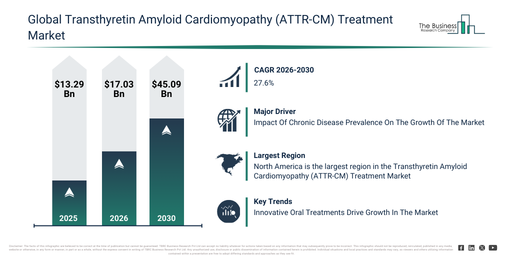
    The market for treating transthyretin amyloid cardiomyopathy (attr-cm) has experienced remarkable expansion recently. Projections indicate a substantial increase from $13.29 billion in 2025 to $17.03 billion in 2026, reflecting a compound annual growth rate (CAGR) of 28.1%. Factors contributing to this growth during the preceding period include heightened awareness of the condition among cardiologists, a rise in the identification of uncommon cardiomyopathies, the introduction of specific drug treatments, the proliferation of specialized cardiac care facilities, and advancements in genetic testing methods.

    The market for transthyretin amyloid cardiomyopathy (attr-cm) treatments is projected to experience remarkable expansion over the coming years, reaching an estimated value of $45.09 billion by 2030, fueled by a compound annual growth rate of 27.6%. This anticipated surge is largely driven by the progressive adoption of personalized medicine strategies, advancements in gene-silencing therapies of the next generation, increased capital allocation towards rare disease drug development, enhanced patient access to sophisticated cardiac diagnostic tools, and a heightened emphasis on therapeutic interventions that modify the disease’s course. Key developments foreseen within this timeframe involve a greater embrace of transthyretin stabilizer therapies, escalating utilization of RNAi-based treatment methodologies, a more concerted effort towards early detection and ongoing disease management, the broadening scope of individualized treatment plans, and augmented investment in the research of rare cardiac conditions.

    Download A Free Sample Report For Comprehensive Market Insights:

    https://www.thebusinessresearchcompany.com/sample.aspx?id=21304&type=smp

    Transthyretin Amyloid Cardiomyopathy (ATTR-CM) Treatment Market Demand Drivers Creating New Revenue Opportunities

    The expanding incidence of long-term health issues is anticipated to be a significant catalyst for the advancement of the market dedicated to treating transthyretin amyloid cardiomyopathy (ATTR-CM). These enduring ailments, characterized by their gradual onset and prolonged duration, often necessitate ongoing medical intervention. A confluence of factors, including an aging demographic, increasingly inactive lifestyles, suboptimal dietary habits, escalating rates of obesity, and heightened exposure to environmental contaminants, contributes to the heightened occurrence of these chronic conditions. Therapies for ATTR-CM play a crucial role in addressing these conditions by reinforcing the stability of transthyretin, thereby diminishing the accumulation of amyloid deposits, enhancing cardiac performance, and mitigating the manifestation of symptoms. To illustrate, data from the U.S. Centers for Disease Control and Prevention (CDC) indicated that in 2023, a substantial 76.4% of American adults, approximating 194 million individuals, contended with at least one chronic condition. This prevalence extended to 59.5% of younger adults, 78.4% of middle-aged individuals, and a commanding 93.0% of older adults. Consequently, the increasing ubiquity of chronic diseases is directly fueling the growth trajectory of the ATTR-CM treatment sector.

    Transthyretin Amyloid Cardiomyopathy (ATTR-CM) Treatment Market Categorization By Product Type And Application

    The transthyretin amyloid cardiomyopathy (attr-cm) treatment market covered in this report is segmented –

    1) By Type: Transthyretin Stabilizers, Nonsteroidal Anti-inflammatory Drugs (NSAID), RNAi Therapy, Other Types

    2) By Indication: Wild type ATTR Amyloidosis, Hereditary ATTR amyloidosis

    3) By End-Users: Hospitals, Homecare, Specialty Clinics, Other End Users

    Subsegments:

    1) By Transthyretin Stabilizers: Tafamidis, Diflunisal

    2) By Nonsteroidal Anti-inflammatory Drugs (NSAIDs): Aspirin, Ibuprofen

    3) By RNAi Therapy: Patisiran, Vutrisiran

    4) By Other Types: Gene Silencing Therapies, Immunotherapy Approaches, Emerging Small Molecule Therapies

    Transthyretin Amyloid Cardiomyopathy (ATTR-CM) Treatment Market Trends Driving Strategic Industry Expansion

    In the transthyretin amyloid cardiomyopathy (ATTR-CM) therapeutic arena, leading pharmaceutical entities are dedicating efforts towards pioneering novel treatment modalities for ATTR-CM. These advancements include the creation of orally administered prescription medications designed to specifically target and stabilize transthyretin (TTR) proteins or to diminish the accumulation of amyloid fibrils within the cardiac muscle. Oral prescription drugs are those dispensed under the guidance of a medical professional and ingested via the mouth, commonly presented as pills, capsules, or liquid formulations. An illustrative example occurred in November 2024 when BridgeBio Pharma Inc., a biotechnology firm headquartered in the United States, secured U.S. Food and Drug Administration approval for Attruby, also known as acoramidis, intended for the management of ATTR-CM in adult patients. This pharmaceutical agent functions by stabilizing the TTR protein, thereby leading to a reduction in cardiac fatalities and hospital admissions. Evidence from clinical investigations demonstrates its favorable safety profile and its capacity to deliver swift therapeutic advantages by addressing the fundamental etiology of the condition.

    Transthyretin Amyloid Cardiomyopathy (ATTR-CM) Treatment Market Company Landscape And Strategic Competition

    Major companies operating in the transthyretin amyloid cardiomyopathy (attr-cm) treatment market are Alnylam Pharmaceuticals Inc, BridgeBio Pharma Inc, Intellia Therapeutics Inc, SOM Biotech S L, Ionis Pharmaceuticals Inc, Eidos Therapeutics Inc, Prothena Corporation plc, Neurimmune Holding AG, Corino Therapeutics Inc, CRISPR Therapeutics AG, YolTech Therapeutics Co Ltd, Silence Therapeutics plc, Akcea Therapeutics Inc

    Access The Complete Transthyretin Amyloid Cardiomyopathy (ATTR-CM) Treatment Market Report:

    https://www.thebusinessresearchcompany.com/report/transthyretin-amyloid-cardiomyopathy-attr-cm-treatment-global-market-report

    Transthyretin Amyloid Cardiomyopathy (ATTR-CM) Treatment Market Geographic Analysis: Where Is Demand Growing The Fastest?

    North Americawas the largest region in the transthyretin amyloid cardiomyopathy (ATTR-CM) treatment market in 2025. Asia-Pacificis expected to be the fastest-growing region in the forecast period. The regions covered in the transthyretin amyloid cardiomyopathy (attr-cm) treatment market report are Asia-Pacific, South East Asia, Western Europe, Eastern Europe, North America, South America, Middle East, Africa.

    Get in touch with us:

    The Business Research Company: https://www.thebusinessresearchcompany.com/

    Americas: +1 310-496-7795

    Asia: +44 7882 955267 & +91 8897263534

    Europe: +44 7882 955267

    Email us at: marketing@tbrc.info

    Follow us on:

    LinkedIn: https://in.linkedin.com/company/the-business-research-company

    YouTube: https://www.youtube.com/channel/UC24_fI0rV8cR5DxlCpgmyFQ

    Global Market Model: https://www.thebusinessresearchcompany.com/global-market-model
  • Transitional Care Management Services Market Expansion Is Opening New Pathways For Strategic Investment

    Transitional Care Management Services Market Expansion Is Opening New Pathways For Strategic Investment

    Through market attractiveness analysis, total addressable market evaluation, company benchmarking matrices, interactive Excel dashboards, expanded supply chain intelligence, emerging startup coverage, and detailed product insights, The Business Research Company’s 2026 market reports provide more actionable and strategically valuable research.

    Transitional Care Management Services Market Expansion Outlook: What Revenue Opportunities Lie Ahead?

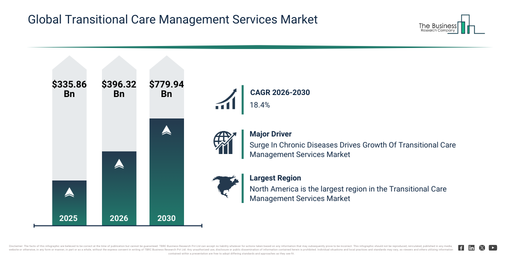
    The market for transitional care management services has experienced considerable expansion lately, projected to swell from \$335.86 billion in 2025 to \$396.32 billion in 2026, reflecting an 18.0% combined annual growth rate. This past growth trajectory is largely attributable to the adoption of value-based care frameworks, a rise in patient discharges from hospitals, the existence of reimbursement codes for care management, the broadening of primary care infrastructures, and an increasing focus on maintaining patient care continuity.

    The market for transitional care management services is poised for significant expansion in the coming years, projected to reach $779.94 billion by 2030, reflecting an 18.4% compound annual growth rate. This upward trajectory is largely fueled by several key factors, including the expanding integration of digital health frameworks, escalating needs for managing chronic conditions, the broader implementation of home-based care strategies, the increasing application of AI for categorizing patient risk, and the ongoing digitization of healthcare infrastructure. Within this forecast period, notable developments are expected to shape the market, such as wider acceptance of care coordination tools, increased utilization of remote patient monitoring technologies, a rise in telehealth services following hospital discharge, a stronger emphasis on initiatives aimed at reducing hospital readmissions, and improved incorporation of systems for documenting patient care.

    Download A Free Sample Report For Comprehensive Market Insights:

    https://www.thebusinessresearchcompany.com/sample.aspx?id=9911&type=smp

    Transitional Care Management Services Market Expansion Supported By Key Demand Factors

    The expanding prevalence of chronic health conditions is poised to be a significant catalyst for the growth of the transitional care management services market. Chronic diseases, characterized by their long-term nature, often spanning a year or more and demanding continuous medical intervention while potentially impacting daily life, encompass non-communicable ailments such as heart disease, cancer, persistent respiratory issues, and diabetes. Transitional care management (TCM) plays a crucial role in mitigating the effects of these conditions by ensuring seamless care continuity during patient transitions between different healthcare settings. Services offered through TCM, including patient education for self-management, meticulous discharge planning, and structured follow-up protocols, empower individuals to better manage their chronic conditions and avert complications, as exemplified by the Institute for Health Metrics and Evaluation’s June 2023 report indicating that over half a billion individuals worldwide currently have diabetes, a figure projected to exceed 1.3 billion by 2050, underscoring the direct correlation between rising chronic disease incidence and the expansion of the transitional care management services market.

    The growing volume of surgical interventions is projected to be a key driver for the expansion of the transitional care management market. Surgical procedures, defined as invasive methods involving the modification or repair of the human body through tissue manipulation, often necessitate transitional care management (TCM) for effective post-operative care coordination, particularly in fields like plastic surgery, orthopedics, and cardiology, requiring diligent management during critical transition periods. A case in point is the Australian Institute of Health and Welfare’s report from April 2025, which highlighted that during the 2023–24 fiscal year, Australian public hospitals admitted 778,500 patients from elective surgery waitlists, representing a 5.8% increase from the 735,500 admissions recorded in 2022–23, thereby demonstrating how the escalating number of surgical procedures is expected to fuel the advancement of the transitional care management market.

    Transitional Care Management Services Market Segment Analysis And Revenue Opportunities

    The transitional care management services market covered in this report is segmented –

    1) By Service: Patient TCM Services, Healthcare TCM Services, Documenting TCM Services, Other Services

    2) By Disease Type: Cardiovascular Diseases, Diabetes, Cancer, Asthma, Chronic Obstructive Pulmonary Disorders, Other Diseases

    3) By Application: Inpatient Settings, Community Settings

    Subsegments:

    1) By Patient TCM Services: Care Coordination, Medication Management

    2) By Healthcare TCM Services: Follow-Up Visits, Health Monitoring

    3) By Documenting TCM Services: Care Plans, Progress Notes

    4) By Other Services: Training And Education, Telehealth Support

    Transitional Care Management Services Market Leading Players Shaping Industry Direction

    Major companies operating in the transitional care management services market are Rijuven Corp., CareVitality, ACT Health Solutions LLC, Wellsky Corporation, Care UK Limited, Genesis Healthcare Corp., US Acute Care Solutions, Charter Health Care Group, Amedisys Inc., National HealthCare Corporation, LHC Group Inc., Encompass Health Corporation, PruittHealth, Consulate Health Care, Signature Healthcare LLC, The Ensign Group Inc., Diversicare Healthcare Services Inc., Saber Healthcare Group LLC, SavaSeniorCare LLC.

    Access The Complete Transitional Care Management Services Market Report:

    https://www.thebusinessresearchcompany.com/report/transitional-care-management-services-global-market-report

    Transitional Care Management Services Market Global Footprint: Which Region Holds Market Leadership?

    North Americawas the largest region in the transitional care management services market in 2025. Asia-Pacificis expected to be the fastest-growing region in the transitional care management services market report during the forecast period. The regions covered in the transitional care management services market report are Asia-Pacific, South East Asia, Western Europe, Eastern Europe, North America, South America, Middle East, Africa.

    Get in touch with us:

    The Business Research Company: https://www.thebusinessresearchcompany.com/

    Americas: +1 310-496-7795

    Asia: +44 7882 955267 & +91 8897263534

    Europe: +44 7882 955267

    Email us at: marketing@tbrc.info

    Follow us on:

    LinkedIn: https://in.linkedin.com/company/the-business-research-company

    YouTube: https://www.youtube.com/channel/UC24_fI0rV8cR5DxlCpgmyFQ

    Global Market Model: https://www.thebusinessresearchcompany.com/global-market-model
  • Transient Elastography Market Trends Are Creating New Opportunities For Industry Leaders

    Transient Elastography Market Trends Are Creating New Opportunities For Industry Leaders

    Delivering more actionable and strategically valuable research, The Business Research Company’s 2026 market reports feature market attractiveness analysis, total addressable market evaluation, company benchmarking matrices, interactive Excel dashboards, expanded supply chain intelligence, emerging startup coverage, and detailed product insights.

    Transient Elastography Market Growth Potential: How Will Market Size Change Through 2030?

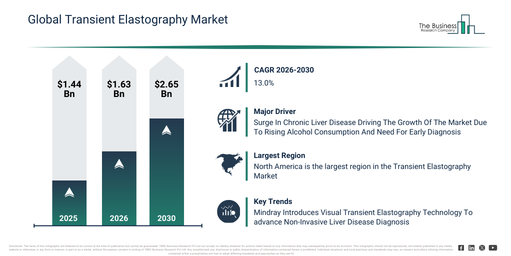
    The market for transient elastography experienced significant expansion in the preceding years. Projections indicate a rise from $1.44 billion in 2025 to $1.63 billion in 2026, demonstrating a compound annual growth rate (CAGR) of 13.2%. This upward trajectory during the historical period is largely due to the escalating incidence of chronic liver ailments, the inherent drawbacks associated with invasive liver biopsy techniques, the increasing use of diagnostic tools based on ultrasound technology, the broadening scope of hepatology services, and a heightened emphasis on monitoring liver health.

    The field of transient elastography is poised for considerable expansion in the upcoming years, projecting to reach a market valuation of $2.65 billion by the year 2030, driven by a compound annual growth rate of 13.0%. This anticipated surge in growth is largely fueled by several key factors, including a heightened requirement for diagnostic equipment deployable at the point of care, escalating financial commitments towards the early identification of diseases, broader implementation of screening initiatives for conditions like hepatitis and fibrosis, a greater embrace of mobile diagnostic instruments, and the increasingly sophisticated incorporation of artificial intelligence for analyzing medical imagery. Within this projected timeframe, prominent developments are expected to include a wider acceptance of non-invasive methods for diagnosing liver conditions, a growing need for portable elastography devices, a more seamless combination of elastography technology with ultrasound systems, the establishment of regular screening protocols for liver ailments, and a magnified emphasis on detecting fibrosis in its nascent stages.

    Download A Free Sample Report For Comprehensive Market Insights:

    https://www.thebusinessresearchcompany.com/sample.aspx?id=30421&type=smp

    Transient Elastography Market Growth Drivers And Industry Catalysts

    Advancements in diagnostic technologies, particularly transient elastography, are poised for significant expansion driven by the increasing incidence of chronic liver conditions. This widespread deterioration of liver health, characterized by persistent inflammation and scarring that impairs function, necessitates effective monitoring solutions. Elevated rates of conditions like cirrhosis, often linked to excessive alcohol intake, underscore the critical need for regular liver assessments. Consequently, transient elastography’s capability to non-invasively assess liver stiffness and identify early indicators of damage is becoming increasingly vital. Official statistics from GOV.UK in April 2024 highlight this trend, noting an escalation in liver disease-related hospitalizations in the UK. Specifically, the financial year concluding in 2023 saw admission rates climb to 155.2 per 100,000 individuals, an increase from the preceding year’s figure of 150.6. This upward trajectory in chronic liver disease prevalence is a primary catalyst for the burgeoning transient elastography market.

    Transient Elastography Market Segmentation And Category Breakdown

    The transient elastography market covered in this report is segmented –

    1) By Product Type: Standalone Devices, Portable Devices

    2) By Application: Liver Disease Assessment, Hepatitis, Fibrosis, Cirrhosis, Other Applications

    3) By End-User: Hospitals, Diagnostic Centers, Research Institutes, Other End-Users

    Subsegments:

    1) By Standalone Devices: Tabletop Device, Integrated Ultrasound Device

    2) By Portable Devices: Handheld Device, Laptop-Compatible Device, Mobile Cart Device

    #Transient Elastography Market Trends Influencing Long-Term Demand

    Leading players within the transient elastography market are focused on creating cutting-edge solutions, notably visual transient elastography, which offers a real-time visualization of liver tissue elasticity, thereby improving diagnostic precision and facilitating earlier identification and tracking of hepatic conditions via non-invasive imaging methods. This visual transient elastography technique employs ultrasound technology combined with elastography to provide a visual, real-time assessment of liver tissue stiffness. As an illustration, in June 2023, Mindray, a prominent Chinese medical device manufacturer, introduced its Hepatus 6 Diagnostic Ultrasound System. This system, the Hepatus 6, unifies transient elastography and real-time 2D diagnostic ultrasound capabilities onto a single console, rendering it highly suitable for the non-invasive evaluation of liver ailments. Its proprietary Visual Transient Elastography (ViTE) technology not only quantifies liver fibrosis and steatosis but also presents concurrent ultrasound imagery. Developed with a specific focus on liver assessments, this system embeds elastography directly within a diagnostic ultrasound platform, aiming to simplify the processes of detecting, diagnosing, and monitoring liver diseases.

    Transient Elastography Market Competitive Analysis Of Major Industry Participants

    Major companies operating in the transient elastography market are Siemens Healthcare GmbH, GE HealthCare Technologies Inc., Mindray Bio‑Medical Electronics Co. Ltd., Tawazun Health Ltd., Echosens SA., CHISON Medical Technologies Co. Ltd., Neusoft Medical Systems Co. Ltd., Hisky Medical, Wuxi Hisky Medical Technologies Co. Ltd., Nexgen Therapeutics, Liver Scan Group Limited, Eieling Technology Limited, SMEDA Medical Co. Ltd., Sandhill Scientific Inc.

    Access The Complete Transient Elastography Market Report:

    https://www.thebusinessresearchcompany.com/report/global-transient-elastography-market-report

    Transient Elastography Market Regional Distribution: Which Areas Drive Market Expansion?

    North Americawas the largest region in the transient elastography market in 2025. Asia-Pacificis expected to be the fastest-growing region in the forecast period. The regions covered in the transient elastography market report are Asia-Pacific, South East Asia, Western Europe, Eastern Europe, North America, South America, Middle East, Africa.

    Get in touch with us:

    The Business Research Company: https://www.thebusinessresearchcompany.com/

    Americas: +1 310-496-7795

    Asia: +44 7882 955267 & +91 8897263534

    Europe: +44 7882 955267

    Email us at: marketing@tbrc.info

    Follow us on:

    LinkedIn: https://in.linkedin.com/company/the-business-research-company

    YouTube: https://www.youtube.com/channel/UC24_fI0rV8cR5DxlCpgmyFQ

    Global Market Model: https://www.thebusinessresearchcompany.com/global-market-model
  • Transcriptomics Market Growth Is Reshaping Competitive Advantage Across The Industry

    Transcriptomics Market Growth Is Reshaping Competitive Advantage Across The Industry

    Enhanced with market attractiveness analysis, total addressable market evaluation, company benchmarking matrices, interactive Excel dashboards, expanded supply chain intelligence, emerging startup coverage, and detailed product insights, The Business Research Company’s 2026 market reports deliver more actionable and strategically valuable research.

    Transcriptomics Market Value Analysis: What Growth Is Expected Over The Forecast Period?

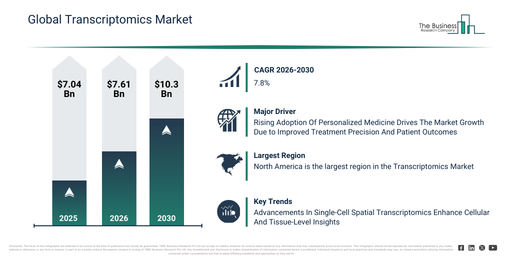
    The transcriptomics market experienced robust expansion recently, projecting an increase from $7.04 billion in 2025 to $7.61 billion in 2026, reflecting an 8.1% compound annual growth rate. This upswing in the past can be linked to progress in sequencing technologies, reduced expenses for high-throughput analysis, broader academic genomics research, the availability of standardized transcriptomic methodologies, and increased funding in the life sciences sector.

    The field of transcriptomics is poised for considerable expansion over the upcoming years, with projections indicating a market value reaching $10.3 billion by the year 2030, reflecting a compound annual growth rate of 7.8%. This anticipated increase is largely fueled by several key factors: the growing incorporation of AI-powered data analysis techniques, a heightened demand for individually tailored therapeutic approaches, the broadening scope of clinical transcriptomics investigations, increased funding directed towards omics research infrastructure, and the escalating utilization of transcriptomic profiling within the pharmaceutical sector. Key developments expected to shape this market during the forecast period include a greater embrace of RNA sequencing technologies, a surge in the application of single-cell transcriptomics, the continued development of bioinformatics and data analytics tools, a stronger emphasis on uncovering biomarkers, and a reinforced commitment to the principles of precision medicine.

    Download A Free Sample Report For Comprehensive Market Insights:

    https://www.thebusinessresearchcompany.com/sample.aspx?id=24417&type=smp

    Transcriptomics Market Opportunity Drivers: What Is Creating New Revenue Potential?

    The burgeoning trend towards tailored medical interventions is anticipated to be a significant catalyst for the expansion of the transcriptomics sector. Personalized medicine, a healthcare strategy that tailors therapeutic approaches to an individual’s genetic makeup, lifestyle choices, and environmental influences, is experiencing a surge in development driven by breakthroughs in genetic sequencing technologies. These advancements facilitate the creation of highly individualized treatment plans designed for optimal efficacy. Transcriptomics plays a crucial role by elucidating an individual’s unique gene expression patterns, thereby informing the selection of personalized therapies aligned with a patient’s specific biological characteristics. This leads to improved treatment outcomes, a reduction in adverse reactions, and the potential for earlier identification of diseases. Illustratively, the Personalized Medicine Coalition reported that in 2023, the FDA sanctioned 16 novel personalized therapies for individuals with rare conditions, a notable increase from the six approvals seen in 2022, underscoring the accelerating progress in this domain. Consequently, the expanding embrace of personalized medicine is directly fueling the growth trajectory of the transcriptomics market.

    Transcriptomics Market Segment Outlook: Which Categories Are Expanding The Fastest?

    The transcriptomics market covered in this report is segmented –

    1) By Type: Instruments, Consumables, Software, Services

    2) By Technology: Micro Array, Real-Time Quantitative Polymerase Chain Reaction, Sequencing Technologies

    3) By Application: Diagnostics And Disease Profiling, Drug Discovery, Other Applications

    4) By End-User: Academic And Research Institutes, Pharmaceutical Companies, Biotechnology Companies, Other End-Users

    Subsegments:

    1) By Instruments: Microarray Instruments, Sequencing Instruments, Polymerase Chain Reaction (PCR) Instruments, Other Transcriptomics Instruments

    2) By Consumables: Reagents, Probes, Kits, Chips

    3) By Software: Data Analysis Software: Data Management Software, Visualization Software: Bioinformatics Software

    4) By Services: Data Analysis Services, Sample Preparation Services, Sequencing Services, Consulting Services

    Transcriptomics Market Innovation Trends Driving Future Development

    The transcriptomics industry’s leading players are concentrating on pioneering sophisticated offerings, including single-cell spatial panels, to foster a more profound understanding of cellular functions and the mechanisms underlying diseases. These innovative panels facilitate the examination of gene expression at the individual cell level while meticulously preserving the spatial context of each cell within its tissue environment. By integrating single-cell transcriptomic data with spatial information, they provide a comprehensive view of both cellular operations and the intricate structure of tissues. As an illustration, in February 2024, NanoString Technologies, a biotechnology firm based in the United States, introduced the CosMx 6,000 plex RNA Assay, a spatial molecular imaging technique. This introduction signifies the market debut of the premier single-cell spatial panel, engineered to quantify in excess of 6,000 RNA targets, encompassing virtually every known human biological pathway. This significant advancement, intended for deployment with the CosMx Spatial Molecular Imager (SMI), empowers researchers to conduct gene profiling at exceptionally fine single-cell and subcellular resolutions, characterized by high precision and sophisticated cell segmentation capabilities.

    Transcriptomics Market Key Companies And Competitive Benchmarking

    Major companies operating in the transcriptomics market are F. Hoffmann-La Roche Ltd., Thermo Fisher Scientific Inc., Becton Dickinson and Company, Agilent Technologies Inc., Illumina Inc., Bio-Rad Laboratories Inc., QIAGEN N.V., Takara Bio Inc., 10x Genomics Inc., Oxford Nanopore Technologies plc, Genewiz Inc., Pacific Biosciences of California Inc., NanoString Technologies Inc., Singleron Biotechnologies, SCIEX, CD Genomics Inc., Parse Biosciences Inc., Lexogen GmbH, LC Sciences LLC, Arraystar Inc.

    Access The Complete Transcriptomics Market Report:

    https://www.thebusinessresearchcompany.com/report/transcriptomics-global-market-report

    Transcriptomics Market Leading Geography: Which Region Generates The Most Revenue?

    North Americawas the largest region in the transcriptomics market in 2025. Asia-Pacificis expected to be the fastest-growing region in the forecast period. The regions covered in the transcriptomics market report are Asia-Pacific, South East Asia, Western Europe, Eastern Europe, North America, South America, Middle East, Africa.

    Get in touch with us:

    The Business Research Company: https://www.thebusinessresearchcompany.com/

    Americas: +1 310-496-7795

    Asia: +44 7882 955267 & +91 8897263534

    Europe: +44 7882 955267

    Email us at: marketing@tbrc.info

    Follow us on:

    LinkedIn: https://in.linkedin.com/company/the-business-research-company

    YouTube: https://www.youtube.com/channel/UC24_fI0rV8cR5DxlCpgmyFQ

    Global Market Model: https://www.thebusinessresearchcompany.com/global-market-model
  • Tracheitis Treatment Market Forecast Signals New Revenue Opportunities Through 2030

    Tracheitis Treatment Market Forecast Signals New Revenue Opportunities Through 2030

    Through market attractiveness analysis, total addressable market evaluation, company benchmarking matrices, interactive Excel dashboards, expanded supply chain intelligence, emerging startup coverage, and detailed product insights, The Business Research Company’s 2026 market reports provide more actionable and strategically valuable research.

    Tracheitis Treatment Market Size Forecast: How Large Could The Market Become By 2030?

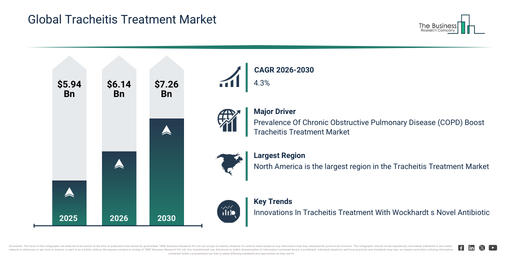
    The market dedicated to treating tracheitis has experienced consistent expansion lately. Projections indicate a rise from $5.94 billion in 2025 to $6.14 billion by 2026, reflecting a compound annual growth rate of 3.4%. Factors contributing to the growth observed historically include the existence of established antibiotic treatment practices, the accessibility of hospital-based critical care facilities, enhanced approaches to managing pediatric infections, increased recognition among clinicians concerning airway emergencies, and the implementation of standardized clinical protocols.

    The market for tracheitis treatments is projected for consistent expansion in the coming years, reaching an estimated $7.26 billion by 2030, driven by a CAGR of 4.3%. This anticipated growth is fueled by several factors, including advancements in diagnostic technologies, a heightened commitment to antimicrobial stewardship, the enhancement of intensive care services, increased utilization of rapid pathogen detection methods, and escalating healthcare expenditures in emergency medicine. Key developments expected during this forecast period involve a greater emphasis on prompt diagnosis and timely treatment, a broader application of broad-spectrum antibiotics, the implementation of more extensive airway management strategies within hospitals, refined critical care monitoring techniques, and enhanced public awareness concerning airway infections in children.

    Download A Free Sample Report For Comprehensive Market Insights:

    https://www.thebusinessresearchcompany.com/sample.aspx?id=12925&type=smp

    Tracheitis Treatment Market Growth Momentum: Which Factors Are Influencing Demand?

    The escalating incidence of Chronic Obstructive Pulmonary Disease (COPD), a persistent and advancing lung condition marked by enduring airflow obstruction, is anticipated to be a significant catalyst fueling the expansion of the tracheitis treatment sector. Tracheitis interventions offer distinct advantages for individuals managing COPD, including a diminished susceptibility to respiratory infections, enhanced pulmonary capacity, alleviation of distressing symptoms, and the prevention of disease worsening. Illustrating this trend, data from the National Library of Medicine, a prominent US medical resource, indicated in December 2023 that the worldwide count of COPD cases in individuals aged 25 and above is forecasted to surge by 23% by the year 2050, approaching a total of approximately 600 million affected individuals. Consequently, this upward trajectory in COPD prevalence directly stimulates the market for tracheitis treatments.

    Tracheitis Treatment Market Segment Landscape: Which Areas Lead Market Development?

    The tracheitis treatment market covered in this report is segmented –

    1) By Strain Type: Streptococcus Pneumoniae, Staphylococcus Aureus, Other Strains

    2) By Indication: Tracheobronchitis, Bacterial Croup, Laryngotracheobronchitis

    3) By Treatment: Endotracheal Intubation, Antibiotics, Other Treatments

    4) By End-Users: Hospitals, Specialty Clinics, Other End-Users

    Subsegments:

    1) By Streptococcus Pneumoniae: Antibiotic Treatment, Supportive Care

    2) By Staphylococcus Aureus: Antibiotic Treatment, Supportive Care

    3) By Other Strains: Antibiotic Treatment, Supportive Care

    Tracheitis Treatment Market Trends Reshaping Industry Growth

    Key players within the tracheitis treatment sector are dedicating their efforts towards pioneering advanced therapeutic solutions, specifically focusing on the creation of new antibiotics designed to tackle resistant microbial strains and elevate patient recovery rates. A novel antibiotic represents a recently engineered or identified antimicrobial compound that employs a distinct mechanism to combat bacteria, frequently proving successful against strains that have developed resistance to conventional treatments or for infections unresponsive to current medications. Illustrating this, in September of 2024, Wockhardt Ltd., a pharmaceutical firm headquartered in India, introduced a groundbreaking antibiotic named WCK 5222, marketed under the brand Zaynich. The pricing strategy for this medication in India is set at 80% lower than its equivalent in the United States, thereby significantly improving its affordability for individuals in the region contending with infections caused by bacteria resistant to multiple drugs (MDR). This deliberate pricing arrangement is intended to foster greater patient compliance with treatment regimens and respond to the pressing demand for potent antimicrobial agents in the area.

    Tracheitis Treatment Market Industry Leaders And Market Competition

    Major companies operating in the tracheitis treatment market are Pfizer Inc., Merck & Co., Cipla Limited, Teva Pharmaceutical Industries, Sun Pharmaceutical Industries, Hikma Pharmaceuticals plc, Zydus Lifesciences Ltd., Glenmark Pharmaceuticals, Melinta Therapeutics Inc, Dr Reddy’s Laboratories, Aurobindo Pharma, Lupin Pharmaceuticals, North China Pharmaceutical Group, Hindustan Antibiotics Limited, Xellia Pharmaceuticals ApS, Alembic Pharmaceuticals, Alkem Laboratories Ltd, Cadila Healthcare Ltd, Boehringer Ingelheim GmbH, Bayer AG

    Access The Complete Tracheitis Treatment Market Report:

    https://www.thebusinessresearchcompany.com/report/tracheitis-treatment-global-market-report

    Tracheitis Treatment Market Regional Outlook: Where Are The Largest Opportunities Located?

    North Americawas the largest region in the tracheitis treatment market in 2025. The regions covered in the tracheitis treatment market report are Asia-Pacific, South East Asia, Western Europe, Eastern Europe, North America, South America, Middle East, Africa.

    Get in touch with us:

    The Business Research Company: https://www.thebusinessresearchcompany.com/

    Americas: +1 310-496-7795

    Asia: +44 7882 955267 & +91 8897263534

    Europe: +44 7882 955267

    Email us at: marketing@tbrc.info

    Follow us on:

    LinkedIn: https://in.linkedin.com/company/the-business-research-company

    YouTube: https://www.youtube.com/channel/UC24_fI0rV8cR5DxlCpgmyFQ

    Global Market Model: https://www.thebusinessresearchcompany.com/global-market-model
  • Tourette Syndrome Treatment Market Growth Is Accelerating As Industry Transformation Continues

    Tourette Syndrome Treatment Market Growth Is Accelerating As Industry Transformation Continues

    Delivering more actionable and strategically valuable research, The Business Research Company’s 2026 market reports feature market attractiveness analysis, total addressable market evaluation, company benchmarking matrices, interactive Excel dashboards, expanded supply chain intelligence, emerging startup coverage, and detailed product insights.

    Tourette Syndrome Treatment Market Revenue Outlook: What CAGR Is Expected Through 2030?

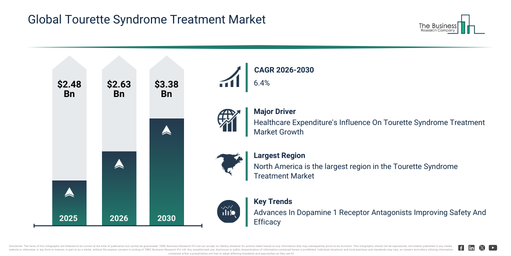
    The market for Tourette Syndrome treatments has experienced robust expansion over the past few years, with projections indicating continued growth. This market is estimated to climb from $2.48 billion in 2025 to $2.63 billion in 2026, representing a compound annual growth rate of 6.0%. Several factors have underpinned this historical growth, including the widespread availability of established antipsychotic medications, increasing professional acceptance and utilization of behavioral therapies, the proliferation of specialized neurology clinics, a rise in Tourette Syndrome diagnoses, and enhanced access to treatment services.

    The market for Tourette syndrome treatments is poised for significant expansion over the coming years, projected to reach $3.38 billion by 2030, reflecting a compound annual growth rate of 6.4%. This anticipated growth is fueled by several key factors including heightened investment in the creation of advanced medications, a growing emphasis on individualized treatment strategies, wider implementation of teletherapy and remote healthcare solutions, a greater need for therapeutic options that offer sustained safety, and an increase in ongoing clinical research. During this projection period, prominent trends are expected to emerge, such as the increased utilization of precisely targeted pharmaceutical interventions, a progressive acceptance of all-encompassing behavioral therapies for managing tics, the broader application of combined treatment modalities, the advancement of innovative drug categories, and enhancements in patient observation and subsequent care.

    Download A Free Sample Report For Comprehensive Market Insights:

    https://www.thebusinessresearchcompany.com/sample.aspx?id=15687&type=smp

    Tourette Syndrome Treatment Market Expansion Drivers: What Is Shaping Future Growth?

    Increased spending on healthcare is anticipated to fuel the expansion of the market for tourette syndrome treatments in the future. This healthcare expenditure encompasses the aggregate financial outlay for health-related goods and services, such as medical interventions, pharmaceuticals, hospital stays, and preventative measures, over a defined timeframe, thereby indicating the comprehensive cost associated with delivering healthcare to a populace. Factors contributing to the ascent of healthcare spending include the escalating costs associated with sophisticated medical technologies, a growing elderly demographic, and the widespread occurrence of long-term illnesses. Within the domain of tourette syndrome treatment, healthcare expenditure is allocated towards the creation of cutting-edge diagnostic instruments, therapeutic drugs, and therapeutic strategies. Furthermore, it underpins continuous scientific inquiry, patient instruction, and the availability of specialized medical attention. By way of illustration, in May 2024, the Office for National Statistics, a UK governmental body, observed that overall healthcare expenditure experienced a 5.6% nominal rise between 2022 and 2023, a notable acceleration from the 0.9% growth recorded in the preceding year. Consequently, this upward trend in healthcare expenditure is serving as a catalyst for the tourette syndrome treatment market’s development.

    Tourette Syndrome Treatment Market Segments: Where Are The Largest Growth Opportunities?

    The tourette syndrome treatment market covered in this report is segmented –

    1) By Drug Class: Antiadrenergic Agents, Antipsychotic Agents, Atypical Antipsychotic Agents, Carbonic Anhydrase Inhibitor Anticonvulsants, Other Drug Classes

    2) By Distribution Channel: Hospital Pharmacies, Retail Pharmacies, Online Pharmacies

    3) By Application: Children, Adult

    Subsegments:

    1) By Antiadrenergic Agents: Alpha-2 Adrenergic Agonists, Beta-Blockers

    2) By Antipsychotic Agents: Typical Antipsychotics, Atypical Antipsychotics

    3) By Atypical Antipsychotic Agents: Risperidone, Aripiprazole

    4) By Carbonic Anhydrase Inhibitor Anticonvulsants: Topiramate, Zonisamide

    5) By Other Drug Classes: Dopamine-Depleting Agents, Gabaergic Drugs

    Tourette Syndrome Treatment Market Strategic Trends: What Is Defining The Next Phase Of Growth?

    In the tourette syndrome treatment arena, leading corporations are concentrating their efforts on developing selective dopamine 1 receptor antagonists as a strategic move to enhance their market standing. These antagonists are pharmacological agents designed to inhibit dopamine D1 receptors within the brain, thereby moderating dopaminergic activity and aiding in the management of various neurological and psychiatric disorders. A prime example is Emalex Biosciences, a US biopharmaceutical firm, which initiated a Phase 3 trial in March 2023 for ecopipam, a novel small-molecule medication representing the first of its kind to selectively impede D1 receptors without possessing antipsychotic properties. Across a 12-month duration, ecopipam exhibited sustained decreases in motor and vocal tics, accompanied by a notably favorable metabolic profile and an absence of substantial weight gain when juxtaposed with established D2-receptor targeting antipsychotics. This inclination towards therapies with more refined mechanisms of action and improved tolerability prospects elevates the likelihood of gaining regulatory endorsement and achieving widespread clinical utilization, notwithstanding the ongoing need for comprehensive validation of their long-term safety and real-world efficacy.

    Tourette Syndrome Treatment Market Major Participants And Competitive Dynamics

    Major companies operating in the tourette syndrome treatment market are AbbVie Inc., Otsuka Pharmaceutical Co. Ltd., Jazz Pharmaceuticals plc, Supernus Pharmaceuticals, Neurocrine Biosciences, Sunovion Pharmaceuticals Inc., Kyowa Kirin Co. Ltd., SciSparc Ltd., Emalex Biosciences Inc., Relmada Therapeutics Inc., Reviva Pharmaceuticals Inc., Catalyst Pharmaceuticals Inc., Psyadon Pharmaceuticals Inc., Sage Therapeutics Inc., Ipsen Pharma, Aptinyx Inc., Zynerba Pharma Inc., Teva Pharmaceutical Industries Ltd., H Lundbeck AS, NeuroSigma Inc

    Access The Complete Tourette Syndrome Treatment Market Report:

    https://www.thebusinessresearchcompany.com/report/tourette-syndrome-treatment-global-market-report

    Tourette Syndrome Treatment Market Geographic Landscape: Which Region Dominates Industry Growth?

    North Americawas the largest region in the tourette syndrome treatment market in 2025. Asia-Pacificis expected to be the fastest-growing region in the forecast period. The regions covered in the tourette syndrome treatment market report are Asia-Pacific, South East Asia, Western Europe, Eastern Europe, North America, South America, Middle East, Africa.

    Get in touch with us:

    The Business Research Company: https://www.thebusinessresearchcompany.com/

    Americas: +1 310-496-7795

    Asia: +44 7882 955267 & +91 8897263534

    Europe: +44 7882 955267

    Email us at: marketing@tbrc.info

    Follow us on:

    LinkedIn: https://in.linkedin.com/company/the-business-research-company

    YouTube: https://www.youtube.com/channel/UC24_fI0rV8cR5DxlCpgmyFQ

    Global Market Model: https://www.thebusinessresearchcompany.com/global-market-model
  • Tourette Syndrome Market Outlook Highlights The Next Major Growth Opportunities

    Tourette Syndrome Market Outlook Highlights The Next Major Growth Opportunities

    Enhanced with market attractiveness analysis, total addressable market evaluation, company benchmarking matrices, interactive Excel dashboards, expanded supply chain intelligence, emerging startup coverage, and detailed product insights, The Business Research Company’s 2026 market reports deliver more actionable and strategically valuable research.

    Tourette Syndrome Market Growth Analysis: How Will Revenue Expand During The Forecast Period?

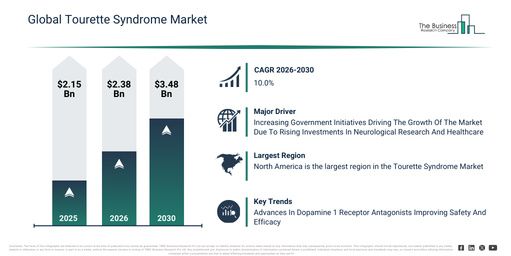
    The global market for Tourette syndrome treatments has experienced substantial expansion lately, projected to ascend from $2.15 billion in 2025 to $2.38 billion in 2026, reflecting a compound annual growth rate of 10.3%. Factors contributing to this upward trajectory historically include a more profound comprehension of tic disorders, a rise in diagnoses among children, augmented investment in neurological research, the establishment of clear diagnostic standards, and greater acceptance of behavioral therapies.

    The tourette syndrome market is poised for substantial expansion, projecting a valuation of $3.48 billion by the year 2030, reflecting a compound annual growth rate (CAGR) of 10.0%. This anticipated surge is underpinned by several key drivers, including bolstered investments directed toward precision neurology research, advancements in tailoring personalized treatment plans, the proliferation of digital therapeutic solutions, a heightened emphasis on non-invasive neuromodulation techniques, and intensified global awareness campaigns. During the forecast period, prevailing trends indicate a heightened focus on achieving early and precise diagnoses, a greater acceptance of behavioral and digital therapeutic interventions, increased research into the genetic and neurobiological underpinnings of the condition, the broader implementation of multidisciplinary care models, and the enhancement of awareness and screening initiatives.

    Download A Free Sample Report For Comprehensive Market Insights:

    https://www.thebusinessresearchcompany.com/sample.aspx?id=23545&type=smp

    Tourette Syndrome Market Development Factors: Which Trends Are Supporting Demand?

    Factors such as heightened governmental efforts aimed at addressing neurological conditions are anticipated to significantly boost the tourette syndrome market. These governmental endeavors, encompassing policies, programs, and actions by regulatory bodies to meet public demands, foster progress, or elevate community welfare, contribute to tourette syndrome developments by allocating more resources toward research and treatment initiatives. This increased investment fosters the creation of enhanced diagnostic capabilities, more effective treatment strategies, and broader public understanding, ultimately leading to superior patient outcomes and support systems. A pertinent example, as detailed in a February 2025 publication by the UK’s Department of Health and Social Care, illustrates this trend with the Medical Research Council (MRC) inaugurating two pioneering MRC Centres of Research Excellence (CoRE) in December 2024. Each center, devoted to the advancement of gene therapy research, is projected to receive substantial funding, potentially reaching up to $65 million (£50 million) over a fourteen-year span. Specifically, the MRC CoRE focusing on therapeutic genomics intends to pioneer significant breakthroughs in the treatment of rare genetic disorders by devising adaptable methodologies to extend the application of established genetic therapies to novel conditions, thereby facilitating the development of tailored medical interventions. Consequently, the escalating commitment from governments towards neurological disorder management is a key driver for the expansion of the tourette syndrome market.

    Tourette Syndrome Market Segment Analysis: What Are The Major Market Categories?

    The tourette syndrome market covered in this report is segmented –

    1) By Types: Motor Tics, Vocal Tics

    2) By Diagnosis: Blood Diagnosis, Imaging Diagnosis, Other Diagnosis

    3) By Type Of Treatment: Medications, Behavioral Therapy, Neuromodulation Therapies, Complementary And Alternative Medicine, Other Therapies

    4) By Severity Of Syndrome: Mild, Moderate, Severe

    5) By End Users: Individuals With Tourette Syndrome, Healthcare Professionals, Educational Institutions, Non-Profit Organizations, Research Institutions

    Subsegments:

    1) By Motor Tics: Simple Motor Tics, Complex Motor Tics

    2) By Vocal Tics: Simple Vocal Tics, Complex Vocal Tics

    Tourette Syndrome Market Transformation Trends: Which Innovations Are Driving Change?

    Within the tourette syndrome market, leading entities are prioritizing the incorporation of dopamine 1 (D1) receptor antagonists as a strategic move to enhance their competitive standing. These antagonists function by inhibiting dopamine D1 receptors within the brain, thereby moderating dopamine activity to assist in the management of neurological or psychiatric ailments. As an illustration, in March 2023, Emalex Biosciences, a biopharmaceutical firm located in the United States, initiated a Phase 3 investigation for ecopipam. This compound represents a novel small molecule drug designed to exclusively target and block D1 receptors, diverging from the D2 receptor approach employed by current antipsychotic medications. Ecopipam exhibited notably reduced relapse percentages in pediatric participants, with 41.9% experiencing relapse compared to 68.1% in the placebo group (hazard ratio 0.5, p = 0.0084), and it sustained improvements in vocal and motor tics while generally being well-tolerated, with common adverse effects encompassing drowsiness, sleeplessness, nervousness, tiredness, and headaches. This shift towards a more specific pharmacological action broadens the spectrum of available therapeutic interventions and holds the potential to accelerate uptake, although its long-term effectiveness in real-world scenarios and patient accessibility still require further observation.

    Tourette Syndrome Market Leading Companies Driving Competitive Growth

    Major companies operating in the tourette syndrome market are Teva Pharmaceutical Industries Ltd, Neurocrine Biosciences Inc, Jazz Pharmaceuticals plc, Eisai Co Ltd, Kyowa Kirin Co Ltd, AbbVie Inc, SciSparc Ltd, Emalex Biosciences Inc, Pfizer Inc, H Lundbeck AS, Otsuka Pharmaceutical Co Ltd, Sage Therapeutics Inc, Axsome Therapeutics Inc, Johnson and Johnson Services Inc, Horizon Therapeutics Plc, Medtronic plc, Noema Pharma Inc, Asarina Pharma AB, EuMentis Therapeutics Inc, Synendos Therapeutics Inc, Catalyst Pharmaceuticals Inc

    Access The Complete Tourette Syndrome Market Report:

    https://www.thebusinessresearchcompany.com/report/tourette-syndrome-global-market-report

    Tourette Syndrome Market Largest Region: Which Geography Holds The Highest Market Share?

    North Americawas the largest region in the tourette syndrome market in 2025. Asia-Pacificis expected to be the fastest-growing region in the forecast period. The regions covered in the tourette syndrome market report are Asia-Pacific, South East Asia, Western Europe, Eastern Europe, North America, South America, Middle East, Africa.

    Get in touch with us:

    The Business Research Company: https://www.thebusinessresearchcompany.com/

    Americas: +1 310-496-7795

    Asia: +44 7882 955267 & +91 8897263534

    Europe: +44 7882 955267

    Email us at: marketing@tbrc.info

    Follow us on:

    LinkedIn: https://in.linkedin.com/company/the-business-research-company

    YouTube: https://www.youtube.com/channel/UC24_fI0rV8cR5DxlCpgmyFQ

    Global Market Model: https://www.thebusinessresearchcompany.com/global-market-model
  • Total Knee Replacement Revision System Market Trends And Growth Drivers Point To Strong Future Potential

    Total Knee Replacement Revision System Market Trends And Growth Drivers Point To Strong Future Potential

    Through market attractiveness analysis, total addressable market evaluation, company benchmarking matrices, interactive Excel dashboards, expanded supply chain intelligence, emerging startup coverage, and detailed product insights, The Business Research Company’s 2026 market reports provide more actionable and strategically valuable research.

    Total Knee Replacement Revision System Market Forecast: What Market Value Is Expected By 2030?

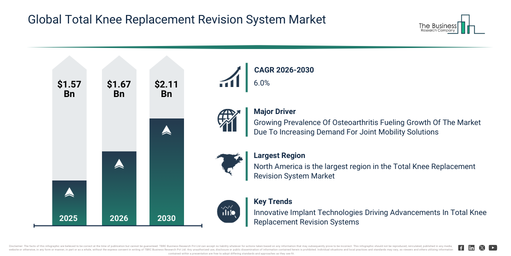
    The total knee replacement revision system market has experienced robust expansion lately, projecting a climb from $1.57 billion in 2025 to $1.67 billion in 2026, reflecting a compound annual growth rate of 6.1%. This historical growth momentum is largely fueled by the escalating incidence of primary knee implant failures, a growing volume of revision surgeries being performed, the proliferation of specialized orthopedic facilities, enhanced proficiency among surgeons performing revision procedures, and the introduction of sophisticated revision implant technologies.

    The market for total knee revision systems is poised for substantial expansion in the coming years, with projections indicating a rise to $2.11 billion by 2030, driven by a compound annual growth rate of 6.0%. This anticipated growth during the forecast period stems from factors such as an expanding elderly demographic, an increase in the intricacy of revision surgeries, the broader integration of robotic assistance in orthopedic procedures, a heightened emphasis on patient-specific revision implants, and augmented investments in sophisticated orthopedic reconstruction techniques. Key developments anticipated within this timeframe include a growing need for revision systems offering greater constraint, increased acceptance of modular revision implants, the wider implementation of robotic-assisted revision surgeries, the proliferation of tailored revision solutions, and an intensified focus on ensuring the enduring stability of implants.

    Download A Free Sample Report For Comprehensive Market Insights:

    https://www.thebusinessresearchcompany.com/sample.aspx?id=24416&type=smp

    Total Knee Replacement Revision System Market Industry Drivers: What Is Driving Revenue Growth?

    The increasing incidence of osteoarthritis is anticipated to be a significant catalyst for the expansion of the market for total knee replacement revision systems. Osteoarthritis, a condition involving the deterioration of joint cartilage and bone, results in discomfort, rigidity, and restricted movement. Sedentary habits contribute to this condition by diminishing joint flexibility, weakening musculature, and placing undue pressure on load-bearing joints, ultimately hastening cartilage degradation. Revision systems for total knee replacements serve as crucial therapeutic interventions, providing patients with deteriorated or malfunctioning knee implants a means to alleviate pain, regain functional mobility, and improve their overall quality of life. Notably, data from the Institute for Health Metrics and Evaluation indicated that in 2023, 15% of individuals aged thirty and above suffered from osteoarthritis, with projections suggesting this figure could approach 1 billion by 2050. Consequently, the escalating rate of osteoarthritis directly fuels the growth trajectory of the total knee replacement revision system market.

    Total Knee Replacement Revision System Market Segment Breakdown: Which Categories Generate The Most Revenue?

    The total knee replacement revision system market covered in this report is segmented –

    1) By Product Type: Standard Revision Systems, Partial Revision Systems, Hinged or Highly Constrained Revision Systems, Mobile Bearing Revision Systems

    2) By Material Type: Metal, Polyethylene, Ceramics, Composite Materials

    3) By Procedure Type: Unilateral Total Knee Replacement Revision, Bilateral Total Knee Replacement Revision, Robotic-Assisted Knee Replacement Revision, Minimally Invasive Knee Replacement Revision

    4) By Distribution Channel: Direct Sales, Distributors And Wholesalers, Hospital Procurement And Group Purchasing Organizations (GPOs), Specialized Orthopedic Retailers, E-Commerce

    5) By End User: Hospitals, Ambulatory Surgical Centers (ASCs), Orthopedic Clinics, Research And Rehabilitation Centers

    Subsegments:

    1) By Standard Revision Systems: Femoral Revision Components, Tibial Revision Components, Patellar Components, Modular Stems

    2) By Partial Revision Systems: Unicompartmental Revision Components, Isolated Femoral or Tibial Revisions, Patellofemoral Revision Components

    3) By Hinged or Highly Constrained Revision Systems: Rotating Hinge Knee Systems, Fixed Hinge Knee Systems, Constrained Condylar Knee (CCK) Systems

    4) By Mobile Bearing Revision Systems: Rotating Platform Bearings, Medial Pivot Bearings, Dual Mobility Bearings

    #Total Knee Replacement Revision System Market Growth Trends: What Is Influencing The Future Outlook?

    In the realm of total knee revision systems, leading corporations are committed to advancing cutting-edge solutions, including OXINIUM implant technology, with the objective of bolstering implant longevity, mitigating wear, and achieving superior long-term results for individuals undergoing intricate revision surgeries. OXINIUM implant technology represents a distinctive material specifically engineered for orthopedic implants, notably those used in knee and hip replacements. To illustrate, in October 2024, Smith & Nephew plc, a prominent medical device manufacturer headquartered in the United Kingdom, introduced the LEGION Hinged Knee (HK) system. This innovative system is designed to facilitate a natural range of motion by incorporating medial pivot, lateral rollback, and screw-home mechanics, thereby closely replicating the natural movement of the knee. It functions as an augmentation to the existing LEGION Revision Knee System, which also leverages OXINIUM implant technology, thereby enabling a smooth transition during surgery from a condylar-constrained component to a hinged configuration without necessitating a substantial change in instruments or implants.

    Total Knee Replacement Revision System Market Key Players And Strategic Industry Positioning

    Major companies operating in the total knee replacement revision system market are Zimmer Biomet Holdings Inc, Stryker Corporation, Smith & Nephew plc, DePuy Synthes (Johnson & Johnson MedTech)¹, Conformis Inc, Medacta International SA, Corin Group plc, MicroPort Scientific Corporation, Kinamed Incorporated, OrthoPediatrics Corp, Arthrex Inc, Wright Medical Group N V, Integra LifeSciences Holdings Corporation, Tornier Inc, DJO Global Inc, Aesculap Implant Systems LLC, Waldemar LINK GmbH & Co KG, Beijing Chunlizhengda Medical Instruments Co Ltd, Allegra Orthopaedics Limited, United Orthopedics Corporation

    Access The Complete Total Knee Replacement Revision System Market Report:

    https://www.thebusinessresearchcompany.com/report/total-knee-replacement-revision-system-global-market-report

    Total Knee Replacement Revision System Market Regional Analysis: Which Region Leads By Revenue?

    North Americawas the largest region in the total knee replacement revision system market in 2025. The regions covered in the total knee replacement revision system market report are Asia-Pacific, South East Asia, Western Europe, Eastern Europe, North America, South America, Middle East, Africa.

    Get in touch with us:

    The Business Research Company: https://www.thebusinessresearchcompany.com/

    Americas: +1 310-496-7795

    Asia: +44 7882 955267 & +91 8897263534

    Europe: +44 7882 955267

    Email us at: marketing@tbrc.info

    Follow us on:

    LinkedIn: https://in.linkedin.com/company/the-business-research-company

    YouTube: https://www.youtube.com/channel/UC24_fI0rV8cR5DxlCpgmyFQ

    Global Market Model: https://www.thebusinessresearchcompany.com/global-market-model
  • Total Hip and Knee Replacements Market Expansion Is Reshaping Competitive Dynamics Across The Industry

    Total Hip and Knee Replacements Market Expansion Is Reshaping Competitive Dynamics Across The Industry

    Delivering more actionable and strategically valuable research, The Business Research Company’s 2026 market reports feature market attractiveness analysis, total addressable market evaluation, company benchmarking matrices, interactive Excel dashboards, expanded supply chain intelligence, emerging startup coverage, and detailed product insights.

    Total Hip and Knee Replacements Market Size Outlook: How Fast Will Revenue Grow Through 2030?

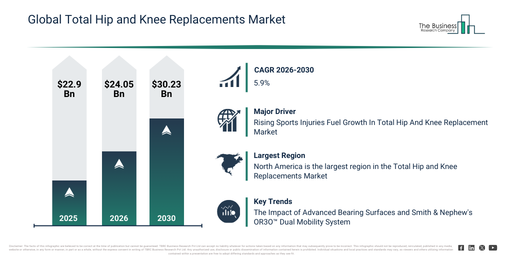
    The market for total hip and knee replacements has witnessed robust expansion lately, with projections showing a rise from $22.9 billion in 2025 to $24.05 billion by 2026, reflecting a compound annual growth rate of 5.0%. This historical growth trajectory is largely driven by a higher incidence of osteoarthritis, an expanding elderly demographic, the development of orthopedic surgical facilities, enhanced success rates of joint replacement surgeries, and broader insurance accessibility for these procedures.

    The global market for hip and knee replacement procedures is poised for substantial expansion over the forthcoming years. Projections indicate a market valuation of $30.23 billion by 2030, fueled by a compound annual growth rate (CAGR) of 5.9%. This anticipated surge is underpinned by several key drivers, including a growing preference for solutions that expedite patient recovery, an increasing embrace of surgical interventions employing robotics and navigation aids, the proliferation of outpatient surgical facilities, a heightened emphasis on the durability of implants, and a greater commitment to investing in advancements within the field of orthopedics. Key developments anticipated within this period encompass a greater prevalence of less invasive joint replacement surgeries, the escalating utilization of sophisticated implant materials, the growing incorporation of robotic assistance in surgical settings, the expansion of joint replacement services offered on an outpatient basis, and an intensified focus on creating implants tailored to individual patient anatomy.

    Download A Free Sample Report For Comprehensive Market Insights:

    https://www.thebusinessresearchcompany.com/sample.aspx?id=13198&type=smp

    Total Hip and Knee Replacements Market Growth Factors: Which Forces Are Supporting Market Expansion?

    The anticipated rise in sports-related injuries is poised to be a significant catalyst for the expansion of the overall hip and knee replacement market. Such injuries encompass a spectrum of physical ailments stemming from engagement in athletic pursuits, impacting various bodily structures like muscles, bones, tendons, ligaments, and joints. When high-impact or excessive repetitive strain leads to severe damage, such as torn ligaments, cartilage deterioration, or fractures in the hip and knee areas, joint replacement surgery often emerges as the definitive long-term solution. Illustrating this trend, data from the National Safety Council, a US non-profit, indicated that emergency departments managed 3.7 million cases of sports and recreational equipment-related injuries in 2023, an 8% increase from the previous year, with reported figures rising from 445,642 in 2022 to 482,886 in 2023. Consequently, the escalating incidence of sports injuries is expected to fuel the market for total hip and knee replacements.

    Total Hip and Knee Replacements Market Segmentation: How Is The Market Structured Across Key Categories?

    The total hip and knee replacements market covered in this report is segmented –

    1) By Procedure Type: Total Hip Replacement, Partial Hip Replacement, Revision Hip Replacement, Total Knee Replacement, Partial Knee Replacement, Revision Knee Replacement

    2) By Implant Type: Mobile Bearing, Fixed Bearing, Other Implant Types

    3) By End-User: Hospitals, Ambulatory Surgical Centers, Orthopedic Clinics, Other End-Users

    Subsegments:

    1) By Total Hip Replacement: Primary Total Hip Replacement, Revision Total Hip Replacement

    2) By Partial Hip Replacement: Hemiarthroplasty, Resurfacing Procedures

    3) By Revision Hip Replacement: Complex Revision Procedures, Standard Revision Procedures

    4) By Total Knee Replacement: Primary Total Knee Replacement, Revision Total Knee Replacement

    5) By Partial Knee Replacement: Unicompartmental Knee Replacement, Patellofemoral Replacement

    6) By Revision Knee Replacement: Complex Revision Procedures, Standard Revision Procedures

    Total Hip and Knee Replacements Market Industry Trends: What Changes Are Reshaping Demand?

    Leading entities within the global market for total hip and knee replacements are primarily concentrating their efforts on pioneering technological advancements, notably in the realm of sophisticated bearing surface materials. The overarching objective behind these developments is to extend the functional lifespan of implants, minimize wear and corrosive degradation, ultimately leading to superior patient recovery results and a reduction in adverse events such as dislocation. Consequently, these innovations are paving the way for safer and more efficacious joint replacement procedures. Advanced bearing surfaces, in essence, encapsulate novel materials and engineering in joint prosthetics designed explicitly to curb material attrition and bolster resilience. This technological innovation elevates the effectiveness of hip and knee replacements by mitigating friction and resisting corrosive processes, thereby contributing to enhanced patient well-being. To illustrate, as recently as August 2023, Smith & Nephew plc, a prominent medical technology firm headquartered in the United Kingdom, introduced its OR3OTM Dual Mobility System. The innovative OR3O system is characterized by a diminutive femoral head designed to securely engage with a larger polyethylene component. This specific architectural configuration serves to augment both stability and the extent of movement achievable, offering an advantage over conventional hip implant designs.

    Total Hip and Knee Replacements Market Competitive Landscape And Leading Companies

    Major companies operating in the total hip and knee replacements market are Johnson & Johnson, Stryker Corporation, Zimmer Biomet Holdings Inc, Smith & Nephew Plc, NuVasive Inc, Globus Medical Inc, Wright Medical Group N.V., MicroPort Scientific Corp, Exactech Inc, AK Medical Holdings Ltd, Corin Group, Waldemar Link GmbH Co., DJO Global Inc, Conformis Inc, Peter Brehm GmbH, Adler Ortho S.R.L, implantcast GmbH, Medacta International SA, Ortho Development (ODEV), FH Orthopedics S.A.S, Groupe Lépine

    Access The Complete Total Hip and Knee Replacements Market Report:

    https://www.thebusinessresearchcompany.com/report/total-hip-and-knee-replacements-global-market-report

    Total Hip and Knee Replacements Market Geographic Distribution And Regional Opportunities

    North Americawas the largest region in the total hip and knee replacements market in 2025. Asia Pacificis expected to be the fastest-growing region in the forecast period. The regions covered in the total hip and knee replacements market report are Asia-Pacific, South East Asia, Western Europe, Eastern Europe, North America, South America, Middle East, Africa.

    Get in touch with us:

    The Business Research Company: https://www.thebusinessresearchcompany.com/

    Americas: +1 310-496-7795

    Asia: +44 7882 955267 & +91 8897263534

    Europe: +44 7882 955267

    Email us at: marketing@tbrc.info

    Follow us on:

    LinkedIn: https://in.linkedin.com/company/the-business-research-company

    YouTube: https://www.youtube.com/channel/UC24_fI0rV8cR5DxlCpgmyFQ

    Global Market Model: https://www.thebusinessresearchcompany.com/global-market-model
  • Topical Pain Relief Market Forecast Reveals Where Future Industry Value Will Be Created

    Topical Pain Relief Market Forecast Reveals Where Future Industry Value Will Be Created

    Enhanced with market attractiveness analysis, total addressable market evaluation, company benchmarking matrices, interactive Excel dashboards, expanded supply chain intelligence, emerging startup coverage, and detailed product insights, The Business Research Company’s 2026 market reports deliver more actionable and strategically valuable research.

    Topical Pain Relief Market Size, Value And Growth Trends Through 2030

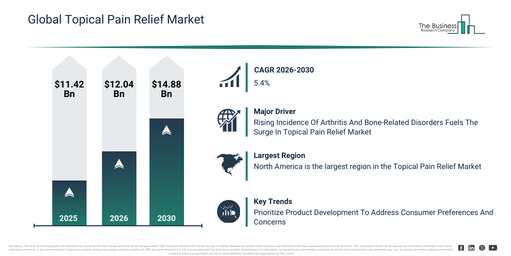
    The market for topical pain relief has experienced robust expansion lately, projected to increase from $11.42 billion in 2025 to $12.04 billion in 2026, reflecting a compound annual growth rate of 5.4%. This upward trend in the past can be linked to several factors, including a higher occurrence of musculoskeletal conditions, an increase in injuries sustained from sports and lifestyle choices, the extensive accessibility of over-the-counter pain remedies, an expanding elderly demographic, and the broadening reach of pharmacy retail chains.

    The worldwide market for topical pain relief is projected for considerable expansion over the coming years, estimating a valuation of $14.88 billion by 2030, propelled by a compound annual growth rate of 5.4%. This upward trajectory is anticipated to be fueled by several key factors including a greater embrace of self-directed pain management strategies, a heightened need for pain relief solutions that do not involve opioids, the burgeoning online sales of pharmaceutical products, an intensified concentration on addressing chronic pain conditions, and continuous advancements in the methods for delivering topical medications. Furthermore, significant trends expected to shape this market during the forecast period encompass a growing demand for topical analgesics that are non-opioid in nature, a prevailing consumer inclination towards over-the-counter pain relief options, the wider implementation of sophisticated transdermal delivery technologies, a rise in the utilization of blended formulations, and an amplified emphasis on products that offer both rapid and sustained pain alleviation.

    Download A Free Sample Report For Comprehensive Market Insights:

    https://www.thebusinessresearchcompany.com/sample.aspx?id=13744&type=smp

    Topical Pain Relief Market Demand Drivers: What Is Fueling Industry Growth?

    The increasing incidence of ailments like arthritis and bone conditions is anticipated to be a significant driver for the expansion of the topical pain relief market in the future. These conditions, affecting joints, bones, and neighboring tissues, often lead to the use of topical pain relief solutions to address localized pain, inflammation, and discomfort, especially in joints closer to the surface. As an illustration, Healthy Bones Australia, a not-for-profit entity in Australia, revealed in August 2024 that in 2023, 6.2 million Australians aged 50 and above suffered from diminished bone health, with osteopenia impacting 77% and osteoporosis affecting 23%; this figure is forecasted to reach 7.7 million by 2033. Consequently, the escalating rate of arthritis and bone-related health issues is fueling the growth trajectory of the topical pain relief market.

    Topical Pain Relief Market Segmentation Trends And Revenue Drivers

    The topical pain relief market covered in this report is segmented –

    1) By Type: Prescription Pain Relief, Over-The-Counter (OTC) Pain Relief

    2) By Formulation: Cream, Gel, Spray, Patch, Other Formulations

    3) By Therapeutic: Non-Opioids, Opioids

    4) By Distribution Channel: Pharmacies And Drug Stores, E-Commerce, Retail And Grocery Stores

    Subsegments:

    1) By Prescription Pain Relief: Prescription Creams And Gels, Prescription Patches, Compounded Topical Analgesics

    2) By Over-The-Counter (OTC) Pain Relief: Nonsteroidal Anti-Inflammatory Drugs (NSAIDs), Counterirritants, Analgesic Creams And Gels

    Topical Pain Relief Market Innovation Trends: Which Developments Are Transforming The Industry?

    Key players within the topical pain relief sector are prioritizing the creation of novel offerings, exemplified by pain-relieving creams, to address the escalating consumer need for efficacious pain management. This type of cream functions as an external application designed to deliver deep-seated relief by temporarily alleviating minor discomfort in muscles and joints. Illustrating this trend, Kenvue Inc., an American consumer healthcare firm, introduced in August 2023 a topical pain relief cream named Tylenol, specifically engineered for precise pain targeting. This product delivers a potent 4% concentration of lidocaine without requiring a prescription. It is available in two distinct delivery systems: a quickly absorbed formulation and a specialized rollerball applicator offering mess-free, hands-free application. The cream is available in fragrance-free versions and options with a light scent for unobtrusive use. Moreover, its attributes include maximum-strength lidocaine for prompt and focused pain alleviation, thereby appealing to individuals seeking convenient and effective pain relief methods.

    Topical Pain Relief Market Industry Leaders: Which Organizations Are Driving Competition?

    Major companies operating in the topical pain relief market are Pfizer Inc., Johnson & Johnson, AbbVie Inc., Bayer AG, Novartis AG, Sanofi S.A., GlaxoSmithKline Plc, Eli Lilly and Company, Reckitt Benckiser Group plc, Viatris Inc., Teva Pharmaceutical Industries Ltd., Mylan N.V., Sun Pharmaceutical Industries Ltd., Perrigo Company PLC, Dr. Reddy’s Laboratories Ltd., Aurobindo Pharma Limited, Cipla Ltd., Lupin Limited, Almirall S.A., AdvaCare Pharma, Topical BioMedics Inc.

    Access The Complete Topical Pain Relief Market Report:

    https://www.thebusinessresearchcompany.com/report/topical-pain-relief-global-market-report

    Topical Pain Relief Market Largest Region By Revenue And Market Share

    North Americawas the largest region in the topical pain relief market in 2025. The regions covered in the topical pain relief market report are Asia-Pacific, South East Asia, Western Europe, Eastern Europe, North America, South America, Middle East, Africa.

    Get in touch with us:

    The Business Research Company: https://www.thebusinessresearchcompany.com/

    Americas: +1 310-496-7795

    Asia: +44 7882 955267 & +91 8897263534

    Europe: +44 7882 955267

    Email us at: marketing@tbrc.info

    Follow us on:

    LinkedIn: https://in.linkedin.com/company/the-business-research-company

    YouTube: https://www.youtube.com/channel/UC24_fI0rV8cR5DxlCpgmyFQ

    Global Market Model: https://www.thebusinessresearchcompany.com/global-market-model