Month: June 2026

  • Thyroid Cancer Diagnostics Market Forecast Signals New Revenue Opportunities Through 2030

    Thyroid Cancer Diagnostics Market Forecast Signals New Revenue Opportunities Through 2030

    Delivering more actionable and strategically valuable research, The Business Research Company’s 2026 market reports feature market attractiveness analysis, total addressable market evaluation, company benchmarking matrices, interactive Excel dashboards, expanded supply chain intelligence, emerging startup coverage, and detailed product insights.

    Thyroid Cancer Diagnostics Market Value Analysis: What Growth Is Expected Over The Forecast Period?

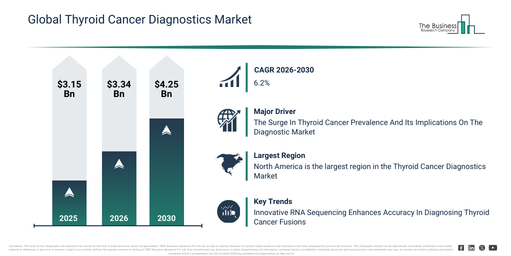
    The market for thyroid cancer diagnostics has experienced robust expansion recently. Projections indicate a rise from its $3.15 billion valuation in 2025 to $3.34 billion by 2026, reflecting a compound annual growth rate of 6.0%. Key factors contributing to this historical growth include a greater prevalence of thyroid nodules, enhanced accessibility to ultrasound imaging, advancements in biopsy methodologies, the proliferation of cancer diagnostic facilities, and heightened clinical recognition of thyroid malignancies.

    The market for thyroid cancer diagnostics is poised for significant expansion, projected to reach $4.25 billion by the year 2030, reflecting a compound annual growth rate of 6.2% during the forecast period. This anticipated growth is fueled by several key factors, including the escalating use of AI-powered imaging diagnostic tools, a growing need for customized oncology diagnostic solutions, the broader implementation of molecular testing panels, increased financial commitment to early cancer detection initiatives, and a heightened emphasis on precision diagnostic approaches. Furthermore, several significant trends are expected to shape this market, such as the expanding utilization of molecular diagnostic methodologies, the advancing integration of genetic testing, the proliferation of early detection programs, and a continuous drive towards improving both the accuracy and rapidity of diagnostic procedures.

    Download A Free Sample Report For Comprehensive Market Insights:

    https://www.thebusinessresearchcompany.com/sample.aspx?id=12030&type=smp

    Thyroid Cancer Diagnostics Market Growth Factors: Which Forces Are Supporting Market Expansion?

    The escalating incidence of thyroid cancer is a significant catalyst for the expansion of the thyroid cancer diagnostic market. This condition affects the thyroid gland, a vital organ situated at the throat’s base responsible for hormone production that governs essential bodily functions like temperature regulation, heart rate, blood pressure, and weight management. Diagnostic tools for thyroid cancer play a crucial role in identifying the disease through early detection, which subsequently enhances treatment efficacy. Consequently, a rise in the occurrence of thyroid cancer directly fuels the demand within its diagnostic market. To illustrate, a September 2023 report from the American Cancer Society, a philanthropic organization based in the United States, estimated around 43,720 new thyroid cancer diagnoses for the year 2023, comprising 12,540 cases in males and 31,180 in females. The same year’s projection indicated approximately 2,120 fatalities attributed to thyroid cancer, with 970 deaths among men and 1,150 among women, underscoring how the growing prevalence of thyroid cancer is stimulating the market for its diagnostics.

    Thyroid Cancer Diagnostics Market Segment Breakdown: Which Categories Generate The Most Revenue?

    The thyroid cancer diagnostics market covered in this report is segmented –

    1) By Technique Type: Imaging Test, Blood Test, Biopsy, Other Test Types

    2) By Disease Type: Papillary Carcinoma, Follicular Carcinoma, Other Diseases

    3) By End-User: Hospital Laboratories, Cancer Diagnostic Centers, Research Institutes, Other End-Users

    Subsegments:

    1) By Imaging Test: Ultrasound Imaging, Computed Tomography (CT) Scans, Magnetic Resonance Imaging (MRI), Positron Emission Tomography (PET) Scans, Radioactive Iodine Scans

    2) By Blood Test: Thyroid Function Tests, Tumor Marker Tests, Genetic Testing For Thyroid Cancer

    3) By Biopsy: Fine Needle Aspiration (FNA) Biopsy, Core Needle Biopsy, Surgical Biopsy

    4) By Other Test Type: Molecular Diagnostics, Immunohistochemistry Tests, Histopathological Analysis

    Thyroid Cancer Diagnostics Market Industry Trends: What Changes Are Reshaping Demand?

    Leading entities within the thyroid cancer diagnostic sector are actively creating advanced methods, notably RNA sequencing tests, aimed at improving the precision of identifying cancer fusions in a variety of solid tumors, including thyroid malignancies. RNA sequencing, often abbreviated as RNA-Seq, represents a sophisticated, high-volume analytical approach that allows for the measurement of both the amount and specific sequence of RNA present in biological specimens, thereby illuminating gene expression patterns and the complete RNA profile. As a salient example, in May of 2024, Foundation Medicine, Inc., a biotechnology firm headquartered in the United States, unveiled the U.S. release of FoundationOne RNA. This particular offering is a tissue-derived RNA sequencing examination engineered to pinpoint gene fusions linked to cancer across a comprehensive panel of 318 genes. The test furnishes fusion detection reports applicable to all types of solid tumors and holds significant potential for detecting fusions in oncological conditions such as non-small cell lung cancer (NSCLC), sarcomas, pancreatic cancers, thyroid cancers, cholangiocarcinomas, and bladder cancers.

    Thyroid Cancer Diagnostics Market Key Players And Strategic Industry Positioning

    Major companies operating in the thyroid cancer diagnostics market are General Electric, F. Hoffmann-La Roche AG, Thermo Fisher Scientific Inc., Abbott Laboratories, Toshiba Corporation, Siemens Healthcare GmbH, FUJIFILM Holdings Corporation, Koninklijke Philips N.V., Agilent Technologies Inc., Hologic Inc., Illumina Inc., BioMérieux SA, Bio-Rad Laboratories Inc., Quest Diagnostics Inc., Qiagen N.V., Cepheid, Veracyte Inc., DiaSorin S.p.A., Myriad Genetics Inc., Interpace Biosciences, Guardant Health, BillionToOne, Canon Inc., Beckman Coulter Inc.

    Access The Complete Thyroid Cancer Diagnostics Market Report:

    https://www.thebusinessresearchcompany.com/report/thyroid-cancer-diagnostics-global-market-report

    Thyroid Cancer Diagnostics Market Largest Region By Revenue And Market Share

    North America was the largest region in the thyroid cancer diagnostics market in 2025. Asia-Pacific is expected to be the fastest-growing region in the forecast period. The regions covered in the thyroid cancer diagnostics market report are Asia-Pacific, South East Asia, Western Europe, Eastern Europe, North America, South America, Middle East, Africa.

    Get in touch with us:

    The Business Research Company: https://www.thebusinessresearchcompany.com/

    Americas: +1 310-496-7795

    Asia: +44 7882 955267 & +91 8897263534

    Europe: +44 7882 955267

    Email us at: marketing@tbrc.info

    Follow us on:

    LinkedIn: https://in.linkedin.com/company/the-business-research-company

    YouTube: https://www.youtube.com/channel/UC24_fI0rV8cR5DxlCpgmyFQ

    Global Market Model: https://www.thebusinessresearchcompany.com/global-market-model
  • Thrombotic Thrombocytopenic Purpura (TTP) Market Growth Is Accelerating As Industry Transformation Continues

    Thrombotic Thrombocytopenic Purpura (TTP) Market Growth Is Accelerating As Industry Transformation Continues

    Enhanced with market attractiveness analysis, total addressable market evaluation, company benchmarking matrices, interactive Excel dashboards, expanded supply chain intelligence, emerging startup coverage, and detailed product insights, The Business Research Company’s 2026 market reports deliver more actionable and strategically valuable research.

    Thrombotic Thrombocytopenic Purpura (TTP) Market Size Forecast: How Large Could The Market Become By 2030?

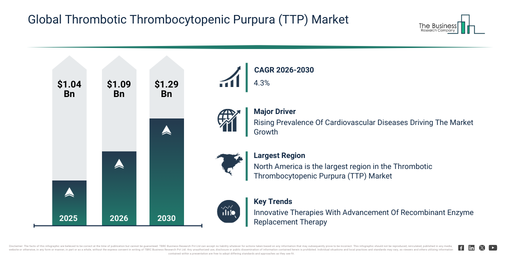
    The global market for thrombotic thrombocytopenic purpura (ttp) has experienced a consistent upward trend. Projections indicate a rise from $1.04 billion in 2025 to $1.09 billion in 2026, reflecting a compound annual growth rate (CAGR) of 4.4%. This expansion during the historical period stems from several key factors, including a greater awareness of uncommon blood disorders, the accessibility of plasma exchange treatments, enhanced survival outcomes facilitated by prompt medical intervention, the proliferation of hospital-based intensive care units, and advancements in therapies utilizing rituximab.

    The market for thrombotic thrombocytopenic purpura (ttp) is poised for consistent expansion in the coming years, projecting a market size of $1.29 billion by 2030, fueled by a compound annual growth rate (CAGR) of 4.3%. This anticipated increase is undergirded by several key factors, including the burgeoning acceptance of caplacizumab therapy, amplified investments directed towards research into rare diseases, the broader availability of genetic testing for adamts13 deficiency, a heightened emphasis on proactive relapse prevention strategies, and the ongoing establishment of dedicated ttp treatment facilities. Within this forecasted period, significant prevailing trends are expected to shape the landscape, such as the escalating utilization of precision biologic treatments, advancements in plasma exchange techniques, a greater emphasis on expediting diagnostic procedures, the proliferation of specialized care centers, and improvements in patient monitoring systems.

    Download A Free Sample Report For Comprehensive Market Insights:

    https://www.thebusinessresearchcompany.com/sample.aspx?id=21299&type=smp

    Thrombotic Thrombocytopenic Purpura (TTP) Market Demand Drivers: What Is Fueling Industry Growth?

    The escalating incidence of cardiovascular ailments is anticipated to fuel the expansion of the thrombotic thrombocytopenic purpura (TTP) market. These cardiovascular diseases encompass a spectrum of heart and blood vessel conditions, such as coronary artery disease, heart failure, and stroke, and their increasing prevalence is linked to demographic shifts like an aging populace, alongside lifestyle factors including poor dietary habits, sedentary behavior, obesity, smoking, excessive alcohol intake, and elevated stress levels. TTP exacerbates cardiovascular issues through mechanisms like widespread microvascular clotting, impaired endothelial function, and systemic inflammation, thereby heightening the risk of conditions like hypertension, myocardial infarction, and other related cardiovascular complications. Illustrating this trend, data from the American Heart Association in January 2024 indicated that the age-adjusted cardiovascular disease death rate in the US reached 233.3 per 100,000 in 2024, marking a 4.0% increase from 224.4 per 100,000 in 2023. Consequently, the growing burden of cardiovascular diseases is a significant driver for the TTP market.

    Thrombotic Thrombocytopenic Purpura (TTP) Market Driver: Impact Of Rising Healthcare Spending On The Market

    An upturn in healthcare expenditures is poised to stimulate the growth trajectory of the thrombotic thrombocytopenic purpura (TTP) market. Healthcare spending encompasses all financial outlays for health-related services and products, including medical treatments, hospital care, preventive measures, pharmaceuticals, research initiatives, infrastructure development, and administrative functions, all directed towards preserving or enhancing individual and public health. Factors contributing to this increased spending include an aging demographic, advancements in medical technology, a higher incidence of chronic illnesses, and a greater demand for healthcare services. This elevated healthcare expenditure directly benefits the management of thrombotic thrombocytopenic purpura (TTP) by facilitating access to sophisticated diagnostic tools, critical interventions like plasma exchange and immunosuppressive therapies, ongoing patient monitoring, and the pursuit of novel treatment approaches, ultimately leading to improved patient outcomes and a reduction in adverse events. For example, statistics from the Office for National Statistics in May 2024 revealed that UK healthcare spending saw a 5.6% rise between 2022 and 2023, contrasting with a 0.9% growth in 2022, reaching approximately $317.63 billion (£292 billion) in 2023. Therefore, the increase in healthcare spending serves as a primary driver for the expansion of the thrombotic thrombocytopenic purpura (TTP) market.

    Thrombotic Thrombocytopenic Purpura (TTP) Market Segmentation: How Is The Market Structured Across Key Categories?

    The thrombotic thrombocytopenic purpura (ttp) market covered in this report is segmented –

    1) By Type: Inherited Thrombotic Thrombocytopenic Purpura (TTP), Acquired Thrombotic Thrombocytopenic Purpura (TTP)

    2) By Treatment: Plasma Exchange, Corticosteroids, Rituximab, Caplacizumab, Other Treatment Types

    3) By End-Users: Hospitals, Speciality Centres, Other End Users

    Subsegments:

    1) By Inherited Thrombotic Thrombocytopenic Purpura (TTP): Congenital ADAMTS13 Deficiency, Upshaw-Schulman Syndrome

    2) By Acquired Thrombotic Thrombocytopenic Purpura (TTP): Immune-Mediated TTP, Secondary TTP

    Thrombotic Thrombocytopenic Purpura (TTP) Market Innovation Trends: Which Developments Are Transforming The Industry?

    Leading participants in the thrombotic thrombocytopenic purpura (TTP) market are prioritizing the creation of novel treatments, exemplified by recombinant enzyme replacement therapy, aiming to enhance therapeutic effectiveness and patient results. This type of therapy involves supplying bioengineered or synthetic enzymes to individuals suffering from enzyme deficiencies, thereby restoring typical metabolic functions. A notable example occurred in November 2023 when Takeda Pharmaceutical Company Limited, a pharmaceutical firm headquartered in Japan, unveiled ADZYNMA, a recombinant ADAMTS13 enzyme replacement therapy that received approval from the U.S. Food and Drug Administration (FDA). This represents the inaugural and sole therapeutic option for congenital thrombotic thrombocytopenic purpura (cTTP) available to both adult and pediatric individuals. cTTP is a rare blood coagulation disorder stemming from an inadequate level of the ADAMTS13 enzyme. The clinical studies that underpinned its approval indicated that ADZYNMA successfully lowered the probability of acute TTP occurrences, and it is presently accessible in the U.S. for both preventative and reactive treatment strategies.

    Thrombotic Thrombocytopenic Purpura (TTP) Market Competitive Landscape And Leading Companies

    Major companies operating in the thrombotic thrombocytopenic purpura (ttp) market are Pfizer Inc., Takeda Pharmaceutical Company, Sanofi S.A., Baxter International Inc., Octapharma AG, Omeros Corporation, Rigel Pharmaceuticals Inc., Biocryst Pharmaceuticals Inc., TargED Biopharmaceuticals B.V., Carelon Research, Archemix Corp., Eisai Inc., Shionogi & Co. Ltd., Global Blood Therapeutics, Beijing InnoCare Pharma, Gilead Sciences, Merck & Co. Inc., AstraZeneca, Janssen Pharmaceutical Companies, F Hoffmann‑La Roche Ltd, CSL Behring

    Access The Complete Thrombotic Thrombocytopenic Purpura (TTP) Market Report:

    https://www.thebusinessresearchcompany.com/report/thrombotic-thrombocytopenic-purpura-ttp-global-market-report

    Thrombotic Thrombocytopenic Purpura (TTP) Market Regional Analysis And Leading Geography

    North Americawas the largest region in the thrombotic thrombocytopenic purpura (TTP) market in 2025. Asia-Pacificis expected to be the fastest-growing region in the forecast period. The regions covered in the thrombotic thrombocytopenic purpura (ttp) market report are Asia-Pacific, South East Asia, Western Europe, Eastern Europe, North America, South America, Middle East, Africa.

    Get in touch with us:

    The Business Research Company: https://www.thebusinessresearchcompany.com/

    Americas: +1 310-496-7795

    Asia: +44 7882 955267 & +91 8897263534

    Europe: +44 7882 955267

    Email us at: marketing@tbrc.info

    Follow us on:

    LinkedIn: https://in.linkedin.com/company/the-business-research-company

    YouTube: https://www.youtube.com/channel/UC24_fI0rV8cR5DxlCpgmyFQ

    Global Market Model: https://www.thebusinessresearchcompany.com/global-market-model
  • Thrombocytopenia Market Outlook Highlights The Next Major Growth Opportunities

    Thrombocytopenia Market Outlook Highlights The Next Major Growth Opportunities

    Through market attractiveness analysis, total addressable market evaluation, company benchmarking matrices, interactive Excel dashboards, expanded supply chain intelligence, emerging startup coverage, and detailed product insights, The Business Research Company’s 2026 market reports provide more actionable and strategically valuable research.

    Thrombocytopenia Market Revenue Outlook: What CAGR Is Expected Through 2030?

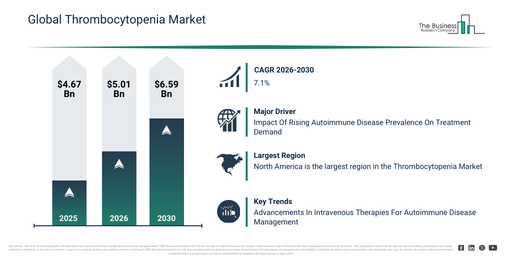
    The market for thrombocytopenia treatments has experienced robust expansion lately. Projections indicate a rise from $4.67 billion in 2025 to $5.01 billion in 2026, reflecting a compound annual growth rate of 7.2%. Factors contributing to this historical expansion include a greater prevalence of autoimmune conditions, expanded application of chemotherapy, enhanced diagnostic tools for platelet abnormalities, heightened clinical recognition of hemorrhagic issues, and the proliferation of hospital-based hematology services.

    The global market for thrombocytopenia is poised for substantial expansion over the upcoming years, projecting a rise to $6.59 billion by 2030, driven by a compound annual growth rate of 7.1%. This anticipated growth trajectory for the forecast period is underpinned by several key factors, including the ongoing development of innovative thrombopoietin receptor agonists, the increasing embrace of individualized medical strategies, the proliferation of ambulatory care alternatives, escalating investments in therapies for rare conditions, and a heightened emphasis on proactive intervention methods. Significant market trends anticipated during this period involve a greater incorporation of precision drug therapies, a rise in the utilization of immunomodulatory interventions, an intensified focus on the early identification of the disease, the broader implementation of customized treatment regimens, and more sophisticated methods for tracking platelet disorders.

    Download A Free Sample Report For Comprehensive Market Insights:

    https://www.thebusinessresearchcompany.com/sample.aspx?id=21298&type=smp

    Thrombocytopenia Market Growth Drivers: What Factors Are Accelerating Expansion?

    The increasing incidence of autoimmune disorders is projected to be a significant catalyst for the expansion of the thrombocytopenia market. Autoimmune diseases transpire when the body’s own immune system erroneously targets healthy cellular components and tissues, perceiving them as foreign invaders. This aberrant immunological activity precipitates inflammation and detriment across diverse bodily organs and systems. Such an escalation in autoimmune conditions can be attributed to a confluence of factors including genetic susceptibilities, environmental influences, shifts in lifestyle habits, and heightened public awareness fostering improved diagnostic capabilities. Within the context of thrombocytopenia, autoimmune diseases contribute by stimulating the immune system to target and eliminate platelets or by hampering their generation within the bone marrow. As an illustration, in August 2024, data disseminated by Public Health Scotland, a national entity based in Scotland, revealed that in the year 2023, the Scottish Multiple Sclerosis Register (SMSR) documented 455 individuals newly diagnosed with Multiple Sclerosis. Consequently, the escalating rate of autoimmune diseases directly fuels the growth trajectory of the thrombocytopenia market.

    Thrombocytopenia Market Segmentation Trends And Revenue Drivers

    The thrombocytopenia market covered in this report is segmented –

    1) By Type: Idiopathic Thrombocytopenic, Thrombotic Thrombocytopenic, Drug-Induced Thrombocytopenia

    2) By Drugs: Danazol, Intravenous Immune Globulin, Rituximab, Eltrombopag, Romiplostim, Splenectomy, Corticosteroid, Other Drugs

    3) By Route Of Administration: Oral, Parenteral, Other Routes Of Administration

    4) By End User: Hospitals, Specialty Clinics, Homecare, Other End Users

    Subsegments:

    1) By Idiopathic Thrombocytopenic (ITP): Acute ITP, Chronic ITP

    2) By Thrombotic Thrombocytopenic (TTP): Congenital TTP (Hereditary ADAMTS13 Deficiency), Acquired TTP (Immune-Mediated)

    3) By Drug-Induced Thrombocytopenia (DITP): Heparin-Induced Thrombocytopenia (HIT), Chemotherapy-Induced Thrombocytopenia

    Thrombocytopenia Market Trends: What Is Shaping Future Industry Growth?

    Within the thrombocytopenia market, leading firms are focused on innovation, especially the creation of intravenous treatments, aimed at boosting therapeutic results, hastening patient recovery, improving compliance, and addressing existing gaps in care. This intravenous approach to thrombocytopenia allows for swift increases in platelet counts, facilitating prompt symptom alleviation and mitigating the likelihood of bleeding-related issues. Furthermore, it enables more precise therapeutic delivery, offering regulated and efficient platelet replenishment for individuals experiencing severe or long-term thrombocytopenia. A noteworthy development occurred in March 2024, when Argenx SE, a Dutch biotech enterprise, secured authorization from Japan’s Ministry of Health, Labor, and Welfare for the intravenous administration of VYVGART in adult patients diagnosed with primary immune thrombocytopenia (ITP). This regulatory milestone signifies a substantial step forward, introducing a focused treatment that delivers swift efficacy and a lasting platelet response, thereby meeting critical needs in the management of autoimmune conditions.

    Thrombocytopenia Market Industry Leaders: Which Organizations Are Driving Competition?

    Major companies operating in the thrombocytopenia market are Pfizer Inc., Johnson & Johnson, Bayer AG, Sanofi S.A., Novartis AG, GSK Plc, Takeda Pharmaceutical Company Limited, Eli Lilly and Company, Amgen Inc., Merck & Co. Inc., Swedish Orphan Biovitrum AB, Argenx SE, GC Pharma, Biotest AG, UCB Biopharma, Rigel Pharmaceuticals, Keros Therapeutics Inc., Dova Pharmaceuticals (Sobi), F Hoffmann‑La Roche Ltd, Eisai Co Ltd, Biogen Inc, Bristol‑Myers Squibb Company

    Access The Complete Thrombocytopenia Market Report:

    https://www.thebusinessresearchcompany.com/report/thrombocytopenia-global-market-report

    Thrombocytopenia Market Geographic Analysis: Where Is Demand Growing The Fastest?

    North Americawas the largest region in the thrombocytopenia market in 2025. Asia-Pacificis expected to be the fastest-growing region in the forecast period. The regions covered in the thrombocytopenia market report are Asia-Pacific, South East Asia, Western Europe, Eastern Europe, North America, South America, Middle East, Africa.

    Get in touch with us:

    The Business Research Company: https://www.thebusinessresearchcompany.com/

    Americas: +1 310-496-7795

    Asia: +44 7882 955267 & +91 8897263534

    Europe: +44 7882 955267

    Email us at: marketing@tbrc.info

    Follow us on:

    LinkedIn: https://in.linkedin.com/company/the-business-research-company

    YouTube: https://www.youtube.com/channel/UC24_fI0rV8cR5DxlCpgmyFQ

    Global Market Model: https://www.thebusinessresearchcompany.com/global-market-model
  • Thrombocythaemia Myelofibrosis Treatment Market Trends And Growth Drivers Point To Strong Future Potential

    Thrombocythaemia Myelofibrosis Treatment Market Trends And Growth Drivers Point To Strong Future Potential

    Delivering more actionable and strategically valuable research, The Business Research Company’s 2026 market reports feature market attractiveness analysis, total addressable market evaluation, company benchmarking matrices, interactive Excel dashboards, expanded supply chain intelligence, emerging startup coverage, and detailed product insights.

    Thrombocythaemia Myelofibrosis Treatment Market Growth Analysis: How Will Revenue Expand During The Forecast Period?

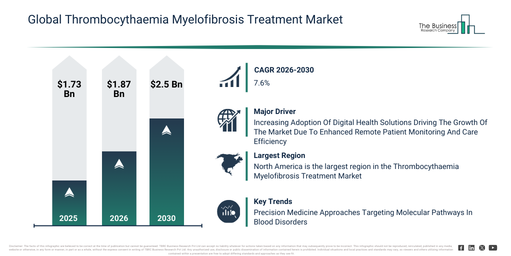
    The market for treating thrombocythaemia myelofibrosis has demonstrated robust expansion recently, and this upward trajectory is projected to continue. Estimates indicate a rise from $1.73 billion in 2025 to $1.87 billion in 2026, reflecting a compound annual growth rate of 7.9%. Factors contributing to this historical growth include heightened awareness of the condition among medical professionals, the introduction of accessible oral treatments, a broader reach of specialized hematology care, a rise in the identification of uncommon blood disorders, and progress in diagnostic methodologies for bone marrow conditions.

    The market for treating myelofibrosis with thrombocythaemia is projected to experience considerable expansion over the upcoming years, reaching an estimated value of $2.5 billion by 2030, with a compound annual growth rate of 7.6%. This anticipated growth is propelled by advancements in novel targeted therapies, a heightened emphasis on individualized treatment plans, the broadening reach of specialty pharmacy networks, increased engagement in clinical research, and escalating investments in the development of medications for rare diseases. Key developments expected within this timeframe encompass a greater embrace of targeted JAK inhibitor treatments, the more frequent utilization of combined drug therapies, an intensified focus on supportive care aimed at alleviating symptoms, an expanded pool of candidates eligible for stem cell transplantation, and enhancements in diagnostic and monitoring capabilities.

    Download A Free Sample Report For Comprehensive Market Insights:

    https://www.thebusinessresearchcompany.com/sample.aspx?id=28341&type=smp

    Thrombocythaemia Myelofibrosis Treatment Market Growth Factors Supporting Long-Term Expansion

    The expansion of the thrombocythaemia myelofibrosis treatment market will be significantly influenced by the growing integration of digital health technologies. These innovative solutions leverage digital tools to elevate healthcare provision, bolster patient results, and refine comprehensive disease management strategies. The surge in digital health adoption stems from its capacity to offer accessible and user-friendly healthcare services remotely, which consequently enhances patient involvement and care effectiveness. Within the thrombocythaemia myelofibrosis treatment sector, digital platforms are instrumental in facilitating remote symptom surveillance, monitoring treatment efficacy, and enabling tailored care approaches for individuals managing intricate blood disorders. As an illustration, by April 2024, 189 NHS trusts in the UK had integrated advanced electronic patient record systems, achieving a 90% implementation rate among all trusts as of November 2023, as reported by Queen Margaret University. Consequently, this escalating embrace of digital health solutions is a key factor propelling the thrombocythaemia myelofibrosis treatment market’s advancement.

    Thrombocythaemia Myelofibrosis Treatment Market Segment Analysis Highlighting Growth Areas

    The thrombocythaemia myelofibrosis treatment market covered in this report is segmented –

    1) By Treatment Type: Medication, Blood Transfusion, Stem Cell Transplantation, Other Treatment Types

    2) By Route Of Administration: Oral, Intravenous, Subcutaneous

    3) By Distribution Channel: Hospital Pharmacies, Retail Pharmacies, Online Pharmacies, Specialty Pharmacies, Drug Stores

    4) By Application: Clinic, Hospital, Other Applications

    Subsegments:

    1) By Medication: Anti-inflammatory Drugs, Antiplatelet Drugs, Iron Chelators

    2) By Blood Transfusion: Red Blood Cell Transfusion, Platelet Transfusion, Plasma Transfusion

    3) By Stem Cell Transplantation: Allogeneic Stem Cell Transplant, Autologous Stem Cell Transplant

    4) By Other Treatment Types: Splenectomy, Radiation Therapy, Supportive Care

    Thrombocythaemia Myelofibrosis Treatment Market Industry Trends Shaping Future Revenue Growth

    Within the thrombocythaemia myelofibrosis therapeutic arena, significant entities are actively engaged in pioneering novel interventions, specifically focusing on Janus Kinase and Activin A Receptor Type 1 (JAK/ACVR1) inhibitors. These advancements are designed to precisely target the molecular pathways implicated in myelofibrosis, thereby enhancing therapeutic outcomes and effectively addressing anemia. JAK/ACVR1 inhibitors function by selectively impeding crucial enzymes instrumental in aberrant blood cell proliferation, consequently alleviating disease manifestations and elevating patient well-being. A notable development occurred in September 2023 when GlaxoSmithKline plc (GSK), a prominent biopharmaceutical firm headquartered in the UK, secured approval from the U.S. Food and Drug Administration (FDA) for Ojjaara (momelotinib), a medication designated for patients with intermediate- or high-risk myelofibrosis. This therapeutic agent’s distinctive dual action, encompassing the inhibition of both JAK1/JAK2 and ACVR1, contributes to the modulation of inflammatory cascades while simultaneously boosting hemoglobin concentrations, thereby mitigating transfusion dependency. Such regulatory endorsement not only broadens the available therapeutic modalities but also establishes a benchmark in managing myelofibrosis for individuals grappling with anemia, a significant area of unmet medical demand within the disease’s complex profile.

    Thrombocythaemia Myelofibrosis Treatment Market Leading Companies: Who Holds Significant Market Presence?

    Major companies operating in the thrombocythaemia myelofibrosis treatment market are Merck & Co. Inc., AbbVie Inc., Novartis AG, AstraZeneca PLC, Bristol Myers Squibb Company, GlaxoSmithKline PLC, Eli Lilly and Company, Takeda Pharmaceutical Company Limited, Amgen Inc., Gilead Sciences Inc., Teva Pharmaceutical Industries Ltd., Regeneron Pharmaceuticals Inc., Biogen Inc., Sun Pharmaceutical Industries Ltd., Sumitomo Pharma Oncology Inc., Incyte Corporation, Nippon Shinyaku Co. Ltd., Karyopharm Therapeutics, Celon Pharma S.A., Keros Therapeutics Inc.

    Access The Complete Thrombocythaemia Myelofibrosis Treatment Market Report:

    https://www.thebusinessresearchcompany.com/report/thrombocythaemia-myelofibrosis-treatment-global-market-report

    Thrombocythaemia Myelofibrosis Treatment Market Global Footprint: Which Region Holds Market Leadership?

    North Americawas the largest region in the thrombocythaemia myelofibrosis treatment market in 2025. Asia-Pacific is expected to be the fastest-growing region in the forecast period. The regions covered in the thrombocythaemia myelofibrosis treatment market report are Asia-Pacific, South East Asia, Western Europe, Eastern Europe, North America, South America, Middle East, Africa.

    Get in touch with us:

    The Business Research Company: https://www.thebusinessresearchcompany.com/

    Americas: +1 310-496-7795

    Asia: +44 7882 955267 & +91 8897263534

    Europe: +44 7882 955267

    Email us at: marketing@tbrc.info

    Follow us on:

    LinkedIn: https://in.linkedin.com/company/the-business-research-company

    YouTube: https://www.youtube.com/channel/UC24_fI0rV8cR5DxlCpgmyFQ

    Global Market Model: https://www.thebusinessresearchcompany.com/global-market-model
  • Throat Cancer Market Expansion Is Reshaping Competitive Dynamics Across The Industry

    Throat Cancer Market Expansion Is Reshaping Competitive Dynamics Across The Industry

    Enhanced with market attractiveness analysis, total addressable market evaluation, company benchmarking matrices, interactive Excel dashboards, expanded supply chain intelligence, emerging startup coverage, and detailed product insights, The Business Research Company’s 2026 market reports deliver more actionable and strategically valuable research.

    Throat Cancer Market Forecast: What Market Value Is Expected By 2030?

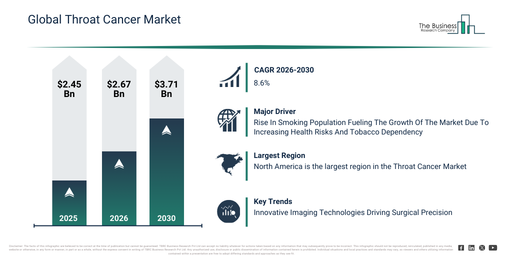
    The market for throat cancer treatments has experienced robust expansion lately. Projections indicate a market valuation increase from $2.45 billion in 2025 to $2.67 billion in 2026, reflecting a compound annual growth rate of 8.9%. This growth trajectory, observed in past periods, is linked to escalating rates of tobacco and alcohol usage, a heightened incidence of HPV infections, advancements in cancer detection technologies, the broadening of healthcare infrastructure for cancer care, and a greater public understanding of throat cancer’s characteristic signs and symptoms.

    The global market for throat cancer treatments is poised for significant expansion over the coming years, with projections indicating a rise to $3.71 billion by 2030, driven by a compound annual growth rate (CAGR) of 8.6%. This projected growth trajectory is underpinned by several key factors, including escalating investments in targeted therapeutic options for cancer, a growing preference for less invasive treatment modalities, the broader implementation of individualized medical strategies, increased utilization of artificial intelligence in diagnostic processes, and a heightened emphasis on identifying and addressing cancer in its initial stages. Key developments anticipated during this forecast period encompass a greater embrace of precision oncology methodologies, a surge in the application of sophisticated diagnostic imaging techniques, an intensified focus on the early identification of cancerous conditions, the proliferation of targeted and combination treatment regimens, and a more profound integration of artificial intelligence within the realm of treatment strategy development.

    Download A Free Sample Report For Comprehensive Market Insights:

    https://www.thebusinessresearchcompany.com/sample.aspx?id=24722&type=smp

    Throat Cancer Market Demand Drivers Creating New Revenue Opportunities

    An expanding number of individuals who smoke is anticipated to be a key factor in expanding the throat cancer market. This demographic of tobacco users is growing, influenced by heightened stress levels that drive more people to smoke as a way to manage their feelings. Throat cancer stands as a serious consequence of these smoking habits, underscoring the critical importance of public health campaigns and preventative strategies aimed at curbing its incidence within populations that smoke. As an illustration of this trend, a study on youth smoking patterns released in October 2024 by the European Respiratory Society (ERS), a non-profit based in Switzerland, indicated a notable escalation in smoking rates, showing that 40.1% of participants reported smoking in 2024, an increase from 22.5% in 2022. Consequently, the rise in the smoking population directly influences the expansion observed in the throat cancer market.

    Throat Cancer Market Segment Performance And Strategic Opportunities

    The throat cancer market covered in this report is segmented –

    1) By Type: Pharyngeal Cancer, Laryngeal Cancer

    2) By Treatments: Surgery, Radiation Therapy, Targeted Therapy, Chemotherapy, Antimetabolites, Platinum Derivatives, Plant Derivatives, Nitrogen Mustards, Immunotherapy, Other Treatments

    3) By End-User: Hospitals, Cancer Research Institutes, Multispecialty Clinics, Ambulatory Surgical Centers

    Subsegments:

    1) By Pharyngeal Cancer: Oropharyngeal Cancer, Nasopharyngeal Cancer, Hypopharyngeal Cancer

    2) By Laryngeal Cancer: Glottic Cancer, Supraglottic Cancer, Subglottic Cancer

    Throat Cancer Market Trends Driving Strategic Industry Expansion

    Within the competitive landscape of the throat cancer market, leading entities are prioritizing the integration of cutting-edge innovations in surgical techniques, specifically those involving robotics and advanced imaging. The goal is to elevate surgical accuracy and minimize the excision of healthy tissue through real-time, microscopic visualization at the cellular level. This sophisticated imaging capability allows for the live observation of cellular structures during the operative process, facilitating the precise differentiation between malignant and normal tissue. As an illustration, in January 2025, Mauna Kea Technologies, a French firm specializing in medical devices, introduced a novel application that incorporates its Cellvizio confocal laser endomicroscopy system into transoral robotic surgery (TORS). This integration permits intraoperative microscopic evaluation of surgical margins in key areas like the larynx, oropharynx, and hypopharynx. Consequently, surgeons gain access to real-time, cellular-resolution imaging, which aids in pinpointing tumor demarcation, directs highly accurate tissue-sparing resections, contributes to achieving clearer surgical margins, and crucially, helps preserve vital functions such as speech and swallowing, thereby improving the overall prognosis for patients undergoing head and neck cancer treatments.

    Throat Cancer Market Key Players: Which Companies Shape Industry Competition?

    Major companies operating in the throat cancer market are Pfizer Inc, Roche Holding AG, Merck And Co Inc, AbbVie Inc, Sanofi SA, Bristol Myers Squibb, AstraZeneca plc, Novartis AG, GlaxoSmithKline plc, Takeda Pharmaceutical Company Limited, Eli Lilly And Company, Amgen Inc, Astellas Pharma Inc, Dr Reddy’s Laboratories, Biocon Ltd, Coherus BioSciences Inc, Inovio Pharmaceuticals Inc, Boston Biomedical Inc, Shanghai Sunway Biotech Co Ltd, Eisai Co Ltd

    Access The Complete Throat Cancer Market Report:

    https://www.thebusinessresearchcompany.com/report/throat-cancer-global-market-report

    Throat Cancer Market Regional Distribution: Which Areas Drive Market Expansion?

    North Americawas the largest region in the throat cancer market in 2025. The regions covered in the throat cancer market report are Asia-Pacific, South East Asia, Western Europe, Eastern Europe, North America, South America, Middle East, Africa.

    Get in touch with us:

    The Business Research Company: https://www.thebusinessresearchcompany.com/

    Americas: +1 310-496-7795

    Asia: +44 7882 955267 & +91 8897263534

    Europe: +44 7882 955267

    Email us at: marketing@tbrc.info

    Follow us on:

    LinkedIn: https://in.linkedin.com/company/the-business-research-company

    YouTube: https://www.youtube.com/channel/UC24_fI0rV8cR5DxlCpgmyFQ

    Global Market Model: https://www.thebusinessresearchcompany.com/global-market-model
  • Thiamine Market Forecast Reveals Where Future Industry Value Will Be Created

    Thiamine Market Forecast Reveals Where Future Industry Value Will Be Created

    Through market attractiveness analysis, total addressable market evaluation, company benchmarking matrices, interactive Excel dashboards, expanded supply chain intelligence, emerging startup coverage, and detailed product insights, The Business Research Company’s 2026 market reports provide more actionable and strategically valuable research.

    Thiamine Market Size Outlook: How Fast Will Revenue Grow Through 2030?

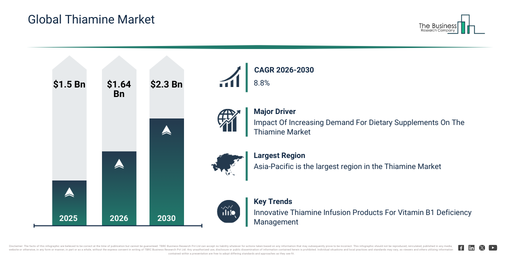
    The global thiamine market experienced robust expansion, projecting a rise from $1.5 billion in 2025 to $1.64 billion by 2026, reflecting a compound annual growth rate of 9.7%. This upward trajectory during the historical period is underpinned by several key factors, including a heightened public understanding of micronutrient deficiencies, the proliferation of fortified food initiatives, a surge in dietary supplement consumption, advancements in pharmaceutical vitamin preparations, and a greater incorporation into animal feed for nutritional enhancement.

    The thiamine market is poised for substantial expansion over the coming years, projected to reach $2.3 billion by 2030, driven by a compound annual growth rate of 8.8%. This anticipated growth through the forecast period is largely fueled by a heightened emphasis on preventative healthcare through nutrition, a surge in consumer preference for ingredients with clean labels, the burgeoning development of nutraceutical products, the increasing integration of vitamins into functional foods, and augmented investments aimed at boosting vitamin manufacturing capabilities. Key trends shaping this market during the forecast period encompass a growing demand for vitamin fortification in food products, elevated utilization of thiamine within dietary supplements, expanding applications in animal nutrition, a significant increase in the production of pharmaceutical-grade vitamins, and an intensified focus on enhancing both the bioavailability and stability of thiamine.

    Download A Free Sample Report For Comprehensive Market Insights:

    https://www.thebusinessresearchcompany.com/sample.aspx?id=16552&type=smp

    Thiamine Market Expansion Supported By Key Demand Factors

    The thiamine market is poised for expansion, largely propelled by the escalating consumption of dietary supplements. These supplements, designed to augment one’s daily nutrition through various forms like pills, capsules, tablets, powders, or liquids, are gaining traction due to increased health consciousness, a greater inclination towards proactive health management, and a stronger focus on bolstering the immune system. Thiamine is a key component in these supplements, ensuring adequate levels of this vital nutrient that plays a critical role in fundamental bodily processes including energy generation, the well-being of the nervous system, cardiovascular health, digestive function, stress mitigation, and maintaining metabolic balance. As an illustration, data from Nutrition Integrated, a UK-based B2B service, indicated a substantial surge in Europe of 159% for clear protein powder products from January 2022 to January 2024, with the UK market experiencing a remarkable 216% uplift in consumer purchases of clear protein powders in 2023 compared to the previous year. Consequently, the growing appetite for dietary supplements is a significant catalyst for the thiamine market’s growth.

    Thiamine Market Segment Landscape And Growth Potential

    The thiamine market covered in this report is segmented –

    1) By Product Type: Thiamine Mononitrate, Thiamine Hydrochloride, Thiamine Pyrophosphate

    2) By Form: Tablets And Capsules, Liquid, Powder

    3) By Application: Food And Beverages, Pharmaceuticals, Animal Feed, Dietary Supplements, Other Applications

    Subsegments:

    1) By Thiamine Mononitrate: Powder, Granules, Tablets

    2) By Thiamine Hydrochloride: Powder, Injectable Form, Tablets

    3) By Thiamine Pyrophosphate: Powder, Injectable Form

    Thiamine Market Growth Trends Influencing Competitive Dynamics

    Leading businesses within the thiamine sector are concentrating their efforts on creating novel solutions, including vitamin B1 deficiency intravenous treatments, as a strategy to maintain their market standing. This approach involves administering thiamine, also known as vitamin B1, directly into a patient’s circulatory system through an IV drip. To illustrate, in June of 2023, Lupin Limited, a pharmaceutical firm headquartered in India, introduced its thiamine hydrochloride injection (USP), available in multi-dose vials each containing 200 mg/2 mL (equivalent to 100 mg/mL). This particular injectable pharmaceutical presents an effective and expedient option for individuals experiencing difficulties with absorbing nutrients orally, such as those with digestive system ailments or acute deficiencies requiring prompt medical attention, thereby equipping medical professionals with a dependable method for addressing and correcting vitamin B1 levels and consequently reducing the potential complications associated with extended shortages.

    Thiamine Market Competitive Landscape: Who Are The Leading Companies?

    Major companies operating in the thiamine market are BASF SE, Koninklijke DSM N.V., The Nature’s Bounty Co. Ltd., Zhejiang Medicine Co. Ltd., Swanson Health Products Inc., NOW Health Group Inc., Nutricost LLC, Solgar Inc., Tokyo Chemical Industry Co. Ltd., Puritan’s Pride Inc., Aland Nutraceuticals Group, Anhui Tiger Biotech Co. Ltd., Caisson Laboratories Inc., General Nutrition Centers Inc., Huazhong Pharmaceutical Co. Ltd., Xinfa Pharmaceutical Co. Ltd., Jiangxi Tianxin Pharmaceutical Co. Ltd., Acebright Pharmaceuticals Group Co. Ltd., Anhui BBCA Biochemical Co. Ltd., Jiangsu Yibang Pharmaceutical, Nippon Chemical

    Access The Complete Thiamine Market Report:

    https://www.thebusinessresearchcompany.com/report/thiamine-global-market-report

    Thiamine Market Leading Geography: Which Region Generates The Most Revenue?

    Asia-Pacificwas the largest region in the thiamine market in 2025. The regions covered in the thiamine market report are Asia-Pacific, South East Asia, Western Europe, Eastern Europe, North America, South America, Middle East, Africa.

    Get in touch with us:

    The Business Research Company: https://www.thebusinessresearchcompany.com/

    Americas: +1 310-496-7795

    Asia: +44 7882 955267 & +91 8897263534

    Europe: +44 7882 955267

    Email us at: marketing@tbrc.info

    Follow us on:

    LinkedIn: https://in.linkedin.com/company/the-business-research-company

    YouTube: https://www.youtube.com/channel/UC24_fI0rV8cR5DxlCpgmyFQ

    Global Market Model: https://www.thebusinessresearchcompany.com/global-market-model
  • Thermal Spa And Wellness Market Growth Through 2030 Creates New Strategic Opportunities

    Thermal Spa And Wellness Market Growth Through 2030 Creates New Strategic Opportunities

    Delivering more actionable and strategically valuable research, The Business Research Company’s 2026 market reports feature market attractiveness analysis, total addressable market evaluation, company benchmarking matrices, interactive Excel dashboards, expanded supply chain intelligence, emerging startup coverage, and detailed product insights.

    Thermal Spa And Wellness Market Size, Value And Growth Trends Through 2030

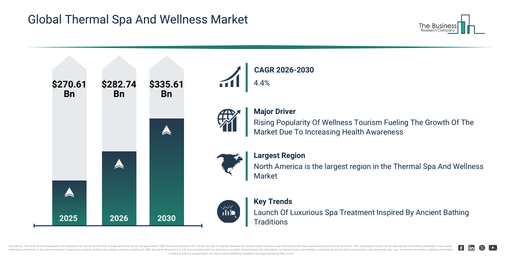
    The thermal spa and wellness sector has experienced consistent expansion, projected to increase from $270.61 billion in 2025 to $282.74 billion by 2026, reflecting a compound annual growth rate of 4.5%. Key factors fueling this historical growth include the proliferation of wellness tourism destinations, heightened consumer consciousness regarding preventative health measures, the development of spa resort facilities, greater financial capacity among consumers, and a growing societal embrace of alternative healing practices.

    The thermal spa and wellness sector is poised for consistent expansion over the coming years, projected to reach a value of $335.61 billion by 2030, driven by a compound annual growth rate of 4.4%. This anticipated growth trajectory is fueled by several key factors, including a heightened emphasis on holistic health strategies, an escalating need for tailored wellness plans, the proliferation of environmentally conscious spa establishments, increasing utilization of digital tools for wellness management, and a greater financial commitment to immersive wellness opportunities. Within this forecast period, prominent developments are expected to include a surge in the desire for all-encompassing wellness journeys, a growing synergy between medical and wellness services, the mounting appeal of therapies utilizing thermal and mineral waters, a broader reach for high-end wellness tourism, and an intensified concentration on mental well-being and stress alleviation.

    Download A Free Sample Report For Comprehensive Market Insights:

    https://www.thebusinessresearchcompany.com/sample.aspx?id=23540&type=smp

    Thermal Spa And Wellness Market Growth Drivers And Industry Catalysts

    The upward trend in wellness tourism is anticipated to significantly boost the thermal spa and wellness sector in the future. This type of travel, focused on enhancing personal health and overall well-being through services like spa treatments, yoga retreats, and various holistic therapies, is gaining traction because individuals are becoming more conscious of the importance of mental health and self-care. In an era characterized by rapid change and heightened stress, people are actively searching for destinations that provide opportunities for relaxation, revitalization, and a respite from their everyday lives. Thermal spas and wellness facilities contribute to this phenomenon by offering unique and restorative experiences that combine therapeutic natural resources with extensive wellness programs. The waters, abundant in minerals, provide guests with numerous health advantages, such as improved blood circulation, alleviation of discomfort, and the body’s natural cleansing processes. To illustrate, a report from Hoteligio, a hospitality firm based in Ukraine, indicated in October 2025 that the worldwide expenditure on wellness tourism reached $830 billion in 2023, with travelers undertaking 1,034.5 million trips specifically for wellness purposes during that same year. Consequently, the increasing prevalence of wellness tourism is a key driver for the expansion of the thermal spa and wellness market.

    Thermal Spa And Wellness Market Categorization By Product Type And Application

    The thermal spa and wellness market covered in this report is segmented –

    1) By Treatment Type: Hydrotherapy, Aromatherapy, Massage Therapy, Mud Baths And Wraps, Facial And Skin Treatments, Other Treatment Types

    2) By Type Of Facility: Thermal Spas, Wellness Resorts And Hotels, Medical Wellness Centers

    3) By Customer Preference: Luxury Experience, Budget-Friendly Experience

    4) By Consumer Group: Men, Women

    Subsegments:

    1) By Hydrotherapy: Hot Spring Bathing, Vichy Showers, Hydro-Massage Pools, Kneipp Therapy, Contrast Water Therapy

    2) By Aromatherapy: Essential Oil Massage, Diffuser-Based Therapy, Aromatic Steam Inhalation, Herbal Baths, Scented Sauna Experiences

    3) By Massage Therapy: Swedish Massage, Deep Tissue Massage, Shiatsu, Thai Massage, Reflexology

    4) By Mud Baths And Wraps: Thermal Mud Baths, Volcanic Mud Wraps, Moor Mud Therapy, Algae And Seaweed Wraps, Clay Detox Wraps

    5) By Facial And Skin Treatments: Thermal Water Facials, Anti-Aging Treatments, Exfoliation And Peeling, Acne And Blemish Treatments, Hydration And Brightening Facials

    6) By Other Treatment Types: Sauna And Steam Rooms, Yoga And Meditation Sessions, Balneotherapy, Infrared Therapy, Salt Rooms

    #Thermal Spa And Wellness Market Trends Influencing Long-Term Demand

    Key players in the thermal spa and wellness sector are prioritizing the creation of novel offerings, including thermal spa treatments, with the aim of elevating client satisfaction, fostering tranquility, and delivering comprehensive well-being programs. Thermal spa treatment involves therapeutic practices that leverage natural hot springs, mineral-laden waters, or heated pools to encourage relaxation, boost blood flow, and improve general health. As an illustration, in March of 2025, Jo Malone London, a cosmetics firm originating from the UK, collaborated with AIRE Ancient Baths, a Spanish luxury wellness and spa chain drawing inspiration from the bathing customs of ancient Roman, Greek, and Ottoman eras, to introduce The Restorative Ritual, its inaugural spa treatment, obtainable solely at AIRE Ancient Baths London. This experience commences with a multisensory exploration of AIRE’s characteristic thermal circuit, which encompasses diverse baths intended for both relaxation and revitalization, such as the Tepidarium, Caldarium, and Frigidarium. Additionally, it incorporates hydrotherapy, a steam room, and a flotation bath. The core treatment consists of a complete body exfoliation performed on a heated marble surface, followed by a soothing massage utilizing Jo Malone’s Restore Body Oil, which can be exclusively purchased at Selfridges.

    Thermal Spa And Wellness Market Company Landscape And Strategic Competition

    Major companies operating in the thermal spa and wellness market are Villeroy & Boch, Aman Resorts, Jacuzzi Inc, Lemi Group, Lux Elements GmbH & Co. KG, SIX Senses Hotels Resorts Spas, HydroCo, Balboa Water Group, Chiva‑Som International Health Resort, Therme Group, Oakworks Inc., Gharieni Group, Sommerhuber GmbH, Aquavia Spa, SpaEquip Inc., Thai‑Me Spa, Blue Lagoon, Canyon Ranch, Lanserhof Group, Grand Resort Bad Ragaz, Mandarin Oriental Hotel Group

    Access The Complete Thermal Spa And Wellness Market Report:

    https://www.thebusinessresearchcompany.com/report/thermal-spa-and-wellness-global-market-report

    Thermal Spa And Wellness Market Regional Outlook: Where Are The Largest Opportunities Located?

    North Americawas the largest region in the thermal spa and wellness market in 2025. The regions covered in the thermal spa and wellness market report are Asia-Pacific, South East Asia, Western Europe, Eastern Europe, North America, South America, Middle East, Africa.

    Get in touch with us:

    The Business Research Company: https://www.thebusinessresearchcompany.com/

    Americas: +1 310-496-7795

    Asia: +44 7882 955267 & +91 8897263534

    Europe: +44 7882 955267

    Email us at: marketing@tbrc.info

    Follow us on:

    LinkedIn: https://in.linkedin.com/company/the-business-research-company

    YouTube: https://www.youtube.com/channel/UC24_fI0rV8cR5DxlCpgmyFQ

    Global Market Model: https://www.thebusinessresearchcompany.com/global-market-model
  • Therapeutic Plasma Exchange Market Size Projected To Increase From $1.76 Billion To $2.4 Billion During The Forecast Period

    Therapeutic Plasma Exchange Market Size Projected To Increase From $1.76 Billion To $2.4 Billion During The Forecast Period

    Enhanced with market attractiveness analysis, total addressable market evaluation, company benchmarking matrices, interactive Excel dashboards, expanded supply chain intelligence, emerging startup coverage, and detailed product insights, The Business Research Company’s 2026 market reports deliver more actionable and strategically valuable research.

    Therapeutic Plasma Exchange Market CAGR Analysis And Future Market Development

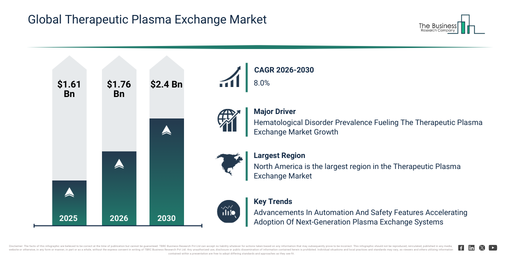
    In recent times, the therapeutic plasma exchange market has experienced robust expansion, projecting a rise from $1.61 billion in 2025 to $1.76 billion by 2026, driven by a compound annual growth rate (CAGR) of 9.4%. This historical growth trajectory has been influenced by a confluence of factors including a greater incidence of diagnosed autoimmune conditions, the scaling up of hospital transfusion services, the accessibility of centrifugation-based technologies, increasing practitioner comfort with apheresis techniques, and the implementation of standardized treatment guidelines.

    The therapeutic plasma exchange market is poised for substantial expansion over the coming years, projecting a valuation of $2.4 billion by the year 2030, with an anticipated compound annual growth rate of 8.0%. This upward trajectory during the forecast period is driven by several key factors, including the escalating need for sophisticated autoimmune disorder treatments, a greater embrace of membrane separation techniques, the proliferation of apheresis services in outpatient settings, augmented investments in blood purification innovations, and a heightened emphasis on individualized immunological therapies. Furthermore, significant trends expected to shape this market include the increasing integration of automated plasma exchange systems, a burgeoning application of therapeutic plasma exchange for neurological conditions, a growing appetite for highly efficient separation technologies, the expansion of apheresis facilities within hospitals, and a strengthened focus on treatment safety protocols and patient monitoring.

    Download A Free Sample Report For Comprehensive Market Insights:

    https://www.thebusinessresearchcompany.com/sample.aspx?id=15683&type=smp

    Therapeutic Plasma Exchange Market Opportunity Drivers: What Is Creating New Revenue Potential?

    The increasing incidence of blood-related conditions is anticipated to be a significant catalyst for the expansion of the therapeutic plasma exchange market. These blood disorders, encompassing a range of ailments affecting the blood and the organs responsible for its production like bone marrow, lymph nodes, and spleen, are becoming more common due to a combination of inherited factors, environmental exposures, and shifts in daily habits. Therapeutic plasma exchange serves as a crucial intervention for these hematological issues by extracting harmful components from the blood’s plasma, such as the autoantibodies implicated in autoimmune hemolytic anemia or the immune complexes found in thrombotic thrombocytopenic purpura. This process effectively lessens the severity of these diseases and leads to improved health results for patients. A relevant projection from Cancer Research UK in July 2024 indicates a rise in Hodgkin lymphoma diagnoses in the United Kingdom, with an estimated annual count climbing from about 2,400 new cases during 2023-2025 to roughly 2,900 new cases annually between 2038 and 2040. Consequently, the escalating prevalence of hematological disorders is directly fueling the growth trajectory of the therapeutic plasma exchange market.

    Therapeutic Plasma Exchange Market Segment Analysis And Revenue Opportunities

    The therapeutic plasma exchange market covered in this report is segmented –

    1) By Type: Therapeutic Plasma Exchange (TPE), Double Filtered Plasmapheresis (DFPP)

    2) By Indication: Neurological Disorders, Hematological Disorders, Renal Disorders, Metabolic Disorders, Other Indications

    3) By Technology: Centrifugation, Membrane Separation

    4) By End User: Blood Collection Centers, Hospitals And Clinics, Transfusion Centers, Other End Users

    Subsegments:

    1) By Therapeutic Plasma Exchange (TPE): Manual TPE, Automated TPE

    2) By Double Filtered Plasmapheresis (DFPP): Single-Stage DFPP, Multi-Stage DFPP

    Therapeutic Plasma Exchange Market Innovation Trends Driving Future Development

    Leading entities in the therapeutic plasma exchange sector are prioritizing the development of automated processes, elevated device safety standards, and more efficient systems to encourage greater clinical use and simplify operational procedures. This pursuit of automation involves the utilization of technology to perform tasks without continuous human oversight. As an illustration, Terumo BCT, a medical device manufacturer based in the United States, released software version V12.1 for its Spectra Optia Apheresis System in November 2024, a notable update that boosts user-friendliness, bolsters cybersecurity, and refines workflow by enabling automatic pump cessation during single-needle exchanges and reducing alarm occurrences. The system adeptly facilitates therapeutic plasma exchange, achieving an average plasma removal effectiveness of 87%, maintaining a low extracorporeal blood volume of only 141 mL, and resulting in a median platelet loss of a mere 1.0%. This continuous refinement in automation and safety features contributes to a broader acceptance of therapeutic plasma exchange within hospitals and specialized clinics. Nevertheless, the substantial initial investment required for these advanced systems and the necessity for skilled professionals continue to pose challenges to widespread adoption in settings with limited financial resources.

    Therapeutic Plasma Exchange Market Leading Players Shaping Industry Direction

    Major companies operating in the therapeutic plasma exchange market are Medica S.p.A., Fresenius SE and Co. KGaA, Medtronic Plc., Asahi Kasei Corporation, Toray Industries Inc., Baxter International Inc., B Braun Melsungen AG, Terumo Corporation, Kaneka Corporation, Octapharma AG, Haemonetics Corporation, Miltenyi Biotec Technology And Trading Co. Ltd., Macopharma SA, Cerus Corporation, Apellis Pharmaceuticals Inc., ImmunoTek Bio Centers LLC, CytoSorbents Corporation, Kawasumi Laboratories America Inc.

    Access The Complete Therapeutic Plasma Exchange Market Report:

    https://www.thebusinessresearchcompany.com/report/therapeutic-plasma-exchange-global-market-report

    Therapeutic Plasma Exchange Market Geographic Landscape: Which Region Dominates Industry Growth?

    North Americawas the largest region in the therapeutic plasma exchange market in 2025. Asia-Pacificis expected to be the fastest-growing region in the forecast period. The regions covered in the therapeutic plasma exchange market report are Asia-Pacific, South East Asia, Western Europe, Eastern Europe, North America, South America, Middle East, Africa.

    Get in touch with us:

    The Business Research Company: https://www.thebusinessresearchcompany.com/

    Americas: +1 310-496-7795

    Asia: +44 7882 955267 & +91 8897263534

    Europe: +44 7882 955267

    Email us at: marketing@tbrc.info

    Follow us on:

    LinkedIn: https://in.linkedin.com/company/the-business-research-company

    YouTube: https://www.youtube.com/channel/UC24_fI0rV8cR5DxlCpgmyFQ

    Global Market Model: https://www.thebusinessresearchcompany.com/global-market-model
  • Theranostics Market Growth Outlook Reveals A CAGR Of 10.9% And A Market Value Of $205.53 Billion By 2030

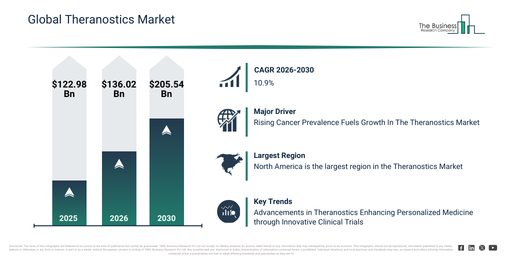
    Theranostics Market Growth Outlook Reveals A CAGR Of 10.9% And A Market Value Of $205.53 Billion By 2030

    Through market attractiveness analysis, total addressable market evaluation, company benchmarking matrices, interactive Excel dashboards, expanded supply chain intelligence, emerging startup coverage, and detailed product insights, The Business Research Company’s 2026 market reports provide more actionable and strategically valuable research.

    Theranostics Market Expansion From $136.02 Billion In 2026 To $205.53 Billion In 2030

    In the domain of theranostics, a notable surge in market valuation has been observed lately. Projections indicate sustained expansion, escalating from 122.98 billion dollars in 2025 to 136.02 billion dollars by 2026, reflecting a compound annual growth rate of 10.6%. Key factors contributing to this upward trend during the preceding period include sophisticated developments in molecular diagnostic techniques, a rising incidence of long-term health conditions, heightened investment in cancer research initiatives, the introduction of precisely targeted treatments, and the broader availability of diagnostic laboratory facilities.

    The theranostics sector is poised for substantial expansion in the upcoming years, projecting a market value of $205.54 billion by 2030, fueled by a compound annual growth rate of 10.9%. This projected increase is largely driven by escalating investments in precision medicine, the increasing utilization of artificial intelligence in diagnostic technologies, the broadening scope of theranostic applications within oncology, the growing incorporation of genomic data into medical decision-making, and a heightened demand for tailored therapeutic results. Key developments during this projection period are anticipated to include a closer alignment between diagnostic processes and targeted treatments, a greater embrace of personalized medicine frameworks, expanded use of molecular imaging methodologies, a surge in the development of companion diagnostics, and a more concentrated emphasis on individualized patient treatment strategies.

    Download A Free Sample Report For Comprehensive Market Insights:

    https://www.thebusinessresearchcompany.com/sample.aspx?id=10823&type=smp

    Theranostics Market Growth Momentum: Which Factors Are Influencing Demand?

    The escalating incidence of cancer is poised to be a significant catalyst for the expansion of the theranostics market. Cancer, characterized by aberrant cellular proliferation that affects numerous organs and results in considerable illness and fatalities globally, stands to benefit from theranostics. This innovative methodology, which synergistically combines therapeutic and diagnostic elements, holds substantial promise for managing cancer and other persistent health conditions. By merging diagnostic acuity with therapeutic intervention, theranostics facilitates tailored and precise treatment strategies, thereby fostering avenues for advancements within the healthcare sector. Consequently, an increasing patient population afflicted with cancer is anticipated to fuel the expansion of the theranostics marketplace. As an illustration, in August 2024, Macmillan Cancer Support, an entity based in the United Kingdom, revealed that in 2024, upwards of 3 million individuals in the UK were contending with cancer, a number expected to reach 3.5 million by 2025, 4 million by 2030, and 5.3 million by 2040. Thus, the growing burden of cancer is directly contributing to the advancement of the theranostics industry.

    Theranostics Market Segmentation And Category Breakdown

    The theranostics market covered in this report is segmented –

    1) By Disease Type: Neurological Disorders, Cardiovascular Diseases, Immunological Disorders, Oncology Diseases, Other Diseases

    2) By Technology: Polymerase Chain Reaction, Immunohistochemistry, In-Situ Hybridization, Sequencing, Other Technologies

    3) By End User: Hospitals And Clinics, Diagnostic Laboratories, Other End Users

    Subsegments:

    1) By Neurological Disorders: Alzheimer’s Disease, Parkinson’s Disease, Multiple Sclerosis, Epilepsy

    2) By Cardiovascular Diseases: Coronary Artery Disease, Heart Failure, Atrial Fibrillation, Hypertension

    3) By Immunological Disorders: Rheumatoid Arthritis, Systemic Lupus Erythematosus, Inflammatory Bowel Disease, Psoriasis

    4) By Oncology Diseases: Breast Cancer, Lung Cancer, Colorectal Cancer, Prostate Cancer

    5) By Other Diseases: Infectious Diseases, Metabolic Disorders, Genetic Disorders

    Theranostics Market Trends Reshaping Industry Growth

    Key players within the theranostics sector are concentrating their efforts on creating sophisticated offerings, including theranostics clinical studies, with the objective of advancing personalized care and optimizing patient results through the unified application of diagnostic and therapeutic interventions. These theranostic clinical trials serve as investigations designed to assess the efficacy of concurrently deploying diagnostic tools and precision-driven treatments for the purpose of customizing therapeutic plans on an individual patient basis. The underlying goal of these evaluations is to ascertain the success of particular interventions predicated on patient-unique biomarkers, consequently refining the landscape of personalized medicine. As an illustration, in May of 2024, BAMF Health, an American oncology facility, initiated the COMBAT Trial, formally designated “A Phase I/II Theranostic Study of 64Cu-SAR-BBN and 67Cu-SAR-BBN for Identification and Treatment of GRPR-expressing Metastatic Castrate Resistant Prostate Cancer in Patients Who Are Ineligible for Therapy With 177Lu-PSMA-617” (NCT05633160). Notable characteristics of this trial include an accelerated initiation timeline facilitated by BAMF Health’s BAMF RapAct initiative, enabling its commencement in a mere seven weeks, alongside a strategic emphasis on employing novel radiopharmaceuticals targeted at the Gastrin-Releasing Peptide receptor (GRPR), which is intended to expand therapeutic alternatives for individuals facing restricted treatment possibilities.

    Theranostics Market Competitive Analysis Of Major Industry Participants

    Major companies operating in the theranostics market are Abbott Laboratories, Agilent Technologies Inc., Beckman Coulter Inc., Thermo Fisher Scientific Inc, Astellas Pharma, Radiopharm Theranostics Ltd, Alpha-Theranostics, Cardio-Theranostics LLC, Curium, Theradiag, Cell Theranostics, F. Hoffmann-La Roche AG, GE HealthCare Technologies Inc, Qiagen NV, Foundation Medicine Inc., Leica Biosystems Nussloch GmBH, Pfizer Inc., Siemens Healthineers, Advanced Accelerator Applications, AstraZeneca plc, Bayer AG, Bio-Rad Laboratories, Bristol-Myers Squibb Company, Danaher Corporation, Illumina Inc., Merck KGaA, Roche Diagnostics Corporation, PerkinElmer Inc.

    Access The Complete Theranostics Market Report:

    https://www.thebusinessresearchcompany.com/report/theranostics-global-market-report

    Theranostics Market Largest Region: Which Geography Holds The Highest Market Share?

    North Americawas the largest region in the global theranostics market in 2025.Asia-Pacificis expected to be the fastest-growing region in the forecast period. The regions covered in the theranostics market report are Asia-Pacific, South East Asia, Western Europe, Eastern Europe, North America, South America, Middle East, Africa.

    Get in touch with us:

    The Business Research Company: https://www.thebusinessresearchcompany.com/

    Americas: +1 310-496-7795

    Asia: +44 7882 955267 & +91 8897263534

    Europe: +44 7882 955267

    Email us at: marketing@tbrc.info

    Follow us on:

    LinkedIn: https://in.linkedin.com/company/the-business-research-company

    YouTube: https://www.youtube.com/channel/UC24_fI0rV8cR5DxlCpgmyFQ

    Global Market Model: https://www.thebusinessresearchcompany.com/global-market-model
  • Testicular Cancer Market Forecast Highlights Expansion From $3.97 Billion To $5.27 Billion Through 2030

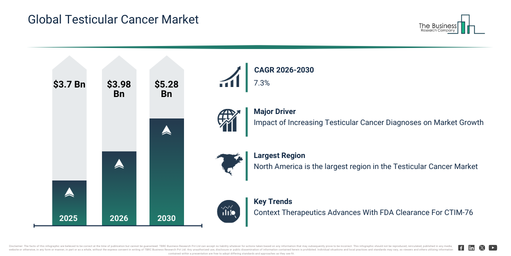
    Testicular Cancer Market Forecast Highlights Expansion From $3.97 Billion To $5.27 Billion Through 2030

    Delivering more actionable and strategically valuable research, The Business Research Company’s 2026 market reports feature market attractiveness analysis, total addressable market evaluation, company benchmarking matrices, interactive Excel dashboards, expanded supply chain intelligence, emerging startup coverage, and detailed product insights.

    Testicular Cancer Market Forecast Highlighting Growth From $3.97 Billion To $5.27 Billion

    The market for testicular cancer treatments experienced robust expansion over the past few years, demonstrating a projected increase from $3.7 billion in 2025 to $3.98 billion in 2026, reflecting a compound annual growth rate (CAGR) of 7.6%. This upward trend during the historical period has been fueled by several key factors, including enhanced precision in cancer diagnostics, the proliferation of specialized oncology treatment facilities, heightened public knowledge regarding the early signs of testicular cancer, the widespread availability of successful chemotherapy regimens, and the implementation of consistent, evidence-based treatment protocols.

    The market for testicular cancer therapeutics is poised for significant expansion, projected to reach $5.28 billion by 2030, advancing at a compound annual growth rate of 7.3%. This anticipated surge is propelled by escalating investments in individualized cancer treatments, a growing embrace of immunotherapies and targeted therapies, broadened efforts in early detection programs, increased utilization of digital oncology solutions, and an intensified emphasis on patient survivorship and ongoing care. Key developments shaping this period include the wider adoption of precision oncology approaches, a rise in biomarker-driven diagnostic tools, greater incorporation of tailored chemotherapy plans, advancements in surgical procedures, and a heightened focus on early identification and screening protocols.

    Download A Free Sample Report For Comprehensive Market Insights:

    https://www.thebusinessresearchcompany.com/sample.aspx?id=20977&type=smp

    Testicular Cancer Market Expansion Drivers: What Is Shaping Future Growth?

    The escalating incidence of testicular cancer is anticipated to act as a catalyst for the expansion of the testicular cancer market. This particular form of cancer originates within the male testicles and is commonly identified by the presence of painless lumps or swelling. The heightened detection rates of testicular cancer can be attributed to a combination of factors, including greater public awareness, enhancements in diagnostic methodologies, more frequent self-examinations, and potentially, influences from environmental and lifestyle changes. The testicular cancer market actively contributes to increasing diagnoses by channeling funds into research initiatives, refining diagnostic instruments, and championing awareness campaigns that emphasize the importance of early detection. Illustrating this trend, a report released in May 2025 by Cancer Council Victoria, an Australian non-profit, indicated that in 2023, the rate of testicular cancer among males in Victoria was 7.1 per 100,000, underscoring the persistent prevalence of this disease. Consequently, the growing number of diagnosed testicular cancer cases is a primary driver for the market’s growth.

    The expanding integration of personalized medicine approaches is foreseen to significantly boost the testicular cancer market. Personalized medicine represents a medical strategy that customizes treatment and preventative measures based on an individual’s distinctive genetic composition, lifestyle, and environmental context, diverging from a standardized, universal approach. This tailored medical methodology is gaining traction due to breakthroughs in genetic testing, which empower the customization of therapies to align with each patient’s unique profile. Within the realm of testicular cancer care, personalized medicine is being applied by directing treatments that are meticulously designed according to the tumor’s specific genetic and molecular characteristics, thereby enhancing the accuracy of treatment and improving patient outcomes. As a testament to this advancement, the Personalized Medicine Coalition, a non-profit organization based in the U.S., reported in February 2024 that the FDA authorized 16 novel personalized treatments for individuals with rare diseases in 2023, a marked escalation from the six approvals granted in 2022. Therefore, the increasing embrace of personalized medicine is directly propelling the growth of the testicular cancer market.

    Testicular Cancer Market Segment Outlook: Which Categories Are Expanding The Fastest?

    The testicular cancer market covered in this report is segmented –

    1) By Treatment Type: Surgery, Chemotherapy, Radiotherapy, Immunotherapy, Targeted Therapy

    2) By Histology: Seminoma, Non-Seminoma, Mixed

    3) By Dosage Form: Tablet, Capsule, Creams

    4) By Route Of Administration: Oral, Topical

    5) By End-use: Hospitals, Clinics

    Subsegments:

    1) By Surgery: Orchiectomy, Retroperitoneal Lymph Node Dissection (RPLND)

    2) By Chemotherapy: Platinum-Based Chemotherapy, Chemotherapy Regimens (BEP regimen)

    3) By Radiotherapy: External Beam Radiation, Retroperitoneal Radiation

    4) By Immunotherapy: Immune Checkpoint Inhibitors, Cancer Vaccines

    5) By Targeted Therapy: Tyrosine Kinase Inhibitors, Monoclonal Antibodies

    Testicular Cancer Market Strategic Trends: What Is Defining The Next Phase Of Growth?

    Industry leaders within the testicular cancer sector are prioritizing the creation of novel therapies, specifically cell-engaging bispecific antibodies, to target CLDN6-positive forms of both gynecologic and testicular cancers, where a cell-engaging bispecific antibody functions by attaching to two separate entities, thereby enabling immune cells to be mobilized for the elimination of cancerous or afflicted cells, evidenced by Context Therapeutics Inc., a pharmaceutical firm based in the United States, revealing in May 2024 that the U.S. Food and Drug Administration (FDA) had approved their Investigational New Drug (IND) application for CTIM-76, a bispecific antibody engineered to engage CLDN6 and CD3 T cells, paving the way for a Phase 1 clinical investigation aimed at gauging CTIM-76’s performance in individuals diagnosed with CLDN6-positive gynecologic and testicular malignancies, with this study encompassing dose adjustments and further evaluation to ascertain the therapeutic agent’s safety profile, effectiveness, and how it is processed by the body.

    Testicular Cancer Market Key Companies And Competitive Benchmarking

    Major companies operating in the testicular cancer market are Pfizer Inc., Merck & Co. Inc., Bristol‑Myers Squibb Company, Fresenius Kabi, BioNTech SE, Teva Pharmaceuticals Industries Ltd., Mount Sinai Health System, UCLA Medical Center, Duke University Medical Center, Accord Healthcare Limited, UC San Diego Health, Venus Remedies Limited, Hirslanden Group, Ziopharm Oncology Inc., Beijing Biostar Pharmaceuticals Co. Ltd., Scripps Health, Roche Holding AG, Novartis AG, AstraZeneca PLC, Eli Lilly and Company, Gilead Sciences Inc.

    Access The Complete Testicular Cancer Market Report:

    https://www.thebusinessresearchcompany.com/report/testicular-cancer-global-market-report

    Testicular Cancer Market Regional Analysis: Which Region Leads By Revenue?

    North Americawas the largest region in the testicular cancer market in 2025. Asia-Pacificis expected to be the fastest-growing region in the forecast period. The regions covered in the testicular cancer market report are Asia-Pacific, South East Asia, Western Europe, Eastern Europe, North America, South America, Middle East, Africa.

    Get in touch with us:

    The Business Research Company: https://www.thebusinessresearchcompany.com/

    Americas: +1 310-496-7795

    Asia: +44 7882 955267 & +91 8897263534

    Europe: +44 7882 955267

    Email us at: marketing@tbrc.info

    Follow us on:

    LinkedIn: https://in.linkedin.com/company/the-business-research-company

    YouTube: https://www.youtube.com/channel/UC24_fI0rV8cR5DxlCpgmyFQ

    Global Market Model: https://www.thebusinessresearchcompany.com/global-market-model