Month: June 2026

  • Pressure Relief Devices Market Outlook Highlights The Next Major Growth Opportunities

    Pressure Relief Devices Market Outlook Highlights The Next Major Growth Opportunities

    Through market attractiveness analysis, total addressable market evaluation, company benchmarking matrices, interactive Excel dashboards, expanded supply chain intelligence, emerging startup coverage, and detailed product insights, The Business Research Company’s 2026 market reports provide more actionable and strategically valuable research.

    The pressure relief devices market is gaining significant traction, driven by increasing healthcare needs and technological advancements. As healthcare systems worldwide adapt to changing patient demographics and rising chronic conditions, the demand for effective pressure relief solutions is poised to expand steadily. Let’s explore the current market size, the factors propelling growth, key players, emerging trends, and where the greatest opportunities lie within this evolving industry.

    Strong Market Growth Outlook for Pressure Relief Devices

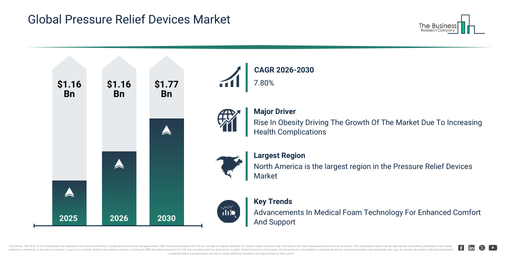
    The pressure relief devices market has experienced notable expansion recently and is set to continue this upward trajectory. It is projected to grow from $4.42 billion in 2025 to $4.78 billion in 2026, representing a compound annual growth rate (CAGR) of 8.0%. This past growth has been driven by factors such as the rising number of immobile patients, increased awareness of hospital-acquired ulcers, an aging population, expanding long-term care facilities, and greater demand during post-surgical recovery. Looking ahead, the market is expected to reach $6.46 billion by 2030, with a CAGR of 7.8%. Future growth will be supported by the expansion of home healthcare services, innovations in smart mattress technology, increasing chronic disease rates, strengthening patient safety regulations, and heightened demand for rehabilitation care. Trends anticipated to shape the market include greater emphasis on pressure ulcer prevention, wider adoption of homecare pressure relief products, dynamic air therapy beds gaining popularity, focus on patient comfort and mobility, and more use in long-term care settings.

    Download A Free Sample Report For Comprehensive Market Insights:

    https://www.thebusinessresearchcompany.com/sample.aspx?id=22112&type=smp

    The Impact of Rising Obesity on Market Growth

    One significant driver pushing the pressure relief devices market forward is the increasing prevalence of obesity worldwide. Obesity, characterized by excessive body fat accumulation, raises the risk for numerous health problems and complications. This rise is largely linked to unhealthy diets high in sugar, fats, and calories, as well as sedentary modern lifestyles that encourage fast food and sugary beverage consumption. Pressure relief devices play an essential role in managing obesity by distributing weight evenly, minimizing the risk of pressure sores, and supporting improved mobility—ultimately enhancing patient health outcomes. For instance, according to the World Obesity Federation, the global adult population affected by obesity is projected to jump from 0.81 billion in 2020 to 1.53 billion by 2035. This stark increase is a key factor driving the demand for pressure relief devices.

    Pressure Relief Devices Market Segmentation and Growth Areas

    The pressure relief devices market is organized into key segments based on type, application, and end user.

    By type, the market splits into low-tech and high-tech devices. Low-tech options include foam-based mattresses, gel-based mattresses, fiber-filled mattresses, water or fluid-filled mattresses, air-filled mattresses, and other similar products. High-tech devices feature dynamic air therapy beds, kinetic beds, and other advanced technologies.

    In terms of application, devices are used for pressure ulcers, burns, surgical wounds, and various other medical needs. The end-user categories consist of hospitals, home care settings, long-term care centers, rehabilitation facilities, and other healthcare providers. This segmentation highlights areas where growth opportunities are concentrated, particularly in home care and dynamic therapy beds.

    Access The Complete Pressure Relief Devices Market Report:

    https://www.thebusinessresearchcompany.com/report/pressure-relief-devices-global-market-report

    Innovation Trends Shaping Long-Term Market Demand

    Leading companies in the pressure relief devices sector are investing heavily in new technologies to enhance product effectiveness and patient comfort. One notable advancement is TrueGel technology, which offers superior pressure relief, spinal support, and temperature regulation. For example, in August 2023, the UK-based foam manufacturer GNG Group introduced KomfiMed, a specialized foam mattress incorporating TrueGel technology designed for exceptional pressure relief. These mattresses also boast durability, breathability, and antimicrobial properties, ensuring high hygiene standards required in hospitals and healthcare environments. They are especially engineered to support bariatric patients by providing stability and comfort while complying with stringent medical quality benchmarks.

    Prominent Players and Competitive Landscape in the Pressure Relief Devices Market

    Several major companies dominate the competitive landscape of the pressure relief devices market. Notable names include Smith + Nephew plc, HILLROM Holdings Inc., Molnlycke Health Care AB, Arjo AB, Invacare Corporation, Sunrise Medical LLC, Permobil AB, Paramount Bed Holdings Co. Ltd., LINET Group SE, Joerns Healthcare LLC, Wellell Inc., EHOB Inc., Talley Group Ltd., Comfort Company LLC, Action Products Inc., Drive Medical GmbH & Co. KG, Span-America Medical Systems Inc., Medline Industries LP, Hill-Rom Holdings Inc., and Graham-Field Health Products. These organizations are focusing on innovation, expanding product portfolios, and strengthening their market presence worldwide.

    Regional Demand Patterns and Market Growth Hotspots

    As of 2025, North America held the largest share of the pressure relief devices market, benefiting from advanced healthcare infrastructure and high patient awareness. Meanwhile, the Asia-Pacific region is expected to experience the fastest growth over the forecast period, driven by rising healthcare investments, growing elderly populations, and expanding home care services. Other important markets covered in the report include South East Asia, Western Europe, Eastern Europe, South America, the Middle East, and Africa, providing a comprehensive view of global demand trends.

    Get in touch with us:

    The Business Research Company: https://www.thebusinessresearchcompany.com/

    Americas: +1 310-496-7795

    Asia: +44 7882 955267 & +91 8897263534

    Europe: +44 7882 955267

    Email us at: marketing@tbrc.info

    Follow us on:

    LinkedIn: https://in.linkedin.com/company/the-business-research-company

    YouTube: https://www.youtube.com/channel/UC24_fI0rV8cR5DxlCpgmyFQ

    Global Market Model: https://www.thebusinessresearchcompany.com/global-market-model
  • Pressotherapy Systems Market Trends And Growth Drivers Point To Strong Future Potential

    Pressotherapy Systems Market Trends And Growth Drivers Point To Strong Future Potential

    Delivering more actionable and strategically valuable research, The Business Research Company’s 2026 market reports feature market attractiveness analysis, total addressable market evaluation, company benchmarking matrices, interactive Excel dashboards, expanded supply chain intelligence, emerging startup coverage, and detailed product insights.

    The pressotherapy systems market is gaining significant traction as demand for non-invasive therapeutic solutions grows worldwide. Increasing awareness about circulatory health and advancements in treatment technologies are shaping the market’s rapid expansion. Below, we explore the current market size, key drivers, segments, trends, and regional insights shaping the future of pressotherapy systems.

    Pressotherapy Systems Market Size and Growth Outlook Through 2030

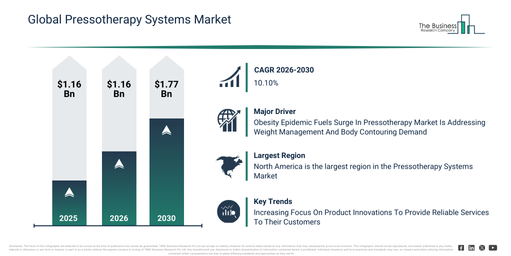
    The pressotherapy systems market has experienced strong growth in recent years, expanding from $14.85 billion in 2025 to an expected $16.31 billion in 2026, with a compound annual growth rate (CAGR) of 9.8%. This surge reflects rising incidences of circulatory disorders, a broader availability of physiotherapy and rehabilitation services, growing awareness of lymphatic drainage therapy, preference for non-invasive treatments, and the proliferation of wellness clinics. Moving forward, the market is projected to grow even more rapidly, reaching $23.94 billion by 2030 at a CAGR of 10.1%. Factors contributing to this growth include the increasing demand for home healthcare therapies, heightened focus on post-surgical recovery, expansion of preventive circulatory treatments, growing adoption of smart therapy devices, and greater integration of digital controls in therapy equipment. Emerging trends expected to shape the market include wider use of home-based pressotherapy devices, higher demand for lymphedema management systems, greater application of compression therapy in rehabilitation, introduction of compact and portable units, and emphasis on personalized treatment settings.

    Download A Free Sample Report For Comprehensive Market Insights:

    https://www.thebusinessresearchcompany.com/sample.aspx?id=10570&type=smp

    Key Factors Boosting the Pressotherapy Systems Market: Obesity Prevalence

    One of the main elements driving the expansion of the pressotherapy market is the rising prevalence of obesity worldwide. Obesity and overweight conditions result from excess calorie intake, particularly calories derived from high-fat and sugary diets, which are stored as fat in the body. Pressotherapy systems are increasingly used to support obesity treatment by enhancing the body’s natural shape, helping to eliminate cellulite, reduce fat, and contour areas such as the legs, stomach, and arms. For example, in March 2024, The Lancet reported that over one billion people globally are living with obesity, including about 880 million adults and 159 million children. Projections indicate that half the world’s population could be overweight by 2035. This growing obesity epidemic is a strong catalyst for the increasing demand for pressotherapy solutions.

    Pressotherapy Systems Market Growth Driven by Advances in Pain Management

    Another significant driver for the pressotherapy systems market is the expanding need for effective pain management. Pain management adopts a multidisciplinary approach to reduce physical and psychological pain, which can stem from various causes. Pressotherapy aids pain relief by improving blood circulation, decreasing edema, speeding recovery post-exercise, relaxing muscles, managing lymphedema-related pain, enhancing joint mobility, and promoting relaxation and stress reduction. According to the National Institutes of Health (NIH) in the US, around 21% of adults suffer from chronic pain, with 8% experiencing high-impact chronic pain (HICP). Additionally, approximately 52.4 new chronic pain cases per 1,000 people are reported annually. This rising demand for comprehensive pain control therapies is propelling the adoption of pressotherapy systems globally.

    Access The Complete Pressotherapy Systems Market Report:

    https://www.thebusinessresearchcompany.com/report/pressotherapy-systems-global-market-report

    Breakdown of Pressotherapy Systems Market Segments

    The pressotherapy systems market is categorized into several key segments:

    1) By Use: Drainage and Lymphedema

    2) By Application: Veno-Lymphatic circulation, adiposity edema, swelling reduction, tired legs, and other uses

    3) By End-Use: Hospitals and specialty clinics

    Further subsegments include drainage types (lymphatic and venous) and lymphedema management areas such as symptom control, post-surgical treatment, and prevention of complications.

    Innovative Product Developments Propel Market Growth

    Companies in the pressotherapy systems industry are focusing on innovation to differentiate their offerings and enhance treatment efficacy. A notable advancement involves combining vacuum therapy with a push-pull action, which improves lymphatic flow and enables deeper tissue mobilization, allowing for more tailored treatment plans. For instance, in May 2023, Germaine de Capuccini S.A., a Spain-based skincare treatment company, introduced Sculpt Zone—a device that merges vacuum therapy with push-pull technology. This tool targets both superficial and deeper layers of the skin to improve elasticity and deliver rejuvenating effects, demonstrating how cutting-edge approaches are transforming pressotherapy treatments.

    Major Players Shaping the Pressotherapy Systems Market

    Key companies influencing the competitive landscape of the pressotherapy systems market include DJO Global Incorporated, Tactile Medical Systems Incorporated, Bio Compression Systems Incorporated, Mego Afek AC Limited, NormaTec Recovery Systems LLC, Arjo AB, Zimmer MedizinSysteme GmbH, Physiomed Elektromedizin AG, Enraf Nonius B V, Hyperice Incorporated, Rapid Reboot LLC, Air Relax USA LLC, BardoMed Sp z o o, GymnaUniphy NV, Atrex SRL, Elettronica Pagani SRL, Novasonix Technology SL, Doris Electronic Technology Company Limited, Daesung Maref Company Limited, and Physio Equipment Company.

    Regional Market Leadership and Emerging Growth Areas

    In 2025, North America led the global pressotherapy systems market in terms of size, supported by advanced healthcare infrastructure and technological adoption. However, the Asia-Pacific region is anticipated to experience the fastest growth throughout the forecast period, driven by rising healthcare investments, growing awareness, and expanding physiotherapy services. Other important regions covered in the market analysis include South East Asia, Western Europe, Eastern Europe, South America, the Middle East, and Africa, providing a comprehensive view of the global market landscape.

    Get in touch with us:

    The Business Research Company: https://www.thebusinessresearchcompany.com/

    Americas: +1 310-496-7795

    Asia: +44 7882 955267 & +91 8897263534

    Europe: +44 7882 955267

    Email us at: marketing@tbrc.info

    Follow us on:

    LinkedIn: https://in.linkedin.com/company/the-business-research-company

    YouTube: https://www.youtube.com/channel/UC24_fI0rV8cR5DxlCpgmyFQ

    Global Market Model: https://www.thebusinessresearchcompany.com/global-market-model
  • Prescription Lens Market Expansion Is Reshaping Competitive Dynamics Across The Industry

    Prescription Lens Market Expansion Is Reshaping Competitive Dynamics Across The Industry

    Enhanced with market attractiveness analysis, total addressable market evaluation, company benchmarking matrices, interactive Excel dashboards, expanded supply chain intelligence, emerging startup coverage, and detailed product insights, The Business Research Company’s 2026 market reports deliver more actionable and strategically valuable research.

    The prescription lens market is experiencing notable growth as the demand for corrective eyewear rises globally. With increasing vision problems linked to aging populations and greater screen time, this sector is set for substantial expansion. Let’s explore the current market size, the factors driving growth, key segments, emerging trends, major players, and regional dynamics shaping this vital industry.

    Prescription Lens Market Size and Expected Growth Trajectory

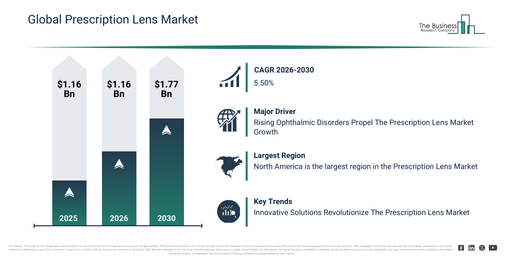
    The prescription lens market has shown strong development in recent years, growing from $48.69 billion in 2025 to an anticipated $51.69 billion in 2026, reflecting a compound annual growth rate (CAGR) of 6.2%. This growth during the historical period is largely due to the rising incidence of refractive errors, increased use of corrective eyewear, the expansion of optometry services, an aging global population, and advancements in lens manufacturing technology. Looking ahead, the market is projected to reach $63.98 billion by 2030 with a CAGR of 5.5%, propelled by increasing vision issues caused by prolonged screen exposure, heightened demand for premium eyewear, growth in digital eye examination services, adoption of smart and adaptive lenses, and continuous innovation in optical materials and coatings.

    Download A Free Sample Report For Comprehensive Market Insights:

    https://www.thebusinessresearchcompany.com/sample.aspx?id=15902&type=smp

    Factors Contributing to the Uptick in Prescription Lens Demand

    A major driver of market expansion is the growing prevalence of vision impairments worldwide. Conditions affecting eyesight, ranging from common issues like myopia and presbyopia to more severe disorders such as macular degeneration, are becoming more widespread due to increased use of digital devices, longer screen time, and the aging population. These factors contribute to ailments such as digital eye strain and myopia, boosting the need for corrective solutions.

    Prescription lenses serve to correct various refractive errors—including myopia, hyperopia, astigmatism, and presbyopia—by properly focusing light onto the retina, which improves clarity and reduces eye strain. For instance, in September 2025, the Welsh Government reported that primary care optometrists in Wales conducted nearly 8,800 low vision assessments during 2024–2025, marking a 4.8% increase from the previous year and maintaining levels seen before the pandemic. This rise in vision impairment linked to digital device use is a key contributor to the prescription lens market’s growth.

    Prescription Lens Market Segmentation by Type, Coating, and Application

    The prescription lens market is divided into various categories to better address consumer needs:

    1) By Type: Single Vision, Bifocal, Trifocal, Progressive, Active, and Other Types

    2) By Coating: Anti-Reflective, Scratch Resistant, Anti-Fog, and Ultraviolet Treatment

    3) By Application: Myopia, Hyperopia or Hypermetropia, Astigmatism, and Presbyopia

    Further subcategories include Near Vision and Distance Vision lenses under Single Vision; Fixed and Adjustable options for Bifocal and Trifocal lenses; Varifocal and Digital Progressive lenses under Progressive; Sports and Outdoor Activity lenses in the Active category; and Photochromic and Blue Light Blocking lenses classified as Other Types.

    Access The Complete Prescription Lens Market Report:

    https://www.thebusinessresearchcompany.com/report/prescription-lens-global-market-report

    Innovations and Trends Fueling Prescription Lens Market Growth

    Leading companies in the prescription lens market are focusing on developing specialized lenses for myopia management, particularly for children. Myopia management spectacle lenses are designed to slow the progression of nearsightedness in younger demographics by using advanced optical technology.

    For example, in November 2023, Shamir Optical Industry from Israel introduced Shamir Optimee, a new myopia management lens that incorporates next-generation defocus technology called Shamir Focusflow. This lens features a clear central vertical zone tailored to the wearer’s prescription, allowing flexible eye movement during near-vision tasks, addressing a critical need in pediatric vision care.

    Key Players Driving the Prescription Lens Industry Forward

    The prescription lens market is dominated by several prominent companies, including EssilorLuxottica S.A., Carl Zeiss AG, Seiko Optical Products Co. Ltd., Hoya Corporation, Nikon Corporation, Bausch And Lomb Incorporated, Safilo Group S.p.A., Marchon Eyewear Inc., Rodenstock GmbH, Menicon Co. Ltd., Warby Parker Inc., Norville Group Ltd, De Rigo Vision S.p.A., ABB Optical Group, Walman Optical, Oakley Inc., Younger Optics, Maui Jim Inc., Charmant Group Inc., Thom Browne Eyewear LLC, Vision Ease Corporation, and Zenni Optical LLC. These corporations are continually investing in research, product development, and strategic partnerships to maintain competitive positions and cater to evolving consumer demands.

    Regional Market Overview and Growth Opportunities

    In 2025, North America held the largest share of the prescription lens market, largely due to its advanced healthcare infrastructure and high awareness of vision care. However, the Asia-Pacific region is expected to experience the fastest growth during the forecast period, driven by rising population, increasing access to eye care services, and growing digital device usage. The overall market analysis includes regions such as Asia-Pacific, South East Asia, Western and Eastern Europe, North America, South America, the Middle East, and Africa, providing a comprehensive outlook on global market dynamics.

    Get in touch with us:

    The Business Research Company: https://www.thebusinessresearchcompany.com/

    Americas: +1 310-496-7795

    Asia: +44 7882 955267 & +91 8897263534

    Europe: +44 7882 955267

    Email us at: marketing@tbrc.info

    Follow us on:

    LinkedIn: https://in.linkedin.com/company/the-business-research-company

    YouTube: https://www.youtube.com/channel/UC24_fI0rV8cR5DxlCpgmyFQ

    Global Market Model: https://www.thebusinessresearchcompany.com/global-market-model
  • Preoperative Infection Prevention And Wound Cleansing Devices Market Forecast Reveals Where Future Industry Value Will Be Created

    Preoperative Infection Prevention And Wound Cleansing Devices Market Forecast Reveals Where Future Industry Value Will Be Created

    Through market attractiveness analysis, total addressable market evaluation, company benchmarking matrices, interactive Excel dashboards, expanded supply chain intelligence, emerging startup coverage, and detailed product insights, The Business Research Company’s 2026 market reports provide more actionable and strategically valuable research.

    The preoperative infection prevention and wound cleansing devices sector has witnessed notable growth, driven by increasing surgical procedures and heightened awareness of infection control. As healthcare providers prioritize patient safety, advances in this market continue to support better surgical outcomes. Let’s explore the current market size, growth drivers, segmentation, key trends, leading companies, and geographical insights shaping this industry’s future.

    Market Size Growth and Projections in the Preoperative Infection Prevention and Wound Cleansing Devices Market

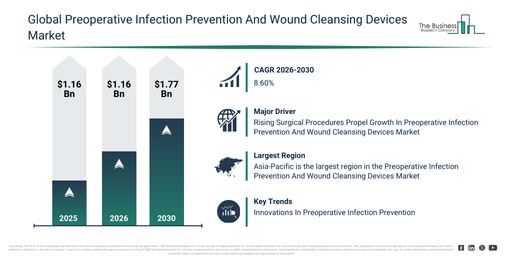
    The market for preoperative infection prevention and wound cleansing devices has expanded steadily in recent years. It is projected to grow from $2.33 billion in 2025 to $2.53 billion in 2026, reflecting a compound annual growth rate (CAGR) of 8.2%. This historical expansion has been driven by factors such as a rise in surgical procedures, greater awareness of hospital-acquired infections, strengthening infection control protocols, wider adoption of preoperative hygiene standards, and an increase in elective surgeries. Looking ahead, the market is expected to continue its upward trajectory, reaching $3.52 billion by 2030 at a CAGR of 8.6%. Key contributors to this growth include an intensified focus on patient safety, growing investment in infection prevention technologies, expansion of outpatient and day-care surgeries, stricter regulatory demands on surgical hygiene, and a growing preference for advanced wound management products. Prominent trends anticipated during this period include increased use of preoperative antiseptic solutions, higher demand for sophisticated wound cleansing technologies, stronger emphasis on preventing surgical site infections, greater use of single-use infection control devices, and enhanced adoption of standardized preoperative protocols.

    Download A Free Sample Report For Comprehensive Market Insights:

    https://www.thebusinessresearchcompany.com/sample.aspx?id=12070&type=smp

    Factors Contributing to Market Growth in Preoperative Infection Prevention and Wound Cleansing Devices

    A significant driver of market growth is the increasing volume of surgical procedures worldwide. Surgical interventions, involving incisions and other techniques, necessitate effective infection prevention to reduce surgical site infections (SSIs). The critical role these devices play in ensuring surgical safety is well recognized. For example, in June 2024, the American Society of Plastic Surgeons reported that liposuction remained the most popular plastic surgery procedure in 2023, with nearly 350,000 surgeries performed—a 7% rise from the previous year. This growing number of surgeries directly supports demand for preoperative infection prevention and wound cleansing devices, highlighting their importance in surgical care.

    Market Segmentation Breakdown in the Preoperative Infection Prevention and Wound Cleansing Devices Industry

    This market is organized into several distinct categories for thorough analysis:

    1) By Surgery Type: Cataract Surgery, Cesarean Surgery, Gastric Bypass, Appendectomy, Colectomy and Colostomy, Esophagectomy, Cholecystectomy, Mastectomy, Cosmetic Surgery

    2) By Product Type: Preoperative Infection Prevention Devices, Preoperative Wound Cleansing Devices

    3) By Application: Preoperative Hair Removal, Preoperative Skin Preparation, Other Applications

    Further detailed subsegments include:

    – Cataract Surgery: Preoperative Antiseptic Eye Solutions, Sterile Eye Irrigation and Cleansing Devices

    – Cesarean Surgery: Preoperative Antimicrobial Skin Preparation Solutions, Antiseptic Surgical Scrubs

    – Gastric Bypass: Preoperative Surgical Site Preparation Solutions, Antimicrobial Skin Cleansers

    – Appendectomy: Antiseptic Skin Preparation Solutions, Preoperative Wound Irrigation and Cleansing Devices

    – Colectomy and Colostomy: Preoperative Bowel and Skin Cleansing Solutions, Antiseptic Site Preparation Products

    – Esophagectomy: Preoperative Antiseptic Skin and Mucosal Preparation Solutions, Surgical Site Cleansing Devices

    – Cholecystectomy: Preoperative Antiseptic Skin Preparation Solutions, Wound Cleansing and Irrigation Devices

    – Mastectomy: Preoperative Antimicrobial Skin Preparation Solutions, Surgical Site Cleansing Devices

    – Cosmetic Surgery: Aseptic Preoperative Skin Preparation Kits, Preoperative Wound Cleansing Solutions

    Access The Complete Preoperative Infection Prevention And Wound Cleansing Devices Market Report:

    https://www.thebusinessresearchcompany.com/report/preoperative-infection-prevention-and-wound-cleansing-devices-global-market-report

    Innovations Shaping the Future of Preoperative Infection Prevention and Wound Cleansing Devices

    Leading companies in this sector are emphasizing the development of innovative products designed to improve patient safety and reduce infection risks. Among such innovations are sterile antiseptic solutions, which combine antimicrobial agents to effectively eliminate or inhibit microorganisms on skin and mucous membranes. For example, in April 2023, 3M Health Care introduced the 3M SoluPrep S Sterile Antiseptic Solution, a newly FDA-approved product formulated for preoperative skin preparation. This solution combines chlorhexidine gluconate with isopropyl alcohol to deliver rapid, broad-spectrum antimicrobial activity. Its design features, including a visible Brite Green tint and a user-friendly applicator, aim to enhance surgical prep efficiency while ensuring patient comfort and safety.

    Key Players Driving Competition in the Preoperative Infection Prevention and Wound Cleansing Devices Market

    The competitive landscape includes several prominent companies actively shaping the market, such as Cardinal Health Inc., Johnson and Johnson Private Limited, 3M Company, Medline Industries Inc., Baxter International Inc., Smith and Nephew Plc., Steris Plc., Paul Hartmann AG, Getinge AB, Molnlycke Health Care AB, ConvaTec Group plc., Halyard Health Inc., Sterimed SAS, Dynarex Corporation, Bactiguard AB, Careon Healthcare Solutions Pvt Ltd., Medtronic Plc., Becton Dickinson and Co., Stryker Corporation, Zimmer Biomet Holdings Inc., Teleflex Incorporated, Aesculap Inc., Integra LifeSciences Corporation, Ansell Limited, and Hollister Inc. These companies continuously invest in research and development to bring advanced solutions to market and maintain competitive advantage.

    Regional Market Dynamics and Revenue Generation in the Preoperative Infection Prevention and Wound Cleansing Devices Industry

    Among global regions, Asia-Pacific is forecasted to achieve the fastest growth over the coming years. The broader market report also covers regions including South East Asia, Western Europe, Eastern Europe, North America, South America, the Middle East, and Africa, providing a comprehensive overview of worldwide trends and regional performance in this evolving market.

    Get in touch with us:

    The Business Research Company: https://www.thebusinessresearchcompany.com/

    Americas: +1 310-496-7795

    Asia: +44 7882 955267 & +91 8897263534

    Europe: +44 7882 955267

    Email us at: marketing@tbrc.info

    Follow us on:

    LinkedIn: https://in.linkedin.com/company/the-business-research-company

    YouTube: https://www.youtube.com/channel/UC24_fI0rV8cR5DxlCpgmyFQ

    Global Market Model: https://www.thebusinessresearchcompany.com/global-market-model
  • Predictive Biomarkers Market Growth Through 2030 Creates New Strategic Opportunities

    Predictive Biomarkers Market Growth Through 2030 Creates New Strategic Opportunities

    Delivering more actionable and strategically valuable research, The Business Research Company’s 2026 market reports feature market attractiveness analysis, total addressable market evaluation, company benchmarking matrices, interactive Excel dashboards, expanded supply chain intelligence, emerging startup coverage, and detailed product insights.

    The predictive biomarkers market is witnessing steady growth driven by rapid advancements in medical research and technology. As the importance of personalized healthcare rises, predictive biomarkers are becoming essential tools in early disease detection and tailored treatment strategies. Let’s explore the current market size, key factors influencing growth, prominent industry players, and emerging trends shaping this evolving sector.

    Predictive Biomarkers Market Size and Growth Expectations

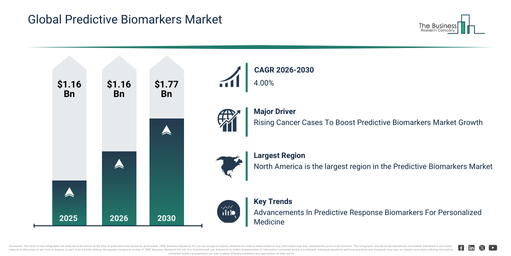
    The predictive biomarkers market has steadily expanded over recent years and is projected to continue this trend. The market size is expected to increase from $20.96 billion in 2025 to $21.88 billion in 2026, reflecting a compound annual growth rate (CAGR) of 4.4%. Looking ahead, it is forecasted to reach $25.65 billion by 2030 with a CAGR of 4.0%. Historical growth is primarily driven by advancements in genomic research, expanding use of targeted therapies, rising cancer prevalence, growth in molecular diagnostics, and supportive regulatory frameworks. Future growth will be influenced by innovations in multi-omics technologies, broader adoption of personalized medicine, increased pharmaceutical R&D investments, demand for predictive treatment outcomes, and greater integration of biomarkers into routine clinical care. Key trends expected to shape the market include expanded applications in precision oncology, increased use in drug response stratification, greater reliance on biomarker-driven clinical trial designs, rising uptake of companion diagnostics, and efforts toward standardizing biomarker validation processes.

    Download A Free Sample Report For Comprehensive Market Insights:

    https://www.thebusinessresearchcompany.com/sample.aspx?id=20595&type=smp

    Rising Cancer Incidence as a Major Growth Catalyst

    One of the primary drivers propelling the predictive biomarkers market is the increasing incidence of cancer worldwide. Cancer, characterized by uncontrolled cell proliferation and the potential to spread throughout the body, is becoming more prevalent due to factors such as aging populations, lifestyle shifts, and heightened exposure to risk factors including tobacco use, unhealthy diets, and environmental pollution. Predictive biomarkers play a crucial role in identifying patients who are likely to benefit from specific therapies, facilitating more precise and effective treatment approaches. For example, the International Agency for Research on Cancer (IARC), a specialized cancer research agency within the World Health Organization (WHO), reported nearly 20 million new cancer cases and about 10 million cancer-related deaths in 2022. Furthermore, projections suggest that new cancer cases could rise to 35 million annually by 2050, marking a 77% increase from 2022 figures. This escalating cancer burden significantly contributes to the growing demand for predictive biomarkers.

    Key Segments and Revenue Drivers in the Predictive Biomarkers Market

    This report segments the predictive biomarkers market by indication, application, and end user to provide a comprehensive overview:

    1) Indication categories include Cancer, Metabolic Diseases, Cardiovascular Disorders, Immunological Disorders, and Other Indications.

    2) Application areas encompass Screening, Analysis, Diagnosis, Prediction, and Monitoring.

    3) End users cover Diagnostic Centers, Contract Research Organizations, Academic Research Institutes, Pharmaceutical and Biotechnology Companies, and other users.

    Access The Complete Predictive Biomarkers Market Report:

    https://www.thebusinessresearchcompany.com/report/predictive-biomarkers-global-market-report

    Within the cancer category, subtypes analyzed include Breast Cancer, Lung Cancer, Prostate Cancer, Colorectal Cancer, Ovarian Cancer, Leukemia and Lymphoma, Melanoma, Pancreatic Cancer, Kidney Cancer, and Head and Neck Cancer. The metabolic disease segment covers Type 1 and 2 Diabetes, Obesity, Metabolic Syndrome, Non-Alcoholic Fatty Liver Disease (NAFLD), Dyslipidemia, and Insulin Resistance. Cardiovascular disorders include Atherosclerosis, Coronary Artery Disease, Heart Failure, Myocardial Infarction, Arrhythmia, Hypertension, Stroke, and Peripheral Arterial Disease. Immunological disorders involve Autoimmune Diseases, Inflammatory Bowel Disease (IBD), Multiple Sclerosis, Psoriasis, Allergic Diseases, Asthma, Chronic Obstructive Pulmonary Disease (COPD), and Immunodeficiency Disorders. Other indications cover Neurological Disorders, Infectious Diseases, Renal Diseases, Osteoarthritis, Genetic Disorders, and Respiratory Disorders.

    Technological Innovations Driving Market Transformation

    Leading companies in the predictive biomarkers field are increasingly leveraging technological breakthroughs to accelerate biomarker development and gain a competitive edge. A prominent innovation is the use of artificial intelligence (AI) for biomarker discovery, which enables the analysis of vast and complex datasets to pinpoint predictive biomarkers that traditional approaches might miss. For example, in July 2024, Scipher Medicine, Inc., a US-based precision immunology company, introduced PRoBeNet (Predictive Response Biomarkers using Network Medicine). This AI-powered platform aims to speed up the identification of predictive response biomarkers for complex diseases by integrating therapy-targeted proteins with disease-specific molecular signatures. PRoBeNet has been validated for autoimmune conditions such as rheumatoid arthritis, ulcerative colitis, and Crohn’s disease, and its application extends to other complex diseases and various drug development stages.

    Leading Players Steering Competition in the Predictive Biomarkers Space

    The predictive biomarkers market features several prominent organizations that are driving innovation and competition. Key companies operating in this space include Johnson & Johnson Services Inc, F Hoffmann-La Roche Ltd, Thermo Fisher Scientific Inc, Abbott Laboratories, Danaher Corporation, Merck KGaA, Siemens Healthcare GmbH, Agilent Technologies Inc, PerkinElmer Inc, Illumina Inc, Bio-Rad Laboratories Inc, QIAGEN GmbH, Almac Group Limited, ArcherDX Inc, Luminex Corporation, Guardant Health Inc, Meso Scale Diagnostics LLC, Myriad Genetics Inc, NanoString Technologies Inc, Fujirebio Inc, Asuragen Inc, Biognosys AG, Epigenomics AG, OncoCyte Corporation, and Biomarker Technologies Inc.

    Regional Market Dynamics Highlighting Growth Opportunities

    In 2025, North America was the largest regional market for predictive biomarkers, supported by strong healthcare infrastructure and investment in biomedical research. Meanwhile, Europe is expected to experience the fastest growth during the coming years. The overall regional analysis includes Asia-Pacific, Southeast Asia, Western Europe, Eastern Europe, North America, South America, the Middle East, and Africa, offering a broad perspective on global market opportunities and trends.

    Get in touch with us:

    The Business Research Company: https://www.thebusinessresearchcompany.com/

    Americas: +1 310-496-7795

    Asia: +44 7882 955267 & +91 8897263534

    Europe: +44 7882 955267

    Email us at: marketing@tbrc.info

    Follow us on:

    LinkedIn: https://in.linkedin.com/company/the-business-research-company

    YouTube: https://www.youtube.com/channel/UC24_fI0rV8cR5DxlCpgmyFQ

    Global Market Model: https://www.thebusinessresearchcompany.com/global-market-model
  • Pre Filled Syringes Market Size Projected To Increase From $10.76 Billion To $18.28 Billion During The Forecast Period

    Pre Filled Syringes Market Size Projected To Increase From $10.76 Billion To $18.28 Billion During The Forecast Period

    Enhanced with market attractiveness analysis, total addressable market evaluation, company benchmarking matrices, interactive Excel dashboards, expanded supply chain intelligence, emerging startup coverage, and detailed product insights, The Business Research Company’s 2026 market reports deliver more actionable and strategically valuable research.

    The pre-filled syringes market is experiencing rapid expansion, driven by advancements in drug delivery technologies and evolving healthcare practices. As injectable therapies gain prominence and patient preferences shift towards safer, more convenient options, this sector is positioned for substantial growth in the coming years. Let’s explore detailed insights into the market size, key growth factors, leading players, and regional dynamics shaping the industry’s future.

    Market Size and Projected Growth of the Pre-Filled Syringes Market

    The pre-filled syringes market has witnessed significant growth in recent years, with its size expected to rise from $9.39 billion in 2025 to $10.77 billion in 2026, reflecting a strong compound annual growth rate (CAGR) of 14.7%. This upward trend during the historical period is largely due to the increased use of injectable drug therapies, expansion in chronic disease management, broader adoption of biologics and biosimilars, heightened demand for safer drug delivery mechanisms, and advancements in pharmaceutical packaging standards.

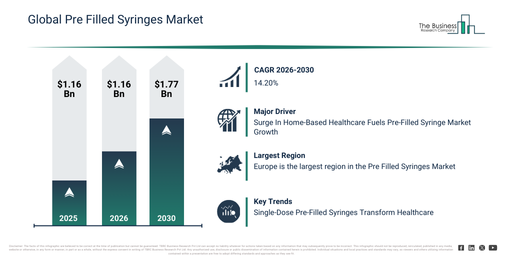
    Looking ahead, the market is forecasted to accelerate further, reaching $18.29 billion by 2030, growing at a CAGR of 14.2%. The anticipated growth is fueled by greater acceptance of self-administration drug formats, rising investments in innovative drug delivery technologies, a growing pipeline of biologic products, emphasis on patient-friendly packaging, and increasing regulatory focus on injection safety. Emerging market trends include the growing use of safety-engineered prefilled syringes, ready-to-use injectable formats, plastic and polymer-based syringes, customized and dual-chamber designs, along with enhanced attention to dose accuracy and sterility.

    Download A Free Sample Report For Comprehensive Market Insights:

    https://www.thebusinessresearchcompany.com/sample.aspx?id=4115&type=smp

    Rising Demand for Home-Based Healthcare Boosts the Pre-Filled Syringes Market

    The expansion of home-based healthcare services is a significant factor propelling the pre-filled syringes market forward. Home-based healthcare delivers medical care and support directly to patients in their own homes, enabling better illness management and improved recovery in familiar surroundings. Pre-filled syringes fit well within this model as they provide precise dosing, minimize contamination risks, and promote patient adherence, thereby improving care quality at home.

    For example, in February 2023, the National Association for Home Care and Hospice reported that around 12 million Americans receive some form of home healthcare annually, and this figure is expected to rise. The growing preference for receiving medical treatments at home is thus expected to drive sustained demand for pre-filled syringes during the forecast period.

    Market Segmentation Highlights for the Pre-Filled Syringes Industry

    This report breaks down the pre-filled syringes market into several important segments:

    1) By Type: Conventional Prefilled Syringes and Safety Prefilled Syringes

    2) By Material: Glass Prefilled Syringes and Plastic Prefilled Syringes

    3) By Design: Single-Chamber Prefilled Syringes, Dual-Chamber Prefilled Syringes, and Customized Prefilled Syringes

    4) By Application: Diabetes, Rheumatoid Arthritis, Anaphylaxis, Cancer, Thrombosis, Ophthalmology, and Other Applications

    Further subdivisions include specific types such as glass and plastic options within conventional syringes, and retractable versus non-retractable needles for safety syringes.

    Access The Complete Pre Filled Syringes Market Report:

    https://www.thebusinessresearchcompany.com/report/pre-filled-syringes-global-market-report

    Innovation Trends Shaping the Pre-Filled Syringes Market Outlook

    Leading healthcare companies are actively seeking regulatory approvals for innovative single-dose pre-filled syringes aimed at treating a variety of conditions, helping them strengthen their market footprint. Single-dose pre-filled syringes are disposable devices preloaded with medication for injection, facilitating ease of use and safety.

    For instance, in March 2023, the FDA approved Emerphed (ephedrine sulfate injection) in 25 mg/5 mL and 50 mg/10 mL single-dose pre-filled syringes produced by Nexus Pharmaceuticals Inc. This approval marked the first FDA-sanctioned 10 mL pre-filled syringe for ephedrine sulfate, showcasing progress toward more convenient injectable treatments.

    Key Players Steering the Pre-Filled Syringes Market

    Several prominent companies hold significant positions in the pre-filled syringes industry, including Becton Dickinson and Company, Gerresheimer AG, Schott & Associates Glass Technology Laboratory, West Pharmaceutical Services Inc., Baxter International, Nipro Corporation, Terumo Corporation, Vetter Pharma International GmbH, Stevanato Group SPA, and Shandong Weigao Group Medical Polymer Company Ltd. Other influential firms include Novartis AG, Catalent Inc., Unilife Corporation, Eli Lilly and Company, Bayer AG, Pfizer Inc., Bristol-Myers Squibb Co., F. Hoffman-La Roche Ltd., AbbVie Inc., Owen Mumford Holdings Ltd., and AptarGroup Inc., among many others.

    Regional Market Overview of the Pre-Filled Syringes Sector

    In 2025, Europe emerged as the largest regional market for pre-filled syringes. The analysis also covers significant regions such as Asia-Pacific, South East Asia, Western Europe, Eastern Europe, North America, South America, the Middle East, and Africa, offering a comprehensive view of the global landscape and growth potential in various territories.

    Get in touch with us:

    The Business Research Company: https://www.thebusinessresearchcompany.com/

    Americas: +1 310-496-7795

    Asia: +44 7882 955267 & +91 8897263534

    Europe: +44 7882 955267

    Email us at: marketing@tbrc.info

    Follow us on:

    LinkedIn: https://in.linkedin.com/company/the-business-research-company

    YouTube: https://www.youtube.com/channel/UC24_fI0rV8cR5DxlCpgmyFQ

    Global Market Model: https://www.thebusinessresearchcompany.com/global-market-model
  • Powered Surgical Instruments Market Growth Outlook Reveals A CAGR Of 6.5% And A Market Value Of $3.33 Billion By 2030

    Powered Surgical Instruments Market Growth Outlook Reveals A CAGR Of 6.5% And A Market Value Of $3.33 Billion By 2030

    Through market attractiveness analysis, total addressable market evaluation, company benchmarking matrices, interactive Excel dashboards, expanded supply chain intelligence, emerging startup coverage, and detailed product insights, The Business Research Company’s 2026 market reports provide more actionable and strategically valuable research.

    The powered surgical instruments market has witnessed significant growth in recent years, driven by technological advancements and rising healthcare needs. As surgical techniques continue to evolve, the demand for efficient, precise, and versatile powered instruments is increasing, shaping the future of this specialized medical equipment sector. Let’s explore the current market size, growth factors, key players, and trends that are influencing this industry.

    Market Size and Projected Growth of the Powered Surgical Instruments Market

    The market for powered surgical instruments has expanded steadily, with revenue expected to rise from $2.45 billion in 2025 to $2.59 billion in 2026, reflecting a compound annual growth rate (CAGR) of 5.9%. This growth is fueled by a higher volume of surgical procedures, greater use of powered tools in orthopedic and neurosurgical surgeries, and improved availability of advanced surgical equipment. Additionally, ongoing hospital infrastructure development supports this upward trend.

    Download A Free Sample Report For Comprehensive Market Insights:

    https://www.thebusinessresearchcompany.com/sample.aspx?id=12614&type=smp

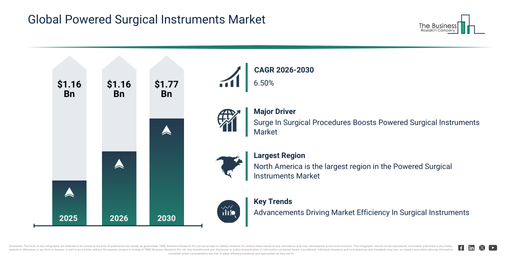
    Looking ahead, the powered surgical instruments market is anticipated to grow even more robustly, reaching $3.33 billion by 2030 at a CAGR of 6.5%. This projected expansion is largely driven by factors such as the increasing adoption of minimally invasive surgical techniques, investments in state-of-the-art operating room technologies, growing demand for cordless instruments, and the rise in outpatient surgeries. Market trends during this period include a greater uptake of battery-powered devices, need for precision-controlled instruments, incorporation of modular and multifunctional platforms, and a stronger emphasis on sterilization compatibility.

    Factors Stimulating Market Growth for Powered Surgical Instruments

    A primary driver behind the rising demand for powered surgical instruments is the growing number of surgical procedures worldwide. Surgery, as a medical discipline, involves treating diseases and injuries through operative methods, with powered instruments simplifying tasks like cutting, drilling, and sawing to enhance efficiency and consistency.

    Access The Complete Powered Surgical Instruments Market Report:

    https://www.thebusinessresearchcompany.com/report/powered-surgical-instruments-global-market-report

    To illustrate, in June 2024, the American Society of Plastic Surgeons reported that liposuction was the most performed plastic surgery in the US during 2023 with nearly 350,000 procedures, marking a 7% increase compared to 2022. Additionally, hand surgeries rose by 2% to 207,887 cases, and maxillofacial surgeries increased by 1% to 52,868. These rising surgical volumes underline the expanding need for powered surgical tools.

    Segment Breakdown and Opportunities Within the Powered Surgical Instruments Market

    The market is categorized into several segments for detailed analysis:

    1) Product Type: Handpiece, Power Source and Control, Accessories

    2) Power Source: Electric Instruments, Battery-Powered Instruments, Pneumatic Instruments

    3) Application Areas: Orthopedic Surgery, Oral and Maxillofacial Surgery, Neurosurgery, ENT Surgery, Plastic and Reconstructive Surgery, Cardiothoracic Surgery, and other uses

    Further subdivisions include:

    – Handpieces such as electric, pneumatic, and battery-powered variants

    – Power sources and control units including electric power units, pneumatic sources, and control systems

    – Accessories comprising attachments, tips, battery packs, and maintenance tools

    Advances and Innovations Impacting the Powered Surgical Instruments Market

    Leading manufacturers in this sector are increasingly introducing cutting-edge products to enhance surgical outcomes. A notable example is the CD NXT System, which provides real-time depth measurement during surgery to improve accuracy and speed.

    In March 2023, Stryker, a US-based medical technology company, launched this innovative power tool featuring automatic cortex-to-cortex measurement, one-step drilling, and compatibility with existing attachments. This technology promises to streamline surgical procedures, reduce errors, and boost the overall effectiveness of powered surgical instruments.

    Prominent Companies Driving Competition in the Powered Surgical Instruments Industry

    Key players shaping the powered surgical instruments market include Johnson and Johnson Inc., Medtronic PLC, Becton Dickinson and Company (BD), Stryker Corporation, B. Braun Melsungen AG, Olympus Corporation, Zimmer Biomet Holdings Inc., Smith and Nephew PLC, Hologic Inc., CooperSurgical Inc., Karl Storz SE and Co. KG, Arthrex Inc., Integra LifeSciences Holdings Corporation, ConMed Corporation, Exactech Inc., Richard Wolf GmbH, NuVasive Inc., Peter Brasseler Holdings LLC., Panther Medical Equipment Co. Ltd., MicroAire Surgical Instruments LLC, Misonix Inc., De Soutter Medical Ltd., KLS Martin Group, Encision Inc., AlloTech Co. Ltd., Adeor Medical AG, Surtex Instruments Limited, Alesi Surgical Ltd., ECA Medical Instruments, and Ceterix Orthopaedics Inc.

    These organizations compete through innovation, product development, and expanding their global reach.

    Geographic Market Leadership and Growth Prospects

    In 2025, North America held the largest share of the powered surgical instruments market, benefiting from advanced healthcare infrastructure and high adoption rates of surgical technologies. Meanwhile, the Asia-Pacific region is expected to experience the fastest growth during the forecast period, driven by increasing healthcare investments, expanding medical facilities, and rising surgical procedure volumes. The market study also covers regions such as Southeast Asia, Western and Eastern Europe, South America, the Middle East, and Africa, providing a comprehensive global perspective.

    Get in touch with us:

    The Business Research Company: https://www.thebusinessresearchcompany.com/

    Americas: +1 310-496-7795

    Asia: +44 7882 955267 & +91 8897263534

    Europe: +44 7882 955267

    Email us at: marketing@tbrc.info

    Follow us on:

    LinkedIn: https://in.linkedin.com/company/the-business-research-company

    YouTube: https://www.youtube.com/channel/UC24_fI0rV8cR5DxlCpgmyFQ

    Global Market Model: https://www.thebusinessresearchcompany.com/global-market-model
  • Powered Surgical Handpieces Market Forecast Highlights Expansion From $2.31 Billion To $2.65 Billion Through 2030

    Powered Surgical Handpieces Market Forecast Highlights Expansion From $2.31 Billion To $2.65 Billion Through 2030

    Delivering more actionable and strategically valuable research, The Business Research Company’s 2026 market reports feature market attractiveness analysis, total addressable market evaluation, company benchmarking matrices, interactive Excel dashboards, expanded supply chain intelligence, emerging startup coverage, and detailed product insights.

    The powered surgical handpieces market is experiencing consistent growth as advancements in medical technology and increasing surgical procedures drive demand. With ongoing innovations and expanding healthcare infrastructure, this sector shows promising potential for continued expansion through the next decade. Let’s explore the market size, key growth factors, segmentation, innovation trends, competitive players, and regional insights shaping this industry.

    Steady Expansion in the Powered Surgical Handpieces Market Size

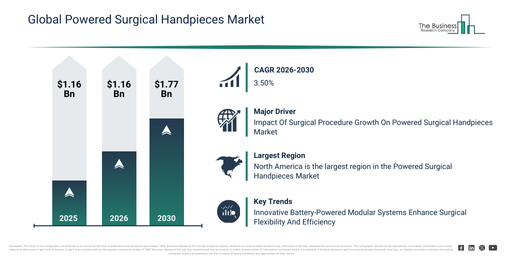
    The market for powered surgical handpieces has steadily increased over recent years and is projected to grow from $2.23 billion in 2025 to $2.32 billion in 2026, reflecting a compound annual growth rate (CAGR) of 3.8%. This historical growth is attributed to a rise in surgical procedures, particularly in orthopedic and trauma surgeries, improvements in surgical instruments, expansion of hospital facilities, and greater availability of powered surgical tools. Looking ahead, the market is expected to reach $2.66 billion by 2030, growing at a CAGR of 3.5%. Factors driving this forecast include wider adoption of minimally invasive surgeries, increased demand for cordless surgical solutions, growth in outpatient surgical centers, a focus on enhancing surgeon efficiency and safety, and continuous innovation in motor and battery technologies. Key trends anticipated during this period involve more battery-powered handpieces, a preference for devices offering high-speed and high-torque performance, ergonomic and lightweight designs, versatile multi-application systems, and improved precision and control.

    Download A Free Sample Report For Comprehensive Market Insights:

    https://www.thebusinessresearchcompany.com/sample.aspx?id=17235&type=smp

    Factors Contributing to Market Growth in Powered Surgical Handpieces

    One major driver supporting market growth is the rising number of surgical procedures performed globally. Improved healthcare services and longer life expectancies have contributed to an increase in surgeries. Additionally, robotic-assisted surgeries, which tend to be less invasive, have encouraged more patients to opt for surgical interventions due to reduced recovery times.

    Powered surgical handpieces play a critical role in surgeries by enhancing surgeon control and efficiency when performing delicate tasks such as cutting and drilling, while also reducing fatigue. This leads to better surgical outcomes and faster patient recoveries. For example, in June 2024, the American Society of Plastic Surgeons reported that minimally invasive procedures rose by 7% in 2023, outpacing overall surgical procedure growth by 2%. Specific hand surgeries, including treatments for carpal tunnel, arthritis, and trigger finger, totaled 207,887 procedures, marking a 2% increase from 2022. These trends underline how increased surgical volumes are propelling demand for powered surgical handpieces.

    Access The Complete Powered Surgical Handpieces Market Report:

    https://www.thebusinessresearchcompany.com/report/powered-surgical-handpieces-global-market-report

    Segment Breakdown of the Powered Surgical Handpieces Market

    This market is categorized based on type, application, and distribution channels.

    By type, the segments include electric-powered, battery-powered, and pneumatic-powered handpieces. Within electric-powered devices, subcategories comprise high-speed drills, surgical saws, surgical drills, reamers, and electric staplers. Battery-powered devices feature cordless surgical drills, battery-powered saws, arthroscopic shavers, and battery-powered screwdrivers. Pneumatic-powered tools cover pneumatic surgical drills, saws, reamers, and microdebriders.

    Applications span orthopedic, ear, nose and throat (ENT), cardiothoracic, neurology, and other surgical areas. Distribution channels are divided into online and offline platforms, facilitating broad product accessibility.

    Innovations Shaping the Powered Surgical Handpieces Industry

    Key players in this market are focusing on cutting-edge innovations such as battery-powered modular systems to enhance surgical flexibility. These systems reduce dependence on pneumatic lines, improve ergonomics, and simplify sterilization processes. Typically, they include cordless handpieces powered by lithium-ion batteries, offering high torque, lightweight designs, and rapid attachment changes. This contrasts with traditional pneumatic tools, which rely on external air pressure and tend to be heavier and more cumbersome.

    For instance, in June 2025, Arthrex Inc., a US medical device company, introduced its Synergy Power System—a versatile, battery-powered orthopedic platform. The system incorporates two ergonomically designed handpieces: a dual-trigger rotary drill and a sagittal saw, both milled from aluminum to cut down on weight. The drill features a twist-collet mechanism for quick and secure attachment swaps, while the saw has an open-hub design that eases cleaning and improves visibility during sterile processing. Powered by 13.2 V lithium-ion batteries available in different sizes, the system delivers 35% more power (as per Arthrex data) and maintains water resistance. It supports a broad variety of attachments and blades suitable for sports medicine, arthroplasty, trauma, and distal extremities surgeries.

    Leading Competitors in the Powered Surgical Handpieces Market

    The powered surgical handpieces market includes several prominent companies such as Johnson And Johnson Services Inc., Medtronic plc, Stryker Corporation, B. Braun, NSK Ltd, Zimmer Biomet Holdings Inc., Smith And Nephew plc, Arthrex Inc., CONMED Corporation, KLS Martin Group, Exactech Inc., Brasseler GmbH And Co., Panther Healthcare Pvt Ltd, MicroAire Surgical Instruments LLC, Desoutter Medical Ltd, MatOrtho Limited, Wuhu Ruijin Medical Instrument And Device Co. Ltd., Aygun Surgical Instruments, Adeor Medical AG, Orthopromed Inc., iMedicom Co. Ltd., and PUSM Medical Device Co. Ltd.

    Regional Market Leadership and Growth Outlook

    In 2025, North America held the largest share of the powered surgical handpieces market. The report also covers other important regions such as Asia-Pacific, South East Asia, Western Europe, Eastern Europe, South America, the Middle East, and Africa, providing a comprehensive view of global market dynamics and growth opportunities.

    Get in touch with us:

    The Business Research Company: https://www.thebusinessresearchcompany.com/

    Americas: +1 310-496-7795

    Asia: +44 7882 955267 & +91 8897263534

    Europe: +44 7882 955267

    Email us at: marketing@tbrc.info

    Follow us on:

    LinkedIn: https://in.linkedin.com/company/the-business-research-company

    YouTube: https://www.youtube.com/channel/UC24_fI0rV8cR5DxlCpgmyFQ

    Global Market Model: https://www.thebusinessresearchcompany.com/global-market-model
  • Powered Mobility Devices Market Expected To Reach $6.46 Billion By 2030 As Growth Accelerates At 6.5% CAGR

    Powered Mobility Devices Market Expected To Reach $6.46 Billion By 2030 As Growth Accelerates At 6.5% CAGR

    Enhanced with market attractiveness analysis, total addressable market evaluation, company benchmarking matrices, interactive Excel dashboards, expanded supply chain intelligence, emerging startup coverage, and detailed product insights, The Business Research Company’s 2026 market reports deliver more actionable and strategically valuable research.

    The powered mobility devices market has seen significant expansion recently and continues to evolve with technological advancements and rising demand. This sector plays a crucial role in improving the independence and quality of life for individuals facing mobility challenges. Let’s delve into the current market size, growth drivers, key trends, major players, and regional outlook shaping this important industry.

    Steady Growth and Market Size of the Powered Mobility Devices Market

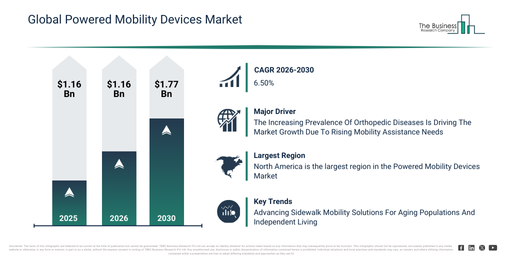
    The powered mobility devices market has experienced notable growth, with its value rising from $4.72 billion in 2025 to an anticipated $5.03 billion in 2026 at a CAGR of 6.6%. This uptrend during the historical period has been largely influenced by the growing number of individuals with mobility impairments, an aging population, limited availability of advanced mobility options, the high cost of traditional manual devices, and supportive government healthcare initiatives. Looking ahead, the market is projected to reach $6.46 billion by 2030, maintaining a strong CAGR of 6.5%. Factors such as the adoption of smart, connected devices, expansion of home care services, advancements in battery and propulsion technology, improved healthcare infrastructure in developing regions, and rising demand for personalized solutions are expected to drive this growth. Key trends likely to shape the market include ergonomic and adaptive designs, lightweight and compact devices, smart safety features like fall detection, greater accessibility in home and community settings, and integration with telehealth and remote monitoring platforms.

    Download A Free Sample Report For Comprehensive Market Insights:

    https://www.thebusinessresearchcompany.com/sample.aspx?id=25882&type=smp

    Increasing Occurrence of Orthopedic Conditions Fuels Market Demand

    A major growth catalyst for the powered mobility devices market is the rising prevalence of orthopedic diseases. These conditions affect the musculoskeletal system—which includes bones, joints, ligaments, tendons, and muscles—often causing pain, mobility limitations, and functional impairments. Factors such as aging demographics, sedentary lifestyles, obesity, and chronic illnesses contribute to increasing rates of these conditions by putting extra strain on the body’s structural systems and reducing their ability to heal naturally. Powered mobility devices help alleviate physical strain, enhance mobility, and significantly improve the quality of life for individuals facing these challenges.

    Data from the UK’s Office for Health Improvement and Disparities highlights this trend. In 2023, 18.4% of people aged 16 and older reported having a long-term musculoskeletal condition, marking an increase from 17.6% in 2022. This growing burden underscores the expanding need for powered mobility solutions designed to support orthopedic patients.

    Access The Complete Powered Mobility Devices Market Report:

    https://www.thebusinessresearchcompany.com/report/powered-mobility-devices-global-market-report

    The Powered Mobility Devices Market Broken Down by Product and Application

    This market is segmented across several categories to cover the diverse range of products and their uses:

    1) By Product Type: Powered Wheelchairs, Power Operated Vehicles, and Power Add-On or Propulsion-Assist Units

    2) By Propulsion Type: Battery Electric, Lithium-Ion Battery Electric, Lead-Acid Battery Electric

    3) By Distribution Channel: Home Care Providers, Online Stores, Retail Stores

    4) By Application: Pediatric and Adult users

    5) By End Use: Home Care, Rehabilitation Centers, Hospitals, and Other settings

    Further subcategories include variations of powered wheelchairs such as rear-wheel, front-wheel, mid-wheel, and standing models. Power operated vehicles include three-wheeled, four-wheeled, heavy-duty, and foldable mobility scooters. Power add-on units come in types like rear-mounted, wheel hub-integrated, hand rim-activated, and towing style.

    Innovations and Trends Shaping the Future of Powered Mobility Devices

    Leading companies in the powered mobility market are focusing on creating innovative solutions that enhance independence for users, especially among the elderly. One notable advancement is the development of sidewalk mobility vehicles, which are compact, battery-operated transport devices designed to help people with limited walking endurance move safely alongside pedestrians on sidewalks.

    For example, in March 2023, Toyota Motor Corporation introduced the C+walk S, a three-wheeled electric mobility device specifically designed for sidewalk use. This device features adjustable speeds up to 6 kilometers per hour, a tight turning radius, and obstacle detection with automatic slowing to improve pedestrian safety. It also includes user-friendly aspects such as a low step for easy boarding, a removable lithium-ion battery with home charging capability, and safety functions like slope detection and speed control, all aimed at promoting secure and independent mobility for older adults or those with reduced walking ability.

    Competitive Landscape and Leading Players in the Powered Mobility Devices Market

    The powered mobility devices market includes numerous key companies driving innovation and manufacturing across the globe. Some of the major players are Ottobock SE & Co. KGaA, Invacare Corporation, Numotion, Drive Medical GmbH, Permobil AB, National Seating & Mobility Inc., Pride Mobility Products Corporation, Kymco Healthcare, GF Health Products Inc., Hoveround Corporation, Golden Technologies Inc., WHILL Inc., Merits Health Products Co. Ltd, MEYRA GmbH, Recare Ltd, Ostrich Mobility Instruments Pvt. Ltd, Karma Medical Products, Karman Healthcare Inc., LEVO AG, Magic Mobility, Shoprider Mobility Products, Batec Mobility, and KD Smart Chair.

    Regional Market Distribution and Growth Opportunities

    In 2025, North America accounted for the largest share of the powered mobility devices market. However, the Asia-Pacific region is forecasted to experience the fastest growth during the coming years. This market report includes comprehensive analysis across key regions such as Asia-Pacific, Southeast Asia, Western Europe, Eastern Europe, North America, South America, the Middle East, and Africa, providing a broad perspective on global market trends and opportunities.

    Get in touch with us:

    The Business Research Company: https://www.thebusinessresearchcompany.com/

    Americas: +1 310-496-7795

    Asia: +44 7882 955267 & +91 8897263534

    Europe: +44 7882 955267

    Email us at: marketing@tbrc.info

    Follow us on:

    LinkedIn: https://in.linkedin.com/company/the-business-research-company

    YouTube: https://www.youtube.com/channel/UC24_fI0rV8cR5DxlCpgmyFQ

    Global Market Model: https://www.thebusinessresearchcompany.com/global-market-model
  • Powered Air-Purifying Respirator (PAPR) Market Set To Grow From $2.9 Billion In 2026 To $3.97 Billion By 2030 At A CAGR Of 8.1%

    Powered Air-Purifying Respirator (PAPR) Market Set To Grow From $2.9 Billion In 2026 To $3.97 Billion By 2030 At A CAGR Of 8.1%

    Through market attractiveness analysis, total addressable market evaluation, company benchmarking matrices, interactive Excel dashboards, expanded supply chain intelligence, emerging startup coverage, and detailed product insights, The Business Research Company’s 2026 market reports provide more actionable and strategically valuable research.

    The powered air-purifying respirator (PAPR) market has witnessed substantial growth in recent years, driven by rising awareness of industrial safety and increasing protective measures for healthcare workers. As various industries expand and adopt stricter respiratory safety standards, the demand for PAPRs continues to rise. Let’s explore the current market size, key drivers, segments, industry trends, and regional insights shaping the future of this essential protective equipment sector.

    Growth Trajectory and Market Size of the Powered Air-Purifying Respirator Market

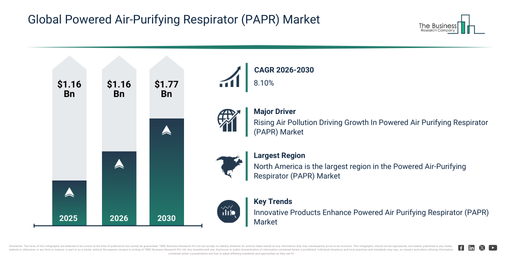
    The PAPR market is projected to grow steadily, increasing from $2.69 billion in 2025 to $2.91 billion in 2026, reflecting a compound annual growth rate (CAGR) of 8.2%. This notable expansion in the past years has resulted from heightened industrial safety consciousness, stricter respiratory protection regulations, the prevalence of hazardous work settings, and a surge in pharmaceutical manufacturing activities. Looking further ahead, the market is expected to reach $3.97 billion by 2030, sustaining an 8.1% CAGR. This forecasted growth is supported by factors such as greater pandemic preparedness, increased investments in occupational safety, wider implementation of biohazard protocols, a growing preference for reusable safety equipment, and ongoing innovations in filtration technologies.

    Download A Free Sample Report For Comprehensive Market Insights:

    https://www.thebusinessresearchcompany.com/sample.aspx?id=10607&type=smp

    Air Pollution as a Key Driver Boosting the Powered Air-Purifying Respirator Market

    The increasing levels of air pollution worldwide are significantly contributing to the demand for powered air-purifying respirators. Air pollution involves harmful gases and particulate matter contaminating the atmosphere, posing serious health risks. PAPRs play a crucial role in filtering these pollutants and providing clean, breathable air to individuals working or living in polluted environments.

    For instance, according to a June 2023 report from the World Health Organization, air pollution and household air pollution cause approximately 7 million premature deaths each year. Moreover, around 2.4 billion people are exposed to dangerous levels of household air pollution due to the use of open fires fueled by kerosene, biomass, and coal for cooking. These alarming statistics highlight why rising air pollution is a powerful factor driving growth in the PAPR market.

    Segment Breakdown and Revenue Potential in the Powered Air-Purifying Respirator Market

    This market is segmented by product type, application, and end-user industry to provide a detailed understanding of revenue opportunities. The product categories include half face mask types, full face mask types, helmets, hoods, and visors.

    Applications cover welding, biohazard protection, pharmaceutical use, and other industrial areas.

    End-user industries include oil and gas, metal fabrication, healthcare, fire services, petrochemical or chemical industries, and other sectors.

    Further subsegments within product types are identified as reusable or tight-fitting half face and full face PAPR masks, and various helmet, hood, and visor configurations such as loose-fitting hoods, helmet-mounted PAPRs, welding helmets with integrated PAPRs, industrial safety helmets with PAPR, and face shields with PAPR airflow.

    Access The Complete Powered Air-Purifying Respirator (PAPR) Market Report:

    https://www.thebusinessresearchcompany.com/report/powered-air-purifying-respirator-papr-global-market-report

    Industry Trends and Innovations Steering Growth in the Powered Air-Purifying Respirator Market

    Leading companies in the PAPR market are focused on advancing air purification technologies to enhance respiratory protection. These innovations concentrate on creating more efficient systems that remove contaminants and improve indoor air quality.

    For example, in August 2024, MSA Safety, a US-based safety product manufacturer, introduced the Optrel Helix Pure Air PAPR and Clearmaxx PAPR. These cutting-edge products employ advanced motor blowers that draw air through filters to deliver purified air directly to the user’s headgear. Designed for welding, grinding, and a variety of industrial applications, these PAPRs represent a significant step forward in respiratory protection technology.

    Top Market Players Influencing the Powered Air-Purifying Respirator Industry

    The PAPR market is shaped by numerous prominent companies, including 3M Company, Allegro Industries Limited, Avon Protection plc, Bullard Company Inc., Drägerwerk AG & Co. KGaA, Gentex Corporation, Honeywell International Inc., ILC Dover LP, Kimberly-Clark Corporation, MSA Safety Incorporated, Optrel AG, Shigematsu Works Co. Ltd., Sundström Safety AB, Bio-Medical Devices International Inc., RSG Safety BV, CleanSpace Technology Pty Ltd., ESAB Group AB, GVS Holding S.r.l., Intech Safety Pvt. Ltd., Max-Air Systems Inc., Moldex-Metric Inc., RPB Safety LLC, Scott Safety, Kappler GmbH & Co. KG, Oxypro LP, PAPRUSA LLC, Pureflo Safety, Survivair, and Uvex Safety Group GmbH & Co. KG, Weldas AG. These firms continually invest in research and development to stay competitive and meet evolving safety demands.

    Regional Market Leadership and Growth Patterns in the PAPR Sector

    In 2025, North America held the largest share of the powered air-purifying respirator market, reflecting strong industrial activity and safety regulation enforcement in the region. Meanwhile, Europe is anticipated to be the fastest-growing region throughout the forecast period, driven by increasing adoption of advanced respiratory protection and stricter occupational safety standards. The market report also covers other key regions such as Asia-Pacific, South East Asia, Western Europe, Eastern Europe, South America, the Middle East, and Africa, providing a comprehensive global view of market developments.

    Get in touch with us:

    The Business Research Company: https://www.thebusinessresearchcompany.com/

    Americas: +1 310-496-7795

    Asia: +44 7882 955267 & +91 8897263534

    Europe: +44 7882 955267

    Email us at: marketing@tbrc.info

    Follow us on:

    LinkedIn: https://in.linkedin.com/company/the-business-research-company

    YouTube: https://www.youtube.com/channel/UC24_fI0rV8cR5DxlCpgmyFQ

    Global Market Model: https://www.thebusinessresearchcompany.com/global-market-model