Month: June 2026

  • Powder Absorbable Hemostat Market Opportunities Are Emerging Beyond Traditional Growth Areas

    Powder Absorbable Hemostat Market Opportunities Are Emerging Beyond Traditional Growth Areas

    Delivering more actionable and strategically valuable research, The Business Research Company’s 2026 market reports feature market attractiveness analysis, total addressable market evaluation, company benchmarking matrices, interactive Excel dashboards, expanded supply chain intelligence, emerging startup coverage, and detailed product insights.

    The market for powder absorbable hemostats has been experiencing notable growth, driven by advancements in surgical methods and increasing awareness about effective blood loss control. As healthcare procedures continue to evolve, this sector is set to expand further, influenced by demographic shifts and technological innovations. Let’s explore the current market size, the key factors pushing demand, important segments, and emerging trends shaping the future of this industry.

    Steady Increase and Projected Growth in the Powder Absorbable Hemostat Market

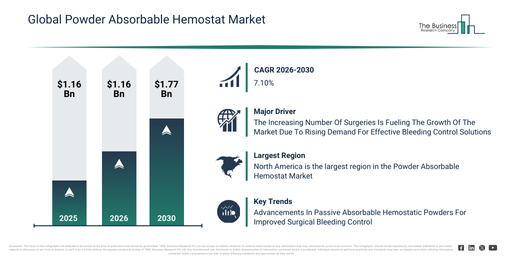
    The powder absorbable hemostat market has shown solid expansion in recent years. It is projected to increase from $2.48 billion in 2025 to $2.66 billion in 2026, registering a compound annual growth rate (CAGR) of 7.3%. This upward trend stems from the rising number of surgical interventions, growing awareness around managing blood loss effectively, the availability of materials like collagen and gelatin, a demand for rapid hemostasis, and the adoption of modern surgical technologies. Looking ahead, the market is expected to reach $3.5 billion by 2030, growing at a CAGR of 7.1%. Factors contributing to this future growth include breakthroughs in powder hemostat formulations, the rise in minimally invasive surgeries, expansion of ambulatory surgical centers, an aging population, and increased healthcare spending. Forecasted market trends also point to the growing popularity of minimally invasive procedures, fast-acting hemostatic solutions, biocompatible and bioresorbable materials, customizable powder formulations, and the rise of outpatient surgical treatments.

    Download A Free Sample Report For Comprehensive Market Insights:

    https://www.thebusinessresearchcompany.com/sample.aspx?id=25881&type=smp

    Increasing Surgical Procedures as a Key Growth Driver in the Powder Absorbable Hemostat Market

    The rising number of surgeries worldwide is a major factor boosting demand for powder absorbable hemostats. Surgical operations, which involve direct intervention either manually or with instruments to treat injuries or manage diseases, have been increasing due to the growing prevalence of chronic conditions that often require surgical care. This surge in surgeries heightens the need for effective bleeding control solutions, making powder absorbable hemostats valuable for their ability to provide quick and precise hemostasis, particularly in delicate or minimally invasive procedures, thereby improving patient outcomes. For example, in March 2023, the British Association of Aesthetic Plastic Surgeons reported that 31,057 cosmetic surgeries were performed in the UK in 2022, representing a 102% increase from the previous year. This substantial growth in surgery numbers supports the expanding market for powder absorbable hemostats.

    Technological Advances Driving Demand in the Powder Absorbable Hemostat Market

    Innovation plays a crucial role in expanding the powder absorbable hemostat market. Companies are focusing on developing advanced products such as plant-based polysaccharide absorbable hemostat powders, which improve clotting efficiency and enhance safety during surgical procedures. Made from refined natural starch, these powders quickly absorb blood to initiate clotting and are fully bioresorbable, eliminating the need for removal after use. For instance, in July 2023, Baxter International Inc., a U.S.-based healthcare company, introduced PERCLOT—a starch-derived passive absorbable hemostatic powder designed for patients with intact coagulation to manage mild surgical bleeding. PERCLOT’s granules rapidly absorb water, forming a gelled adhesive barrier that promotes clot formation by attracting platelets, red blood cells, and coagulation proteins. This product complements Baxter’s existing hemostat portfolio by helping reduce blood transfusions, complications, and overall healthcare costs.

    Access The Complete Powder Absorbable Hemostat Market Report:

    https://www.thebusinessresearchcompany.com/report/powder-absorbable-hemostat-global-market-report

    Detailed Segmentation of the Powder Absorbable Hemostat Market

    The powder absorbable hemostat market is categorized into multiple segments for better market analysis:

    – Product Type: Collagen-Based Hemostats, Gelatin-Based Hemostats, Cellulose-Based Hemostats, Combination Hemostats

    – Formulation: Powder Formulations, Ready-To-Use Formulations, Pre-Mixed Formulations, Custom Formulations

    – Distribution Channel: Direct Sales, Distributors

    – Application: Surgical Procedures, Trauma Care, Orthopedic Surgeries, Cardiovascular Surgeries

    – End-User: Hospitals, Ambulatory Surgical Centers, Specialty Clinics, Outpatient Surgery Facilities, Other End-Users

    Further subcategories include:

    – Collagen-Based Hemostats: Bovine Collagen Hemostats, Porcine Collagen Hemostats, Synthetic Collagen Hemostats

    – Gelatin-Based Hemostats: Porcine Gelatin Hemostats, Bovine Gelatin Hemostats, Recombinant Gelatin Hemostats

    – Cellulose-Based Hemostats: Oxidized Regenerated Cellulose (ORC) Hemostats, Oxidized Cellulose Hemostats, Carboxymethyl Cellulose Hemostats

    – Combination Hemostats: Collagen + Gelatin, Collagen + Cellulose, Gelatin + Cellulose, and Multi-component (Collagen + Gelatin + Cellulose) Hemostats

    Competitive Landscape of the Powder Absorbable Hemostat Market

    The powder absorbable hemostat market features several key players leading product innovation and market penetration. These include Johnson & Johnson, Baxter International, Integra LifeSciences Corporation, Hangzhou Singclean Medical Products Co. Ltd., Gelita Medical GmbH, Algan Grup Sağlık Hizmetleri, Ferrosan Medical Devices, Hemostasis LLC, CuraMedical B.V., BioCer Entwicklungs GmbH, Medcura Inc., Starch Medical Inc., Aegis Lifesciences, Hemostat Medical GmbH, B. Braun Melsungen AG, Pfizer Hospital Products, Advanced Medical Solutions Group plc, Marine Polymer Technologies Inc., Anika Therapeutics Inc., Teleflex Medical, Ethicon Biosurgery, and Z Medica LLC. Their competitive efforts drive innovation and expand product offerings in this evolving field.

    Regional Distribution and Growth Highlights in the Powder Absorbable Hemostat Market

    In 2025, North America held the largest share of the powder absorbable hemostat market, reflecting the region’s advanced healthcare infrastructure and high adoption of surgical innovations. Meanwhile, the Asia-Pacific region is expected to emerge as the fastest-growing market during the forecast period, driven by increasing healthcare investments, growing surgical volumes, and expanding medical facilities. The market study includes key geographic areas such as Asia-Pacific, South East Asia, Western Europe, Eastern Europe, North America, South America, the Middle East, and Africa, providing a comprehensive global perspective.

    Get in touch with us:

    The Business Research Company: https://www.thebusinessresearchcompany.com/

    Americas: +1 310-496-7795

    Asia: +44 7882 955267 & +91 8897263534

    Europe: +44 7882 955267

    Email us at: marketing@tbrc.info

    Follow us on:

    LinkedIn: https://in.linkedin.com/company/the-business-research-company

    YouTube: https://www.youtube.com/channel/UC24_fI0rV8cR5DxlCpgmyFQ

    Global Market Model: https://www.thebusinessresearchcompany.com/global-market-model
  • Posture Correction Strap Market Expansion Is Opening New Pathways For Strategic Investment

    Posture Correction Strap Market Expansion Is Opening New Pathways For Strategic Investment

    Enhanced with market attractiveness analysis, total addressable market evaluation, company benchmarking matrices, interactive Excel dashboards, expanded supply chain intelligence, emerging startup coverage, and detailed product insights, The Business Research Company’s 2026 market reports deliver more actionable and strategically valuable research.

    The posture correction strap market has been experiencing significant growth, driven by evolving lifestyle factors and increasing health awareness. As more people seek solutions to improve posture and relieve musculoskeletal discomfort, this market is set to expand further in the coming years. Here, we explore the current market size, key growth drivers, product segments, competitive landscape, and regional trends shaping this industry.

    Current Size and Expected Growth Trajectory of the Posture Correction Strap Market

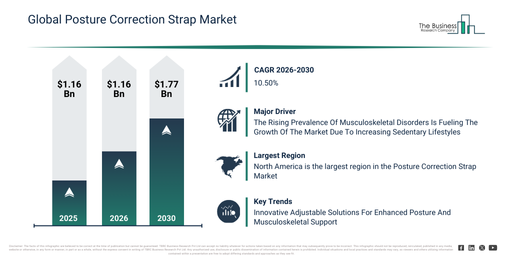
    The posture correction strap market has shown rapid expansion recently, with its size projected to increase from $1.62 billion in 2025 to $1.8 billion in 2026, reflecting a compound annual growth rate (CAGR) of 10.8%. This growth during the past period is largely due to a rise in sedentary lifestyles, an increase in cases of back and shoulder pain, the growing popularity of home fitness routines, the demand for non-invasive posture correction solutions, and the affordability of wearable support devices. Looking ahead, the market is expected to reach $2.68 billion by 2030, expanding at a CAGR of 10.5%. Factors driving this future growth include the adoption of smart posture monitoring technologies, improvements in workplace ergonomics, integration with mobile health applications, heightened preventive healthcare awareness, and an expanding elderly population. Key trends anticipated during this forecast period involve daily wear posture supports, adjustable ergonomic designs, sensor-based smart posture correction devices, lightweight breathable materials, and a focus on preventive musculoskeletal care.

    Download A Free Sample Report For Comprehensive Market Insights:

    https://www.thebusinessresearchcompany.com/sample.aspx?id=29155&type=smp

    Increasing Rates of Musculoskeletal Disorders Boosting Market Demand

    One of the primary factors propelling the posture correction strap market is the growing prevalence of musculoskeletal disorders (MSDs). These conditions affect muscles, bones, joints, tendons, or ligaments and often cause pain, stiffness, and limited mobility. The rise in MSDs is closely connected to sedentary behavior, where prolonged sitting and minimal physical activity place excessive strain on muscles and joints. Posture correction straps play a vital role by aiding proper spinal alignment, reducing muscle and joint stress caused by poor posture, and promoting correct posture to alleviate tension and discomfort, ultimately helping to prevent musculoskeletal issues. For example, in January 2024, the Office for Health Improvement & Disparities in the UK reported that in 2023, 18.4% of individuals aged 16 and above had a long-term musculoskeletal condition, up from 17.6% in 2022. This upward trend in MSD prevalence is a significant factor driving market expansion.

    Remote Work Trends Encouraging Increased Use of Posture Correction Straps

    The expanding acceptance of remote work is another important driver supporting growth in the posture correction strap market. Remote work allows employees to perform their duties outside of traditional office settings, typically from home, using digital communication tools. Its growing popularity is attributed to enhanced work-life balance, flexibility in managing personal and professional tasks, reduced commuting time, and the potential for a healthier lifestyle. Posture correction straps assist remote workers by maintaining proper spinal alignment during long sitting periods, easing neck and back strain, improving posture, reducing discomfort, and enhancing focus and productivity. For instance, data from the UK’s Office for National Statistics in February 2023 showed that between September 2022 and January 2023, 16% of working adults worked exclusively from home, while 28% combined home and office work. This shift toward remote work is contributing to higher demand for posture correction aids.

    Access The Complete Posture Correction Strap Market Report:

    https://www.thebusinessresearchcompany.com/report/posture-correction-strap-global-market-report

    Product Types and Market Segments Expanding in the Posture Correction Strap Industry

    This report segments the posture correction strap market into various categories:

    1) Product Type: Adjustable Posture Straps, Magnetic Posture Straps, Smart Posture Straps

    2) Material: Neoprene, Cotton, Elastic, Other Materials

    3) Distribution Channel: Online Stores, Pharmacies, Specialty Stores, Other Distribution Channels

    4) Application: Adults, Elderly

    5) End-User: Personal, Clinical, Sports

    Further subdivisions within these categories include specific types such as elastic shoulder retractor straps, figure-eight shoulder braces, clavicle support straps, upper back trainer harnesses, neoprene adjustable straps, breathable mesh straps, magnetic clavicle supports, adjustable magnetic shoulder retractors, removable magnet insert straps, flexible magnet matrix straps, and smart posture straps equipped with sensors, vibration feedback, mobile app connections, and Internet of Things (IoT) technology.

    Competitive Innovations and Product Developments in the Posture Correction Strap Market

    Leading companies in this sector are focusing on innovation to deliver enhanced posture support and user comfort. One notable development is adjustable strap-based shapewear that not only improves spinal alignment but also reduces musculoskeletal discomfort through targeted compression and customizable fit. For example, in December 2024, Etalon, a US-based posture wellness company, was granted a U.S. patent for its posture-correcting bra featuring an adjustable strap system that allows gradual tension adjustment for optimal comfort and muscle memory training to strengthen posture over time. This product is designed inclusively, especially for women with larger busts, offering gentle support that enhances confidence without sacrificing comfort.

    Top Players Dominating the Posture Correction Strap Market

    Key companies shaping the posture correction strap market include Vissco Rehabilitation Aids Pvt. Ltd., Tynor Orthotics Private Limited, Mueller Sports Medicine Inc., Neo G Limited, Beagle Orthopaedic Limited, JSB Healthcare Ltd., OPPO Medical, PostureNOW, Vive Health, BetterBack, BraceAbility, Thuasne SA, Comfy Brace, PostureMedic, ComfyMed, LP Support, Upright Technologies, BackEmbrace, Truweo Posture, Dr Arthritis, Ontel Products, Gaiam Inc., AlignMed, and Lumo Bodytech. These players focus on expanding product portfolios and leveraging technological advancements to capture market share.

    Geographical Insights Highlighting Regional Growth Patterns

    In 2025, North America accounted for the largest share of the posture correction strap market. However, the Asia-Pacific region is anticipated to witness the fastest growth over the forecast period. The market study encompasses regions such as Asia-Pacific, South East Asia, Western Europe, Eastern Europe, North America, South America, the Middle East, and Africa, providing a detailed view of global market trends and emerging opportunities.

    Get in touch with us:

    The Business Research Company: https://www.thebusinessresearchcompany.com/

    Americas: +1 310-496-7795

    Asia: +44 7882 955267 & +91 8897263534

    Europe: +44 7882 955267

    Email us at: marketing@tbrc.info

    Follow us on:

    LinkedIn: https://in.linkedin.com/company/the-business-research-company

    YouTube: https://www.youtube.com/channel/UC24_fI0rV8cR5DxlCpgmyFQ

    Global Market Model: https://www.thebusinessresearchcompany.com/global-market-model
  • Posture Correction Market Trends Are Creating New Opportunities For Industry Leaders

    Posture Correction Market Trends Are Creating New Opportunities For Industry Leaders

    Through market attractiveness analysis, total addressable market evaluation, company benchmarking matrices, interactive Excel dashboards, expanded supply chain intelligence, emerging startup coverage, and detailed product insights, The Business Research Company’s 2026 market reports provide more actionable and strategically valuable research.

    The posture correction market has been steadily expanding, driven by lifestyle changes and increasing health awareness. As more people seek solutions to improve their spinal health and overall well-being, this sector is poised for continued growth. Let’s explore the current market size, key growth factors, main players, and emerging trends shaping the posture correction industry.

    Posture Correction Market Size and Growth Outlook

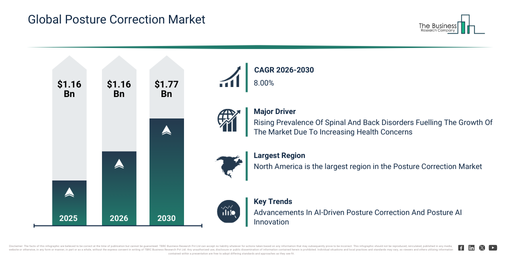
    The posture correction market has seen significant growth in recent years. It is projected to increase from $1.61 billion in 2025 to $1.74 billion in 2026, representing a compound annual growth rate (CAGR) of 8.1%. This earlier growth phase was largely fueled by sedentary work habits, a rise in back and neck pain cases, heightened awareness about posture-related health concerns, greater availability of ergonomic products, and a surge in home wellness practices. Looking ahead, the market is expected to reach $2.36 billion by 2030, maintaining a CAGR of 8.0%. Factors contributing to this forecast include the integration of AI-based posture analytics, growing demand for customized posture correction programs, expansion of remote work setups, increased focus on preventive healthcare, and wider adoption of smart wellness devices. Key trends anticipated during this period involve the rising use of smart posture monitoring gadgets, ergonomic seating solutions, wearable posture correctors, app-centered posture training, and a stronger emphasis on musculoskeletal preventive care.

    Download A Free Sample Report For Comprehensive Market Insights:

    https://www.thebusinessresearchcompany.com/sample.aspx?id=23480&type=smp

    Drivers Behind the Posture Correction Market Growth

    The increasing incidence of spinal and back conditions is a major factor boosting the posture correction market. These disorders encompass a variety of issues affecting the spine, muscles, or nerves, often leading to discomfort, stiffness, and limited mobility. Modern sedentary lifestyles contribute to poor posture and muscle weakening, putting extra strain on the spine and resulting in chronic pain and degenerative conditions. Correcting posture effectively helps by promoting proper spinal alignment, easing muscle and joint stress, and preventing long-term musculoskeletal problems.

    For example, data from Gov.UK in January 2024 highlighted that the prevalence of long-term musculoskeletal (MSK) conditions among individuals aged 16 and older rose from 17.6% in 2022 to 18.4% in 2023, with rates at 20.9% for females and 15.8% for males. This growing prevalence underlines the importance of posture correction solutions in managing spinal health, thus driving market expansion.

    Access The Complete Posture Correction Market Report:

    https://www.thebusinessresearchcompany.com/report/posture-correction-global-market-report

    Posture Correction Market Segmentation Highlights

    This market is divided into several key segments to capture diverse product types, distribution methods, and end-user groups. These include:

    1) Product Categories: Sitting Support Devices, Kinesiology Tape, Posture Braces, and Other Products

    2) Distribution Channels: Online Stores, Pharmacies, Specialty Stores, and other outlets

    3) End-User Groups: Children, Adults, and Elderly populations

    More detailed subsegments cover specific products such as ergonomic office chairs, lumbar cushions, seat wedges, posture-correcting cushions, kneeling chairs under sitting support devices; various types of kinesiology tapes including pre-cut strips and waterproof versions; different posture braces targeting upper back, lower back, shoulders, adjustable supports, and magnetic braces; and other offerings like posture-correcting apps, wearable devices, training tools, and smart posture sensors.

    Emerging Trends Shaping Long-Term Demand in Posture Correction

    Leading companies in this space are increasingly investing in AI-driven posture correction technology to enhance monitoring and provide real-time feedback. This AI-enabled approach uses sensor data and machine learning to analyze posture continuously, offering tailored guidance to improve alignment and prevent musculoskeletal issues.

    For example, in July 2024, Neurabody S.A., a health tech firm based in Luxembourg, introduced Posture AI. This innovative solution goes beyond merely detecting poor posture by predicting future posture patterns and risks. Its dedicated mobile app delivers personalized exercise plans and behavioral advice, empowering users to proactively manage their spinal health rather than reacting to discomfort after it occurs.

    Key Industry Players Dominating the Posture Correction Market

    Several prominent companies hold strong positions within the posture correction market, including Ottobock, Sun Impex, Aspen Medical Products LLC, KT Tape, ITA-Med Co, Rehan International Co Ltd, PostureNOW, AlignMed, Swedish Posture, BetterBack, IntelliSkin, Vive Health, Veridicus Health Care Private Limited, UPRIGHT Posture Training Device, BackJoy Orthotics LLC, Comfy Brace, Evoke Pro, VCOR Healthcare, Bauerfeind AG, Thuasne Group, DJO Global, and Neo G Medical. These firms continue to innovate and expand their product offerings to meet evolving consumer demands.

    Regional Market Leadership and Growth Prospects

    In 2025, North America held the largest share of the posture correction market. However, the fastest growth is anticipated in the Asia-Pacific region throughout the forecast period. The report covers significant regions including Asia-Pacific, South East Asia, Western Europe, Eastern Europe, North America, South America, the Middle East, and Africa, providing a comprehensive view of global market dynamics.

    Get in touch with us:

    The Business Research Company: https://www.thebusinessresearchcompany.com/

    Americas: +1 310-496-7795

    Asia: +44 7882 955267 & +91 8897263534

    Europe: +44 7882 955267

    Email us at: marketing@tbrc.info

    Follow us on:

    LinkedIn: https://in.linkedin.com/company/the-business-research-company

    YouTube: https://www.youtube.com/channel/UC24_fI0rV8cR5DxlCpgmyFQ

    Global Market Model: https://www.thebusinessresearchcompany.com/global-market-model
  • Positron Emission Tomography (PET) Scanners Market Growth Is Reshaping Competitive Advantage Across The Industry

    Positron Emission Tomography (PET) Scanners Market Growth Is Reshaping Competitive Advantage Across The Industry

    Delivering more actionable and strategically valuable research, The Business Research Company’s 2026 market reports feature market attractiveness analysis, total addressable market evaluation, company benchmarking matrices, interactive Excel dashboards, expanded supply chain intelligence, emerging startup coverage, and detailed product insights.

    The positron emission tomography (PET) scanners market has experienced significant growth recently, driven by advancements in technology and increasing demand for precise diagnostic tools. This market is set to continue expanding as new innovations, rising disease prevalence, and growing healthcare infrastructure push forward the adoption of PET scanners worldwide. Below is a detailed exploration of this market’s size, key growth factors, segmentation, emerging trends, major players, and regional dynamics.

    Steady Growth Prospects for the Positron Emission Tomography (PET) Scanners Market

    The PET scanners market size has shown strong momentum and is projected to increase from $1.58 billion in 2025 to $1.66 billion in 2026, reflecting a compound annual growth rate (CAGR) of 5.2%. Historical growth has been supported by factors such as the rising incidence of cancer and chronic diseases that require functional imaging, increased adoption of PET-CT systems in oncology diagnostics, early availability of advanced detector technologies like gadolinium oxyorthosilicate and bismuth germanium oxide, expansion of imaging infrastructure in hospitals and specialty centers, and growing clinical evidence supporting PET imaging for treatment planning.

    Download A Free Sample Report For Comprehensive Market Insights:

    https://www.thebusinessresearchcompany.com/sample.aspx?id=13212&type=smp

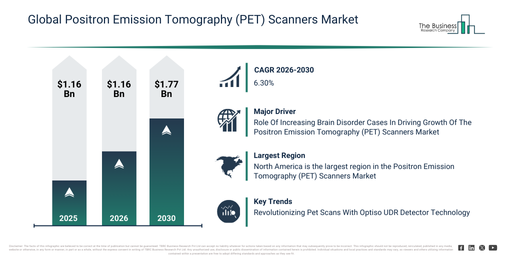
    Looking ahead, the market is forecast to reach $2.12 billion by 2030 with an accelerated CAGR of 6.3%. This anticipated growth stems from the rising demand for hybrid PET-MRI and advanced PET-CT platforms, increased use of lutetium fine silicate and lutetium oxyorthosilicate detectors, expanding applications in cardiology and neurology, wider access to PET scanners in emerging healthcare markets, and a stronger focus on precision imaging for personalized therapy evaluation. Key trends shaping the market’s future include growing adoption of PET-CT and PET-MRI for comprehensive disease diagnosis and monitoring, more frequent use of PET in oncology for cancer detection and treatment assessment, preference for hybrid and high-resolution PET imaging systems, expansion of PET imaging applications into cardiology, neurology, and gastroenterology, and the broader deployment of PET scanners in hospitals and diagnostic centers.

    Increasing Brain Disorder Cases Fueling PET Scanners Market Expansion

    One of the primary factors propelling growth in the PET scanners market is the rising prevalence of brain disorders. These conditions, which impact normal brain function due to illness, genetics, or injury, require sophisticated imaging techniques for diagnosis and management. PET scans utilize radioactive tracers to reveal both normal and abnormal metabolic activity within the brain, helping to monitor brain function, disease progression, and responses to treatment. PET imaging can detect conditions that might not be visible with other imaging methods.

    Access The Complete Positron Emission Tomography (PET) Scanners Market Report:

    https://www.thebusinessresearchcompany.com/report/positron-emission-tomography-pet-scanners-global-market-report

    For example, according to the Alzheimer’s Association in March 2024, approximately 6.9 million Americans aged 65 and older are living with Alzheimer’s dementia, and this number is expected to reach 13.8 million by 2060. This growing patient population underscores the increasing demand for PET scanners to support diagnosis and treatment monitoring, driving market expansion.

    Segmentation of the Positron Emission Tomography (PET) Scanners Market

    This report segments the PET scanners market into key categories to highlight areas of greatest opportunity:

    1) By Modality:

    – PET-CT (Positron Emission Tomography-Computed Tomography)

    – PET-MRI (Positron Emission Tomography-Magnetic Resonance Imaging)

    2) By Detector Type:

    – Gadolinium Oxyorthosilicate

    – Lutetium Fine Silicate

    – Bismuth Germanium Oxide

    – Lutetium Oxyorthosilicate

    3) By Application Area:

    – Cardiology

    – Neurology

    – Oncology

    – Orthopedics

    – Urology

    – Gastroenterology

    – Other Applications

    4) By End User:

    – Hospitals

    – Diagnostic Centers

    – Other End-Users

    Further subcategories under PET-CT include standalone and hybrid systems, while PET-MRI offerings are divided into dedicated systems.

    Innovation Trends Enhancing Future Growth in the PET Scanners Market

    Leading companies in the PET scanner market are pushing the boundaries of technology by incorporating advanced detector systems like the Optiso Ultra Dynamic Range (UDR). This next-generation detector technology combines multiple innovations to deliver reliable performance across a wide range of count rates, significantly improving image quality and diagnostic accuracy, especially for patients receiving high-activity tracers.

    A prime example is Siemens Healthineers AG, which in June 2023 introduced the Biograph Vision X scanner. This PET/CT system utilizes Optiso UDR technology and silicon photomultiplier (SiPM) sensors to employ small 3.2 mm x 3.2 mm lutetium oxyorthosilicate (LSO) crystals. These features provide enhanced spatial resolution and a time-of-flight (TOF) precision of 178 picoseconds. The scanner delivers impressive 48-mm3 volumetric resolution and a 20% performance improvement in TOF gain, demonstrating the impact of cutting-edge detector technology on diagnostic imaging.

    Key Players Steering Competition in the PET Scanners Market

    Some of the major companies shaping the PET scanners market landscape include Hitachi Ltd., Canon Medical Systems USA Inc., Toshiba Corporation, Siemens Healthineers, Fujifilm Holdings Corporation, Koninklijke Philips N.V., GE HealthCare, CMR Naviscan Corporation, Shimadzu Corporation, Neusoft Medical Systems Co. Ltd., Mediso Medical Imaging Systems, Cubresa Inc., Oncovision, Mediso Ltd., MR Solutions Group Ltd., MinFound Medical Systems Co. Ltd, PETsys Electronics SA, Positron Corporation, RefleXion Medical, and EdgePoint Medical. These organizations are engaged in continuous product innovation and strategic collaborations to enhance their market position.

    Regional Overview: Where the PET Scanners Market is Expanding

    In 2025, North America held the largest share of the PET scanners market. However, the Asia-Pacific region is anticipated to emerge as the fastest-growing market over the upcoming years. Other key regions covered in the market analysis include South East Asia, Western Europe, Eastern Europe, South America, the Middle East, and Africa, providing a comprehensive view of global growth patterns and opportunities in this sector.

    Get in touch with us:

    The Business Research Company: https://www.thebusinessresearchcompany.com/

    Americas: +1 310-496-7795

    Asia: +44 7882 955267 & +91 8897263534

    Europe: +44 7882 955267

    Email us at: marketing@tbrc.info

    Follow us on:

    LinkedIn: https://in.linkedin.com/company/the-business-research-company

    YouTube: https://www.youtube.com/channel/UC24_fI0rV8cR5DxlCpgmyFQ

    Global Market Model: https://www.thebusinessresearchcompany.com/global-market-model
  • Positron Emission Tomography (PET) Radiotracer Market Forecast Signals New Revenue Opportunities Through 2030

    Positron Emission Tomography (PET) Radiotracer Market Forecast Signals New Revenue Opportunities Through 2030

    Enhanced with market attractiveness analysis, total addressable market evaluation, company benchmarking matrices, interactive Excel dashboards, expanded supply chain intelligence, emerging startup coverage, and detailed product insights, The Business Research Company’s 2026 market reports deliver more actionable and strategically valuable research.

    The positron emission tomography (PET) radiotracer market has witnessed significant growth over recent years, driven by advancements in medical imaging and increasing demand for precise diagnostic tools. As healthcare providers continue to adopt innovative technologies, this market is positioned for substantial expansion in the coming years. Let’s explore the current market size, key growth drivers, major players, emerging trends, and regional dynamics shaping the future of the PET radiotracer sector.

    Market Size and Growth Outlook for the PET Radiotracer Market

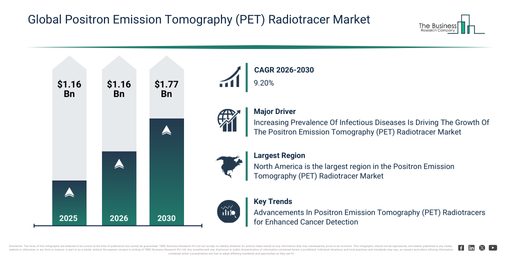
    The PET radiotracer market has expanded steadily, with its size rising from $2.54 billion in 2025 to $2.78 billion in 2026, reflecting a compound annual growth rate (CAGR) of 9.2%. This growth stems from factors such as increasing cancer diagnosis rates, the proliferation of nuclear medicine facilities, widespread use of FDG-based imaging, availability of cyclotron infrastructure, and the broader expansion of diagnostic imaging services. Looking ahead, the market is forecasted to reach $3.95 billion by 2030, maintaining the same CAGR of 9.2%. Drivers during this period will include rising demand for precision diagnostics, growing investments in radiopharmaceutical research and development, expanded applications in theranostics, and greater adoption of PET imaging in neurology and cardiology. Additionally, the market will benefit from increasing regulatory approvals for new tracers, the development of target-specific radiotracers, and an enhanced focus on personalized nuclear medicine.

    Download A Free Sample Report For Comprehensive Market Insights:

    https://www.thebusinessresearchcompany.com/sample.aspx?id=19152&type=smp

    Factors Contributing to the Surge in PET Radiotracer Demand

    One of the prominent factors fueling market growth is the rising prevalence of infectious diseases worldwide. These diseases, caused by bacteria, viruses, fungi, or parasites, are becoming more common due to influences such as climate change, urbanization, globalization, antibiotic resistance, and shifts in human behavior that facilitate pathogen spread. PET radiotracers assist in managing infectious diseases by visualizing metabolic activity and inflammation, which helps detect infections, monitor treatment effectiveness, and differentiate between infectious and non-infectious conditions, ultimately improving patient care.

    For instance, a report released by the UK Health Security Agency in February 2024 indicated that tuberculosis (TB) cases in England increased by 10.7% in 2023, with 4,850 cases recorded compared to 4,380 in 2022. This rise in infectious diseases like TB underscores the growing need for PET radiotracers in clinical diagnostics, further driving the market’s expansion.

    Access The Complete Positron Emission Tomography (PET) Radiotracer Market Report:

    https://www.thebusinessresearchcompany.com/report/positron-emission-tomography-pet-radiotracer-global-market-report

    Breakdown of PET Radiotracer Market Segments

    The PET radiotracer market is divided into key segments based on radiotracer type, application, and end-user. By radiotracer type, the market includes F-18 (Fluorodeoxyglucose 18), Ga-68 (Fibroblast Activation Protein Inhibitor), and other radiotracer varieties. The F-18 category further comprises F-18 FDG, F-18 Fluoroethyltyrosine (FET), and F-18 Florbetapir, mainly used for amyloid PET imaging. Ga-68 subtypes include Ga-68 Dotatate for neuroendocrine tumor imaging, Ga-68 PSMA for prostate-specific membrane antigen imaging, and Ga-68 FAPI for fibroblast activation protein inhibitor imaging. Other radiotracer types cover isotopes like C-11, N-13, O-15, Rb-82, and I-124.

    Regarding applications, PET radiotracers are utilized in cancer diagnostics, heart disease, gastrointestinal and endocrine disorders, neurological conditions, and other medical uses. The primary end-users of these radiotracers are hospitals, diagnostic centers, and other healthcare facilities.

    Innovations and Trends Driving the PET Radiotracer Market

    Leading companies in the PET radiotracer field are investing heavily in developing innovative diagnostic solutions to improve cancer detection and patient outcomes. PET imaging agents, which are radioactive substances used during scans to visualize biological processes, are at the forefront of this development. For example, in March 2023, IsoLogic Innovative Radiopharmaceuticals, based in Canada, introduced Illuccix (also called the Ga-68 Gozetotide Preparation Kit or PSMA-11) for prostate cancer imaging. This agent helps physicians detect metastatic prostate cancer and make informed treatment decisions, particularly useful for patients suspected of metastasis or recurrence indicated by elevated serum prostate-specific antigen (PSA) levels.

    Another important trend is the ongoing development and approval of novel, target-specific radiotracers that expand PET imaging applications beyond traditional uses. This includes the adoption of new isotopes and the growth of personalized nuclear medicine, leveraging short-half-life radiotracers to tailor diagnostics and therapies to individual patient needs.

    Competitive Landscape of the PET Radiotracer Market

    Several prominent companies drive competition and innovation in this market. These include Cardinal Health Inc., GE Healthcare Technologies Inc., Bracco Imaging S.p.A., Lantheus Holdings Inc., Jubilant Pharma Limited, SOFIE Biosciences, Yantai Dongcheng Pharmaceutical Group Co. Ltd., Nordion Inc., IsoLogic Innovative Radiopharmaceuticals, ABX Advanced Biochemical Compounds GmbH, IBA Radiopharma Solutions S.A., ImaginAb Inc., Radiomedix Inc., Curium Pharma, Blue Earth Diagnostics Ltd., Eckert & Ziegler Radiopharma GmbH, Advanced Accelerator Applications (Novartis), Telix Pharmaceuticals Limited, PETNET Solutions Inc., and Piramal Imaging. These companies are focused on expanding their product portfolios, pursuing regulatory approvals, and enhancing production capabilities to meet rising market demand.

    Geographical Insights Highlighting Regional Market Dynamics

    In 2025, North America led the PET radiotracer market in terms of revenue, benefiting from advanced healthcare infrastructure and high adoption rates of nuclear medicine technologies. However, the Asia-Pacific region is expected to experience the fastest growth throughout the forecast period. This is driven by increasing healthcare investments, expanding diagnostic services, and growing awareness of precision medicine in countries across Asia-Pacific, South East Asia, Western Europe, Eastern Europe, South America, the Middle East, and Africa.

    Overall, the PET radiotracer market is set for robust growth fueled by technological advancements, expanding applications in various medical fields, and rising demand for accurate diagnostics worldwide.

    Get in touch with us:

    The Business Research Company: https://www.thebusinessresearchcompany.com/

    Americas: +1 310-496-7795

    Asia: +44 7882 955267 & +91 8897263534

    Europe: +44 7882 955267

    Email us at: marketing@tbrc.info

    Follow us on:

    LinkedIn: https://in.linkedin.com/company/the-business-research-company

    YouTube: https://www.youtube.com/channel/UC24_fI0rV8cR5DxlCpgmyFQ

    Global Market Model: https://www.thebusinessresearchcompany.com/global-market-model
  • Positive Airway Pressure Devices Market Growth Is Accelerating As Industry Transformation Continues

    Positive Airway Pressure Devices Market Growth Is Accelerating As Industry Transformation Continues

    Through market attractiveness analysis, total addressable market evaluation, company benchmarking matrices, interactive Excel dashboards, expanded supply chain intelligence, emerging startup coverage, and detailed product insights, The Business Research Company’s 2026 market reports provide more actionable and strategically valuable research.

    The positive airway pressure devices market is witnessing swift expansion, driven by rising health concerns and technological advances. As more individuals seek effective solutions for sleep-related breathing disorders, the market is poised for sustained growth in the coming years. Let’s explore the current market size, key growth factors, product segments, strategic developments, major players, and regional prospects shaping this sector.

    Positive Airway Pressure Devices Market Size and Growth Expectations

    The market for positive airway pressure devices has experienced rapid growth recently. It is projected to increase from $4.66 billion in 2025 to $5.23 billion in 2026, demonstrating a compound annual growth rate (CAGR) of 12.3%. This upward trend during the past years is mainly attributed to the rising prevalence of sleep apnea disorders, growing awareness of respiratory conditions linked to sleep, expansion in sleep diagnostic services, greater adoption of non-invasive respiratory therapies, and improved accessibility to PAP devices.

    Download A Free Sample Report For Comprehensive Market Insights:

    https://www.thebusinessresearchcompany.com/sample.aspx?id=4120&type=smp

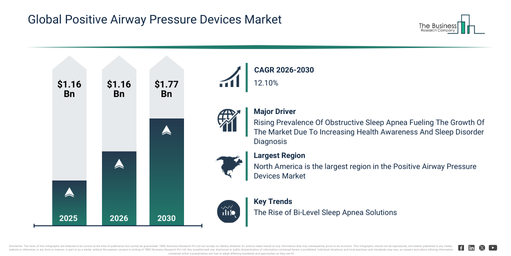
    Looking ahead, the market is expected to sustain this rapid expansion, reaching $8.25 billion by 2030 at a CAGR of 12.1%. Factors fueling this growth include increasing consumer interest in connected home healthcare devices, a stronger focus on managing chronic respiratory conditions over the long term, wider usage of telemedicine for sleep therapy, integration of AI-driven therapy optimization, and a growing preference among patients for customized treatment options. Key trends anticipated during this period include the rising use of smart PAP devices with built-in monitoring, demand for home-based sleep therapy solutions, cloud-connected compliance tracking, development of compact and travel-friendly PAP models, and enhanced emphasis on patient comfort and noise reduction.

    Rising Sleep Apnea Cases Propel Positive Airway Pressure Devices Market

    One major driver behind the growth of the positive airway pressure devices market is the escalating prevalence of obstructive sleep apnea (OSA). This common and potentially serious sleep disorder involves recurrent interruptions in breathing during sleep, leading to daytime fatigue, cardiovascular risks, and diminished quality of life. The increase in OSA cases is largely linked to obesity, which causes excess fatty tissue around the neck and airway, narrowing the passage and increasing the chance of airway collapse during sleep.

    Access The Complete Positive Airway Pressure Devices Market Report:

    https://www.thebusinessresearchcompany.com/report/positive-airway-pressure-devices-global-market-report

    Positive airway pressure devices help by delivering pressurized air that keeps the airway open throughout the night, preventing obstruction and enhancing sleep quality. For instance, data from May 2025 provided by Oxford Academic, a US-based online platform, project a significant rise in OSA prevalence among older adults by 2050, with a particularly notable increase among older women. The growing incidence of obstructive sleep apnea thus acts as a strong catalyst for market expansion.

    Additional Factors Encouraging Market Expansion

    Besides the rising OSA rates, increased awareness of sleep-related respiratory diseases is boosting demand for PAP devices. Expansion of sleep diagnostic services, along with growing adoption of non-invasive therapies, supports the availability and acceptance of these devices. Moreover, technological improvements and broader healthcare infrastructure advancements make PAP devices more accessible, further driving market growth.

    Distinct Product Segments Within the Positive Airway Pressure Devices Market

    This market is divided into several key categories based on product type, application, and end-user. By product type, it includes Continuous Positive Airway Pressure (CPAP), Auto-titrating Positive Airway Pressure (APAP), and BiLevel Positive Airway Pressure (BiPAP) devices. The applications covered are sleep apnea, chronic obstructive pulmonary disease (COPD), and other medical uses. End-users include hospitals and sleep laboratories, home care environments, and other healthcare settings.

    Within the CPAP category, subtypes are fixed CPAP devices, CPAP with humidifiers, and CPAP with integrated monitors. APAP devices are further segmented into APAP with humidifiers, APAP with integrated monitors, and smart APAP devices. BiPAP devices include those with BiFlex technology, models with humidifiers, and devices with integrated monitoring features.

    Technological Advances Defining the Market’s Future

    Leading companies are increasingly focusing on innovative technologies to improve patient experience and therapeutic effectiveness. Bi-level sleep apnea devices represent a significant advancement, as they deliver two different pressure levels—higher during inhalation and lower during exhalation—making breathing more comfortable for patients throughout the night.

    For example, in February 2024, ResMed, a US medical device firm, introduced the AirCurve 11, a bi-level sleep apnea device designed as an alternative to traditional CPAP therapy. The AirCurve 11 offers personalized dual pressure settings that enhance patient comfort and adherence to therapy. Its integrated digital health capabilities enable users to monitor their progress and receive tailored coaching, improving treatment outcomes and user engagement.

    Leading Market Players Shaping Industry Dynamics

    The positive airway pressure devices market features prominent companies such as ResMed Corporation, Royal Philips N.V., 3B Medical Corporation, Fisher & Paykel Healthcare Corporation Limited, Drive DeVilbiss Healthcare Inc., Somnetics International Corporation, BMC Medical Inc., Apex Medical Corporation, Vyaire Medical Inc., Teijin Limited, Weinmann Emergency Medical Technology GmbH & Co. KG, Breas Medical AB, Invacare Corporation, Compumedics Corporation Limited, CareFusion Corporation, Mercury Medical Inc., Medtronic plc, Hamilton Medical AG, General Electric Healthcare, and Nihon Kohden Corporation. These organizations engage in continuous research and development to maintain competitive advantage and respond to evolving patient needs.

    Regional Market Landscape and Growth Opportunities

    In 2025, North America held the largest share of the positive airway pressure devices market. However, the Asia-Pacific region is expected to experience the fastest growth during the forecast period. The market analysis includes key regions such as Asia-Pacific, South East Asia, Western Europe, Eastern Europe, North America, South America, the Middle East, and Africa, providing a diverse global perspective on market trends and opportunities.

    Get in touch with us:

    The Business Research Company: https://www.thebusinessresearchcompany.com/

    Americas: +1 310-496-7795

    Asia: +44 7882 955267 & +91 8897263534

    Europe: +44 7882 955267

    Email us at: marketing@tbrc.info

    Follow us on:

    LinkedIn: https://in.linkedin.com/company/the-business-research-company

    YouTube: https://www.youtube.com/channel/UC24_fI0rV8cR5DxlCpgmyFQ

    Global Market Model: https://www.thebusinessresearchcompany.com/global-market-model
  • Positive Air Pressure Devices Market Outlook Highlights The Next Major Growth Opportunities

    Positive Air Pressure Devices Market Outlook Highlights The Next Major Growth Opportunities

    Delivering more actionable and strategically valuable research, The Business Research Company’s 2026 market reports feature market attractiveness analysis, total addressable market evaluation, company benchmarking matrices, interactive Excel dashboards, expanded supply chain intelligence, emerging startup coverage, and detailed product insights.

    The positive air pressure devices market is evolving rapidly as respiratory health gains increasing attention worldwide. Rising incidences of respiratory disorders and technological advancements are propelling demand for these devices. Let’s explore the current market size, the factors driving growth, the segmentation of the market, key innovations, leading companies, and regional dynamics shaping this industry.

    Market Size and Forecast for Positive Air Pressure Devices

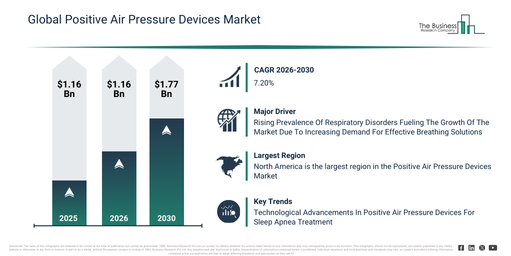
    The positive air pressure devices market has experienced significant expansion in recent years. It is projected to grow from $3.15 billion in 2025 to $3.38 billion in 2026, with a compound annual growth rate (CAGR) of 7.4%. Looking ahead, the market is anticipated to reach $4.47 billion by 2030, growing at a CAGR of 7.2%. The historic growth is primarily attributed to increasing cases of sleep disorders, obesity rates, higher demand for hospital respiratory care, greater awareness of sleep apnea, and the adoption of clinical guidelines.

    Download A Free Sample Report For Comprehensive Market Insights:

    https://www.thebusinessresearchcompany.com/sample.aspx?id=22108&type=smp

    Drivers Supporting Growth in the Positive Air Pressure Devices Market

    An important factor contributing to market expansion is the rise in respiratory disorders globally. These conditions, which affect lung function and breathing, have become more prevalent due to growing air pollution and environmental toxins. Urbanization has led to elevated levels of pollutants like particulate matter (PM), nitrogen dioxide (NO2), and ozone, which aggravate diseases such as asthma, bronchitis, and chronic obstructive pulmonary disease (COPD).

    Positive air pressure devices play a crucial role in managing respiratory illnesses by providing a controlled environment that reduces exposure to harmful airborne substances and allergens. For example, data from the National Library of Medicine in 2023 highlights that COPD cases worldwide are expected to reach nearly 600 million by 2050, underscoring the urgent need for effective respiratory care solutions. This rising disease burden is a key growth driver for the positive air pressure devices sector.

    Access The Complete Positive Air Pressure Devices Market Report:

    https://www.thebusinessresearchcompany.com/report/positive-air-pressure-devices-global-market-report

    Segmentation Overview of the Positive Air Pressure Devices Market

    This market is structured across several important categories. By product type, it includes Continuous Positive Airway Pressure Devices (CPAP), Bi-level Positive Airway Pressure (BiPAP) and Variable Positive Airway Pressure (VPAP) devices, and Automatic Positive Airway Pressure Devices (APAP). Distribution channels cover direct sales, online sales, third-party distributors, pharmacies, and other channels.

    Applications range from treating sleep apnea and chronic obstructive pulmonary disease (COPD) to respiratory distress syndrome and other respiratory conditions. End-users include hospitals, home care settings, sleep clinics, and various other institutions. Subcategories break down further into fixed and portable CPAP devices, fixed and automatic BiPAP devices, and standard and smart APAP devices.

    Innovative Trends Shaping the Positive Air Pressure Devices Industry

    Leading companies in this market are focusing on developing technologically advanced products to improve patient comfort and treatment outcomes. These innovations include devices specifically designed for sleep apnea, which is characterized by airway obstruction during sleep causing breathing interruptions.

    For instance, in February 2024, ResMed launched the AirCurve 11 Bilevel Devices. These offer dual pressure settings (IPAP and EPAP) and incorporate features such as integrated humidification and wireless connectivity for enhanced patient monitoring. Such advancements aim to provide more personalized and effective respiratory therapy solutions.

    Competitive Landscape and Key Players in the Positive Air Pressure Devices Sector

    The positive air pressure devices market features several prominent companies, including Cardinal Health, Medtronic plc, Koninklijke Philips N.V., ResMed Inc., Curative Medical Inc., Fisher & Paykel Healthcare Limited, Rotech Healthcare Inc., Vyaire Medical Inc., Löwenstein Medical SE & Co. KG, Armstrong Medical Ltd., Nidek Medical India Pvt Ltd, BMC Medical Co Ltd, Teijin Limited, Compumedics Limited, DeVilbiss Healthcare LLC, Somnetics International Inc., Apex Medical Corp., 3B Medical Inc., Weinmann Medical Technology GmbH + Co KG, and Archimedic.

    Regional Market Dynamics and Growth Patterns

    In 2025, North America held the largest share of the positive air pressure devices market. Meanwhile, the Asia-Pacific region is expected to demonstrate the fastest growth rate during the forecast period. The market analysis encompasses key areas including Asia-Pacific, South East Asia, Western Europe, Eastern Europe, North America, South America, the Middle East, and Africa, providing a comprehensive global perspective.

    Get in touch with us:

    The Business Research Company: https://www.thebusinessresearchcompany.com/

    Americas: +1 310-496-7795

    Asia: +44 7882 955267 & +91 8897263534

    Europe: +44 7882 955267

    Email us at: marketing@tbrc.info

    Follow us on:

    LinkedIn: https://in.linkedin.com/company/the-business-research-company

    YouTube: https://www.youtube.com/channel/UC24_fI0rV8cR5DxlCpgmyFQ

    Global Market Model: https://www.thebusinessresearchcompany.com/global-market-model
  • Portable Transcranial Stimulation Device Market Trends And Growth Drivers Point To Strong Future Potential

    Portable Transcranial Stimulation Device Market Trends And Growth Drivers Point To Strong Future Potential

    Enhanced with market attractiveness analysis, total addressable market evaluation, company benchmarking matrices, interactive Excel dashboards, expanded supply chain intelligence, emerging startup coverage, and detailed product insights, The Business Research Company’s 2026 market reports deliver more actionable and strategically valuable research.

    The portable transcranial stimulation device market is witnessing rapid growth as advances in technology and rising health concerns drive demand. These devices offer promising non-invasive treatment options for neurological and psychiatric disorders, making them increasingly popular in both clinical and home settings. This overview explores the market’s current size, key drivers, segmentation, leading companies, and regional outlook to provide a comprehensive understanding of its potential.

    Market Expansion and Revenue Projections for Portable Transcranial Stimulation Devices

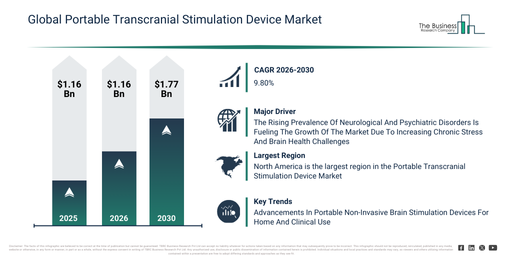
    The portable transcranial stimulation device market has seen swift growth in recent years. It is anticipated to increase from $1.37 billion in 2025 to $1.51 billion in 2026, reflecting a compound annual growth rate (CAGR) of 10.1%. This recent expansion can be linked to the rising prevalence of neurological disorders, improvements in neurostimulation technology, growing mental health awareness, demand for non-invasive therapies, and increased clinical research efforts. Looking forward, the market is expected to continue its momentum and reach $2.18 billion by 2030, growing at a CAGR of 9.8%. Factors driving this forecast include AI-guided optimization of stimulation, broader adoption of home-based neurotherapy, rising interest in cognitive enhancement, integration with digital therapeutics, and an aging global population. Key trends shaping the future of this market involve non-invasive brain stimulation, portable neurotherapy devices for home use, personalized stimulation approaches, and wearable cognitive enhancement tools.

    Download A Free Sample Report For Comprehensive Market Insights:

    https://www.thebusinessresearchcompany.com/sample.aspx?id=29154&type=smp

    Neurological and Psychiatric Disorders Fueling Demand for Portable Transcranial Stimulation Devices

    One of the primary elements stimulating growth in this market is the increasing number of neurological and psychiatric conditions affecting populations worldwide. These disorders impact the brain and nervous system, causing alterations in thinking, emotions, and behavior. Chronic stress plays a significant role by changing brain chemistry and neural processes, which heightens vulnerability to such illnesses. Portable transcranial stimulation devices help by delivering low-intensity electrical currents to specific brain areas, enhancing neural connectivity and functioning. This non-invasive approach provides symptom relief in a convenient and accessible way. For example, in October 2023, the World Federation of Neurology reported that over 40% of the global population suffers from some form of neurological condition, with this figure expected to nearly double by 2050. This growing patient base is a critical driver for the portable transcranial stimulation device market.

    Technological Innovations and Rising Awareness Supporting Market Growth

    The rise in public awareness about mental health and neurological care is further accelerating the need for portable brain stimulation solutions. Patients and healthcare providers are increasingly seeking therapies that are safe, effective, and easy to use outside clinical environments. Technological advancements in device design and functionality continue to improve usability and treatment outcomes, making these solutions more attractive for widespread adoption.

    Access The Complete Portable Transcranial Stimulation Device Market Report:

    https://www.thebusinessresearchcompany.com/report/portable-transcranial-stimulation-device-global-market-report

    Details of Market Segments and Product Categories in Portable Transcranial Stimulation Devices

    This market is segmented into several categories to address diverse applications and consumer needs. By product type, it includes portable transcranial direct current stimulation (tDCS) devices, alternating current stimulation (tACS) devices, random noise stimulation (tRNS) devices, transcranial magnetic stimulation (TMS) devices, wearable neurostimulation devices, and hybrid portable transcranial stimulation devices. Distribution channels are divided into online and offline sales. Applications range across depression, anxiety, pain management, cognitive enhancement, and other medical conditions. End-users include homecare patients, research institutions, and other groups. Further subcategories break down by specific device types such as home-use and clinical-grade tDCS devices, frequency-specific tACS devices, multi-mode tRNS devices, compact coil TMS devices, and various wearable neurostimulation devices like headbands, caps, patches, and wireless models. Hybrid devices combine functionalities such as tDCS-tACS and electrical-magnetic stimulation.

    Advances in Technology Shaping Future Portable Transcranial Stimulation Devices

    Leading companies in the market are prioritizing the development of innovative, user-friendly devices like transcranial direct current stimulation (tDCS) tools designed for both home and clinical environments. These non-invasive devices deliver low-level electrical currents to targeted brain areas, aiming to modulate neural activity and improve cognitive functions while assisting with neurological and psychiatric disorder management. For example, in October 2023, Finland-based Sooma Oy introduced Sooma Duo, a portable tDCS device that offers clinician-prescribed neuromodulation therapies for conditions such as depression and chronic pain. It features remote monitoring, preset electrode positioning, and automatic resistance control, all designed to increase treatment adherence and therapeutic effectiveness.

    Key Players Leading the Portable Transcranial Stimulation Device Market

    Several prominent organizations are driving competition and innovation within this market. Notable companies include Neuroelectrics Barcelona S.L.U., Flow Neuroscience AB, Soterix Medical Inc., Sooma Medical Inc., Fisher Wallace Laboratories Inc., Caputron LLC, PlatoScience Inc., TheBrainDriver GmbH, Neurosoft Ltd., G.Tec Medical Engineering, Ybrain Co. Ltd., Remed Co. Ltd., Nexalin Technology Inc., NeuroSigma Inc., Mind Alive Inc., Ionclinics GmbH, NeuroEM Therapeutics Inc., Salvia BioElectronics B.V., RPW Technology LLC, and Neurocare Group AG.

    Regional Market Leadership and Growth Prospects

    In 2025, North America was the leading region in terms of market size for portable transcranial stimulation devices. However, the Asia-Pacific region is expected to experience the fastest growth during the forecast period. The market analysis spans key geographic areas including Asia-Pacific, South East Asia, Western Europe, Eastern Europe, North America, South America, the Middle East, and Africa, providing a global perspective on market trends and opportunities.

    Get in touch with us:

    The Business Research Company: https://www.thebusinessresearchcompany.com/

    Americas: +1 310-496-7795

    Asia: +44 7882 955267 & +91 8897263534

    Europe: +44 7882 955267

    Email us at: marketing@tbrc.info

    Follow us on:

    LinkedIn: https://in.linkedin.com/company/the-business-research-company

    YouTube: https://www.youtube.com/channel/UC24_fI0rV8cR5DxlCpgmyFQ

    Global Market Model: https://www.thebusinessresearchcompany.com/global-market-model
  • Portable Medical Devices Market Expansion Is Reshaping Competitive Dynamics Across The Industry

    Portable Medical Devices Market Expansion Is Reshaping Competitive Dynamics Across The Industry

    Through market attractiveness analysis, total addressable market evaluation, company benchmarking matrices, interactive Excel dashboards, expanded supply chain intelligence, emerging startup coverage, and detailed product insights, The Business Research Company’s 2026 market reports provide more actionable and strategically valuable research.

    The portable medical devices sector has experienced swift growth in recent years, driven by advancements in healthcare technology and shifting patient needs. This market’s promising future is shaped by factors such as the rising prevalence of chronic illnesses and the increasing demand for remote healthcare solutions. Here’s a detailed look at the current market size, key growth drivers, major players, emerging trends, and regional insights shaping the portable medical devices industry.

    Market Size Developments and Growth Outlook for the Portable Medical Devices Market

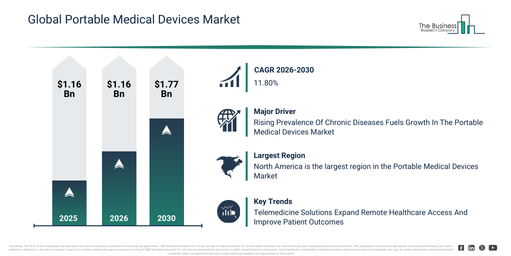
    The portable medical devices market is expanding rapidly, with its value projected to rise from $60.79 billion in 2025 to $67.83 billion in 2026, marking a compound annual growth rate (CAGR) of 11.6%. This historical growth reflects factors like the increasing incidence of chronic diseases, growing home healthcare needs, broader outpatient care services, enhanced availability of portable diagnostics, and the rising acceptance of digital health technologies. Looking ahead, the market is expected to continue this upward trajectory, reaching $105.87 billion by 2030 with a slightly higher CAGR of 11.8%. Key contributors to this forecasted growth include the adoption of telemedicine platforms, increased investments in connected healthcare systems, rising demand for continuous patient monitoring, the expansion of personalized medicine, and a stronger emphasis on preventive healthcare. Noteworthy trends during this period involve the growing use of remote patient monitoring devices, wearable health monitors, mobile diagnostic tools, home-based medical care equipment, and compact, user-friendly designs.

    Download A Free Sample Report For Comprehensive Market Insights:

    https://www.thebusinessresearchcompany.com/sample.aspx?id=12145&type=smp

    Factors Behind the Expansion of the Portable Medical Devices Market

    A major driver of growth in the portable medical devices market is the rising prevalence of chronic diseases. These long-lasting health conditions often require ongoing medical care and significantly affect daily life. Portable medical devices play a crucial role in helping patients monitor their physiological status during various phases such as post-acute care, rehabilitation, and chronic management. For example, in April 2025, the Centers for Disease Control and Prevention (CDC) reported that 76.4% of U.S. adults—about 194 million people—have at least one chronic condition, while 51.4%, approximately 130 million individuals, live with multiple chronic illnesses. This widespread presence of chronic health issues is a key factor driving demand for portable medical technologies.

    Another important element fueling market growth is the expanding scope of outpatient and home-based care services. As healthcare shifts from traditional clinical settings to home and ambulatory environments, patients increasingly rely on portable, easy-to-use medical devices for monitoring and treatment. This transition is supported by technological advances and a growing preference for remote health management, which collectively encourage higher adoption rates of portable solutions.

    Access The Complete Portable Medical Devices Market Report:

    https://www.thebusinessresearchcompany.com/report/portable-medical-devices-global-market-report

    Segment Overview of the Portable Medical Devices Market Highlighting Key Areas

    This report divides the portable medical devices market into several important segments:

    1) Product Categories: Therapeutics, Smart Wearable Medical Devices, Diagnostic Imaging, Monitoring Devices, Neuromonitoring, Respiratory Monitoring, Neonatal Monitoring, and Fetal Monitoring.

    2) Application Fields: Cardiology, Gynecology, Urology, Gastrointestinal, Neurology, and other medical specialties.

    3) End-User Groups: Hospitals, Clinics, Homecare Patients, Ambulatory Care Centers, and other healthcare providers.

    Within these categories, further subsegments include:

    – Therapeutics such as Portable Infusion Pumps, Oxygen Concentrators, and Dialysis Devices.

    – Smart Wearables including Health Monitoring Smartwatches, Fitness Trackers, and Smart Clothing.

    – Diagnostic Imaging devices like Portable Ultrasound, Handheld X-ray, and Portable MRI systems.

    – Monitoring Devices covering Blood Glucose Monitors, Portable ECGs, and Blood Pressure Monitors.

    – Neuromonitoring with Portable EEG and Wearable Neuromodulation Devices.

    – Respiratory Monitoring including Spirometers, Home Sleep Apnea Devices, and Respiratory Rate Monitors.

    – Neonatal Monitoring featuring Portable Pulse Oximeters and Cardiac Monitors for infants.

    – Fetal Monitoring including Portable Fetal Heart Rate and Wireless Fetal Monitoring systems.

    How Industry Trends Are Transforming the Portable Medical Devices Market

    Innovation is a significant trend reshaping demand in the portable medical devices sector. Leading companies are developing telemedicine platforms to enhance remote patient care and improve healthcare accessibility. Telemedicine uses digital communication tools such as video consultations and remote monitoring devices, enabling providers to deliver medical services outside traditional settings. For instance, in January 2024, Rudolf Riester GmbH, a German medical device manufacturer, introduced a telemedicine solution that integrates multiple medical devices for seamless remote consultations. This system includes the ri-sonic E-stethoscope combined with eMurmur AI for detecting heart murmurs, aiming to improve healthcare quality, especially in underserved or remote areas.

    Additionally, there is a growing focus on creating compact, user-friendly devices that facilitate continuous health monitoring. This trend aligns with increasing patient demand for wearable and portable tools that provide real-time data and support proactive health management.

    Leading Corporations Dominating the Portable Medical Devices Market

    Several key players have established significant presence in the portable medical devices industry. These include Cardinal Health Inc., Johnson & Johnson Services Inc., Panasonic Holdings Corporation, Abbott Laboratories, Medtronic PLC, Siemens Healthcare Private Limited, Fujifilm Holdings Corporation, Becton Dickinson and Company, Koninklijke Philips N.V., Stryker Corporation, Baxter International Inc., Boston Scientific Corporation, Biotricity Inc., Grifols S.A, Terumo Corporation, Fresenius Kabi AG, GE HealthCare Technologies Inc., Hologic Inc., Dexcom Inc., QIAGEN GmbH, Nipro Corporation, Omnivision Technologies Inc., Shockwave Medical Inc., SARSTEDT GROUP, Morepen Laboratories Ltd., Omron Healthcare Inc., Natus Medical Incorporated, Samsung Healthcare, and Pulsatom Health Care Pvt. Ltd. These companies continuously invest in product innovation and strategic partnerships to maintain their competitive edge.

    Regional Breakdown of the Portable Medical Devices Market

    In 2025, North America held the largest share of the portable medical devices market, reflecting its advanced healthcare infrastructure and high adoption rates of innovative technologies. Other significant regions covered in market analyses include Asia-Pacific, South East Asia, Western Europe, Eastern Europe, South America, the Middle East, and Africa. While North America currently leads in revenue, emerging regions are expected to demonstrate substantial growth potential as healthcare access expands and new technologies become more widely available.

    Get in touch with us:

    The Business Research Company: https://www.thebusinessresearchcompany.com/

    Americas: +1 310-496-7795

    Asia: +44 7882 955267 & +91 8897263534

    Europe: +44 7882 955267

    Email us at: marketing@tbrc.info

    Follow us on:

    LinkedIn: https://in.linkedin.com/company/the-business-research-company

    YouTube: https://www.youtube.com/channel/UC24_fI0rV8cR5DxlCpgmyFQ

    Global Market Model: https://www.thebusinessresearchcompany.com/global-market-model
  • Portable Internet Of Things (IoT) Vaccine Fridge Market Forecast Reveals Where Future Industry Value Will Be Created

    Portable Internet Of Things (IoT) Vaccine Fridge Market Forecast Reveals Where Future Industry Value Will Be Created

    Delivering more actionable and strategically valuable research, The Business Research Company’s 2026 market reports feature market attractiveness analysis, total addressable market evaluation, company benchmarking matrices, interactive Excel dashboards, expanded supply chain intelligence, emerging startup coverage, and detailed product insights.

    The portable Internet of Things (IoT) vaccine fridge market is rapidly evolving, driven by the critical need for reliable cold chain solutions in healthcare. As vaccination programs expand globally and technological advancements improve monitoring and energy efficiency, this market is set for significant growth in the coming years. Here’s a detailed overview of the current market size, growth drivers, segment breakdown, innovations, key players, and regional trends shaping this important sector.

    Market Size and Growth Outlook for the Portable Internet of Things (IoT) Vaccine Fridge Market

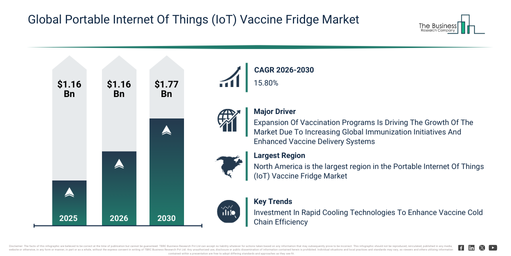
    The portable IoT vaccine fridge market has experienced swift expansion recently and is projected to continue this trajectory. In 2025, the market is valued at $5.17 billion and is expected to increase to $6 billion by 2026, reflecting a compound annual growth rate (CAGR) of 16.1%. This increase during the historical period has been fueled by the global scale-up of immunization initiatives, the pressing need to reduce vaccine spoilage, gaps in cold chain infrastructure, growth in mobile healthcare services, and rising demand for portable refrigeration solutions. Looking ahead, the market is predicted to grow strongly, reaching $10.78 billion by 2030 at a CAGR of 15.8%. Factors driving this forecast include the digitization of smart cold chains, efforts to extend vaccination coverage to remote regions, demand for renewable energy-powered refrigeration, tighter vaccine storage regulations, and enhanced real-time compliance monitoring. Emerging trends such as continuous temperature tracking, portable cold chain expansion, smart alarm systems, remote management of vaccine storage, and energy-efficient refrigeration technologies are set to shape the market’s future.

    Download A Free Sample Report For Comprehensive Market Insights:

    https://www.thebusinessresearchcompany.com/sample.aspx?id=29153&type=smp

    Expanding Vaccination Programs as a Core Driver for Market Growth

    One of the main forces propelling the portable IoT vaccine fridge market is the broadening of vaccination programs worldwide. This expansion involves not only increasing the number of immunization campaigns but also adding new vaccines into national immunization schedules and reaching wider population groups through improved delivery systems. The impetus behind this growth stems largely from global health efforts focused on preventing diseases, particularly as governments and international organizations work to address immunity gaps caused by disruptions during pandemics. IoT-enabled vaccine fridges play a crucial role by ensuring vaccines are kept at exact temperatures, preserving their effectiveness through continuous monitoring and alerts that help reduce spoilage and optimize inventory management. For example, in July 2024, UNICEF reported that the global percentage of adolescent girls receiving at least one dose of the HPV vaccine rose from 20% in 2022 to 27% in 2023, a notable 7-percentage-point increase. This expansion in vaccination efforts directly supports the growth of the portable IoT vaccine fridge market.

    Technological Features Strengthening Market Demand

    The portable IoT vaccine fridge market also benefits from the increasing integration of real-time monitoring capabilities. These systems provide immediate alerts and data tracking, which are essential for maintaining vaccine safety, especially in challenging environments. This boost in technology adoption helps healthcare providers meet stricter regulations and improves overall cold chain management, expanding the appeal and necessity of portable vaccine refrigeration solutions.

    Access The Complete Portable Internet Of Things (IoT) Vaccine Fridge Market Report:

    https://www.thebusinessresearchcompany.com/report/portable-internet-of-things-iot-vaccine-fridge-global-market-report

    Portable Internet of Things Vaccine Fridge Market Segmentation and Strategic Opportunities

    This market is broadly categorized into several segments to highlight different product types, connectivity options, capacities, applications, and end-users. Product types include solar-powered, battery-powered, and hybrid vaccine fridges. Connectivity options range from Wi-Fi and cellular networks to other types of connections. Capacity-wise, units are divided into those with below 50 liters and 50 to 100 liters storage volumes. Applications cover hospitals and clinics, vaccination centers, and mobile healthcare units. End-users include public health agencies, NGOs, and private healthcare providers. Within these categories are more detailed subsegments, such as photovoltaic-powered compressor refrigerators and solar-powered portable coolers within the solar-powered category, rechargeable lithium-ion and removable battery pack units under battery-powered types, and combined solar and battery systems or AC/DC hybrid refrigerators in the hybrid segment.

    Innovations Transforming the Portable IoT Vaccine Fridge Market

    Leading companies in this market are heavily investing in rapid cooling technologies to enhance temperature control and real-time monitoring features. Rapid cooling systems ensure quicker stabilization of internal temperatures, reducing thermal fluctuations that can compromise vaccine quality. For instance, in July 2025, the Global Innovation Fund, a UK-based non-profit focused on impact investments, contributed $1 million to Blackfrog Technologies, an Indian medical device firm specializing in cold chain solutions for last-mile vaccine transport. This funding supports Blackfrog’s development of rapid cooling technology and their Emvólio portable temperature-controlled refrigerators, which are currently deployed in rural health centers across India, Nigeria, and Kenya. These efforts aim to improve vaccine delivery efficiency and minimize waste amid climate-related challenges.

    Key Companies Driving Competition in the Portable IoT Vaccine Fridge Market

    Several major players dominate this market, including Trane Technologies Public Limited Company, Liebherr International AG, Dometic Group AB publ, Haier Group Corporation, Godrej Enterprises Group, Aucma Co. Ltd., Blue Star Limited, Accucold by Felix Storch Inc., Vestfrost Solutions A S, Dulas Limited, Elan Professional Appliances Private Limited, Roemer Industries Inc., Zhongke Meiling Cryogenics Company Limited, TruMed Systems Inc., Labcold Limited, TempArmour Corporation, SureChill Company Limited, SunDanzer Refrigeration Inc., Blackfrog Technologies Pvt. Ltd., and Biobase Biodustry Co. Ltd. These companies contribute to ongoing innovation, broad product offerings, and global reach in the vaccine refrigeration market.

    Regional Market Shares and Growth Prospects

    In 2025, North America held the largest share of the portable IoT vaccine fridge market, benefiting from well-established healthcare infrastructure and technological adoption. However, the Asia-Pacific region is expected to register the fastest growth during the forecast period, driven by expanding vaccination campaigns and increasing investments in cold chain infrastructure. The market analysis encompasses key regions such as Asia-Pacific, South East Asia, Western Europe, Eastern Europe, North America, South America, the Middle East, and Africa, providing a detailed global perspective on market dynamics and opportunities.

    Get in touch with us:

    The Business Research Company: https://www.thebusinessresearchcompany.com/

    Americas: +1 310-496-7795

    Asia: +44 7882 955267 & +91 8897263534

    Europe: +44 7882 955267

    Email us at: marketing@tbrc.info

    Follow us on:

    LinkedIn: https://in.linkedin.com/company/the-business-research-company

    YouTube: https://www.youtube.com/channel/UC24_fI0rV8cR5DxlCpgmyFQ

    Global Market Model: https://www.thebusinessresearchcompany.com/global-market-model