Month: June 2026

  • Point-of-Care Technology Market Forecast Signals New Revenue Opportunities Through 2030

    Point-of-Care Technology Market Forecast Signals New Revenue Opportunities Through 2030

    Through market attractiveness analysis, total addressable market evaluation, company benchmarking matrices, interactive Excel dashboards, expanded supply chain intelligence, emerging startup coverage, and detailed product insights, The Business Research Company’s 2026 market reports provide more actionable and strategically valuable research.

    The point-of-care technology sector has been witnessing significant growth recently, driven by ongoing innovations and increasing healthcare demands. This market is evolving rapidly as healthcare providers seek faster, more accessible diagnostic solutions, especially in decentralized and homecare settings. Let’s explore the market’s current size, key growth drivers, segmentation, industry trends, leading companies, and regional outlook.

    Point-of-Care Technology Market Size and Growth Forecast

    The point-of-care technology market has experienced substantial expansion over recent years. It is anticipated to grow from $43.21 billion in 2025 to $47.41 billion in 2026, reflecting a compound annual growth rate (CAGR) of 9.7%. This growth during the historical period is mainly linked to a heavy reliance on centralized lab testing, limited access to rapid diagnostics in remote locations, an increasing burden of infectious diseases, rising hospital patient volumes, and early adoption of fundamental point-of-care devices.

    Download A Free Sample Report For Comprehensive Market Insights:

    https://www.thebusinessresearchcompany.com/sample.aspx?id=27390&type=smp

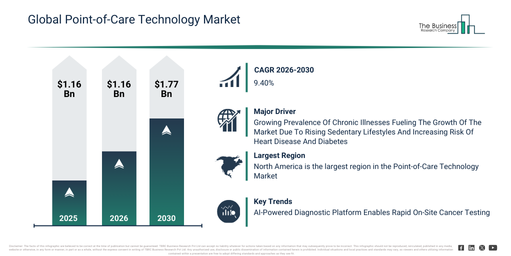
    Looking ahead, the market is expected to expand further, reaching $67.94 billion by 2030 with a CAGR of 9.4%. Factors contributing to this forecasted growth include advances in microfluidics and polymerase chain reaction (PCR) technologies, a rising prevalence of chronic and lifestyle diseases, the expansion of homecare and decentralized healthcare models, increasing healthcare digitization, and supportive regulatory policies encouraging rapid diagnostics. Key trends shaping the future include growing demand for rapid point-of-care tests, wider adoption of home and remote testing solutions, growth in portable and handheld diagnostic devices, and a stronger focus on user-friendly and fast-result systems.

    Factors Propelling the Point-of-Care Technology Market

    One of the main forces driving growth in the point-of-care technology market is the rising incidence of chronic conditions. Chronic diseases are long-term health issues that require ongoing management and lifestyle adjustments. Sedentary lifestyles, characterized by prolonged sitting and limited physical activity, are increasing risks for illnesses such as heart disease and diabetes. Point-of-care technologies facilitate the management of these chronic conditions by providing quick, on-site diagnostic testing, which is particularly beneficial in clinical, home, and remote care environments.

    Access The Complete Point-of-Care Technology Market Report:

    https://www.thebusinessresearchcompany.com/report/point-of-care-technology-global-market-report

    This technology helps minimize treatment delays by delivering immediate results, enhancing patient monitoring, and improving overall healthcare convenience. For example, in June 2024, the UK’s National Health Service reported that 3,615,330 patients registered with general practitioners were diagnosed with non-diabetic hyperglycemia or pre-diabetes in 2023, marking an 18% increase from 3,065,825 cases in 2022. This growing prevalence of chronic illness is a significant driver of market expansion.

    Point-of-Care Technology Market Segmentation and Revenue Contributors

    This report segments the point-of-care technology market across several dimensions:

    By Product Type:

    – Diagnostics Devices

    – Monitoring Devices

    – Therapeutic Devices

    – Data Management Systems

    By Ownership Model:

    – Standalone Solutions

    – Integrated Solutions

    – Cloud-Based Solutions

    By Technology:

    – Microfluidics

    – Polymerase Chain Reaction (PCR)

    – Immunoassays

    By Application:

    – Infectious Disease Testing

    – Glucose Monitoring

    – Cardiometabolic Monitoring

    – Pregnancy and Fertility Testing

    – Other Applications

    By End-User:

    – Hospitals

    – Clinics

    – Homecare Settings

    – Ambulatory Surgical Centers

    Further subcategories include diagnostics devices such as blood glucose monitoring, infectious disease testing, cardiac marker testing, coagulation testing, pregnancy and fertility testing, urinalysis, hematology, and cholesterol testing. Monitoring devices involve vital signs, continuous glucose, cardiac, and respiratory monitoring. Therapeutic devices include insulin delivery systems, nebulizers, dialysis machines, and infusion pumps. Data management systems cover point-of-care data integration, middleware solutions, and analytics platforms.

    Emerging Industry Changes Shaping Point-of-Care Demand

    Innovation within the point-of-care technology market is increasingly focused on developing AI-powered diagnostic tools to enhance accuracy, speed, and accessibility of disease detection. These advanced platforms utilize artificial intelligence to analyze medical data swiftly, allowing real-time, on-site testing for critical illnesses like cancer.

    For instance, in February 2025, Avitia Inc., a Canadian diagnostics company, introduced an AI-based platform designed for rapid cancer testing at the point of care. This system combines machine learning algorithms with portable diagnostic devices, enabling healthcare professionals to conduct fast and precise cancer screenings outside traditional laboratory environments. Such technology reduces turnaround times, supports early diagnosis, and lowers the need for complex infrastructure, improving access to advanced diagnostics in underserved and remote regions.

    Key Industry Players Leading the Point-of-Care Technology Market

    The point-of-care technology market is highly competitive, with several major companies driving innovation and growth. Prominent players include F. Hoffmann-La Roche AG, Thermo Fisher Scientific Inc., Abbott Laboratories, Danaher Corporation, Siemens Healthineers AG, Hologic Inc., bioMérieux SA, Quidel Corporation, Sysmex Corporation, Cepheid Inc., Radiometer Medical ApS, Nova Biomedical, Sekisui Diagnostics LLC, Abaxis Inc., BHR Biosynex, EKF Diagnostics Holdings plc, Acon Laboratories Inc., Trinity Biotech plc, Chembio Diagnostics Inc., Arkray Inc., Orchard Software Corporation, and Point of Care Biomedical Private Limited.

    Regional Market Overview and Growth Opportunities

    In 2025, North America maintained its position as the largest regional market for point-of-care technology. However, the Asia-Pacific region is expected to experience the fastest growth during the forecast period. The market analysis includes key regions such as Asia-Pacific, South East Asia, Western Europe, Eastern Europe, North America, South America, the Middle East, and Africa, providing a comprehensive global perspective on market developments and opportunities.

    Get in touch with us:

    The Business Research Company: https://www.thebusinessresearchcompany.com/

    Americas: +1 310-496-7795

    Asia: +44 7882 955267 & +91 8897263534

    Europe: +44 7882 955267

    Email us at: marketing@tbrc.info

    Follow us on:

    LinkedIn: https://in.linkedin.com/company/the-business-research-company

    YouTube: https://www.youtube.com/channel/UC24_fI0rV8cR5DxlCpgmyFQ

    Global Market Model: https://www.thebusinessresearchcompany.com/global-market-model
  • Point-Of-Care Molecular Diagnostics Market Growth Is Accelerating As Industry Transformation Continues

    Point-Of-Care Molecular Diagnostics Market Growth Is Accelerating As Industry Transformation Continues

    Delivering more actionable and strategically valuable research, The Business Research Company’s 2026 market reports feature market attractiveness analysis, total addressable market evaluation, company benchmarking matrices, interactive Excel dashboards, expanded supply chain intelligence, emerging startup coverage, and detailed product insights.

    The point-of-care molecular diagnostics sector is experiencing rapid expansion, driven by technological advancements and an increasing need for swift diagnostic solutions. This market’s evolution reflects growing healthcare demands and innovations aimed at improving early disease detection and patient management. Let’s explore the current market size, key drivers, major players, and emerging trends shaping this important healthcare segment.

    Point-of-Care Molecular Diagnostics Market Size and Growth Outlook

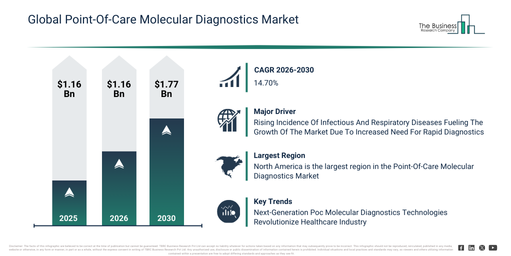
    The point-of-care molecular diagnostics market has witnessed impressive growth recently, with its size expected to rise from $3.98 billion in 2025 to $4.58 billion in 2026, representing a compound annual growth rate (CAGR) of 15.0%. Looking ahead, the market is projected to expand further, reaching $7.91 billion by 2030 at a CAGR of 14.7%. Factors contributing to this surge include the growing adoption of home-based molecular testing, increased investment in rapid diagnostic infrastructure, broader use in respiratory and oncology testing, greater integration of cloud-based diagnostic platforms, and a heightened focus on early disease detection. Key trends anticipated during this period encompass the widespread adoption of rapid molecular testing solutions, the rise of decentralized diagnostics, enhanced automated sample processing, expansion of syndromic testing panels, and efforts to reduce turnaround times.

    Download A Free Sample Report For Comprehensive Market Insights:

    https://www.thebusinessresearchcompany.com/sample.aspx?id=7046&type=smp

    Primary Factors Contributing to Point-of-Care Molecular Diagnostics Market Growth

    The rising incidence of infectious and respiratory diseases is a major factor propelling the growth of the point-of-care molecular diagnostics market. Respiratory infections caused by viruses or bacteria affect the respiratory tract and spread through coughing, sneezing, or direct contact. These illnesses often require a combination of inhalers, oral and intravenous medications, and point-of-care molecular diagnostic tests to provide effective treatment.

    To illustrate, data from the UK Health Security Agency in June 2024 showed a sharp increase in influenza-related critical care admissions within NHS trusts in England. Between week 40 of 2022 and week 15 of 2023, there were 1,681 such admissions reported across 108 trusts, compared to 182 admissions across 114 trusts in the previous season, which rose to 316 by week 39 of 2022. This substantial rise in infectious and respiratory cases highlights the urgent need for timely diagnostic testing, supporting market growth.

    Access The Complete Point-Of-Care Molecular Diagnostics Market Report:

    https://www.thebusinessresearchcompany.com/report/point-of-care-molecular-diagnostics-global-market-report

    Detailed Breakdown of the Point-of-Care Molecular Diagnostics Market Segments

    This market is segmented in the report based on product types, applications, and end-users. The product category includes Assays and Kits, as well as Instruments and Analyzers. Applications cover Respiratory Infections, Gastrointestinal Infections, Sexually Transmitted Infections (STIs), Hospital-Acquired Infections (HAIs), and Bloodstream and Sepsis-Related Infections. End-users comprise Decentralized Labs, Hospitals, Home Care, and Assisted Living Healthcare Facilities.

    Within Assays and Kits, subsegments feature Nucleic Acid Amplification Tests (NAATs), Rapid Diagnostic Tests, Molecular Detection Kits, and Reagents and Consumables. Instruments and Analyzers include microfluidic devices and point-of-care analyzers, emphasizing the diversity of available technologies.

    Innovative Advances Transforming the Point-of-Care Molecular Diagnostics Industry

    Leading market players are focused on enhancing their portfolios by adopting cutting-edge technologies, including enzyme-linked immunosorbent assay (ELISA), polymerase chain reaction (PCR), mass spectrometry (MS), situ hybridizations, spectral karyotyping imaging, and DNA microarrays. These innovations aim to accelerate test result times while minimizing costs.

    For example, in May 2023, US-based Sensible Diagnostics unveiled a 10-minute point-of-care PCR system. Drawing from Curative’s extensive pandemic testing experience—having conducted over two million molecular point-of-care COVID-19 tests—this platform delivers rapid results, demonstrating the sector’s drive towards improving efficiency and accessibility.

    Key Players Shaping the Point-of-Care Molecular Diagnostics Market

    Several major companies maintain a significant presence in this market, including Abbott Laboratories, F Hoffmann La Roche Ltd, BioMérieux SA, Hologic Inc, Becton Dickinson and Company, Siemens Healthineers AG, QuidelOrtho Corporation, Bio Rad Laboratories Inc, Qiagen N V, Biocartis Group NV, DiaSorin S p A, SD Biosensor Inc, Cue Health Inc, Visby Medical Inc, Binx Health Inc, Molbio Diagnostics Pvt Ltd, Credo Diagnostics Biomedical Pvt Ltd, Genetron Health, Mammoth Biosciences Inc, and Seegene Inc. These firms play a vital role in driving innovation and expanding market reach.

    Regional Market Leaders and Growth Prospects

    In 2025, North America accounted for the largest share of the point-of-care molecular diagnostics market. However, the Asia-Pacific region is expected to experience the fastest growth during the forecast period. The market analysis includes comprehensive coverage of regions such as Asia-Pacific, South East Asia, Western Europe, Eastern Europe, North America, South America, the Middle East, and Africa, providing a broad perspective on global market dynamics.

    Get in touch with us:

    The Business Research Company: https://www.thebusinessresearchcompany.com/

    Americas: +1 310-496-7795

    Asia: +44 7882 955267 & +91 8897263534

    Europe: +44 7882 955267

    Email us at: marketing@tbrc.info

    Follow us on:

    LinkedIn: https://in.linkedin.com/company/the-business-research-company

    YouTube: https://www.youtube.com/channel/UC24_fI0rV8cR5DxlCpgmyFQ

    Global Market Model: https://www.thebusinessresearchcompany.com/global-market-model
  • Point-of-Care Diagnostics Devices And Equipment Market Outlook Highlights The Next Major Growth Opportunities

    Point-of-Care Diagnostics Devices And Equipment Market Outlook Highlights The Next Major Growth Opportunities

    Enhanced with market attractiveness analysis, total addressable market evaluation, company benchmarking matrices, interactive Excel dashboards, expanded supply chain intelligence, emerging startup coverage, and detailed product insights, The Business Research Company’s 2026 market reports deliver more actionable and strategically valuable research.

    The point-of-care diagnostics devices and equipment market has experienced significant growth recently, driven by technological advances and shifting healthcare needs. As rapid, on-site testing becomes more vital in managing patient care, this sector is on track for continued expansion. Let’s explore the current market size, key growth drivers, leading companies, emerging trends, and regional insights shaping this dynamic industry.

    Point-of-Care Diagnostics Devices and Equipment Market Size and Growth Outlook

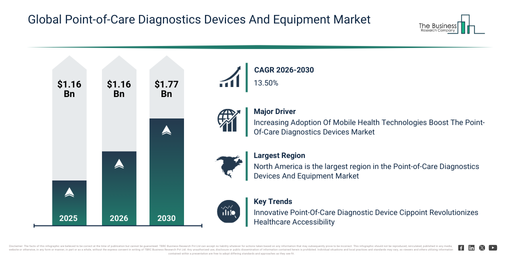
    The market for point-of-care diagnostics devices and equipment has expanded swiftly in recent years. It is projected to grow from $64.11 billion in 2025 to $71.62 billion in 2026, representing a compound annual growth rate (CAGR) of 11.7%. This progress during the historic period can be attributed to the increasing prevalence of chronic diseases, rising demand for faster clinical decision-making, growth of outpatient healthcare services, greater use of portable diagnostic tools, and a surge in preventive healthcare adoption. Moving forward, the market is expected to accelerate further, reaching $118.72 billion by 2030 with a CAGR of 13.5%. This anticipated boost is fueled by growing interest in home healthcare diagnostics, expansion of digital health ecosystems, broader infectious disease screening initiatives, integration of AI-assisted diagnostic support, and heightened emphasis on remote patient monitoring. Key trends during the forecast period include the rapid uptake of quick diagnostic tests, rising popularity of decentralized diagnostic solutions, increasing use of connected point-of-care platforms, growth in home-based testing options, and a focus on user-friendly device designs.

    Download A Free Sample Report For Comprehensive Market Insights:

    https://www.thebusinessresearchcompany.com/sample.aspx?id=2387&type=smp

    The Role of Mobile Health Technology in Market Expansion

    One of the primary factors driving the growth of the point-of-care diagnostics devices market is the rising adoption of mobile health (mHealth) technologies. These technologies utilize mobile devices like smartphones and tablets, alongside wireless wearables, to deliver healthcare services, disseminate information, and monitor health data in real time. Point-of-care diagnostic devices are essential to mHealth as they provide fast, convenient testing and data collection near the patient’s location, often integrating with mobile apps or smartphone platforms for efficient data management and sharing. For example, in February 2025, PharmiWeb reported that about 23% of healthcare interactions are expected to occur virtually, highlighting how mobile health adoption boosts demand for connected diagnostic devices.

    Growing Importance of Mobile Health for Convenient Testing

    Mobile health technology not only supports rapid diagnostics but also enhances accessibility and patient engagement by allowing testing to be performed outside traditional clinical settings. This shift responds to the increasing need for convenient, on-the-go health monitoring, particularly as outpatient and home-based healthcare gain traction. With advancements in wireless communication and device miniaturization, point-of-care devices are becoming more integrated and user-friendly, further propelling market growth.

    Access The Complete Point-of-Care Diagnostics Devices And Equipment Market Report:

    https://www.thebusinessresearchcompany.com/report/point-of-care-diagnostics-devices-and-equipment-global-market-report

    Detailed Market Segmentation and Opportunities in Point-of-Care Diagnostics

    This market is divided into various segments to better understand product types, prescription methods, and end users. By product type, it includes infectious disease testing kits, cardiometabolic monitoring kits, cholesterol testing kits, pregnancy and fertility test kits, tumor or cancer markers, urinalysis testing kits, hematology testing kits, drugs of abuse testing kits, fecal occult testing kits, and other specialized types. Prescription mode segments comprise prescription-based testing devices and over-the-counter (OTC) testing devices. End users cover professional diagnostic centers, hospitals and critical care centers, outpatient healthcare settings, ambulatory care environments, research laboratories, and home use. Each segment contains further subcategories—for instance, infectious disease kits such as HIV, hepatitis, malaria, influenza, and COVID-19 testing kits; cardiometabolic kits including blood glucose and blood pressure monitors; and tumor marker kits like PSA and CA-125 tests, among others.

    Innovative Trends Enhancing the Point-of-Care Diagnostics Market

    Leading companies in the point-of-care diagnostics field are focusing on product innovation to improve healthcare access and reduce diagnostic times. A notable example is the launch of Cippoint in January 2023 by Cipla Limited, an India-based pharmaceutical firm. Cippoint is a sophisticated point-of-care testing device capable of analyzing multiple health parameters including cardiac markers, diabetes, infectious diseases, fertility, thyroid function, inflammation, metabolic markers, and coagulation factors. Utilizing immunofluorescence technology, it delivers results within 3 to 15 minutes, enabling faster clinical decision-making. The device is also designed for ease of use across various settings such as hospitals, clinics, and mobile healthcare vans, making it highly versatile.

    Key Industry Players Defining the Competitive Landscape

    Major companies shaping the point-of-care diagnostics devices and equipment market include Abbott Laboratories, F. Hoffmann-La Roche AG, Siemens Healthineers, Danaher, Beckman Coulter, Becton Dickinson and Company, Qiagen N.V., Johnson & Johnson, Alere, BioMerieux, Chembio Diagnostic Systems, Quidel Corporation, EKF Diagnostics, Trinity Biotech Plc, OraSure Technologies, Sysmex Corporation, Radiometer Medical ApS, Response Biomedical Corporation, Bio-Rad Laboratories, Illumina, Thermo Fisher Scientific Inc., LabCorp, Luminex Corporation, LifeScan, Nova, Sekisui Diagnostics, Hemocue AB, and Akers Biosciences. These organizations are driving innovation, expanding product portfolios, and strengthening their market presence globally.

    Regional Insights Highlighting Market Leadership and Expansion

    In 2025, North America is expected to hold the largest share of the point-of-care diagnostics devices and equipment market. Meanwhile, Asia-Pacific stands as the second-largest region and is anticipated to see significant growth due to increasing healthcare infrastructure investments and rising demand for diagnostic services. The broader market analysis encompasses regions such as Asia-Pacific, Southeast Asia, Western Europe, Eastern Europe, North America, South America, the Middle East, and Africa, offering a comprehensive view of the global market landscape and emerging opportunities.

    Get in touch with us:

    The Business Research Company: https://www.thebusinessresearchcompany.com/

    Americas: +1 310-496-7795

    Asia: +44 7882 955267 & +91 8897263534

    Europe: +44 7882 955267

    Email us at: marketing@tbrc.info

    Follow us on:

    LinkedIn: https://in.linkedin.com/company/the-business-research-company

    YouTube: https://www.youtube.com/channel/UC24_fI0rV8cR5DxlCpgmyFQ

    Global Market Model: https://www.thebusinessresearchcompany.com/global-market-model
  • Point-of-Care (POC) Coagulation Testing Devices Market Trends And Growth Drivers Point To Strong Future Potential

    Point-of-Care (POC) Coagulation Testing Devices Market Trends And Growth Drivers Point To Strong Future Potential

    Through market attractiveness analysis, total addressable market evaluation, company benchmarking matrices, interactive Excel dashboards, expanded supply chain intelligence, emerging startup coverage, and detailed product insights, The Business Research Company’s 2026 market reports provide more actionable and strategically valuable research.

    The point-of-care coagulation testing devices market is experiencing rapid growth, driven by advancements in healthcare diagnostics and an increasing need for efficient blood clotting assessments. As demand rises for quick and reliable testing, this sector is set to expand significantly over the coming years. Below is a detailed breakdown of the market’s size, growth factors, key players, and emerging trends shaping its future.

    Steady Market Growth Expected in Point-of-Care Coagulation Testing Devices

    The market for point-of-care coagulation testing devices has shown strong expansion recently. It is projected to increase from $2.32 billion in 2025 to $2.55 billion in 2026, registering a compound annual growth rate (CAGR) of 9.7%. This historical growth reflects factors such as a rising incidence of coagulation disorders, broader use of anticoagulant medications, growth in decentralized healthcare models, higher adoption rates of point-of-care diagnostic tools, and technological improvements in coagulation testing.

    Download A Free Sample Report For Comprehensive Market Insights:

    https://www.thebusinessresearchcompany.com/sample.aspx?id=15636&type=smp

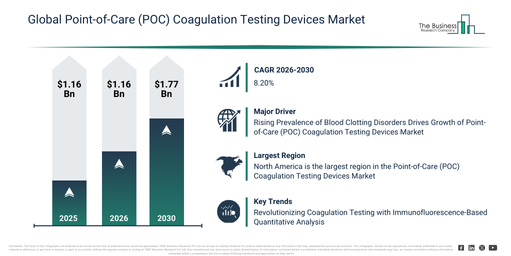
    Looking ahead, the market is anticipated to continue this positive trajectory and reach $3.49 billion by 2030, with a CAGR of 8.2% during the forecast period. This future growth is fueled by increasing demand for home-based healthcare diagnostics, a stronger focus on personalized medicine, the proliferation of telehealth-enabled diagnostic platforms, an aging global population, and ongoing innovation in microfluidic testing technologies. Key trends include wider adoption of portable coagulation monitors, a growing preference for rapid point-of-care diagnostic tests, increased utilization of home testing kits, integration of wireless data connectivity in devices, and heightened emphasis on improving test accuracy and reliability.

    Factors Propelling the Point-of-Care Coagulation Testing Devices Market

    One of the main drivers behind the growth of the point-of-care coagulation testing devices market is the rising prevalence of blood clotting disorders. Such conditions impair the blood’s ability to clot normally, leading to serious health risks. Lifestyle factors like smoking, excessive alcohol intake, and a sedentary way of life contribute to these disorders by damaging blood vessels, altering clotting protein levels, and disrupting blood flow.

    Access The Complete Point-of-Care (POC) Coagulation Testing Devices Market Report:

    https://www.thebusinessresearchcompany.com/report/point-of-care-poc-coagulation-testing-devices-global-market-report

    Point-of-care coagulation devices provide healthcare professionals with quick and precise information about a patient’s clotting status, enabling timely adjustments to treatment plans and medication dosages. For example, data from the National Blood Authority in Australia show that in the 2023–2024 period, there were 2,788 individuals diagnosed with hereditary haemophilia A (HMA), an increase from 2,681 patients in the previous year. This steady rise in blood clotting disorders is a key factor supporting market growth.

    Product and Application Segments in the Point-of-Care Coagulation Testing Devices Market

    The market for point-of-care coagulation testing devices is segmented comprehensively to cover various facets:

    1) Product Type: Coagulation Monitors, Consumables, and Coagulation Analyzers

    2) Technology: Optical Technology, Mechanical Technology, and Electrochemical Technology

    3) Method: Prothrombin Time and International Normalized Ratio, Viscoelastic Coagulation Monitoring, and Other Methods

    4) Application: Coagulation Testing and Other Applications

    5) End-User: Hospitals, Diagnostic Laboratories, Clinics, and Other End-Users

    Further subcategories include types of coagulation monitors such as Prothrombin Time (PT) Monitors, International Normalized Ratio (INR) Monitors, Activated Partial Thromboplastin Time (APTT) Monitors, Whole Blood Coagulation Monitors, and Clotting Time Monitors. Consumables cover test strips, reagents, control solutions, calibration kits, lancets, and needles. Coagulation analyzers range from portable and benchtop devices to fully automated and semi-automated analyzers, as well as testing kits designed for home use.

    Innovations Shaping the Point-of-Care Coagulation Testing Devices Industry

    Leading companies in this market are focusing heavily on the development of immunofluorescence-based quantitative analyzers that enhance the diagnosis and management of coagulation disorders. These analyzers utilize immunofluorescence technology to identify and quantify specific proteins involved in blood clotting, improving diagnostic precision.

    For instance, in January 2023, Cipla Limited from India introduced its product Cippoint, an immunofluorescence-based quantitative analyzer. This device delivers rapid test results within 3 to 15 minutes, supporting faster clinical decisions. Its user-friendly design and comprehensive testing capabilities have positioned it as a valuable tool for improving diagnostic workflows and patient outcomes.

    Primary Competitors Leading the Point-of-Care Coagulation Testing Devices Market

    The market is dominated by several key players, including Roche Diagnostics, Abbott Laboratories, Siemens Healthineers, Bio-Rad Laboratories Inc., Werfen, Haemonetics Corporation, HemoSonics LLC, Sysmex Corporation, Nihon Kohden Corporation, HORIBA Medical, Helena Laboratories Corporation, Diagnostica Stago, Sekisui Diagnostics, Instrumentation Laboratory, Trinity Biotech plc, CoaguSense Inc., iLine Microsystems, Medirox AB, Hemochron Systems, and Axis-Shield Diagnostics.

    Regional Markets Where Demand Is Accelerating Fastest

    In 2025, North America held the largest share of the point-of-care coagulation testing devices market. However, demand is quickly growing in other regions covered by the report, such as Asia-Pacific, South East Asia, Western Europe, Eastern Europe, South America, the Middle East, and Africa. These regions collectively contribute to shaping the global outlook for this dynamic market segment.

    Get in touch with us:

    The Business Research Company: https://www.thebusinessresearchcompany.com/

    Americas: +1 310-496-7795

    Asia: +44 7882 955267 & +91 8897263534

    Europe: +44 7882 955267

    Email us at: marketing@tbrc.info

    Follow us on:

    LinkedIn: https://in.linkedin.com/company/the-business-research-company

    YouTube: https://www.youtube.com/channel/UC24_fI0rV8cR5DxlCpgmyFQ

    Global Market Model: https://www.thebusinessresearchcompany.com/global-market-model
  • Point-of-Care (POC) Coagulation Testing Market Expansion Is Reshaping Competitive Dynamics Across The Industry

    Point-of-Care (POC) Coagulation Testing Market Expansion Is Reshaping Competitive Dynamics Across The Industry

    Delivering more actionable and strategically valuable research, The Business Research Company’s 2026 market reports feature market attractiveness analysis, total addressable market evaluation, company benchmarking matrices, interactive Excel dashboards, expanded supply chain intelligence, emerging startup coverage, and detailed product insights.

    The market for point-of-care (POC) coagulation testing has been steadily advancing, driven by increasing healthcare demands and technological progress. As medical facilities and patients seek quicker and more accurate coagulation results, this sector is positioned for continuous growth. Below we explore the market size, key factors influencing expansion, major players, and emerging trends shaping the future of POC coagulation testing.

    Current and Projected Market Size of the Point-of-Care Coagulation Testing Market

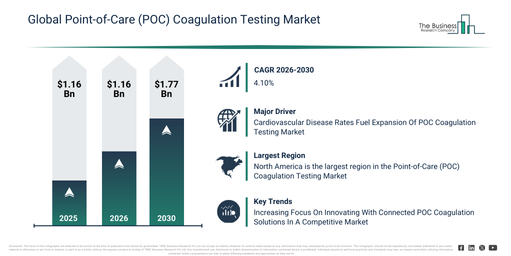
    The point-of-care coagulation testing market has experienced consistent growth in recent years. It is projected to rise from $1.25 billion in 2025 to $1.3 billion in 2026, reflecting a compound annual growth rate (CAGR) of 4.2%. This upward trend during the historical period is largely due to the increasing prevalence of cardiovascular diseases that require anticoagulation therapy, as well as heightened demand for rapid coagulation results in settings such as operating rooms and intensive care units. Early adoption of optical and mechanical POC testing technologies and the expanding use of coagulation monitoring across hospitals and clinics have also contributed to growth, alongside broader awareness of point-of-care diagnostics for optimizing treatment.

    Download A Free Sample Report For Comprehensive Market Insights:

    https://www.thebusinessresearchcompany.com/sample.aspx?id=13913&type=smp

    Looking ahead, the market is expected to continue its steady climb, reaching $1.52 billion by 2030, with a CAGR of 4.1%. Factors driving this forecasted growth include a shift towards decentralized and home-based coagulation monitoring, rising adoption of electrochemical detection methods, increased procedural volumes in emergency and trauma care, and wider accessibility through retail and direct tender distribution channels. Additionally, there is growing emphasis on minimizing turnaround times and improving therapeutic outcomes. Key trends likely to shape the market involve expanded use of rapid bedside coagulation testing in critical care, greater reliance on POC devices for anticoagulation therapy monitoring, preference for portable and handheld analyzers, and increasing deployment of coagulation testing in home and outpatient care settings. Demand for real-time clinical decision support through near-patient testing is also on the rise.

    Rising Cardiovascular Disease Rates Spur Growth in POC Coagulation Testing

    One of the primary forces behind the POC coagulation testing market’s expansion is the escalating incidence of cardiovascular diseases (CVDs). These disorders encompass conditions affecting the heart and blood vessels, such as coronary heart disease, cerebrovascular disease, and peripheral arterial disease. POC coagulation testing plays a critical role in managing CVDs by providing instantaneous data on coagulation status, which aids clinicians in making timely decisions regarding anticoagulation interventions and helps reduce bleeding complications following cardiac surgeries. To illustrate, the Centers for Disease Control and Prevention reported in October 2024 that in 2023, approximately one in six cardiovascular disease fatalities involved adults under 65 years old, with a total of 919,032 deaths attributed to CVD—accounting for one in every three deaths in the United States. This significant burden of cardiovascular disease is a vital driver fueling demand in the point-of-care coagulation testing market.

    Access The Complete Point-of-Care (POC) Coagulation Testing Market Report:

    https://www.thebusinessresearchcompany.com/report/point-of-care-poc-coagulation-testing-global-market-report

    Point-of-Care Coagulation Testing Market Segmentation by Technology and End Users

    This report segments the point-of-care coagulation testing market based on technology types, distribution channels, and end-user categories. The technology segment includes Optical Technology, Mechanical Technology, and Electrochemical Technology. Optical Technology is further broken down into reflectance photometry, fluorescence detection, and colorimetric detection. Mechanical Technology subcategories include mechanical oscillation and ultrasonic detection. Electrochemical Technology comprises amperometric detection, potentiometric detection, and conductometric detection methods. Distribution channels are classified into direct tenders and retail. End users are segmented into hospitals, clinics, and home care settings, reflecting the diverse environments where POC coagulation testing is utilized.

    Collaborations and Innovations Driving Market Advances in POC Coagulation Testing

    Key players in the POC coagulation testing sector are investing heavily in developing connected and integrated testing solutions through strategic partnerships. Such collaborations enable companies to combine expertise and technologies to accelerate innovation and enhance competitive positioning. For example, in January 2023, Jana Care, a U.S.-based biomarker assay developer, partnered with Roche Diagnostics of Switzerland. Their joint effort focuses on creating and distributing a point-of-care blood testing platform aimed at screening for chronic kidney disease and heart failure. This cutting-edge system empowers patients to conduct blood tests at home, with data remotely reviewed by healthcare providers, illustrating how technology and collaboration are expanding the reach and convenience of POC diagnostics.

    Competitive Landscape Featuring Leading Companies in the Market

    The point-of-care coagulation testing market is dominated by several well-established companies. Some of the major players include Siemens Healthcare GmbH, Abbott Laboratories, F. Hoffmann-La Roche Ltd., Danaher Corporation, Sysmex Corporation, IDEXX Laboratories Inc., Quidel Corporation, Werfen SA, Nihon Kohden Corporation, Horiba Ltd., Hycel, Nova Biomedical Corporation, Haemonetics Corporation, Maccura Biotechnology Co. Ltd., Helena Laboratories Corporation, Abaxis Inc., ARKRAY Inc., Radiometer Medical ApS, HemoSonics LLC, iLine Microsystems SL, Corgenix Medical Corporation, Quotient Limited, Micropoint Bioscience Inc., Beijing Succeeder Technology Inc., and EKF Diagnostics Holdings plc. These organizations continue to innovate and compete through product development, partnerships, and expanding global footprints.

    Geographical Market Insights Highlighting Regional Leadership

    In terms of regional market share, North America led the point-of-care coagulation testing market in 2025. The report covers other critical regions including Asia-Pacific, South East Asia, Western Europe, Eastern Europe, South America, the Middle East, and Africa, providing a global perspective on market dynamics. While North America currently holds the largest share, emerging markets in Asia-Pacific and other regions are expected to contribute significantly to future growth, driven by rising healthcare infrastructure investments and increasing adoption of POC testing technologies worldwide.

    Get in touch with us:

    The Business Research Company: https://www.thebusinessresearchcompany.com/

    Americas: +1 310-496-7795

    Asia: +44 7882 955267 & +91 8897263534

    Europe: +44 7882 955267

    Email us at: marketing@tbrc.info

    Follow us on:

    LinkedIn: https://in.linkedin.com/company/the-business-research-company

    YouTube: https://www.youtube.com/channel/UC24_fI0rV8cR5DxlCpgmyFQ

    Global Market Model: https://www.thebusinessresearchcompany.com/global-market-model
  • Point Of Care Lipid Test Market Forecast Reveals Where Future Industry Value Will Be Created

    Point Of Care Lipid Test Market Forecast Reveals Where Future Industry Value Will Be Created

    Enhanced with market attractiveness analysis, total addressable market evaluation, company benchmarking matrices, interactive Excel dashboards, expanded supply chain intelligence, emerging startup coverage, and detailed product insights, The Business Research Company’s 2026 market reports deliver more actionable and strategically valuable research.

    The point of care lipid test market is gaining momentum as healthcare providers focus on quicker, more accessible lipid screening methods. With cardiovascular diseases on the rise, the demand for efficient testing solutions is increasing across various healthcare settings. Let’s explore the current market size, key growth drivers, leading players, and emerging trends shaping this field.

    Market Size and Expected Growth Trajectory in the Point of Care Lipid Test Market

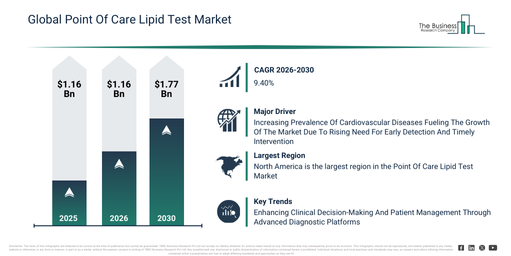
    The point of care lipid test market has experienced significant expansion in recent years. It is projected to grow from $0.74 billion in 2025 to $0.82 billion in 2026, reflecting a compound annual growth rate (CAGR) of 9.7%. This historical growth is largely due to the rising prevalence of cardiovascular diseases, the need for prompt testing, advancements in biosensor technology, heightened awareness about cholesterol control, and increased availability of point-of-care devices. Looking ahead, the market is anticipated to reach $1.17 billion by 2030 with a CAGR of 9.4%. Factors fueling this future growth include the integration of mobile applications and cloud-based platforms, greater adoption in home care environments, expansion in clinics and hospitals, the development of multi-analyte testing capabilities, and strategic partnerships between device manufacturers and software providers. Emerging trends set to influence the market include fingerstick lipid testing, handheld analyzers, multi-parameter devices, rapid cardiovascular risk assessments, and home-based lipid monitoring solutions.

    Download A Free Sample Report For Comprehensive Market Insights:

    https://www.thebusinessresearchcompany.com/sample.aspx?id=28300&type=smp

    Rising Cardiovascular Disease Rates Boost Demand for Point of Care Lipid Tests

    One of the primary factors driving the point of care lipid test market is the increasing incidence of cardiovascular diseases globally. These conditions—such as coronary artery disease, stroke, and hypertension—are often linked to abnormal cholesterol and triglyceride levels caused by atherosclerosis. Lifestyle changes including sedentary behavior and lack of physical activity contribute significantly to obesity, poor circulation, and other cardiovascular risk factors. Point-of-care lipid testing plays a crucial role by enabling quick, onsite measurement of lipids, facilitating early detection of risk and allowing timely treatment decisions to prevent disease progression. For instance, in January 2024, the American Heart Association reported 931,578 cardiovascular disease-related deaths in the US, an increase of 3,000 compared to the previous year, underscoring the urgency of improved lipid management and testing solutions.

    How Continued Advances in Medical Technology are Enhancing Market Growth

    Technological innovation is another key contributor to the market’s upward trend. Improvements in biosensor technology have made point-of-care lipid tests more accurate, reliable, and user-friendly. The shift towards portable devices enables healthcare professionals and patients to monitor lipid levels conveniently outside traditional lab settings, supporting faster clinical decisions and better patient outcomes.

    Access The Complete Point Of Care Lipid Test Market Report:

    https://www.thebusinessresearchcompany.com/report/point-of-care-lipid-test-global-market-report

    Expanding Use Across Different Healthcare Settings Further Supports Market Expansion

    Moreover, the rising adoption of point-of-care lipid testing in diverse settings—such as hospitals, clinics, and home care environments—is broadening the market reach. This expansion is driven by the need for accessible, rapid testing, especially in remote or resource-limited areas where conventional laboratory testing is less feasible.

    Comprehensive Market Segmentation in Point of Care Lipid Testing

    This report segments the point of care lipid test market into several categories:

    By product type, the market includes instruments and consumables.

    By application, it covers hyperlipidemia, hypertriglyceridemia, hyperlipoproteinemia, familial hypercholesterolemia, and other conditions.

    By end-user, the segments are hospitals, clinics, home care settings, and other users.

    Further detailed breakdowns comprise instrument types such as portable or handheld analyzers, multi-parameter analyzers, and single-parameter analyzers, along with consumables like test strips, reagents, and kits.

    Key Market Trends Shaping Innovation and Competition

    The point of care lipid test market is witnessing notable competition driven by the development of advanced diagnostic platforms. These portable, integrated devices deliver rapid, lab-quality lipid panel results at the patient’s bedside, enhancing clinical decision-making and care personalization. For example, in July 2023, Vital Biosciences Inc., a Canadian health technology firm, introduced VitalOne—a point-of-care testing platform capable of providing over 50 lab-grade blood test outcomes within 20 minutes. This compact system combines hematology, clinical chemistry, and immunoassays in a single device, enabling testing, diagnosis, and treatment in one visit, significantly improving access, speed, and accuracy compared to traditional labs.

    Leading Corporations Driving the Point of Care Lipid Test Market

    Prominent companies steering this market include Abbott Laboratories, EKF Diagnostics Holdings plc, Roche Diagnostics International AG, Siemens Healthineers AG, Horiba ABX SAS, Randox Laboratories Ltd., Sekisui Diagnostics LLC, EKF Diagnostics USA Inc., VivaChek Biotech (Hangzhou) Co. Ltd., Menarini Diagnostics S.r.l., Trinity Biotech plc, AccuBioTech Co. Ltd., MiCo BioMed Co. Ltd., BHR Diagnostics Private Limited, SD Biosensor Inc., ARKRAY Inc., PTS Diagnostics, HemoCue AB, MedTest Dx Inc., and Nova Biomedical Corporation.

    Regional Market Overview Highlighting Areas of Rapid Growth

    In 2025, North America held the largest share of the point of care lipid test market. However, the Asia-Pacific region is set to experience the fastest growth over the forecast period. Other key regions covered include South East Asia, Western Europe, Eastern Europe, South America, the Middle East, and Africa, providing a broad perspective on global market dynamics.

    Get in touch with us:

    The Business Research Company: https://www.thebusinessresearchcompany.com/

    Americas: +1 310-496-7795

    Asia: +44 7882 955267 & +91 8897263534

    Europe: +44 7882 955267

    Email us at: marketing@tbrc.info

    Follow us on:

    LinkedIn: https://in.linkedin.com/company/the-business-research-company

    YouTube: https://www.youtube.com/channel/UC24_fI0rV8cR5DxlCpgmyFQ

    Global Market Model: https://www.thebusinessresearchcompany.com/global-market-model
  • Point Of Care Hematology Diagnostics Market Growth Through 2030 Creates New Strategic Opportunities

    Point Of Care Hematology Diagnostics Market Growth Through 2030 Creates New Strategic Opportunities

    Through market attractiveness analysis, total addressable market evaluation, company benchmarking matrices, interactive Excel dashboards, expanded supply chain intelligence, emerging startup coverage, and detailed product insights, The Business Research Company’s 2026 market reports provide more actionable and strategically valuable research.

    The point of care hematology diagnostics sector has experienced significant growth recently, driven by the need for quicker and more accessible blood testing solutions. As healthcare systems evolve and demand for rapid diagnostics increases, this market is set to see continued expansion in the coming years. Here, we explore the market’s current status, key growth drivers, segmentation, technological trends, leading companies, and regional performance.

    Forecasted Expansion and Market Size of the Point of Care Hematology Diagnostics Market

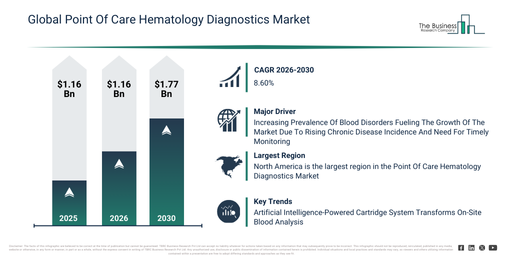
    The market for point of care hematology diagnostics has shown strong growth momentum and is anticipated to rise from $2.9 billion in 2025 to $3.16 billion in 2026, growing at a compound annual rate of 9.0%. This growth during the historical period is attributed to reliance on centralized lab testing, an increasing prevalence of anemia and other blood-related disorders, rising hospital emergency admissions, the necessity for faster diagnosis, and limited laboratory access in rural locations. Looking ahead, the market is expected to reach $4.39 billion by 2030, with a CAGR of 8.6%. Factors fueling this future growth include the rising incidence of chronic and infectious diseases, expansion of point of care testing programs, heightened demand for rapid diagnostics in emergency scenarios, technological advances in compact hematology analyzers, and the shift toward decentralized healthcare models. Important trends during this period encompass the growing use of rapid bedside blood testing, increased demand for decentralized diagnostics in urgent care settings, adoption of portable and handheld devices, expansion into resource-limited areas, and a focus on reducing turnaround times for clinical decisions.

    Download A Free Sample Report For Comprehensive Market Insights:

    https://www.thebusinessresearchcompany.com/sample.aspx?id=27388&type=smp

    Increasing Prevalence of Blood Disorders as a Growth Catalyst in the Point of Care Hematology Diagnostics Market

    A major factor propelling the point of care hematology diagnostics market is the rise in blood disorders, which affect components such as red and white blood cells, platelets, and plasma. The growing burden of chronic diseases directly impacts blood health, necessitating regular monitoring. Point of care diagnostics provide timely and accurate results near the patient, enabling faster treatment decisions and better disease management. For example, in November 2024, the American Society of Hematology projected that global leukemia cases could reach approximately 519,540 by 2050. This increase in blood disorder prevalence is a key driver encouraging market expansion.

    How Chronic Disease Trends Support the Point of Care Hematology Diagnostics Growth

    Chronic diseases increase the demand for continuous blood monitoring, which fuels the need for rapid and accessible hematology diagnostics at the point of care. This trend is expected to push healthcare providers toward adopting more decentralized testing solutions to manage patient health efficiently. Additionally, the amplified burden on emergency departments due to such conditions necessitates quicker diagnostic methods, further stimulating demand for portable hematology devices.

    Access The Complete Point Of Care Hematology Diagnostics Market Report:

    https://www.thebusinessresearchcompany.com/report/point-of-care-hematology-diagnostics-global-market-report

    Detailed Segmentation of the Point of Care Hematology Diagnostics Market

    The report categorizes the point of care hematology diagnostics market into several segments:

    1) By Type: Complete Blood Count (CBC), Coagulation Testing, Hemoglobin Testing, Anemia Diagnosis, and Other Types

    2) By Mode of Prescription: Prescription-Based Products and Over-The-Counter Products

    3) By End User: Diagnostic Centers, Hospitals, Blood Banks, Transfusion Centers, and Other End Users

    Further subsegments include:

    – Complete Blood Count (CBC) components such as White Blood Cell Count, Red Blood Cell Count, Platelet Count, Hematocrit, Hemoglobin Concentration, and Mean Corpuscular Volume (MCV)

    – Coagulation Testing elements including Prothrombin Time (PT), Activated Partial Thromboplastin Time (aPTT), International Normalized Ratio (INR), D-Dimer Test, and Fibrinogen Level

    – Hemoglobin Testing types like Total Hemoglobin, Glycated Hemoglobin (HbA1c), Oxyhemoglobin, Carboxyhemoglobin, and Methemoglobin

    – Anemia Diagnosis tests such as Iron Studies, Vitamin B12 Levels, Folate Levels, Reticulocyte Count, Ferritin Test, and Transferrin Saturation

    – Other types including Blood Typing and Crossmatching, Erythrocyte Sedimentation Rate, Malaria Parasite Detection, Sickle Cell Screening, and C-Reactive Protein Testing

    Innovations Shaping Future Demand in the Point of Care Hematology Diagnostics Market

    Leading companies in this field are focusing on launching technologically advanced products like cartridge-based AI-powered hematology analyzers. These compact devices utilize single-use reagent cartridges combined with artificial intelligence algorithms to provide quick, precise blood analysis directly at the patient’s location. For instance, in September 2024, Zoetis Inc., a US veterinary health firm, introduced Vetscan OptiCell—a cartridge-based, AI-enhanced hematology analyzer designed for veterinary applications. This system delivers rapid, laboratory-quality complete blood count (CBC) results within minutes, reduces maintenance needs, and features advanced AI-driven image processing and viscoelastic focusing technology. These features enable accurate blood cell classification and automated detection of abnormalities, promoting efficient and reliable diagnostics in veterinary care.

    Key Players Dominating the Point of Care Hematology Diagnostics Market

    Several prominent companies lead the point of care hematology diagnostics space, including F. Hoffmann-La Roche Ltd., Abbott Laboratories, Danaher Corporation, Siemens Healthineers AG, Shenzhen Mindray Bio-Medical Electronics Co. Ltd., Sysmex Corporation, HORIBA Ltd., Nova Biomedical Corp., S.D. Sight Diagnostics Ltd., EKF Diagnostics Holdings plc., BioMedomics Inc., PixCell Medical Technologies Ltd., Boule Diagnostics AB, Nihon Kohden Corporation, Edan Instruments Inc., A Menarini Industrie Farmaceutiche Srl, Becton Dickinson and Company, Ortho Clinical Diagnostics, Khema Diagnostics, and Bio-Rad Laboratories Inc.

    Regional Analysis Highlighting Market Leadership and Growth Potential

    In 2025, North America stood as the largest market for point of care hematology diagnostics. However, Asia-Pacific is forecasted to experience the highest growth rate over the upcoming years. The market report covers key regions including Asia-Pacific, South East Asia, Western Europe, Eastern Europe, North America, South America, the Middle East, and Africa, providing a broad perspective on global market dynamics.

    Get in touch with us:

    The Business Research Company: https://www.thebusinessresearchcompany.com/

    Americas: +1 310-496-7795

    Asia: +44 7882 955267 & +91 8897263534

    Europe: +44 7882 955267

    Email us at: marketing@tbrc.info

    Follow us on:

    LinkedIn: https://in.linkedin.com/company/the-business-research-company

    YouTube: https://www.youtube.com/channel/UC24_fI0rV8cR5DxlCpgmyFQ

    Global Market Model: https://www.thebusinessresearchcompany.com/global-market-model
  • Point Of Care Devices Market Size Projected To Increase From $34.44 Billion To $48.88 Billion During The Forecast Period

    Point Of Care Devices Market Size Projected To Increase From $34.44 Billion To $48.88 Billion During The Forecast Period

    Delivering more actionable and strategically valuable research, The Business Research Company’s 2026 market reports feature market attractiveness analysis, total addressable market evaluation, company benchmarking matrices, interactive Excel dashboards, expanded supply chain intelligence, emerging startup coverage, and detailed product insights.

    The point of care devices market is experiencing rapid expansion, driven by advances in healthcare technology and increasing demand for quick and accurate diagnostics. As healthcare systems evolve, these devices are becoming essential tools in a variety of medical settings, from hospitals to home care, offering timely and efficient patient management. Let’s explore the current market size, key drivers, emerging trends, and major players shaping this vital industry.

    Forecasting the Size and Growth of the Point of Care Devices Market

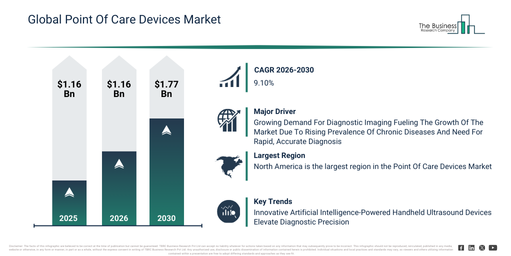
    The point of care devices market has witnessed significant growth in recent years and is expected to continue this trend. Market value is projected to rise from $31.46 billion in 2025 to $34.44 billion in 2026, reflecting a compound annual growth rate (CAGR) of 9.5%. This historical expansion has been fueled by challenges such as limited access to centralized laboratories, a rising prevalence of chronic diseases, the need for quicker clinical decisions, the expansion of primary healthcare services, and increasing demand for diagnostic testing at the bedside. Looking ahead, the market is forecasted to reach $48.88 billion by 2030, growing at a CAGR of 9.1%. The sustained momentum will be supported by innovations in microfluidics and biosensor technologies, growing use of wearable and remote monitoring devices, expansion of home healthcare, a heightened focus on infectious disease surveillance, and integration with digital health platforms. Additionally, trends like the widespread adoption of rapid testing at point of care, increased demand for self-testing and home-based diagnostics, ongoing miniaturization of devices, emphasis on decentralized healthcare, and growth in emergency and critical care testing are expected to shape the marketplace.

    Download A Free Sample Report For Comprehensive Market Insights:

    https://www.thebusinessresearchcompany.com/sample.aspx?id=27387&type=smp

    Rising Demand for Diagnostic Imaging Boosting Market Expansion

    One of the key factors propelling growth in the point of care devices market is the increasing demand for diagnostic imaging. These imaging techniques produce detailed visuals of the body’s interior, playing a crucial role in clinical assessment and medical treatment. The rise in chronic diseases that require early and precise diagnosis is driving this demand. Point of care devices contribute by providing compact, mobile, and efficient imaging solutions tailored for clinics, bedside use, and remote healthcare environments. By delivering rapid and reliable imaging results, these devices significantly reduce turnaround times, enhancing clinical decisions and patient outcomes. For example, in November 2024, the National Health Service in the UK reported 47.2 million imaging tests in England for the year ending March 2024, marking a 4.8% increase from 45.0 million the previous year. This upward trend in imaging needs supports the expanding role of point of care devices in healthcare.

    Segment Breakdown Highlighting Fastest Growing Categories in Point of Care Devices

    This market report segments the point of care devices industry into key categories:

    1) By Device Type: Diagnostic Devices, Therapeutic Devices, Monitoring Devices, Treatment Devices, Support Devices

    2) By Technology: Biochemical Technology, Microfluidics, Immunoassay Technology, Nucleic Acid Testing, Wearable Technology

    3) By Application: Cardiology, Diabetes Management, Infectious Diseases, Oncology, Pediatrics

    4) By Distribution Channel: Direct Sales, Distributors, Online Sales, Retail Pharmacies, Healthcare Institutions

    5) By End User: Hospitals, Clinics, Home Care Settings, Diagnostic Laboratories, Emergency Medical Services (EMS)

    Further subcategories include diagnostic devices such as blood glucose monitors, hematology analyzers, coagulation analyzers, urinalysis devices, and molecular diagnostics. Therapeutic devices cover infusion pumps, respiratory therapy tools, pain management devices, wound care, and dialysis machines. Monitoring devices consist of vital signs monitors, cardiac monitors, pulse oximeters, temperature, and respiratory monitors. Treatment devices feature defibrillators, surgical tools, laser therapy, and physical therapy equipment. Support devices include sample collection, specimen transport, data management, and calibration and maintenance tools.

    Access The Complete Point Of Care Devices Market Report:

    https://www.thebusinessresearchcompany.com/report/point-of-care-devices-global-market-report

    Innovative Technologies Driving Future Developments in Point of Care Devices

    Leading companies in this sector are heavily investing in advanced technologies to enhance device capabilities. One notable innovation is the introduction of artificial intelligence (AI)-enabled handheld ultrasound systems, which enhance diagnostic precision and portability. These AI-powered devices assist healthcare professionals by automating image capture and interpretation for faster, more accurate results. For instance, in October 2023, Koninklijke Philips N.V., a healthcare technology firm based in the Netherlands, released the Compact 5000 Series. This AI-enhanced point of care ultrasound system features exceptional image quality, automated measurements using AI, user-friendly controls, compatibility with multiple transducers, and seamless integration with telemedicine platforms to support remote clinical collaboration across diverse healthcare settings.

    Key Industry Players Competing in the Point of Care Devices Market

    The market is dominated by several major corporations that continually drive innovation and expansion. Prominent companies include Johnson & Johnson, F. Hoffmann-La Roche AG, Thermo Fisher Scientific Inc., Abbott Laboratories, Danaher Corporation, Siemens Healthineers AG, Becton Dickinson and Company, Hologic Inc., BioMérieux SA, Quidel Corporation, OraSure Technologies Inc., Nova Biomedical Corporation, Sekisui Diagnostics LLC, Abaxis Inc., EKF Diagnostics Holdings plc, Trinity Biotech plc, Chembio Diagnostics Inc., PTS Diagnostics LLC, MeMed, Alere Inc., and Diagnostics For All Inc. These players are instrumental in advancing technology, broadening distribution, and catering to diverse healthcare applications worldwide.

    Regional Market Outlook Reveals Areas of Greatest Opportunity

    In terms of regional market share, North America held the largest portion of the point of care devices market in 2025. However, the Asia-Pacific region is projected to experience the fastest growth over the coming years. The market report covers various regions including Asia-Pacific, South East Asia, Western Europe, Eastern Europe, North America, South America, the Middle East, and Africa, providing a comprehensive view of global opportunities and growth patterns in the point of care devices sector.

    Get in touch with us:

    The Business Research Company: https://www.thebusinessresearchcompany.com/

    Americas: +1 310-496-7795

    Asia: +44 7882 955267 & +91 8897263534

    Europe: +44 7882 955267

    Email us at: marketing@tbrc.info

    Follow us on:

    LinkedIn: https://in.linkedin.com/company/the-business-research-company

    YouTube: https://www.youtube.com/channel/UC24_fI0rV8cR5DxlCpgmyFQ

    Global Market Model: https://www.thebusinessresearchcompany.com/global-market-model
  • Poc Hba1C Testing Market Growth Outlook Reveals A CAGR Of 11.4% And A Market Value Of $1.76 Billion By 2030

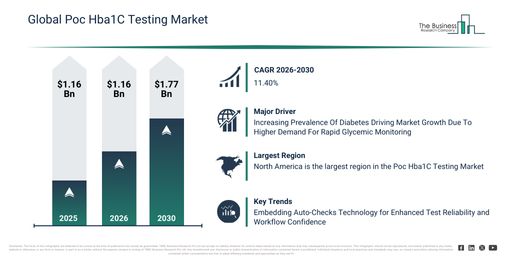
    Poc Hba1C Testing Market Growth Outlook Reveals A CAGR Of 11.4% And A Market Value Of $1.76 Billion By 2030

    Enhanced with market attractiveness analysis, total addressable market evaluation, company benchmarking matrices, interactive Excel dashboards, expanded supply chain intelligence, emerging startup coverage, and detailed product insights, The Business Research Company’s 2026 market reports deliver more actionable and strategically valuable research.

    The point-of-care (POC) HbA1c testing market has witnessed significant expansion recently, driven by the urgent need for efficient diabetes management tools. With rising diabetes cases worldwide, the demand for quick, reliable, and accessible HbA1c testing methods is growing rapidly. Let’s explore the market’s size, key growth drivers, leading companies, emerging trends, and regional dynamics shaping this industry’s future.

    Steady Growth and Market Size Outlook in the POC HbA1c Testing Market

    The POC HbA1c testing market has experienced rapid growth in recent years, with its value expected to rise from $1.02 billion in 2025 to $1.14 billion in 2026, reflecting an impressive compound annual growth rate (CAGR) of 11.9%. This historic growth is largely due to the increasing global prevalence of diabetes, the expanding reliance on long-term glucose monitoring in clinical settings, broader availability of outpatient diagnostic services, heightened awareness about early diabetes detection, and the accessibility of compact diagnostic tools.

    Download A Free Sample Report For Comprehensive Market Insights:

    https://www.thebusinessresearchcompany.com/sample.aspx?id=6833&type=smp

    Looking ahead, the market is projected to reach $1.76 billion by 2030, maintaining a strong CAGR of 11.4% during the forecast period. Growth factors fueling this surge include wider adoption of decentralized diagnostic testing, rising consumer preference for home-based care solutions, the expansion of digital diabetes management programs, a stronger emphasis on preventive healthcare, and increased investments in rapid diagnostic technology. Key market trends include the growing use of rapid point-of-care HbA1c devices, portable and handheld testing systems, home monitoring, integrated POC diagnostic platforms, and a focus on enhancing test accuracy and standardization.

    Primary Factors Propelling Demand in the POC HbA1c Testing Market

    The escalating number of diabetes cases worldwide is a fundamental driver for the POC HbA1c testing market’s expansion. Diabetes, a chronic metabolic disorder marked by elevated blood sugar levels, demands consistent monitoring to prevent serious health complications such as nerve damage, cardiovascular issues, and kidney disease. Lifestyle factors including sedentary habits, poor diet, obesity, and aging populations globally contribute to the rising incidence of diabetes.

    Access The Complete Poc Hba1C Testing Market Report:

    https://www.thebusinessresearchcompany.com/report/poc-hba1c-testing-global-market-report

    This increasing diabetic population is boosting the need for quick and reliable tests that enable effective glycemic control across clinical settings, pharmacies, and home care environments. For example, according to the International Diabetes Federation in 2025, approximately 589 million adults aged 20 to 79 were living with diabetes, with projections estimating that this number will grow to 853 million by 2050. Notably, over 80% of adults with diabetes reside in low- and middle-income countries, highlighting the critical role of accessible POC HbA1c testing solutions in managing this health challenge.

    Product and Technology Segments Defining the POC HbA1c Testing Market

    This market is divided into several key segments by product type, technology, and end user. Products include instruments and consumables. Instruments further encompass handheld HbA1c testing devices, portable analyzers, desktop testing systems, and integrated point-of-care testing systems. Consumables include test strips, control solutions, reagents, calibration solutions, and sample collection devices.

    Technological classifications cover ion-exchange high-performance liquid chromatography (HPLC), enzymatic assays, affinity binding chromatography, immunoassay, and other emerging methods. The end users of these products span hospitals, physician offices or outpatient centers, home care settings, and various other clinical environments.

    Innovations and Trends Shaping the Future of POC HbA1c Testing

    Leading companies are increasingly embedding built-in internal verification systems into their devices to enhance test accuracy, minimize errors, and build confidence in near-patient diagnostics. These automated self-check features monitor environmental conditions, sample quality, and assay performance throughout testing to prevent faulty outcomes or sample loss.

    For instance, in July 2024, Siemens Healthineers introduced the next-generation Atellica DCA Analyzer. This device uses proprietary Auto-Checks Technology, conducting continuous internal calibrations and environmental checks including airflow, temperature, sample volume, optical clarity, and precision during each test. Such automation delivers lab-quality HbA1c results within 4 to 5 minutes, reduces operator oversight needs, minimizes pre-analytical errors, and supports expansion of point-of-care testing especially in areas with limited laboratory infrastructure.

    Key Market Players Competing in the POC HbA1c Testing Industry

    The POC HbA1c testing market features numerous prominent companies competing globally. Leading players include F. Hoffmann-La Roche Ltd, Siemens Healthineers AG, Bio-Rad Laboratories Inc, Menarini Group, Danaher Corporation, Tosoh Bioscience Inc, ARKRAY Inc, i-SENS Inc, Abbott Laboratories, Trinity Biotech plc, Aina Blood Monitoring System, Getein Biotech Inc, Sugentech Inc, Alere Inc, EKF Diagnostics, HemoCue, PTS Diagnostics, Osang Healthcare, Ortho Clinical Diagnostics, Ascensia, Platinum Equity (LifeScan), Becton Dickinson and Company, Kainico Ltd, Evia Medical Technologies, Agamatrix Inc, and Bionime Corporation.

    Geographical Insights and Regional Market Leadership in POC HbA1c Testing

    In 2025, North America held the largest share of the POC HbA1c testing market, benefiting from advanced healthcare infrastructure and strong diabetes management programs. However, Africa is expected to be the fastest-growing region during the forecast period, driven by increasing healthcare investments, growing awareness, and expanding diagnostic capabilities. The market analysis also includes other important regions such as Asia-Pacific, South East Asia, Western and Eastern Europe, South America, and the Middle East, providing a comprehensive view of global market dynamics.

    Get in touch with us:

    The Business Research Company: https://www.thebusinessresearchcompany.com/

    Americas: +1 310-496-7795

    Asia: +44 7882 955267 & +91 8897263534

    Europe: +44 7882 955267

    Email us at: marketing@tbrc.info

    Follow us on:

    LinkedIn: https://in.linkedin.com/company/the-business-research-company

    YouTube: https://www.youtube.com/channel/UC24_fI0rV8cR5DxlCpgmyFQ

    Global Market Model: https://www.thebusinessresearchcompany.com/global-market-model
  • Pneumothorax Treatment Devices Market Forecast Highlights Expansion From $4.38 Billion To $6.43 Billion Through 2030

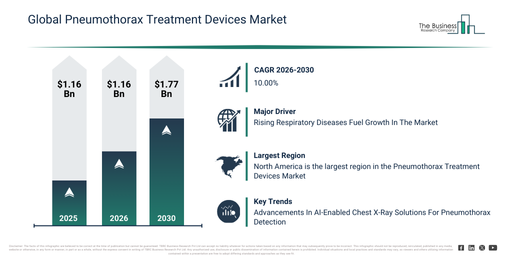
    Pneumothorax Treatment Devices Market Forecast Highlights Expansion From $4.38 Billion To $6.43 Billion Through 2030

    Through market attractiveness analysis, total addressable market evaluation, company benchmarking matrices, interactive Excel dashboards, expanded supply chain intelligence, emerging startup coverage, and detailed product insights, The Business Research Company’s 2026 market reports provide more actionable and strategically valuable research.

    The pneumothorax treatment devices industry has experienced significant growth recently, driven by advances in medical technology and rising healthcare demands. As the need for effective lung collapse treatments increases worldwide, this market is set to expand further, supported by innovations and growing emergency care infrastructure. Below is a detailed overview of the market’s size, key growth drivers, segmentation, competitive landscape, and regional insights.

    Market Size and Growth Outlook for Pneumothorax Treatment Devices

    The pneumothorax treatment devices market has shown rapid expansion in recent years. It is projected to increase from $3.98 billion in 2025 to $4.39 billion in 2026, with a compound annual growth rate (CAGR) of 10.3%. This historical growth has been fueled by factors such as a rise in traumatic chest injuries, more frequent road accidents, expansion of hospital emergency facilities, wider adoption of chest tube procedures, and growth in critical care units. Looking ahead, the market is expected to continue its strong momentum, reaching $6.43 billion by 2030 at a CAGR of 10.0%. Key drivers during the forecast period include the development of portable emergency devices, advancements in thoracic vent systems, increasing ICU admissions, demand for rapid lung re-expansion, and the growth of emergency medical services. Emerging trends to watch include ultra-rapid lung decompression, portable pneumothorax management tools, minimally invasive chest drainage options, enhanced air leak control systems, and user-friendly bedside treatment kits.

    Download A Free Sample Report For Comprehensive Market Insights:

    https://www.thebusinessresearchcompany.com/sample.aspx?id=20929&type=smp

    Increasing Prevalence of Respiratory Illnesses Boosts Market Demand

    One of the primary factors propelling the pneumothorax treatment devices market is the rising incidence of respiratory diseases. These conditions affect lung function and airflow, causing breathing difficulties. Their growth can be linked to environmental pollution, smoking habits, viral infections, and greater exposure to allergens. Pneumothorax devices play a critical role in managing lung collapse and restoring normal respiration in such cases. To illustrate, data released in September 2025 by the Australian Bureau of Statistics showed that influenza-related deaths climbed from 611 in 2023 to 806 in 2024, and further surged to 1,057 by August 2025—a 73% increase over the period. Similarly, fatalities due to respiratory syncytial virus (RSV) increased from 380 in 2023 to 468 in 2024, with 399 deaths recorded by August 2025. These upward trends in respiratory illnesses directly stimulate the demand for pneumothorax treatment devices.

    Core Segments and Growth Areas in the Pneumothorax Treatment Devices Market

    This market is divided into several important segments to better understand growth opportunities:

    1) By Type: Ventilator Devices, Thoracic Vent Devices, and Other Types

    2) By Application: Traumatic Pneumothorax, Spontaneous Pneumothorax, and other uses

    3) By End-User: Hospitals, Ambulatory Surgical Centers, and other users

    Access The Complete Pneumothorax Treatment Devices Market Report:

    https://www.thebusinessresearchcompany.com/report/pneumothorax-treatment-devices-global-market-report

    Further sub-classifications include:

    – Ventilator Devices: Portable, Non-Invasive, and Invasive Ventilators

    – Thoracic Vent Devices: Chest Drainage Systems, Heimlich Valves, and One-Way Chest Valve Systems

    – Other Types: Needle Aspiration Devices, Pleural Catheters, and Oxygen Therapy Devices

    Innovative Technologies Driving the Next Wave of Market Development

    Leading companies in the pneumothorax treatment devices sector are prioritizing the development of advanced technologies to maintain competitiveness. Among these innovations are enhanced chest X-ray solutions, which offer improved imaging for diagnosing lung-related conditions. For example, in September 2023, Qure.ai, a US-based health technology firm, received FDA 510(k) clearance for its chest X-ray tool, qXR-PTX-PE. This AI-powered software aids in the rapid identification of pneumothorax and pleural effusion, supporting faster decision-making in critical care settings like ICUs and emergency rooms. By analyzing chest radiographs quickly and accurately, the solution improves patient triage and care efficiency where timely intervention is crucial.

    Top Competitors and Market Dynamics in Pneumothorax Treatment Devices

    Several prominent companies dominate the pneumothorax treatment devices landscape, including Cardinal Health Inc., Medtronic PLC, Siemens Healthineers AG, Medline Industries Inc., Fujifilm Holdings Corporation, Becton Dickinson and Company (BD), GE HealthCare Technologies Inc., Stryker Corporation, Boston Scientific Corporation, Draegerwerk AG & Co. KGaA, Cook Medical Inc., B. Braun Melsungen AG, Utah Medical Products Inc., Rocket Medical plc, Nobelpharma Co. Ltd., Sinapi Biomedical Inc., UreSil Inc., ATMOS MedizinTechnik GmbH & Co. KG, Betaglue Technologies S.p.A., and Selio Medical Inc. These firms focus on innovation, regulatory approvals, and expanding product portfolios to sustain and enhance their market presence.

    North America Holds the Largest Share in Pneumothorax Treatment Devices Market

    In 2025, North America accounted for the largest share of the pneumothorax treatment devices market. The report covers multiple regions, including Asia-Pacific, South East Asia, Western Europe, Eastern Europe, North America, South America, the Middle East, and Africa, each showing varied growth trajectories. While North America leads currently, some regions like Asia-Pacific are expected to witness significant growth rates in the coming years as healthcare infrastructure develops and awareness increases.

    Get in touch with us:

    The Business Research Company: https://www.thebusinessresearchcompany.com/

    Americas: +1 310-496-7795

    Asia: +44 7882 955267 & +91 8897263534

    Europe: +44 7882 955267

    Email us at: marketing@tbrc.info

    Follow us on:

    LinkedIn: https://in.linkedin.com/company/the-business-research-company

    YouTube: https://www.youtube.com/channel/UC24_fI0rV8cR5DxlCpgmyFQ

    Global Market Model: https://www.thebusinessresearchcompany.com/global-market-model