Month: June 2026

  • Physiotherapy Equipment Market Expansion Is Reshaping Competitive Dynamics Across The Industry

    Physiotherapy Equipment Market Expansion Is Reshaping Competitive Dynamics Across The Industry

    Enhanced with market attractiveness analysis, total addressable market evaluation, company benchmarking matrices, interactive Excel dashboards, expanded supply chain intelligence, emerging startup coverage, and detailed product insights, The Business Research Company’s 2026 market reports deliver more actionable and strategically valuable research.

    The physiotherapy equipment sector has witnessed remarkable growth recently, driven by increasing health challenges and advancements in rehabilitation technologies. As the demand for effective recovery solutions rises globally, this market is set to expand further, fueled by evolving treatment methods, technological progress, and shifting patient needs.

    Strong Expansion in Physiotherapy Equipment Market Size and Projections

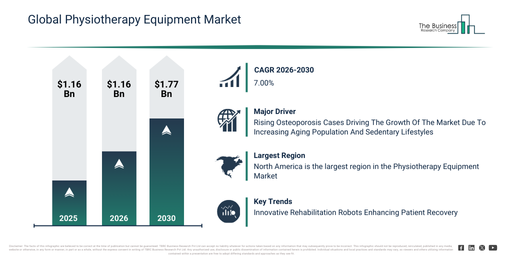
    In recent years, the physiotherapy equipment market has shown significant growth, with its value expected to increase from $20.91 billion in 2025 to $22.38 billion in 2026 at a steady compound annual growth rate (CAGR) of 7.0%. This upward trajectory is largely due to the rise in musculoskeletal disorders, more frequent physical injuries, growth in rehabilitation centers, an increasing need for post-surgical recovery, and an aging global population. Looking ahead, the market is anticipated to reach $29.29 billion by 2030, maintaining the same CAGR of 7.0%. The forecast period’s growth is supported by factors such as the adoption of remote physiotherapy, the popularity of wearable rehabilitation devices, the prevalence of chronic pain, the frequency of sports injuries, and the rise of digital therapy platforms. Key trends expected to influence this growth include the expansion of home-based rehabilitation programs, the increased use of electrotherapy devices, the demand for non-invasive pain treatments, a boost in sports rehabilitation services, and the integration of smart therapy equipment.

    Download A Free Sample Report For Comprehensive Market Insights:

    https://www.thebusinessresearchcompany.com/sample.aspx?id=22097&type=smp

    Rising Osteoporosis Rates as a Major Market Driver

    A significant factor propelling growth in the physiotherapy equipment market is the increasing occurrence of osteoporosis. This condition, characterized by weakened bones and a higher risk of fractures due to reduced bone density, is becoming more common with aging populations, more sedentary lifestyles, and unhealthy diets. As life expectancy rises, a larger portion of the population is entering older age brackets where bone density naturally diminishes, making osteoporosis more prevalent. Physiotherapy equipment plays a vital role in managing this condition by providing treatments that strengthen bones, enhance balance, and improve muscle function, thereby lowering the risk of falls and fractures. For example, in July 2025, the Institute for Health Transformation from Australia reported that in 2023, a fracture occurred every 2.7 minutes, with projections showing this could increase to one fracture every 30 seconds by 2033. This trend underlines how the growing incidence of osteoporosis is driving demand within the physiotherapy equipment market.

    Additional Factors Contributing to Market Demand

    Beyond osteoporosis, other elements also contribute to the market’s expansion. The increasing number of physical injuries, whether from accidents or sports, along with a surge in rehabilitation centers globally, is creating more opportunities for physiotherapy equipment usage. Additionally, the need for effective post-surgical recovery processes and the aging demographic worldwide further stimulate demand. These factors combined ensure that the market remains on a steady growth path as healthcare providers seek better recovery tools and patients look for enhanced rehabilitation options.

    Access The Complete Physiotherapy Equipment Market Report:

    https://www.thebusinessresearchcompany.com/report/physiotherapy-equipment-global-market-report

    Detailed Breakdown of Physiotherapy Equipment Market Segments

    This market is segmented into several categories to better understand its composition:

    1) By Type: This includes Cryotherapy, Hydrotherapy, Continuous Passive Motion (CPM), Ultrasound, Electric Stimulation, Heat Therapy, Therapeutic Exercise, and other types.

    2) By Application: Segments include Neurology, Musculoskeletal, Pediatric, Cardiovascular and Pulmonary, and other applications.

    3) By End-User: Covers Hospitals and Clinics, Rehabilitation Centers, and other users.

    Within these, subcategories provide further detail such as:

    – Cryotherapy devices like Ice Packs, Cold Compression Therapy Units, Cryo Chambers, and Vapocoolant Sprays.

    – Hydrotherapy equipment including Whirlpool Therapy Equipment, Underwater Treadmills, Aquatic Therapy Pools, and Hydrotherapy Tanks.

    – CPM machines for knees, shoulders, elbows, and ankles.

    – Ultrasound devices such as Therapeutic Ultrasound, High-Intensity Focused Ultrasound (HIFU), and Low-Intensity Pulsed Ultrasound (LIPUS).

    – Electric Stimulation tools including TENS Units, Neuromuscular Electrical Stimulation (NMES), Functional Electrical Stimulation (FES), and Interferential Current Therapy (IFC) Units.

    – Heat Therapy products like Infrared Lamps, Heating Pads, Paraffin Wax Baths, and Hot Packs.

    – Therapeutic Exercise equipment such as Resistance Bands, Balance and Stability Tools, Exercise Balls, and Strength Training Machines.

    – Other types like Laser Therapy Devices, Traction Therapy Equipment, Shockwave Machines, and Magnetotherapy Devices.

    Innovations and Trends Changing the Physiotherapy Equipment Landscape

    Key players in the physiotherapy equipment market are pushing the envelope by introducing sophisticated products like rehabilitation robots to improve patient recovery and treatment results. These cutting-edge machines incorporate advanced technologies such as artificial intelligence (AI), brain-computer interfaces (BCI), and high-precision sensors, which help restore motor functions and enhance rehabilitation effectiveness. For instance, in November 2023, Syrebo, a technology company based in China, unveiled two new products: the Hand Rehabilitation Robot (BCI) SY-BR09 and the Upper Limb Rehabilitation Robot SY-UEA2. The SY-BR09 robot leverages BCI technology to stimulate brain activity, promoting neural reshaping and improving active movement awareness, which significantly boosts rehabilitation success. Meanwhile, the SY-UEA2 comes with a fully mobile chassis and precise optical positioning systems, offering targeted training for upper limbs to aid functional recovery.

    Top Companies Leading the Physiotherapy Equipment Market

    The physiotherapy equipment market features several prominent players, including Medtronic plc, Zimmer Biomet Holdings Inc., Oceanic Healthcare, Dynatronics Corporation, Chirag Electronics Pvt. Ltd., HMS Medical Systems, Bio-Med International Pvt Ltd., Naugra Medical, Hi-Tech Surgical Company, Bit & Byte Technosys Private Limited, Physio Medicare, Cerabest Healthcare, Bharath Medical Systems, Divine Physiotherapy Equipments, JaincoLab, Syrebo, Sonka Medical, Maktrex International, Life Care Systems, and Tapsi Electro Medical Systems & Services. These companies are integral to advancing market technologies and expanding global reach.

    Geographical Insights Highlighting North America’s Market Leadership

    In 2025, North America held the top position as the largest market for physiotherapy equipment. The overall market outlook also includes key regions such as Asia-Pacific, South East Asia, Western Europe, Eastern Europe, South America, the Middle East, and Africa, reflecting a broad global landscape with diverse growth patterns across different geographies.

    Get in touch with us:

    The Business Research Company: https://www.thebusinessresearchcompany.com/

    Americas: +1 310-496-7795

    Asia: +44 7882 955267 & +91 8897263534

    Europe: +44 7882 955267

    Email us at: marketing@tbrc.info

    Follow us on:

    LinkedIn: https://in.linkedin.com/company/the-business-research-company

    YouTube: https://www.youtube.com/channel/UC24_fI0rV8cR5DxlCpgmyFQ

    Global Market Model: https://www.thebusinessresearchcompany.com/global-market-model
  • Physiotherapy Devices Market Forecast Reveals Where Future Industry Value Will Be Created

    Physiotherapy Devices Market Forecast Reveals Where Future Industry Value Will Be Created

    Through market attractiveness analysis, total addressable market evaluation, company benchmarking matrices, interactive Excel dashboards, expanded supply chain intelligence, emerging startup coverage, and detailed product insights, The Business Research Company’s 2026 market reports provide more actionable and strategically valuable research.

    The physiotherapy devices market has experienced notable growth in recent years and is anticipated to continue expanding steadily. This upward trend is driven by several factors, including the increasing prevalence of musculoskeletal disorders and the growing demand for effective rehabilitation solutions. Let’s explore the current market size, key growth drivers, segmentation, leading players, strategic trends, and regional dynamics shaping the physiotherapy devices sector.

    Physiotherapy Devices Market Size and Forecasted Growth Trajectory

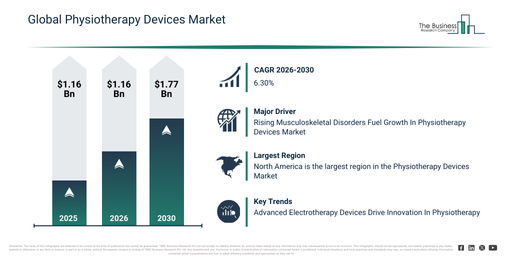
    The market for physiotherapy devices is projected to increase from $23.15 billion in 2025 to $24.67 billion in 2026, reflecting a compound annual growth rate (CAGR) of 6.6%. Historically, this growth has been fueled by a rise in musculoskeletal disorders, an expanding geriatric population, the growth of rehabilitation centers, higher rates of road accident injuries, and the adoption of non-invasive therapeutic methods. Looking ahead, the market is expected to reach $31.49 billion by 2030, growing at a CAGR of 6.3%. Factors contributing to this growth include the rise in home-based rehabilitation, an uptick in sports-related injuries, an increased focus on post-surgical recovery, the expansion of physiotherapy clinics, and a growing demand for portable devices. Key trends anticipated to influence the market include the broader use of home-based physiotherapy equipment, increased demand for pain management devices, growth in sports injury rehabilitation, the rise of wearable therapy devices, and the integration of multimodal therapy solutions.

    Download A Free Sample Report For Comprehensive Market Insights:

    https://www.thebusinessresearchcompany.com/sample.aspx?id=20590&type=smp

    Rising Cases of Musculoskeletal Disorders Boosting Physiotherapy Devices Market

    One of the primary factors propelling the physiotherapy devices market is the increasing occurrence of musculoskeletal disorders (MSDs). These conditions, which affect muscles, bones, joints, tendons, ligaments, and surrounding tissues, cause pain, stiffness, and limited movement. The aging population is particularly vulnerable, as natural degeneration of bones, joints, and muscles makes older adults more susceptible to these ailments. Physiotherapy devices play a crucial role in managing MSDs by alleviating pain, enhancing mobility, and supporting rehabilitation through targeted treatments.

    Growing Aging Population Intensifies Demand for Therapeutic Devices

    For example, in January 2024, the UK-based Office for Health Improvement & Disparities reported that 18.4% of individuals aged 16 and above had a long-term musculoskeletal condition in 2023, up from 17.6% in 2022. This upward trend highlights the increasing need for effective therapies and devices tailored to manage such conditions, which in turn is driving demand within the physiotherapy devices market.

    Access The Complete Physiotherapy Devices Market Report:

    https://www.thebusinessresearchcompany.com/report/physiotherapy-devices-global-market-report

    Segmentation of the Physiotherapy Devices Market by Type and Application

    This market is categorized into three key segments: Type, Application, and End User. Under Type, the segments include Equipment, Kits, and Accessories. Application-wise, the market covers Musculoskeletal, Neurology, Cardiovascular, and other specialized areas. End Users comprise Hospitals, Physiotherapy Clinics, Rehabilitation Centers, and other related facilities.

    Breaking down the Equipment segment further, it includes Electrical Stimulation Devices, Ultrasound Therapy Machines, Traction Equipment, Laser Therapy Devices, Cryotherapy Equipment, Heat Therapy Devices, Electrotherapy Units, and Exercise Equipment. Kits are subdivided into Physiotherapy Treatment Kits, Mobility Assistance Kits, Pain Relief Kits, Post-Surgery Recovery Kits, and Home Physiotherapy Kits. Accessories encompass Massage Rollers, Therapy Balls, Resistance Bands and Tubes, Knee and Back Supports, Foot and Ankle Supports, Electrode Pads for Electrotherapy, Therapy Straps and Bands, and Posture Correction Devices.

    Innovations in Home-Use Electrotherapy Devices Shaping Market Growth

    Leading companies in the physiotherapy devices sector are focusing on developing home-use solutions, especially electrotherapy devices, to improve therapeutic outcomes and accelerate patient recovery. Electrotherapy devices deliver electrical currents for purposes such as pain relief, muscle stimulation, and tissue healing.

    For instance, in March 2023, US-based Zynex Inc. introduced NexWave, an advanced electrotherapy device designed for pain management. NexWave provides pain relief up to 50 times stronger than standard transcutaneous electrical nerve stimulation (TENS) units without side effects. It works by blocking pain signals at the nervous system level, offering a safer alternative to pain medications. This device is especially beneficial for patients recovering from surgery or those experiencing chronic pain. Designed for home use, NexWave delivers higher frequencies and stronger electrical output than typical over-the-counter devices, garnering strong recommendations from both healthcare providers and patients.

    Key Market Players Leading the Physiotherapy Devices Industry

    The physiotherapy devices market features several prominent companies, including 3M Company, DJO LLC, BTL Industries Inc., Performance Health Holding Inc., Zynex Medical Inc., Morris Group International Inc., Dynatronics Corporation, Storz Medical AG, Chattanooga Group, Zimmer MedizinSysteme GmbH, Mectronic Medicale S.r.l., Mettler Electronics Corp., EMS Physio Ltd., International Electro Medical Co., Medisport S.r.l., Enovis Corporation, Enraf Nonius B.V., ITO Co Ltd, Whitehall Manufacturing Inc., Richmar, HMS Medical Systems Pvt Ltd, Life Care Systems Pvt Ltd, Meden-Inmed, Gymna Uniphy, and CoolSystems Inc.

    Regional Insights Highlight North America as Market Leader

    In terms of regional performance, North America dominated the physiotherapy devices market in 2025. However, Asia-Pacific is expected to record the fastest growth over the coming years. Other regions analyzed in the market report include South East Asia, Western Europe, Eastern Europe, South America, the Middle East, and Africa, providing a comprehensive view of global market dynamics.

    Get in touch with us:

    The Business Research Company: https://www.thebusinessresearchcompany.com/

    Americas: +1 310-496-7795

    Asia: +44 7882 955267 & +91 8897263534

    Europe: +44 7882 955267

    Email us at: marketing@tbrc.info

    Follow us on:

    LinkedIn: https://in.linkedin.com/company/the-business-research-company

    YouTube: https://www.youtube.com/channel/UC24_fI0rV8cR5DxlCpgmyFQ

    Global Market Model: https://www.thebusinessresearchcompany.com/global-market-model
  • Photochromic Lenses Market Growth Through 2030 Creates New Strategic Opportunities

    Photochromic Lenses Market Growth Through 2030 Creates New Strategic Opportunities

    Delivering more actionable and strategically valuable research, The Business Research Company’s 2026 market reports feature market attractiveness analysis, total addressable market evaluation, company benchmarking matrices, interactive Excel dashboards, expanded supply chain intelligence, emerging startup coverage, and detailed product insights.

    The photochromic lenses market has experienced significant growth recently, driven by expanding consumer awareness and technological advancements. These lenses, which adapt to changing light conditions, have become increasingly popular due to their convenience and eye protection benefits. Let’s explore the market’s size, key growth drivers, segmentation, innovation trends, and major players shaping its future.

    Photochromic Lenses Market Size and Expected Growth Trajectory

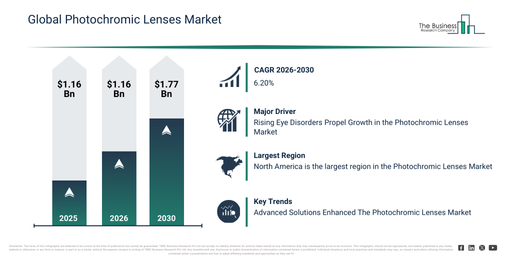
    The photochromic lenses market is set for steady expansion, increasing from $6.98 billion in 2025 to $7.46 billion in 2026, with a compound annual growth rate (CAGR) of 7.0%. This growth during the recent years is largely influenced by a rising need for vision correction, heightened consumer understanding of UV eye protection, broader optical retail networks, growing acceptance of prescription eyewear, and advancements in lens materials. Looking ahead, the market is projected to reach $9.48 billion by 2030, expanding at a CAGR of 6.2%. Continued demand for adaptive eyewear, higher adoption of premium optical products, growth in online sales channels, focus on sustainable materials, and ongoing innovation in photochromic technology will all contribute to this positive outlook. Key trends expected include faster-reacting lens materials, growing interest in scratch-resistant and durable coatings, preference for lightweight high-index lenses, and an emphasis on fashionable, aesthetically appealing designs with integrated UV protection.

    Download A Free Sample Report For Comprehensive Market Insights:

    https://www.thebusinessresearchcompany.com/sample.aspx?id=16765&type=smp

    Increasing Prevalence of Eye Disorders Boosting Photochromic Lenses Demand

    A growing number of eye-related conditions such as myopia, cataracts, glaucoma, and age-related macular degeneration are a significant factor supporting market growth. These disorders, which affect vision and eye health, are becoming more common due to aging populations, prolonged screen exposure, environmental pollution, poor nutrition, and higher rates of chronic illnesses like diabetes. Photochromic lenses offer relief by reducing eye strain and providing effective UV protection, which enhances comfort and visual health for those affected. For example, in July 2025, the UK government’s vision health report highlighted that nearly 3.7 million people attended 9.8 million outpatient vision appointments in England during the financial year ending 2024, with cataract surgeries and injection therapies on the rise. This increased demand for clinical eye care services underlines the growing need for adaptive optical solutions like photochromic lenses.

    The Role of an Aging Population in Driving Market Expansion

    The expanding elderly demographic, typically those aged 65 and above, is a key driver fueling the photochromic lenses market. This group requires specialized healthcare due to physiological changes linked to aging, and their increasing numbers stem from longer life expectancies combined with lower birth rates. Photochromic lenses are particularly beneficial for older adults because they automatically adjust to light changes, reducing glare, enhancing comfort, and minimizing eye strain — especially important for those with heightened light sensitivity. According to data from the UK Parliament’s House of Commons Library in July 2024, the UK had 12.7 million people aged 65 or older in 2022, representing 19% of the population, with projections rising to 22.1 million by 2072, or 27% of the population. This demographic trend strongly supports market growth.

    Access The Complete Photochromic Lenses Market Report:

    https://www.thebusinessresearchcompany.com/report/photochromic-lenses-global-market-report

    Detailed Segmentation Highlighting Growth Opportunities in the Photochromic Lenses Market

    This market can be broken down into several important segments:

    1) By Material: Glass, Polycarbonate, Plastic, and Other Materials

    2) By Technology: Ultra-Violet (UV) and Visible Light, Imbibing and Trans-bonding, In Mass, and Other Technologies

    3) By Distribution Channel: Online, Optical Chains, and Independent Eye Care Professionals (ECPs)

    4) By Application: Corrective and Preventive

    Subcategories include:

    – Glass lenses such as standard, high-index, ultra-thin, scratch-resistant coated, and prescription-specific options

    – Polycarbonate lenses including standard, high-impact, sports eyewear, UV-protected, and children’s eyewear varieties

    – Plastic lenses featuring standard CR-39, high-index, lightweight, anti-reflective coated, and fashion eyewear types

    – Other materials like Trivex, acrylic, biodegradable plastics, polyurethane, and lenses made from recycled materials

    Innovative Technologies Shaping Photochromic Lens Development

    Leading companies in this market are focusing on creating advanced photochromic lenses that deliver superior clarity, quicker transitions between light and dark, and enhanced UV protection. These lenses automatically adjust tint levels depending on ambient light, improving visual comfort and eye safety. For example, in May 2024, LensCrafters introduced Transitions GEN S, a product that offers ultra-fast light adaptation, a broad palette of vibrant colors at varying darkness levels, and improved protection against UV and blue-violet light. Such developments fulfill growing consumer demands for seamless visual transitions and stronger eye protection.

    Key Market Players Driving Competition and Innovation

    The photochromic lenses sector features major players such as EssilorLuxottica SA, Mitsui Chemicals Inc., Carl Zeiss AG, HOYA Corporation, Rodenstock GmbH, Shanghai Conant Optics Co. Ltd., Younger Optics Inc., Vision Ease LP, Signet Armorlite Inc., SEIKO Optical Europe GmbH, S.T International Ltd, Optiswiss AG, GKB Optic Technologies Pvt. Ltd., Nikon Lenswear, BBGR Ltd, Norville Opticians Co, Tokai Optical Co. Ltd., Shamir Optical Industry Ltd., Indo Optical Company, and Essilor India Pvt. Ltd. These companies continuously push forward with product innovation and market expansion strategies.

    Regional Overview of the Photochromic Lenses Market and Growth Hotspots

    In 2025, North America held the largest share of the photochromic lenses market. However, the Asia-Pacific region is expected to experience the fastest growth during the forecast period. Other key regions analyzed in this market include South East Asia, Western Europe, Eastern Europe, South America, the Middle East, and Africa, giving a broad perspective on global market dynamics.

    Get in touch with us:

    The Business Research Company: https://www.thebusinessresearchcompany.com/

    Americas: +1 310-496-7795

    Asia: +44 7882 955267 & +91 8897263534

    Europe: +44 7882 955267

    Email us at: marketing@tbrc.info

    Follow us on:

    LinkedIn: https://in.linkedin.com/company/the-business-research-company

    YouTube: https://www.youtube.com/channel/UC24_fI0rV8cR5DxlCpgmyFQ

    Global Market Model: https://www.thebusinessresearchcompany.com/global-market-model
  • Pharmacy Repackaging Systems Market Size Projected To Increase From $2.58 Billion To $3.68 Billion During The Forecast Period

    Pharmacy Repackaging Systems Market Size Projected To Increase From $2.58 Billion To $3.68 Billion During The Forecast Period

    Enhanced with market attractiveness analysis, total addressable market evaluation, company benchmarking matrices, interactive Excel dashboards, expanded supply chain intelligence, emerging startup coverage, and detailed product insights, The Business Research Company’s 2026 market reports deliver more actionable and strategically valuable research.

    The pharmacy repackaging systems market is gaining significant traction as healthcare facilities increasingly demand efficient and precise medication packaging solutions. As chronic diseases become more prevalent and pharmacy automation advances, this sector is set for considerable growth in the coming years. Below is a detailed overview of the market’s size, key drivers, major segments, emerging trends, and competitive landscape.

    Market Size and Expected Growth Trajectory of the Pharmacy Repackaging Systems Market

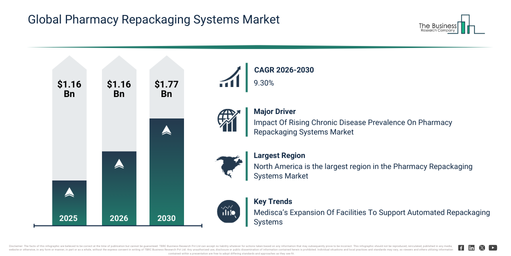
    The pharmacy repackaging systems market has seen robust growth in recent years. It is projected to increase from $2.36 billion in 2025 to $2.59 billion in 2026, marking a compound annual growth rate (CAGR) of 9.3%. This expansion during the historical period is largely driven by factors such as the rise of hospital pharmacy automation, initiatives aimed at reducing medication errors, growth in long-term care pharmacies, higher prescription volumes, and advancements in pharmaceutical packaging technologies.

    Looking ahead, the market is forecasted to reach $3.69 billion by 2030, maintaining a CAGR of 9.3%. This anticipated growth stems from broader adoption of smart pharmacy systems, growing emphasis on traceability and regulatory compliance, expansion of mail-order pharmacy services, increasing demand for high-throughput repackaging, and rising investments in automation technologies. Key trends expected to shape the market include wider use of automated unit dose packaging, surge in blister and pouch packaging automation, integration of barcode and tracking technologies, development of high-speed repackaging solutions, and a stronger focus on medication safety and accuracy.

    Download A Free Sample Report For Comprehensive Market Insights:

    https://www.thebusinessresearchcompany.com/sample.aspx?id=18697&type=smp

    Understanding the Impact of Chronic Diseases on Pharmacy Repackaging Systems Market

    A major factor propelling the pharmacy repackaging systems market is the increasing prevalence of chronic diseases globally. These long-term health conditions, which often require continuous medical management and can limit daily activities, are becoming more common due to aging populations, lifestyle factors like poor diet and inactivity, urbanization, and environmental influences.

    Pharmacy repackaging systems play a crucial role in managing medications for chronic disease patients by ensuring accurate dosing, improving adherence, and enhancing safety through efficient packaging into patient-specific doses. For example, data from June 2024 by the UK’s National Health Service indicated that in 2023, 3,615,330 individuals registered with general practitioners were diagnosed with non-diabetic hyperglycemia or pre-diabetes—a rise of 18% from 3,065,825 cases in 2022. This trend highlights how the growing burden of chronic illnesses is driving demand in this market.

    Detailed Segmentation of the Pharmacy Repackaging Systems Market

    This market is categorized based on several dimensions:

    1) By Type: Blister Card Packaging Systems, Pouch Packaging Automation Systems, Liquid Medication Packaging Systems, and Bottle Filling Automation Systems.

    2) By Dosage Type: Unit Dose Packaging and Multiple Unit Packaging.

    3) By End Use: Retail or Community Pharmacies, Hospital Pharmacies, Long-Term Care Pharmacies, and Mail Order Pharmacies.

    Further subsegments include various levels of automation within blister card packaging—from manual to fully automatic systems. Pouch packaging segments cover single-use, multi-dose, and automatic sealing and filling systems. Liquid medication packaging is broken down into vial filling, syringe and ampoule filling, and bottle filling and capping automation. Bottle filling systems are also segmented into single-stage, multi-stage, and high-speed filling and capping solutions.

    Access The Complete Pharmacy Repackaging Systems Market Report:

    https://www.thebusinessresearchcompany.com/report/pharmacy-repackaging-systems-global-market-report

    Emerging Trends Highlighting the Future Market Outlook

    Leading companies in the pharmacy repackaging systems market are investing heavily in automation to meet the growing need for precise medication management globally. Automated repackaging systems reduce human error, speed up processes, and improve overall efficiency in pharmacies and healthcare facilities.

    For instance, in June 2024, MEDISCA Plattsburgh, a US pharmaceutical compounding firm, inaugurated a new repackaging facility equipped with state-of-the-art technology for customized medication repackaging. This facility features advanced dosage measurement tools and labeling systems designed to ensure accuracy and regulatory compliance. Additionally, it includes ISO-rated production areas and sophisticated warehouse management for full traceability, which supports high-quality output and personnel safety while enabling timely deliveries for an international customer base.

    Key Market Players Driving Competitive Dynamics in Pharmacy Repackaging Systems

    The competitive landscape of the pharmacy repackaging systems market is shaped by several prominent companies, including McKesson Corporation, Becton Dickinson And Company, Baxter International Inc., Syntegon Technology GmbH, Omnicell Inc., ACG Worldwide, Swisslog Holding Ltd., ScriptPro LLC, Capsa Healthcare, ARxIUM, Yuyama Co. Ltd., Kirby Lester, RxSafe LLC, Deenova S.r.l., Noritsu Pharmacy Automation, Pearson Medical Technologies, Takazono Corporation, JVM Co. Ltd., TCGRx, and Parata Systems. These players are focusing on innovation and facility expansion to capture growing market opportunities.

    Regional Market Leadership and Growth Prospects

    In terms of regional market share, North America was the leading region in the pharmacy repackaging systems market in 2025. However, Asia-Pacific is anticipated to experience the fastest growth during the forecast period. The market report covers significant regions including Asia-Pacific, South East Asia, Western Europe, Eastern Europe, North America, South America, the Middle East, and Africa, providing a comprehensive view of global market trends.

    Get in touch with us:

    The Business Research Company: https://www.thebusinessresearchcompany.com/

    Americas: +1 310-496-7795

    Asia: +44 7882 955267 & +91 8897263534

    Europe: +44 7882 955267

    Email us at: marketing@tbrc.info

    Follow us on:

    LinkedIn: https://in.linkedin.com/company/the-business-research-company

    YouTube: https://www.youtube.com/channel/UC24_fI0rV8cR5DxlCpgmyFQ

    Global Market Model: https://www.thebusinessresearchcompany.com/global-market-model
  • Pharmacy Automation Devices Market Growth Outlook Reveals A CAGR Of 10.1% And A Market Value Of $10.73 Billion By 2030

    Pharmacy Automation Devices Market Growth Outlook Reveals A CAGR Of 10.1% And A Market Value Of $10.73 Billion By 2030

    Through market attractiveness analysis, total addressable market evaluation, company benchmarking matrices, interactive Excel dashboards, expanded supply chain intelligence, emerging startup coverage, and detailed product insights, The Business Research Company’s 2026 market reports provide more actionable and strategically valuable research.

    The pharmacy automation devices market is witnessing significant momentum as healthcare systems increasingly adopt technologies to streamline medication management. This sector is expanding rapidly due to growing prescription demands, technological advancements, and a focus on improving patient safety. Let’s explore the market’s size, driving factors, key players, and emerging trends shaping its future.

    Pharmacy Automation Devices Market Size and Growth Outlook

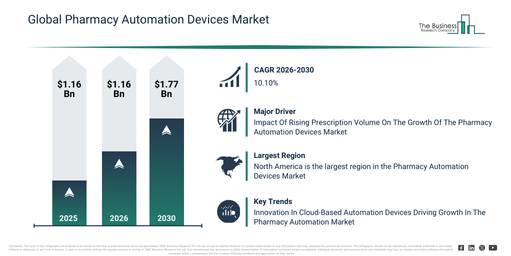
    The pharmacy automation devices market has experienced a fast pace of growth in recent years and is set to continue on this trajectory. The market is projected to increase from $6.62 billion in 2025 to $7.31 billion in 2026, representing a compound annual growth rate (CAGR) of 10.3%. Looking ahead, the market is expected to reach $10.73 billion by 2030 with a CAGR of 10.1%. This expansion is driven by factors such as increasing prescription volumes, workforce shortages in pharmacies, hospital pharmacy infrastructure development, wider use of automated dispensing cabinets, and a growing emphasis on patient safety. Future growth will also be supported by rising demand for high-throughput pharmacy operations, adoption of centralized fill pharmacies, expansion of mail-order and specialty pharmacies, increasing investments in healthcare automation, and stringent regulatory focus on reducing medication errors.

    Download A Free Sample Report For Comprehensive Market Insights:

    https://www.thebusinessresearchcompany.com/sample.aspx?id=7894&type=smp

    Prescription Volume as a Key Growth Driver in the Pharmacy Automation Devices Market

    One of the primary forces behind the growth of the pharmacy automation devices market is the steady rise in prescription volumes. This increase is fueled by an aging population, higher occurrence of chronic diseases, and broader access to healthcare services. Automation devices help streamline prescription workflows, reduce errors, and boost efficiency to manage this growing demand. For instance, in July 2024, the Australian Institute of Health and Welfare reported that during 2022–23, PBS prescriptions were dispensed to 17.8 million Australians, covering 67% of the population. Prescription rates were lowest among children aged 0–14, with 184 prescriptions per 100 individuals, while the highest rates were observed in those aged 85 and over, at 6,031 prescriptions per 100 people. This data highlights how rising prescription volumes are propelling advancements in pharmacy automation.

    Additional Factors Supporting Expansion in Pharmacy Automation Devices

    Besides prescription growth, other market forces are boosting expansion. The increasing adoption of automated dispensing cabinets and advancement of hospital pharmacy infrastructures offer more efficient medication management. There is also a growing prioritization of patient safety, which promotes the use of automation systems that minimize human error. The cumulative impact of these influences is expected to drive sustained growth in the pharmacy automation devices market over the coming years.

    Access The Complete Pharmacy Automation Devices Market Report:

    https://www.thebusinessresearchcompany.com/report/pharmacy-automation-devices-global-market-report

    Breakdown of the Pharmacy Automation Devices Market by Product and User Segments

    This market can be categorized across multiple segments as follows:

    1) By Product: Medication Dispensing Systems, Packaging and Labeling Systems, Storage and Retrieval Systems, Automated Medication Compounding Systems, and Tabletop Tablet Counters

    2) By Component: Hardware, Software, and Services

    3) By End-User: Retail Pharmacies, Inpatient Pharmacies, Outpatient Pharmacies, Pharmacy Benefit Management Organizations, and Mail-Order Pharmacies

    Further classifications include:

    – Medication Dispensing Systems subdivided into Automated Dispensing Machines and Robotic Dispensing Systems

    – Packaging and Labeling Systems into Automated Packaging Machines and Labeling Systems for Prescription Medications

    – Storage and Retrieval Systems split between Automated Storage Systems and Carousel Storage Systems

    – Automated Medication Compounding Systems divided into IV Compounding Systems and Oral Compounding Systems

    – Tabletop Tablet Counters separated into Electronic Tablet Counters and Manual Tablet Counters

    Innovations Reshaping Demand in the Pharmacy Automation Devices Market

    Leading companies in the pharmacy automation devices space are innovating rapidly, particularly with cloud-based automation technologies designed to enhance operational efficiency. Cloud computing enables remote data management and automation without relying heavily on on-site hardware, offering flexibility and scalability. For example, in March 2023, US firm iA introduced advanced fulfillment solutions including Shared Central Fulfillment, which uses cloud-based technology to allow multiple pharmacy partners to be served from a single central location. This system combines iA’s NEXiA fulfillment and cloud software with cutting-edge automation and robotics, improving prescription fulfillment workflows for pharmacies of varying sizes.

    Key Players Driving the Pharmacy Automation Devices Market Forward

    Several prominent companies dominate this market landscape, including Omnicell Inc., ARxIUM Inc., ScriptPro LLC, Capsa Healthcare, Swisslog Healthcare, RxSafe LLC, Yuyama Co Ltd., Parata Systems LLC, Aesynt Incorporated, Talyst LLC, Kirby Lester, TouchPoint Medical, Health Robotics Srl, Innovation PharmaAssist Robotics Pvt Ltd., R/X Automation Solutions Inc., Pearson Medical Technologies LLC, Becton Dickinson & Company, Baxter International Inc., McKesson Corporation, AmerisourceBergen Corp, Danaher Corporation, and KUKA AG. These organizations are instrumental in innovating and expanding pharmacy automation solutions globally.

    Regional Overview of the Pharmacy Automation Devices Market

    In 2025, North America held the largest share of the pharmacy automation devices market. The market report also covers other regions, including Asia-Pacific, South East Asia, Western Europe, Eastern Europe, South America, the Middle East, and Africa, providing a thorough view of regional trends and growth opportunities worldwide.

    Get in touch with us:

    The Business Research Company: https://www.thebusinessresearchcompany.com/

    Americas: +1 310-496-7795

    Asia: +44 7882 955267 & +91 8897263534

    Europe: +44 7882 955267

    Email us at: marketing@tbrc.info

    Follow us on:

    LinkedIn: https://in.linkedin.com/company/the-business-research-company

    YouTube: https://www.youtube.com/channel/UC24_fI0rV8cR5DxlCpgmyFQ

    Global Market Model: https://www.thebusinessresearchcompany.com/global-market-model
  • Pharmacogenomics Market Forecast Highlights Expansion From $10.85 Billion To $15.97 Billion Through 2030

    Pharmacogenomics Market Forecast Highlights Expansion From $10.85 Billion To $15.97 Billion Through 2030

    Delivering more actionable and strategically valuable research, The Business Research Company’s 2026 market reports feature market attractiveness analysis, total addressable market evaluation, company benchmarking matrices, interactive Excel dashboards, expanded supply chain intelligence, emerging startup coverage, and detailed product insights.

    The pharmacogenomics sector is rapidly evolving as advancements in genetic research and personalized medicine transform healthcare approaches. With a growing focus on tailoring treatments to individual genetic profiles, this market is set to experience substantial growth driven by technological innovations and increasing demand for precision therapies. Below is a detailed overview of the market size, key drivers, segmentation, innovation trends, major players, and regional insights shaping the future of pharmacogenomics.

    Pharmacogenomics Market Size and Growth Projections

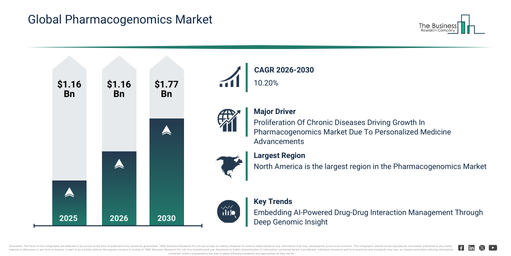
    The pharmacogenomics market has witnessed significant expansion in recent years. It is projected to increase from $9.84 billion in 2025 to $10.85 billion in 2026, demonstrating a compound annual growth rate (CAGR) of 10.3%. This historic growth stems from a surge in genomic research activities, advancements in targeted therapy development, a rising prevalence of chronic diseases, enhancements in sequencing technologies, and wider access to genetic testing services. Looking ahead, the market is expected to reach $15.98 billion by 2030, maintaining a CAGR of 10.2%. Factors propelling this forecasted growth include increased investments in precision medicine, broader adoption of AI-driven genomic analyses, expansion of pharmacogenomics applications in oncology and cardiology, a focus on personalized drug development, and continuous progress in bioinformatics platforms. Emerging trends during this period involve greater use of personalized medicine, genetic testing for drug selection, integration of pharmacogenomic data into clinical workflows, growth in companion diagnostics, and heightened emphasis on precision therapeutics.

    Download A Free Sample Report For Comprehensive Market Insights:

    https://www.thebusinessresearchcompany.com/sample.aspx?id=7072&type=smp

    Primary Factors Boosting Demand in the Pharmacogenomics Market

    One of the main drivers of the pharmacogenomics market is the rising incidence of chronic diseases worldwide. Chronic conditions often persist throughout a patient’s life and are becoming increasingly common due to longer life expectancies and lifestyle factors like sedentary behavior, unhealthy diets, and tobacco use. Pharmacogenomics provides a way to tailor treatments based on an individual’s genetic makeup, which influences their response to medications. For instance, as per the International Diabetes Federation in 2025, approximately 589 million adults aged 20-79 had diabetes in 2024, with projections reaching 853 million by 2050. Notably, over 80% of these individuals live in low- and middle-income countries. This growing burden of chronic illnesses is a key factor driving the pharmacogenomics market forward.

    Expanding Role of Genetic Testing and Precision Medicine in Market Growth

    In addition to chronic diseases, the increasing availability and adoption of genetic testing and precision medicine programs are fueling market expansion. These approaches enable more effective and safer treatments by considering genetic differences among patients. As a result, healthcare providers are integrating pharmacogenomic data more frequently into clinical decision-making processes, further accelerating demand for related technologies and services.

    Access The Complete Pharmacogenomics Market Report:

    https://www.thebusinessresearchcompany.com/report/pharmacogenomics-global-market-report

    Detailed Market Segmentation of Pharmacogenomics

    This market is categorized across several important dimensions:

    1) By Technology: Next Generation Sequencing (NGS), Polymerase Chain Reaction (PCR), Gel Electrophoresis, Mass Spectrometry, Microarray, and Other Technologies

    2) By Application: Neurological Diseases, Infectious Diseases, Oncology, Cardiovascular Diseases, Pain Management, and Other Applications

    3) By End User: Hospitals and Clinics, Research Institutions, Academic Institutes, and Other End Users

    Further breakdowns include:

    – NGS subdivided into Whole Genome Sequencing, Targeted Sequencing, and Exome Sequencing

    – PCR categories such as Quantitative PCR (qPCR), Reverse Transcription PCR (RT-PCR), and Digital PCR

    – Gel Electrophoresis split into Agarose, Polyacrylamide, and Capillary methods

    – Mass Spectrometry types including LC-MS/MS, MALDI-TOF MS, and High-Resolution MS

    – Microarray variants like SNP Microarrays, Expression Microarrays, and Comparative Genomic Hybridization Arrays

    – Other Technologies encompassing Sanger Sequencing, CRISPR-based tools, and Bioinformatics platforms

    Key Innovations in Pharmacogenomics Shaping the Industry

    Leading players in pharmacogenomics are increasingly turning to artificial intelligence (AI) to enhance drug safety and personalize treatment plans. AI-powered pharmacogenetic engines analyze genetic profiles to predict drug responses and manage drug-drug interactions more effectively, reducing adverse effects and improving outcomes. For example, in December 2024, US-based company PGxAI introduced its Sirius model—a sophisticated AI-driven pharmacogenetics platform. Covering 730 medications and 40 key pharmacogenes, Sirius supports hospitals, diagnostic labs, and clinical research organizations by optimizing drug choice, dosage, and interaction management at an individual genetic level. This initiative represents a significant leap beyond traditional pharmacogenomics solutions.

    Major Competitors Leading the Pharmacogenomics Market

    The market features several prominent companies driving innovation and growth, including: Illumina Inc, Eurofins Scientific, Myriad Genetics Inc, PerkinElmer Inc, Centogene N.V, Invitae Corporation, Genomind, Pacific Biosciences of California Inc, Oneome LLC, Admera Health, MapMyGenome, Positive Bioscience, Xcode Life Sciences, Takeda Pharmaceutical Company Limited, Garvan Institute of Medical Research, 3D Medicines Inc, Berry Genomics, BGI, GenomiCare Biotechnology, F Hoffmann-La Roche AG, Merck KGaA, QIAGEN N.V, Centro de Genoma e Biologia de Sistemas, Datar Cancer Genetics Limited, MedGenome Labs, 23andMe, Color Genomics, Pathway Genomics, and Genomika Diagnósticos.

    Regional Outlook and Areas of Rapid Market Growth

    In 2025, North America held the largest share of the pharmacogenomics market, driven by advanced healthcare infrastructure and ongoing research investments. However, the Asia-Pacific region is projected to be the fastest-growing market in the coming years. The comprehensive market analysis includes regions such as Asia-Pacific, South East Asia, Western Europe, Eastern Europe, North America, South America, the Middle East, and Africa, reflecting the global reach and expanding demand for pharmacogenomics solutions.

    Get in touch with us:

    The Business Research Company: https://www.thebusinessresearchcompany.com/

    Americas: +1 310-496-7795

    Asia: +44 7882 955267 & +91 8897263534

    Europe: +44 7882 955267

    Email us at: marketing@tbrc.info

    Follow us on:

    LinkedIn: https://in.linkedin.com/company/the-business-research-company

    YouTube: https://www.youtube.com/channel/UC24_fI0rV8cR5DxlCpgmyFQ

    Global Market Model: https://www.thebusinessresearchcompany.com/global-market-model
  • Les astuces pour maximiser ses gains sur Slott Casino

    Slott Casino est une plateforme en plein essor dans le monde du jeu en ligne, offrant une expérience exceptionnelle aux joueurs. Pour maximiser ses gains sur slott casino app, il est crucial de comprendre certaines astuces et stratégies. Cette plateforme se distingue par ses promotions attractives, sa grande variété de jeux et son interface conviviale.

    Exploiter le catalogue de jeux

    Le choix des jeux est fondamental pour augmenter ses gains. Slott Casino propose une vaste gamme de machines à sous, de jeux de table et de jeux en direct. Il est conseillé d’explorer toutes les catégories pour identifier les jeux avec le meilleur taux de retour au joueur (RTP).

    • Machines à sous classiques
    • Jeux de table (blackjack, roulette)
    • Live casino avec des croupiers en direct
    • Nouveautés régulièrement ajoutées
    • Jeux de fournisseurs réputés

    Bénéficier des bonus et promotions

    Slott Casino offre une variété de bonus qui peuvent considérablement augmenter le capital de jeu. Les joueurs doivent être attentifs aux offres de bienvenue, aux bonus de dépôt et aux promotions régulières. Il est important de lire les conditions d’utilisation de chaque offre pour s’assurer d’une utilisation optimale.

    Type de Bonuse Montant Conditions de Mise
    Bonus de bienvenue Jusqu’à 200 € 30x
    Système de fidélité Points accumulés Variable

    Utiliser les méthodes de paiement avec sagesse

    Choisir la bonne méthode de paiement peut influencer la rapidité des dépôts et des retraits. Slott Casino prend en charge plusieurs options, y compris les cartes de crédit, les portefeuilles électroniques et même les cryptomonnaies. Les joueurs doivent privilégier les méthodes avec des délais de retrait rapides pour accéder à leurs gains sans attente.

    FAQ sur Slott Casino

    Quels sont les principaux types de bonus offerts ?

    Slott Casino propose divers bonus, notamment des bonus de bienvenue, des promotions de dépôt et un programme de fidélité.

    Comment effectuer un dépôt sur Slott Casino ?

    Les dépôts peuvent être réalisés via plusieurs méthodes, y compris les cartes de crédit et les portefeuilles électroniques. Il suffit de se rendre dans la section « caisse » pour choisir la méthode souhaitée.

    Les jeux en direct sont-ils disponibles ?

    Oui, Slott Casino offre une expérience de live casino avec des croupiers en direct pour une immersion totale dans l’ambiance du casino.

  • Needle Market Expansion Is Reshaping Competitive Dynamics Across The Industry

    Needle Market Expansion Is Reshaping Competitive Dynamics Across The Industry

    Enhanced with market attractiveness analysis, total addressable market evaluation, company benchmarking matrices, interactive Excel dashboards, expanded supply chain intelligence, emerging startup coverage, and detailed product insights, The Business Research Company’s 2026 market reports deliver more actionable and strategically valuable research.

    The needle market has seen significant growth over recent years, driven by expanding healthcare demands and technological advancements. As the use of needles remains essential across various medical procedures, the market is positioned for continued expansion. Below is an overview of the current market size, key factors influencing growth, emerging trends, major players, and geographic insights shaping the needle industry’s future.

    Needle Market Size and Projected Growth Through 2030

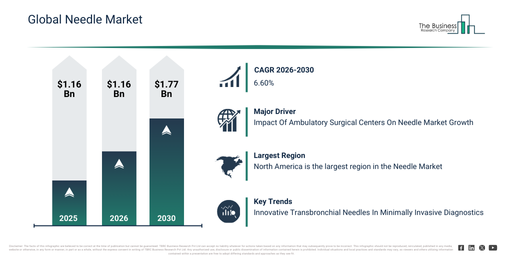
    The needle market has experienced robust growth, with revenues expected to increase from $8.82 billion in 2025 to $9.5 billion in 2026, reflecting a compound annual growth rate (CAGR) of 7.7%. This rise has been fueled by the expansion of vaccination campaigns, greater use of injectable therapies, growth in hospital and clinical procedures, increasing chronic disease prevalence, and the broadening scope of diagnostic testing services. Looking ahead, the market is forecast to reach $12.27 billion by 2030, with a steady CAGR of 6.6%. Key drivers during this period include a stronger emphasis on healthcare worker safety, the rise in home-based care and self-injection practices, growing global diabetes rates, expanding outpatient and ambulatory care services, and increasing demand for minimally invasive medical procedures. Notable trends anticipated in the market are the adoption of safety needles to minimize needle-stick injuries, rising use of disposable and single-use needles, increased demand for pen needles in diabetes management, expanding applications in blood collection and diagnostics, and a preference for sterile, pre-packaged needle solutions.

    Download A Free Sample Report For Comprehensive Market Insights:

    https://www.thebusinessresearchcompany.com/sample.aspx?id=15614&type=smp

    Factors Behind the Rising Demand for Needles

    One of the main contributors to needle market growth is the increasing number of ambulatory surgical centers (ASCs) worldwide. These facilities specialize in outpatient procedures that do not require overnight hospital stays, driven by technological advances and increasing patient preference for less invasive care settings. Needles play a critical role in various ASC procedures such as injections, suturing, tissue sampling, medication delivery, blood collection, and wound closure. For example, a report from Olympus America Inc. in July 2023 noted that the number of ASCs in the US grew from 6,109 in the previous year to 6,223 in 2023, with an expected 12% increase over the following five years. This growth in ASCs is a significant factor supporting the expanding needle market.

    Categories Within the Needle Market by Type and Application

    The needle market is segmented into key categories to better understand its composition. By type, it is divided into conventional needles and safety needles. Conventional needles include hypodermic needles, intravenous (IV) needles, insulin needles, and blood collection needles. Safety needles are further categorized into safety hypodermic needles, safety insulin needles, safety blood collection needles, and auto-disable safety needles designed to prevent reuse. Regarding application, the market covers pen needles for diabetes management, blood collection needles, ophthalmic procedure needles, and dentistry needles. End users of these products primarily include hospitals, clinics, diagnostic centers, and home-based care settings.

    Access The Complete Needle Market Report:

    https://www.thebusinessresearchcompany.com/report/needle-global-market-report

    Innovations Shaping the Needle Industry Landscape

    Leading companies in the needle market are investing heavily in innovative technologies to enhance minimally invasive diagnostic procedures. A prime example is the introduction of advanced conventional transbronchial needles, which are used during bronchoscopy to obtain lung tissue samples with greater accuracy and sensitivity. In September 2023, US-based Broncus Medical Inc. launched the BIOSTAR line of transbronchial needle aspiration (cTBNA) and endobronchial ultrasound (EBUS) TBNA needles that significantly improve diagnostic outcomes for conditions like lung cancer and sarcoidosis. These needles come in sizes 25G, 22G, 21G, and 19G, with size impacting sample quality, blood aspiration, and diagnostic yield. The BIOSTAR needles represent a major step forward in diagnostic needle technology, offering enhanced patient care.

    Key Players Competing in the Needle Market

    The needle market features several prominent companies driving innovation and competition. Noteworthy industry leaders include Becton Dickinson, Terumo Corporation, B. Braun AG, NIPRO Corporation, Smiths Medical, Cardinal Health, Hindustan Syringes and Medical Devices, Retractable Technologies, Owen Mumford, Ypsomed, Vygon, ICU Medical, Novo Nordisk, Medtronic, Boston Scientific, Cook Medical, Stryker, Teleflex, Nipro Medical Europe, and Baxter International. These companies are pivotal in shaping market trends and technological advancements.

    Regional Demand and Growth Patterns in the Needle Market

    In 2025, North America held the largest share of the needle market, supported by its advanced healthcare infrastructure and high demand for medical devices. Meanwhile, the Asia-Pacific region is anticipated to be the fastest-growing market during the forecast period. Other regions covered in market analyses include South East Asia, Western Europe, Eastern Europe, South America, the Middle East, and Africa, each contributing to the global dynamics of the needle market.

    Get in touch with us:

    The Business Research Company: https://www.thebusinessresearchcompany.com/

    Americas: +1 310-496-7795

    Asia: +44 7882 955267 & +91 8897263534

    Europe: +44 7882 955267

    Email us at: marketing@tbrc.info

    Follow us on:

    LinkedIn: https://in.linkedin.com/company/the-business-research-company

    YouTube: https://www.youtube.com/channel/UC24_fI0rV8cR5DxlCpgmyFQ

    Global Market Model: https://www.thebusinessresearchcompany.com/global-market-model
  • Nebulizers Market Forecast Reveals Where Future Industry Value Will Be Created

    Nebulizers Market Forecast Reveals Where Future Industry Value Will Be Created

    Through market attractiveness analysis, total addressable market evaluation, company benchmarking matrices, interactive Excel dashboards, expanded supply chain intelligence, emerging startup coverage, and detailed product insights, The Business Research Company’s 2026 market reports provide more actionable and strategically valuable research.

    The nebulizers market has seen significant progress recently, reflecting a growing need for effective respiratory care solutions worldwide. As healthcare technologies evolve and patient awareness increases, this sector is poised for continued expansion. Let’s explore the market’s size, key growth drivers, important segments, leading players, and regional outlook to understand what lies ahead.

    Nebulizers Market Size and Expected Growth Trajectory

    The nebulizers market has experienced strong growth in recent years, with revenues projected to rise from $1.4 billion in 2025 to $1.52 billion in 2026. This corresponds to a compound annual growth rate (CAGR) of 8.7%. The past expansion is largely driven by the increasing prevalence of respiratory diseases, the broadening scope of home healthcare services, more frequent use of respiratory devices in hospitals, enhancements in aerosol drug delivery technology, and heightened patient awareness about respiratory care.

    Download A Free Sample Report For Comprehensive Market Insights:

    https://www.thebusinessresearchcompany.com/sample.aspx?id=3790&type=smp

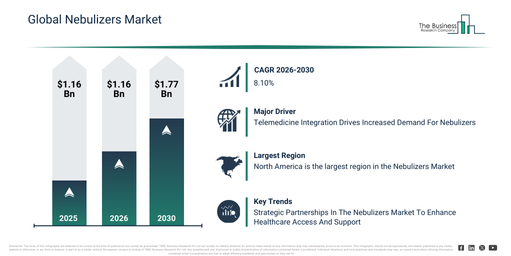
    Looking ahead, the nebulizers market is anticipated to continue its upward trend, reaching $2.07 billion by 2030 at a CAGR of 8.1%. The forecast period’s growth will be supported by factors such as rising demand for remote patient monitoring, wider adoption of connected medical devices, growth in home-based chronic disease management, and increased attention to pediatric and geriatric care. Innovation in compact and portable nebulizer designs will also play a crucial role. Emerging trends include the growing use of portable and smart nebulizers, expansion of home respiratory care options, integration of app-enabled devices, advancement of mesh nebulizer technology, and enhanced focus on patient convenience and adherence to treatment plans.

    Key Drivers Behind the Nebulizers Market Expansion

    The rise of telemedicine is a major factor propelling the nebulizers market forward. By enabling healthcare providers to deliver services remotely through telecommunications technology, telemedicine offers patients access to consultations and treatment without needing to visit healthcare facilities. This approach improves patient care by incorporating nebulizer therapy into remote respiratory management, especially for chronic conditions.

    Access The Complete Nebulizers Market Report:

    https://www.thebusinessresearchcompany.com/report/nebulizers-global-market-report

    For example, in April 2023, FAIR Health Inc., a nonprofit organization based in the US, reported that medical claim lines involving telemedicine increased from 5.5% in December 2022 to 5.9% in January 2023, marking a 7.3% rise nationally. This growing acceptance of telehealth services is a significant force driving the demand and adoption of nebulizers, particularly in home and remote care settings.

    Detailed Segmentation and Revenue Opportunities in the Nebulizers Market

    This report divides the nebulizers market into several key categories:

    1) By Type: Pneumatic Nebulizer, Ultrasonic Nebulizer, Mesh Nebulizer

    2) By Portability: Portable Nebulizer, Tabletop Nebulizer

    3) By Application: COPD, Cystic Fibrosis, Asthma, Other Applications

    4) By End Use: Hospitals and Clinics, Emergency Centers, Home Healthcare

    Further subsegments include:

    – Pneumatic Nebulizer: Jet Nebulizers, Handheld Pneumatic Nebulizers, Tabletop Pneumatic Nebulizers

    – Ultrasonic Nebulizer: Portable Ultrasonic Nebulizers, Stationary Ultrasonic Nebulizers

    – Mesh Nebulizer: Portable Mesh Nebulizers, Battery-Operated Mesh Nebulizers, Hospital-Grade Mesh Nebulizers

    These classifications provide a comprehensive view of market opportunities across device types, portability options, medical uses, and care settings.

    Strategic Industry Movements Shaping the Nebulizers Market

    Leading companies in the nebulizers field are forging strategic partnerships and integrating advanced technologies like smart inhalers and digital health platforms to improve respiratory care. These collaborations are aimed at enhancing treatment effectiveness for conditions such as asthma and COPD by delivering medication more efficiently to the lungs.

    For instance, in September 2024, India-based drug delivery company Aptar Pharma partnered with Pulmotree to enhance the Kolibri inhaler. This device features a breath-triggered vibrating mesh aerosolization engine, which improves drug delivery directly to the lungs, exemplifying innovation in respiratory treatment solutions.

    Top Organizations Influencing the Nebulizers Market

    Key players shaping the market landscape include Vyaire Medical Inc., Aerogen, Omron Corporation, PARI, GF Health Products, Trudell Medical International, Feellife Health Inc., CF Pharmtech Inc., Hoyo Scitech Co. Ltd, Simzon, Yirdoc (Qingdao Future Medical Technology Co. Ltd), Healthgenie, Meditive, Agaro, Dr Trust, Dr. Morepen, Handyneb, Nuwik, Philips Healthcare, Nagashima Medical Instruments Co. Ltd, Shenzhen Bi-rich, Yuyao Dengyue Medical Devices Co. Ltd, Shenzhen Aeon Technology Co. Ltd., EverGreen, MediSave, ResMed, Draegerwerk AG, Fisher & Paykel Healthcare Limited, Drive DeVilbiss Healthcare, Invacare Corporation, and Smiths Medical. These companies contribute to innovation, product development, and market expansion efforts worldwide.

    Regional Market Leadership and Growth Prospects

    In 2025, North America held the largest market share in the nebulizers sector. However, Asia-Pacific is expected to be the fastest-growing region during the forecast period, driven by rising healthcare infrastructure development and increasing respiratory disease prevalence. The global market analysis includes regions such as Asia-Pacific, South East Asia, Western Europe, Eastern Europe, North America, South America, the Middle East, and Africa, providing a broad perspective on market dynamics worldwide.

    Get in touch with us:

    The Business Research Company: https://www.thebusinessresearchcompany.com/

    Americas: +1 310-496-7795

    Asia: +44 7882 955267 & +91 8897263534

    Europe: +44 7882 955267

    Email us at: marketing@tbrc.info

    Follow us on:

    LinkedIn: https://in.linkedin.com/company/the-business-research-company

    YouTube: https://www.youtube.com/channel/UC24_fI0rV8cR5DxlCpgmyFQ

    Global Market Model: https://www.thebusinessresearchcompany.com/global-market-model
  • Nasal Splints Market Growth Through 2030 Creates New Strategic Opportunities

    Nasal Splints Market Growth Through 2030 Creates New Strategic Opportunities

    Delivering more actionable and strategically valuable research, The Business Research Company’s 2026 market reports feature market attractiveness analysis, total addressable market evaluation, company benchmarking matrices, interactive Excel dashboards, expanded supply chain intelligence, emerging startup coverage, and detailed product insights.

    The nasal splints market has experienced significant growth in recent years, driven by advancements in surgical techniques and rising awareness about post-operative care. As more patients undergo nasal and septal surgeries along with cosmetic rhinoplasty procedures, the demand for effective nasal splint solutions is steadily climbing. This report explores the current market size, growth drivers, key segments, innovations, and regional dynamics shaping the nasal splints industry.

    Steady Growth Forecast for the Nasal Splints Market

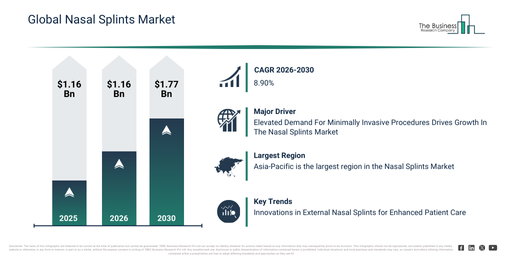
    The nasal splints market is projected to expand from $7.07 billion in 2025 to $7.64 billion in 2026, reflecting an 8.1% compound annual growth rate (CAGR). This upward trend in recent years has been primarily fueled by an increasing volume of nasal and septal surgeries, growing interest in cosmetic rhinoplasty, the widespread adoption of ENT surgical procedures, enhanced awareness of post-surgical care, and the availability of advanced materials for nasal splints. Looking ahead, the market is expected to reach $10.76 billion by 2030, growing at an even higher CAGR of 8.9%. Key factors supporting this growth include the rising use of personalized medical devices, the growing focus on outpatient recovery, expansion of aesthetic surgeries, demand for biocompatible materials, and greater investments in surgical innovation within the ENT field.

    Download A Free Sample Report For Comprehensive Market Insights:

    https://www.thebusinessresearchcompany.com/sample.aspx?id=2424&type=smp

    Increasing Popularity of Minimally Invasive Procedures Enhances Market Demand

    One of the main forces driving the nasal splints market is the rising preference for minimally invasive nasal surgeries. These procedures aim to achieve therapeutic or diagnostic goals while minimizing damage to tissues. Nasal splints play a crucial role in these interventions by supporting nasal structures, preserving the shape of the nose or sinuses, and aiding the healing process. For example, Intuitive Surgical Inc., a US-based manufacturer of robotic surgical systems, reported a 22% increase in da Vinci minimally invasive surgeries in 2023, with expectations of a further 13% to 16% rise in 2024. That same year, the company installed 1,370 such systems, marking an 8% increase from 2022. This surge in minimally invasive surgeries is a major contributor to the expanding nasal splints market.

    Market Growth Also Fueled by Advances in ENT Surgical Practices

    In addition to minimally invasive trends, the broader growth of ENT surgical procedures is stimulating the nasal splints market. As more patients seek effective treatments for nasal conditions, surgeons are increasingly implementing modern splint designs and materials that improve patient comfort and recovery outcomes. The continuous development of ENT technologies and the expanding pool of aesthetic surgery procedures further strengthen demand for nasal splints.

    Access The Complete Nasal Splints Market Report:

    https://www.thebusinessresearchcompany.com/report/nasal-splints-global-market-report

    Detailed Segmentation of the Nasal Splints Market

    This market is divided into several key categories for thorough analysis. By type, the market includes malleable nasal splints, airway nasal splints, and bivalve nasal splints. Regarding administration routes, there are intranasal and extranasal segments. Applications cover plastic surgery, rhinological operations, ENT surgery, and other uses. End user groups include hospitals and clinics, homecare settings, research centers, and various other users. Subcategories provide further granularity, such as customizable and preformed malleable splints, silicone and plastic airway splints, and pre-formed versus adjustable bivalve splints.

    Innovations and Product Development Trends Transforming the Market

    Leading companies in the nasal splints sector are investing in new products designed to improve patient experience and outcomes. A notable innovation is the development of external nasal splints, which support and protect the nose externally after surgeries like rhinoplasty or septoplasty. For instance, in August 2023, Orfit Industries NV from Belgium introduced NoseFit, an external nasal splint featuring small ventilation holes to enhance airflow and patient comfort while maintaining optimal stabilization. Such advancements highlight the market’s movement toward more functional and patient-friendly solutions.

    Competitive Landscape Featuring Key Industry Players

    The nasal splints market is highly competitive, with several prominent companies shaping its direction. Major players include Boston Medical Products Inc., Innovia Medical, Medtronic Plc, Olympus Corporation, Smith & Nephew plc, DTR Medical, Mentor Worldwide LLC, Network Medical Products Ltd., Summit Medical Group, Surgiform Technologies LLC, Shippert Medical Technologies, Spiggle & Theis Medizintechnik GmbH, Stryker Corporation, Acclarent Inc., Cook Medical, KARL STORZ SE & Co. KG, Integra LifeSciences, Medline Industries LP, B. Braun Melsungen AG, Merit Medical Systems, Intersect ENT, ArthroCare Corporation, Lumenis, ConMed Corporation, DePuy Synthes Companies, Zimmer Biomet, KLS Martin Group, Becton Dickinson and Company, Terumo Corporation, Johnson & Johnson, 3M, and Teleflex Medical OEM. These companies focus on product innovation, expanding their portfolios, and enhancing global reach.

    Regional Insights Highlight Asia-Pacific as a Market Leader

    Geographically, Asia-Pacific held the largest share of the nasal splints market in 2025, followed closely by North America. Other regions covered in the market report include South East Asia, Western Europe, Eastern Europe, South America, the Middle East, and Africa. The strong presence of manufacturing hubs, increasing healthcare infrastructure, and rising adoption of advanced surgical procedures in Asia-Pacific are key reasons for its market dominance. Meanwhile, North America remains a significant market due to high healthcare expenditure and technological advancements.

    In summary, the nasal splints market is positioned for robust growth thanks to evolving surgical techniques, rising demand for minimally invasive procedures, and ongoing product innovations. With expanding applications and growing awareness about post-surgical care, this sector is expected to continue its upward trajectory well into 2030.

    Get in touch with us:

    The Business Research Company: https://www.thebusinessresearchcompany.com/

    Americas: +1 310-496-7795

    Asia: +44 7882 955267 & +91 8897263534

    Europe: +44 7882 955267

    Email us at: marketing@tbrc.info

    Follow us on:

    LinkedIn: https://in.linkedin.com/company/the-business-research-company

    YouTube: https://www.youtube.com/channel/UC24_fI0rV8cR5DxlCpgmyFQ

    Global Market Model: https://www.thebusinessresearchcompany.com/global-market-model