Month: June 2026

  • Minor Cut Hydrocolloid Film Market Set To Grow From $1.09 Billion In 2026 To $1.72 Billion By 2030 At A CAGR Of 12.1%

    Minor Cut Hydrocolloid Film Market Set To Grow From $1.09 Billion In 2026 To $1.72 Billion By 2030 At A CAGR Of 12.1%

    Delivering more actionable and strategically valuable research, The Business Research Company’s 2026 market reports feature market attractiveness analysis, total addressable market evaluation, company benchmarking matrices, interactive Excel dashboards, expanded supply chain intelligence, emerging startup coverage, and detailed product insights.

    The minor cut hydrocolloid film market has been evolving rapidly, driven by advancements in wound care and increasing awareness about infection prevention. This sector is gaining importance as healthcare systems and consumers alike seek more effective solutions for treating minor wounds and abrasions. The market’s growth prospects appear promising, fueled by both technological innovations and expanding applications in home and clinical care settings.

    Minor Cut Hydrocolloid Film Market Size and Growth Trajectory

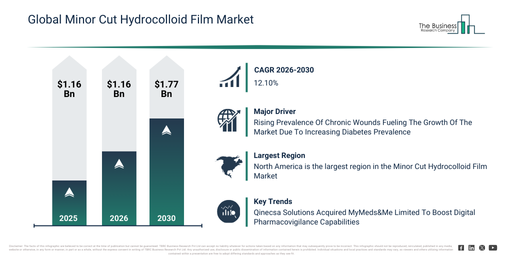
    The market for minor cut hydrocolloid films has witnessed significant expansion recently. It is projected to grow from $0.97 billion in 2025 to $1.09 billion in 2026, registering a compound annual growth rate (CAGR) of 12.4%. This historical growth is largely due to the rising incidence of minor cuts and abrasions, broader adoption of hydrocolloid films in hospitals, heightened infection prevention awareness, advancements in adhesive dressing technologies, and an increase in homecare practices. Looking ahead, the market is expected to reach $1.73 billion by 2030 with a CAGR of 12.1%. Future growth will be driven by the emergence of smart and connected hydrocolloid films, integration of AI and sensor technologies in wound care, use of sustainable and biodegradable materials, expansion in emerging markets, and collaborations between healthcare and technology firms. Key trends in the forecast period include smart hydrocolloid dressings, AI-based wound monitoring, IoT integration in homecare devices, and eco-friendly dressing materials.

    Download A Free Sample Report For Comprehensive Market Insights:

    https://www.thebusinessresearchcompany.com/sample.aspx?id=28272&type=smp

    Factors Pushing Growth in the Minor Cut Hydrocolloid Film Market

    One of the primary drivers behind the market expansion is the increasing prevalence of chronic wounds. These wounds fail to heal within the normal timeframe of 4 to 6 weeks despite proper treatment, often linked to conditions such as diabetes which impair blood circulation and delay healing. Minor cut hydrocolloid films contribute significantly by maintaining a moist environment for healing, shielding wounds from infection, and promoting quicker tissue repair compared to conventional dressings. For example, data from July 2025 by National Seniors Australia highlights that over 450,000 Australians suffer from chronic wounds, resulting in more than $6 billion in annual healthcare costs. This growing burden underscores the rising need for effective wound care solutions, thereby stimulating demand in this market.

    Increasing Healthcare Spending as a Catalyst for Market Expansion

    The upward trend in healthcare expenditure is another key factor aiding the growth of the minor cut hydrocolloid film market. Healthcare spending encompasses costs related to medical services, treatment facilities, research, and public health programs aimed at improving health outcomes. The rise in chronic diseases, which often require extensive and expensive treatment, is driving higher healthcare budgets worldwide. Increased financial resources enable wider adoption of advanced wound care technologies, making sophisticated products more accessible to patients and healthcare providers. For instance, the Office for National Statistics in the UK reported a 5.6% nominal increase in total healthcare expenditure in 2023, marking a 0.9% growth from the previous year. Such trends in healthcare funding are enhancing the uptake of innovative wound dressings that improve healing rates and reduce complications.

    Access The Complete Minor Cut Hydrocolloid Film Market Report:

    https://www.thebusinessresearchcompany.com/report/minor-cut-hydrocolloid-film-global-market-report

    Product and Application Segments Highlighting Market Growth in Minor Cut Hydrocolloid Films

    The minor cut hydrocolloid film market is categorized into several segments for more detailed analysis. By product type, it includes Adhesive Hydrocolloid Film and Transparent Hydrocolloid Film. Application areas cover Hospitals, Clinics, Homecare, and Other uses. Distribution channels consist of Hospital Pharmacies, Retail Pharmacies, Online Pharmacies, and Other channels. End-users are divided into Adults, Pediatrics, and Geriatrics. Further subsegments break down adhesive hydrocolloid films into Thin Layers, Flexible Sheets, and Pre-Cut Shapes, while transparent hydrocolloid films are classified as Clear Sheets and Protective Films. This segmentation allows for targeted market strategies and better understanding of growth opportunities across different user groups and product variations.

    Innovations Shaping the Future of Minor Cut Hydrocolloid Film Market

    Leading companies in the minor cut hydrocolloid film market are focusing on developing next-generation wound care products designed to enhance healing and minimize scarring. Advanced hydrocolloid plasters represent one such innovation; they create a moist healing environment, protect wounds from infection, and promote faster recovery than traditional bandages. For instance, in January 2025, Beiersdorf AG introduced their Second Skin Protection plasters featuring advanced hydrocolloid technology. These plasters absorb wound exudate and form a protective healing capsule, while their outer layer is waterproof yet breathable—blocking dirt and bacteria but allowing moisture to evaporate. Their thin, flexible design ensures comfort and durability even on difficult areas like knees and elbows, exemplifying the technological progress driving this market segment.

    Key Players Holding Influence in the Minor Cut Hydrocolloid Film Market

    Several prominent companies hold significant market shares in the minor cut hydrocolloid film industry. These include 3M Company, Beiersdorf Aktiengesellschaft, Paul Hartmann AG, Smith & Nephew plc, Urgo Medical, Coloplast Aktieselskab, ConvaTec Group plc, Mölnlycke Health Care Aktiebolag, BSN medical GmbH, Cardinal Health Inc., Medline Industries LP, Winner Medical Co Ltd, Derma Sciences Inc., Covalon Technologies Ltd., Advanced Medical Solutions Group plc, Nitto Denko Corporation, Lohmann & Rauscher GmbH & Co KG, Avery Dennison Corporation, Essity Aktiebolag, and Johnson & Johnson. Their contributions to innovation, market reach, and product development continue to shape the competitive landscape.

    Global Market Distribution and Regional Growth Patterns

    In 2025, North America accounted for the largest share of the minor cut hydrocolloid film market. However, the Asia-Pacific region is projected to experience the fastest growth during the forecast period. The market analysis encompasses regions such as Asia-Pacific, South East Asia, Western Europe, Eastern Europe, North America, South America, the Middle East, and Africa, providing a comprehensive view of global market trends and regional opportunities.

    Get in touch with us:

    The Business Research Company: https://www.thebusinessresearchcompany.com/

    Americas: +1 310-496-7795

    Asia: +44 7882 955267 & +91 8897263534

    Europe: +44 7882 955267

    Email us at: marketing@tbrc.info

    Follow us on:

    LinkedIn: https://in.linkedin.com/company/the-business-research-company

    YouTube: https://www.youtube.com/channel/UC24_fI0rV8cR5DxlCpgmyFQ

    Global Market Model: https://www.thebusinessresearchcompany.com/global-market-model
  • Minimally Invasive Urinary Incontinence Device Market Opportunities Are Emerging Beyond Traditional Growth Areas

    Minimally Invasive Urinary Incontinence Device Market Opportunities Are Emerging Beyond Traditional Growth Areas

    Enhanced with market attractiveness analysis, total addressable market evaluation, company benchmarking matrices, interactive Excel dashboards, expanded supply chain intelligence, emerging startup coverage, and detailed product insights, The Business Research Company’s 2026 market reports deliver more actionable and strategically valuable research.

    The market for minimally invasive urinary incontinence devices has been experiencing significant growth, driven by advancements in medical technology and changing patient needs. As awareness about pelvic health rises and new treatment options emerge, this sector is poised for continued expansion. Let’s explore the current market size, key drivers, major players, and evolving trends shaping this important healthcare segment.

    Market Size and Growth Outlook for the Minimally Invasive Urinary Incontinence Device Market

    The minimally invasive urinary incontinence device market has shown strong momentum in recent years. From $1.25 billion in 2025, it is projected to increase to $1.37 billion in 2026, reflecting a compound annual growth rate (CAGR) of 9.1%. This growth during the historical period can be linked to the widespread use of traditional open surgical procedures, limited alternatives for urinary incontinence treatment, increased awareness of female pelvic health, more hospital and clinic-based procedures, and growing adoption of tension-free vaginal tape (TVT) systems.

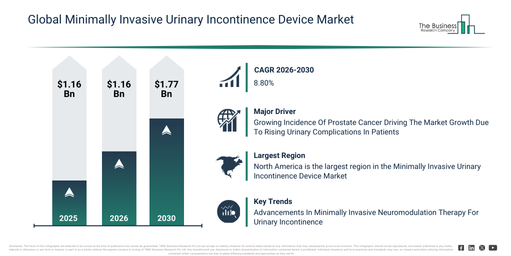
    Looking ahead, the market is expected to continue its upward trajectory, reaching $1.91 billion by 2030 with an 8.8% CAGR. Several factors will drive this expansion, including the development of sophisticated mid-urethral and single-incision sling systems, rising investments in home healthcare devices, a growing elderly population experiencing incontinence, regulatory approvals for novel bulking agents and artificial urinary sphincters, and integration with smart and robotic-assisted surgical technologies. Key trends include the increased preference for minimally invasive surgeries, a rising number of urinary incontinence cases due to aging populations, greater interest in home healthcare management, the expansion of sling system options, and a focus on minimizing recovery time and surgical complications.

    Download A Free Sample Report For Comprehensive Market Insights:

    https://www.thebusinessresearchcompany.com/sample.aspx?id=27350&type=smp

    Factors Contributing to Market Demand in Minimally Invasive Urinary Incontinence Devices

    One major driver behind the growing demand for minimally invasive urinary incontinence devices is the rising incidence of prostate cancer. This type of cancer involves the uncontrolled growth of cells in the prostate gland, which can significantly affect urinary and reproductive health. The increase in prostate cancer cases is primarily attributed to an aging male demographic, as advanced age is a key risk factor.

    Minimally invasive devices play a crucial role in managing urinary complications linked to prostate cancer by providing targeted support to control bladder leakage, restore normal urinary function, and improve patients’ quality of life during treatment and recovery. For example, in June 2025, the Centers for Disease Control and Prevention reported that about 255,395 new prostate cancer cases were diagnosed in the United States in 2022, with roughly 33,881 deaths attributed to the disease in 2023. This growing prevalence is significantly boosting demand within the minimally invasive urinary incontinence device market.

    Market Segmentation Overview: Types, Age Groups, and End-Users

    The minimally invasive urinary incontinence device market is segmented by type, age group, and end-user settings.

    By type, the market includes Tension Free Vaginal Tape (TVT), Tension Free Vaginal Tape Obturator System (TVTO), and other devices. Further subcategories under TVT cover mid-urethral slings, retropubic slings, and single incision slings. The TVTO system is subdivided by the inside-out and outside-in procedural approaches. Other types include bulking agents, artificial urinary sphincters, and different sling systems.

    Age segmentation divides the market into adults aged 18 to 65 years, seniors aged 65 and above, and the pediatric population.

    Regarding end-users, the devices are utilized in hospitals, clinics, home healthcare settings, and research institutions, reflecting a range of care environments and treatment protocols.

    Access The Complete Minimally Invasive Urinary Incontinence Device Market Report:

    https://www.thebusinessresearchcompany.com/report/minimally-invasive-urinary-incontinence-device-global-market-report

    Innovative Trends Driving the Minimally Invasive Urinary Incontinence Device Market

    Leading companies in this market are focusing on advancing product development, particularly in the area of neuromodulation therapy devices, which offer long-term solutions with minimal surgical intervention. Neuromodulation implants work by stimulating nerves that control bladder function, helping patients better manage urinary incontinence by reducing accidental leakage and improving bladder control.

    For instance, in December 2023, BlueWind Medical Ltd., a US-based manufacturer specializing in neurostimulation devices, introduced its Revi implantable tibial neuromodulation (iTNM) device. This battery-free implant is designed for treating urge urinary incontinence (UUI) and is inserted near the ankle during a simple outpatient procedure under local anesthesia. Patients can activate the device with a lightweight wearable, allowing convenient at-home symptom management. This launch highlights the ongoing trend toward innovative, patient-friendly neuromodulation therapies within the urinary incontinence device market.

    Key Players Shaping the Minimally Invasive Urinary Incontinence Device Industry

    Several prominent companies are driving competition and innovation in the minimally invasive urinary incontinence device market. These include Johnson & Johnson Services Inc., Medtronic plc, Becton Dickinson and Company, Stryker Corporation, Boston Scientific Corporation, Olympus Corporation, Coloplast A/S, Teleflex Incorporated, Hollister Incorporated, CooperSurgical Inc., B. Braun Melsungen Aktiengesellschaft, LiNA Medical ApS, BlueWind Medical Ltd., Caldera Medical Inc., Neuspera Medical Inc., InControl Medical LLC, UroMems Inc., Rigicon Inc., Valencia Technologies Corporation, and Zephyr Surgical Implants SA. Their diverse portfolios and ongoing product advancements continue to shape market dynamics.

    Regional Market Distribution and Growth Trends

    In 2025, North America held the largest share of the minimally invasive urinary incontinence device market. However, the Asia-Pacific region is forecasted to be the fastest-growing market segment during the upcoming years. The report covers several key regions, including Asia-Pacific, South East Asia, Western Europe, Eastern Europe, North America, South America, the Middle East, and Africa, providing a comprehensive overview of global market expansion and regional opportunities.

    Get in touch with us:

    The Business Research Company: https://www.thebusinessresearchcompany.com/

    Americas: +1 310-496-7795

    Asia: +44 7882 955267 & +91 8897263534

    Europe: +44 7882 955267

    Email us at: marketing@tbrc.info

    Follow us on:

    LinkedIn: https://in.linkedin.com/company/the-business-research-company

    YouTube: https://www.youtube.com/channel/UC24_fI0rV8cR5DxlCpgmyFQ

    Global Market Model: https://www.thebusinessresearchcompany.com/global-market-model
  • Minimally Invasive Surgical Instruments Market Expansion Is Opening New Pathways For Strategic Investment

    Minimally Invasive Surgical Instruments Market Expansion Is Opening New Pathways For Strategic Investment

    Through market attractiveness analysis, total addressable market evaluation, company benchmarking matrices, interactive Excel dashboards, expanded supply chain intelligence, emerging startup coverage, and detailed product insights, The Business Research Company’s 2026 market reports provide more actionable and strategically valuable research.

    The minimally invasive surgical instruments market has been experiencing significant growth, driven by advancements in medical technology and evolving healthcare practices. As the demand for less invasive surgical options rises, this sector is on track to see remarkable expansion in the coming years. Below, we explore the current market size, the factors fueling growth, the key players involved, emerging trends, and the market’s segmentation.

    Current Size and Predicted Growth of the Minimally Invasive Surgical Instruments Market

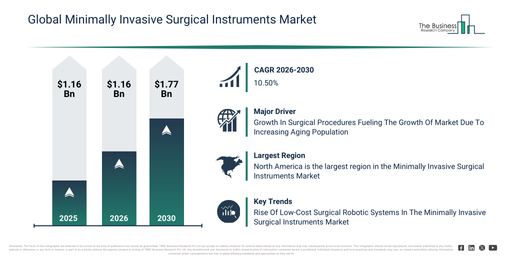
    The market for minimally invasive surgical instruments has expanded rapidly in recent years. Forecasts indicate it will grow from $42.87 billion in 2025 to $47.55 billion in 2026, representing a compound annual growth rate (CAGR) of 10.9%. This growth is largely due to the increasing adoption of minimally invasive procedures, a growing preference for shorter hospital stays, expanded applications of laparoscopic surgeries, availability of specialized instruments, and enhanced surgeon training programs. Looking further ahead, the market is expected to reach $70.89 billion by 2030, maintaining a CAGR of 10.5%. This optimistic projection is supported by rising demand for robot-assisted surgeries, higher investments in advanced surgical technologies, the proliferation of ambulatory surgical centers, emphasis on patient safety and outcomes, and broader acceptance of minimally invasive techniques across medical specialties. Emerging trends include greater use of robotic-assisted tools, integration of imaging-compatible instruments, demand for precision-controlled devices, expansion of single-use instruments, and improved ergonomic designs.

    Download A Free Sample Report For Comprehensive Market Insights:

    https://www.thebusinessresearchcompany.com/sample.aspx?id=5656&type=smp

    Factors Contributing to Market Growth in Minimally Invasive Surgical Instruments

    One major driver behind the growth of the minimally invasive surgical instruments market is the increasing volume of surgical procedures worldwide. Surgical operations are vital for diagnosing, treating, or managing a wide range of health conditions through manual or instrument-based techniques. The rise in surgeries is closely linked to an aging global population, which leads to a higher incidence of procedures like joint replacements and cardiovascular surgeries. Minimally invasive instruments facilitate these procedures by enabling smaller incisions, reducing tissue trauma, and enhancing surgical accuracy.

    These instruments not only improve patient outcomes by shortening recovery times and minimizing complications but also promote more efficient surgical workflows. To illustrate, in May 2025, the Australian Institute of Health and Welfare reported that 778,500 patients were admitted for surgery from public hospital elective surgery waiting lists during 2023-24. This figure marked a 5.8% increase compared to the previous year, underscoring the growing demand for surgical interventions that support the market’s expansion.

    Access The Complete Minimally Invasive Surgical Instruments Market Report:

    https://www.thebusinessresearchcompany.com/report/minimally-invasive-surgical-instruments-global-market-report

    How the Minimally Invasive Surgical Instruments Market Is Structured

    The market is categorized across several important segments based on product, procedure type, application, and end user. Product segments include handheld instruments (such as scissors, graspers, forceps, needle holders, and trocars), inflation systems (like insufflators and inflation pumps), cutter instruments (including blades, biopsy punches, and snares), and electrosurgical devices (electrosurgical generators, pencils, and argon plasma coagulation devices). In terms of procedure type, the market distinguishes between robotic and non-robotic surgeries. Applications cover a broad range including cardiothoracic, gastrointestinal, gynecological, cosmetic and bariatric, and urological surgeries. End users primarily include hospitals and ambulatory surgical clinics.

    Developments Shaping the Future of the Minimally Invasive Surgical Instruments Market

    Leading companies in this market are heavily focused on innovation, particularly in robotic-assisted surgical technologies designed to improve precision, reduce patient recovery time, and enhance overall outcomes. Robotic systems enable surgeons to perform complex procedures with greater flexibility and control using computer-guided robotic arms, which minimizes complications and the invasiveness of surgeries.

    For example, in June 2023, UK-based medical device firm CMR Surgical introduced Versius, a compact and modular surgical robot, in Belgium. Versius is designed to fit seamlessly into any operating room setup, making it accessible and easy to adopt by surgeons and hospitals. Its modular structure allows customized port placement, which increases versatility across different surgeries and specialties, ultimately broadening patient access to minimally invasive surgical options.

    Key Market Players Driving Innovation and Competition

    Several prominent companies are shaping the minimally invasive surgical instruments market with their technological advancements and extensive product portfolios. These include Aesculap Inc., AMNOTEC International Medical GmbH, Applied Medical Resources Corporation, B. Braun Melsungen AG, Boston Scientific Corporation, CONMED Corporation, EndoMed Systems GmbH, Intuitive Surgical Inc., KARL STORZ SE & Co. KG, KLS Martin Group, Microline Surgical Corp., Olympus Corporation, Scanlan International Inc., Smith & Nephew plc, Ethicon Inc., Medtronic Inc., Stryker Corporation, Richard Wolf GmbH, Zimmer Biomet Holdings Inc., Abbott Laboratories Inc., Becton Dickinson and Company, FUJIFILM Holdings Corporation, HOYA Corporation, Koninklijke Philips N.V., NuVasive Inc., GE Healthcare Technologies Ltd., and Siemens Healthineers AG.

    Geographic Insights on Market Revenue and Growth Rates

    In 2025, North America was the largest regional market for minimally invasive surgical instruments, generating the highest revenue share globally. Meanwhile, the Asia-Pacific region is projected to be the fastest-growing market in this sector, driven by expanding healthcare infrastructure and increasing adoption of advanced surgical techniques. The market analysis also encompasses other key regions such as South East Asia, Western Europe, Eastern Europe, South America, the Middle East, and Africa, providing a comprehensive view of global market trends and opportunities.

    Get in touch with us:

    The Business Research Company: https://www.thebusinessresearchcompany.com/

    Americas: +1 310-496-7795

    Asia: +44 7882 955267 & +91 8897263534

    Europe: +44 7882 955267

    Email us at: marketing@tbrc.info

    Follow us on:

    LinkedIn: https://in.linkedin.com/company/the-business-research-company

    YouTube: https://www.youtube.com/channel/UC24_fI0rV8cR5DxlCpgmyFQ

    Global Market Model: https://www.thebusinessresearchcompany.com/global-market-model
  • Minimally Invasive Surgery Market Trends Are Creating New Opportunities For Industry Leaders

    Minimally Invasive Surgery Market Trends Are Creating New Opportunities For Industry Leaders

    Delivering more actionable and strategically valuable research, The Business Research Company’s 2026 market reports feature market attractiveness analysis, total addressable market evaluation, company benchmarking matrices, interactive Excel dashboards, expanded supply chain intelligence, emerging startup coverage, and detailed product insights.

    The minimally invasive surgery sector has witnessed remarkable growth recently, driven by technological progress and changing patient preferences. With ongoing advancements and increasing adoption across medical facilities worldwide, this market is set to expand significantly in the coming years. Let’s explore the current market size, growth drivers, key players, innovations, and regional outlook for this transformative field.

    Steady Growth and Market Size of the Minimally Invasive Surgery Market

    The minimally invasive surgery market has shown strong expansion in recent years. It is projected to increase from $69.7 billion in 2025 to $76.41 billion in 2026, representing a compound annual growth rate (CAGR) of 9.6%. This rise during the historical period is largely due to a higher volume of surgical procedures, improvements in endoscopic tools, growing patient interest in less invasive options, enhanced surgical infrastructure in hospitals, and the availability of skilled surgeons.

    Download A Free Sample Report For Comprehensive Market Insights:

    https://www.thebusinessresearchcompany.com/sample.aspx?id=7768&type=smp

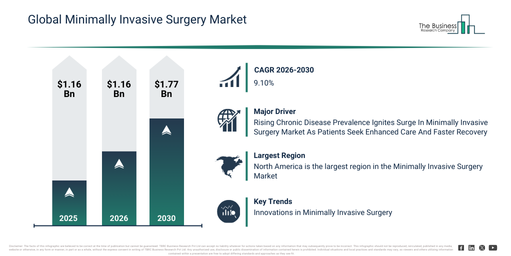
    Looking ahead, the market is expected to maintain robust growth, reaching $108.09 billion by 2030 with a CAGR of 9.1%. Key factors driving this growth include increased investments in robotic surgery systems, a growing demand for image-guided surgical techniques, expansion of ambulatory surgery centers, wider adoption of AI-supported surgical planning, and a stronger focus on cost-efficient surgical outcomes. Emerging trends poised to influence the market involve a rise in laparoscopic procedures, more frequent use of robotic-assisted systems, demand for advanced visualization technologies, growth in outpatient surgeries, and an emphasis on quicker patient recovery.

    How Chronic Diseases Are Boosting Demand for Minimally Invasive Surgery

    The rising prevalence of chronic illnesses is a major factor fueling demand for minimally invasive surgical procedures. Chronic diseases are often long-term conditions that may not be fully curable but can be managed effectively. Changes in lifestyle, dietary habits, and body weight management contribute to the growing incidence of these conditions, which sometimes elevate the risk of cancer and other serious complications. Patients benefit from minimally invasive surgery due to reduced post-operative pain, fewer complications, shorter hospital stays, faster recovery, less scarring, and less immune system stress.

    Access The Complete Minimally Invasive Surgery Market Report:

    https://www.thebusinessresearchcompany.com/report/minimally-invasive-surgery-global-market-report

    For example, a report published in January 2023 by the National Library of Medicine highlights that in the United States, the number of people aged 50 and above living with one or more chronic diseases is projected to nearly double—rising 99.5% from 71.522 million in 2020 to 142.66 million by 2050. This significant increase in chronic health issues is a key driver behind the expanding minimally invasive surgery market.

    Segments Defining the Minimally Invasive Surgery Market

    The minimally invasive surgery market is categorized into several important segments:

    1) By Product Type: Handheld Instruments, Inflation Devices, Cutter Instruments, Guiding Devices, Electrosurgical Devices, Auxiliary Devices, Monitoring and Visualization Devices

    2) By Application Area: Cardiac, Gastrointestinal, Vascular, Gynecological, Urological, Cosmetic

    3) By End-User: Hospitals and Specialty Clinics, Ambulatory Surgery Centers

    Further subcategories include handheld instruments like scissors, graspers, forceps, and needle holders; inflation devices such as insufflators and pumps; cutter instruments that comprise blades, snares, and biopsy tools; guiding devices including trocar and cannula systems and guidewires; electrosurgical tools like generators and pencils; auxiliary devices like suction and energy tools; and monitoring and visualization equipment such as endoscopes, cameras, and display systems.

    Innovations and Technological Advances Driving Change in the Minimally Invasive Surgery Market

    Leading companies in this market are focusing on developing sophisticated technologies that enhance surgical accuracy, patient safety, and recovery speed. One significant innovation is the advancement of navigation systems, which use maps, sensors, and satellite-based tools like GPS to guide surgeons during procedures.

    For instance, in August 2023, Orthofix Medical Inc., a US-based medical device manufacturer, introduced the 7D FLASH Navigation System Percutaneous Module 2.0. This new product improves the clinical performance of the 7D FLASH Navigation System by offering an integrated solution for minimally invasive surgery. It supports implant planning and provides a wider range of navigated surgical tools, targeting the critical minimally invasive spine navigation market. This enhancement positions the system as a preferred choice for a variety of healthcare settings, from teaching hospitals to ambulatory surgery centers.

    Competitive Landscape of the Minimally Invasive Surgery Industry

    The minimally invasive surgery market features several prominent companies including Arthrex Inc., B. Braun Melsungen AG, Intuitive Surgical Inc., Medtronic Inc., OmniGuide Inc., Olympus Corporation, Smith & Nephew, Johnson & Johnson Ltd., Stryker Corporation, Boston Scientific Corporation, Applied Medical Resources Corporation, KLS Martin Group, Ethicon Inc., DePuy Synthes, NuVasive Inc., Zimmer Biomet Holdings Inc., CONMED Corporation, Karl Storz SE & Co. KG, Becton Dickinson and Company, LiNA Medical, HOYA Corporation, Steris Corporation, GE Healthcare, Siemens Healthineers, Abbott Laboratories, Koninklijke Philips N.V., and Renishaw plc.

    Regional Breakdown and Opportunities in the Minimally Invasive Surgery Market

    In 2025, North America held the largest share of the minimally invasive surgery market. The market is analyzed across various regions including Asia-Pacific, South East Asia, Western Europe, Eastern Europe, North America, South America, the Middle East, and Africa. Among these, Asia-Pacific is expected to be a key growth region in the near future, driven by increasing healthcare infrastructure investments and rising surgical procedure adoption.

    Get in touch with us:

    The Business Research Company: https://www.thebusinessresearchcompany.com/

    Americas: +1 310-496-7795

    Asia: +44 7882 955267 & +91 8897263534

    Europe: +44 7882 955267

    Email us at: marketing@tbrc.info

    Follow us on:

    LinkedIn: https://in.linkedin.com/company/the-business-research-company

    YouTube: https://www.youtube.com/channel/UC24_fI0rV8cR5DxlCpgmyFQ

    Global Market Model: https://www.thebusinessresearchcompany.com/global-market-model
  • Minimally Invasive Spine Surgery Devices Market Growth Is Reshaping Competitive Advantage Across The Industry

    Minimally Invasive Spine Surgery Devices Market Growth Is Reshaping Competitive Advantage Across The Industry

    Enhanced with market attractiveness analysis, total addressable market evaluation, company benchmarking matrices, interactive Excel dashboards, expanded supply chain intelligence, emerging startup coverage, and detailed product insights, The Business Research Company’s 2026 market reports deliver more actionable and strategically valuable research.

    The minimally invasive spine surgery devices market has been steadily gaining traction as advancements in medical technology and shifting patient preferences drive demand. With an increasing number of patients seeking less invasive treatment options for spinal conditions, the industry is set for continued expansion in the coming years. Let’s explore the current market size, key growth factors, leading companies, and future trends shaping this sector.

    Market Size and Growth Outlook of the Minimally Invasive Spine Surgery Devices Market

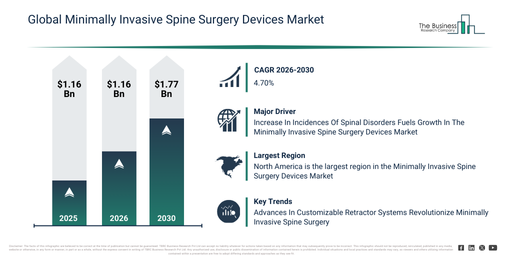
    The market for minimally invasive spine surgery devices has experienced significant growth recently. It is projected to increase from $1.16 billion in 2025 to $1.23 billion in 2026, demonstrating a compound annual growth rate (CAGR) of 5.2%. Looking ahead, steady expansion is expected with the market reaching $1.48 billion by 2030, growing at a CAGR of 4.7%. This upward trend is supported by factors like the rising prevalence of degenerative spinal disorders, an aging global population, drawbacks of traditional open spine surgeries, growing healthcare spending, and the increasing use of spinal fusion procedures.

    Download A Free Sample Report For Comprehensive Market Insights:

    https://www.thebusinessresearchcompany.com/sample.aspx?id=16738&type=smp

    Rising Incidence of Spinal Disorders Boosting Market Expansion

    The increasing number of people suffering from spinal disorders is a primary driver behind the growth of the minimally invasive spine surgery devices market. Conditions such as herniated discs, spinal stenosis, and scoliosis cause pain and mobility issues, and their prevalence is influenced by aging populations, sedentary habits, repetitive strain, and degenerative spine changes. Minimally invasive devices offer treatments that reduce tissue damage, shorten recovery periods, and lessen postoperative pain compared to conventional open surgeries.

    Growing Awareness and Patient Demand for Advanced Treatment Options

    Minimally invasive spine surgery devices are gaining popularity as patients and healthcare providers seek procedures that improve outcomes and reduce hospital stays. For example, in 2024, the National Spinal Cord Injury Statistical Center at the University of Alabama at Birmingham estimated that around 305,000 individuals in the United States live with traumatic spinal cord injuries, up from approximately 302,000 in 2023. This steady increase highlights the demand for innovative spine care technologies that address patient needs more effectively.

    Access The Complete Minimally Invasive Spine Surgery Devices Market Report:

    https://www.thebusinessresearchcompany.com/report/minimally-invasive-spine-surgery-devices-global-market-report

    Market Breakdown by Products, Treatments, and End Users in Minimally Invasive Spine Surgery Devices

    This market can be segmented into various categories:

    – By Product: Cervical Fusion Devices, Vertebral Compression Fracture Treatment Devices, Non-fusion Devices, Spinal Decompression Devices

    – By Treatment: Disk Herniation, Degenerative Spinal Disease, Spinal Stenosis, Other Treatments

    – By Procedure: Discectomy, Laminotomy, Foraminotomy

    – By Application: Fusion Surgery, Non-Fusion Surgery

    – By End User: Ambulatory Surgical Centers (ASCs), Hospitals

    Further subdivisions include specific device types such as Anterior Cervical Discectomy and Fusion (ACDF) Devices, Posterior Cervical Fusion Devices, Vertebroplasty Kits, Dynamic Stabilization Systems, and Minimally Invasive Spinal Decompression Systems, among others.

    Innovations Enhancing Surgical Precision and Patient Recovery

    Leading companies in this market are investing in developing cutting-edge products that improve surgical accuracy and patient outcomes. Customizable retractor systems are a key innovation, providing surgeons with enhanced visibility and access while minimizing tissue damage and recovery time. For instance, in April 2023, Orthofix Medical Inc. introduced two new retractor systems designed for minimally invasive spine surgeries. The Lattus Lateral Access System features versatile blade retraction and compatibility with other Orthofix devices, while the Fathom Pedicle-Based Retractor System offers adjustable blade fixations to tailor visualization and reduce tissue disruption during procedures.

    Top Companies Driving Market Progress

    Several major players dominate the minimally invasive spine surgery devices industry, including Stryker Corporation, Zimmer Biomet Holdings Inc., NuVasive Inc., Globus Medical Inc., MicroPort Scientific Corporation, Orthofix International N.V., Aesculap Inc., Alphatec Holdings Inc., SeaSpine Holdings Corporation, RTI Surgical Inc., Spinal Elements, Xtant Medical, Spine Wave Inc., Zavation Medical Products LLC., Life Spine Inc., Nexxt Spine LLC, CTL Amedica Corporation, Intrinsic Therapeutics Inc., Captiva Spine Inc., DePuy Synthes, Osseus Fusion Systems, and SpineGuard S.A.

    Geographical Trends Highlighting North America’s Market Leadership

    In 2025, North America held the largest share in the minimally invasive spine surgery devices market. The comprehensive market report also covers other important regions such as Asia-Pacific, South East Asia, Western Europe, Eastern Europe, South America, the Middle East, and Africa, each contributing variably to the global market dynamics and growth potential.

    Get in touch with us:

    The Business Research Company: https://www.thebusinessresearchcompany.com/

    Americas: +1 310-496-7795

    Asia: +44 7882 955267 & +91 8897263534

    Europe: +44 7882 955267

    Email us at: marketing@tbrc.info

    Follow us on:

    LinkedIn: https://in.linkedin.com/company/the-business-research-company

    YouTube: https://www.youtube.com/channel/UC24_fI0rV8cR5DxlCpgmyFQ

    Global Market Model: https://www.thebusinessresearchcompany.com/global-market-model
  • Minimally Invasive Neurosurgical Devices Market Forecast Signals New Revenue Opportunities Through 2030

    Minimally Invasive Neurosurgical Devices Market Forecast Signals New Revenue Opportunities Through 2030

    Through market attractiveness analysis, total addressable market evaluation, company benchmarking matrices, interactive Excel dashboards, expanded supply chain intelligence, emerging startup coverage, and detailed product insights, The Business Research Company’s 2026 market reports provide more actionable and strategically valuable research.

    The field of minimally invasive neurosurgical devices has seen impressive growth recently, driven by advancements in technology and rising healthcare needs. As neurological disorders become more common and surgical techniques evolve, this market is on track to expand steadily. Let’s explore the current market size, key growth drivers, segmentation, emerging trends, major players, and regional insights shaping this industry.

    Market Size and Revenue Expectations in the Minimally Invasive Neurosurgical Devices Market

    The market for minimally invasive neurosurgical devices has experienced significant expansion in recent years. It is projected to increase from $3.04 billion in 2025 to $3.27 billion in 2026, marking a compound annual growth rate (CAGR) of 7.6%. This growth during the historical period can be linked to the rising incidence of neurological disorders, a higher volume of neurosurgical procedures, improvements in endoscopic imaging technologies, a growing pool of skilled neurosurgeons, and increased hospital investments in cutting-edge surgical infrastructure.

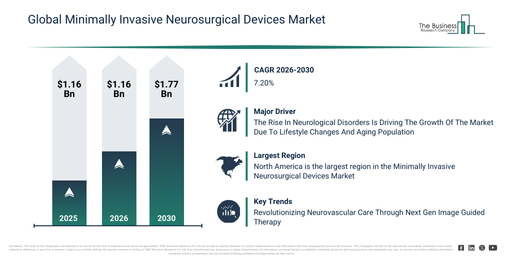
    Looking ahead, the market is expected to maintain strong momentum, reaching $4.32 billion by 2030 with a CAGR of 7.2%. Factors driving this forecasted expansion include the integration of AI-powered surgical navigation systems, wider adoption of robotic neurosurgery platforms, growing demand for minimally invasive spine surgeries, advancements in real-time intraoperative imaging technologies, and the rise of ambulatory surgical centers. Key trends shaping the market over the coming years involve greater use of image-guided minimally invasive procedures, robotic-assisted neurosurgery, demand for smaller and more precise surgical instruments, a shift toward outpatient and short-stay neurosurgical interventions, and expanded application of endoscopic and keyhole neurosurgery techniques.

    Download A Free Sample Report For Comprehensive Market Insights:

    https://www.thebusinessresearchcompany.com/sample.aspx?id=25837&type=smp

    Primary Growth Stimuli Behind the Minimally Invasive Neurosurgical Devices Market

    The increasing prevalence of neurological disorders is a major factor boosting the minimally invasive neurosurgical devices market. Neurological disorders encompass a range of medical conditions affecting the brain, spinal cord, or peripheral nerves, resulting in difficulties with mobility, sensation, cognition, or behavior. The upward trend in these disorders is mainly attributed to lifestyle factors including unhealthy diets, lack of exercise, chronic stress, and prolonged exposure to environmental toxins, all of which negatively impact brain health over time.

    Minimally invasive neurosurgical devices play a vital role in managing these disorders by enabling more precise and less traumatic procedures. These devices help reduce recovery times, lower the risk of complications, and improve overall patient outcomes. For instance, in March 2023, the Alzheimer’s Association reported that approximately 6.7 million Americans aged 65 and older were living with Alzheimer’s dementia in 2023, with projections rising to 13.8 million by 2060. This alarming increase in neurological disorders directly fuels demand for minimally invasive neurosurgical technologies.

    Detailed Breakdown of the Minimally Invasive Neurosurgical Devices Market Segments

    This market is categorized into several segments for a thorough understanding:

    1) Product Type: Miniature video cameras, fiber optic cables, external video monitors, and specialized surgical instruments.

    2) Technology: Image-guided surgery, robotic surgery, navigation systems, optical coherence tomography, and endoscopic techniques.

    3) Surgery Type: Neurosurgical endoscopic procedures, vascular surgery, cerebrovascular surgery, skull base surgery, spine surgery, functional neurosurgery, neuroendoscopic ventricular surgery, neuroplastic and reconstructive surgery, bariatric surgery, and neurovascular access procedures.

    4) Application: Brain tumor resection, spinal surgery, aneurysm repair, epilepsy surgery, trauma and fracture repair.

    5) End User: Hospitals, ambulatory surgical centers, neurology clinics, research institutions, and outpatient surgical centers.

    Further subsegments include types of miniature video cameras such as high-definition, 4K ultra-HD, wireless endoscopic, integrated systems, and disposable cameras. Fiber optic cables are divided by light transmission, imaging fiber bundles, laser fibers, reusable versus disposable types, and sterilizable variants. External video monitors range from standard definition to touchscreen-controlled 4K surgical monitors. Special surgical instruments include neuroendoscopes, microforceps, microscissors, biopsy needles, suction-irrigation devices, and navigation-enabled tools.

    Access The Complete Minimally Invasive Neurosurgical Devices Market Report:

    https://www.thebusinessresearchcompany.com/report/minimally-invasive-neurosurgical-devices-global-market-report

    Recent Advances and Trends Reshaping Demand in the Minimally Invasive Neurosurgical Devices Market

    Leading companies in this space are focusing on enhancing surgical precision and safety by developing sophisticated image-guided therapy systems. These technologies utilize real-time imaging to help surgeons accurately target and treat areas of the brain during minimally invasive operations.

    For example, in February 2024, Koninklijke Philips N.V. introduced the Azurion neuro biplane system, an advanced platform designed to improve the diagnosis and treatment of neurovascular conditions. This system delivers superior 2D and 3D imaging capabilities, flexible positioning of X-ray detectors, and comprehensive table-side controls. Features such as enhanced C-arm rotation and angulation facilitate rapid imaging adjustments, automatic beam rotation ensures properly oriented images, a newly designed head immobilizer supports stroke care, and AI-driven remote monitoring maximizes system uptime.

    Key Industry Players Driving the Minimally Invasive Neurosurgical Devices Market

    The minimally invasive neurosurgical devices market is dominated by several prominent companies, including Medtronic Plc, Fujifilm Holdings Corporation, Koninklijke Philips N.V., Stryker Corporation, Olympus Corporation, Karl Storz GmbH and Co. KG, Integra LifeSciences Holdings Corporation, Elekta AB, Penumbra Inc., KLS Martin Group, B. Braun Melsungen AG, Ackermann Instrumente GmbH, Scanlan International Inc., OmniGuide Holdings Inc., Biolitec AG, Adeor Medical AG, Vycor Medical Inc., Brainlab AG, Leica Microsystems GmbH, Zeiss Meditec AG, Natus Medical Incorporated, Mizuho Medical Co. Ltd., and Adept Medical Ltd. These companies continuously innovate to meet evolving clinical needs and expand their market presence globally.

    Regional Market Leadership and Growth Forecasts in Minimally Invasive Neurosurgical Devices

    In 2025, North America held the largest share of the minimally invasive neurosurgical devices market, reflecting strong healthcare infrastructure and early adoption of advanced technologies. Meanwhile, the Asia-Pacific region is anticipated to be the fastest-growing market during the forecast period. This growth is driven by increasing healthcare investments, rising awareness of neurological conditions, and expanding healthcare access across countries in Asia-Pacific. The market assessment includes key geographical regions such as Asia-Pacific, Southeast Asia, Western Europe, Eastern Europe, North America, South America, the Middle East, and Africa, providing a well-rounded view of global market dynamics.

    Get in touch with us:

    The Business Research Company: https://www.thebusinessresearchcompany.com/

    Americas: +1 310-496-7795

    Asia: +44 7882 955267 & +91 8897263534

    Europe: +44 7882 955267

    Email us at: marketing@tbrc.info

    Follow us on:

    LinkedIn: https://in.linkedin.com/company/the-business-research-company

    YouTube: https://www.youtube.com/channel/UC24_fI0rV8cR5DxlCpgmyFQ

    Global Market Model: https://www.thebusinessresearchcompany.com/global-market-model
  • Medical Deferoxamine Mesylate Market Growth Is Accelerating As Industry Transformation Continues

    Medical Deferoxamine Mesylate Market Growth Is Accelerating As Industry Transformation Continues

    Delivering more actionable and strategically valuable research, The Business Research Company’s 2026 market reports feature market attractiveness analysis, total addressable market evaluation, company benchmarking matrices, interactive Excel dashboards, expanded supply chain intelligence, emerging startup coverage, and detailed product insights.

    The medical deferoxamine mesylate market has experienced robust expansion in recent years, driven by growing healthcare needs and advancements in treatment options. This report delves into the current market size, key factors propelling demand, segmentation, innovation trends, leading companies, and regional outlook to provide a comprehensive understanding of this dynamic pharmaceutical sector.

    Medical Deferoxamine Mesylate Market Size and Projected Growth

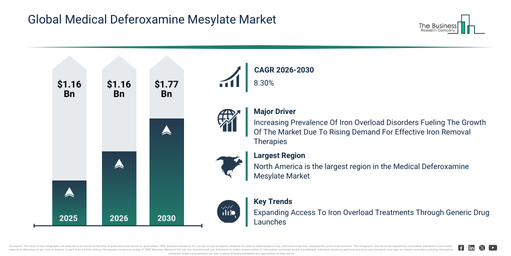
    The medical deferoxamine mesylate market is on an upward trajectory, increasing from $1.28 billion in 2025 to $1.38 billion in 2026 at a compound annual growth rate (CAGR) of 8.4%. This positive momentum is expected to continue, with the market forecasted to reach $1.91 billion by 2030, growing at a CAGR of 8.3%. The expansion during the historical period is largely due to the rising incidence of transfusion-dependent anemia, thalassemia, and sickle cell disease, along with enhanced hospital treatment protocols, better diagnosis of iron overload disorders, and availability of effective chelation therapies. Looking ahead, growth will be supported by the development of alternative chelation drugs, a focus on patient-friendly formulations, broader rare disease treatment programs, increased investment in specialty pharmaceuticals, and greater awareness about managing iron toxicity.

    Download A Free Sample Report For Comprehensive Market Insights:

    https://www.thebusinessresearchcompany.com/sample.aspx?id=24294&type=smp

    Key Factors Fueling the Medical Deferoxamine Mesylate Market Growth

    A primary driver behind the medical deferoxamine mesylate market growth is the increasing prevalence of iron overload disorders. These conditions arise when excess iron accumulates in the body due to genetic causes, frequent blood transfusions, or chronic illnesses. The expanding use of long-term blood transfusions to treat chronic hemoglobinopathies and improved patient survival rates have broadened the pool of individuals at risk for iron overload. Medical deferoxamine mesylate plays a critical role in treating this condition by removing surplus iron, preventing organ damage, and supporting patients with diseases like thalassemia and hemochromatosis.

    Supporting this trend, a March 2023 report in the Electronic Journal of General Medicine from the UK highlighted that 10.73% of patients (1,085 individuals) have alpha-thalassemia, 2.24% (227) have beta-thalassemia, and 0.29% (29) carry mutations for both types. This growing prevalence continues to spur demand for deferoxamine mesylate therapies, strengthening market prospects.

    Access The Complete Medical Deferoxamine Mesylate Market Report:

    https://www.thebusinessresearchcompany.com/report/medical-deferoxamine-mesylate-global-market-report

    Understanding the Structure of the Medical Deferoxamine Mesylate Market

    The medical deferoxamine mesylate market is segmented into several key categories to better capture its diverse applications and delivery methods. By product type, it includes Injectable and Parenteral Formulations. The market is further divided by route of administration into Subcutaneous, Intramuscular, and Intravenous. Distribution channels consist of Hospital Pharmacies, Retail Pharmacies, Online Pharmacies, and other pathways. Applications focus on treating Iron Overload Disorders, Aluminum Toxicity, Acute Iron Poisoning, and other uses. End-users primarily include Hospitals and Clinics. Additional subsegments break down injectables into Intramuscular (IM), Intravenous (IV), and Subcutaneous (SC) forms, while parenteral formulations also cover Intravenous, Subcutaneous, and Intramuscular types.

    Innovative Developments Shaping the Medical Deferoxamine Mesylate Industry

    Innovation in the medical deferoxamine mesylate market is largely driven by efforts to develop generic versions of existing drugs. These alternatives aim to expand patient accessibility, reduce costs, and strengthen companies’ positions in the competitive landscape. Generics contain the same active ingredients as brand-name drugs, providing equivalent therapeutic benefits once patents expire. For example, in January 2023, Canada-based Pharmascience Inc. introduced PRpms-DEFERASIROX (TYPE J), a cost-effective option comparable to Jadenu for treating chronic iron overload in adults and children with anemia or thalassemia. This product offers the same safety and efficacy in 90 mg and 360 mg tablet dosages, making treatment more affordable and accessible.

    Leading Companies Driving the Medical Deferoxamine Mesylate Market

    The market features several prominent players competing globally, including Novartis AG, Merck KGaA, Teva Pharmaceutical Industries Inc., Intas Pharmaceuticals Ltd., Fresenius Kabi AG, Apotex Inc., Lupin Limited, Glenmark Pharmaceuticals Ltd., Torrent Pharmaceuticals Ltd., Wockhardt Ltd., Hospira Inc., Manus Aktteva Biopharma LLP, Merit Pharmaceuticals Inc., Aurobindo Pharma Ltd., Cipla Limited, Cadila Healthcare Ltd., Sun Pharmaceutical Industries Ltd., Alkem Laboratories Ltd., Pharmacosmos A/S, American Regent Inc., Ferring Pharmaceuticals, Sandoz Inc., Emcure Pharmaceuticals Ltd., Akorn Incorporated, and Dr. Reddy’s Laboratories Ltd. These companies drive innovation, expand distribution, and enhance treatment options worldwide.

    Regional Perspectives Highlighting Opportunities in the Medical Deferoxamine Mesylate Market

    In 2025, North America held the largest share of the medical deferoxamine mesylate market, reflecting well-established healthcare infrastructure and high awareness. Meanwhile, the Asia-Pacific region is expected to experience the fastest growth during the forecast period, driven by increasing healthcare expenditure, rising prevalence of related disorders, and improved access to medical treatments. The report also encompasses other key regions such as South East Asia, Western Europe, Eastern Europe, South America, the Middle East, and Africa, providing a thorough view of the global market landscape.

    Get in touch with us:

    The Business Research Company: https://www.thebusinessresearchcompany.com/

    Americas: +1 310-496-7795

    Asia: +44 7882 955267 & +91 8897263534

    Europe: +44 7882 955267

    Email us at: marketing@tbrc.info

    Follow us on:

    LinkedIn: https://in.linkedin.com/company/the-business-research-company

    YouTube: https://www.youtube.com/channel/UC24_fI0rV8cR5DxlCpgmyFQ

    Global Market Model: https://www.thebusinessresearchcompany.com/global-market-model
  • Medical Crutches Market Outlook Highlights The Next Major Growth Opportunities

    Medical Crutches Market Outlook Highlights The Next Major Growth Opportunities

    Enhanced with market attractiveness analysis, total addressable market evaluation, company benchmarking matrices, interactive Excel dashboards, expanded supply chain intelligence, emerging startup coverage, and detailed product insights, The Business Research Company’s 2026 market reports deliver more actionable and strategically valuable research.

    The medical crutches market has been experiencing steady growth, driven by various factors that highlight the increasing need for mobility aids. As more people require assistance due to injuries or health conditions, the demand for advanced and user-friendly crutches is rising. This overview explores the current market size, growth drivers, product segments, industry trends, key players, and regional developments shaping the sector.

    Medical Crutches Market Size and Growth Potential

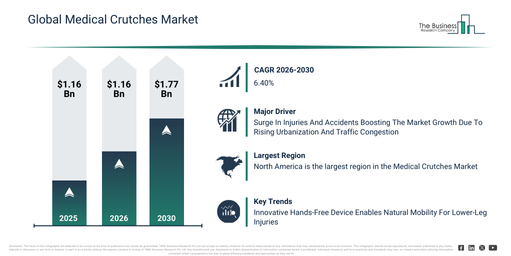
    The medical crutches market has shown robust expansion recently, with its value expected to rise from $0.73 billion in 2025 to $0.78 billion in 2026, reflecting a compound annual growth rate (CAGR) of 6.8%. This positive historical growth stems from factors such as an increase in lower limb injuries, more post-operative rehabilitation cases, the aging population, better awareness about mobility aids, and limited access to advanced crutches in developing countries. Looking ahead, the market is projected to reach $1 billion by 2030, growing at a CAGR of 6.4%. The forecasted growth is driven by innovations like smart crutches, the use of lightweight composite materials, rising demand in home healthcare, expanded e-commerce channels, and supportive government initiatives aimed at disability aids. Prominent trends expected to influence the market include ergonomic design improvements, customizable mobility solutions, and the integration of durable yet lightweight materials.

    Download A Free Sample Report For Comprehensive Market Insights:

    https://www.thebusinessresearchcompany.com/sample.aspx?id=25821&type=smp

    Key Factors Accelerating Growth in the Medical Crutches Market

    One of the primary drivers for the market’s expansion is the increasing frequency of injuries and accidents. These incidents often cause physical harm necessitating the use of supportive devices like crutches. The rise in urbanization and traffic congestion contributes significantly to this trend, as denser populations lead to more collisions, falls, and other risks. Medical crutches provide essential support by helping users maintain balance, reduce pressure on injured limbs, and move safely during recovery.

    For instance, data from December 2024 by the Transport Accident Commission in Australia highlights this issue, reporting 267 fatal crashes on Victorian roads—20 more than the previous year’s figure of 247 fatal crashes recorded in the 12 months ending June 2023. Such statistics underscore the growing need for mobility aids, boosting the demand for medical crutches worldwide.

    Access The Complete Medical Crutches Market Report:

    https://www.thebusinessresearchcompany.com/report/medical-crutches-global-market-report

    Detailed Segmentation of the Medical Crutches Market

    This market is categorized into several segments to better address the diverse needs of users. By product type, offerings include Underarm Crutches, Forearm Crutches, Tetrapod Crutches, Leg Support Crutches, Platform Crutches, and other specialized types. Materials used encompass Wood, Metal Alloys, Carbon or Glass Fiber Reinforced Composites, Thermoplastic, and Carbon Fiber Reinforced Polymer. Distribution channels cover Hospital Pharmacies, Retail Pharmacies, and Online Stores. Application areas range from Post-Operative Recovery to Chronic Conditions, Short-Term Use, and Long-Term Use. End users include Home Healthcare, Hospitals and Clinics, Rehabilitation Centers, and Nursing Homes.

    Further subcategories provide a fine-tuned focus on types within each product group, such as adjustable and padded variants of underarm crutches, different cuff styles for forearm crutches, and various configurations in tetrapod and platform crutches. Other types include smart crutches, pediatric models, and foldable options, catering to specific patient requirements.

    Innovations and Trends Shaping the Future of Medical Crutches

    Leading companies in this sector are investing in the development of advanced solutions like hands-free crutches, which promote independence and aid in maintaining a natural walking gait. These devices strap onto the thigh and free the user’s hands, enhancing mobility during recovery. Such innovations help improve healing outcomes while reducing muscle atrophy.

    For example, in June 2024, iWALKFree, a US-based mobility device manufacturer, introduced its FDA-registered hands-free crutch. This device offers a painless, cost-effective alternative to traditional crutches, enabling users with below-knee injuries to walk naturally and engage in daily tasks. Clinical studies indicate it also supports better blood flow and muscle preservation. The company is continuously improving its product, with versions 4.0 and 5.0 in development, and emphasizes rigorous quality control and regulatory compliance to distinguish itself from inferior alternatives.

    Prominent Companies Steering Competition in the Medical Crutches Market

    Several key players dominate the medical crutches industry, including Cardinal Health Inc., Medline Industries LP, Ottobock SE & Co. KGaA, Invacare Corporation, Drive Medical, Sunrise Medical, GF Health Products Inc., Drive DeVilbiss Healthcare, Vive Health, AMG Medical Inc., Aidacare, Carex Health Brands, Nova Medical Products, Tynor Orthotics Pvt. Ltd., Chinesport S.p.A., Ergoactives Inc., iWALKFree Inc., Ossenberg GmbH, MABIS Healthcare, Millennial Medical LLC, Thuasne Group, Kowsky GmbH, and Meyra Group GmbH. These companies are at the forefront of innovation and market expansion, competing to offer effective, comfortable, and technologically advanced mobility solutions.

    Regional Market Leadership and Emerging Growth Areas

    North America held the largest share of the medical crutches market in 2025, driven by advanced healthcare infrastructure and widespread adoption of mobility aids. However, the Asia-Pacific region is expected to experience the fastest growth during the forecast period, fueled by increasing healthcare investments, rising awareness about mobility support devices, and expanding distribution networks. The market analysis also covers other important regions, including South East Asia, Western Europe, Eastern Europe, South America, the Middle East, and Africa, providing a comprehensive global perspective on market trends and opportunities.

    Get in touch with us:

    The Business Research Company: https://www.thebusinessresearchcompany.com/

    Americas: +1 310-496-7795

    Asia: +44 7882 955267 & +91 8897263534

    Europe: +44 7882 955267

    Email us at: marketing@tbrc.info

    Follow us on:

    LinkedIn: https://in.linkedin.com/company/the-business-research-company

    YouTube: https://www.youtube.com/channel/UC24_fI0rV8cR5DxlCpgmyFQ

    Global Market Model: https://www.thebusinessresearchcompany.com/global-market-model
  • Minimally Invasive Glaucoma Surgery (MIGS) Devices Market Growth Is Accelerating As Industry Transformation Continues

    Minimally Invasive Glaucoma Surgery (MIGS) Devices Market Growth Is Accelerating As Industry Transformation Continues

    Delivering more actionable and strategically valuable research, The Business Research Company’s 2026 market reports feature market attractiveness analysis, total addressable market evaluation, company benchmarking matrices, interactive Excel dashboards, expanded supply chain intelligence, emerging startup coverage, and detailed product insights.

    The minimally invasive glaucoma surgery (MIGS) devices market is undergoing rapid expansion, driven by advancements in surgical techniques and growing awareness of eye health. As glaucoma continues to affect millions worldwide, the demand for less invasive and more effective treatment options has never been higher. Let’s explore the market’s current size, key growth drivers, leading players, and emerging trends shaping the future of MIGS devices.

    Strong Growth Trajectory in the Minimally Invasive Glaucoma Surgery Devices Market

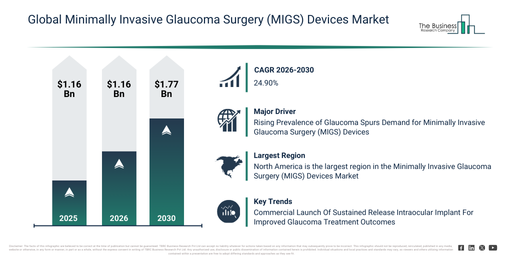
    The MIGS devices market has seen remarkable growth in recent years. It is projected to rise from $0.89 billion in 2025 to $1.14 billion in 2026, representing a compound annual growth rate (CAGR) of 28.1%. Several factors contributed to this growth, including the rising prevalence of glaucoma, an aging global population, the limitations of traditional glaucoma surgeries, greater awareness about vision preservation, and increasing rates of cataract surgeries. Looking ahead, the market is expected to expand even further, reaching $2.79 billion by 2030 with a CAGR of 24.9%. This forecasted growth is supported by an expanding pool of glaucoma patients, wider acceptance of minimally invasive procedures, increasing demand for outpatient eye surgeries, a stronger focus on patients’ quality of life, and the growing availability of specialized eye care clinics.

    Download A Free Sample Report For Comprehensive Market Insights:

    https://www.thebusinessresearchcompany.com/sample.aspx?id=15863&type=smp

    Key Factors Supporting Growth in the MIGS Devices Market

    The rising incidence of eye disorders plays a significant role in driving the demand for MIGS devices. Eye conditions, including glaucoma, are becoming more common due to lifestyle changes, environmental factors, and an aging population worldwide. MIGS devices are designed to manage these diseases by effectively lowering intraocular pressure (IOP), which is critical in preventing the progression of glaucoma. For instance, according to the National Eye Institute, approximately 2.2 million Americans will be blind or partially blind by 2030, underscoring the urgent need for improved treatment options like MIGS.

    Expanding Patient Acceptance and Technology Adoption in MIGS

    Another key driver is the growing acceptance of minimally invasive surgical options among patients and healthcare providers. These procedures offer benefits such as quicker recovery times, reduced complications, and suitability for outpatient settings. Additionally, combining MIGS with cataract surgery has become increasingly popular, allowing for dual treatment in one surgical session. This integration supports the market’s expansion by appealing to a broader patient base seeking safer and more efficient eye care.

    Access The Complete Minimally Invasive Glaucoma Surgery (MIGS) Devices Market Report:

    https://www.thebusinessresearchcompany.com/report/minimally-invasive-glaucoma-surgery-migs-devices-global-market-report

    How the MIGS Devices Market Is Categorized for In-Depth Analysis

    This market is segmented into several categories to better understand its dynamics:

    1) By Product Type: Trabecular Micro-Stents, Subconjunctival Micro-Shunts, Suprachoroidal Stents, and Canaloplasty & Schlemm’s Canal Devices

    2) By Surgical Approach: MIGS performed alongside cataract surgery, and Stand-Alone MIGS procedures

    3) By Target Anatomical Pathway: Trabecular Meshwork, Schlemm’s Canal, Suprachoroidal Space, and Subconjunctival Space

    4) By Procedure Type: Ab-Interno MIGS and Ab-Externo MIGS

    5) By End User: Ophthalmology Clinics, Ambulatory Surgery Centers (ASCs), and Specialized Eye Hospitals

    The report further breaks down subsegments such as single-lumen and multi-lumen trabecular micro-stents, various types of subconjunctival micro-shunts, passive and flow-regulated suprachoroidal stents, and different canaloplasty devices including implant-free systems.

    Innovations Transforming the Minimally Invasive Glaucoma Surgery Devices Market

    Leading companies in the MIGS space are focusing on breakthroughs like sustained-release drug-delivery implants to replace conventional eye-drop treatments. These implants provide continuous medication delivery, improving patient adherence and treatment effectiveness by reducing the need for frequent dosing. A notable example is the February 2024 launch by Celanese Corporation in partnership with Glaukos of the iDose® TR Implant, which uses Celanese’s VitalDose® Ethylene Vinyl Acetate platform. This device delivers travoprost directly inside the eye over several months, offering a minimally invasive alternative to daily eye drops and enhancing long-term control of intraocular pressure.

    Competitive Landscape of the MIGS Devices Industry

    The minimally invasive glaucoma surgery devices market is populated by several prominent companies, including Glaukos Corporation, Sight Sciences Inc., Alcon Inc., Johnson & Johnson Vision Care Inc., Bausch & Lomb Incorporated, Carl Zeiss Meditec AG, Nova Eye Medical Limited, iSTAR Medical SA, New World Medical Inc., MicroSurgical Technology Inc., ASICO LLC, Ziemer Ophthalmic Systems AG, Ellex Medical Lasers Ltd., Lumenis Ltd., Iridex Corporation, Katena Products Inc., Oertli Instrumente AG, Sifi S.p.A., Aquesys Inc., and Beaver-Visitec International. These players compete through continuous innovation and strategic partnerships to maintain market leadership.

    Geographic Highlights Demonstrate Market Leaders and Emerging Regions

    In 2025, North America held the largest share of the MIGS devices market, benefiting from high healthcare expenditure and advanced ophthalmic infrastructure. However, the Asia-Pacific region is anticipated to exhibit the fastest growth during the forecast period, driven by increasing healthcare investments, rising awareness of glaucoma treatment options, and expanding access to specialized eye care across countries such as China, India, and Japan. Other important markets include South East Asia, Western and Eastern Europe, South America, the Middle East, and Africa, providing a comprehensive global perspective on the market’s development.

    Get in touch with us:

    The Business Research Company: https://www.thebusinessresearchcompany.com/

    Americas: +1 310-496-7795

    Asia: +44 7882 955267 & +91 8897263534

    Europe: +44 7882 955267

    Email us at: marketing@tbrc.info

    Follow us on:

    LinkedIn: https://in.linkedin.com/company/the-business-research-company

    YouTube: https://www.youtube.com/channel/UC24_fI0rV8cR5DxlCpgmyFQ

    Global Market Model: https://www.thebusinessresearchcompany.com/global-market-model
  • Medical Copper Tubing Market Trends And Growth Drivers Point To Strong Future Potential

    Medical Copper Tubing Market Trends And Growth Drivers Point To Strong Future Potential

    Through market attractiveness analysis, total addressable market evaluation, company benchmarking matrices, interactive Excel dashboards, expanded supply chain intelligence, emerging startup coverage, and detailed product insights, The Business Research Company’s 2026 market reports provide more actionable and strategically valuable research.

    The medical copper tubing market has been experiencing steady growth, driven by advancements in healthcare infrastructure and evolving medical needs. As hospitals and healthcare facilities expand and modernize, the demand for reliable, high-quality copper tubing used in various medical gas delivery systems continues to rise. This overview explores the market size, key drivers, important segments, industry trends, and leading players shaping this sector.

    Medical Copper Tubing Market Size and Forecasted Expansion

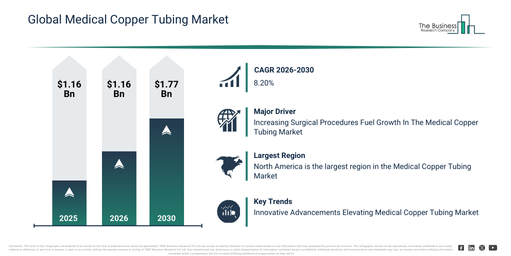
    The market for medical copper tubing has demonstrated strong growth in recent years. It is projected to increase from $1.88 billion in 2025 to $2.04 billion in 2026, reflecting an impressive compound annual growth rate (CAGR) of 8.7%. This growth during the historical period is mainly due to the expansion of hospital infrastructure, greater demand for centralized medical gas systems, stricter medical piping standards, modernization of healthcare facilities, and the increased use of copper to ensure gas purity. Looking ahead, the market is expected to continue its upward trajectory, reaching $2.8 billion by 2030 with a CAGR of 8.2%. Key factors driving this future growth include the development of healthcare infrastructure in emerging economies, rising investments in hospital expansion, heightened patient safety protocols, demand for durable piping solutions, and the adoption of advanced medical gas delivery networks. Emerging trends poised to influence the market encompass increased demand for medical-grade copper tubing, greater use of pre-cleaned and deoxidized tubes, emphasis on infection-control compliant materials, the growth of hospital gas pipeline installations, and a focus on corrosion-resistant tubing.

    Download A Free Sample Report For Comprehensive Market Insights:

    https://www.thebusinessresearchcompany.com/sample.aspx?id=9397&type=smp

    Rising Number of Surgical Procedures Fueling Medical Copper Tubing Demand

    One of the main growth drivers for the medical copper tubing market is the increasing volume of surgical procedures worldwide. Surgical interventions, which include operations to diagnose, repair, or replace tissues and organs, are growing due to the rising popularity of elective and minimally invasive surgeries. This increase boosts demand for dependable, long-lasting, and contamination-resistant tubing systems used in medical gas distribution and operating room setups. For example, in June 2024, the American Society of Plastic Surgeons reported a 7% rise in minimally invasive procedures in 2023, outpacing the overall growth in surgical procedures by 2%. This trend highlights how the expansion in surgical operations is propelling the medical copper tubing market forward.

    Growing Healthcare Expenditure Supporting Market Growth

    Another important factor advancing the medical copper tubing market is the steady rise in healthcare spending globally. Healthcare expenditure covers all costs related to family planning, nutritional programs, emergency health initiatives, and overall medical services. Increased spending in this area often leads to better access to advanced medical equipment, including high-quality copper tubing. For instance, according to the Centers for Medicare and Medicaid Services (CMS), US healthcare spending grew by 7.5% in 2023, reaching $4.9 trillion or approximately $14,570 per person, compared to 2022. This surge in investment supports the development and adoption of improved medical copper tubing solutions, driving market growth.

    Access The Complete Medical Copper Tubing Market Report:

    https://www.thebusinessresearchcompany.com/report/medical-copper-tubing-global-market-report

    Key Market Segments Highlighting Medical Copper Tubing Applications

    The medical copper tubing market is segmented into three primary categories: product type, application, and end-user. Product types include bracketing, fittings, and tubing. Applications cover medical gases such as carbon dioxide, medical air, medical vacuum, nitrogen, nitrous oxide, and oxygen. End-user segments encompass nursing homes, hospitals, ambulatory surgical centers, and specialty clinics. Further subdivisions break down bracketing into mounting and support brackets, fittings into elbows, tees, couplings, and connectors, and tubing into straight, coiled, and flexible variants. These classifications provide a detailed understanding of the market’s scope and areas of growth.

    Innovations and Industry Trends Boosting Future Market Potential

    Leading companies in the medical copper tubing sector are actively innovating to secure a stronger foothold in the market. For example, Lawton Tubes, a UK-based manufacturer, specializes in copper pipelines designed for medical gas transport such as oxygen. Copper’s natural antimicrobial properties help eliminate bacteria, fungi, and viruses, making it an ideal material for healthcare environments. Additionally, copper is fully recyclable, aligning with healthcare providers’ goals to reduce environmental impact. During the COVID-19 pandemic, Lawton Tubes supplied copper pipelines to more than 35 countries, showcasing copper’s dual benefits of safety and sustainability in medical gas delivery systems.

    Prominent Market Players Driving the Medical Copper Tubing Industry

    Several major companies hold significant positions in the medical copper tubing market. These include KME Group, Mueller Industries Inc., Mueller Streamline Co., Cerro Flow Products LLC, Cambridge-Lee Industries LLC, Wieland-Werke AG, Luvata Oy, Mehta Tubes Ltd., Great Lakes Copper Ltd., Brassco Tube Industries, Jugal Tube Pvt. Ltd., ABC Tube Company Pvt. Ltd., Zhejiang Hailiang Co. Ltd., Golden Dragon Precise Copper Tube Group Inc., Ningbo Jintian Copper Group Co. Ltd., Qingdao Hongtai Metal Products Co. Ltd., Poongsan Corporation, SeAH Metal Corporation, Hailiang Group Co. Ltd., and Hubei Sanxin Copper Co. Ltd. These organizations are instrumental in driving innovation and meeting growing market demands.

    Geographical Insights Into the Medical Copper Tubing Market

    In 2025, North America accounted for the largest share of the medical copper tubing market. The report also covers other important regions such as Asia-Pacific, South East Asia, Western Europe, Eastern Europe, South America, the Middle East, and Africa. While North America currently leads, emerging markets in Asia-Pacific and other regions are expected to contribute significantly to future growth, driven by expanding healthcare infrastructure and rising demand for advanced medical gas systems.

    Get in touch with us:

    The Business Research Company: https://www.thebusinessresearchcompany.com/

    Americas: +1 310-496-7795

    Asia: +44 7882 955267 & +91 8897263534

    Europe: +44 7882 955267

    Email us at: marketing@tbrc.info

    Follow us on:

    LinkedIn: https://in.linkedin.com/company/the-business-research-company

    YouTube: https://www.youtube.com/channel/UC24_fI0rV8cR5DxlCpgmyFQ

    Global Market Model: https://www.thebusinessresearchcompany.com/global-market-model