Month: June 2026

  • Medical Bionic Implant/Artificial Organs Market Expected To Reach $36.91 Billion By 2030 As Growth Accelerates At 7.8% CAGR

    Medical Bionic Implant/Artificial Organs Market Expected To Reach $36.91 Billion By 2030 As Growth Accelerates At 7.8% CAGR

    Delivering more actionable and strategically valuable research, The Business Research Company’s 2026 market reports feature market attractiveness analysis, total addressable market evaluation, company benchmarking matrices, interactive Excel dashboards, expanded supply chain intelligence, emerging startup coverage, and detailed product insights.

    The medical bionic implant and artificial organs sector is witnessing rapid advancement as technological innovations and growing healthcare demands drive its expansion. This market is becoming essential in addressing the rising cases of organ failure and physical disabilities, offering new hope through cutting-edge solutions. Let’s explore the current market size, influential factors, key players, and future growth prospects shaping this vital industry.

    Medical Bionic Implant and Artificial Organs Market Size and Growth Outlook

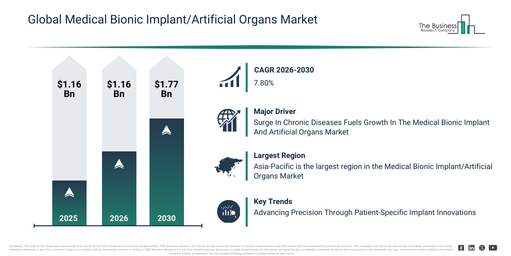
    The market for medical bionic implants and artificial organs has seen significant growth in recent years. From a valuation of $25.22 billion in 2025, it is projected to rise to $27.31 billion by 2026, driven by an annual growth rate of 8.3%. This upward trend reflects the increasing occurrence of organ failure, a higher incidence of physical disabilities, progress in biomedical engineering, and the expansion of transplant alternatives. Additionally, greater clinical acceptance of bionic implants has contributed to this growth. Looking ahead, the market is expected to continue its momentum, reaching $36.91 billion by 2030 with a CAGR of 7.8%. This forecasted expansion is supported by more investments in regenerative medicine, the integration of AI-enabled implant monitoring, and a growing need for healthcare solutions catering to aging populations. Other factors include a stronger focus on minimally invasive procedures and the rising demand for smart therapeutic implants.

    Download A Free Sample Report For Comprehensive Market Insights:

    https://www.thebusinessresearchcompany.com/sample.aspx?id=7870&type=smp

    Factors Stimulating Demand in the Medical Bionic Implant and Artificial Organs Market

    One of the major drivers fueling this market is the rising prevalence of chronic diseases. Conditions such as cardiovascular disorders, diabetes, cancer, and respiratory illnesses are becoming more widespread, largely due to increasing obesity rates which elevate long-term health risks. This growing burden of chronic illnesses is prompting companies to develop advanced implantable solutions that restore organ function and improve patient outcomes over time.

    For example, in April 2025, the Centers for Disease Control and Prevention (CDC) reported that 76.4% of adults in the United States—approximately 194 million people—had one or more chronic conditions in 2023. This reflects a notable increase from the previous year and highlights the particularly high incidence among middle-aged and older adults. As chronic diseases continue to rise, demand for medical bionic implants and artificial organs is expected to grow in tandem.

    Key Segments Defining the Medical Bionic Implant and Artificial Organs Market

    This market is broadly divided into several segments to better understand its dynamics. By type, it covers bionic implants and artificial organs. Technologically, the products fall into electronic and mechanical categories. On the application side, hospitals and clinics remain the primary end users.

    Further subcategories help specify the market landscape: bionic implants include bionic limbs, bionic eyes, and cochlear implants, while artificial organs encompass devices such as artificial hearts, kidneys, livers, and pancreases.

    Access The Complete Medical Bionic Implant/Artificial Organs Market Report:

    https://www.thebusinessresearchcompany.com/report/medical-bionic-implant-or-artificial-organs-global-market-report

    Innovation Trends Transforming the Market Landscape

    Leading companies in the medical bionic implant and artificial organs industry are focusing heavily on innovation, particularly through the development of advanced 3D-printed, patient-specific implants. These customized implants, designed from individual anatomical data, improve surgical precision, reduce operation times, and enhance recovery outcomes.

    A notable example occurred in April 2024, when 3D Systems, a US-based medical device and 3D printing company, received FDA clearance for its VSP PEEK Cranial Implant. This implant utilizes medical-grade polyether ether ketone (PEEK) and employs additive manufacturing techniques to provide highly tailored cranial reconstruction solutions. By supporting reconstructive surgeons with CAD-driven planning and 3D printing workflows, the implant offers better clinical results by closely matching each patient’s unique anatomy.

    Leading Organizations Shaping the Medical Bionic Implant and Artificial Organs Market

    The competitive landscape of this market features several prominent companies including Medtronic PLC, Abbott Laboratories Inc., Ekso Bionics Holdings Inc., Cochlear Limited, Cyberonics Inc., and LivaNova PLC. Other influential players include NeuroPace Inc., Ossur India Private Limited, Vivani Medical Inc., St Jude Medical India Private Limited, Ottobock SE & Co. KGaA, Edwards Lifesciences India Pvt. Ltd., SynCardia Systems LLC, Demant A/S, Berlin Heart GmbH, Abiomed Inc., Asahi Kasei Medical Co. Ltd., Getinge AB, Bornlife Prosthetic and Orthotic Inc., Sonova Holding AG, Biocontrol Medical Ltd., Aleva Neurotherapeutics SA, Second Sight Medical Products Inc., Touch Bionics Inc., Thoratec Corporation, CardiacAssist Inc., HeartWare International Inc., Synapse Biomedical Inc., Neurotech NA Inc., Retina Implant AG, Advanced Bionics AG, and Med-El Elektromedizinische Geräte GmbH.

    Regional Market Distribution and Expansion Patterns

    In 2025, Asia-Pacific led the medical bionic implant and artificial organs market in terms of regional share. The comprehensive market analysis also includes other key regions such as South East Asia, Western Europe, Eastern Europe, North America, South America, the Middle East, and Africa. The dynamic growth in Asia-Pacific reflects the increasing healthcare investments and expanding patient base in the region, positioning it as a critical driver of global market expansion.

    Get in touch with us:

    The Business Research Company: https://www.thebusinessresearchcompany.com/

    Americas: +1 310-496-7795

    Asia: +44 7882 955267 & +91 8897263534

    Europe: +44 7882 955267

    Email us at: marketing@tbrc.info

    Follow us on:

    LinkedIn: https://in.linkedin.com/company/the-business-research-company

    YouTube: https://www.youtube.com/channel/UC24_fI0rV8cR5DxlCpgmyFQ

    Global Market Model: https://www.thebusinessresearchcompany.com/global-market-model
  • Microtome Market Growth Through 2030 Creates New Strategic Opportunities

    Microtome Market Growth Through 2030 Creates New Strategic Opportunities

    Through market attractiveness analysis, total addressable market evaluation, company benchmarking matrices, interactive Excel dashboards, expanded supply chain intelligence, emerging startup coverage, and detailed product insights, The Business Research Company’s 2026 market reports provide more actionable and strategically valuable research.

    The microtome market has been experiencing steady growth recently, driven by advances in histopathology and cancer diagnostics. With ongoing developments in laboratory technology and expanding research initiatives, this sector is set to continue its upward trajectory. Below is an overview of the microtome market’s current status, key drivers, segments, emerging trends, major players, and regional outlook.

    Steady Expansion in Microtome Market Size and Forecast

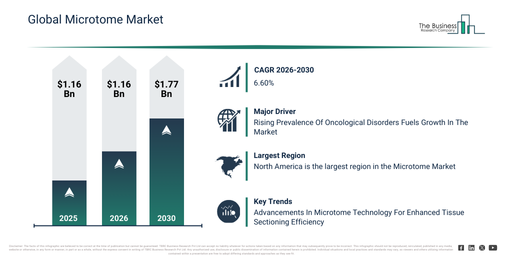
    The microtome market has shown notable growth in recent years, increasing from $0.26 billion in 2025 to $0.28 billion in 2026, which represents a compound annual growth rate (CAGR) of 6.3%. This progress was largely fueled by rising demand for histopathology testing, advancements in cancer diagnostics, greater academic research activity, widespread adoption of microscopy, and modernization efforts in laboratories. Looking ahead, the market is projected to expand further, reaching $0.36 billion by 2030 with a CAGR of 6.6%. Key factors in this forecast include the growth of digital pathology, automation of laboratory workflows, increasing demand for precision diagnostics, enhanced research funding, and upgrades in hospital laboratories. Important trends shaping the future involve automated tissue sectioning, high-precision microtomy, cryostat sectioning techniques, improved blade safety features, and compact lab equipment designs.

    Download A Free Sample Report For Comprehensive Market Insights:

    https://www.thebusinessresearchcompany.com/sample.aspx?id=21223&type=smp

    Factors Contributing to Growth in the Microtome Market

    The increasing incidence of cancer and related oncological disorders is a major catalyst for the expansion of the microtome market. These disorders involve abnormal and uncontrolled cell growth, often leading to malignancies, and their rising prevalence is linked to aging populations, greater exposure to environmental carcinogens, unhealthy lifestyle choices, and genetic factors. Microtomes provide pathologists with the ability to prepare extremely thin tissue slices, facilitating detailed examination to identify tumor types and progression stages. For example, the American Cancer Society reported approximately 297,790 new invasive breast cancer cases among women in the United States in 2023. This growing prevalence of cancer fuels demand for high-quality microtomy instruments.

    Additional Drivers Supporting Market Development

    Beyond oncology, the microtome market benefits from the expanding scope of research and diagnostic activities across medical and academic settings. Increasing investments in laboratory infrastructure and the push for more precise diagnostic techniques encourage adoption of advanced microtome technologies. These factors collectively support sustained growth and innovation within this market.

    Access The Complete Microtome Market Report:

    https://www.thebusinessresearchcompany.com/report/microtome-global-market-report

    Detailed Microtome Market Segmentation and Structure

    This market is organized into several important categories for a clearer understanding:

    1) Product Types: Instruments and Accessories

    2) Technology Types: Fully Automated, Semi-Automated, and Manual systems

    3) Applications: Disease Diagnosis and Medical Research

    4) End-Users: Hospitals, Clinical and Diagnostic Laboratories, Academic Research Centers, and other users

    Further breakdowns include instruments such as Rotary Microtomes, Cryostat Microtomes, Vibrating Microtomes, Ultramicrotomes, and Sledge Microtomes. Accessories encompass blades and knives, blade holders, specimen holders, sectioning aids, safety covers, and disposables.

    Emerging Trends Enhancing Microtomy Capabilities

    Leading companies in the microtome space are focusing on delivering advanced tissue sectioning devices that boost laboratory efficiency and improve clinical and research outcomes. These tools enable the precise and consistent slicing of tissue samples, which is vital for histology and diagnostic processes. For example, in February 2023, US-based Precisionary Instruments launched a new series of rotary microtomes featuring a heavy, stable core ideal for serial sectioning. The RF-600 manual model supports two specimen clamp holders for different cassette sizes, while the RF-800 and RF-1000 models incorporate touchscreen controls. The RF-1000 offers fully automated cutting operable via touchscreen, control panel, or foot pedal, enhancing workflow efficiency. These devices are particularly suited for paraffin-embedded tissue sectioning in histology.

    Additional Trends Driving Innovation

    Innovations such as enhanced automation, improved safety systems for blades, and compact designs are gaining traction. These developments make microtomes more user-friendly and adaptable to modern laboratory demands, supporting higher throughput and precision.

    Prominent Players in the Microtome Market

    The microtome industry features several key companies, including Leica Biosystems Nussloch GmbH, Sakura Finetek Inc., RWD Life Science Co. Ltd., SM Scientific Instruments Pvt. Ltd., Narang Medical Limited, AGD Biomedicals Pvt. Ltd., Diapath S.p.A., Milestone Medical, Boeckeler Instruments Inc., SLEE Medical GmbH, microTec Laborgeräte GmbH, Campden Instruments, Precisionary Instruments LLC, Jinhua YIDI Medical Appliance Co. Ltd., Medimeas, Histo-Line Laboratories, MEDITE Medical GmbH, Erma Inc., CellPath Ltd., and Laboid International.

    Regional Overview and Market Leadership

    In 2025, North America held the largest share of the microtome market, reflecting the presence of advanced healthcare infrastructure and strong research activities. The market report also covers important regions such as Asia-Pacific, South East Asia, Western Europe, Eastern Europe, South America, the Middle East, and Africa, providing a comprehensive global perspective on market dynamics.

    Get in touch with us:

    The Business Research Company: https://www.thebusinessresearchcompany.com/

    Americas: +1 310-496-7795

    Asia: +44 7882 955267 & +91 8897263534

    Europe: +44 7882 955267

    Email us at: marketing@tbrc.info

    Follow us on:

    LinkedIn: https://in.linkedin.com/company/the-business-research-company

    YouTube: https://www.youtube.com/channel/UC24_fI0rV8cR5DxlCpgmyFQ

    Global Market Model: https://www.thebusinessresearchcompany.com/global-market-model
  • Medical Bed Market Set To Grow From $4.68 Billion In 2026 To $6.15 Billion By 2030 At A CAGR Of 7.1%

    Medical Bed Market Set To Grow From $4.68 Billion In 2026 To $6.15 Billion By 2030 At A CAGR Of 7.1%

    Enhanced with market attractiveness analysis, total addressable market evaluation, company benchmarking matrices, interactive Excel dashboards, expanded supply chain intelligence, emerging startup coverage, and detailed product insights, The Business Research Company’s 2026 market reports deliver more actionable and strategically valuable research.

    The medical bed market is experiencing significant growth driven by evolving healthcare needs and technological advancements. As healthcare systems expand and patient care becomes more sophisticated, the demand for advanced medical beds is rising steadily. This overview explores the current market size, key drivers, notable segments, emerging trends, major players, and regional dynamics shaping the future of this essential healthcare equipment sector.

    Medical Bed Market Size and Future Growth Expectations

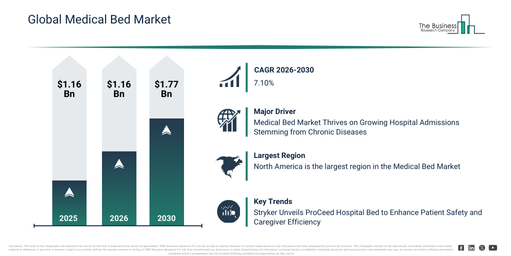
    The medical bed market has shown strong growth in recent years and is projected to continue expanding. From $4.38 billion in 2025, the market is expected to reach $4.68 billion in 2026, growing at a compound annual growth rate (CAGR) of 6.9%. Looking ahead, the market size is forecasted to climb further to $6.16 billion by 2030, with an increased CAGR of 7.1%. This upward trajectory is fueled by several factors including the expansion of hospital infrastructure, a rising elderly population, increasing demand for long-term care, more intensive care unit usage, and the adoption of adjustable patient support furniture.

    Download A Free Sample Report For Comprehensive Market Insights:

    https://www.thebusinessresearchcompany.com/sample.aspx?id=13700&type=smp

    Anticipated Growth Drivers Shaping the Medical Bed Market

    One critical factor driving market growth is the growing demand for home healthcare equipment. As healthcare increasingly shifts toward patient-centered care at home, beds designed for domestic use are gaining prominence. Additionally, investments in smart healthcare infrastructure are accelerating, enabling the integration of advanced features in medical beds. This focus on technology and connectivity supports better patient monitoring and improved care environments.

    Another important influence on market expansion is the rising emphasis on telehealth-supported recovery models and connected medical furniture. Beds that incorporate remote patient monitoring capabilities and smart features enhance patient safety and comfort. The healthcare sector’s growing adoption of electrically adjustable beds and homecare-compatible designs also contributes to this trend, reflecting a broader move toward more adaptable and patient-friendly solutions.

    Access The Complete Medical Bed Market Report:

    https://www.thebusinessresearchcompany.com/report/medical-bed-global-market-report

    Hospital Admissions Due to Chronic Illnesses Fueling Demand

    The increase in hospital admissions related to chronic diseases is a significant driver for the medical bed market. Chronic illnesses, which require long-term medical attention and often limit daily activities, are contributing to higher patient intake in hospitals worldwide. Various factors such as individual health conditions, socioeconomic status, healthcare infrastructure, and public health initiatives influence hospital admissions. Medical beds play a vital role in supporting patient care during these admissions by providing comfort, safety, and better medical management.

    For example, NHS Digital reported that Finished Admission Episodes in England rose from 16.4 million in 2023 to 17.6 million in 2024. This upward trend in hospital admissions underlines the growing need for medical beds capable of meeting the demands of a larger patient population, thus driving market growth.

    Key Segments in the Medical Bed Market Offering Growth Potential

    The medical bed market is categorized into several segments based on type, usage, and end-user. By type, it includes electric medical beds, semi-electric medical beds, and manual medical beds. Usage-wise, the beds are divided into those used in intensive care and non-intensive care settings. Major end-users consist of hospitals, home care settings, rehabilitation centers, and other facilities.

    Further segmentation breaks down electric beds into full electric and adjustable electric models. Semi-electric beds are classified by whether they have adjustable head and foot sections or manual adjustments. Manual beds include fixed manual and basic adjustable manual options. These divisions highlight the diverse range of products available to meet varied care requirements.

    Innovations and Trends Influencing the Medical Bed Market Outlook

    Leading companies in the medical bed market are prioritizing technological advancements to enhance patient comfort and caregiver efficiency. Ergonomically designed multi-functional hospital beds are becoming standard, featuring low bed heights, assistive steering, robust construction, and adaptable headboard options. These innovations are aimed at reducing caregiver fatigue, preventing patient falls, and improving overall care delivery in demanding hospital environments.

    For instance, in February 2025, Stryker Corporation introduced the ProCeed hospital bed in markets outside the U.S. This model offers a low-height frame for safer patient mobility, a fifth wheel to ease maneuvering and reduce strain on caregivers, and two types of headboards—stationary and mobile—catering to different patient positioning needs. The ProCeed bed exemplifies how innovation is shaping more practical and user-friendly solutions in medical beds.

    Prominent Players Driving Competition in the Medical Bed Sector

    Several key companies dominate the medical bed market landscape, including Mediline Industries Inc., Stryker Corporation, Getinge AB, Arjo, Paramount Bed Holdings Co., Invacare Corporation, Linet spol. s r.o., Favero Health Projects SpA, Joerns Healthcare LLC, Stiegelmeyer GmbH & Co. KG, Amico Group of Companies, GF Health Products Inc., Umano Medical Inc., Merivaara, Malvestio SpA, Zhangjiagang Medi Medical Equipment, Gendron Inc., American Medical Equipment, Antano Group srl, Besco Medical, Medical Depot Inc., ProBed Medical Technologies, and Anyang Top Medical Devices Co. Ltd. These companies are contributing to innovation, product diversification, and global reach in the market.

    Regional Market Leadership and Expansion Patterns

    In 2025, North America held the largest share of the global medical bed market, reflecting its advanced healthcare infrastructure and high demand for sophisticated medical equipment. Meanwhile, the Asia-Pacific region is expected to experience the most rapid growth during the forecast period. The market report also covers other important regions such as South East Asia, Western Europe, Eastern Europe, South America, the Middle East, and Africa, providing a comprehensive view of global market dynamics and emerging opportunities.

    Get in touch with us:

    The Business Research Company: https://www.thebusinessresearchcompany.com/

    Americas: +1 310-496-7795

    Asia: +44 7882 955267 & +91 8897263534

    Europe: +44 7882 955267

    Email us at: marketing@tbrc.info

    Follow us on:

    LinkedIn: https://in.linkedin.com/company/the-business-research-company

    YouTube: https://www.youtube.com/channel/UC24_fI0rV8cR5DxlCpgmyFQ

    Global Market Model: https://www.thebusinessresearchcompany.com/global-market-model
  • Microsurgery Robot Market Size Projected To Increase From $2.76 Billion To $4.83 Billion During The Forecast Period

    Microsurgery Robot Market Size Projected To Increase From $2.76 Billion To $4.83 Billion During The Forecast Period

    Delivering more actionable and strategically valuable research, The Business Research Company’s 2026 market reports feature market attractiveness analysis, total addressable market evaluation, company benchmarking matrices, interactive Excel dashboards, expanded supply chain intelligence, emerging startup coverage, and detailed product insights.

    The microsurgery robot market is witnessing remarkable advancements as surgical robotics gain momentum in medical fields requiring high precision. With increasing technological sophistication and expanding applications, this sector is set to experience substantial revenue growth in the coming years. Let’s explore the current market size, key factors driving demand, segmentation details, innovation trends, major players, and geographic insights shaping this evolving market.

    Microsurgery Robot Market Size and Growth Trajectory

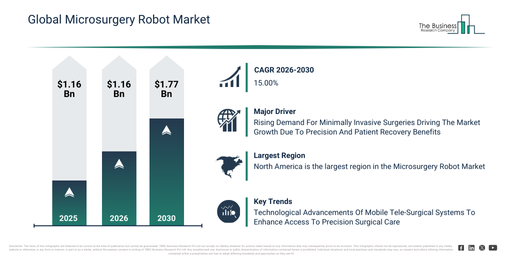
    The microsurgery robot market has demonstrated rapid growth over recent years. It is projected to climb from $2.39 billion in 2025 to $2.76 billion in 2026, achieving a compound annual growth rate (CAGR) of 15.5%. Earlier growth was largely influenced by factors such as the limited availability of advanced robotic systems, the high price of early robotic platforms, increasing demand for minimally invasive procedures, broader adoption in specialized surgical fields, and initial progress in medical imaging technologies.

    Download A Free Sample Report For Comprehensive Market Insights:

    https://www.thebusinessresearchcompany.com/sample.aspx?id=25835&type=smp

    Looking ahead, the microsurgery robot market is expected to expand swiftly, reaching $4.83 billion by 2030 with a CAGR of 15.0%. This anticipated surge is driven by growing investments in artificial intelligence (AI)-powered surgical robots, a rising preference for teleoperated surgeries, the development of compact and handheld robotic devices, incorporation of augmented reality and imaging technologies, and the widening scope of microsurgery in emerging regions. Key trends shaping the future include miniaturization of surgical instruments, real-time imaging integration, enhanced precision and stability during microsurgery, expanding use of remote and teleoperated procedures, and customizable modular robotic systems.

    Rising Demand for Minimally Invasive Procedures Boosting Microsurgery Robots

    An important driver for the microsurgery robot market is the escalating demand for minimally invasive surgeries. These procedures involve conducting operations through small incisions using specialized tools and techniques that minimize tissue damage, reduce recovery times, and lower surgical risks.

    Access The Complete Microsurgery Robot Market Report:

    https://www.thebusinessresearchcompany.com/report/microsurgery-robot-global-market-report

    This demand is especially growing due to the aging global population, which increasingly requires delicate surgical interventions with fewer complications. Microsurgery robots provide the precision, control, and stability needed for such intricate operations, promoting faster patient recovery and less trauma. For instance, in March 2025, the American Hospital Association reported that 2.63 million surgeries in the U.S. were performed using da Vinci robotic systems in 2023, marking a 17% increase from 2022. This surge underscores the strong influence of minimally invasive surgery trends on the microsurgery robot market.

    Microsurgery Robot Market Segmentation and Revenue Contributors

    The market is categorized by product type, component, technology, application, and end-user. Key product divisions include dedicated microsurgery robots, modular microsurgery systems, robotic surgical instruments, and accessories and consumables. Components cover robotic arms, surgical tools, visualization systems, and control systems. Technologies are segmented into teleoperated robots, autonomous robots, and hybrid systems.

    Applications span oncology, urology, obstetrics and gynecology, micro anastomosis, reconstructive surgery, ENT, gastrointestinal, cardiovascular, ureterorenoscopy, and neurovascular surgeries. End-users consist of hospitals, ambulatory surgical centers, specialty clinics, and other healthcare providers. Additional subcategories include application-specific dedicated microsurgery robots, fully integrated robotic units, compact handheld devices, interchangeable robotic modules, hybrid platforms, customizable systems, and specialized robotic surgical tools like micro-scissors and micro-forceps.

    Innovation Trends Accelerating Progress in the Microsurgery Robot Market

    Industry leaders are focusing on pioneering solutions such as mobile telesurgical systems to broaden access to advanced surgical care, especially in remote or underserved areas. These portable units combine robotic surgery technology, telecommunication equipment, and power sources to facilitate real-time remote surgical support or operations.

    For example, in March 2025, US-based SS Innovations International, Inc. unveiled India’s first Mobile Tele-Surgical Unit. This unit integrates the SSI Mantra Surgical Robot within a fully equipped mobile van, featuring satellite communication, independent power, and 4K displays for live telementoring or telesurgery. Its purpose is to bring robotic surgical capabilities to locations lacking conventional surgical infrastructure, such as rural or disaster-stricken regions, aiming to close the gap between expert surgical care and patients regardless of geography.

    Key Industry Players Driving Competition in the Microsurgery Robot Market

    The competitive landscape of the microsurgery robot market is shaped by numerous prominent companies, including Johnson & Johnson Services Inc., Medtronic plc, Stryker Corporation, Intuitive Surgical Inc., MicroPort Scientific Corporation, Renishaw plc, Titan Medical Inc., Vicarious Surgical Inc., CMR Surgical Ltd., Medical Microinstruments S.p.A., Virtual Incision Corporation, Asensus Surgical Inc., MicroSure BV, Medrobotics Corporation, Galen Robotics Inc., Moon Surgical SAS, Robocath SA, EndoQuest Robotics Inc., Distalmotion SA, Memic Innovative Surgery Ltd., Meerecompany Inc., and SS Innovations International Inc.

    Regional Breakdown and Growth Outlook for the Microsurgery Robot Market

    In 2025, North America accounted for the largest share of the microsurgery robot market. Meanwhile, the Asia-Pacific region is expected to lead in growth rate throughout the forecast period. The market analysis encompasses regions such as Asia-Pacific, South East Asia, Western Europe, Eastern Europe, North America, South America, the Middle East, and Africa, providing a detailed perspective on global market dynamics.

    Get in touch with us:

    The Business Research Company: https://www.thebusinessresearchcompany.com/

    Americas: +1 310-496-7795

    Asia: +44 7882 955267 & +91 8897263534

    Europe: +44 7882 955267

    Email us at: marketing@tbrc.info

    Follow us on:

    LinkedIn: https://in.linkedin.com/company/the-business-research-company

    YouTube: https://www.youtube.com/channel/UC24_fI0rV8cR5DxlCpgmyFQ

    Global Market Model: https://www.thebusinessresearchcompany.com/global-market-model
  • Medical Batteries Market Opportunities Are Emerging Beyond Traditional Growth Areas

    Medical Batteries Market Opportunities Are Emerging Beyond Traditional Growth Areas

    Through market attractiveness analysis, total addressable market evaluation, company benchmarking matrices, interactive Excel dashboards, expanded supply chain intelligence, emerging startup coverage, and detailed product insights, The Business Research Company’s 2026 market reports provide more actionable and strategically valuable research.

    The medical batteries market is witnessing significant growth, driven by technological advancements and increasing demand from the healthcare sector. As medical devices become more sophisticated and widespread, the need for reliable, long-lasting power sources intensifies. This overview examines the current market size, growth drivers, key players, emerging trends, and regional prospects shaping the future of medical batteries.

    Medical Batteries Market Size and Growth Projections

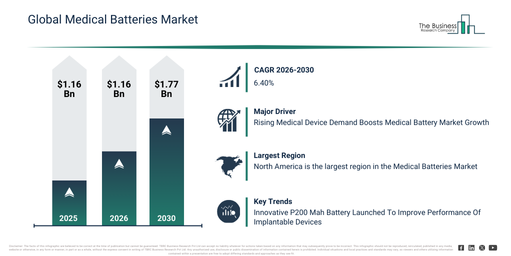
    The medical batteries market has shown strong momentum recently, with its value expected to rise from $1.87 billion in 2025 to $1.99 billion in 2026, marking a compound annual growth rate (CAGR) of 6.8%. This past growth is mainly due to reliance on traditional alkaline and zinc-air batteries, limited battery life in implantable devices, growing adoption of home healthcare, expansion of healthcare facilities, and increased demand for portable medical monitoring equipment. Looking ahead, the market is projected to reach $2.56 billion by 2030, growing at a CAGR of 6.4%. This anticipated expansion is fueled by advancements in lithium-ion and lithium polymer batteries, rising use of wearable medical devices, growth in implantable cardiac and neurological devices, heightened focus on battery safety and biocompatibility, along with integration of Internet of Things (IoT) technology in medical equipment. Key trends expected to influence the market include demand for high-energy-density batteries, greater adoption of rechargeable and long-lasting batteries, expansion of implantable device applications, and stronger regulatory compliance measures.

    Download A Free Sample Report For Comprehensive Market Insights:

    https://www.thebusinessresearchcompany.com/sample.aspx?id=19568&type=smp

    Factors Supporting the Growth of the Medical Batteries Market

    The increasing need for medical devices is a primary factor propelling the medical batteries market forward. Medical devices, which include instruments and machines used to diagnose, treat, or monitor health conditions, are in greater demand due to aging populations, rising chronic illnesses, and ongoing healthcare technological advancements worldwide. Batteries play a crucial role in powering a wide range of these devices, ensuring reliable functioning for patient monitoring systems, diagnostic tools, and life-saving equipment. Illustrating this, in March 2025, the China-based manufacturer Large Battery reported that over 90% of FDA-approved medical devices rely on medical-grade batteries that comply with stringent safety standards. Certifications such as UL2054 and IEC 60086 have helped reduce safety incidents and battery malfunctions by approximately 25%, reinforcing the importance of quality in driving market growth.

    Breakdown of Medical Batteries Market Segments

    This market is divided into several key categories to better understand its scope and applications:

    1) Battery Type: including Lithium-Ion Batteries, Lithium Primary Batteries, Nickel-Metal Hydride (NiMH) Batteries, Nickel-Cadmium (NiCd) Batteries, Zinc-Based Batteries, and other types.

    2) Application: segmented into Implantable Medical Devices, Non-Implantable Medical Devices, and Portable and Wearable Medical Devices.

    3) End-User: covering Hospitals and Clinics, Home Healthcare Settings, Ambulatory Surgical Centers, Diagnostic Centers, and Medical Device Manufacturers.

    Further subcategories provide detailed breakdowns within battery types, such as Lithium-Ion variants like Lithium Cobalt Oxide (LCO), Lithium Iron Phosphate (LFP), Lithium Manganese Oxide (LMO), Lithium Nickel Manganese Cobalt Oxide (NMC), Lithium Nickel Cobalt Aluminum Oxide (NCA), and Lithium Polymer (LiPo). Lithium Primary Batteries include Lithium Iodine, Lithium Silver Vanadium Oxide (Li/SVO), and Lithium Carbon Monofluoride (Li/CFx). NiMH batteries are divided into standard and low self-discharge types, while NiCd batteries are categorized as vented or sealed. Zinc-based batteries include Zinc-Air and Zinc-Carbon variants, and other types feature Silver-Oxide, Alkaline, and Lead-Acid batteries.

    Access The Complete Medical Batteries Market Report:

    https://www.thebusinessresearchcompany.com/report/medical-batteries-global-market-report

    Emerging Trends Impacting Medical Battery Demand

    Innovations in lithium-ion medical batteries are reshaping the market by enhancing device performance, safety, and reliability. These batteries are specially designed to power critical medical equipment such as portable oxygen concentrators, insulin pumps, and various diagnostic and therapeutic devices requiring stable and dependable energy sources. For example, in September 2023, US-based medtech manufacturer Resonetics introduced the Contego P200 mAh primary battery. This implantable lithium/carbon monofluoride (Li-CFx) battery is a lightweight, miniature D-shaped cell delivering high energy density and low self-discharge, ideal for implantable devices with low to medium pulse power requirements. The battery features a hermetically sealed titanium casing, thermal shutdown separator for safety, weighs only 1.75 grams, and measures 21.3 mm × 9.5 mm × 4.4 mm. With a nominal voltage of 2.8V, it is available off-the-shelf or with custom pin configurations and is produced in an ISO 13485-certified facility. The Contego P200 bridges a capacity gap between other Resonetics cells, offering greater design flexibility for applications such as neuromodulation, monitoring, and sleep apnea. Resonetics’ medical power division benefits from over 25 years of specialized expertise in implantable power systems.

    Key Players Influencing the Medical Batteries Market

    The competitive landscape of the medical batteries industry features several prominent companies driving innovation and growth. Leading names include TotalEnergies SE, Panasonic Corporation, 3M Company, Merck KGaA, Texas Instruments Incorporated, STMicroelectronics NV, Murata Manufacturing Co. Ltd, EnerSys Inc., Energizer Holdings Inc., Renata AG SA, VARTA Microbattery GmbH, Vitec Group PLC, EaglePicher Technologies LLC, Ultralife Corporation, Probo Medical LLC, Camelion Battery Co. Ltd., Maxim Integrated Products Inc., Tadiran Batteries Ltd., Blue Spark Technologies Inc., and KAYO Battery Company Limited. These organizations contribute to advancing battery technology, expanding product lines, and meeting evolving medical device power requirements.

    Regional Medical Batteries Market Overview

    In 2025, North America led the medical batteries market in terms of size, reflecting the region’s advanced healthcare infrastructure and early technology adoption. However, the Asia-Pacific region is expected to experience the fastest growth during the forecast period. This dynamic growth is driven by increasing healthcare investments, a rising number of medical device manufacturers, and expanding patient populations. Other geographic areas covered in the market analysis include South East Asia, Western Europe, Eastern Europe, South America, the Middle East, and Africa, providing a comprehensive view of global market opportunities and trends.

    Get in touch with us:

    The Business Research Company: https://www.thebusinessresearchcompany.com/

    Americas: +1 310-496-7795

    Asia: +44 7882 955267 & +91 8897263534

    Europe: +44 7882 955267

    Email us at: marketing@tbrc.info

    Follow us on:

    LinkedIn: https://in.linkedin.com/company/the-business-research-company

    YouTube: https://www.youtube.com/channel/UC24_fI0rV8cR5DxlCpgmyFQ

    Global Market Model: https://www.thebusinessresearchcompany.com/global-market-model
  • Medical And Surgical Drainage System Market Expansion Is Opening New Pathways For Strategic Investment

    Medical And Surgical Drainage System Market Expansion Is Opening New Pathways For Strategic Investment

    Delivering more actionable and strategically valuable research, The Business Research Company’s 2026 market reports feature market attractiveness analysis, total addressable market evaluation, company benchmarking matrices, interactive Excel dashboards, expanded supply chain intelligence, emerging startup coverage, and detailed product insights.

    The medical and surgical drainage system market is witnessing steady progress as advancements in surgical care and healthcare infrastructure continue to evolve. With rising surgical procedures and growing attention to patient safety, this sector is set to experience consistent growth. Let’s explore the current market size, key drivers, segmentation, innovations, major companies, and regional trends shaping this industry.

    Medical and Surgical Drainage System Market Size and Growth Outlook

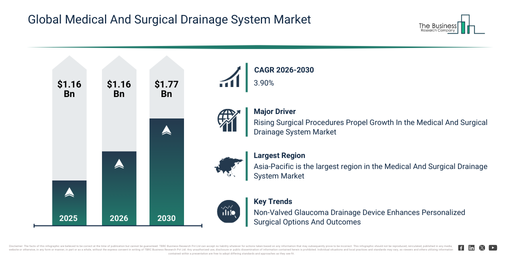
    The market for medical and surgical drainage systems has shown steady expansion in recent years. It is projected to increase from $2.55 billion in 2025 to $2.65 billion in 2026, reflecting a compound annual growth rate (CAGR) of 3.9%. This growth during the historic period has been driven by the rising number of surgical procedures, increased trauma and chronic disease cases, widespread adoption of drainage systems in hospitals, heightened awareness about preventing infections after surgery, and continuous growth of healthcare infrastructure. Looking ahead, the market is expected to reach $3.08 billion by 2030, maintaining the same CAGR of 3.9%. Factors contributing to this forecast include a rising need for advanced surgical treatments, greater focus on minimizing post-operative complications, increased use of minimally invasive surgeries, broader application of drainage systems in outpatient settings, and stronger emphasis on patient safety and better recovery outcomes. Emerging trends include greater use of closed and active drainage systems, preference for infection-preventing solutions, adoption across various surgical fields, and demand for disposable, single-use accessories.

    Download A Free Sample Report For Comprehensive Market Insights:

    https://www.thebusinessresearchcompany.com/sample.aspx?id=18668&type=smp

    Increasing Surgical Procedures Fueling Market Expansion

    One of the primary forces behind market growth is the increasing volume of surgical interventions. This rise is linked to the aging global population, the growing incidence of chronic health issues, and continual advancements in medical technology. Surgical drainage systems play a crucial role in efficiently removing fluids such as blood, pus, and excess liquids from surgical sites, which helps prevent infections, reduce swelling, and support healing. For example, in June 2024, the International Society of Aesthetic Plastic Surgery (ISAPS) reported a 3.4% increase in total surgical and non-surgical procedures in 2023, reaching 34.9 million. Surgical procedures alone rose by 5.5%, with plastic surgeons performing over 15.8 million surgeries and 19.1 million non-surgical treatments. This reflects a 40% increase in procedures over the past four years, highlighting the growing demand that propels the medical and surgical drainage system market.

    The Role of Healthcare Infrastructure and Awareness

    Alongside the rise in surgeries, expanding healthcare infrastructure worldwide is supporting the adoption of drainage systems in treatment protocols. Increasing awareness among healthcare providers and patients about the importance of infection control and post-surgical care further stimulates demand. Hospitals and outpatient centers are incorporating advanced drainage technologies to enhance recovery times and improve overall surgical outcomes.

    Access The Complete Medical And Surgical Drainage System Market Report:

    https://www.thebusinessresearchcompany.com/report/medical-and-surgical-drainage-system-global-market-report

    How the Medical and Surgical Drainage System Market Is Categorized

    This market can be segmented into several categories to better understand revenue drivers:

    1) By Product Type: Drainage Systems and Accessories

    2) By Material Type: Silastic, Rubber, and Other Materials

    3) By Flow Type: Active and Passive Drainage

    4) By Application: Cardiac and Thoracic Surgery, Abdominal Surgery, Orthopedic Surgery, and Other Surgical Procedures

    Further breakdown includes:

    – Drainage Systems such as Wound Drainage Systems, Surgical Drainage Systems, Chest Drainage Systems, and Peritoneal Drainage Systems

    – Accessories including Drainage Tubes, Drainage Bags, Drainage Clamps, and Collection Chambers

    Technological Innovations Shaping the Industry

    Leading companies in this market are continuously innovating to improve surgical options and patient care. For example, in September 2025, New World Medical, a US-based medical device firm, launched the Ahmed ClearPath ST, a non-valved glaucoma drainage implant. This device offers improved pressure regulation through a smaller lumen tube, enhanced safety features, and optimized post-surgical management. It comes in two plate sizes tailored for different implantation needs and includes features like a pre-threaded ripcord suture and a 25-gauge needle for easier scleral tunneling. Its flexible plate design conforms naturally to the eye, encouraging the formation of a low-profile, diffuse bleb. This innovation provides surgeons with greater flexibility for personalized glaucoma treatment and aims to improve outcomes for patients with difficult-to-treat glaucoma.

    Key Players Driving Market Competition

    Several major companies dominate the medical and surgical drainage system market, including McKesson Medical-Surgical Inc., Cardinal Health Inc., Johnson & Johnson, Medtronic plc, Becton Dickinson and Company, Stryker Corporation, Medline Industries LP, Olympus Corporation, Smith & Nephew plc, Braun SE, Cook Medical, Teleflex Incorporated, ConvaTec Group, Medela AG, Vygon SA, Poly Medicure Limited, Redax S.p.A., Hangzhou Fushan Medical Appliances Co. Ltd., Ningbo Luke Medical Co. Ltd., and Centese Inc. These organizations continuously invest in research, development, and strategic partnerships to maintain and expand their market presence.

    Regional Trends and Market Leadership

    In 2025, the Asia-Pacific region held the largest share of the medical and surgical drainage system market. Other important regions covered in market analyses include South East Asia, Western Europe, Eastern Europe, North America, South America, the Middle East, and Africa. The Asia-Pacific’s leadership is attributed to rising healthcare investments, growing surgical volumes, and expanding infrastructure across emerging economies in the region.

    Get in touch with us:

    The Business Research Company: https://www.thebusinessresearchcompany.com/

    Americas: +1 310-496-7795

    Asia: +44 7882 955267 & +91 8897263534

    Europe: +44 7882 955267

    Email us at: marketing@tbrc.info

    Follow us on:

    LinkedIn: https://in.linkedin.com/company/the-business-research-company

    YouTube: https://www.youtube.com/channel/UC24_fI0rV8cR5DxlCpgmyFQ

    Global Market Model: https://www.thebusinessresearchcompany.com/global-market-model
  • Microscope Market Growth Outlook Reveals A CAGR Of 9.9% And A Market Value Of $22.93 Billion By 2030

    Microscope Market Growth Outlook Reveals A CAGR Of 9.9% And A Market Value Of $22.93 Billion By 2030

    Enhanced with market attractiveness analysis, total addressable market evaluation, company benchmarking matrices, interactive Excel dashboards, expanded supply chain intelligence, emerging startup coverage, and detailed product insights, The Business Research Company’s 2026 market reports deliver more actionable and strategically valuable research.

    The microscope market has been experiencing significant growth recently, driven by advancements in various scientific fields and increasing demand across multiple sectors. As microscopy technologies evolve, their applications in research, diagnostics, and industrial inspections continue to expand, setting the stage for sustained market development. Let’s explore the current market size, key drivers, segment breakdowns, emerging trends, prominent players, and regional highlights shaping the microscope industry.

    Steady Expansion Forecast for the Microscope Market

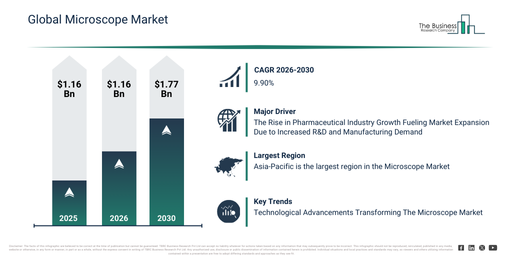
    The microscope market is on a robust growth trajectory, expected to increase from $14.37 billion in 2025 to $15.72 billion in 2026, reflecting a compound annual growth rate (CAGR) of 9.4%. This growth stems from the expansion of life science research, the rise of academic and industrial labs, the broader use of microscopy in diagnostics, advances in optical and electron microscopy technologies, and a growing need for materials analysis. Looking further ahead, the market is projected to reach $22.93 billion by 2030, growing at a CAGR of 9.9%. Factors contributing to this future increase include the adoption of automated laboratory workflows, heightened investments in nanotechnology research, growth in semiconductor inspection applications, demand for superior imaging accuracy, and the integration of smart microscopy platforms.

    Download A Free Sample Report For Comprehensive Market Insights:

    https://www.thebusinessresearchcompany.com/sample.aspx?id=12139&type=smp

    Expanding Pharmaceutical Industry as a Key Catalyst

    The microscope market’s growth is strongly supported by the expanding pharmaceutical sector. Pharmaceutical companies rely heavily on advanced microscopy techniques for drug discovery, biologics development, and quality assurance processes. The surge in pharmaceutical R&D and manufacturing activities has increased the need for high-performance microscopes, such as confocal, fluorescence, and electron microscopy systems. For example, in December 2023, wholesale sales in Canada’s pharmaceuticals and pharmacy supplies industry surged by 6.1% to reach $7.0 billion, the highest level ever recorded, according to Statistics Canada. This expansion signals growing demand for microscopy solutions tailored to pharmaceutical applications.

    Microscope Market Categorization with Focus on High-Growth Segments

    The microscope market is segmented by product type, components, applications, and end-users. Product categories include optical microscopes, electron microscopes, scanning probe microscopes, and other specialized instruments. Components cover microscopes themselves, accessories, and software. Application segments span material science, nanotechnology, life sciences, semiconductors, and additional areas. End-users range from industrial organizations to academic and research institutions, as well as other sectors. Subdivisions under optical microscopes include compound, stereo, and digital microscopes. Electron microscopes are further divided into scanning electron microscopes (SEM) and transmission electron microscopes (TEM). Scanning probe microscopes include atomic force microscopes (AFM), scanning tunneling microscopes (STM), and magnetic force microscopes (MFM). Other product categories feature confocal microscopes, fluorescence microscopes, and advanced imaging systems.

    Access The Complete Microscope Market Report:

    https://www.thebusinessresearchcompany.com/report/microscope-global-market-report

    Innovations and Technological Advances Driving Industry Change

    Leading companies in the microscope market are prioritizing the development of sophisticated products that enhance research capabilities and usability. Innovations such as automated navigation systems and multi-modal imaging technology are enabling microscopes to automatically locate areas of interest and combine multiple imaging methods seamlessly, providing comprehensive sample analysis. For instance, Nikon Corporation introduced the ECLIPSE Ni-L Upright Microscope in May 2023, designed for both clinical and research use. This microscope offers superior optical performance with increased versatility and ease of operation. It incorporates motorized elements to improve workflow efficiency and supports a range of observation techniques including fluorescence and brightfield microscopy.

    Top Companies Commanding the Microscope Market

    The microscope industry features several key players with a strong market presence, including Thermo Fisher Scientific Inc., Carl Zeiss AG, Olympus Corporation, Keyence Corporation, Hitachi High-Tech Corporation, Nikon Corporation, Bruker Corporation, Horiba Ltd., JEOL Ltd., Brunel Microscopes Ltd., Leica Microsystems Inc., Motic Inc., Oxford Instruments Plc., FEI Company, Omax Corporation, Seiwa Optical America Inc., Celestron LLC., CAMECA, Tescan Orsay Holding AS., Bresser GmbH, Optika Microscopes Inc., Sutter Instrument Company, NT-MDT SI LLC, ACCU-SCOPE Inc., Angstrom Advanced Inc., Euromex Microscopen BV, Swift Optical Instruments Inc., Meiji Techno, National Optical and Scientific Instruments Inc., and Labomed Inc.

    Asia-Pacific Region Leads Microscope Market Revenue

    Among the global regions, Asia-Pacific held the largest share of the microscope market in 2025. The market study also examines other key regions such as South East Asia, Western Europe, Eastern Europe, North America, South America, the Middle East, and Africa, providing a broad perspective on geographic market dynamics and growth patterns.

    Get in touch with us:

    The Business Research Company: https://www.thebusinessresearchcompany.com/

    Americas: +1 310-496-7795

    Asia: +44 7882 955267 & +91 8897263534

    Europe: +44 7882 955267

    Email us at: marketing@tbrc.info

    Follow us on:

    LinkedIn: https://in.linkedin.com/company/the-business-research-company

    YouTube: https://www.youtube.com/channel/UC24_fI0rV8cR5DxlCpgmyFQ

    Global Market Model: https://www.thebusinessresearchcompany.com/global-market-model
  • Medical Alert Systems Market Trends Are Creating New Opportunities For Industry Leaders

    Medical Alert Systems Market Trends Are Creating New Opportunities For Industry Leaders

    Enhanced with market attractiveness analysis, total addressable market evaluation, company benchmarking matrices, interactive Excel dashboards, expanded supply chain intelligence, emerging startup coverage, and detailed product insights, The Business Research Company’s 2026 market reports deliver more actionable and strategically valuable research.

    The medical alert systems market is experiencing swift growth as technological advancements and demographic changes drive demand. Increasingly, healthcare providers and consumers are turning to these systems to enhance safety and independence, especially among elderly populations. Let’s explore the current market size, key growth factors, leading companies, and future trends shaping this sector.

    Market Size and Growth Outlook for Medical Alert Systems

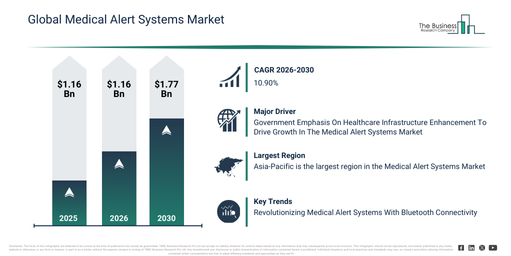
    The medical alert systems market has seen rapid expansion recently. It is projected to grow from $12.29 billion in 2025 to $13.69 billion in 2026, representing a compound annual growth rate (CAGR) of 11.4%. This past growth is largely due to the aging global population, a rise in chronic health conditions, increasing preference for independent senior living, broader availability of home healthcare services, and access to essential personal emergency response systems. Looking ahead, the market is expected to continue its momentum, reaching $20.73 billion by 2030 with a CAGR of 10.9%. Factors contributing to this forecast include wider adoption of smart home healthcare technologies, greater demand for remote patient monitoring, expansion of IP-based alert systems, a stronger focus on proactive elderly care, and increasing use of AI-driven fall detection technologies. Emerging trends during this period also highlight growth in connected medical alert devices, wearable emergency responders, integrated fall detection, enhanced home monitoring solutions, and user-friendly device designs.

    Download A Free Sample Report For Comprehensive Market Insights:

    https://www.thebusinessresearchcompany.com/sample.aspx?id=7166&type=smp

    Government Initiatives Encouraging Medical Alert Systems Market Expansion

    Government efforts to improve healthcare infrastructure are playing a significant role in boosting the medical alert systems market. Medical emergency response systems are particularly valuable in nursing homes and assisted living facilities, where immediate assistance can be critical. Facility management must understand the use of these systems since emergencies can occur even in environments with continuous care. For example, in June 2023, the Centers for Medicare & Medicaid Services reported that healthcare spending in the U.S. rose by 2.7%, reaching $4.3 trillion or $12,914 per person. This spending accounted for 18.3% of the country’s GDP, reflecting substantial government investment in healthcare improvements. Such focus is expected to drive further growth in the medical alert systems market over the coming years.

    Additional Factors Fueling Demand in Medical Alert Systems

    Besides government support, rising awareness of senior safety and the increasing prevalence of chronic diseases are also accelerating market growth. Consumers are seeking reliable solutions that enable independent living while offering quick access to medical assistance when needed. The expansion of home healthcare services and advancements in wireless communication technology further enhance the appeal of these systems.

    Access The Complete Medical Alert Systems Market Report:

    https://www.thebusinessresearchcompany.com/report/medical-alert-systems-global-market-report

    Medical Alert Systems Market Segmentation and Structure

    This market is segmented into several key categories:

    1) Offering Type: Hardware and Services

    2) Technology Type: Two-way Voice Systems, Medical Alert Alarm (Button) Systems, and IP-based Systems

    3) Application Type: Home-Based Users, Senior Living Facilities/Senior Care Centers, and Assisted Living Facilities

    Further subsegments include hardware such as Personal Emergency Response Systems (PERS), wearable devices, and base stations/control units. On the services side, monitoring, installation and setup, maintenance and support, and mobile alert services are covered.

    How Technological Trends Are Shaping Medical Alert Systems

    Leading companies are increasingly focusing on Bluetooth-connected medical alert devices to stay competitive. These wearable or portable systems use Bluetooth technology to enable users to request help promptly during emergencies or health issues. For instance, in January 2023, FallCall Solutions, a U.S.-based tech firm, teamed up with Australia’s HSC Technology Group to launch a medical alert system compatible with iPhone and Android devices in Australia. This collaboration integrates the HSC Talius Smart Care System, advanced Bluetooth devices, and the FallCall app, providing users with seamless connectivity and 24/7 monitoring through a simple, cost-effective subscription model.

    Expanding Use of Wearables and Connected Devices in Medical Alert Systems

    The rise of wearable emergency responders offers users greater mobility and convenience. These devices often feature fall detection and GPS tracking, enhancing user safety both inside and outside the home. As consumer preferences shift toward more personalized and integrated healthcare solutions, companies are innovating to meet these expectations.

    Key Players in the Medical Alert Systems Market

    Several prominent organizations lead the medical alert systems industry, including Connect America Holdings LLC, Bay Alarm Medical Company, Medical Guardian LLC, MobileHelp LLC, LifeFone Medical Alert Services, Tunstall Group Holdings Ltd., AlertOne Services LLC, LogicMark LLC, LifeStation Inc., Life Alert Emergency Response Inc., Medical Care Alert LLC, ResponseLINK LLC, Vital Link Inc., LifeCall Inc., MedScope America Corp., Senior Safety Medical Alert Systems LLC, Koninklijke Philips N.V., Ascom Wireless Solutions Holding AG, Hill-Rom Holdings Inc., Legrand Assisted Living & Healthcare Inc., Smart Caregiver Corporation, and Mytrex Inc.

    Geographic Market Leaders and Regional Growth Trends

    In 2025, Asia-Pacific emerged as the largest region in the medical alert systems market and is also expected to experience the fastest growth during the forecast period. The market analysis spans regions such as Asia-Pacific, South East Asia, Western Europe, Eastern Europe, North America, South America, the Middle East, and Africa, providing a global overview of market dynamics and growth opportunities.

    Get in touch with us:

    The Business Research Company: https://www.thebusinessresearchcompany.com/

    Americas: +1 310-496-7795

    Asia: +44 7882 955267 & +91 8897263534

    Europe: +44 7882 955267

    Email us at: marketing@tbrc.info

    Follow us on:

    LinkedIn: https://in.linkedin.com/company/the-business-research-company

    YouTube: https://www.youtube.com/channel/UC24_fI0rV8cR5DxlCpgmyFQ

    Global Market Model: https://www.thebusinessresearchcompany.com/global-market-model
  • Micropump Market Forecast Highlights Expansion From $2.69 Billion To $4.85 Billion Through 2030

    Micropump Market Forecast Highlights Expansion From $2.69 Billion To $4.85 Billion Through 2030

    Through market attractiveness analysis, total addressable market evaluation, company benchmarking matrices, interactive Excel dashboards, expanded supply chain intelligence, emerging startup coverage, and detailed product insights, The Business Research Company’s 2026 market reports provide more actionable and strategically valuable research.

    The micropump market is experiencing swift growth, driven by technological advancements and rising healthcare demands. As these devices become more integrated into medical and research applications, their market potential expands significantly. Below is a detailed overview of the market size, key growth drivers, important segments, major players, and regional trends shaping the micropump industry’s future.

    Micropump Market Size and Expected Growth Through 2030

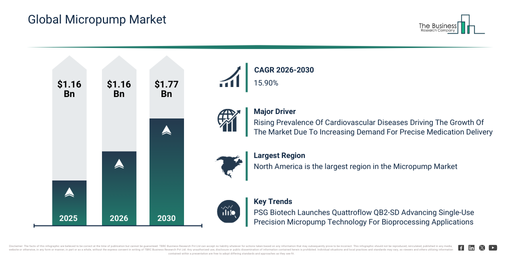
    The micropump market has seen rapid expansion recently, with revenues projected to increase from $2.32 billion in 2025 to $2.69 billion in 2026, representing a compound annual growth rate (CAGR) of 15.9%. This growth during the historical period stems from factors such as the rising use of minimally invasive medical devices, innovations in microfluidics technology, the expansion of pharmaceutical research and clinical trials, greater adoption of point-of-care diagnostic tools, and progress in early-stage drug delivery systems. Looking ahead, the market is anticipated to nearly double, reaching $4.85 billion by 2030 while maintaining the same CAGR of 15.9%. Key growth factors for the forecast period include the integration of AI and IoT technologies into micropump systems, growing demand for precision medicine, an increase in wearable drug delivery devices, advancements in automated laboratory instruments, and the adoption of smart microfluidic platforms. Emerging trends expected to impact the market involve the miniaturization of fluid control systems, high-precision drug delivery solutions, lab-on-a-chip integrations, energy-efficient and low-power pumps, as well as customizable and modular pump designs.

    Download A Free Sample Report For Comprehensive Market Insights:

    https://www.thebusinessresearchcompany.com/sample.aspx?id=25834&type=smp

    Rising Cardiovascular Disease Cases Boosting Micropump Demand

    One of the primary forces driving the micropump market is the increasing prevalence of cardiovascular diseases worldwide. This group of disorders—covering coronary artery disease, heart failure, stroke, and hypertension—is becoming more common largely due to sedentary lifestyles, obesity, and high blood pressure. Micropumps play a vital role in managing these conditions by enabling precise and continuous administration of medications such as anticoagulants and antihypertensives, which help maintain stable blood pressure and lower the risk of severe cardiovascular events. For instance, in January 2024, the American Heart Association reported that the age-adjusted death rate from cardiovascular disease in the U.S. rose to 233.3 per 100,000 in 2023, marking a 4.0% increase from the previous year’s figure of 224.4 per 100,000. This growing health concern continues to fuel demand for micropump technologies able to support targeted and efficient treatment.

    Micropump Market Segmentation and Application Areas

    The micropump market is organized into several key segments based on product type, material, application, and end user. Product types include mechanical micropumps, piezoelectric micropumps, syringe pumps, peristaltic pumps, and non-mechanical micropumps. Materials used range from polymers, ceramics, to metals. Applications cover medical devices, drug delivery systems, in-vitro diagnostics, and various other uses. End users of micropumps involve hospitals and diagnostic centers, biotechnology and pharmaceutical companies, as well as academic and research institutions. Further subcategories break down mechanical micropumps into thermopneumatic, shape memory alloy (SMA)-based, and electromagnetic types. Piezoelectric micropumps are divided into single-chamber and multi-chamber varieties. Syringe pumps include infusion, withdrawal, and dual-mode versions, while peristaltic pumps are categorized into rotary and linear styles. Non-mechanical micropumps encompass technologies such as electroosmotic flow, electrohydrodynamic, magnetohydrodynamic, and osmotic micropumps.

    Access The Complete Micropump Market Report:

    https://www.thebusinessresearchcompany.com/report/micropump-global-market-report

    Innovations Driving the Next Chapter of Micropump Market Growth

    Leading players in the micropump sector are concentrating on developing innovative technologies, especially single-use precision micropumps that enhance accuracy and reliability in fluid handling. These compact, disposable devices are designed for delivering precise fluid volumes tailored to specific procedures or applications. For example, in November 2023, PSG Biotech, a U.S.-based specialty flow-control manufacturer, introduced the Quattroflow QB2-Standard (QB2-SD) Single-Use Precision Micropump, the smallest model in its QB Series. This lightweight rotary microdosing pump delivers highly accurate dosing with a minimum resolution of 25 microliters and flow rates up to 2.7 liters per hour. It is particularly suited for delicate biologic transfers, including cell and gene therapy, lab research, and small-scale bioprocessing. The pump uses a positive displacement rotary mechanism, enabling precise sensor-free flow control, bi-directional flow, self-priming, and high vacuum capabilities.

    Prominent Companies Competing in the Micropump Industry

    Several key organizations dominate the micropump market, such as Parker Hannifin Corporation, IDEX Corporation, Takasago International Corporation, and Christian Bürkert GmbH & Co. KG. Other notable players include Alldoo Micropump Co. Ltd., Shinano Kenshi Co. Ltd., The Lee Company, KNF Neuberger Inc., Nitto Kohki Co. Ltd., Enomoto Micro Pump Manufacturing Co. Ltd., TOPS Industry and Technology Co. Ltd., Gotec SA, Bartels Mikrotechnik GmbH, Fluigent Inc., HeYi Precision Pump Co. Ltd., Sandur Fluid Controls Pvt. Ltd., TCS Micropump Ltd., Xavitech AB, BODENFLO Co. Ltd., Changzhou Yuanwang Fluid Technology Co. Ltd., Xiamen AJK Technology Co. Ltd., and Takasago Fluidic Systems Inc. These firms are actively investing in research and development to introduce cutting-edge micropumps that meet evolving industry requirements.

    Regional Markets Highlight the Greatest Opportunities for Micropumps

    In 2025, North America held the largest share of the micropump market. However, Europe is expected to emerge as the fastest-growing region during the forecast period. The comprehensive market assessment includes regions such as Asia-Pacific, Southeast Asia, Western Europe, Eastern Europe, North America, South America, the Middle East, and Africa, providing a global perspective on the sector’s growth dynamics and opportunities.

    Get in touch with us:

    The Business Research Company: https://www.thebusinessresearchcompany.com/

    Americas: +1 310-496-7795

    Asia: +44 7882 955267 & +91 8897263534

    Europe: +44 7882 955267

    Email us at: marketing@tbrc.info

    Follow us on:

    LinkedIn: https://in.linkedin.com/company/the-business-research-company

    YouTube: https://www.youtube.com/channel/UC24_fI0rV8cR5DxlCpgmyFQ

    Global Market Model: https://www.thebusinessresearchcompany.com/global-market-model
  • Medical Alert System Personal Emergency Response System Market Growth Is Reshaping Competitive Advantage Across The Industry

    Medical Alert System Personal Emergency Response System Market Growth Is Reshaping Competitive Advantage Across The Industry

    Through market attractiveness analysis, total addressable market evaluation, company benchmarking matrices, interactive Excel dashboards, expanded supply chain intelligence, emerging startup coverage, and detailed product insights, The Business Research Company’s 2026 market reports provide more actionable and strategically valuable research.

    The medical alert system personal emergency response system market has been showing robust growth recently, driven by technological advancements and increasing awareness about elderly care and personal safety. This sector is evolving quickly as new innovations and demographic shifts continue to shape demand. Let’s explore the market’s size, key growth factors, segmentation, leading companies, and regional trends to understand this landscape better.

    Market Size and Projected Growth of the Medical Alert System Personal Emergency Response System Market

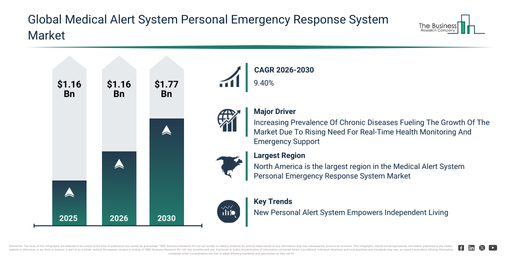
    In recent years, the medical alert system personal emergency response system market has expanded noticeably. It is anticipated to grow from $11.46 billion in 2025 to $12.57 billion in 2026, with a compound annual growth rate (CAGR) of 9.7%. This past growth phase was largely driven by the rising elderly population, limited availability of home-based emergency systems, greater awareness of personal safety among seniors, dependence on fixed landline emergency devices, and the gradual take-up of wearable technology. Looking ahead, the market is expected to continue its strong upward trajectory, reaching $18.03 billion by 2030 at a CAGR of 9.4%. Factors contributing to this forecast include advances in wearable health monitoring devices, integration with smart home and IoT technologies, increased healthcare spending on elderly care, growing demand for remote patient monitoring, and the rise of GPS-enabled and app-based emergency response solutions. Throughout the forecast period, key trends will include the widespread adoption of wearable emergency devices, smartphone app integration with personal emergency response systems, expanded monitoring and emergency services, increased use in senior and assisted living communities, and a focus on real-time health tracking and remote healthcare.

    Download A Free Sample Report For Comprehensive Market Insights:

    https://www.thebusinessresearchcompany.com/sample.aspx?id=27336&type=smp

    Key Drivers Behind Growth in the Medical Alert System Personal Emergency Response System Market

    One major factor propelling this market is the rising incidence of chronic diseases worldwide. Chronic illnesses, which develop gradually and require ongoing medical management, are becoming more prevalent due to sedentary lifestyles and minimal physical activity. These conditions, such as heart disease and diabetes, create a growing need for systems that offer continuous real-time health monitoring and emergency assistance. Personal emergency response systems play a crucial role here by enhancing safety and independence for patients, enabling rapid alerts, and connecting users to healthcare providers or caregivers when urgent medical situations arise.

    For example, in June 2024, the National Health Service in the UK reported that 3,615,330 individuals registered with general practitioners were diagnosed with non-diabetic hyperglycemia or pre-diabetes in 2023—a rise of 18% from 3,065,825 cases in 2022. This increase in chronic and pre-chronic conditions is a significant contributor to the expanding demand for medical alert systems and personal emergency response services.

    Access The Complete Medical Alert System Personal Emergency Response System Market Report:

    https://www.thebusinessresearchcompany.com/report/medical-alert-system-personal-emergency-response-system-global-market-report

    Market Segmentation Patterns and Revenue Drivers in the Medical Alert System Personal Emergency Response System Market

    This market is categorized into several key segments to better understand its structure:

    1) Device Type: Wearable Devices, Fixed Devices, Smartphone Applications

    2) Service Type: Monitoring Services, Emergency Response Services, Installation Services

    3) Application: Home Care, Senior Living Facilities, Assisted Living

    4) End User: Elderly Individuals, Individuals With Disabilities, Caregivers

    Further subcategories include:

    – Wearable Devices such as Pendants, Smartwatches, and Wristbands

    – Fixed Devices like Landline-Based Systems, Wall-Mounted Emergency Buttons, and Cellular-Based Systems

    – Smartphone Applications including Android-Based Apps, Health Monitoring Apps, and GPS-Enabled Apps

    Emerging Industry Trends Fueling Growth in the Medical Alert System Personal Emergency Response System Market

    Leading companies in this market are concentrating on developing smarter, more connected emergency response devices aimed at improving safety, response times, and independent living. These next-generation systems come equipped with features such as fall detection, GPS tracking, and health monitoring, delivering faster and more reliable emergency assistance. A notable example is LogicMark Inc., a US-based company that launched the Guardian Alert 911 Plus in February 2025. This cutting-edge personal emergency response system offers 24/7 safety using 4G LTE connectivity, fall detection, and no monthly fees, enabling users to contact 911 instantly with the push of a button. Such innovations empower older adults and people with medical conditions to maintain independence while providing peace of mind to both users and their caregivers.

    Top Competitors in the Medical Alert System Personal Emergency Response System Market

    Key players shaping competition in this industry include Koninklijke Philips N.V, ADT Inc., Acadian On Call, Connect America LLC, Valued Relationships Inc., Tunstall Healthcare Group Ltd, Life Alert Emergency Response Inc., Medical Guardian LLC, GetSafe LLC, LifeStation Inc., LifeFone Inc., Bay Alarm Medical, MobileHelp, LogicMark Inc., AlertOne Services LLC, Lively Inc., Aloe Care Health Inc., Galaxy Medical Alert Systems, UnaliWear Inc., and Rescue Alert.

    Regional Outlook and Market Leadership in the Medical Alert System Personal Emergency Response System Market

    As of 2025, North America represents the largest regional market for medical alert systems and personal emergency response systems. The market report also examines other important regions including Asia-Pacific, South East Asia, Western Europe, Eastern Europe, South America, the Middle East, and Africa, giving a comprehensive view of global market trends and growth opportunities.

    Get in touch with us:

    The Business Research Company: https://www.thebusinessresearchcompany.com/

    Americas: +1 310-496-7795

    Asia: +44 7882 955267 & +91 8897263534

    Europe: +44 7882 955267

    Email us at: marketing@tbrc.info

    Follow us on:

    LinkedIn: https://in.linkedin.com/company/the-business-research-company

    YouTube: https://www.youtube.com/channel/UC24_fI0rV8cR5DxlCpgmyFQ

    Global Market Model: https://www.thebusinessresearchcompany.com/global-market-model