Month: June 2026

  • Medication Voice Reminder Device Market Forecast Highlights Expansion From $1.7 Billion To $2.91 Billion Through 2030

    Medication Voice Reminder Device Market Forecast Highlights Expansion From $1.7 Billion To $2.91 Billion Through 2030

    Delivering more actionable and strategically valuable research, The Business Research Company’s 2026 market reports feature market attractiveness analysis, total addressable market evaluation, company benchmarking matrices, interactive Excel dashboards, expanded supply chain intelligence, emerging startup coverage, and detailed product insights.

    The medication voice reminder device market is gaining significant attention as the need for effective medication management grows worldwide. With advancements in technology and an aging global population, this sector is set to experience notable expansion in the coming years. Let’s explore the current market size, key growth drivers, emerging trends, leading players, and regional insights shaping this market.

    Strong Growth Outlook for the Medication Voice Reminder Device Market

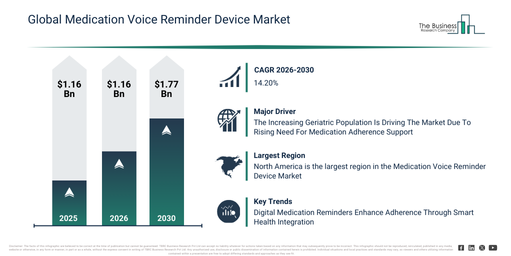
    The medication voice reminder device market has witnessed rapid growth recently and is projected to continue on this trajectory. Market size is expected to rise from $1.49 billion in 2025 to $1.71 billion in 2026, representing a compound annual growth rate (CAGR) of 14.5%. This historical growth is primarily driven by a growing elderly population, an increase in chronic illnesses, technological breakthroughs in reminder systems, heightened awareness about medication adherence, and the rising adoption of digital health technologies.

    Download A Free Sample Report For Comprehensive Market Insights:

    https://www.thebusinessresearchcompany.com/sample.aspx?id=29122&type=smp

    Looking ahead, the market is forecasted to expand further, reaching a valuation of $2.91 billion by 2030 with a CAGR of 14.2%. Anticipated growth factors include integration with smart home technologies, AI-powered adherence monitoring, enhanced connectivity with healthcare providers, personalized voice alert systems, and penetration into emerging markets. Prominent trends expected to influence the market encompass voice-activated medication reminders, intelligent pill dispensers, remote patient monitoring, management of multiple medications, and focused support for elderly patients.

    The Growing Geriatric Population as a Key Market Driver

    One of the primary forces propelling the medication voice reminder device market is the expanding elderly demographic. Older adults often face age-related physiological changes and multiple chronic health conditions, which can complicate medication management. This population segment typically deals with mobility limitations and cognitive decline, raising the risk of improper medication usage and impacting overall health quality.

    Access The Complete Medication Voice Reminder Device Market Report:

    https://www.thebusinessresearchcompany.com/report/medication-voice-reminder-device-global-market-report

    Advancements in healthcare and improved living standards have contributed to longer life expectancies, boosting the size of this group. Medication voice reminder devices assist elderly users by delivering clear and audible reminders for timely medication intake, helping reduce missed or incorrect doses. This supports safer, more independent daily routines. For example, the World Health Organization (WHO) reported in October 2025 that the global population aged 60 and above is projected to increase from 1 billion to 1.4 billion by 2030, eventually reaching 2.1 billion by 2050 — equating to one in six people worldwide. This demographic shift is a significant factor driving market demand.

    Additional Factors Stimulating Medication Voice Reminder Device Adoption

    Beyond demographics, rising awareness about the importance of medication adherence is fueling market expansion. Healthcare providers and patients alike recognize that consistent medication intake is crucial for managing chronic diseases and improving health outcomes. Furthermore, technological innovations have made reminder devices more user-friendly and integrated with broader healthcare ecosystems, encouraging wider adoption.

    The shift towards digital health solutions and remote patient monitoring, accelerated by the global push for telemedicine, also supports growth. As healthcare moves toward more connected and personalized care, voice reminder devices that can sync with other smart health systems gain increasing relevance.

    Understanding the Medication Voice Reminder Device Market Segments

    This market is categorized based on various factors to address different user needs and preferences:

    1) Product Type: Wearable Devices, Tabletop Devices, Portable Devices

    2) Technology: Bluetooth-Enabled, Wi-Fi-Enabled, GSM-Enabled, Other Technologies

    3) Distribution Channel: Online Retail, Pharmacies, Specialty Stores, Other Channels

    4) Application: Homecare, Hospitals, Clinics, Other Settings

    5) End-User: Elderly, Patients with Chronic Diseases, Visually Impaired, Other Users

    Further segmentation breaks down product types into subcategories such as wearable voice reminder watches, bands, clip-on devices, and pendant-style devices. Tabletop devices include digital pill dispensers, automated reminders, and voice-activated units. Portable devices cover handheld medication reminders and pocket voice reminder tools.

    Innovations That Are Transforming the Medication Voice Reminder Device Industry

    Leading companies in this space are focusing on cutting-edge technologies to improve medication adherence and comprehensive health management. Digital medication reminders have become a vital tool, providing users with real-time notifications and relevant medication information through connected devices.

    For example, in October 2024, Samsung Electronics Co., Ltd. introduced the Samsung Health Medications feature. This tool enables users to track both prescribed and over-the-counter medications, receive timely intake and refill alerts, and access details on side effects and drug interactions. Integrated with wearables like the Galaxy Watch, it delivers reminders directly to the user’s wrist, enhancing convenience and helping maintain consistent adherence, particularly for patients managing chronic conditions.

    Top Players Influencing the Medication Voice Reminder Device Market

    Key companies shaping this market include MedMinder, e-pill LLC, MedReady Inc., MedaCube, Reminder Rosie (SMPL), Pivotell Limited, TabSafe, Orka Products, MAXI-AIDS INC., Hero Health, AdhereTech, LiviSense, MedQ, Dose Health, Careousel, Medipense, EllieGrid, PillDrill, Take-n-Slide, and GMS Med-e-Lert. These industry leaders continue to innovate and expand their product offerings, driving competitive advancements and market penetration.

    Regional Market Insights Highlighting Growth Opportunities

    In 2025, North America dominated the medication voice reminder device market in terms of revenue. However, the Asia-Pacific region is expected to experience the fastest growth during the forecast period. The market report covers key regions including Asia-Pacific, South East Asia, Western Europe, Eastern Europe, North America, South America, the Middle East, and Africa, providing a comprehensive global perspective on market trends and developments.

    Get in touch with us:

    The Business Research Company: https://www.thebusinessresearchcompany.com/

    Americas: +1 310-496-7795

    Asia: +44 7882 955267 & +91 8897263534

    Europe: +44 7882 955267

    Email us at: marketing@tbrc.info

    Follow us on:

    LinkedIn: https://in.linkedin.com/company/the-business-research-company

    YouTube: https://www.youtube.com/channel/UC24_fI0rV8cR5DxlCpgmyFQ

    Global Market Model: https://www.thebusinessresearchcompany.com/global-market-model
  • Liver Cancer Drug Market Forecast Highlights Expansion From $2.93 Billion To $4.62 Billion Through 2030

    Liver Cancer Drug Market Forecast Highlights Expansion From $2.93 Billion To $4.62 Billion Through 2030

    Enhanced with market attractiveness analysis, total addressable market evaluation, company benchmarking matrices, interactive Excel dashboards, expanded supply chain intelligence, emerging startup coverage, and detailed product insights, The Business Research Company’s 2026 market reports deliver more actionable and strategically valuable research.

    The liver cancer drug market is experiencing significant momentum as advancements in treatment options and rising disease prevalence drive demand. With ongoing innovations and increasing investments in oncology, this sector is set for substantial growth in the coming years. Let’s explore the current market size, key growth drivers, segmentation, competitive landscape, and regional trends shaping this evolving industry.

    Rapid Expansion of the Liver Cancer Drug Market Size

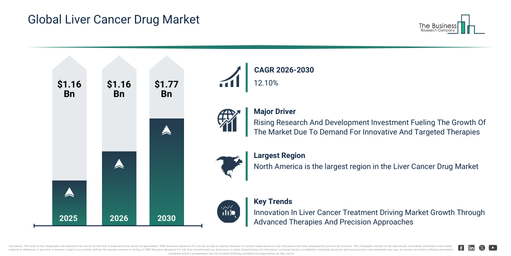
    The liver cancer drug market has witnessed swift growth recently, moving from $2.62 billion in 2025 to $2.93 billion in 2026, reflecting a compound annual growth rate (CAGR) of 12.1%. This historical growth is largely due to a rising number of hepatocellular carcinoma cases, the growing prevalence of chronic liver diseases, more oncology clinical trials, improved diagnostic techniques, and the availability of advanced chemotherapy treatments. Looking ahead, the market is expected to continue this rapid expansion, reaching $4.62 billion by 2030 with the same CAGR of 12.1%. Factors fueling this forecast include increased approvals of new immunotherapies, heightened investments in oncology research and development, broader adoption of personalized cancer therapies, growing demand for combination treatments, and a stronger emphasis on addressing early-stage liver cancer. Key trends anticipated in this period involve greater integration of targeted therapies, use of immunotherapy combinations, advances in precision oncology drug development, focus on biomarker-driven treatment selection, and enhanced use of companion diagnostics.

    Download A Free Sample Report For Comprehensive Market Insights:

    https://www.thebusinessresearchcompany.com/sample.aspx?id=24282&type=smp

    Important Factors Supporting Growth in the Liver Cancer Drug Market

    Ongoing research and development efforts are playing a critical role in propelling the liver cancer drug market forward. These R&D activities involve systematic exploration and innovation aimed at creating new products, technologies, and methods to improve cancer treatment outcomes. The increasing need for technological advancement and innovation across industries encourages companies to invest heavily in novel drug development and improvements to existing therapies. Specifically, R&D enables the identification of targeted treatment options that enhance therapy effectiveness while minimizing harm to healthy liver tissue. To illustrate, Cancer Research UK reported in September 2024 that $533 million (£399 million) was invested in cancer research during the 2023-24 financial year. Of this, $124 million (£93 million) was allocated to studies spanning all cancer types, and $112 million (£84 million) focused on foundational research into cancer biology. These investments underscore how growing research efforts are supporting the robust expansion of the liver cancer drug market.

    Segmentation and Revenue Drivers in the Liver Cancer Drug Market

    This market can be categorized across several dimensions:

    1) By Type of cancer: Hepatocellular Carcinoma, Cholangiocarcinoma, Hepatoblastoma, and Other Types

    2) By Therapy approach: Targeted Therapy, Immunotherapy, Chemotherapy, and Other Therapies

    3) By Route of Administration: Oral and Injectable

    4) By Distribution Channel: Hospital Pharmacies, Retail Pharmacies, and Online Pharmacies

    Access The Complete Liver Cancer Drug Market Report:

    https://www.thebusinessresearchcompany.com/report/liver-cancer-drug-global-market-report

    Further subsegments include:

    – Hepatocellular Carcinoma therapies such as Targeted Therapy, Immunotherapy, Chemotherapy, and Combination Therapy

    – Cholangiocarcinoma treatments including Targeted Therapy, Chemotherapy, and Immunotherapy

    – Hepatoblastoma options like Chemotherapy, Targeted Therapy, Immunotherapy, and Surgical Adjuvants

    – Other Types encompassing Chemotherapy, Targeted Therapy, Experimental or Off-label Therapies, and Supportive Care Medications

    These segments reflect the broad scope and specialization within the liver cancer drug field, helping stakeholders tailor products and services to specific needs.

    How Market Trends Are Shaping Liver Cancer Treatment Innovation

    Companies in the liver cancer drug sector are prioritizing the development of cutting-edge therapies to improve treatment accuracy and patient outcomes. Advanced treatment modalities include immunotherapy, targeted therapy, gene therapy, CAR-T cell therapy, as well as minimally invasive procedures such as transcatheter arterial chemoembolization (TACE) and ablation. These approaches aim to enhance precision in targeting liver tumors while preserving healthy tissue. For example, in November 2023, Terumo India launched an advanced Balloon-TACE therapy targeting hepatocellular carcinoma, which is the most common liver cancer in India. This new therapy incorporates two devices, Occlusafe and LifePearl, designed to deliver chemotherapy directly to the tumor site with improved precision and reduced side effects, thereby maintaining liver function more effectively.

    Key Industry Players Leading the Liver Cancer Drug Market

    Several prominent organizations are at the forefront of the liver cancer drug market, driving innovation and competition. These include Pfizer Inc., F. Hoffmann-La Roche Ltd, Merck & Co. Inc., AstraZeneca plc, Bayer AG, Bristol-Myers Squibb Company, Eli Lilly and Company, Novartis AG, Takeda Pharmaceutical Company Limited, Hetero Drugs Limited, Sun Pharma, Eisai Company Limited, Genentech Incorporated, Ipsen Société Anonyme, Cipla Limited, Dr. Reddy’s Laboratories Limited, BeiGene Ltd., Exelixis Incorporated, Natco Pharma Limited, and MacroGenics Inc. Their extensive research pipelines and strategic collaborations continue to expand therapeutic options for liver cancer patients worldwide.

    Regional Outlook Highlighting Where Liver Cancer Drug Demand Is Growing Most

    In 2025, North America held the largest share of the liver cancer drug market, supported by advanced healthcare infrastructure and high treatment adoption rates. Meanwhile, the Asia-Pacific region is projected to experience the fastest growth throughout the forecast period due to increasing disease prevalence, improving healthcare access, and rising awareness. The market analysis covers key regions including Asia-Pacific, South East Asia, Western Europe, Eastern Europe, North America, South America, the Middle East, and Africa, providing a comprehensive view of global market dynamics.

    Get in touch with us:

    The Business Research Company: https://www.thebusinessresearchcompany.com/

    Americas: +1 310-496-7795

    Asia: +44 7882 955267 & +91 8897263534

    Europe: +44 7882 955267

    Email us at: marketing@tbrc.info

    Follow us on:

    LinkedIn: https://in.linkedin.com/company/the-business-research-company

    YouTube: https://www.youtube.com/channel/UC24_fI0rV8cR5DxlCpgmyFQ

    Global Market Model: https://www.thebusinessresearchcompany.com/global-market-model
  • Liver Cancer Diagnostics Market Expected To Reach $14.74 Billion By 2030 As Growth Accelerates At 7.4% CAGR

    Liver Cancer Diagnostics Market Expected To Reach $14.74 Billion By 2030 As Growth Accelerates At 7.4% CAGR

    Through market attractiveness analysis, total addressable market evaluation, company benchmarking matrices, interactive Excel dashboards, expanded supply chain intelligence, emerging startup coverage, and detailed product insights, The Business Research Company’s 2026 market reports provide more actionable and strategically valuable research.

    The liver cancer diagnostics sector is experiencing notable progress, driven by advances in medical technology and increasing awareness about liver health. This dynamic market is set to expand steadily, fueled by a combination of rising disease prevalence and innovations in diagnostic tools. Let’s explore the current market size, key growth factors, major players, and prominent trends shaping this industry’s future.

    Liver Cancer Diagnostics Market Size and Future Growth Expectations

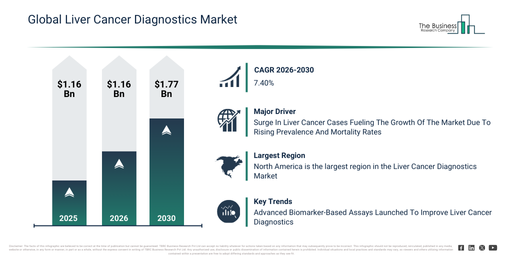
    The liver cancer diagnostics market has shown significant growth in recent years and is projected to continue this upward trajectory. Market value is expected to rise from $10.32 billion in 2025 to $11.07 billion in 2026, representing a compound annual growth rate (CAGR) of 7.3%. This past expansion has largely been driven by the increasing incidence of chronic liver conditions, a surge in hepatocellular carcinoma cases, expanded hospital diagnostic capacities, greater awareness about early cancer detection, and improvements in imaging and pathology technologies. Looking ahead, the market is forecasted to reach $14.75 billion by 2030, growing at a CAGR of 7.4%. This anticipated growth stems from growing adoption of precision oncology diagnostics, demand for non-invasive testing, advancements in molecular diagnostics, heightened investments in cancer research, and the increasing use of AI-powered diagnostic platforms. Notable trends expected to influence this market include greater reliance on advanced molecular tests, imaging-based early detection methods, biomarker-driven screening, personalized oncology diagnostics, and a stronger focus on identifying cancer at early stages.

    Download A Free Sample Report For Comprehensive Market Insights:

    https://www.thebusinessresearchcompany.com/sample.aspx?id=10481&type=smp

    Primary Factors Driving Expansion in the Liver Cancer Diagnostics Market

    One major factor propelling the liver cancer diagnostics market is the rising prevalence of liver cancer around the world. Liver cancer occurs when liver cells multiply uncontrollably, resulting in a dangerous and often fatal condition. Diagnostic testing plays a crucial role in detecting whether cancer is confined to the liver or has spread beyond, which underscores the importance of these tools in patient management. For example, data from the American Cancer Society’s Cancer Facts & Figures 2023 report highlights that in 2023, 13,230 new cases of liver and intrahepatic bile duct cancer were identified in US females alone. Furthermore, the total number of new liver cancer diagnoses in the US is estimated to be 41,210, with approximately 29,380 deaths expected. Such statistics clearly illustrate how the growing disease burden is fueling demand for effective liver cancer diagnostic solutions.

    Additional Elements Encouraging Market Growth

    Beyond disease prevalence, improvements in hospital infrastructure and diagnostic capabilities also support market expansion. The increase in early cancer screening awareness among patients and healthcare providers encourages timely diagnosis, while advances in imaging and pathology enhance the accuracy and efficiency of testing. Together, these factors contribute to a robust growth environment for liver cancer diagnostics.

    Access The Complete Liver Cancer Diagnostics Market Report:

    https://www.thebusinessresearchcompany.com/report/liver-cancer-diagnostics-global-market-report

    Overview of Liver Cancer Diagnostics Market Segmentation

    This industry breaks down into several key segments for more detailed analysis:

    1) By Type: Hepatocellular Carcinoma, Cholangiocarcinoma, Hepatoblastoma

    2) By Screening Method: Laboratory Testing, Imaging, Biopsy, Other Screening Techniques

    3) By Technology: Fluorescent In Situ Hybridization (FISH), Immunohistochemical (IHC), and other diagnostic technologies

    4) By End User: Hospitals and Diagnostic Laboratories, Academic and Research Institutions

    Further subdivisions include:

    – Hepatocellular Carcinoma: Early-Stage and Advanced-Stage

    – Cholangiocarcinoma: Intrahepatic and Extrahepatic forms

    – Hepatoblastoma: Pure and Mixed types

    Important regional and product-level segmentation highlights which aspects have the greatest growth potential across different settings.

    Recent Trends Shaping Long-Term Demand in Liver Cancer Diagnostics

    The liver cancer diagnostics market is being transformed by innovative biomarker-based assays and sophisticated algorithms designed to boost diagnostic precision and enable earlier detection. Biomarker assays analyze specific biological indicators associated with liver cancer, offering greater accuracy and efficiency in identifying the disease. For instance, in November 2023, Roche Diagnostics, a leading US-based biotech company, introduced the Elecsys PIVKA-II assay along with the Elecsys GAAD algorithm. The PIVKA-II assay detects elevated biomarker levels linked to hepatocellular carcinoma, improving early diagnosis in high-risk patients. Meanwhile, the GAAD algorithm combines multiple diagnostic markers, including PIVKA-II and AFP, to enhance diagnostic accuracy and assist clinicians in making more informed decisions regarding liver cancer detection.

    Leading Organizations Influencing the Liver Cancer Diagnostics Market

    Several prominent companies hold significant market presence in liver cancer diagnostics. These include Abbott Laboratories, F Hoffmann La Roche Ltd, Qiagen NV, Thermo Fisher Scientific Inc, Siemens Healthineers, Illumina Inc, Koninklijke Philips NV, Epigenomics AG, Digna Biotech SL, Biocept Inc, Danaher Corporation, Foundation Medicine Inc, Agilent Technologies Inc, Genemed Biotechnologies Inc, Merck KGaA, Fujifilm Medical Systems USA Inc, GE Healthcare, Advanced Cell Diagnostics Inc, Oxford Gene Technology, Leica Biosystems Nussloch GmbH, Exiqon AS, BioGenex Laboratories Inc, OncoCyte Corporation, Guardant Health Inc, Exact Sciences Corporation, Grail Inc, Freenome Holdings Inc, Natera Inc, Personal Genome Diagnostics Inc, and Thrive Earlier Detection Corp. These key players are actively advancing technological innovation and expanding diagnostic offerings worldwide.

    Regional Market Leadership and Growth Opportunities

    In 2025, North America dominated the liver cancer diagnostics market, holding the largest regional share. The market report also examines other important regions such as Asia-Pacific, South East Asia, Western Europe, Eastern Europe, South America, the Middle East, and Africa. These regions present varying growth prospects driven by differences in healthcare infrastructure, disease prevalence, and government initiatives, contributing to a comprehensive global outlook for this evolving market.

    Get in touch with us:

    The Business Research Company: https://www.thebusinessresearchcompany.com/

    Americas: +1 310-496-7795

    Asia: +44 7882 955267 & +91 8897263534

    Europe: +44 7882 955267

    Email us at: marketing@tbrc.info

    Follow us on:

    LinkedIn: https://in.linkedin.com/company/the-business-research-company

    YouTube: https://www.youtube.com/channel/UC24_fI0rV8cR5DxlCpgmyFQ

    Global Market Model: https://www.thebusinessresearchcompany.com/global-market-model
  • Medication Adherence Devices Market Expected To Reach $4.58 Billion By 2030 As Growth Accelerates At 6.1% CAGR

    Medication Adherence Devices Market Expected To Reach $4.58 Billion By 2030 As Growth Accelerates At 6.1% CAGR

    Enhanced with market attractiveness analysis, total addressable market evaluation, company benchmarking matrices, interactive Excel dashboards, expanded supply chain intelligence, emerging startup coverage, and detailed product insights, The Business Research Company’s 2026 market reports deliver more actionable and strategically valuable research.

    The medication adherence devices market is gaining substantial traction as healthcare systems worldwide seek effective ways to improve patient compliance with prescribed treatments. With technological advancements and rising chronic disease prevalence, this market is set to experience notable revenue growth and innovation through the coming years. Below, we explore the current market size, growth drivers, segmentation, emerging trends, key players, and regional outlook.

    Steady Rise in Medication Adherence Devices Market Size Through 2030

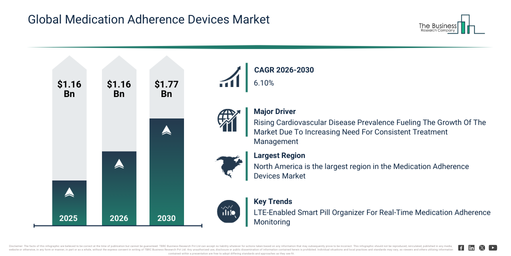
    The medication adherence devices market has demonstrated solid growth recently, expected to increase from $3.4 billion in 2025 to $3.62 billion in 2026, reflecting a compound annual growth rate (CAGR) of 6.4%. This past expansion is largely due to limited awareness of adherence tools, dependence on manual pill management, the rising burden of chronic illnesses, growing involvement of hospitals and pharmacies, and the rise of mobile health technologies. Looking ahead, the market is forecasted to reach $4.58 billion by 2030, maintaining a CAGR of 6.1%. Factors driving this future expansion include innovations like smart pill dispensers and ingestible sensors, growth in cloud-based medication management, increased investments in digital health infrastructure, AI-powered adherence analytics, and the expanding homecare and long-term care sectors. Key trends expected to shape the market comprise heightened adoption of smart devices, integration with mobile apps and electronic health record systems, a stronger focus on managing chronic diseases, advances in remote patient monitoring, and improved patient engagement in medication compliance.

    Download A Free Sample Report For Comprehensive Market Insights:

    https://www.thebusinessresearchcompany.com/sample.aspx?id=24601&type=smp

    Rising Cardiovascular Disease Cases Fueling Market Demand

    One of the primary factors boosting the medication adherence devices market is the increasing prevalence of cardiovascular diseases (CVDs). These conditions, which impact the heart and blood vessels, often lead to severe complications such as heart attacks and strokes. The rise in CVDs is linked to more sedentary lifestyles, with many people working desk jobs and spending extended periods inactive. Medication adherence devices play a crucial role in managing these diseases by helping patients consistently take their medicines on schedule, thereby reducing risks associated with irregular medication intake. For example, in January 2024, the American Heart Association reported that the age-adjusted death rate from cardiovascular disease increased to 233.3 per 100,000 people, marking a 4.0% rise compared to the previous year’s 224.4 per 100,000. This growing burden of cardiovascular disease is a significant catalyst driving market growth.

    Medication Adherence Devices Market Segmentation and Key Categories

    This report divides the medication adherence devices market into several important segments:

    1) By Type: Hardware Centric and Software Centric

    2) By Medication: Cardiovascular, Central Nervous System, Diabetes, Oncology, Gastrointestinal, Musculoskeletal, and Other Medications

    3) By End User: Hospitals, Homecare Settings, Pharmacies, Long-Term Care Facilities, and Clinics

    Access The Complete Medication Adherence Devices Market Report:

    https://www.thebusinessresearchcompany.com/report/medication-adherence-devices-global-market-report

    Further subcategories break down the hardware-centric devices into smart pill bottles, smart pill dispensers, wearable medication reminders, smart packaging, and ingestible sensors. Software-centric solutions include mobile health applications, SMS or IVR reminders, web-based platforms, electronic health record (EHR)-integrated adherence systems, and cloud-based medication management tools.

    Cutting-Edge Developments and Innovations Shaping the Medication Adherence Devices Market

    Leading companies in the medication adherence devices space are prioritizing innovation to enhance real-time remote monitoring of medication use. Smart pill organizers, for example, have become a popular solution, offering automated reminders, scheduled pill dispensing, and synchronization with mobile apps for tracking and alerts. In April 2025, US-based Centor Inc. introduced a new smart weekly pill organizer equipped with LTE and cloud technology, allowing real-time monitoring of medication intake. This device directly transmits data to pharmacies and clinical partners without requiring patients to pair smartphones, making it especially accessible to elderly or less tech-savvy users. The device, co-developed with RxCap, integrates fully with Centor’s remote monitoring services, enabling pharmacies to run reimbursable adherence programs and intervene promptly when necessary.

    Leading Companies Driving Competition in the Medication Adherence Devices Market

    Several prominent players dominate the medication adherence devices industry, including Becton Dickinson and Company, Koninklijke Philips N V, AptarGroup Inc, Insulet Corporation, Omnicell Inc, Ypsomed Holding AG, MedMinder Systems Inc, Propeller Health Inc, Bigfoot Biomedical Inc, Information Mediary Corp, AARDEX Group SA, Hero Health Inc, CareRight Technologies, Adherium Limited, Popit Oy, SMRxT Inc, Wisepill Technologies Inc, MedAdvisor Solutions Ltd, Pillsy Inc, Livi Technologies Inc, AdhereTech Inc, and RxSafe LLC. These companies are continually investing in product development and strategic partnerships to enhance their market position.

    North America Leads While Asia-Pacific Shows Rapid Market Growth

    In 2025, North America held the largest share of the medication adherence devices market. However, the Asia-Pacific region is expected to experience the fastest growth in the coming years. The market analysis spans key regions including Asia-Pacific, South East Asia, Western Europe, Eastern Europe, North America, South America, the Middle East, and Africa, providing a comprehensive view of global opportunities and trends.

    Get in touch with us:

    The Business Research Company: https://www.thebusinessresearchcompany.com/

    Americas: +1 310-496-7795

    Asia: +44 7882 955267 & +91 8897263534

    Europe: +44 7882 955267

    Email us at: marketing@tbrc.info

    Follow us on:

    LinkedIn: https://in.linkedin.com/company/the-business-research-company

    YouTube: https://www.youtube.com/channel/UC24_fI0rV8cR5DxlCpgmyFQ

    Global Market Model: https://www.thebusinessresearchcompany.com/global-market-model
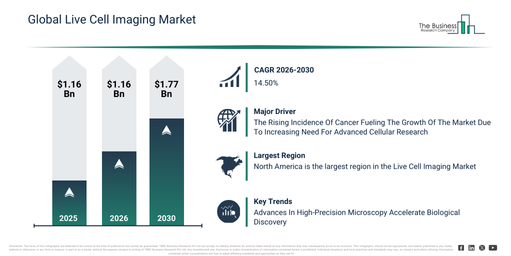
  • Live Cell Imaging Market Set To Grow From $6.52 Billion In 2026 To $11.22 Billion By 2030 At A CAGR Of 14.5%

    Live Cell Imaging Market Set To Grow From $6.52 Billion In 2026 To $11.22 Billion By 2030 At A CAGR Of 14.5%

    Delivering more actionable and strategically valuable research, The Business Research Company’s 2026 market reports feature market attractiveness analysis, total addressable market evaluation, company benchmarking matrices, interactive Excel dashboards, expanded supply chain intelligence, emerging startup coverage, and detailed product insights.

    The live cell imaging market is witnessing impressive growth, driven by advancements in life sciences research and expanding applications in drug discovery and cellular analysis. With increasing investments and technological innovations, this sector is poised to experience significant expansion through the end of the decade. Let’s explore the current market size, growth drivers, segment performance, innovation trends, leading players, and regional dynamics shaping this industry.

    Live Cell Imaging Market Size and Growth Forecast Through 2030

    The live cell imaging market has seen swift expansion in recent years. It is projected to increase from $5.67 billion in 2025 to $6.53 billion in 2026, demonstrating a robust compound annual growth rate (CAGR) of 15.1%. This past growth was mainly fueled by the surge in cell biology research, greater funding for life sciences, adoption of cutting-edge microscopy methods, expansion of drug discovery efforts, and improved availability of imaging consumables.

    Download A Free Sample Report For Comprehensive Market Insights:

    https://www.thebusinessresearchcompany.com/sample.aspx?id=4110&type=smp

    Looking ahead, the market is expected to continue its rapid upward trajectory, reaching $11.23 billion by 2030 with an anticipated CAGR of 14.5%. Key factors contributing to this growth include rising demand for real-time cellular analysis, growing investments in precision medicine, expansion in stem cell and regenerative medicine research, increasing use of AI-powered image analytics, and greater adoption of high-content screening platforms. Emerging trends shaping the forecast period encompass widespread use of high-resolution live cell imaging systems, fluorescence-based techniques, automated image analysis software, time-lapse microscopy, and enhanced focus on continuous cellular monitoring.

    Primary Factors Propelling Growth in the Live Cell Imaging Market

    One major driver behind the live cell imaging market is the increasing incidence of cancer worldwide. Cancer, characterized by uncontrolled cellular proliferation and metastatic potential, remains a leading cause of mortality globally. Factors such as aging populations, lifestyle changes, and improved diagnostics have contributed to rising cancer cases. Live cell imaging plays a crucial role in cancer research by enabling real-time visualization of cellular processes, which aids in understanding tumor biology, assessing drug responses, and accelerating targeted therapy development.

    Access The Complete Live Cell Imaging Market Report:

    https://www.thebusinessresearchcompany.com/report/live-cell-imaging-global-market-report

    For instance, in February 2025, Cancer Australia reported 4,641 new pancreatic cancer cases in 2024, with 2,414 among males and 2,227 among females. This illustrates how the growing cancer burden is stimulating demand for live cell imaging technologies that facilitate more effective cancer research and treatment approaches.

    Breakdown of Live Cell Imaging Market Segments and Opportunities

    This market is segmented into several categories for a detailed understanding:

    1) Product Type: Equipment, Consumables, and Software

    2) Technology: Time-Lapse Microscopy, Fluorescence Recovery After Photobleaching (FRAP), Fluorescence Resonance Energy Transfer (FRET), High Content Screening (HCS), and other technologies

    3) Application: Cell Biology, Developmental Biology, Stem Cell and Drug Discovery, and other areas

    4) End-User: Pharmaceutical and Biotechnology Companies, Academic and Research Institutes, Contract Research Organizations (CROs)

    Further subcategories include:

    – Equipment: Microscopes, Imaging Systems, Light Sheet Microscopes, Cameras, and Detectors

    – Consumables: Cell Culture Plates and Dishes, Reagents and Stains, Media and Supplements

    – Software: Image Analysis, Data Management, Visualization, and Image Processing Tools

    These segments highlight the diverse product and application landscape that underpins market growth and innovation.

    Innovative Trends Driving the Live Cell Imaging Market Forward

    Leading companies in the live cell imaging sector are focusing on breakthrough technologies such as single-molecule super-resolution microscopy. This advanced imaging technique allows researchers to observe individual molecules within living cells at nanometer-scale resolution, far surpassing traditional fluorescence microscopy limits, thus enabling more detailed spatial analysis.

    For example, in January 2025, Oxford Nanoimaging (ONI), a UK-based life-science tools firm, introduced the Aplo Scope. This compact benchtop device can switch effortlessly between low-power live-cell imaging and high-power super-resolution modes without any hardware modifications. It integrates custom laser modules, application-specific reagent kits, automated workflows, and cloud-connected software, delivering high-resolution, real-time imaging capabilities. This system supports various applications, including drug delivery studies, biomarker identification, and antibody therapy research.

    Key Companies Driving Competition in the Live Cell Imaging Market

    Some of the prominent players shaping this industry are Leica Microsystems GmbH, Olympus Corporation, PerkinElmer Inc., GE Healthcare Technologies Inc., Carl Zeiss Meditec AG, Becton Dickinson and Company, Molecular Devices LLC, Bruker Corporation, Sartorius AG, Oxford Instruments plc, BioTek Instruments Inc., Etaluma Inc., CytoSMART Technologies B.V., CYTENA GmbH, Nanolive SA, Abberior GmbH, Phase Holographic Imaging AB, Corning Incorporated, KEYENCE Corporation, Axion BioSystems Inc., Bio-Rad Laboratories Inc., NanoEnTek Inc., Danaher Corporation, Agilent Technologies Inc., and Phasefocus Ltd. These companies continue to innovate and expand their product offerings to meet evolving market needs.

    Regional Markets Accelerating Live Cell Imaging Adoption

    In 2025, North America held the largest share of the live cell imaging market. The sector’s global footprint also covers regions such as Asia-Pacific, South East Asia, Western Europe, Eastern Europe, South America, the Middle East, and Africa. While North America leads in market size, regions like Asia-Pacific are expected to experience significant growth rates, driven by increasing research activities and healthcare investments.

    Get in touch with us:

    The Business Research Company: https://www.thebusinessresearchcompany.com/

    Americas: +1 310-496-7795

    Asia: +44 7882 955267 & +91 8897263534

    Europe: +44 7882 955267

    Email us at: marketing@tbrc.info

    Follow us on:

    LinkedIn: https://in.linkedin.com/company/the-business-research-company

    YouTube: https://www.youtube.com/channel/UC24_fI0rV8cR5DxlCpgmyFQ

    Global Market Model: https://www.thebusinessresearchcompany.com/global-market-model
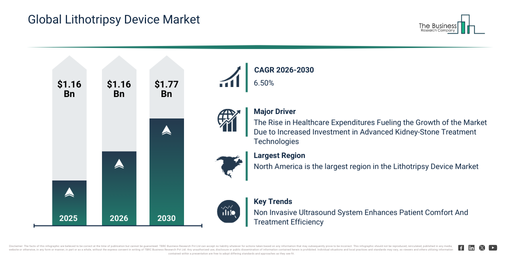
  • Lithotripsy Device Market Opportunities Are Emerging Beyond Traditional Growth Areas

    Lithotripsy Device Market Opportunities Are Emerging Beyond Traditional Growth Areas

    Enhanced with market attractiveness analysis, total addressable market evaluation, company benchmarking matrices, interactive Excel dashboards, expanded supply chain intelligence, emerging startup coverage, and detailed product insights, The Business Research Company’s 2026 market reports deliver more actionable and strategically valuable research.

    The lithotripsy device market has witnessed significant growth recently, driven by technological advancements and increasing demand for improved kidney stone treatments. As healthcare providers continue adopting minimally invasive solutions, the industry is set to expand further in the coming years. Here is an overview of the current market size, key growth drivers, segmentation, emerging trends, leading companies, and regional outlook.

    Steady Growth Trajectory for the Lithotripsy Device Market

    The lithotripsy device market has demonstrated robust growth over recent years. It is projected to increase from $1.91 billion in 2025 to $2.03 billion in 2026, representing a compound annual growth rate (CAGR) of 6.1%. This expansion is attributed to the rising prevalence of kidney stone disease, widespread adoption of extracorporeal shock wave technology, growth in urology specialty centers, improvements in imaging techniques for stone targeting, and broader clinical acceptance of lithotripsy procedures.

    Download A Free Sample Report For Comprehensive Market Insights:

    https://www.thebusinessresearchcompany.com/sample.aspx?id=10662&type=smp

    Looking ahead, the market is expected to continue its strong upward trend, reaching $2.61 billion by 2030 with a CAGR of 6.5%. Factors fueling this growth include growing demand for minimally invasive urological treatments, innovations in laser and ultrasound lithotripsy technologies, increasing outpatient surgical procedures, expansion of urology care infrastructure, and greater use of portable lithotripsy systems. Key market trends anticipate a rise in non-invasive stone treatment options, greater reliance on laser-based devices, a preference for outpatient procedures, development of compact and mobile lithotripsy equipment, and enhanced precision in treatment methods.

    Healthcare Spending as a Catalyst for Lithotripsy Market Development

    Increasing healthcare expenditures are a major factor supporting the lithotripsy device market’s expansion. Healthcare spending encompasses costs related to medical services, hospital operations, pharmaceuticals, and infrastructure, all of which contribute to wider access to advanced kidney stone treatments. As spending rises, healthcare facilities are better equipped to invest in minimally invasive technologies like lithotripsy, which improve treatment effectiveness, reduce risks of complications, and lead to improved patient outcomes. Additionally, lithotripsy devices help public health by lowering the need for invasive surgeries and enabling timely kidney stone management. For example, the Centers for Medicare & Medicaid Services (CMS) reported that in June 2025, national health expenditure in the US grew by 7.5%, reaching $4.9 trillion and accounting for 17.6% of the nation’s GDP in 2023. This increase in funding supports the expanding lithotripsy device market.

    Access The Complete Lithotripsy Device Market Report:

    https://www.thebusinessresearchcompany.com/report/lithotripsy-device-global-market-report

    How Rising Healthcare Budgets Fuel Demand for Lithotripsy Devices

    As hospitals and clinics receive more funding, they can prioritize acquiring cutting-edge lithotripsy technologies. The availability of funds allows these centers to adopt novel treatment options that promise better patient comfort and outcomes. This trend not only drives the market demand but also encourages innovation among device manufacturers.

    Diverse Market Segments and Their Growth Potential in the Lithotripsy Device Sector

    This market is segmented based on type, application, and end-user categories.

    By type, the market is divided into Extracorporeal Shock Wave Lithotripsy Devices and Intracorporeal Lithotripsy Devices. The Extracorporeal Shock Wave category further includes Electrohydraulic, Electromagnetic, and Piezoelectric devices. Intracorporeal devices encompass Laser, Ultrasound, and Mechanical lithotripsy systems.

    Applications covered are kidney stones, ureteral stones, pancreatic stones, bile duct stones, and other related uses.

    End-users primarily consist of hospitals, ambulatory surgical centers, and other healthcare providers.

    Innovations and Trends Impacting the Lithotripsy Device Industry

    Leading players in this space are developing advanced solutions, especially focusing on non-invasive ultrasound lithotripsy systems, which aim to replace traditional high-energy shock wave methods. These technologies use low-amplitude ultrasound waves to break kidney stones, often eliminating the need for anesthesia and minimizing patient discomfort.

    For example, in April 2025, Sonomotion Inc., a US medical device company, completed enrollment in a crucial clinical trial for its Break Wave™ System. This device offers kidney stone fragmentation while patients remain fully awake, avoiding conventional shockwave or surgical treatments. Paired with their Stone Clear™ device, which helps clear residual fragments, Sonomotion’s solution promises smoother stone management that enhances patient comfort, boosts treatment efficiency, and has the potential to reduce hospital stays and overall healthcare costs.

    Prominent Market Players Leading Lithotripsy Device Advancements

    Some of the key companies operating in the lithotripsy device market include Boston Scientific Corporation, Cook Medical LLC, Lumenis Ltd., EDAP TMS S.A., Dornier MedTech GmbH, Allengers Medical Systems Limited, DirexGroup, Medispec Ltd., Elmed Medical Systems Ltd., Convergent Laser Technologies, MTS Medical, NIDHI Meditech Systems, Karl Storz SE & Co. KG, Technomed Systems Private Limited, Shenzhen Wikkon Medical Apparatus Co. Ltd., Inceler Medikal Ltd. Sti, C. R. Bard Inc., E.M.S. Electro Medical Systems S.A., MACHIDA Endoscope Co. Ltd., and Aymed Medical Technology Co. Ltd.

    Regional Market Overview Highlighting North America’s Position

    In 2025, North America captured the largest share of the lithotripsy devices market. Other regions analyzed in the market report include Asia-Pacific, South East Asia, Western Europe, Eastern Europe, South America, the Middle East, and Africa. The market outlook considers regional trends and growth opportunities spanning these key areas globally.

    Get in touch with us:

    The Business Research Company: https://www.thebusinessresearchcompany.com/

    Americas: +1 310-496-7795

    Asia: +44 7882 955267 & +91 8897263534

    Europe: +44 7882 955267

    Email us at: marketing@tbrc.info

    Follow us on:

    LinkedIn: https://in.linkedin.com/company/the-business-research-company

    YouTube: https://www.youtube.com/channel/UC24_fI0rV8cR5DxlCpgmyFQ

    Global Market Model: https://www.thebusinessresearchcompany.com/global-market-model
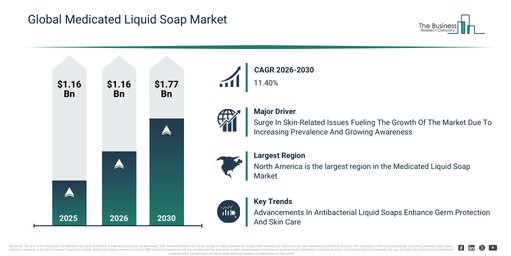
  • Medicated Liquid Soap Market Set To Grow From $1.77 Billion In 2026 To $2.73 Billion By 2030 At A CAGR Of 11.4%

    Medicated Liquid Soap Market Set To Grow From $1.77 Billion In 2026 To $2.73 Billion By 2030 At A CAGR Of 11.4%

    Through market attractiveness analysis, total addressable market evaluation, company benchmarking matrices, interactive Excel dashboards, expanded supply chain intelligence, emerging startup coverage, and detailed product insights, The Business Research Company’s 2026 market reports provide more actionable and strategically valuable research.

    The medicated liquid soap market has witnessed significant growth recently, driven by rising health awareness and the need for effective skin care solutions. As concerns about skin infections and hygiene continue to mount, this market is set to experience substantial expansion in the coming years. Let’s delve into the current market size, key growth drivers, major players, segments, and regional trends shaping this industry.

    Medicated Liquid Soap Market Size and Growth Outlook

    The medicated liquid soap market is expanding rapidly, expected to increase from $1.59 billion in 2025 to $1.78 billion in 2026, achieving a compound annual growth rate (CAGR) of 11.6%. This growth during the past years has been fueled by the rising incidence of skin infections, heightened awareness of personal hygiene, expanded infection control protocols in healthcare, advances in dermatology treatments, and broader availability of medicated cleansing products. Looking ahead, the market is projected to grow robustly, reaching $2.73 billion by 2030 with a CAGR of 11.4%. This future growth is driven by increasing demand for preventive skincare, wider adoption of prescription-grade hygiene products, growth in pharmaceutical e-commerce, a stronger focus on formulations for sensitive skin, and tighter regulations governing topical products. Notable trends include rising interest in antimicrobial personal care items, preference for dermatologically tested products, expansion of natural and herbal medicated soaps, emphasis on skin-targeted therapeutic solutions, and growing clinical hygiene applications.

    Download A Free Sample Report For Comprehensive Market Insights:

    https://www.thebusinessresearchcompany.com/sample.aspx?id=24313&type=smp

    Key Factors Fueling Medicated Liquid Soap Market Growth

    One of the main factors propelling the medicated liquid soap market is the growing prevalence of skin conditions. These conditions—such as acne, eczema, psoriasis, rashes, and infections—affect the skin’s appearance and health. Increasing exposure to environmental pollutants weakens the skin’s natural barrier, making irritation and infections more common. Medicated liquid soaps help address these issues by thoroughly cleansing the skin, eliminating harmful microbes, reducing inflammation, and promoting skin healing. For example, data released in February 2025 by Cancer Australia showed that 18,257 new skin melanoma cases were diagnosed, representing 11% of all new cancer cases, with 1,314 deaths reported in 2023. This alarming rise in skin-related health concerns underscores the growing demand for effective medicated cleansing solutions.

    Expanding Segments Within the Medicated Liquid Soap Market

    This market can be divided into several important categories:

    1) Product Type: antibacterial, antifungal, antiviral, and other variants.

    2) Ingredient Type: natural and synthetic formulations.

    3) Distribution Channel: online stores, supermarkets or hypermarkets, specialty stores, pharmacies, and other outlets.

    4) Application: household use, healthcare settings, commercial environments, and industrial contexts.

    Further subsegments include specific antibacterial soaps such as triclosan-based, chlorhexidine-based, benzalkonium chloride, and herbal antibacterial soaps; antifungal types like ketoconazole-, clotrimazole-, terbinafine-based, and natural antifungal soaps; antiviral variants including povidone-iodine, alcohol-based, hydrogen peroxide, and essential oil-based soaps; and other types such as antiseptic combination soaps, medicated soaps for dermatological conditions, sulfur-based, and salicylic acid-based products.

    Access The Complete Medicated Liquid Soap Market Report:

    https://www.thebusinessresearchcompany.com/report/medicated-liquid-soap-global-market-report

    Current Trends and Innovations Enhancing Market Potential

    Leading companies in the medicated liquid soap industry are investing in advanced formulations, especially antibacterial soaps that provide enhanced germ protection while being gentle on the skin. Antibacterial medicated soaps contain active chemicals designed to kill or inhibit bacteria on the skin, reducing infection risks and improving hygiene. For instance, in April 2023, Dettol, a UK-based hygiene brand, launched an improved version of its original liquid hand wash. This new formula offers a moisture seal benefit alongside 99.99% germ protection and has been dermatologically tested to ensure it is mild and nourishing. This update reflects the industry’s focus on combining efficacy with skin-friendly care to meet consumer demands for both safety and comfort.

    Key Players Influencing the Medicated Liquid Soap Market

    Several prominent companies are shaping the medicated liquid soap market globally, including Johnson & Johnson Services Inc., Unilever PLC, Reckitt Benckiser Group plc, Ecolab Inc., Kao Corporation, ITC Limited, Lion Corporation, Godrej Consumer Products Limited, GOJO Industries Inc., Vi-Jon LLC, Kutol Products Company Inc., Betco Corporation, Wipro Consumer Care and Lighting, Swisskem Healthcare, Trio Lifescience Pvt. Ltd., Kavit Soap Industries, Galderma, Glenmark Pharmaceuticals, Cipla, Beiersdorf AG, Sanofi, and Perrigo Company plc. These players continue to drive innovation and competitive strategies to capture expanding market opportunities.

    Geographic Dynamics and Regional Growth Patterns

    In 2025, North America held the largest share of the medicated liquid soap market. However, the Asia-Pacific region is expected to lead in terms of growth rate during the forecast period. The comprehensive market analysis covers key areas including Asia-Pacific, South East Asia, Western Europe, Eastern Europe, North America, South America, the Middle East, and Africa, offering insights into regional demand trends and opportunities for expansion.

    Get in touch with us:

    The Business Research Company: https://www.thebusinessresearchcompany.com/

    Americas: +1 310-496-7795

    Asia: +44 7882 955267 & +91 8897263534

    Europe: +44 7882 955267

    Email us at: marketing@tbrc.info

    Follow us on:

    LinkedIn: https://in.linkedin.com/company/the-business-research-company

    YouTube: https://www.youtube.com/channel/UC24_fI0rV8cR5DxlCpgmyFQ

    Global Market Model: https://www.thebusinessresearchcompany.com/global-market-model
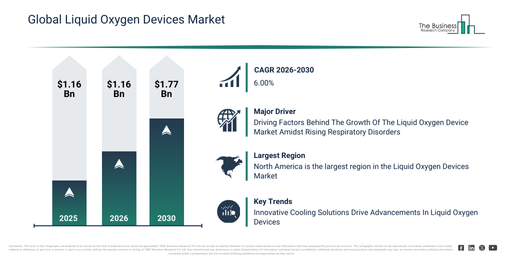
  • Liquid Oxygen Devices Market Expansion Is Opening New Pathways For Strategic Investment

    Liquid Oxygen Devices Market Expansion Is Opening New Pathways For Strategic Investment

    Through market attractiveness analysis, total addressable market evaluation, company benchmarking matrices, interactive Excel dashboards, expanded supply chain intelligence, emerging startup coverage, and detailed product insights, The Business Research Company’s 2026 market reports provide more actionable and strategically valuable research.

    The demand for liquid oxygen devices has seen significant growth recently, driven by various factors linked to respiratory health and medical infrastructure. As healthcare needs evolve, this market is set to expand further, supported by advancements in technology, rising health awareness, and government initiatives. Here, we explore the market size, growth drivers, segmentation, key trends, major players, and regional outlook shaping the liquid oxygen devices industry.

    Liquid Oxygen Devices Market Size and Forecast Through 2030

    The liquid oxygen devices market has experienced robust growth over recent years. It is projected to increase from $6.46 billion in 2025 to $6.91 billion in 2026, marking a compound annual growth rate (CAGR) of 7.0%. This upward trend reflects historic drivers such as the rising prevalence of chronic respiratory illnesses, higher hospital admissions for respiratory care, expansion in medical oxygen infrastructure, broader use of oxygen therapy in acute care, and heightened awareness of oxygen therapy benefits. Looking ahead, the market is expected to continue growing strongly, reaching $8.72 billion by 2030 at a CAGR of 6.0%. The forecast growth is fueled by an aging population with respiratory disorders, increasing demand for long-term oxygen therapy, greater emphasis on home-based respiratory care, expanding healthcare infrastructure in emerging economies, and enhanced readiness for respiratory disease outbreaks. Emerging trends include wider adoption of liquid oxygen therapy for severe respiratory conditions, growing preference for high-purity oxygen delivery systems in hospitals, increased utilization in long-term home care, expansion of cryogenic storage options, and the demand for high-capacity oxygen delivery devices.

    Download A Free Sample Report For Comprehensive Market Insights:

    https://www.thebusinessresearchcompany.com/sample.aspx?id=15601&type=smp

    Increasing Respiratory Disorders Propel Liquid Oxygen Devices Market

    The rising incidence of respiratory diseases is a major factor propelling the liquid oxygen devices market forward. Respiratory disorders, which affect organs such as the lungs and airways, are becoming more common due to factors like air pollution, tobacco use, workplace hazards, genetics, and lifestyle choices. Liquid oxygen devices play a vital role in providing respiratory support to these patients, enhancing their breathing capacity and improving overall quality of life. Additionally, they offer healthcare professionals reliable tools to administer oxygen therapy and monitor patients’ respiratory conditions. For instance, in June 2025, Gov.UK reported that during the fiscal year 2024, England recorded 854,922 emergency admissions related to respiratory diseases—a 7% increase from the previous year—highlighting the growing burden of respiratory conditions and the consequent demand for liquid oxygen devices.

    Government-Led Healthcare Research and Development Boosts Market Growth

    Government initiatives focusing on healthcare research and development are set to drive further growth in the liquid oxygen devices sector. These programs encompass policies, projects, and actions by authorities at various levels aimed at improving healthcare outcomes, including innovations related to liquid oxygen devices. For example, in January 2024, IQVIA, a US-based healthcare intelligence firm, reported a 14% global increase in medicine use over the past five years, with projections indicating another 12% rise by 2028, reaching 3.8 trillion defined daily doses annually. Such government-supported advancements and investments in healthcare infrastructure contribute significantly to expanding the liquid oxygen devices market.

    Access The Complete Liquid Oxygen Devices Market Report:

    https://www.thebusinessresearchcompany.com/report/liquid-oxygen-devices-global-market-report

    Breakdown of the Liquid Oxygen Devices Market by Product and Usage

    This market is categorized into several segments based on tank type, distribution channel, and end-user. The tank types include vertical storage tanks and horizontal storage tanks. Vertical tanks are further divided into cryogenic vertical bulk liquid oxygen tanks, vacuum-insulated vertical tanks, medical-grade vertical tanks, and stationary vertical tanks. Similarly, horizontal tanks consist of cryogenic horizontal bulk tanks, vacuum-insulated horizontal tanks, medical-grade horizontal tanks, and transportable horizontal tanks. Distribution channels are split between direct sales and indirect sales. End-users include hospitals, outpatient facilities, home care settings, and other categories, reflecting diverse applications of liquid oxygen devices across healthcare environments.

    Innovations and Technological Advances Driving Market Transformation

    Leading companies in the liquid oxygen devices market are concentrating on developing advanced technologies to improve device performance and reliability. For instance, innovative cooling systems like twin-blower designs are being incorporated to maintain optimal temperatures during operation. This system compresses air, cools it, and separates it into oxygen and nitrogen, enhancing efficiency. A notable product example is the OxyHome 5L Stationary Concentrator, launched in April 2023 by OxyGo HQ Florida LLC. Designed for home use, it provides a continuous oxygen flow of up to 5 liters per minute and features a compact, modern design. Its twin-blower cooling technology ensures consistent and dependable performance, demonstrating how technological advances are shaping the market’s future.

    Key Market Players in the Liquid Oxygen Devices Industry

    The liquid oxygen devices market features several prominent companies that play vital roles in its development and competition. These include Chart Industries Inc., CAIRE Inc., Taylor-Wharton International LLC, INOXCVAP, VRV S.p.A., Cryoquip LLC, Cryofab Inc., Wessington Cryogenics, FIBA Technologies Inc., Lapesa Grupo Empresarial, CBS Arc Safe, Herose GmbH, VIT Cryogenic Equipment, Beijing Tianhai Industry, Praxair Cryogenic Equipment, Air Water Inc., Nikkiso Cryogenic Industries, MES srl, INOXCVA, RotoCryo Systems, Cryolor, and Fives Cryo. These companies focus on product innovation, strategic partnerships, and expanding their market footprint worldwide.

    Regional Market Outlook and Growth Opportunities

    In 2025, North America held the largest share of the liquid oxygen devices market. However, the Asia-Pacific region is expected to experience the fastest growth during the forecast period. The market report covers key geographic areas including Asia-Pacific, South East Asia, Western Europe, Eastern Europe, North America, South America, the Middle East, and Africa, providing a broad perspective on where future market opportunities are emerging and how regional dynamics are influencing overall growth.

    Get in touch with us:

    The Business Research Company: https://www.thebusinessresearchcompany.com/

    Americas: +1 310-496-7795

    Asia: +44 7882 955267 & +91 8897263534

    Europe: +44 7882 955267

    Email us at: marketing@tbrc.info

    Follow us on:

    LinkedIn: https://in.linkedin.com/company/the-business-research-company

    YouTube: https://www.youtube.com/channel/UC24_fI0rV8cR5DxlCpgmyFQ

    Global Market Model: https://www.thebusinessresearchcompany.com/global-market-model
  • Medical Wireless Alarm System Market Opportunities Are Emerging Beyond Traditional Growth Areas

    Medical Wireless Alarm System Market Opportunities Are Emerging Beyond Traditional Growth Areas

    Delivering more actionable and strategically valuable research, The Business Research Company’s 2026 market reports feature market attractiveness analysis, total addressable market evaluation, company benchmarking matrices, interactive Excel dashboards, expanded supply chain intelligence, emerging startup coverage, and detailed product insights.

    The medical wireless alarm system market is experiencing rapid development as healthcare technology advances and patient safety becomes a top priority. Increasing digitization in healthcare settings combined with innovative monitoring solutions are driving demand in this sector. Let’s explore the market’s current size, growth drivers, key segments, industry trends, leading companies, and regional insights.

    Medical Wireless Alarm System Market Size and Forecasted Growth

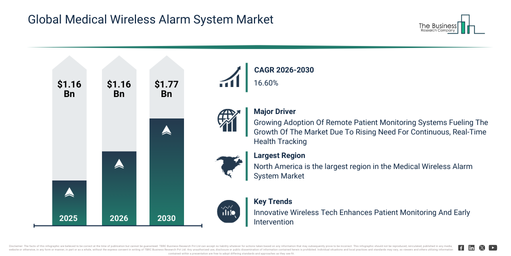
    The medical wireless alarm system market has expanded significantly in recent years. It is projected to grow from $1.42 billion in 2025 to $1.66 billion in 2026, reflecting a strong compound annual growth rate (CAGR) of 16.8%. This historical expansion is largely due to increased hospital digitization efforts, stricter patient safety regulations, a rise in elderly care facilities, the growing adoption of remote patient monitoring, and the broader use of wireless medical devices. Looking ahead, the market is expected to continue this upward trajectory, reaching $3.07 billion by 2030 at a CAGR of 16.6%. This forecasted surge is supported by expanding smart hospital ecosystems, greater demand for healthcare monitoring at home, advancements in AI-powered alert analytics, broader integration of cloud-based alarm platforms, and a heightened focus on proactive patient safety measures. Key trends during this period include the rise in real-time patient monitoring systems, wireless nurse call solutions, hospital IT platform integration, wearable medical alert devices, and the development of rapid response infrastructures.

    Download A Free Sample Report For Comprehensive Market Insights:

    https://www.thebusinessresearchcompany.com/sample.aspx?id=24312&type=smp

    Remote Patient Monitoring as a Major Growth Driver in the Medical Wireless Alarm System Market

    One of the primary factors fueling the growth of the medical wireless alarm system market is the increasing adoption of remote patient monitoring (RPM) technologies. RPM uses digital tools to collect and transmit patients’ health data to healthcare providers from a distance, enabling real-time tracking and timely interventions. The rising prevalence of chronic illnesses that require continuous monitoring underscores the importance of RPM solutions. Medical wireless alarm systems play a critical role by providing instant alerts and ongoing health surveillance, which helps manage chronic conditions more effectively and enhances patient safety. These systems reduce response times by promptly notifying medical professionals when urgent changes occur, thereby improving care delivery efficiency.

    The Impact of Telehealth Expansion on Market Growth

    The rapid expansion of telehealth services further supports the growth of medical wireless alarm systems. According to data from April 2024 by Insurance Thought Leadership Inc., telehealth usage surged to over 53 million Medicare participants, with 91% of healthcare systems offering telehealth programs. This widespread adoption reflects a shift towards remote care models, emphasizing the need for reliable wireless alarm systems to complement virtual monitoring and ensure patient safety outside traditional clinical settings.

    Access The Complete Medical Wireless Alarm System Market Report:

    https://www.thebusinessresearchcompany.com/report/medical-wireless-alarm-system-global-market-report

    Product Types and Application Segments Defining the Medical Wireless Alarm System Market

    This market is categorized by several key segments to better understand its structure and target areas:

    1) Product Types: Wireless Fidelity (Wi-Fi), Bluetooth, Cellular, and Other technologies

    2) Alarm System Types: Portable Alarm Systems, Stationary Alarm Systems, and Wearable Alarm Systems

    3) Applications: Hospitals, Clinics, Ambulatory Surgery Centers, and Other healthcare settings

    4) End Users: Healthcare Providers, Home Care Providers, Assisted Living Facilities, Patients, and Caregivers

    Further subsegments include:

    – Portable Alarm Systems such as handheld devices, wireless pagers, and mobile phone-based alerts

    – Stationary Alarm Systems comprising bedside alarms, wall-mounted units, and fixed monitoring stations

    – Wearable Alarm Systems like smartwatch-based monitors, clip-on sensors, and wristband devices

    Innovations and Trends Shaping the Medical Wireless Alarm System Industry

    Leading companies in this market are investing heavily in innovative products to boost patient safety and streamline healthcare operations. For example, Lite Plus monitoring devices represent cutting-edge wireless tools designed to track vital signs continuously and alert medical staff in real time for prompt intervention. In August 2023, Aulisa Medical USA Inc. introduced Guardian Angel, an FDA-cleared wearable system that monitors blood oxygen levels and pulse rate. The device transmits data to smartphones and local monitors, offers customizable alarms, supports multiple caregivers, stores data in the cloud, and facilitates Bluetooth-to-Wi-Fi conversions for extended remote monitoring. It is designed for both infants and adults, ensuring comprehensive coverage within a 32-foot range.

    Top Companies Driving Competition in the Medical Wireless Alarm System Market

    The competitive landscape features several established players including Koninklijke Philips N.V., Stryker Corporation, Baxter International, Roper Technologies Inc., AMETEK Inc., ADT Inc., OSI Systems Inc., Connect America Holdings LLC, Ascom Holding AG, Napco Security Technologies Inc., TIDI Products LLC, Vitality Inc., Life Alert Emergency Response Inc., TekTone Sound & Signal Manufacturing, LifeStation Inc., Medical Guardian LLC, LifeFone Inc., Cadi Scientific Pte Ltd, Best Buy Co. Inc., and Hospitech Healthcare. These companies focus on innovation, strategic partnerships, and expanding product portfolios to capture market share.

    Geographical Market Presence and Growth Patterns

    In 2025, North America held the largest portion of the medical wireless alarm system market. However, the Asia-Pacific region is anticipated to experience the fastest growth during the forecast period. Other key regions covered in market analysis include South East Asia, Western Europe, Eastern Europe, South America, the Middle East, and Africa, providing a comprehensive global perspective.

    Get in touch with us:

    The Business Research Company: https://www.thebusinessresearchcompany.com/

    Americas: +1 310-496-7795

    Asia: +44 7882 955267 & +91 8897263534

    Europe: +44 7882 955267

    Email us at: marketing@tbrc.info

    Follow us on:

    LinkedIn: https://in.linkedin.com/company/the-business-research-company

    YouTube: https://www.youtube.com/channel/UC24_fI0rV8cR5DxlCpgmyFQ

    Global Market Model: https://www.thebusinessresearchcompany.com/global-market-model
  • Liposuction Surgery Devices Market Trends Are Creating New Opportunities For Industry Leaders

    Liposuction Surgery Devices Market Trends Are Creating New Opportunities For Industry Leaders

    Delivering more actionable and strategically valuable research, The Business Research Company’s 2026 market reports feature market attractiveness analysis, total addressable market evaluation, company benchmarking matrices, interactive Excel dashboards, expanded supply chain intelligence, emerging startup coverage, and detailed product insights.

    The liposuction surgery devices market is experiencing impressive growth, driven by increasing demand for body contouring procedures and technological advancements. This sector is evolving rapidly, supported by rising consumer interest in aesthetic treatments and expanding medical infrastructure. Below is an in-depth overview covering market size, key growth factors, segmentation, innovations, leading companies, and regional trends.

    Steady Growth Forecast for the Liposuction Surgery Devices Market

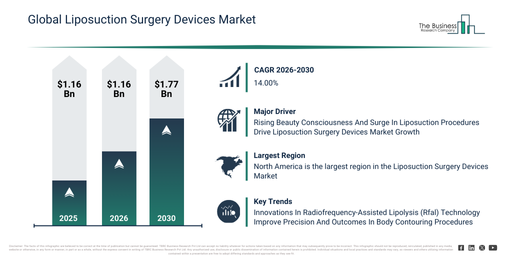
    The market for liposuction surgery devices has expanded significantly in recent years and is projected to continue this trend. Market value is expected to rise from $2.2 billion in 2025 to $2.52 billion in 2026, representing a compound annual growth rate (CAGR) of 14.6%. This historic growth has been fueled by increasing interest in cosmetic body shaping procedures, broader acceptance of aesthetic surgeries, the proliferation of private cosmetic clinics, technological improvements in suction devices, and the availability of skilled cosmetic surgeons. Looking ahead, the market is forecasted to reach $4.26 billion by 2030 with a CAGR of 14.0%. Factors contributing to this future expansion include a growing preference for non-invasive fat reduction techniques, higher investments in cutting-edge aesthetic technologies, the rise of medical tourism focused on cosmetic procedures, emphasis on quicker recovery options, and increased adoption of portable and battery-operated devices. Emerging trends in the market highlight the growing use of minimally invasive liposuction methods, demand for portable devices, integration of energy-based fat removal technologies, growth of outpatient surgical procedures, and a stronger focus on patient safety and procedural accuracy.

    Download A Free Sample Report For Comprehensive Market Insights:

    https://www.thebusinessresearchcompany.com/sample.aspx?id=6365&type=smp

    Rising Awareness and Demand Fueling the Liposuction Surgery Devices Market

    A key driver behind the expanding liposuction surgery devices market is the heightened beauty consciousness across a broad population. Both men and women are increasingly seeking liposuction to address dissatisfaction caused by unwanted fat, which can negatively impact psychological well-being. Many turn to liposuction as an immediate solution that avoids the need for strict dieting or exercise regimes. For example, in June 2024, the American Society of Plastic Surgeons reported a 7% rise in minimally invasive procedures in 2023, surpassing the growth rate of surgical treatments. This included over 9 million neuromodulator injections and 5 million hyaluronic acid filler treatments, highlighting a shift towards less invasive aesthetic improvements. This growing awareness and demand are expected to significantly contribute to the liposuction surgery devices market’s growth throughout the forecast period.

    Detailed Segmentation of the Liposuction Surgery Devices Market

    This market is categorized into several important segments to provide a clear understanding of revenue opportunities:

    1) By Technology: Includes Ultrasound-Assisted Liposuction (UAL), Laser-Assisted Liposuction (LAL), Power-Assisted Liposuction (PAL), Suction-Assisted Liposuction (SAL), RF-Assisted Liposuction (RFAL), Water-Assisted Liposuction (WAL), and Aspirator Devices.

    2) By Device Type: Divided into Stand-Alone Liposuction Surgery Devices and Portable Liposuction Surgery Devices.

    3) By Application: Covers Hospitals, Ambulatory Surgical Centers, and Cosmetic Surgical Centers.

    Further subcategories detail stand-alone devices such as PAL, UAL, and LAL devices, and portable devices including battery-operated and handheld liposuction devices. This segmentation allows stakeholders to identify specific market niches and tailor strategies accordingly.

    Access The Complete Liposuction Surgery Devices Market Report:

    https://www.thebusinessresearchcompany.com/report/liposuction-surgery-devices-global-market-report

    Innovations Shaping the Future of Liposuction Surgery Devices

    Leading companies in the liposuction surgery devices space are investing heavily in new technologies designed to meet the demand for minimally invasive body contouring with enhanced outcomes. One notable advancement is radiofrequency-assisted lipolysis (RFAL), which uses controlled bipolar radiofrequency energy delivered beneath the skin to liquefy fat while stimulating collagen contraction. Unlike traditional suction-based liposuction that primarily removes fat, RFAL also helps tighten the skin, addressing laxity issues. For instance, in May 2025, Apyx Medical Corporation, a US medical technology firm, received FDA clearance for its AYON Body Contouring System. This innovative platform combines ultrasound-assisted liposuction, dual aspiration, electrocoagulation, Renuvion helium-plasma tissue contraction, and volume enhancement features. It offers improved surgical precision and workflow efficiency through its LIFT technology, which provides real-time control and closed-loop feedback for consistent and safe performance. Such multimodal solutions enable surgeons to achieve more predictable results in fat removal and skin tightening compared to using multiple separate devices.

    Leading Players Driving the Liposuction Surgery Devices Market Forward

    Several prominent companies are shaping the direction of the liposuction surgery devices industry. These include Solta Medical Inc, Cynosure LLC, InMode Ltd, Alma Lasers Ltd, Sciton Inc, Wells Johnson Company, Lumenis Ltd, Cutera Inc, BTL Industries Inc, Genesis Biosystems Inc, Syneron Medical Ltd, Erchonia Corporation, Viora Ltd, Lutronic Corporation, Hologic Inc, Eclipse Aesthetics LLC, Apyx Medical Corporation, Thieme Medical Publishers, Euromi SA, and Medytox Inc. Their innovations and market strategies play a crucial role in fueling growth and expanding access to advanced aesthetic procedures worldwide.

    Regional Market Dynamics and Growth Opportunities

    In 2025, North America accounted for the largest share of the liposuction surgery devices market. However, the Asia-Pacific region is anticipated to experience the fastest growth during the forecast period. The market report covers major regions such as Asia-Pacific, South East Asia, Western Europe, Eastern Europe, North America, South America, the Middle East, and Africa, providing a comprehensive view of global market trends and opportunities. This geographic breakdown helps stakeholders understand regional demand drivers and tailor their approaches to maximize growth potential in diverse markets.

    Get in touch with us:

    The Business Research Company: https://www.thebusinessresearchcompany.com/

    Americas: +1 310-496-7795

    Asia: +44 7882 955267 & +91 8897263534

    Europe: +44 7882 955267

    Email us at: marketing@tbrc.info

    Follow us on:

    LinkedIn: https://in.linkedin.com/company/the-business-research-company

    YouTube: https://www.youtube.com/channel/UC24_fI0rV8cR5DxlCpgmyFQ

    Global Market Model: https://www.thebusinessresearchcompany.com/global-market-model