Month: June 2026

  • Liposomal Drug Delivery Devices Market Growth Is Reshaping Competitive Advantage Across The Industry

    Liposomal Drug Delivery Devices Market Growth Is Reshaping Competitive Advantage Across The Industry

    Enhanced with market attractiveness analysis, total addressable market evaluation, company benchmarking matrices, interactive Excel dashboards, expanded supply chain intelligence, emerging startup coverage, and detailed product insights, The Business Research Company’s 2026 market reports deliver more actionable and strategically valuable research.

    The evolving landscape of drug delivery technologies has brought liposomal drug delivery devices into sharper focus, driven by advances in nanotechnology and increasing demand for targeted therapies. This sector is experiencing rapid expansion fueled by growing medical needs and innovation, presenting promising opportunities for stakeholders. Let’s explore the current market size, key growth drivers, significant trends, and competitive dynamics shaping this industry.

    Market Size Forecast and Growth Trajectory of the Liposomal Drug Delivery Devices Market

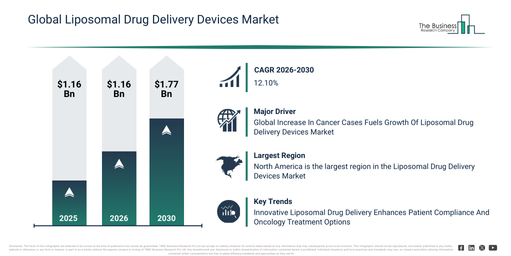
    The liposomal drug delivery devices market has witnessed substantial growth in recent years and is expected to continue this momentum. From a market value of $5.34 billion in 2025, it is projected to reach $6.01 billion in 2026, reflecting a compound annual growth rate (CAGR) of 12.4%. This expansion is primarily linked to breakthroughs in nanotechnology, rising cancer cases worldwide, increased injectable drug formulations, greater utilization of liposomal antifungal therapies, and growing investments in pharmaceutical research. Looking ahead, the market is anticipated to surge to $9.49 billion by 2030, maintaining a CAGR of 12.1%. Factors fueling this forecast include heightened demand for targeted cancer therapeutics, personalized medicine, adoption of advanced drug delivery platforms, expanded focus on biologics and vaccines, and efforts to minimize drug toxicity. Emerging trends expected to drive growth involve increased use of pegylated liposomal formulations, broader applications in oncology, growth in liposomal vaccines and antifungals, and improved controlled release technologies.

    Download A Free Sample Report For Comprehensive Market Insights:

    https://www.thebusinessresearchcompany.com/sample.aspx?id=3349&type=smp

    Key Factors Supporting the Rise of the Liposomal Drug Delivery Devices Market

    A major force propelling the market forward is the rising incidence of cancer globally. Cancer, characterized by uncontrolled cell growth and spread, has been increasing due to factors such as an aging population, environmental risks, and lifestyle changes. As the number of cancer patients grows, so does the need for advanced therapies that can target cancer cells more precisely while reducing side effects. Liposomal drug delivery systems are ideal in this scenario, enhancing drug delivery efficiency and treatment outcomes. For instance, the World Health Organization reported that approximately 20 million new cancer cases were recorded in 2022, and this figure is expected to rise to 35 million by 2050—a 77% increase. This alarming trend intensifies demand for innovative liposomal treatments, thereby stimulating market growth.

    Additional Drivers Amplifying Market Demand for Liposomal Drug Delivery Devices

    Besides cancer prevalence, other factors contribute to the market’s expansion. Increasing investments in pharmaceutical R&D are leading to the development of sophisticated liposomal formulations. The rise in fungal infections has also boosted the use of liposomal antifungal drugs. Additionally, the expansion of injectable drug therapies provides a favorable environment for these delivery devices. Together, these elements create a dynamic growth landscape that supports continued innovation and market penetration.

    Access The Complete Liposomal Drug Delivery Devices Market Report:

    https://www.thebusinessresearchcompany.com/report/liposomal-drug-delivery-devices-global-market-report

    Detailed Segmentation of the Liposomal Drug Delivery Devices Market

    The market is comprehensively segmented to cover various product types, applications, and end users. By type, it includes Liposomal Doxorubicin, Liposomal Paclitaxel, Liposomal Amphotericin B, and other types such as Liposomal Irinotecan, Vincristine, and Cytarabine. Application-wise, the market spans fungal diseases, cancer therapy, pain management, viral vaccines, and photodynamic therapy. End-user categories comprise hospitals, diagnostic centers, ambulatory surgery centers/clinics, and other users. Further breakdown distinguishes between conventional and PEGylated formulations within key drug categories like Doxorubicin, Paclitaxel, and Amphotericin B, reflecting the diversity and specialization within the product range.

    How Innovations and New Product Launches Are Shaping the Liposomal Drug Delivery Devices Market

    Innovative product introductions are key to maintaining competitiveness in this rapidly evolving field. Companies are focusing on developing liposomal nanostructures that enhance patient compliance by reducing dosing frequency without compromising efficacy. For example, in August 2024, Lupin Ltd., an India-based pharmaceutical firm, launched its Doxorubicin Hydrochloride Liposome Injection in two dosage strengths (20 mg/10 mL and 50 mg/25 mL). This product achieved estimated annual sales of nearly $40.9 million in the U.S. market by June 2024, positioning Lupin strategically within the oncology segment. This launch underscores the company’s commitment to offering effective cancer treatment options in a competitive pharmaceutical environment.

    Competitive Environment and Major Players in the Liposomal Drug Delivery Devices Market

    The market features a range of leading global pharmaceutical and biotech companies actively developing and marketing liposomal drug delivery technologies. Notable players include Pfizer Inc., Johnson & Johnson Services Inc., Merck & Co. Inc., Novartis AG, Gilead Sciences Inc., Ipsen SA, Shanghai Fudan Zhangjiang Bio-Pharmaceutical Co. Ltd., Nanomerics Ltd., Luye Pharma Group Ltd., Leadiant Biosciences Inc., Pacira Biosciences Inc., Nippon Kayaku Co. Ltd., Celsion Corporation, Acrotech Biopharma Inc., Aphios Pharma LLC, CytImmune Sciences Inc., NanoSphere Health Sciences Inc., Cel-Sci Corporation, Lipoid GmbH, Liposome Company Inc., Liposome Research Days Corporation, and Taiwan Liposome Company. These organizations are driving innovation and expanding product portfolios, strengthening the market’s competitive landscape.

    Geographical Distribution Highlighting the Liposomal Drug Delivery Devices Market Leaders

    In 2025, North America held the largest share of the liposomal drug delivery devices market, reflecting the region’s advanced healthcare infrastructure and high adoption of innovative therapies. However, Asia-Pacific is expected to be the fastest-growing region over the forecast period, driven by rising healthcare investments, increasing disease prevalence, and greater access to advanced treatment options. The market report also covers other important regions, including South East Asia, Western Europe, Eastern Europe, South America, the Middle East, and Africa, offering a broad view of global market dynamics.

    Get in touch with us:

    The Business Research Company: https://www.thebusinessresearchcompany.com/

    Americas: +1 310-496-7795

    Asia: +44 7882 955267 & +91 8897263534

    Europe: +44 7882 955267

    Email us at: marketing@tbrc.info

    Follow us on:

    LinkedIn: https://in.linkedin.com/company/the-business-research-company

    YouTube: https://www.youtube.com/channel/UC24_fI0rV8cR5DxlCpgmyFQ

    Global Market Model: https://www.thebusinessresearchcompany.com/global-market-model

  • Medical Variable Force Spring Market Expansion Is Opening New Pathways For Strategic Investment

    Medical Variable Force Spring Market Expansion Is Opening New Pathways For Strategic Investment

    Enhanced with market attractiveness analysis, total addressable market evaluation, company benchmarking matrices, interactive Excel dashboards, expanded supply chain intelligence, emerging startup coverage, and detailed product insights, The Business Research Company’s 2026 market reports deliver more actionable and strategically valuable research.

    The medical variable force spring market is witnessing significant growth, driven by advances in medical technology and increasing healthcare demands. As healthcare systems continue to evolve and adopt innovative solutions, this market is poised for sustained expansion. Let’s explore the current market size, key growth drivers, important segments, and regional dynamics shaping the future of medical variable force springs.

    Steady Market Expansion Forecasted for Medical Variable Force Springs

    In recent years, the medical variable force spring market has experienced strong growth. It is projected to increase from $1.19 billion in 2025 to $1.29 billion in 2026, reflecting a compound annual growth rate (CAGR) of 8.4%. This increase can be attributed to the rising adoption of advanced medical devices, growth in orthopedic surgeries, expanding demand for rehabilitation equipment, improvements in spring manufacturing technologies, and higher healthcare spending. Moving ahead, the market is expected to continue its upward trajectory, reaching $1.73 billion by 2030 with a CAGR of 7.6%. The forecast period growth is fueled by the integration of smart technologies into medical springs, the rising preference for minimally invasive surgeries, expansion of home healthcare services, increased use of robotic-assisted surgery, and a greater focus on patient-specific devices. Emerging trends include miniaturization of springs for compact medical instruments, customizable force outputs for precise applications, collaboration with surgical robotics, enhanced material durability and corrosion resistance, and tailored orthopedic solutions.

    Download A Free Sample Report For Comprehensive Market Insights:

    https://www.thebusinessresearchcompany.com/sample.aspx?id=25830&type=smp

    How Minimally Invasive Surgeries Are Boosting Demand for Medical Variable Force Springs

    One of the primary factors driving the medical variable force spring market is the growing demand for minimally invasive surgical techniques. These procedures utilize small incisions and specialized tools to minimize patient trauma and shorten recovery times compared to traditional open surgeries. The use of medical variable force springs enhances these techniques by providing consistent and adjustable force, which improves precision, control, and allows for miniaturized devices that can operate effectively within tight anatomical spaces. Supporting this trend, data from the American Society of Plastic Surgeons in June 2024 showed that minimally invasive procedures increased by 7% in 2023, outpacing the overall growth of surgical procedures by 2% relative to 2022. This shift toward less invasive options is a significant growth driver for the medical variable force spring market.

    Healthcare Spending Growth as a Catalyst for Market Development

    Another key factor propelling the expansion of the medical variable force spring market is the steady rise in healthcare expenditure worldwide. Healthcare spending includes the total resources allocated by governments, individuals, and organizations toward medical services, infrastructure, and products. The growth in this expenditure is largely driven by an aging population requiring more frequent and complex medical care, which places increased financial pressure on healthcare systems. This trend fuels demand for advanced medical devices that utilize variable force springs, as these components are critical in surgical and diagnostic tools that demand precision and reliability. For example, according to the American Medical Association, U.S. health spending rose by 7.5% in 2023 to reach $4.9 trillion, or $14,570 per capita, a notable increase compared to the 4.6% growth in 2022. Such spending trends support ongoing investment in medical device innovation, further stimulating market growth.

    Access The Complete Medical Variable Force Spring Market Report:

    https://www.thebusinessresearchcompany.com/report/medical-variable-force-spring-global-market-report

    Breakdown of Medical Variable Force Spring Market Segments

    The medical variable force spring market is organized into several key segments that highlight growth opportunities across different categories:

    1) By Type of Spring: Compression Springs, Tension Springs, Torsion Springs, Constant Force Springs, Variable Force Springs

    2) By Material Composition: Stainless Steel, Plastic, Carbon Steel, Alloy Steel, Specialty Alloys

    3) By Application: Medical Devices, Rehabilitation Equipment, Surgical Instruments, Diagnostic Equipment, Orthopedic Devices

    4) By Distribution Channel: Direct Sales, Online Retailers, Medical Supply Distributors, Wholesale Suppliers, Medical Device Manufacturers

    5) By End-User: Hospitals, Diagnostic Laboratories, Outpatient Surgical Centers, Rehabilitation Centers, Home Healthcare Providers

    Further subcategories include specific types within each spring category, such as conical, barrel, hourglass, and straight compression springs; hook-end, loop-end, threaded-end, and extended hook-end tension springs; single, double, spiral, and clockspring torsion springs; power, recoil, brush motor, and tape measure constant force springs; and graduated, progressive rate, segmented, and custom profile variable force springs.

    Key Players Competing in the Medical Variable Force Spring Market

    Numerous companies are active in this market, including SUSPA GmbH, SPIROL International Corporation, Bal Seal Engineering Inc., General Wire Spring Co., R&L Spring Company, Advanex Americas Inc., Newcomb Spring Corporation, Lee Spring Company Inc., Vulcan Spring & Manufacturing Co. Inc., Precision Coil Spring Company, Ace Wire Spring & Form Co. Inc., James Spring & Wire Company, Argo Spring Manufacturing Co. Inc., Gilbert Spring Corporation, Wermke Spring Inc., Peninsula Spring Inc., Coil Springs Direct, Gala Precision Engineering Private Limited, St. Marys Spring Company Inc., and Mikuro Spring Co. Ltd. These firms are instrumental in driving innovation and meeting the growing demands of medical applications worldwide.

    Regional Outlook Highlighting Market Leaders and Emerging Growth Zones

    In 2025, North America dominated the medical variable force spring market, holding the largest share due to its advanced healthcare infrastructure and high technology adoption. However, the Asia-Pacific region is expected to experience the fastest growth during the forecast period, driven by increasing healthcare investments and expanding medical device manufacturing capabilities. Other important regions covered in the market analysis include South East Asia, Western Europe, Eastern Europe, South America, and the Middle East and Africa, providing a comprehensive view of global market dynamics.

    Get in touch with us:

    The Business Research Company: https://www.thebusinessresearchcompany.com/

    Americas: +1 310-496-7795

    Asia: +44 7882 955267 & +91 8897263534

    Europe: +44 7882 955267

    Email us at: marketing@tbrc.info

    Follow us on:

    LinkedIn: https://in.linkedin.com/company/the-business-research-company

    YouTube: https://www.youtube.com/channel/UC24_fI0rV8cR5DxlCpgmyFQ

    Global Market Model: https://www.thebusinessresearchcompany.com/global-market-model

  • Lipid Panel Testing Market Forecast Signals New Revenue Opportunities Through 2030

    Lipid Panel Testing Market Forecast Signals New Revenue Opportunities Through 2030

    Through market attractiveness analysis, total addressable market evaluation, company benchmarking matrices, interactive Excel dashboards, expanded supply chain intelligence, emerging startup coverage, and detailed product insights, The Business Research Company’s 2026 market reports provide more actionable and strategically valuable research.

    The lipid panel testing market has experienced substantial growth over recent years, driven by increasing health concerns and advancements in diagnostic technologies. As the importance of monitoring lipid levels becomes more recognized, the market is set to continue expanding with promising opportunities on the horizon. Let’s explore the current market size, key growth drivers, segmentation, evolving trends, leading players, and regional developments shaping this industry.

    Steady Expansion in Lipid Panel Testing Market Size and Projections

    The lipid panel testing market has shown strong growth, with its value rising from $11.61 billion in 2025 to a projected $12.61 billion in 2026, marking a compound annual growth rate (CAGR) of 8.6%. This upward trajectory is linked to factors such as the growing prevalence of cardiovascular diseases, expansion of routine health screenings, heightened awareness about cholesterol control, wider adoption of automated laboratory diagnostics, and improved access to testing services. Looking ahead, the market is anticipated to reach $17.79 billion by 2030, growing at a CAGR of 9.0%. This expected growth is supported by increased emphasis on preventive healthcare, rising demand for home diagnostic options, integration of digital health technologies, expanding use of AI-driven diagnostic tools, and broader population health screening programs.

    Download A Free Sample Report For Comprehensive Market Insights:

    https://www.thebusinessresearchcompany.com/sample.aspx?id=10270&type=smp

    Key Factors Supporting Growth in the Lipid Panel Testing Market

    One of the primary reasons behind the market’s expansion is the rising occurrence of cardiovascular and diabetic conditions globally. Cardiovascular diseases, which affect the heart and blood vessels, along with diabetes characterized by high blood sugar levels, contribute significantly to lipid abnormalities. This makes lipid panel testing a crucial tool for early diagnosis, risk evaluation, treatment planning, and ongoing patient management. By identifying dyslipidemia, healthcare providers can tailor therapies and help reduce the risk of severe complications such as heart attacks and strokes.

    Supporting this trend, data released by the American College of Cardiology in September 2025 indicated that deaths related to cardiovascular diseases reached 19.2 million worldwide in 2023. This growing health burden emphasizes the importance of lipid testing in managing patient outcomes, thereby propelling the market’s demand.

    Access The Complete Lipid Panel Testing Market Report:

    https://www.thebusinessresearchcompany.com/report/lipid-panel-testing-global-market-report

    Breaking Down the Lipid Panel Testing Market Segments

    The market is categorized into several key segments for better analysis. These include:

    1) Product and Services: Devices, Kits, and Services

    2) Prescription Mode: Prescription-Based Testing and Over-the-Counter (OTC) Testing

    3) Application Areas: Hyperlipidemia, Hypertriglyceridemia, Familial Hypercholesterolemia, Hypo-Lipoproteinemia, Tangier Disease, Atherosclerosis, and other uses

    4) End Users: Hospitals, Specialty Clinics and Physician Offices, Pathology Laboratories, Diagnostic Clinics, Reference Laboratories, Academic and Research Institutes, along with other end users.

    Further subcategories under devices consist of automated analyzers, point-of-care testing devices, and spectrophotometers. Kits include cholesterol, HDL and LDL, and triglyceride test kits, while the services segment covers laboratory testing, diagnostic, and health screening services.

    Innovative Trends Reshaping the Lipid Panel Testing Market

    Leading companies are increasingly investing in advanced diagnostic solutions to improve cardiovascular risk assessment. A notable development is the introduction of Lp(a)-based diagnostic assays, which measure lipoprotein(a) levels in the blood. These assays provide clinicians with actionable insights to identify patients at higher cardiovascular risk and enable more personalized treatment plans.

    For example, in May 2024, F. Hoffmann-La Roche AG launched the Tina-quant Lp(a) RxDx assay after securing the FDA Breakthrough Device Designation. This test quantifies the number of Lp(a) molecules per litre in the bloodstream, offering a standardized biomarker for cardiovascular risk. Seamlessly integrated into Roche’s serum work area systems and cobas® platforms, it supports healthcare professionals in making informed decisions about Lp(a)-lowering therapies, ultimately enhancing patient care and precision medicine in cardiovascular health.

    Leading Players in the Lipid Panel Testing Market

    The lipid panel testing landscape features several prominent companies including Abbott Laboratories, Beckman Coulter Inc., F. Hoffmann-La Roche Ltd., Randox Laboratories Ltd., Thermo Fisher Scientific Inc., PTS Diagnostics, Quest Diagnostics Incorporated, Alere Inc., Boston Heart Diagnostics Corporation, Eurofins Scientific SE, Spark Diagnostics Pvt Ltd., Everlywell Inc., Horiba ABX SAS, Siemens Healthcare GmbH, Nova Biomedical Corporation, Bio-Rad Laboratories Inc., Danaher Corporation, DiaSorin S.p.A., EKF Diagnostics Holdings plc, and Ortho Clinical Diagnostics LLC.

    Regional Market Insights Highlighting Growth Leaders

    North America was the top revenue-generating region in the lipid panel testing market as of 2025. Meanwhile, the Asia-Pacific region is projected to register the fastest growth during the forecast period. The market report covers several major regions including Asia-Pacific, South East Asia, Western Europe, Eastern Europe, North America, South America, the Middle East, and Africa, providing a comprehensive picture of global market trends and opportunities.

    Get in touch with us:

    The Business Research Company: https://www.thebusinessresearchcompany.com/

    Americas: +1 310-496-7795

    Asia: +44 7882 955267 & +91 8897263534

    Europe: +44 7882 955267

    Email us at: marketing@tbrc.info

    Follow us on:

    LinkedIn: https://in.linkedin.com/company/the-business-research-company

    YouTube: https://www.youtube.com/channel/UC24_fI0rV8cR5DxlCpgmyFQ

    Global Market Model: https://www.thebusinessresearchcompany.com/global-market-model

  • Medical Vacuum Drying Cabinet Market Trends Are Creating New Opportunities For Industry Leaders

    Medical Vacuum Drying Cabinet Market Trends Are Creating New Opportunities For Industry Leaders

    Through market attractiveness analysis, total addressable market evaluation, company benchmarking matrices, interactive Excel dashboards, expanded supply chain intelligence, emerging startup coverage, and detailed product insights, The Business Research Company’s 2026 market reports provide more actionable and strategically valuable research.

    The medical vacuum drying cabinet market is gaining significant attention as healthcare facilities increasingly seek reliable and efficient sterilization solutions. Advancements in medical technology and rising concerns about infection control are driving demand for these specialized drying cabinets. This overview explores the current market size, growth factors, key players, segmentation, and regional insights shaping this evolving industry.

    Medical Vacuum Drying Cabinet Market Size and Projected Growth

    The market for medical vacuum drying cabinets has experienced robust expansion in recent years. It is expected to grow from $0.71 billion in 2025 to $0.77 billion in 2026, reflecting a compound annual growth rate (CAGR) of 8.5%. This growth stems mainly from a higher adoption of sterilized medical instruments, an increase in healthcare facilities, more surgical procedures, the need for infection control, and technological improvements in drying cabinet designs. Looking ahead, the market is predicted to expand further, reaching $1.03 billion by 2030 with a CAGR of 7.5%. Factors such as demand for tailored vacuum drying solutions, integration of IoT and smart monitoring systems, adoption of energy-efficient technologies, growth in biotechnology research, and increased hospital investments are expected to drive this growth. Emerging trends include process optimization for sterilization, energy-saving drying technologies, compact and modular cabinet constructions, automated control systems, and solutions tailored to specific materials.

    Download A Free Sample Report For Comprehensive Market Insights:

    https://www.thebusinessresearchcompany.com/sample.aspx?id=25829&type=smp

    Increasing Healthcare-Acquired Infections Pushing Market Demand

    Rising cases of healthcare-acquired infections (HAIs) are a significant factor propelling market growth. HAIs occur when patients contract infections while receiving medical care in healthcare settings, infections that were not present upon admission. The increase in these infections is linked to greater patient exposure to invasive procedures, longer hospital stays, and lapses in infection control protocols. Medical vacuum drying cabinets play a critical role in reducing HAIs by ensuring thorough drying of sterilized instruments, which helps prevent moisture-related microbial growth and supports stringent infection control measures. For example, data from the Centers for Disease Control and Prevention in January 2025 revealed a 3% increase in surgical site infection rates in 2023 compared to the previous year, emphasizing the need for effective drying solutions.

    Rising Number of Surgical Procedures Accelerating Market Expansion

    The growing volume of surgical procedures worldwide is another key market driver. Surgical interventions, involving manual or instrumental operations to treat injuries or diseases, are increasing due to patients’ demand for prompt and advanced medical care. These procedures improve health outcomes, manage complex conditions, and enhance quality of life. Medical vacuum drying cabinets contribute by efficiently drying surgical instruments, minimizing contamination risks, and ensuring sterility for safe use during operations. For instance, in March 2023, the British Association of Aesthetic Plastic Surgeons reported 31,057 cosmetic surgeries in the UK for 2022, marking a 102% rise from the previous year. This surge in surgical activity supports the growing need for high-performing drying cabinets in healthcare settings.

    Access The Complete Medical Vacuum Drying Cabinet Market Report:

    https://www.thebusinessresearchcompany.com/report/medical-vacuum-drying-cabinet-global-market-report

    Breaking Down the Medical Vacuum Drying Cabinet Market Segments

    This market can be divided into several key categories:

    1) Type of Drying Cabinet: Standard vacuum drying cabinets and customized vacuum drying solutions.

    2) Technology: Conventional vacuum drying technology and advanced vacuum drying techniques.

    3) Capacity: Small capacity cabinets (less than 50 liters) and medium capacity cabinets (50 to 200 liters).

    4) Application: Pharmaceutical manufacturing and biotechnology research.

    5) End-User: Hospitals and research laboratories.

    Further details include subcategories such as fixed capacity, pre-configured features, single- and multi-chamber designs, and portable options for standard cabinets. Customized solutions may involve size-specific, feature-enhanced, material-specific, application-oriented, or integration-ready cabinets.

    Top Companies Leading the Medical Vacuum Drying Cabinet Industry

    Several prominent players dominate the medical vacuum drying cabinet market. These include Thermo Fisher Scientific Inc., Biobase Biozone Co. Ltd., Terra Universal Inc., Bionics Scientific Technologies P Ltd., BINDER GmbH, Memmert GmbH & Co. KG, Sheldon Manufacturing Inc., Lacotech Inc., Italvacuum S.r.l., BMT Medical Technology s.r.o., SciQuip Ltd., Yamato Scientific America Inc., Waldner Laboreinrichtungen GmbH & Co. KG, PINK GmbH Thermosysteme, Zhangjiagang Roc Medical Technology Co. Ltd., Hefei Sada Medical Equipment Co. Ltd., Sada Medical Equipment Co. Ltd., Scitek Global Pty Ltd., Angelantoni Life Science S.r.l., Telstar Life Sciences, SP Scientific, and Martin Christ Gefriertrocknungsanlagen GmbH. These companies are instrumental in advancing technology and expanding market reach.

    Geographical Insights and Regional Market Performance

    In 2025, North America held the largest share of the medical vacuum drying cabinet market, reflecting its well-established healthcare infrastructure and technological adoption. However, the Asia-Pacific region is expected to register the fastest growth during the forecast period. The market report encompasses other important regions including South East Asia, Western Europe, Eastern Europe, South America, the Middle East, and Africa, providing a comprehensive understanding of global market trends and opportunities.

    Get in touch with us:

    The Business Research Company: https://www.thebusinessresearchcompany.com/

    Americas: +1 310-496-7795

    Asia: +44 7882 955267 & +91 8897263534

    Europe: +44 7882 955267

    Email us at: marketing@tbrc.info

    Follow us on:

    LinkedIn: https://in.linkedin.com/company/the-business-research-company

    YouTube: https://www.youtube.com/channel/UC24_fI0rV8cR5DxlCpgmyFQ

    Global Market Model: https://www.thebusinessresearchcompany.com/global-market-model

  • Linear Particle Accelerators Market Growth Is Accelerating As Industry Transformation Continues

    Linear Particle Accelerators Market Growth Is Accelerating As Industry Transformation Continues

    Delivering more actionable and strategically valuable research, The Business Research Company’s 2026 market reports feature market attractiveness analysis, total addressable market evaluation, company benchmarking matrices, interactive Excel dashboards, expanded supply chain intelligence, emerging startup coverage, and detailed product insights.

    The market for linear particle accelerators has been experiencing notable growth recently, driven by advancements in medical technology and research infrastructure. This sector is expected to continue expanding as innovations and rising healthcare demands shape its trajectory. Below is a detailed analysis of the market size, growth factors, key segments, emerging trends, leading companies, and regional dynamics.

    Linear Particle Accelerators Market Size and Growth Projections

    The linear particle accelerators market has shown robust expansion in recent years. Revenue is projected to rise from $2.73 billion in 2025 to $2.9 billion in 2026, reflecting a compound annual growth rate (CAGR) of 5.9%. This growth during the historical period is largely attributed to the increasing incidence of cancer worldwide, expansion of radiation oncology facilities, enhanced investments in high-energy physics research, wider adoption of advanced radiotherapy methods, and heightened government support for scientific research centers.

    Download A Free Sample Report For Comprehensive Market Insights:

    https://www.thebusinessresearchcompany.com/sample.aspx?id=15599&type=smp

    Looking ahead, the market is anticipated to maintain solid momentum, growing to $3.53 billion by 2030 with a CAGR of 5.1%. Factors driving this forecast include a rising demand for cutting-edge cancer treatment technologies, growing emphasis on precision and targeted radiation therapies, increased funding for nuclear medicine infrastructures, expanding research programs in particle physics, and rising healthcare spending on oncology services. Key trends forecasted to influence market development involve the broader use of linear accelerators in cancer radiation therapy, enhanced deployment of high-energy accelerators for particle physics, demand for precise radiation delivery in oncology, expansion of applications in nuclear medicine, and the emergence of compact, modular accelerator systems.

    Precision Medicine as a Catalyst for Linear Particle Accelerators Market Growth

    A significant driver of the linear particle accelerators market is the increasing focus on precision medicine. This innovative healthcare approach tailors treatments to individual patient characteristics, aiming for better outcomes through personalized care. Advances in genomic research and technology have highlighted the limits of traditional therapies and opened the door to tailored interventions.

    Access The Complete Linear Particle Accelerators Market Report:

    https://www.thebusinessresearchcompany.com/report/linear-particle-accelerators-global-market-report

    Linear particle accelerators play a vital role in precision medicine by enabling targeted radiation therapy that focuses on tumors while reducing harm to healthy tissues. For example, in February 2024, the Personalized Medicine Coalition, a nonprofit organization in the US, reported that the FDA approved 16 new personalized treatments for rare diseases in 2023, compared to six in the year prior. This growing emphasis on personalized care is a key factor propelling demand for advanced linear accelerator technologies.

    Segment Breakdown of the Linear Particle Accelerators Market

    This market is divided into several main segments to reflect different types, therapies, applications, and end users:

    1) By Type: Low-energy Machines, Medium-energy Machines, High-energy Machines

    2) By Therapy: Radio Surgery, Radiation Therapy

    3) By Applications: Prostate Cancer, Breast Cancer, Lung Cancer, Head and Neck Cancers, Colorectal Cancers, Other Applications

    4) By End User: Radiology Clinics, Hospitals, Other End Users

    Further subcategories clarify the types of machines within each energy level:

    – Low-energy Machines include Medical Linear Accelerators for Radiation Therapy and Research Linear Accelerators.

    – Medium-energy Machines cover Industrial Linear Accelerators and Medical Linear Accelerators designed for Conventional Radiotherapy.

    – High-energy Machines comprise High-Energy Research Linear Accelerators and Proton and Heavy-Ion Linear Accelerators.

    Innovative Breakthroughs Shaping the Linear Particle Accelerators Market

    Companies in this sector are pushing the boundaries of technology with innovations like AI-powered adaptive computed tomography linear particle accelerators (CT-Linac). These devices combine artificial intelligence with CT imaging and particle acceleration to deliver highly precise, personalized radiation treatments enhanced by real-time imaging and adaptive planning.

    For instance, in May 2024, Sweden-based healthcare company Elekta launched the Elekta Evo, an AI-enabled adaptive CT-Linac designed specifically for radiation therapy. This advanced system offers clinicians exceptional precision and flexibility through next-generation imaging quality and on-the-fly treatment adjustments. Leveraging sophisticated imaging technologies, organ-specific algorithms, and powerful AI, the Evo improves treatment accuracy, reduces exposure risks to healthy organs, and minimizes uncertainties during cancer therapy.

    Key Players Leading the Linear Particle Accelerators Industry

    The market features several prominent companies driving innovation and competition, including:

    Elekta AB, Varian Medical Systems, Accuray Incorporated, Siemens Healthineers, Hitachi Ltd., Mitsubishi Electric Corporation, Toshiba Corporation, IBA Group, Mevion Medical Systems, ViewRay Medical Technologies Inc., RefleXion Medical, Panacea Medical Technologies Pvt. Ltd., Shinva Medical Instrument Co. Ltd., Neusoft Medical Systems, Canon Medical Systems, Advanced Oncotherapy, ProTom International, Sumitomo Heavy Industries, Thales Group, Danfysik, and Research Instruments GmbH.

    Geographical Market Distribution and Regional Growth Opportunities

    In 2025, North America dominated the linear particle accelerators market in terms of size. Meanwhile, the Asia-Pacific region is forecasted to experience the fastest growth over the coming years. The geographical scope of the market includes Asia-Pacific, South East Asia, Western Europe, Eastern Europe, North America, South America, the Middle East, and Africa, providing a comprehensive view of global market trends and opportunities.

    Get in touch with us:

    The Business Research Company: https://www.thebusinessresearchcompany.com/

    Americas: +1 310-496-7795

    Asia: +44 7882 955267 & +91 8897263534

    Europe: +44 7882 955267

    Email us at: marketing@tbrc.info

    Follow us on:

    LinkedIn: https://in.linkedin.com/company/the-business-research-company

    YouTube: https://www.youtube.com/channel/UC24_fI0rV8cR5DxlCpgmyFQ

    Global Market Model: https://www.thebusinessresearchcompany.com/global-market-model

  • LINAC Devices Market Outlook Highlights The Next Major Growth Opportunities

    LINAC Devices Market Outlook Highlights The Next Major Growth Opportunities

    Enhanced with market attractiveness analysis, total addressable market evaluation, company benchmarking matrices, interactive Excel dashboards, expanded supply chain intelligence, emerging startup coverage, and detailed product insights, The Business Research Company’s 2026 market reports deliver more actionable and strategically valuable research.

    The linac devices market has experienced considerable growth in recent years, driven by advancements in cancer treatment and expanding healthcare infrastructure worldwide. This sector is primed for further expansion as new technologies and increasing demand for precision oncology continue to shape its future landscape. Let’s delve into the current market size, key growth drivers, leading players, emerging trends, and regional dynamics shaping this industry.

    Steady Expansion in the Linac Devices Market Size and Value

    The linac devices market is on a robust upward trajectory. It is projected to grow from $5.48 billion in 2025 to $5.96 billion in 2026, reflecting a compound annual growth rate (CAGR) of 8.9%. This upward movement in the past years has been largely fueled by the growth of cancer treatment facilities, a rise in cancer incidence worldwide, adoption of more advanced radiotherapy techniques, greater availability of oncology specialists, and improvements in radiation delivery precision. Looking ahead, the market is forecast to expand further, reaching $8.48 billion by 2030 with an even higher CAGR of 9.2%. Factors contributing to this growth include increasing investments in precision oncology, the growing demand for personalized cancer therapies, innovation in AI-driven radiotherapy planning, broader access to radiotherapy in emerging regions, and greater use of compact linac systems. Key trends anticipated to influence the market include wider adoption of image-guided radiation therapy, increased use of high-energy linac devices, integration of AI-based treatment planning, and the development of compact, modular linac designs focused on delivering precise radiation doses.

    Download A Free Sample Report For Comprehensive Market Insights:

    https://www.thebusinessresearchcompany.com/sample.aspx?id=10626&type=smp

    Cancer Prevalence as a Critical Growth Factor for the Linac Devices Market

    The rising incidence of cancer is a primary force accelerating the demand for linac devices. Cancer prevalence refers to the total number of people living with cancer at a given time, both newly diagnosed and previously treated. This increase is linked to lifestyle-related risk factors such as poor diet, tobacco use, alcohol consumption, and exposure to environmental pollutants, all contributing to a higher risk of various cancers. LINAC devices play an essential role in cancer management by delivering targeted, high-energy radiation beams that focus on tumors while sparing surrounding healthy tissues. These devices improve treatment accuracy, patient outcomes, and enable advanced radiotherapy methods. For example, in February 2025, Cancer Australia reported 4,641 new cases of pancreatic cancer in 2024, split between 2,414 males and 2,227 females, illustrating the ongoing demand for effective treatment options and driving market growth.

    Technological Advancements and Innovation Impacting the Linac Devices Market

    Leading companies in the linac devices industry are continually launching innovative products to maintain their competitive edge. A notable example is the incorporation of MRI-guided radiation therapy systems. In March 2023, GenesisCare Pty Ltd., a US-based provider specializing in cancer and cardiac care, introduced the ViewRay MRIdian MRI-Guided Radiation Therapy System at the Lee Health Regional Cancer Center. This system combines high-resolution MRI imaging with advanced linear accelerator technology, enabling more precise radiation delivery and potentially reducing the number of treatment sessions needed. The MRIdian system is unique as it offers diagnostic-quality MRI integrated with radiotherapy and features the MRIdian Stereotactic MRI-guided Adaptive Radiotherapy (SMART) technology, enhancing treatment personalization and effectiveness.

    Access The Complete LINAC Devices Market Report:

    https://www.thebusinessresearchcompany.com/report/linac-devices-global-market-report

    Key Segments Defining the Linac Devices Market Landscape

    This report segments the linac devices market into distinct categories to highlight growth opportunities. By product type, it is divided into High Energy and Medium Energy devices. Applications cover various cancer types such as breast, colorectal, head and neck, lung, prostate, and others. End users primarily include clinics and hospitals. Subcategories under High Energy devices include linear accelerators for radiation therapy, electron linacs, and photon linacs. Medium Energy devices are further divided into medium energy photon linacs and compact linac systems, reflecting the diversity of technologies catering to different treatment needs and settings.

    Top Companies Shaping the Competitive Environment of Linac Devices

    The linac devices market features a mix of established multinational corporations and specialized technology providers. Some of the leading companies include Elekta AB, Varian Medical Systems Inc, Siemens Healthineers GmbH, Hitachi Ltd, Mitsubishi Heavy Industries Ltd, Sumitomo Heavy Industries Ltd, Shinva Medical Instrument Co Ltd, Huiheng Medical Inc, IBA SA, Mevion Medical Systems Inc, ViewRay Technologies Inc, Advanced Oncotherapy PLC, RefleXion Medical Inc, ProNova Solutions LLC, Panacea Medical Technologies Pvt Ltd, Best Theratronics Ltd, P-Cure Ltd, Accuray Incorporated, CGN Dasheng Electron Accelerator Technology Co Ltd, Nordion Inc, and Theragenics Corporation. These players drive innovation, expand market reach, and influence the direction of future developments.

    Regional Insights Highlight Linac Devices Market Leaders and Growth Hotspots

    In 2025, North America accounted for the largest revenue share in the linac devices market, leveraging its advanced healthcare infrastructure and technology adoption. Conversely, the Asia-Pacific region is expected to be the fastest-growing market segment during the forecast period, thanks to increasing investments in healthcare, expanding cancer treatment facilities, and rising awareness about advanced radiotherapy options. The report provides a comprehensive overview of key regions including Asia-Pacific, South East Asia, Western Europe, Eastern Europe, North America, South America, the Middle East, and Africa, offering a global perspective on market trends and growth potential.

    Get in touch with us:

    The Business Research Company: https://www.thebusinessresearchcompany.com/

    Americas: +1 310-496-7795

    Asia: +44 7882 955267 & +91 8897263534

    Europe: +44 7882 955267

    Email us at: marketing@tbrc.info

    Follow us on:

    LinkedIn: https://in.linkedin.com/company/the-business-research-company

    YouTube: https://www.youtube.com/channel/UC24_fI0rV8cR5DxlCpgmyFQ

    Global Market Model: https://www.thebusinessresearchcompany.com/global-market-model

  • Medical Ultrasound Instrument Market Growth Is Reshaping Competitive Advantage Across The Industry

    Medical Ultrasound Instrument Market Growth Is Reshaping Competitive Advantage Across The Industry

    Delivering more actionable and strategically valuable research, The Business Research Company’s 2026 market reports feature market attractiveness analysis, total addressable market evaluation, company benchmarking matrices, interactive Excel dashboards, expanded supply chain intelligence, emerging startup coverage, and detailed product insights.

    The medical ultrasound instrument market has been experiencing notable expansion recently, driven by technological advancements and growing healthcare needs. As non-invasive imaging becomes a critical tool in diagnosis and treatment, this market is set to witness sustained growth over the coming years. Let’s explore the market’s current size, the factors propelling its growth, leading players, emerging innovations, and regional dynamics shaping its future trajectory.

    Medical Ultrasound Instrument Market Size and Forecasted Growth

    The market for medical ultrasound instruments has shown robust development, with its value projected to increase from $9.77 billion in 2025 to $10.59 billion in 2026, representing a compound annual growth rate (CAGR) of 8.4%. This past growth has been driven by greater use of non-invasive diagnostic imaging techniques, expansion in maternal and fetal health monitoring, increased cardiovascular screening, wider ultrasound system availability, and adoption of ultrasound-guided clinical procedures. Looking ahead, the market is expected to continue its upward trend, reaching $14.63 billion by 2030 at the same CAGR of 8.4%. This anticipated growth is fueled by rising demand for point-of-care diagnostics, growing investments in AI-assisted imaging, broader adoption of tele-ultrasound applications, enhanced use of ultrasound in outpatient settings, and heightened emphasis on early disease detection. Key trends in the coming years include greater integration of AI image analysis, increased use of portable and handheld devices, demand for multi-modal imaging solutions, expansion of cloud-enabled ultrasound platforms, and focus on optimizing workflow efficiency.

    Download A Free Sample Report For Comprehensive Market Insights:

    https://www.thebusinessresearchcompany.com/sample.aspx?id=24311&type=smp

    Factors Supporting Growth in the Medical Ultrasound Instrument Market

    One significant driver of the market’s expansion is the increasing prevalence of chronic diseases worldwide. Chronic conditions such as diabetes, heart disease, hypertension, arthritis, chronic respiratory illnesses, cancer, and obesity are becoming more common due to lifestyle changes, poor dietary habits, and physical inactivity. These long-term illnesses require ongoing monitoring and management, which ultrasound instruments facilitate by providing non-invasive, real-time imaging that improves diagnosis and treatment efficacy. Ultrasound devices reduce the need for more invasive exploratory procedures, enhancing patient care. For example, in June 2024, the National Health Service in the UK reported a rise of 549,000 pre-diabetes cases in England, an 18% increase from 2022 to 2023, illustrating the growing demand for diagnostic tools like ultrasound to manage chronic health issues.

    Additional Market Drivers Enhancing Future Opportunities

    Besides chronic disease prevalence, expanding adoption of ultrasound in early disease detection and point-of-care settings is also boosting market growth. Advances in AI and telemedicine are enabling smarter, faster imaging solutions that are accessible beyond traditional hospital environments. The trend towards portable and handheld ultrasound devices supports healthcare delivery in remote or resource-limited areas, widening the market’s reach. Continued investments in research and technological innovation further strengthen the market outlook.

    Access The Complete Medical Ultrasound Instrument Market Report:

    https://www.thebusinessresearchcompany.com/report/medical-ultrasound-instrument-global-market-report

    Medical Ultrasound Instrument Market Segmentation and Revenue Generators

    This report segments the medical ultrasound instrument market by several important categories:

    1) Product Type: Diagnostic ultrasound equipment, therapeutic ultrasound equipment, ultrasound software, and accessories and consumables.

    2) Technology: 2D ultrasound, 3D ultrasound, 4D ultrasound, and Doppler ultrasound.

    3) Portability: Portable ultrasound devices, handheld ultrasound devices, and cart-based ultrasound devices.

    4) Application Area: Radiology or general imaging, cardiology, obstetrics or gynecology, vascular, urology, orthopedic, and other medical applications.

    5) End-User: Hospitals, diagnostic centers, ambulatory surgical centers, and other end-users.

    Further breakdown of subsegments includes diagnostic equipment such as handheld devices, compact systems, and cart-based systems; therapeutic equipment like high-intensity focused ultrasound and physiotherapy ultrasound; ultrasound software categorized into image analysis, workflow management, AI-based software, and cloud-based platforms; and accessories including transducers, gels, biopsy guides, probe covers, and needle guides.

    Innovations Shaping the Future of the Medical Ultrasound Instrument Market

    Industry leaders are concentrating efforts on innovative solutions like wireless handheld ultrasound devices to improve portability, accessibility, and cost-efficiency for point-of-care diagnostics. These compact systems connect wirelessly to smartphones or tablets, delivering real-time imaging without the need for bulky machines or fixed power sources. A notable example is GE Healthcare Technologies Inc., which in August 2023 introduced the Vscan Air SL. This wireless handheld device features a dual-headed probe combining sector and linear transducers, enabling quick, high-quality cardiac and vascular assessments in various settings. Its portable design and advanced imaging capabilities help clinicians perform fast and accurate exams both inside and outside hospital environments.

    Key Players Driving the Medical Ultrasound Instrument Market

    The market features several prominent companies that lead product development and strategic positioning, including Hitachi Ltd., Canon Inc., Siemens Healthineers AG, FUJIFILM Holdings Corporation, Koninklijke Philips N.V., GE Healthcare, Konica Minolta Inc., Hologic Inc., SonoScape Medical Corp., Samsung Medison Co Ltd, Edan Instruments Inc., Chison Medical Imaging Co Ltd., Shenzhen Landwind Industry Co Ltd., United Imaging Healthcare Co. Ltd., Biocare Medical, Teratech Corporation, Excelsior Union Ltd., Alpinion Medical Systems, Dawei Medical Co Ltd., and Draminski S.A.

    Regional Outlook Reveals Growth Hotspots for the Medical Ultrasound Instrument Market

    In 2025, North America held the largest share of the medical ultrasound instrument market, reflecting strong healthcare infrastructure and technology adoption. However, the Asia-Pacific region is expected to experience the fastest growth during the forecast period, driven by rising healthcare investments, expanding healthcare access, and growing awareness of diagnostic imaging benefits. The market analysis includes key regions such as Asia-Pacific, South East Asia, Western Europe, Eastern Europe, North America, South America, the Middle East, and Africa, offering a comprehensive perspective on global market behavior and opportunities.

    Get in touch with us:

    The Business Research Company: https://www.thebusinessresearchcompany.com/

    Americas: +1 310-496-7795

    Asia: +44 7882 955267 & +91 8897263534

    Europe: +44 7882 955267

    Email us at: marketing@tbrc.info

    Follow us on:

    LinkedIn: https://in.linkedin.com/company/the-business-research-company

    YouTube: https://www.youtube.com/channel/UC24_fI0rV8cR5DxlCpgmyFQ

    Global Market Model: https://www.thebusinessresearchcompany.com/global-market-model

  • Limb Prosthetics Market Trends And Growth Drivers Point To Strong Future Potential

    Limb Prosthetics Market Trends And Growth Drivers Point To Strong Future Potential

    Through market attractiveness analysis, total addressable market evaluation, company benchmarking matrices, interactive Excel dashboards, expanded supply chain intelligence, emerging startup coverage, and detailed product insights, The Business Research Company’s 2026 market reports provide more actionable and strategically valuable research.

    The limb prosthetics sector has experienced significant growth in recent years, driven by various technological advancements and increasing demand. As the need for improved mobility solutions rises globally, the market is set to continue expanding steadily. Let’s explore the current market size, key growth drivers, major players, trends, and regional insights shaping the future of this industry.

    Current Market Size and Future Growth Potential in the Limb Prosthetics Market

    The limb prosthetics market has witnessed robust growth, with its size projected to increase from $1.78 billion in 2025 to $1.92 billion in 2026, reflecting a compound annual growth rate (CAGR) of 7.9%. This upward trend during the historical period is largely due to the limited availability of advanced prosthetic technologies, dependence on traditional devices, the high costs of early prosthetics, a rising number of limb loss cases from accidents, and the growth of orthopedics and orthotics clinics. Looking ahead, the market is expected to reach $2.56 billion by 2030, growing at a CAGR of 7.5%. Factors supporting this expansion include advancements in electric and hybrid prosthetics, increased investments in prosthetic research and development, a growing elderly population requiring mobility aids, integration of artificial intelligence and robotics into prosthetic devices, and the expansion of rehabilitation and prosthetic services. Emerging trends also highlight the growing use of myoelectric and hybrid devices, the demand for custom-fitted prosthetics and sockets, a stronger focus on rehabilitation solutions, the rise of orthotics and prosthetics clinics, and innovations in lightweight, durable prosthetic materials.

    Download A Free Sample Report For Comprehensive Market Insights:

    https://www.thebusinessresearchcompany.com/sample.aspx?id=19548&type=smp

    Primary Factors Driving Growth in the Limb Prosthetics Market

    One of the key drivers behind the limb prosthetics market’s growth is the increasing number of road accidents worldwide. The rise in traffic volume, distracted driving, speeding, and poor road infrastructure has led to more frequent and severe accidents resulting in limb loss. Prosthetic devices play a vital role in restoring functionality and mobility for survivors, significantly improving their quality of life through advanced, customized technology.

    For instance, in June 2025, the Transport Accident Commission in Australia reported 296 road fatalities in Victoria, marking a 3.1% increase or nine additional deaths compared to the previous year from July 2024 to June 2025. This uptick in accidents directly contributes to the growing demand for limb prosthetics as essential mobility aids.

    Detailed Segmentation within the Limb Prosthetics Market

    The limb prosthetics market is categorized into several segments for a detailed understanding:

    1) By Type: Lower Limb Prosthetics and Upper Limb Prosthetics

    2) By Component: Socket, Appendage, Joint, Connecting Module, and Other Components

    3) By Technology: Conventional Prosthetic Devices, Electric Prosthetic Devices, and Hybrid Prosthetic Devices

    4) By End-User: Orthotics and Prosthetics (O&P) Clinics, Orthopedic Clinics, and Other End Users

    Further breakdowns include:

    – Lower Limb Prosthetics: Below Knee Prosthetics (BK), Above Knee Prosthetics (AK), Transfemoral Prosthetics, Transtibial Prosthetics, Knee and Ankle Prosthetics, and Prosthetic Feet

    – Upper Limb Prosthetics: Transradial Prosthetics, Transhumeral Prosthetics, Partial Hand Prosthetics, Myoelectric Prosthetics, Body-Powered Prosthetics, and Prosthetic Hands

    Access The Complete Limb Prosthetics Market Report:

    https://www.thebusinessresearchcompany.com/report/limb-prosthetics-global-market-report

    How Industry Innovations Are Shaping the Limb Prosthetics Market

    Leading companies in the limb prosthetics space are focusing on developing advanced assistive technologies that offer highly personalized mechanical prosthetic arms with enhanced precision and responsiveness. Personalized assistive technology refers to devices customized to meet an individual’s specific needs, abilities, and daily activities, ultimately boosting independence and life quality.

    For example, in October 2025, Russia-based medical technology firm Motorica launched a Digital Prosthetics Program in India. This initiative uses a digital-first approach incorporating 3D scanning, digital modeling, and 3D printing to deliver customized prosthetic arms faster and more accurately. By using standard smartphone cameras to capture limb measurements remotely, the program eliminates the need for traditional physical molds and shortens production times. The final fabrication is completed at Motorica’s Moscow facility, ensuring product quality. This program not only speeds up access to quality prosthetics but also expands reach by partnering with hospitals, clinics, and NGOs across India, improving inclusive prosthetic care.

    Key Players Leading the Limb Prosthetics Market Competition

    Several prominent companies dominate the limb prosthetics market, including Össur Kristinsson, Ottobock SE & Co. KGaA, Hanger Inc., Kare Enterprise Private Limited, Blatchford Limited, Endolite India Ltd., Trulife India Private Limited, Steeper Inc., College Park Industries, Fillauer LLC, Freedom Innovations LLC, WillowWood Global LLC, Toughware Prosthetics, ALIMCO (Artificial Limbs Manufacturing Corporation of India), Streifeneder USA, Silipos Holding LLC, ST&G Corporation, Ortho Europe Ltd., Open Bionics, Mobius Bionics, exiii Inc, Integrum AB, and Motorica.

    Regional Market Overview and Geographic Leadership in Limb Prosthetics

    In 2025, North America held the largest share of the limb prosthetics market. The analysis also covers other important regions such as Asia-Pacific, South East Asia, Western Europe, Eastern Europe, South America, the Middle East, and Africa, providing a comprehensive view of global market dynamics and growth opportunities.

    Get in touch with us:

    The Business Research Company: https://www.thebusinessresearchcompany.com/

    Americas: +1 310-496-7795

    Asia: +44 7882 955267 & +91 8897263534

    Europe: +44 7882 955267

    Email us at: marketing@tbrc.info

    Follow us on:

    LinkedIn: https://in.linkedin.com/company/the-business-research-company

    YouTube: https://www.youtube.com/channel/UC24_fI0rV8cR5DxlCpgmyFQ

    Global Market Model: https://www.thebusinessresearchcompany.com/global-market-model

  • Lightweight Electric Folding Wheelchair Market Expansion Is Reshaping Competitive Dynamics Across The Industry

    Lightweight Electric Folding Wheelchair Market Expansion Is Reshaping Competitive Dynamics Across The Industry

    Delivering more actionable and strategically valuable research, The Business Research Company’s 2026 market reports feature market attractiveness analysis, total addressable market evaluation, company benchmarking matrices, interactive Excel dashboards, expanded supply chain intelligence, emerging startup coverage, and detailed product insights.

    The lightweight electric folding wheelchair market is experiencing remarkable growth due to technological advancements and rising demand for portable mobility aids. As more individuals seek convenient and ergonomic solutions to enhance their independence, this market is poised for significant expansion. Below, we explore the market’s size, key drivers, leading companies, trends, and regional growth patterns shaping its future.

    Steady Growth Expected in the Lightweight Electric Folding Wheelchair Market

    The market for lightweight electric folding wheelchairs has expanded rapidly over recent years. It is projected to increase from $5.71 billion in 2025 to $6.34 billion in 2026, reflecting an 11.0% compound annual growth rate. This growth during the historical period has been driven by factors such as an aging population, a rise in mobility impairments, the availability of lighter materials, the expansion of home care services, and heightened awareness about accessibility.

    Promising Outlook and Future Market Expansion

    Looking ahead, the lightweight electric folding wheelchair market is forecasted to grow even faster, reaching $9.58 billion by 2030 with a CAGR of 10.9%. This expected surge is attributed to growing demand for portable mobility devices, increased adoption of electric assist features, the rise of e-commerce sales in medical devices, a stronger focus on independent living solutions, and ongoing innovations in battery efficiency. Trends likely to influence the market include the use of ultra-lightweight frame materials, compact folding wheelchair designs, smart battery management systems, travel-friendly mobility aids, and a heightened emphasis on user comfort and ergonomic features.

    Factors Fueling Growth in the Lightweight Electric Folding Wheelchair Market

    One of the primary factors fueling market growth is the increasing prevalence of physical disabilities worldwide. Physical disabilities, which hinder an individual’s ability to move or perform daily activities, are often linked to aging and chronic health conditions. Lightweight electric folding wheelchairs provide enhanced mobility and independence by offering easy transportability, powered assistance to reduce physical effort, and customizable comfort options.

    Access The Complete Lightweight Electric Folding Wheelchair Market Report:

    https://www.thebusinessresearchcompany.com/report/lightweight-electric-folding-wheelchair-global-market-report

    Rising Disability Rates Amplify Market Demand

    For example, according to the Canadian Council on Rehabilitation and Work in December 2024, the disability rate among youth aged 15 to 24 increased by 7% to reach 20% in 2023. This growing incidence of disabilities across age groups is a significant driver behind the surge in demand for lightweight electric folding wheelchairs, as these devices improve quality of life and accessibility.

    Key Market Segments Within the Lightweight Electric Folding Wheelchair Industry

    The market is segmented into several categories for a clearer understanding of revenue contributors:

    1) By Type: Center Wheel Drive Chair, Front Wheel Drive Chair, Rear Wheel Drive Chair

    2) By Category: Adults, Pediatric

    3) By Application: E-Commerce, Offline Sales

    Each type is further broken down into standard, lightweight folding, and compact models, catering to diverse user needs and preferences.

    Innovations and Trends Enhancing Market Development

    Industry leaders in the lightweight electric folding wheelchair space are concentrating on innovations such as compact folding carbon fiber power wheelchairs. These designs prioritize portability and durability, meeting consumer demand for ease of use and transport.

    A notable example is the Quickie Q700 M Mini, launched in March 2024 by Germany-based Sunrise Medical. This power wheelchair features a lightweight carbon fiber frame combined with a folding design, making it the lightest model in its category. It offers customizable seating and improved performance for both indoor and outdoor environments, enhancing user independence. This product launch highlights a strong commitment to advancing assistive technology to better serve individuals with mobility challenges.

    Prominent Companies Steering the Lightweight Electric Folding Wheelchair Market

    Major players dominating the market include Dahao Smart Technology Co Ltd, Otto Bock HealthCare LP, Invacare Corporation, Permobil AB, Drive DeVilbiss Healthcare, Pride Mobility Products Corporation, Hoveround Corporation Inc, Airwheel Technology Holdings Limited, WHILL Inc., Golden Technologies Inc, KD Smart Chair Inc, Karman Healthcare Inc, SmartScoot LLC, Quickie Wheelchairs by Sunrise Medical, Wheelchair88 Limited, Tzora Active Systems Ltd, Pihsiang Machinery MFG Co Ltd, EZ Lite Cruiser LLC, eFoldi Limited, Forcemech Ltd, Mobiclinic S.L, Featherweight Wheelchair Co, and Zip’r Mobility LLC.

    Regional Insights Showing Growth Patterns in the Lightweight Electric Folding Wheelchair Market

    In 2025, North America held the largest share of the lightweight electric folding wheelchair market. However, the report also highlights significant growth potential across other key regions including Asia-Pacific, South East Asia, Western Europe, Eastern Europe, South America, the Middle East, and Africa. These geographic trends suggest a broadening global demand for innovative mobility solutions.

    Get in touch with us:

    The Business Research Company: https://www.thebusinessresearchcompany.com/

    Americas: +1 310-496-7795

    Asia: +44 7882 955267 & +91 8897263534

    Europe: +44 7882 955267

    Email us at: marketing@tbrc.info

    Follow us on:

    LinkedIn: https://in.linkedin.com/company/the-business-research-company

    YouTube: https://www.youtube.com/channel/UC24_fI0rV8cR5DxlCpgmyFQ

    Global Market Model: https://www.thebusinessresearchcompany.com/global-market-model

  • Medical Tungsten Alloy Shield Market Forecast Signals New Revenue Opportunities Through 2030

    Medical Tungsten Alloy Shield Market Forecast Signals New Revenue Opportunities Through 2030

    Enhanced with market attractiveness analysis, total addressable market evaluation, company benchmarking matrices, interactive Excel dashboards, expanded supply chain intelligence, emerging startup coverage, and detailed product insights, The Business Research Company’s 2026 market reports deliver more actionable and strategically valuable research.

    The medical tungsten alloy shield market has witnessed significant growth in recent years and continues to show promising potential. With ongoing advancements in medical imaging and increasing emphasis on radiation safety, this sector is set to expand further. Let’s explore the current market size, the factors driving its growth, key industry players, important trends, and regional insights shaping its future.

    Expanding Market Size of Medical Tungsten Alloy Shield

    The market for medical tungsten alloy shields has grown rapidly and is projected to continue this upward trajectory. It is expected to rise from $1.59 billion in 2025 to $1.78 billion in 2026, registering a compound annual growth rate (CAGR) of 11.9%. This historic expansion has been fueled by a surge in the use of diagnostic imaging technologies, growing awareness about radiation protection, improvements in tungsten alloy manufacturing processes, stringent government regulations on radiation safety, and increasing infrastructure development in hospitals and diagnostic centers.

    Download A Free Sample Report For Comprehensive Market Insights:

    https://www.thebusinessresearchcompany.com/sample.aspx?id=25828&type=smp

    Future Growth Outlook for the Medical Tungsten Alloy Shield Market

    Looking ahead, the market is anticipated to reach $2.74 billion by 2030, growing at a CAGR of 11.4%. The forecast period growth is expected to be driven by rising demand for personalized radiation shielding, the incorporation of smart sensors in shields, the expansion of nuclear medicine procedures, and the increasing number of diagnostic imaging centers in emerging economies. Innovations such as lightweight and flexible tungsten composites, advanced radiation shielding solutions, miniaturization of protective shields, customizable designs, and integration with diagnostic imaging systems will also play a crucial role in shaping market dynamics.

    Primary Factors Spurring Demand in the Medical Tungsten Alloy Shield Market

    One of the main contributors to the growing demand for medical tungsten alloy shields is the increasing prevalence of diagnostic imaging procedures. These non-invasive techniques produce detailed images of the body’s internal structures, which are essential for diagnosing and monitoring a variety of medical conditions. The rise in chronic diseases necessitates early detection and ongoing monitoring, boosting the use of imaging technologies.

    Access The Complete Medical Tungsten Alloy Shield Market Report:

    https://www.thebusinessresearchcompany.com/report/medical-tungsten-alloy-shield-global-market-report

    Significance of Radiation Safety in Medical Imaging

    Medical tungsten alloy shields are vital in these imaging procedures as they block harmful radiation effectively, protecting patients and healthcare workers alike while ensuring the quality of imaging results. For instance, in November 2023, the National Health Service in the UK reported that England conducted 45 million imaging tests in 2023, a 2.2% increase from the previous year’s 44 million tests. This growing demand underlines the increasing need for effective radiation shielding solutions, driving market expansion.

    Detailed Segmentation of the Medical Tungsten Alloy Shield Market

    This market is categorized based on material composition, product type, application, and end-user. The material composition includes high specific gravity tungsten alloy materials and tungsten-filled polymer materials. Product types encompass tungsten alloy sheets, plates, rods, blocks, and other forms. Applications cover radiation shielding, nuclear medicine, diagnostic imaging, and radiotherapy. End-users include hospitals, diagnostic centers, research institutes, and others.

    Subcategories within material types include various alloys such as tungsten-nickel-iron, tungsten-nickel-copper, and tungsten-nickel-copper-iron alloys. Tungsten-filled polymer materials are further segmented into polyethylene-based composites, polypropylene-based composites, and thermoplastic elastomers filled with tungsten.

    Innovative Trends Transforming the Medical Tungsten Alloy Shield Market

    Leading companies in this market are focusing on developing cutting-edge materials like polymer tungsten composites. These composites combine tungsten powder with high-performance polymers to create radiation shields that are lighter, more flexible, and highly effective. Such advancements improve design versatility and safety profiles in medical settings.

    For example, in May 2025, Stanford Advanced Materials Inc., a US-based chemical manufacturer, introduced a polymer tungsten material designed to replace traditional lead-based shields. This innovative product delivers lead-equivalent radiation protection without the toxic risks associated with lead. It can be molded into complex shapes, making it ideal for customized protective barriers used in X-ray and CT scanning environments. Moreover, it complies with environmental and safety standards such as EPA, OSHA, and RoHS, offering an eco-friendlier and more sustainable option for clinical use.

    Key Players Defining the Medical Tungsten Alloy Shield Market

    The market features several prominent companies, including Elmet Technologies LLC, Stanford Advanced Materials Inc., Comecer S.p.A., T And D Materials Manufacturing LLC, M And I Materials Ltd., Lemer Pax S.A.S., MarShield, Von Gahlen International Inc., Admat Inc., Mars Metal Company, ALB Materials Inc., Shaanxi Xinheng Rare Metal Co. Ltd, Edgetech Industries LLC, HOY Scandinavian AB, Midwest Tungsten Service Inc., Nuclear Shields BV, Advanced Refractory Metals LLC, BriTec Ltd, Zhuzhou Jiuding Metal Technology Co. Ltd, Plansee SE, H C Starck Tungsten GmbH, and Xiamen Tungsten Co. Ltd.

    Regional Market Snapshot and Growth Prospects

    In 2025, North America dominated the medical tungsten alloy shield market in terms of size. However, the Asia-Pacific region is projected to experience the fastest growth moving forward. The market’s geographic analysis covers key areas including Asia-Pacific, South East Asia, Western Europe, Eastern Europe, North America, South America, the Middle East, and Africa, providing a comprehensive view of global industry trends.

    Get in touch with us:

    The Business Research Company: https://www.thebusinessresearchcompany.com/

    Americas: +1 310-496-7795

    Asia: +44 7882 955267 & +91 8897263534

    Europe: +44 7882 955267

    Email us at: marketing@tbrc.info

    Follow us on:

    LinkedIn: https://in.linkedin.com/company/the-business-research-company

    YouTube: https://www.youtube.com/channel/UC24_fI0rV8cR5DxlCpgmyFQ

    Global Market Model: https://www.thebusinessresearchcompany.com/global-market-model