Month: June 2026

  • Smart Bandage Market Opportunities Are Emerging Beyond Traditional Growth Areas

    Smart Bandage Market Opportunities Are Emerging Beyond Traditional Growth Areas

    Enhanced with market attractiveness analysis, total addressable market evaluation, company benchmarking matrices, interactive Excel dashboards, expanded supply chain intelligence, emerging startup coverage, and detailed product insights, The Business Research Company’s 2026 market reports deliver more actionable and strategically valuable research.

    Smart Bandage Market Size Outlook: How Fast Will Revenue Grow Through 2030?

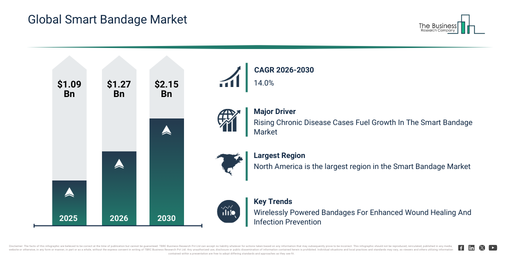
    Experiencing a swift expansion, the smart bandage market, valued at $1.09 billion in 2025, is projected to reach $1.27 billion by 2026, demonstrating a compound annual growth rate of 16.5%. This upward trajectory throughout the preceding period has been fueled by a confluence of factors including a rise in diabetic ulcers, an increase in surgical interventions, the growing prevalence of chronic wounds, heightened awareness surrounding wound care, and concerns regarding hospital-acquired infections.

    The smart bandage market is poised for significant expansion in the coming years, projecting a rise to $2.15 billion by 2030, fueled by a compound annual growth rate (CAGR) of 14.0%. This anticipated expansion during the forecast period will be propelled by several key factors, including the increasing prevalence of remote care services, advancements in flexible electronic technologies, a growing elderly demographic, a greater acceptance of home healthcare solutions, and ongoing innovations in smart biomaterials. Furthermore, the forecast period is expected to witness key developments such as the incorporation of biosensors into wound dressings, a heightened demand for effective chronic wound management strategies, the widespread adoption of wireless data transmission capabilities, advancements in antimicrobial smart materials, and a notable increase in the utilization of smart bandages for wound care within the home setting.

    Download A Free Sample Report For Comprehensive Market Insights:

    https://www.thebusinessresearchcompany.com/sample.aspx?id=15670&type=smp

    Smart Bandage Market Demand Drivers Creating New Revenue Opportunities

    The escalating occurrence of long-term health conditions is anticipated to significantly boost the expansion of the smart bandage sector. These prolonged ailments, characterized by their duration of over three months, need ongoing medical attention, and often limit daily life activities, are becoming more prevalent due to a combination of inherited predispositions, an aging global populace, and detrimental lifestyle habits. Smart bandages prove instrumental in the management of these chronic conditions by enabling the early identification of potential issues, allowing for remote oversight and care, supporting tailored therapeutic approaches, and actively preventing the onset of further complications, all of which contribute to superior patient results and an improved quality of life for those affected. To illustrate, data from the Centers for Disease Control and Prevention (CDC) in April 2025 indicates that in 2023, roughly 194 million adults in the United States, or 76.4% of the adult population, reported managing at least one chronic ailment, with prevalence rates standing at 59.5% for young adults, 78.4% for middle-aged adults, and a substantial 93.0% for older adults, underscoring the direct correlation between the rise in chronic diseases and the increasing demand for smart bandage solutions.

    The upsurge in sports-related injuries is predicted to be a key catalyst for the expansion of the smart bandage market. Such injuries encompass physical harm sustained during athletic participation or exercise, with increasingly rigorous and frequent training regimens placing greater stress on athletes’ bodies, thereby heightening the likelihood of cumulative damage. Smart bandages contribute significantly by providing continuous monitoring capabilities and promoting faster recovery through the tracking of physiological indicators, early detection of infections, and assessment of tissue regeneration, facilitating customized treatment plans that expedite healing and reduce the risk of complications for athletes, as evidenced by Insideworldfootball’s report from October 2024, which documented a total of 4,123 sports injuries during the 2023-24 season, representing a 4% increase from the preceding season, thereby confirming that the rise in athletic injuries is a direct driver of growth within the smart bandage market.

    Smart Bandage Market Segment Analysis And Revenue Opportunities

    The smart bandage market covered in this report is segmented –

    1) By Material: Graphene, Synthetic Fiber

    2) By Product: Electroactive, Sensor-Based, Oxygen Sensing, pH Sensing, Other Products

    3) By Distribution Channel: Retail Pharmacies, Hospital Pharmacies, Trauma Centers, Other Distribution Channels

    4) By Application: Chronic Wound Management, Burns, Sports Injuries, Post-Surgical Care, Other Applications

    Subsegments:

    1) By Graphene: Graphene Oxide-Based Bandages, Reduced Graphene Oxide Bandages

    2) By Synthetic Fiber: Polyurethane-Based Bandages, Polypropylene-Based Bandages, Nylon-Based Bandages

    Smart Bandage Market Trends Driving Strategic Industry Expansion

    Leading entities within the smart bandage sector are actively engaged in extensive research and development initiatives aimed at pioneering novel solutions, such as bandages powered wirelessly, which are intended to aid individuals suffering from chronic wounds and mitigate the risk of infection. These wirelessly powered bandages represent a sophisticated form of smart bandage technology, utilizing wireless signals for both energy transmission and data exchange, thereby eliminating the need for physical cables. Developed by research teams in the United Kingdom and France, these bandages offer a flexible, adaptable, and user-friendly design, facilitating continuous oversight and treatment of wounds. To illustrate, a significant development occurred in May 2023 when research institutions in the UK, specifically the University of Glasgow and the University of Southampton, unveiled wirelessly powered smart bandages. These innovative bandages incorporate light-emitting diodes (LEDs) designed to emit germicidal UV light onto wounds, thereby suppressing bacterial proliferation without the need for antibiotics. The power for these UV LEDs is supplied wirelessly through a compact, pliable inductive coil integrated into the fabric of the bandage itself. This embedded coil acquires power wirelessly from a separate coil connected to the main power supply, enabling uninterrupted operation of the LEDs. This particular method of wireless power transmission boasts double the efficiency of earlier wireless power receivers designed for wearable applications, rendering it exceptionally well-suited for medical applications.

    Smart Bandage Market Leading Players Shaping Industry Direction

    Major companies operating in the smart bandage market are Johnson & Johnson Services Inc., The 3M Company, Medtronic plc, Baxter International Inc., Medline Industries Inc., Smith & Nephew plc, Paul Hartmann AG, Convatec Group PLC, Mölnlycke Health Care AB, Lohmann & Rauscher International GmbH & Co. KG, BSN medical GmbH, Fleming Medical Ltd., OSNovative Systems, Epicore Biosystems, Grapheal, WINDGO Inc., Band-Aid Technologies, Gentag Inc., Cardinal Health Inc., Coloplast A S, Integra LifeSciences Corporation

    Access The Complete Smart Bandage Market Report:

    https://www.thebusinessresearchcompany.com/report/smart-bandage-global-market-report

    Smart Bandage Market Global Footprint: Which Region Holds Market Leadership?

    North Americawas the largest region in the smart bandage market in 2025. The regions covered in the smart bandage market report are Asia-Pacific, South East Asia, Western Europe, Eastern Europe, North America, South America, Middle East, Africa.

    Get in touch with us:

    The Business Research Company: https://www.thebusinessresearchcompany.com/

    Americas: +1 310-496-7795

    Asia: +44 7882 955267 & +91 8897263534

    Europe: +44 7882 955267

    Email us at: marketing@tbrc.info

    Follow us on:

    LinkedIn: https://in.linkedin.com/company/the-business-research-company

    YouTube: https://www.youtube.com/channel/UC24_fI0rV8cR5DxlCpgmyFQ

    Global Market Model: https://www.thebusinessresearchcompany.com/global-market-model
  • Small-Scale Bioreactors Market Expansion Is Opening New Pathways For Strategic Investment

    Small-Scale Bioreactors Market Expansion Is Opening New Pathways For Strategic Investment

    Through market attractiveness analysis, total addressable market evaluation, company benchmarking matrices, interactive Excel dashboards, expanded supply chain intelligence, emerging startup coverage, and detailed product insights, The Business Research Company’s 2026 market reports provide more actionable and strategically valuable research.

    Small-Scale Bioreactors Market Size, Value And Growth Trends Through 2030

    Exhibit 1: Driver 1

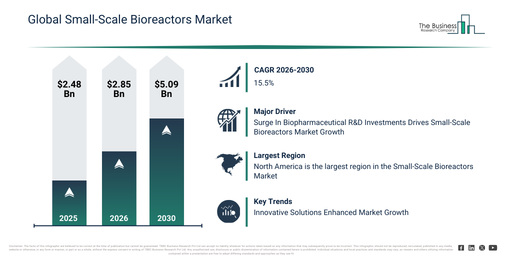
    The domain of small-scale bioreactors has experienced a significant upswing in recent times. Projections indicate a substantial increase from a market valuation of $2.48 billion in 2025 to $2.85 billion by 2026, reflecting a compound annual growth rate (CAGR) of 15.1%. This accelerating expansion during the historical timeframe is demonstrably linked to the burgeoning field of biologics research, the increasing demand for laboratory systems that offer scalability, the synergistic partnerships forged between academic institutions and industry players, advancements in bioprocessing technologies, and a consistent rise in research and development expenditures.

    The domain of small-scale bioreactors is poised for substantial expansion in the coming years, with projections indicating a market valuation of $5.09 billion by 2030, reflecting a compound annual growth rate (CAGR) of 15.5%. This anticipated growth trajectory is underpinned by several key factors, including the expanding landscape of cell therapy development, a burgeoning number of biomanufacturing ventures, a growing need for economical solutions, the increasing integration of automated processes, and the proliferation of emerging biotechnology centers. Prominent trends anticipated within this timeframe encompass a greater utilization of single-use bioreactor technologies, a heightened demand originating from research laboratories, the seamless incorporation of automated systems, advancements in modular bioprocessing techniques, and an increase in the availability of funding for academic research initiatives.

    Download A Free Sample Report For Comprehensive Market Insights:

    https://www.thebusinessresearchcompany.com/sample.aspx?id=10864&type=smp

    Small-Scale Bioreactors Market Expansion Supported By Key Demand Factors

    An escalation in funding for biopharmaceutical innovation is a primary driver for the expansion of the small-scale bioreactors sector. These compact bioreactors serve as indispensable instruments in the process engineering phase of biopharmaceutical production, enabling scientists to meticulously examine and refine variables for cell cultivation, microbial growth, and subsequent purification stages prior to transitioning to larger manufacturing scales, thereby guaranteeing manufacturing efficiency, economic viability, and adherence to quality benchmarks. Illustratively, the United Kingdom experienced a notable uplift in governmental R&D expenditure, with net spending reaching £17.4 billion ($22.1 billion) in 2023, a progression from the £16.1 billion ($20.45 billion) recorded in 2022, signifying an 8.2% increase as reported by the Office for National Statistics. Consequently, the escalating financial commitments toward research and development within the biopharmaceutical industry are directly fueling the market for small-scale bioreactors.

    Small-Scale Bioreactors Market Segmentation And Category Breakdown

    The small-scale bioreactors market covered in this report is segmented –

    1) By Product: Reusable Bioreactors, Single-Use Bioreactors

    2) By Capacity: 5 ML-100 ML, 100 ML-250 ML, 250 ML -500 ML, 500 ML-1 L, 1L-3L, 3L-5L

    3) By Molecules: Monoclonal Antibodies, Stem Cells, Recombinant Proteins, Vaccines, Gene Therapy

    4) By End User: Pharmaceutical And Biopharmaceutical Companies, Contract Research Organizations (CROs) And Contract Manufacturing Organizations (CMOs), Academic And Research Institutes

    Subsegments:

    1) By Reusable Bioreactors: Stirred Tank Bioreactors, Bubble Column Bioreactors, Airlift Bioreactors, Fixed-Bed Bioreactors

    2) By Single-Use Bioreactors: Disposable Bioreactor Bags, Pre-sterilized Single-Use Systems, Flexible Single-Use Bioreactor Systems, Integrated Single-Use Platforms

    Small-Scale Bioreactors Market Growth Trends Influencing Competitive Dynamics

    Leading entities within the small-scale bioreactor sector are concentrating their efforts on pioneering advancements like the fixed-bed bioreactor, aiming to elevate bioprocessing efficacy and facilitate greater scalability for both microbial and cellular cultivation. A fixed-bed bioreactor is characterized by its immobilized microorganisms or enzymes upon a static substrate, arranged in a non-moving layer, which permits the uninterrupted or segmented handling of raw materials as they traverse the unit. To illustrate, in October 2024, Univercells Technologies, a biotechnology firm headquartered in Belgium, introduced its Scale-XTM Nexo bioreactor, a compact system engineered to refine cell culture process development, thereby expediting research timelines and potentially slashing expenses by up to 60% when contrasted with established procedures.

    Small-Scale Bioreactors Market Competitive Analysis Of Major Industry Participants

    Major companies operating in the small-scale bioreactors market are Sartorius AG, Thermo Fisher Scientific Inc., Merck KGaA, Miltenyi Biotec B.V. & Co. KG, Solaris Biotechnology Srl, Infors AG, Getinge AB, 2mag AG, Adolf Kuhner AG, Biosan, Esco Micro Private Limited, Hanil Scientific Inc., HiTec Zang GmbH, H.E.L Group, Finesse Solutions Inc., Applikon Biotechnology BV, PBS Biotech Inc., Danaher Corporation, Eppendorf AG, General Electric Company, Sartorius Stedim Biotech, Cytiva, Kuhner Shaker

    Access The Complete Small-Scale Bioreactors Market Report:

    https://www.thebusinessresearchcompany.com/report/small-scale-bioreactors-global-market-report

    Small-Scale Bioreactors Market Regional Distribution: Which Areas Drive Market Expansion?

    North Americawas the largest region in the small-scale bioreactors market in 2025.Asia-Pacificis expected to be the fastest-growing region in the forecast period. The regions covered in the small-scale bioreactors market report are Asia-Pacific, South East Asia, Western Europe, Eastern Europe, North America, South America, Middle East, Africa.

    Get in touch with us:

    The Business Research Company: https://www.thebusinessresearchcompany.com/

    Americas: +1 310-496-7795

    Asia: +44 7882 955267 & +91 8897263534

    Europe: +44 7882 955267

    Email us at: marketing@tbrc.info

    Follow us on:

    LinkedIn: https://in.linkedin.com/company/the-business-research-company

    YouTube: https://www.youtube.com/channel/UC24_fI0rV8cR5DxlCpgmyFQ

    Global Market Model: https://www.thebusinessresearchcompany.com/global-market-model
  • Small Molecule Innovator CDMO Market Trends Are Creating New Opportunities For Industry Leaders

    Small Molecule Innovator CDMO Market Trends Are Creating New Opportunities For Industry Leaders

    Delivering more actionable and strategically valuable research, The Business Research Company’s 2026 market reports feature market attractiveness analysis, total addressable market evaluation, company benchmarking matrices, interactive Excel dashboards, expanded supply chain intelligence, emerging startup coverage, and detailed product insights.

    Small Molecule Innovator CDMO Market CAGR Analysis And Future Market Development

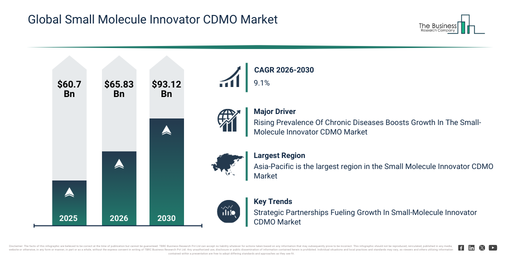
    The market for small molecule innovative CDMOs has experienced robust expansion lately and is projected to continue this upward trajectory, expanding from an estimated $60.7 billion in 2025 to $65.83 billion in 2026, reflecting a compound annual growth rate of 8.4%. Factors contributing to this historical growth include escalating research and development expenditures, the expiration of patents prompting new drug development, the increasing internationalization of pharmaceutical supply networks, a demand for highly specific chemical proficiencies, and the ever-present challenge of navigating complex regulatory landscapes.

    The market for contract development and manufacturing organizations (CDMOs) specializing in small molecules is poised for substantial expansion over the upcoming years, projecting a reach of $93.12 billion by 2030, fueled by a compound annual growth rate (CAGR) of 9.1%. This anticipated growth trajectory is underpinned by several key drivers, including the burgeoning pipelines of small molecule drugs, a rising inclination for outsourcing among biotechnology companies, the pressing need for agile and efficient scale-up processes, advancements in environmentally conscious chemical synthesis, and the expanding presence within emerging economic regions. Furthermore, observable trends shaping this market landscape include a heightened demand for comprehensive, integrated CDMO service offerings, a growing emphasis on the specialized production of highly potent active pharmaceutical ingredients (HPAPIs), the increasing implementation of continuous manufacturing techniques, a broadening scope of early-stage research and development support, and the proliferation of virtual pharmaceutical enterprises.

    Download A Free Sample Report For Comprehensive Market Insights:

    https://www.thebusinessresearchcompany.com/sample.aspx?id=12178&type=smp

    Small Molecule Innovator CDMO Market Growth Drivers And Industry Catalysts

    The increasing incidence of long-lasting health conditions, defined as illnesses persisting for a year or more that require ongoing medical attention, limit daily functioning, or both, is poised to fuel the expansion of the small-molecule innovator CDMO market. These specialized CDMOs offer manufacturing and service solutions for chronic disease therapeutics to pharmaceutical and biotechnology firms. Illustrating this trend, data from the Centers for Disease Control and Prevention (CDC) in April 2025 indicated that in 2023, a significant 76.4% of U.S. adults, equating to roughly 194 million individuals, were managing at least one chronic ailment. This prevalence was observed at 59.5% for younger adults, 78.4% for those in midlife, and reached 93.0% among older adults, underscoring the substantial and growing demand that is driving the small-molecule innovator CDMO market.

    Small Molecule Innovator CDMO Market Segment Outlook: Which Categories Are Expanding The Fastest?

    The small molecule innovator cdmo market covered in this report is segmented –

    1) By Product: Small Molecule Active Pharmaceutical Ingredient(API), Small Molecule Drug Product

    2) By Stage: Preclinical, Clinical, Commercial

    3) By Therapeutic: Cardiovascular Disease, Oncology, Respiratory Disorders, Neurology, Metabolic Disorders, Infectious Disease, Other Therapeutics

    4) By Customer: Pharmaceutical, Biotechnology

    Subsegments:

    1) By Small Molecule Active Pharmaceutical Ingredient (API): Generic APIs, Proprietary APIs, Controlled Substances

    2) By Small Molecule Drug Product: Oral Solid Dosage Forms (Tablets, Capsules), Injectable Drug Products, Topical Formulations, Liquid Formulations

    #Small Molecule Innovator CDMO Market Trends Influencing Long-Term Demand

    The landscape of the small-molecule innovator CDMO sector is characterized by leading firms engaging in collaborative ventures to offer comprehensive contract development and manufacturing organization (CDMO) solutions; this strategic alliance model involves entities pooling their distinct capabilities and assets for shared advancement. A prime illustration of this trend, occurring in August of 2023, saw SST Corporation, a United States-based entity specializing in the production of generic and ethical pharmaceuticals alongside bulk vitamins, join forces with Viwit Pharmaceuticals, a Chinese enterprise focused on research, development, manufacturing, and commercialization of pharmaceutical and chemical products. Their joint endeavor is designed to accelerate market expansion with the ultimate objective of advancing small molecule pharmaceutical CDMO services within North America, accomplished through the introduction of broadened service portfolios, the utilization of refined expertise, an augmentation of production capabilities, and the provision of essential regulatory assistance, thereby fortifying their overall market position.

    Small Molecule Innovator CDMO Market Key Companies And Competitive Benchmarking

    Major companies operating in the small molecule innovator cdmo market are Thermo Fisher Scientific Inc., Boehringer Ingelheim International GmbH, Evonik Industries AG, Lonza Group Ltd., Catalent Inc., Wuxi AppTec Co. Ltd., Asymchem, Siegfried Holdings, Recipharm AB, Almac Sciences Ltd., Curia Global Inc., Cambrex Corporation, Piramal Pharma Ltd., Hovione, Corden Pharma GmbH, Alcami Corporation, Mikart LLC, August Bioservices LLC, Patheon Pharma Services, Famar Group, Sterling Pharma Solutions, Sai Life Sciences

    Access The Complete Small Molecule Innovator CDMO Market Report:

    https://www.thebusinessresearchcompany.com/report/small-molecule-innovator-cdmo-global-market-report

    Small Molecule Innovator CDMO Market Leading Geography: Which Region Generates The Most Revenue?

    Asia-Pacific was the largest region in the small molecule innovator CDMO market in 2025. The regions covered in the small molecule innovator cdmo market report are Asia-Pacific, South East Asia, Western Europe, Eastern Europe, North America, South America, Middle East, Africa.

    Get in touch with us:

    The Business Research Company: https://www.thebusinessresearchcompany.com/

    Americas: +1 310-496-7795

    Asia: +44 7882 955267 & +91 8897263534

    Europe: +44 7882 955267

    Email us at: marketing@tbrc.info

    Follow us on:

    LinkedIn: https://in.linkedin.com/company/the-business-research-company

    YouTube: https://www.youtube.com/channel/UC24_fI0rV8cR5DxlCpgmyFQ

    Global Market Model: https://www.thebusinessresearchcompany.com/global-market-model
  • Small Lymphocytic Lymphoma Market Growth Is Reshaping Competitive Advantage Across The Industry

    Small Lymphocytic Lymphoma Market Growth Is Reshaping Competitive Advantage Across The Industry

    Enhanced with market attractiveness analysis, total addressable market evaluation, company benchmarking matrices, interactive Excel dashboards, expanded supply chain intelligence, emerging startup coverage, and detailed product insights, The Business Research Company’s 2026 market reports deliver more actionable and strategically valuable research.

    Small Lymphocytic Lymphoma Market Expansion From $3.36 Billion In 2026 To $3.95 Billion In 2030

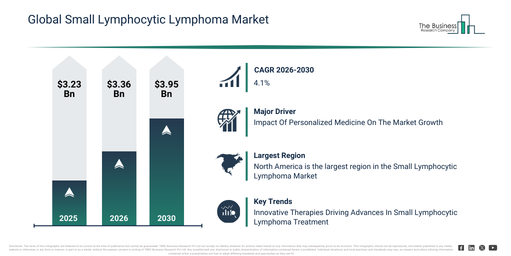
    The global market for small lymphocytic lymphoma has experienced consistent expansion, projected to increase from $3.23 billion in 2025 to $3.36 billion in 2026, reflecting a compound annual growth rate of 4.1%. This upward trend during the historical period was fueled by significant progress in hematology research, a heightened public consciousness regarding cancer, enhanced precision in diagnostic procedures, the proliferation of specialized oncology treatment centers, and a wider accessibility to chemotherapy treatments.

    The market for small lymphocytic lymphoma is projected for consistent expansion in the coming years, reaching an estimated $3.95 billion by 2030, underpinned by a compound annual growth rate of 4.1%. This anticipated growth throughout the forecast period is fueled by several key factors, including a rise in the approval of targeted medications, broadened accessibility to companion diagnostics, an increasing elderly demographic, enhancements in patient survival outcomes, and greater investment in cancer care. Significant developments shaping this market over the coming years encompass a greater adoption of targeted treatment approaches, a movement towards oral formulations for cancer drugs, advancements in molecular diagnostic capabilities, the wider implementation of combination therapy regimens, and a surge in clinical research endeavors.

    Download A Free Sample Report For Comprehensive Market Insights:

    https://www.thebusinessresearchcompany.com/sample.aspx?id=20957&type=smp

    Small Lymphocytic Lymphoma Market Opportunity Drivers: What Is Creating New Revenue Potential?

    Advancements in personalized medicine are anticipated to be a key catalyst for the expansion of the small lymphocytic lymphoma market. This approach to healthcare customizes treatments and decisions by considering an individual’s genetic makeup, environment, and lifestyle. The increasing sophistication in genomics, biotechnology, and data analysis fuels the development of personalized medicine, leading to more accurate, impactful, and patient-specific interventions. Small lymphocytic lymphoma plays a role in this progress by offering valuable information about particular genetic alterations and biomarkers, thereby facilitating the creation of targeted therapies and bespoke treatment plans. A notable illustration of this trend occurred in February 2024, when the Personalized Medicine Coalition reported that the FDA authorized 16 novel personalized treatments for individuals with rare conditions in 2023, a notable rise from the six authorizations granted in 2022. Consequently, the burgeoning field of personalized medicine is poised to stimulate growth within the small lymphocytic lymphoma market.

    Small Lymphocytic Lymphoma Market Segment Landscape: Which Areas Lead Market Development?

    The small lymphocytic lymphoma market covered in this report is segmented –

    1) By Product: Capsules, Tablets, Injections, Other Products

    2) By Route of Administration: Oral, Parenteral, Other Route of Administrations

    3) By Treatment: Chemotherapy, Targeted Therapy, Stem Cell Transplant, Monoclonal antibody therapy, Other Treatments

    4) By Distribution Channel: Hospital Pharmacy, Retail Pharmacy, Online Pharmacy, Other Distribution Channels

    5) By End-Users: Hospitals, Specialty Clinics, Homecare, Other End Users

    Subsegments:

    1) By Capsules: Oral Chemotherapy Capsules, Targeted Therapy Capsules, Immunomodulatory Capsules

    2) By Tablets: Oral Chemotherapy Tablets, Targeted Therapy Tablets, Immunotherapy Tablets

    3) By Injections: Chemotherapy Injections, Monoclonal Antibody Injections, Immunotherapy Injections, Biologic Injections

    4) By Other Products: Oral Targeted Combination Therapies, Infusion Therapies, Biosimilars For SLL, CAR-T Cell Therapies

    Small Lymphocytic Lymphoma Market Innovation Trends Driving Future Development

    Within the small lymphocytic lymphoma sector, leading pharmaceutical firms are actively engaged in pioneering new treatments, notably non-covalent BTK inhibitors, with the aim of boosting treatment effectiveness, addressing therapeutic resistance, and ultimately improving patient results. These non-covalent BTK inhibitors function by reversibly attaching to the Bruton’s tyrosine kinase (BTK) enzyme, thereby targeting B-cell cancers while mitigating the resistance and side effects commonly linked to their covalent counterparts. A significant development occurred in December 2023 when Eli Lilly and Company, a prominent US pharmaceutical entity, revealed that the U.S. Food and Drug Administration (FDA) sanctioned Jaypirca (pirtobrutinib) for adult individuals diagnosed with chronic lymphocytic leukemia or small lymphocytic lymphoma (CLL/SLL). This authorization is particularly impactful due to its application in cases where patients have previously received a minimum of two treatment regimens, encompassing both a Bruton’s Tyrosine Kinase (BTK) inhibitor and a BCL-2 inhibitor, thereby fulfilling a crucial need for those with extensive prior treatment. The convenient oral dosage form of this medication enhances patient compliance while ensuring potent and precise therapeutic intervention.

    Small Lymphocytic Lymphoma Market Industry Leaders And Market Competition

    Major companies operating in the small lymphocytic lymphoma market are Pfizer Inc., Johnson & Johnson, AbbVie Inc., Sanofi S.A., Bristol-Myers Squibb Company, AstraZeneca PLC, Eli Lilly and Company, Gilead Sciences Inc., Amgen Inc., Regeneron Pharmaceuticals, Incyte Corporation, Exelixis Inc., Kite Pharma Inc., Spectrum Pharmaceuticals Inc., Aptose Biosciences Inc., Secura Bio Inc., Infinity Pharmaceuticals Inc., TG Therapeutics Inc., Roche Holding AG, Novartis AG, BeiGene Ltd., Merck & Co. Inc., Takeda Pharmaceutical Company Limited

    Access The Complete Small Lymphocytic Lymphoma Market Report:

    https://www.thebusinessresearchcompany.com/report/small-lymphocytic-lymphoma-global-market-report

    Small Lymphocytic Lymphoma Market Regional Outlook: Where Are The Largest Opportunities Located?

    North Americawas the largest region in the small lymphocytic lymphoma market in 2025. Asia-Pacificis expected to be the fastest-growing region in the forecast period. The regions covered in the small lymphocytic lymphoma market report are Asia-Pacific, South East Asia, Western Europe, Eastern Europe, North America, South America, Middle East, Africa.

    Get in touch with us:

    The Business Research Company: https://www.thebusinessresearchcompany.com/

    Americas: +1 310-496-7795

    Asia: +44 7882 955267 & +91 8897263534

    Europe: +44 7882 955267

    Email us at: marketing@tbrc.info

    Follow us on:

    LinkedIn: https://in.linkedin.com/company/the-business-research-company

    YouTube: https://www.youtube.com/channel/UC24_fI0rV8cR5DxlCpgmyFQ

    Global Market Model: https://www.thebusinessresearchcompany.com/global-market-model
  • Slip Disc Market Forecast Signals New Revenue Opportunities Through 2030

    Slip Disc Market Forecast Signals New Revenue Opportunities Through 2030

    Through market attractiveness analysis, total addressable market evaluation, company benchmarking matrices, interactive Excel dashboards, expanded supply chain intelligence, emerging startup coverage, and detailed product insights, The Business Research Company’s 2026 market reports provide more actionable and strategically valuable research.

    Slip Disc Market Forecast Highlighting Growth From $9.72 Billion To $12.52 Billion

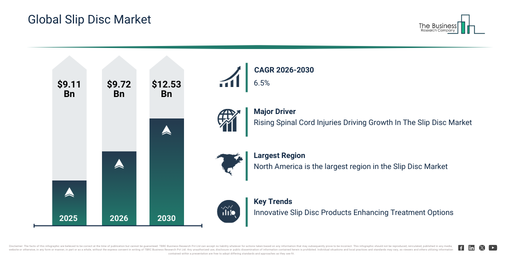
    The global slip disc market demonstrated robust expansion recently, projecting a rise from $9.11 billion in 2025 to $9.72 billion in 2026, reflecting a compound annual growth rate (CAGR) of 6.7%. Factors contributing to this historical upswing include the prevalence of sedentary habits, occupational strains leading to back injuries, advancements in diagnostic imaging technologies, increased public awareness regarding orthopedic health, and the continuing growth of urban populations.

    The global market for slip disc treatments is projected to experience robust expansion over the coming years, reaching an estimated $12.53 billion by 2030 with a compound annual growth rate (CAGR) of 6.5%. This anticipated surge in market value is fueled by several key factors, including advancements in less invasive surgical procedures, an increasing elderly demographic susceptible to such conditions, broader accessibility to healthcare services, the growing prominence of physiotherapy as a treatment modality, and ongoing innovations in spinal implant technology. Furthermore, the forecast period is characterized by several significant trends, such as a greater emphasis on non-surgical treatment options, an increased utilization of spinal injections for pain relief, the growing adoption of robotic assistance in spine surgeries, the expansion of ambulatory surgical centers for spine procedures, and a heightened demand for comprehensive pain management therapies.

    Download A Free Sample Report For Comprehensive Market Insights:

    https://www.thebusinessresearchcompany.com/sample.aspx?id=18735&type=smp

    Slip Disc Market Growth Momentum: Which Factors Are Influencing Demand?

    The escalating prevalence of spinal cord injuries is anticipated to be a significant catalyst for the expansion of the slip disc market. Spinal cord injuries, characterized by damage to the neural pathways of the spine that impairs bodily functions like movement and sensation, frequently contribute to the development of conditions such as slipped discs. This upward trend in spinal cord injuries can be attributed to a rise in occurrences related to traffic accidents, athletic pursuits, and accidental falls. Consequently, as the number of individuals experiencing spinal cord injuries increases, so too does the need for therapeutic solutions and management strategies for slipped discs. To illustrate, data from March 2024, provided by the National Center for Biotechnology Information, a US federal agency, indicates that approximately 17,000 new spinal cord injury cases are diagnosed annually in the United States, with an estimated total of 282,000 individuals currently living with such injuries. Additionally, in May 2023, the National Center for Biotechnology Information reported that in 2020, low back pain affected 619 million individuals globally, a figure expected to climb to 843 million by 2050. Therefore, the growing incidence of spinal cord injuries serves as a primary driver for the slip disc market’s growth.

    Slip Disc Market Segments: Where Are The Largest Growth Opportunities?

    The slip disc market covered in this report is segmented –

    1) By Type: Thoracic Herniated Discs, Lumbar Herniated Disc, Cervical Herniated Discs

    2) By Diagnosis: Physical Examination, Nerve Conduction Test, Imaging Tests

    3) By Medications: Therapy, Surgery

    4) By Application: Hospital Use, Clinic Use, Homecare Support, Other Applications

    Subsegments:

    1) By Thoracic Herniated Discs: Central Herniation, Paracentral Herniation, Foraminal Herniation

    2) By Lumbar Herniated Discs: L4-L5 Disc Herniation, L5-S1 Disc Herniation, L3-L4 Disc Herniation, Other Lumbar Disc Herniations

    3) By Cervical Herniated Discs: C5-C6 Disc Herniation, C6-C7 Disc Herniation, C4-C5 Disc Herniation, Other Cervical Disc Herniations

    Slip Disc Market Trends Reshaping Industry Growth

    Leading players within the slip disc sector are concentrating their efforts on creating groundbreaking solutions, exemplified by biologic patches, with the overarching goal of enhancing therapeutic approaches and achieving superior patient results. A biologic patch functions as a tissue engineering scaffold intended to foster the regeneration and mending of compromised intervertebral discs, leveraging biological substances and growth stimulants. Illustratively, in November of 2023, a collaborative endeavor between scientists from the Perelman School of Medicine at the University of Pennsylvania, an American academic institution, and the CMC VA Medical Center (CMCVAMC), a healthcare facility serving veterans in the United States, yielded a pioneering biologic patch known as Tension-activated repair patches (TARPs). This innovative development holds the potential to revolutionize the management of herniated discs within the spinal column, as these patches are engineered to offer a more effective method for disc repair compared to existing modalities, by capitalizing on the body’s inherent motion. The design of these patches facilitates the restoration of cushioning between the vertebrae by aiding in the re-establishment of tension within compromised discs, while concurrently addressing the voids created by herniations. This dual strategy is aimed at preventing further degradation of the disc and alleviating associated discomfort and pain.

    Slip Disc Market Major Participants And Competitive Dynamics

    Major companies operating in the slip disc market are Medacta International SA, Medtronic plc, Stryker Corporation, DePuy Synthes Companies, Zimmer Biomet Holdings Inc, Smith & Nephew plc, NuVasive Inc, Globus Medical Inc, Orthofix Medical Inc, Accuray Incorporated, Corin Group, Precision Spine Care, BioSpine Institute, Vertebral Technologies Inc, Captiva Spine Inc, Aesculap Implant Systems, K2M Inc, SpineCraft Inc, Simplify Medical, Alphatec Spine Inc, Spineology Inc, Medicrea International

    Access The Complete Slip Disc Market Report:

    https://www.thebusinessresearchcompany.com/report/slip-disc-global-market-report

    Slip Disc Market Geographic Landscape: Which Region Dominates Industry Growth?

    North Americawas the largest region in the slipped disc market in 2025. The regions covered in the slip disc market report are Asia-Pacific, South East Asia, Western Europe, Eastern Europe, North America, South America, Middle East, Africa.

    Get in touch with us:

    The Business Research Company: https://www.thebusinessresearchcompany.com/

    Americas: +1 310-496-7795

    Asia: +44 7882 955267 & +91 8897263534

    Europe: +44 7882 955267

    Email us at: marketing@tbrc.info

    Follow us on:

    LinkedIn: https://in.linkedin.com/company/the-business-research-company

    YouTube: https://www.youtube.com/channel/UC24_fI0rV8cR5DxlCpgmyFQ

    Global Market Model: https://www.thebusinessresearchcompany.com/global-market-model
  • Sleeping Aids Market Growth Is Accelerating As Industry Transformation Continues

    Sleeping Aids Market Growth Is Accelerating As Industry Transformation Continues

    Delivering more actionable and strategically valuable research, The Business Research Company’s 2026 market reports feature market attractiveness analysis, total addressable market evaluation, company benchmarking matrices, interactive Excel dashboards, expanded supply chain intelligence, emerging startup coverage, and detailed product insights.

    Sleeping Aids Market Revenue Growth Supported By A CAGR Of 137.06% Through 2030

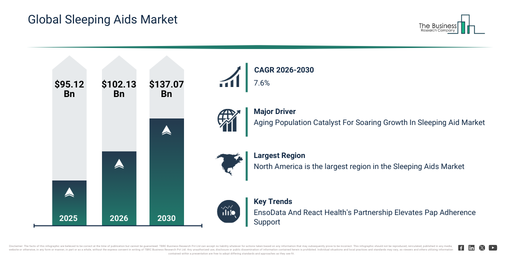
    The market for sleep aids has experienced robust expansion over the past few years. Projections indicate this sector will expand from a valuation of $95.12 billion in 2025 to $102.13 billion by 2026, reflecting a compound annual growth rate of 7.4%. Factors contributing to this historical growth surge include a heightened incidence of insomnia, escalating work-related pressures, alterations in urban living patterns, broader accessibility of over-the-counter sleep remedies, and increased public awareness regarding sleep-related disorders.

    The sleeping aids sector is poised for significant expansion over the coming years, with projections indicating a surge to $137.07 billion by 2030, driven by a compound annual growth rate of 7.6%. This anticipated increase stems from a confluence of factors, including an aging global population, the burgeoning market for wearable sleep-monitoring devices, a heightened acceptance of digital health solutions, a greater prevalence of sleep disorder diagnoses, and ongoing advancements in natural sleep aid products. Key developments anticipated within this timeframe involve a greater reliance on over-the-counter sleep supplements, the incorporation of artificial intelligence into sleep tracking technologies, a demand for sleep aid formulations that do not lead to dependency, a growing preference for sleep therapy conducted at home, and the expansion of sales through online pharmaceutical platforms.

    Download A Free Sample Report For Comprehensive Market Insights:

    https://www.thebusinessresearchcompany.com/sample.aspx?id=8308&type=smp

    Sleeping Aids Market Expansion Drivers: What Is Shaping Future Growth?

    The world’s aging demographic, characterized by a rising proportion of older individuals, is anticipated to be a significant catalyst for the expansion of the sleeping aid market. This demographic shift, where more people reach advanced age, brings about a heightened demand for remedies targeting sleep issues. Consequently, the prevalence of sleep disorders and disruptions associated with aging directly fuels the market for sleeping aids. For example, data from the Administration for Community Living, a U.S. government body, indicated that in 2022, individuals aged 65 and above constituted 17.3% of the population, a figure projected to climb to 22% by the year 2040. This demographic trend underscores the expanding market for sleeping aids, driven by an ever-increasing global elderly population.

    Sleeping Aids Market Segment Analysis: What Are The Major Market Categories?

    The sleeping aids market covered in this report is segmented –

    1) By Product: Mattresses And Pillows, Sleep Laboratories, Medications, Prescription-Based Drugs, OTC Drugs, Herbal Drugs, Sleep Apnea Devices

    2) By Indication: Insomnia, Sleep Deprivation, Narcolepsy, Sleep Apnea, Other Indications

    3) By Distribution Channel: Hospital Pharmacies, Retail Pharmacies, E-Commerce, Drug Stores, Other Distribution Channels

    Subsegments:

    1) By Mattresses And Pillows: Memory Foam Mattresses, Latex Mattresses, Airbed Mattresses, Waterbed Mattresses, Cervical Pillows, Contoured Pillows

    2) By Sleep Laboratories: Sleep Disorder Diagnostic Services, Polysomnography, Home Sleep Testing Services

    3) By Medications: Prescription-Based Drugs, Over-The-counter (OTC) Drugs, Herbal And Natural Remedies

    4) By Prescription-Based Drugs: Benzodiazepines, Non-Benzodiazepines, Antidepressants, Antihistamines

    5) By OTC Drugs: Antihistamines (Diphenhydramine, Doxylamine), Melatonin Supplements, Herbal Sleep Aids

    6) By Herbal Drugs: Valerian Root, Chamomile, Lavender, Passionflower, Lemon Balm

    7) By Sleep Apnea Devices: Continuous Positive Airway Pressure (CPAP) Devices, Bi-level Positive Airway Pressure (BiPAP) Devices, Adaptive Servo-Ventilation (ASV) Devices, Oral Appliances, Masks

    Sleeping Aids Market Strategic Trends: What Is Defining The Next Phase Of Growth?

    Key players in the sleeping aids sector are actively pursuing strategic alliances with prominent manufacturing entities to bolster their competitive standing in the marketplace. Such collaborative ventures enable these companies to establish partnerships with firms that possess specialized capabilities, thereby facilitating the transformation of innovative ideas into concrete products. As an illustration, in October 2023, EnsoData, Inc., an American enterprise specializing in artificial intelligence (AI) software for sleep analysis, diagnosis, and therapy, entered into a strategic agreement with React Health, a US-based manufacturer of sleep and respiratory devices. This collaboration aims to optimize patient support for those using positive airway pressure (PAP) therapy to manage sleep apnea. Consequently, durable medical equipment suppliers and prescribing physicians will gain access to valuable, actionable data, allowing them to provide timely, tailored assistance to patients struggling with treatment compliance.

    Sleeping Aids Market Leading Companies Driving Competitive Growth

    Major companies operating in the sleeping aids market are Cadwell Industries Inc., Compumedics Limited, DeVilbiss Healthcare Pvt. Ltd., Natus Medical Incorporated, Sleepmed Inc., ResMed Inc., Fisher & Paykel Healthcare Corporation Limited, Braebon Medical Corporation, Löwenstein Medical GmbH & Co. KG, Koninklijke Philips N.V., Apnea Sciences Corp., BMC Medical Co. Ltd., Cleveland Medical Devices Inc., Serta Simmons Bedding LLC, Tempur Sealy International Inc., Sleep Number Corporation, Casper Sleep Inc., Purple Innovation Inc., Leesa Sleep LLC, Lowenstein Medical

    Access The Complete Sleeping Aids Market Report:

    https://www.thebusinessresearchcompany.com/report/sleeping-aids-global-market-report

    Sleeping Aids Market Largest Region: Which Geography Holds The Highest Market Share?

    North Americawas the largest region in the sleeping aids market in 2025. Asia-Pacificis expected to be the fastest-growing region in the forecast period. The regions covered in the sleeping aids market report are Asia-Pacific, South East Asia, Western Europe, Eastern Europe, North America, South America, Middle East, Africa.

    Get in touch with us:

    The Business Research Company: https://www.thebusinessresearchcompany.com/

    Americas: +1 310-496-7795

    Asia: +44 7882 955267 & +91 8897263534

    Europe: +44 7882 955267

    Email us at: marketing@tbrc.info

    Follow us on:

    LinkedIn: https://in.linkedin.com/company/the-business-research-company

    YouTube: https://www.youtube.com/channel/UC24_fI0rV8cR5DxlCpgmyFQ

    Global Market Model: https://www.thebusinessresearchcompany.com/global-market-model
  • Sleep Testing Services Market Outlook Highlights The Next Major Growth Opportunities

    Sleep Testing Services Market Outlook Highlights The Next Major Growth Opportunities

    Enhanced with market attractiveness analysis, total addressable market evaluation, company benchmarking matrices, interactive Excel dashboards, expanded supply chain intelligence, emerging startup coverage, and detailed product insights, The Business Research Company’s 2026 market reports deliver more actionable and strategically valuable research.

    Sleep Testing Services Market Value Expansion And Long-Term Growth Outlook

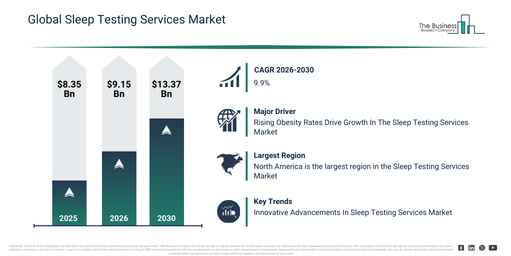
    The market for sleep testing services has experienced robust expansion lately, projected to increase from $8.35 billion in 2025 to $9.15 billion in 2026, reflecting a compound annual growth rate of 9.6%. Historically, this growth was fueled by factors including insufficient patient understanding, a primary dependence on traditional in-lab sleep studies, the escalating incidence of sleep disorders, the early embrace of at-home testing solutions, and restricted insurance coverage.

    The sleep testing services market is projected for substantial expansion in the coming years, estimating a reach of $13.37 billion by 2030 with a compound annual growth rate (CAGR) of 9.9%. This projected expansion during the forecast period is fueled by several key factors, including the increasing acceptance of remote and telehealth sleep testing solutions, the integration of artificial intelligence for sleep analysis, the widespread development of home-based sleep care initiatives, enhanced insurance coverage, and the growing utilization of cloud-based systems for managing sleep data. Significant market trends anticipated within this timeframe encompass the broader adoption of remote patient monitoring technologies, a rise in the demand for home sleep test kits, escalating integration with AI-powered analytics, the expansion of tailored sleep care programs, and a greater reliance on cloud-based data management for sleep testing procedures.

    Download A Free Sample Report For Comprehensive Market Insights:

    https://www.thebusinessresearchcompany.com/sample.aspx?id=12099&type=smp

    Sleep Testing Services Market Development Factors: Which Trends Are Supporting Demand?

    The escalating prevalence of obesity is poised to stimulate expansion within the sleep testing services sector. Obesity, defined as a health condition marked by an excessive buildup of body fat to a degree that can negatively impact well-being, is a significant contributor to the onset and worsening of obstructive sleep apnea. Excess body weight can lead to airway constriction during sleep, resulting in breathing interruptions. For illustration, in England, data from May 2025 provided by the Office for Health Improvement and Disparities indicated that approximately 64.5% of adults aged 18 and above were classified as overweight or obese between 2023 and 2024, a slight increase from 64.0% in the previous year (2022-2023), thereby underscoring the link between rising obesity figures and the burgeoning demand for sleep testing services.

    Sleep Testing Services Market Segment Breakdown: Which Categories Generate The Most Revenue?

    The sleep testing services market covered in this report is segmented –

    1) By Diagnostic Type: Home Sleep Testing, In-Lab Sleep Testing

    2) By Application: Obstructive Sleep Apnea, Insomnia, Rapid Eye Movement (REM) Sleep Disorder, Restless Legs Syndrome, Narcolepsy, Circadian Rhythm Sleeping Disorders

    3) By End-User: Sleep Centers, Hospitals, Home Care Settings

    Subsegments:

    1) By Home Sleep Testing: Portable Monitors, Oximetry Testing, Full-Body Sleep Monitors

    2) By In-Lab Sleep Testing: Polysomnography (PSG), Multiple Sleep Latency Test (MSLT), Maintenance Of Wakefulness Test (MWT)

    Sleep Testing Services Market Transformation Trends: Which Innovations Are Driving Change?

    Leading entities within the sleep testing services sector are strategically prioritizing innovation in their product offerings, specifically developing contactless and privacy-focused sleep quality systems to solidify their market standing. Such a system inherently involves technology geared towards assessing and improving sleep without requiring direct physical interaction, while crucially safeguarding user data. As a prime illustration, in October of 2023, Infineon Technologies AG, a prominent German entity specializing in semiconductor solutions encompassing design, development, manufacturing, and marketing of tailored integrated circuits, unveiled its XENSIV Sleep Quality Service, a system embodying the contactless and privacy-centric approach to sleep quality assessment. This advanced service, designed for seamless integration into a range of original equipment manufacturer end-products like bedside lighting, entertainment systems, smart audio devices, and air purification units, leverages Infineon’s cutting-edge 60GHz Radar, PsoC, and Wi-Fi technologies to precisely monitor and enhance individual sleep patterns. Consequently, this development centers on the introduction of a novel technological solution for both the measurement and enhancement of sleep quality.

    Sleep Testing Services Market Key Players And Strategic Industry Positioning

    Major companies operating in the sleep testing services market are ResMed Inc., Natus Medical Incorporated, SleepMed Incorporated, Midwest Sleep Services Inc., Koala Centers For Sleep & TMJ Disorders, Sleep Dynamics, Advara HeartCare, St. Luke’s Sleep Medicine and Research Center, SOVA Sleep Services Inc., Total Sleep Solutions OPC Private Limited, Atrium Health Group LLC, HomeSleep LLC, SleepWorks LLC, Healthy Sleep Solutions, Sleep Data Holdings LLC, Sleep Solutions Inc, ApneaMed, BetterNight, UAB Medicine Sleep/Wake Disorders Center, Sleepwell Diagnostics, Snore Australia Pty Ltd

    Access The Complete Sleep Testing Services Market Report:

    https://www.thebusinessresearchcompany.com/report/sleep-testing-services-global-market-report

    Sleep Testing Services Market Regional Analysis: Which Region Leads By Revenue?

    North America was the largest region in the sleep testing services market in 2025. Europe is expected to be the fastest-growing region in the forecast period. The regions covered in the sleep testing services market report are Asia-Pacific, South East Asia, Western Europe, Eastern Europe, North America, South America, Middle East, Africa.

    Get in touch with us:

    The Business Research Company: https://www.thebusinessresearchcompany.com/

    Americas: +1 310-496-7795

    Asia: +44 7882 955267 & +91 8897263534

    Europe: +44 7882 955267

    Email us at: marketing@tbrc.info

    Follow us on:

    LinkedIn: https://in.linkedin.com/company/the-business-research-company

    YouTube: https://www.youtube.com/channel/UC24_fI0rV8cR5DxlCpgmyFQ

    Global Market Model: https://www.thebusinessresearchcompany.com/global-market-model
  • Sleep Studies Market Trends And Growth Drivers Point To Strong Future Potential

    Sleep Studies Market Trends And Growth Drivers Point To Strong Future Potential

    Through market attractiveness analysis, total addressable market evaluation, company benchmarking matrices, interactive Excel dashboards, expanded supply chain intelligence, emerging startup coverage, and detailed product insights, The Business Research Company’s 2026 market reports provide more actionable and strategically valuable research.

    Sleep Studies Market Expected To Reach $9.55 Billion By 2030 At 8.2% CAGR

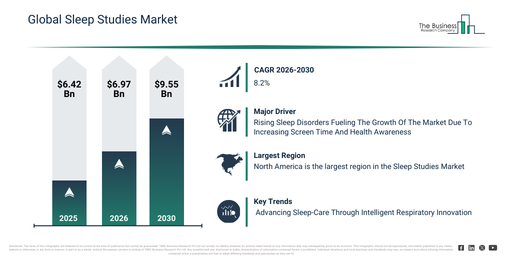
    Over recent years, the sleep studies market has experienced robust expansion, projecting a rise from $6.42 billion in 2025 to $6.97 billion in 2026, reflecting a compound annual growth rate of 8.5%. This historical growth trajectory is largely attributable to increased public consciousness regarding sleep disorders, the proliferation of specialized sleep clinics and diagnostic facilities, a higher incidence of diagnosed obstructive sleep apnea, an aging global population, and the widespread availability of sophisticated sleep monitoring technologies.

    The sleep studies sector is poised for significant expansion over the coming years, projecting a market valuation of $9.55 billion by 2030, fueled by a compound annual growth rate (CAGR) of 8.2%. This anticipated growth trajectory during the forecast period is largely propelled by a rising demand for remote diagnostic capabilities, the increasing incorporation of artificial intelligence in sleep analysis, the broader adoption of healthcare services delivered in home settings, an escalating emphasis on tailored sleep therapy solutions, and augmented investments within the digital health diagnostics arena. Key developments anticipated within this same forecast period involve a greater uptake of at-home sleep testing equipment, heightened utilization of wireless and wearable sleep monitoring technologies, more pervasive integration of multifaceted diagnostic platforms, the wider availability of remote diagnostic services for sleep disorders, and an intensified concentration on sleep assessments designed with the patient’s needs at the forefront.

    Download A Free Sample Report For Comprehensive Market Insights:

    https://www.thebusinessresearchcompany.com/sample.aspx?id=24703&type=smp

    Sleep Studies Market Industry Drivers: What Is Driving Revenue Growth?

    The increasing occurrence of sleep-related conditions is anticipated to be a significant factor in the expansion of the sleep studies market in the future. These sleep disorders, which are essentially medical issues that interfere with an individual’s typical sleep rhythm, result in challenges related to initiating sleep, maintaining sleep, or experiencing truly restful sleep. A key contributor to this surge in sleep disorders is the escalating amount of time individuals spend in front of screens, a habit that interferes with the body’s inherent circadian rhythm by inhibiting the production of melatonin. Sleep studies play a crucial role in identifying these sleep disorders by observing brain waves, respiratory patterns, and physical movements, thereby offering essential information for the precise diagnosis and effective management of these conditions. Illustratively, in the UK during 2024, The Sleep Charity indicated that approximately 2.5 million individuals were affected by obstructive sleep apnea hypopnea syndrome (OSAHS), and nearly 37% of the adult population experienced insomnia, underscoring how the growing incidence of sleep disturbances is fueling the growth trajectory of the sleep studies market.

    Sleep Studies Market Segmentation: How Is The Market Structured Across Key Categories?

    The sleep studies market covered in this report is segmented –

    1) By Device Type: Polysomnography (PSG) Machines, Electroencephalography (EEG), Electrocardiography (EKG or ECG), Electromyogram (EMG), Respiratory Inductive Plethysmography (RIP) Belt, Breathing Sensors, Video And Audio Monitoring

    2) By Testing: Home Sleep Testing, In-Lab Testing

    3) By Indication: Obstructive Sleep Apnea, Insomnia, Restless Leg Syndrome, Circadian Rhythm Sleeping Disorders, Narcolepsy, Rapid Eye Movement (REM) Sleeping Disorders, Periodic Limb Movement Disorders, Bruxism, Other Indications

    4) By End-user: Hospitals, Clinics And Ambulatory Surgical Centers (ASCs), Sleep Testing Centres, Home Care Settings, Diagnostic Laboratories, Other End-users

    Subsegments:

    1) By Polysomnography (PSG) Machines: Type I PSG Systems, Type II PSG Systems, Type III PSG Systems, Type IV PSG Systems

    2) By Electroencephalography (EEG): Scalp EEG Devices, Ambulatory EEG Devices, Wireless EEG Devices, Dry Electrode EEG Systems

    3) By Electrocardiography (EKG Or ECG): Resting ECG Machines, Holter Monitors (Ambulatory ECG), Event Monitors, Mobile Or Portable ECG Devices, Wireless ECG Systems

    4) By Electromyogram (EMG): Needle EMG, Surface EMG, Wireless EMG Systems

    5) By Respiratory Inductive Plethysmography (RIP) Belt: Elastic RIP Belts, Non-elastic RIP Belts, Wireless RIP Belts

    6) By Breathing Sensors: Nasal Pressure Sensors, Thermistors Or Thermocouples, Capnography Sensors, Flow Sensors

    7) By Video and Audio Monitoring: Infrared Video Monitoring, Standard Video Monitoring, Audio Recording Devices, Combined Audio-Video Monitoring Systems

    #Sleep Studies Market Growth Trends: What Is Influencing The Future Outlook?

    In the realm of sleep studies, leading enterprises are prioritizing advancements in addressing sleep-disordered breathing. A key area of focus involves the development of automated algorithms designed to stabilize breathing, offering real-time, adaptive assistance to enhance the effectiveness of sleep apnea treatment. These sophisticated systems meticulously track each breath, dynamically regulating pressure to ensure consistent ventilation when breathing becomes irregular or ceases momentarily. To illustrate, in February of 2024, ResMed Inc., a prominent U.S. entity in medical technology and digital health, introduced its AirCurve 11 series. These bilevel devices, leveraging the established AirSense 11 foundation, integrate advanced adaptive airway support mechanisms like ASV and VAuto, alongside dual-level pressure algorithms. Furthermore, they incorporate cloud-based connectivity, featuring valuable tools such as Care Check-In and Personal Therapy Assistant, all aimed at bolstering remote patient oversight, encouraging active patient involvement, and ensuring consistent adherence to treatment. The AirCurve 11 is equipped with built-in humidification, facilitates automatic data synchronization, and supports wireless software updates. This functionality is instrumental in managing in-lab titration follow-ups, providing home-based sleep apnea therapy for both obstructive and central breathing disturbances, and supporting remote patient care initiatives. The outcome is a superior patient experience, a reduction in the necessity for face-to-face appointments, and a more efficient approach to patient management.

    Sleep Studies Market Competitive Landscape And Leading Companies

    Major companies operating in the sleep studies market are Koninklijke Philips NV, Itamar Medical Ltd, ResMed Inc, Cadwell Industries Inc, Singular Sleep LLC, SleepMed Inc, BMC Medical Co Ltd, BioSerenity Inc, Snap Diagnostics Inc, DeVilbiss Healthcare LLC, Omni Sleep Health, SOVA Health, Nihon Kohden Corporation, Natus Medical Incorporated, Compumedics Limited, SOMNOmedics GmbH, Neurosoft Ltd, Cleveland Medical Devices Inc, Advanced Brain Monitoring Inc, SOMNOmed Ltd, Vyaire Medical Inc, Masimo Corporation

    Access The Complete Sleep Studies Market Report:

    https://www.thebusinessresearchcompany.com/report/sleep-studies-global-market-report

    Sleep Studies Market Geographic Distribution And Regional Opportunities

    North Americawas the largest region in the sleep studies market in 2025. Asia-Pacificis expected to be the fastest-growing region in the forecast period. The regions covered in the sleep studies market report are Asia-Pacific, South East Asia, Western Europe, Eastern Europe, North America, South America, Middle East, Africa.

    Get in touch with us:

    The Business Research Company: https://www.thebusinessresearchcompany.com/

    Americas: +1 310-496-7795

    Asia: +44 7882 955267 & +91 8897263534

    Europe: +44 7882 955267

    Email us at: marketing@tbrc.info

    Follow us on:

    LinkedIn: https://in.linkedin.com/company/the-business-research-company

    YouTube: https://www.youtube.com/channel/UC24_fI0rV8cR5DxlCpgmyFQ

    Global Market Model: https://www.thebusinessresearchcompany.com/global-market-model
  • Sleep Apnea Diagnostic Systems Market Expansion Is Reshaping Competitive Dynamics Across The Industry

    Sleep Apnea Diagnostic Systems Market Expansion Is Reshaping Competitive Dynamics Across The Industry

    Delivering more actionable and strategically valuable research, The Business Research Company’s 2026 market reports feature market attractiveness analysis, total addressable market evaluation, company benchmarking matrices, interactive Excel dashboards, expanded supply chain intelligence, emerging startup coverage, and detailed product insights.

    Sleep Apnea Diagnostic Systems Market Size And Revenue Forecast Through 2030

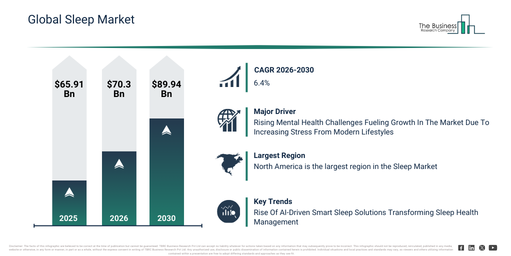
    The market for sleep apnea diagnostic systems has experienced robust expansion, projected to ascend from $6.78 billion in 2025 to $7.32 billion in 2026, demonstrating a compound annual growth rate of 7.9%. This historical growth trajectory has been fueled by factors such as a scarcity of diagnostic understanding, a predominant reliance on laboratory-based sleep assessments, a surge in obstructive sleep apnea cases, the established use of conventional polysomnography, and escalating rates of obesity.

    The field of sleep apnea diagnostic systems is poised for considerable expansion over the upcoming years, projecting a market value of $9.84 billion by 2030 with a compound annual growth rate of 7.7%. This anticipated surge is fueled by several key factors, including the increasing prevalence of at-home sleep apnea testing, advancements in artificial intelligence for diagnostic algorithms, the seamless integration of these systems with telehealth services, the proliferation of wearable sleep monitoring devices, and broadened insurance coverage for sleep disorder diagnostics. Dominating the trends within this forecast period are the ongoing development of portable sleep monitoring solutions, a growing acceptance of polysomnography conducted in a home setting, the increasing use of AI in analyzing sleep data, the incorporation of wearable health technology, and a heightened demand for diagnostic approaches that prioritize the patient experience.

    Download A Free Sample Report For Comprehensive Market Insights:

    https://www.thebusinessresearchcompany.com/sample.aspx?id=20956&type=smp

    Sleep Apnea Diagnostic Systems Market Growth Factors: Which Forces Are Supporting Market Expansion?

    The increasing proportion of elderly individuals within the global populace is poised to significantly boost the sleep apnea diagnostic systems market. This demographic shift, characterized by an expanding elderly segment resulting from enhanced longevity and diminished fertility rates, is a key growth driver. People are living longer due to advancements in healthcare and improved living standards, leading to a larger elderly population. Sleep apnea diagnostic tools are instrumental for this demographic, aiding in the identification and management of sleep apnea, a condition frequently affecting older adults, thereby fostering better sleep, mitigating cardiovascular risks, and improving general well-being and daily activities. As an illustration, the UK Parliament’s House of Commons Library reported in July 2024 that the United Kingdom’s population aged 65 and above numbered 12.7 million in 2022, constituting 19% of the total; this figure is anticipated to climb to 22.1 million by 2072, representing 27% of the population. Consequently, the expanding demographic of older individuals is fueling the expansion of the sleep apnea diagnostic systems market.

    Sleep Apnea Diagnostic Systems Market Segmentation Trends And Revenue Drivers

    The sleep apnea diagnostic systems market covered in this report is segmented –

    1) By Product: Polysomnography Devices, Nasal Flow Sensors, Peripheral Capillary Oxygen Saturation, Actigraphy Monitoring Devices

    2) By Technology: Non-Invasive Technology, Wearable Technology, Diagnostic Software

    3) By End Users: Home Care Settings, Hospitals, Sleep Centers And Clinics

    Subsegments:

    1) By Polysomnography Devices: Full-Polysomnography Systems, Portable Polysomnography Devices, Wireless Polysomnography Devices

    2) By Nasal Flow Sensors: Single-Channel Nasal Flow Sensors, Multi-Channel Nasal Flow Sensors, Wireless Nasal Flow Sensors

    3) By Peripheral Capillary Oxygen Saturation (SpO2) Monitors: Finger Pulse Oximeters, Wrist Pulse Oximeters, Fingertip Pulse Oximeters

    4) By Actigraphy Monitoring Devices: Wrist-Worn Actigraphs, Chest-Worn Actigraphs, Smartwatch-Based Actigraphy Systems

    Sleep Apnea Diagnostic Systems Market Industry Trends: What Changes Are Reshaping Demand?

    The leading players within the sleep apnea diagnostic systems sector are prioritizing the creation of cutting-edge advancements, specifically pneumatic sensors, with the aim of elevating the precision, effectiveness, and patient comfort associated with identifying and overseeing sleep apnea. This enhanced diagnostic capability is ultimately intended to lead to better patient results and a stronger market position. Pneumatic sensors function by observing alterations in airflow and pressure within the respiratory tract, which allows for the detection of abnormal breathing rhythms crucial for diagnosing sleep apnea. As an illustration, in September 2024, Withings Inc., a French consumer electronics enterprise, secured United States Food and Drug Administration clearance for its Sleep Rx Mat, a non-contact device engineered to assess sleep patterns, recognize apnea occurrences, and furnish valuable data for enhancing sleep well-being. This novel sleep assessment technology incorporates a pneumatic sensor to meticulously track respiratory rate, physical motion, and ongoing heart rate. Conceived as an unobtrusive mat, it necessitates only a single installation and can be discreetly placed beneath any mattress, thereby obviating the requirement for masks or cumbersome apparatus. Upon its deployment, it furnishes thorough evaluations of an individual’s sleep architecture, respiratory function, and cardiovascular performance over the course of the night.

    Sleep Apnea Diagnostic Systems Market Industry Leaders: Which Organizations Are Driving Competition?

    Major companies operating in the sleep apnea diagnostic systems market are Koninklijke Philips N.V., GE Healthcare Technologies Inc., ResMed Inc., Nihon Kohden Corporation, Fisher And Paykel Healthcare, DeVilbiss Healthcare LLC, Natus Medical Incorporated, Itamar Medical Ltd., BMC Medical Co. Ltd., Compumedics Ltd., Advanced Brain Monitoring Inc., Cleveland Medical Devices Inc., NeuroVirtual, FusionSleep, Lowenstein Medical, Braebon Medical Corporation, Acurable, SOMNOmedics GmbH, Nox Medical, Drive DeVilbiss Healthcare, Masimo Corporation, Nonin Medical

    Access The Complete Sleep Apnea Diagnostic Systems Market Report:

    https://www.thebusinessresearchcompany.com/report/sleep-apnea-diagnostic-systems-global-market-report

    Sleep Apnea Diagnostic Systems Market Largest Region By Revenue And Market Share

    North Americawas the largest region in the sleep apnea diagnostic systems market in 2025. Asia-Pacificis expected to be the fastest-growing region in the forecast period. The regions covered in the sleep apnea diagnostic systems market report are Asia-Pacific, South East Asia, Western Europe, Eastern Europe, North America, South America, Middle East, Africa.

    Get in touch with us:

    The Business Research Company: https://www.thebusinessresearchcompany.com/

    Americas: +1 310-496-7795

    Asia: +44 7882 955267 & +91 8897263534

    Europe: +44 7882 955267

    Email us at: marketing@tbrc.info

    Follow us on:

    LinkedIn: https://in.linkedin.com/company/the-business-research-company

    YouTube: https://www.youtube.com/channel/UC24_fI0rV8cR5DxlCpgmyFQ

    Global Market Model: https://www.thebusinessresearchcompany.com/global-market-model
  • Sleep Market Forecast Reveals Where Future Industry Value Will Be Created

    Sleep Market Forecast Reveals Where Future Industry Value Will Be Created

    Enhanced with market attractiveness analysis, total addressable market evaluation, company benchmarking matrices, interactive Excel dashboards, expanded supply chain intelligence, emerging startup coverage, and detailed product insights, The Business Research Company’s 2026 market reports deliver more actionable and strategically valuable research.

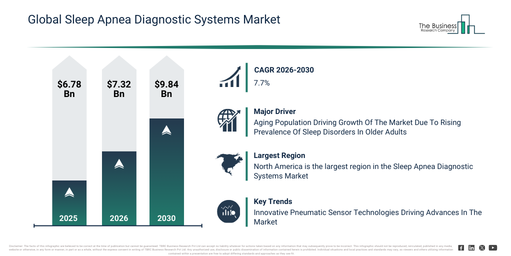
    Sleep Market Growth From $70.3 Billion In 2026 To $89.94 Billion By 2030 At A CAGR Of 6.4%

    The sleep industry has experienced robust expansion lately, projecting a rise from $65.91 billion in 2025 to $70.3 billion in 2026, signifying a compound annual growth rate of 6.7%. Historically, this growth trajectory has been fueled by several factors, including the escalating incidence of sleep disturbances, heightened stress levels contributing to sleep difficulties, increased consumer expenditure on wellness products, the widespread availability of non-prescription sleep remedies, and a greater emphasis on sleep health within the medical community.

    The sleep sector is poised for significant expansion, projected to reach a market valuation of $89.94 billion by the year 2030, demonstrating a compound annual growth rate of 6.4%. This anticipated surge over the forecast period is propelled by several key factors, including the escalating integration of artificial intelligence in sleep analysis, a heightened demand for diagnostic tools that can be utilized in a home setting, the burgeoning digital health landscape, a growing emphasis on comprehensive well-being that includes sleep, and increased capital directed towards pioneering sleep technologies. During this same forecast interval, several prominent trends are expected to shape the market, such as a wider acceptance of sleep-tracking devices, greater demand for customized sleep interventions, the increasing prevalence of smart bedding and wearable technology, a shift towards non-medicinal sleep support, and a more pronounced societal focus on the importance of sleep health.

    Download A Free Sample Report For Comprehensive Market Insights:

    https://www.thebusinessresearchcompany.com/sample.aspx?id=25904&type=smp

    Sleep Market Demand Drivers: What Is Fueling Industry Growth?

    The escalating incidence of mental health conditions is poised to be a significant catalyst for the expansion of the sleep market in the foreseeable future. These medical ailments, defined by deviations in mood, cognition, or conduct, routinely impede an individual’s capacity to navigate daily tasks. Factors contributing to the heightened occurrence of mental health struggles include elevated stress levels stemming from contemporary living, encompassing workplace demands, economic uncertainties, and constant digital interaction. Optimal sleep quality is instrumental in bolstering mental well-being by fostering emotional fortitude, alleviating apprehension, and supporting the brain’s coping mechanisms for stress and mood disturbances. Illustratively, in 2023, data from NHS Digital indicated that approximately 20.3% of children and young individuals aged 8 to 16, 23.3% aged 17 to 19, and 21.7% aged 20 to 25 in the UK exhibited signs of a probable mental disorder. Consequently, the growing prevalence of mental health issues is directly fueling the trajectory of the sleep market.

    Sleep Market Segment Analysis Highlighting Growth Areas

    The sleep market covered in this report is segmented –

    1) By Product Type: Sleep Aids, Sleep Technologies, Sleep Devices, Bedding, Mattresses, Pillows, Other Product Types

    2) By Indication: Insomnia, Sleep Apnea, Narcolepsy, Restless Leg Syndrome, Rapid Eye Movement Sleep Behavior Disorder, Other Indications

    3) By Distribution Channel: Online, Offline

    Subsegments:

    1) By Sleep Aids: Prescription Sleep Medications, Melatonin Supplements, Cannabidiol (CBD) Products

    2) By Sleep Technologies: Smart Sleep Monitoring Apps, Artificial Intelligence-Based Sleep Platforms, Smart Sleep Environment Systems

    3) By Sleep Devices: Oral Appliances, Sleep Masks, Anti-Snoring Devices

    4) By Bedding: Bed Sheets, Mattress Toppers, Weighted Blankets

    5) By Mattresses: Innerspring Mattresses, Memory Foam Mattresses, Latex Mattresses

    6) By Pillows: Memory Foam Pillows, Latex Pillows, Cooling Pillows

    7) By Other Product Types: White Noise Machines, Sleepwear, Sleep Aromatherapy Products

    Sleep Market Innovation Trends: Which Developments Are Transforming The Industry?

    In the sleep sector, prominent businesses are concentrating on innovative technological advancements, particularly smart sleep analytics solutions. These developments aim to elevate sleep quality, facilitate individualized sleep therapies, and offer continuous observation and understanding of sleep habits. Such smart sleep analytics solutions represent sophisticated systems that employ sensors and artificial intelligence to track and interpret sleep patterns, thereby generating customized feedback and promoting superior sleep. As an illustration, Wakefit Innovations Limited, an Indian enterprise specializing in sleep and home furnishings, launched an AI-driven sleep health tool in June 2024. This tool is engineered to monitor sleep patterns, furnishing personalized insights and practical suggestions to enhance sleep quality and empower individuals in more effectively managing sleep-related issues. Ultimately, these technological approaches democratize sleep care, making it more readily available, cost-effective, and reliant on data, while simultaneously highlighting crucial considerations regarding data privacy and precision.

    Sleep Market Leading Companies: Who Holds Significant Market Presence?

    Major companies operating in the sleep market are Koninklijke Philips N.V., Garmin Ltd, ResMed Inc., Sleep Number Corporation, Nihon Kohden Corporation, Fisher & Paykel Healthcare Corporation Limited, Natus Medical Incorporated, Itamar Medical Ltd., Withings S.A.S., Cadwell Industries Inc., BMC Medical Co. LTD., Eight Sleep Inc., Compumedics Limited, Simba Sleep Limited, Shenzhen Sleepace Technology Co. Ltd., Cleveland Medical Devices Inc., Advanced Brain Monitoring Inc., Braebon Medical Corporation, SOMNOMEDICS AG., Somnox B.V., Apex Medical Corporation

    Access The Complete Sleep Market Report:

    https://www.thebusinessresearchcompany.com/report/sleep-global-market-report

    Sleep Market Regional Analysis And Leading Geography

    North Americawas the largest region in the sleep market in 2025. Asia-Pacificis expected to be the fastest-growing region in the forecast period. The regions covered in the sleep market report are Asia-Pacific, South East Asia, Western Europe, Eastern Europe, North America, South America, Middle East, Africa.

    Get in touch with us:

    The Business Research Company: https://www.thebusinessresearchcompany.com/

    Americas: +1 310-496-7795

    Asia: +44 7882 955267 & +91 8897263534

    Europe: +44 7882 955267

    Email us at: marketing@tbrc.info

    Follow us on:

    LinkedIn: https://in.linkedin.com/company/the-business-research-company

    YouTube: https://www.youtube.com/channel/UC24_fI0rV8cR5DxlCpgmyFQ

    Global Market Model: https://www.thebusinessresearchcompany.com/global-market-model